7 NYC Chefs Share Their Pantry Organization Secrets
The article explores pantry organization strategies inspired by the principles of New York City chefs, emphasizing the concept of _mise en place_—"everything in its place." This culinary philosophy, essential in professional kitchens, translates effectively to home pantry management to prevent waste and ensure efficiency. The piece highlights that while aspirational pantry displays with elaborate labeling might be appealing, practical, chef-approved methods focus on functionality and accessibility.
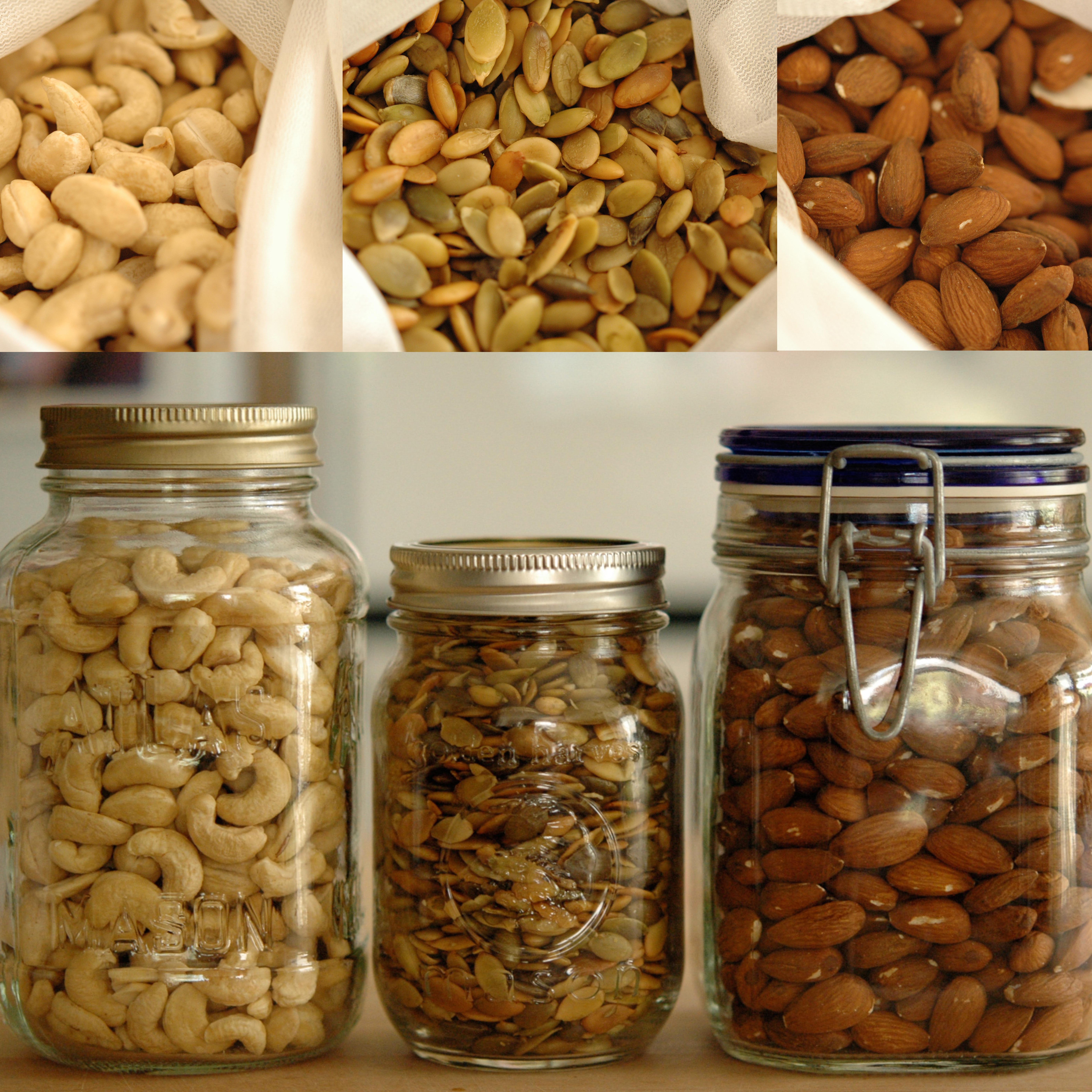
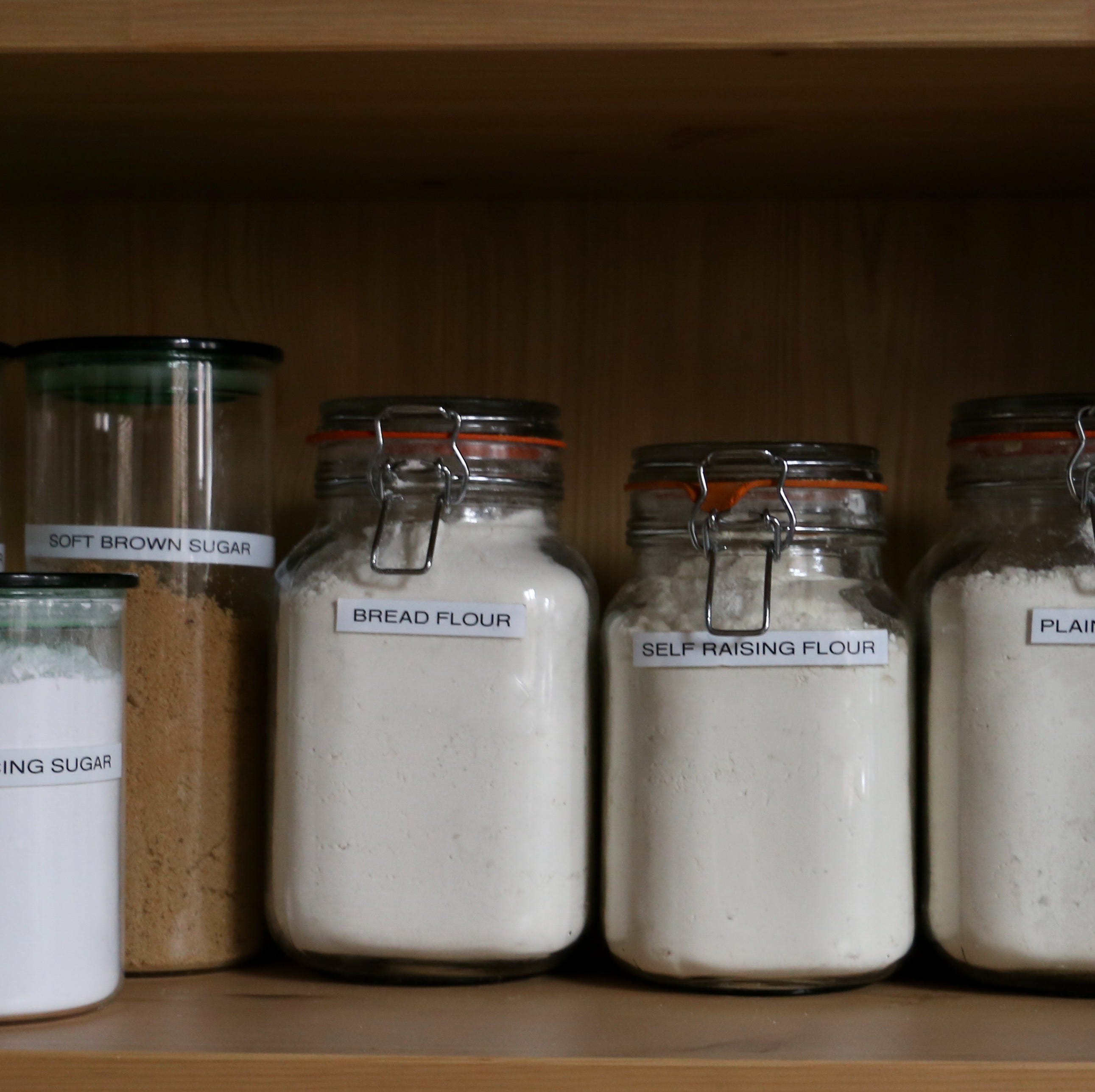
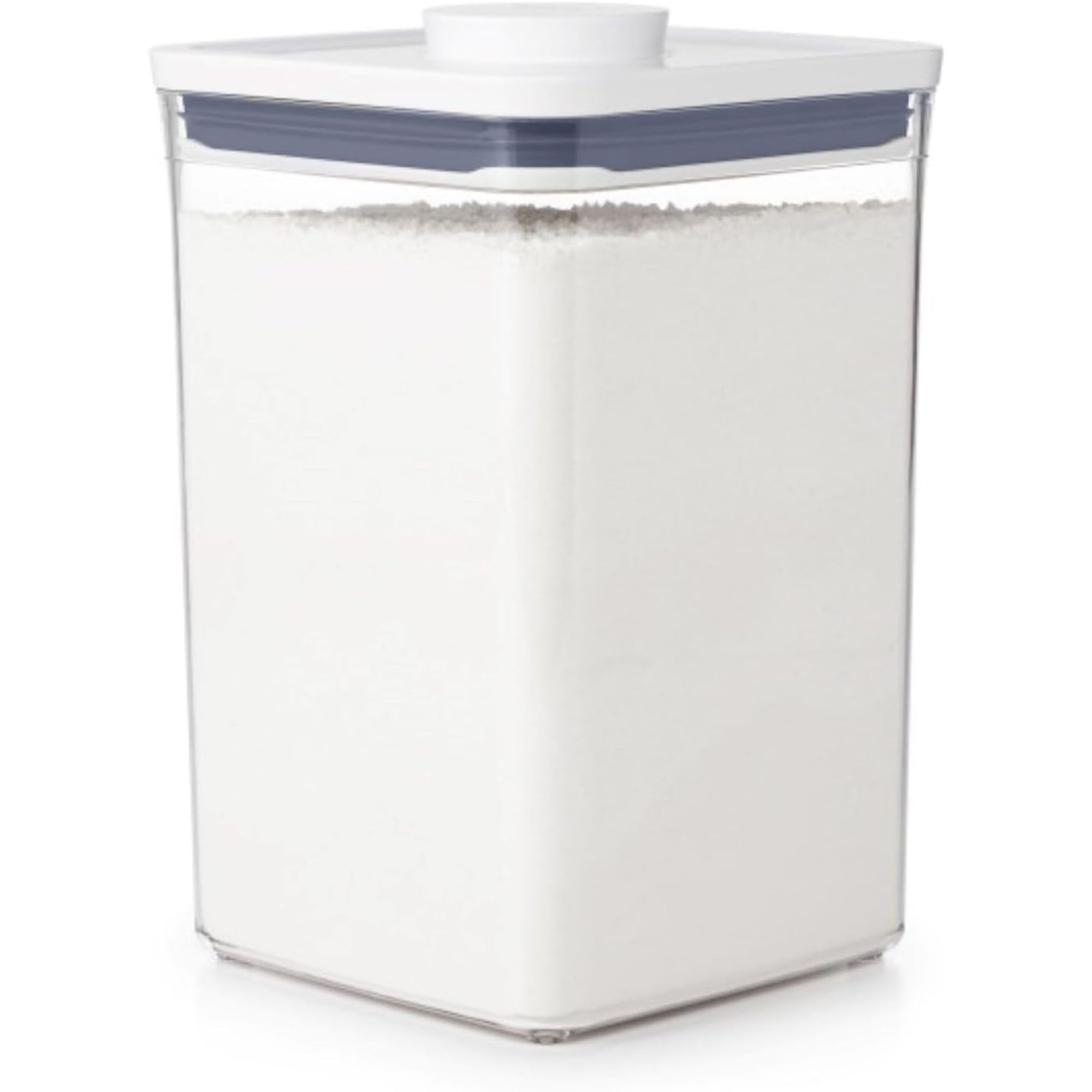
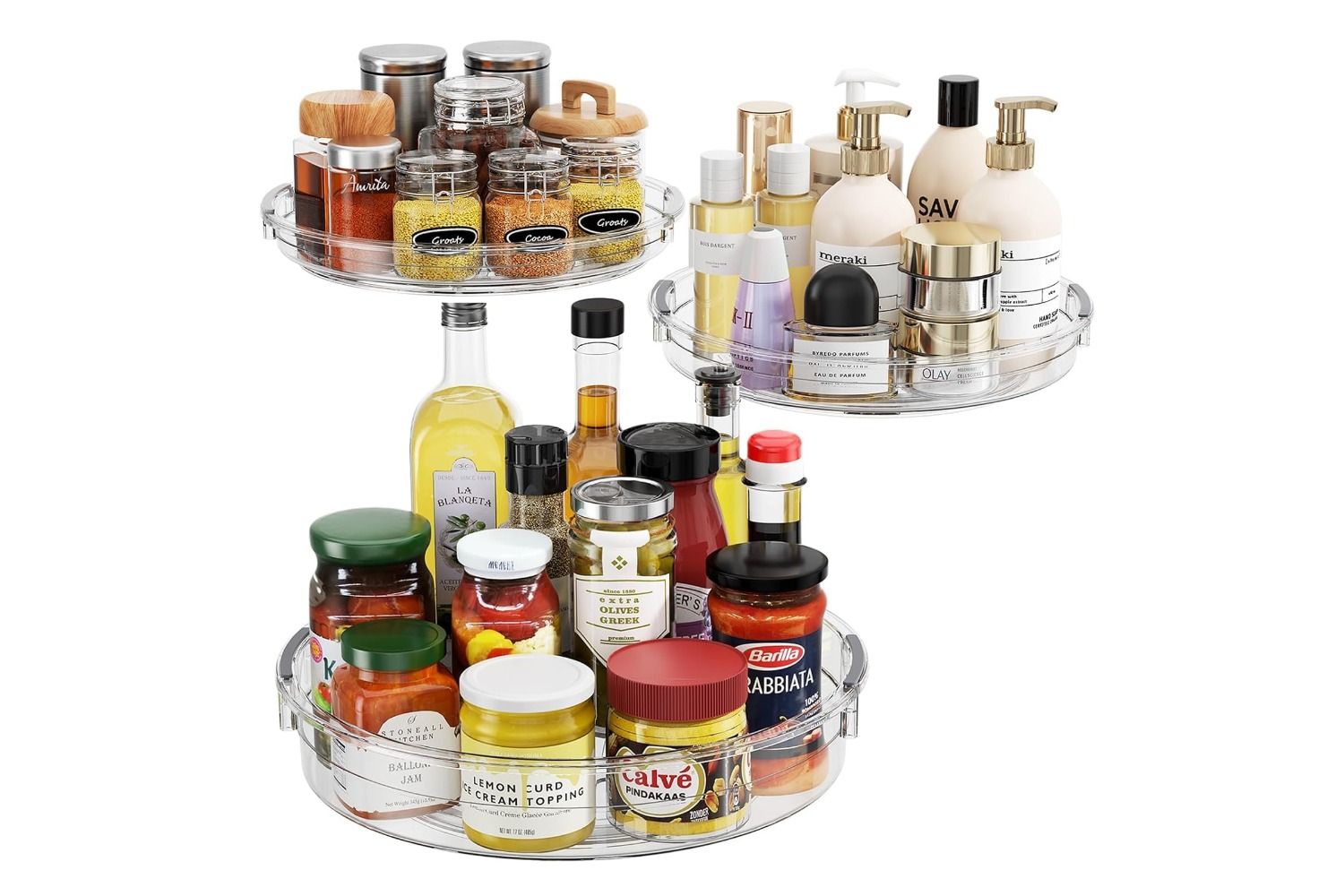
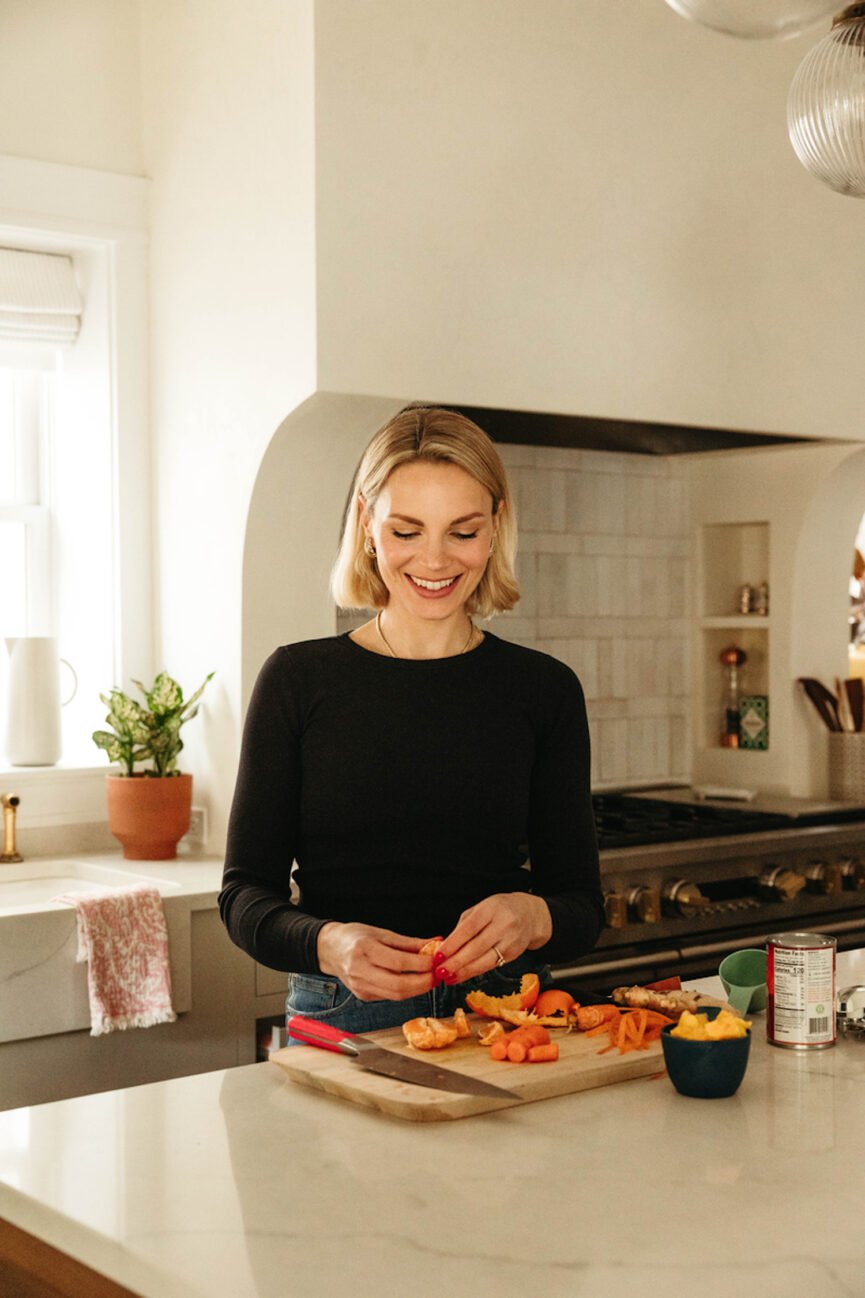
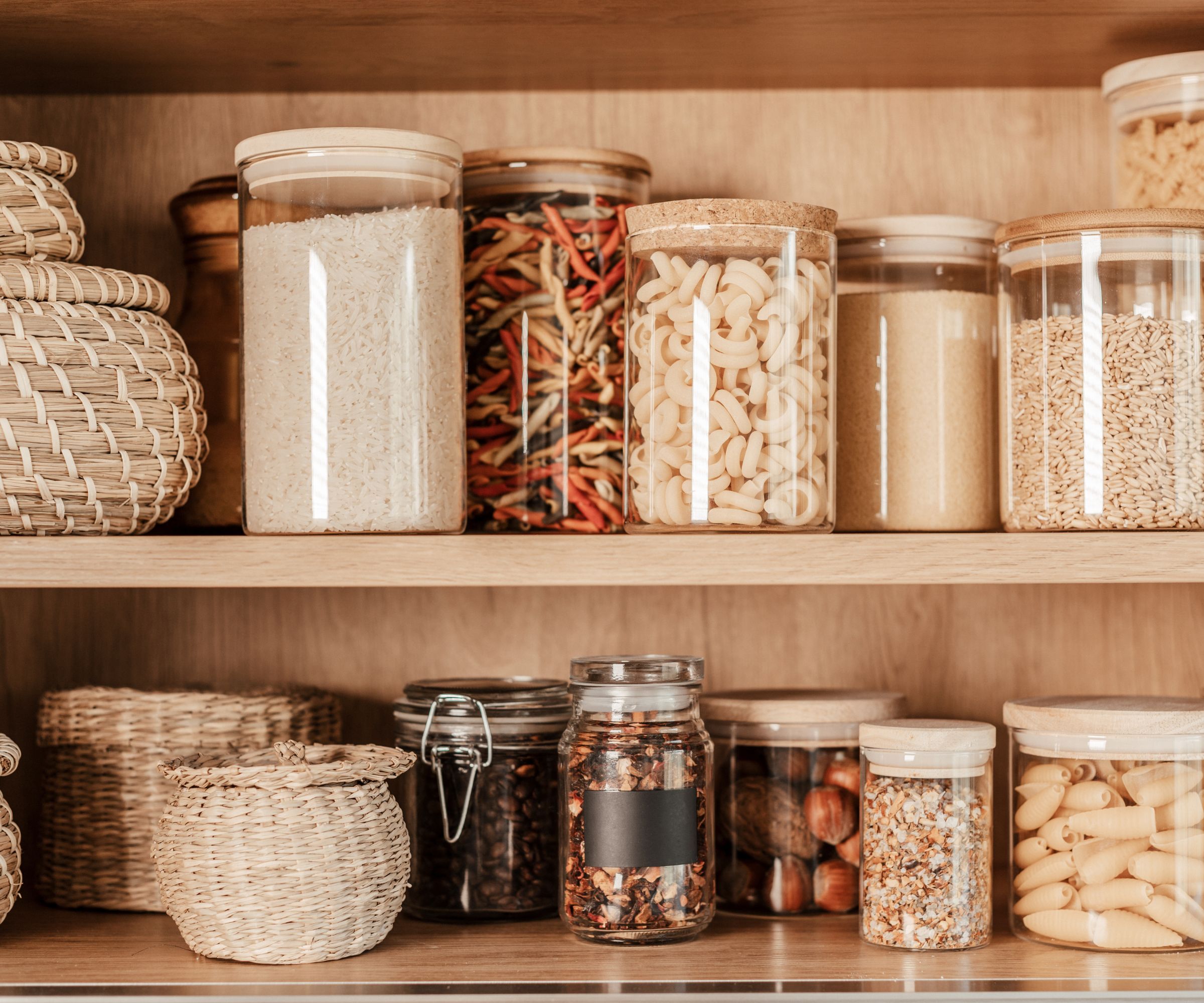
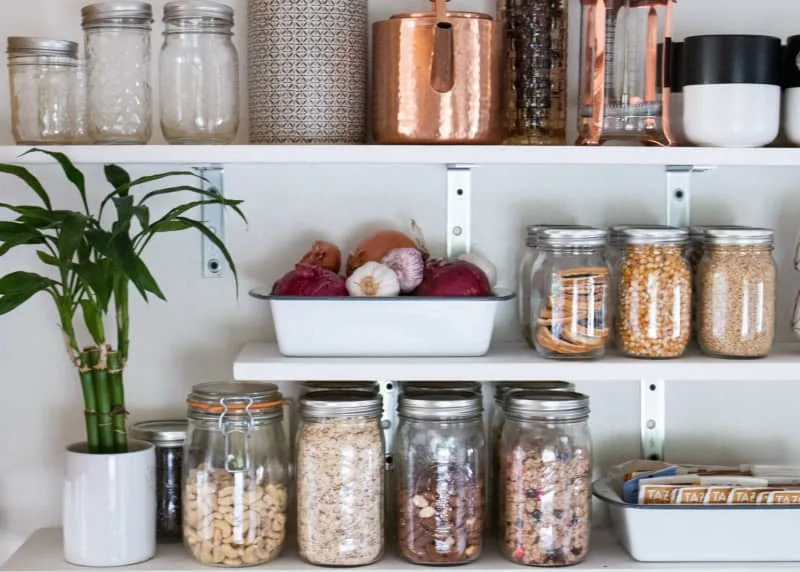
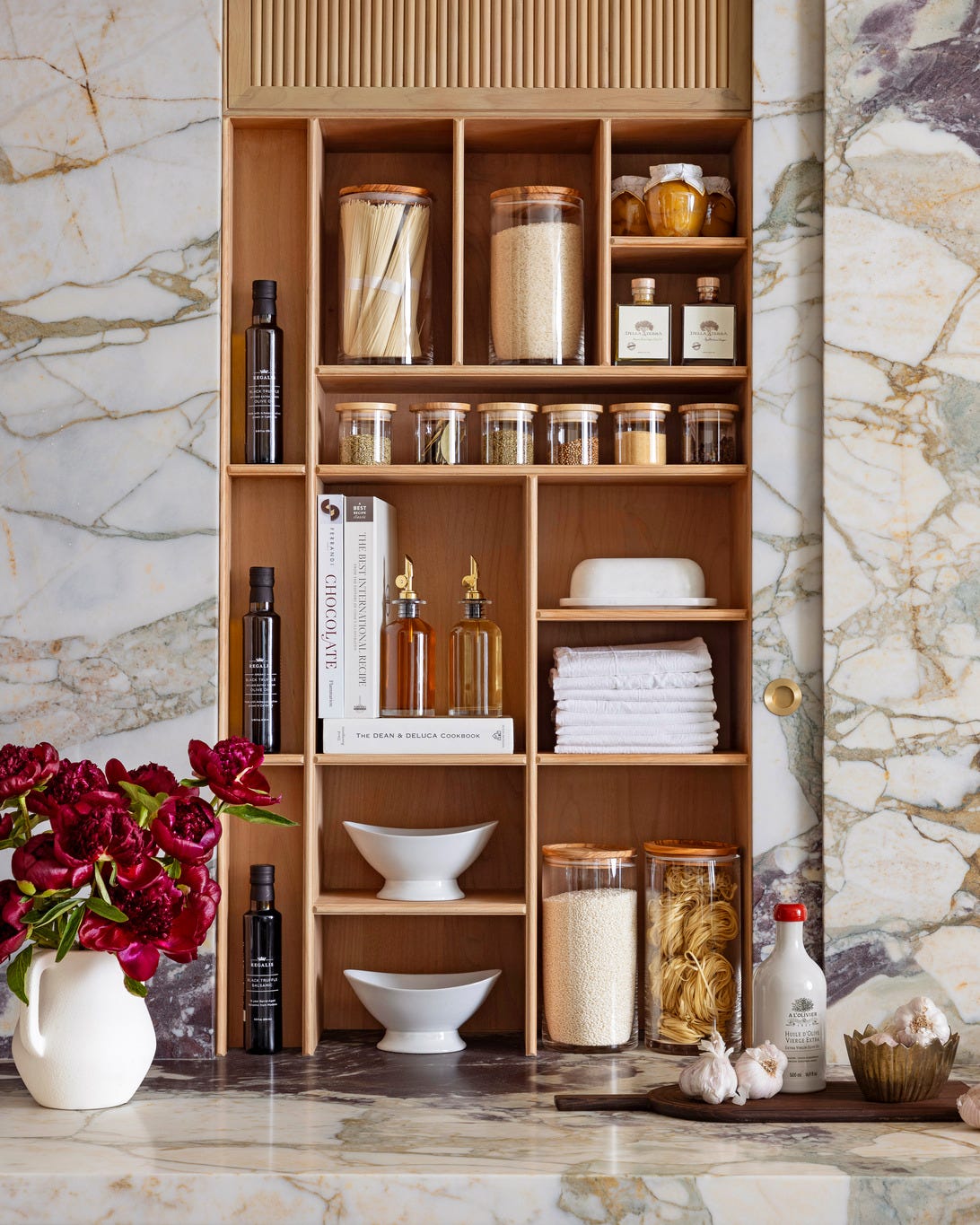
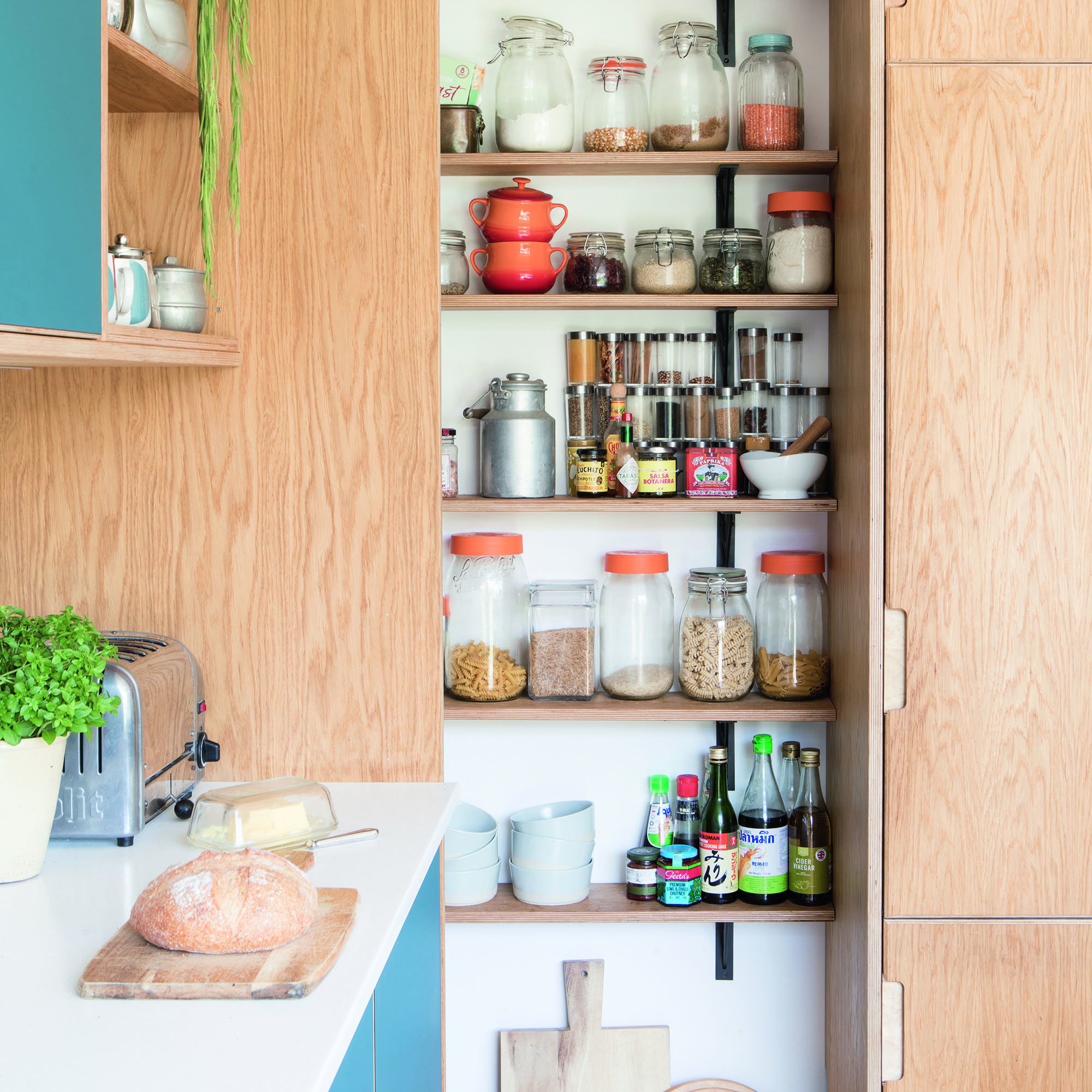
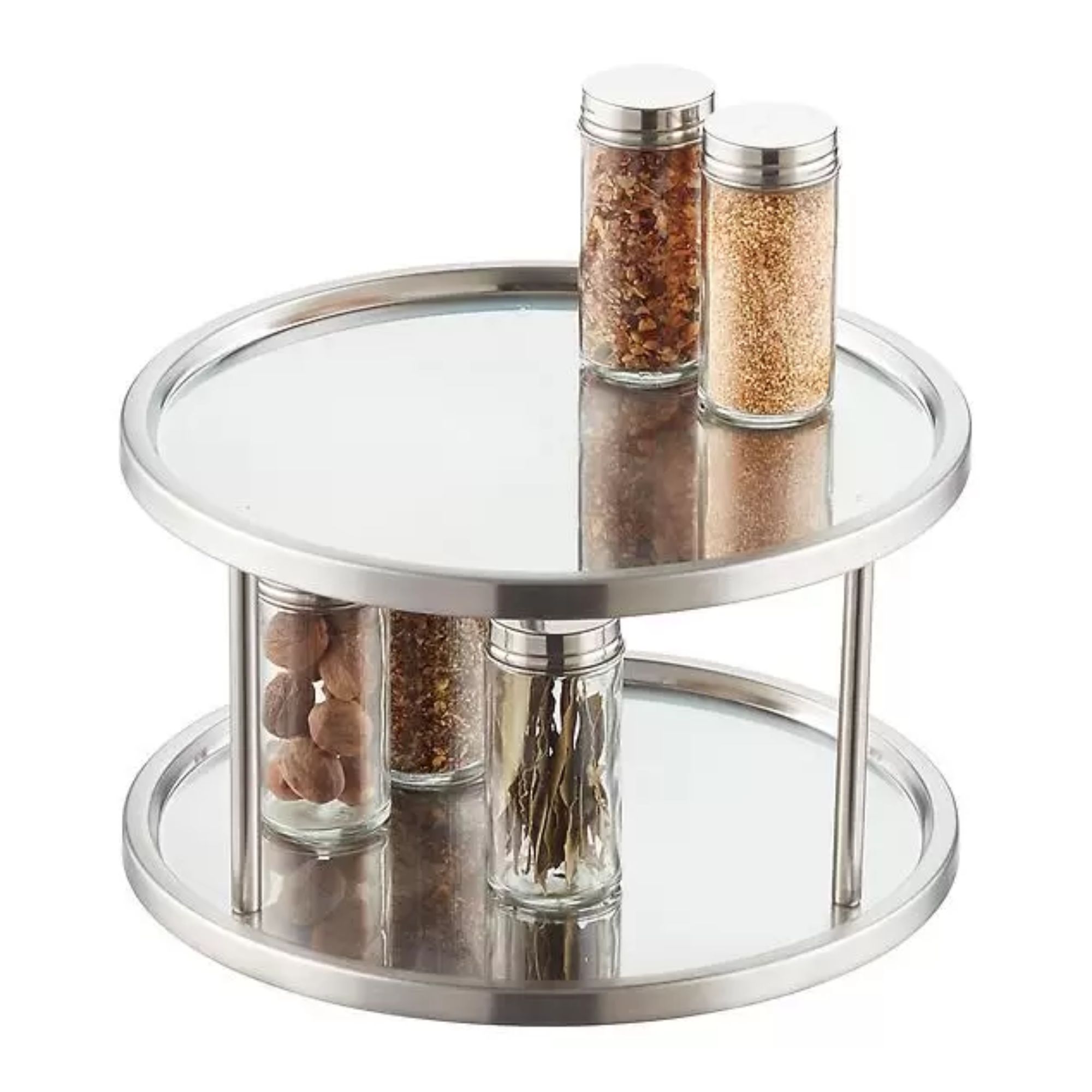
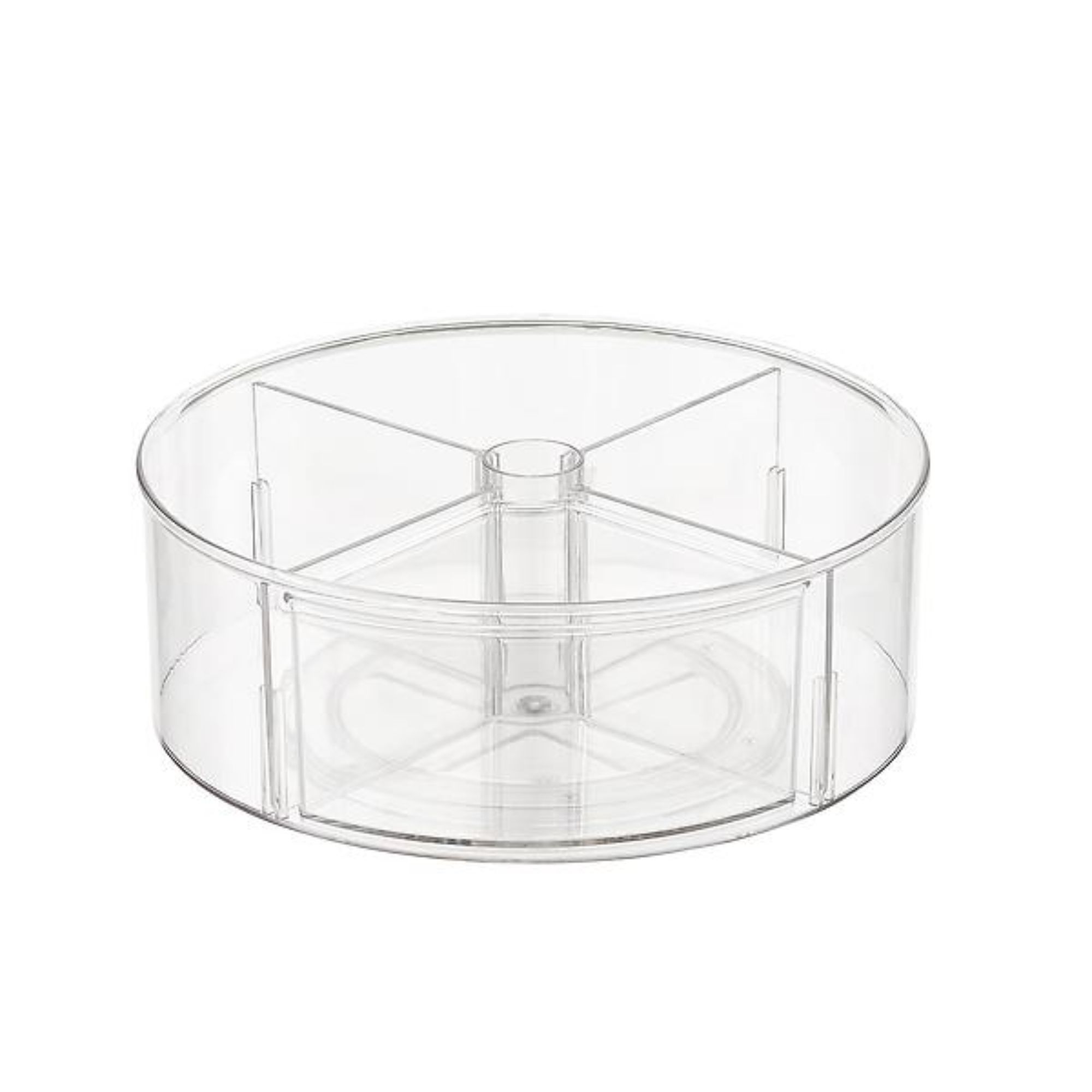
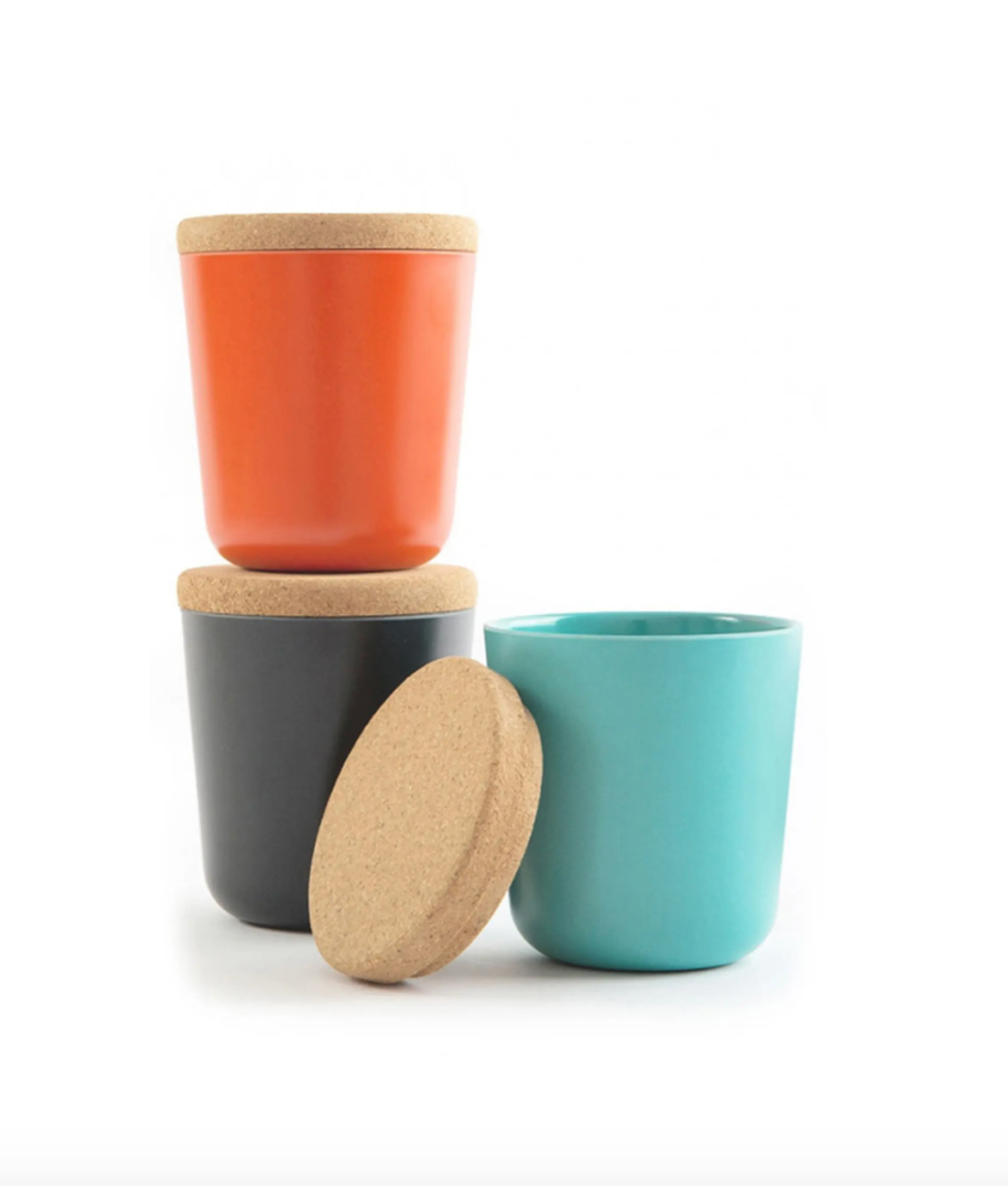
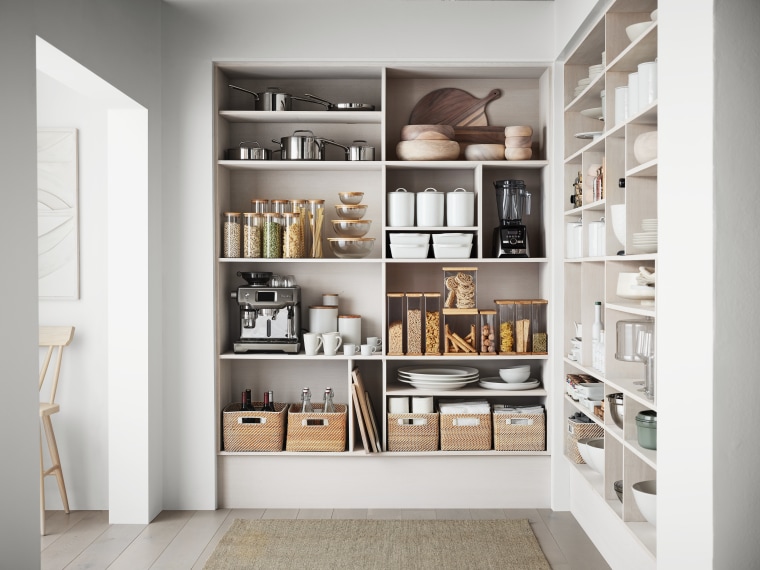
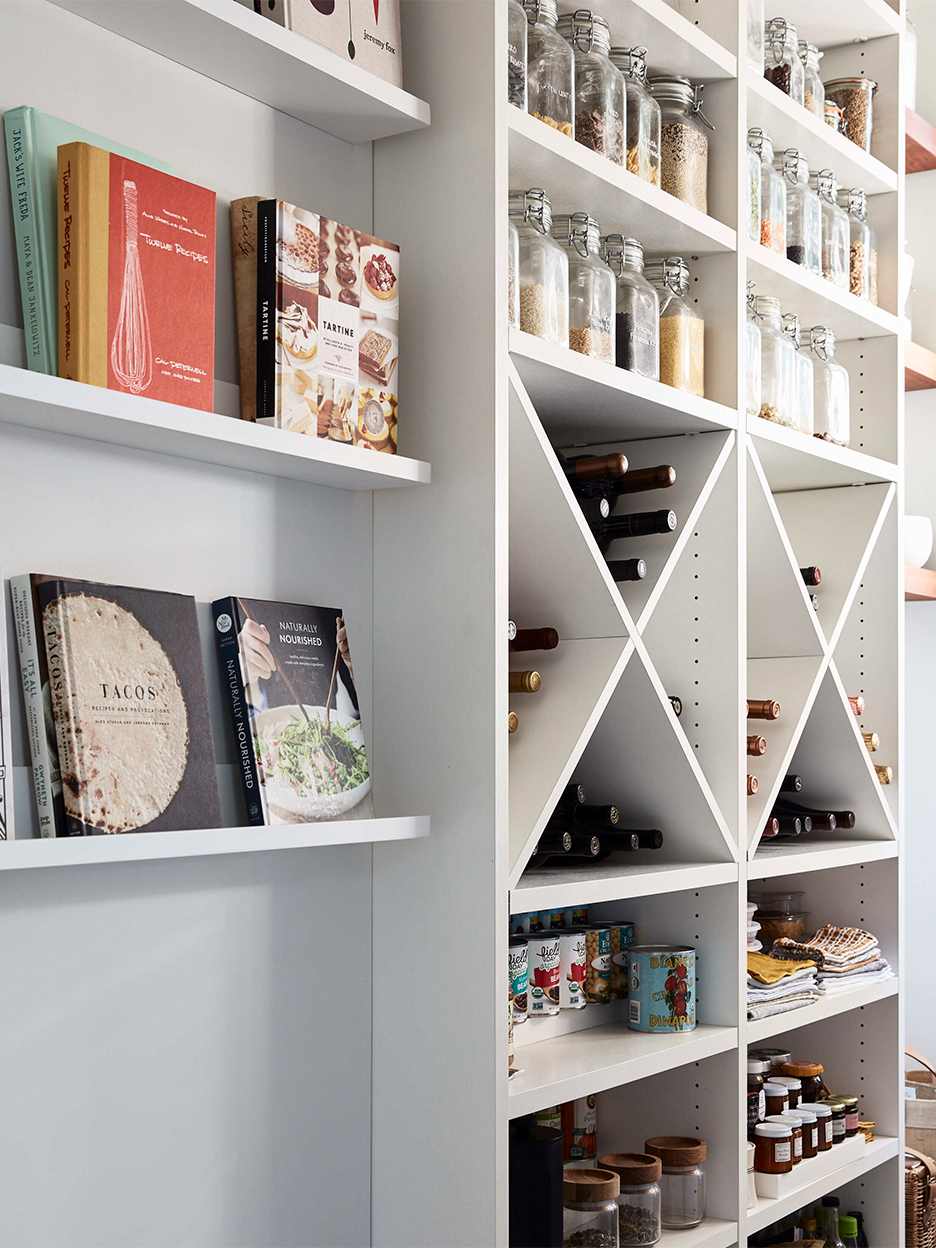
One key recommendation is to decant only frequently used items into canisters. Chef Julia Sherman suggests using OXO turntables to prioritize items, keeping oils and vinegars closer to the stove for easy access, and less-used items like canned goods or dried fruits further away. This approach balances aesthetics with practicality, as labels on novel items are important for remembering cooking times and ingredients.
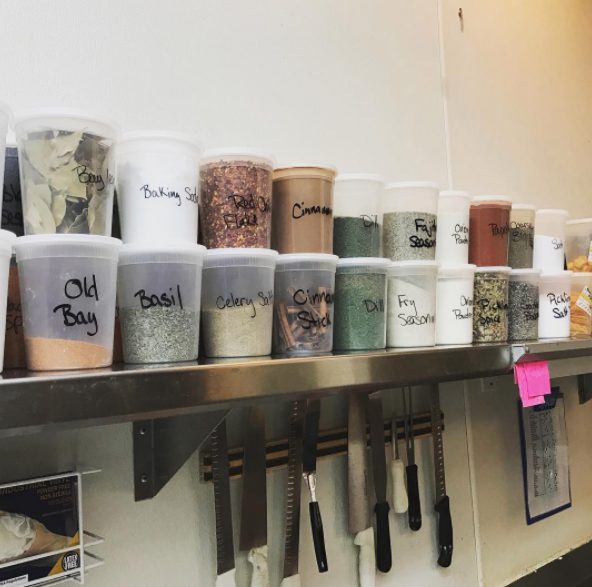
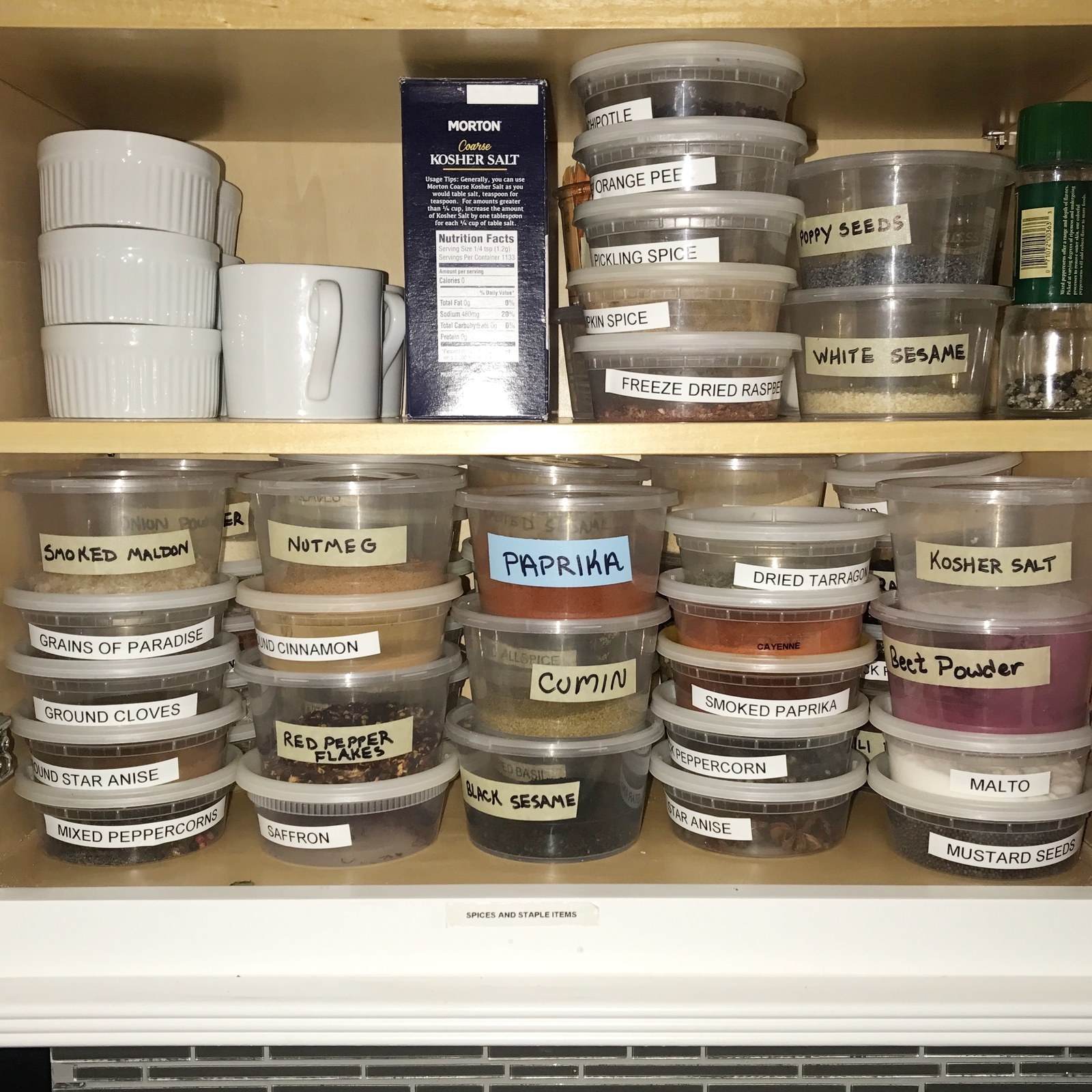
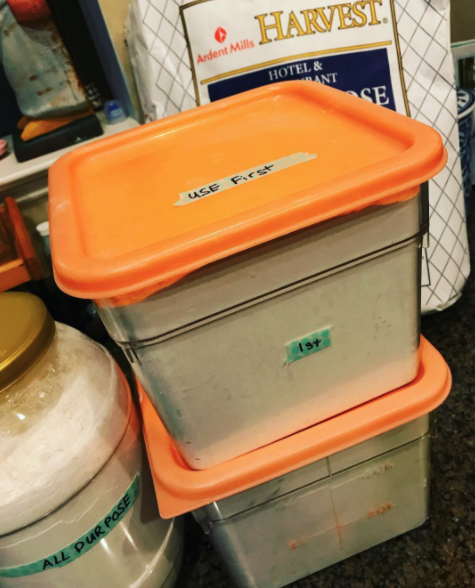
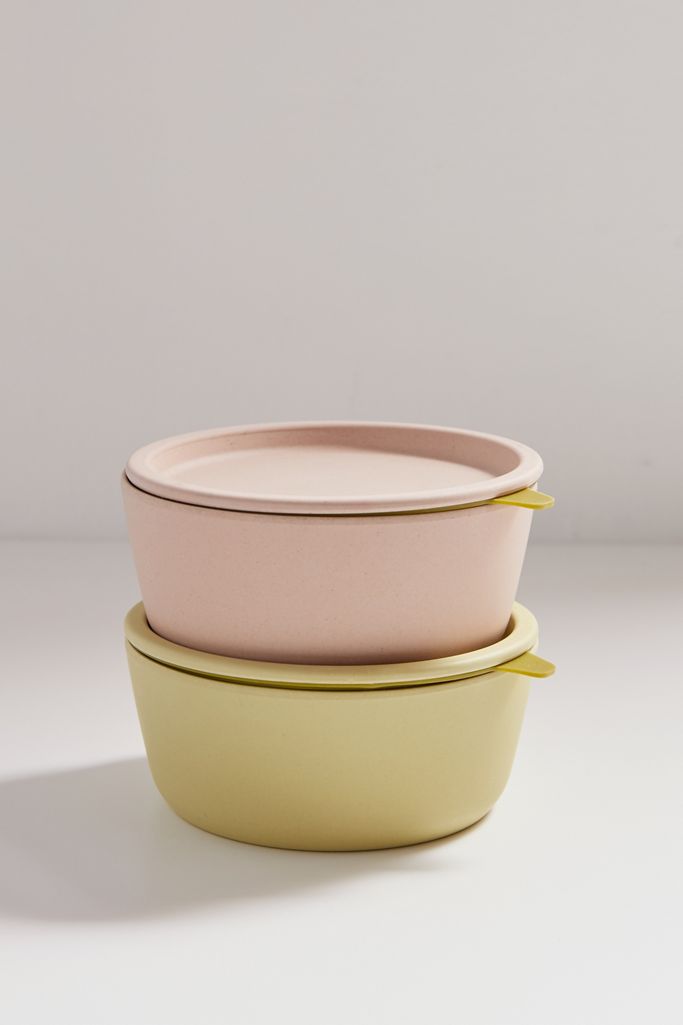
Budget-friendly storage solutions are also emphasized. Pastry chef Claire Saffitz advocates for inexpensive plastic pint and quart containers, labeled with painter’s tape and a Sharpie. These containers are lightweight, stackable, and cost-effective for storing dry ingredients such as grains, flours, and beans. Saffitz even uses a tape cutter for neat labeling, underscoring that effective organization doesn't require expensive tools.
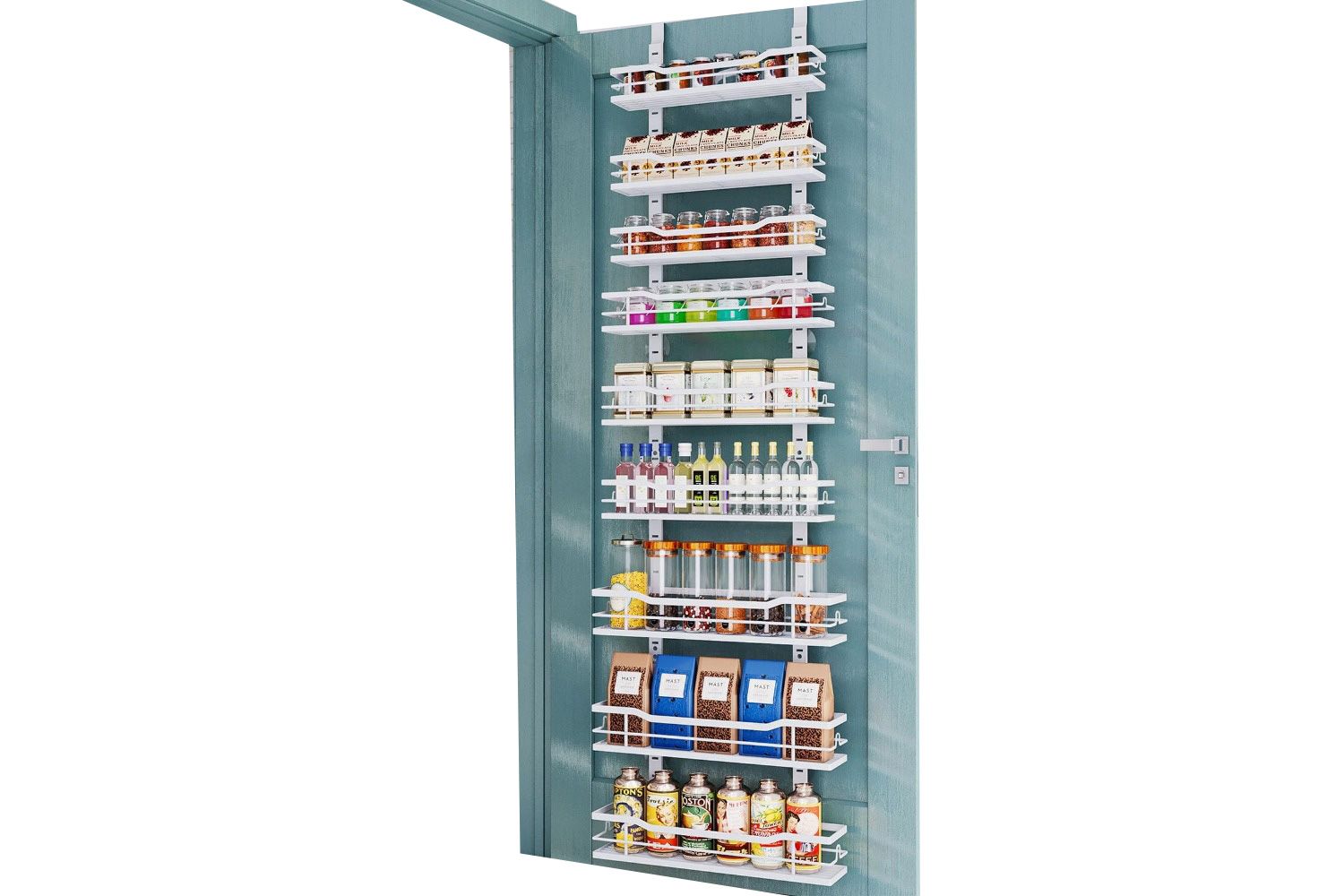
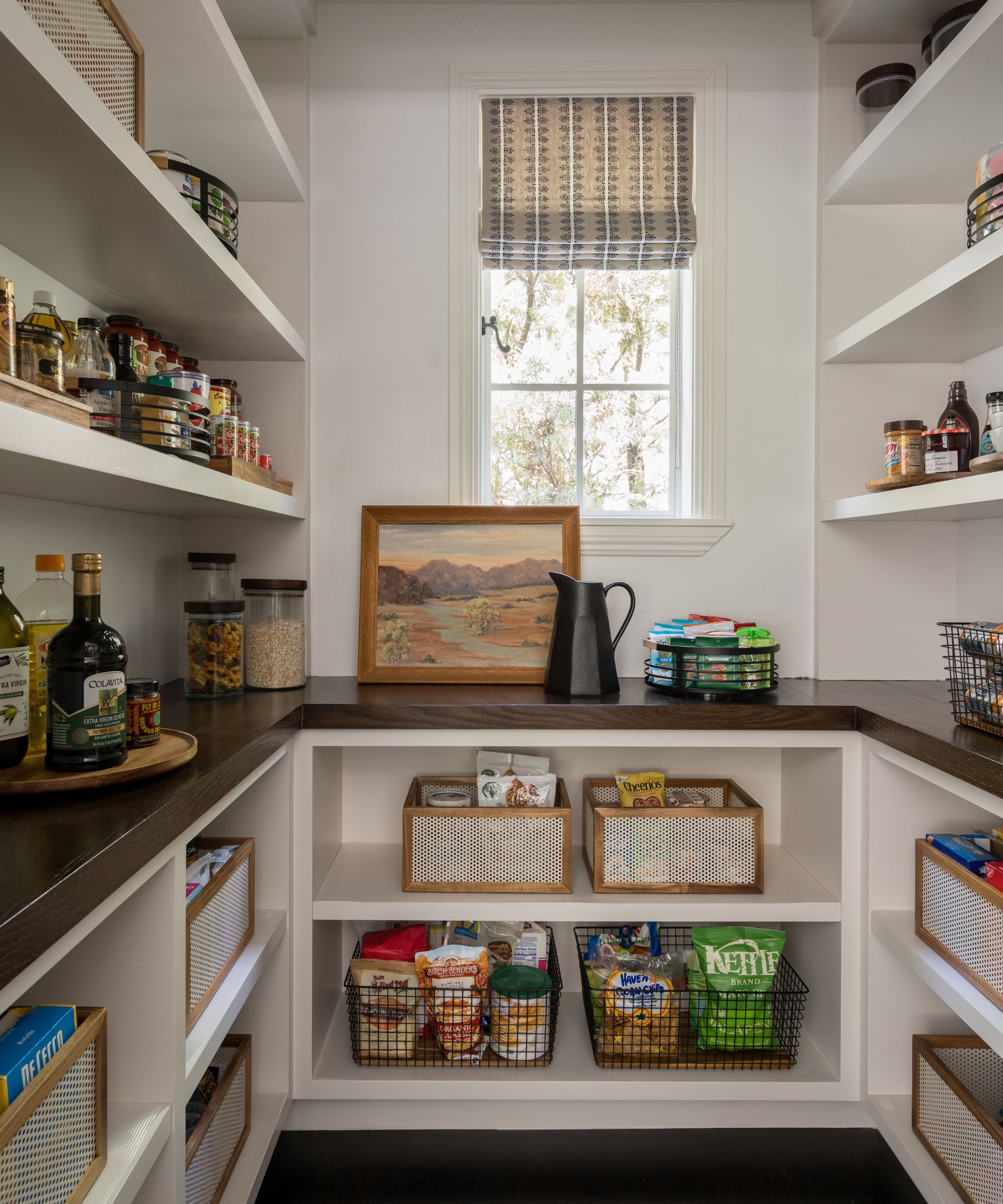
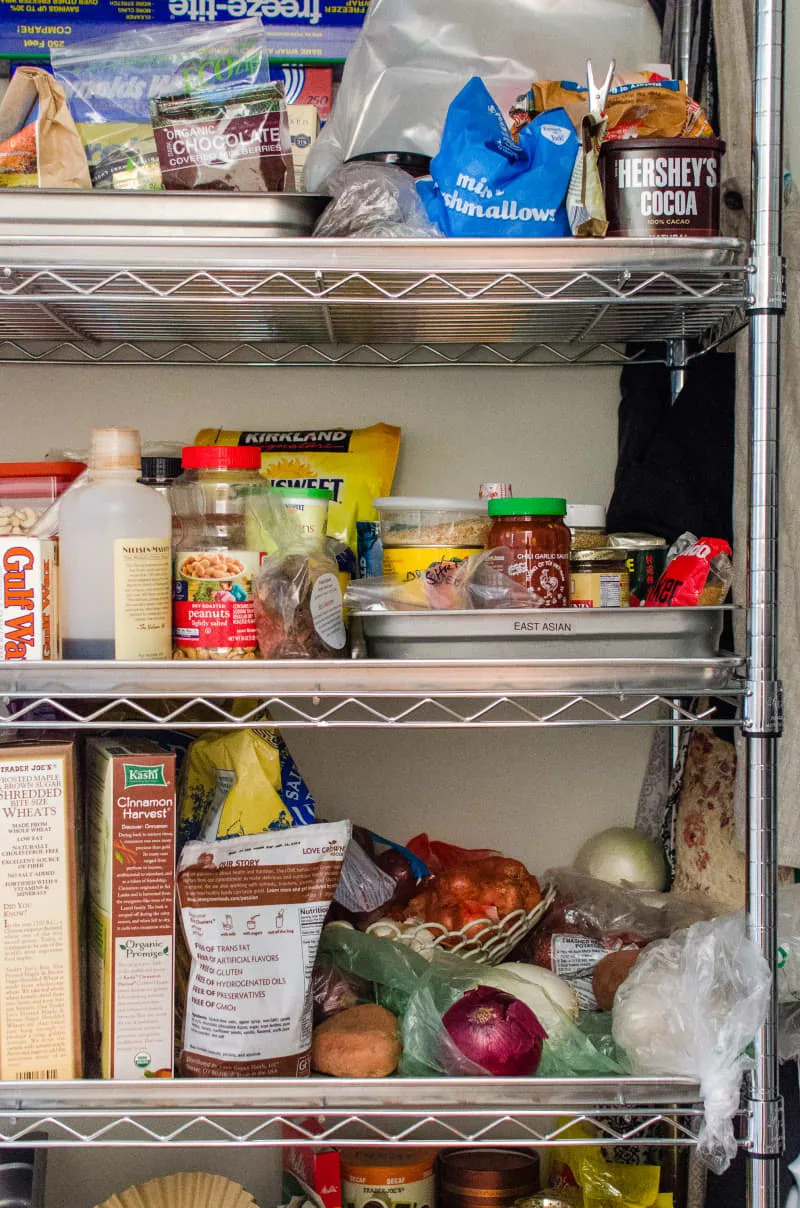
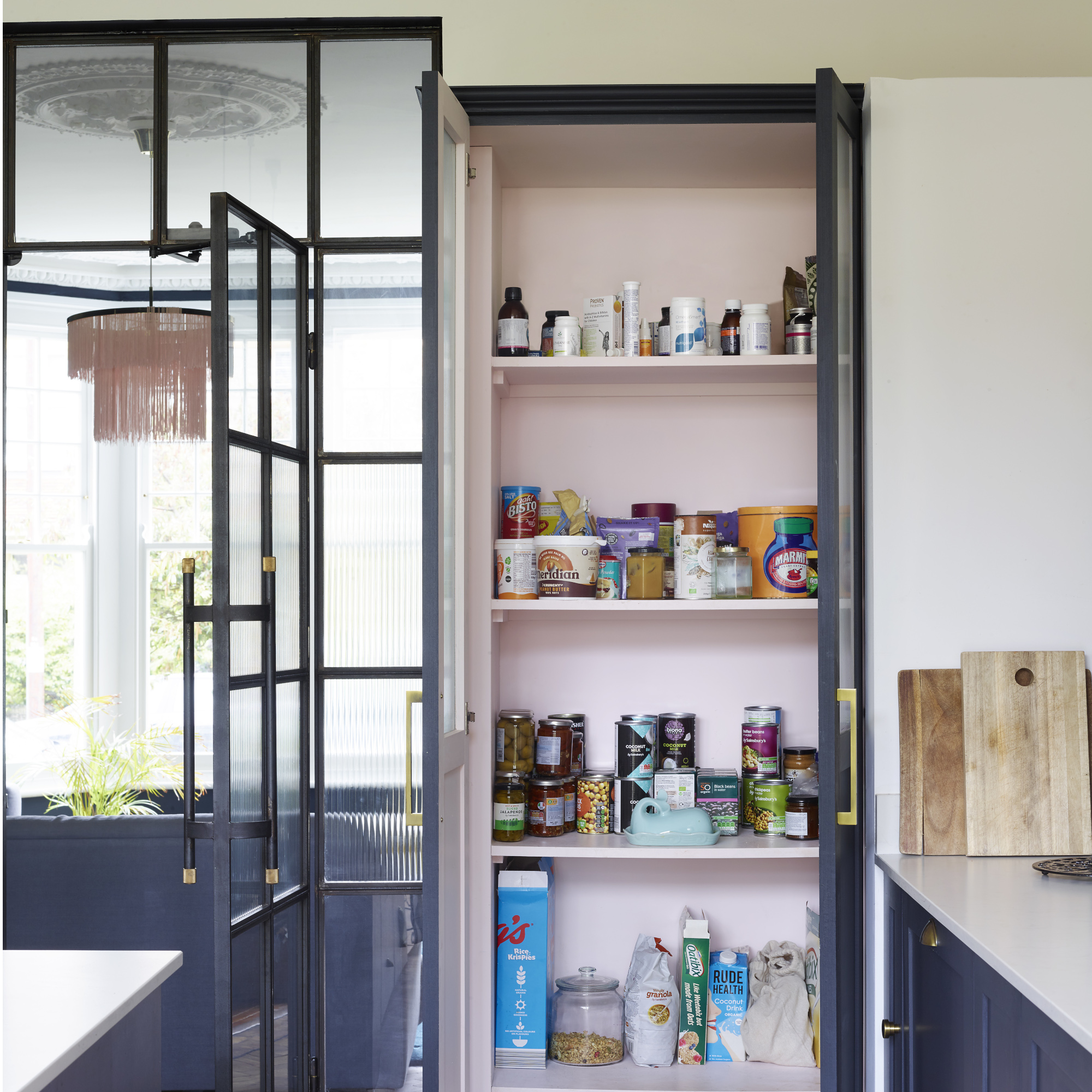
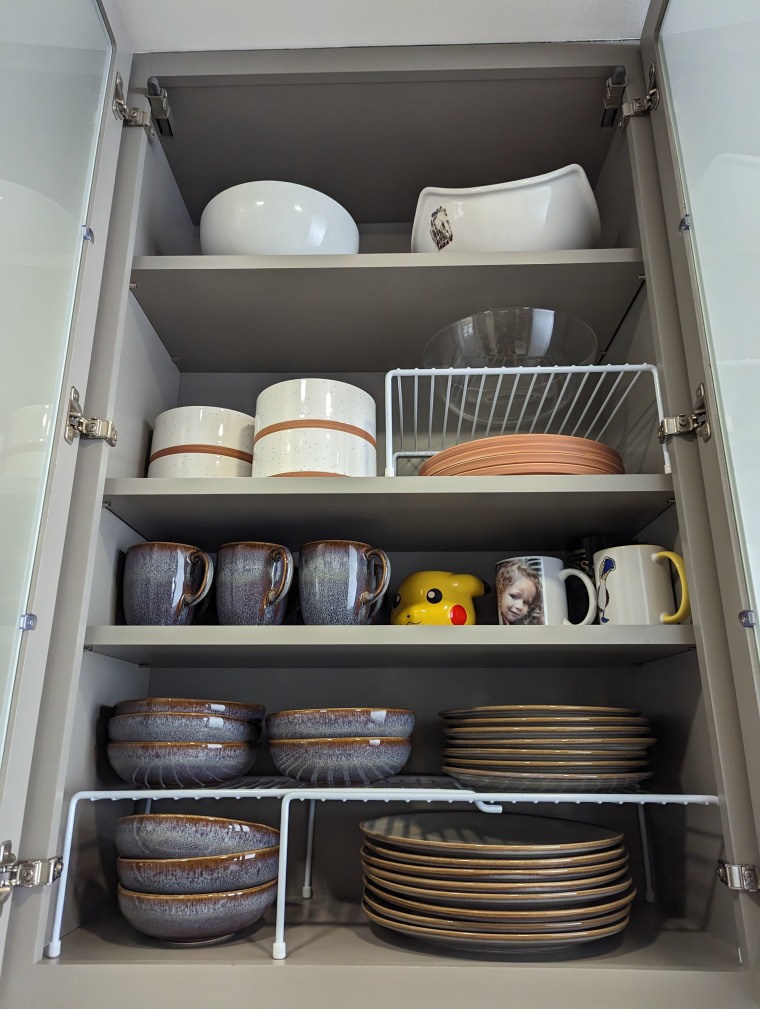
Organizing items at eye level is crucial for efficiency, according to Vanessa Pham, cofounder of Omsom. She positions cooking ingredients like spices and sauces within easy reach, categorized by cuisine and type. Less frequently used back stock is stored on higher shelves. This method is particularly beneficial for cooks who don't pre-measure ingredients, allowing for quick retrieval during the cooking process.
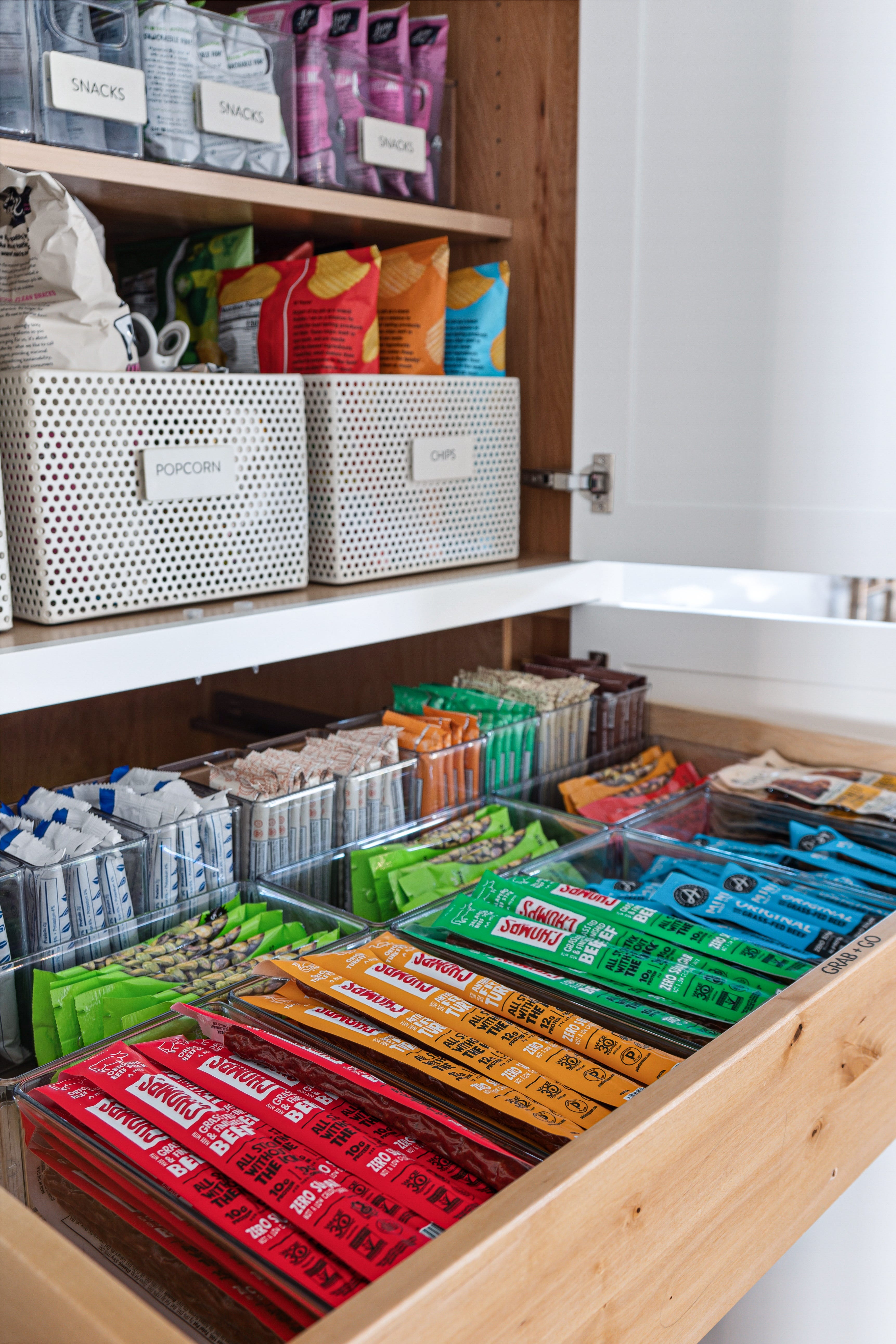
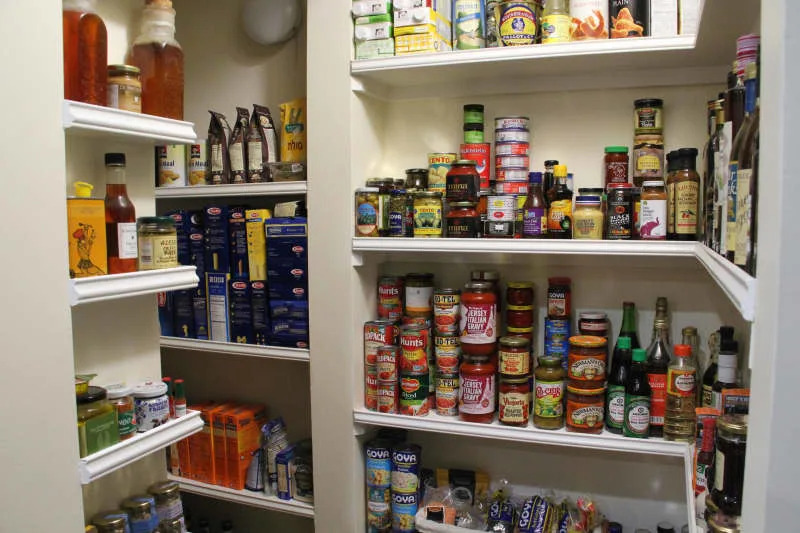
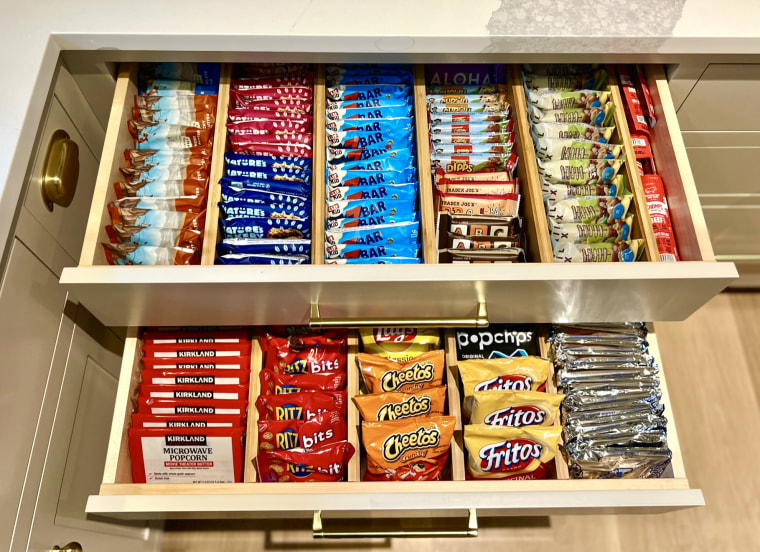
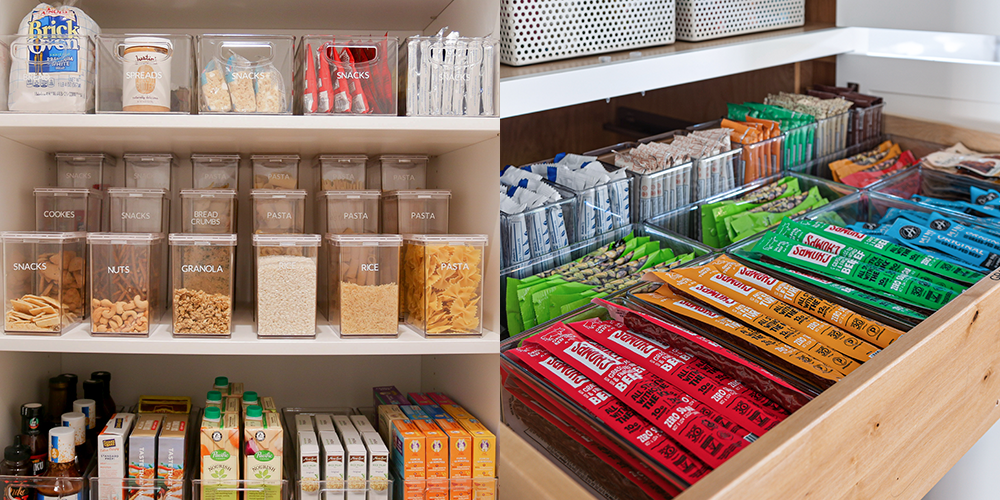
Hannah and Marian Cheng, cofounders of Mimi Cheng, recommend clear bins to keep everything visible and grouped, preventing items from getting lost. Their pantry setup includes distinct sections for cleaning supplies (on bottom shelves) and various product types on upper shelves, such as Asian ingredients, Italian products, baking goods, and teas. They also store spices away from the stove to avoid heat damage, labeling everything with a P-touch label maker for clarity.
The concept of a "wish-list shelf" is introduced by Kim Pham of Omsom. This dedicated cabinet shelf holds products intended for experimentation, kept at eye level to inspire new meal ideas. Examples include Filipino crab fat, pâté, and quail eggs, demonstrating a proactive approach to culinary exploration.
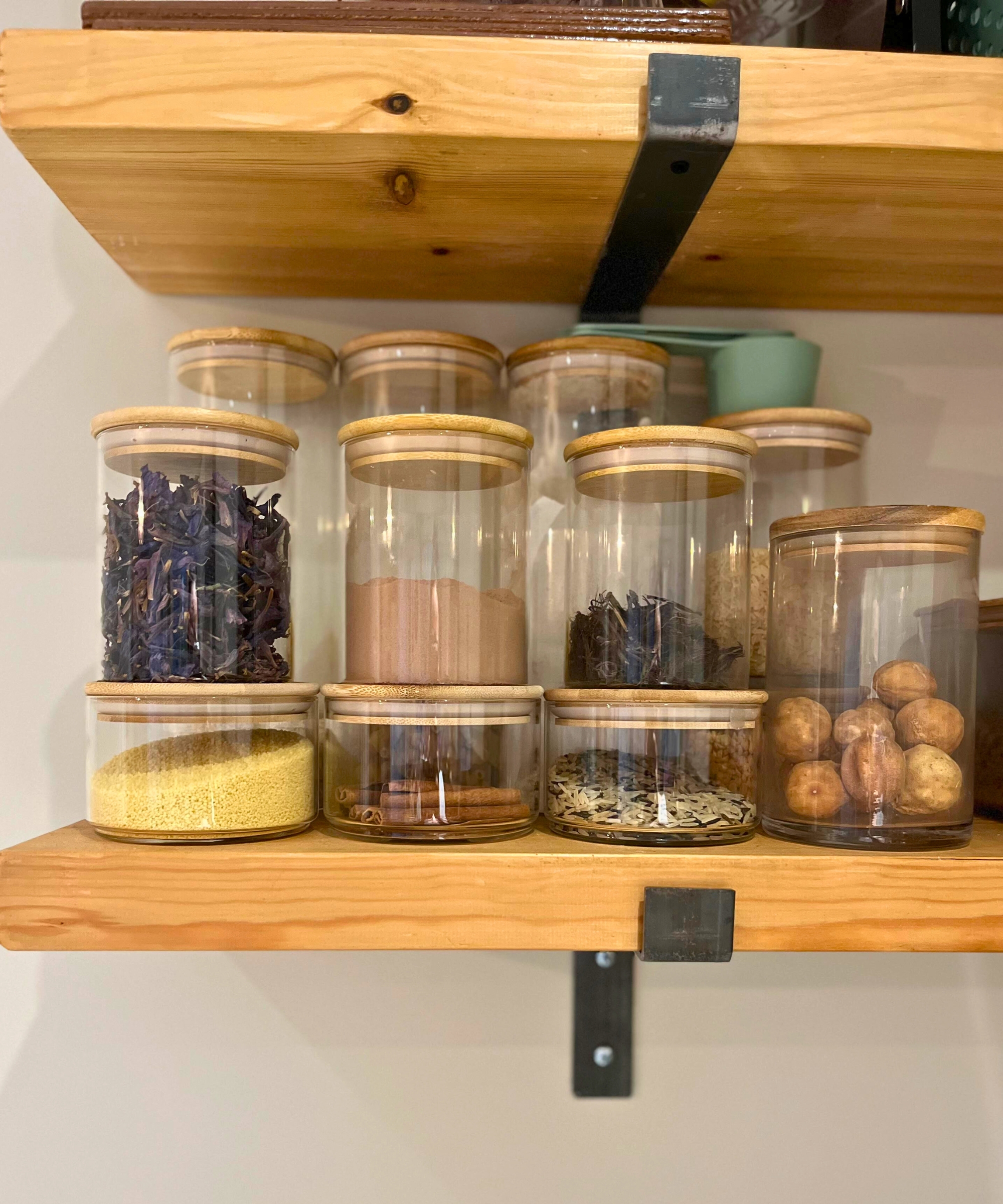
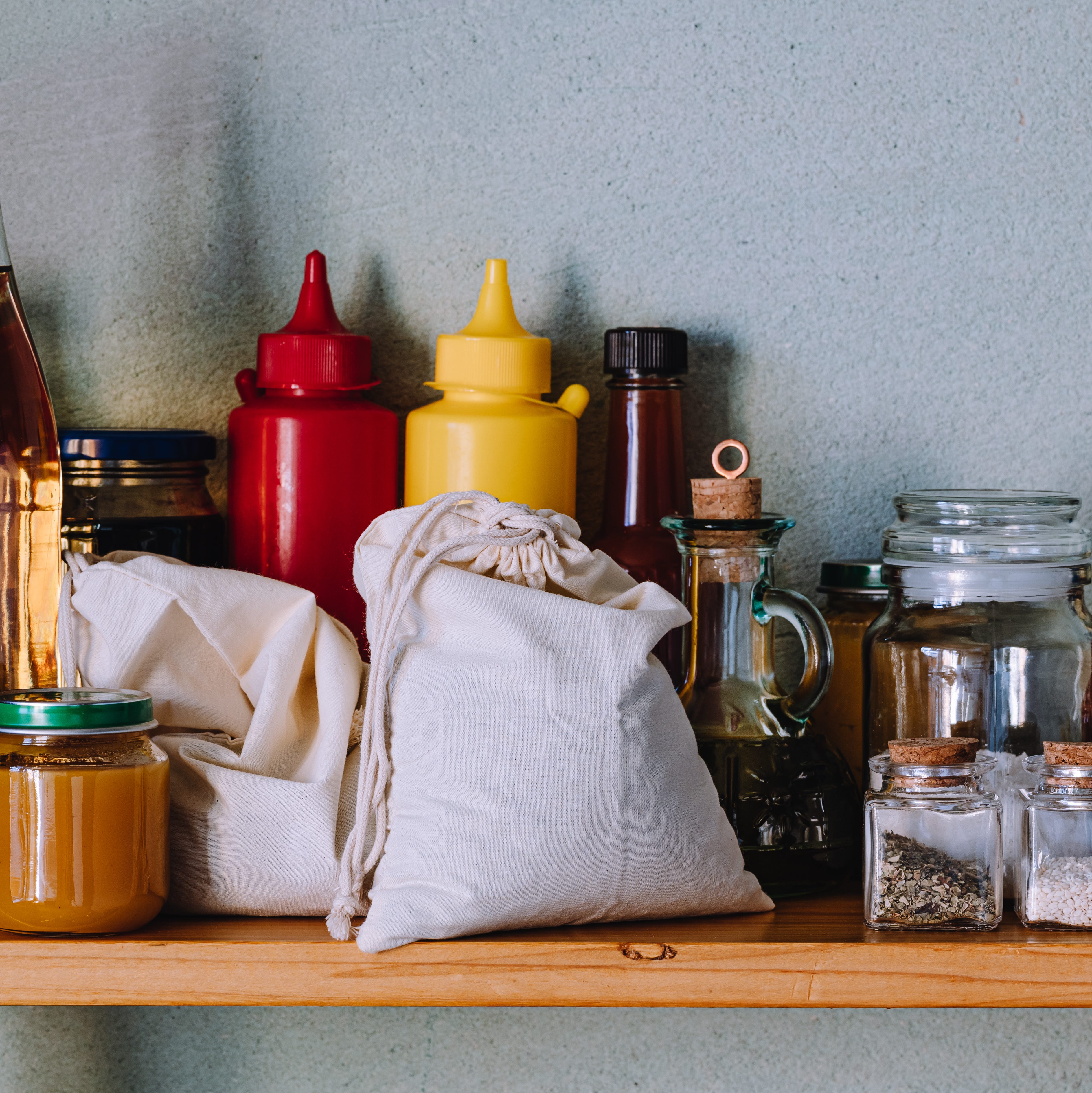
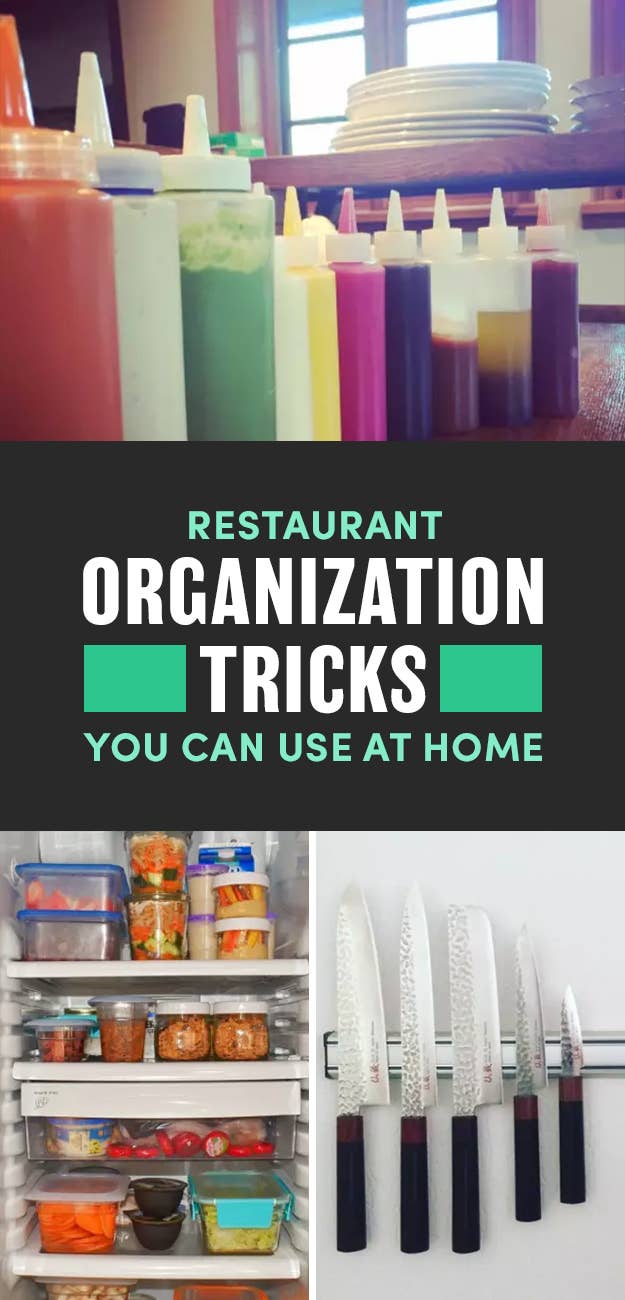
Using plastic squeeze bottles for oils and vinegars, as suggested by Saffitz, improves accessibility and reduces mess. These bottles, often with airtight caps, are kept near the stove for one-handed use during cooking. Soy sauce, hot sauce, and other liquid condiments also benefit from this type of storage. For spices bought in bulk or from Asian grocery stores, Vanessa Pham advises keeping extra empty spice jars for organized storage. She notes that decorative labels, like those from Global Pantry, can enhance the organization experience.
Finally, regular reorganization is essential. Chef Eden Grinshpan advocates for a quarterly purge and reordering of pantry items. This process involves emptying shelves, cleaning them, and then repositioning items, which helps rediscover forgotten ingredients and prevents accumulation. This systematic review ensures the pantry remains functional and maximizes ingredient usage.
#PantryOrganization #KitchenOrganization #ChefTips #HomeOrganization #MiseEnPlace #StorageSolutions #EfficientKitchen #Decluttering #CookingHacks #PantryOrganization #KitchenOrganization #ChefTips #HomeOrganization #MiseEnPlace #StorageSolutions #EfficientKitchen #Decluttering #CookingHacks
0 comment in total
 No comments yet
You may also like
9 Genius Pantry Hacks Professional Organizers ALWAYS Recommend

10 Organizers That'll Get Your Pantry In Top Shape Before Your Holiday Cooking Marathons
5 Genius Kitchen Pantry Trends That Will Help You Get (and Stay!) Organized

10 Organizers That'll Get Your Pantry In Tip-Top Shape Before The Holiday Cooking Marathon
6 Things You Should NEVER Keep In Your Pantry, According To Pro Organizers & Chefs
How to Organize Your Pantry Once and for All, According to a Pro

7 Items You Should Never Store In Kitchen Cabinets
These Are the BEST Pantry Organization Ideas, According to Experts
7 things people with organized kitchen pantries always do
9 Things To Toss From Your Pantry Right Now
How to Organize Your Kitchen and Pantry, According to Professional Organizers
This Sparks Joy: The Food Storage Containers That Really Get Me Goin'

9 Genius Pantry Hacks Professional Organizers ALWAYS Recommend

Pros warn never to keep these 8 things in your pantry

9 pantry storage solutions organising experts swear by for a perfectly tidy store cupboard
22 Best Pantry Organization Ideas to Maintain a Tidy Kitchen

16 Kitchen Organization Tricks I Learned Working In Restaurants

The Best Advice I Got from 2 Pro Organizers About the Smartest Way to Organize a Pantry

8 pantry organizers professionals always buy
7 Pantry Items You Should Toss Immediately To Refresh Your Kitchen