Your Guide To Choosing The Right Siding Color, According To Experts
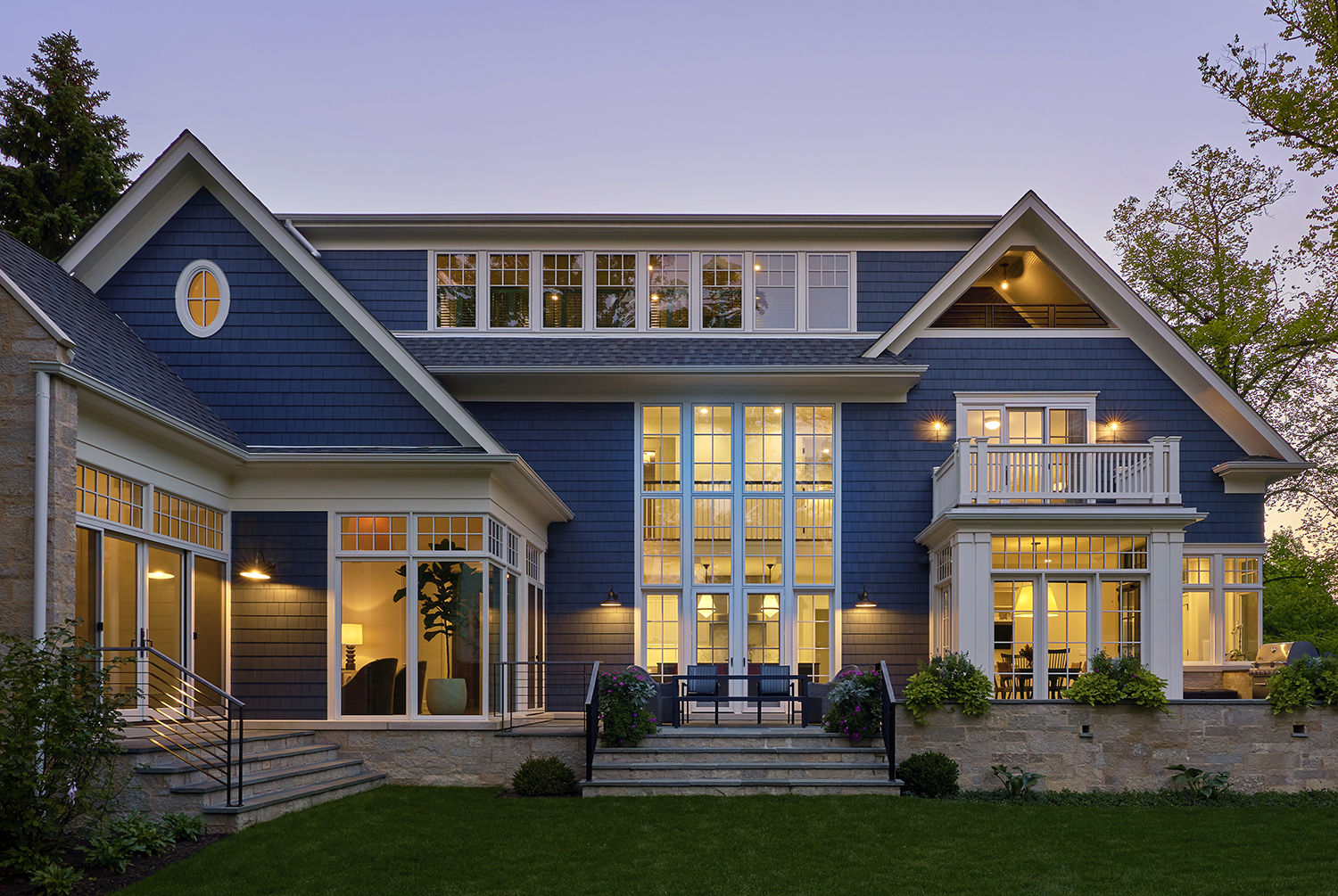
The exterior color of a home significantly impacts its visual appeal and curb appeal, making the choice of siding color a crucial decision for homeowners. This process, while seemingly straightforward, involves numerous factors that can complicate selection, including architectural style, neighborhood aesthetics, surrounding landscape, climate, and existing building materials. To navigate this complexity and avoid costly mistakes, experts in architecture, building, and design offer comprehensive advice.
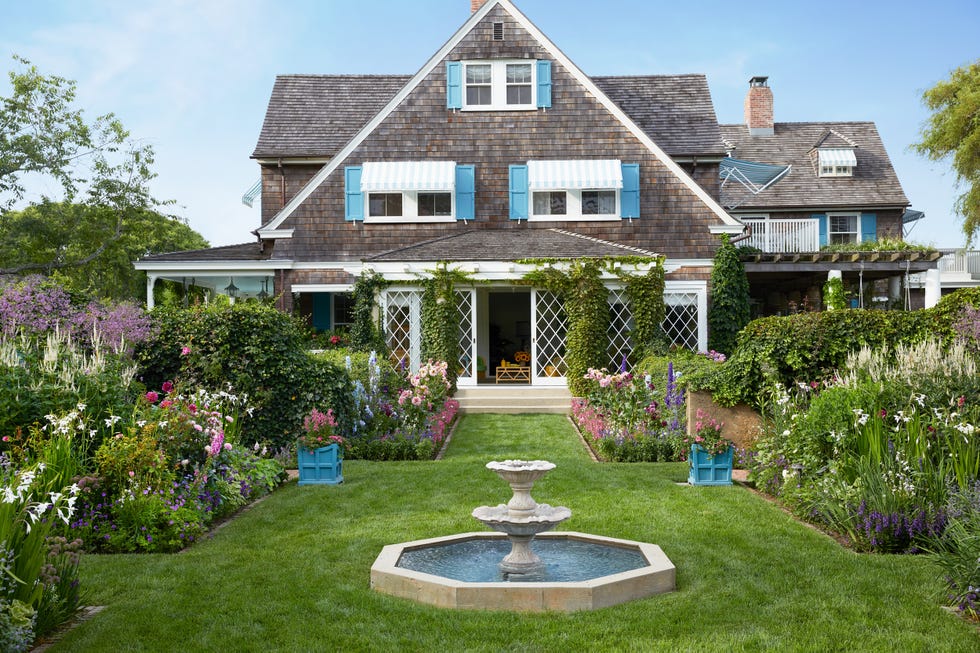
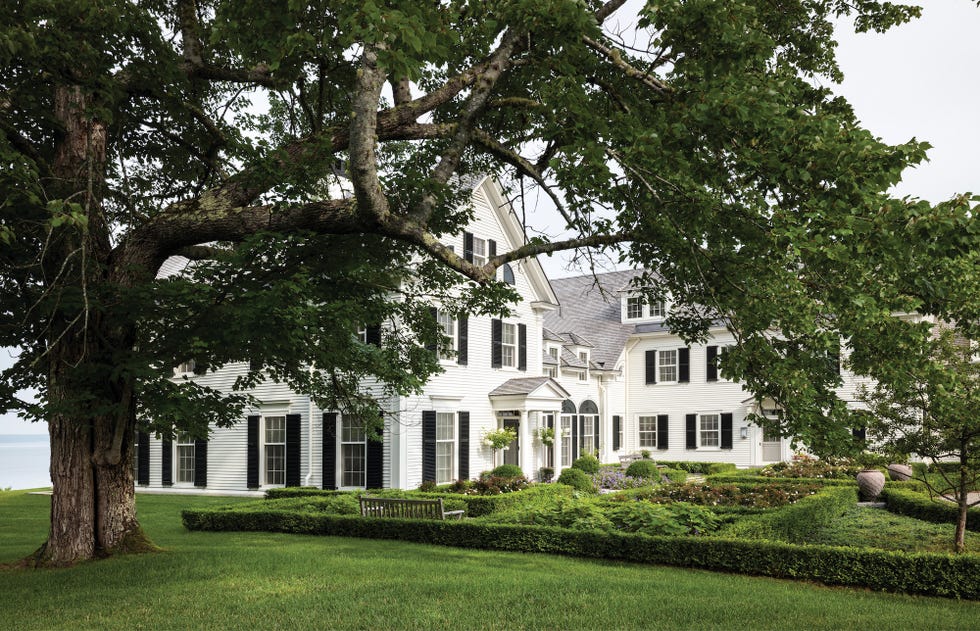
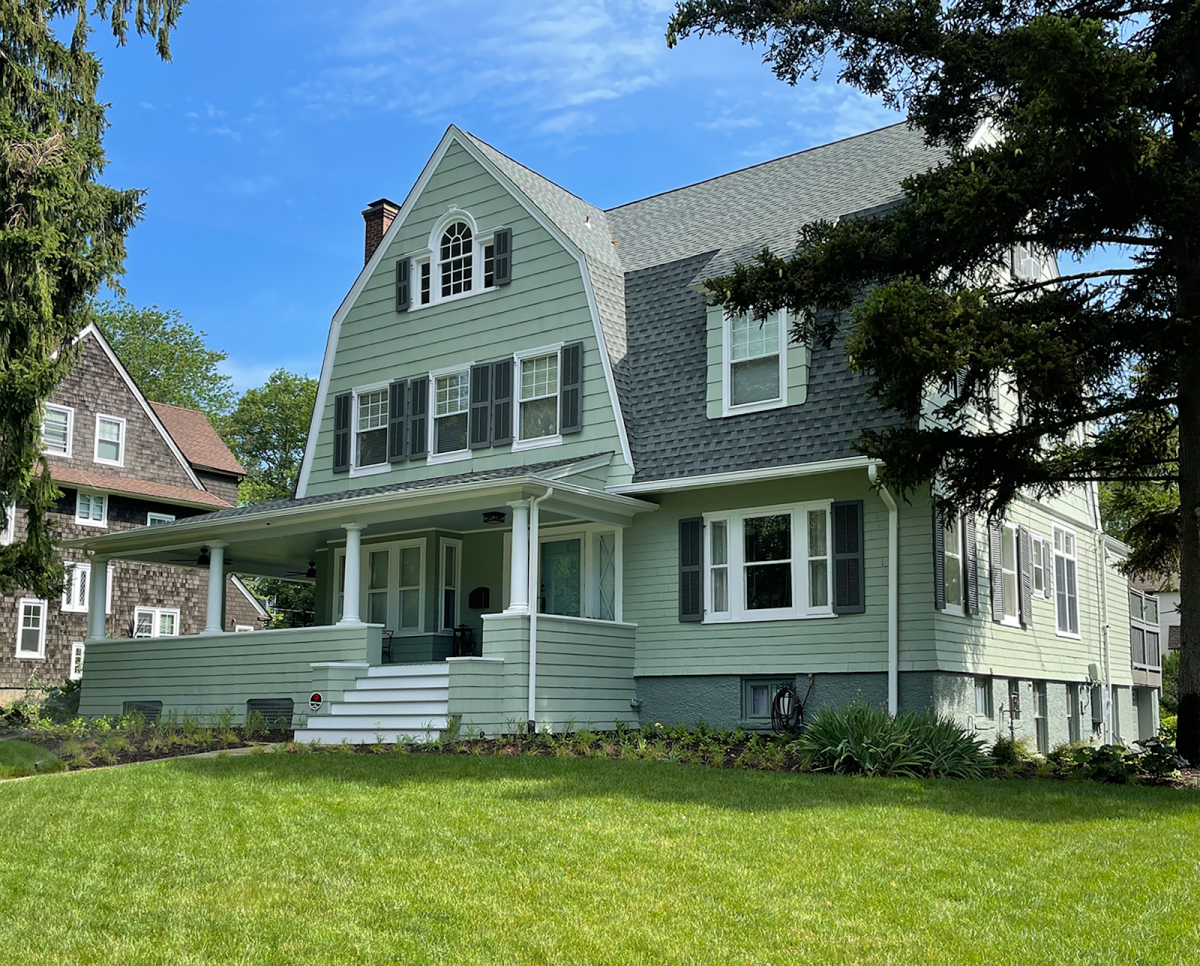
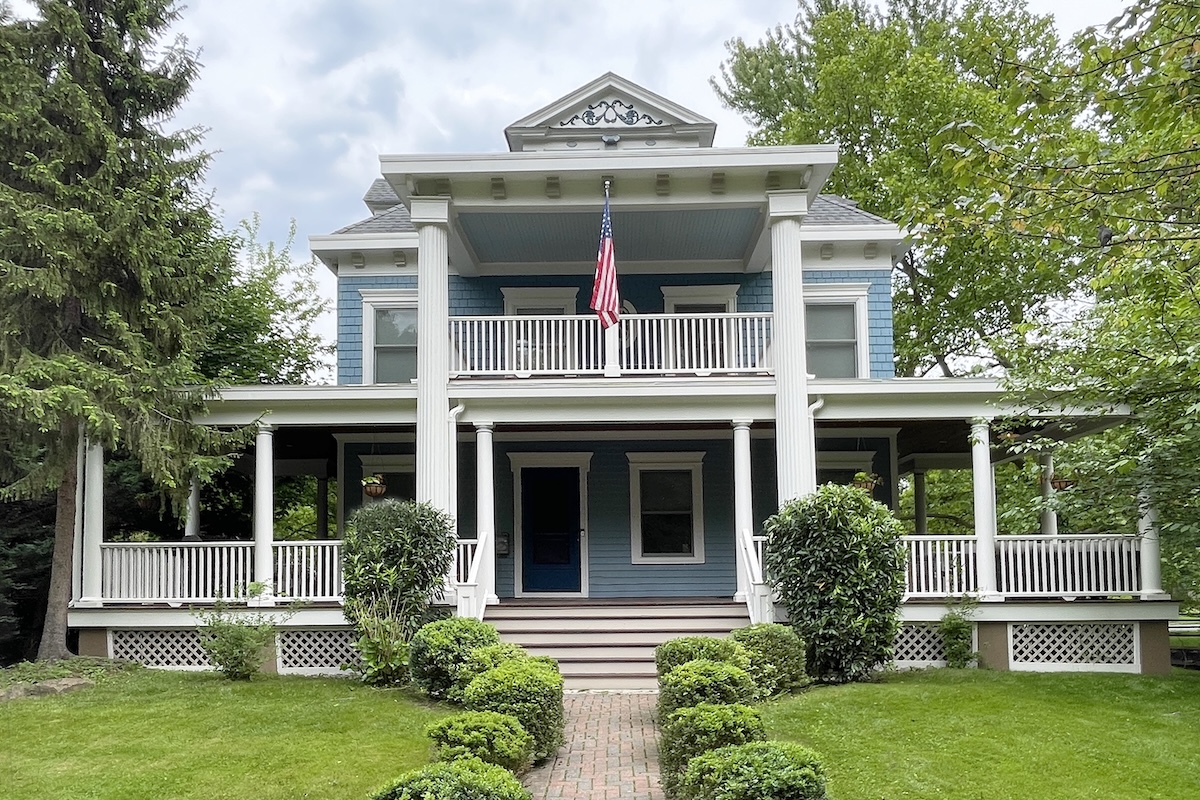
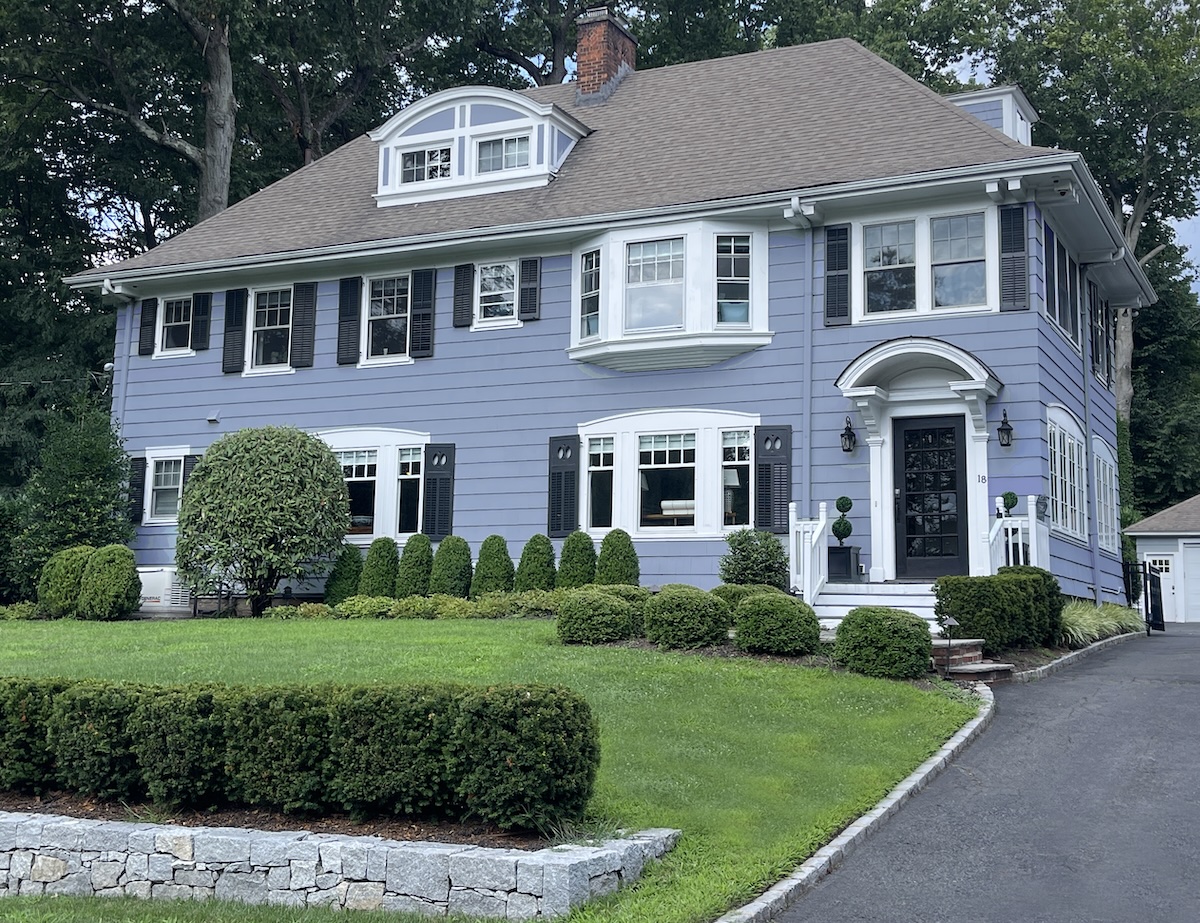
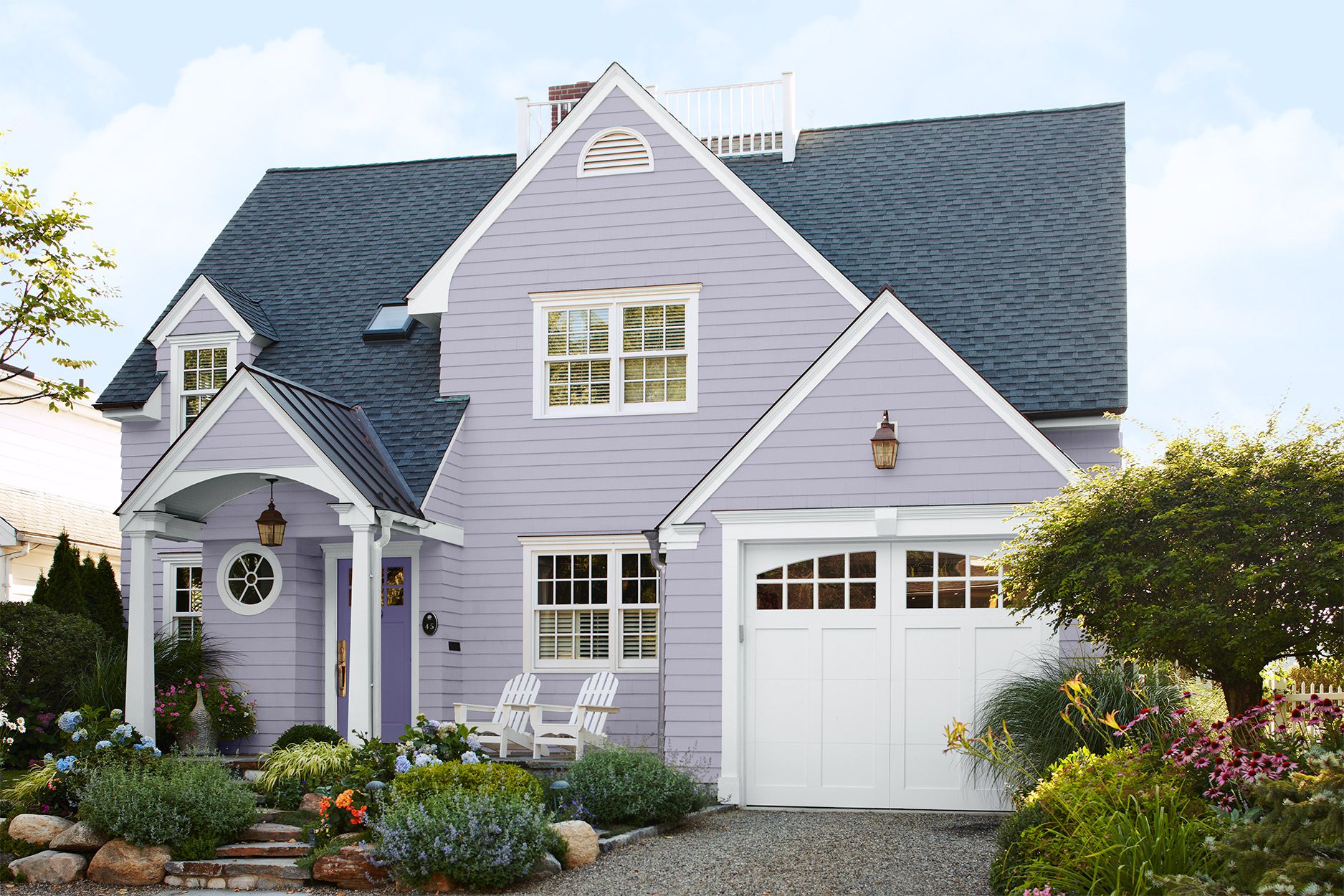
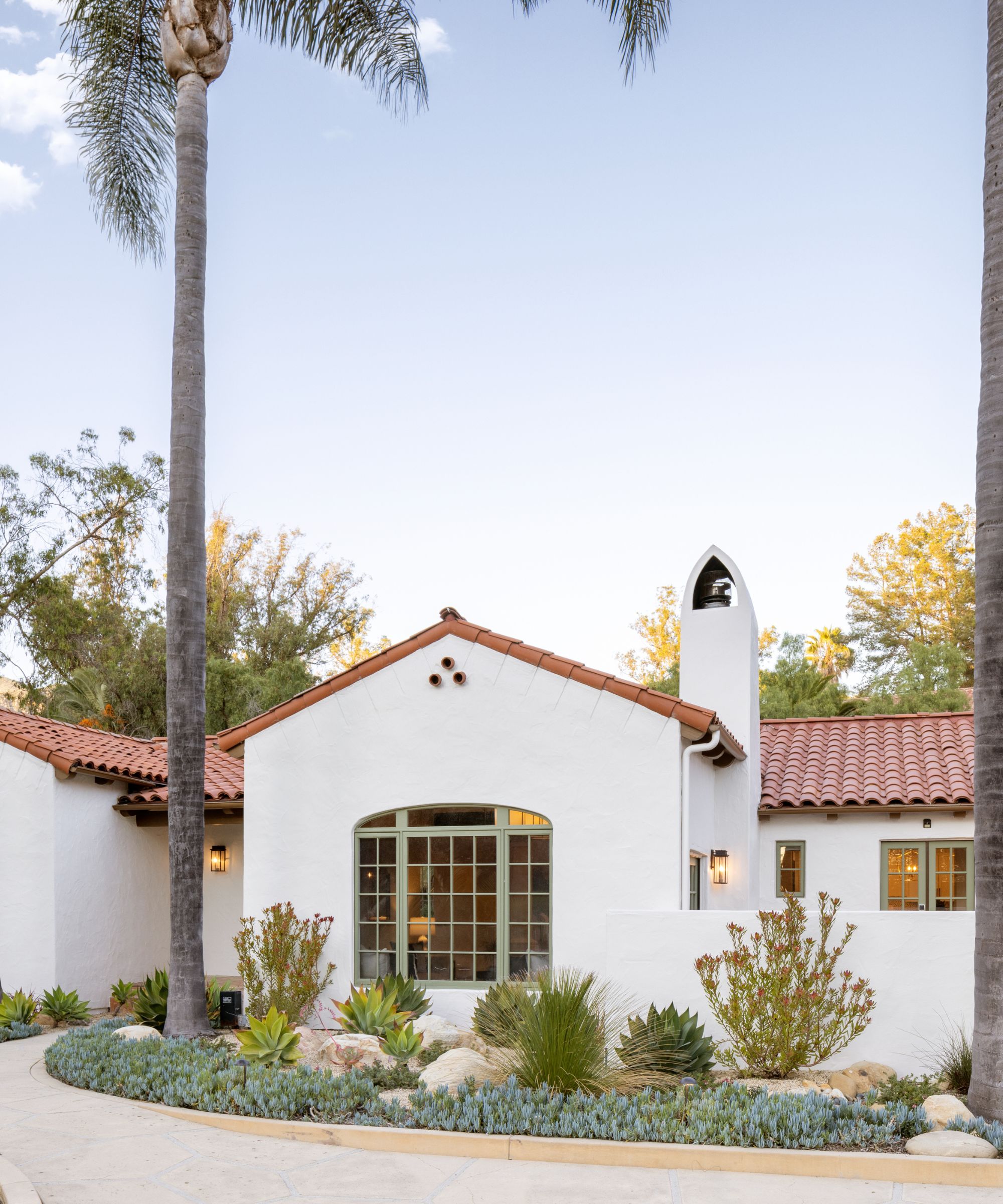
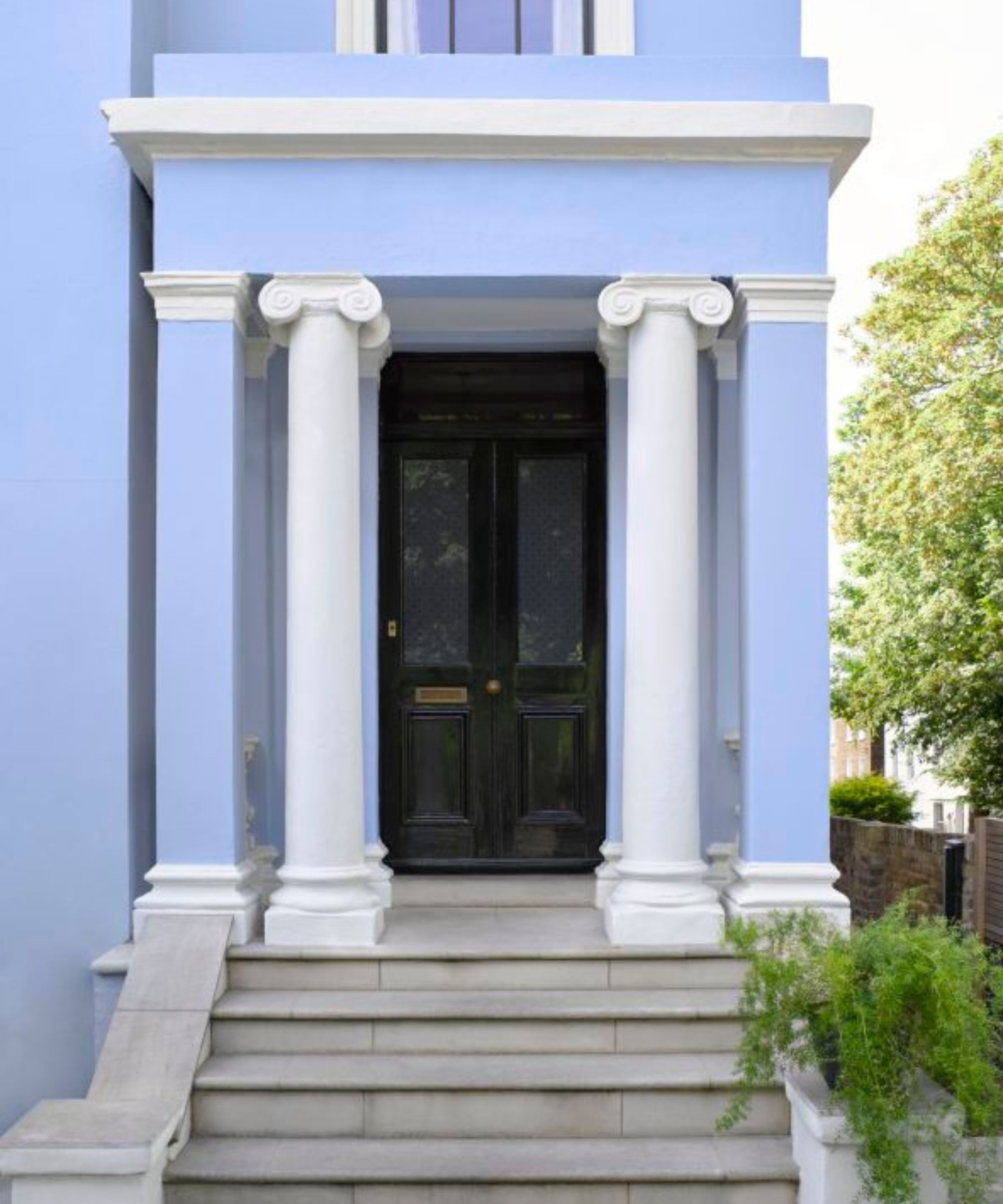
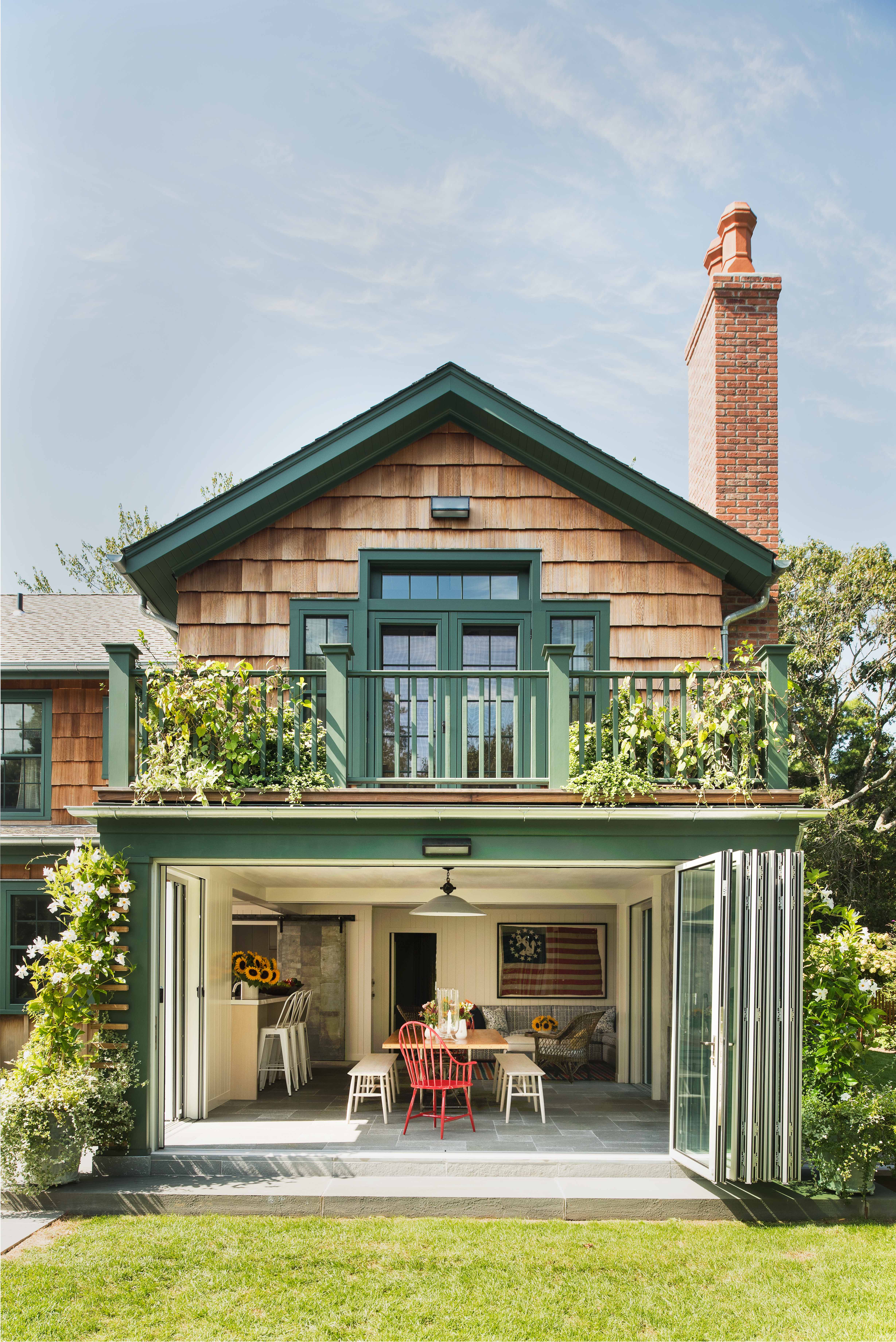
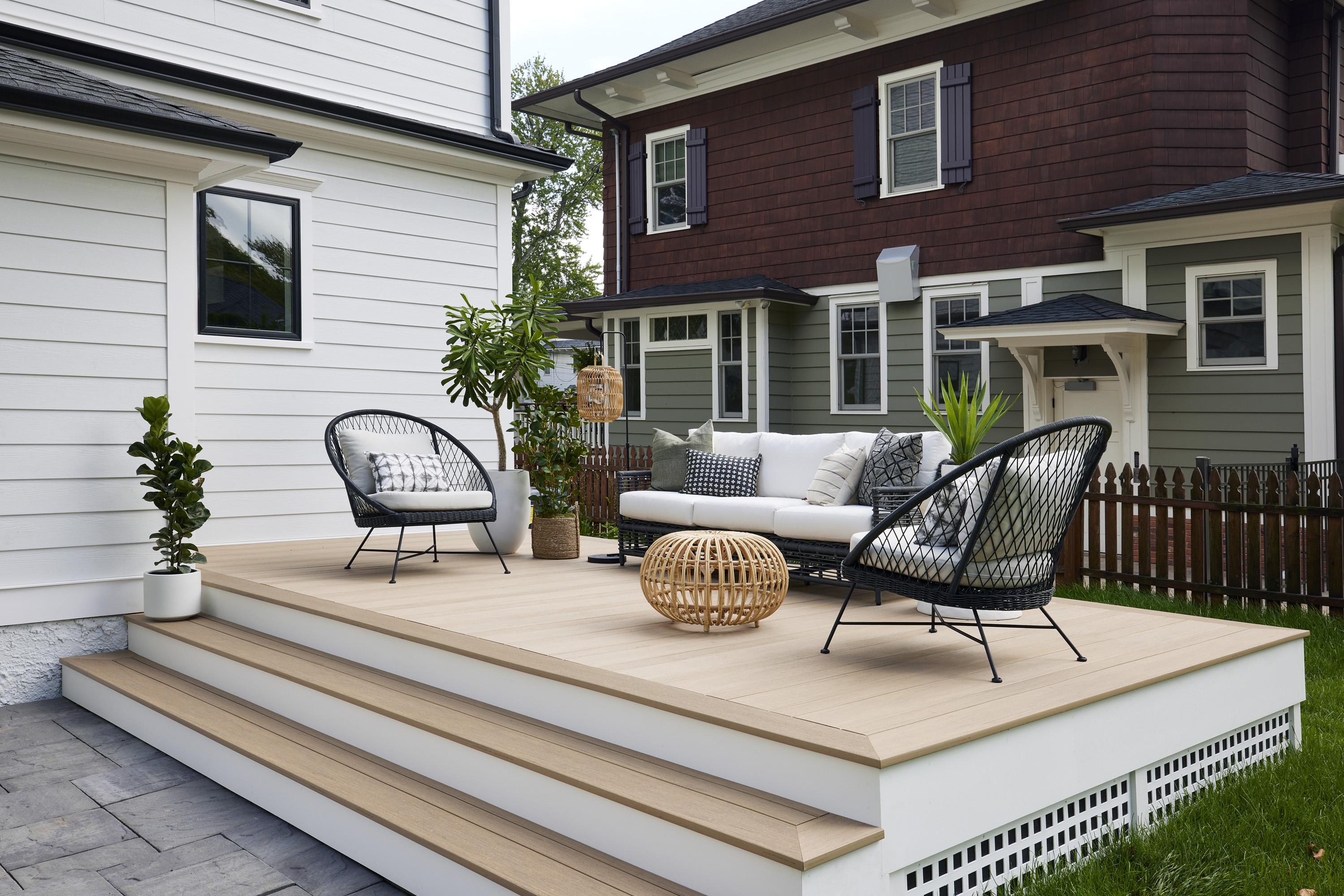
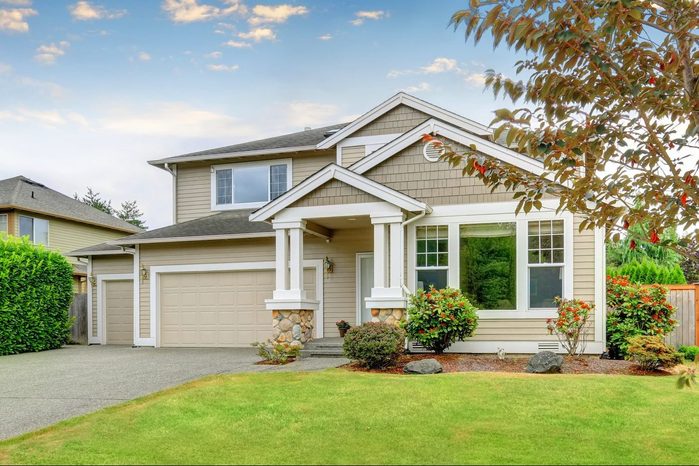
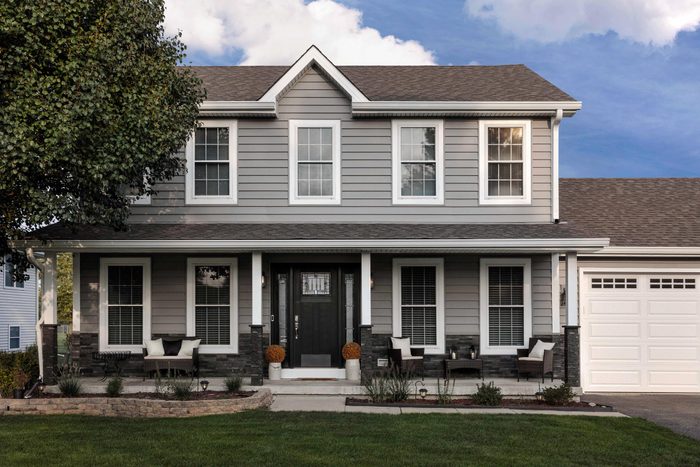
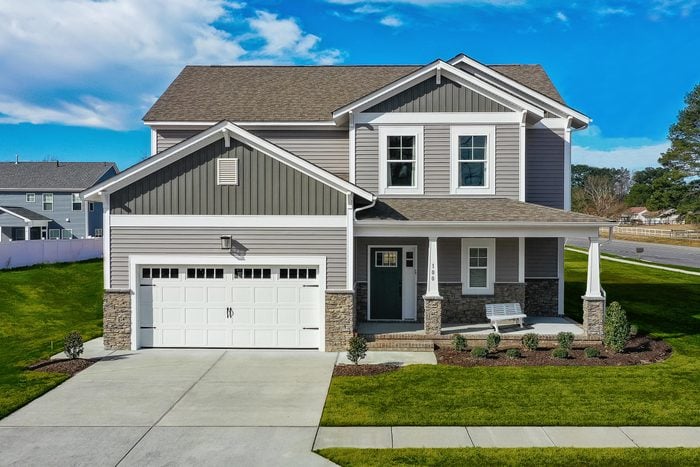
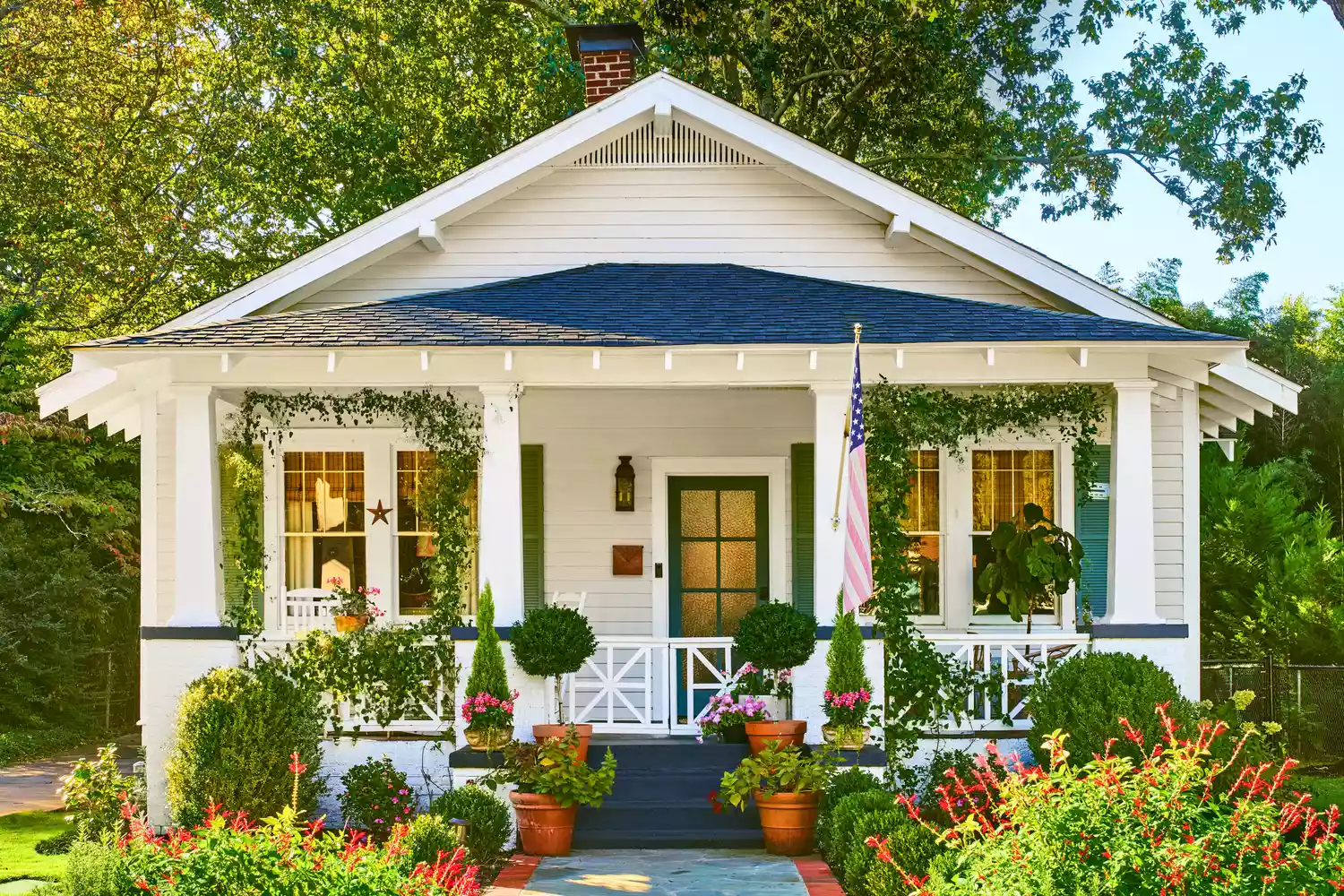
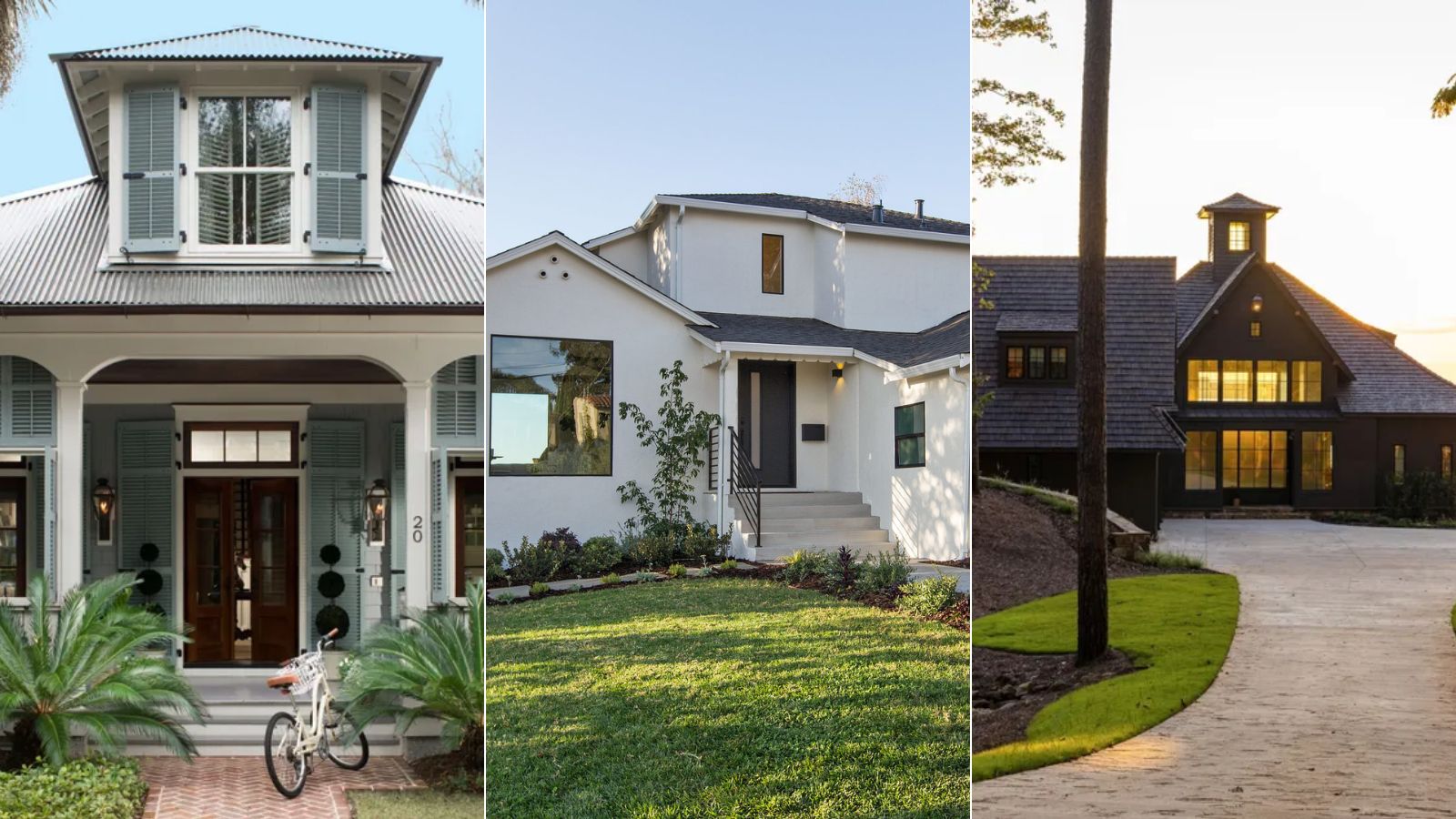
The initial phase of color selection involves considering big-picture factors. Personal style and preference are starting points, but they must be balanced with the home's specific characteristics and its architectural style and period. Homes built in styles such as Craftsman, Colonial, Contemporary, or Cape Cod often have certain color palettes that complement their design, though homeowners are not strictly bound to these unless mandated by an architectural review board. The trim color can also be strategically used to highlight architectural details, enhancing the home's overall aesthetic.
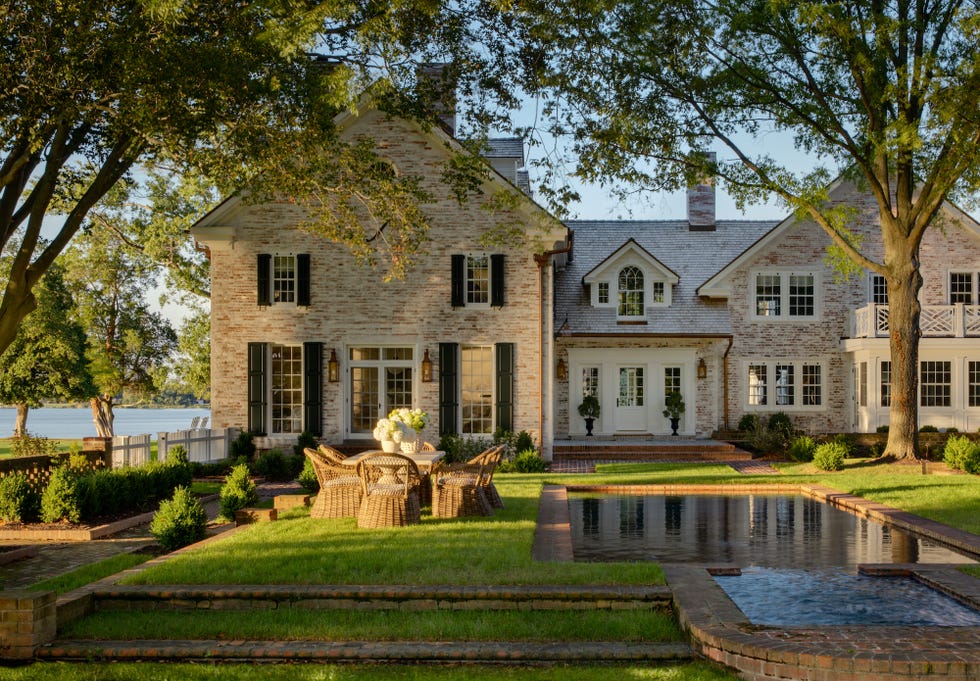
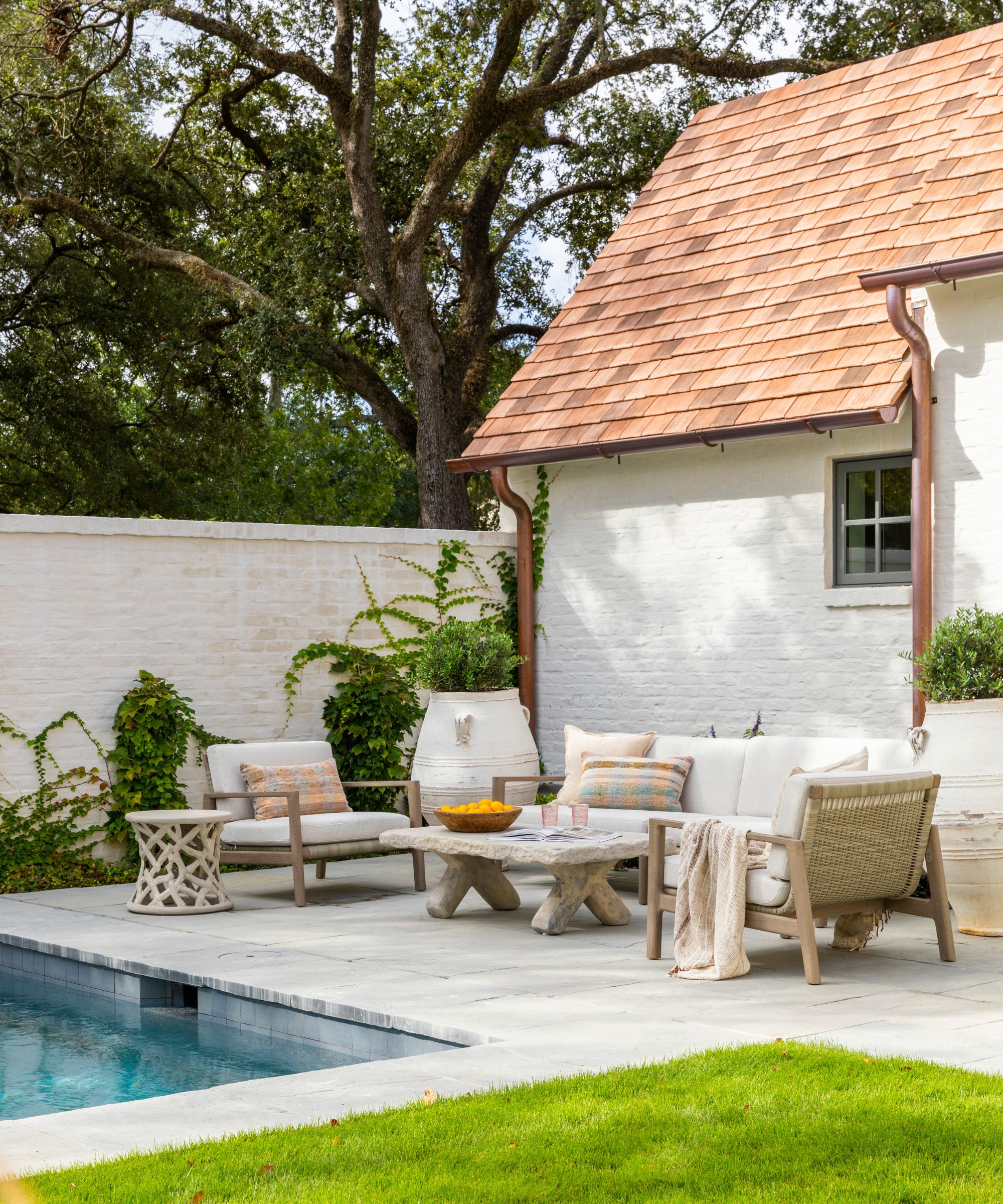
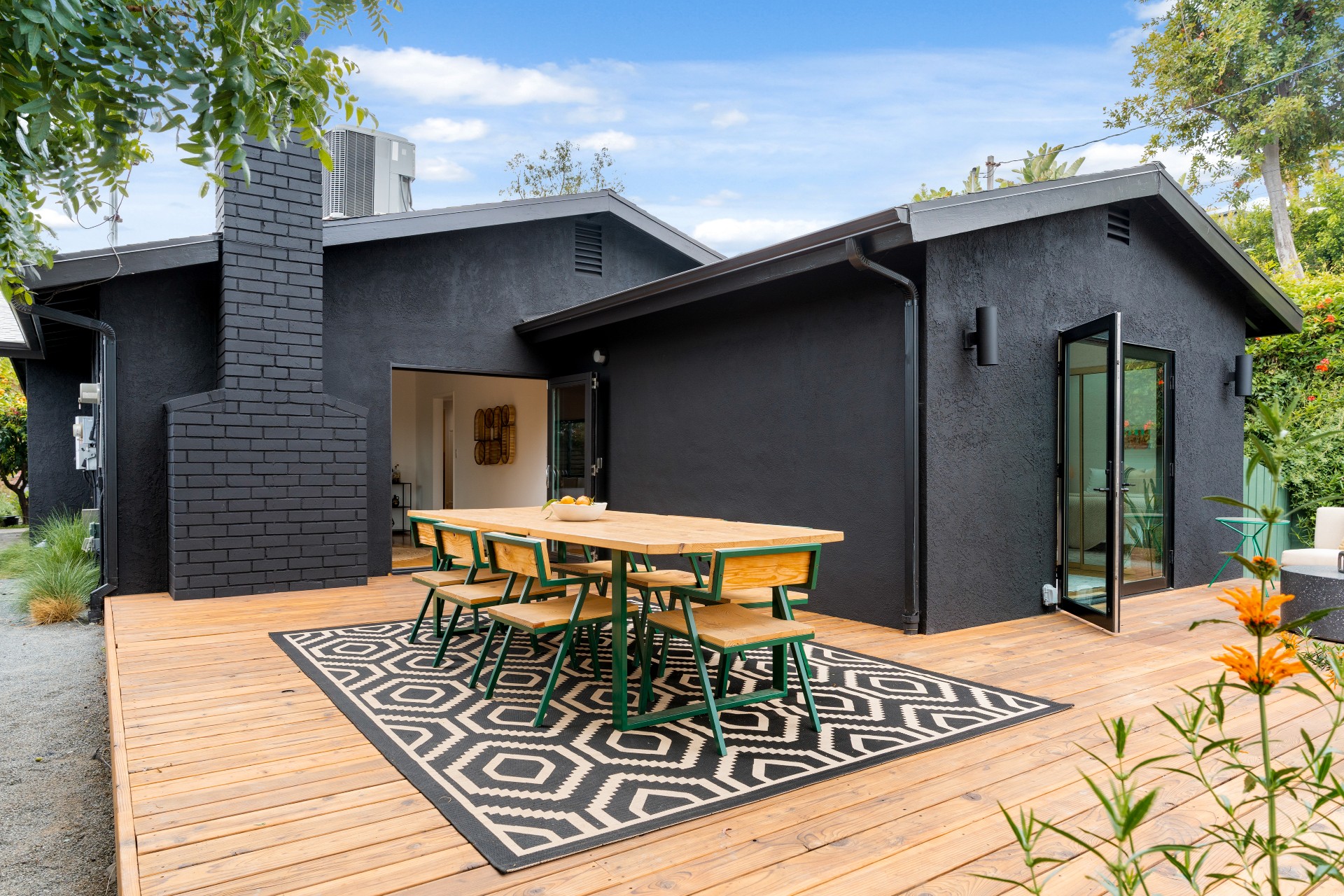
Another critical aspect is the existing mix of building materials. Natural accent materials like brick, stucco, and stone, as well as the roofing type and color, should all inform the siding and trim color choices. These elements need to work cohesively; for instance, if the roof has blue undertones and the foundation materials have red, a balance must be struck to ensure a harmonious facade. A good rule of thumb is to limit the exterior color palette to three colors or tones, as introducing a fourth can make the home appear busy or chaotic.
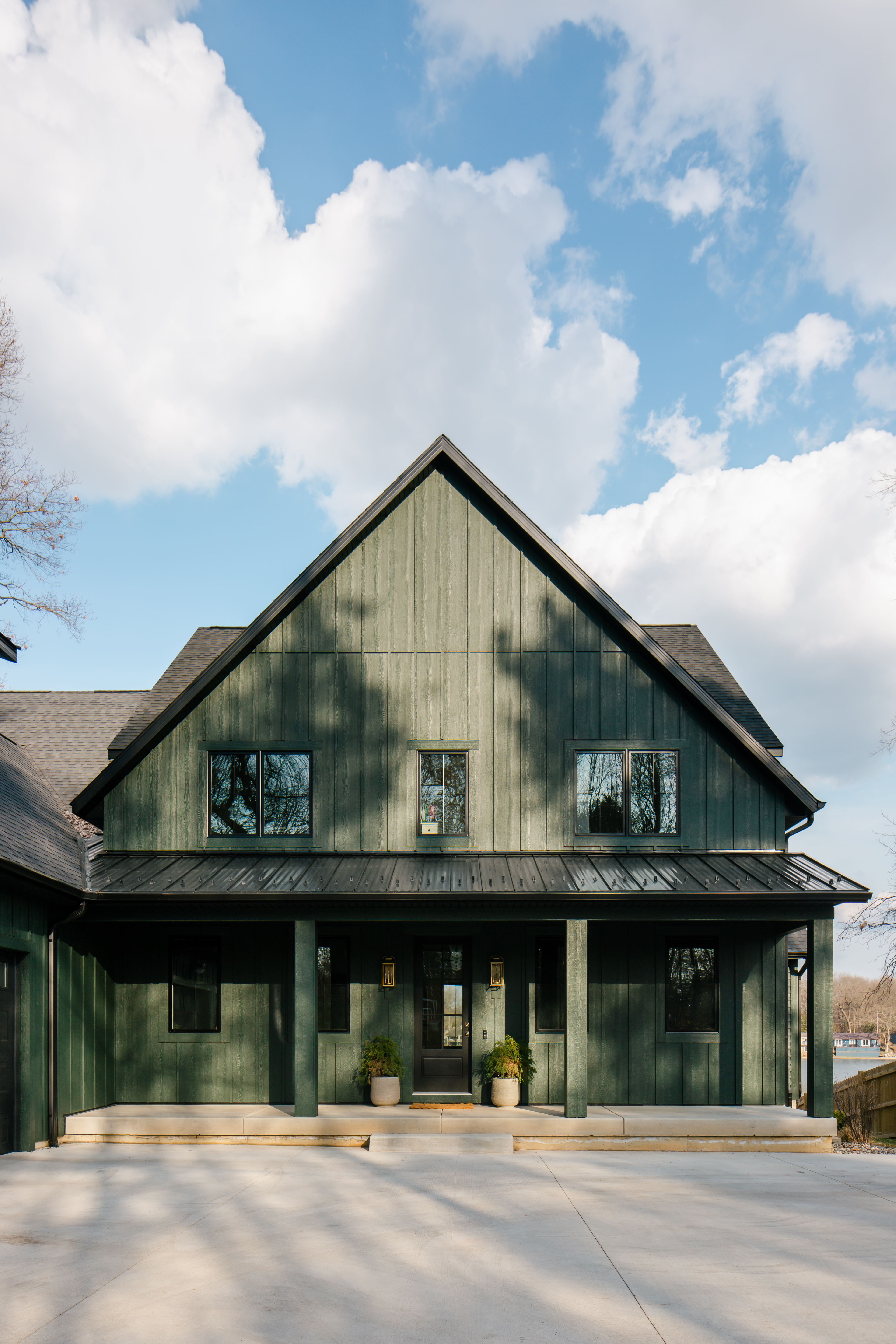
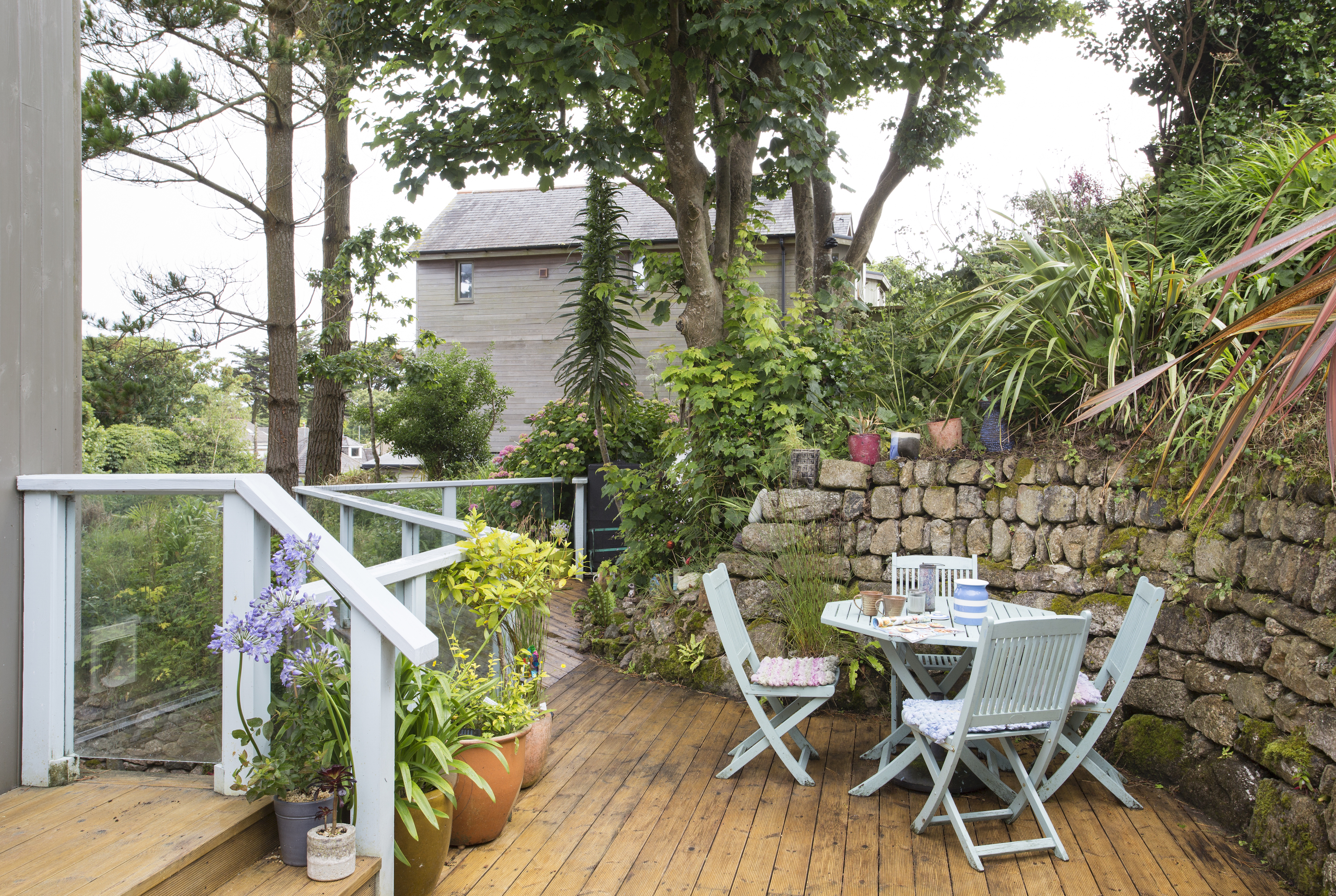
Environmental factors also play a significant role. The neighborhood context, including the presence of architectural review boards, can dictate color choices to ensure consistency with the surrounding area. Even without such boards, considering nearby homes helps in selecting a color that fits within the community's aesthetic. The immediate landscape, whether a wooded lot or a coastal setting, offers natural inspiration for color palettes. For instance, natural or darker hues blend well in wooded areas, while vibrant colors might be more suitable in urban environments like Charleston or New Orleans, provided they adhere to historic regulations. Climate is another consideration, primarily influencing material selection, but also affecting color choices. Darker, saturated hues may fade more quickly in intense sunlight and absorb more heat, potentially increasing cooling costs in hotter climates. Conversely, a stark white might clash with a verdant, mountainous landscape.
To streamline the decision-making process, experts recommend assembling physical samples of all exterior building materials and paint colors. This allows homeowners to visualize how different elements will look together. Creating a mockup of the facade on-site with these materials is highly advised, as it provides a realistic view in actual sunlight, something computer renderings cannot fully replicate. Extensively testing paint samples by applying large swatches on each side of the home is also crucial. Observing these samples at different times of day—morning, noon, and night—helps homeowners understand how varying light conditions affect the paint's tone and pigment, ensuring the final choice looks good in all lights.
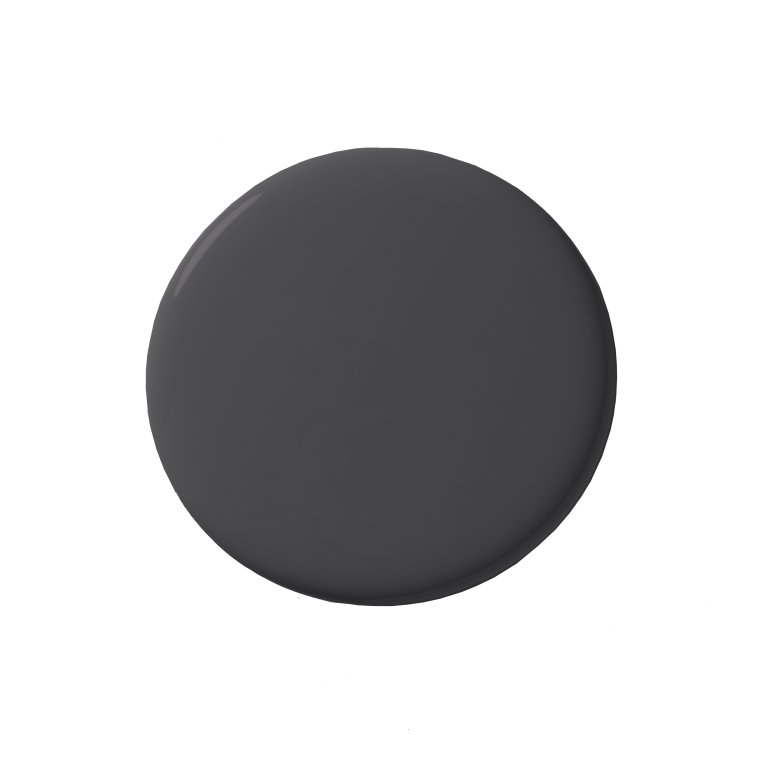
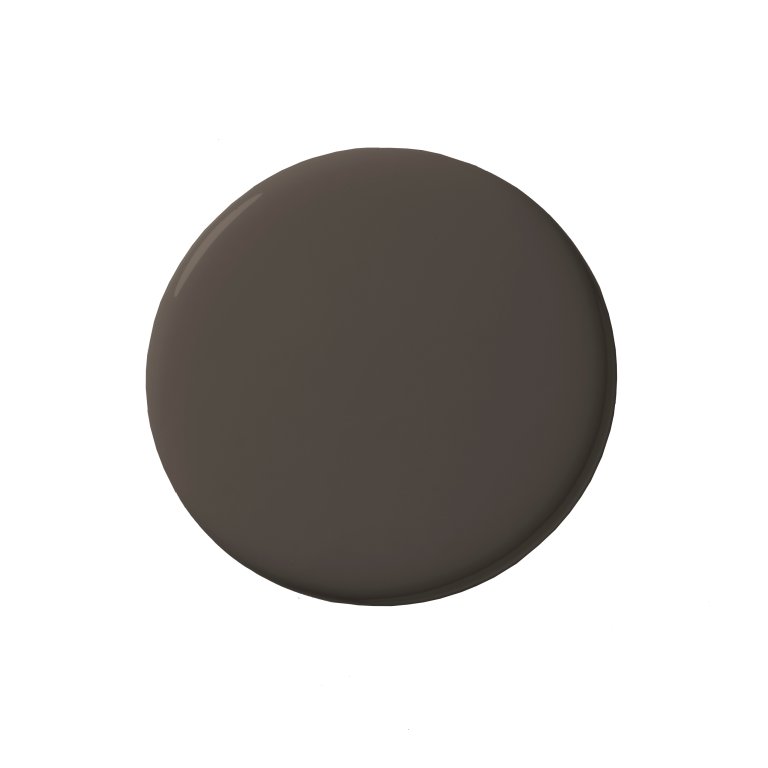
Regarding siding options, vinyl is a cost-effective material with limited color choices, though advancements in paint technology now offer vinyl-safe colors that resist fading. However, lighter colors generally perform better on vinyl. Wood siding, despite maintenance needs, offers extensive versatility in style and color, capable of being stained, painted, or left to weather naturally. Fiber cement, particularly from industry leaders like James Hardie, provides durable alternatives in various forms, offering primed options for custom painting or factory-painted products in a wide array of colors. Popular siding paint colors often include classic whites like Benjamin Moore White Dove and Sherwin-Williams Alabaster, light neutrals such as Sherwin-Williams Intellectual Gray and Benjamin Moore Revere Pewter, dark moody grays like Sherwin-Williams Black Fox and Benjamin Moore Kendall Charcoal, and various blues and greens, including Benjamin Moore Slate Blue and Farrow & Ball Pigeon.
#HomeExterior #SidingColor #CurbAppeal #ArchitecturalStyle #ExteriorDesign #PaintSelection #HomeImprovement #BuildingMaterials #ColorPalette #HomeExterior #SidingColor #CurbAppeal #ArchitecturalStyle #ExteriorDesign #PaintSelection #HomeImprovement #BuildingMaterials #ColorPalette
0 comment in total
 No comments yet
You may also like
Here's What Colorists Want You to Know About Picking House Paint

Paint color ideas for every room – experts explain the best choices for different spaces

How to choose the best paint color for any room in your house
23 Expert Tips for Choosing the Right Paint Colors for Your Home

The best colour for ceilings as recommended by interior designers and colour specialists

11 best colors for the exterior of your home, for a classic look year-long as suggested by experts

6 tips for picking the perfect exterior paint color for your home

Deck color ideas – how to choose the color to stain or paint your deck
I Asked Three Color Experts How to Choose Modern Exterior House Colors. Here's Their Best Advice.


How To Choose The Right Paint Color For Your Home, According To An Interior Design Expert

A Design Pro Shares Her Best Tips for Choosing a Timeless Front Door Color

8 Vinyl Siding Colors That'll Never Go Out of Style

Vinyl Siding Colors: Tips for Picking the Perfect Palette
The ultimate guide to choosing the right shade of white for your walls
7 rules designers always follow to find the best exterior paint for your home
How to Pick the Best Paint Colors for Every Space in Your Home

The Best Exterior Paint Colors Designers Have Ever Used

How to choose curtain colors for any room – experts reveal 7 trade secrets
Should your trim match your wall color? Experts reveal 6 color tips that can lead to decorating success
9 Tips for Choosing Exterior Paint Colors