What’s the Best Way to Install Rainscreen Siding?
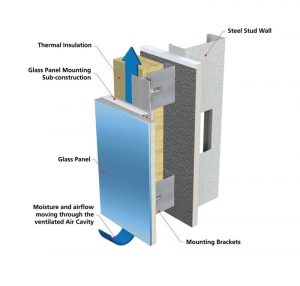
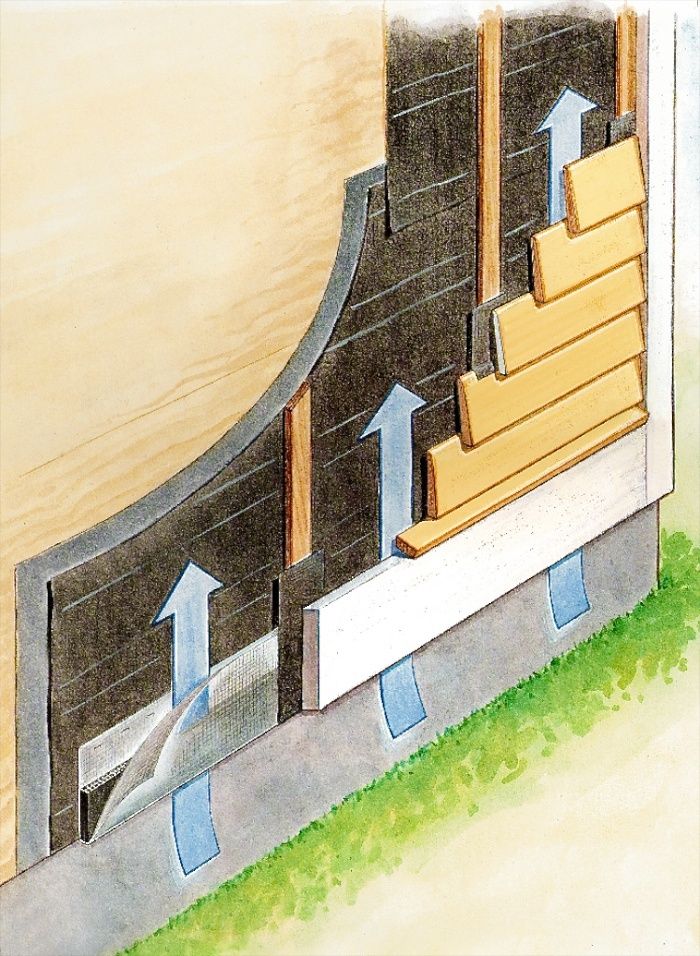
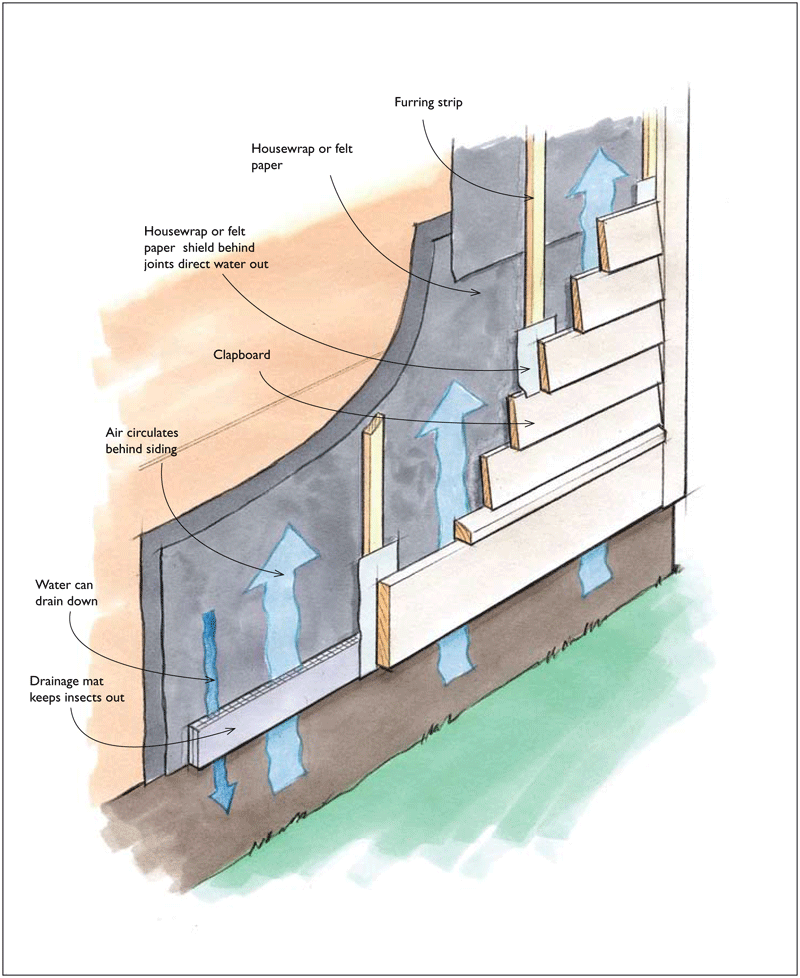
The article discusses the optimal method for installing rainscreen siding, focusing on the orientation of furring strips. A rainscreen assembly is a crucial building detail designed to facilitate air circulation behind the cladding, promoting thorough drying and mitigating moisture-related issues. This system typically incorporates vertically oriented furring strips, which create uninterrupted ventilation channels that allow air to flow freely and water to drain efficiently.
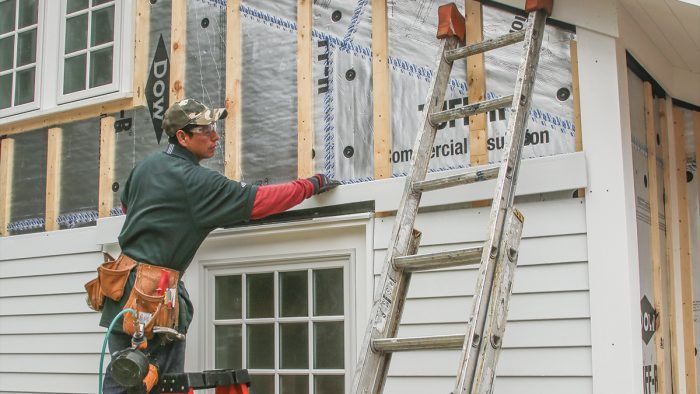
The central dilemma explored in the article revolves around a builder named Aaron Vander Meulen, who is constructing a new house. His design incorporates cellulose insulation, a layer of rigid foam insulation, and furring strips intended to separate the cladding from the foam, thus forming a rainscreen. However, Meulen faces a practical challenge: the specific panel-type siding he plans to use would be significantly easier to install if the furring strips were applied horizontally rather than vertically. This leads him to question whether horizontal furring would compromise the effectiveness of the rainscreen by impeding ventilation and drainage.
The article highlights differing perspectives on this issue, drawing from a Q&A; post on GreenBuildingAdvisor. Some experts suggest that installing furring strips horizontally could effectively nullify the benefits of a rainscreen system, as it might trap moisture and hinder proper air movement. This concern stems from the traditional understanding that vertical channels are essential for gravitational drainage and continuous airflow, both of which are critical for preventing rot, mold, and other moisture damage.
Conversely, other experts, including Martin Holladay, a senior editor at GreenBuildingAdvisor, assert that horizontal furring strips would not pose any significant problems for the rainscreen's functionality. This viewpoint often comes with caveats, such as the need for sloped horizontal furring and strategic gapping between pieces to ensure that any accumulated water can still drain effectively. The underlying principle here is to create a pathway for water to escape and for air to circulate, even if the primary channels are not strictly vertical.
Ultimately, the discussion underscores the importance of carefully considering the design and installation of rainscreen systems to ensure their intended performance. While vertical furring is the conventional and often recommended approach due to its clear advantages in drainage and ventilation, the article acknowledges that alternative configurations, like horizontal furring, might be viable under specific conditions and with appropriate modifications to maintain functionality. The decision often involves balancing ease of installation with the long-term moisture management and durability of the building envelope.
#RainscreenSiding #FurringStrips #BuildingEnvelope #MoistureManagement #Ventilation #GreenBuilding #HomeConstruction #SidingInstallation #RainscreenSiding #FurringStrips #BuildingEnvelope #MoistureManagement #Ventilation #GreenBuilding #HomeConstruction #SidingInstallation
0 comment in total
 No comments yet
You may also like

Learn How to Install Rainscreen Siding Like a Pro

How to install fabric walling – the unique alternative to wallpaper

Waterproof Your Windows with Liquid Flashing

Installing roof battens

Revamp Your Exterior with Our How-to Guide to Installing Siding Shingles

How to install a skylight

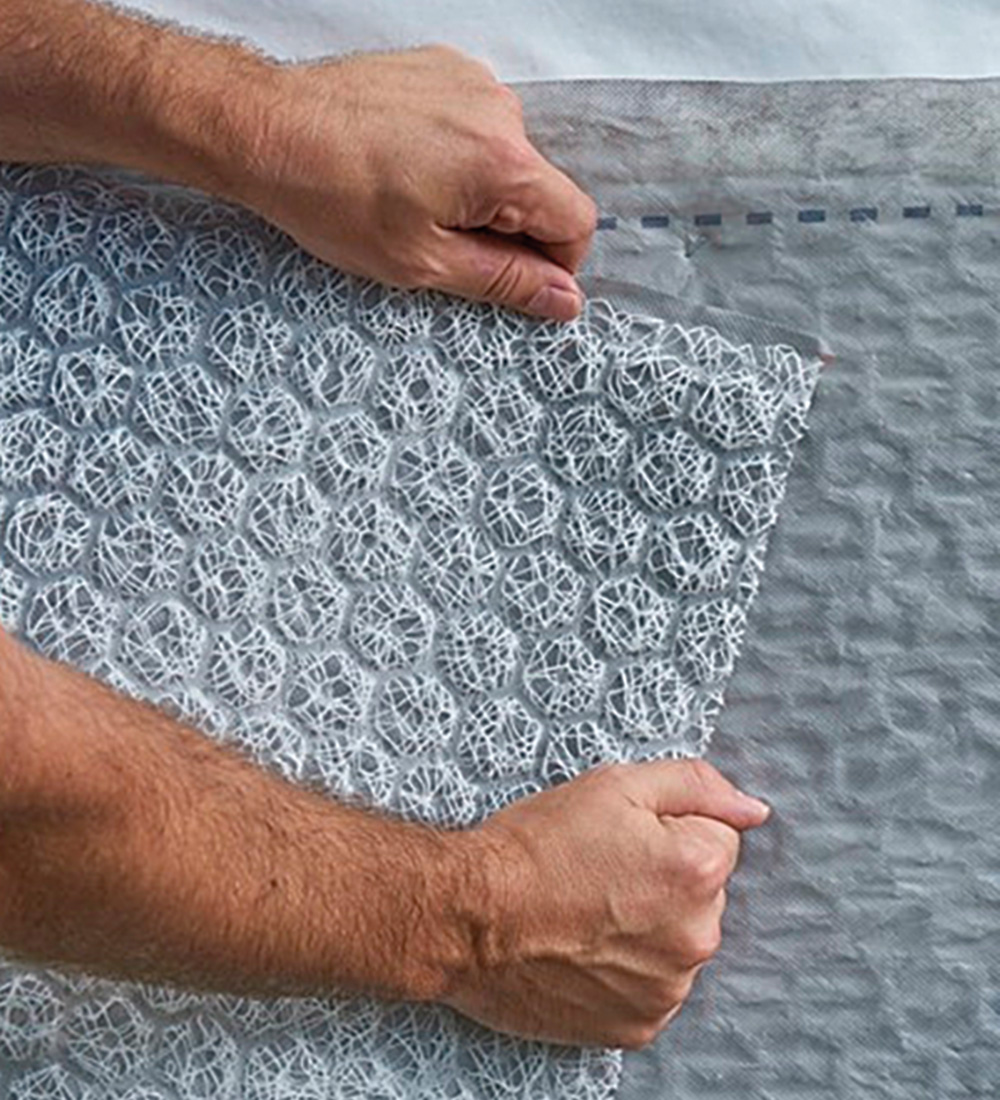
Rainscreen Systems for Stucco
The Best Siding Nailers

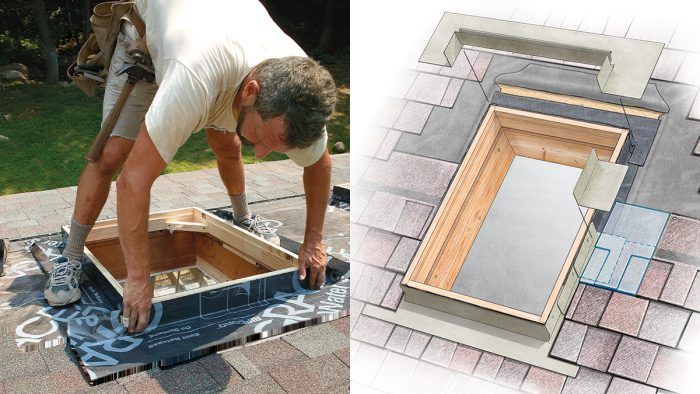
Leak-Free Skylights

Rainscreen walls: An updated definition for today’s construction environment
Guttering & Drainage


Successfully Layer Your Curtains With These Simple Tips
Understanding Rainscreens
Make a Watertight Chimney Cricket
How to hang a curtain pole
How to Fix a Roof Drip Edge

The Ins and Outs of Working with Liquid Flashing

You Can Save Thousands of Dollars With a DIY Vinyl Siding Installation

How to install wooden panelling
The Best Way to Ventilate Siding