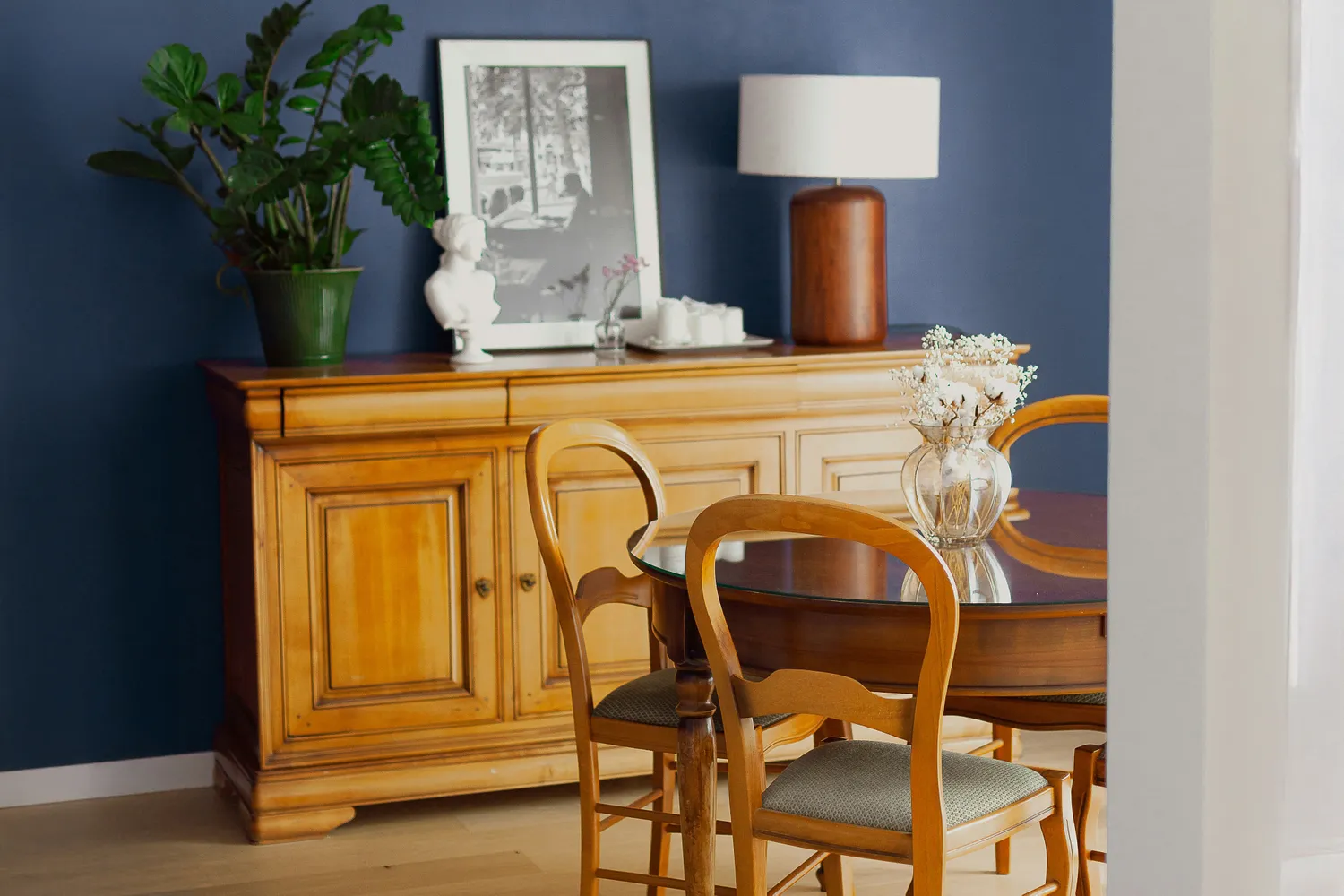
1/2
We Asked Designers Which Paint Colors Shrink a Dining Room—And These 5 Are Cramping Your Style
The choice of paint color for a dining room significantly influences its perceived size, with certain deep, saturated hues having a shrinking effect by absorbing rather than reflecting light. This phenomenon is particularly noticeable in rooms that are already small, lack ample natural light, or have low ceilings. Interior designers emphasize that non-reflective, darker colors with muted finishes are primarily responsible for making a dining room feel more confined.
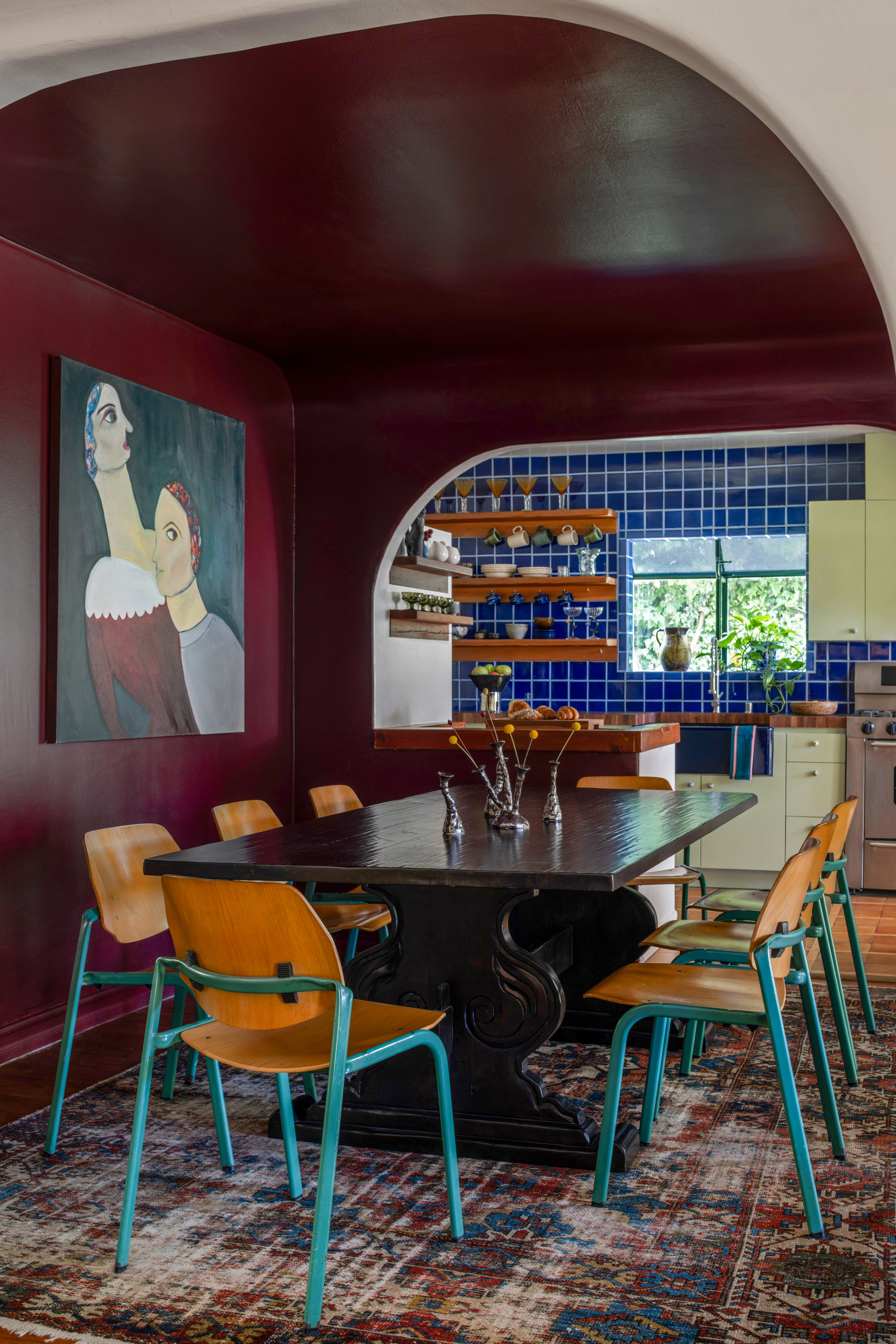
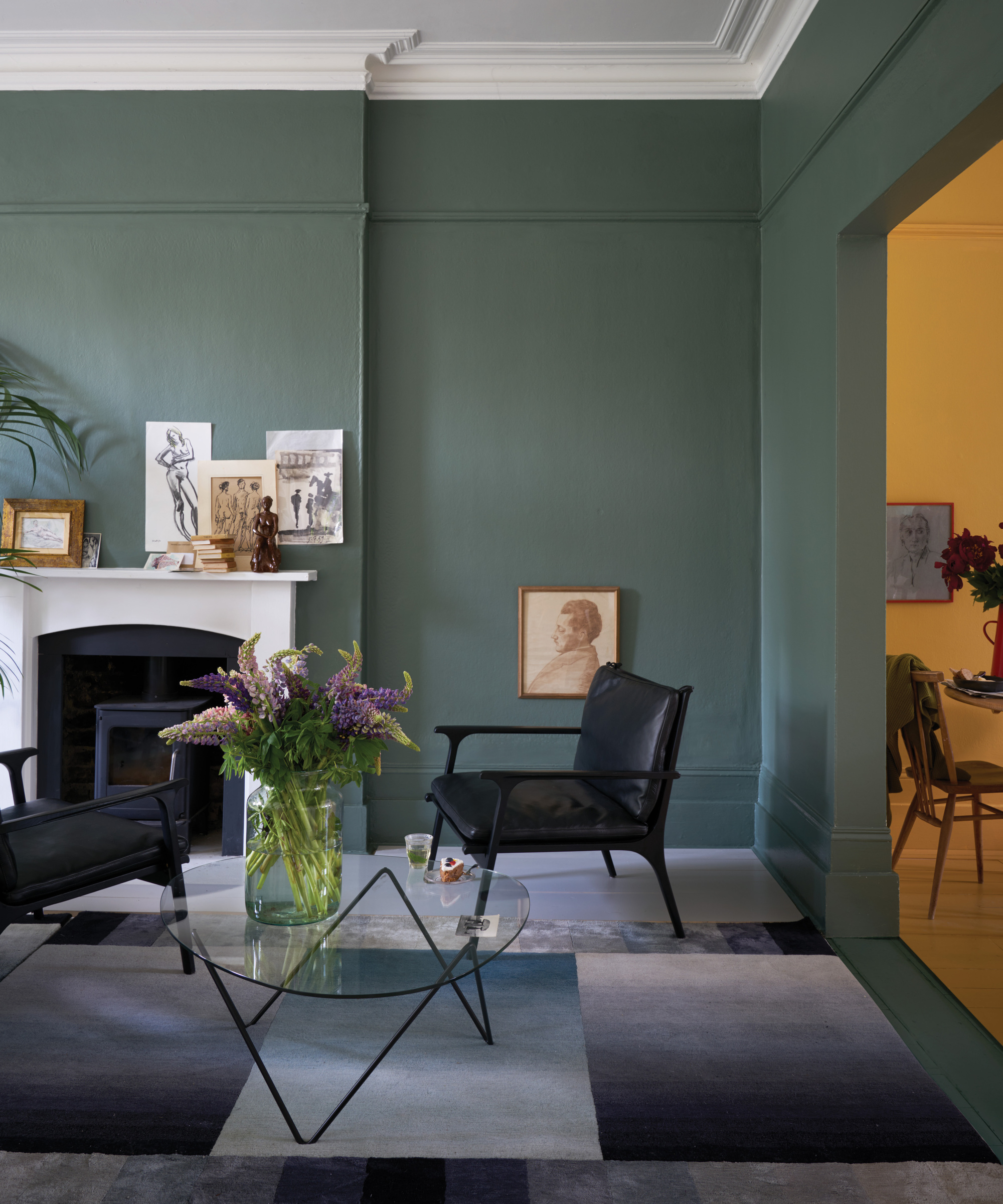
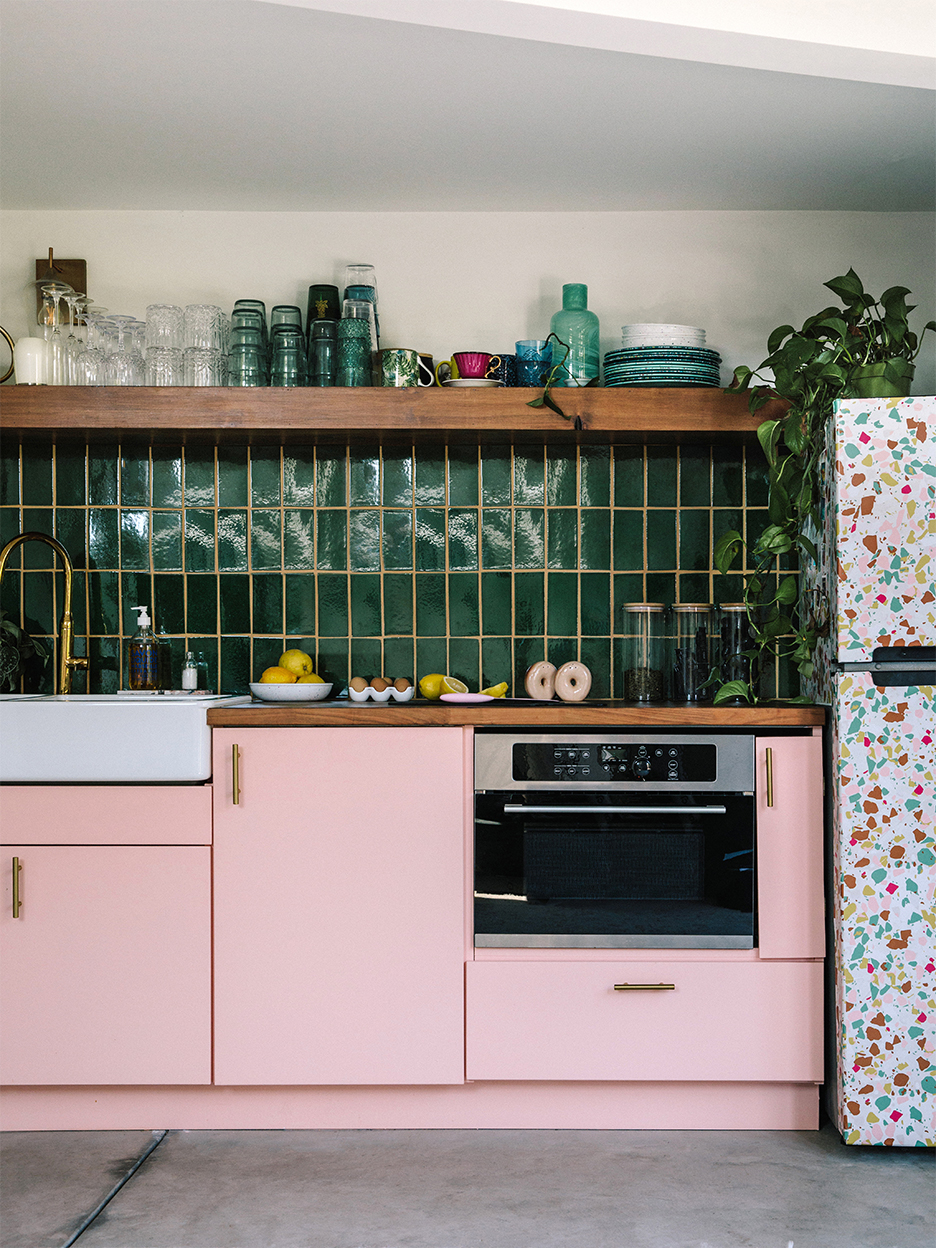
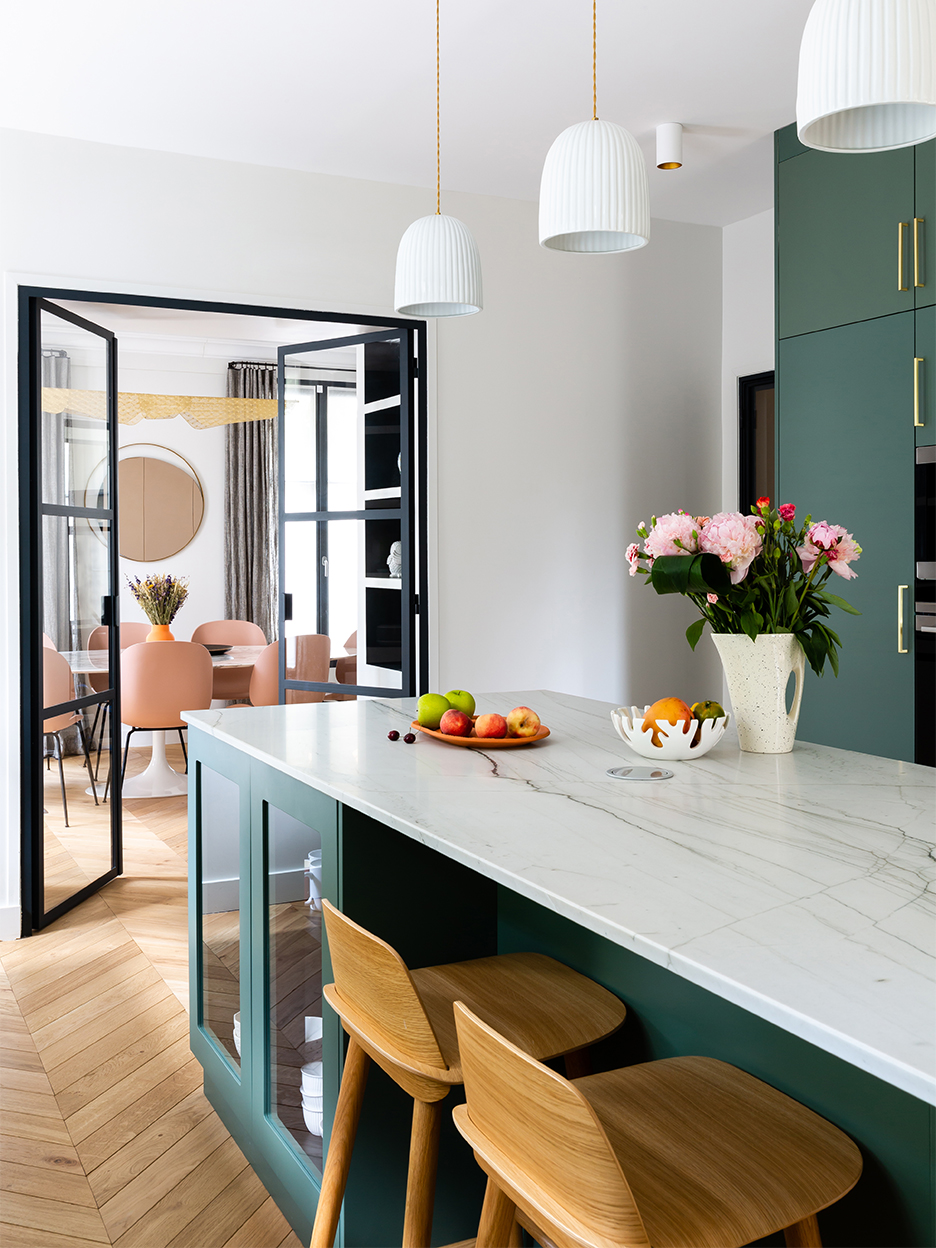
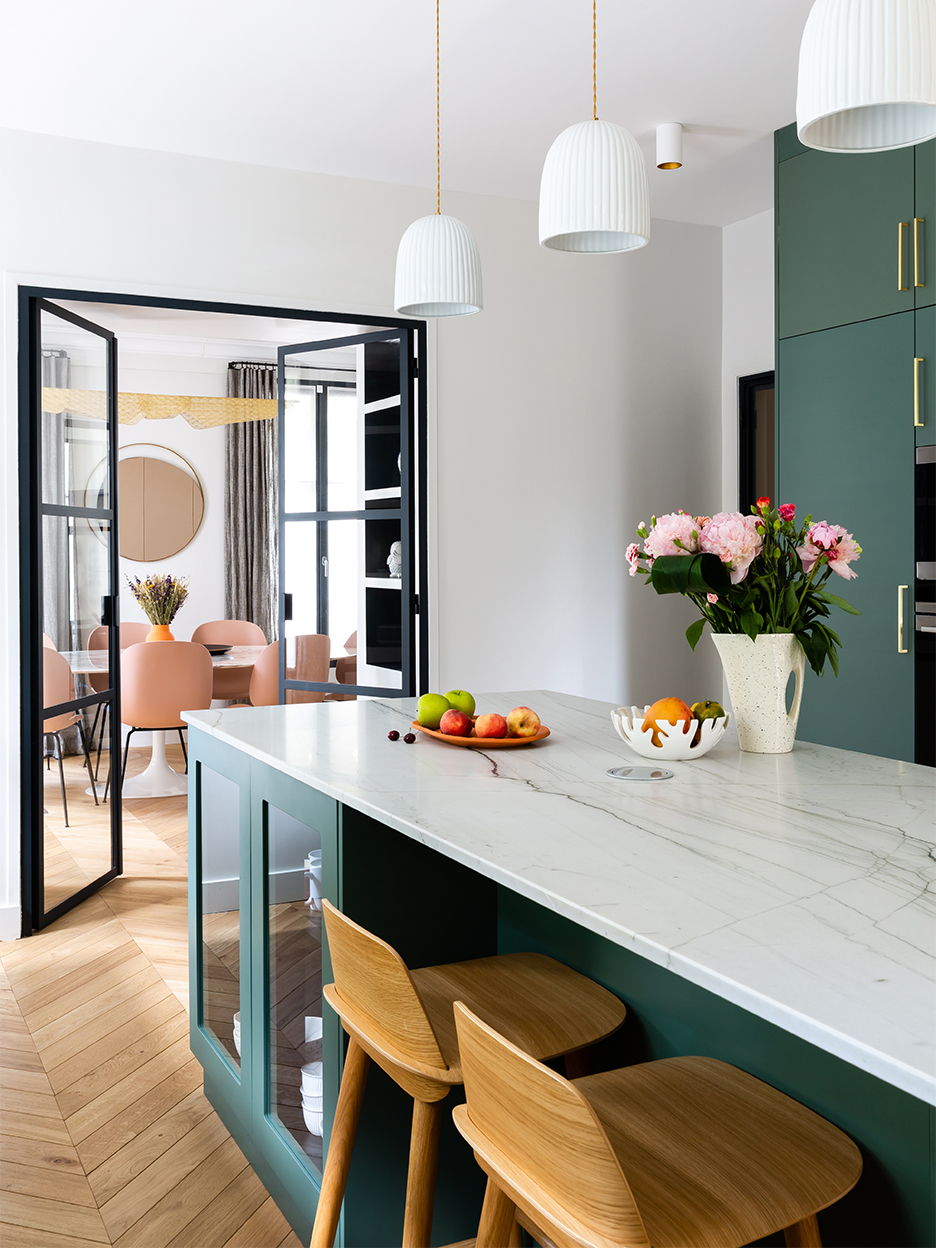
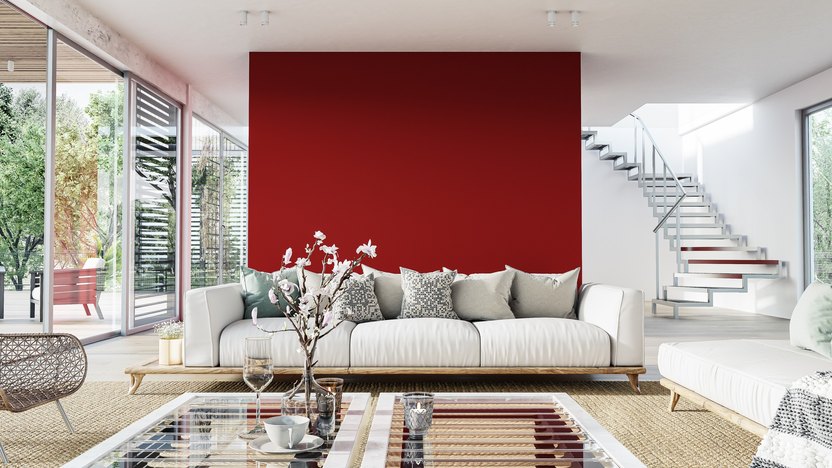
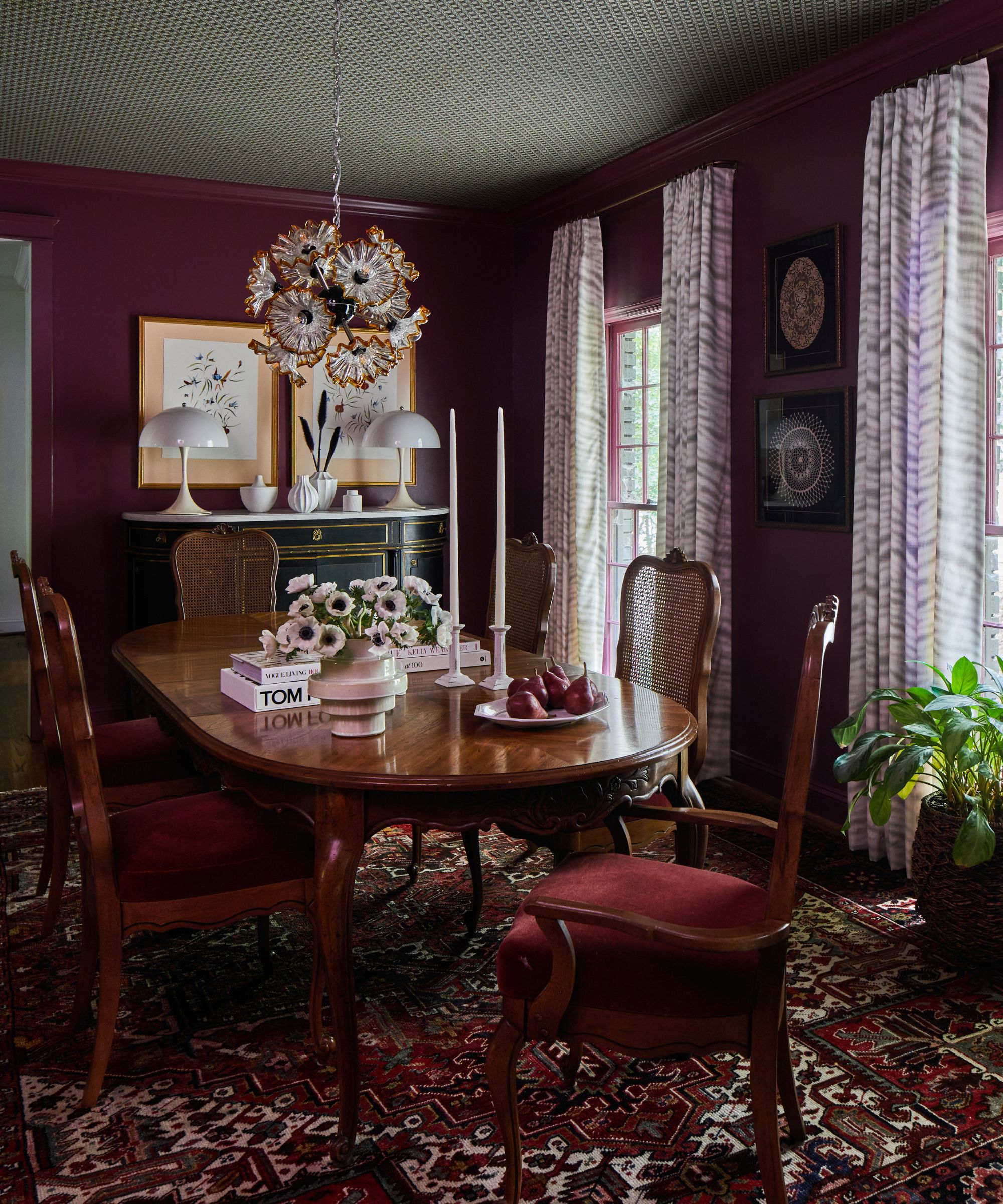
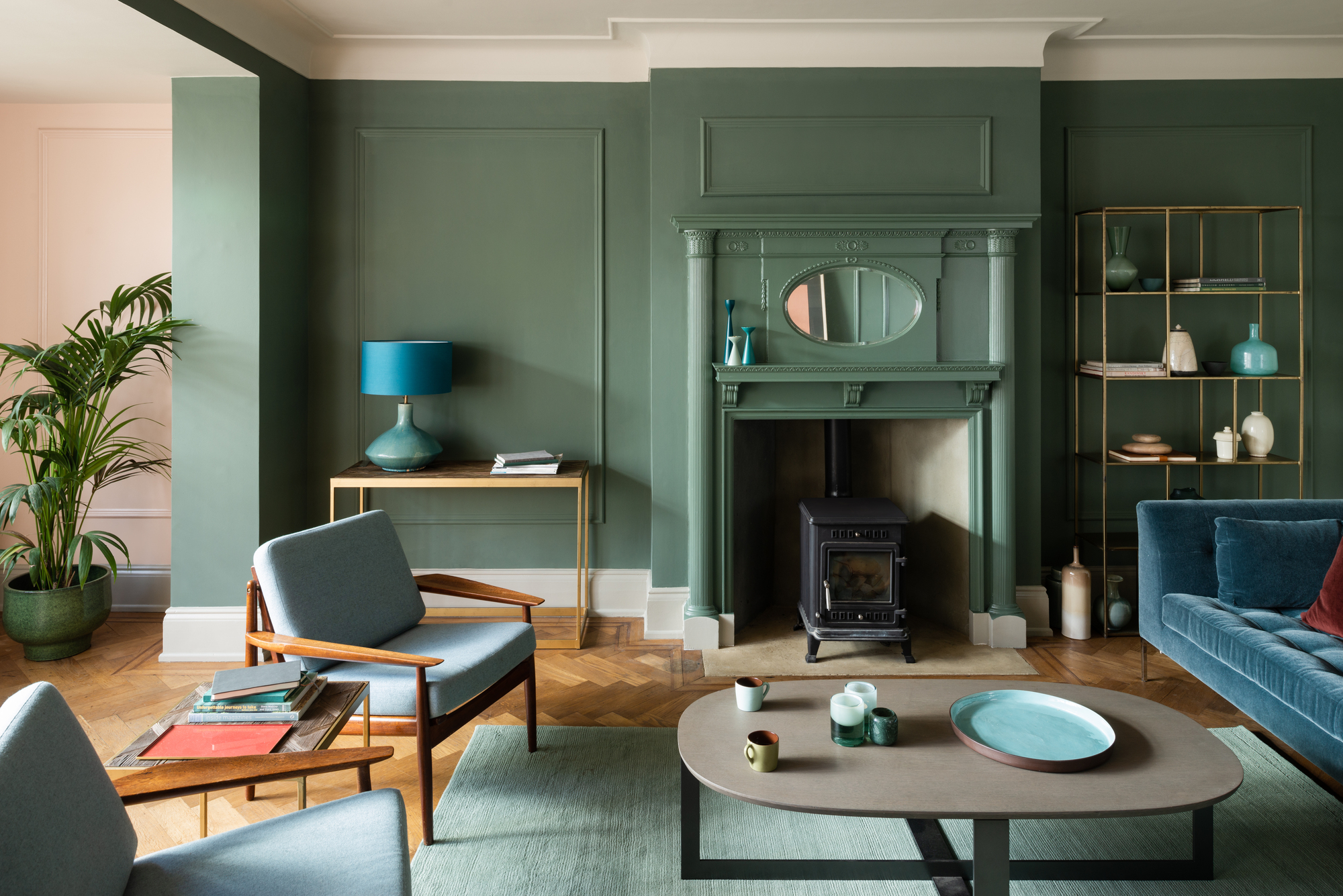
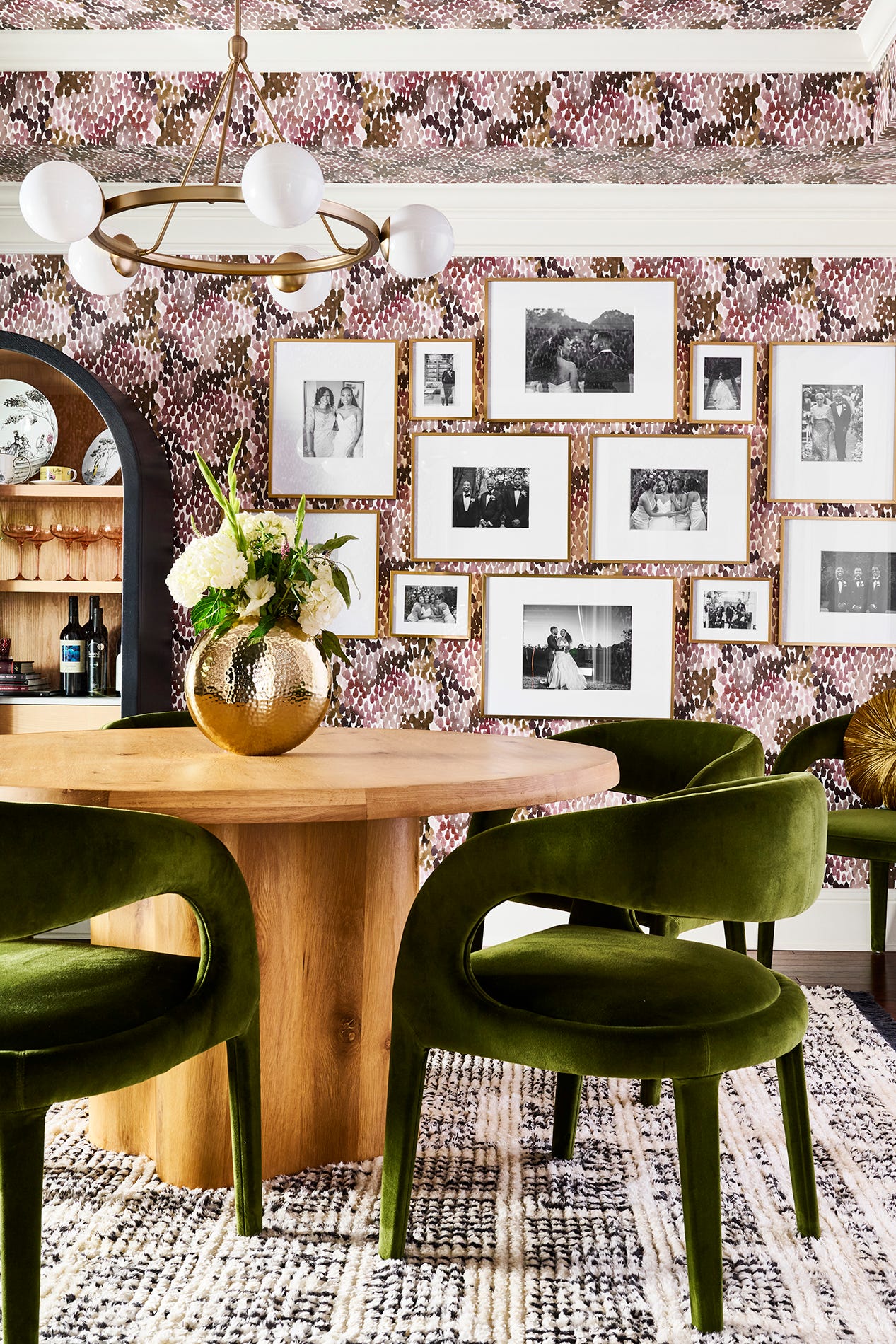
Among the colors identified by experts, forest green is noted for its ability to add character and sophistication, but it can also make a space feel smaller. According to Lynette Willett, design director at Est Est Interior Design, deep and rich colors like forest green possess low reflectance values, creating a heavy, weighted atmosphere that gives the illusion of reduced space. Similarly, burgundy, as explained by Katie Gutierrez, principal interior designer at Errez Design, is a "zero bounce color" that absorbs light, making the room feel tight and cozy. However, if the goal is to intentionally create a more intimate and cozy ambiance, a brooding burgundy can be an excellent choice.
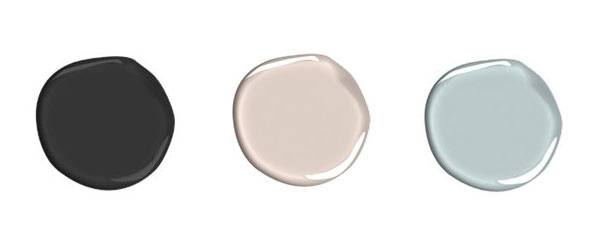
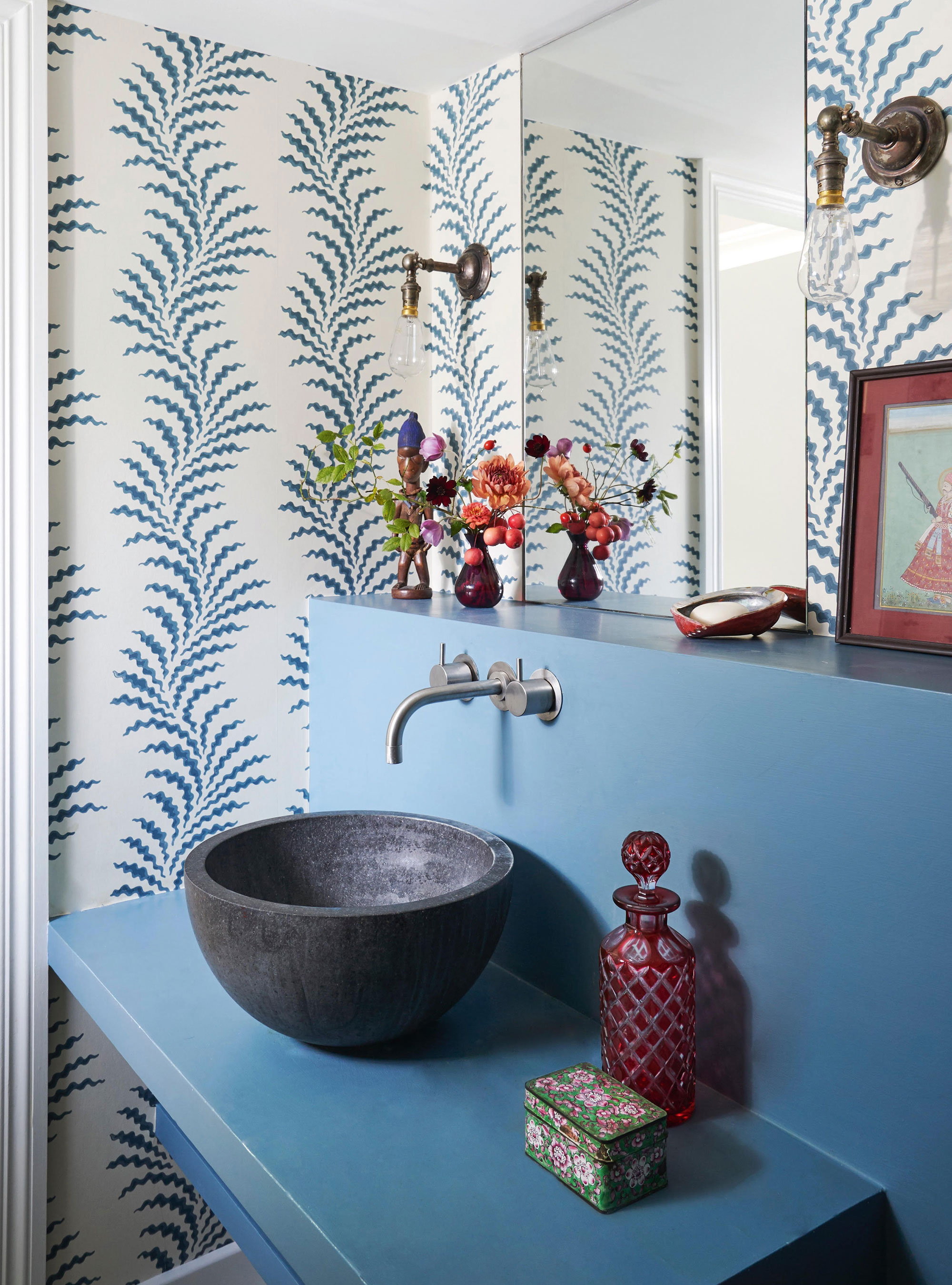
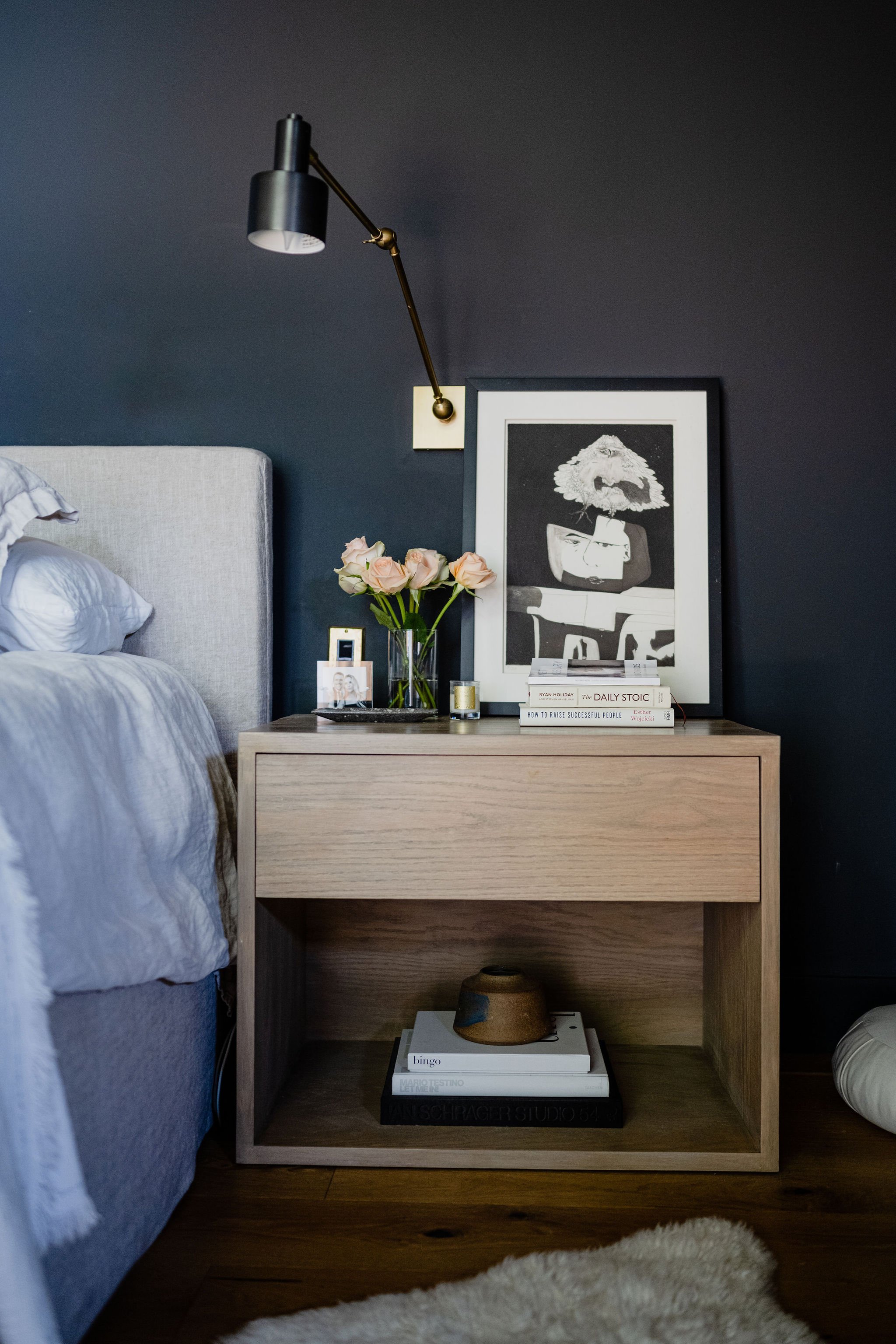
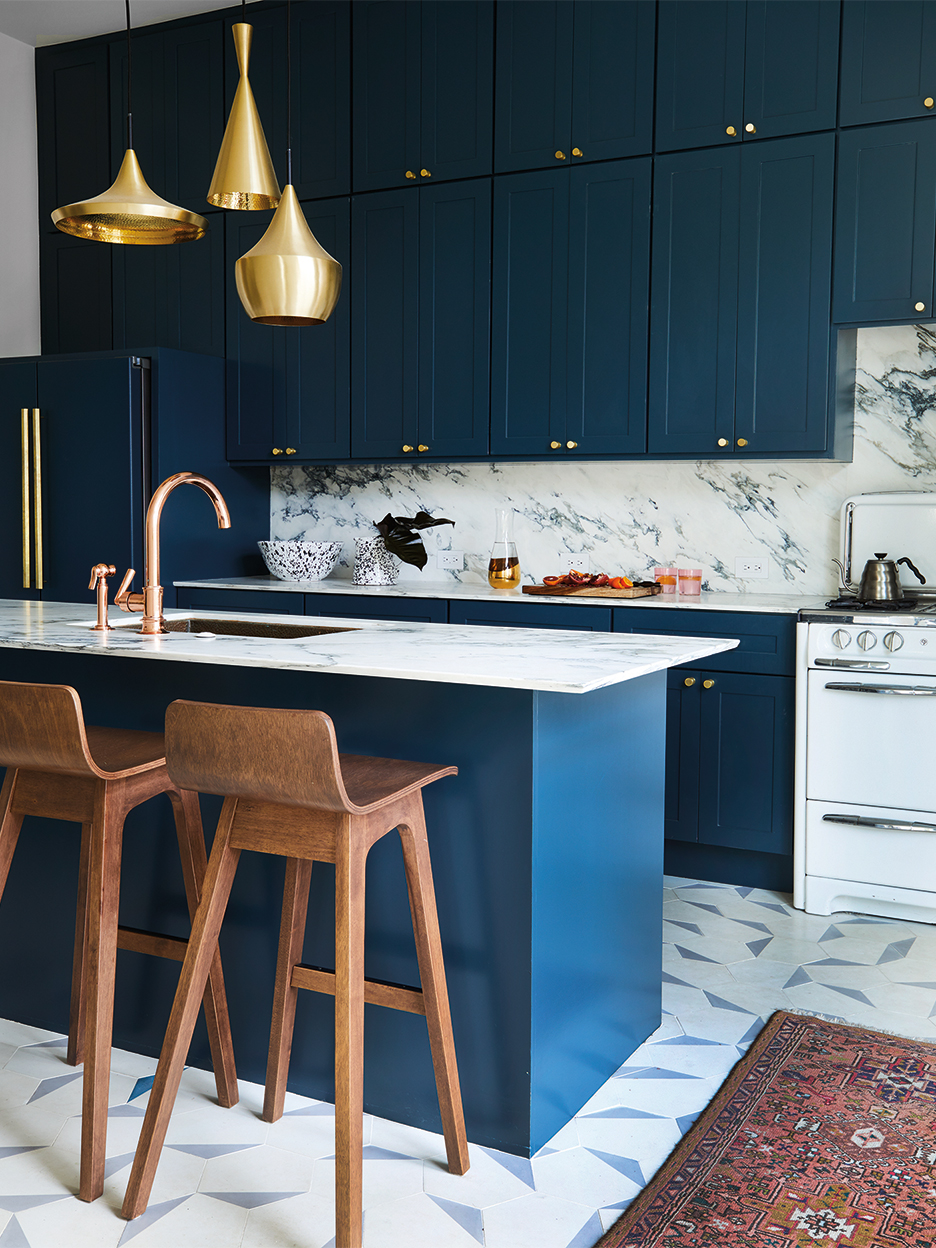
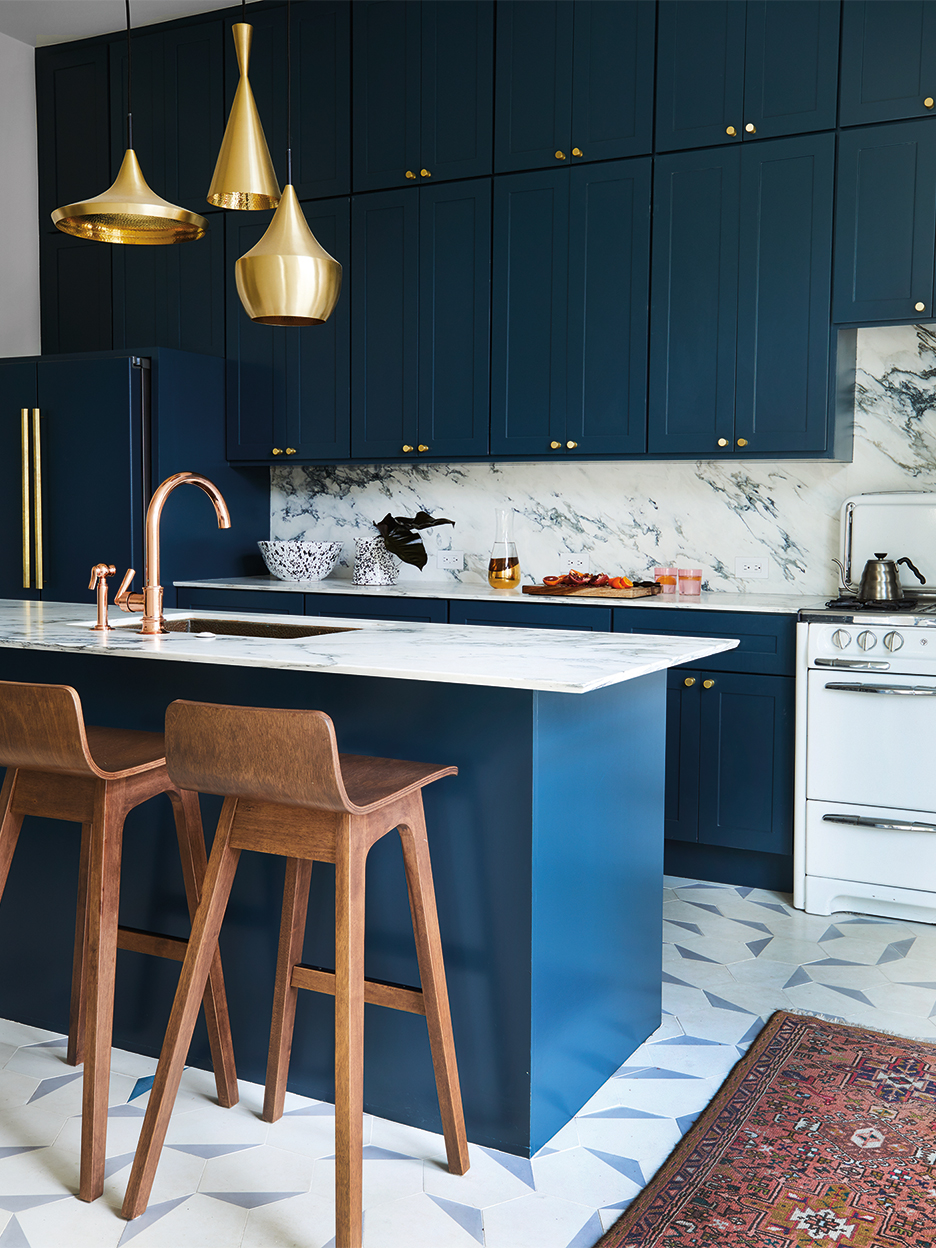
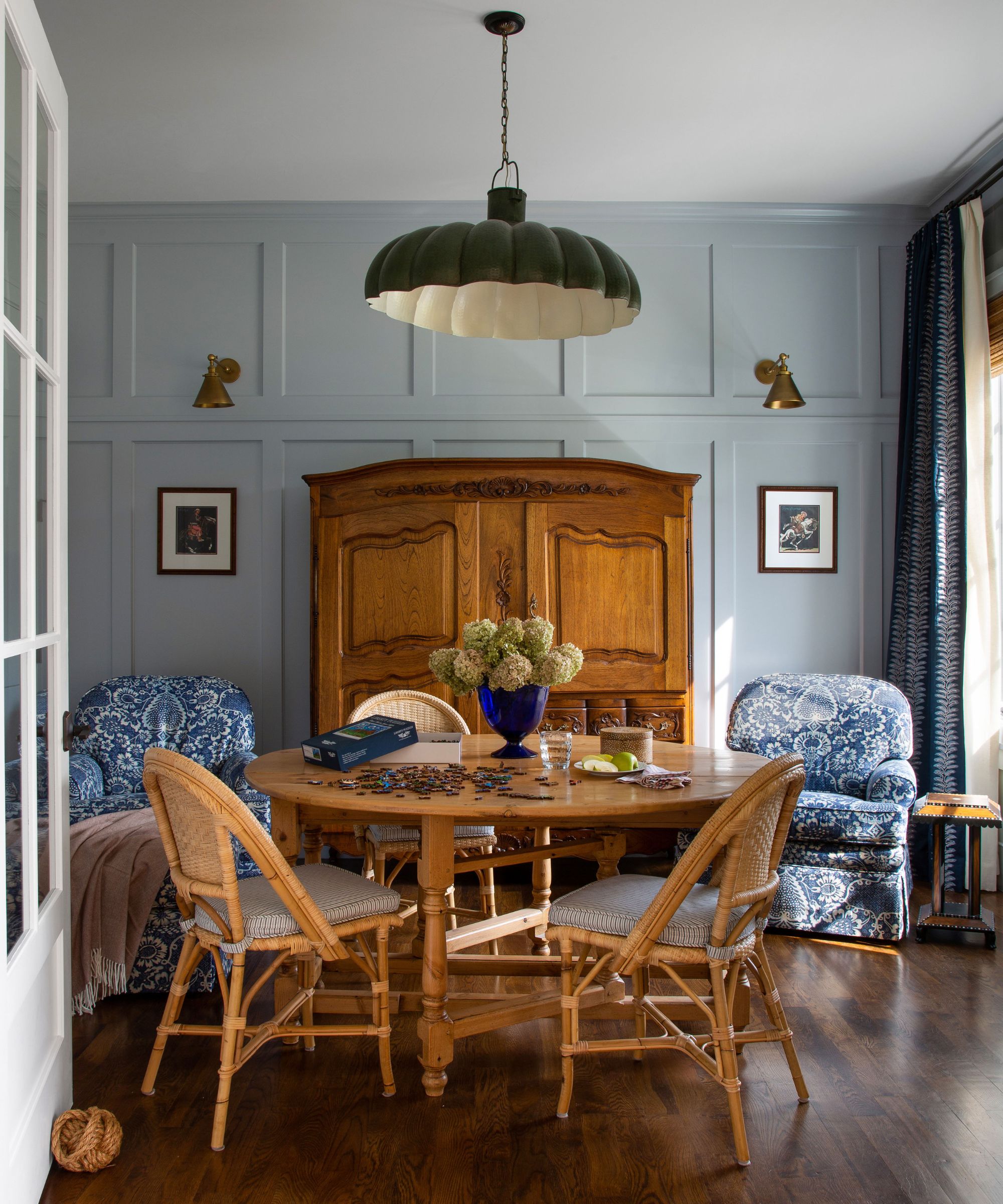
Navy blue, while a timeless and elegant option, also contributes to a dining room appearing smaller. Willett highlights that navy blue tones scale from a black base, meaning they absorb more light. This characteristic is particularly impactful in dining rooms with limited natural light or low ceilings. Conversely, for an exceptionally large dining room that might feel overwhelming, navy blue can be an effective strategy to introduce a sense of intimacy. Charcoal paint colors, known for their deep, moody, timeless, and sophisticated appeal, also have a shrinking effect. Gutierrez explains that unlike reflective colors that expand visual volume, dark colors like charcoal gray achieve the opposite. To maximize this cozy, shrinking effect, designers suggest color-drenching the room, including the ceiling, and using trim colors that are close in tone to avoid creating bright visual exits.
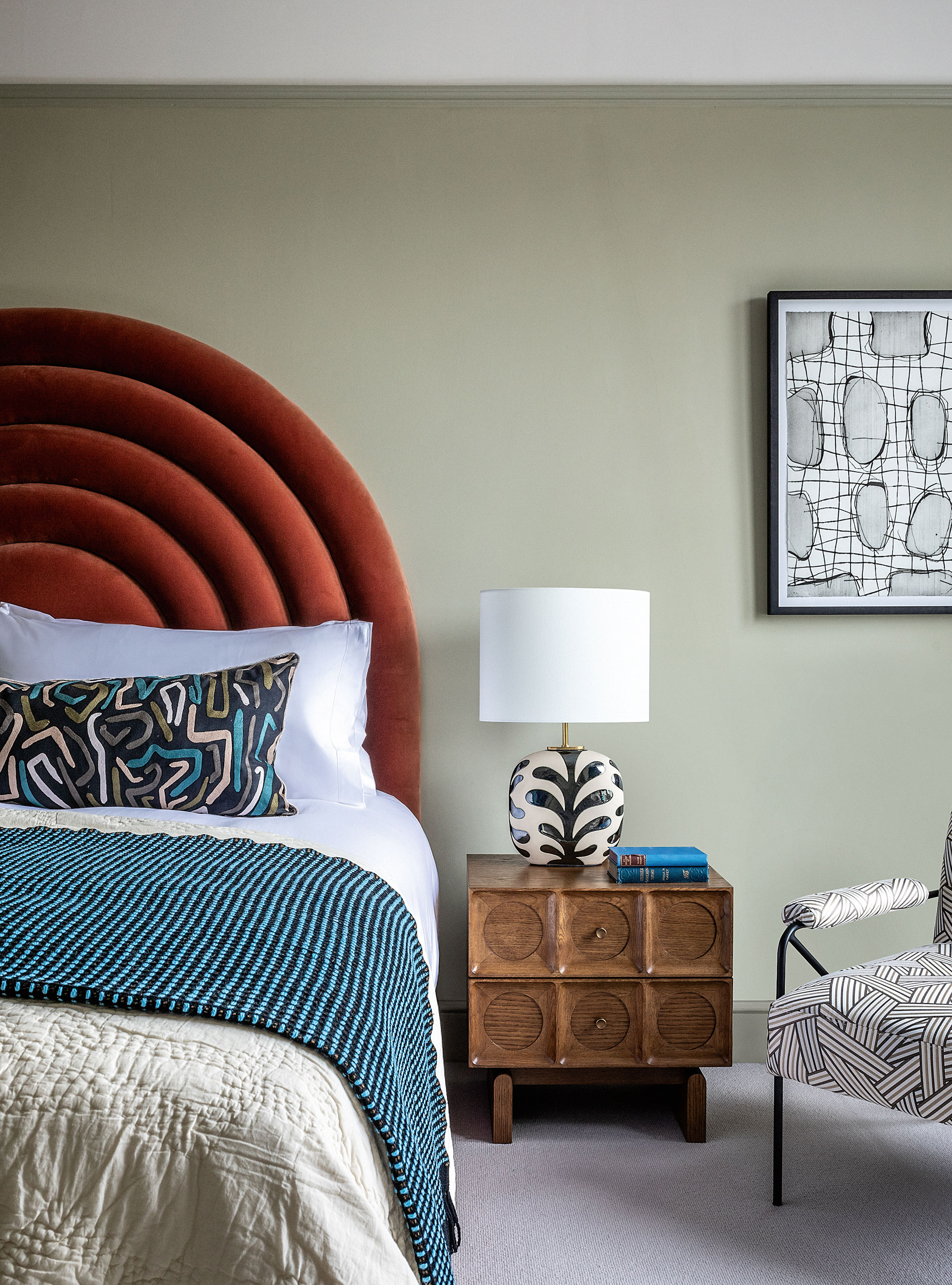
Finally, peppercorn gray, a sophisticated shade that balances between warm and cool tones, is another color that can make a dining room appear smaller due to its visual weight. While it can elevate a room when paired with crisp white trim, crown molding, and a ceiling medallion, its inherent properties cause the space to feel more enclosed. Overall, while these deep and saturated colors can define a space and create specific moods, their light-absorbing qualities inherently lead to a perception of reduced room size, a factor important to consider when selecting dining room paint.
#DiningRoomDecor #PaintColors #InteriorDesign #RoomPerception #HomeDecorating #DesignTips #ColorTheory #SpaceSaving #CozyInteriors #DiningRoomDecor #PaintColors #InteriorDesign #RoomPerception #HomeDecorating #DesignTips #ColorTheory #SpaceSaving #CozyInteriors
0 comment in total
 No comments yet
You may also like
Kitchen Color Selection Tips from 5 Designers
4 Interior Designers Share the Biggest Paint Color Trends Right Now (and What’s Out!)

5 Countertop Colors That Are Going Out of Style, and What You Should Choose Instead — According to Kitchen Designers

7 Paint Colors That Make Your Kitchen Look Smaller, According to Interior Designers
5 colors you should never paint a small room – designers warn us to steer clear of these hues, and what to pick instead

5 Designers Weigh In on the Best Brands of Paint for Kitchen Cabinets

5 Dining Room Paint Colors For An Entertaining-Worthy Space

4 Outdated Colors Designers say you Should Steer Clear of When Decorating a Living Room
The Color Trend Designers Are Painting Dining Rooms Right Now
6 Paint Colors That Make Your Living Room Look Smaller, According to Interior Designers
Real Estate Experts Reveal the Paint Colors That Decrease Your Home Value—and Tricks for Finding the Perfect Hue
12 Color Schemes That Are Popping Off Right Now, According to Designers

We Asked Designers Which Paint Colors Shrink a Kitchen—And These 5 Are Cramping Your Style
5 Designers Weigh In on the Best Brands of Paint for Kitchen Cabinets

26 Most Popular Kitchen Paint Colors Throughout the Decades

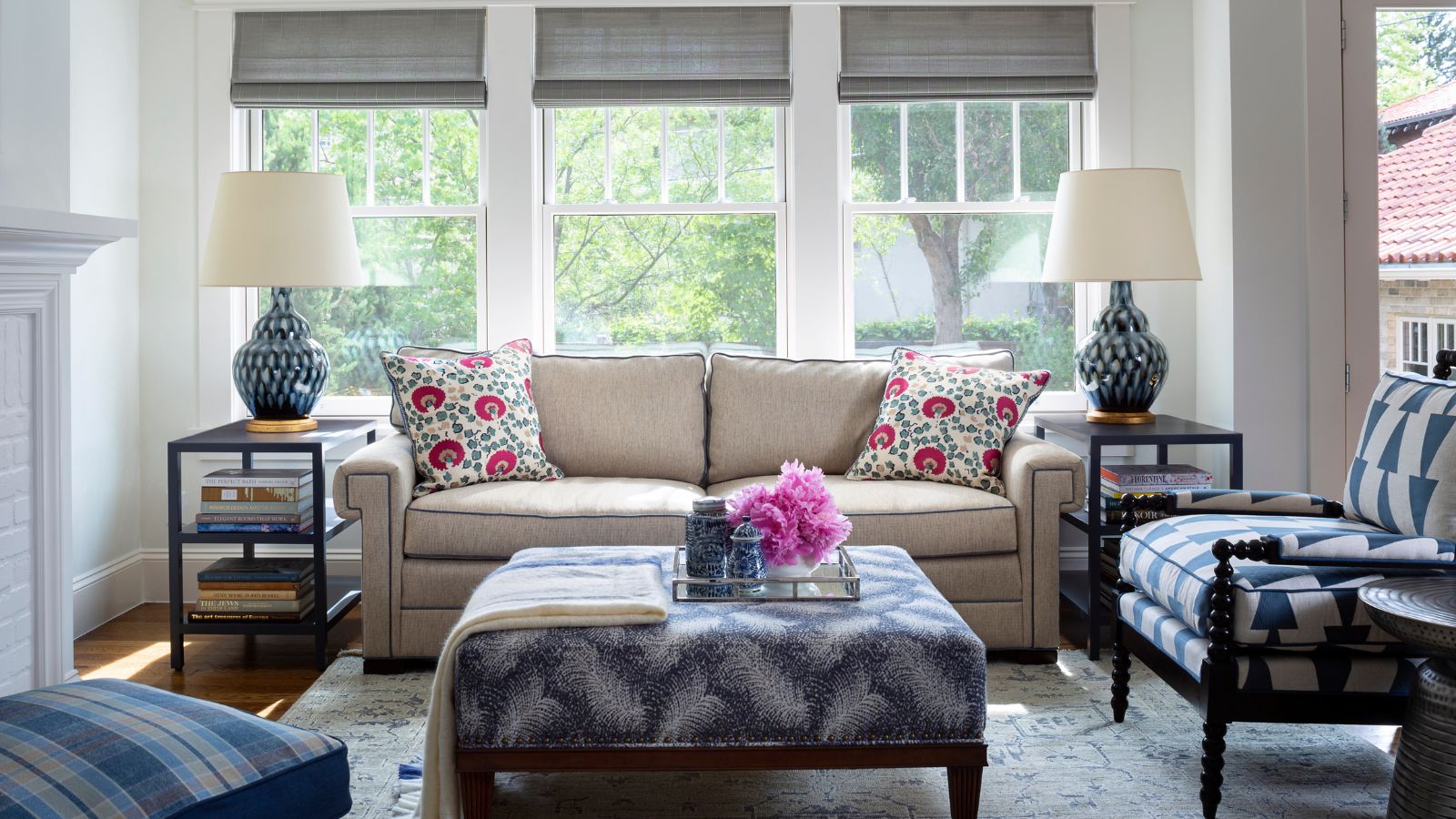
I asked interior designers what color they include in every project – these 5 enduring shades were the favorites
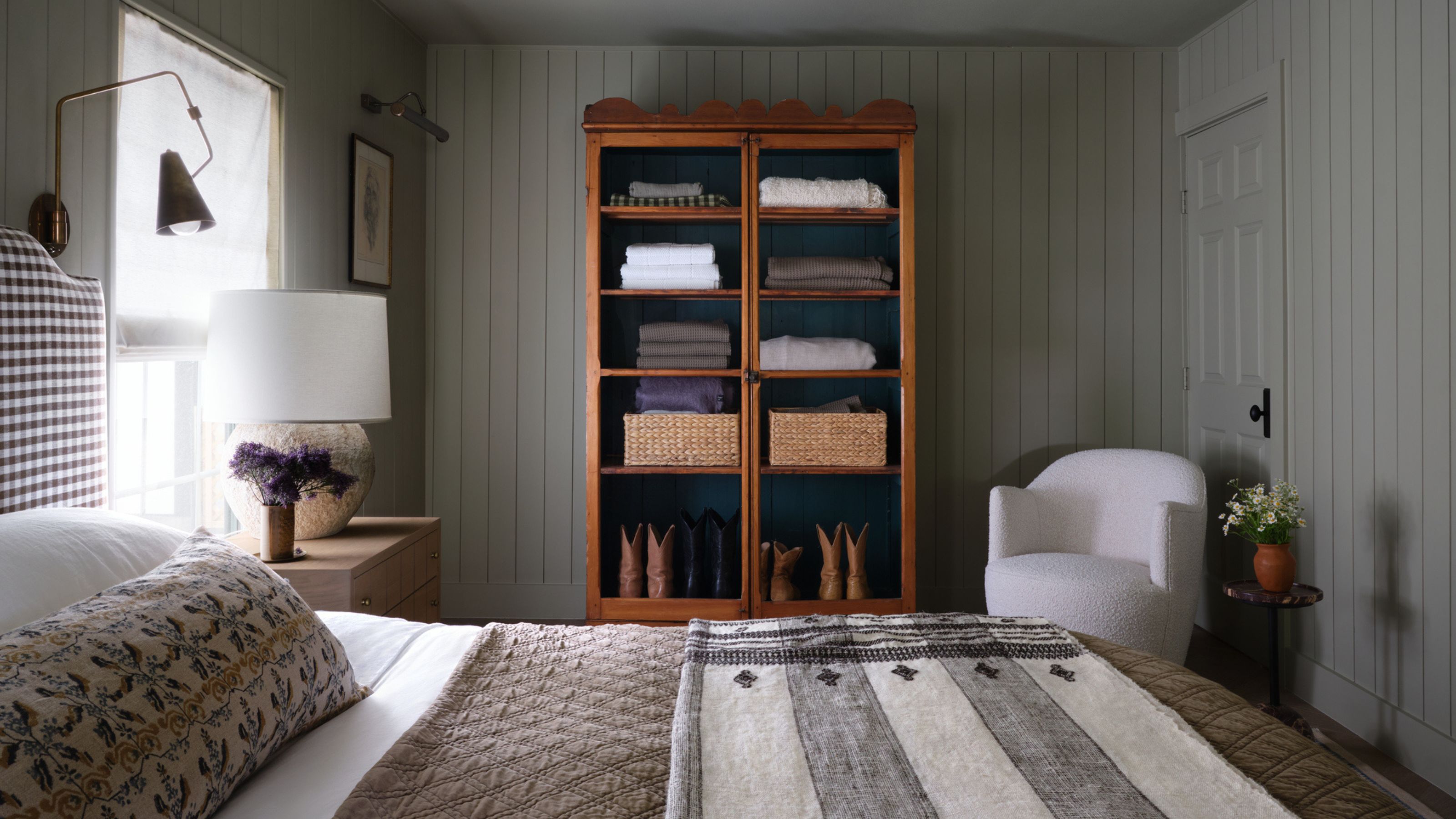
5 Cozy Paint Colors Interior Designers Use to Warm Up Cool Rooms and Create "Snug" Spaces

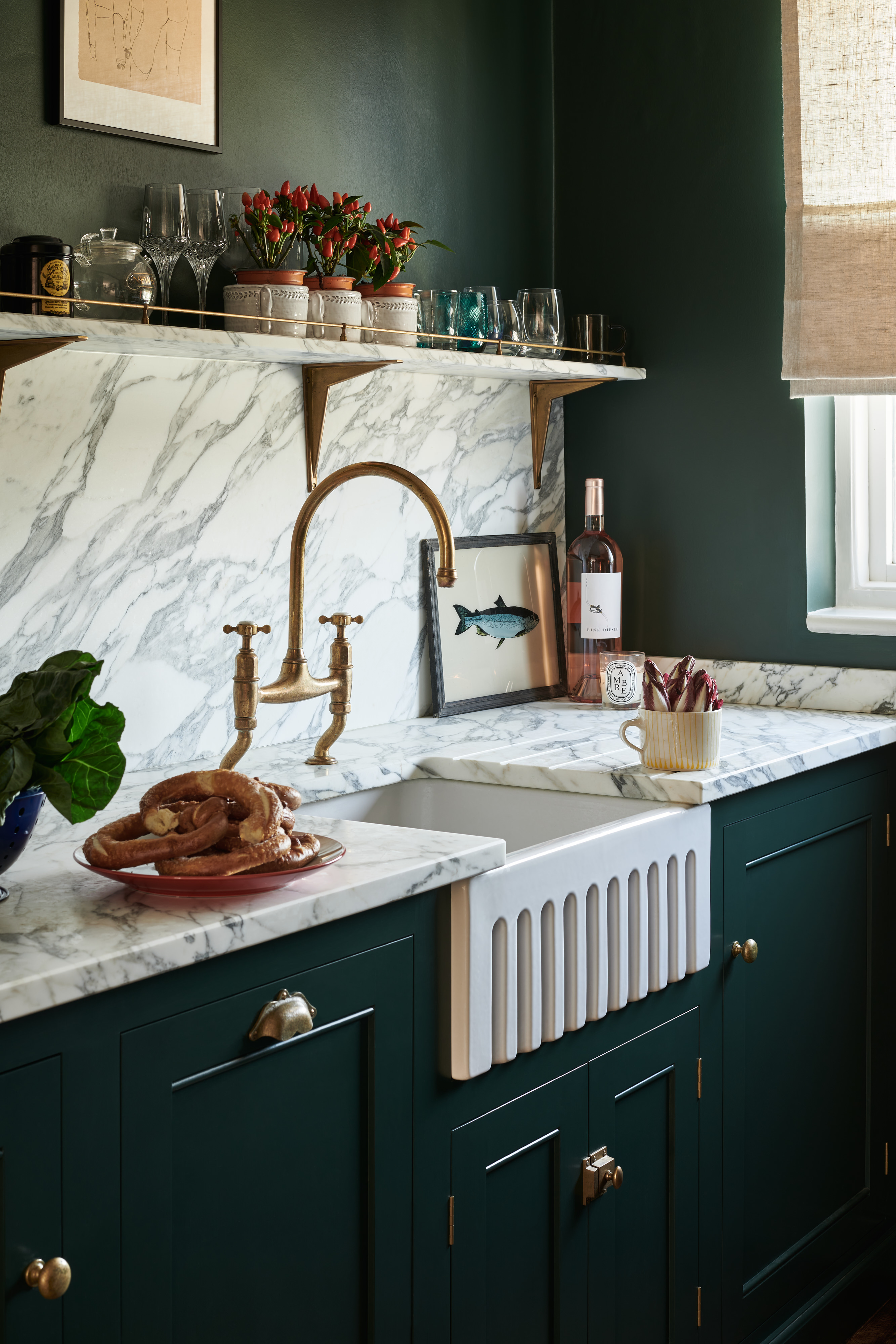
10 kitchen cabinet colors to make a small space look bigger

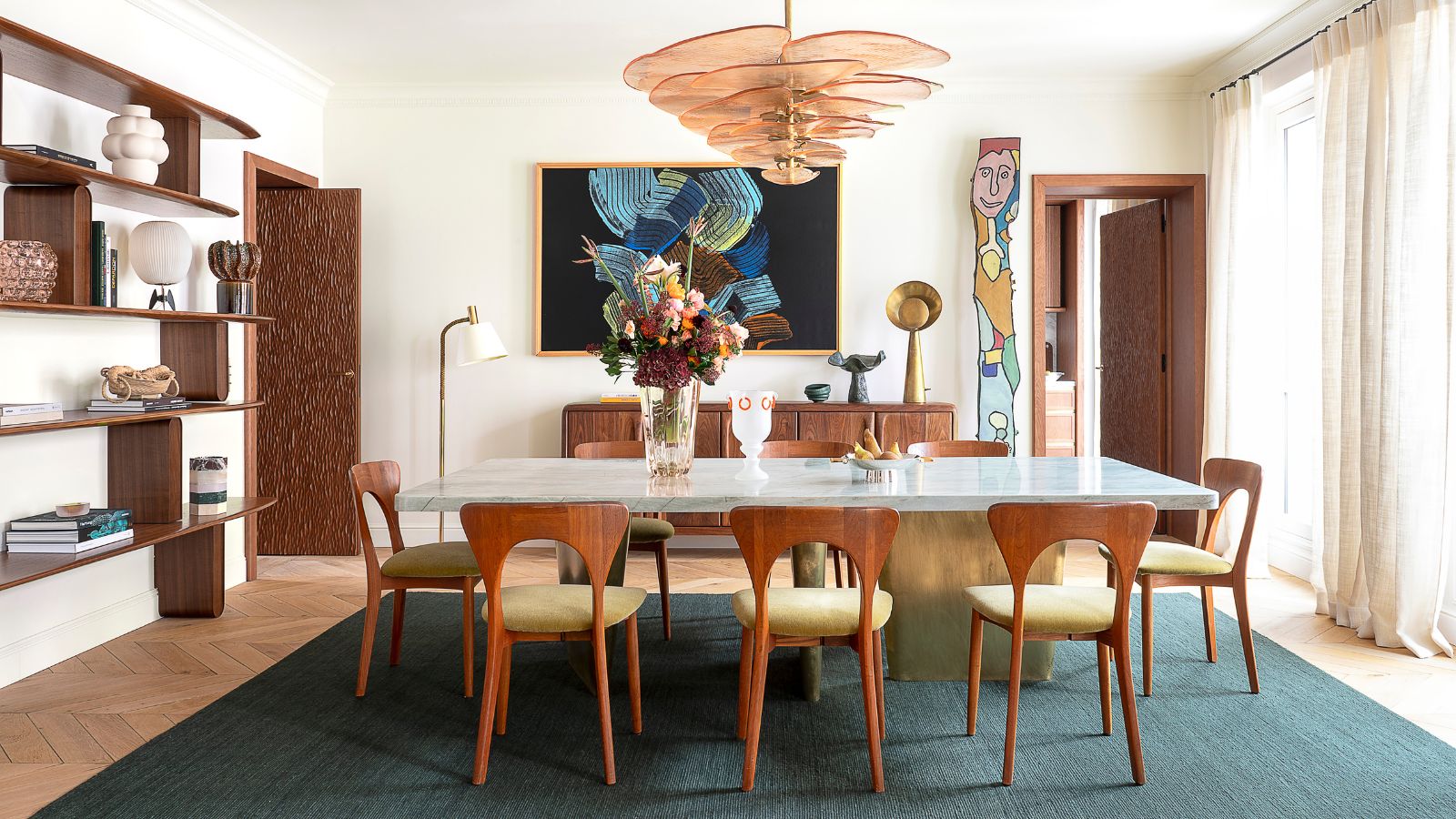
Designers Say These 5 Dining Room Clichés Are Going Out of Style
We Asked Designers Which Countertop Colors Instantly Make a Kitchen Look Tacky—And They Chose These 5