1/9
Upstand vs splashback – what you need to know before designing your kitchen
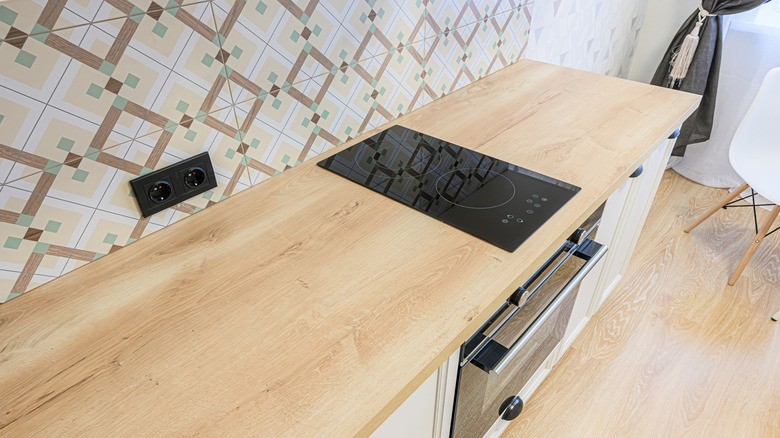
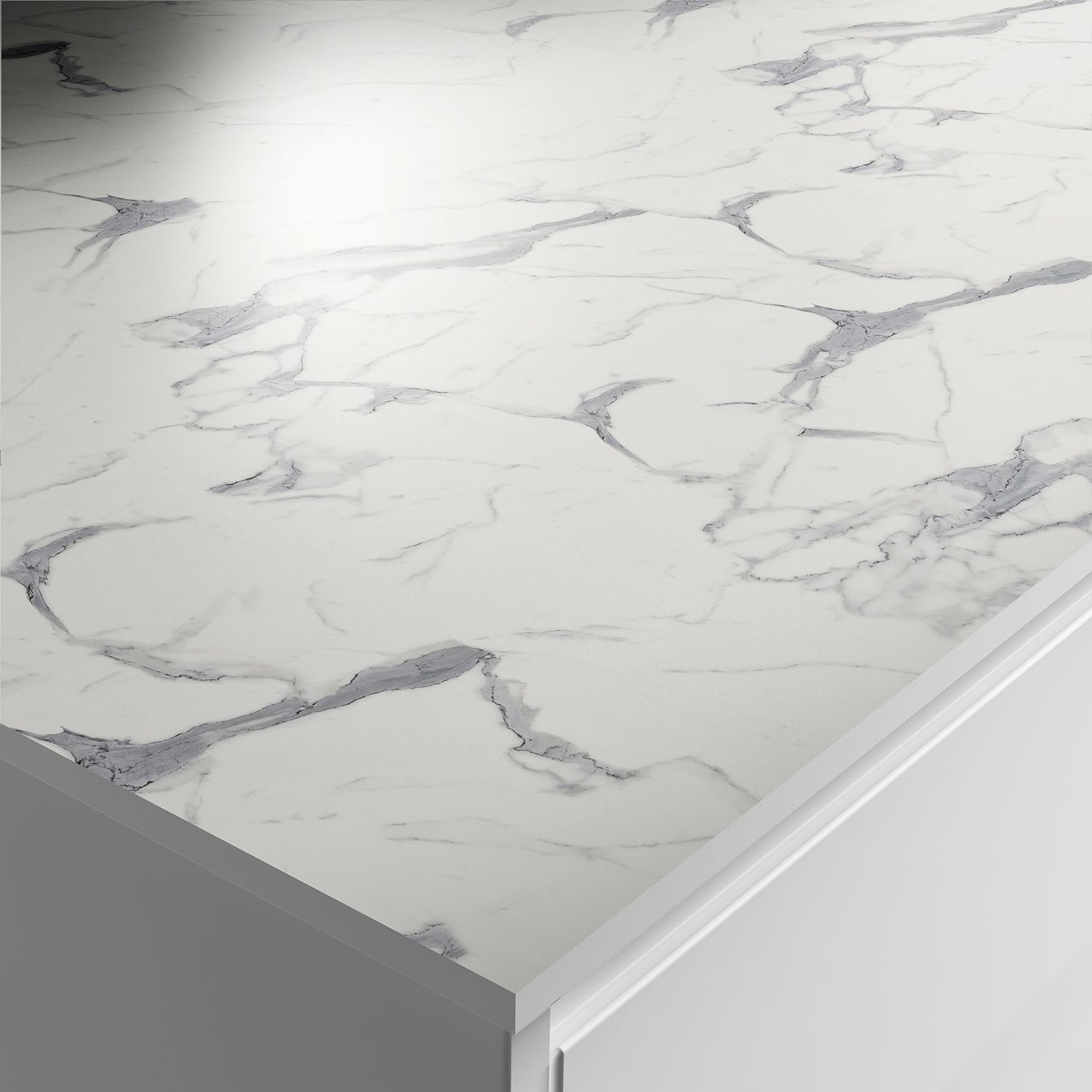
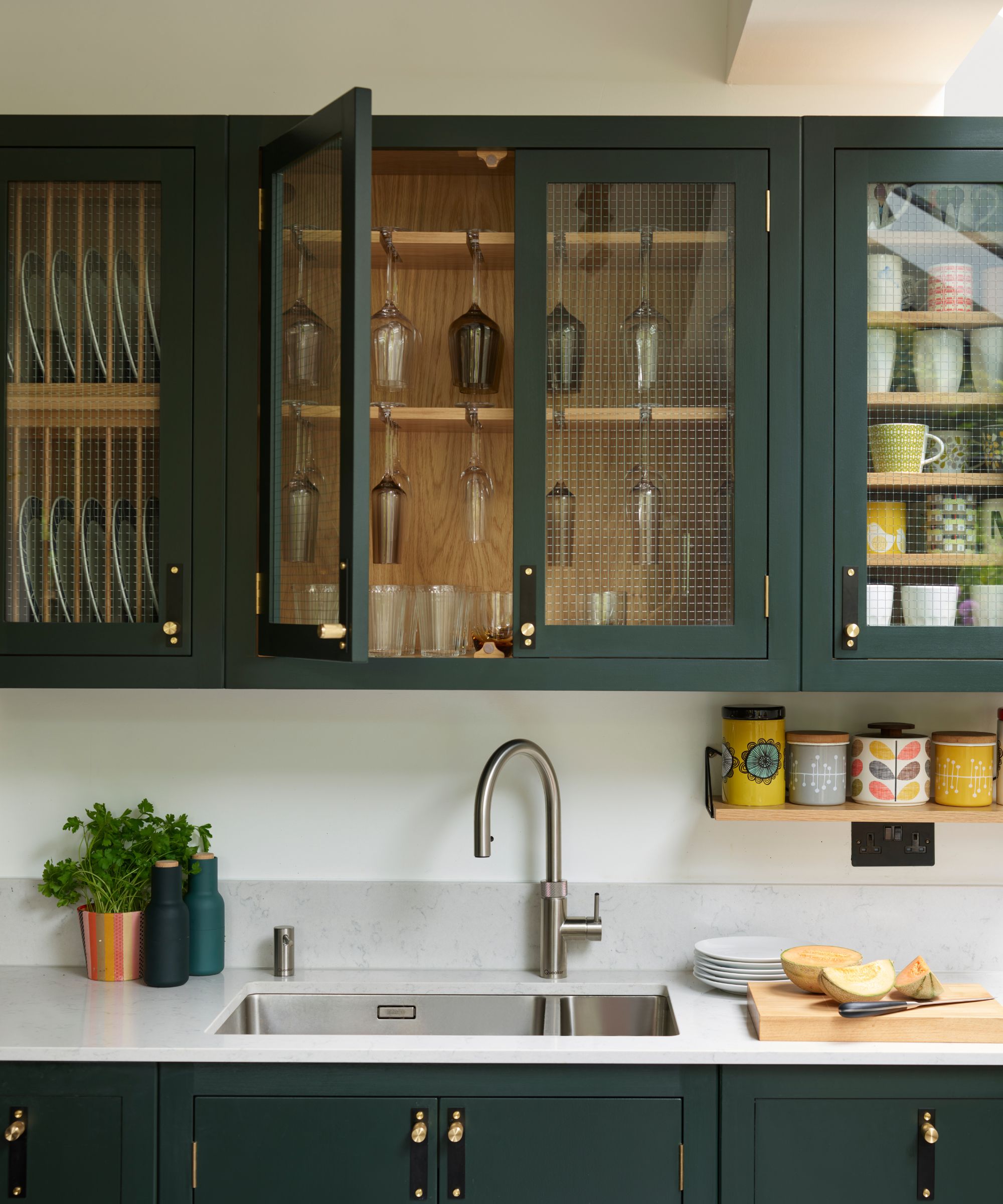
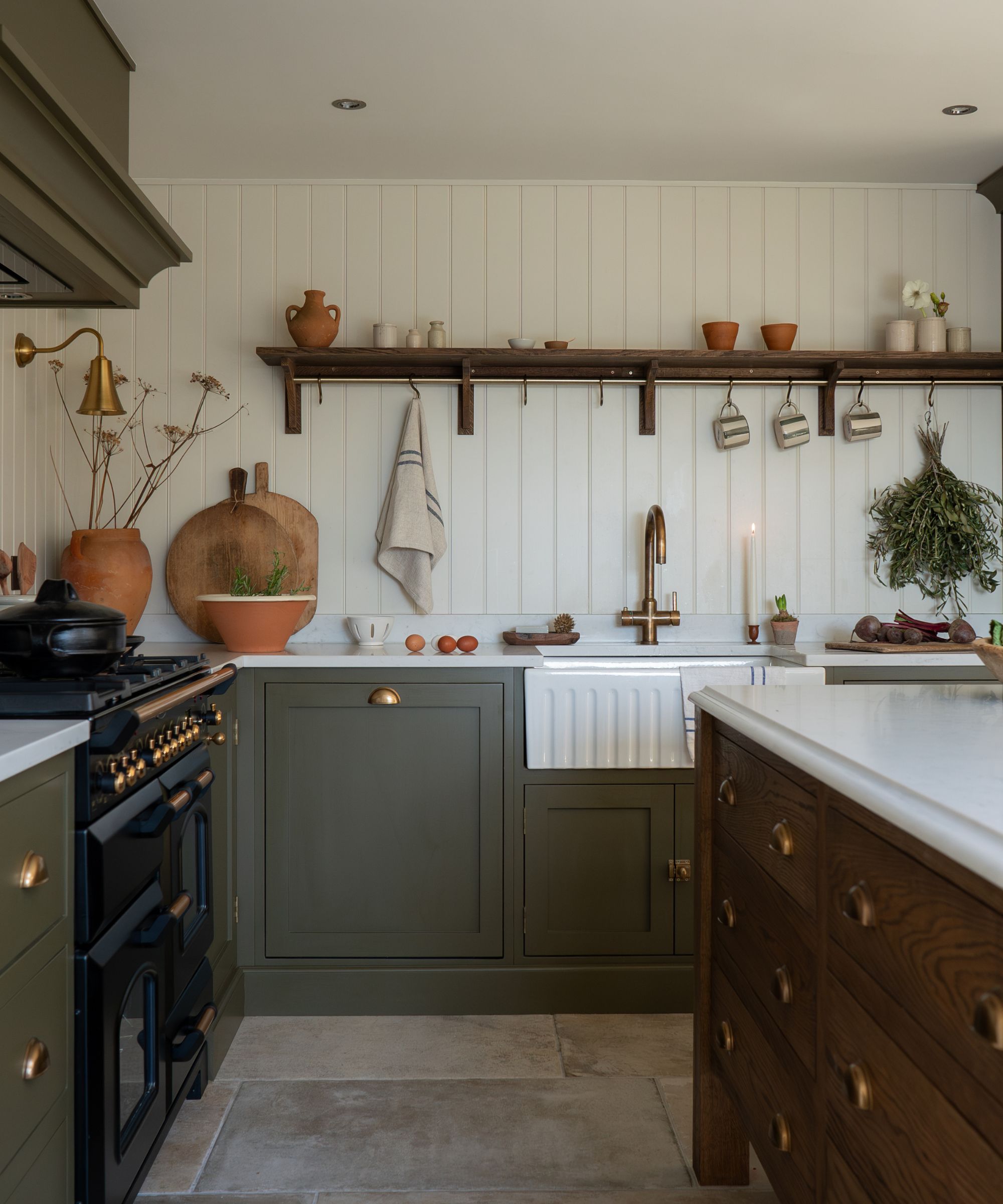
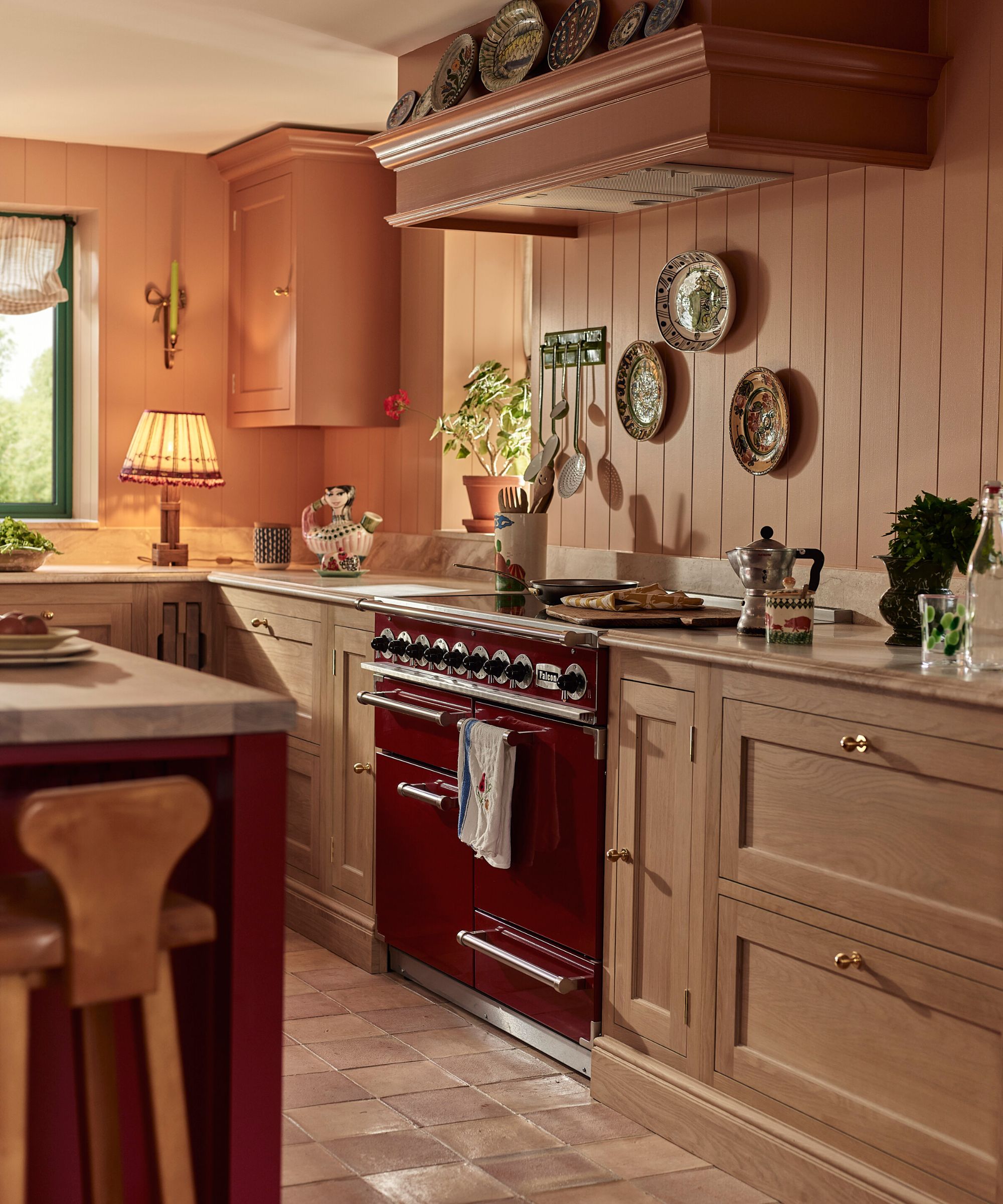
This article delves into the debate between choosing an upstand or a splashback for kitchen design, providing expert insights into the pros and cons of each option. An upstand is defined as a small section of worktop material, typically 50mm to 100mm high, that extends up the wall from the counter. Its primary function is aesthetic, creating a clean finish where the worktop meets the wall and visually connecting the lower cabinets with the upper kitchen space. While it offers minimal splatter protection, it is favored for a pared-back or minimalist look.
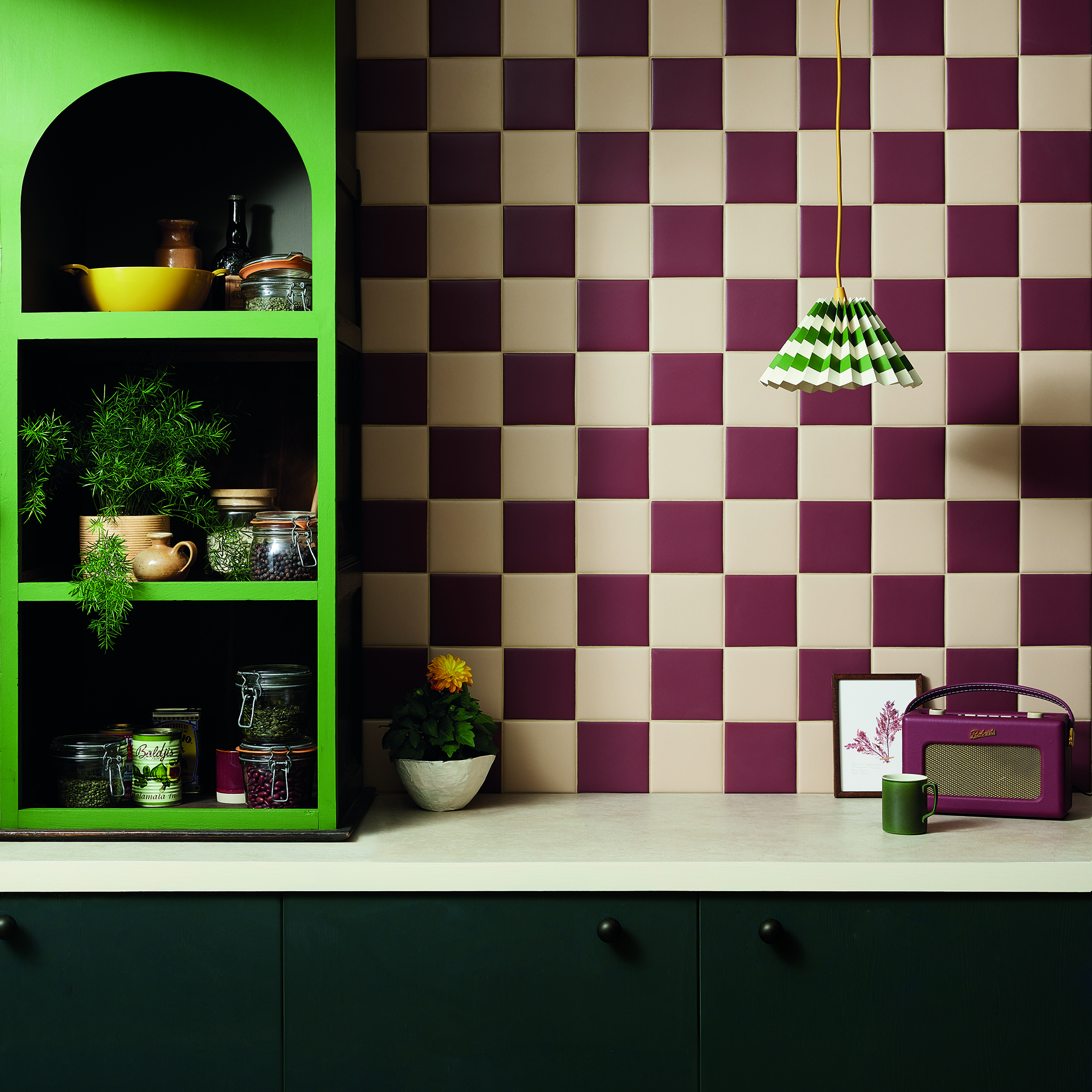
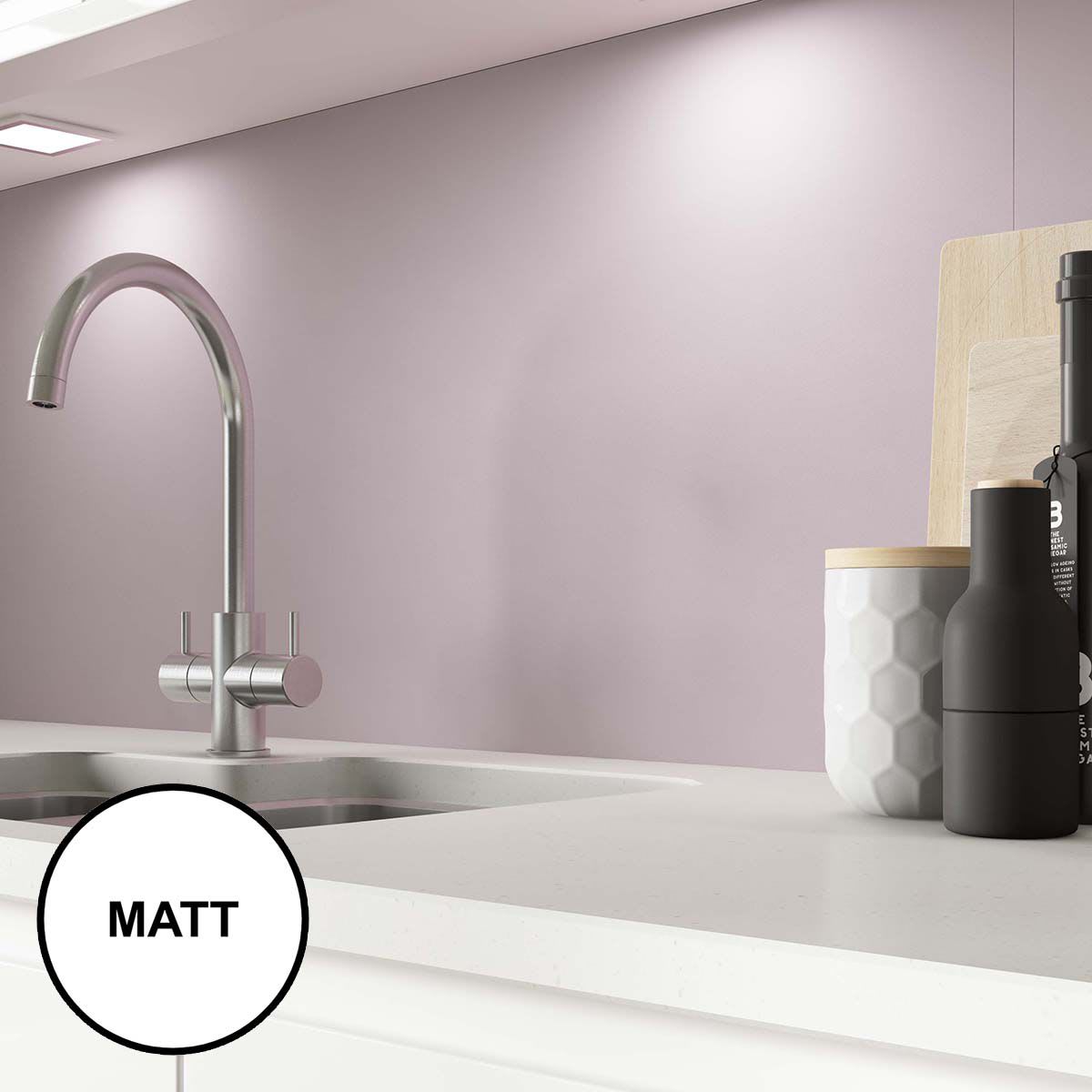
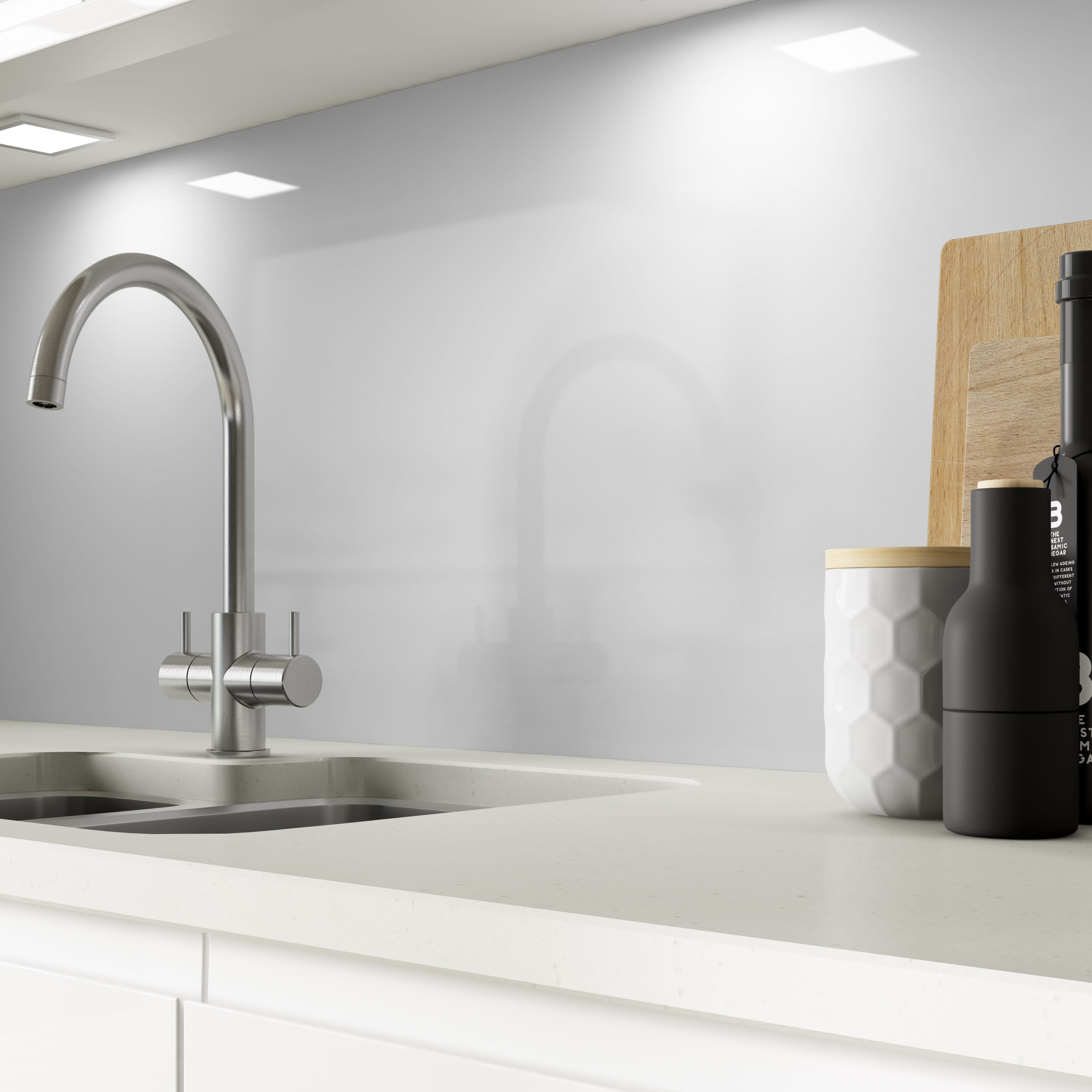
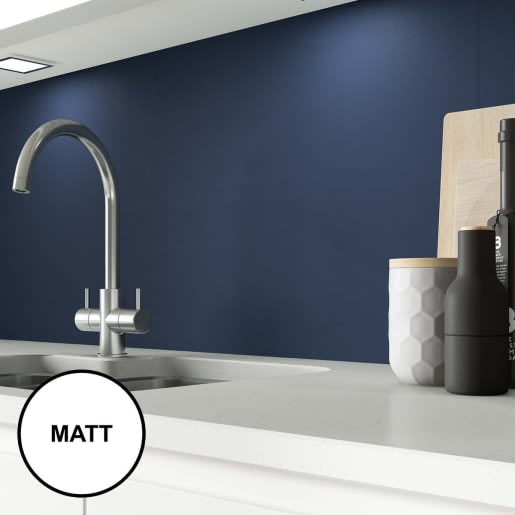
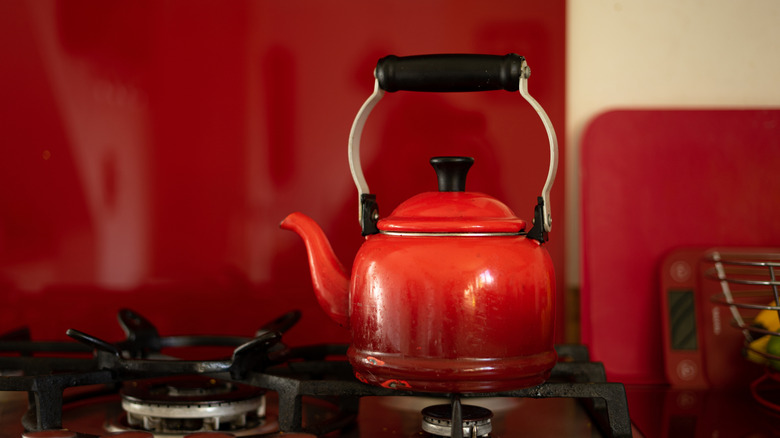
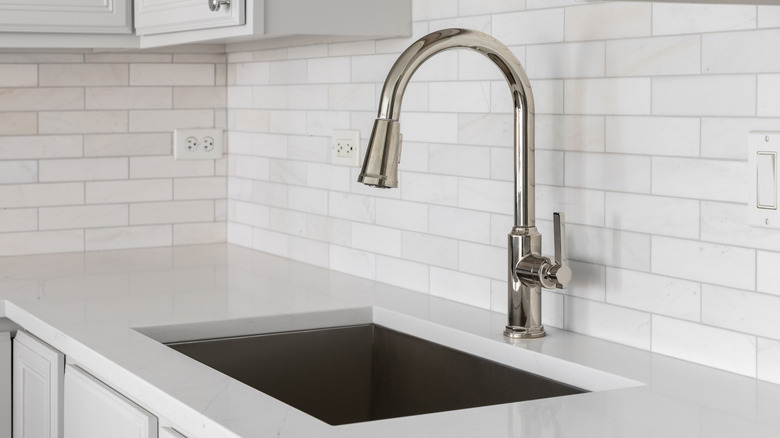
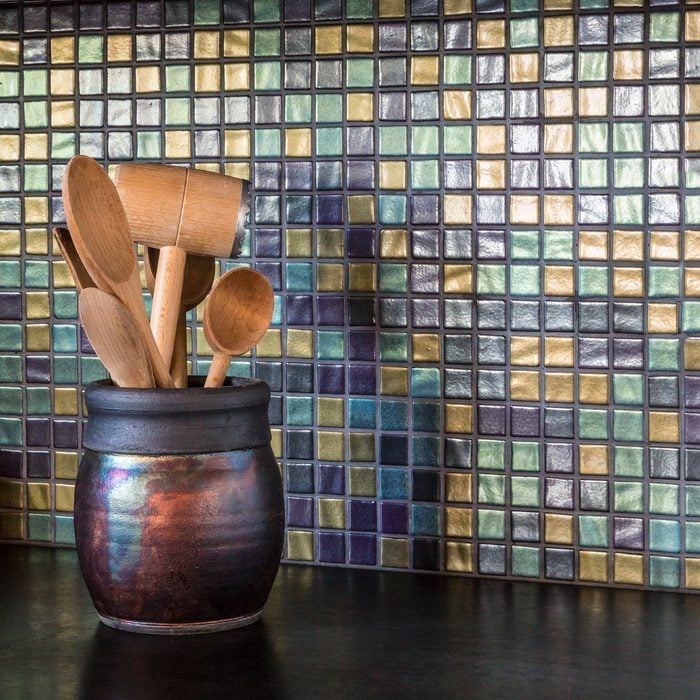
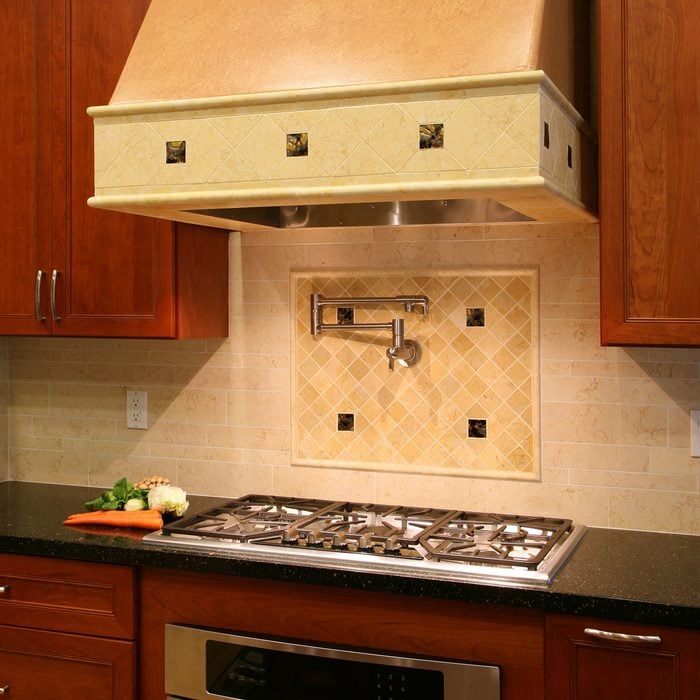
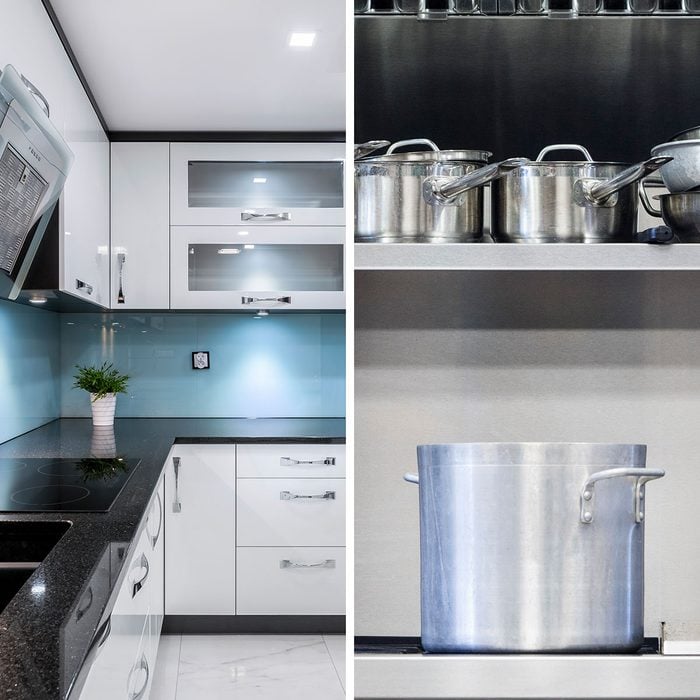
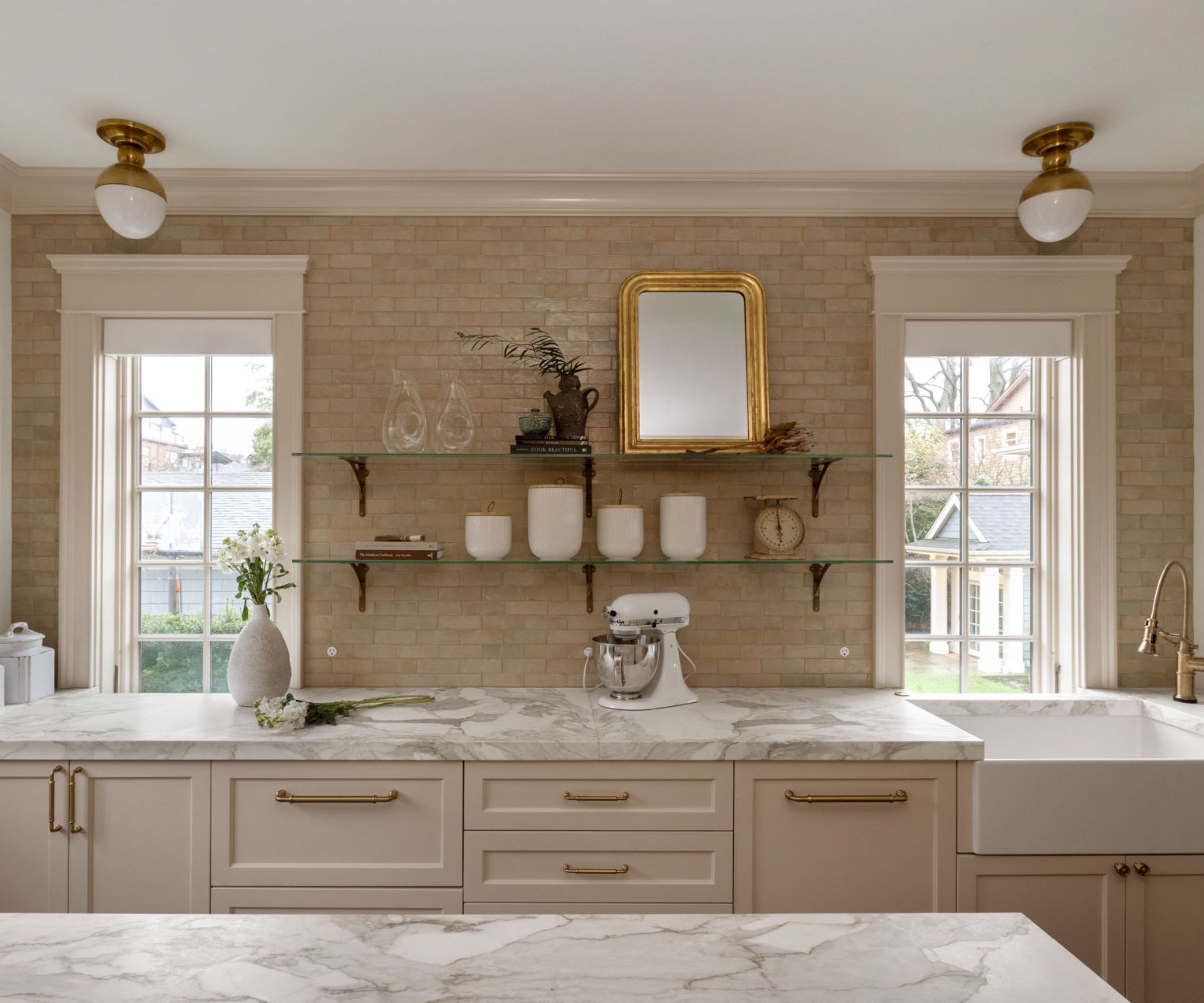
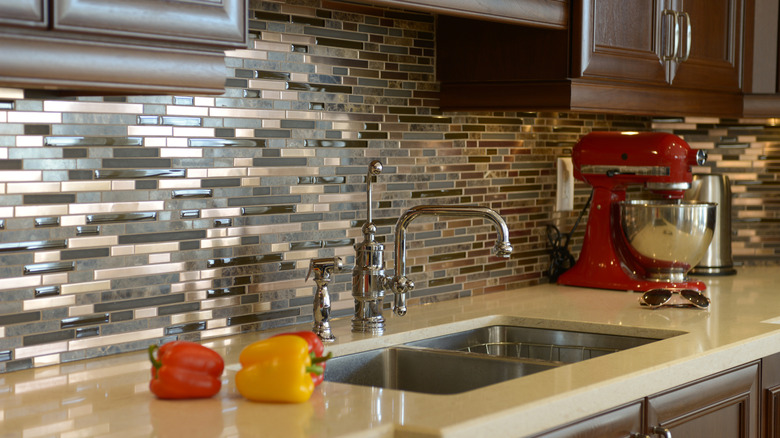
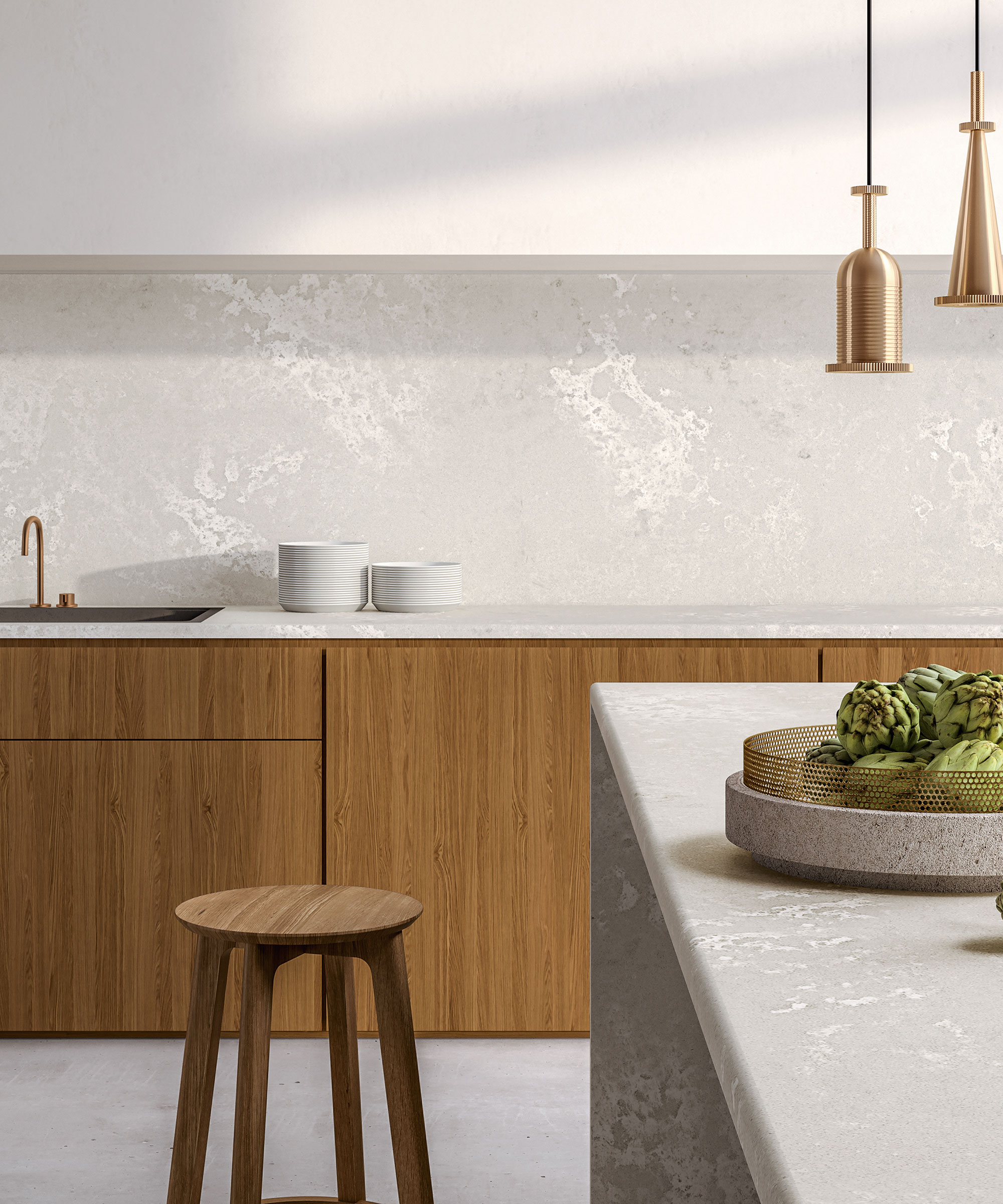
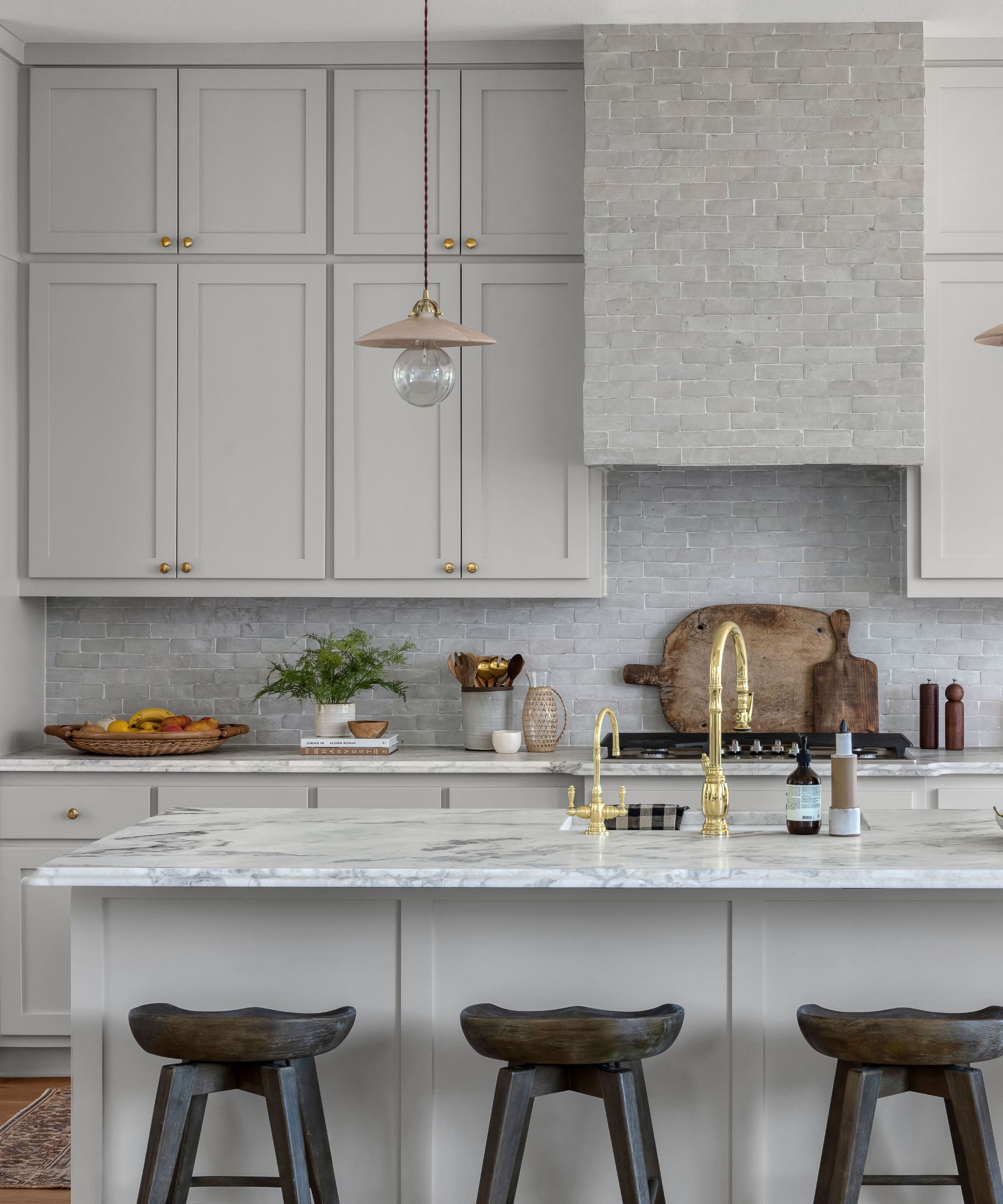
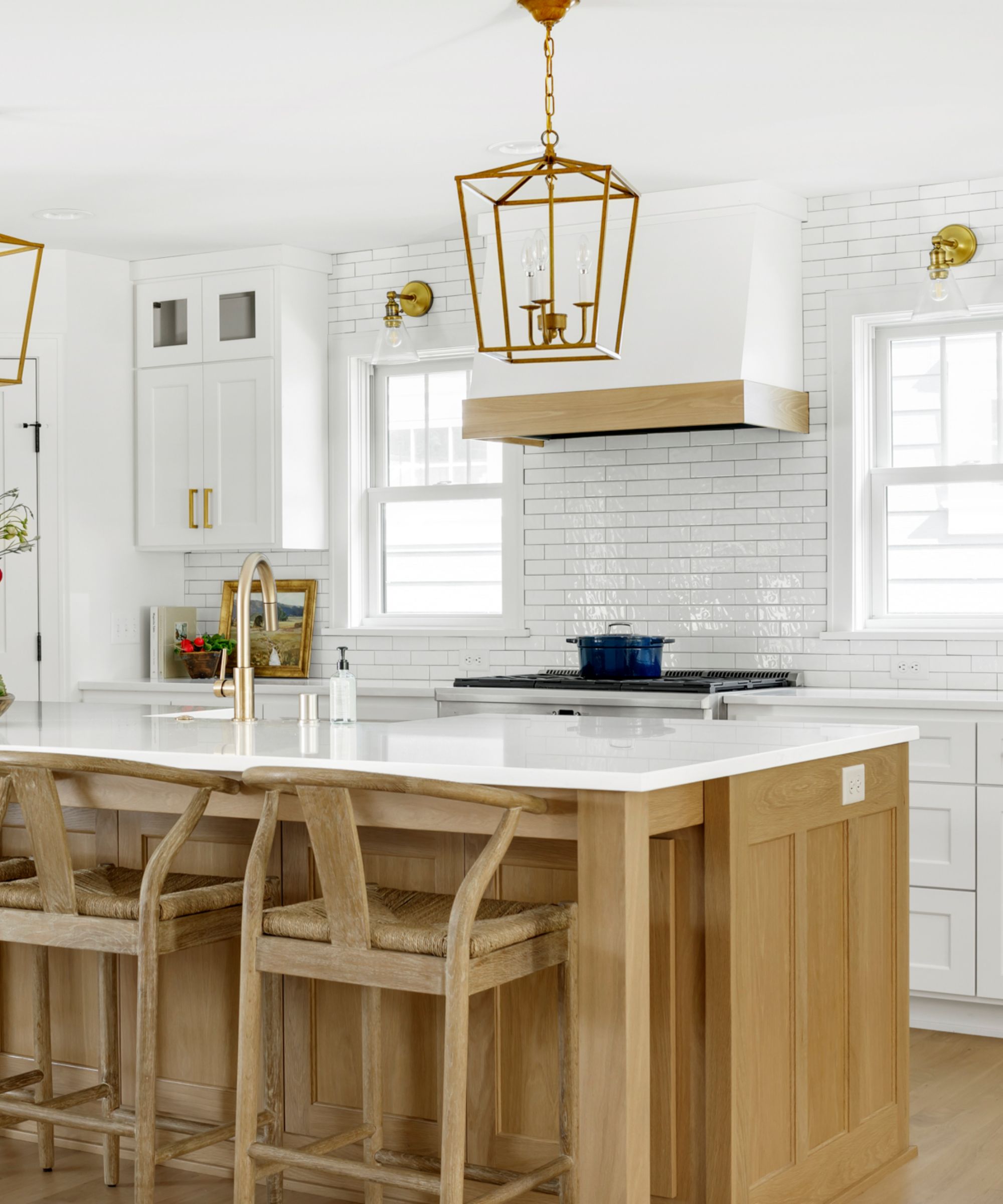
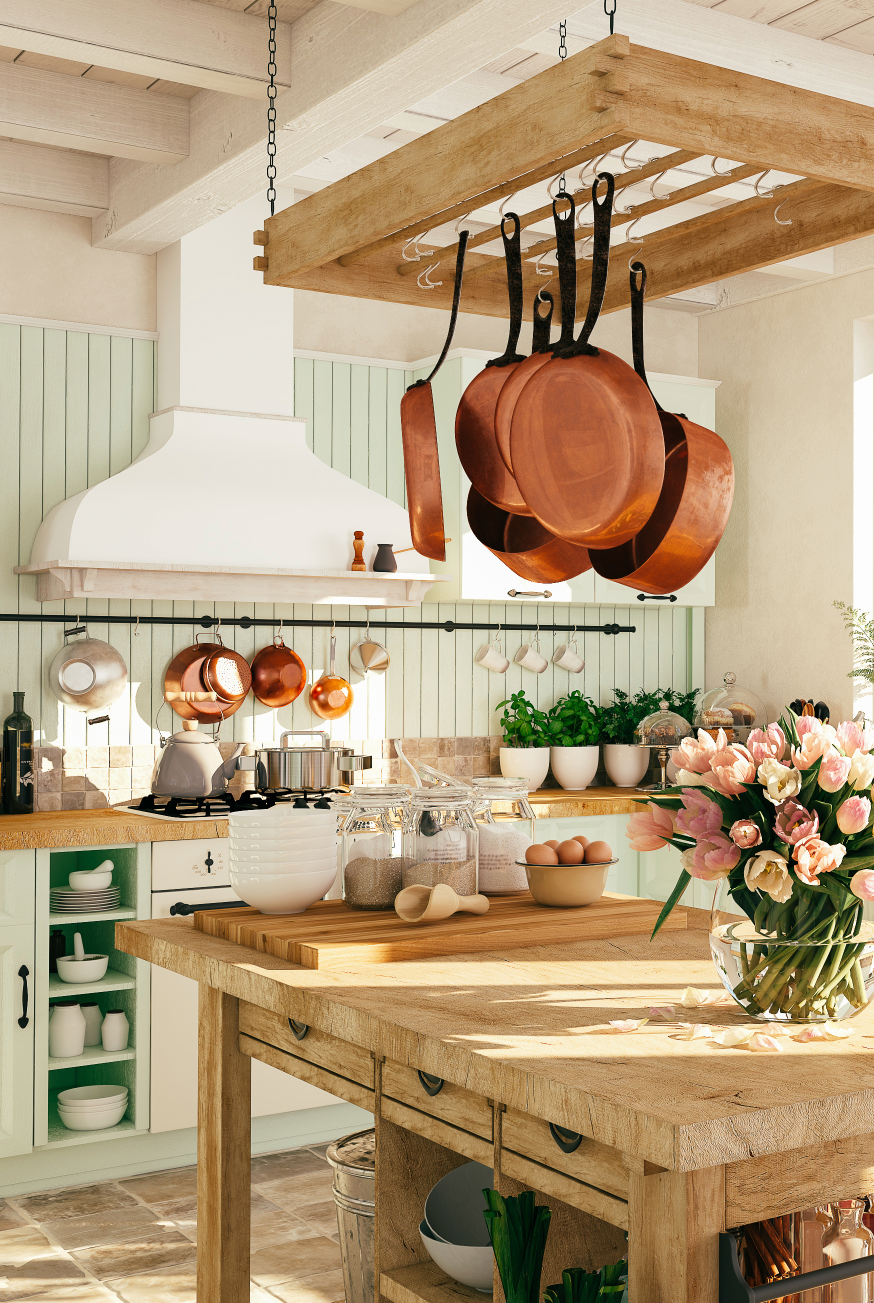
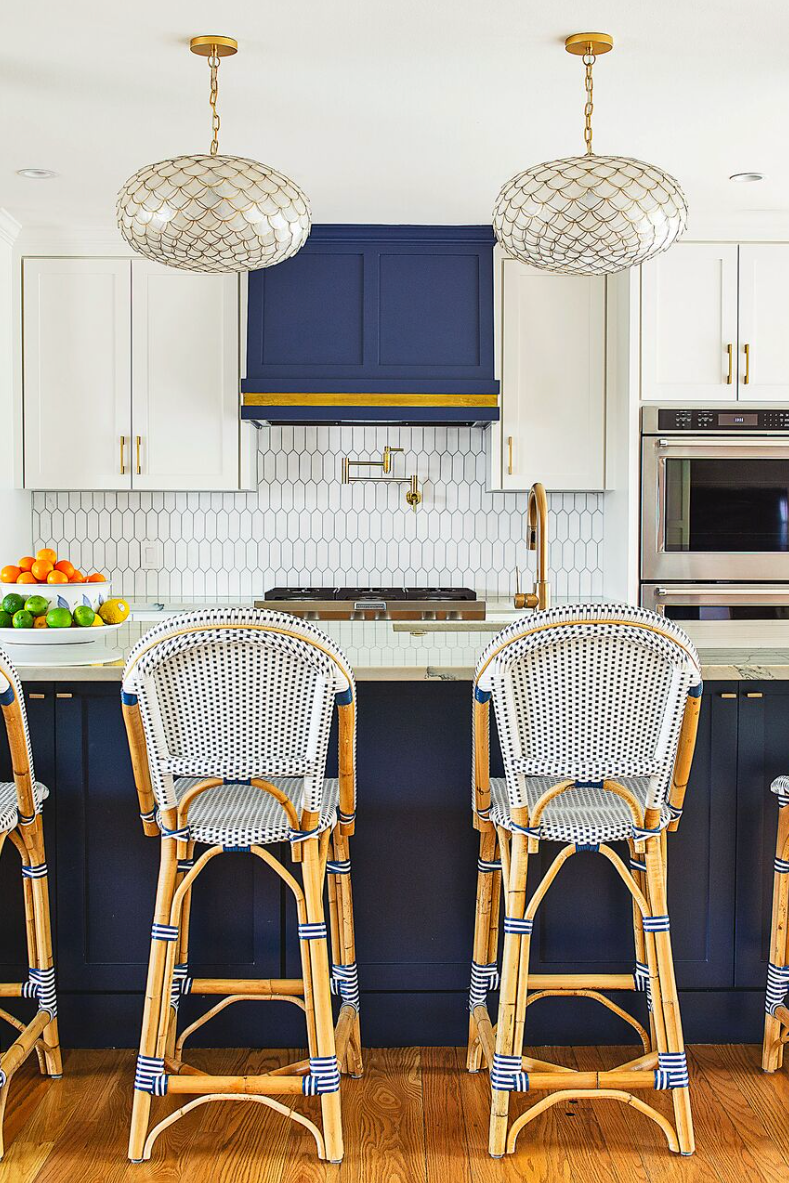
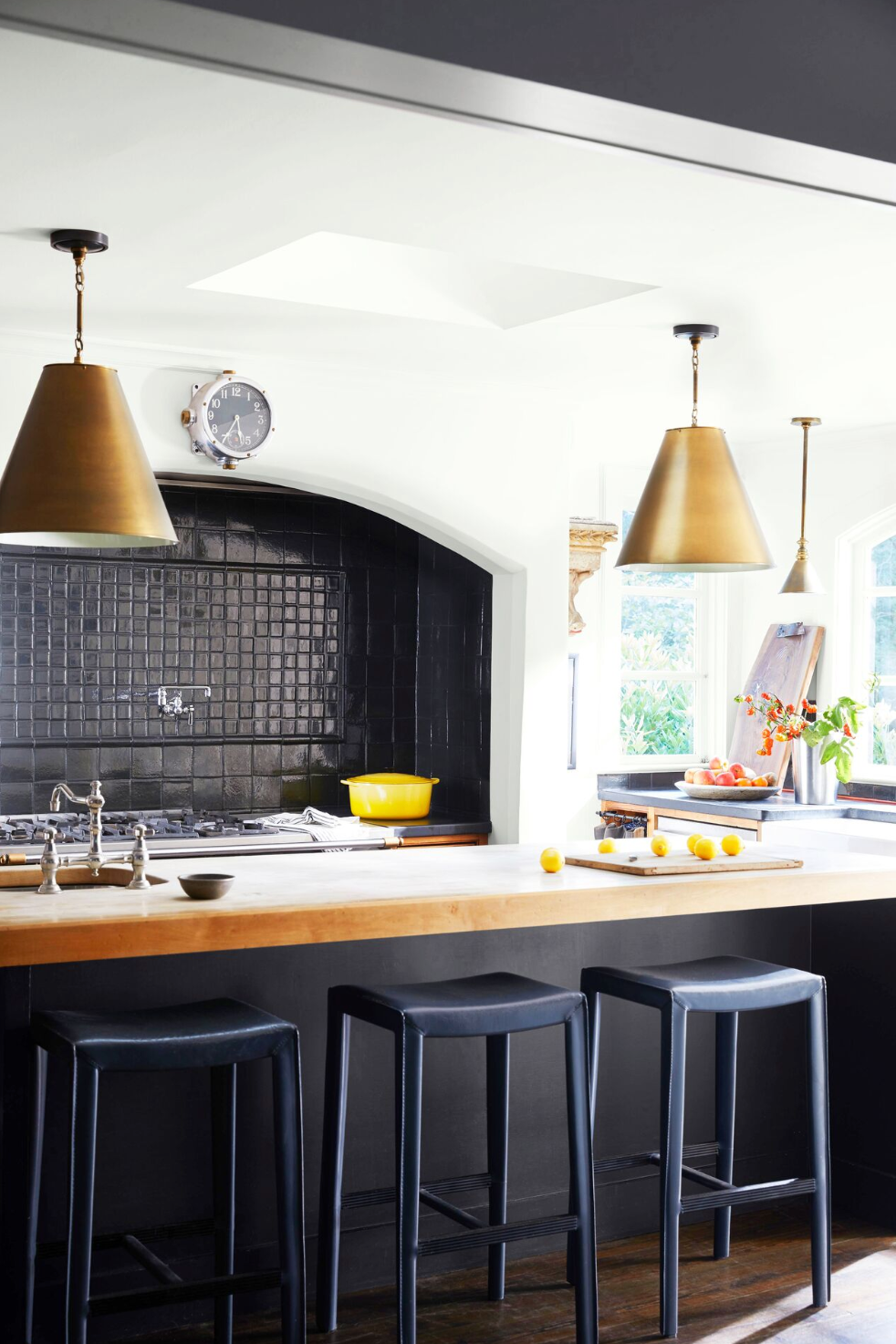
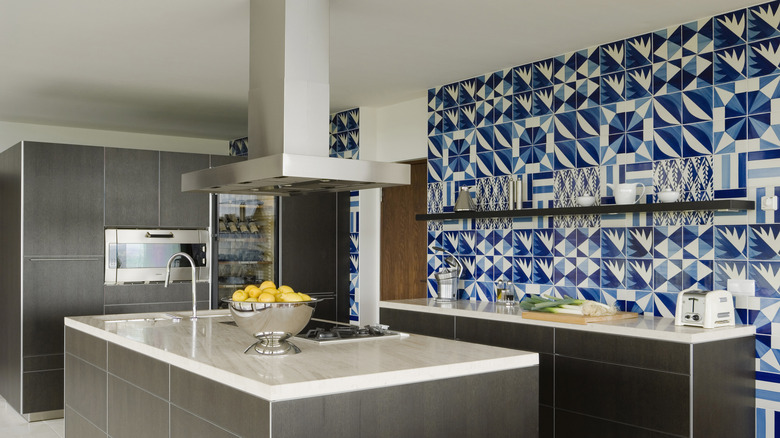
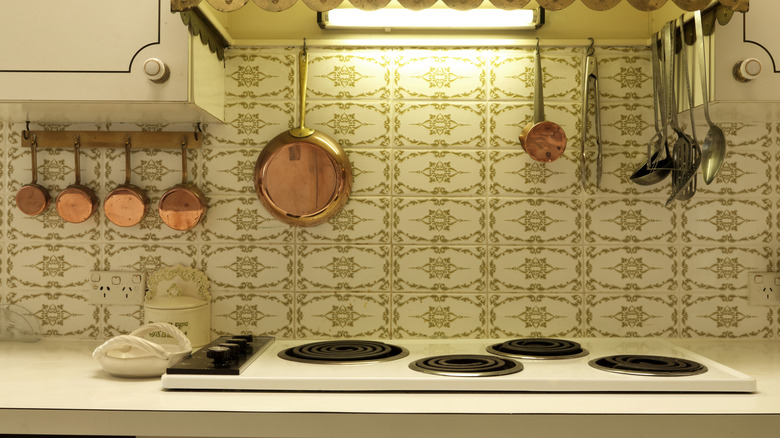
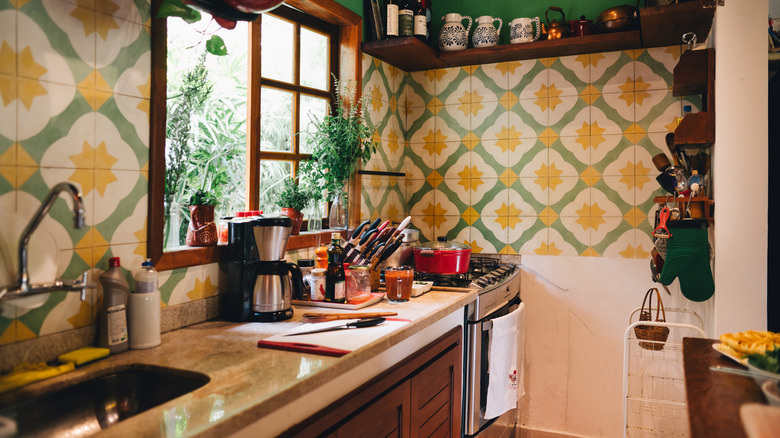
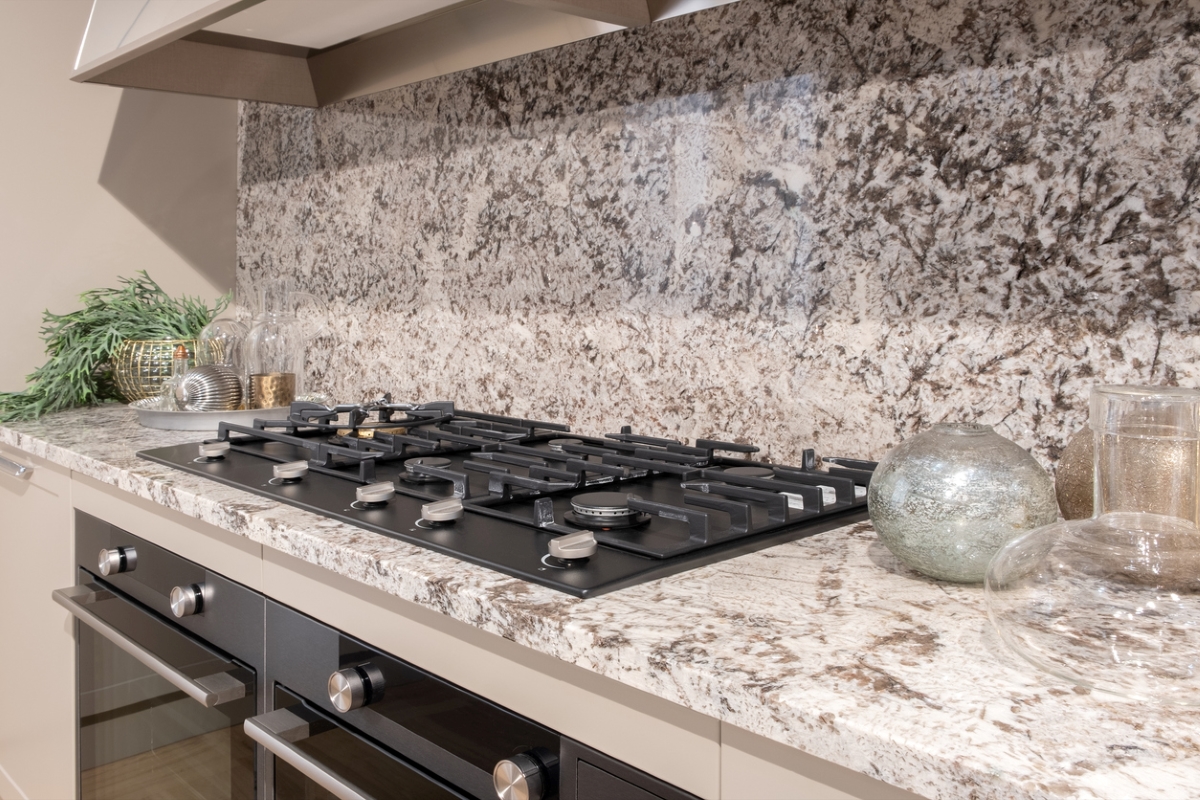
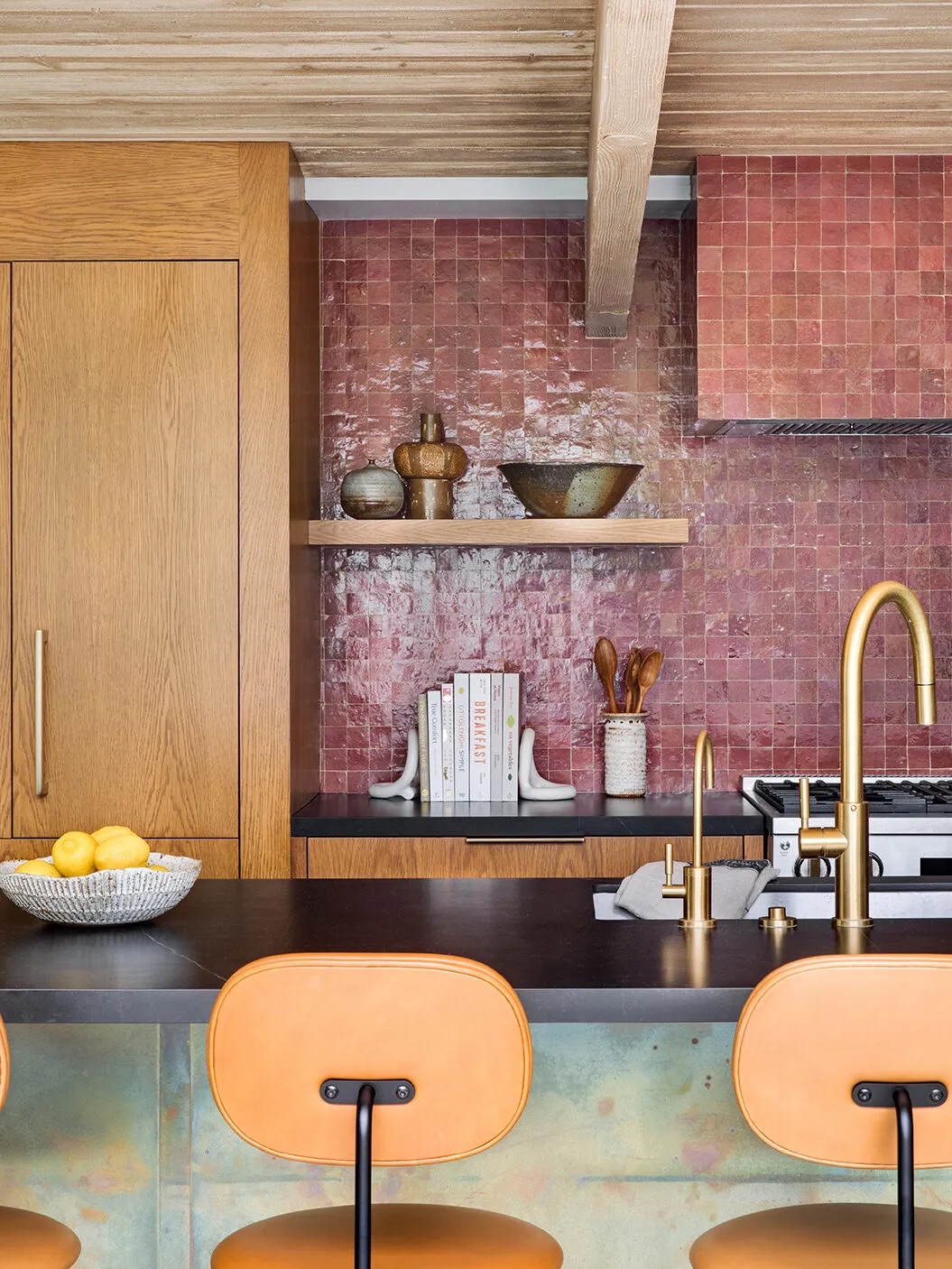
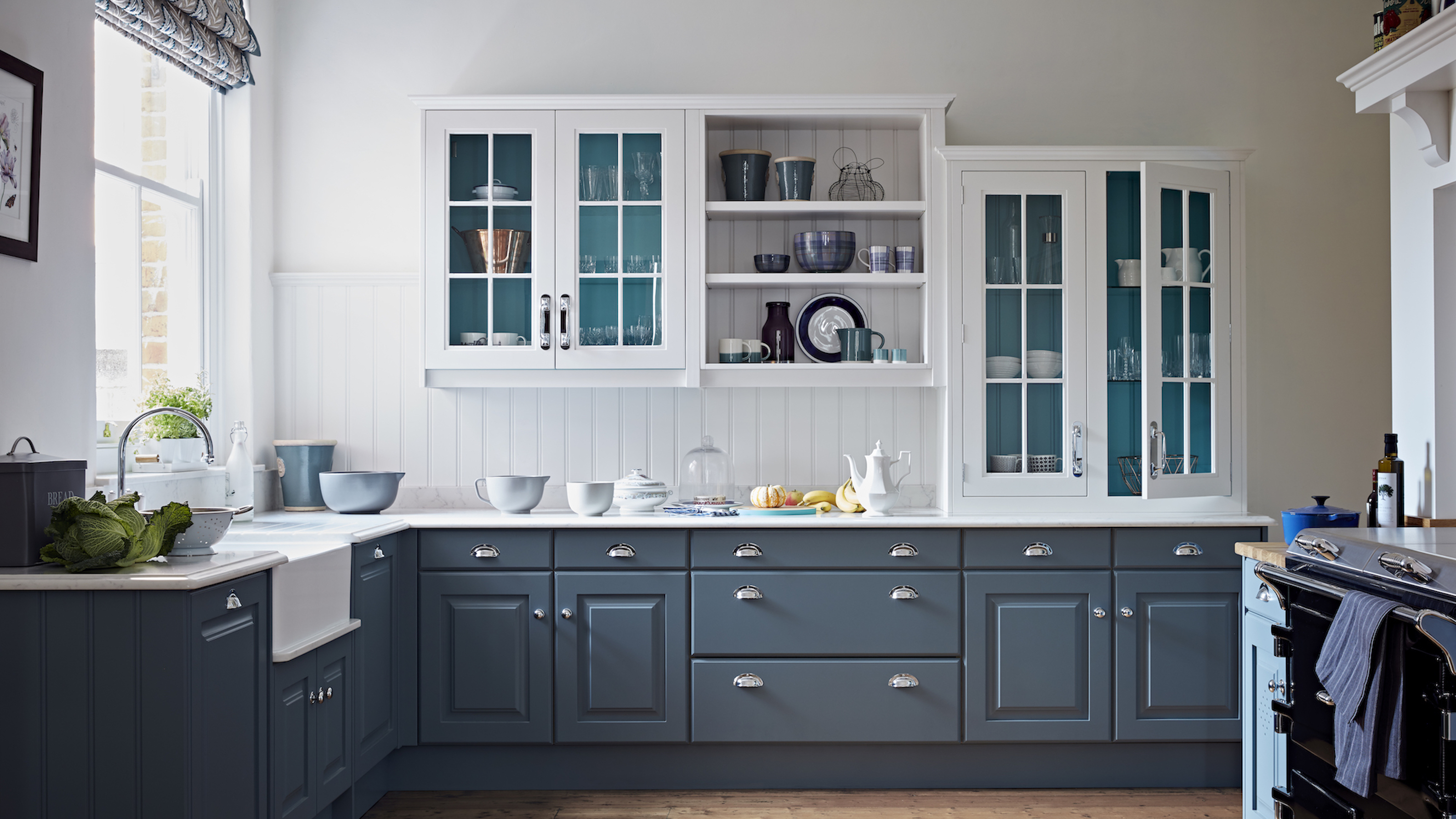
In contrast, a splashback is considerably larger and specifically designed to protect the wall from cooking splashes and spills, making it an easy-to-clean surface. Modern splashbacks also serve as a design element, introducing color, texture, and graphic patterns into the kitchen. Key to their effectiveness is strategic positioning, particularly behind the sink and cooking areas, to prevent damage and staining. Josie Medved, Design Project Manager at Symphony, clarifies that splashbacks cover the wall between the worktop and the bottom of the wall units, or as a single panel behind the hob.
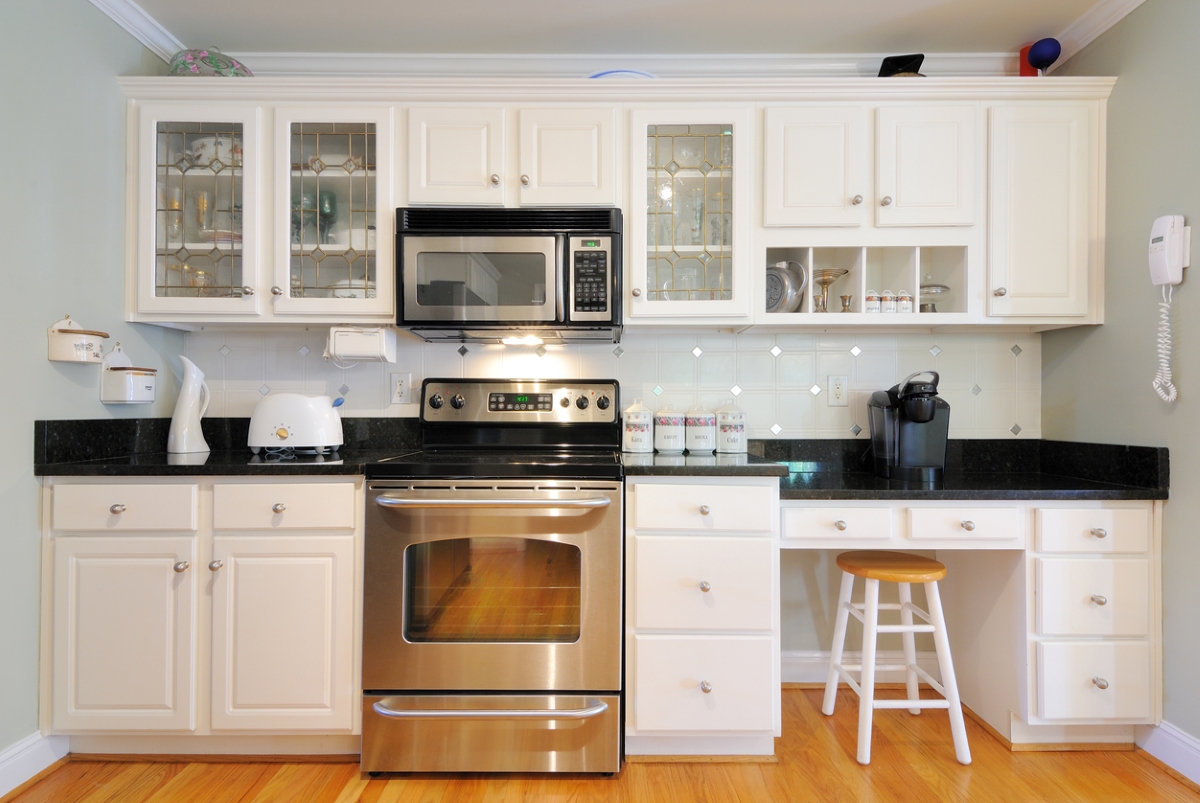
The main distinction lies in their size and primary function: upstands provide a neat finish with limited protection, while splashbacks offer extensive wall protection. Upstands are generally between 80mm and 150mm high and are cut to fit on-site, whereas splashbacks come in standard sizes like 600mm or 900mm wide by 750mm high, or can be custom-sized.
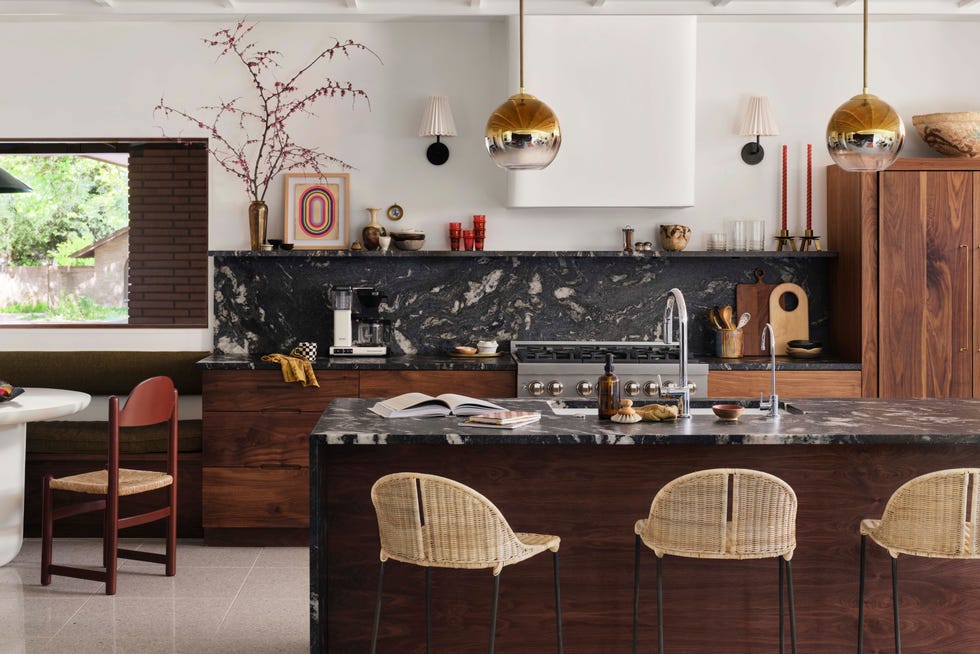
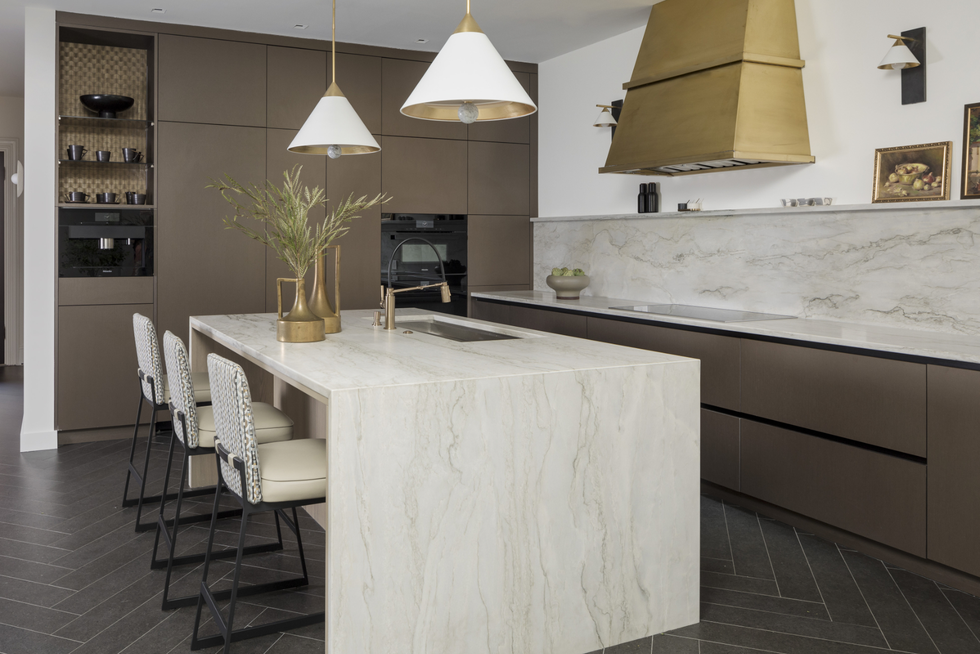
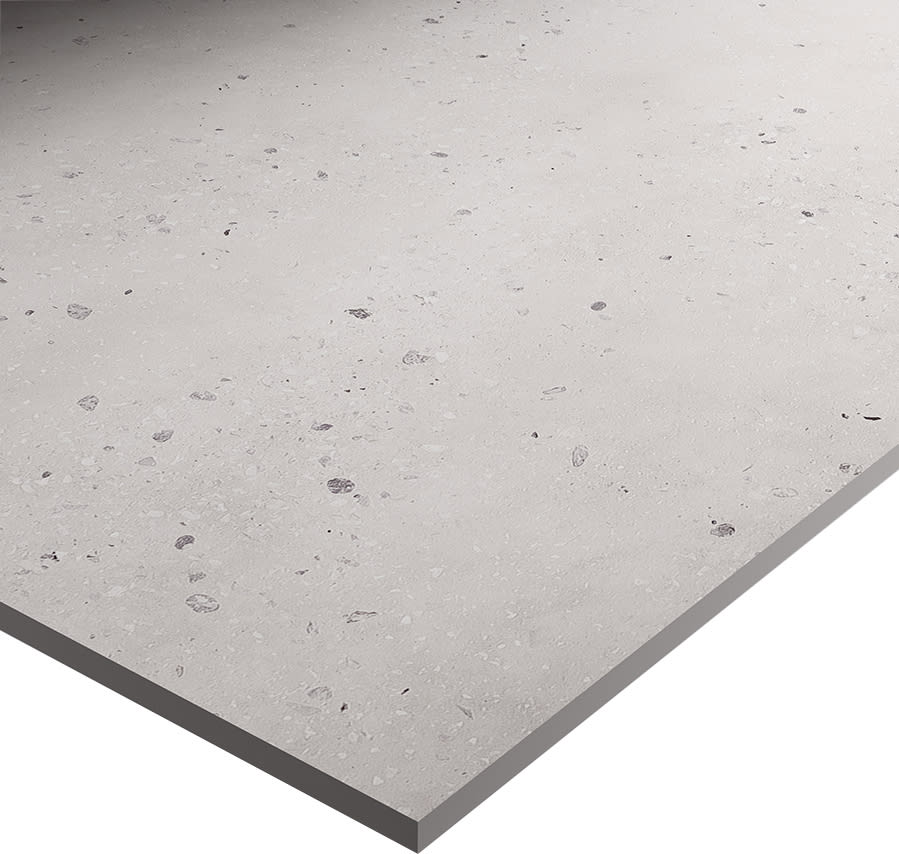
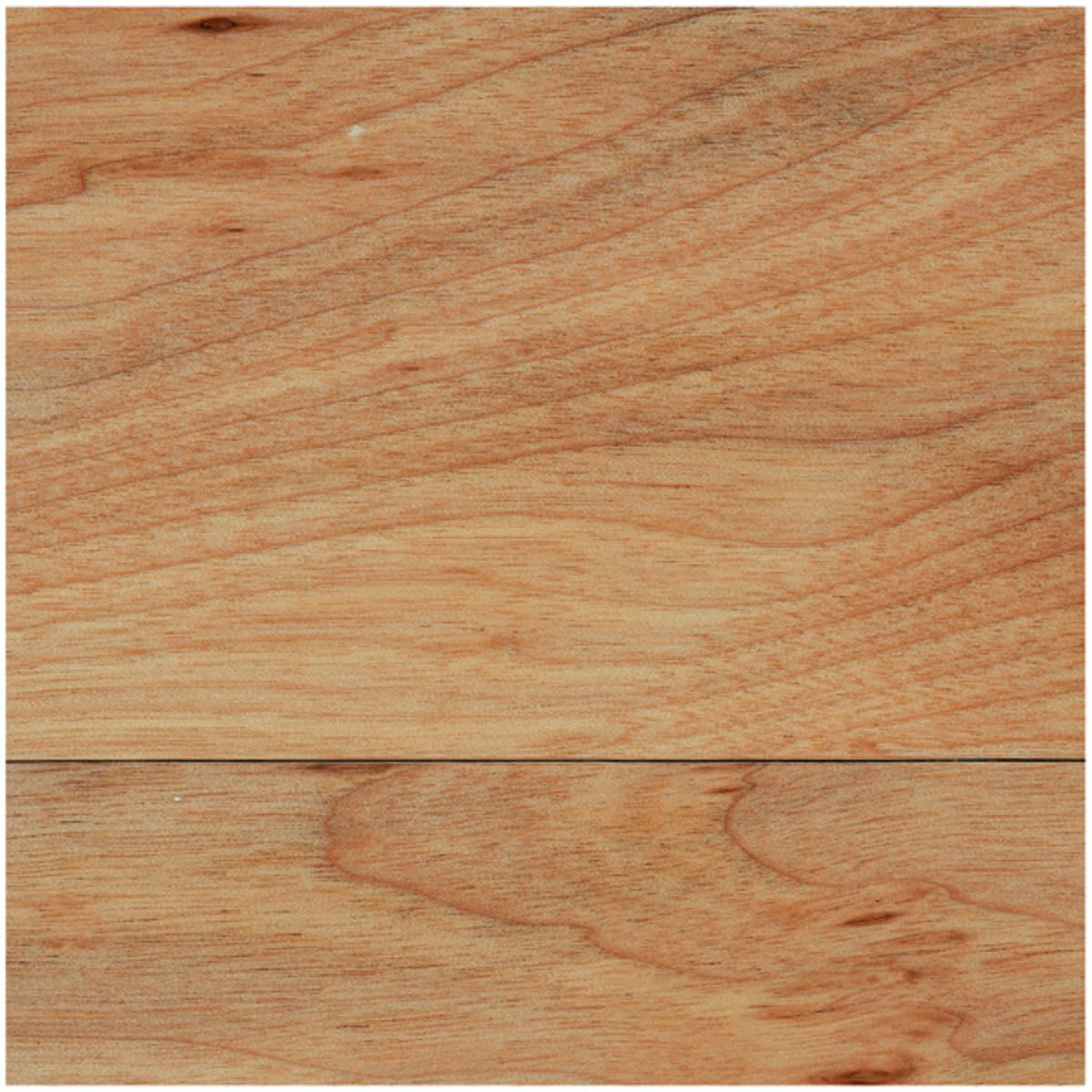
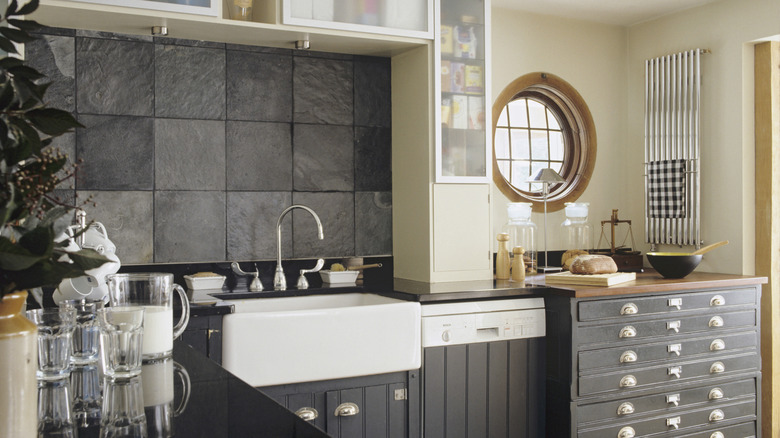
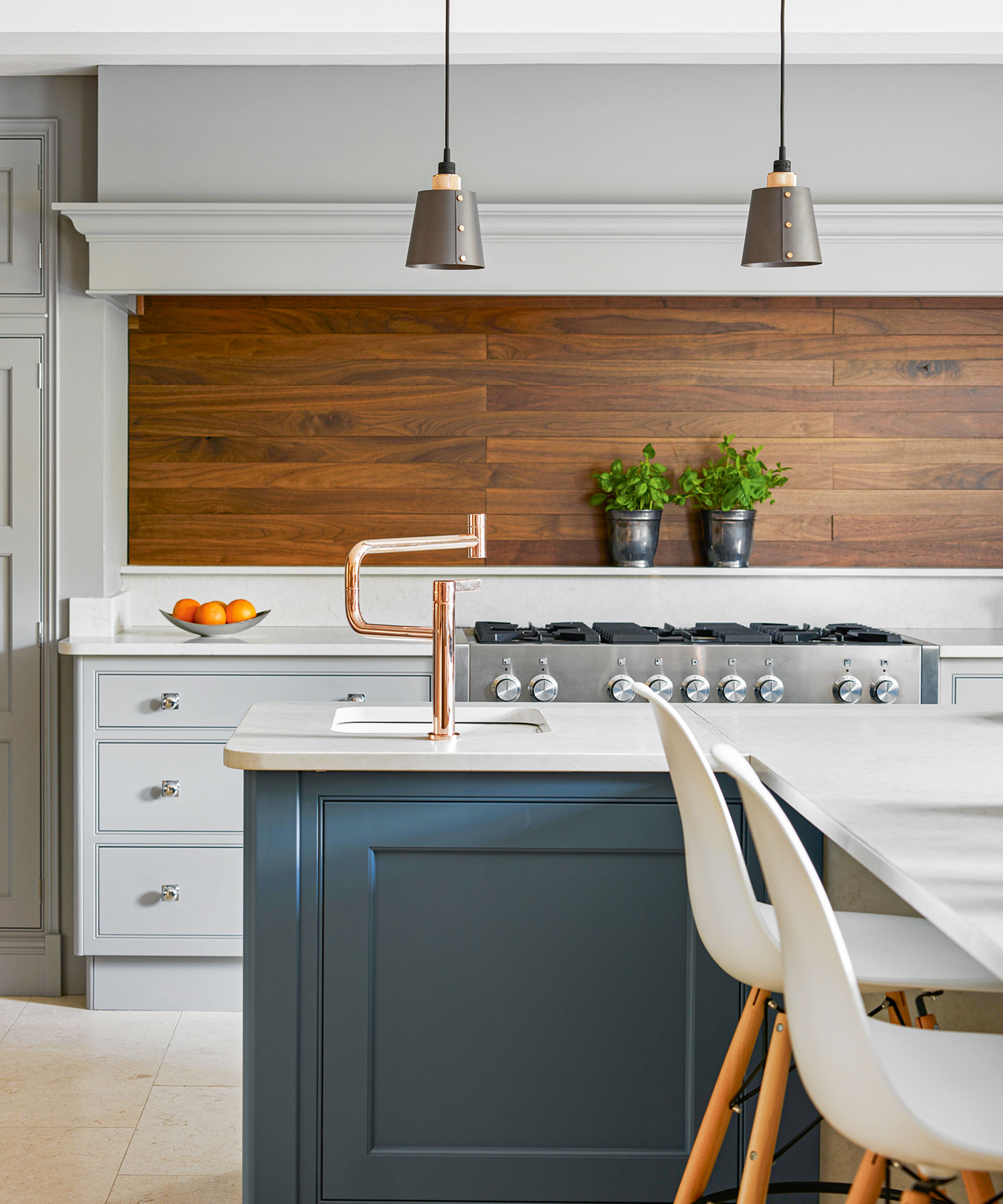
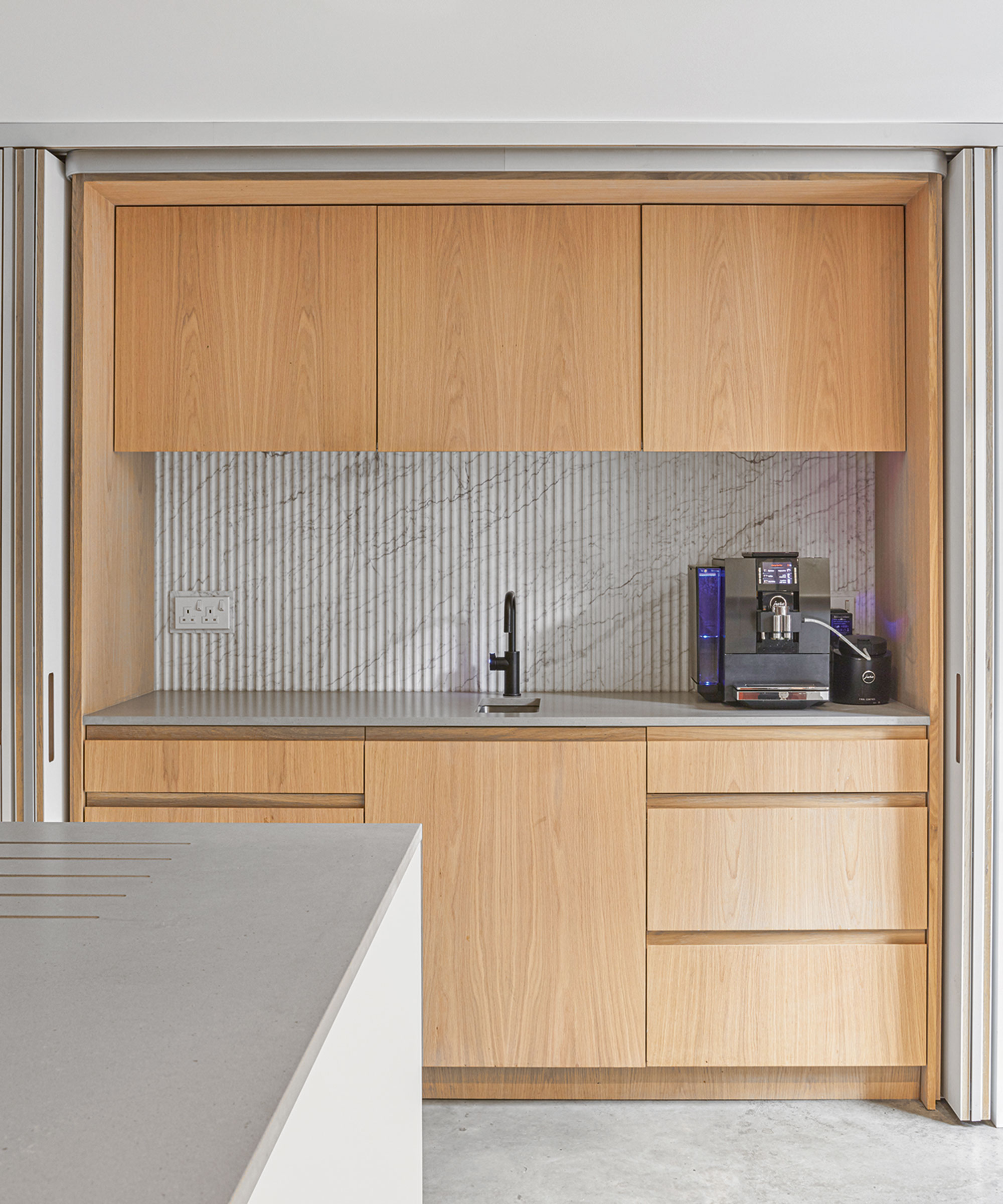
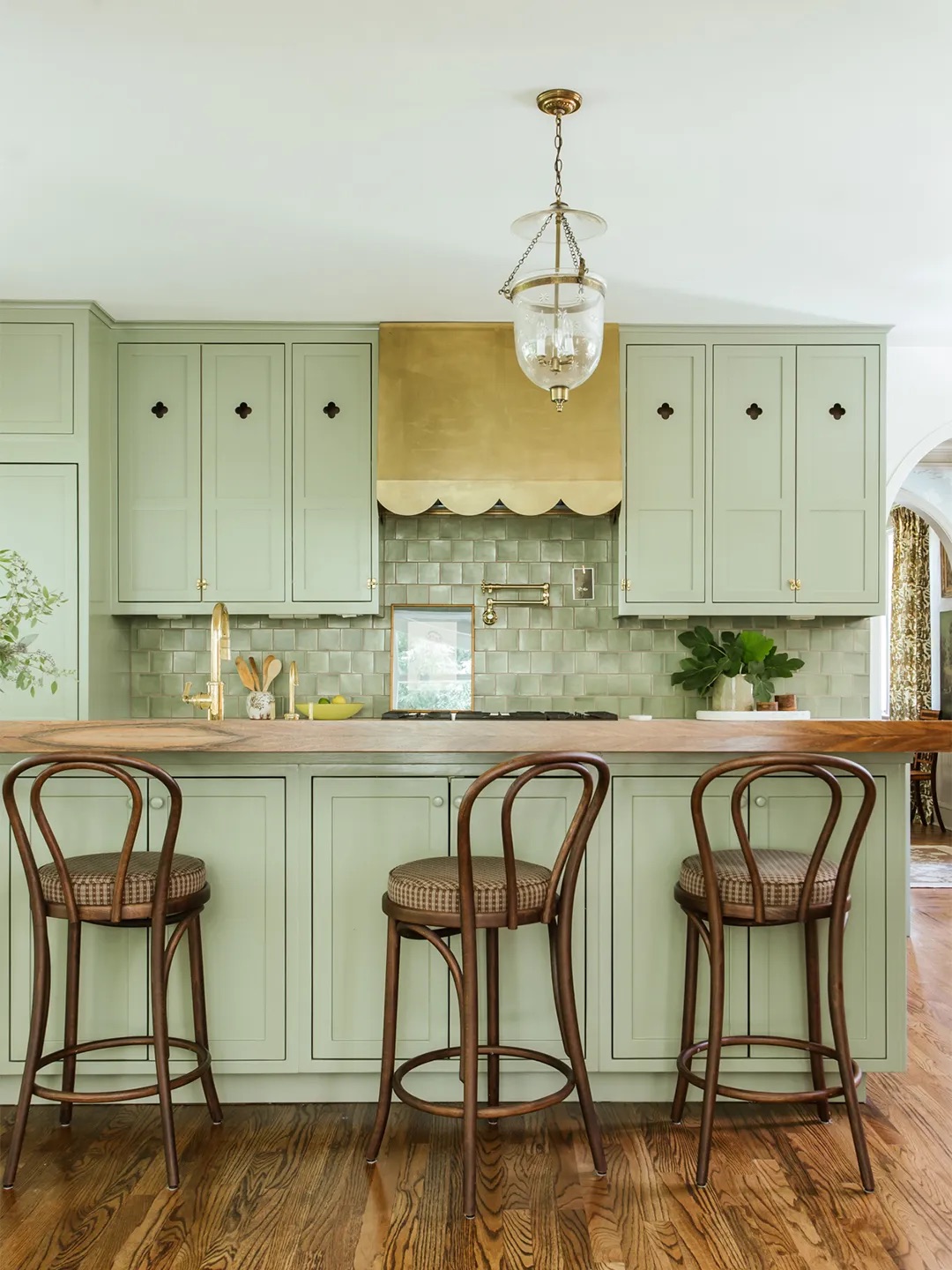
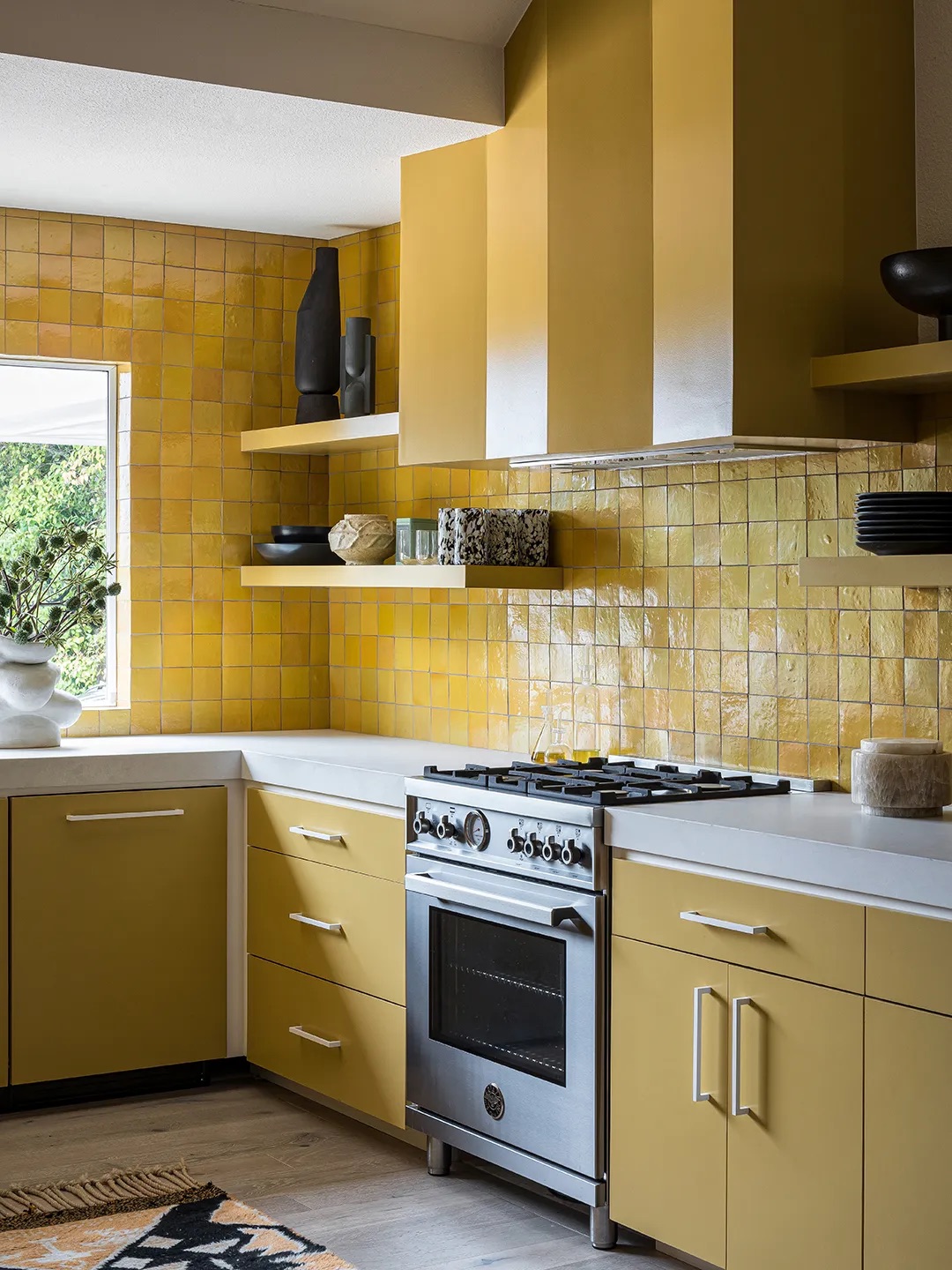
Regarding materials, upstands typically match the kitchen worktops, utilizing materials such as granite, quartz, porcelain, timber, concrete, and Corian. Splashbacks offer a wider range of options, including those used for upstands, plus tile, marble, glass, and mirror. It is crucial to note that splashback materials behind a hob must be non-flammable. The choice between a cohesive look (matching worktop and upstand/splashback) or a contrasting one (different material for splashback) is a significant design consideration.
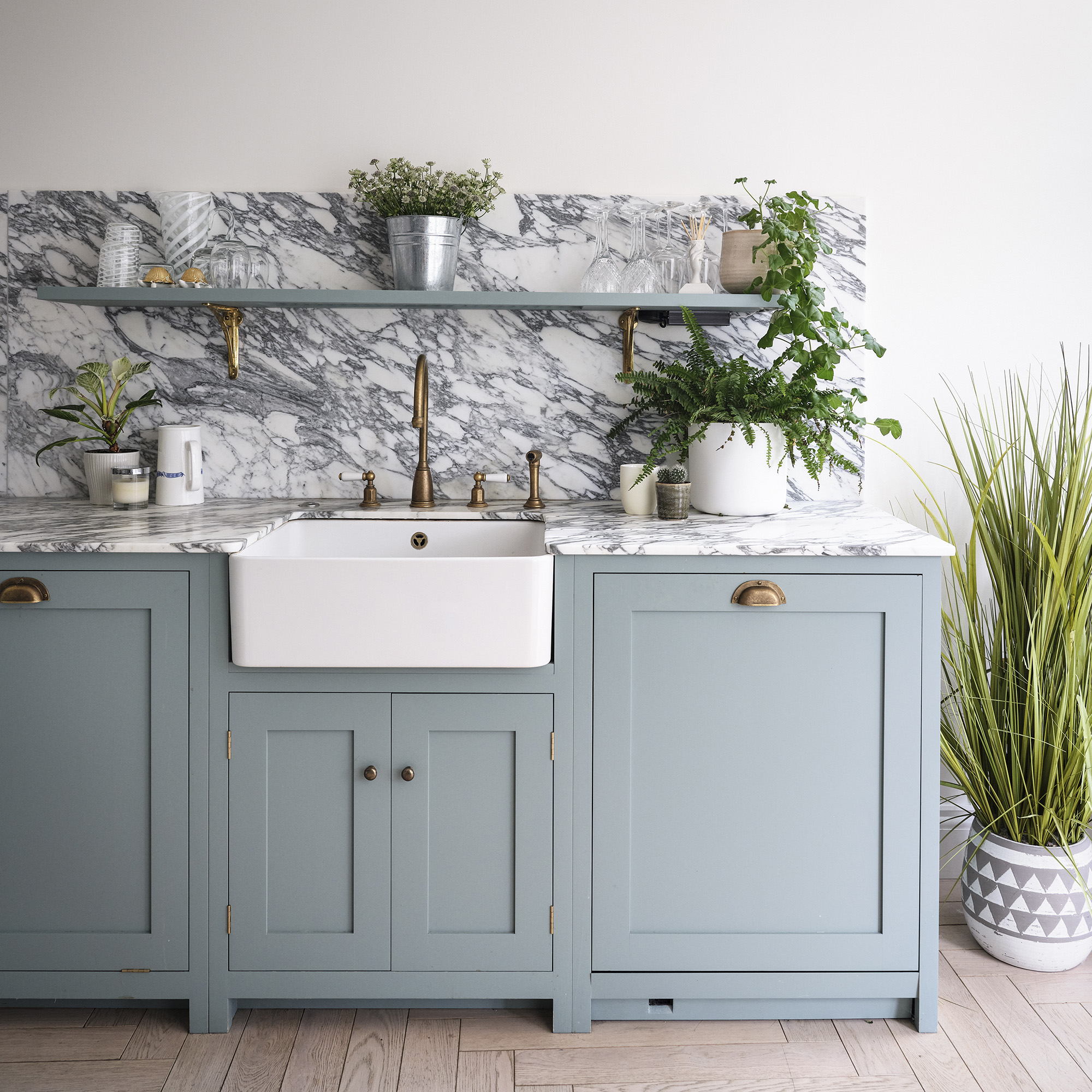
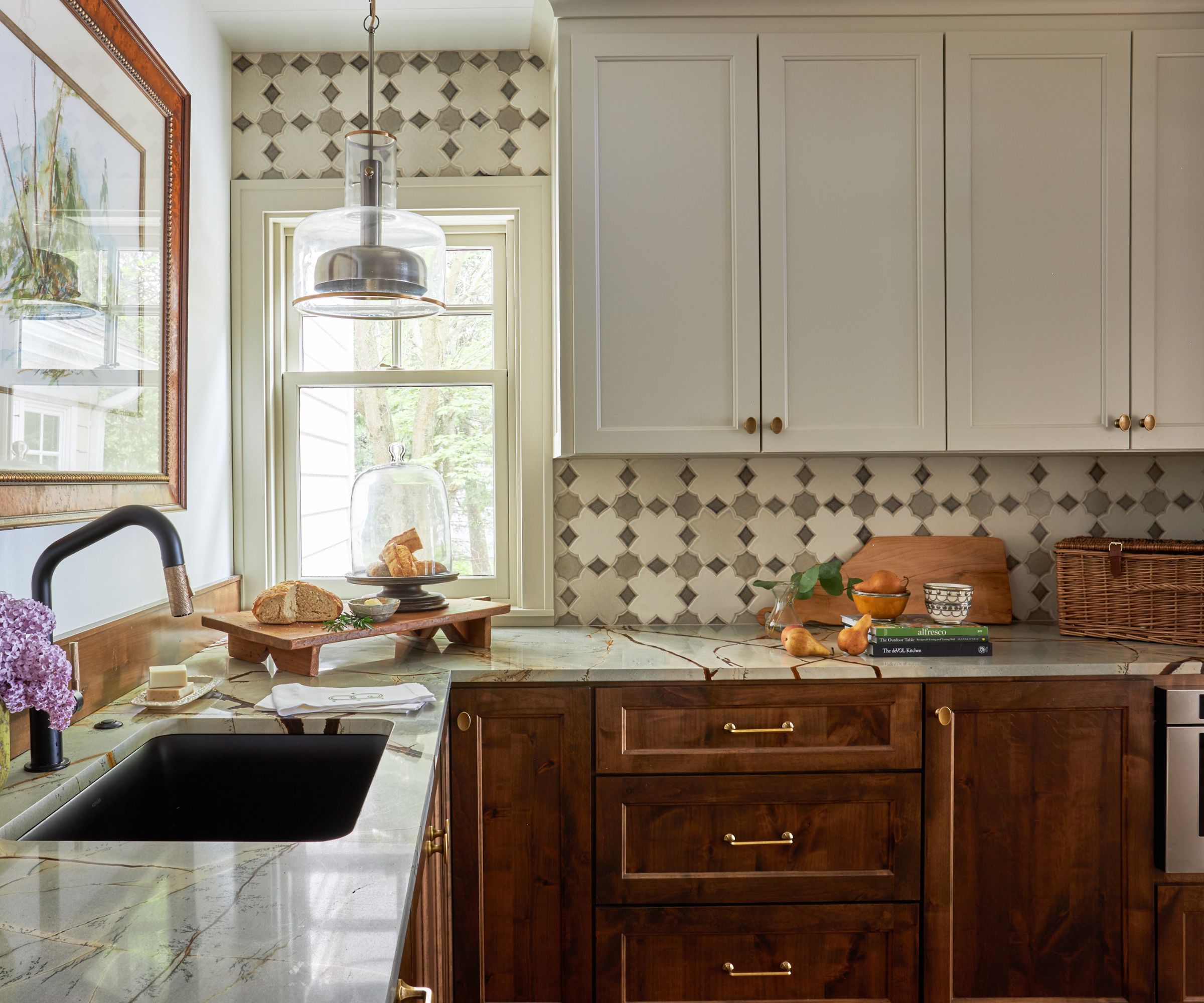
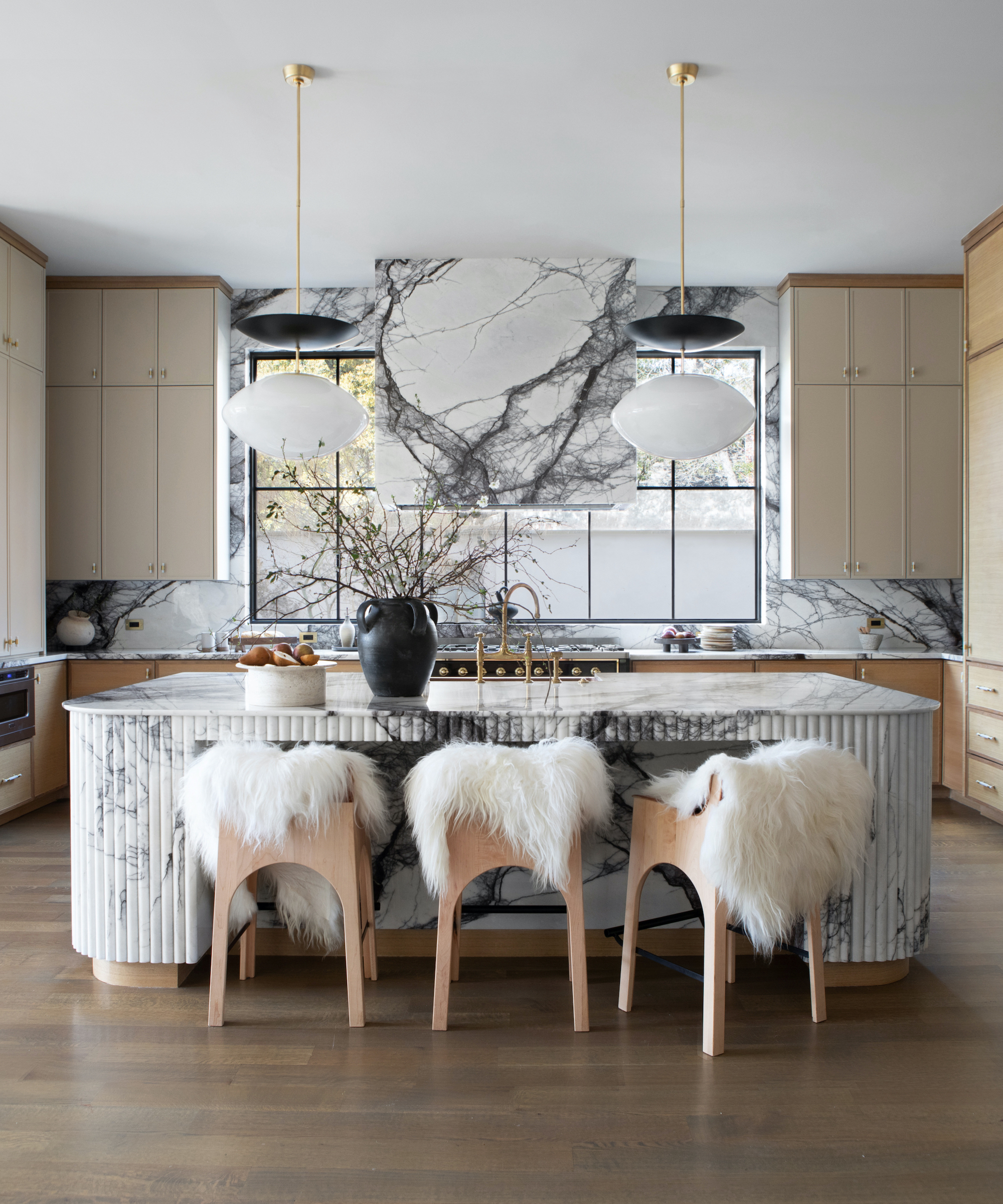
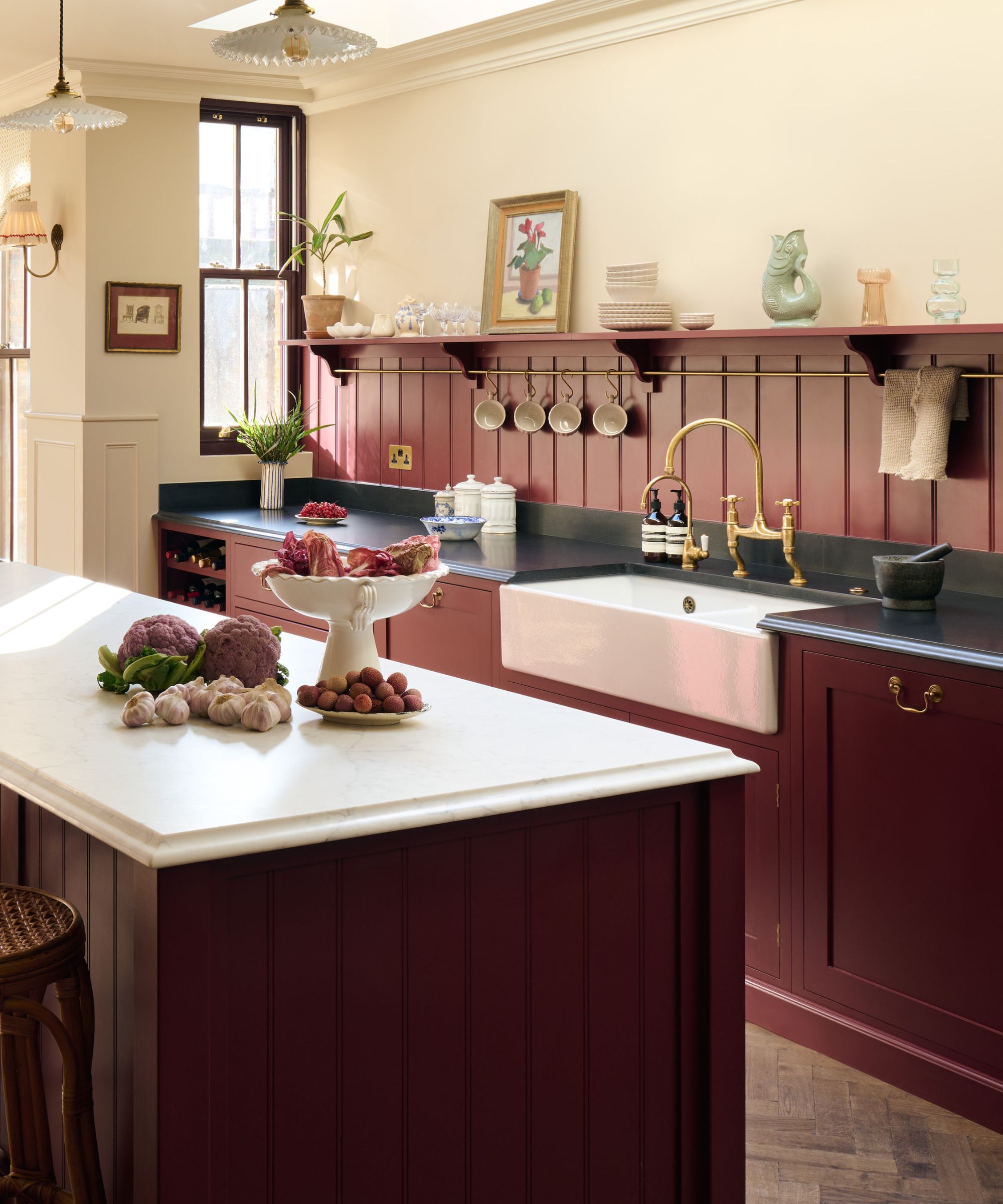
While upstands are gaining traction, splashbacks maintain popularity due to their proven style and practicality. The decision often involves balancing cost, aesthetic preferences, and the kitchen's functional needs, especially concerning potential mess. Upstands are often less expensive due to less material use. Claire Podesta of Huckleberry suggests that contemporary kitchens often pair matching worktops and splashbacks, while traditional kitchens might benefit from a wooden upstand with contrasting tiles above. Melissa Klink, Creative Director at Harvey Jones, observes a trend towards splashbacks making bold statements, with clients using worktop selections to define the room's color palette, particularly with veined stone like marble extending across the splashback.
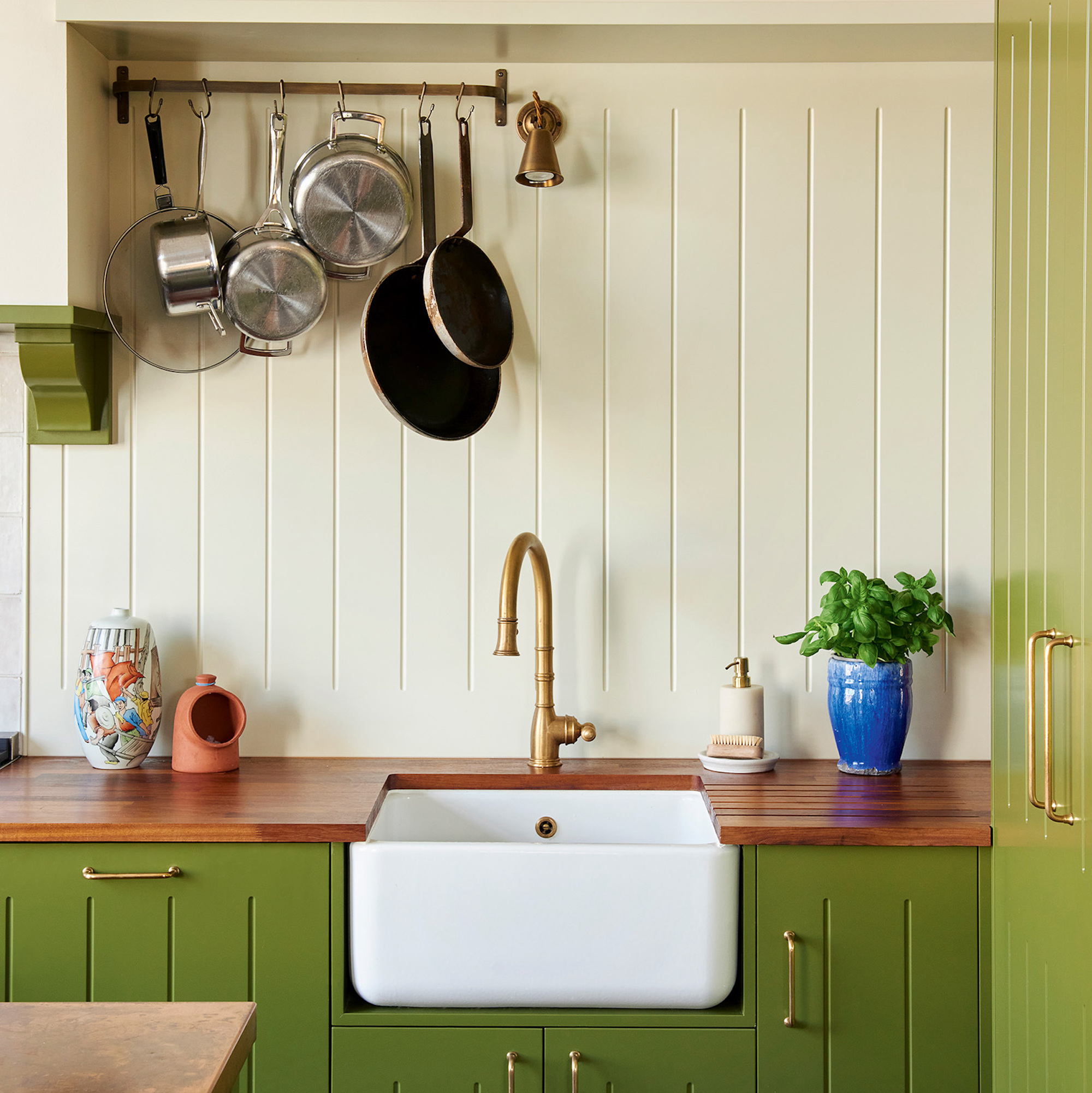
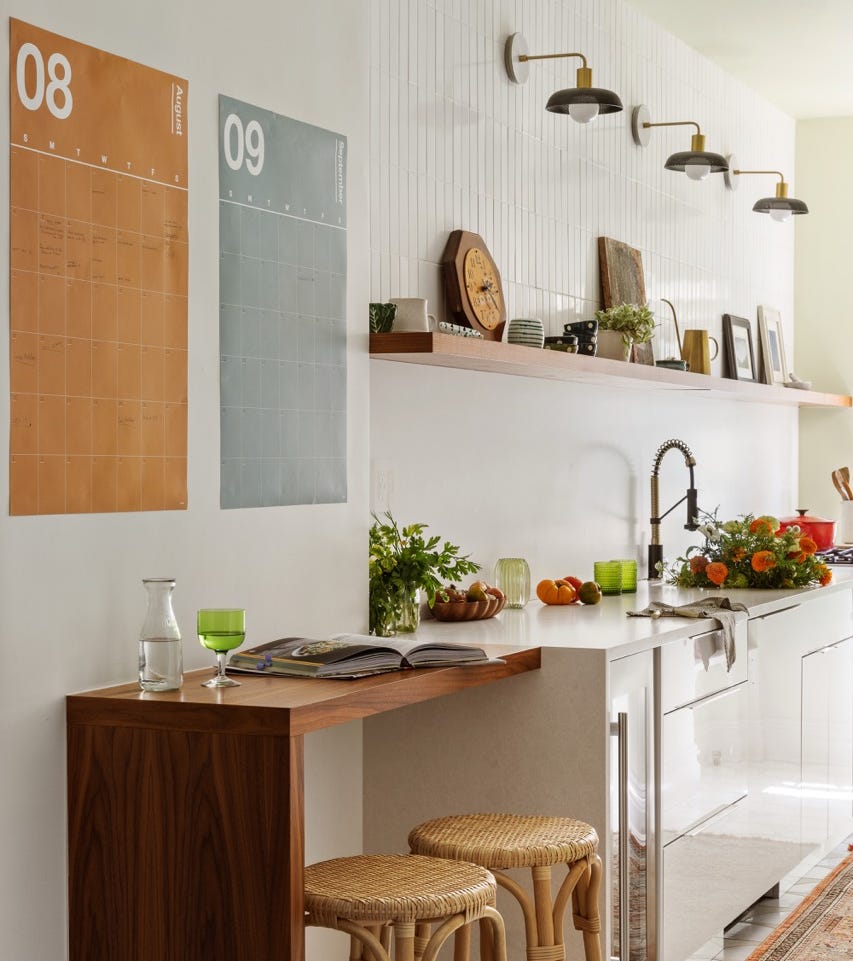
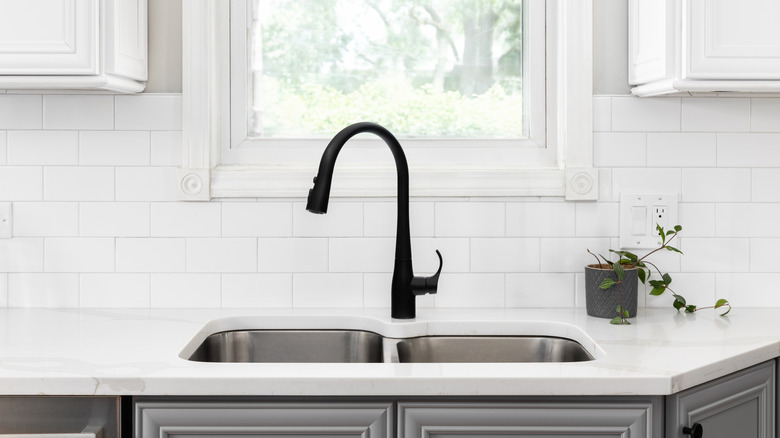
Upstands are best suited for kitchens with simple, understated designs or those with textured walls, like exposed brick, that designers wish to keep visible. They also work well when walls are painted with modern washable paints. Splashbacks, conversely, are versatile and suitable for all kitchen styles, with material selection determining their contemporary or traditional appeal. Design experts emphasize the importance of containing splashbacks within the kitchen layout, ensuring they appear purposeful rather than an afterthought, for instance, by placing them between cabinetry or beneath shelving.
Finally, the article addresses whether both an upstand and a splashback are necessary. It is possible to have both, and this combination can be quite effective. While a washable paint above an upstand can offer some protection, a splashback is strongly recommended for high-traffic areas prone to splashes, such as behind hobs and sinks, to ensure easy cleaning and prevent damage to walls.
#KitchenDesign #Upstand #Splashback #KitchenRenovation #InteriorDesign #KitchenMaterials #HomeImprovement #KitchenStyle #DesignTips #KitchenDesign #Upstand #Splashback #KitchenRenovation #InteriorDesign #KitchenMaterials #HomeImprovement #KitchenStyle #DesignTips
0 comment in total
 No comments yet
You may also like
Kitchen splashback ideas for beautiful wall protection that is packed with style
8 Backsplashes to Avoid, According to Interior Designers

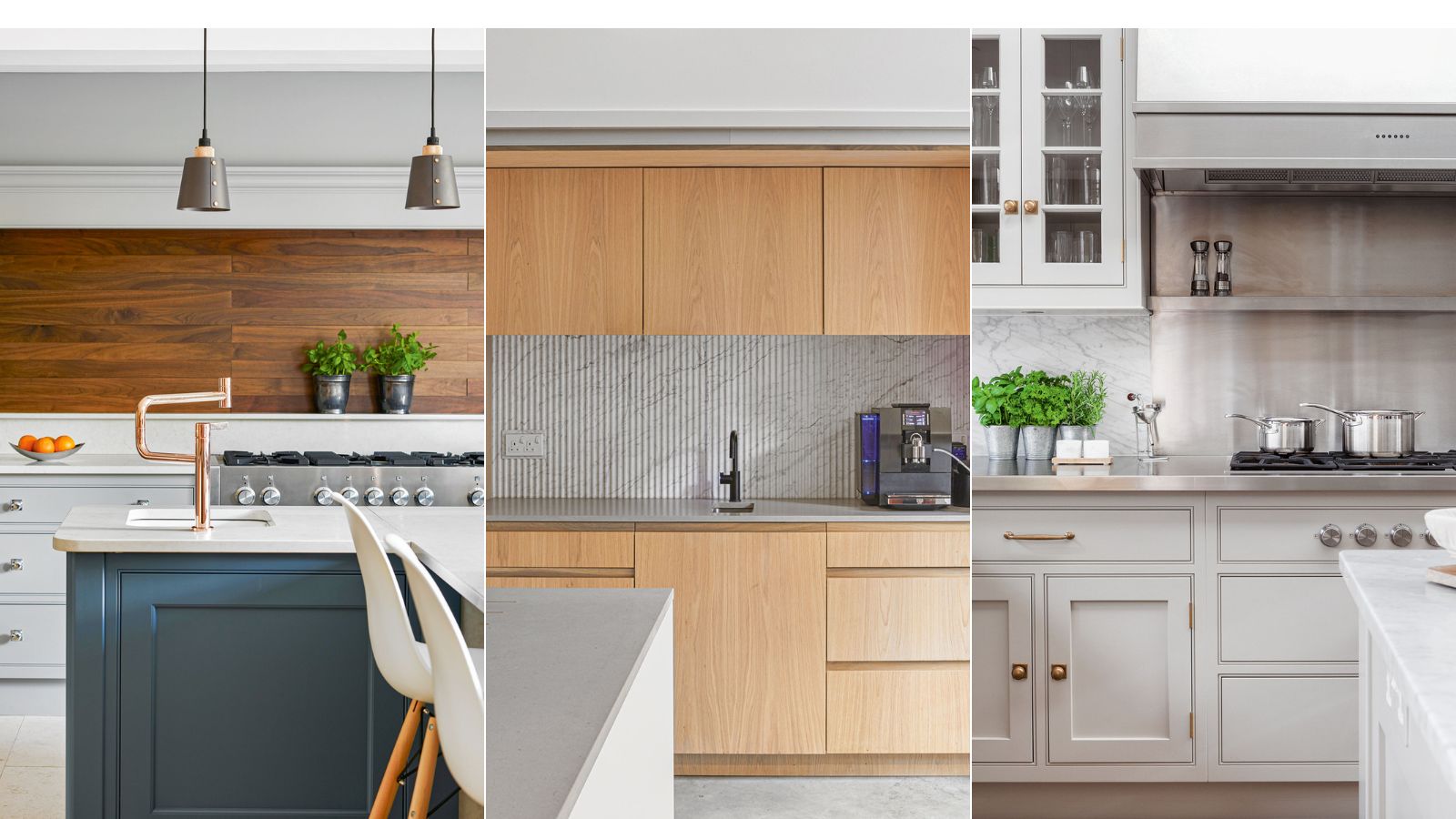
The 'wallpaper' of the kitchen – why choosing the right kitchen backsplash can make or break a space

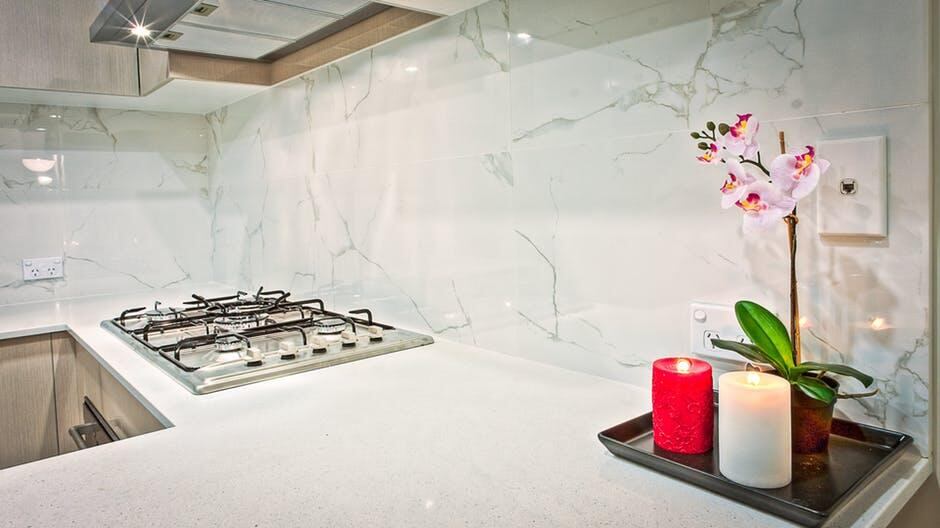
Common kitchen backsplash trends to avoid in 2025


Splashbacks


Kitchen Upstands

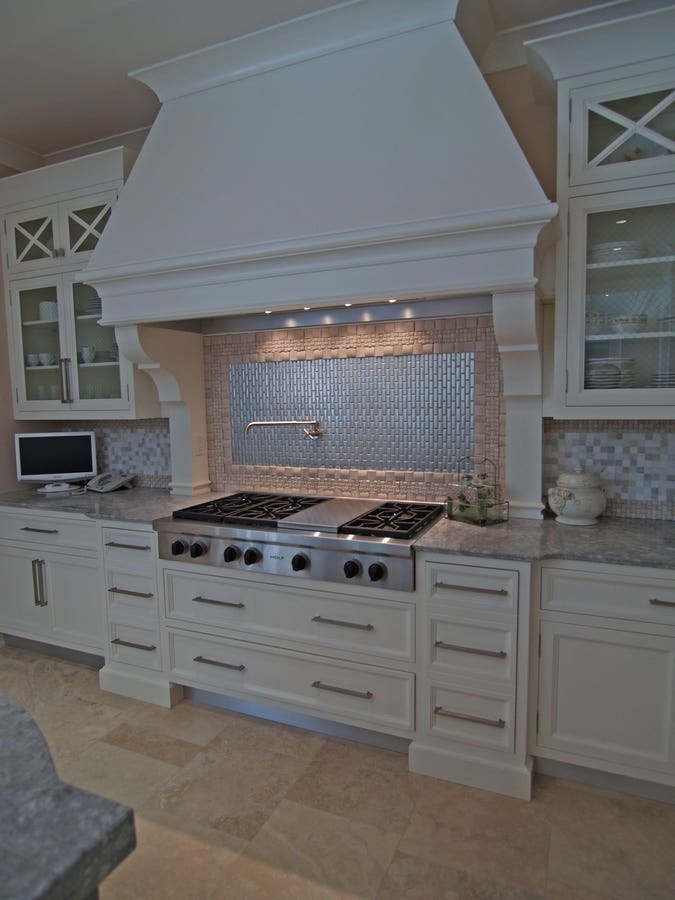
Six Tips To Finding The Right Backsplash For Your Kitchen Or Bath


Quirky Kitchen Backsplash Designs Are Making A Comeback. Here Are Our 12 Favorite Options
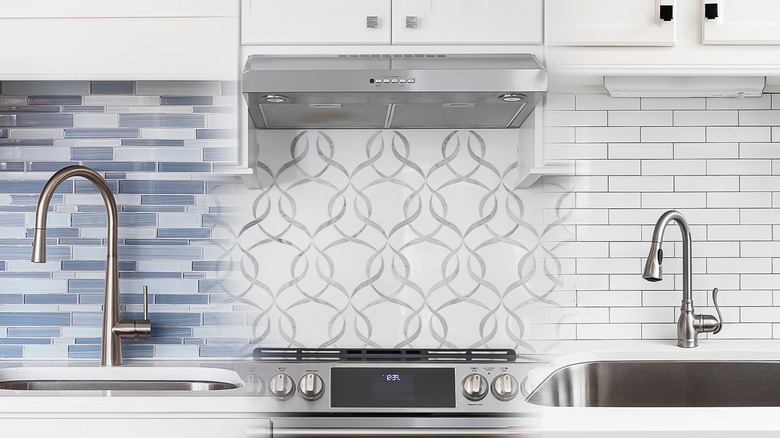
10 Kitchen Backsplash Trends That Are Out In 2025

Choosing the Best Backsplash for Your Kitchen

6 outdated kitchen backsplash designs that can bring down a whole room
25 Kitchen Trends You Might Regret + Photos
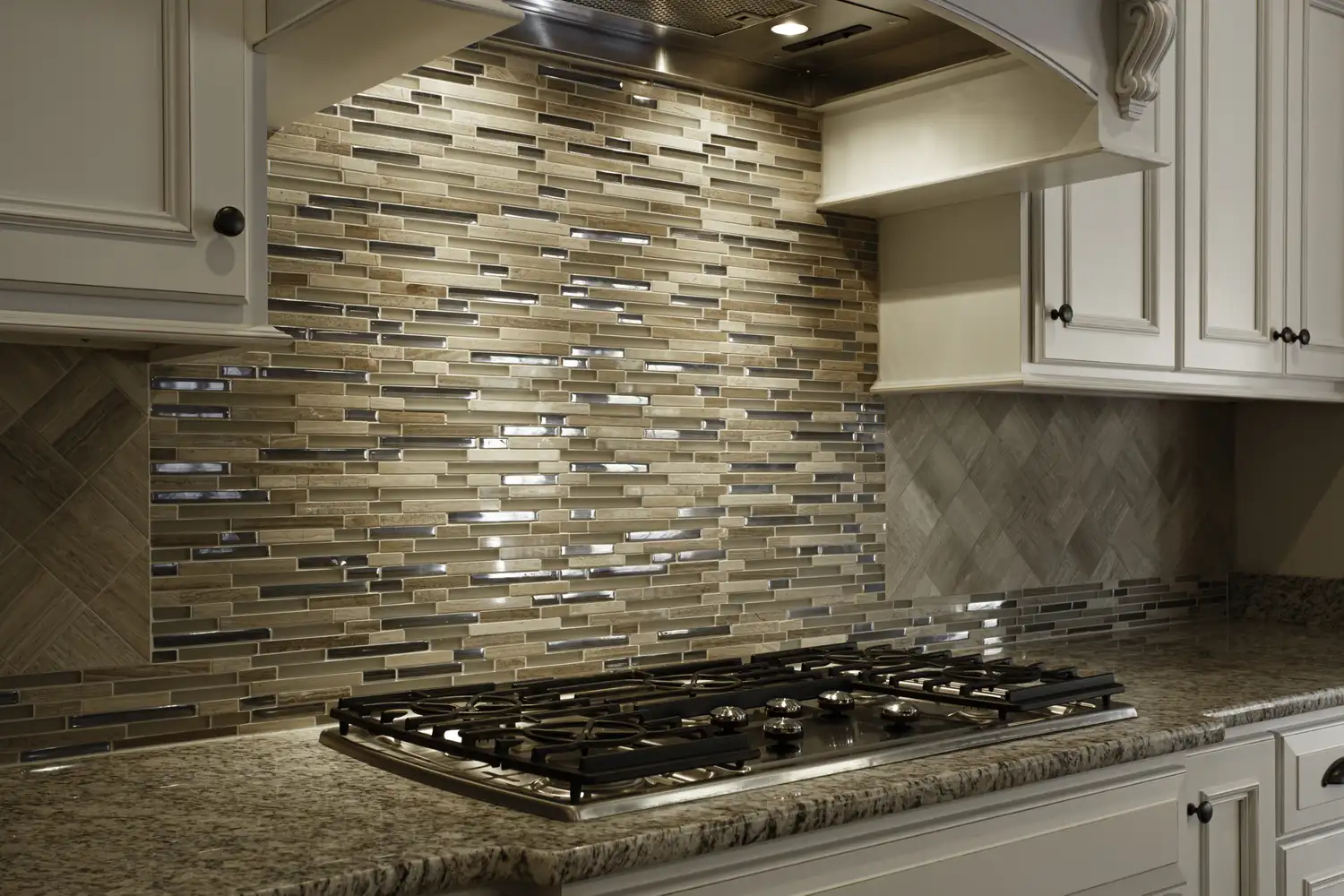
8 Backsplash Styles Designers Say Are Dating Your Kitchen
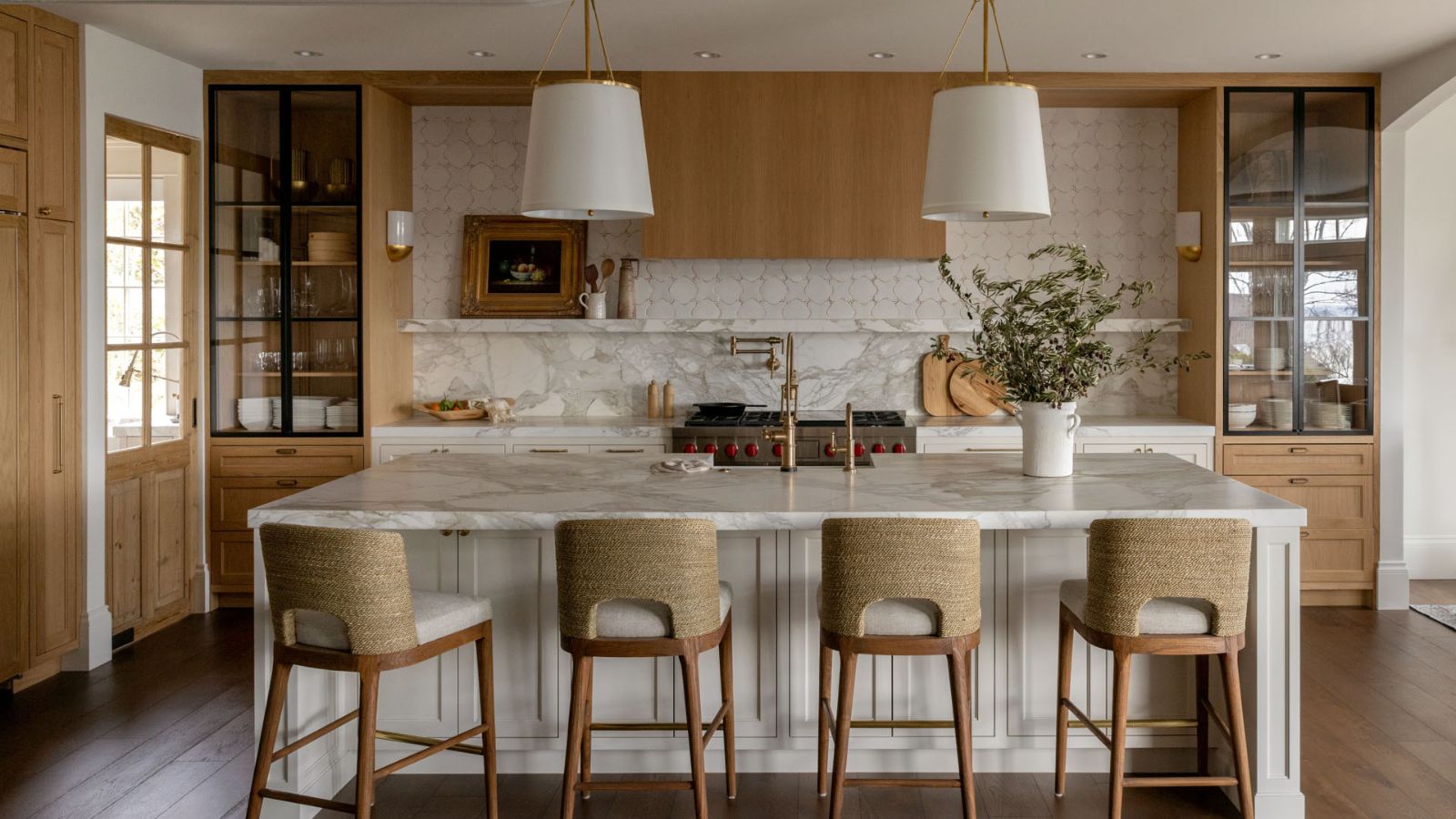
The Most Stylish Kitchens Right Now Feature This Striking Backsplash Trend – And Designers Swear By It For a Bold-Meets-Timeless Scheme
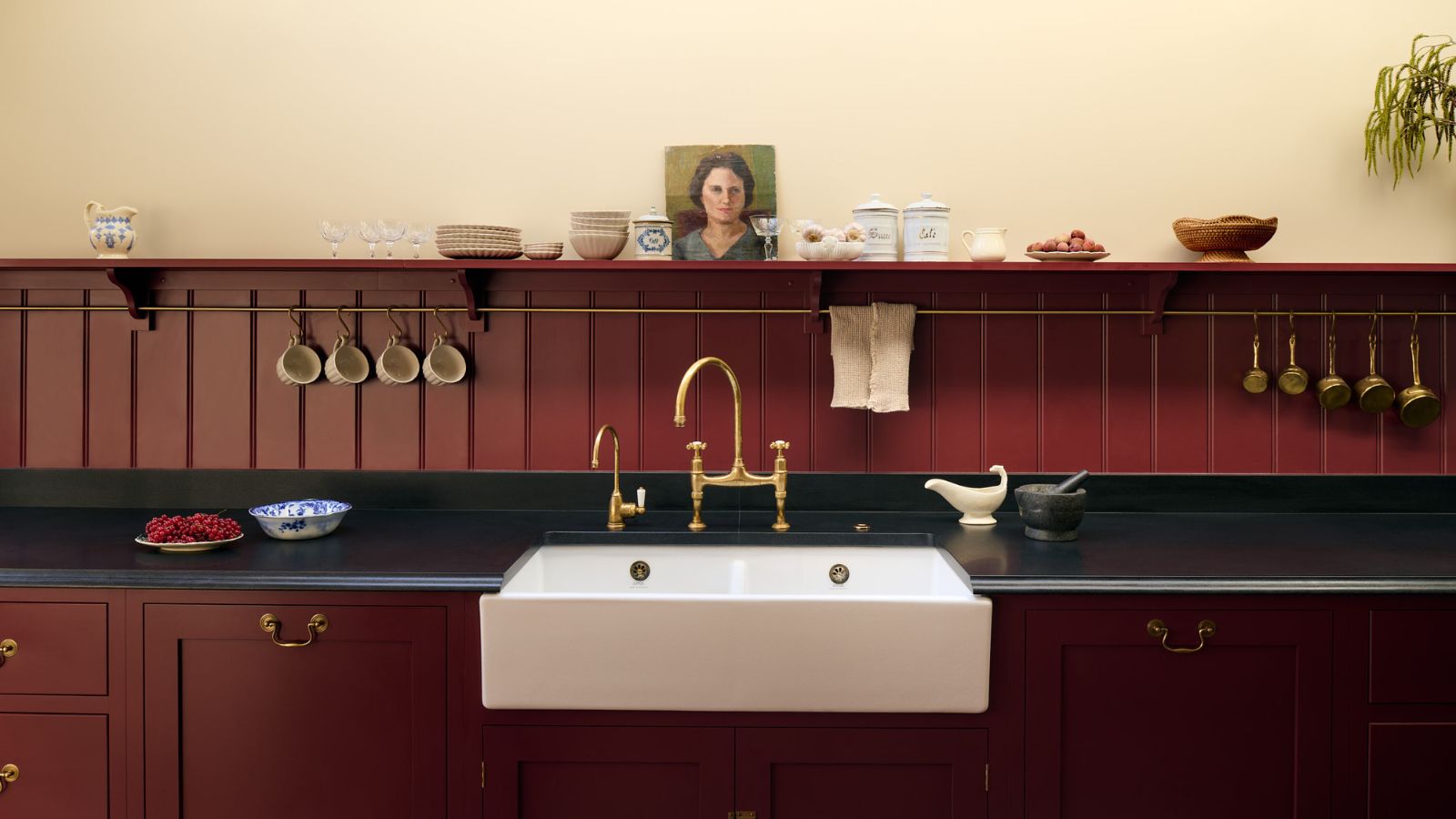
How to elevate a kitchen with the paneled backsplash trend
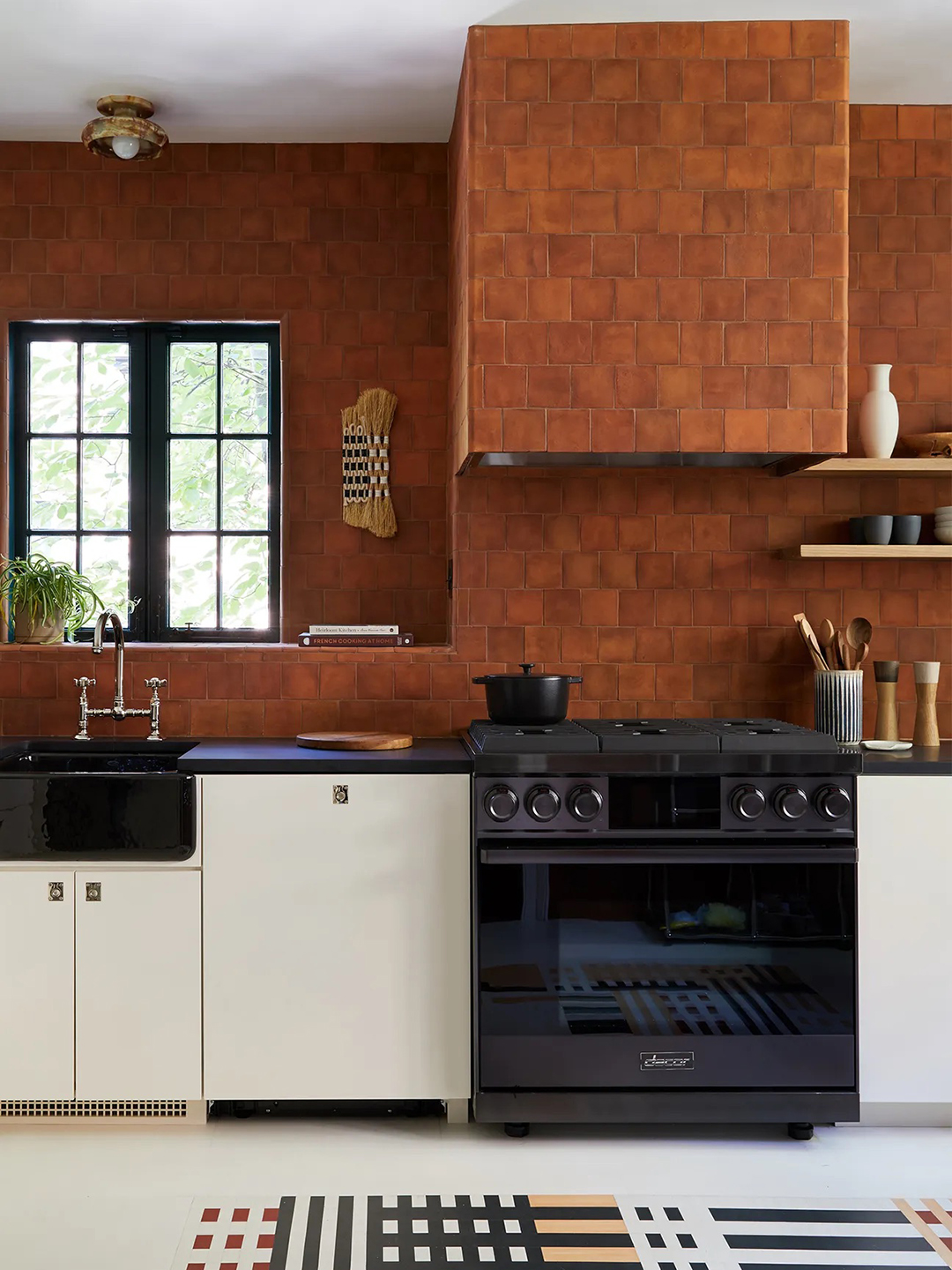
67% of Renovators Are Abandoning Standard Backsplashes for This Maximalist Look

Why Half Backsplashes Are Taking Over Kitchen Design, According to Experts

Ditch These Dated Backsplash Trends For Timeless Alternatives
This Striking Geometric Backsplash Is Just the Thing to Upgrade Your Kitchen

7 Impractical Kitchen Trends Designers Never Recommend to Their Clients