1/3
The Brownstone Boys Reveal the 5 Biggest Mistakes People Make During Historic Home Renovations
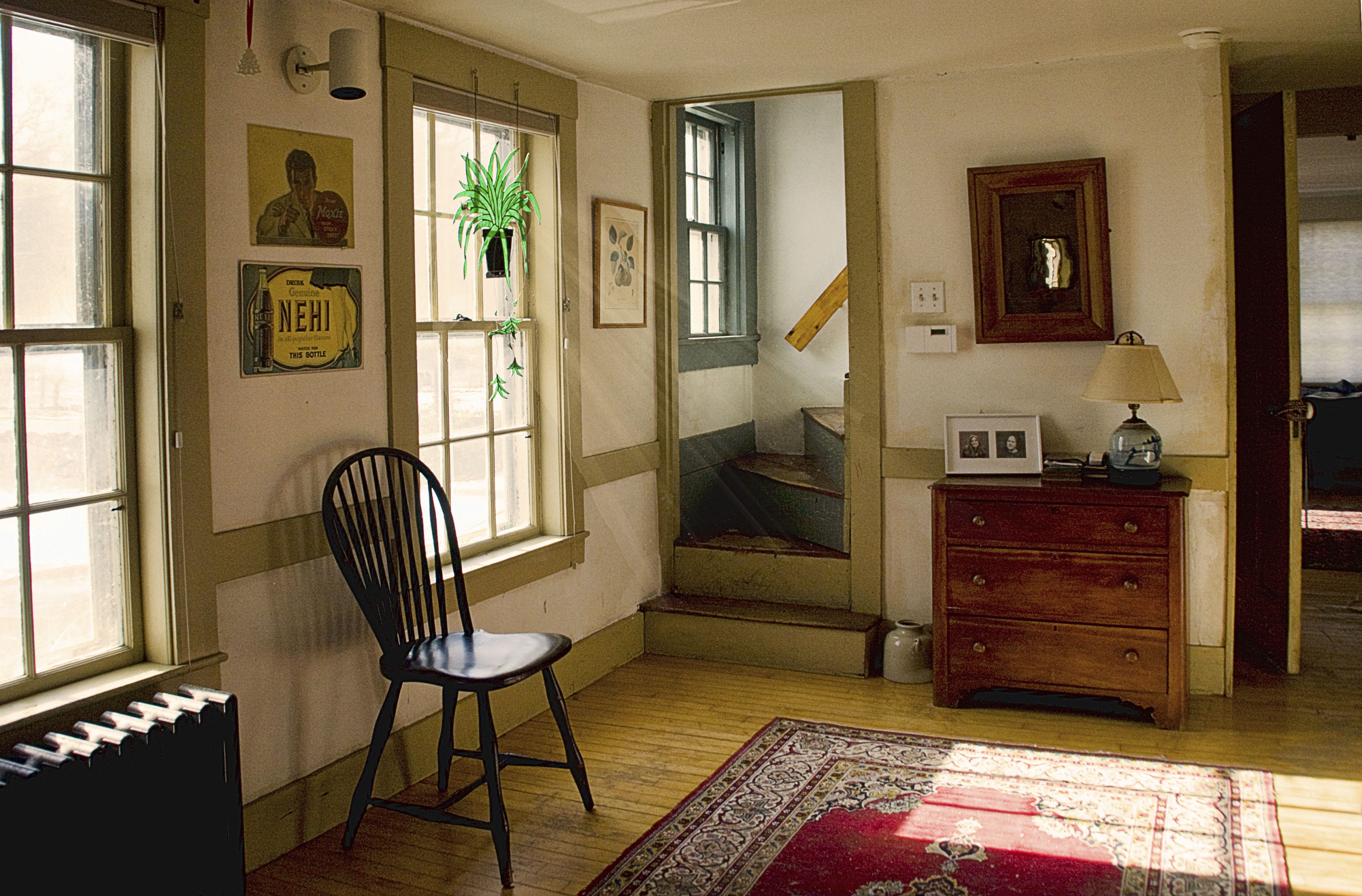
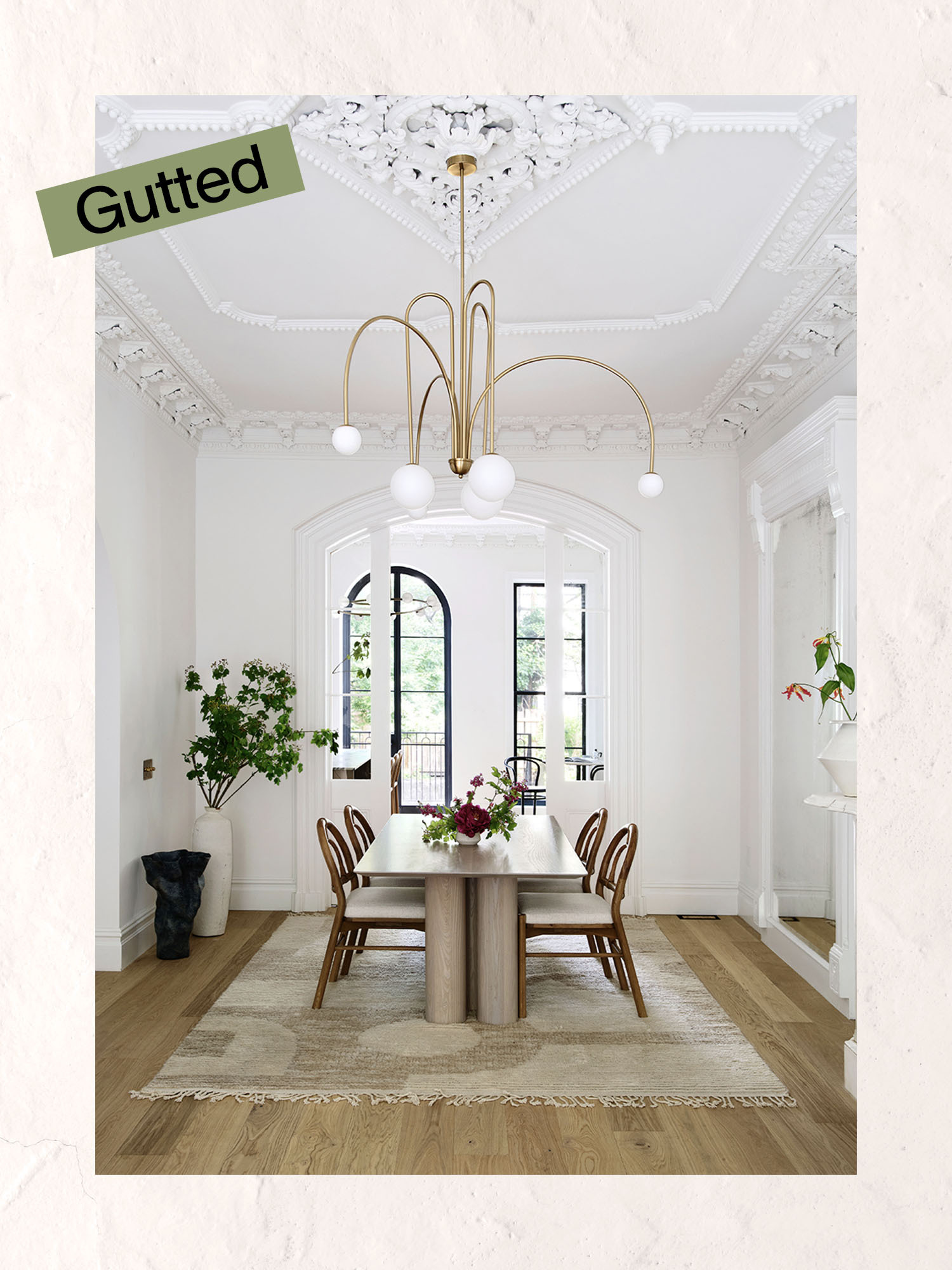
Renovating an old house presents a unique set of challenges and considerations that differ significantly from modern home renovations. Barry Bordelon and Jordan Slocum, known as the Brownstone Boys, offer valuable insights in their book, 'For the Love of Renovating,' outlining common pitfalls and strategies to avoid them. Their advice focuses on preserving the inherent charm of historic properties while integrating contemporary needs. A primary distinction highlighted is the difference between renovation and restoration. While the terms are often used interchangeably, working on an old house often necessitates a restoration approach, which involves a greater investment of time, money, and resources to maintain and revive original details, rather than simply gutting and replacing.
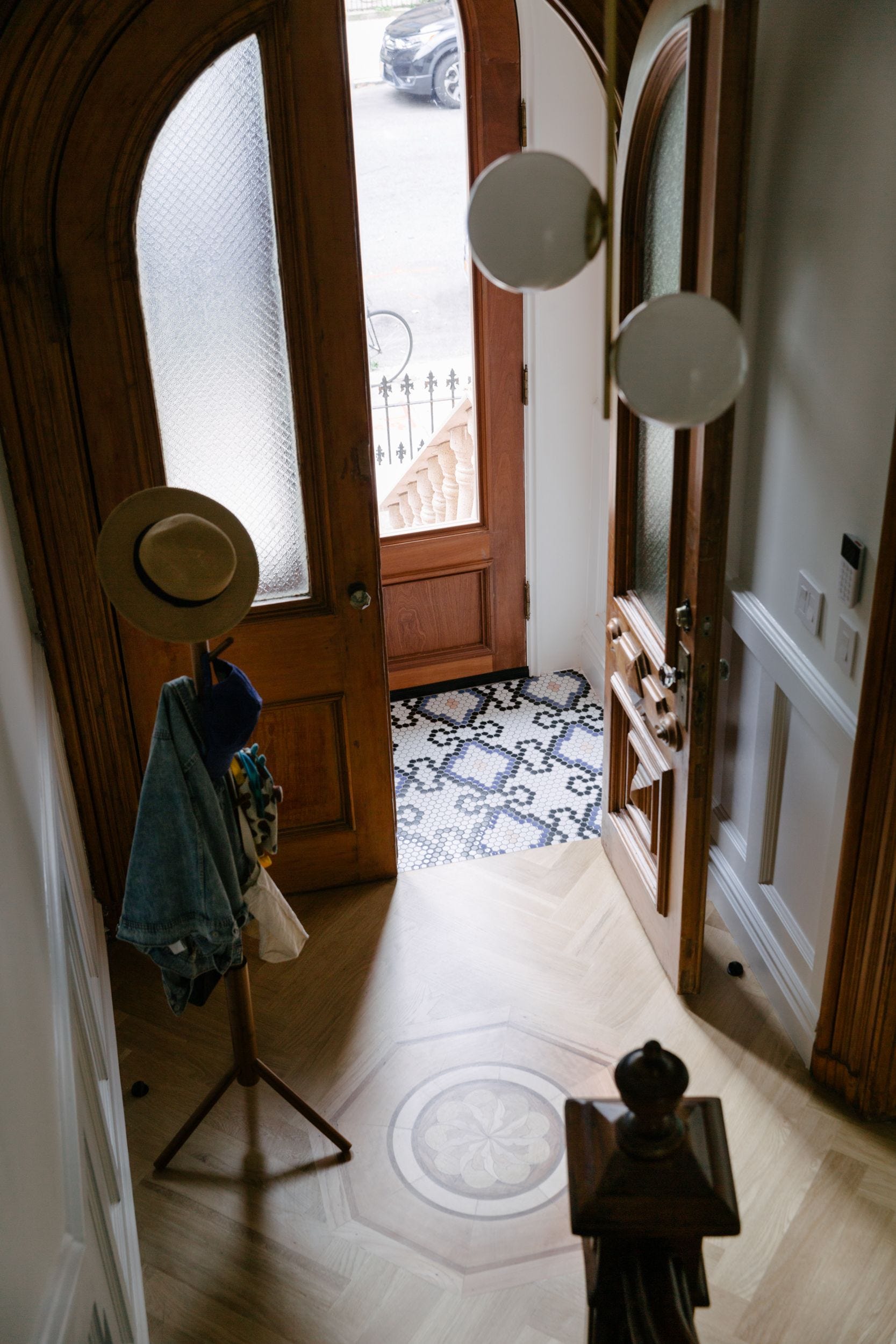
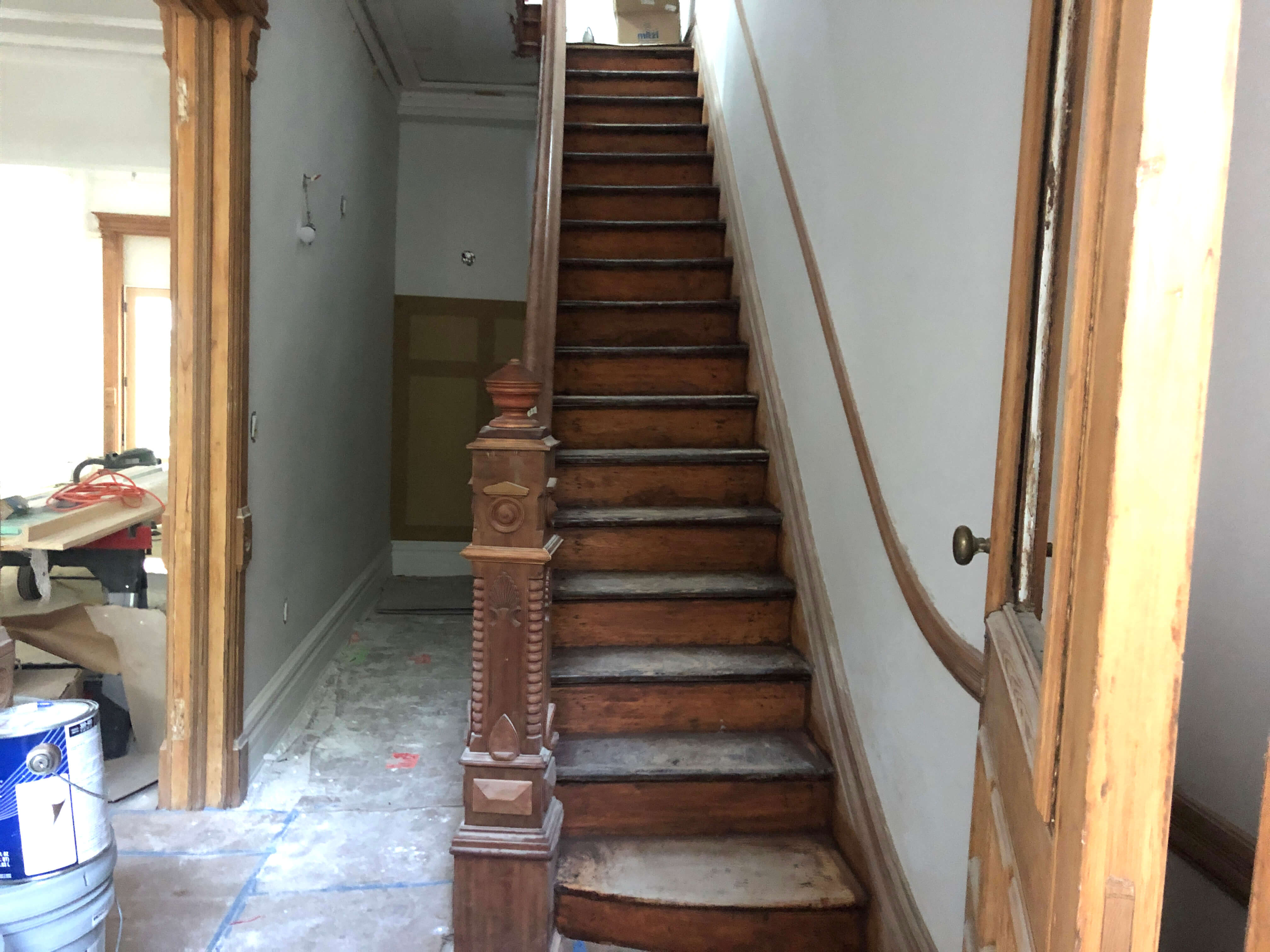
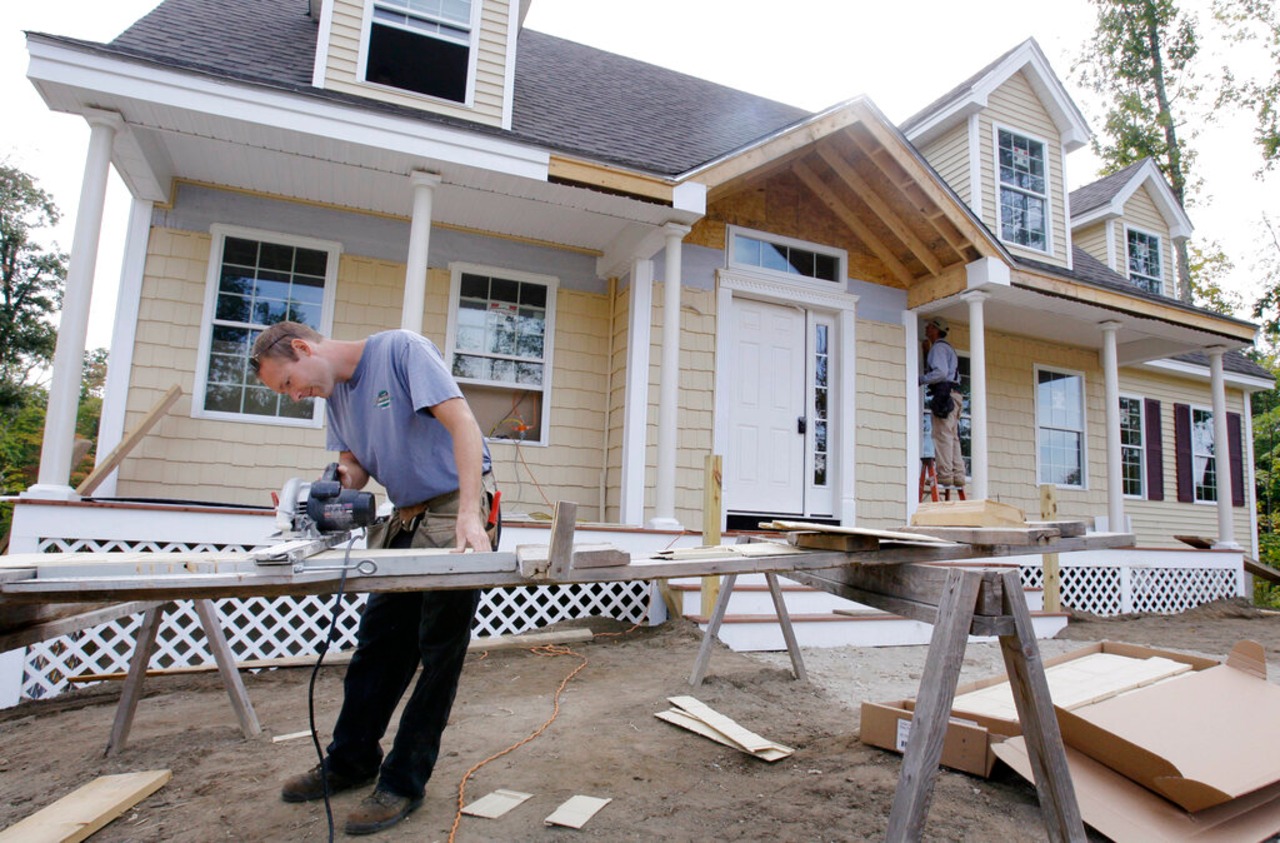
Selecting the right contractor is crucial for the success of a historic home project. It is essential to choose professionals who possess specific experience in old-home restoration. A contractor unfamiliar with the nuances of historic properties might lead to significant delays, subpar workmanship, or, critically, the removal of original architectural features that contribute to the home's character. The Brownstone Boys suggest potential clients ask contractors about their experience with similar projects and observe how they discuss preserving elements like original flooring, window casings, and trim, as well as how they plan to integrate modern plumbing and electrical systems without compromising the existing structure.
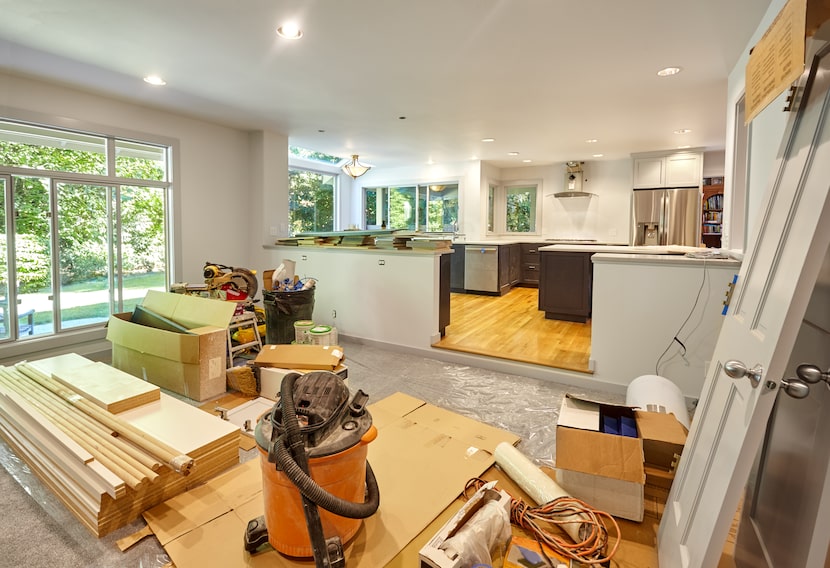
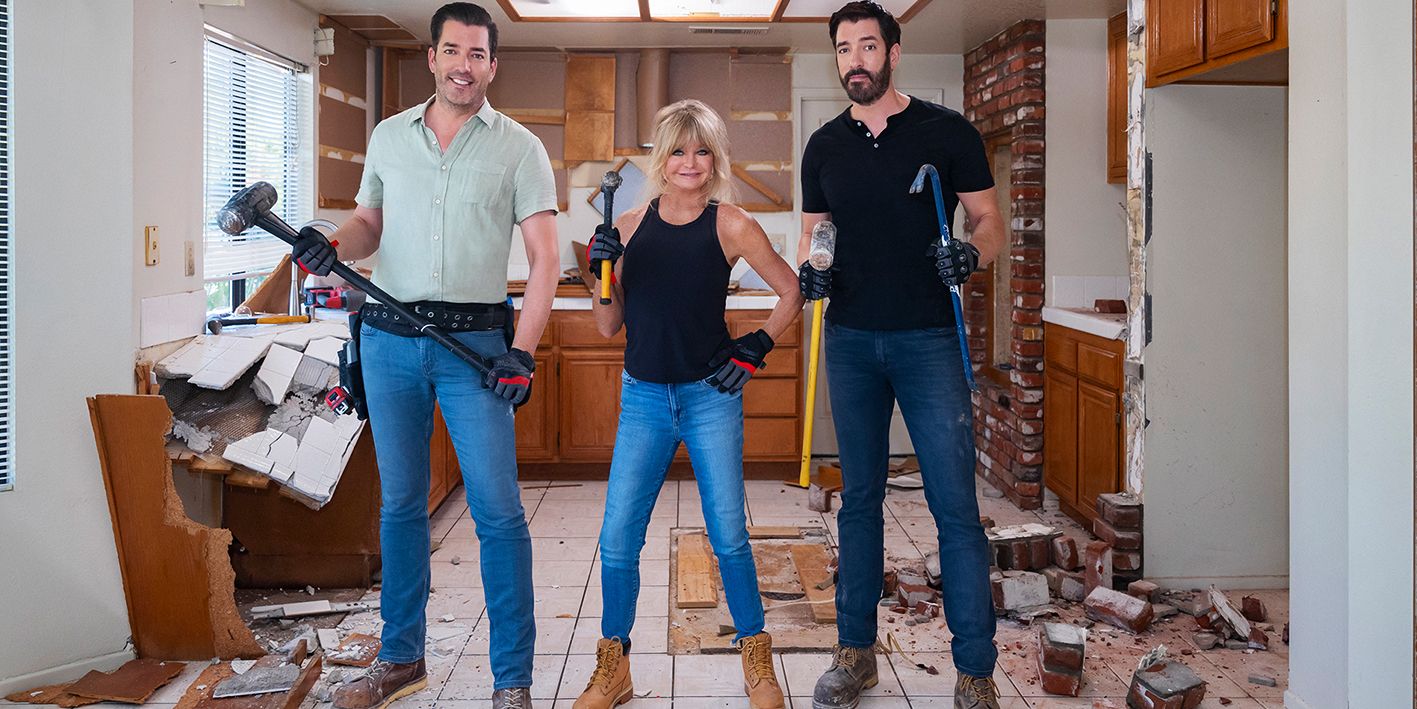
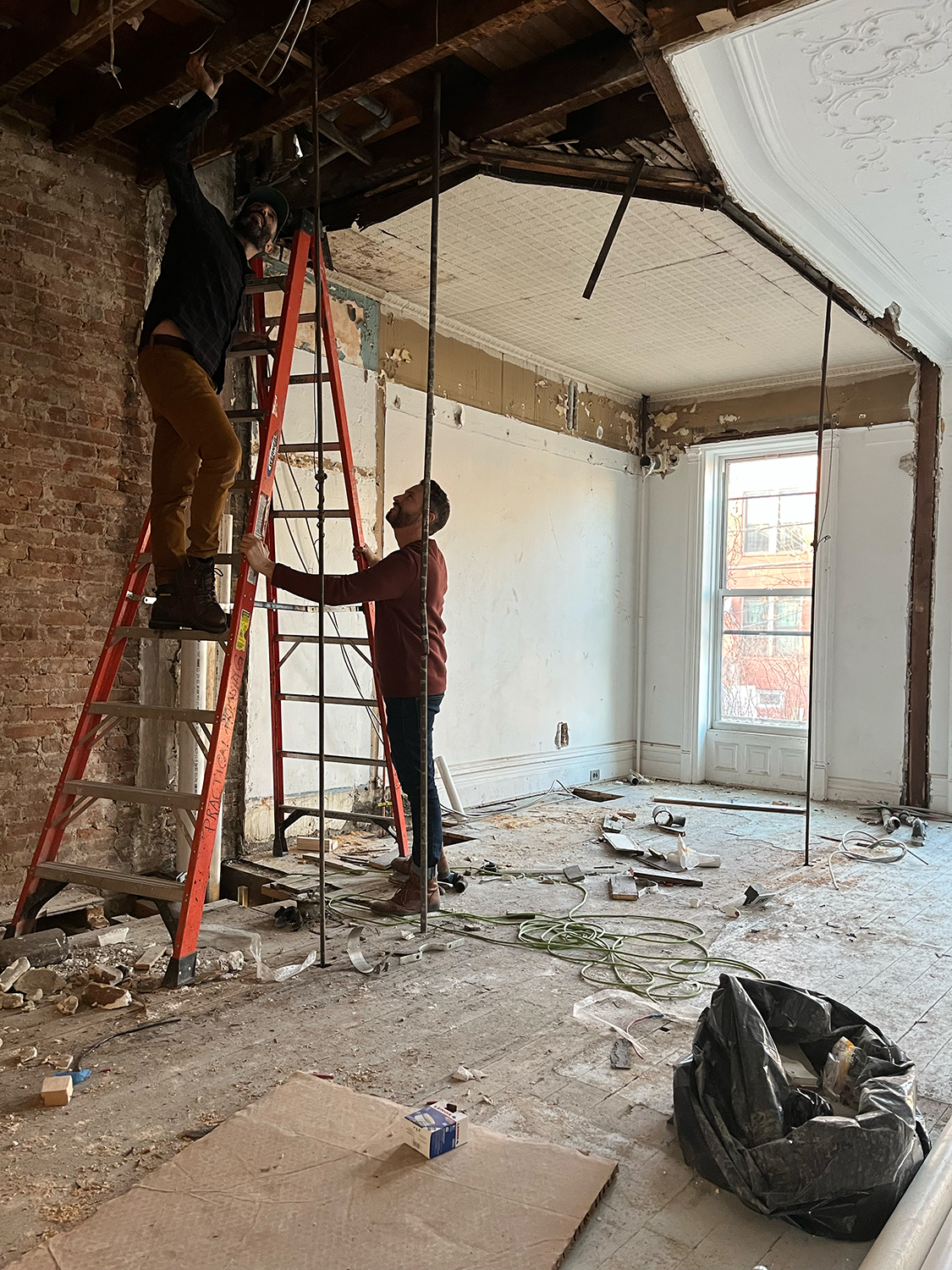
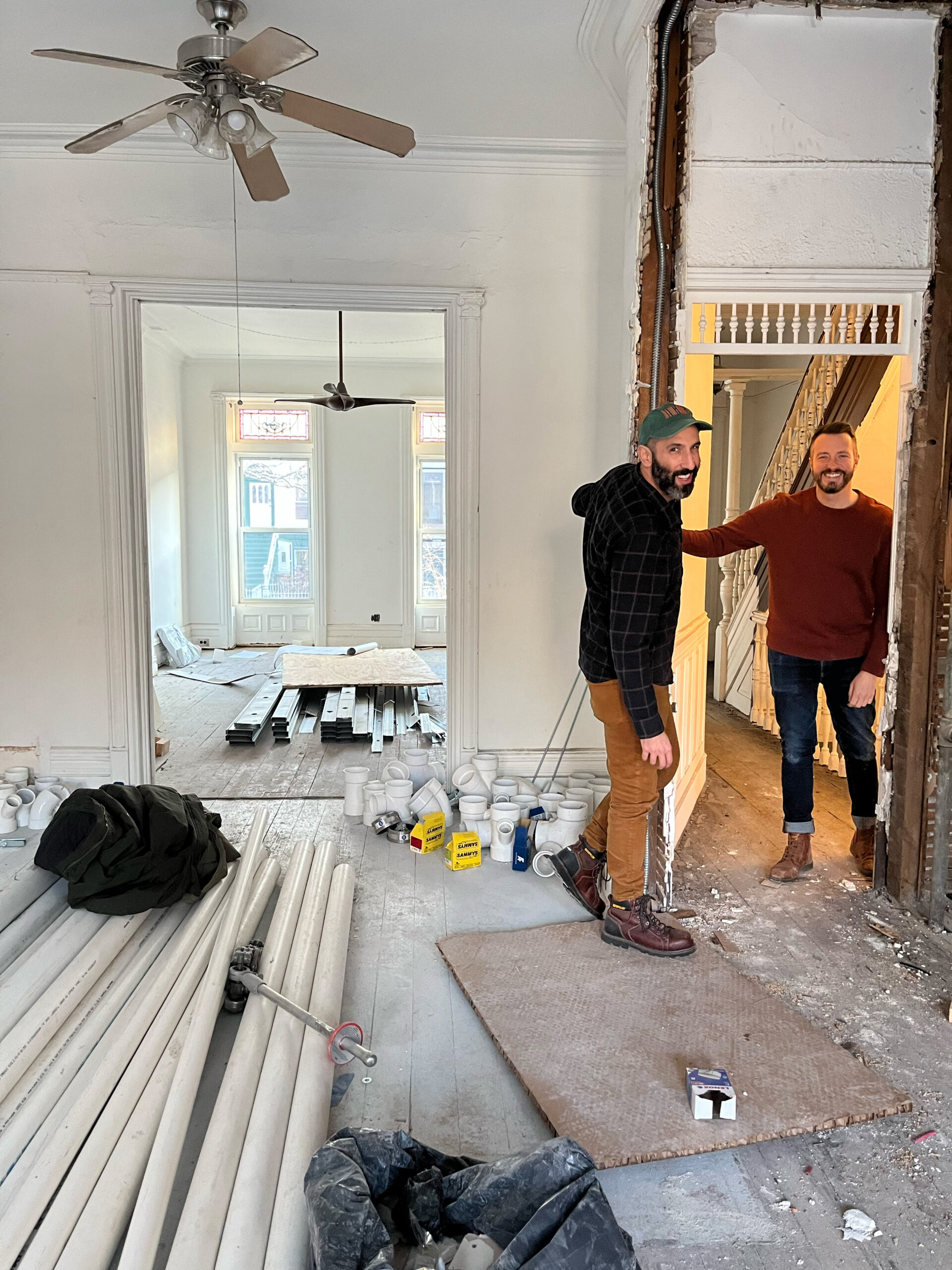
Effective demolition planning is another key area. Rather than a haphazard approach, a detailed deconstruction plan is necessary, especially concerning the preservation and organization of original details. For instance, removing door trim requires meticulous labeling and storage to ensure it can be reinstalled in its correct location months later. In metropolitan areas, the cost and bureaucratic complexities associated with demolition can be substantial, making it beneficial to engage an architect familiar with local codes and permitting processes to streamline the paperwork and execution.
Developing a precise construction plan with detailed specifications from the outset can prevent numerous issues. Even seemingly minor decisions, such as the type of lighting fixture, can have significant implications in a historic home if not planned correctly. Accurate measurements, particularly regarding wall thickness, are vital to avoid costly rework, such as having to move plumbing or drywall later in the project. The Brownstone Boys emphasize the importance of having architects and contractors align on all specifics after demolition to ensure a smooth construction phase.
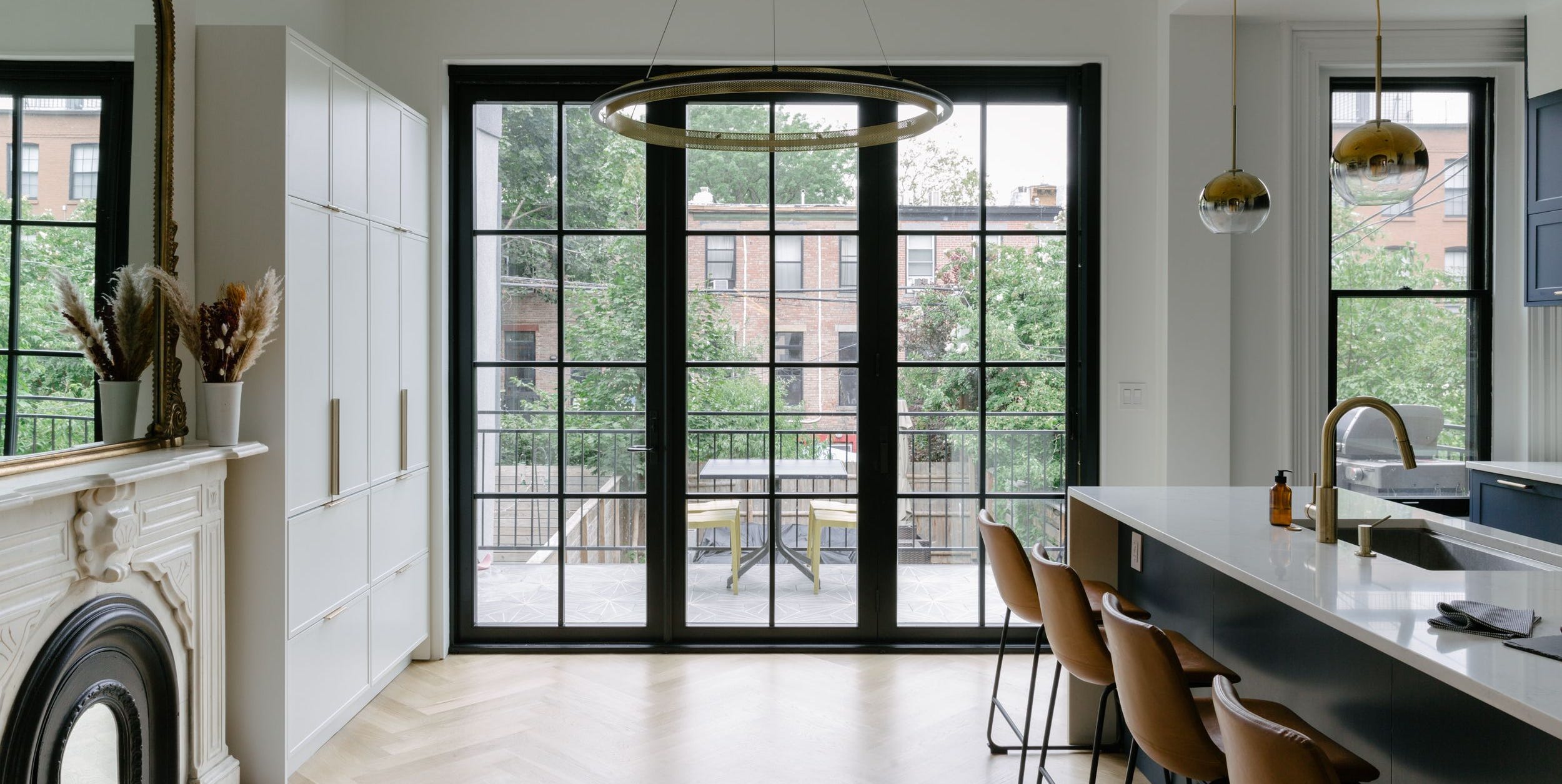
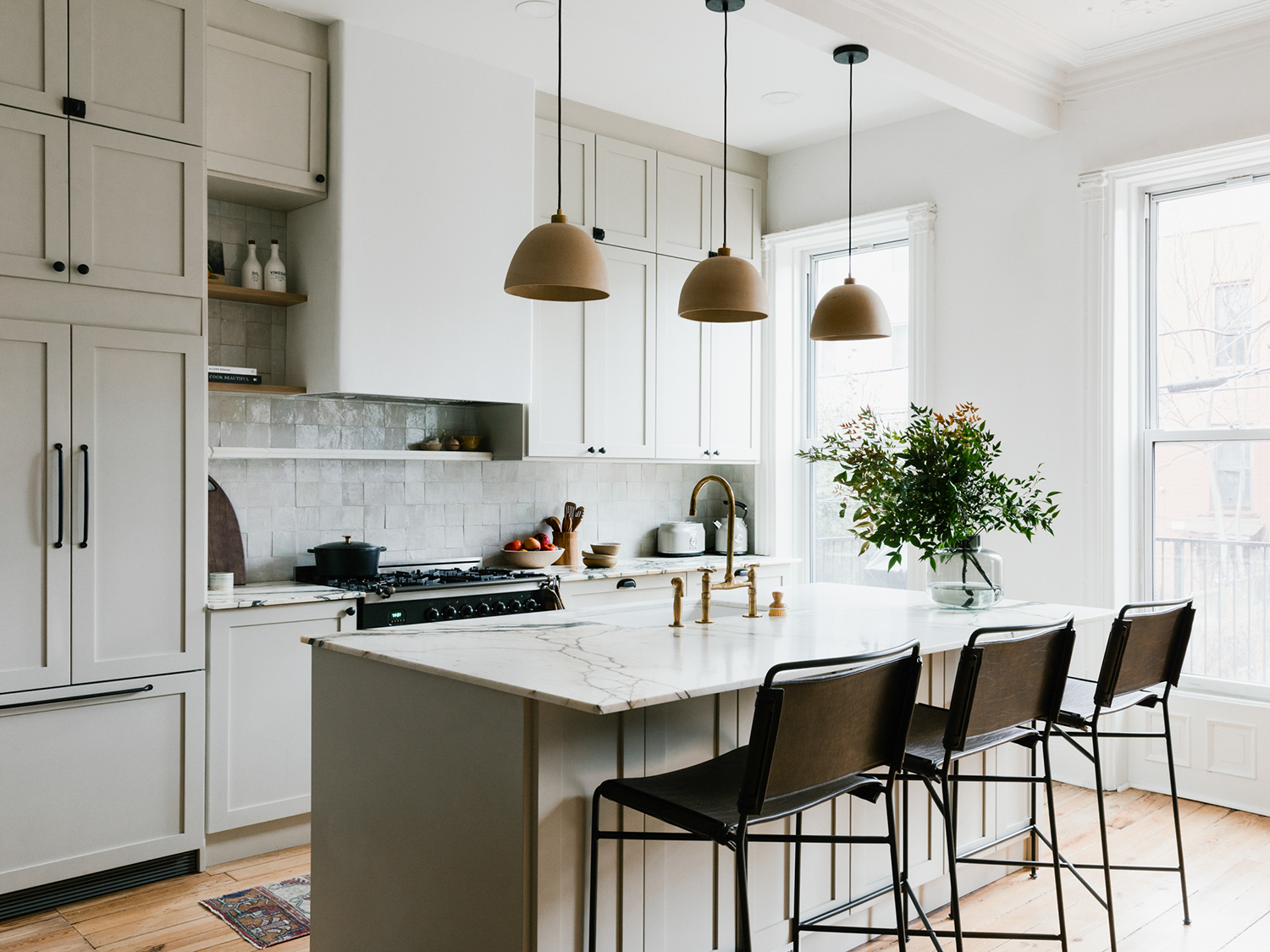
Finally, while preserving historical elements is important, avoiding modernity altogether is a mistake. The goal is not to create a 'period piece' but to blend the home's historic integrity with contemporary conveniences and personal lifestyle needs. Incorporating modern appliances or design elements alongside original woodwork can create a cohesive and functional living space that honors the past while catering to present-day living. This balanced approach allows homeowners to enjoy the unique charm of an old house without sacrificing comfort or functionality.
#HistoricHomeRenovation #OldHouseRestoration #ContractorSelection #DemolitionPlanning #ConstructionSpecificity #BrownstoneBoys #ArchitecturalPreservation #HomeRenovationMistakes #ModernHistoricBlend #HistoricHomeRenovation #OldHouseRestoration #ContractorSelection #DemolitionPlanning #ConstructionSpecificity #BrownstoneBoys #ArchitecturalPreservation #HomeRenovationMistakes #ModernHistoricBlend
0 comment in total
 No comments yet
You may also like
5 Common Mistakes Homeowners Make When Restoring Old Houses

After More Than 500 Home Makeovers, the Property Brothers Warn Against This Feature They "Hate, Hate, Hate"

We Asked 5 Real Home Cooks the Kitchen Upgrade They Totally Regret, and Here’s What They Said
"It Ended Up Being A Major Mistake": 15 Popular Home Design Trends People Tried But Ultimately Regretted

How to Keep Your Old Home From Becoming a Money Pit


5 interior design regrets experts are always called in to fix
5 Painting Mistakes That Are Actually Ruining Your Projects, According to Reno Pros


Don't make these 5 entryway decor mistakes

7 Renovations Homeowners Regret the MOST, According to the Experts Who Fix Them


6 Things People Always Regret Skipping During A Renovation

How These Pro Renovators Avoided Stripping Any Wood During This Brownstone Remodel

To Paint or Not to Paint the Original Woodwork? It Depends Who You Ask

A serial home flipper with over 25 years of experience shares 7 common renovation mistakes people make
You should try to avoid these 10 common home remodeling mistakes, urge experts

6 mistakes design experts instantly notice in your home – and how to fix them

5 entryway mistakes we all make – and how designers suggest we avoid them


9 common home renovation mistakes to avoid


‘We’re just the current caretakers’ – The Brownstone Boys' golden rules for making the most out of your home's historic bones

Walking On New Ground
11 costliest home renovation mistakes you should avoid