1/2
San Antonio’s Evolution Is Written in Its Landscape Heritage
The article discusses the importance of a holistic approach to the stewardship of San Antonio's unique natural, historical, and cultural assets, emphasizing the need for balance between change and continuity. This perspective was highlighted during the opening remarks for "What’s Out There Weekend San Antonio" by Charles Birnbaum, founder and CEO of The Cultural Landscape Foundation (TCLF). Birnbaum argues that managing the future of San Antonio requires acknowledging both the dynamic changes within its landscapes and the preservation of its distinct character-defining features.
San Antonio's cultural landscapes are constantly evolving due to both natural factors, such as shoreline erosion and unchecked invasive plant growth, and human interventions, like the addition of new infrastructure or alterations to historical sites. Despite these changes, the continuity of the city's unique form, order, use, features, and materials must be maintained to preserve its authenticity. The TCLF has contributed to this effort through the "Leading with Landscape conference" in 2017, which aimed to establish a foundation for comprehensive planning, and its online and printed "What’s Out There San Antonio" guide, documenting approximately 60 sites and 20 influential figures in the city's design legacy.
The evolution of San Antonio's parks and open spaces is distinct from cities like Dallas and Houston. Unlike those cities, which were comprehensively planned by specific landscape architects such as George Kessler, San Antonio's park system developed organically, integrating its natural systems, ecology, and cultural lifeways. This organic development is exemplified by historical observations, such as Frederick Law Olmsted's 1854 description of the San Antonio Spring, which underscored a holistic view of the built environment where nature and culture are intertwined.
Maintaining cultural authenticity is another critical aspect. The community's passion for its history is evident in developments like the Pearl and debates surrounding the Alamo. The article references Robert Rivard's observations on the Alamo, noting how historical narratives have been distorted, marginalizing Tejano and Mexican contributions. Efforts over the past two decades have aimed to recover a more complete historical account, highlighting the different meanings the phrase "Remember the Alamo!" holds for various communities within the city.
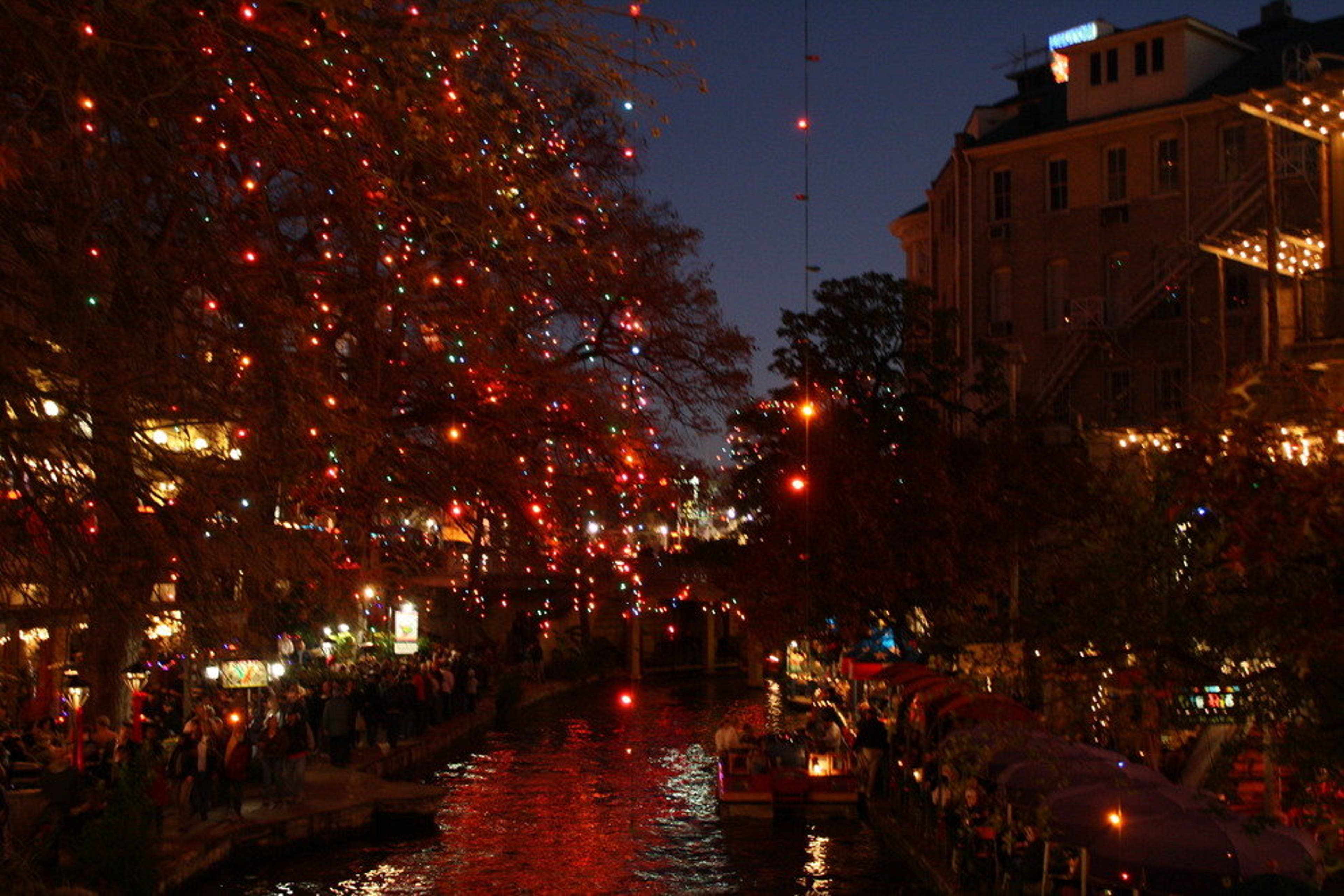
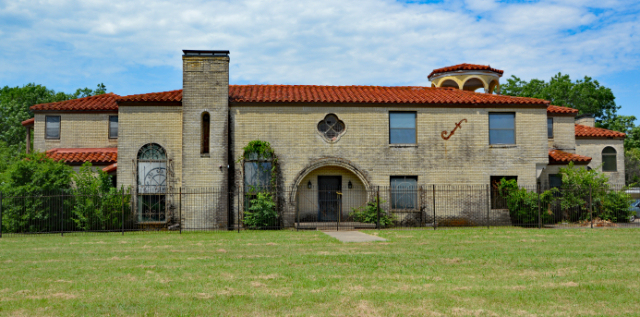
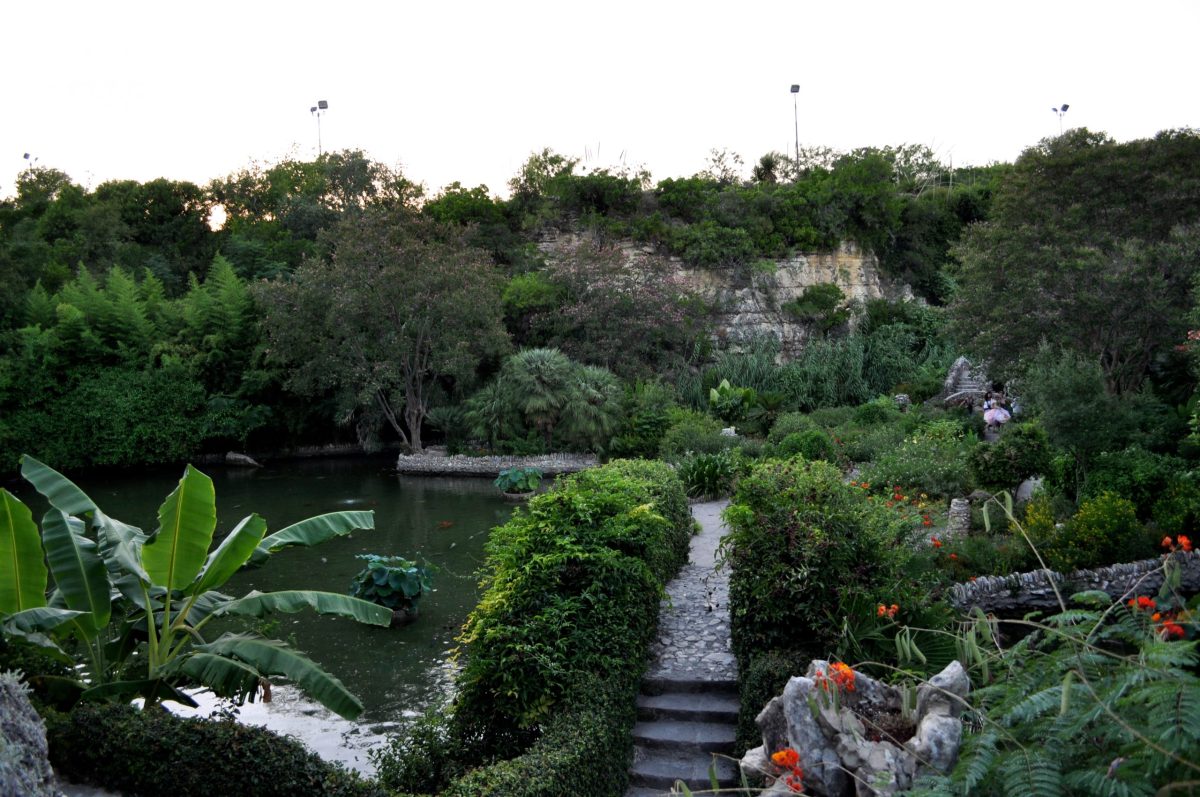
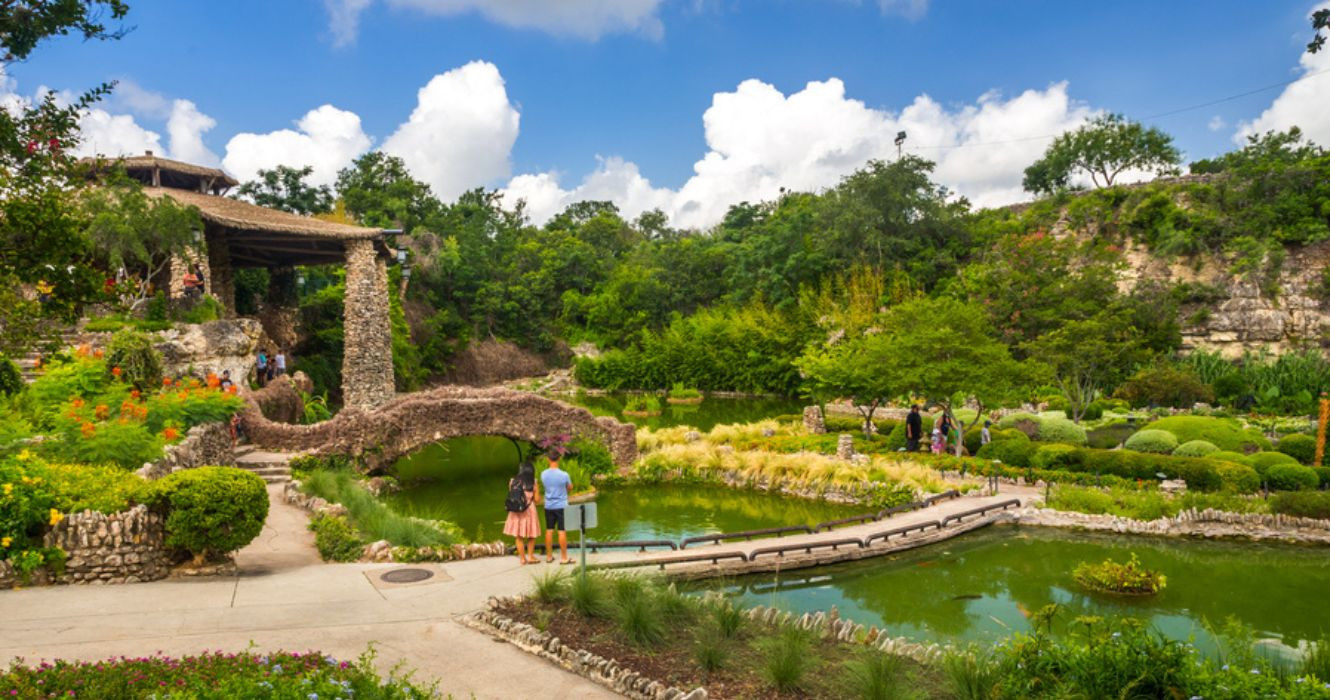
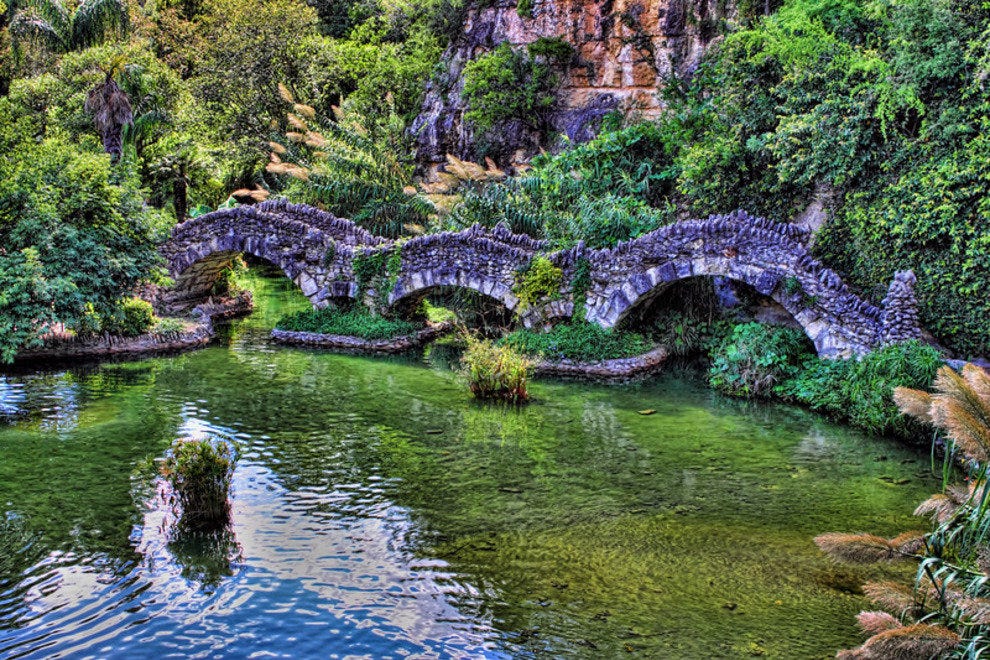
Population growth, with an average increase of 66 people per day, presents both opportunities and challenges. While it revitalizes traditional and creates new centers of energy, it also raises concerns about the potential strain on cultural resources. The role of landscape architects and urban planners becomes crucial in designing public spaces along corridors like Broadway, Hemisfair, and the River Walk, ensuring that massive new developments are absorbed without compromising the city's cultural heritage. San Antonio has an opportunity to lead with culture, much as it has with its riverine natural systems. The city's parks and open spaces tell a diverse cultural story, from Kimi Eizo Jingu's Japanese Tea Garden at Brackenridge Park, which transformed a former quarry, to Dionicio Rodriguez’s faux bois creations. The widespread influence of Spanish Colonial and Mission Revival architecture in residential neighborhoods, campus landscapes, and public spaces further underscores this cultural leadership. Treasures like San Pedro Springs Park and Brackenridge Park, with their rich prehistoric and historic resources, are as significant as the World Heritage-designated Missions, all interconnected by the San Antonio River. The creation of a National Heritage Area, a concept where historic, cultural, and natural resources form cohesive, nationally important landscapes, could offer a viable path forward for managing these invaluable assets. Such an area would facilitate collaboration between communities and local interests, ensuring that San Antonio’s natural and cultural uniqueness is nurtured for future generations.
#CulturalLandscape #SanAntonioHistory #UrbanPlanning #HeritagePreservation #EnvironmentalStewardship #ParkEvolution #CulturalAuthenticity #CulturalLandscape #SanAntonioHistory #UrbanPlanning #HeritagePreservation #EnvironmentalStewardship #ParkEvolution #CulturalAuthenticity
0 comment in total
 No comments yet
You may also like
Keeping It Weird

Historic Destination Reimagined
Lion Mountain Park / TLS Landscape Architecture

An Art Deco treasure is diminished

Bayview Parks Open Space Plan
Are fleeting architectural fads marring SLO?

9 Spanish Colonial Homes and Their Trademark Characteristics


An Eco-Friendly Community Outside of Atlanta Celebrates Nature and Sustainability

4 buildings and places in St. Louis in danger of disappearing forever

European, Mexican style in the historic architecture of Roma, Texas

San Francisco Is Turning Gray — One House At A Time

Here's How Long You Need To See San Antonio's Japanese Tea Garden

Find Great Attractions and Activities near San Antonio's AT&T Center


20 Old House Styles No Longer Built Today
Tourism in Sitges – A walk through Vinyet and Terramar

Old World in the New World: Santa Fe’s Architectural Legacy, Part 1

Dallas Preservation Experts on How to Keep Your Historic Home and Why It Matters


The LINE San Francisco | Creativity Meets Community in the Heart of Downtown