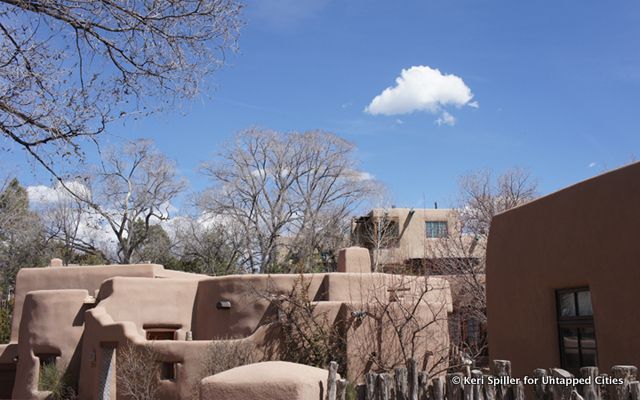
1/7
Old World in the New World: Santa Fe’s Architectural Legacy, Part 1
Santa Fe, a city in the high desert, presents a unique blend of cultures, art, and architecture, offering a feeling of having left the United States without needing a passport. The city, which celebrated its 400th anniversary in 2010, holds the distinction of being the oldest capital city in North America. Its history is complex, marked by its founding by Spaniards in 1610 after conquering the Pueblo Indians, followed by Mexican rule from 1821 until 1846 when the American Army claimed New Mexico. This rich history is reflected in its eclectic architectural heritage, which is as much Native American, Spanish, and Mexican as it is American.
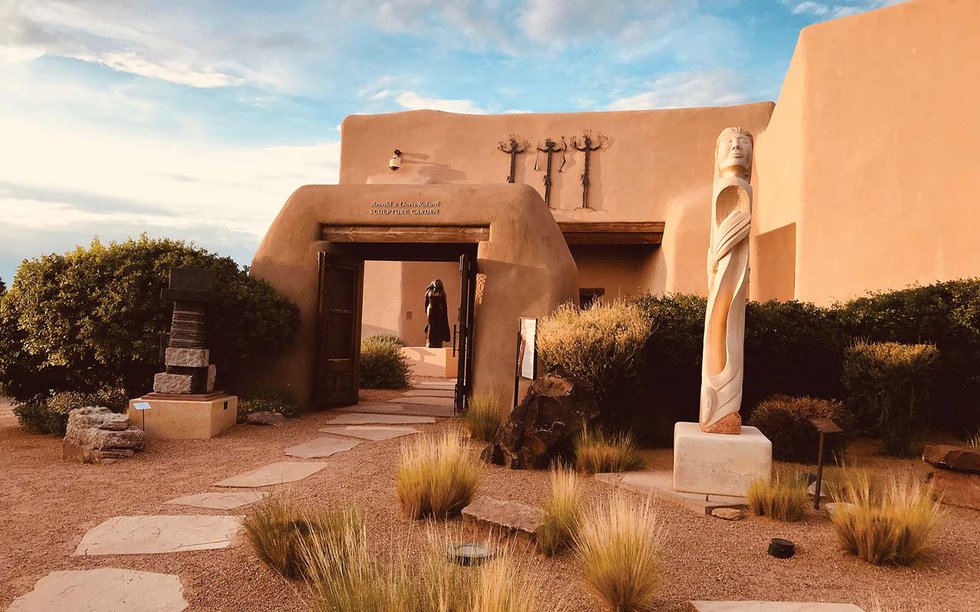
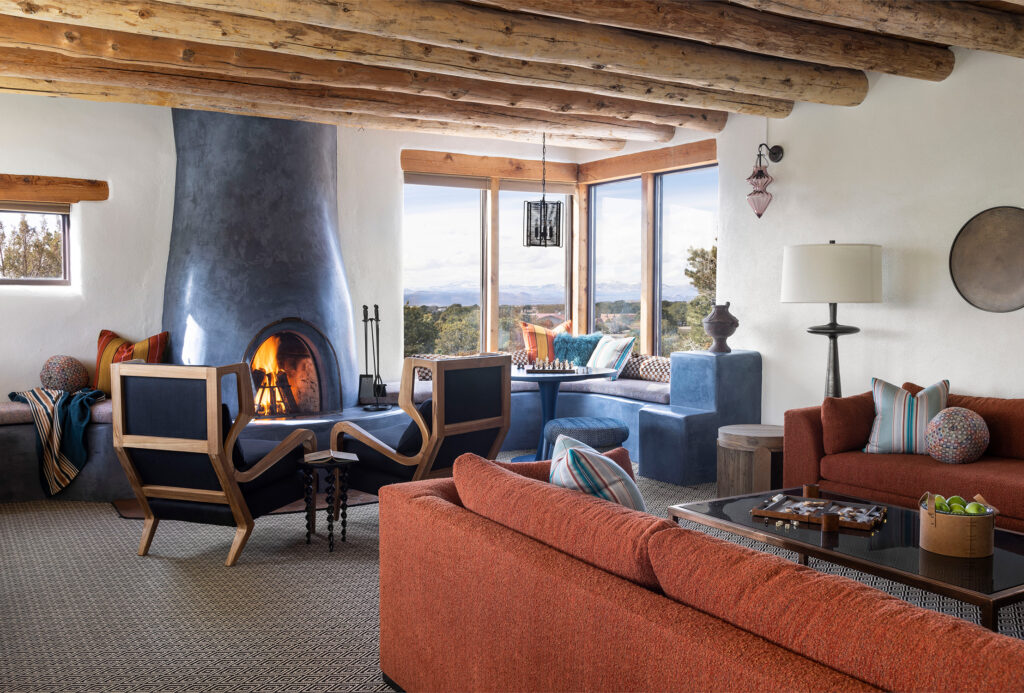
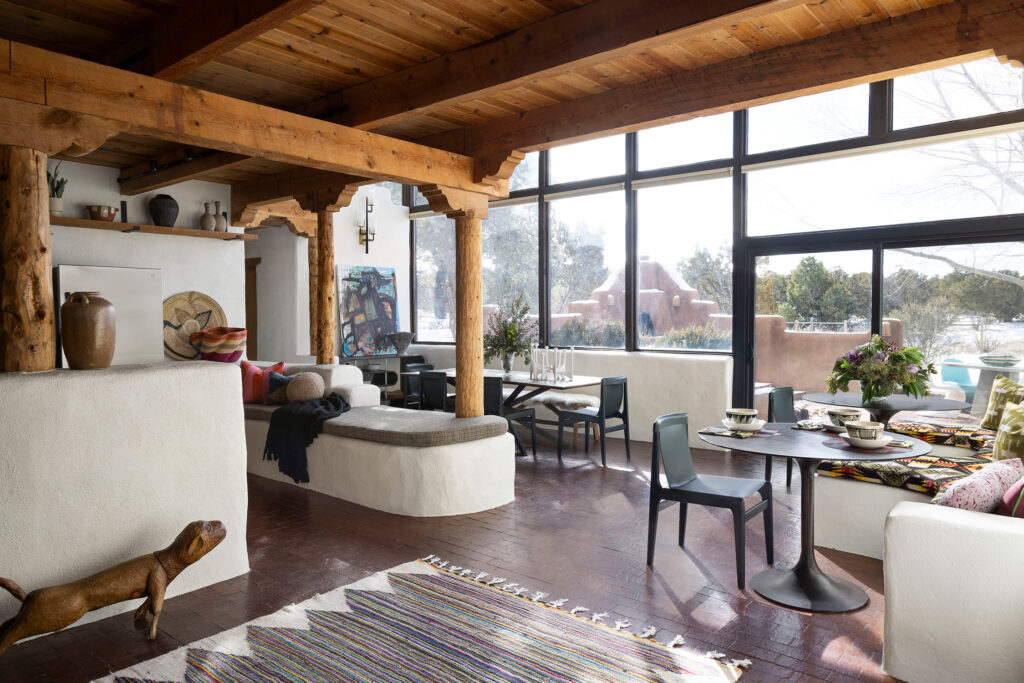
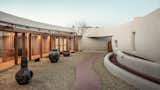
The architecture of Santa Fe is characterized by an 'old world feeling,' where buildings often appear sculptural, conforming to the land with undulating walls and a lack of straight lines and square corners. This distinct aesthetic is a significant part of what is affectionately termed 'Santa Fe charm.' The architectural narrative begins with the Pueblo Indians, whose building traditions date back to 900 CE. Pueblo communities, such as the well-known Taos Pueblo, demonstrate an indigenous way of life with continuous adobe structures that seem to emerge from or recede into the ground. These buildings were organized around large open communal spaces and accessory structures, reflecting a deep physical and spiritual connection to the land and a communal lifestyle.
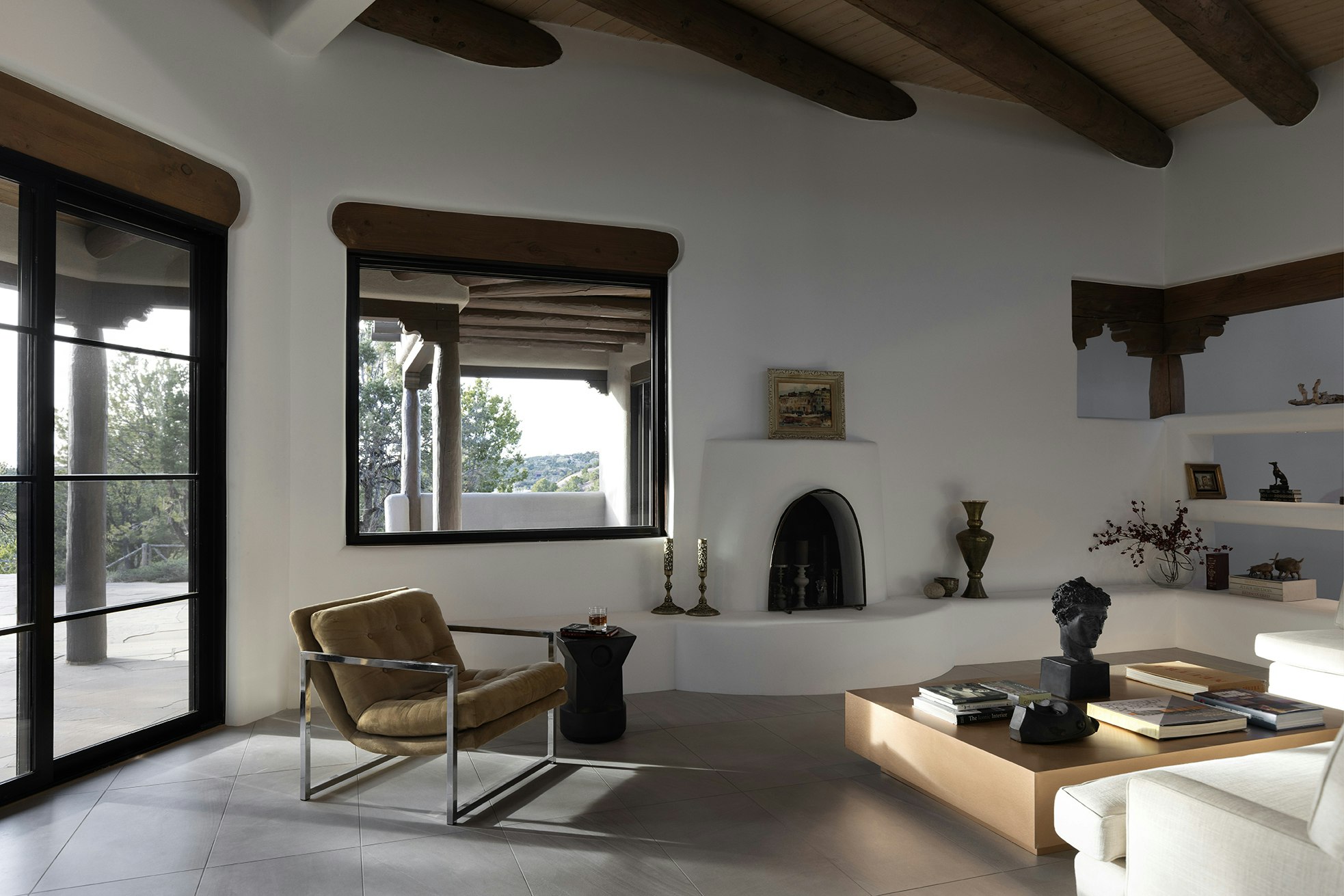
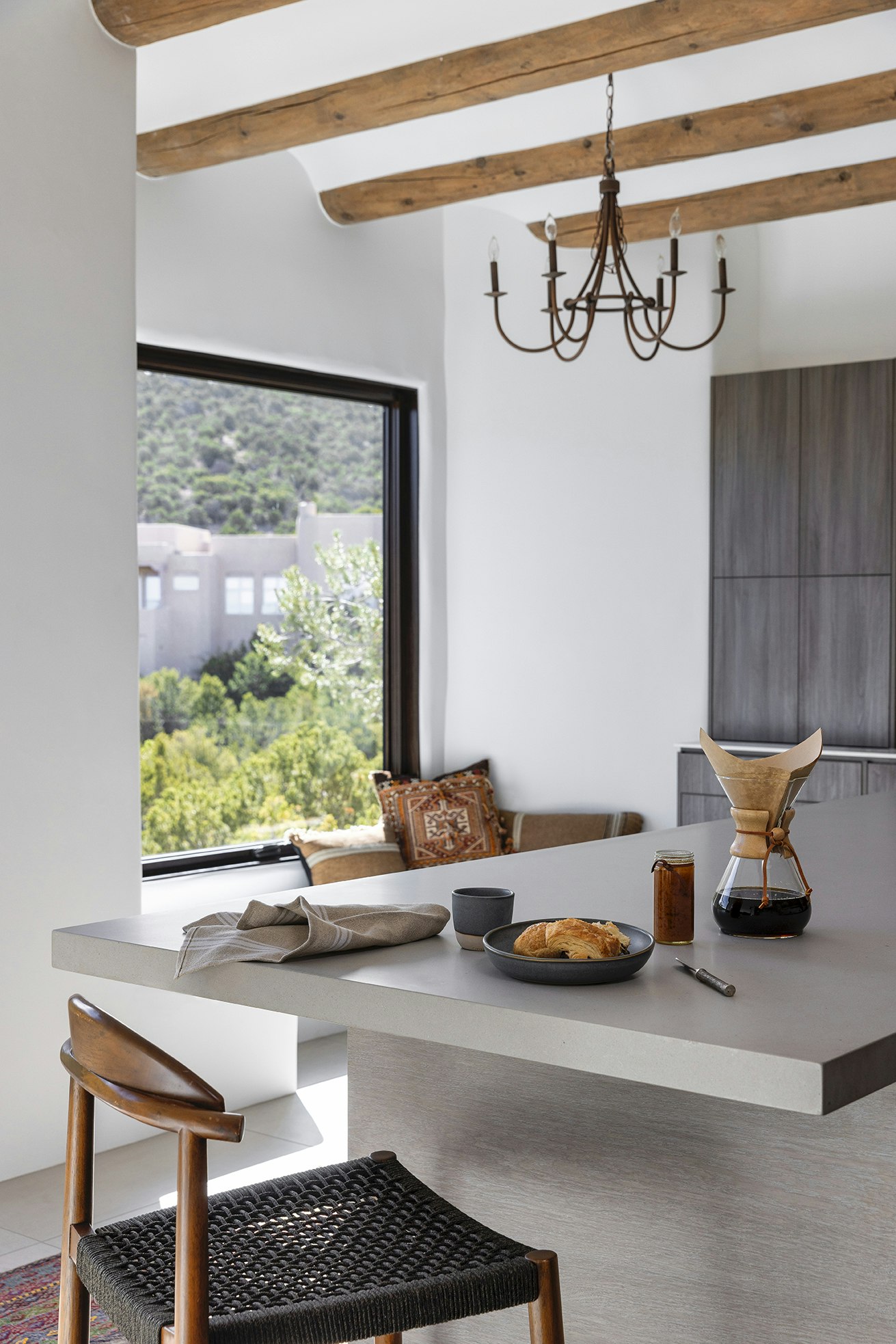
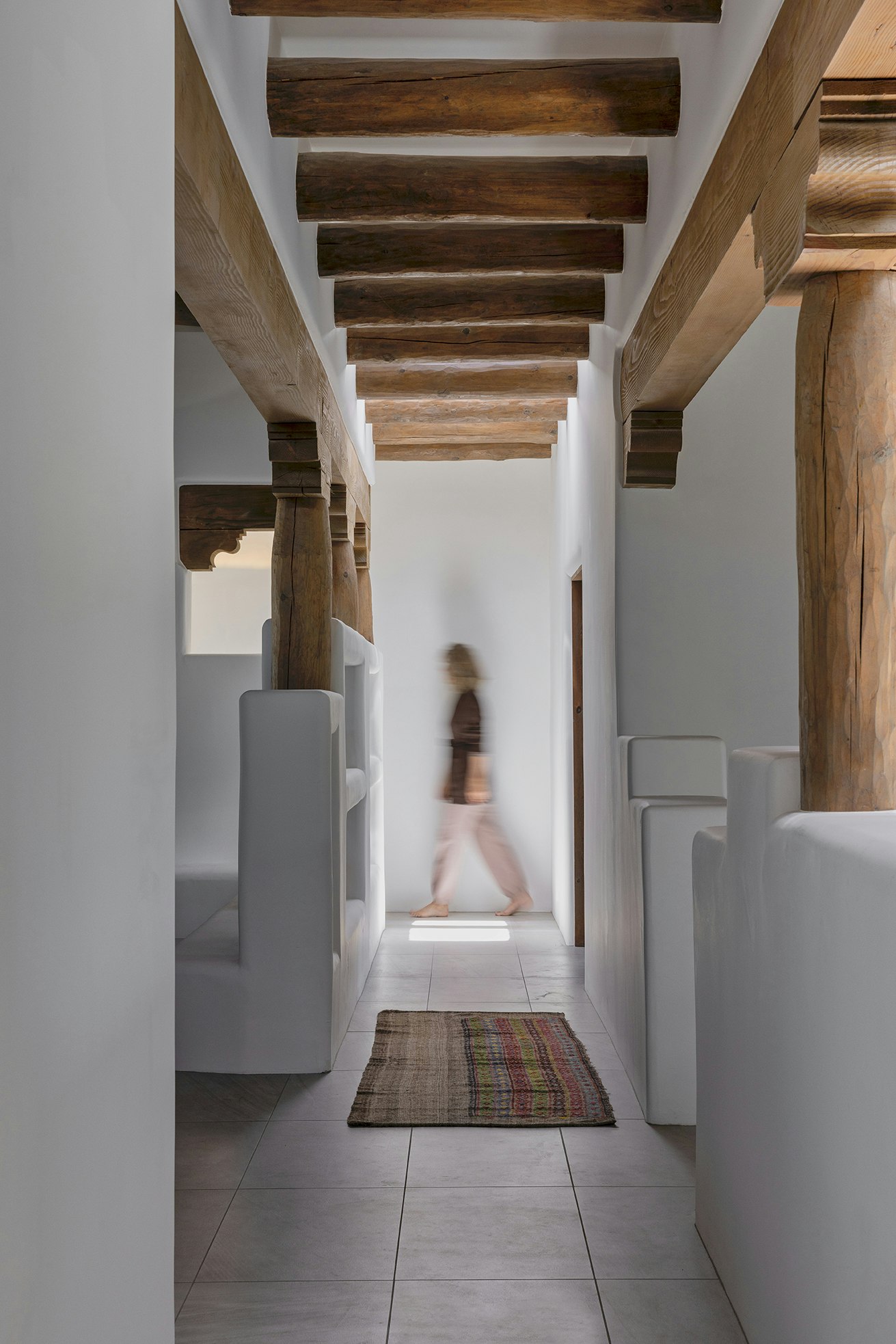
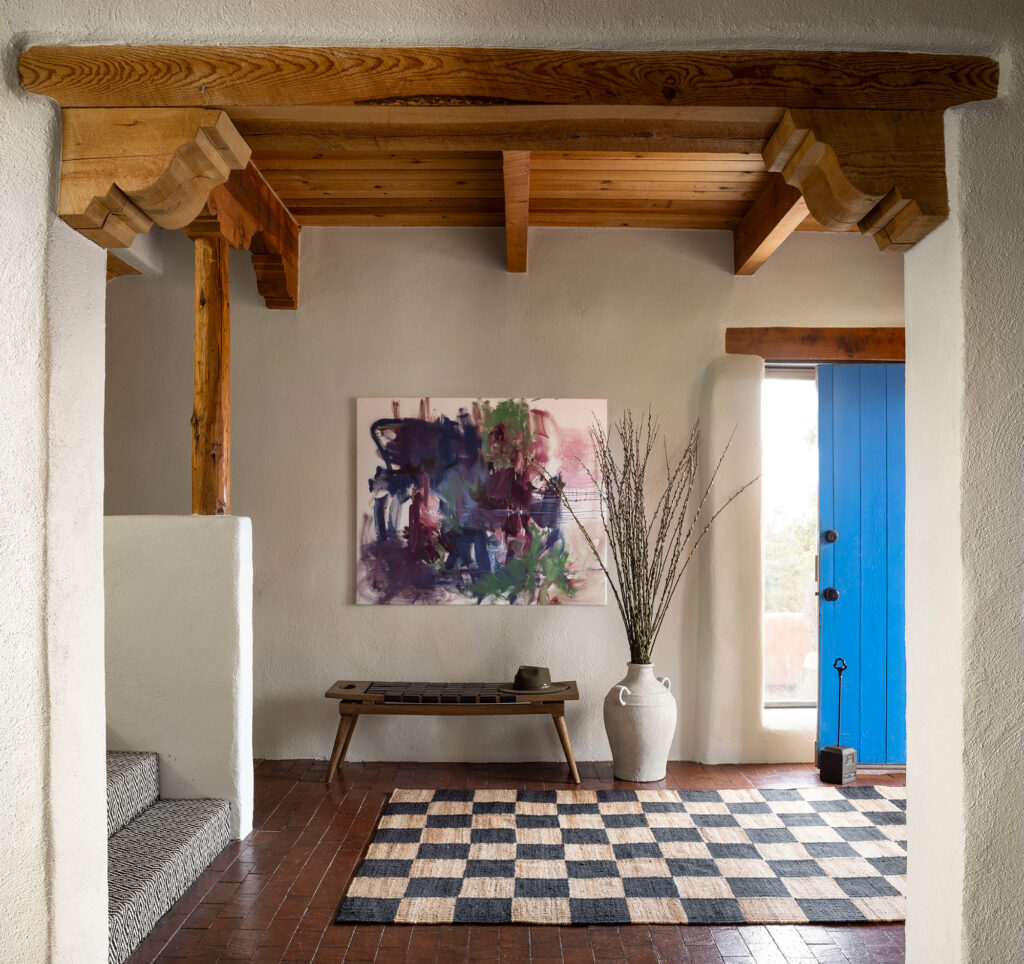
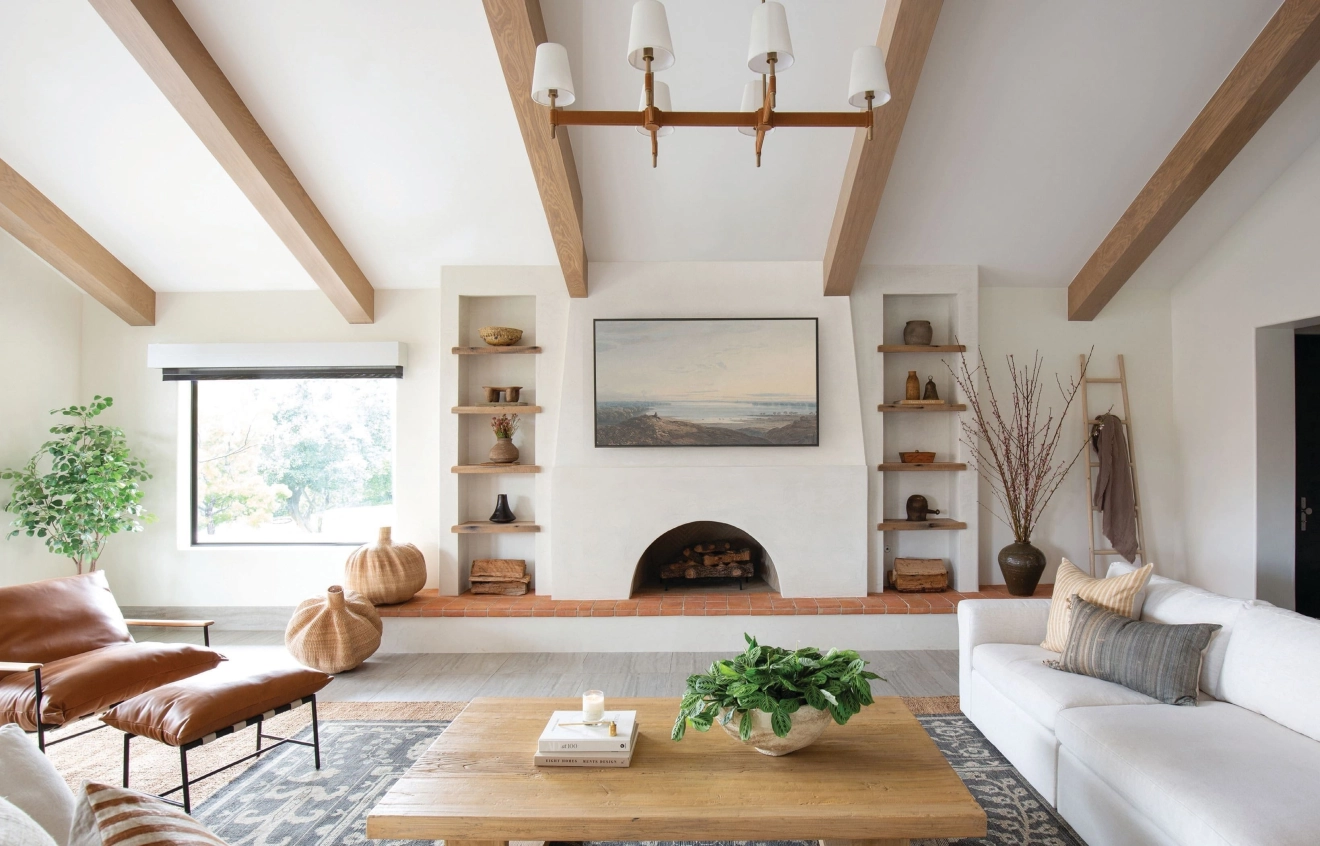
Pueblo Indian architecture prioritized functionality and austerity over decorative aesthetics. The primary building material was adobe, a mix of mud, ashes, and hay, sometimes incorporating gathered stones. Walls were built in layers, allowing each section to dry, which limited the height of structures to typically two or three stories. Roofs were constructed with log supports, known as 'vigas,' topped with layers of mud mixture. The exposed ends of these vigas became a distinctive detail in Santa Fe's architectural vocabulary, later emulated as interior exposed beams. The terraced design of these old adobe structures, with ladders and built-in steps providing access, served both practical and spiritual purposes, symbolizing ascendance towards their gods. This step design has influenced modern architectural elements, with old ladders even serving as decorative accents today. The simplicity, organic forms, and minimal details of these Pueblo structures laid the foundation for building design across the Southwest.
Spanish influence began with explorers and missionaries in 1598, leading to Santa Fe's establishment as the capital of New Spain's northernmost province by 1610. The city was formally named the *Villa Real de Santa Fe de San Francisco de Asîs*, or The Royal Town of the Holy Faith of St. Francis of Assisi. Saint Francis, as the patron saint of Santa Fe, is widely represented throughout the city in various forms of art and iconography. The article concludes by inviting readers to anticipate the second part of Santa Fe's architectural history, emphasizing the deep historical layers within the city's adobe structures. All black and white photographs used in the article are sourced from the New Mexico History Museum Photo Archives.
#SantaFeArchitecture #PuebloIndianArchitecture #AdobeBuildings #ArchitecturalLegacy #HistoricPreservation #SouthwesternDesign #SpanishColonial #CulturalHeritage #Vigas #SantaFeArchitecture #PuebloIndianArchitecture #AdobeBuildings #ArchitecturalLegacy #HistoricPreservation #SouthwesternDesign #SpanishColonial #CulturalHeritage #Vigas
0 comment in total
 No comments yet
You may also like
Home & Design | Design Destinations: Santa Fe, New Mexico
taller mexicano de arquitectura preserves casa deco's original textured stone walls in mérida
Studio Mesa Reintroduced Spanish Revival Details to This Rancho Santa Fe Home
An Art Deco treasure is diminished

A Dilapidated Pueblo-Style House in Santa Fe Gets a Modern Makeover

4 buildings and places in St. Louis in danger of disappearing forever

European, Mexican style in the historic architecture of Roma, Texas

Inhabiting a Layered Past: How Contemporary Design Is Transforming Colonial Houses in Mérida, Mexico

A Santa Fe Home Leans into Classic Southwestern Style (but with a Twist)
San Antonio’s Evolution Is Written in Its Landscape Heritage
Landmark Home In Santa Monica Exemplifies The Craftsman Style

17 Essential Architectural Styles Everyone Should Know

9 Spanish Colonial Homes and Their Trademark Characteristics

41 famous buildings you should visit before you die

How 1940s-era bungalows of the Mar Vista Tract are nurturing the community
Slabs of corduroy-textured concrete encase a Spanish home by Muka Arquitectura

20 Old House Styles No Longer Built Today

Frank Lloyd Wright’s Only Adobe Design Is Rescued From Total Disrepair

Beautifully preserved 1930s Spanish-style seeks $1.75M in Los Feliz
Design Rediscovered: Maritz & Young, A Local Tale of Talent