Here's How Long You Need To See San Antonio's Japanese Tea Garden
San Antonio's Japanese Tea Garden, a serene and picturesque destination, offers visitors a unique blend of natural beauty and rich history. Initially conceptualized and opened in the 1920s, the garden underwent a significant restoration and reopened in March 2008. The restoration project, funded by over $1.5 million in public and private investments, focused on infrastructure rehabilitation, including walkways, piping, filtration systems, wall repairs, and pond sealing. Descendants of Ray Lambert, who first envisioned the transformation of a rock quarry into a 'lily pond' in the 1920s, and the Jingu family, who were integral to the garden's early operation, played crucial roles in advocating for its restoration.
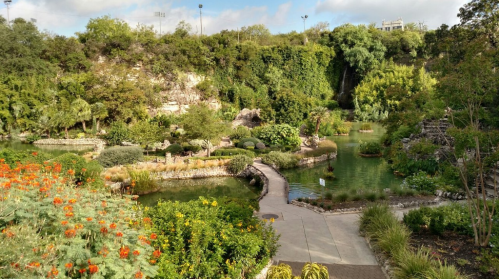
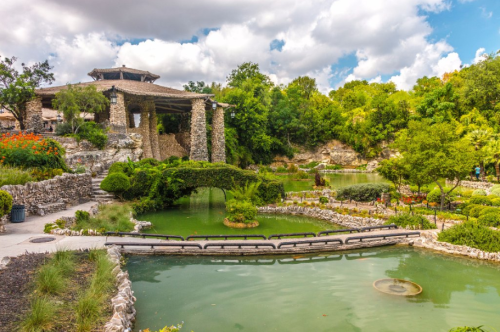
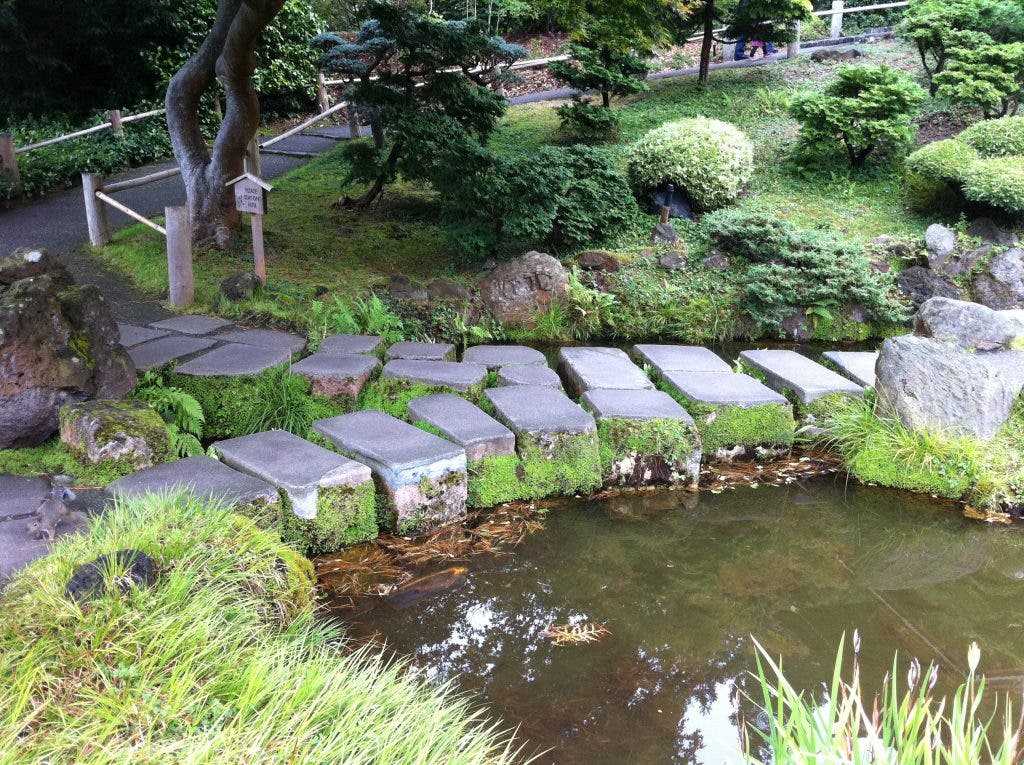
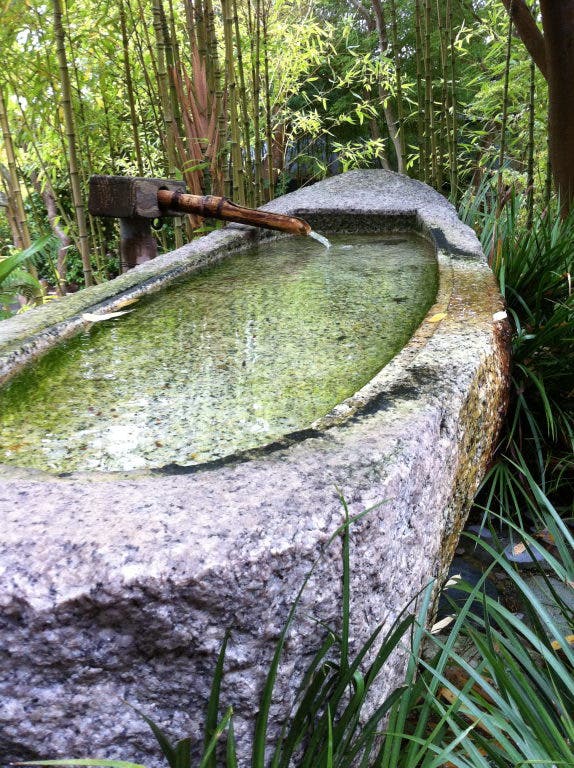
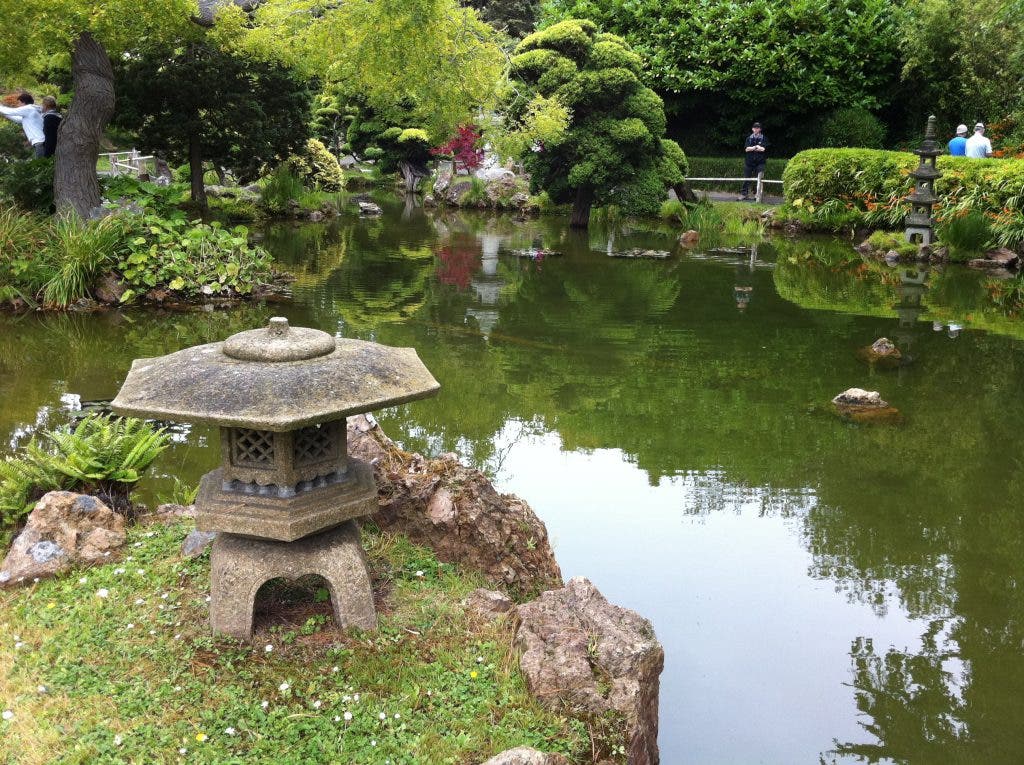
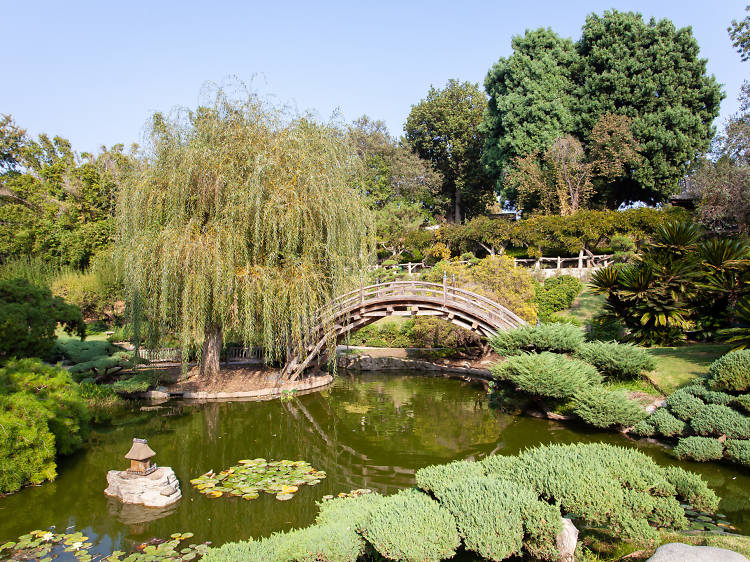
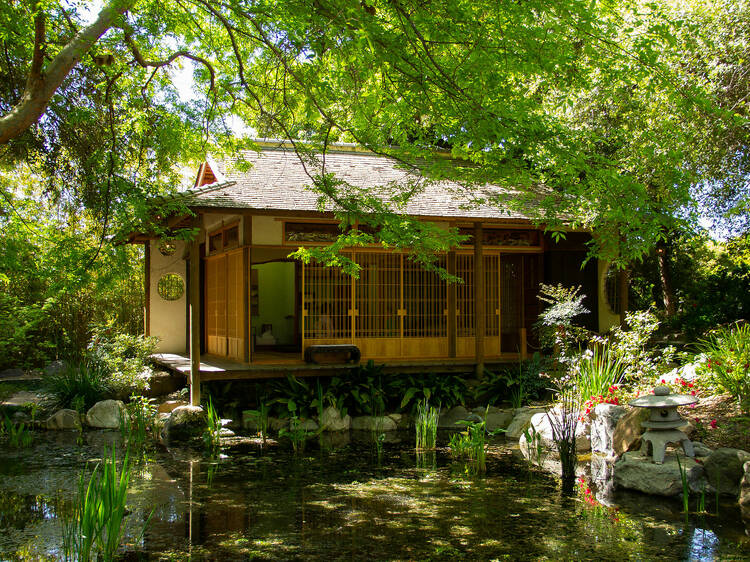
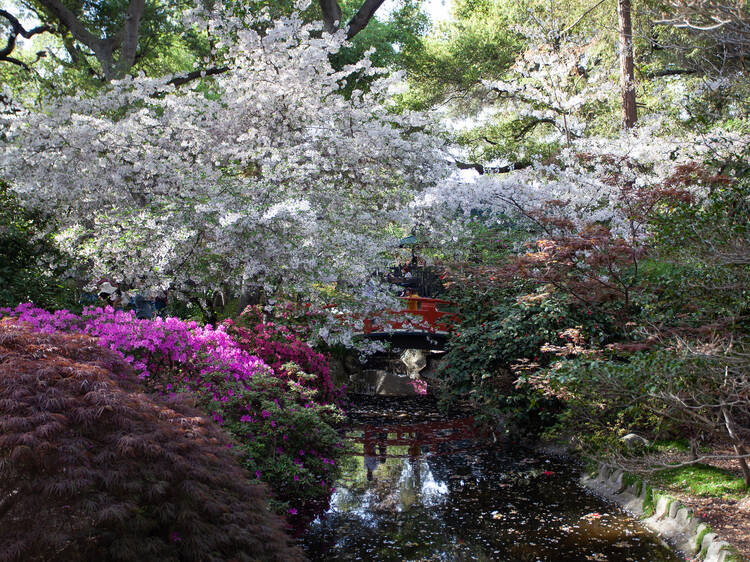
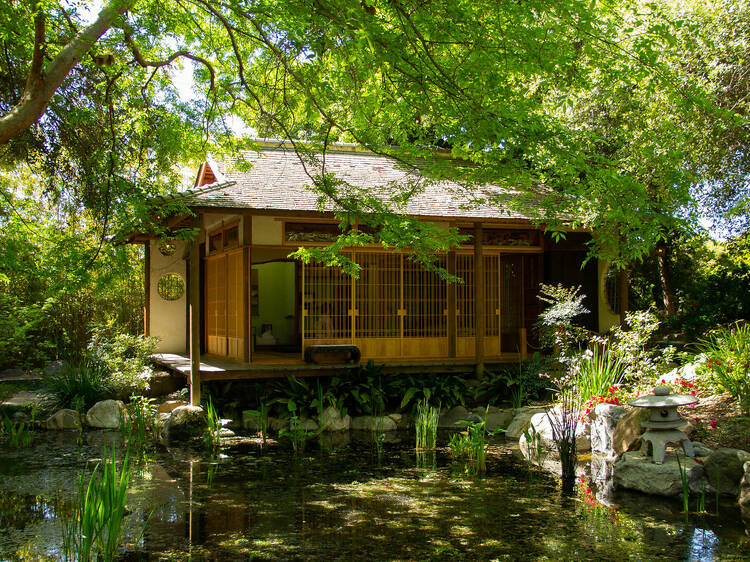
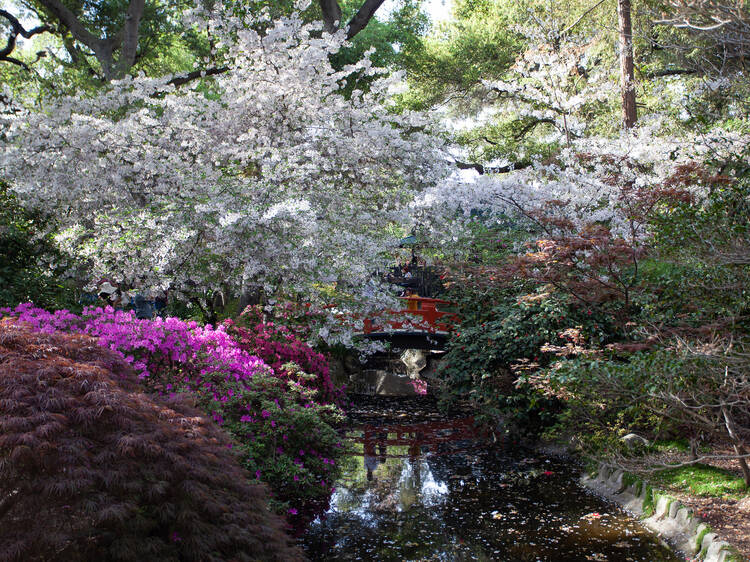
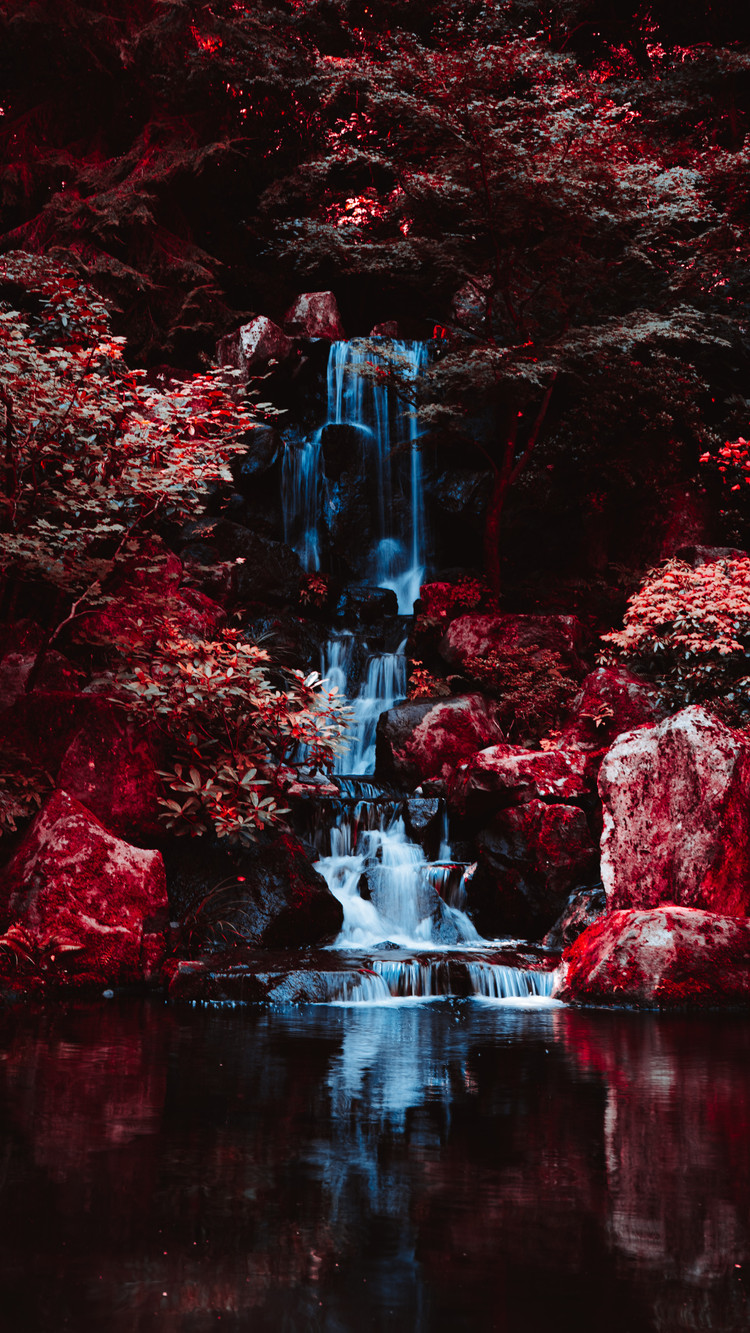
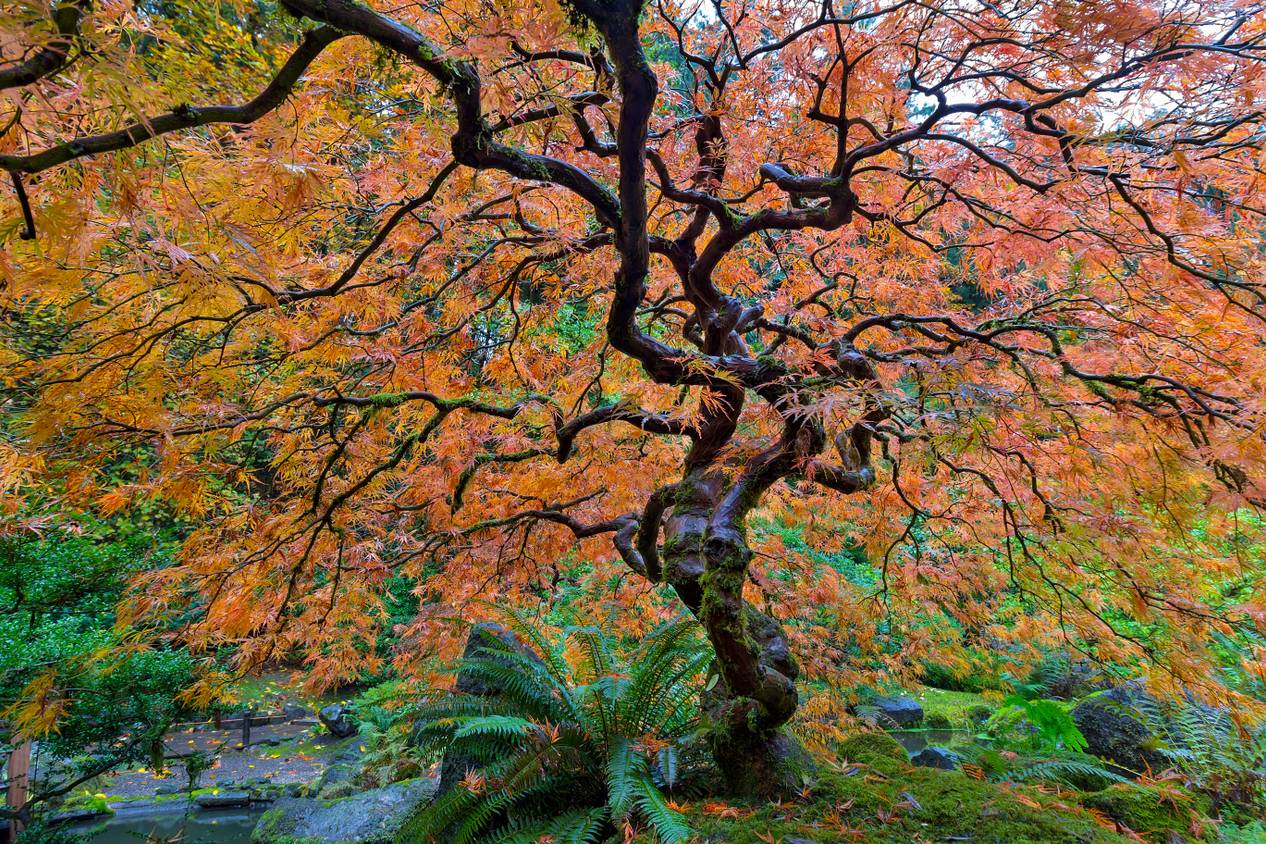
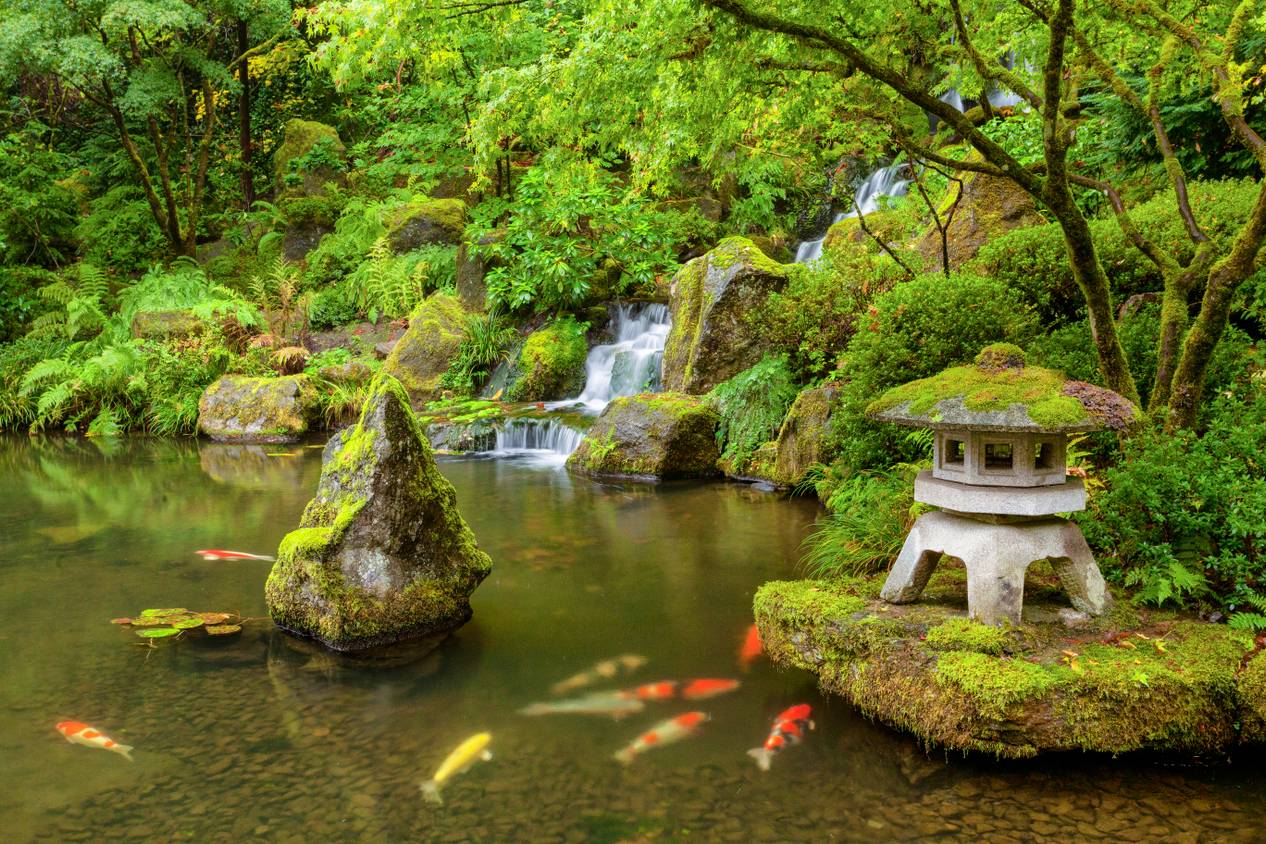
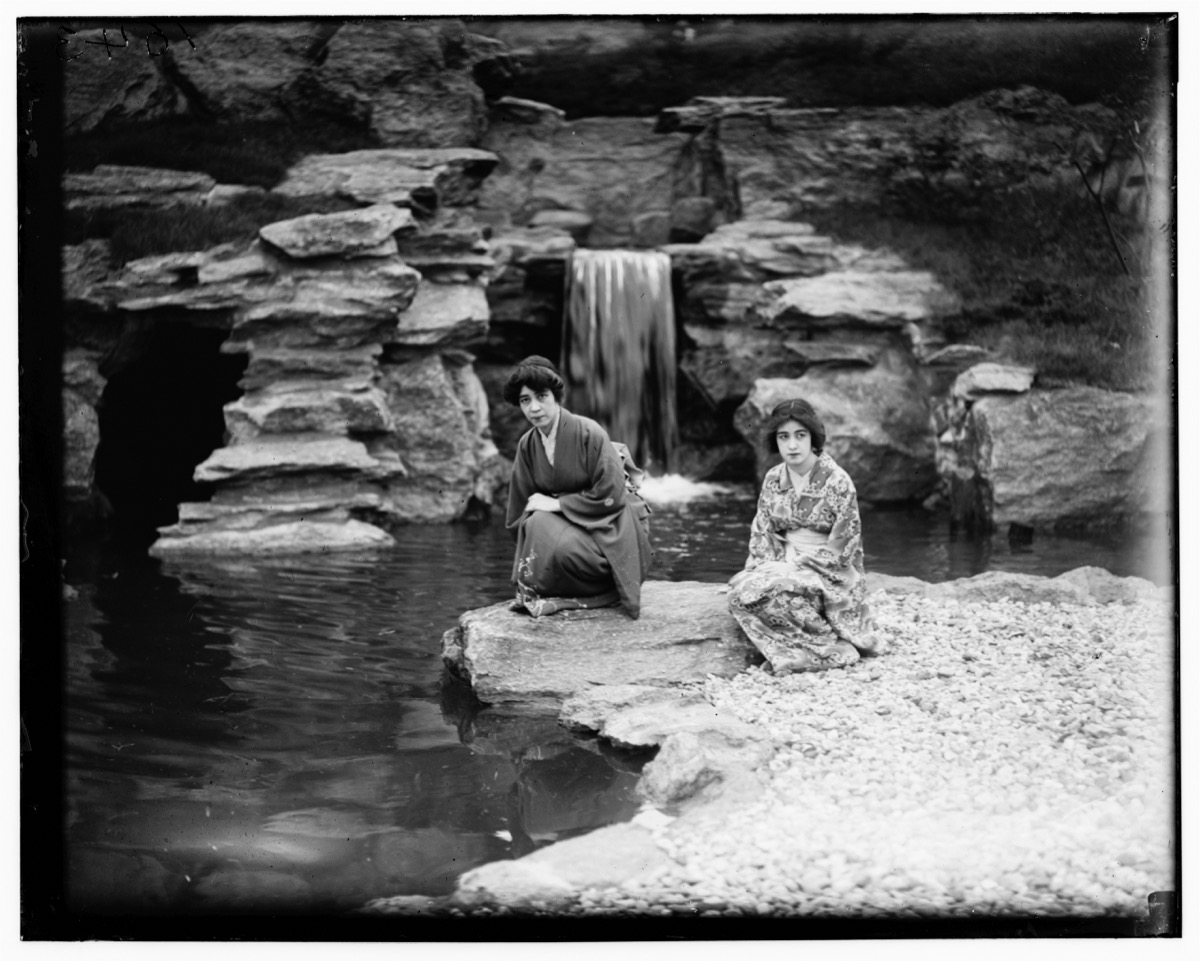
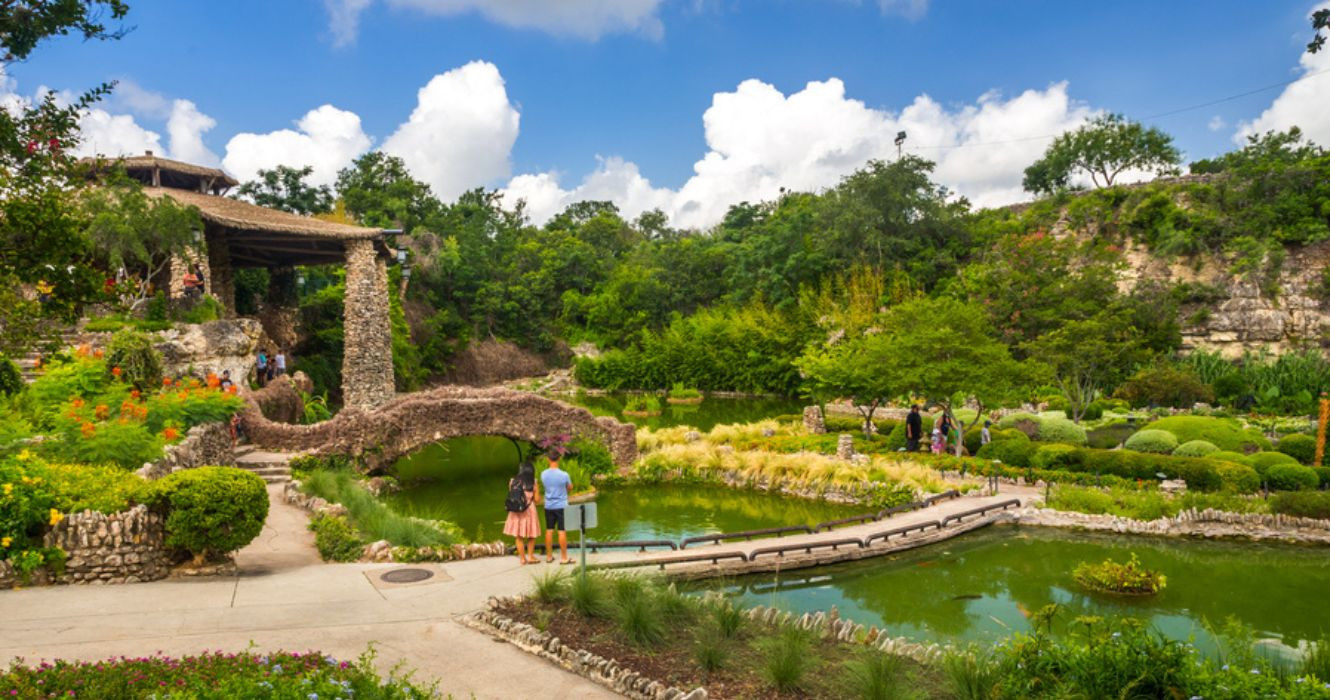
The garden features lush year-round flora, artificial waterways, a 60-foot waterfall, and a pond teeming with Koi fish. These elements create a tranquil environment ideal for relaxation and appreciation of Japanese garden aesthetics. The Jingu House, an integral part of the garden, will also be available for reservations once its ongoing renovations are complete, further enhancing the visitor experience.
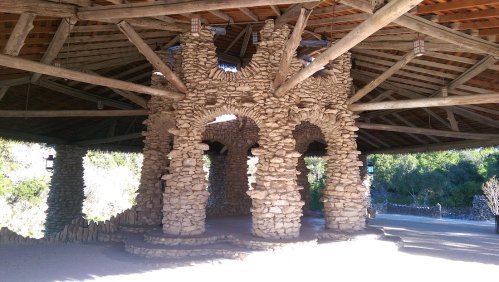
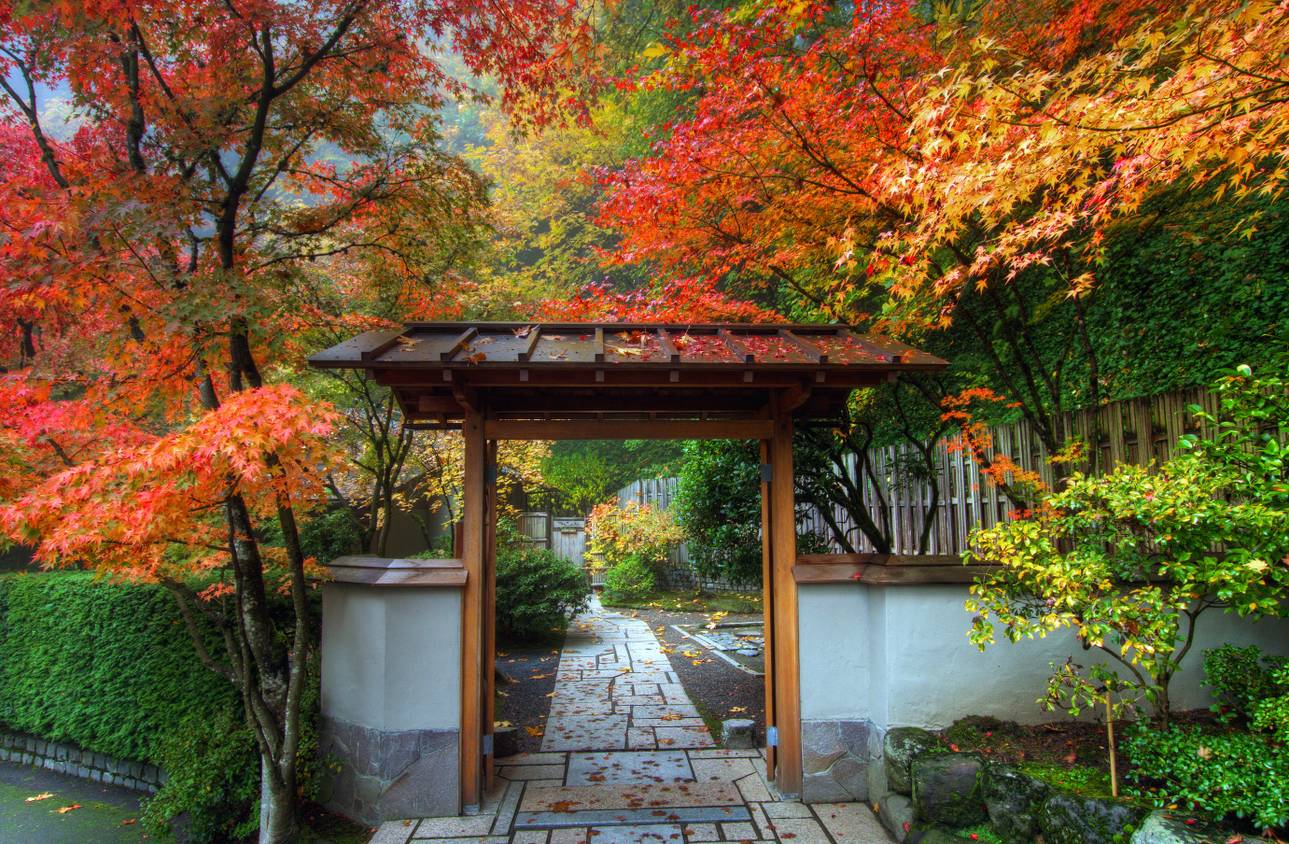
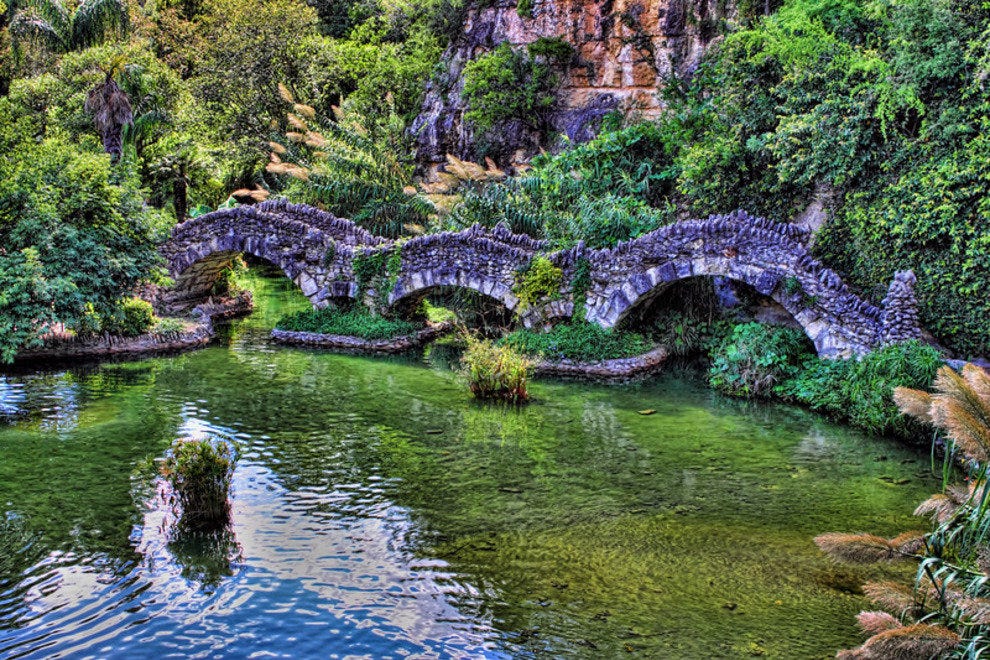
The historical narrative of the garden dates back to 1899 when the San Antonio Water Works Company donated 199 acres of land to the city, forming the core of the present-day park. The park's first iteration opened in 1901 but was short-lived, closing in 1908 due to quarry expansion. In 1915, Mrs. Emma Koehler, widow of the Pearl Brewery owner, donated land to the city with the intention of creating a park. Ray Lambert, then City Parks Commissioner, addressed the challenge of the adjacent rock quarry, evolving his initial lily pond idea into a comprehensive Japanese Tea Garden. This development included the construction of walkways, stone arch bridges, an island, and a Japanese pagoda, financed through both city and community donations.
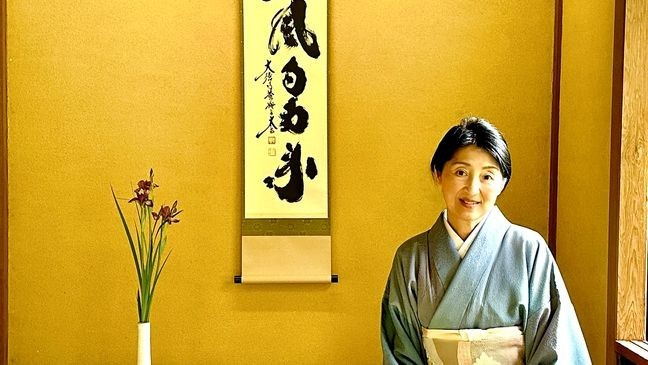
The 1920s marked a period of expansion for the garden, with additions such as a tourist village that sold Mexican arts and crafts and an outdoor restaurant. Kimi Eizo Jingu, a Japanese-American artist, further contributed by opening the Bamboo Room within the garden, offering light lunches and tea. The Jingu family resided in the garden until their eviction in 1942, a consequence of heightened anti-Japanese sentiment during World War II. Subsequently, a Chinese-American family operated the garden under the name Chinese Sunken Garden until the early 1960s. In 1984, the garden was rededicated as the Japanese Tea Garden, acknowledging the Jingu children and representatives from the Japanese government. After further renovations in 2007, it has maintained its current appearance since 2008.
Visitors typically need a few hours to explore the San Antonio Japanese Tea Garden thoroughly, making it an ideal destination for a day trip or as part of a longer visit to San Antonio. Its serene ambiance and natural beauty provide a perfect setting for relaxation and unwinding. The garden is also a popular venue for special events like weddings, offering picturesque backdrops, including the dramatic 60-foot waterfall. The garden operates daily from dawn to dusk and is wheelchair accessible, ensuring broad accessibility. Information regarding reservations for the pavilion and waterfall area is available through the San Antonio Parks Foundation website or by phone.
#SanAntonio #JapaneseTeaGarden #TexasTravel #GardenHistory #TravelDestination #ParkRestoration #CulturalHeritage #OutdoorActivities #KoiPond #SanAntonio #JapaneseTeaGarden #TexasTravel #GardenHistory #TravelDestination #ParkRestoration #CulturalHeritage #OutdoorActivities #KoiPond
0 comment in total
 No comments yet
You may also like
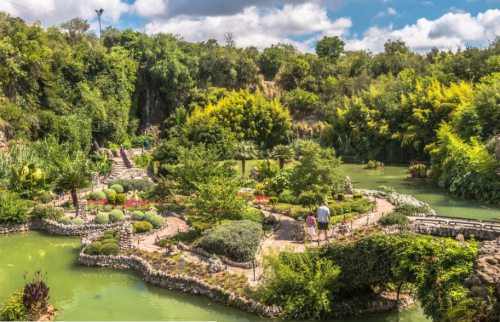
Find Your Zen at the Japanese Tea Garden in San Antonio!

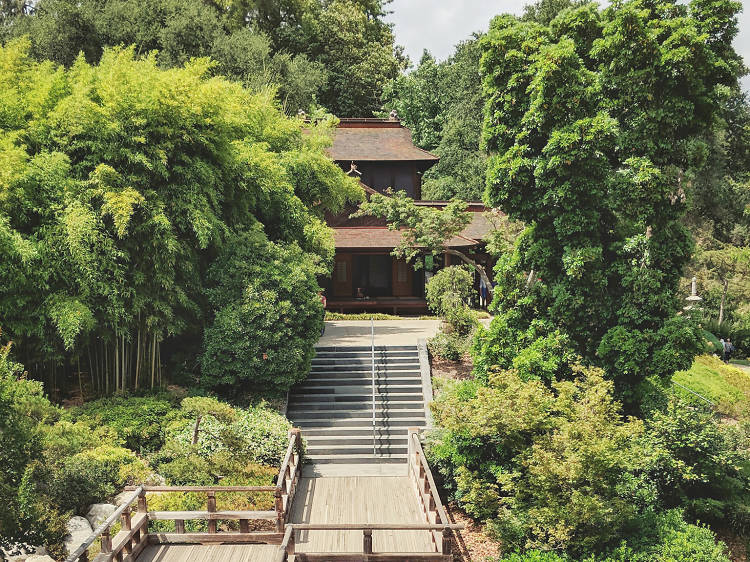
The 8 most beautiful Japanese gardens in L.A.


Give Us the Tea! Where to Have a Sip in the South
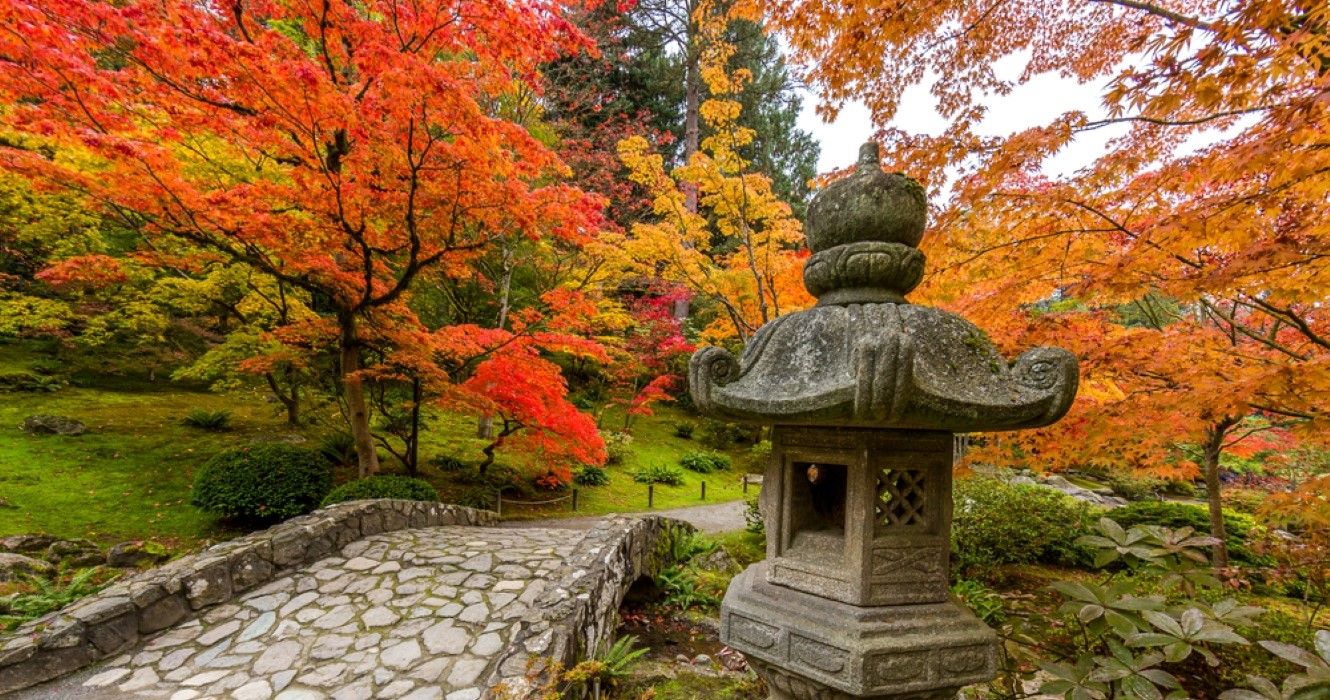
10 Japanese-Inspired Destinations In The United States
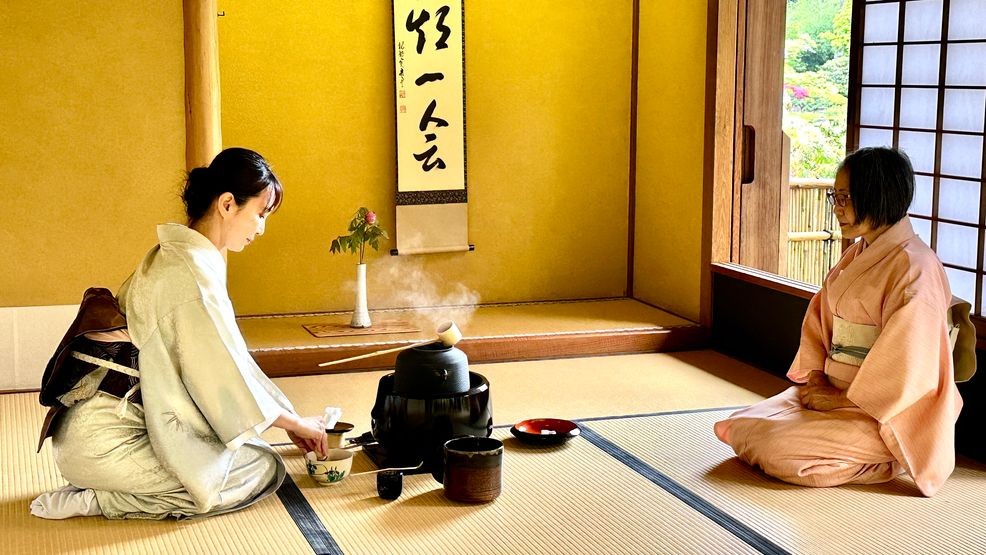
Experience an authentic tea ceremony at Seattle Japanese Garden
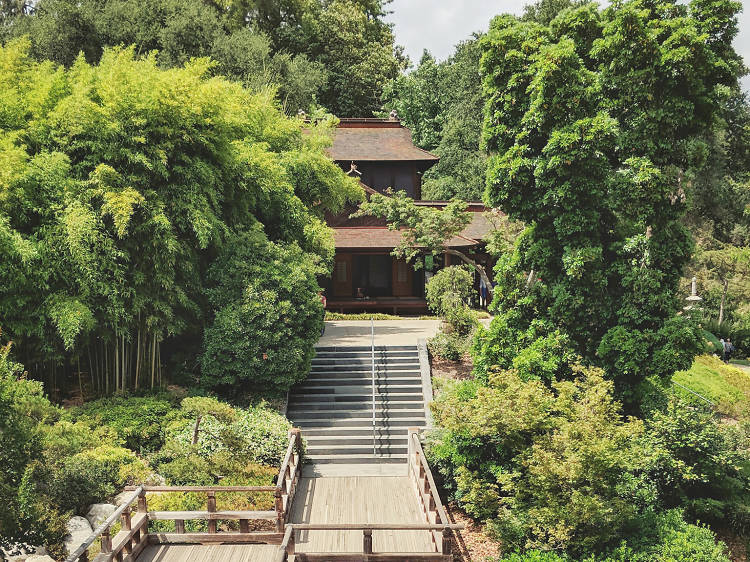
The 8 most beautiful Japanese gardens in L.A.
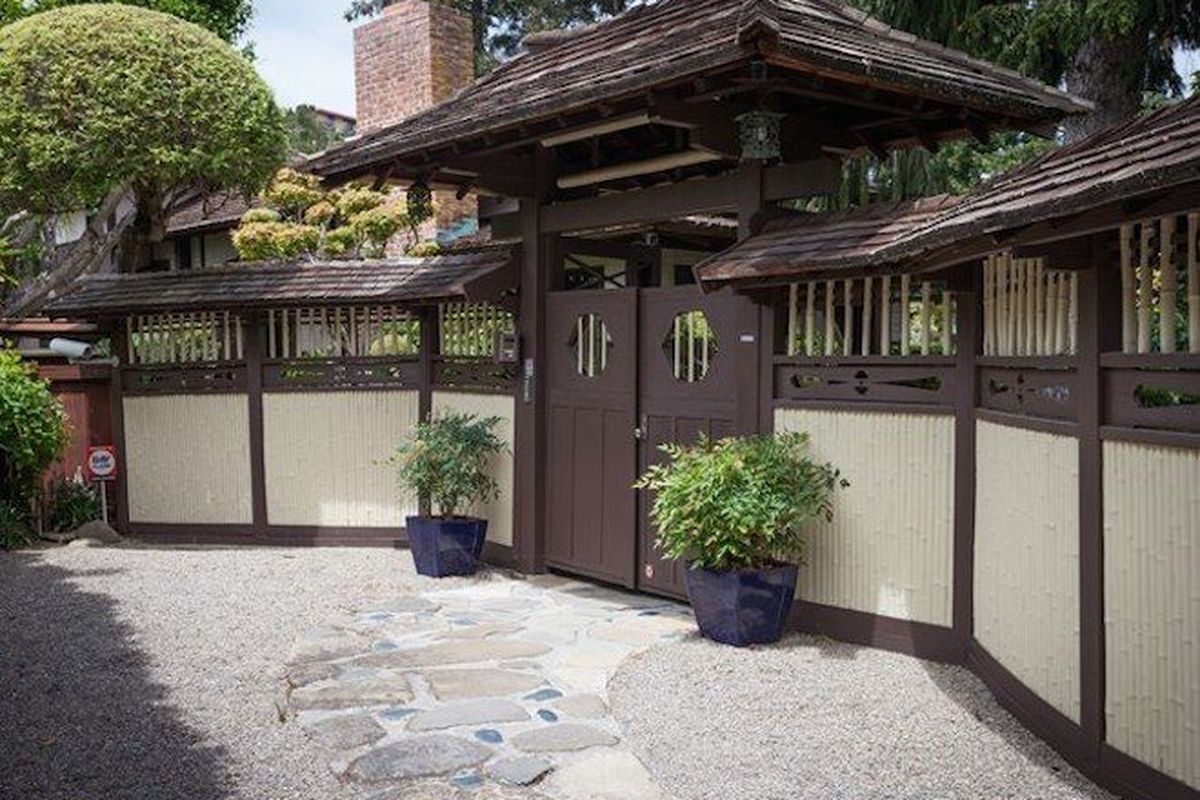
Find Your Zen at This $5M Estate with Authentic Japanese Teahouse and Gardens
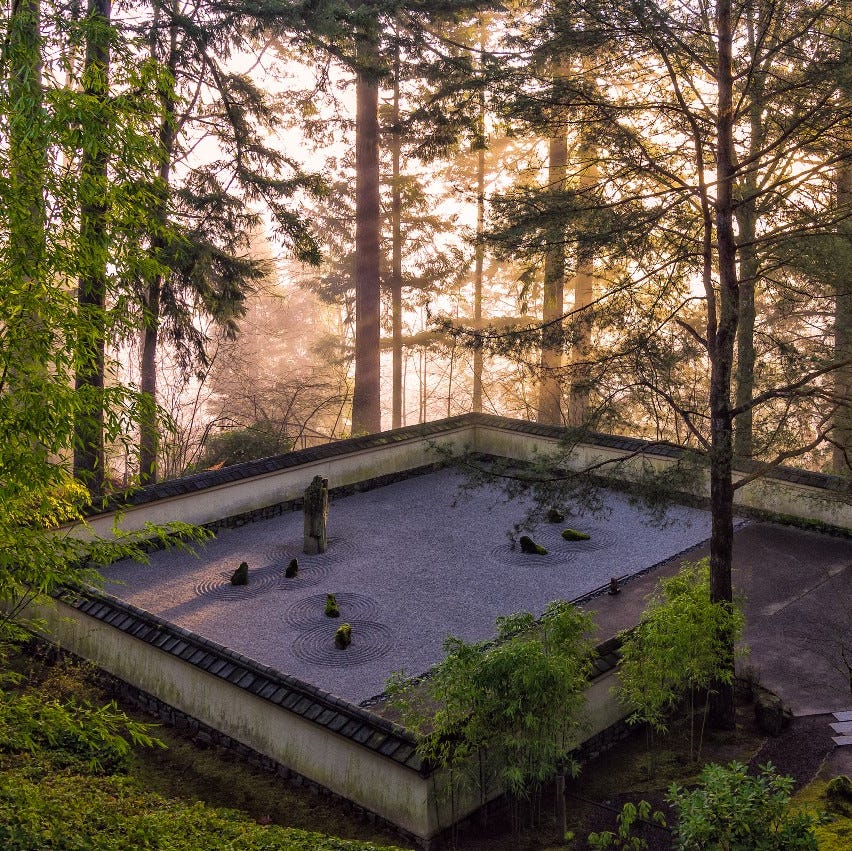
An Expert Guide to Japanese Zen Gardens
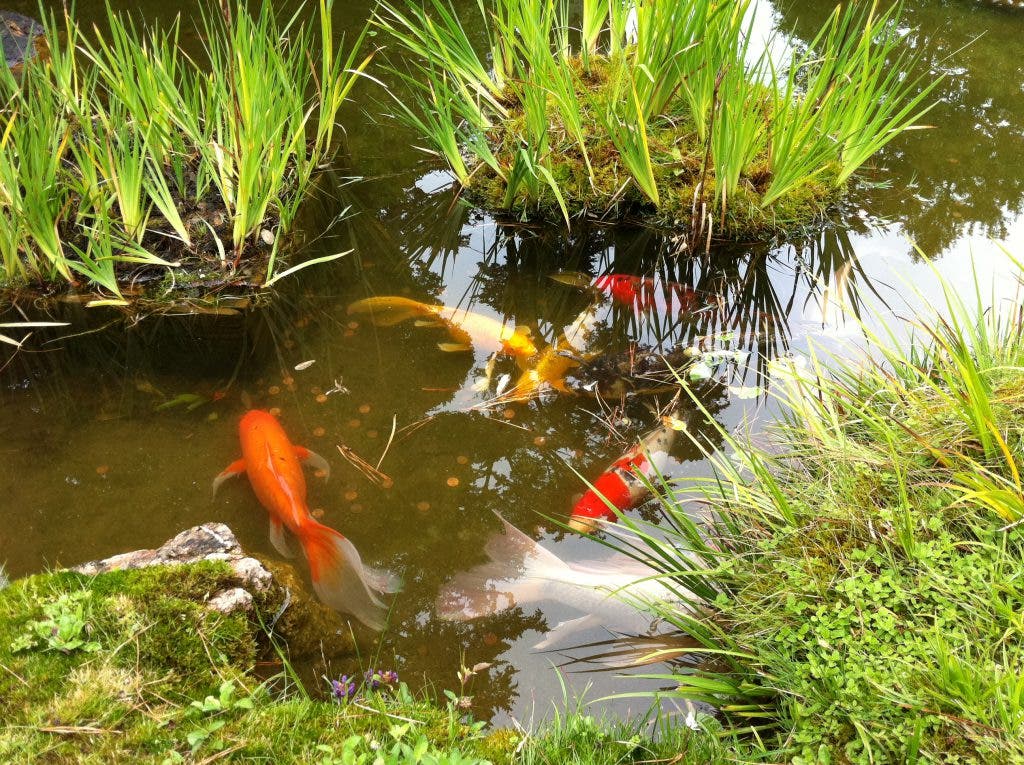
Japanese Tea Garden is a Magical Place for Children

This Hidden Gem In San Francisco Is Perfect For Spotting Fall Foliage & You Can Visit For Free

12 best Japanese tea rooms and green tea cafés in Tokyo
sunaba's zen, nature-infused japanese tearoom fosters sense of spirituality in urban tokyo

Picture of the Day: The Oldest Japanese Garden in the United States
These Are The Most Breathtaking Japanese Gardens In The U.S.
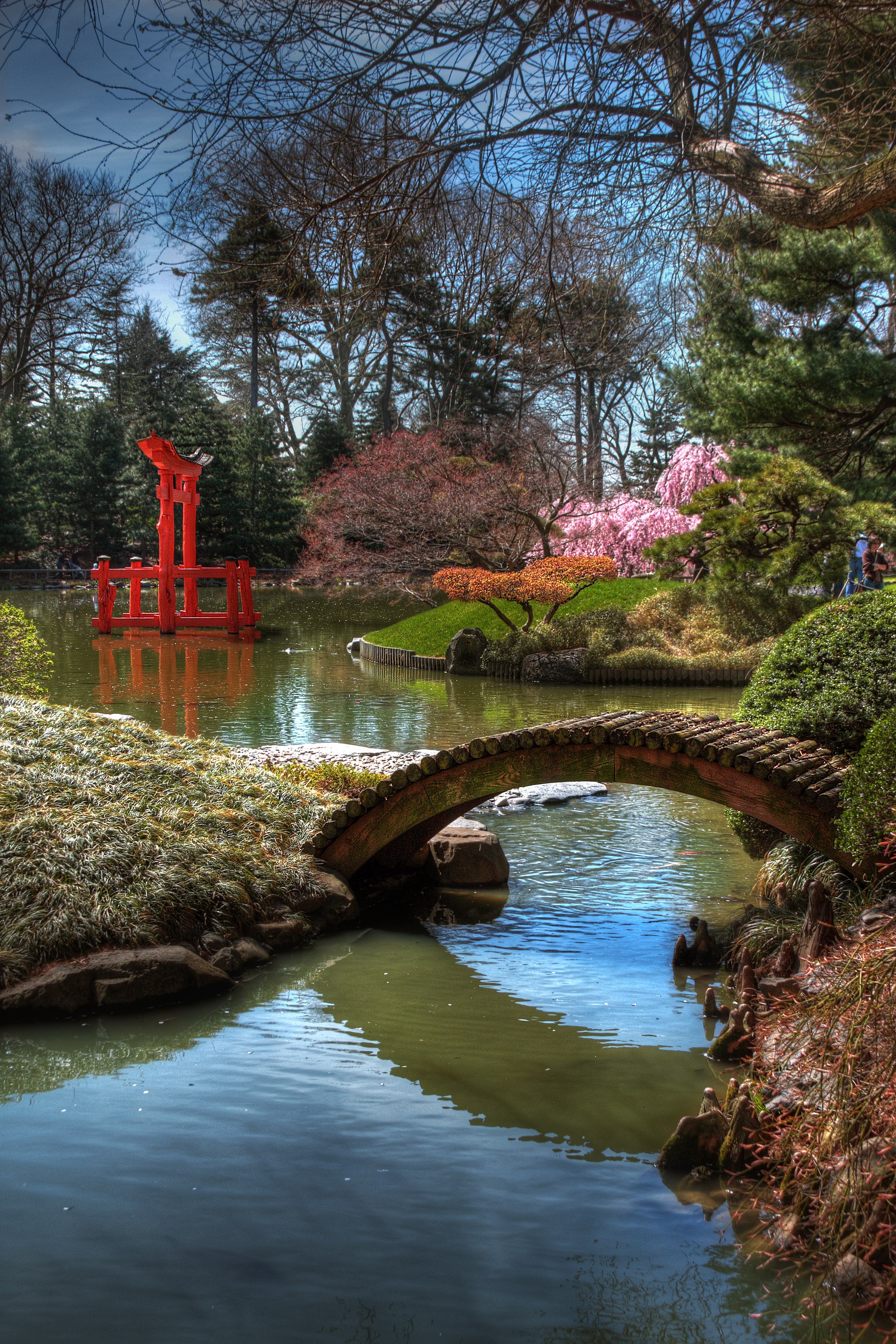
Brooklyn’s 100-Year-Old Japanese Garden Is Like a Living Painting

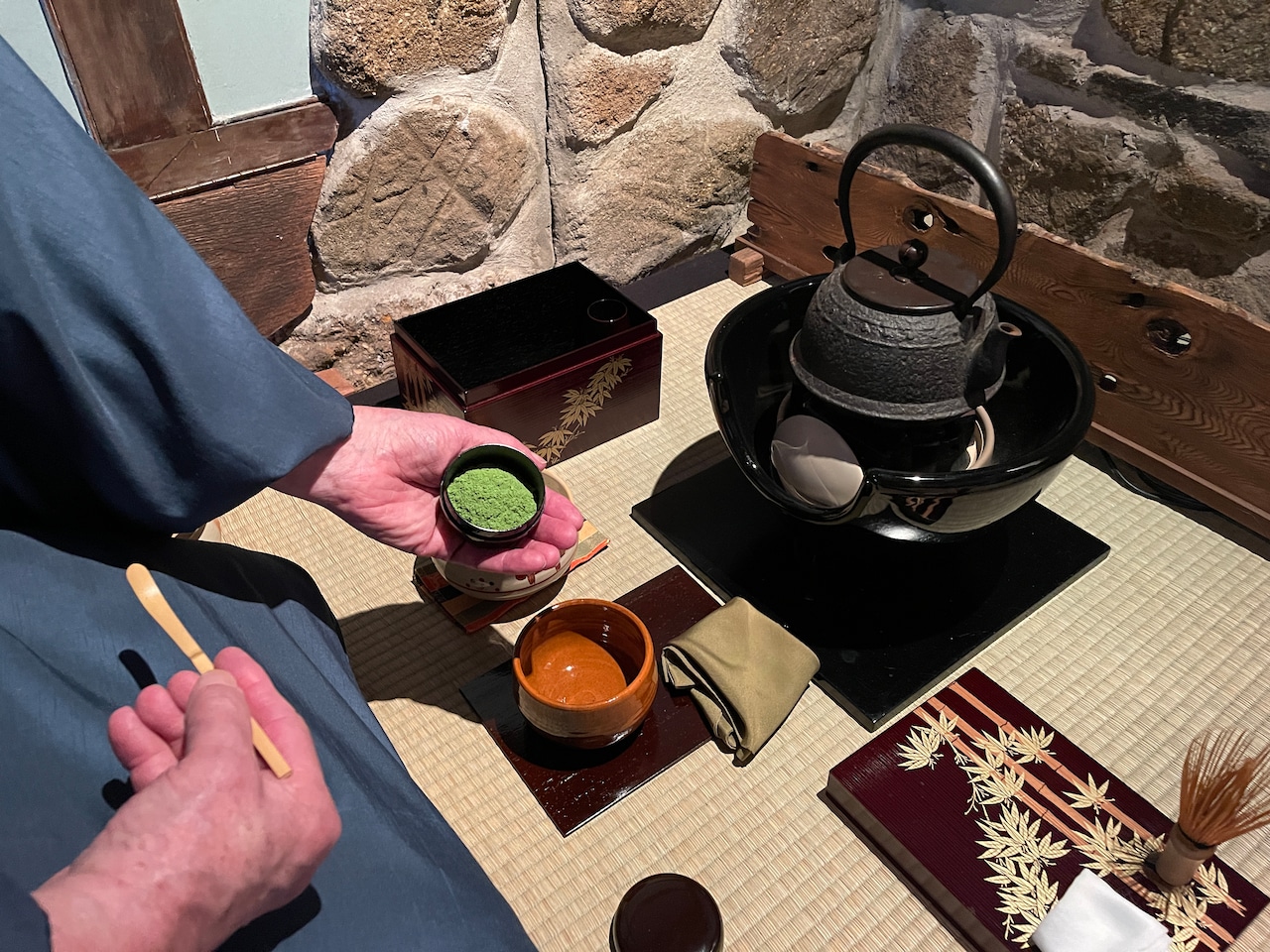
Inside a Japanese tea ceremony, N.J.’s most tranquil hideaway
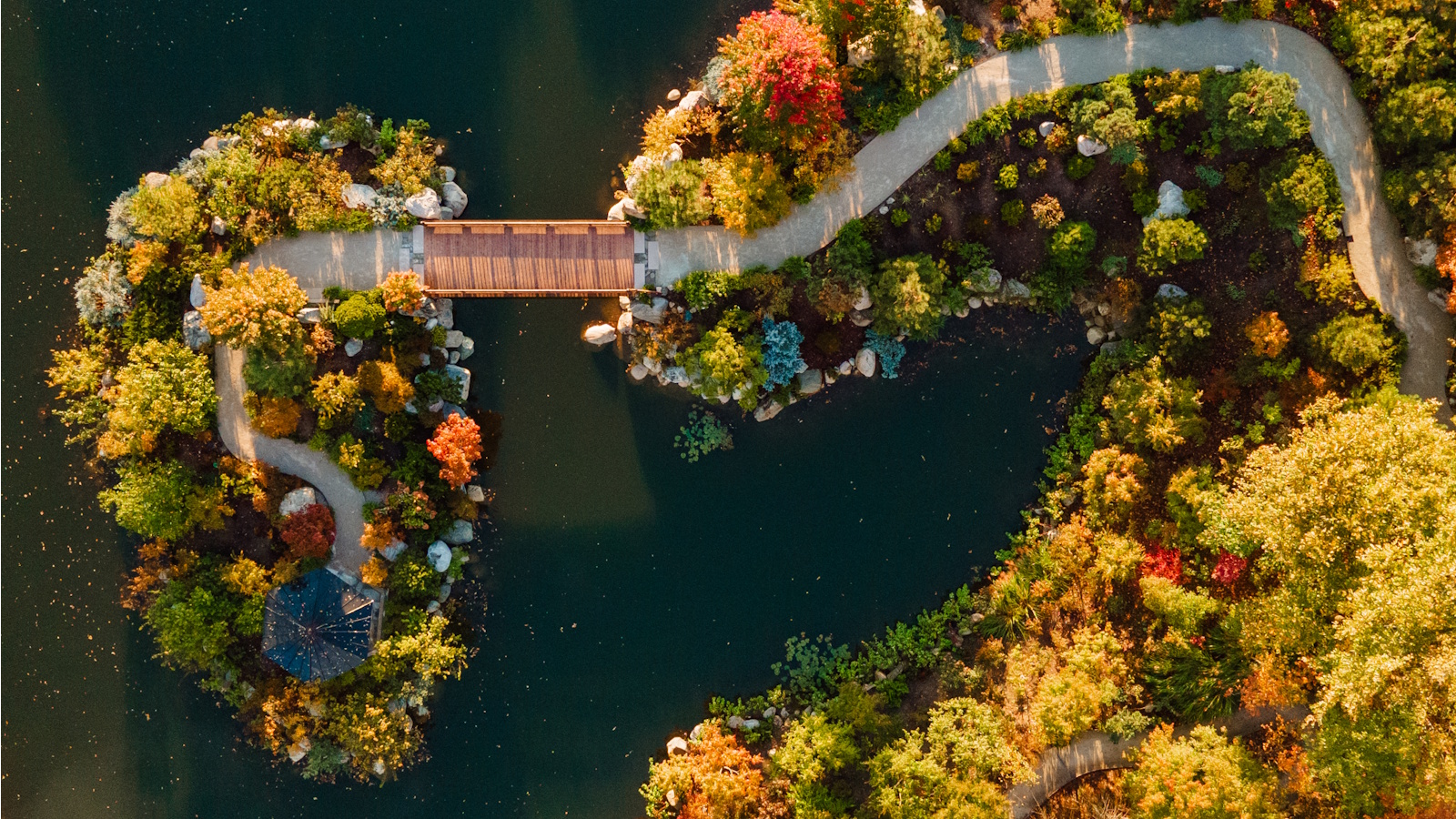
Michigan’s Slice of Japan: Where Design Connects Humanity with Nature

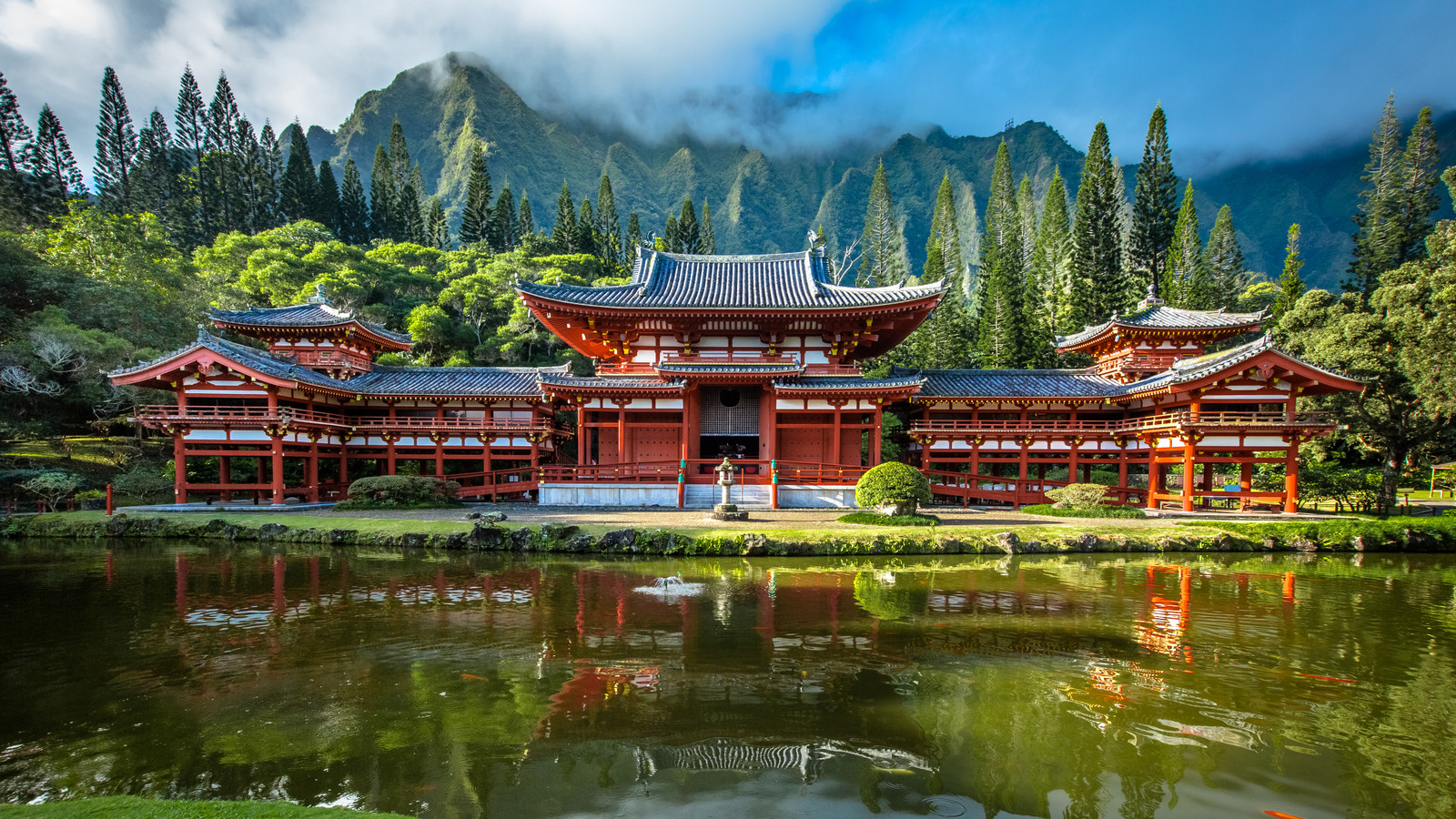
These 7 Places In America Look Like They've Been Airlifted Over From Japan

Inside a Japanese Tea House in SoHo
Find Great Attractions and Activities near San Antonio's AT&T Center