1/4
Human-Centric Lighting: Foundational Considerations and a Five-Step Design Process
Human-centric lighting (HCL) aims to integrate both the visual and non-visual effects of light to improve human outcomes such as health, well-being, cognition, and performance. While the concept has gained traction, there is a recognized need to distinguish credible scientific understanding from marketing claims to provide practical design guidance. This article addresses this gap by empowering readers with fundamental knowledge about how light influences health and by providing a structured five-step design process that can be incorporated into existing design workflows.
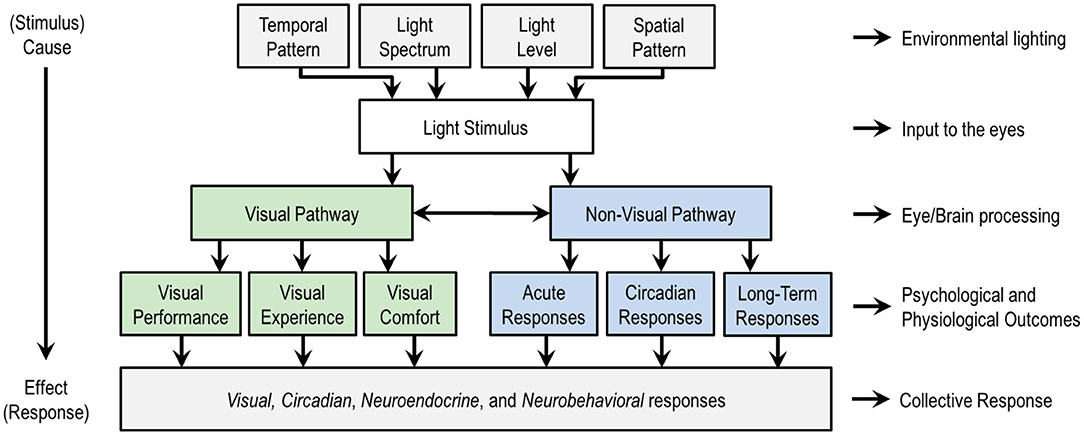
The foundational considerations for HCL are organized around the stimulus-response relationship between light and human outcomes. The primary lighting variables that can be manipulated in design include temporal pattern, light level, light spectrum, and spatial pattern. These variables influence both visual responses (e.g., visual performance, experience, and comfort) and non-visual responses, which encompass circadian rhythms, neuroendocrine responses (like melatonin regulation), and neurobehavioral responses (such as alertness). The temporal pattern is particularly crucial for non-visual responses, as the daily light-dark cycle is fundamental for circadian entrainment. Light level and spectrum also significantly impact biological potency, with brighter, short-wavelength-rich light being more potent, especially when aligned with the melanopsin action spectrum. Spatial patterns also play a role, with light exposure on the lower and nasal retina being more biologically potent.
Quantifying the biological potency of light is essential for HCL design. Two prevalent methods are discussed: Equivalent Melanopic Lux (EML) and Melanopic Equivalent Daylight Illuminance (mel-EDI), both based on the spectral response of photoreceptors, and Circadian Stimulus (CS), a non-linear model based on nocturnal melatonin suppression. Each method has its specific calculations and limitations, with the CIE method (mel-EDI) being the only SI-compliant consensus standard for instantaneous biological potency, though real-world correlation with non-visual outcomes is still being investigated. CS, while measuring melatonin suppression, is intended for circadian rhythm regulation, but melatonin suppression and circadian phase shift are not always directly correlated. These metrics require inputs like spectral power distribution and photopic illuminance at the eye plane, which can be measured or simulated, acknowledging the transient nature of real-world light exposure.
The human outcomes most relevant to applied lighting are visual performance, visual experience, visual comfort, circadian phase-shifting, and alertness. Visual performance, experience, and comfort are well-researched and form the basis of current lighting standards. Non-visual responses like alertness, melatonin suppression, and circadian phase shifting have been extensively studied, primarily in laboratory settings. Light can enhance alertness and improve cognitive performance, particularly at night, though daytime effects for well-rested individuals may be minimal. Studies also indicate that proper lighting can positively impact student performance and office worker well-being and productivity, especially with daylight access.
External validity is a critical consideration, as laboratory findings may not always translate directly to real-world contexts, where numerous other factors (age, diet, sleep habits, etc.) influence human responses to light. The benefits of lighting interventions are often modest in field studies, particularly for healthy adults with regular daytime schedules. More field studies are needed to confirm the veracity of these effects in diverse, real-world settings.
A five-step design process for HCL is proposed to integrate visual and non-visual considerations: 1) Characterize the lighting application by defining primary tasks, activities, and desired outcomes. 2) Determine the likely sleep-wake cycles of occupants to tailor lighting for day-active or night-active individuals, acknowledging potential conflicts and the complexities of rotating shifts. 3) Determine the sleep needs of occupants, ensuring dark environments for sleep and considering specific needs in varied settings like healthcare. 4) Review published HCL guidance from organizations like WELL, UL, CIBSE, and IES, which provide quantitative targets for circadian lighting, while noting that these recommendations may not always be consensus-based or universally applicable. 5) Synthesize all information to establish design criteria and numerical targets, balancing competing visual and non-visual goals. The process emphasizes collaboration between design teams, owners, and manufacturers to prioritize outcomes and address tradeoffs, recognizing that there is no one-size-fits-all solution but that careful consideration of light quality, intensity, spectrum, and timing can support positive human outcomes.
#HumanCentricLighting #LightingDesign #CircadianRhythms #NonVisualEffectsOfLight #MelanopicLight #Alertness #BuildingDesign #HealthAndWellbeing #LightMetrics #HumanCentricLighting #LightingDesign #CircadianRhythms #NonVisualEffectsOfLight #MelanopicLight #Alertness #BuildingDesign #HealthAndWellbeing #LightMetrics
0 comment in total
 No comments yet
You may also like
Biophilic lighting: can lamps bring the benefits of nature inside?

How artist Jason Krugman turns power into striking light sculptures
Crafting Atmospheres: Sensory, Textured Lighting in Architectural Design


Lighting is most important element in design: Egyptian Designer Hisham Mahdy

Best Lighting Designs Spotted in 2023

Lighting Experts Talk Design At ‘Islands Of Light’ Event In Manhattan

LightMass^ | Shortlists | Dezeen Awards 2025
The Library: All the Basics You Need to Know About Lighting Before Starting Your Next Project, According to the Experts

Transforming a messy pile of cables into an illuminating everyday product
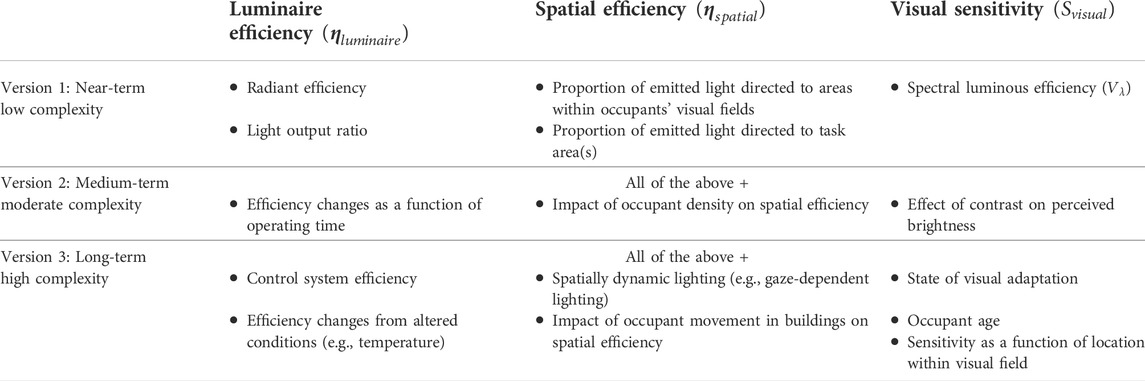
Lighting application efficacy: A framework for holistically measuring lighting use in buildings
An interior designer’s guide to lighting your home

The $60 Anthropologie Pendant That Makes Any Cozy Corner Look Designer – It’s Exactly What Your Nook Is Missing
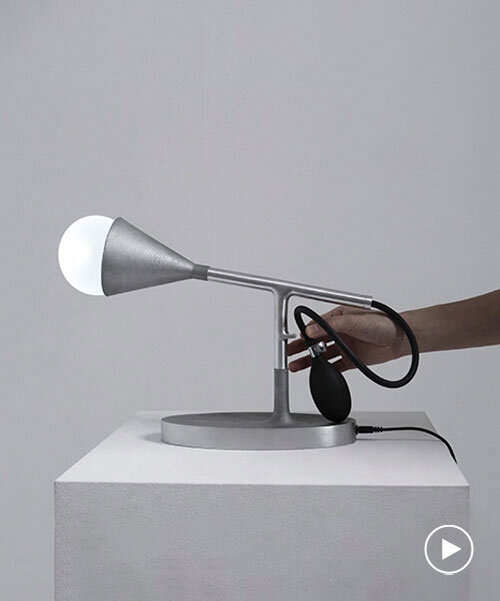
lighting design Archives
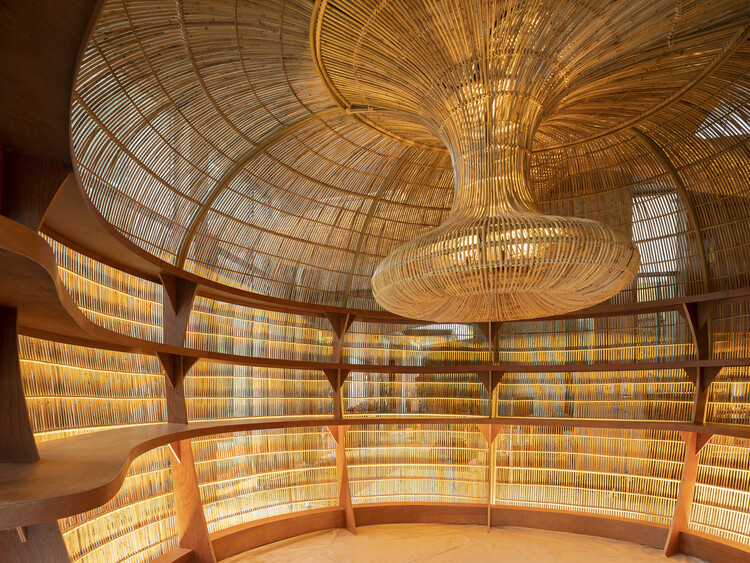
15 Interiors that Illustrate the Effectiveness of Indirect Lighting
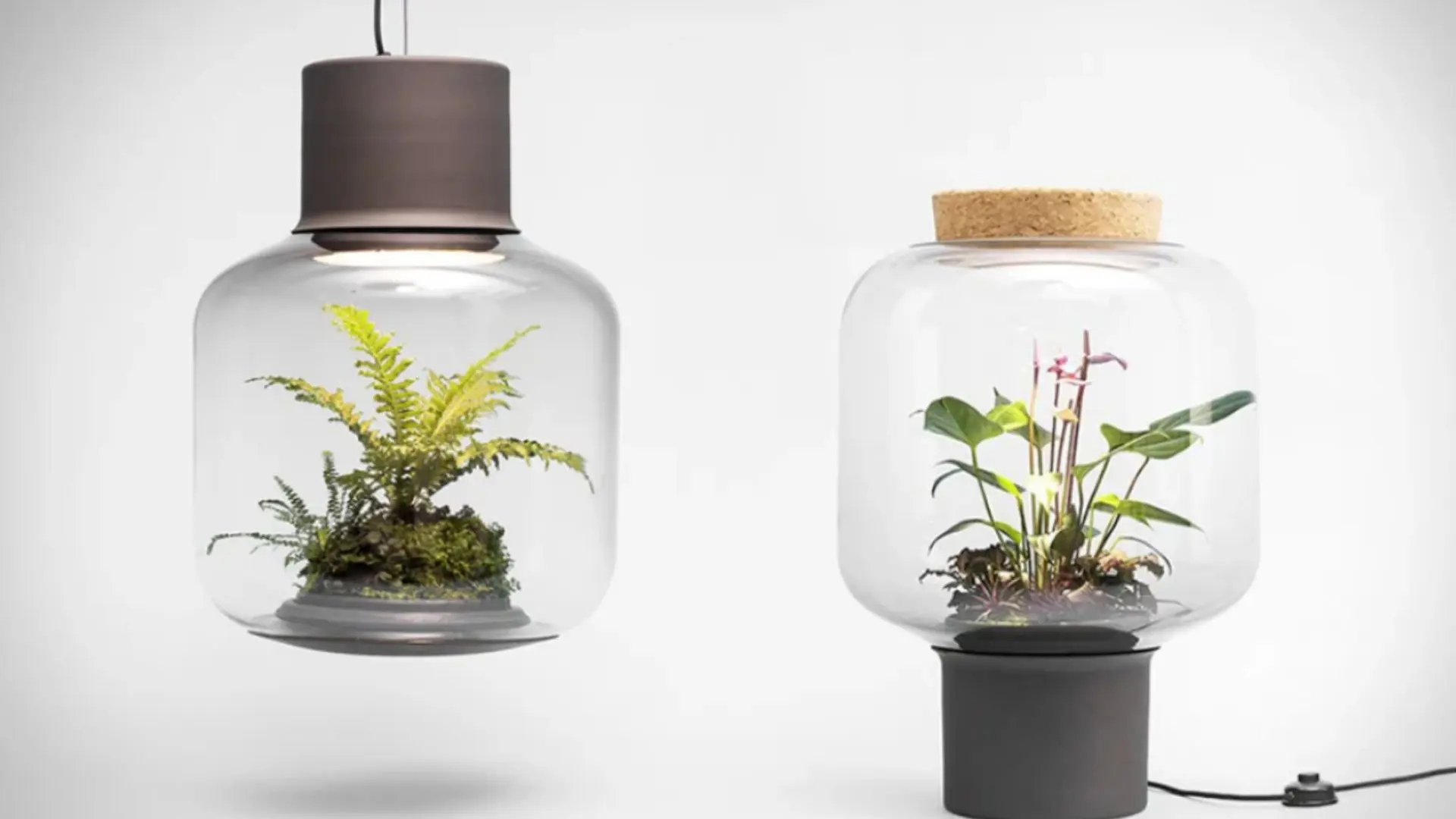
10 biophilic lighting designs that leverage the power of light
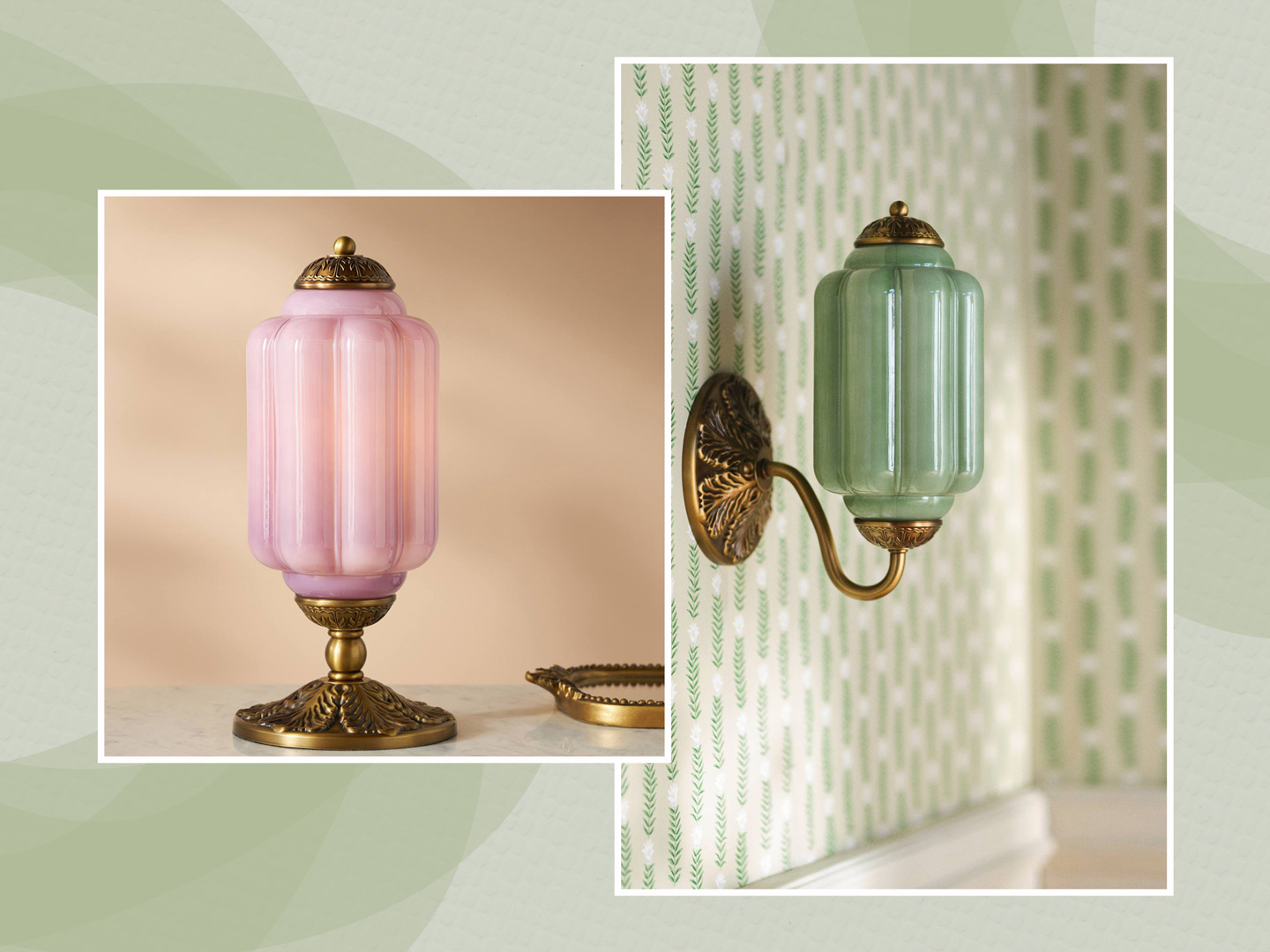
Shop Anthropologie's Viral Vintage-Inspired Eloise Lamps Under $200

5 tactics for sustainable architectural lighting
These Task, Accent, And Ambient Lighting Tips Can Transform Your Home

What actually is task lighting? Designers explain, plus offer their best advice so you don't get it wrong

Experts Say These 6 Lighting Trends Will Be Illuminating Homes in 2025