1/20
15 Interiors that Illustrate the Effectiveness of Indirect Lighting
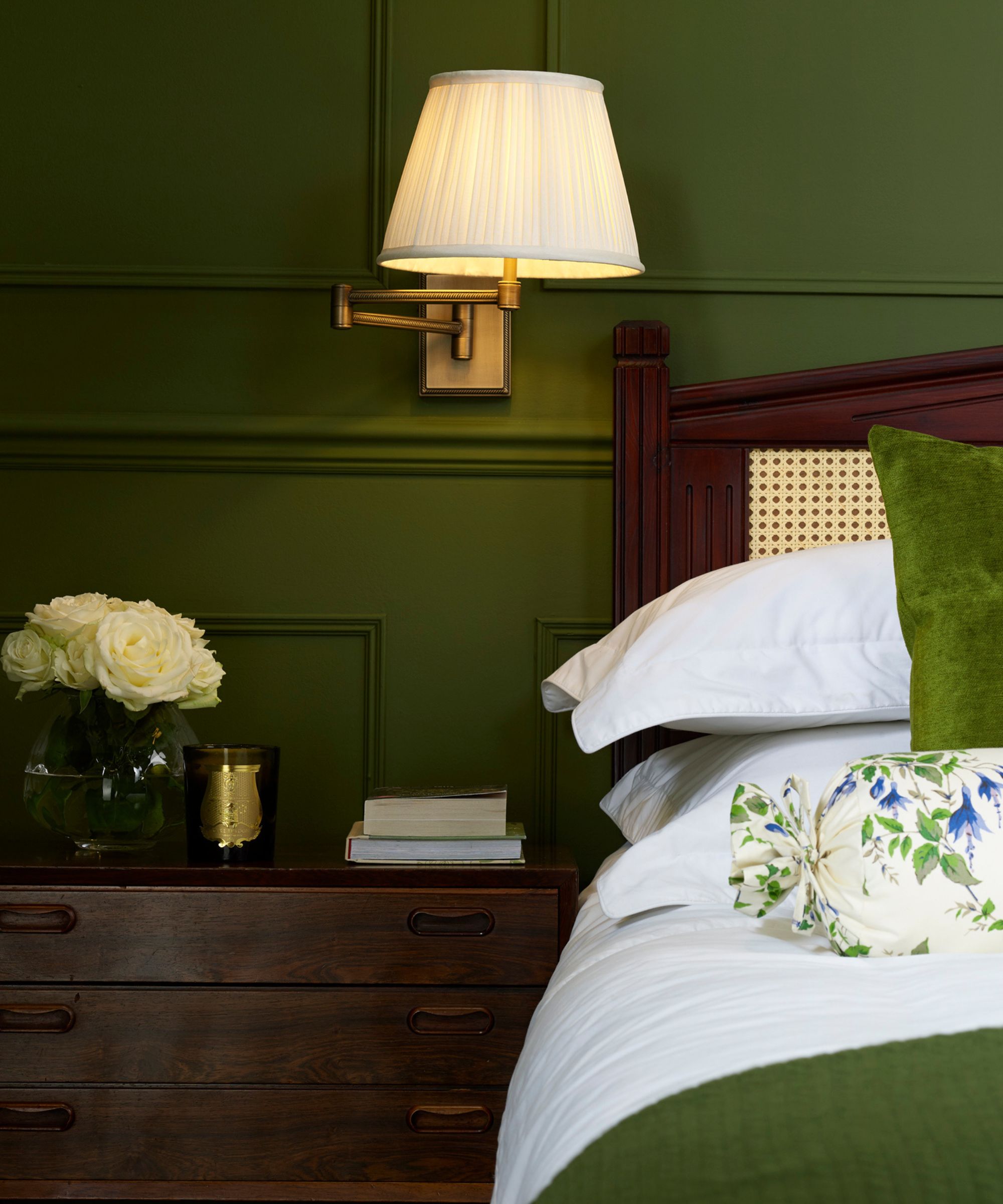
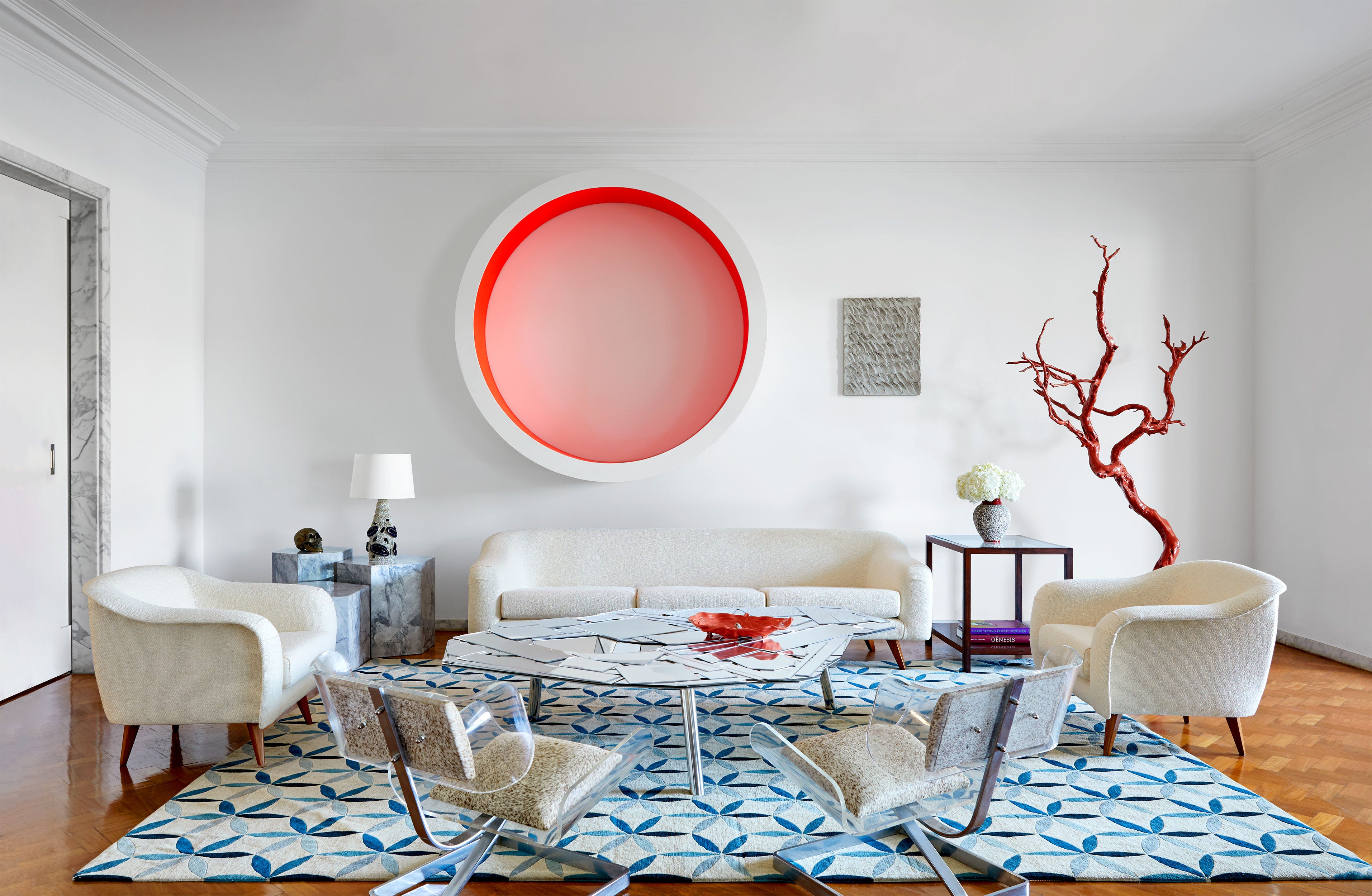
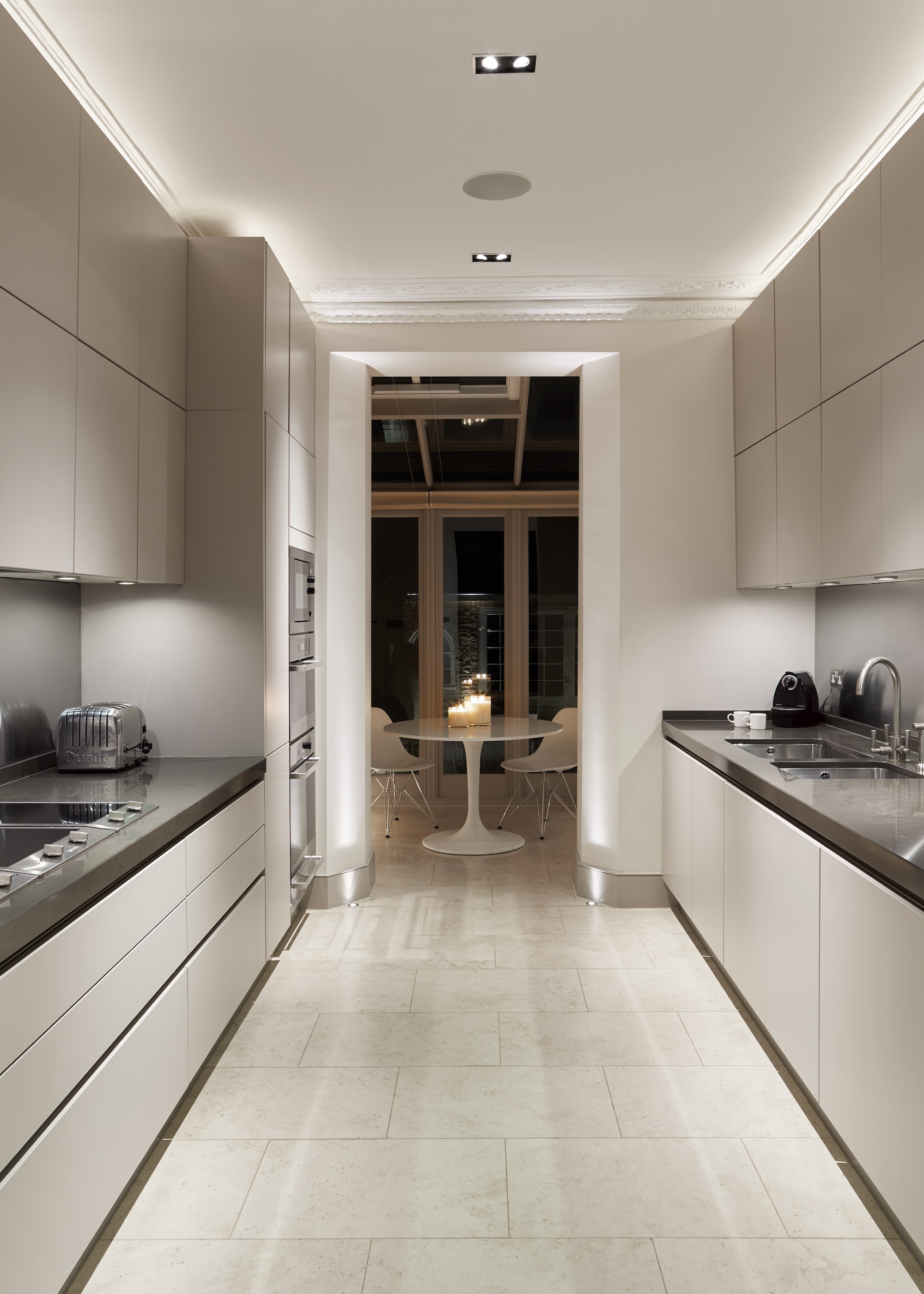
Lighting plays a critical role in interior design, influencing both aesthetics and the emotional atmosphere of a space. An effective lighting concept can accentuate architectural features and foster a sense of ease, while a poorly executed one can detract from an otherwise well-designed room. Carmelo Zappulla of Lighting Studio External Reference emphasizes that light is essential for adding an emotional element and animating a space. Among the various artificial lighting options available, indirect lighting stands out as a versatile and effective technique.
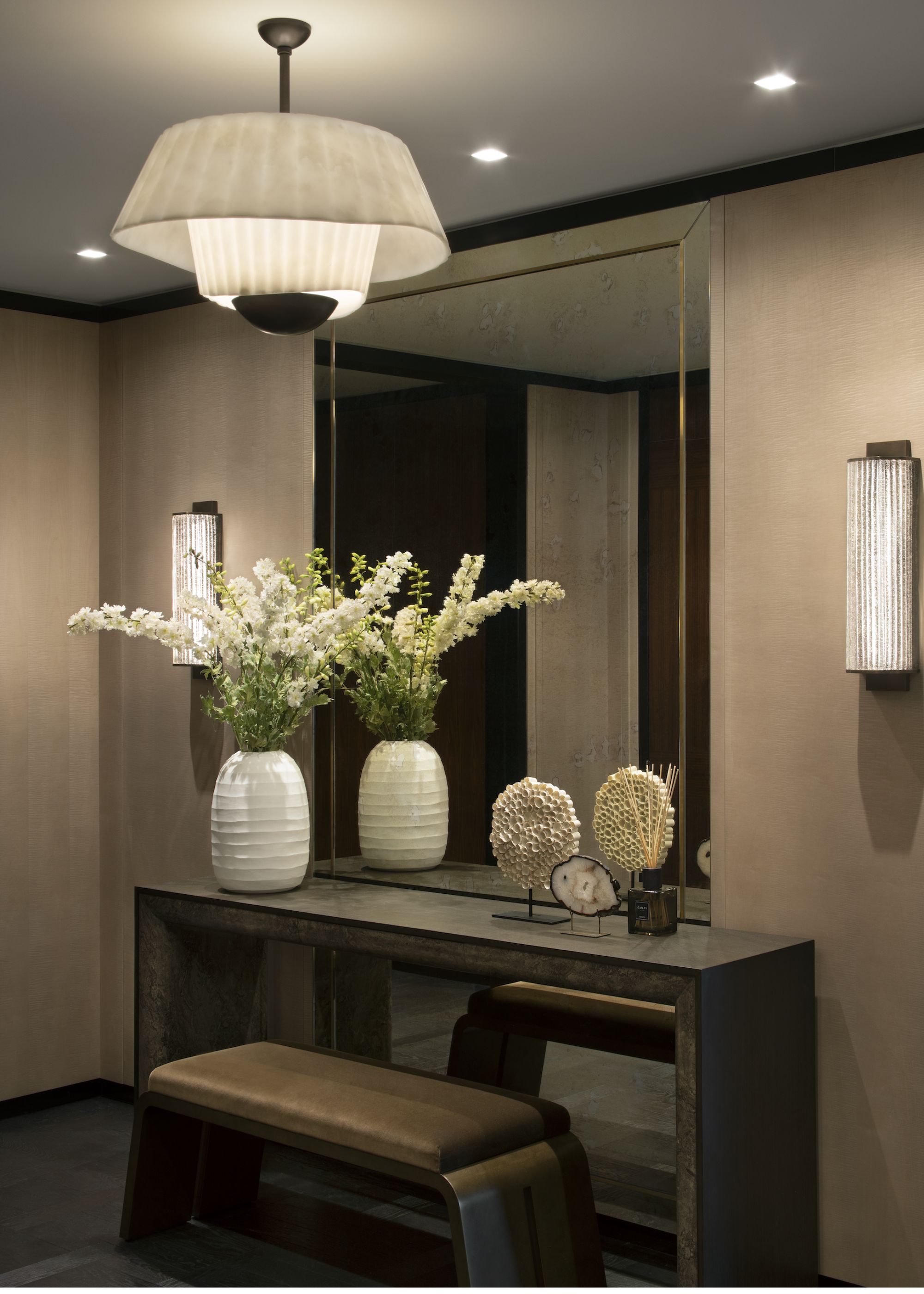
Indirect lighting works by directing light fixtures towards surfaces that then reflect the light, resulting in a softened, more evenly distributed glow rather than harsh, direct beams. This method minimizes shadows and reflected glare, making it particularly suitable for environments with reflective surfaces like computer screens, mirrors, or televisions. While often considered a form of ambient lighting, indirect light can also function as accent lighting, highlighting specific architectural details or drawing attention to points of interest within a room. This dual capability allows it to both provide general illumination and subtly emphasize key elements.
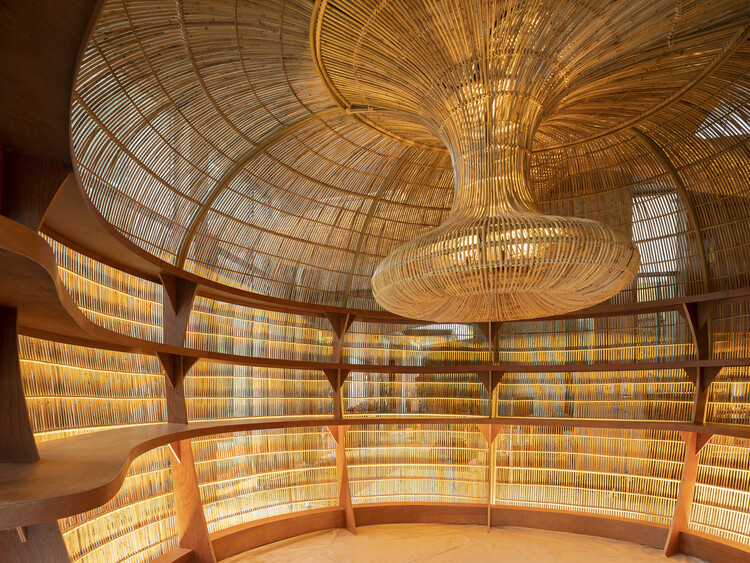
This article showcases 15 interior examples from ArchDaily's database, demonstrating the effectiveness of indirect lighting across five distinct typologies: wellness, cultural, residential, office, and retail spaces. In wellness areas, such as hotels, commercial, or private spas, indirect lighting is frequently used to create a soothing and visually appealing ambiance. Fixtures often adopt organic shapes, like circles or waves, or hidden LED strips are employed to highlight textured walls, pools, or delineate relaxation zones for clear navigation.
For public cultural spaces like museums, libraries, or art galleries, indirect lighting proves invaluable. By strategically positioning light sources to reflect off surfaces onto display objects or their backgrounds, designers can subtly guide the viewer's eye. This approach imparts a mysterious quality, ideal for showcasing impactful art pieces or old books without the risks of heat damage or an overly theatrical effect that direct spotlights might create.
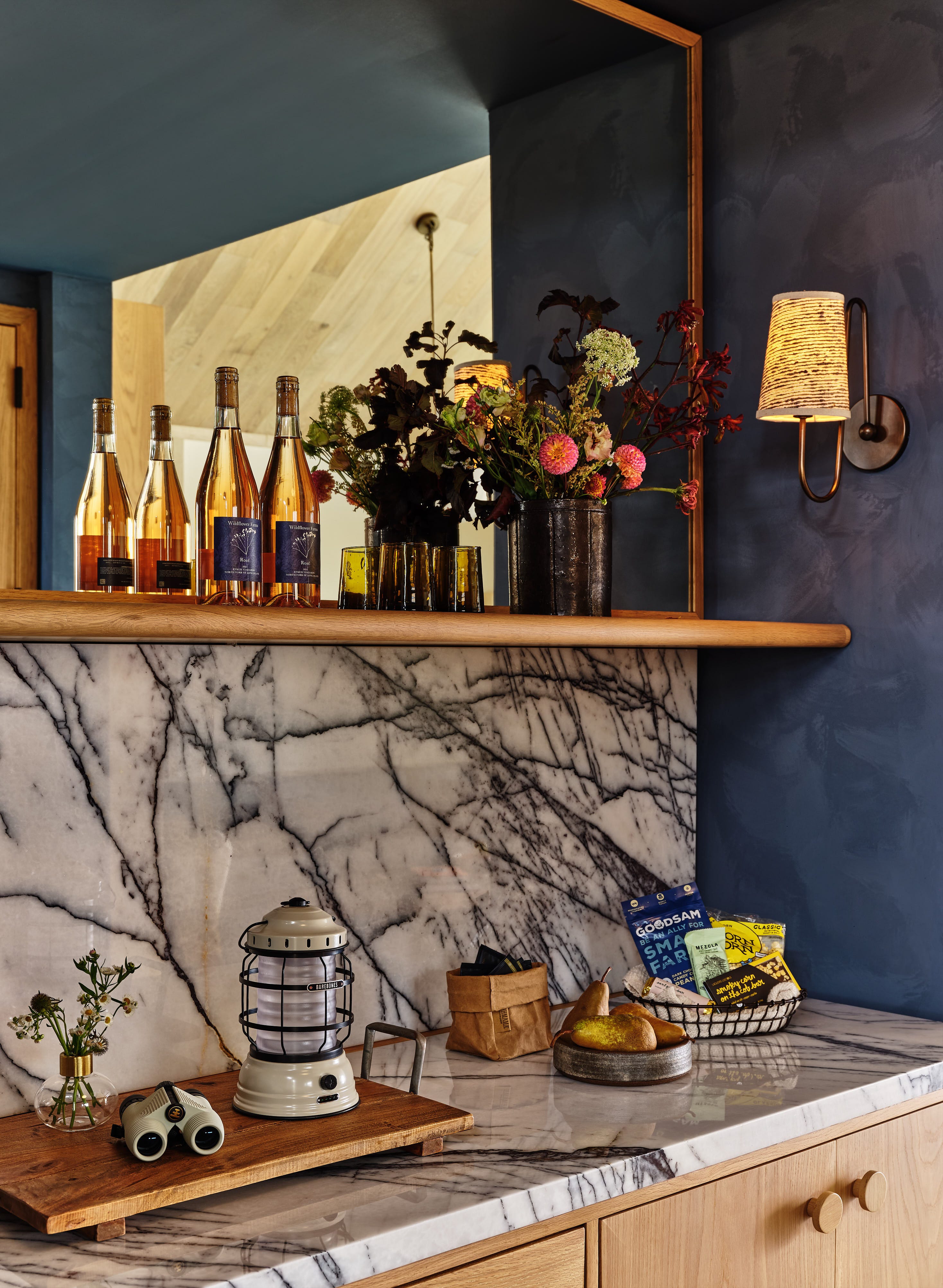
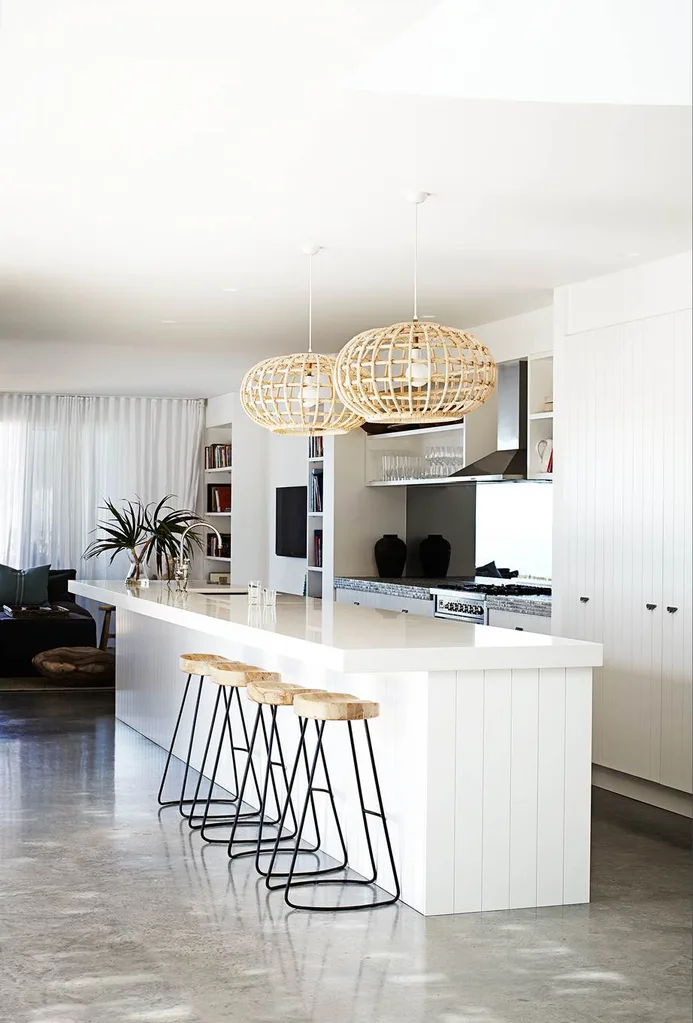
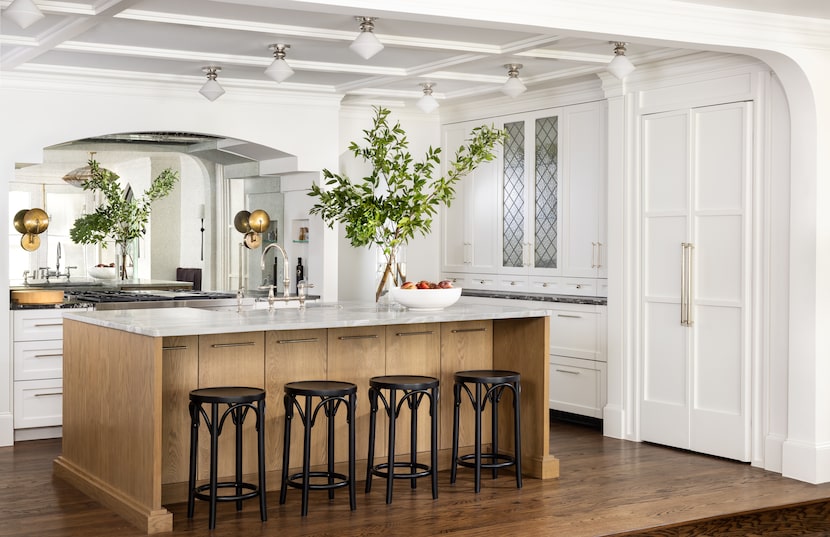
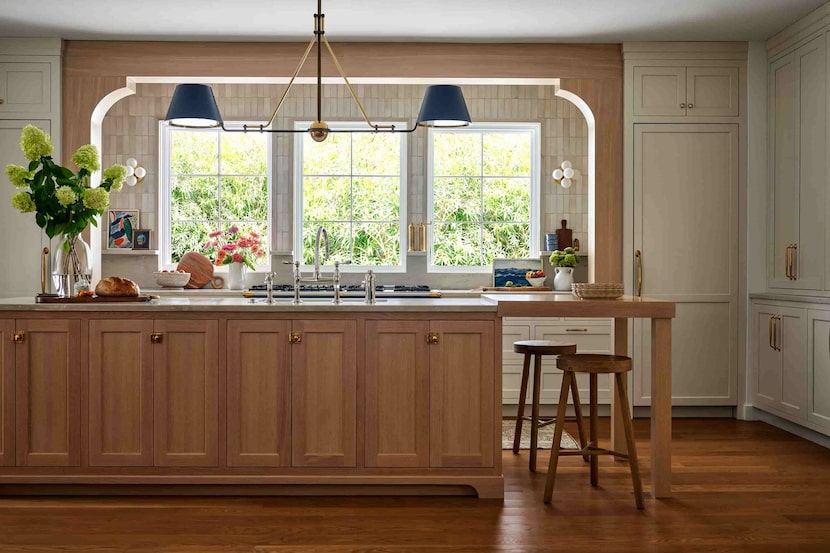
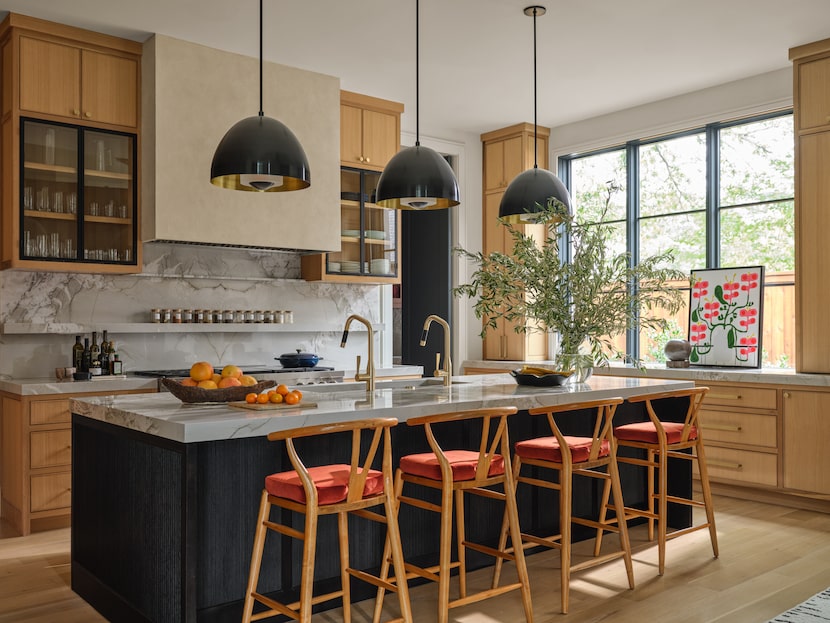
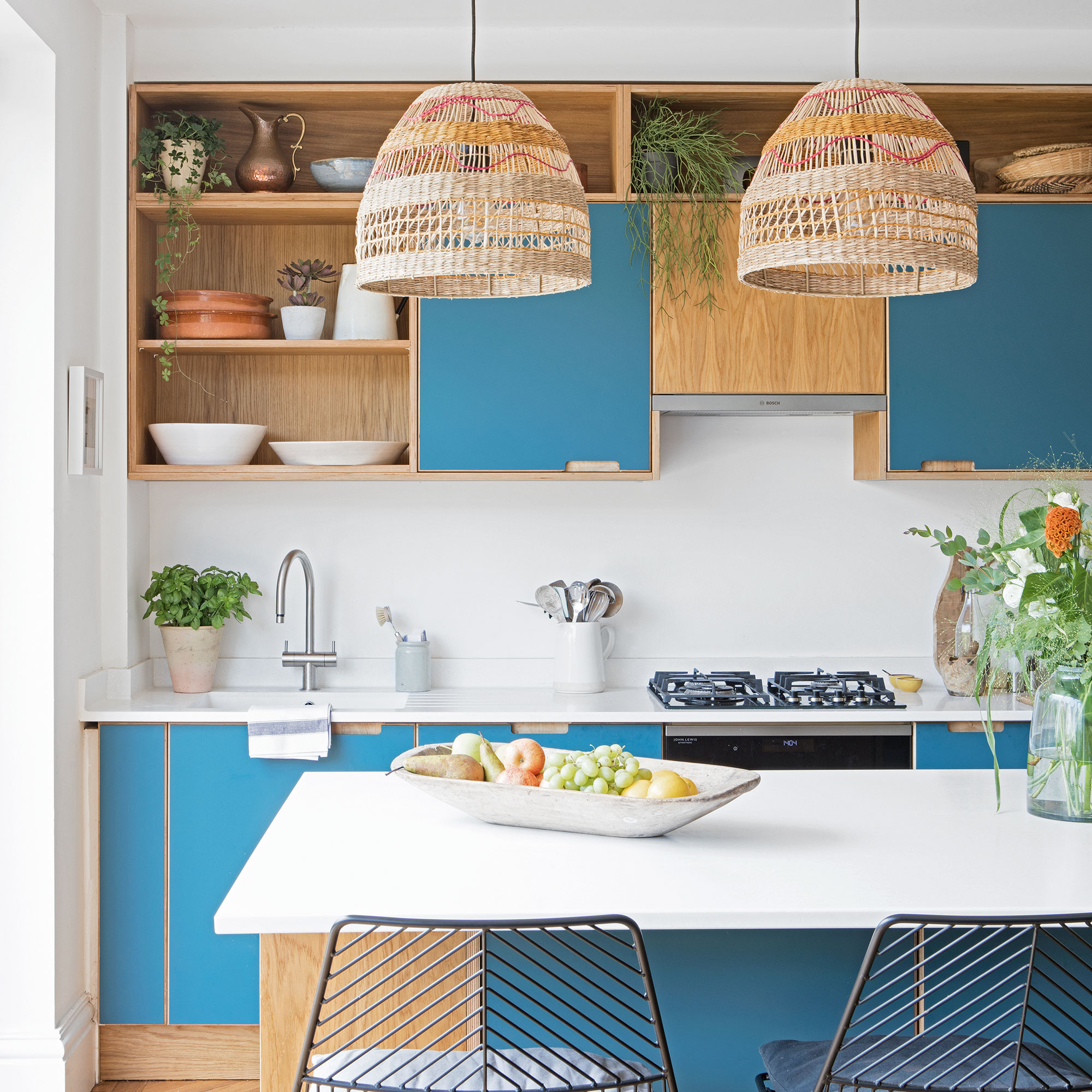
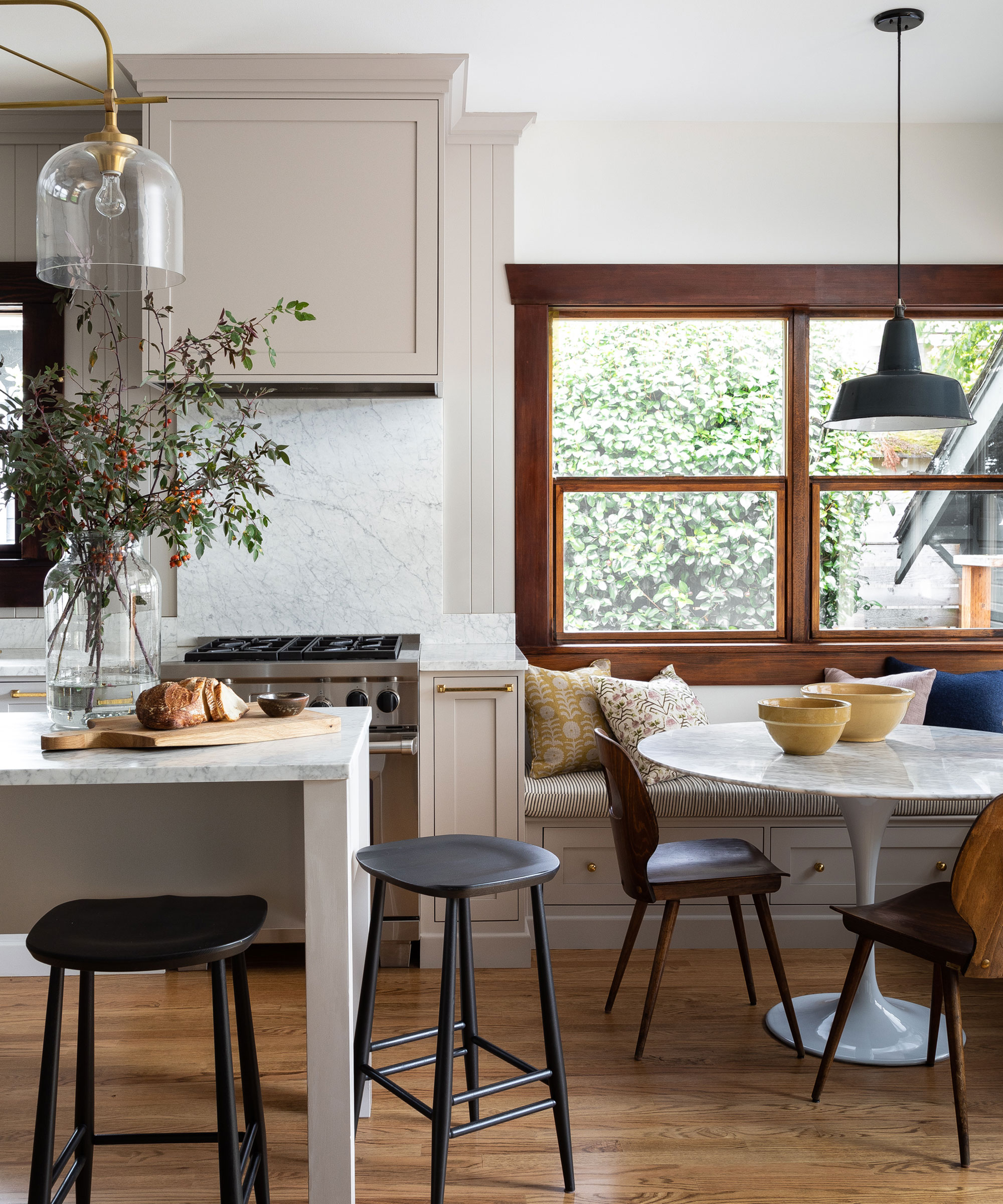
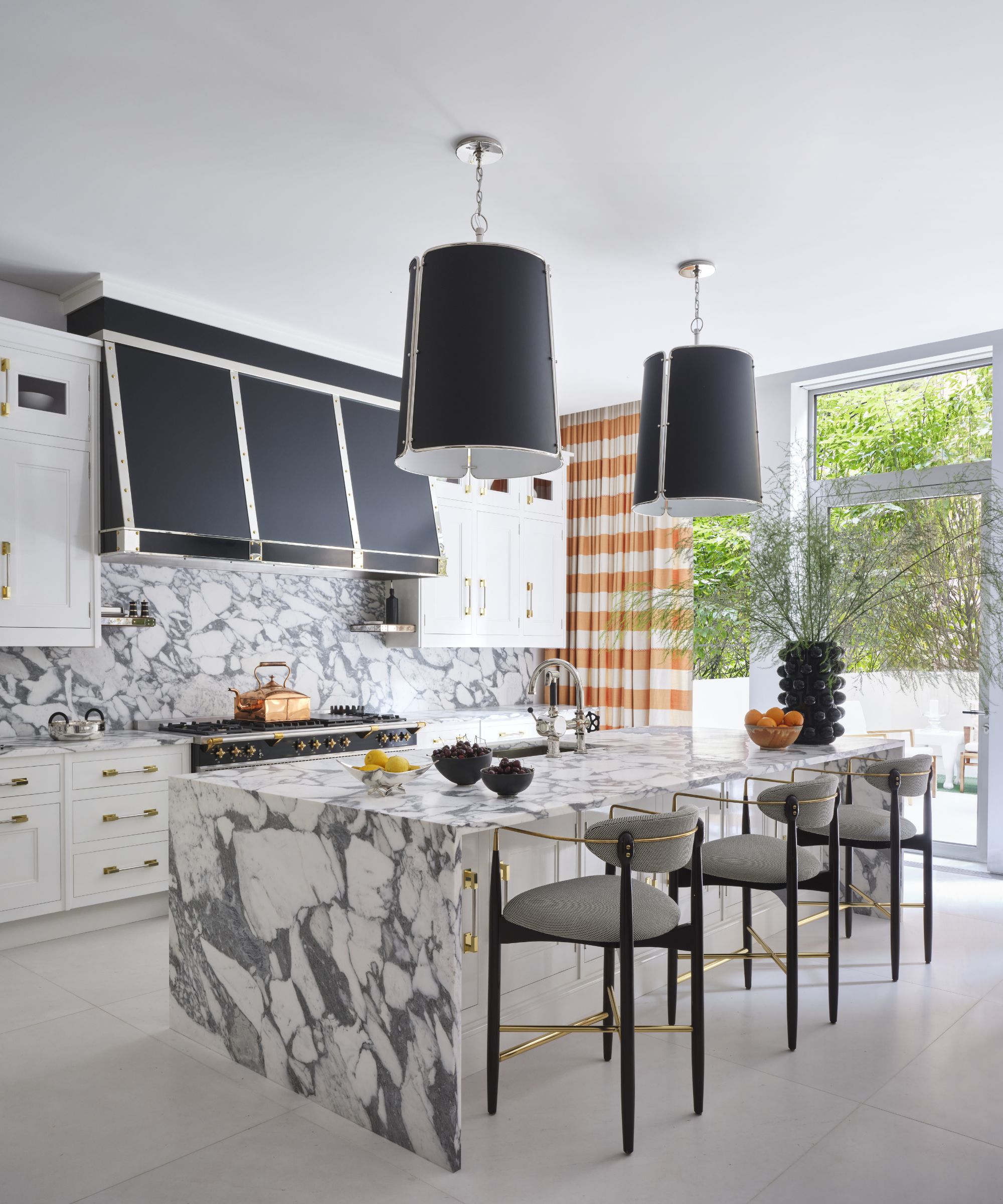
In residential interiors, bathrooms and kitchens are prime candidates for indirect lighting accents due to their abundance of reflective surfaces. Private bathrooms benefit from the flattering quality of reflected light, which generates a warm, relaxing atmosphere and often enhances mirror appearances. In kitchens, indirect light sources can visually elevate features such as islands, open cabinets, or floating shelves, adding a sophisticated touch to the space.
Office environments, being screen-dense, significantly benefit from indirect lighting. Its soothing emotional effect makes it particularly suitable for high-stress settings. By complementing necessary task lighting with indirect light in common areas or break rooms, employers can establish distinct zones for relaxation, thereby promoting employee well-being, happiness, and increased productivity.
Finally, retail interiors leverage the calming effect of indirect light to their advantage. A warm, inviting atmosphere encourages visitors to linger, allowing sales staff more time for detailed conversations about products. Furthermore, indirect light enhances the visual appeal of merchandise, making it an excellent choice for clothing stores and changing rooms where flattering illumination is crucial. These examples collectively illustrate how indirect lighting can elevate a diverse range of spaces beyond their structural boundaries.
#IndirectLighting #InteriorDesign #LightingDesign #ArchitecturalLighting #WellnessSpaces #CulturalArchitecture #ResidentialInteriors #OfficeDesign #RetailDesign #IndirectLighting #InteriorDesign #LightingDesign #ArchitecturalLighting #WellnessSpaces #CulturalArchitecture #ResidentialInteriors #OfficeDesign #RetailDesign
0 comment in total
 No comments yet
You may also like
Get your home's lighting just right: Seven questions answered
So You Live in a Lightless Cave. Here’s How to Create the Illusion of Sunshine

What lighting makes a home look expensive? 5 ideas from the designers in the know

‘Clever design tricks’ can create the illusion of space in homes - ‘feels much larger’
4 expert lighting schemes to make guests feel welcome in the rooms they'll use most
An interior designer’s guide to lighting your home

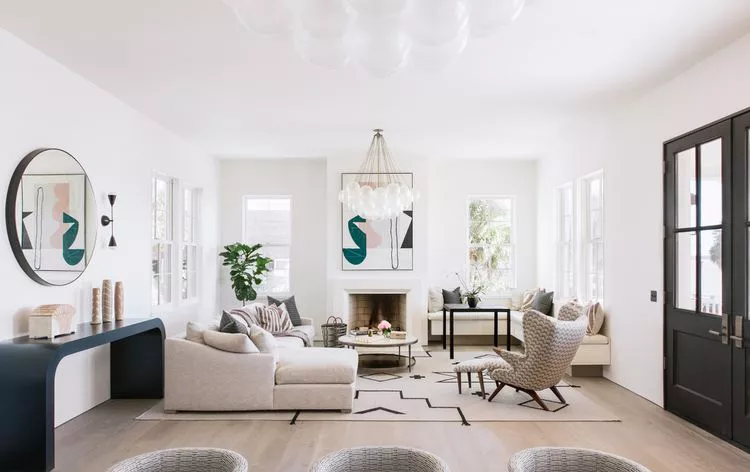
9 Ways to Maximize Natural Light in Your Home, According to Interior Designers
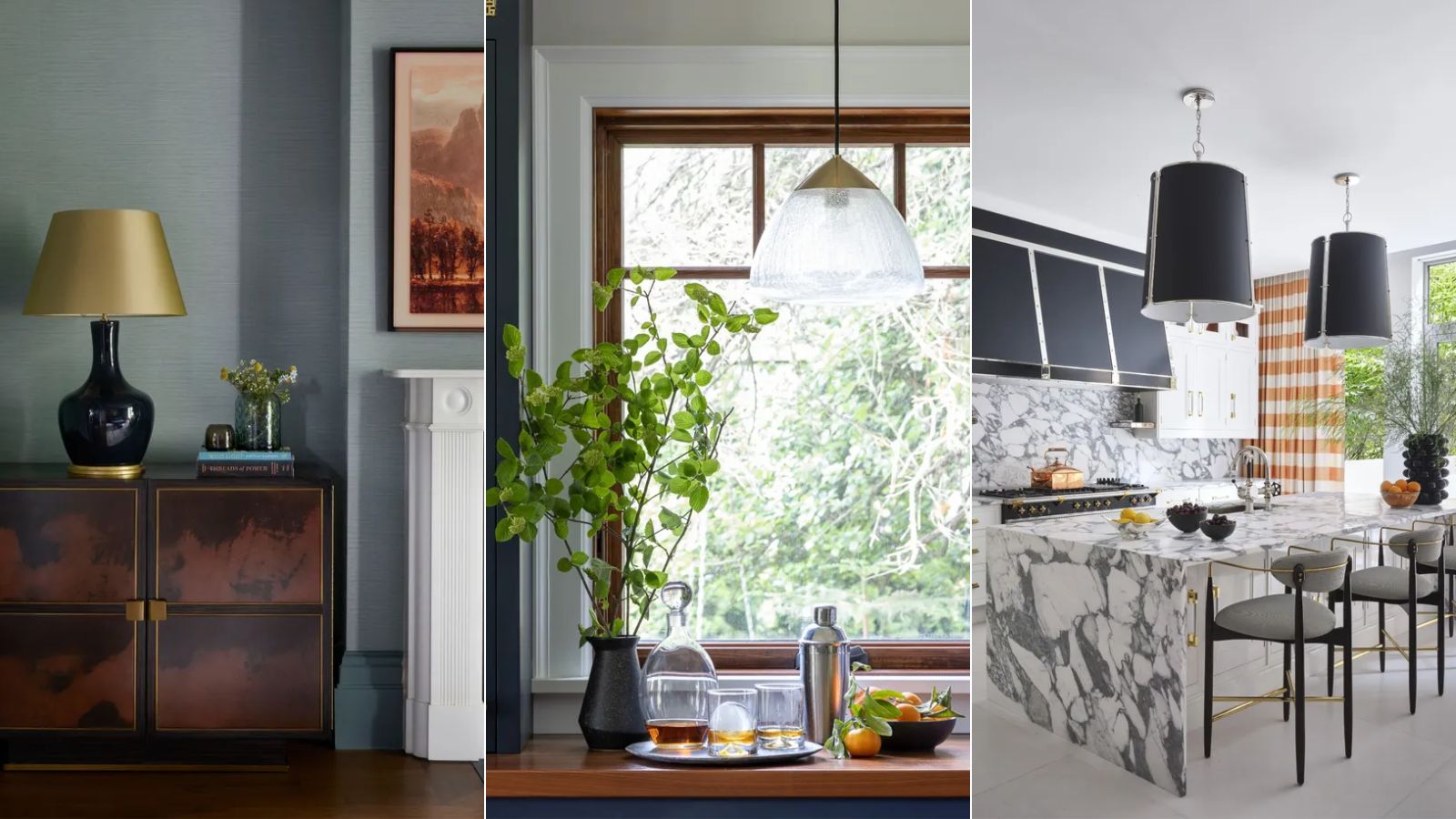
Decorator's Address Book: 15 of the best places to shop for lighting as suggested by interior designers
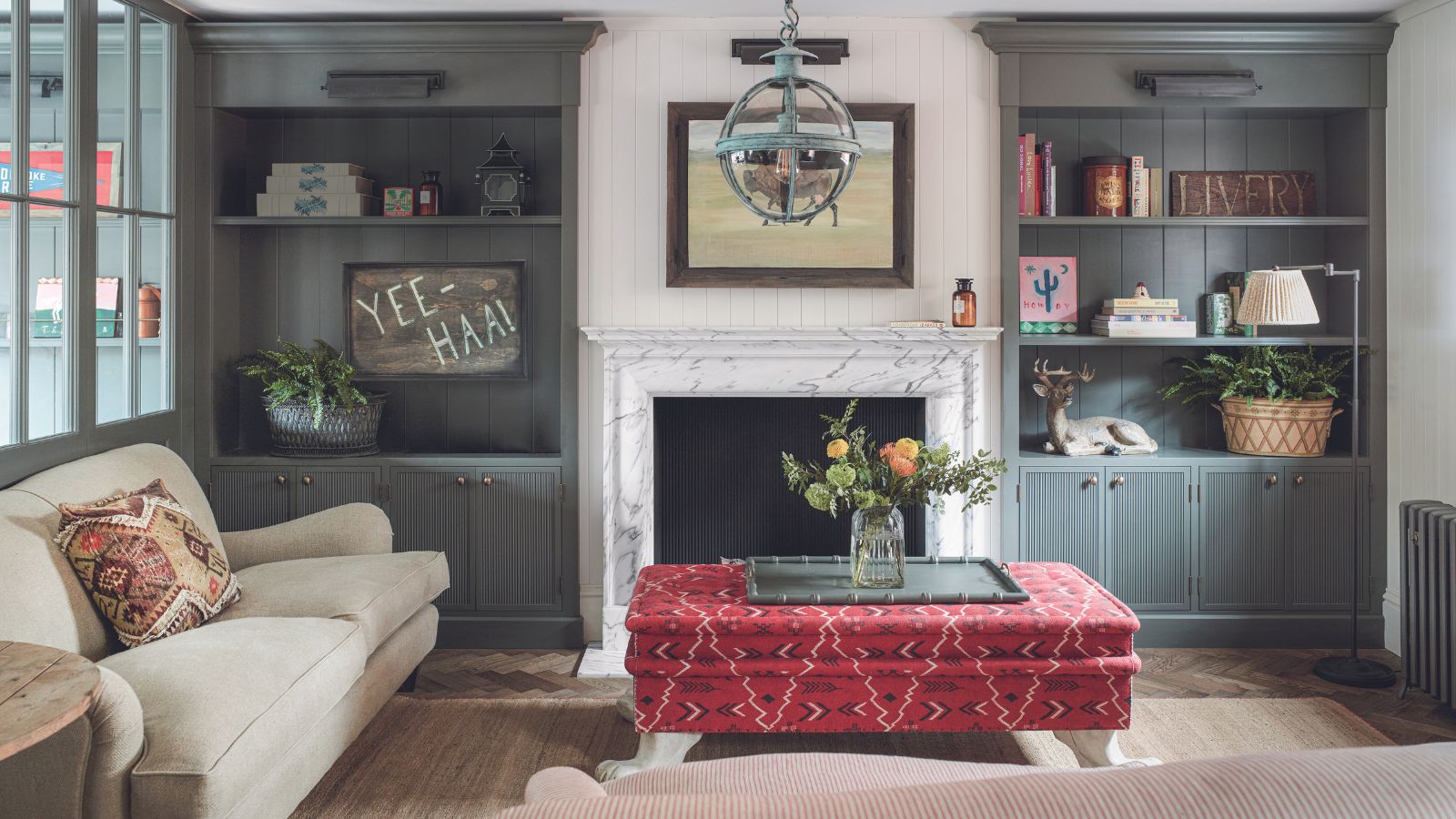
How to make a living room lighter – an interior designer's 10 tips for a creating brighter space
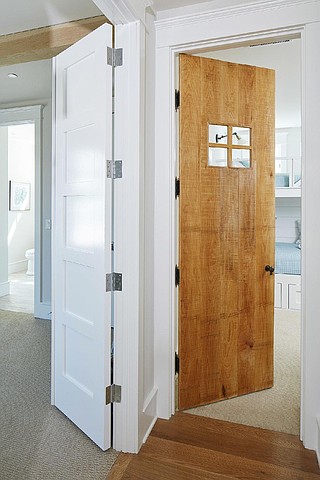
Interior doors can add light, personality
How to make small spaces look bigger
10 Habits Interior Designers and Architects Want You to Adopt in Your 2026 Renovations

The 3 Types Of Lighting Every Room Needs
Simple or sculptural, the right light fixture can make any room shine

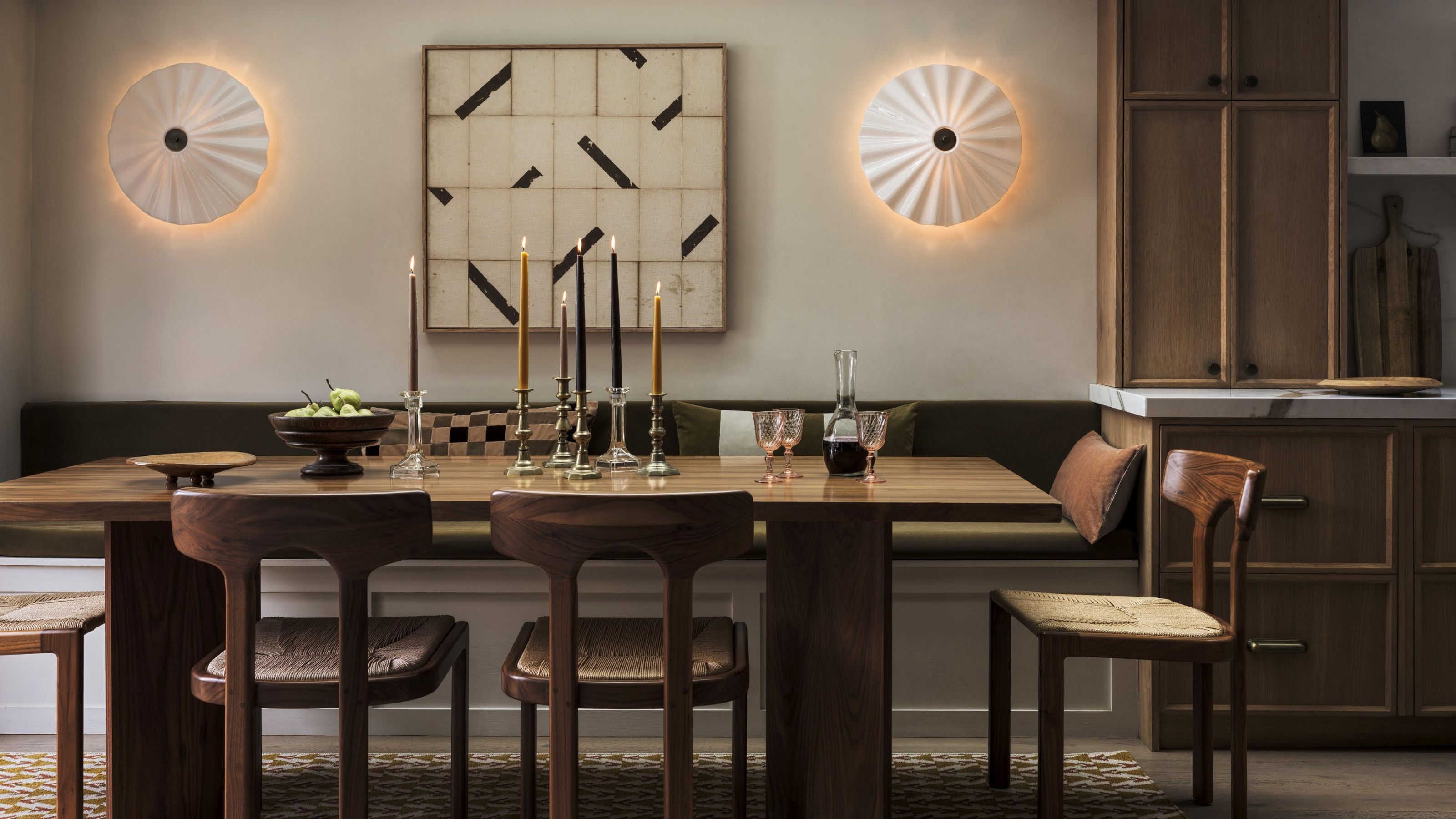
Let There Be Light — 10 Lighting Tricks That Will Transform Any Dark Room Into A Warm and Inviting Space
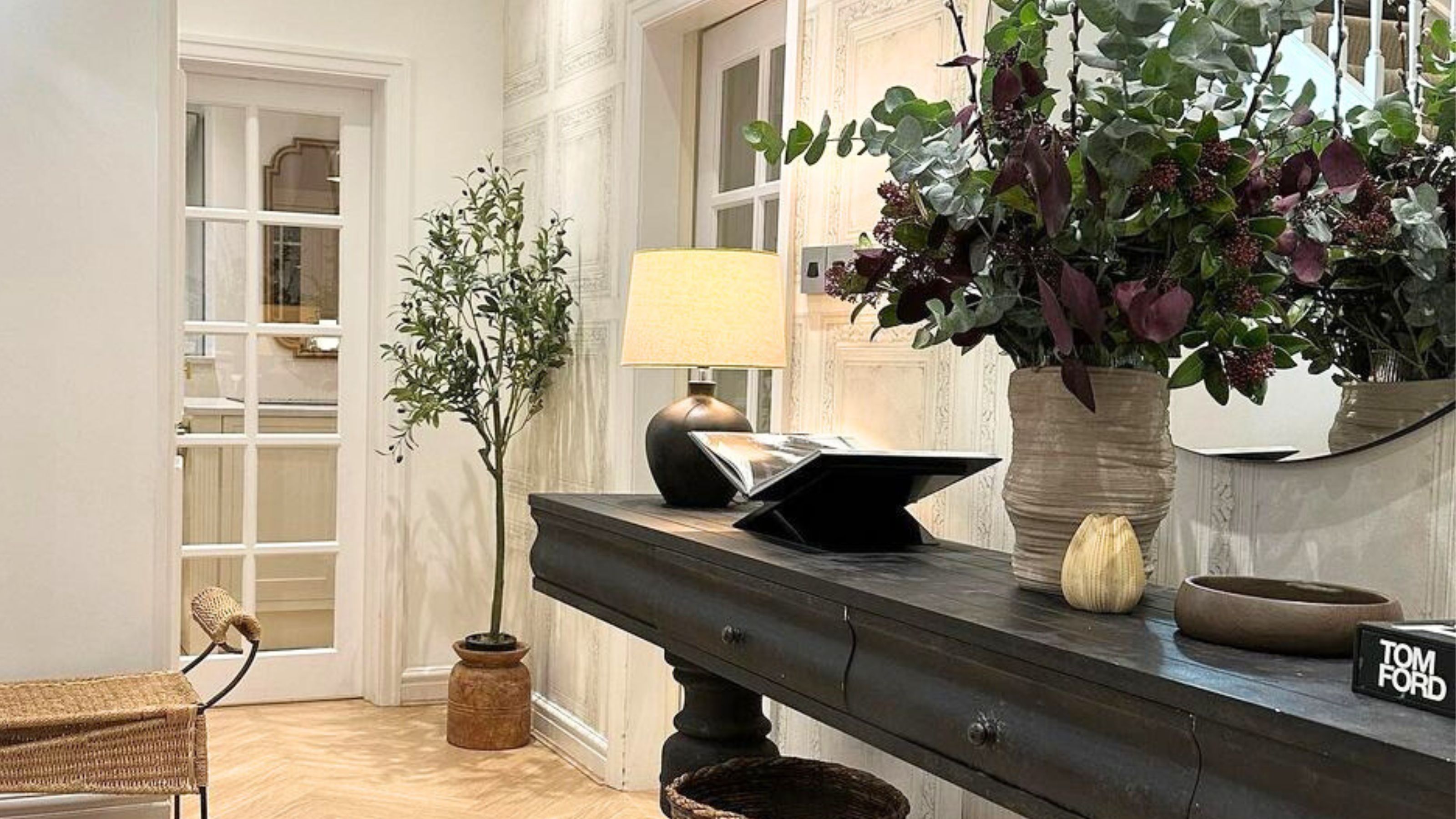
5 small entryway lighting mistakes — experts share what to avoid

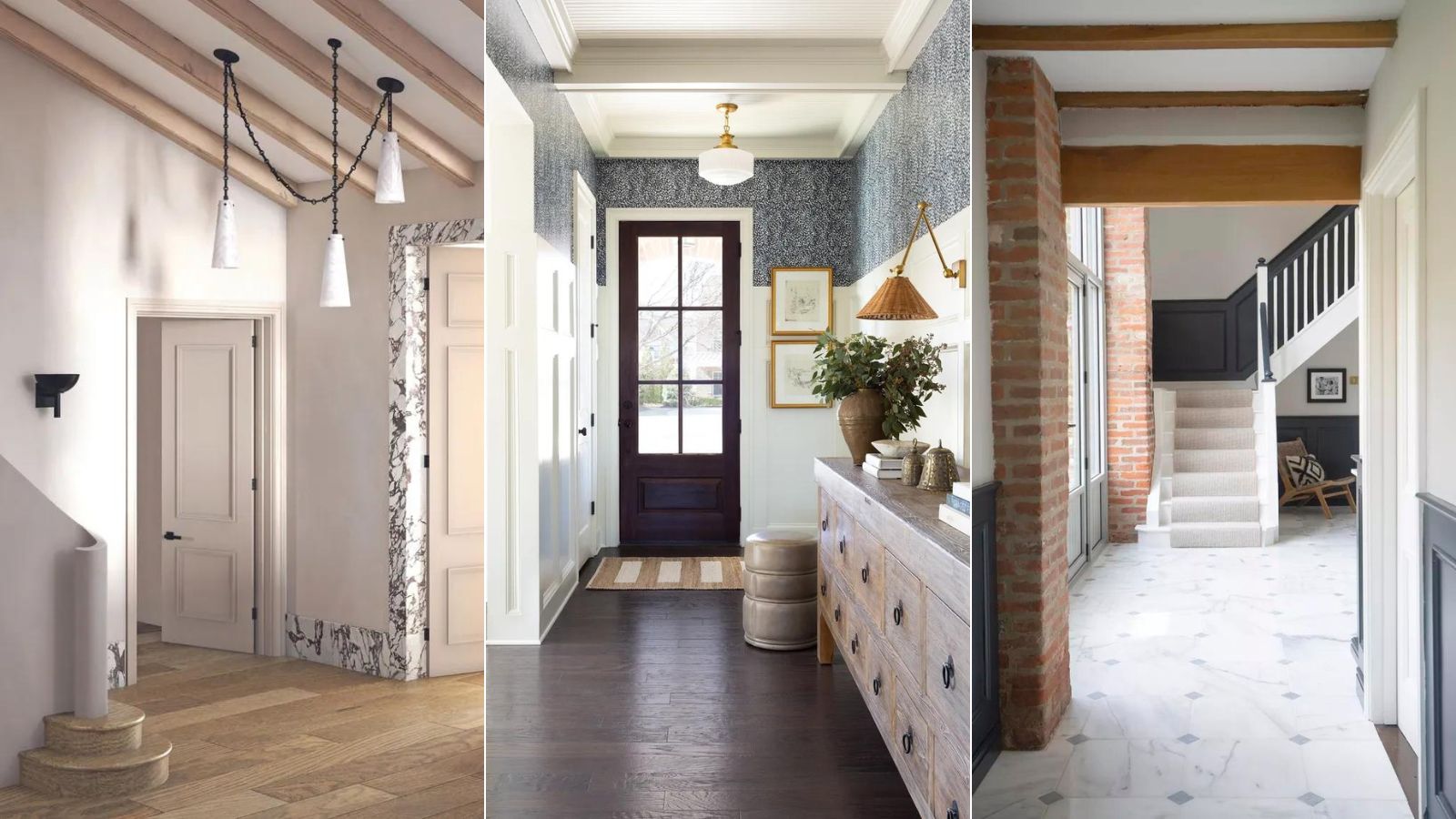
How to increase natural light in your entryway – 8 pro-endorsed solutions that experts love
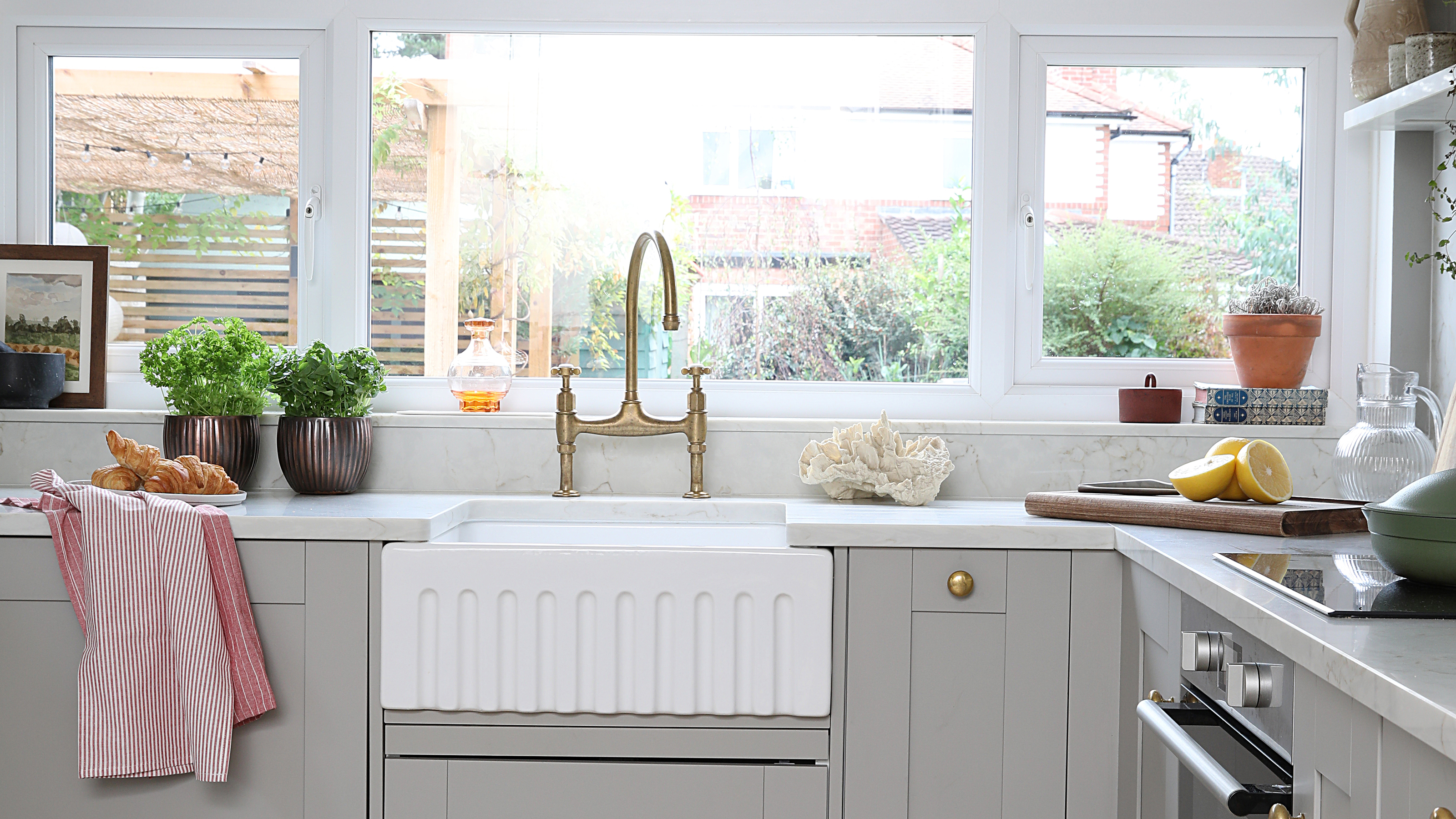
How to fake natural light in a dark room - 5 design tricks to brighten up a gloomy space
10 homes that make clever use of lightwells to bring daylight in
No Natural Light? Here's How To Brighten Your Space, According To Designers