How to Unclog Your Toilet
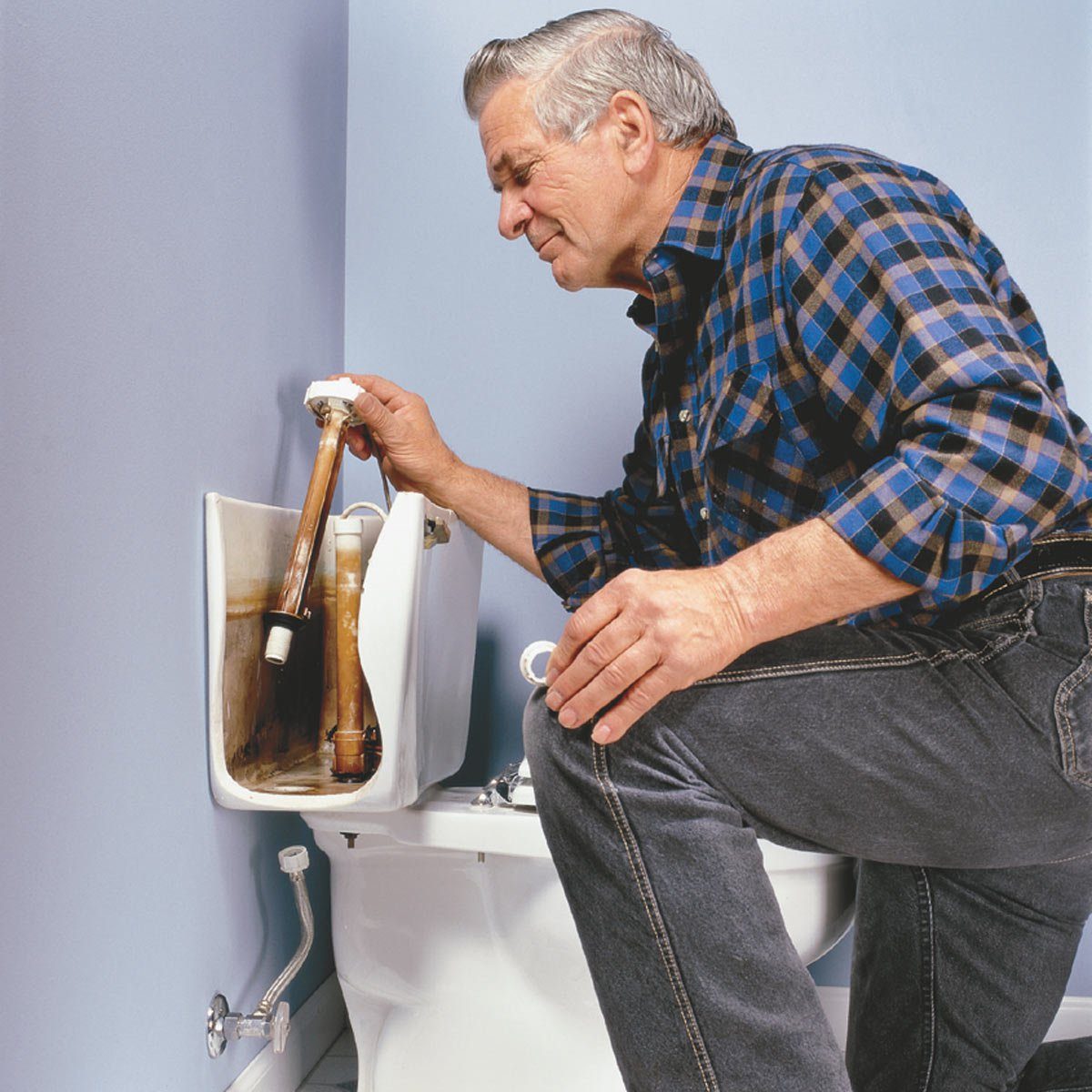
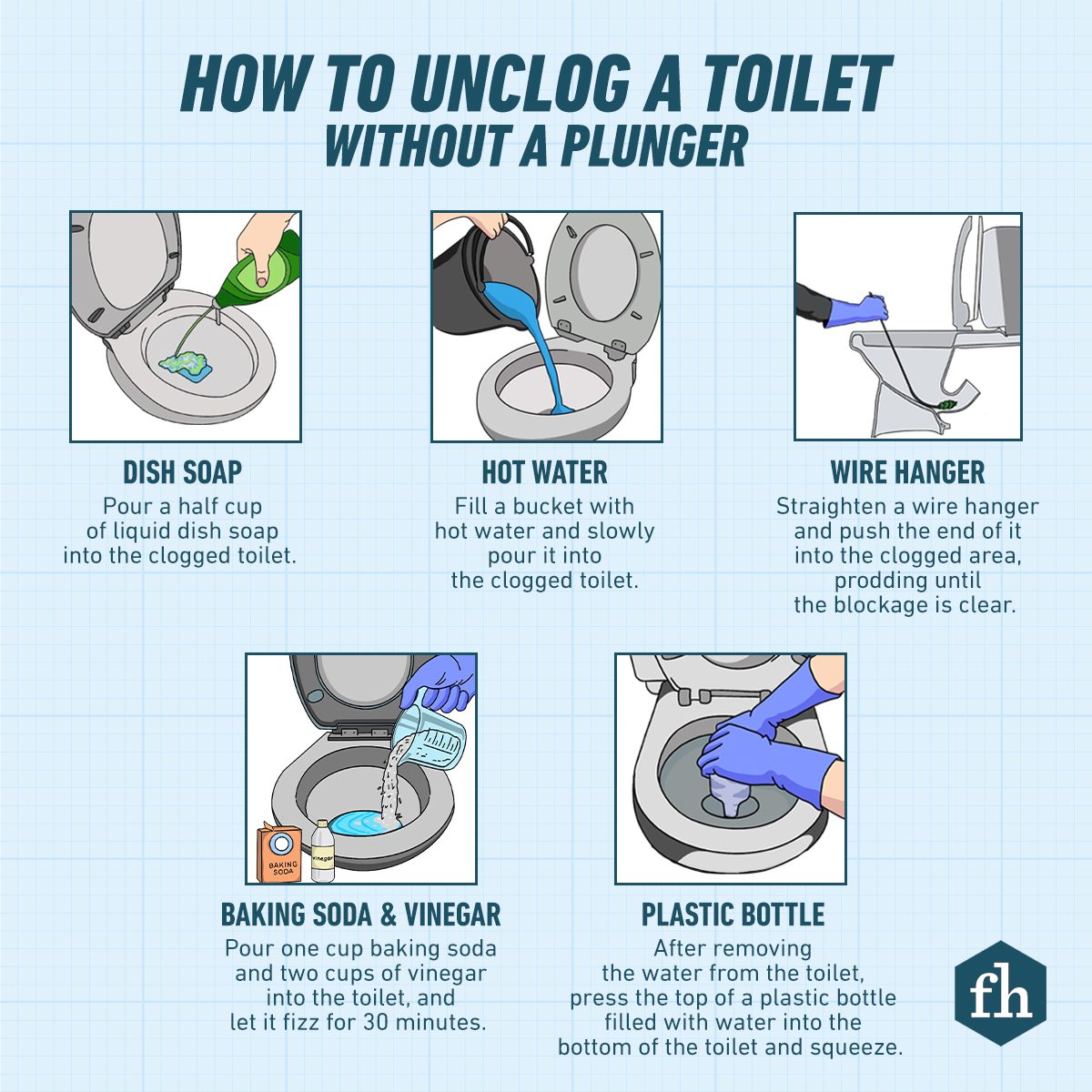
This article provides a step-by-step guide on how to clear a toilet clog and offers advice on when to seek professional help. It emphasizes that most clogs can be resolved without calling a plumber, highlighting the effectiveness of a good plunge. The article outlines specific actions to take, starting with attempting to extract any dropped objects from the toilet bowl. It warns against flushing items such as "flushable" wipes, paper towels, or shop towels, explaining that they do not break down like toilet paper and can lead to significant plumbing issues, including septic tank damage or increased costs for city waste treatment. It also stresses the importance of turning off the water supply to prevent overflows before plunging.
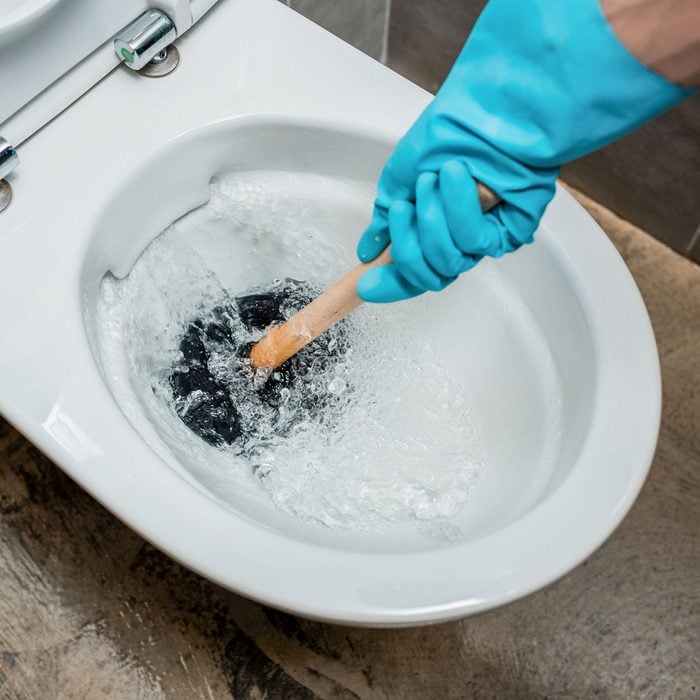
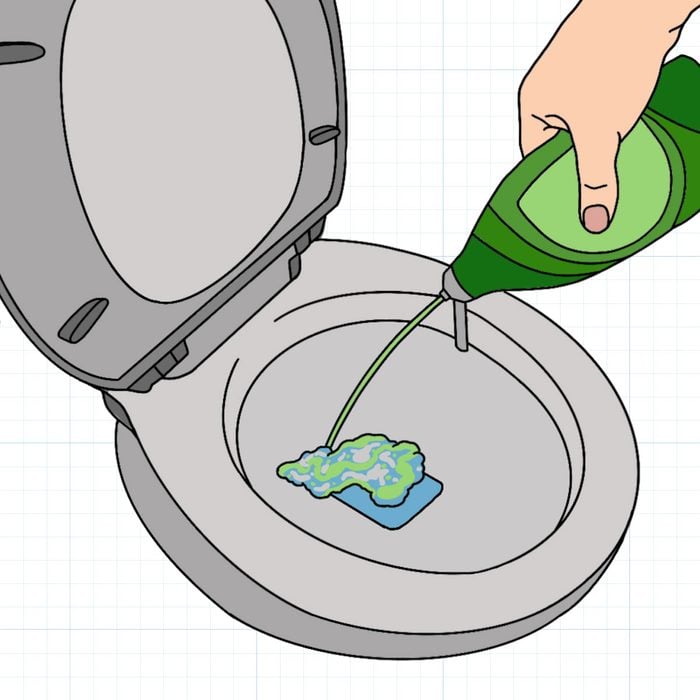
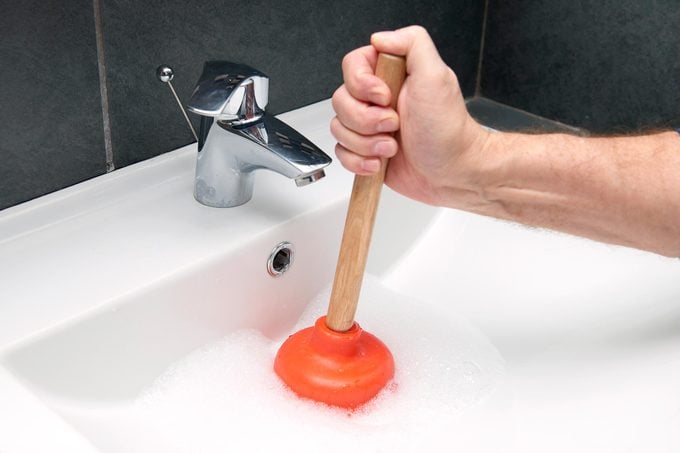
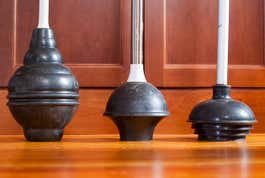
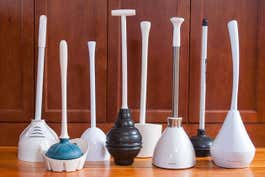
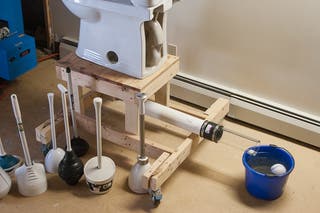
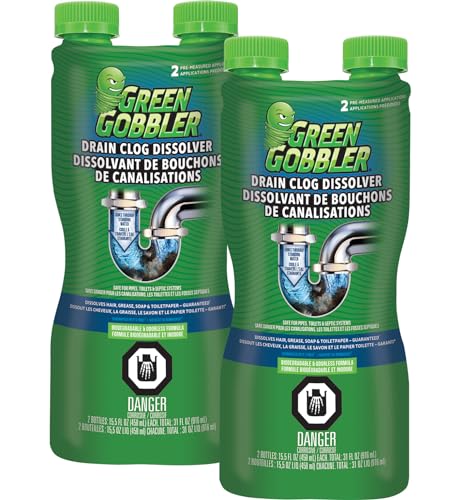
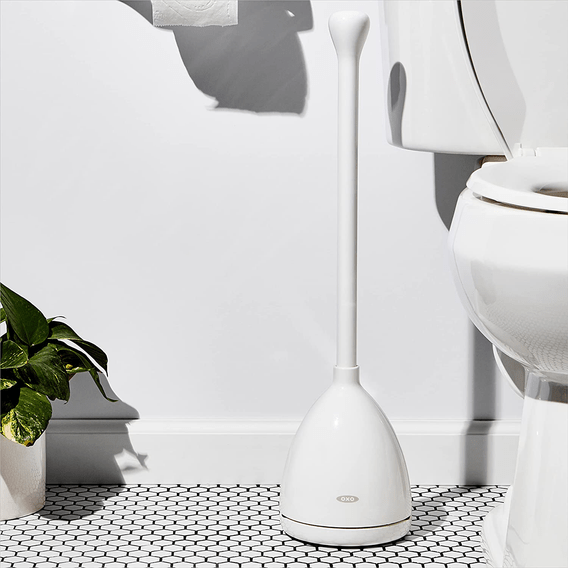
The guide details the correct plunging technique, which involves creating a seal over the drain and using vigorous up-and-down motions until the blockage clears. If plunging proves ineffective, the article suggests using a toilet bowl cleaner containing hydrogen peroxide as a lime and rust remover, allowing it to sit for an extended period to break down waste. Another recommended alternative is an enzyme cleaner, such as Green Gobbler, which uses concentrated bacteria to dissolve waste without harming pipes, making it suitable for older homes with cast iron plumbing. Regular use of enzyme cleaners is also suggested for system maintenance.
The article advises contacting a plumber if a clog cannot be cleared with a plunger or if there are indications of a mainline stoppage, such as water backing up in other fixtures like sinks or showers. It provides guidance on interacting with plumbers during a pandemic, recommending inquiries about personal protective equipment usage and equipment sanitization. It also suggests communicating the issue in advance, maintaining social distancing during the visit, keeping conversations brief, wearing masks, and ensuring proper ventilation by opening windows.
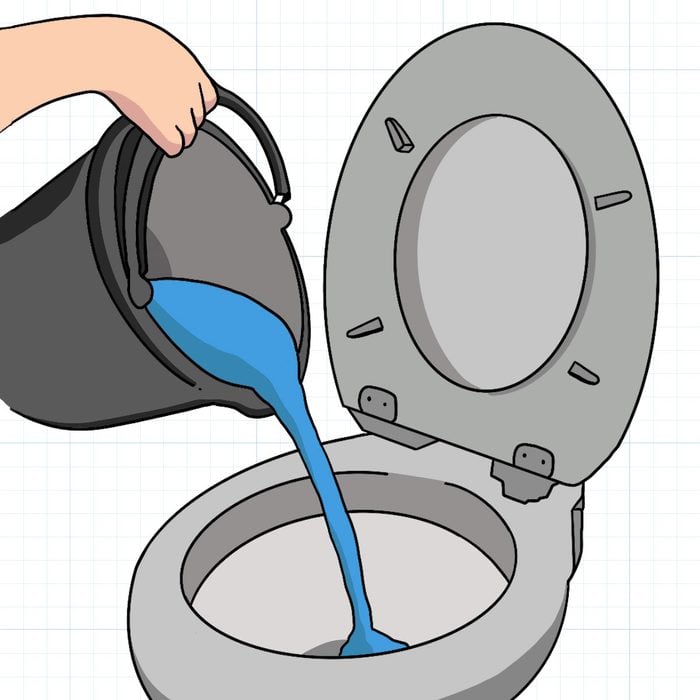
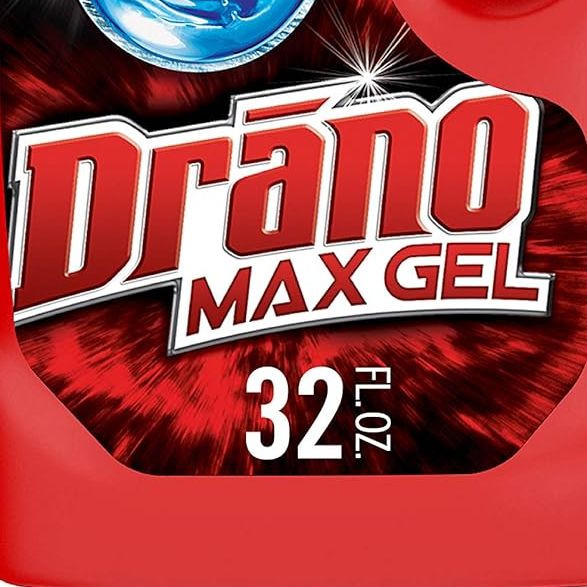
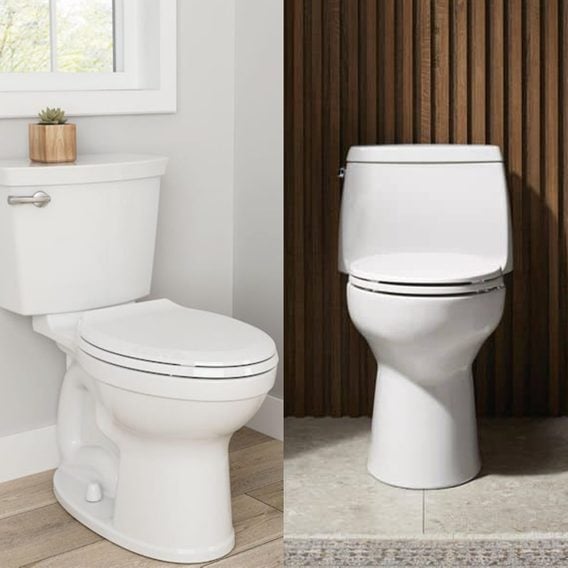
Crucially, the article includes warnings about what not to do when attempting to clear a clog. It explicitly advises against using boiling hot water, as the extreme temperature can melt the wax seal at the toilet's base, leading to leaks and requiring extensive repairs. Similarly, it strongly cautions against using highly corrosive chemical drain cleaners like Drano, as these can damage pipes, potentially causing them to break apart and result in more severe plumbing problems. The article also mentions Consumer Reports' toilet ratings and buying guide, which includes performance assessments based on rigorous testing with simulated waste to determine flushing effectiveness.
#ToiletClog #PlumbingTips #HomeMaintenance #DIYRepair #EnzymeCleaners #ToiletSafety #PlumberAdvice #FlushableWipes #ToiletClog #PlumbingTips #HomeMaintenance #DIYRepair #EnzymeCleaners #ToiletSafety #PlumberAdvice #FlushableWipes
0 comment in total
 No comments yet
You may also like
How To Unclog a Toilet With or Without a Plunger

How to catch a running toilet

Say goodbye to clogged drains with these simple household cleaning hacks

How to stop a gurgling toilet
14 Toilet Problems You Should Never Ignore
The Best Toilet Plunger for 2026 | Reviews by Wirecutter

How to stop a gurgling toilet
We Asked a Cleaning Pro How to Finally Get Rid of Mold in the Shower—And We're Trying This ASAP

How to Clear a Clogged Sink Drain—Without Needing to Call a Plumber

How to stop a gurgling toilet
Everything That Goes Into the Cost to Replace a Toilet Flange
How to ditch the bathroom clutter and restore its zen-like serenity

How to stop a gurgling toilet

How to declutter a bathroom according to the experts

8 Things You Should Never Wash Down The Sink
Bathroom Ideas, Cleaning and Repair
Here's How to Fix a Running Toilet Without Calling a Plumber
How to get rid of mould
I Cleared My Blocked Bathroom Drain in Minutes With This 'Spot On' Fix

How to stop a gurgling toilet