1/4
Everything That Goes Into the Cost to Replace a Toilet Flange
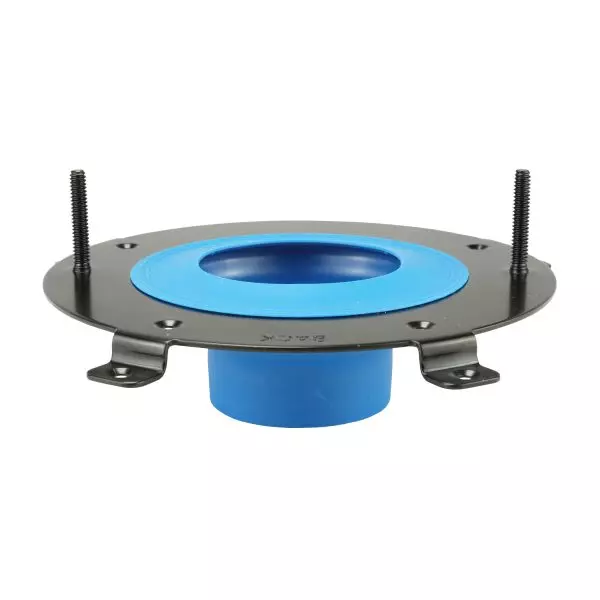
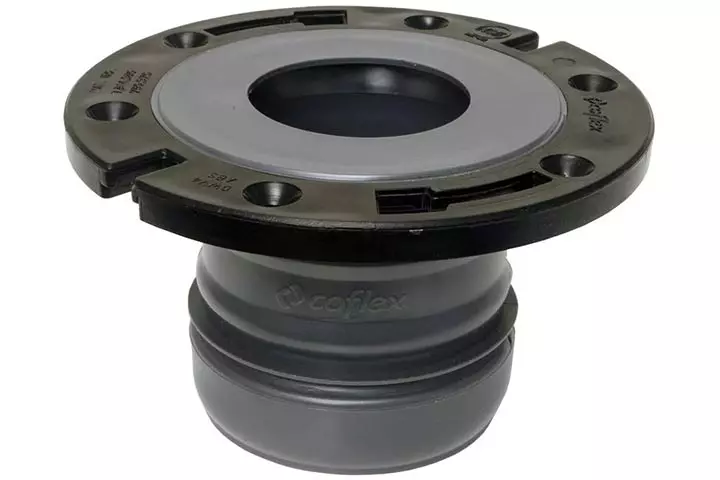
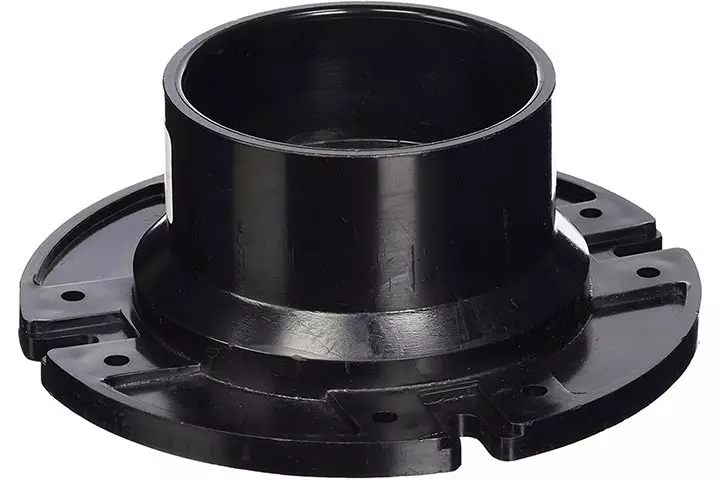
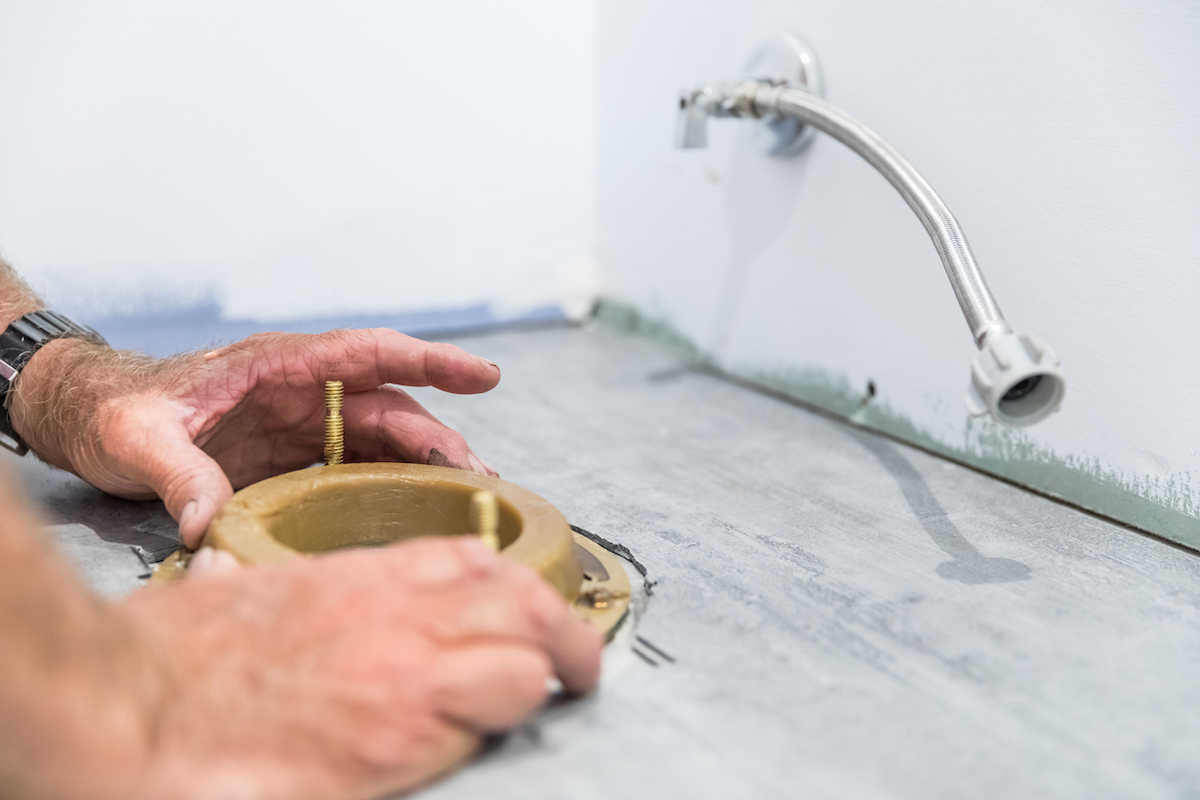
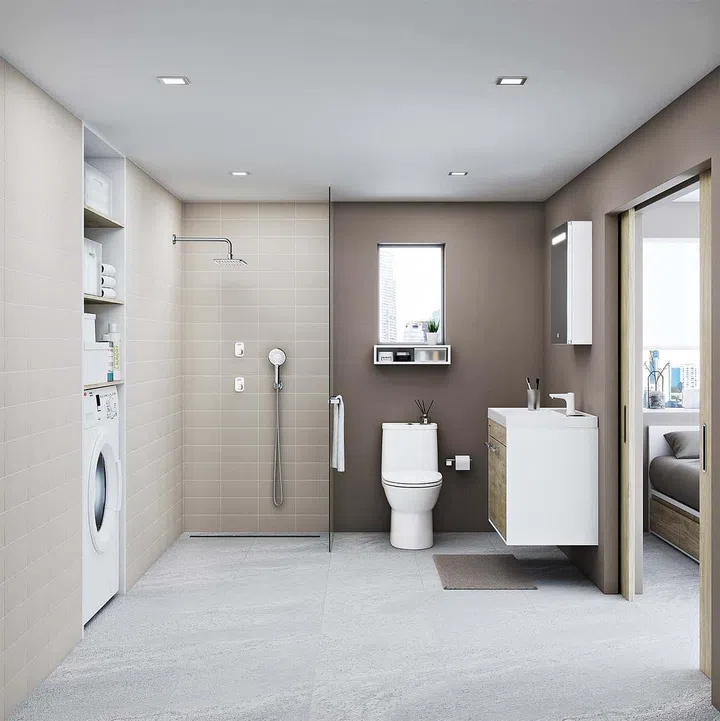
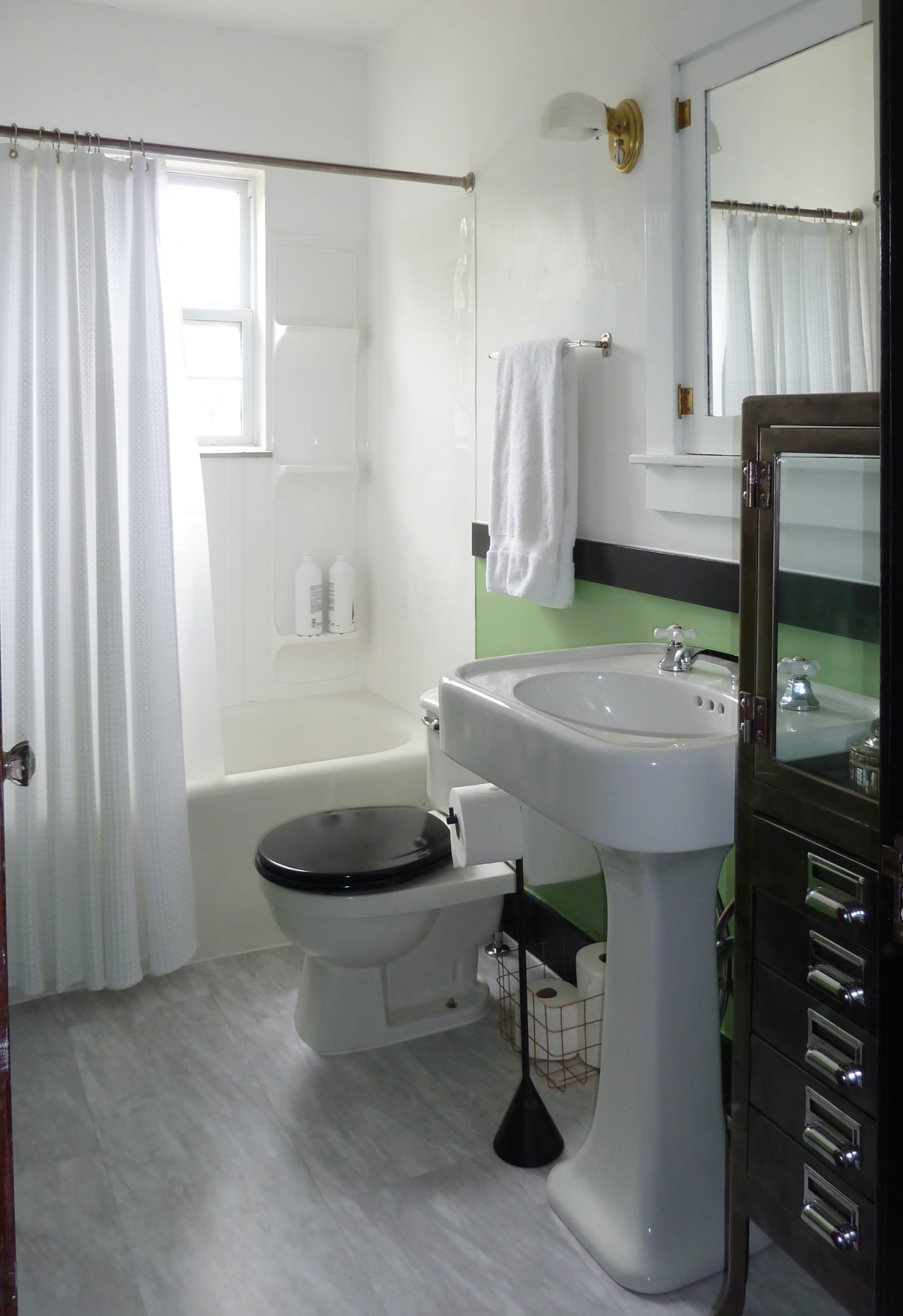
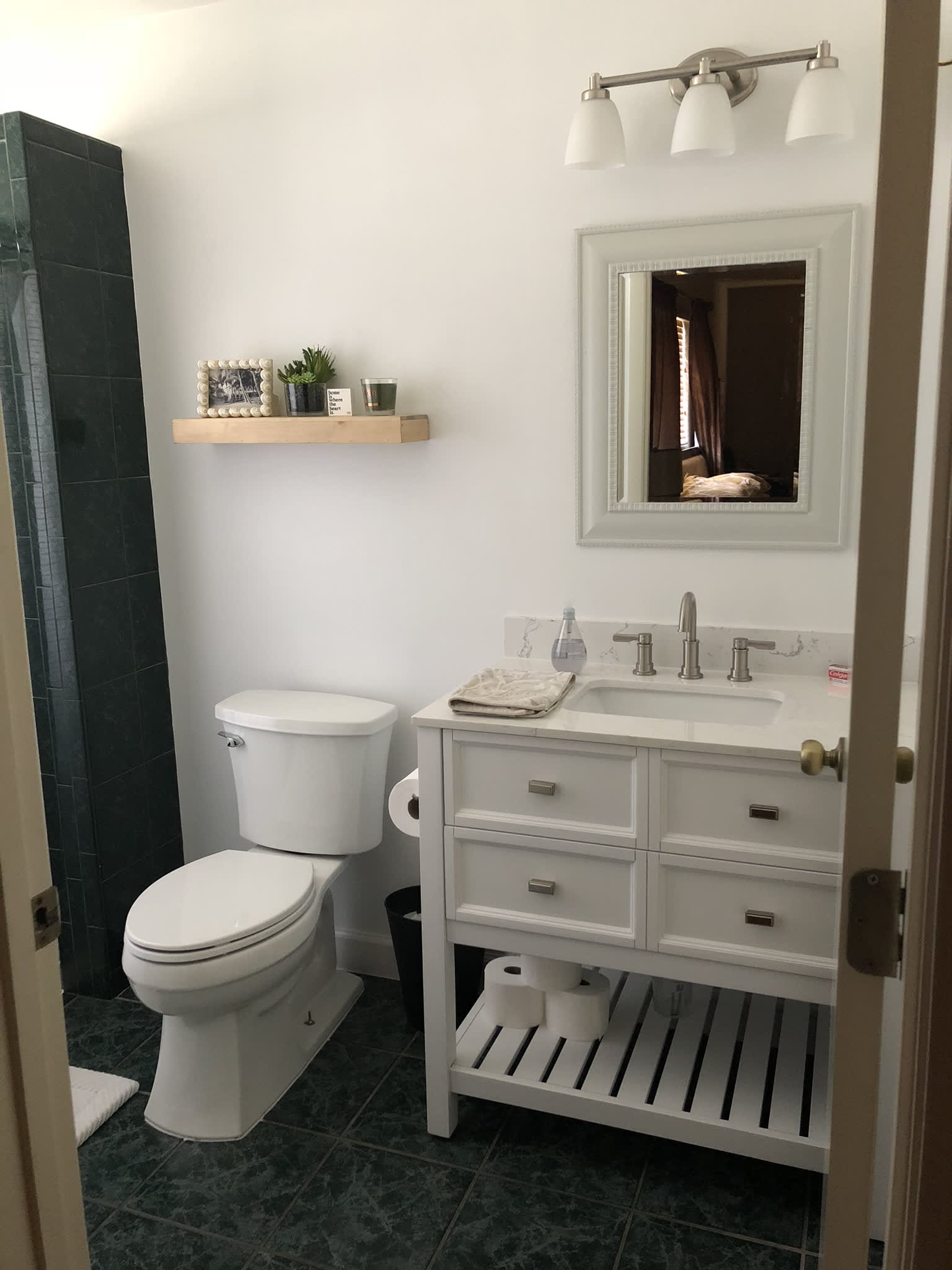
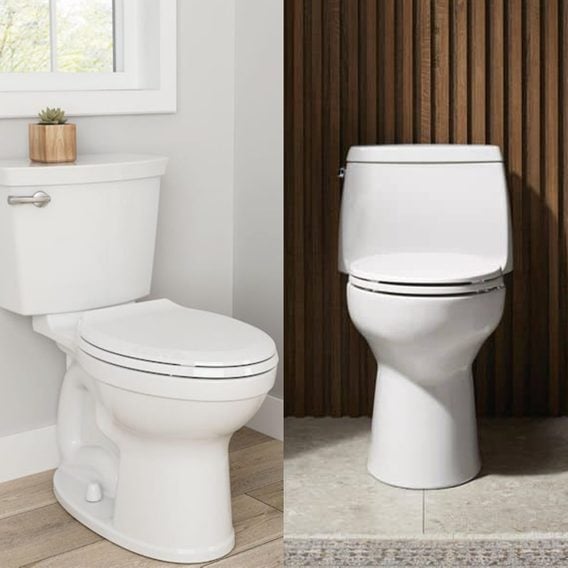
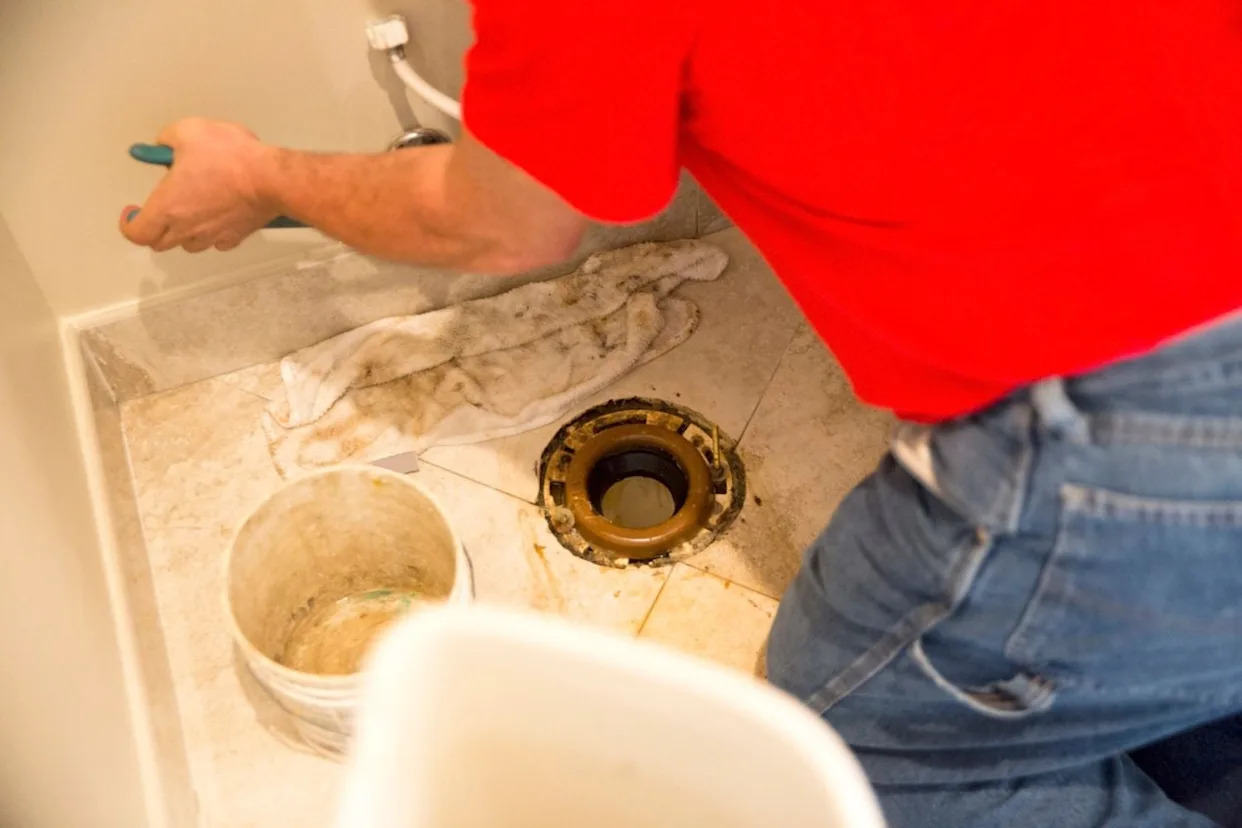
The article details the various factors influencing the cost of replacing a toilet flange, a crucial component connecting the toilet bowl to a home's drainage system and securely affixing it to the floor. A wax ring is placed on the flange to create an airtight seal, preventing leaks, odors, and gases. The average cost for parts and labor to replace a toilet flange typically ranges from $145 to $165, with the job usually taking only a few hours. This cost can fluctuate based on the flange material, labor rates, and the need for additional repairs.
One significant cost factor is the toilet flange material. While most flanges are inexpensive, ranging from $5 to $30, specialized materials like brass can cost up to $75. Common types include PVC (Polyvinyl Chloride), which is affordable and durable, often costing $5 to $20. Stainless steel flanges, priced between $5 and $30, offer corrosion resistance and a longer lifespan. Copper flanges, at around $35, have antibacterial properties. Cast iron flanges, costing $25 to $40, are very sturdy and can last for decades, though they are susceptible to rust if not maintained. Brass flanges, while the most expensive at up to $75, are highly durable and heat-resistant.
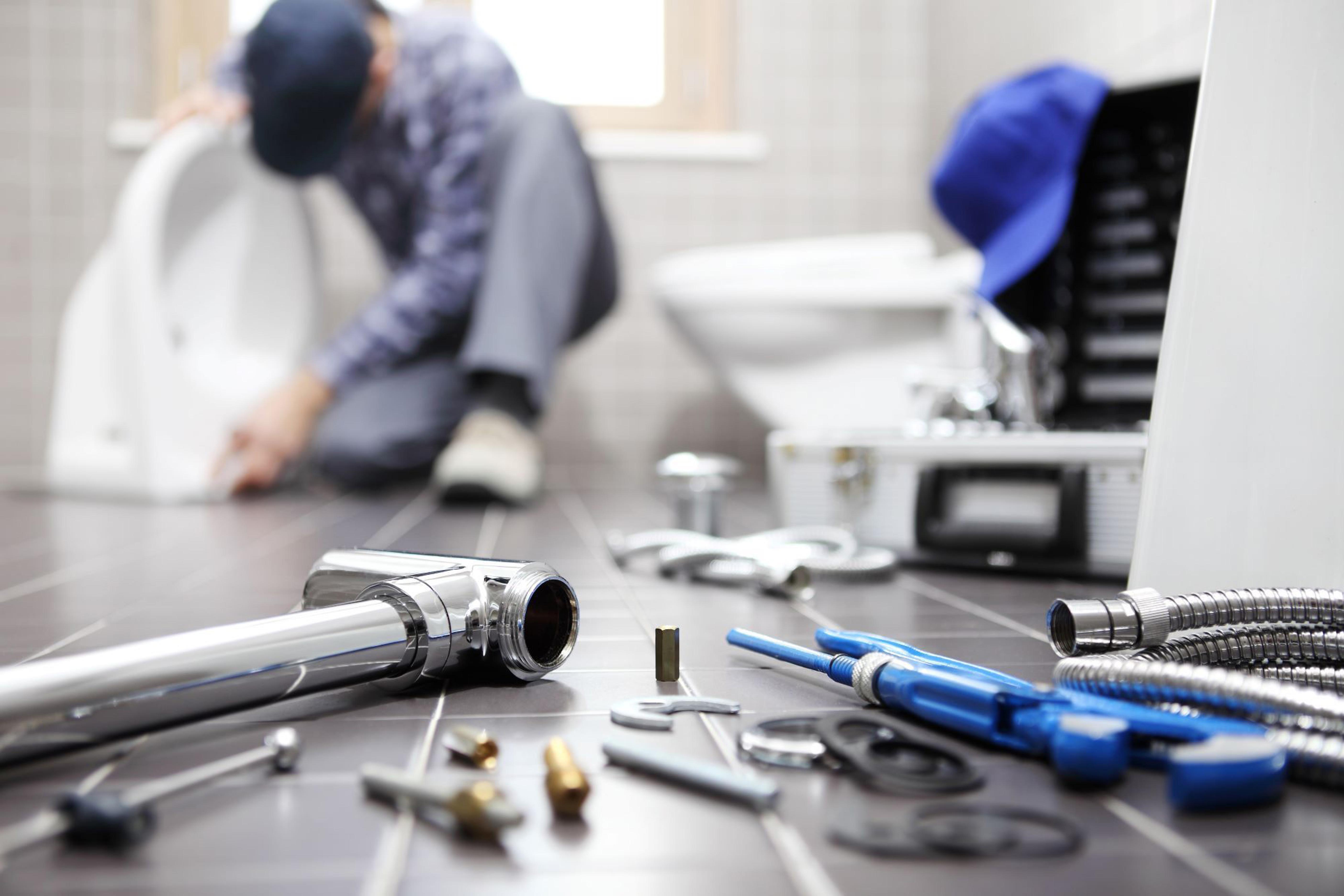
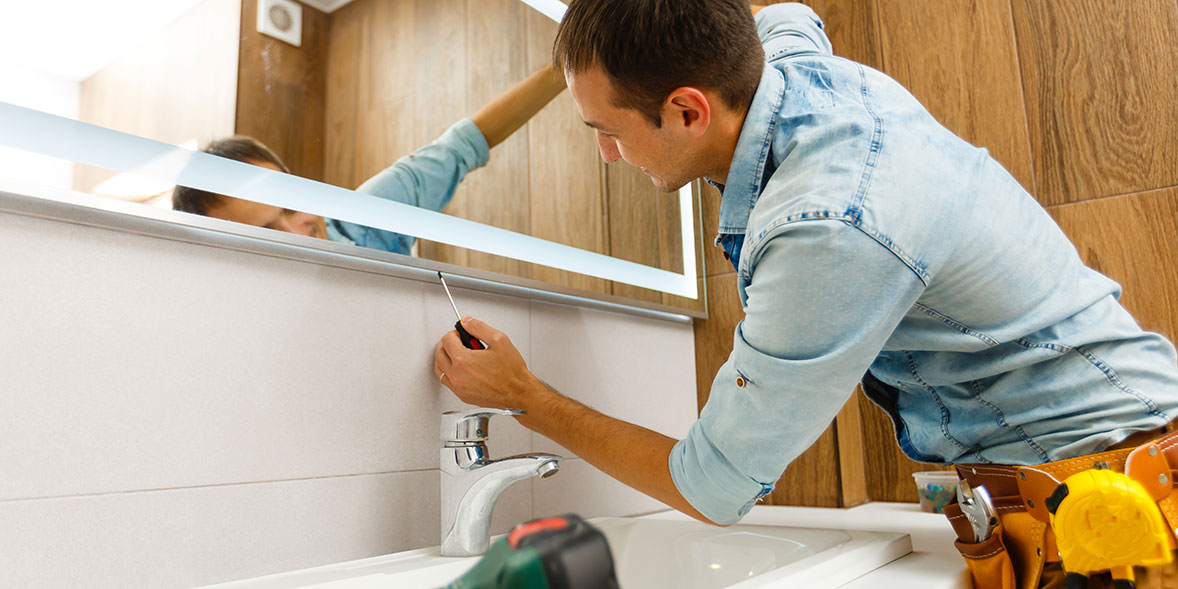
Labor costs also significantly impact the total expense. Plumbers typically charge $45 to $150 per hour for this job. Since replacing a toilet flange is usually a quick task, taking only a couple of hours, the labor component is relatively contained. A professional plumber will also assess the area for further damage caused by leaks, such as to the surrounding floor or a cracked drainpipe, adding value beyond just the replacement.
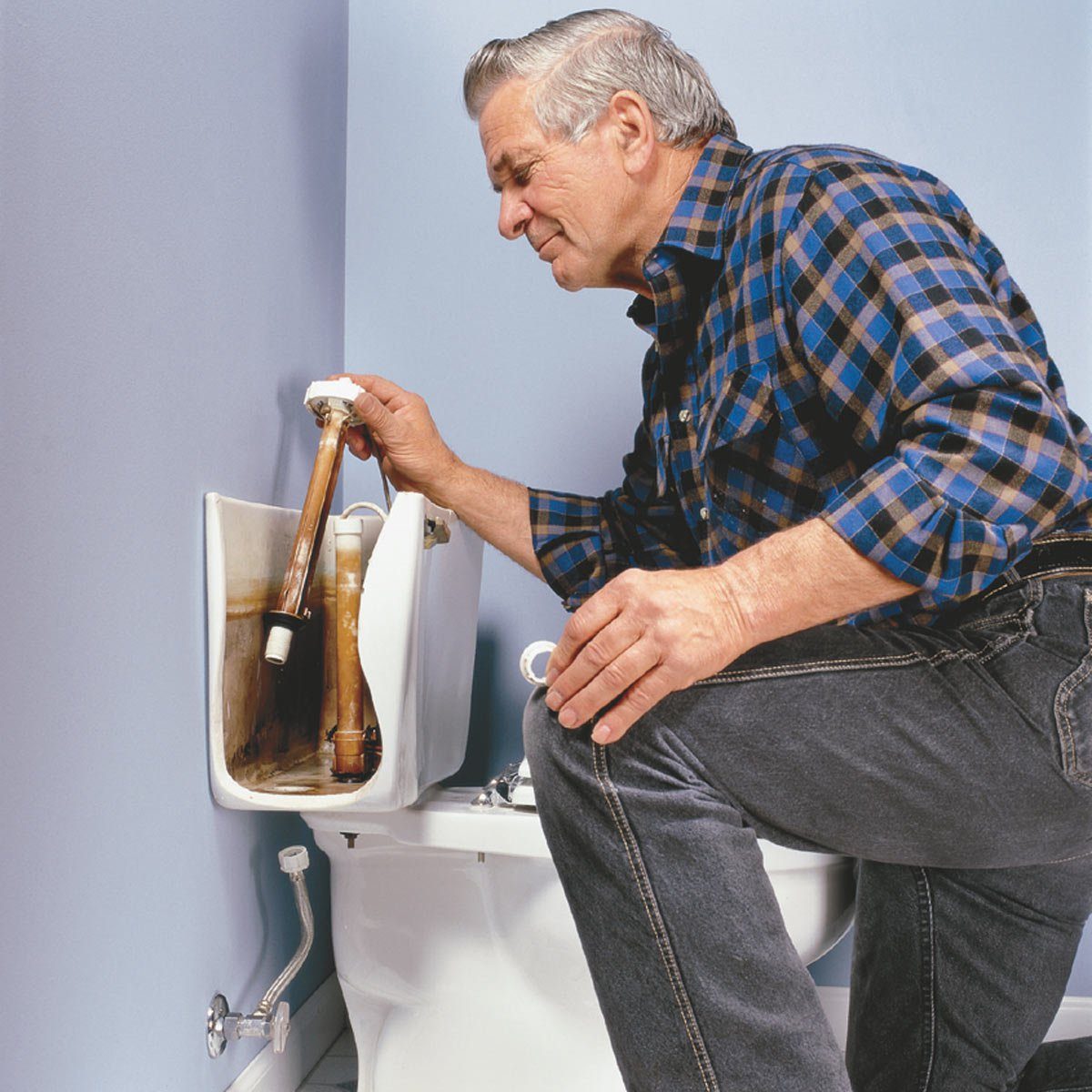
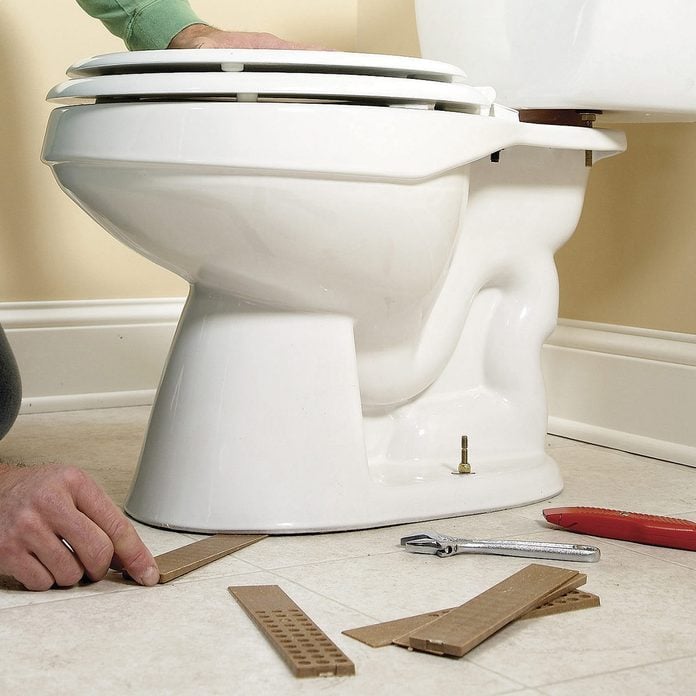
Project complexity can increase costs. While a straightforward replacement involves simply lifting the toilet, removing the old flange, and installing a new one with a fresh wax ring, complications can arise. Prolonged leaks might lead to damage to the subfloor or flooring, necessitating additional repairs. The cost to replace a subfloor can range from $173 to $300, and replacing floor covering can cost between $200 and $800, though these costs might be lower for small bathroom areas. Repairing a cracked or rusted drainpipe, which might require accessing pipes from a lower floor or basement, can average around $696, depending on the extent of the damage and accessibility.
Homeowners should consider replacing a toilet flange if they observe visible leaks around the toilet base, persistent sewer odors, loose tiles around the toilet, or an unstable/wobbly toilet. These signs indicate a potential issue with the flange or its seal. While DIY replacement is possible and can save money on labor, it requires plumbing expertise, as improper installation can lead to future leaks and damage. Many experts recommend hiring a professional plumber for a thorough inspection and proper installation, ensuring peace of mind and preventing more costly repairs in the long run.
Tips for saving money on toilet flange replacement include selecting cheaper materials like PVC or stainless steel, only replacing the wax ring if the flange is in good condition, purchasing fixtures yourself when on sale, and combining plumbing jobs if other issues need attention. Before hiring a plumber, it is advisable to ask about their licensing and insurance, recommended materials, estimated costs and duration, hourly rates, and warranty information.
#ToiletFlange #Plumbing #HomeMaintenance #BathroomRepair #PlumberCost #DIYPlumbing #HomeImprovement #LeakDetection #SewerOdor #ToiletFlange #Plumbing #HomeMaintenance #BathroomRepair #PlumberCost #DIYPlumbing #HomeImprovement #LeakDetection #SewerOdor
0 comment in total
 No comments yet
You may also like
Best Toilet Flange: 7 Top Picks For Leakproof, Durable Fit
Where to spend and save on a new bathroom - tips to make your budget go further without sacrificing style
The Best Toilet Seats for Bathroom Updates

How to stop a gurgling toilet
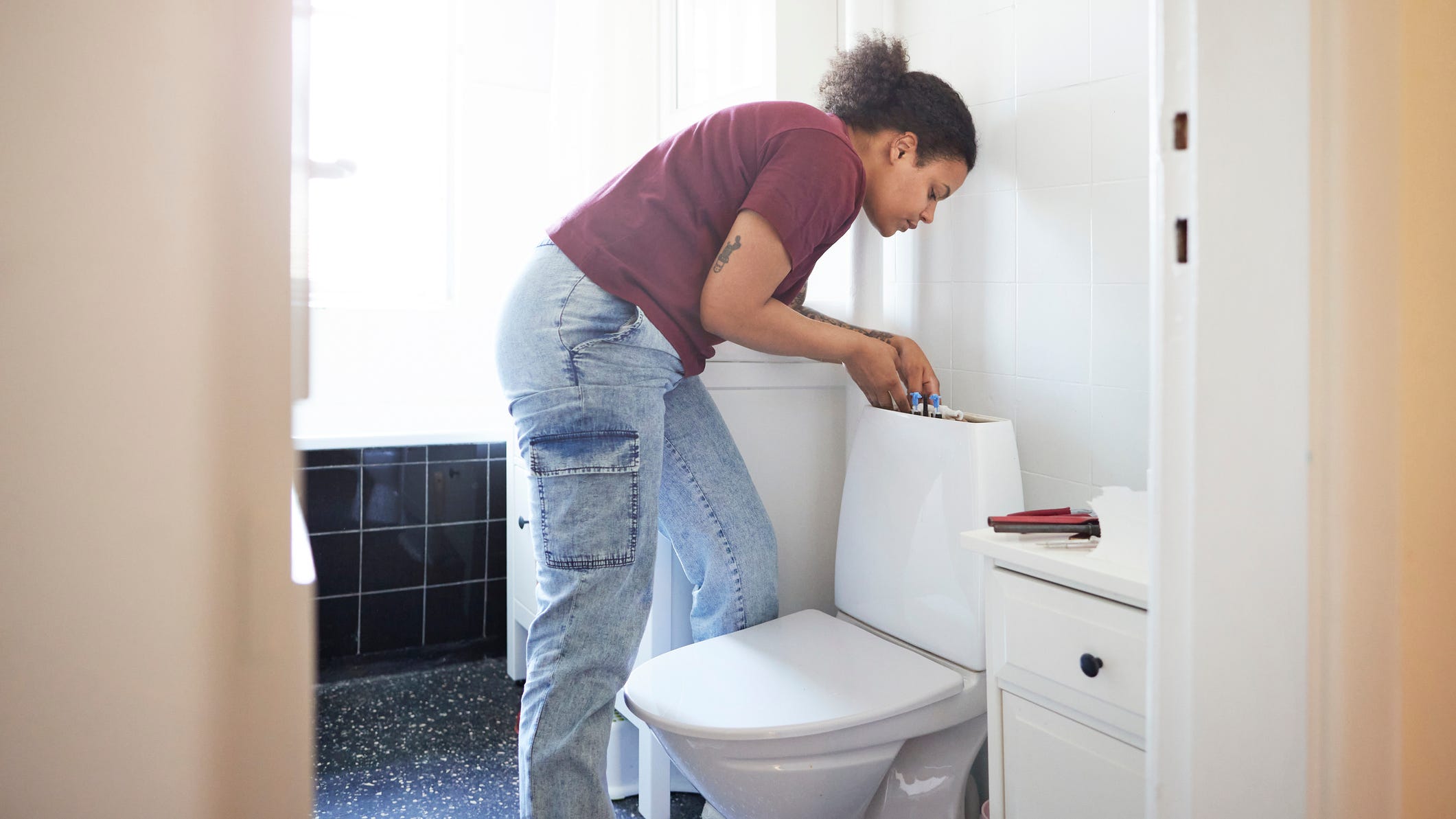
Here's How to Fix a Running Toilet Without Calling a Plumber
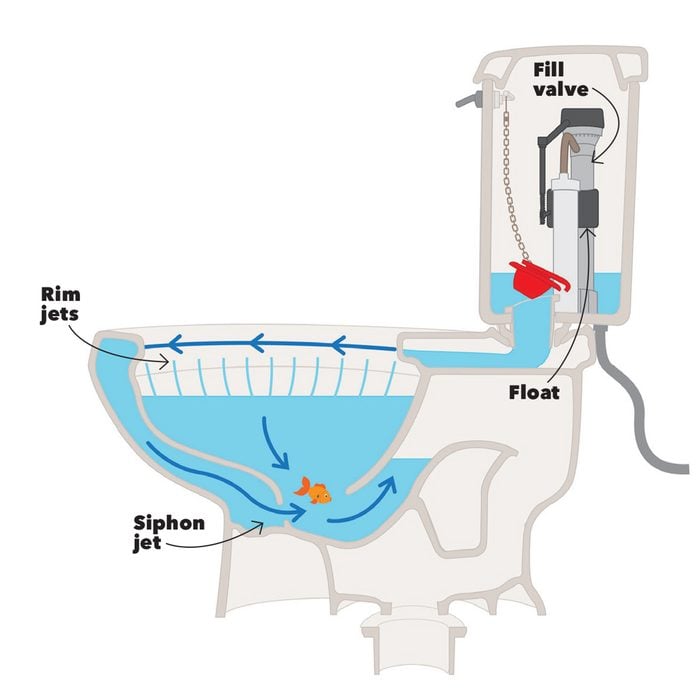
14 Toilet Problems You Should Never Ignore

How to stop a gurgling toilet
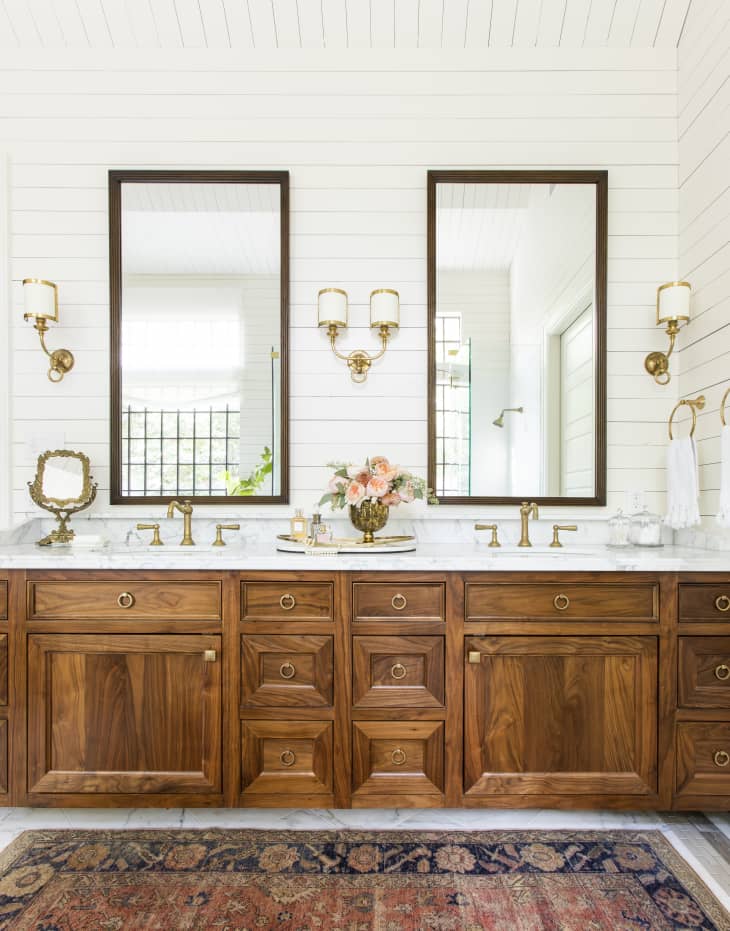
The Easy (and Cheap!) Bathroom Update that Makes a Big Difference

Toilets & Accessories

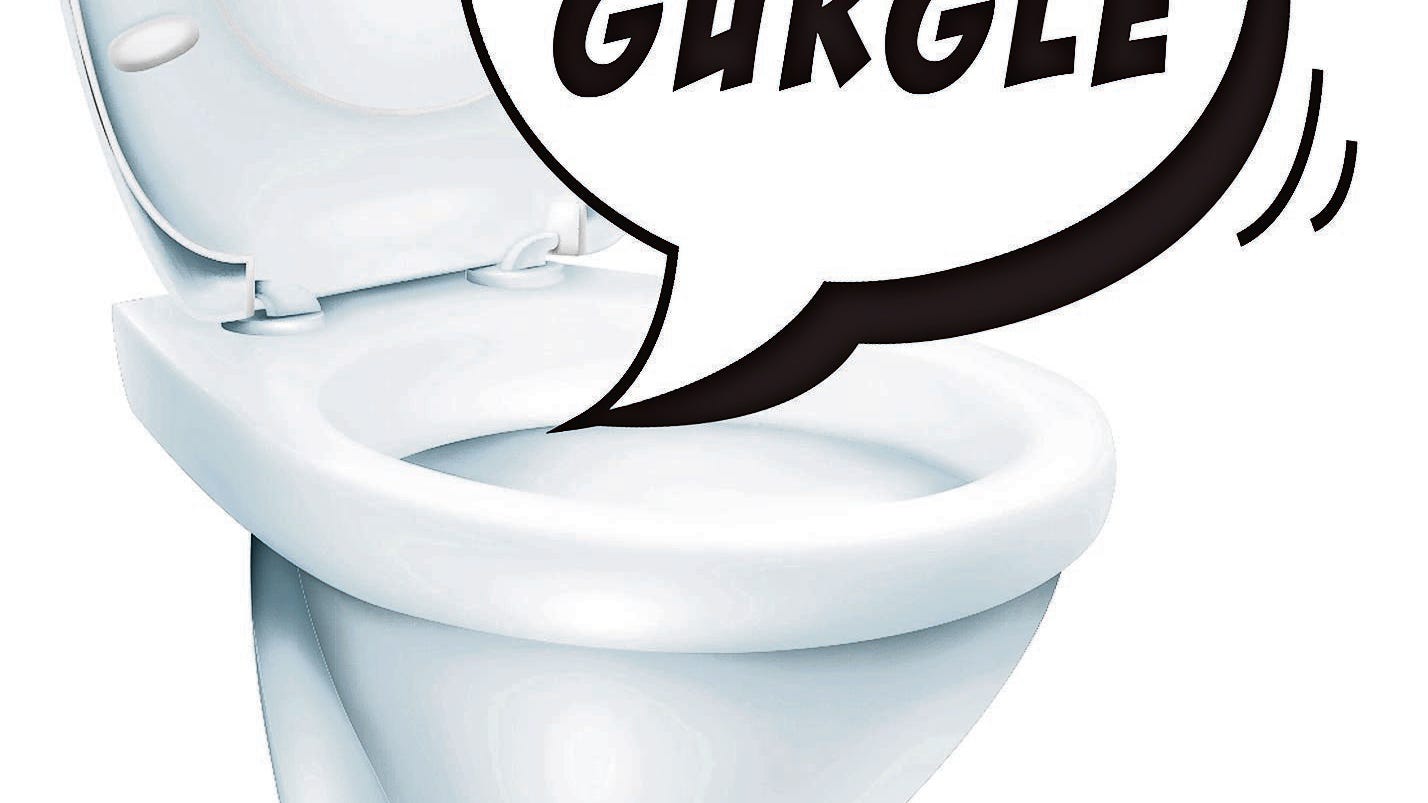
How to stop a gurgling toilet

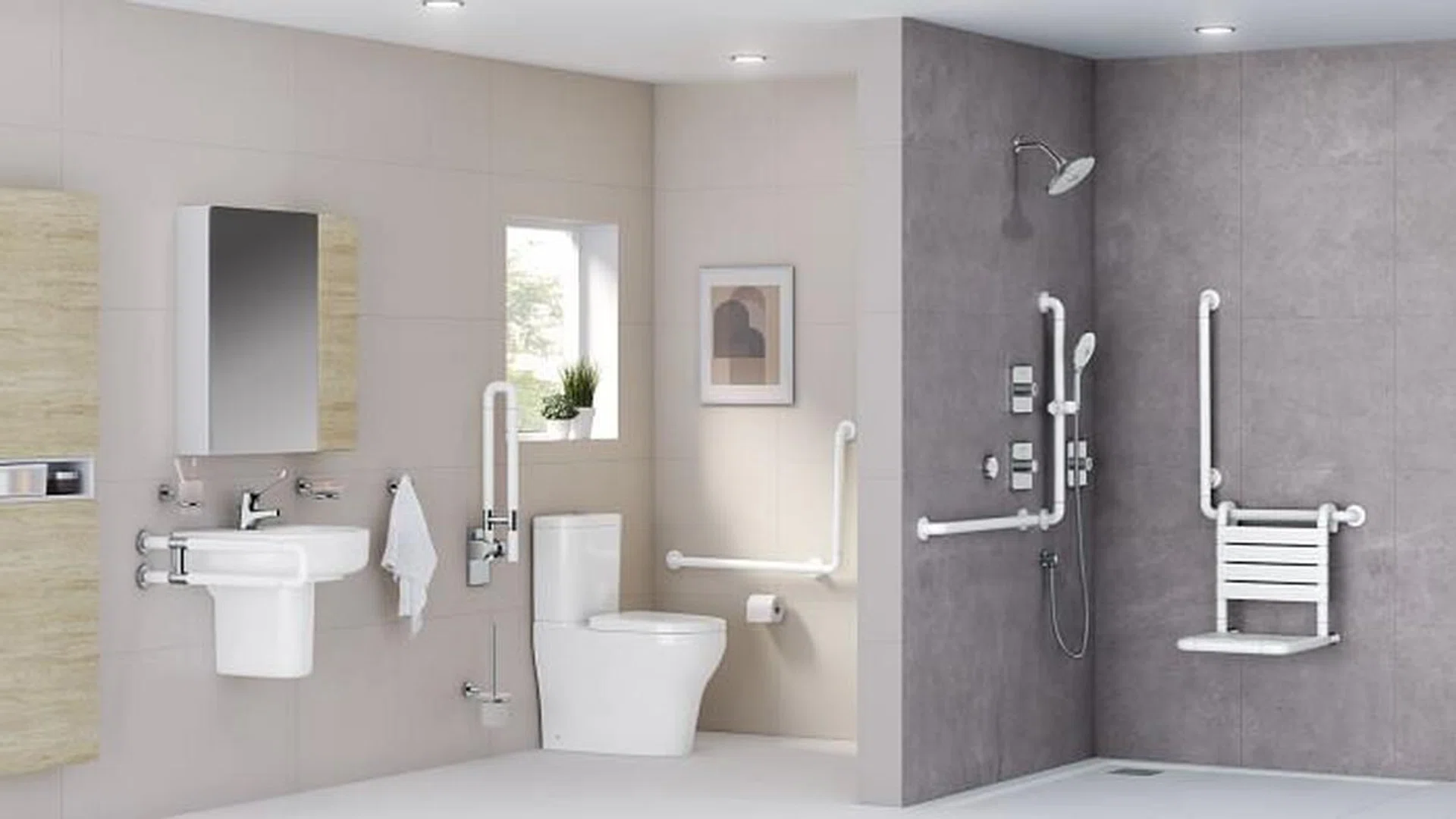
3 Bathroom Design Ideas for Elderly (& Trends in 2023) by Lixil

The 9 Best Toilet Seats to Buy in 2024
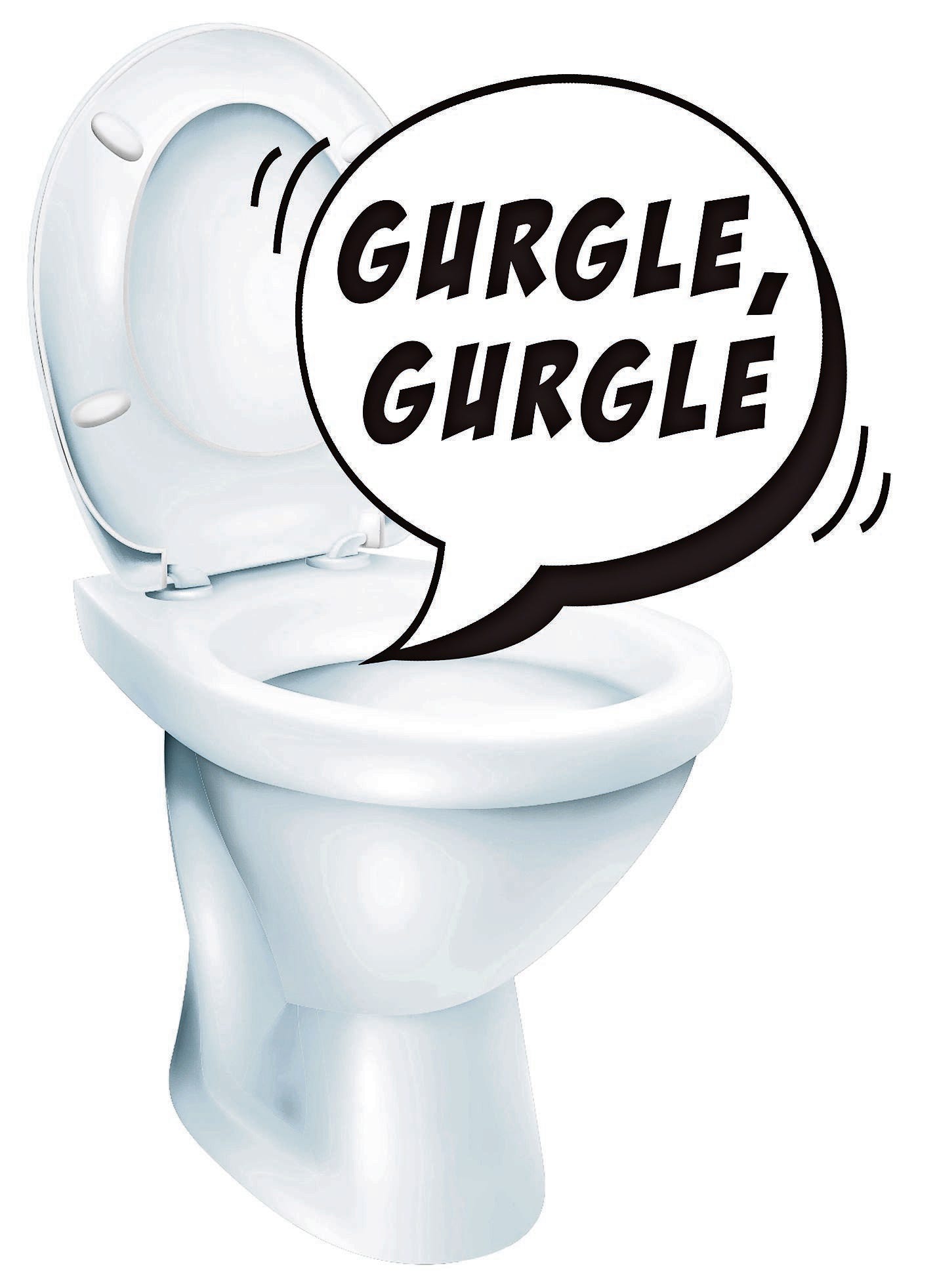
How to stop a gurgling toilet

Planning a bathroom: The ultimate guide to renovation and installation
These Bathroom Remodels All Cost Under $3,000
Here's How Much It Actually Costs to Install a Penny Floor in Your Home

Here’s How to Get the Best Bang for Your Buck With a Bathroom Remodel
The Easy Upgrade That Can Change Your Bathroom Experience
Bathroom Ideas, Cleaning and Repair
How much does a new bathroom cost in 2026?