1/5
How To Take Care of Vintage Rugs, a Nine-Point Plan
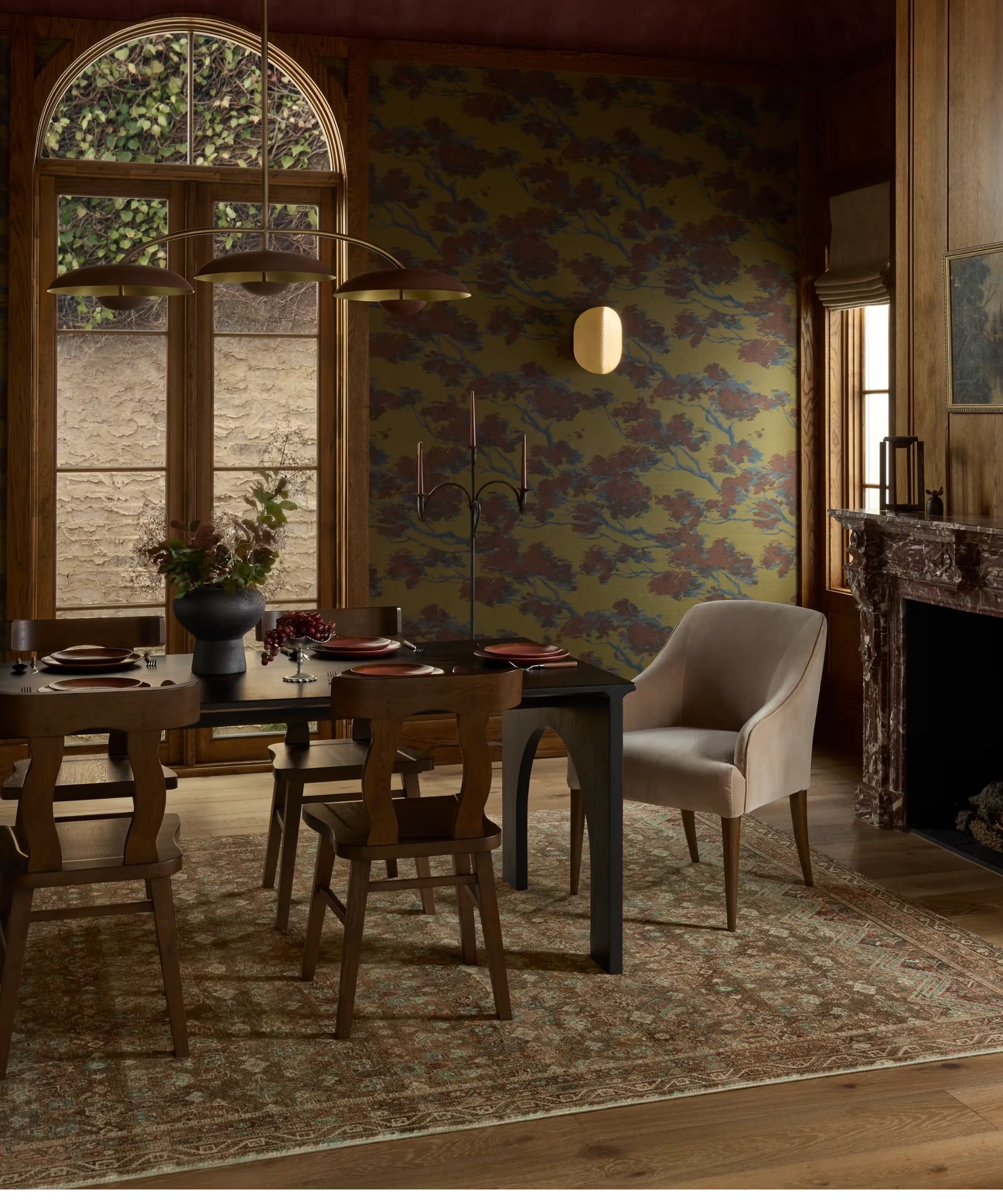
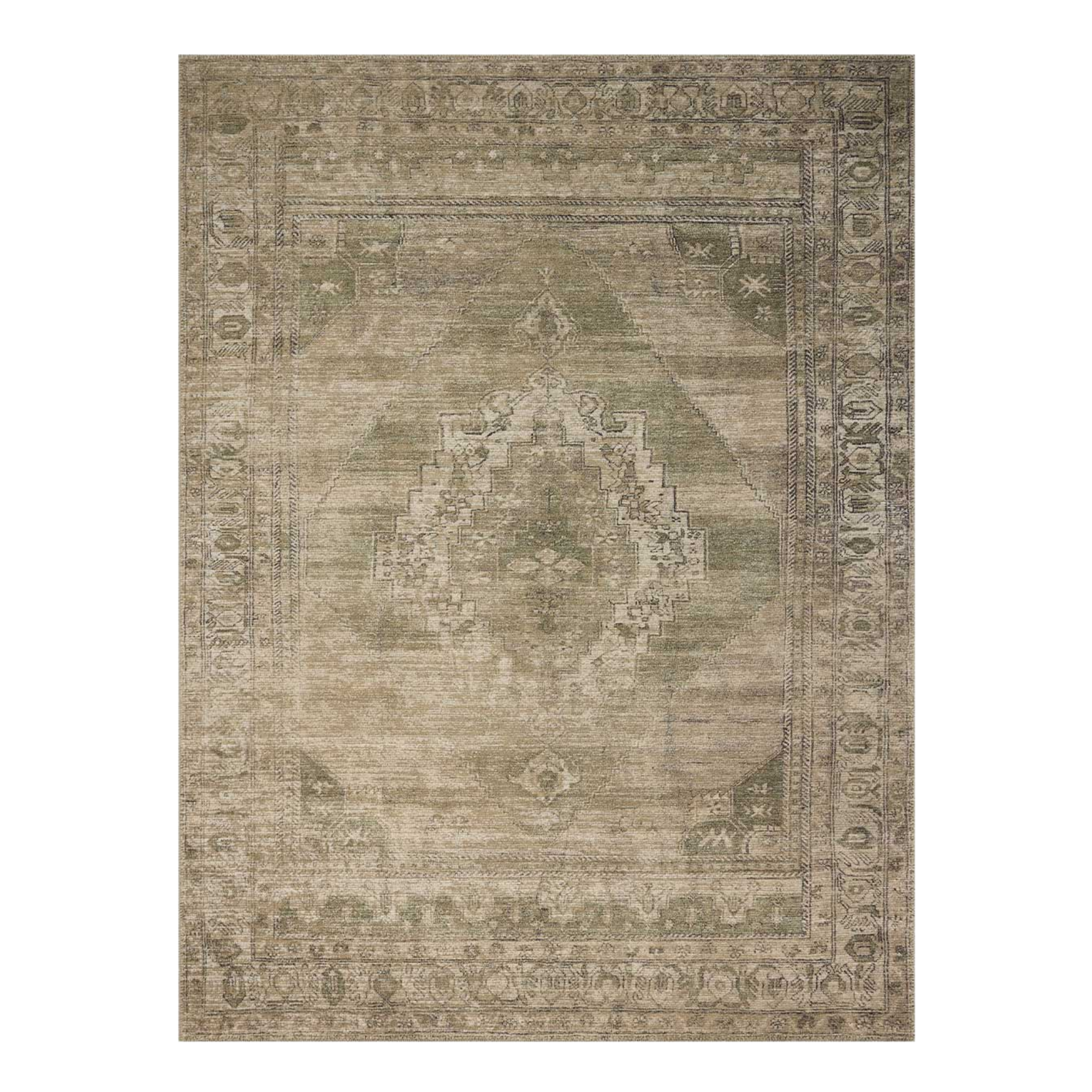
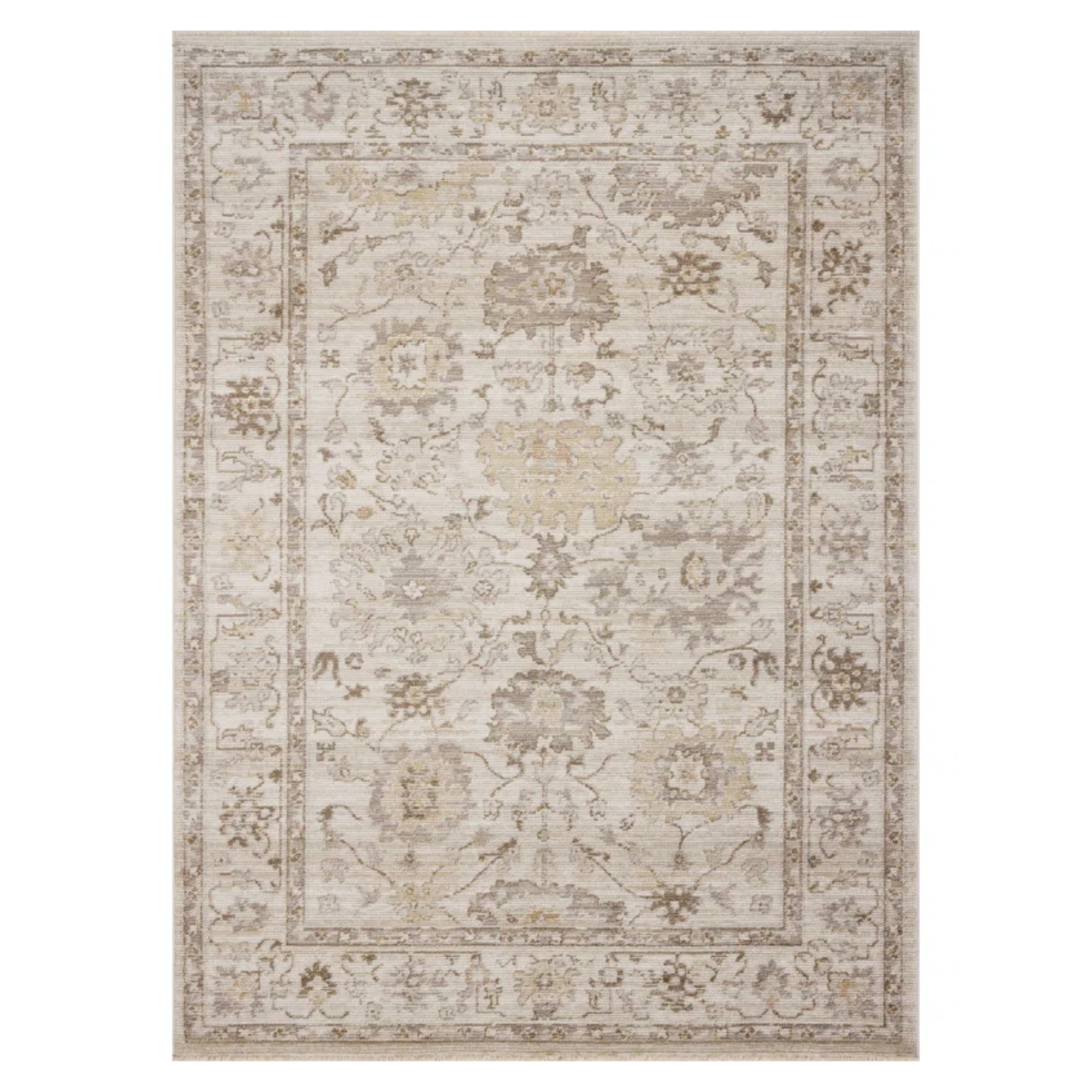
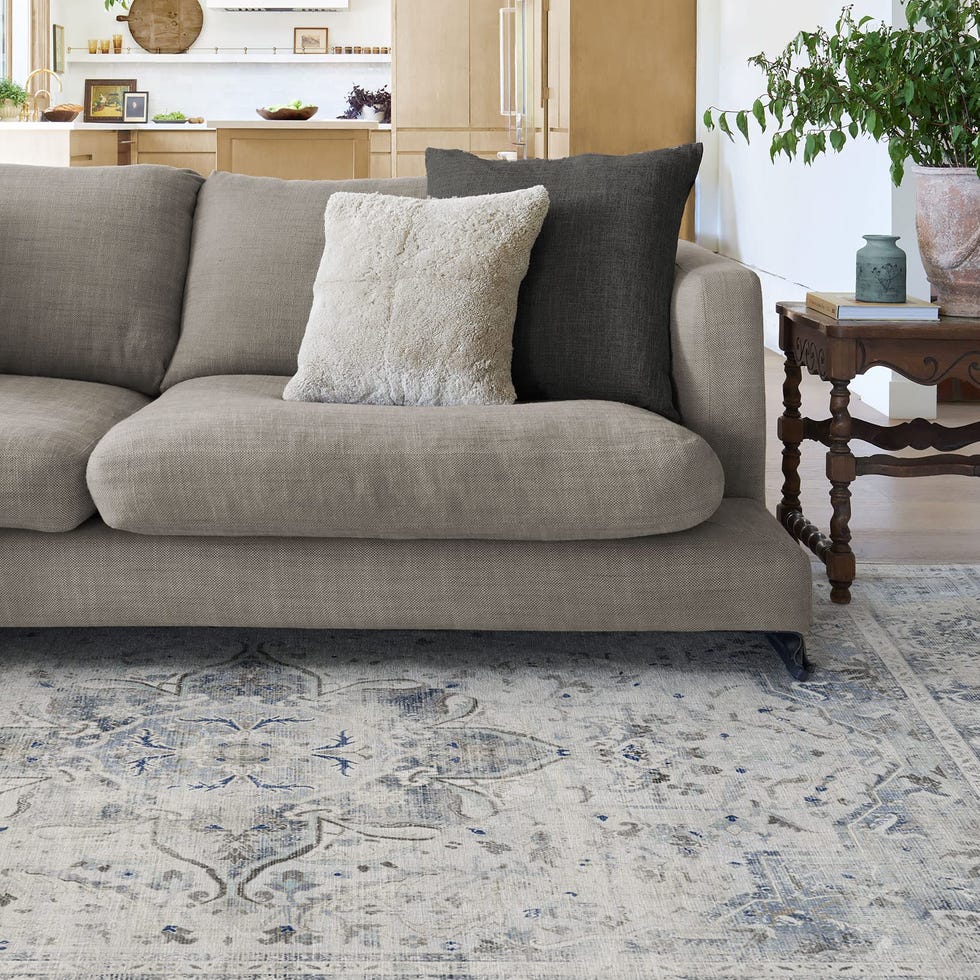
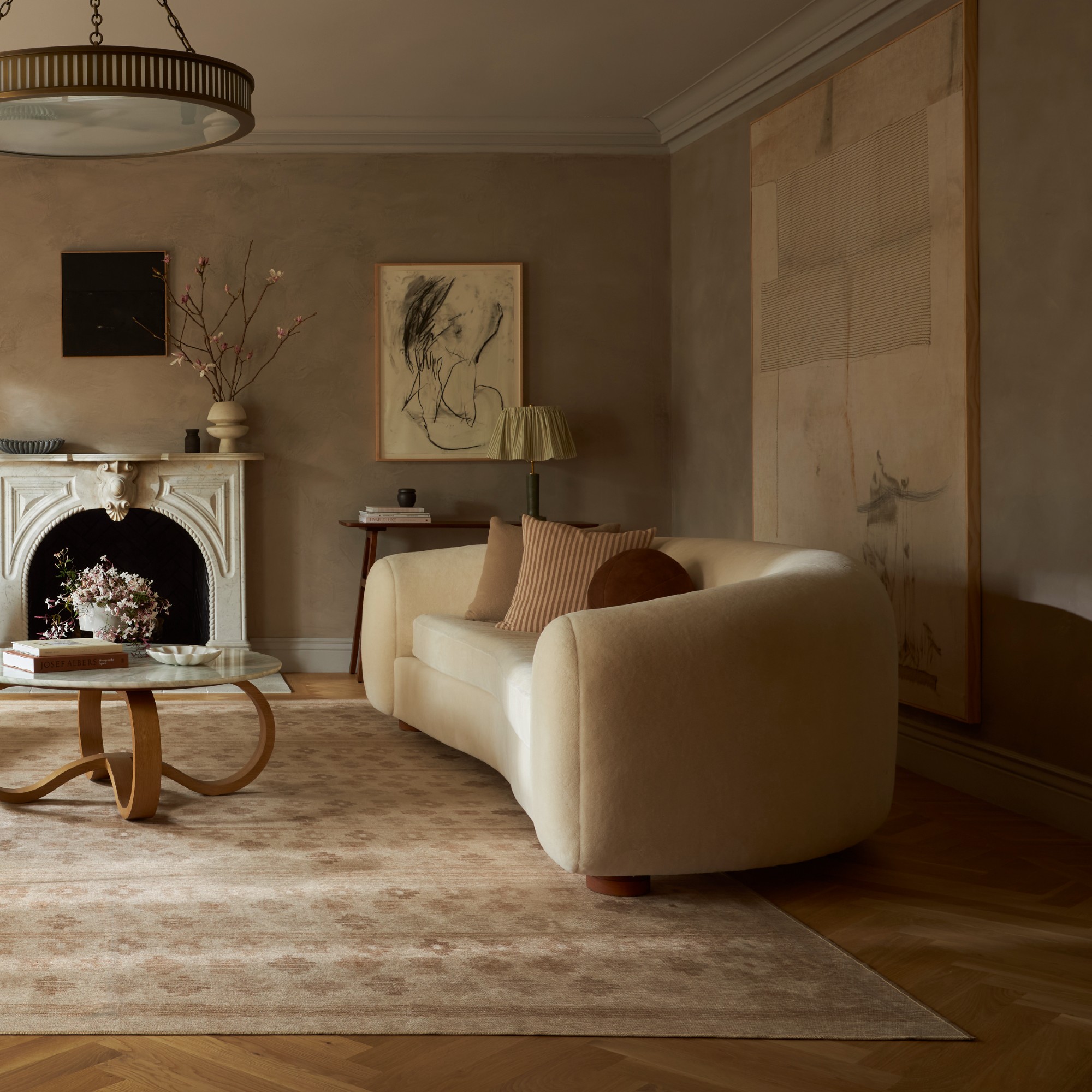
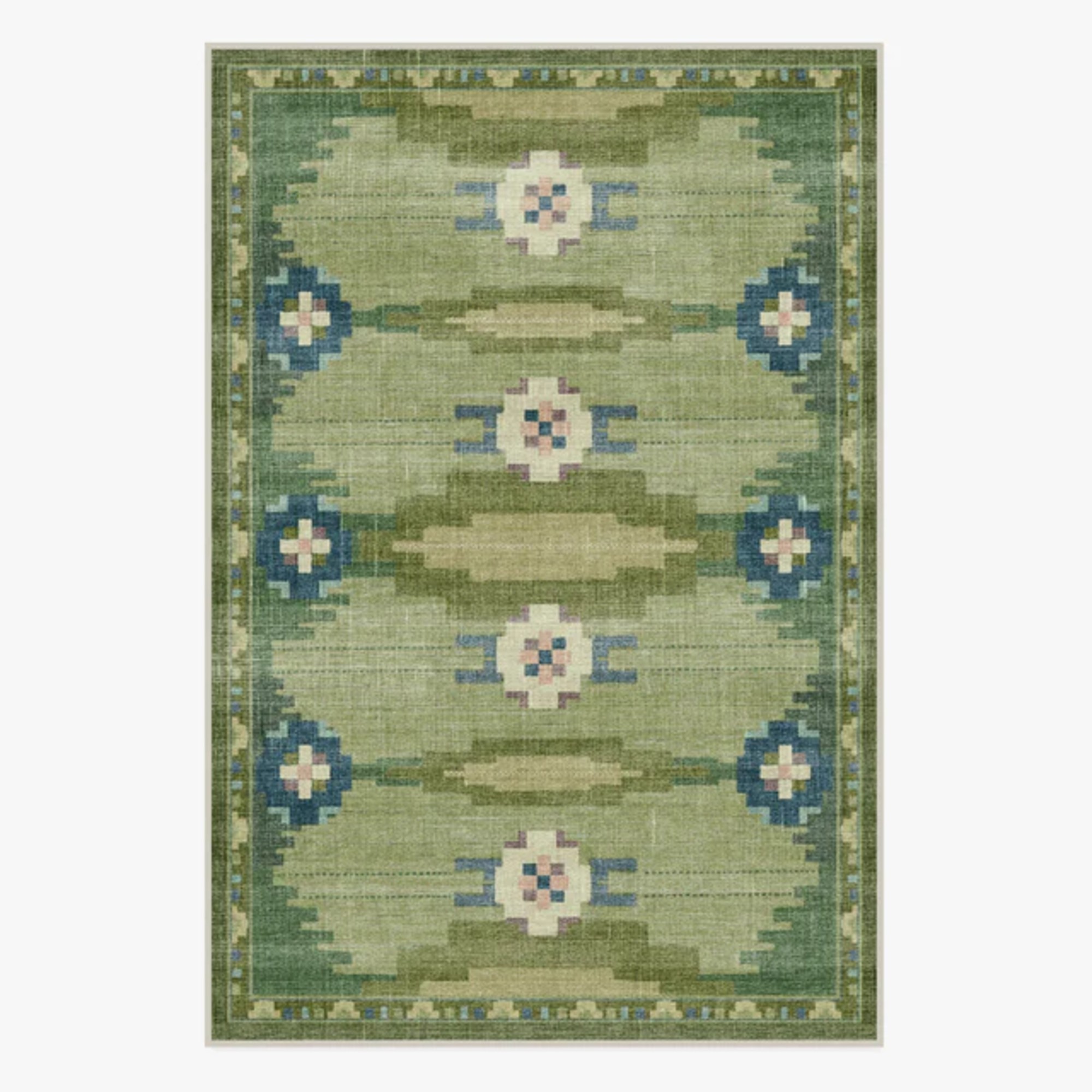
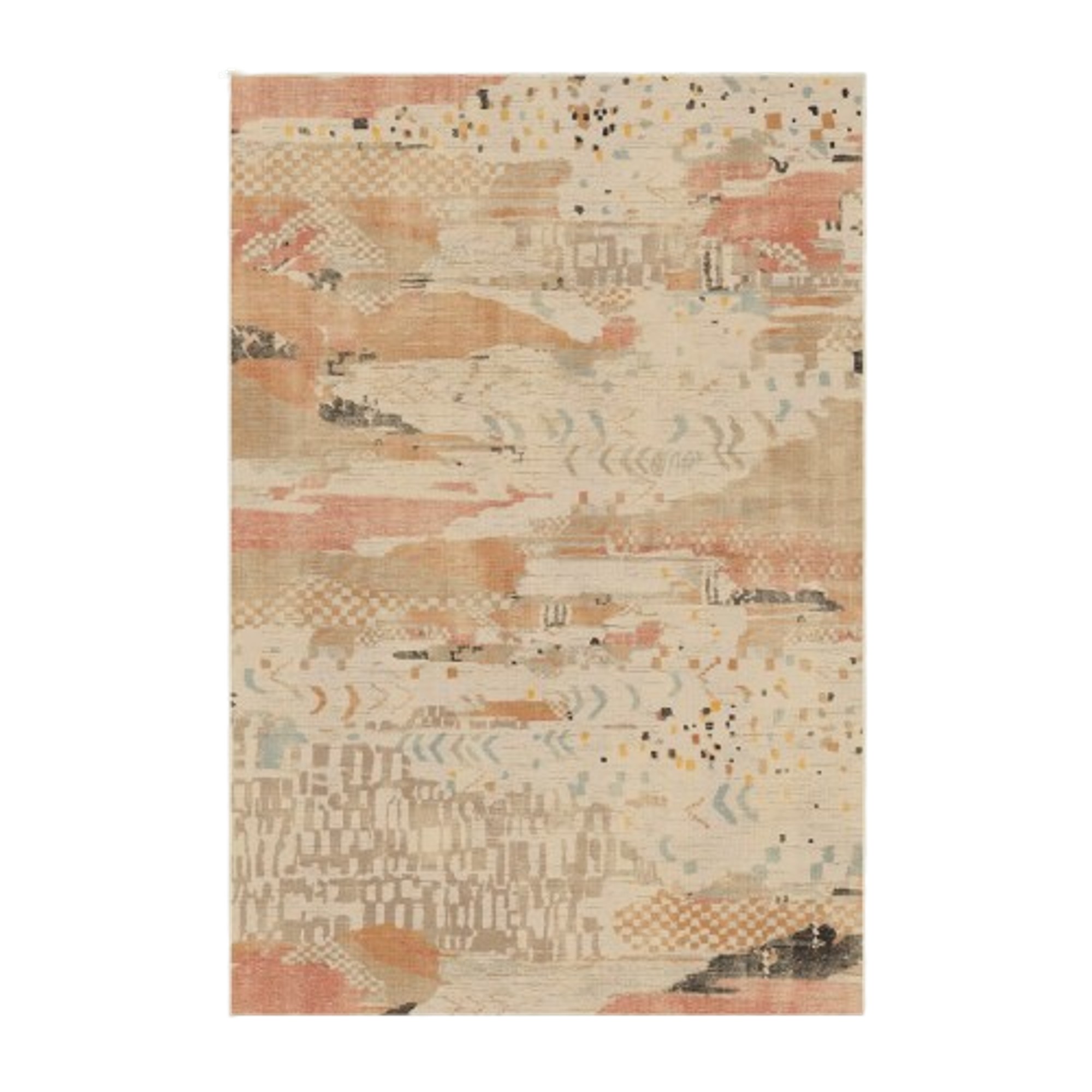
Vintage rugs, with their rich history and unique aesthetic, can add significant character to a home. However, their delicate nature, stemming from their age and the materials used, necessitates a careful approach to their care and maintenance. This guide, drawing insights from industry experts, outlines nine key considerations for preserving the beauty and longevity of these antique textiles.
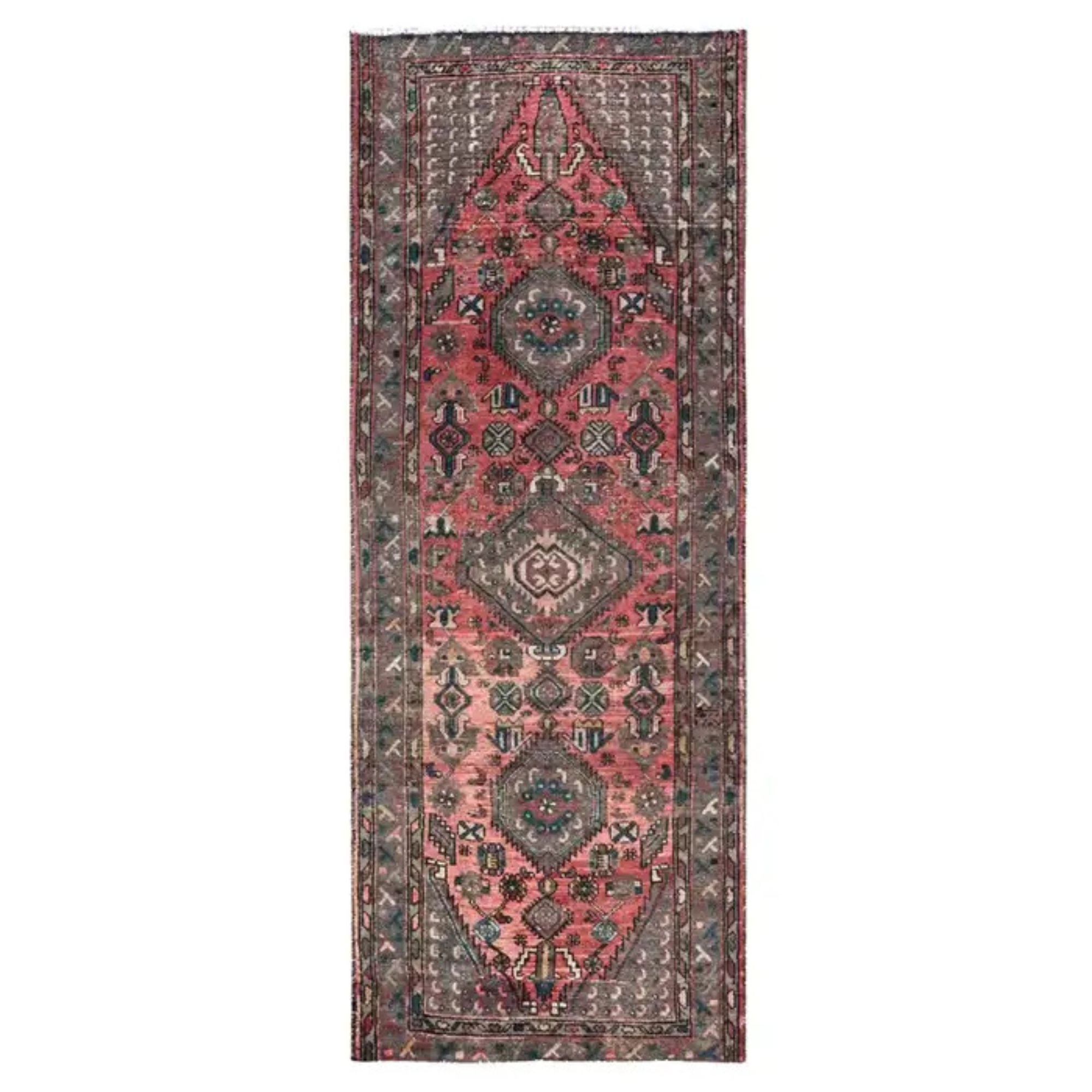
The initial step in ensuring a rug's durability begins even before purchase. Experts advise inspecting the rug on a flat surface to detect any bulges, which can indicate uneven weaving tension. It is crucial to check for broken warps, as these compromise the rug's structural integrity. Furthermore, purchasers should diligently examine for holes, fraying, and secure ends and selvedges. Any missing borders might suggest the rug has been cut down, and repairs are often more discernible from the back. Beyond the physical condition, understanding the rug's provenance is equally important. Verifying its origin, the ethical acquisition practices of the vendor, and whether the purchase supports the craft community involved in its creation contributes to a meaningful purchase.
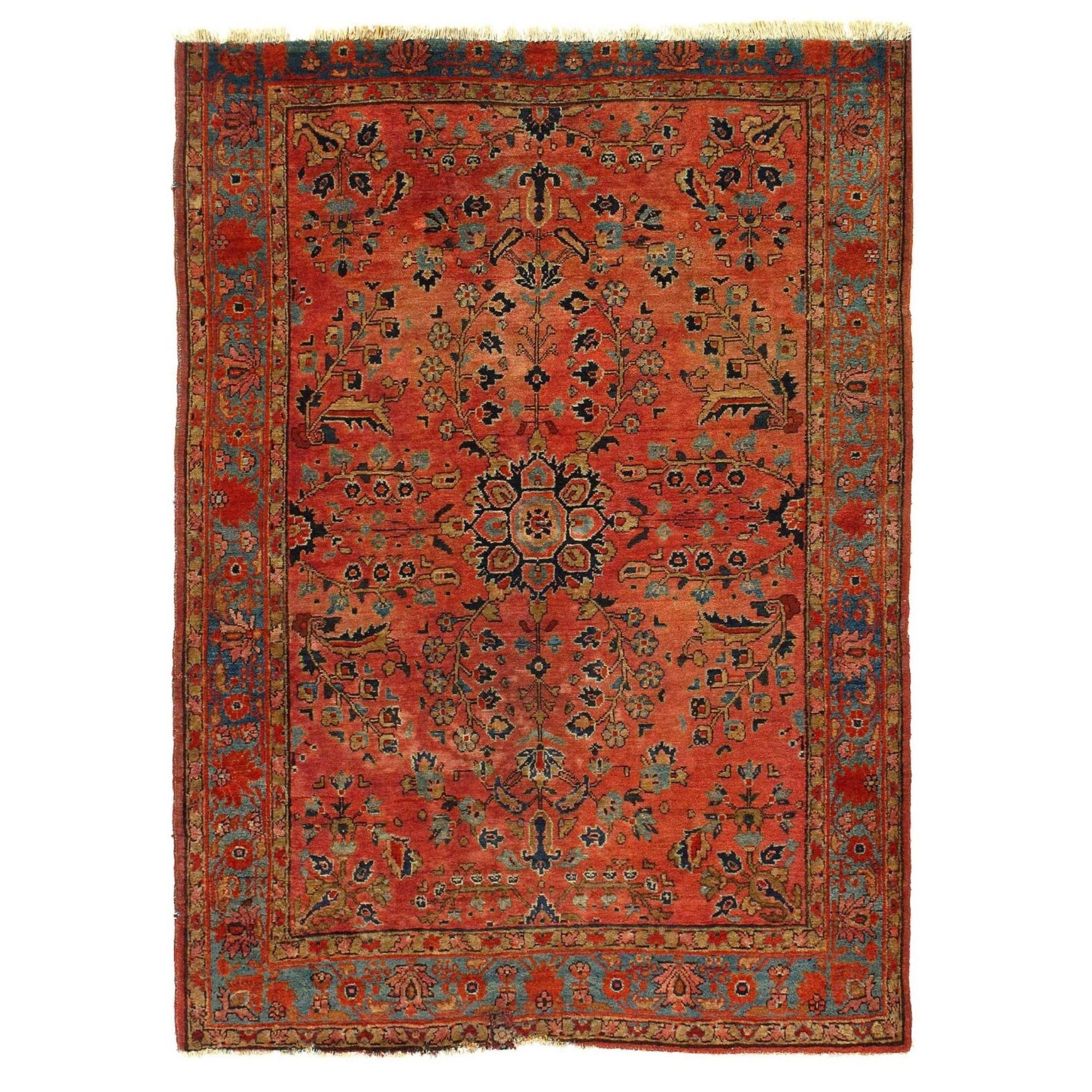
The quality of dyes significantly impacts a vintage rug's lifespan and appearance. Natural dyes are preferred, as bright chemical colors often signify poor quality and should be approached with caution. For instance, a vivid orange hue often indicates an artificial dye. Rugs produced before 1870, particularly authentic tribal pieces made for personal use or dowry gifts, should not exhibit bright chemical colors, which would suggest a mass commercial market origin.
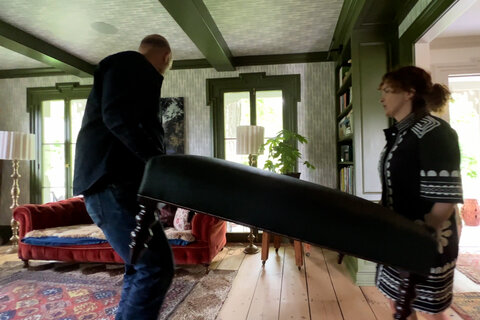
Strategic placement plays a vital role in minimizing wear and tear. While most vintage rugs are best suited for low-traffic areas, some types, like Moroccan Boucherouite rag rugs, are robust enough for all spaces. The pile thickness should guide placement; thicker piles are more resilient for high-traffic zones, while thinner piles are adequate for quieter rooms. Regular rotation of the rug by 180 degrees every six months is recommended to ensure even wear. For very delicate or ancient rugs (over 300 years old), mounting them as wall hangings is the ideal display method.
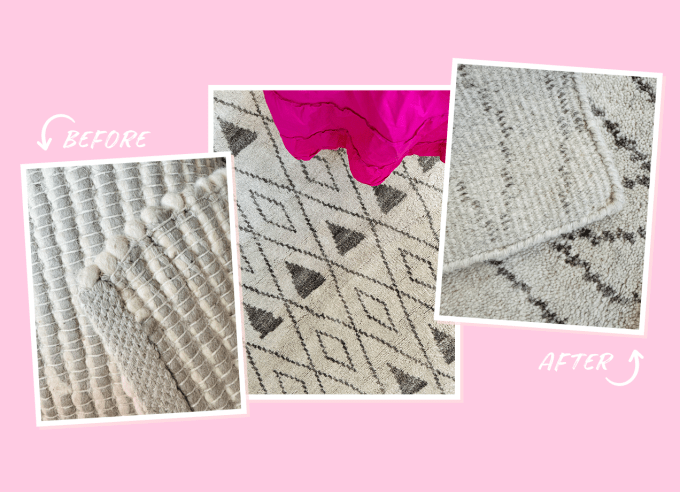
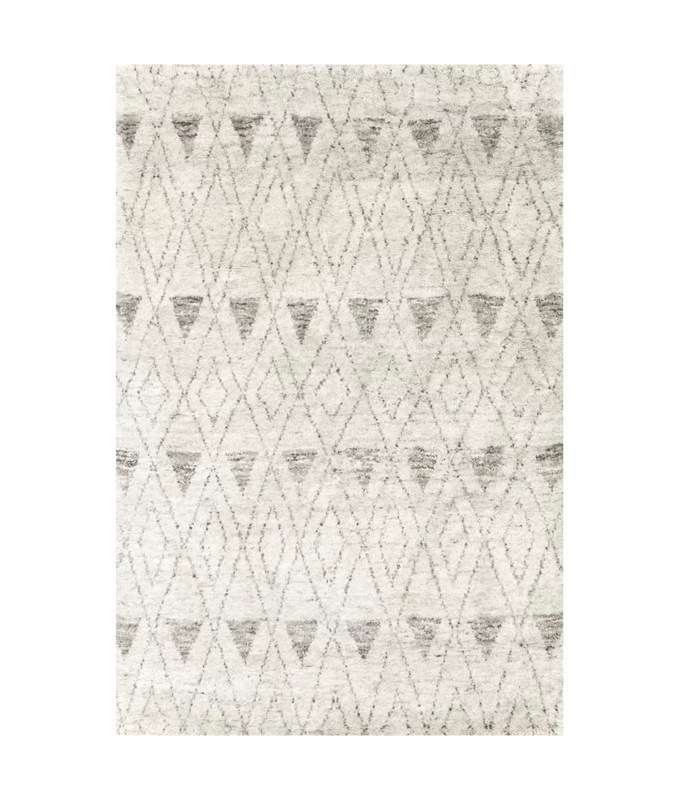
Simple habits, such as removing shoes indoors, can drastically reduce dirt accumulation and wear. This practice, common in cultures like Morocco and Japan, is highly effective in preserving the cleanliness of light-colored rugs, as demonstrated by the longevity of a 20-year-old off-white Beni Ouarain rug. The material composition of the rug also dictates care requirements. Silk rugs, being more delicate than wool, are not suitable for high-traffic areas and degrade easily in sunlight. Both silk and cotton are more prone to staining than wool. Protecting rugs from direct sunlight, either by closing curtains or installing UV filters on windows, is paramount, as sunlight is considered the primary enemy of all vintage textiles.
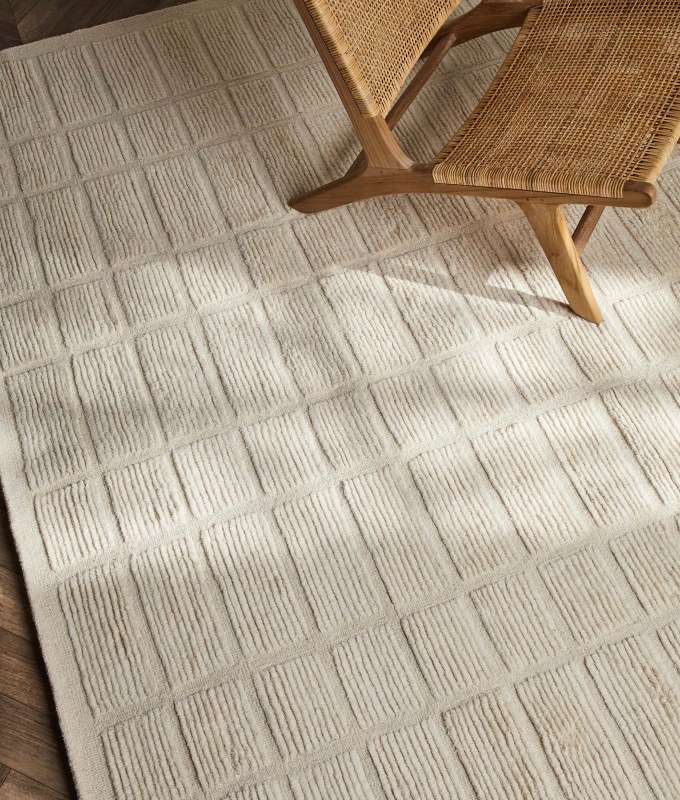
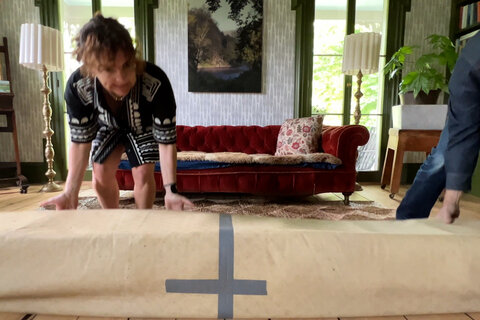
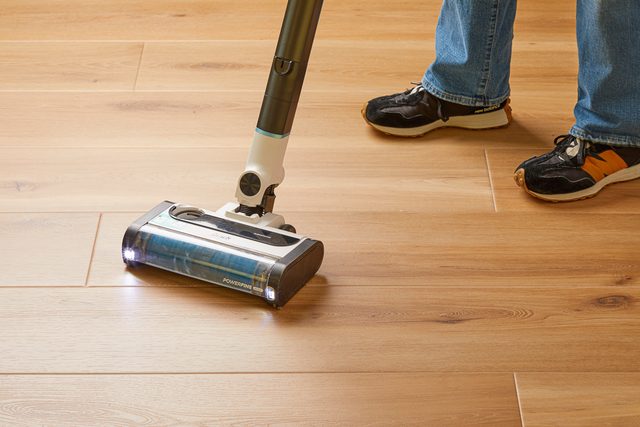
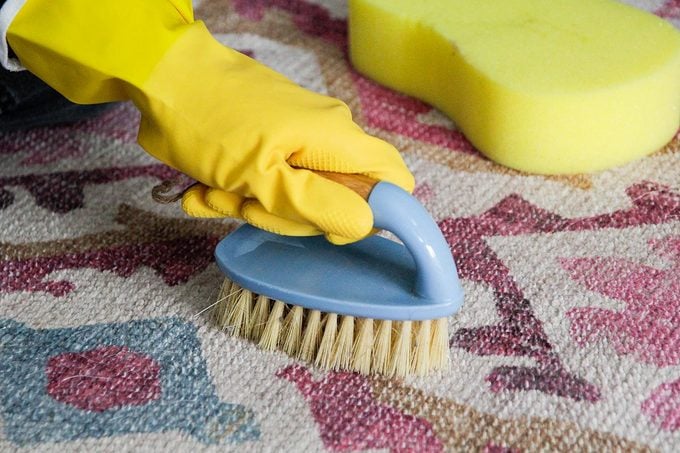
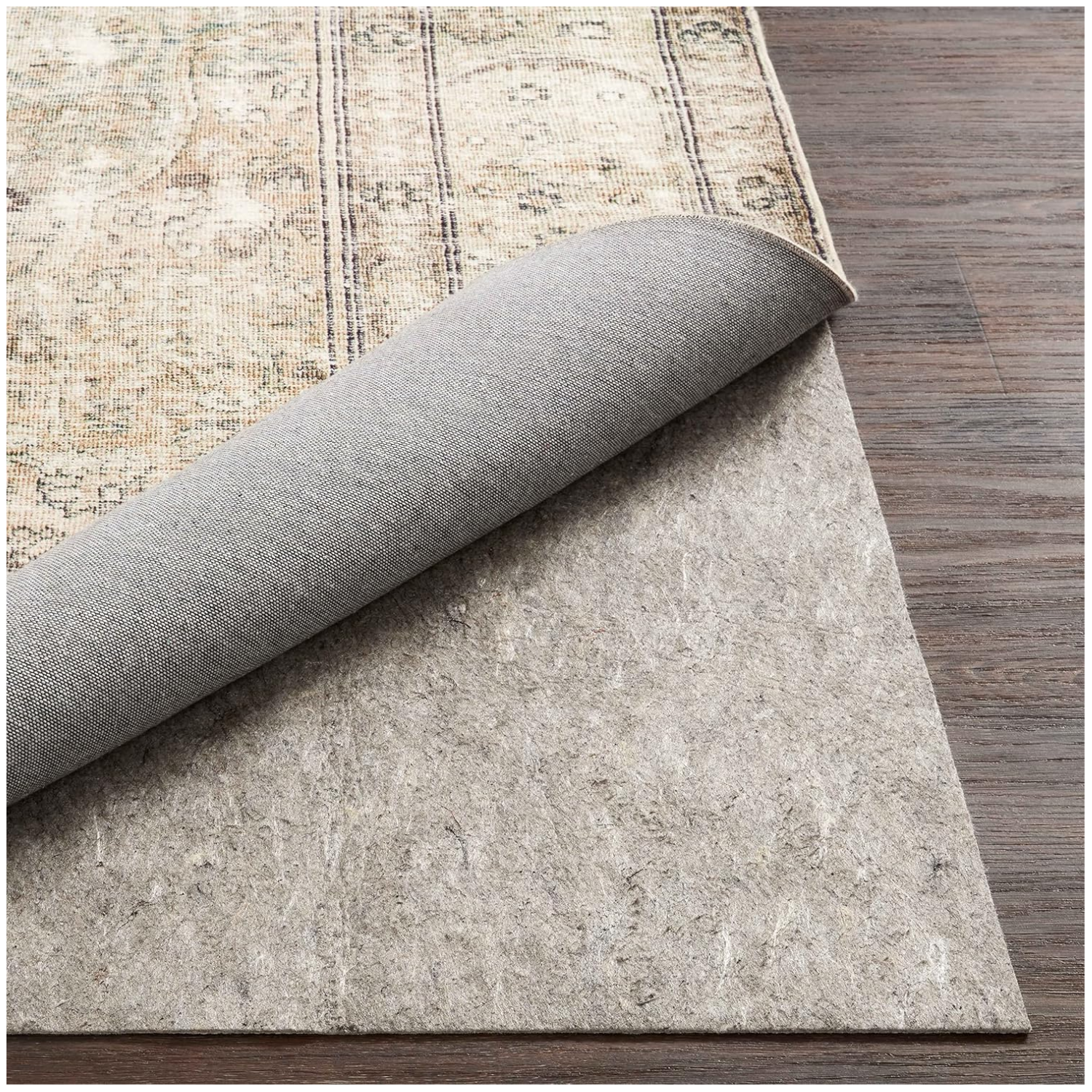
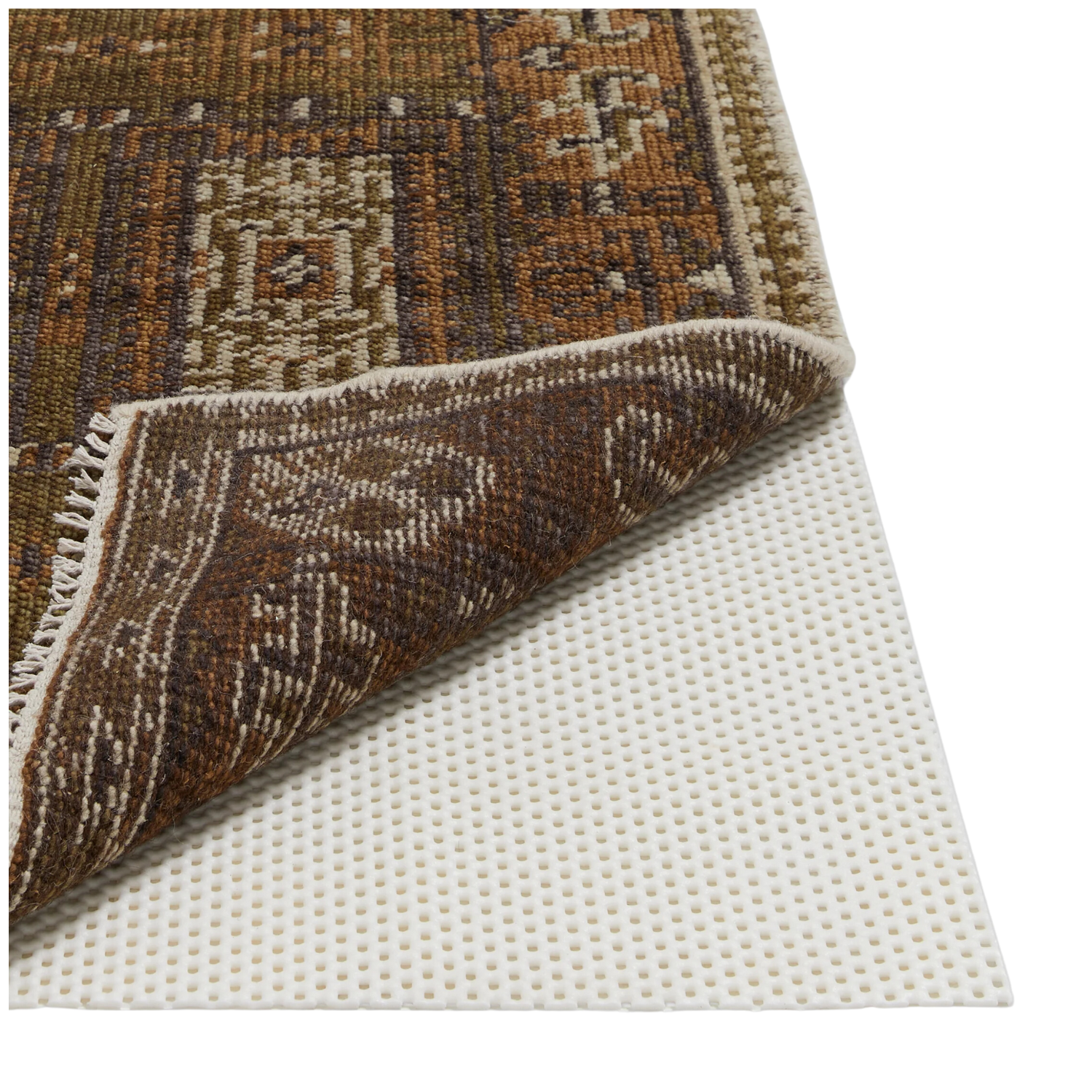
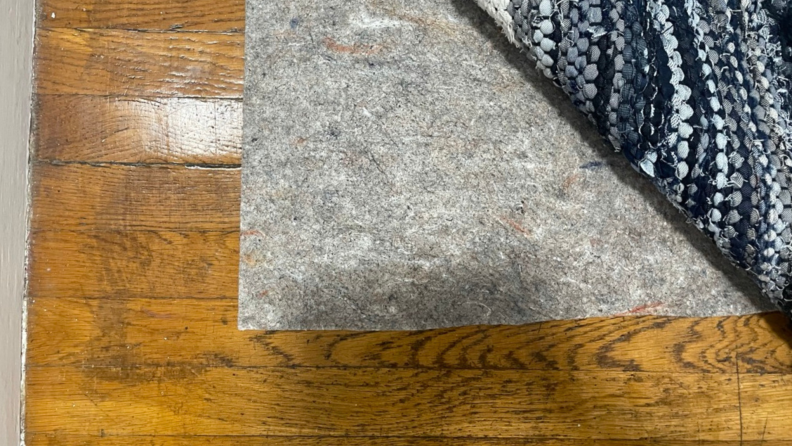
To enhance durability, investing in a high-quality underlay or a canvas backing stitched onto the rug is beneficial. This not only keeps the rug in place but also provides a more comfortable walking surface. Regular vacuuming, ideally once a week, is essential for cleanliness and moth prevention. However, specific techniques must be employed: avoiding rotary brush vacuum cleaners, using mild suction, vacuuming the back of the rug to dislodge dust, and keeping the vacuum away from delicate fringes. Instead of beating rugs, which can damage them, occasional airing and shaking are recommended for removing ingrained dust.
Finally, moth prevention is crucial. Using a good, non-toxic moth-repellent spray designed for carpets can mitigate issues. Annual professional cleaning is also advised to prevent infestations. When storing a cleaned rug, it should be sealed in a plastic cover to protect it. Prompt and thorough drying of any spills is important, as dampness and moisture attract moths.
#VintageRugs #RugCare #HomeDecor #AntiqueTextiles #TextilePreservation #InteriorDesign #HomeMaintenance #MoroccanRugs #WoolRugs #VintageRugs #RugCare #HomeDecor #AntiqueTextiles #TextilePreservation #InteriorDesign #HomeMaintenance #MoroccanRugs #WoolRugs
0 comment in total
 No comments yet
You may also like
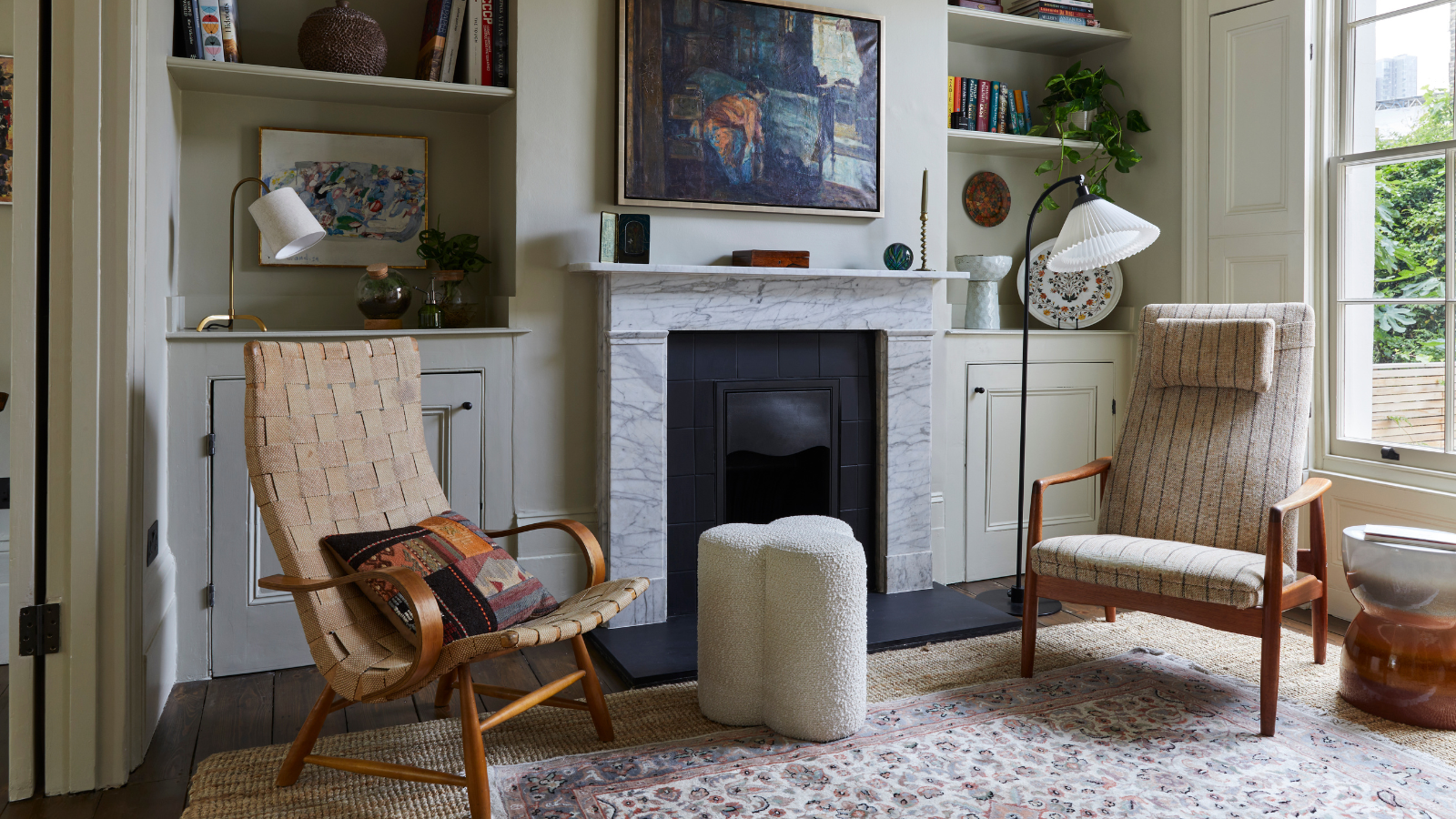
Old-School Looks, New Age Feel – Here Are the Best Vintage-Style Rugs That Offer All the Charm of a Secondhand Find but Are Made for Modern-Day Life

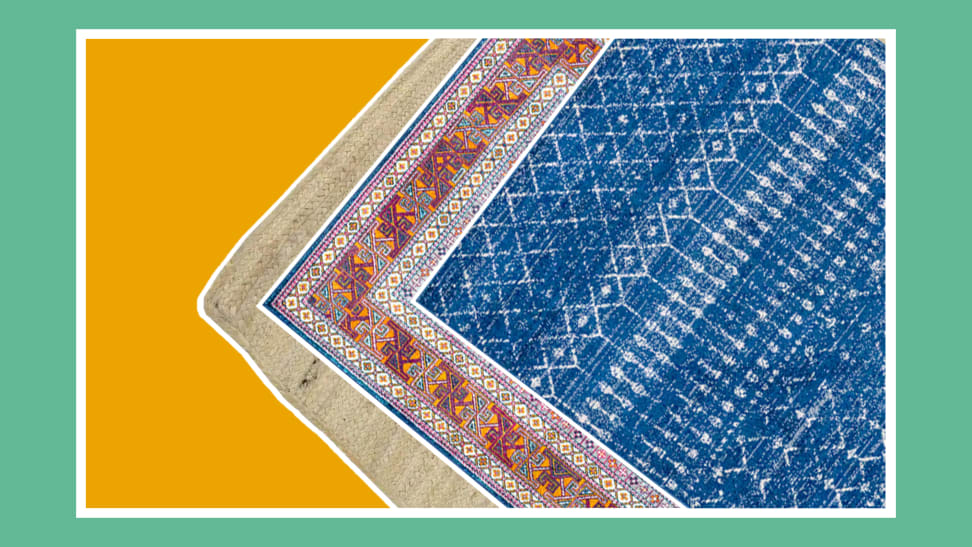
4 expert design tips for layering rugs the right way

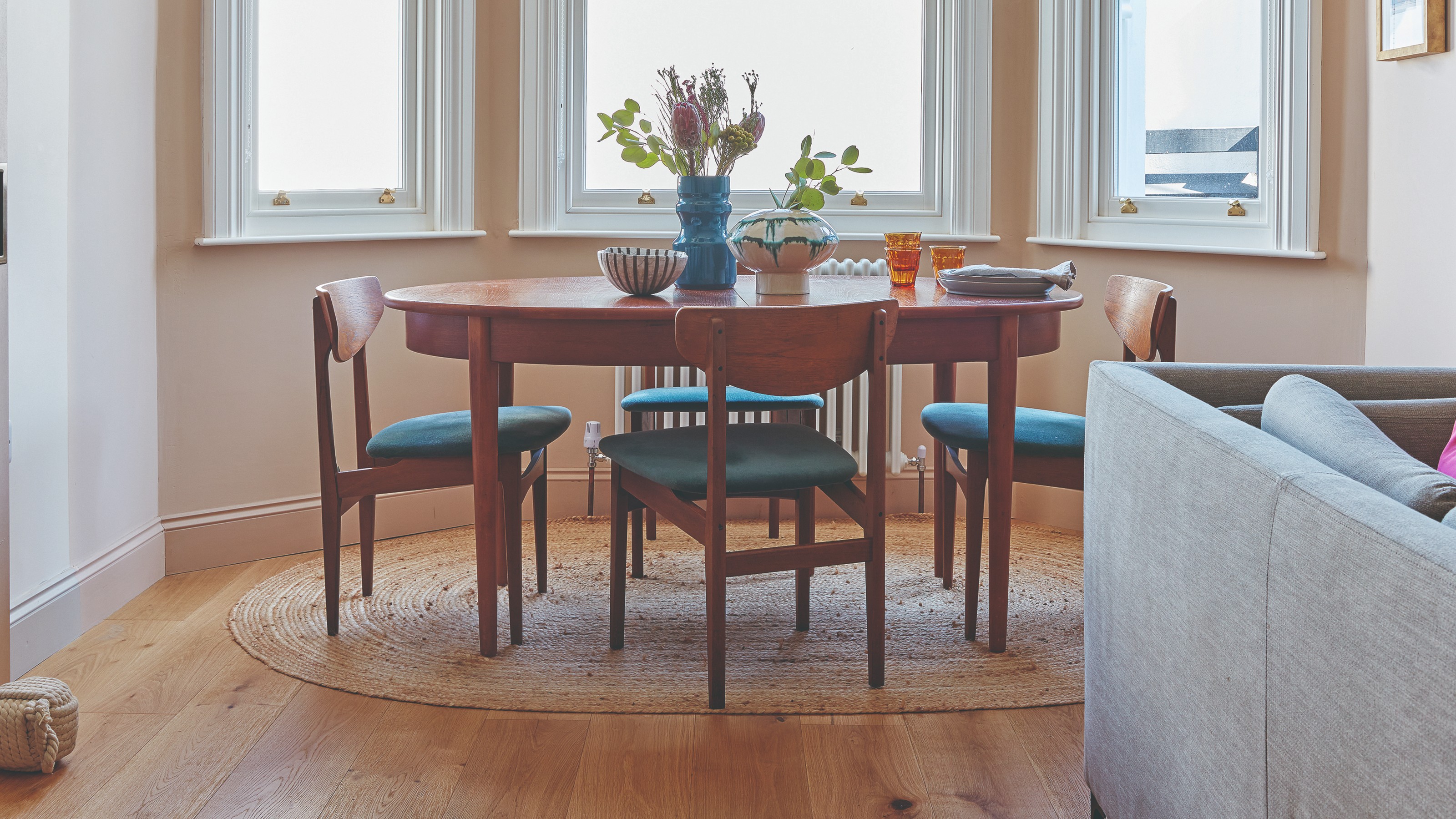
I look at rugs day in, day out as a Room Decor Editor – these are the 9 best places to buy a rug I always go back to

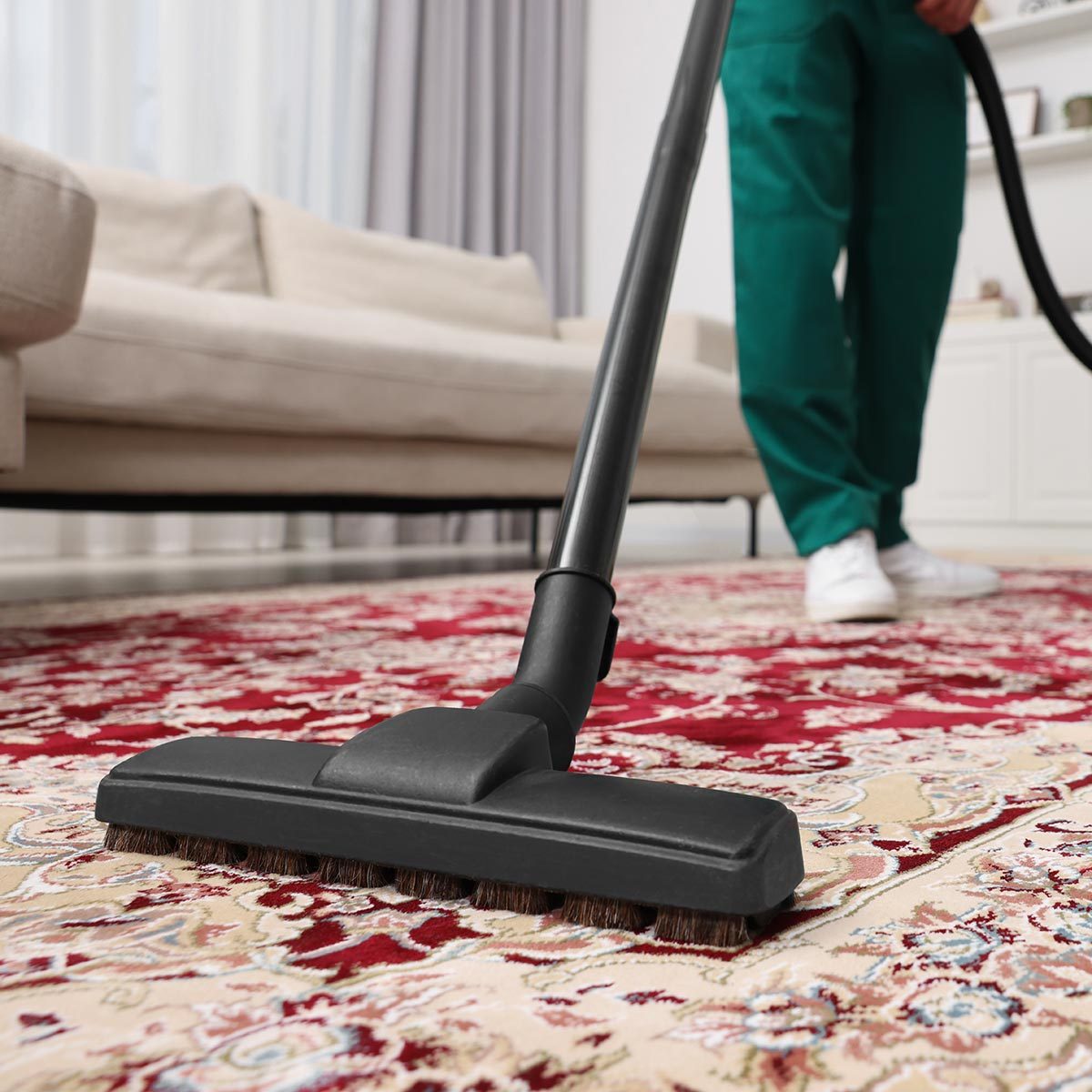
Got an Area Rug? Here’s the Biggest Mistake You’re Making When Vacuuming It

Cleaning Is A Breeze, Thanks To These 9 Machine Washable Rugs

How to Layer Rugs (Published 2023)
4 Expert Tips for Keeping Velvet Furniture Looking Like New
5 Fail-Proof Ways to Stop Your Rugs From Sliding — And Clever Buys to Keep Them Flat, Too

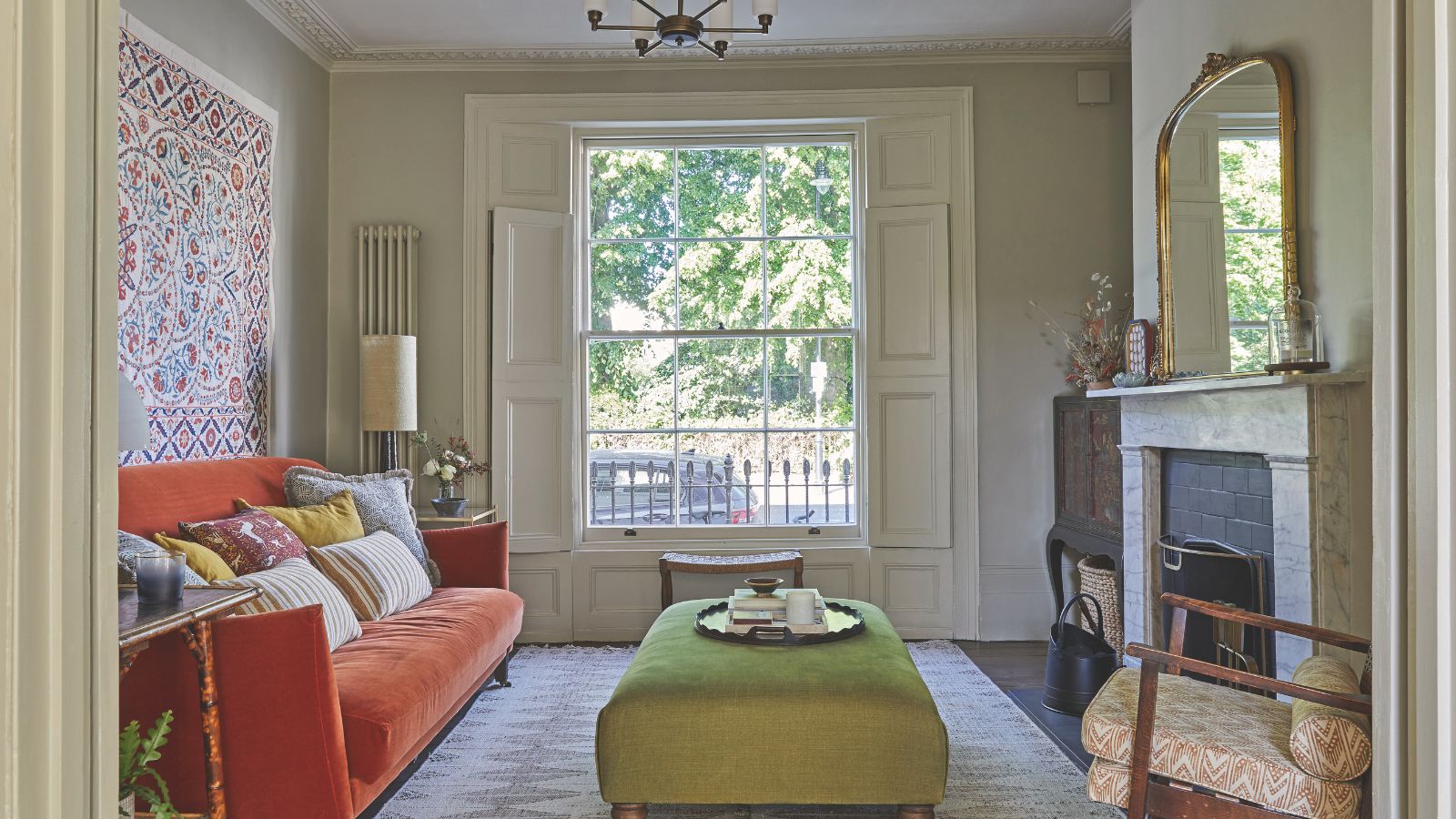
The 4 Vintage Rug Styles Every Designer Swears by for a Truly Timeless Look
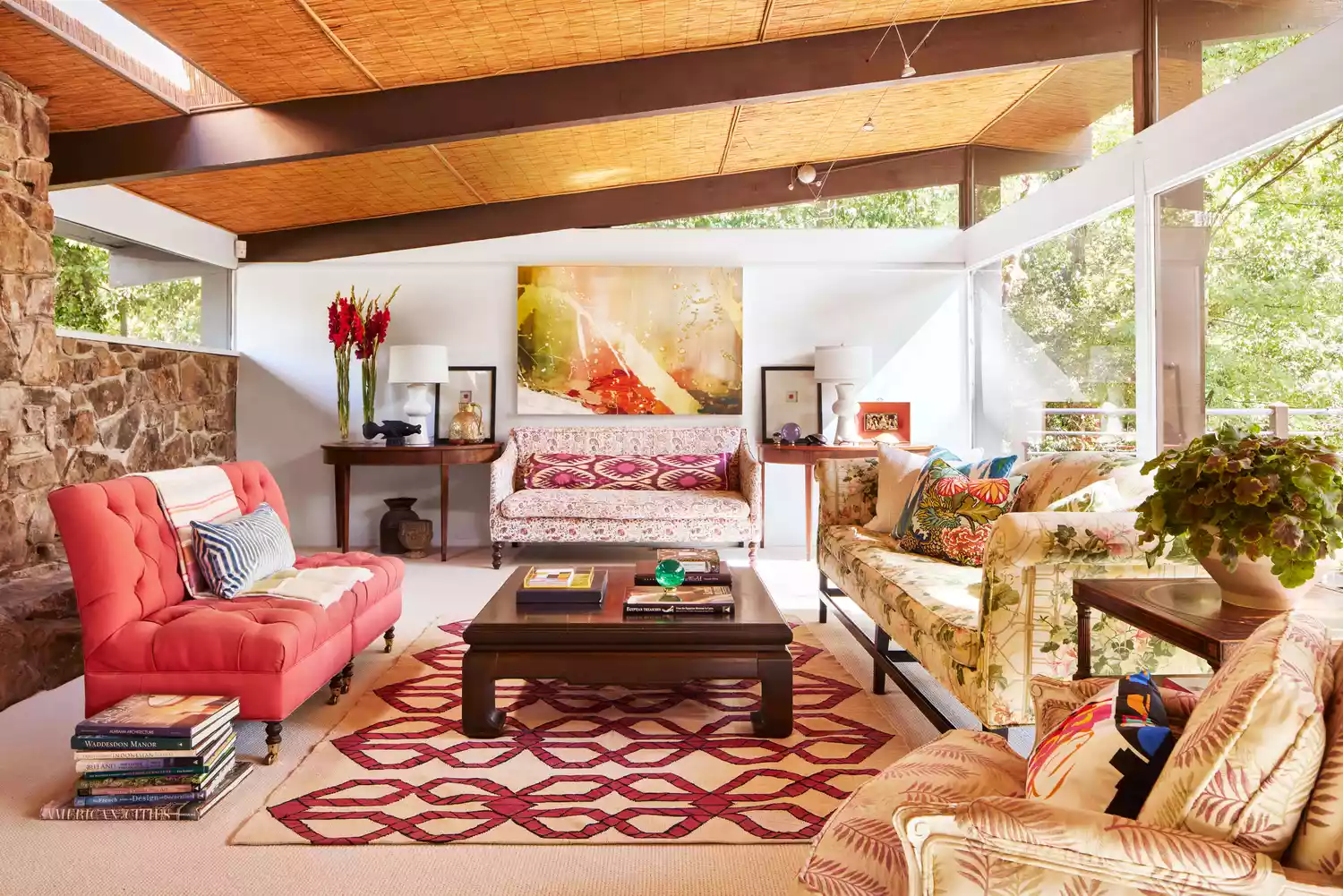
5 Living Room Rug Mistakes You’re Probably Making—And How To Fix Them, According To Designers
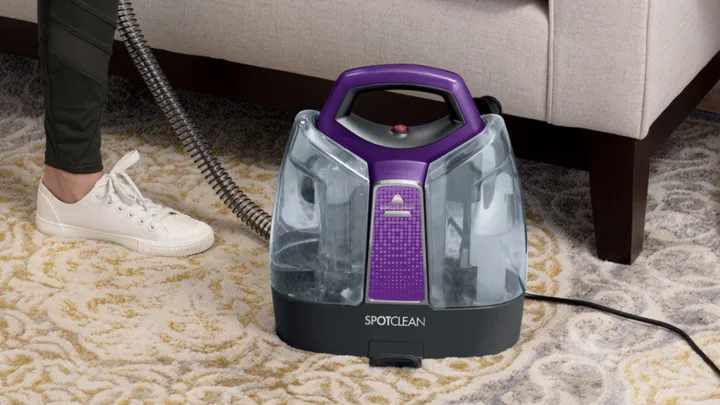
7 top upholstery cleaners to keep your furniture looking new

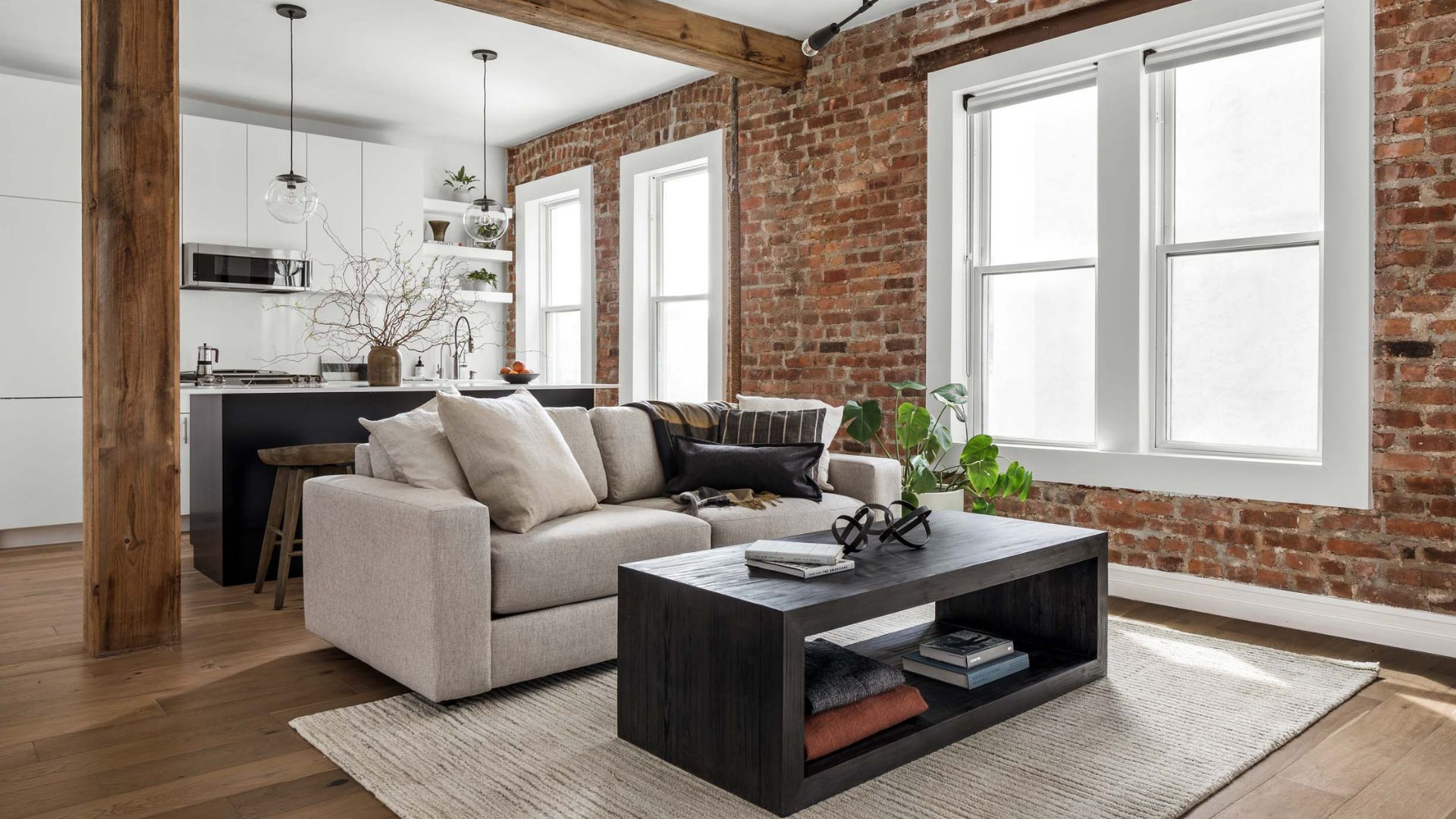
5 Common Sofa Cleaning Mistakes You Might Be Making

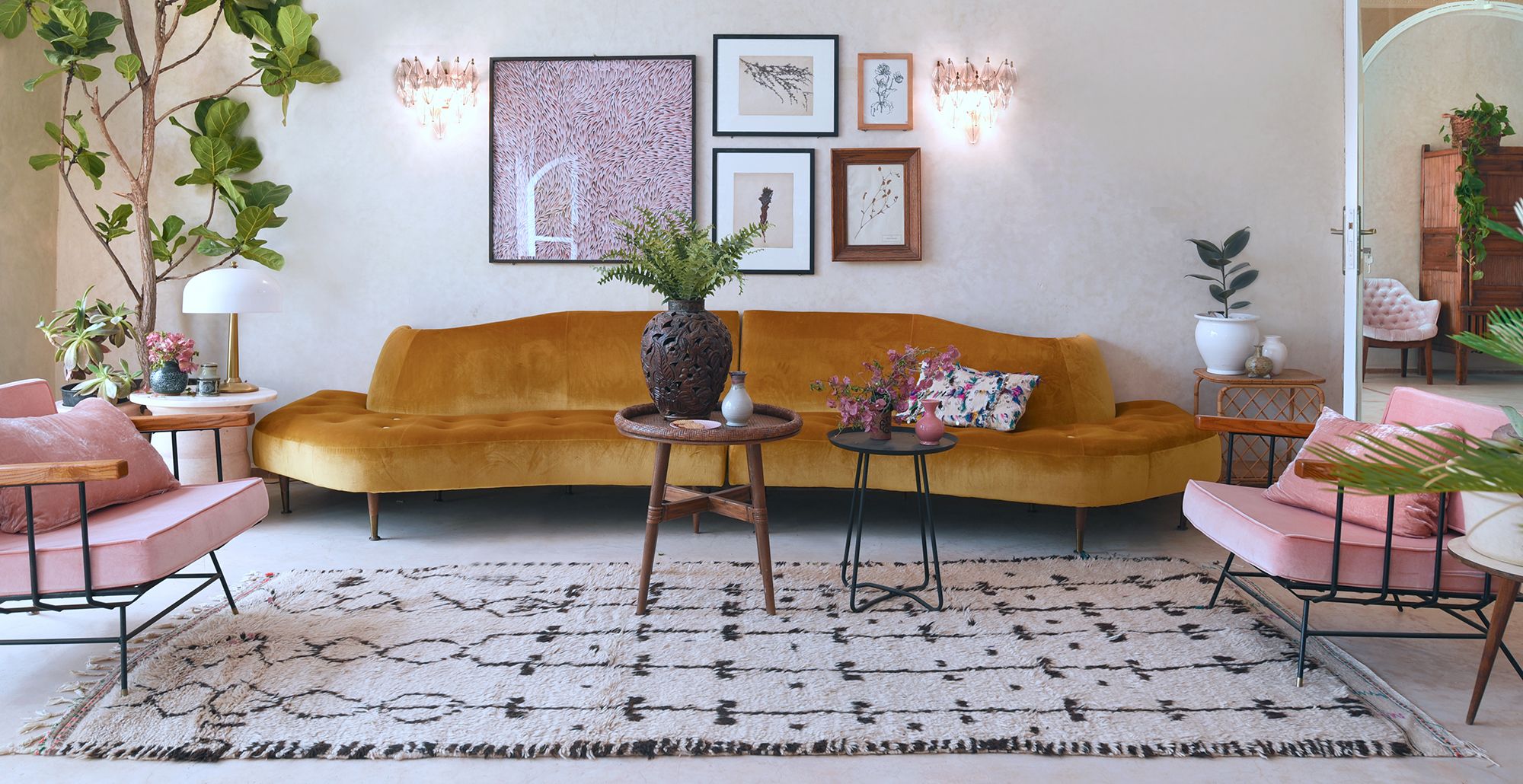
How to Buy, and Style, a Vintage Moroccan Rug
How To Clean Vinyl Plank Flooring Like a Pro


This is how to layer rugs, according to interior designers
These chic rugs are made from luxe materials—and they’re machine-washable
10 Best Low-Shed Wool Rugs (Plus, How to Care for the Ones That Do)
How to Clean Secondhand Furniture, According to Professional Upcyclers

How Much Should You Spend on an Area Rug?


How to clean upholstery – to keep furniture looking fresh