How to repair chipped or broken tile and replace grout
Chipped or broken tiles pose a safety hazard and detract from a home's appearance, while dirty or crumbling grout can make a home look unkempt. Addressing these issues is crucial for home maintenance.
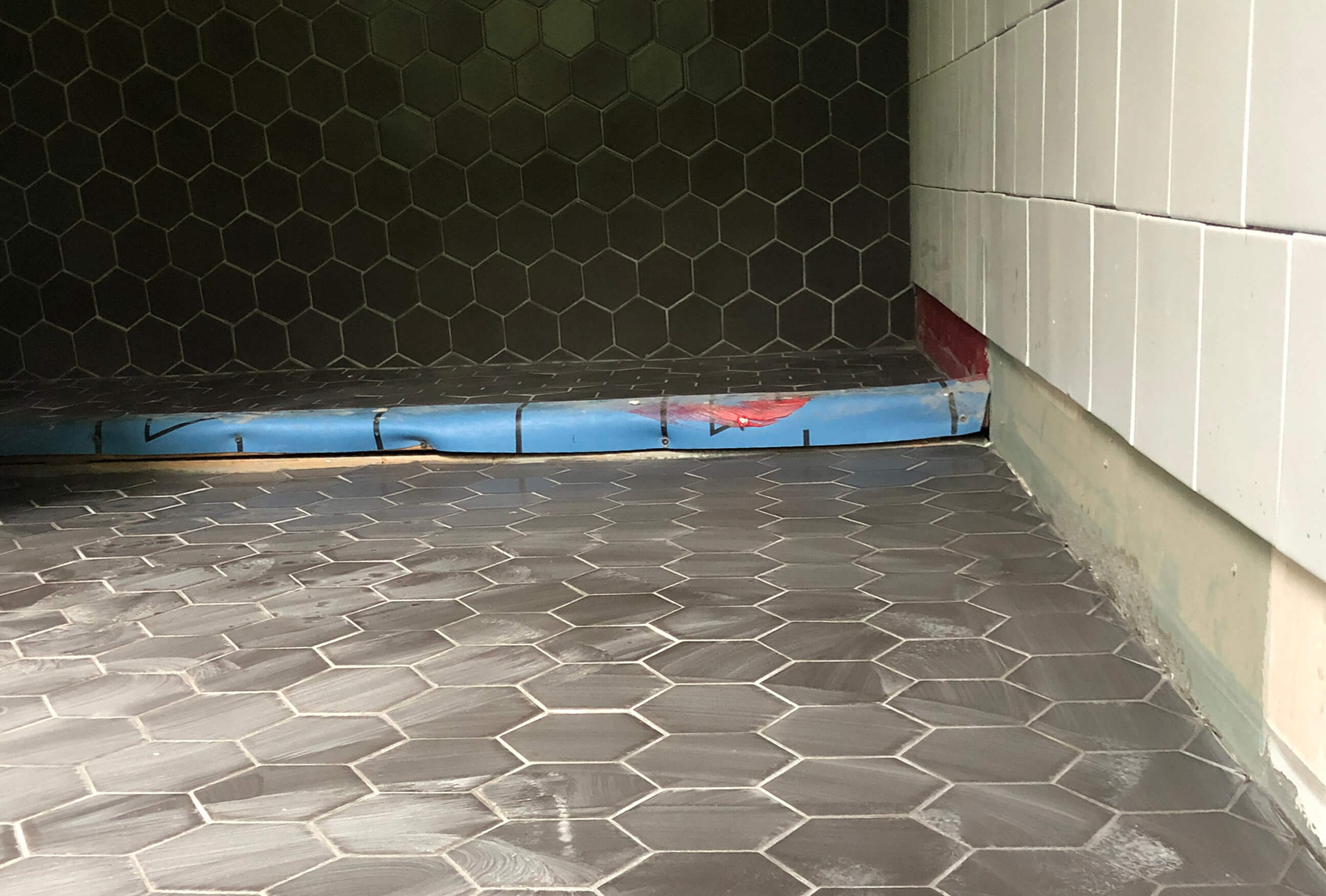
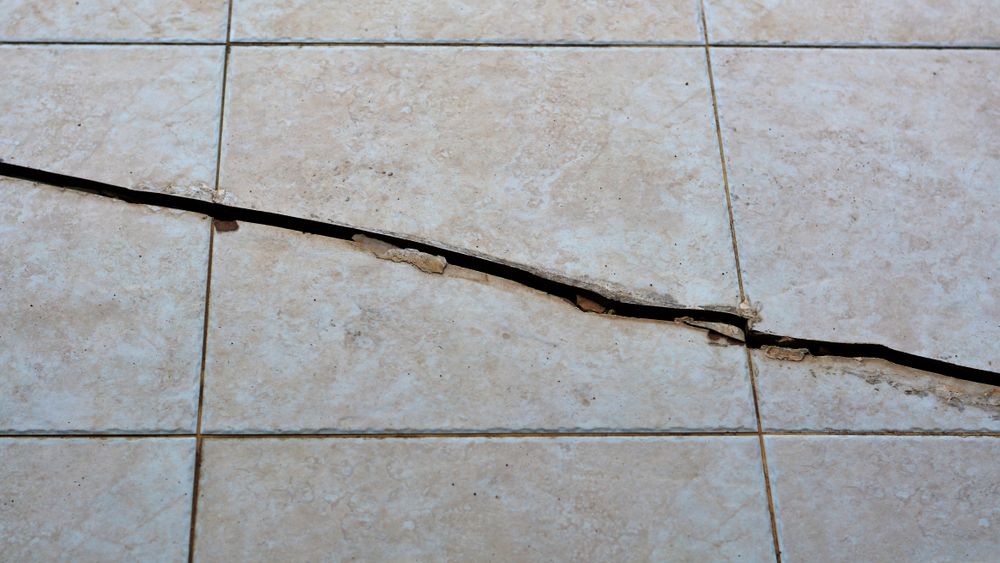
For a cracked tile floor, which often indicates an underlying cracked concrete foundation, a common issue known as "telegraphing," the most effective repair involves removing the cracked tiles along with an additional row on each side. After thoroughly cleaning the concrete subfloor to expose the crack, a floating bitumen membrane, typically 6-12 inches wide, is applied over the crack. This membrane acts as a cushion, absorbing shock and preventing the crack from reappearing through the new tiles. Following this, new thinset mastic is spread, and tiles are relaid and grouted as usual. This method, referred to as slip-sheeting, significantly improves the success rate of resolving cracked tile problems.
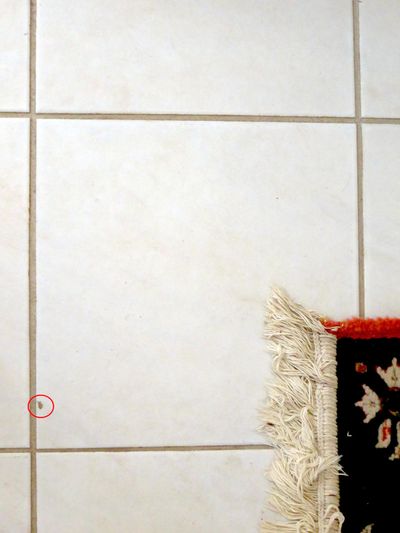
For chipped tiles where the piece is still available, an epoxy glue product can be used for repair. However, matching the refinished surface to the original tile can be challenging; using auto body paint of a similar color may help blend the repair. When replacing tiles and no spares are available from the original installation, particularly after many years, finding an exact match can be difficult. It is advisable to select the closest possible color, texture, and size, and purchase extra tiles for future repairs.
Tools required for tile removal and replacement include a utility knife, hand grout saw, cold chisel, hammer, eye protection, work gloves, sponge, clean rag, floor adhesive, rubber float, bucket, level, water, and grout.
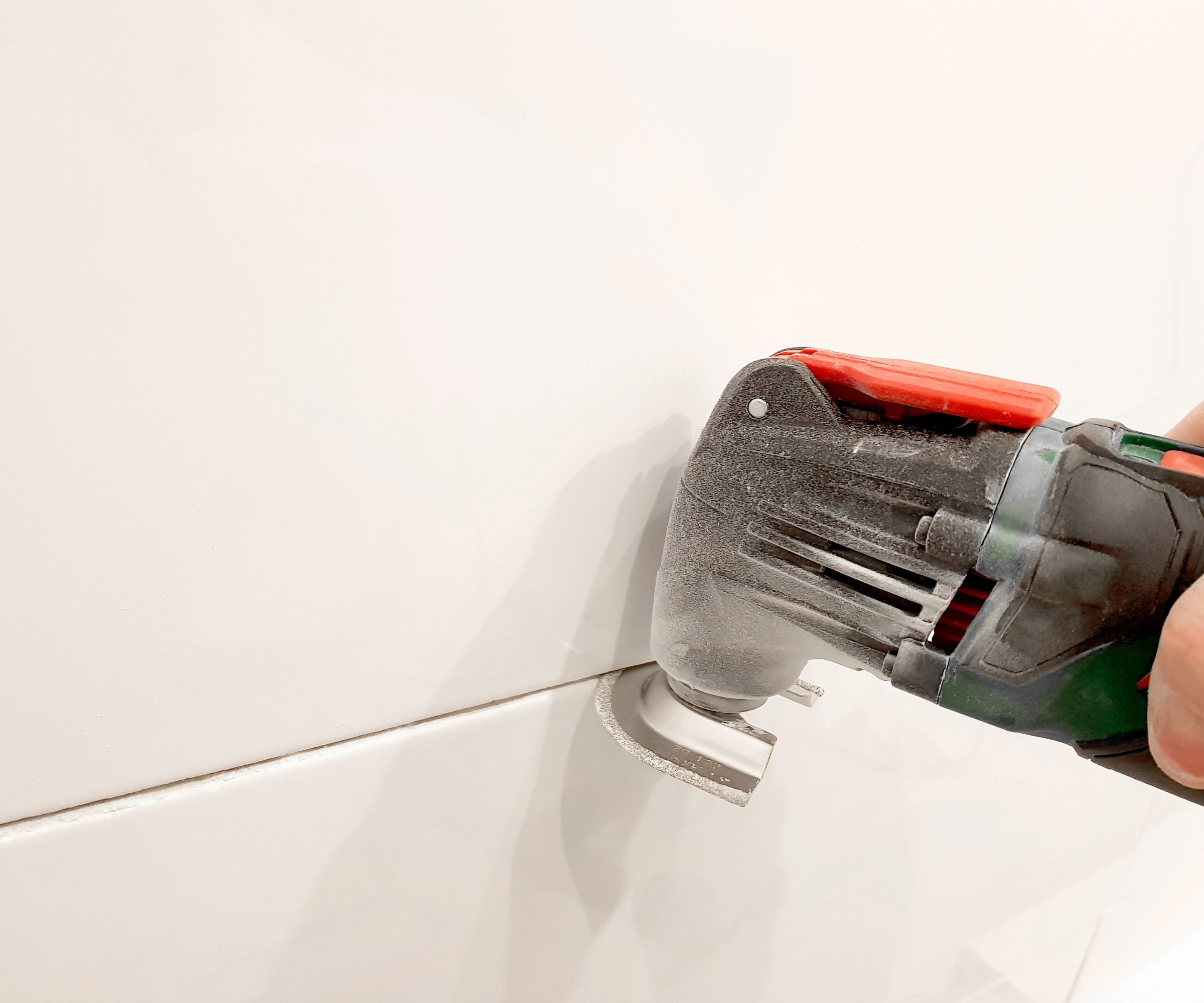
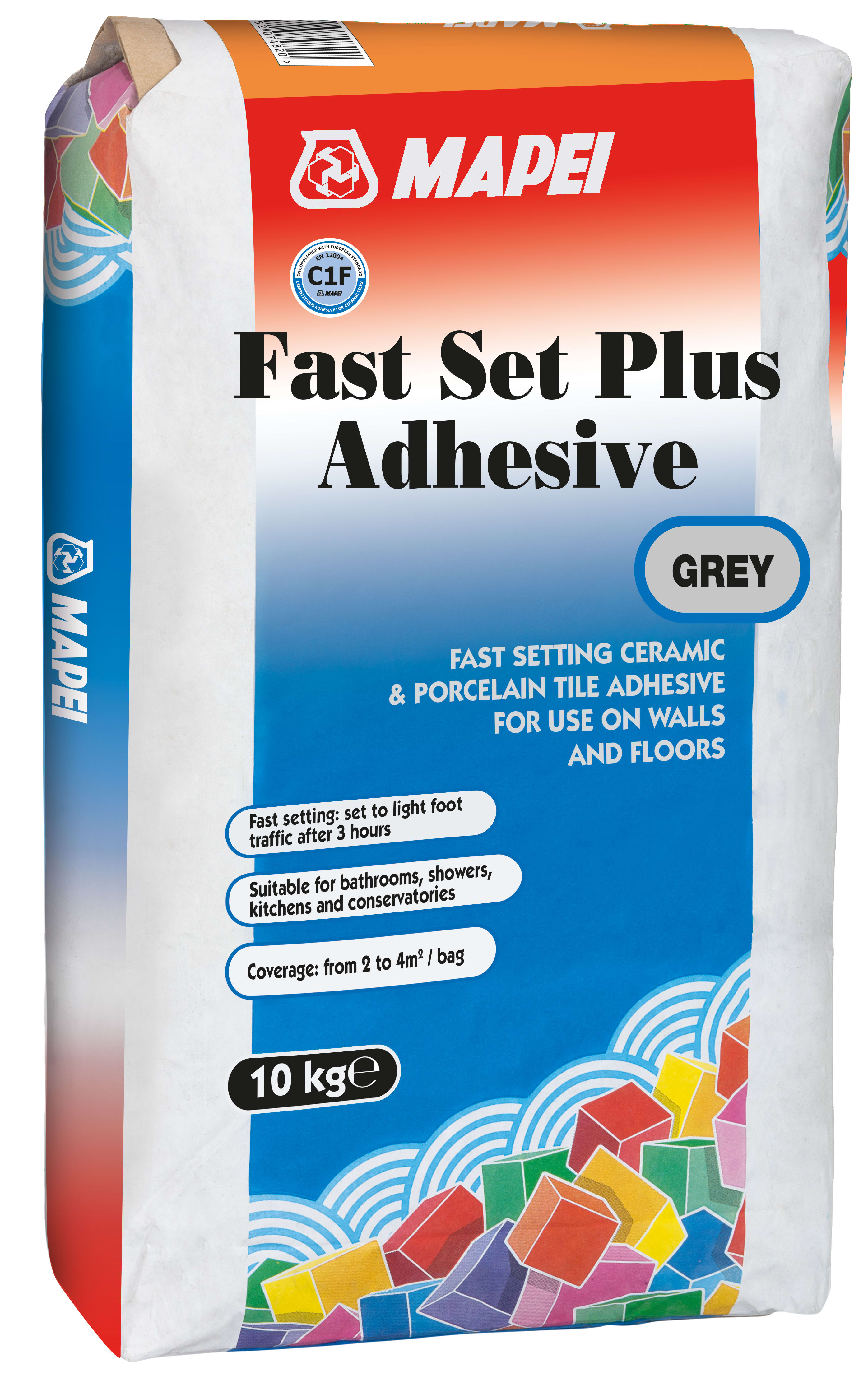
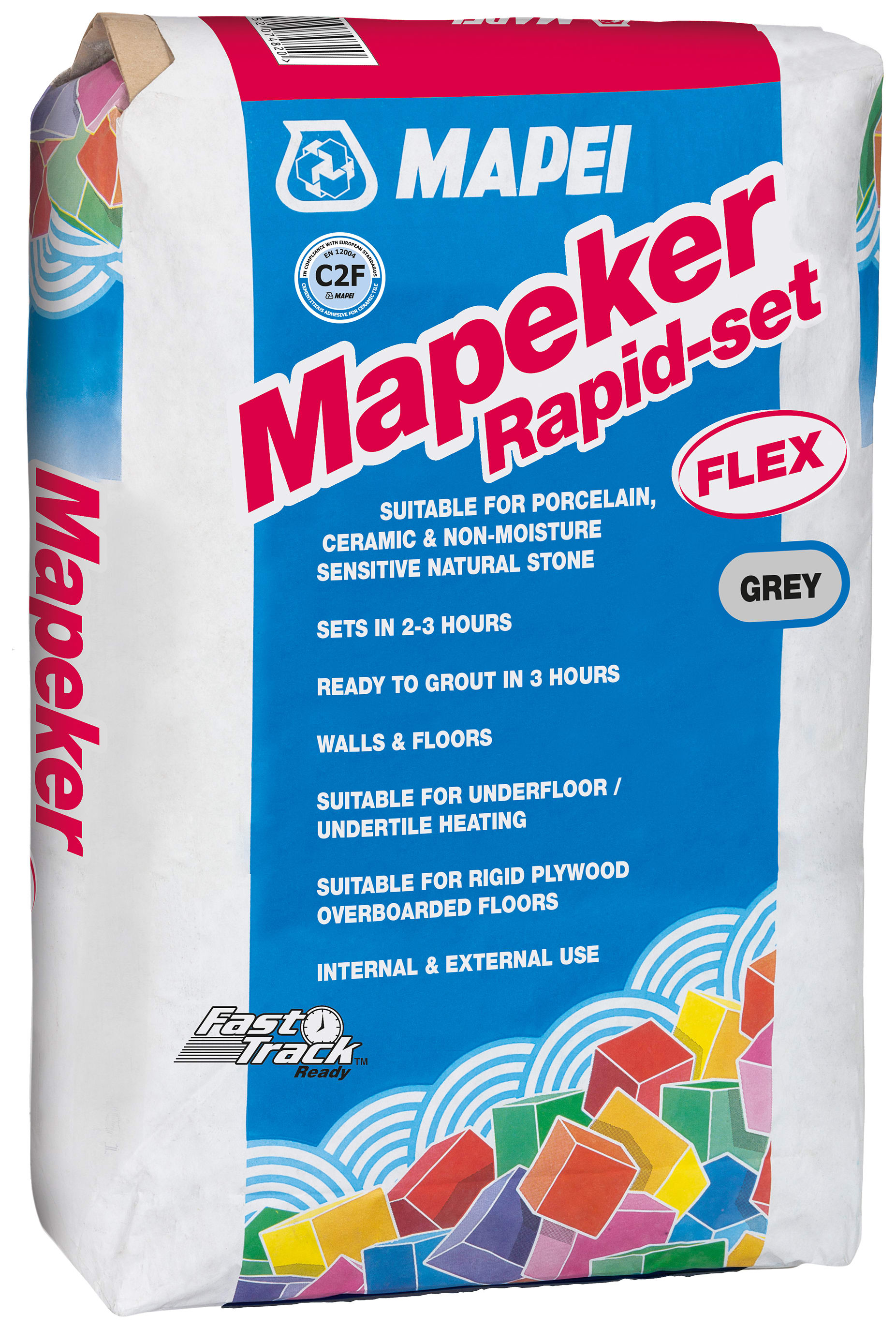
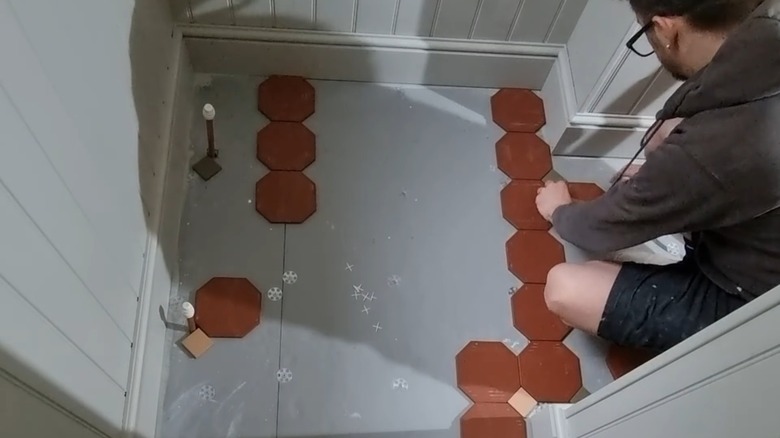
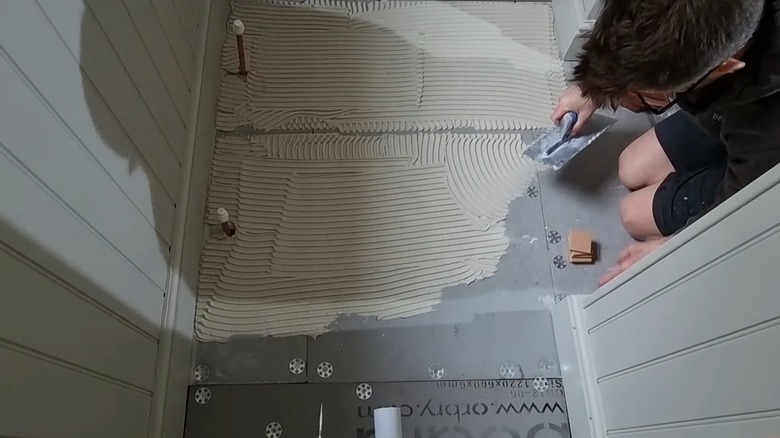
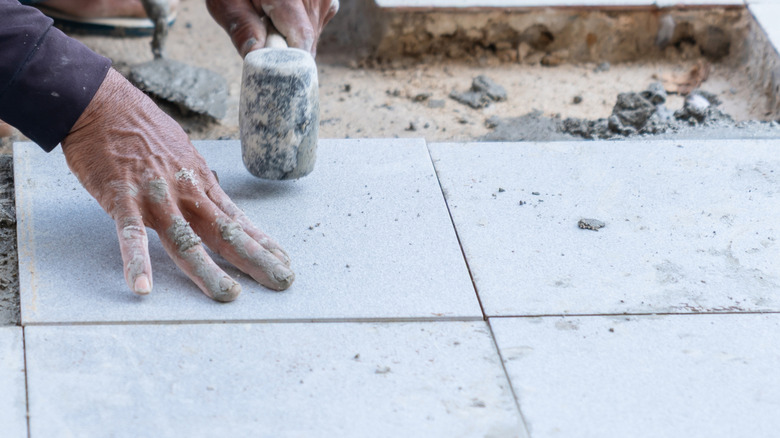
To remove an irreparable tile, first cut the surrounding grout with a utility knife or hand grout saw. Then, carefully chip out the tile using a cold chisel and hammer, ensuring not to damage adjacent tiles or grout. Any remaining adhesive on the floor should be removed with a damp sponge, and the area thoroughly cleaned. If a foundation crack is present, the floating bitumen membrane is applied first. Tile adhesive is then liberally and evenly spread, with grooves created using the notched side of a trowel. The new tile is placed, ensuring it is level with the existing floor, and excess adhesive is removed before allowing it to dry for several hours.
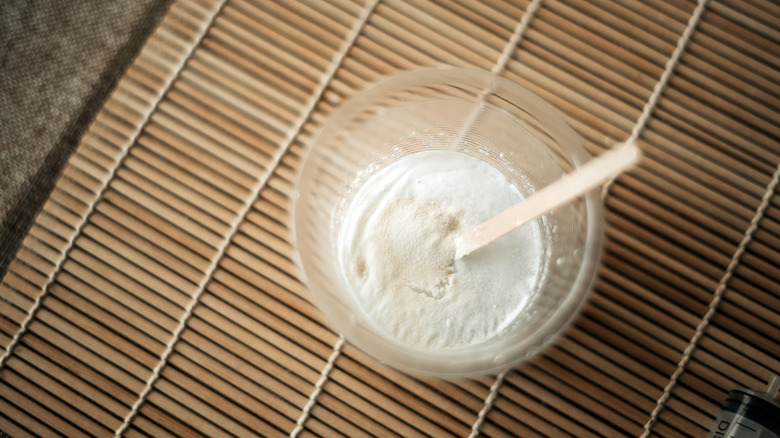
The article discusses three main types of grout. Unsanded (nonsanded) grout, made from cement, water, and non-sand particles, is suitable for grout lines smaller than an eighth of an inch, especially for natural stone and ceramic tile in showers, as it lacks abrasive particles. Sanded grout, a cement-based mortar, is ideal for larger grout lines (greater than an eighth of an inch) in ceramic and stone tile but is absorbent and requires sealing. Epoxy grout, formed by combining epoxy resins and hardeners, is strong, durable, versatile, and impermeable to liquids, making it suitable for backsplashes, kitchen floors, and bathrooms. Epoxy grout does not require sealing but can be tricky to apply.
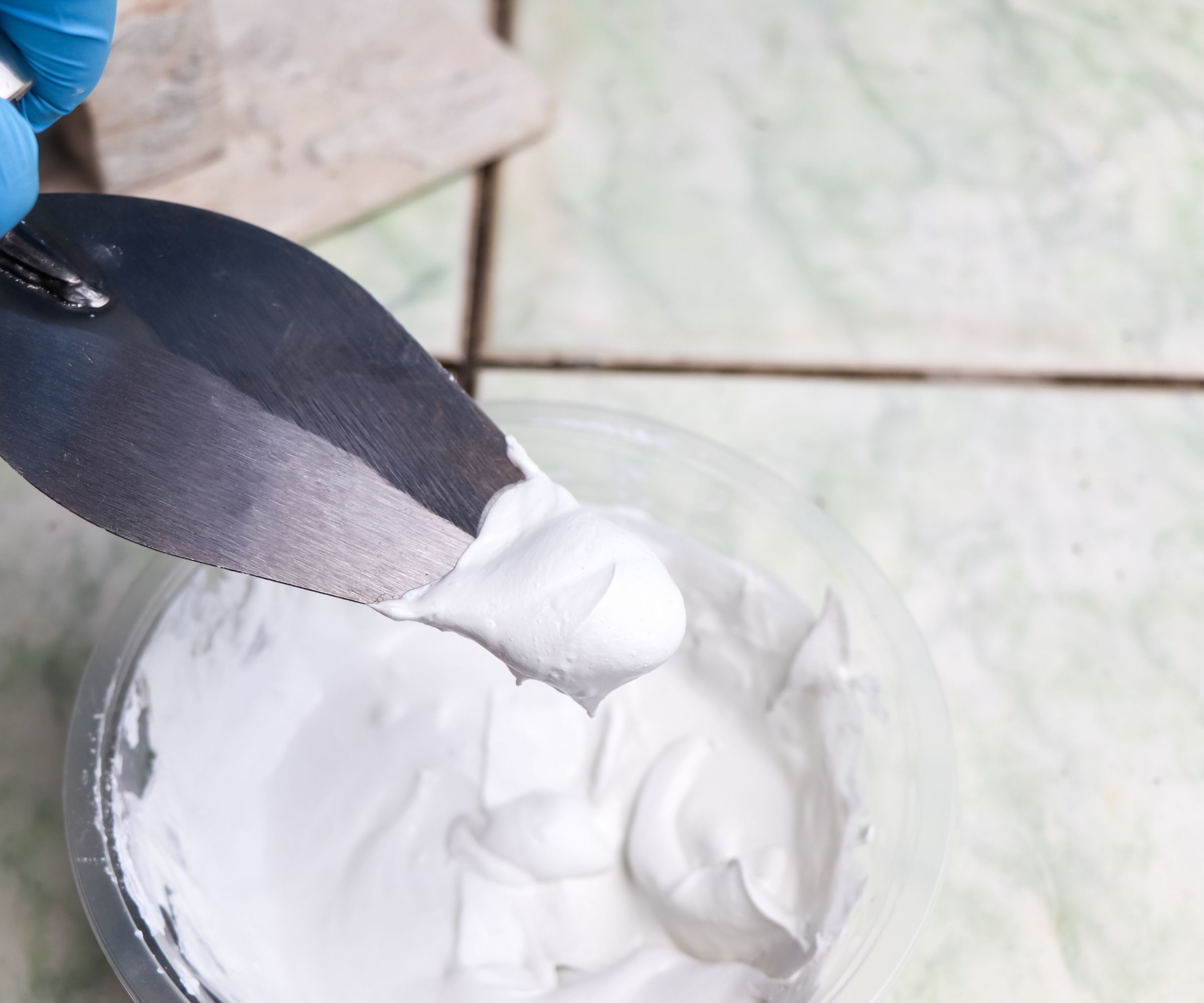
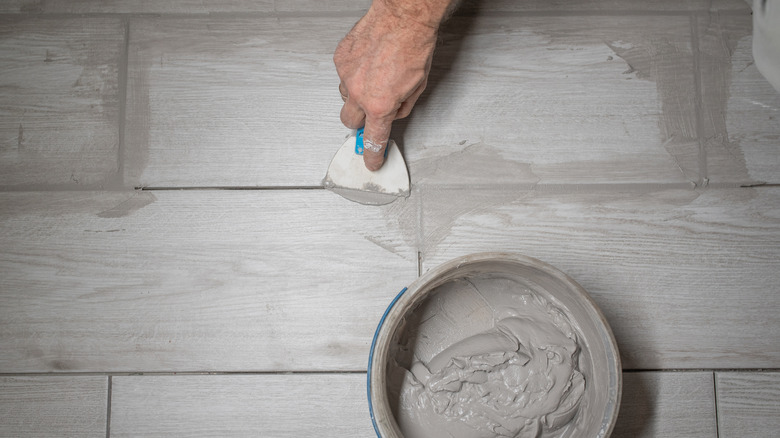
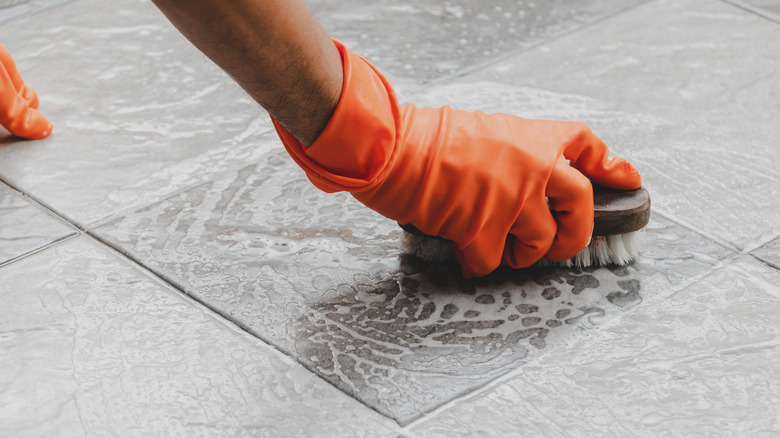
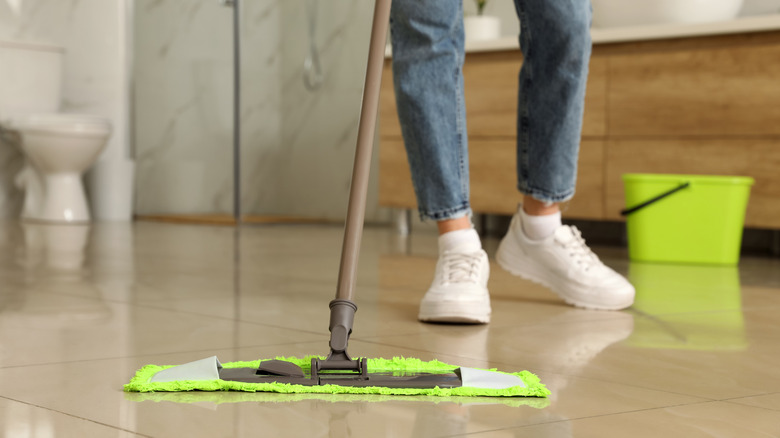
To match existing grout, a deep cleaning of nearby grout with an oxygen bleach powder and water mixture is recommended. Grout swatches from flooring stores can aid in finding the closest match, and purchasing extra ensures availability for future repairs. For grouting, follow the manufacturer's instructions to mix the grout. Apply the grout into the cracks diagonally using a rubber float. Dragging a round handle along the new grout lines provides a clean, finished appearance. After the repair, the tile should be cleaned, and the grout sealed. Regular maintenance, including weekly sweeping, mopping, and periodic inspection and resealing of grout, will help maintain the flooring's condition over time.
#TileRepair #GroutReplacement #HomeMaintenance #DIYHomeRepair #FlooringRepair #TileInstallation #HomeImprovement #GroutTypes #TileRepair #GroutReplacement #HomeMaintenance #DIYHomeRepair #FlooringRepair #TileInstallation #HomeImprovement #GroutTypes
0 comment in total
 No comments yet
You may also like
How to regrout between tiles to keep them from looking tired in 6 simple steps

An Expert Tells Us How To Keep Your Tile Grout Stain-Free

How to change grout color - the easiest little touch to make your home feel fresh again

From preparation to cutting, here's how to lay floor tiles

Tile Grout

7 Beyond Genius Ways To Remove Scratches From Your Ceramic Tile

Ask the Expert: How to repair tile in and around your historical home


Bathroom Tiles
10 common tiling mistakes that can be costly – and how to avoid them
How to repair a chipped tile with epoxy and paint

Can I use mosaic tiles on the floor? Expert advice you need to know before making your decision
Expert Tips For Perfecting Quarry Tile Floor Installation At Home
How To: Replace Damaged Tile

Sanded vs. unsanded grout – the differences, pros, cons, and how to choose the best fit for your DIY project
What’s making your bathroom tiles look cheap? 7 things to look out for, according to experts
The Best Grout Cleaners for Pristine Tiles in Every Room

Getting the Grout Right

6 expert tips for buying tiles online - designers on how to avoid expensive mistakes


7 Easy Ways to Update Old Tile Floors Without Breaking Your Budget