How to clean grout on tile, according to experts - TODAY
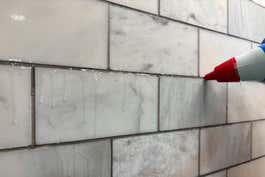
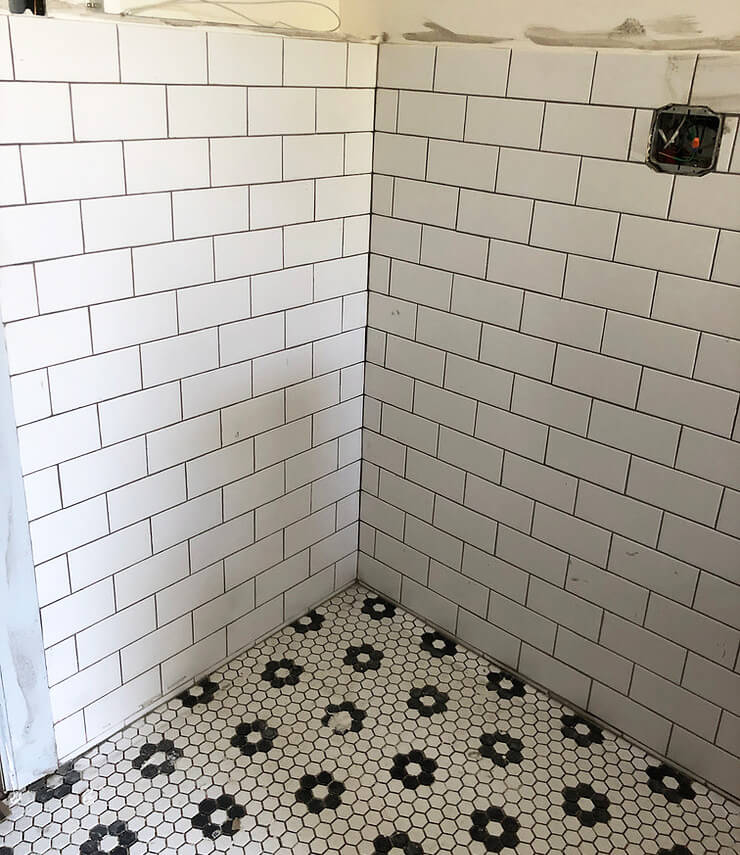
Stained grout can be a common household issue, making bathrooms appear less pristine. Experts Brian McAuliffe, founder of The Grout Guy, and Vera Peterson, group president at Neighborly, offer practical advice on how to effectively clean and maintain tile grout, preventing mildew and restoring its original appearance. The article highlights that professionals often use alkaline-based products or oxygen bleach, which cleans and sanitizes without discoloring grout. A popular homemade solution used by professionals combines one cup of baking soda with one cup of hydrogen peroxide, with the option to add degreasing dish soap for kitchen applications to combat grease buildup.
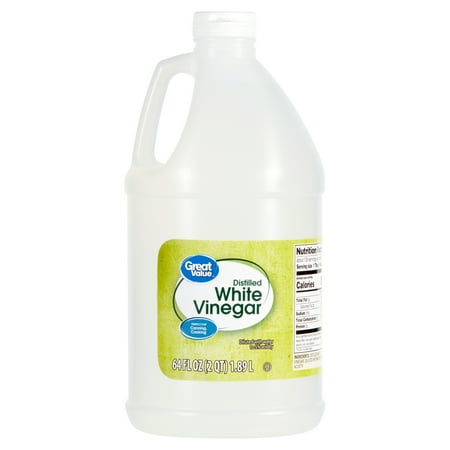
The article outlines several DIY methods for cleaning grout. One method involves using baking soda and vinegar. To implement this, baking soda is placed in a mixing bowl, and vinegar is slowly added until a thick paste forms. This paste is then applied generously to the grout lines and left to sit for 5 to 10 minutes before being rinsed off with warm water to remove residue.
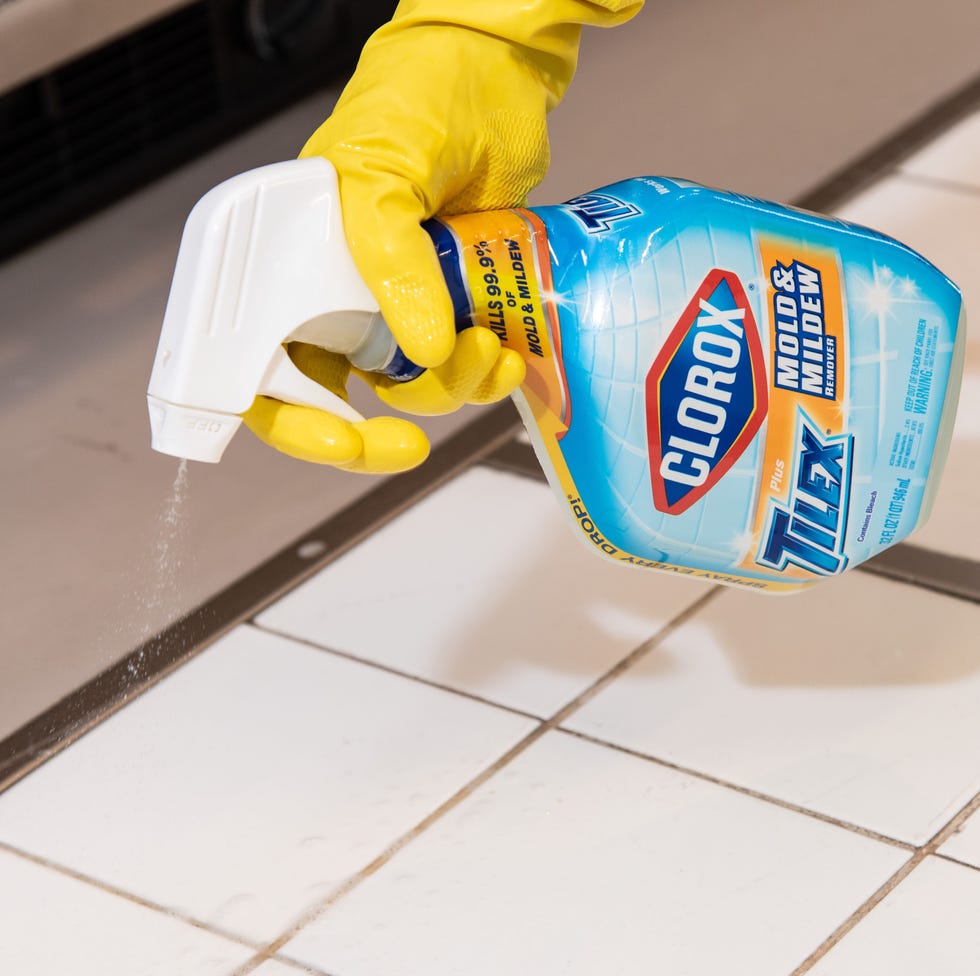
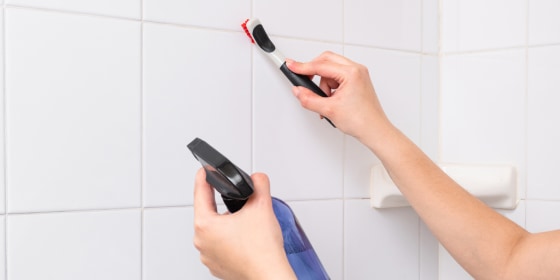
Another method focuses on using bleach. Bleach products are mixed with warm water, which helps release oxygen to lift dirt and stains. This solution is applied to grout lines with a damp sponge and allowed to soak for approximately 20 minutes. Afterward, the grout lines are scrubbed with an old toothbrush, and the area is rinsed with warm water to eliminate any remaining residue.
For cleaning with hydrogen peroxide, one cup of hydrogen peroxide is mixed with one cup of baking soda. This mixture is poured directly onto the grout lines and left to sit for a few minutes before being wiped away with warm water.
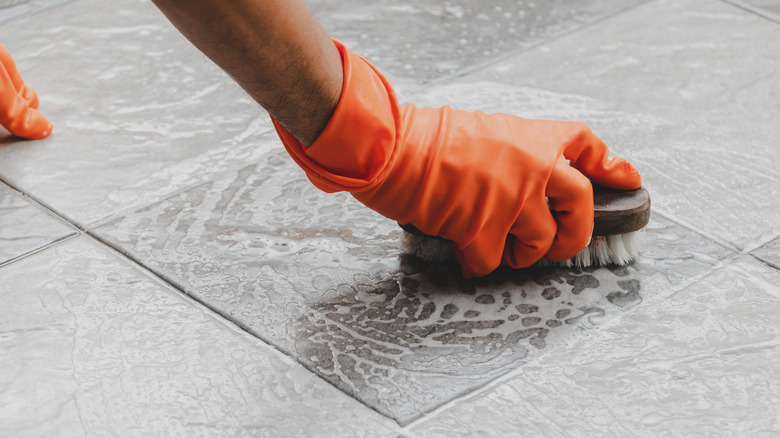
A fourth method utilizes lemon. Two teaspoons of cream of tartar are combined with lemon juice to create a thick, runny paste. Separately, hydrogen peroxide is sprayed onto the grout to tackle mold and mildew. The lemon and cream of tartar paste is then applied to the grout using a small, stiff-bristled cleaning brush, requiring some effort to scrub. The solution is allowed to sit, then rinsed and wiped dry. This process can be repeated until the desired brightness is achieved.
McAuliffe emphasizes preventative measures, stating that regular cleaning is crucial to inhibit mildew growth. He points out that soap film is a major contributor to dirty grout, as dirt adheres to the residue left behind. Therefore, cleaning tiles two to three times a week with a product designed for soap scum removal is recommended. Peterson advises against harsh or abrasive tools, instead suggesting gentle scrubbers like the back of a sponge or an old toothbrush for precise cleaning without damaging tiles. Additionally, McAuliffe strongly recommends sealing grout every one to two years to extend the life of the tiles. The advice provided in the article is based on insights from industry experts, ensuring effective and safe cleaning practices for tile grout.
#TileGrout #GroutCleaning #HomeCleaning #DIYCleaning #BakingSodaVinegar #HydrogenPeroxide #BleachCleaning #LemonCleaning #MildewPrevention #HomeMaintenance #TileGrout #GroutCleaning #HomeCleaning #DIYCleaning #BakingSodaVinegar #HydrogenPeroxide #BleachCleaning #LemonCleaning #MildewPrevention #HomeMaintenance
0 comment in total
 No comments yet
You may also like
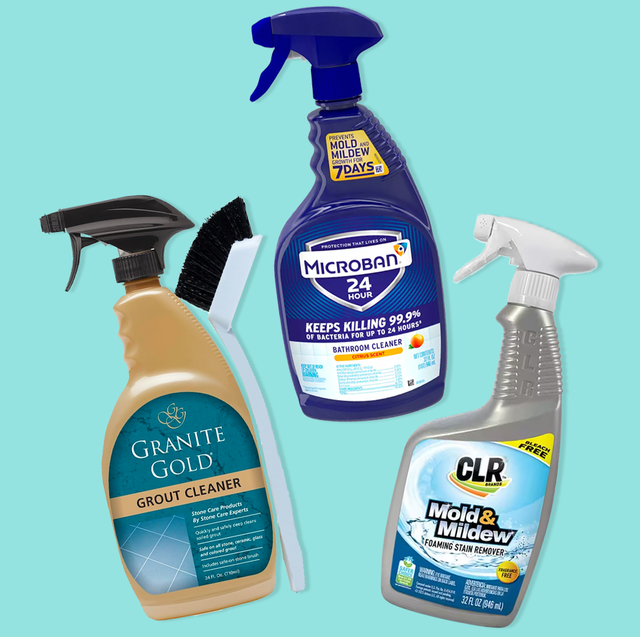
6 Best Grout Cleaners for a Brilliant Bathroom

We Tested 14 of the Best Grout Cleaners—See Which 7 We Recommend

An Expert Tells Us How To Keep Your Tile Grout Stain-Free

This Gel You Likely Already Own Works Surprisingly Well at Cleaning Dirty Grout | Reviews by Wirecutter

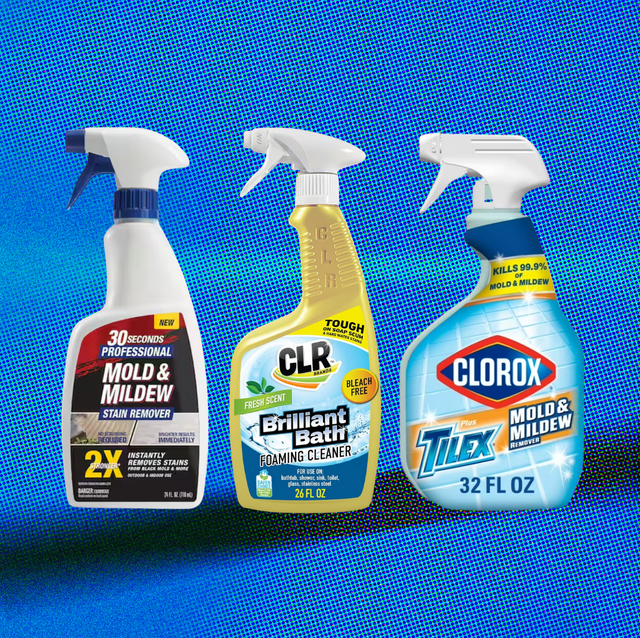
6 Best Grout Cleaners of 2026, Tested and Approved by Cleaning Experts
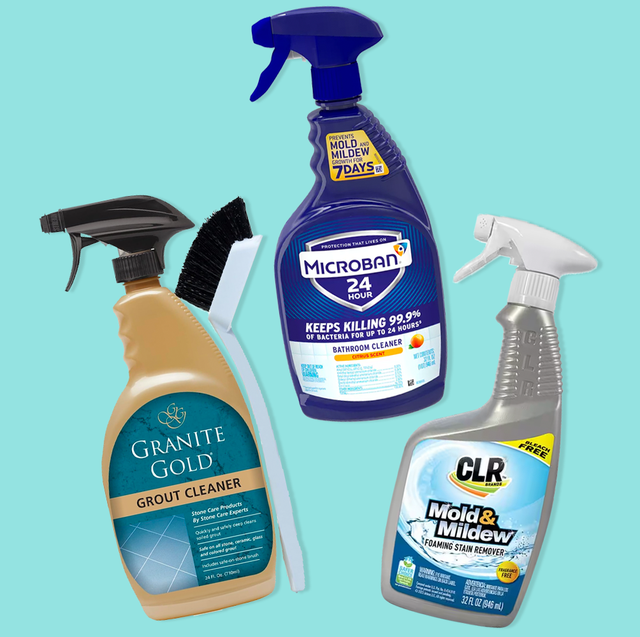
7 Best Grout Cleaners for a Brilliant Bathroom

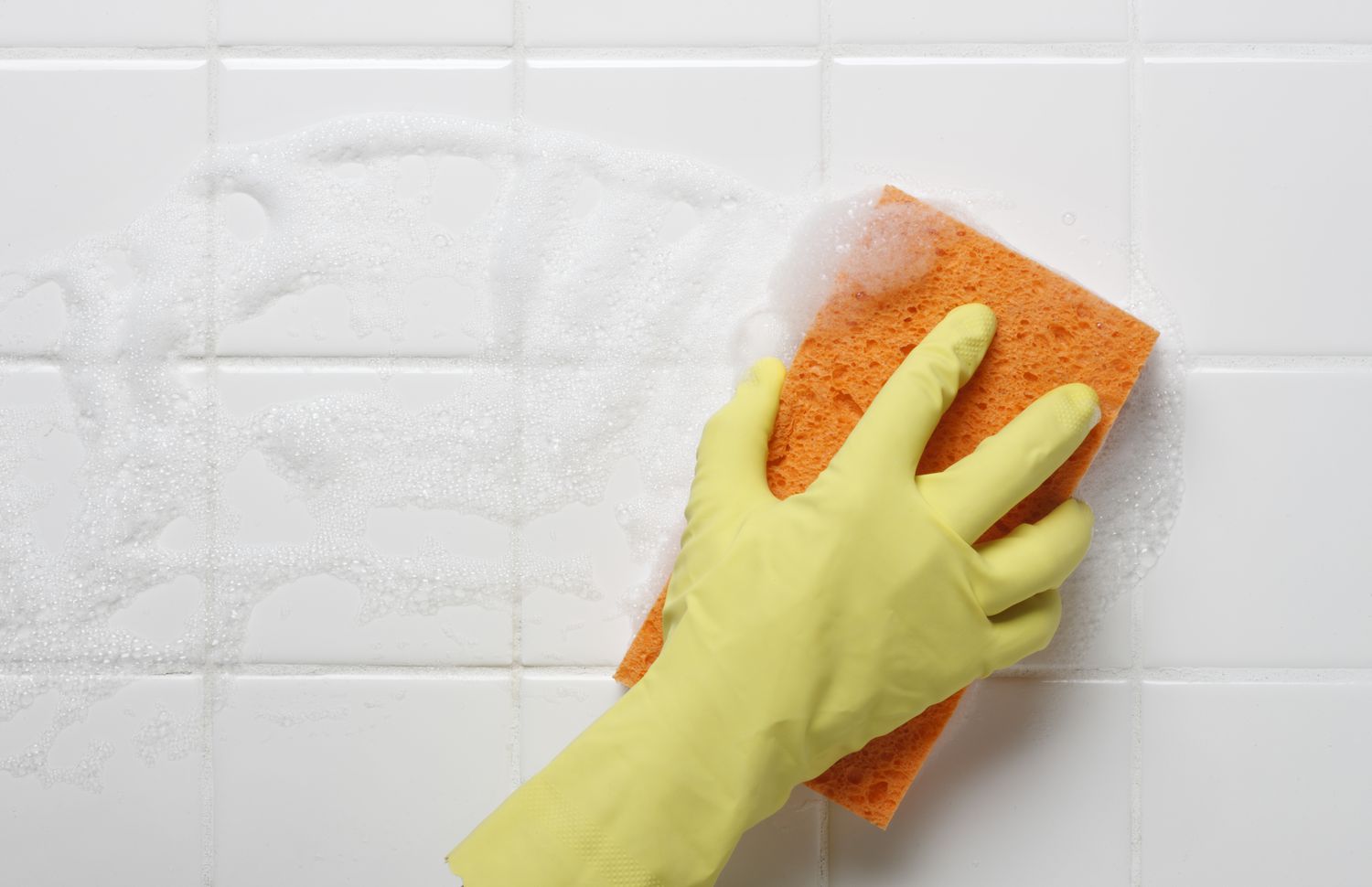
How To Clean Bathroom Tile, According To Professional Cleaners

Getting the Grout Right
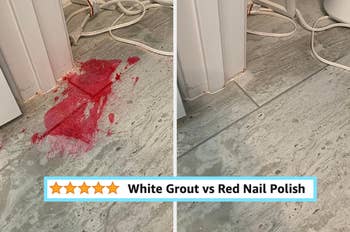
If Your Grout Has Seen Better Days, You Need One Of These Best-Of-The-Best Grout Cleaners

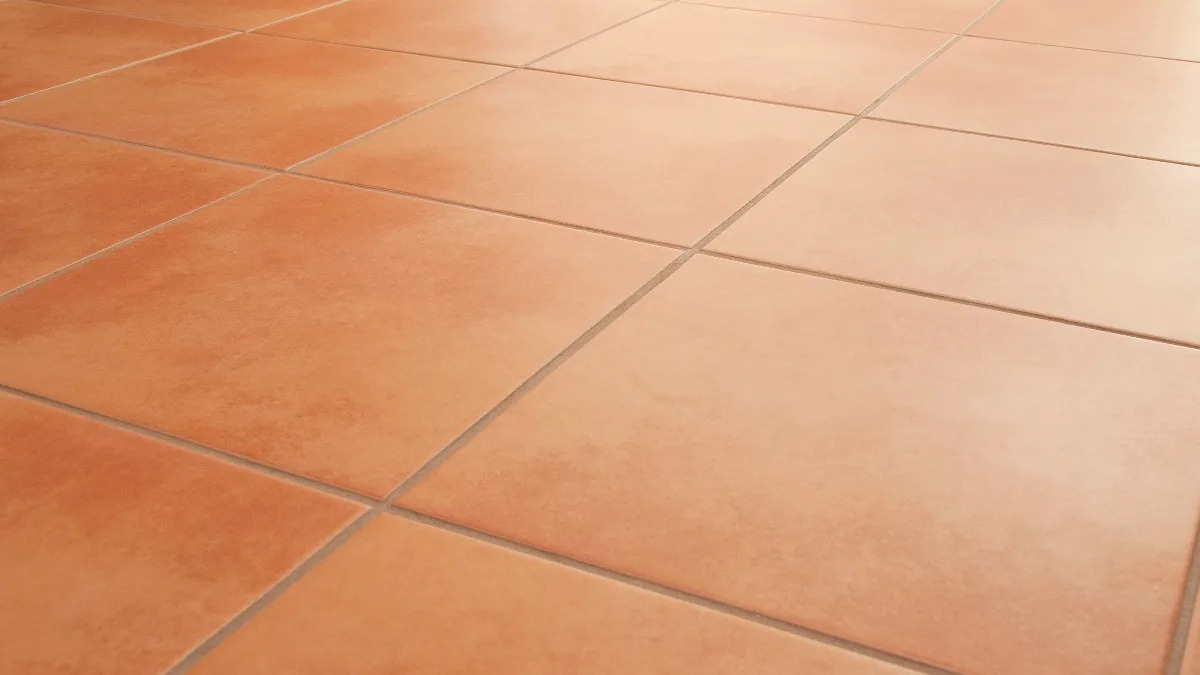
Pros Reveal the Best Way to Clean Tile Floors + Easy Secret to Get Grout White Again

We Tested 14 of 2025’s Best Grout Cleaners—See Which 7 We Recommend
You're cleaning your bathroom floor wrong, experts warn – here's how to get it right

The Right Way to Clean Tile and Grout for Sparkling Results

The Best Grout Cleaners for Pristine Tiles in Every Room

Best tile cleaner: 6 smart picks to spruce up your tiling

We Tested 10 Tile Cleaners to Find the Best One
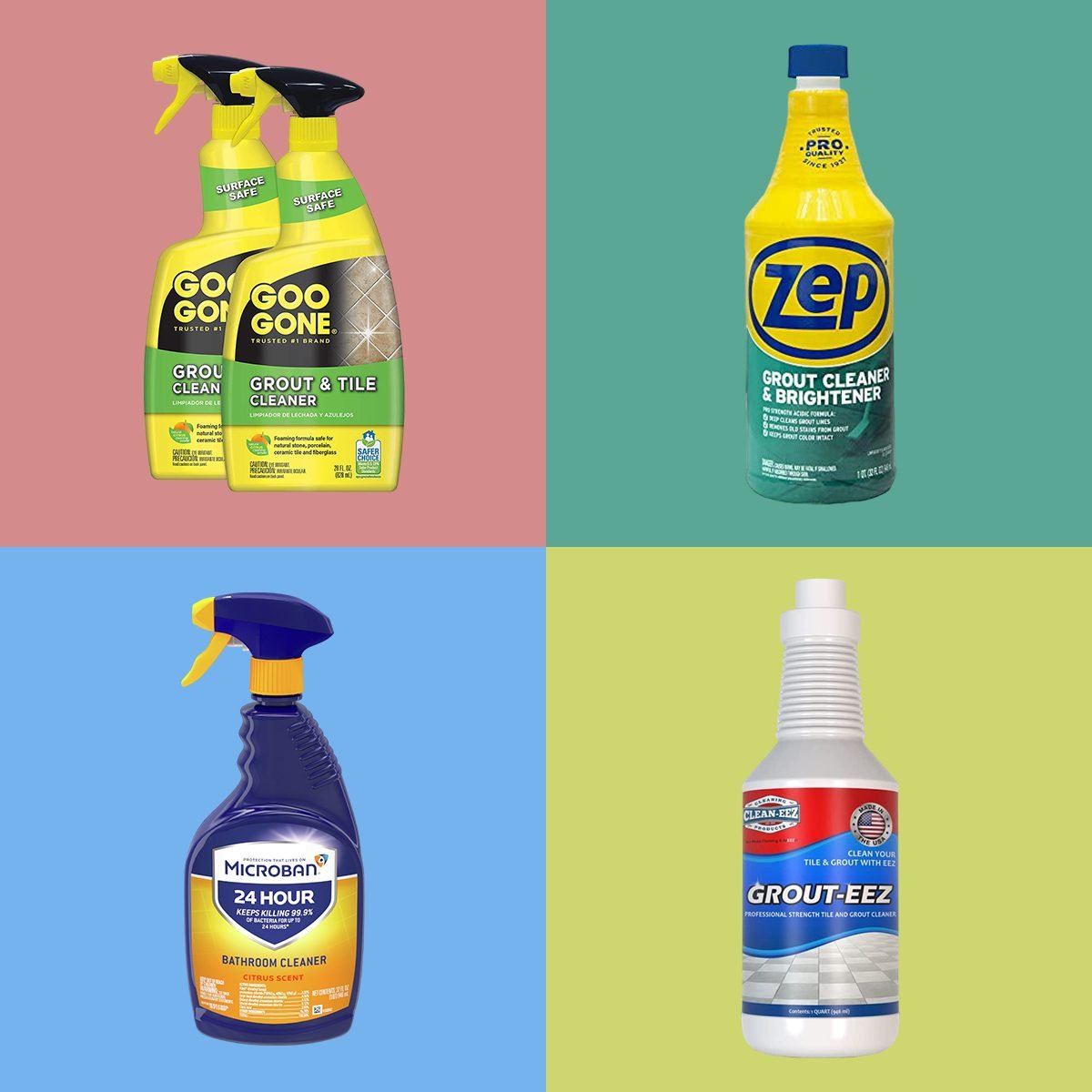
The 7 Best Grout Cleaners of 2025


Professional cleaners never waste their time with standard mops on tile floors – this is the $13 essential they always recommend instead
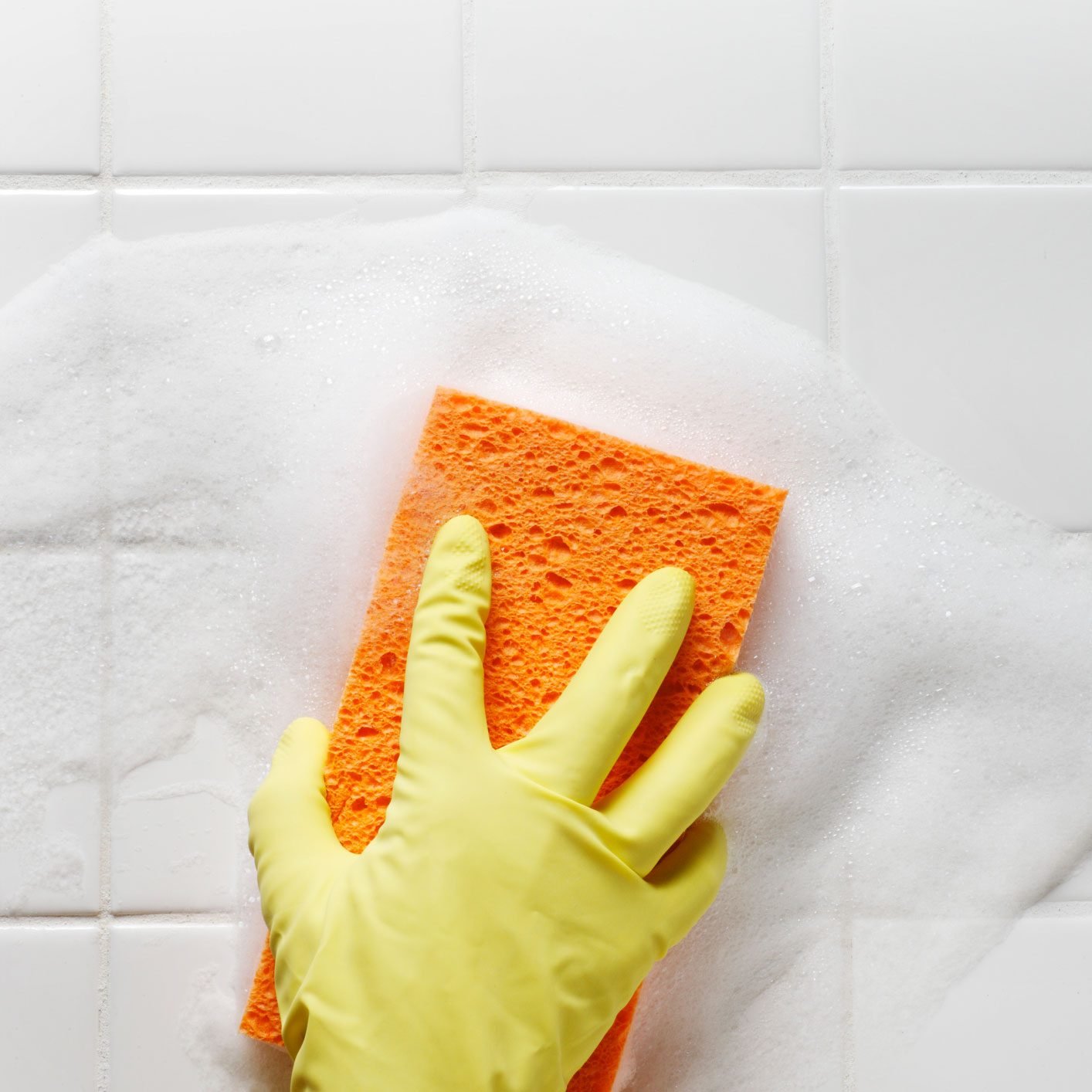
How to Clean Tile Floors Quickly and Easily
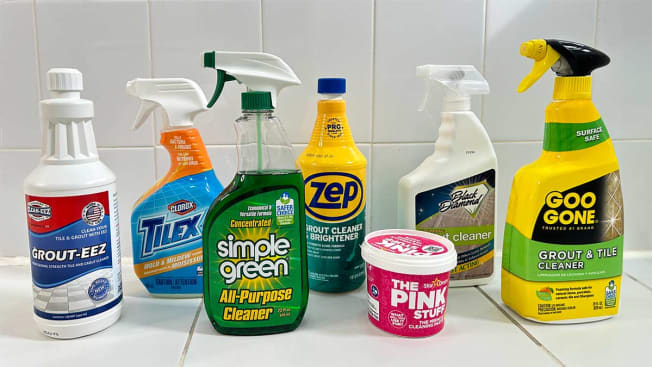
Best Grout Cleaners