1/5
How to Clean Tile Floors Quickly and Easily
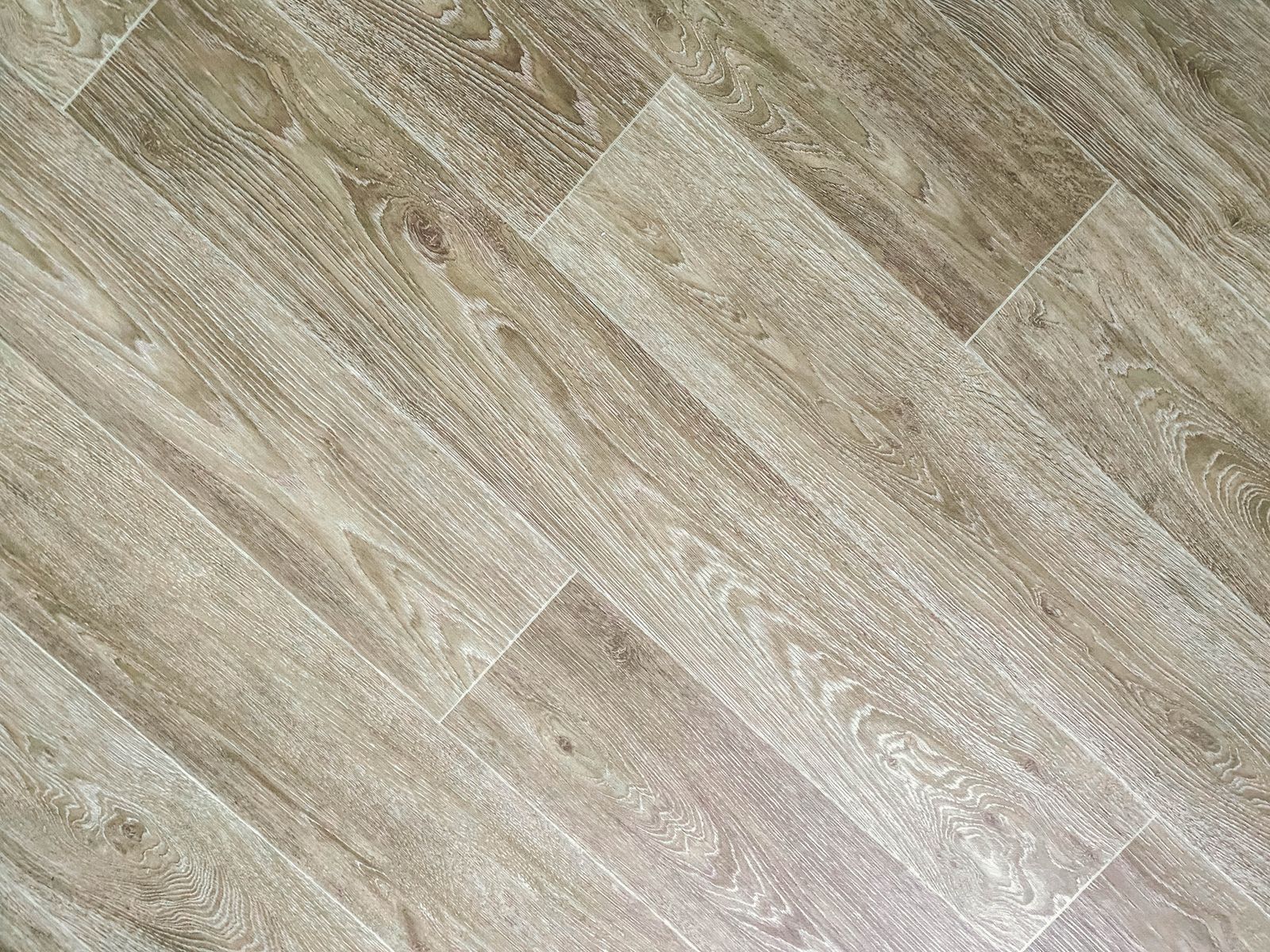
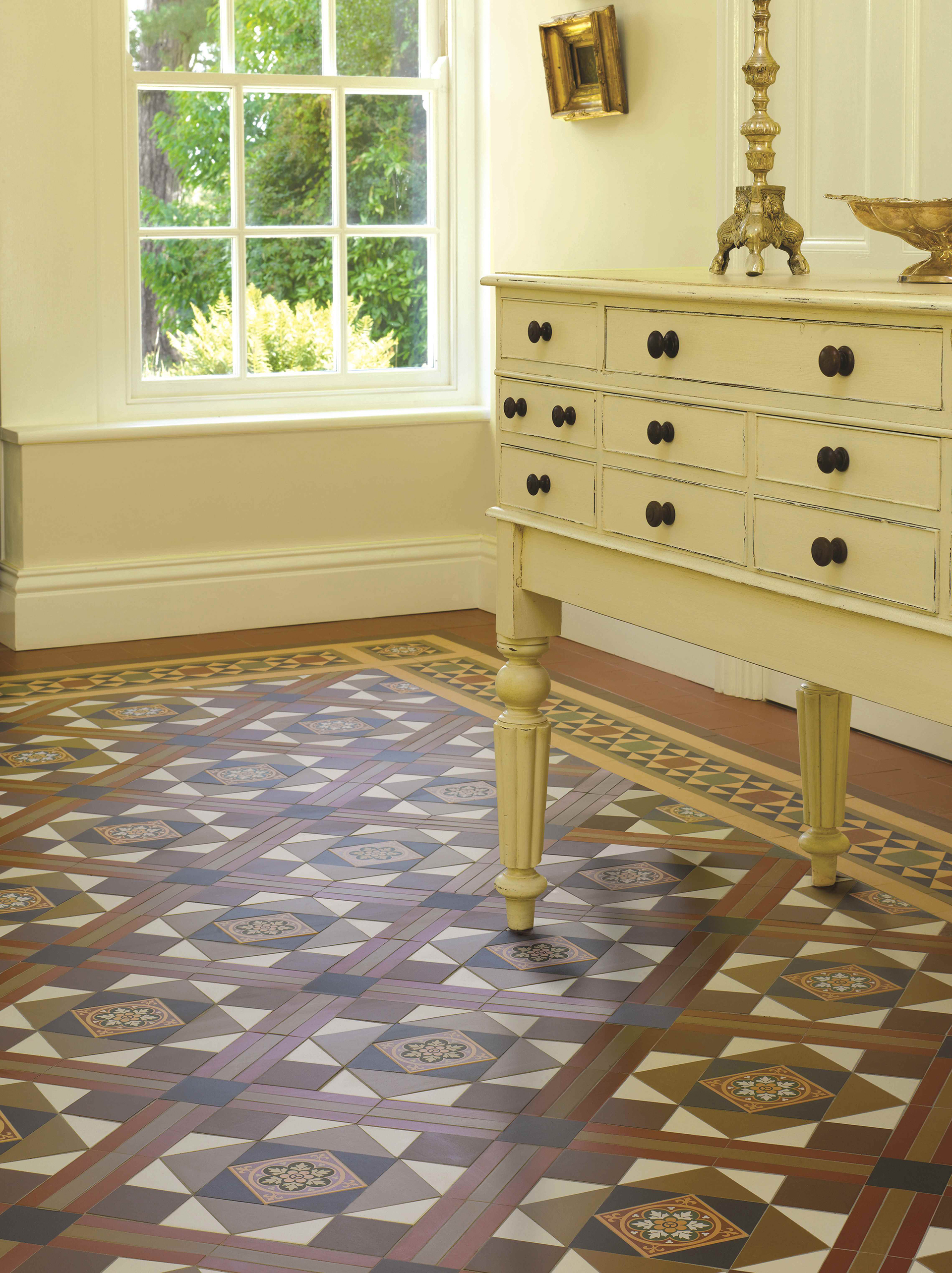
Maintaining clean tile floors is essential for extending their lifespan and keeping your home free of dirt, germs, and bacteria. The frequency of cleaning tile floors depends on several factors, including the number of residents, the presence of pets, and the amount of foot traffic a room receives. Generally, cleaning professionals recommend vacuuming and mopping tile floors once a week. For bathrooms and other moist environments, more frequent cleaning is advised to prevent mold and mildew growth. Additionally, hiring a professional for deep cleaning and resealing grout every one to two years is recommended.
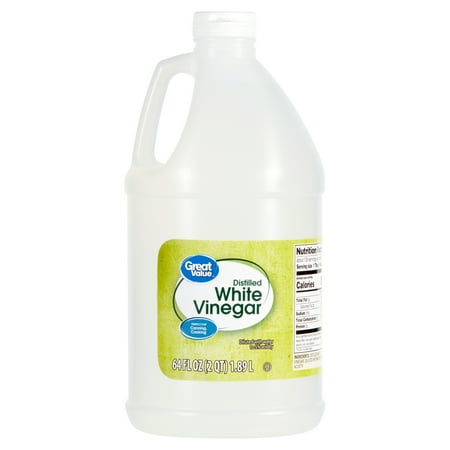
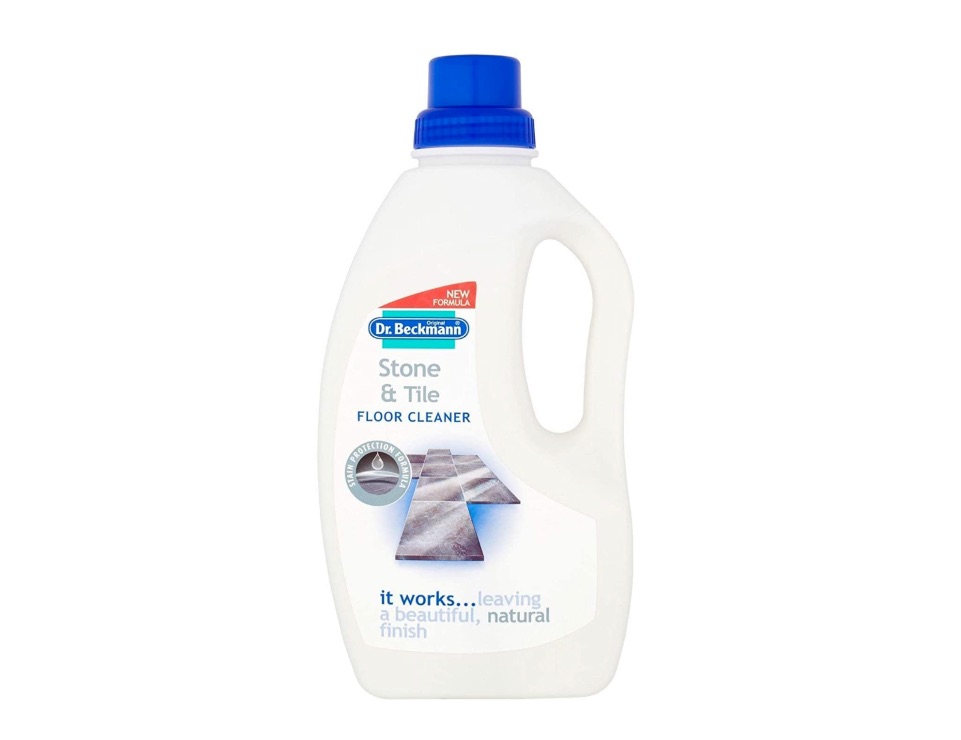
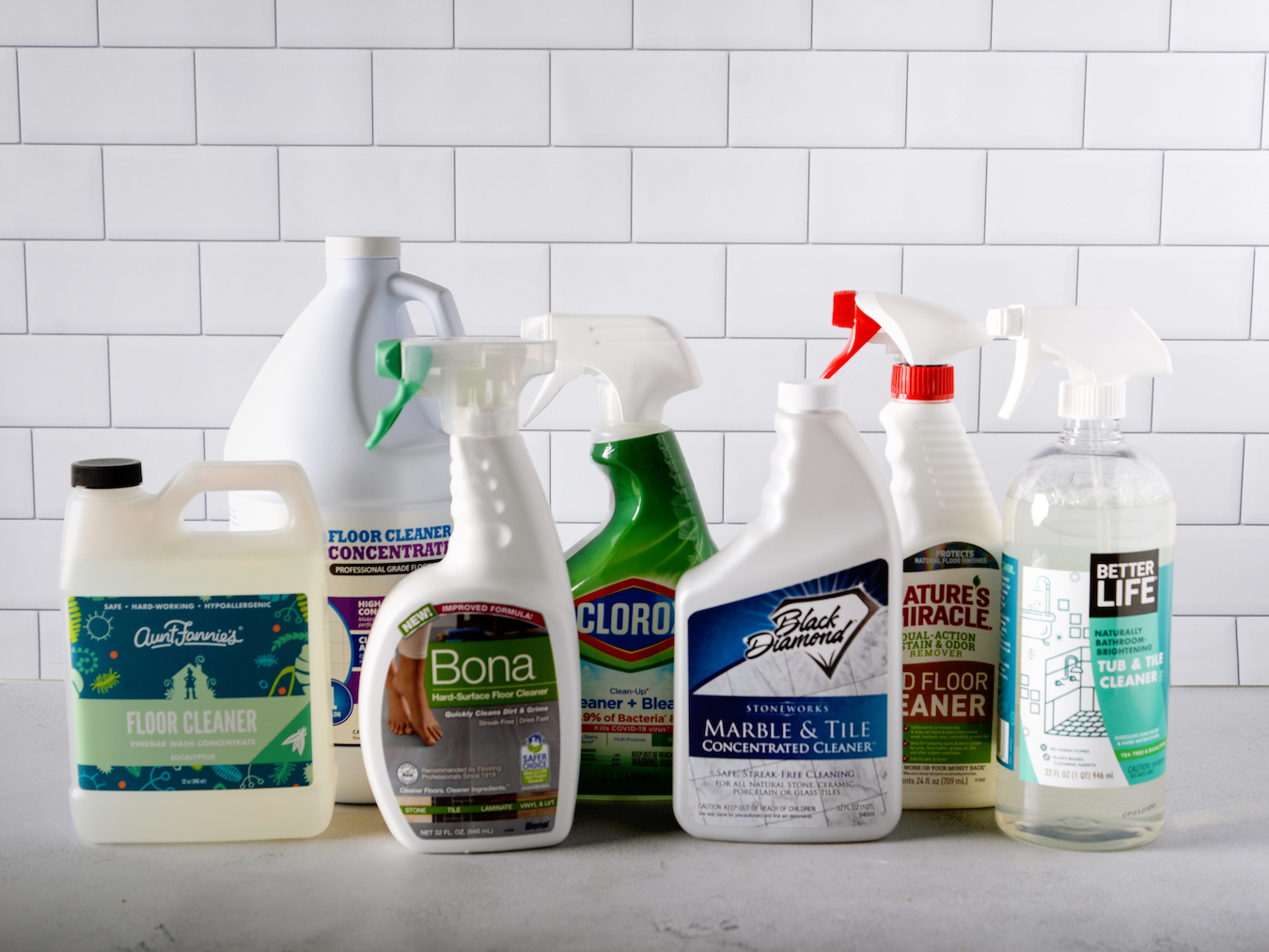
The type of tile significantly influences the cleaning methods and products used. Common tile materials include ceramic, porcelain, and natural stone. Using the wrong cleaner can lead to damage over time. Harsh and acidic cleaners, such as bleach and white vinegar, should generally be avoided on most tile types, especially natural stone. While many believe these products are necessary for removing mold and mildew from ceramic and porcelain, even durable materials can react negatively with their regular use. These acidic cleansers can erode sealants that protect both tile and grout, making them more susceptible to soap, dirt, and oil penetration. Therefore, most cleaning experts advise using a pH-neutral floor cleaner, which is versatile enough for all types of flooring.
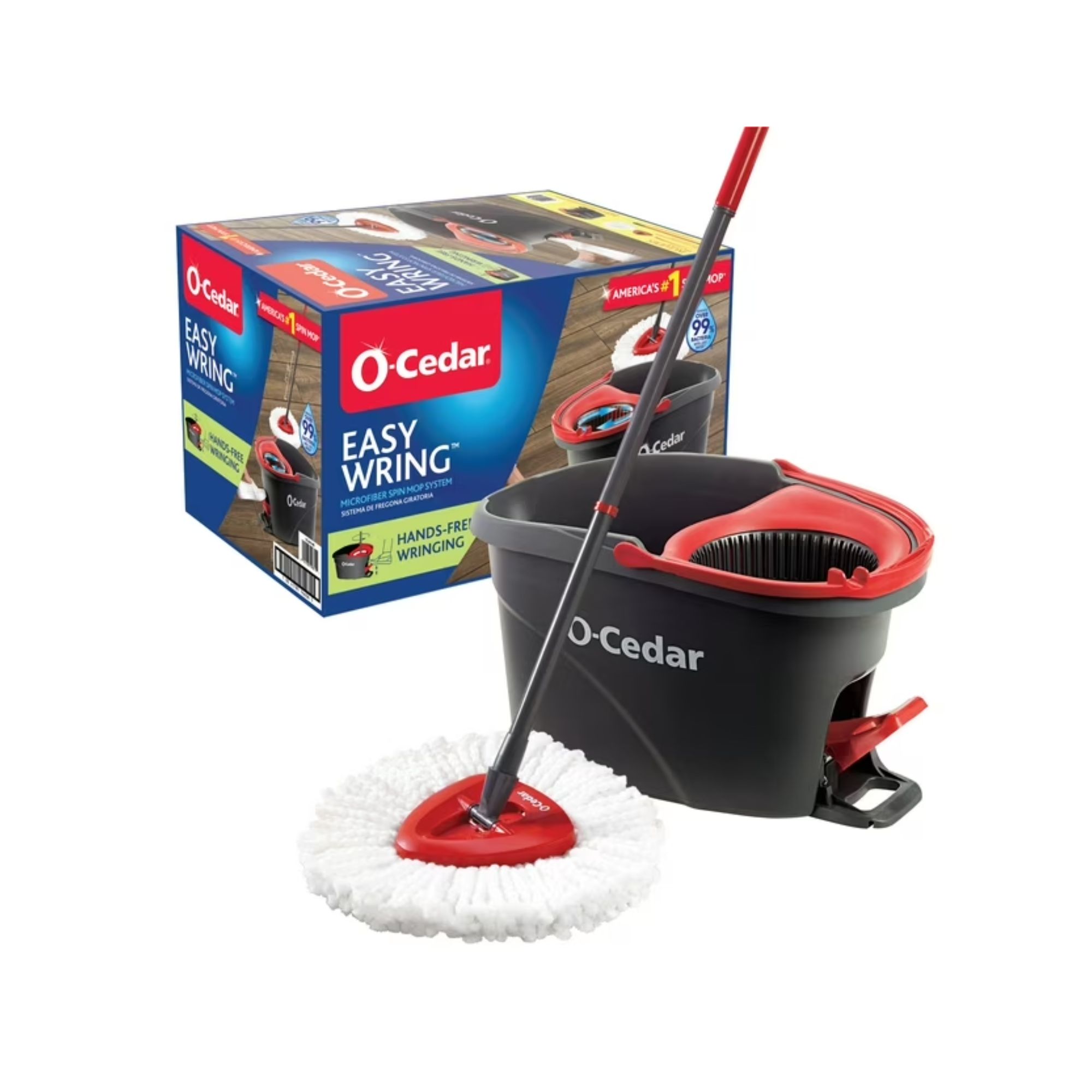
For porcelain and ceramic tiles, which are known for their durability and water resistance, a pH-neutral cleaner is ideal. Before applying any new product, it is crucial to test it on an inconspicuous area to ensure it does not cause damage. When cleaning, the solution should be diluted according to the manufacturer's instructions. A key tip is that properly applied water can be more effective than incorrectly applied cleaning products. The cleaning process involves vacuuming to remove debris, then mopping with a damp (not dripping) microfiber mop. It's recommended to mop in an S-shaped pattern, rotating the mop head to effectively capture dirt and debris, and to change mop pads regularly.
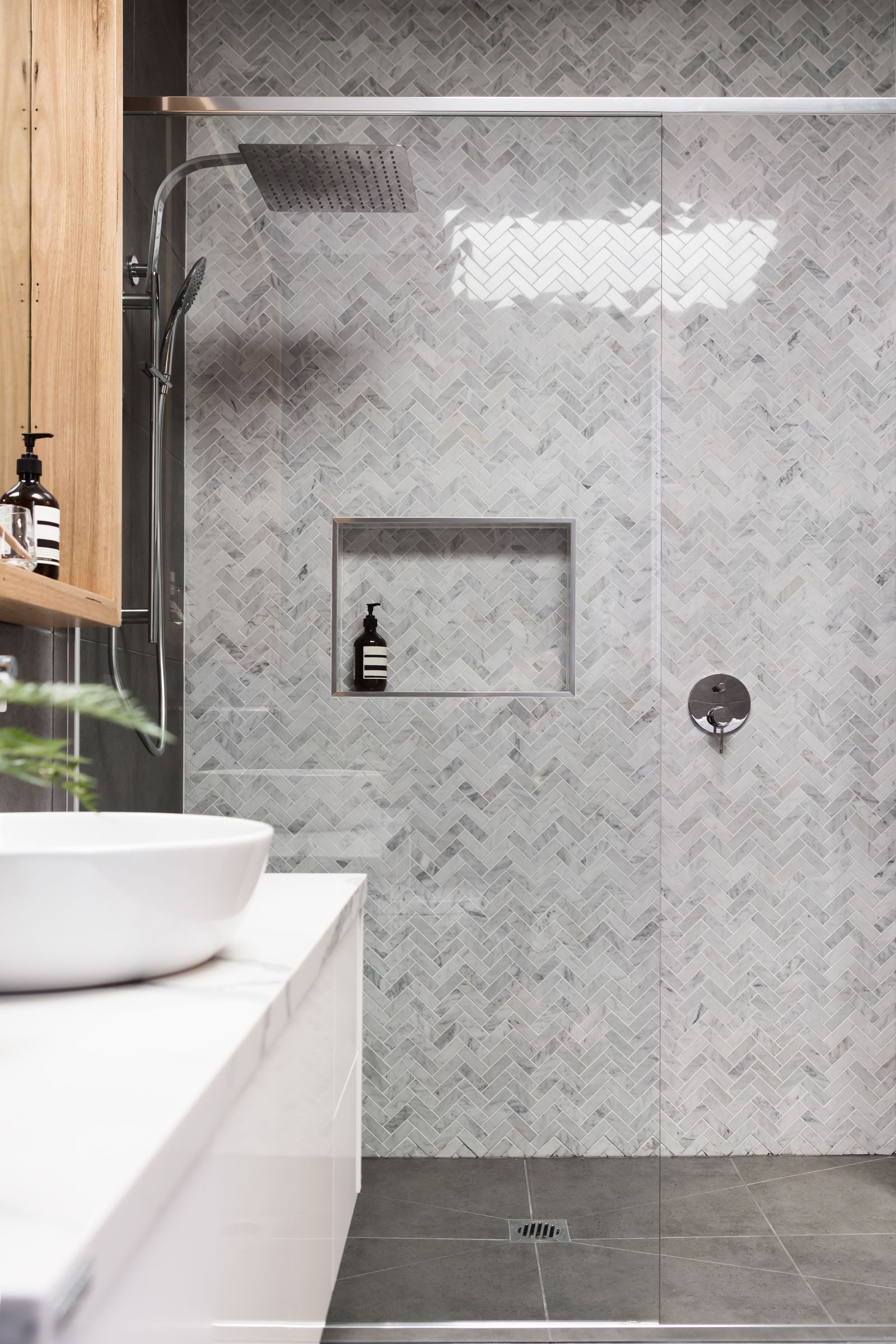
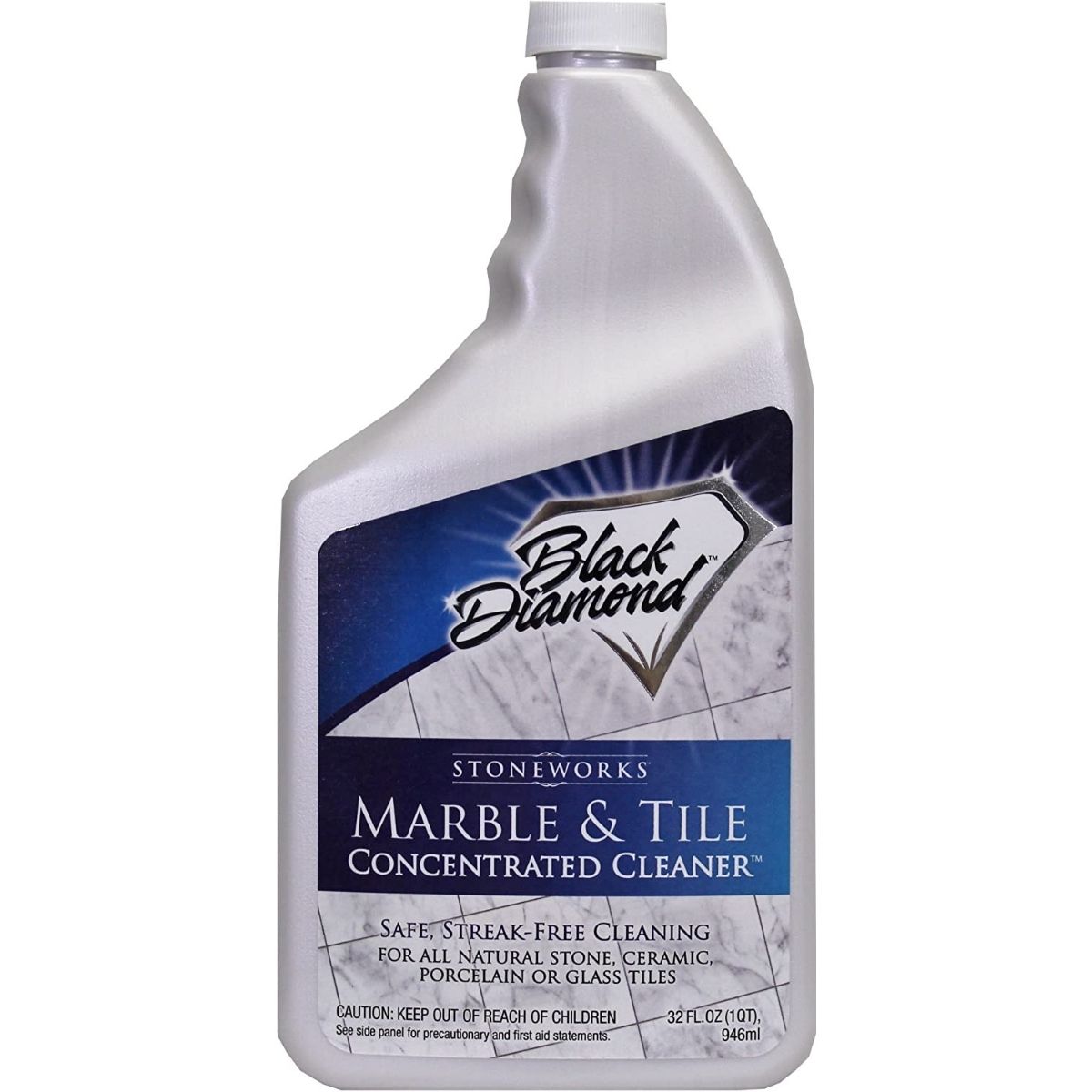
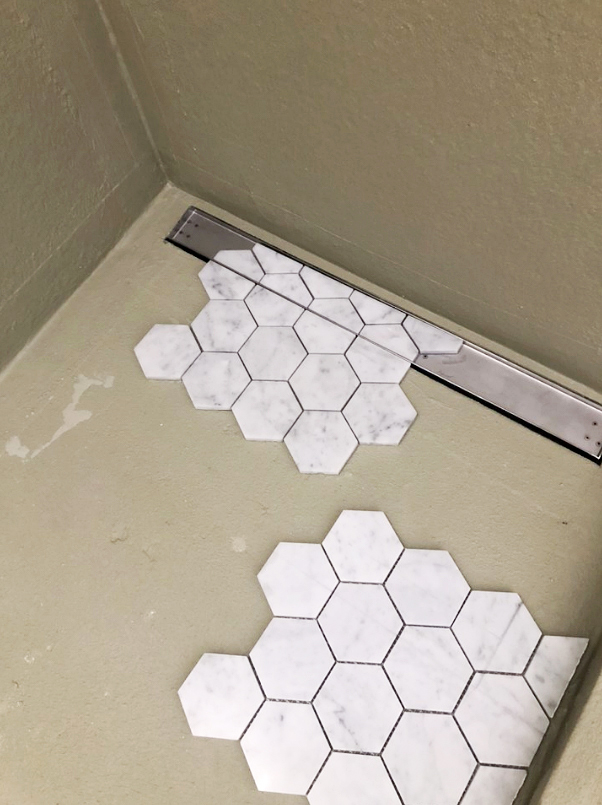
Natural stone tiles, such as marble, require more delicate care due to their composition. Many natural stones contain calcite, which reacts strongly with acidic substances, leading to dull spots or etching. Therefore, an explicitly pH-neutral cleaner is vital. Another critical step for natural stone is to dry the floor immediately after cleaning to prevent streaks. This can be achieved with a second, dry microfiber mop or cloth. Similar to ceramic and porcelain, the process begins with vacuuming, ensuring the vacuum used won't scratch the stone. Cleaning is done in small sections, followed by immediate drying.
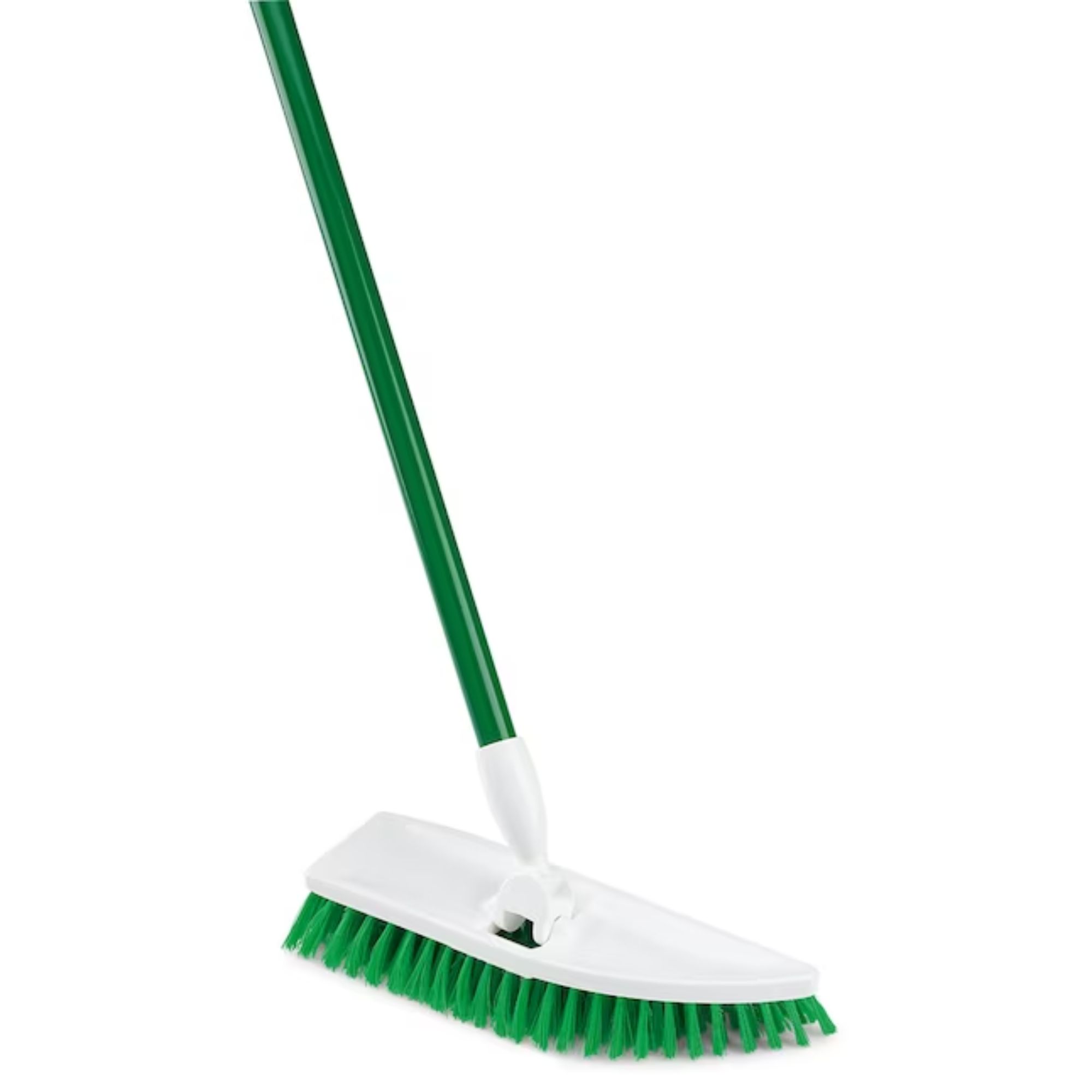
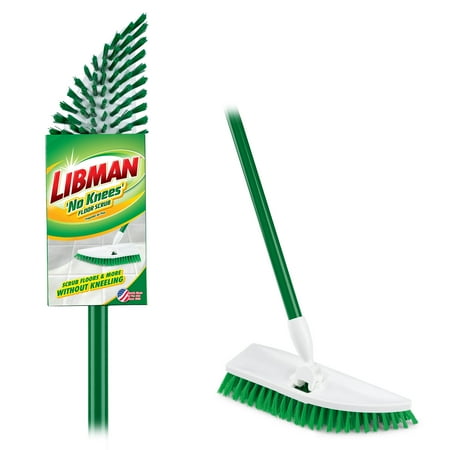
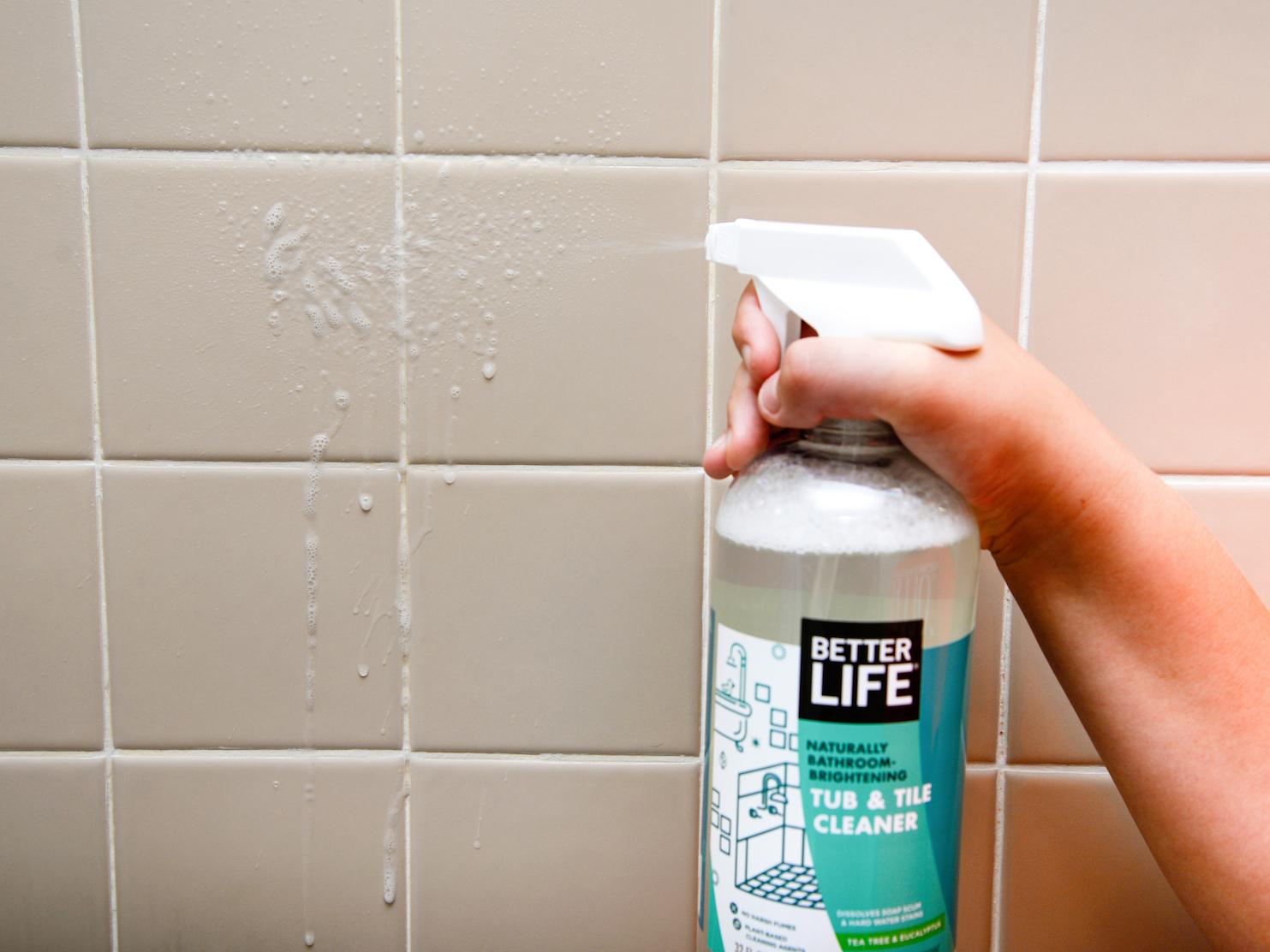
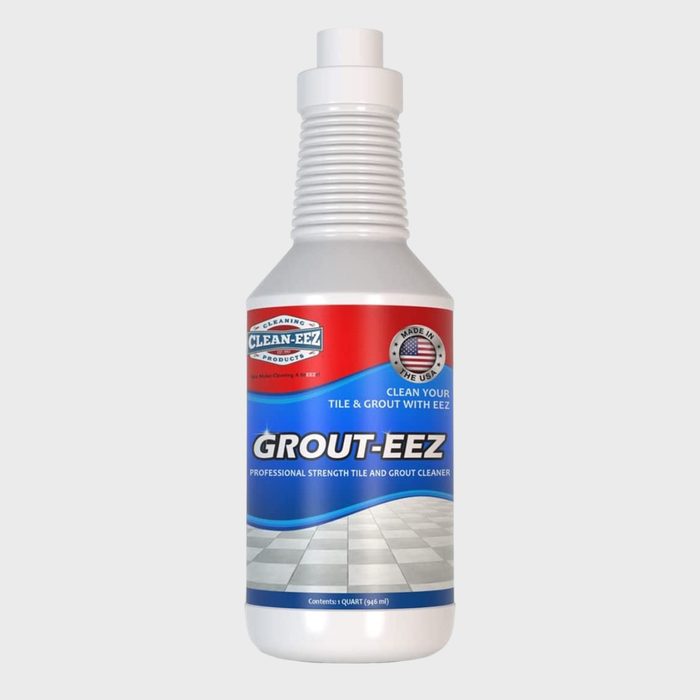
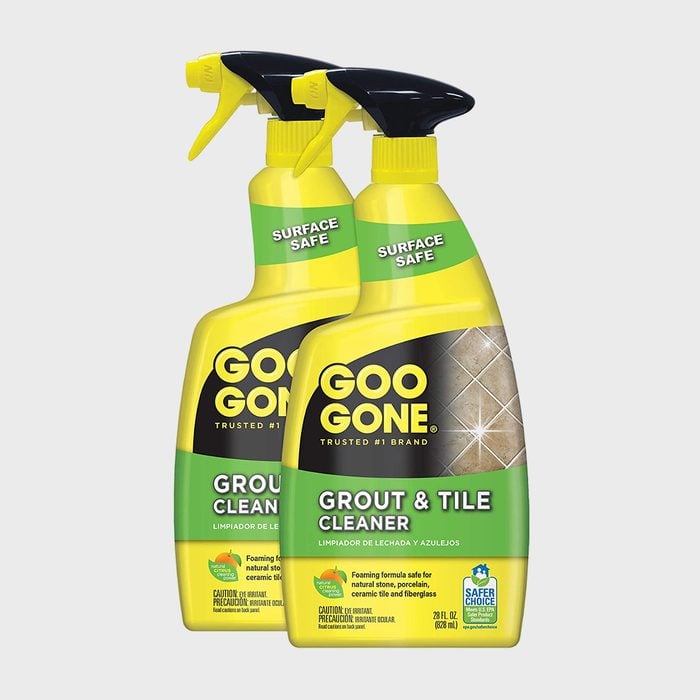
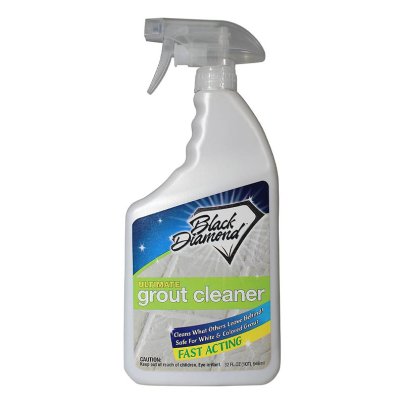
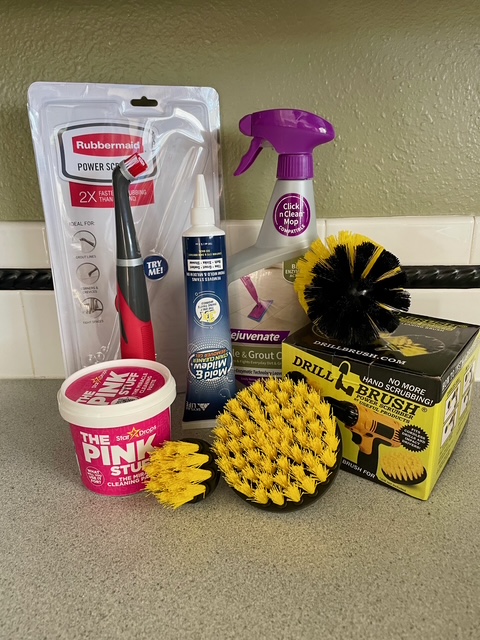
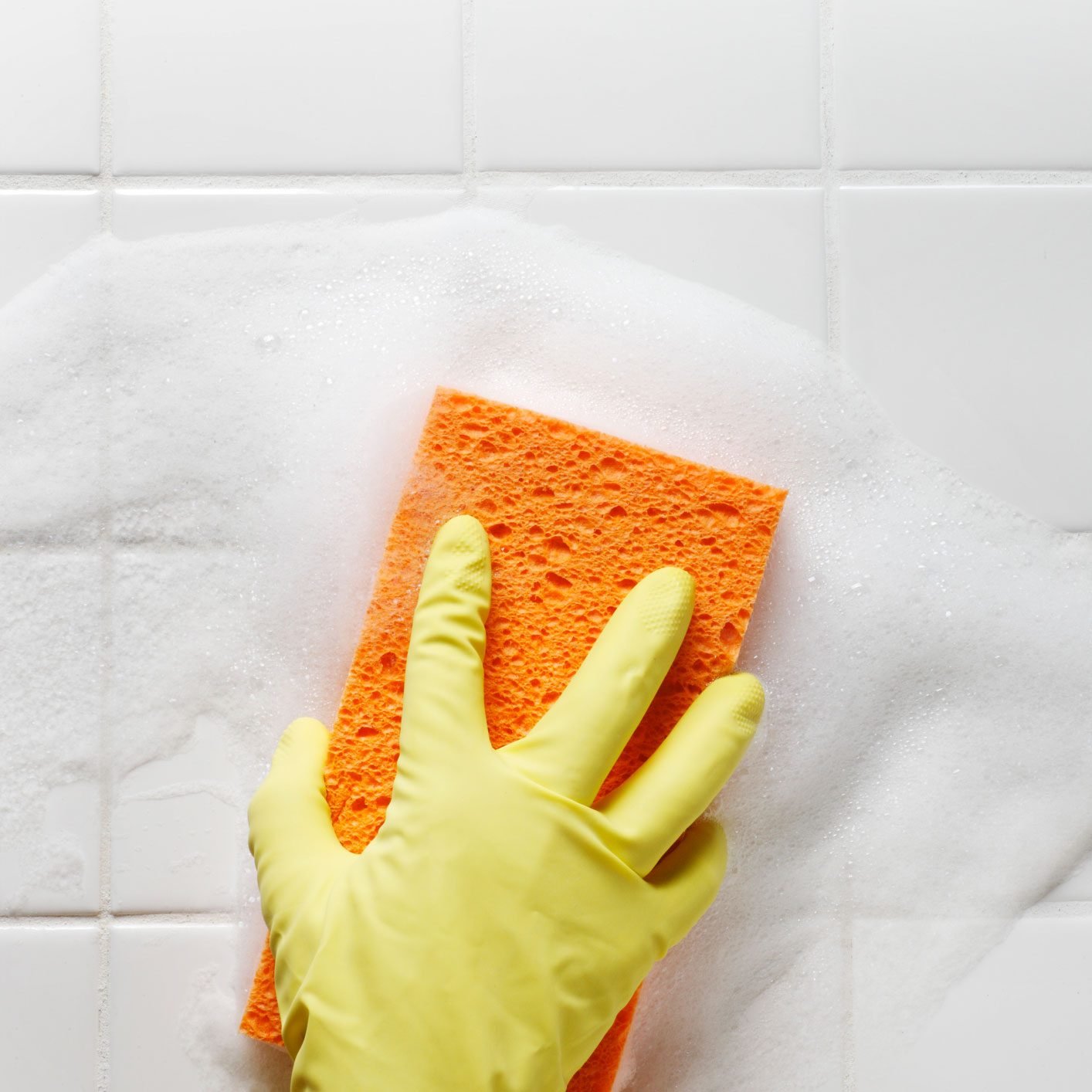
Grout cleaning, often the most challenging aspect of tile maintenance, also requires specific considerations. Grout can be either epoxy- or cement-based. Cement-based grouts are porous and can be dissolved by acids, so a pH-neutral grout cleaner is essential. Oil- or wax-based cleaners should also be avoided as they can cause discoloration or leave a film. Specialized grout brushes are available for effective scrubbing. After applying the cleaner and scrubbing, the grout lines should be thoroughly rinsed with clean water and wiped dry. For stubborn stains, steam cleaning is an option, or in severe cases, professional grout removal and replacement may be necessary.
Beyond regular cleaning, preventive measures can help maintain tile floors. For porcelain and ceramic, using floor mats in high-traffic areas and regular vacuuming can reduce dirt accumulation. In bathrooms, ensuring proper airflow is important to prevent mildew and mold. Promptly wiping up spills, especially acidic ones, is crucial for both tile and grout. Grout sealants should be reapplied every one to three years to maintain their protective barrier. By following these guidelines, homeowners can keep their tile floors beautiful and extend their longevity.
#TileFloorCleaning #HomeMaintenance #GroutCare #pHNeutralCleaners #NaturalStoneCleaning #CeramicTile #PorcelainTile #FloorCareTips #CleaningSchedule #TileFloorCleaning #HomeMaintenance #GroutCare #pHNeutralCleaners #NaturalStoneCleaning #CeramicTile #PorcelainTile #FloorCareTips #CleaningSchedule
0 comment in total
 No comments yet
You may also like
How to Clean Every Type of Floor Quickly and Easily
Best tile cleaner: 6 smart picks to spruce up your tiling

We Tested 10 Tile Cleaners to Find the Best One

The Right Way to Clean Tile and Grout for Sparkling Results

How to Clean Tile Floors—From Ceramic to Cement Surfaces

The 5 Best Tile Floor Cleaners of 2025 for Sparkling Results


There Is A Secret To Cleaning Tile Floors And I Know The Secret
11 Efficient Tile Removal Tools for Floor and Wall Projects


Professional cleaners never waste their time with standard mops on tile floors – this is the $13 essential they always recommend instead

How To Clean Bathroom Tile, According To Professional Cleaners
The 7 Best Grout Cleaners of 2025
How to clean encaustic tiles – an expert guide
Pros Reveal the Best Way to Clean Tile Floors + Easy Secret to Get Grout White Again


The Floor Decluttering Method is so easy and works
How to Tile a Bathroom Floor Yourself
We Tested 14 of the Best Grout Cleaners—See Which 7 We Recommend
I thought my mop was just OK – until a professional cleaner taught me the right way to use it
You're cleaning your bathroom floor wrong, experts warn – here's how to get it right

I swear by this incredibly easy 5-step method for cleaning real wood floors
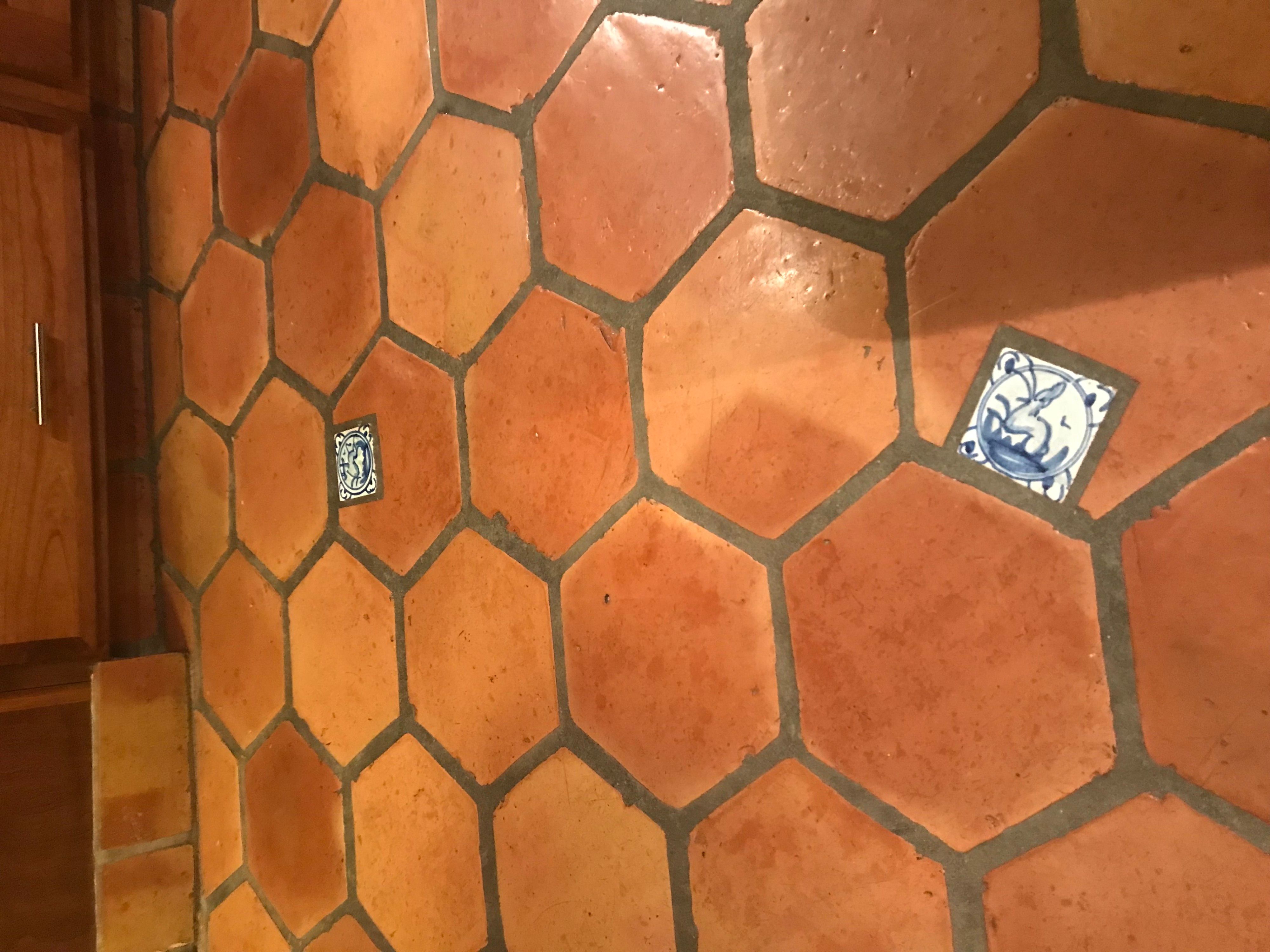
Cleaning tile floors is an art — if you're patient, the results will shine