1/6
An Expert Tells Us How To Keep Your Tile Grout Stain-Free
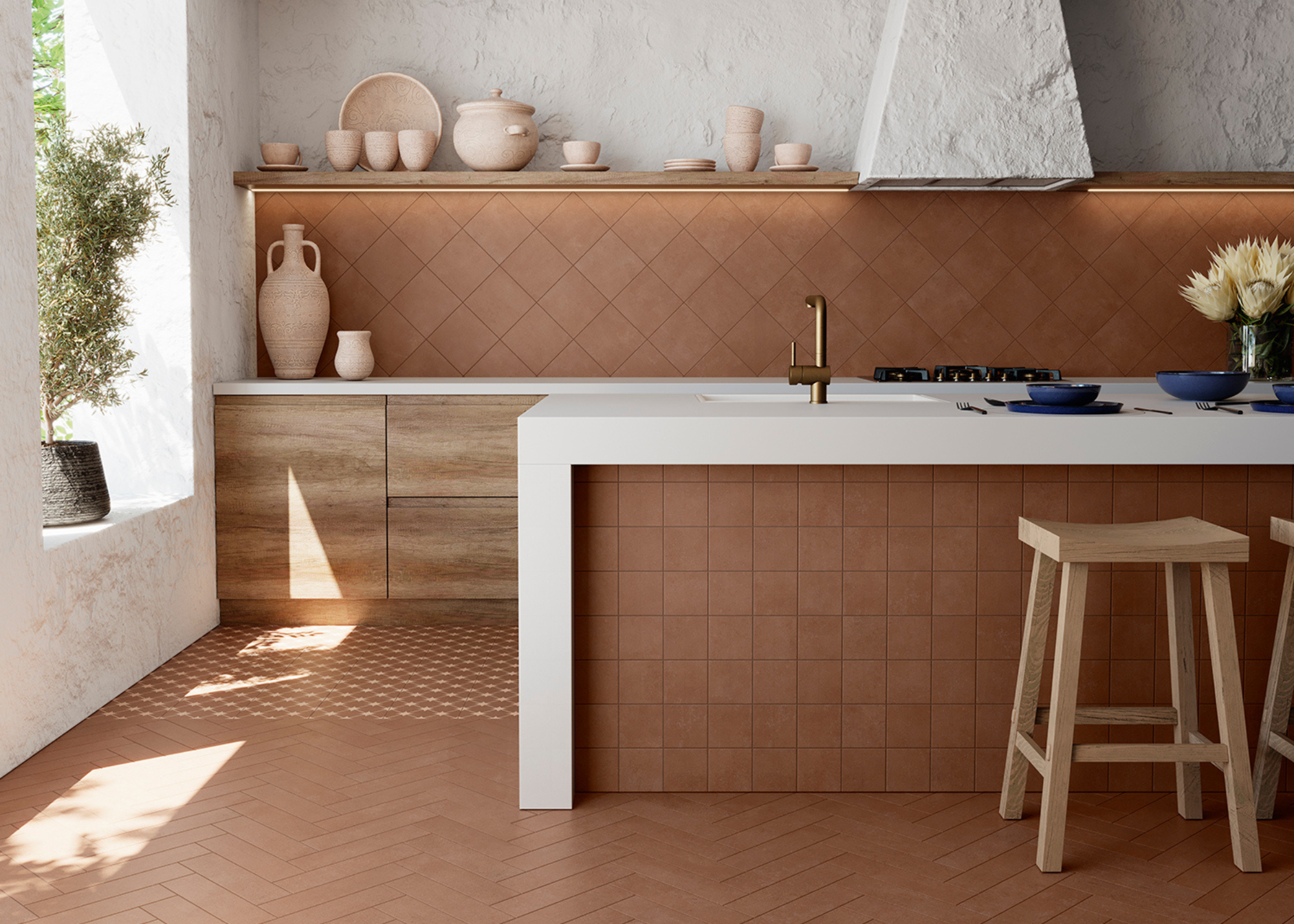
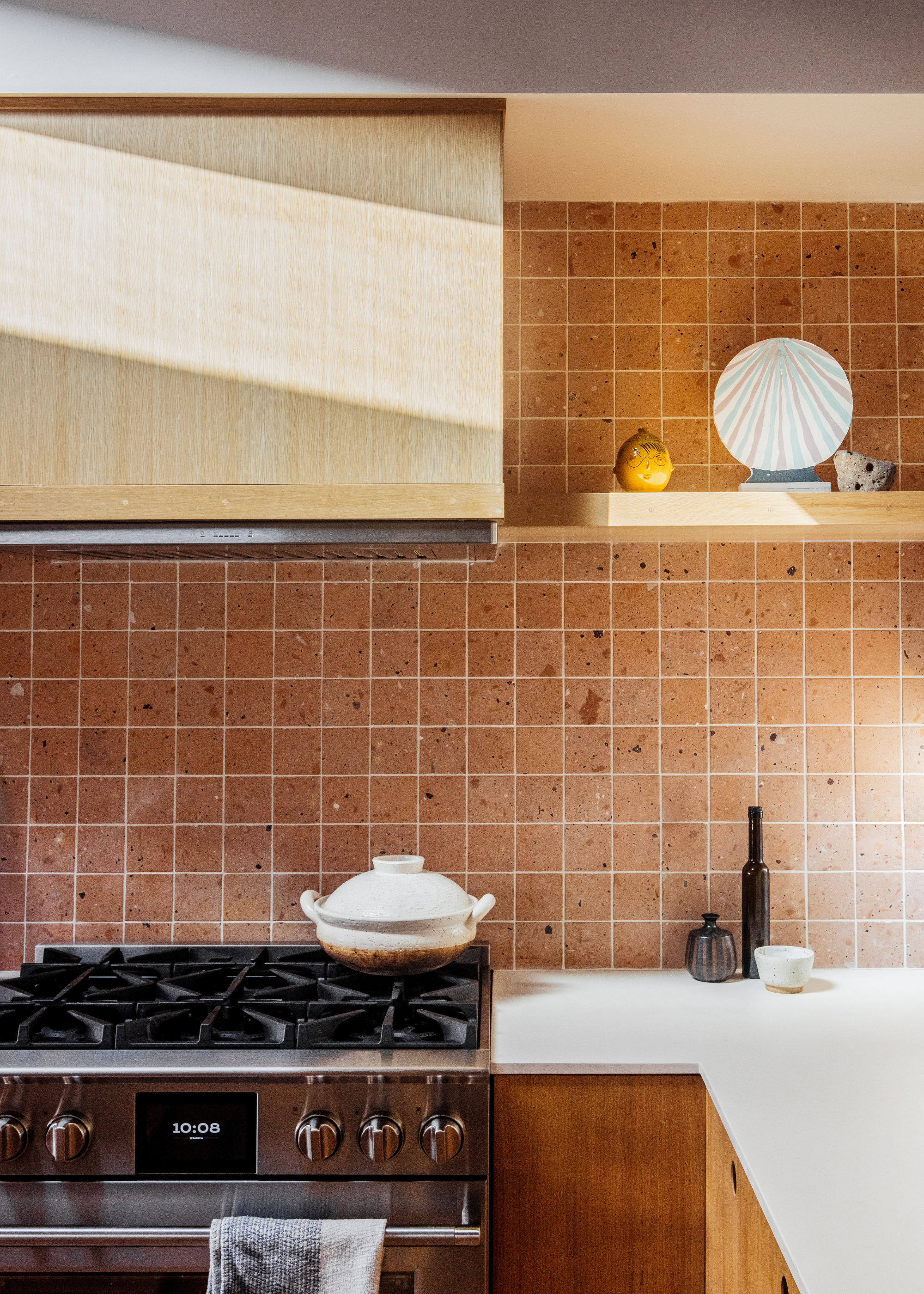
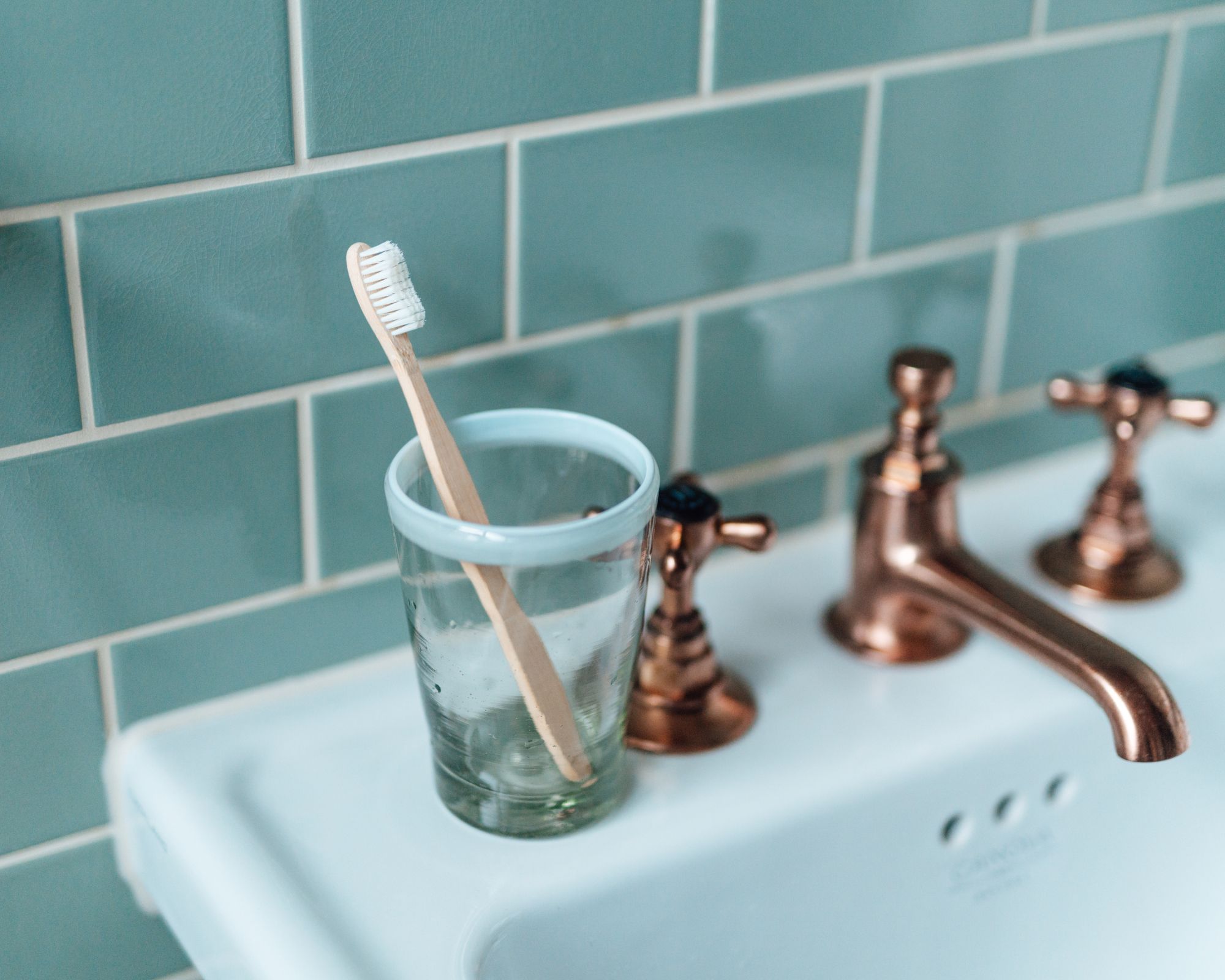
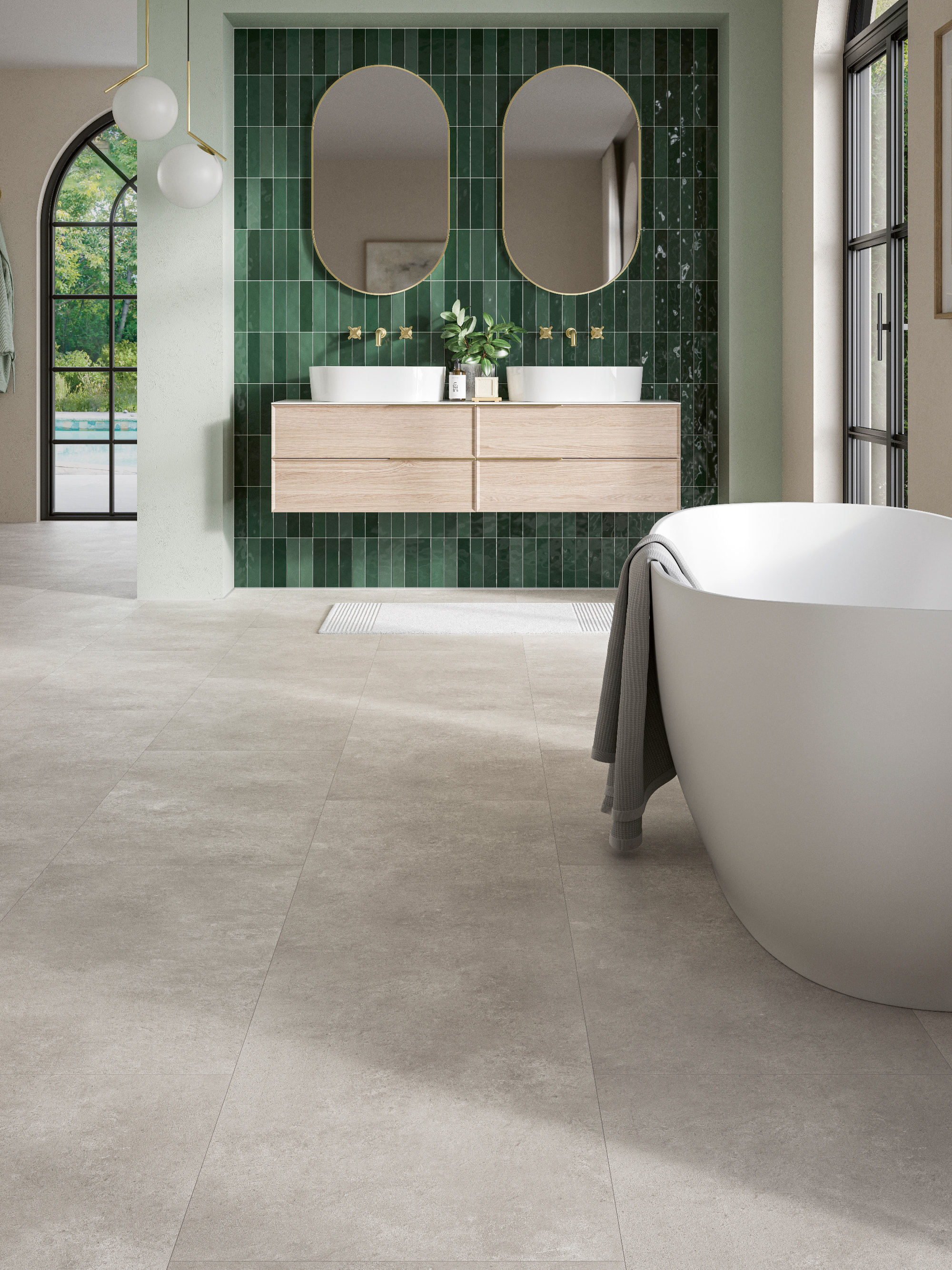
Tile has been a staple building material for thousands of years, known for its durability and suitability in wet, damp, and high-traffic areas within homes, temples, and other structures. Despite its long history and widespread use, maintaining clean grout remains a common challenge for homeowners. The porous nature and typically light coloring of grout make it prone to discoloration and staining, leading to an ongoing struggle for cleanliness. Beyond aesthetics, poorly maintained grout can lead to more significant issues such as cracks and water damage to the underlying walls or flooring, which can be costly to repair.
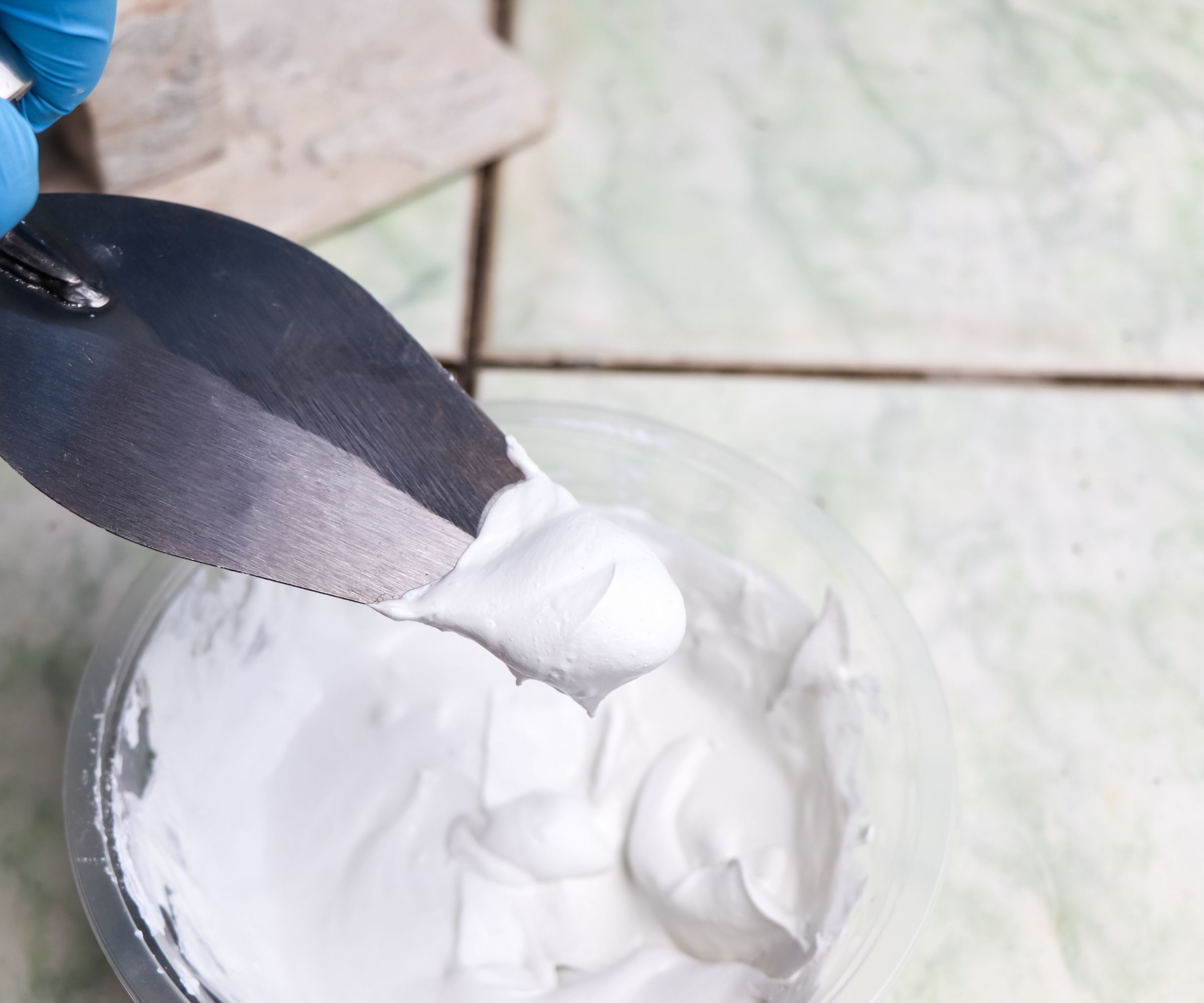
To prevent grout stains, selecting the appropriate grout during installation is crucial. While cement-based grouts are more affordable and commonly used in DIY projects, they are porous and susceptible to staining. Tile expert Kevin Bingham recommends epoxy-based grouts for areas like kitchens, bathrooms, and showers. These grouts are made from a plastic polymer-like material that forms a smooth, waterproof, and stain-proof surface when dry. Although more expensive initially, epoxy-based grouts offer greater durability and sustainability, reducing the need for frequent cleaning and resealing.
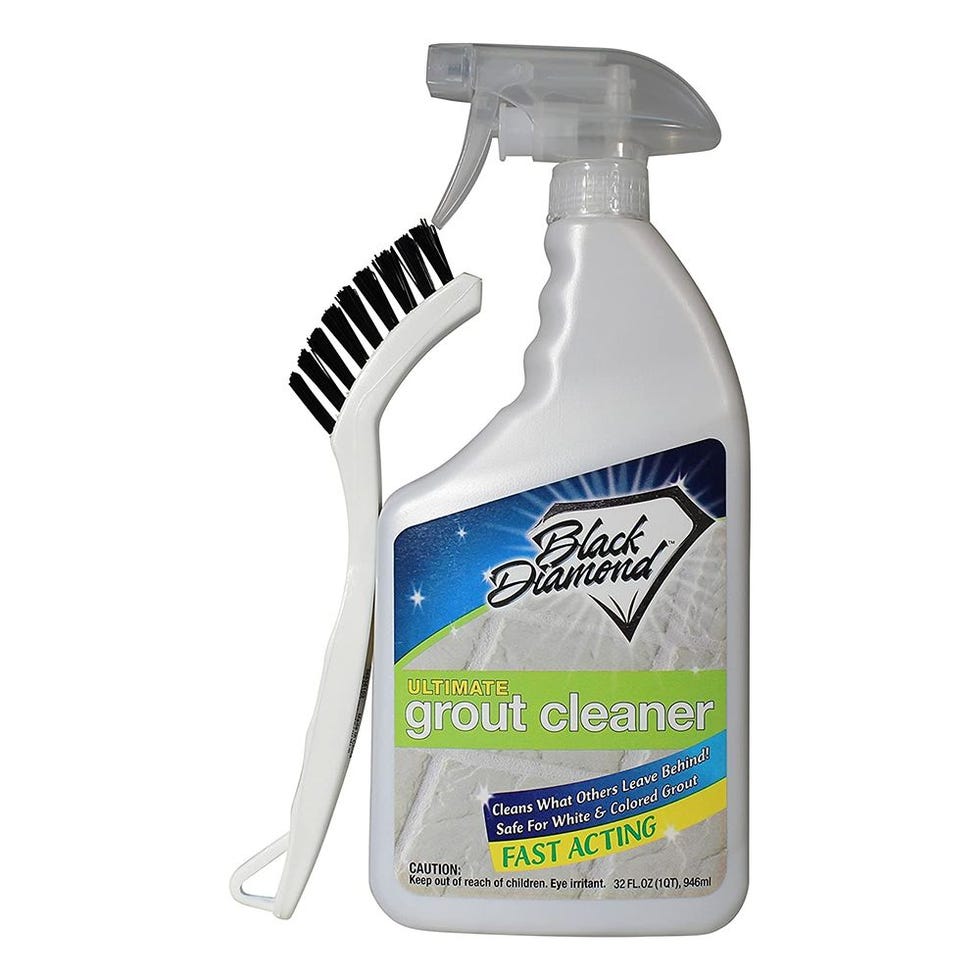
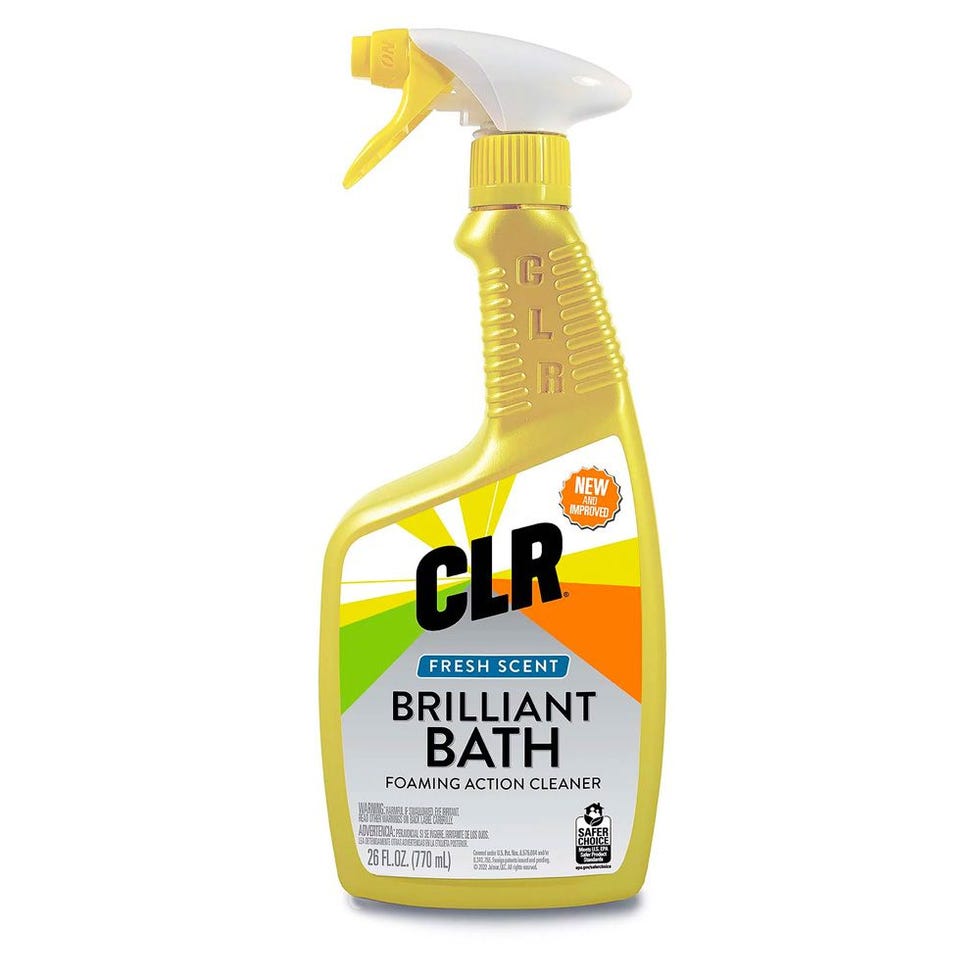
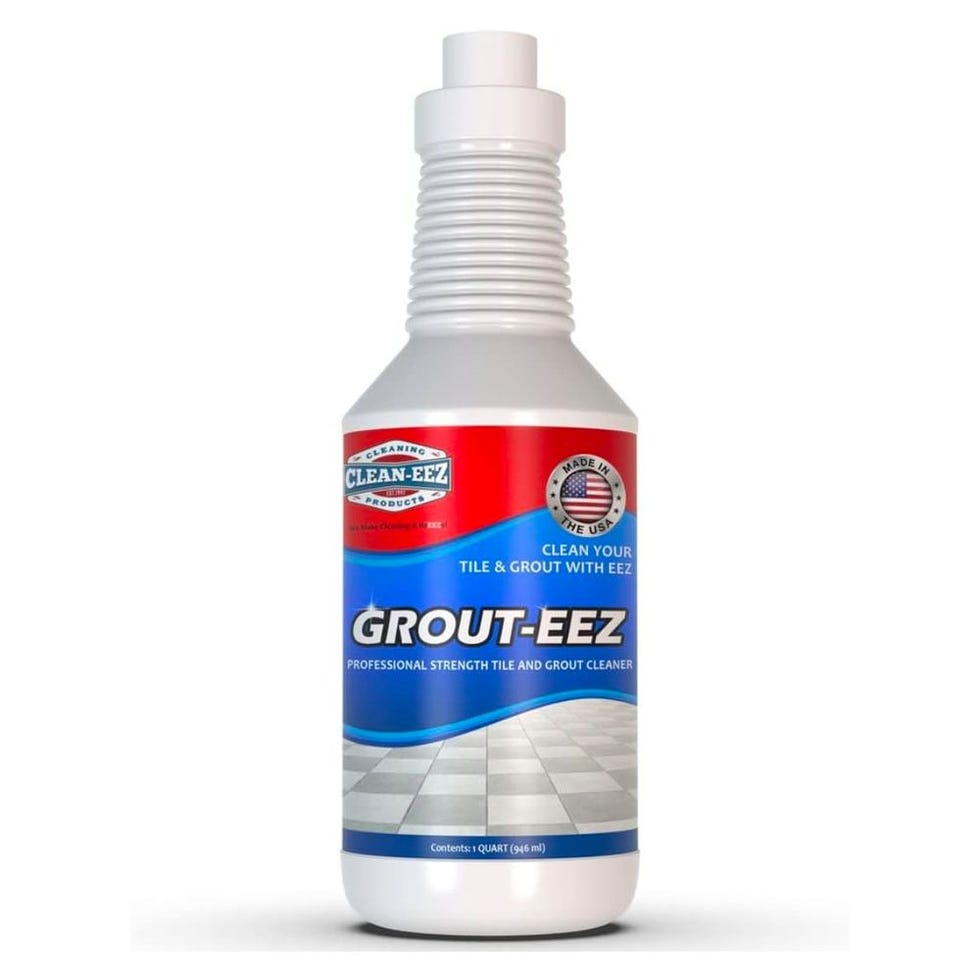
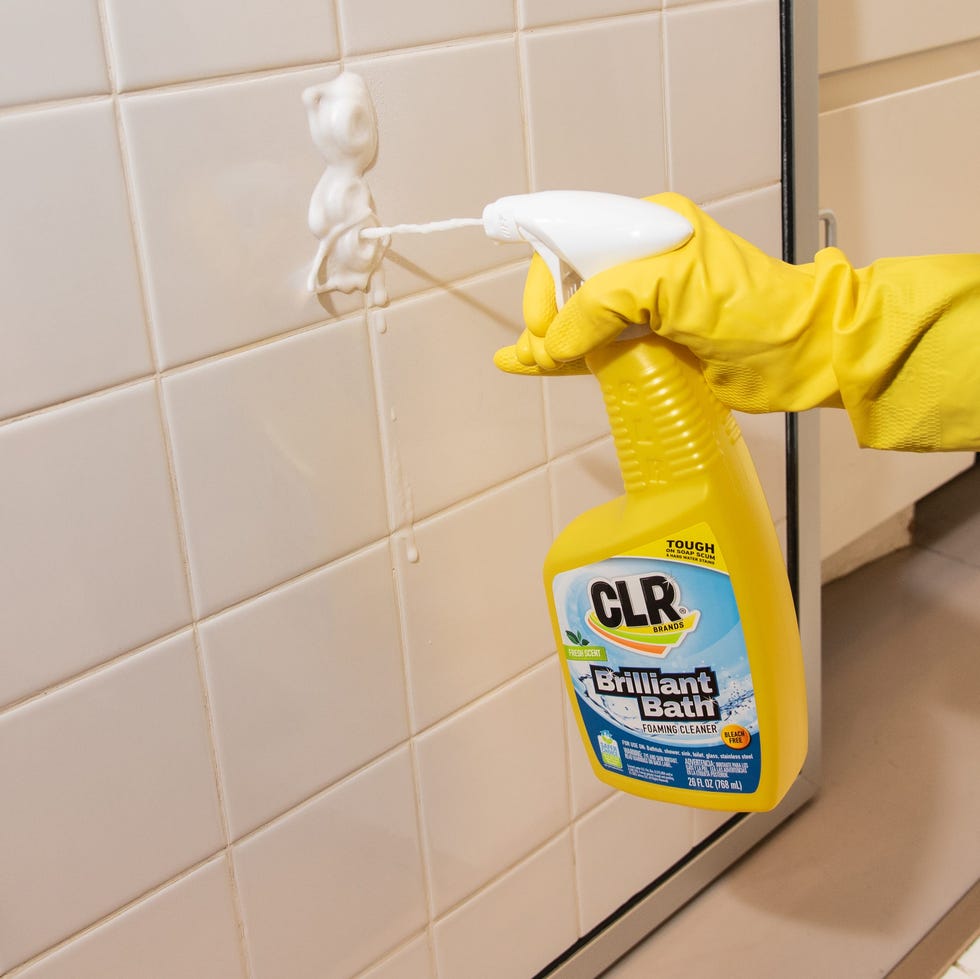
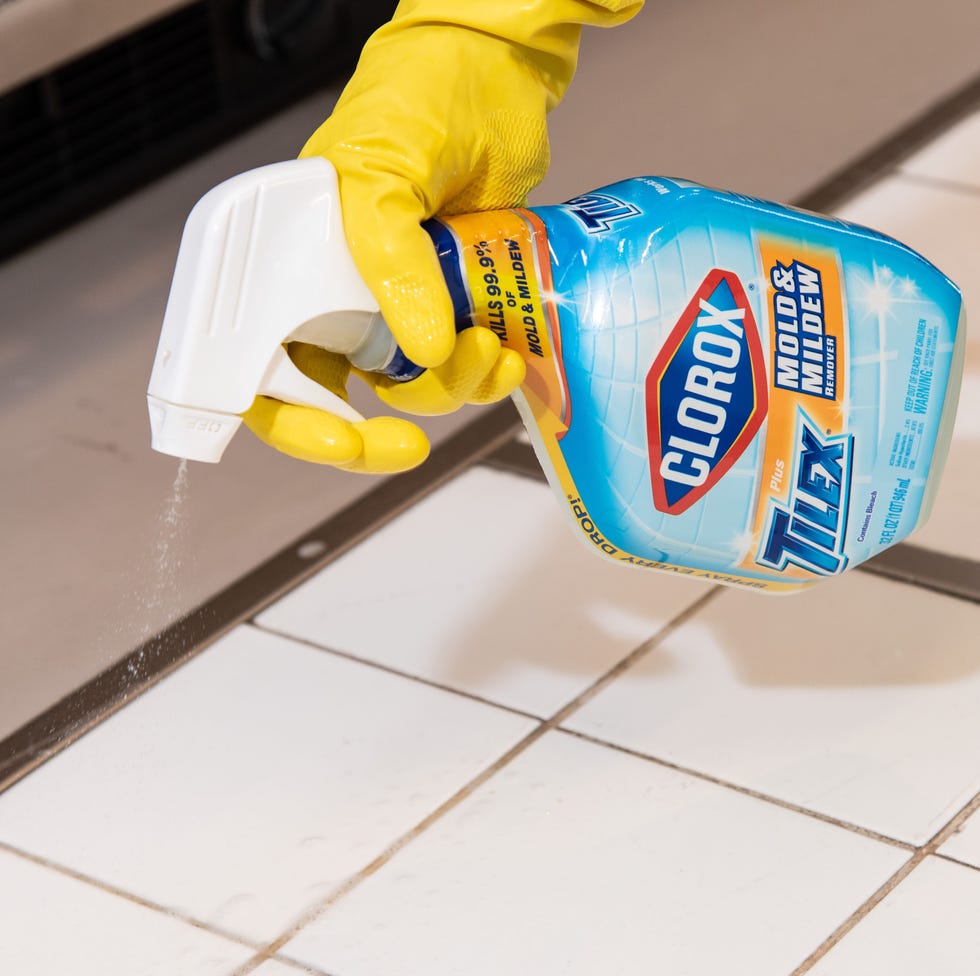
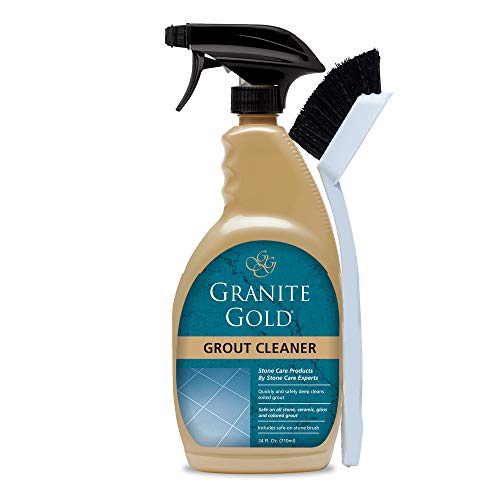
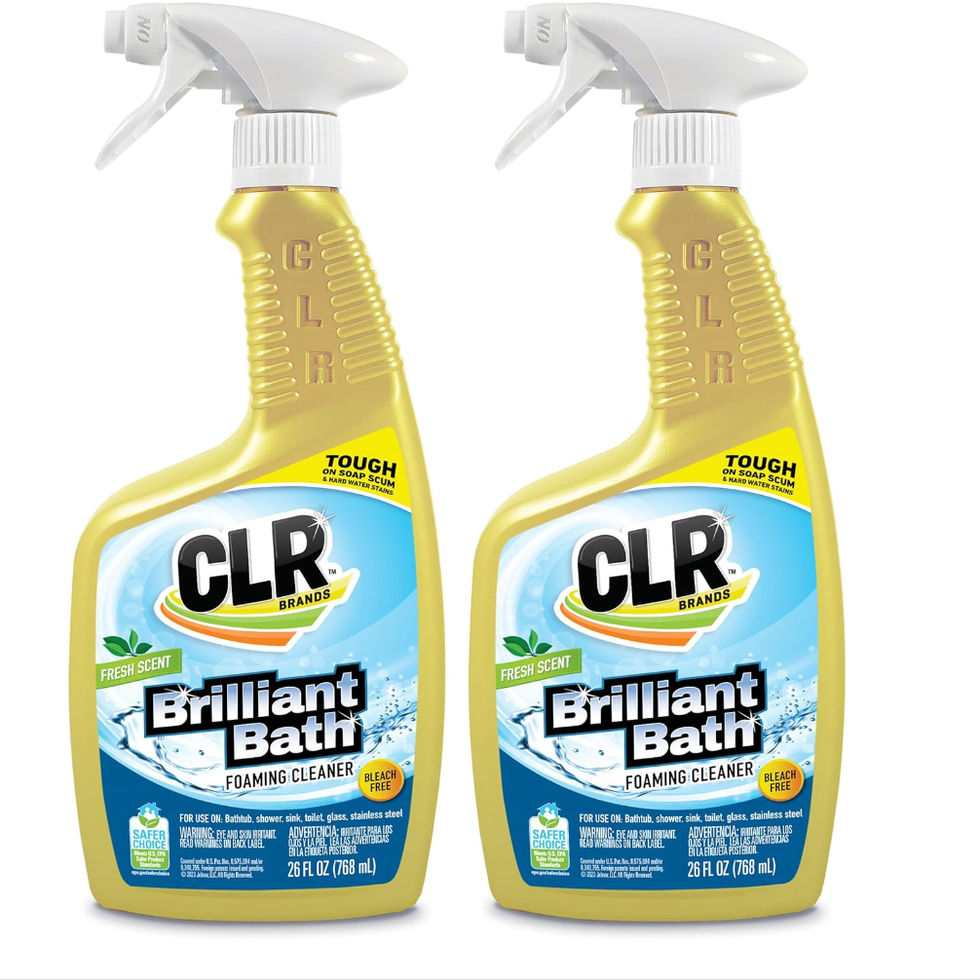
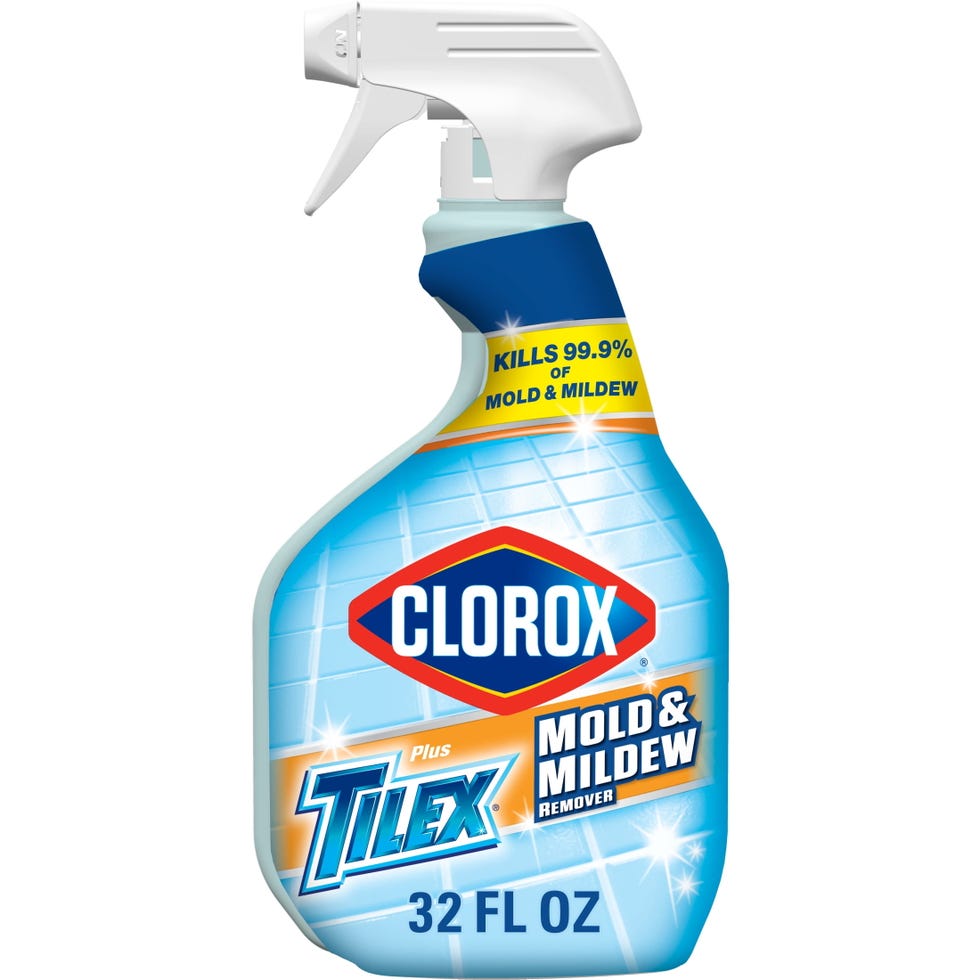
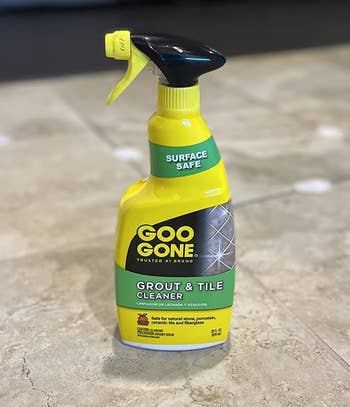
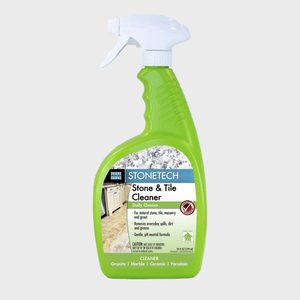
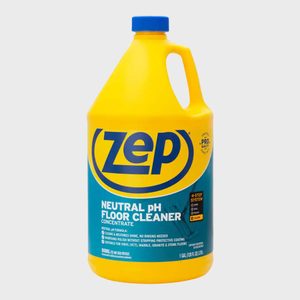
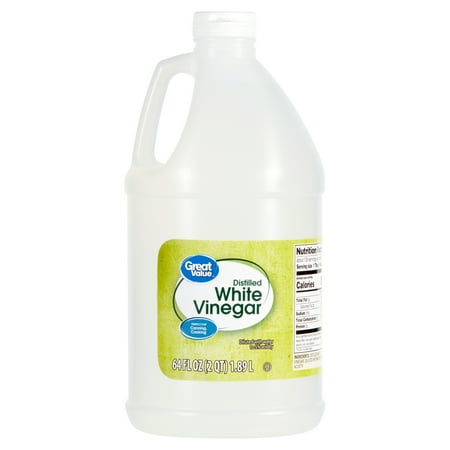
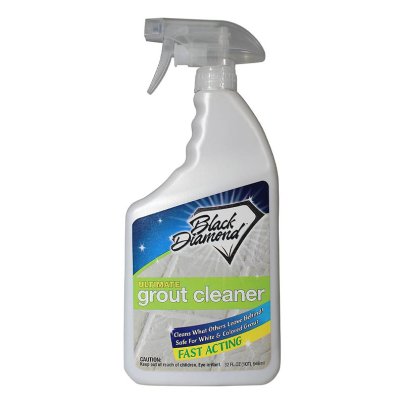
The choice of cleaning products also plays a significant role in grout maintenance. Harsh chemical cleaners, while seemingly effective, can damage grout over time. It is advisable to consult with the supplier to ensure compatibility with the specific grout material. For homemade solutions, gentle ingredients such as water, vinegar, baking soda, and dish soap are recommended. Bleach-based products should be avoided entirely, as they can weaken grout and cause discoloration, even in darker-colored grouts. For optimal stain prevention and lifting, VOC-free water-based cleaning products, like the Fila Fugaproof Grout Protector Spray, are suggested, regardless of the grout type.
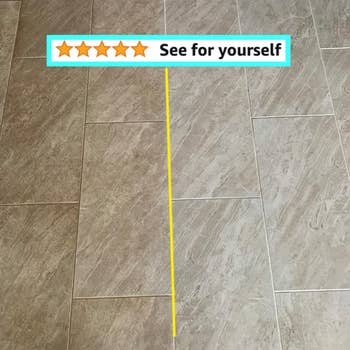
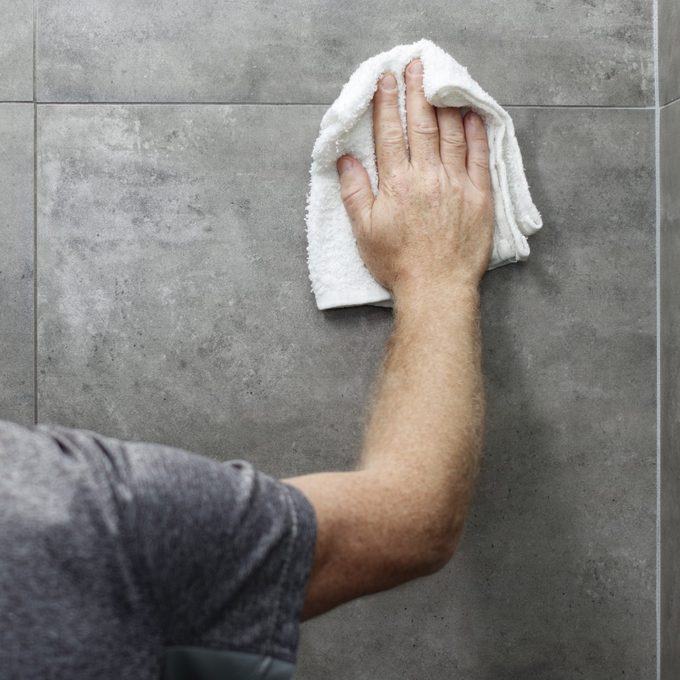
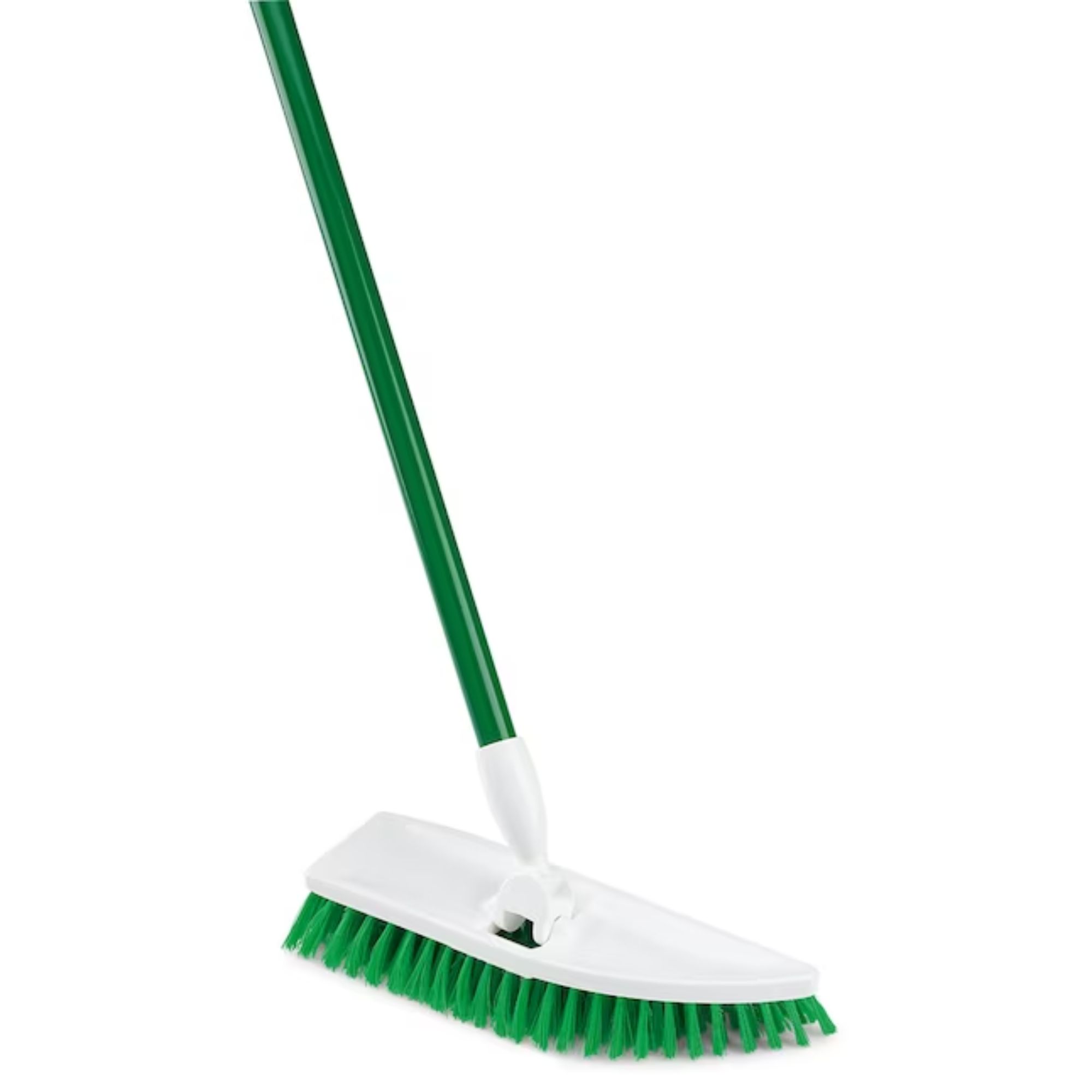
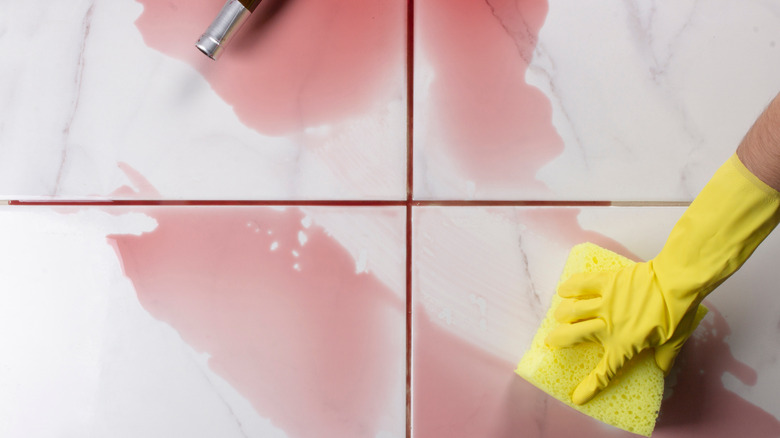
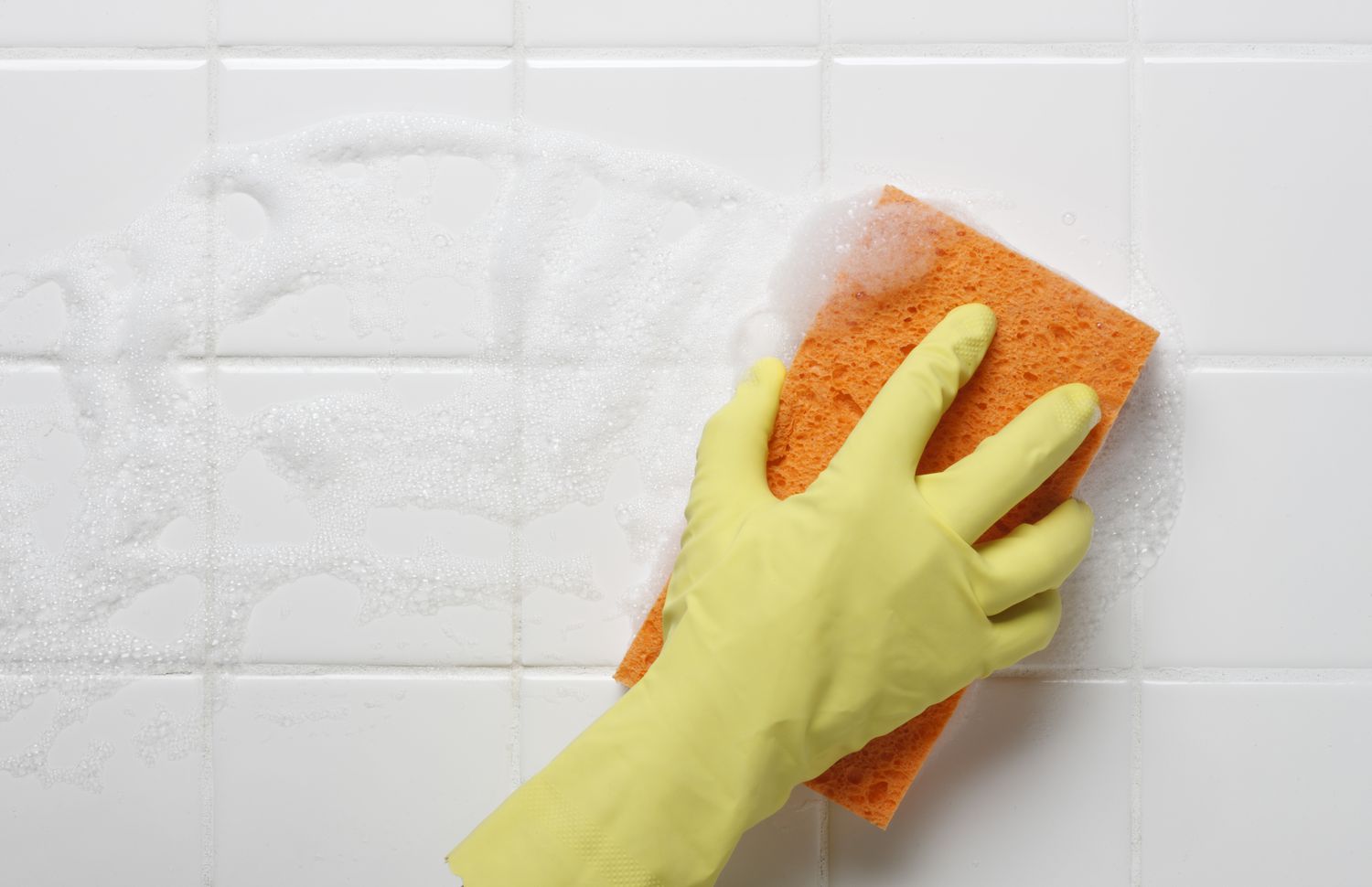
Effective cleaning methods are as important as the materials used. Over-scrubbing should be avoided, as grout's primary function is to hold tiles together and provide a watertight seal. However, its porous nature makes it susceptible to discoloration if not cleaned properly. Using clean mop water is essential, as dirty water can saturate and stain grout. In bathrooms, splatters from toiletries, hair oils, and other beauty products can be absorbed into wall grout due to humid conditions. Promptly wiping up grime and preventing product accumulation can mitigate this issue.
After cleaning, allowing grout to dry completely is critical before applying any protective treatments. Depending on humidity levels, grout thickness, and the amount of water used, drying can take anywhere from 30 minutes to 24 hours. Once dry, a spray-on topical grout protector should be applied to minimize the buildup of grime, oil, and dirt. Applying the protector too soon can trap moisture, leading to mold and reduced effectiveness. Regular maintenance, such as sweeping or vacuuming tiled floors twice a week, prevents debris from collecting on the grout.
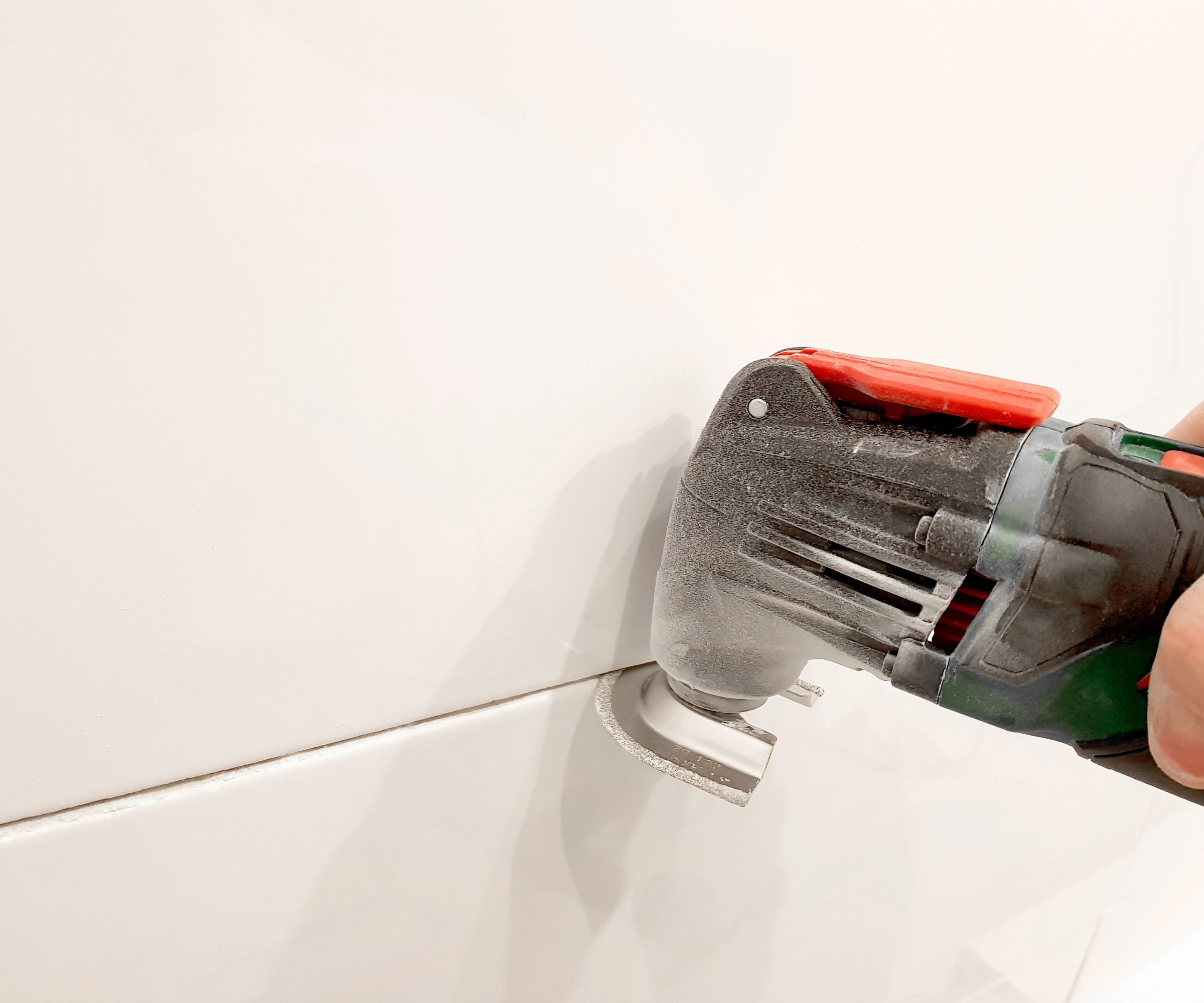
Despite diligent maintenance, grout will eventually show signs of wear and tear, such as discoloration, crumbling, loosening, or persistent mold, indicating a need for re-grouting. While there's no exact timeline, re-grouting is typically necessary every eight to fifteen years, with annual re-sealing recommended. Re-grouting can be a DIY project, simplified by using a grout rake to remove old grout and install new material, thus extending the life and appearance of tiled surfaces.
#TileMaintenance #GroutCleaning #HomeImprovement #EpoxyGrout #GroutProtection #CleaningTips #DIYHome #BathroomMaintenance #KitchenMaintenance #TileMaintenance #GroutCleaning #HomeImprovement #EpoxyGrout #GroutProtection #CleaningTips #DIYHome #BathroomMaintenance #KitchenMaintenance
0 comment in total
 No comments yet
You may also like
The Best Grout Cleaners for Pristine Tiles in Every Room
If Your Grout Has Seen Better Days, You Need One Of These Best-Of-The-Best Grout Cleaners

How to regrout between tiles to keep them from looking tired in 6 simple steps

How to clean grout on tile, according to experts - TODAY

6 Best Grout Cleaners of 2026, Tested and Approved by Cleaning Experts


5 Problems With Tiled Backsplashes in Kitchens That No One Ever Talks About

The Right Way to Clean Tile and Grout for Sparkling Results

We Tested 14 of the Best Grout Cleaners—See Which 7 We Recommend

6 Best Grout Cleaners for a Brilliant Bathroom
Pros Reveal the Best Way to Clean Tile Floors + Easy Secret to Get Grout White Again


Professional cleaners never waste their time with standard mops on tile floors – this is the $13 essential they always recommend instead
Best tile cleaner: 6 smart picks to spruce up your tiling


7 Tricks The Pros Use To Keep Bathroom Tile Looking Brand-New
7 Best Grout Cleaners for a Brilliant Bathroom

You're cleaning your bathroom floor wrong, experts warn – here's how to get it right
The 7 Best Grout Cleaners of 2025

What’s making your bathroom tiles look cheap? 7 things to look out for, according to experts
How to Clean Tile Floors Quickly and Easily

Tile Grout

How To Clean Bathroom Tile, According To Professional Cleaners