How To Clean Bathroom Tile, According To Professional Cleaners
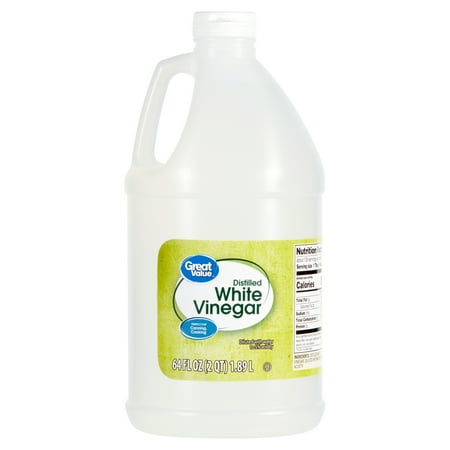
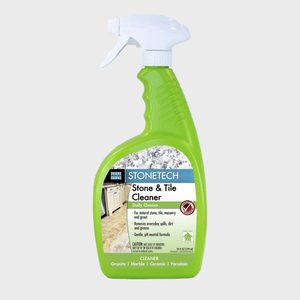
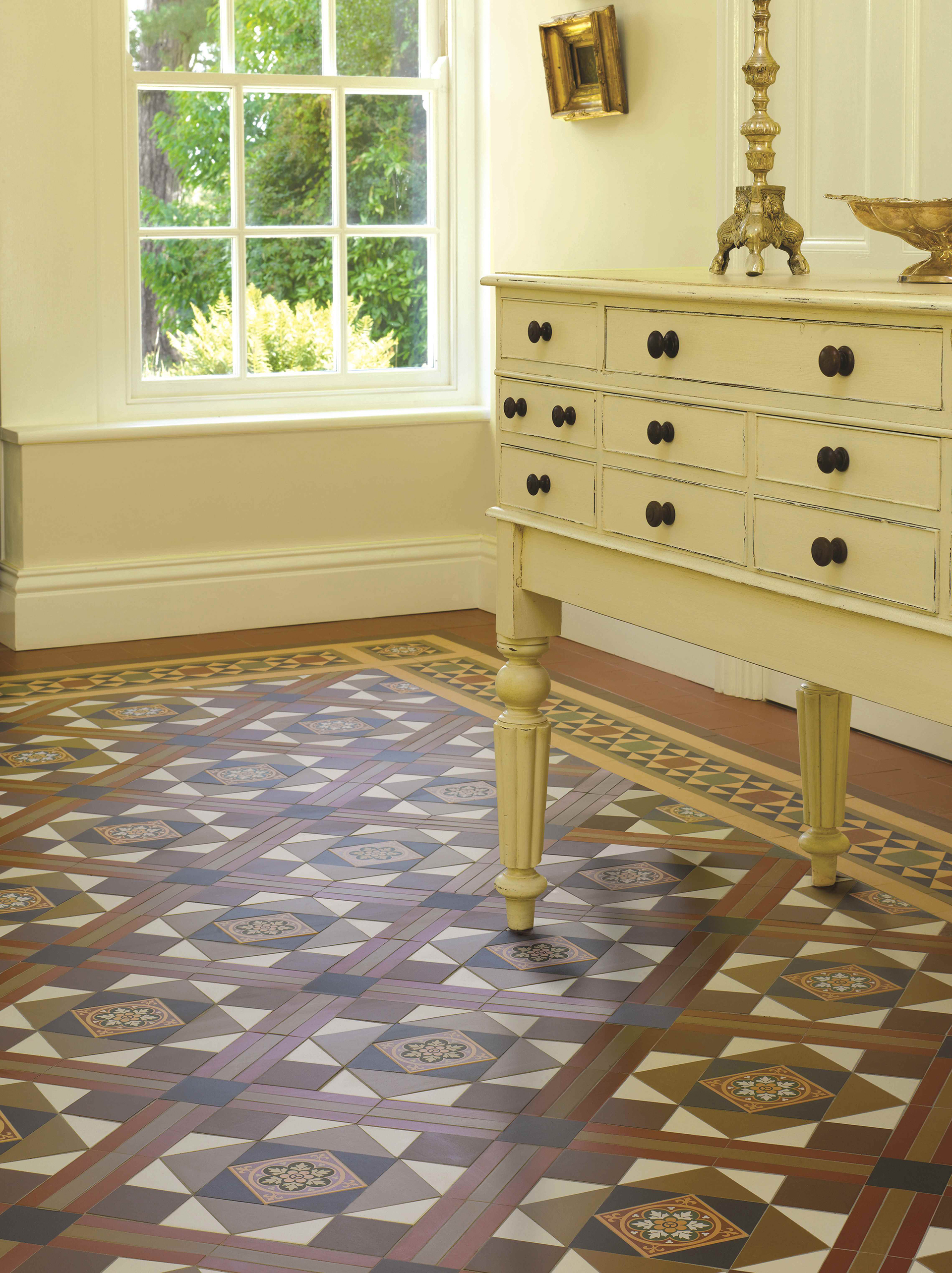
Maintaining clean bathroom tiles is essential to prevent mold and mildew growth, which thrives in humid bathroom environments. The frequency of cleaning depends on usage and available time, with weekly cleaning recommended for heavily used bathrooms, monthly for moderately used ones, and quarterly or before guest arrivals for guest bathrooms. Running a squeegee over tiles after each use can significantly reduce soap scum and moisture, inhibiting mold. Before commencing cleaning, it is crucial to identify the tile type. Ceramic and porcelain tiles can be safely cleaned with a mixture of 50% lemon juice or white vinegar and 50% water. However, marble or stone tiles require a specialized marble/stone cleaner or a gentle soap like Liquid Ivory or Palmolive diluted with water, as acids can damage these materials. Abrasive cleaning agents should be avoided for all tile types to prevent scratching.
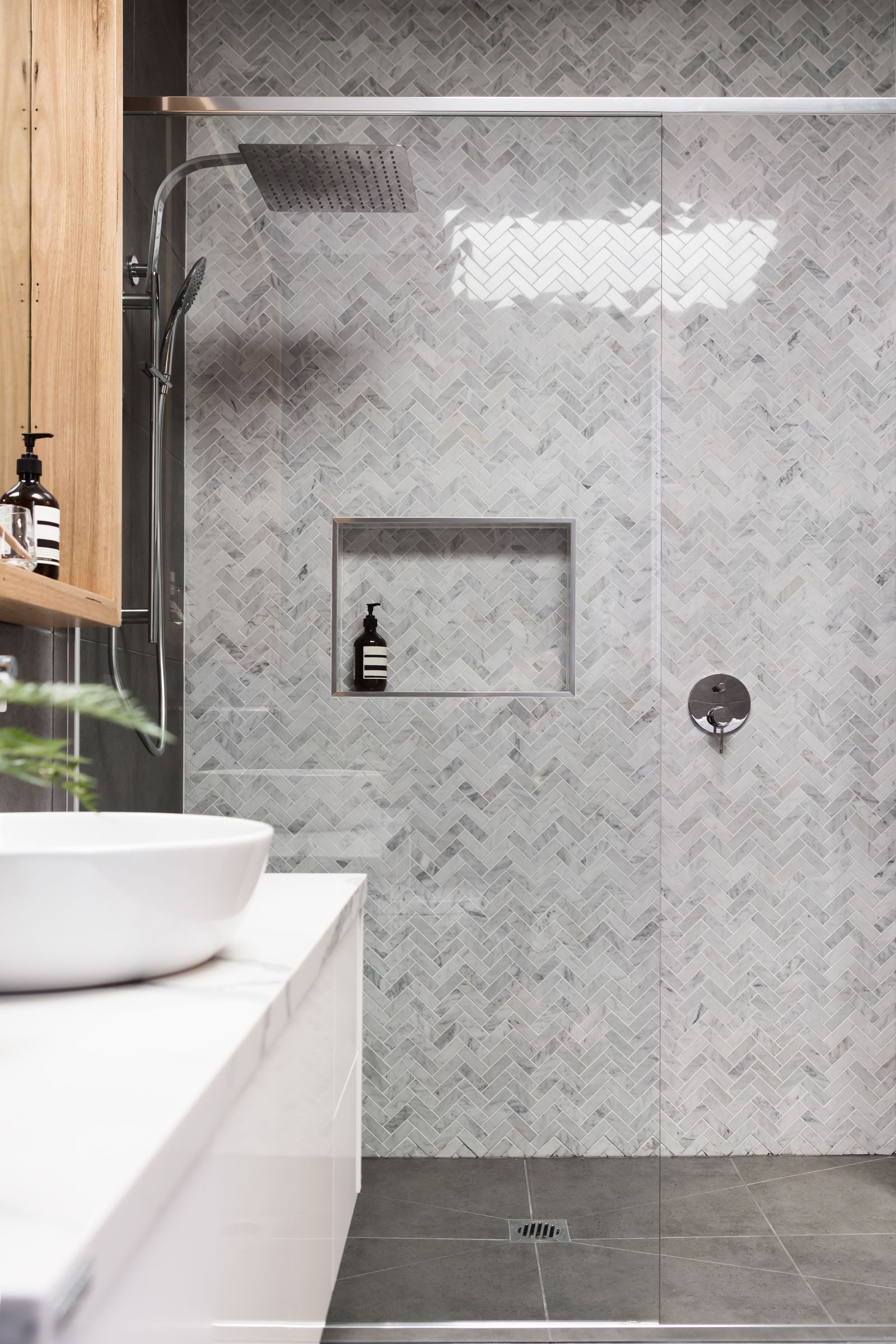
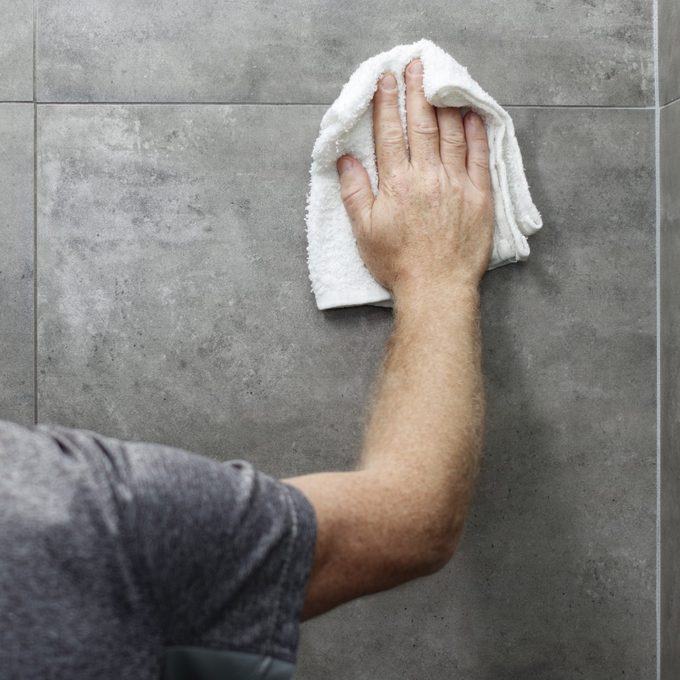
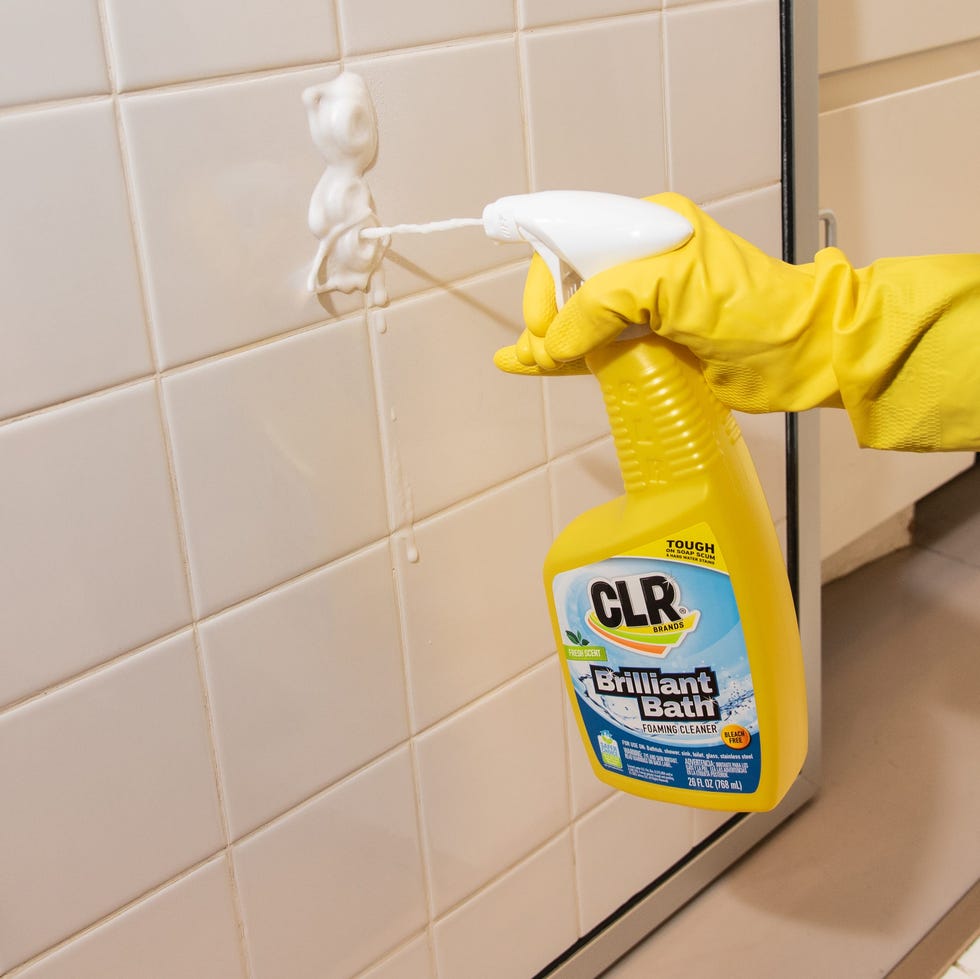
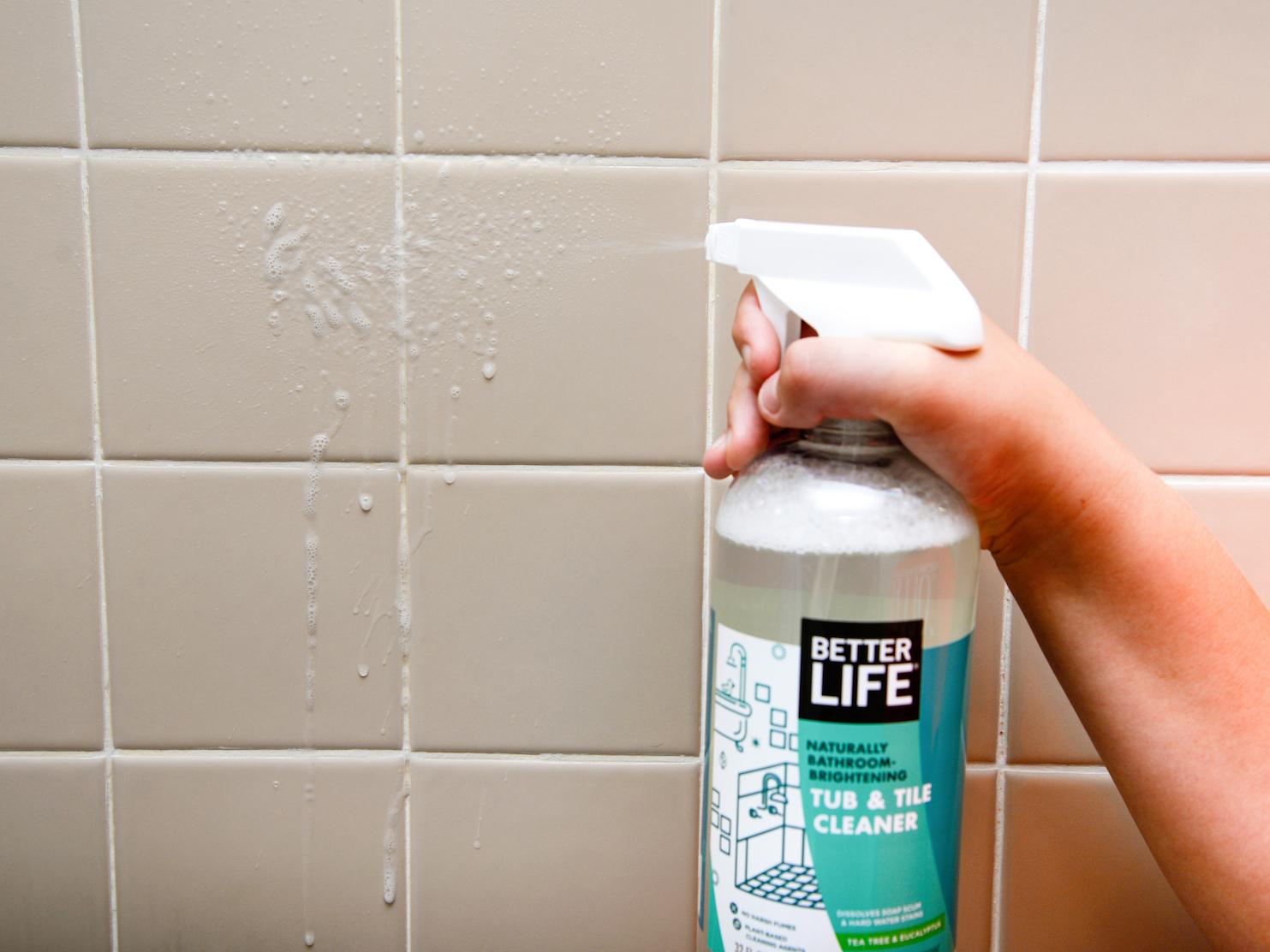
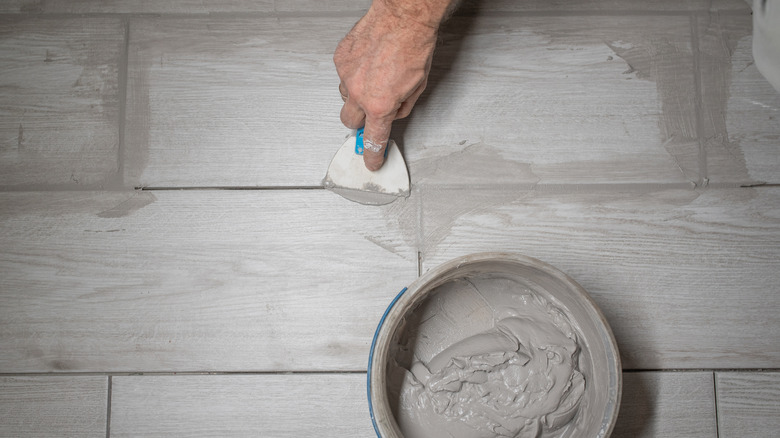
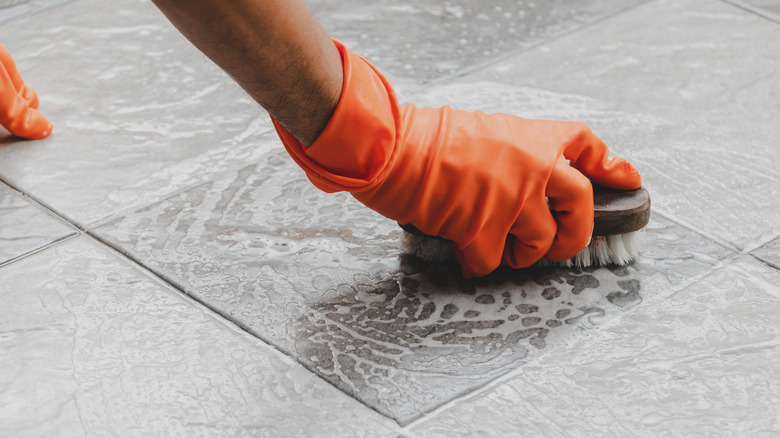
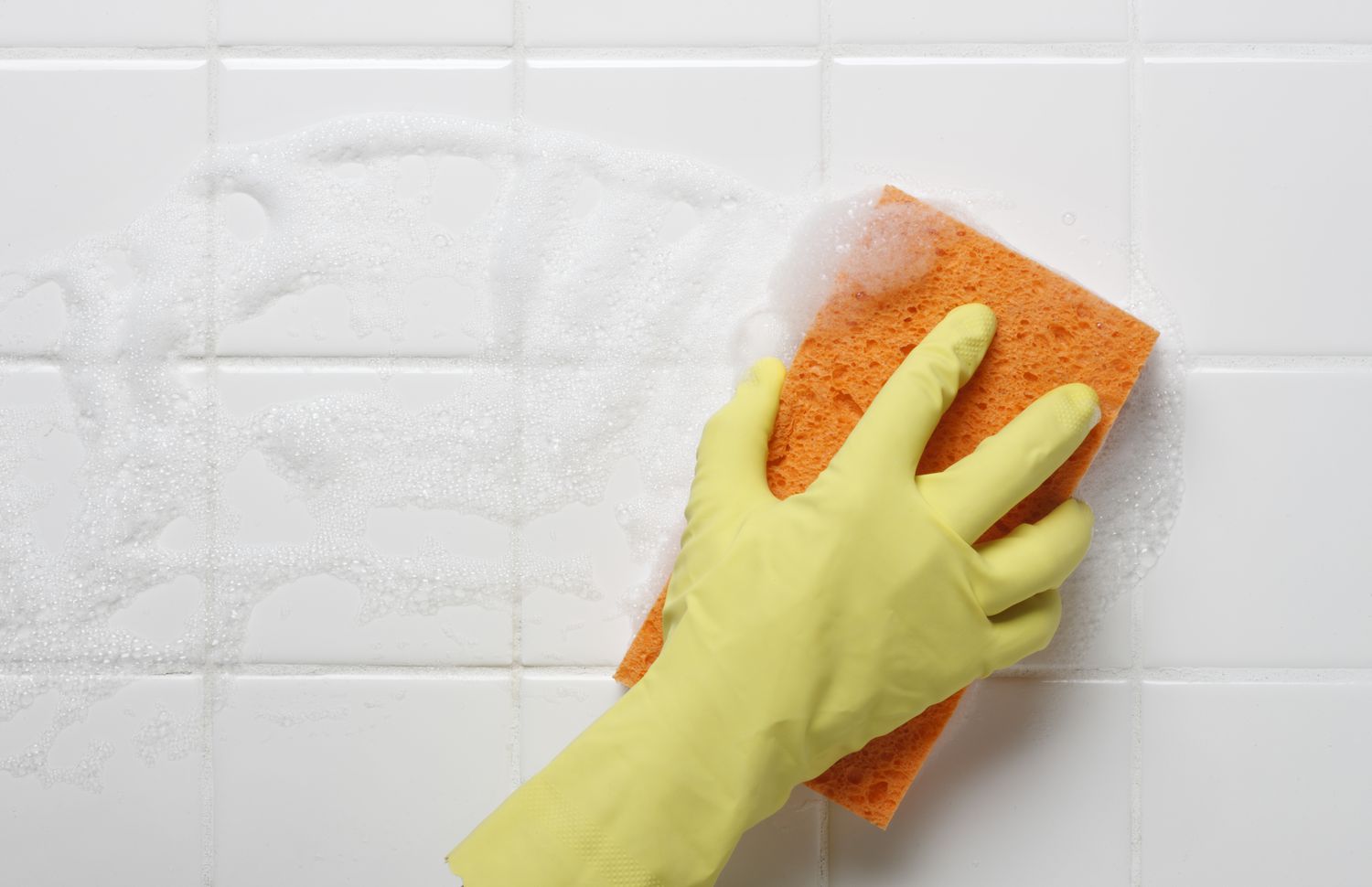
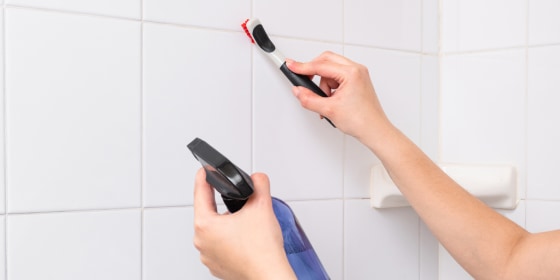
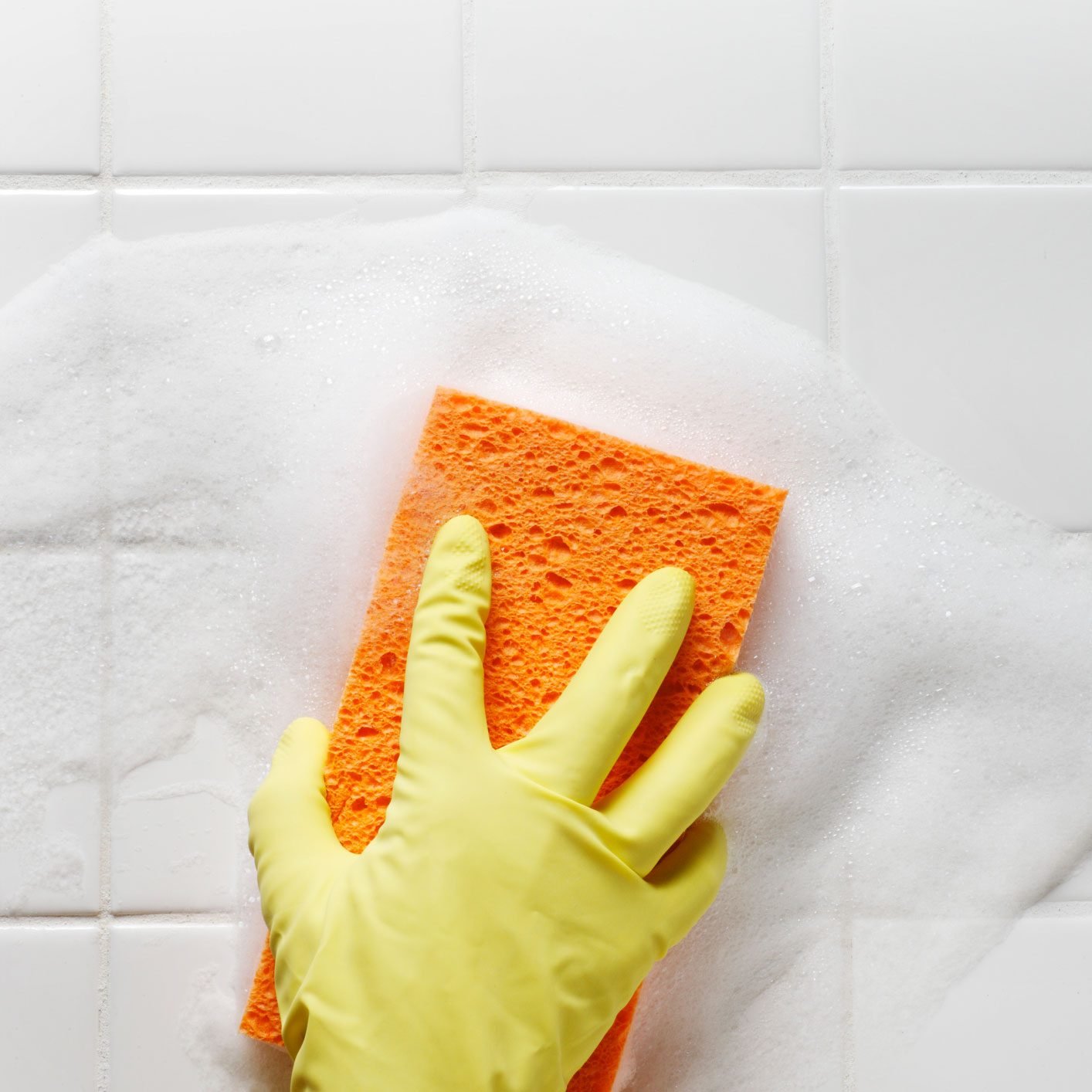
For cleaning wall tiles, the process begins with grout. A paste made from baking soda, or baking soda and white vinegar for stubborn stains, should be applied to the grout, left for a few minutes, and then scrubbed with a toothbrush. Care must be taken with old or poorly maintained grout to prevent crumbling. After rinsing the grout, a cleaning solution can be applied to the tiles, starting from the top. A DIY solution of 50% dish soap and 50% water, or 25% white vinegar, 25% lemon juice, and 50% water, can be used in a spray bottle. This solution should sit for a few minutes to loosen dirt and product buildup. Dirt is then loosened with a soft hand brush or sponge in circular motions, working systematically across the wall. Thorough rinsing with tepid water and a rag or sponge is necessary, followed by drying with a squeegee and a dry rag to prevent streaks, spots, and moisture that encourages mold growth.
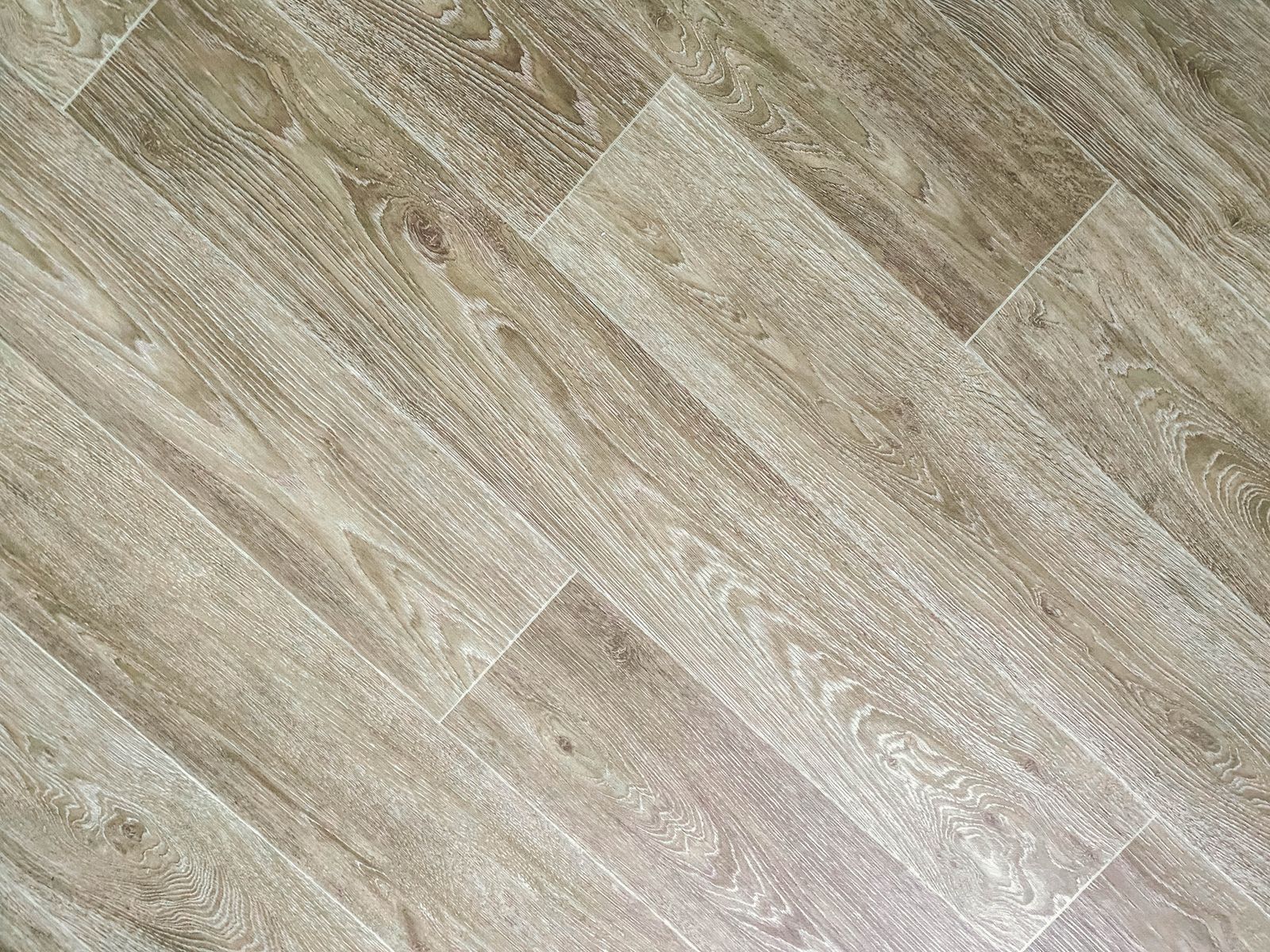
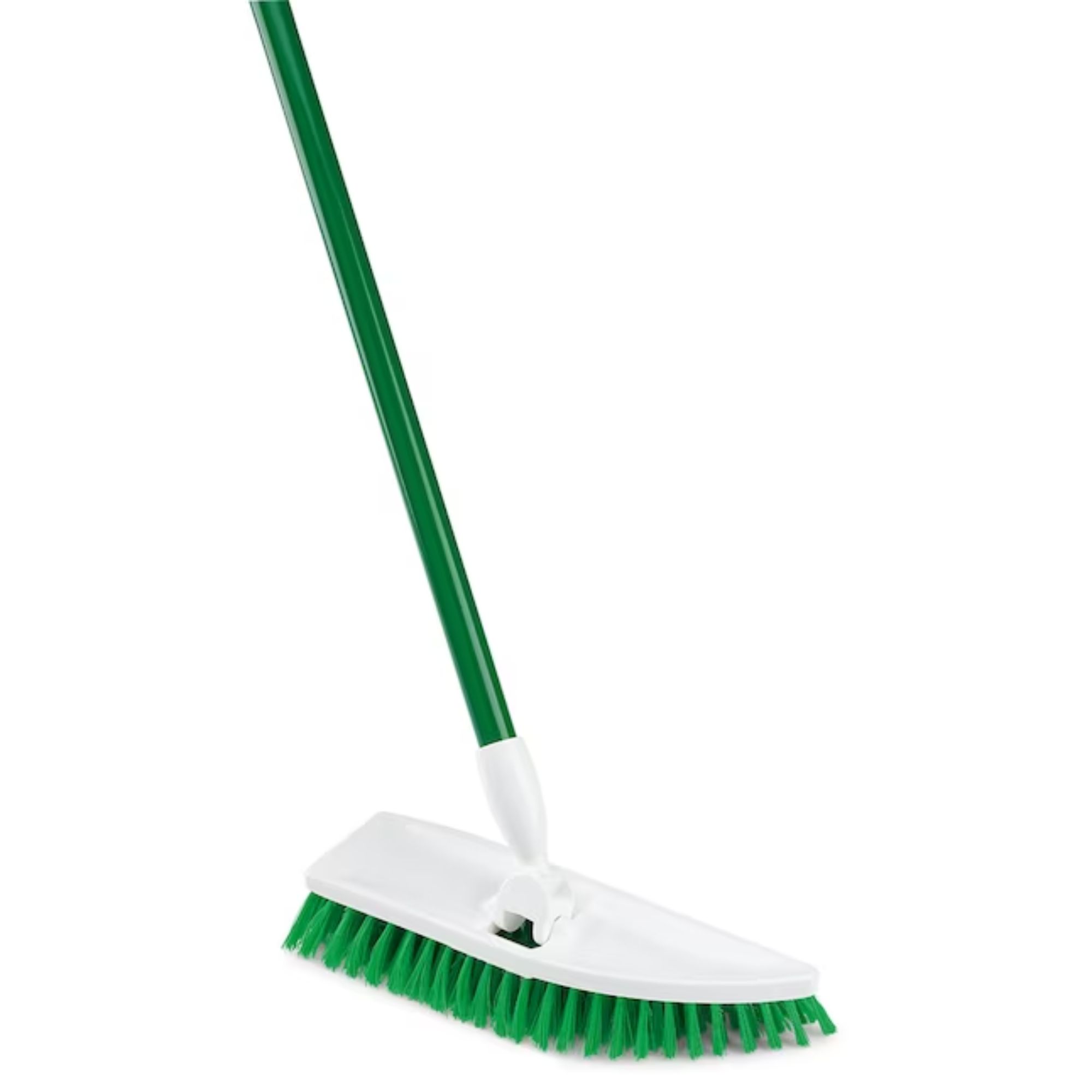
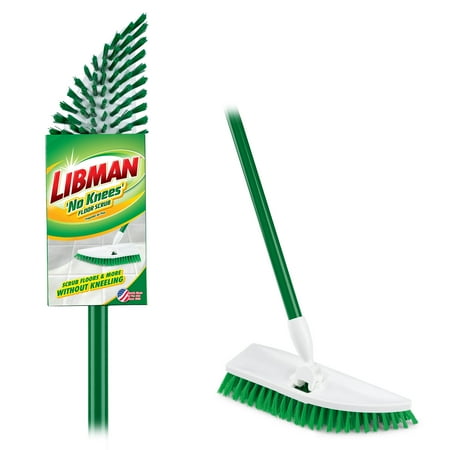
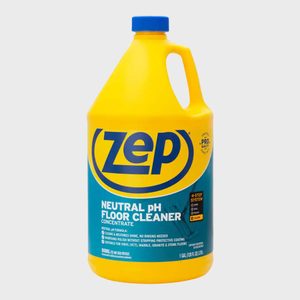
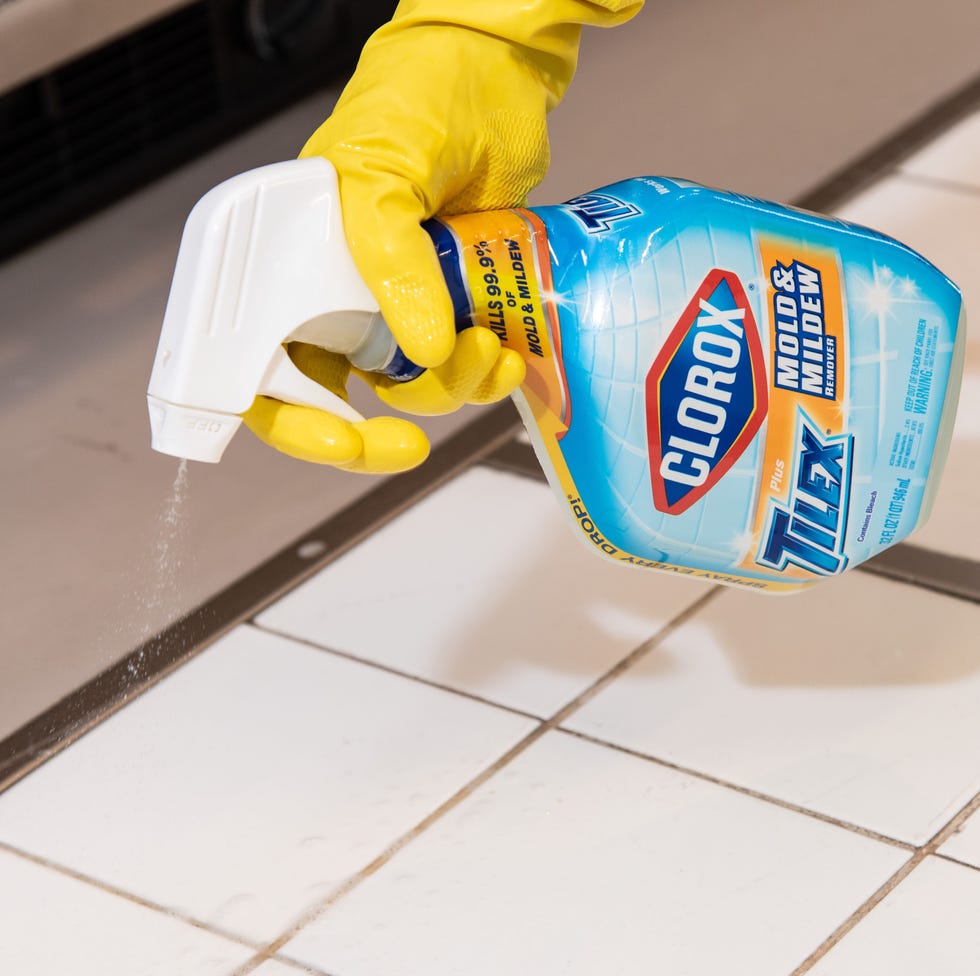
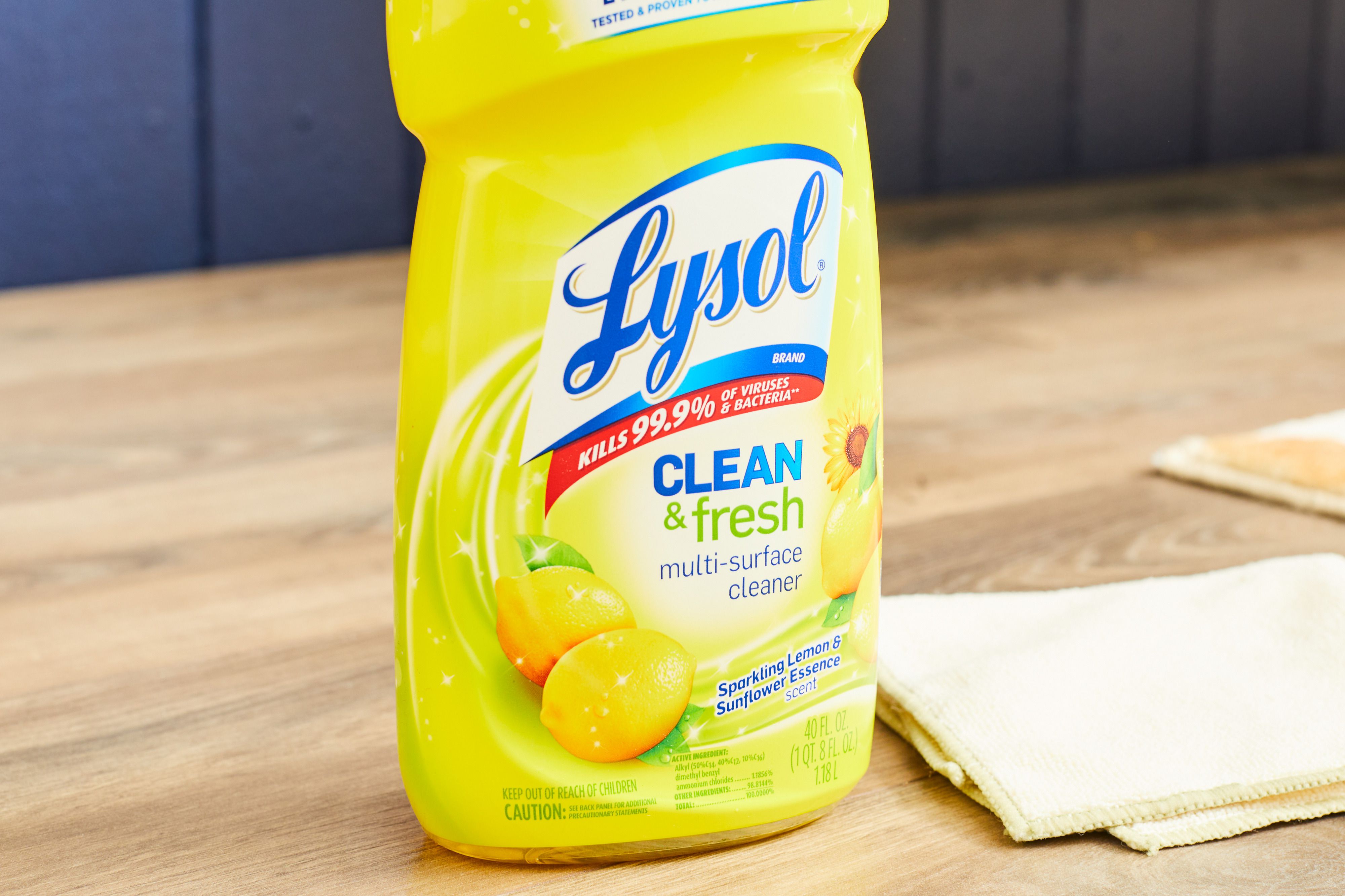
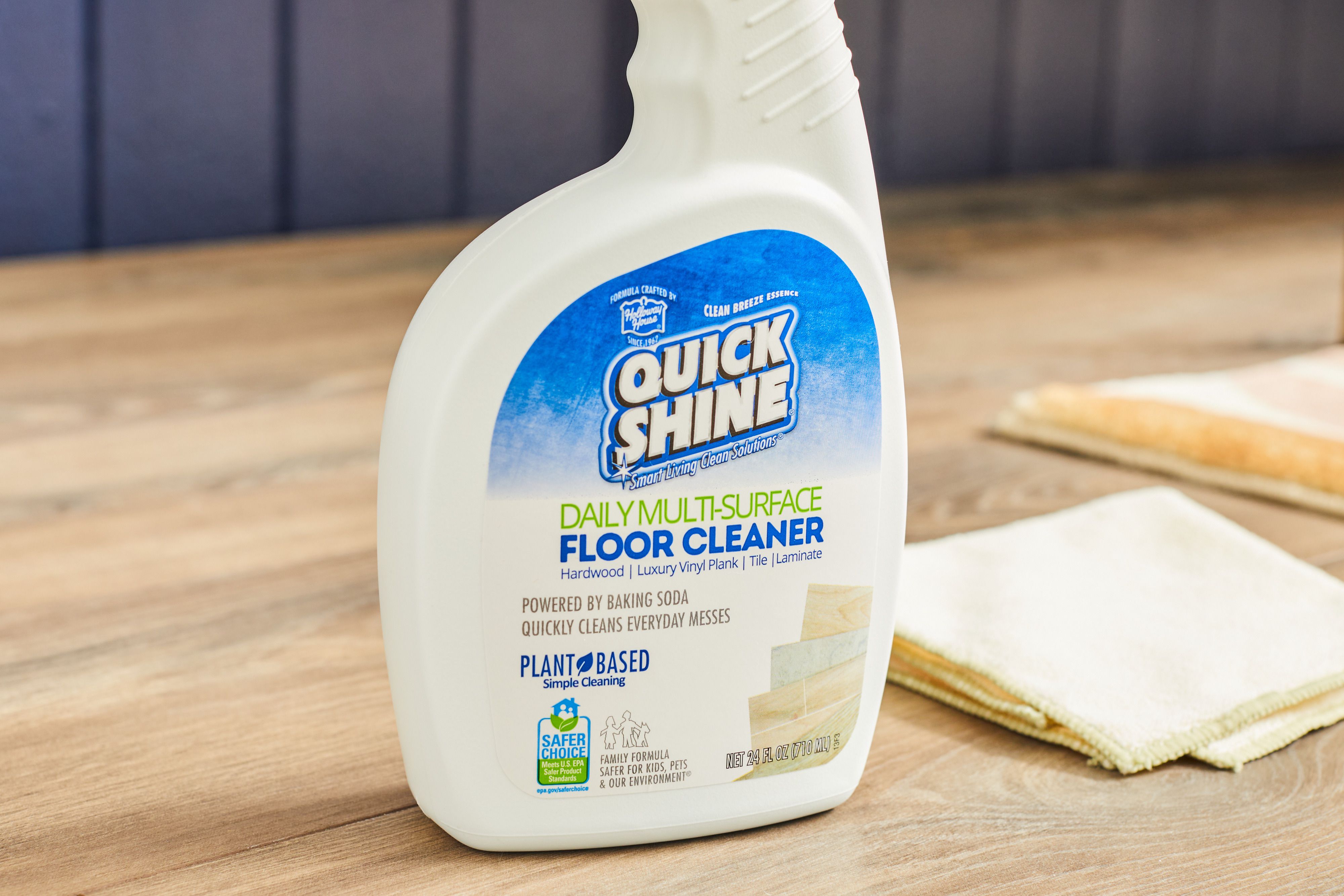
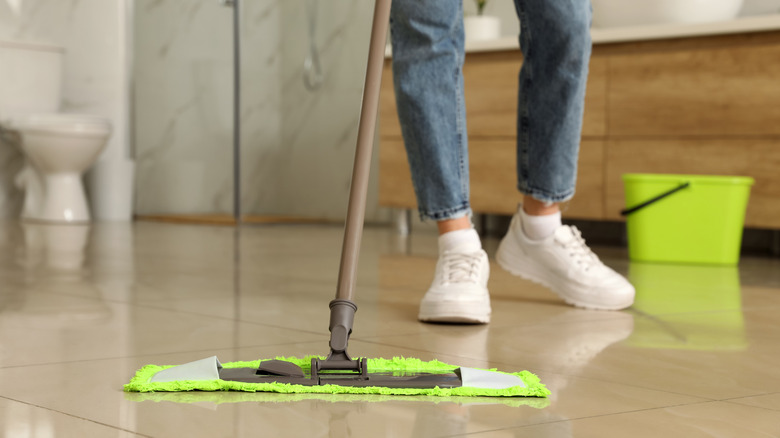
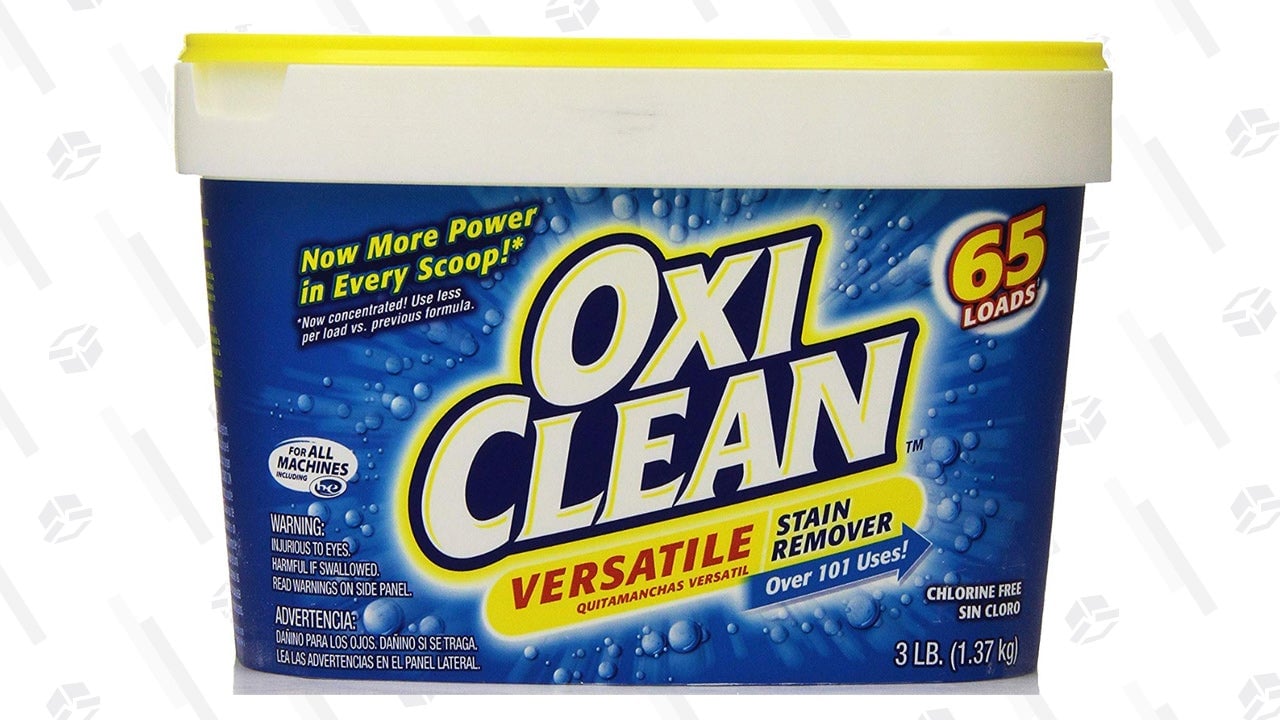
Cleaning floor tiles involves sweeping first with a broom or Swiffer. A cleaning solution is prepared by mixing 1 to 2 tablespoons of dish detergent in a bucket of water. This solution is then used to mop the floor tiles. Finally, a dry pad on the Swiffer is used to dry the floor to prevent mold. For tougher stains, a paste of hydrogen peroxide, baking soda, and a small amount of dish soap can be applied for five minutes before scrubbing, but this should not be used on stone and a spot test is recommended for other materials. Bleach should generally be avoided; if necessary for stubborn stains, Oxy Bleach powder is a gentler alternative. Proper ventilation is important during cleaning. Experts also advise re-sealing grout every six months to maintain its resistance to moisture and mold, and stone tiles should be sealed regularly with an appropriate stone sealer.
#BathroomCleaning #TileCare #GroutCleaning #MoldPrevention #CleaningTips #HomeMaintenance #ProfessionalCleaners #DIYCleaning #HouseholdChore #BathroomCleaning #TileCare #GroutCleaning #MoldPrevention #CleaningTips #HomeMaintenance #ProfessionalCleaners #DIYCleaning #HouseholdChore
0 comment in total
 No comments yet
You may also like
How to Clean Tile Floors—From Ceramic to Cement Surfaces

How to declutter a bathroom according to the experts

What’s making your bathroom tiles look cheap? 7 things to look out for, according to experts
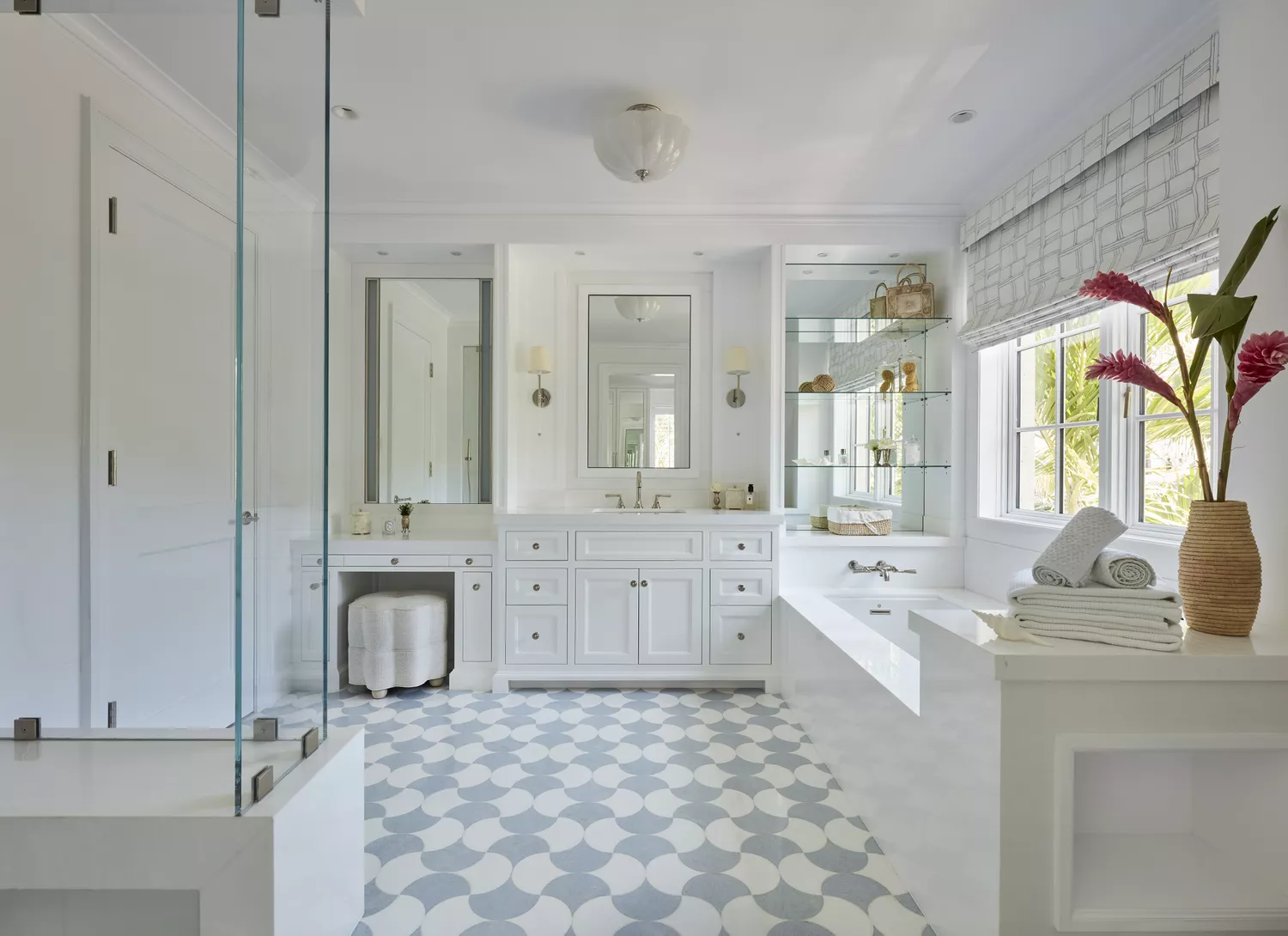
7 Tricks The Pros Use To Keep Bathroom Tile Looking Brand-New
Professional cleaners never waste their time with standard mops on tile floors – this is the $13 essential they always recommend instead

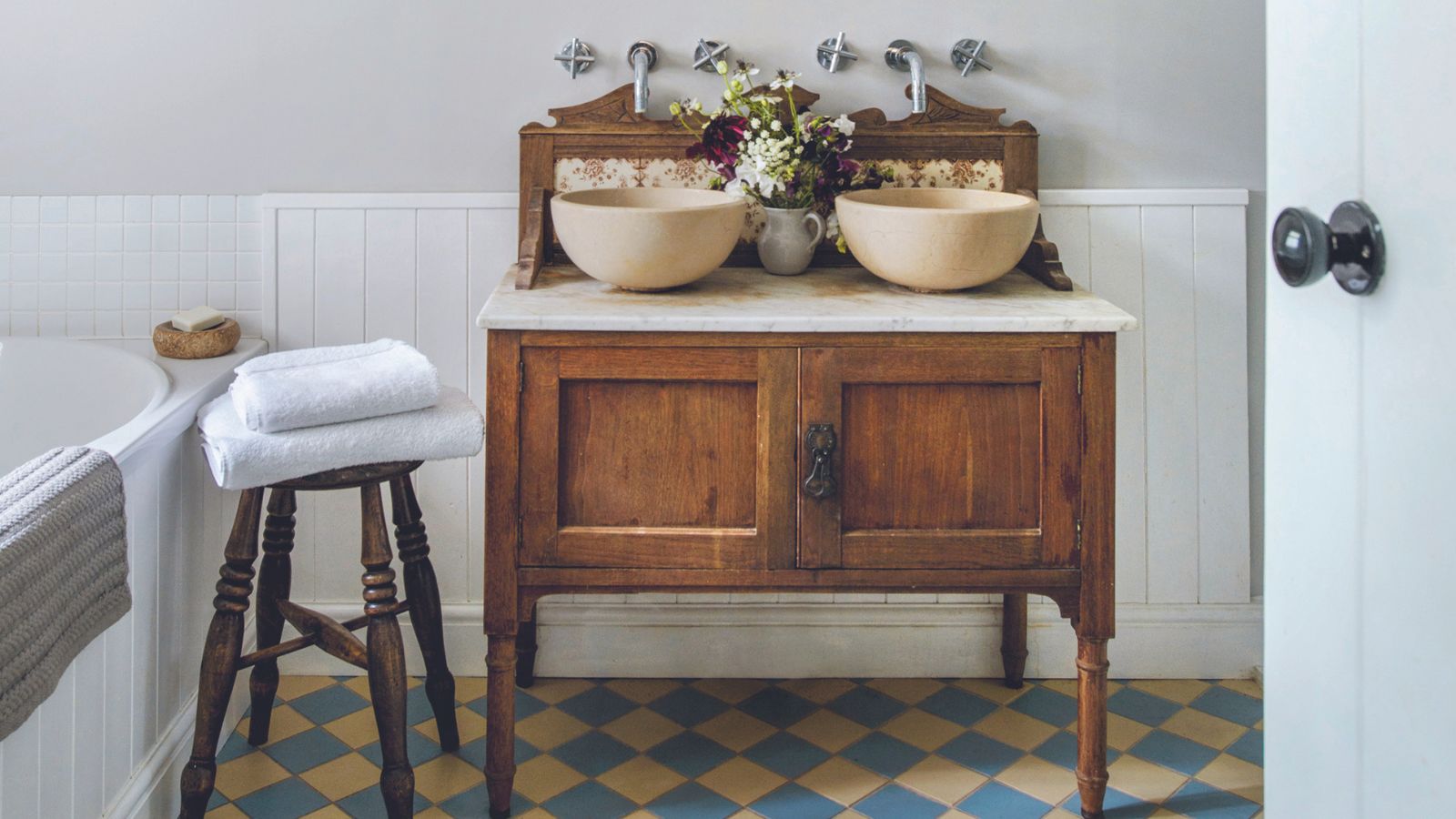
You're cleaning your bathroom floor wrong, experts warn – here's how to get it right
The Right Way to Clean Tile and Grout for Sparkling Results

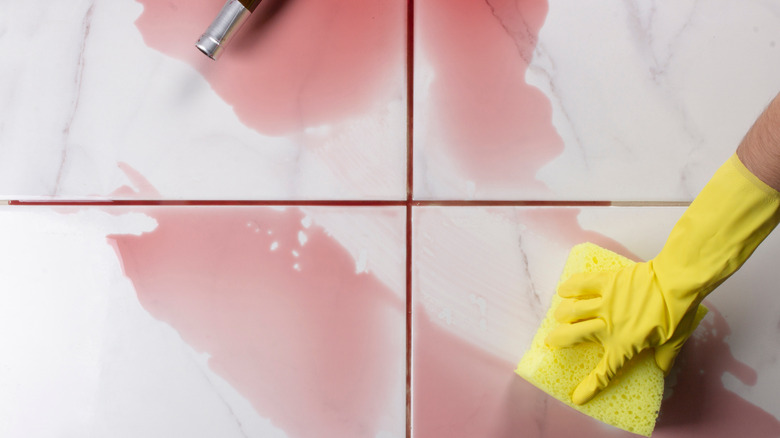
An Expert Tells Us How To Keep Your Tile Grout Stain-Free
Best tile cleaner: 6 smart picks to spruce up your tiling

Pros Reveal the Best Way to Clean Tile Floors + Easy Secret to Get Grout White Again

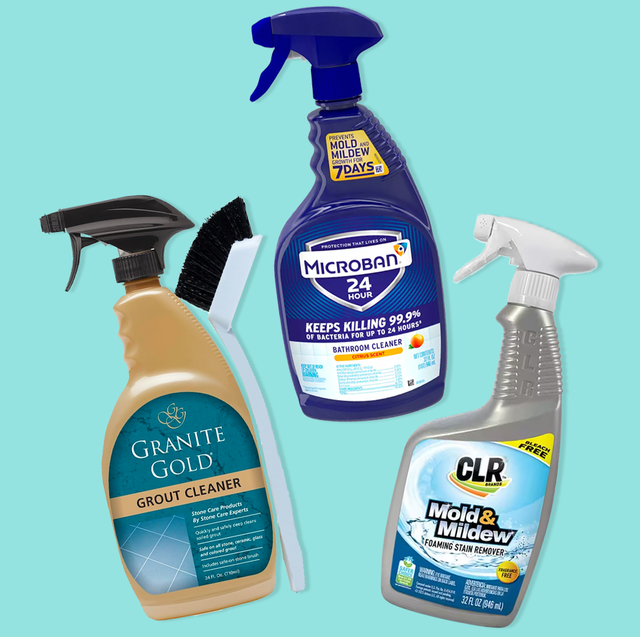
6 Best Grout Cleaners for a Brilliant Bathroom


Bathroom Tiles

How to clean grout on tile, according to experts - TODAY

6 Best Grout Cleaners of 2026, Tested and Approved by Cleaning Experts
The 5 Best Tile Floor Cleaners of 2025 for Sparkling Results

How to clean a bathroom sink – expert tips for a well-scrubbed sink
How to Clean Tile Floors Quickly and Easily

We Tested 10 Tile Cleaners to Find the Best One

How to clean encaustic tiles – an expert guide

There Is A Secret To Cleaning Tile Floors And I Know The Secret