1/3
How can biophilic design impact an interior space?
The article discusses the concept of biophilia and biophilic design, particularly its impact on interior spaces, especially office environments. It highlights that individuals spend a significant portion of their time indoors, leading to a growing focus on health and wellness within built environments. The success of businesses is increasingly linked to employee wellness, and despite the advantages of mobile technology, it has made natural relaxation more challenging. This sets the stage for the importance of biophilic design.
Biophilia, a term coined by Edward O. Wilson in his 1984 book, refers to the inherent human desire to connect with nature and other forms of life. This urge is rooted in our genetic past, where survival depended on natural resources like food, water, shelter, and warmth. Consequently, humans are naturally drawn to natural landscapes and environments, finding them to be places of calm and refuge from urban pressures.
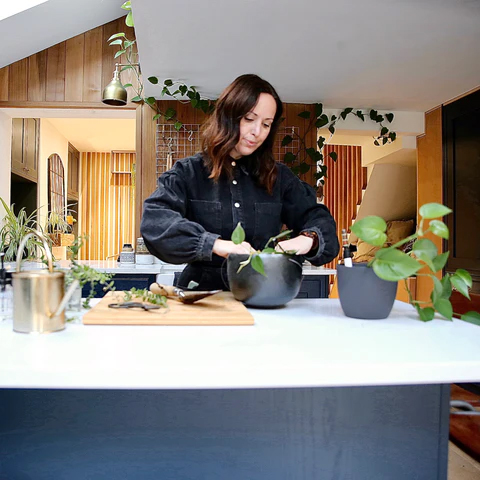
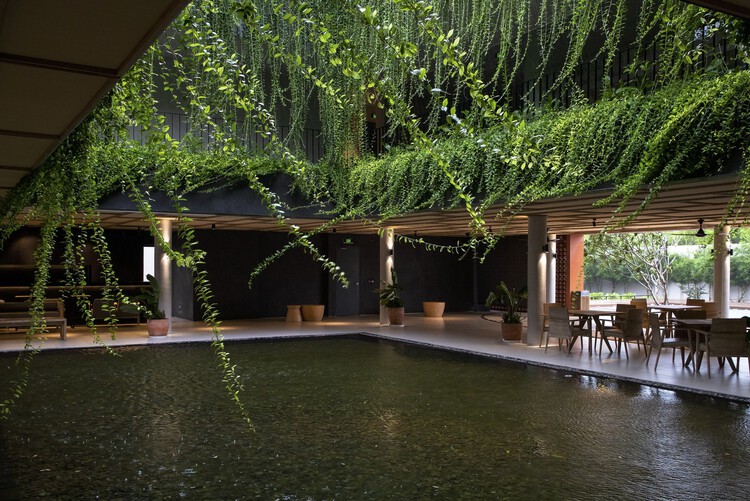
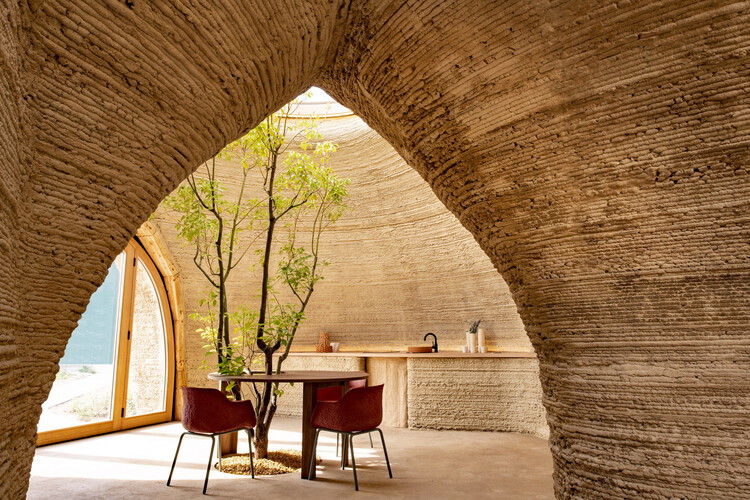
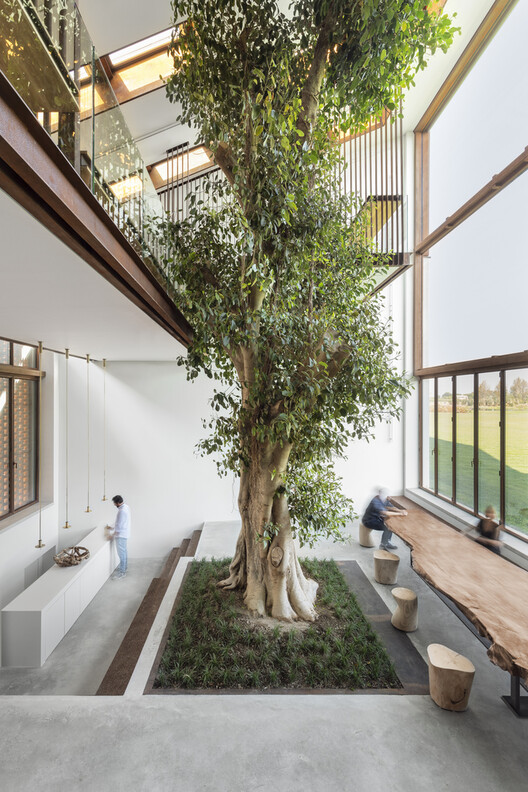
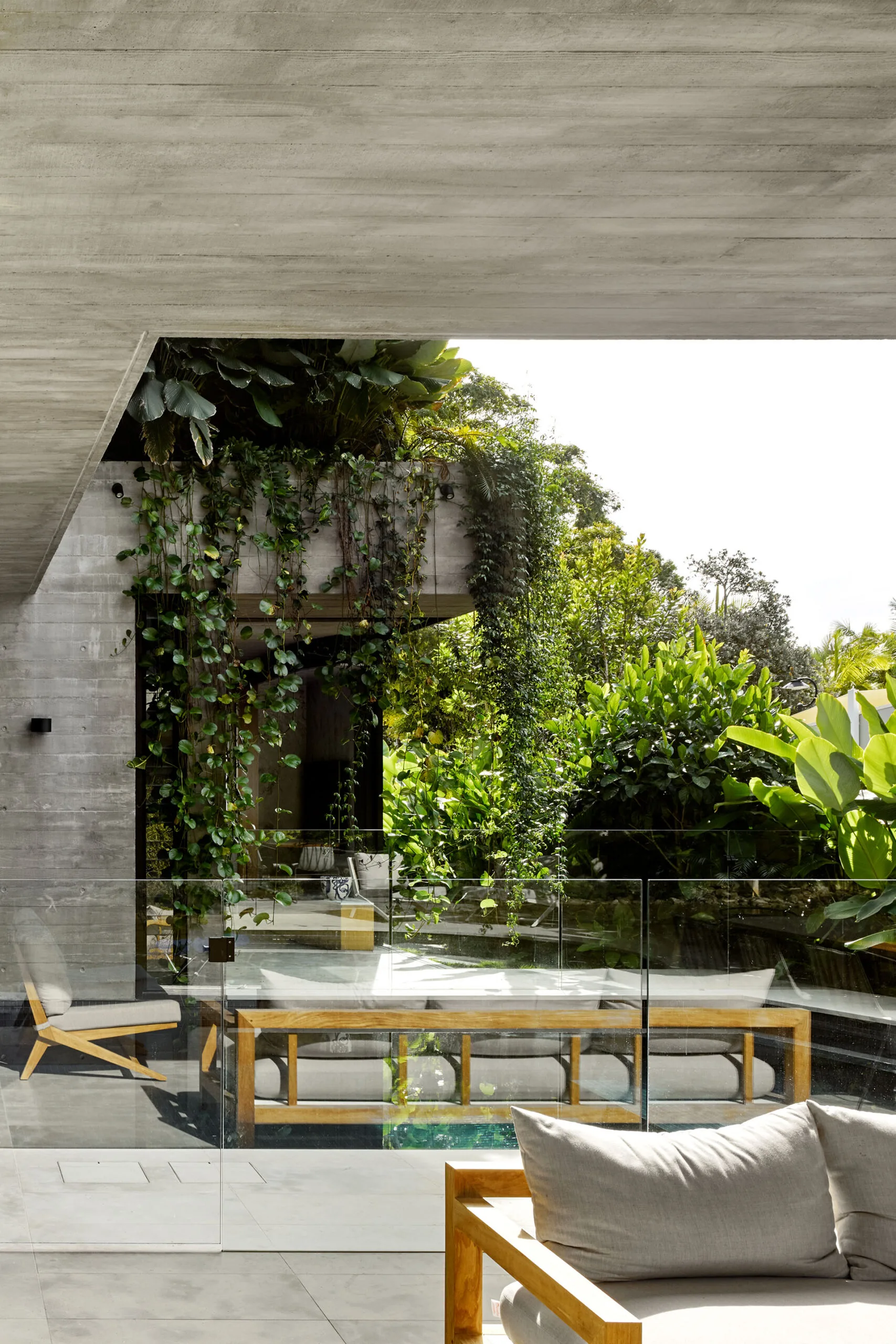
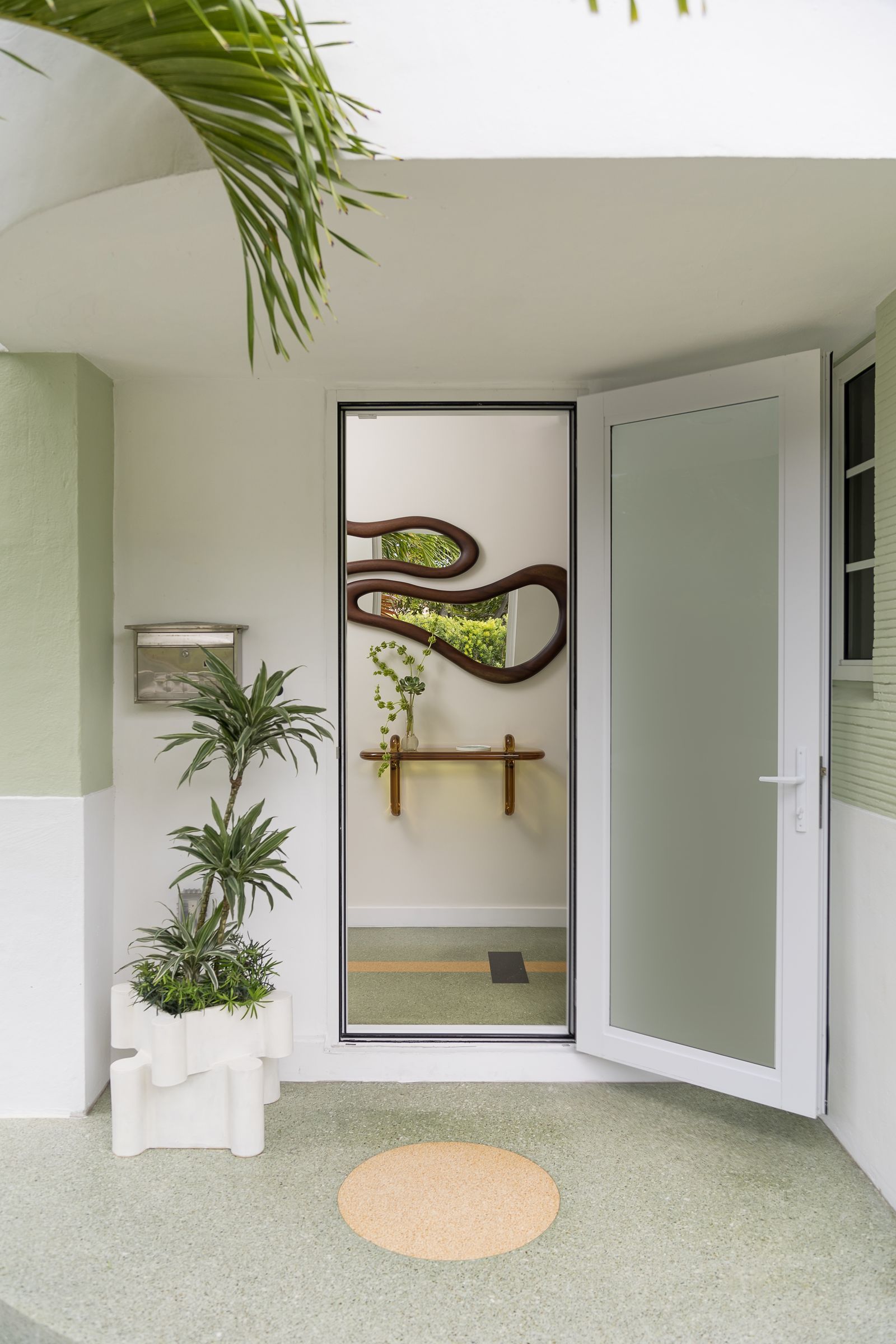
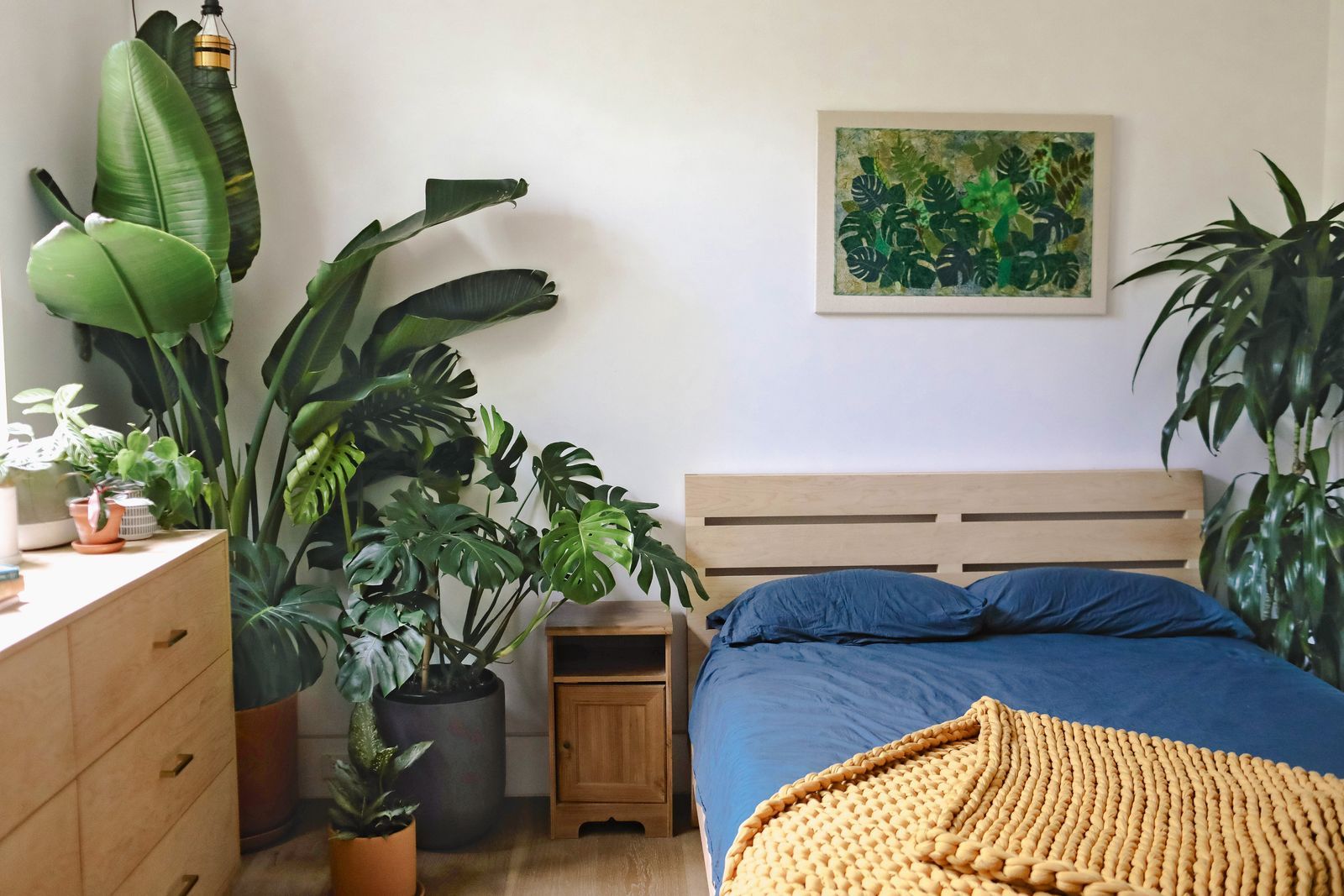
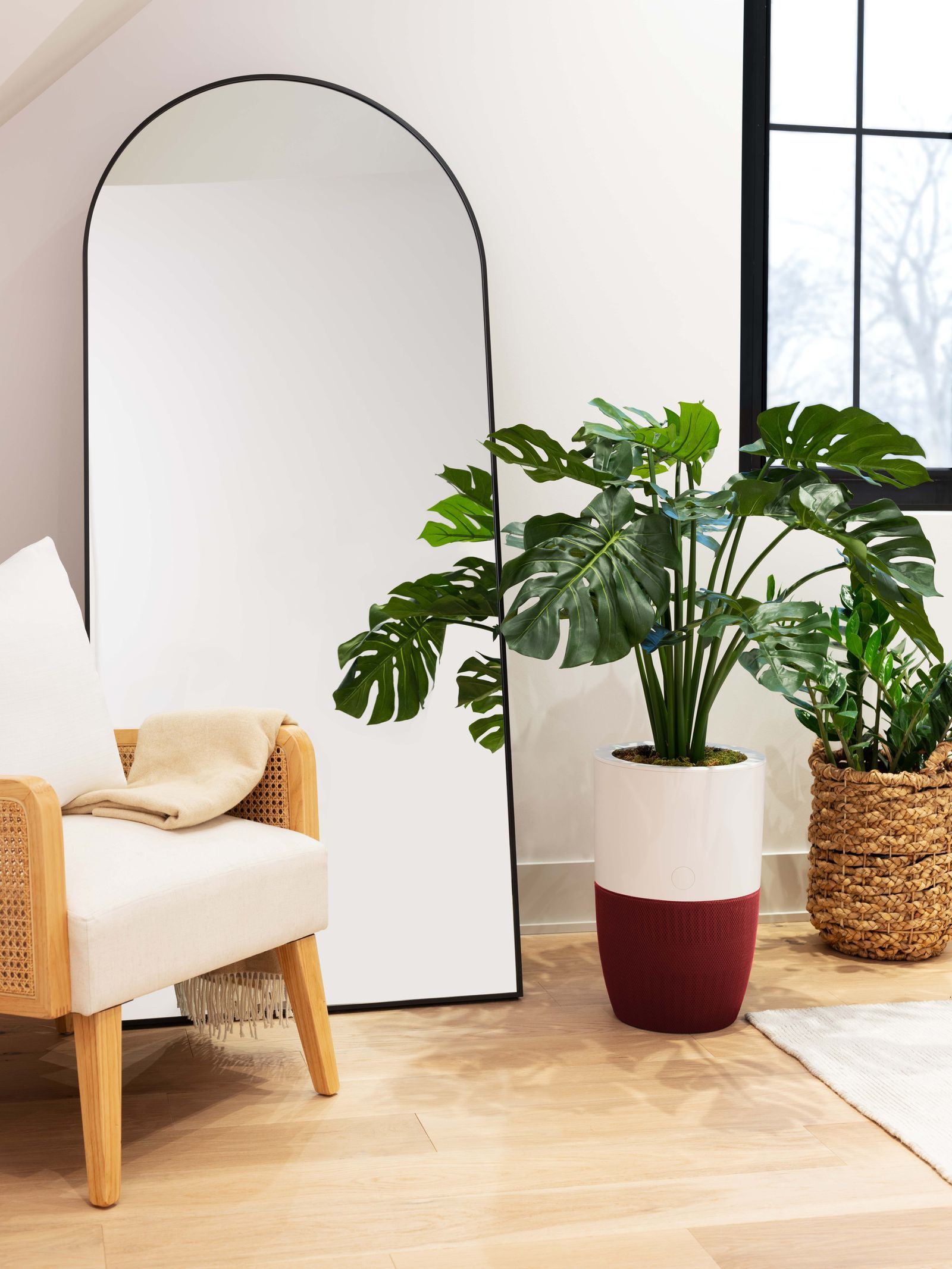
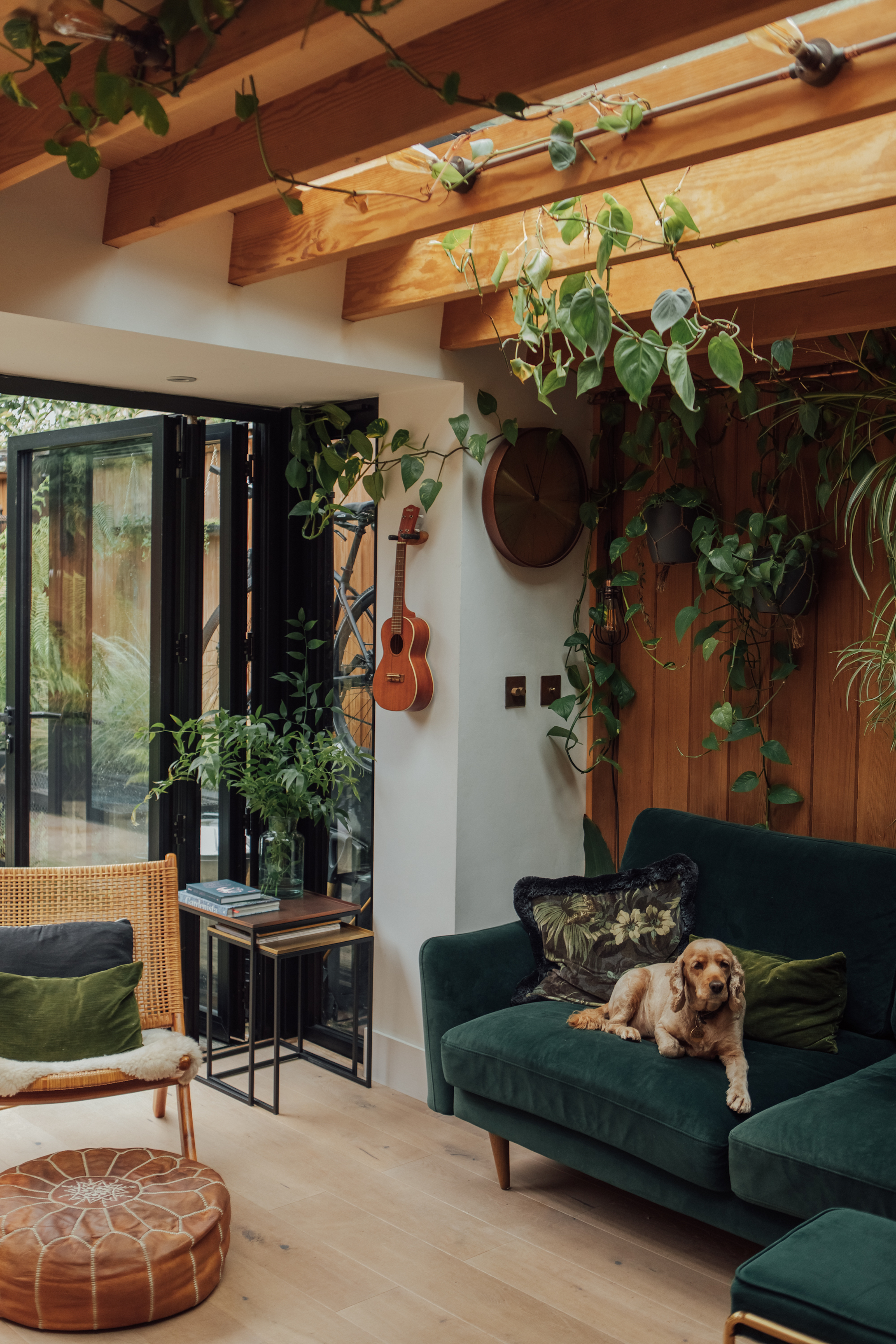
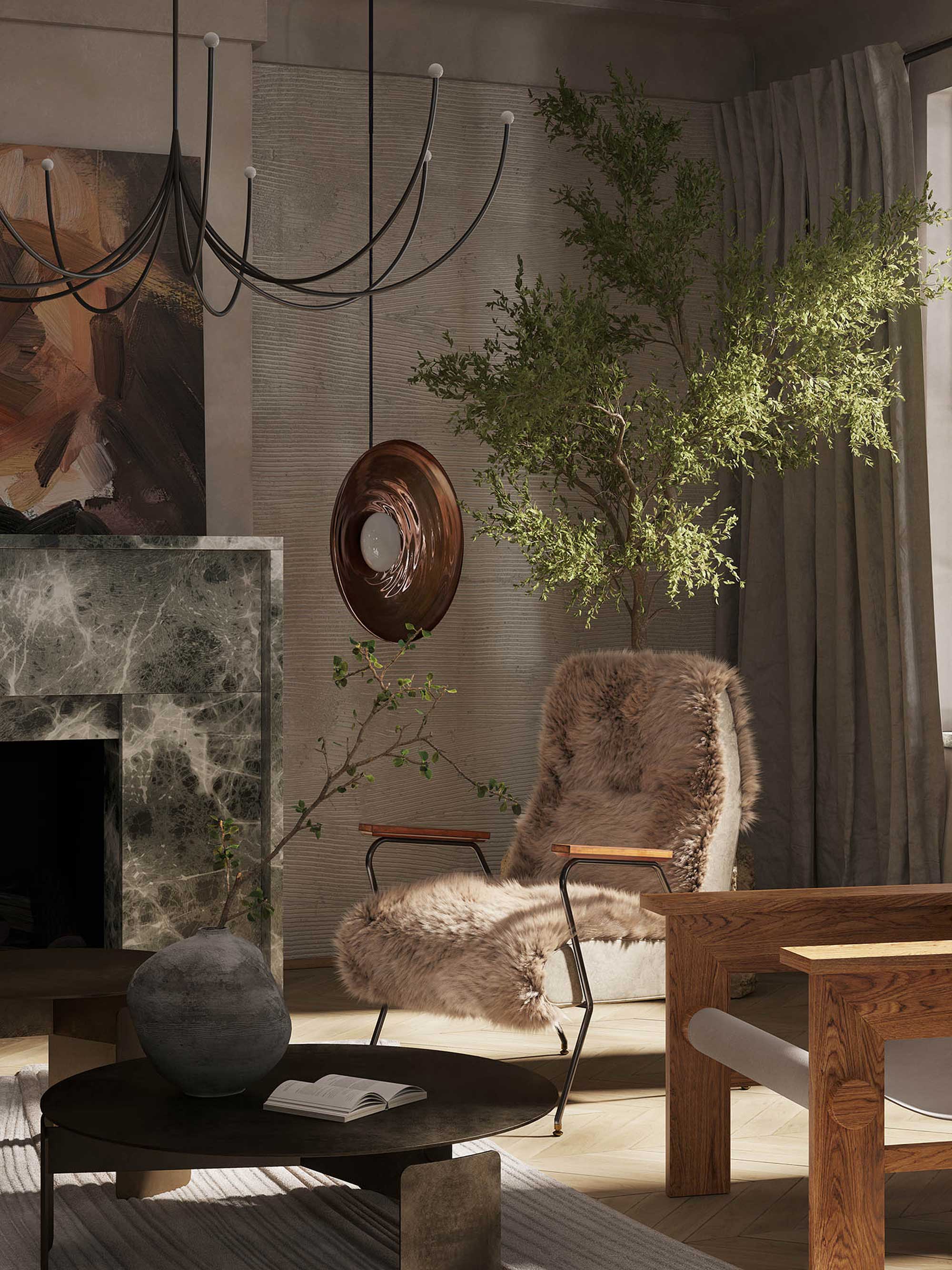
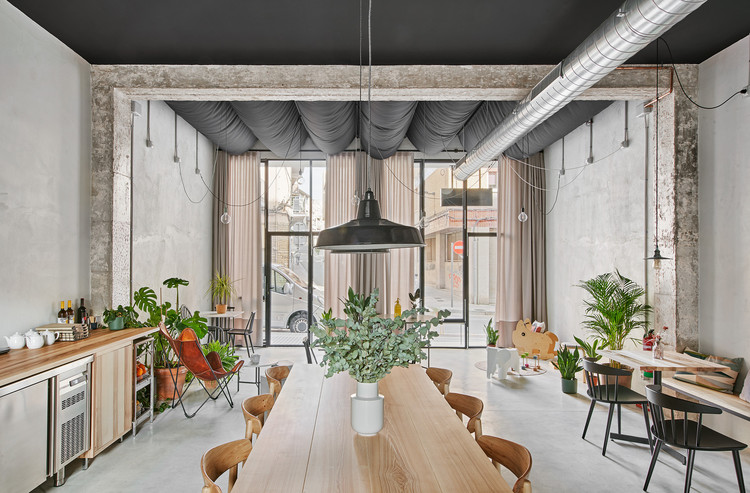
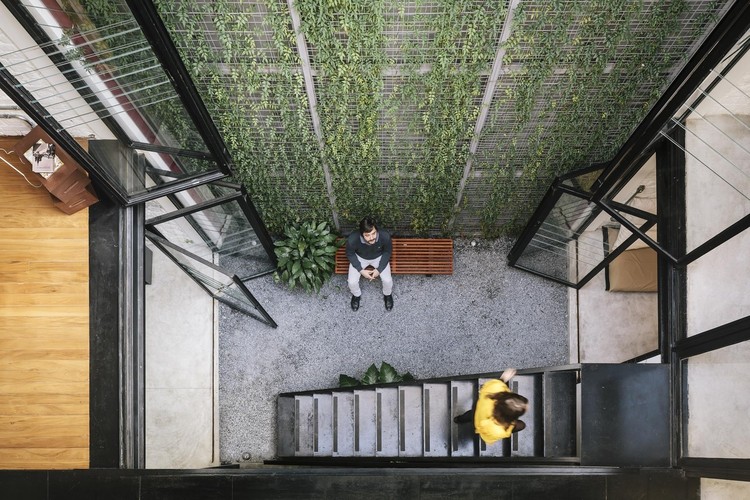
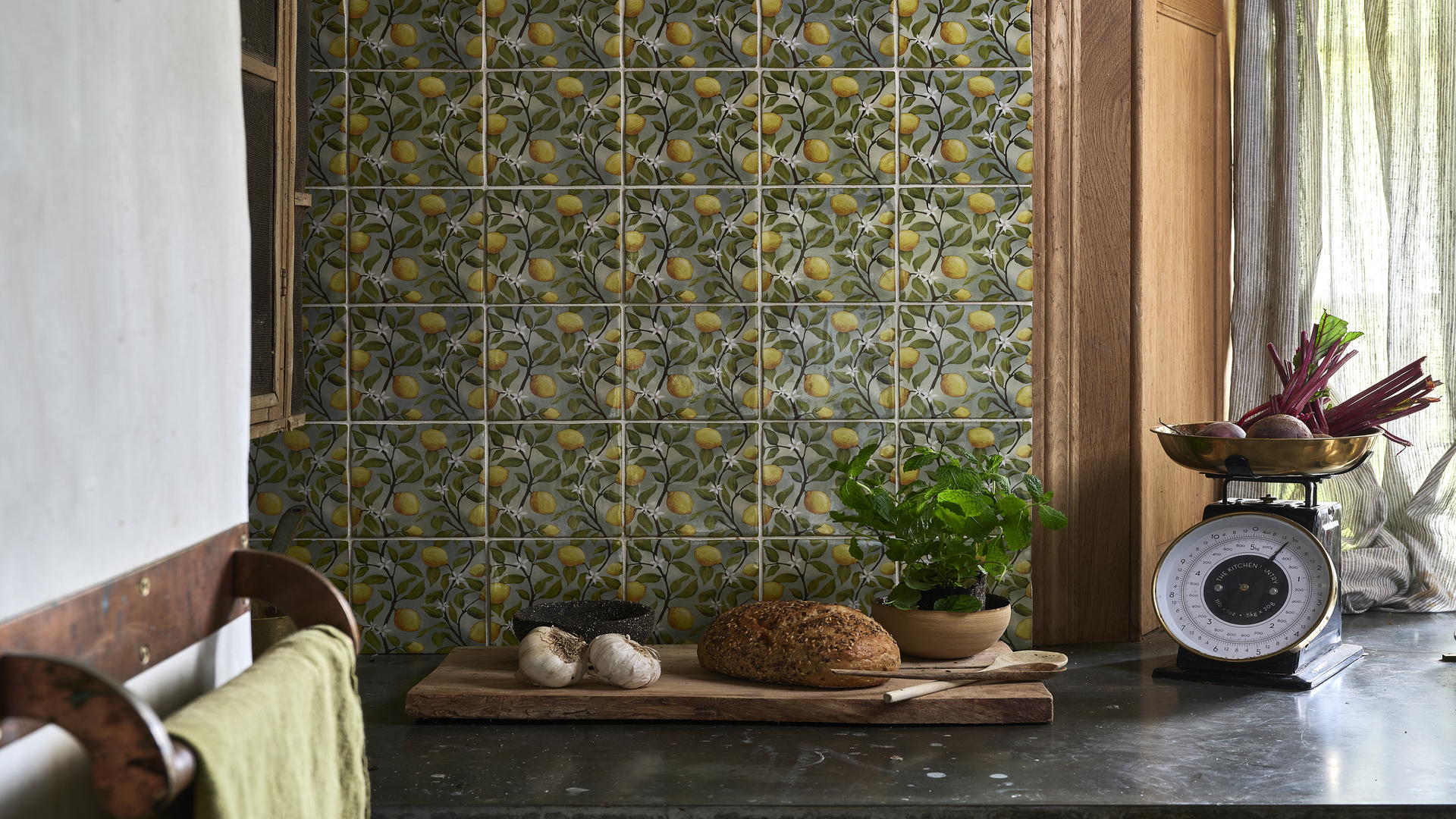
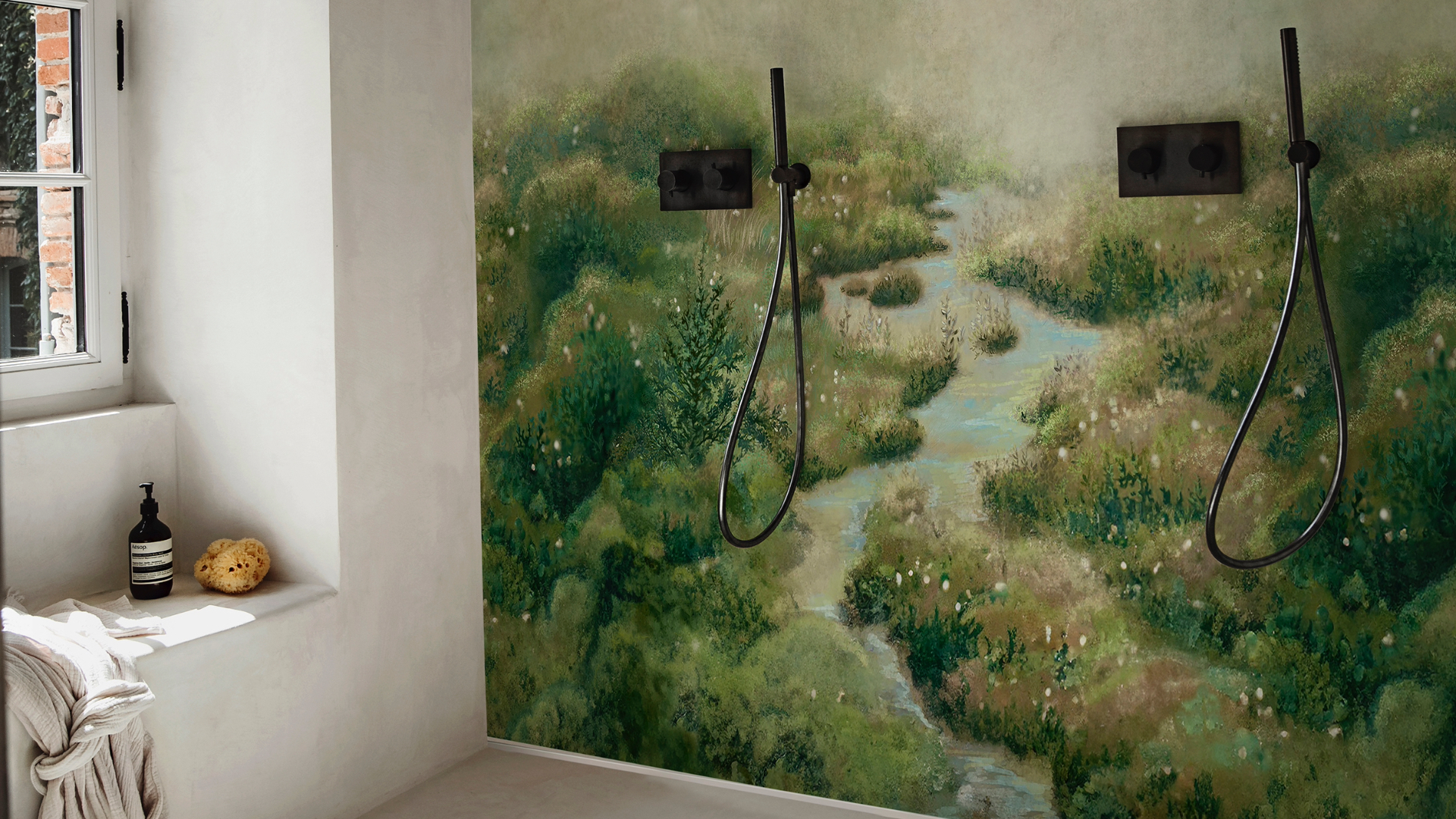
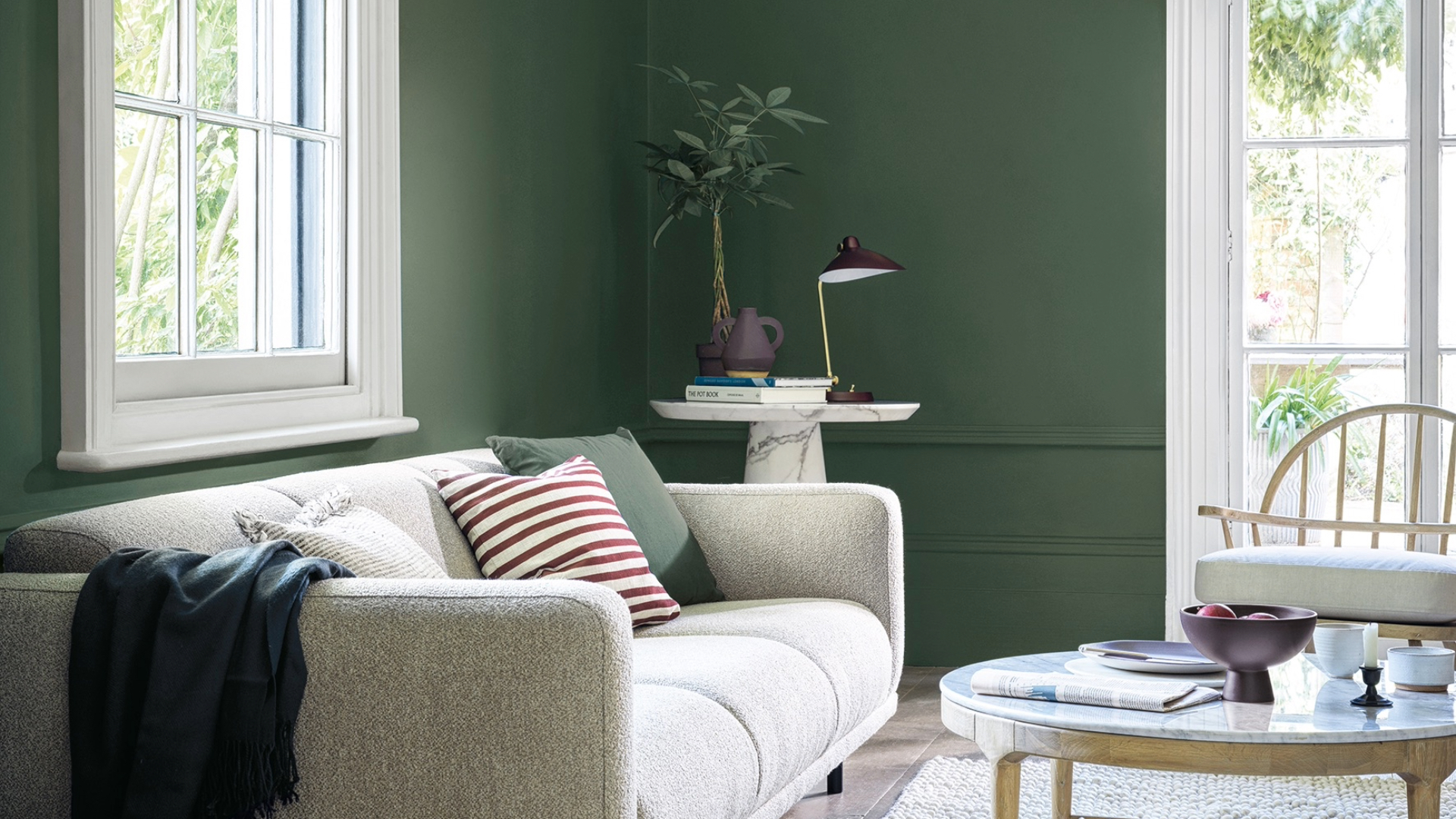
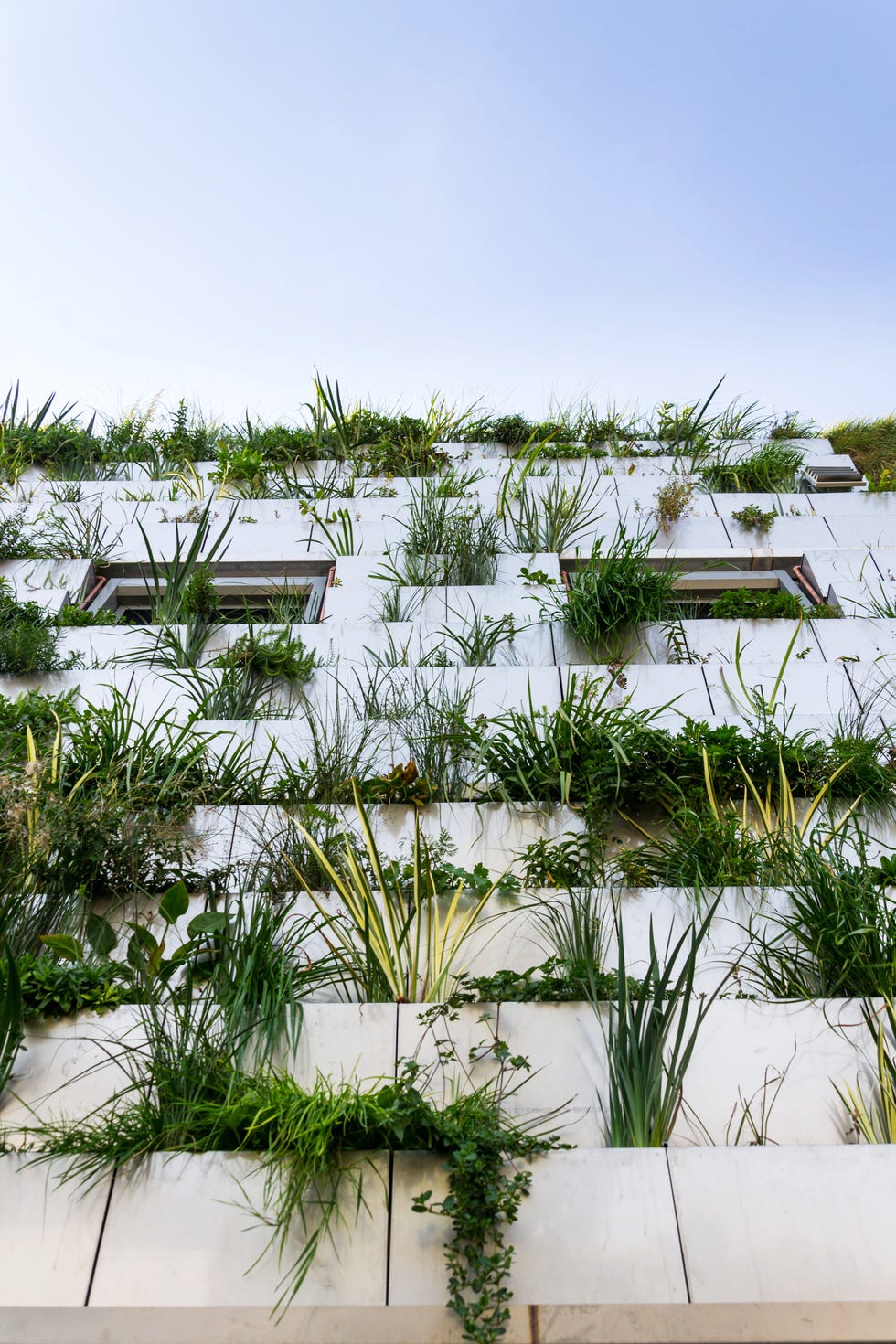
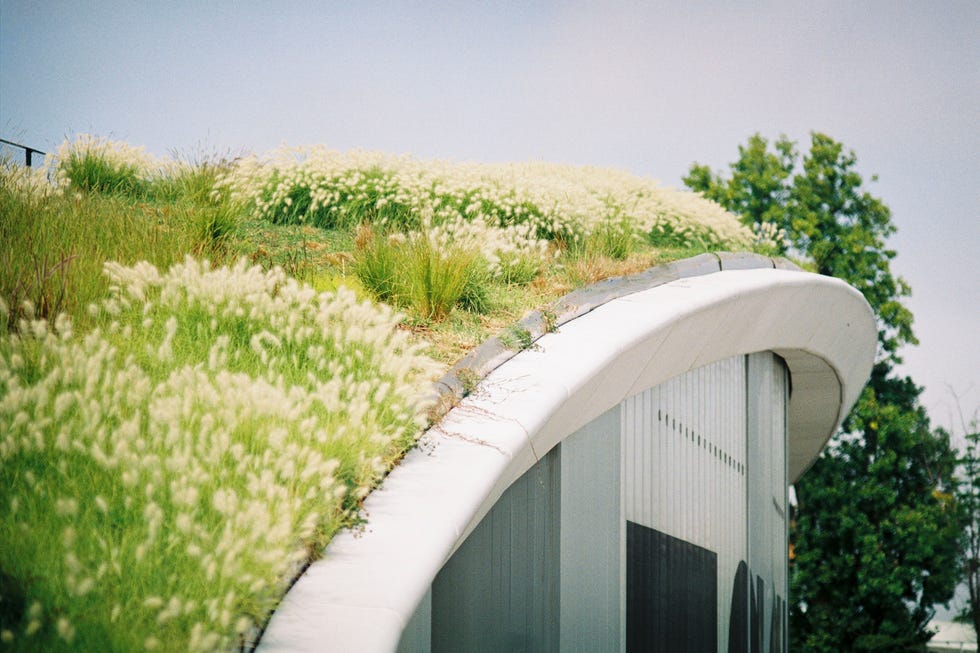
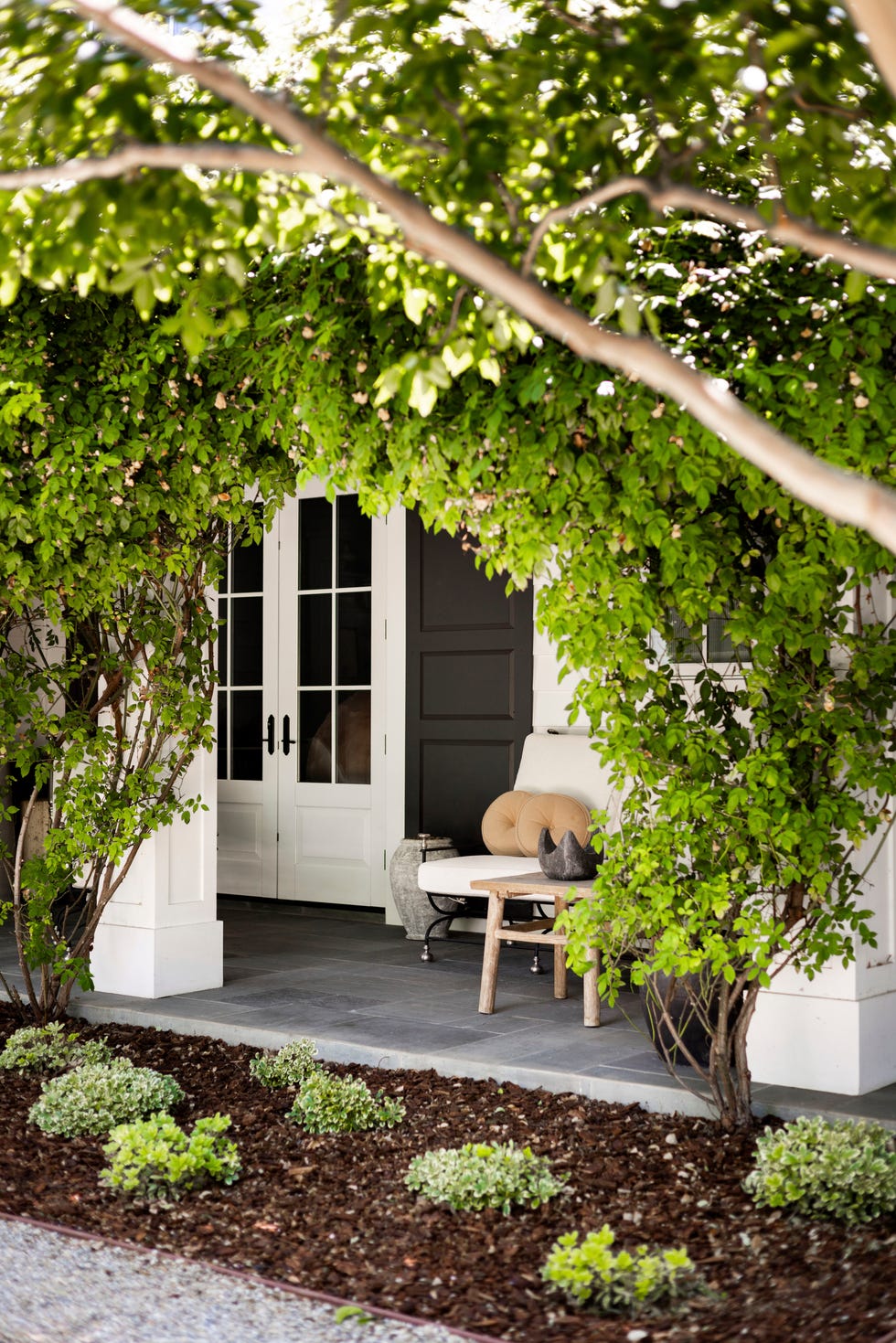
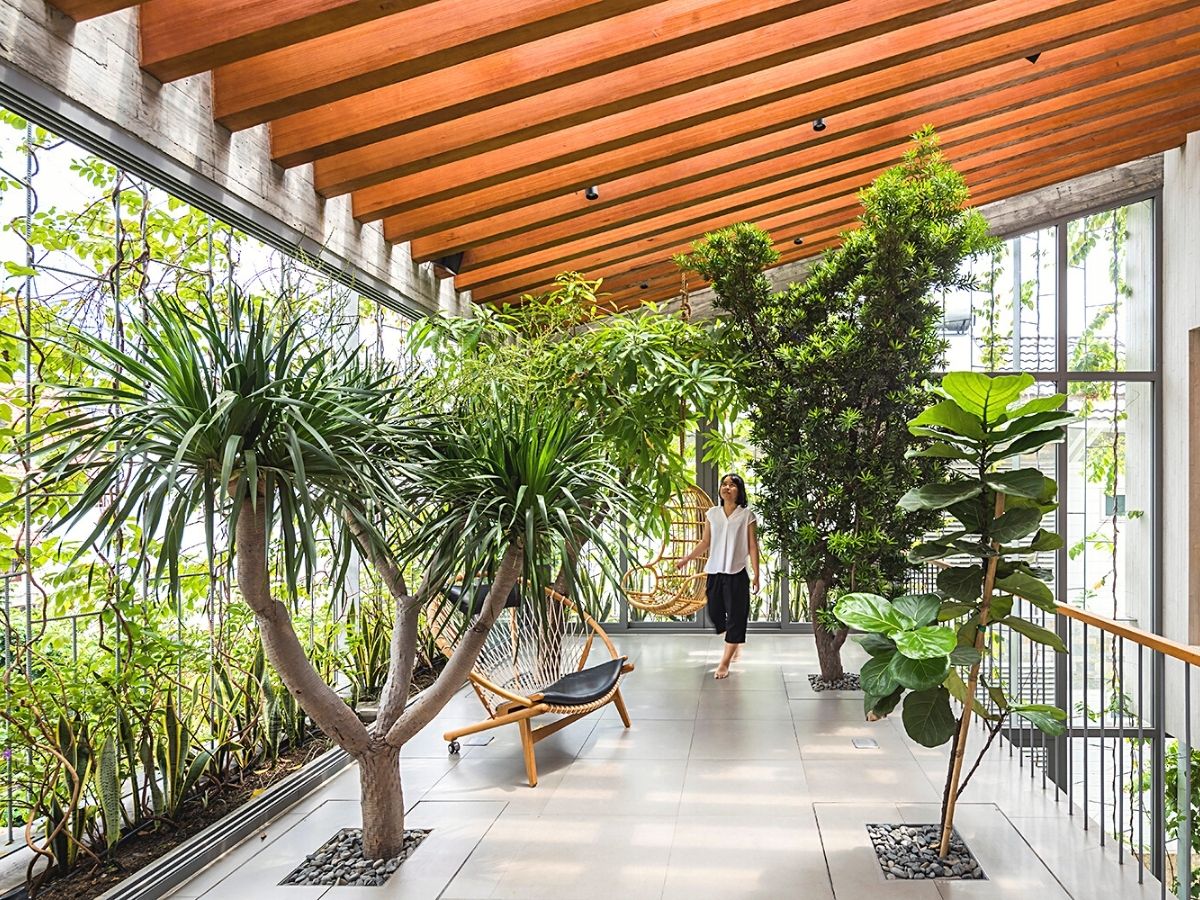
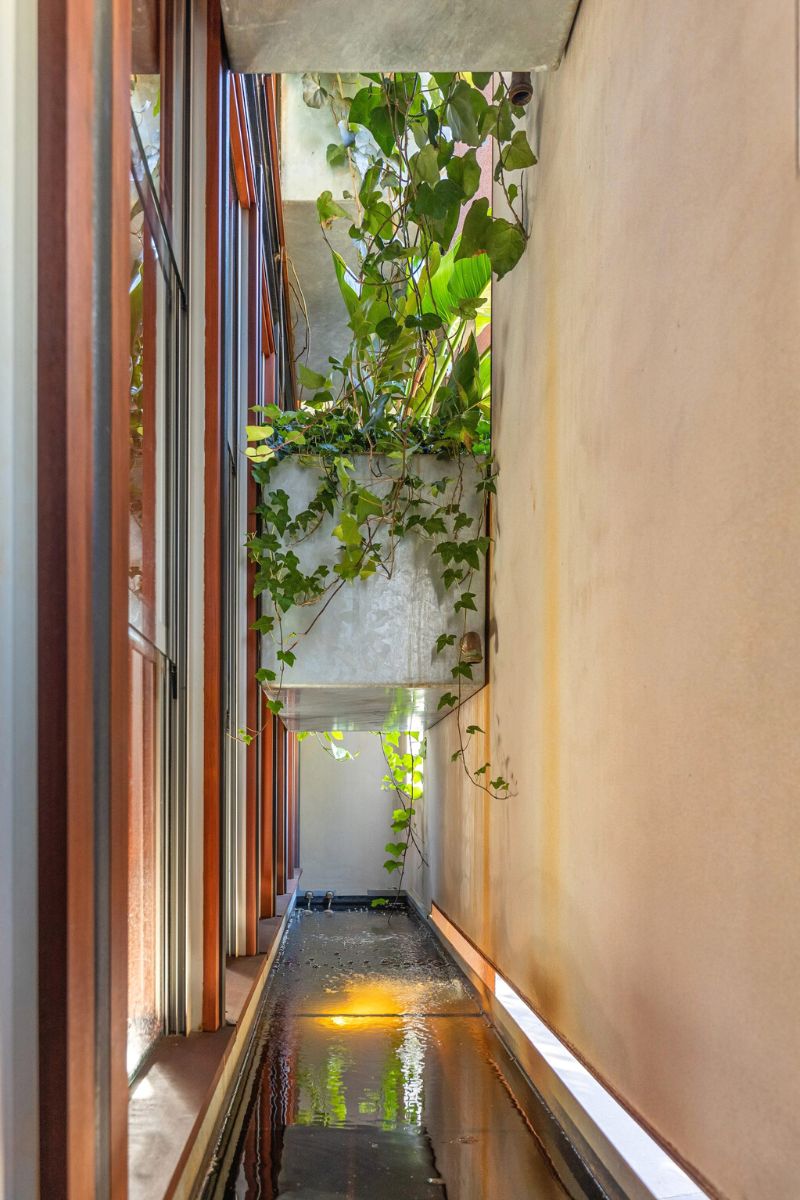
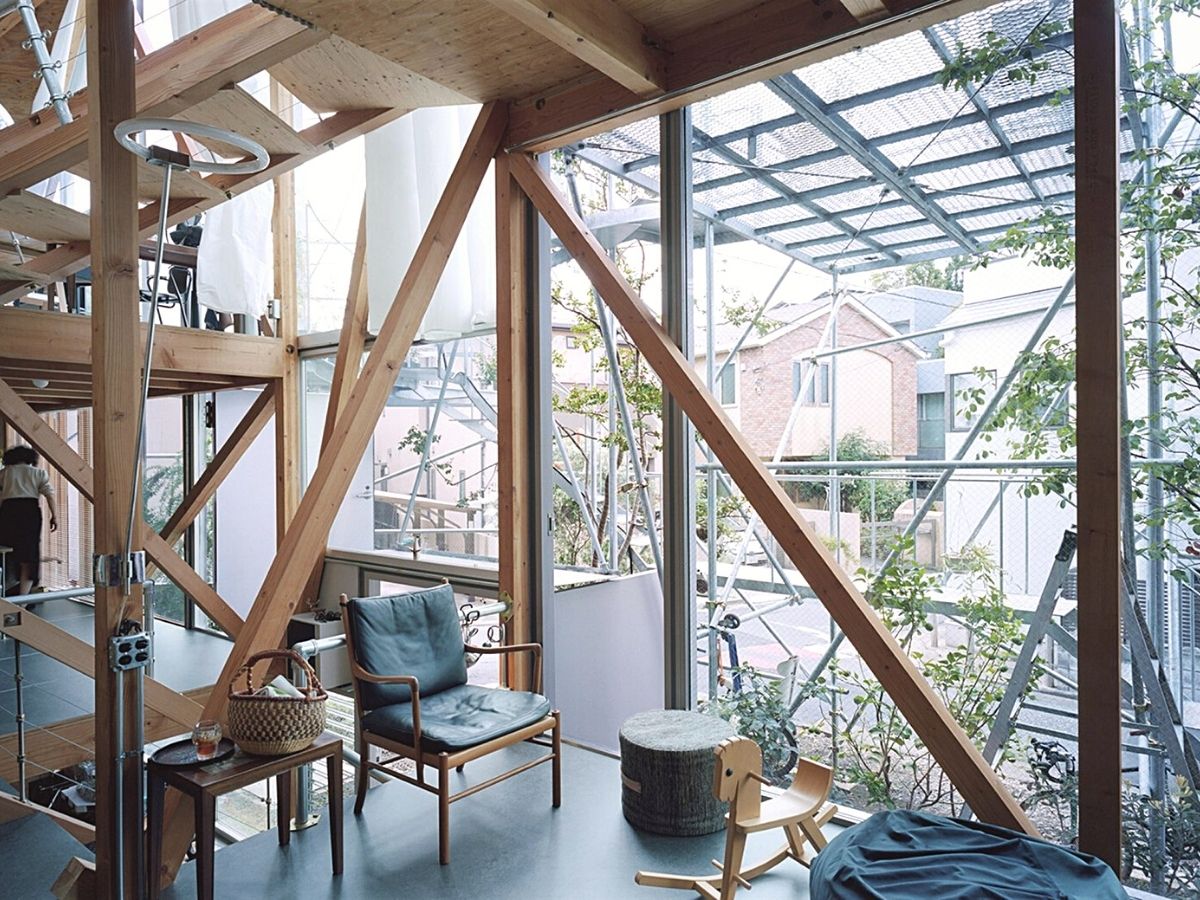
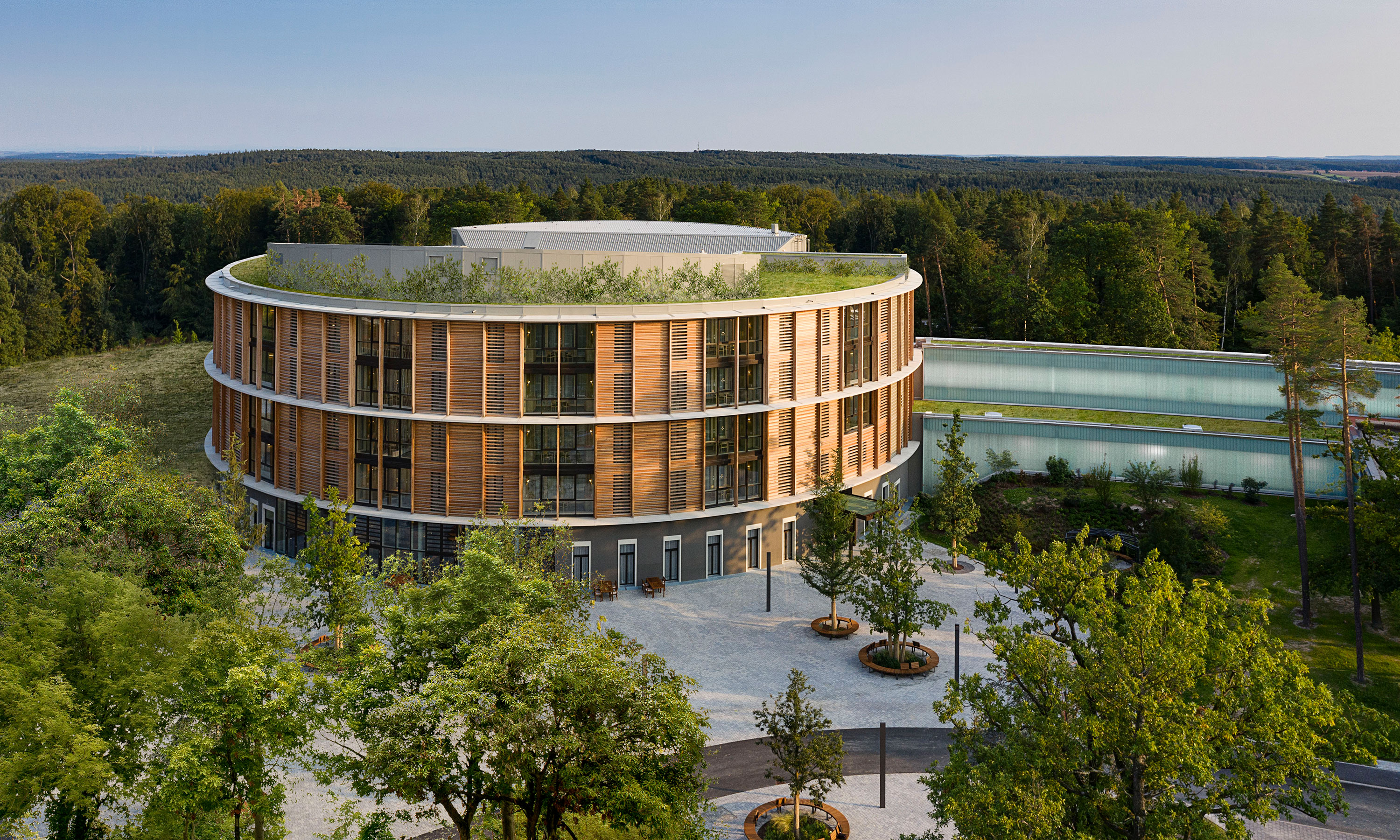
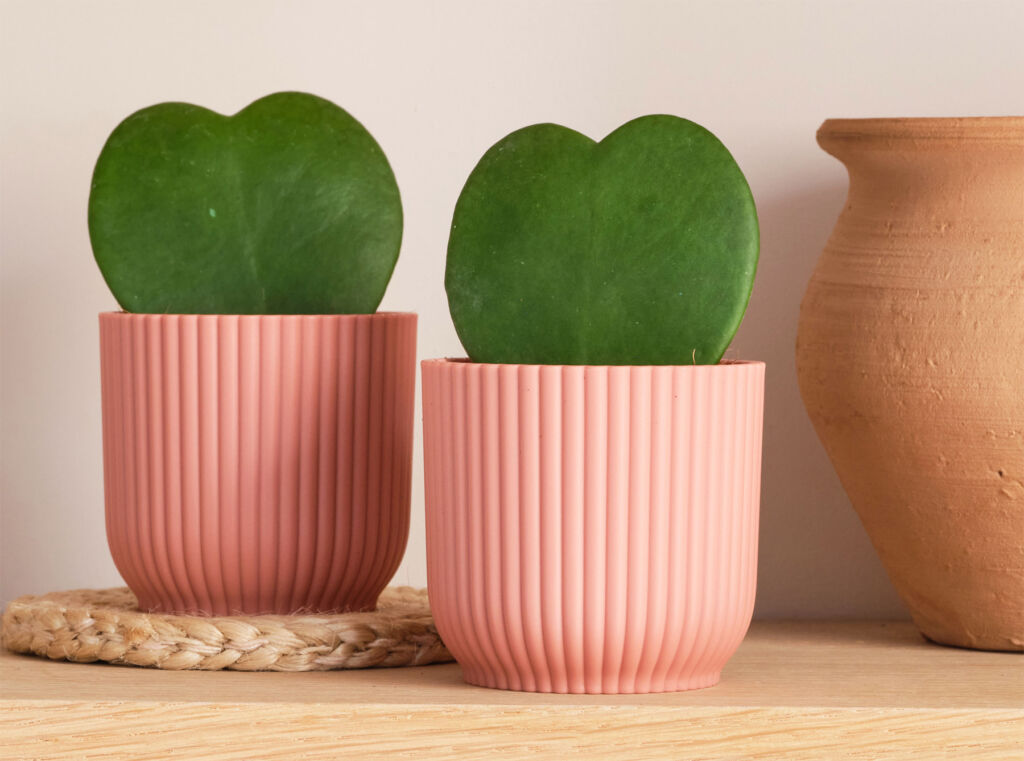
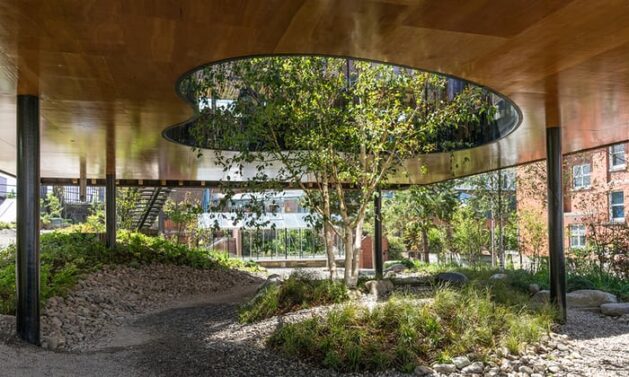
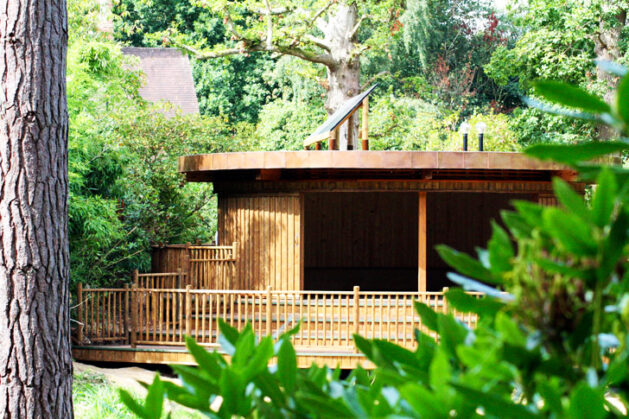
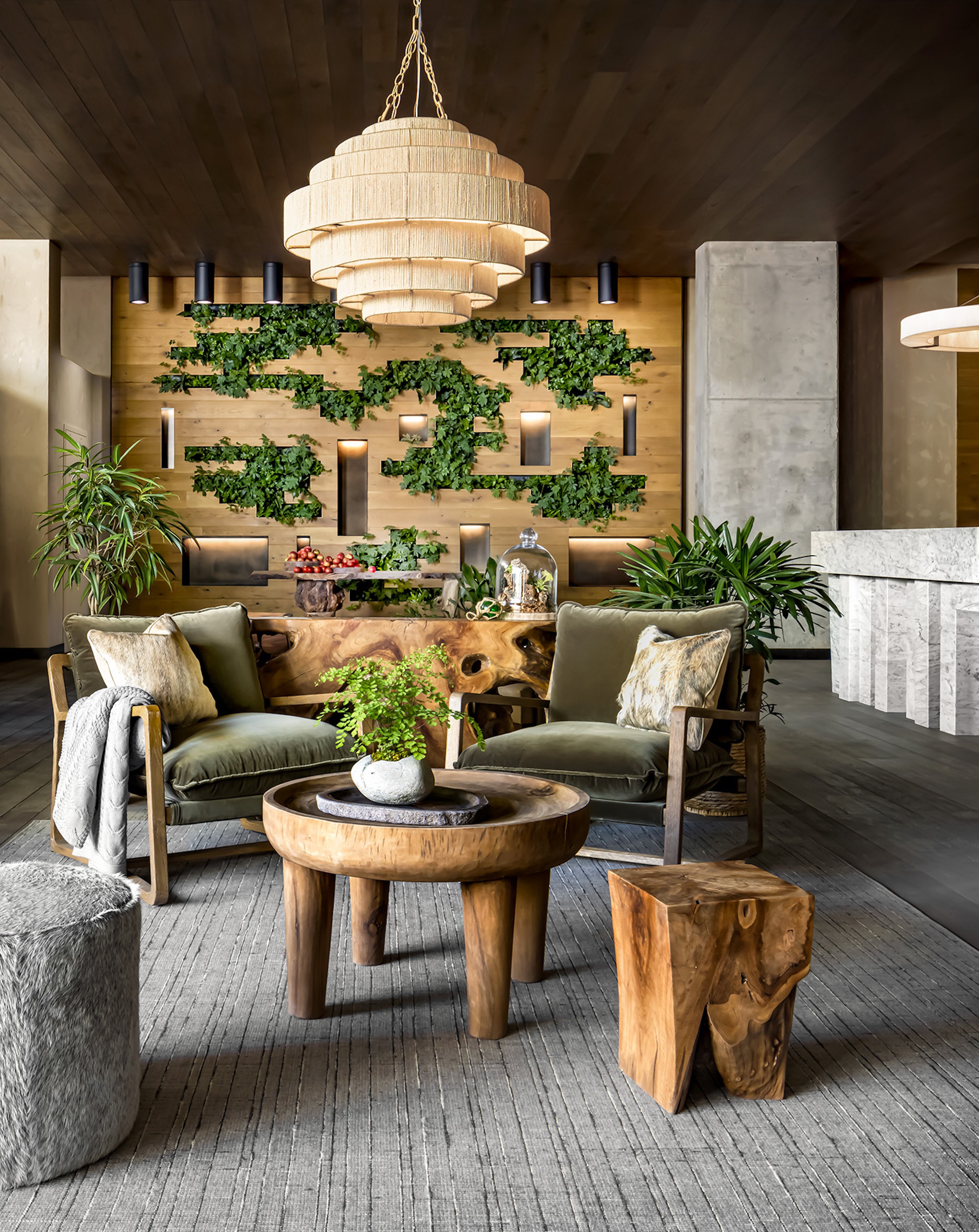
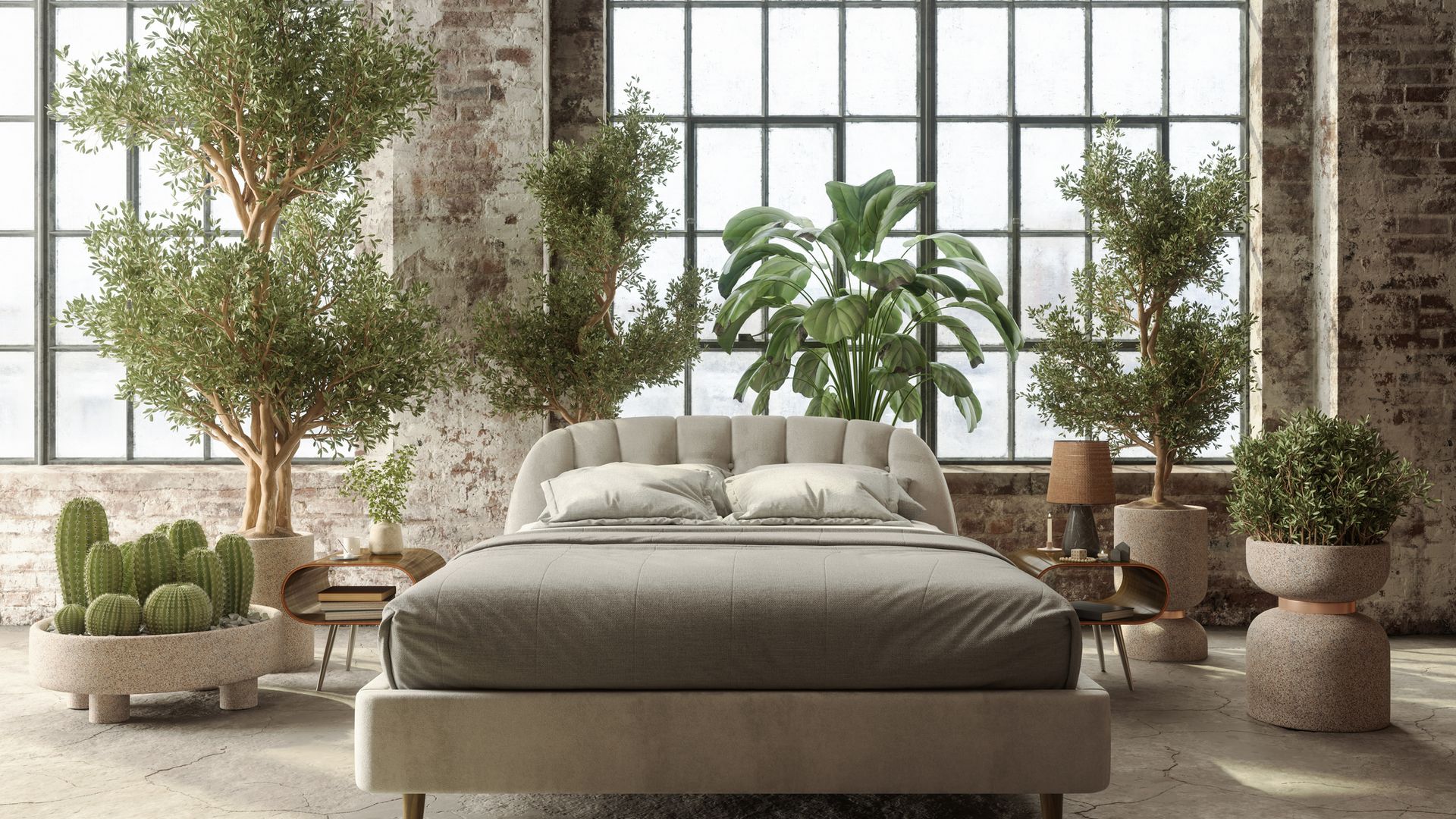
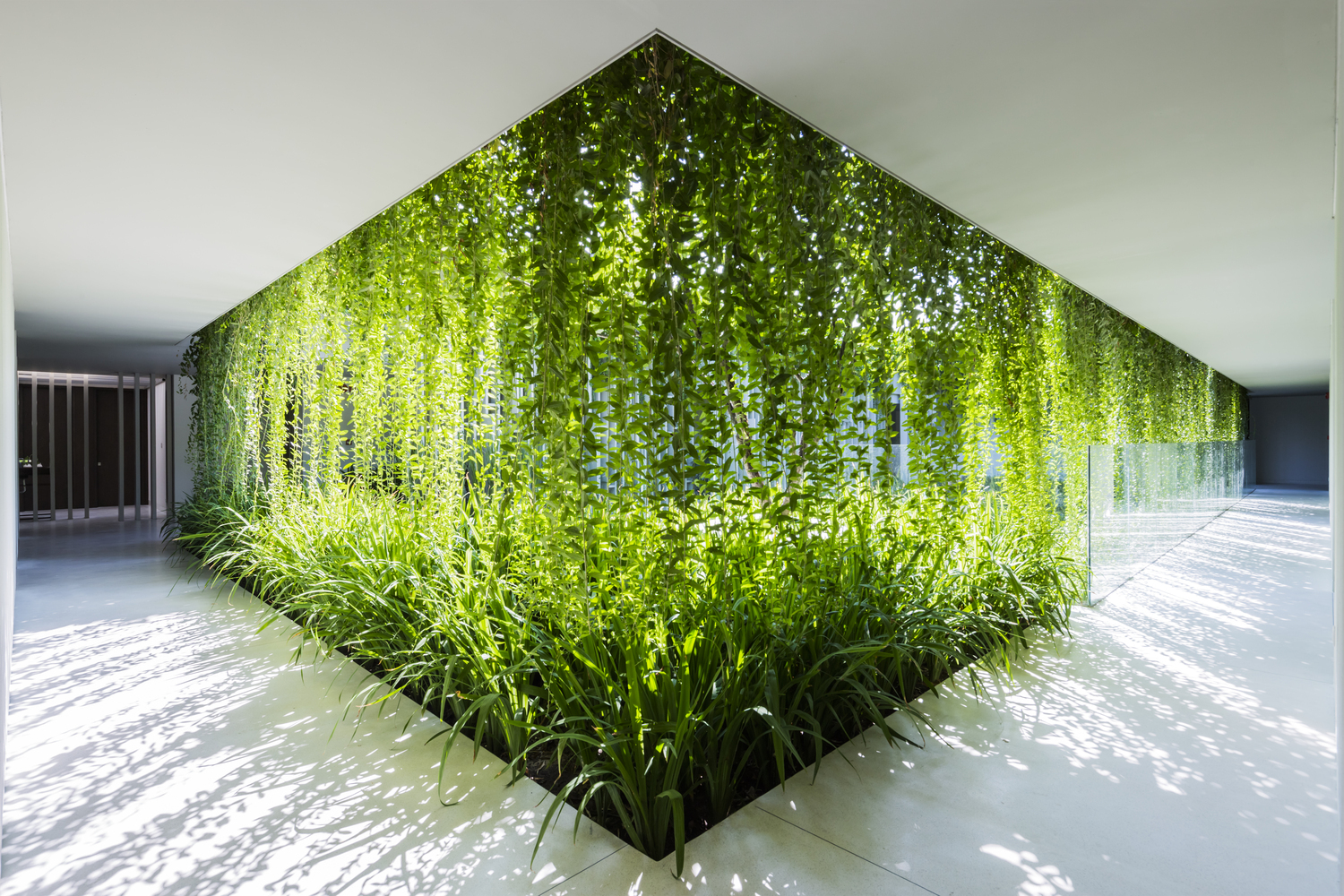
Biophilic design translates this innate human attraction to nature into the creation of interior spaces. The goal is to design environments that are natural, relaxing, nurturing, and inspiring, thereby encouraging productivity. This is achieved by incorporating natural elements, either directly through natural objects such as timber, plants, and water features, or indirectly through the application of natural textures, forms, and colors. The ultimate aim is to satisfy our intrinsic connection to nature, even within highly urbanized settings where most people spend their time.
The benefits of implementing biophilic design in office spaces are substantial. The article points out that work-related stress, anxiety, and depression contribute to a significant number of lost working days annually. Research increasingly demonstrates how working environments can either enhance or detract from an employee's mental state. Integrating natural elements into the workplace has been shown to reduce stress, which in turn leads to fewer work absences and sick days, ultimately resulting in cost savings for businesses.
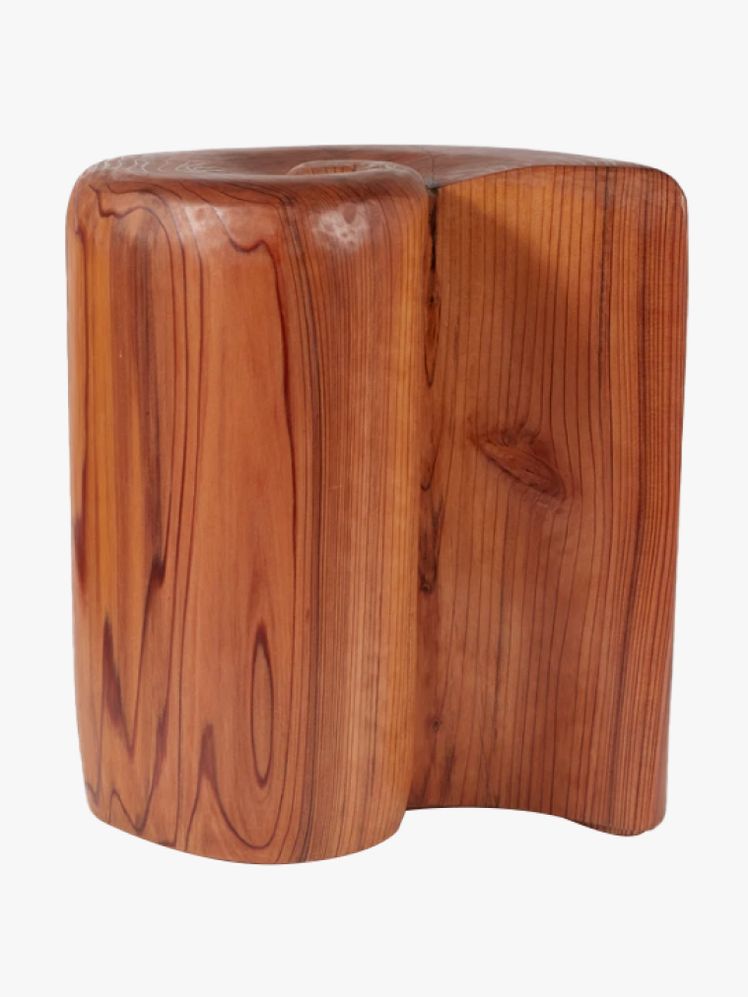
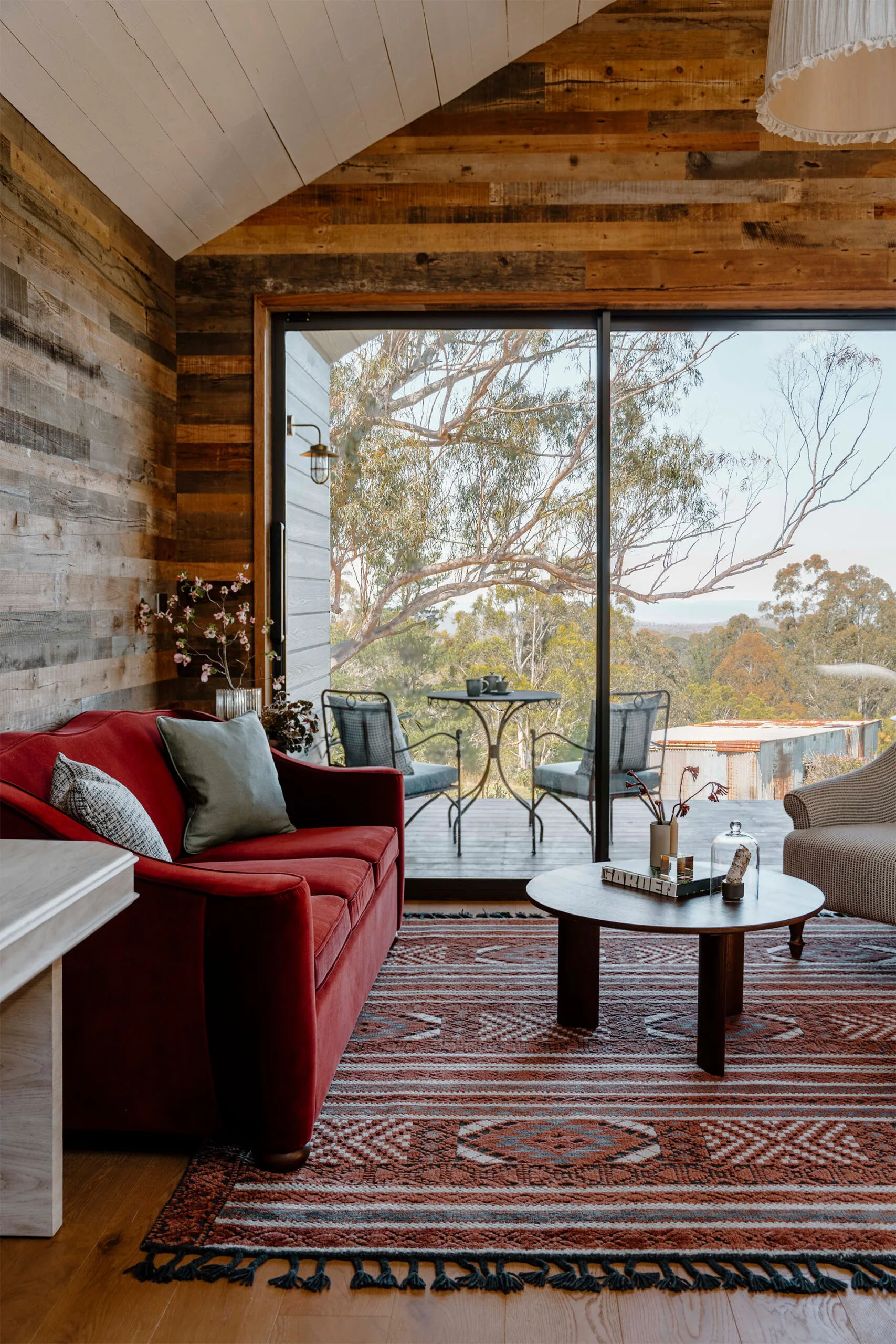
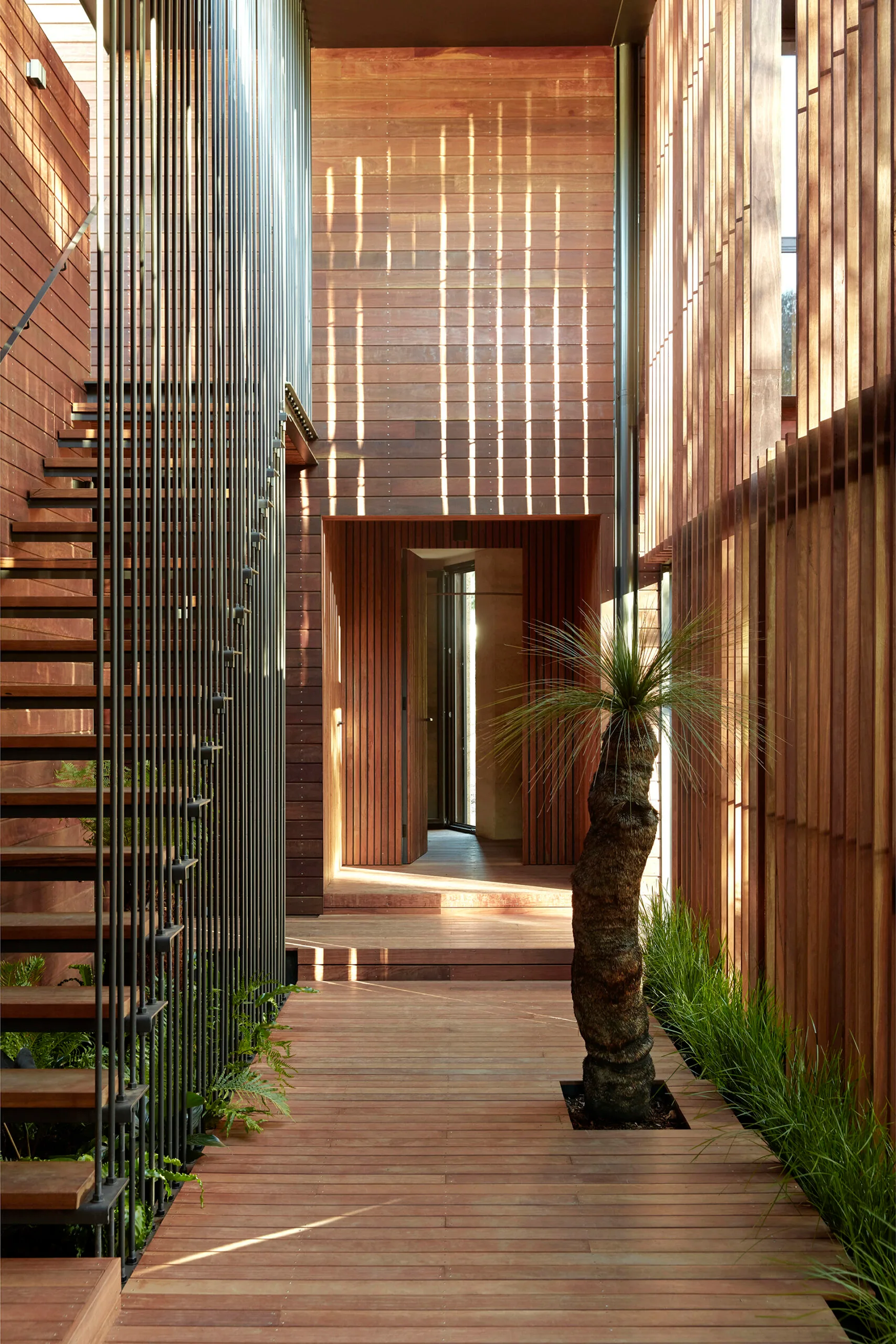
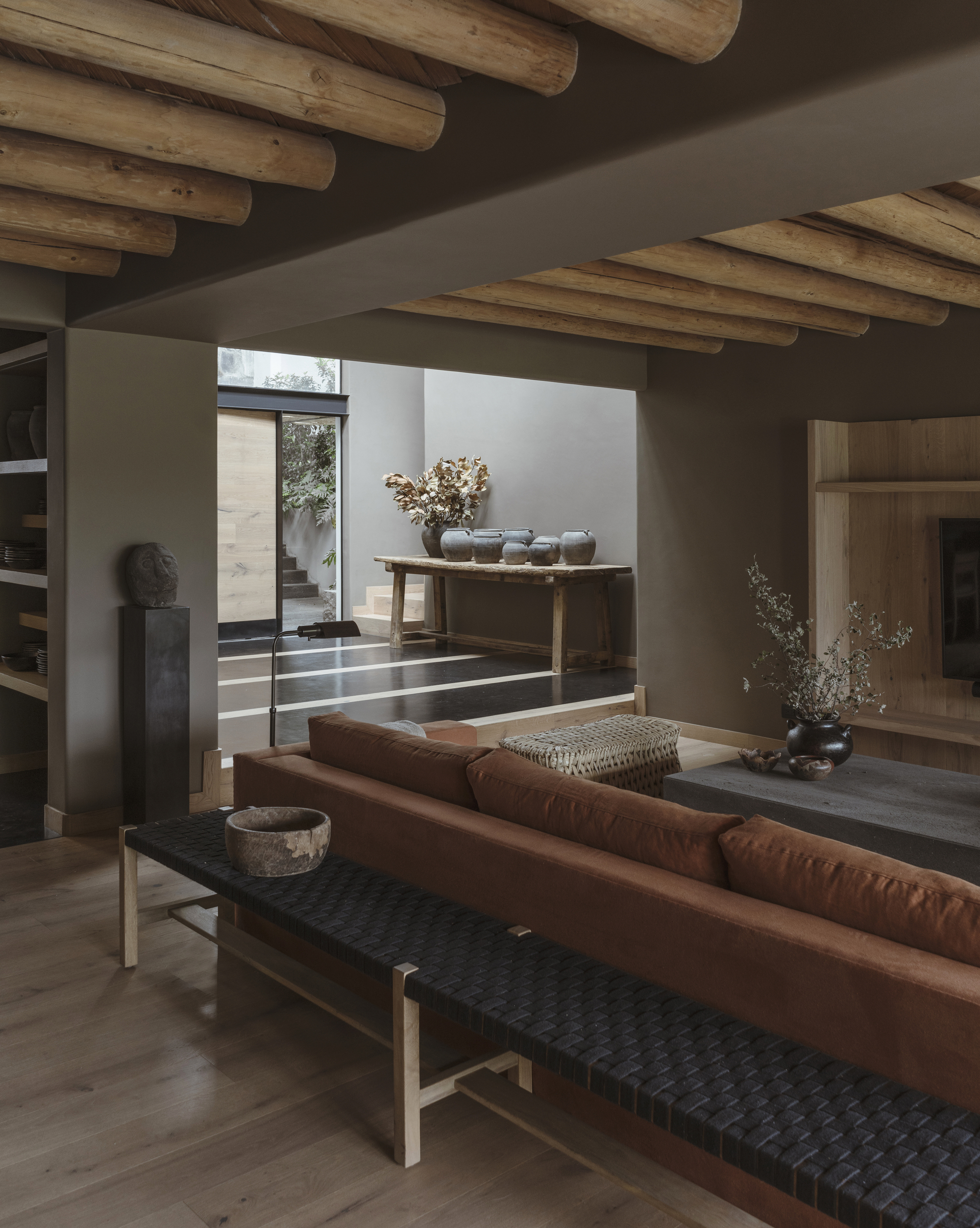
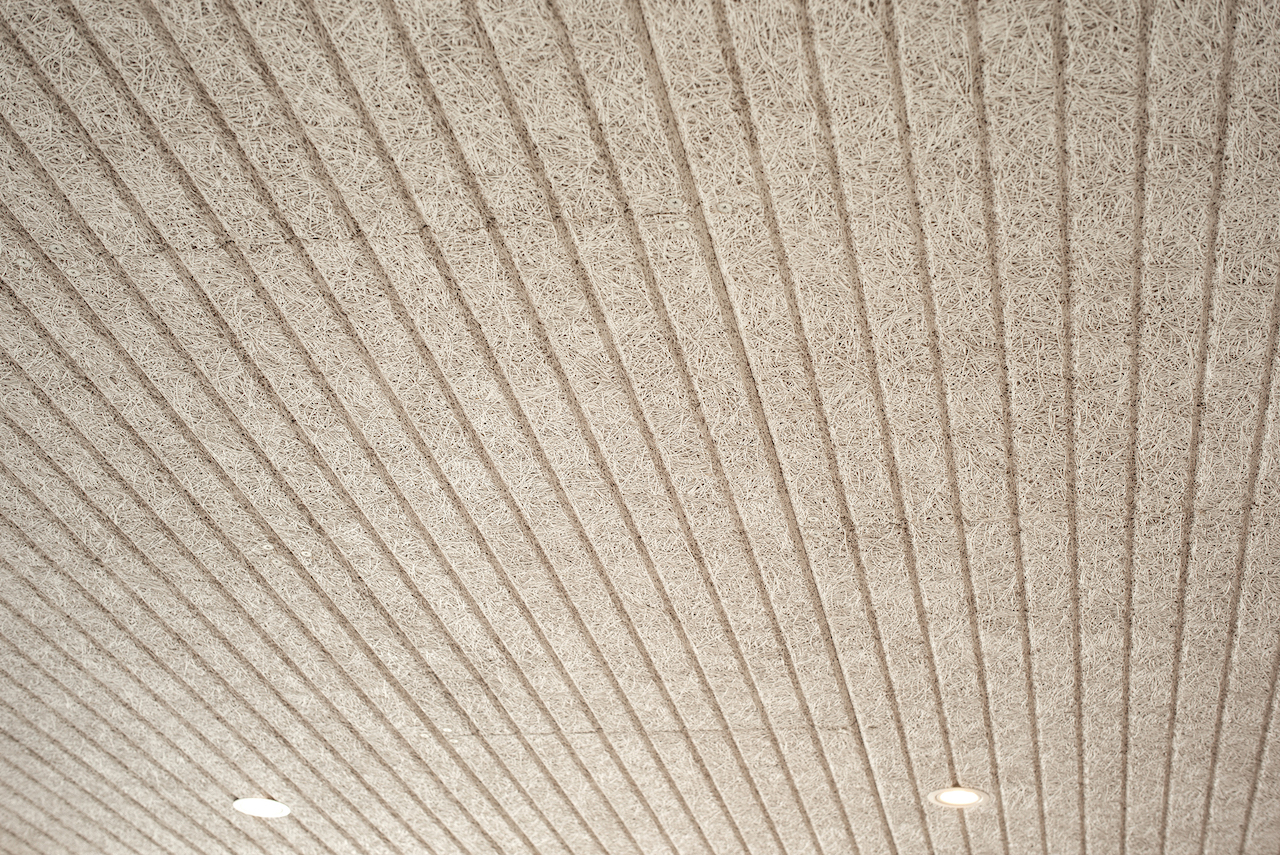
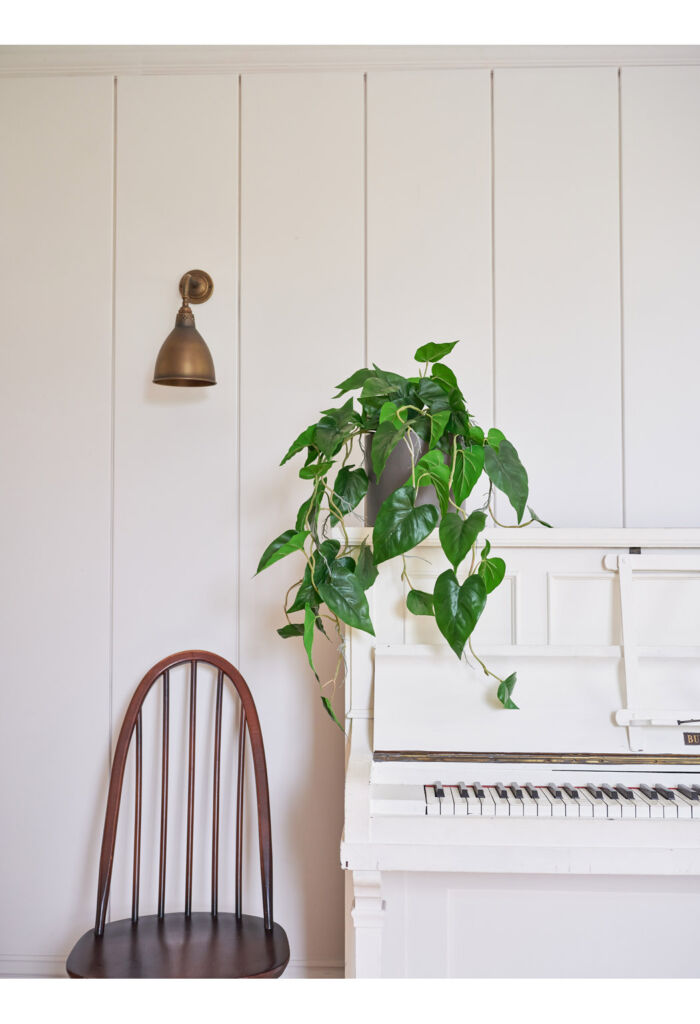
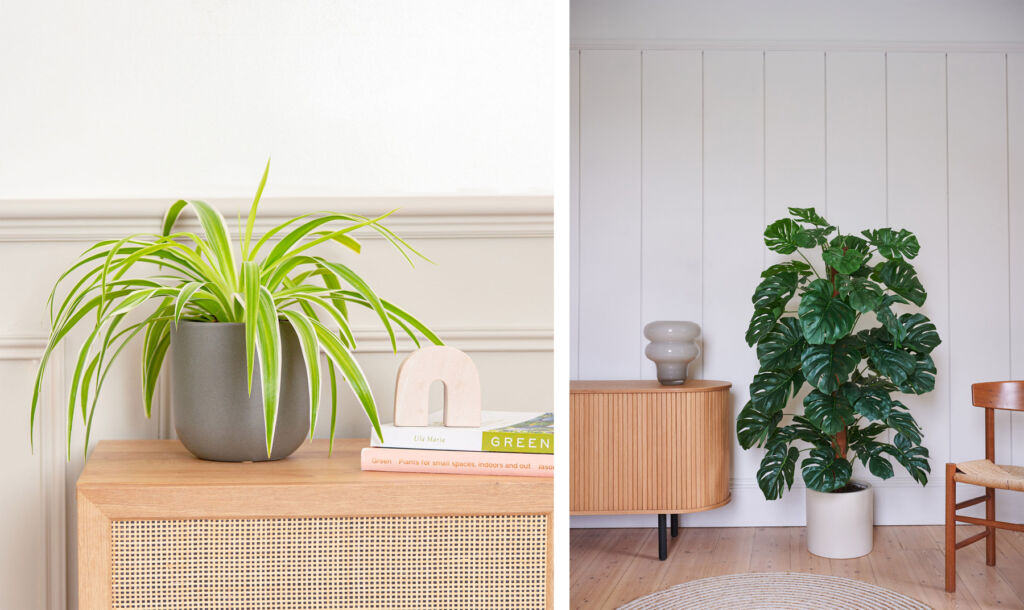
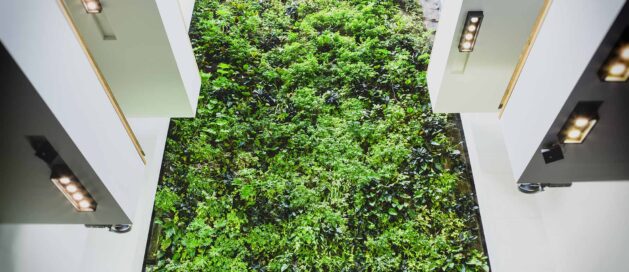
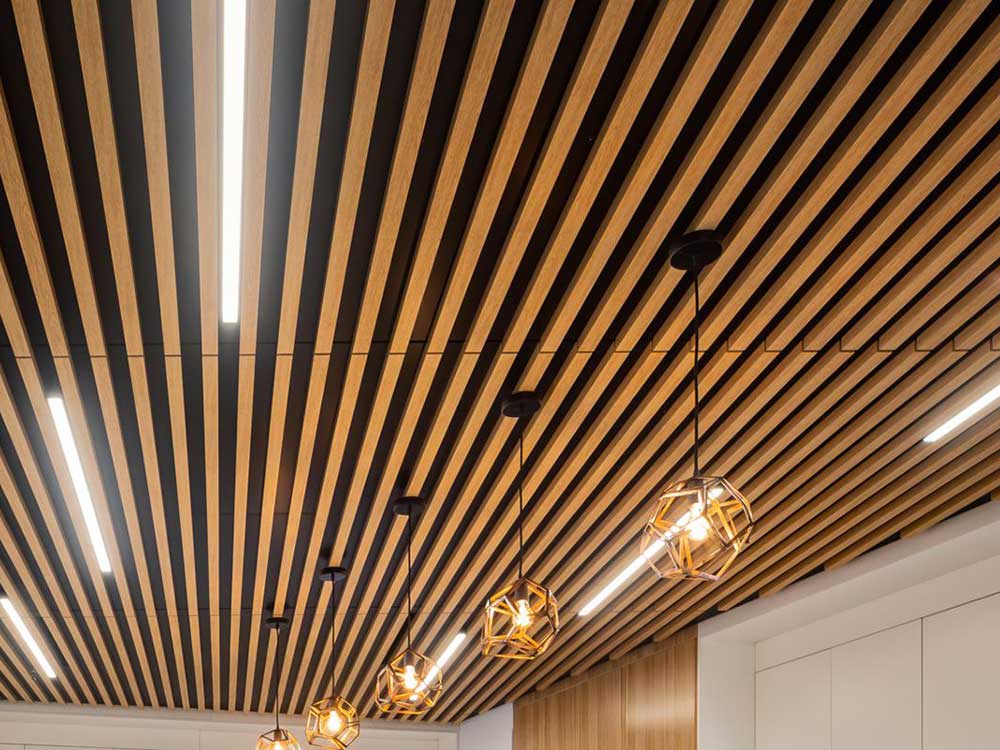
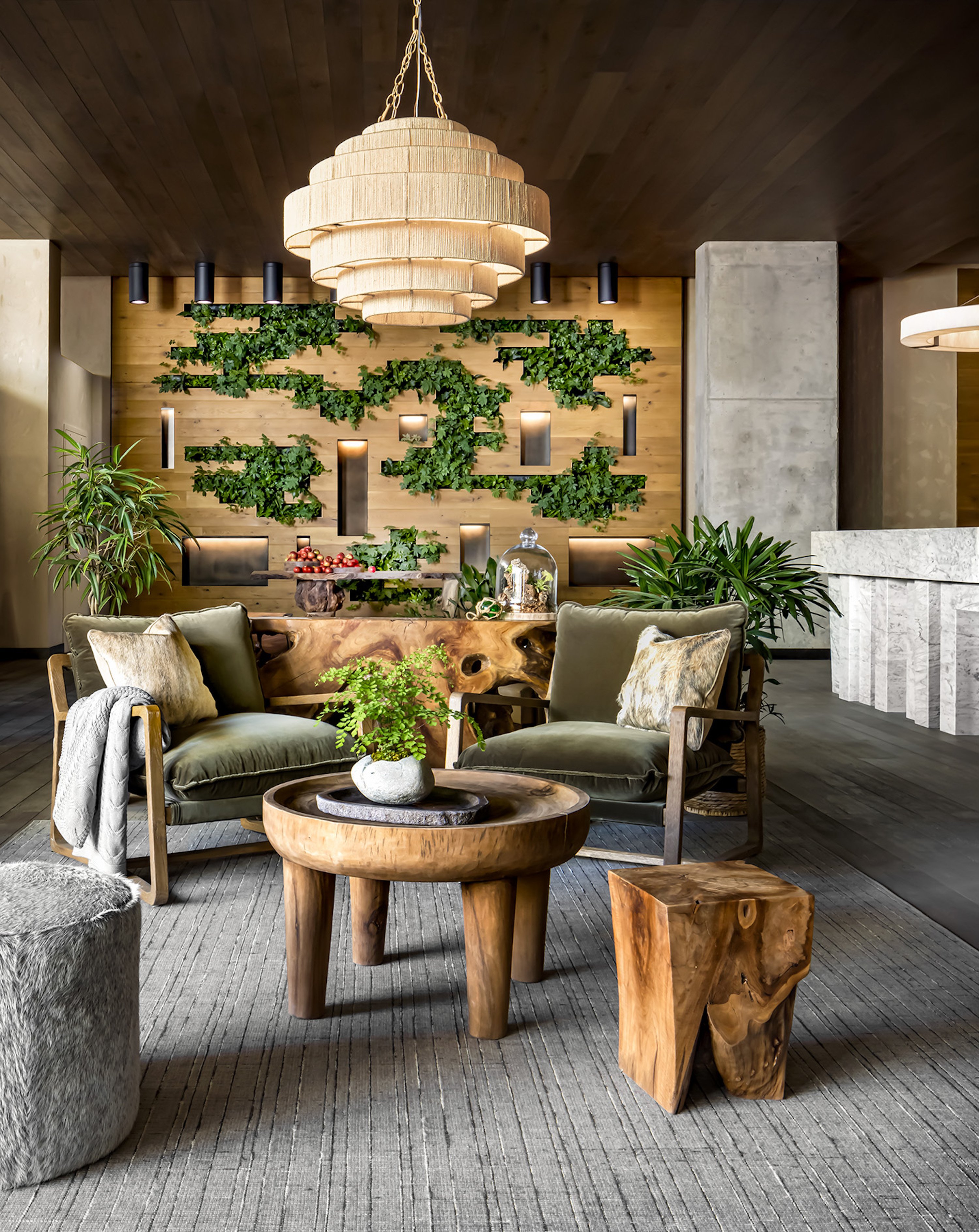
Practical methods for introducing natural elements into the workplace are also discussed. These methods are designed to be effective while requiring minimal maintenance and not encroaching on valuable floor space. Examples include strategically placing small clusters of plants and incorporating natural timber linings or furniture. These additions can create a 'retreat' area where employees can de-stress away from the primary work area. Utilizing wall and ceiling spaces for these features ensures that precious floor space remains available, allowing for biophilic elements to be integrated with minimal, or no, changes to the existing floorplan. Panels made from natural materials and textures, such as various timber types, can be installed on walls and ceilings in diverse patterns and configurations. These features, unlike typical office plants, offer a visual connection to nature that can be appreciated from a distance, allowing employees to experience their calming effects without needing to be in close proximity to them.
#BiophilicDesign #InteriorDesign #WorkplaceWellness #NatureConnection #OfficeDesign #EmployeeWellbeing #NaturalMaterials #HealthAndWellness #BiophilicDesign #InteriorDesign #WorkplaceWellness #NatureConnection #OfficeDesign #EmployeeWellbeing #NaturalMaterials #HealthAndWellness
0 comment in total
 No comments yet
You may also like
What Is Biophilic Interior Design? I'm an Actual Biophilic Designer, and This Is How to Apply It to Your Home

What the heck is biophilic design?

Stunning biophilic design ideas to help you bring the great outdoors into your home

These 10 Biophilic Design Ideas Will Transform Your Home Into a Natural Oasis
What is Biophilic Design? This Nature-Based Interiors Trend Promises Wellness
7 biophilic design ideas you can recreate on a budget

What Is Biophilic Design? 5 Ways to Incorporate This Style

Why Houseplants And Biophilic Design Will Front 2025's Interior Design Trends
Biophilic Interiors: 21 Projects that Blend Architecture with Nature


Well-Being Through Biophilic Interiors

Biophilic Design Is the Signature Style of Plant Lovers Everywhere

Designing with nature: Why Biophilic Design?

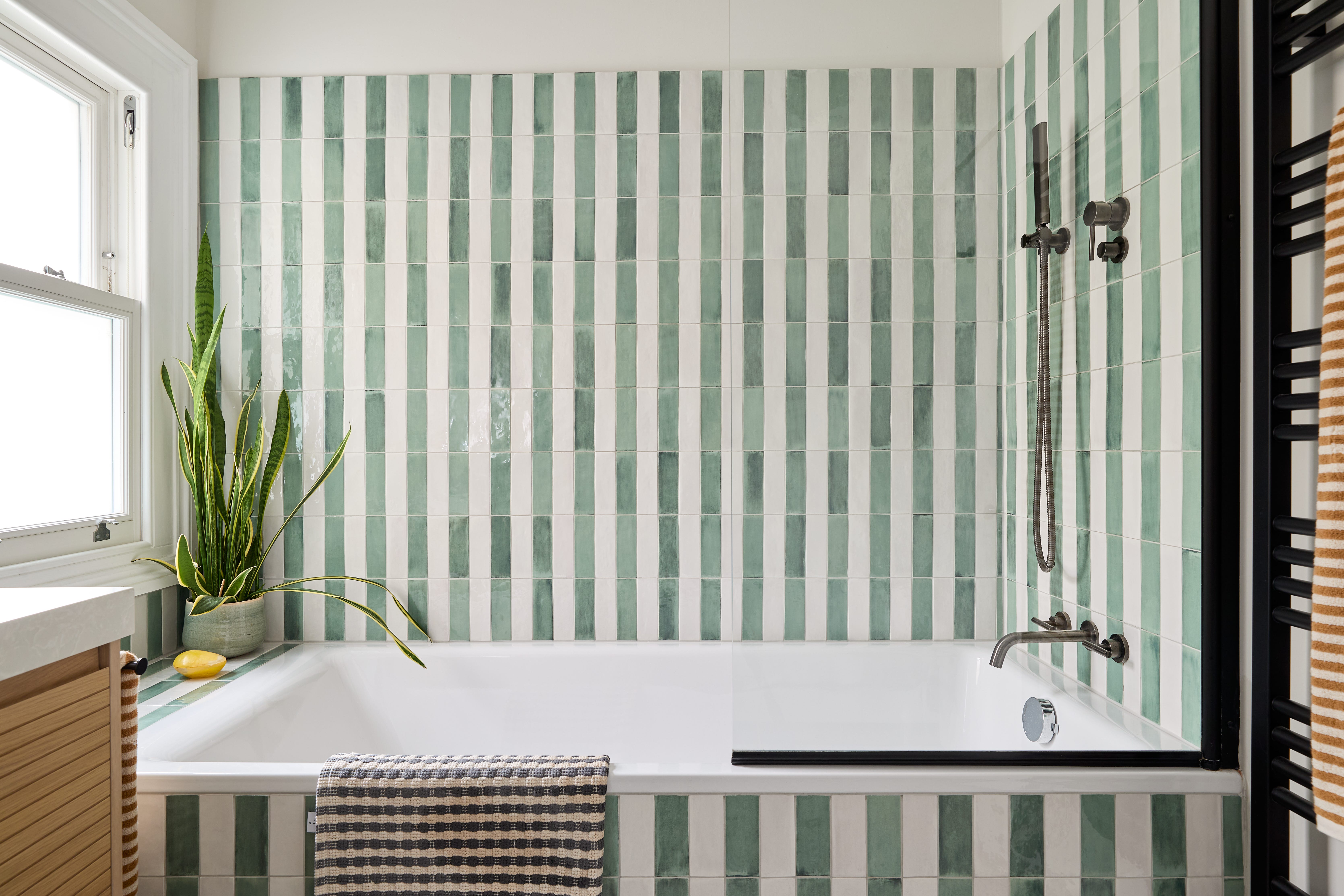
8 ways to freshen up your home through natural biophilic design
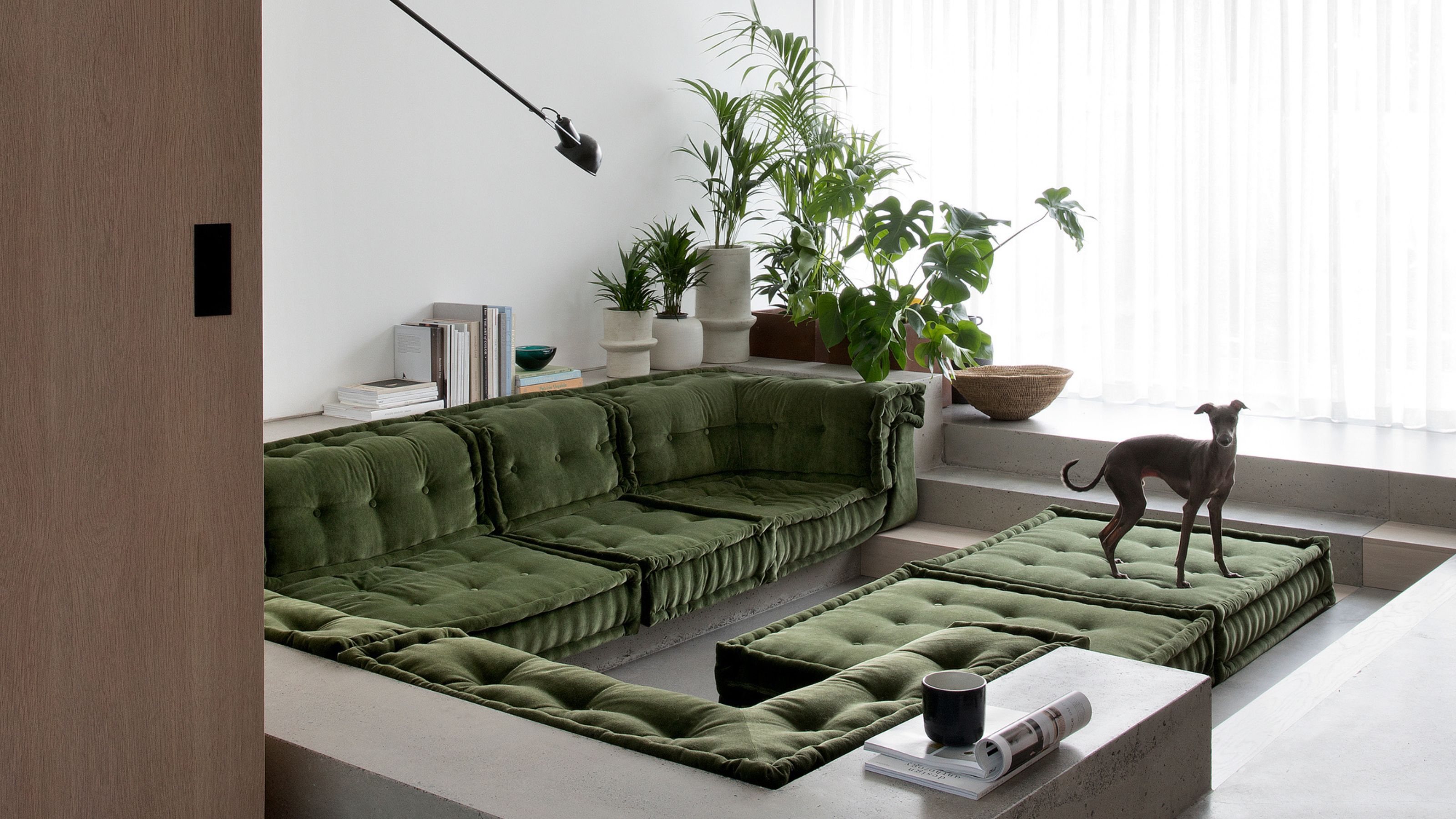
10 Biophilic Living Room Ideas That Look and Feel Good — "They Inherently Make Us Feel Grounded"
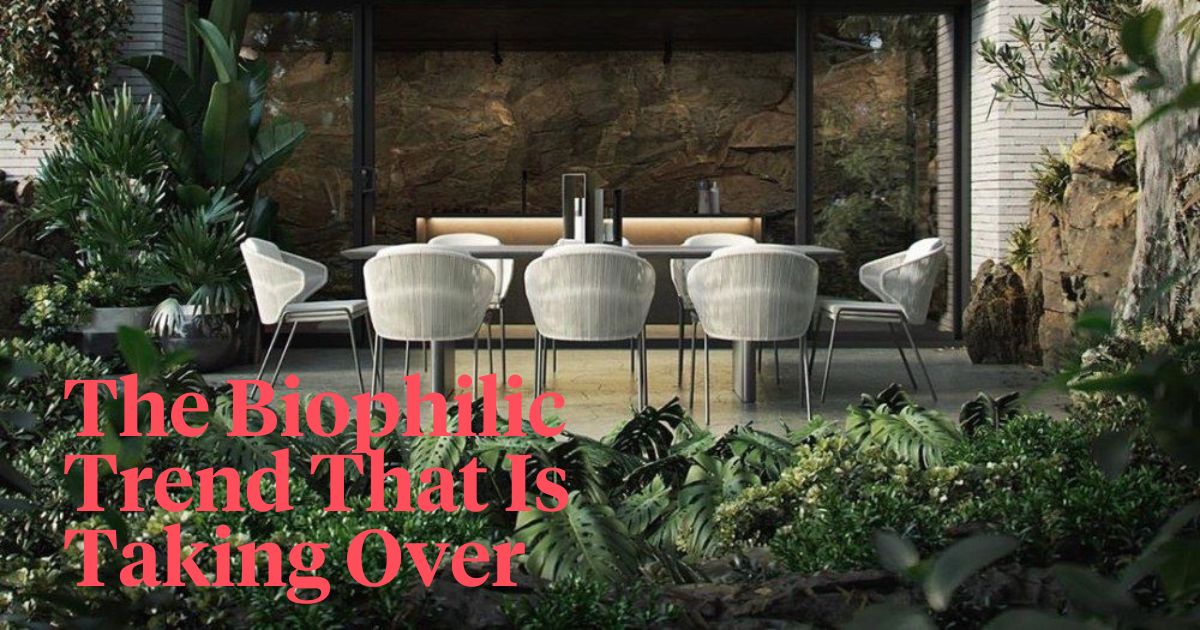
Biophilic Interiors Invade These 10 Contemporary Residences

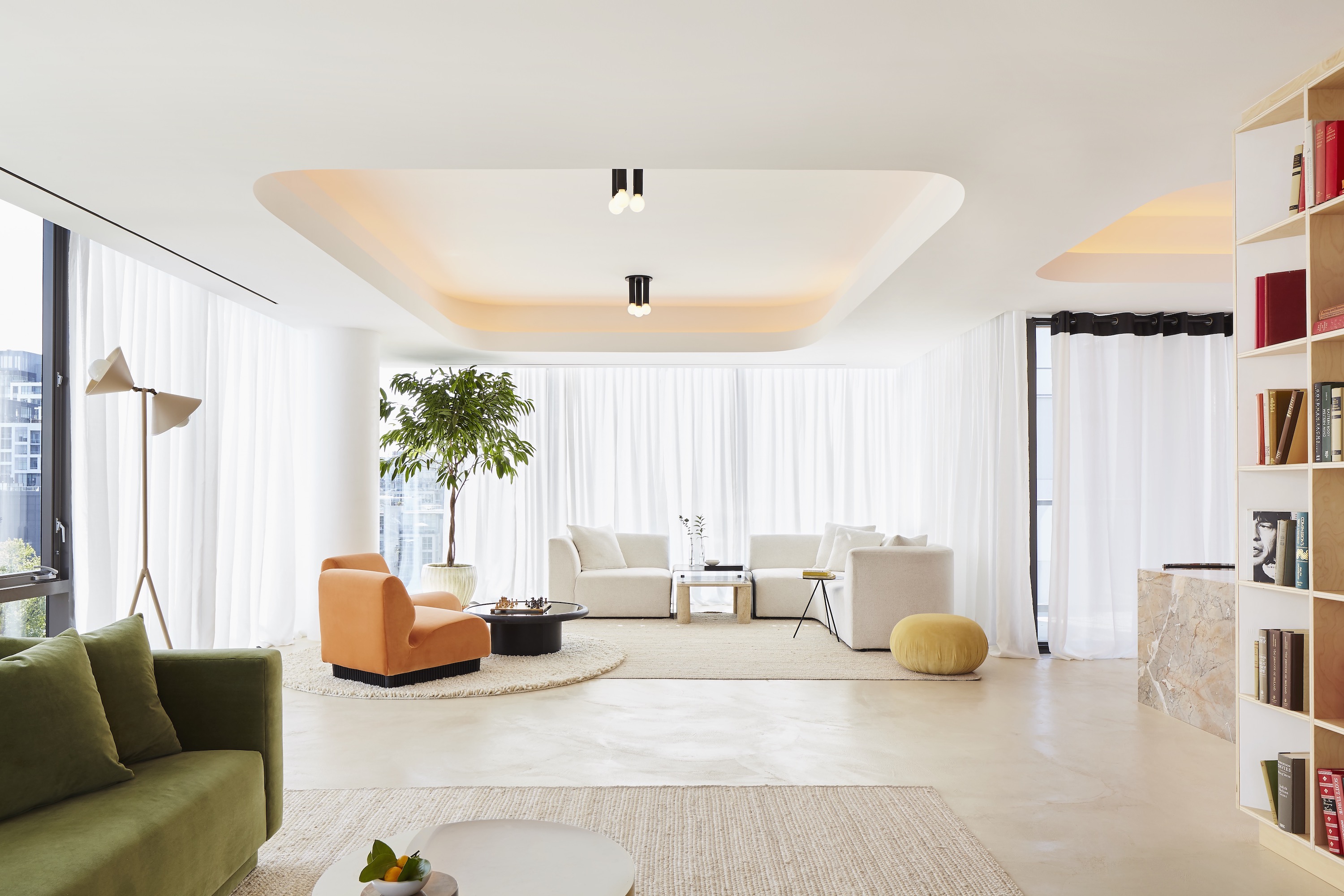
This Biophilic Condo Wants to Improve Your Health — By Design
What are Biophilic interiors? How bringing the outdoors in is proven to make you happier

What to Expect from Interiors of the Future
Focus on Biophilia: Nature-Inspired Design Strengthens People!

Is Biophilic Design the New Paradigm?