1/2
Follow This Professional Tip To Perfectly Stagger Floating Floors
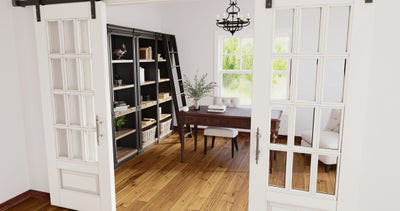
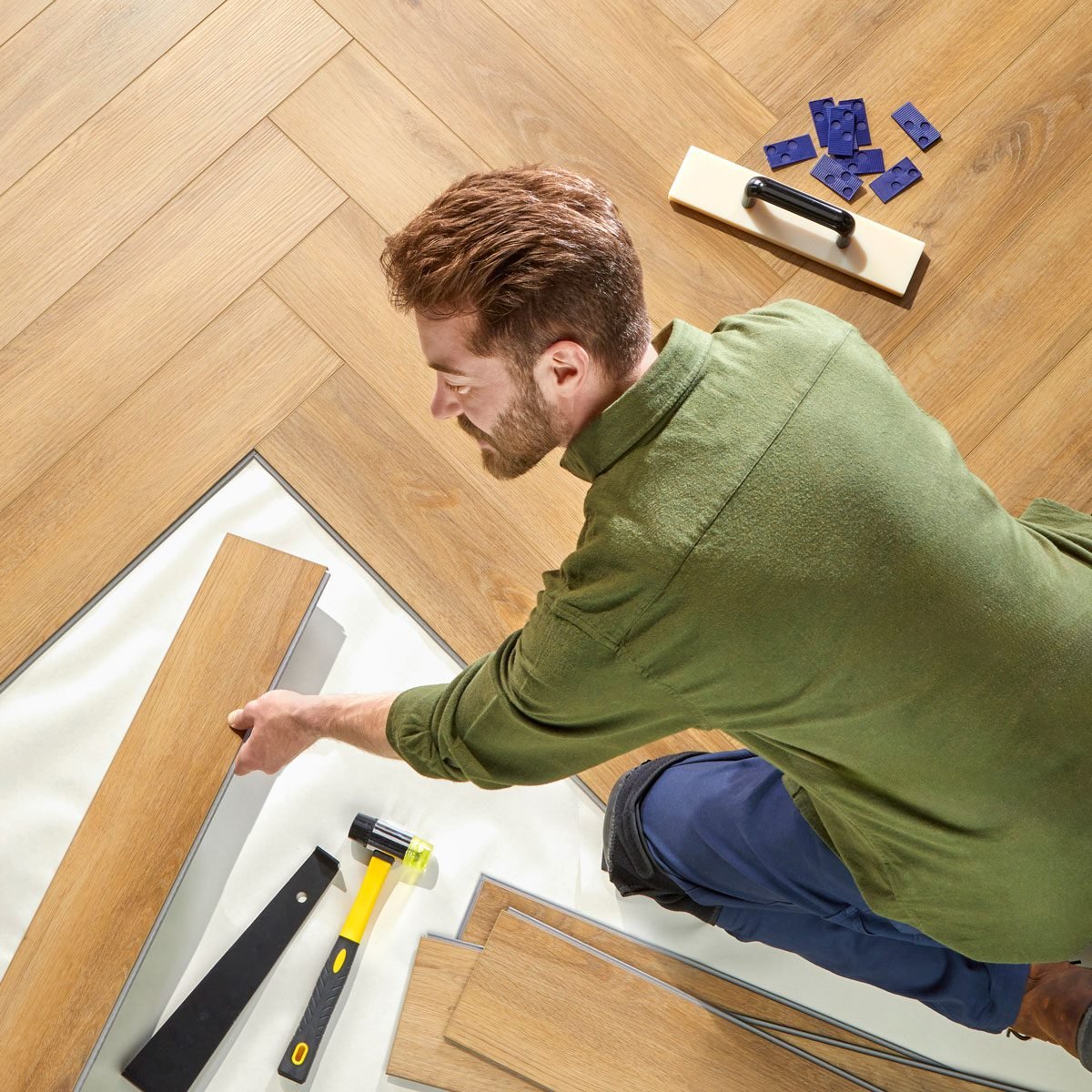
Successfully undertaking DIY home renovation projects, particularly those involving flooring, can be challenging due to the potential for unclear or inaccurate online advice. However, many valuable professional resources exist to guide homeowners through these processes correctly. Updating floating floors is a common renovation homeowners tackle to save money, and both aesthetic appeal and proper installation are crucial. To ensure a successful first attempt, it's beneficial to seek expert advice on planning and staggering floating floors effectively.
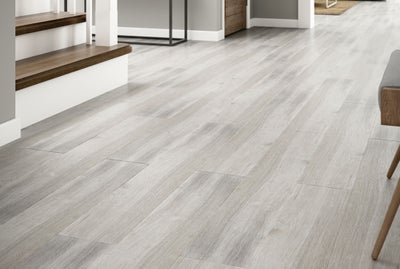
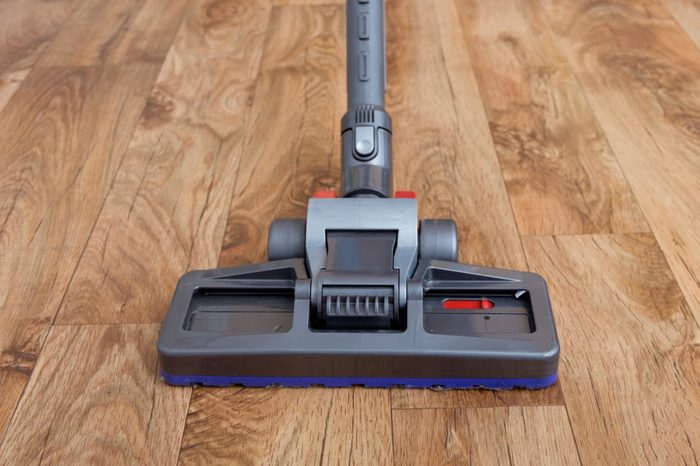
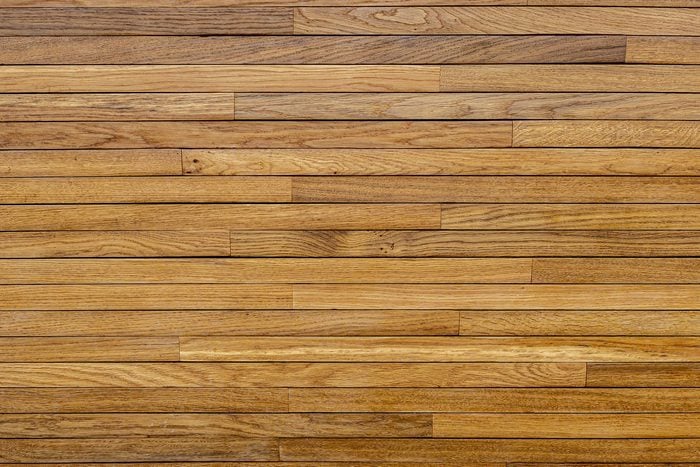
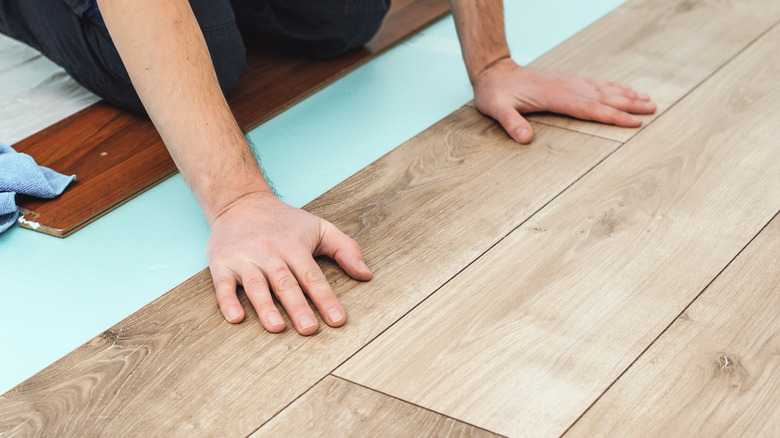
Paul Henthorn, President of Slaughterbeck Floors, Inc., offers key insights into achieving a professional-grade staggered floating floor. He recommends staggering a minimum of three different board lengths, or four if the boards are long enough. The method involves dividing the board length by three or four, then starting subsequent rows with boards that are one-third or one-fourth, or two-thirds or one-half, the length of a full board, respectively. This creates a natural, non-uniform pattern that is visually appealing and structurally sound.
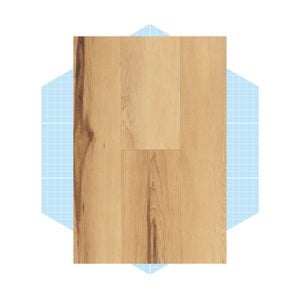
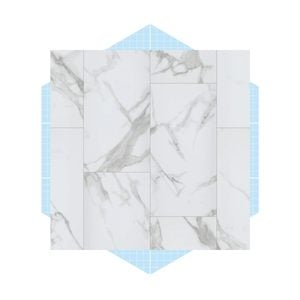
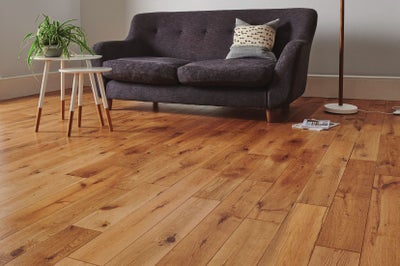
The approach to staggering flooring can vary depending on the material. Hardwood flooring, for instance, often comes in random lengths, which naturally creates a staggered effect during installation. However, for synthetic materials like vinyl or laminate, manual staggering is usually necessary. Staggering vinyl plank flooring offers multiple benefits, including an improved aesthetic and enhanced durability of the installation. While there isn't a single 'right' way to stagger, Henthorn advises against 'half board staggering,' where every other row appears uniform, as this can make the stagger too noticeable and repetitive. Instead, the goal is to achieve an intentional, varied look rather than a predictable pattern.
Despite the perceived complexity, laying a staggered floor is simpler than it appears. Henthorn emphasizes that the primary 'step' is to ensure the pieces are staggered in a way that looks intentional and avoids uniformity. Floating floors are not permanently adhered or nailed down, making them relatively easy to remove and adjust. If a piece is placed unsatisfactorily, it can be removed and replaced with a better fit. While floating floors may be somewhat noisier than other flooring types due to their movement, there are various DIY solutions available to address any potential squeaks. Overall, careful planning and adherence to expert tips can lead to a beautifully installed, durable floating floor.
#FloatingFloors #FloorInstallation #DIYHomeImprovement #HomeRenovation #FlooringTips #InteriorDesign #HomeProjects #FloatingFloors #FloorInstallation #DIYHomeImprovement #HomeRenovation #FlooringTips #InteriorDesign #HomeProjects
0 comment in total
 No comments yet
You may also like
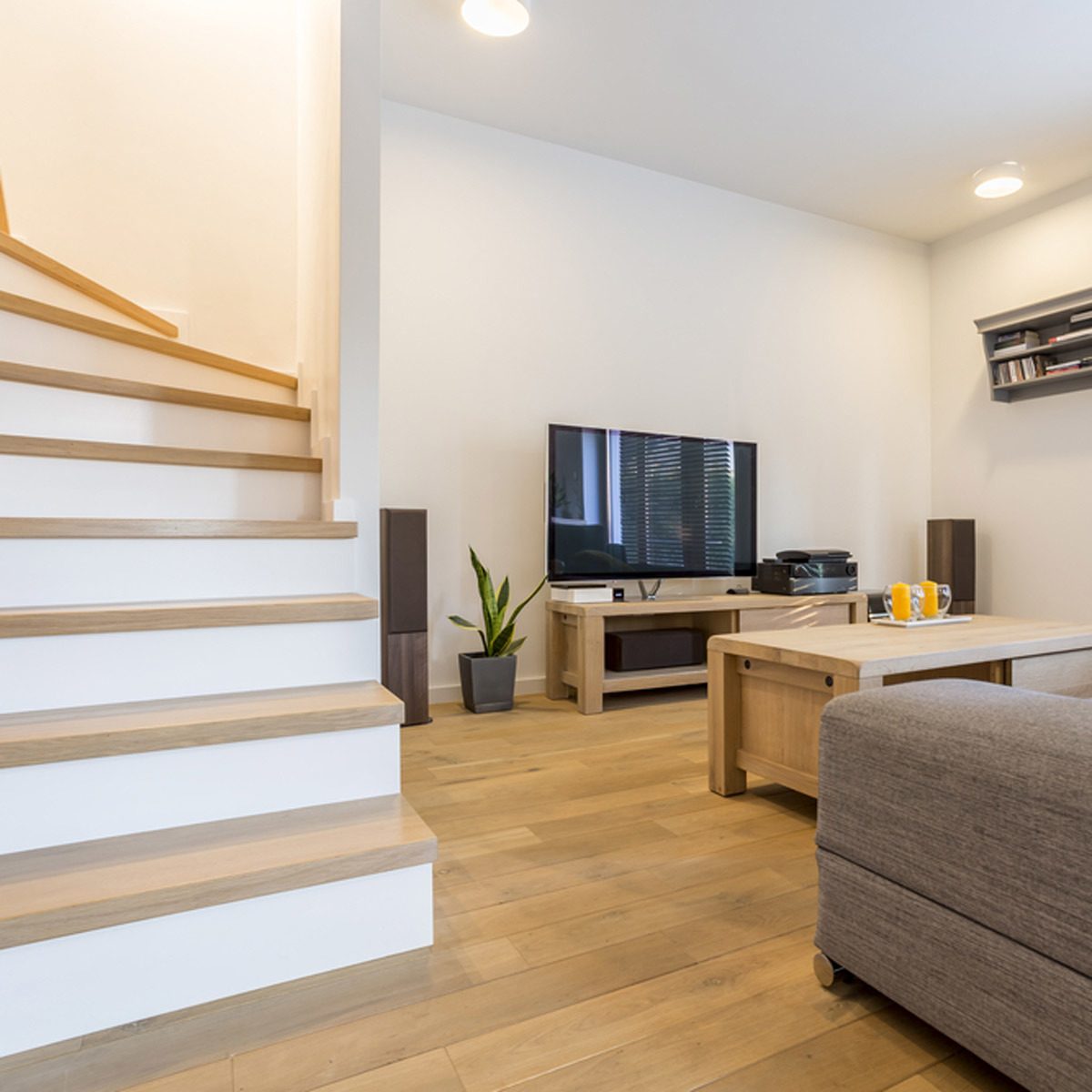
5 Best Types of Flooring for Your Basement in 2022


The Floor Decluttering Method is so easy and works

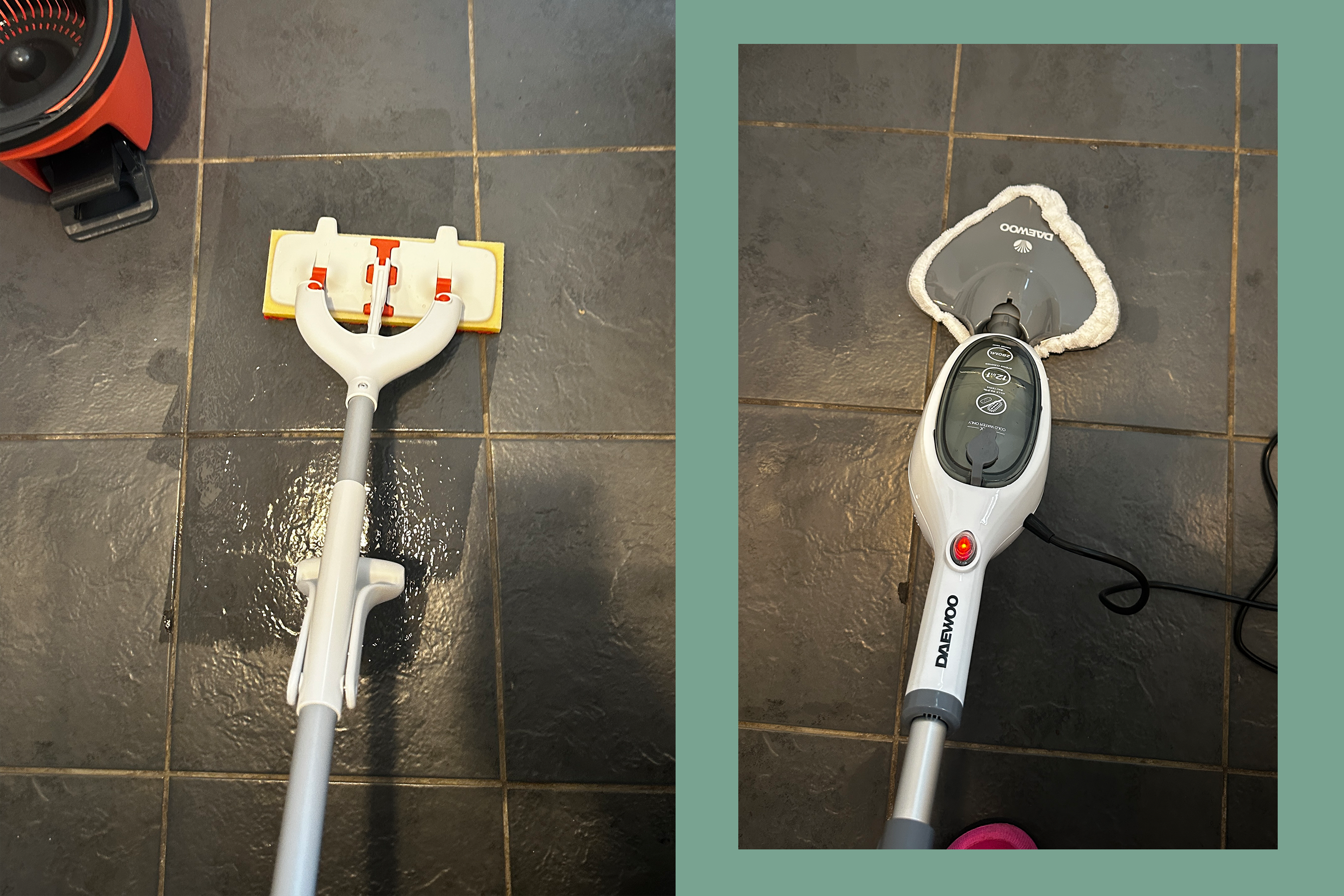
Best floor mops for sparkling results, tried and tested

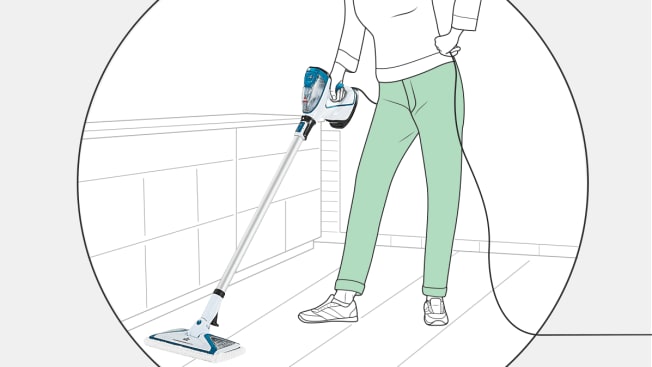
Why You Shouldn't Use a Steam Mop on Wood Floors
Flooring


Vogue's flooring guide will ensure you never look up
Experts cover entryway floors
Tired of tiptoeing? These 5 methods for fixing creaking wooden floors are approved by the pros

Yes, Peel-and-Stick Floor Tiles Really Work—And These Are the Best

Get Floored
Should You Put Flooring Under Kitchen Cabinets? It All Depends on the Type of Floor, Say Professional Remodelers


How to Lay Engineered Wood Flooring — 3 Tactics Experts Swear by for the Very Best Finish
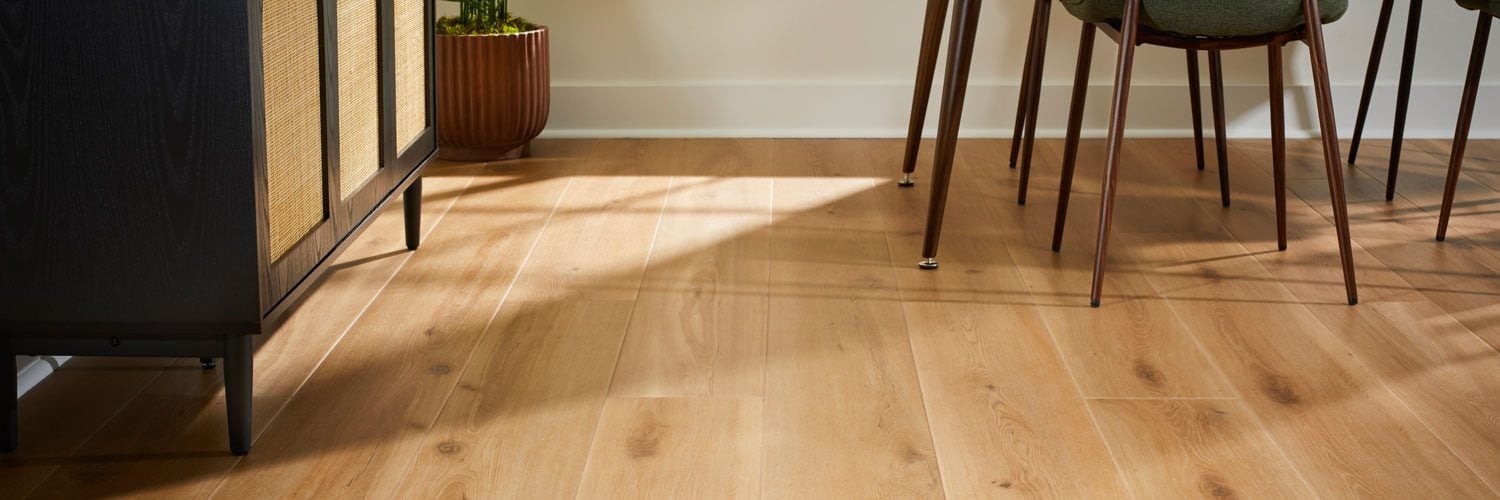
A Guide to Gorgeous Floors
You're cleaning your bathroom floor wrong, experts warn – here's how to get it right

8 Basement Flooring Ideas to Elevate Your Subterranean Space


5 flooring sounds you shouldn't ignore - and what they mean

Set the Stage With These Flooring Options

How to Clean Every Type of Floor Quickly and Easily


All Flooring | Wood, Vinyl & Laminate Flooring
How To Clean Baseboards, According To An Expert