1/3
Cane furniture is back — but it never really left
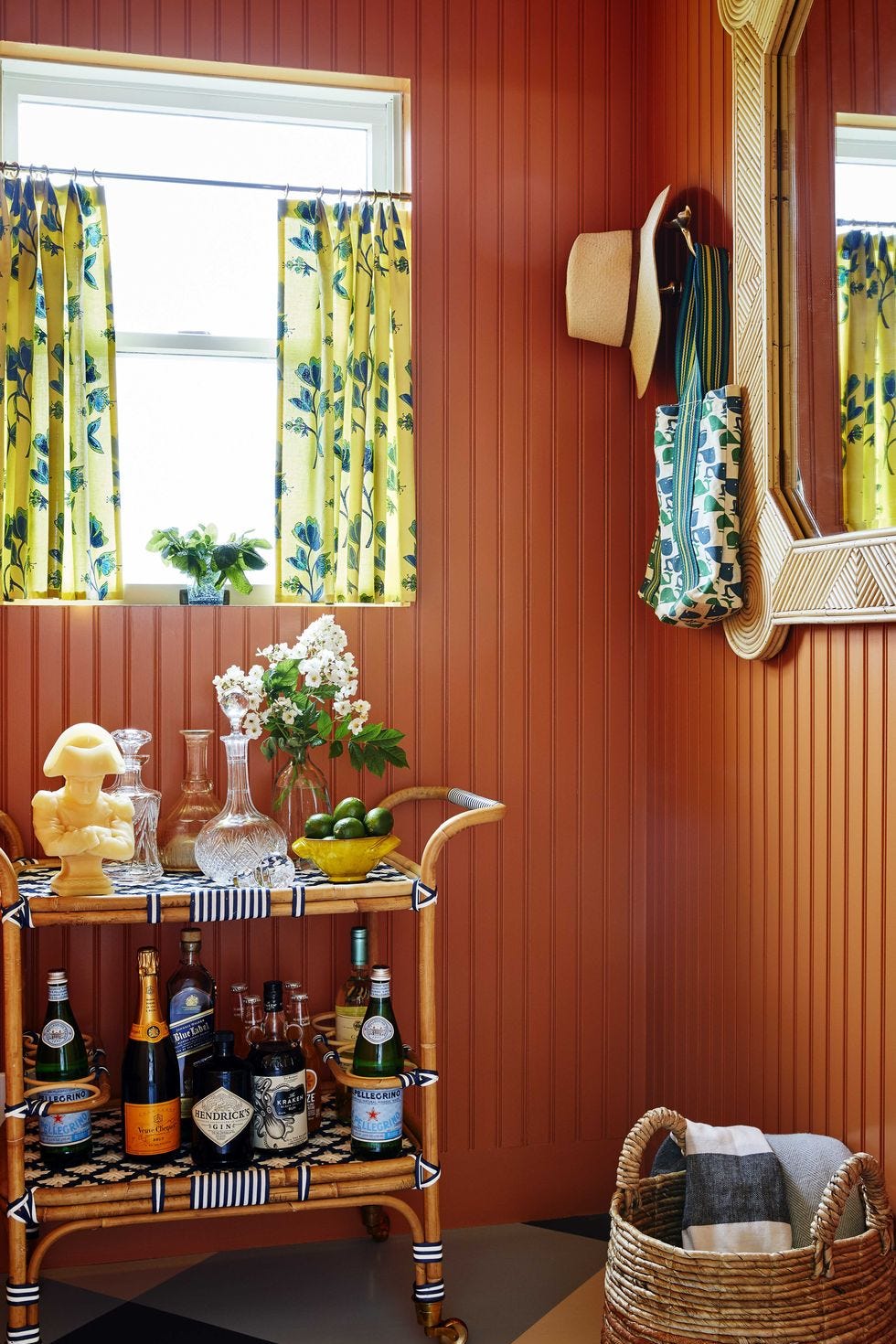
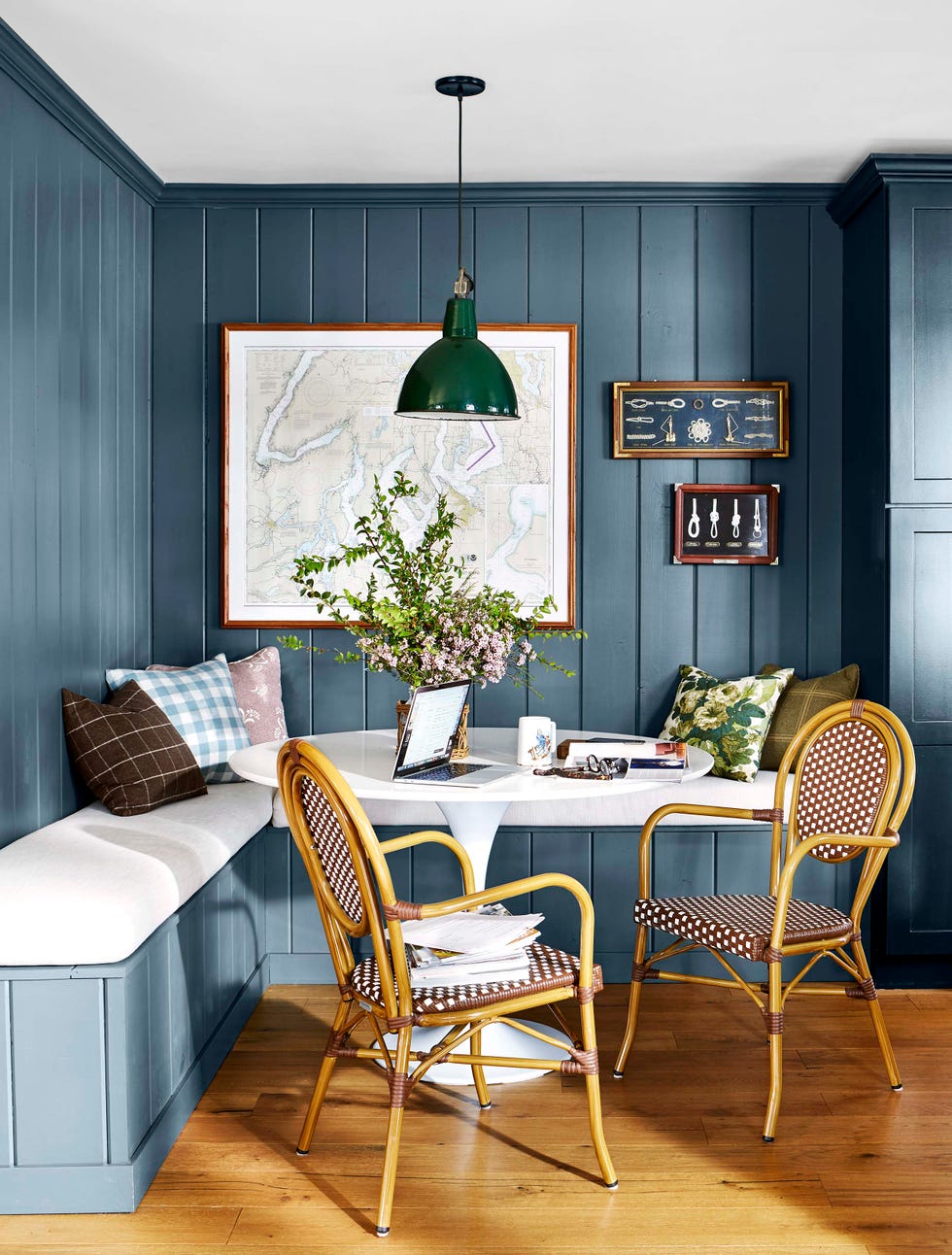
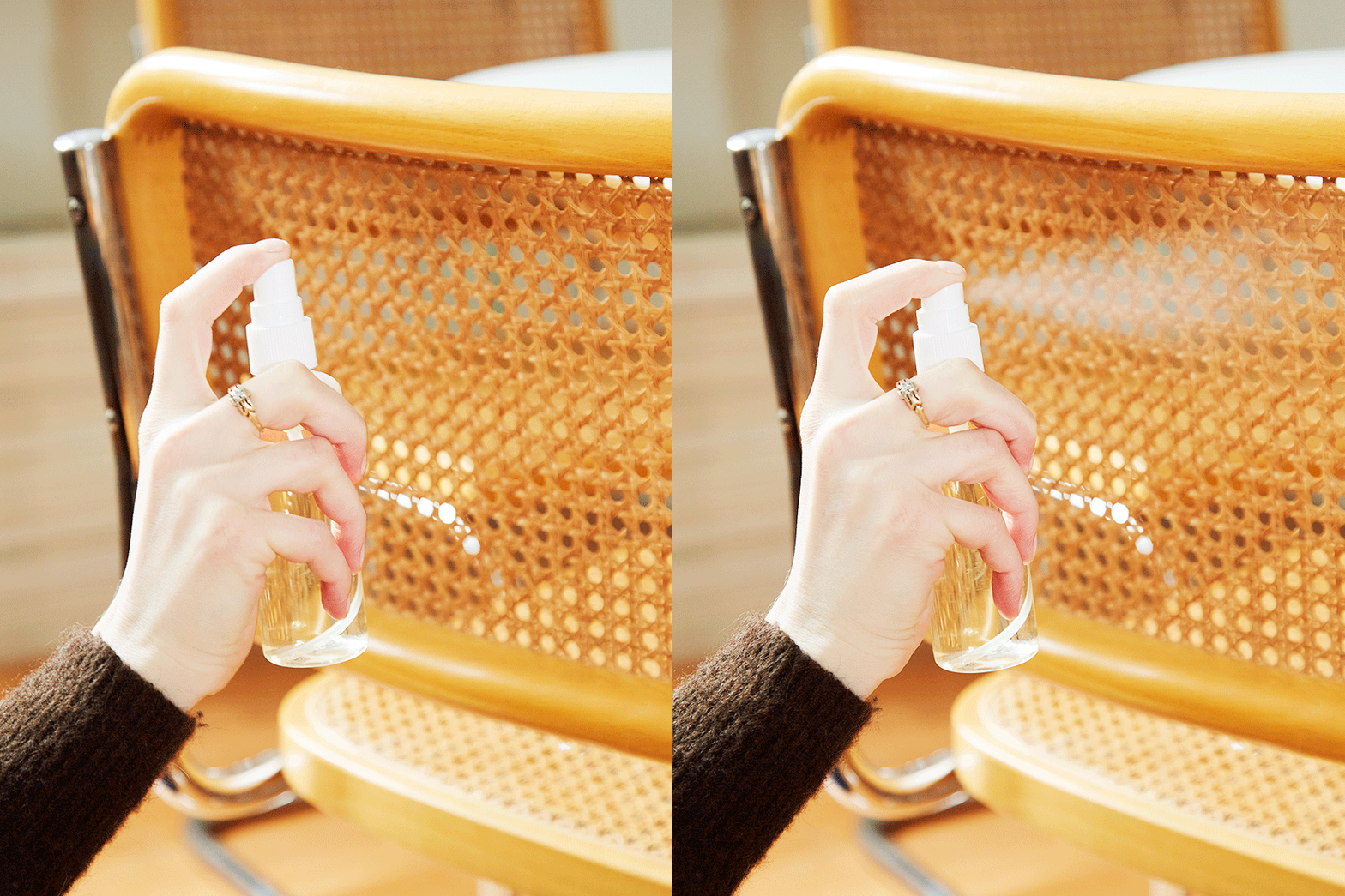
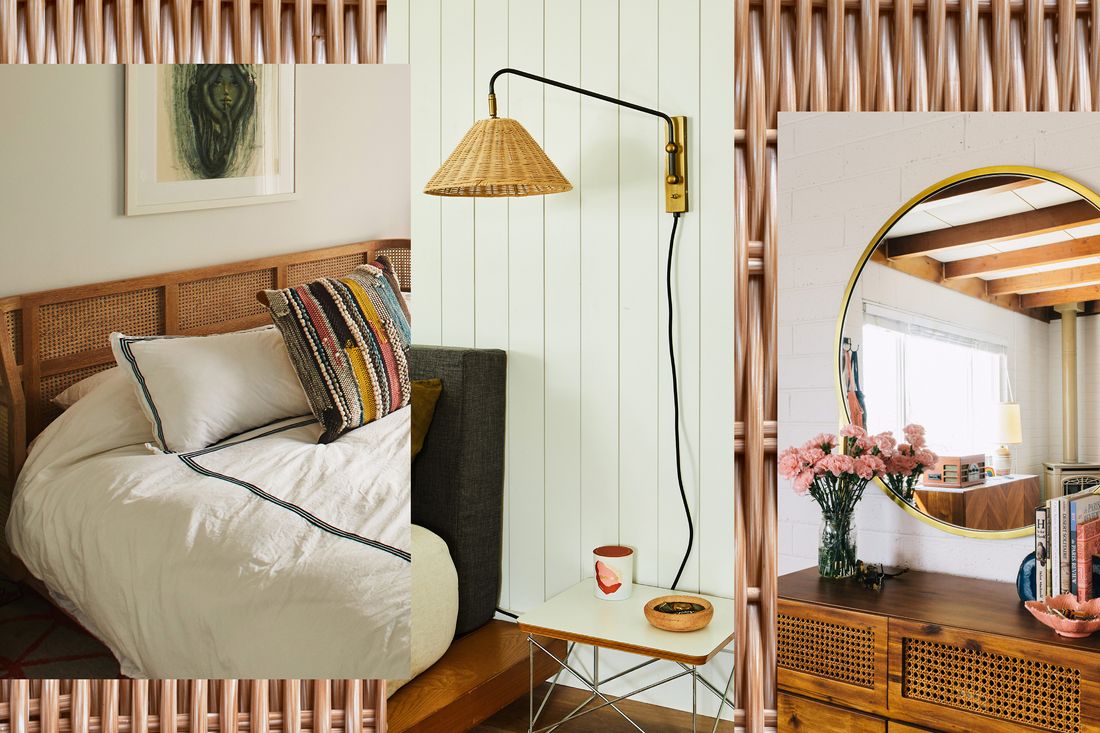
Cane furniture, characterized by its distinctive six-way honeycomb pattern, has experienced a resurgence in popularity, becoming a ubiquitous feature in modern homes and public spaces. This natural material, derived from the outer part of the rattan tree, offers a visually appealing and versatile alternative to more conventional materials. Unlike many contemporary interior textures, cane maintains its organic integrity, serving as a neutral element that enhances a room's aesthetic without overpowering it.
The widespread availability of cane products across various price points, from high-end designers like Kam Ce Kam to mass-market retailers such as Target, H&M, CB2, Urban Outfitters, and Industry West, underscores its broad appeal. Beyond residential settings, cane has found its way into diverse public environments, including healthcare facilities, tea houses, coworking spaces, offices in cities like Warsaw and London, and numerous restaurants, where it is used for seating, room dividers, and window sashes.
Historically, cane's journey into Western interior design is intertwined with colonialism. While native populations in Southeast Asia utilized rattan for various purposes, cane furniture specifically emerged to satisfy the chair-sitting traditions of Chinese and European colonists. The material initially arrived in the West as packing for valuable goods, and evidence suggests the six-way weaving pattern existed in China as early as 250 B.C.
The durability and reparability of cane are key aspects of its enduring appeal. Unlike many modern furniture components, cane panels can be mended, and the uniform strips or pre-woven sheets are readily available. This ease of repair contributes to its perceived longevity and sustainability, making it a less disposable material in a world increasingly focused on conscious consumption.
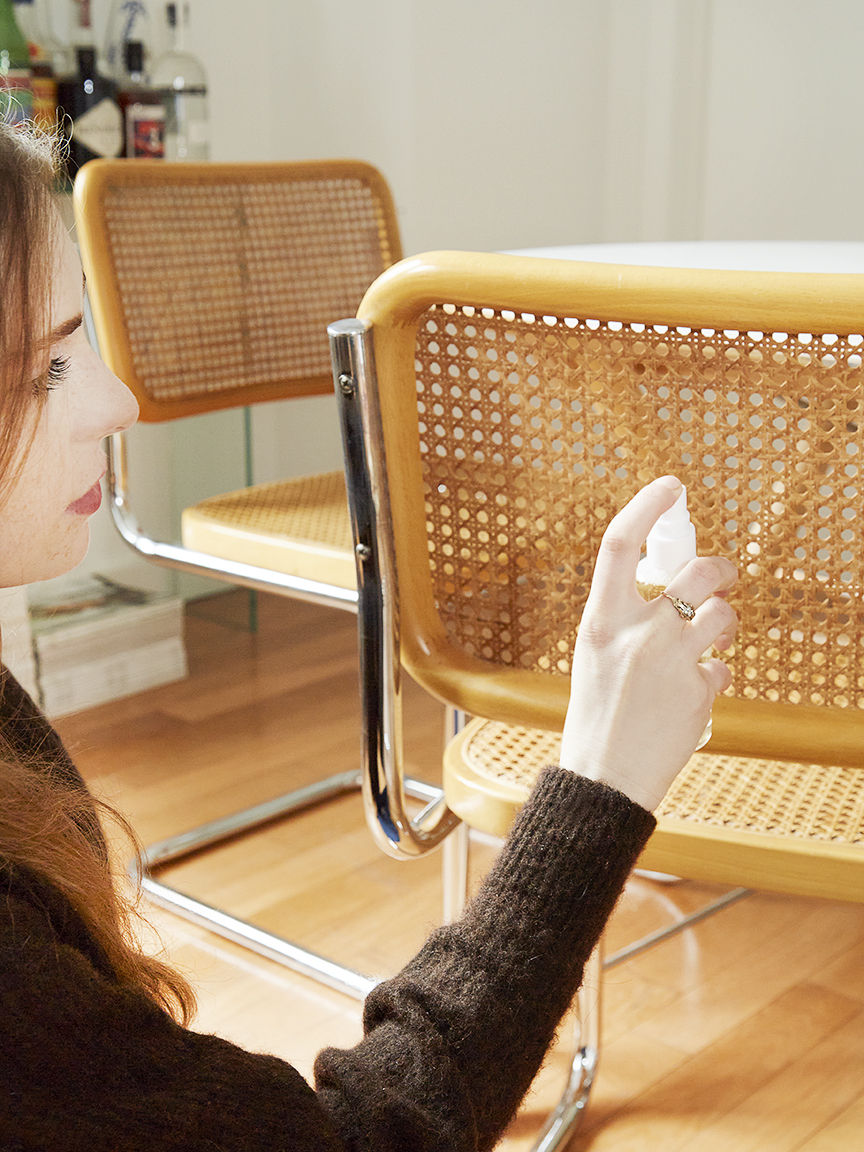
The Cesca chair, designed by Marcel Breuer, exemplifies cane's modern aesthetic. This iconic Bauhaus piece, with its cantilevered tubular steel frame and cane seat, achieved mass popularity in America from the late 1970s onwards, becoming a symbol of sophisticated yet accessible design. Similarly, Michael Thonet's bentwood chairs, incorporating cane, represented an early form of mass-produced, flat-packed furniture, enjoying multiple revivals in home design. These examples highlight cane's adaptability to different design eras and styles.
Cane's appeal also lies in its ability to introduce a touch of "naturalness" into technology-dominated environments. Its organic look provides a visual contrast to plastic and metal, softening spaces in a way similar to linen. The material's muddled historical and stylistic reference points allow it to integrate seamlessly into diverse interior design schemes, without singularly defining a space. This versatility makes cane an attractive choice for contemporary homeowners who combine different style elements to create unique and personal living spaces. The continued demand for cane repair services, even through fluctuating trends, further attests to its timelessness and the value people place on this enduring material.
#CaneFurniture #Rattan #InteriorDesign #HomeDecor #FurnitureTrends #SustainableMaterials #DesignHistory #MidCenturyModern #Bauhaus #CaneFurniture #Rattan #InteriorDesign #HomeDecor #FurnitureTrends #SustainableMaterials #DesignHistory #MidCenturyModern #Bauhaus
0 comment in total
 No comments yet
You may also like
Outdated Furniture Pieces That Are Having A Comeback

Designers Say THIS Sofa From the 1950s Is Back in a Big Way

Wall-to-Wall Carpet Is Back (and We’re Not Mad About It!)


Trend Alert: Cane Has Made a Comeback
Slipcovered Furniture is Back, Baby
Tired Furniture Trends That Are Now Becoming A Thing Of The Past
Grandma's Wicker Is Back In Style—But Southerners Know It Never Left
The Secret to Making Your Cane Furniture Last Forever
Comfy carpet, once dismissed as out-of-date, is back in vogue

Wood Floors Make (Another) Comeback
"Boucle isn't Going Anywhere" — The On-Sale Swivel Chair We Love |

The Countertop Material That We Loved 25 Years Ago Is Coming Back

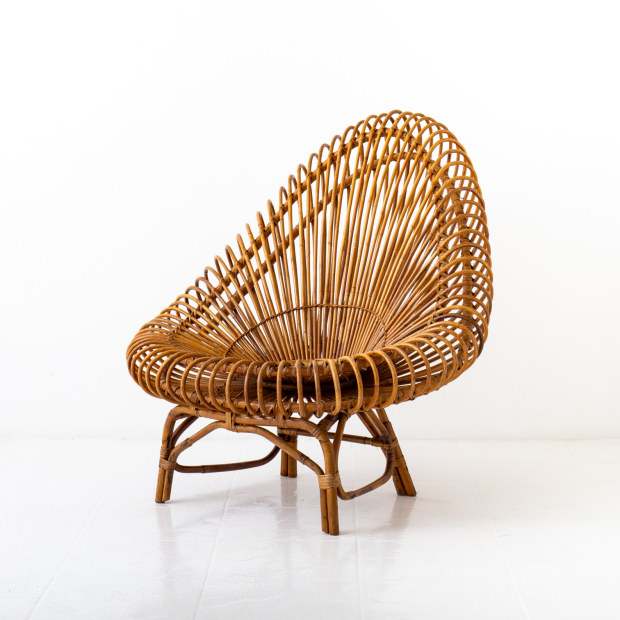
The ’70s furniture trend making an unlikely (but welcome) comeback
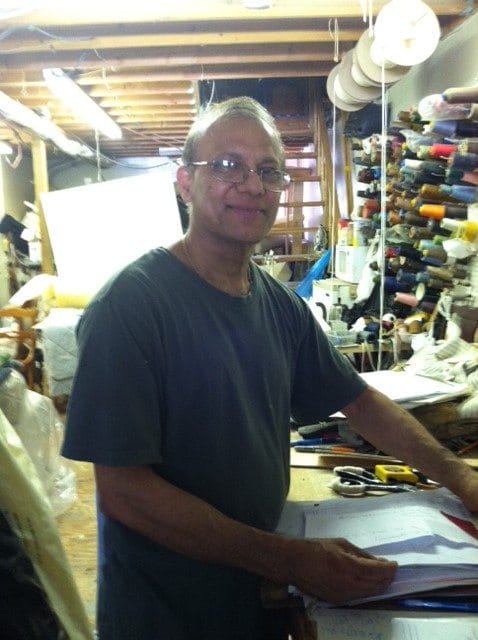
Meet Das Upholstery’s Das Chunilall As He Brings A Rocking Chair Back To Life

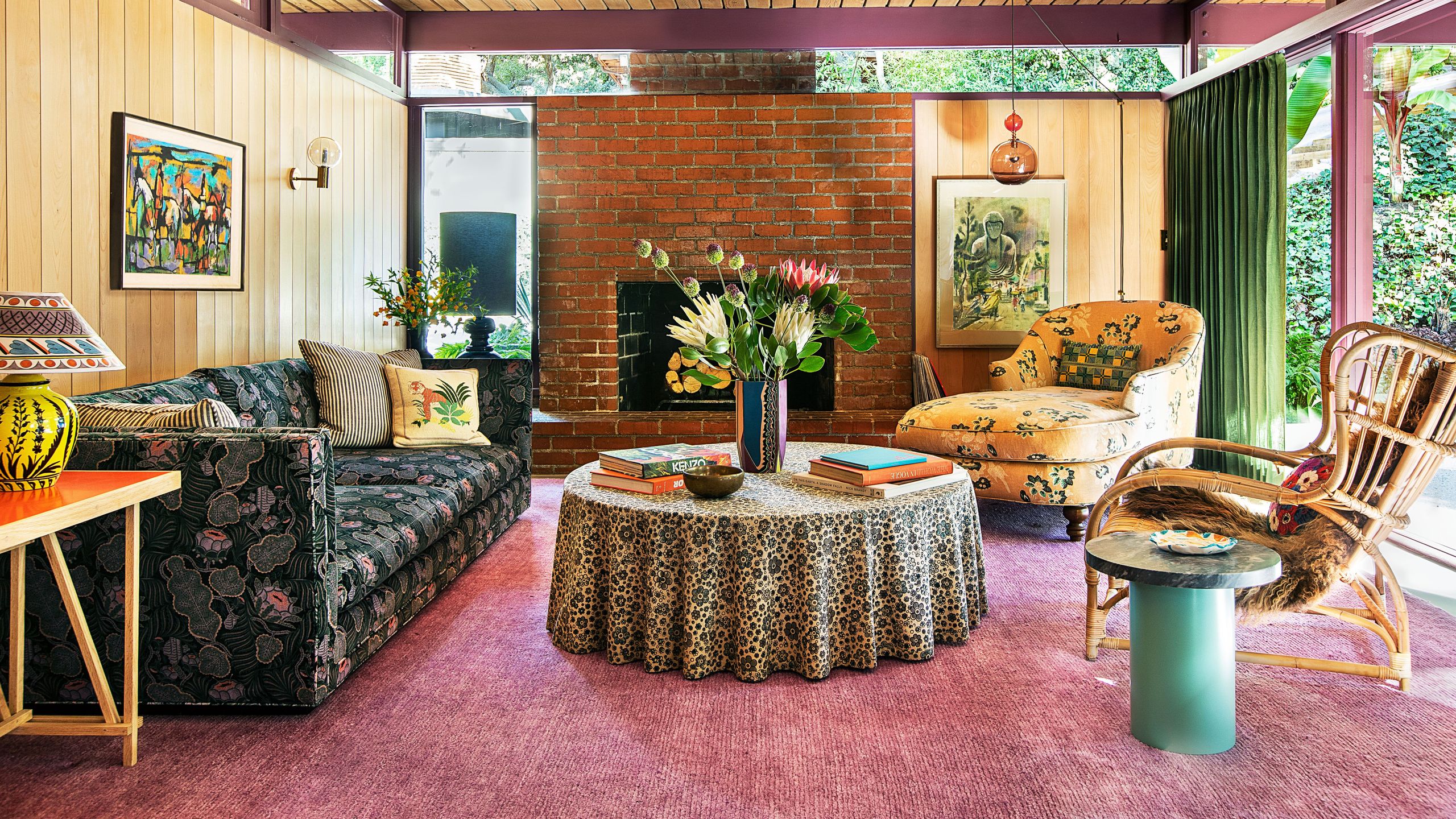
The Patterned Sofa Is Back and Bolder Than Ever

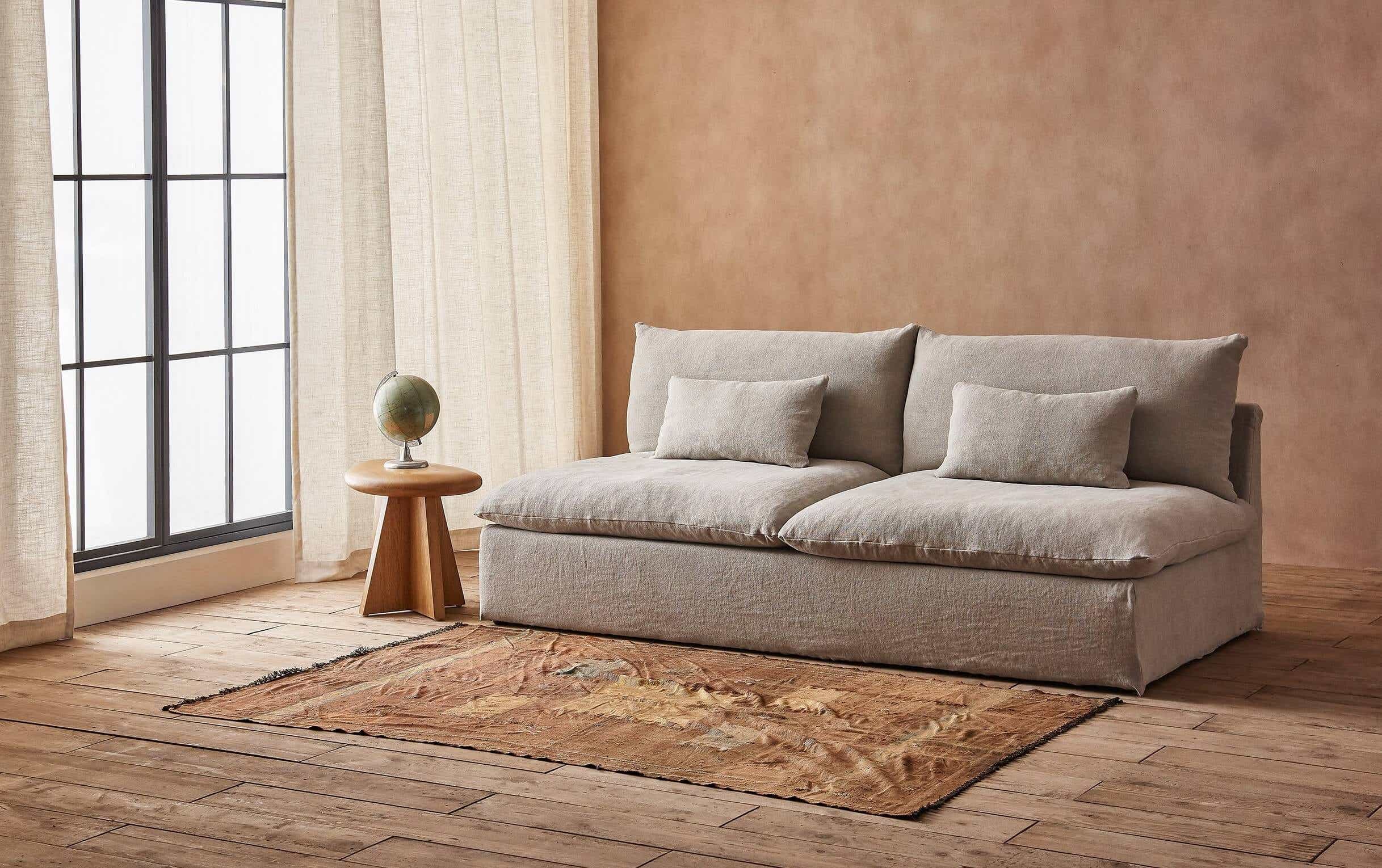
This Convenient Couch Trend Is Making a Comeback

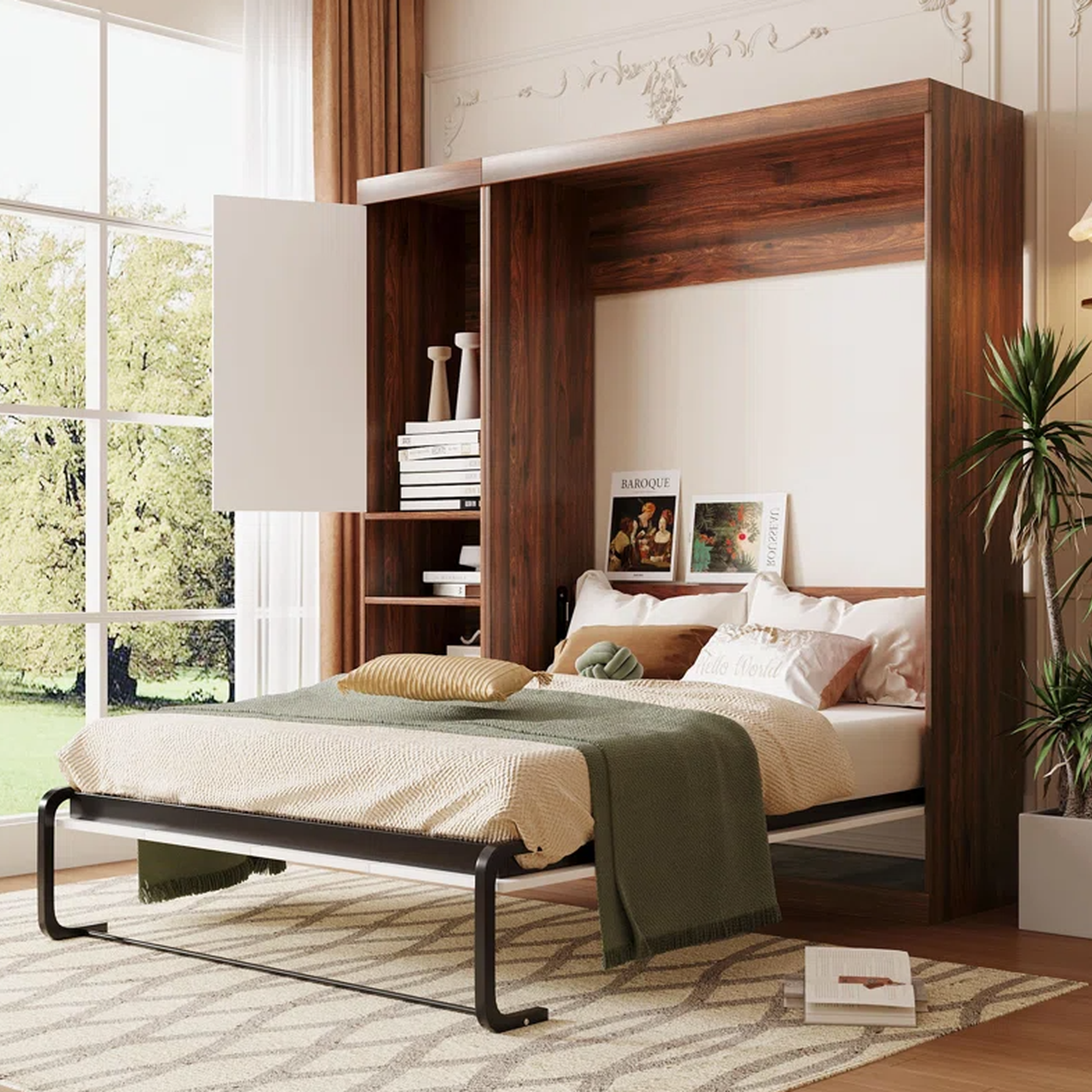
This Furniture Trend From the 1920s Is Officially Back
Designers Say This Vintage Home Feature Is Back

Wood Paneling Is Back—and Better Than Ever
Story from Chariho Furniture: Traditional and classic furniture makes a comeback