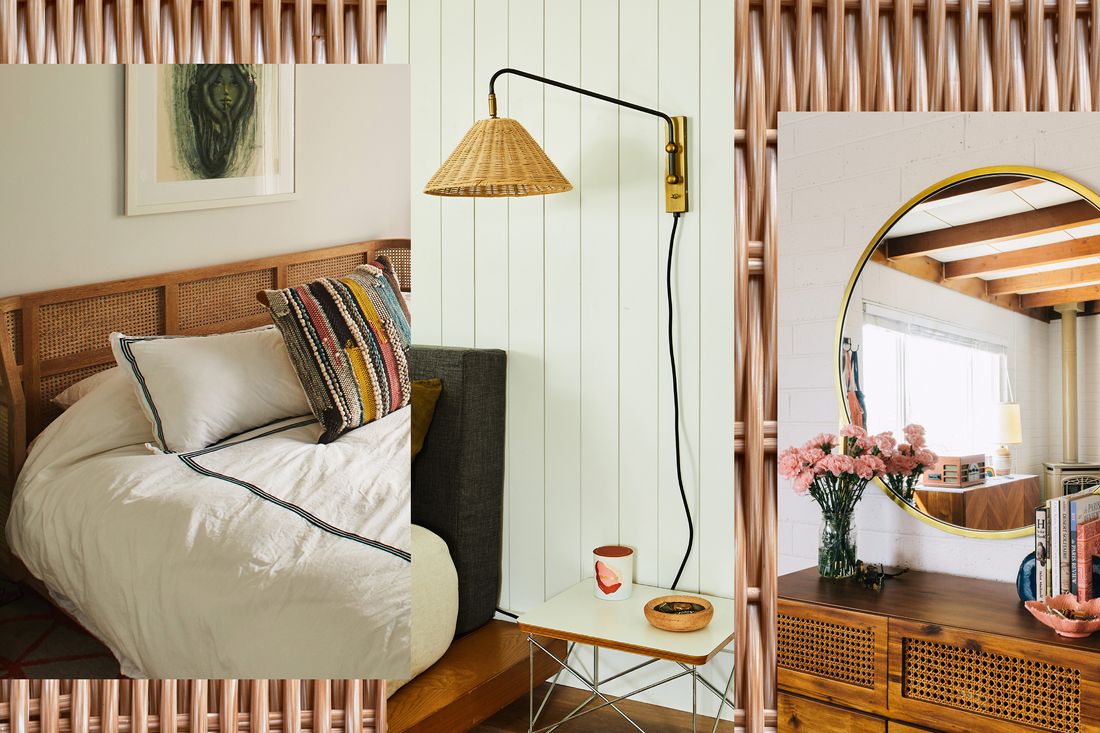
Trend Alert: Cane Has Made a Comeback
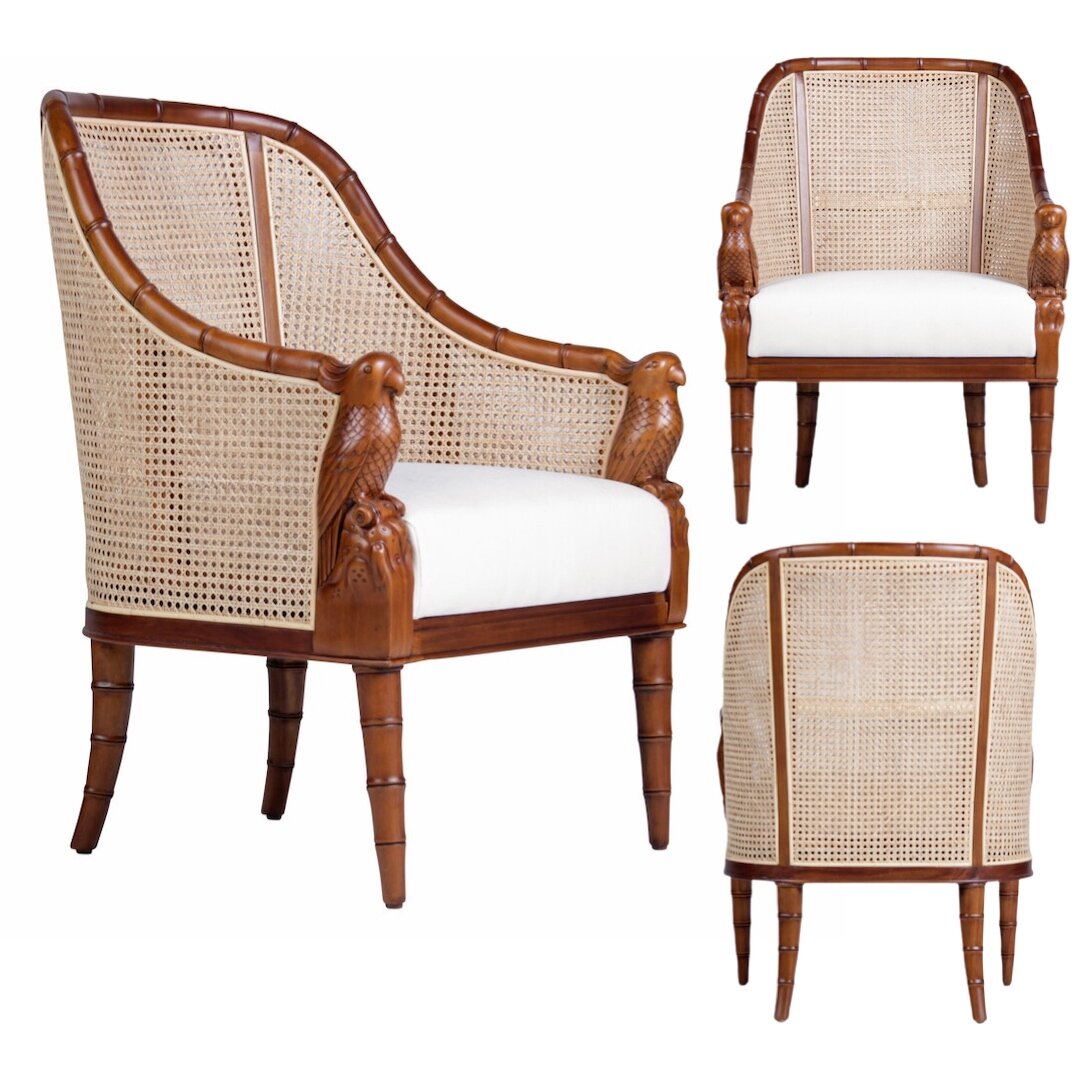
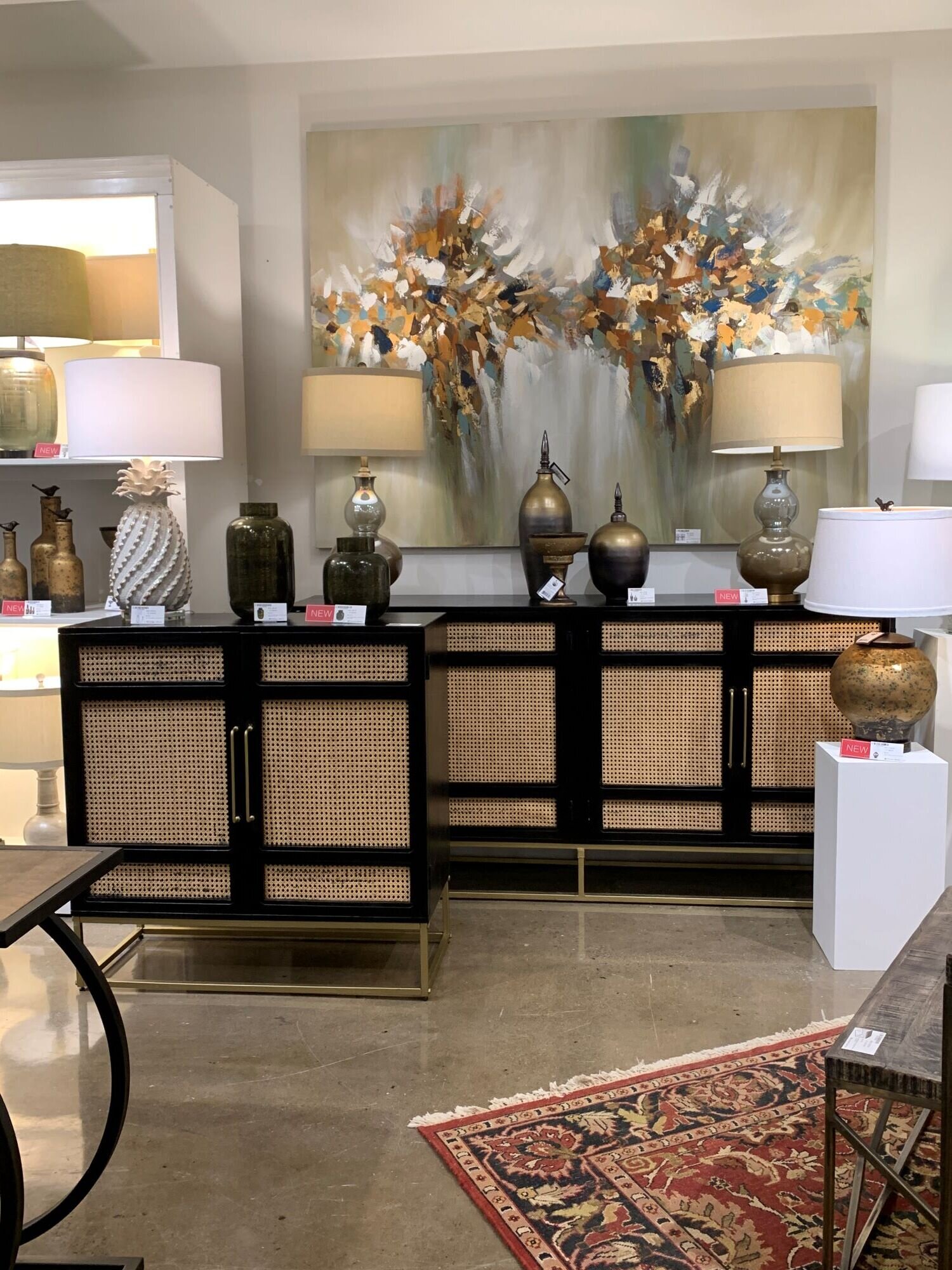
Cane furniture, known for its durability and lightness, has a long history, first appearing in Europe around the 1660s. The practice of rattan and wicker weaving dates back even further, initially used for baskets before evolving into furniture. During the 19th century, with India and parts of Asia becoming British and Dutch colonies, cane furniture became a hallmark of colonial homes. Today, the inherent virtues of cane furniture remain relevant, and its aesthetic is experiencing a resurgence, particularly in the context of relaxed, coastal interior designs.
Vivian Panagos, founder of the interior styling blog Ish and Chi, attributes cane's return to both nostalgia and its remarkable versatility. Cane effortlessly blends with classic-colonial styles but also complements contemporary and coastal environments. Panagos emphasizes that the coastal look, with its relaxed and casual vibe, effectively blurs the lines between indoor and outdoor living spaces, making cane a natural fit. She personally enjoys integrating her classic Thonet cane No.811 Hoffmann dining chairs with a modern dining table, showcasing its adaptability. Painting cane furniture white is presented as a method to achieve a completely different aesthetic.
Interior stylist Simone Haag echoes this sentiment, linking the renewed interest in cane to a broader movement towards natural materials in design. Haag prioritizes natural materials, including woven paper cord and other textures, in her design choices. Her recently renovated Phillip Island beach home, 'Anglers Shack', serves as a testament to this preference, featuring natural weaves and cane throughout. From a rattan bassinet in her daughter's room to Carl Hansen vintage dining chairs with paper cord seats, these materials repeatedly appear, evoking both natural and nautical themes. The inspiration for her beach house's style began with a 50s-style bamboo mirror discovered on Etsy, setting a Palm Springs-inspired direction.
Haag's outdoor chair by Ligne Roset, which incorporates rope and a swing-back design, exemplifies how the concept of cane weave can be reinterpreted in contemporary pieces with strong design elements. For those looking to update cane furniture, Panagos suggests using bright, tropical upholstery, pairing it with velvet fabrics, or simply painting it. Recommended color palettes include tropical prints and seaside shades of blue, green, and terracotta, which complement cane effectively. She advises enhancing the coastal feel with tall potted palms or ferns, or elevating the glamour by combining cane armchairs with a velvet sofa and marble coffee table for an eclectic look. The key, according to Panagos, is that cane doesn't require overthinking; it can be integrated seamlessly into existing interiors.
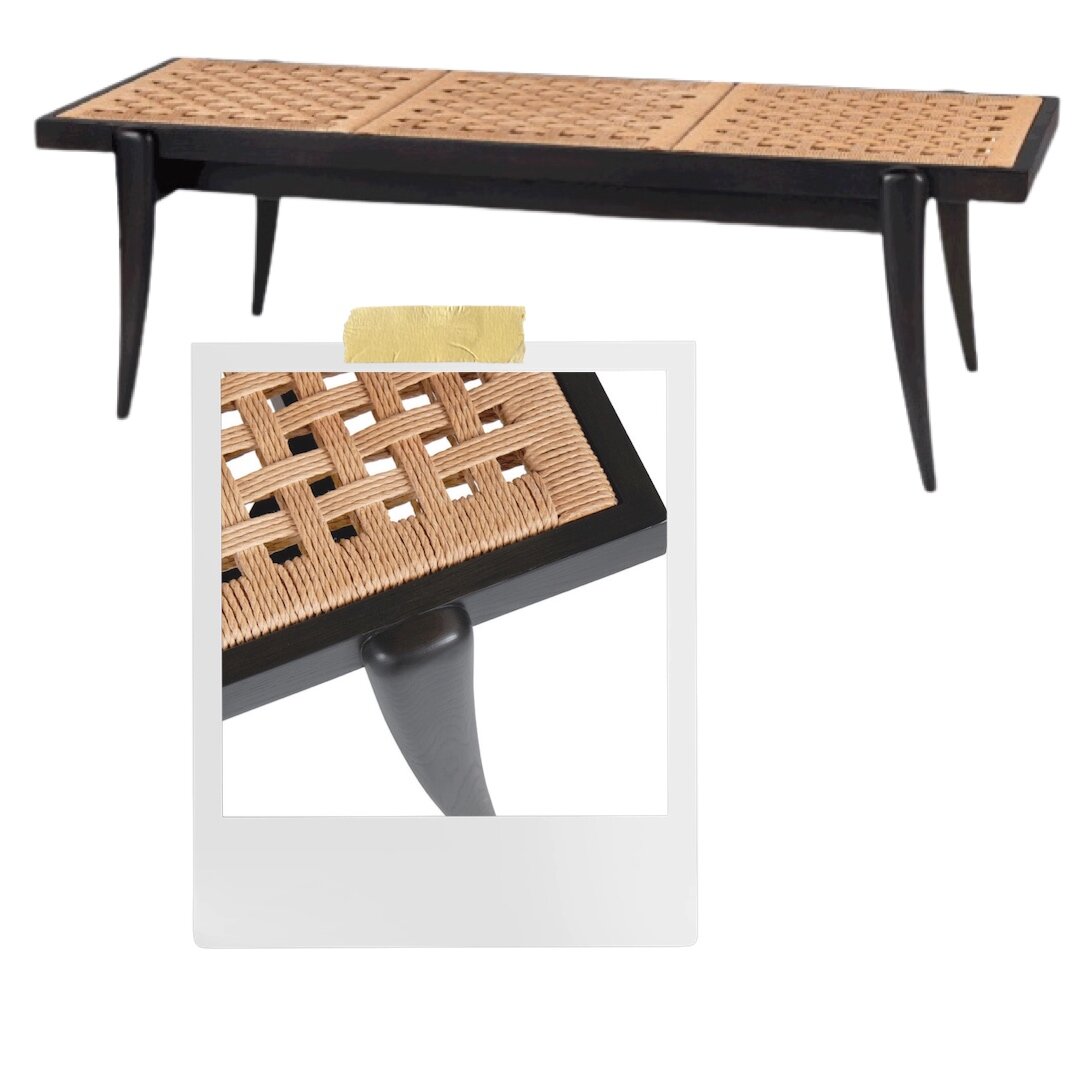
Haag suggests that cane pairs well with tan leathers, cream linens, and terrazzo. She tends to be more conservative with color, preferring cane in its natural state. For individuals hesitant to commit to larger cane pieces, such as armchairs or lounge suites, incorporating smaller, impactful items like a bamboo mirror or a verandah swing chair can introduce a retro vibe into a contemporary setting without overpowering it. A cane hanging chair outdoors is becoming a symbol of Australian outdoor living, and it can also look stunning in a bedroom or living space with sufficient ceiling height.
#CaneFurniture #HomeDecorating #CoastalInteriors #NaturalMaterials #InteriorDesign #Rattan #Wicker #FurnitureTrends #CaneFurniture #HomeDecorating #CoastalInteriors #NaturalMaterials #InteriorDesign #Rattan #Wicker #FurnitureTrends
0 comment in total
 No comments yet
You may also like
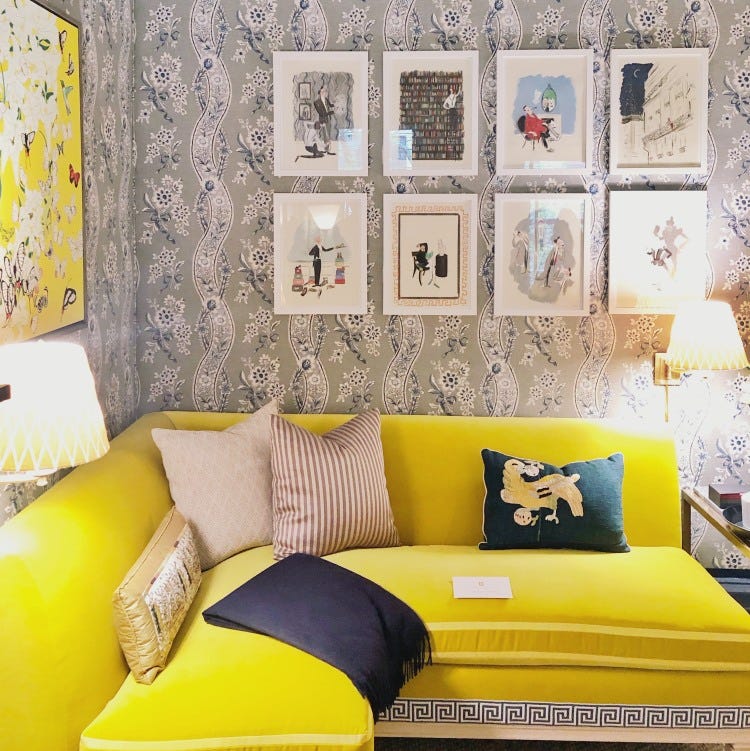
Grandmillennials, Rejoice! Chintz Is Back.
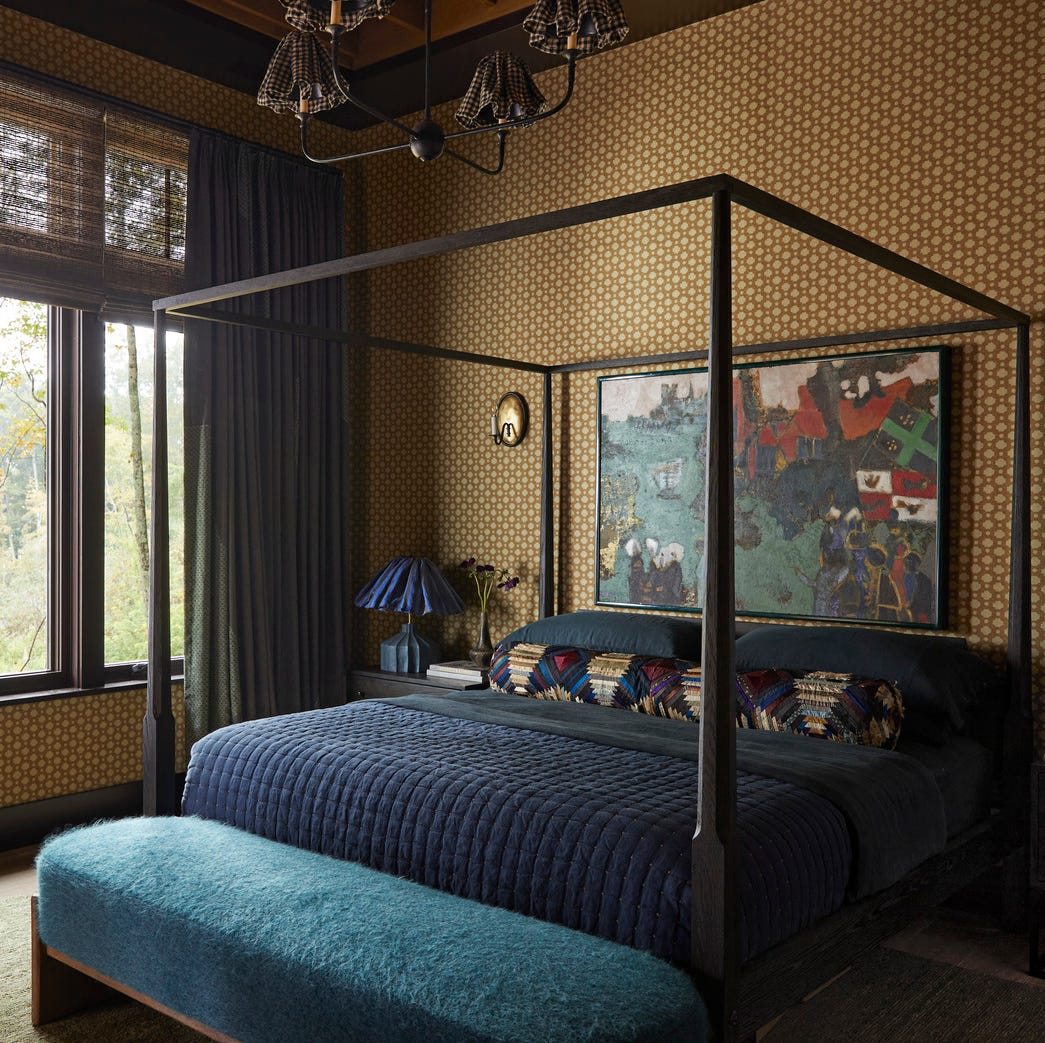
This Very "Controversial" Color Is About To Be Everywhere Again

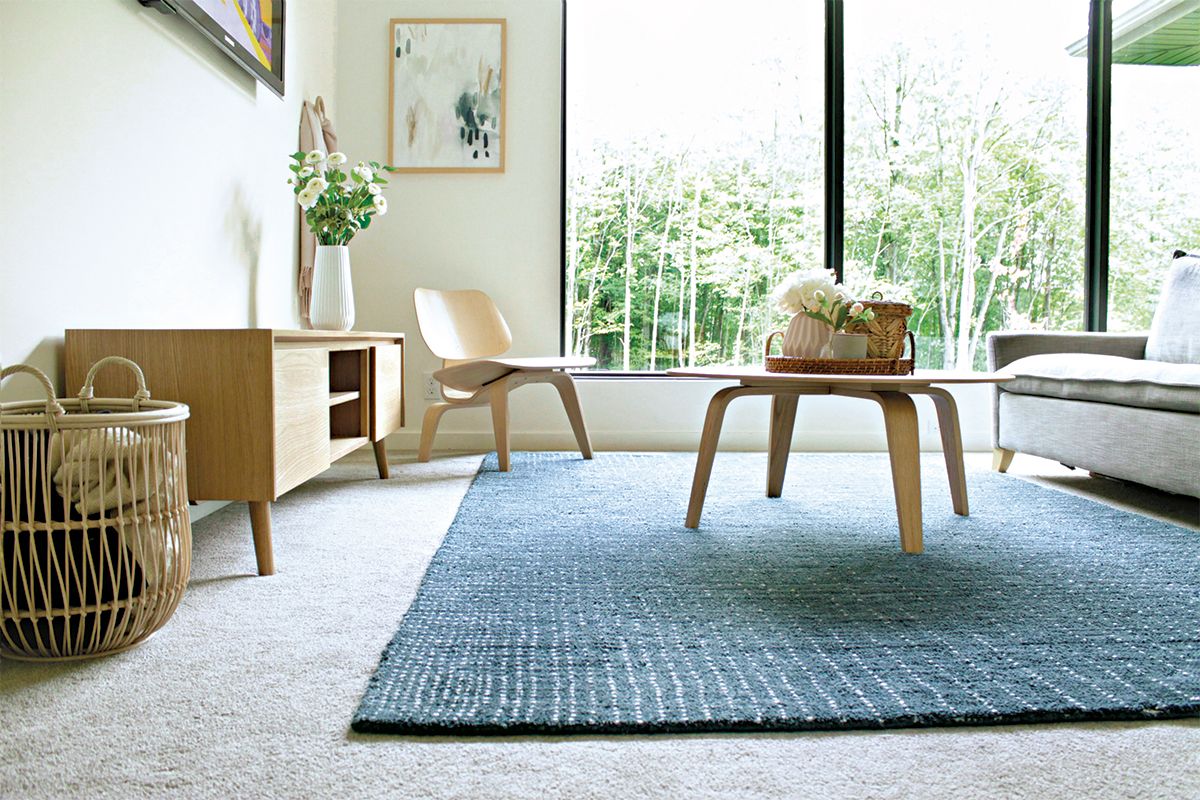
Comfy carpet, once dismissed as out-of-date, is back in vogue

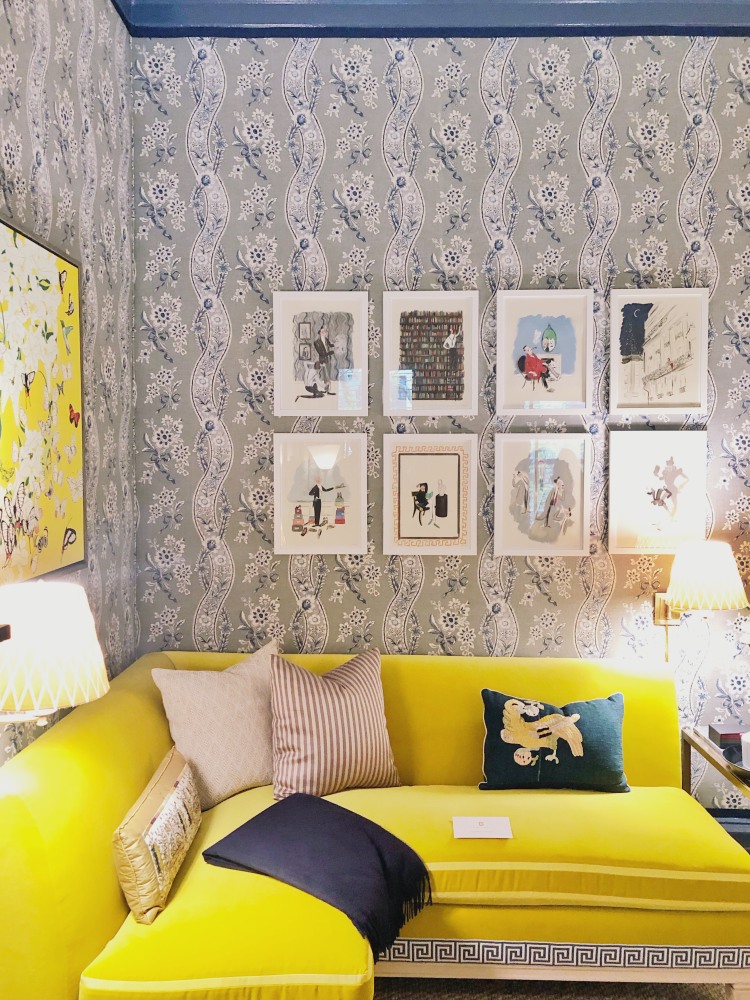
Chintz Is Back and Better Than Ever
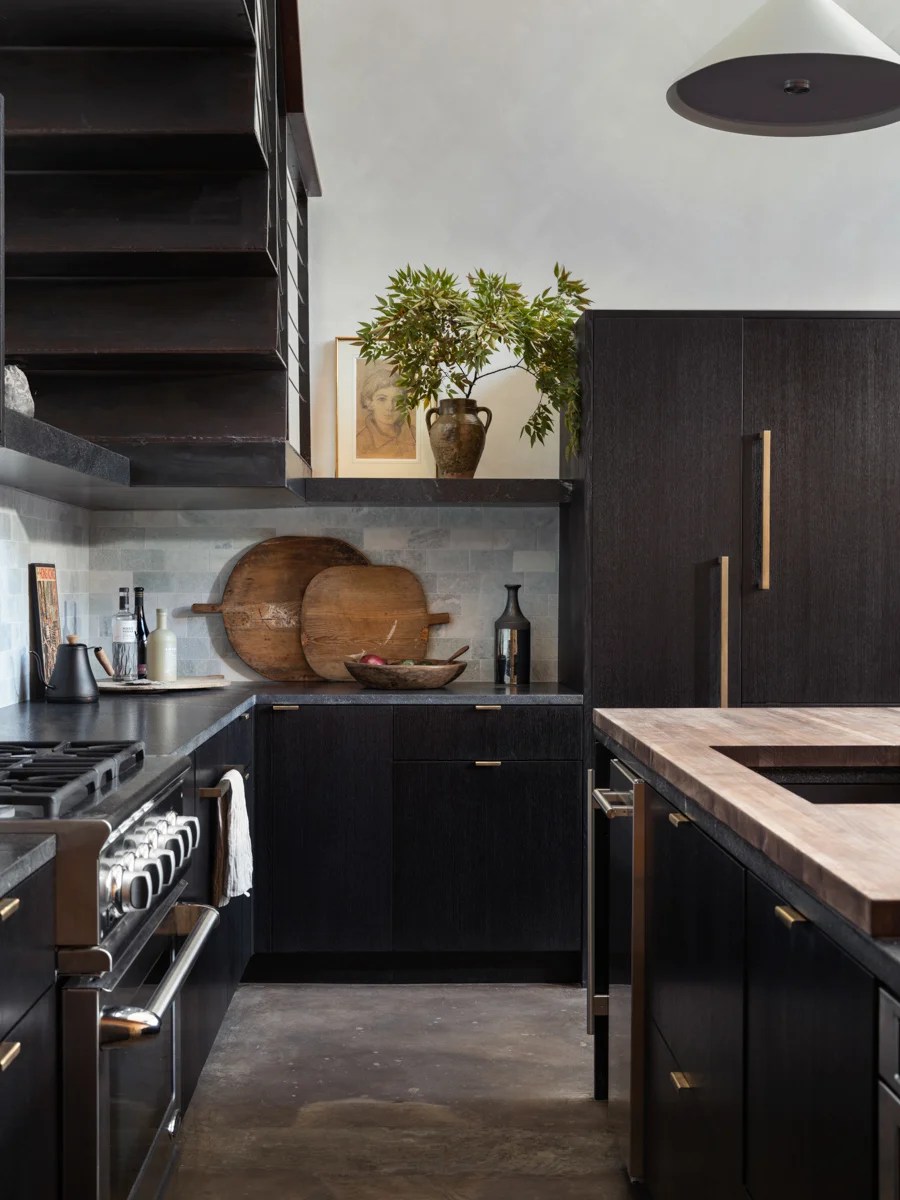
The Countertop Material That We Loved 25 Years Ago Is Coming Back

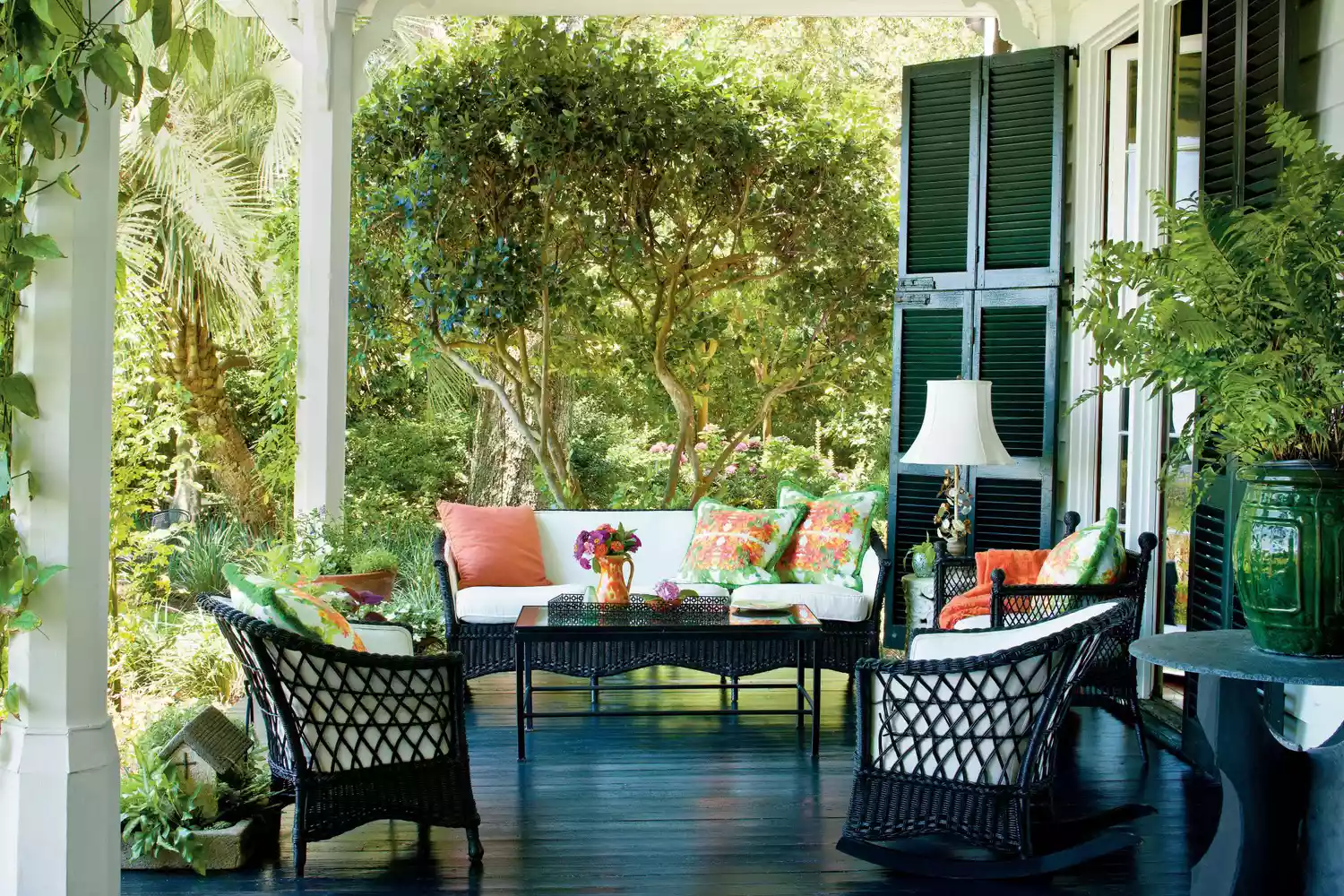
Grandma's Wicker Is Back In Style—But Southerners Know It Never Left
This surprising color trend is having a comeback

The ’70s furniture trend making an unlikely (but welcome) comeback
Trend Spotting at High Point
Pantries Are Making a Comeback

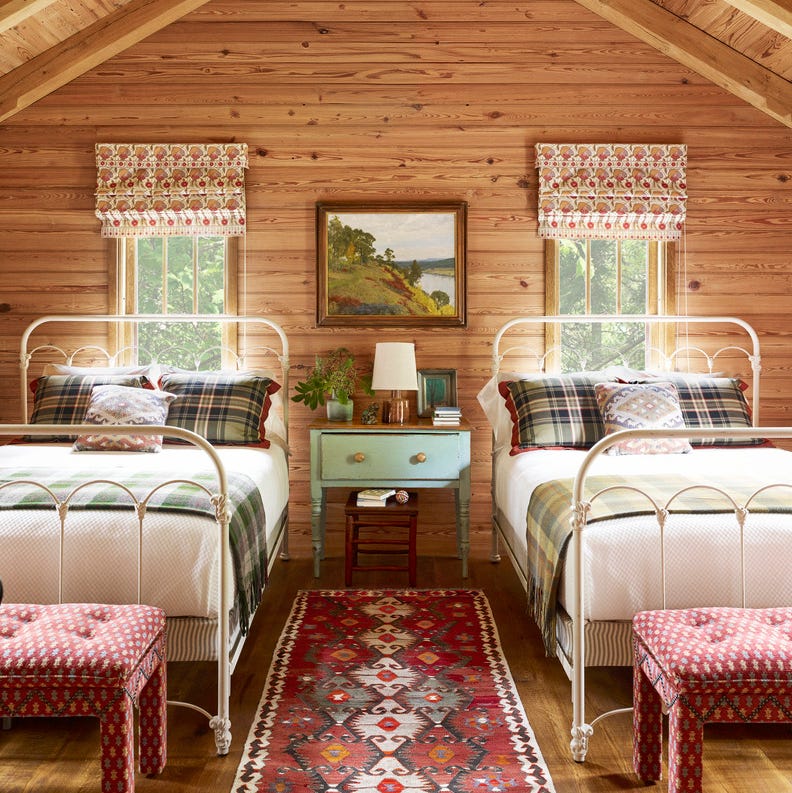
Trend Alert: Wood Walls Are BACK!
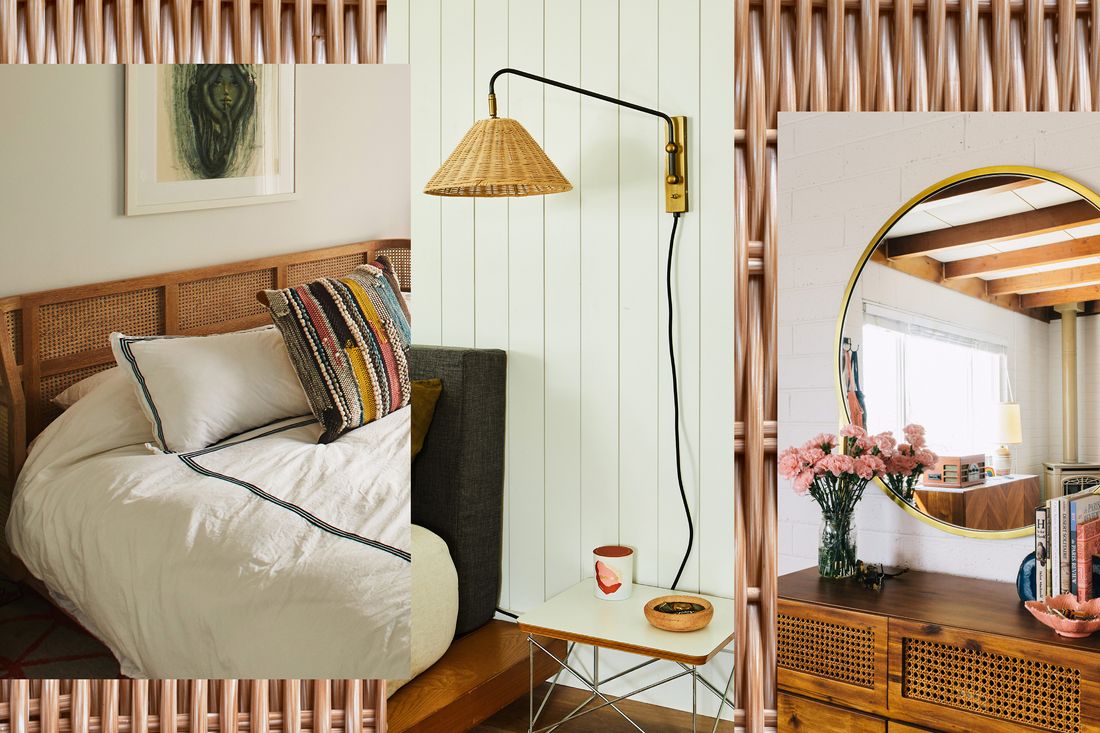
Cane furniture is back — but it never really left
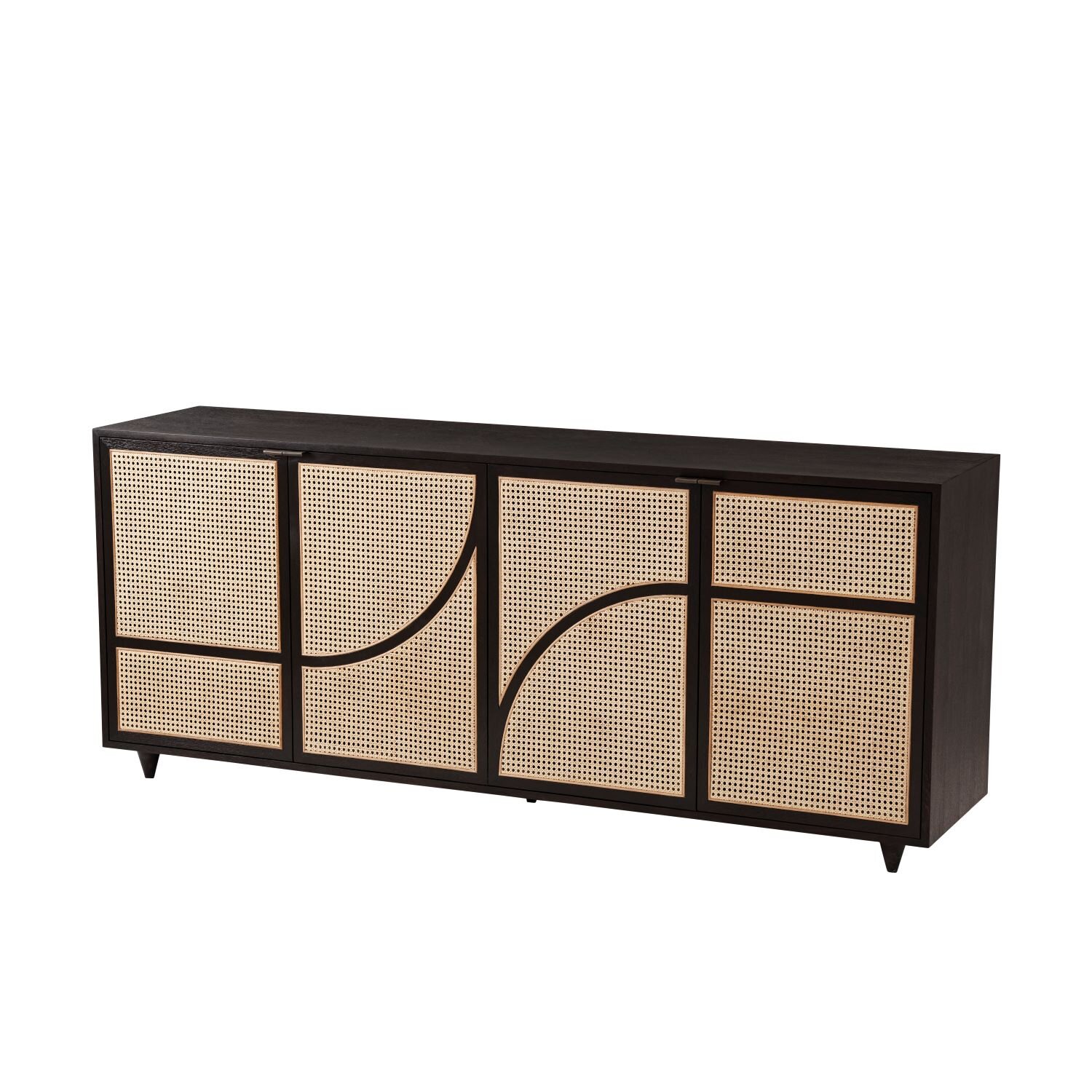
Slideshow: Sugar CANE


It's Official: Chartreuse Is the New Slime Green
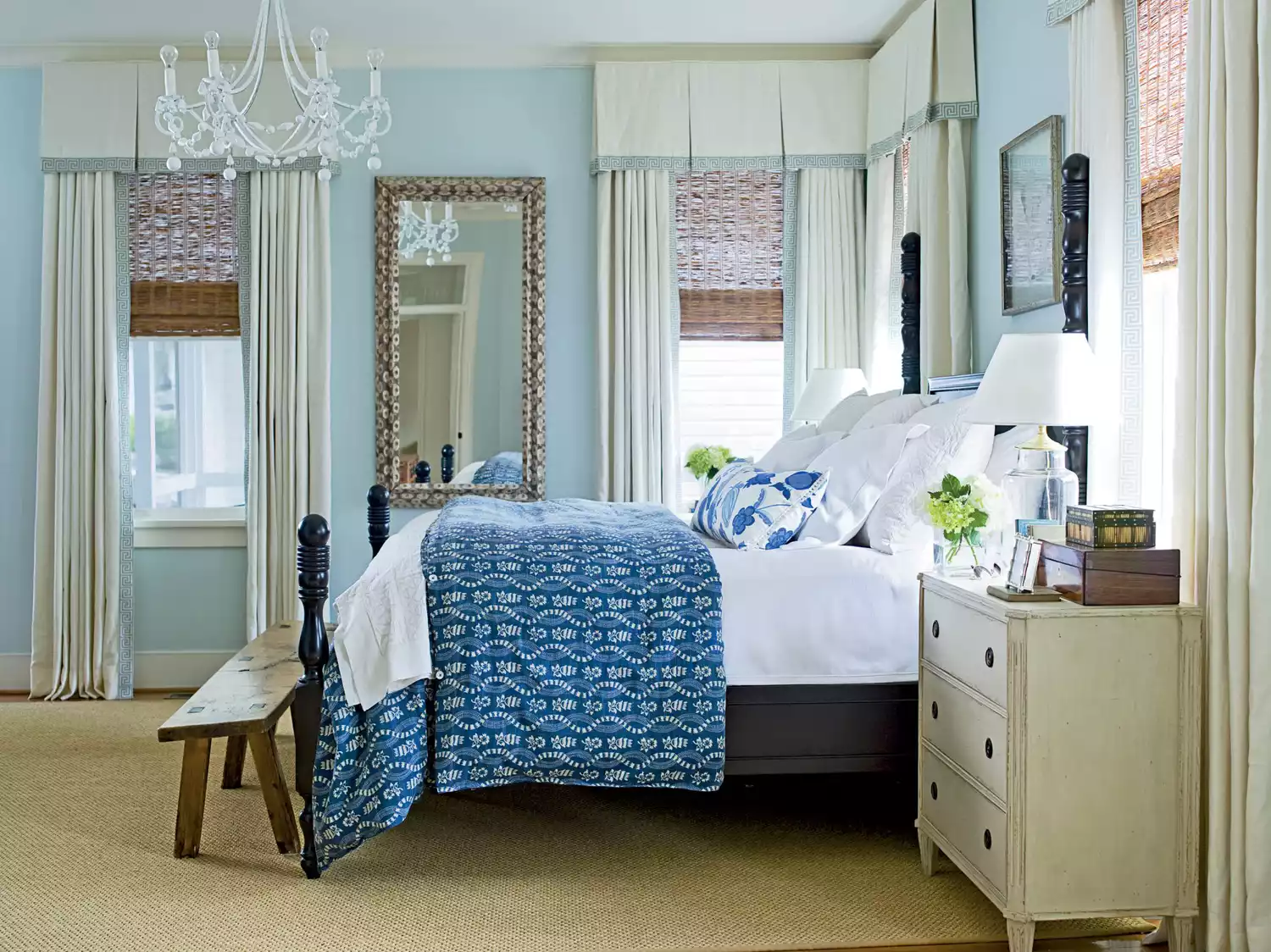
This Dramatic Window Treatment Is Making A Comeback—And We Couldn't Be More Thrilled