1/3
Bubbling Paint Will Ruin Your Walls—Here's How Experts Prevent It
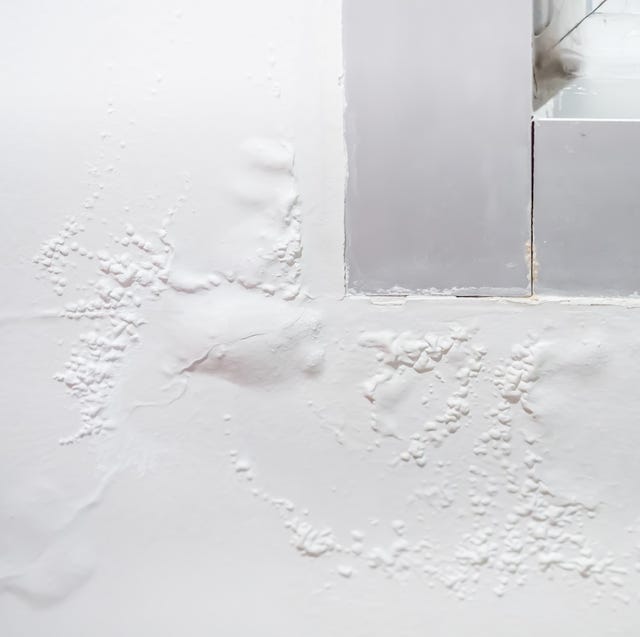
Bubbling paint, also known as blistering, is a common and frustrating issue that can arise after painting a room, potentially ruining the aesthetic of your walls. This problem can manifest hours or even years after the paint has dried, depending on its underlying cause. While a minor instance might be resolved by simply scraping, patching, sanding, and repainting, more severe cases often indicate a deeper issue, such as significant water damage or a faulty foundation. Understanding the root cause of bubbling paint is crucial for effective repair and prevention.
According to general contractor Erica Anenberg, the primary culprits behind bubbling paint are moisture, inadequate surface preparation, or the use of low-quality paint. Moisture is frequently the most significant factor, as it compromises paint adhesion, causing it to separate from the drywall and create air pockets. This phenomenon is particularly common in high-humidity areas like kitchens and bathrooms, where condensation levels are elevated. If bubbling occurs in other rooms, it could signal a leak from plumbing, an air-conditioning system, or the roof, necessitating immediate investigation and repair to prevent extensive damage.
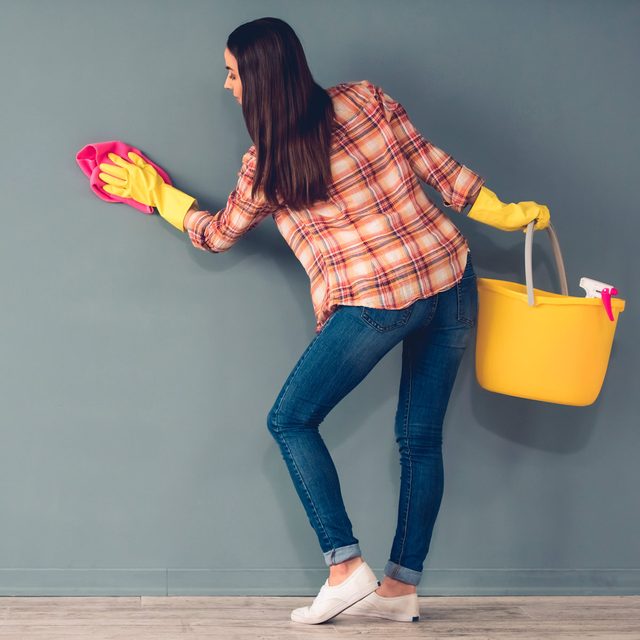
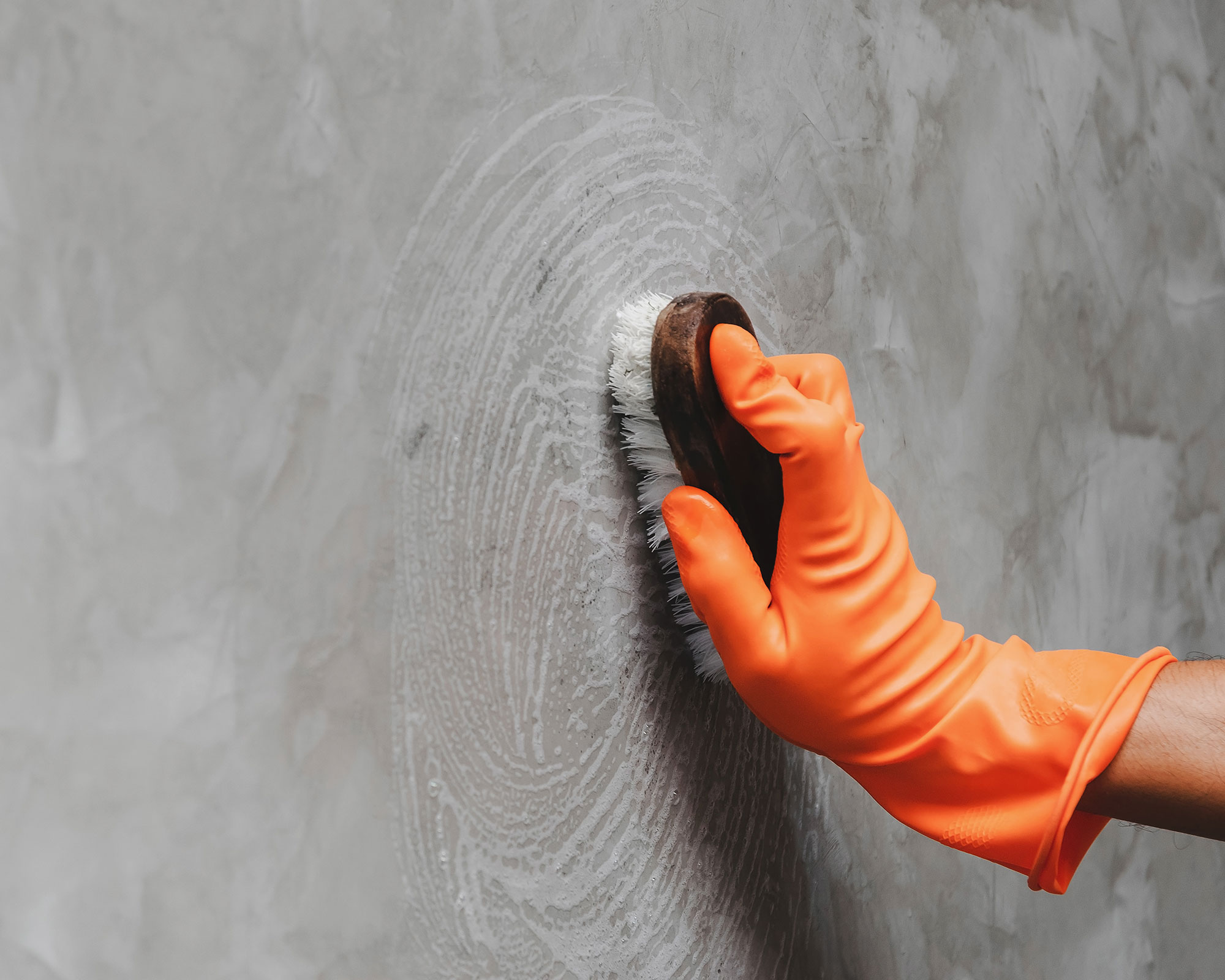
Beyond moisture, improper preparation of walls is a significant contributor. Failing to clean walls thoroughly before painting can leave behind grease and dirt, preventing the paint from adhering properly. Similarly, skipping primer or using the wrong type of primer can lead to poor paint grip. Primer is essential for creating a uniform surface that allows paint to bind effectively. Additionally, applying oil-based paint over latex-based paint or vice versa, or painting too quickly between coats, can cause bubbling because the paint layers do not bond correctly, trapping moisture or air.
Environmental conditions also play a role. Painting in temperatures exceeding 85 degrees Fahrenheit can cause paint to dry too rapidly and unevenly, leading to bubbles. It is recommended to paint when temperatures are between 50 and 85 degrees Fahrenheit. Over-mixing paint can introduce air bubbles that transfer to the wall, and using an incorrect roller cover or nap size can also contribute to an uneven application and bubbling.
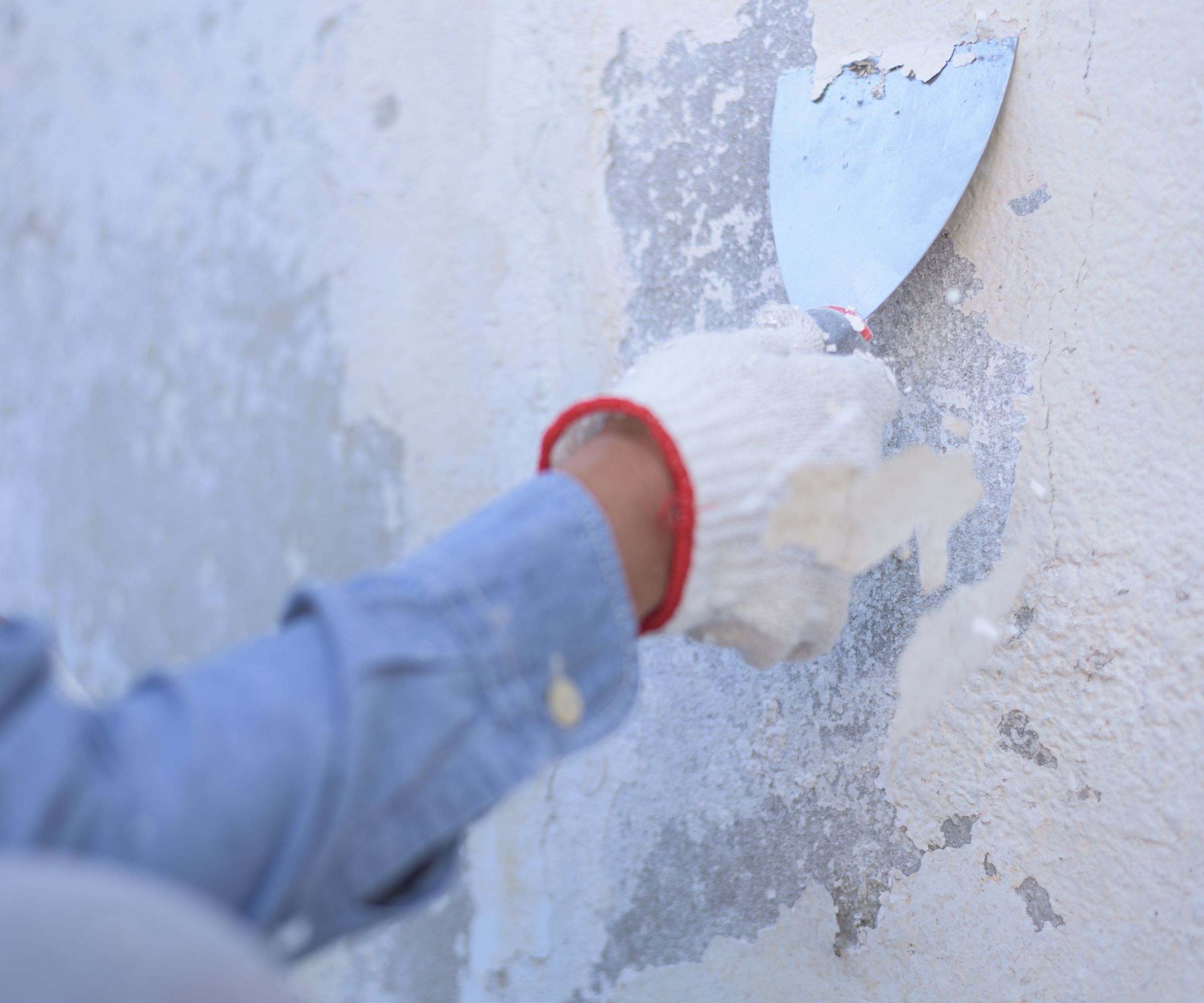
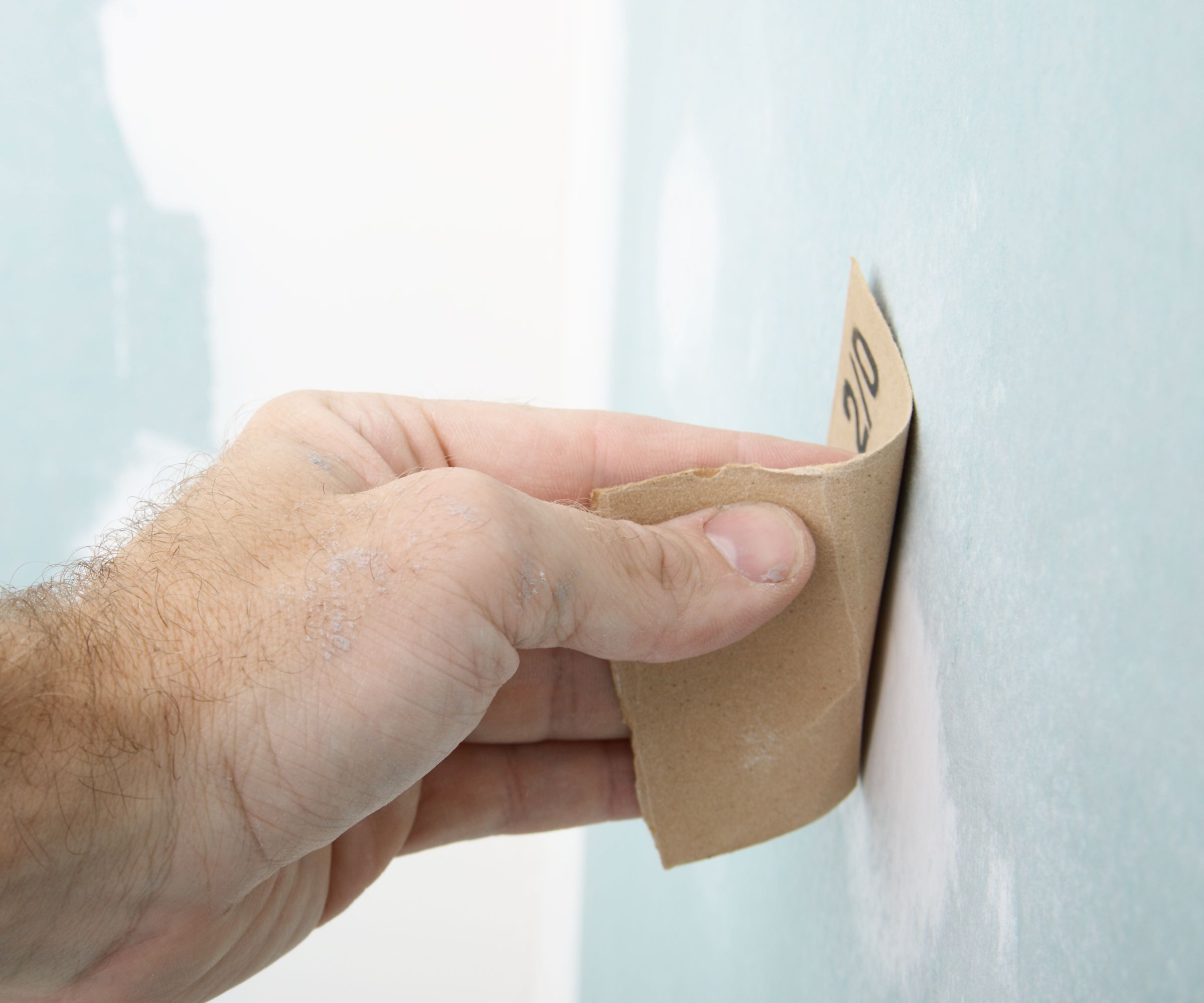
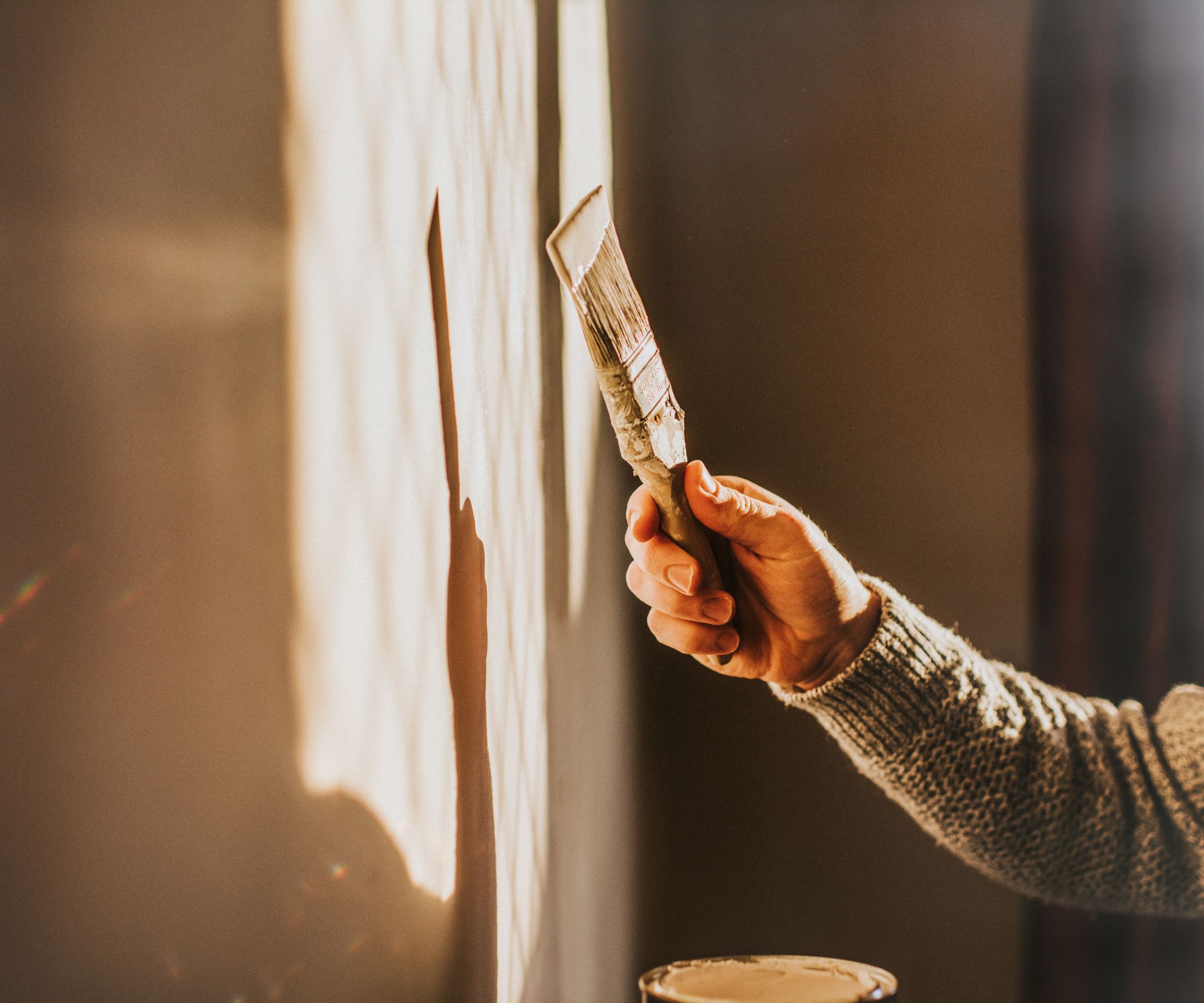
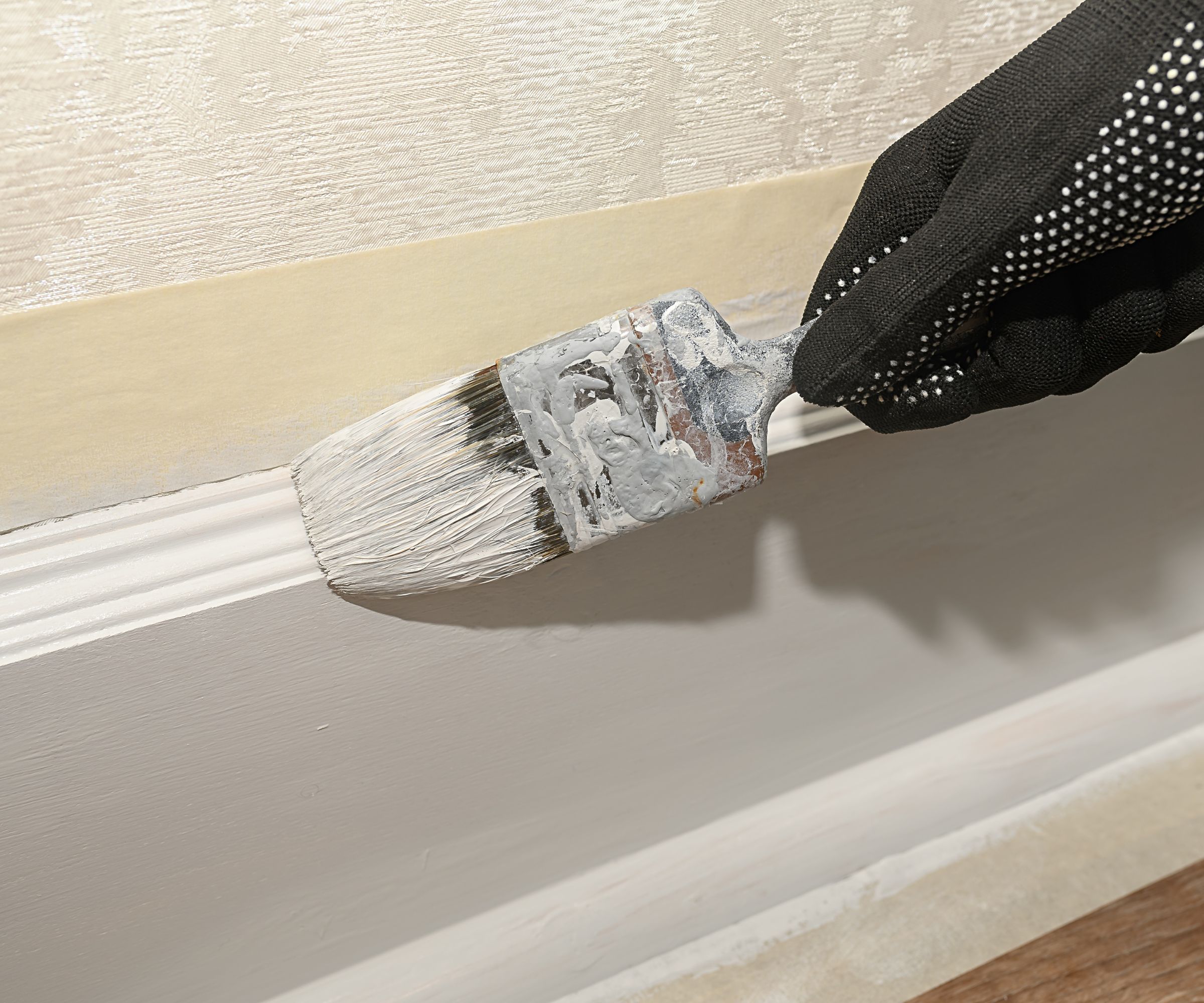
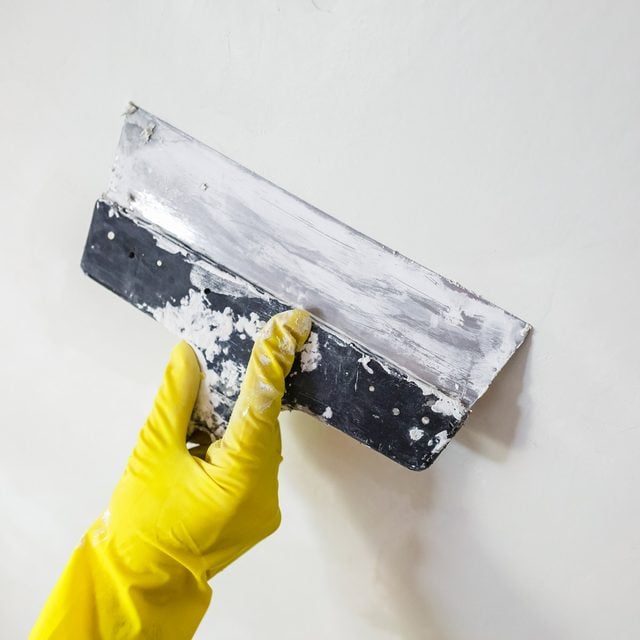
Addressing bubbling paint involves several steps. For surface-level issues, start by carefully scraping off the bubbled paint. Then, sand the area smooth, fill any holes or cracks with patching compound, allow it to dry overnight, and sand again with fine-grit sandpaper. After cleaning the area, apply a primer and let it dry completely before repainting. For a seamless finish, it is often advisable to repaint the entire wall, as spot repairs can be noticeable due to variations in paint color or texture. To prevent future bubbling, identify and rectify any leaks, avoid painting in extreme temperatures or high humidity, ensure walls are clean and dry, use a high-quality primer and paint, and allow ample drying time between coats. Selecting the appropriate roller cover and mixing paint gently are also important preventative measures.
#BubblingPaint #PaintProblems #HomeRenovation #DIYProjects #MoistureDamage #WallPreparation #PaintApplication #HomeMaintenance #PaintingTips #BubblingPaint #PaintProblems #HomeRenovation #DIYProjects #MoistureDamage #WallPreparation #PaintApplication #HomeMaintenance #PaintingTips
0 comment in total
 No comments yet
You may also like
I’m a paint expert - the £1.25 buy pros swear by for a flawless finish on walls

6 painting mistakes that are making your walls look 'dirtier' – and what you should be doing instead

Trend Alert: Here’s How To Perfect The Painted Ceiling Look

How to Get Rid of Streaks on Painted Bathroom Walls
7 Wall Murals In, This DIYer’s Top Paint Tip Is to—Gasp!—Not Use Tape


Wall & Ceiling Emulsion Paint
How to clean walls before painting – expert tips and tricks

What are the best paint techniques for walls? 11 inventive effects that go beyond basic
This expert’s ‘BRB’ technique is something I'll forever use when painting wall paneling to avoid drips and paint build-up
An interior expert reveals the one thing you should never do when painting your walls
10 baseboard painting mistakes to avoid – and what experts say to do instead
Hate your new home's walls? You need a holding paint colour
How To Clean Painted Walls Without Ruining Them
How to fix peeling paint in 4 steps – and reasons why your paint is crumbling
Everything You Need to Know About Mural Wall Painting

5 Problems With Painting Your Walls White That No-One Ever Talks About (Until Now)
How to prolong the life of your paint job, according to painters and decorators
How to remove wallpaper - expert-approved steps to prevent damage and ensure a smooth finish
12 top interior painting tips from experts – for a flawless, fabulous finish
How Long Wall Paint Lasts—and How to Know If Yours Has Gone Bad, According to Painting Pros