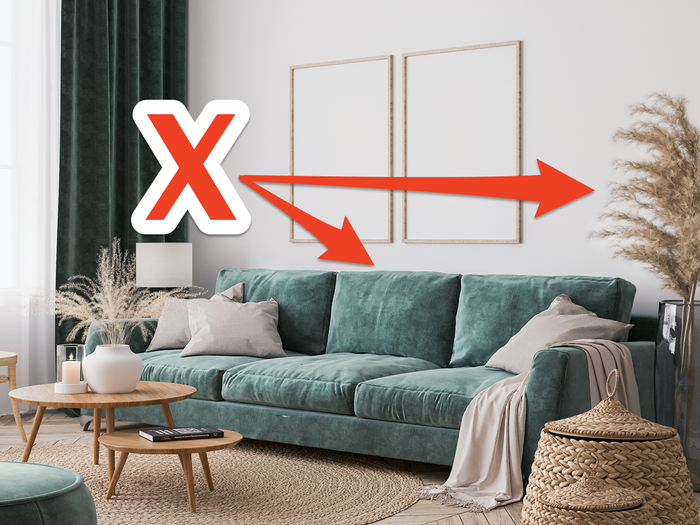
An interior designer shares 10 things she would never have in her own home
Cathy Hobbs, a celebrity interior designer and owner of Cathy Hobbs Design Recipes, outlined ten design elements and styles she avoids in her own living space. These preferences are based on functionality, aesthetic longevity, and the potential to create clutter or a dated appearance. Her insights provide guidance for those looking to create a timeless and uncluttered home environment.
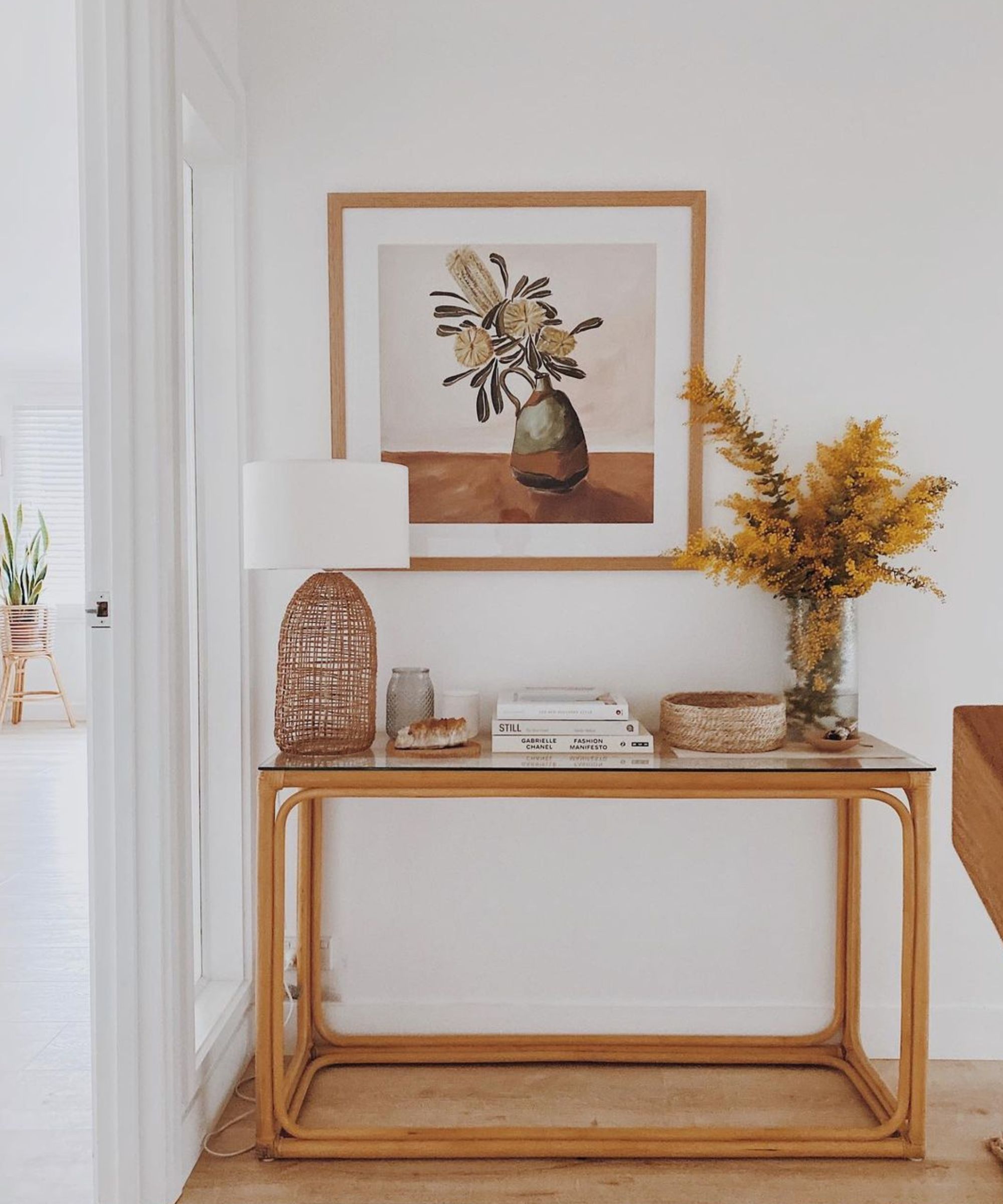
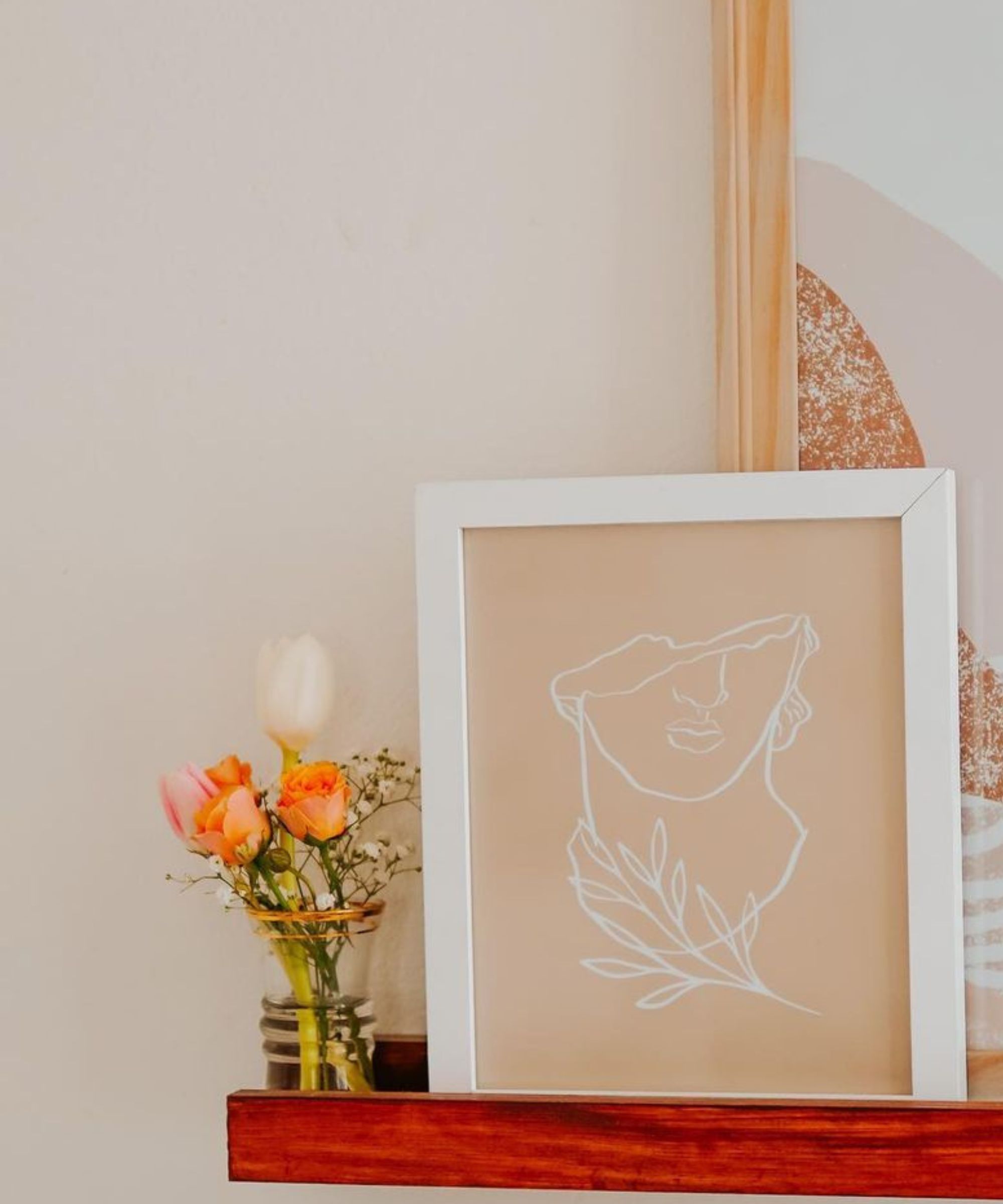
One key recommendation is to steer clear of artificial dried flowers, as they can make a modern decor scheme feel old-fashioned. Instead, Hobbs suggests incorporating artificial palm leaves, grasses, or succulents for a more contemporary touch of greenery. Similarly, when it comes to artwork, she advises against framing inexpensive posters, which can diminish the overall aesthetic of a room. For those on a budget, she recommends opting for wall hangings or framed photographs over canvas art.
Hobbs also avoids acrylic and plastic furniture or accessories, despite their affordability. These materials are prone to cracking and can develop a milky appearance over time, reducing their visual appeal and durability. She suggests seeking more robust alternatives, particularly materials suitable for both indoor and outdoor use, to ensure longevity and maintain a sophisticated look.
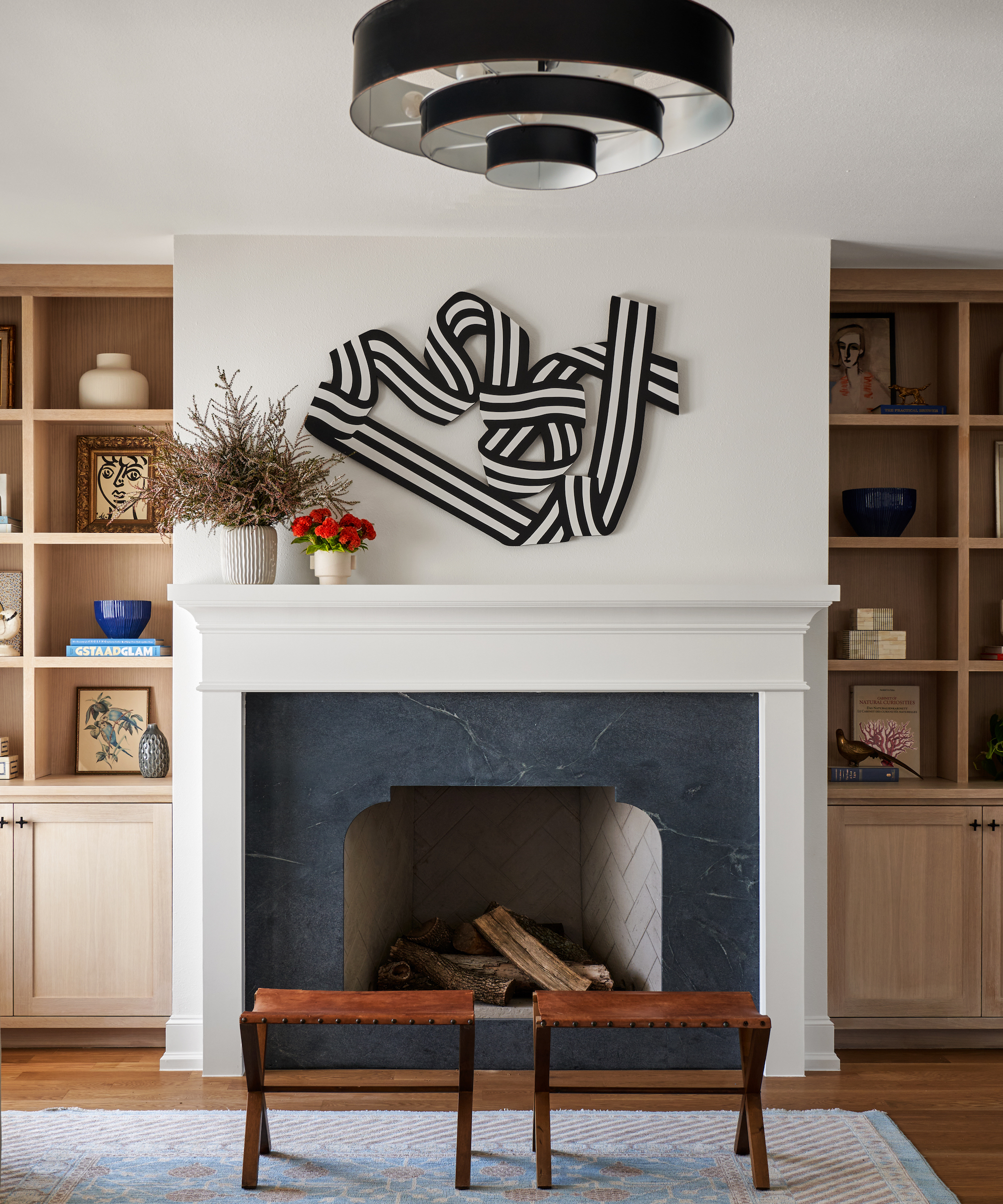
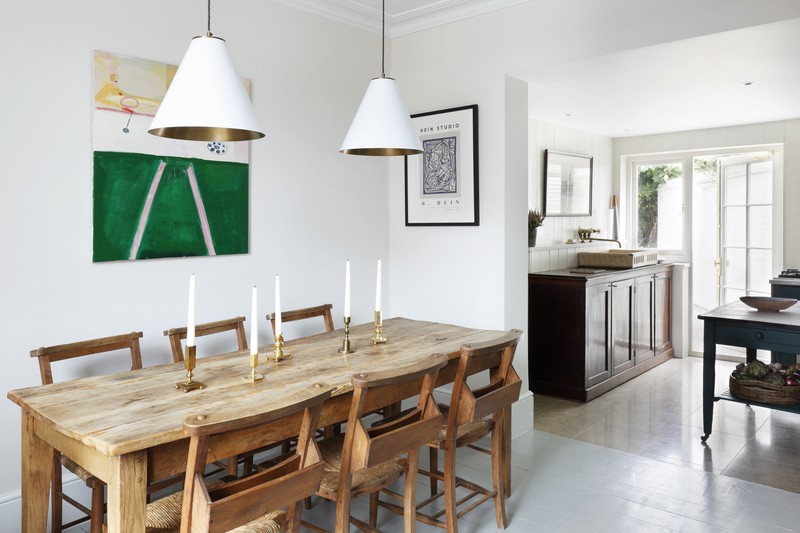
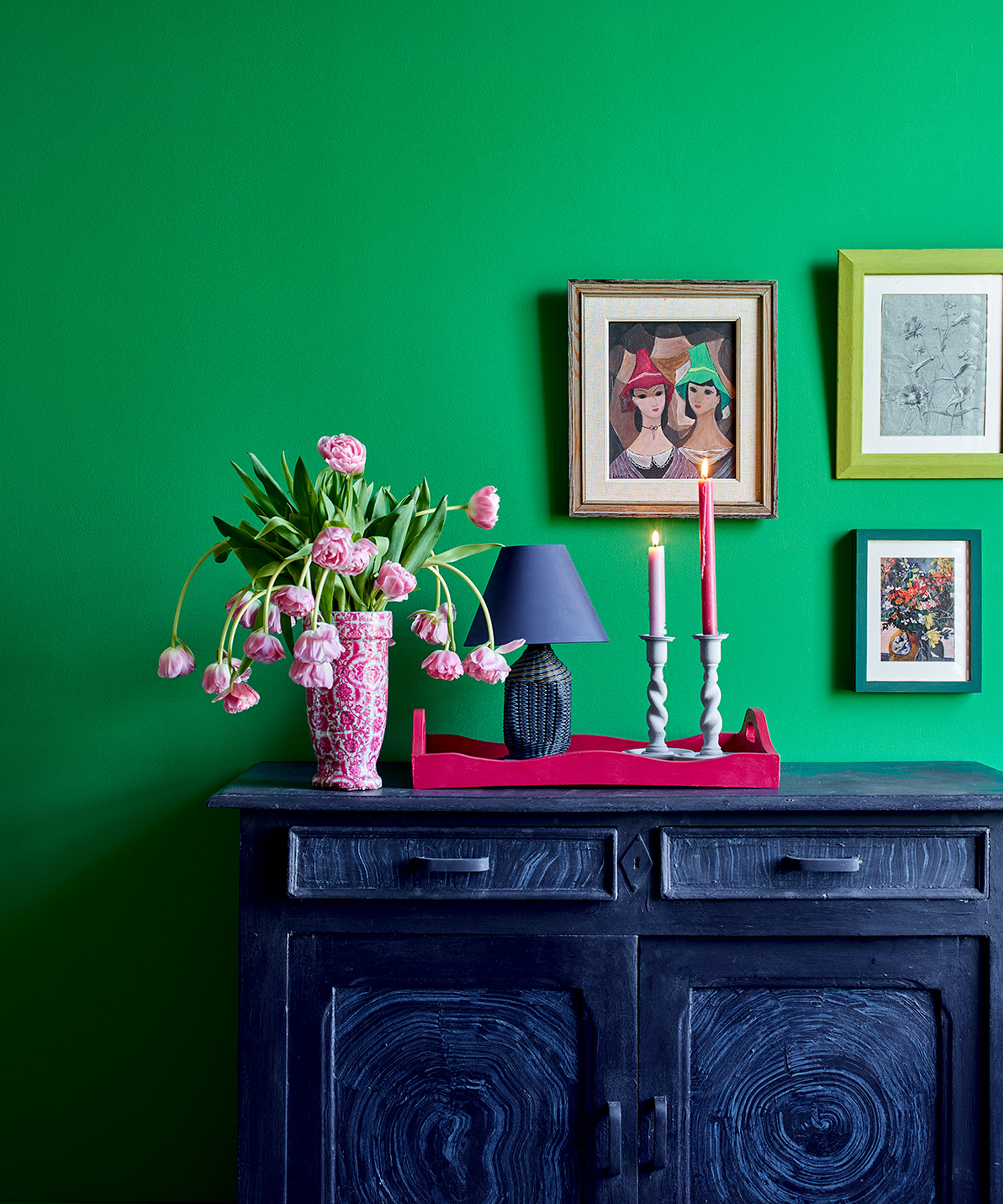
Gallery walls composed of many small, eclectic pieces are another item Hobbs excludes from her designs. While they can seem like an easy way to fill a blank wall, such arrangements often create visual clutter and fail to properly anchor a space. Her preference is for larger, bolder statement pieces that can command attention and provide a more cohesive design. This principle extends to general home accessories; Hobbs suggests selecting fewer, larger decor items to ground a room and prevent visual distraction, rather than numerous small items that can contribute to a cluttered feel.
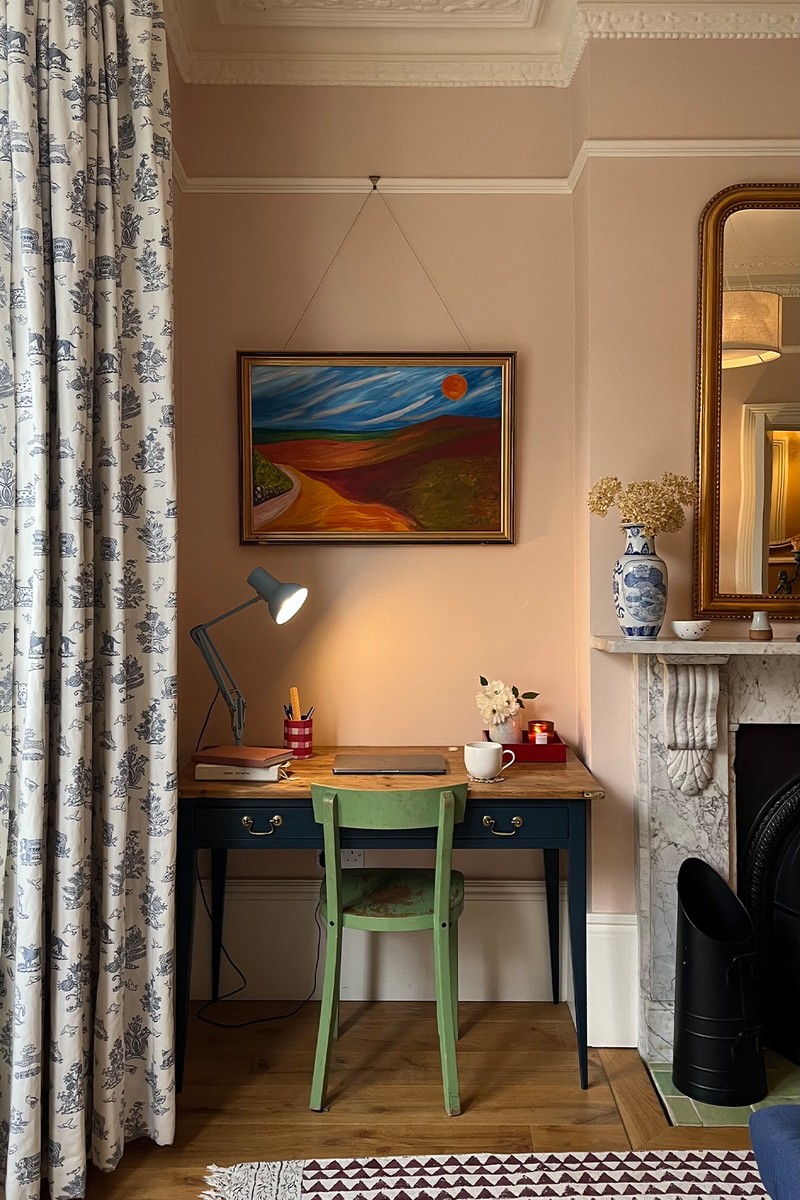
When organizing bookshelves, Hobbs advises against overfilling them with books and trinkets. She advocates for a minimalist approach, suggesting that leaving some shelves empty can enhance the overall aesthetic and create a sense of spaciousness. In home offices, she stresses the importance of clearing clutter, particularly when the workspace is not in use. She recommends choosing desks with drawers or using bins to neatly stow away work-related items, ensuring the space remains tidy and functional.
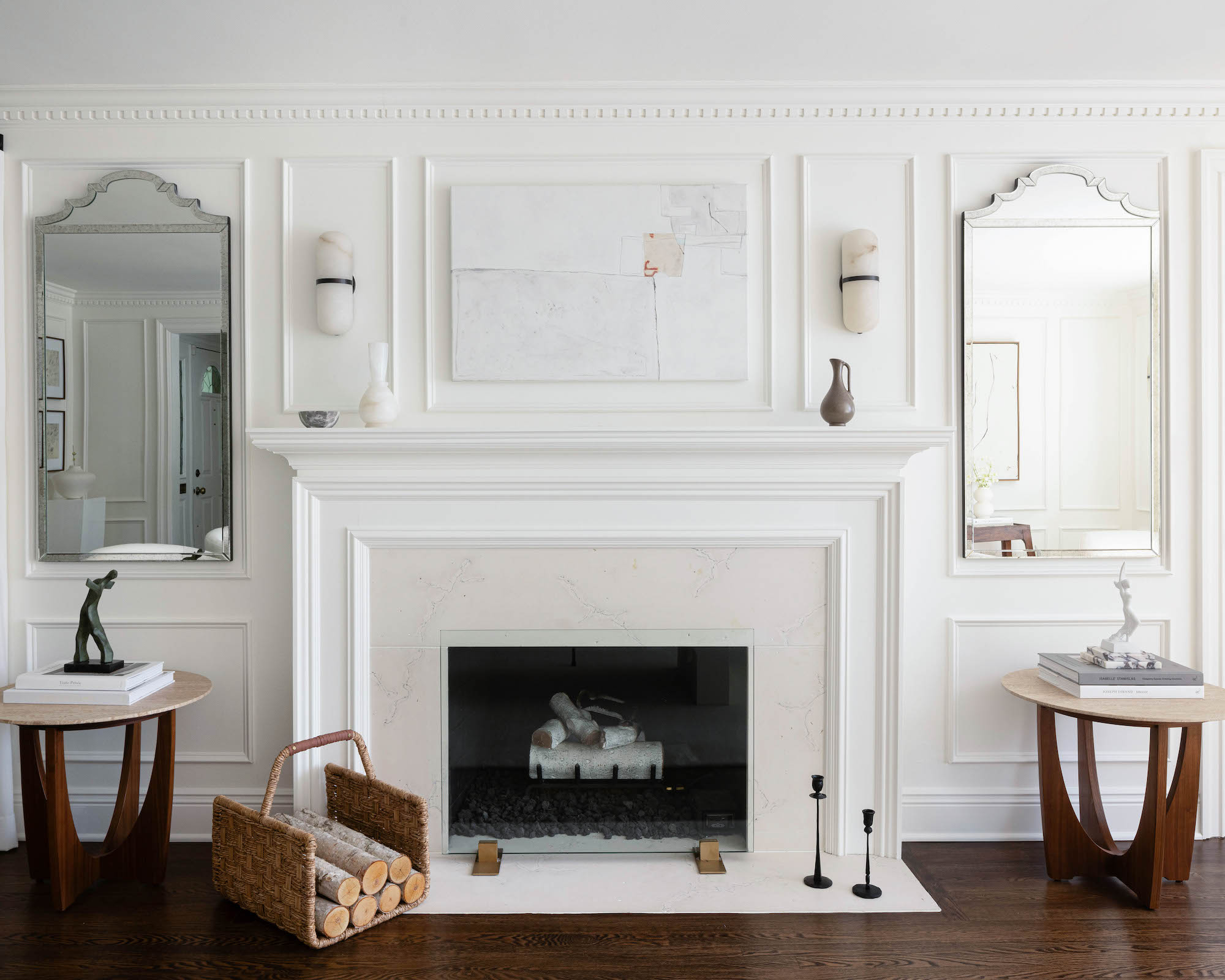
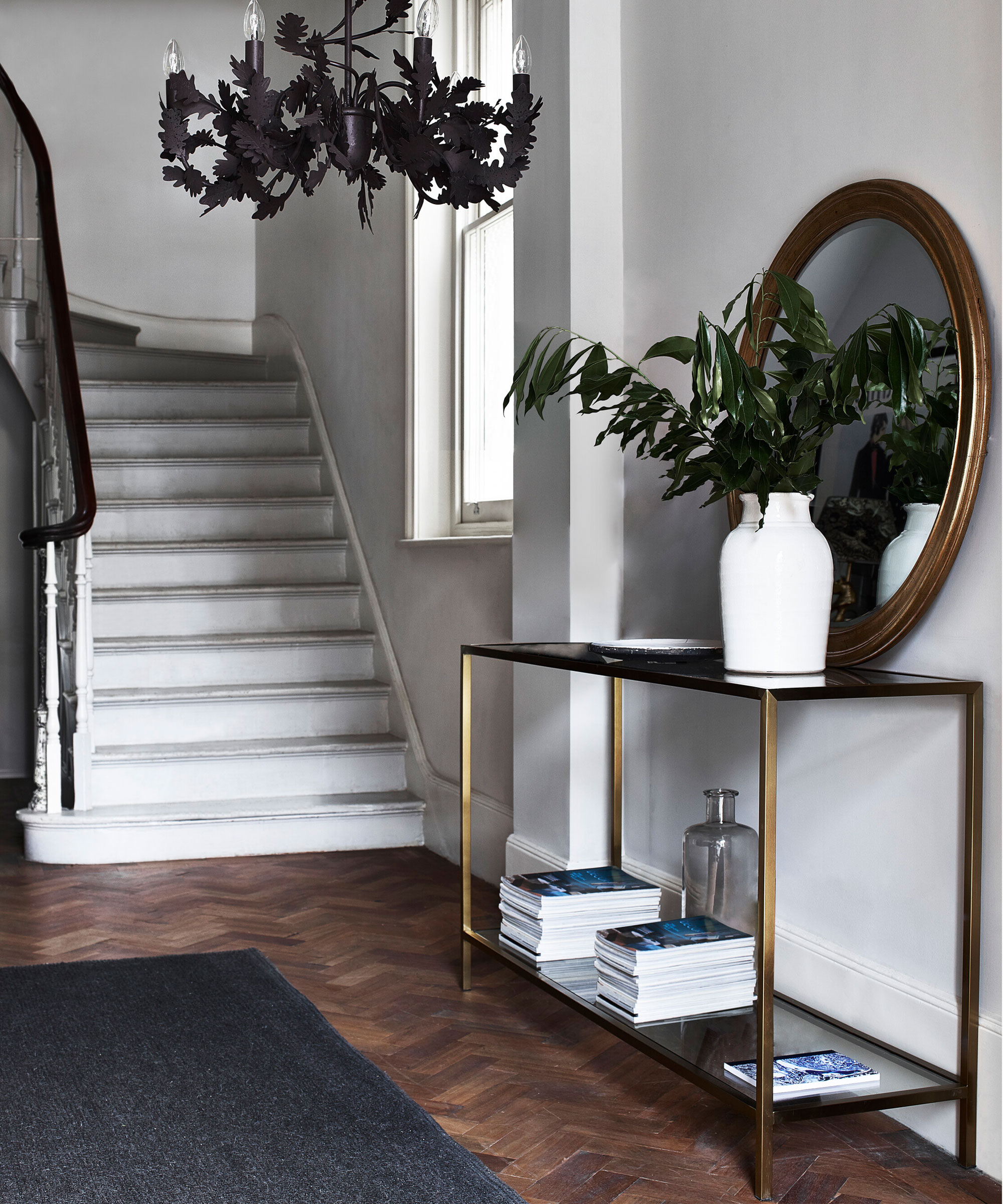
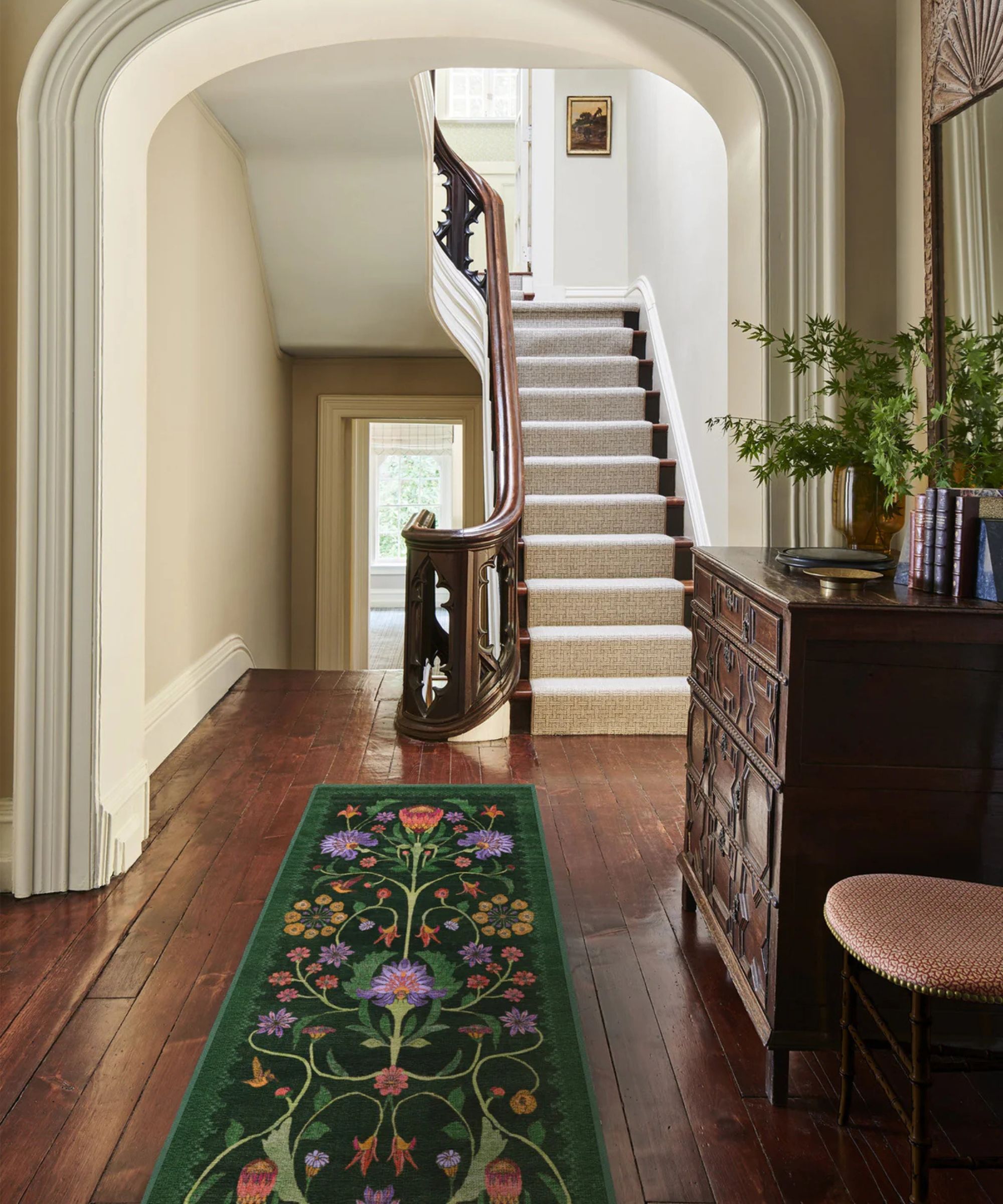
Long hallways are identified as prime opportunities for design, which Hobbs believes should not be wasted. She incorporates design elements, such as mirrors, to elongate these spaces and compensate for the typical lack of windows and natural light. Mirrors can effectively make narrow hallways feel wider and brighter. Hobbs also strongly advises against wall-to-wall carpeting, despite its ability to create a seamless look. She argues that wall-to-wall carpeting often signals an outdated style and suggests that hardwood flooring is a superior choice, preferred by most homebuyers for its modern appeal and ease of maintenance.
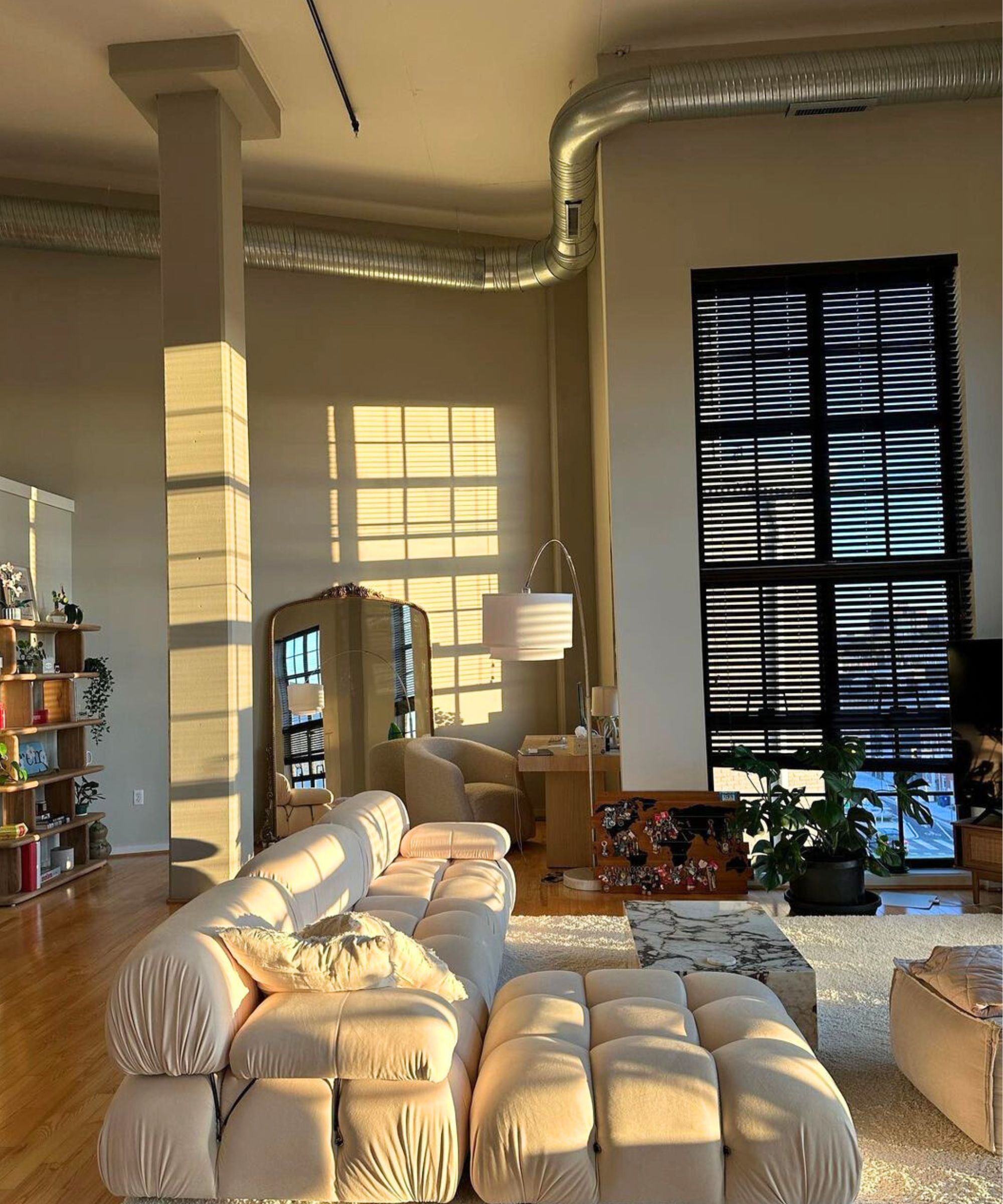
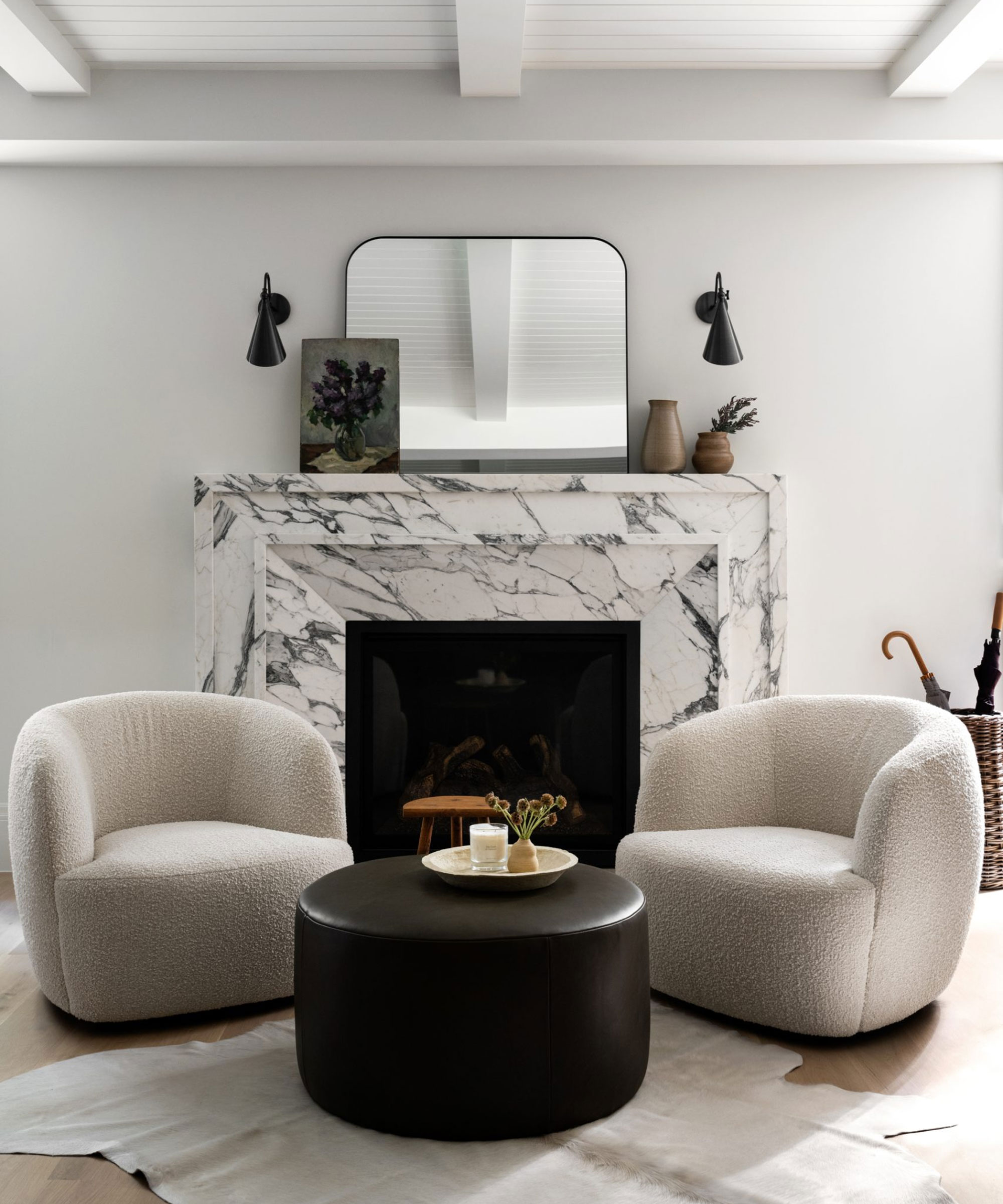
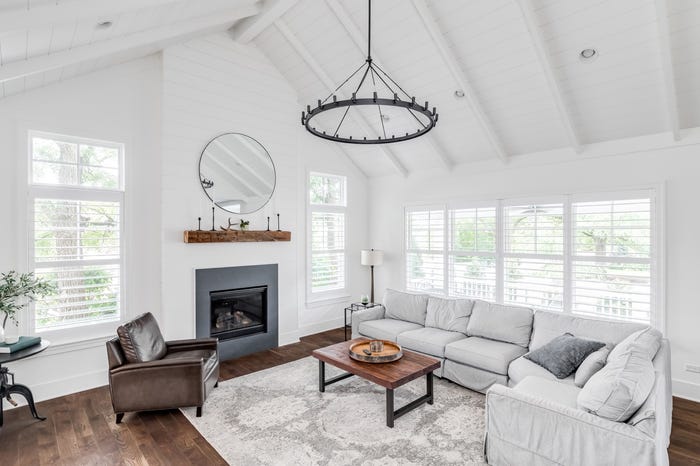
Finally, Hobbs recommends avoiding bright and trendy colors for main furniture pieces, such as sofas. While such colors can be fun, they tend to go out of style quickly. Her preference is for neutral foundational colors like gray and cream, which are timeless and allow for greater flexibility in updating decor through accessories rather than replacing major furniture items. This approach ensures that a home's core furnishings remain stylish and versatile over time.
#InteriorDesign #HomeDecor #DesignTips #HomeStyling #ClutterFree #NeutralPalette #HardwoodFlooring #MinimalistDesign #InteriorDesignerAdvice #InteriorDesign #HomeDecor #DesignTips #HomeStyling #ClutterFree #NeutralPalette #HardwoodFlooring #MinimalistDesign #InteriorDesignerAdvice
0 comment in total
 No comments yet
You may also like
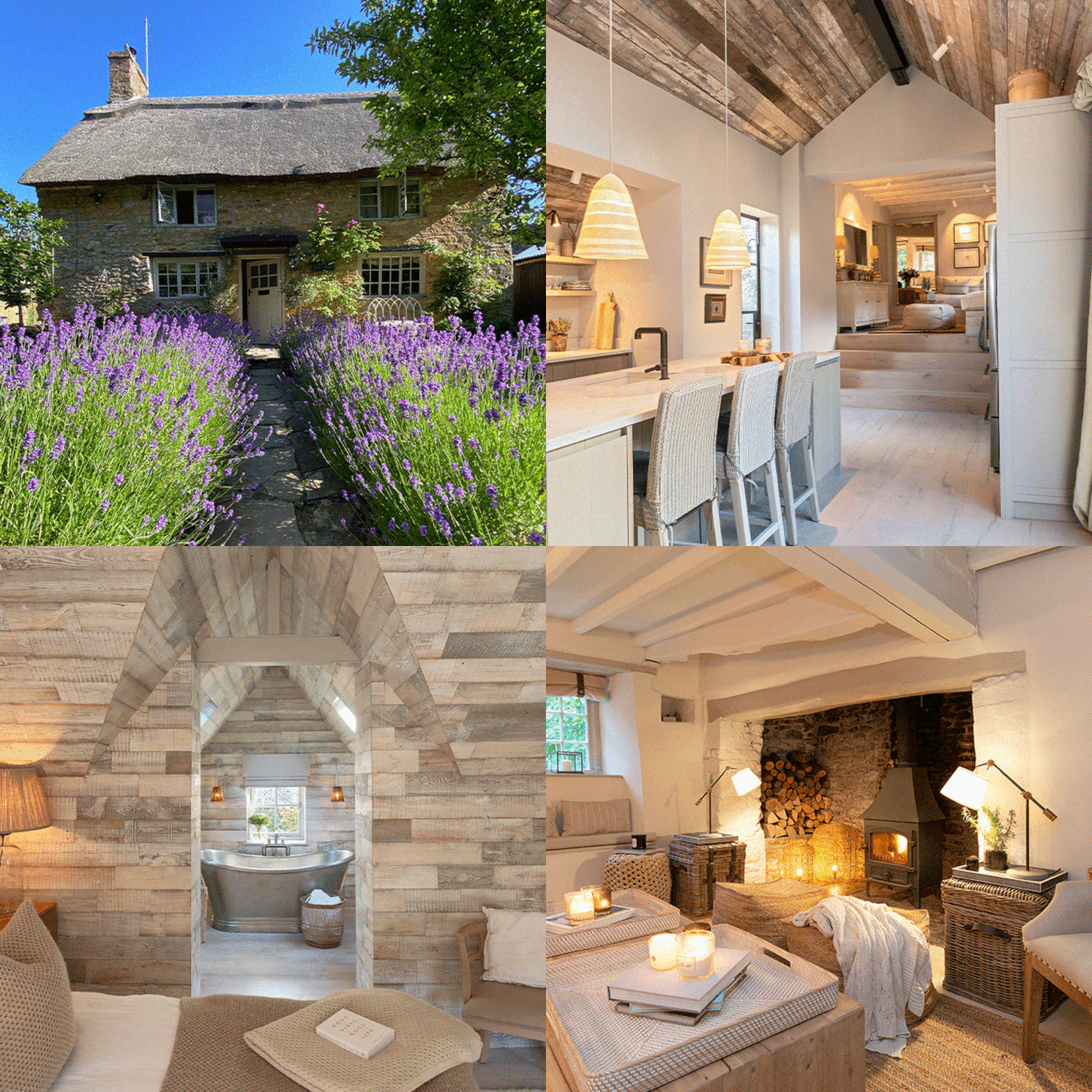
An Interior Designer Shows Us Her Dream Cottage
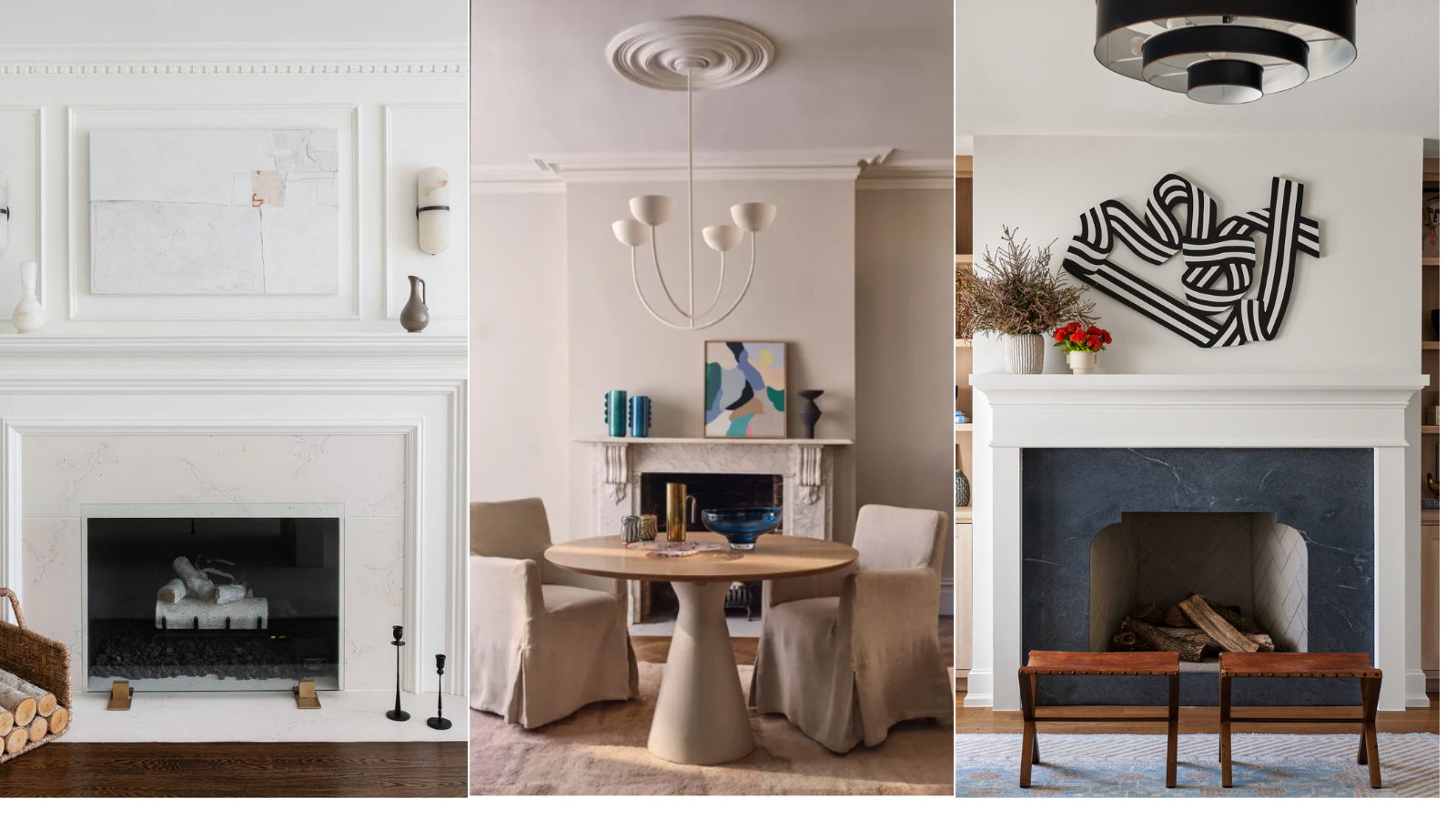
5 things designers say you should never put on a mantel

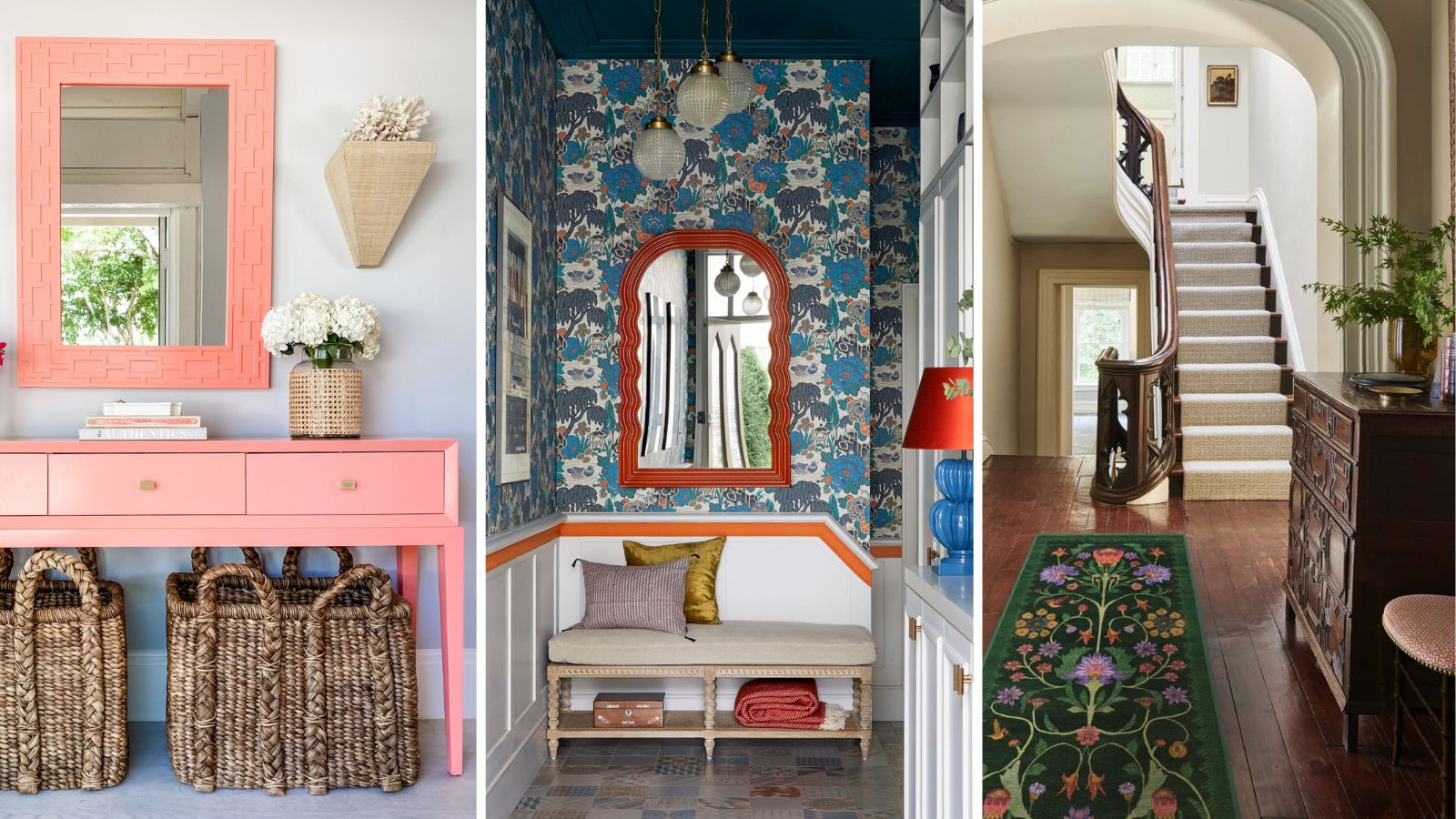
6 things to never put in an entryway, according to interior designers
An interior designer shares 11 things she always makes sure she has in her home
7 things interior designers never have in small living rooms

An Interior Designer Shows Us Around Her Favourite Project

An interior designer with over 40 years of experience shares 9 things he'd never have in his own home
12 bedroom trends interior designers wish would disappear
An Interior Designer Talks Style Inspiration, Wish List Items & Her Clever New Launch
12 things a seasoned interior designer would never have in her own space
8 Things Designers Would NEVER Add to a Kitchen in 2025

5 things minimalists never have in a small entryway

An interior designer with 13 years of experience shares 10 things she'd never have in her home
Joanna Gaines, Christina Haack, and More TV Expert Advice I Followed to Renovate and Decorate My Home
Interior Designers Share Their Highlight Reels
An Interior Designer Shows Us Around His Home
8 items interior designers never have in small bathrooms

Items to never store in an entryway, according to cleaning, organizing and interiors experts
5 Kitchen Renovations Designers Wish Their Clients NEVER Asked for Again
An interior designer with 14 years of experience shares the 10 decor mistakes she hates seeing in people's homes