1/4
7 Pro Tips for Creating Magazine-Worthy Open Shelves
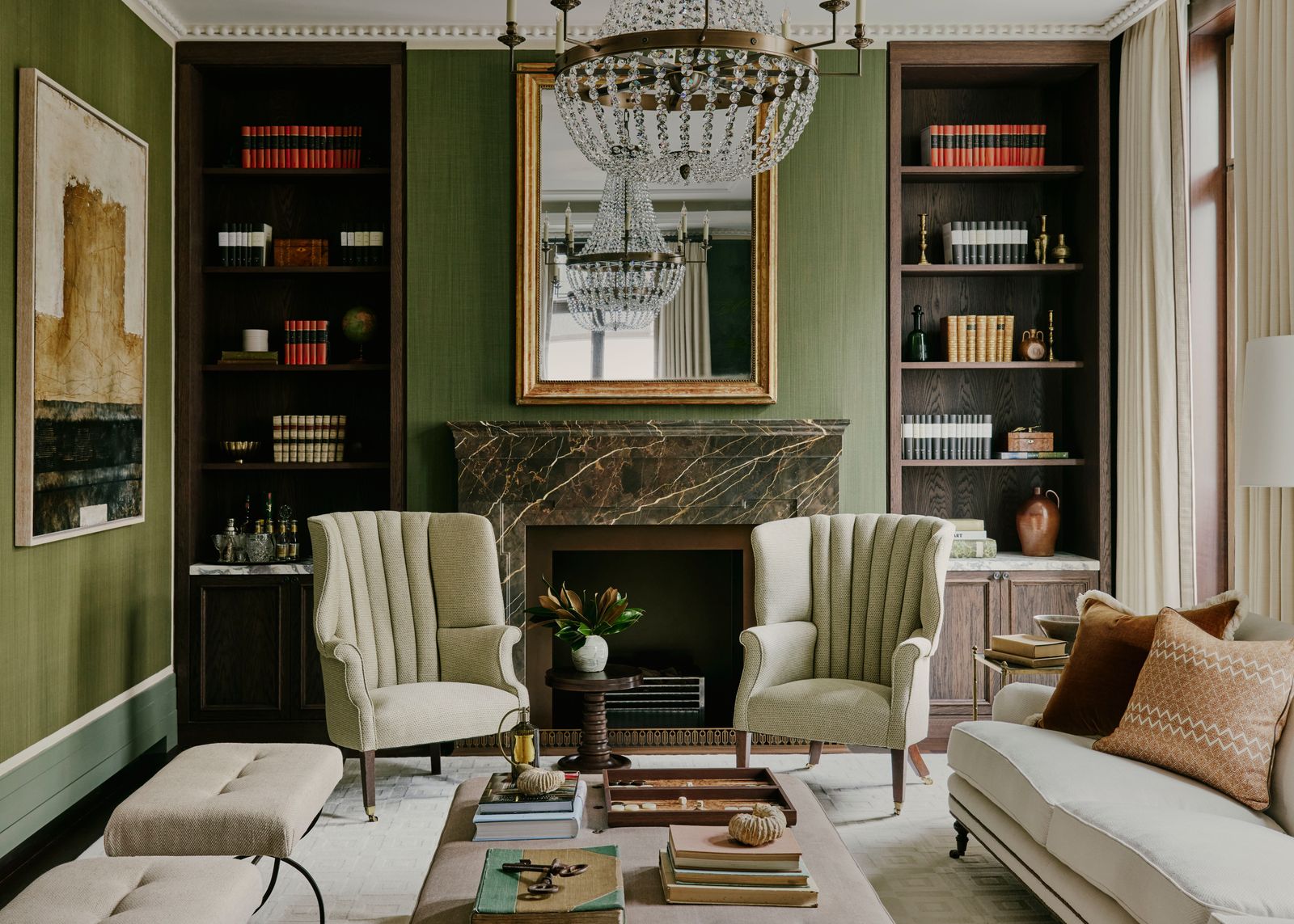
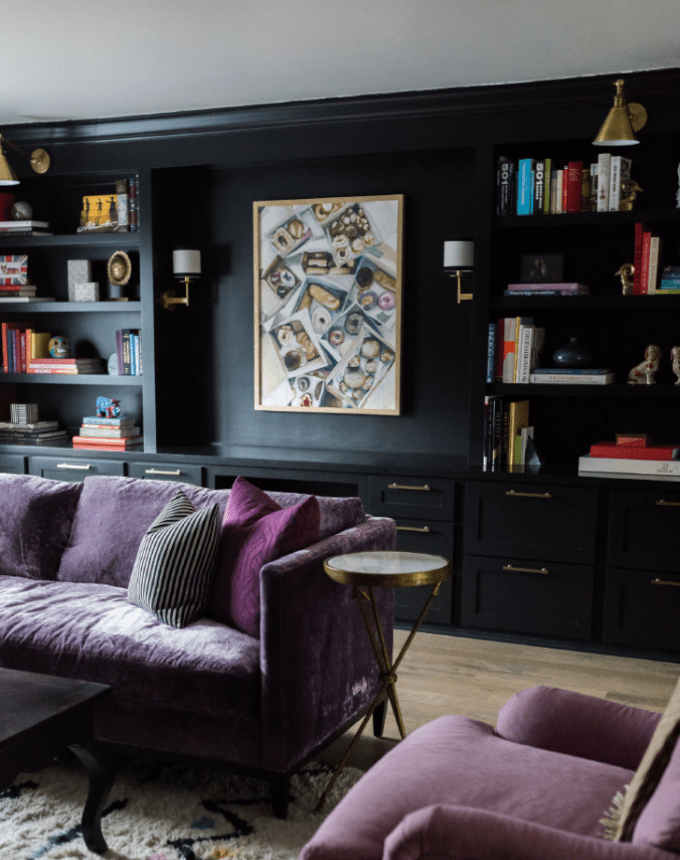
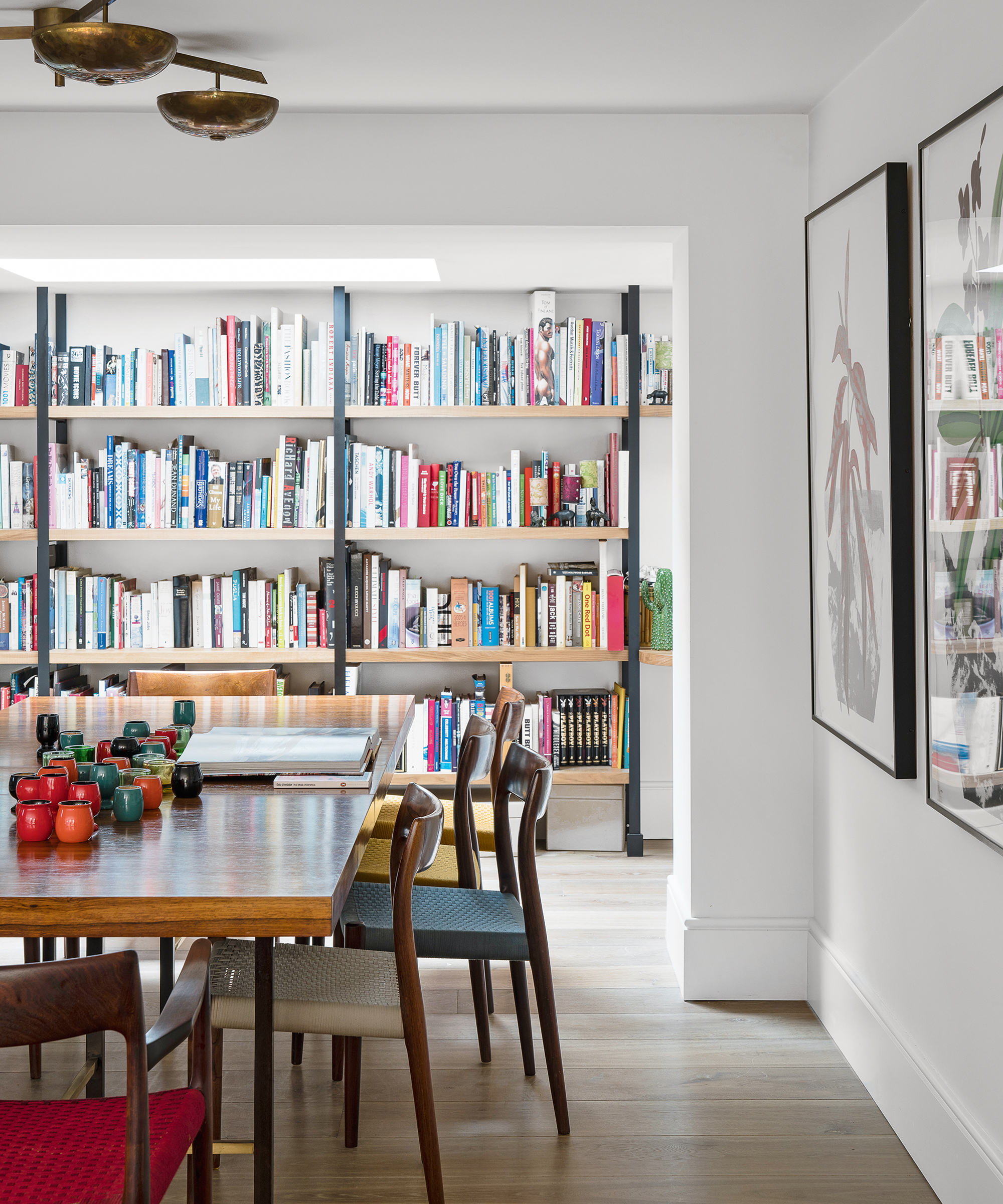
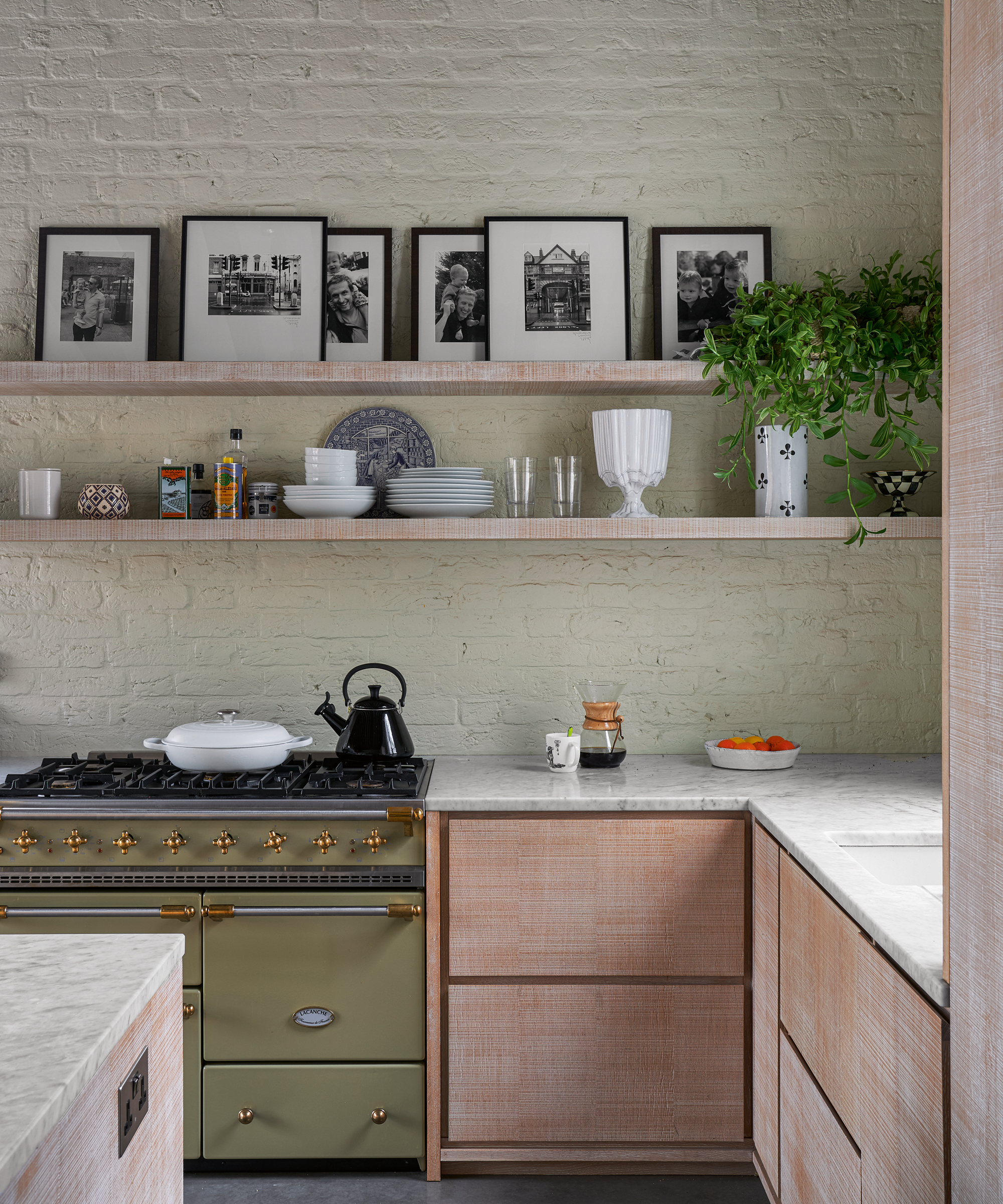
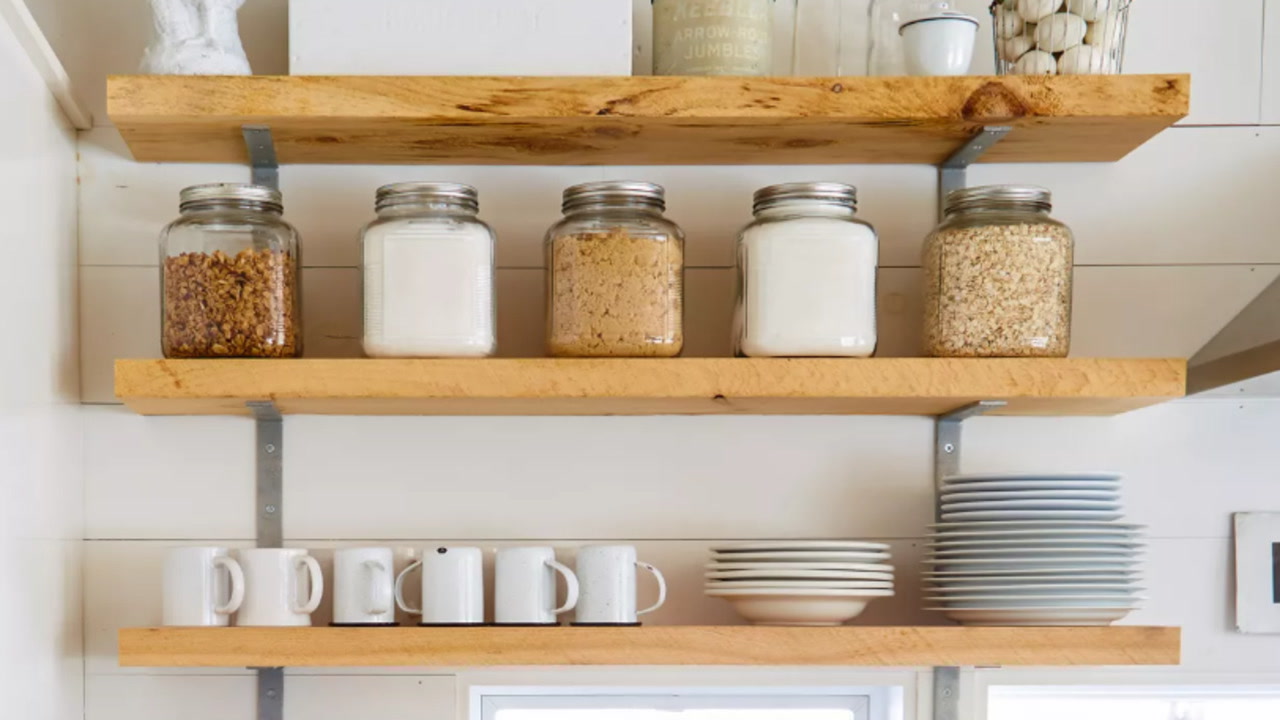
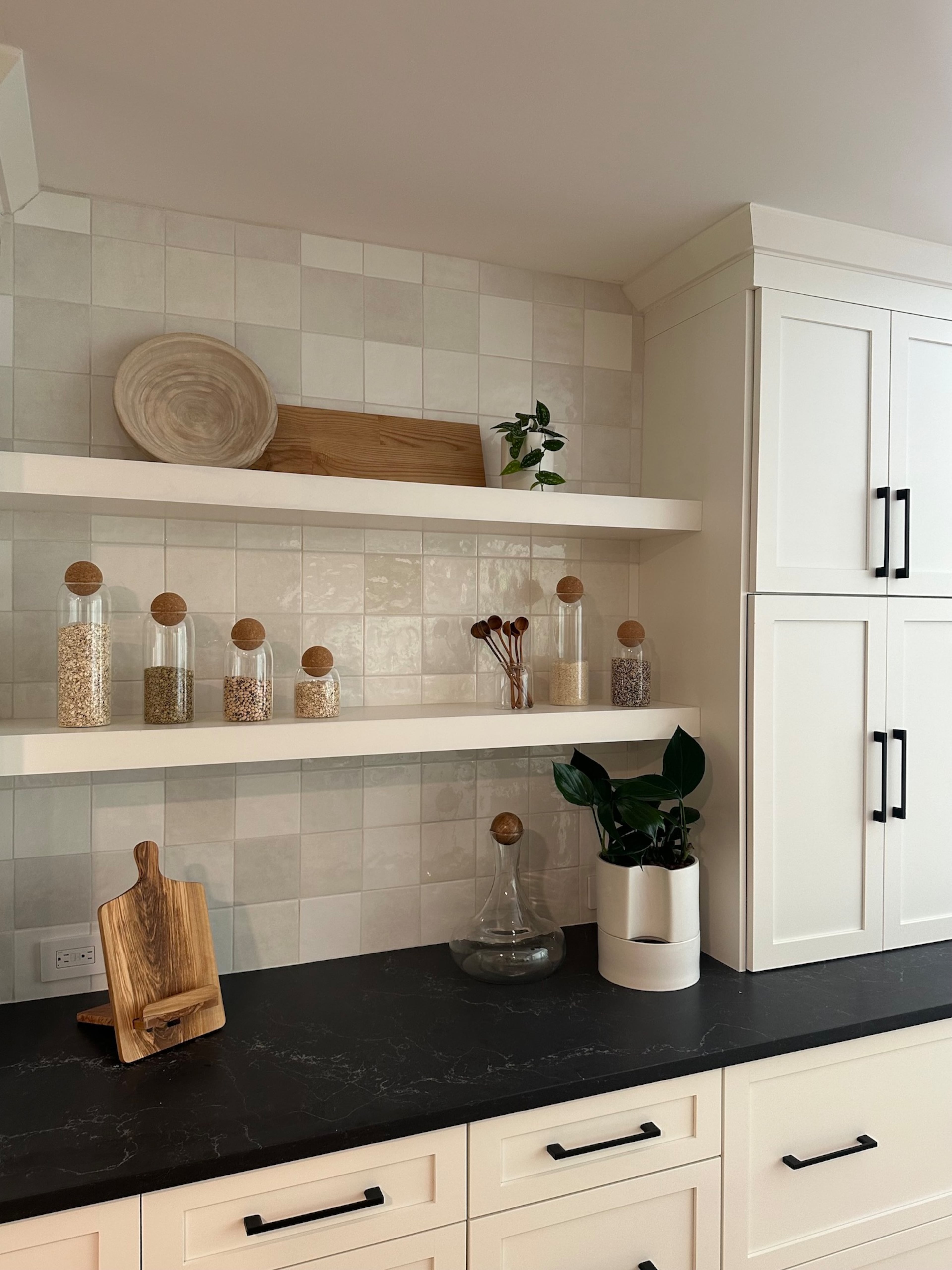
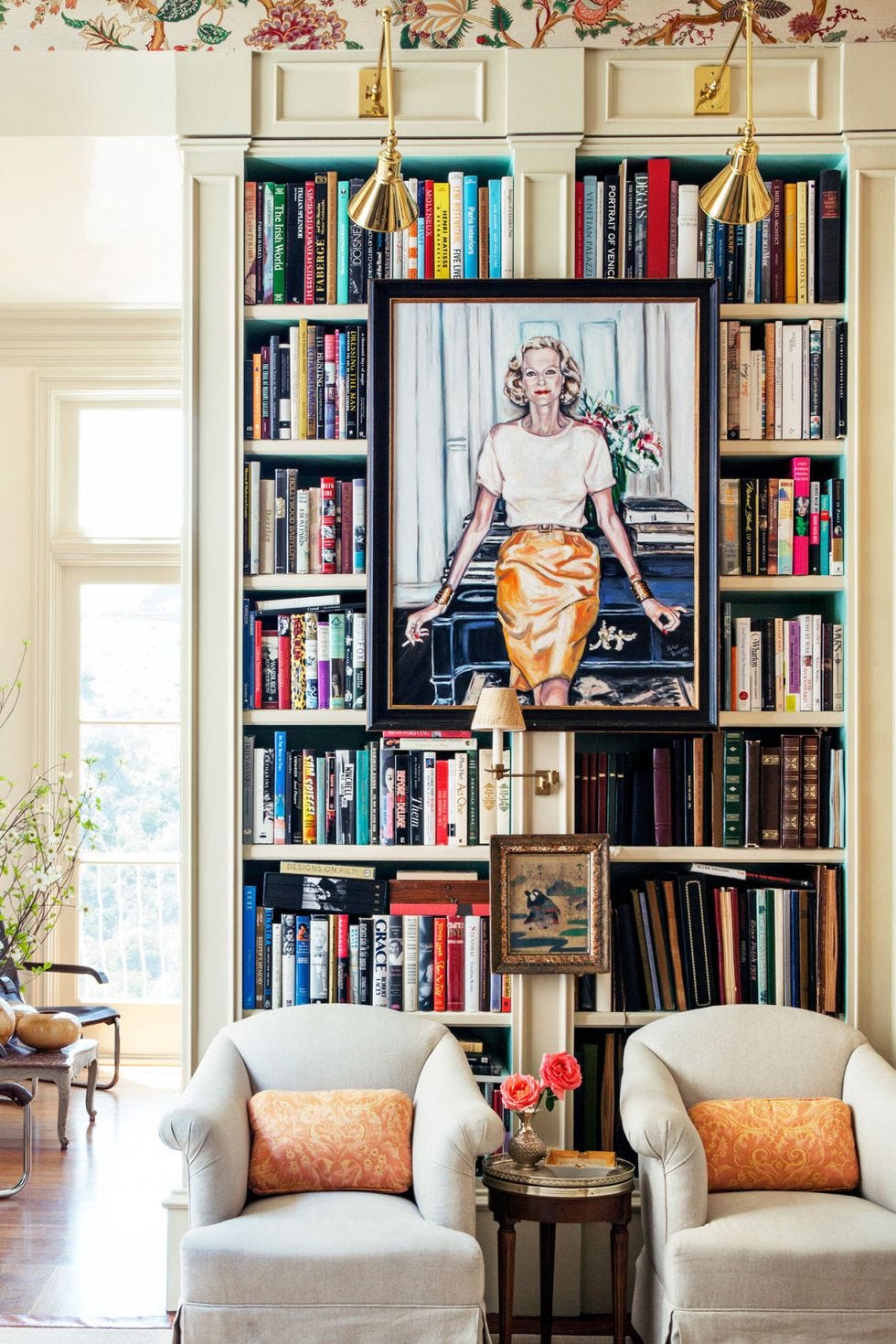
Open shelving has become a popular design element in homes, offering both aesthetic appeal and practical storage. However, achieving a look that is both stylish and functional requires careful consideration. Interior design expert Ashli Mizell provides a seven-step guide to styling open shelves, emphasizing authenticity, practicality, and visual balance.
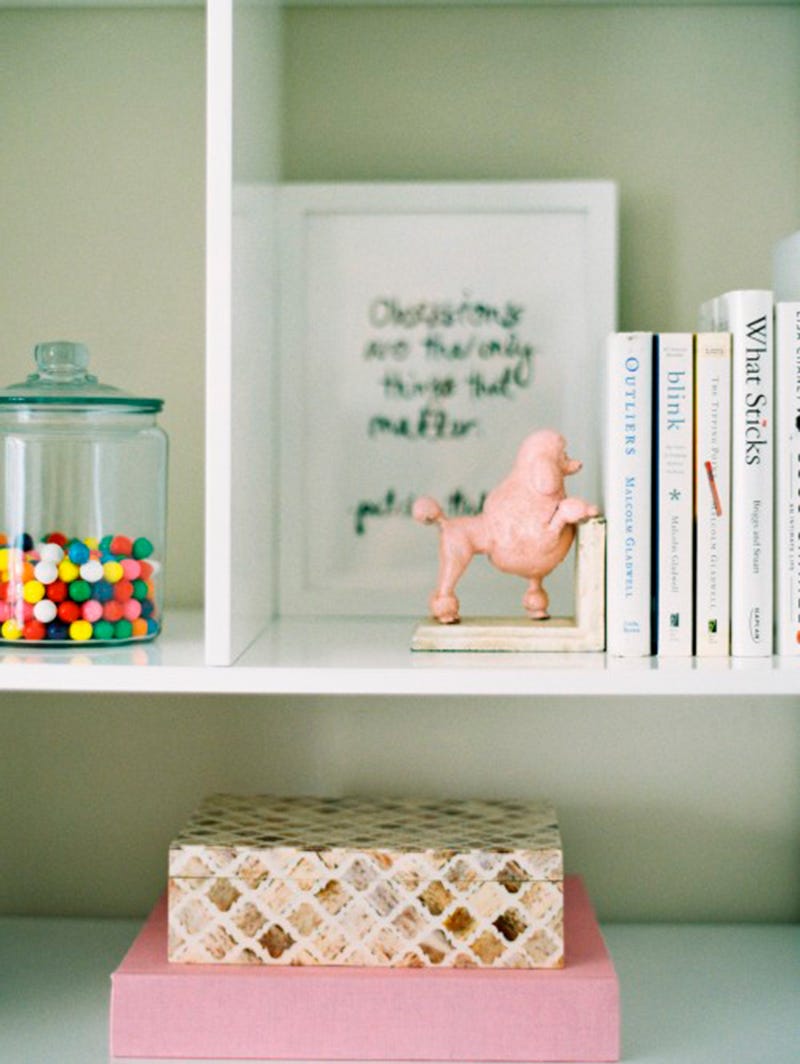
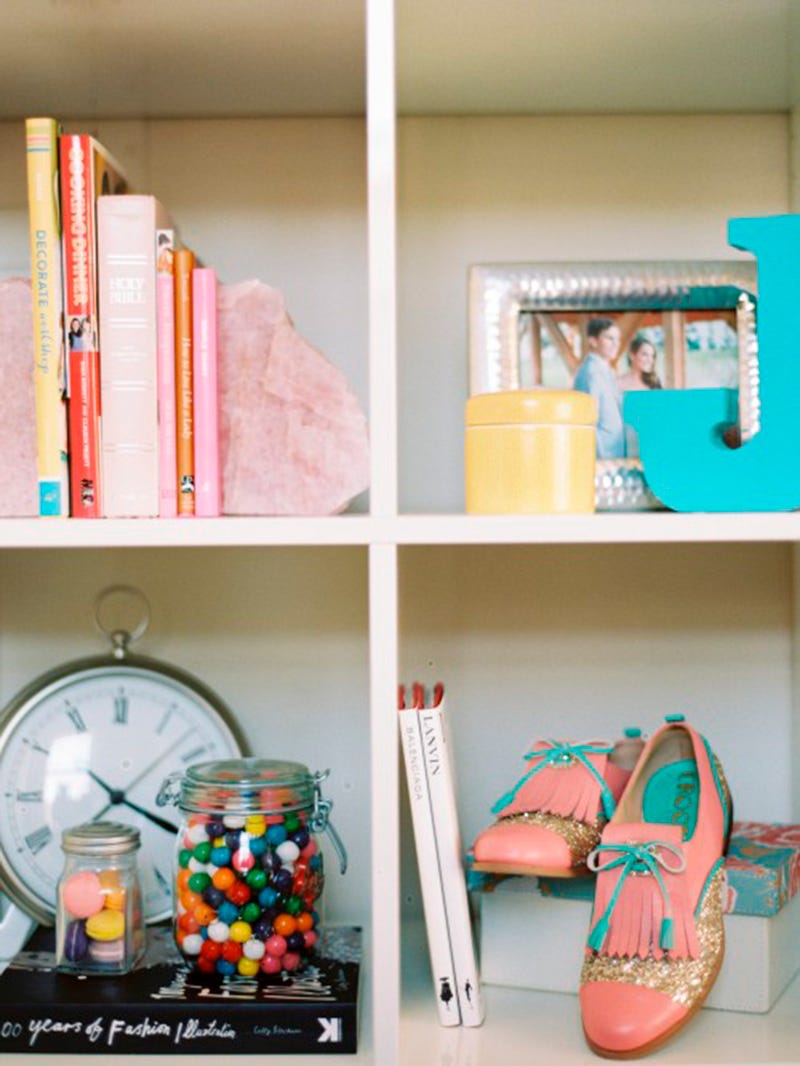
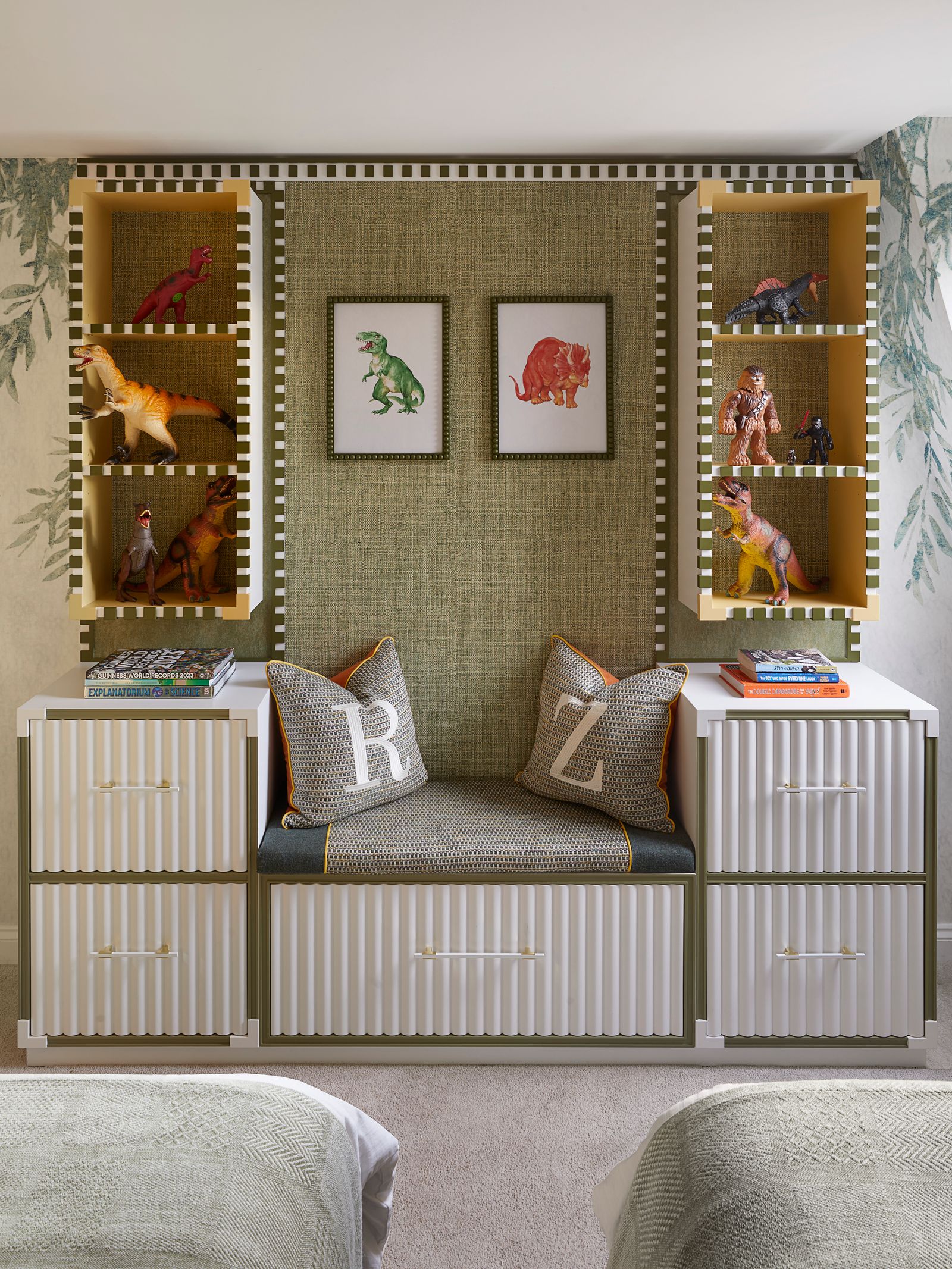
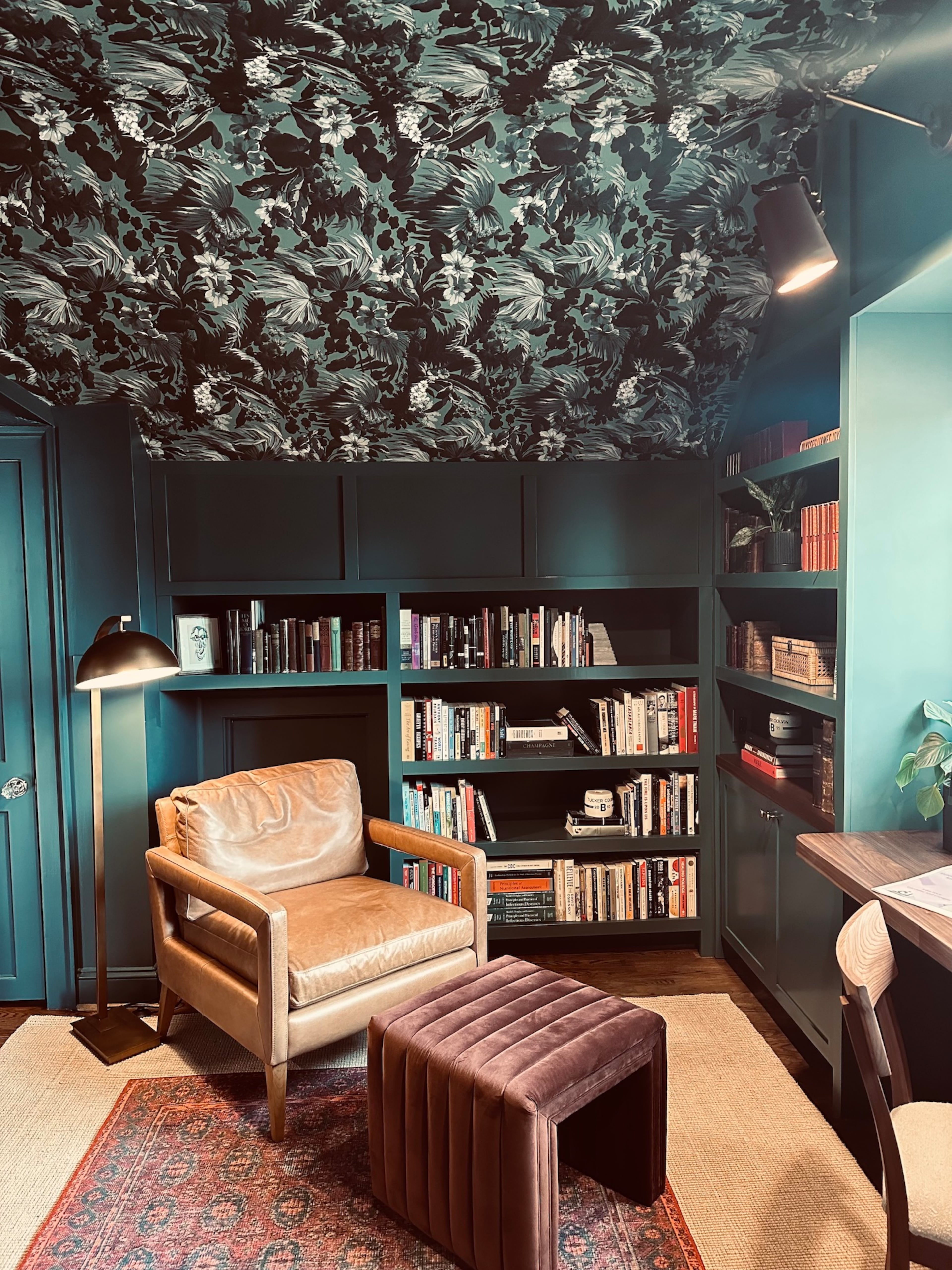
The first crucial tip is to maintain authenticity in what is displayed. Mizell advises against purchasing items solely for perceived trendiness. Instead, individuals should curate their shelves with objects that genuinely reflect their interests, hobbies, and travels. This approach ensures that the displayed items resonate with the homeowner's personality and possess a personal narrative, making the space feel genuine and lived-in rather than sterile or forced.
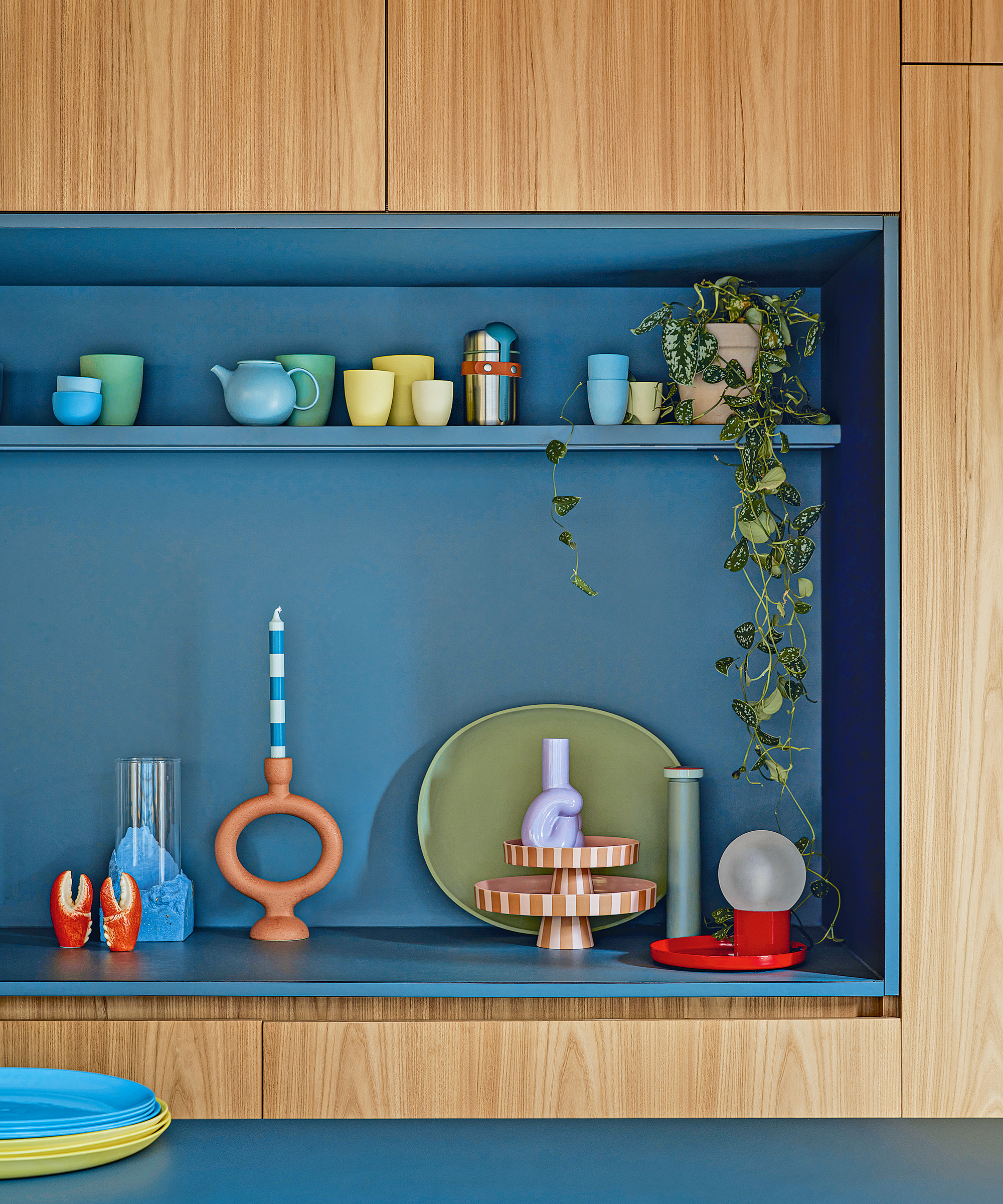
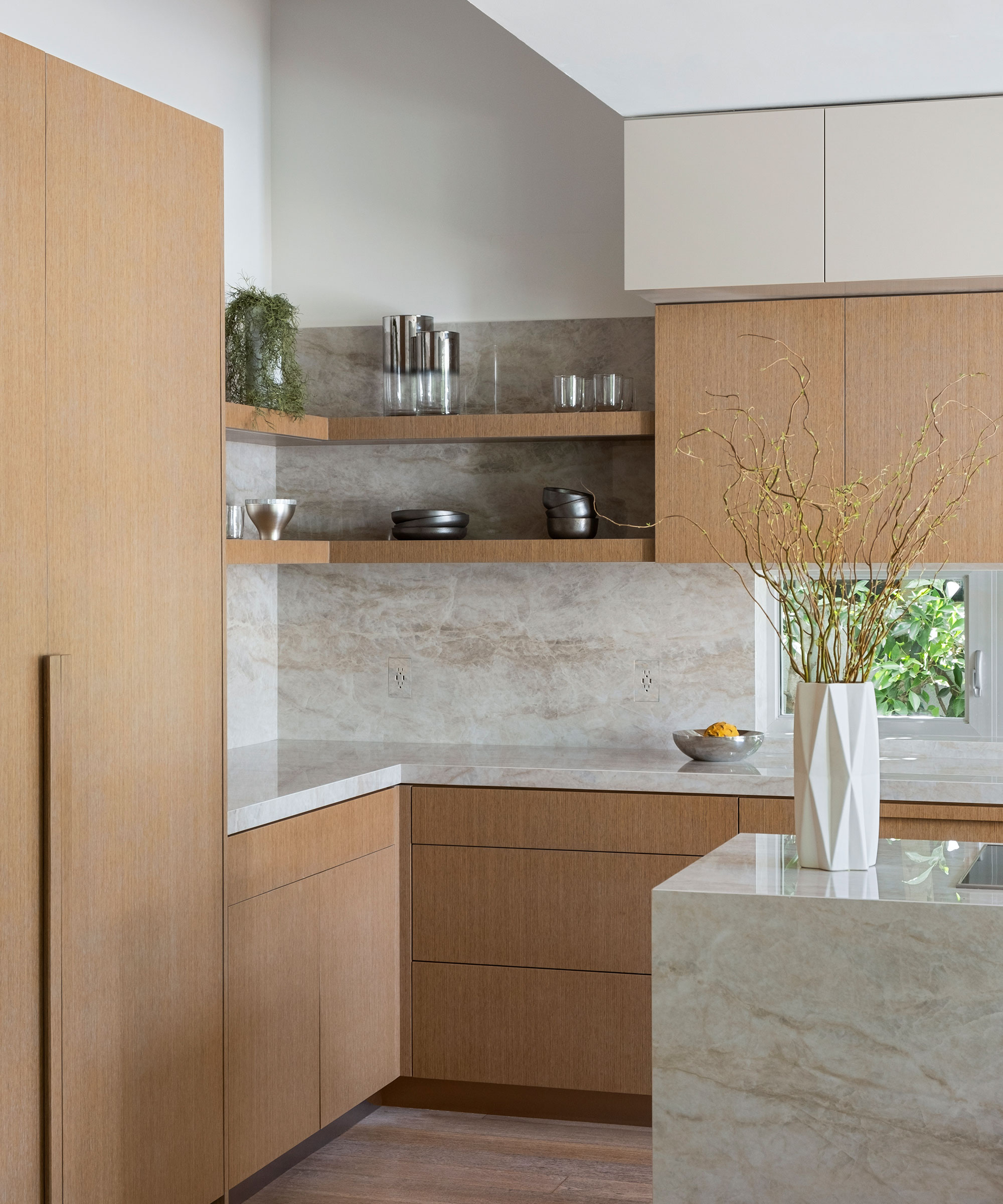
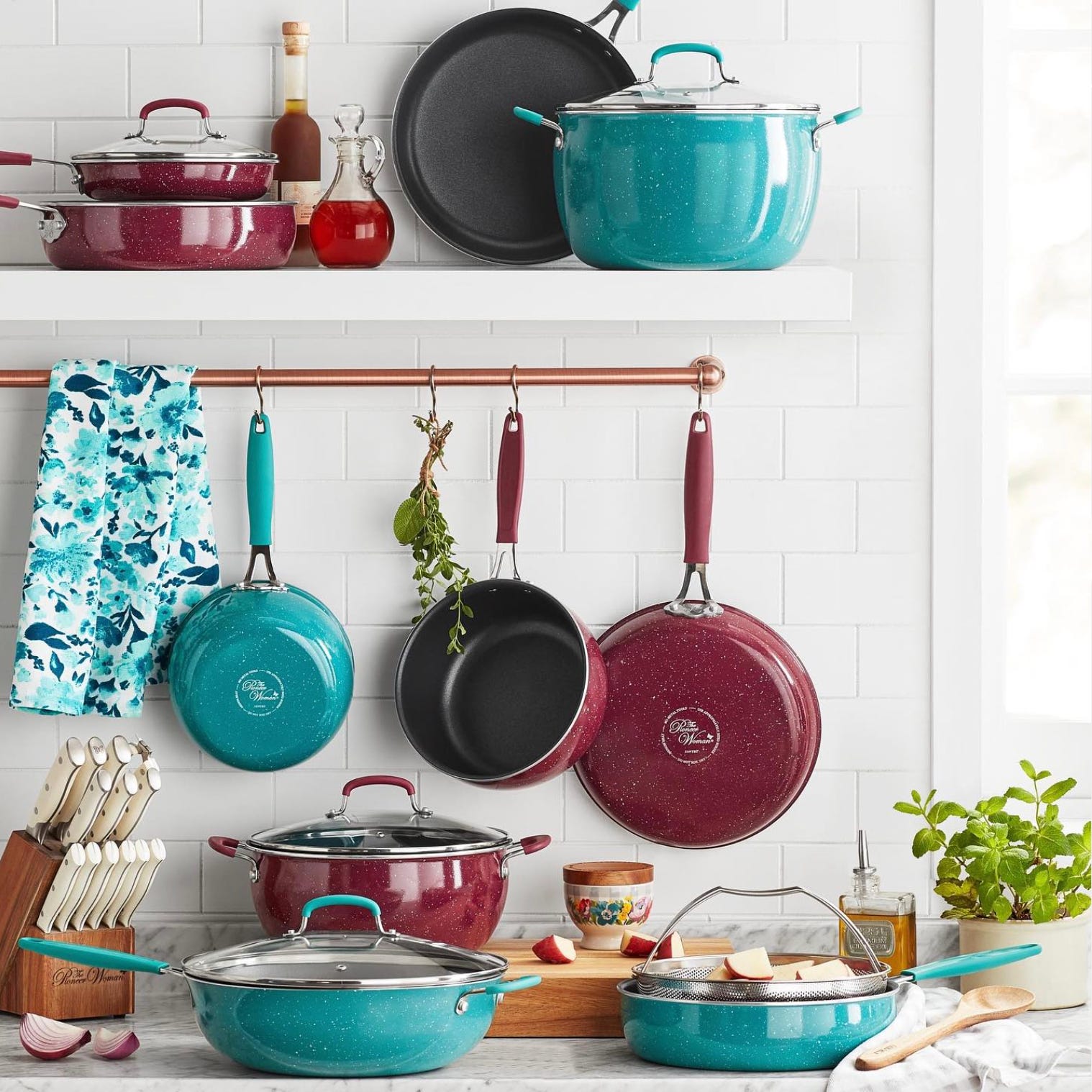
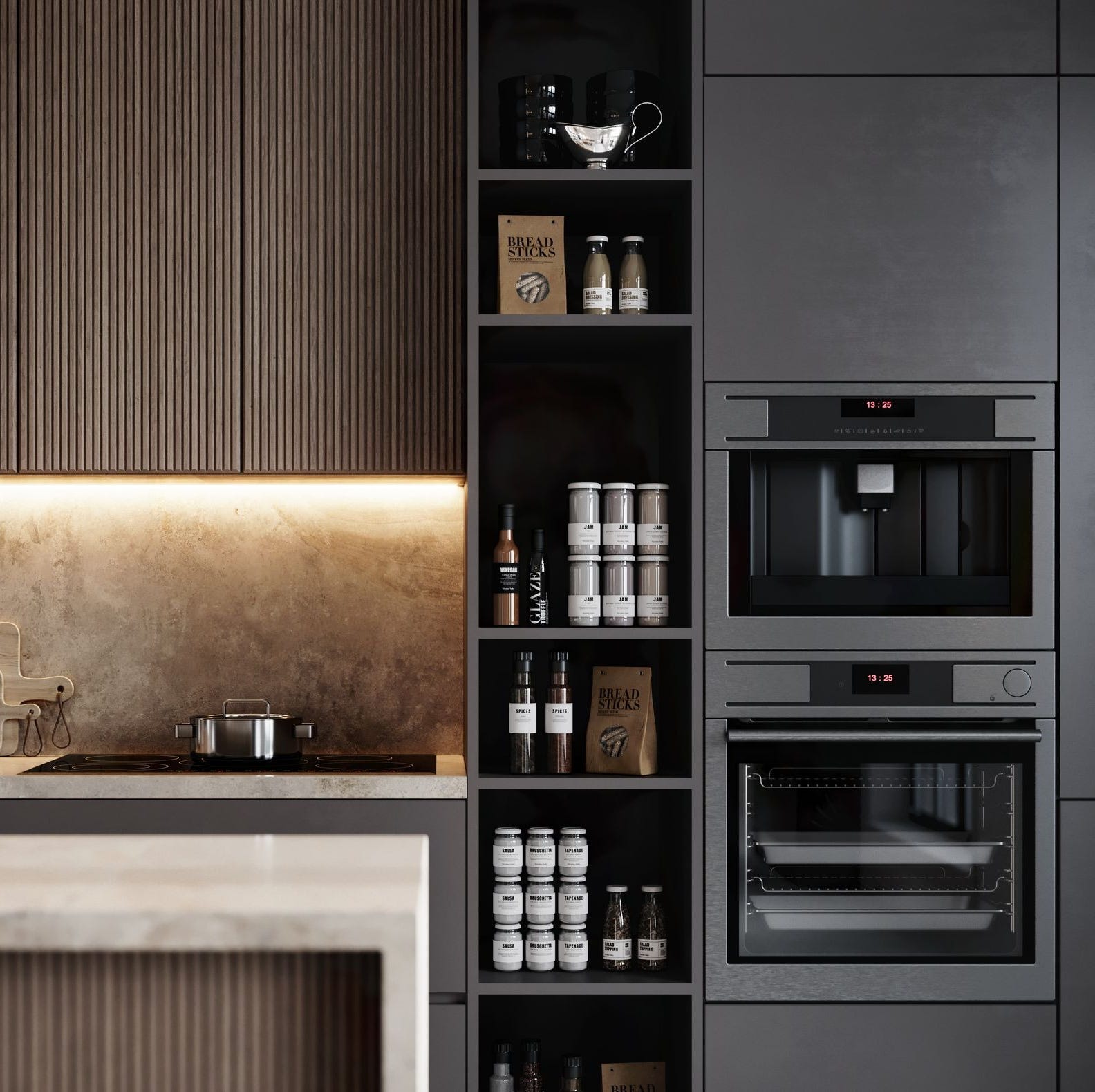
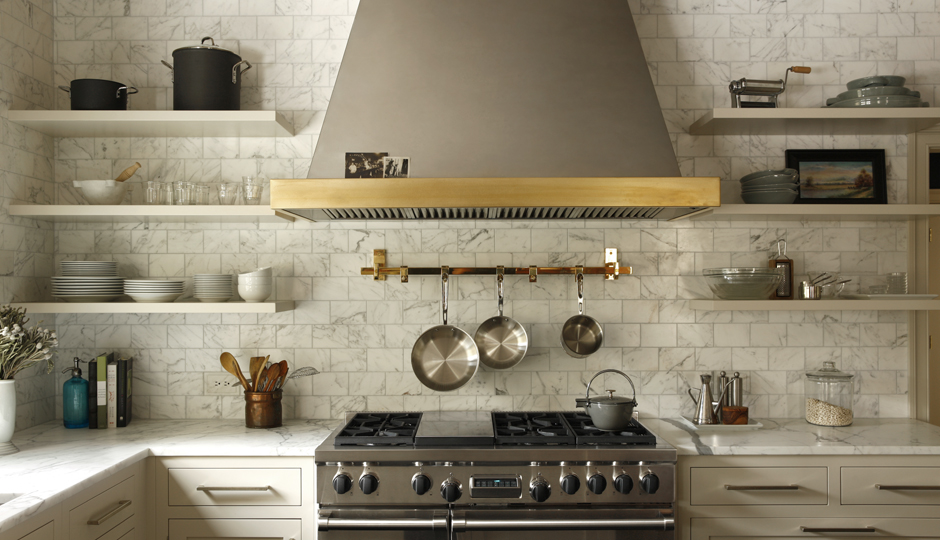
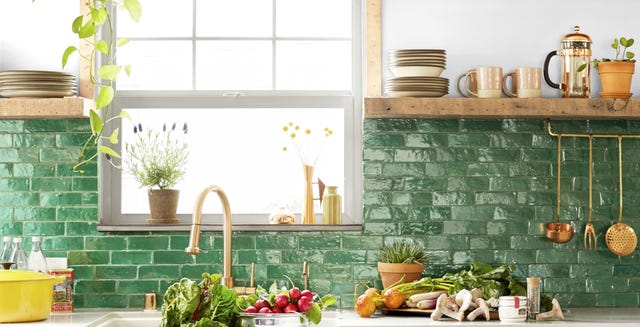
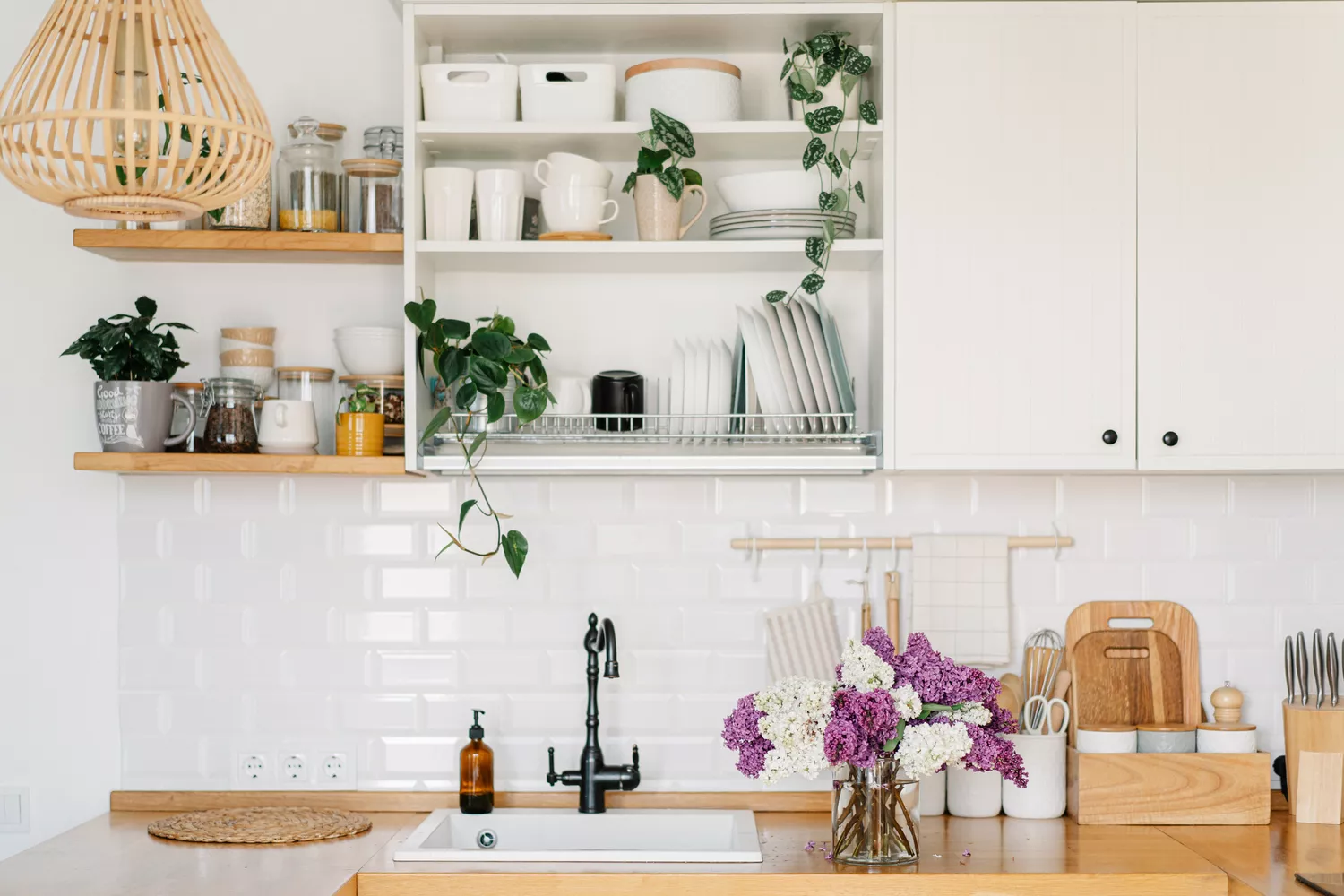
Next, the article highlights the importance of considering the shelf's location and the items' intended use. Shelves in high-traffic areas like kitchens and bathrooms are likely to hold frequently used, practical items such as dishware, towels, or toiletries. This natural rotation of items simplifies maintenance, as objects are regularly cleaned and refreshed. Conversely, shelves in living rooms or bedrooms are typically more for decorative display, requiring a different approach to arrangement and maintenance.
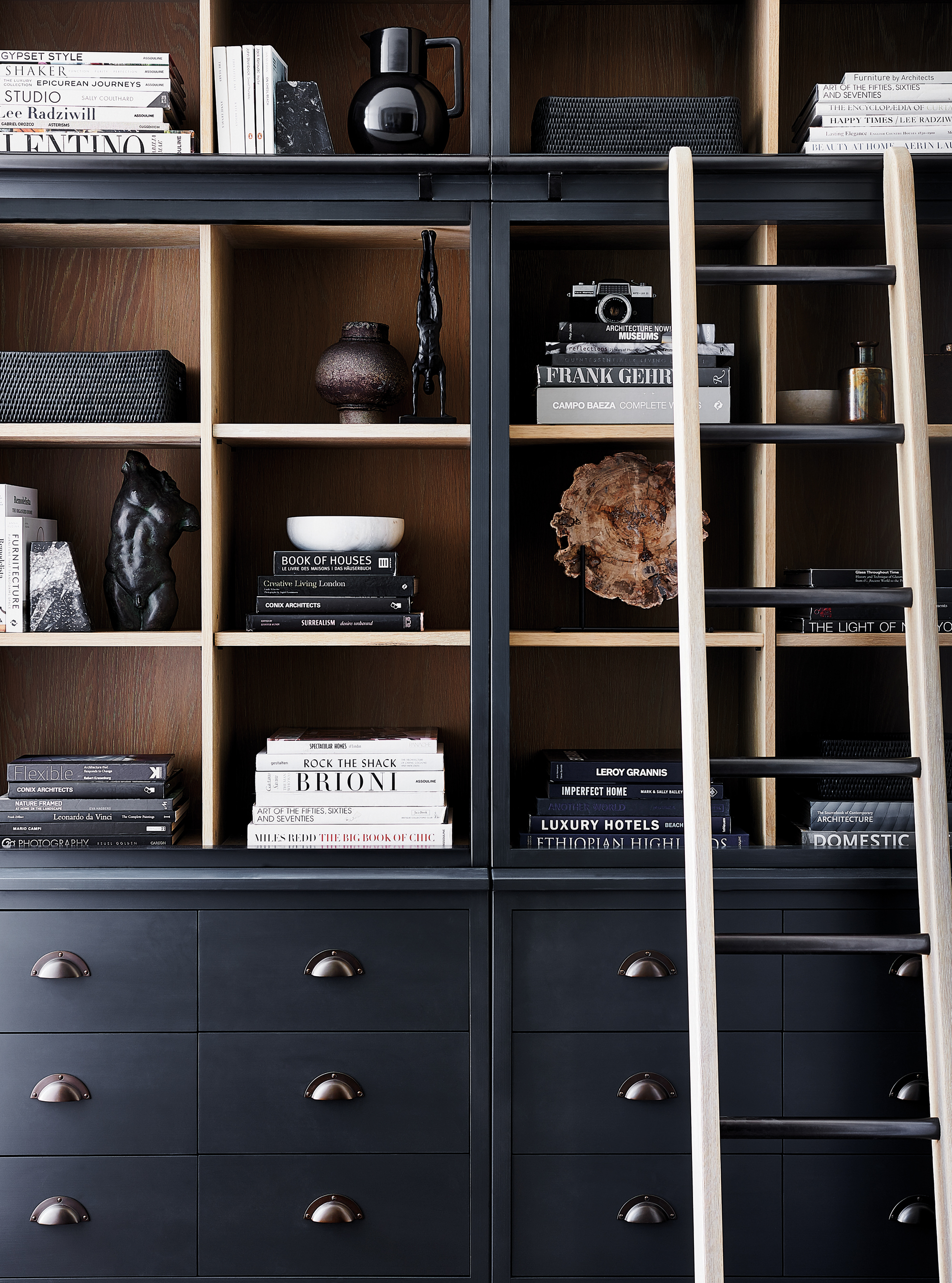
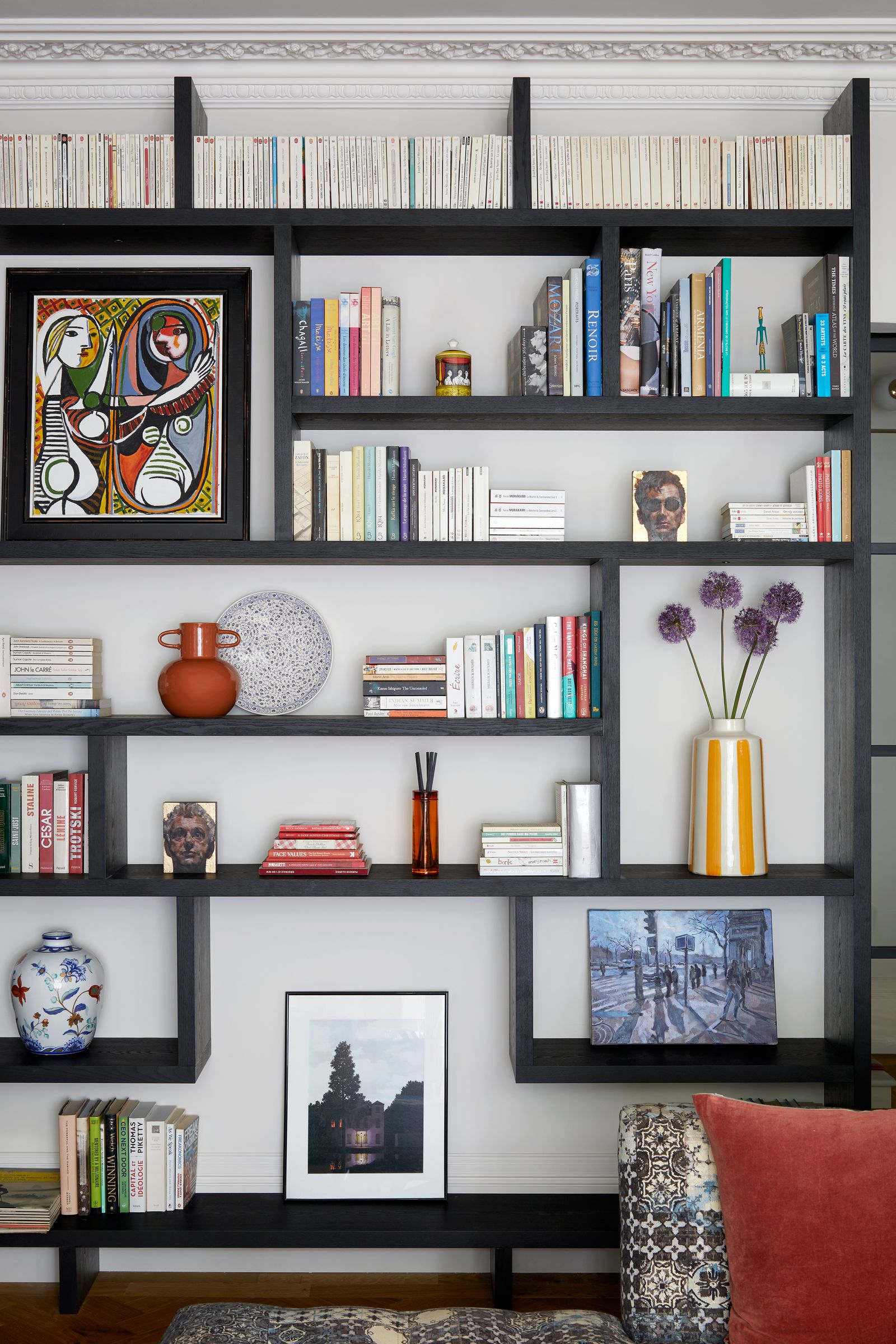
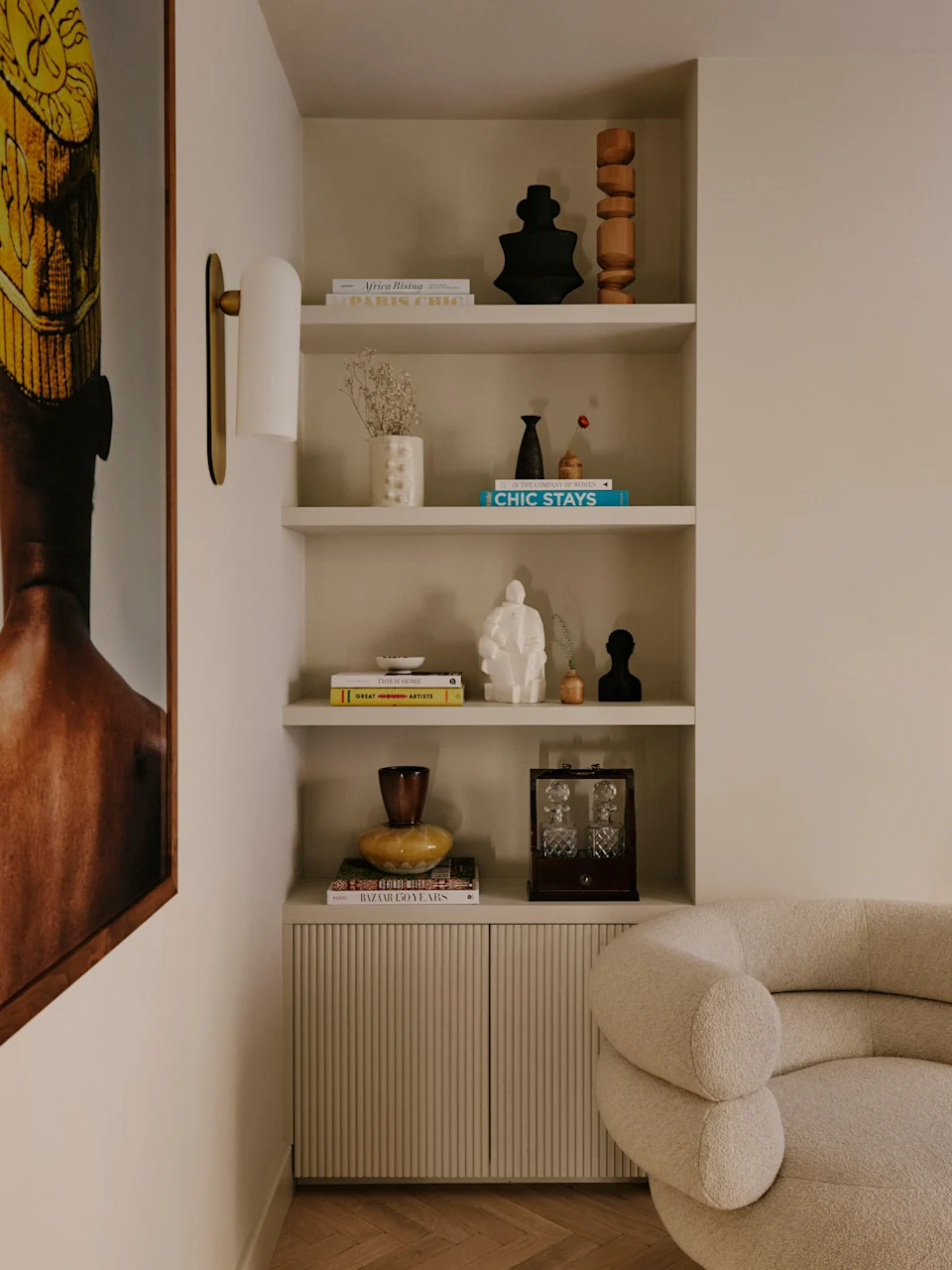
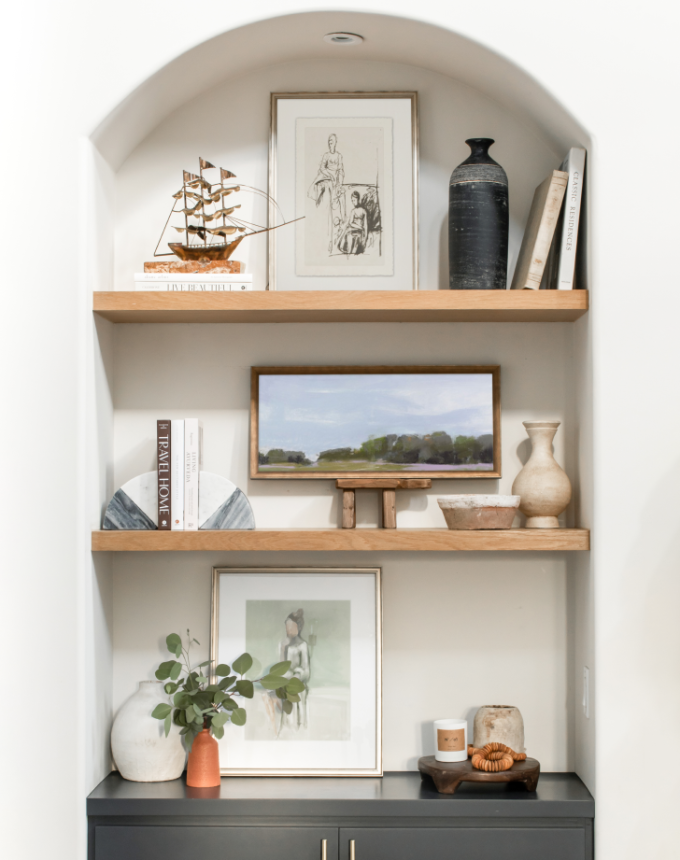
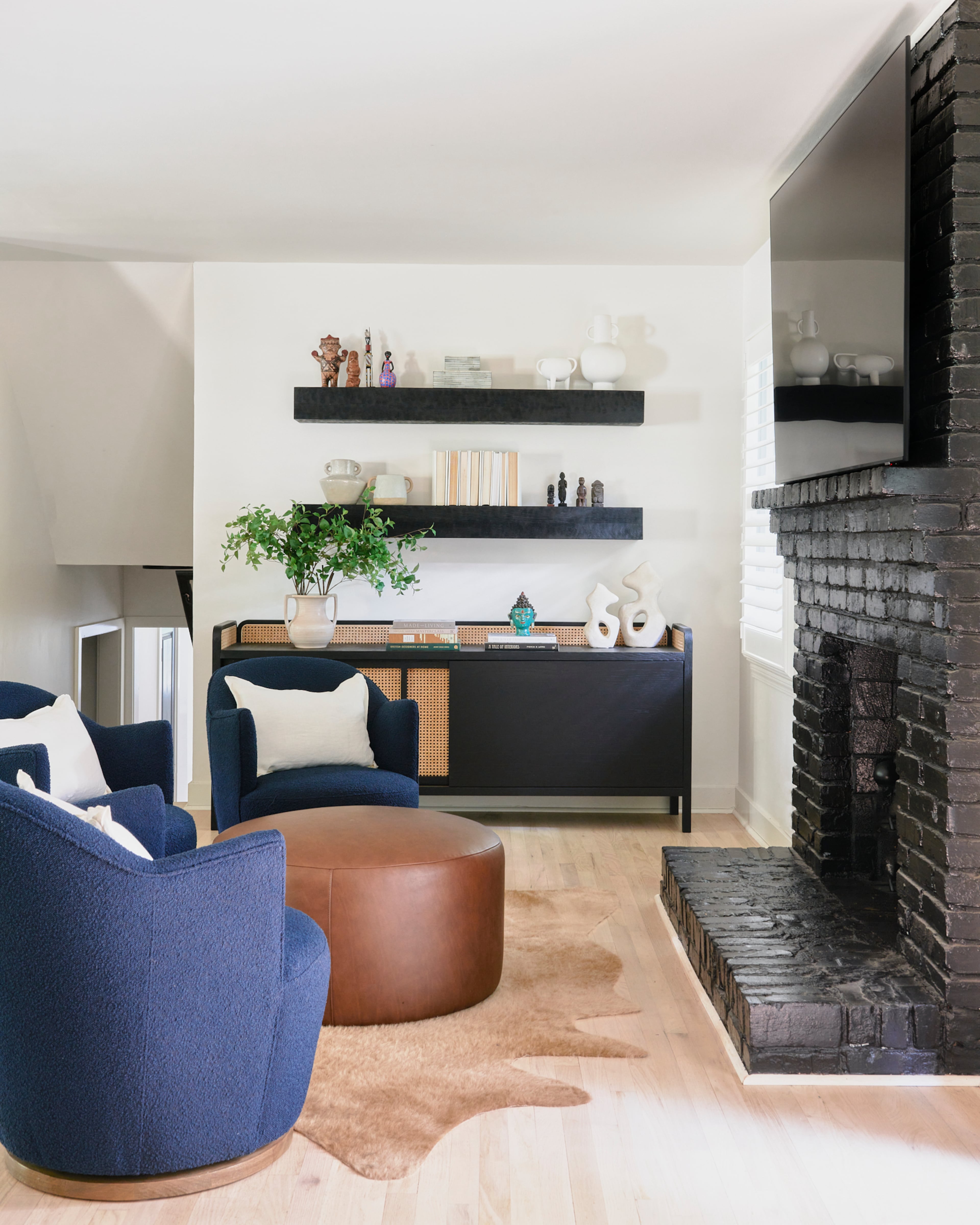
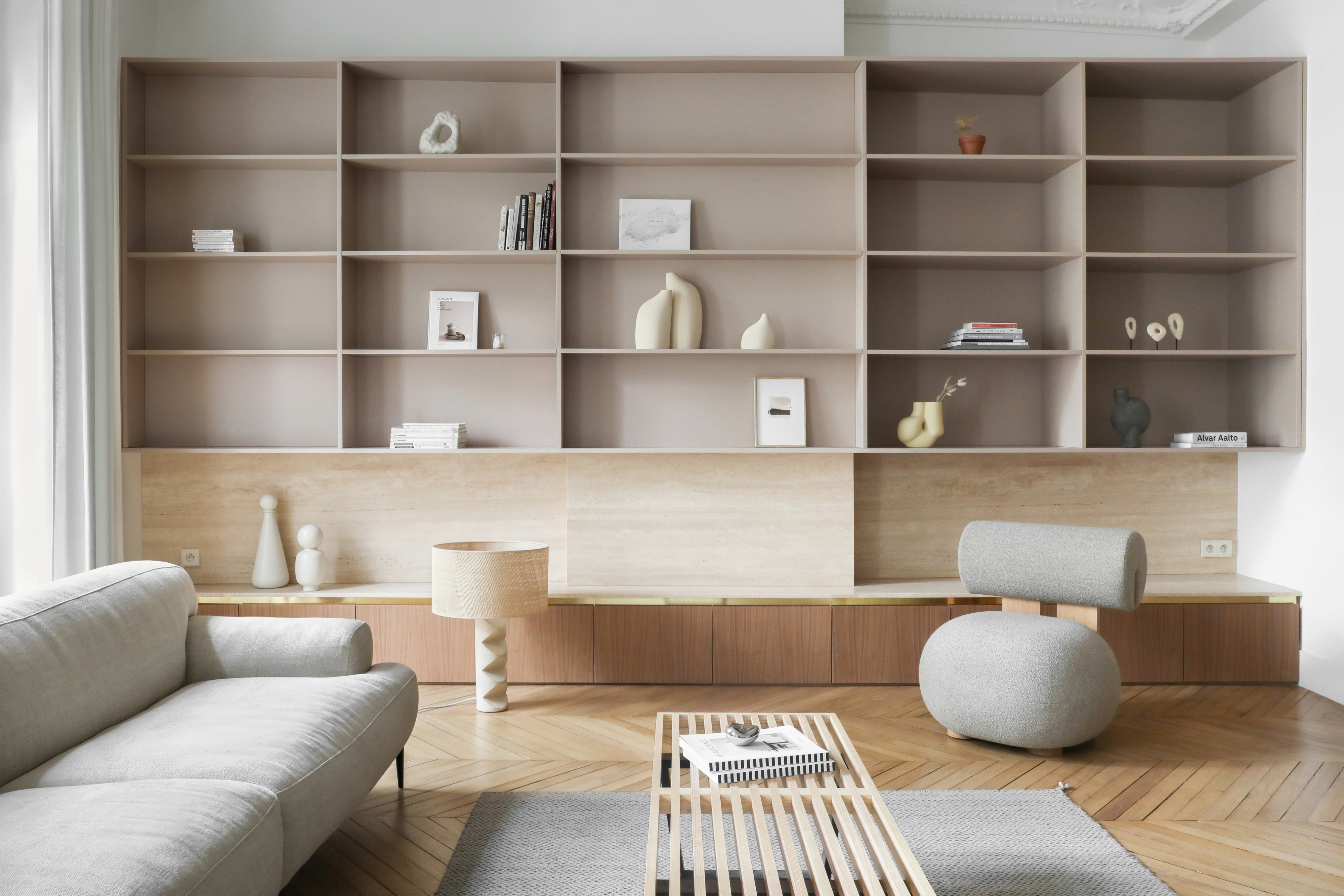
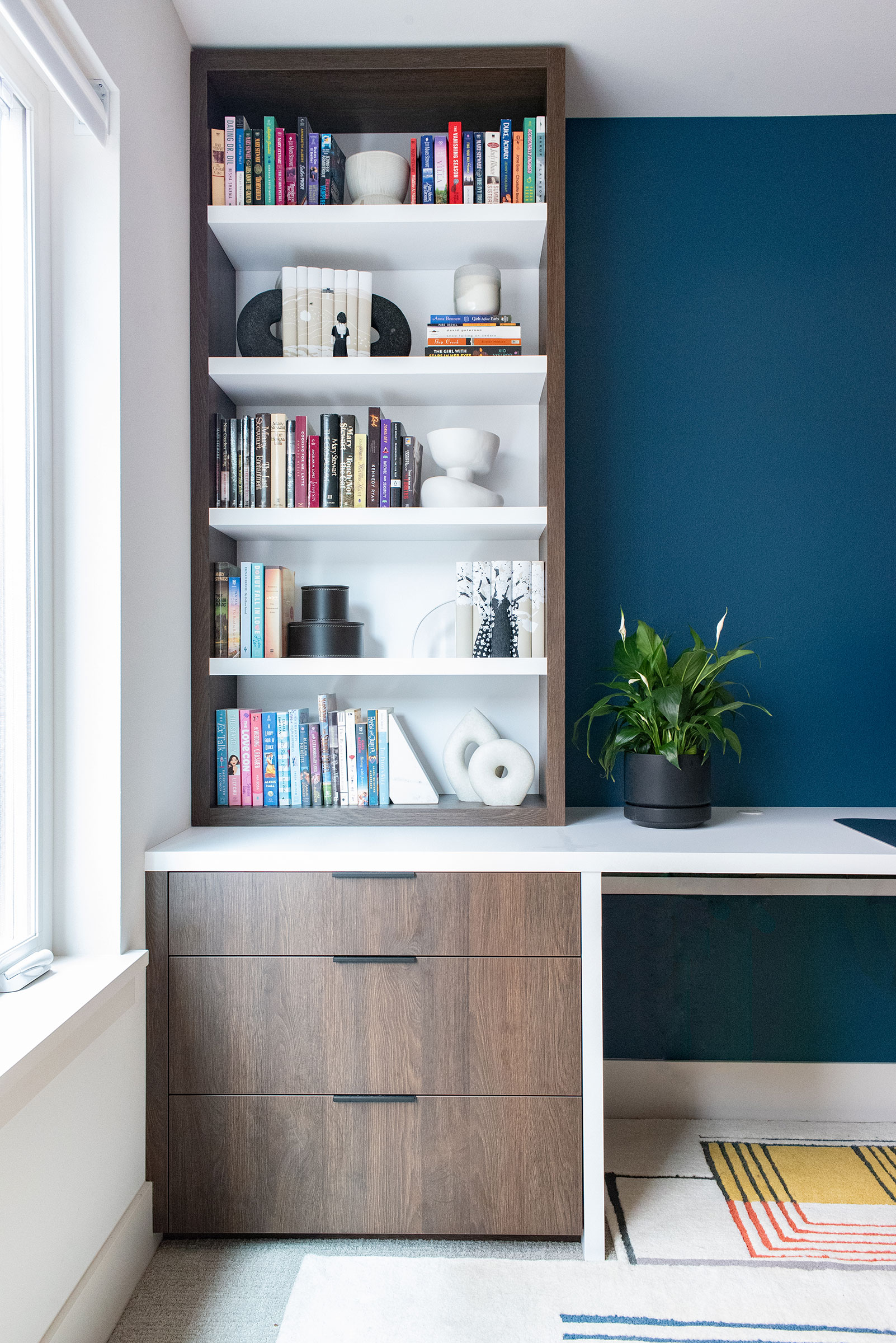
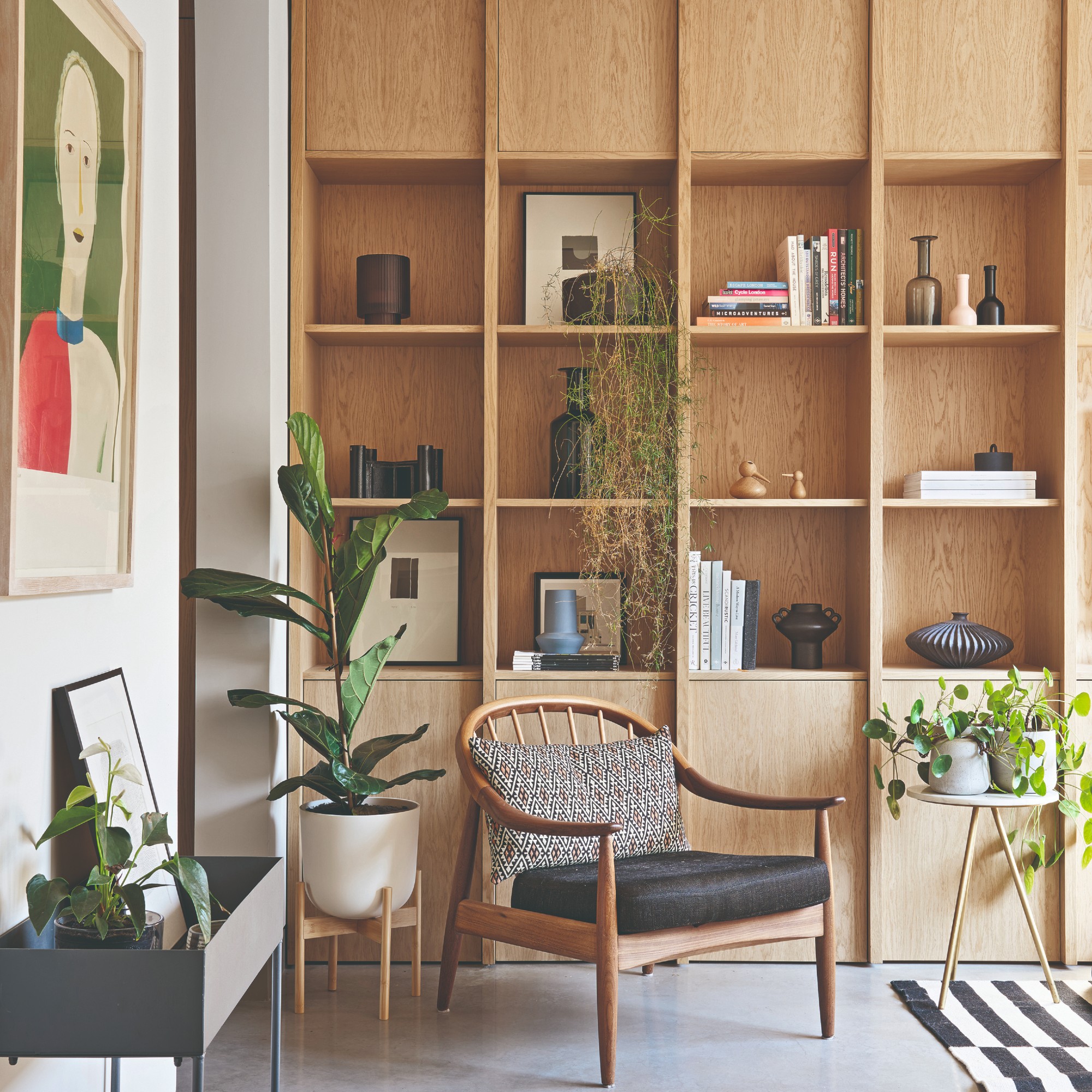
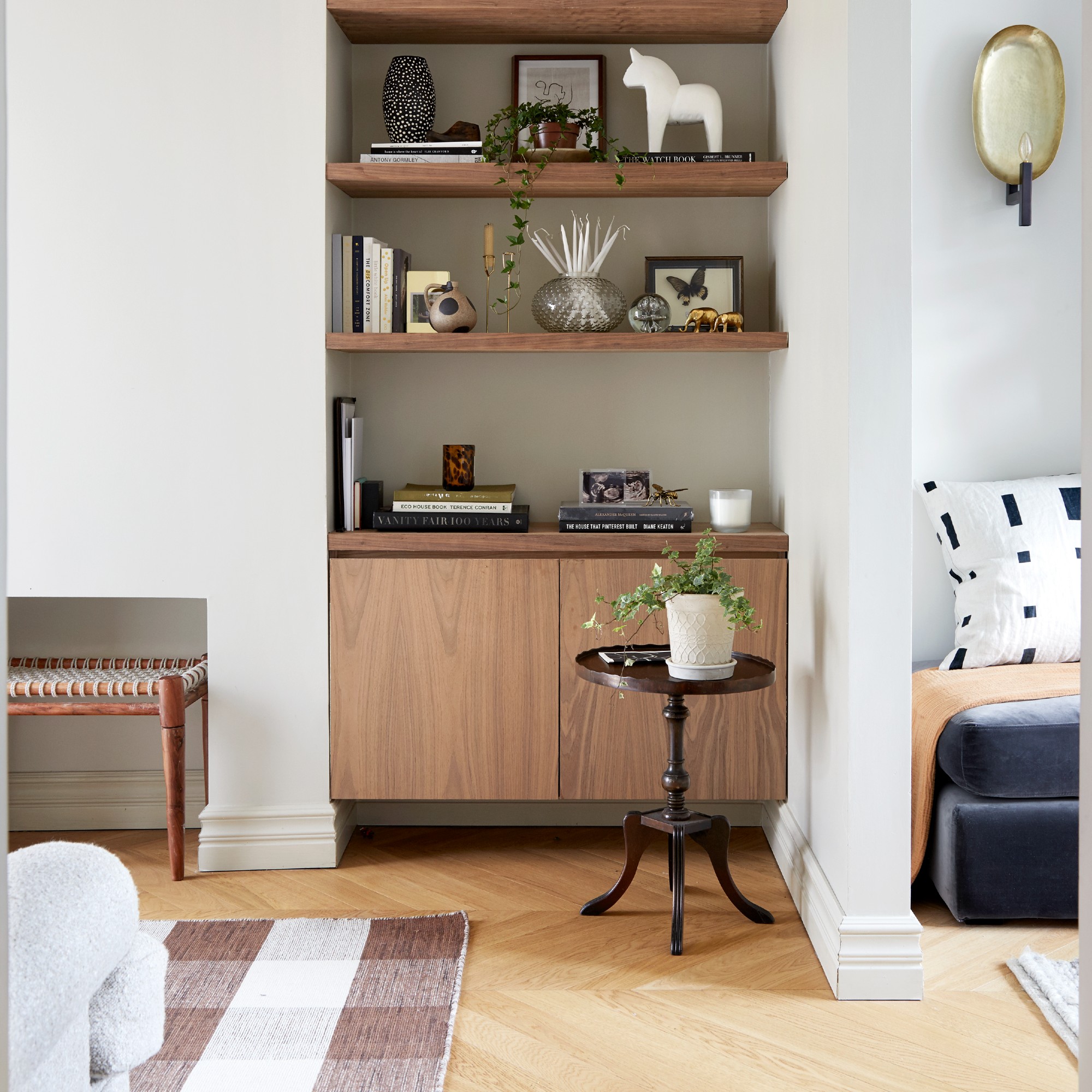
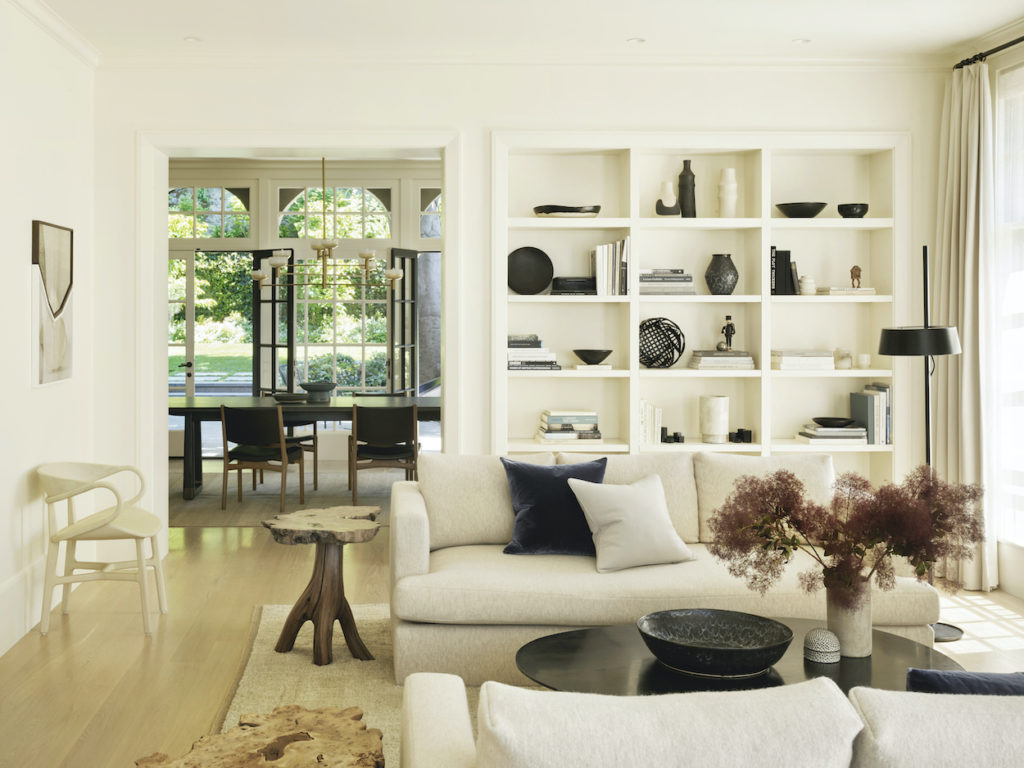
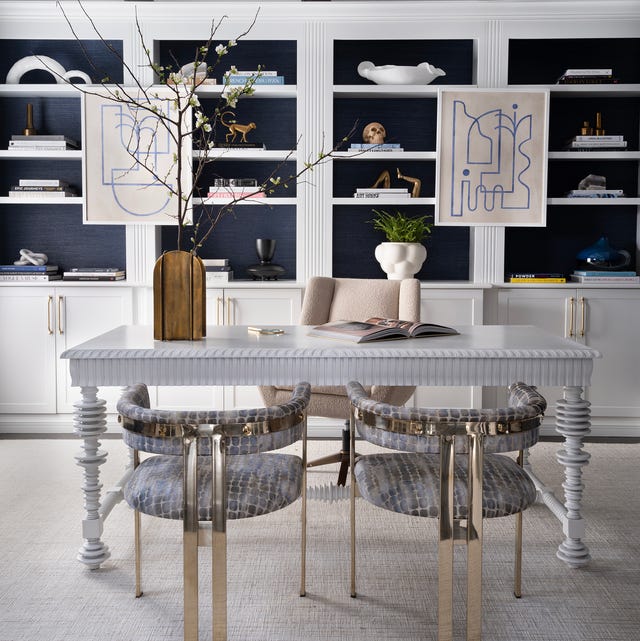
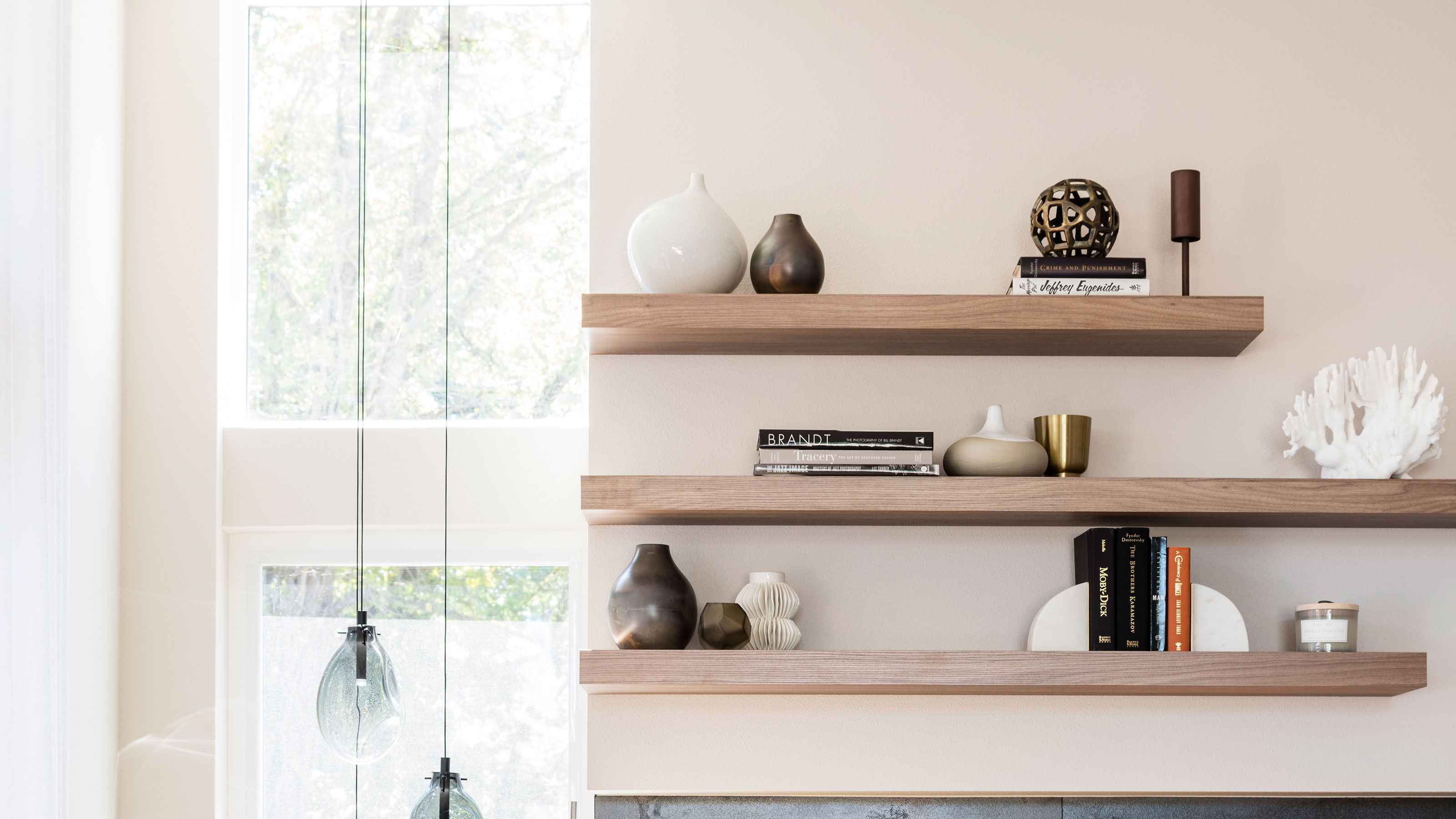
Regarding arrangement, Mizell suggests placing larger items on higher shelves and smaller, more intimate objects at eye level. This strategy creates an aesthetically pleasing visual flow, allowing the eye to comfortably take in broader elements at the top while reserving more detailed pieces for closer inspection. Practically, this also reduces the burden of cleaning numerous small, delicate items from high, hard-to-reach shelves, making maintenance more manageable.
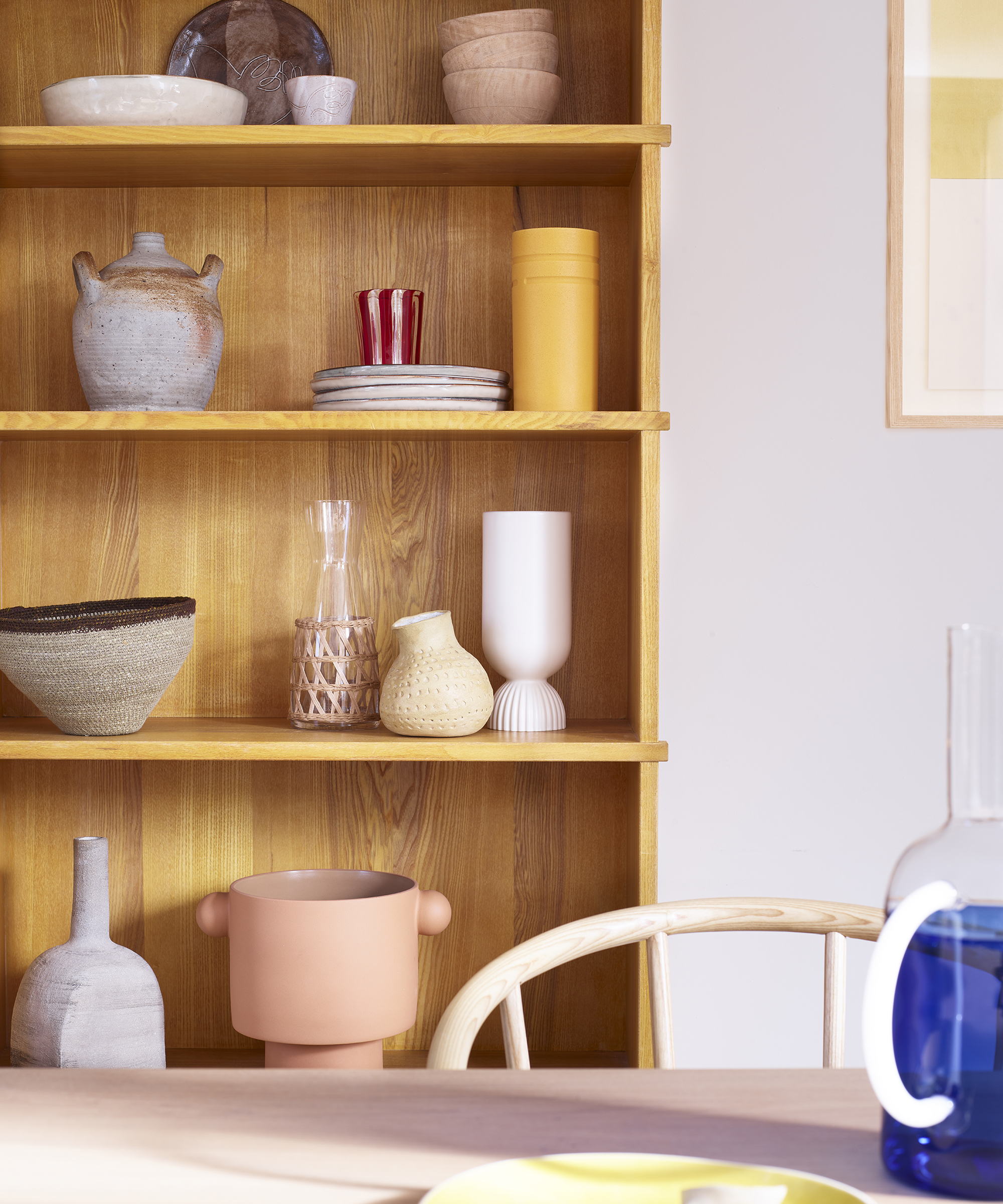
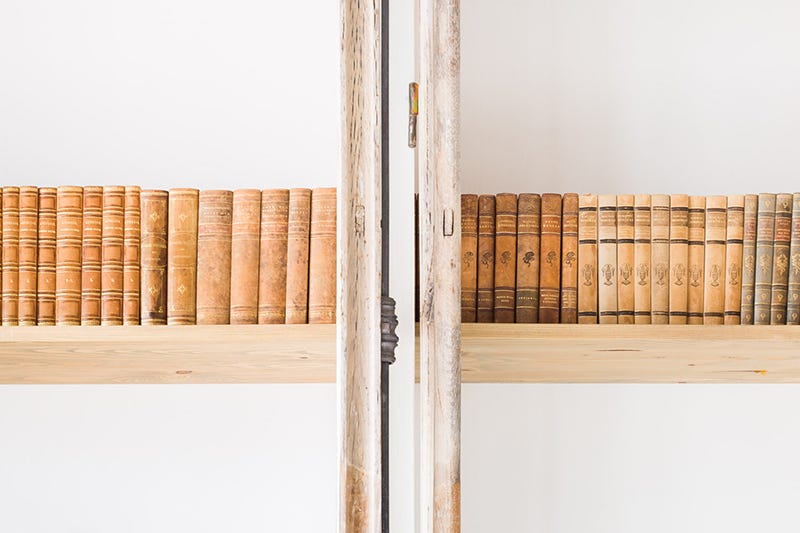
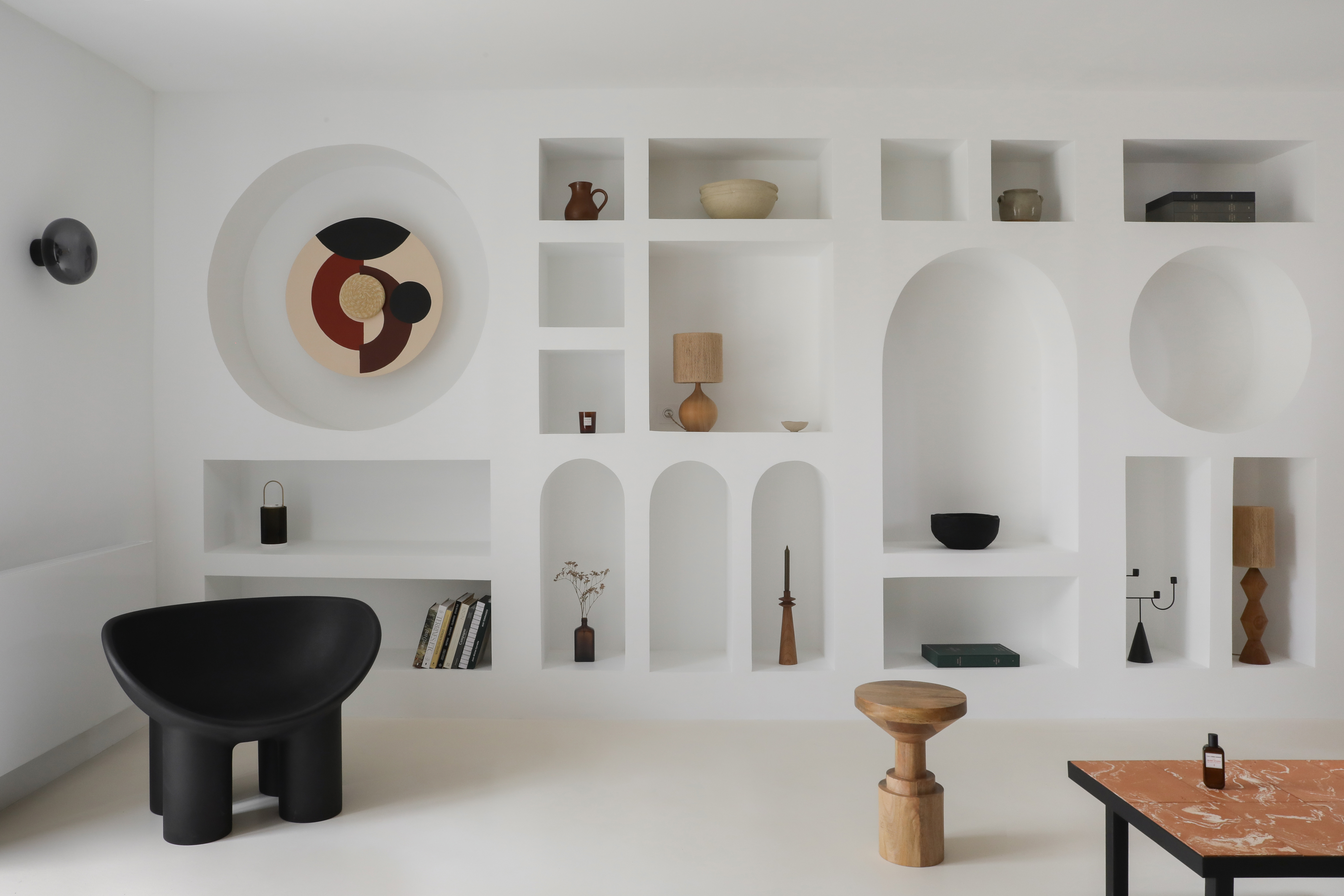
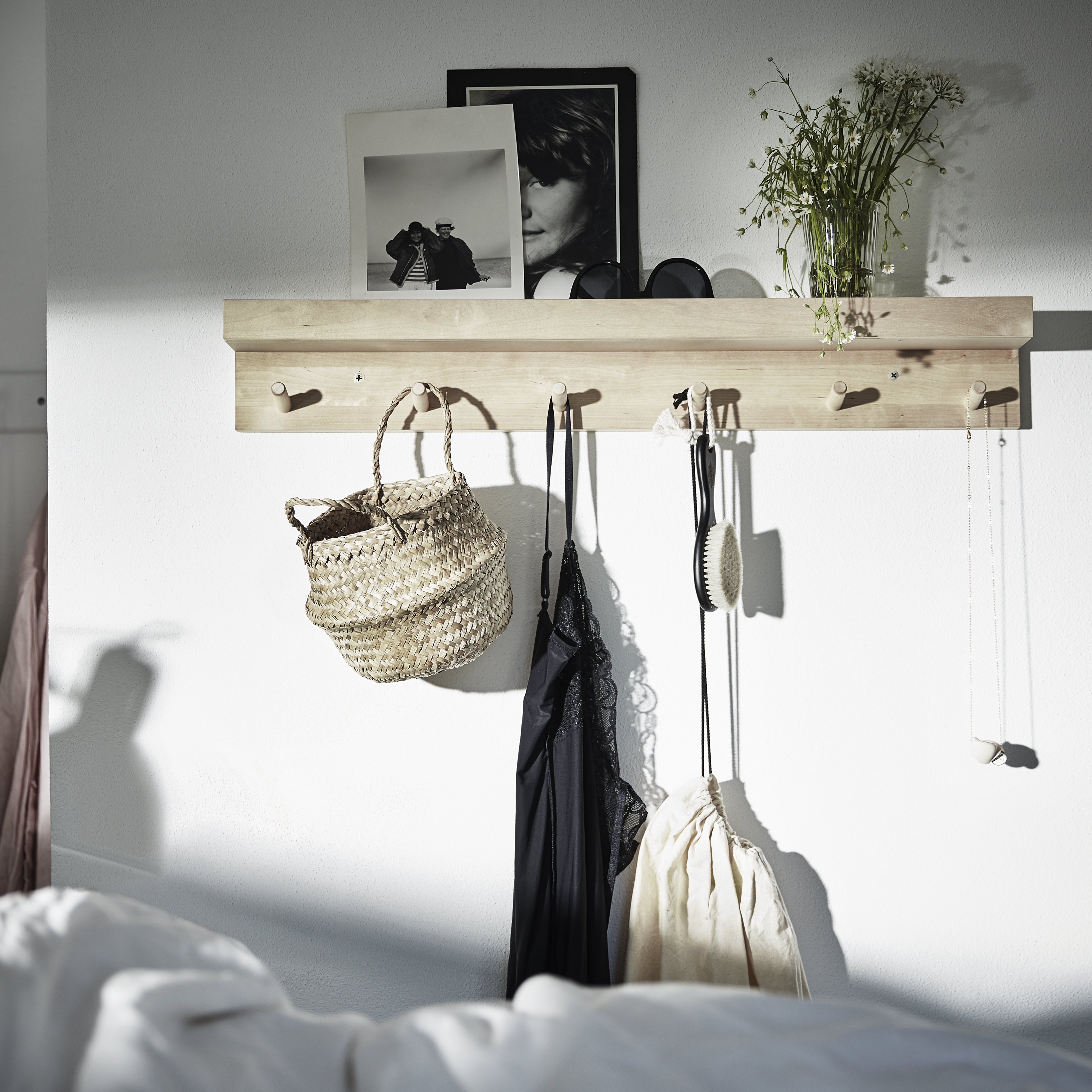
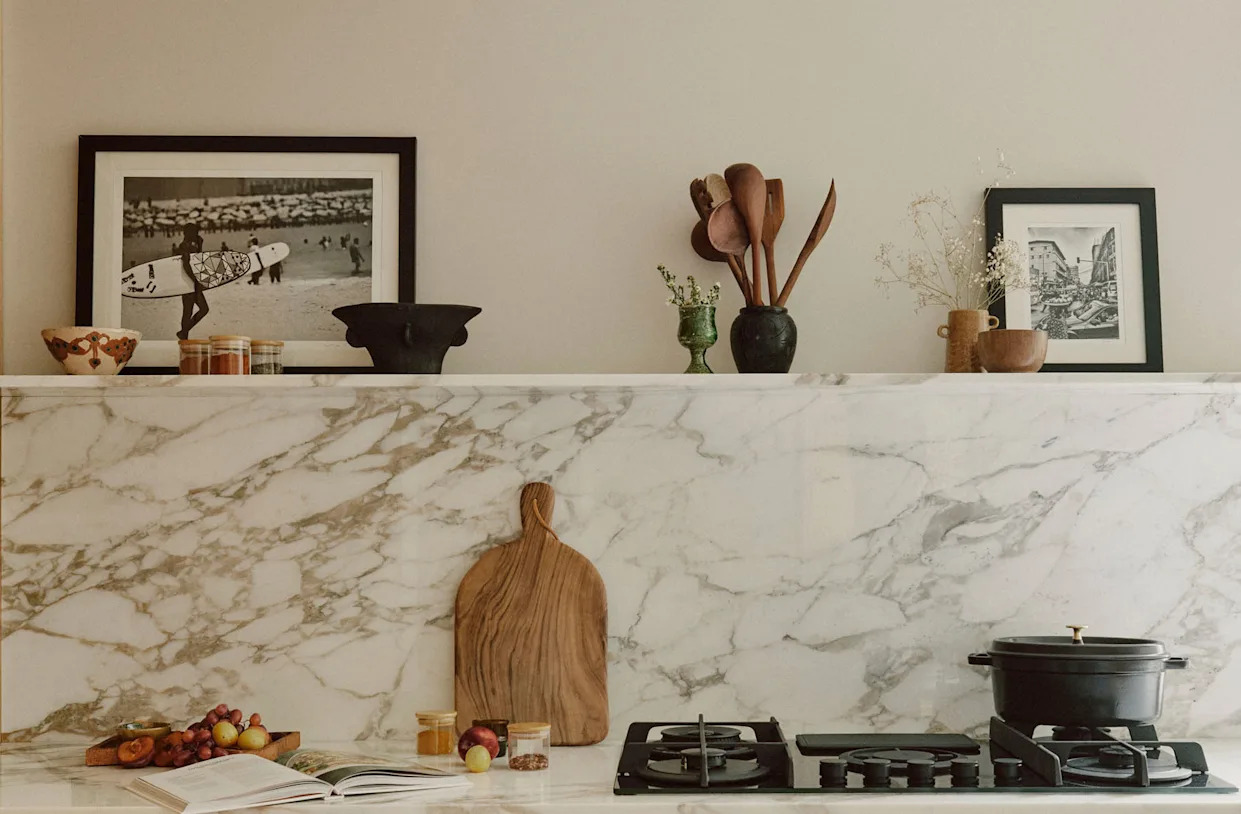
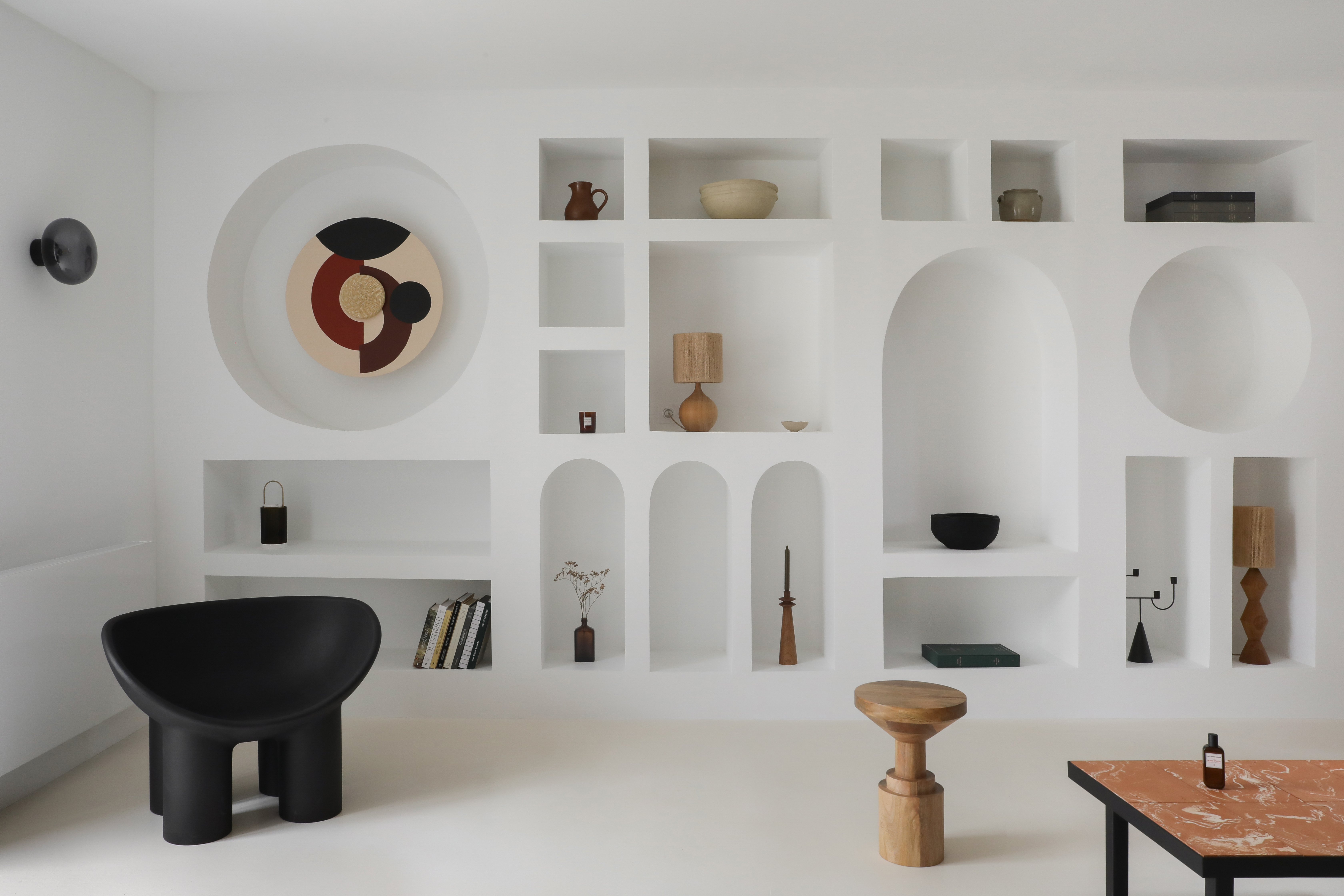
Another key principle is the strategic use of negative space. Mizell advocates for allowing individual items or objects to stand alone, creating breathing room and emphasizing their special nature. Overcrowding shelves can lead to a cluttered appearance, making it difficult to appreciate individual pieces. Embracing negative space helps to highlight specific items and contributes to an overall sense of calm and order.
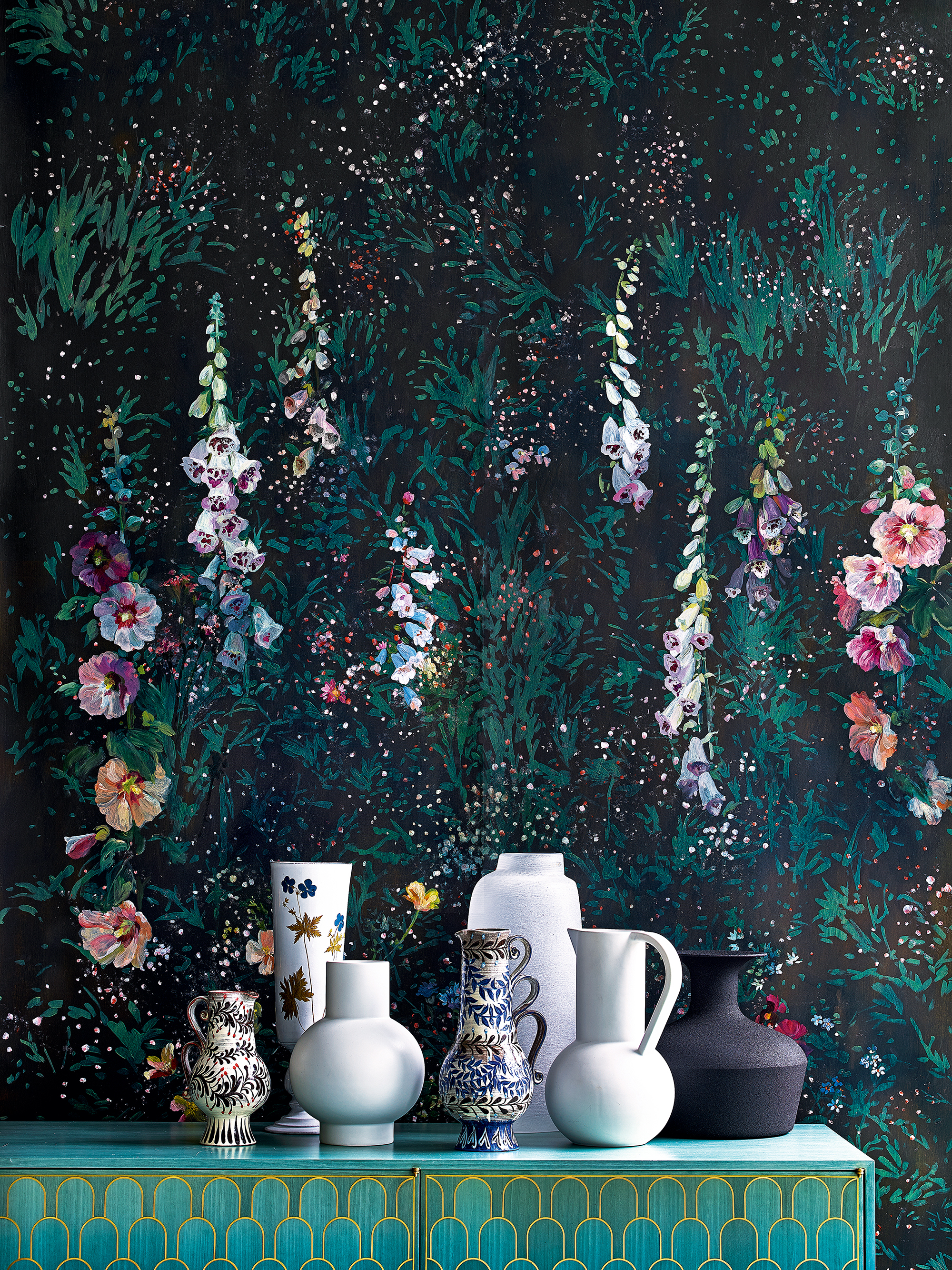
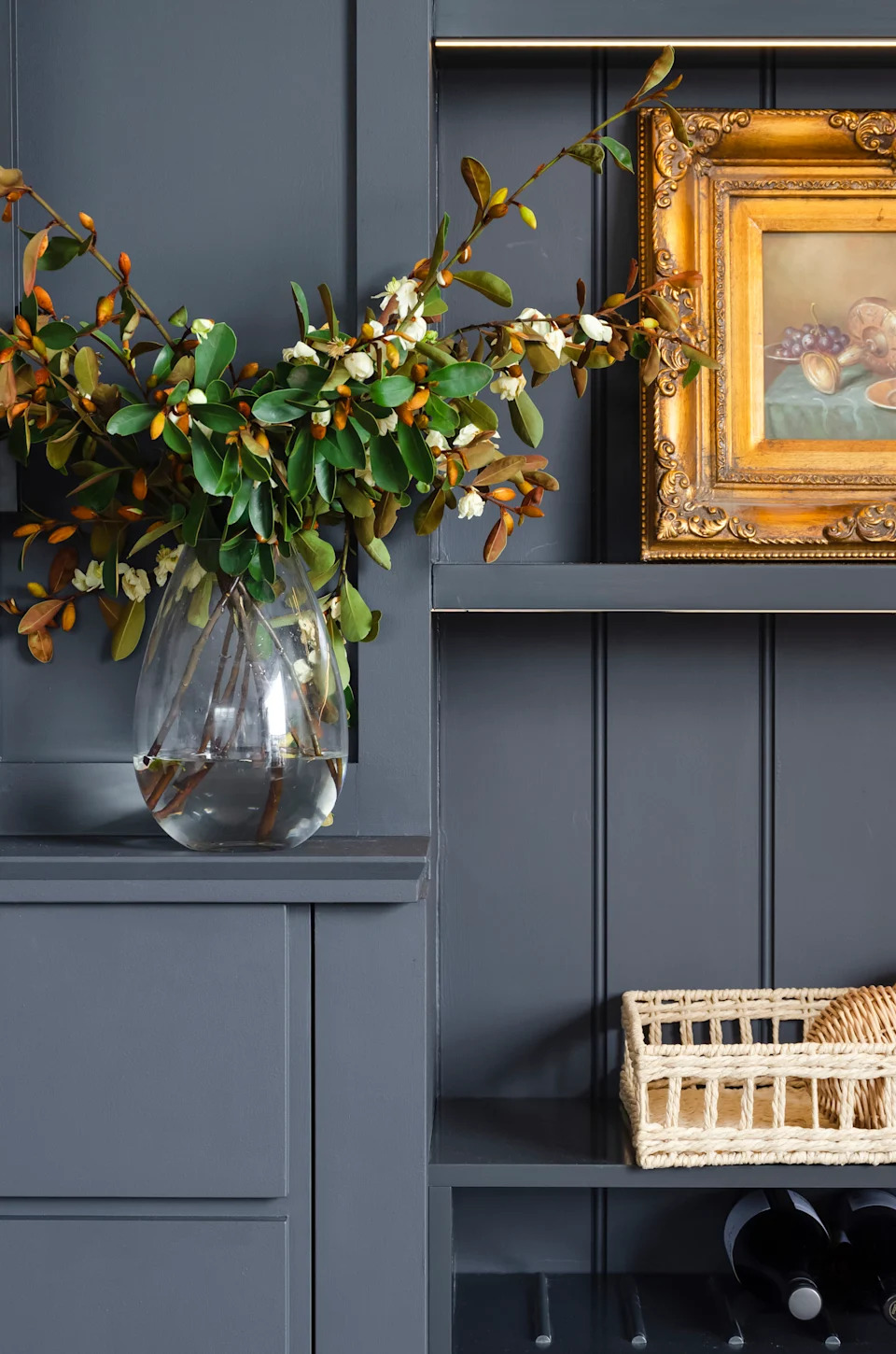
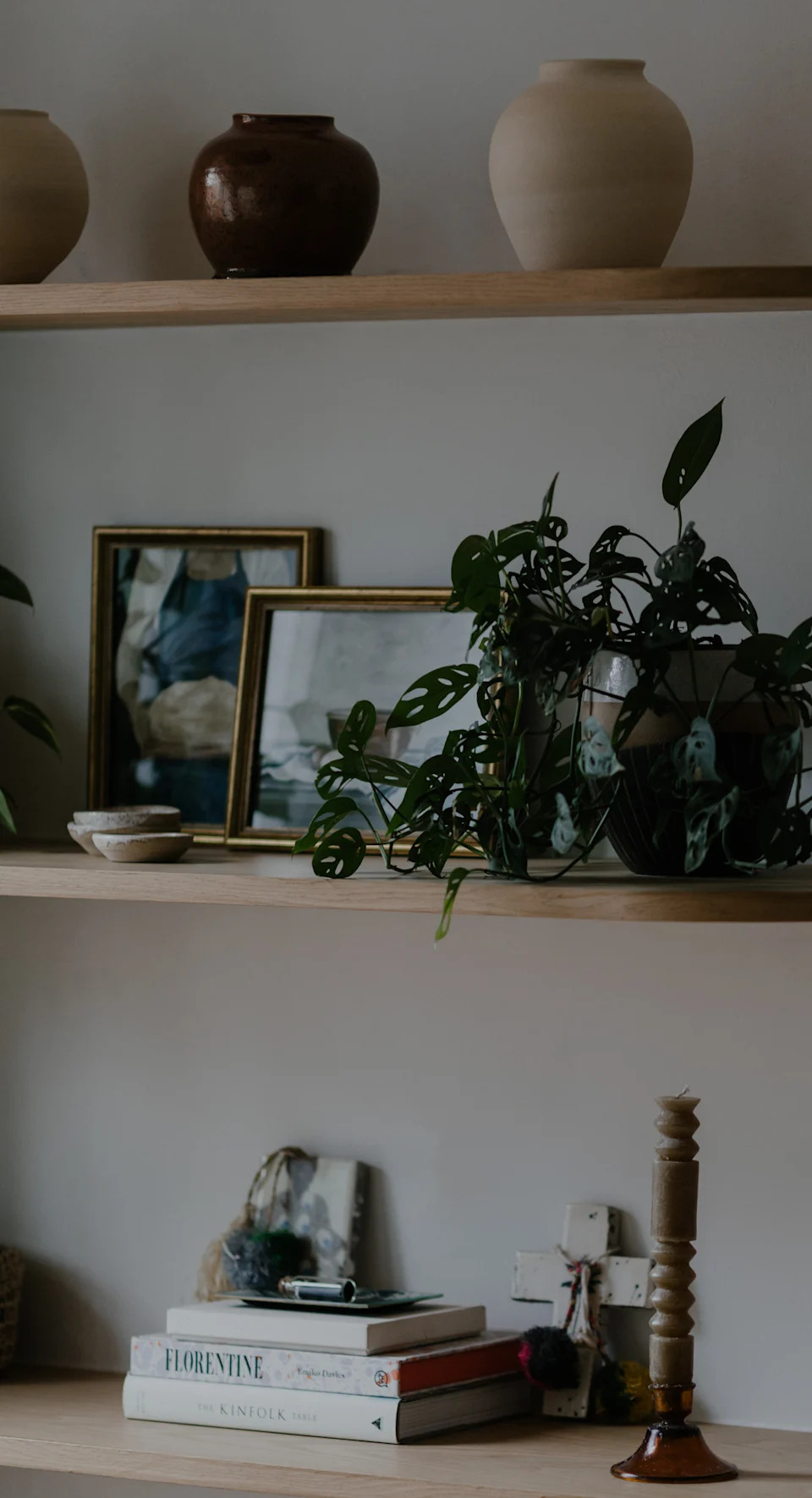
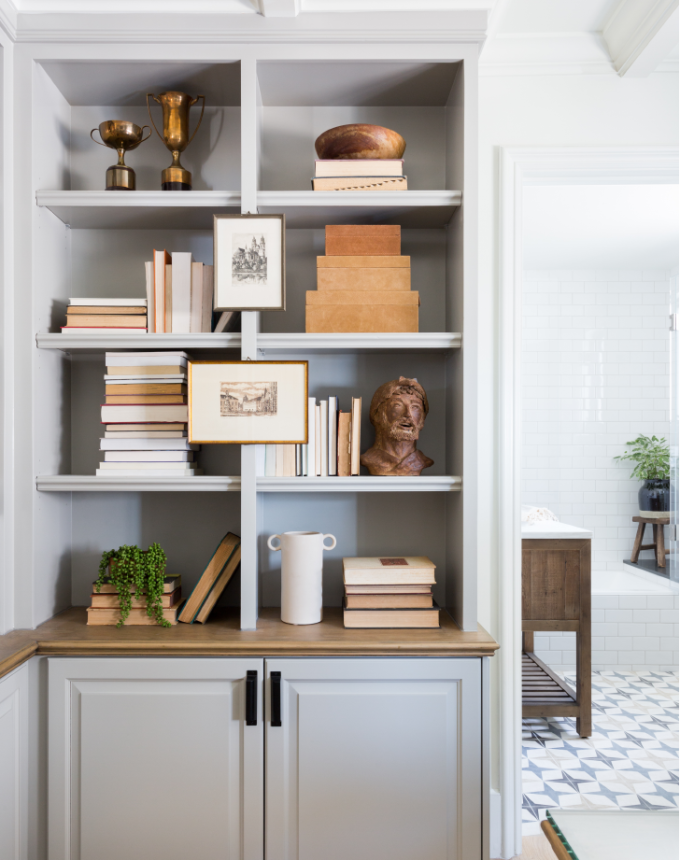
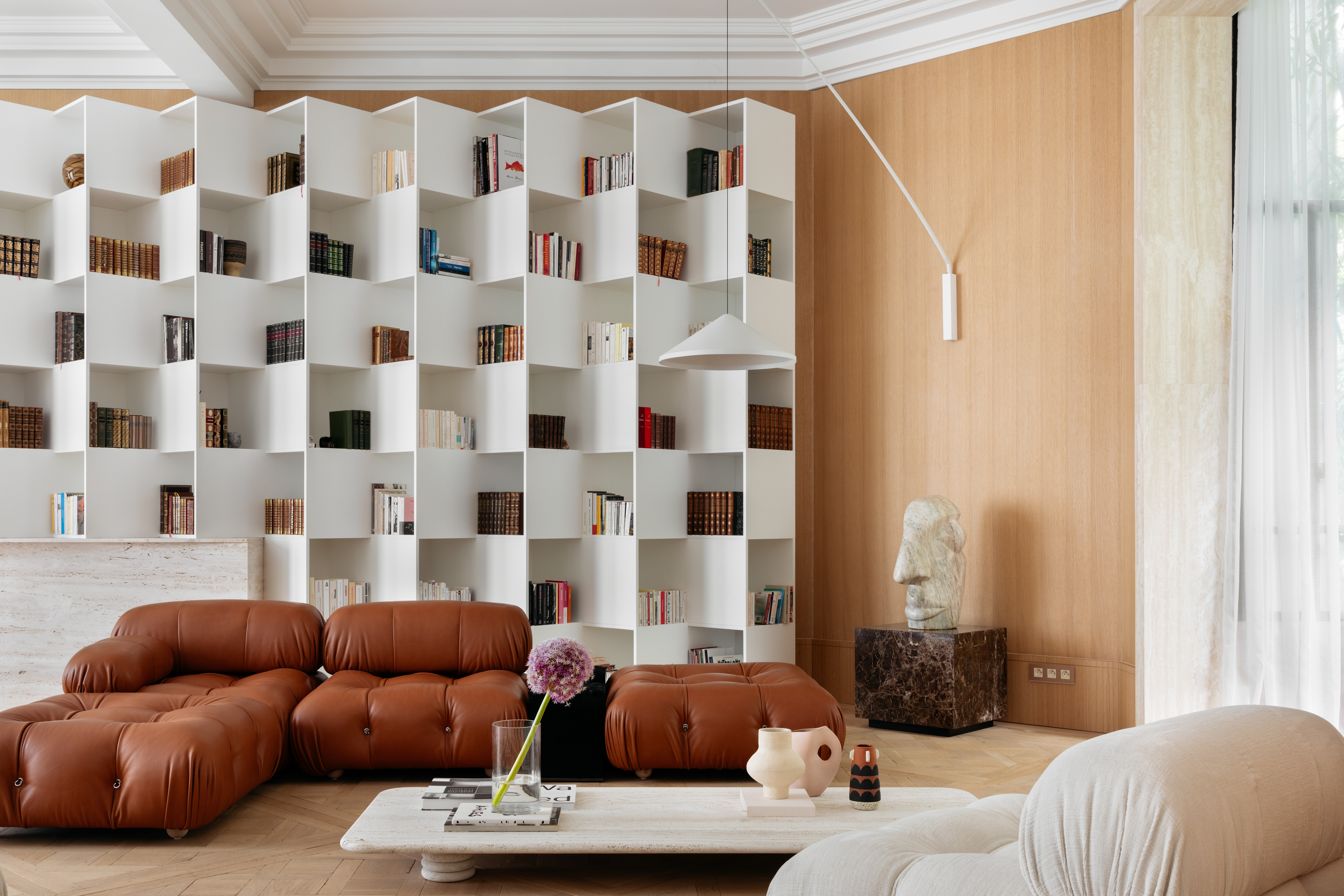
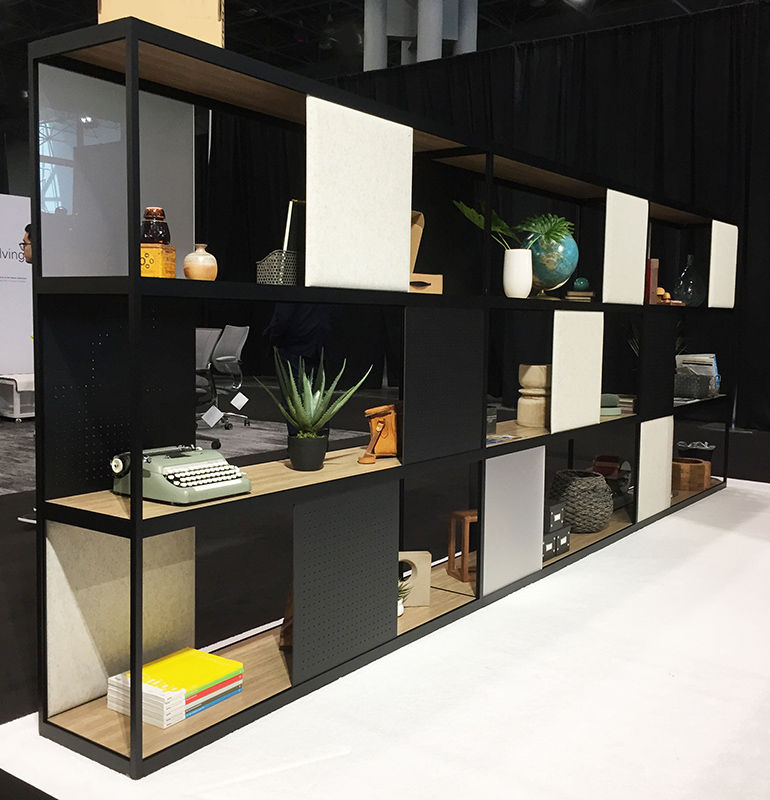
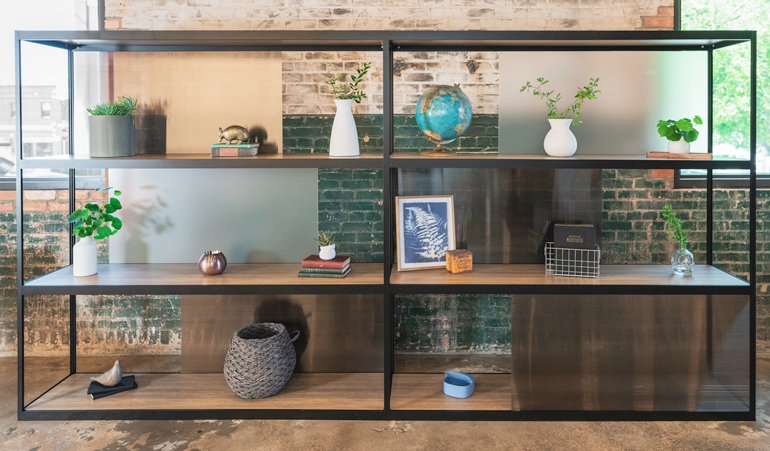
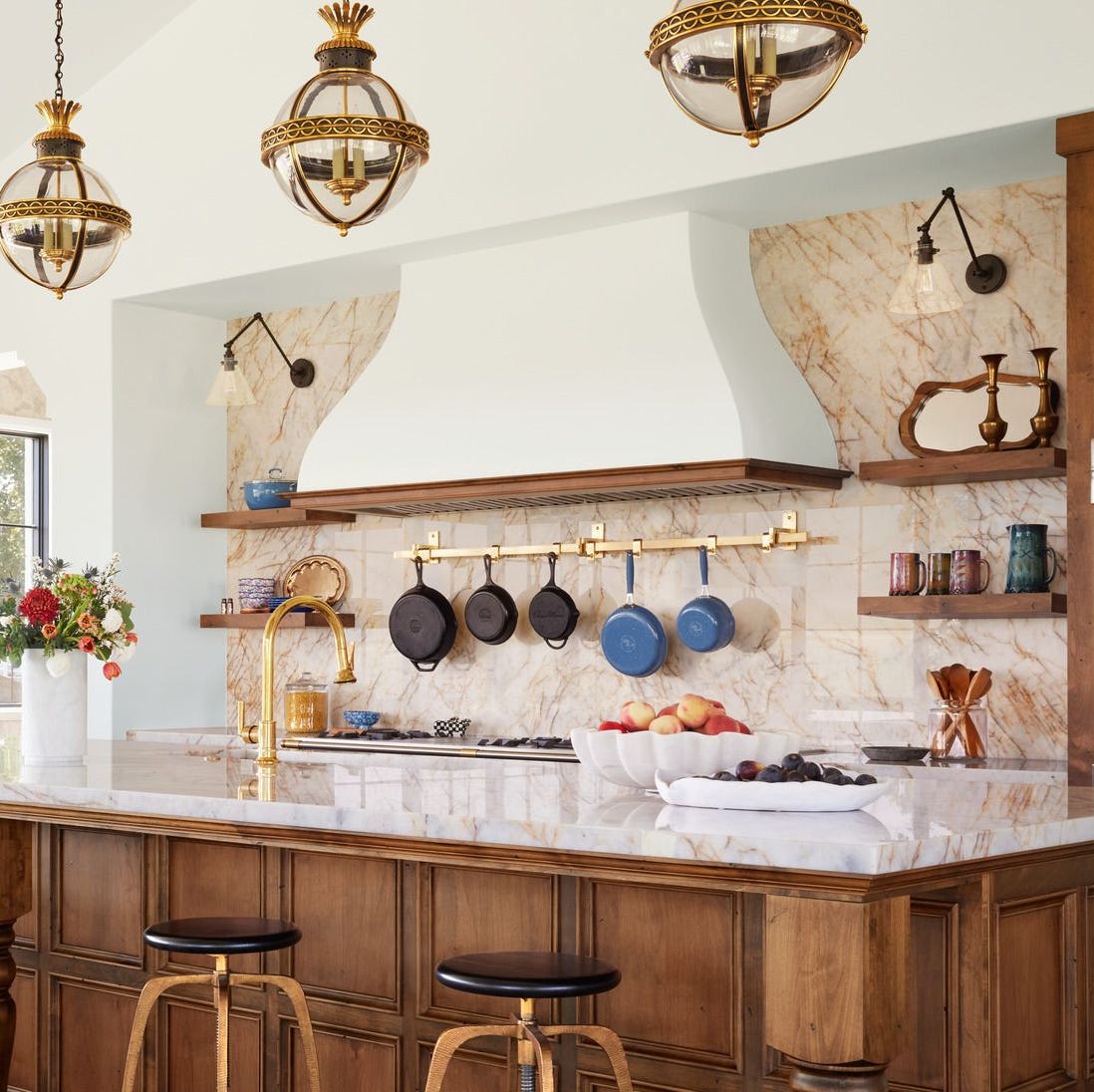
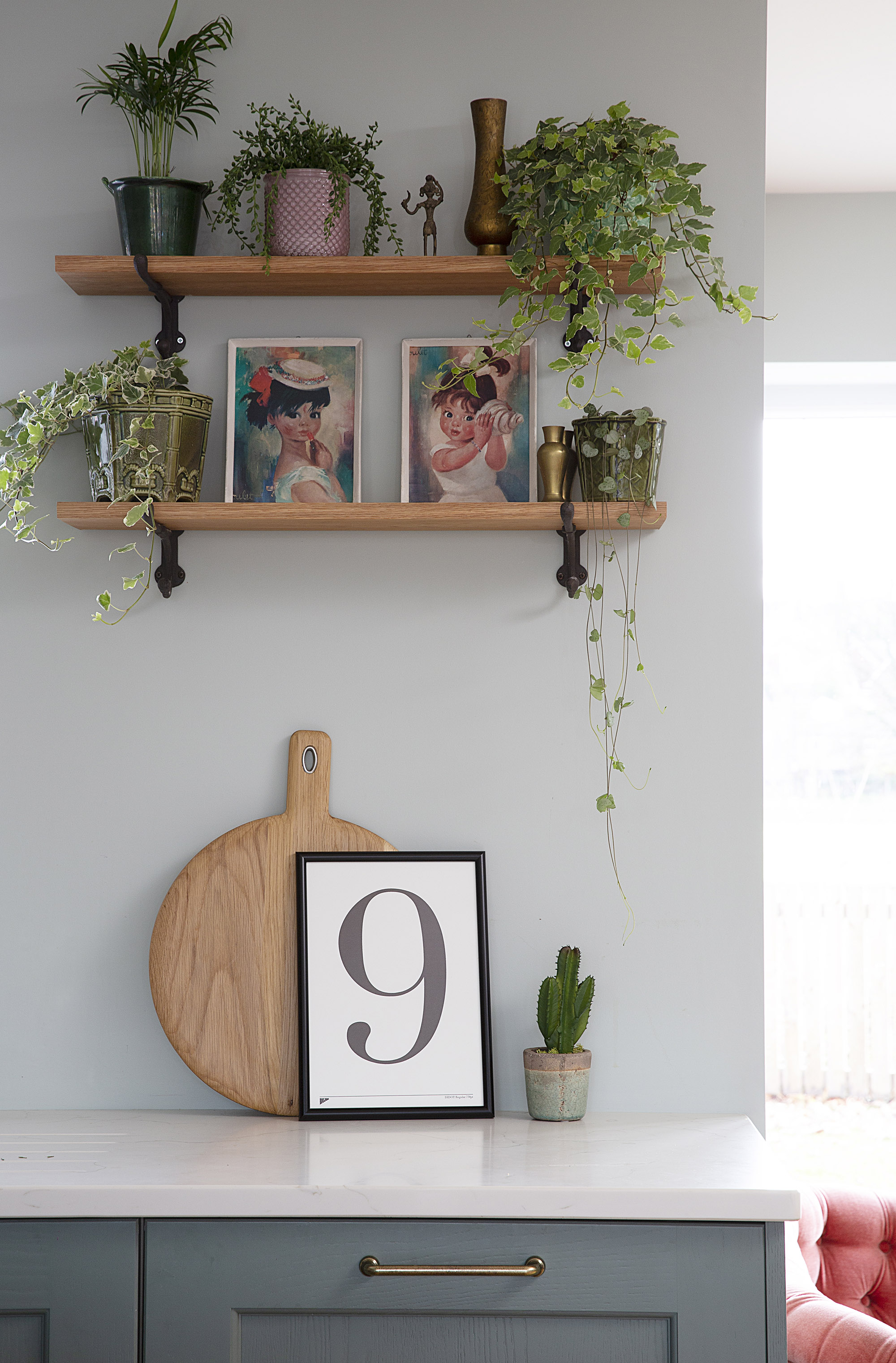
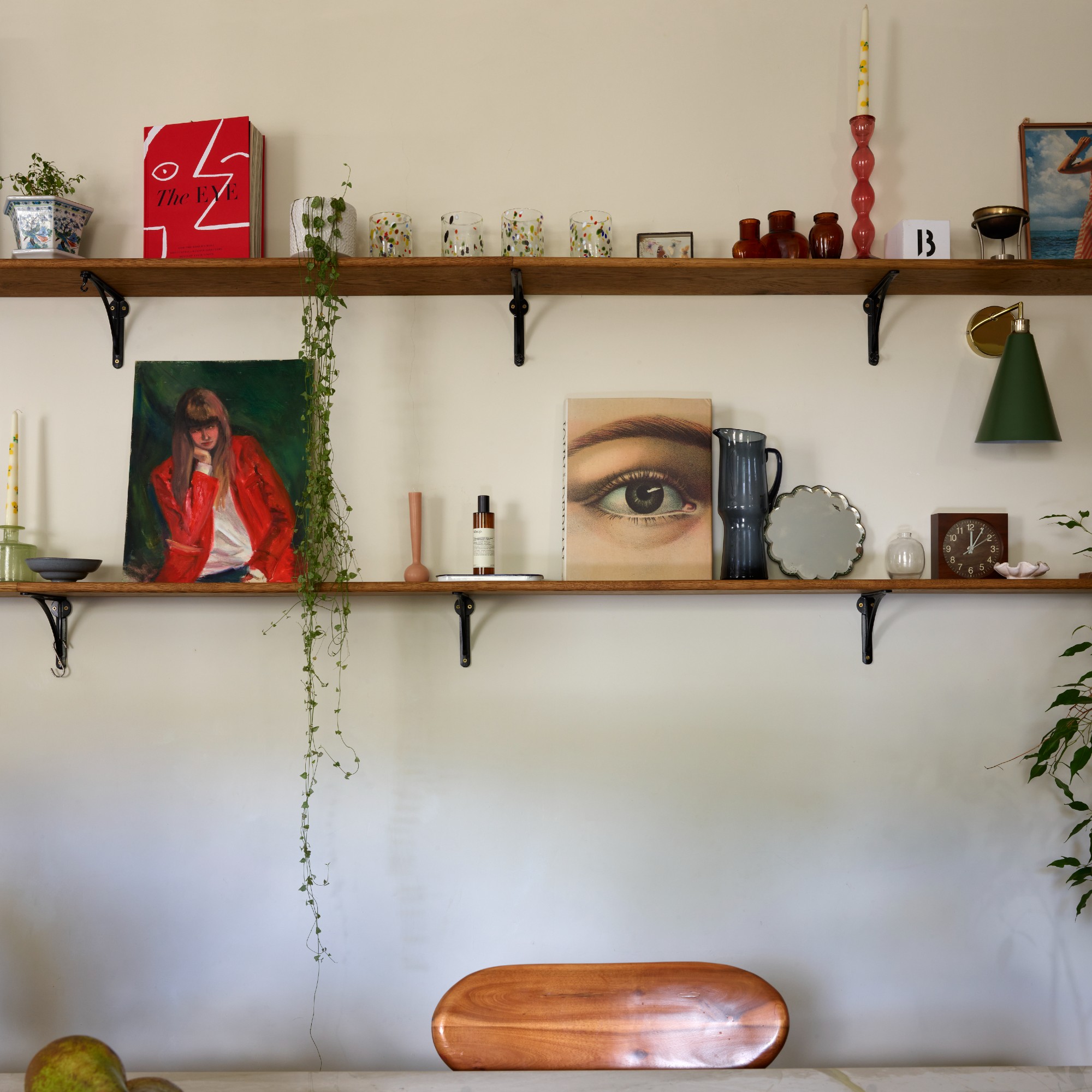
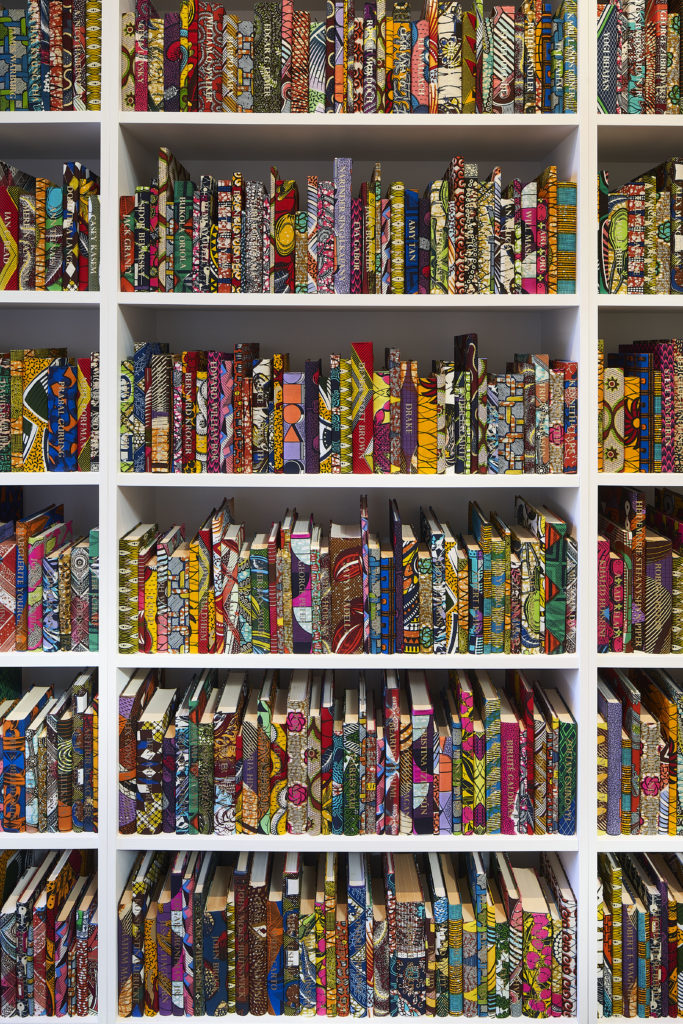
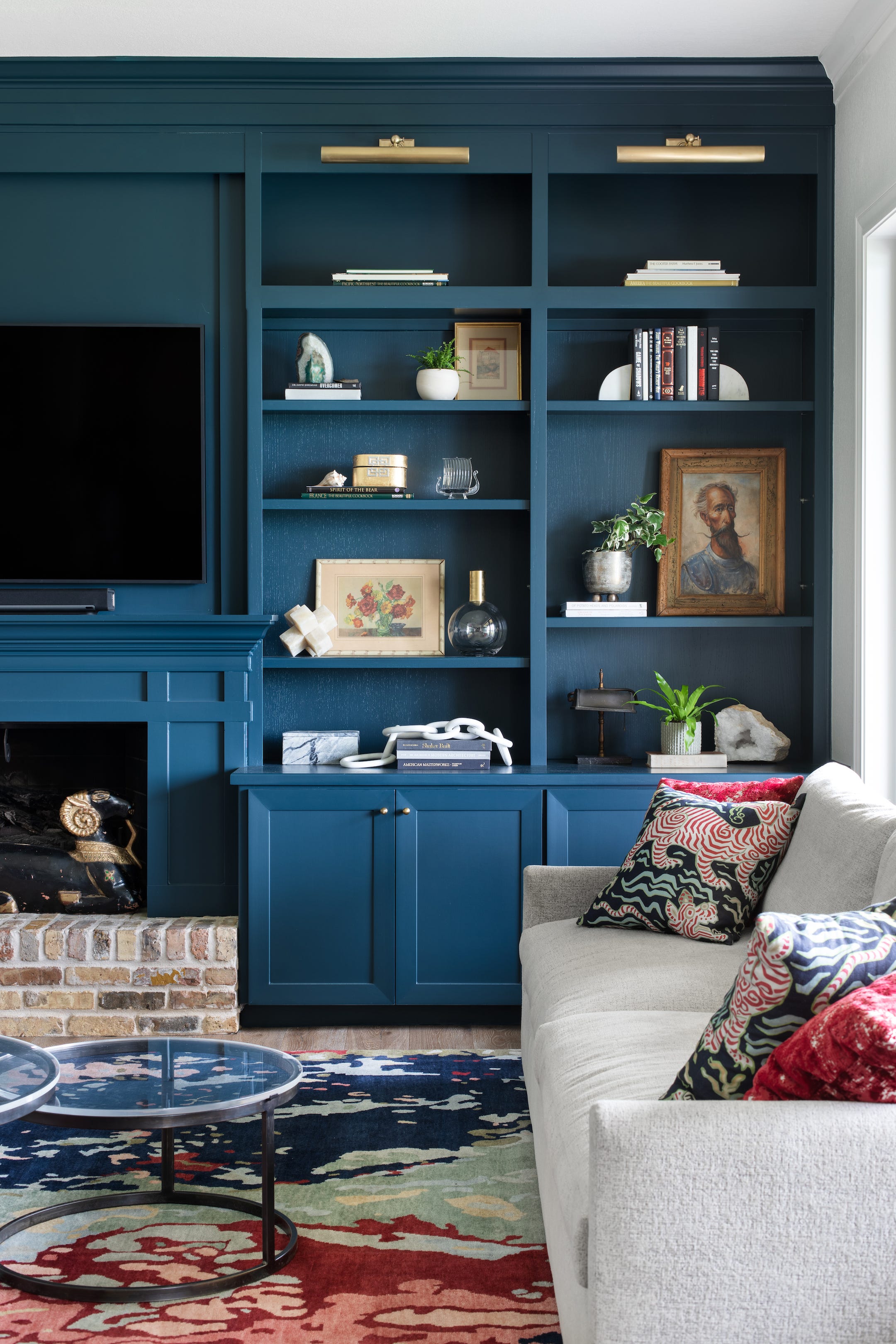
The article also encourages mixing and matching various elements to create dynamic vignettes. Instead of grouping similar items, Mizell recommends combining old and new pieces, different colors, textures, and styles. This approach fosters visual interest and prevents the display from appearing monotonous. Experimenting with contrasting elements in terms of size and scale further enhances the curated look.
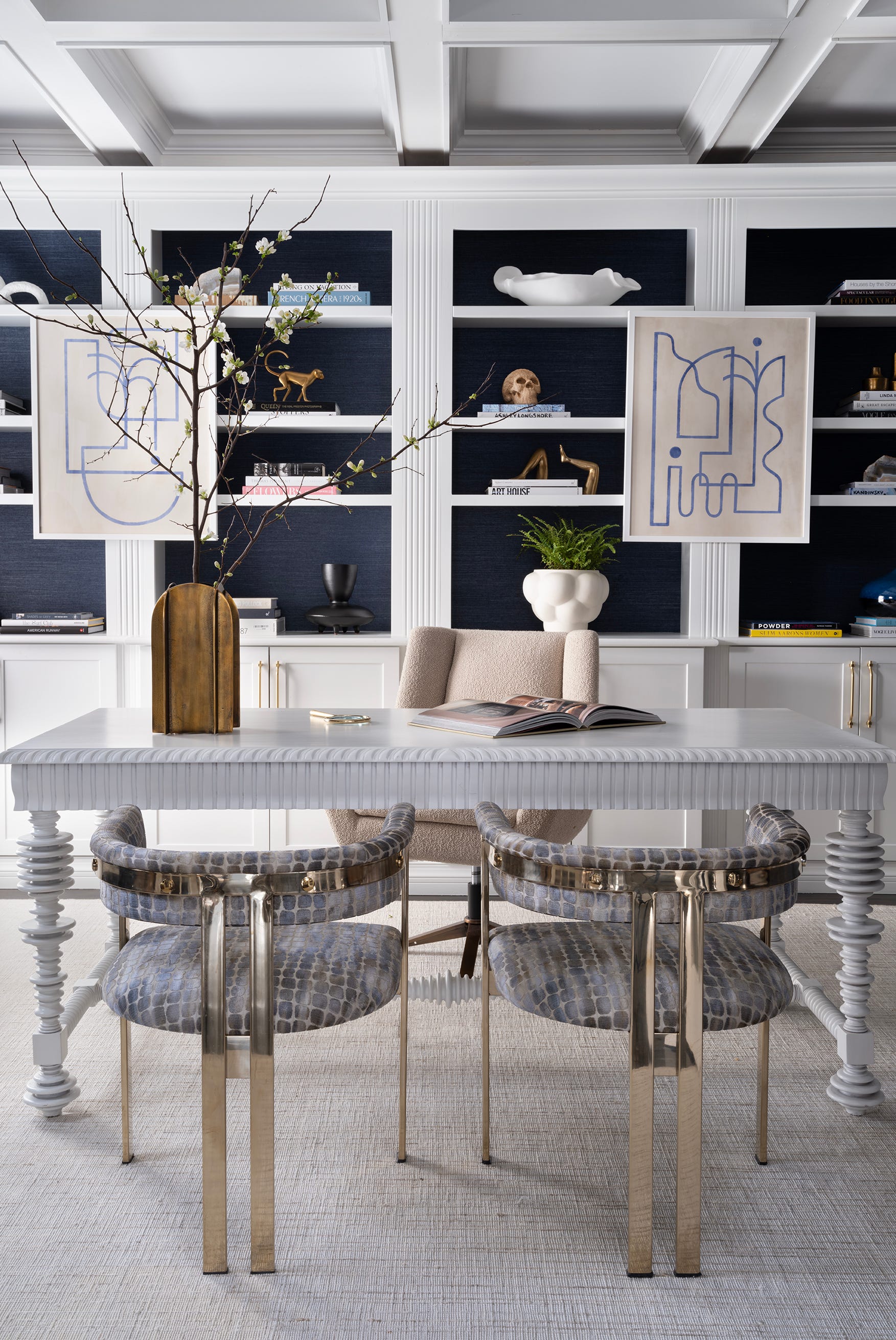
When filling remaining spaces, the advice is to choose timeless and simple filler items. While it's acceptable to acquire a few additional pieces to complete the display, it's essential to avoid overly trendy accessories. Such items can quickly become dated, necessitating frequent redecoration. Opting for classic, understated pieces ensures they blend seamlessly with existing authentic items and maintain their appeal over time.
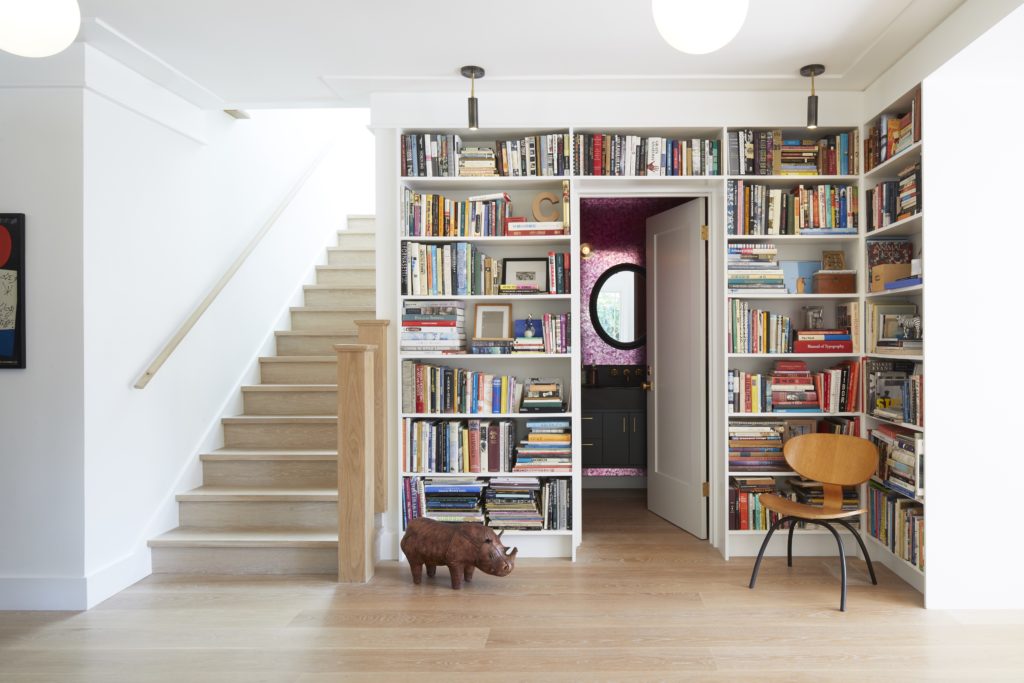
Finally, the guide emphasizes the importance of editing. After arranging the shelves, stepping back to assess the overall composition is vital. If the display appears chaotic or if individual objects are lost within a jumble of items, it indicates a need to remove some pieces. The goal is a balanced and curated look where each item can be appreciated, reinforcing the value of negative space and thoughtful selection. These tips collectively help transform open shelves into attractive and functional elements within a home.``
#OpenShelves #HomeDecor #InteriorDesign #StylingTips #AshliMizell #AuthenticityInDesign #NegativeSpace #HomeOrganization #OpenShelves #HomeDecor #InteriorDesign #StylingTips #AshliMizell #AuthenticityInDesign #NegativeSpace #HomeOrganization
0 comment in total
 No comments yet
You may also like
Decorating shelves – 13 ideas for beautiful arrangements

How to Rock Open Shelving in 2021 (Plus, 2 things to Avoid), According to Designers
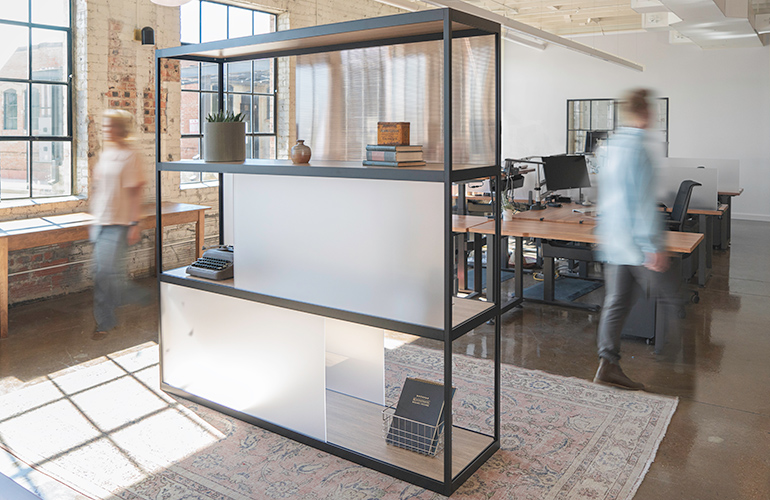
A New Solution for Open Office Shelving

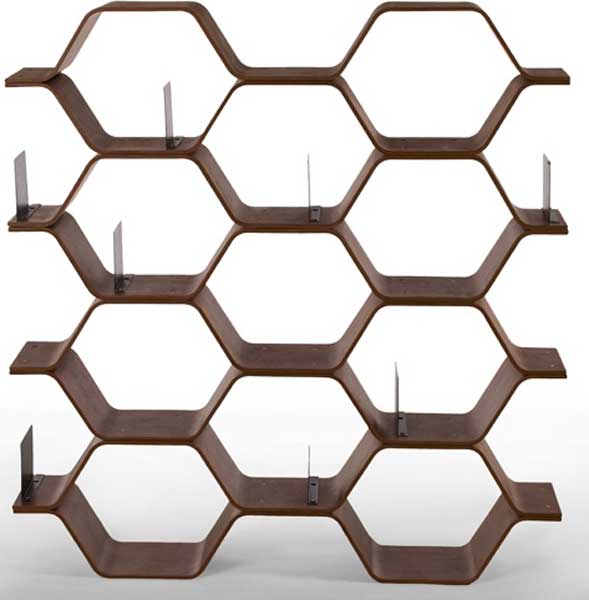
The Insider: How to make your shelving sexy
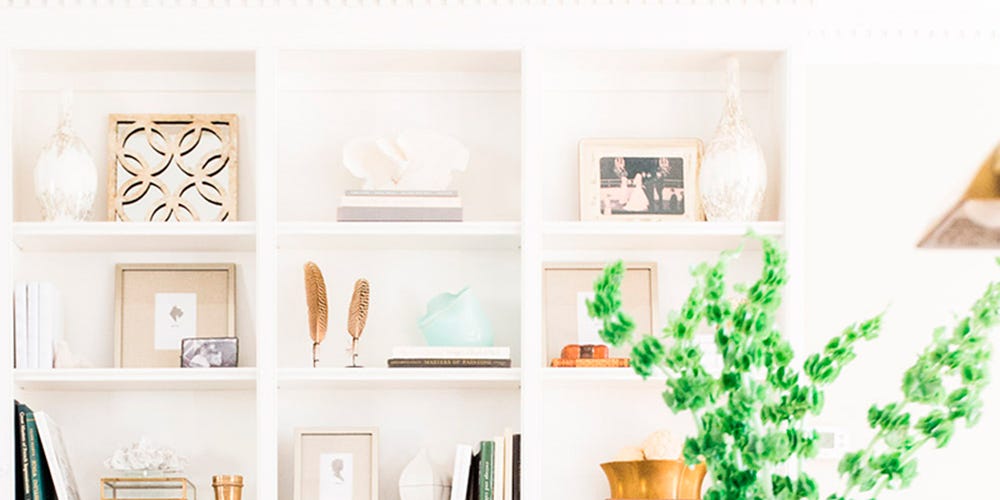
How to style your shelves

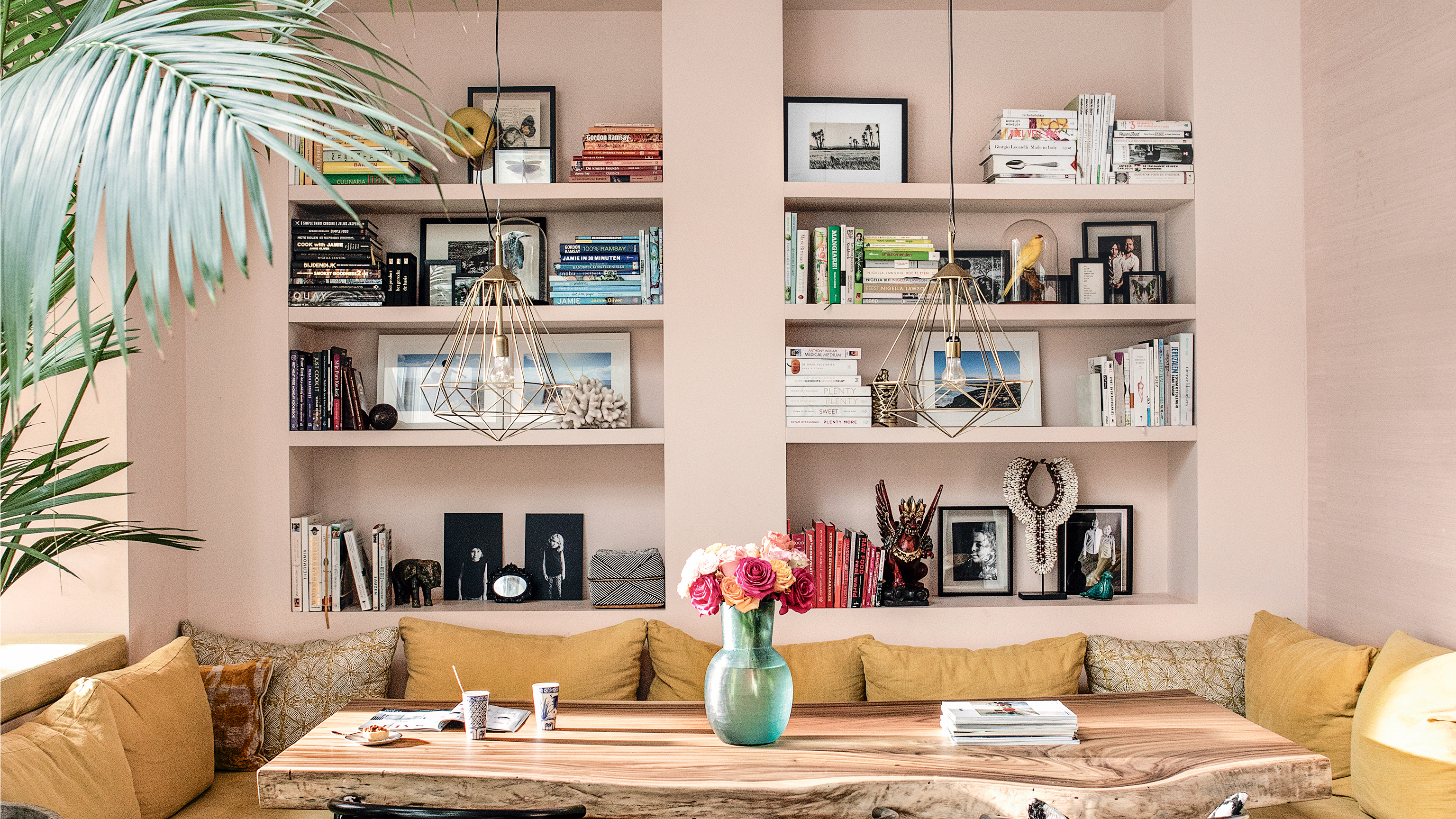
Shelving ideas – how to add personality, style and storage to any room

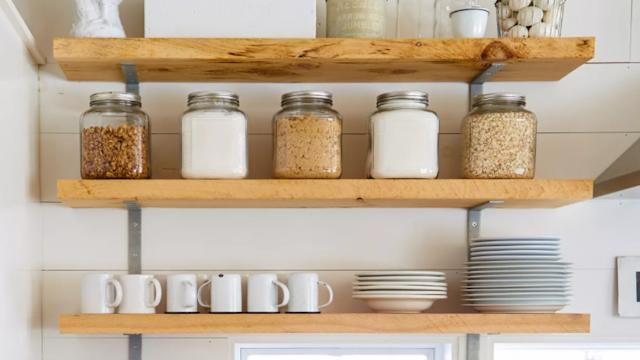
How to Optimize Storage on Open Kitchen Shelves
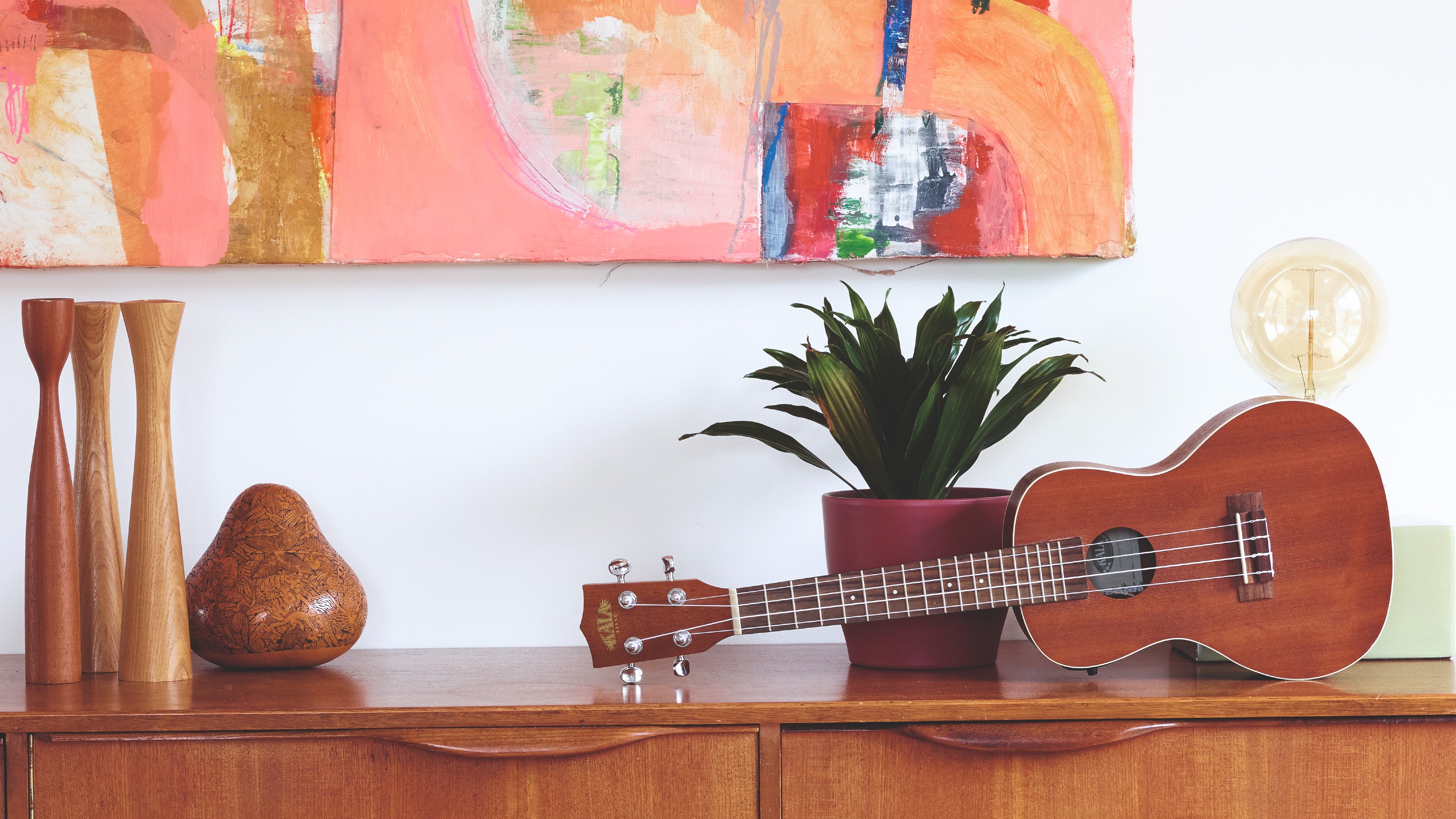
The 3-5-7 styling rule is how to make your shelves look good
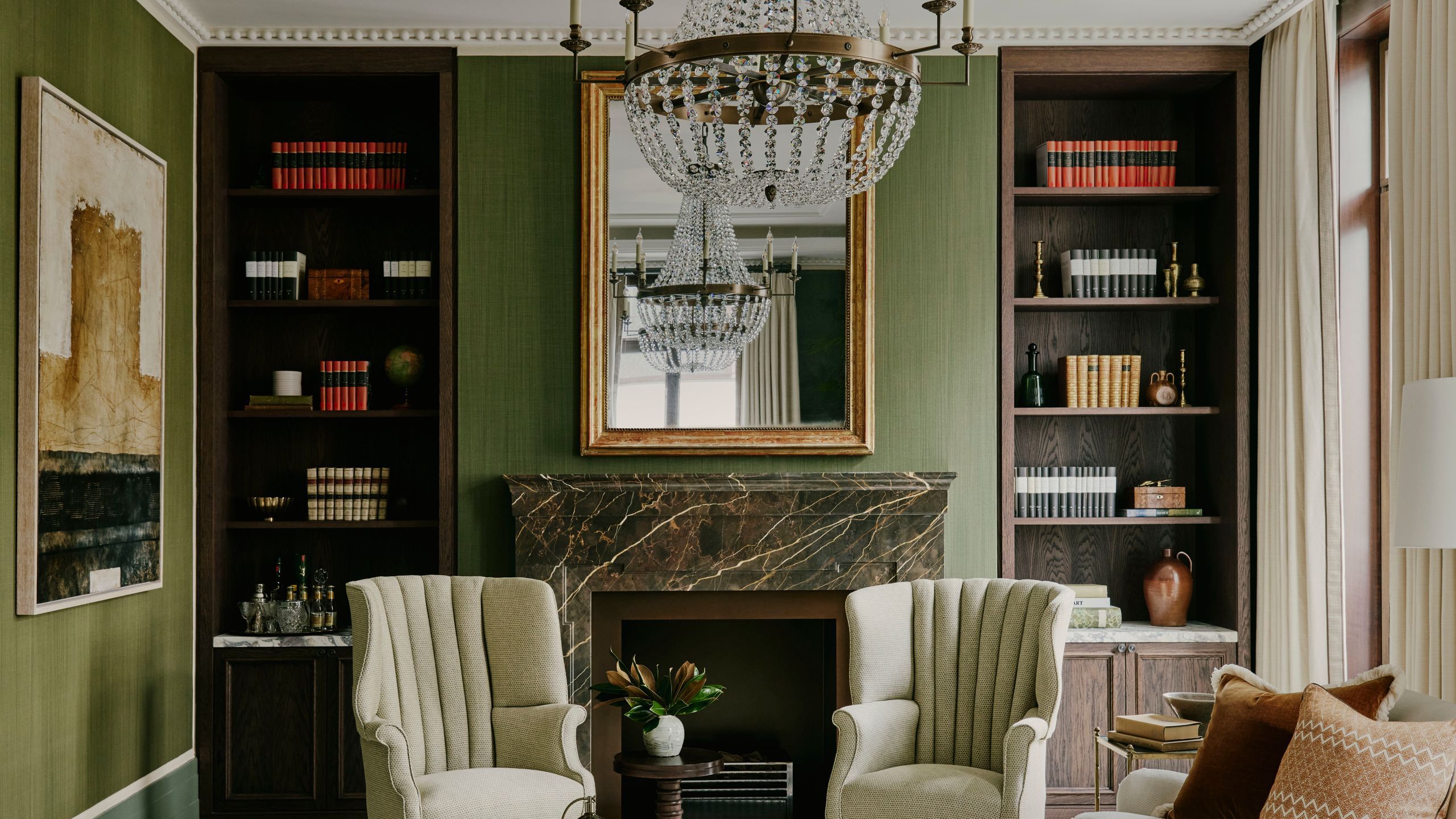
Styling Shelves: Your Expert (Five-Point) Guide
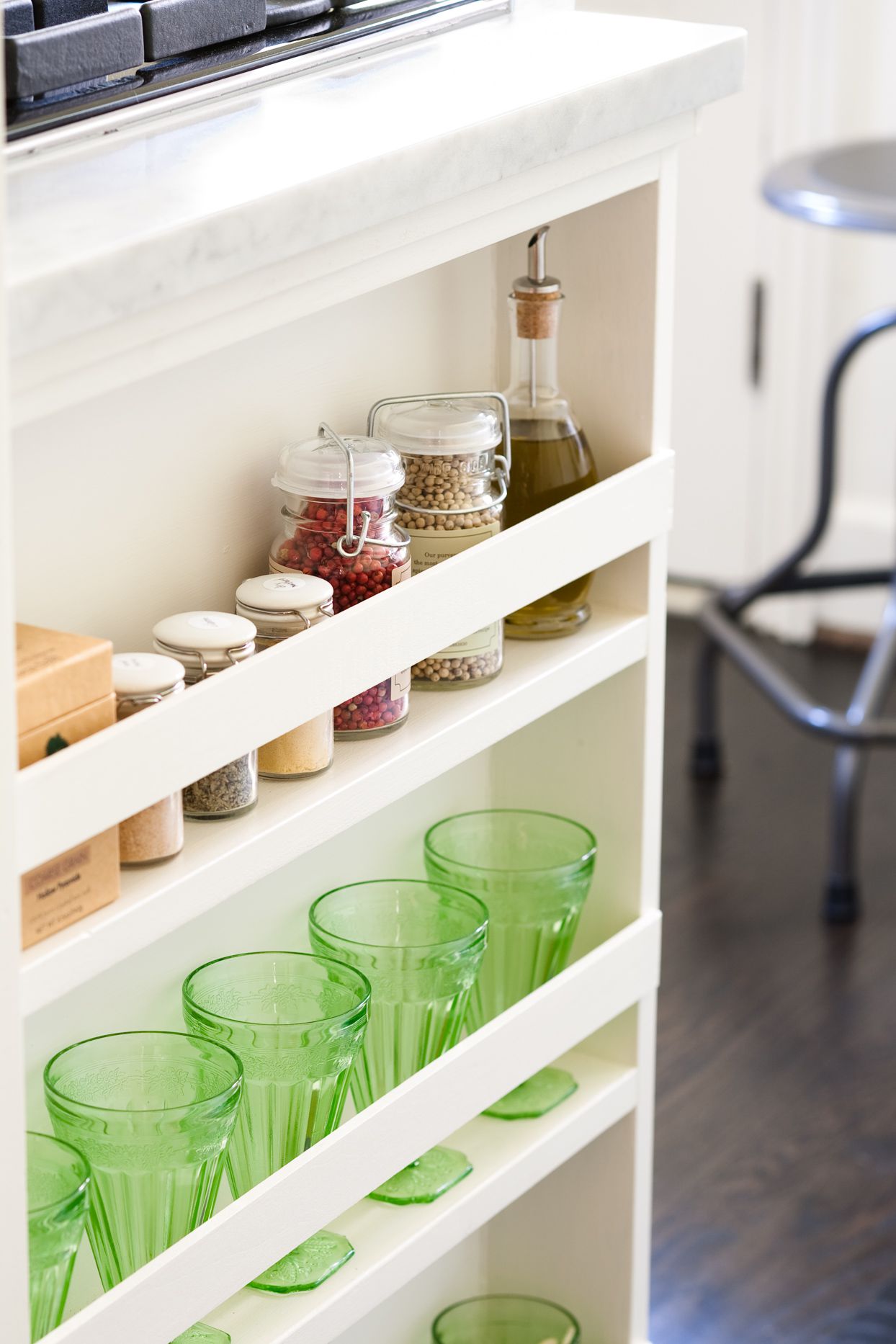
10 Organization Tips for Optimizing Open Kitchen Shelving

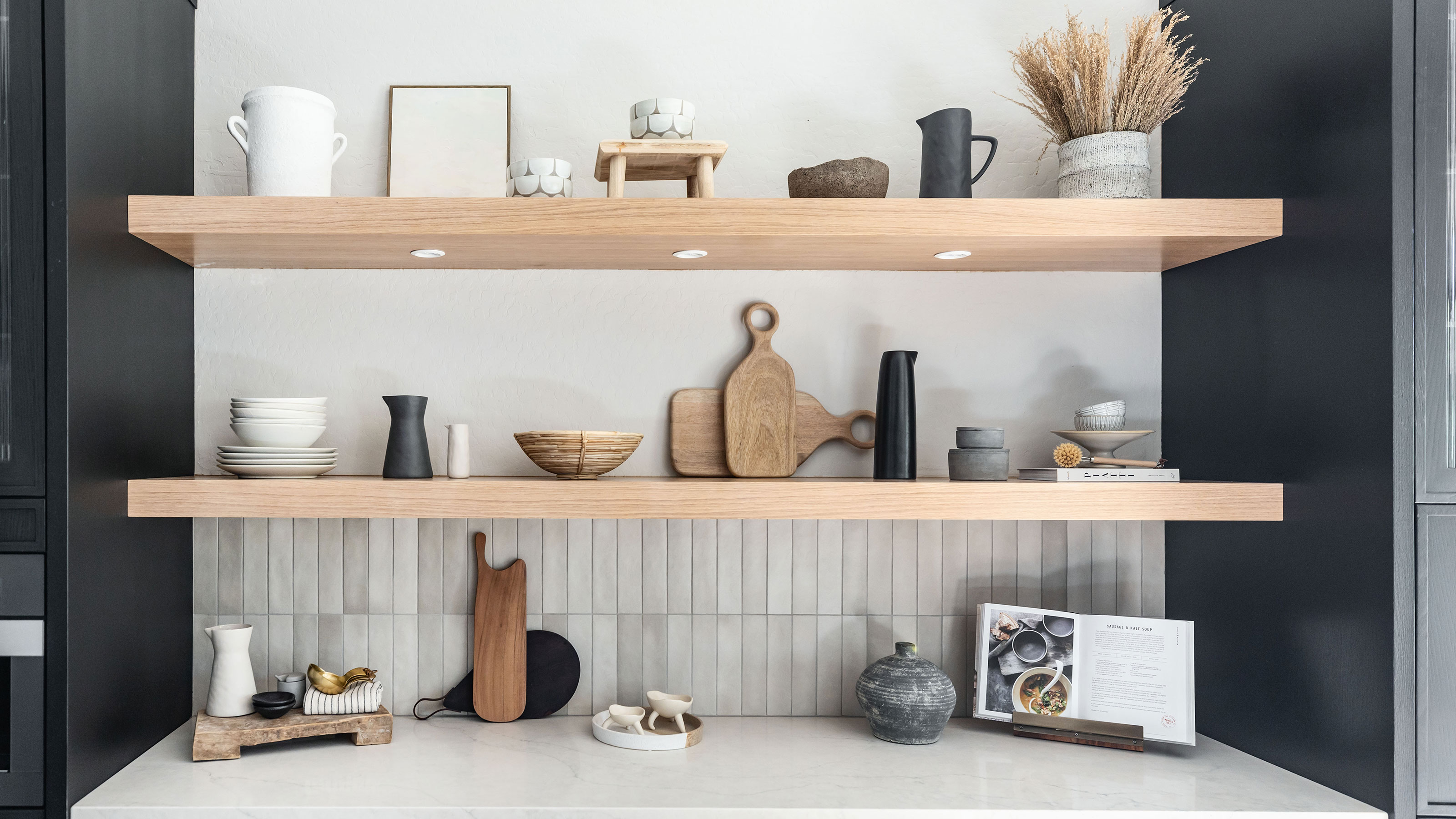
The 3 golden rules of organizing open shelving in the kitchen
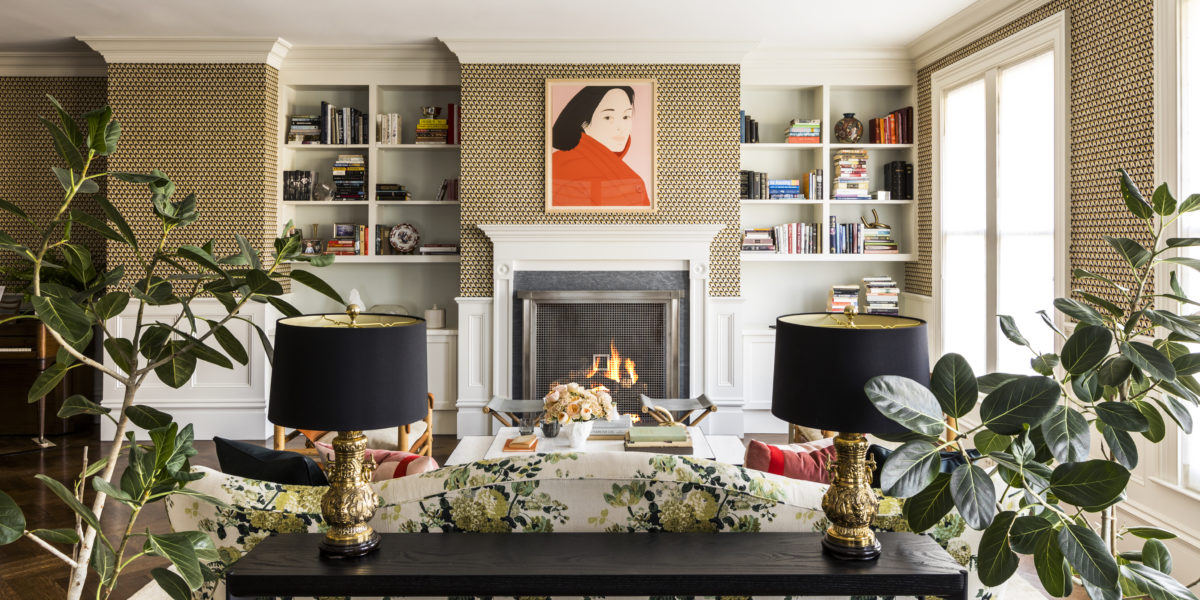
A Book Lover’s Guide to Styling Your Shelves
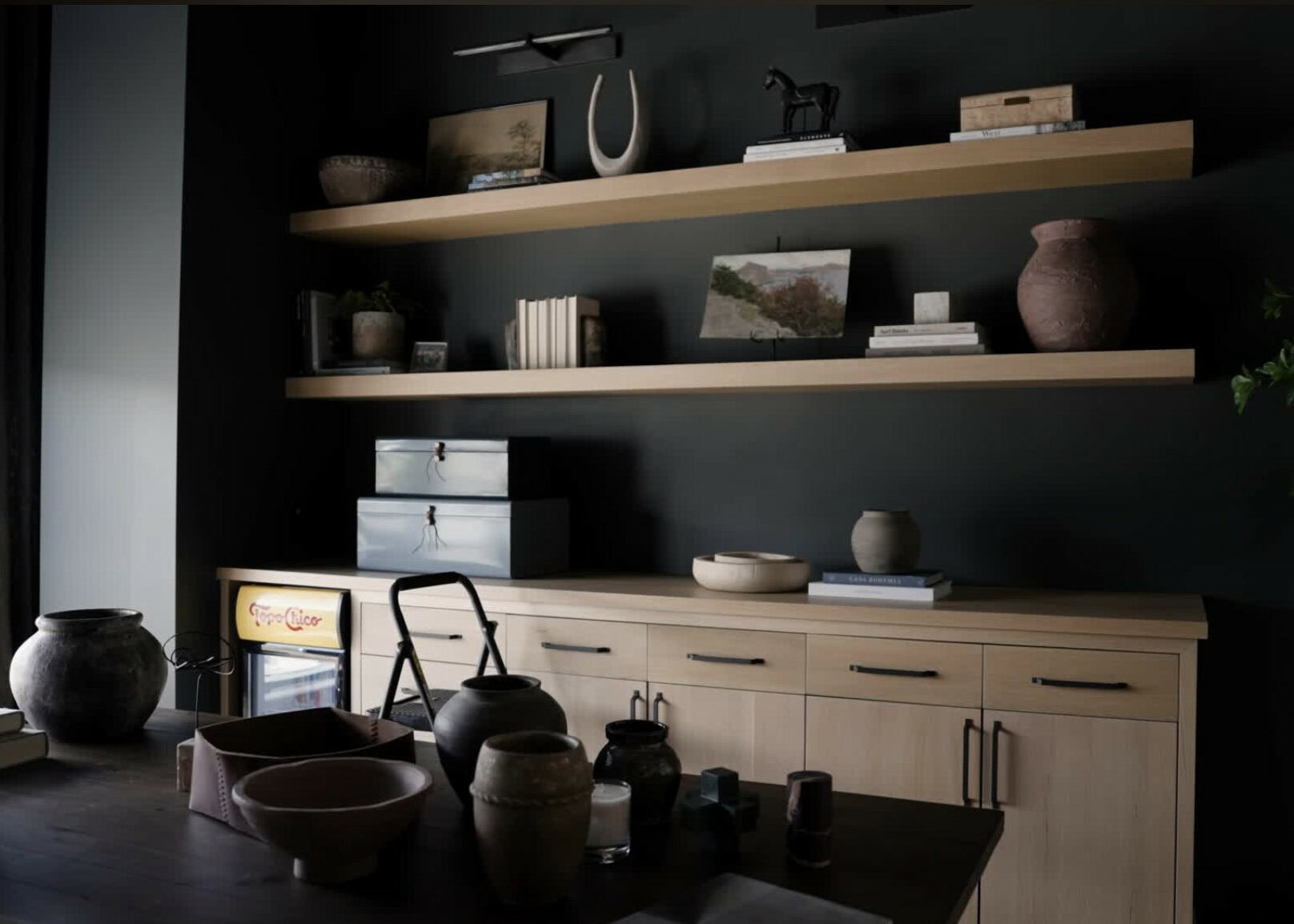
The Art Of Shelf Styling
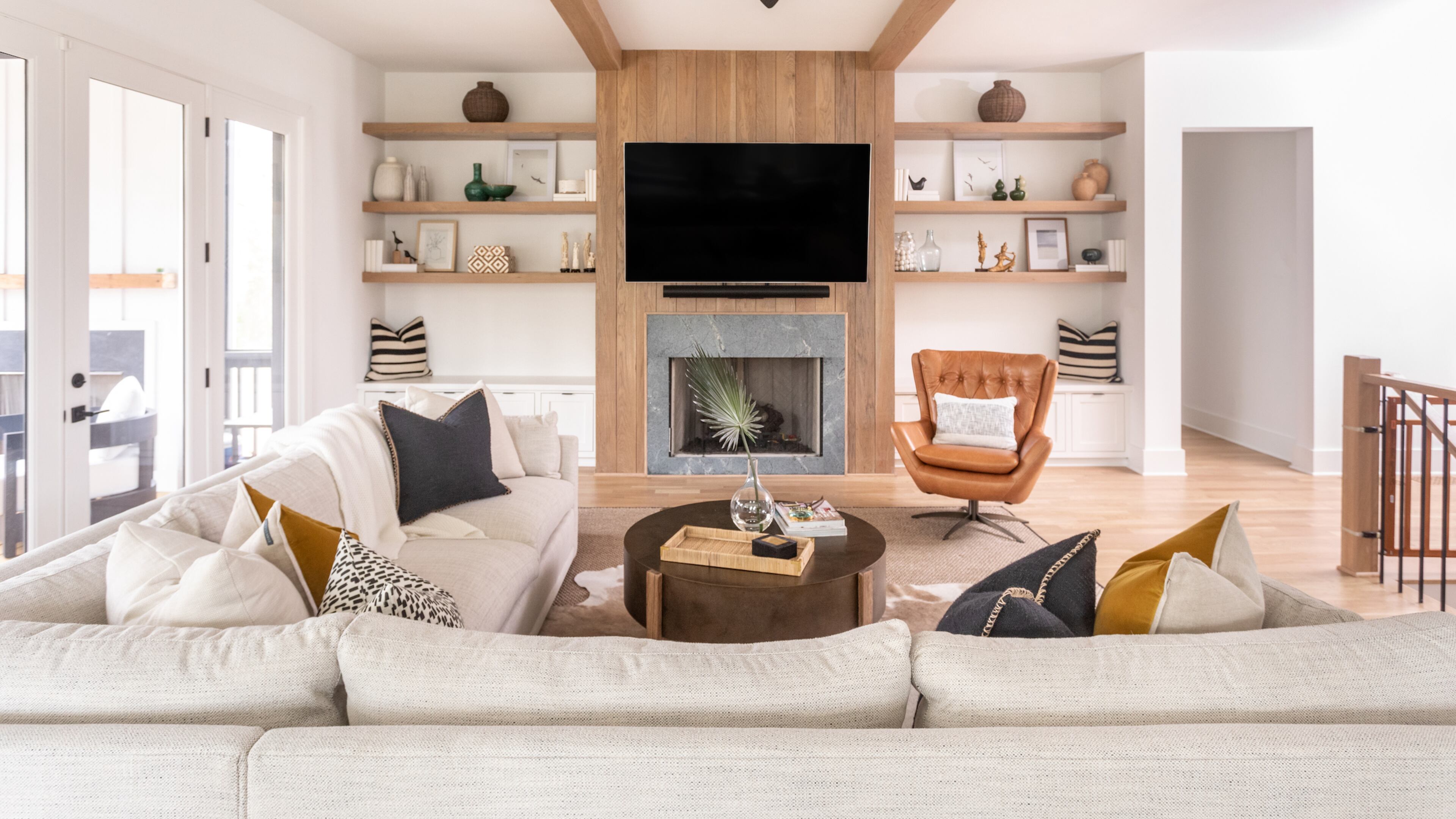
Experts suggest ways to make your shelfie shine
Maximize Your Kitchen Space With These Open Shelving Ideas

13 Designer Styling Secrets to Elevate Your Bookcases

5 shelf styling trends for 2024 designers are using now to create rooms full of personality
10 living rooms with creative open shelving that helps bring their owners' personality to these spaces

I asked an interior designer how to style shelves, and I learned 4 awesome tips

8 Things You Should Never Keep on Your Open Shelves, According to Designers