1/11
How to style your shelves
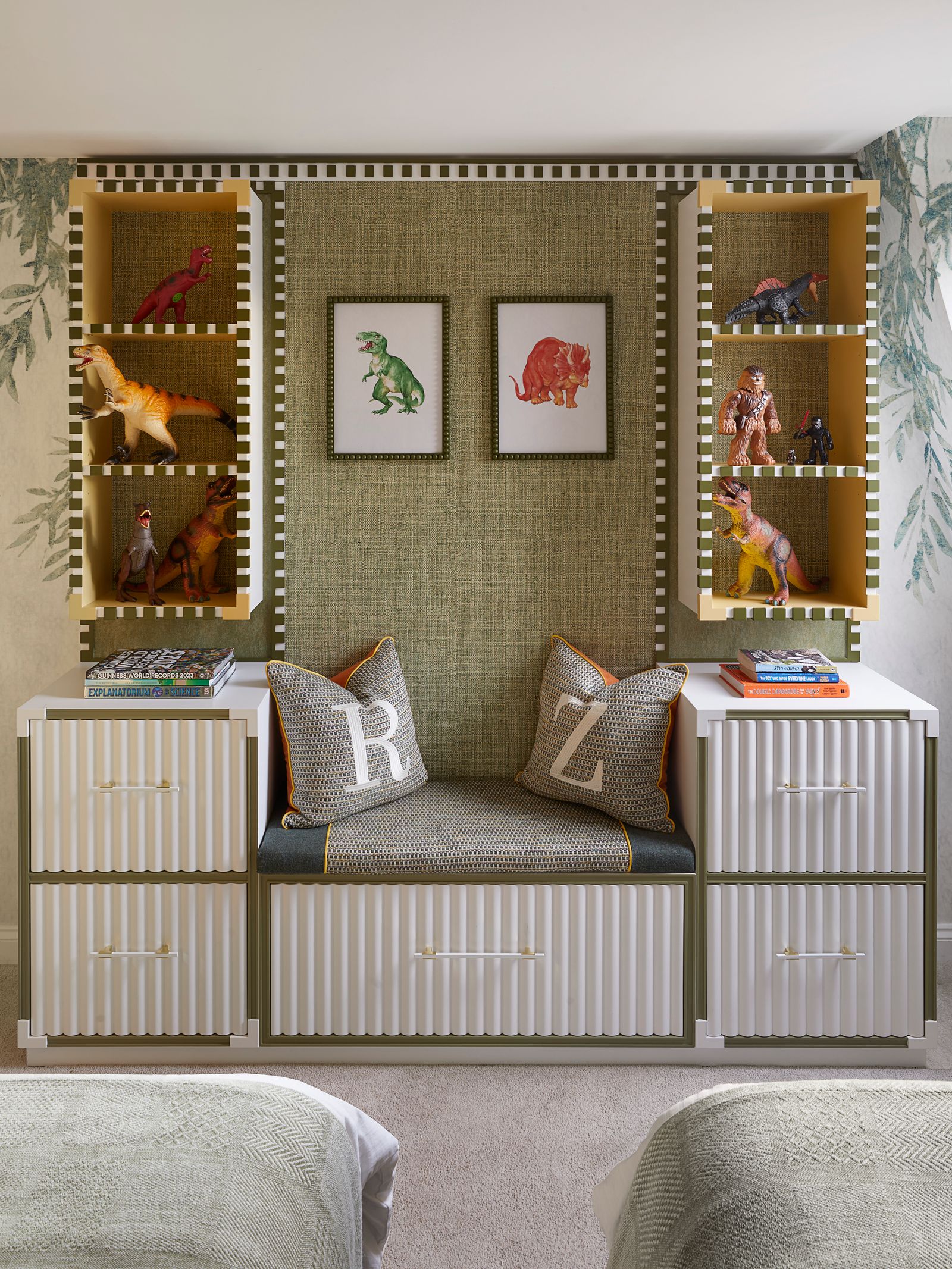
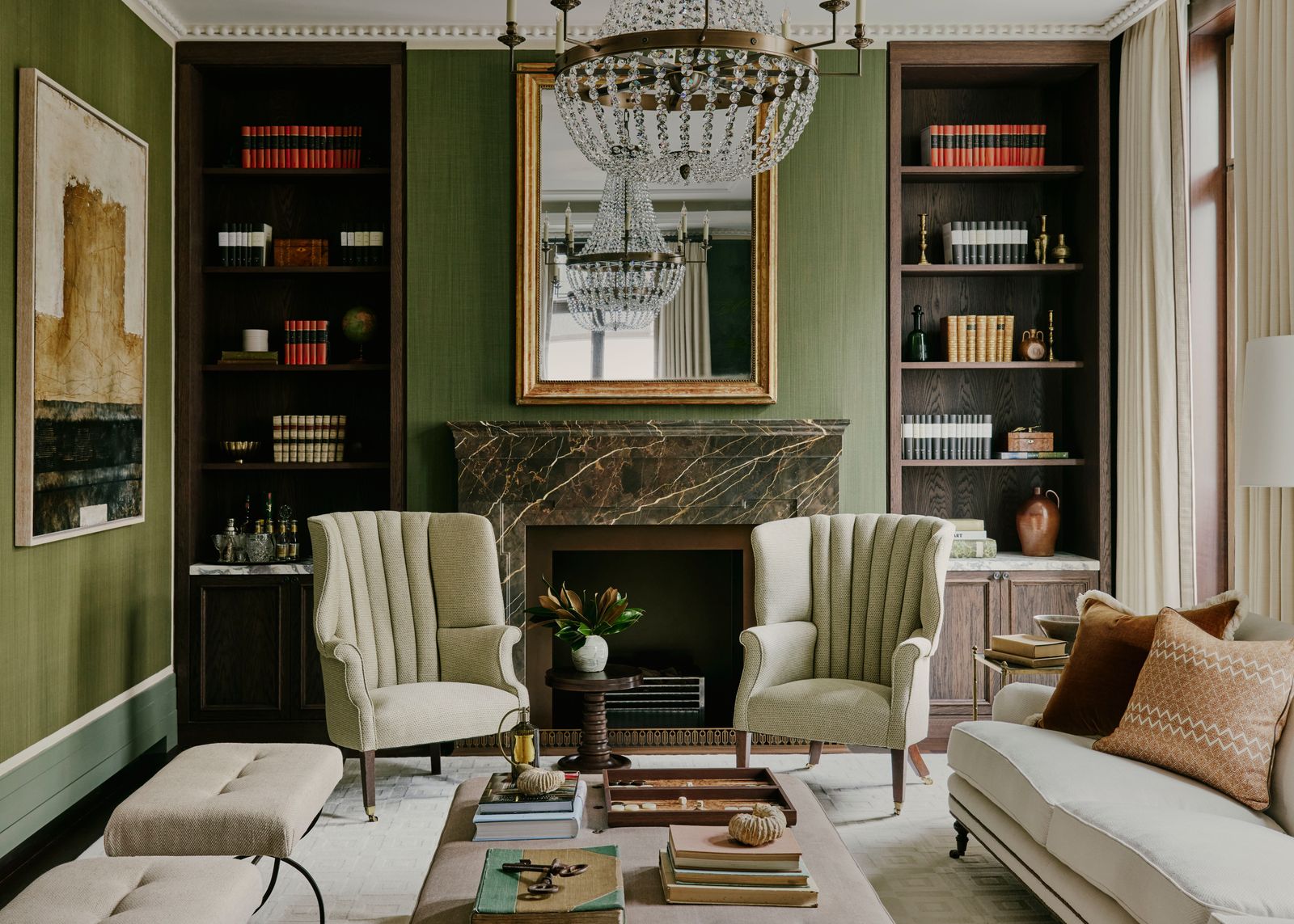
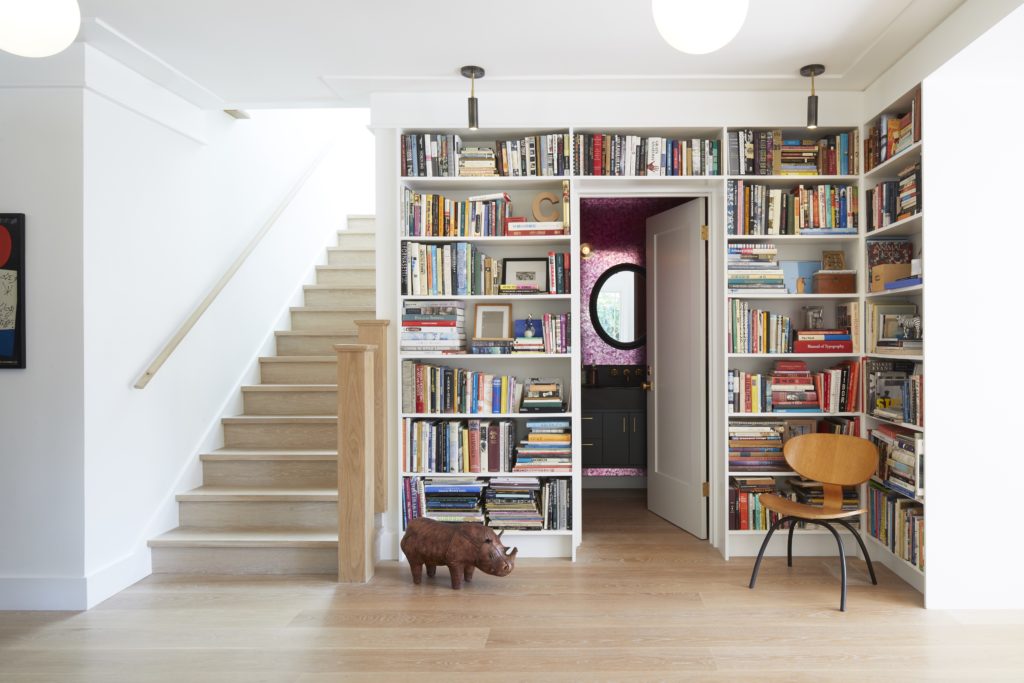
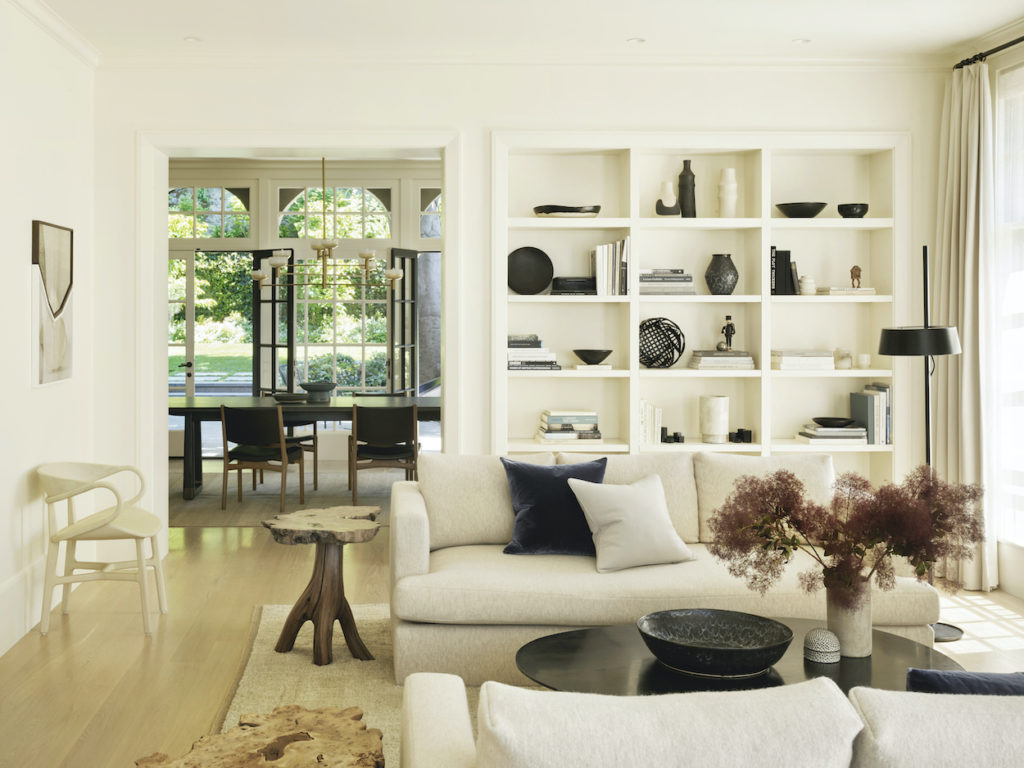
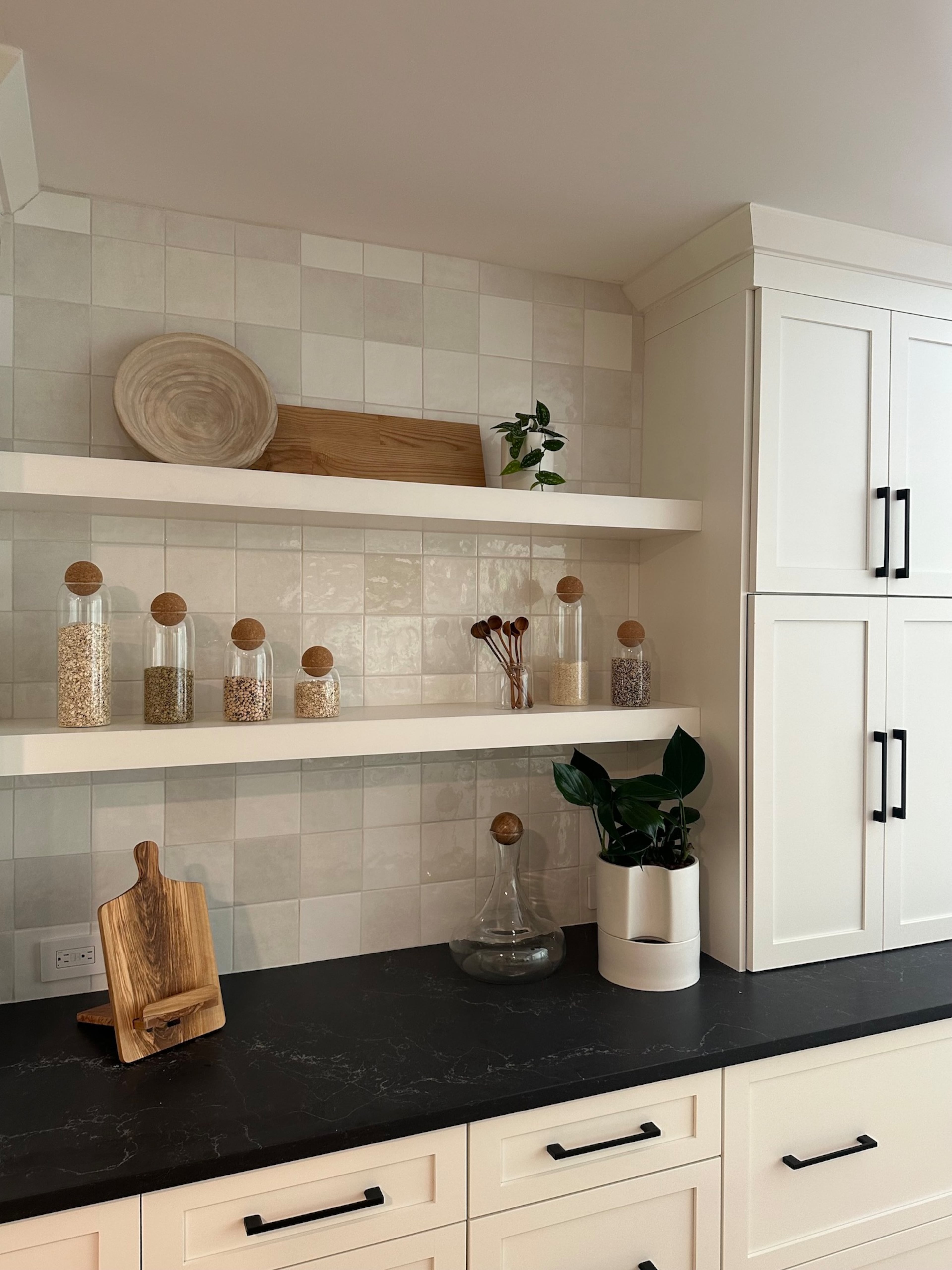
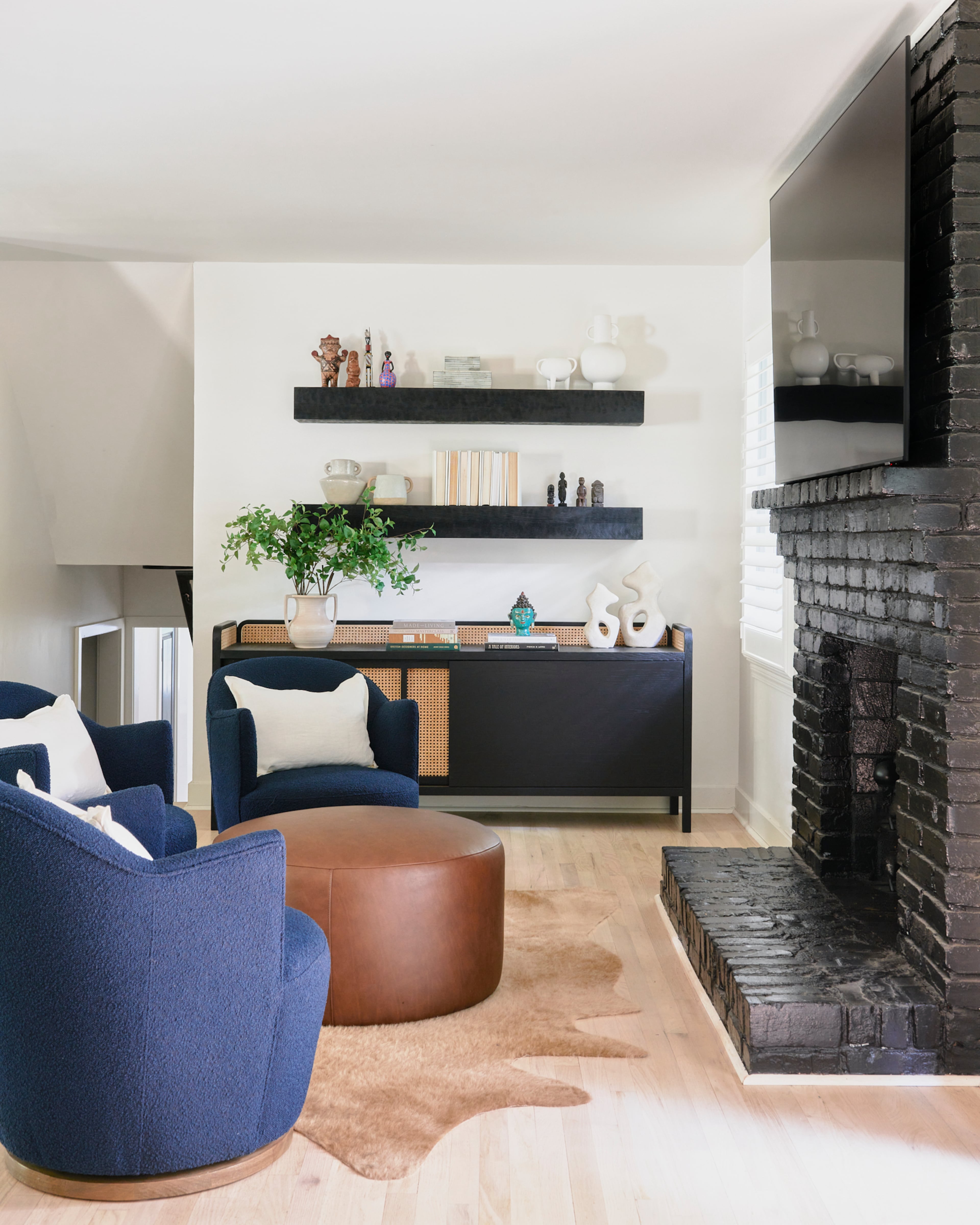
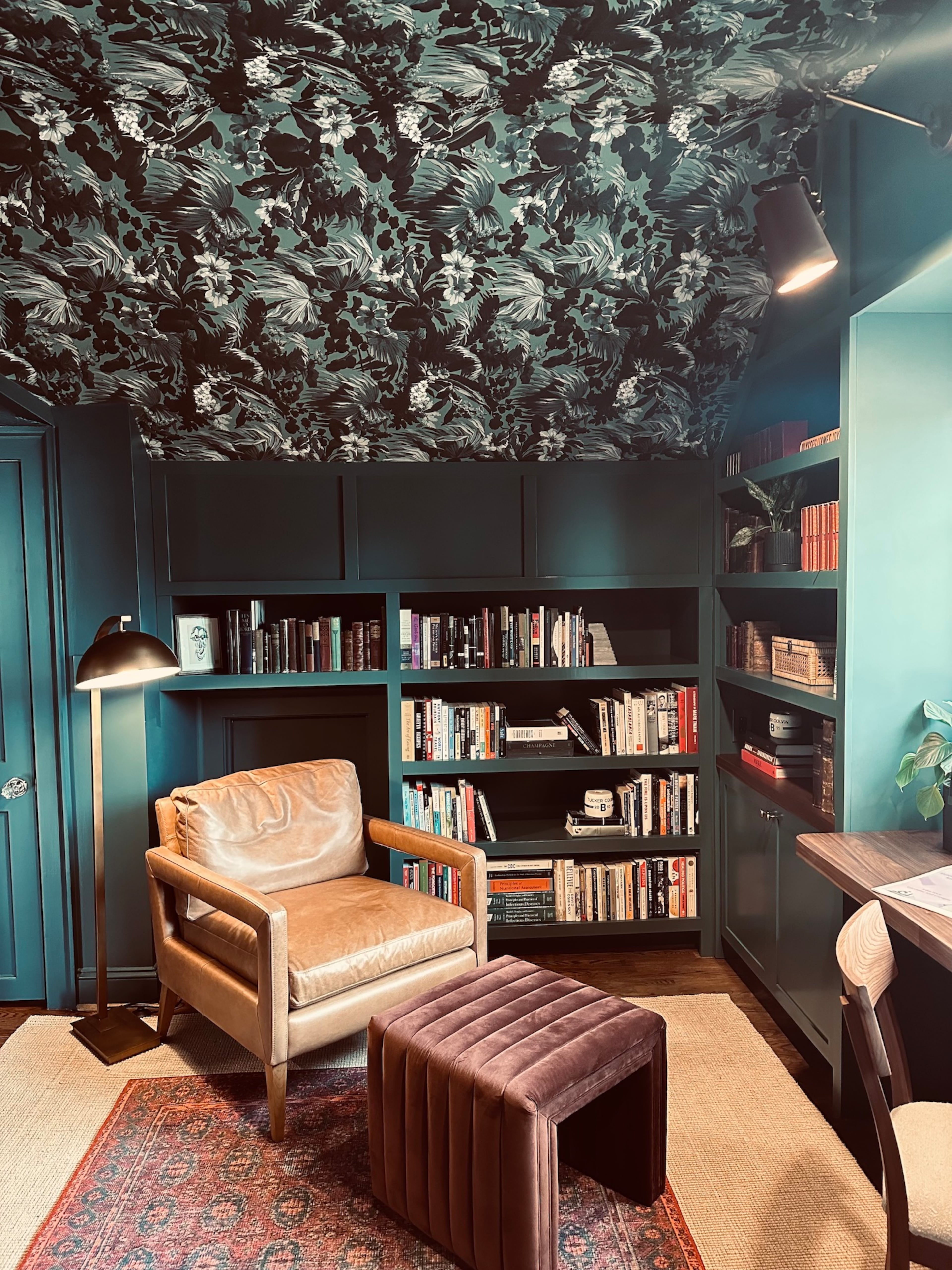
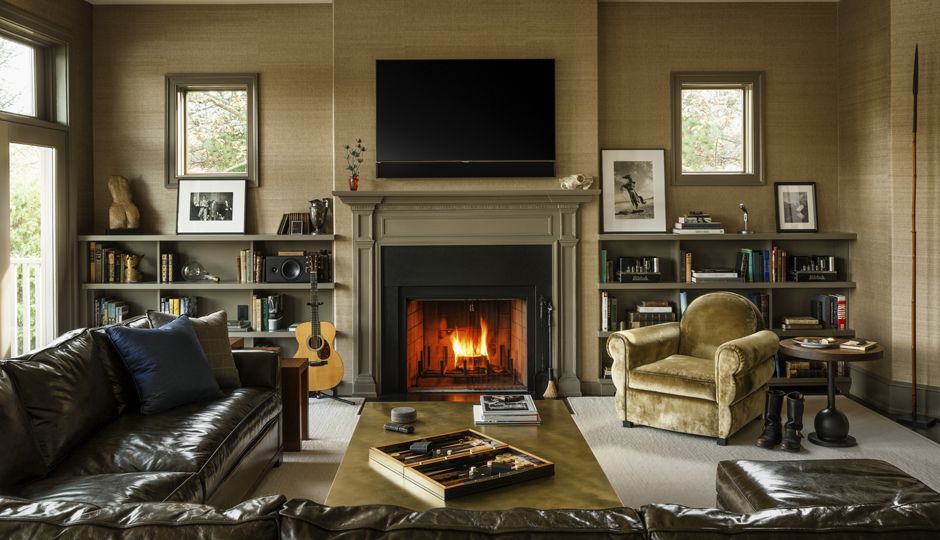
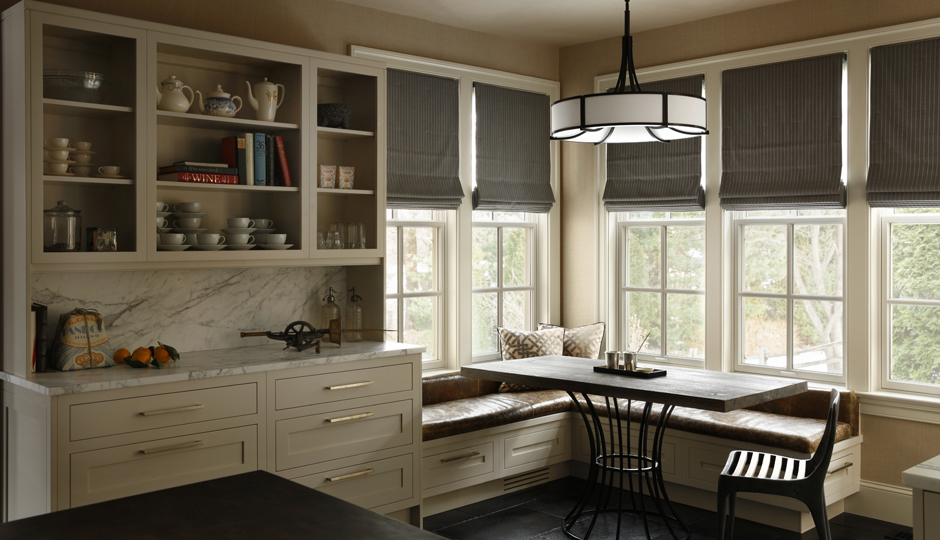
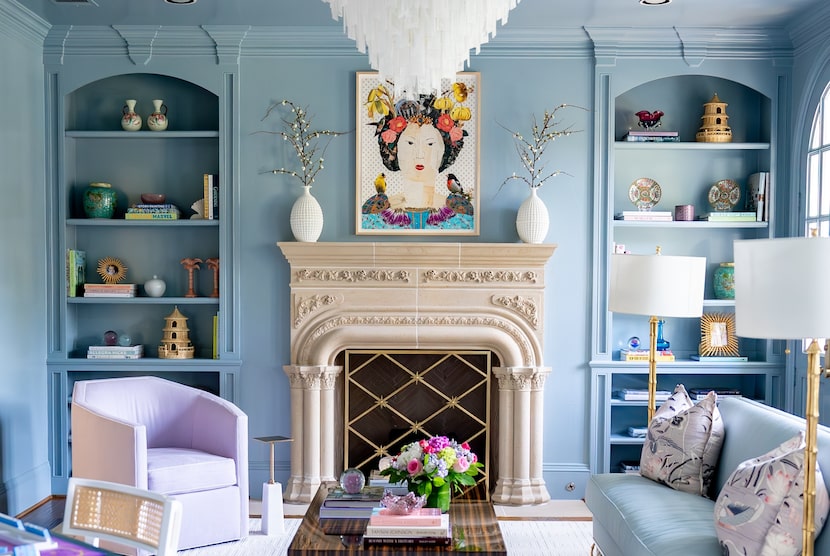
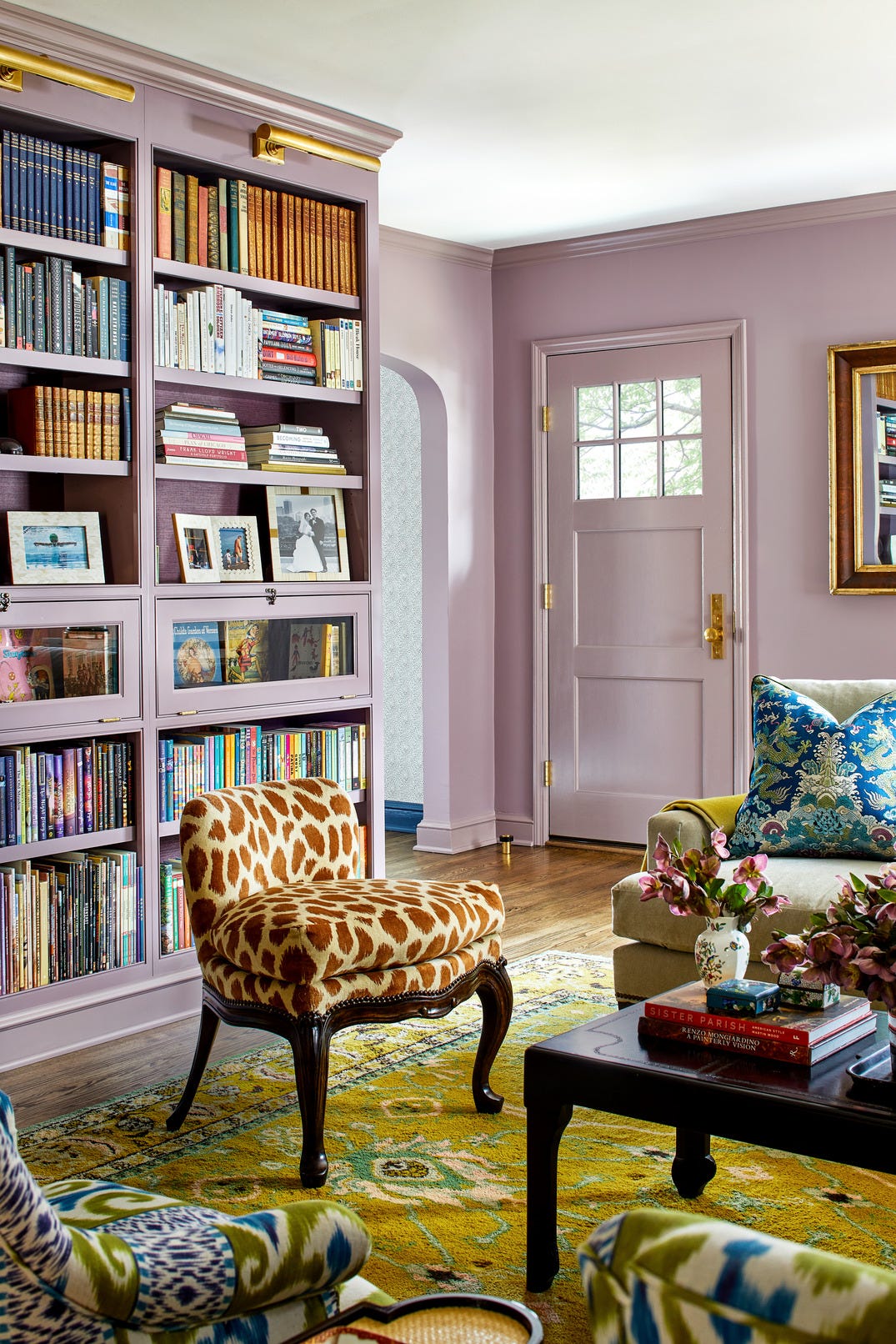
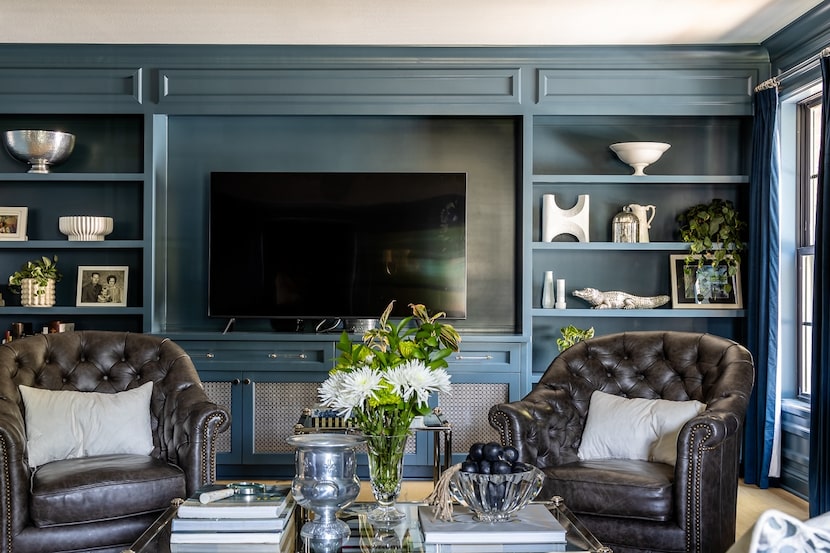
Well-styled shelves can completely transform a room and infuse it with personality, serving as an excellent opportunity to showcase favorite home accessories. Conversely, cluttered and disorganized shelves can make any room feel messy. Interior designers emphasize the importance of a thoughtful approach to shelf styling, suggesting five simple steps to achieve a 'shelfie' perfection.
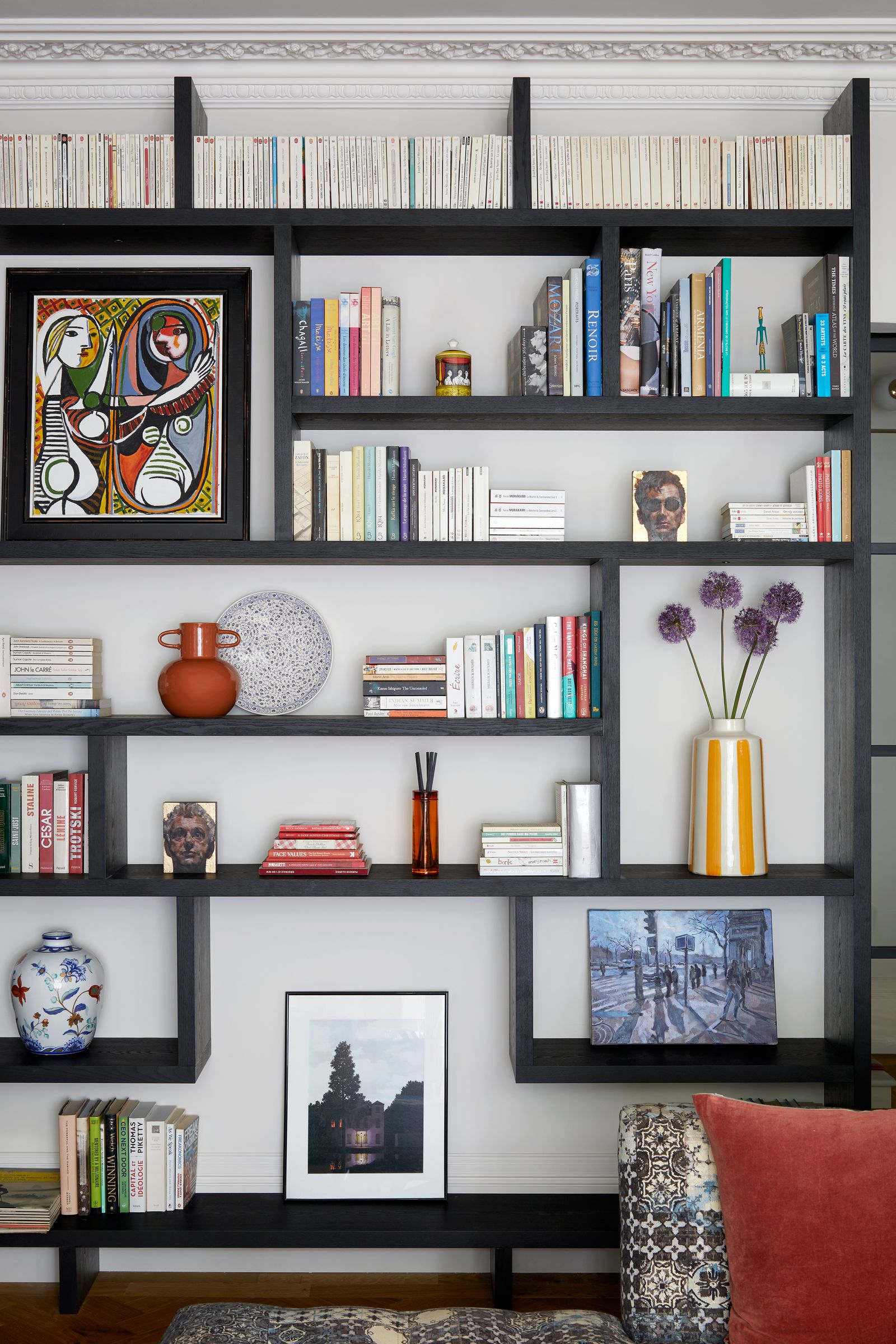
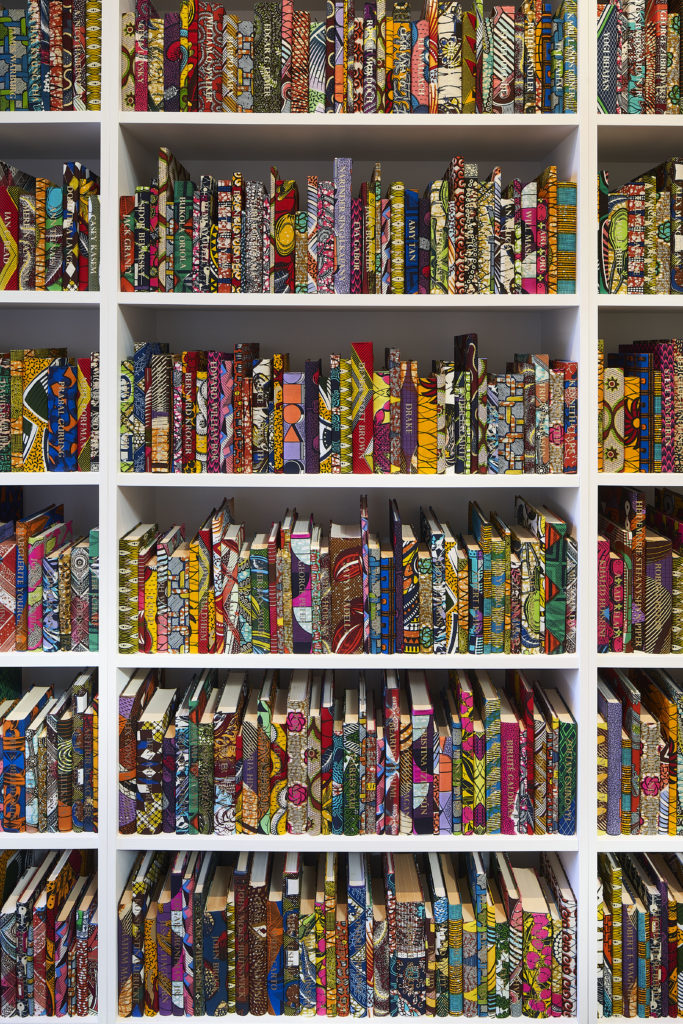
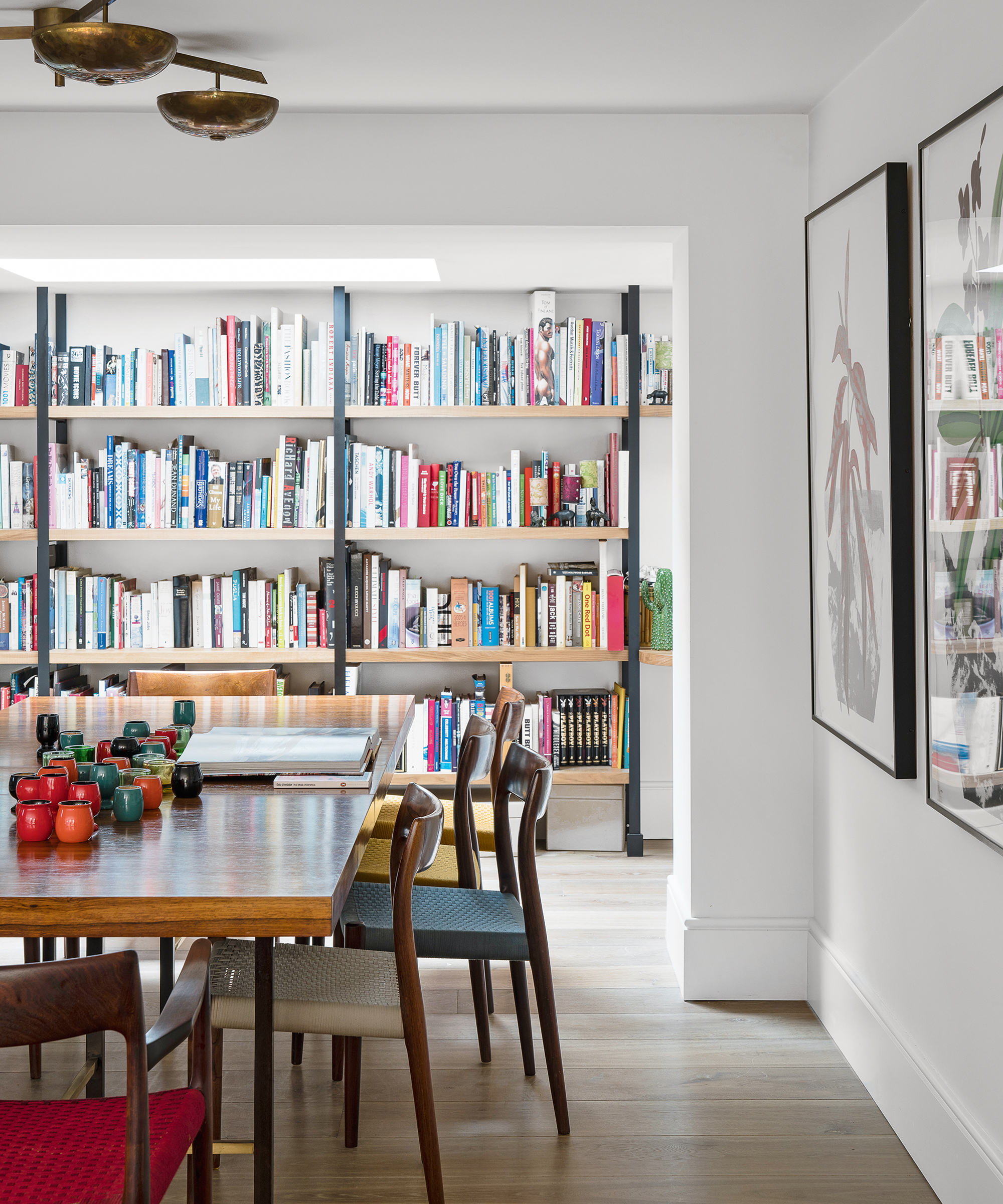
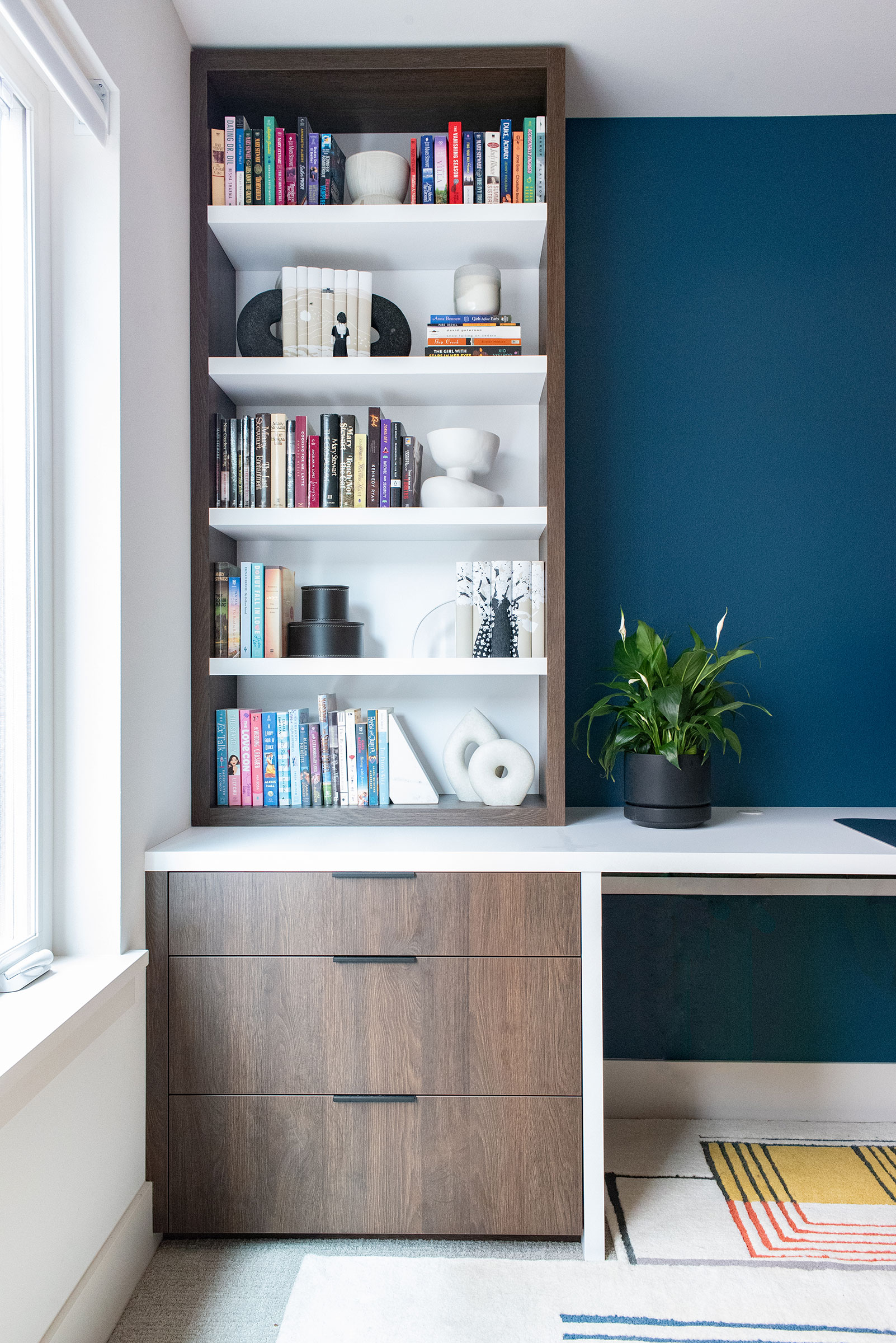
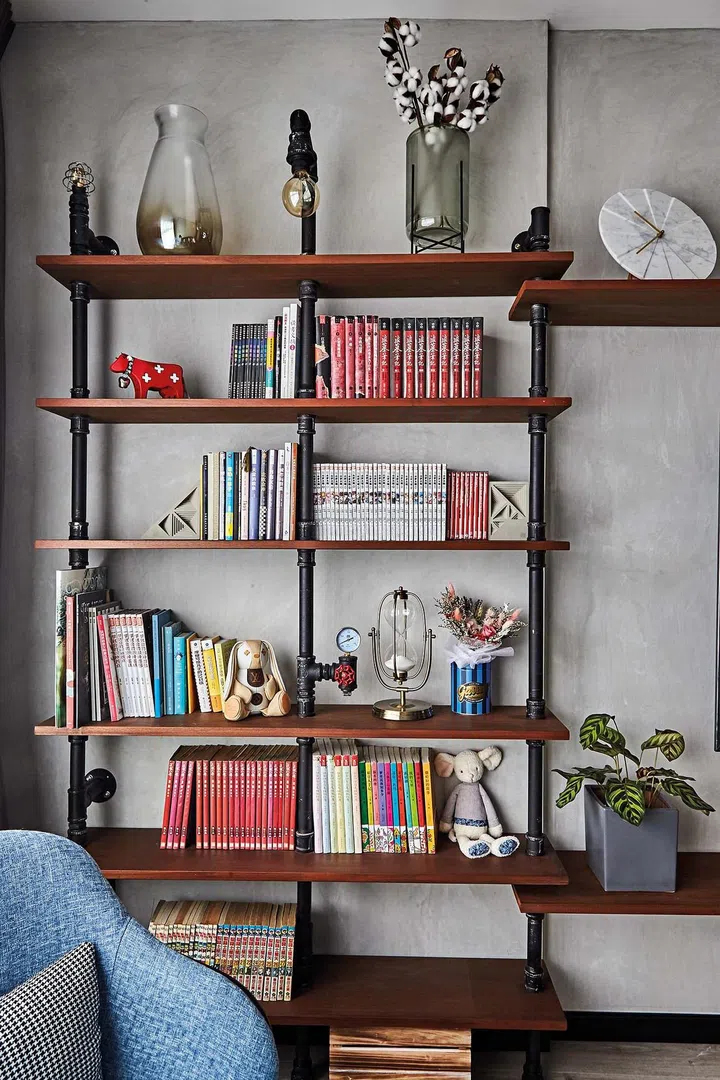
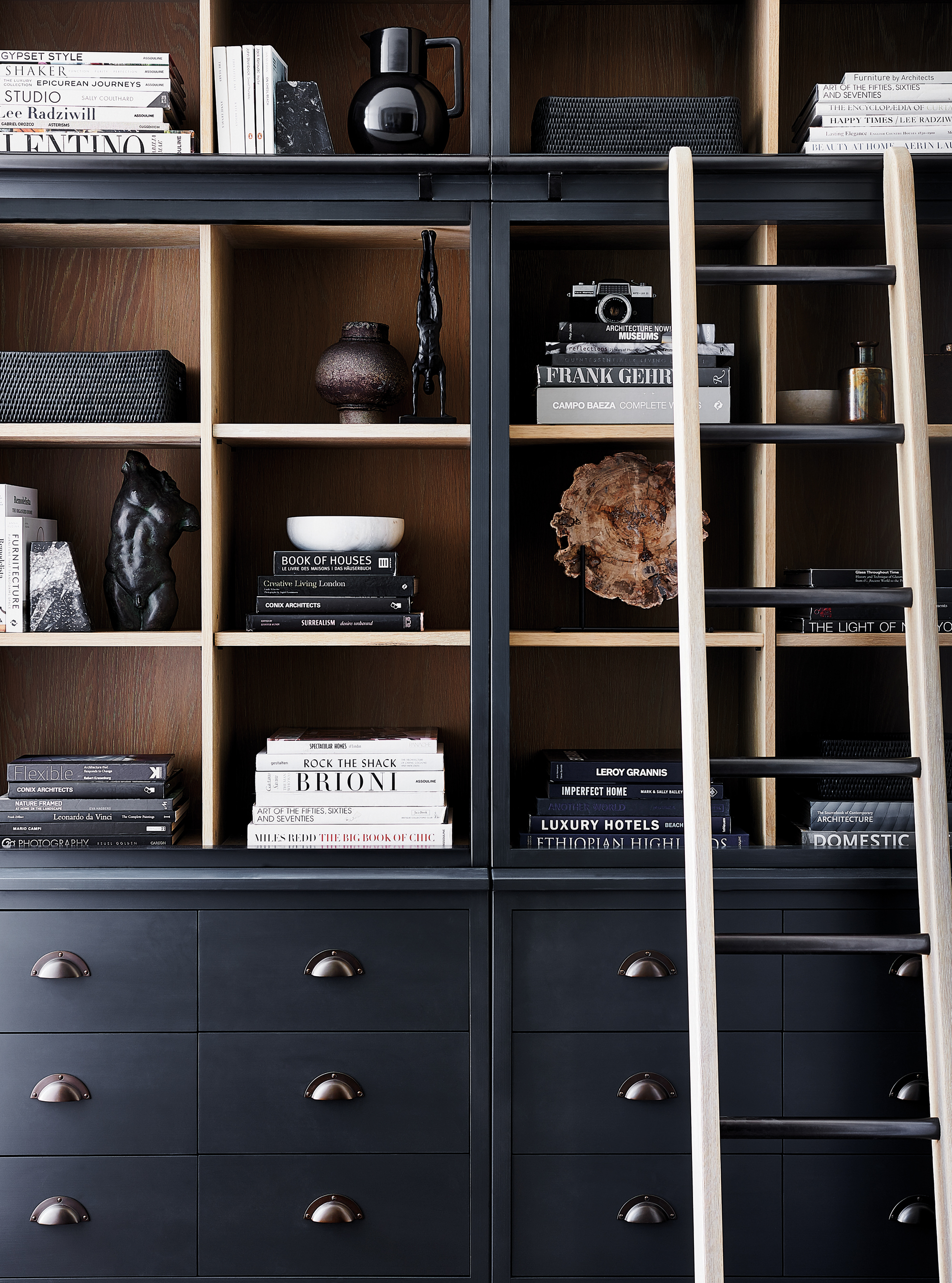
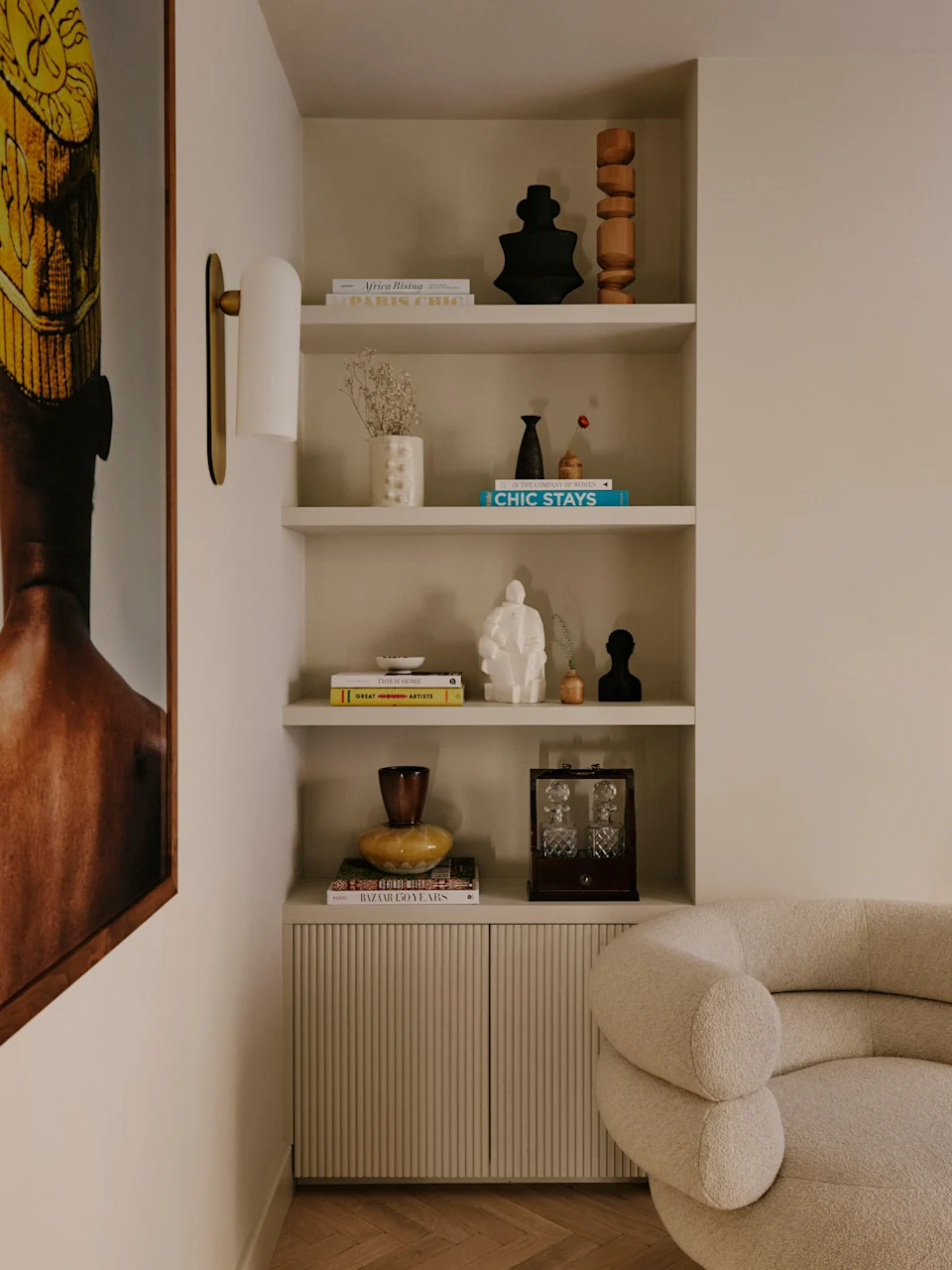
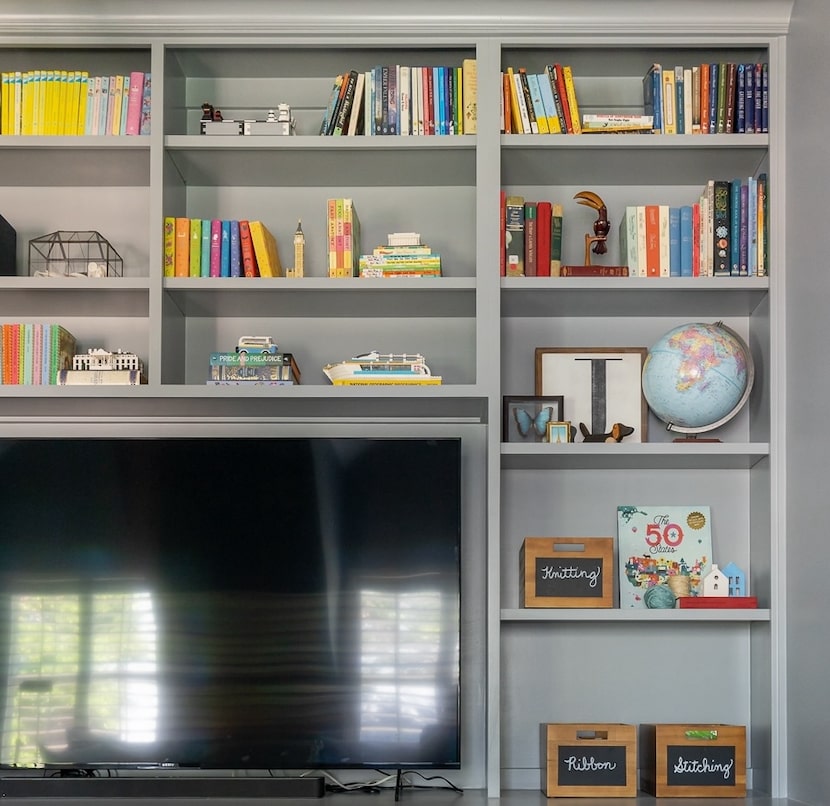
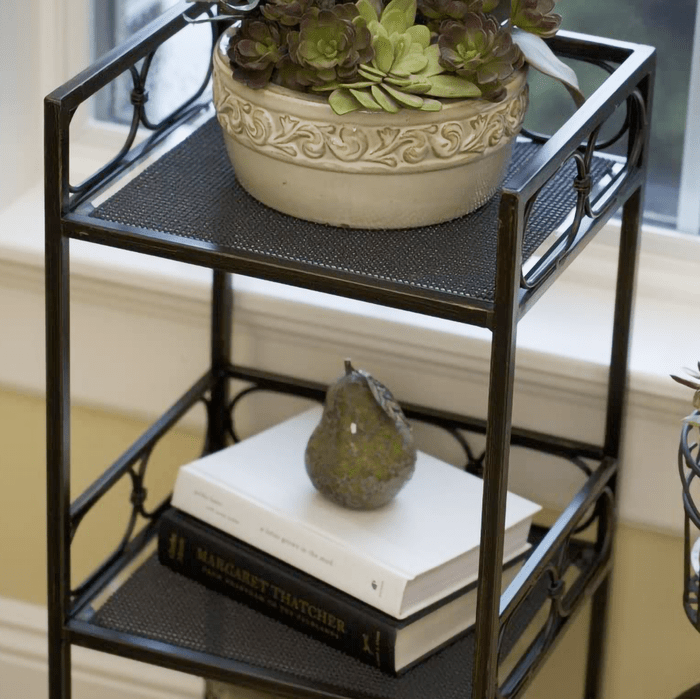
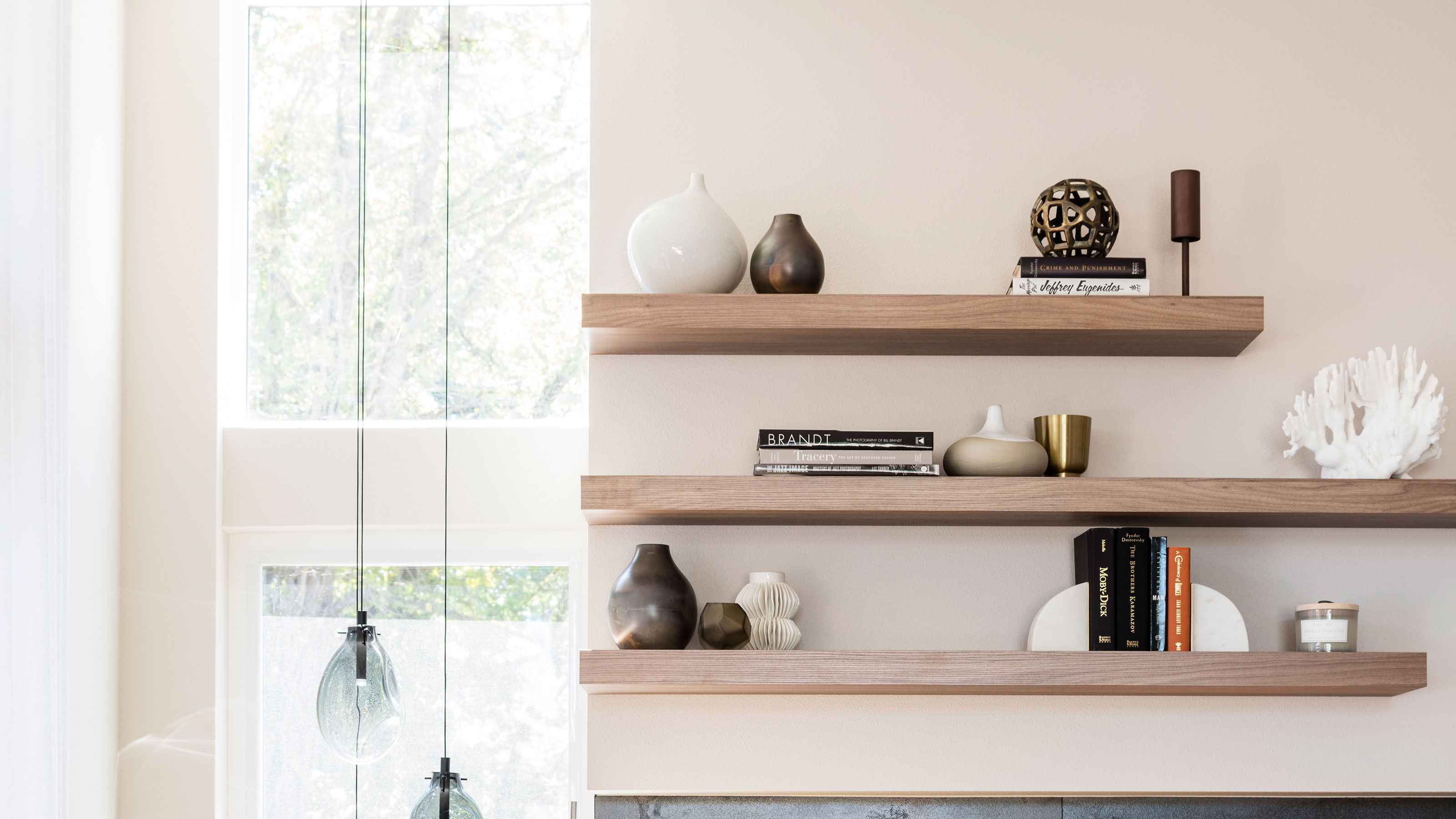
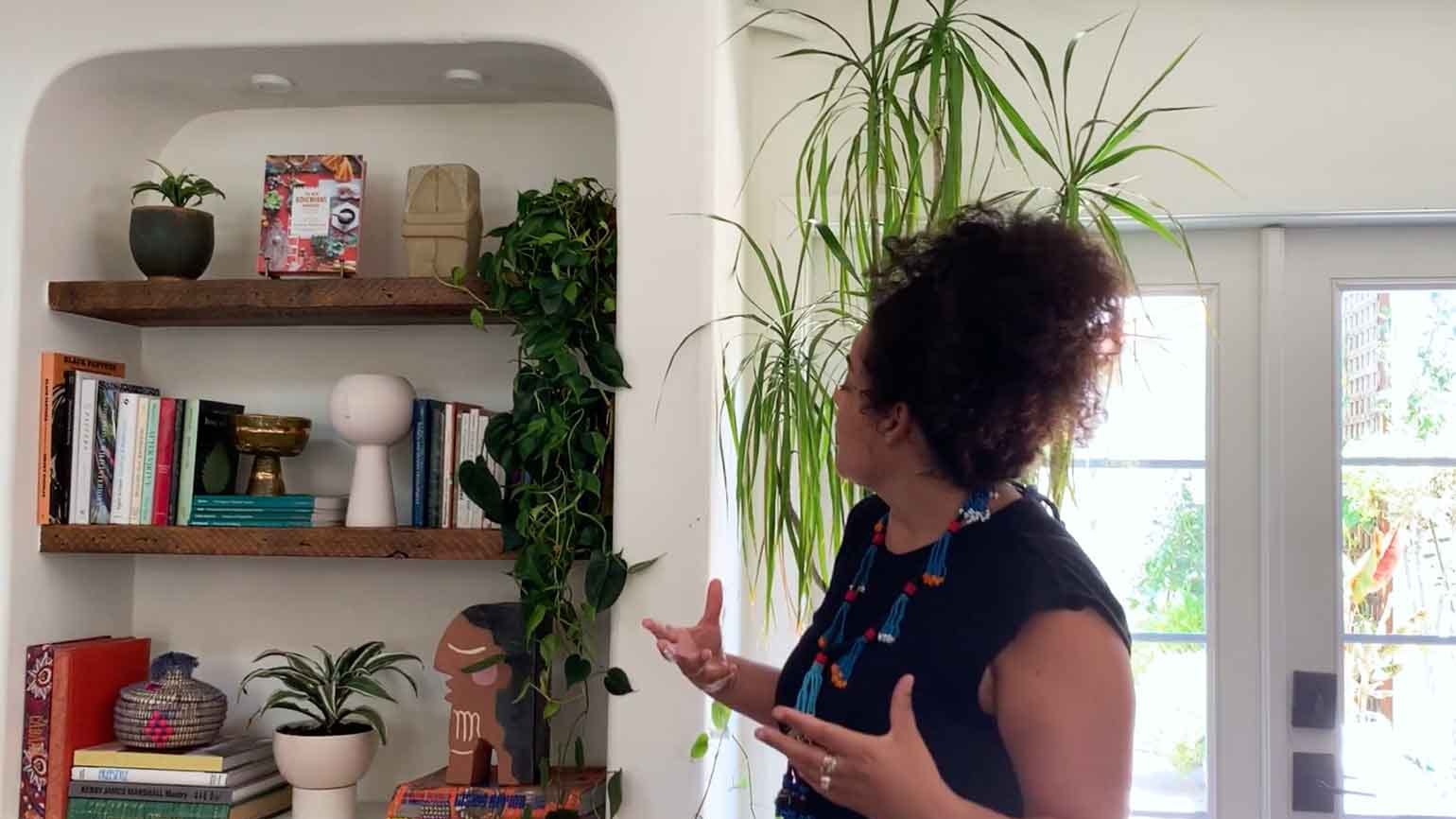
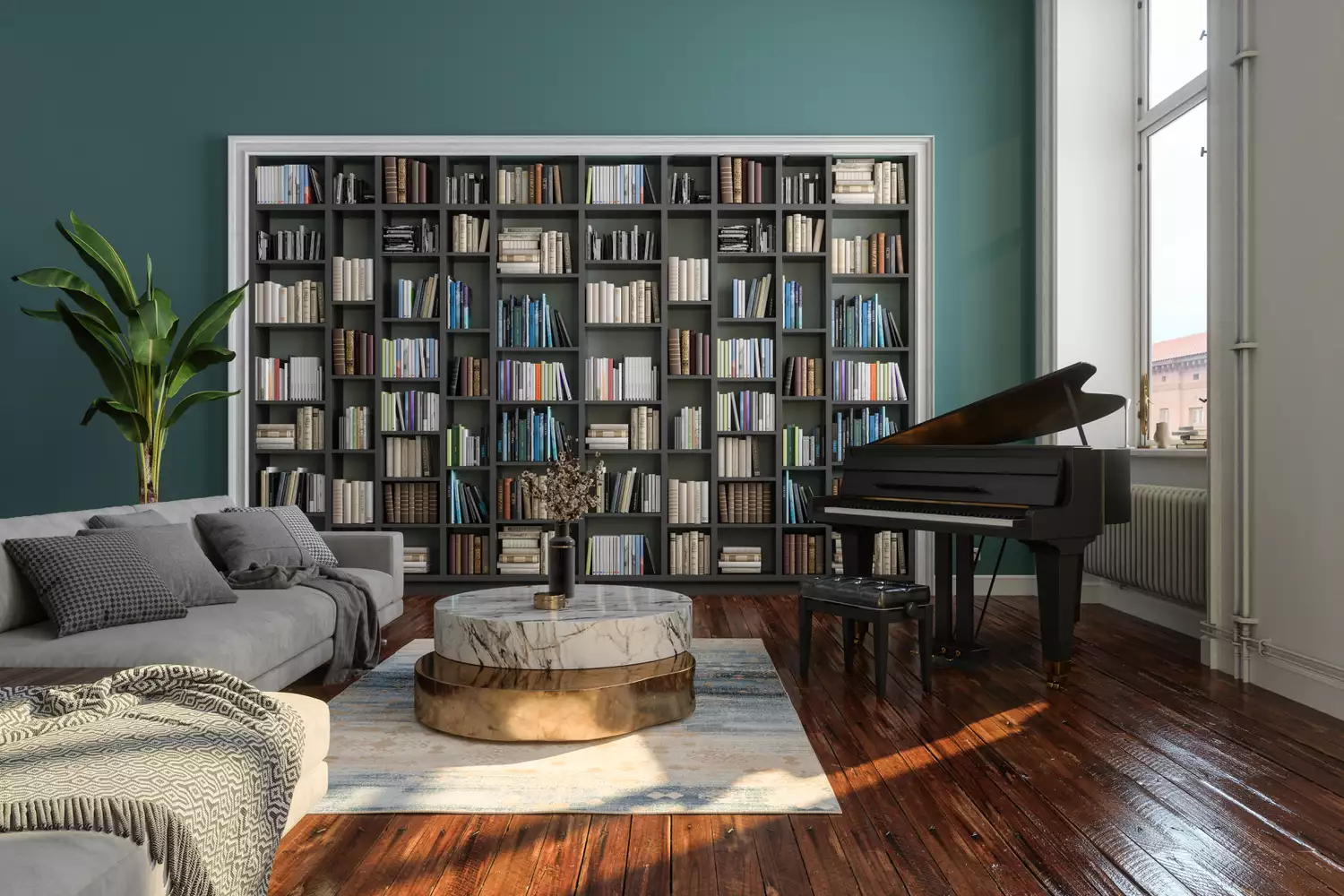
The initial step involves decluttering by emptying all shelves and organizing items into piles. Books are an ideal starting point, but selectivity is crucial. Experts advise arranging books by height, either standing upright or stacked horizontally in groups of three, often topped with a decorative object. Vertically arranged books can be enhanced with interesting bookends as decorative accents. The recommended book height for stacking and placement is around 10 inches.
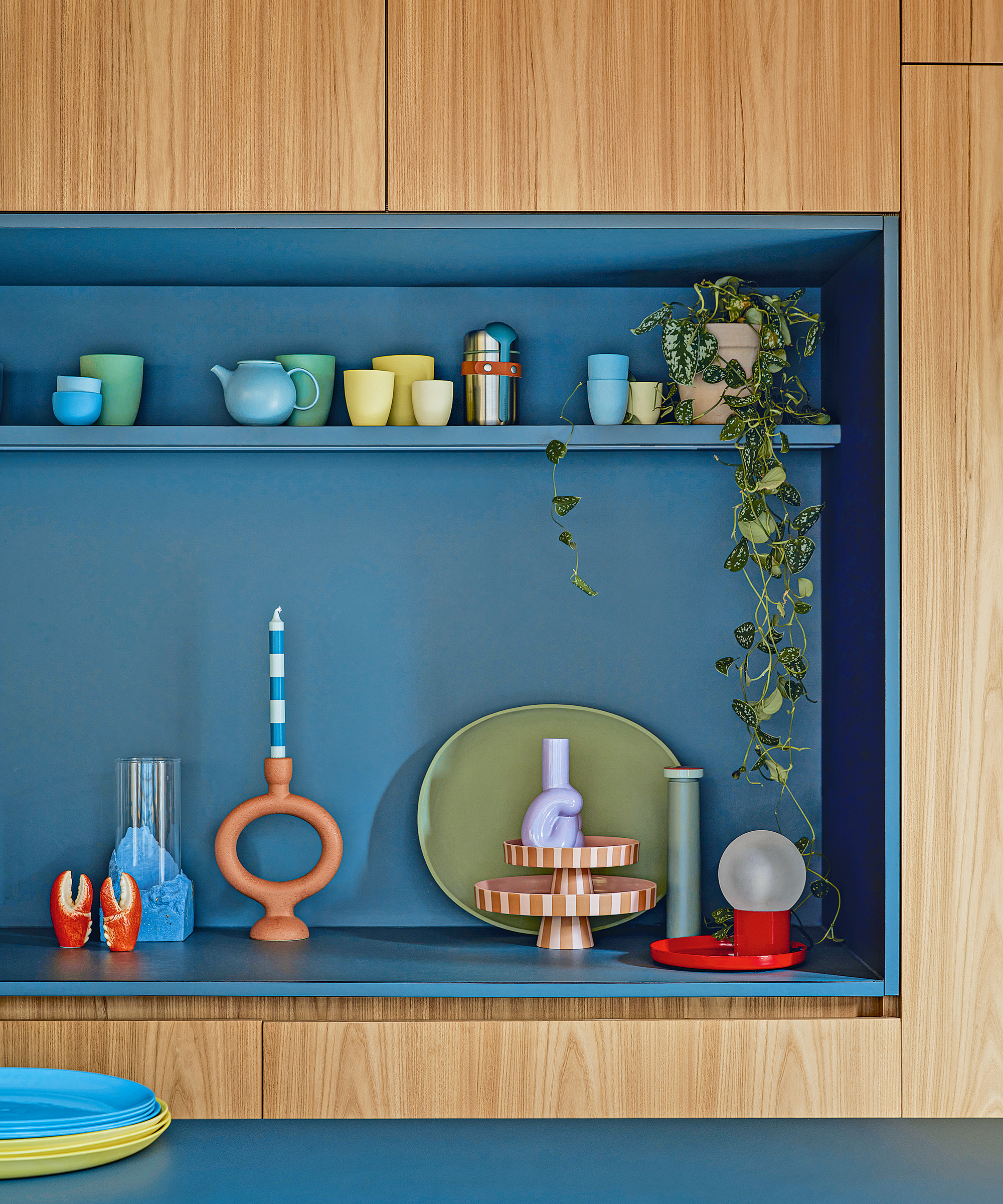
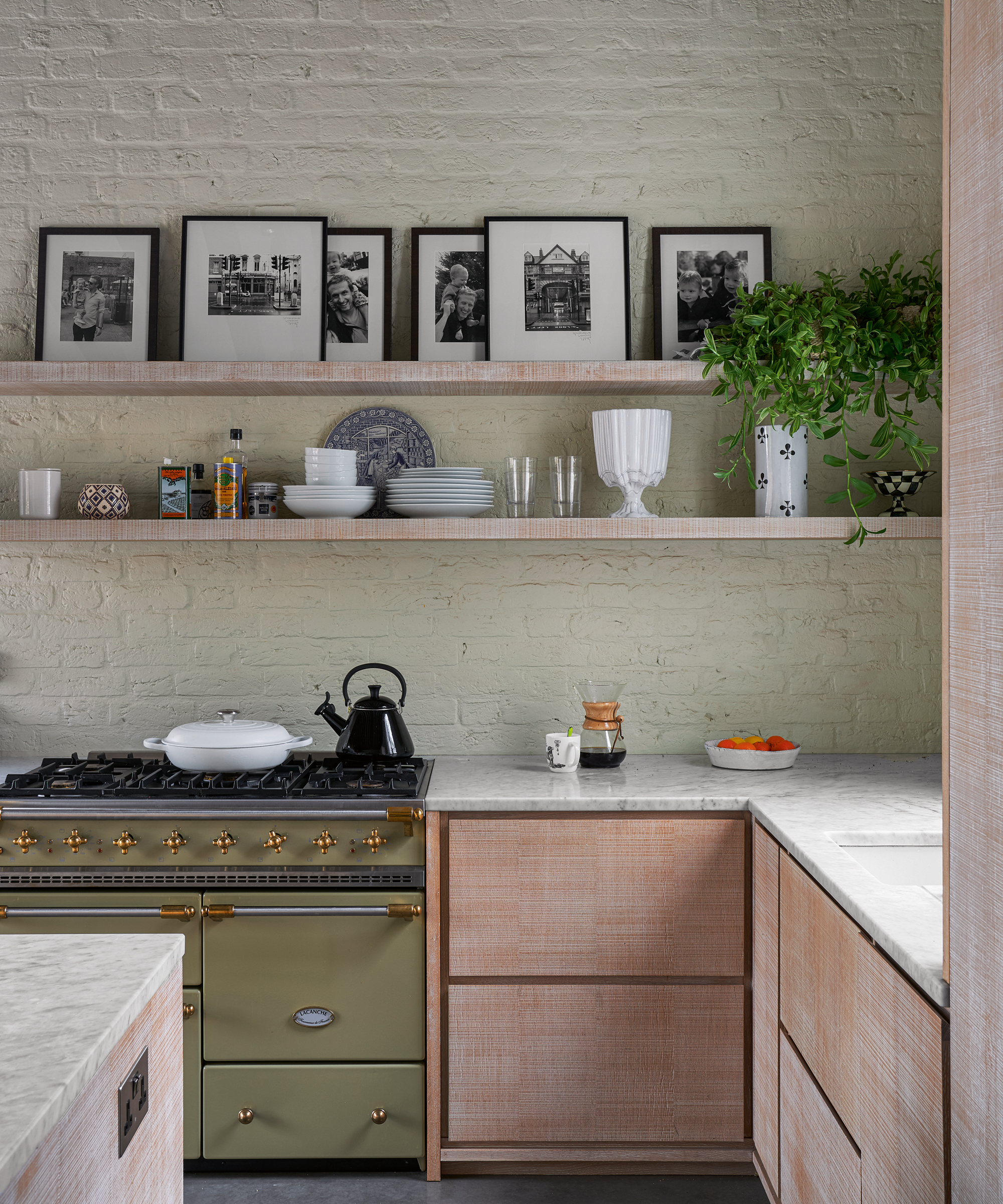
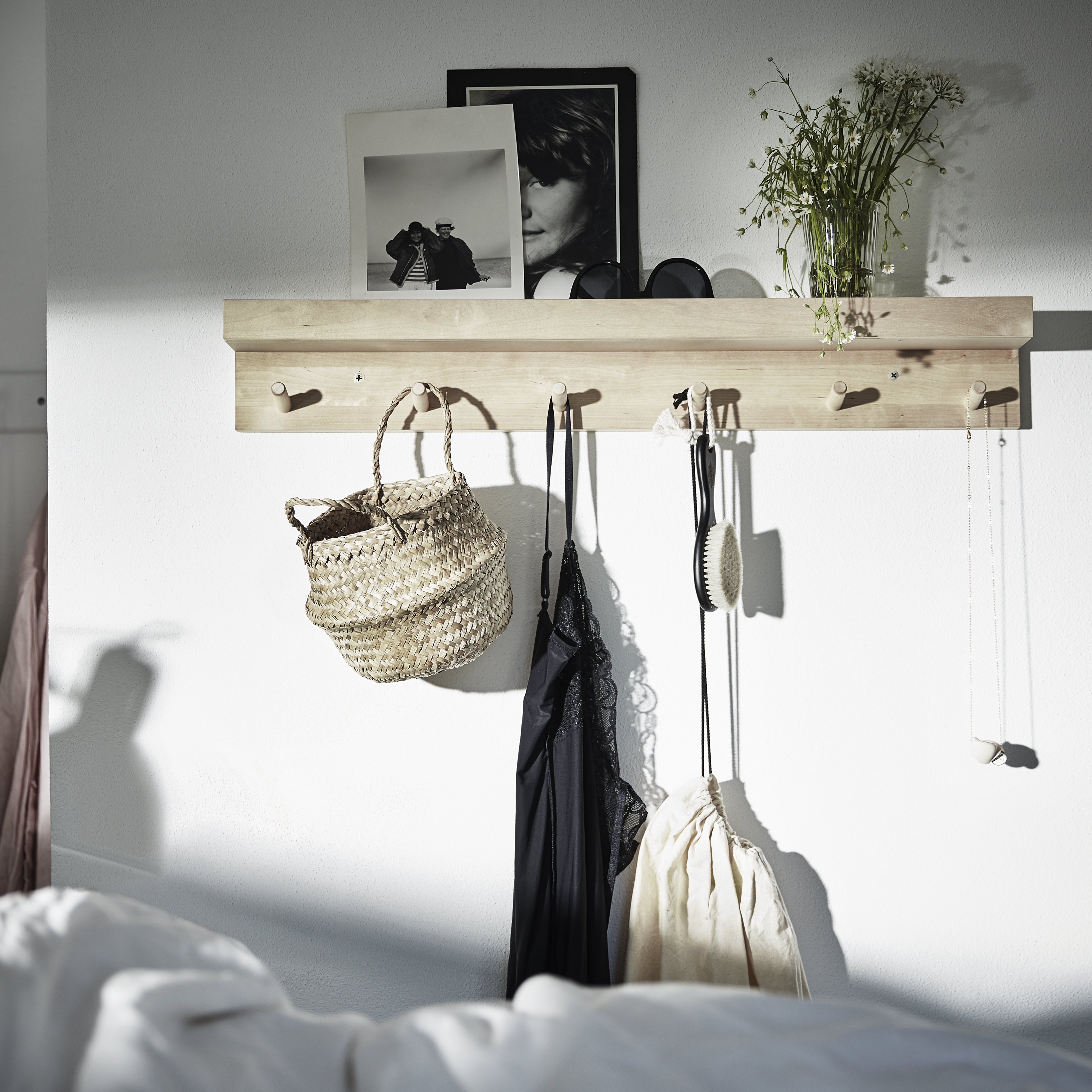
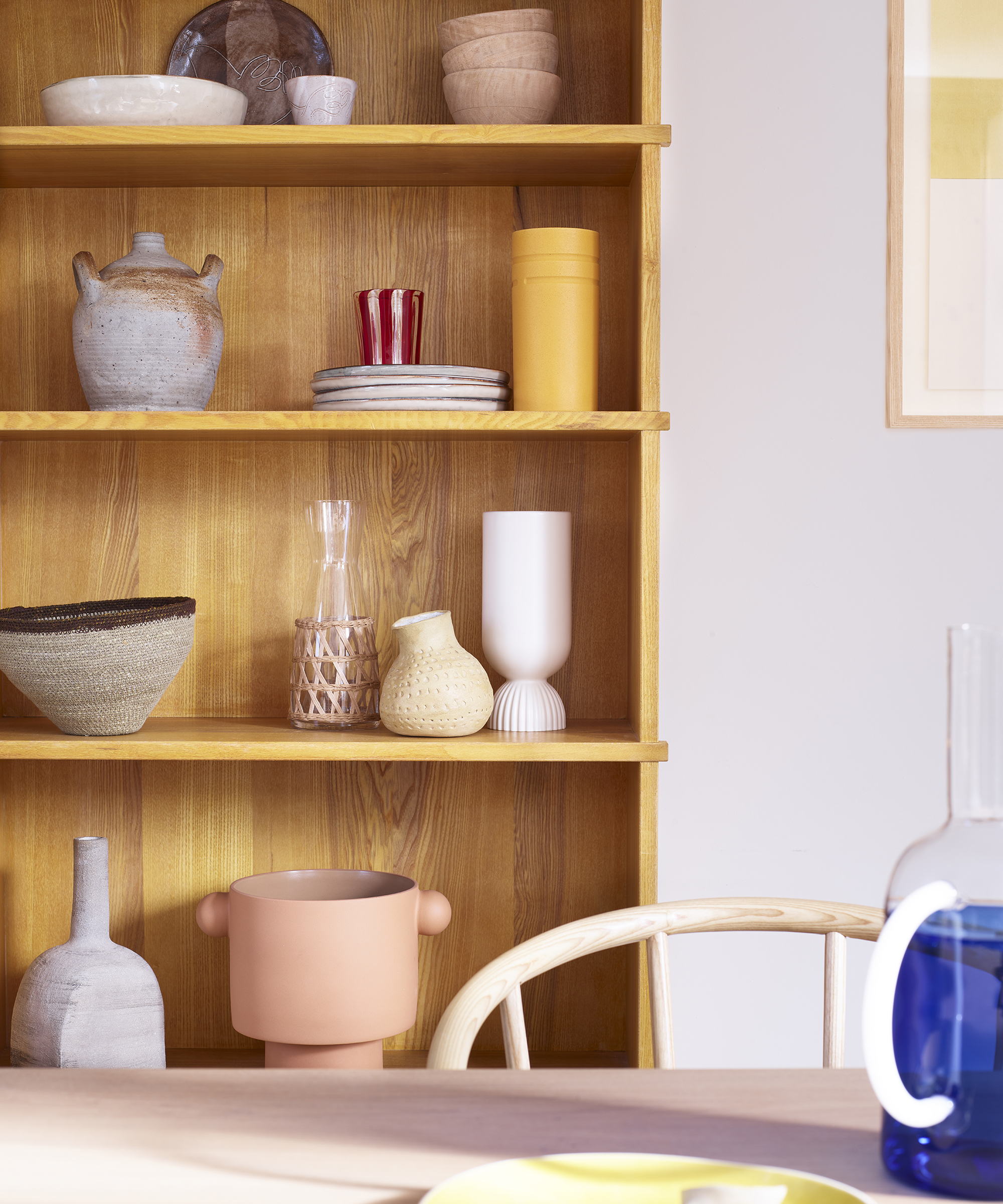
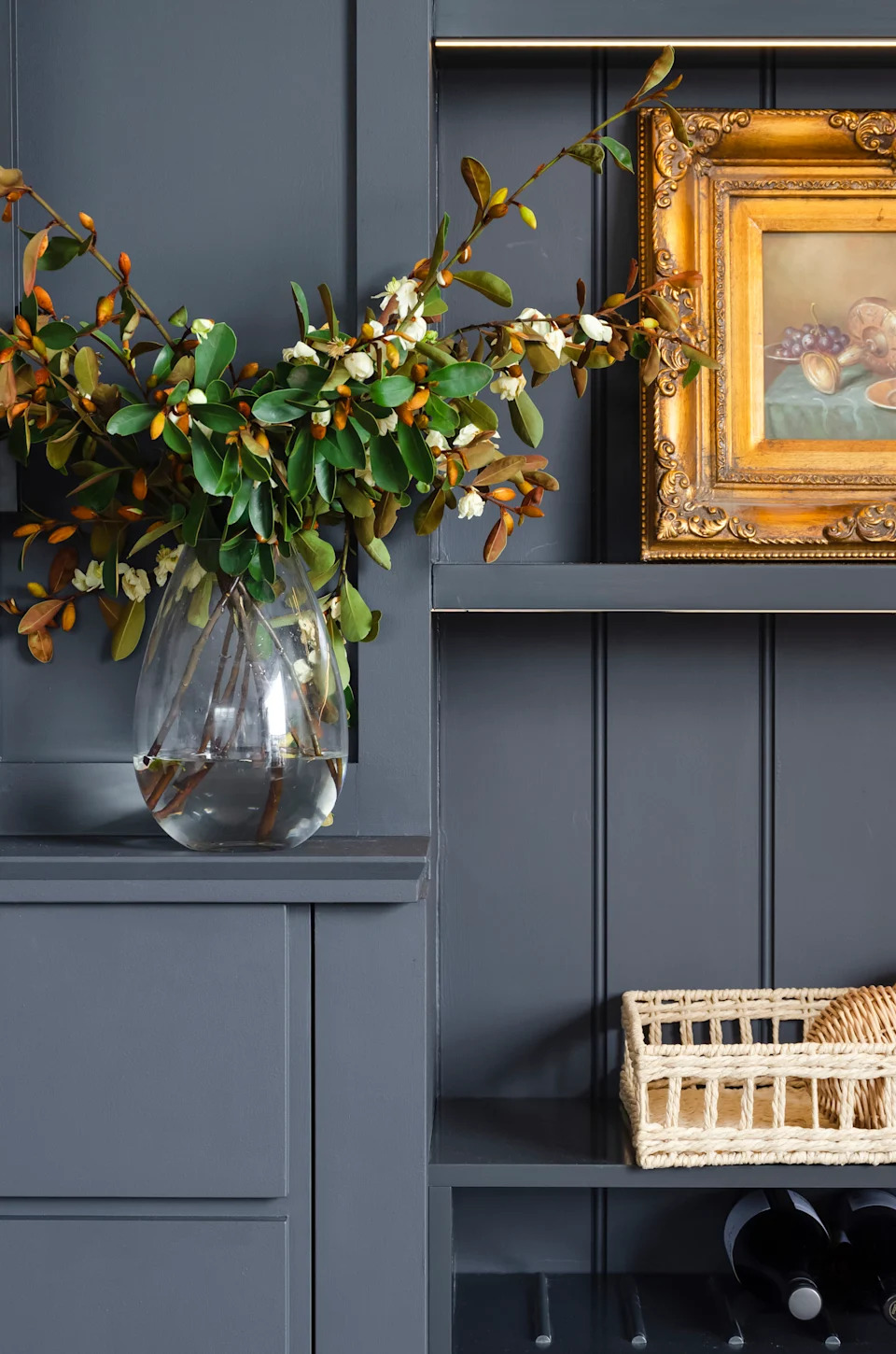
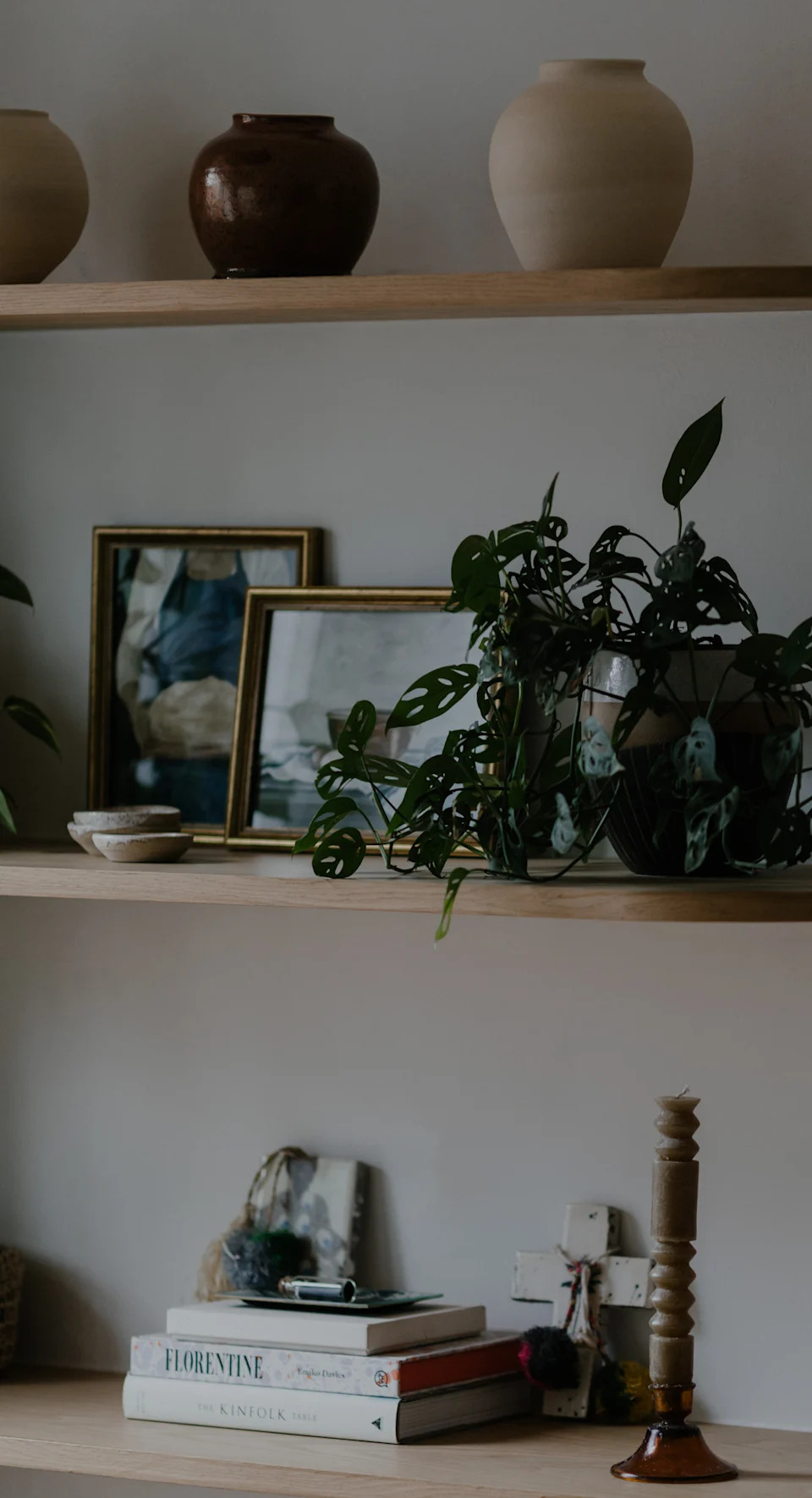
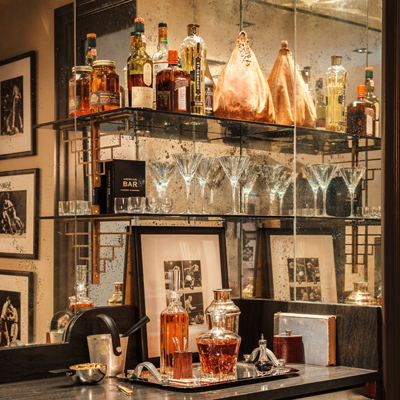
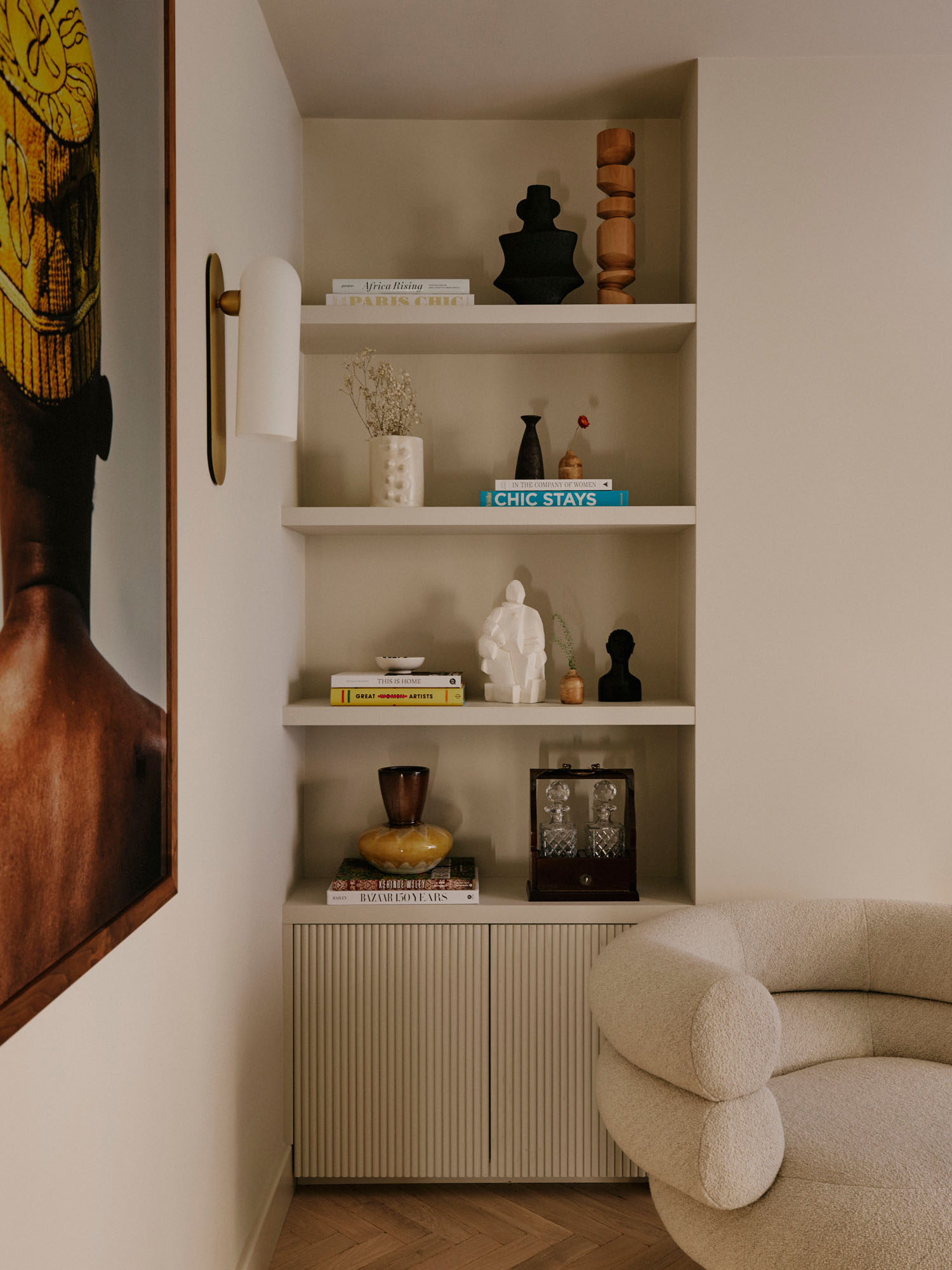
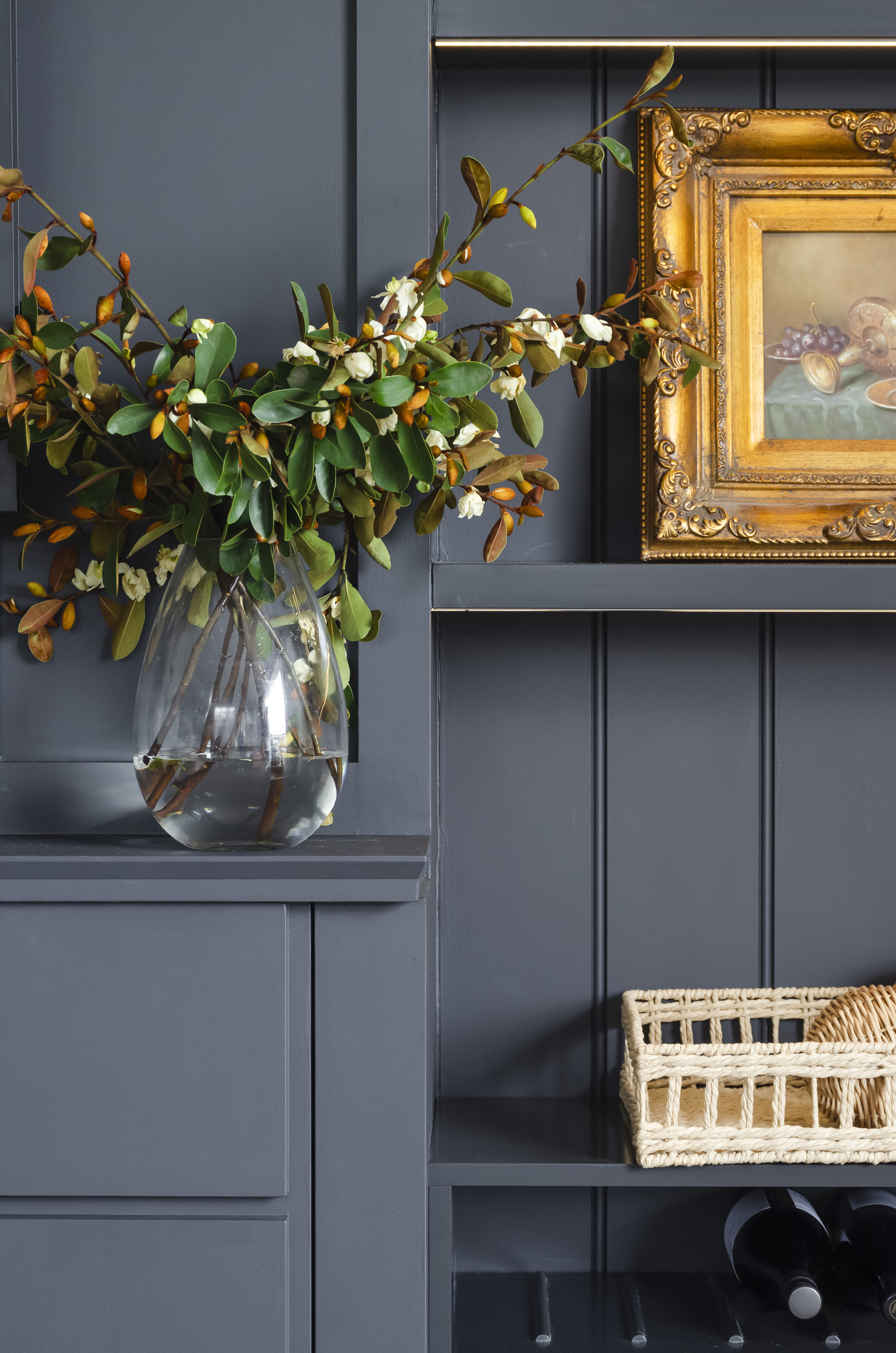
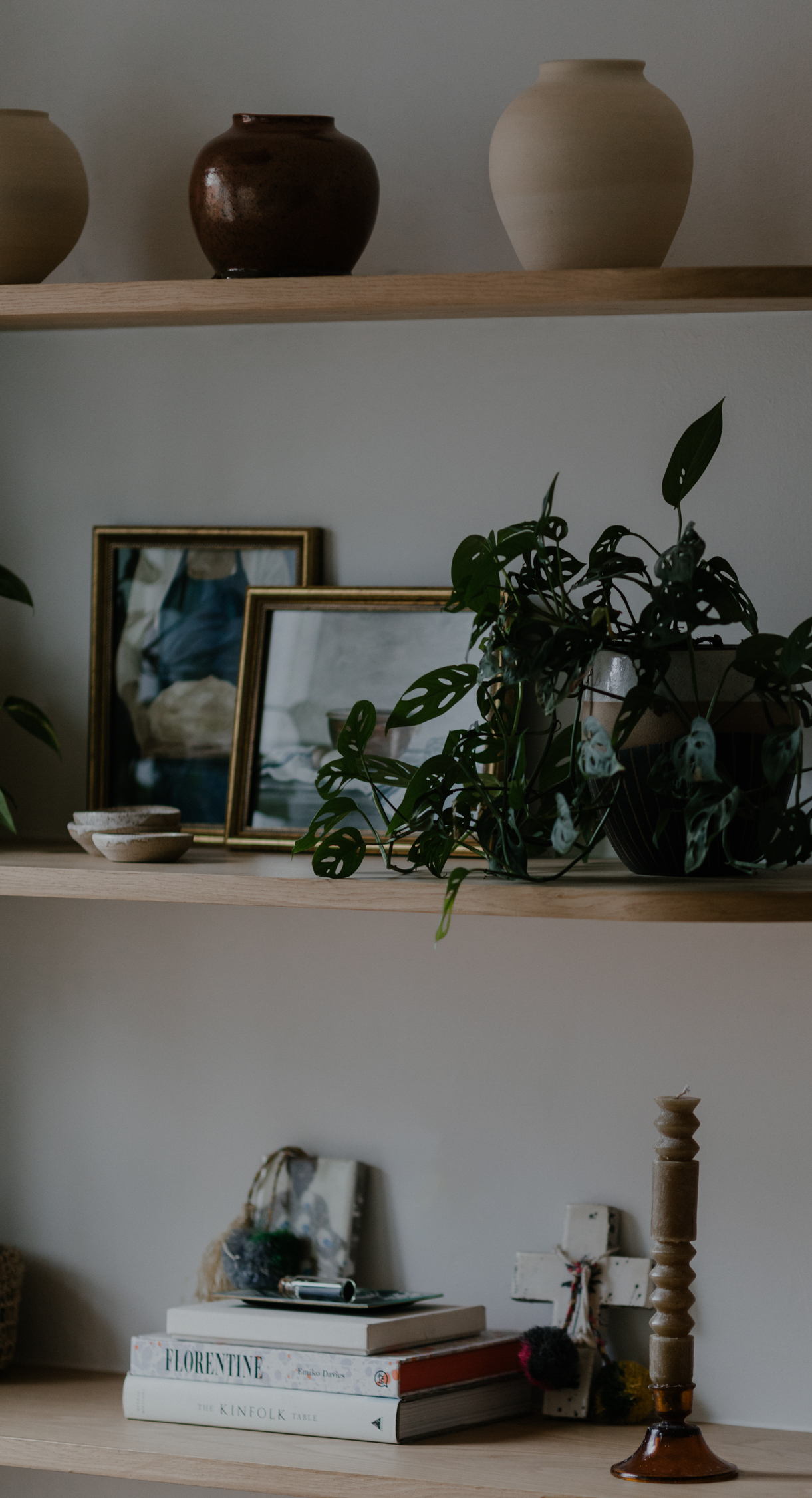
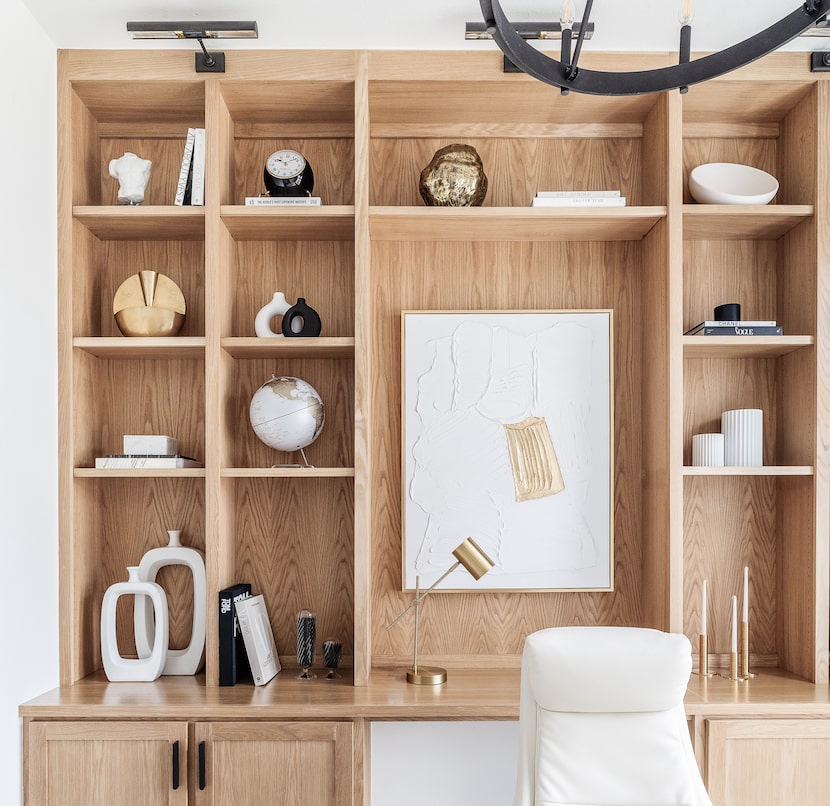
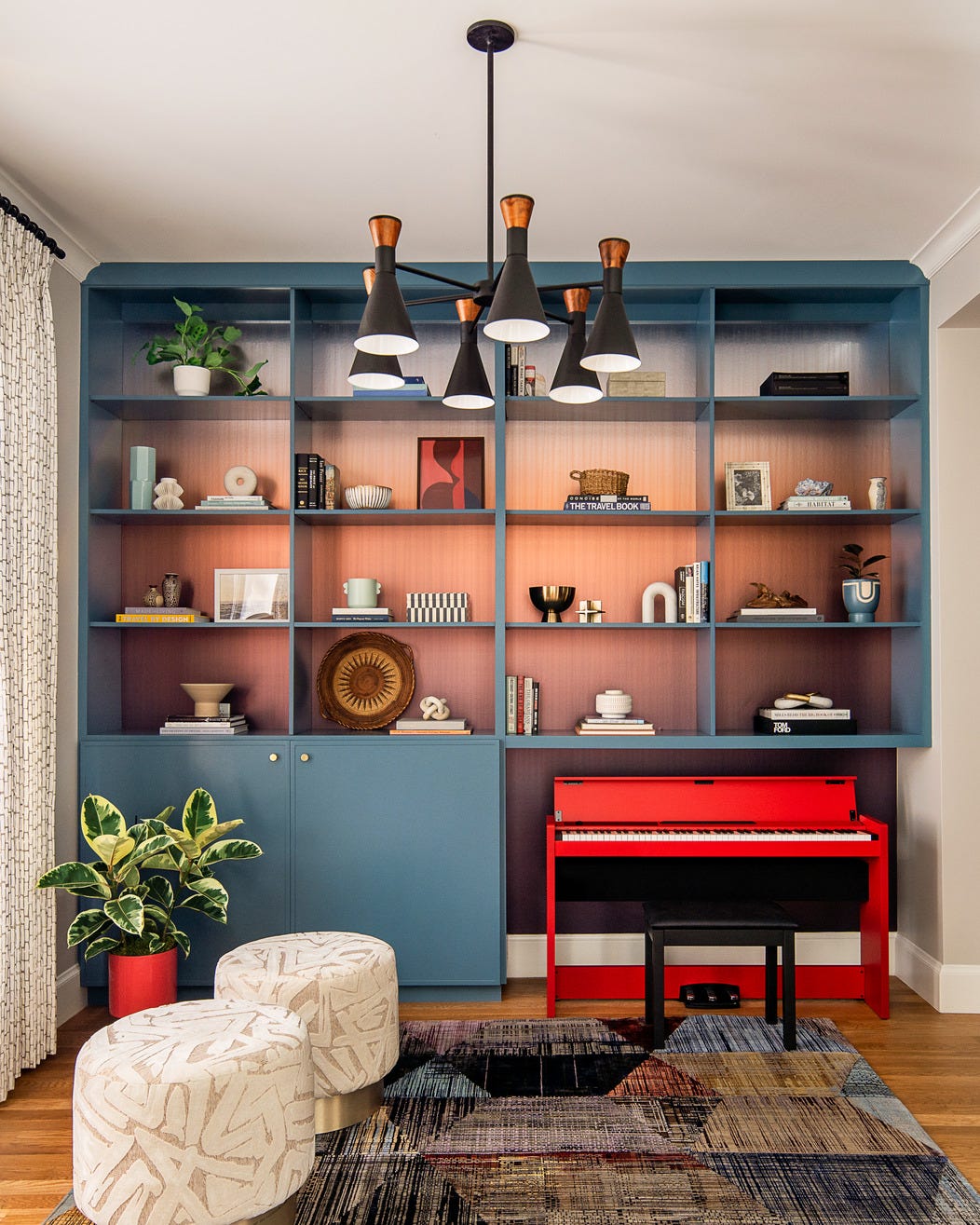
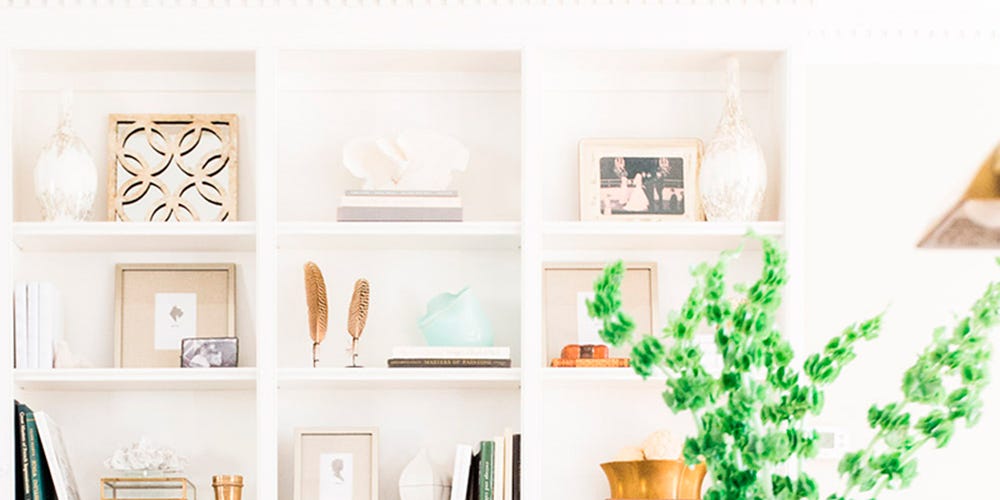
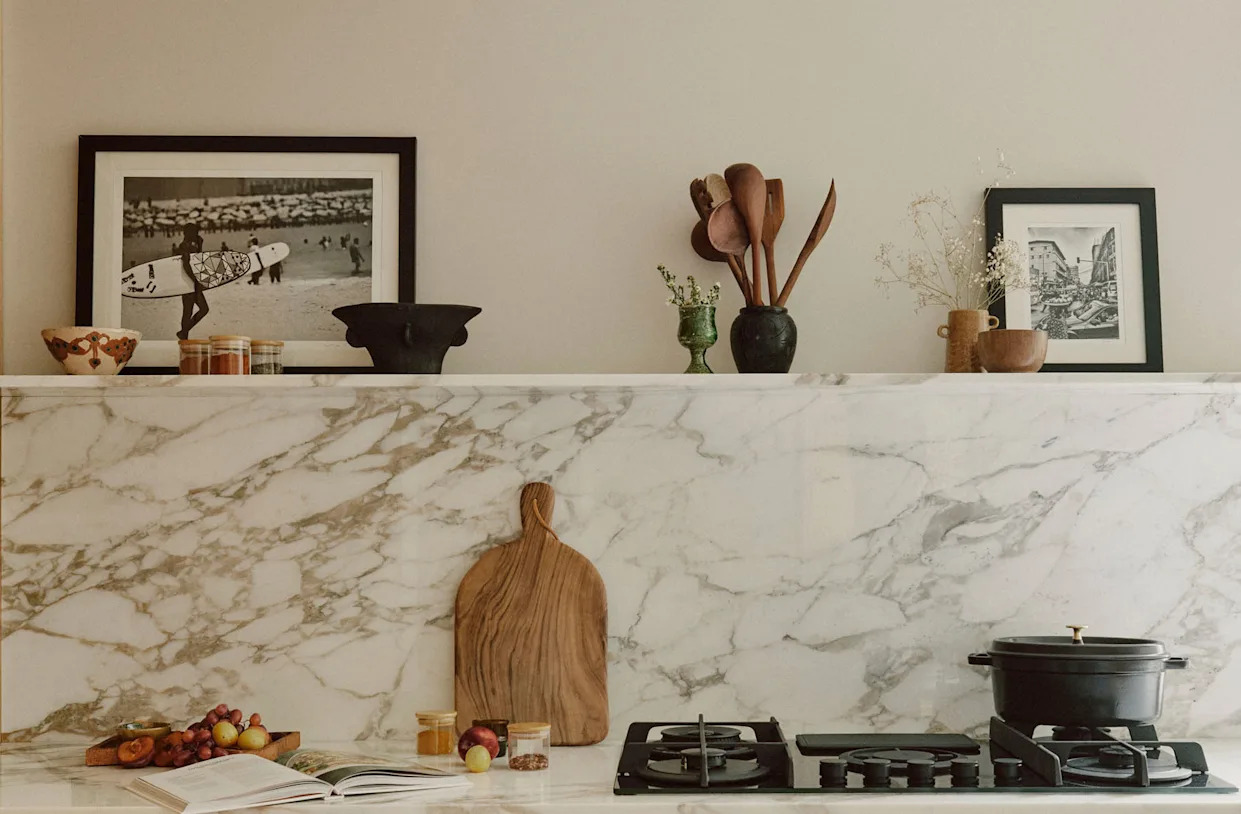
Following the book arrangement, the next step is to accessorize and layer. Incorporating unexpected items like jewelry in a decorative box or a seasonal bud can add a pop of color and visual interest. Artwork and mirrors placed at the back of shelves can create depth and allow for asymmetrical positioning, preventing a rigid appearance. Decorative ornaments and trinkets should be used to play with varying heights and sizes, ensuring a balanced look. Some shelves might only require a frame or two, while others could feature a single striking vase. Objects can also replace traditional bookends, and experimenting with stacking different items, such as a bowl on books or candles on a tray, is encouraged. Interior designers suggest arranging items by weight and size, with the heaviest and largest pieces on the bottom layer, progressing upwards.
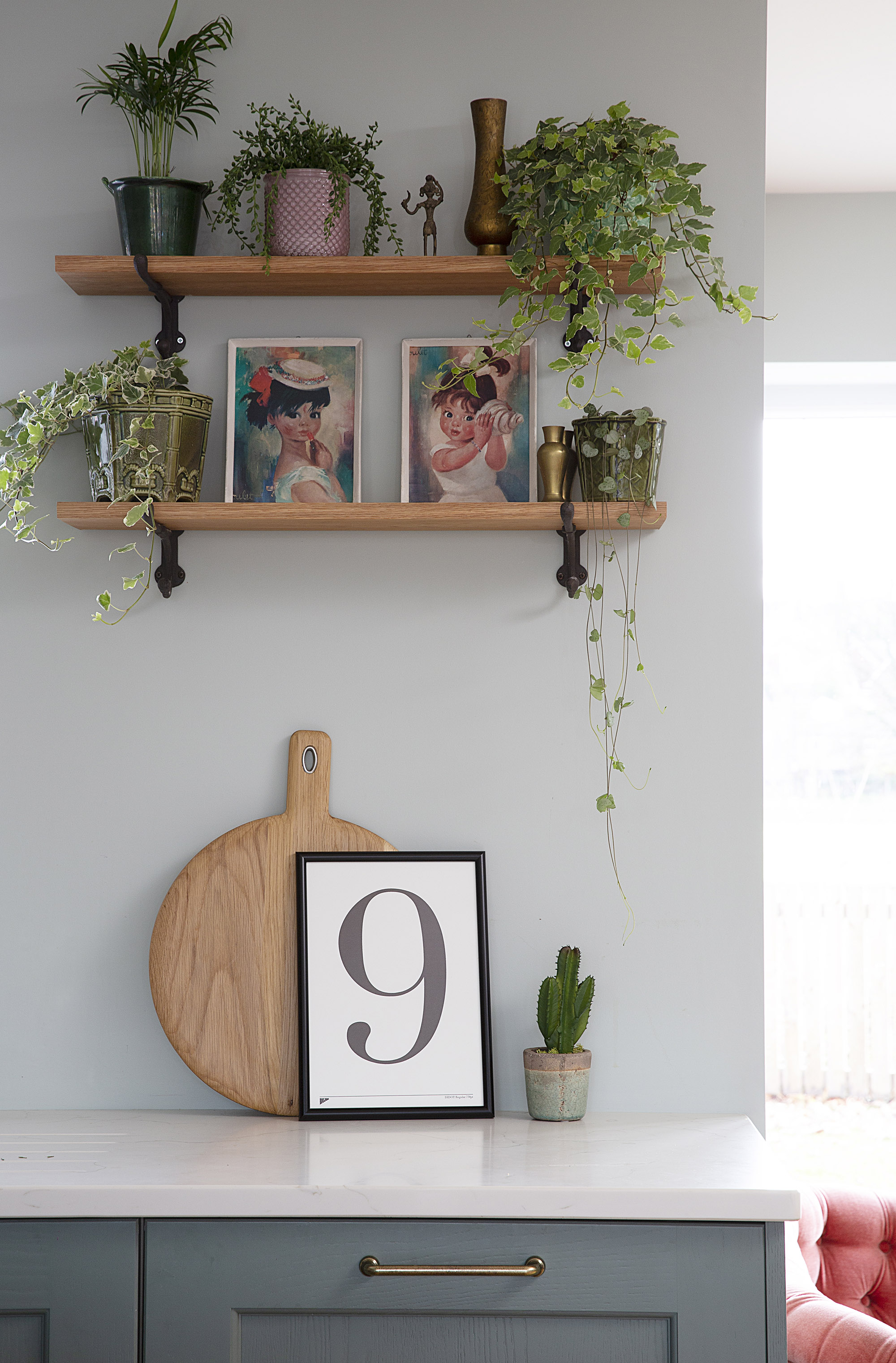
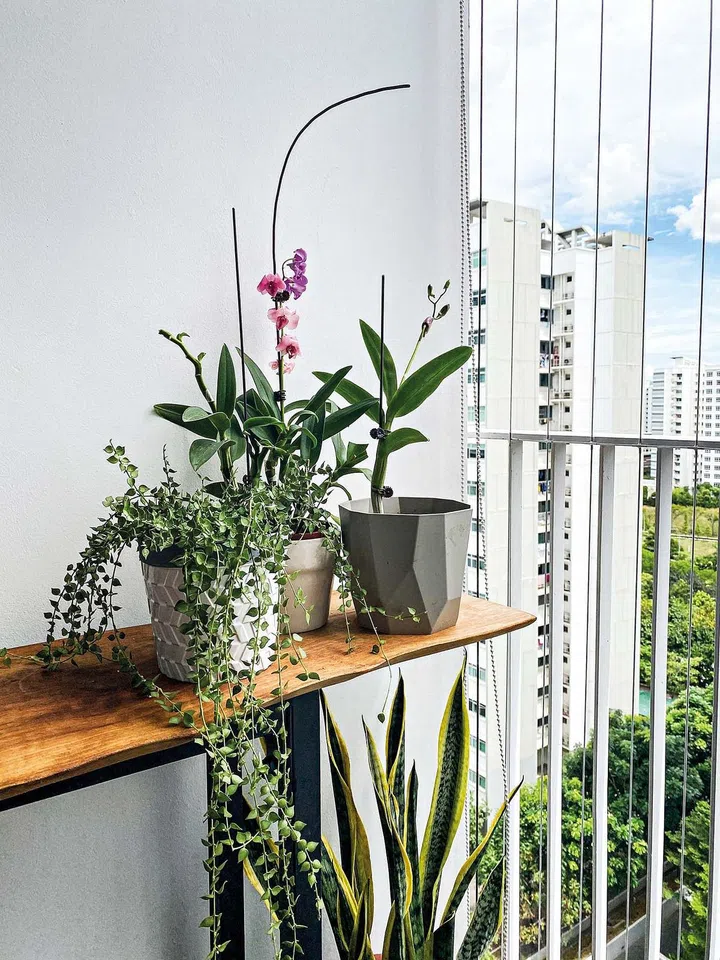
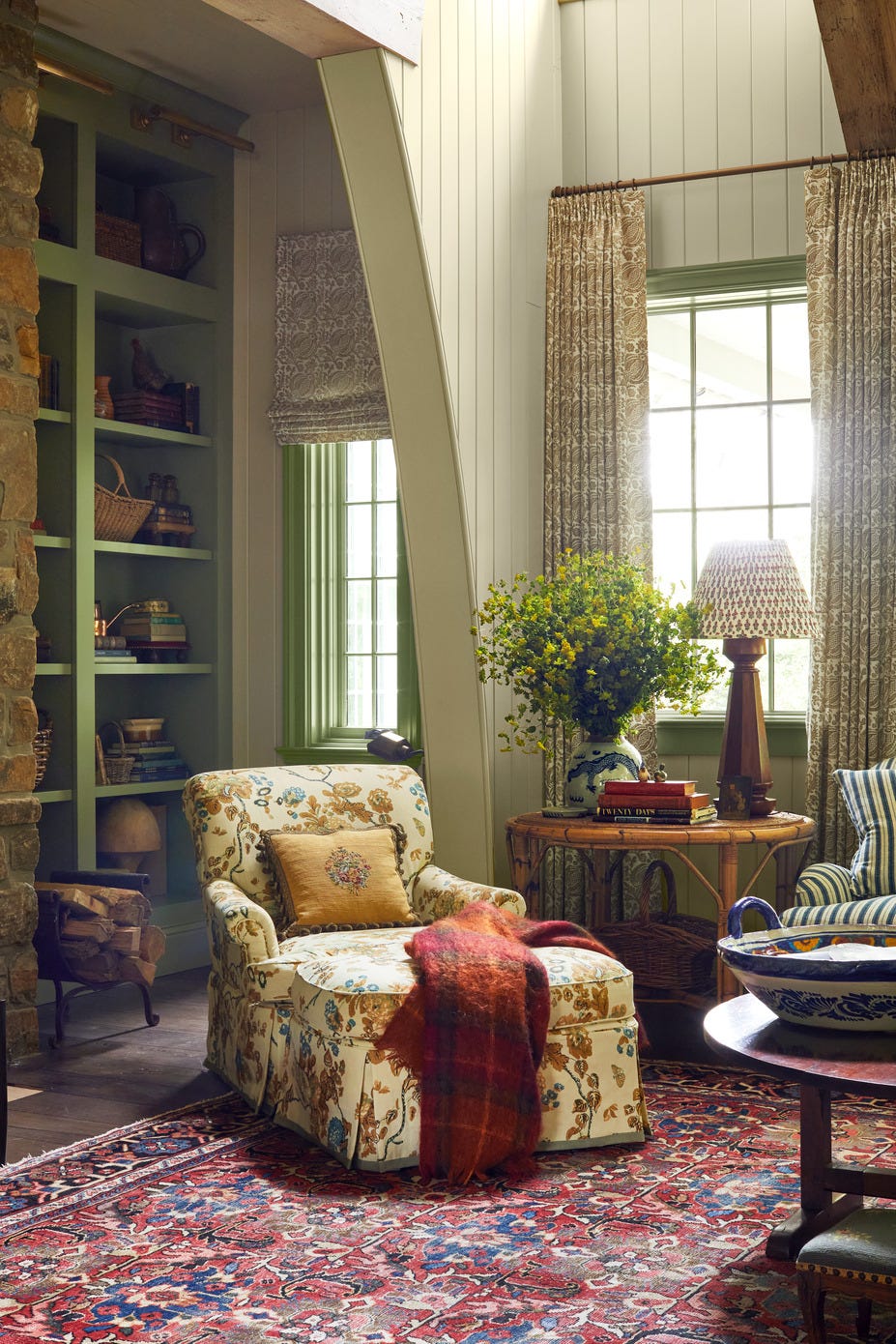
Playing with different textures, structures, and shapes is essential, as a structured object can enliven a shelf and introduce dimension. A balanced mix of hardback books, sculptures, and personal photos adds character. Clear vases can provide an airy feel, and it's not always necessary to fill them; empty ones can serve as accents. Incorporating greenery, such as draping ivy plants, can add texture and natural color, enhancing the overall aesthetic.
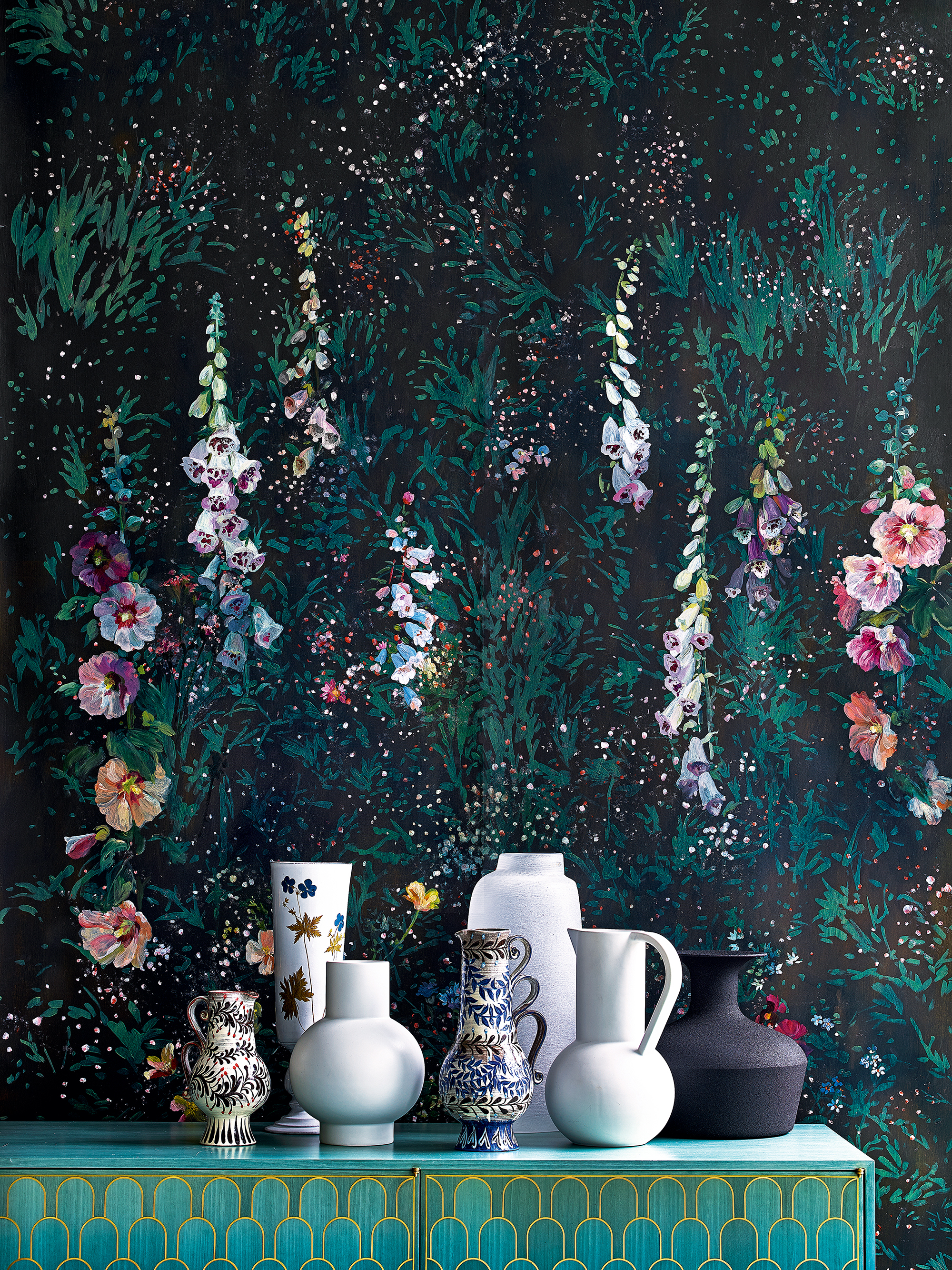
The third principle is 'less is more'. It is crucial to allow empty space between decorative accents to prevent shelves from looking overcrowded. Overloading shelves should be avoided; instead, focus on showcasing cherished objects. Arrangements should be balanced, either by centering items or distributing an equal number of items on each side to achieve symmetry. The 'rule of three' suggests grouping three different objects on each row for a simple yet effective display. Depending on shelf size, various patterned and sized vases can be organized in pairs or threes. Large objects used in pairs or threes can create a symmetrical look, while small items are generally considered dust collectors.
Finally, taking a step back from the styled shelves can offer a fresh perspective. If the arrangement feels overwhelming, taking a break and revisiting it later with a clear mind is beneficial. Taking a photograph can also help evaluate changes and compare differences. If shelves still appear overcrowded, editing them by removing one item from each shelf can improve the overall look.
#ShelfStyling #HomeDecor #InteriorDesign #Shelfie #Decluttering #HomeAccessories #BookshelfStyling #DecorativeAccents #RoomTransformation #ShelfStyling #HomeDecor #InteriorDesign #Shelfie #Decluttering #HomeAccessories #BookshelfStyling #DecorativeAccents #RoomTransformation
0 comment in total
 No comments yet
You may also like
Styling Shelves: Your Expert (Five-Point) Guide
Experts suggest ways to make your shelfie shine
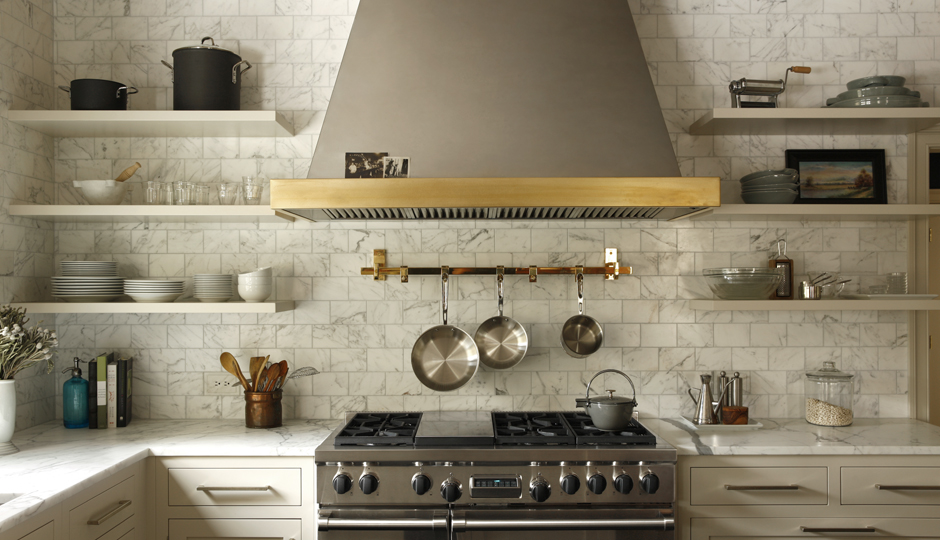
7 Pro Tips for Creating Magazine-Worthy Open Shelves
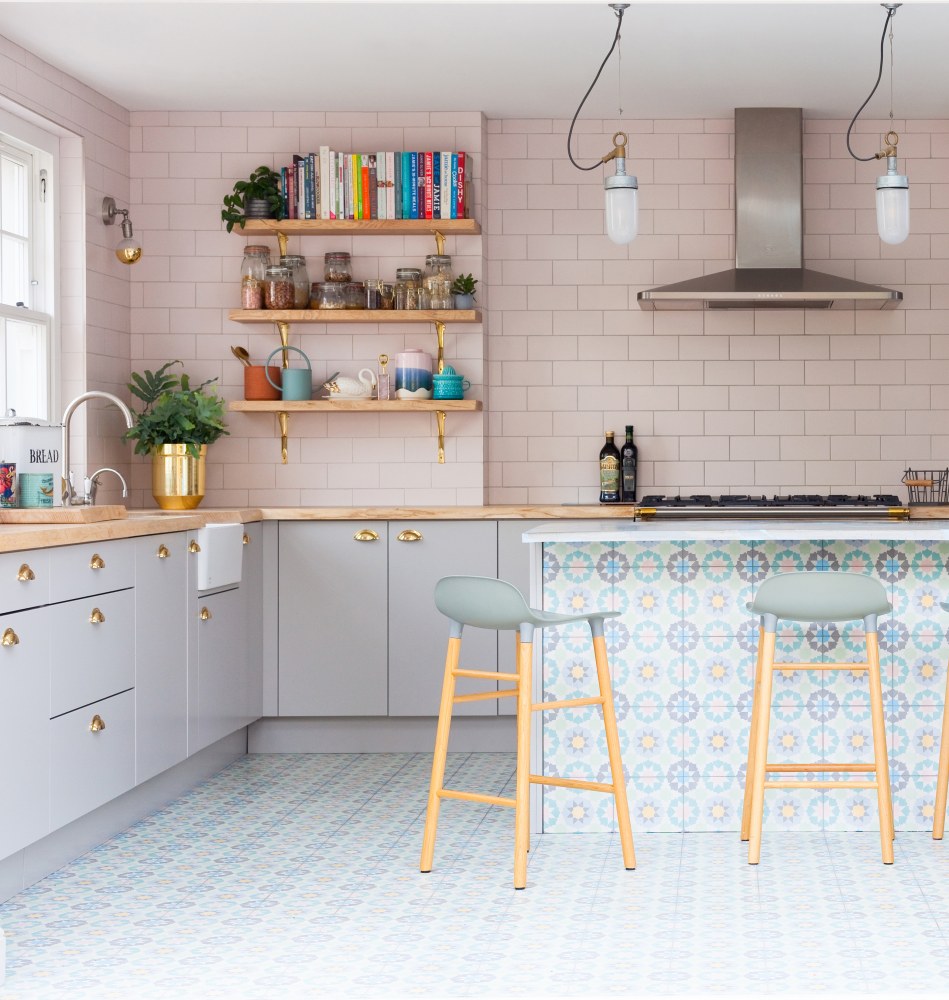
Your Shelf Brackets Don’t Have to Be Resigned to a Supporting Role
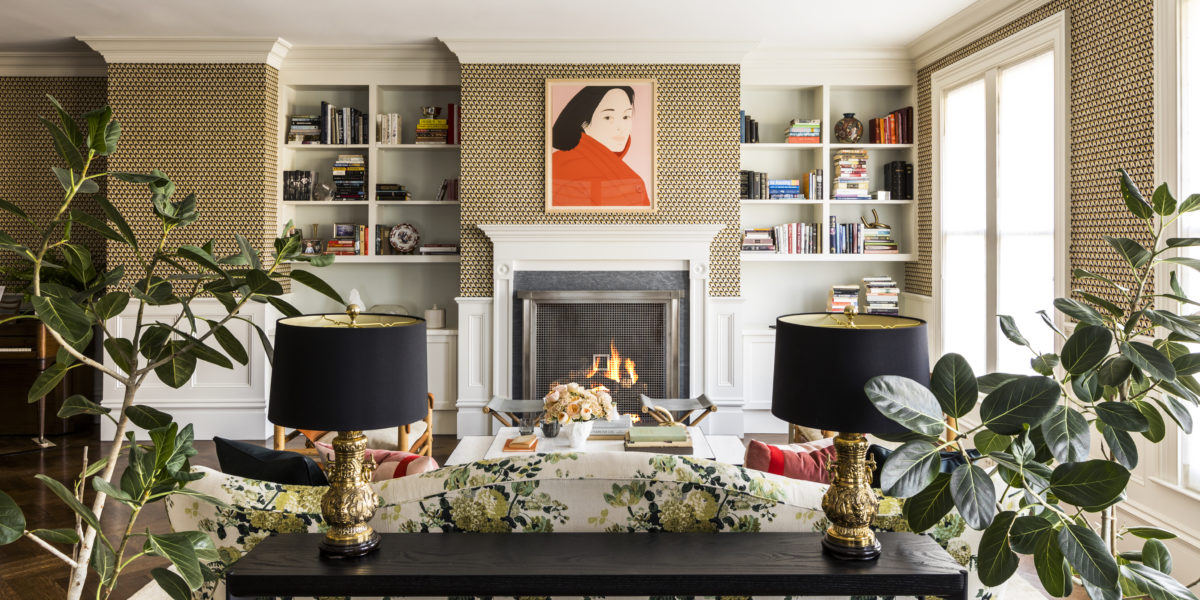
A Book Lover’s Guide to Styling Your Shelves
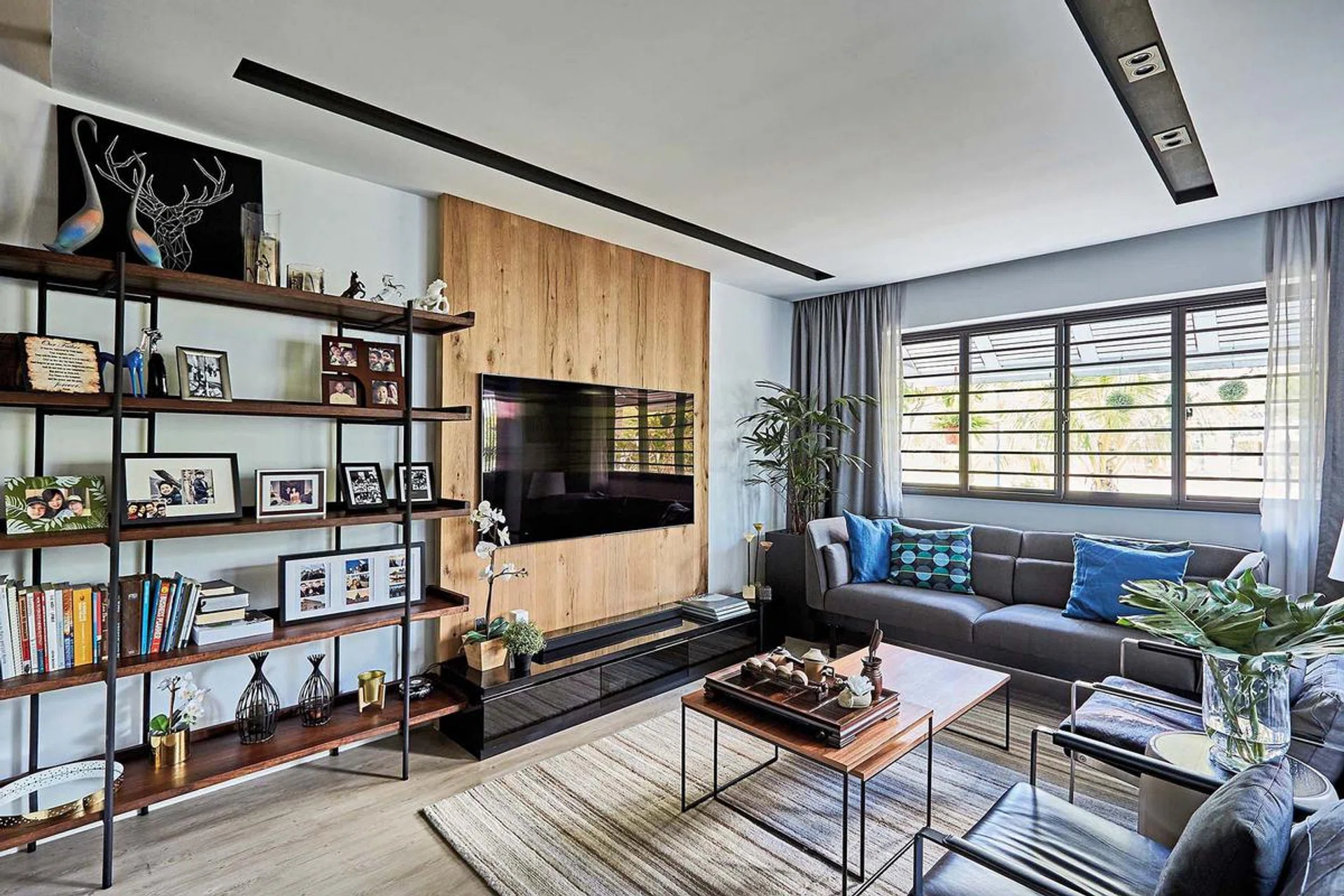
Putting up shelves? Here's what you need to know first
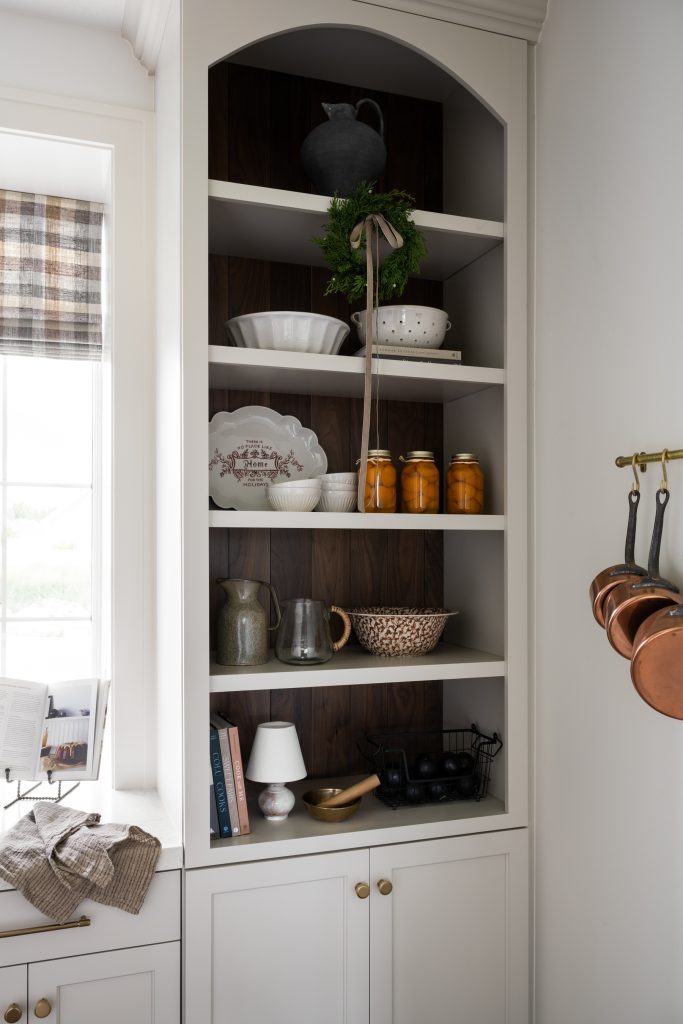
How To Style Pantry Shelves For The Holidays
Shelves & Shelf Brackets

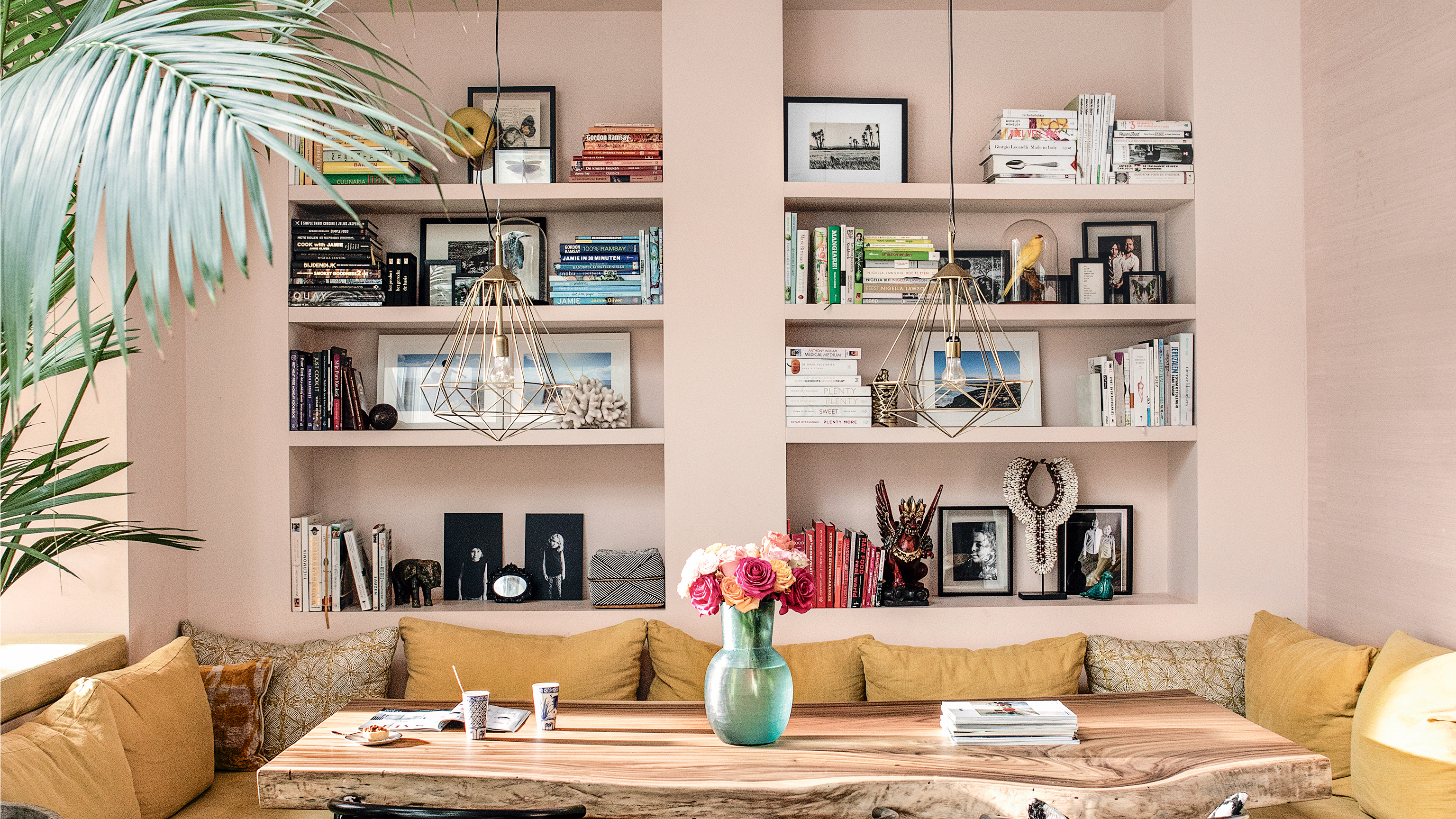
Shelving ideas – how to add personality, style and storage to any room

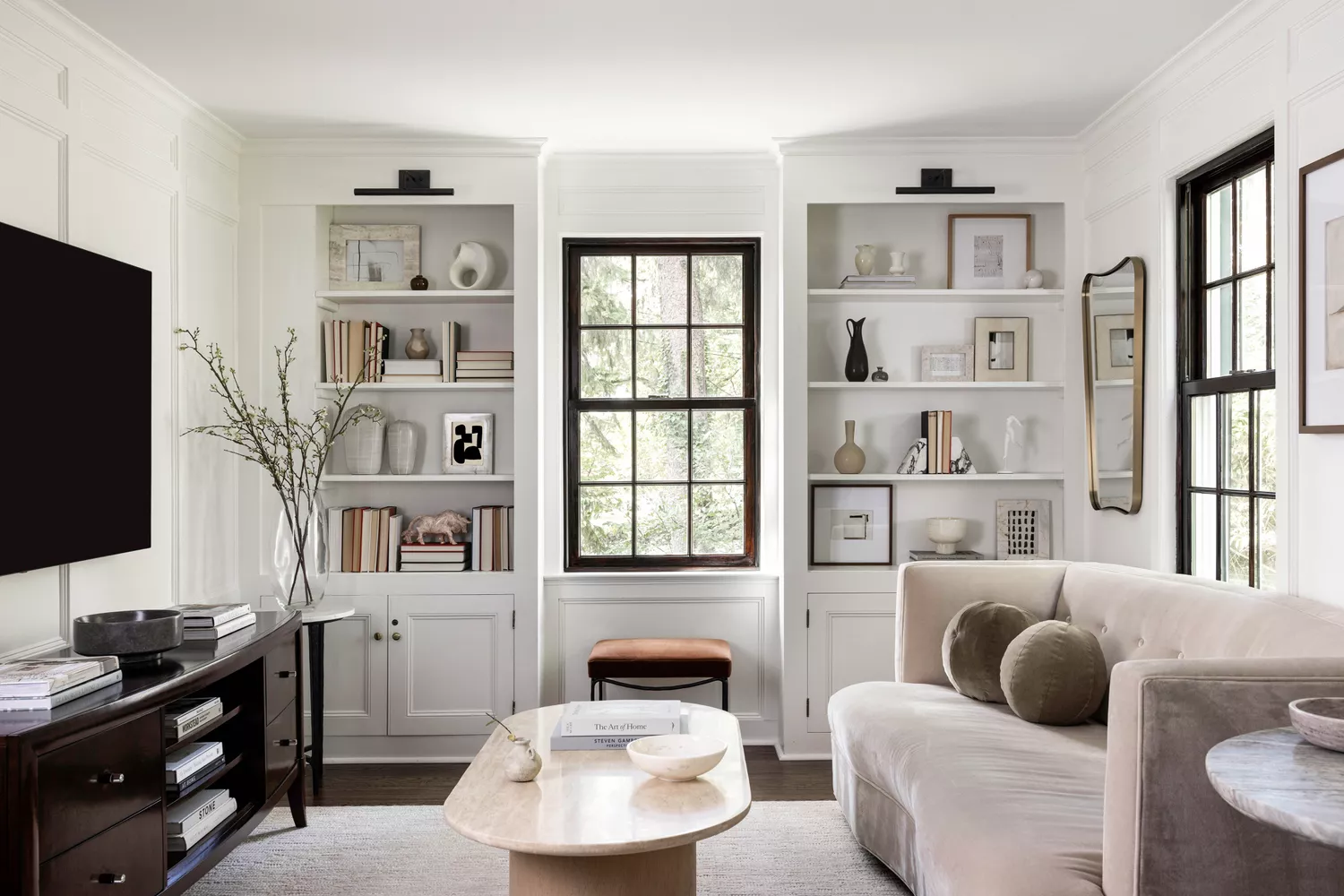
How to Style Your Bookshelves, According to Interior Designers and Stagers
5 shelf styling trends for 2024 designers are using now to create rooms full of personality

The 7 Best Shelf Liners of 2025

The Art Of Shelf Styling
Decorating shelves – 13 ideas for beautiful arrangements

Master the art of styling bookshelves with these tips from design experts

Shelving & Storage
I asked an interior designer how to style shelves, and I learned 4 awesome tips

5 shelf styling trends for 2024 designers are using now to create rooms full of personality
How To Style Your Bookshelves Perfectly, According to Designers

20 Shelf Décor Ideas That Turn Your Objects Into Wall Art