1/8
Relaxing bedroom ideas – how to create a more serene space, according to designers
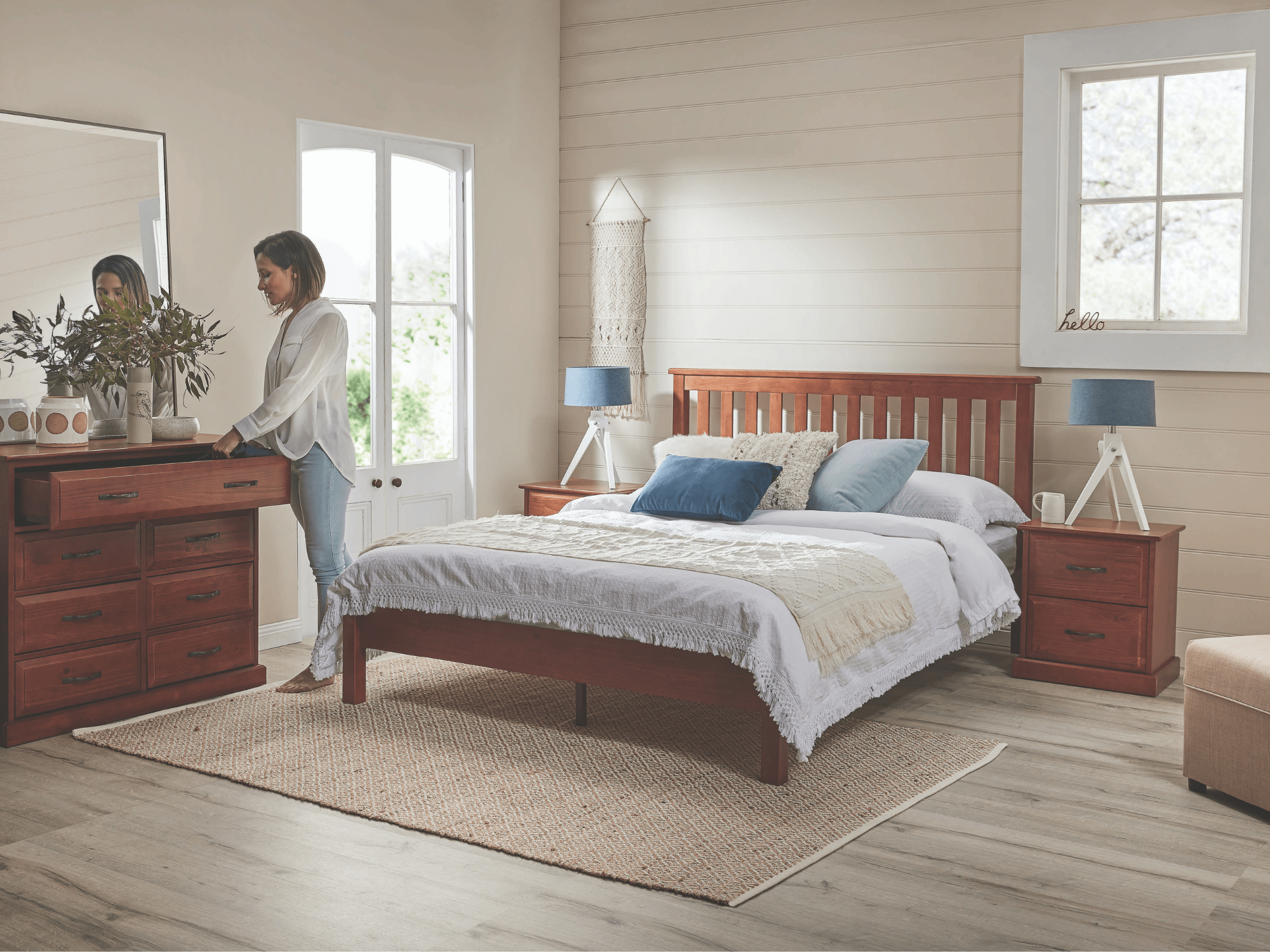
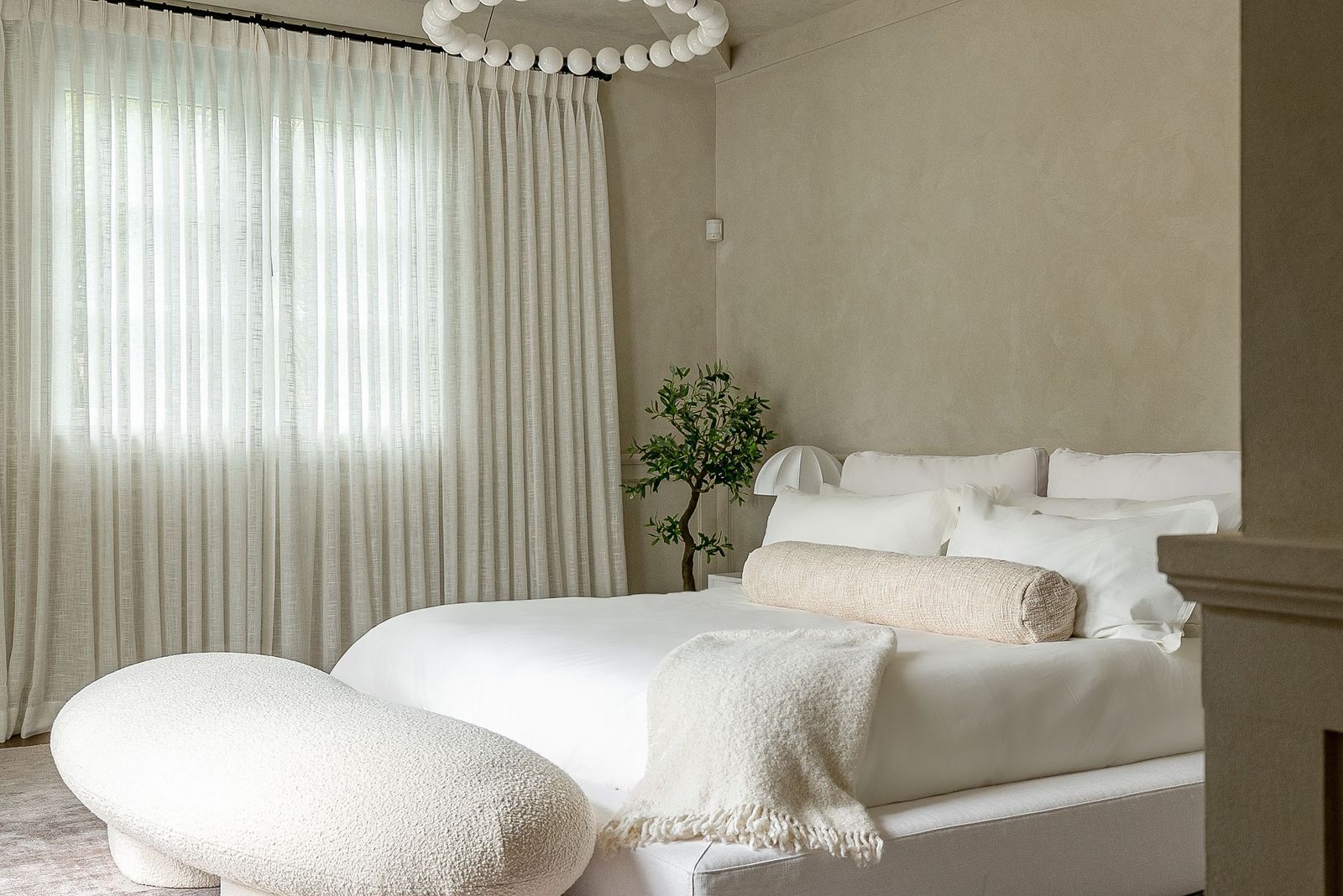
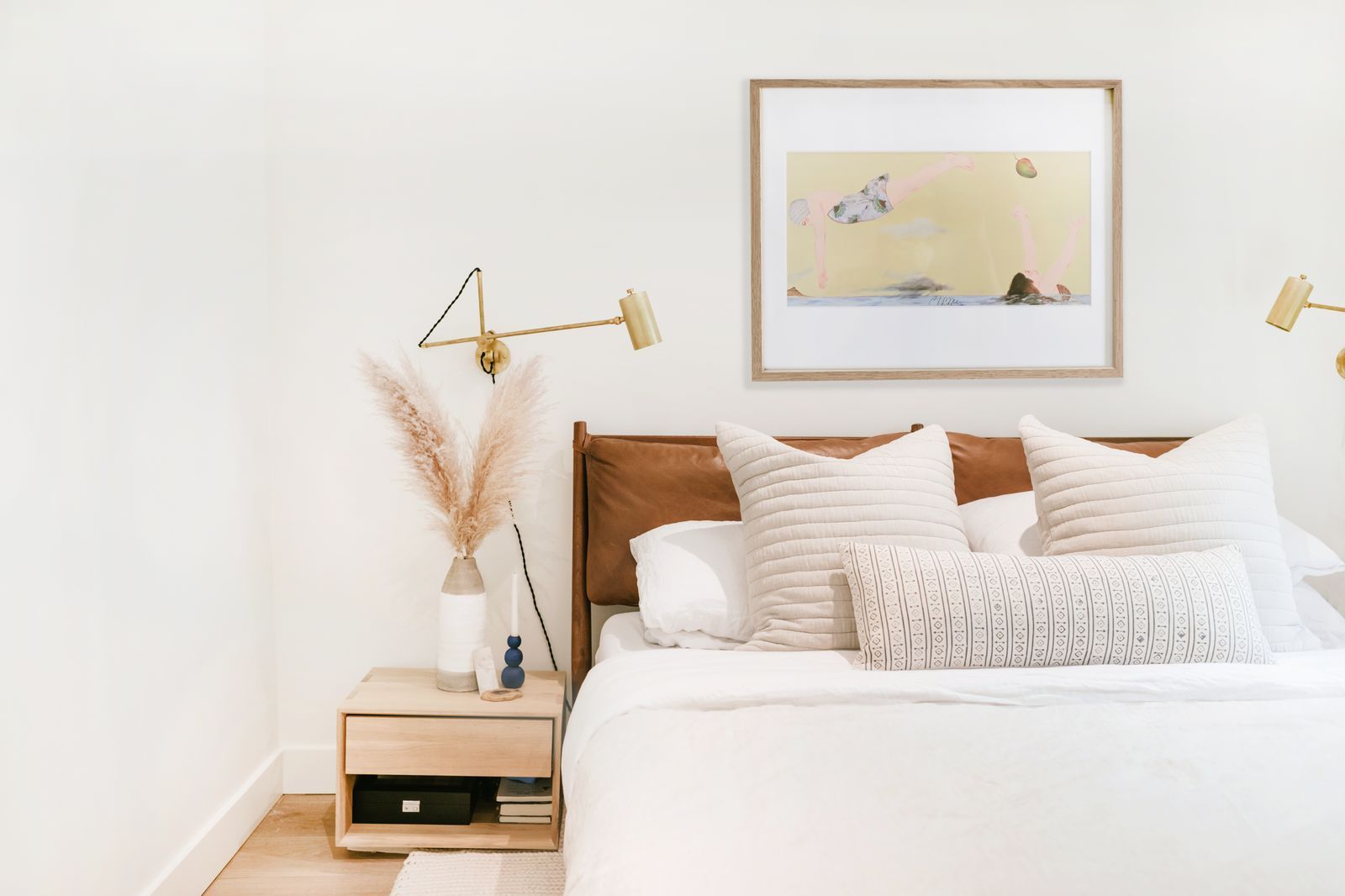
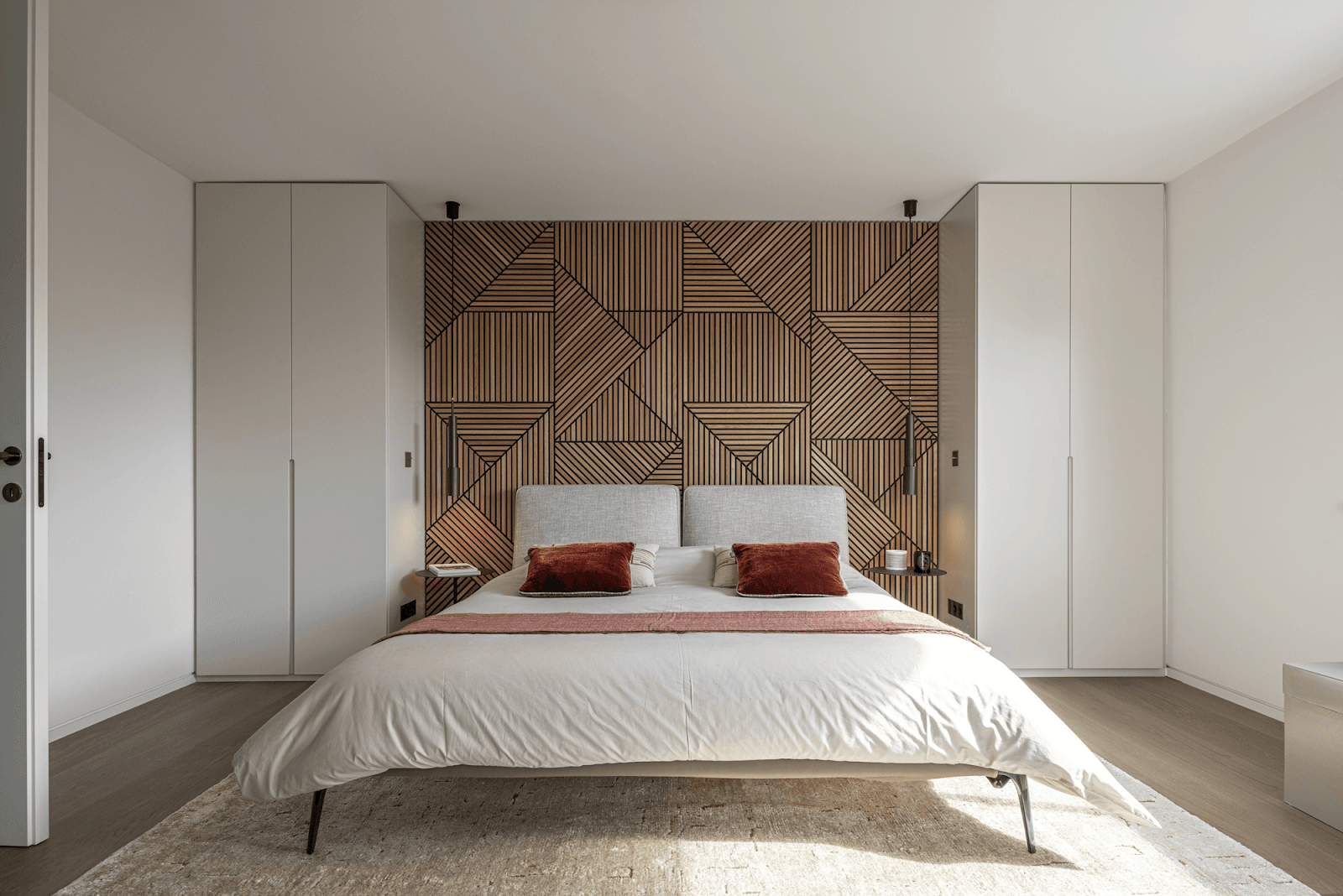
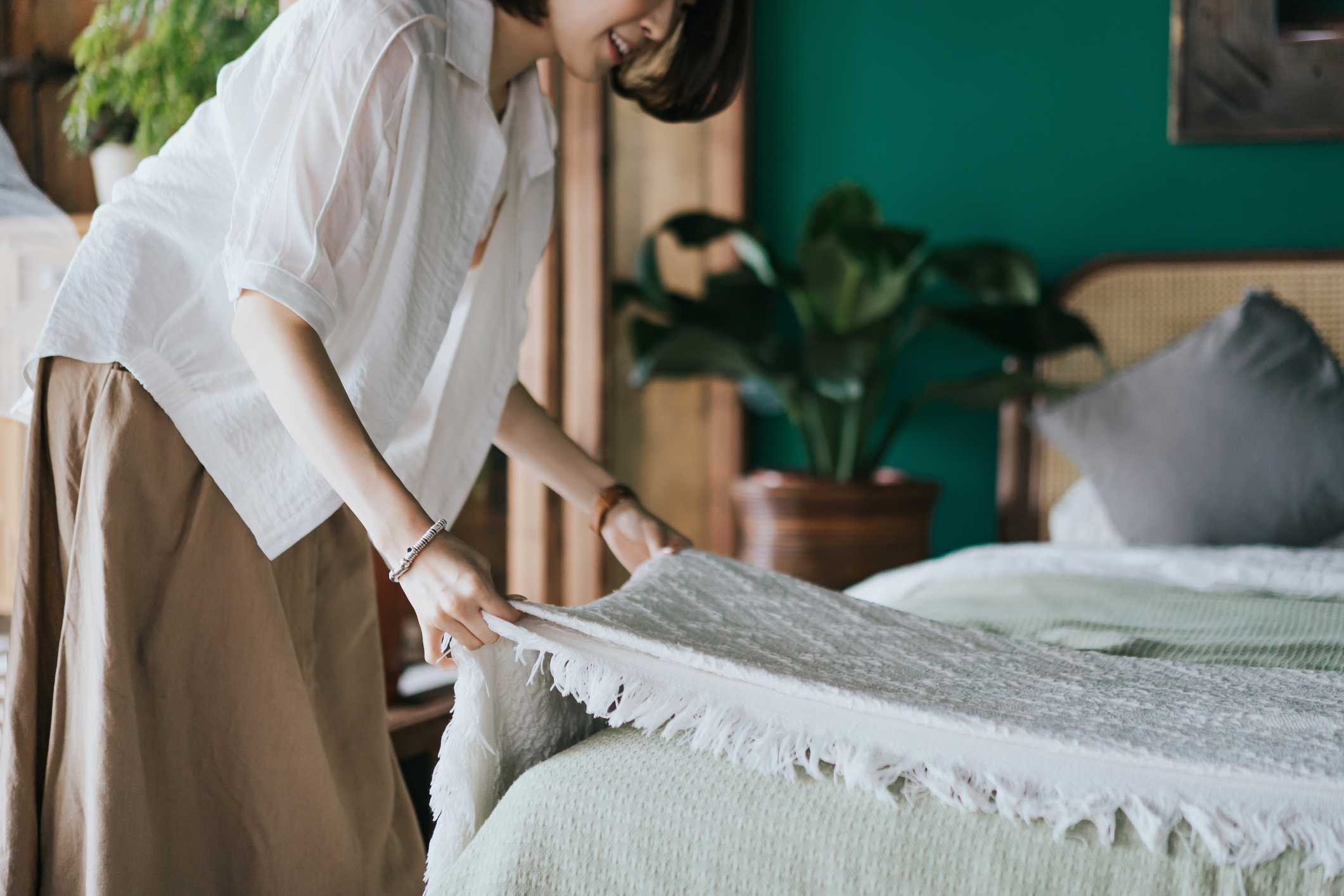
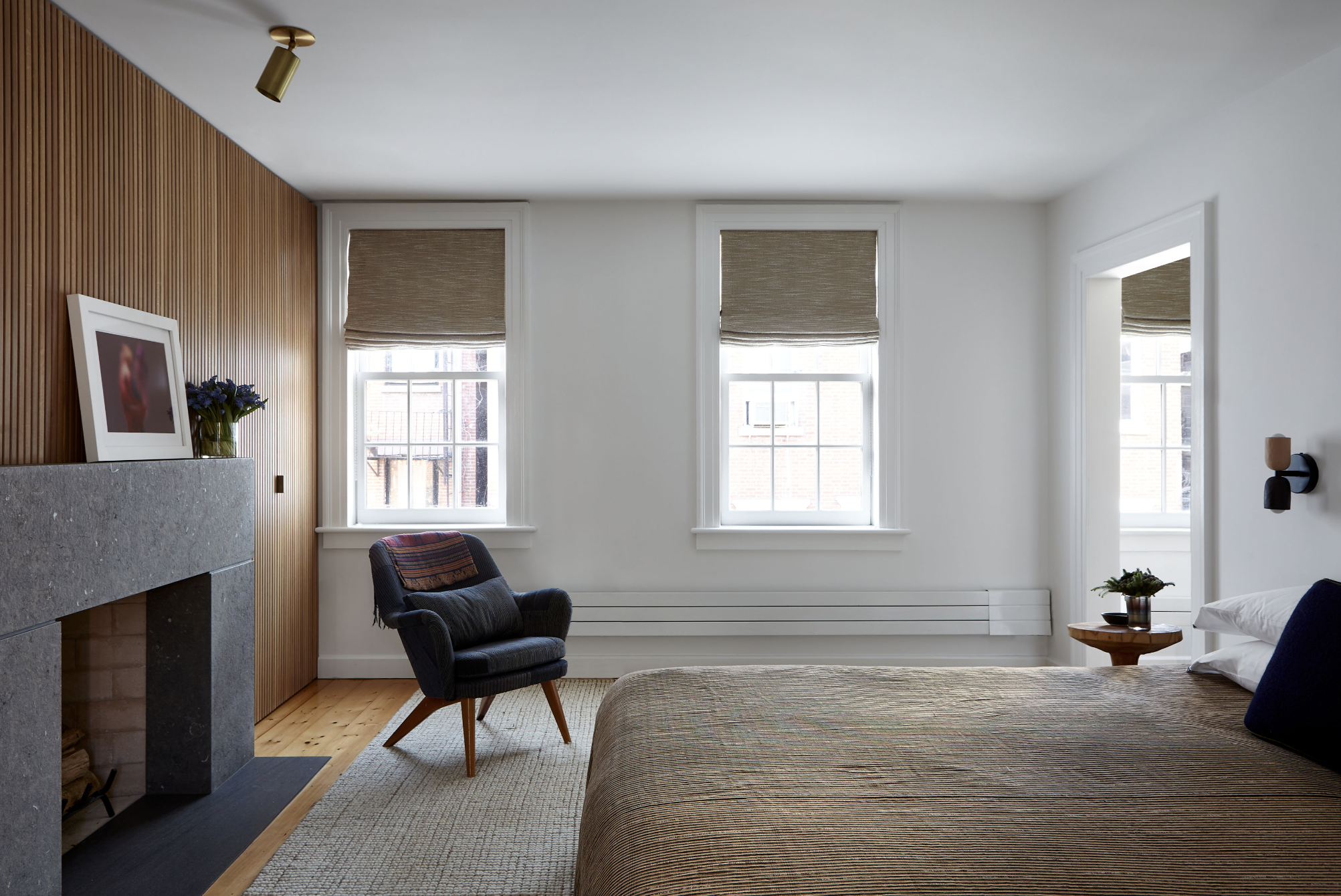
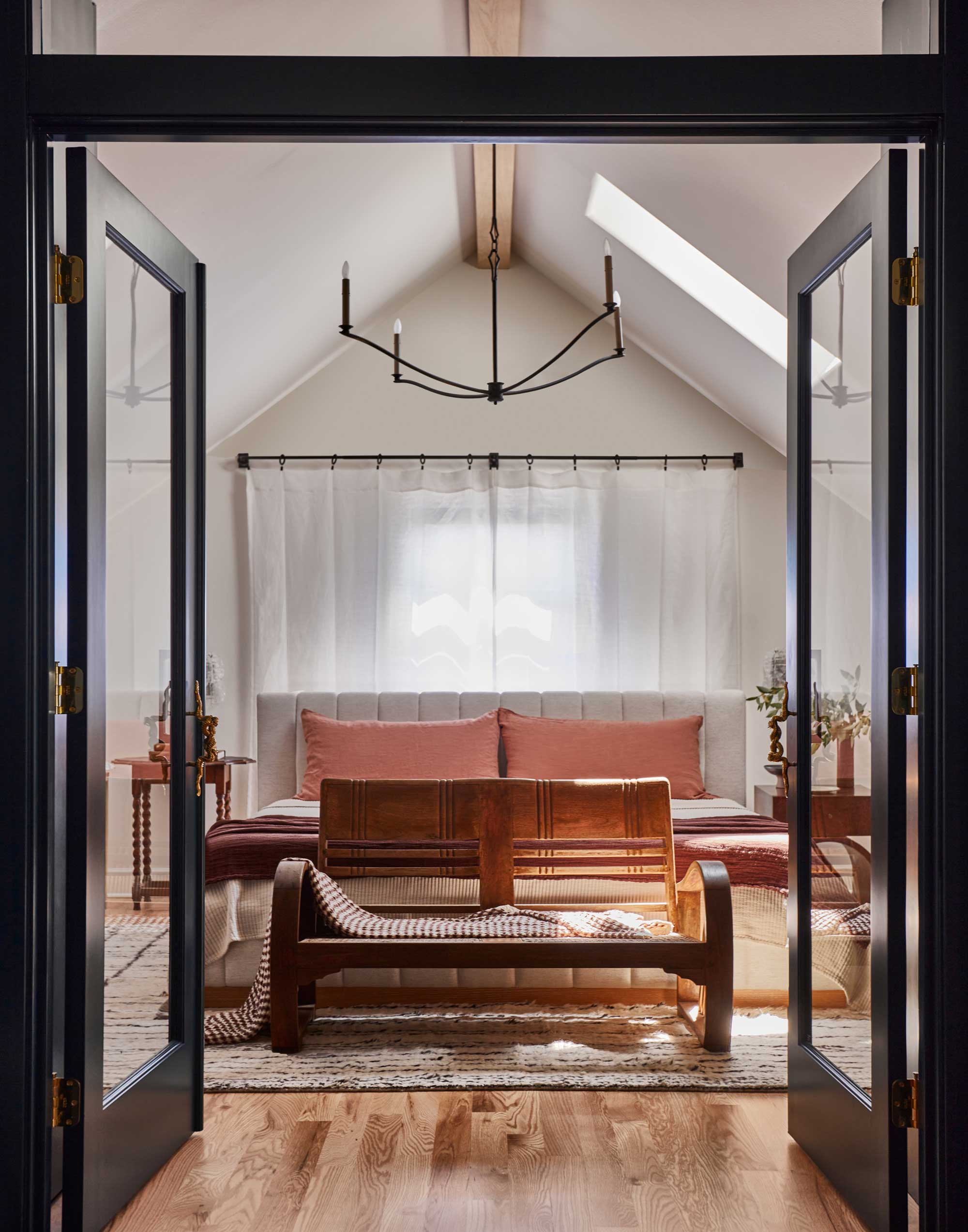
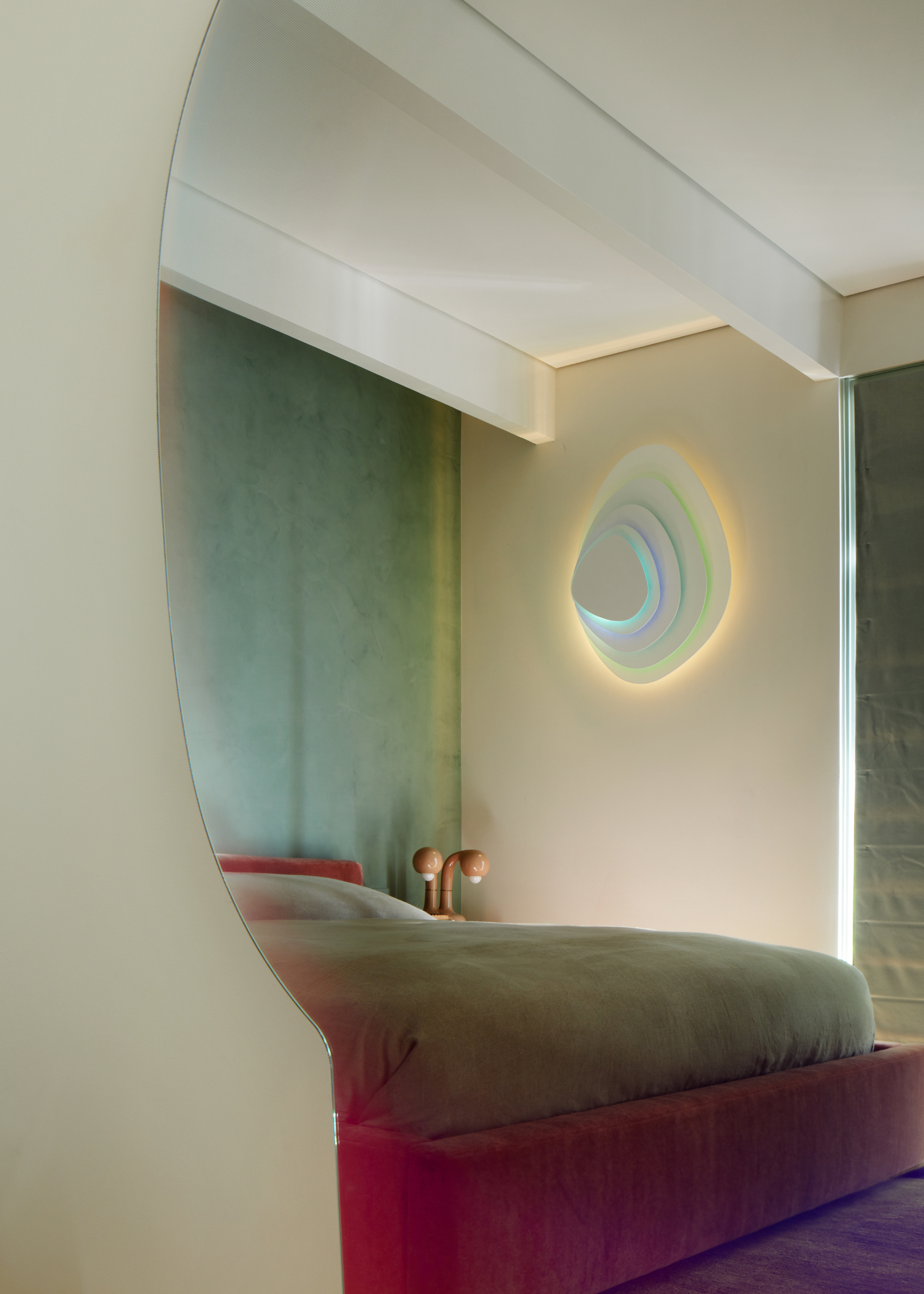
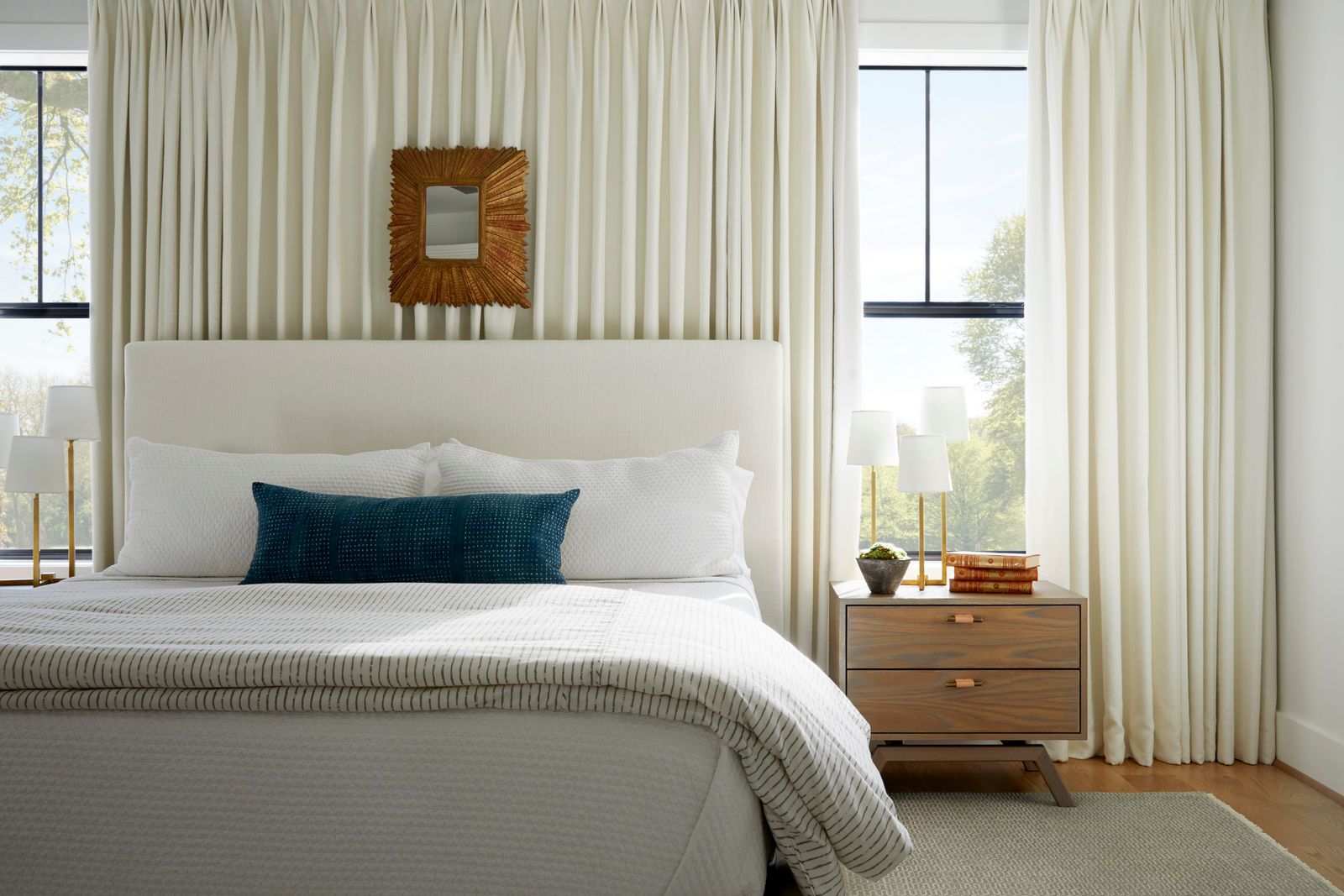
The article focuses on creating a relaxing bedroom environment to promote better sleep and reduce stress. It emphasizes the importance of design elements in transforming a bedroom into a tranquil sanctuary. Several interior designers provide their expert tips and insights into achieving a serene space.
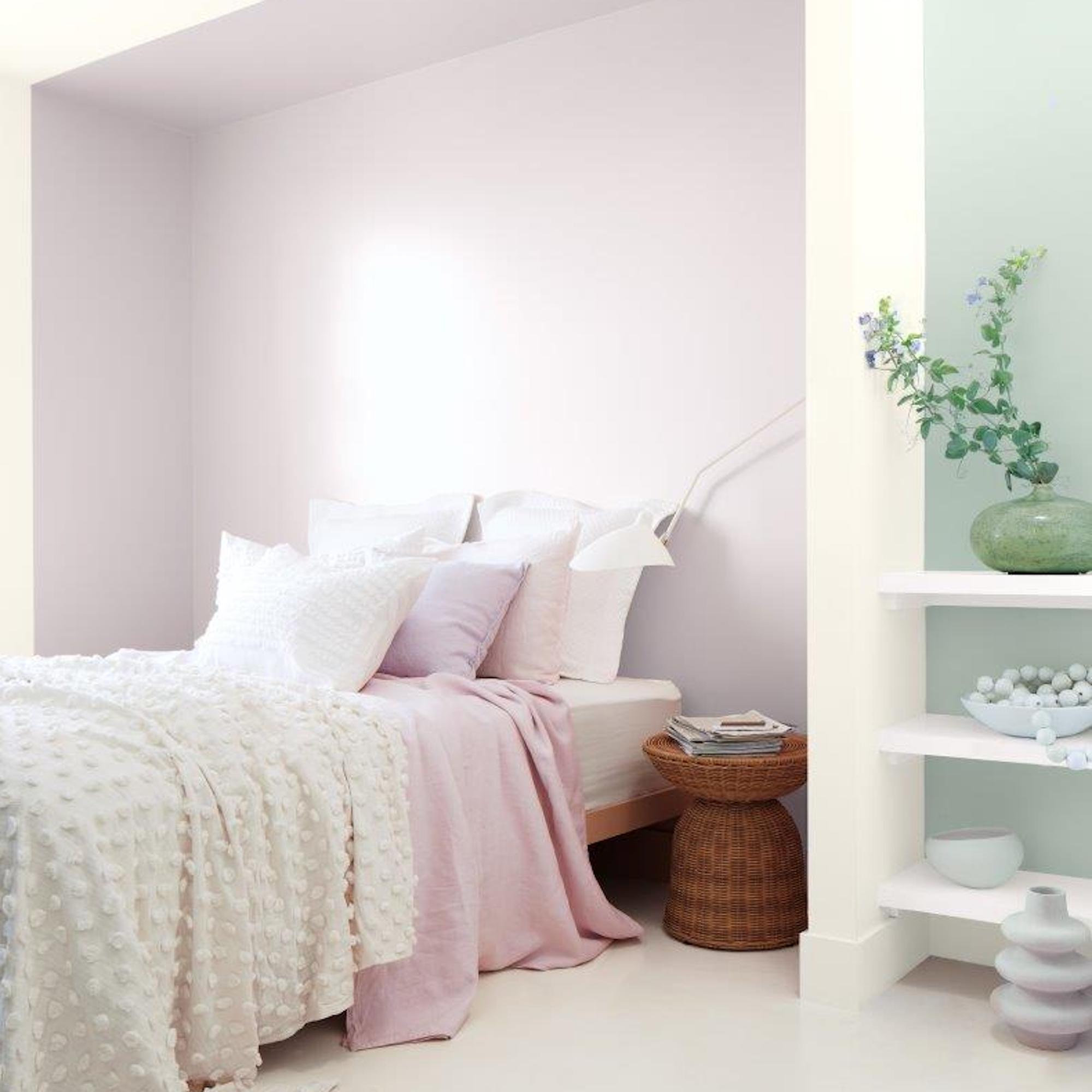
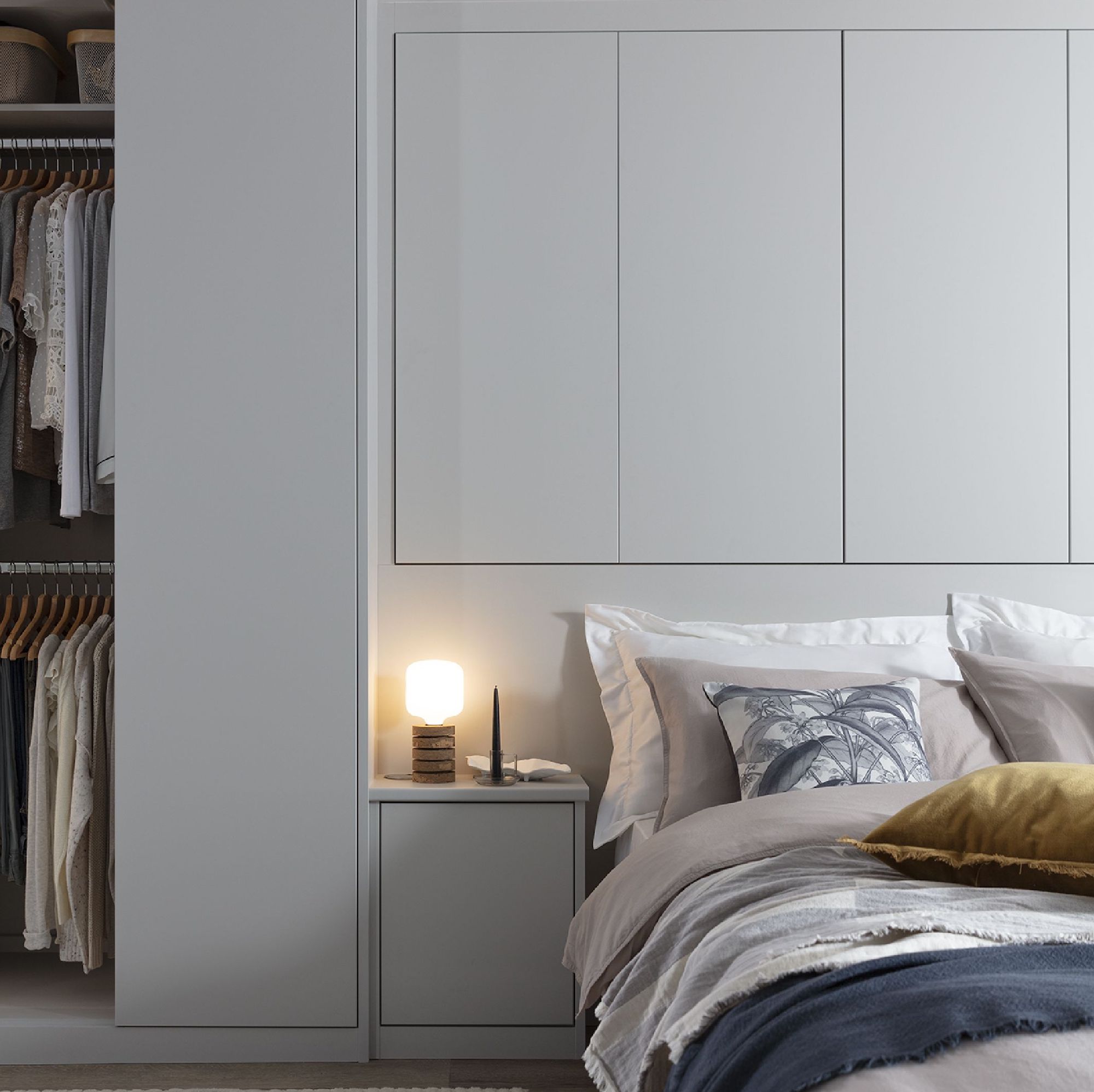
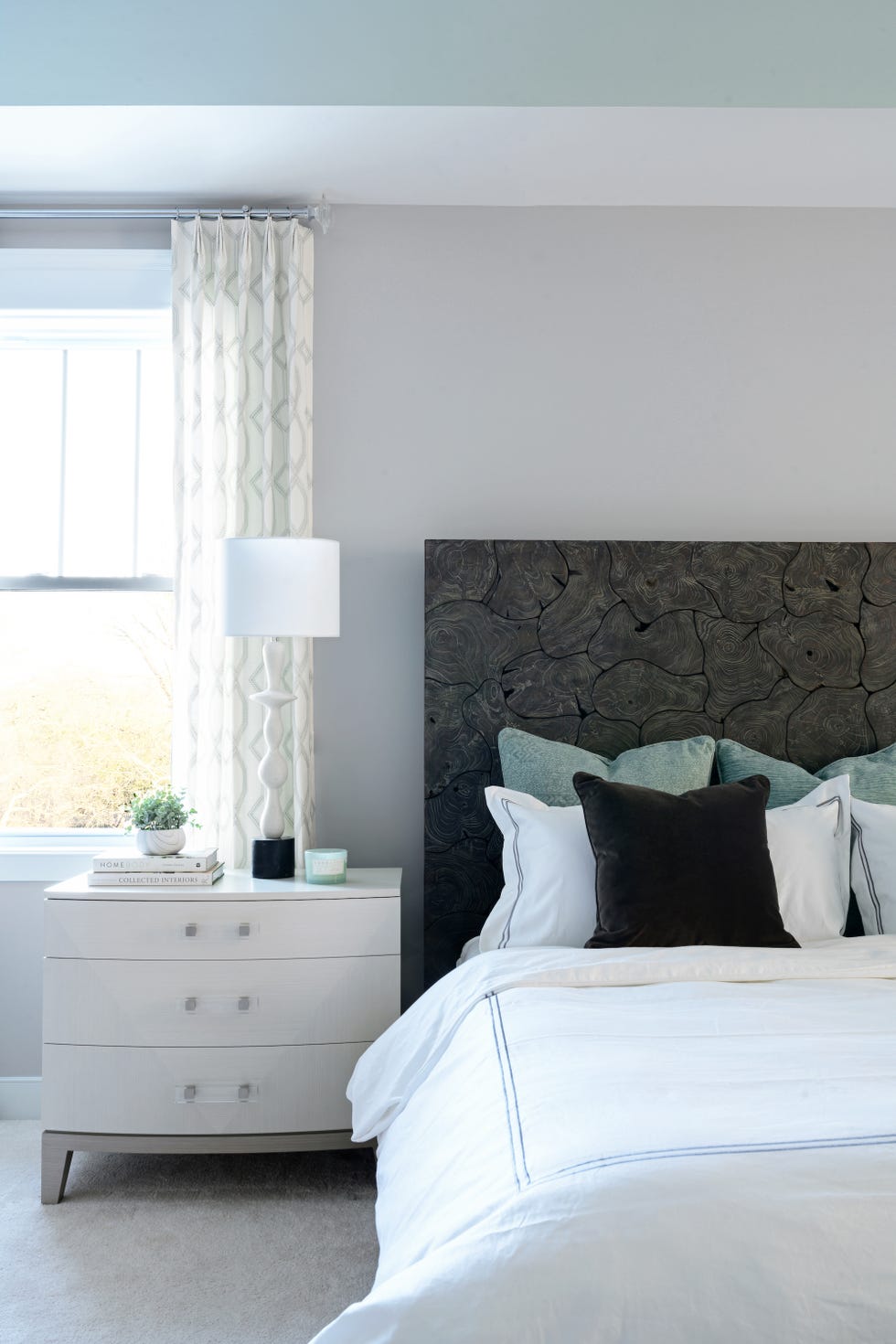
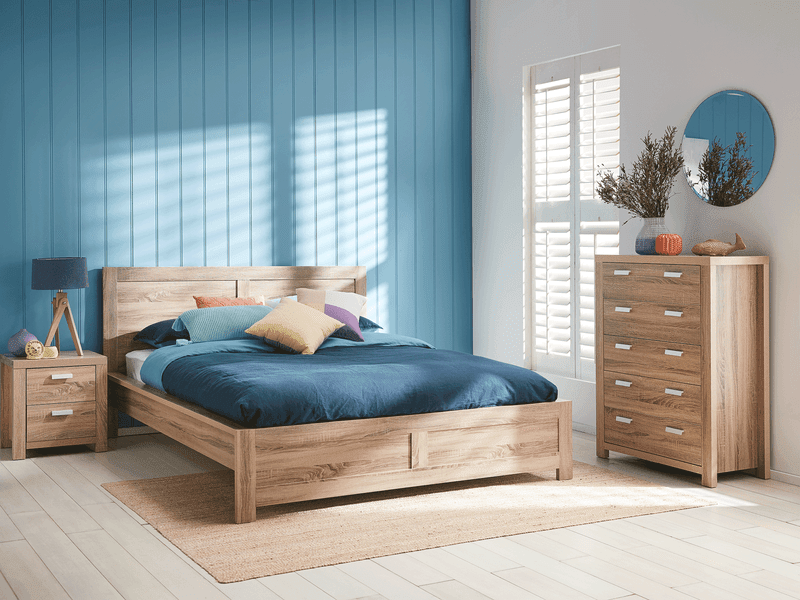
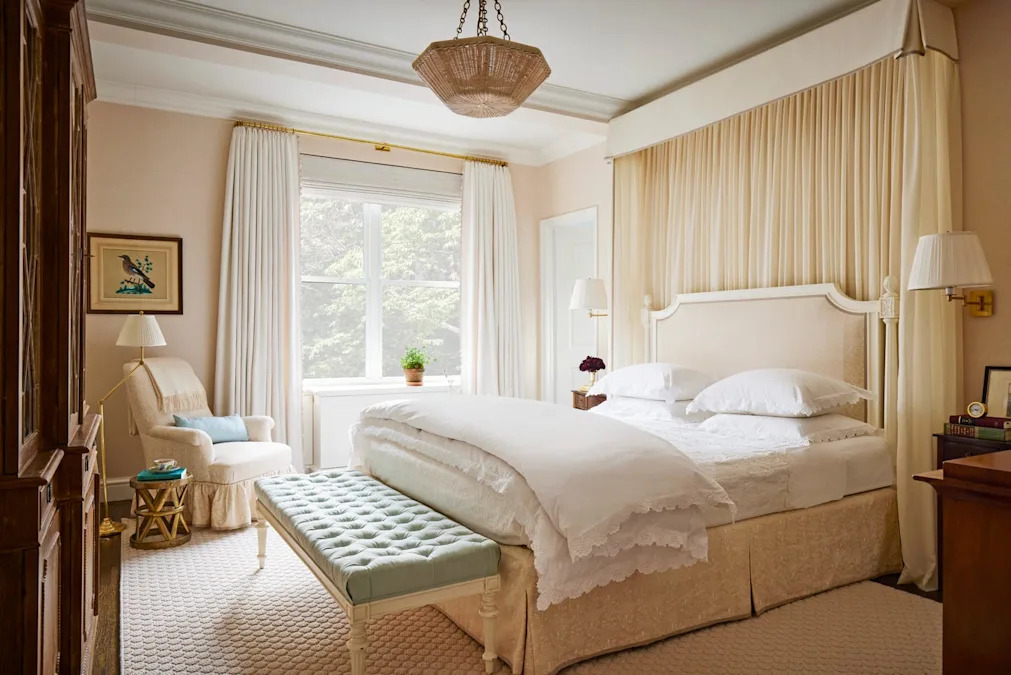
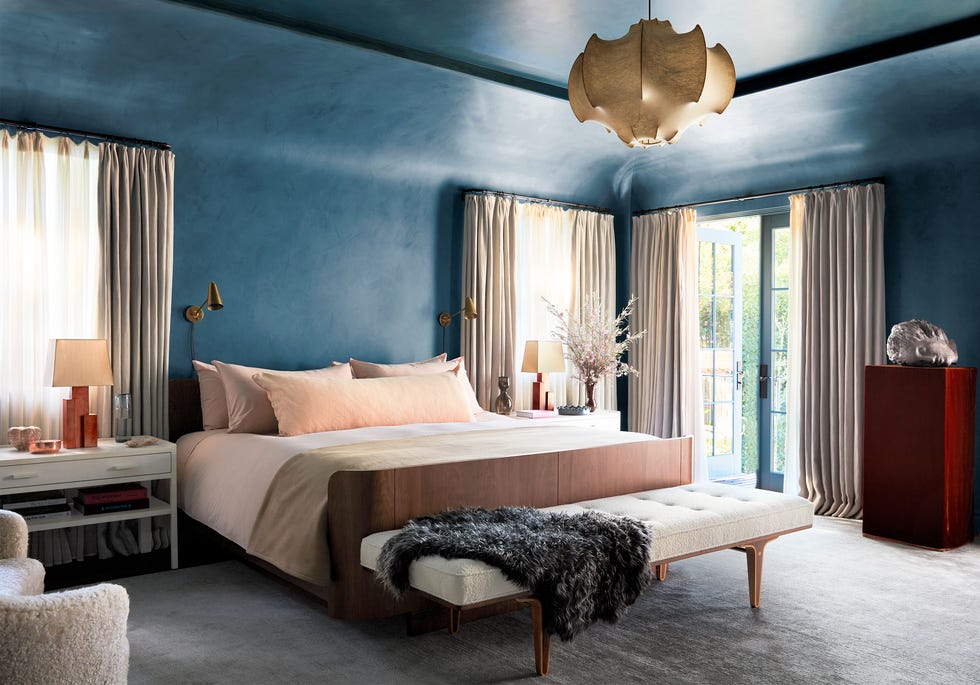
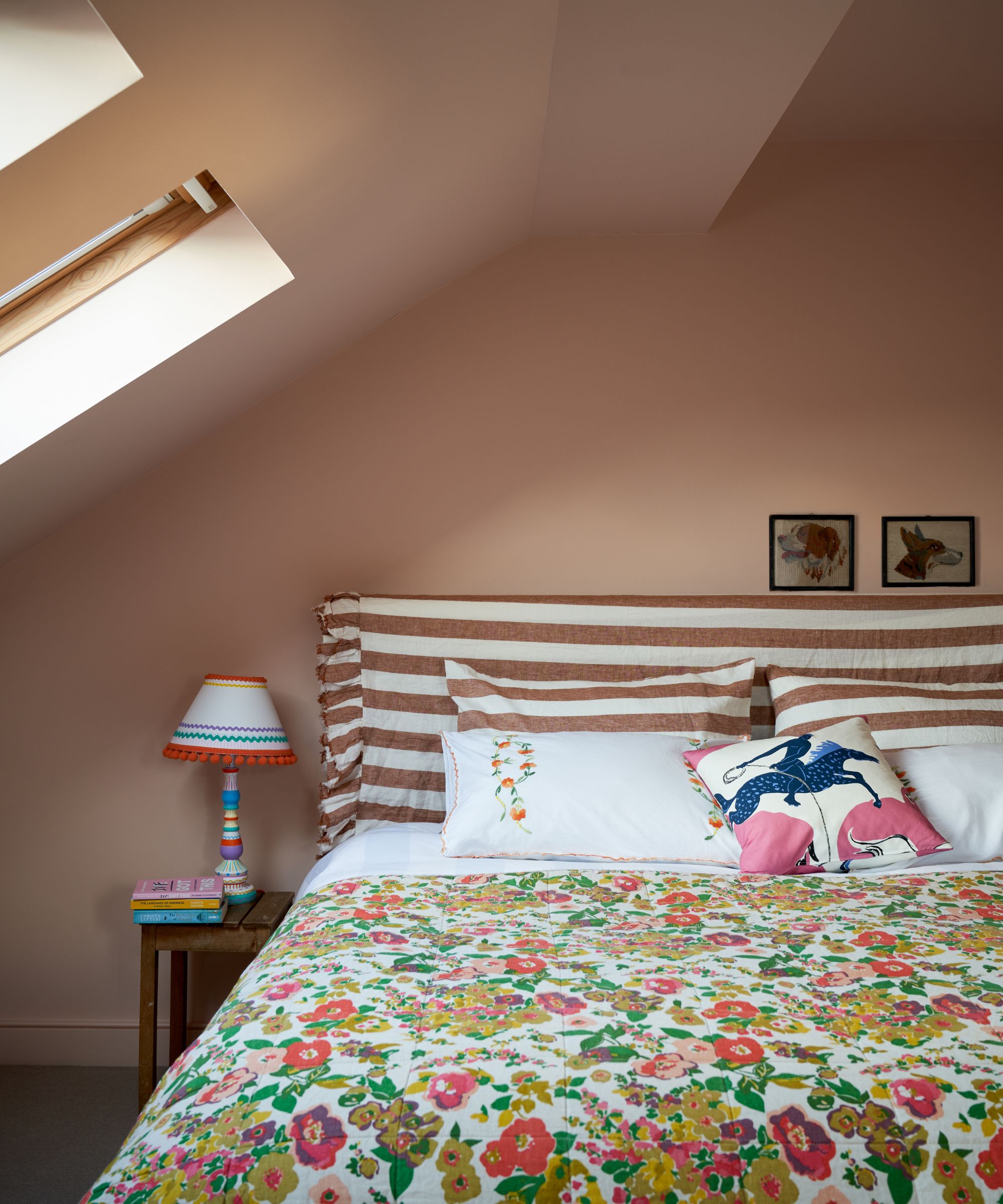
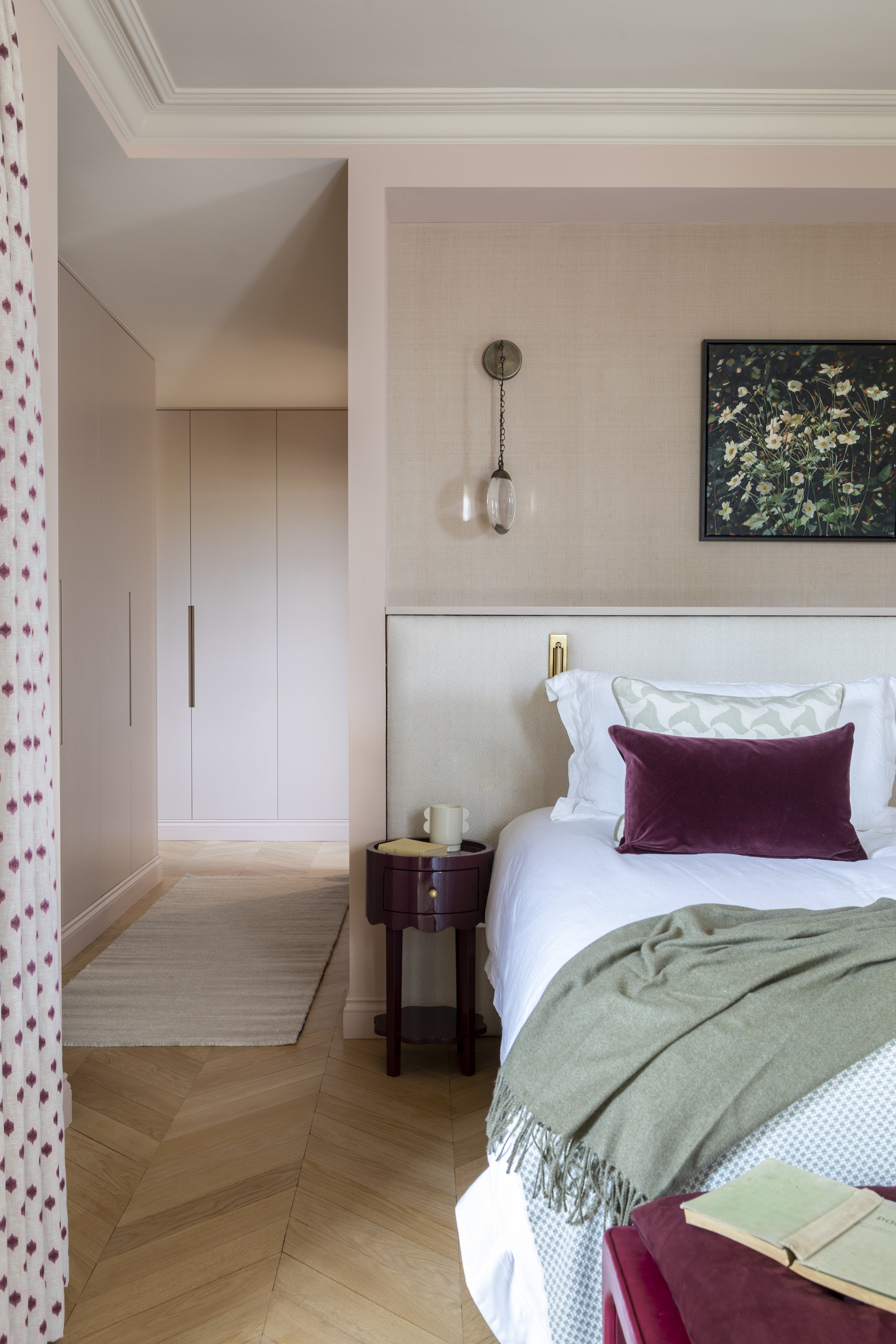
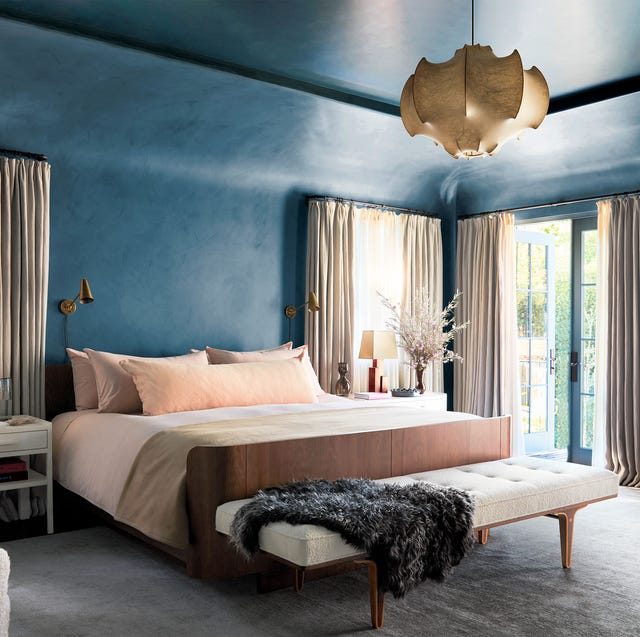
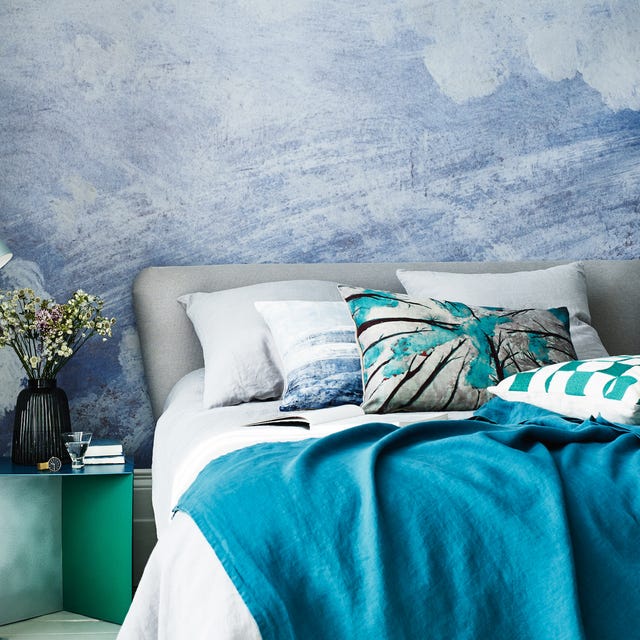
Color selection is identified as a crucial starting point. Ruth Mottershead, creative director at Little Greene, explains that colors significantly influence the mood of a space, with warm and cool tones evoking different feelings. Jennifer Morris, principal designer at JMorris Design, advises against fluorescent hues, especially fluorescent green, as they can be distracting and anxiety-producing. Instead, soft tones of beige and pink are recommended. Joshua Smith, principal designer of Joshua Smith Inc, suggests neutral beige for its warm, earthy, and non-distracting qualities, and soft blue as another calming option. Kellie Burke, principal designer at Kellie Burke Interiors, highlights Benjamin Moore's Warm Blush for its cozy emotional effect and Lavender Mist for a zen-like atmosphere, particularly when paired with sharp whites.
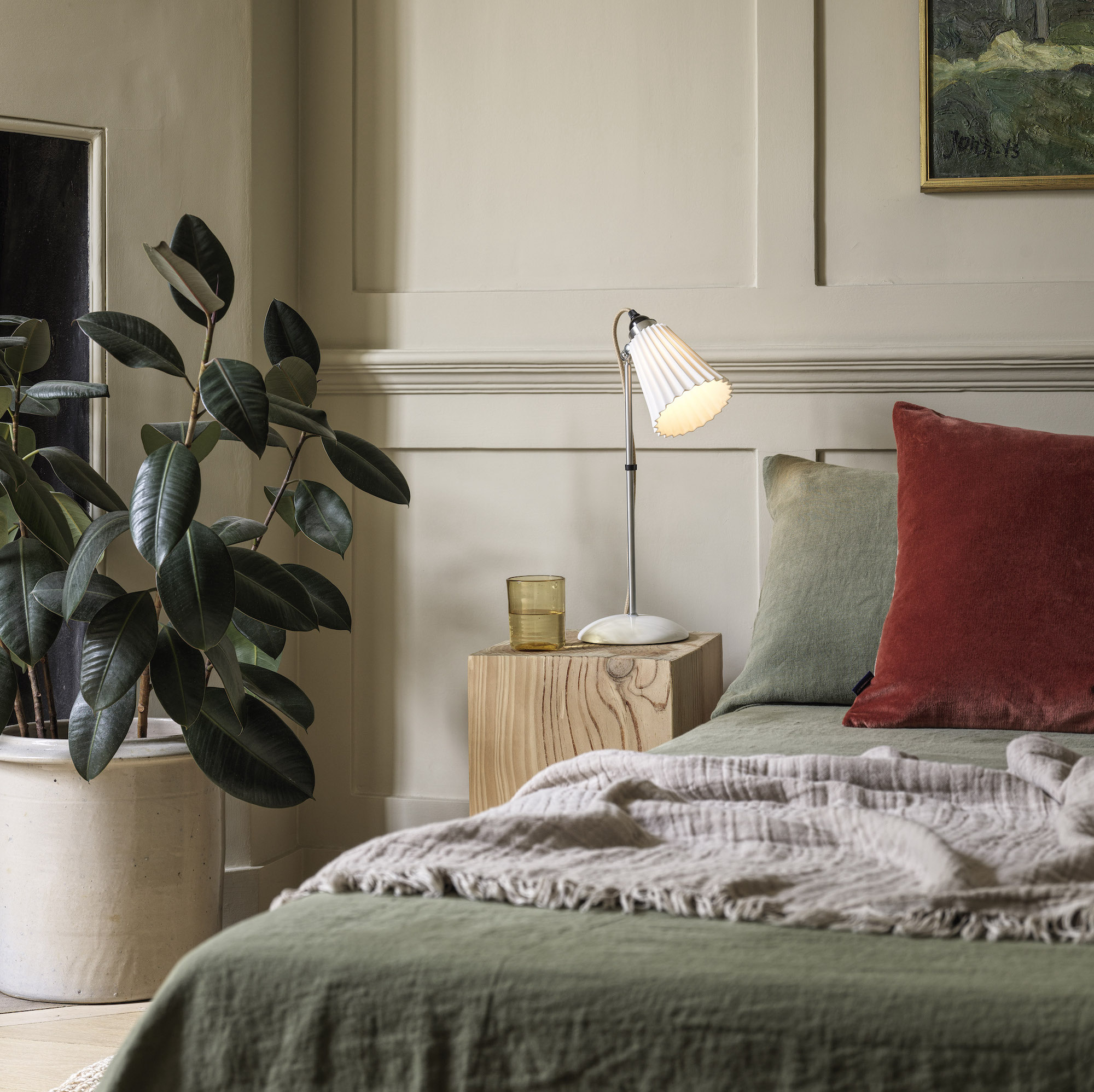
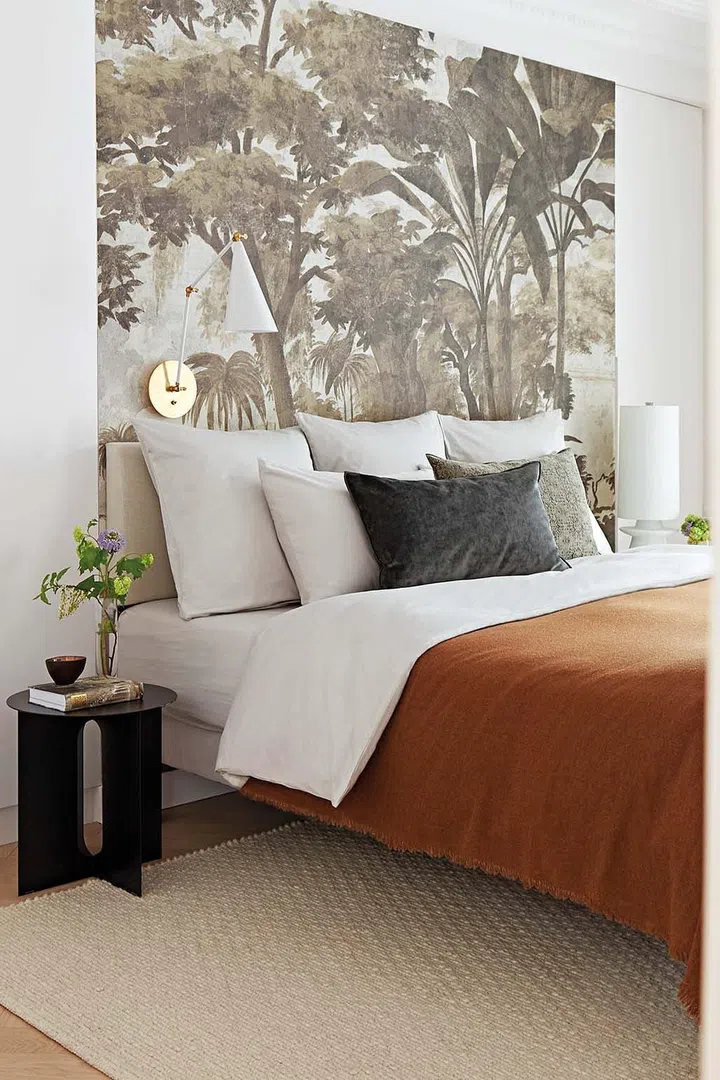
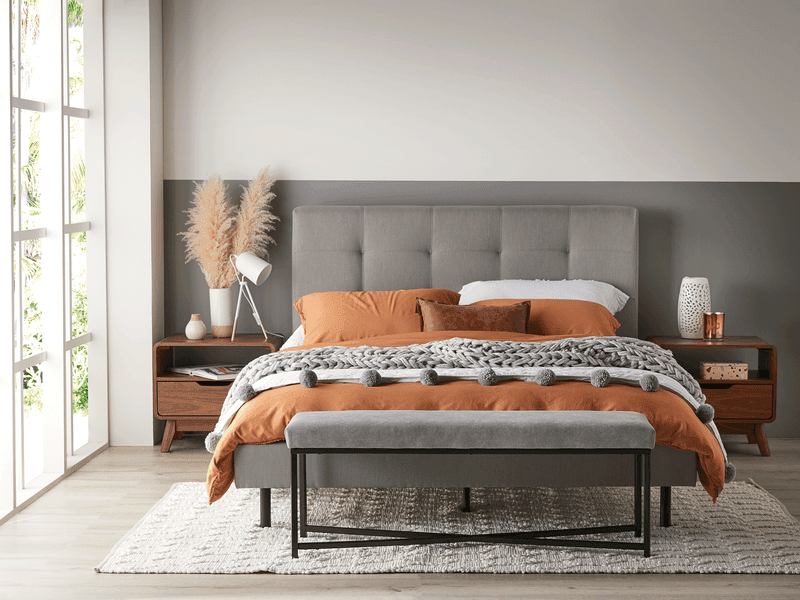
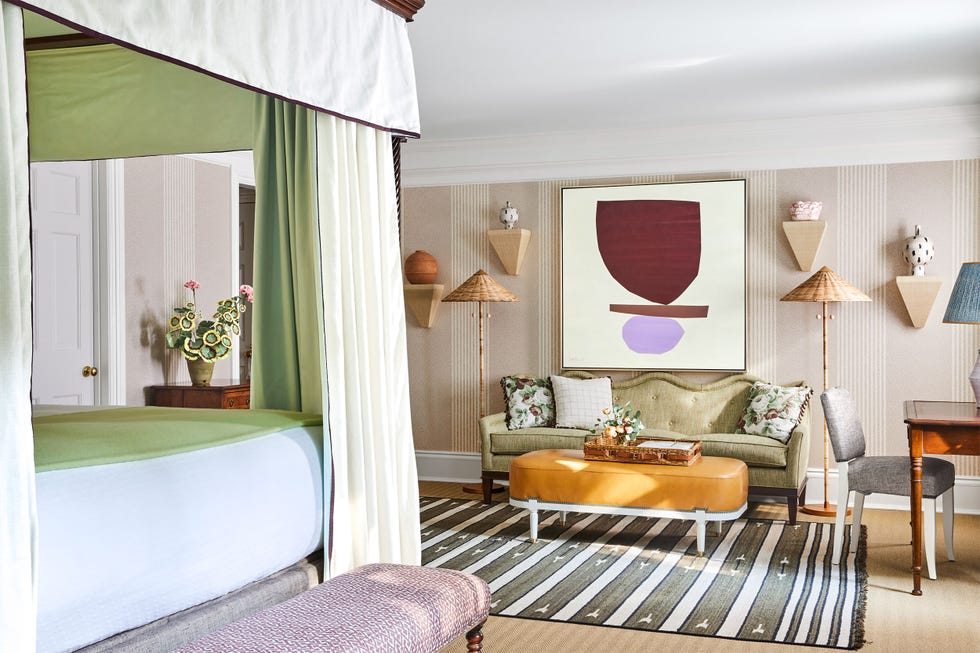
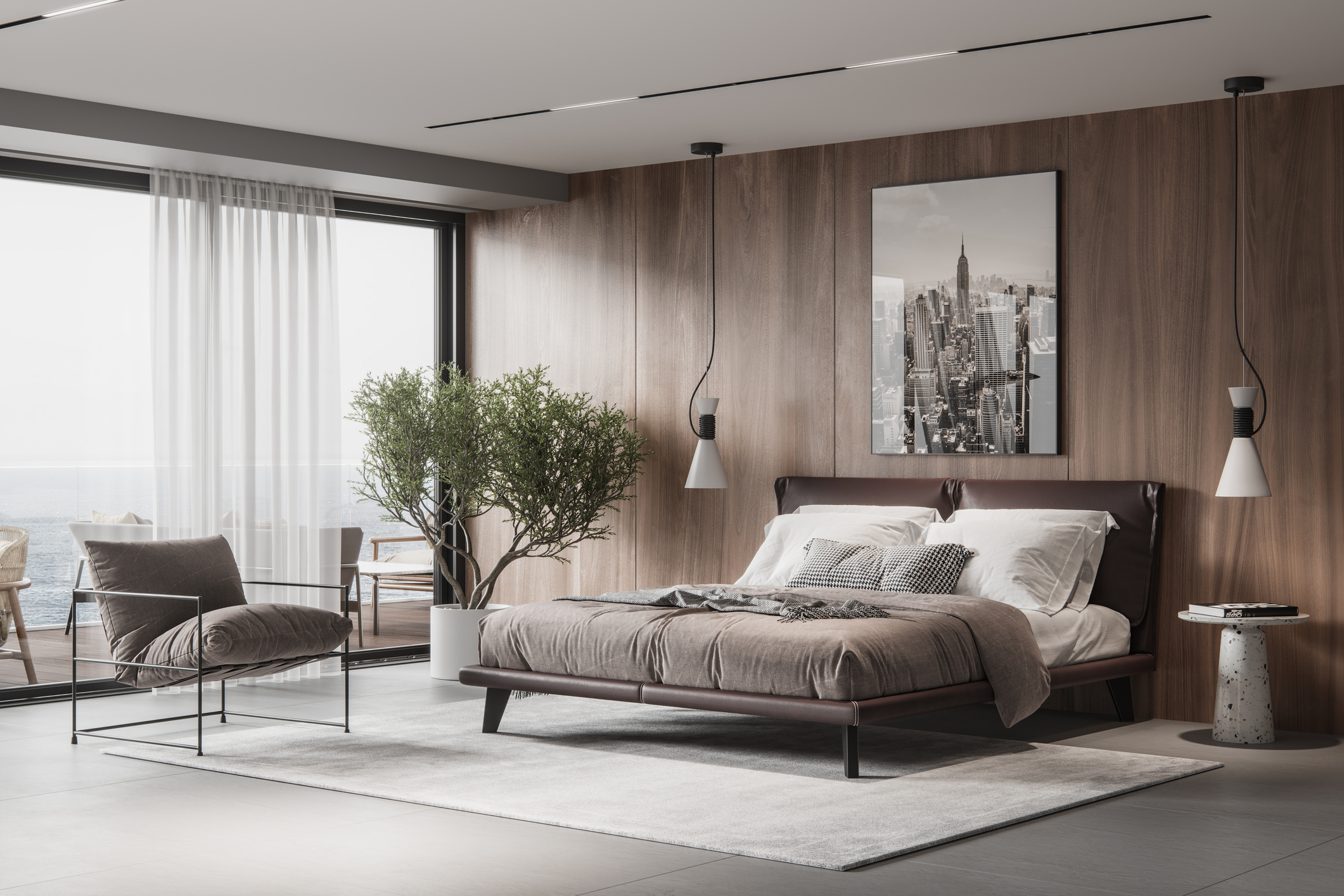
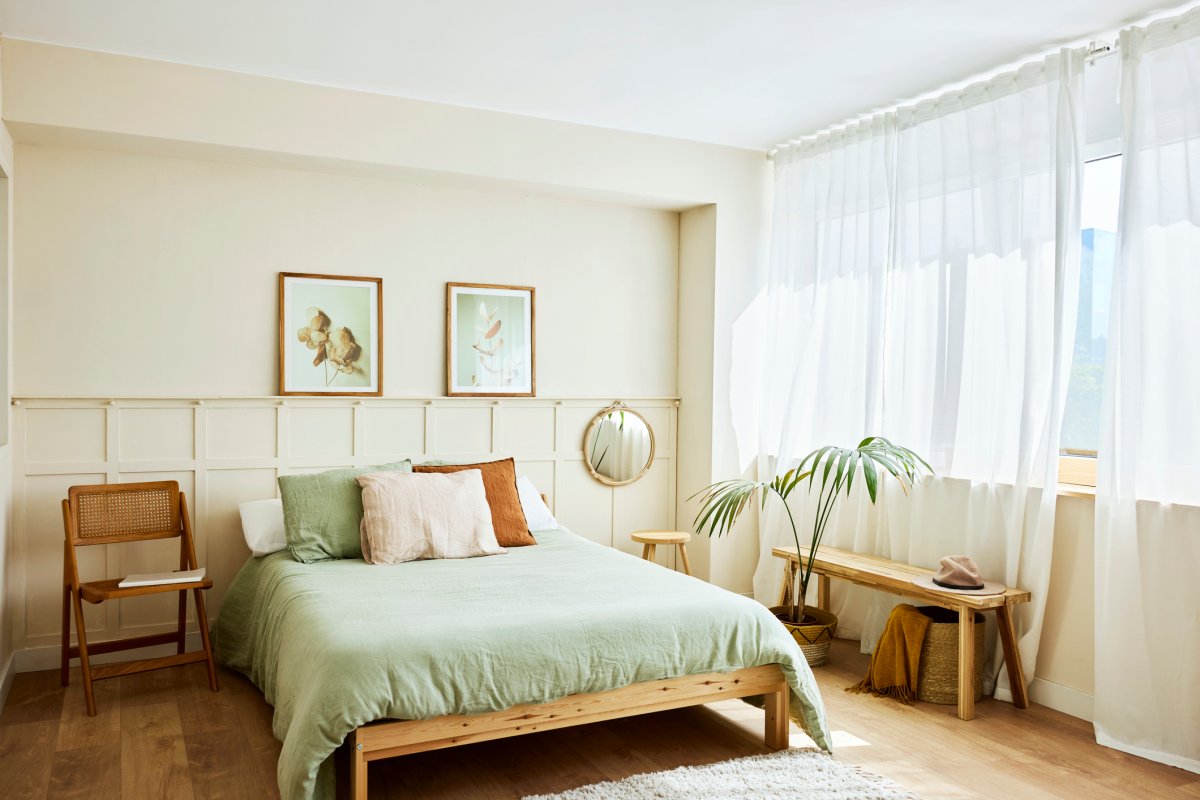
The article also explores earth tones for their inherent warmth and comfort. Lauren Harmon, designer at JL Design, links earth tones to the calming emotions evoked by nature and recommends Sherwin Williams Jubilee and Benjamin Moore Dry Sage. Melissa Lee, principal designer at Bespoke Only, mentions the use of pebble grey and greens against deep wooden tones to create a landscape-inspired feel. The incorporation of natural elements is presented as another key strategy. Organic and textural materials such as pebbles, live-edge wood, stone, clay, and linen contribute to an inviting and balmy atmosphere, aligning with biophilic design principles which link well-being to nature. Sunlight, bamboo mats, shoji screens, and grainy wood are also noted for their contribution to a relaxing bedroom.
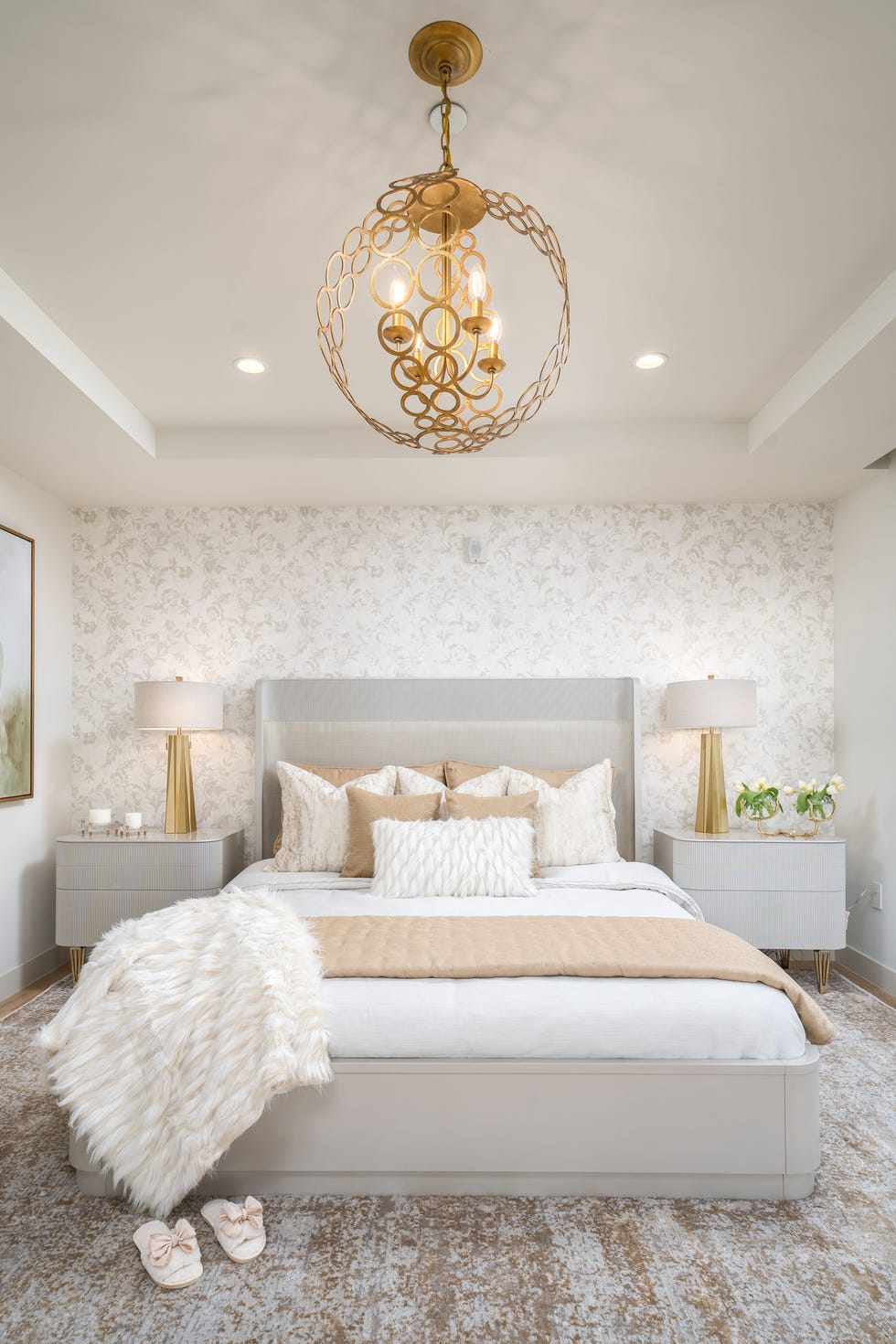
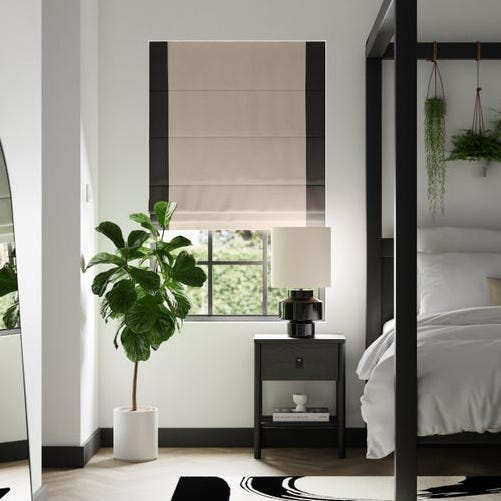
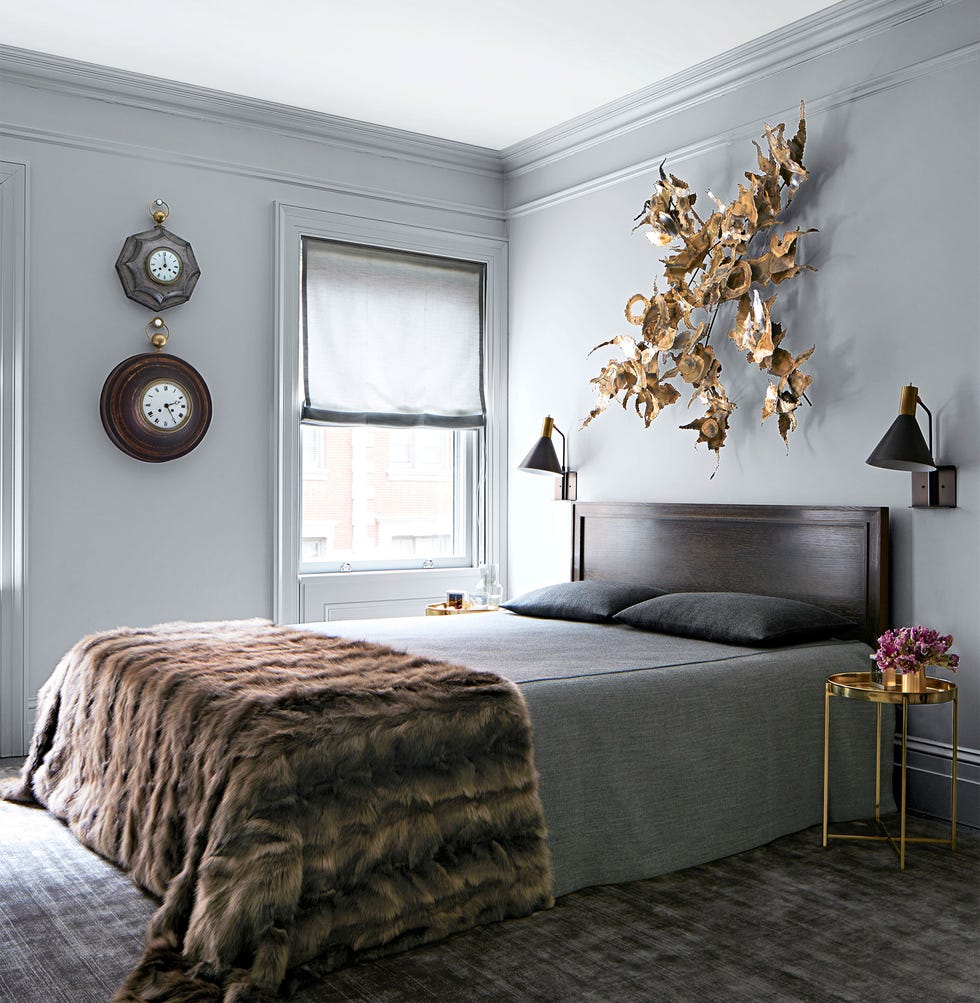
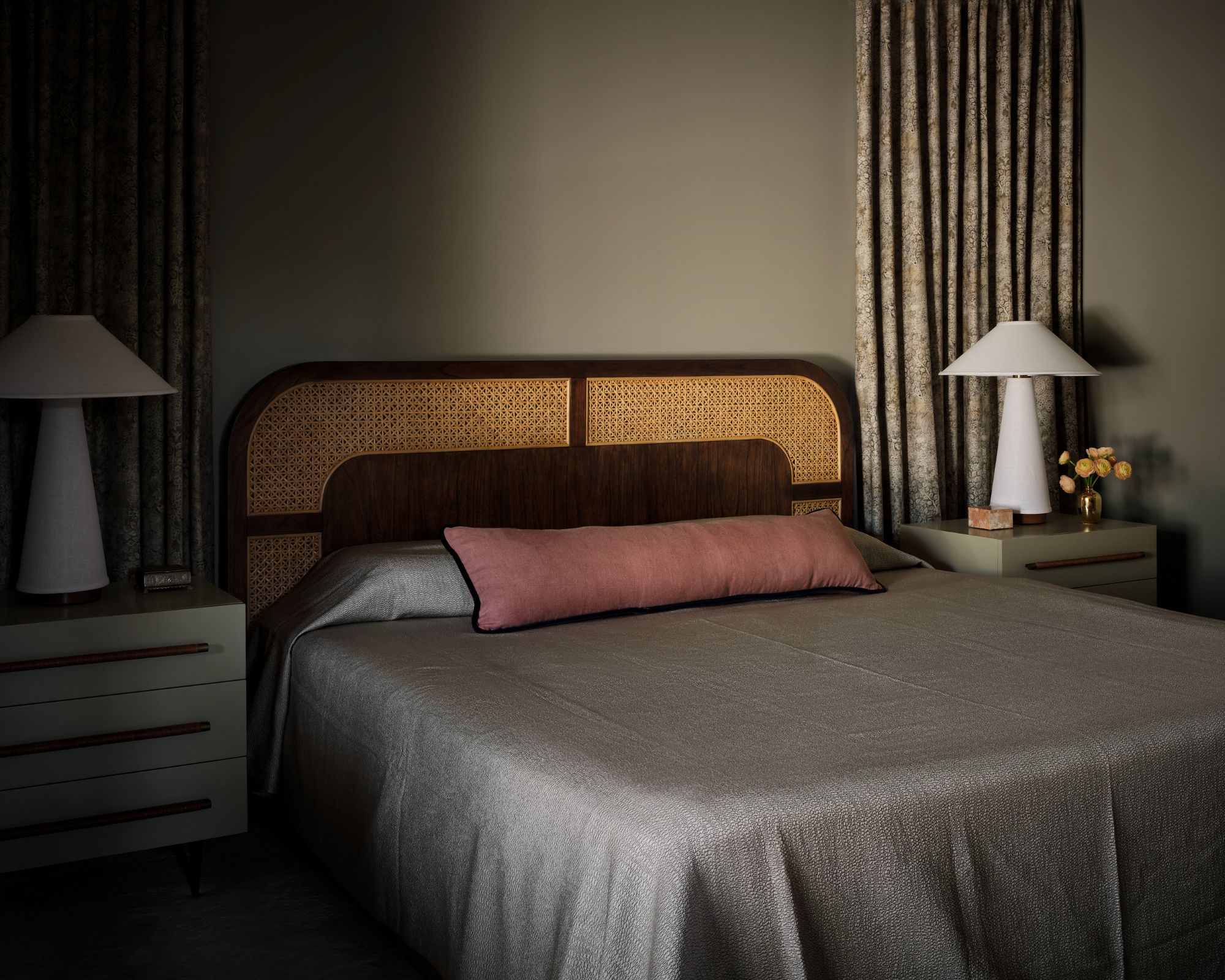
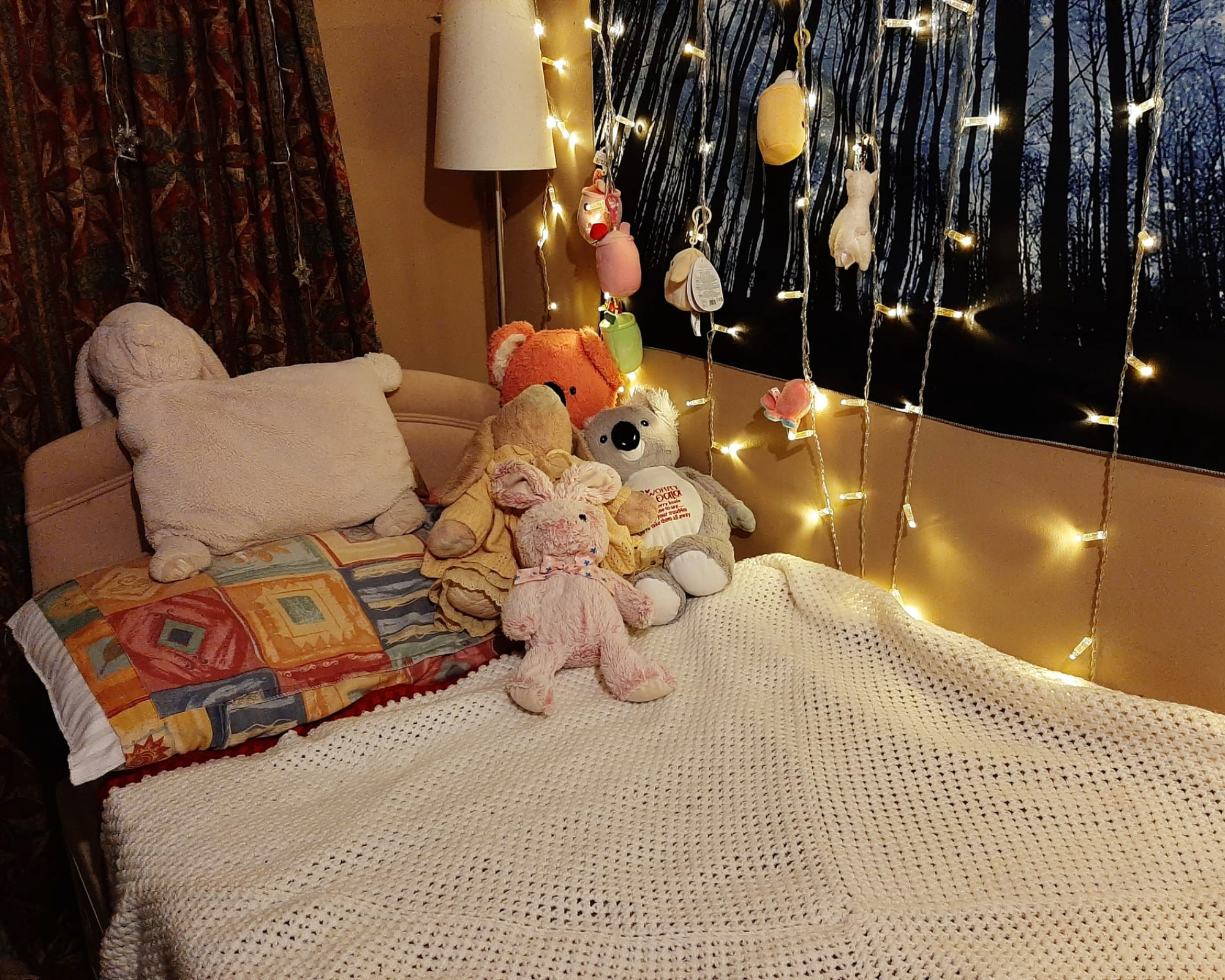
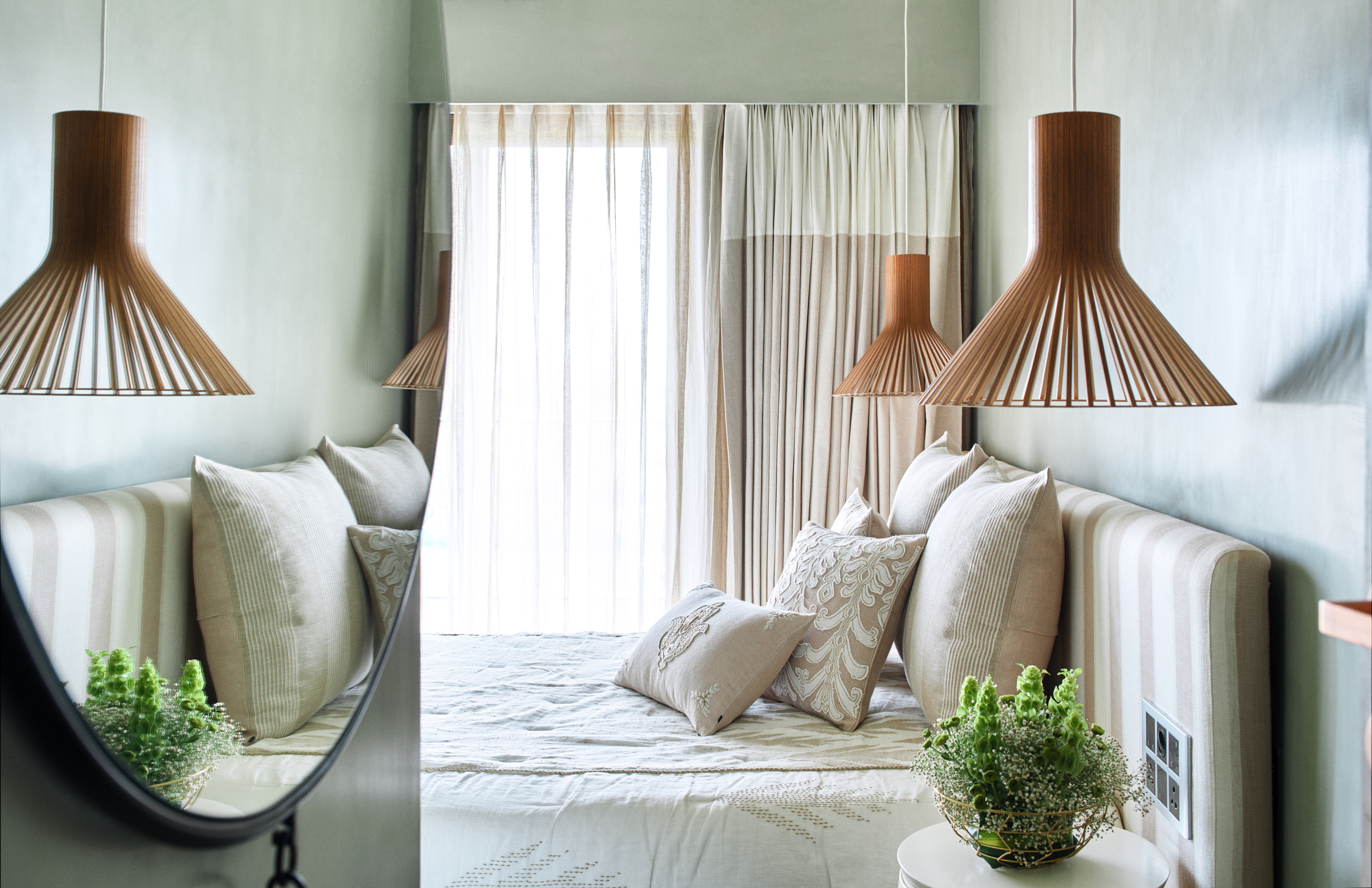
Lighting is discussed in terms of balancing task, directional, and accent lighting. Lance Thomas, founder of Thomas Guy Interiors, suggests using table lamps for symmetry, large pendants for balance, and sconces for a streamlined, moody look. He advises against recessed overhead lighting to avoid harsh shadows and recommends incorporating antique finds with modern artisanal brands. Mel Bean, founder of Mel Bean Interiors, emphasizes layered lighting, including dimmable directional lights for art, and avoiding harsh overhead lighting. Tall, leafy plants are recommended for their psychological impact, ability to purify air, and their contribution to a fresh and welcoming feel. Specific plant recommendations include Fiddleleaf Fig, Pothos, Spider Plant, Succulents, palms, and Madagascar Dragon Tree.
For underfoot comfort, wool or fur rugs are suggested. Jonathan Adler, an interior designer, recommends hand-woven 100% wool rugs with high knot counts for durability and softness, advocating for neutral, plush options. The article stresses the importance of keeping televisions and home office setups out of the bedroom to prevent disruptions to sleep patterns and mental clutter. Dana Claudat, a Feng Shui Master, advises turning off the TV before bed to allow for mental and physical revitalization. Finally, enriching the indoor fragrance with scented candles or diffusers is recommended for stress relief and evoking pleasant memories. Fresh flowers and salt lamps are also mentioned for their similar calming effects.
#BedroomDesign #InteriorDecor #RelaxingSpace #ColorPalette #NaturalElements #LightingDesign #SleepHygiene #HomeOffice #Fragrance #BedroomDesign #InteriorDecor #RelaxingSpace #ColorPalette #NaturalElements #LightingDesign #SleepHygiene #HomeOffice #Fragrance
0 comment in total
 No comments yet
You may also like
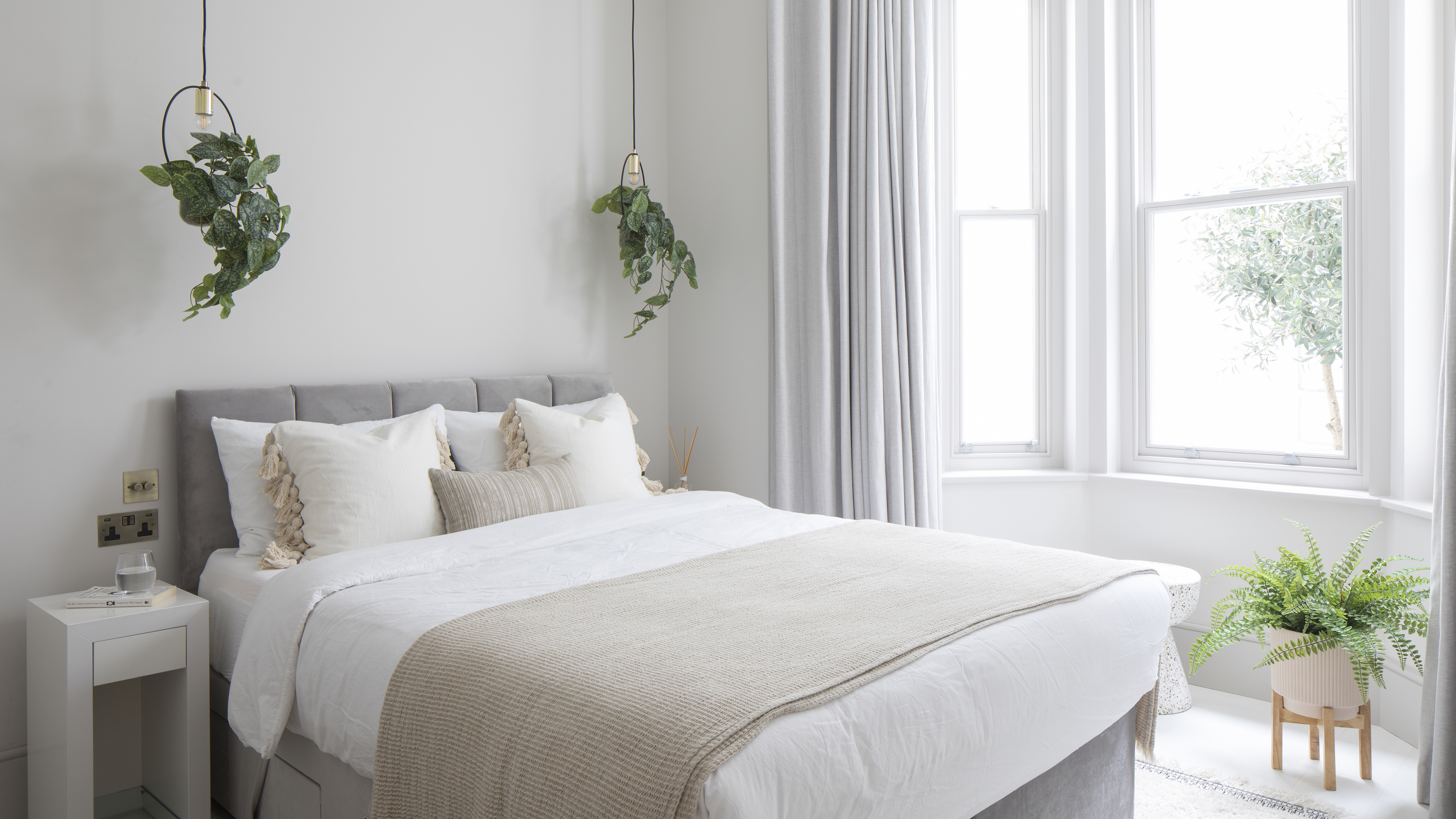
Calm bedroom ideas – 11 style tricks to create a soothing sanctuary

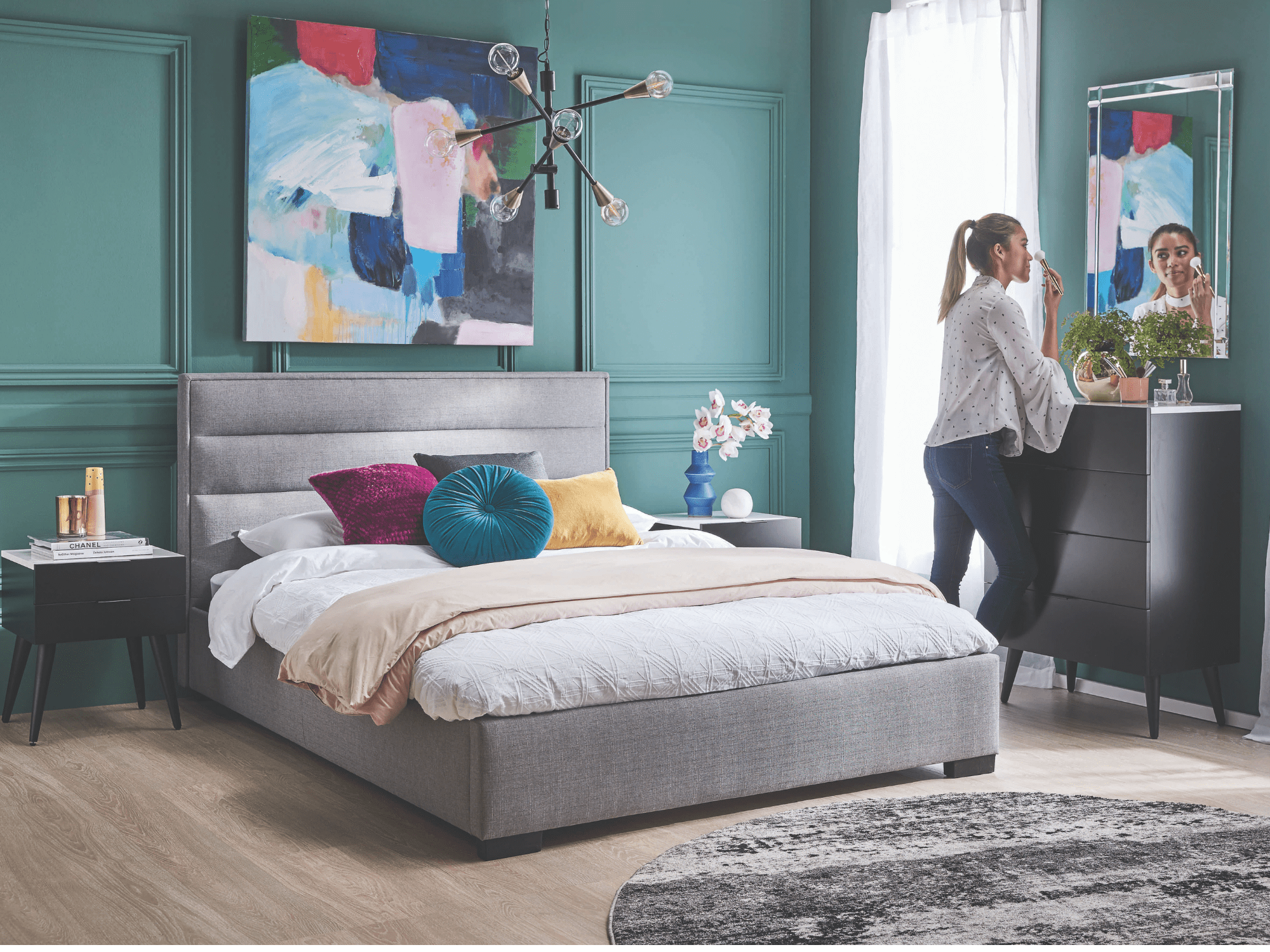
How to Turn Your Bedroom Into a Cosy Retreat
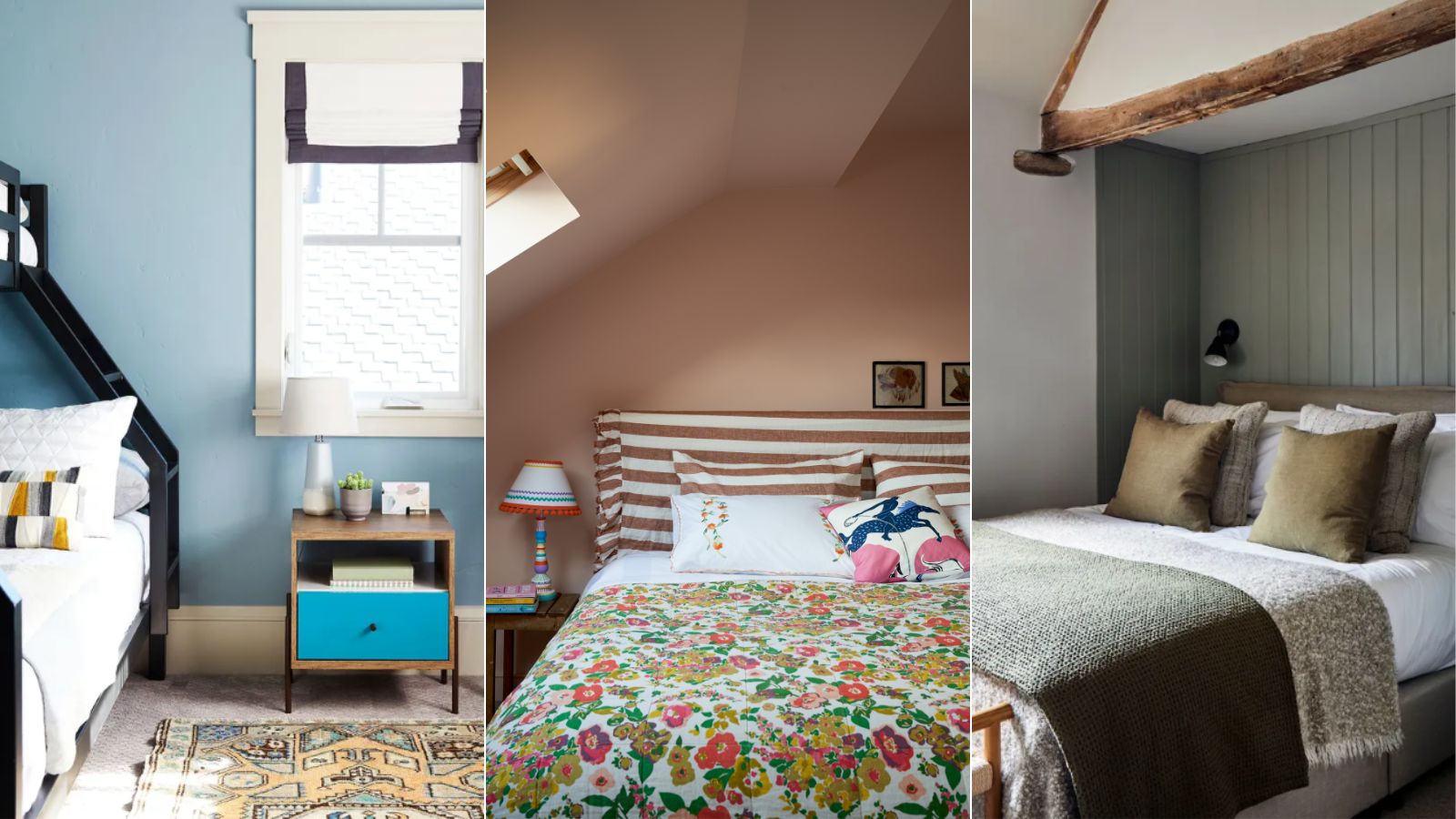
5 colors that will make your bedroom feel calmer, according to designers
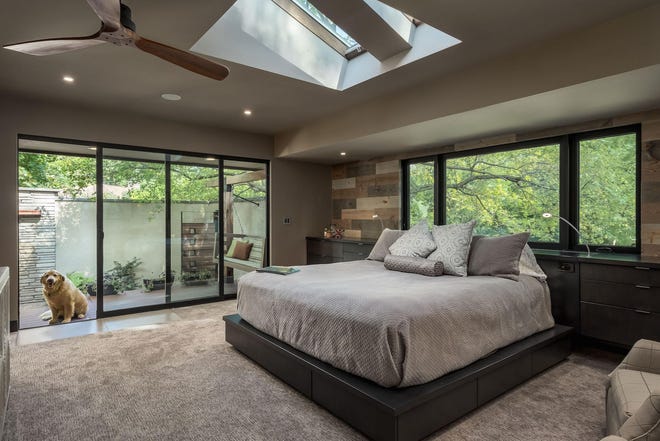
Bedroom design should emphasize stress-reducing, sleep-inducing features

7 Ways to Make Your Bedroom a No-Stress Zone Right This Minute

11 minimalist bedroom design tricks to create a calming space

26 Calm Bedroom Ideas for a Restful Night's Sleep

The smallest tweak to your bedroom makes the biggest difference - 5 designer secrets for creating restful schemes
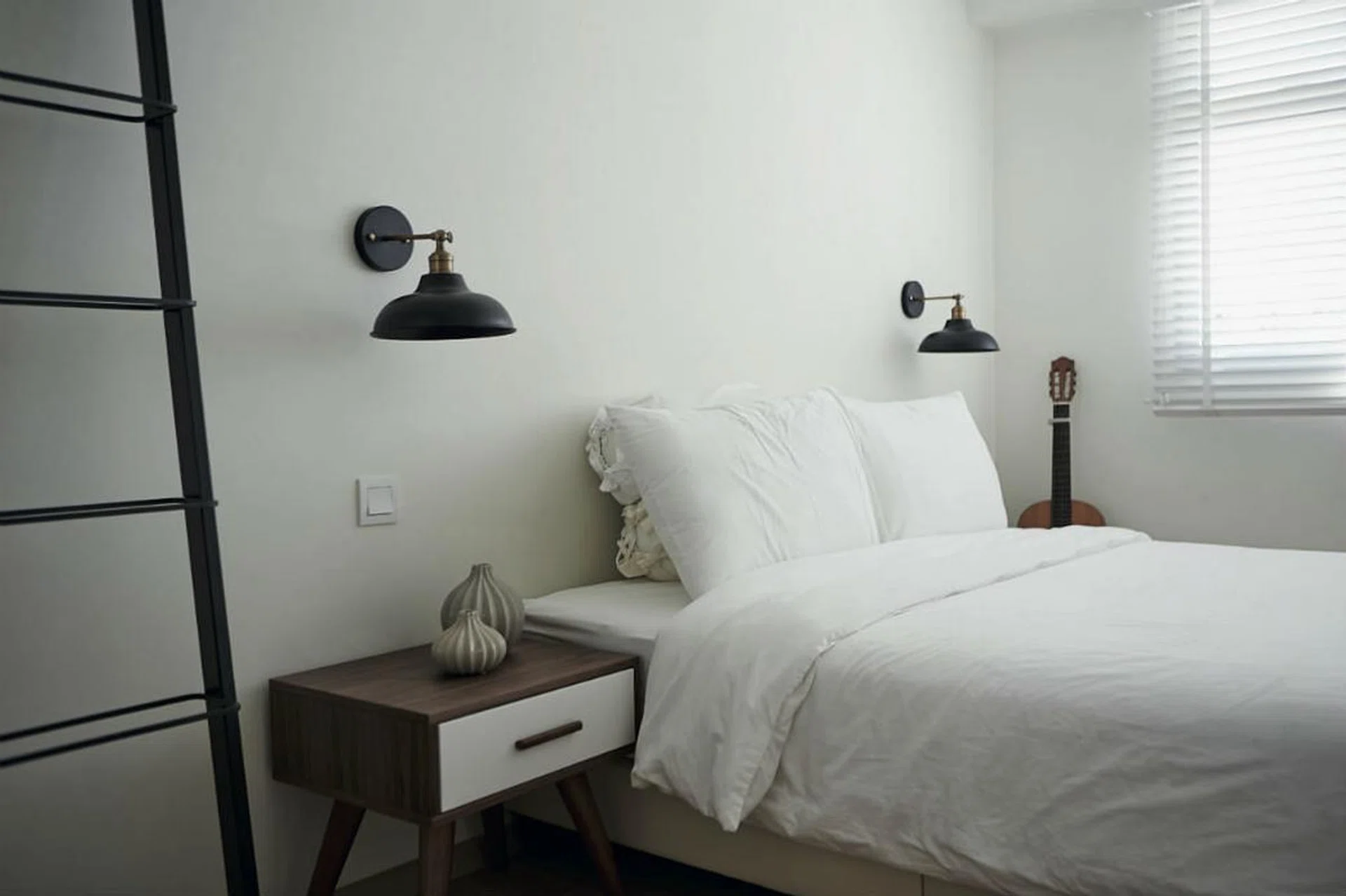
Bedroom Design Ideas: 20 Expert tips from interior designers
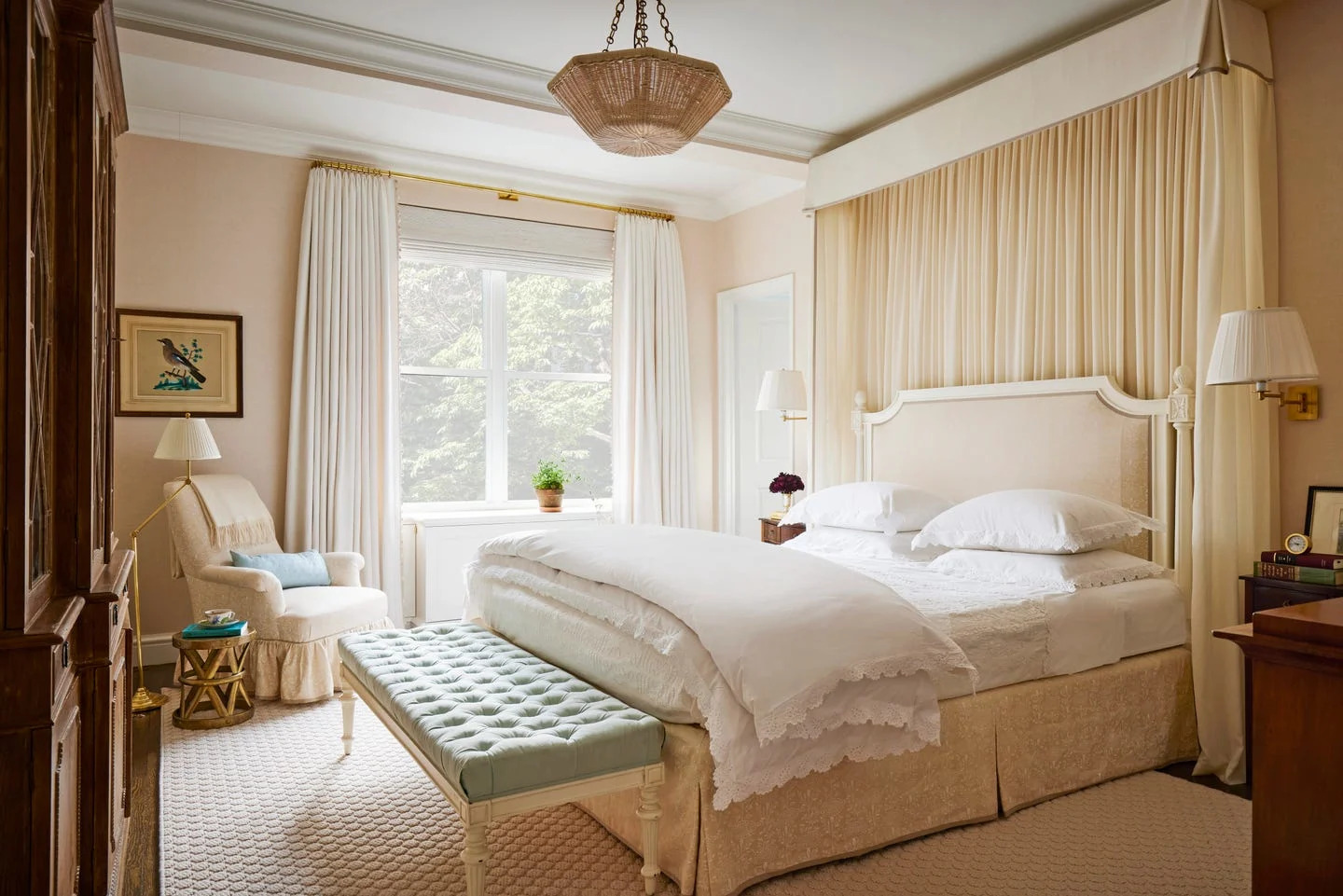
16 Relaxing Bedroom Decor Ideas to Make Your Sleep Space as Serene as Possible


10 Bedroom Decor Mistakes Keeping You From Your Best Sleep Ever

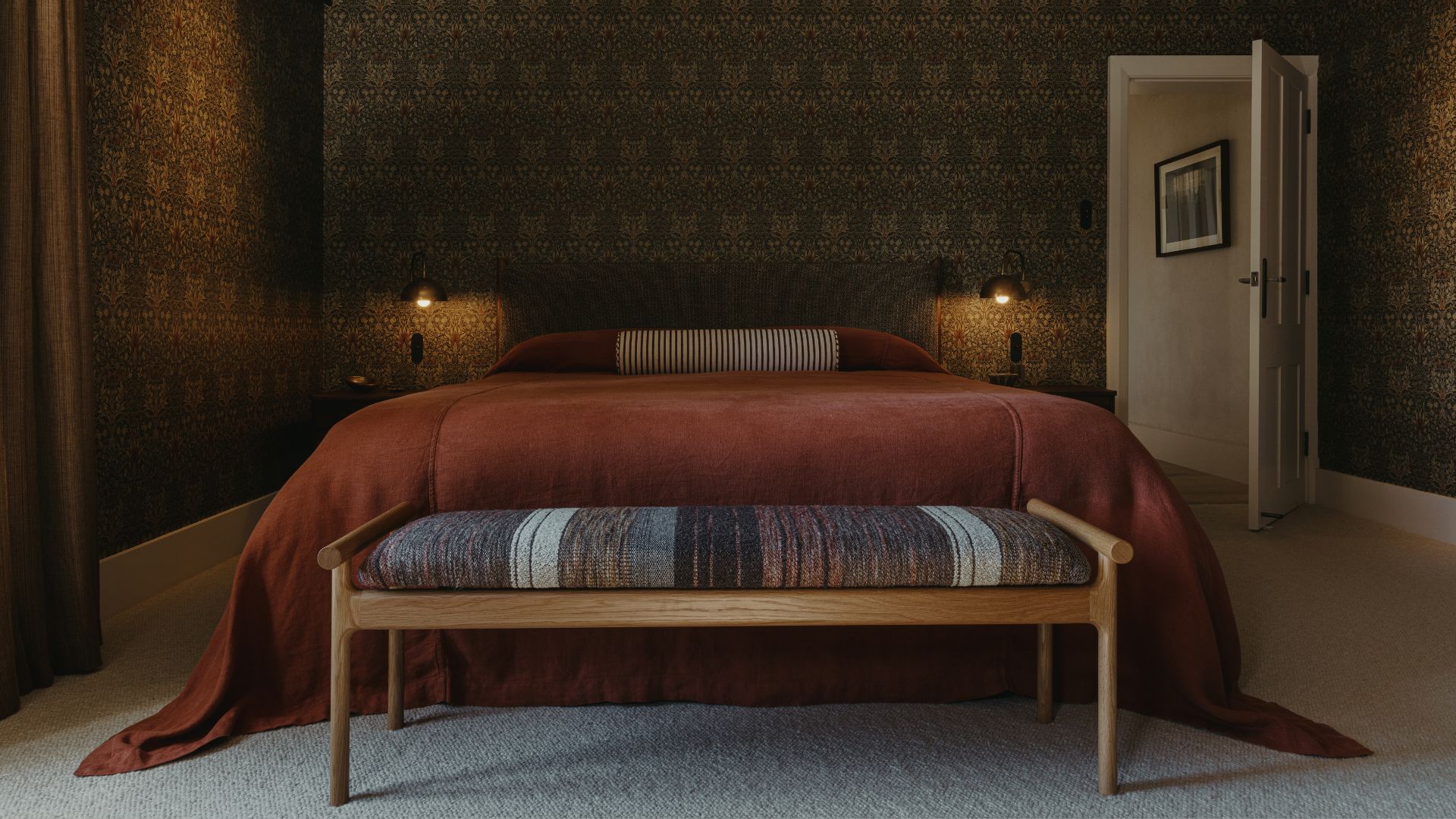
5 Things Wellness Experts Always Have in Their Bedrooms to Keep a Calm Space and Mind
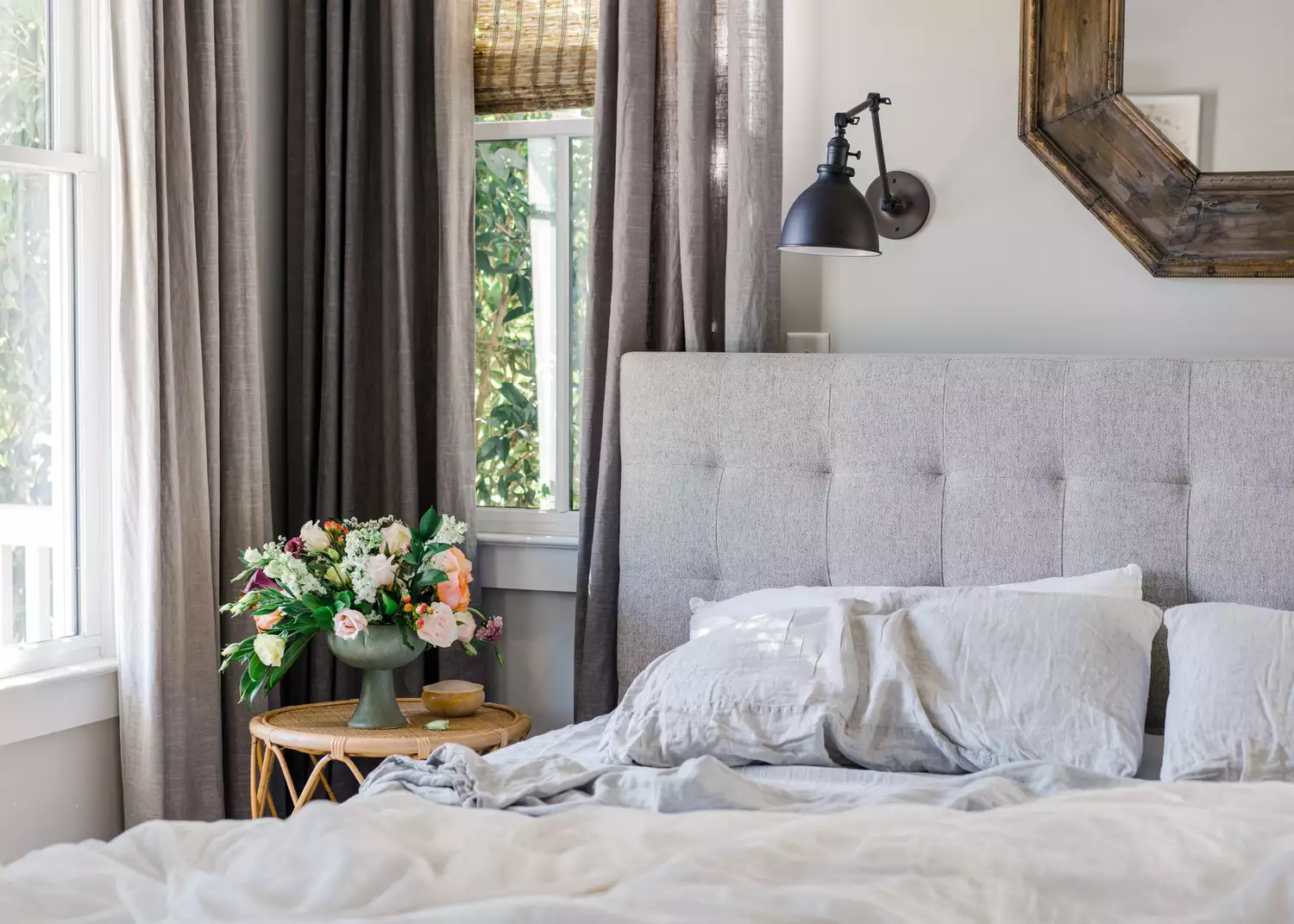
6 Tricks Designers Always Use to Create a More Relaxing Bedroom
The Key Word for Bedroom Design This Year: Calm
6 Minimalist Bedroom Ideas for Creating—and Maintaining—a Serene Space

Bedroom Organization Ideas That’ll Help You Sleep Easy

How to transform your bedroom into a wellbeing sanctuary, according to experts
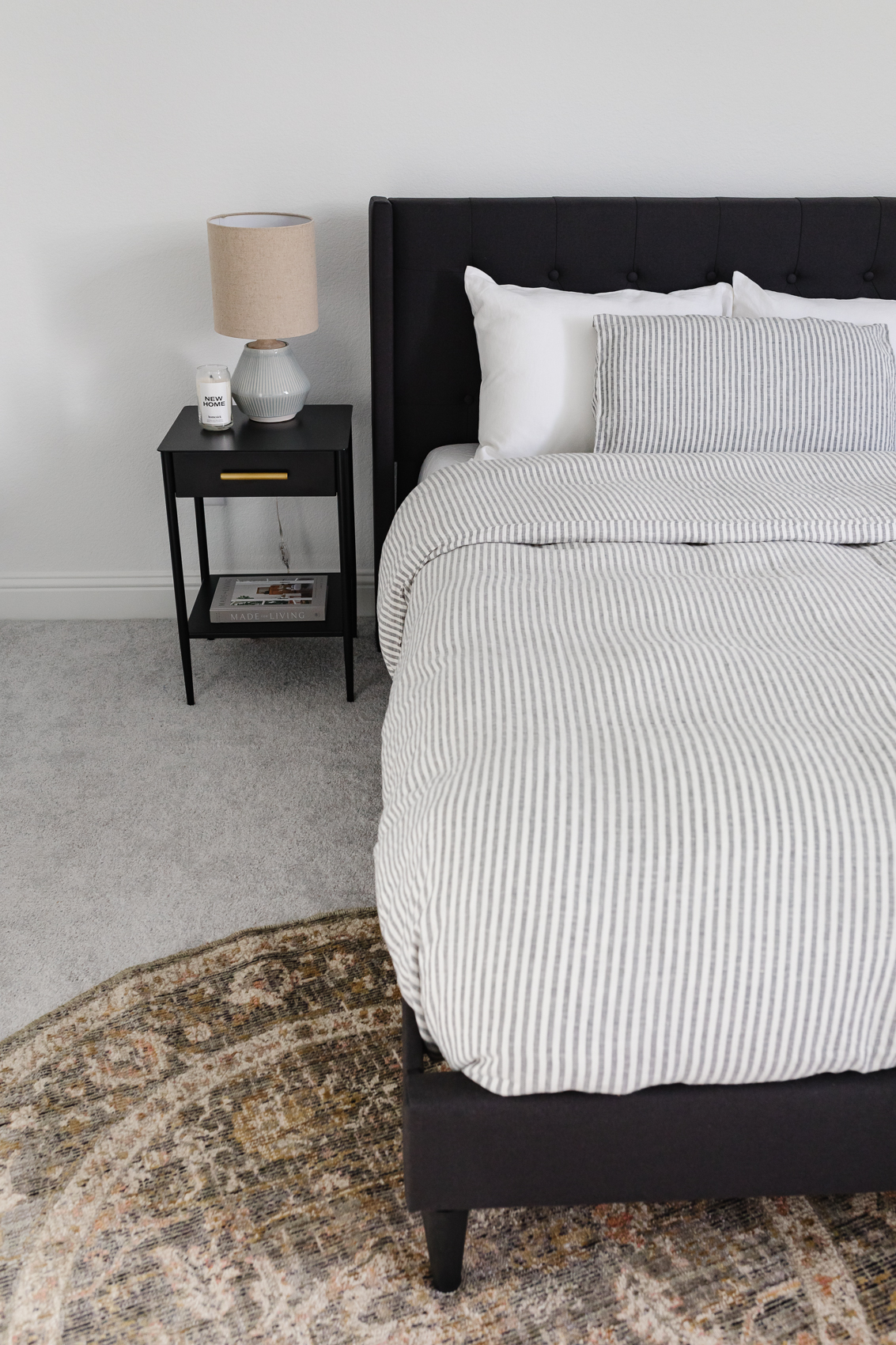
Relaxing Bedroom Ideas with Simple Bedding Essentials
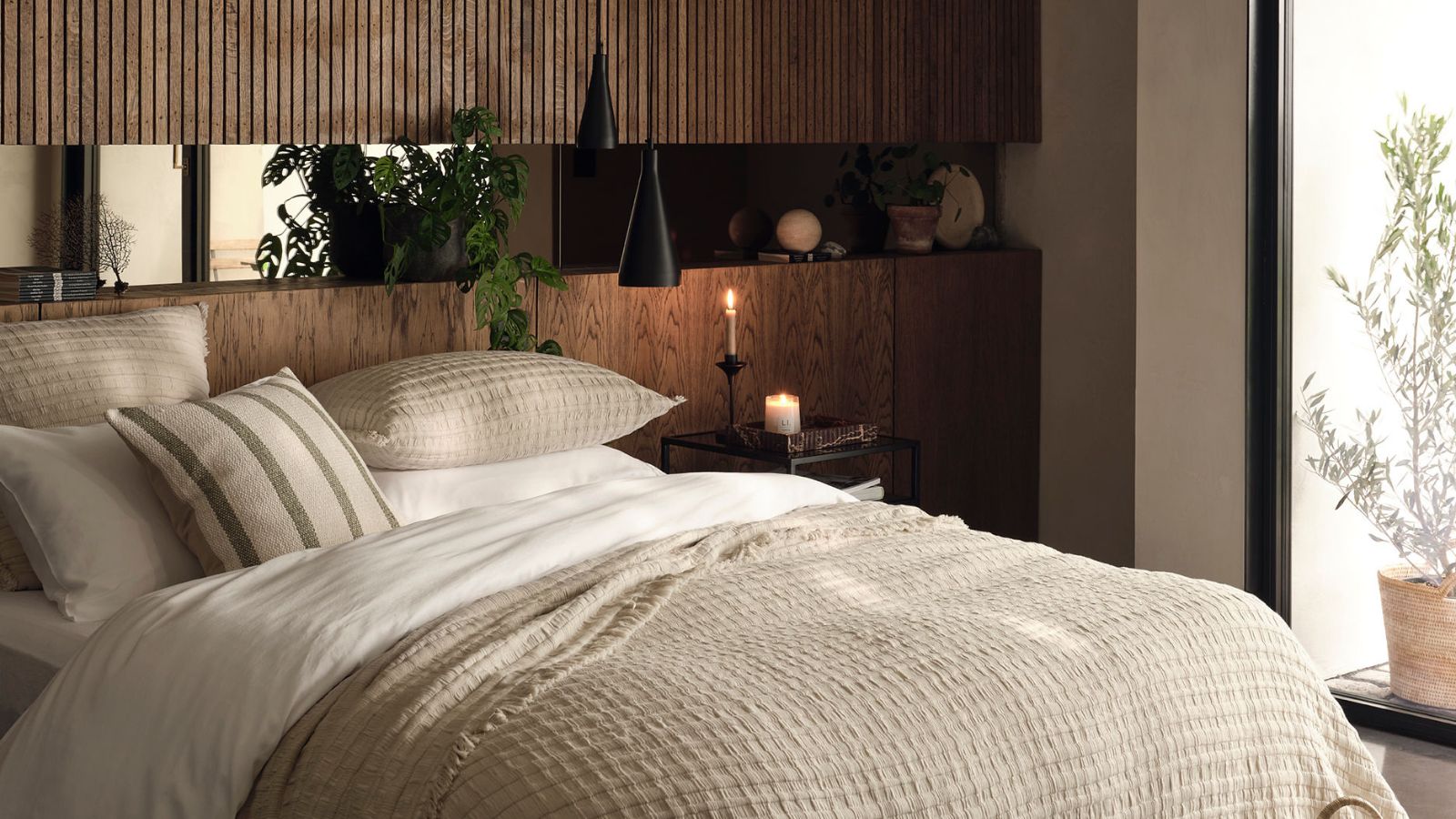
Sleep experts helped organize my bedroom for better sleep
How To Create A Calming Bedroom Space, According To Zara Home's Spring Look Book