1/13
12 Japandi Bedroom Ideas That Bring Harmony to Your Personal Space
The Japandi aesthetic, a blend of Japanese wabi-sabi and Scandinavian hygge, offers a minimalist, functional, warm, and serene environment, ideal for a bedroom. This article explores twelve expert-recommended Japandi bedroom ideas designed to foster comfort, happiness, and relaxation. These ideas emphasize natural elements, neutral palettes, and thoughtful design choices to create a harmonious personal space.
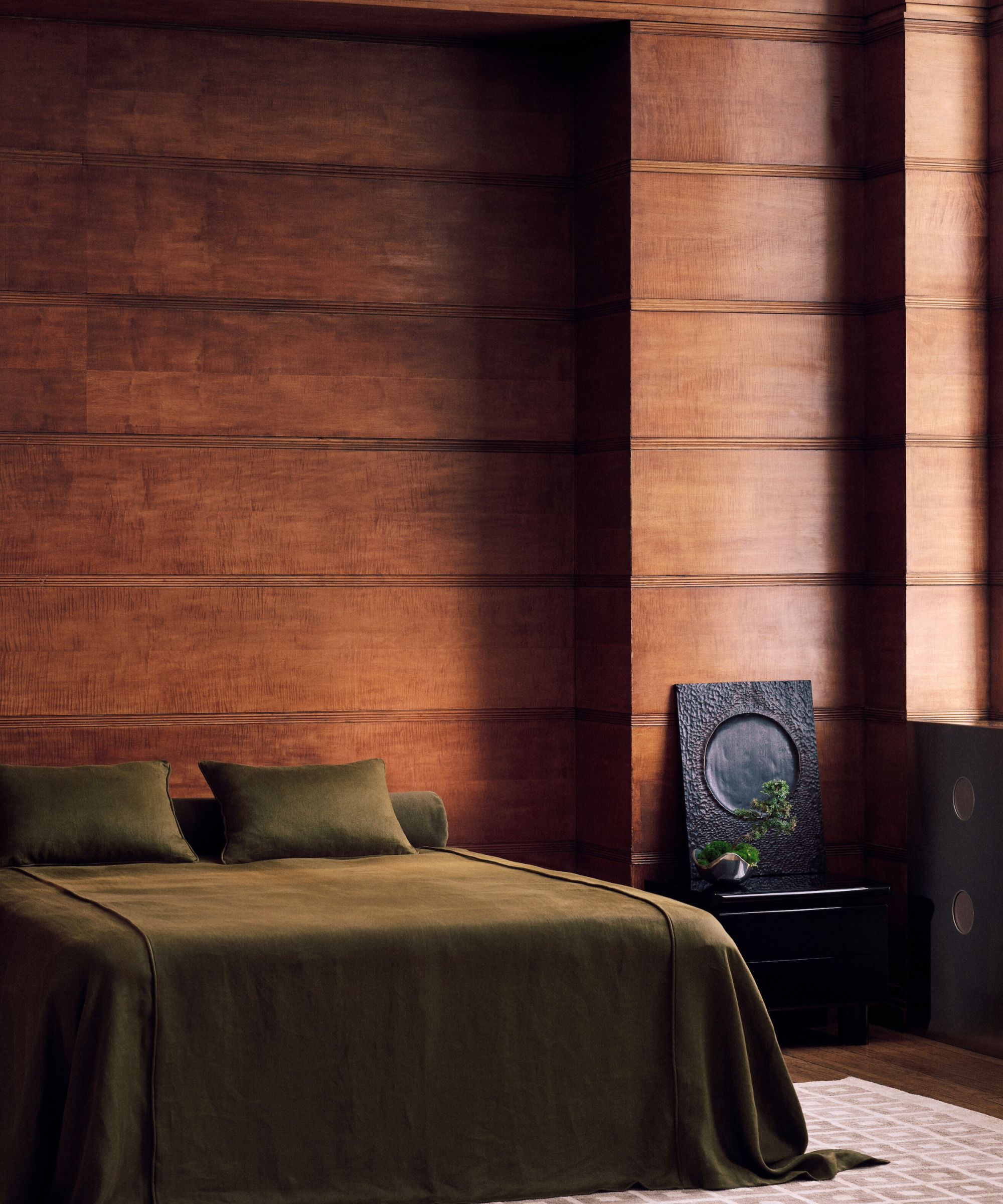
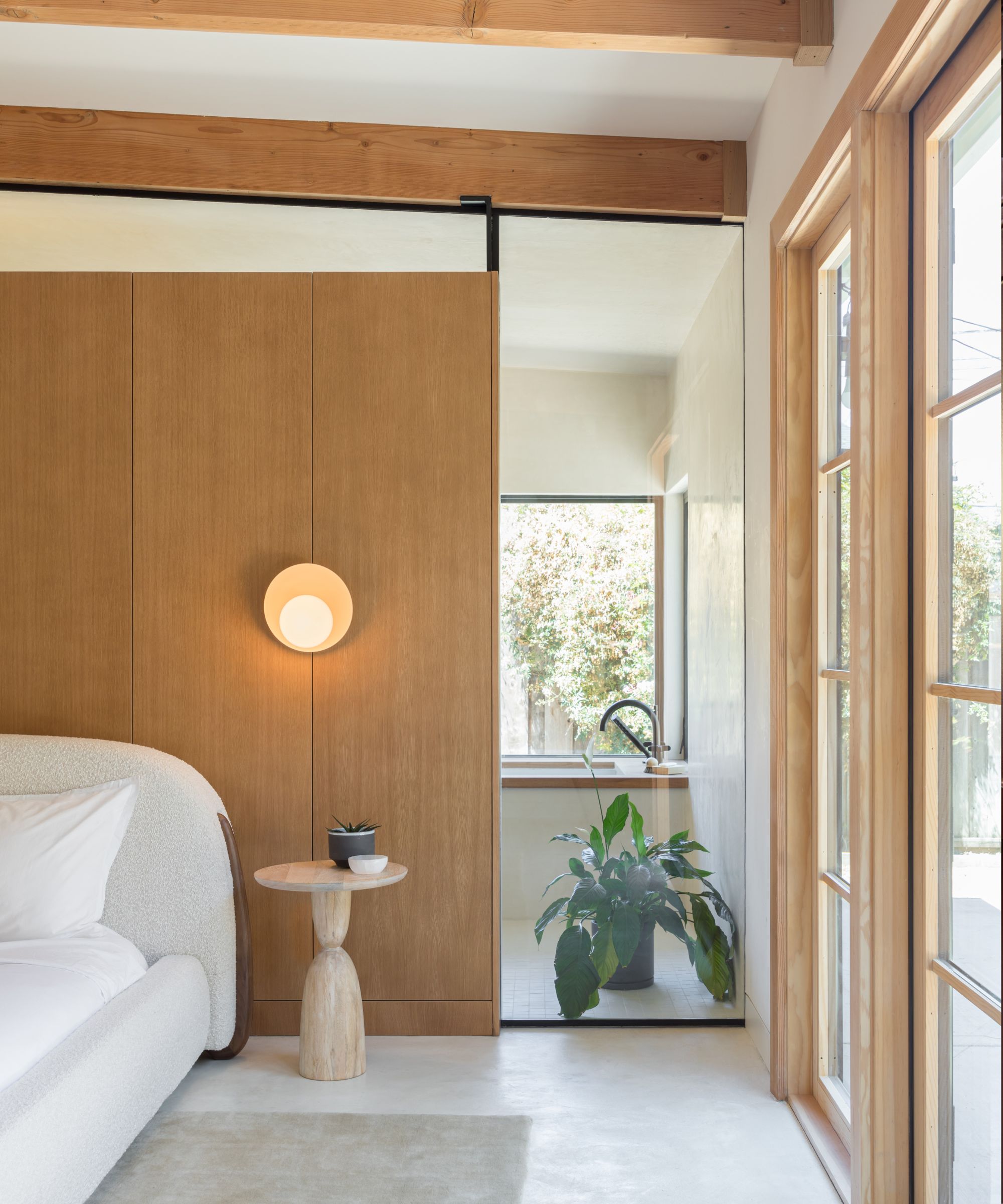
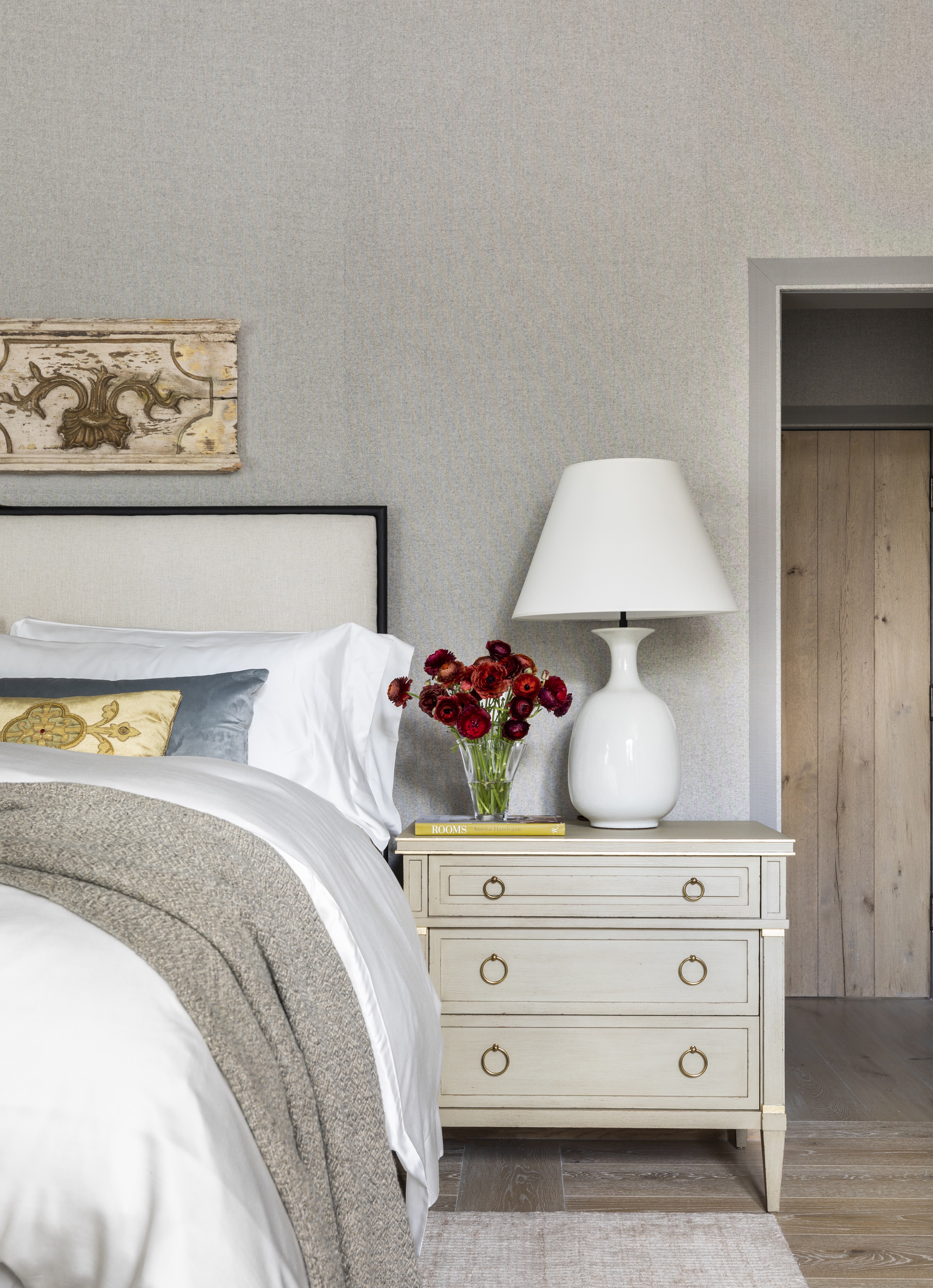
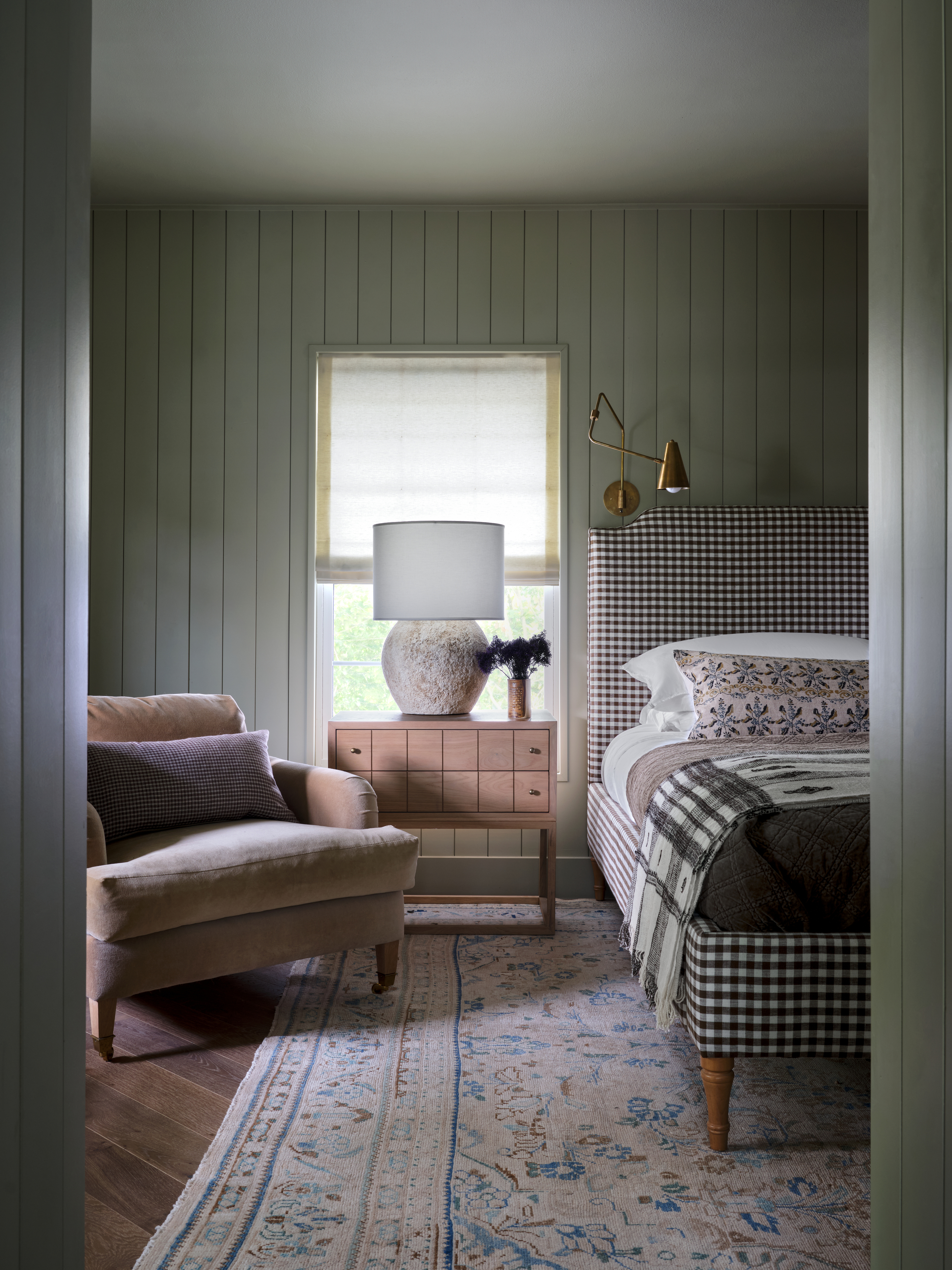
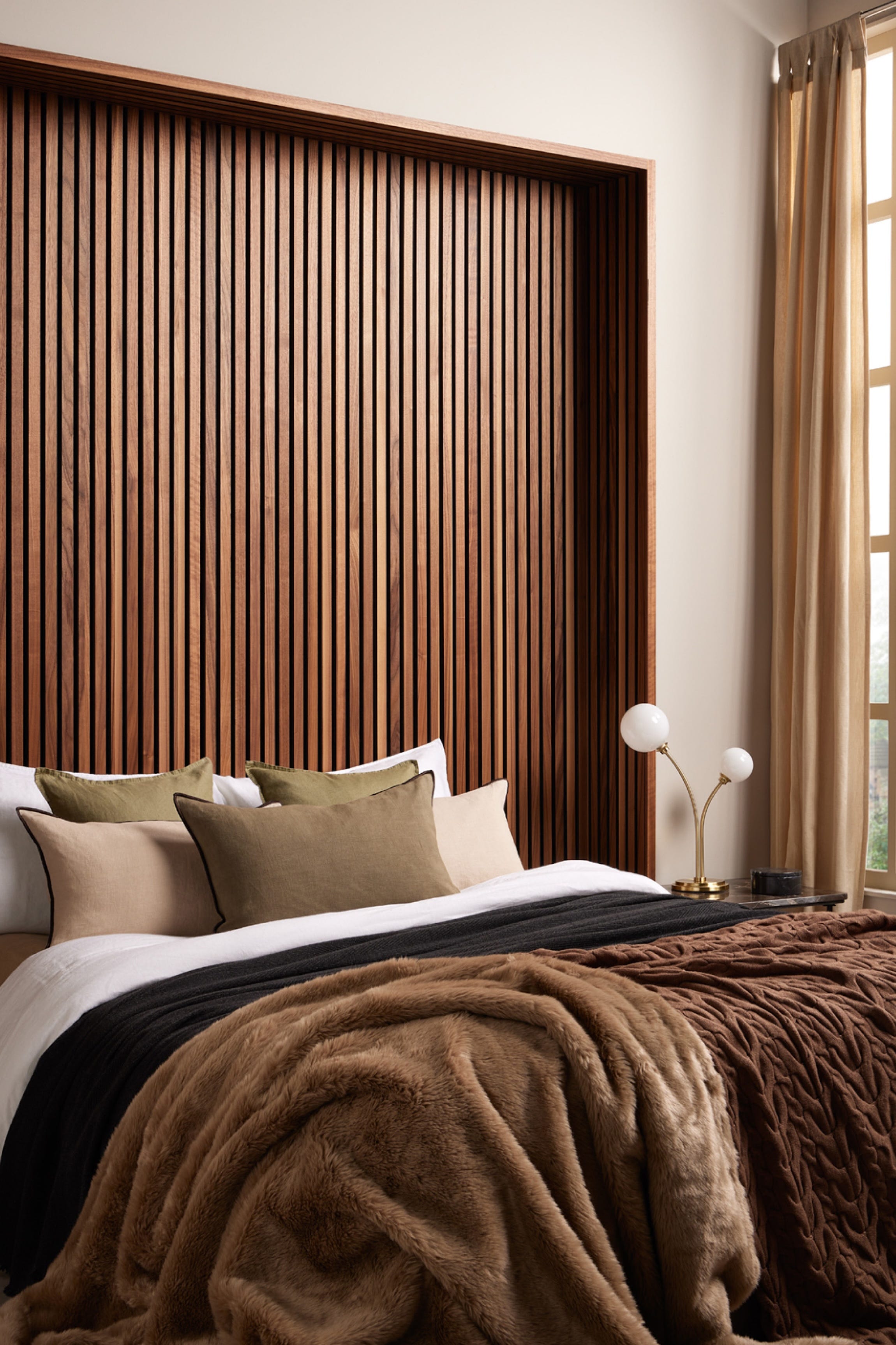
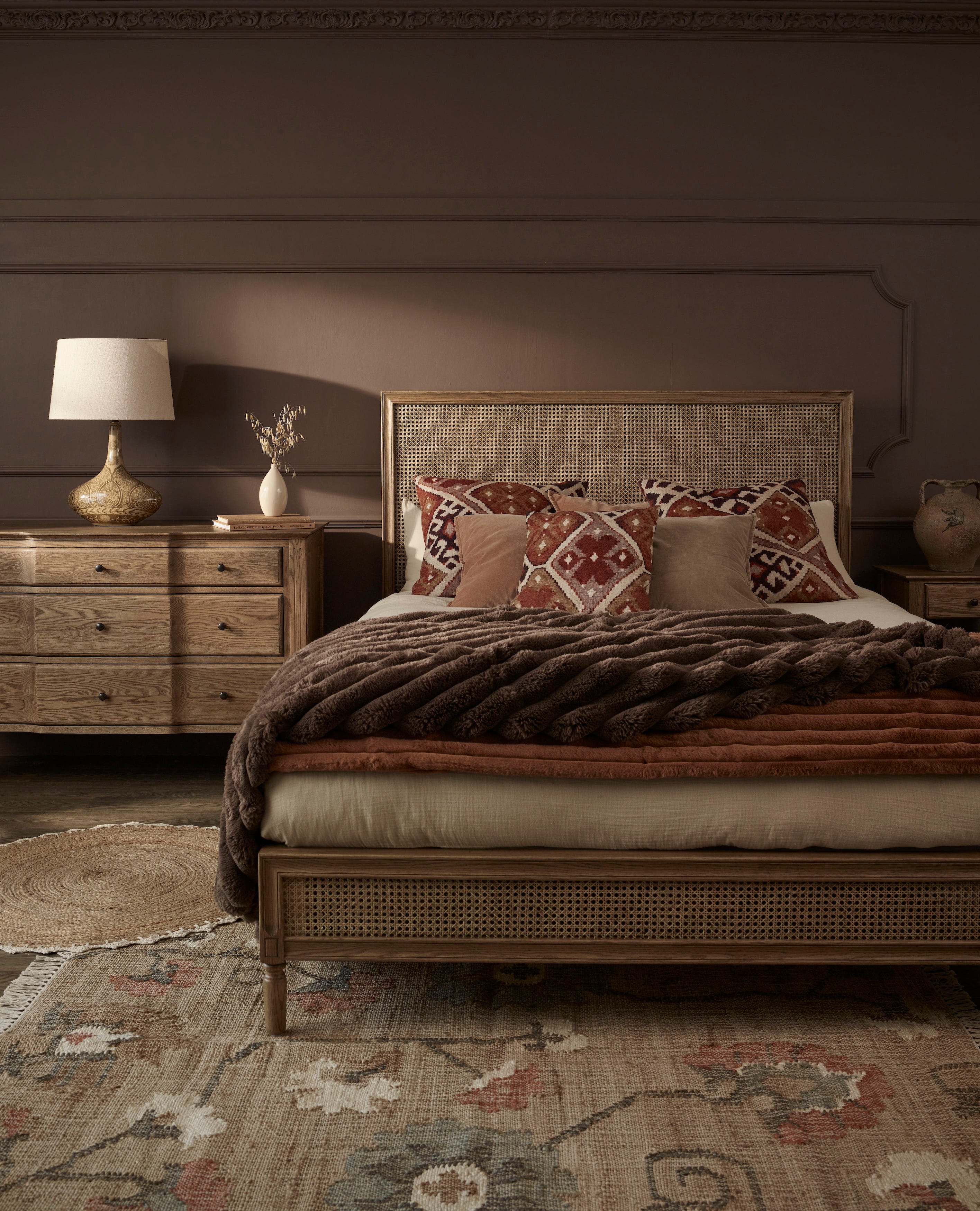
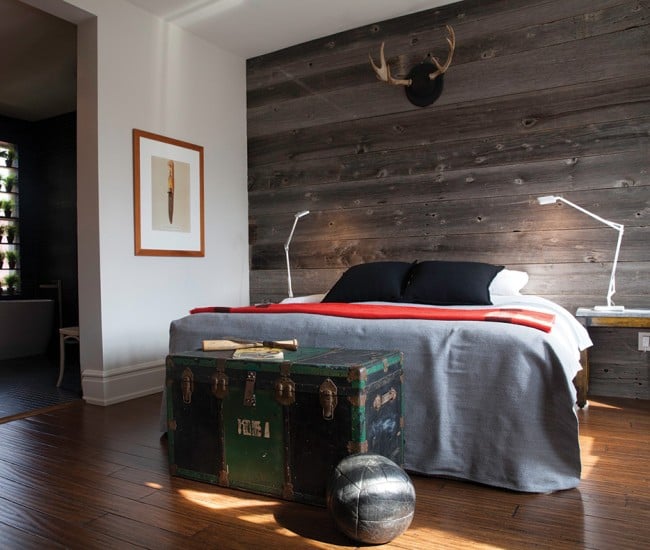
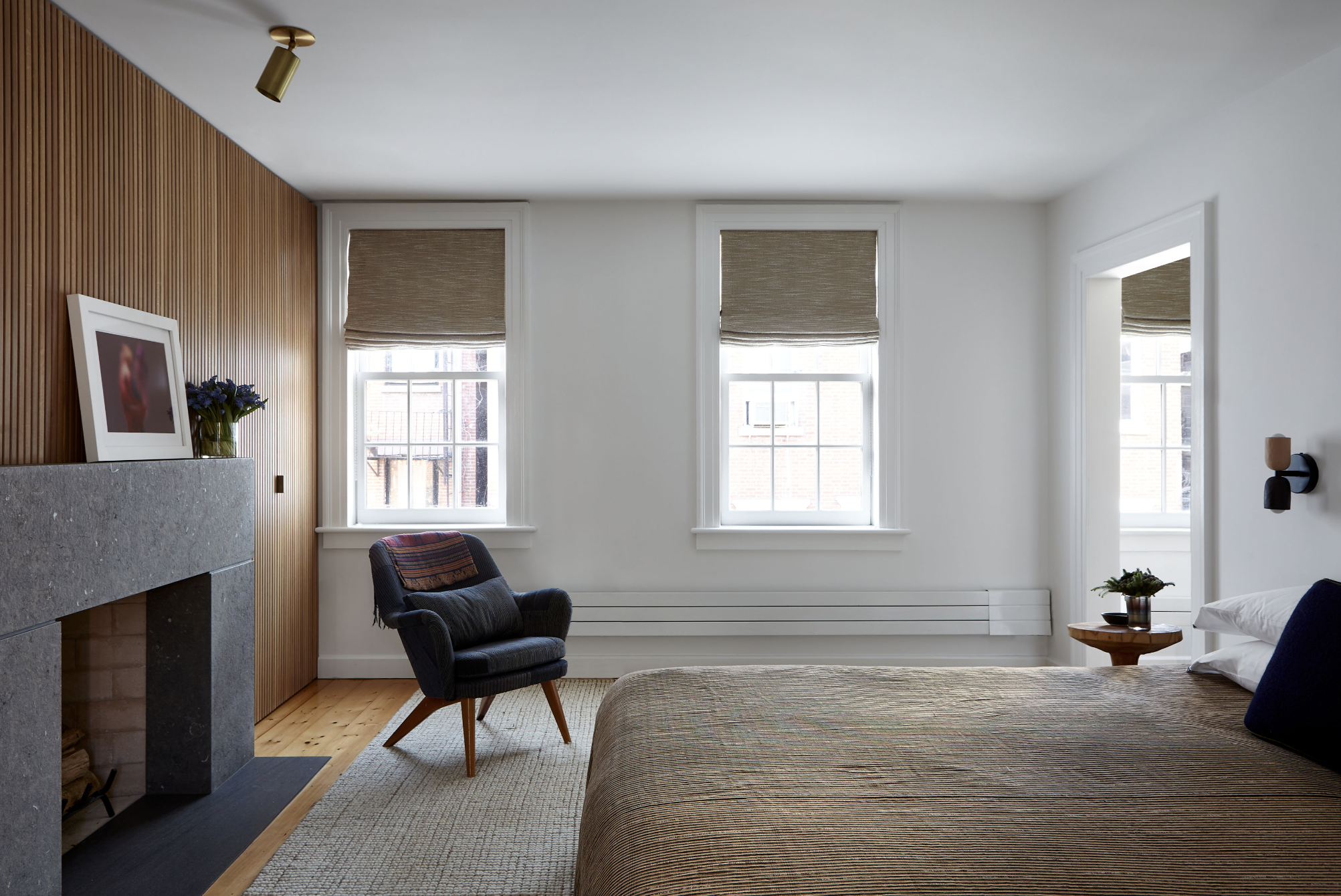
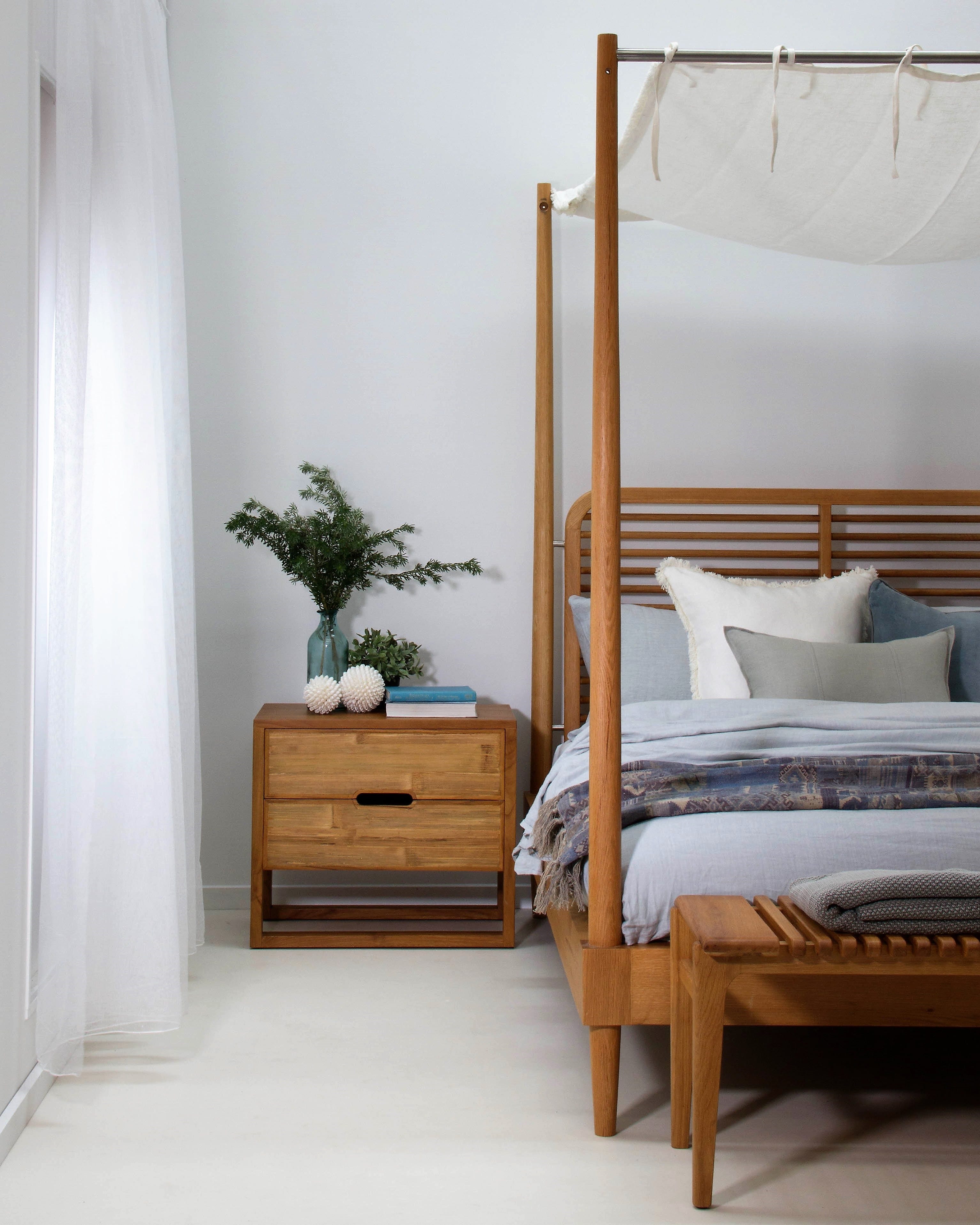
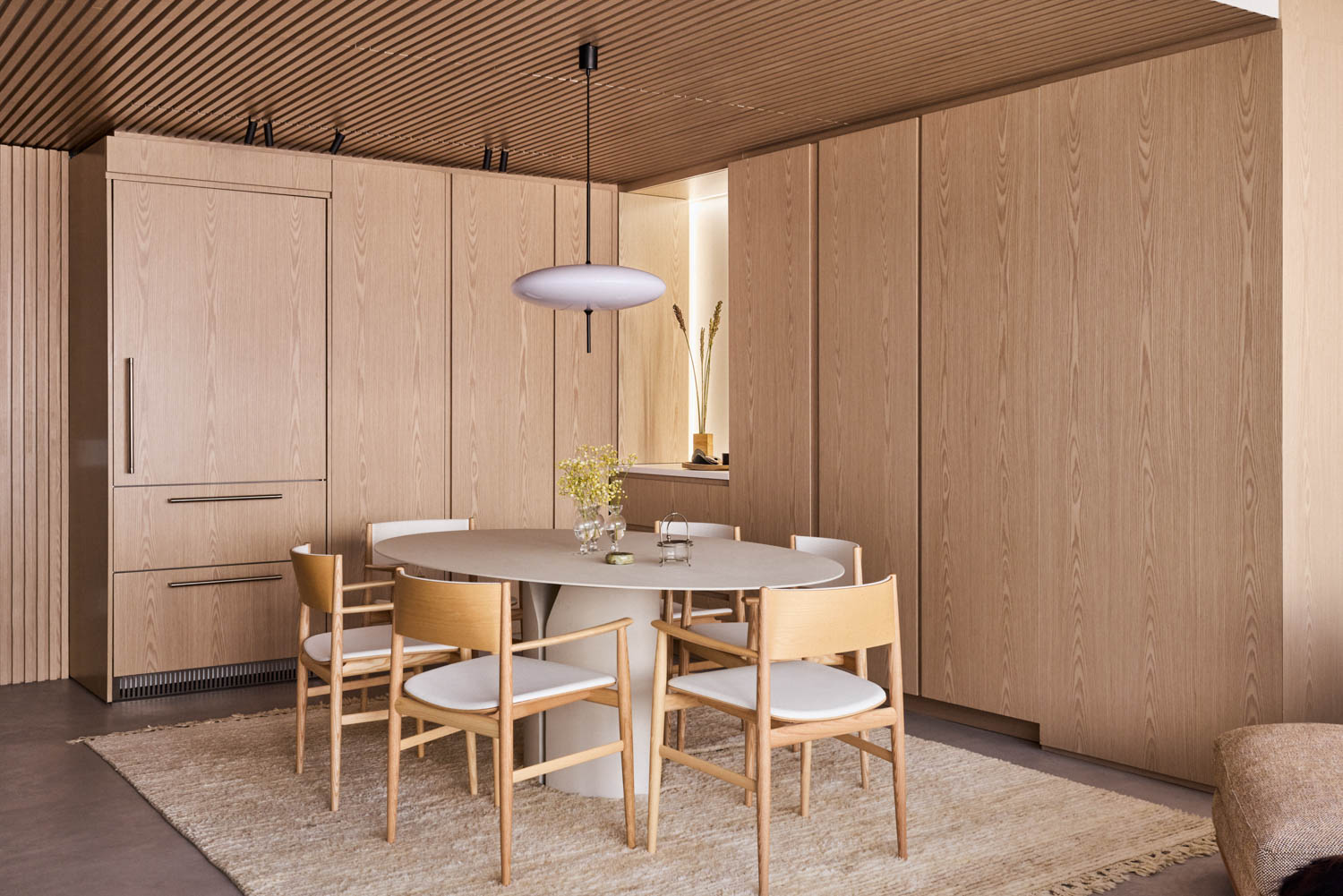
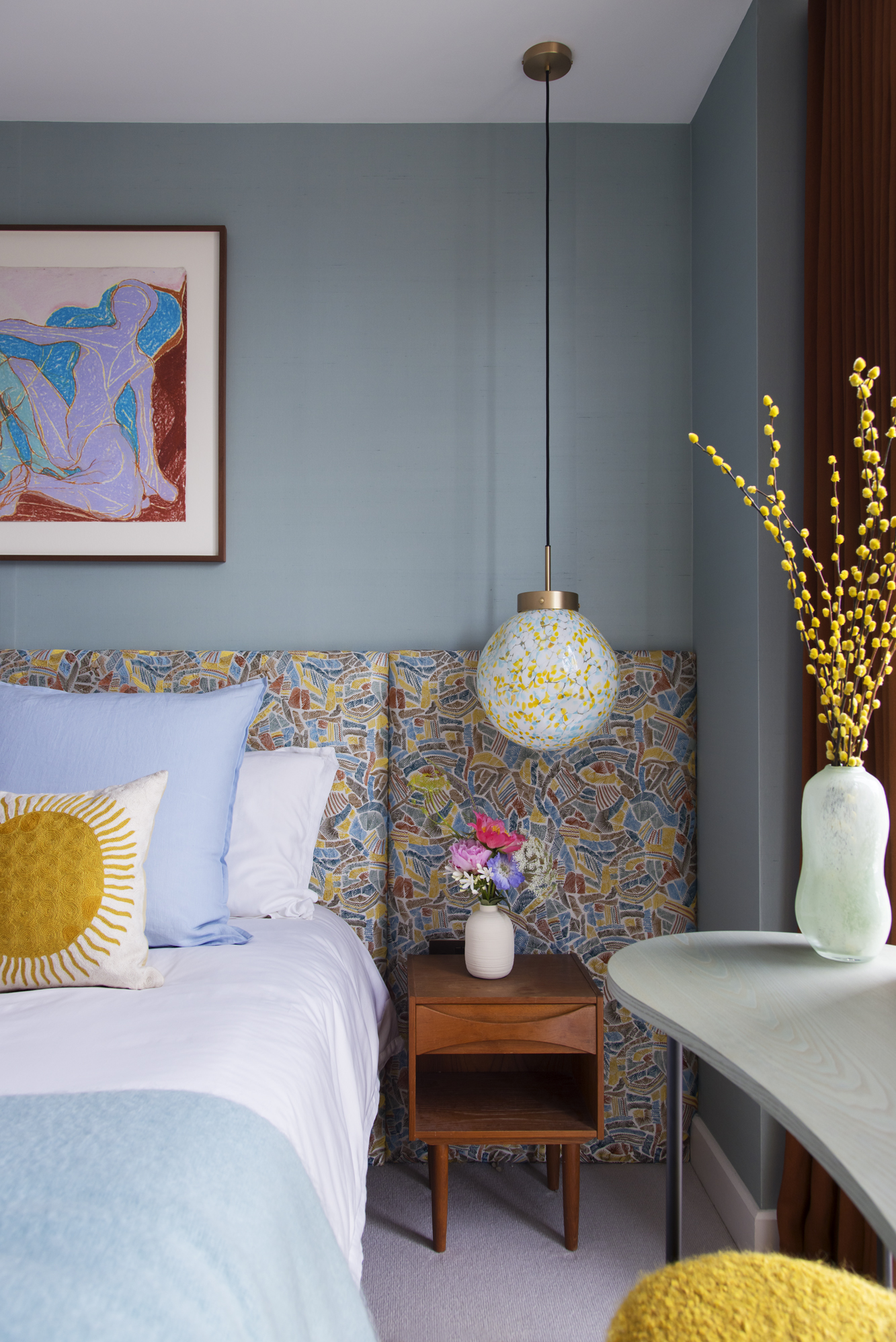
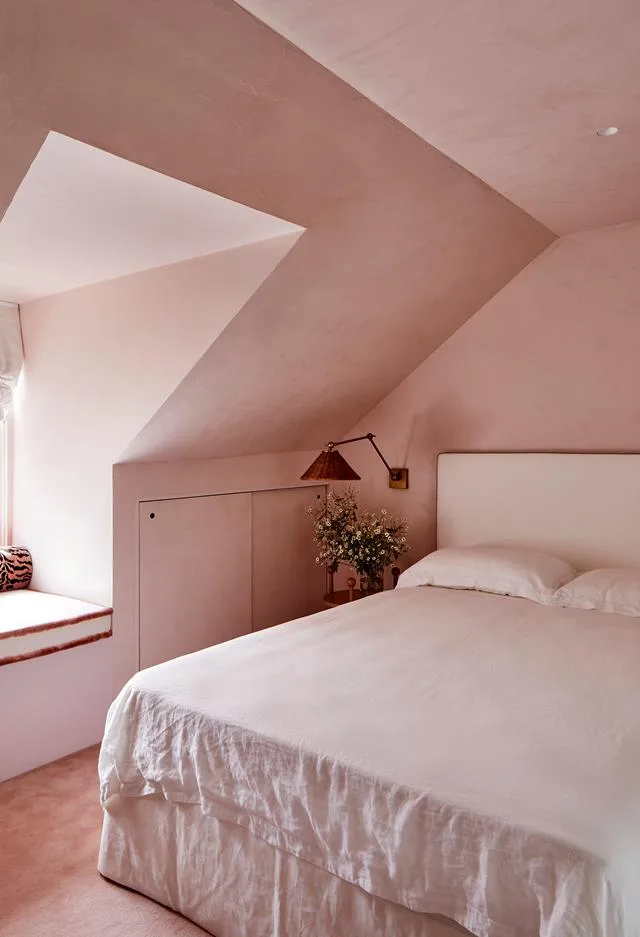
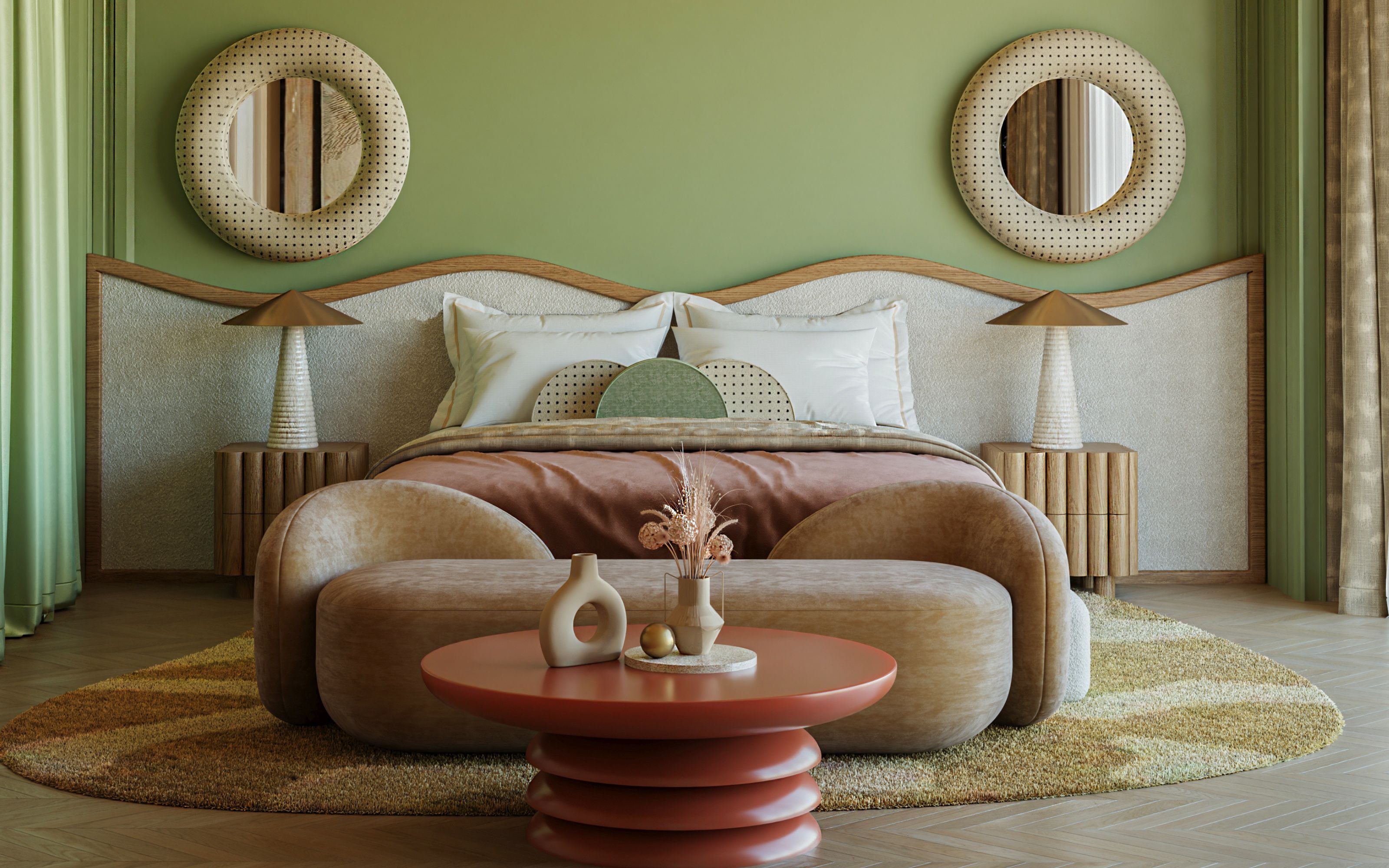
One key principle involves combining neutral and natural tones. While neutral colors form the base, incorporating natural hues like deep browns, light blues, pinks, and gray-greens can enhance the Japandi feel without sacrificing warmth. Furthermore, the aesthetic highlights the integration of diverse wood tones. Utilizing various stains and types of raw wood materials in a single space, such as a patterned wood dresser paired with a distinctively toned chair, introduces visual interest and texture.
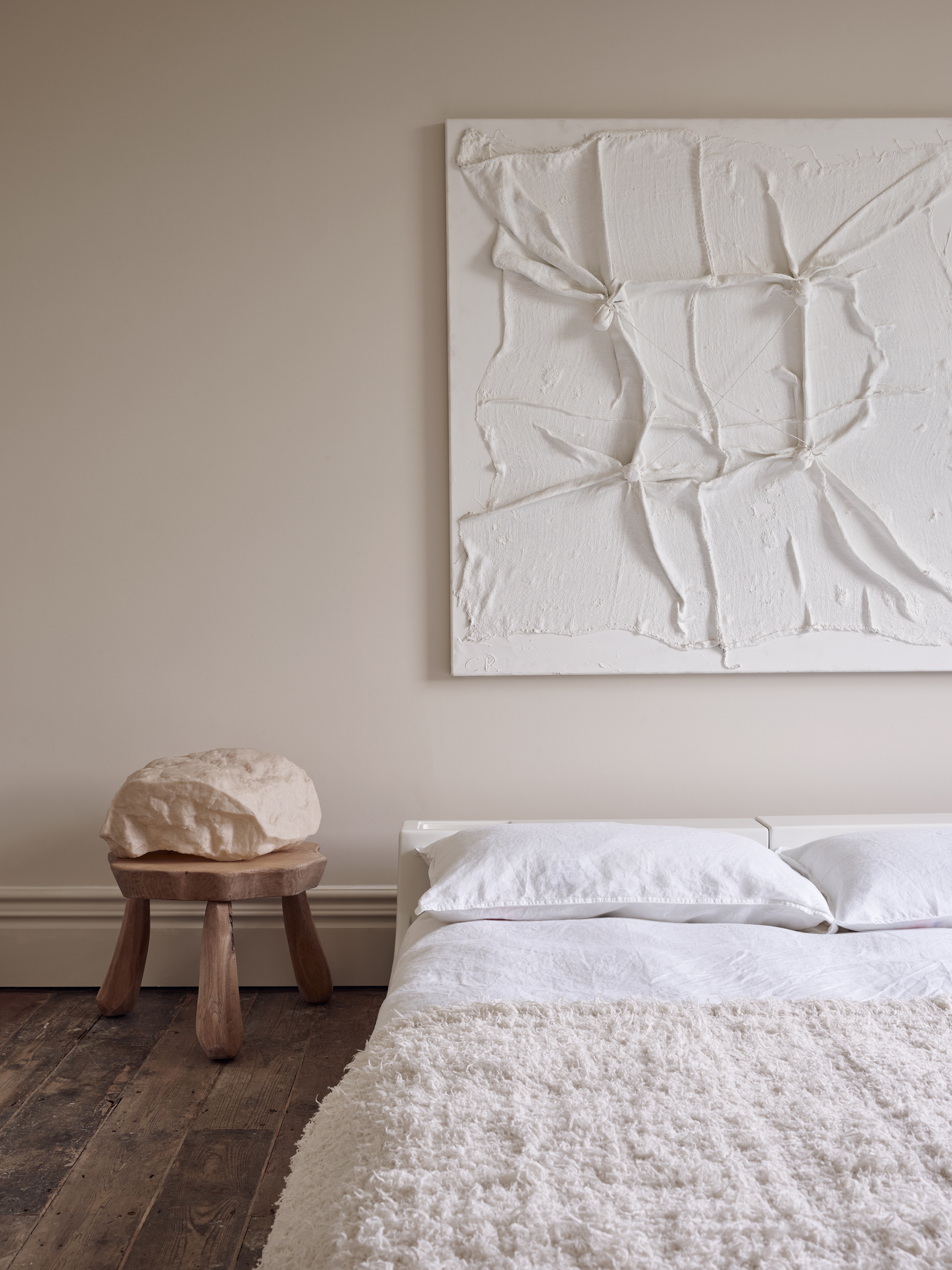
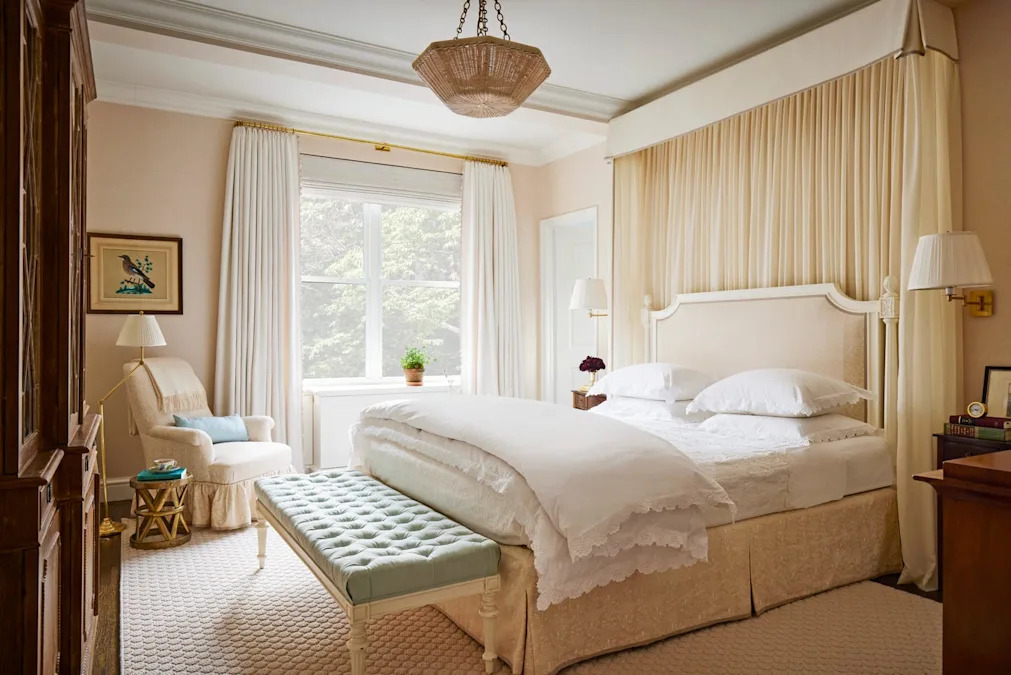
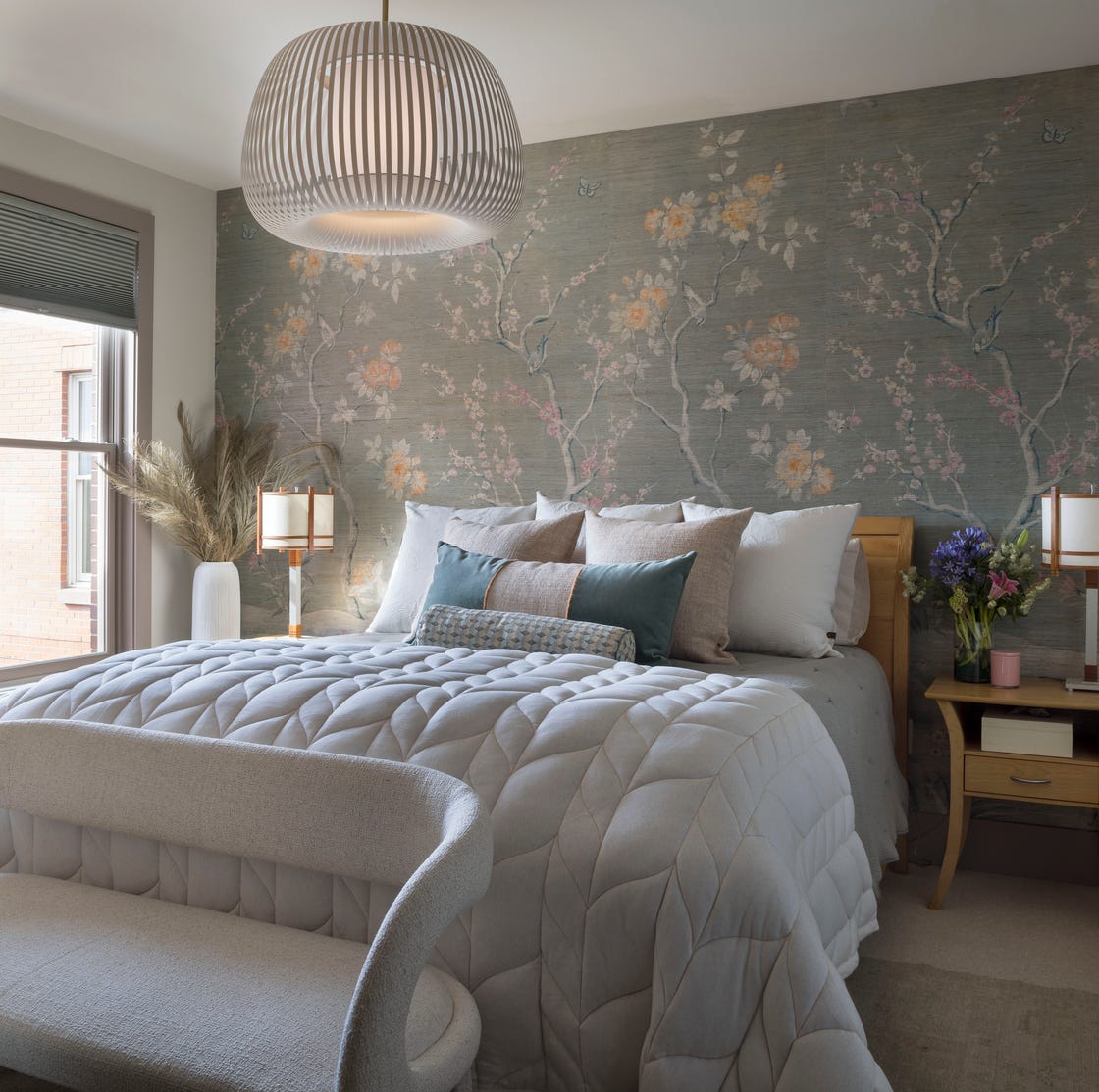
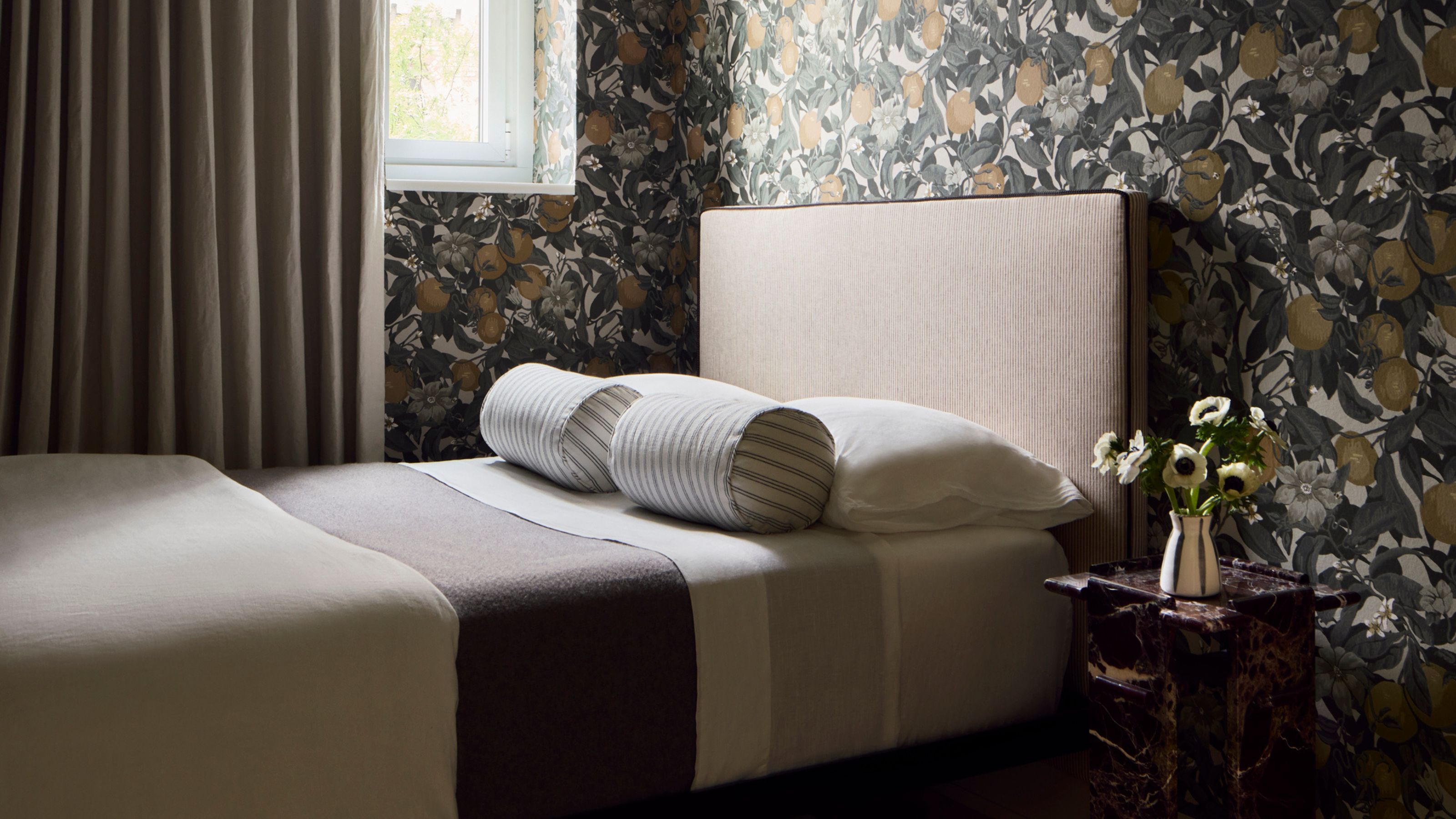
Layering different textures is another important aspect, where elements like cloth mural accent walls and quilted comforters can harmoniously combine Japanese and Scandinavian influences. This layering, coupled with the use of natural shapes and sharp angles, contributes to a tranquil atmosphere. Natural motifs are also fundamental; incorporating natural elements through decor, such as drapes with organic patterns or rustic nightstands, reinforces the connection to nature inherent in Japandi design.
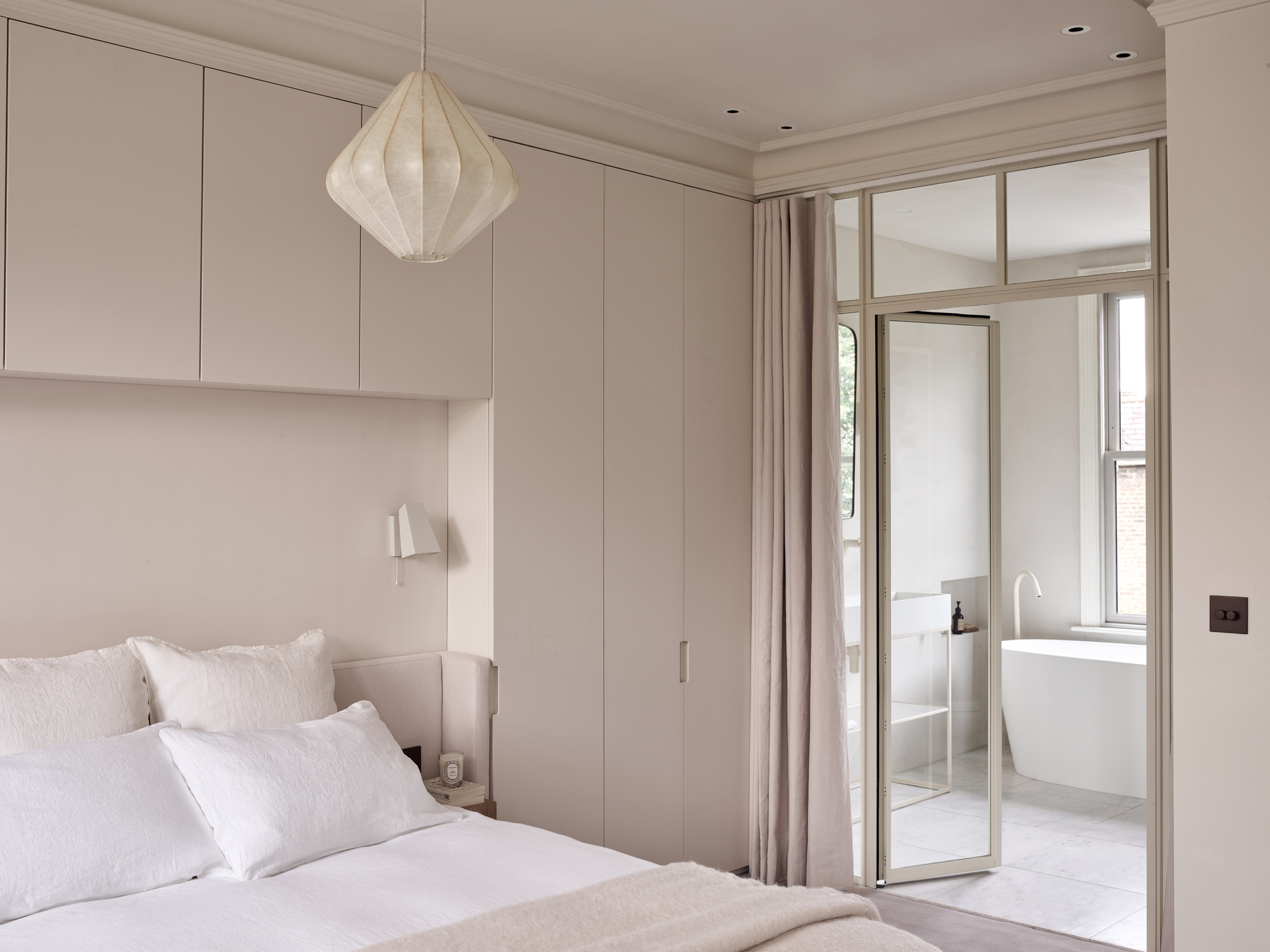
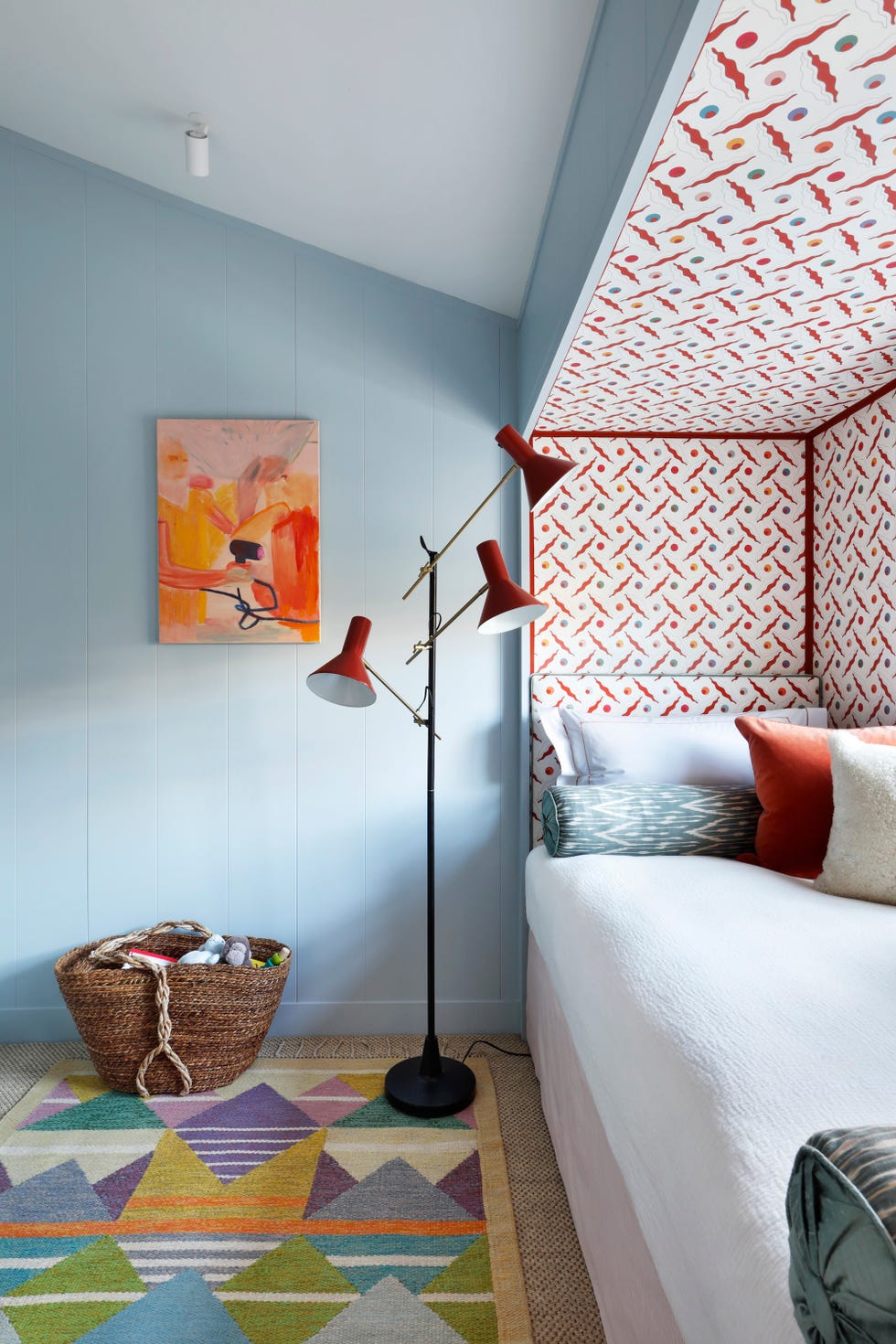
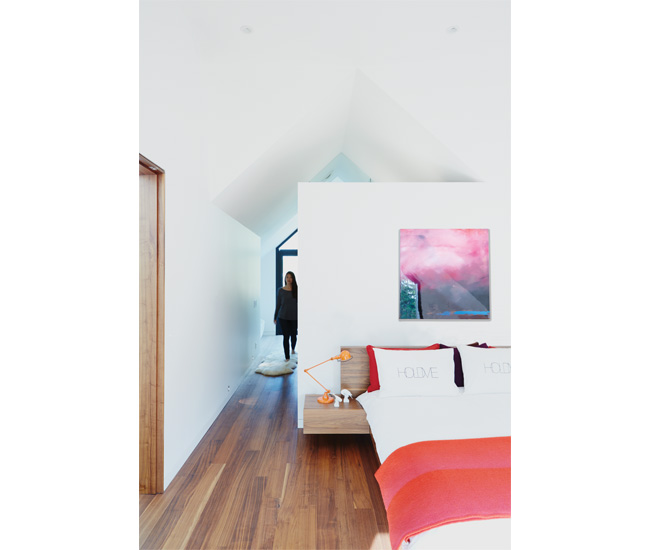
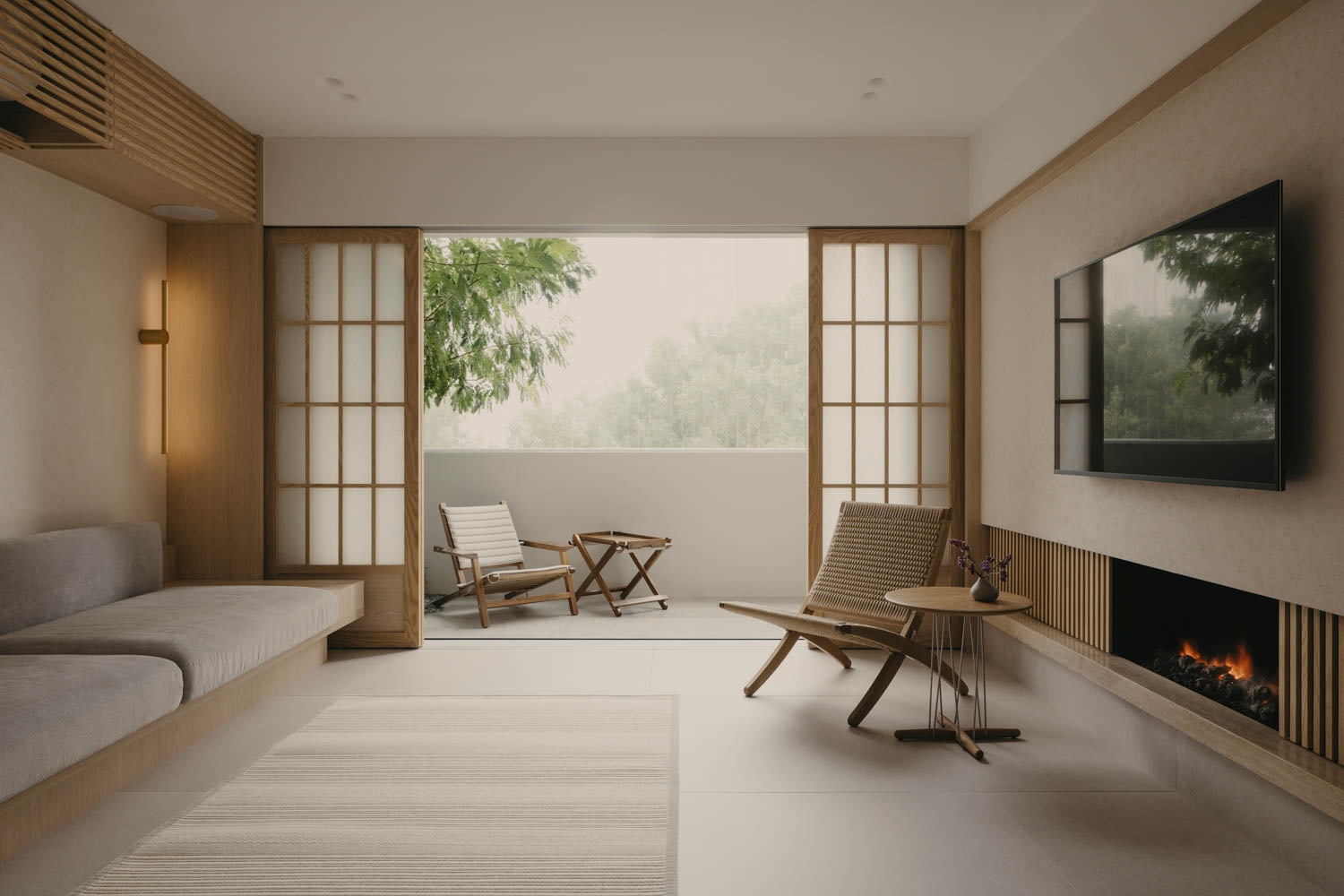
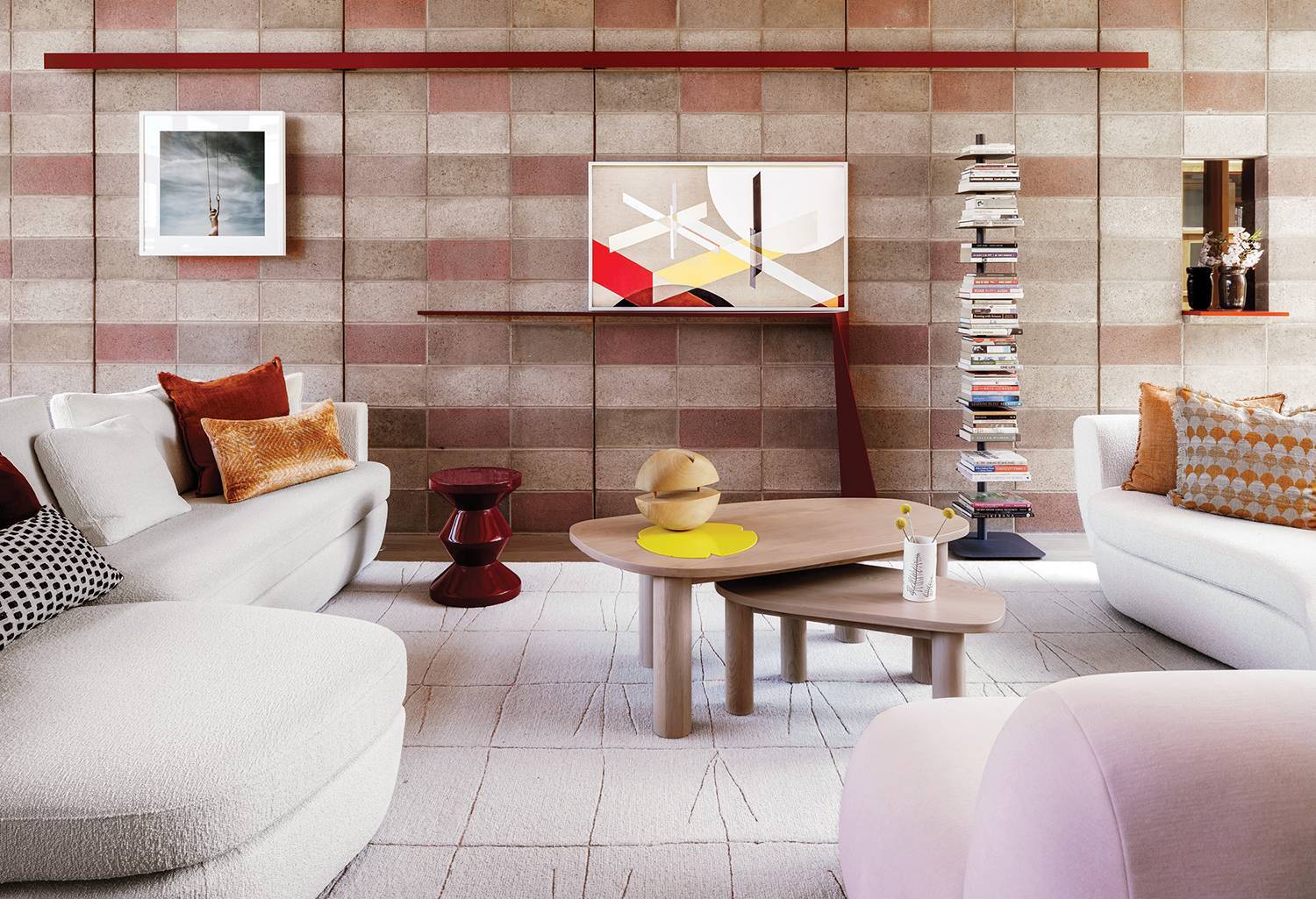
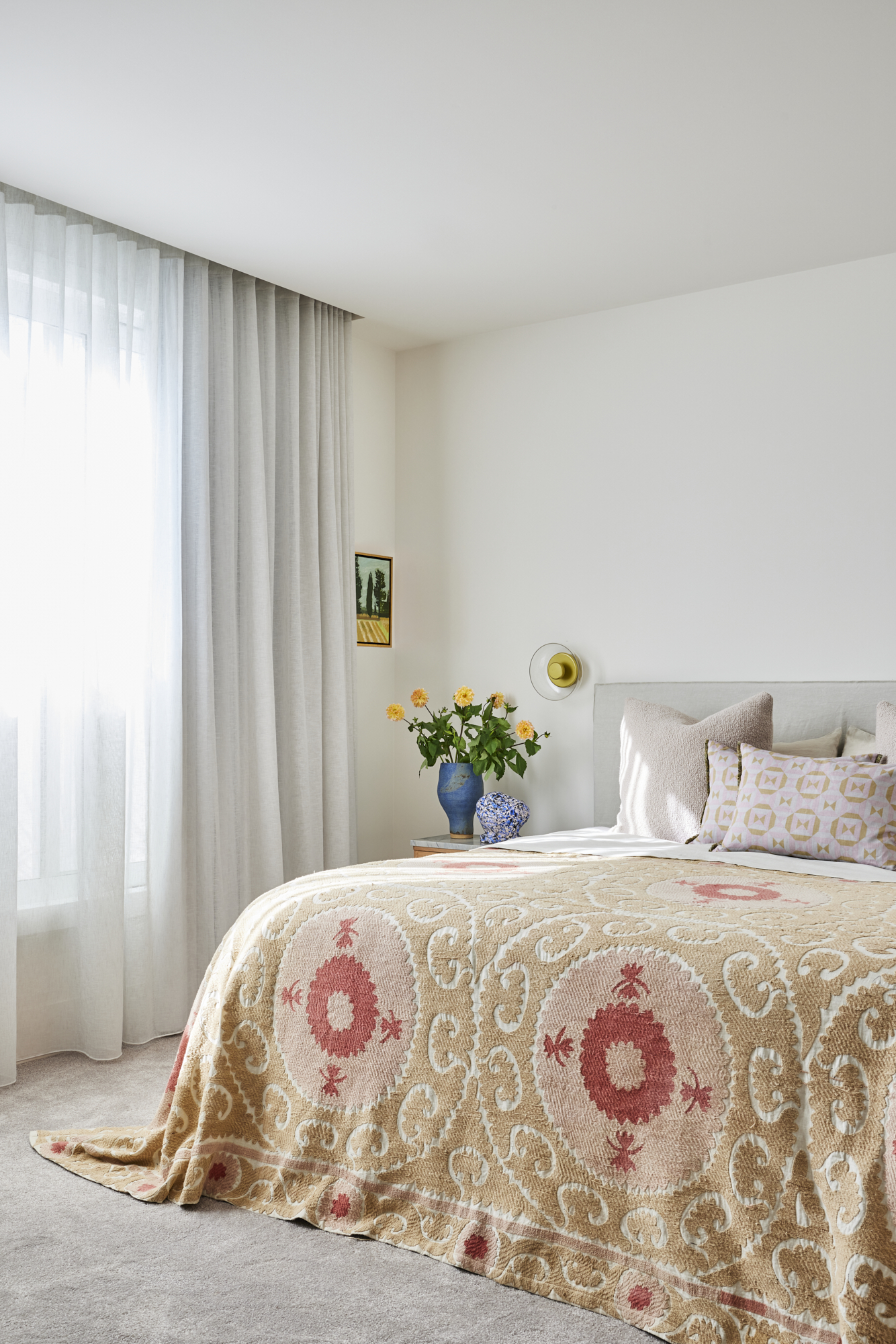
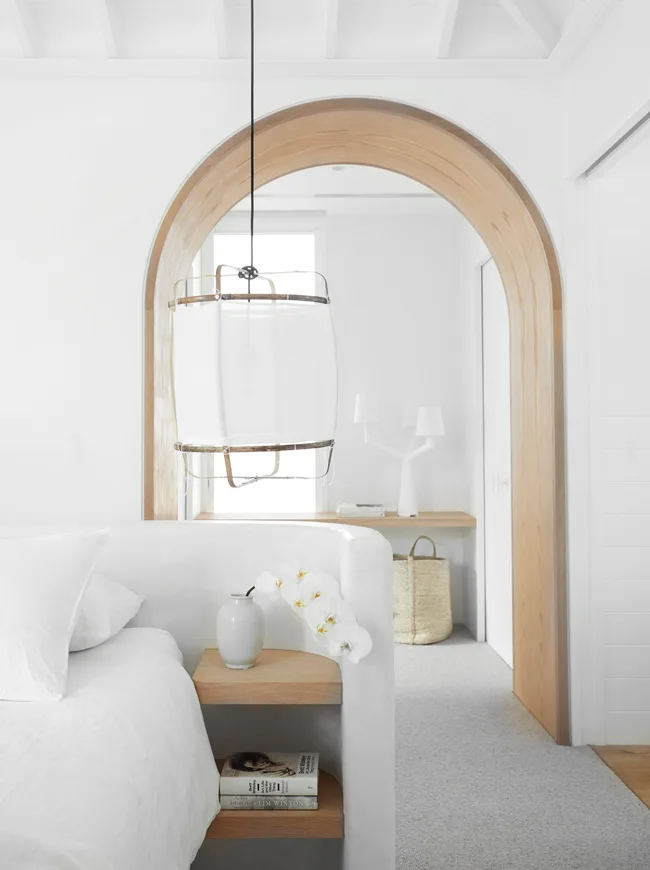
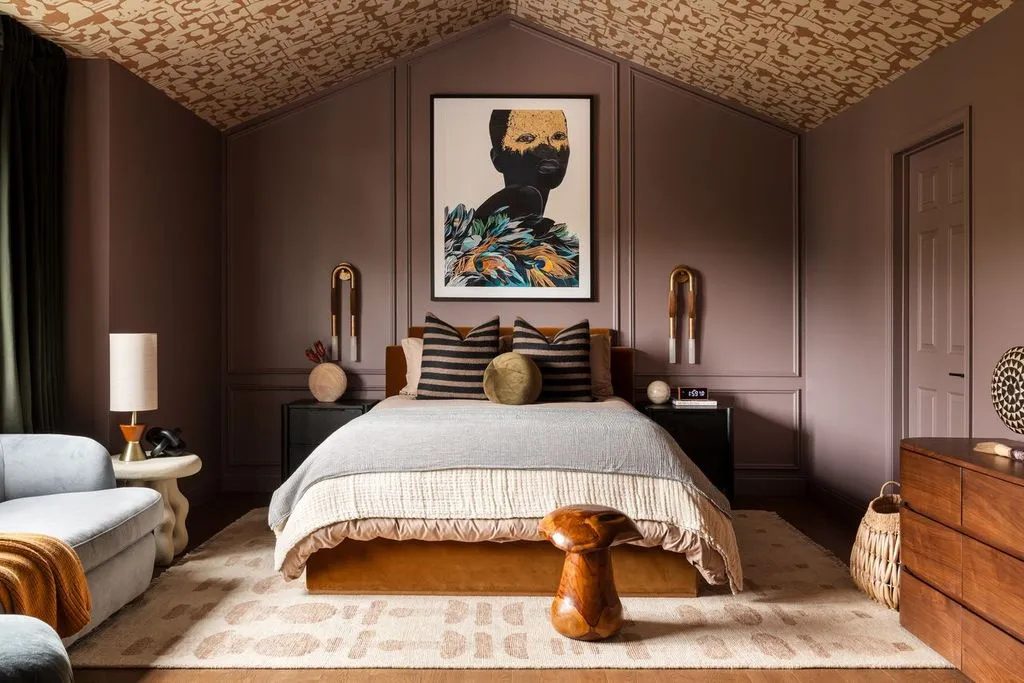
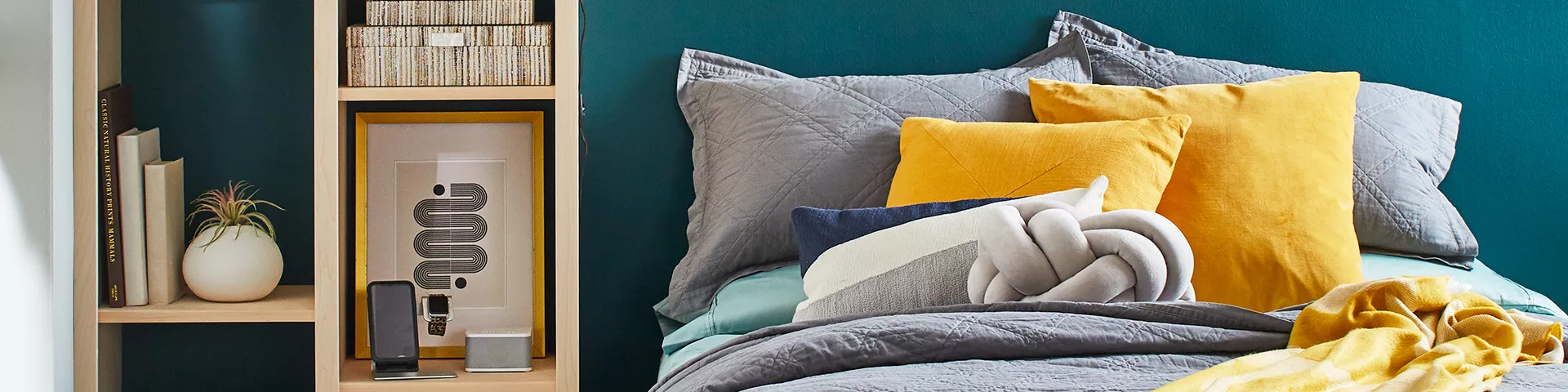
Streamlining belongings is crucial for maintaining the minimalist essence of Japandi. This approach focuses on creating balanced and calming spaces with muted colors, often enhanced by light wood tones and subtle color accents in key pieces like bedspreads. Maximizing natural light is also paramount. Japandi design prioritizes abundant natural light, often layering soft desert hues with natural textures to amplify this warmth. Art plays a significant role in adding interest while preserving minimalism; abstract pieces featuring organic shapes and natural materials in neutral tones complement the aesthetic.
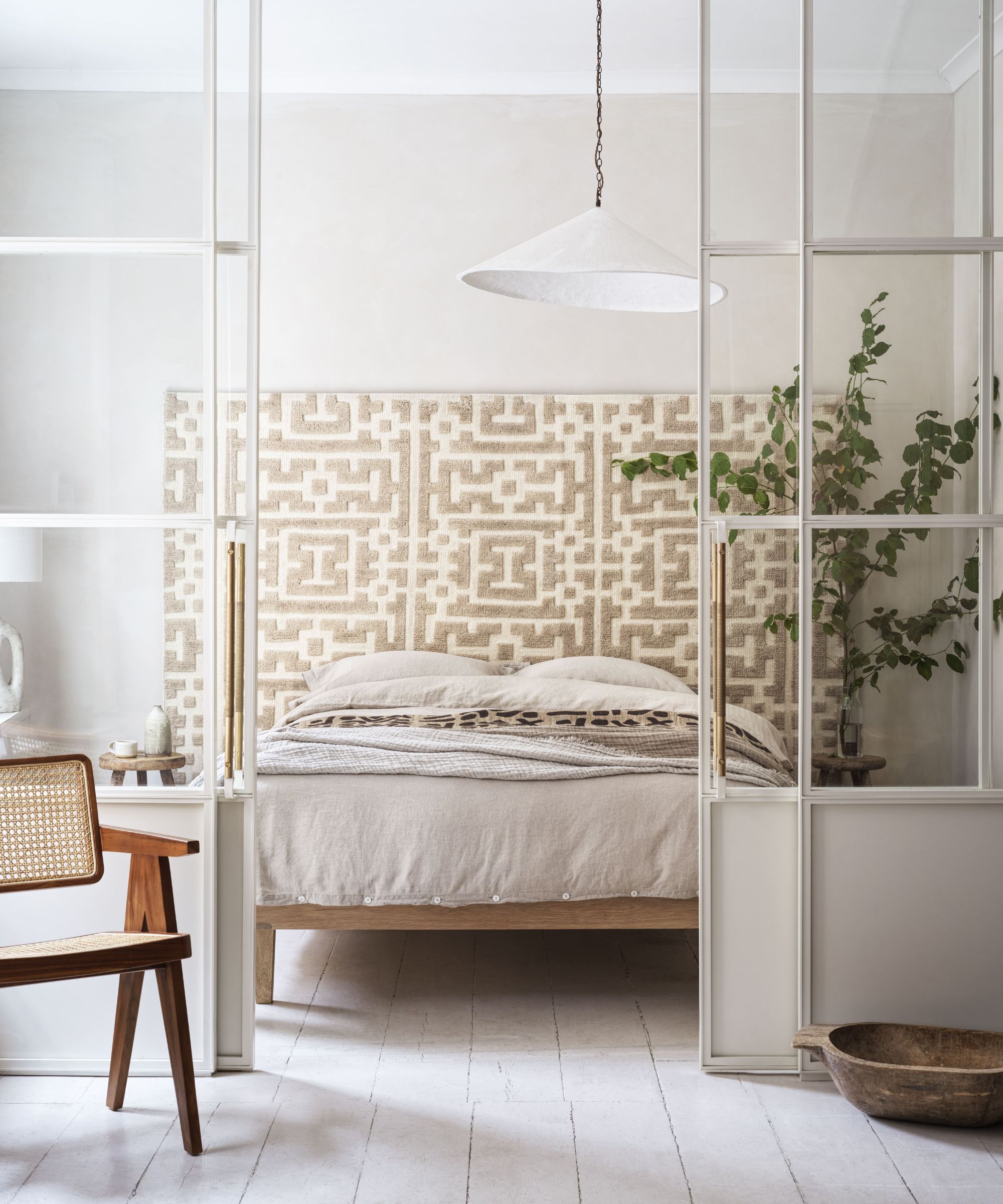
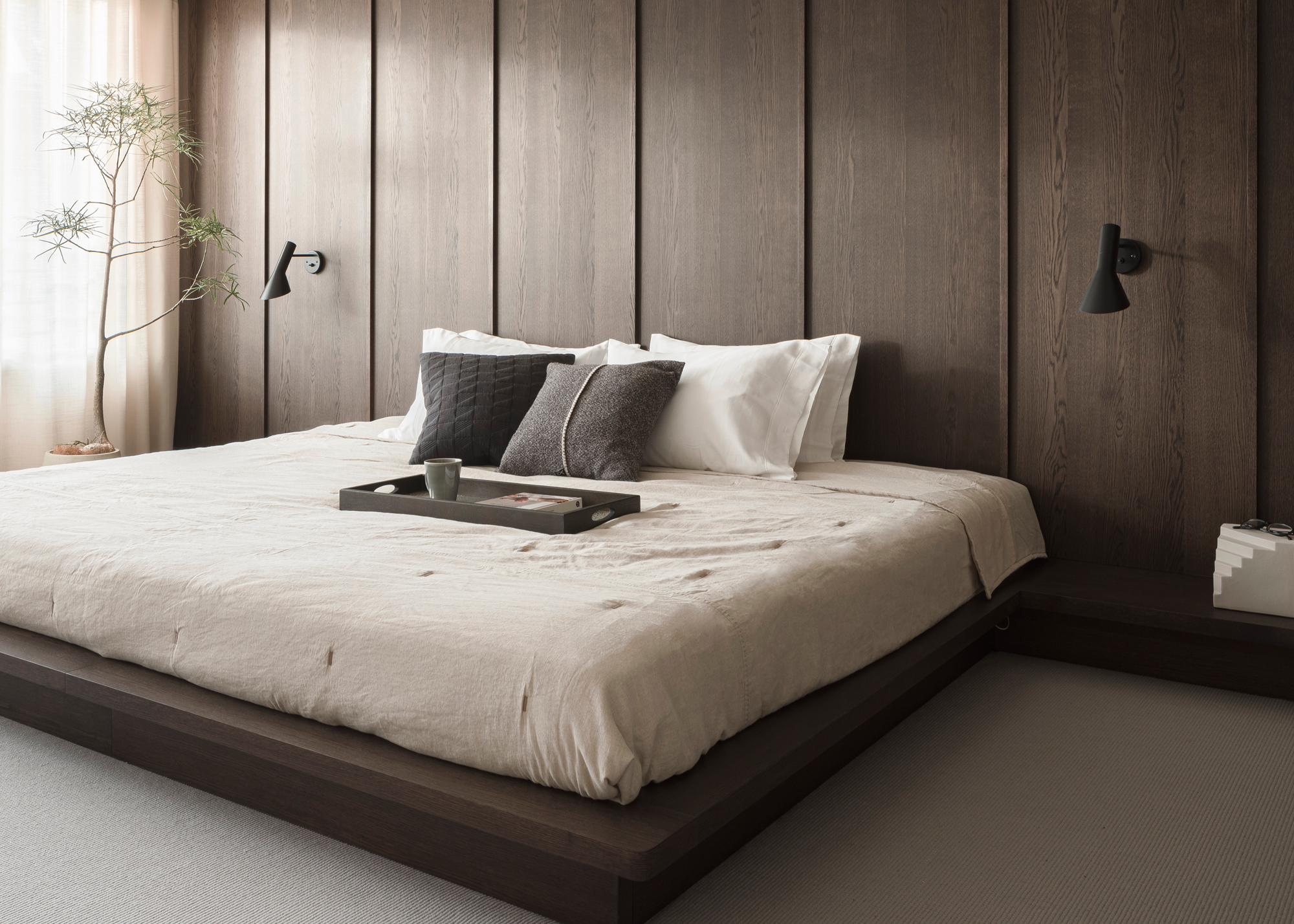
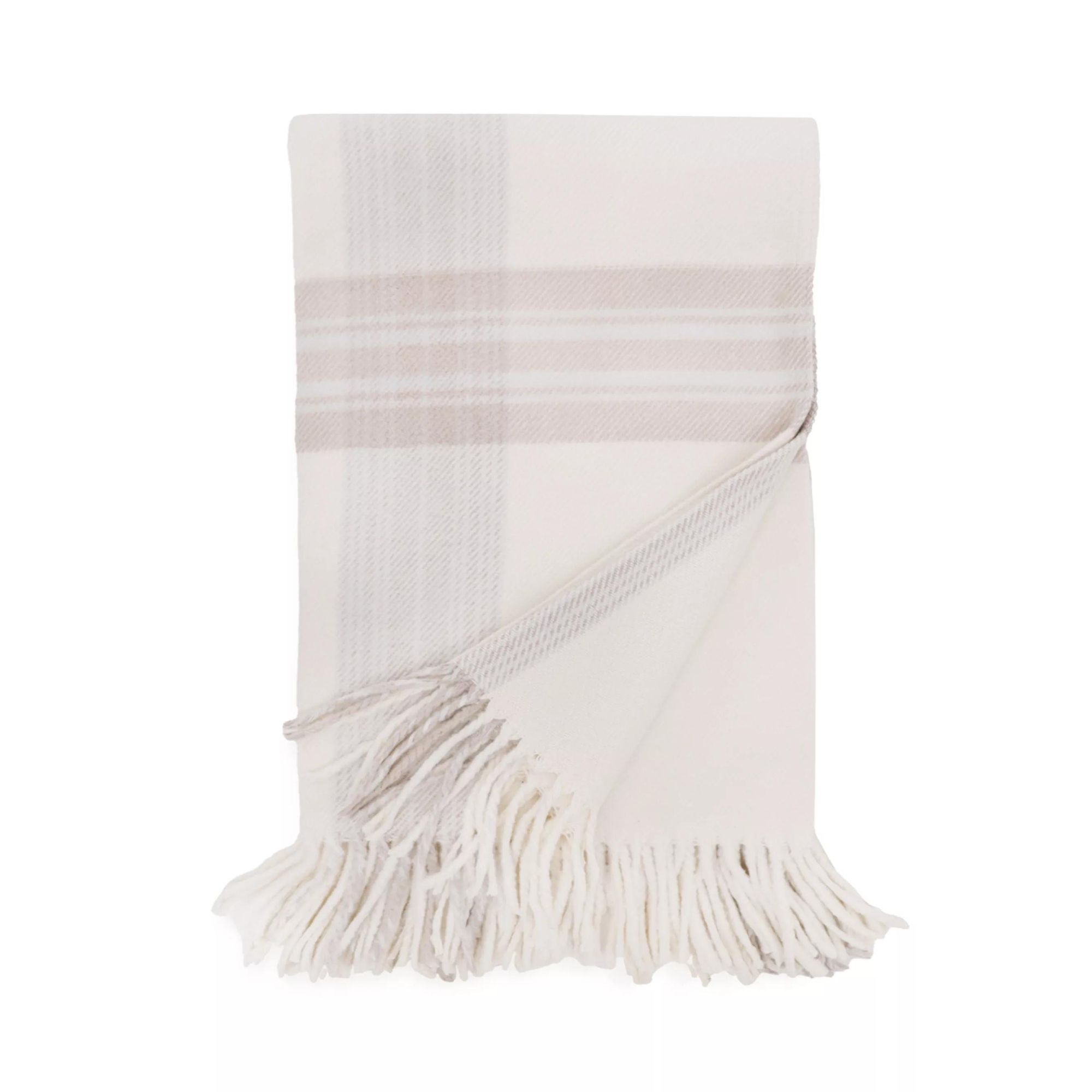
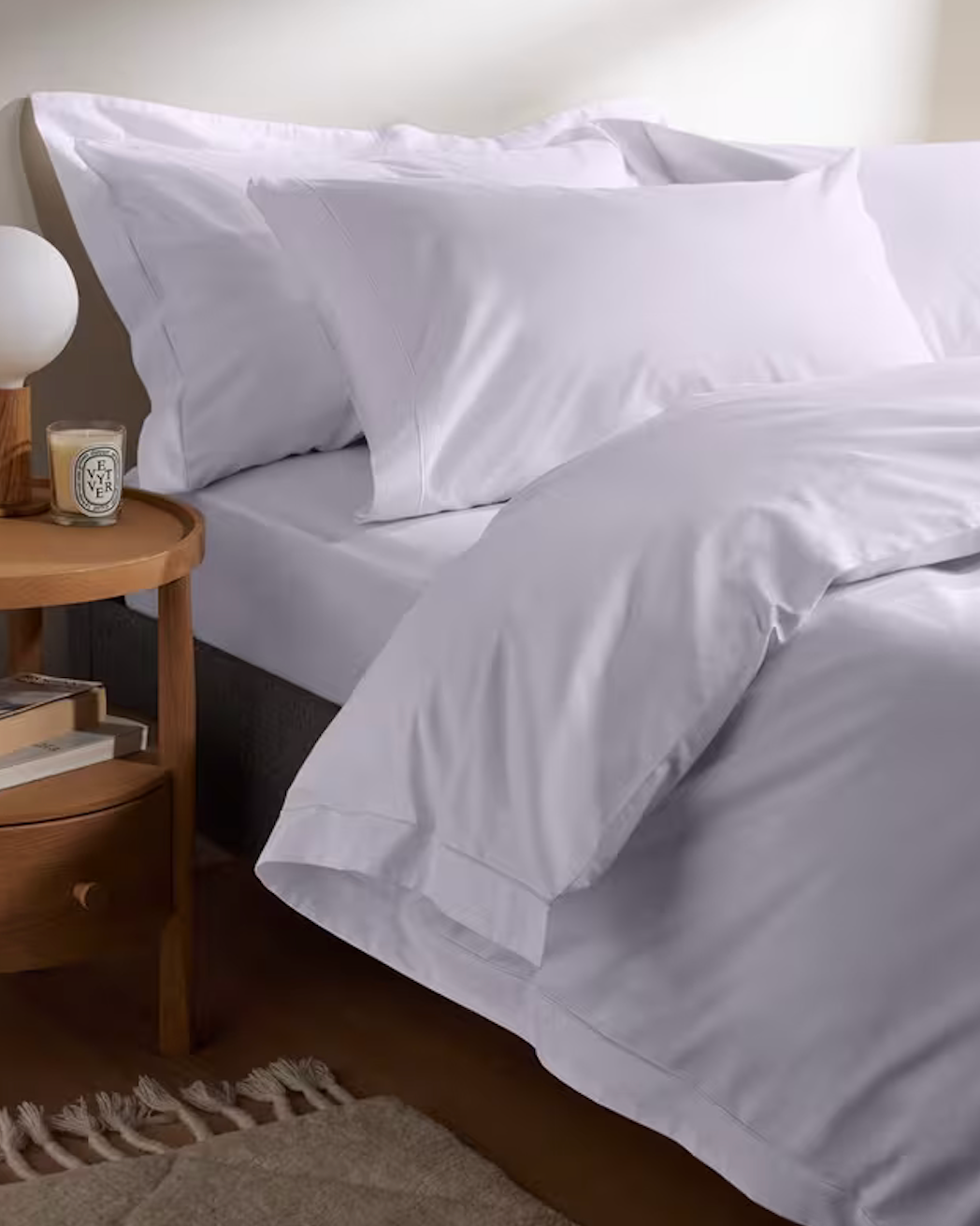
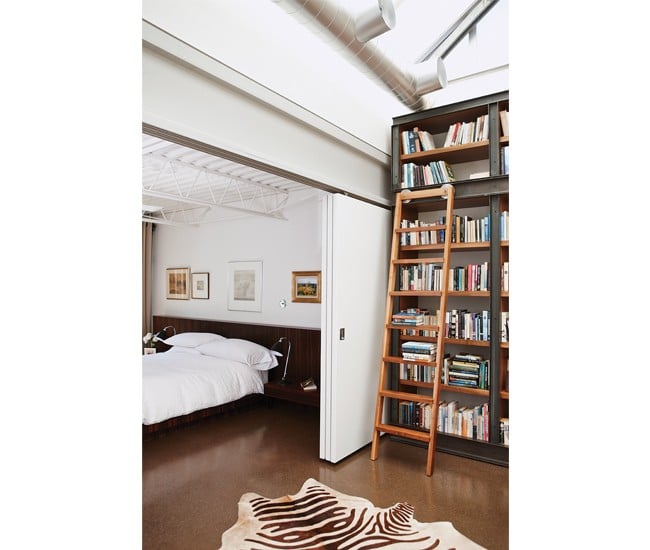
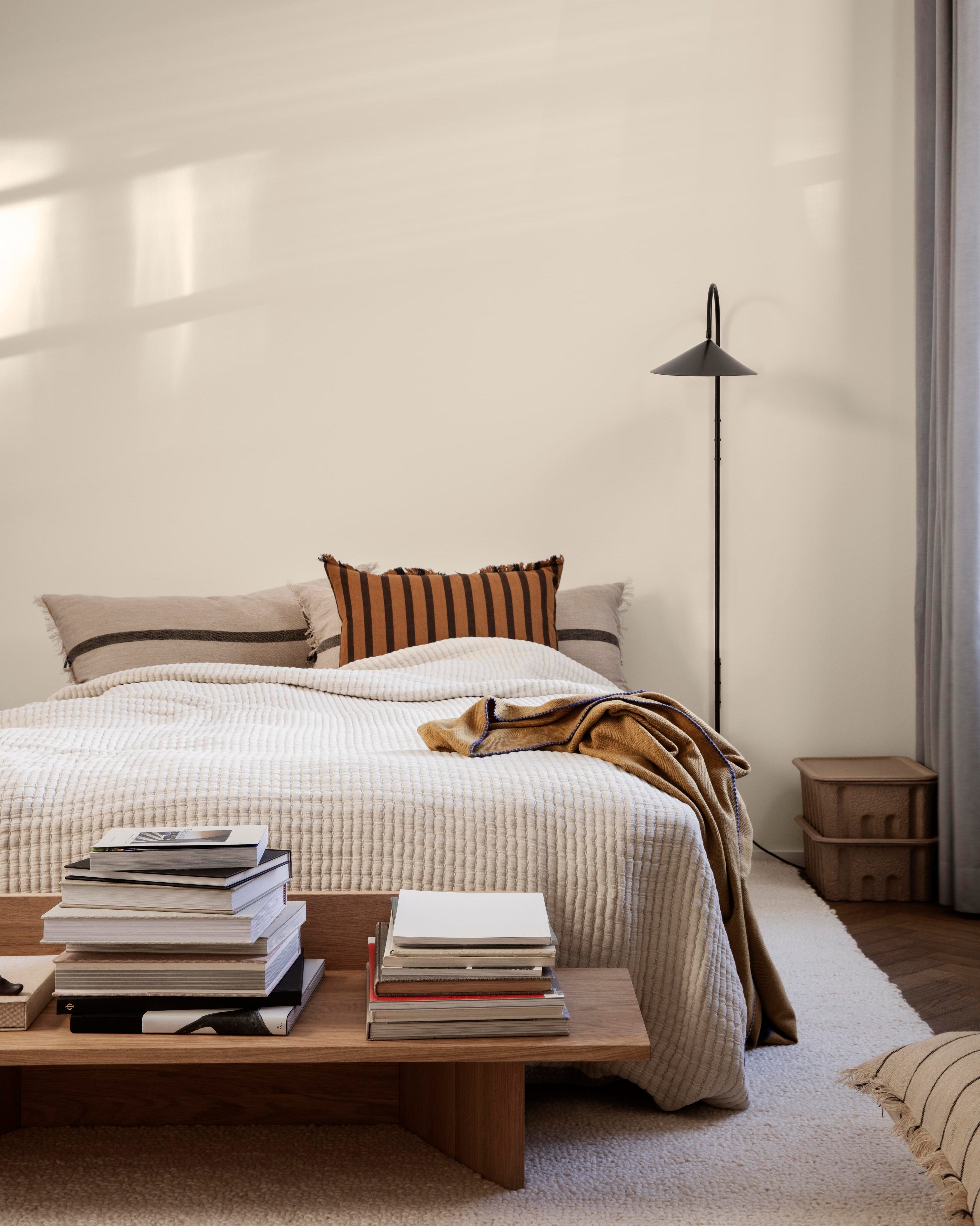
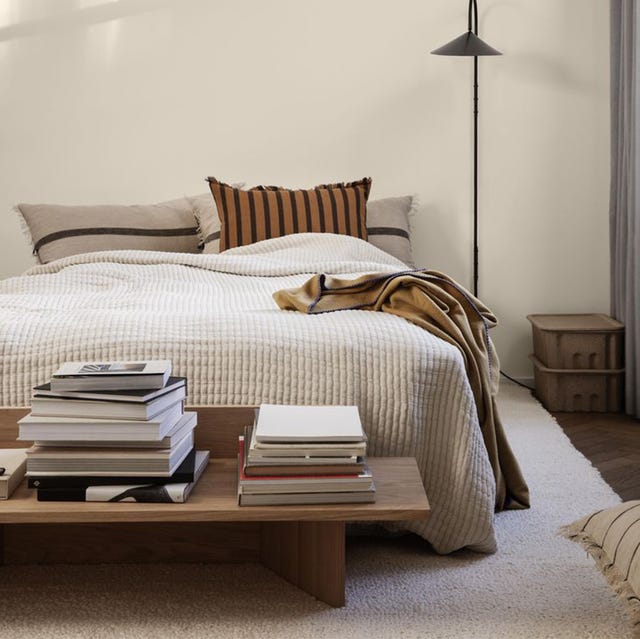
The choice of furniture, particularly a low, wooden bed frame, is central to achieving a warm, inviting, yet modern Japandi bedroom. Such a frame, combined with light linen bedding and textured throws, makes a room feel more open and unobtrusive. Additionally, integrating rustic elements, like handcrafted wooden stools, introduces earthy and sculptural forms, further enriching the traditional Scandinavian style with Japanese influences. Designing multi-purpose rooms is another innovative application of Japandi principles, allowing a single space to serve various functions while maintaining versatility and balance.
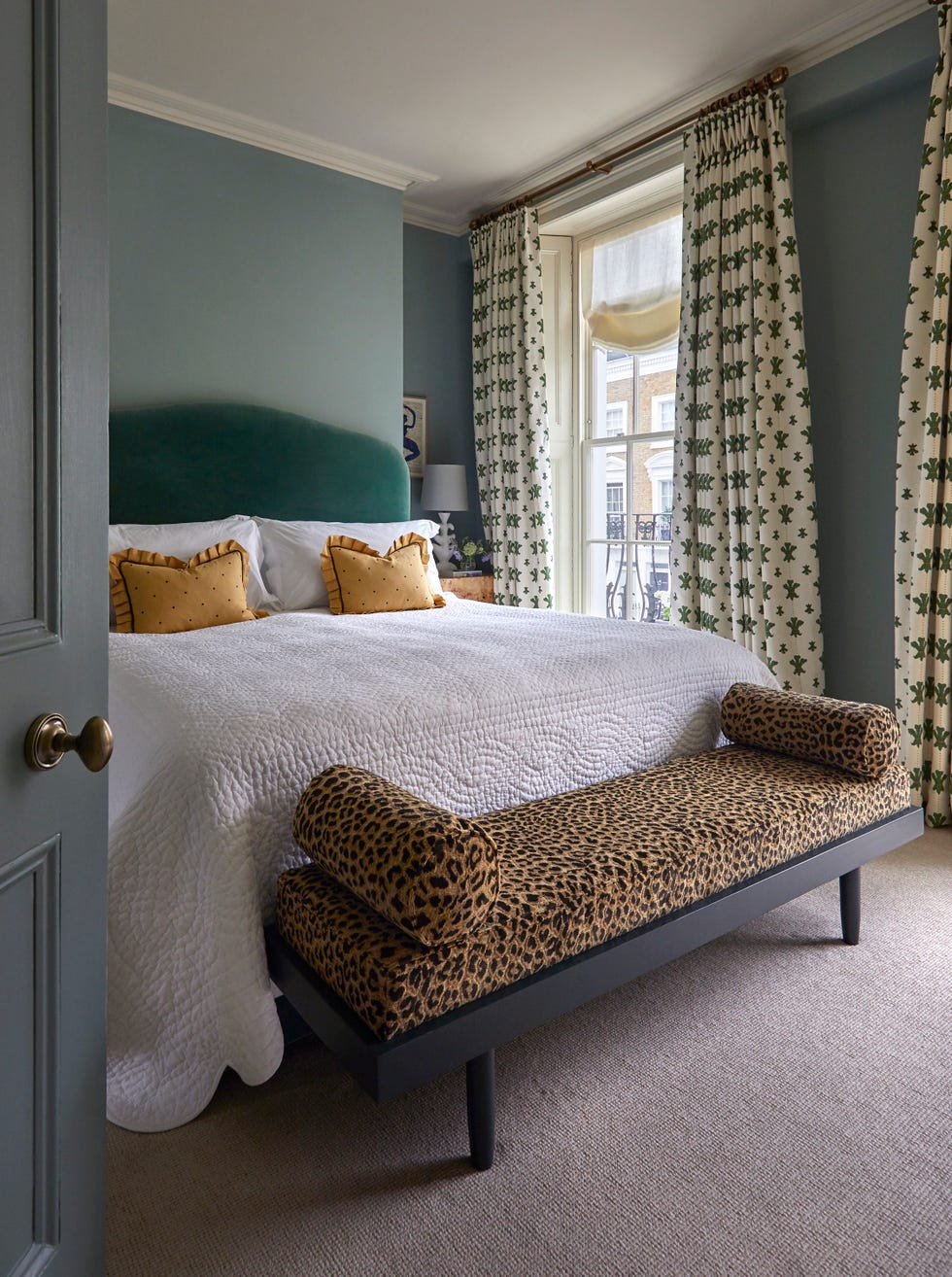
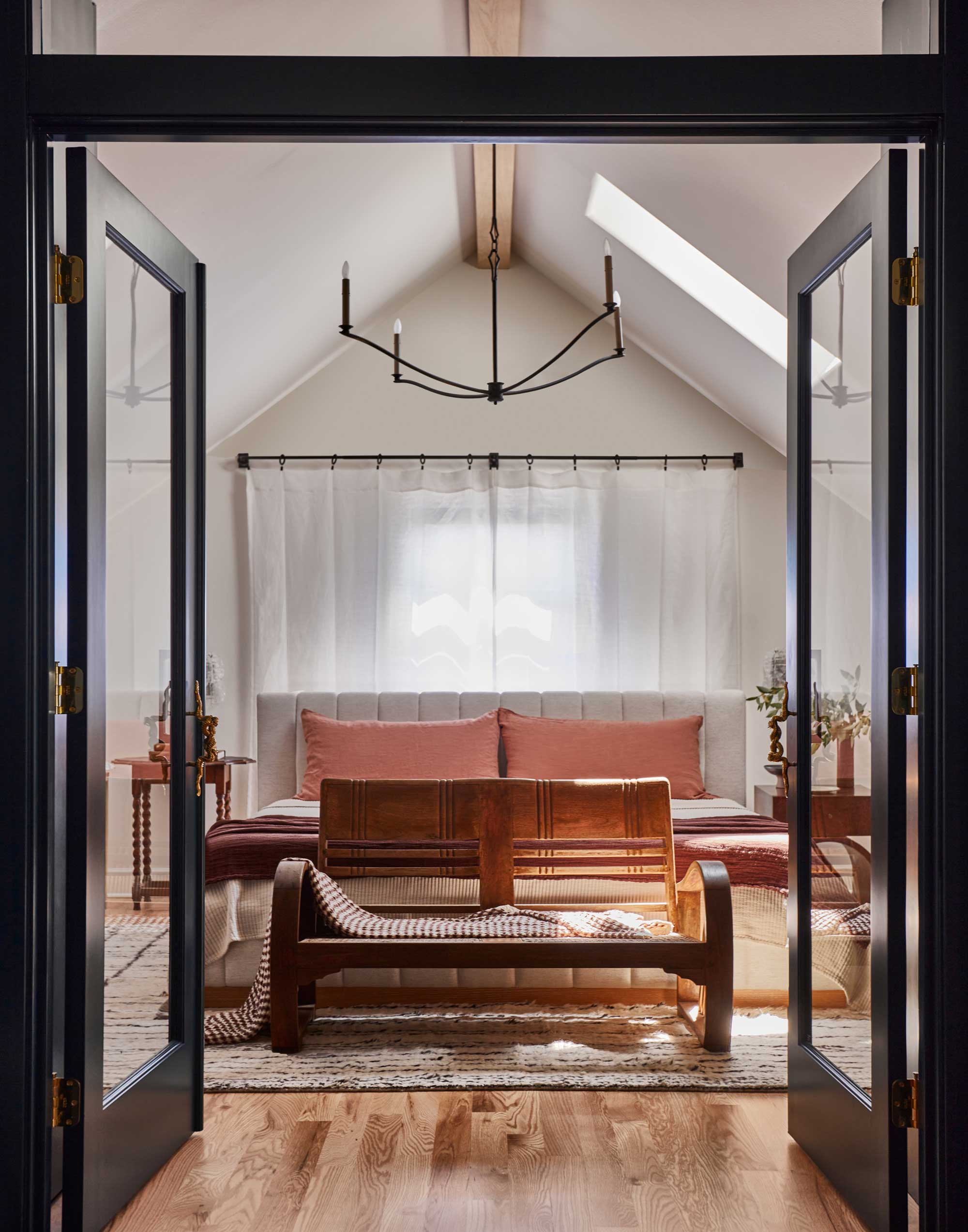
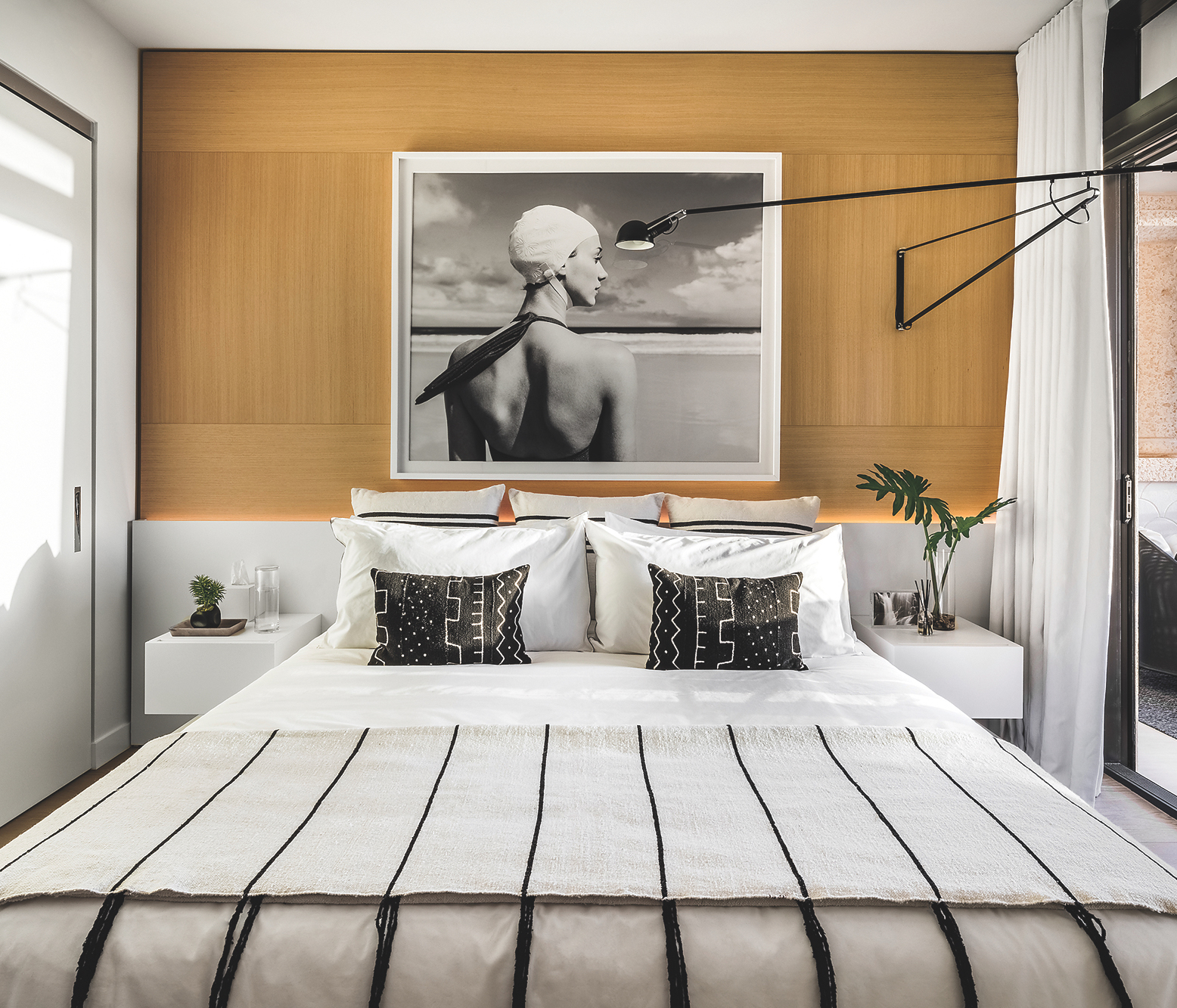
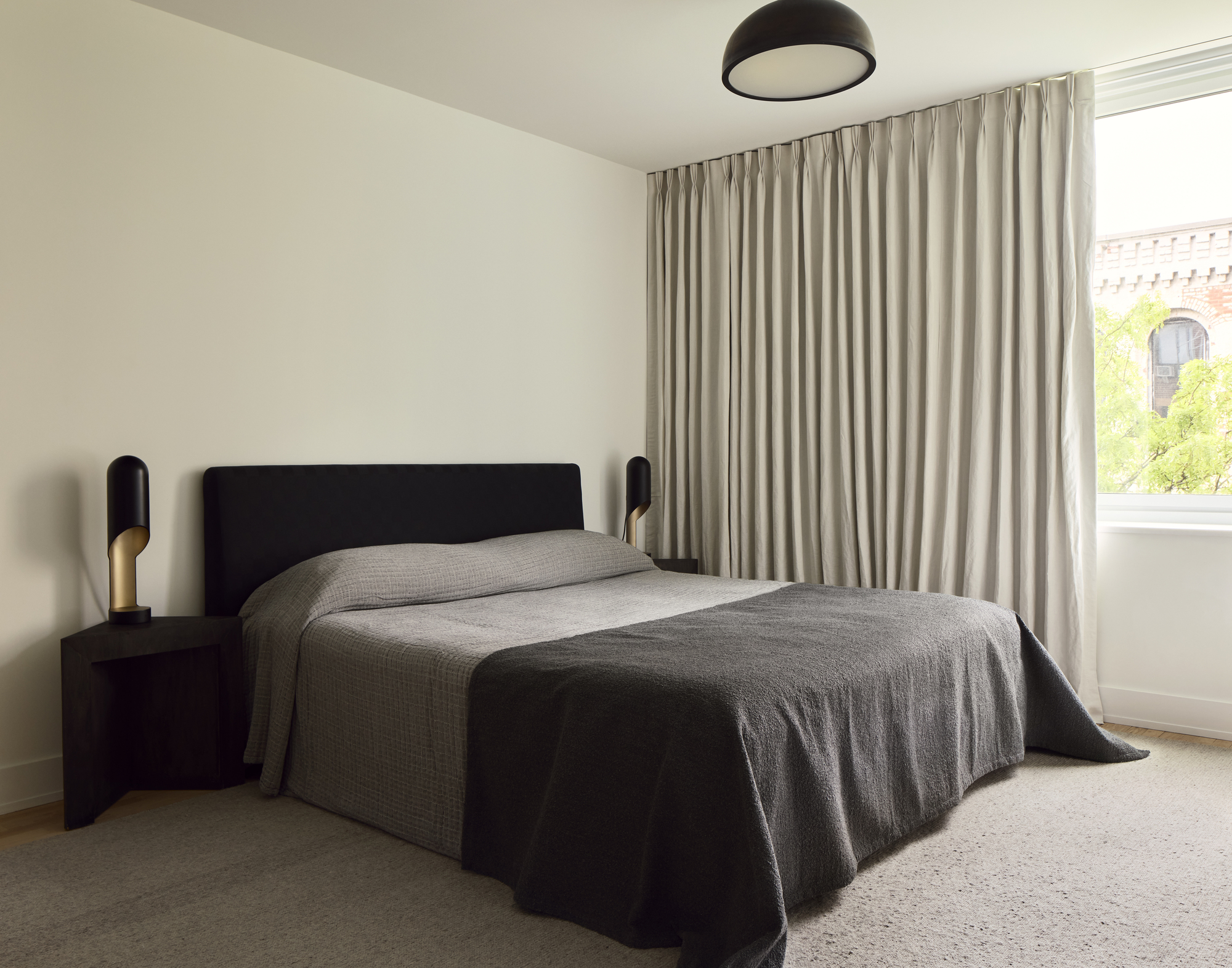
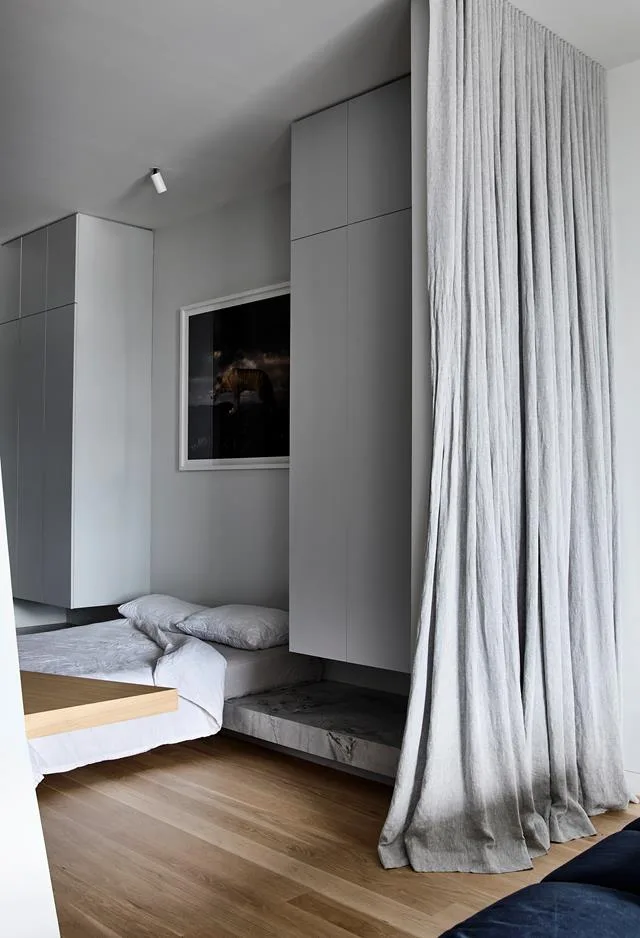
Balance is a core concept, mirroring the duality of yin and yang. A Japandi bedroom requires a careful equilibrium between contrasting elements, such as black features like woven benches or curtain poles, balanced against light off-whites, buffs, and creams, creating a structured yet serene environment. Finally, creating a visual anchor is important, especially in predominantly neutral spaces. This can be achieved by using contrasting colors, such as a black tatami mat under a raised bed, to ground the space and add depth, clearly delineating areas within the room. #JapandiDesign #BedroomIdeas #InteriorDesign #HomeDecor #MinimalistStyle #ScandinavianDesign #JapaneseAesthetics #NaturalTextures #NeutralPalette
0 comment in total
 No comments yet
You may also like
9 Japandi bedroom ideas to create a serene and stylish scheme
Bedroom inspiration and bedroom decorating ideas
15 Dreamy Bedroom Design Ideas Where Creativity Meets Comfort


Inside the dream room: global bedroom design trends from Scandinavia to Japan
8 Japandi Bedrooms I Dream of Sleeping In — Minimalist and Cozy, They've Got to Be the Most Relaxing Spaces

Design Ideas from 12 Fresh, Real-life Bedrooms

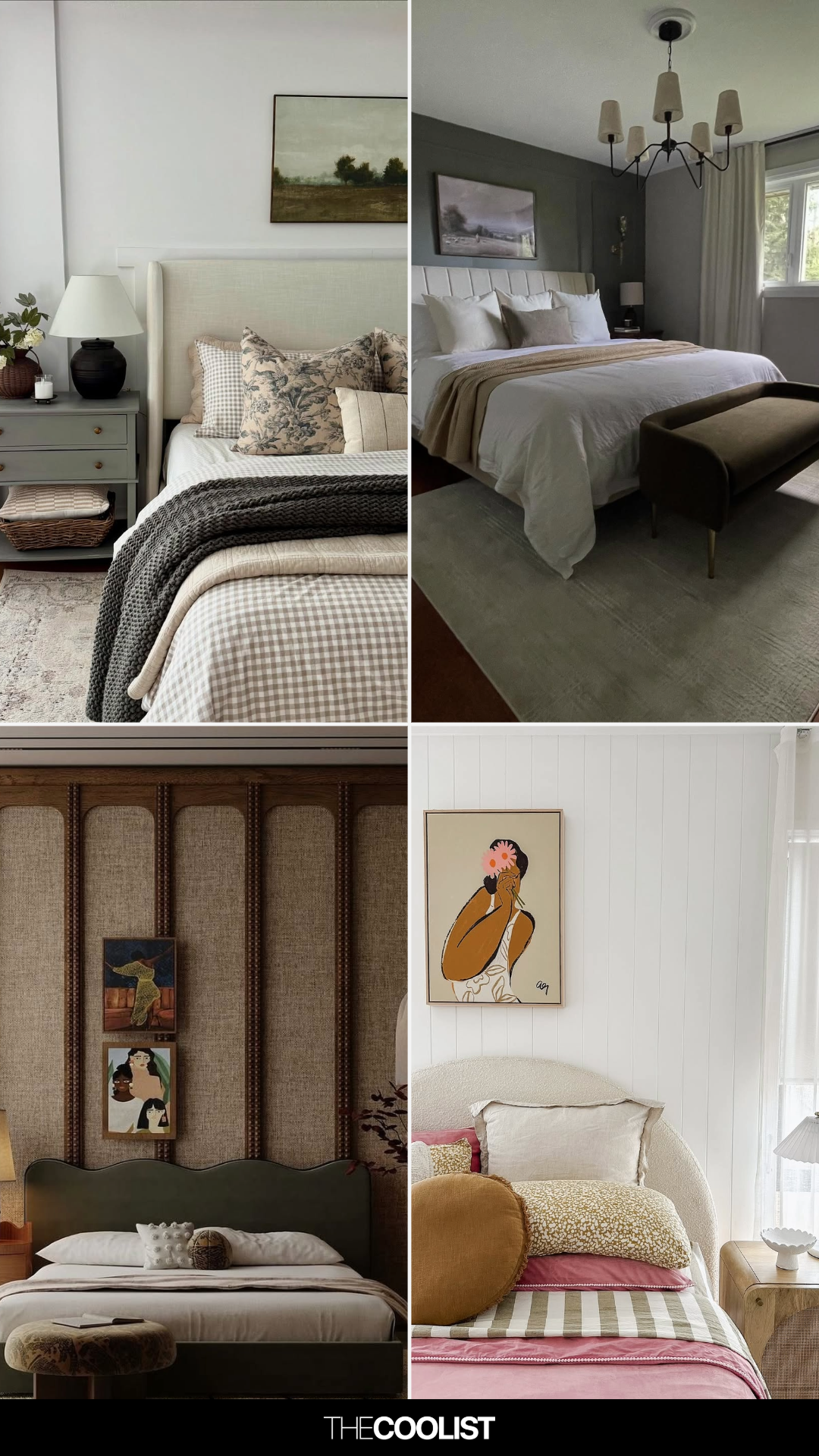
30 Bedroom Decor Design Ideas That Make Your Space Feel Styled Without a Full Makeover

10 Bedroom Decor Mistakes Keeping You From Your Best Sleep Ever

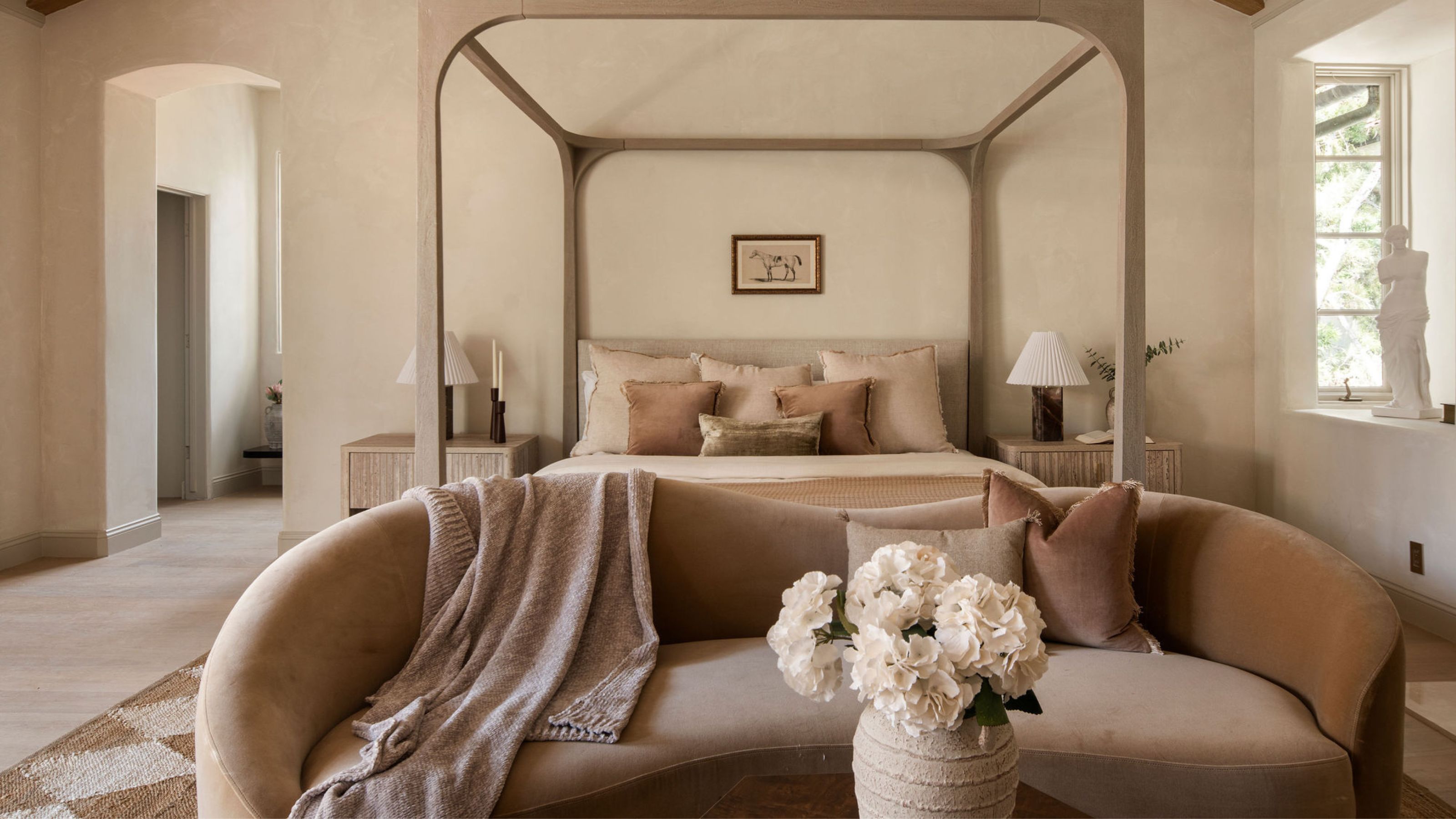
12 Cozy Bedroom Ideas That Will Make Your Space Feel Like a Warm Hug
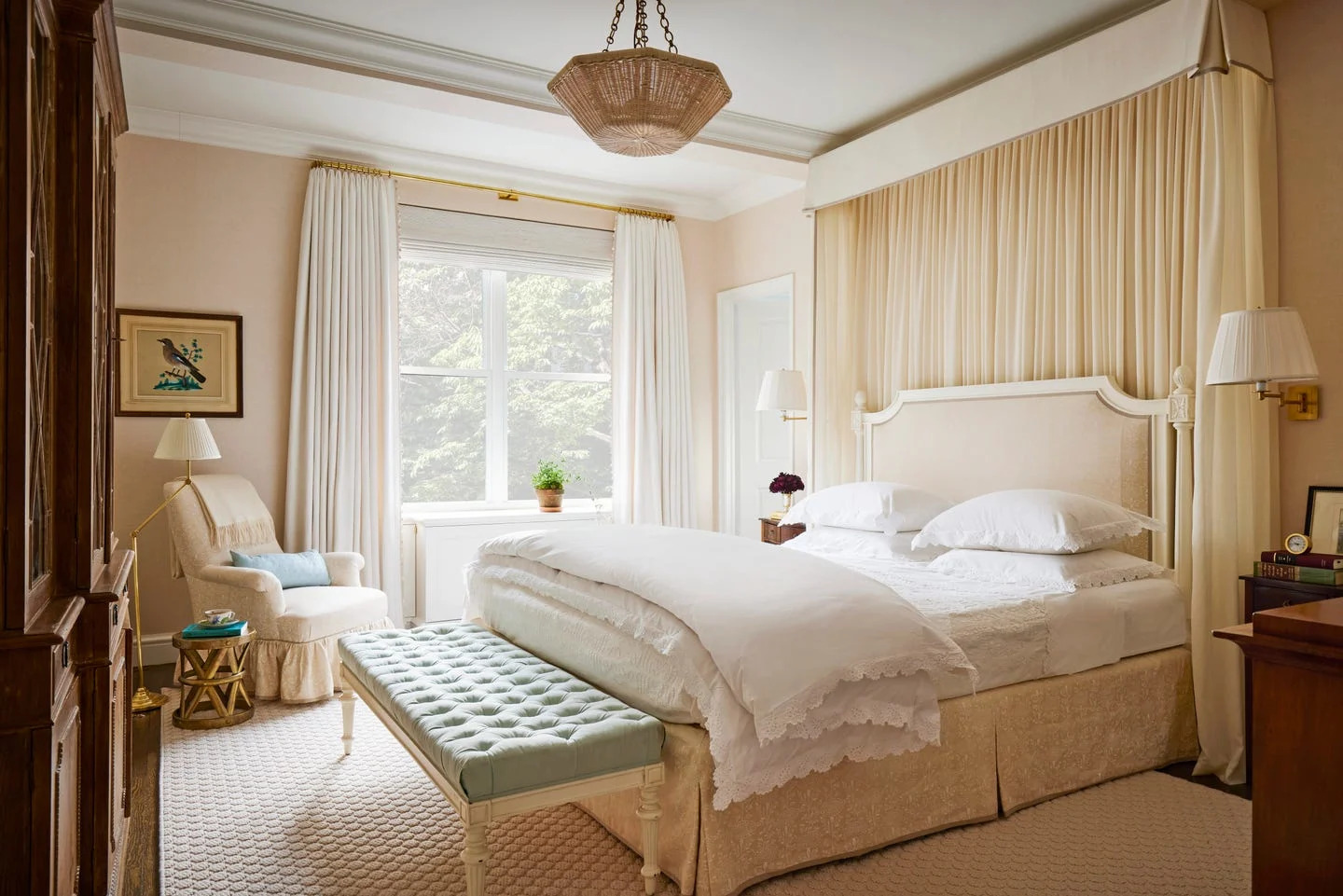
16 Relaxing Bedroom Decor Ideas to Make Your Sleep Space as Serene as Possible

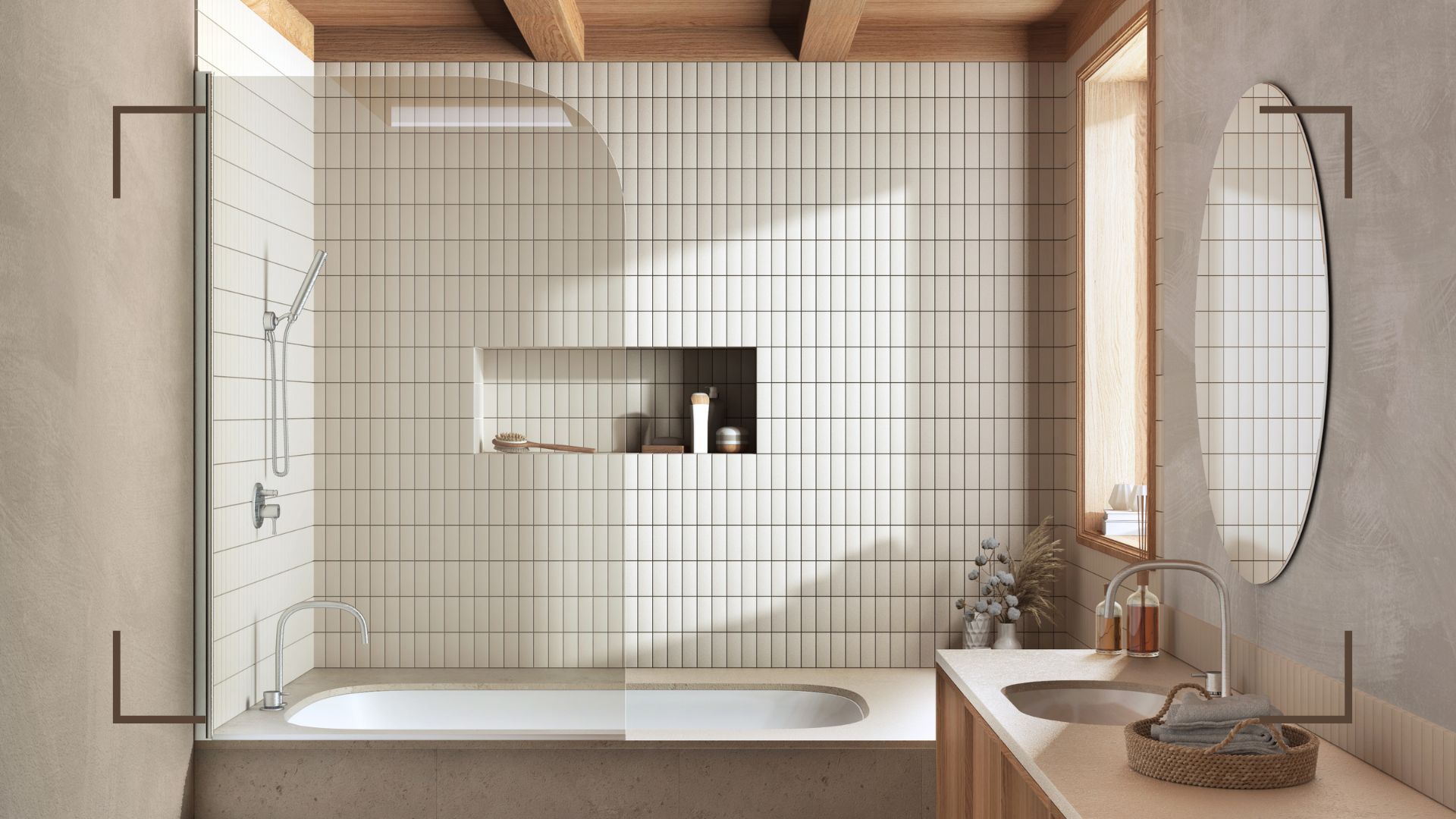
Japandi bathroom ideas : 11 ways to create a calming sanctuary

The 12 Essential Modern Bedroom Ideas for Those Who Want Good Slumber With a Side of Style
11 Bedroom Layout Ideas That Make Any Space Feel Serene and Stylish
The smallest tweak to your bedroom makes the biggest difference - 5 designer secrets for creating restful schemes
11 understated Scandi bedroom ideas to try in 2024
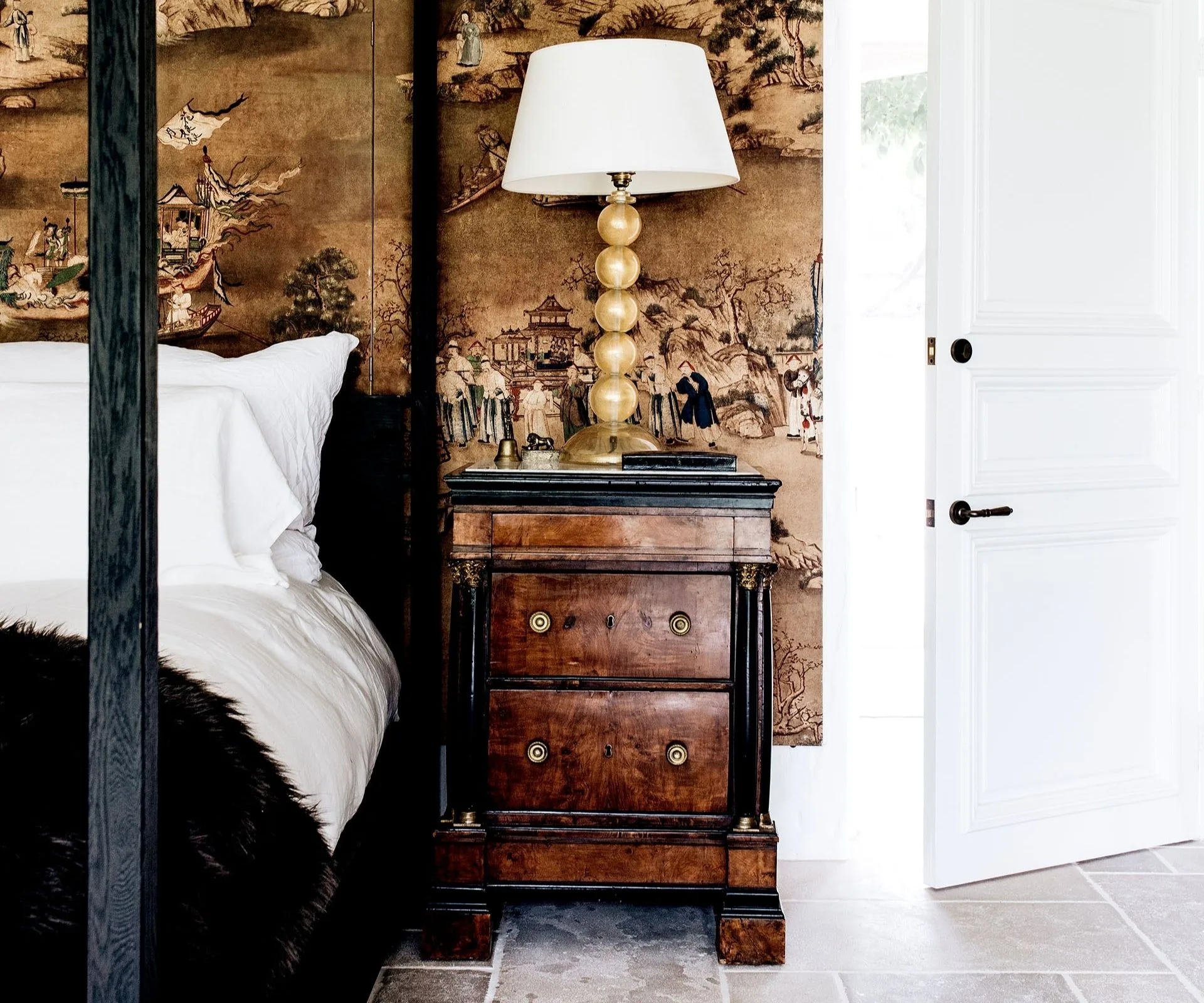
14 dreamy bedroom design ideas to inspire

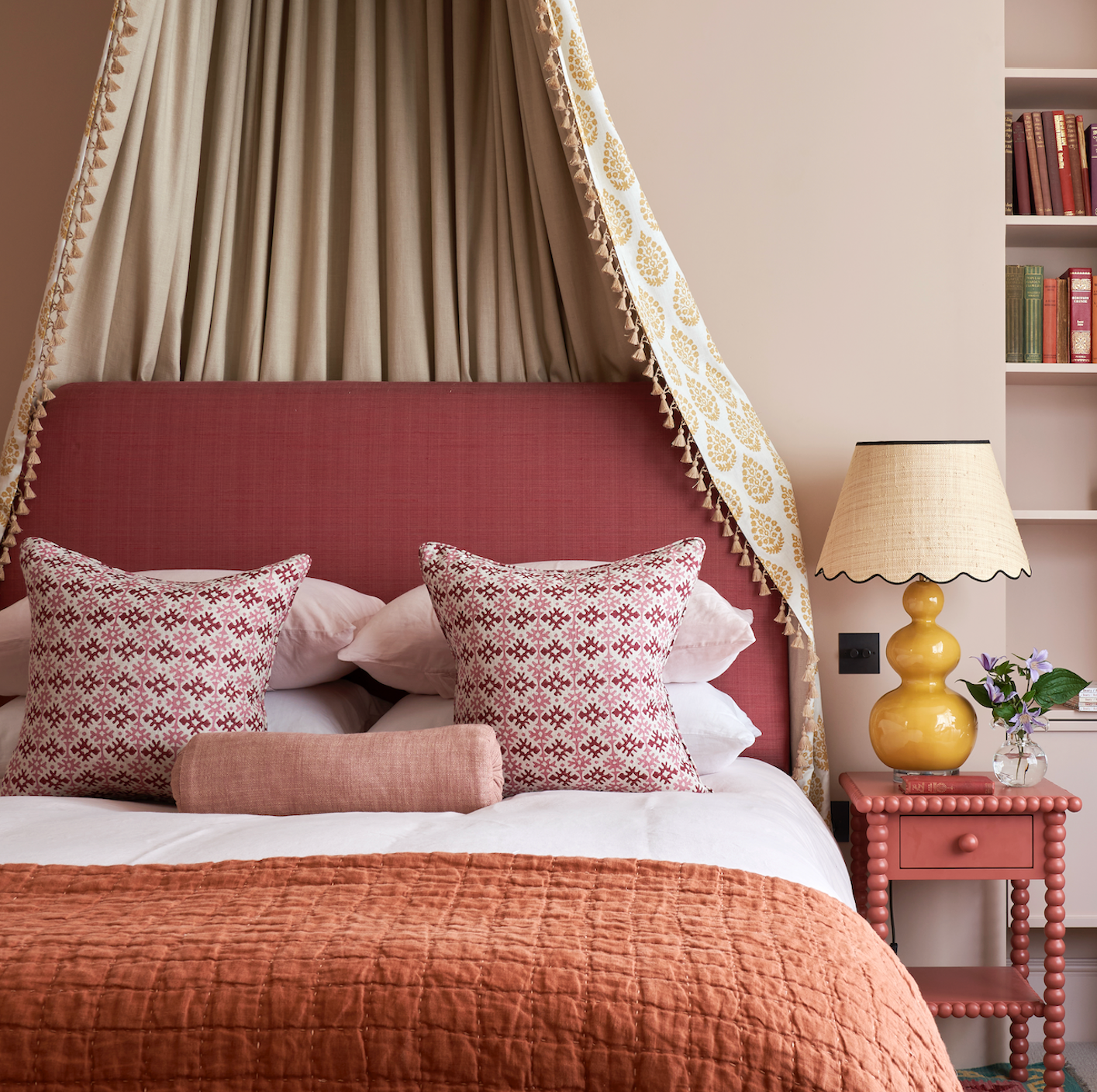
12 bedroom decor ideas we love – from relaxing colour palettes to lessons in layering

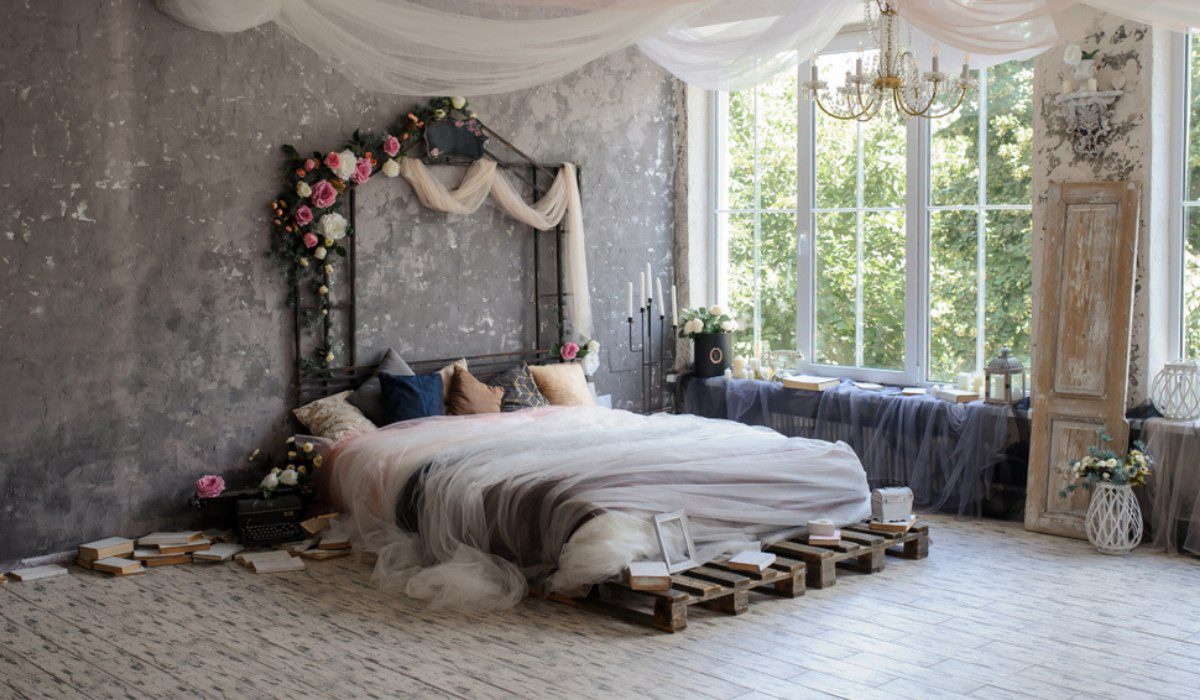
Amazing bedroom ideas for couples
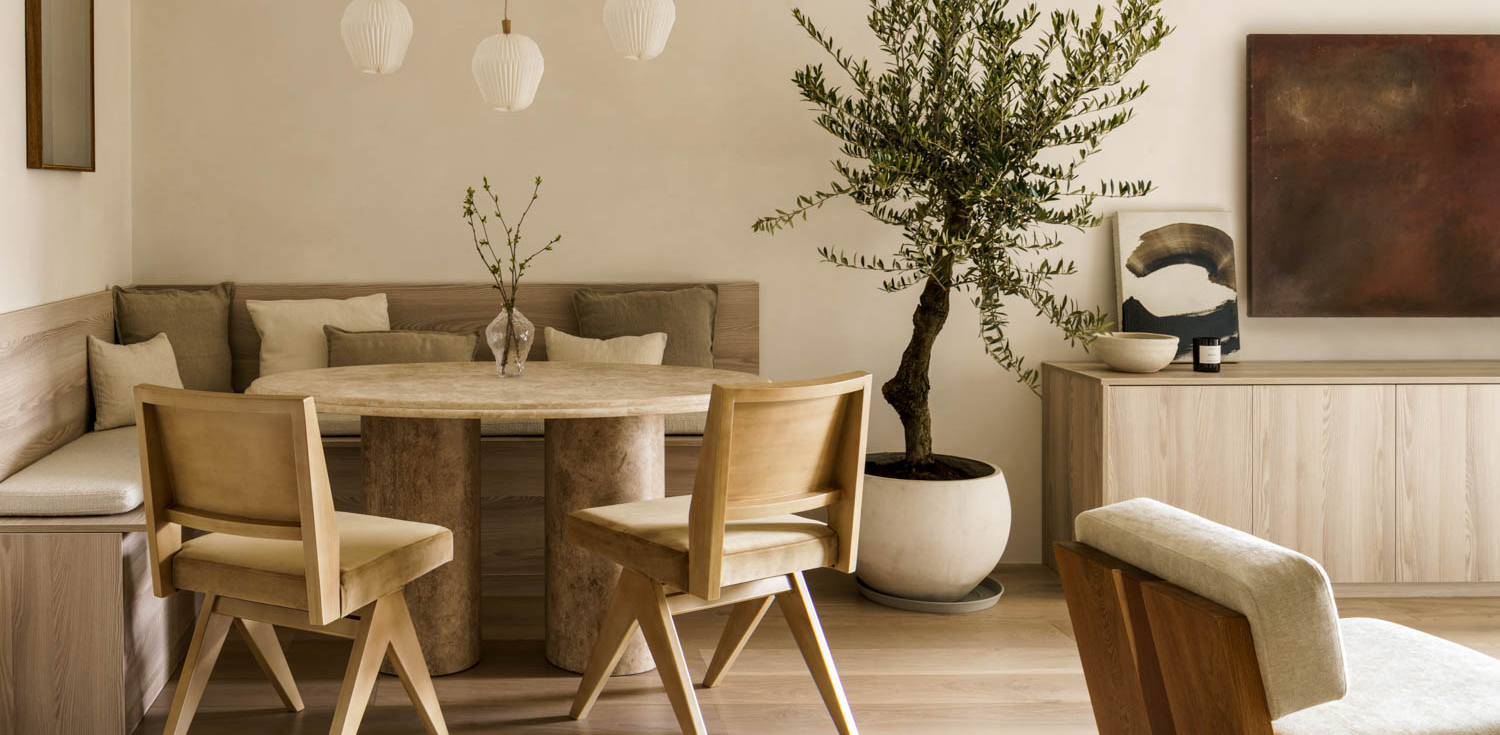
Elevate Your Space With These Inspiring Japandi Interiors
Bedroom Decorating and Design Ideas