Inside the dream room: global bedroom design trends from Scandinavia to Japan
The bedroom, envisioned as a sanctuary for personal comfort and rejuvenation, has seen a global evolution in its design philosophies. This evolution reflects diverse cultural identities and changing perspectives on wellness, minimalism, and sustainability. The increasing cross-cultural exchange of design ideas is transforming bedrooms worldwide into dream refuges. This article explores prominent global bedroom design trends, spanning from Scandinavia to Japan, highlighting how different regions approach aesthetics and functionality.
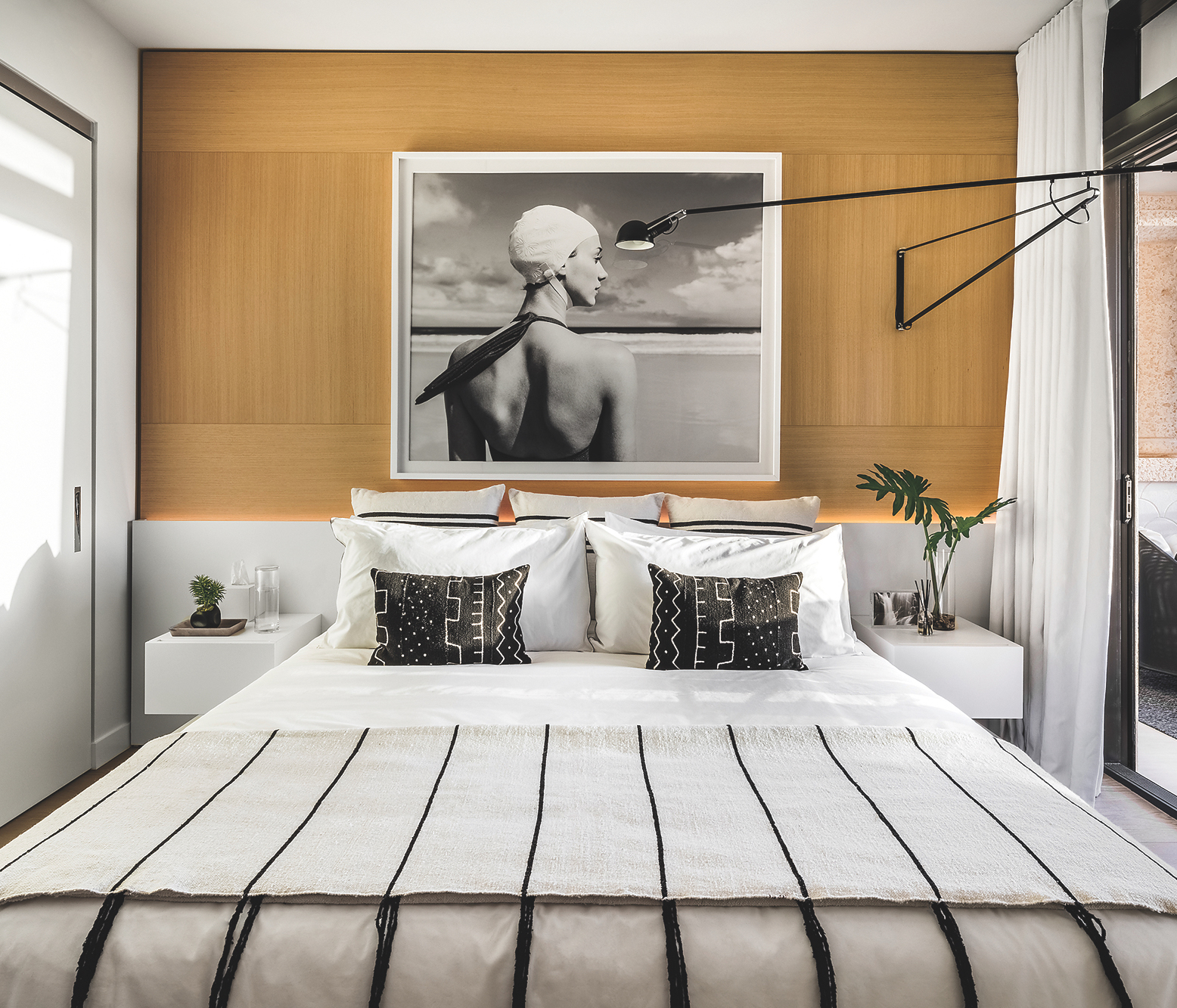
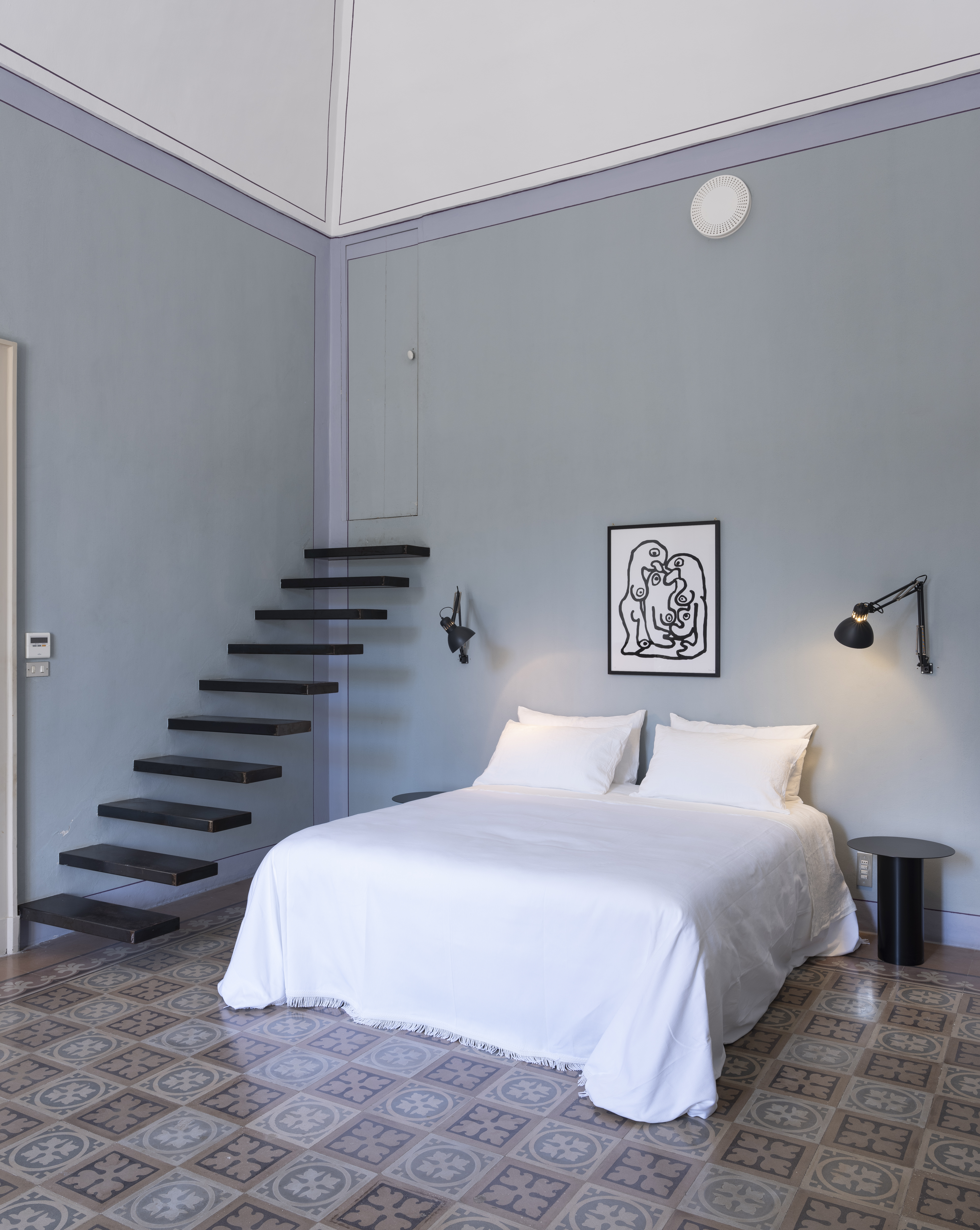
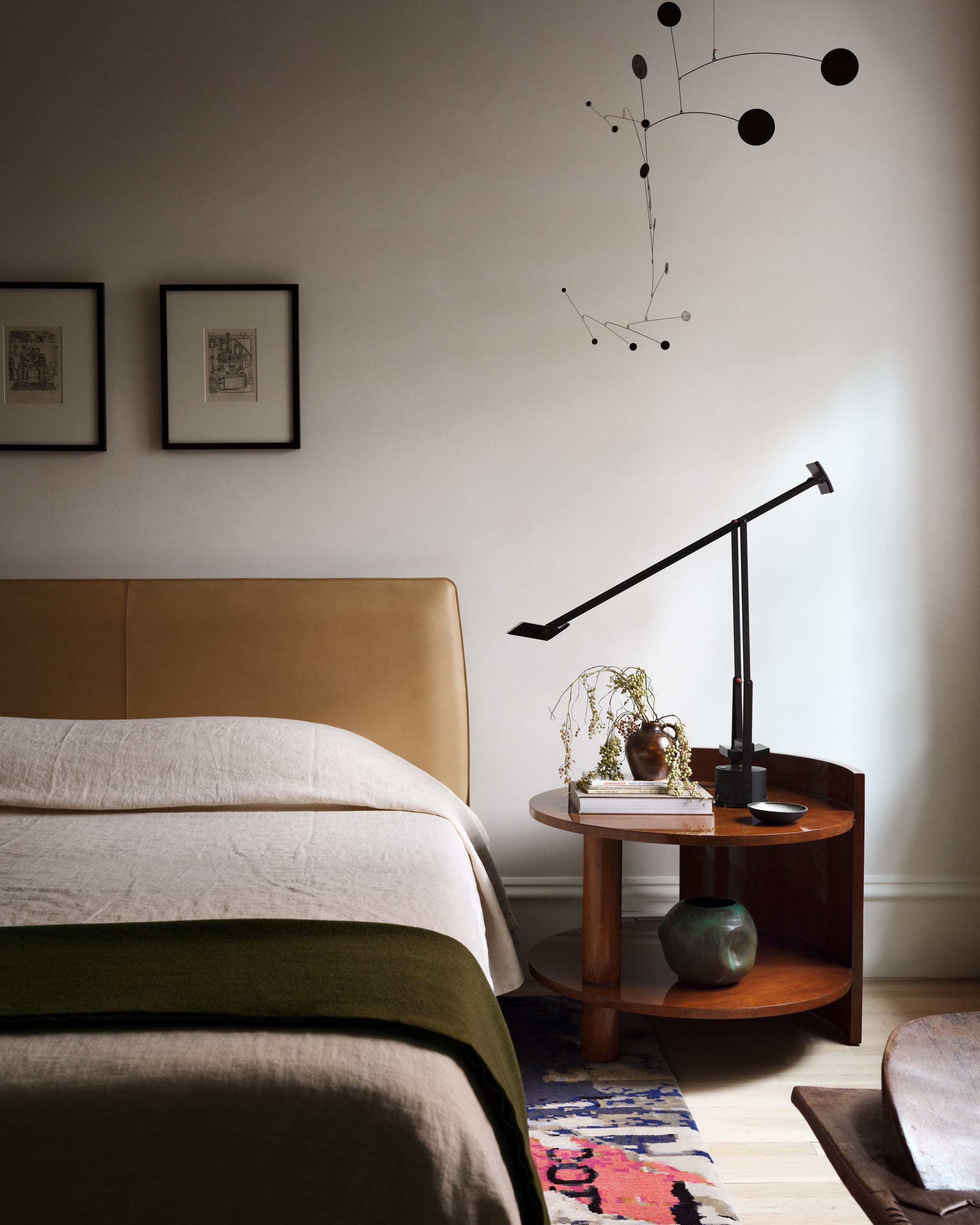
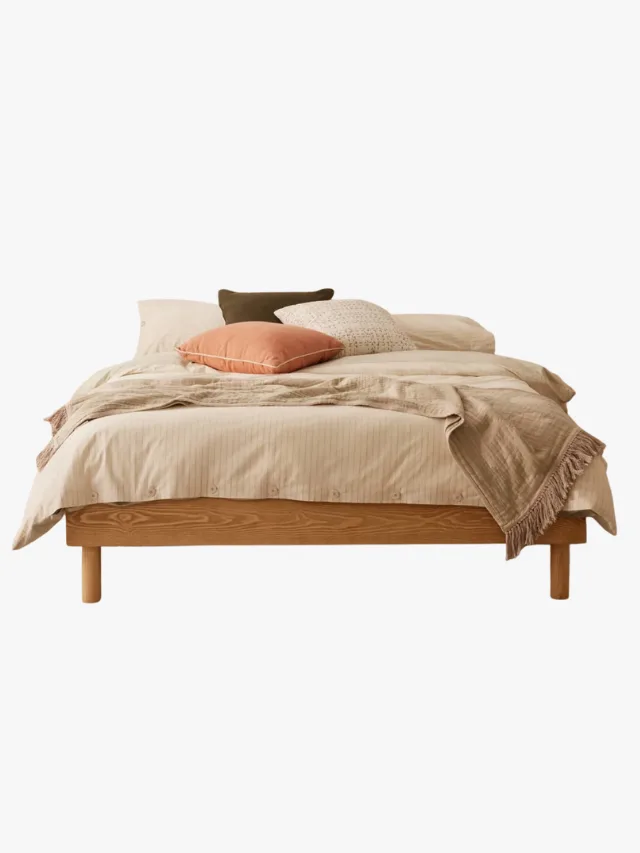
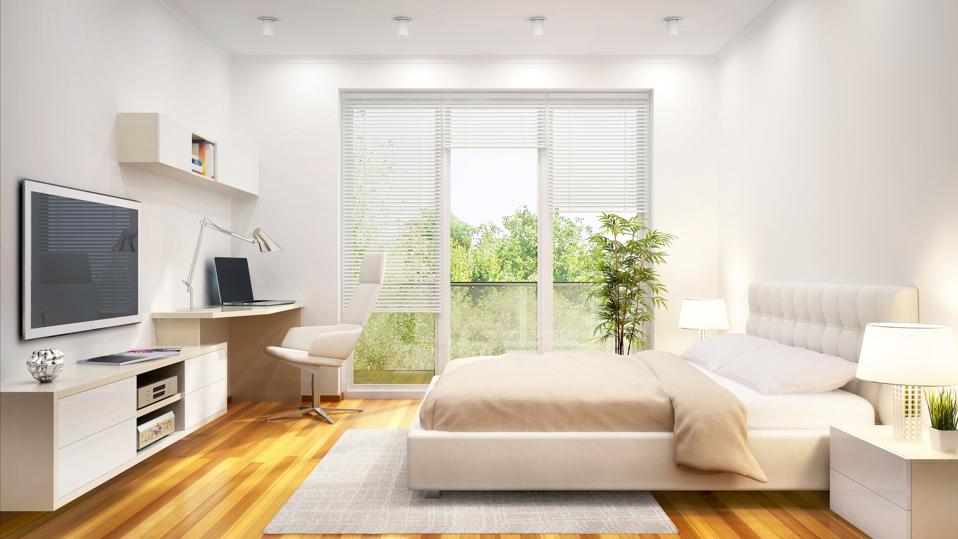
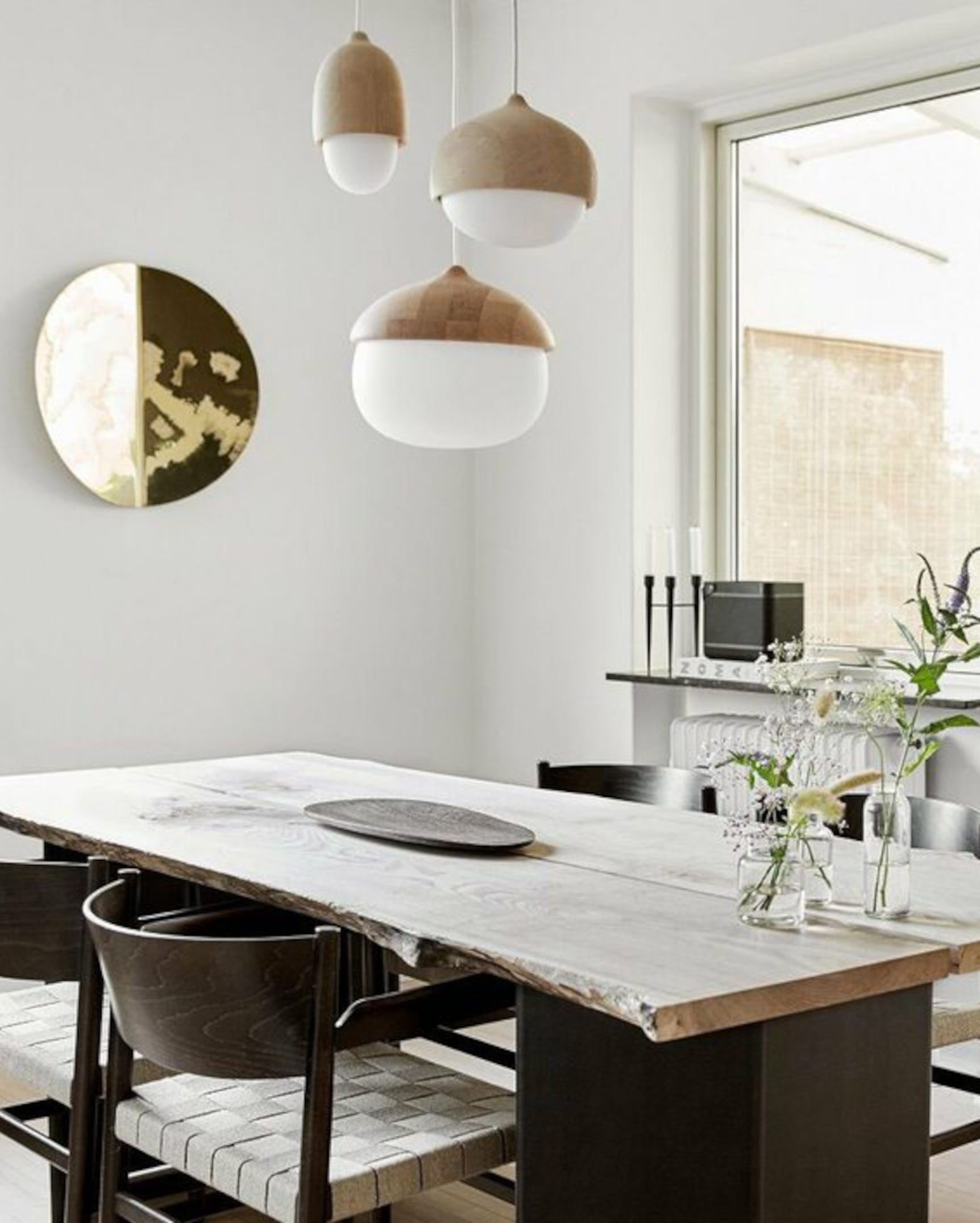
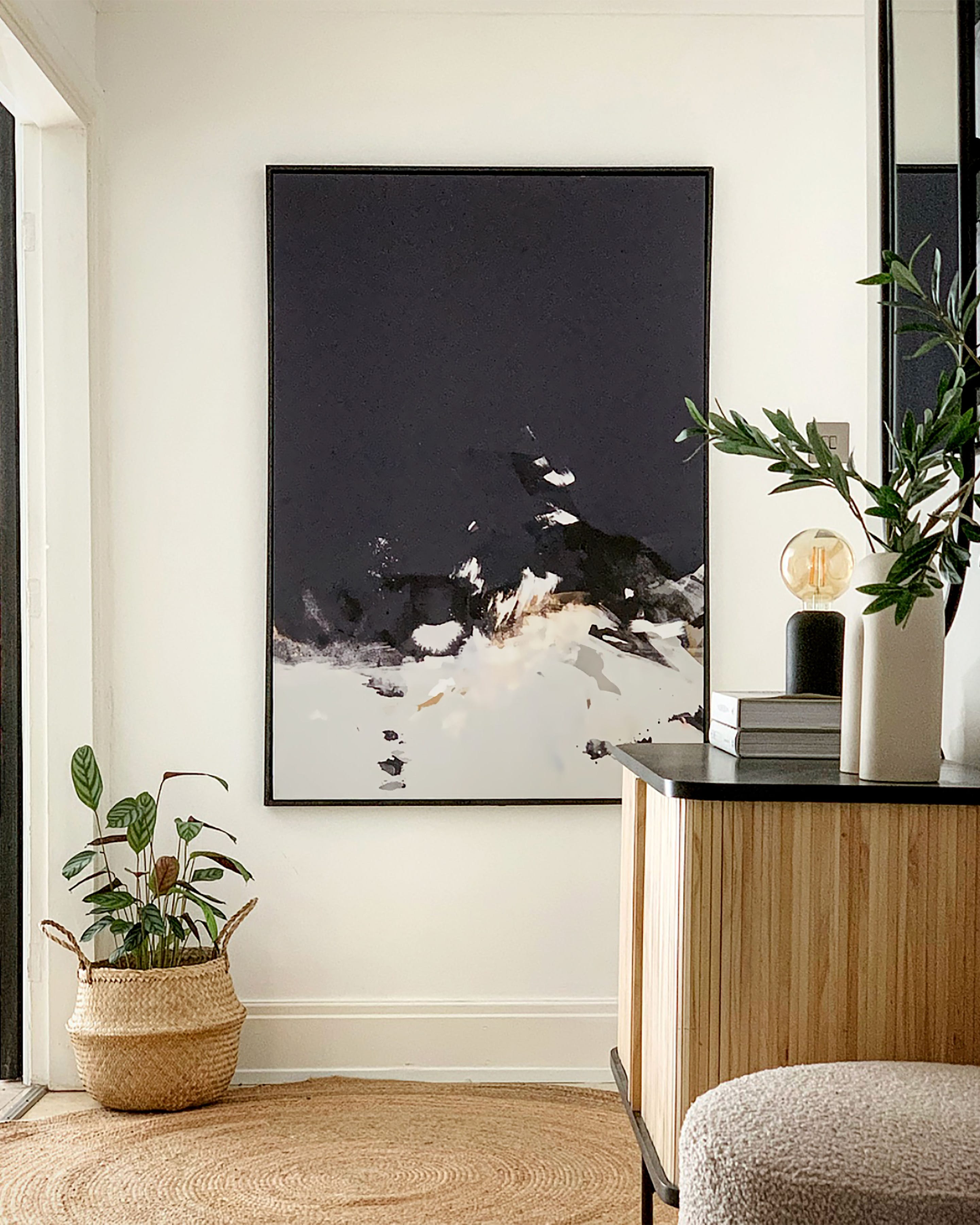
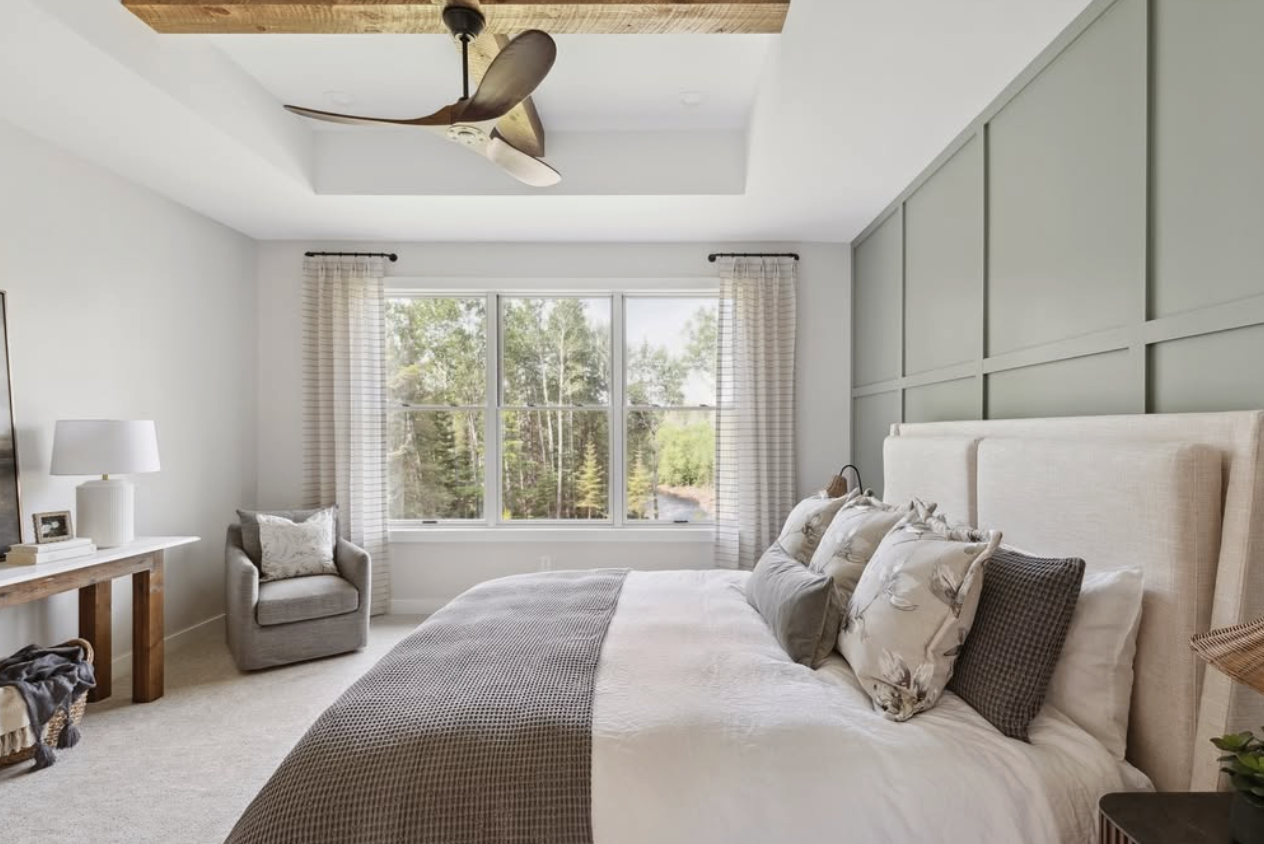
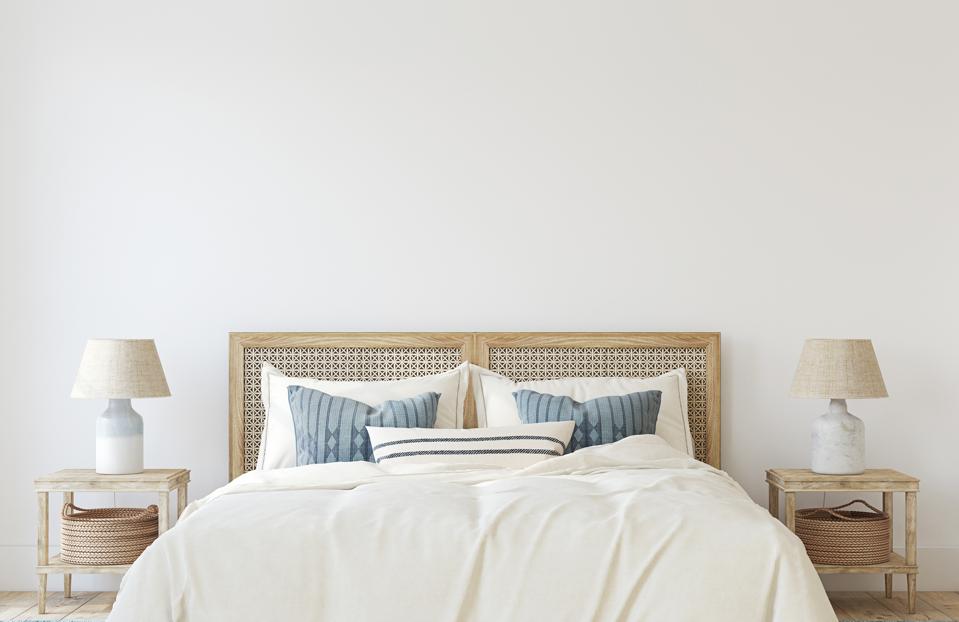
Scandinavian design champions minimalism, emphasizing clean lines, functional furniture, and a calming color palette. Light wood floors, muted tones, and abundant natural light are hallmarks, creating an airy and uncluttered atmosphere. The bed often serves as the focal point, complemented by practical yet unobtrusive storage. Textiles like cotton and bamboo bedding add softness without introducing visual clutter, embodying a design ethos centered on simplicity and serenity. This approach caters to individuals seeking a peaceful and uncluttered environment.
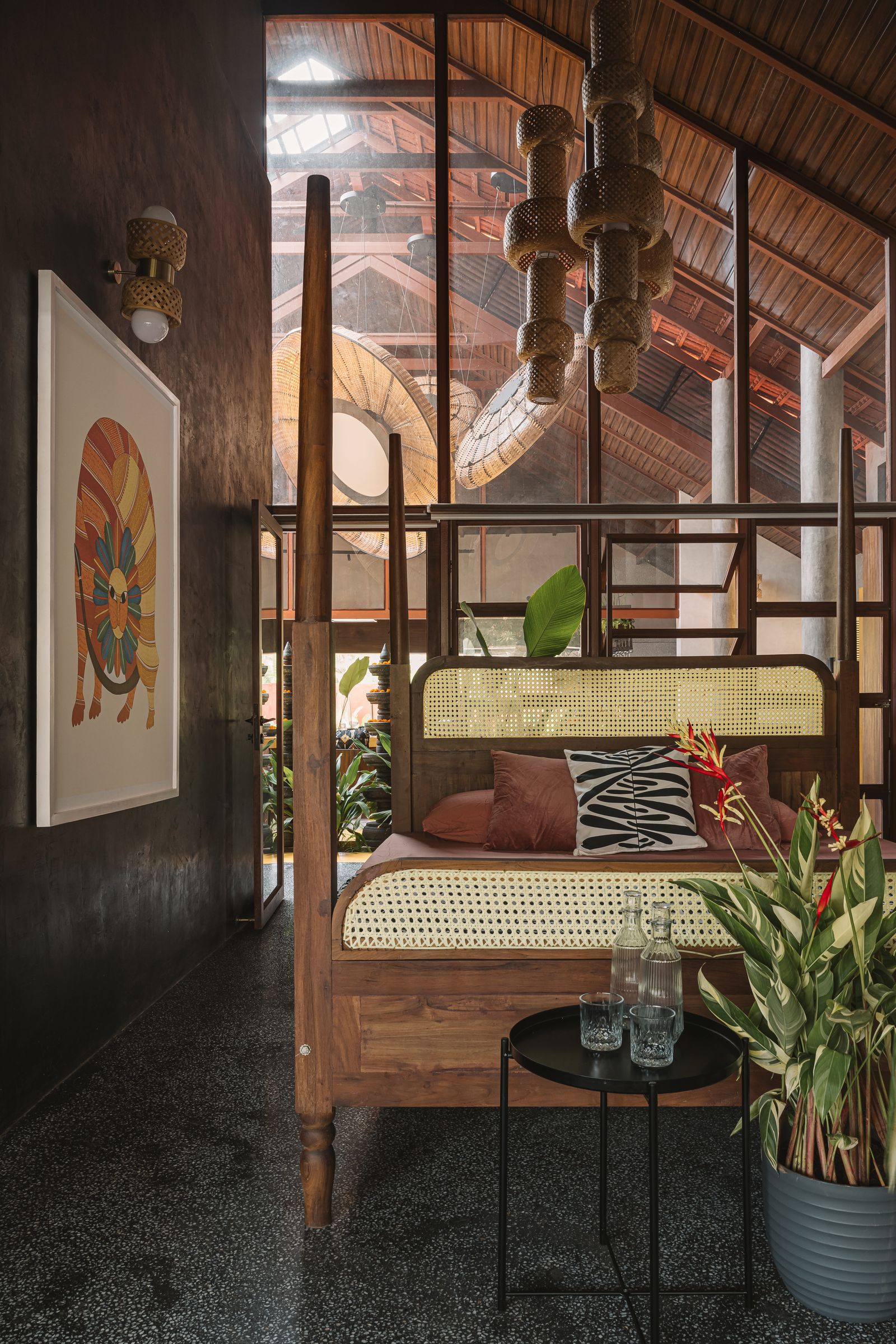
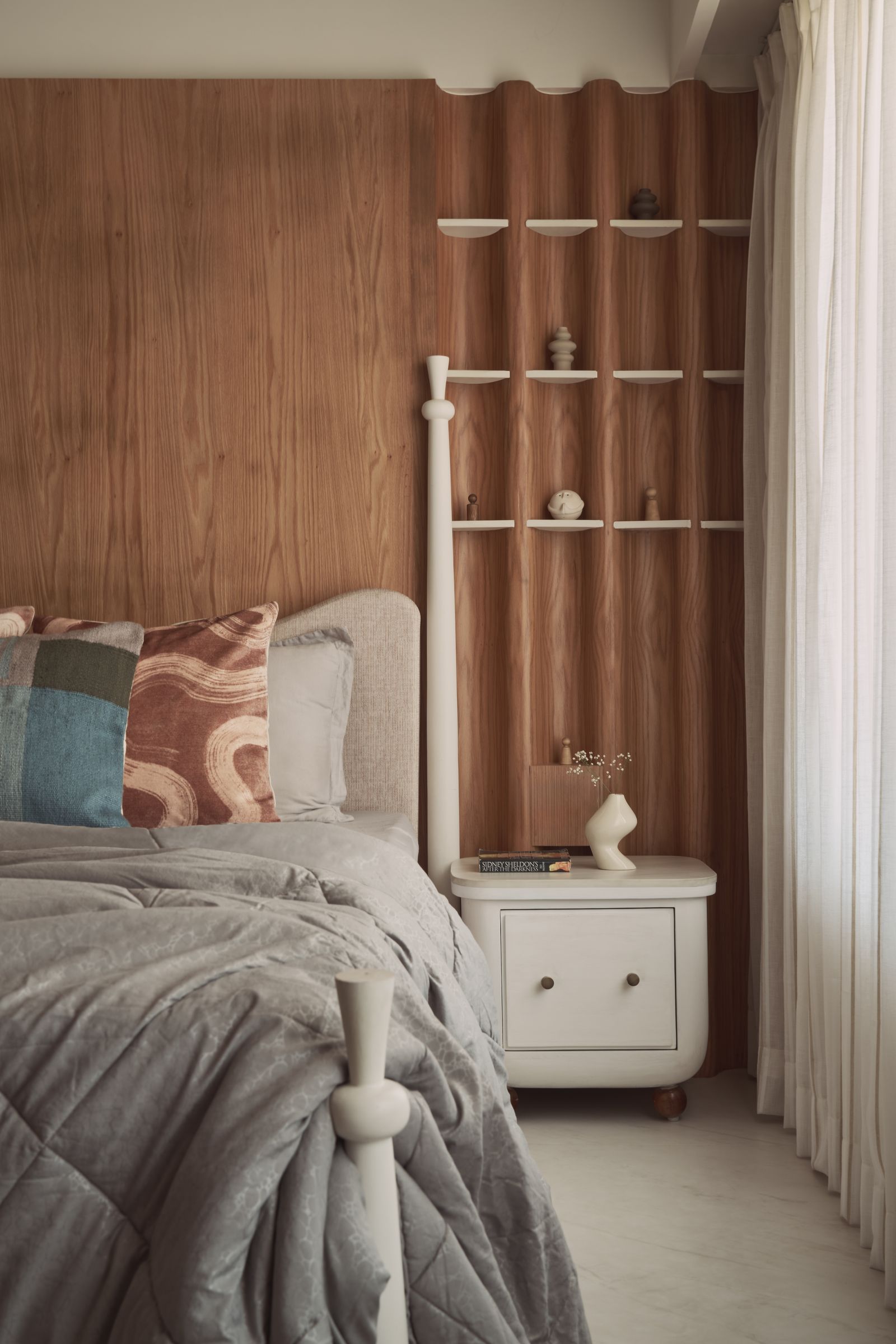
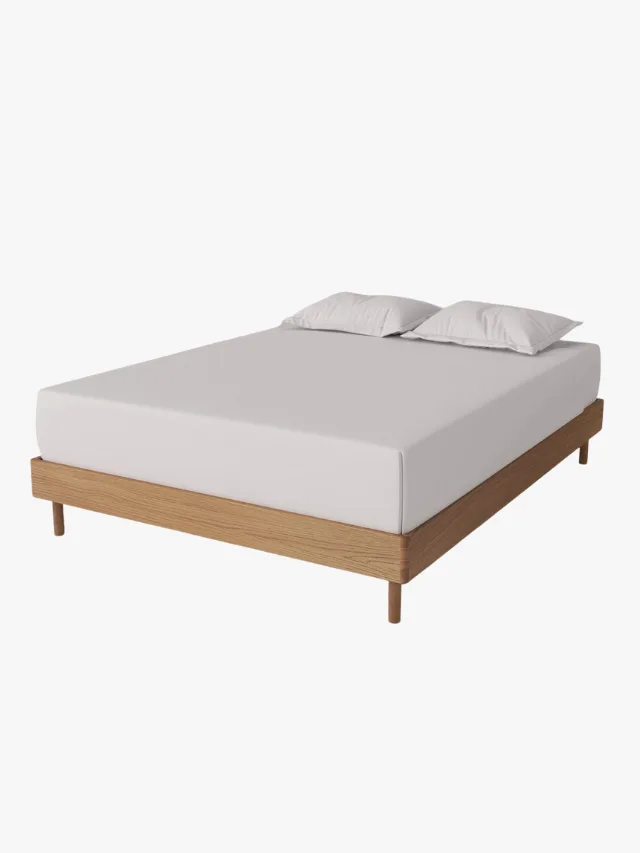
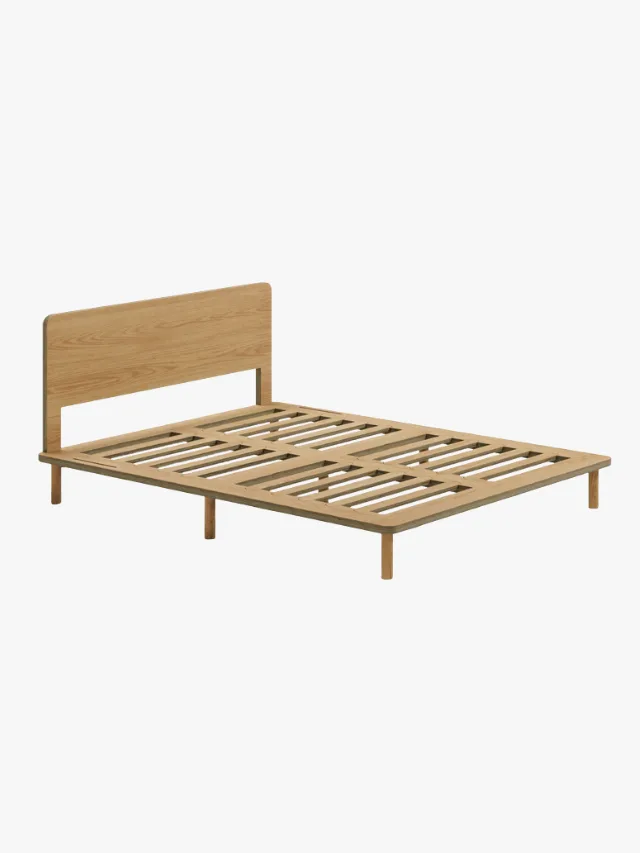
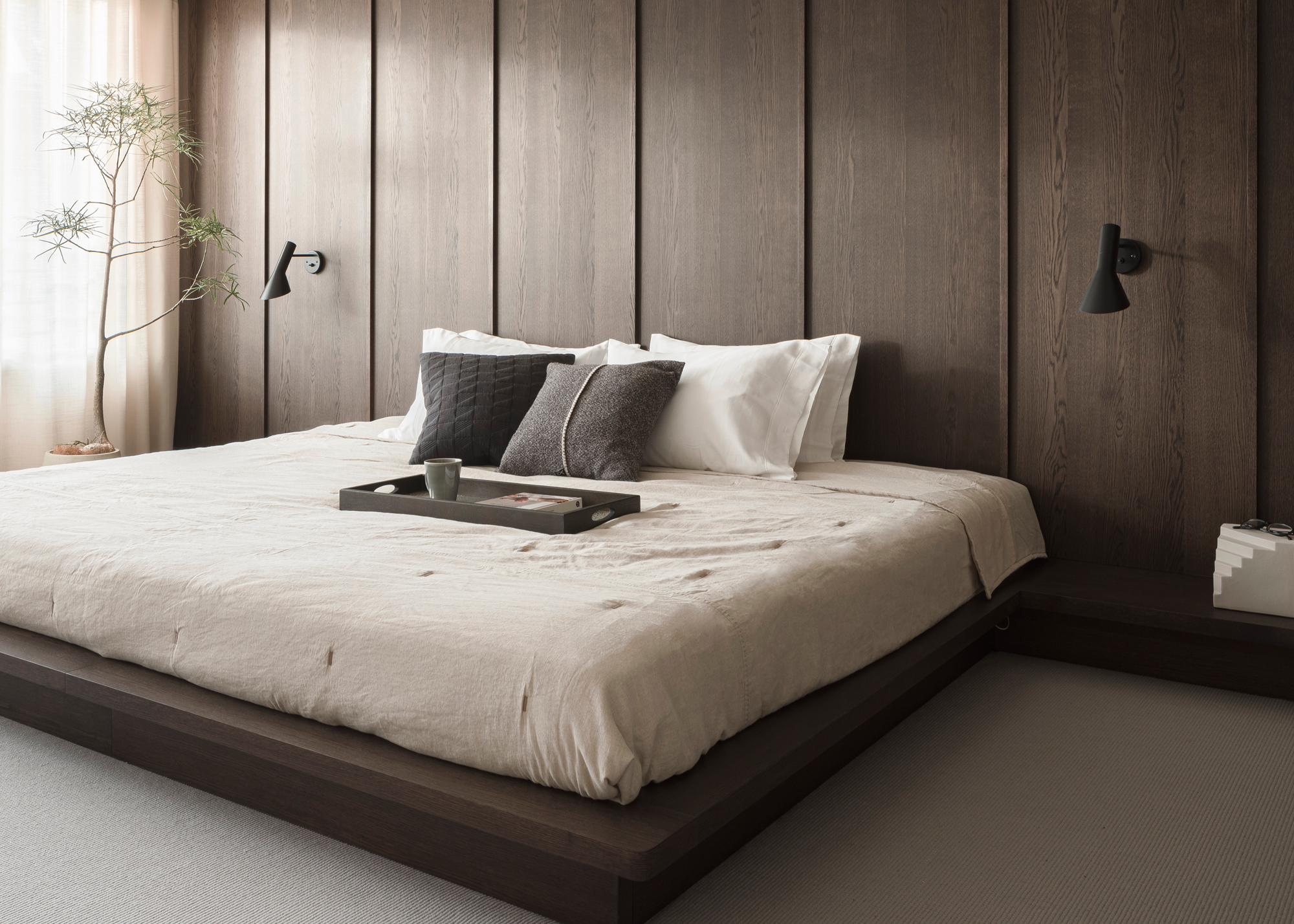
Japanese bedrooms prioritize balance and harmony through intentional design. Natural materials, a low-profile aesthetic, and a profound respect for space are key. Futons or platform beds maintain a close connection to the ground, while sliding doors or partitions offer flexible space management. Tatami mats and bamboo elements contribute texture and reinforce sustainable practices. The design emphasizes calming routines and environments, with each item serving a specific purpose, contributing to an overall sense of order and tranquility.
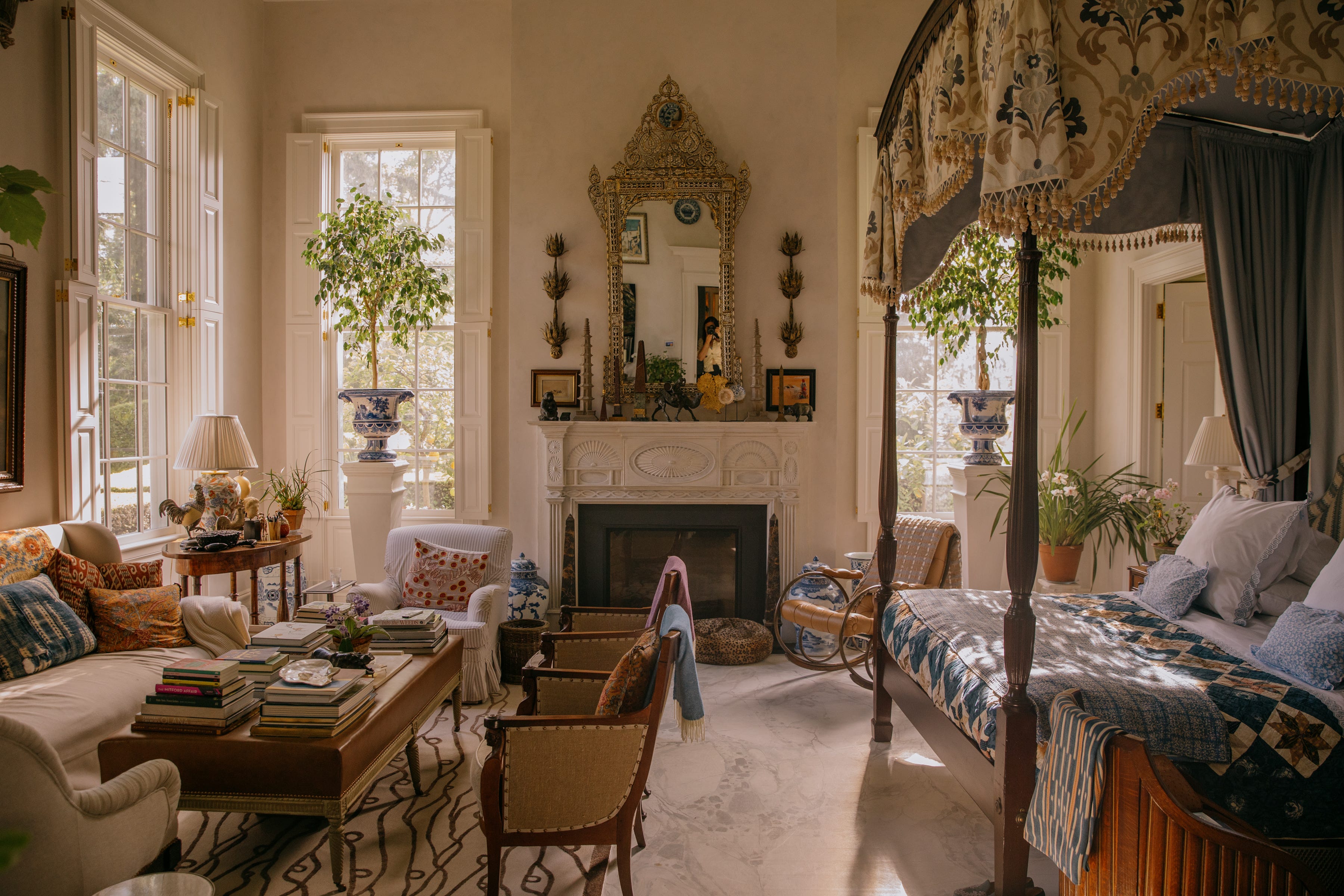
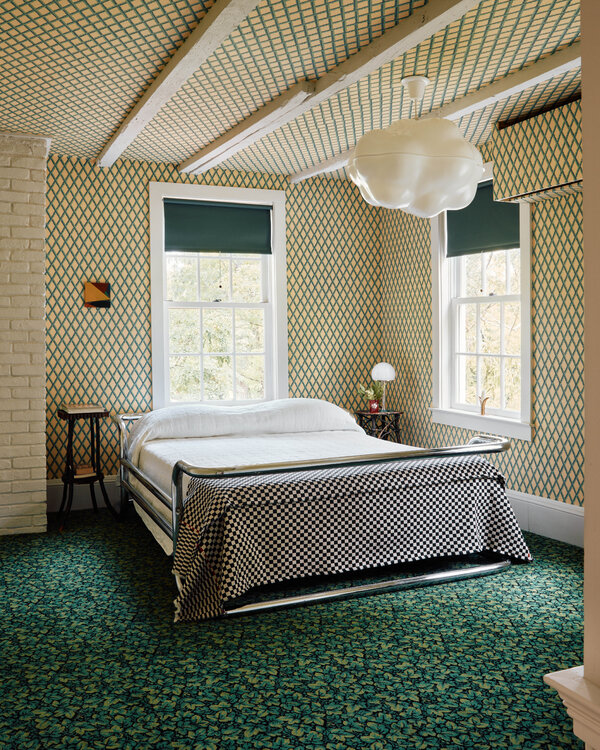
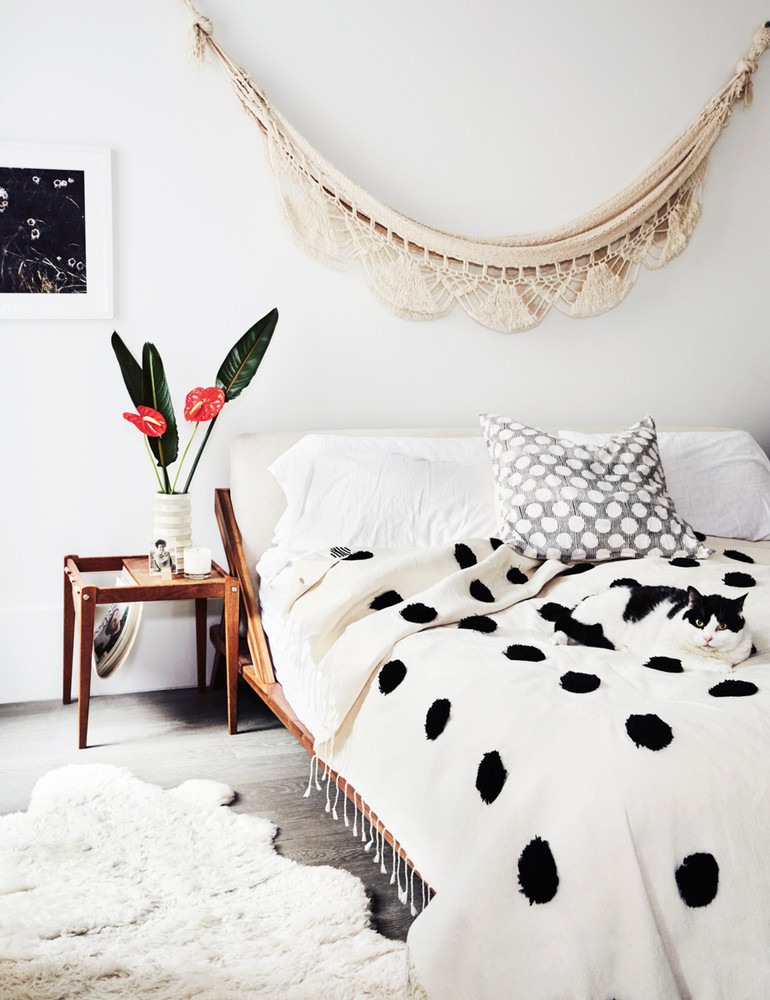
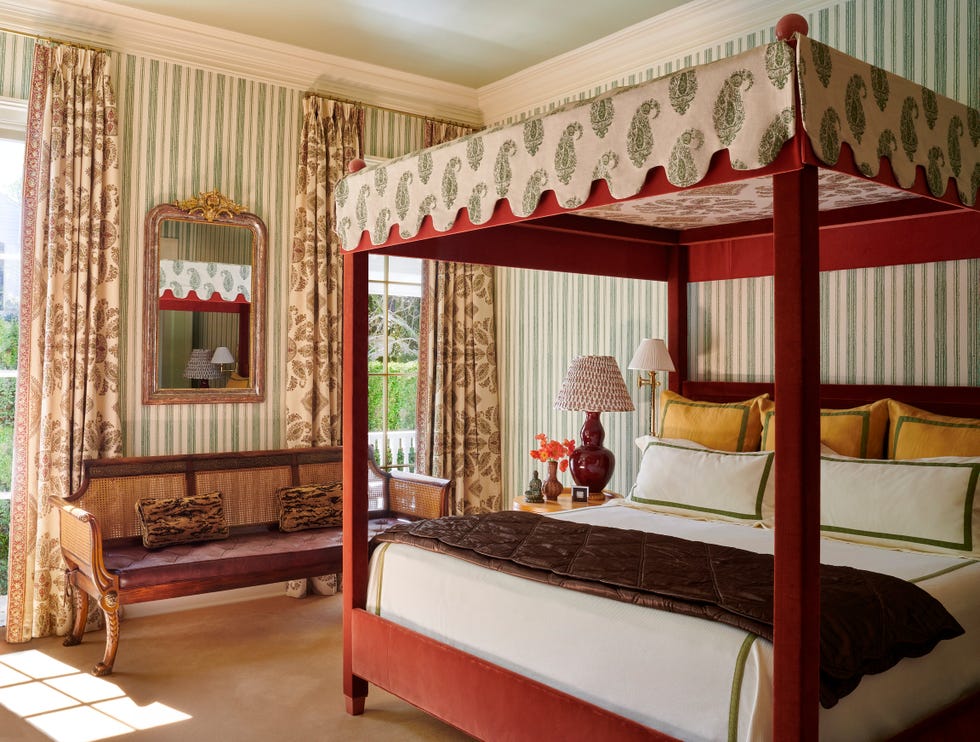
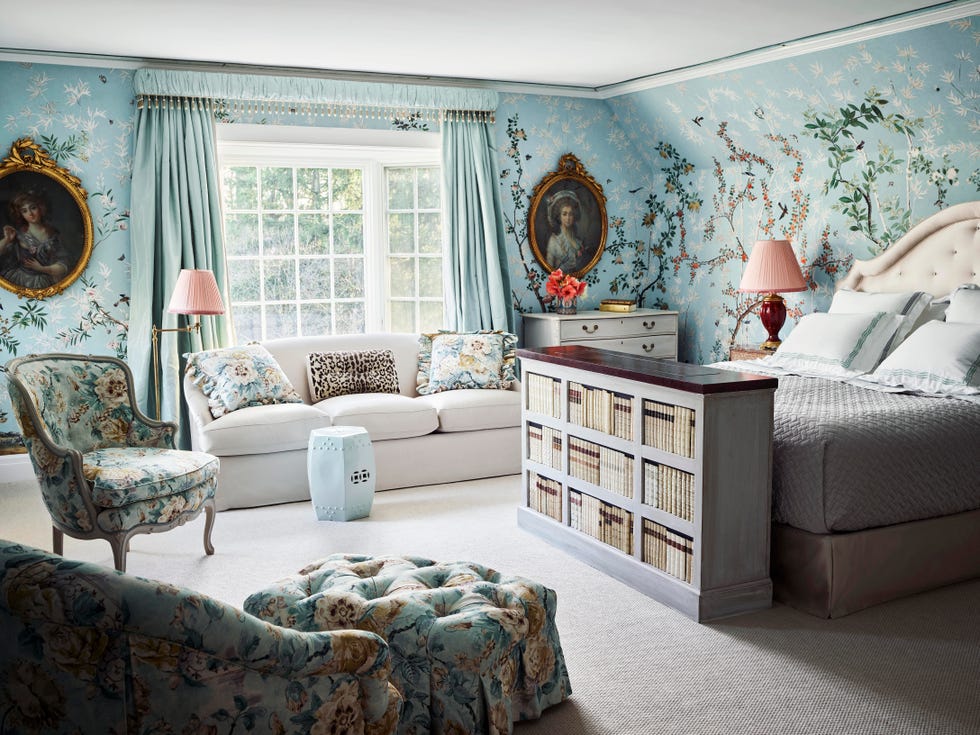
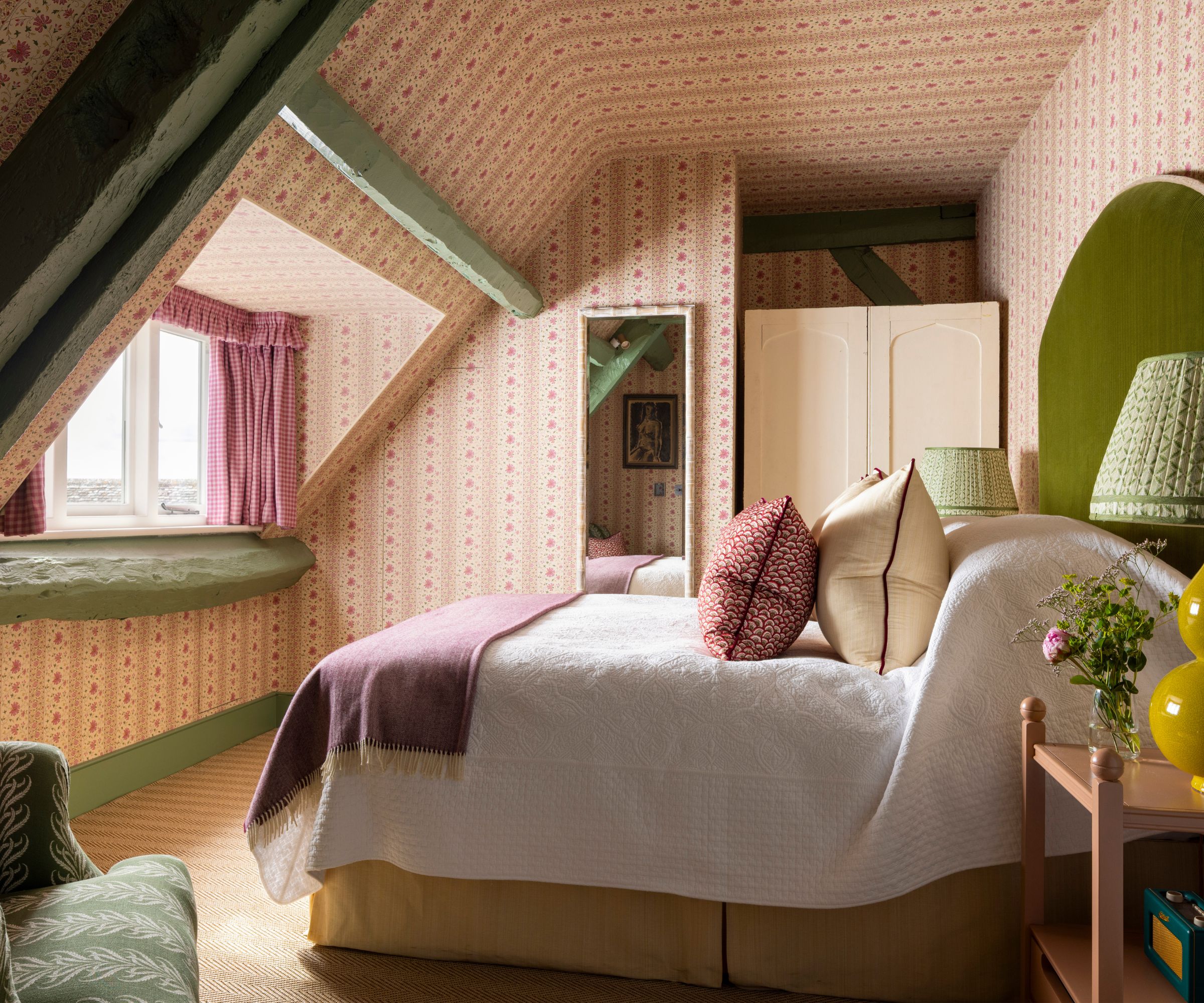
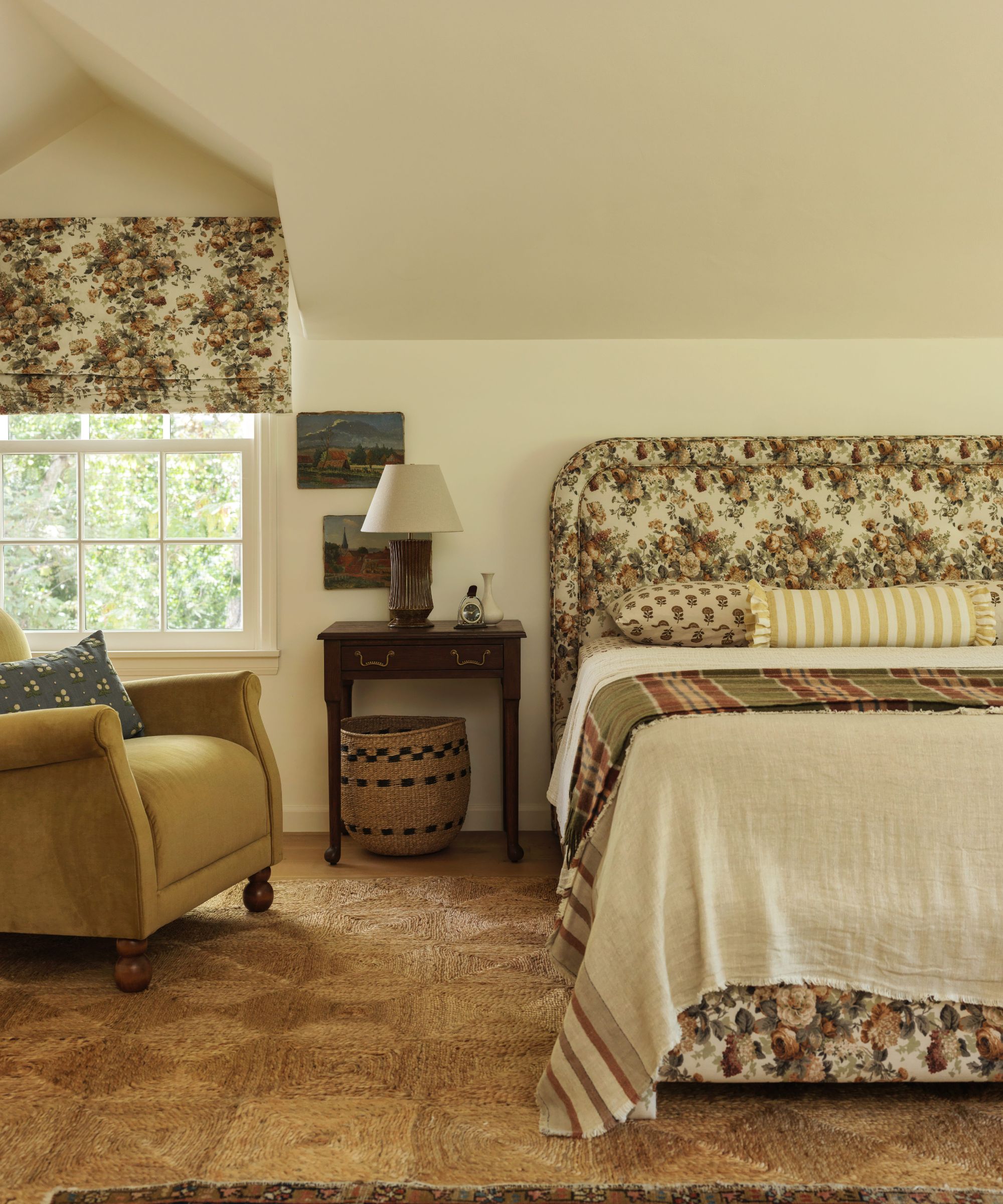
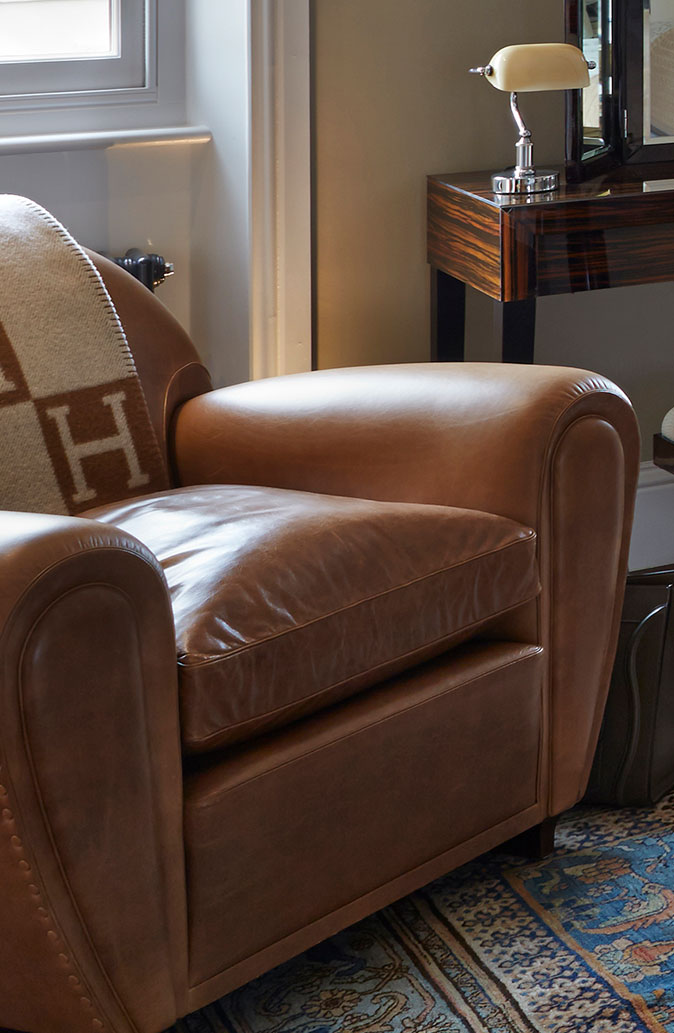
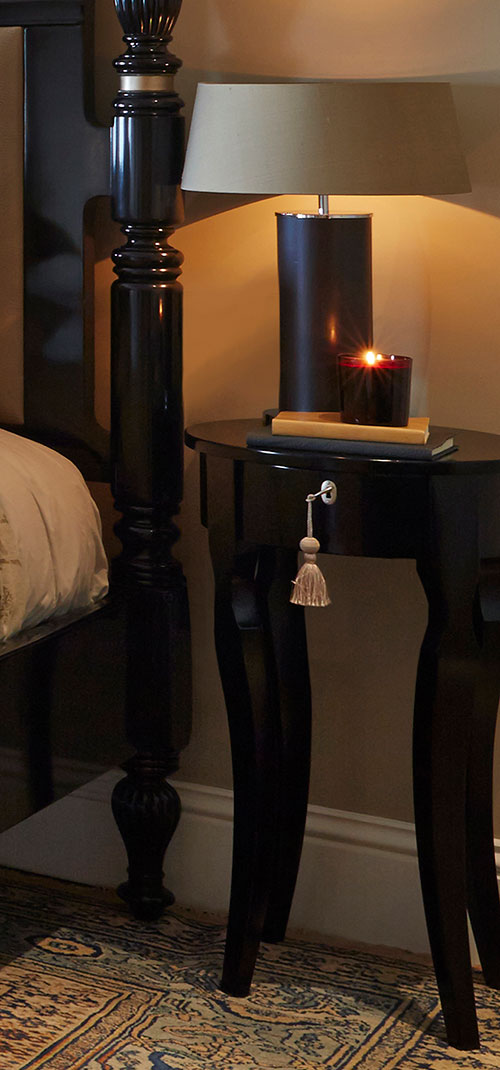
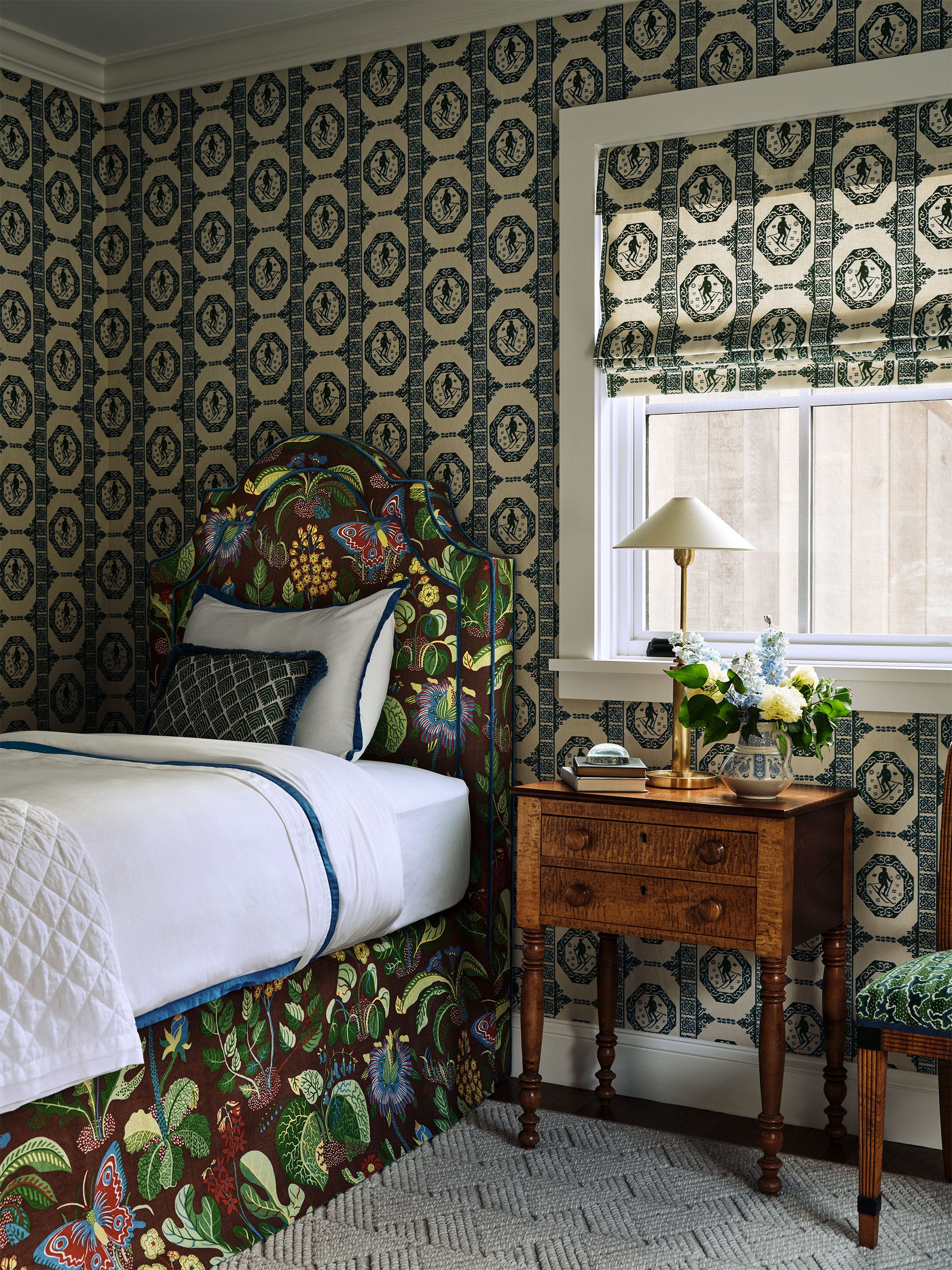
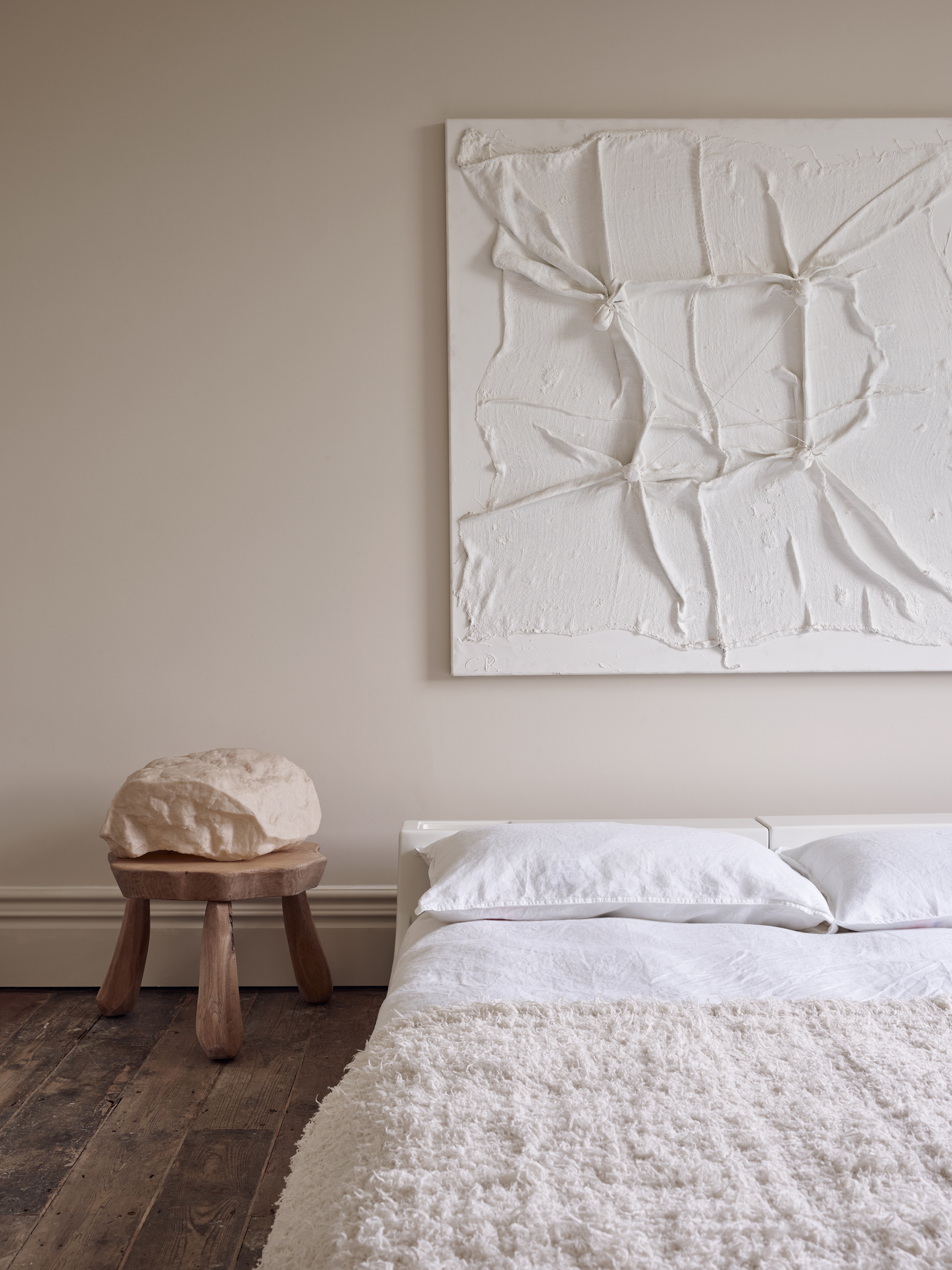
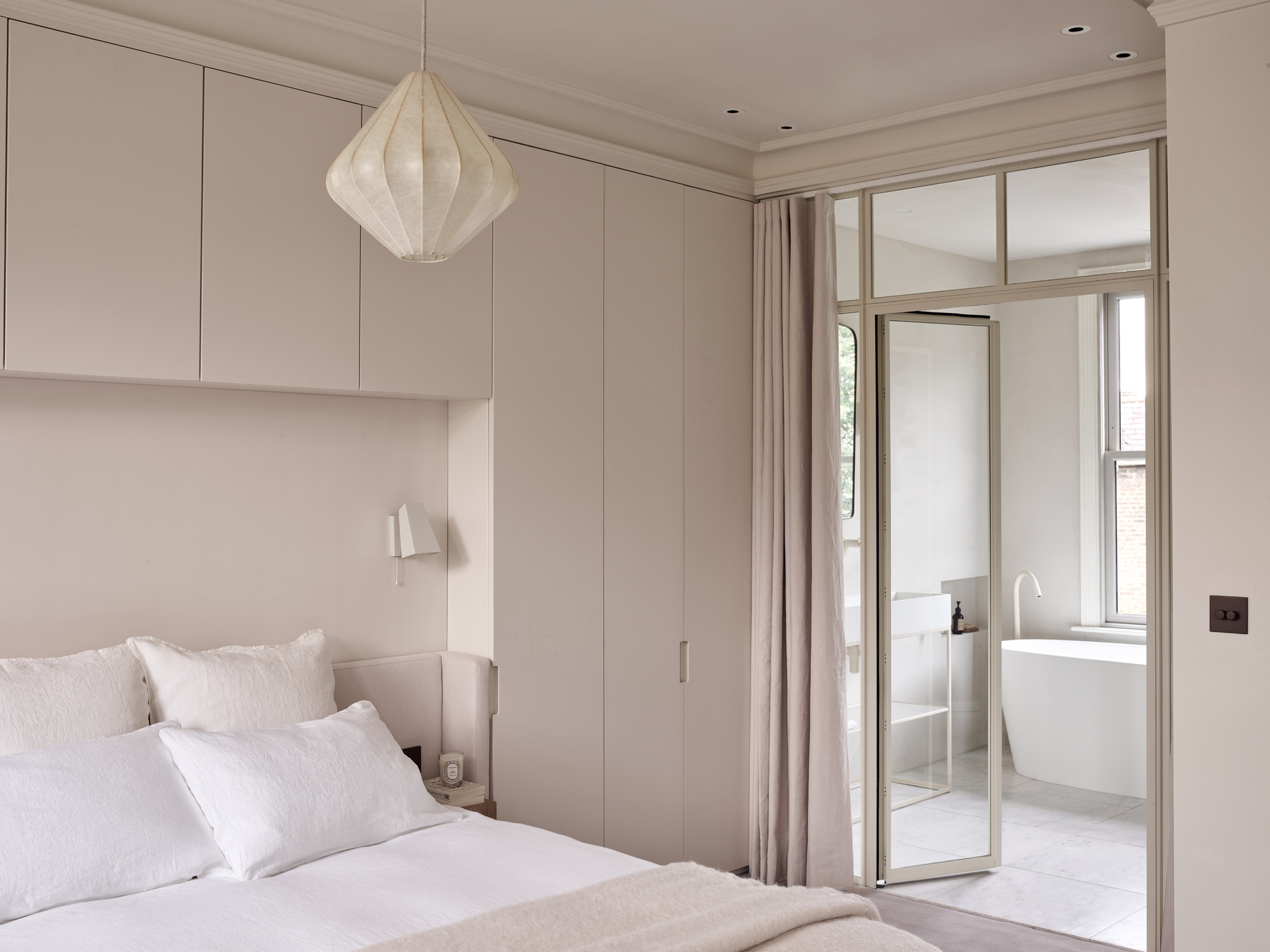
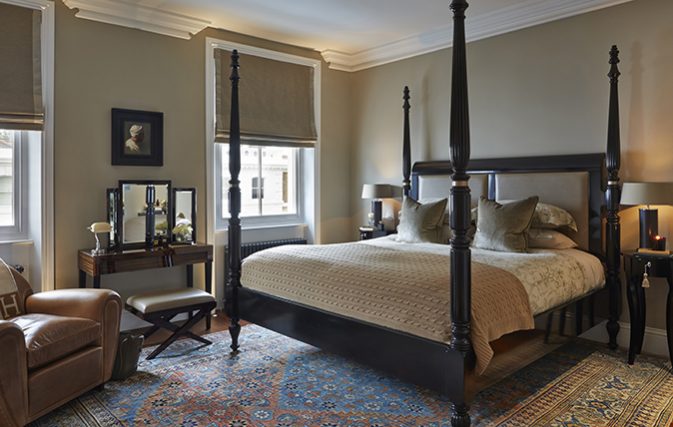
British bedroom design merges a lived-in charm with refinement, blending personal storytelling with modern sensibilities. This style often features a mix of vintage and contemporary elements, such as a bamboo chair alongside a sleek bed or family heirlooms paired with crisp linens. While embracing layering through cushions, throws, and artwork, modern British bedrooms are increasingly incorporating Nordic and Japanese influences, particularly in the selection of sustainable materials like bamboo, which offer both aesthetic appeal and durability.
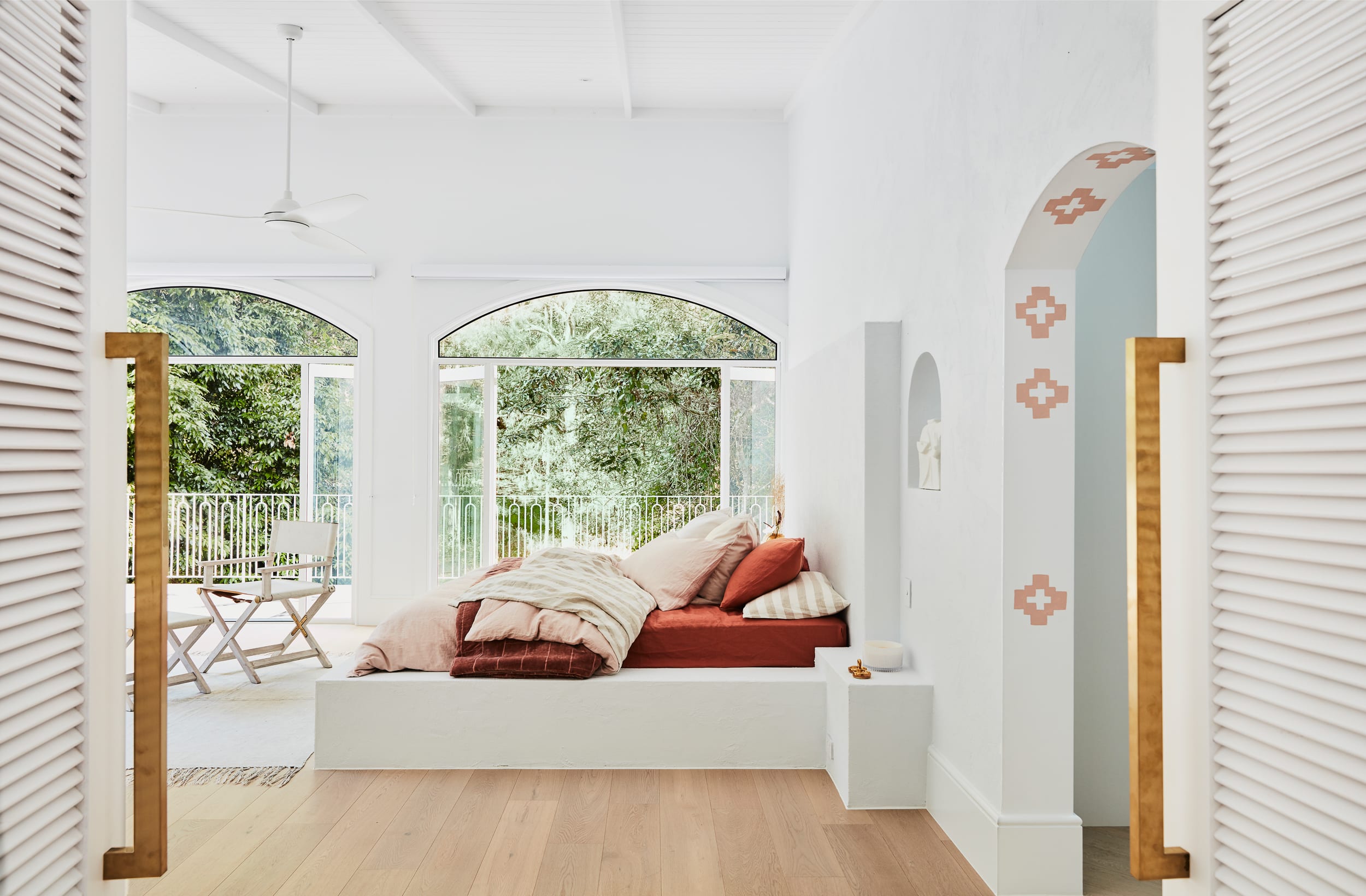
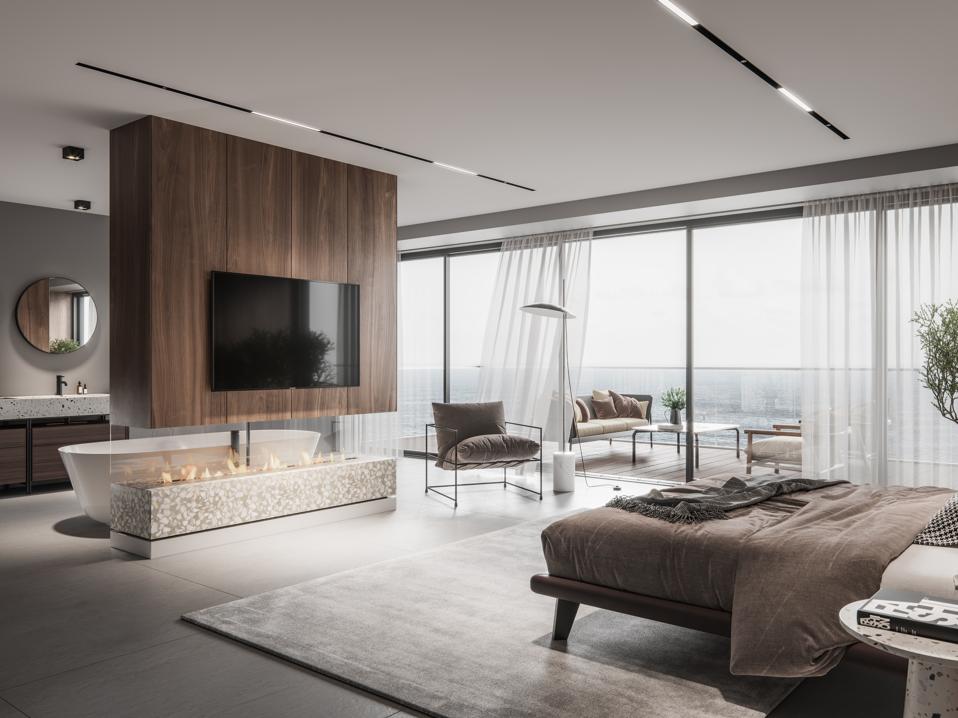
Australian coastal calm is characterized by a fresh, light-filled aesthetic that evokes the beach lifestyle. Designers focus on indoor-outdoor flow, utilizing sliding doors and open layouts. Color palettes mirror the coast with whites, sandy neutrals, and ocean-inspired blues. Bamboo furniture and bedding are favored for their light texture and cooling properties, aligning with the preference for breathable and organic materials suitable for warmer climates. Décor often includes handmade elements, fostering a sense of ease and relaxation.
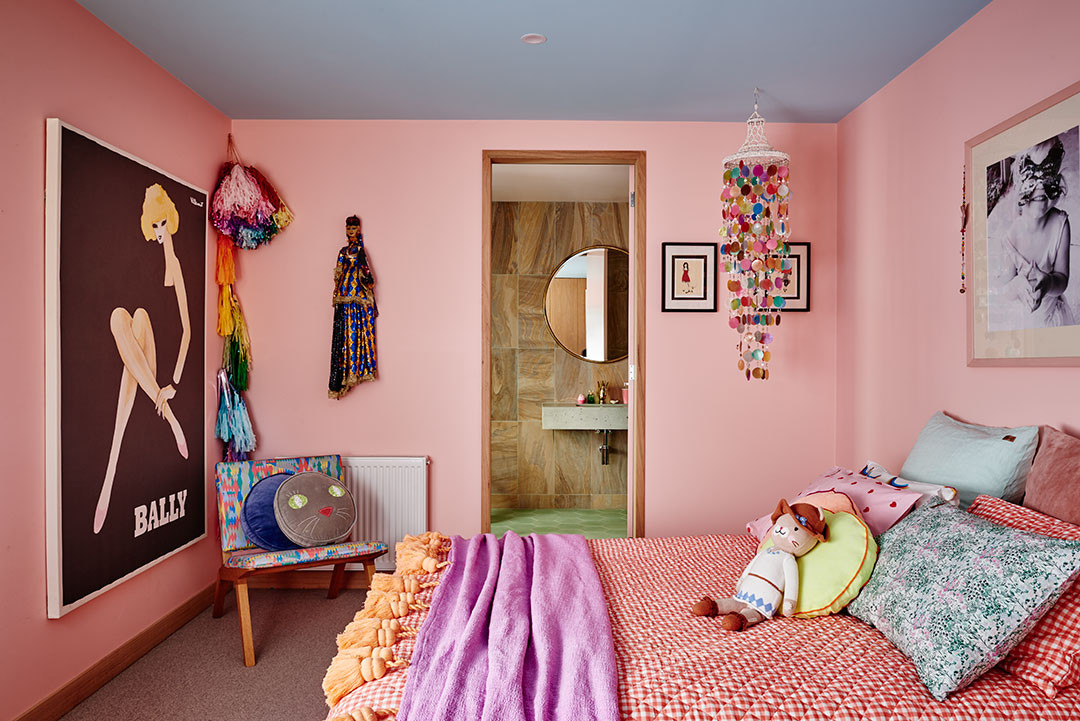
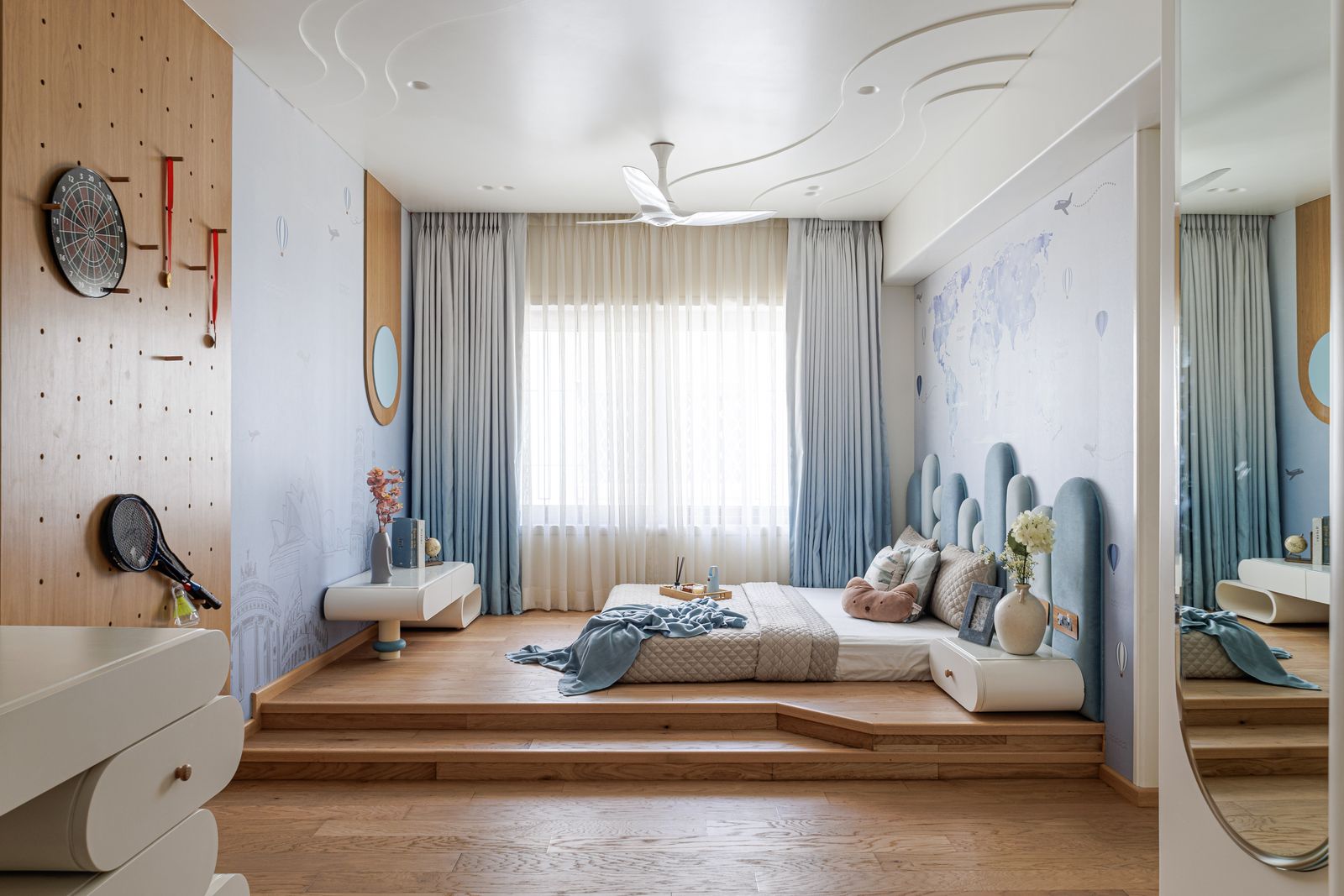
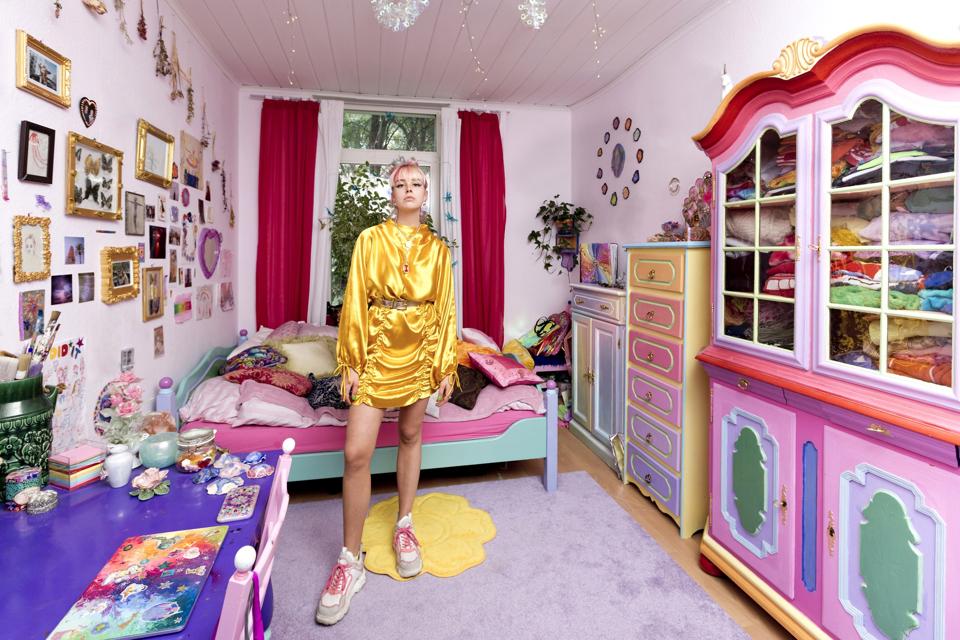
Korean soft modernism, influenced by K-lifestyle trends, combines modern lines with gentle, homely details. Unlike stark minimalism, Korean interiors incorporate soft curves in furniture and delicate pastel hues. Bamboo is integrated into storage solutions, accent pieces, and breathable bedding, which aids in temperature regulation. Lighting is typically understated and warm, often utilizing paper or bamboo lanterns. This approach creates a clean yet emotionally warm retreat.
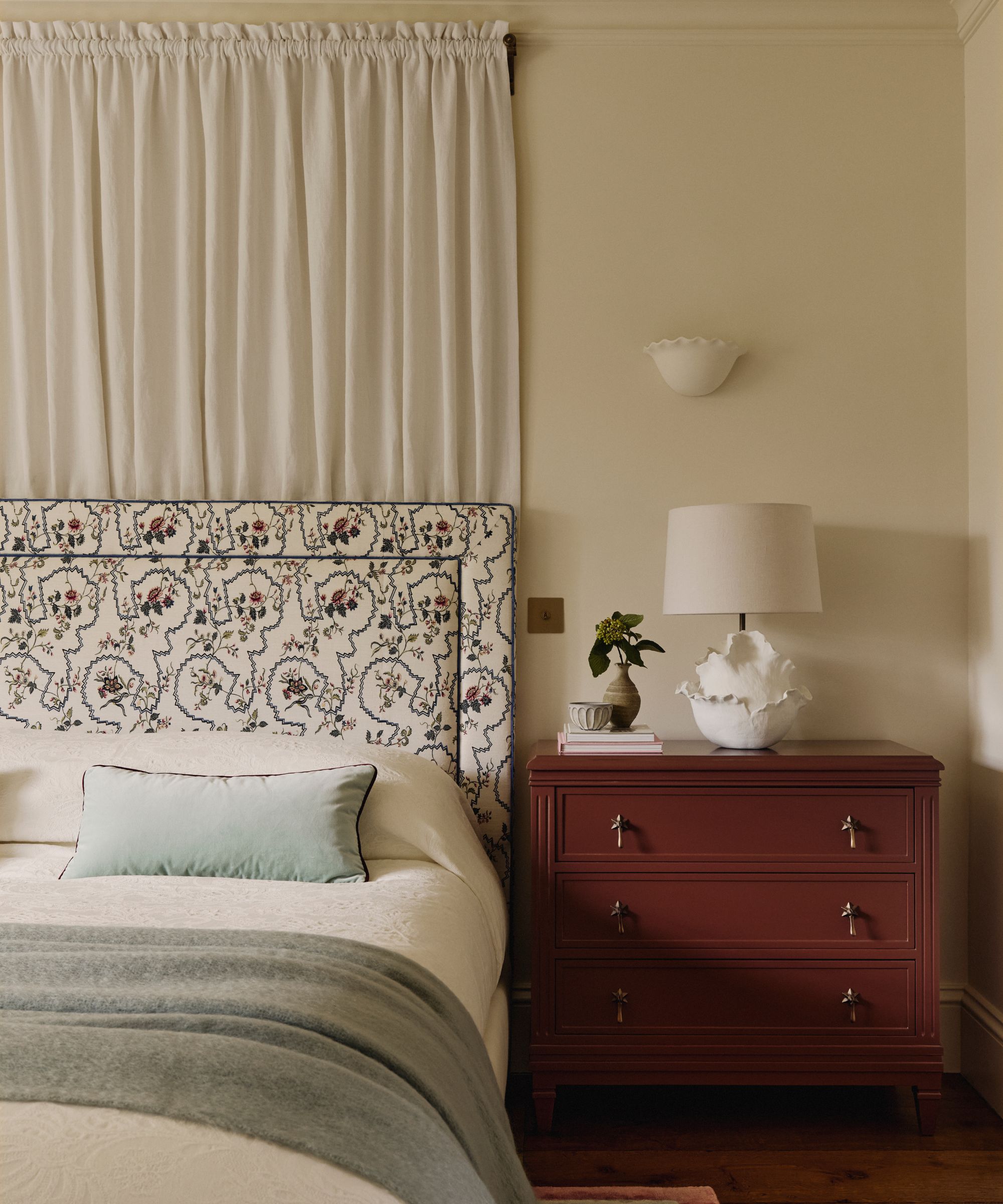
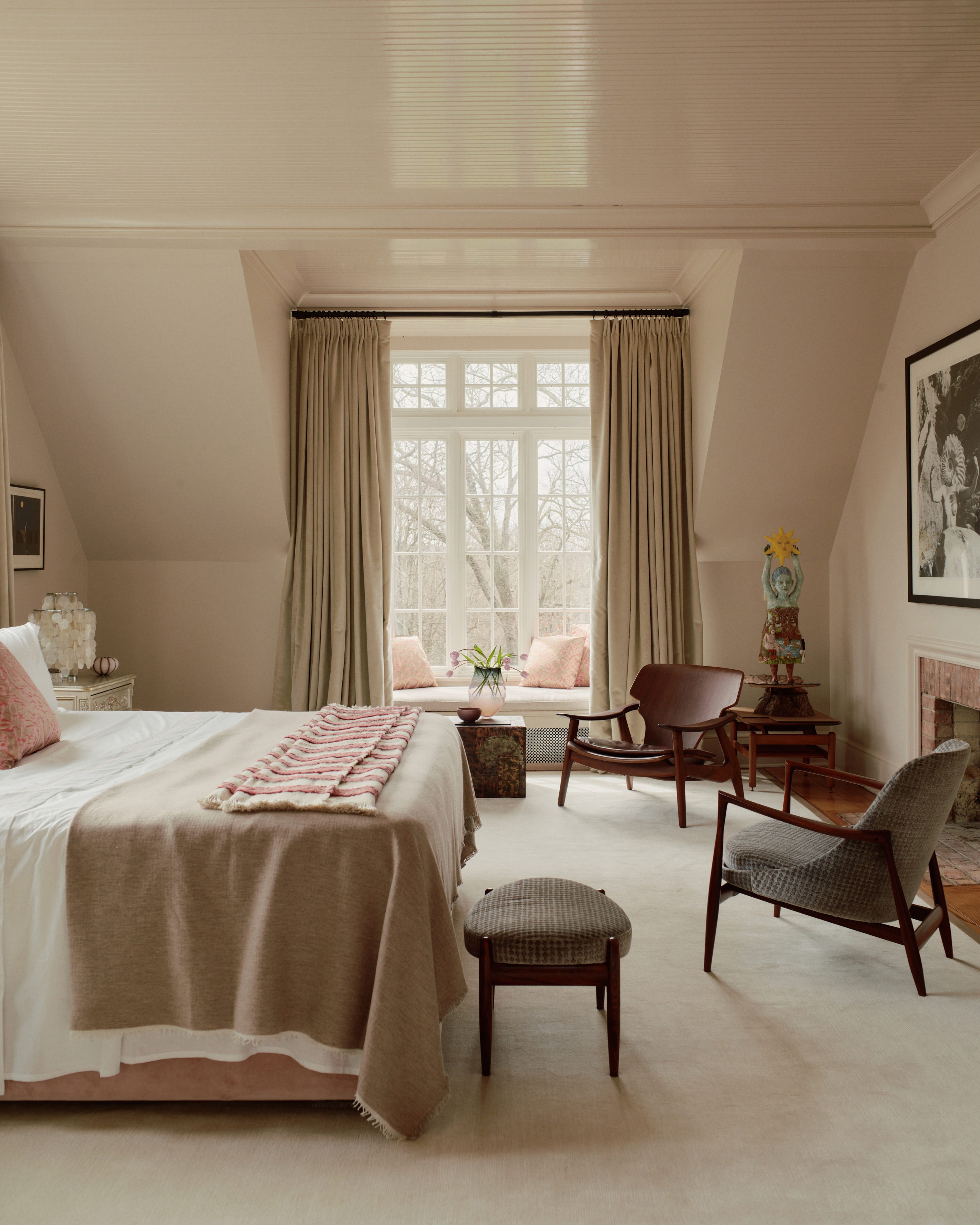
French chic embodies understated elegance, relying on timeless elements to create an inviting ambiance. Neutral backdrops, soft lighting, and a blend of antique and modern touches are common. Bamboo introduces an organic contrast to classic French features like herringbone floors or wrought-iron bedframes. French designers appreciate materials that age gracefully, and bamboo, being durable and low-maintenance, fits this criterion. The result is a graceful and unpretentious space.
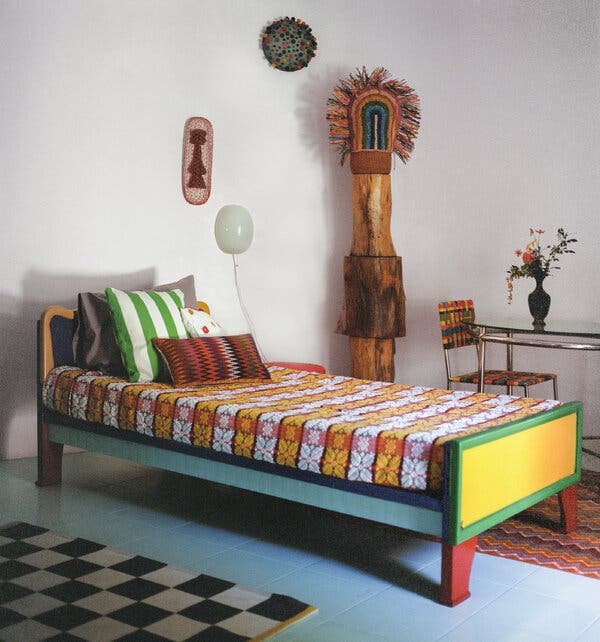
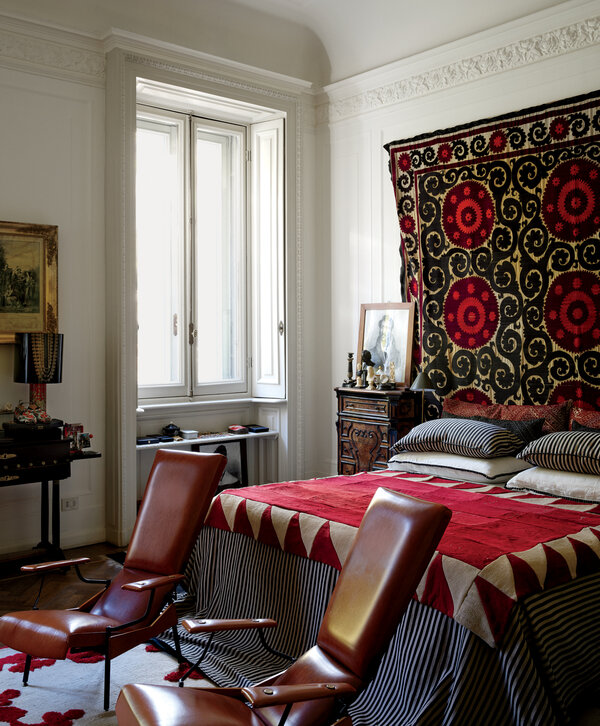
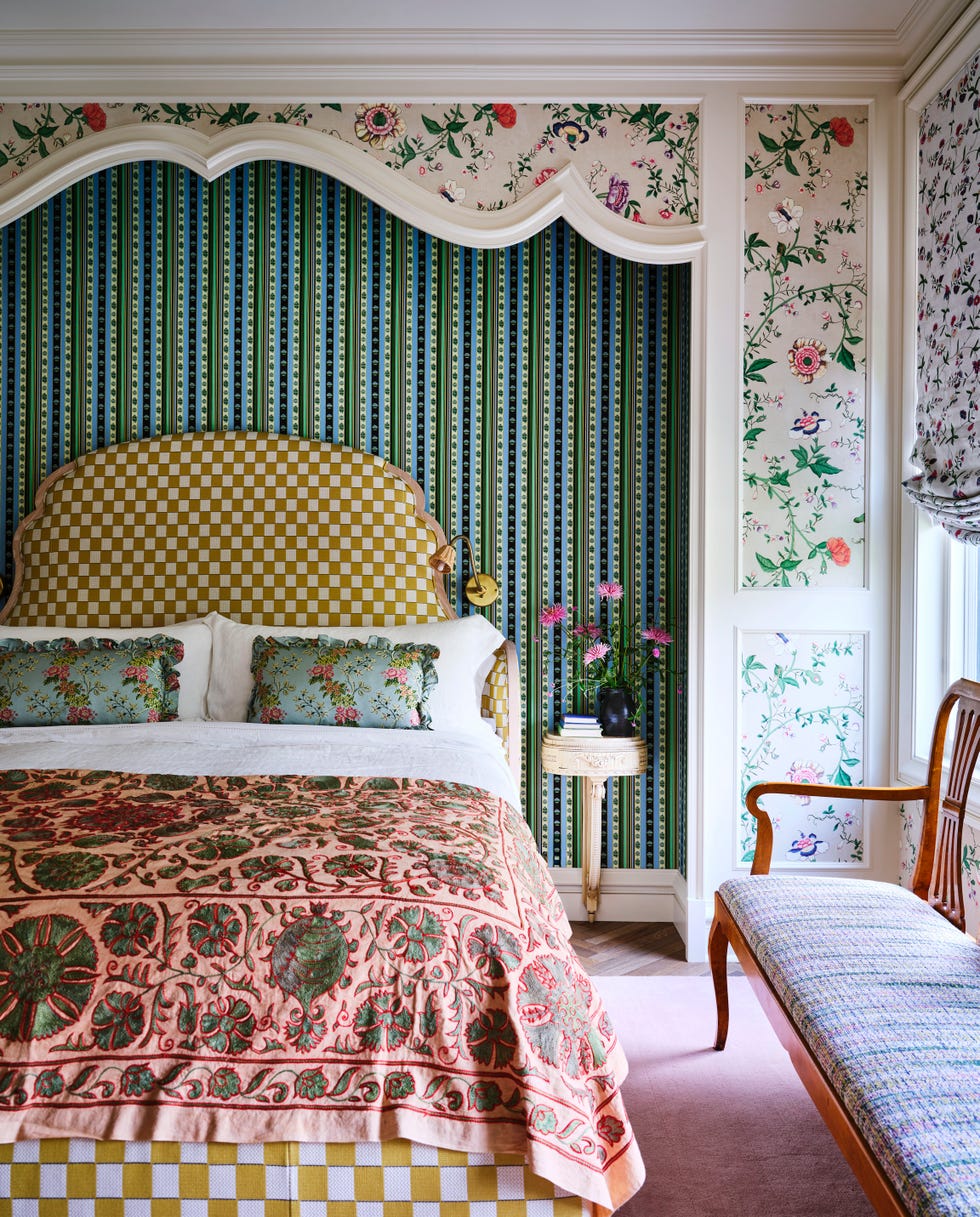
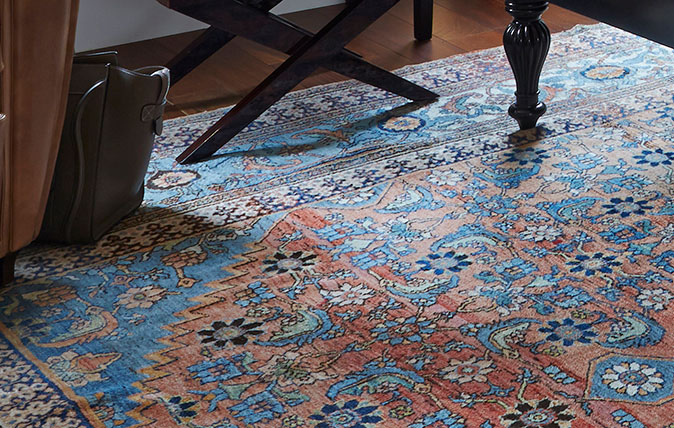
Moroccan boho design integrates vibrancy with tranquility, featuring intricate patterns, deep jewel tones, and ornate lanterns. Modern interpretations balance these bold visuals with earthy elements like bamboo furnishings or woven mats. Low seating, layered rugs, and oversized cushions encourage comfort, while handwoven throws and bamboo bedding add breathability. This style creates a lively yet relaxing environment, demonstrating that a vibrant space can still promote deep rest.
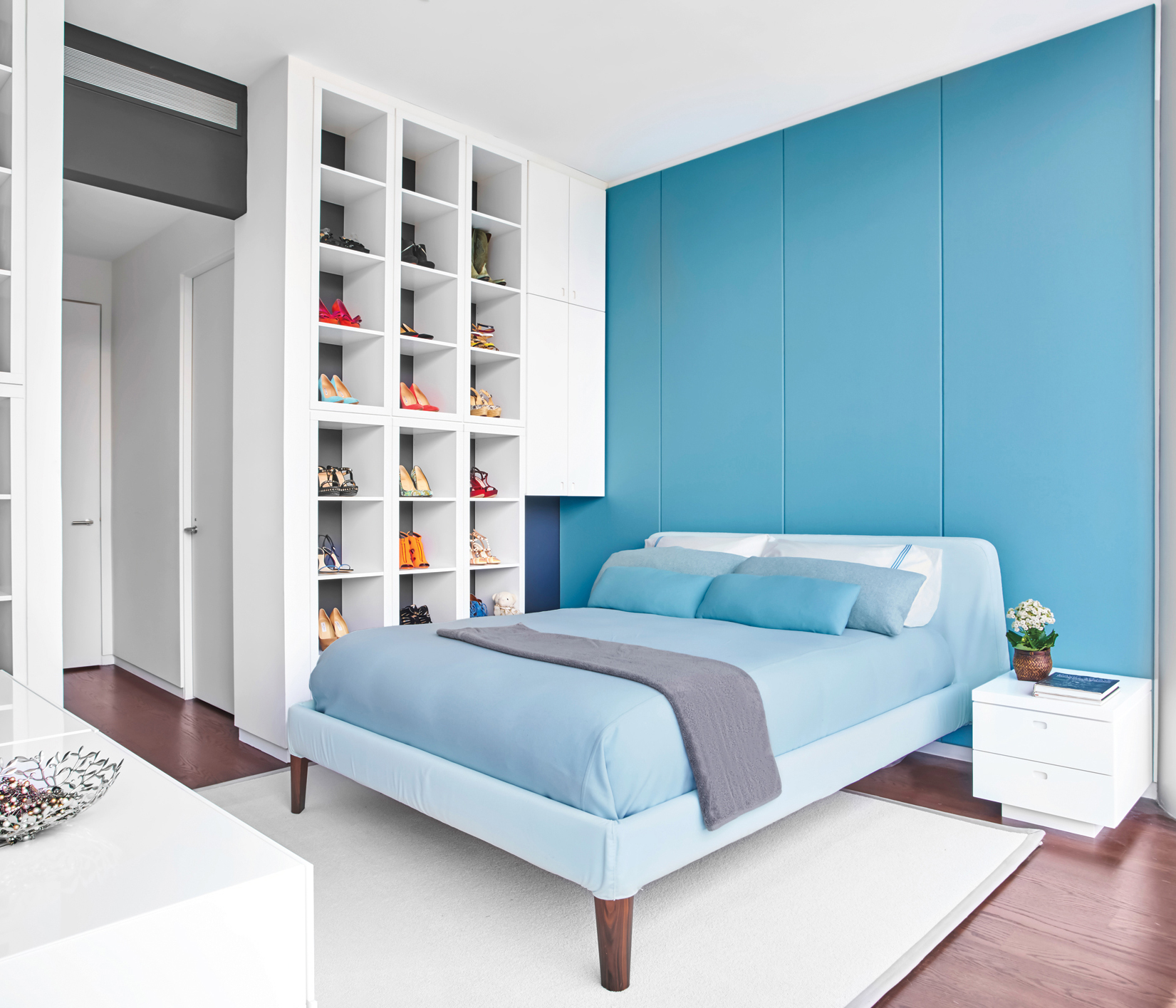
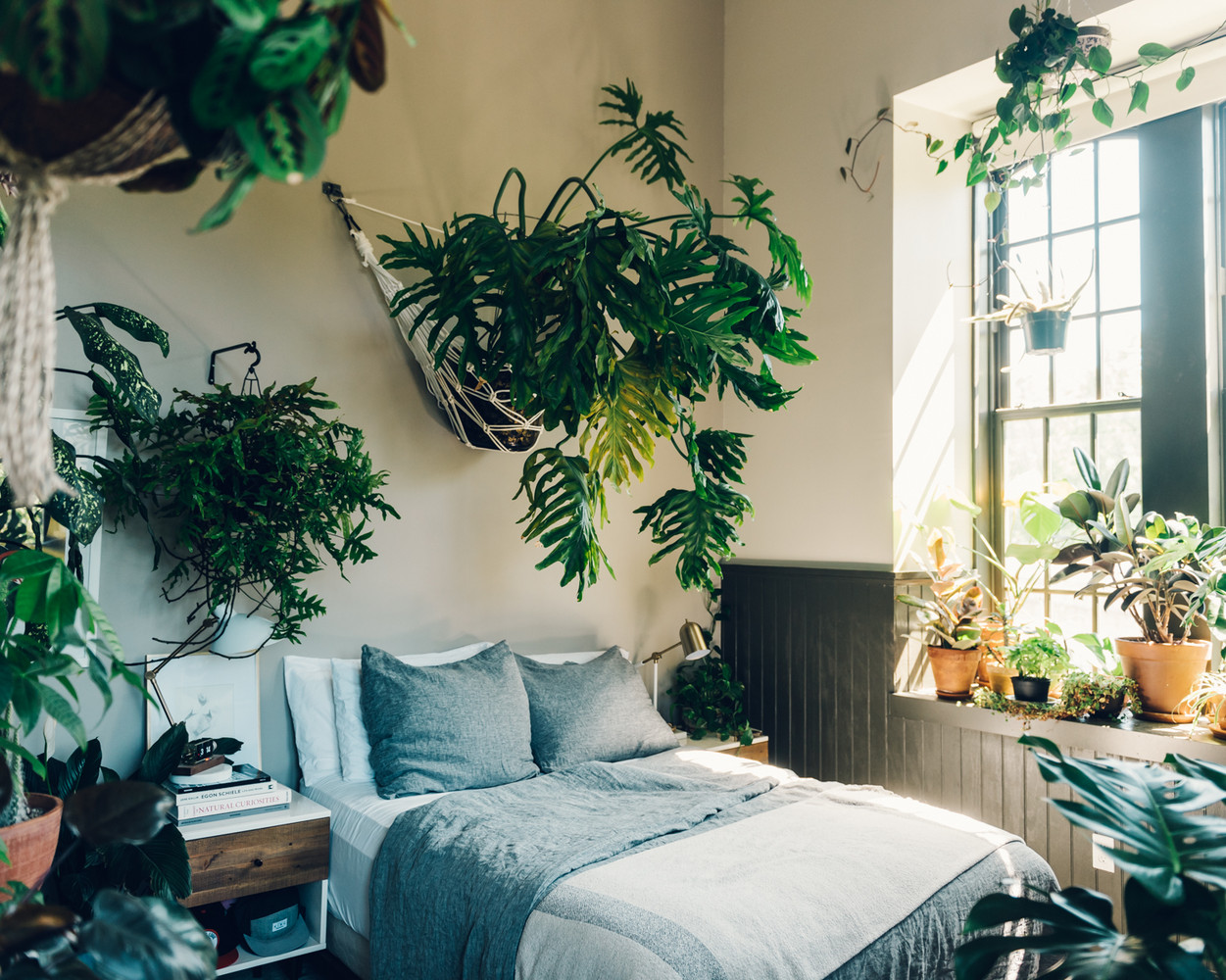
American urban bedrooms often require multitasking due to limited space. Designers employ built-in storage, modular furniture, and clever zoning to maximize functionality without sacrificing style. Bamboo is valued for its lightweight structure and eco-friendliness, appearing in floating shelves or foldaway desks. City dwellers also leverage large windows, mirrors, and neutral palettes to brighten compact rooms. There is a growing shift towards nature-inspired elements, with bamboo bedding and calming tones replacing colder materials to create soothing environments.
Across these diverse global trends, sustainability, simplicity, and emotional comfort emerge as central themes. Bamboo, in particular, has become a globally favored material due to its lightness, durability, and natural breathability, appearing in bedrooms from Seoul to Sydney. These trends collectively influence not only the aesthetics but also the functionality and overall feel of bedrooms, promoting better sleep, calmer routines, and more intentional design choices. The concept of a dream room is thus evolving into a thoughtful, globally realized reality.
#BedroomDesign #GlobalTrends #InteriorDesign #SustainableMaterials #Bamboo #Minimalism #Wellness #CulturalInfluence #HomeDecor #BedroomDesign #GlobalTrends #InteriorDesign #SustainableMaterials #Bamboo #Minimalism #Wellness #CulturalInfluence #HomeDecor
0 comment in total
 No comments yet
You may also like
The 7 Bedroom Design Trends Designers Can't Wait to See in 2025

The world's most beautiful bedroom designs from the world’s best hotels

8 of the Latest Wild Trends in Bedroom Design
9 Bedroom Trends That Will Dominate 2026, According to Interior Designers
Our Favorite Bedrooms
Interior Designers Predict These 7 Bedroom Trends Will Be Everywhere in 2026

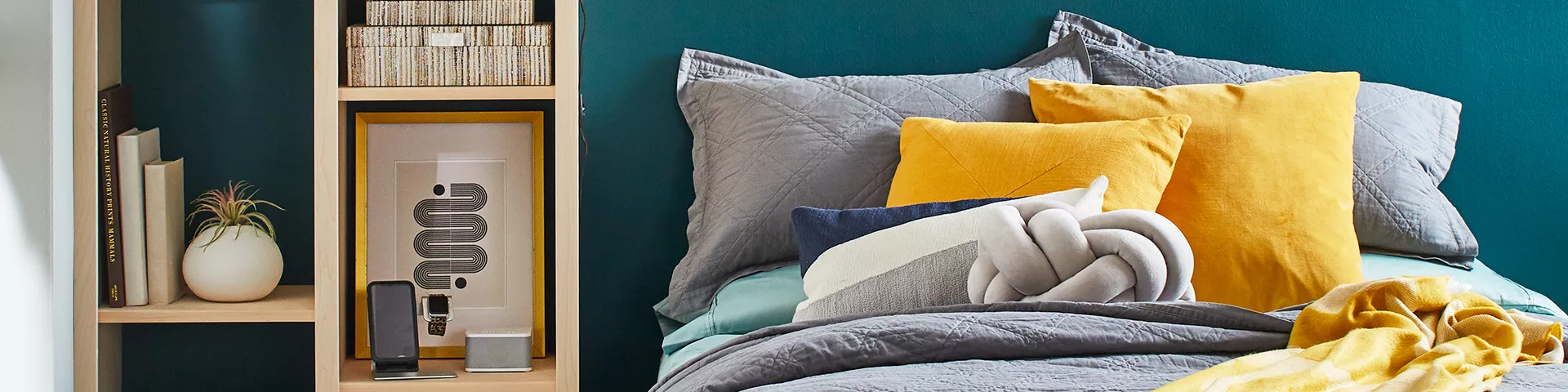
Bedroom Decorating and Design Ideas

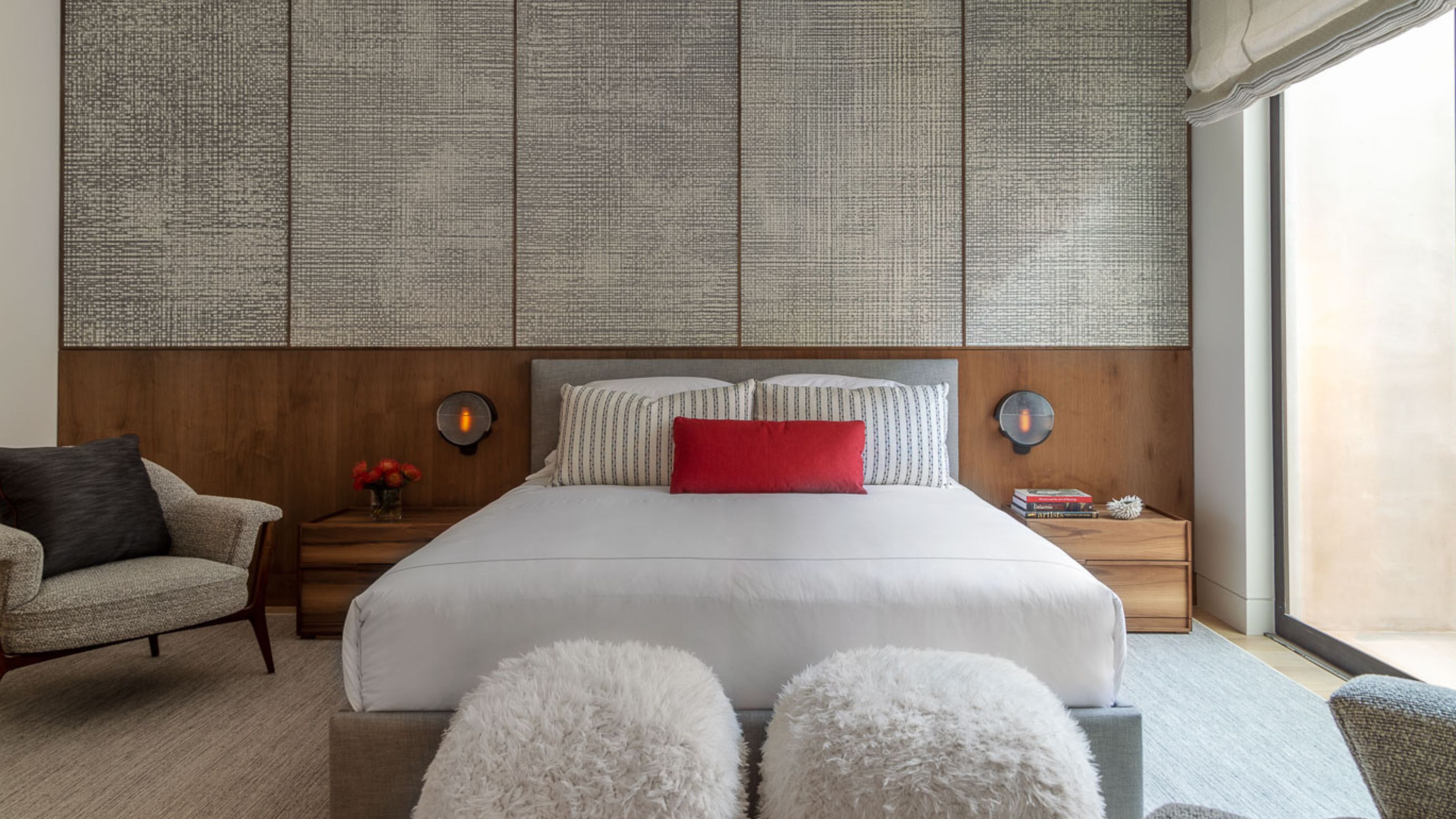
8 Japandi Bedrooms I Dream of Sleeping In — Minimalist and Cozy, They've Got to Be the Most Relaxing Spaces
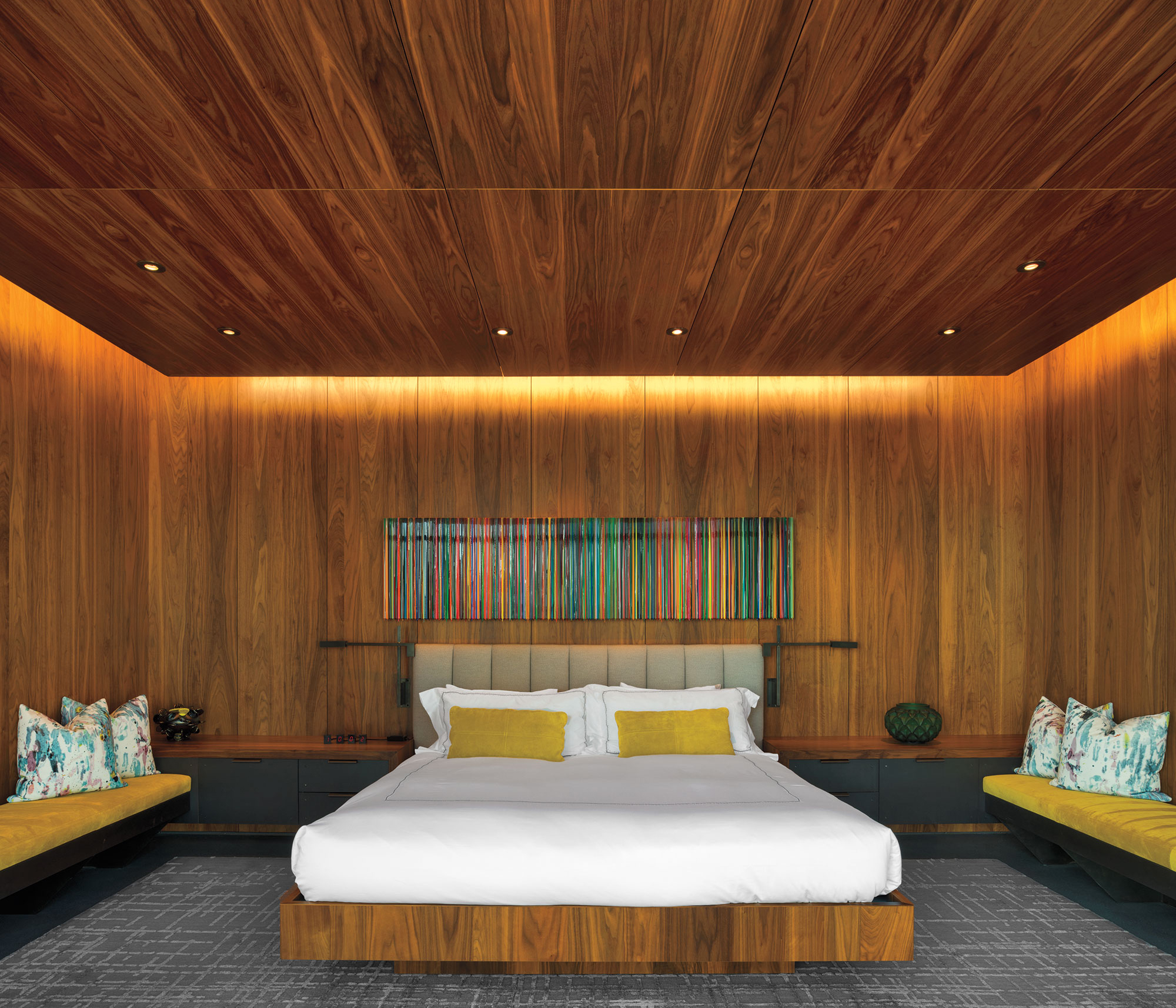
15 Dreamy Bedroom Design Ideas Where Creativity Meets Comfort

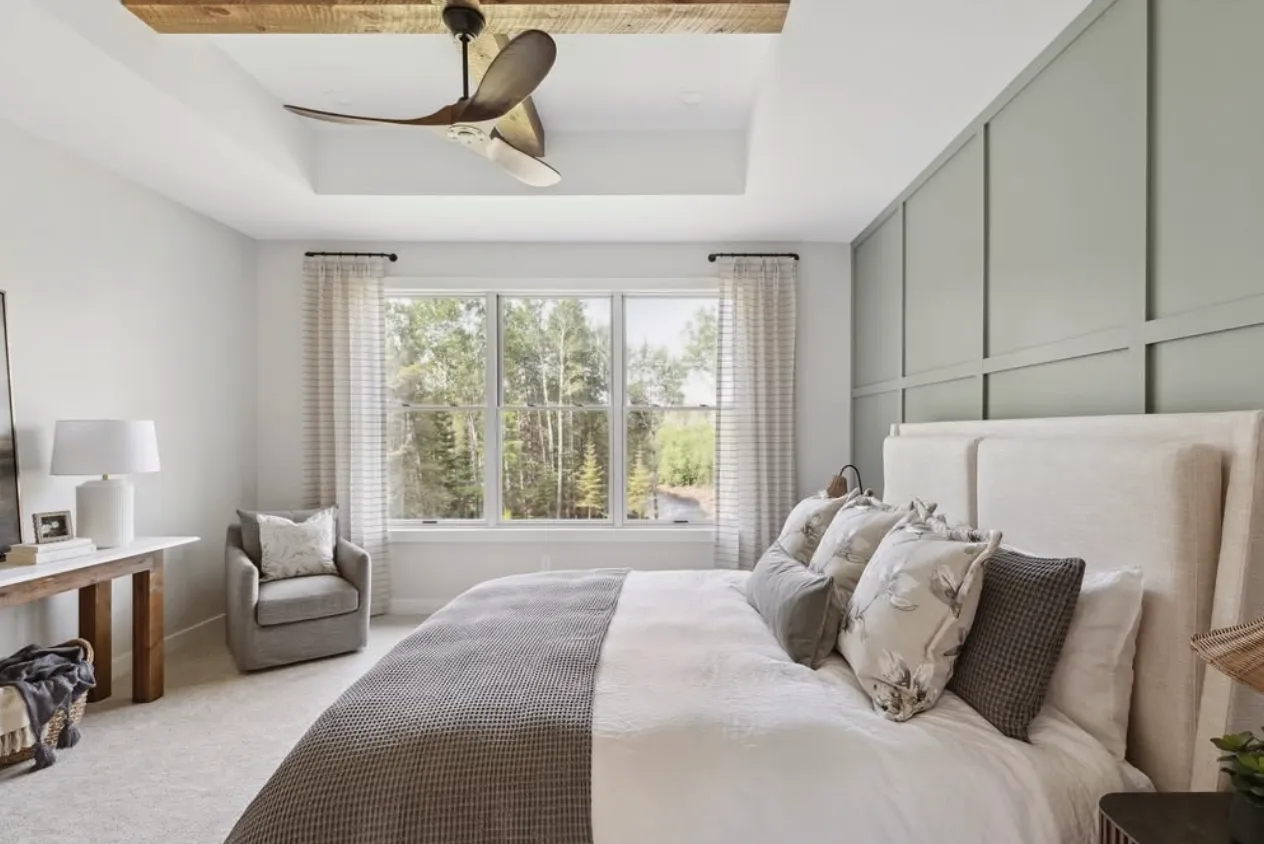
6 Bedroom Trends That Will Be in Every Home in 2026, Designers Say

How to use pieces from around the world to create a fine English bedroom
8 Bedroom Design Trends That Will Be Out Of Style In 2023

6 Bedroom Trends Designers Say You Won't See Again in 2026
22 best bed designs that master every vibe

85 Modern Bedrooms You May Never Leave

Revealed: the countries inspiring interior design trends the most
The Most Beautiful Bedrooms 2017 Had to Offer
These 5 Dated Bedroom Trends Are Giving Interior Designers Nightmares in 2026 – Here's Why You Should Avoid Them in Your Sleep Space

These Are The Best Wood Bed Frames In Australia, If You're Looking At A Bedroom Upgrade
6 Bedroom Trends That Will Be in Every Home in 2026, According to Designers