1/15
12 Cozy Bedroom Ideas That Will Make Your Space Feel Like a Warm Hug
The article explores various strategies for creating a cozy bedroom environment, emphasizing the importance of balancing visual and tactile elements. It highlights that comfort in a bedroom is paramount, and while obvious additions like plush duvets contribute, achieving true coziness involves a more nuanced approach. Denine Jackson, owner and principal designer of Denine Jackson Interiors, describes coziness as a "dance" that requires elements to create movement in the space.
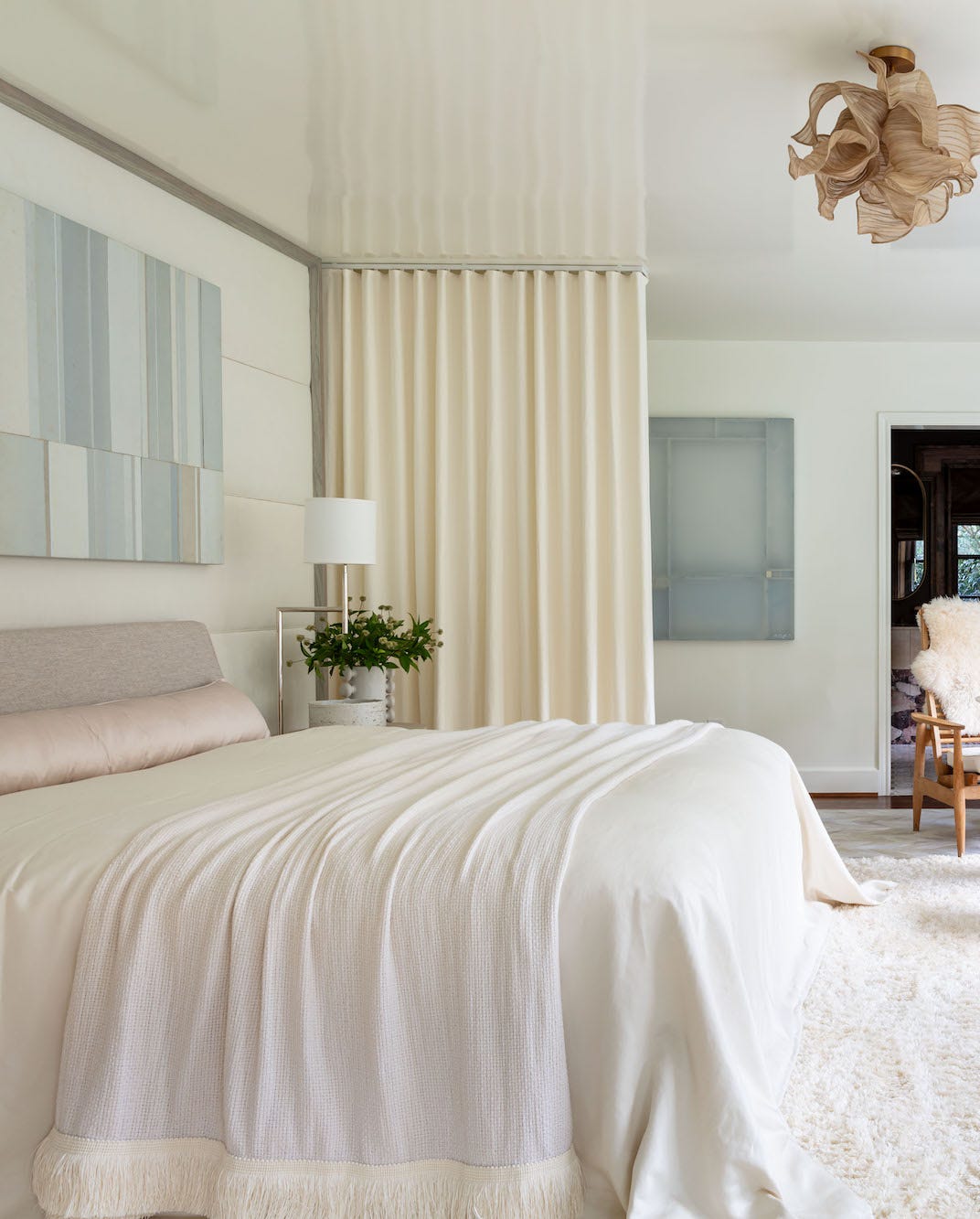
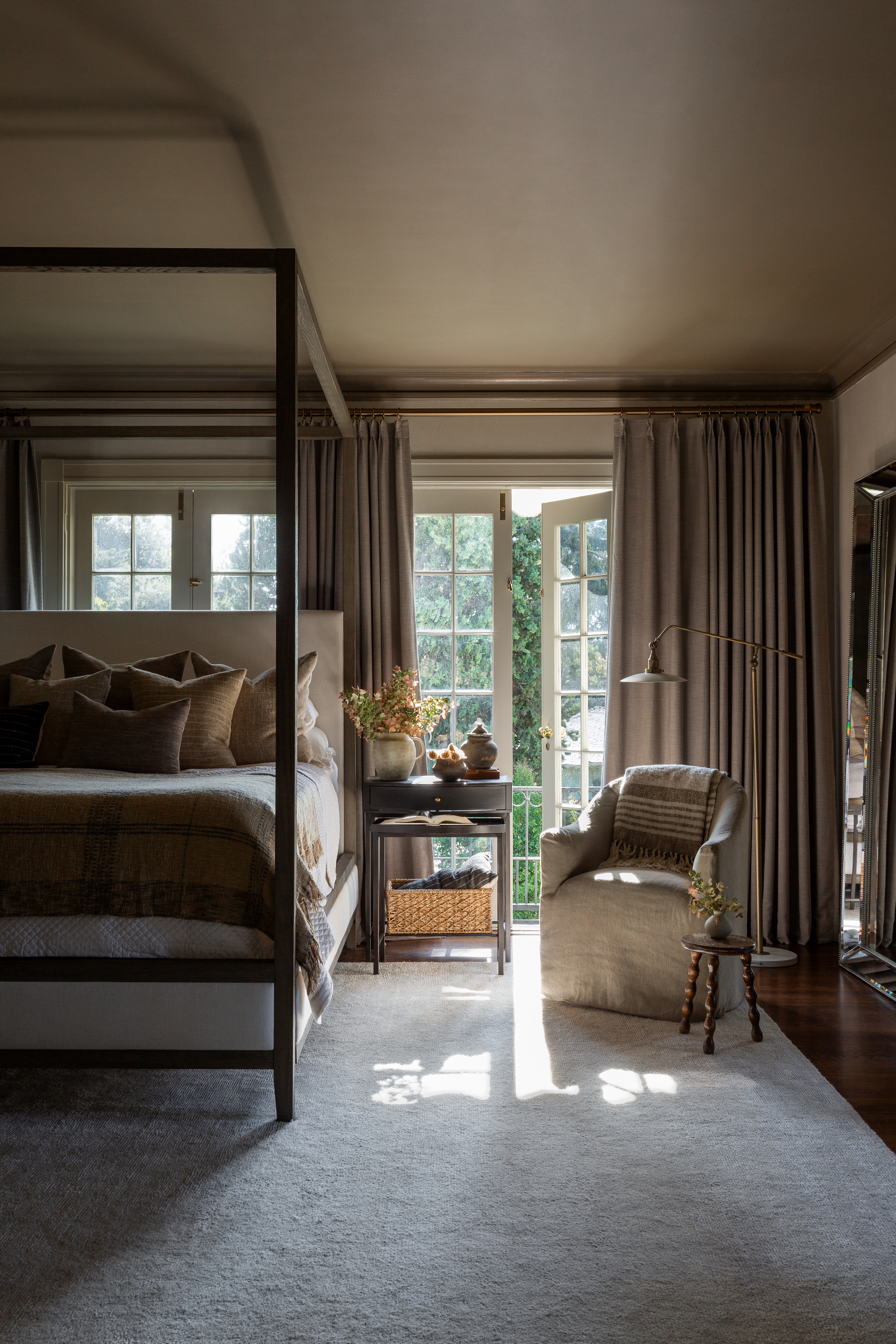
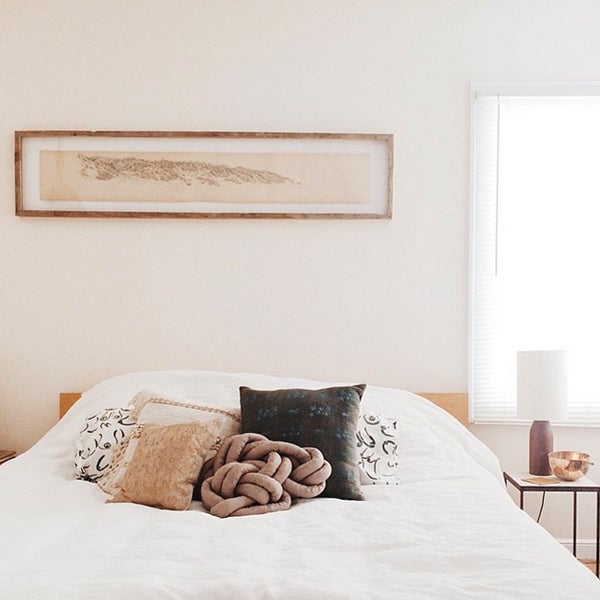
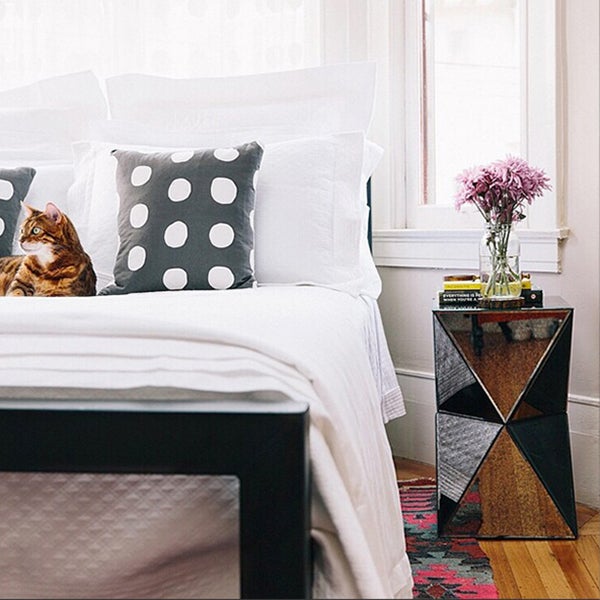
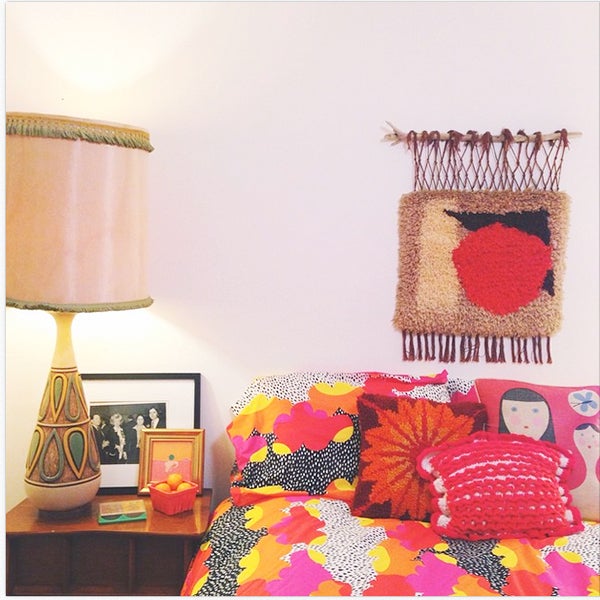
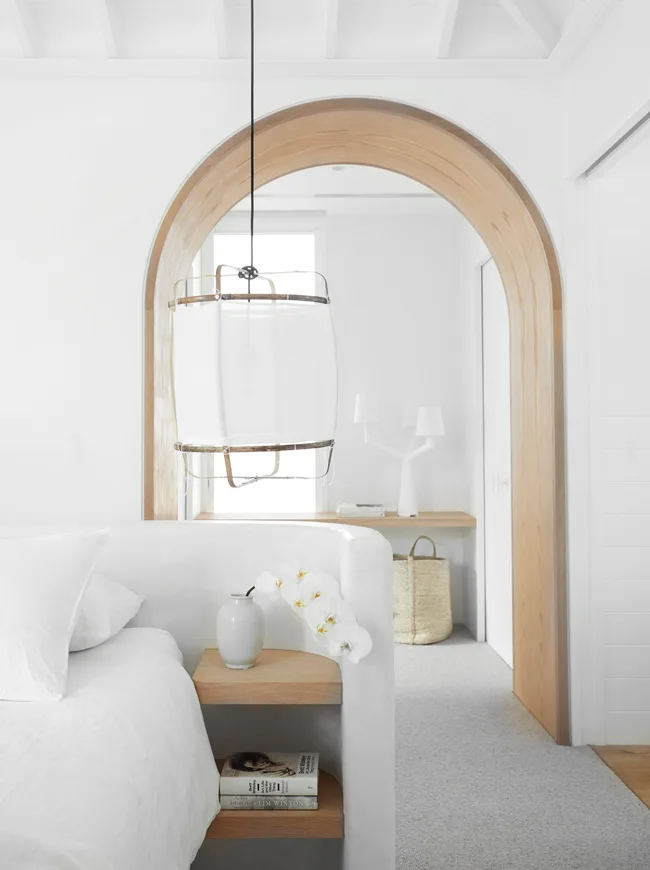
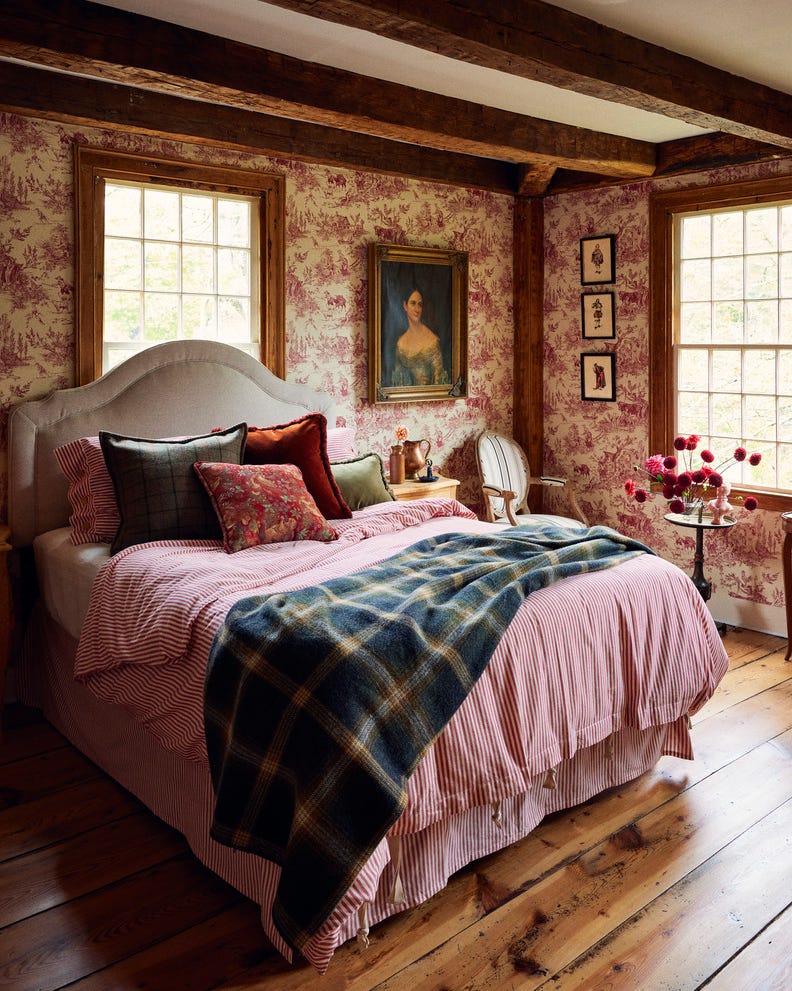
Key aspects for enhancing coziness include the strategic use of texture, layers, low lighting, and gentle tones, embodying the Danish concept of 'hygge' — a feeling of contentment in an inviting and comfortable space. The quickest way to make a bedroom feel cozy is by introducing a variety of textures and layers, achievable across different interior styles. This involves incorporating materials like sheepskin, faux fur, boucle, and velvet, alongside natural elements such as jute, rattan, and wood through throws, pillows, and tactile finishes. Lighting is equally crucial; it should be soft and low, with multiple diffused sources to avoid harsh, focused illumination.
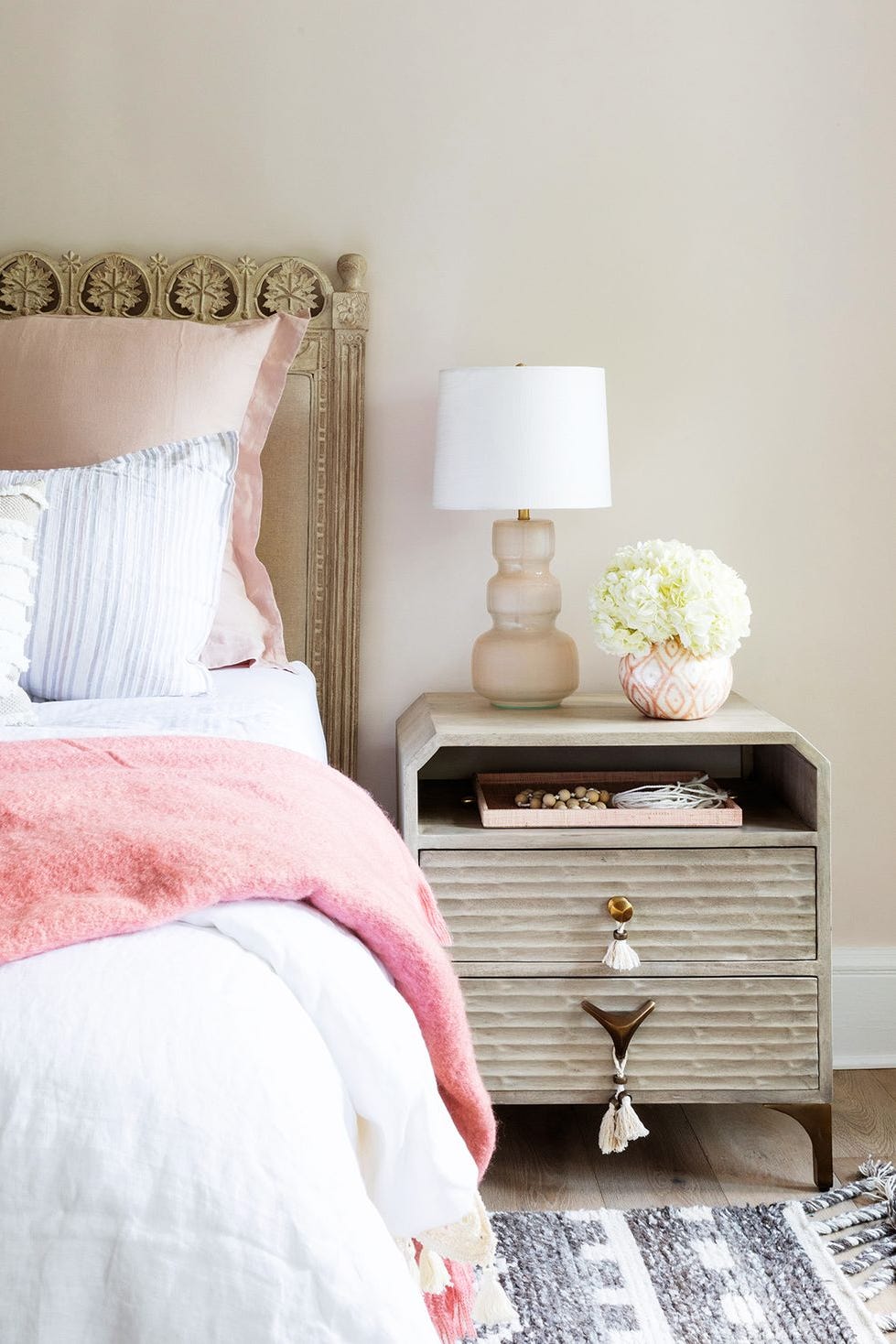
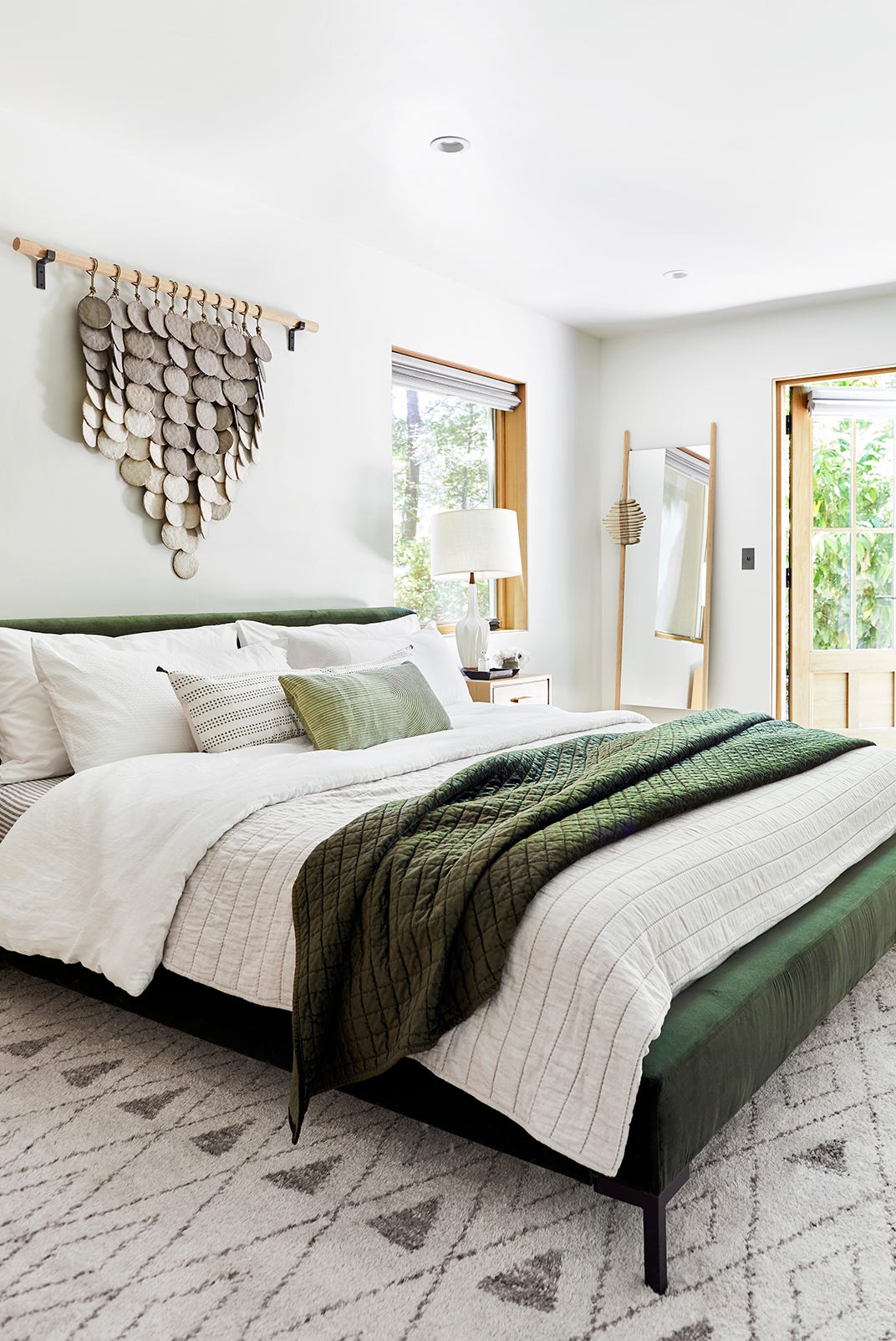
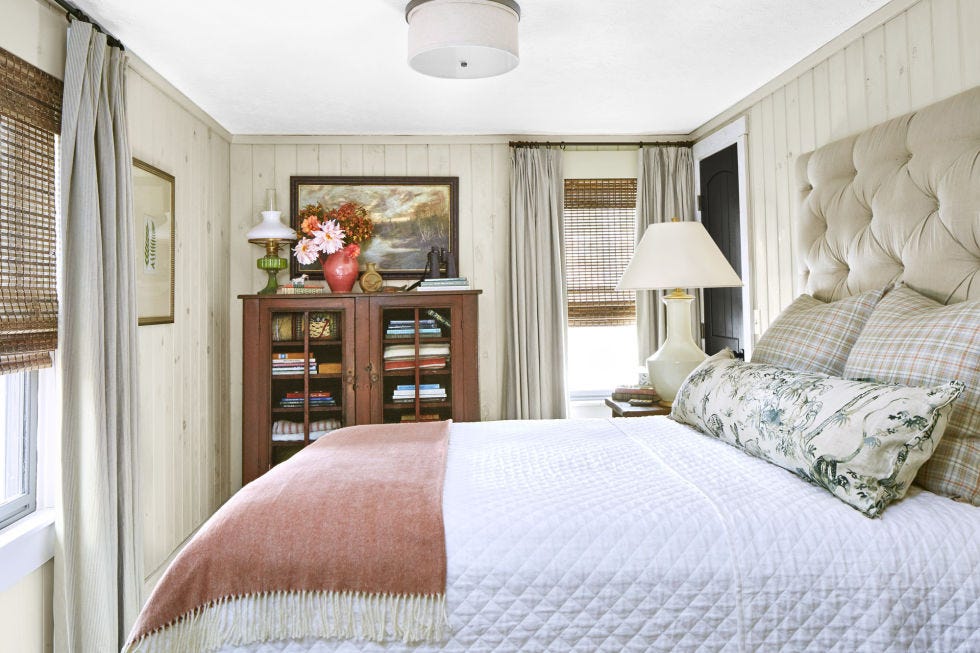
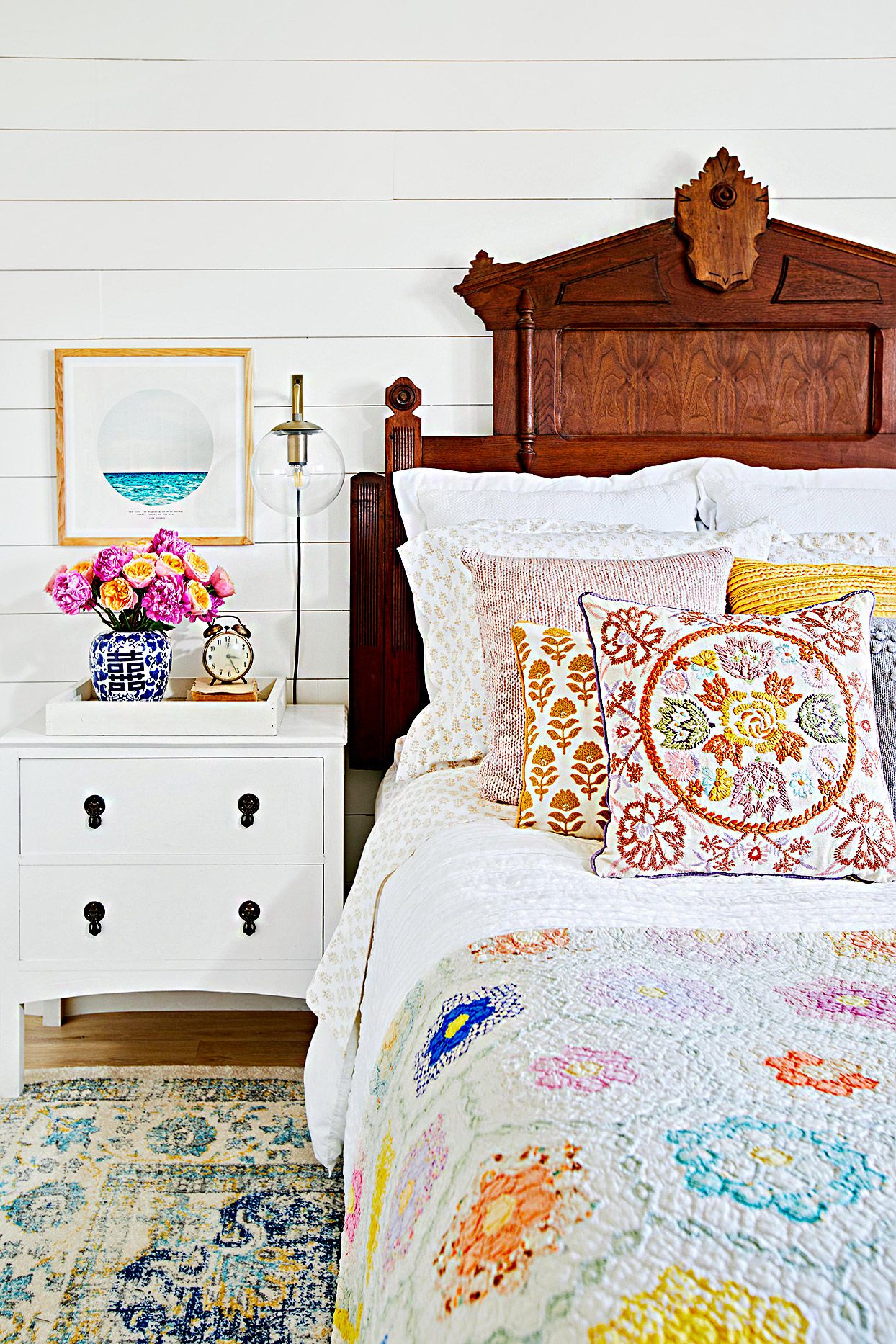
The article provides 12 specific ideas, starting with layering textures. Marie Flanigan, an interior designer, advises adding a soft bedroom rug, layering different types of pillows, and mixing linen duvets with luxe velvet shams. The second tip focuses on using an upholstered headboard, which not only adds texture but also provides a sense of support and protection, as per Feng Shui principles, particularly if it features soft, curved lines. Choosing cozy paint colors is another important element. Architectural color consultant Amy Krane explains that while blue is a popular choice for soothing environments, personal preferences vary. The recommendation is to select colors that evoke a sense of relaxation, often pastels or muted tones.
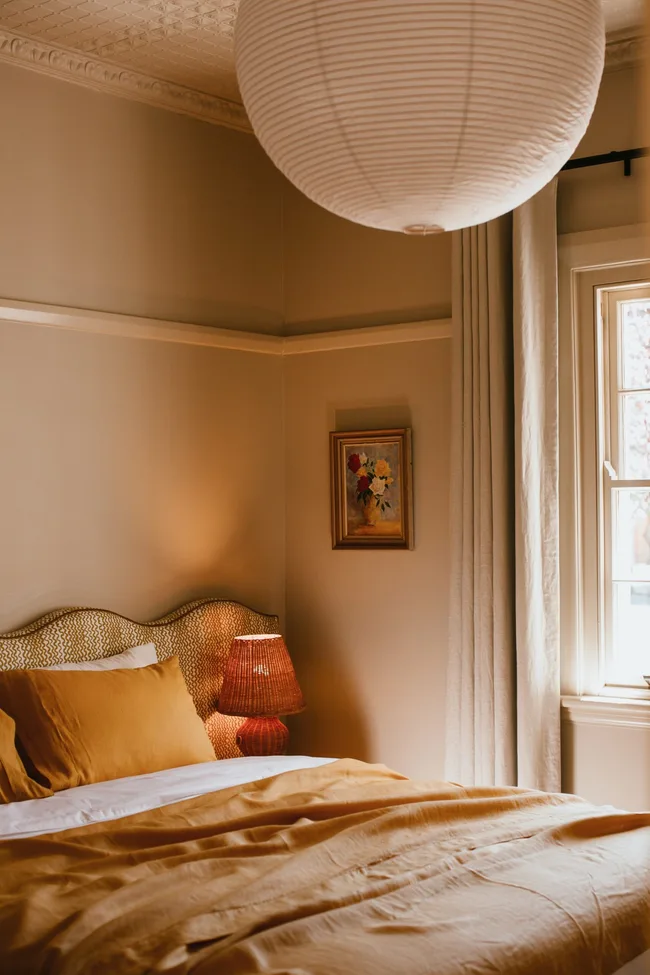
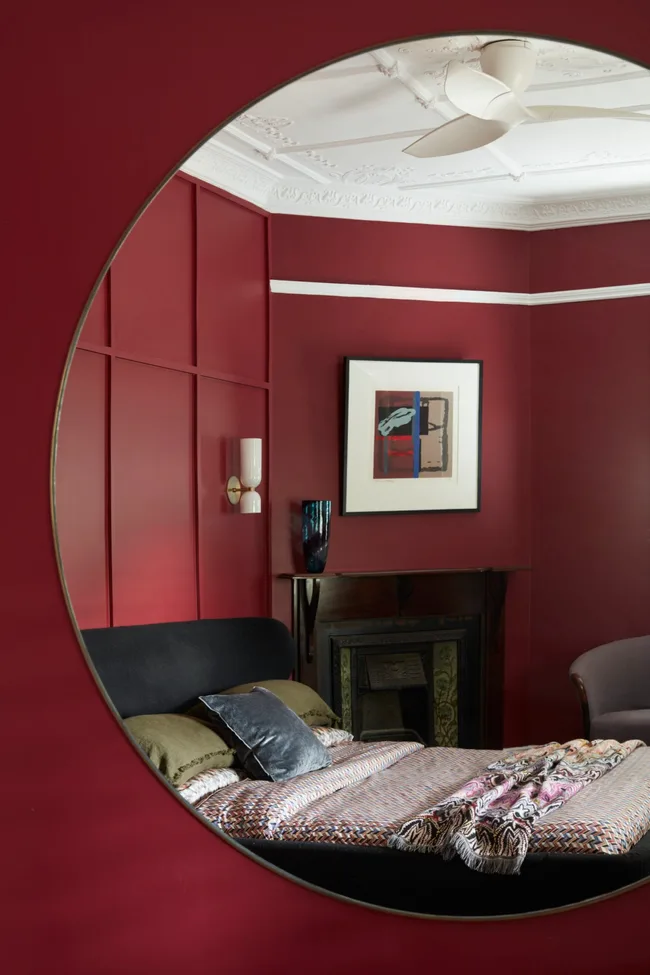
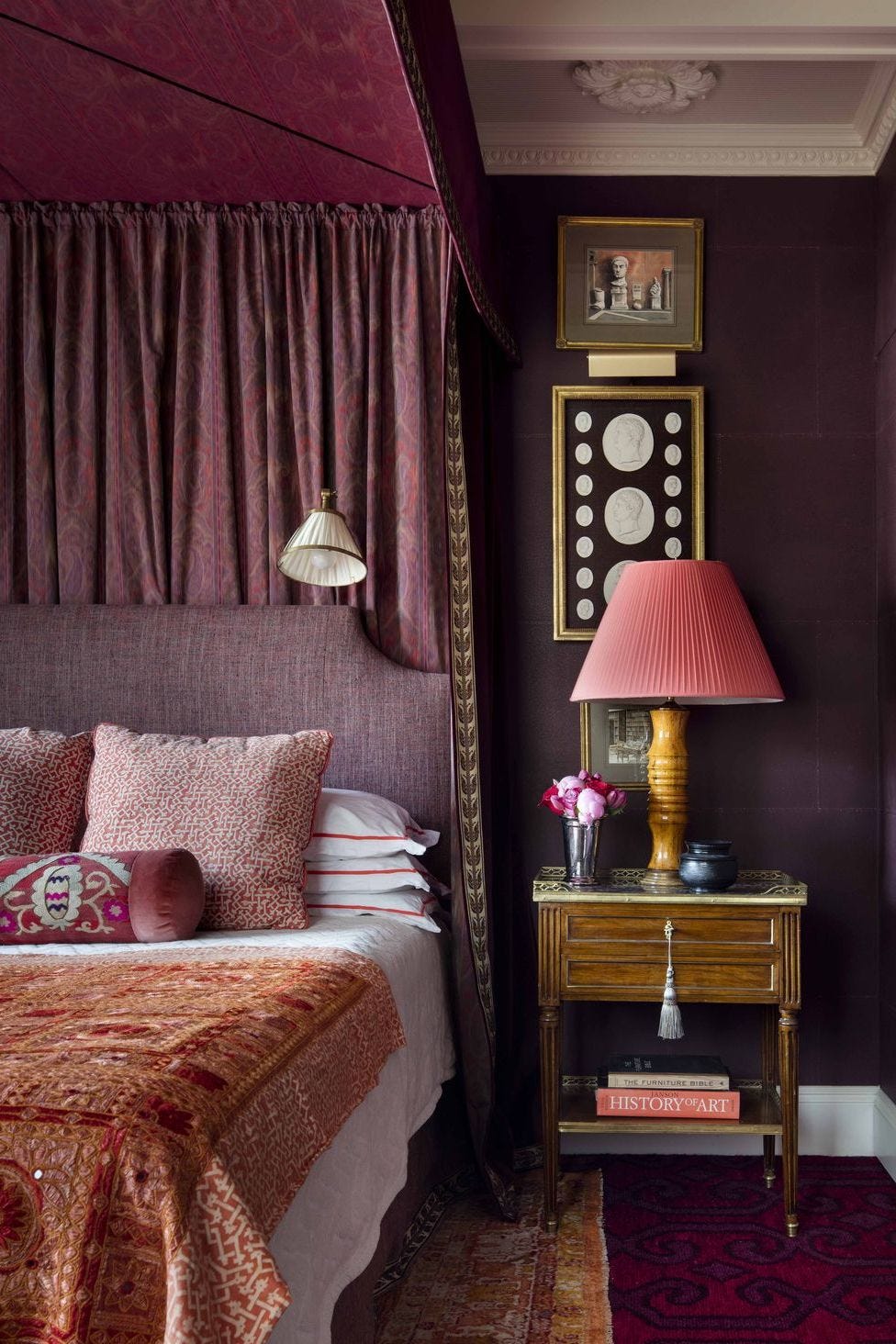
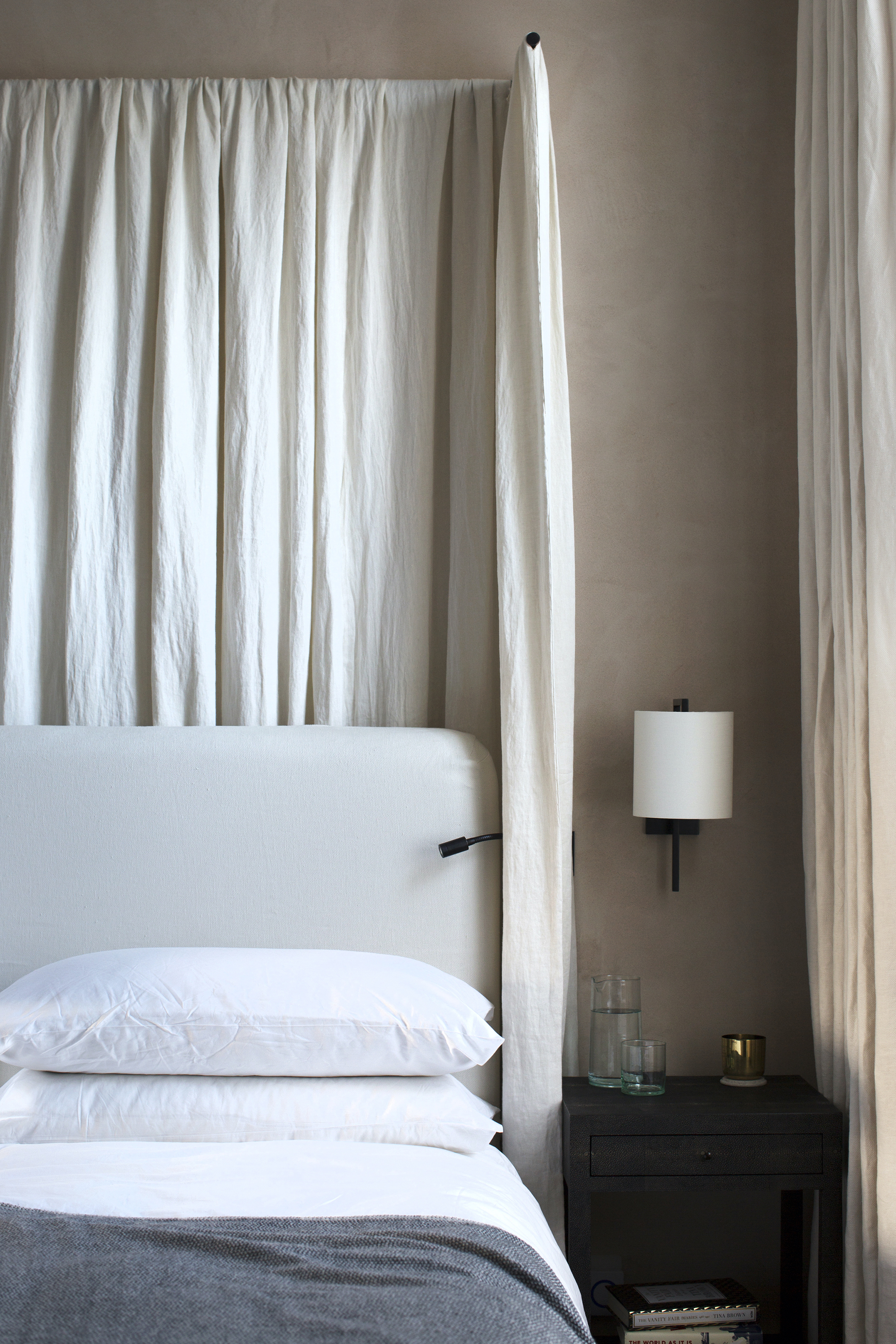
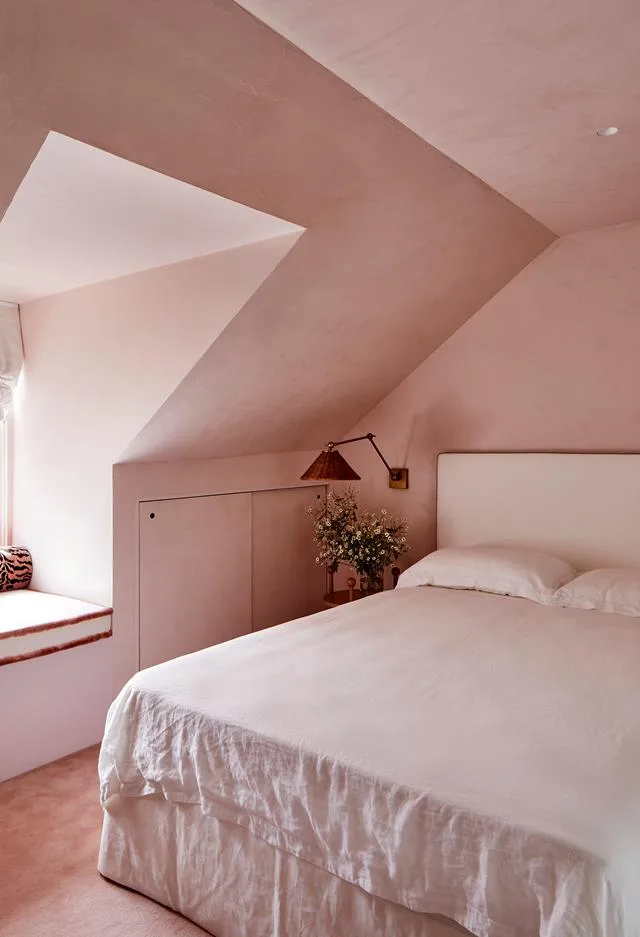
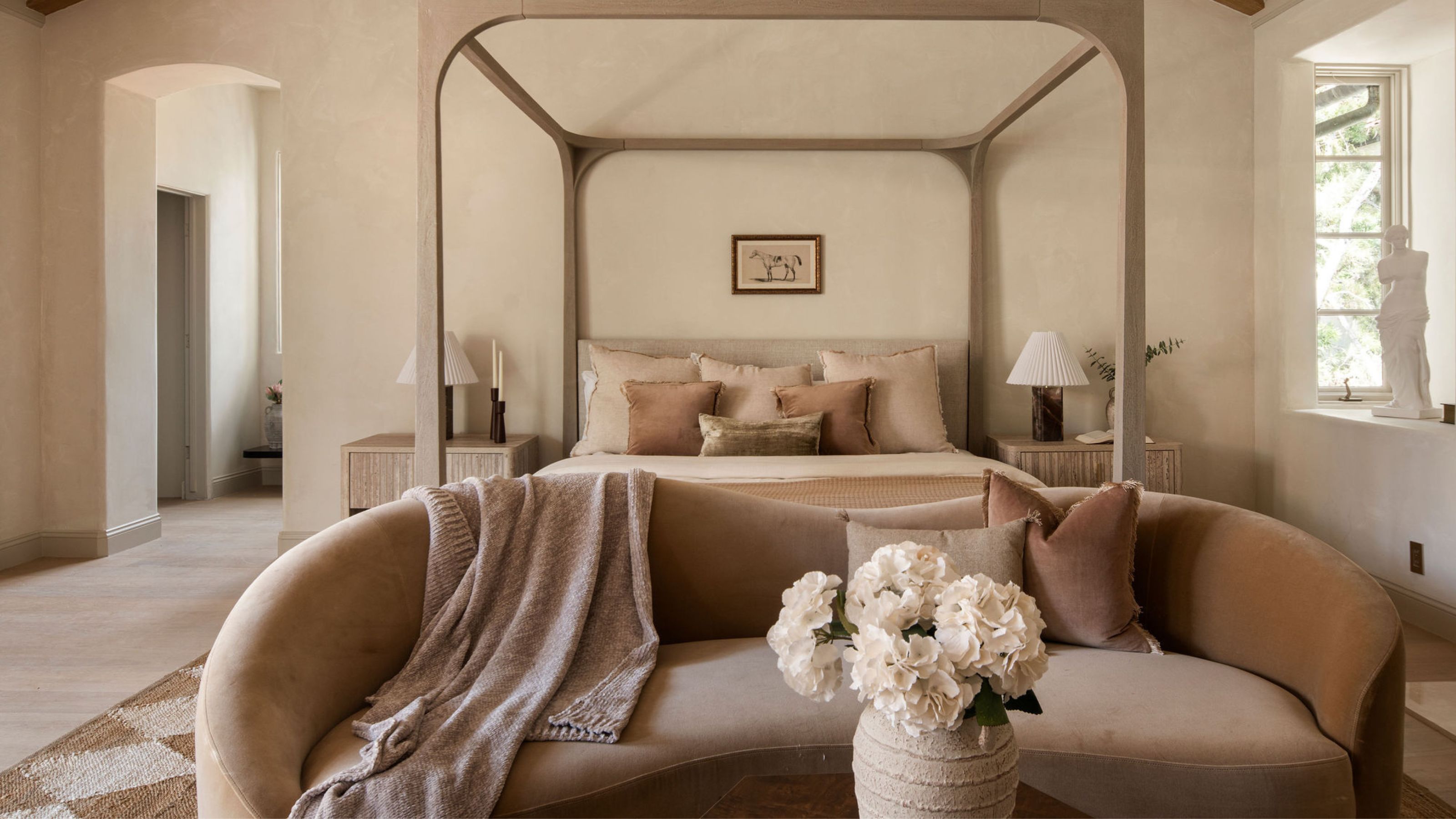
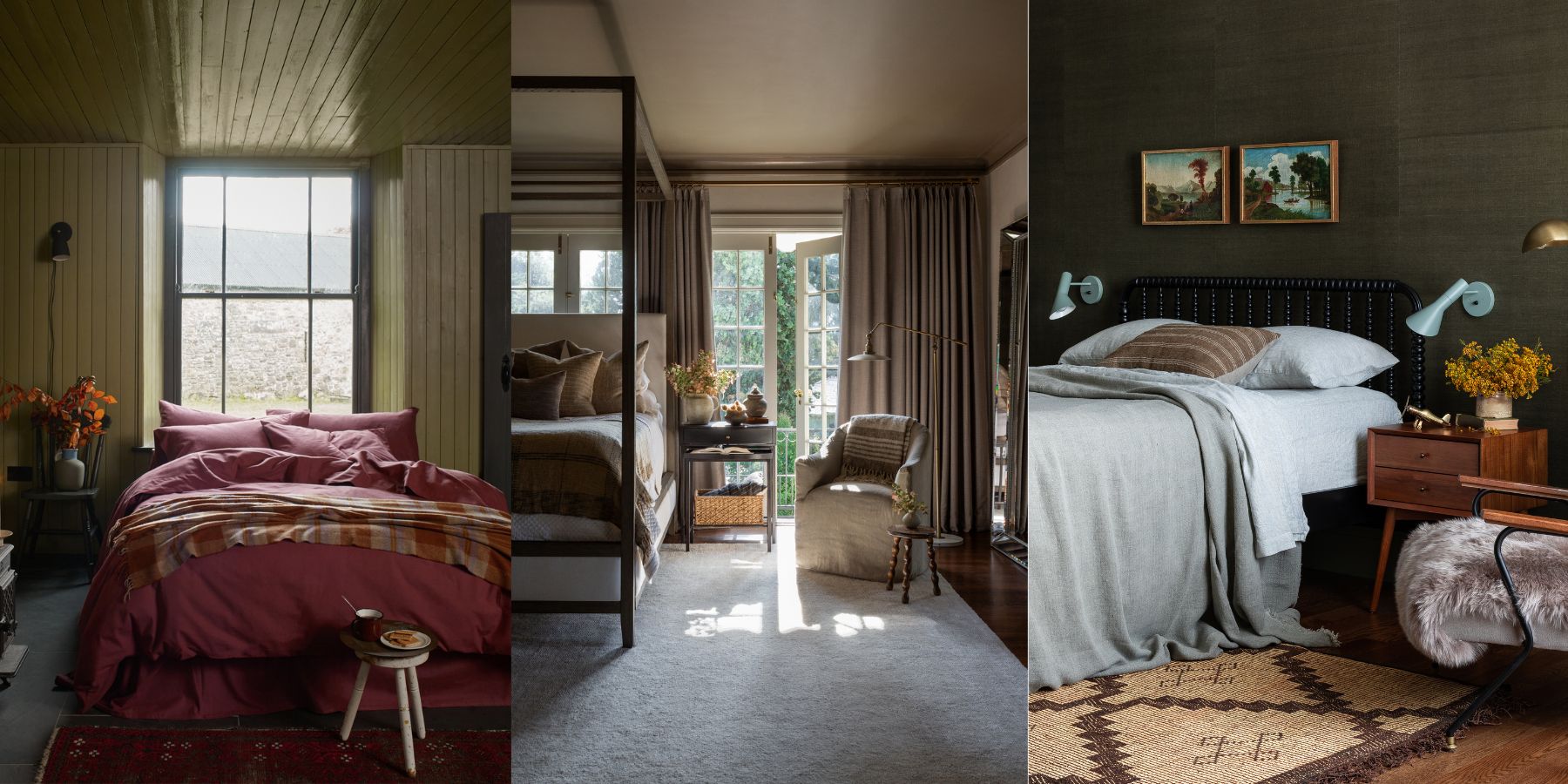
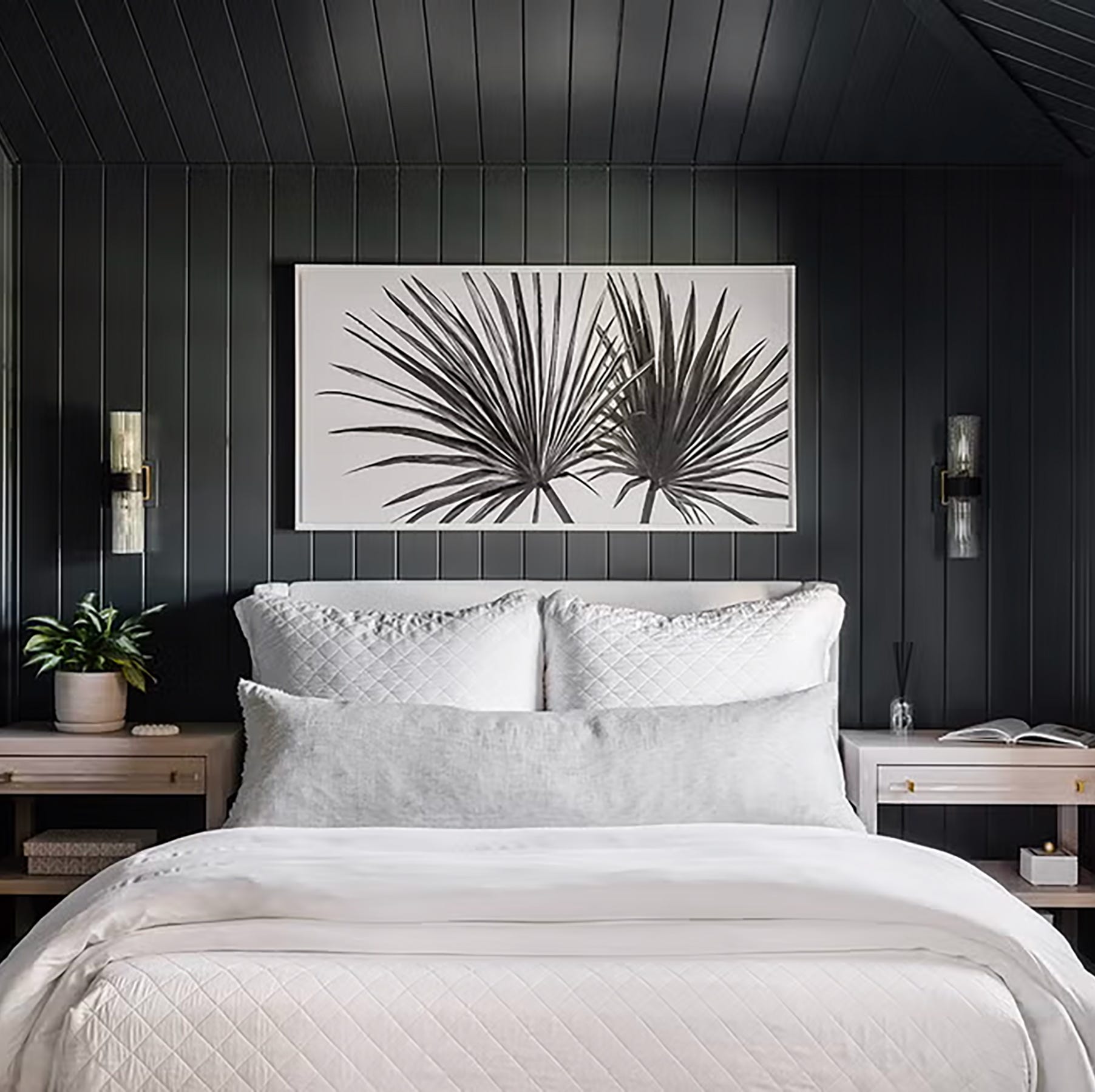
Color drenching, the fourth idea, involves painting the entire space, including walls and ceilings, in a single color to blur boundaries and create a cocooning effect. Andrew Griffiths, founder of A New Day design studio, illustrates this with a pinky-taupe example. Fifth, textured paint, such as limewash or Roman clay, can add visual movement and depth, contributing to a calming effect, as demonstrated by Susana Simonpietri of Chango & Co.
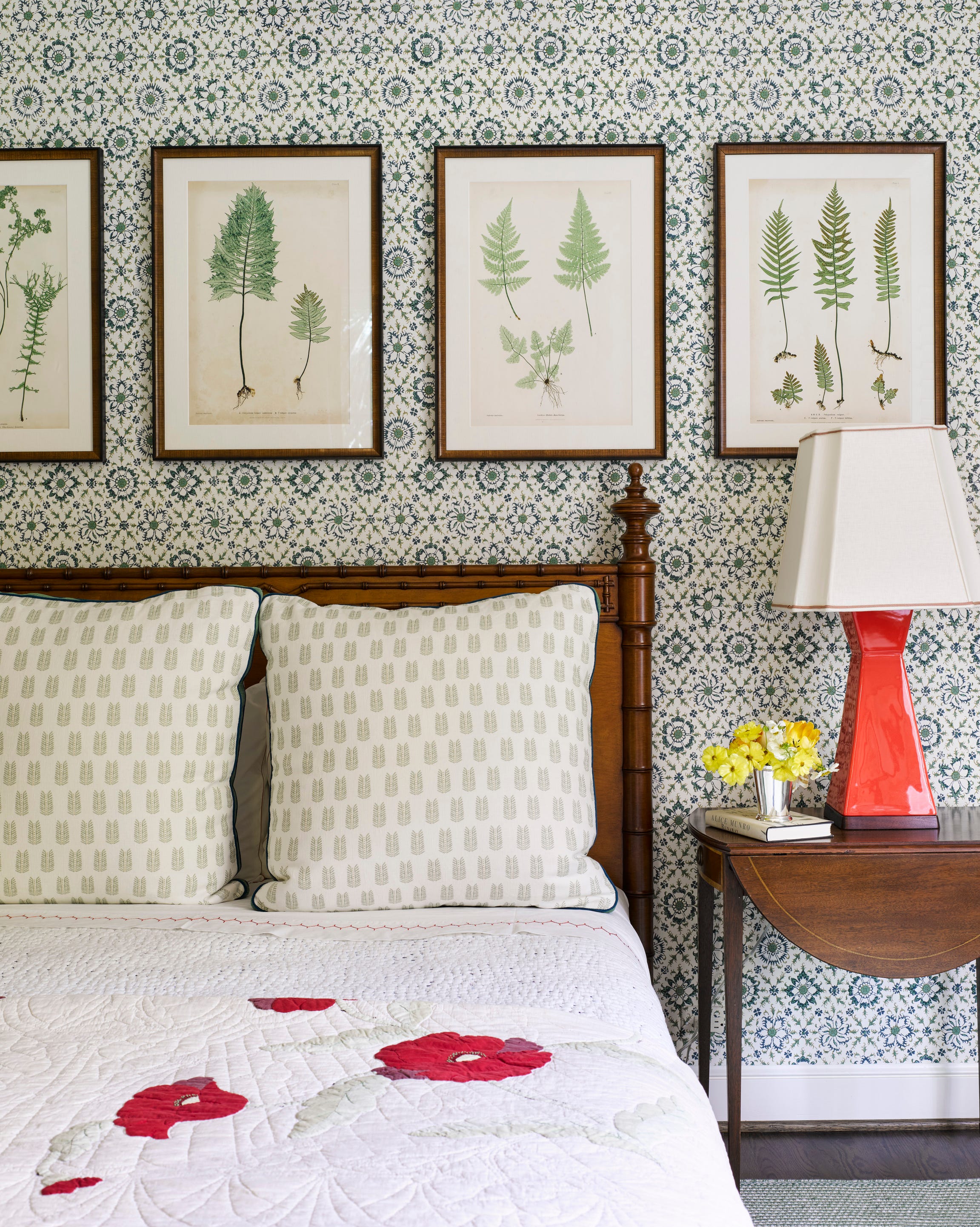
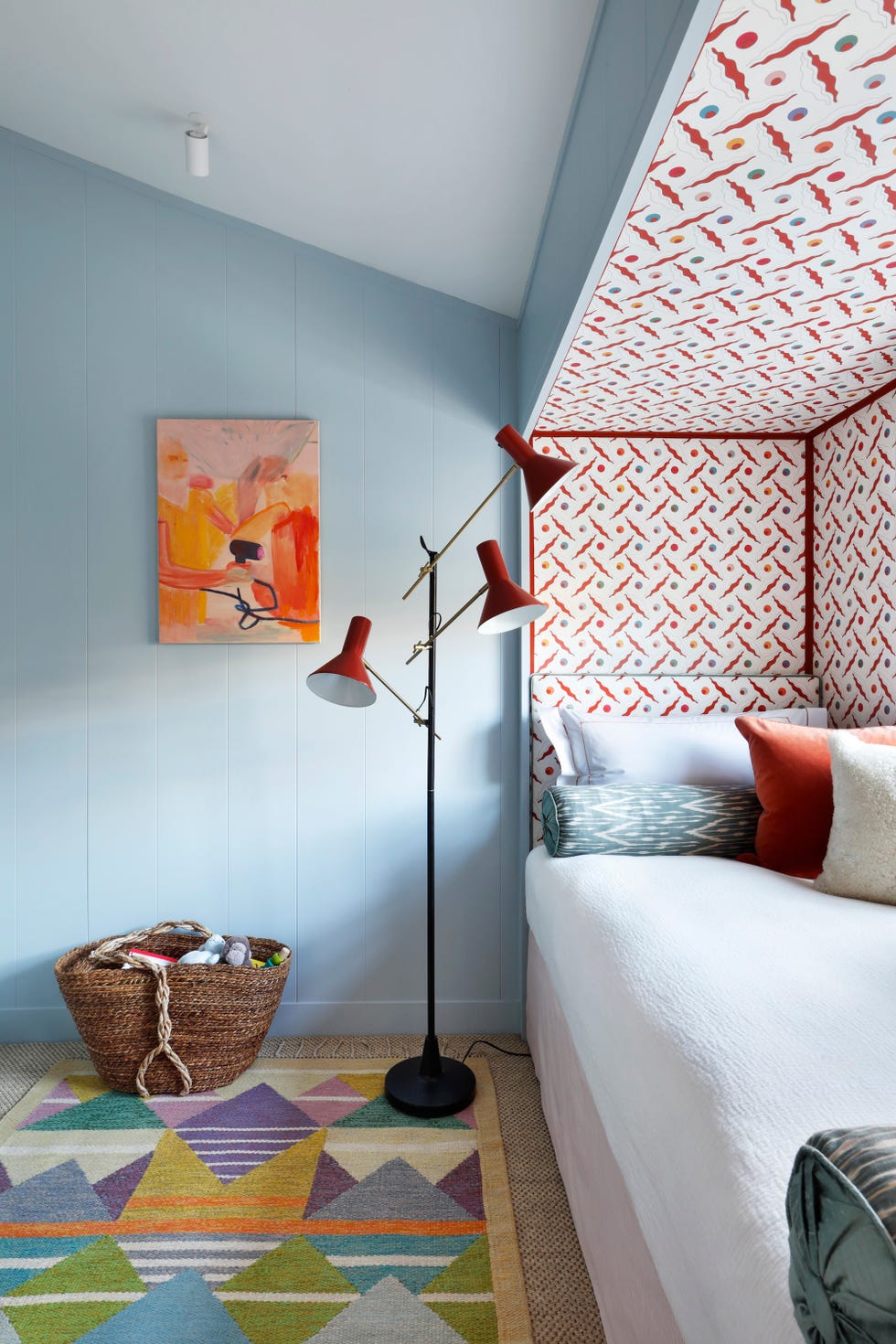
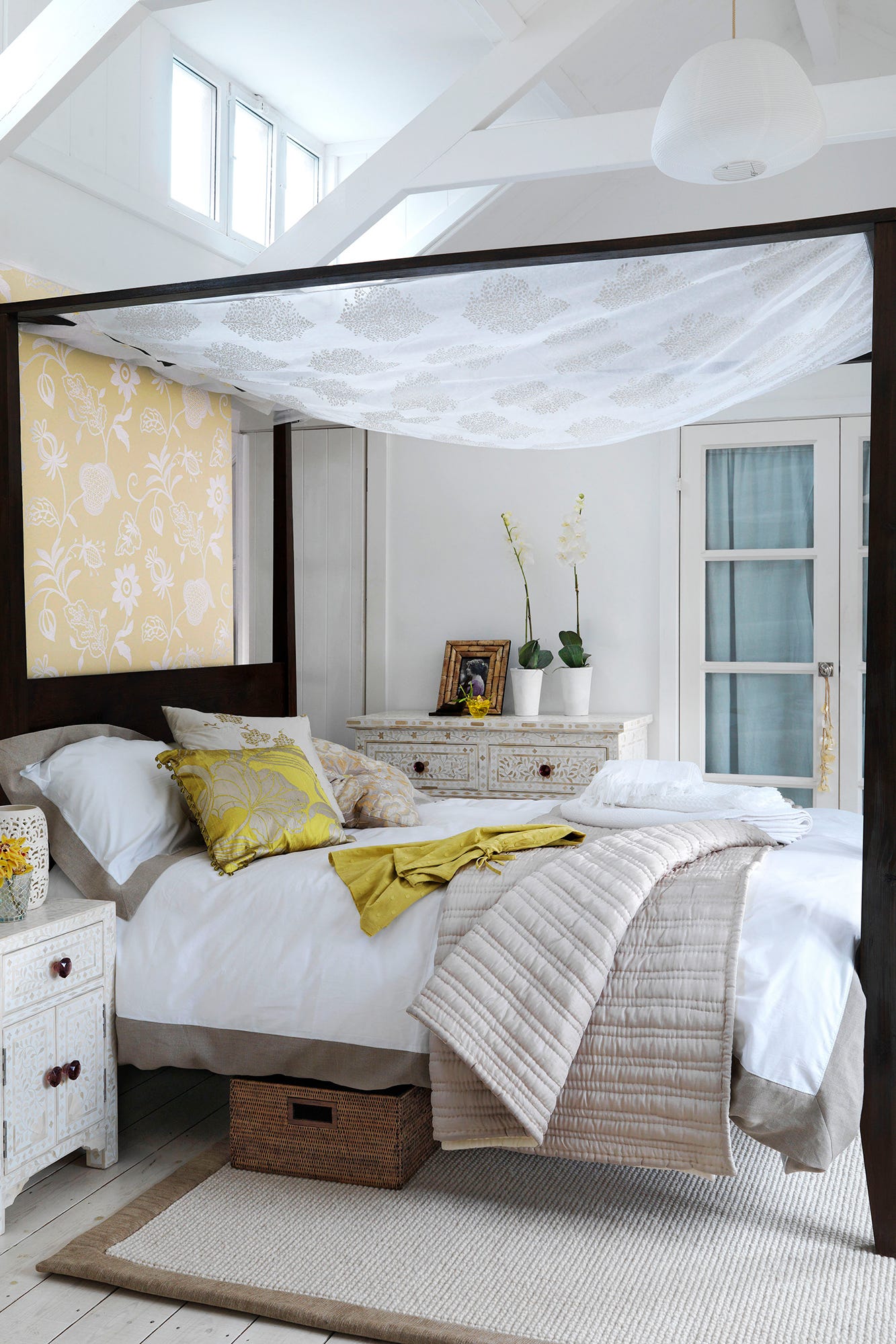
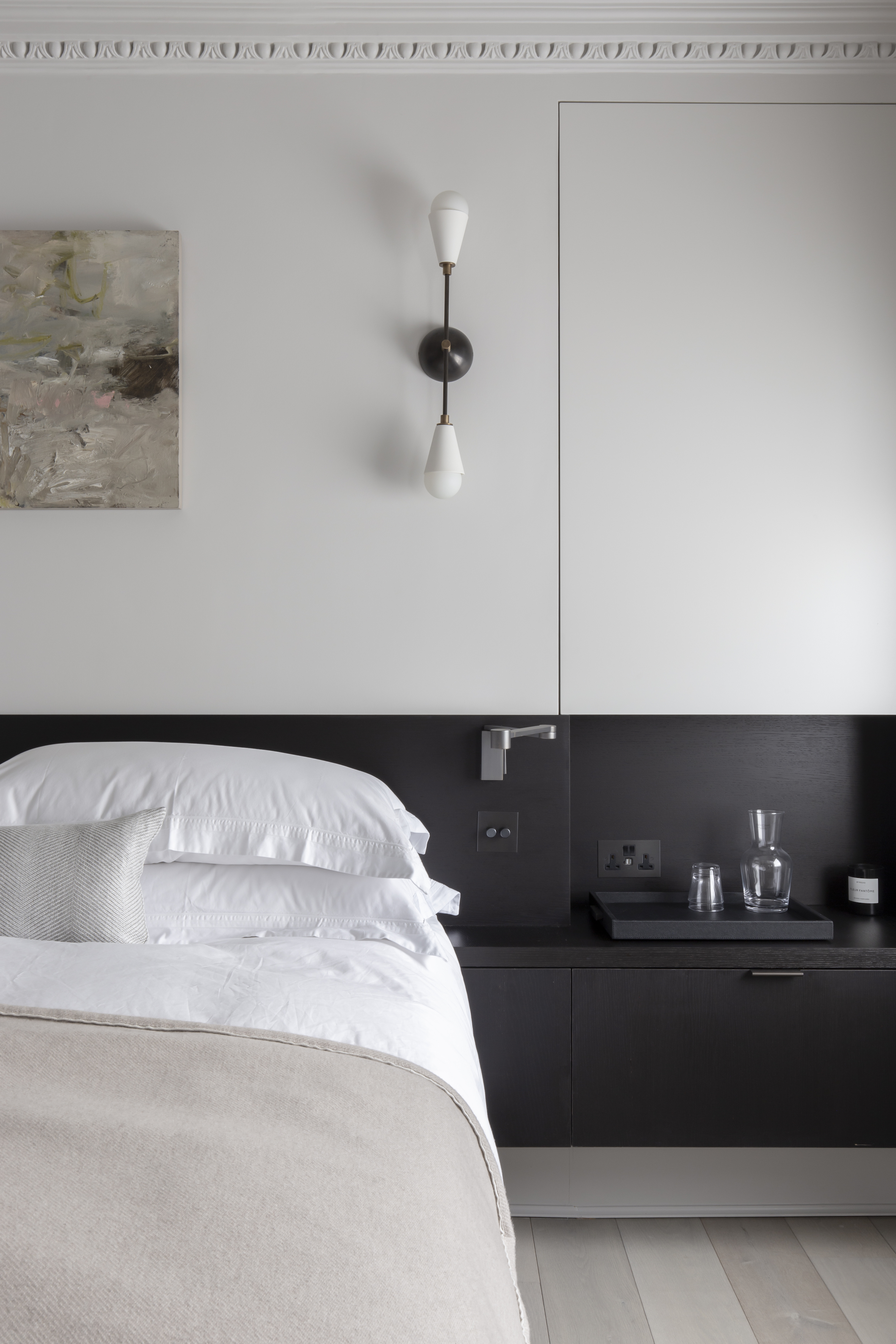
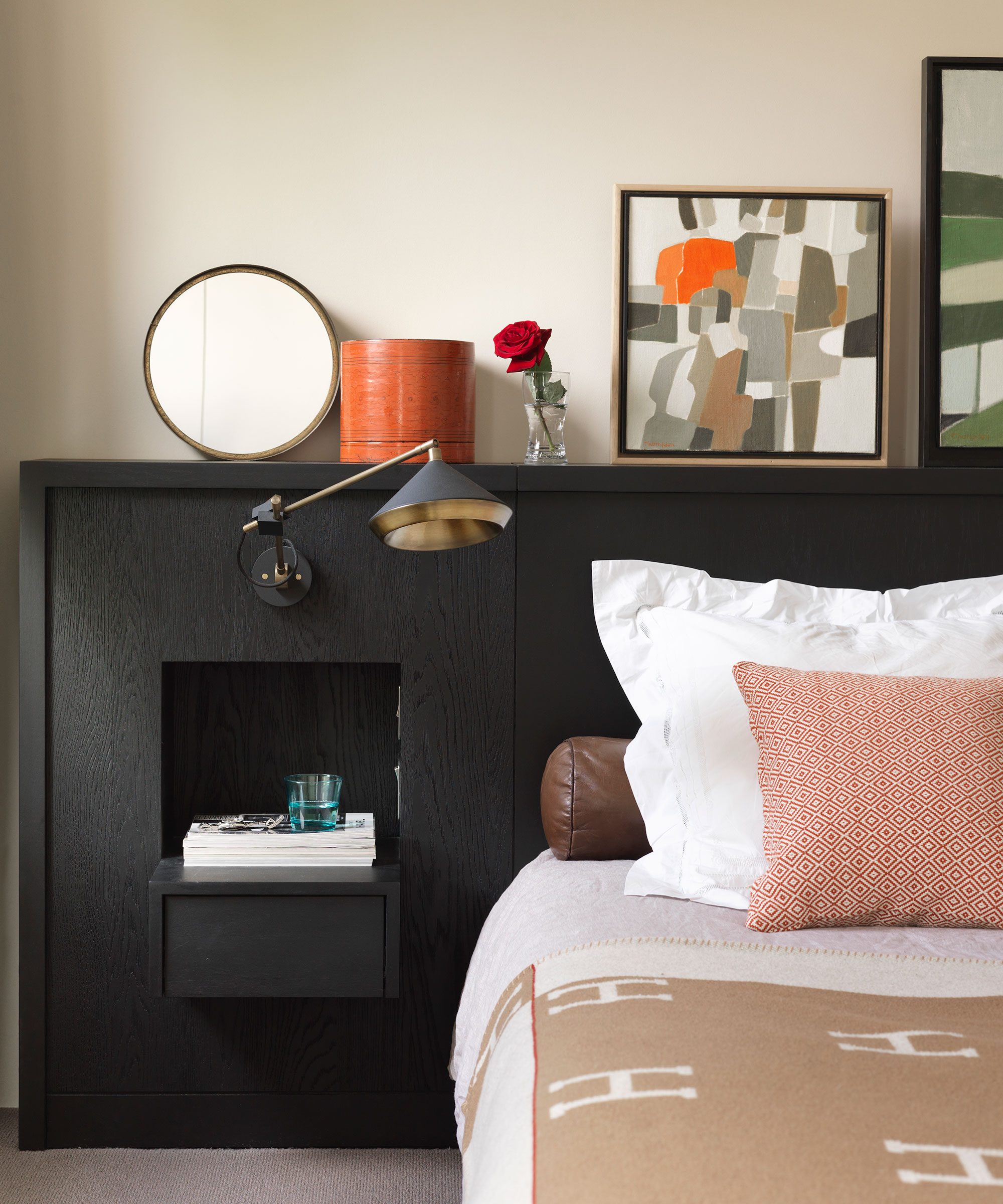
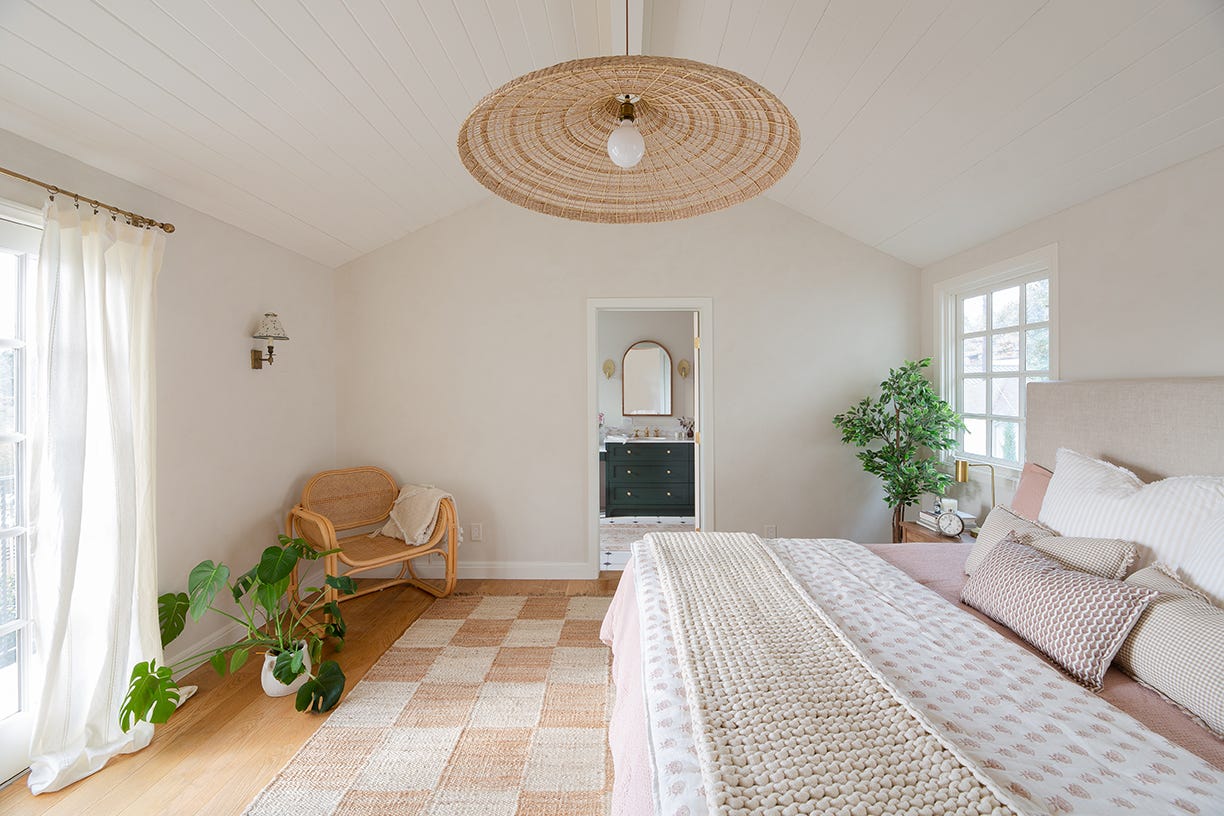
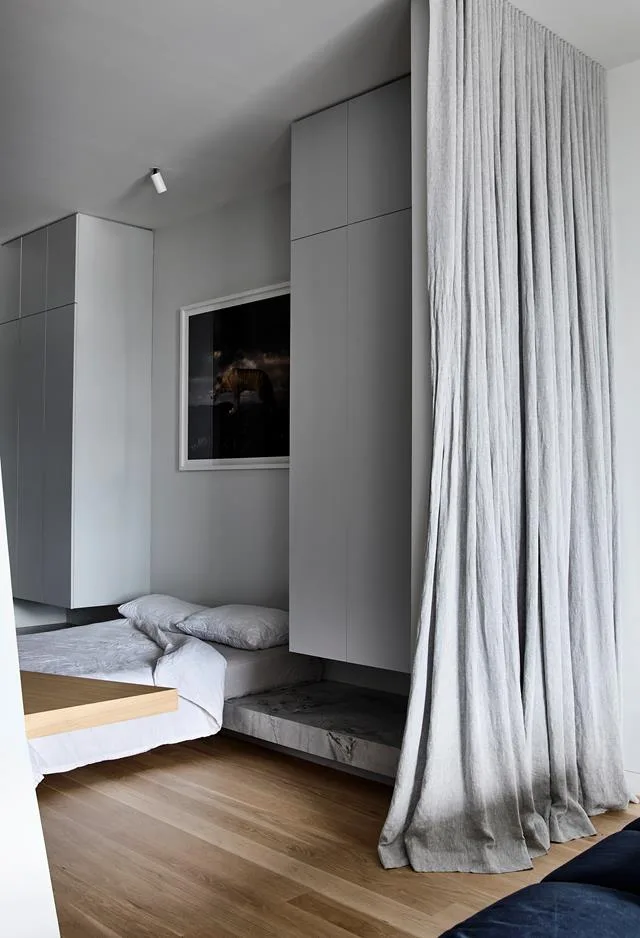
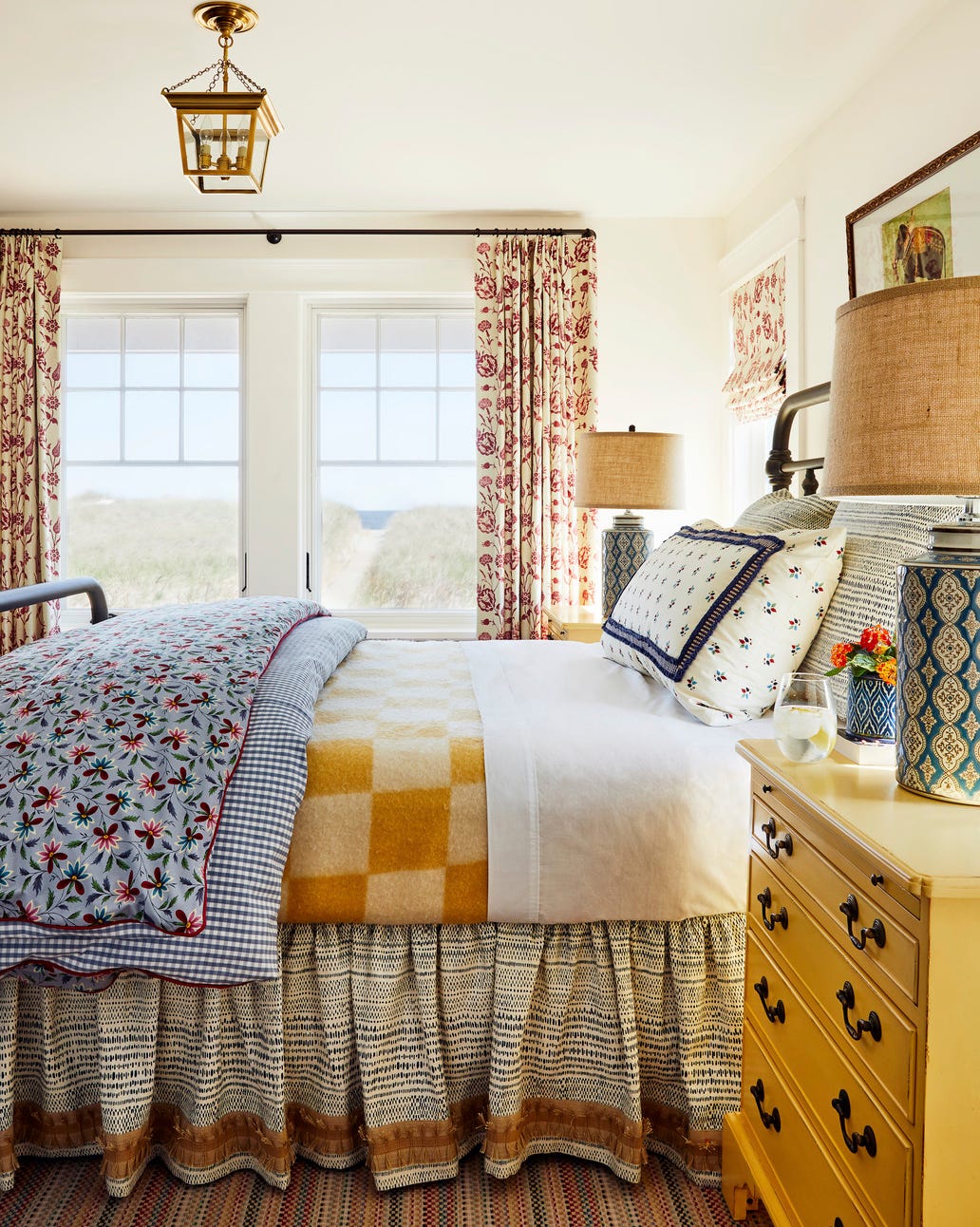
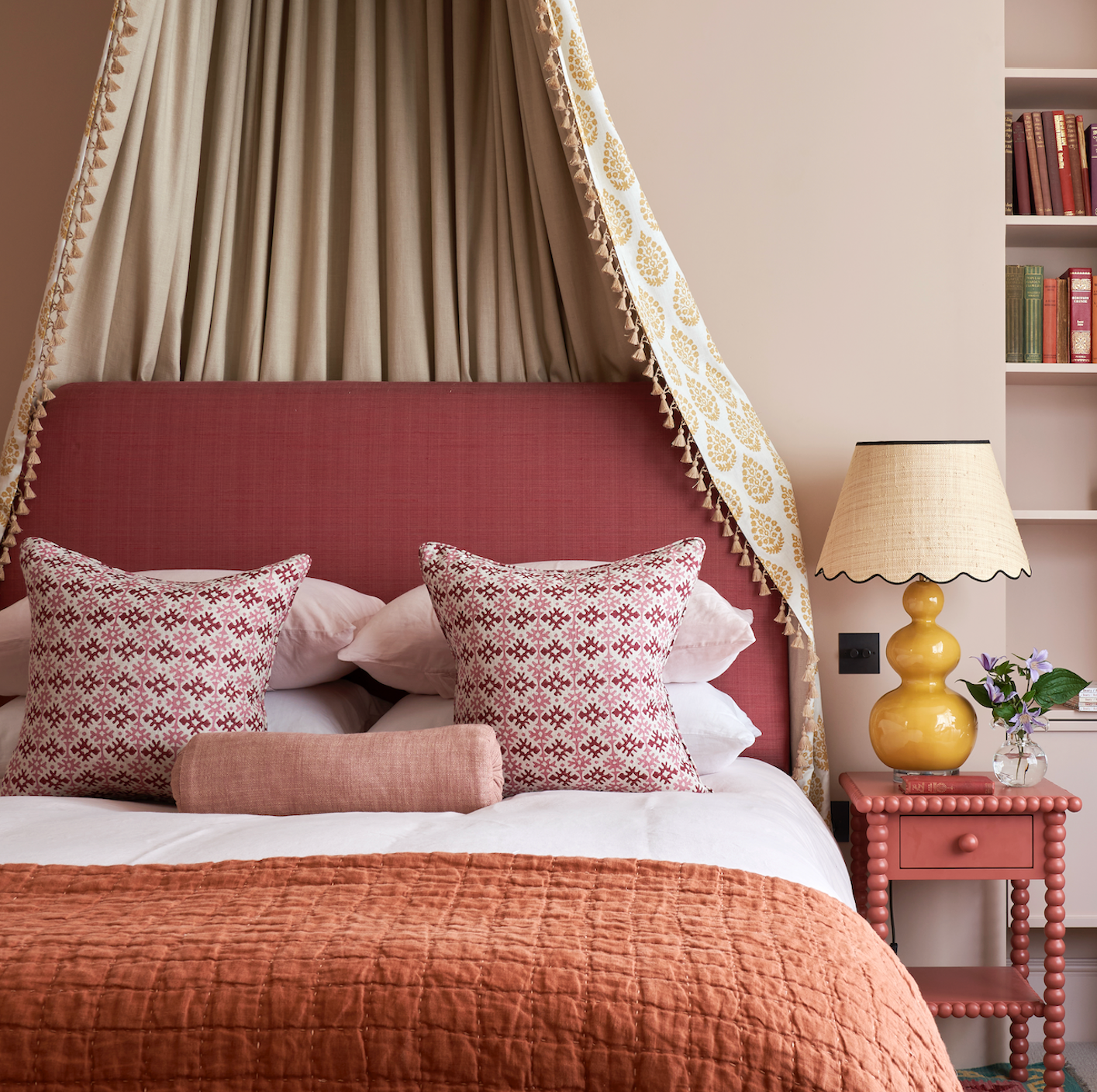
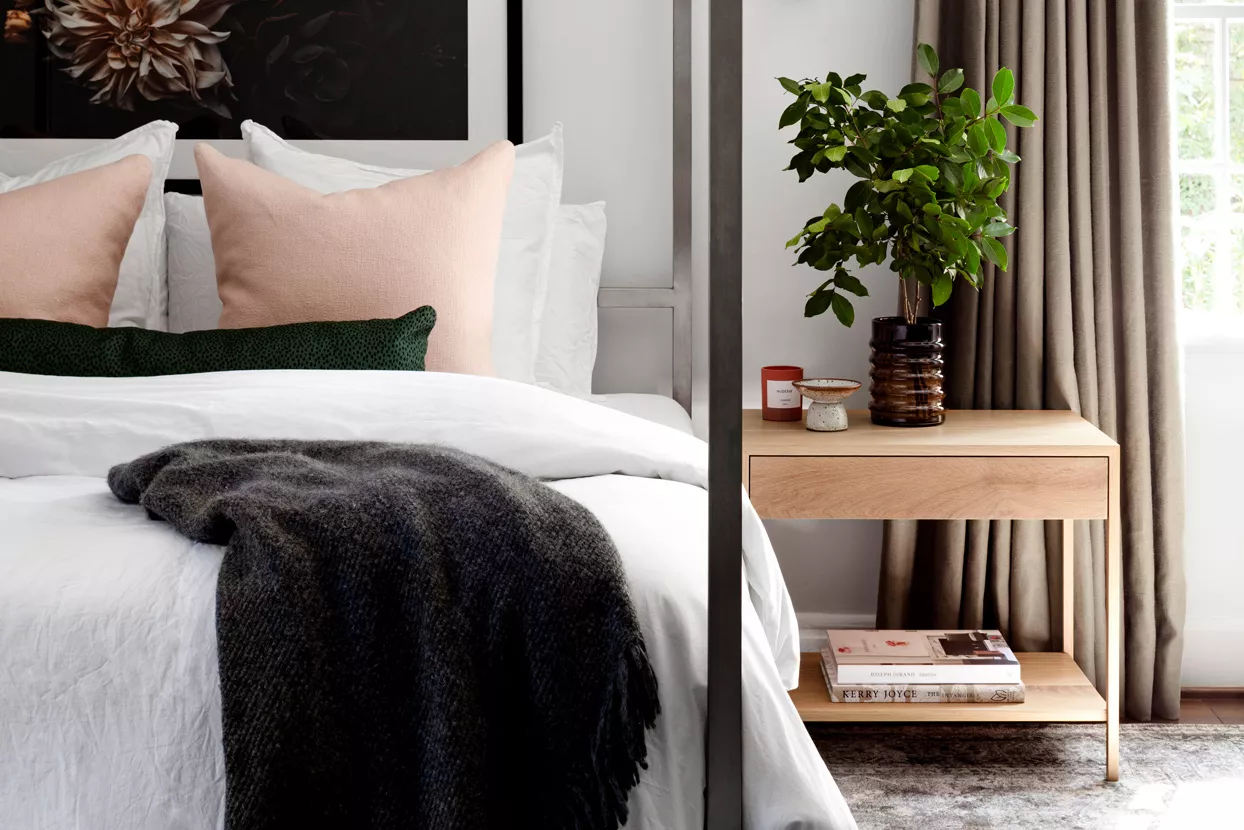
The importance of soft lighting is reiterated, emphasizing the use of ambient light, candles, bedside lamps, and dimmable overhead lighting to create an intimate and serene atmosphere. Tactile lamp shades made from natural materials like seagrass or water hyacinth are suggested to further soften the lighting scheme and add warmth. A layered lighting scheme with multiple light sources at different heights, such as table lamps, wall sconces, and floor lamps, helps achieve a soft, diffused glow. Introducing patterns, like plaid and tweed, can add richness and depth, especially when replicated across different elements like headboards and pillows, as seen in Kit Kemp's design. Softening the space with a bed canopy, whether in neutral or patterned fabrics, creates instant intimacy and coziness, as shown by Howark Design. Lastly, making the bed the focal point with high-quality bedding, luxurious throws, and decorative pillows is crucial. Jen and Mar from Interior Fox suggest a less-is-more approach with an edited selection of pillows and a textured throw. Martin Waller recommends layering rugs for added warmth and interest, or considering bedroom carpet for a soft underfoot experience, particularly relevant for a room where one often walks barefoot. #CozyBedroom #InteriorDesign #HomeDecor #Texture #LightingDesign #PaintColors #BedroomIdeas #FengShui #Hygge #SoftFurnishings
0 comment in total
 No comments yet
You may also like

12 stylishly cosy bedroom ideas to steal this winter

12 bedroom decor ideas we love – from relaxing colour palettes to lessons in layering

Cool bedroom ideas – 11 schemes that blend style with comfort


28 Guest Bedroom Ideas for a Cozy, Inviting Space

These Cozy Bedroom Ideas Will Have You Counting Sheep

15 Romantic Bedroom Ideas to Spice Up Your Space

Cozy Up with These Beautiful Bedding Ideas for Every Style

11 cozy corner ideas for every room in the house that make for the perfect spot to curl up in
Winter bedroom ideas – 10 ways to create a warm and cozy sanctuary
11 Easy Ways to Make Your Bedroom Extra Cozy

28 Cozy Bedrooms To Get Some Well Deserved R&R
Bring On the Cozy With These 45 Bedroom Decorating Ideas

16 Best Ways To Your Bedroom Feel Extra Cozy
15 Cozy S.F. Bedrooms That Will Inspire A Revamp

14 dreamy bedroom design ideas to inspire

15 Dreamy Bedroom Design Ideas Where Creativity Meets Comfort


How to Create the Best Kind of Cozy Space: a Room That’s Like a Hug (Published 2024)
How to Turn Your Bedroom Into a Cosy Retreat
11 cozy living room ideas that are perfect for hibernation season

Make Your Bedroom the Ultimate Spot to Unwind with Our 8 Cozy Furniture Picks