1/2
Planning a city with conflicting values? No problem!
Increasing urbanization presents significant challenges in spatial planning, particularly due to the diverse priorities individuals hold regarding public space organization. Rico Herzog, a Master's graduate from the Faculty of TPM, addressed this complexity in his thesis by mapping value conflicts within urban settings and developing a model to manage them. His aim is to assist decision-makers in making more informed urban planning choices. The UN predicts that 70% of the world's population will reside in urban areas by 2050, intensifying the need for liveable and sustainable cities. Herzog highlights that 'liveable' and 'sustainable' are broad terms with varied interpretations, leading to potential conflicts as urban populations grow and diversify.
Previous research has explored what people value in public spaces, but a clear understanding of how these values generate conflicts has been lacking. Herzog emphasizes that insights into value conflicts are crucial for urban planning decision-making. Currently, urban planners often struggle to articulate a city's core values because they do not adequately consider citizen perspectives. This oversight can prolong project timelines for developments such as airports or housing. Herzog posits that this delay is less about inefficient decision-making and more about planners lacking a clear understanding of conflicting values and how to resolve them. His academic background, encompassing Industrial Engineering, Environmental Engineering, and a Master's in Engineering and Policy Analysis, reflects his interest in analyzing complex problems from multiple angles to find solutions. He notes that value conflicts are also present in daily life, such as choosing between cycling for health and environmental benefits versus driving for comfort, but his research focuses on macro-level conflicts like balancing nature protection with economic growth.
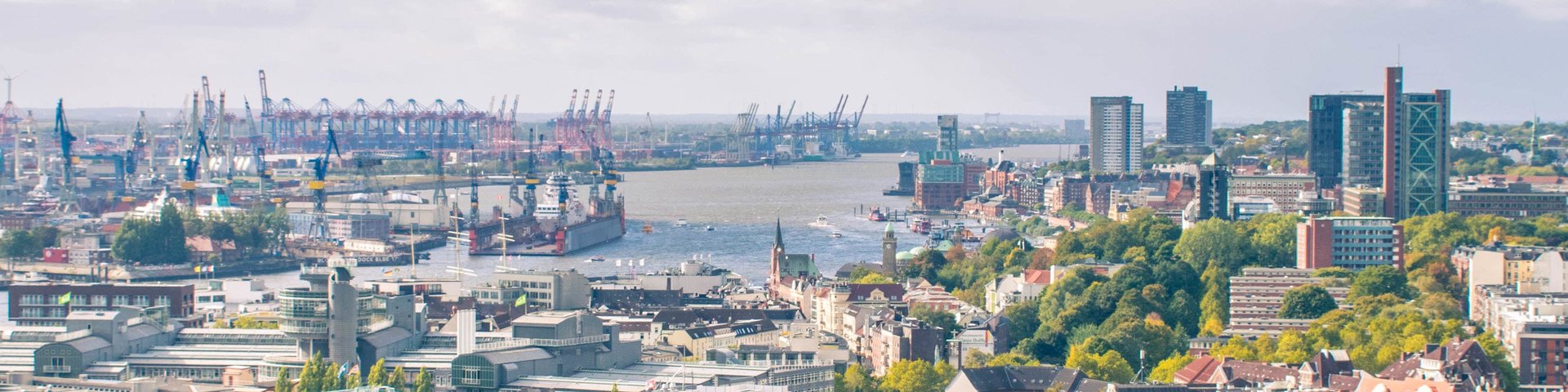
To comprehensively understand urban value conflicts, Herzog conducted research in Hamburg, Germany, a city known for its high level of citizen participation. Hamburg's digital platform allows residents to express their preferences for city districts, such as a desire for more nature, social housing, or peace and quiet. The public availability of this data, while ensuring privacy, provided a robust starting point for his study. Hamburg's projected population growth from 1.8 million to 2 million in the next 15 years, along with significant housing plans in the Hafen City development, further underscored its relevance as a research site. Herzog integrated both quantitative data from over 4,500 citizen contributions on the participation platform and qualitative data from interviews with local urban planners. The planners offered valuable insights into the specific values and conflicts prevalent in various city districts, compensating for potential biases in the platform data, which could be submitted by non-residents.
Herzog employed Natural Language Processing (NLP), specifically Structural Topic Modeling (STM), to analyze the extensive text data efficiently. STM identifies individual terms and links them to similar topics, such as connecting 'insects,' 'trees,' and 'green' to 'ecology,' or 'zebra crossing,' 'danger,' and 'traffic' to 'safety.' This analysis resulted in five core value clusters: social equality, ecology, the economy, health & safety, and liveability. Overlaps between these clusters indicate potential conflicts. He identified several interesting conflicts in Hamburg, such as the tension between ecology and safety, where increased green planting at a playground attracted wasps, posing a hazard to children. Another conflict arose from residents valuing peace and quiet, which, paradoxically, made their district more attractive, leading to increased noise and nuisance. Additionally, the resistance to change from conservative residents often conflicted with other values.
To visualize these conflicts, Herzog developed the 'Public Value Spheres' instrument, which displays values as interlinking or conflicting spheres. This tool helps account for the relational nature of urban space and identifies archetypal conflicts. Herzog acknowledges that most conflicts require compromise rather than simple resolution, sometimes leading to referendums or technological solutions, such as acoustic fences to mitigate noise. He argues that providing citizens with insights into their fellow citizens' values can increase awareness and potentially shift perspectives, facilitating better decision-making. He also suggests that apparent conflicts might not always be as severe as they seem, recommending further research into the underlying reasons for specific value advocacy to enhance understanding. The Public Value Spheres tool has global applicability, particularly in the Global South, where rapid population growth, urbanization, and climate change effects present immense urban planning challenges. Herzog emphasizes the importance of local authorities creating platforms for citizen engagement, citing Brazil as a historical example of institutionalized citizen participation. Herzog received a perfect score for his Master's thesis and was recognized as the best graduate in the Faculty of TPM, praised for his innovative combination of research methods and the practical utility of his developed tool.
#UrbanPlanning #ValueConflicts #SpatialPlanning #CitizenParticipation #UrbanizationChallenges #NaturalLanguageProcessing #PublicValueSpheres #SustainableCities #PolicyAnalysis #UrbanPlanning #ValueConflicts #SpatialPlanning #CitizenParticipation #UrbanizationChallenges #NaturalLanguageProcessing #PublicValueSpheres #SustainableCities #PolicyAnalysis
0 comment in total
 No comments yet
You may also like
Ten principles for designing vibrant and liveable mixed-use spaces
Are fleeting architectural fads marring SLO?

Ten architecture projects by students at the City College of New York
nooyoon proposes flipped houses for the city above the city competition
Say Yes to New Housing—Before Anyone Even Asks To Build It
Bayview Parks Open Space Plan
Urban planning theory is ripe for a revamp, as ‘2040’ court decision and the pandemic show

Universal Design: The Essential Tool for Intergenerational Communities
The Dark Side of Historic Preservation


Courtyard Urbanism: Mixing the Best Parts of the City and the Suburb
Can Courtyard Blocks Make Cities More Family Friendly?
Thesis Project: Urban Roots
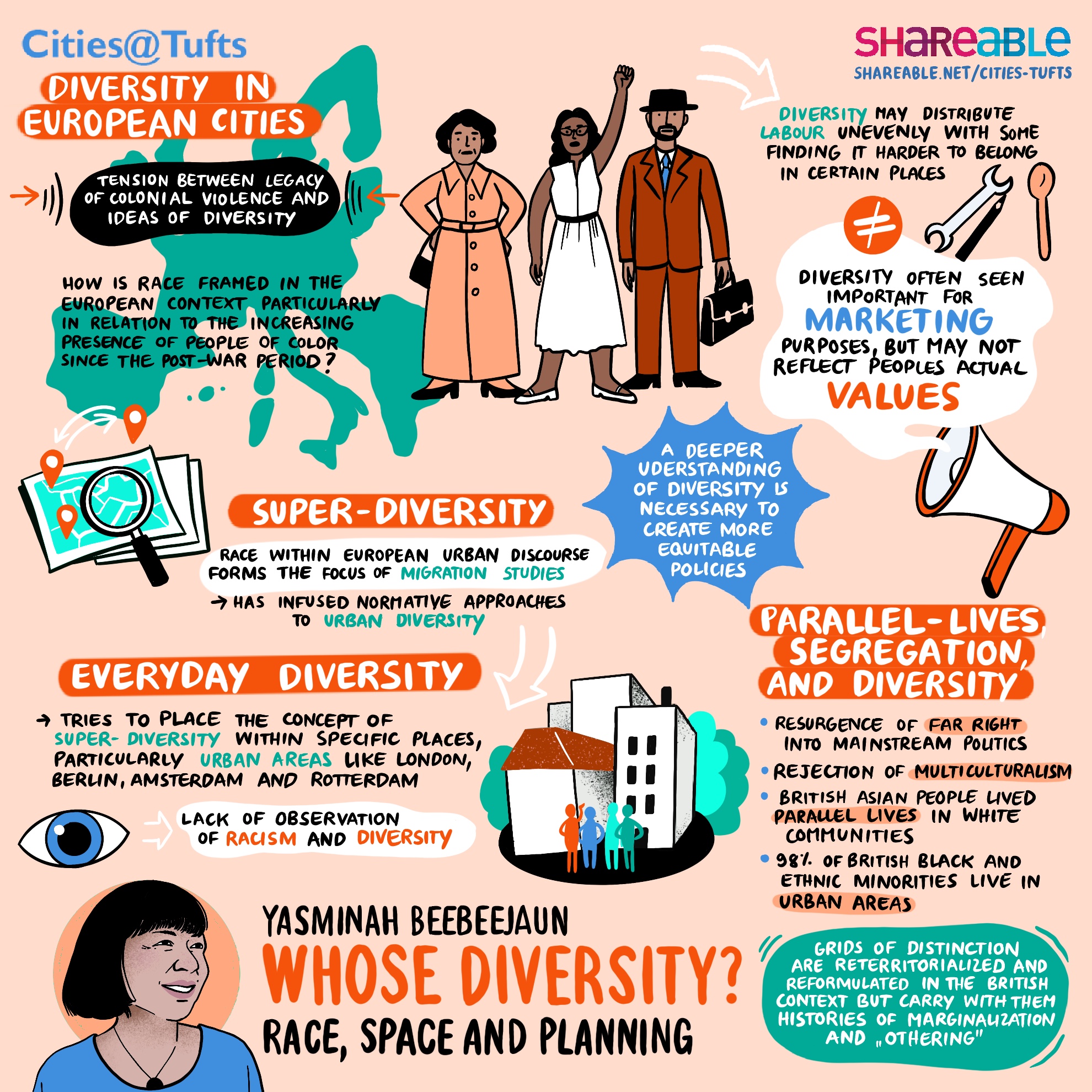
Yasminah Beebeejaun: Whose diversity? Race, space, and planning

Building Change: World Green Infrastructure Congress 2024
Championing Chief Architects
Planning and Land Use
Disability-Forward Design Across Multiple Cities

Strategy and design

Discriminatory housing practices in the District: A brief history

Backcasting—a scenario approach in urban climate adaptation planning | npj Urban Sustainability