1/7
Review: TikTok-Viral Personal Color Analysis in Seoul, South Korea
The author underwent a personal color analysis in South Korea, a beauty trend popularized on TikTok and within Korean pop culture. The consultation cost $75 and aimed to identify the colors that best suit an individual's complexion and undertones. The trend gained significant traction during the COVID-19 pandemic in Korea, as people sought to understand themselves better, including their personal styling preferences. The author booked a one-hour session with Cocory Personal Color in Seoul, choosing a branch conveniently located near her hotel.
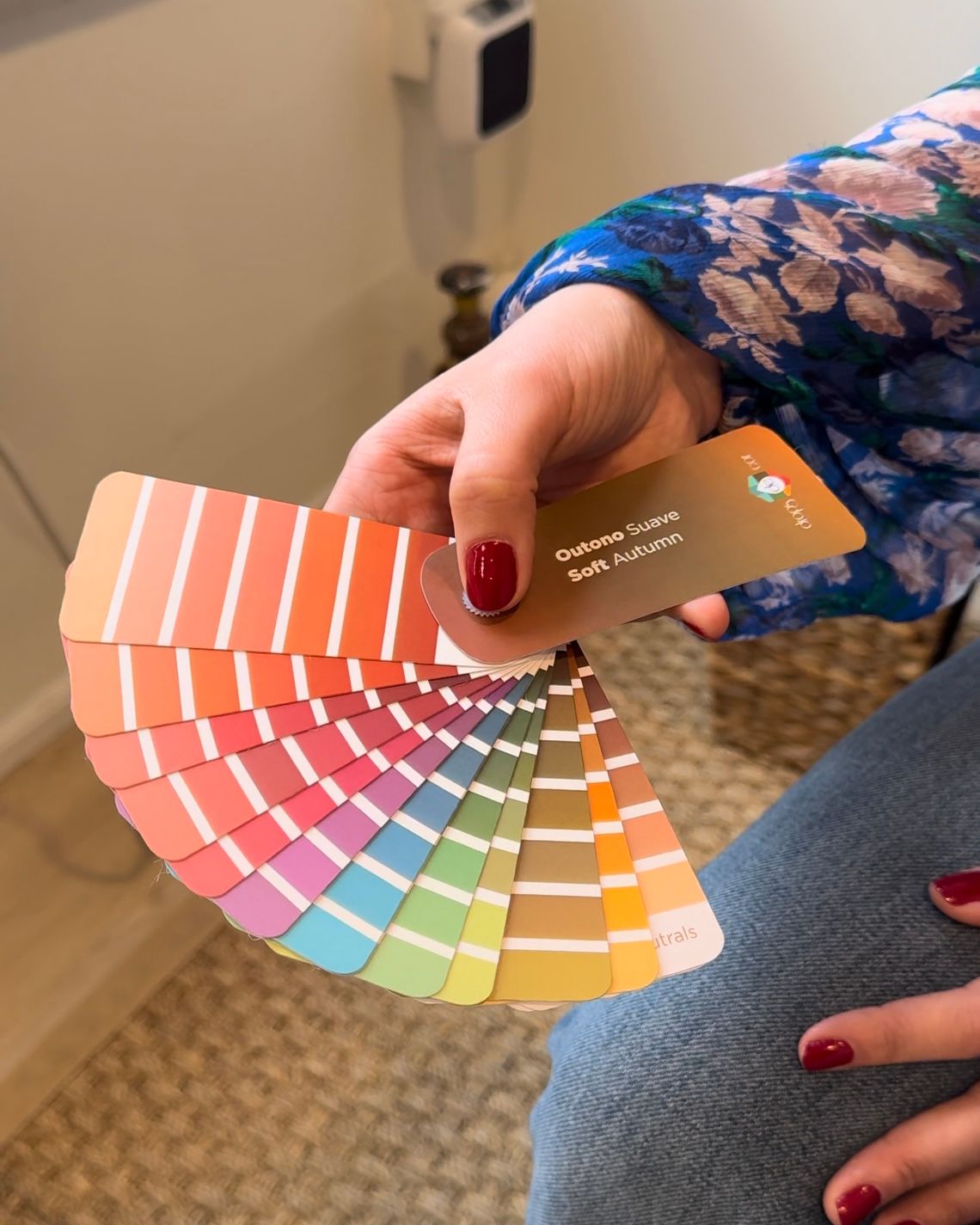
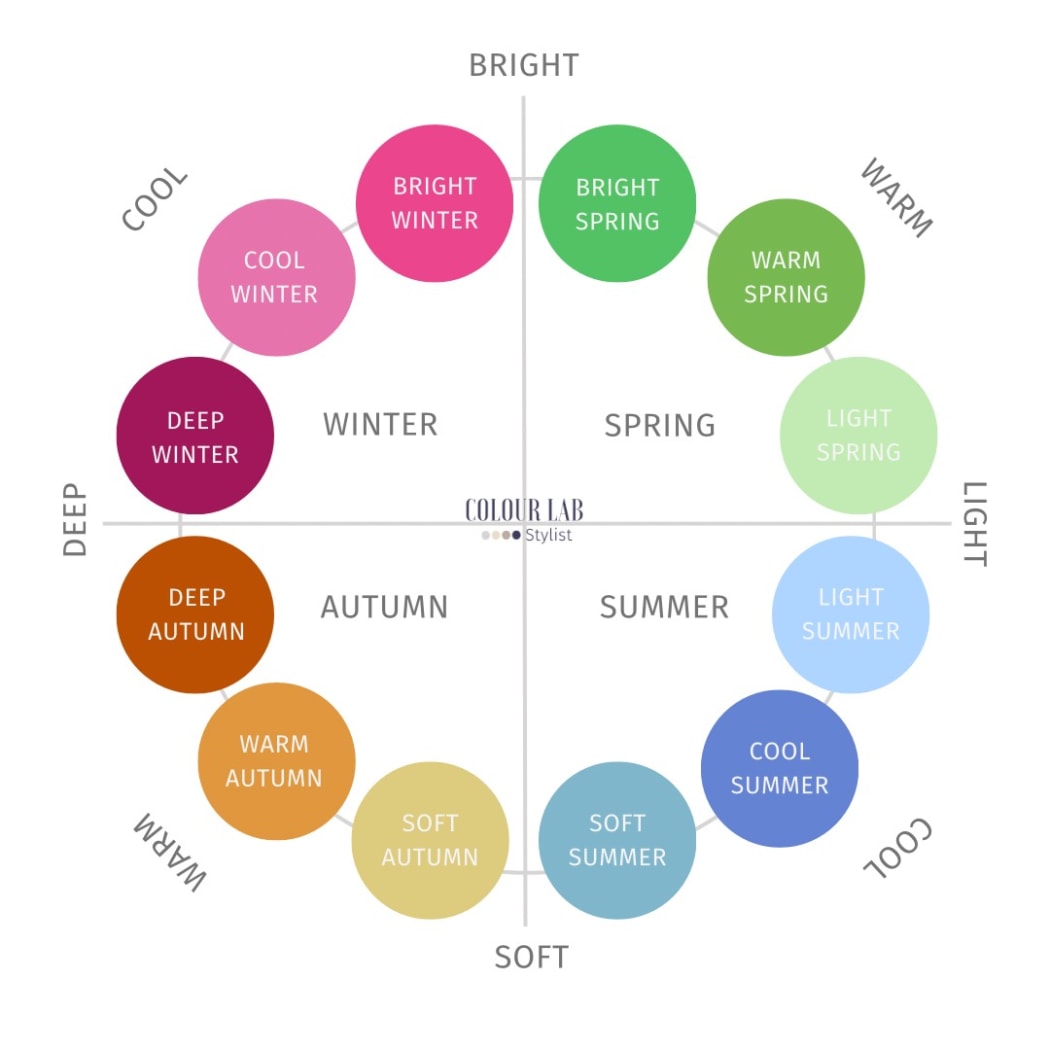
The personal color analysis concept is rooted in the four-season color theory developed by Swiss color and art theorist Johan Itten. This theory classifies colors into four seasons—winter, summer (cool tones), spring, and autumn (warm tones)—which are further divided into three groups based on complexion and undertones. A typical consultation extends beyond identifying seasonal colors to recommending makeup palettes, foundation shades, hair colors, and even jewelry types. The author's consultation began with an introduction to these basic principles by a trained color analyst, who emphasized that personal color isn't fixed but changes with skin tone and image over time, illustrating this with the example of South Korean celebrity Song Hye-kyo.
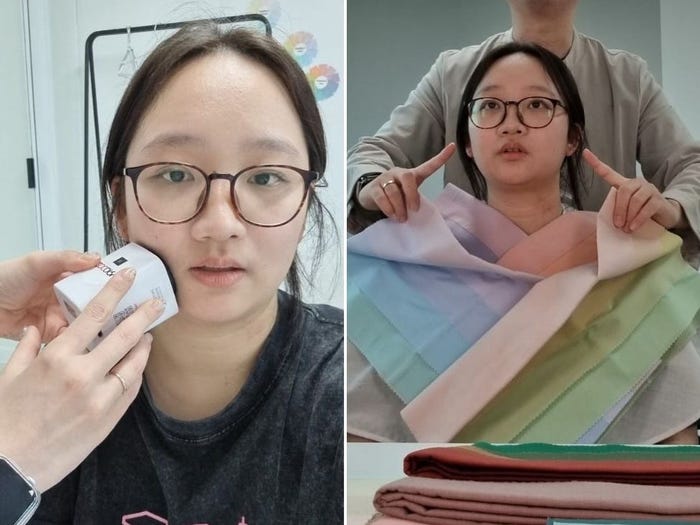
Initially, the author believed herself to be warm-toned and was drawn to autumn palettes. However, a skin spectrometer was used to objectively analyze her undertones. This device breaks down skin color into L, A, and B values, where L represents lightness, A the green-magenta chromatic axis, and B the blue-yellow chromatic axis. The scan, performed on the 'apple zone' (under-eye to cheek area) with and without foundation, revealed a surprising result: the author was classified as a "summer pale" tone, characterized by cool, pastel hues, which contrasted sharply with her self-perceived warm tones.
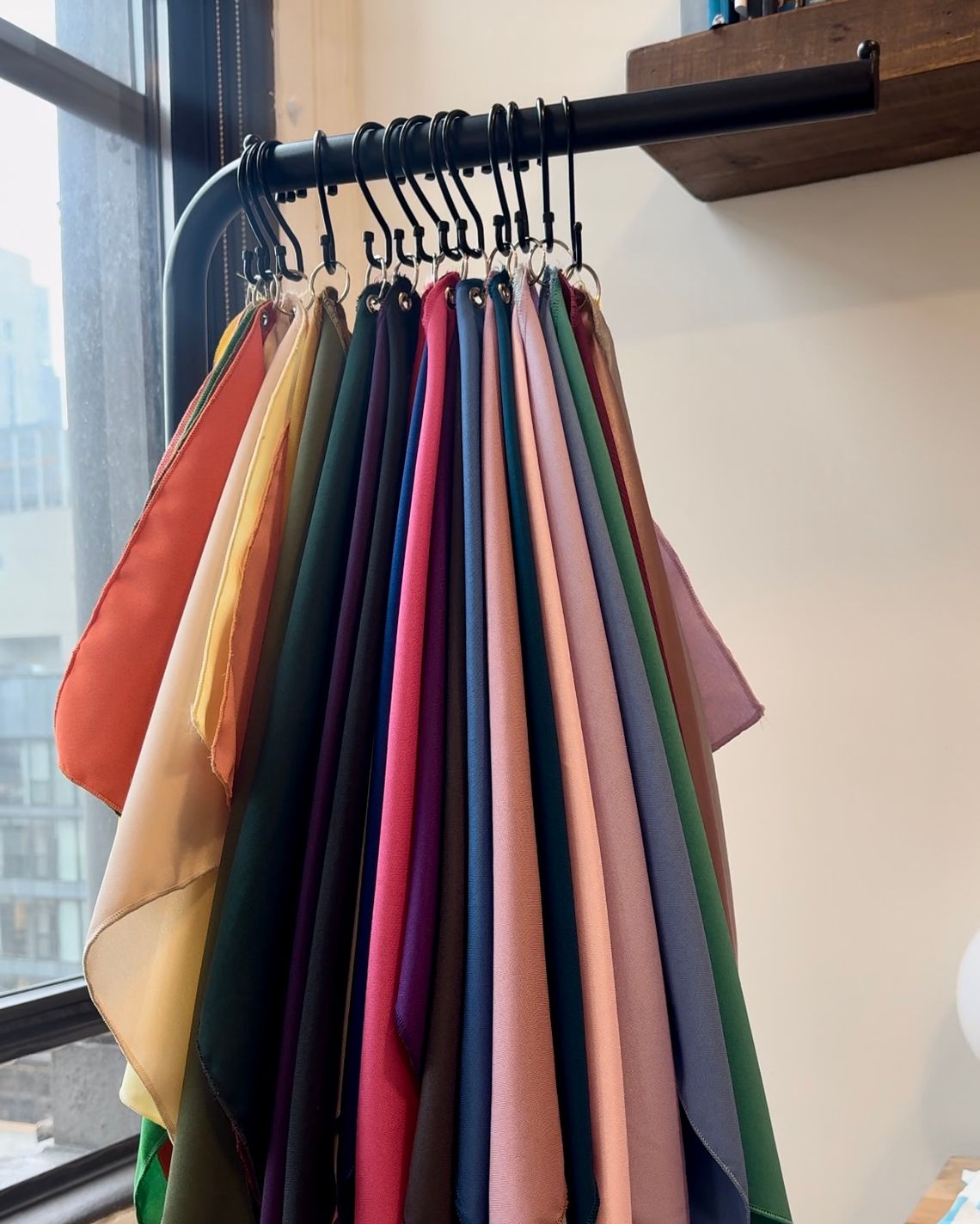
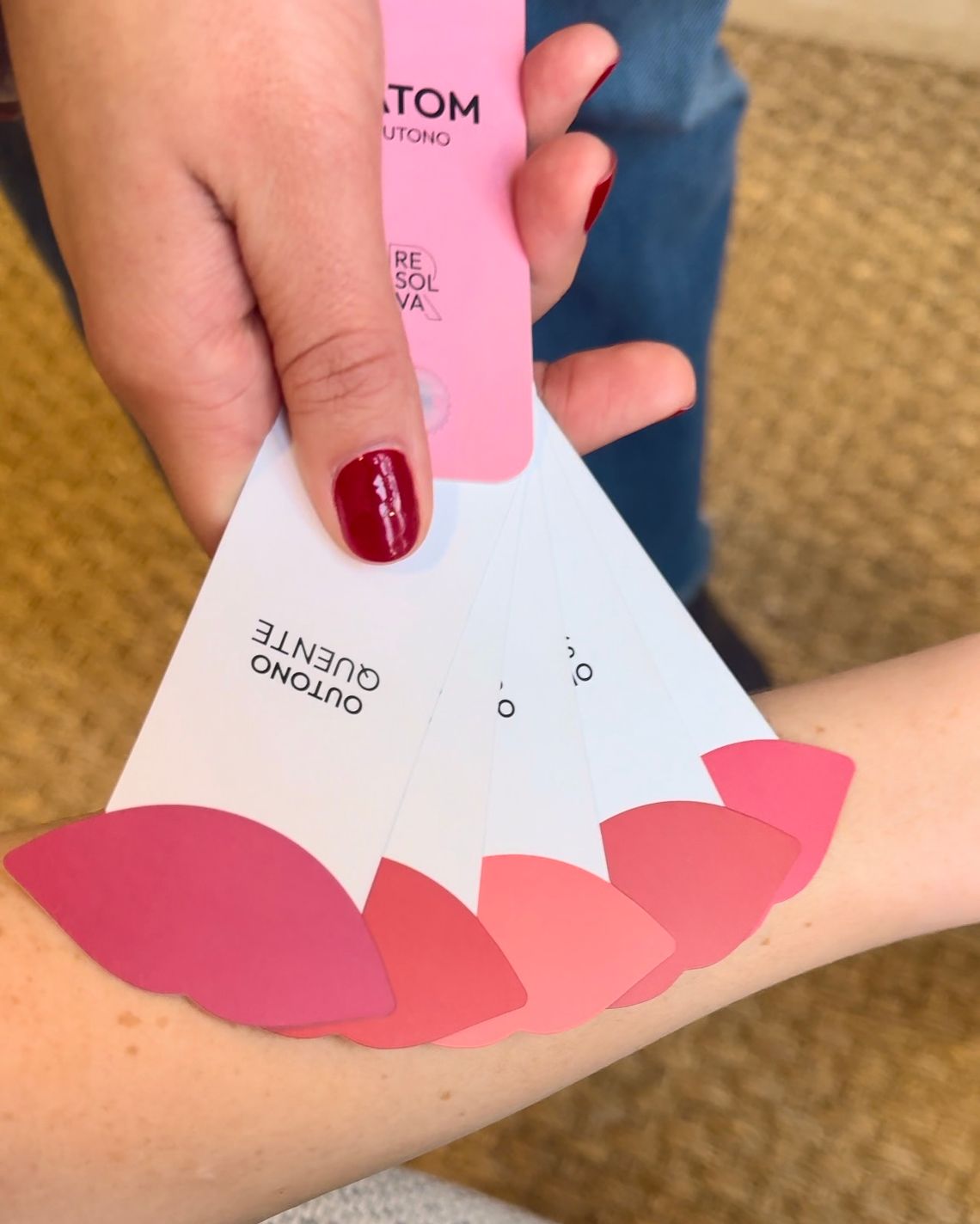
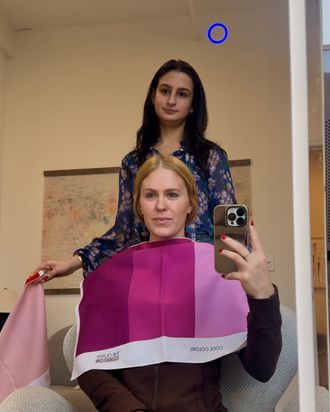
Following the skin analysis, a 35-minute color-draping process was conducted by a different consultant. This involved holding various fabric swatches and color palettes against the author's face to observe how they affected her complexion, specifically her 'apple zone.' The consultant would identify the most flattering options, sometimes asking for the author's input on similar choices. At the conclusion of this session, the author received a comprehensive report outlining her daily "summer pale" palette, seasonal palettes suitable for special occasions (including "spring light," "autumn deep," and "winter vivid"), as well as recommendations for makeup, jewelry, and hair colors. For makeup, "spring pale" tones were suggested for a fresh look, while "summer pale" colors were advised for a sophisticated image, along with specific lip shades.
Despite the detailed and enlightening results, which confirmed that the recommended cool tones brightened her complexion and made her appear more spirited, the author ultimately decided against fully adopting the new palette. She expressed her intention to continue dressing in her preferred autumn tones, indicating that while the analysis was informative, it did not alter her personal styling preferences. The experience highlighted the objective scientific aspect of personal color analysis but also the subjective nature of personal style.
#PersonalColorAnalysis #SouthKorea #TikTokViral #BeautyTrend #ColorTheory #FashionStyling #BeautyConsultation #KoreanPopCulture #CocoryPersonalColor #PersonalColorAnalysis #SouthKorea #TikTokViral #BeautyTrend #ColorTheory #FashionStyling #BeautyConsultation #KoreanPopCulture #CocoryPersonalColor
0 comment in total
 No comments yet
You may also like
My Professional Color Analysis Told Me I Can Still Wear All Black

“Sets Timers Instead Of Alarms”: 30 People Share Hilarious And Sometimes Cringe “Beige Flags”


Psychology Shows Which Three Colors People With Low Self-Esteem Unknowingly Choose Every Day

"I tried TikTok’s viral colour analysis technique to find my perfect hair shade, and this is what happened…"

What Season Are You? Everything You Need to Know About Color Analysis

White is the 2026 Pantone Color of the Year. They say the choice isn’t political.
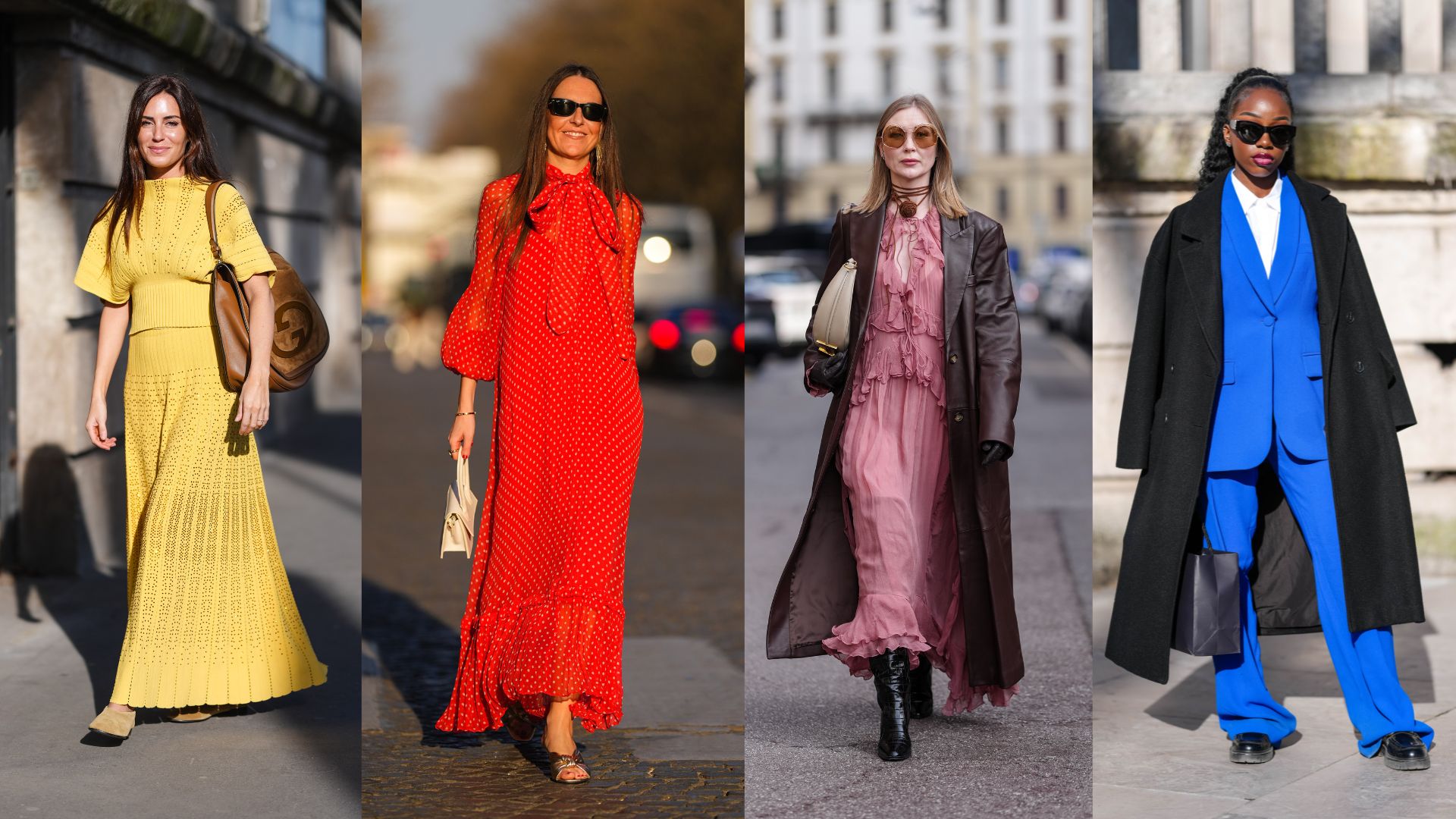
Wondering what colour suits me? Our experts reveal the most flattering shades to suit you all year round

What Not to Wear

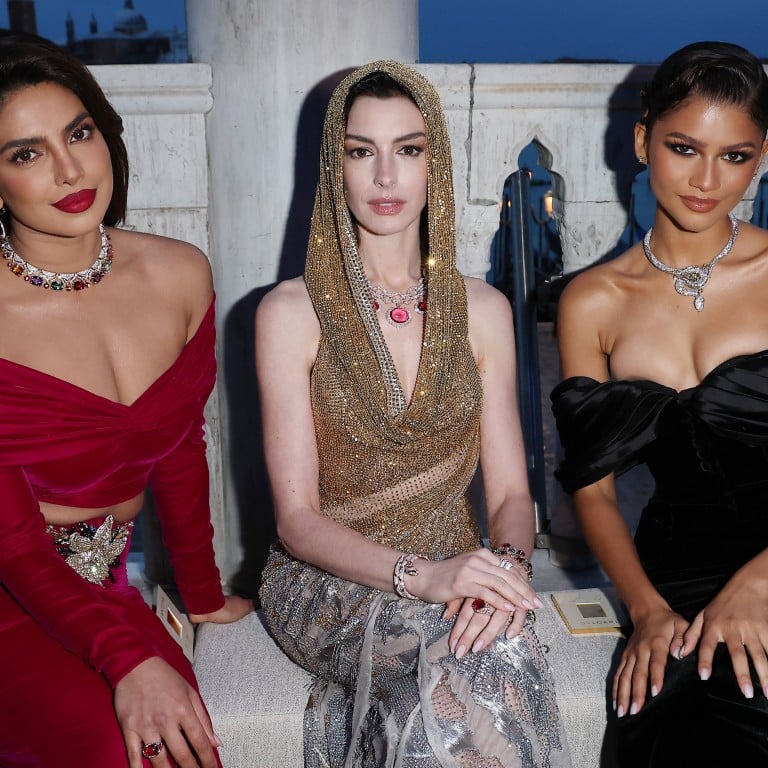
Colour analysis in jewellery: how to choose gems to best suit your look

Colour instinct: the art of personal colour analysis


Getting your colours done is the latest 1980s fashion trend resurrected by TikTok — but does it actually work?
'I'm a colour analysis expert and finding out your 'season' will completely change how you shop.'