1/5
My Professional Color Analysis Told Me I Can Still Wear All Black
The article discusses the resurgence of personal color analysis, a practice that originated in the 1970s and 80s, which has gained renewed popularity on platforms like TikTok. Many individuals are seeking professional color analysis services, with some even traveling to South Korea, where the service is notably popular. The author, a Cut Shop editor, describes her experience undergoing a professional color analysis in New York City, noting that such services can be expensive, with an hour-long session costing around $300. The author acknowledges that social media often oversimplifies color analysis, portraying it as a quick process based on basic color theory, whereas her personal experience revealed a more in-depth and informative service.
The core of color analysis involves determining the most flattering colors for an individual based on their natural features, including eye color, skin tone, and hair color. The results are typically categorized by season (spring, summer, autumn, or winter) and further refined by contrast (low to high), undertone (cool, warm, or neutral), value (light to dark), and saturation (soft to bright). The article explains general guidelines for determining one's season: winters often have cool undertones, dark hair, and vibrant eyes; summers have cool undertones, light hair, and light eyes; autumns usually have warm undertones, dark hair, and dark eyes; and springs feature warm undertones, light hair, and light eyes. Contrast, defined as the difference between skin tone and hair color, also plays a crucial role. For instance, the author, despite having warm undertones and light features, was identified as an autumn due to her low contrast and suitability for darker, rather than brighter, colors.
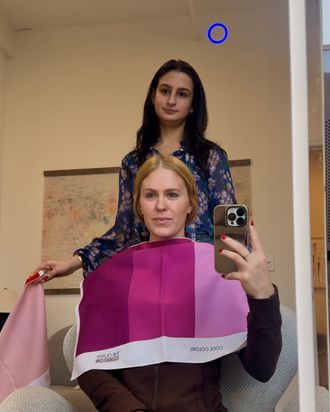
The author's color analysis appointment began with an overview of the history of the practice and its practical applications. The process involved draping different colored fabrics near her face to ascertain her season, hue, value, and chroma. Subsequently, the analyst identified optimal shades for metals (silver, gold, rose gold), lipstick and blush, and hair colors. The author found the session interactive and educational, appreciating the detailed explanations provided by the analyst. Following the appointment, she received a PDF summarizing her results: she is a soft autumn with low contrast, medium brightness, soft saturation, and a neutral warm undertone. Her recommended colors include dark olive green, royal blue, coral tones, and muted brown shades, with monochromatic looks being particularly flattering.
Key benefits of professional color analysis include informed decision-making for significant purchases such as investment clothing or wedding dresses, guidance on major hair color changes, and assistance with selecting complexion products like foundation and bronzer by clarifying undertones. The author emphasizes that while she could not always immediately perceive the subtle differences identified by the analyst, the drastic impact of some colors was evident. Ultimately, she found the experience valuable for confirming her undertone and enhancing her understanding of color theory, suggesting it is a worthwhile investment for those seeking to refine their personal style or streamline their wardrobe choices.
#ColorAnalysis #Beauty #Fashion #PersonalStyle #BeautyTrends #Wardrobe #Makeup #Undertones #ColorAnalysis #Beauty #Fashion #PersonalStyle #BeautyTrends #Wardrobe #Makeup #Undertones
 No comments yet
The Only Thing More Elegant Than Wearing All Black Is Styling It With This High-Value Color Trend


I Let a Paint Professional Find My Home's "Perfect" Colors, and I Loved Every Shade

What colors go with black? 5 accent colors favored by the experts

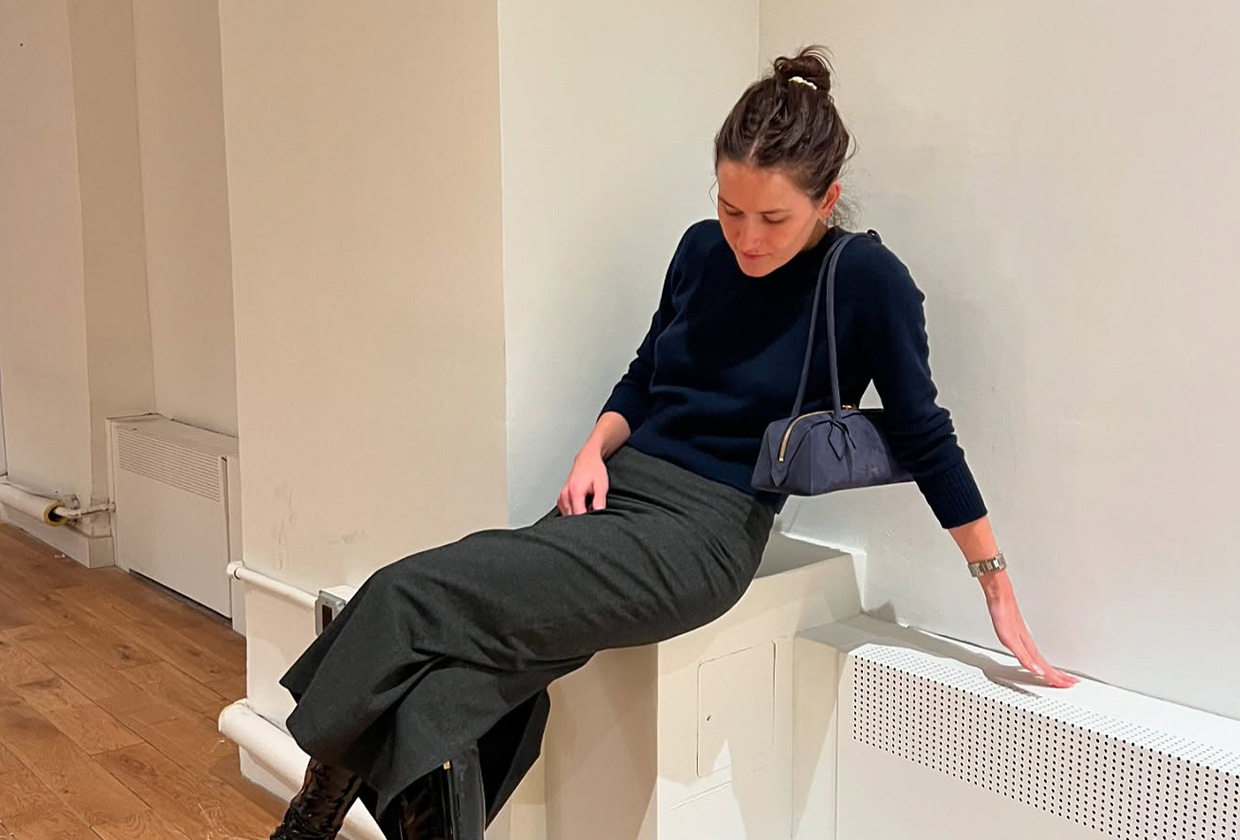
The Gray, Cream, and Navy Items I Swear Out-Rich Every Other Color Trend (Yes, Even Black)

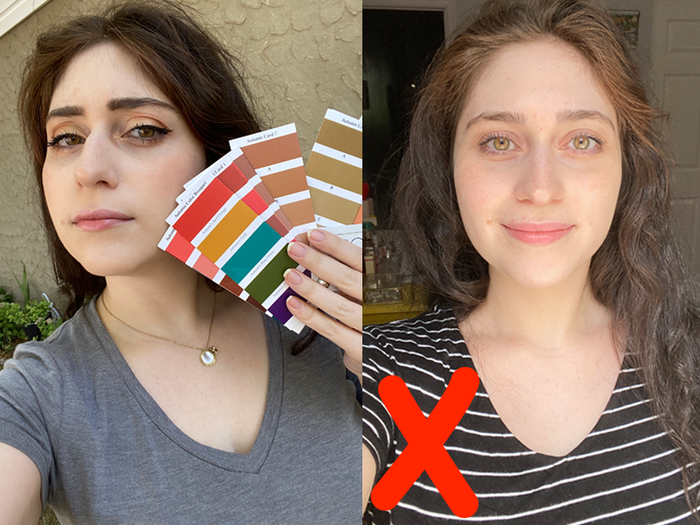
I spent $130 to get my colors professionally analyzed and learned I've been wearing the wrong shades my entire life
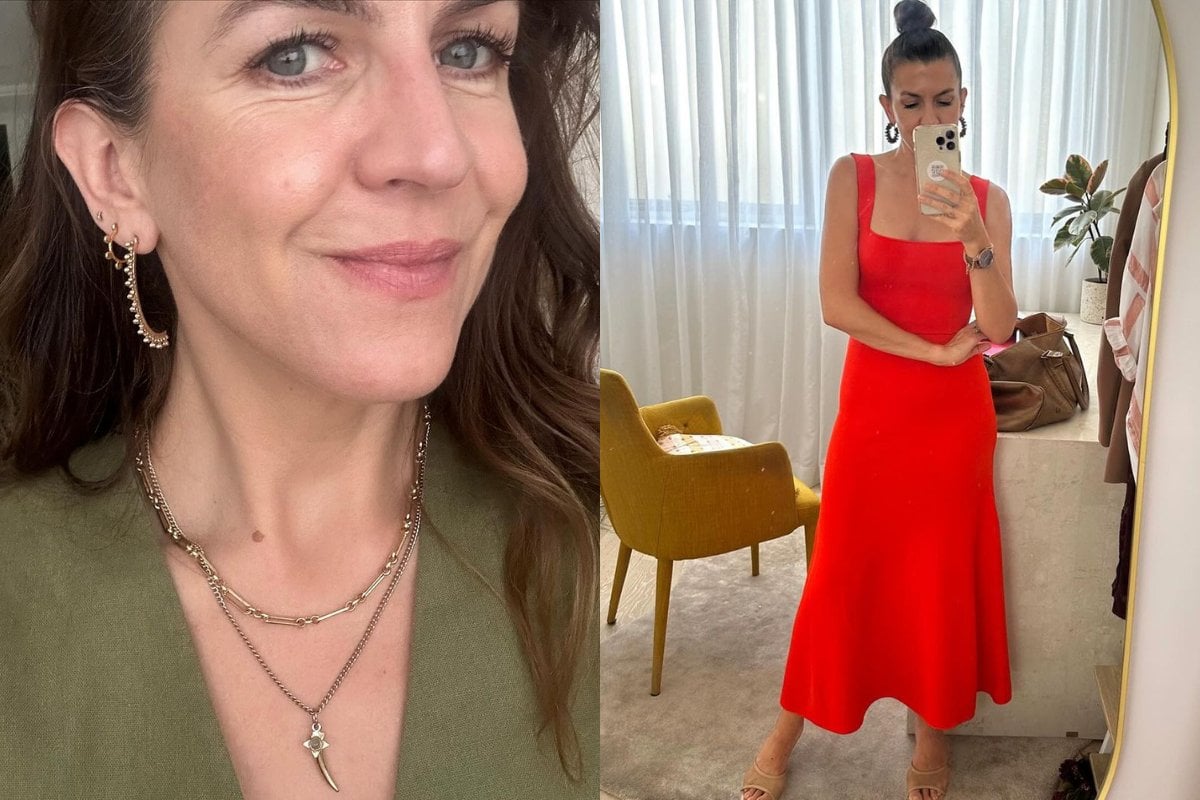
'I'm a colour analysis expert and finding out your 'season' will completely change how you shop.'