What Not to Wear
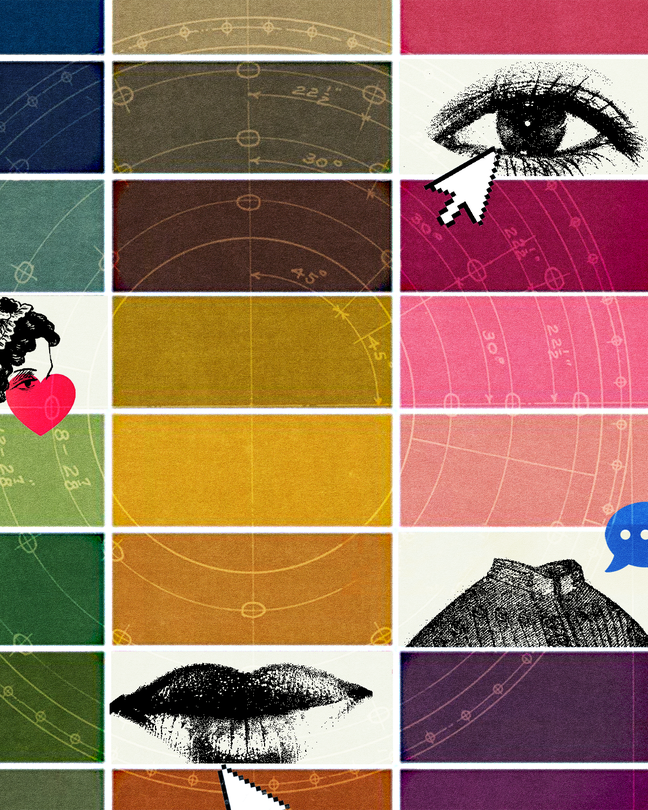
The article explores the resurgence and history of seasonal-color analysis, a method that categorizes individuals into 'seasons' and 'subseasons' to determine their most flattering color palettes. This quasi-scientific discipline, which gained initial popularity in the 1980s, has seen a renewed surge on social media platforms like Instagram and TikTok, particularly among younger audiences. Historically, the desire to dress better in color dates back to the mid-19th century, following advancements in dyeing technology. At that time, a moral panic arose due to clashing outfits, leading to early attempts at color guidance. French chemist Michel-Eugène Chevreul offered advice on 'becoming' colors for different skin tones, advocating for specific shades like 'delicate green' for fair skin and yellow for brunettes.
The modern iteration of seasonal-color analysis traces its roots to Carole Jackson’s 1980 bestseller, *Color Me Beautiful*. Jackson's book asserted that color possessed magical qualities and could influence how people were perceived, categorizing individuals into four primary seasons (Autumn, Spring, Winter, and Summer) based on their natural coloring. This system, primarily aimed at white readers, became a cultural phenomenon, spawning a lifestyle brand and inspiring 'color me beautiful' events akin to social gatherings. Participants carried color swatches for shopping, and even companies like *Reader’s Digest* subsidized consultations for employee self-improvement. While the Color Me Beautiful brand still exists, now incorporating AI analysis, its principles have diffused into the digital realm.
On social media, the system has evolved into more complex variations, with 12 or even 16 subseasons, each with detailed rules and vocabulary like 'chroma.' The appeal to contemporary audiences is multifaceted. 'Draping videos,' where consultants test various colored fabrics on clients, are highly engaging, similar to cooking videos. The concept also addresses a modern need for self-guidance in an era of overwhelming fashion trends, targeted advertising, and cheap clothing, where young women are constantly photographed and exposed to conflicting advice. Seasonal-color analysis provides a sense of immutable self-knowledge, offering belonging through online communities and simplifying choices in a complex world.
The fashion and beauty industries increasingly adopt a 'faux empiricism,' categorizing hair into types or inviting consumers to 'cosplay as cosmetic chemists' with ingredient-focused skincare. Seasonal-color consultants like Jenny Mahoney emphasize the logical, systematic, and science-based nature of their approach. While color theory itself is a genuine science involving measurable and categorizable aspects of color, the consultation industry surrounding it is likened to the wellness industry. Some underlying principles may hold truth, but the marketplace often sells more than just a solution, creating additional rules and complexities. The article highlights the confusion and frustration experienced by individuals attempting to navigate this system, with one Reddit user spending years and significant money on consultations only to feel perpetually uncomfortable with the results. The author shares a personal anecdote of being unable to consistently fit into a single season despite trying multiple apps and spending considerable time researching, illustrating the system's potential to be overwhelming and contradictory.
#SeasonalColorAnalysis #FashionTrends #BeautyIndustry #SocialMedia #ColorTheory #CaroleJackson #SelfImprovement #ConsumerCulture #SeasonalColorAnalysis #FashionTrends #BeautyIndustry #SocialMedia #ColorTheory #CaroleJackson #SelfImprovement #ConsumerCulture
 No comments yet
Clothes You Need to Get Rid of ASAP

7 Things To Toss From Your Coat Closet Now