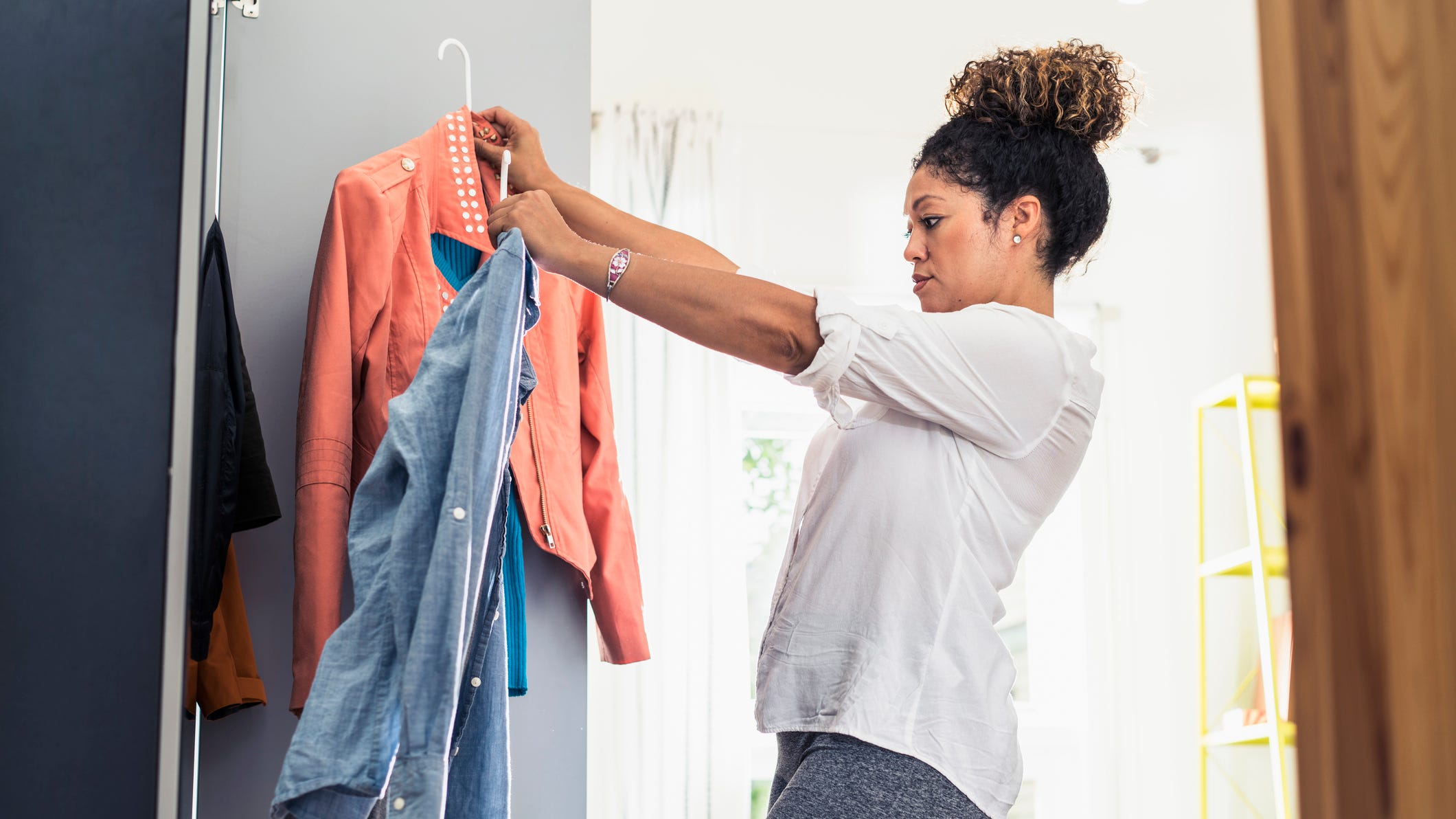
1/9
Clothes You Need to Get Rid of ASAP
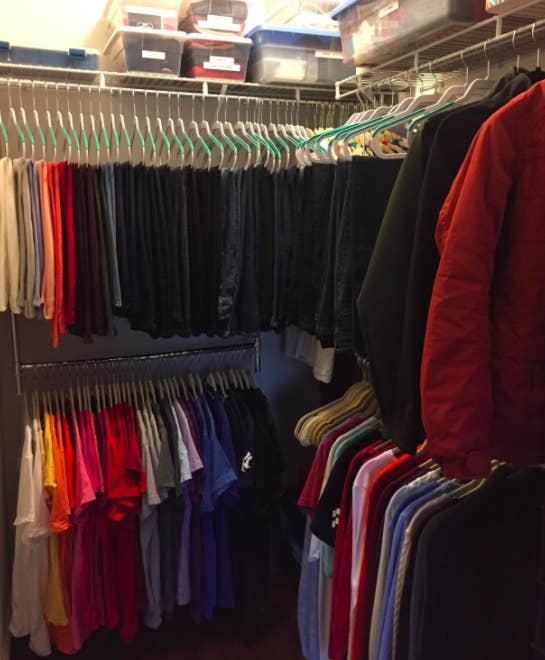
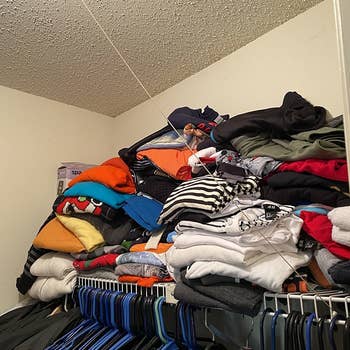
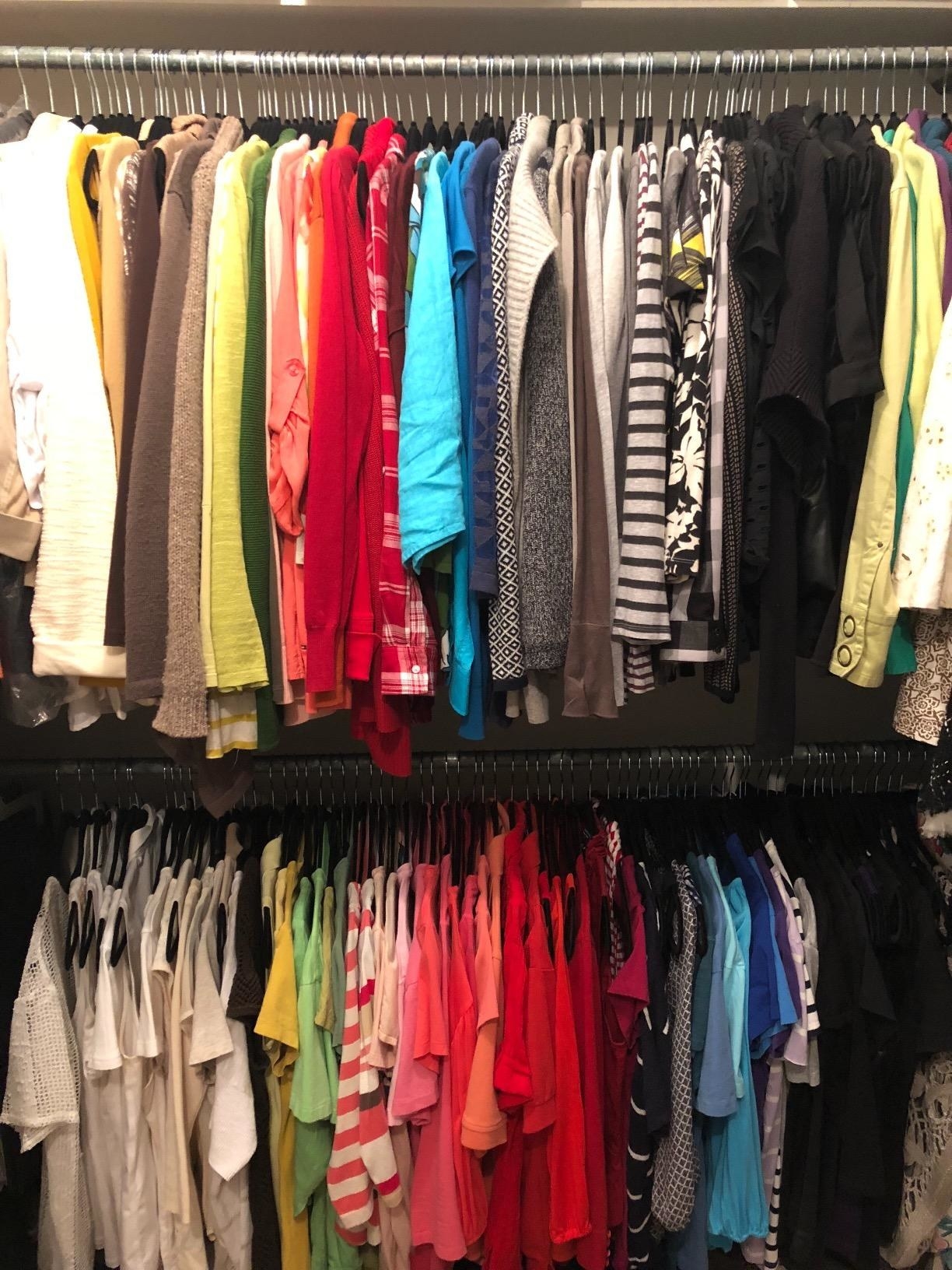
This article discusses the importance of decluttering one's wardrobe and identifies six types of clothes to discard, providing practical advice on how to approach this often emotional process. Many people, regardless of living situation, face challenges with overflowing and unorganized closets, with a 2016 survey revealing that women, on average, own 103 clothing items, and a quarter feel their closets are disorganized. Professional organizer Jeffrey Phillip notes that decluttering can be emotionally taxing, often triggering memories, guilt, body image issues, or indecisiveness. To simplify the task, experts from the Good Housekeeping Institute Home Care & Cleaning Lab and Textiles, Paper & Apparel Lab suggest categorizing clothes and breaking the process into manageable sessions.
The first category includes clothes that no longer fit or are rarely worn. Professional organizer Bohne Leah emphasizes removing uncomfortable or ill-fitting items and those associated with negative memories. For borderline items, individuals should assess whether they genuinely enjoy wearing them or if they are worth tailoring to improve fit, a more sustainable option than purchasing new clothes. The second category focuses on damaged clothing, such as threadbare socks, stained t-shirts, or items with irreparable holes. Leah explains that discarding these items frees up valuable closet space, while Phillip highlights that damaged items are no longer functional and should be recycled to make room for wearable clothes. Consulting a tailor can help determine if an item is truly beyond repair.
The third type comprises clothes worn only once for special occasions, such as bridesmaid dresses or Halloween costumes. While some formal wear might be repurposed, donating old costumes is an effective way to create space. The article also advises addressing repeating items, suggesting that individuals keep only their favorite versions of similar clothing pieces. This approach can also guide future shopping decisions, encouraging mindful purchasing. Sentimental clothing forms the fifth category, which can be particularly challenging to part with. Carolyn Forté, Executive Director of the Home Care & Cleaning Lab, tends to keep such items, even if unworn, while Phillip advocates for culling. Leah offers a compromise: photograph sentimental items before storing or donating them, or move them to a separate memorabilia storage area to maintain a functional closet.
Finally, the sixth category involves damaged or ill-fitting shoes. Forté recommends discarding shoes that cause discomfort, are falling apart, or are beyond repair, noting that shoes are generally harder to restyle or repurpose than clothing. After identifying items for removal, several disposal methods are available: donating wearable clothes to reputable charities or friends; selling high-quality or designer pieces on platforms like ThredUp, Depop, or Facebook Marketplace to earn extra money and ensure items go to new owners; upcycling unrepairable or excessively worn clothing into new items, such as turning old t-shirts into a quilt; and fabric recycling programs, like those offered by Harper Wilde for bras and underwear, or Smartwool’s Second Cut for socks, which help divert unwearable textiles from landfills. The article concludes by emphasizing the expertise of the Good Housekeeping Institute and the professionals consulted, including Elizabeth Berry, Emma Seymour, Carolyn Forté, Jeffrey Phillip, and Bohne Leah, in providing these decluttering guidelines.
#WardrobeDecluttering #HomeOrganization #ClosetCleaning #SustainableFashion #TextileRecycling #ProfessionalOrganizers #MinimalistWardrobe #WardrobeDecluttering #HomeOrganization #ClosetCleaning #SustainableFashion #TextileRecycling #ProfessionalOrganizers #MinimalistWardrobe
0 comment in total
 No comments yet
You may also like
Think twice before throwing out this often recycled item – it's the key to crease-free clothes in your closet


5 Things to Banish From Your Bedroom for a Fresh, Clean Start
How To Declutter Your Wardrobe Like A Pro: Expert-Approved Tips And Easy Storage Hacks

12 Items You Should Toss From Your Closet Right Now, According to Pro Organizers
31 Things You Need If Your Stuff Is Literally Falling Out Your Closets And Cabinets

I Bested My Fashion Burnout With These Expert Closet Cleanout Tips

15 Things To Toss From Your Closet Immediately
6 Tricks for Storing Bulky Winter Clothes Away Without Eating Up All of Your Closet Storage Space


Items to get rid of in your living room – 10 things decluttering experts want to clear out
7 Things To Toss From Your Coat Closet Now
How to store clothes long term: 7 ways pros love
Psst! These are 12 of the best laundry bags to take a load off your mind

6 Things To Toss From Your Linen Closet Immediately
21 Ways To Organize Your Clothes If You Can’t Bring Yourself To Downsize Your Wardrobe
26 Products For Anyone Who Is Running Out Of Room In Their Closet But Keeps Buying Stuff
It's Officially Time to Refresh Your Closet for Spring

8 Things In Your Pantry You Should Toss ASAP, According To Pro Organizers
Pre-holiday feng shui purge: 5 items you need to throw away today
If You Didn’t Clean And Organize Your Closet For The New Year, Spring Is The Perfect Time To Do It — These 19 Products Will Help
8 Things To Toss From Your Laundry Room Immediately