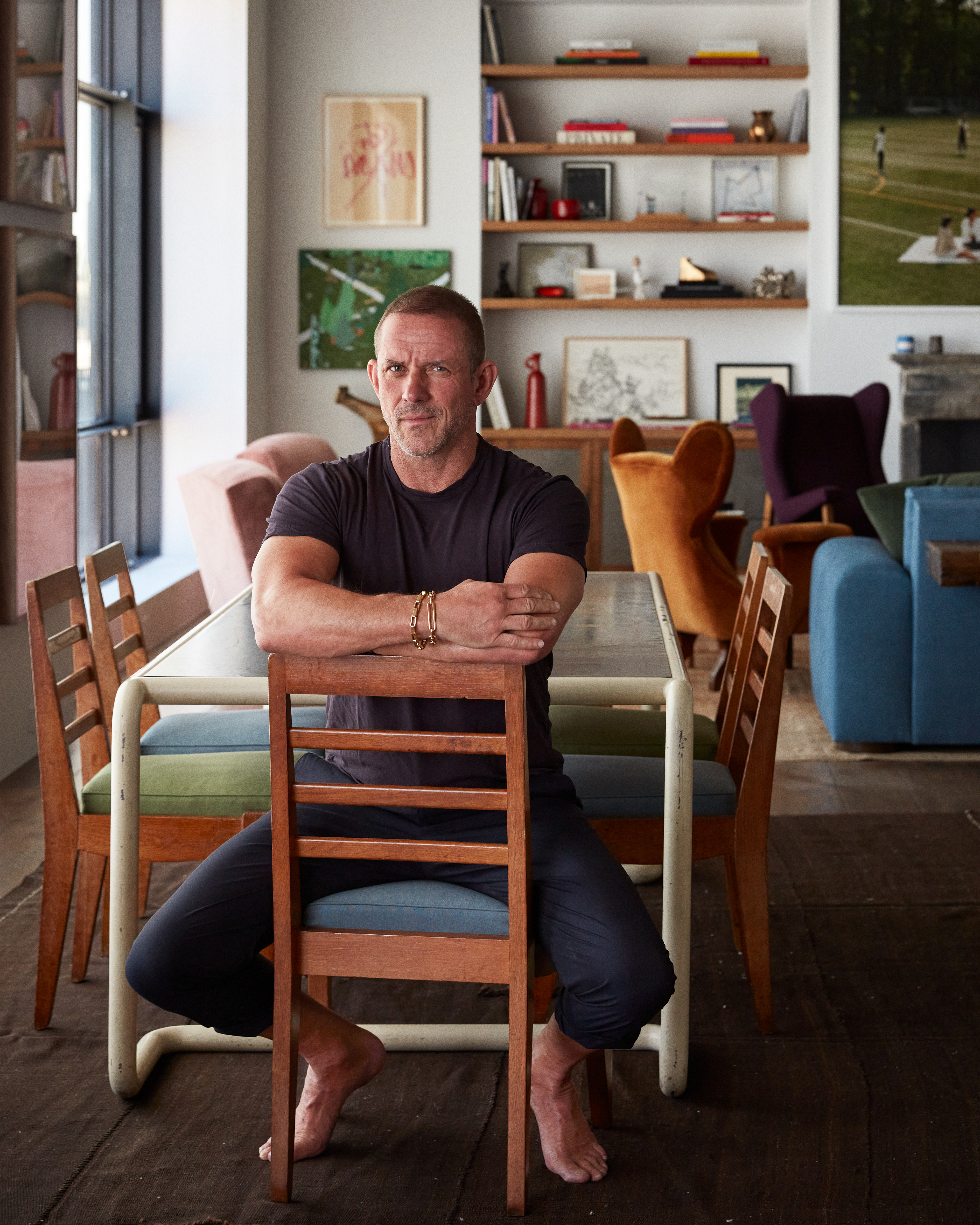
1/10
How Interior Designer Robert Stilin Weaves Art Into Every Corner of His Home
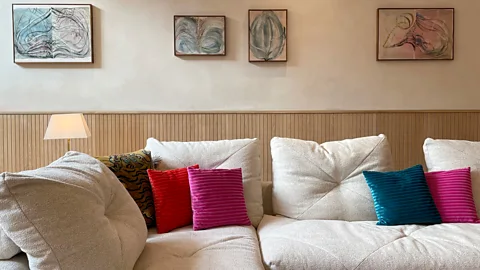
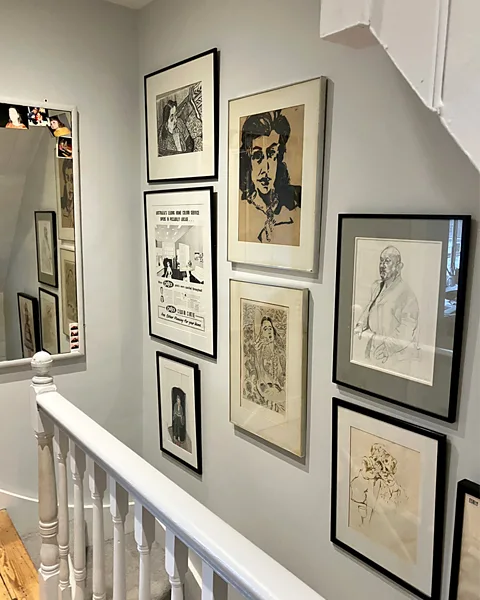
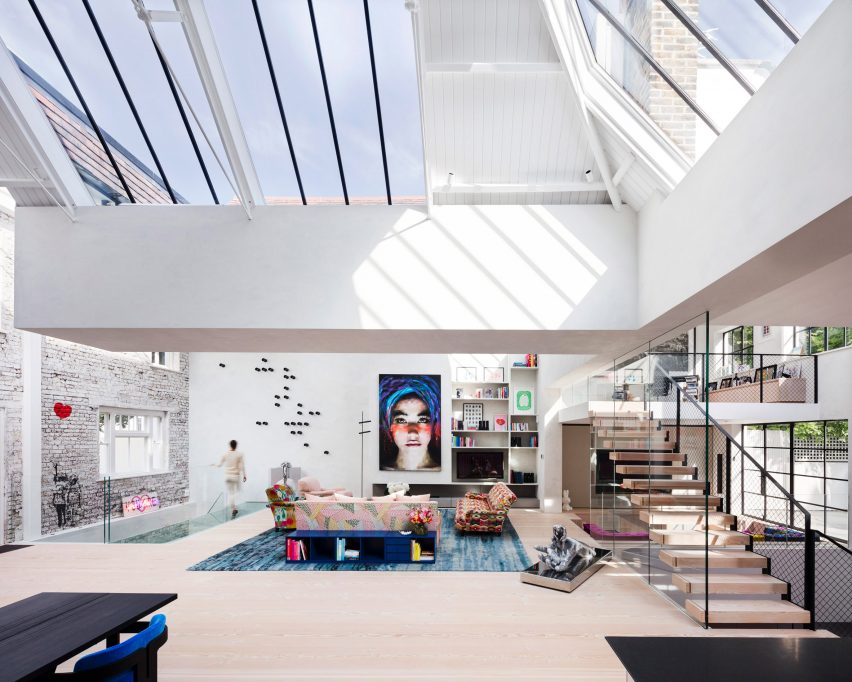
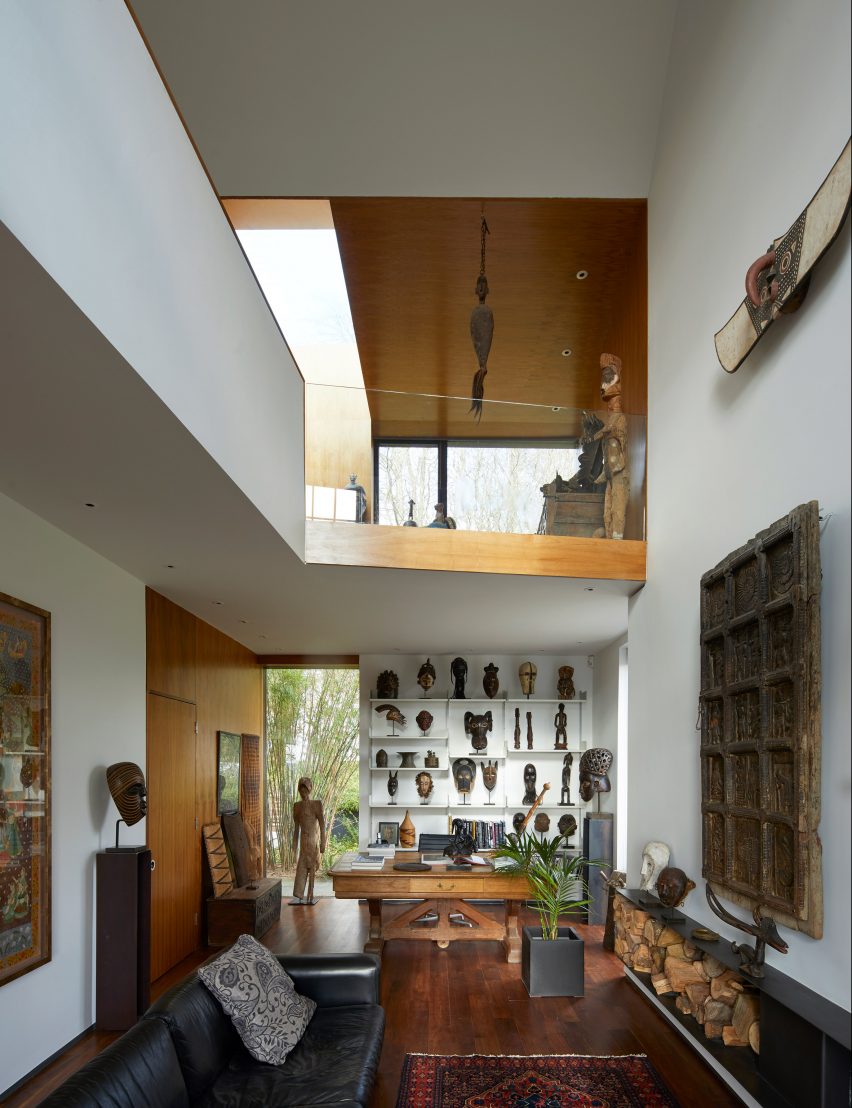
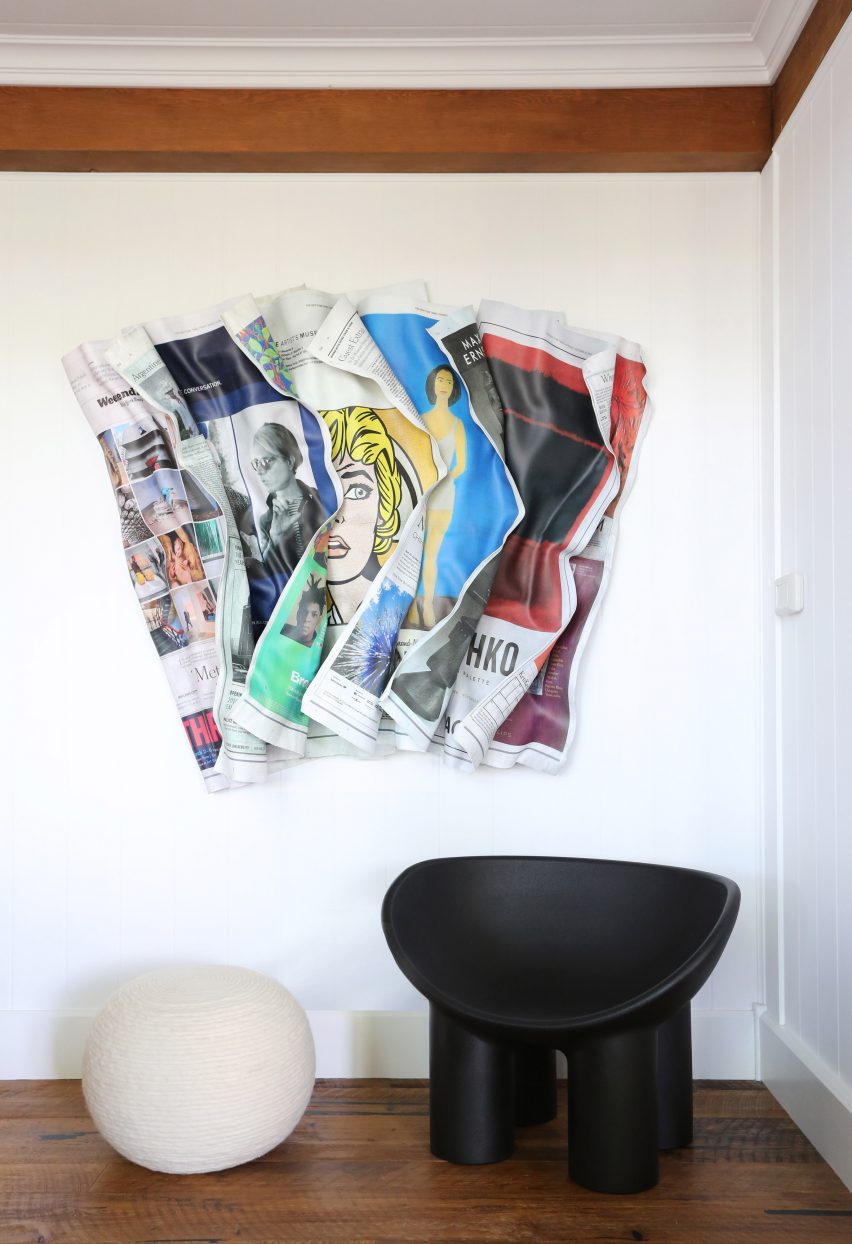
Interior designer Robert Stilin, known for his work on prestigious projects like Fifth Avenue penthouses, shares insights into his Red Hook apartment, which he acquired in 2022. This 3,600-square-foot loft, converted from a 1910 warehouse, features floor-to-ceiling windows and panoramic views of downtown Manhattan. Initially hesitant about moving to Brooklyn, Stilin was captivated by the space, which he describes as a blank canvas, allowing him to embody his design philosophy and personal passion for art. His home now serves as a showcase for his extensive art collection, comprising over 700 artworks, which he began assembling in the 1980s. The collection spans diverse artists and mediums, from photographs by Mark Seliger and rugged sculptures by John Chamberlain to pieces by Tyler Mitchell, Martin Disler, Jack Pierson, and Andrew Brischler.
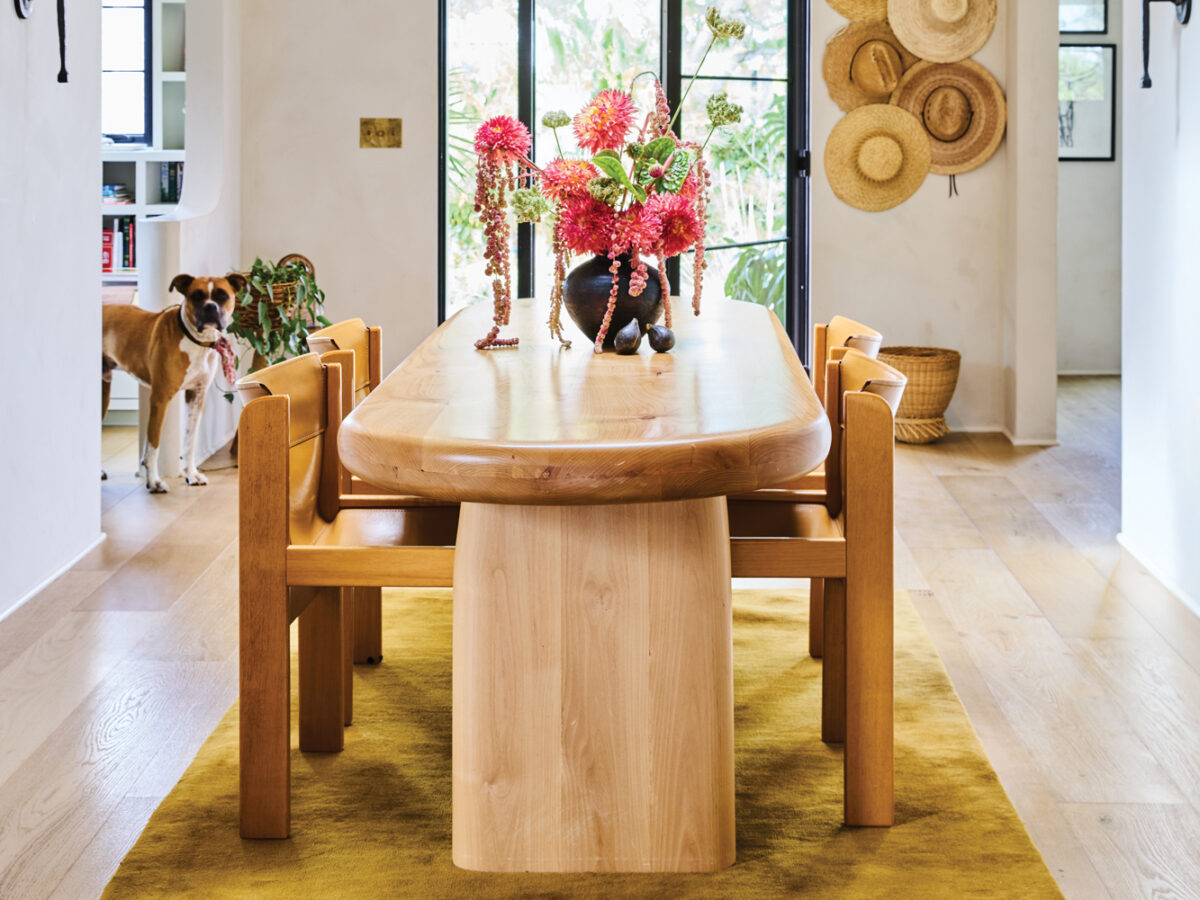
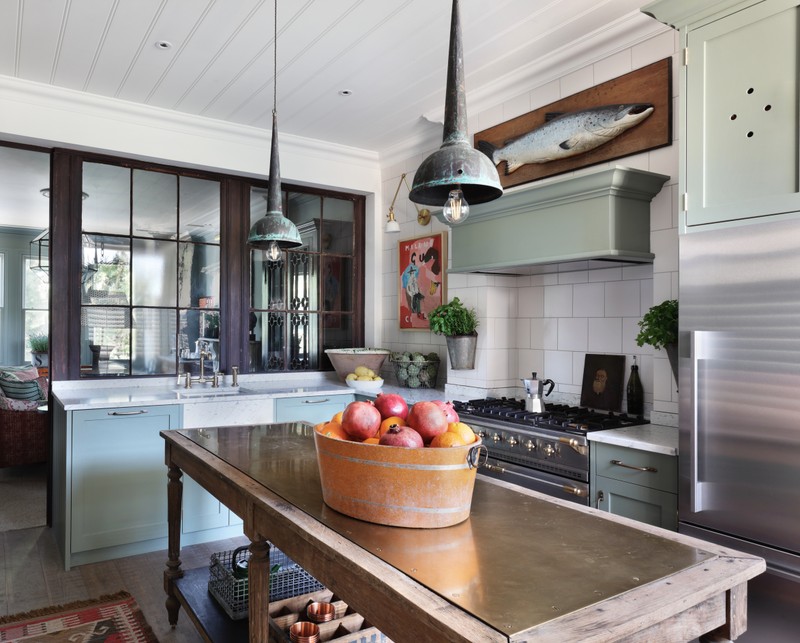
Stilin emphasizes that his approach to interior design is about understanding clients and reflecting their essence in a refined, comfortable, and unexpected way, a philosophy he applied to his own apartment. Collaborating with architect Mark Gettys, he transformed the raw loft into a functional living space, adding a spacious bathroom, a master suite, and a guest room while preserving the loft's open, communal, and flexible spirit. The kitchen, dining, and living areas flow seamlessly, unified by art and furniture spanning various decades and styles, including a Campana Brothers chair and a Misha Kahn table.
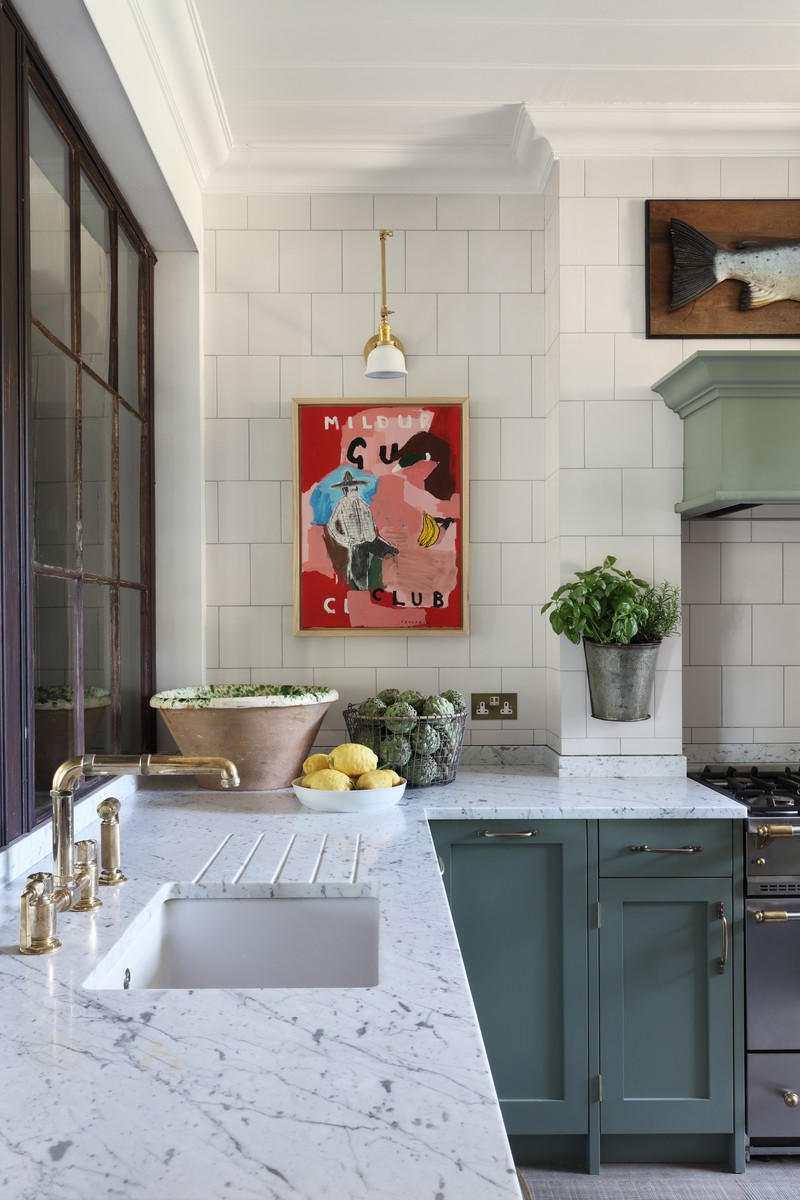
Art and interiors are considered inseparable in Stilin's intuitive process, which sometimes involves spontaneous changes, such as swapping out a planned artwork for Tyler Mitchell's "Picnic" (2021) above his living room fireplace. His home reflects a playful yet coherent aesthetic, with art prominently displayed throughout, including Martin Disler's "Preparing for Tonight" (1982) in the kitchen and photographs by Jack Pierson in the bathroom. Stilin is drawn to art that possesses deeper meanings, finding comfort, learning, and aliveness in pieces that are seemingly beautiful but carry complex narratives.
He advises new art collectors to be less apprehensive and trust their instincts, emphasizing that there is no exact science to collecting. His primary advice is to "Buy what you love. Buy what you can afford. Don’t overthink things." Stilin recalls a time in the art world, in the late 1980s, when interior designers were often dismissed as decorators. However, he observed that clients, particularly a major art collector he worked with, integrated art seamlessly into their homes. This early exposure to significant collections by artists such as Nan Goldin, Cindy Sherman, Frank Stella, Sam Francis, and the Lalannes broadened his understanding of contemporary art.
Today, Stilin notes an increased awareness among clients regarding allocating a budget for art in design projects. His own collecting journey began with accessible and affordable photography in the 1980s, including works by Horst Faas, Herb Ritts, and William Wegman. A pivotal moment was realizing the personal story embedded in any collection, a realization reinforced by collector Beth DeWoody, who encouraged him to explore diverse art forms and venues. Stilin continues to seek out new art from galleries, flea markets, and online platforms like Instagram, demonstrating an ongoing commitment to personal connection with art.
#InteriorDesign #ArtCollecting #RobertStilin #RedHook #ArtMarket #ContemporaryArt #DesignPhilosophy #ArtIntegration #InteriorDesign #ArtCollecting #RobertStilin #RedHook #ArtMarket #ContemporaryArt #DesignPhilosophy #ArtIntegration
0 comment in total
 No comments yet
You may also like
7 Interior Designers Share Their Tips on Buying Art for Your Home
This 'Lazy' Way of Displaying Art, Conveniently, Also Happens to Be the Best Looking

5 common gallery wall mistakes designers warn to always avoid – to create the chicest of displays

The Stress-Free Way to Hang Art (Published 2021)

How to transform your home with art
Ten homes with interiors designed to showcase art

Josh Brolin's living room champions an outdated feature wall trend
I felt claustrophobic in my small bedroom because of these art mistakes, so I took it all down

How a Former Fashion Editor-Turned-Interior Designer Creates Effortlessly Beautiful Spaces
Are Gallery Walls Losing Their Appeal? Here's What Interior Designers Are Doing
Are gallery walls going out of style? These interior designers all came to the same verdict
This West Harrison Home Design Is Filled With Creative Spirit

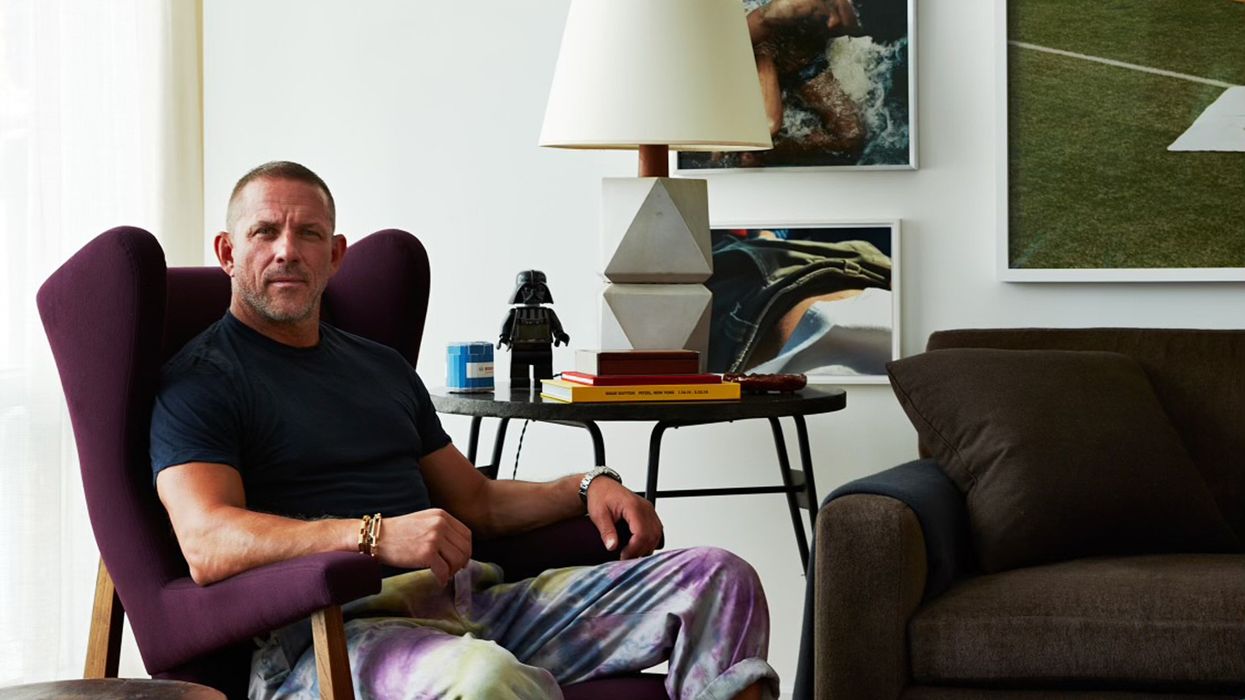
For This Interior Designer, Home is Where the Art Is

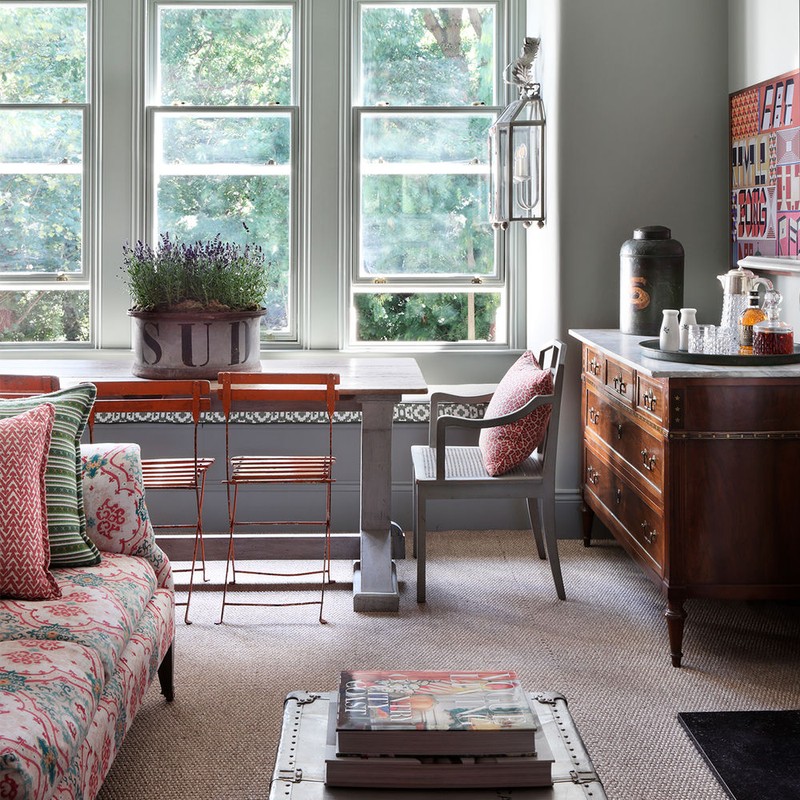
An Interior Designer Shows Us Around His Home

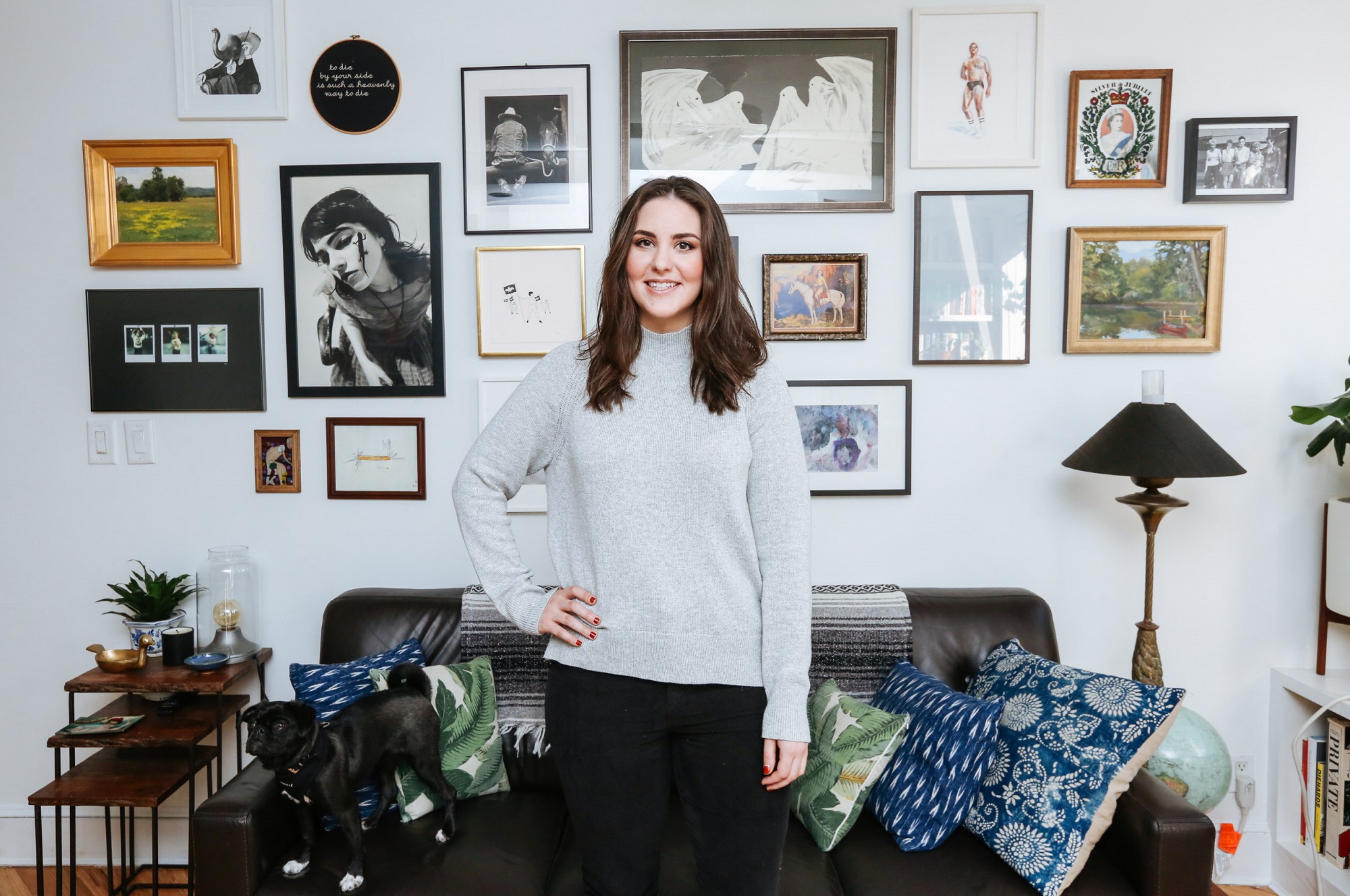
Even newbies can master this popular home-decor trend
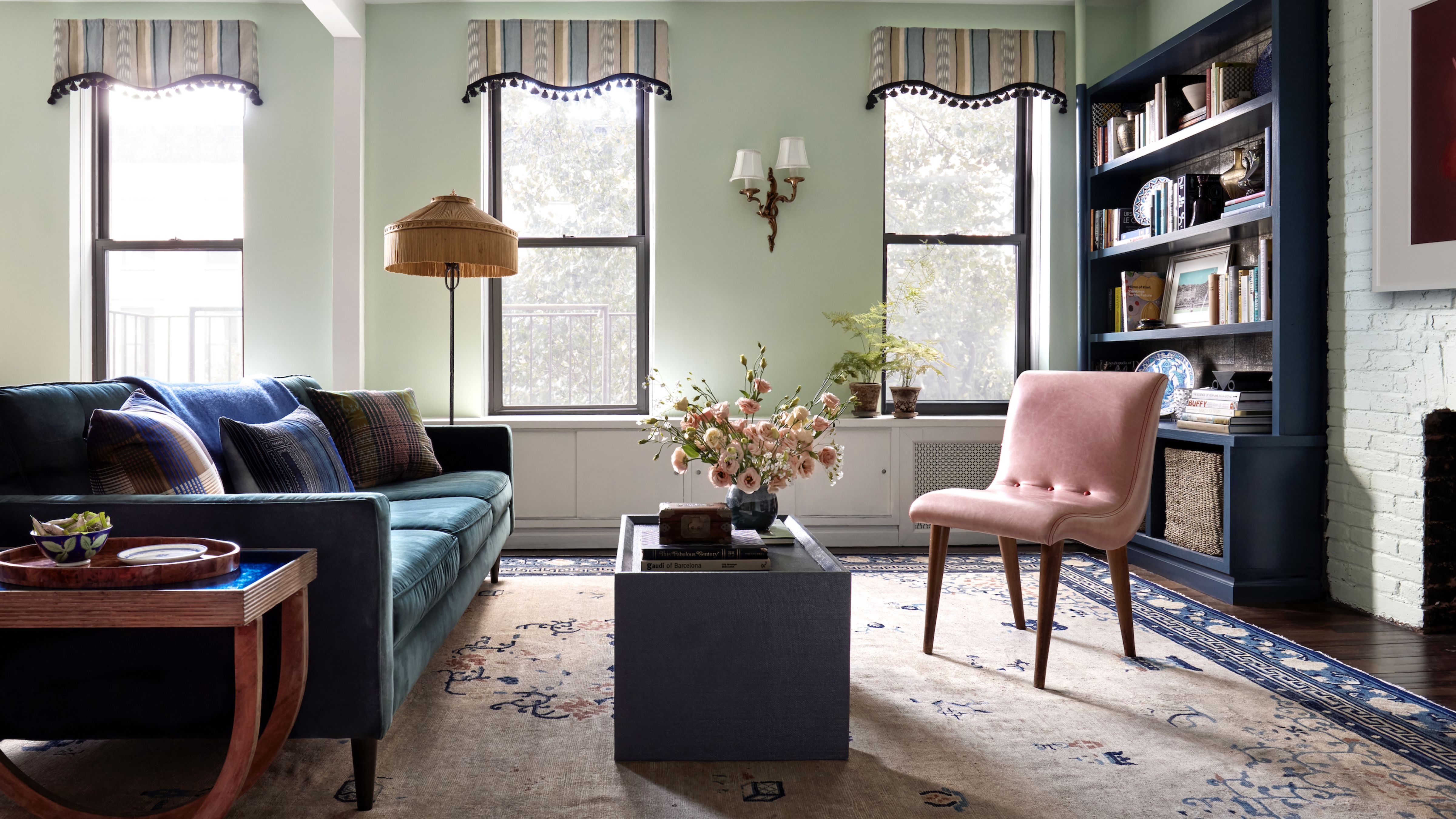
5 Ways Designers Use Scale to Make Rooms Feel Right
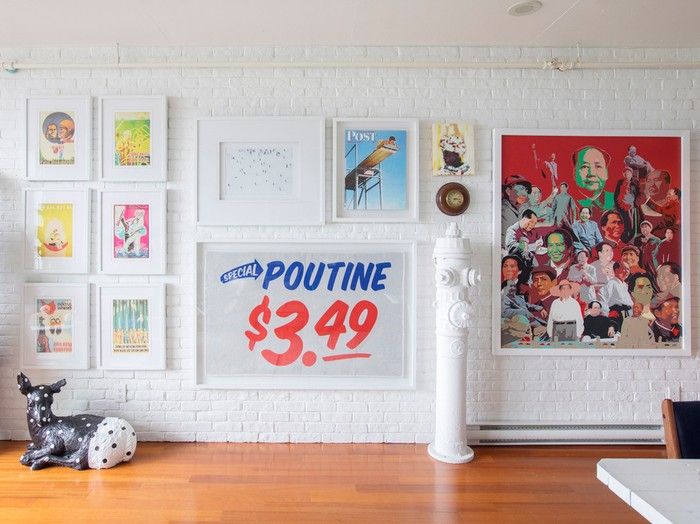
Curating art for the home is an art in itself

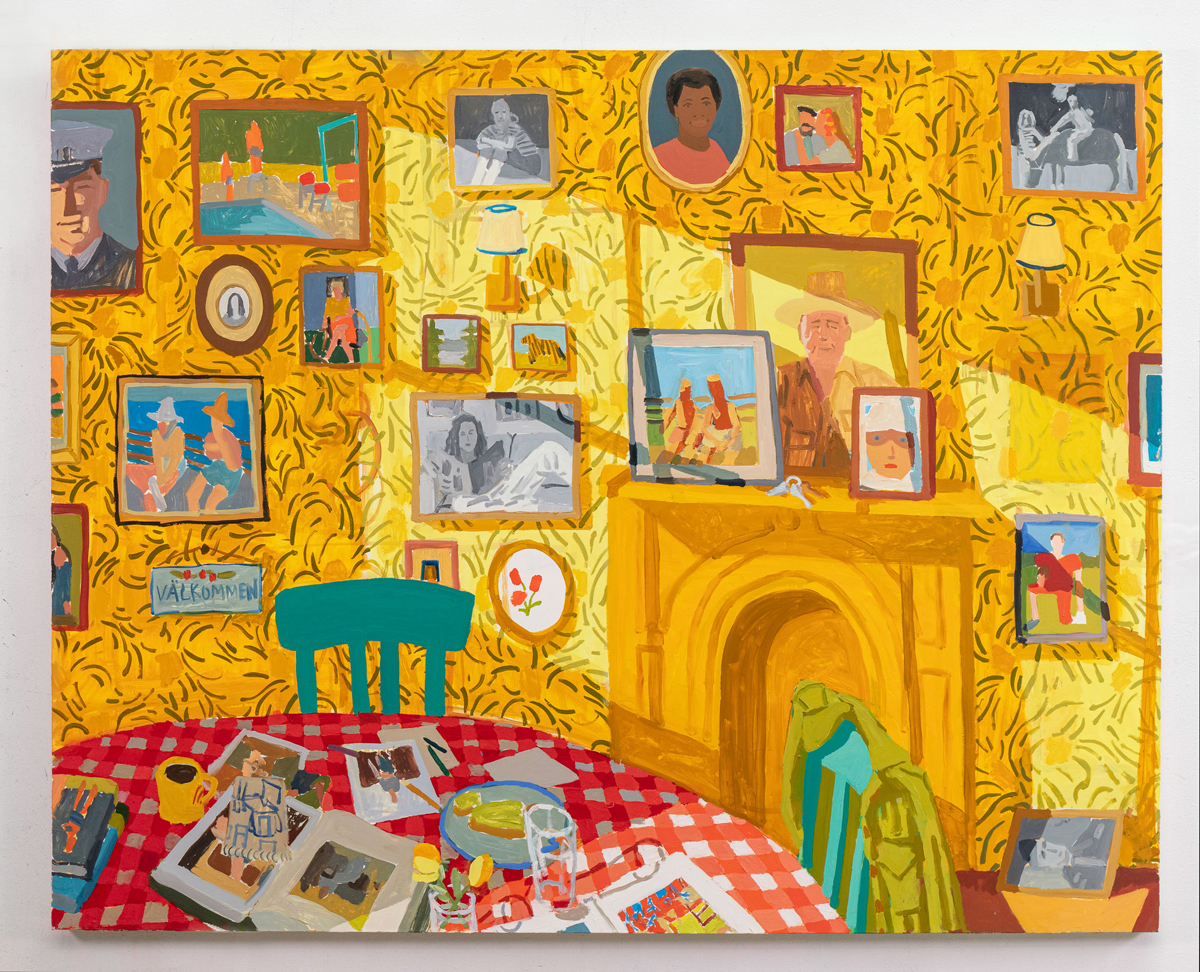
How to Hang an Art Collection Like an Expert
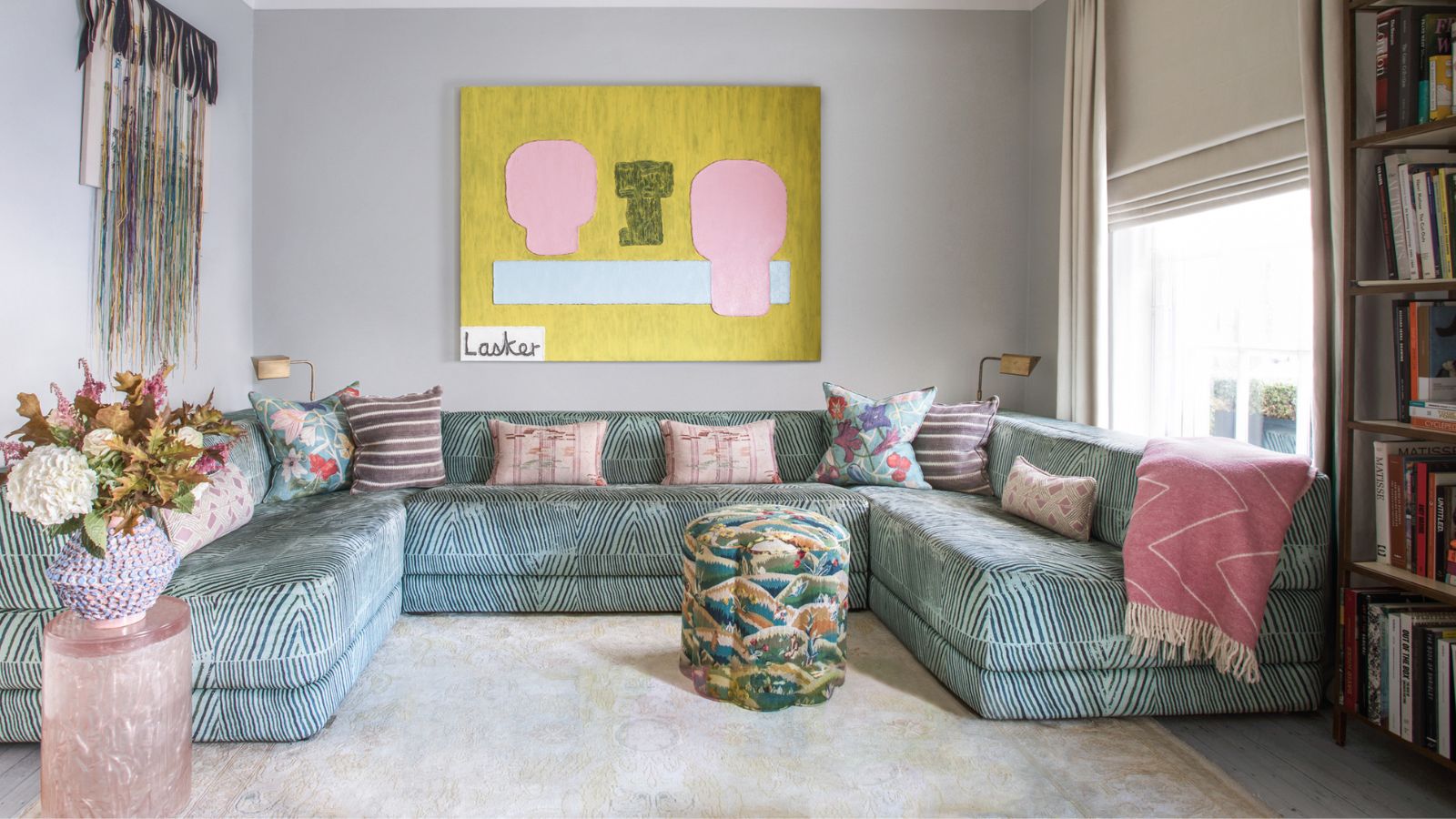
I'm an interior designer – and this is how I design my clients' rooms with art in mind
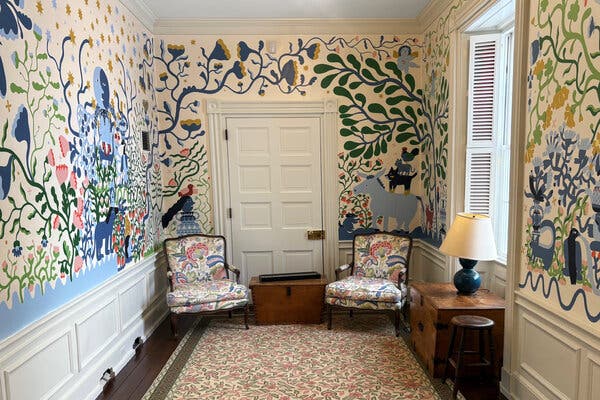
Murals Have Moved In