Are Gallery Walls Losing Their Appeal? Here's What Interior Designers Are Doing
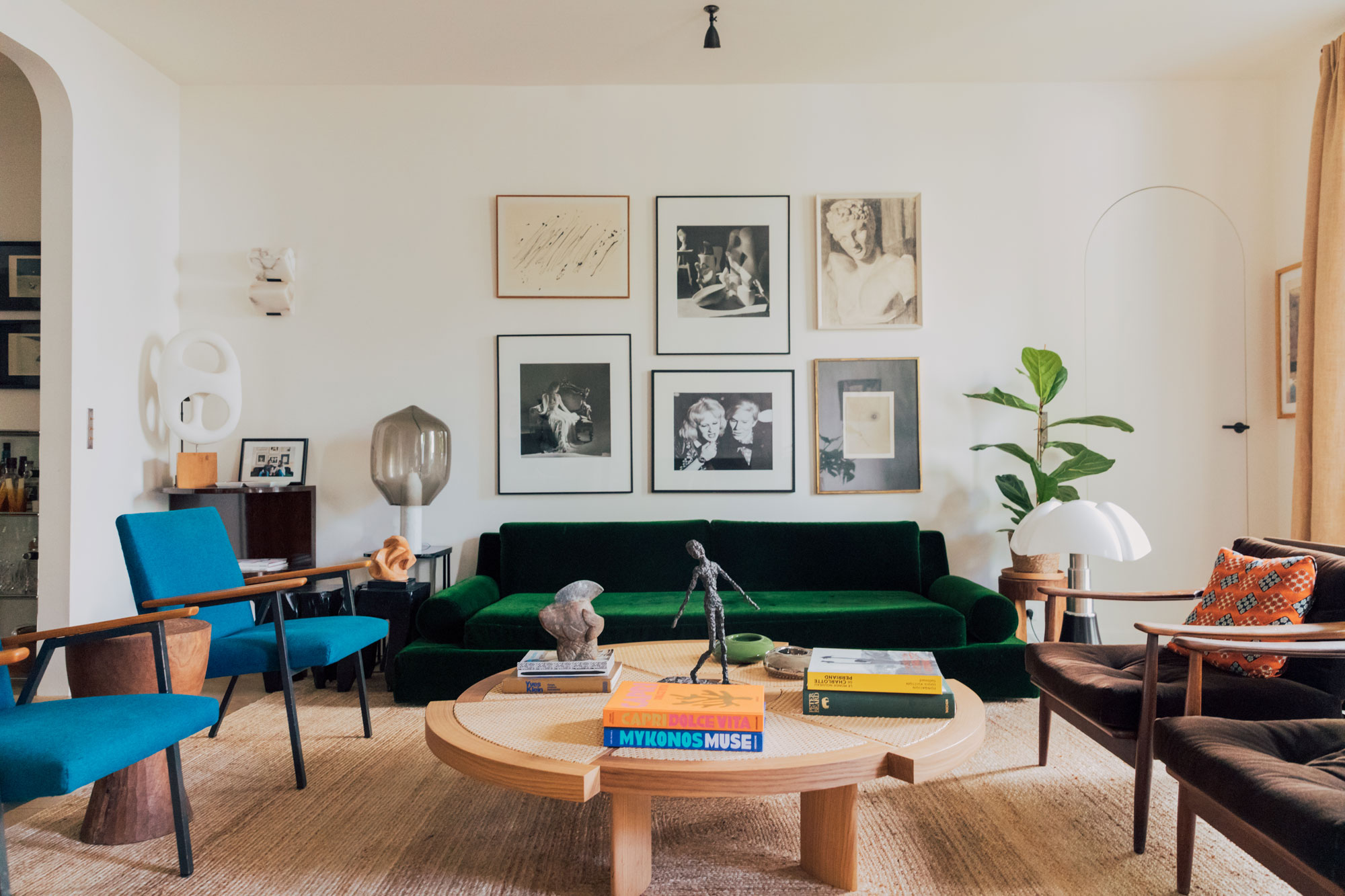
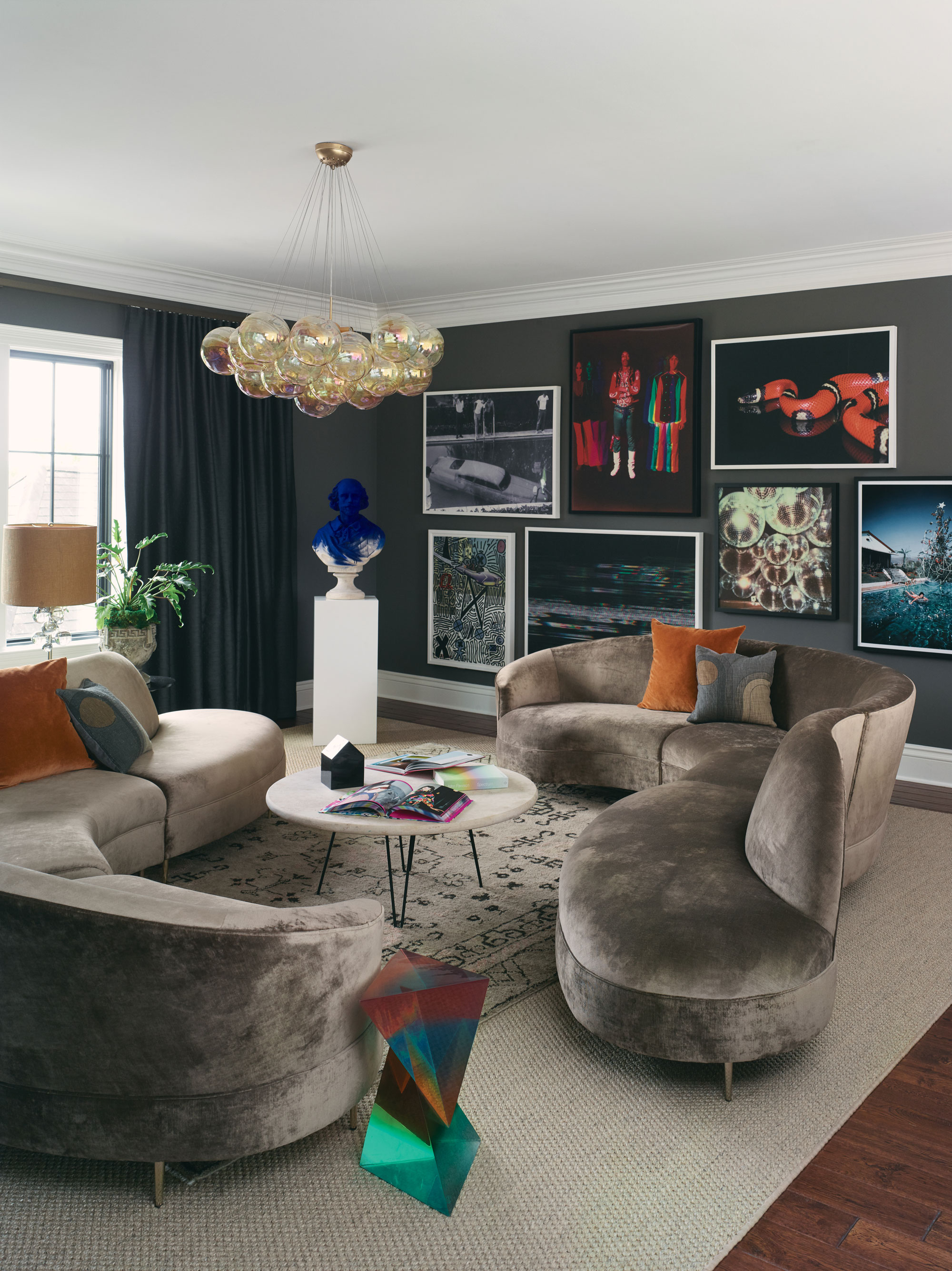
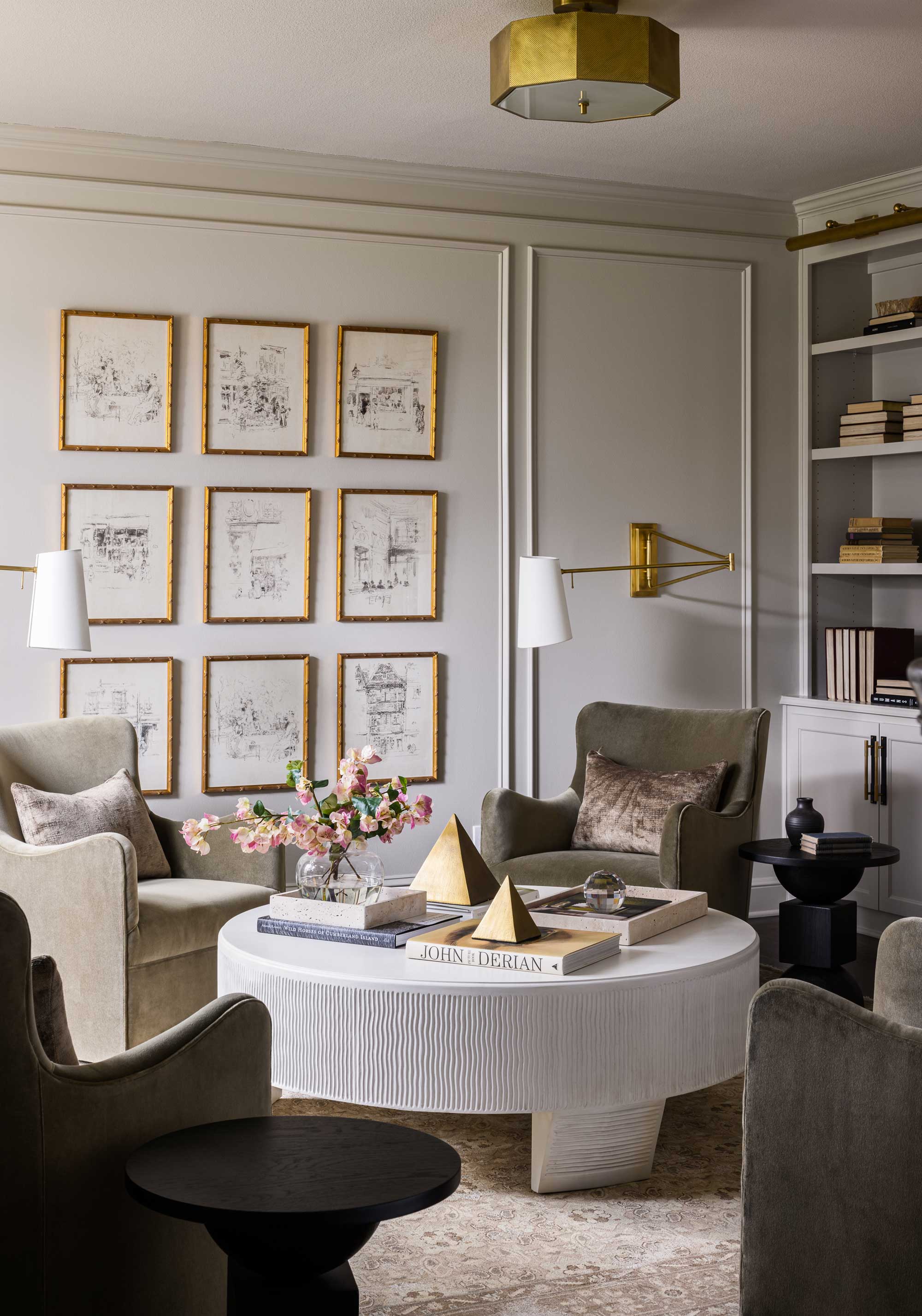
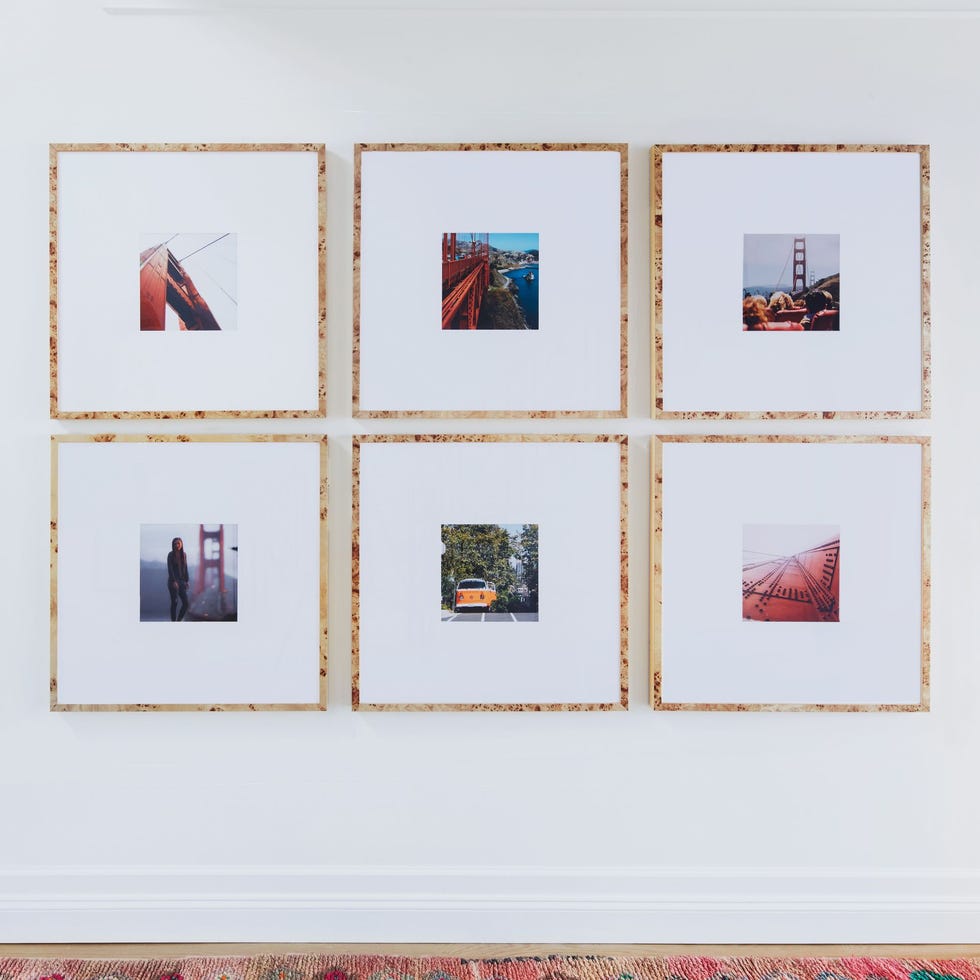
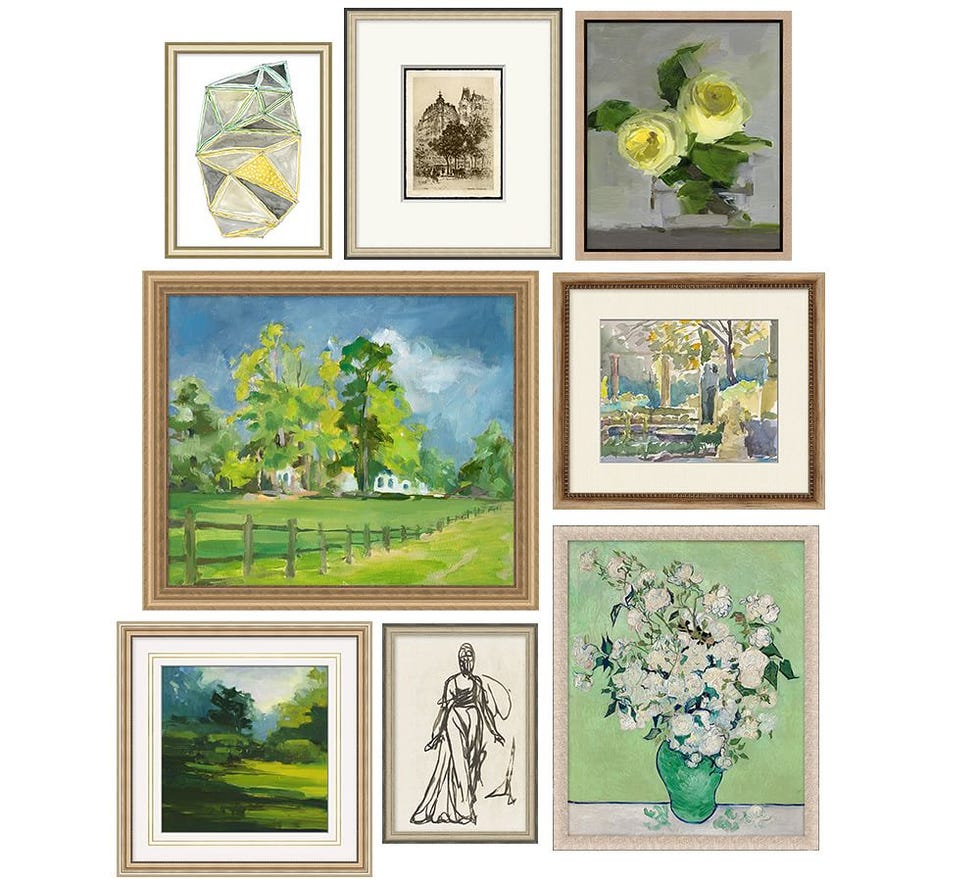
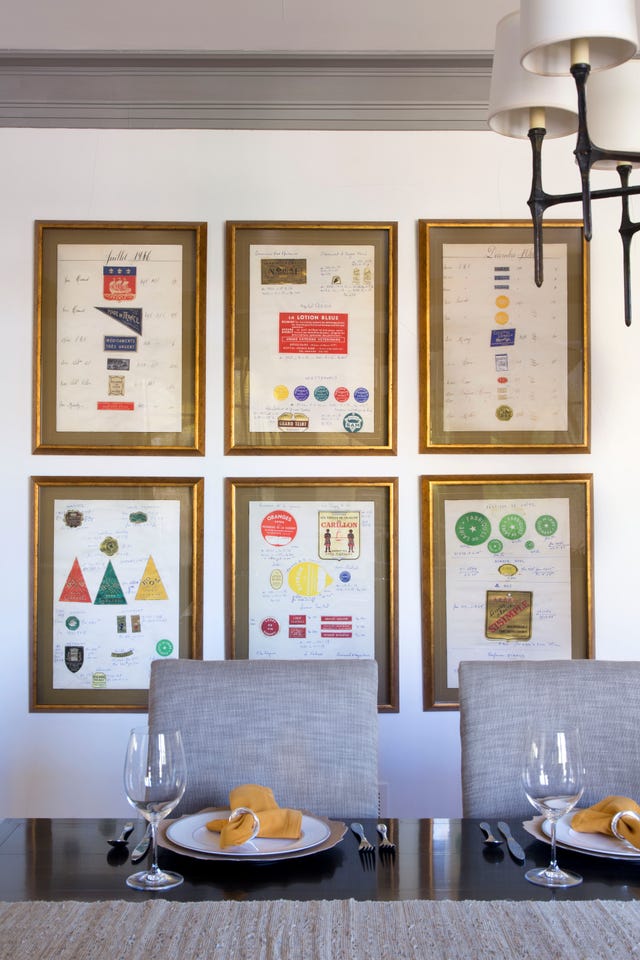
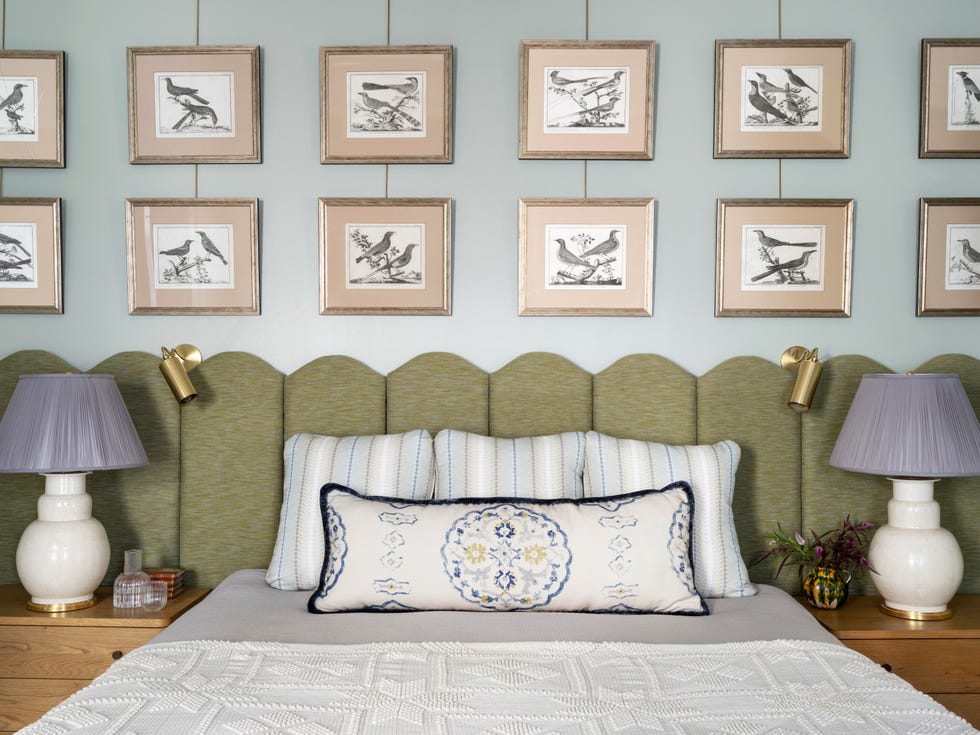
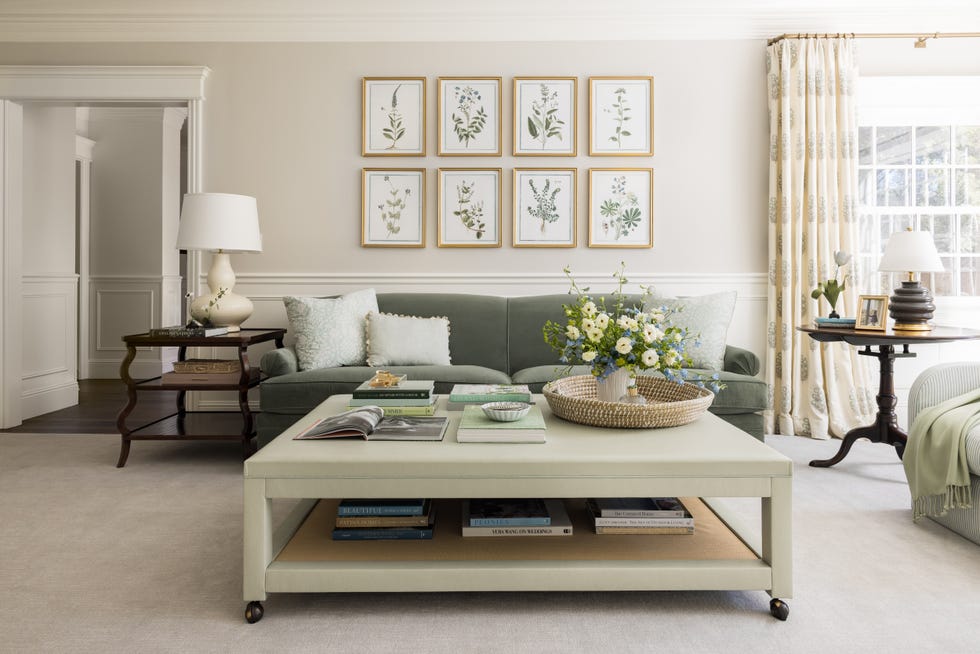
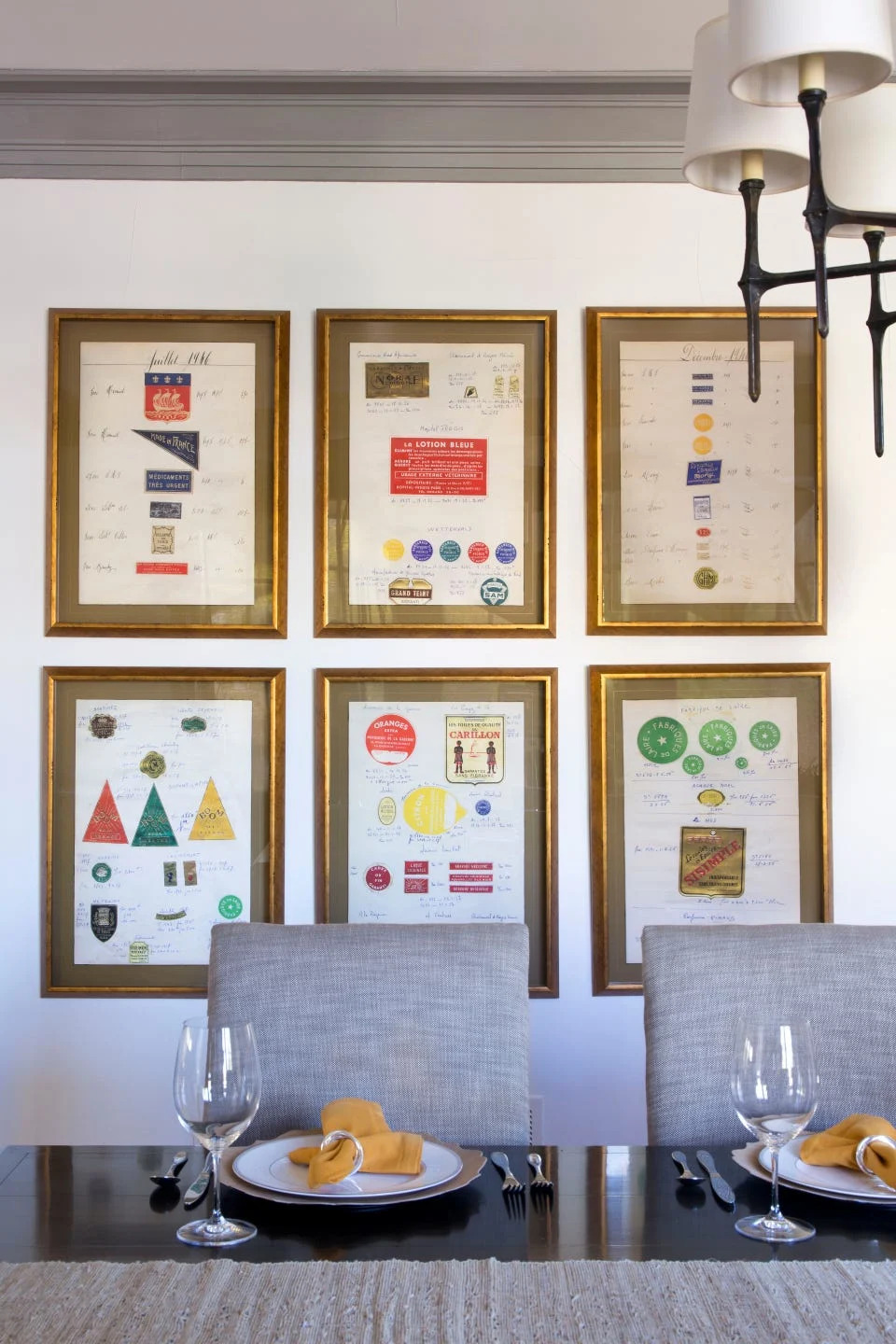
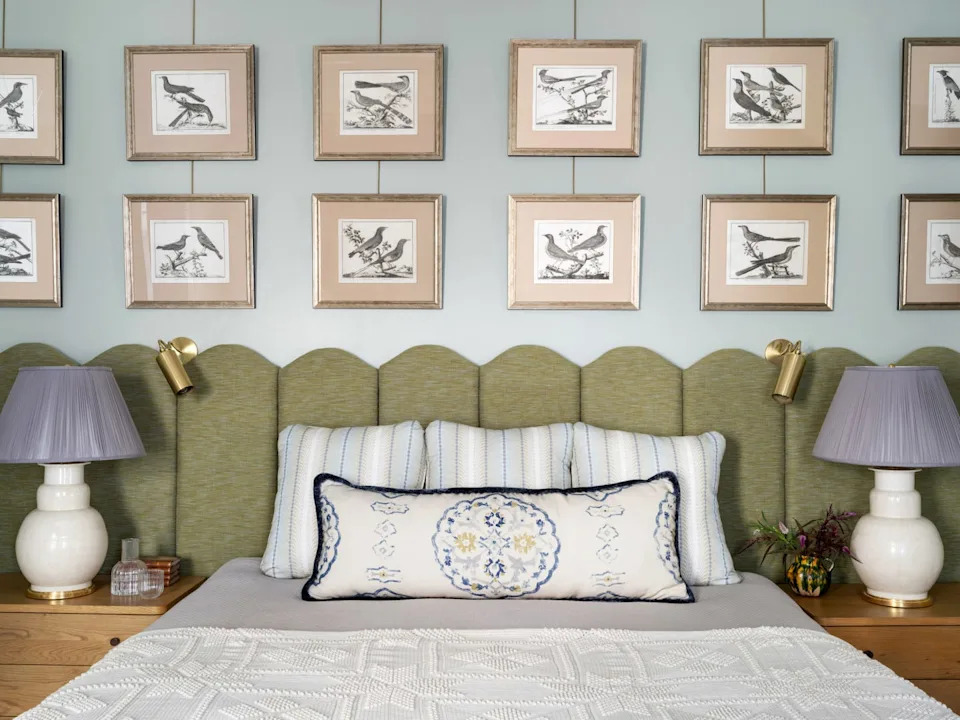
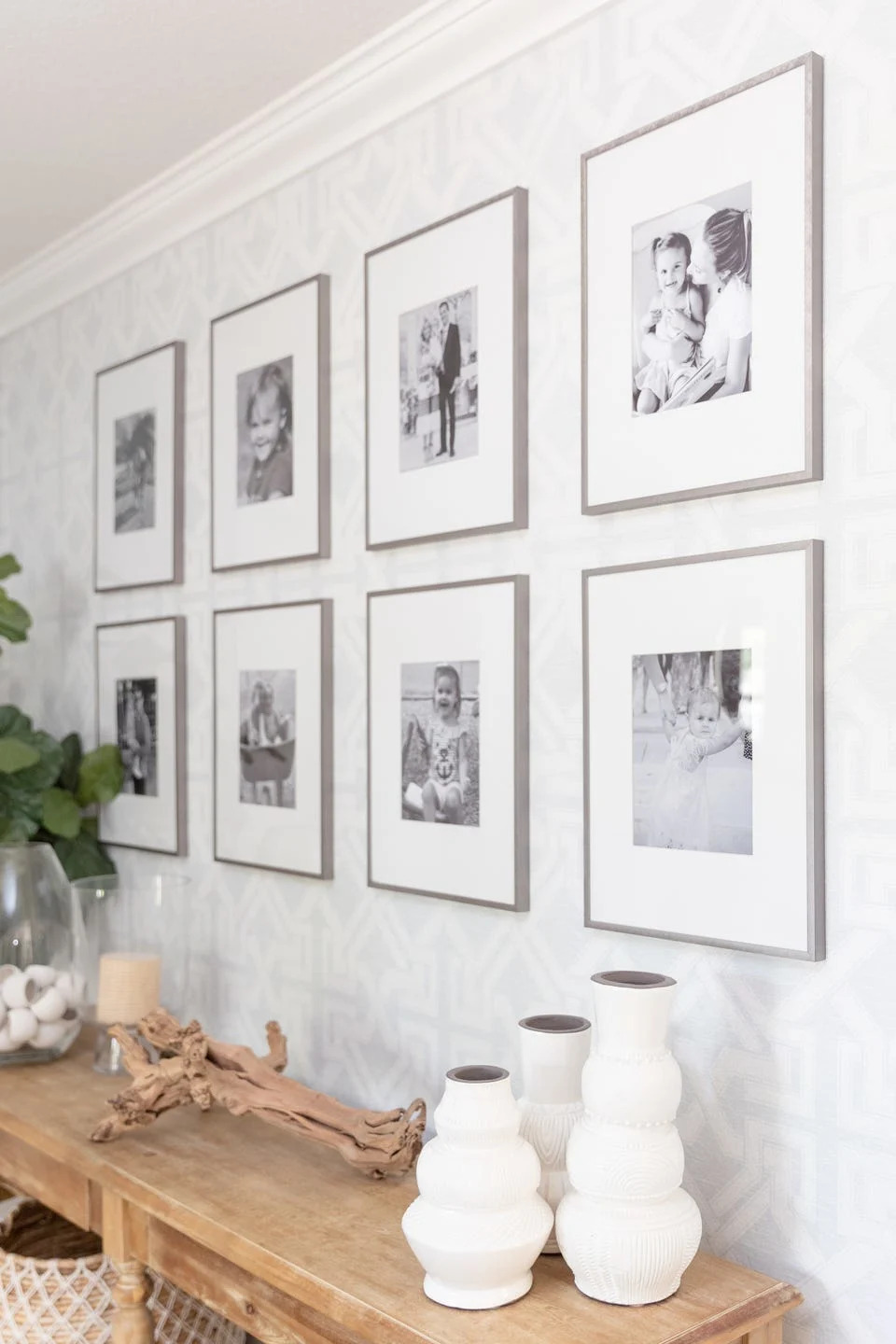
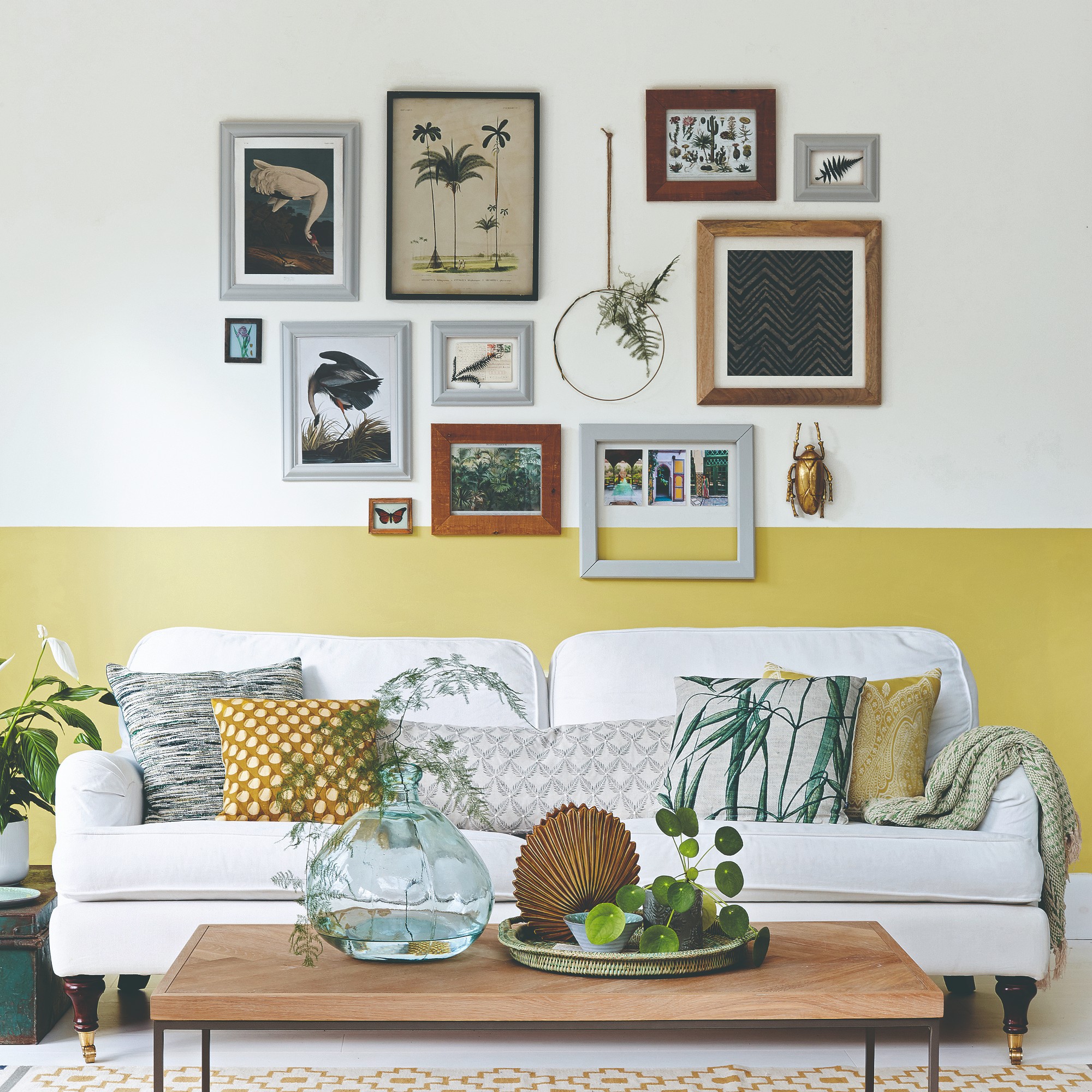
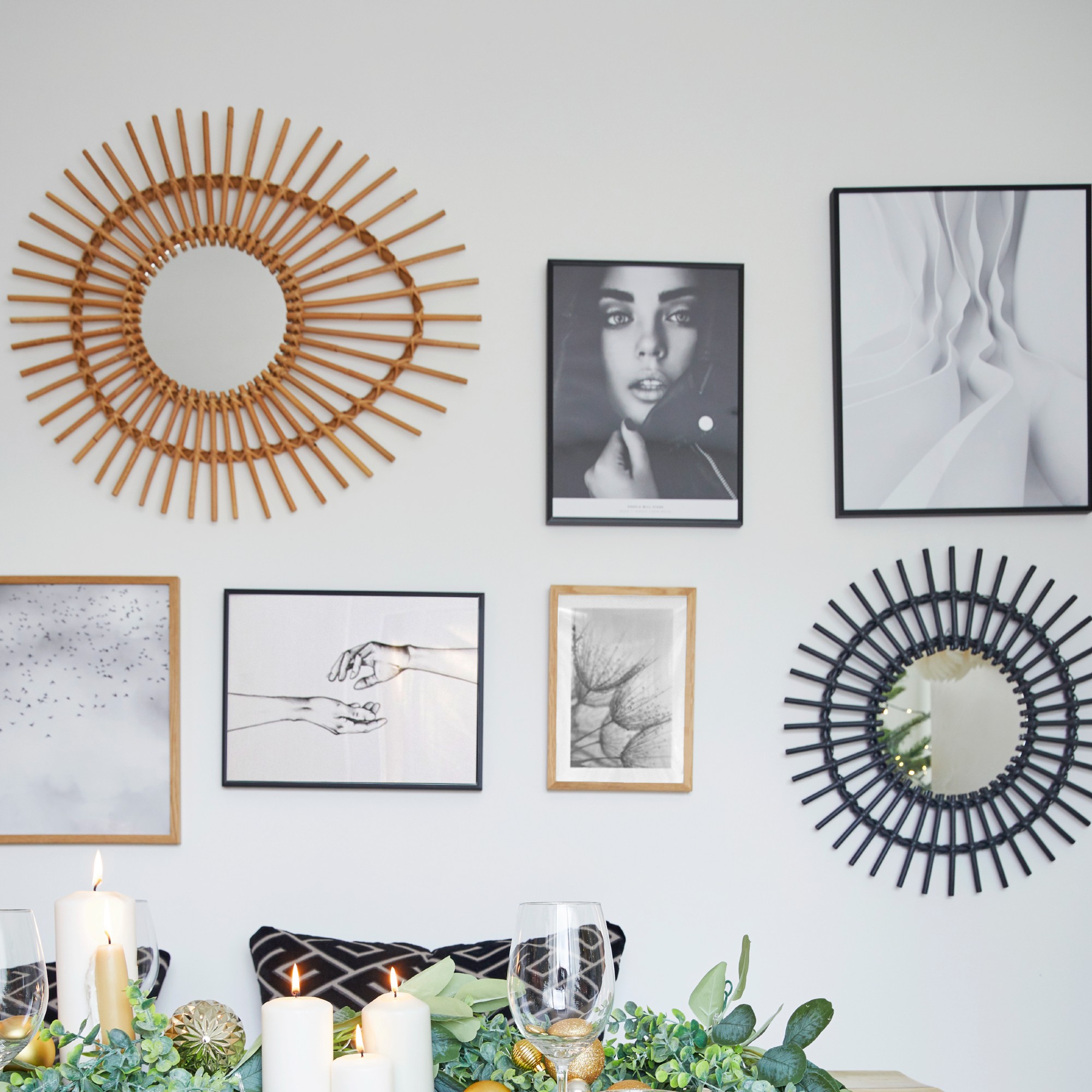
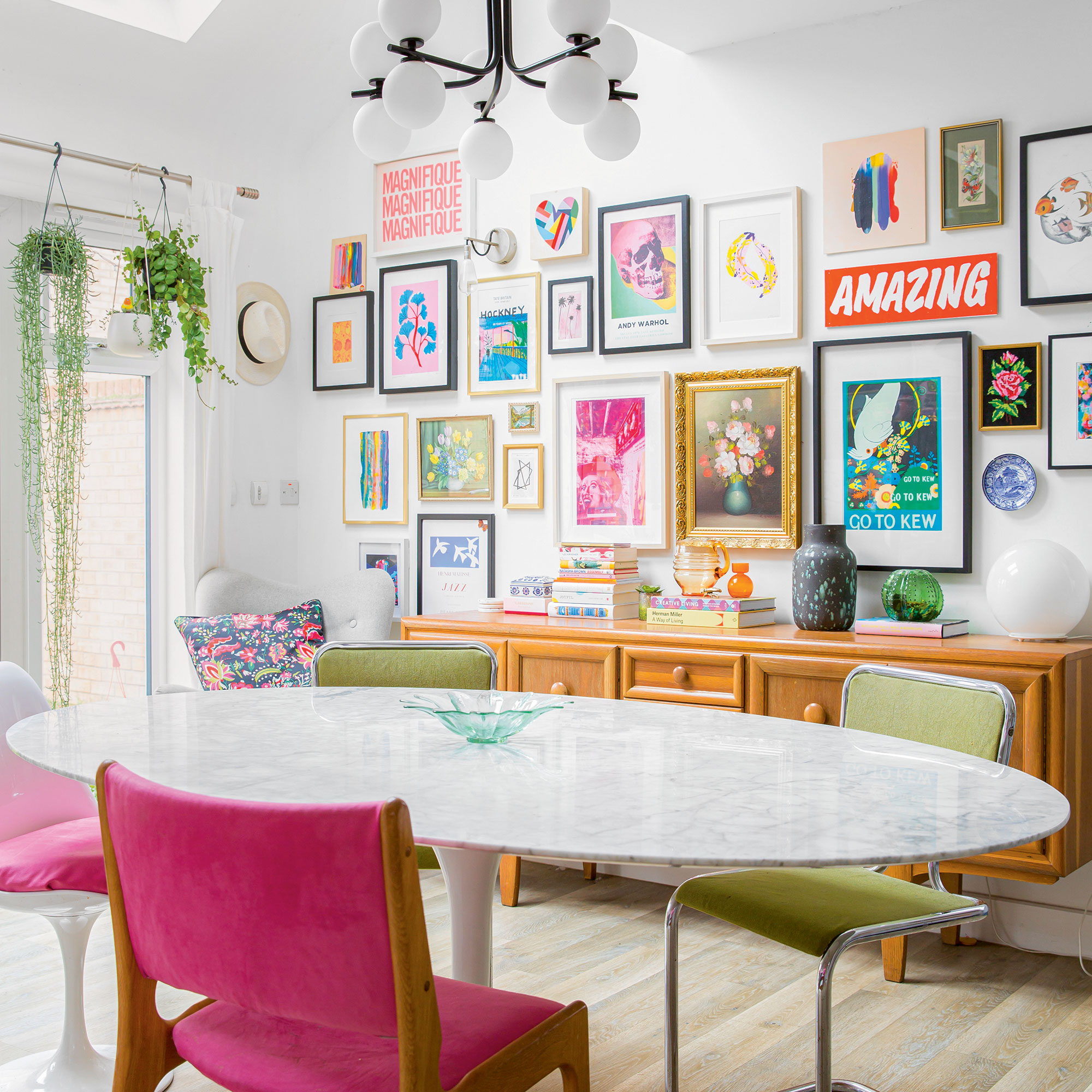
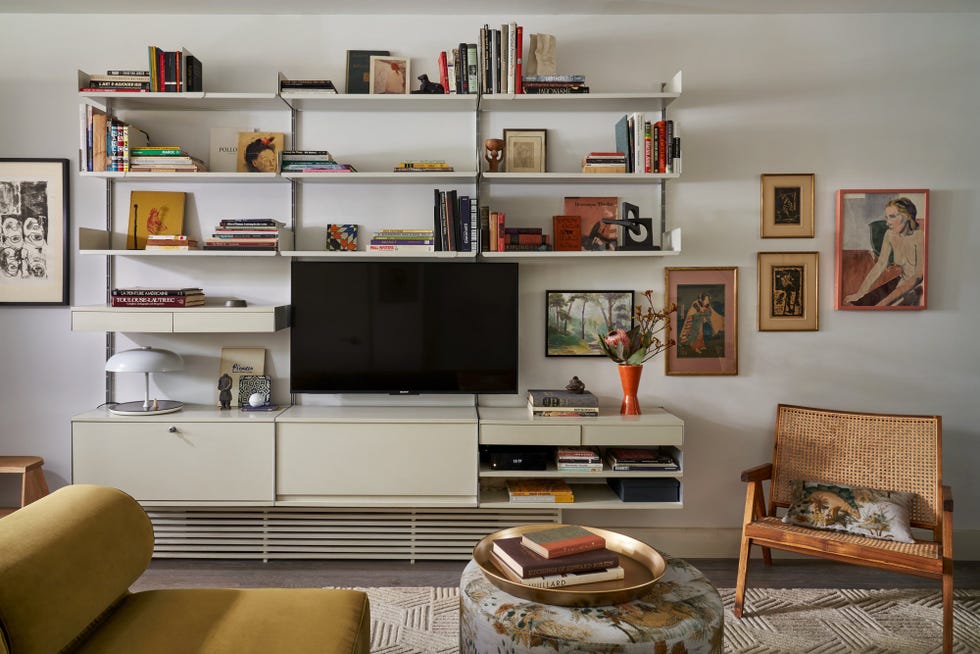
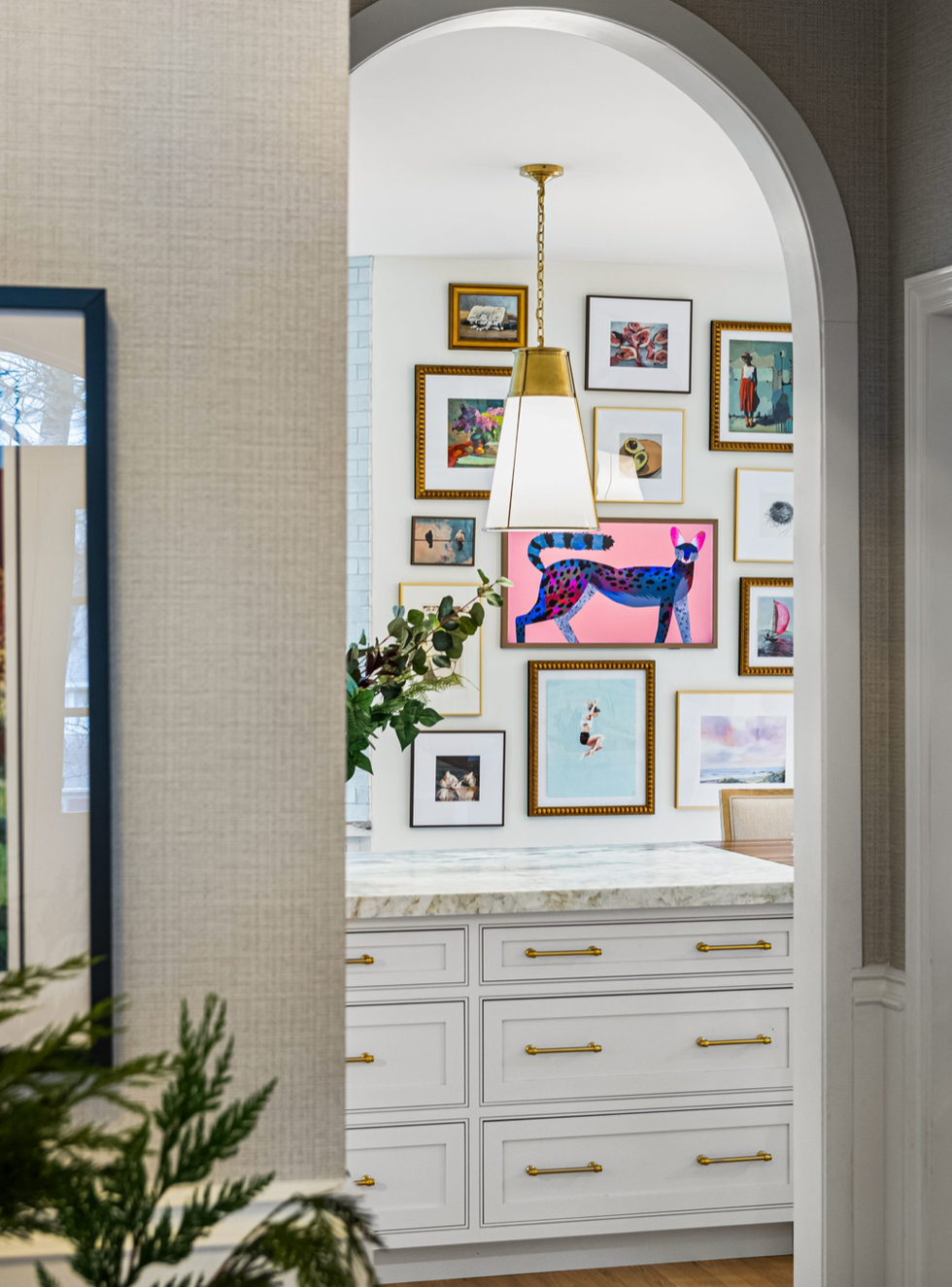
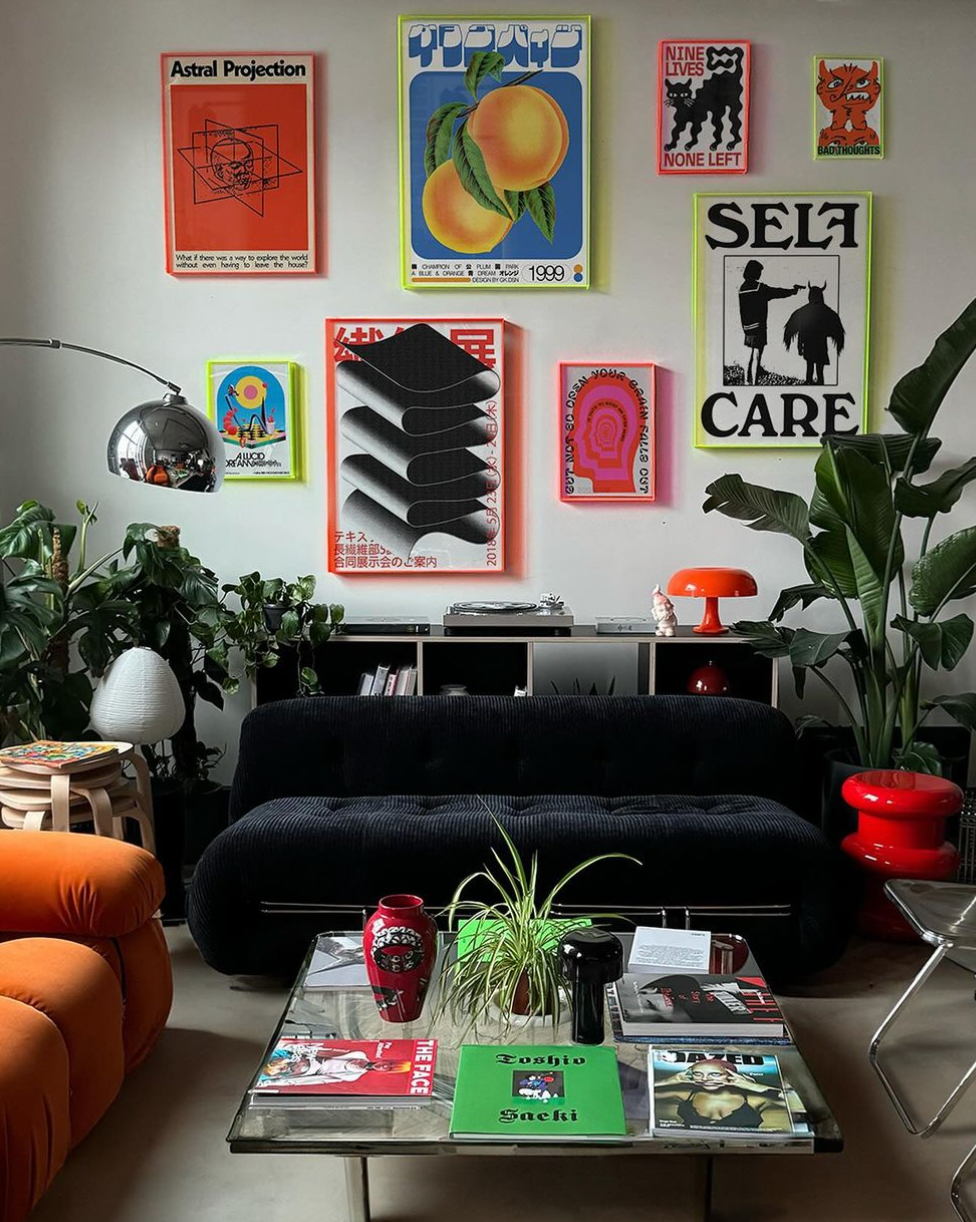
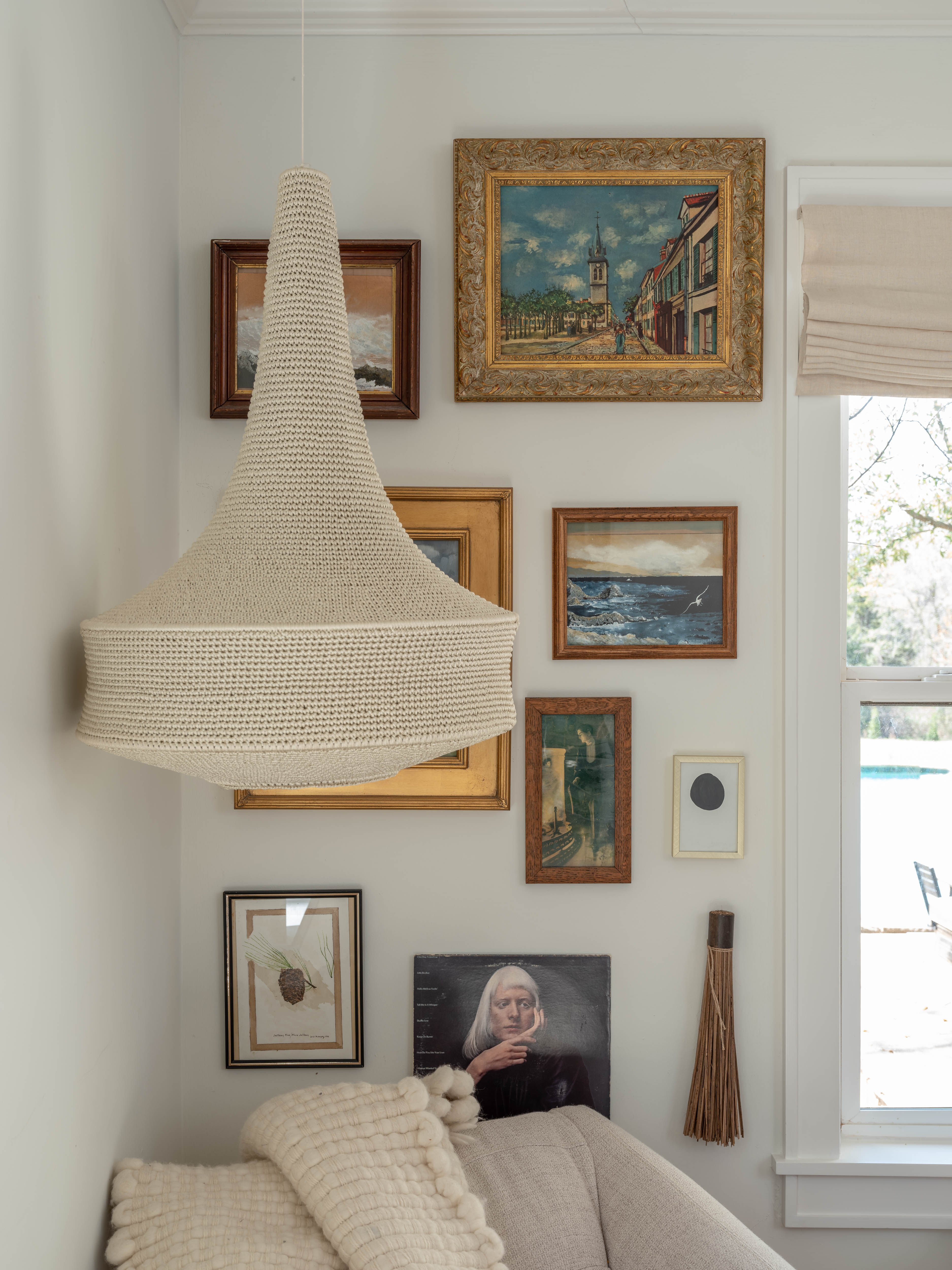
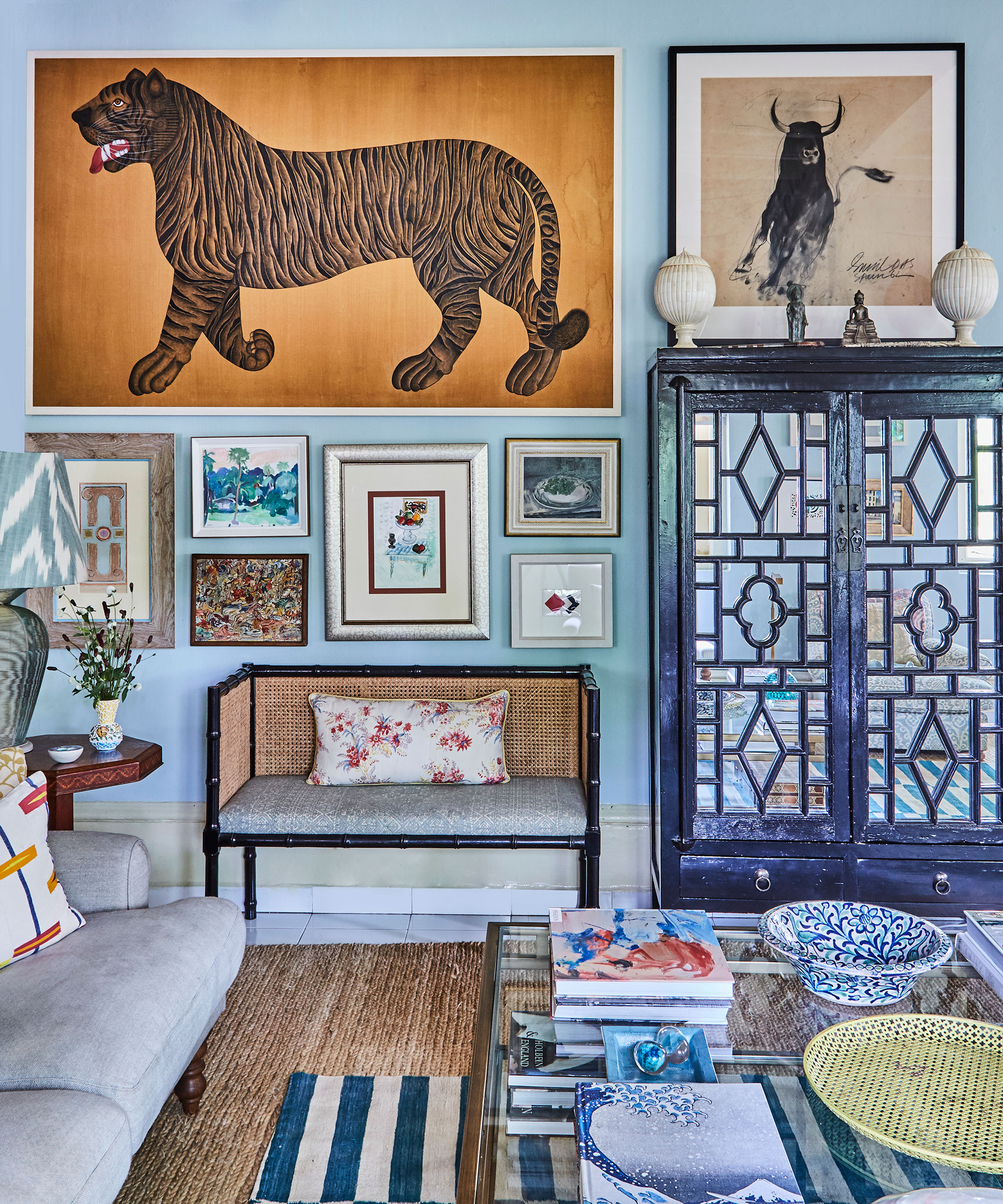
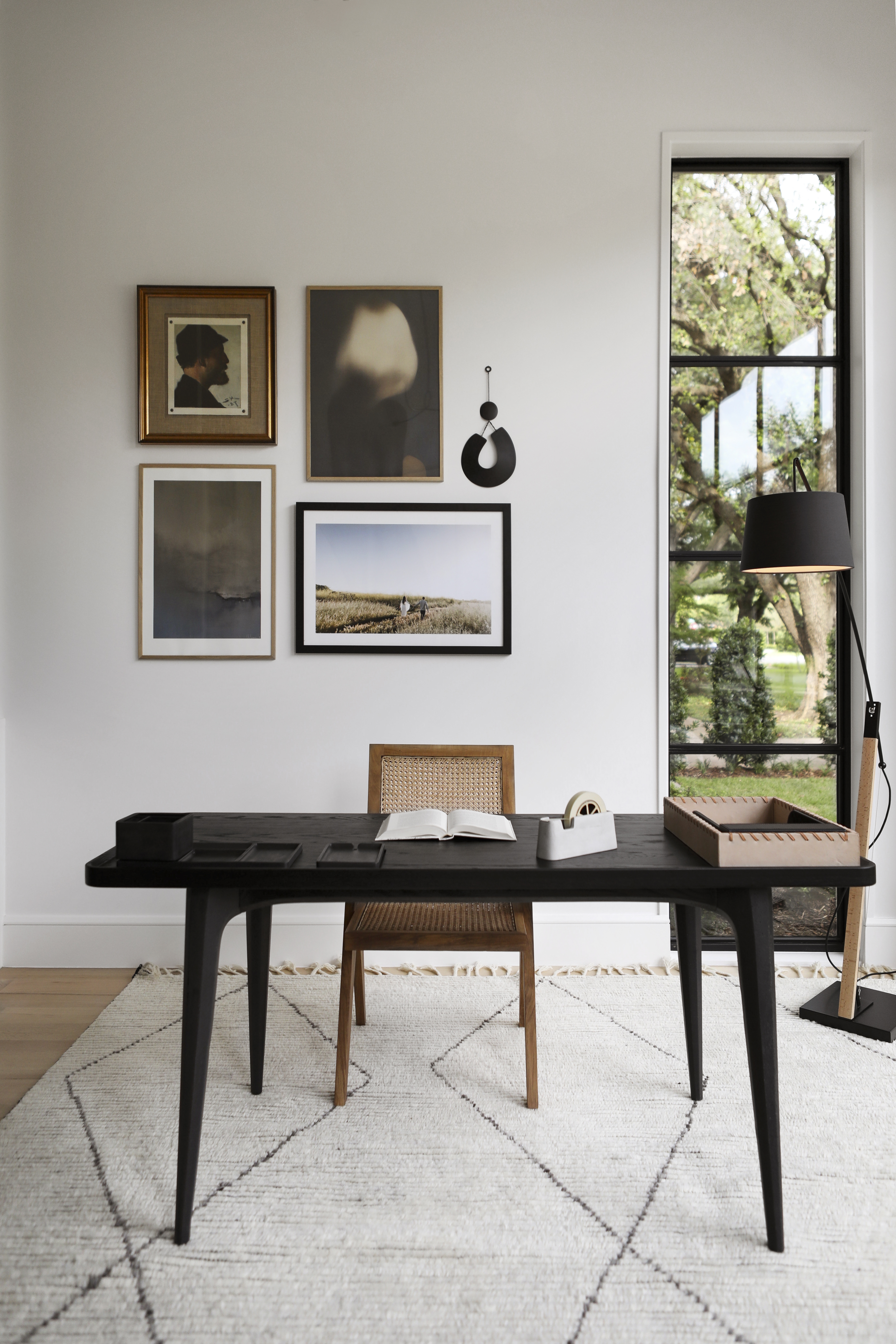
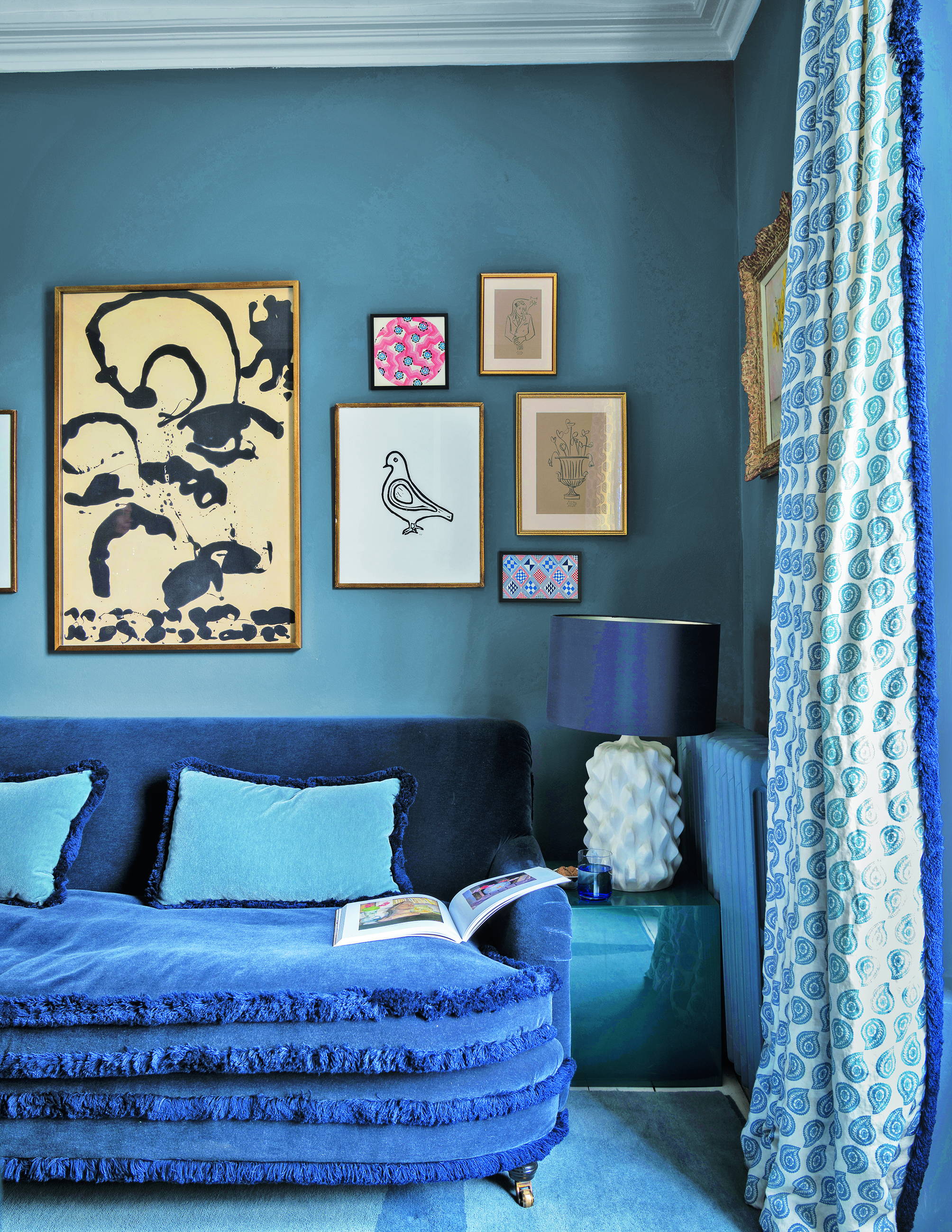
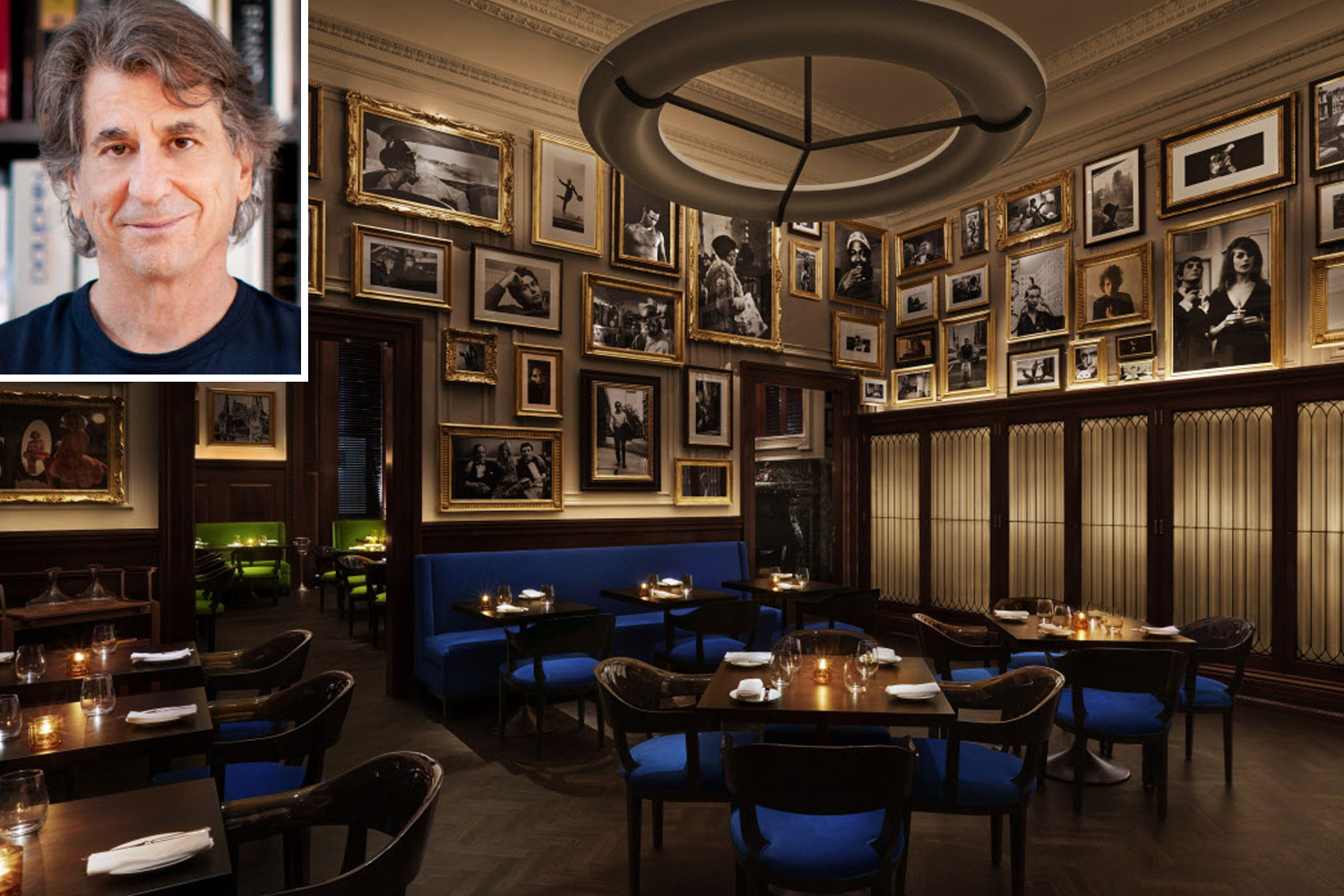
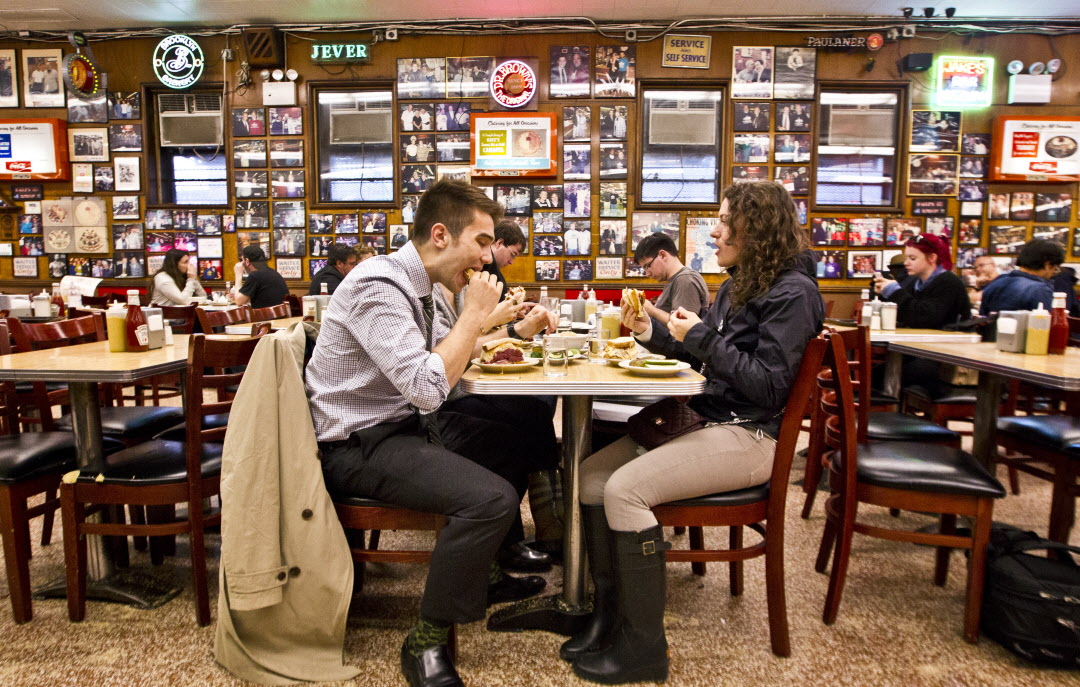
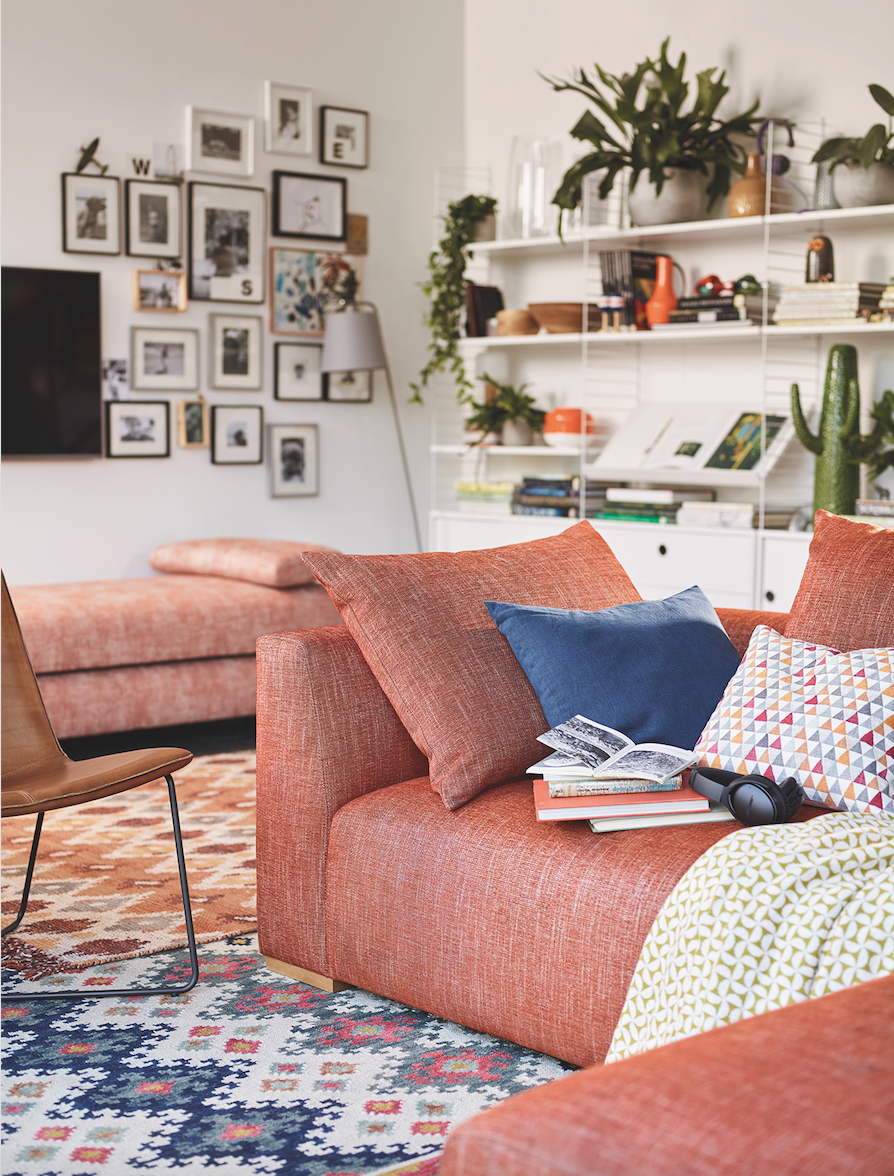
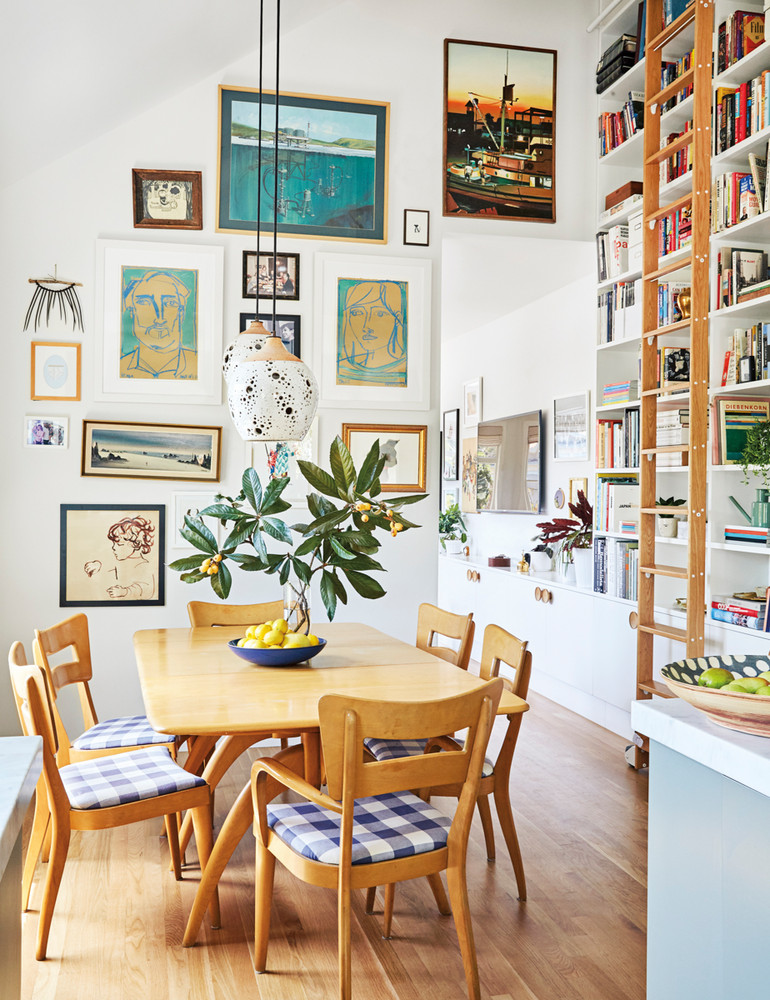
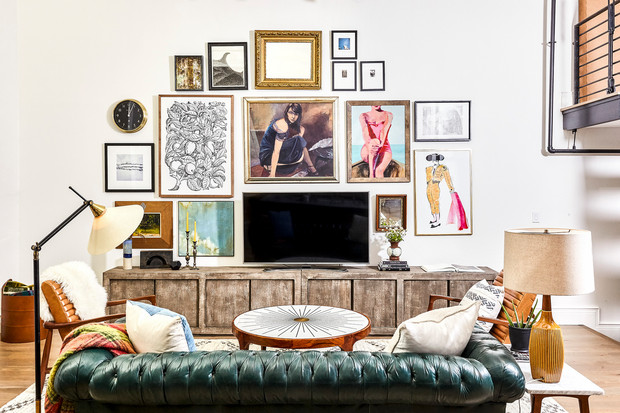
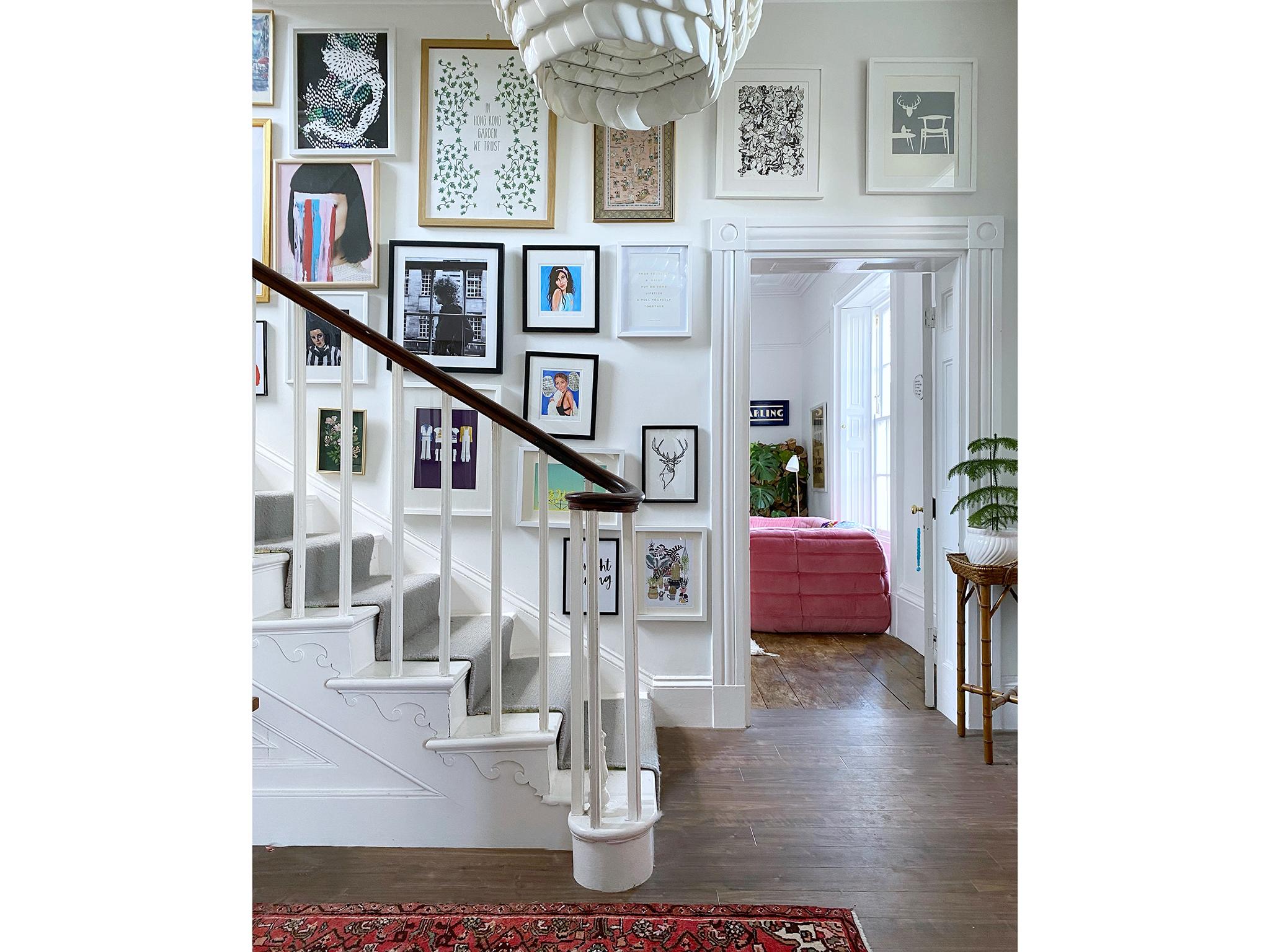
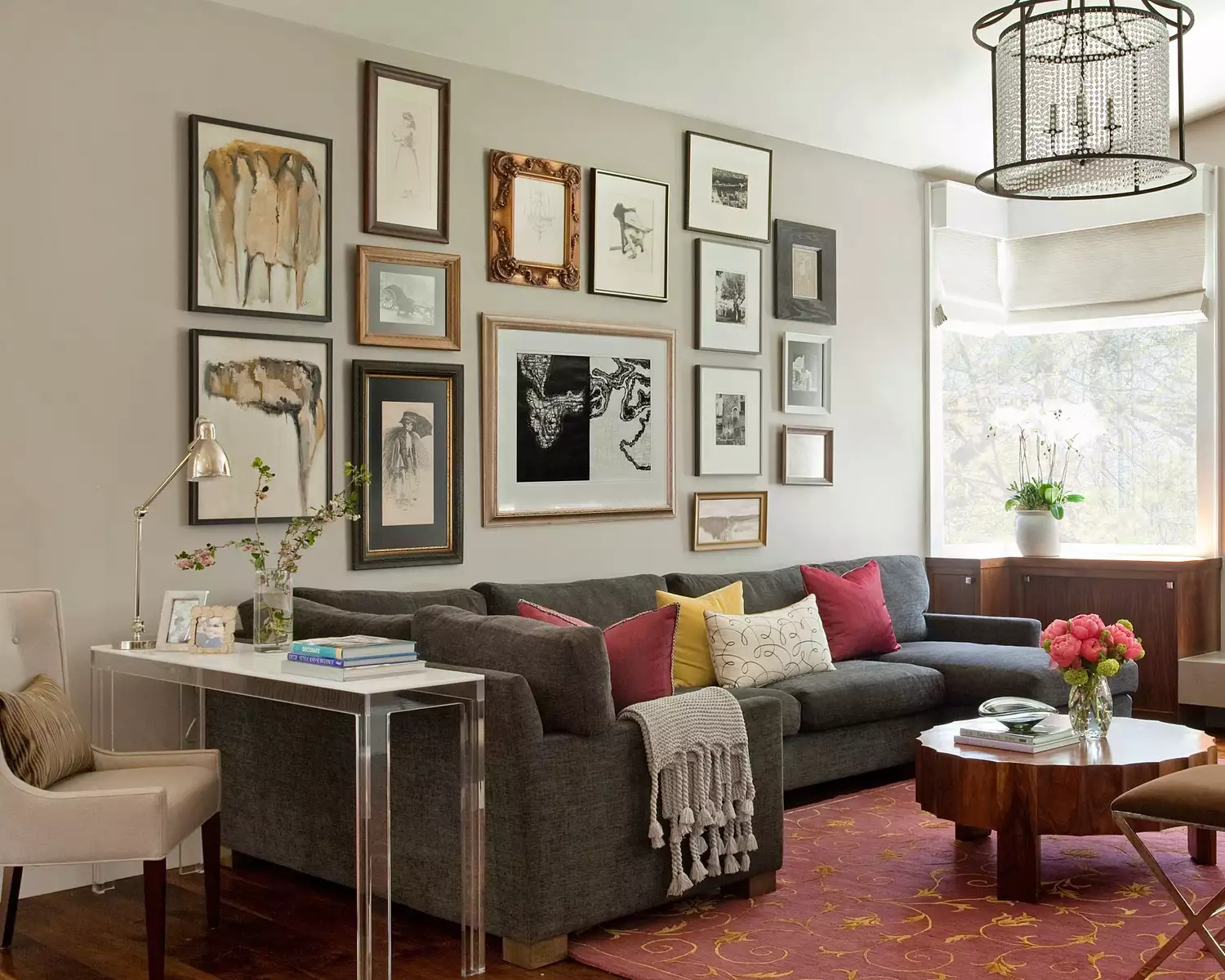
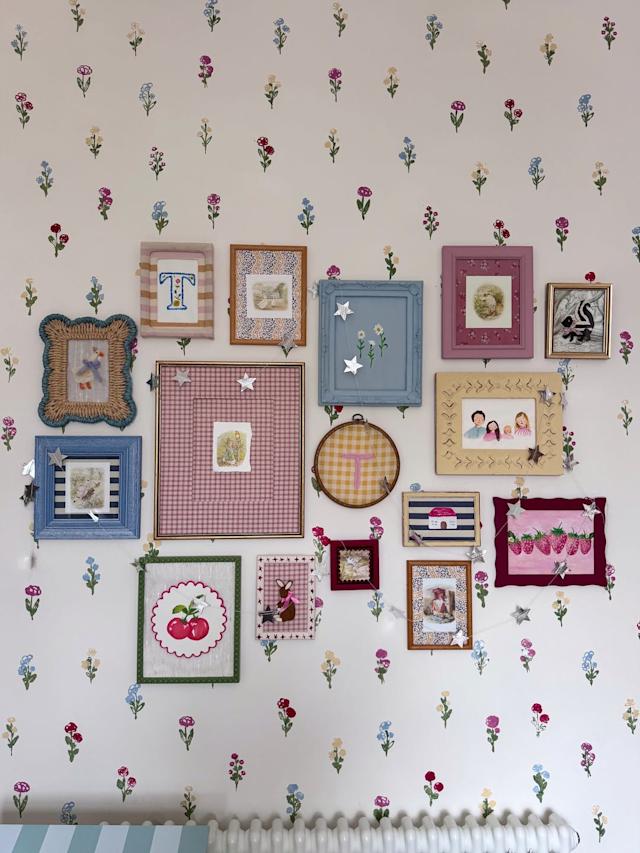
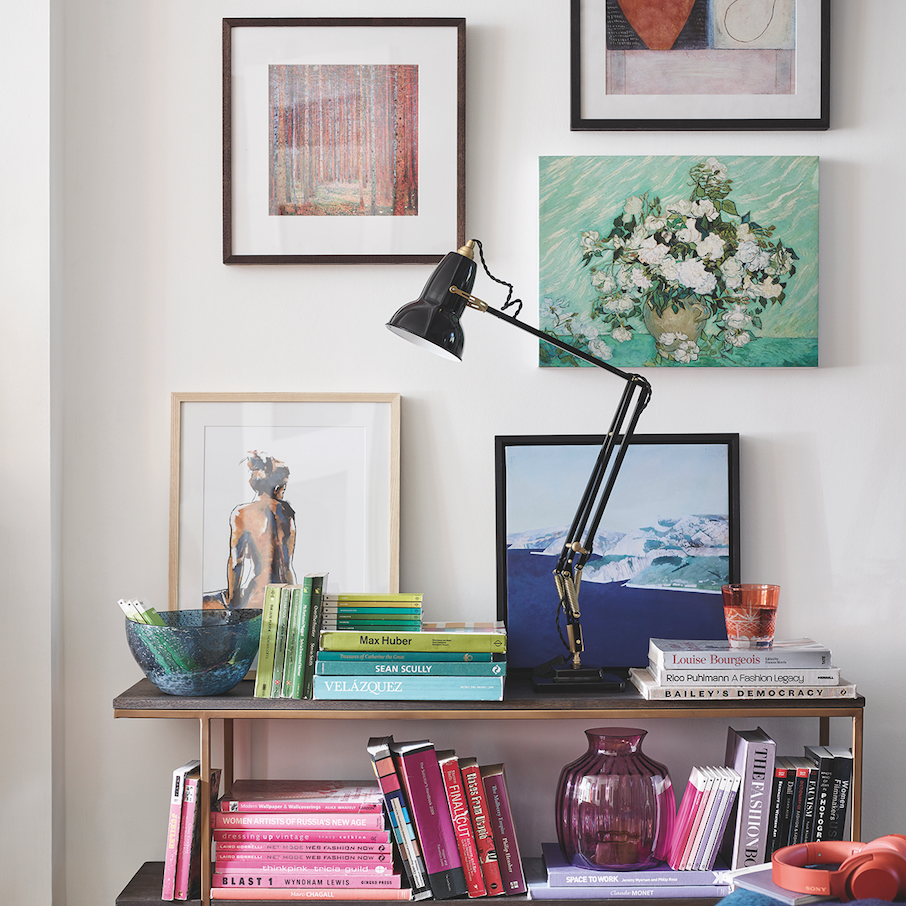
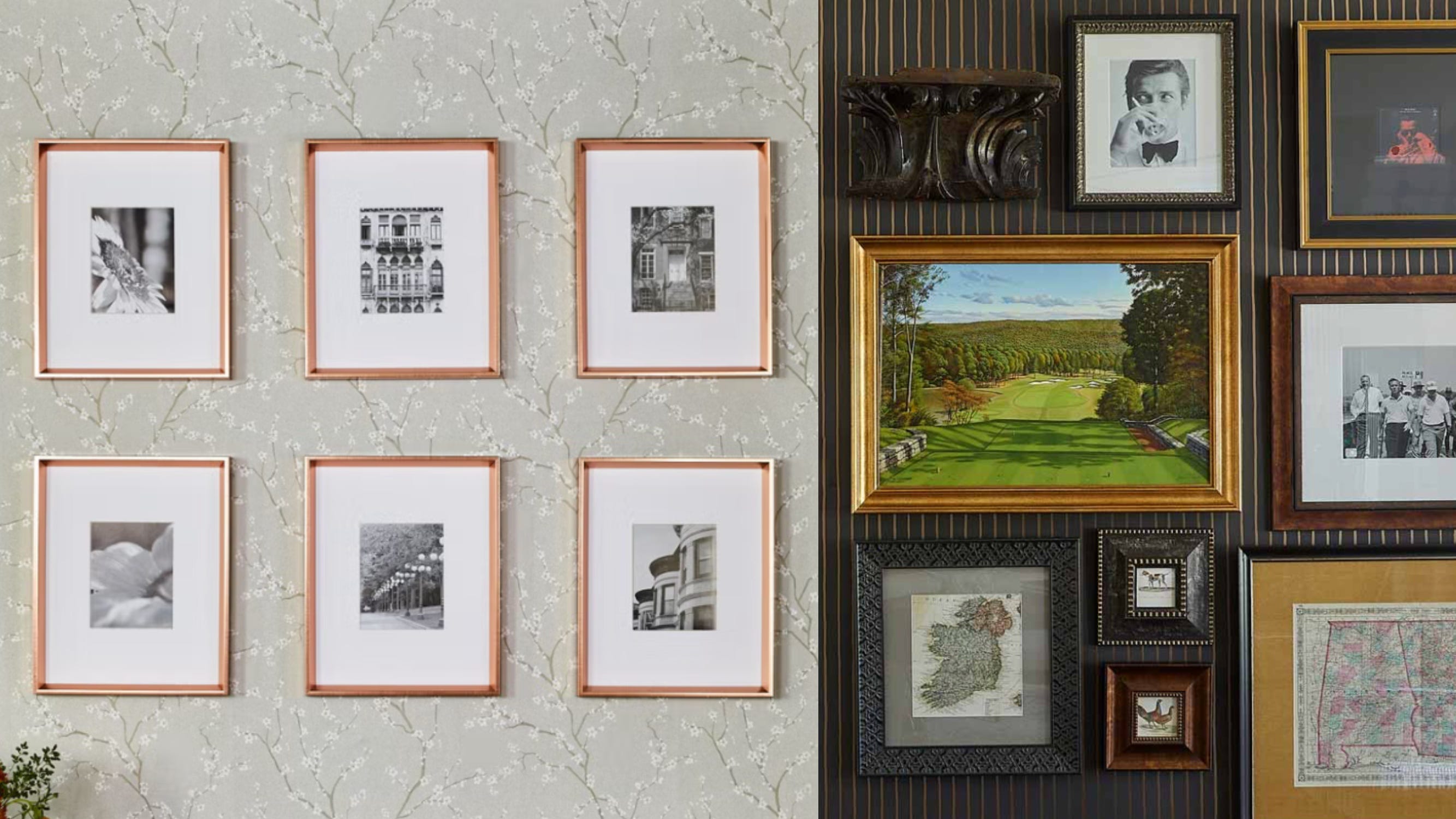
Gallery walls, defined as collections of artwork or various objects arranged on a single wall, have a rich history dating back to prehistoric cave paintings and gaining prominence during the European Renaissance as "salon walls" for showcasing art. While the concept of a gallery wall is inherently timeless, its contemporary application requires careful consideration to avoid a dated or dull appearance. Interior designers emphasize the importance of thoughtful curation, proportion, and cohesion, noting that merely hanging disparate items does not constitute a successful gallery wall. A common denominator in framing, subject matter, finish, or style is crucial for unifying the display.
Despite evolving design trends, a well-curated gallery wall is not expected to go out of style, as its fundamental appeal lies in its ability to tell a story through art, create a focal point, ground an oversized room, and add texture without occupying floor space. However, experts caution against using gallery walls in certain situations. They are generally not recommended for narrow hallways or small powder rooms, where the entire collection cannot be appreciated at once. Similarly, walls already crowded with other hanging decor or elaborate storage should be avoided to prevent a cluttered feel; a blank space is ideal for a gallery wall to truly stand out. Additionally, in rooms with a minimalist aesthetic or those with dim natural light, a gallery wall might overwhelm the space, suggesting that alternative styling approaches would be more appropriate.
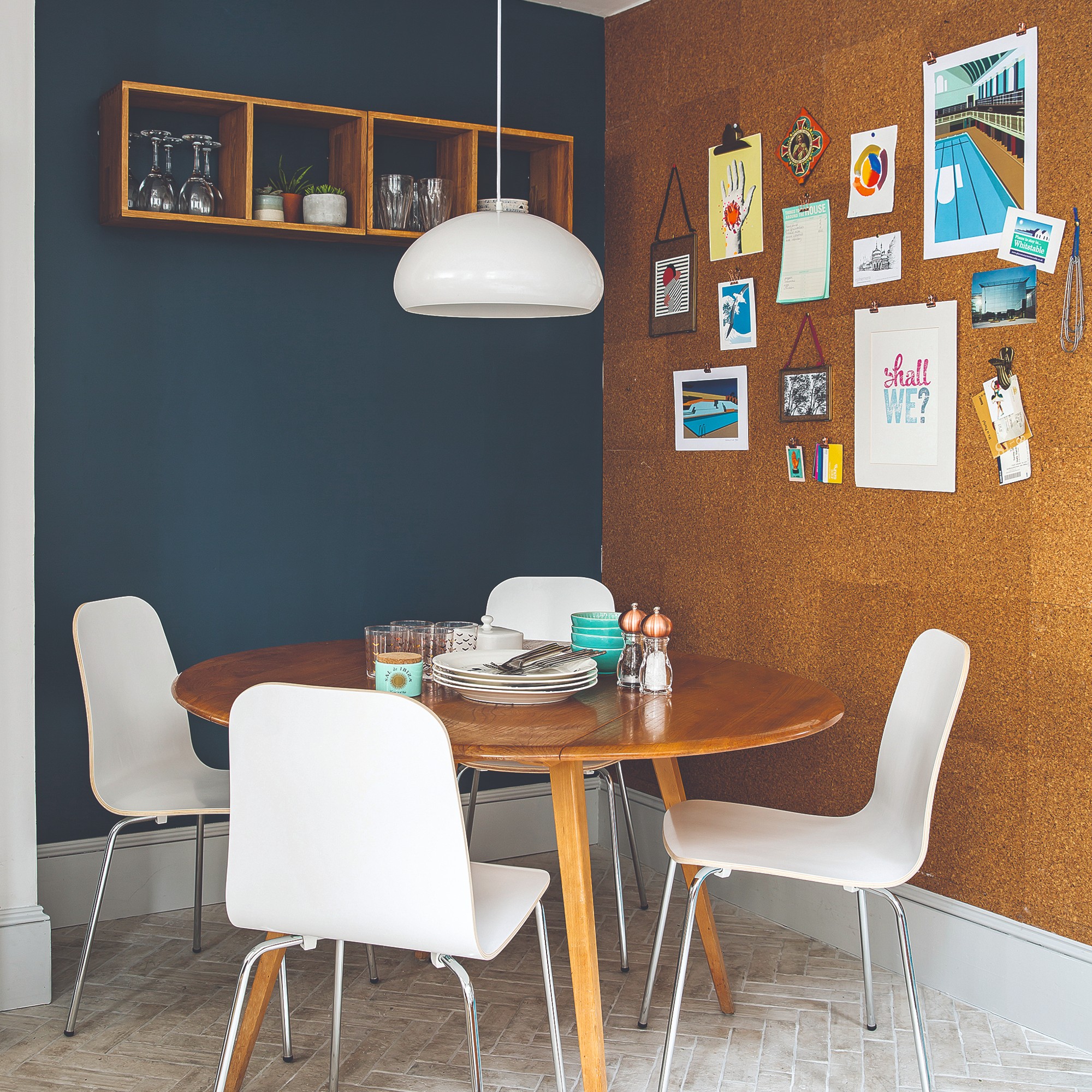
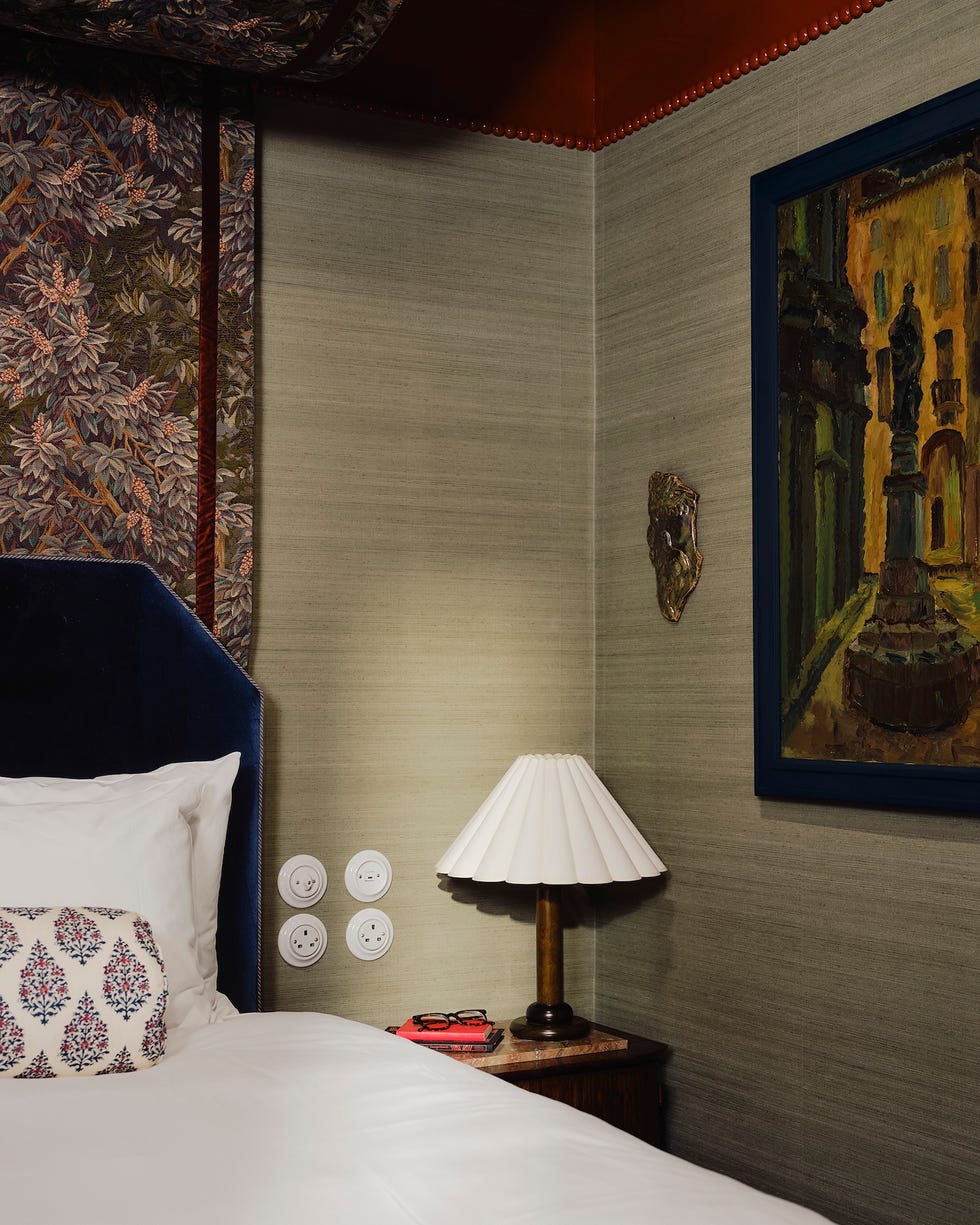
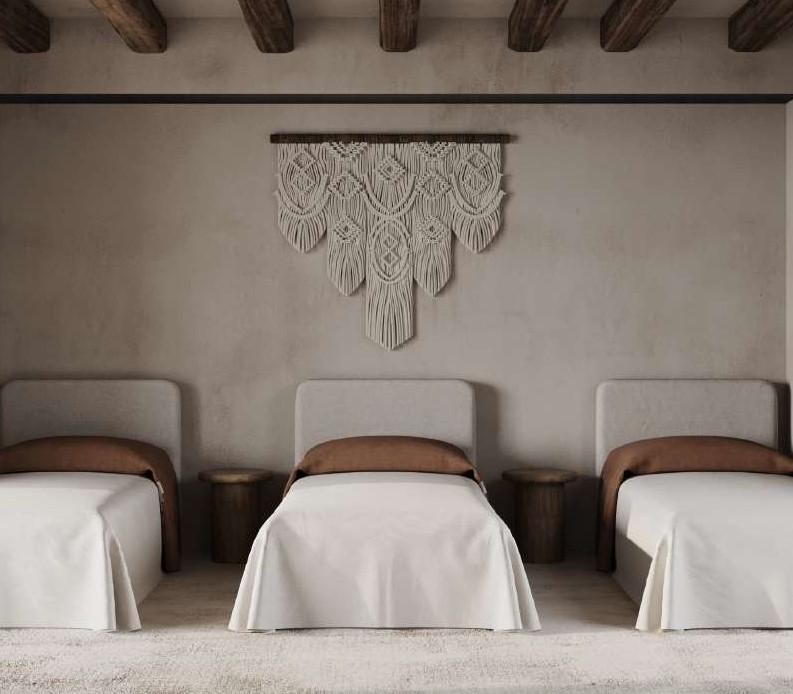
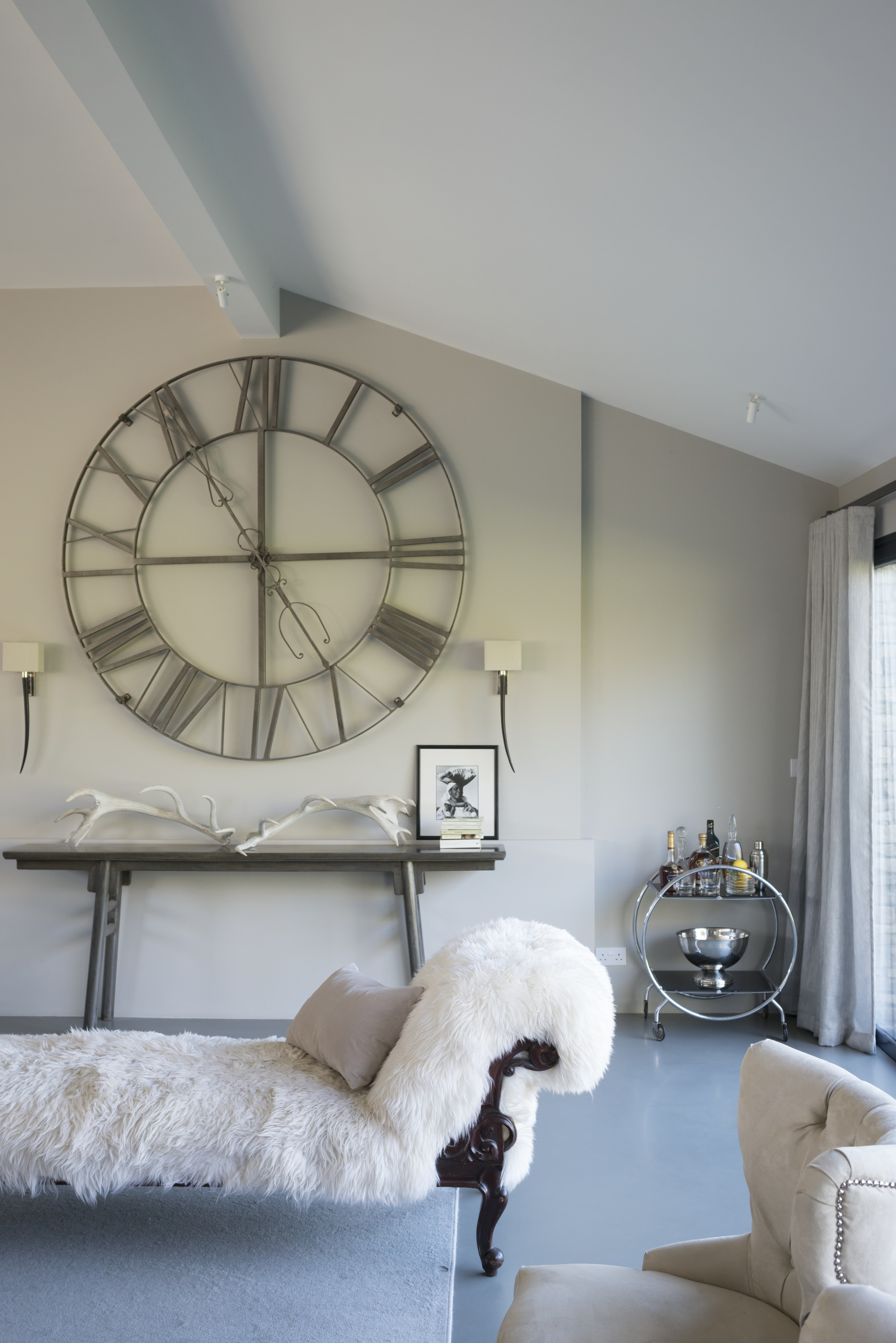
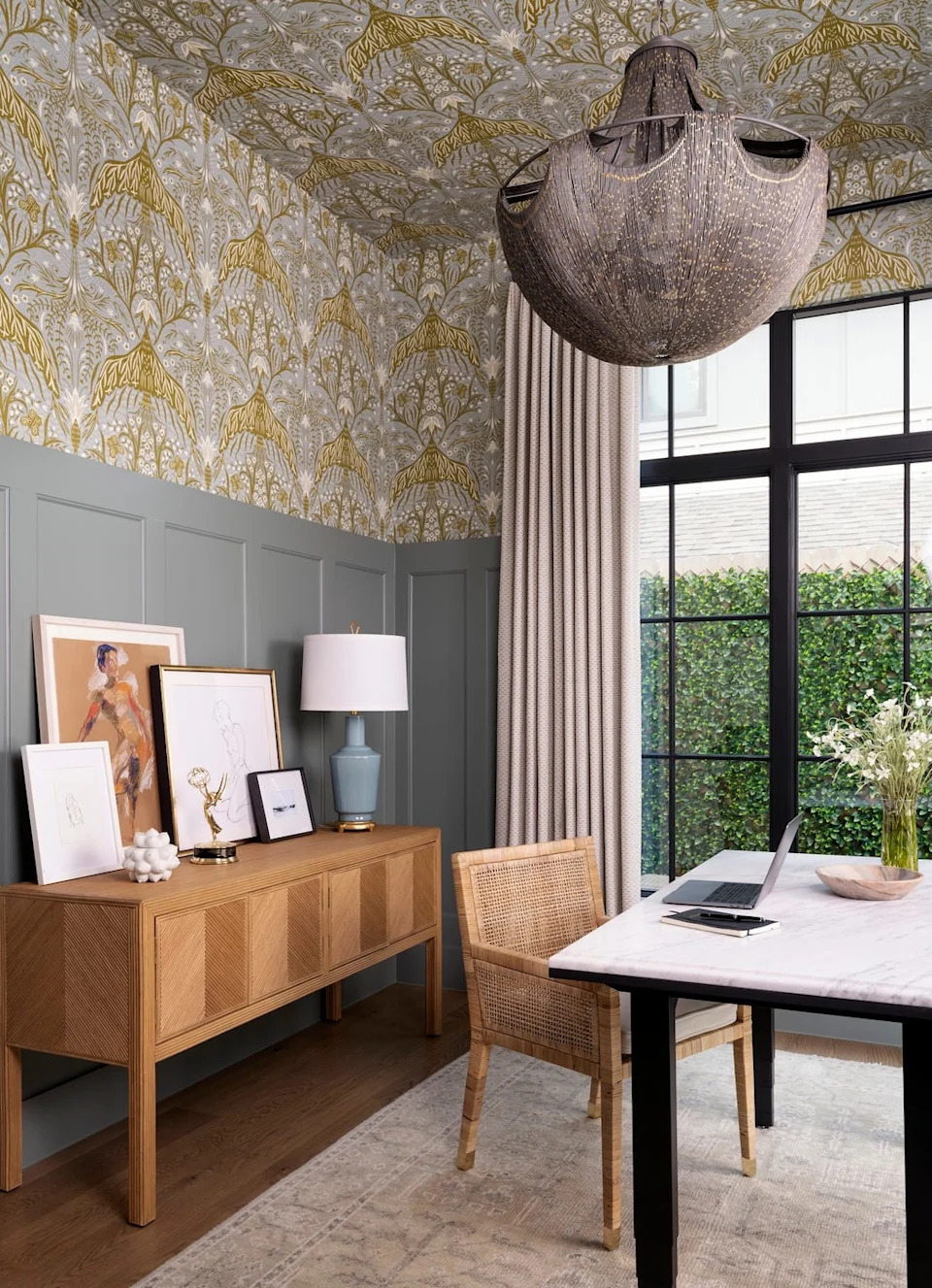
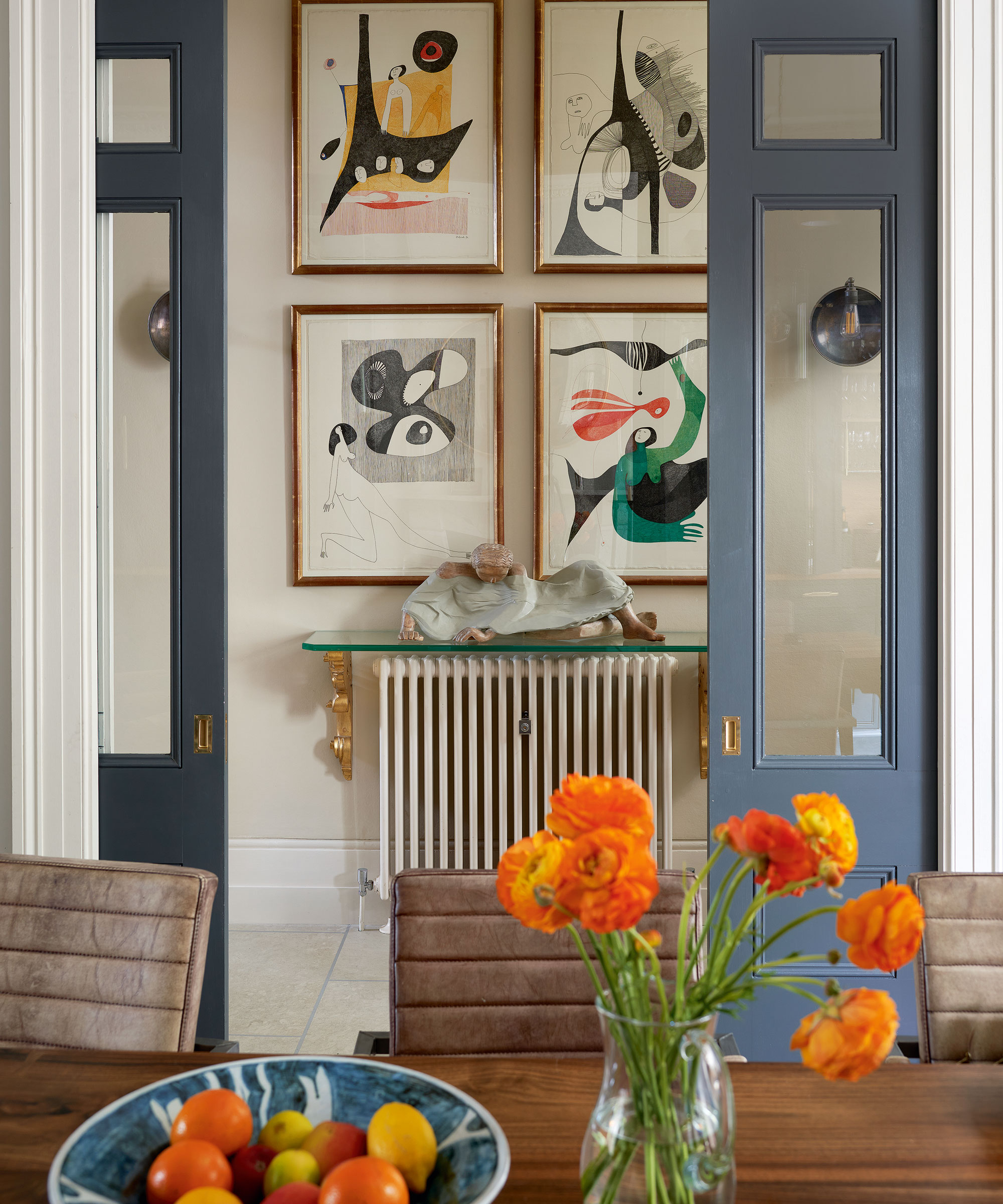
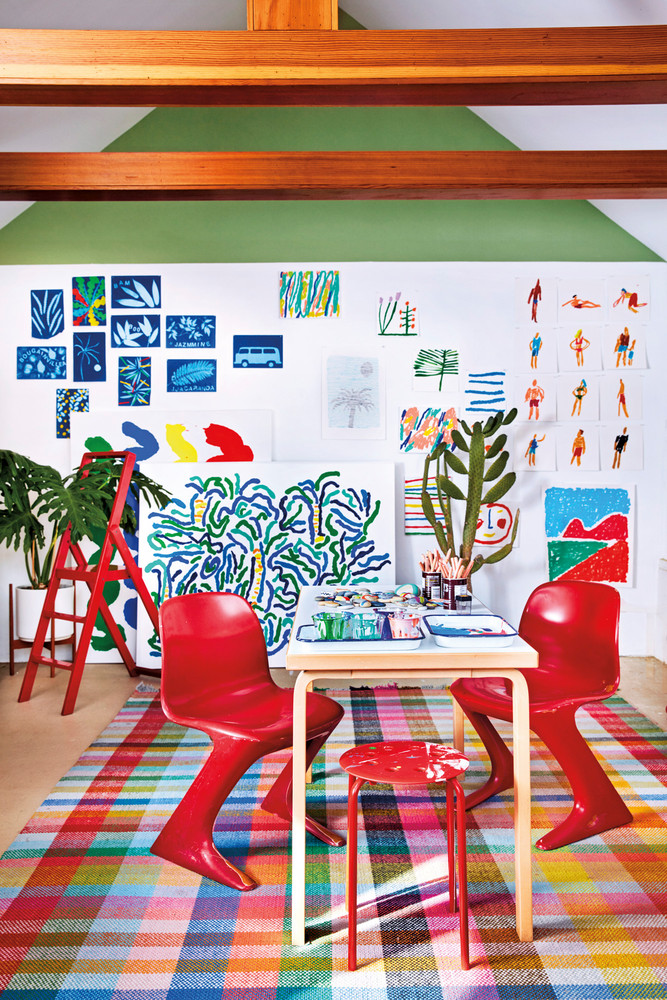
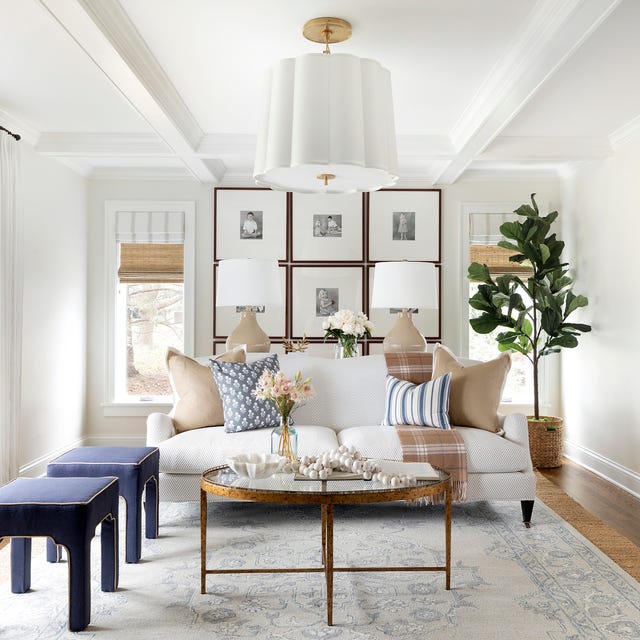
For those seeking alternatives to traditional gallery walls, several expert-approved methods can achieve a striking focal point. One option is to select a single, large piece of art that covers approximately 60 percent of the blank wall, adjusting for furniture placement to ensure correct proportion. Another approach involves creating a mini-collection, such as a pair of large works or a triptych, displayed linearly with equal spacing. Using an odd number of frames in a series can also introduce dynamic energy. Incorporating furniture like an armchair, cabinet, or console table can break up a large wall and serve as an anchor for art groupings. Bringing the outside in with large houseplants or potted trees is another effective way to add visual interest and fill space. Finally, utilizing large mirrors can brighten a room and make it feel more spacious, while textured art, decorative screens, or patterned wallpaper can introduce visual interest without the need for multiple displayed items, balancing personal style with the room's overall aesthetic.
#GalleryWalls #InteriorDesign #HomeDecor #WallArt #HomeStyling #FocalPoints #DesignTrends #ArtDisplay #GalleryWalls #InteriorDesign #HomeDecor #WallArt #HomeStyling #FocalPoints #DesignTrends #ArtDisplay
0 comment in total
 No comments yet
You may also like
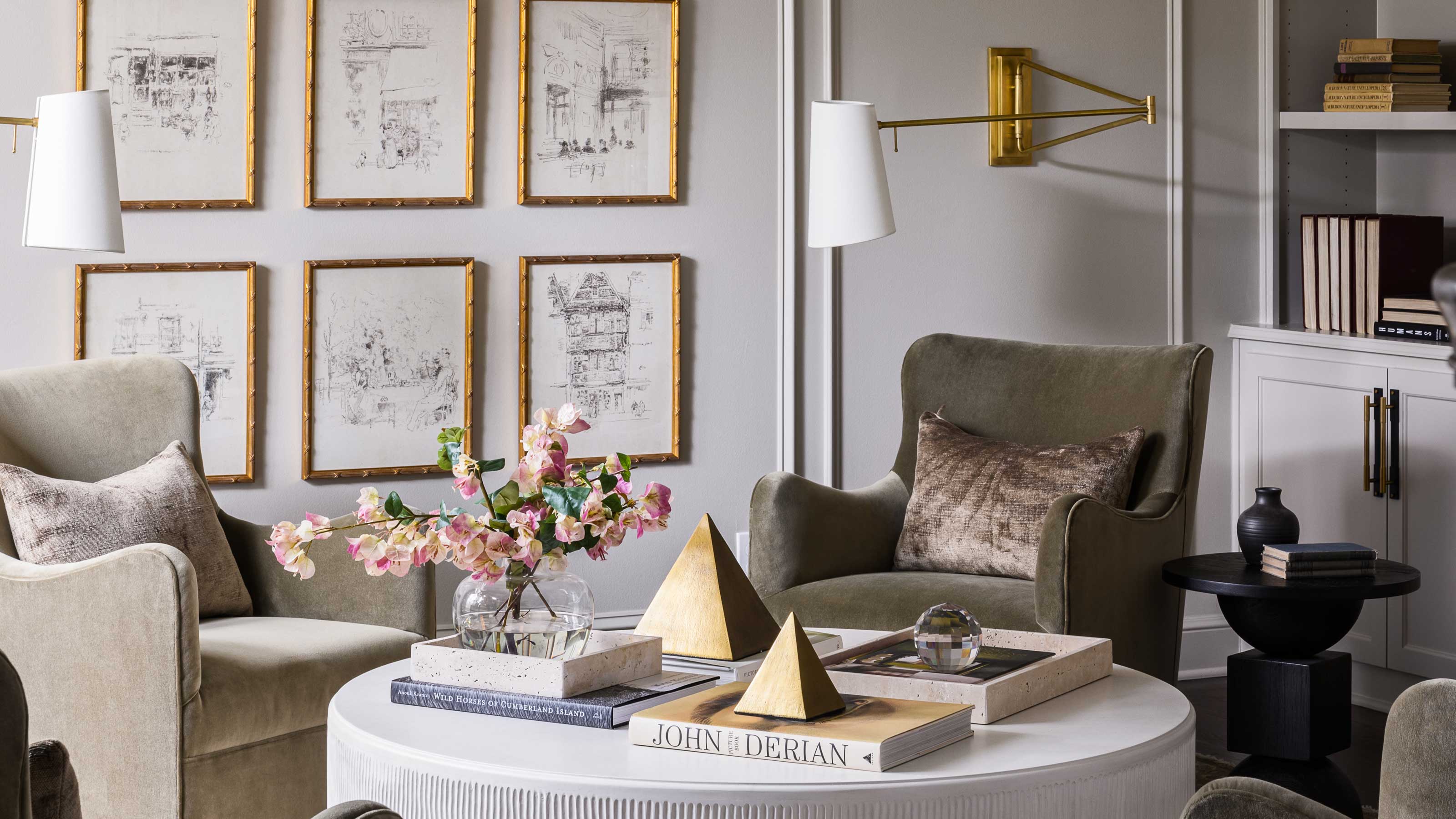
Are gallery walls going out of style? These interior designers all came to the same verdict

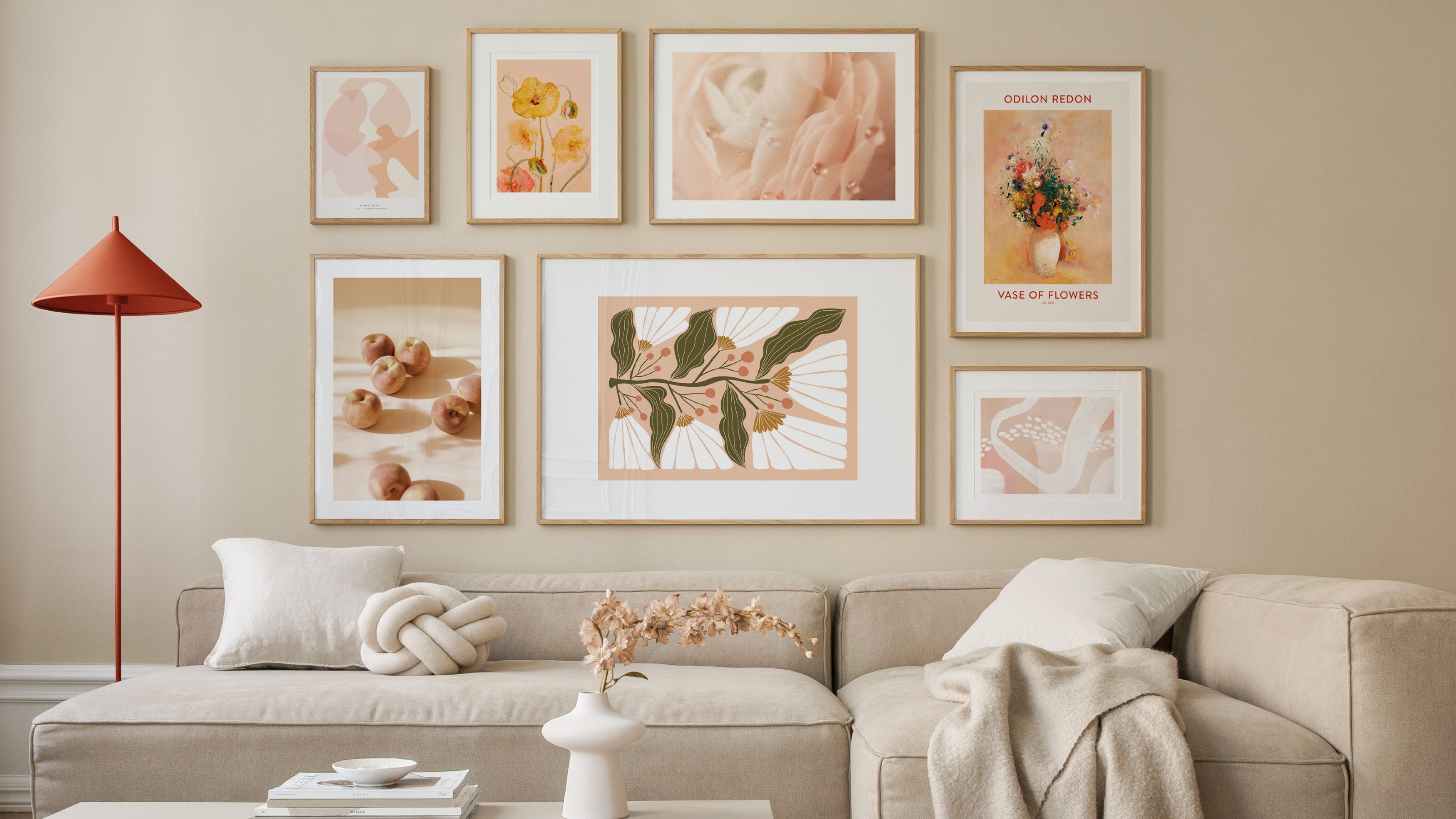
Etsy’s controversial trend report for 2024 predicts gallery walls are on their way out – but are they really?
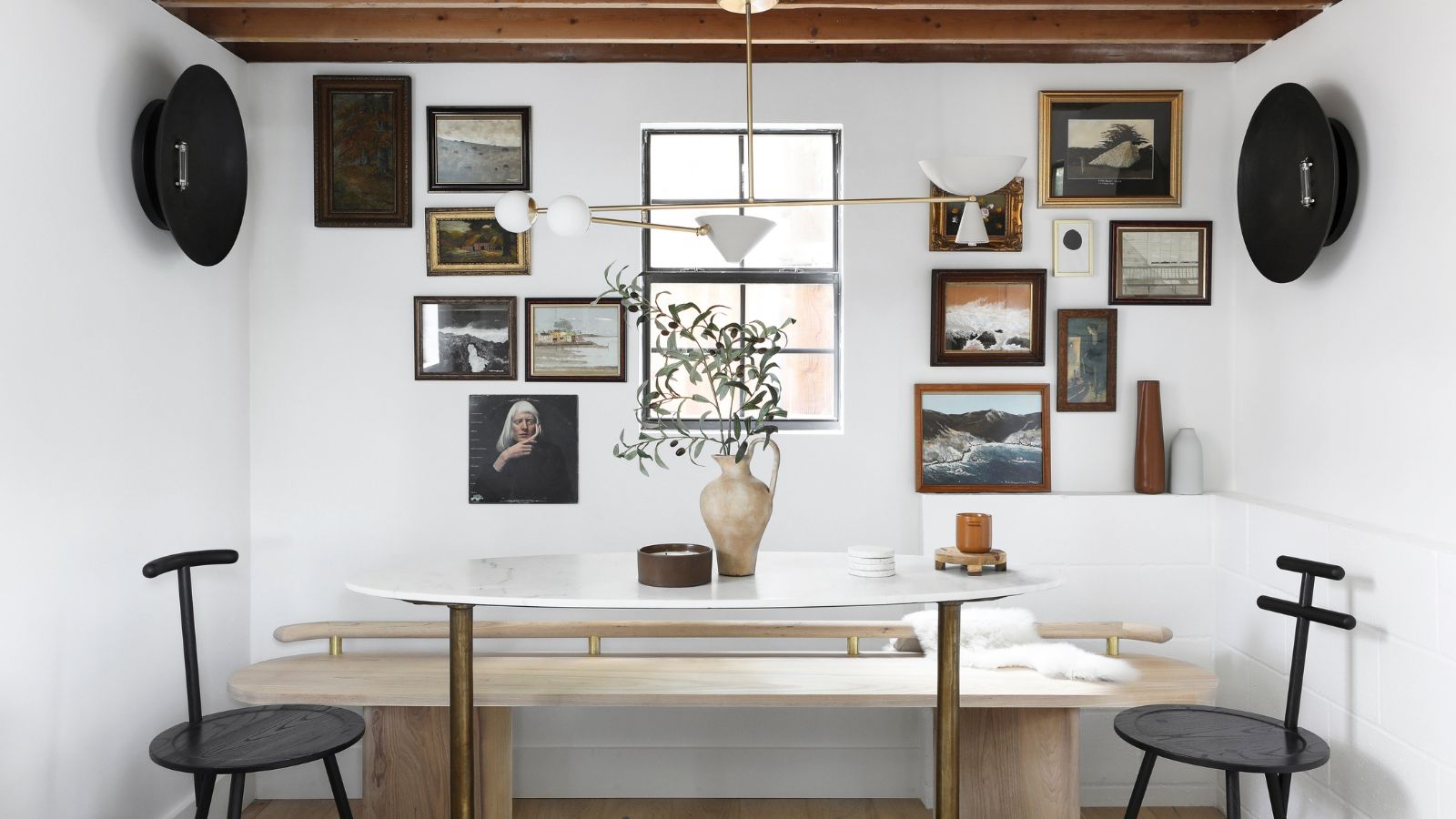
5 common gallery wall mistakes designers warn to always avoid – to create the chicest of displays


Josh Brolin's living room champions an outdated feature wall trend
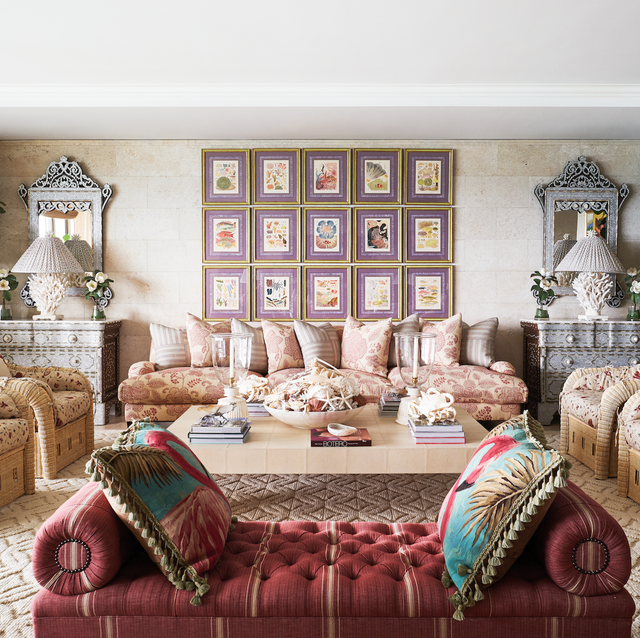
Are Gallery Walls Still in Style? Here’s What Designers Say

Designers Are Ditching "Flat Painted Walls" for THIS Unexpected Trend

There's a New Type of Gallery Wall Going Viral—And Designers Definitely Approve

John Lewis reveals this popular wall accessory is being discontinued

Designers Have Spoken: Grid Walls Are the New Gallery Walls

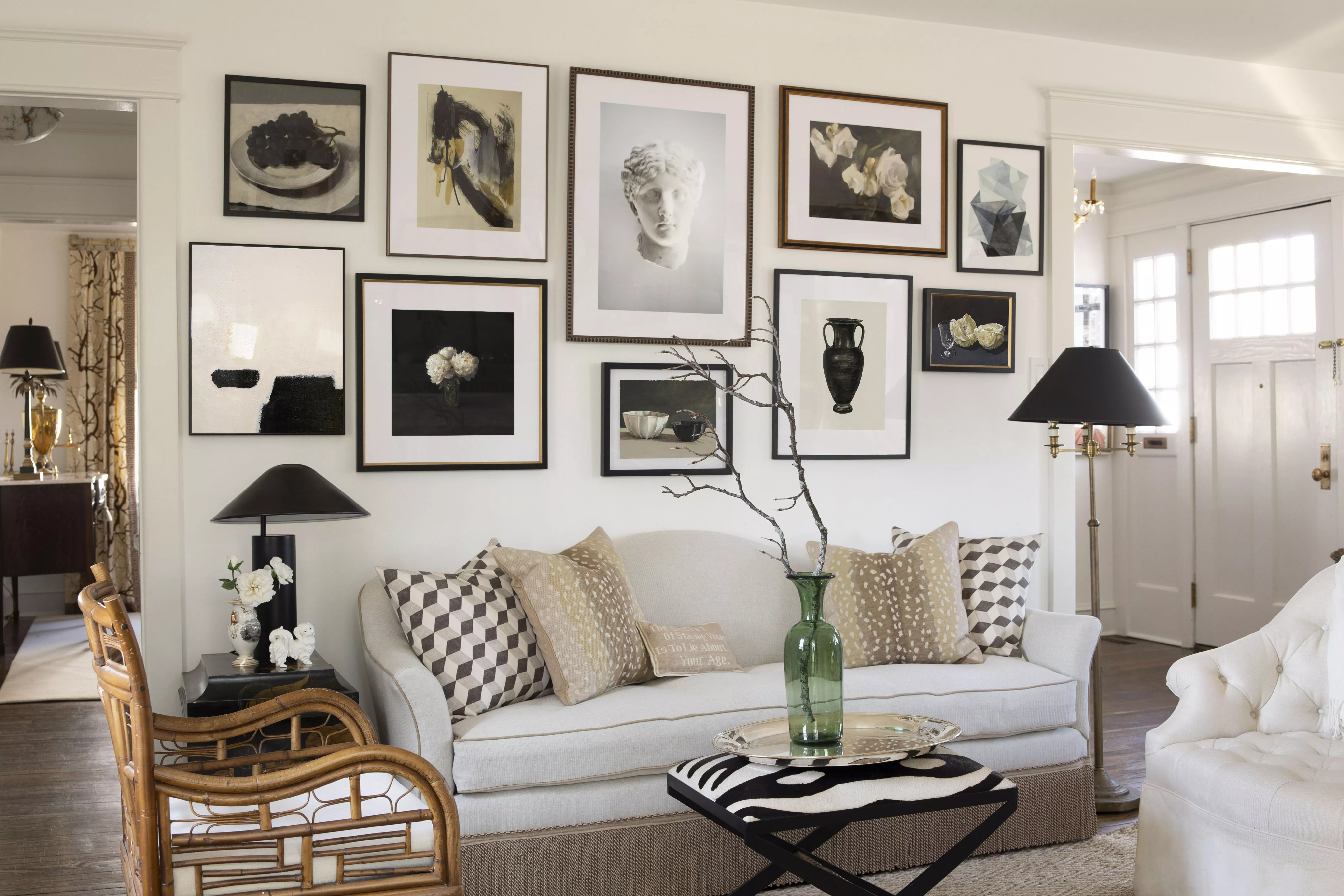
25 Ways to Modernize Your Gallery Wall, According to Interior Designers

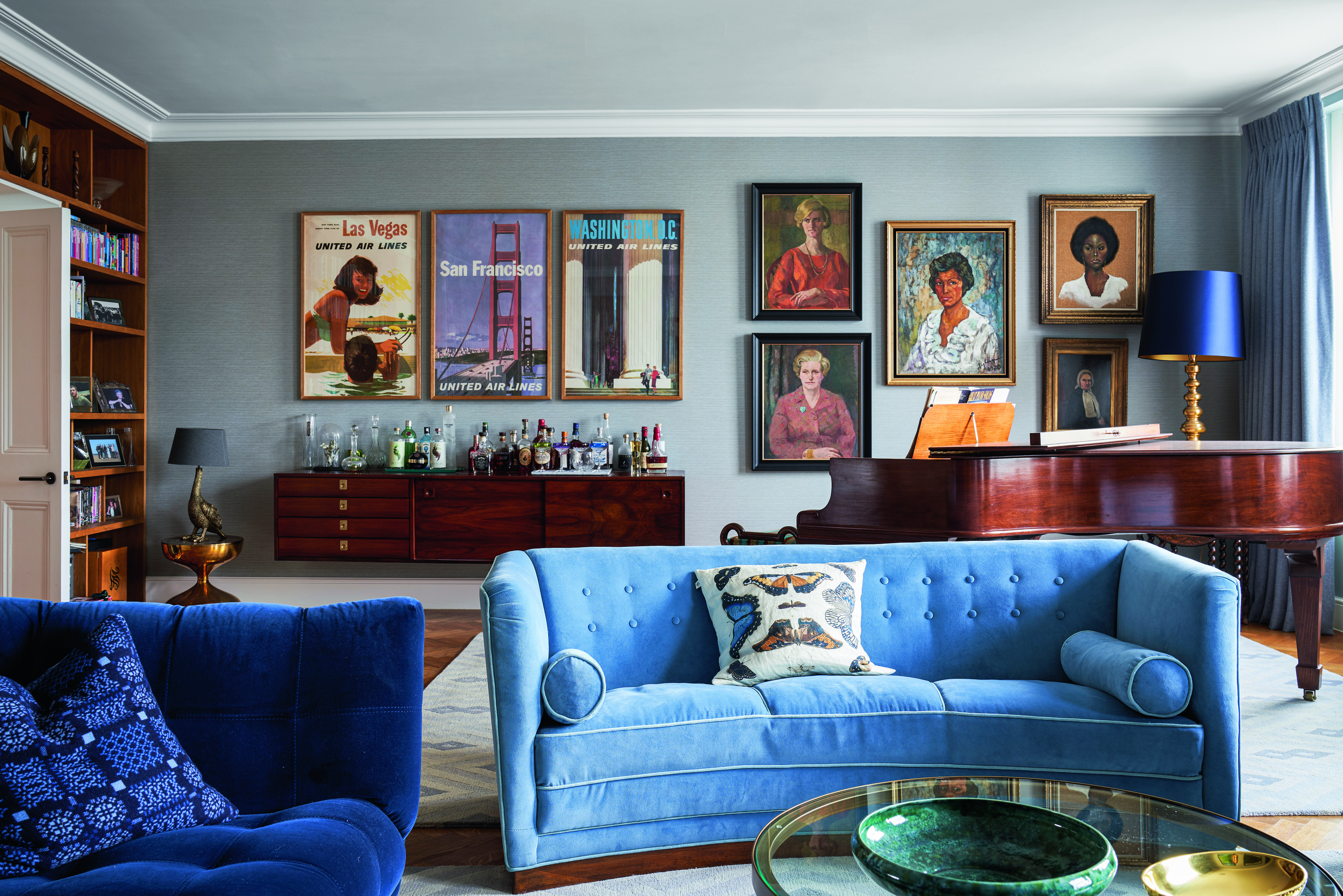
4 outdated wall decor trends designers are leaving behind – and the one that they're choosing instead
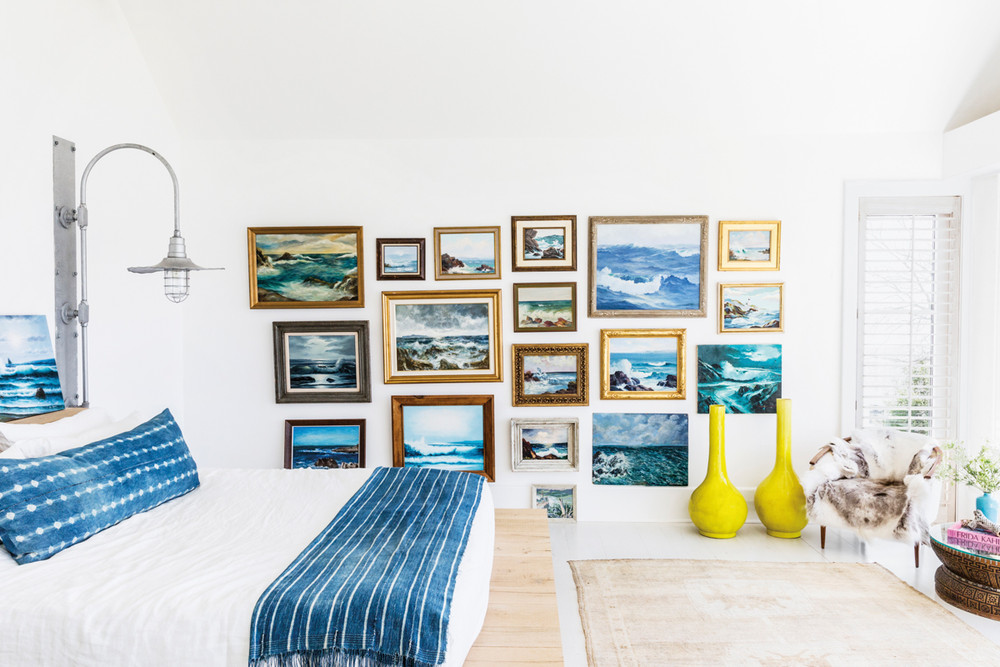
The Best Gallery Wall Ideas Right Now

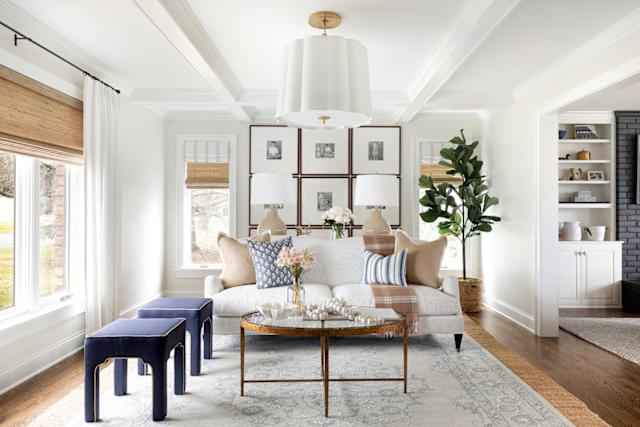
Designers Have Spoken: Grid Walls Are the New Gallery Walls
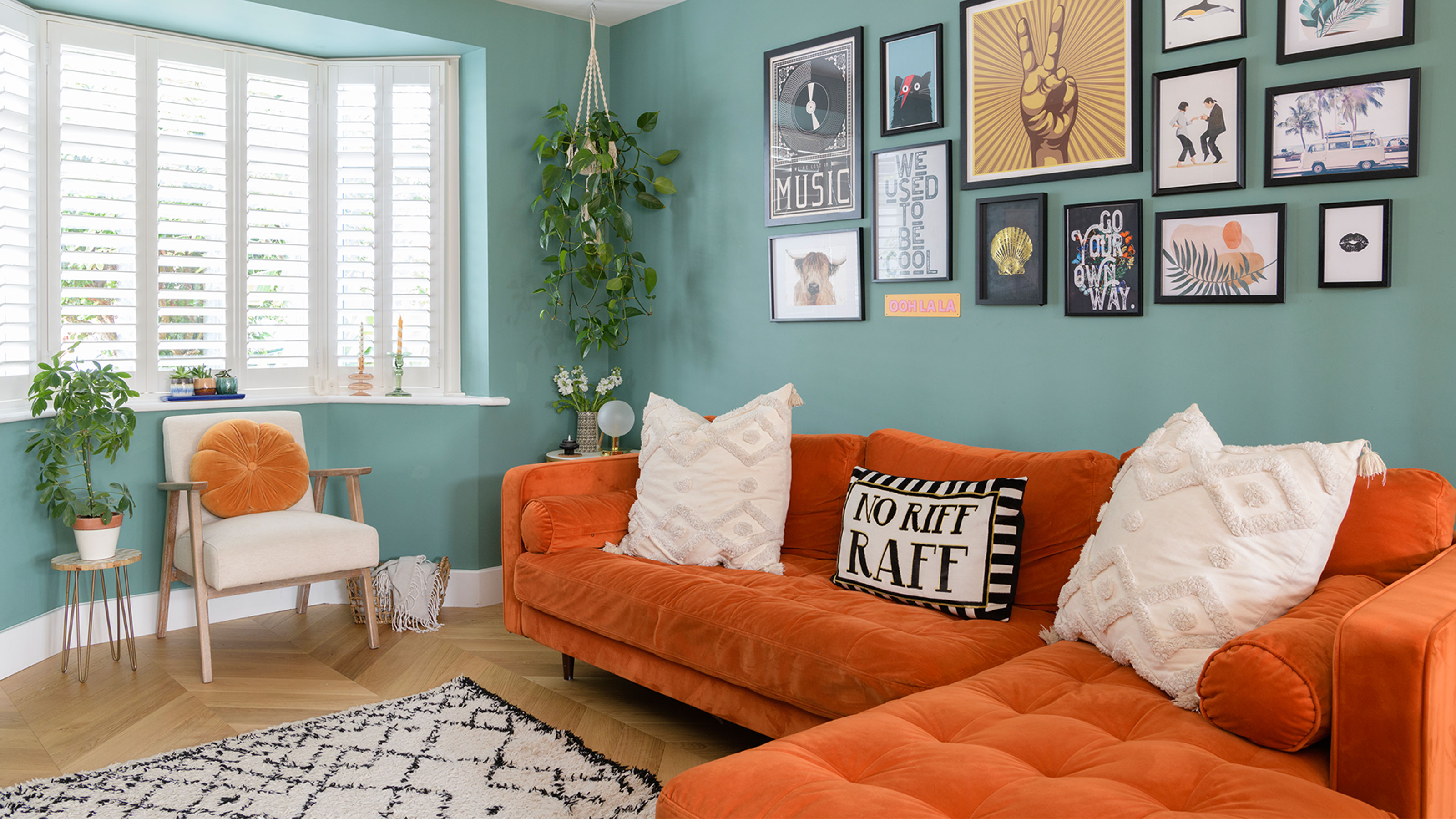
Are gallery walls still in style for 2025? 5 fresh new twists that are shaking up this decorating staple
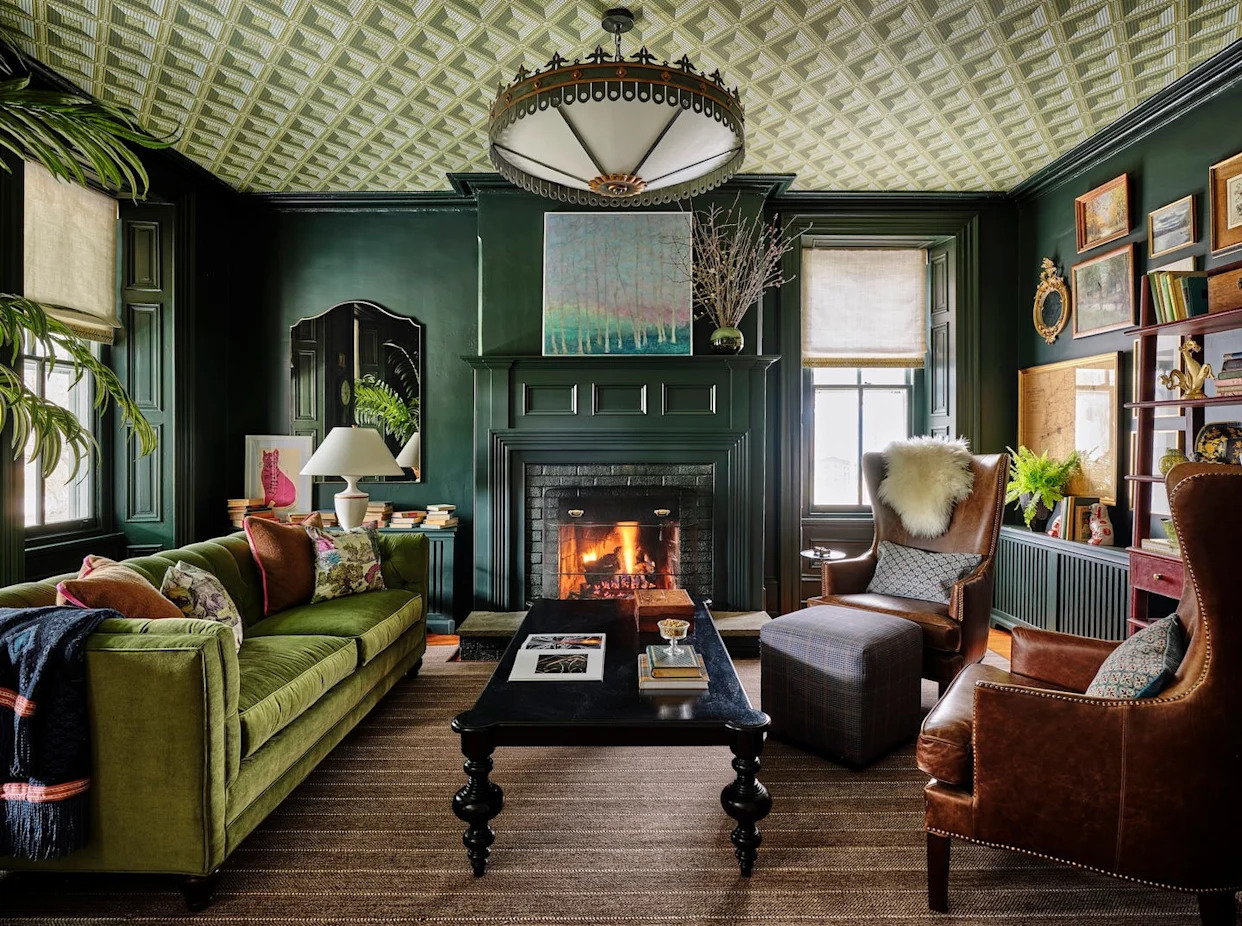
Bye-Bye, Accent Walls! Designers Say THIS Is Now the Hottest Decorating Feature

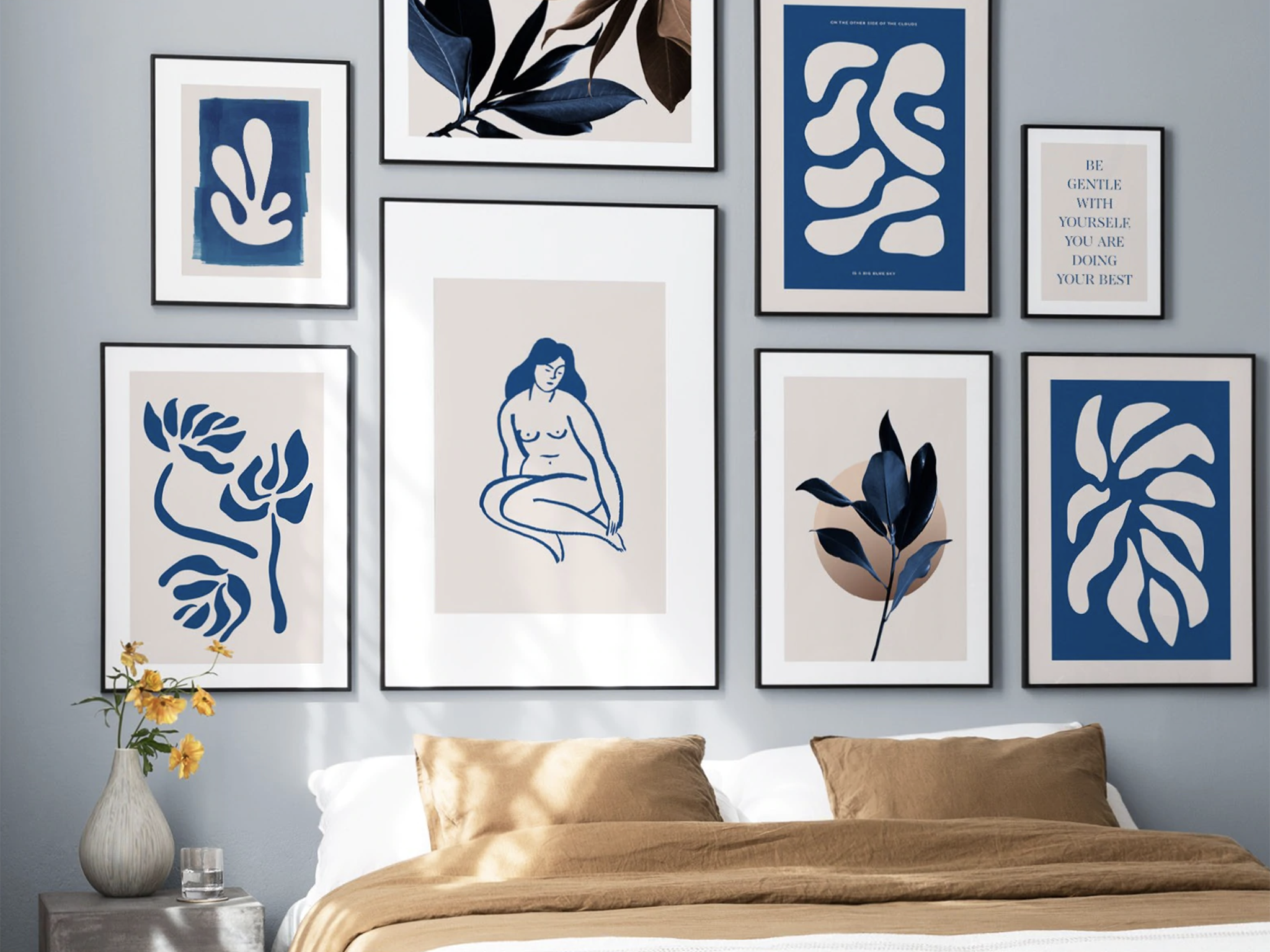
How to create an Instagram-worthy gallery wall: Interiors experts on framing and displaying your art
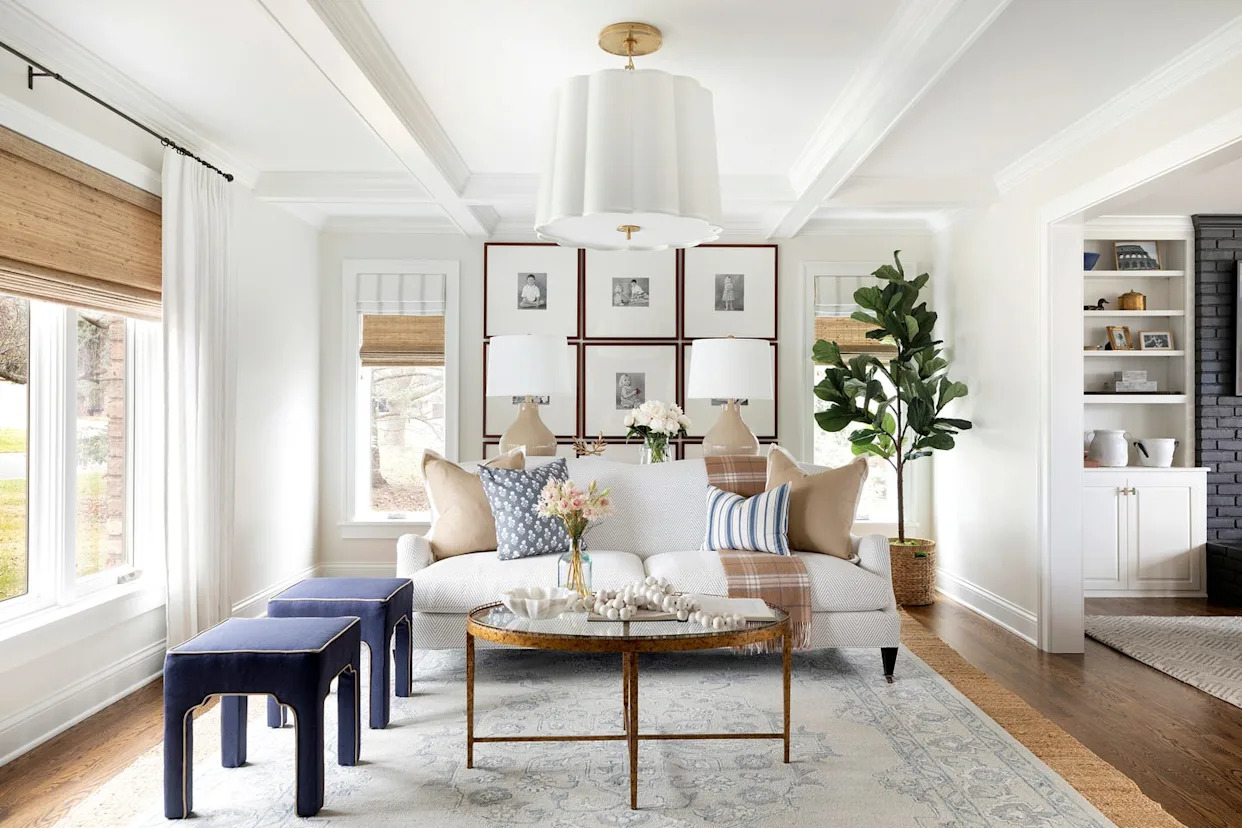
Designers Have Spoken: Grid Walls Are the New Gallery Walls
Matching or Mismatched Gallery Wall? Big-Time Designers Have a VERY SPECIFIC Preference

Even newbies can master this popular home-decor trend
Ask Arlyn: Are Gallery Walls Still Cool?