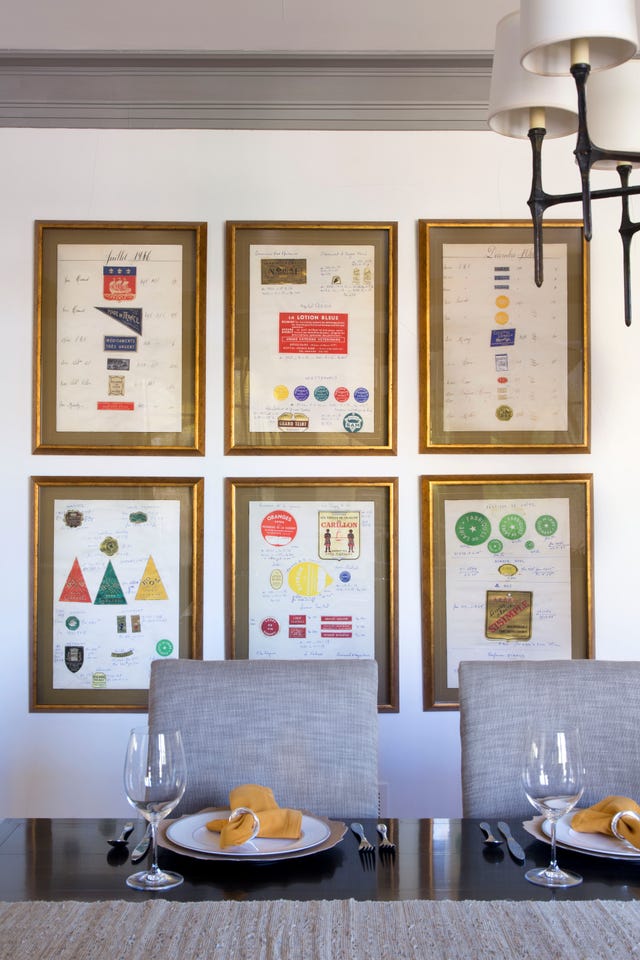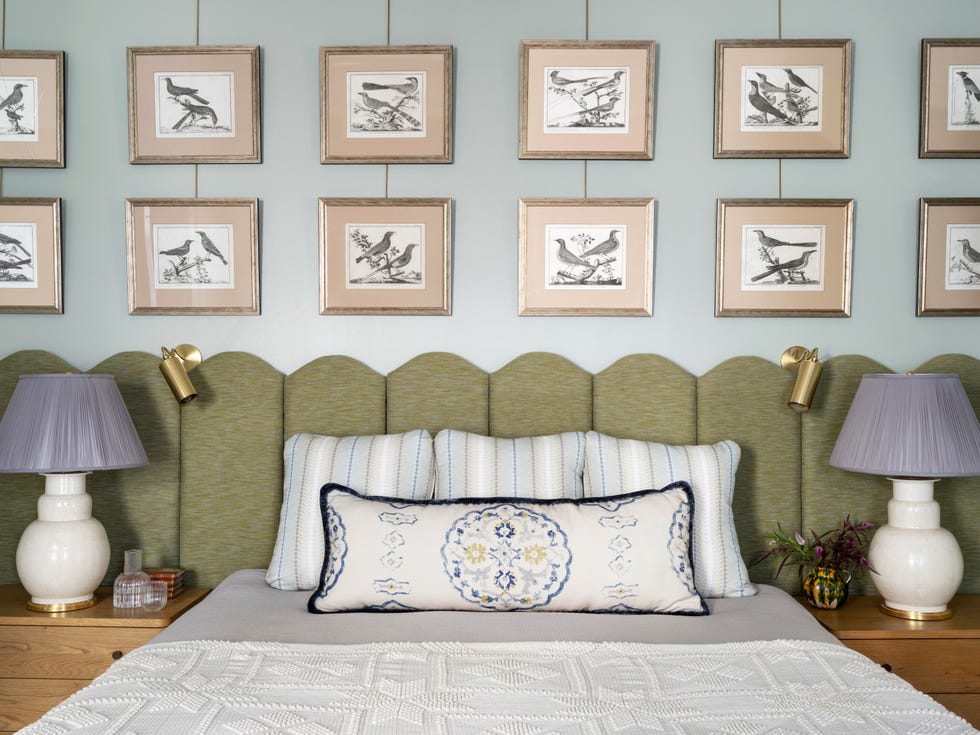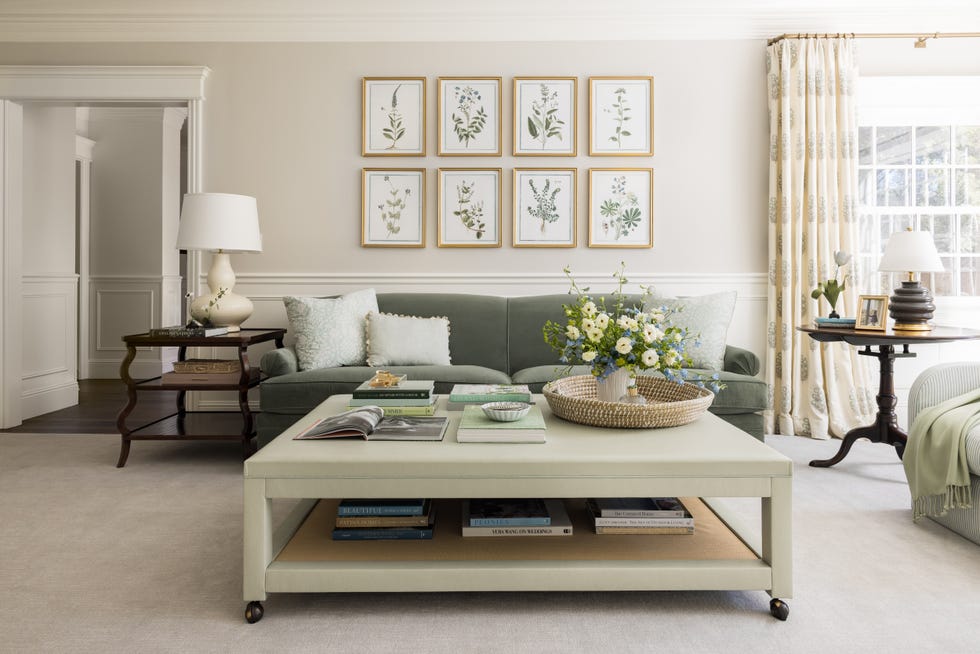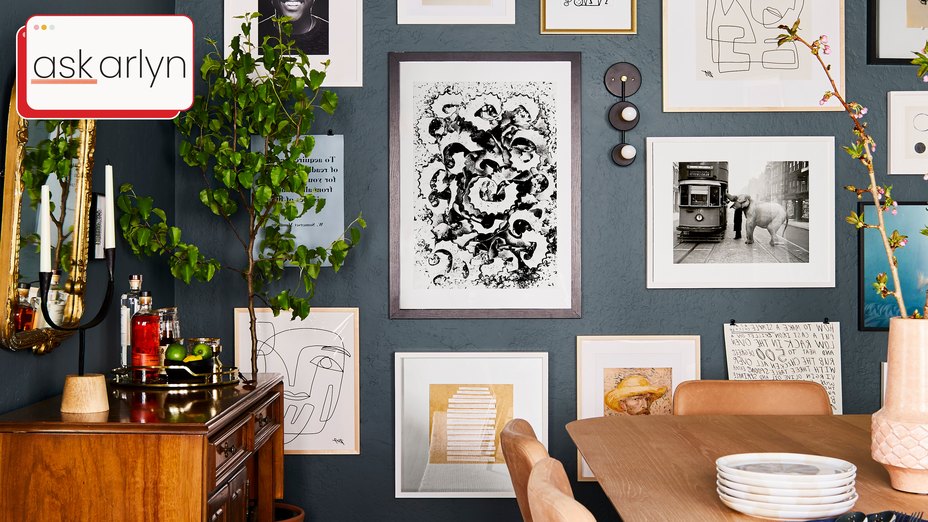
Ask Arlyn: Are Gallery Walls Still Cool?
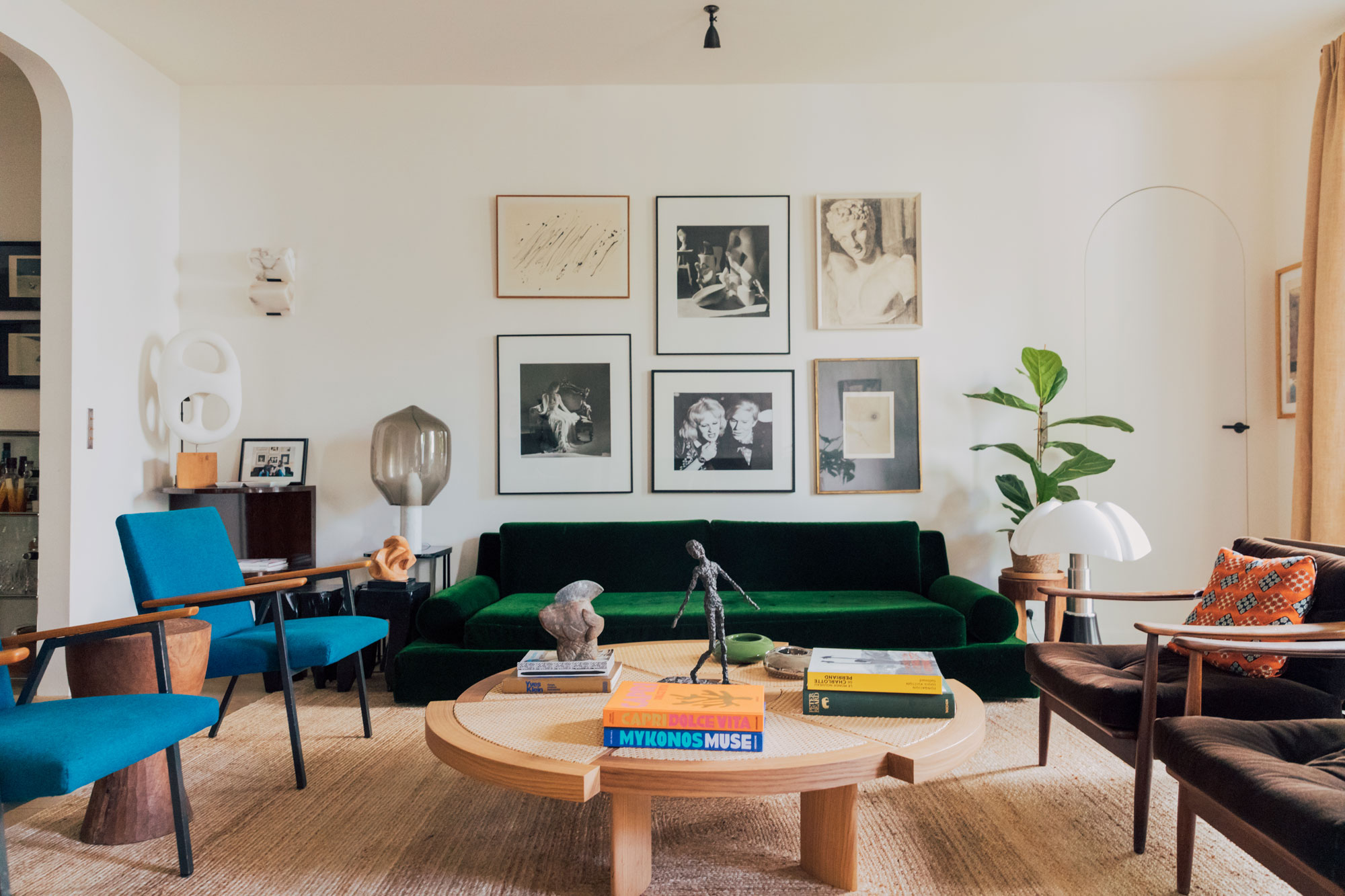
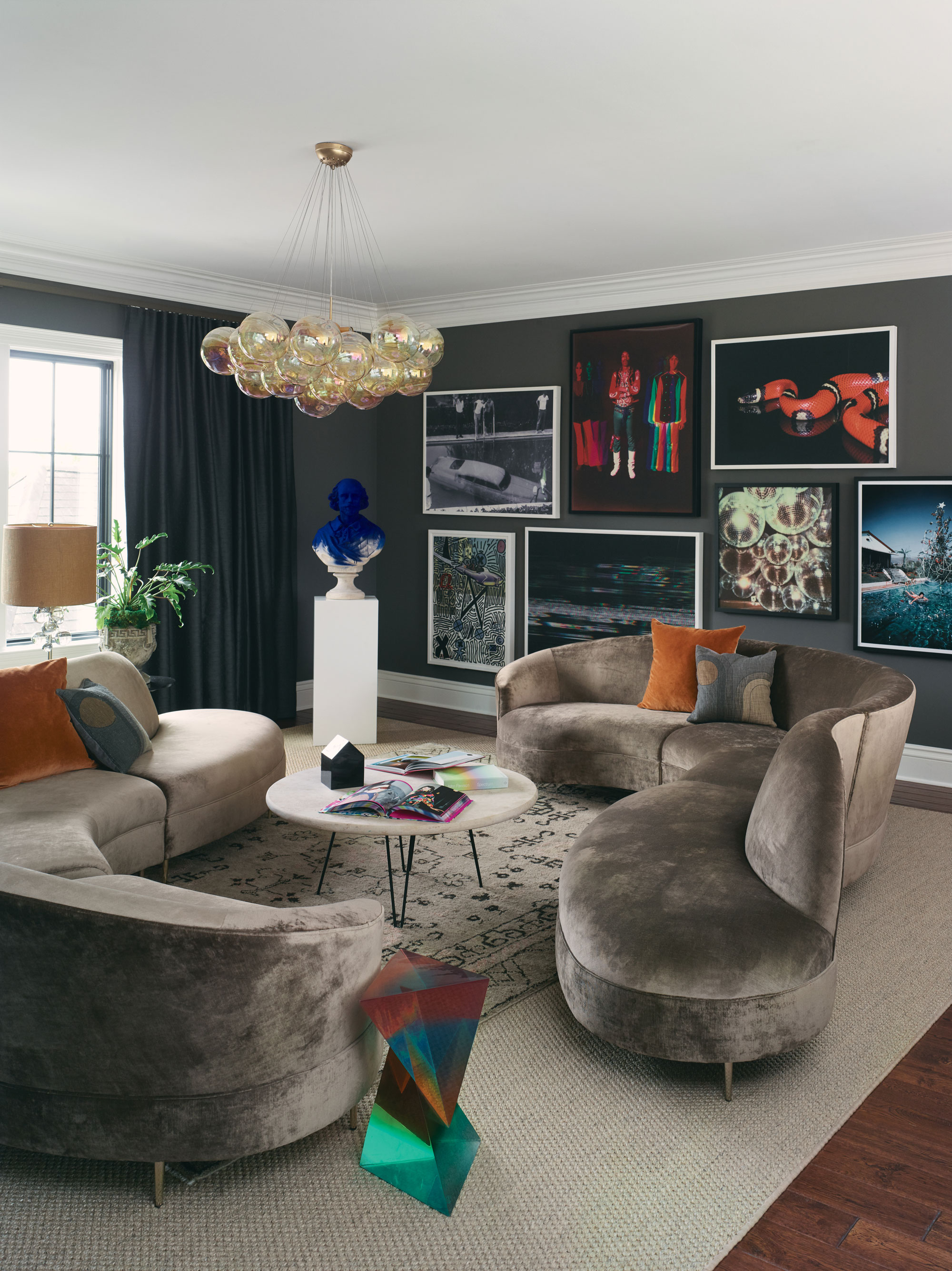
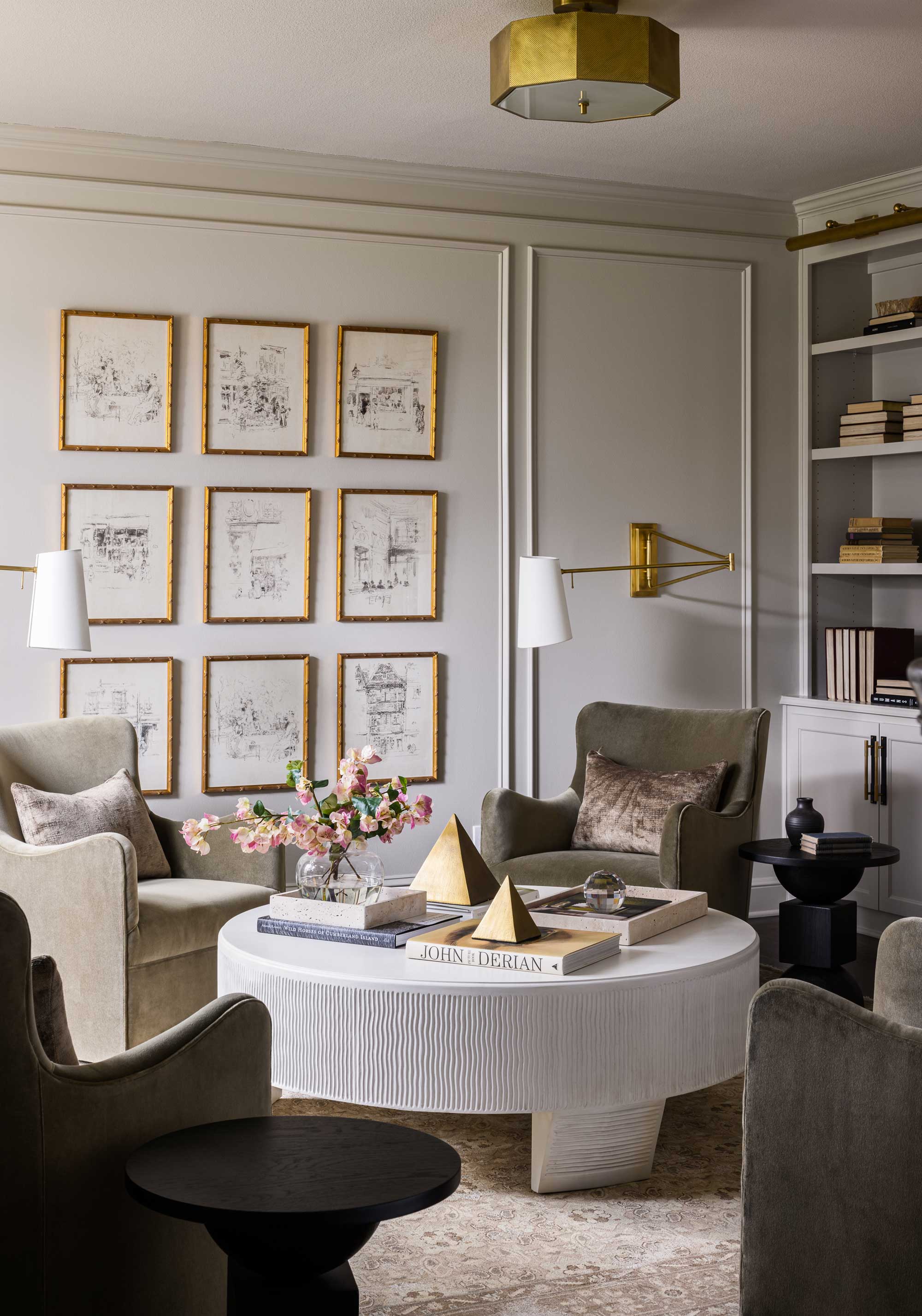
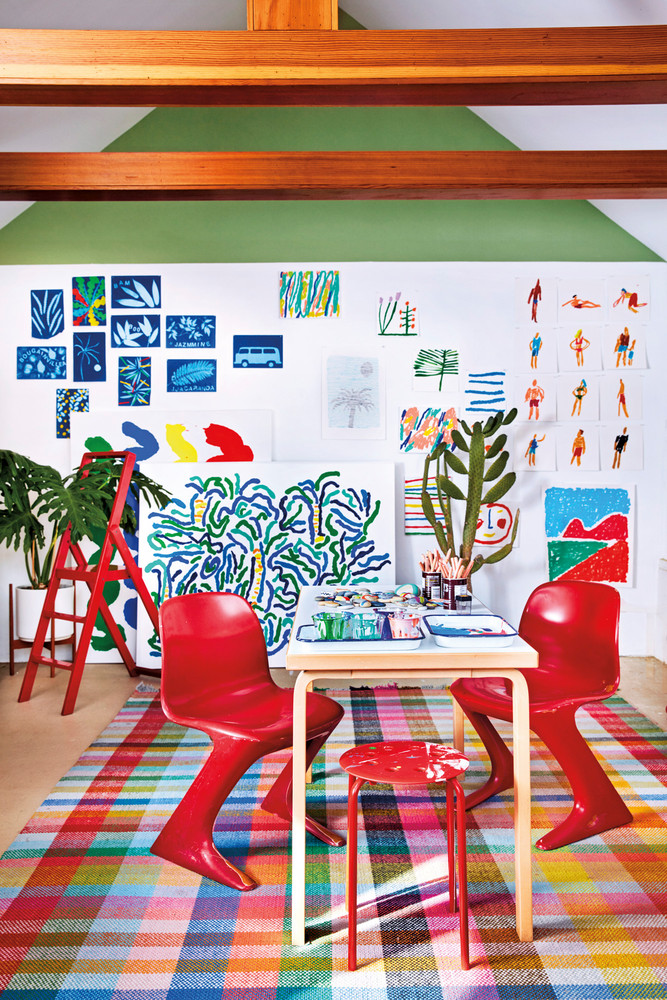
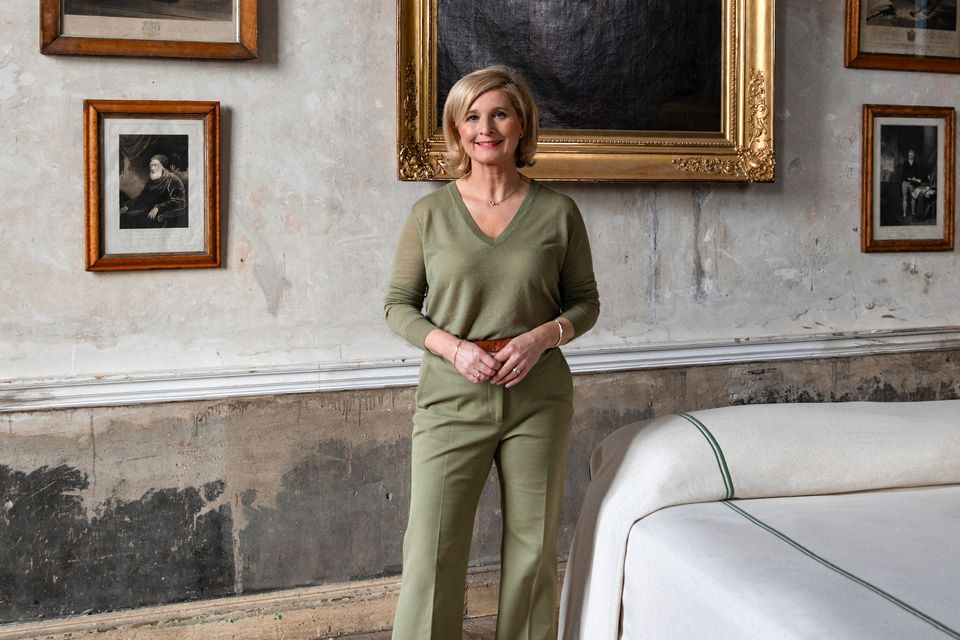
The article addresses the enduring appeal of gallery walls in home design, particularly in response to a reader's query about whether this trend has passed. Arlyn Hernandez, a design editor and decorator, asserts her personal bias in favor of gallery walls, highlighting their ability to display a variety of art and photos, add power to a room, and reflect the occupants' personalities. To provide a comprehensive perspective, Hernandez consults with Aslee Livingston, Creative Director for Artifact Uprising, a framing and photo book retailer.
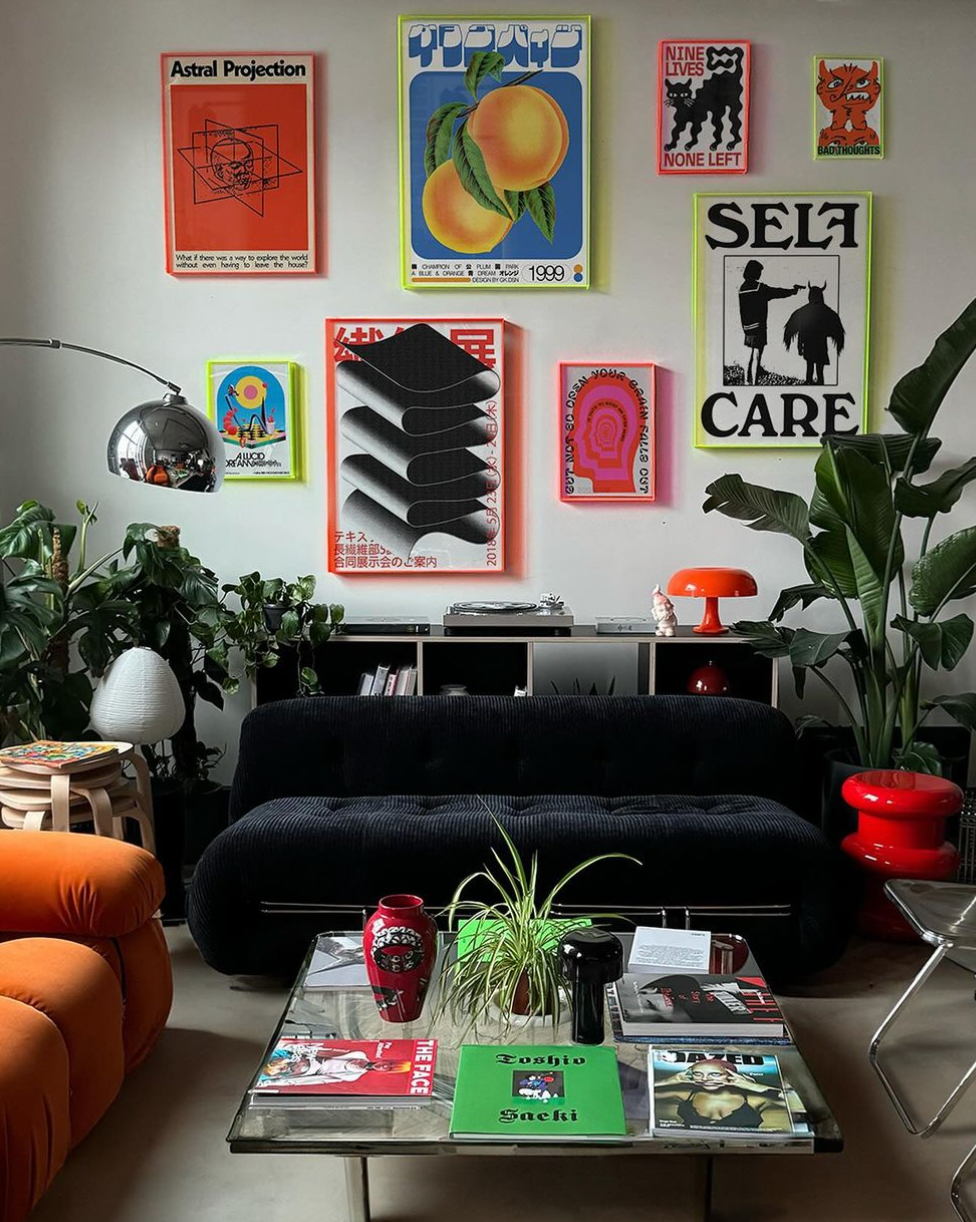
Livingston strongly advocates for the continued relevance of gallery walls, citing the unprecedented volume of photos captured daily in human history. She argues that gallery walls offer a practical and aesthetically pleasing solution for showcasing these digital memories, especially given the increasing accessibility of framing services. Livingston also notes a shift in home design preferences among younger generations (Gen Z and Gen Alpha) towards more casual and authentic aesthetics, moving away from formal, perfectly hung artwork to a more relaxed and eclectic display.
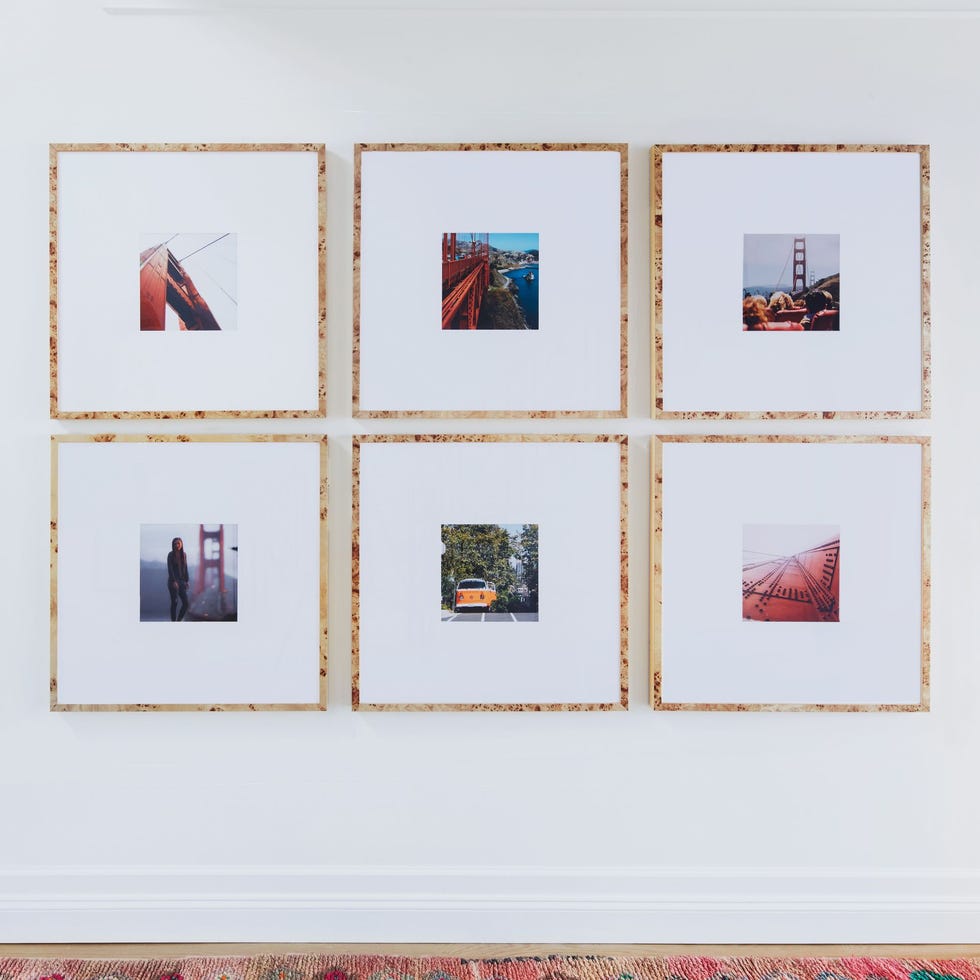
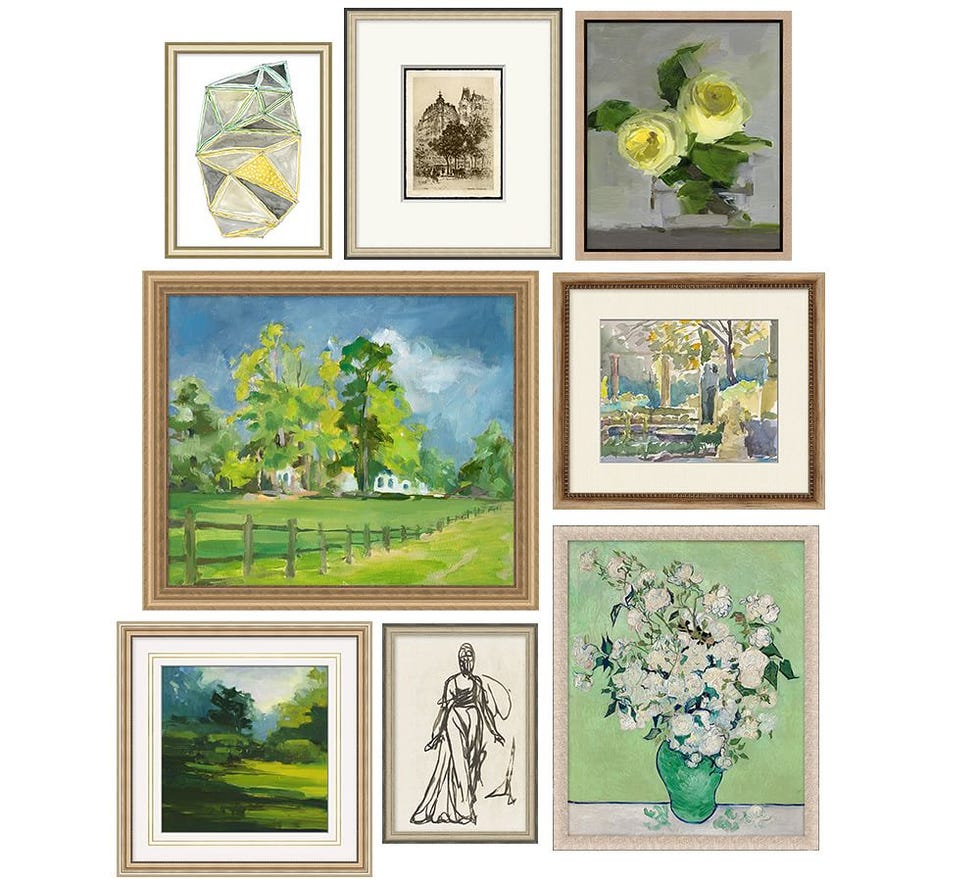
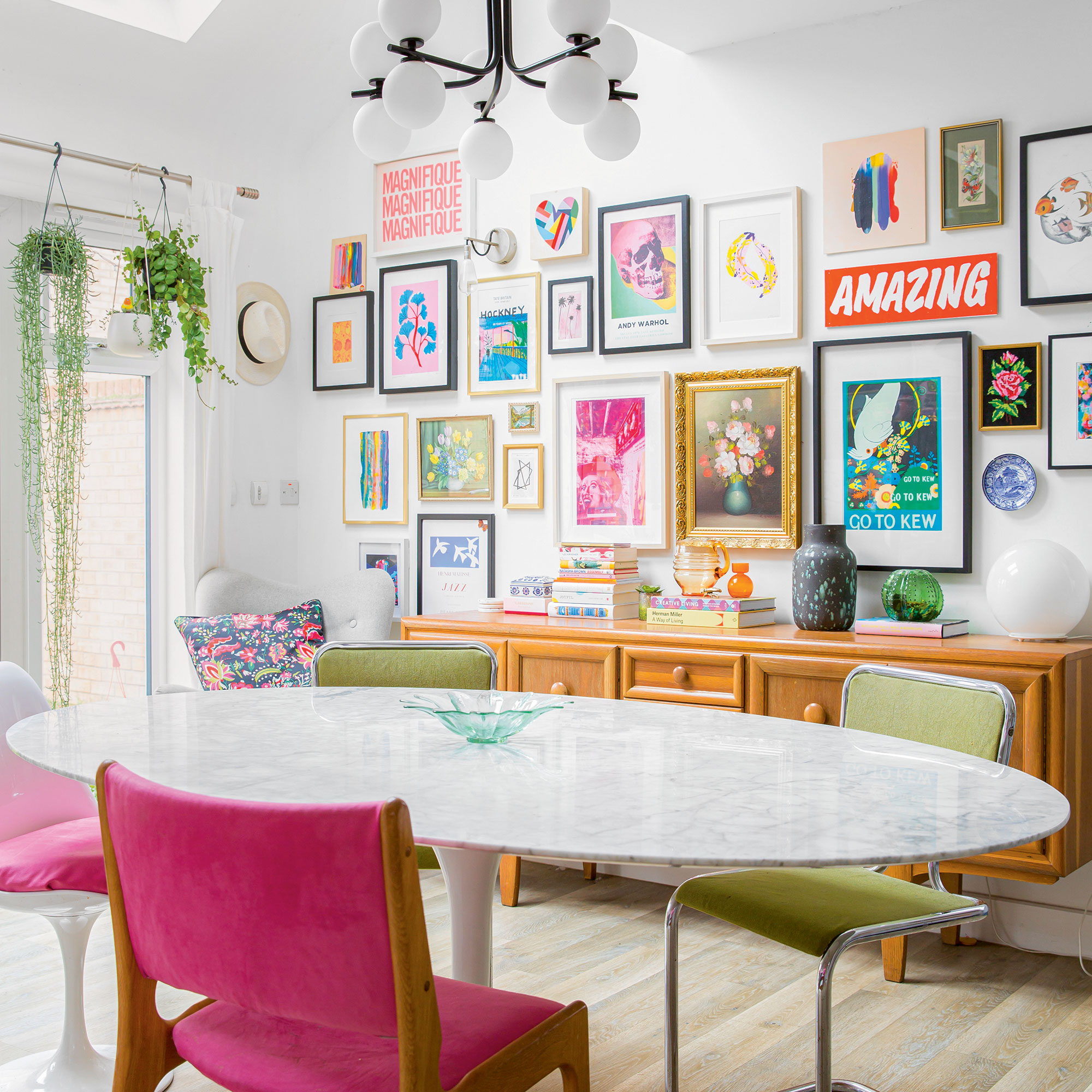
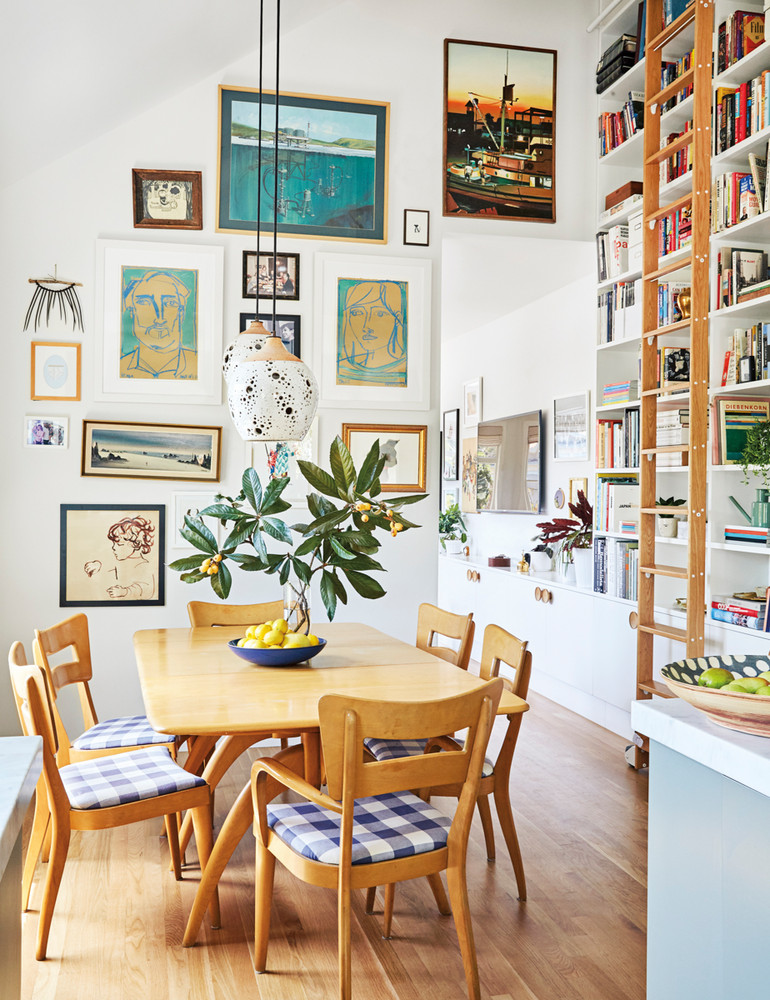
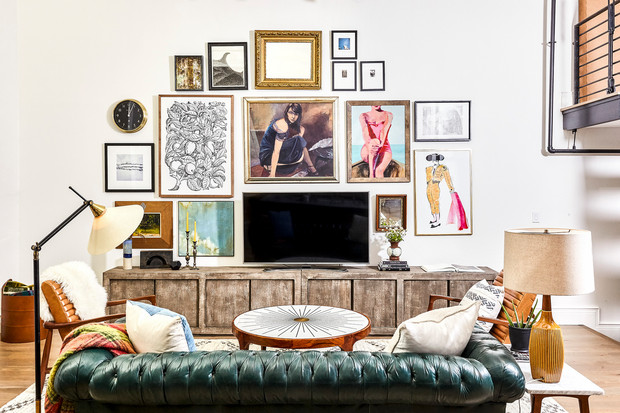
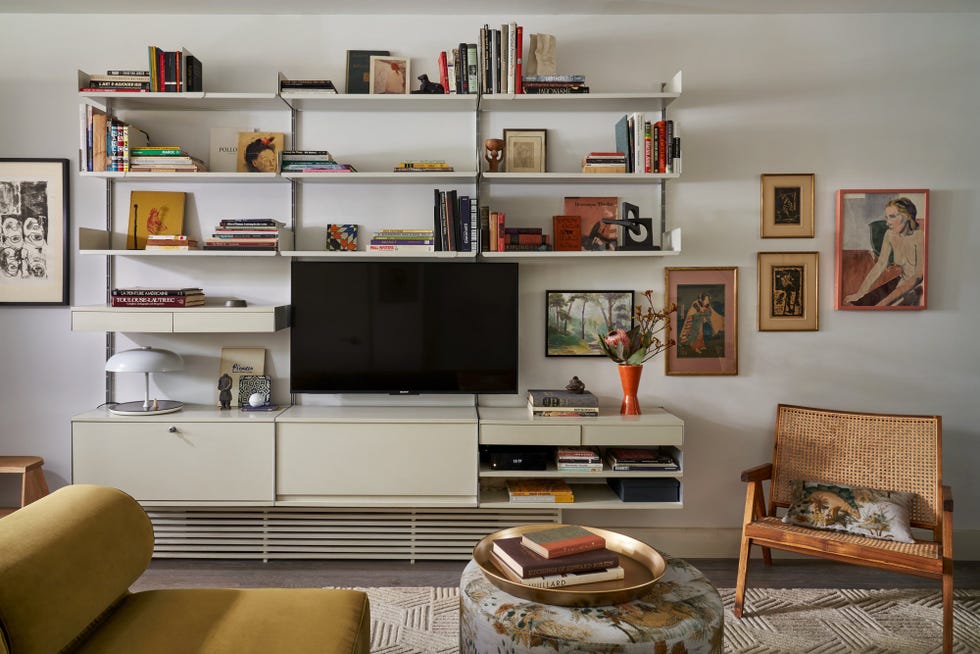
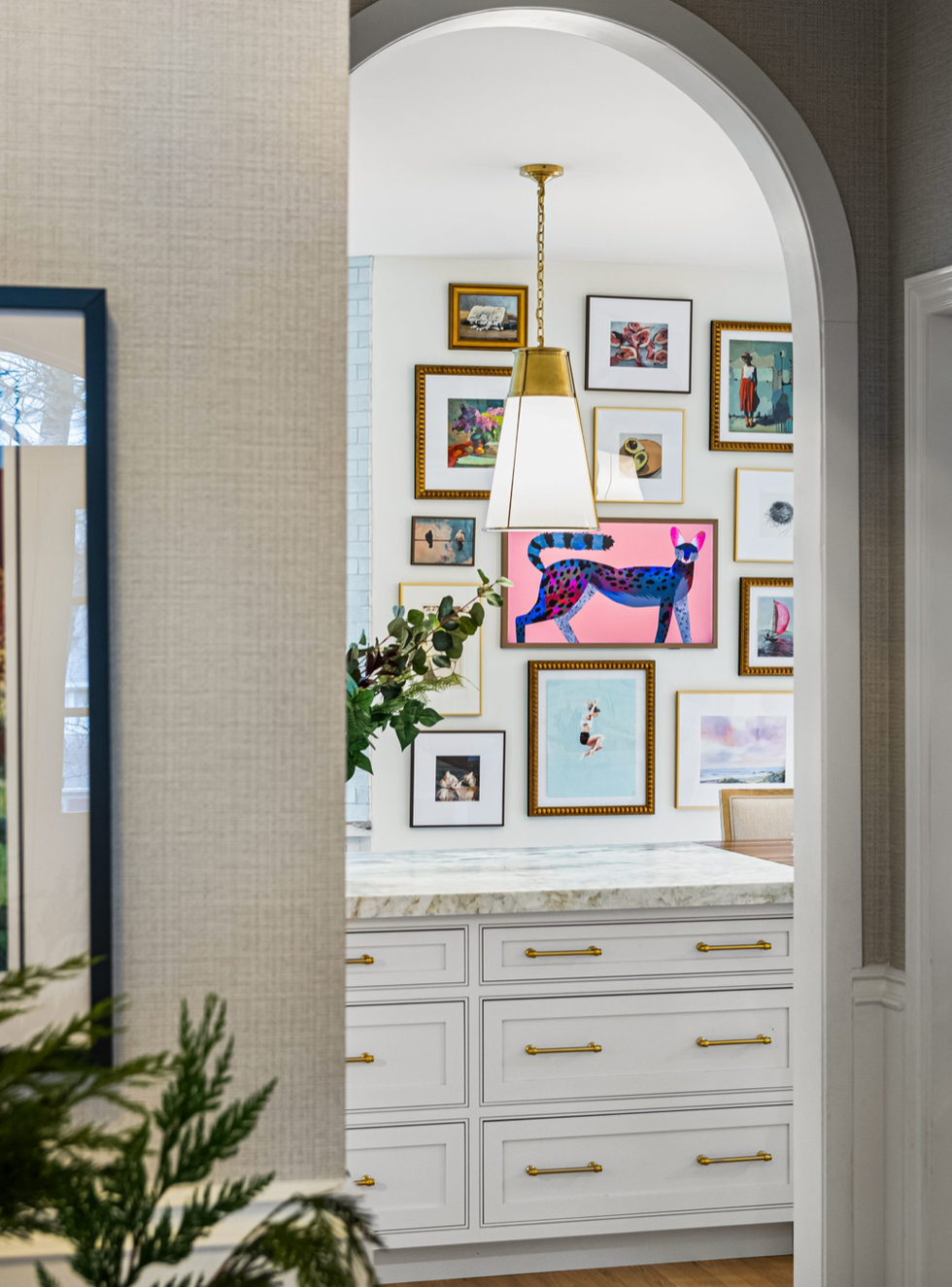
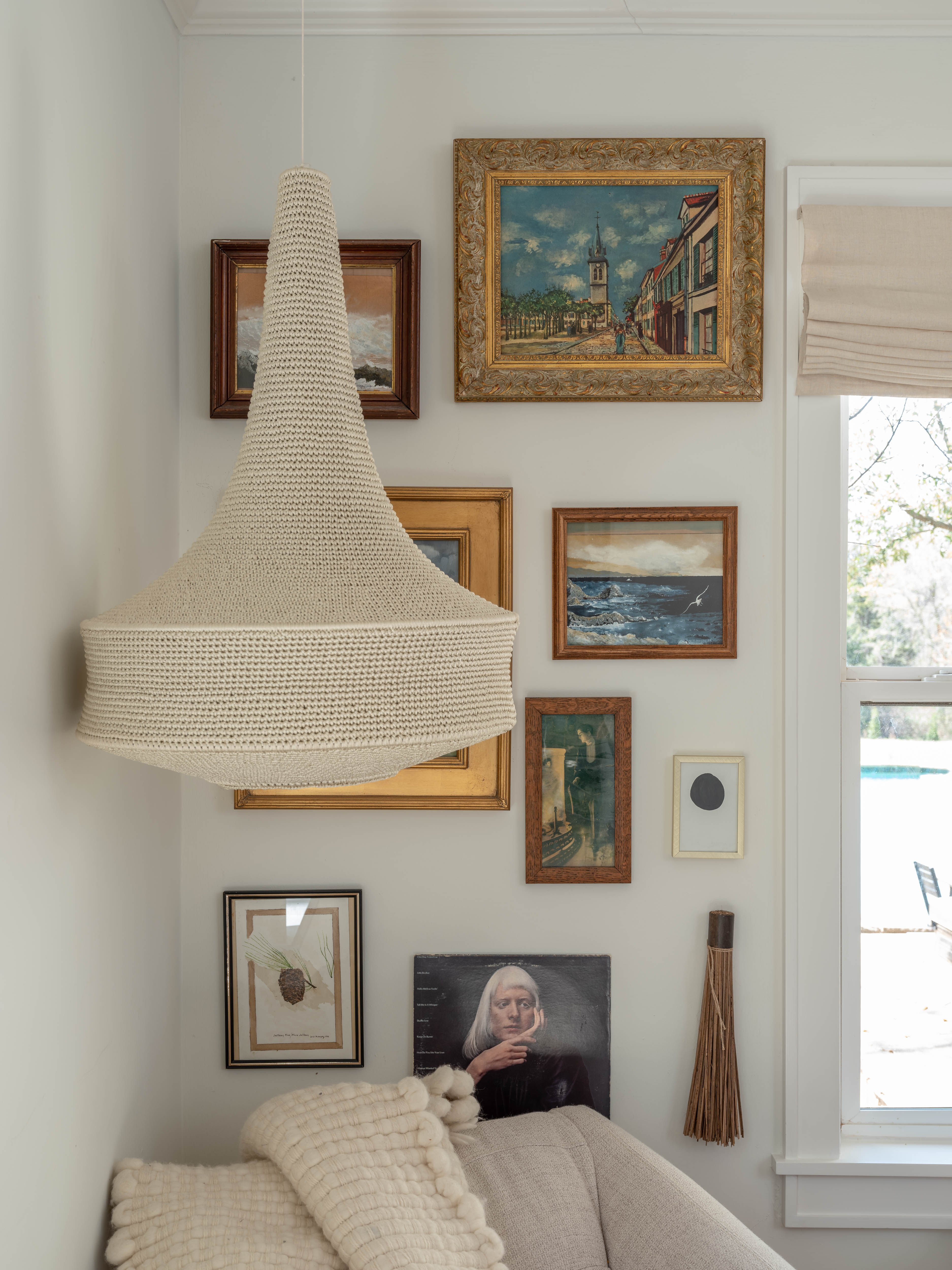
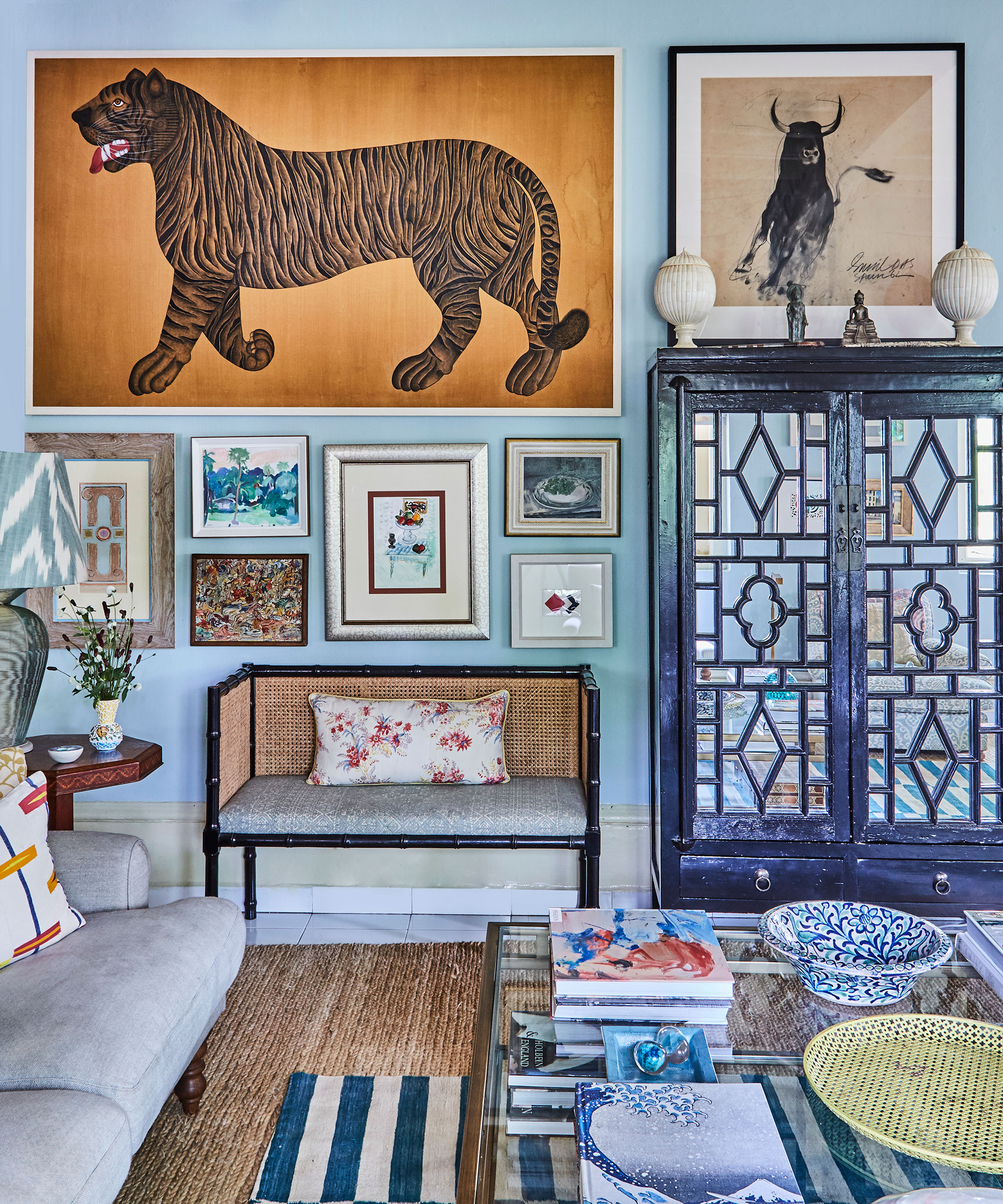
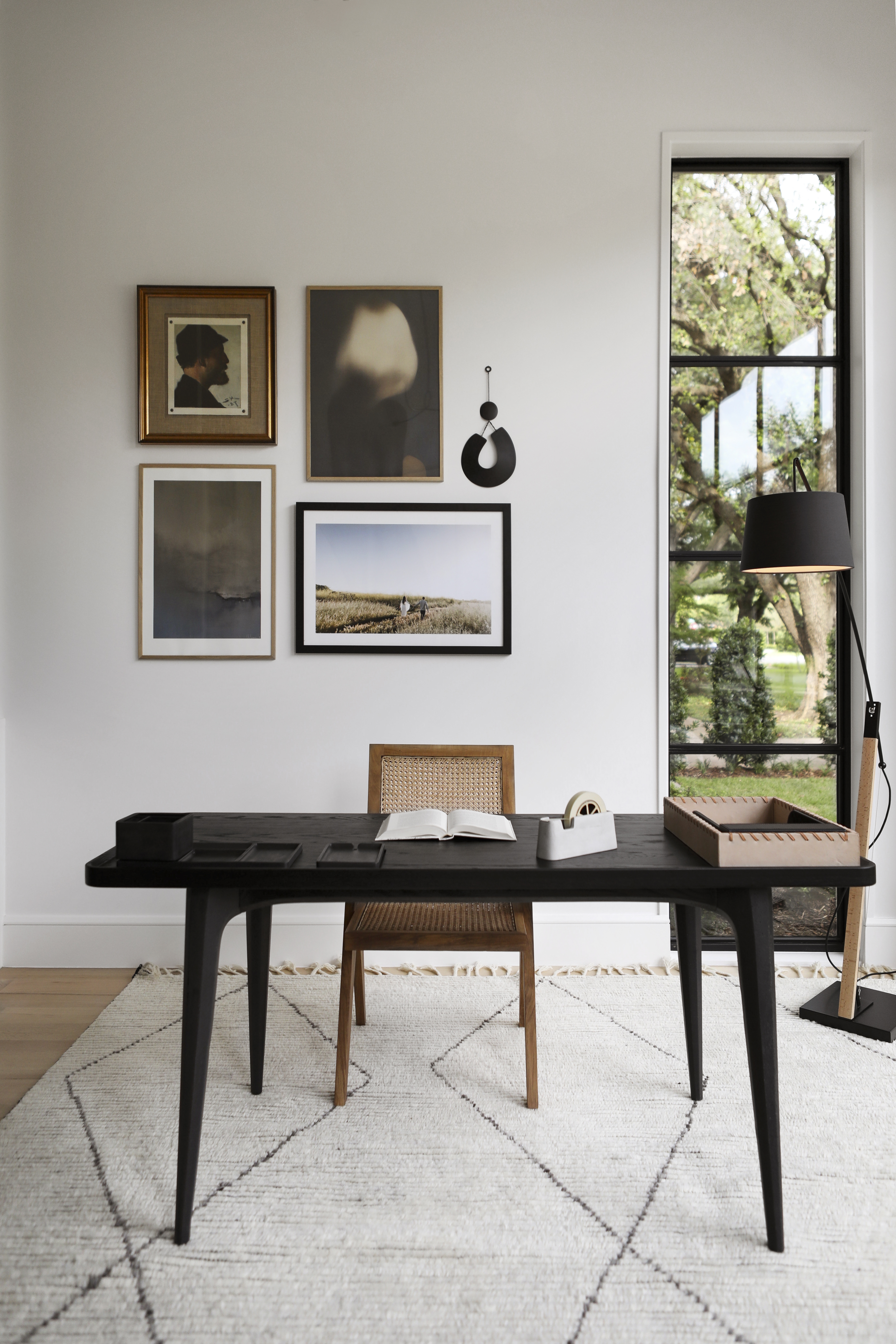
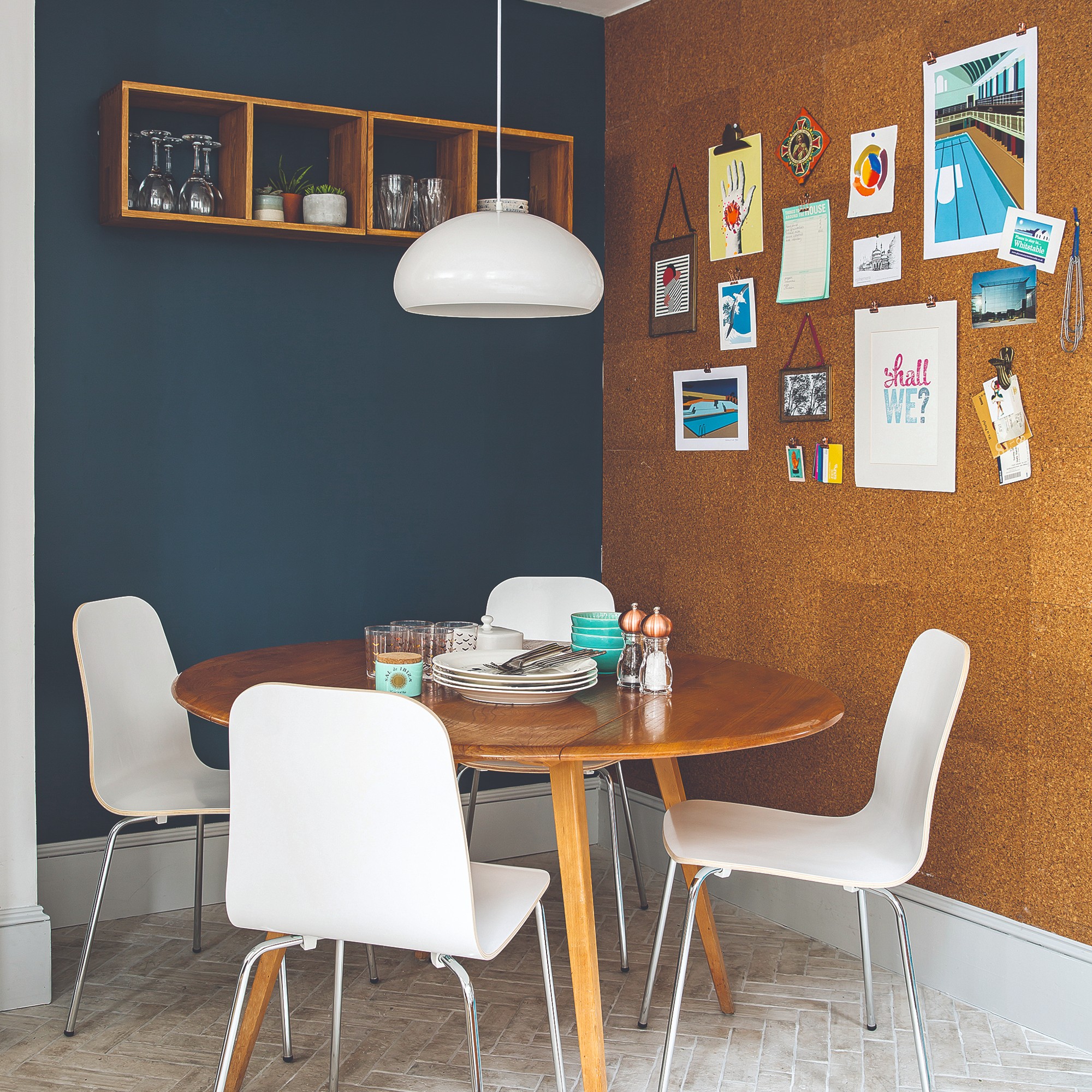
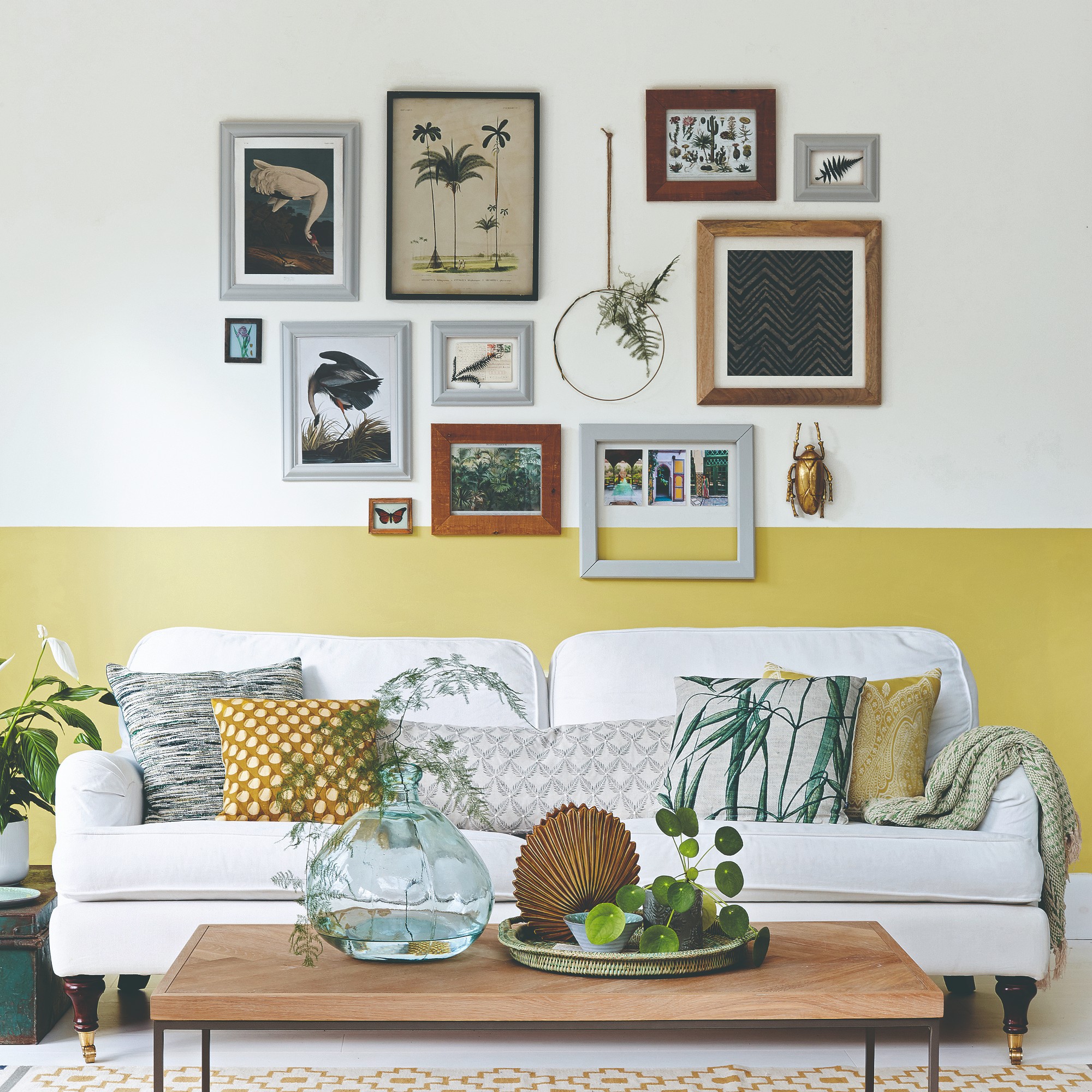
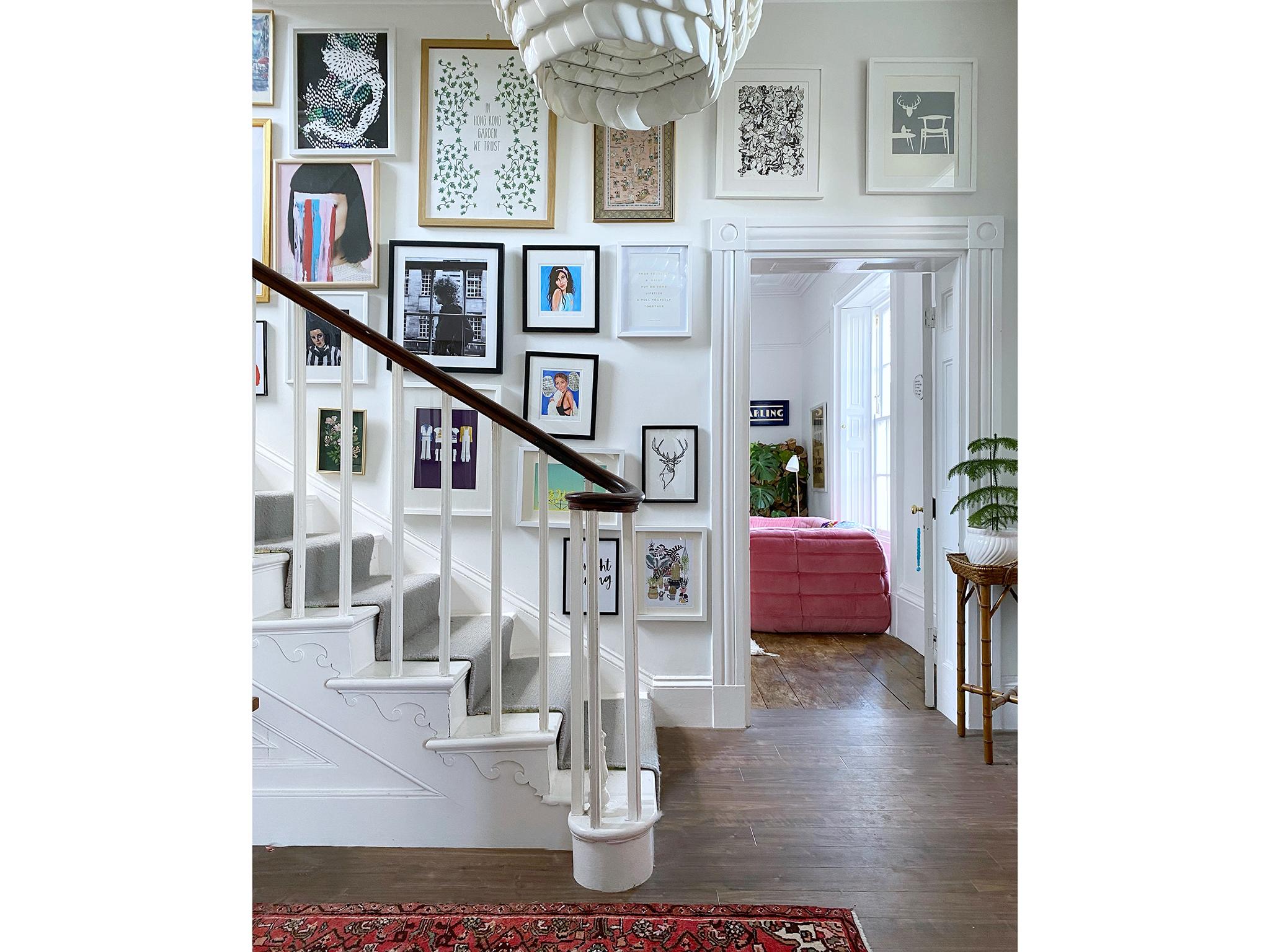
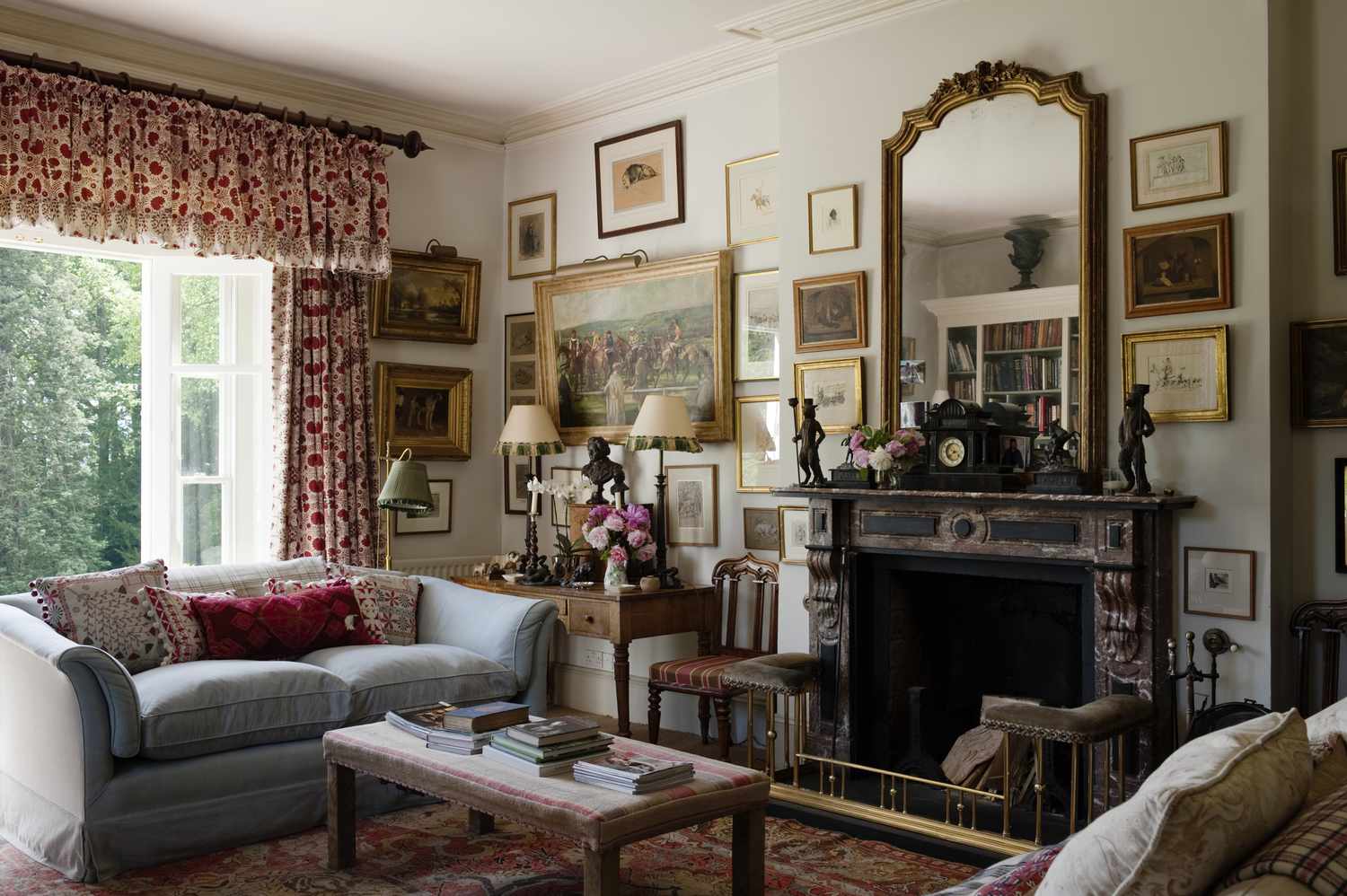
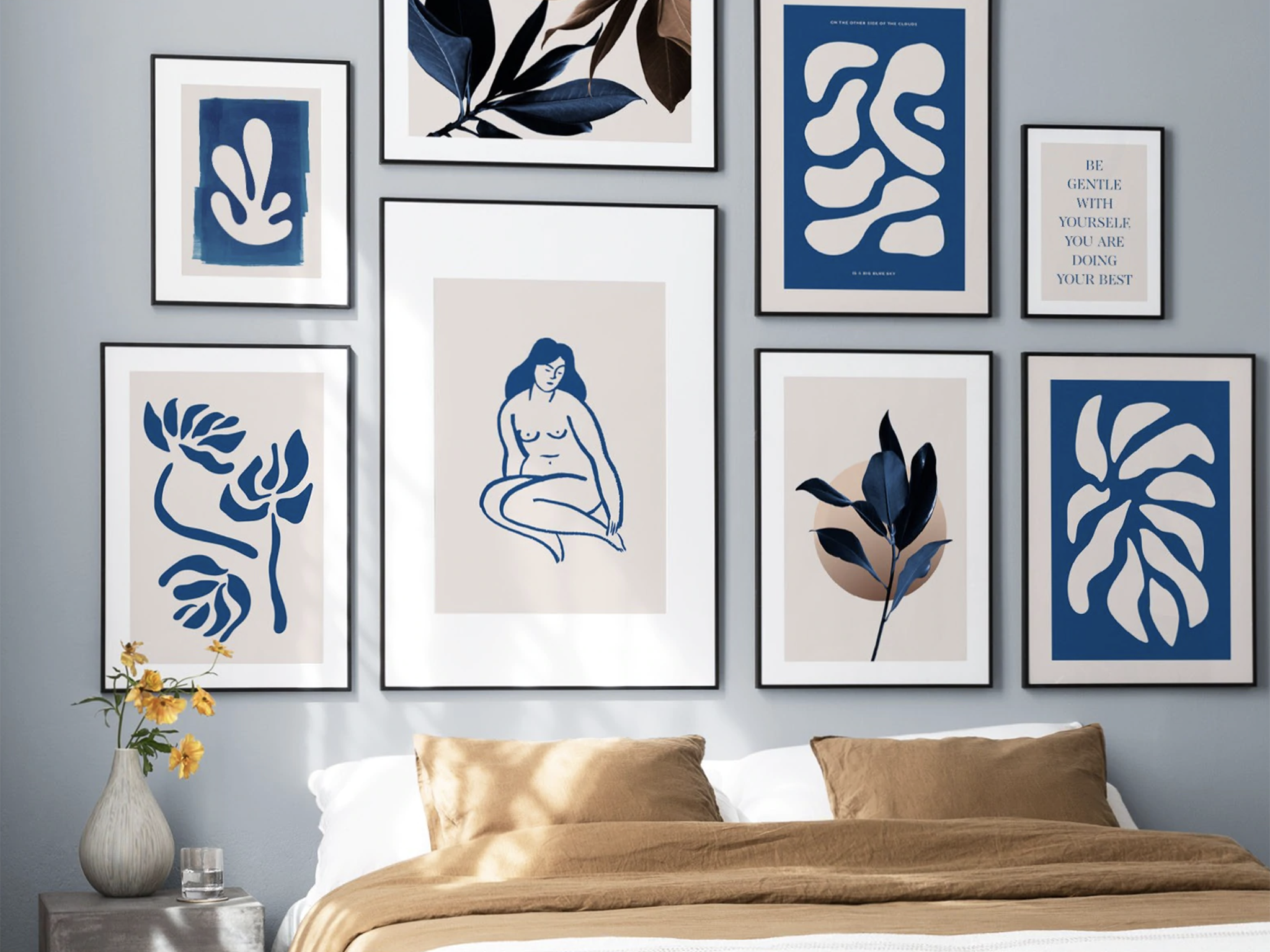
A key reason for the timelessness of gallery walls, according to Livingston, is their inherent customizability. They can range from a small cluster of a few frames above a nightstand to a large salon-style arrangement with numerous frames above a sofa. Their versatility extends to spacing, alignment (tight or airy, laser-straight or varied), and the ability to be assembled gradually over time, allowing for evolution and rearrangement. Livingston, unlike Hernandez, enjoys frequently updating her gallery walls, likening it to rearranging a childhood bedroom.
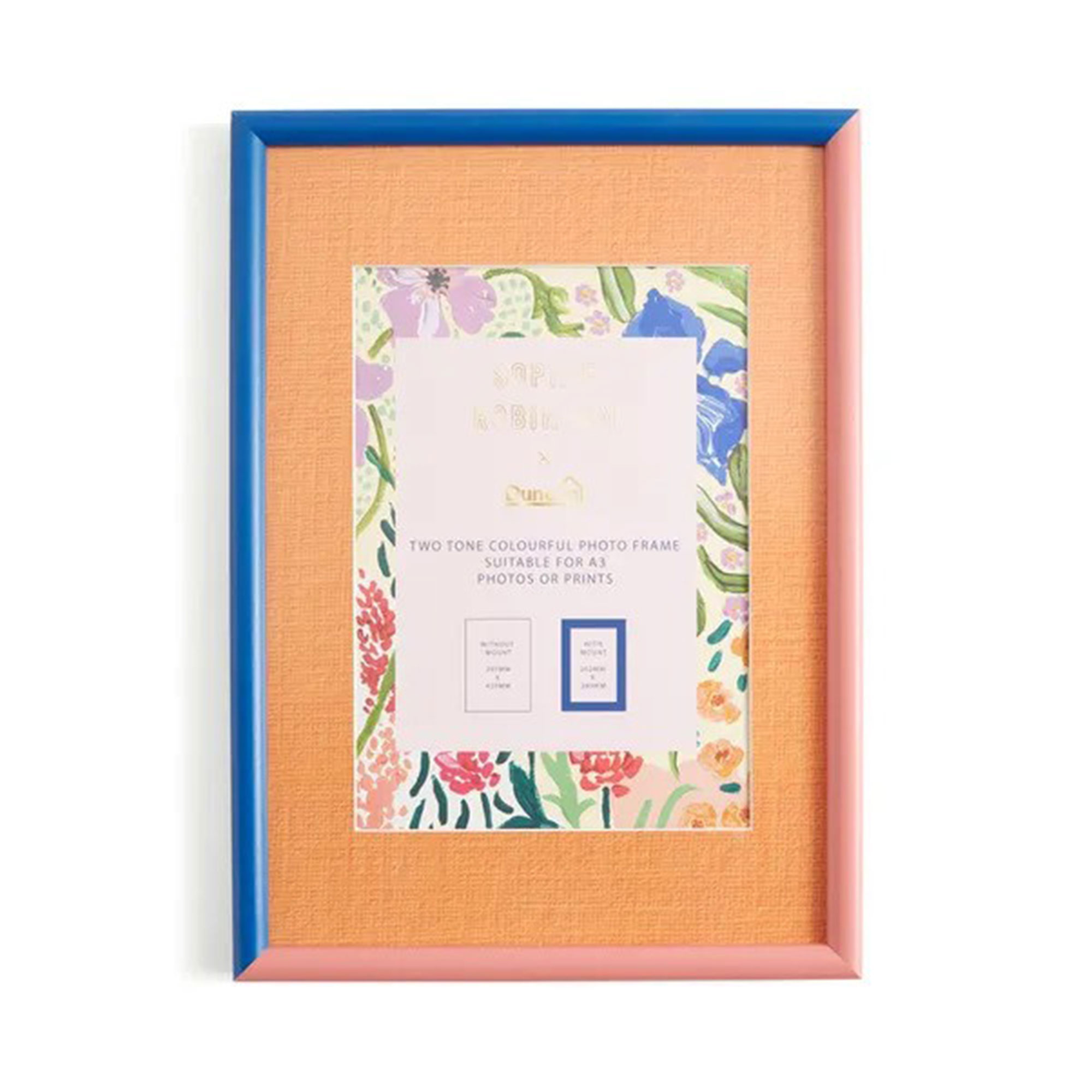
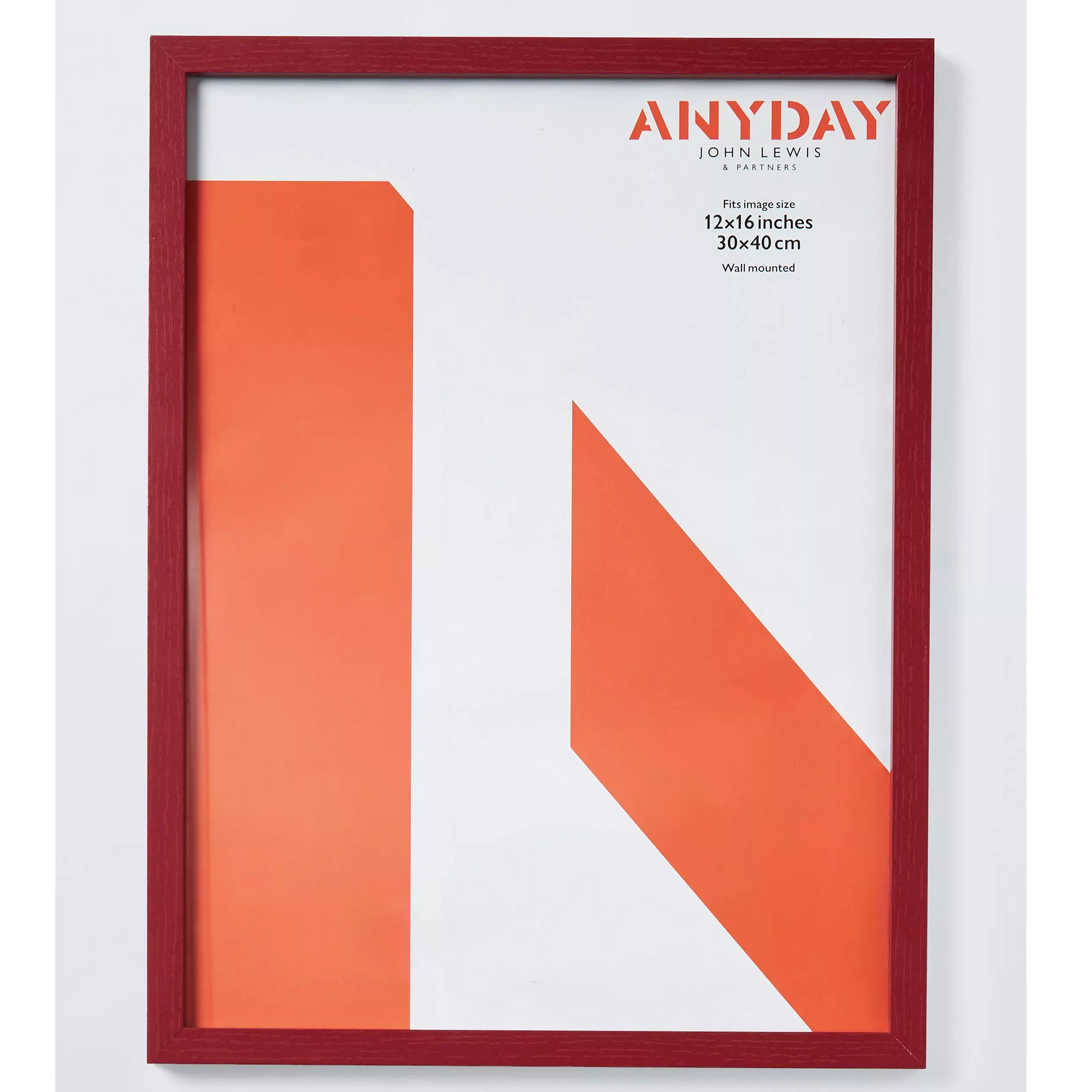
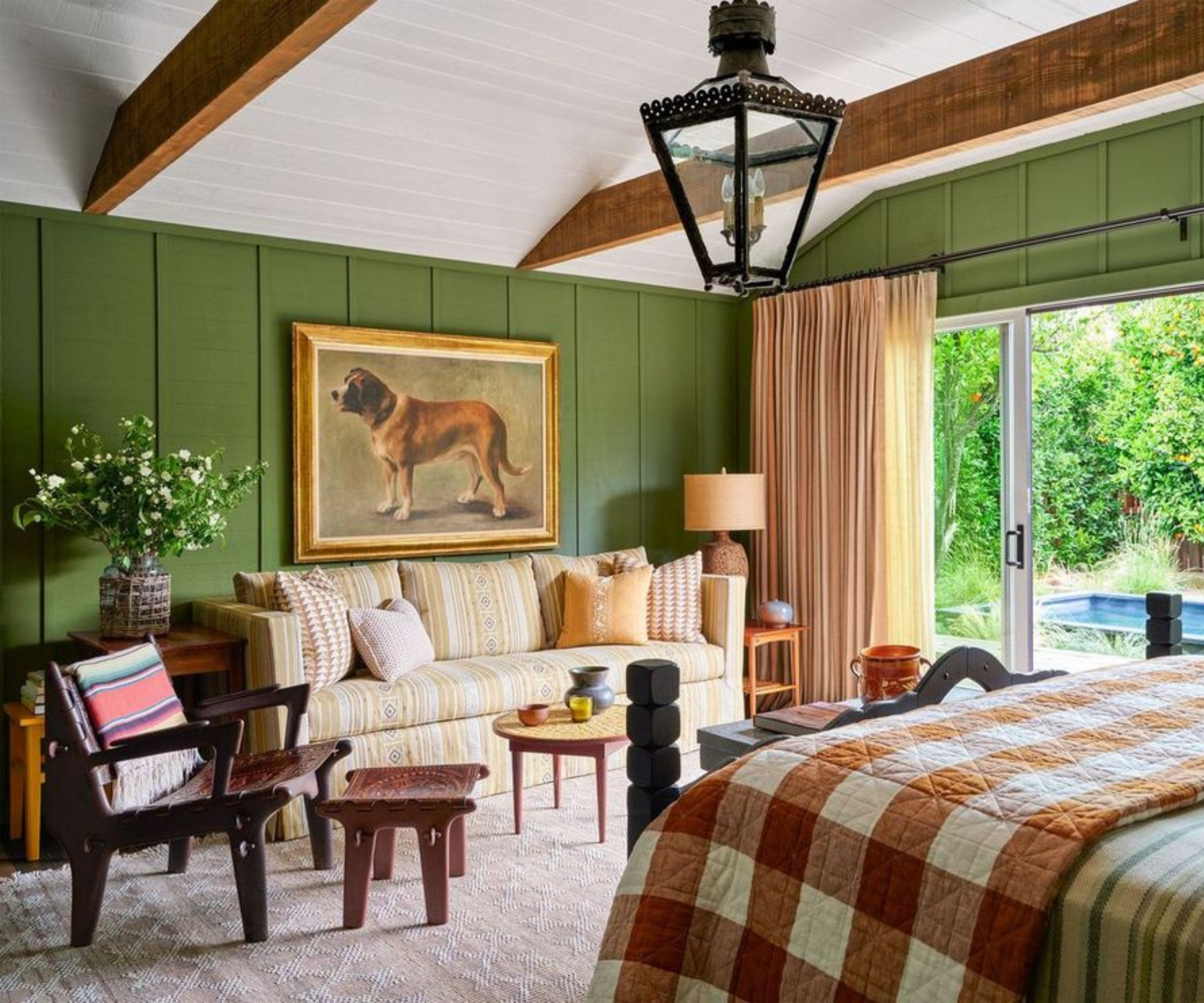
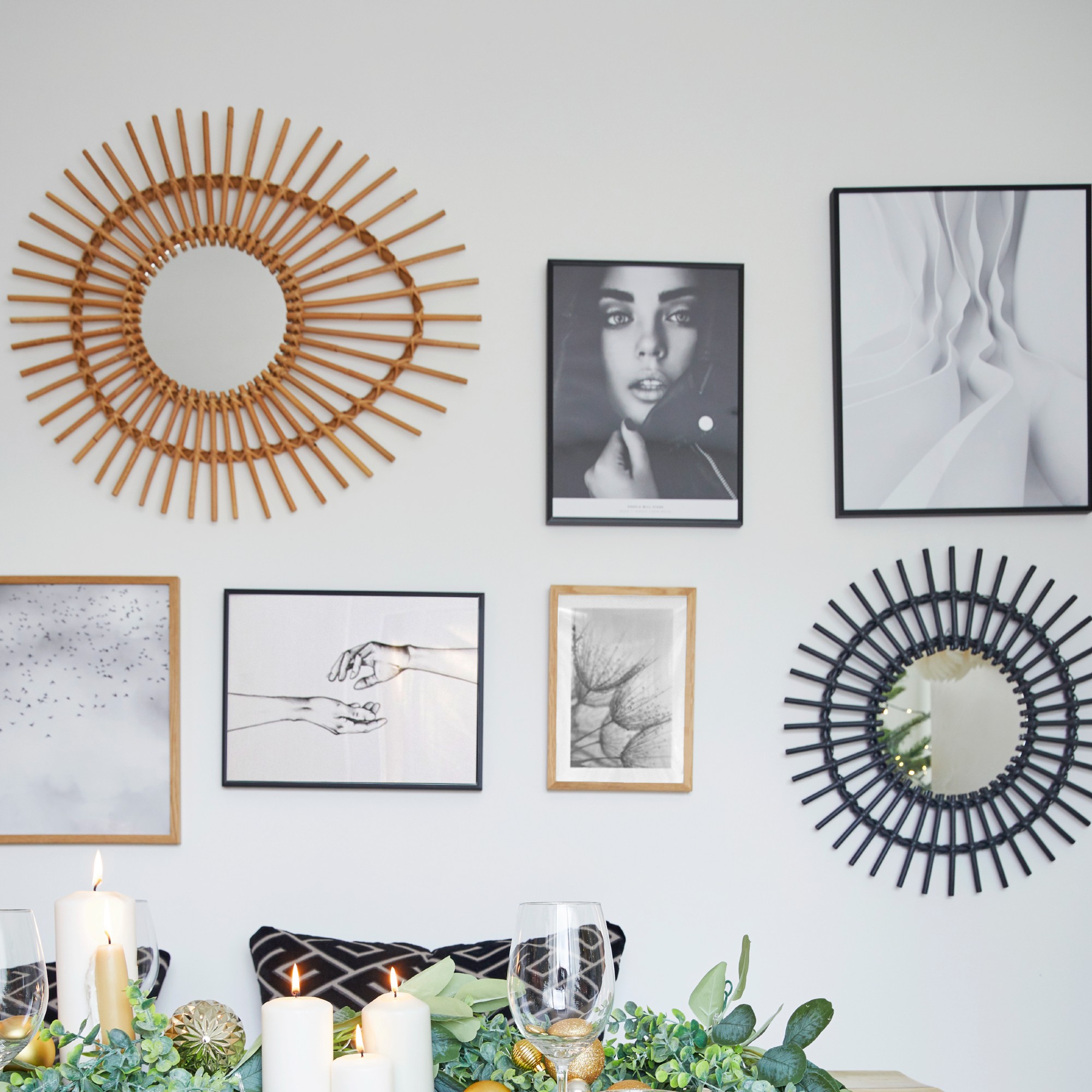
To assist readers in creating their own effective gallery walls, the article provides four essential guidelines. First, it recommends starting with a larger frame, ideally 16” x 20” or bigger, to serve as an anchor, advising against using only small frames which can result in a cluttered appearance. Second, it suggests mixing things up by incorporating various elements such as prints, canvases, photography, and memorable items like framed concert tickets. Diversifying frame shapes, including squares and circles alongside traditional rectangles, and adding purposeful pops of color through mats are also recommended. Third, the article emphasizes maintaining consistency in at least one element to ensure cohesion and balance. For instance, if frames vary, the art inside could share a similar color palette or type, or if art sizes and orientations differ, frames could be kept uniform. Finally, proper hanging height is crucial. For standing rooms (kitchens, entryways, hallways), the centerline of the gallery wall should be 66 inches from the floor, while for sitting rooms (living rooms, bedrooms, offices), it should be 60 inches. If hanging above furniture, a space of eight to 10 inches between the furniture's top and the lowest frame is advised to avoid overcrowding.
#GalleryWalls #HomeDecor #InteriorDesignTrends #ArtDisplay #Framing #ArlynHernandez #ArtifactUprising #DIYHomeDecor #GalleryWalls #HomeDecor #InteriorDesignTrends #ArtDisplay #Framing #ArlynHernandez #ArtifactUprising #DIYHomeDecor
0 comment in total
 No comments yet
You may also like
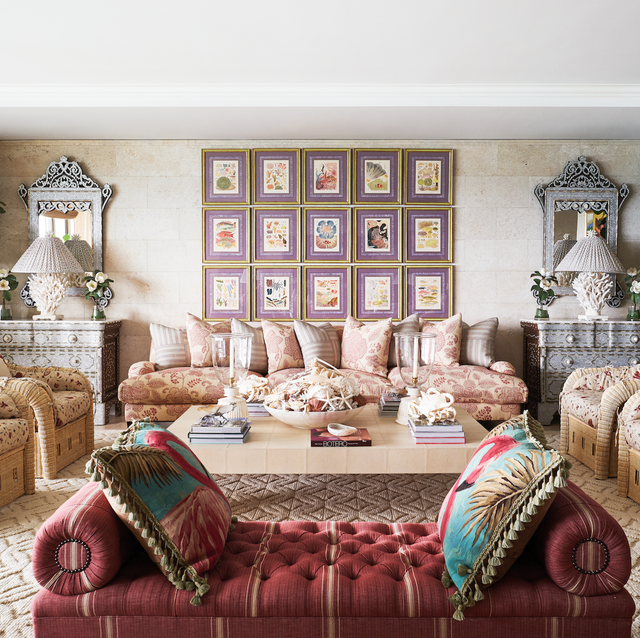
Are Gallery Walls Still in Style? Here’s What Designers Say

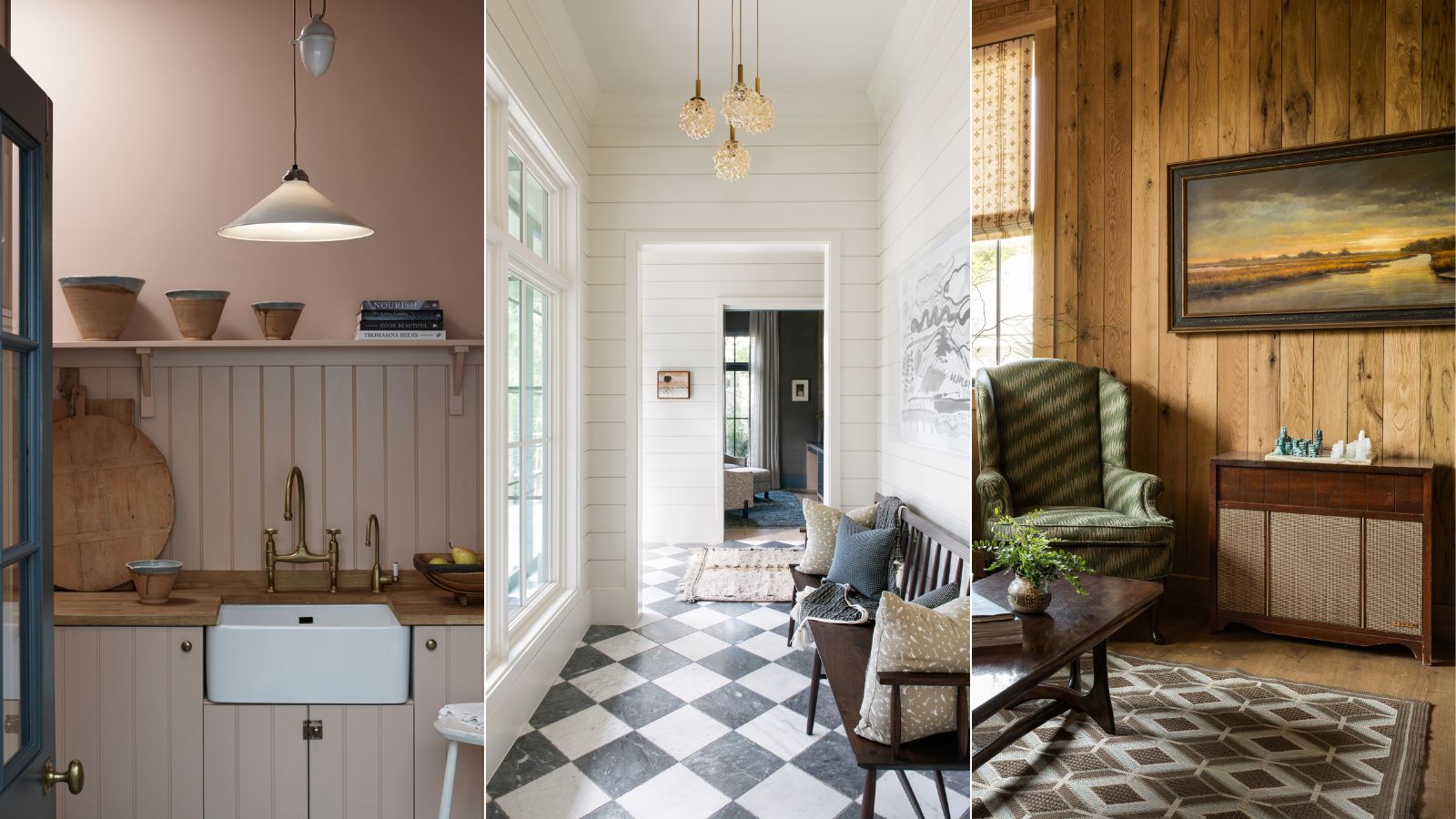
Are paneled walls still on trend? Interior designers on whether this feature is set to endure

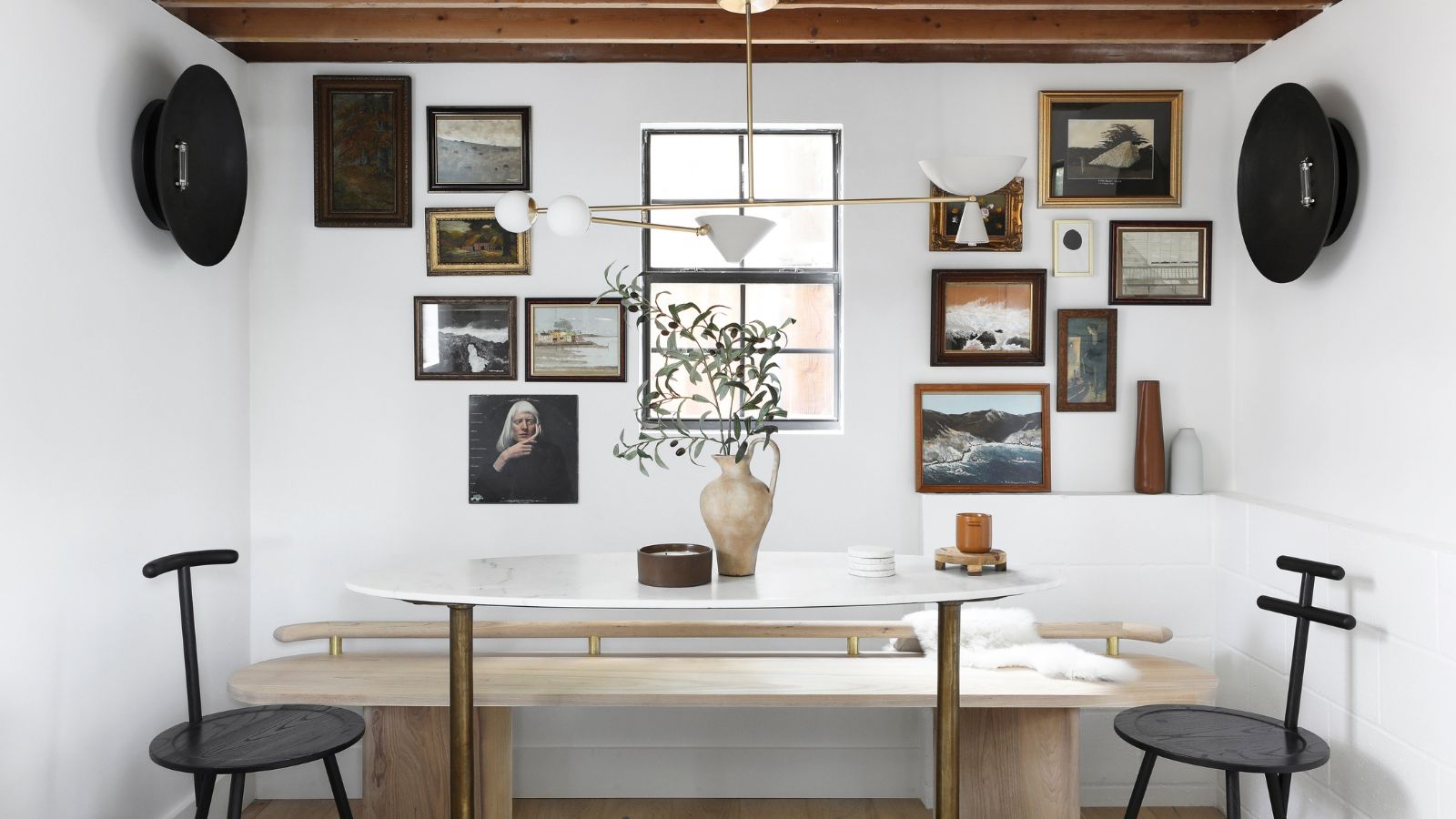
5 common gallery wall mistakes designers warn to always avoid – to create the chicest of displays
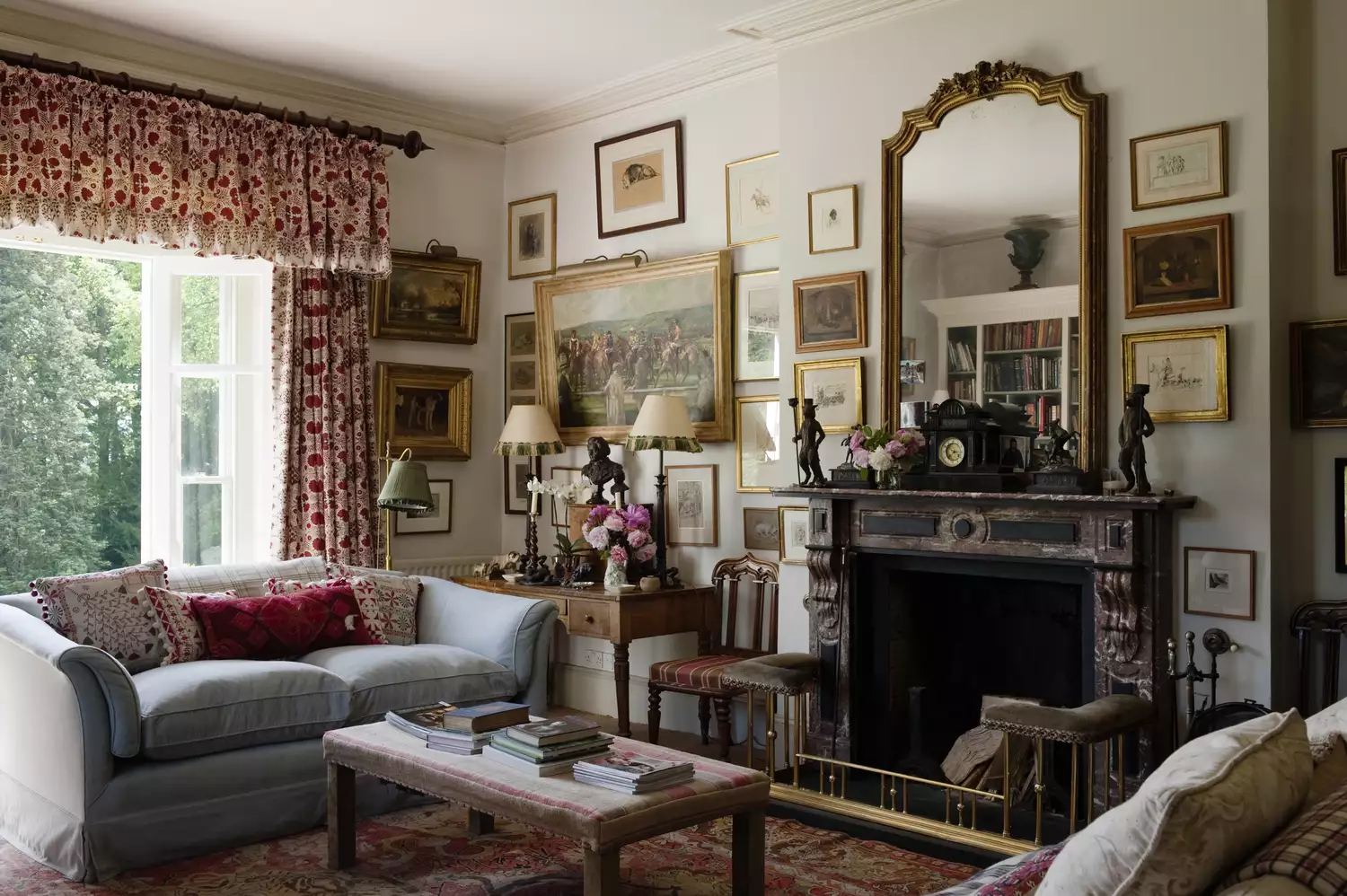
7 Wall Art Styles That Designers Are Leaving Behind This Year For Good

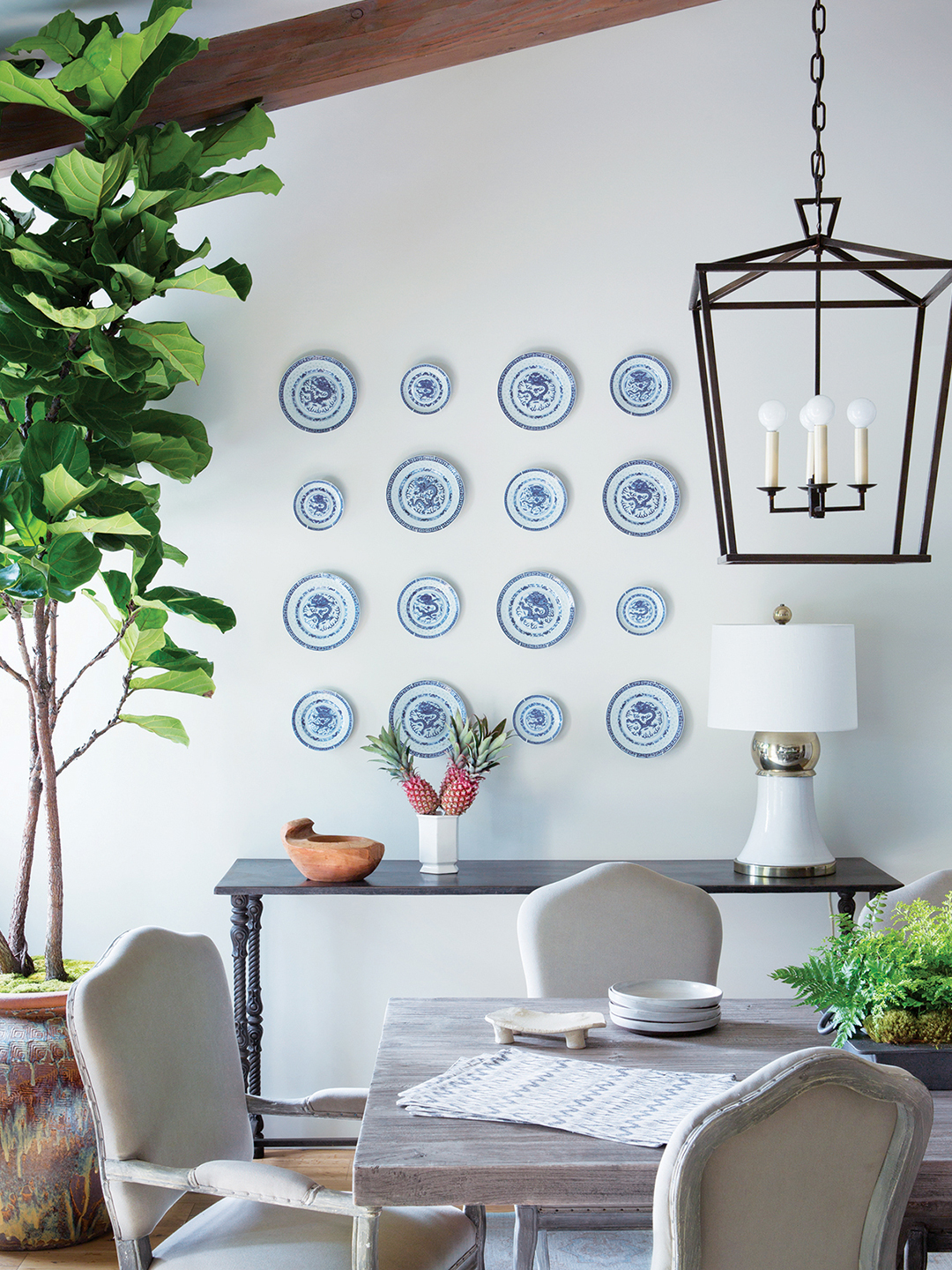
Gallery Walls Are Cool, But Do You Have a Plate Wall?

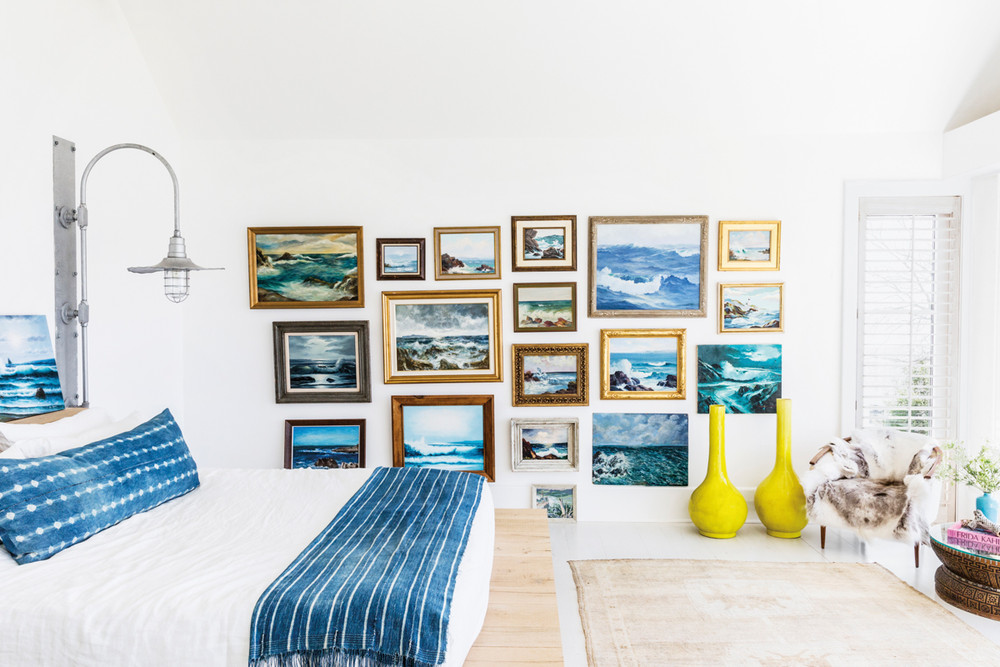
The Best Gallery Wall Ideas Right Now

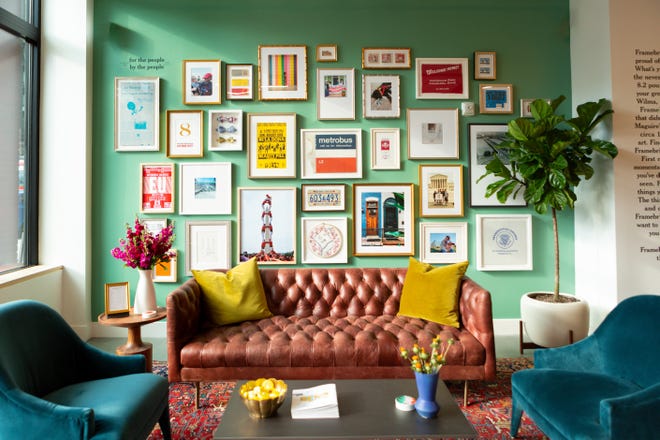
How to nail a gallery wall

9 Things (Other Than Photos) That Look Great In A Gallery Wall
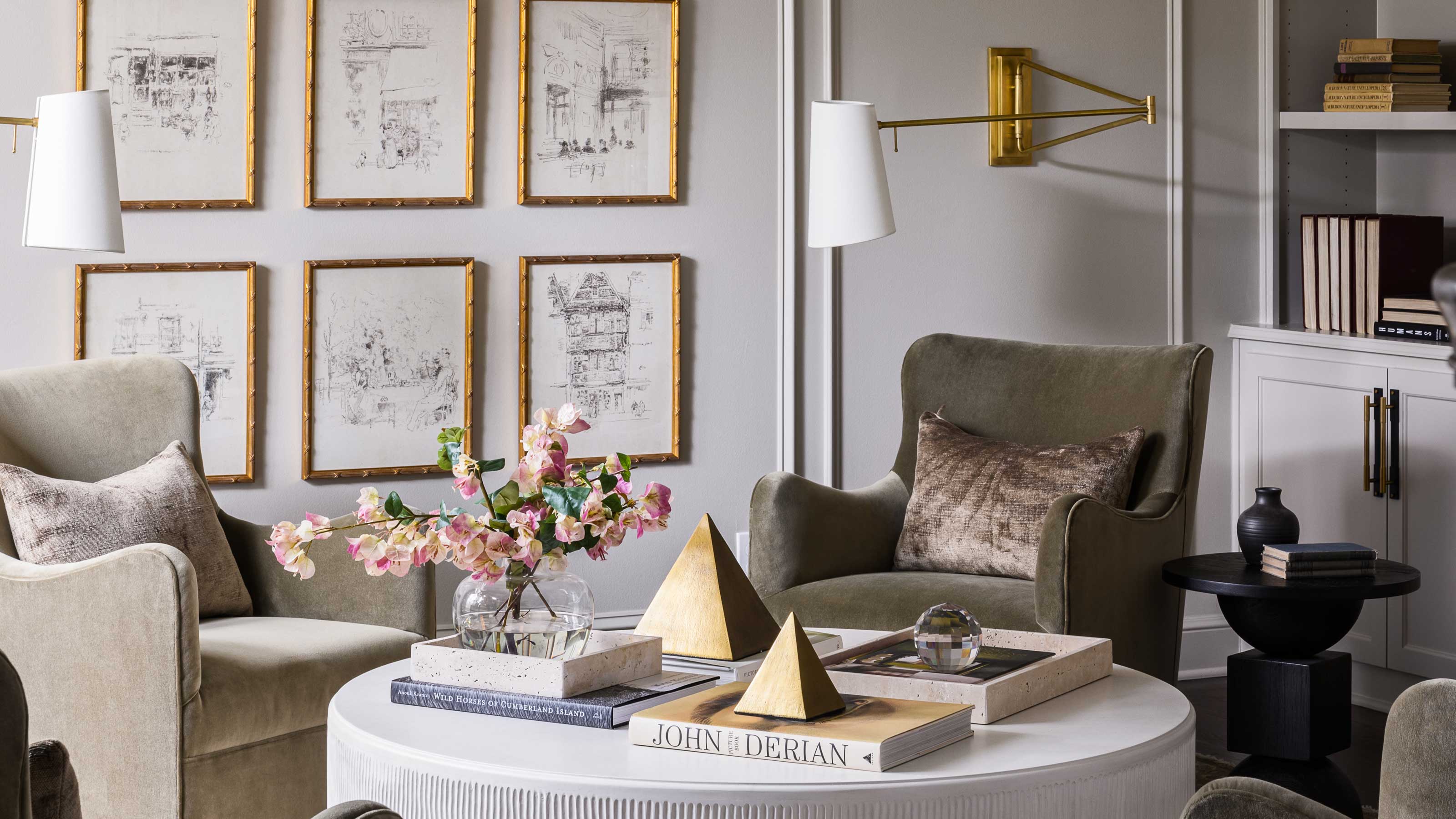
Are gallery walls going out of style? These interior designers all came to the same verdict


Are Gallery Walls Outdated? Here's What Nate Berkus Has To Say

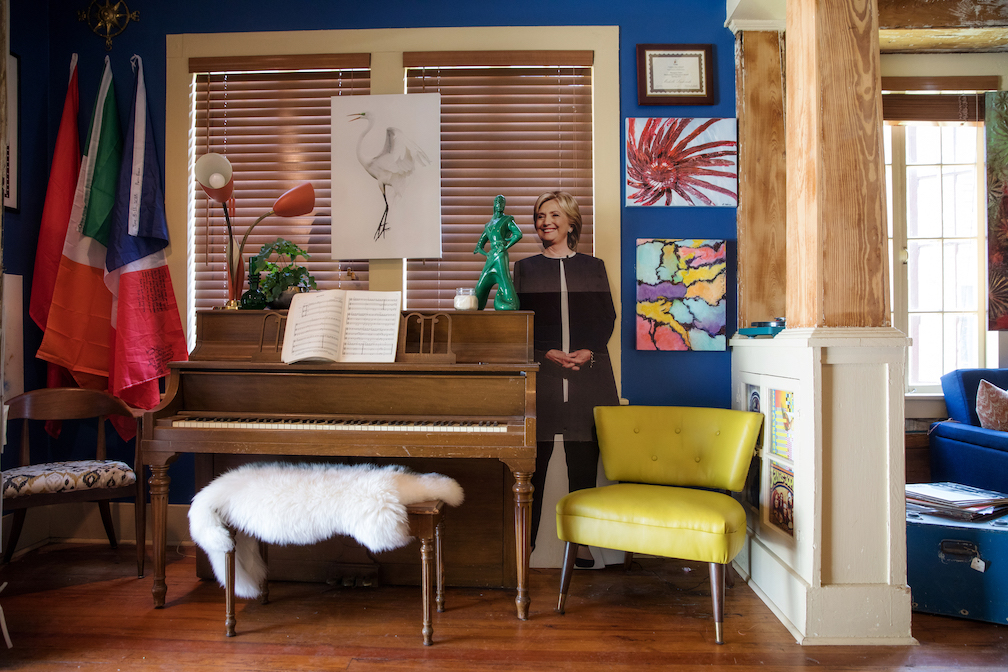
The key to building a great gallery wall is, well, thinking a little off-the-wall

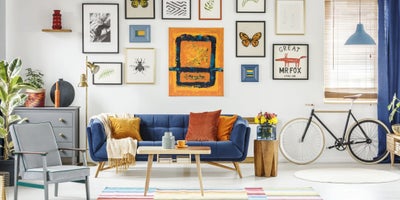
to create a gallery art wall - Ideas & Advice

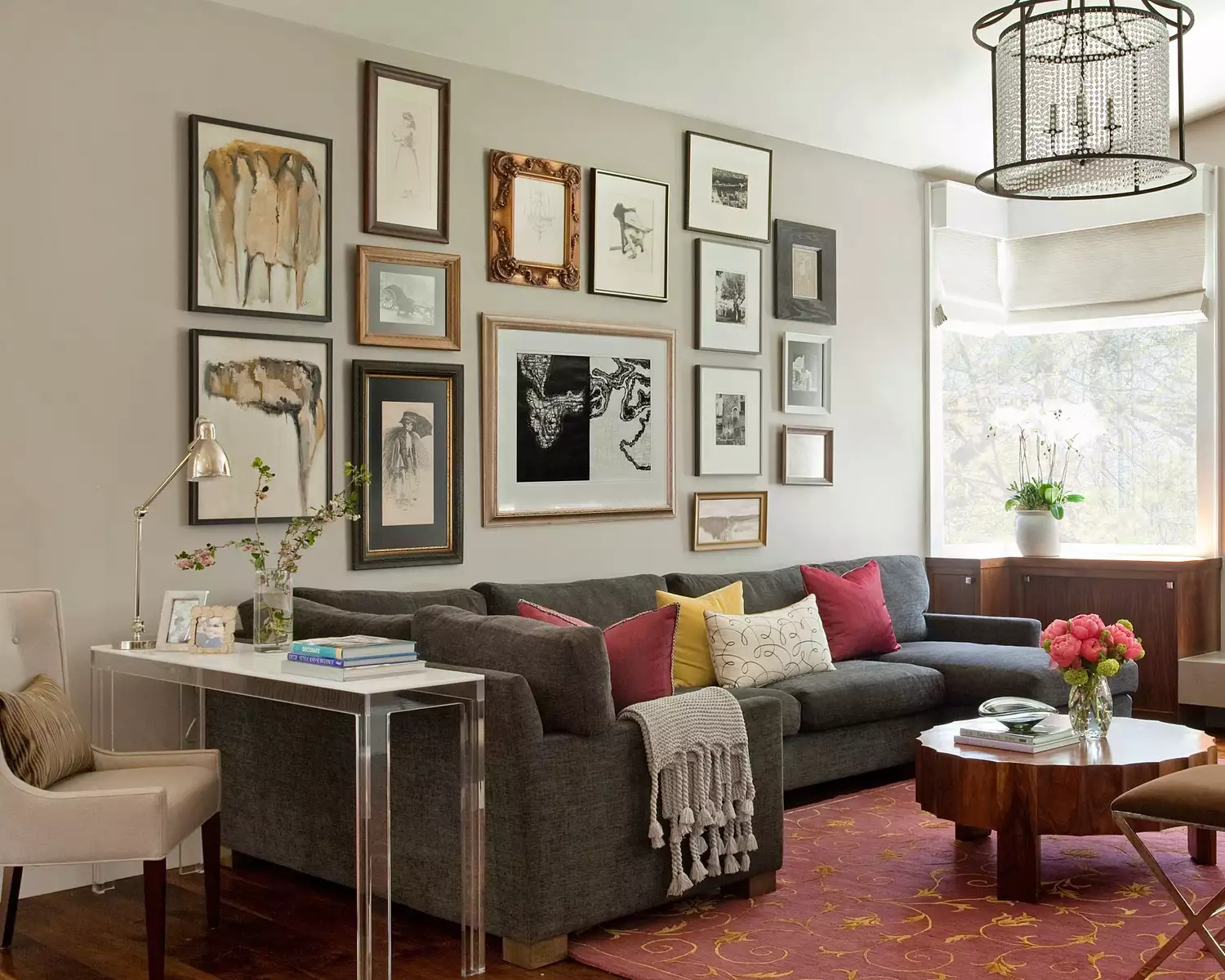
Are Gallery Walls Losing Their Appeal? Here's What Interior Designers Are Doing
Home help: Are feature walls still a thing or do they make a home look dated?
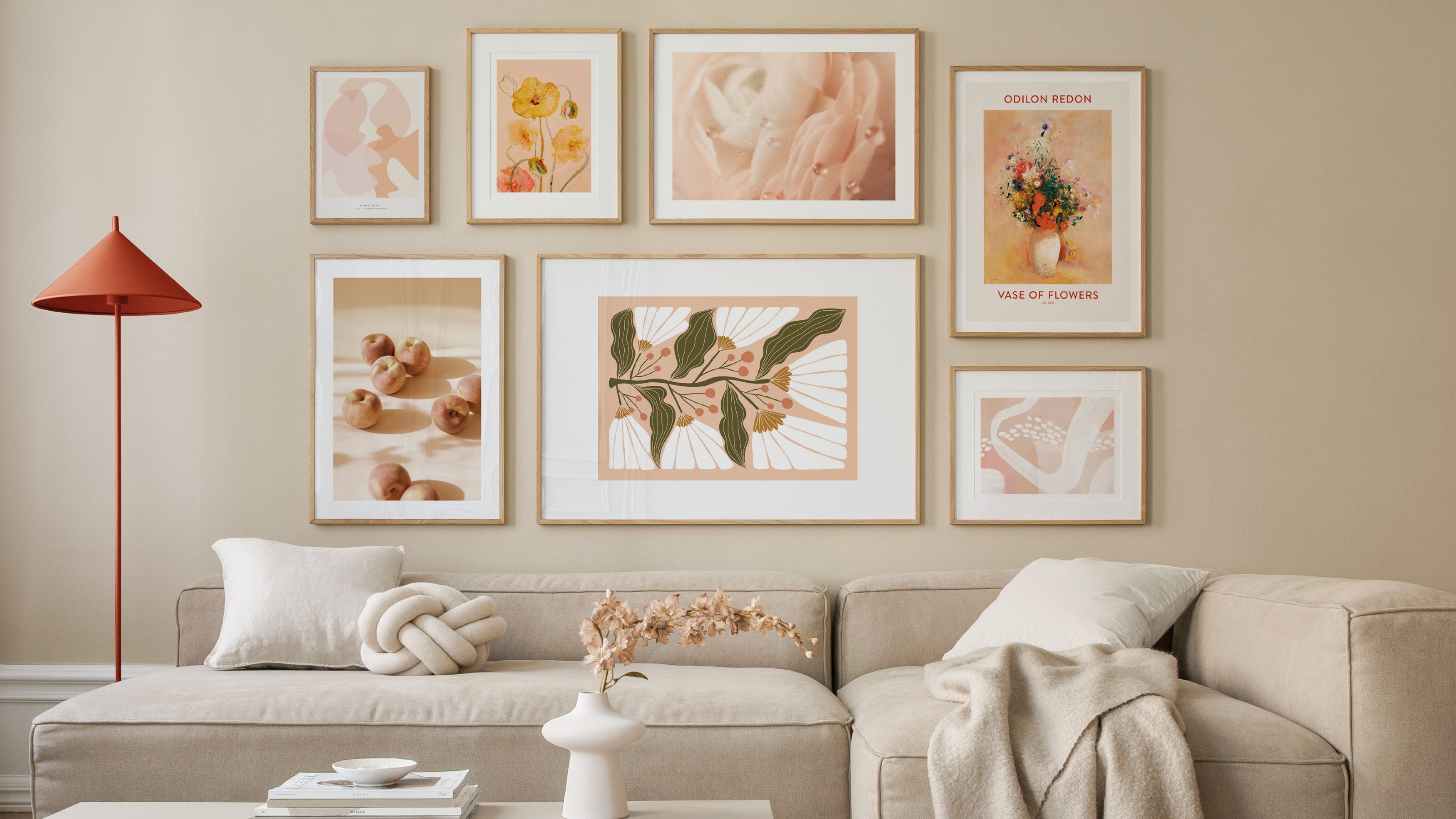
Etsy’s controversial trend report for 2024 predicts gallery walls are on their way out – but are they really?
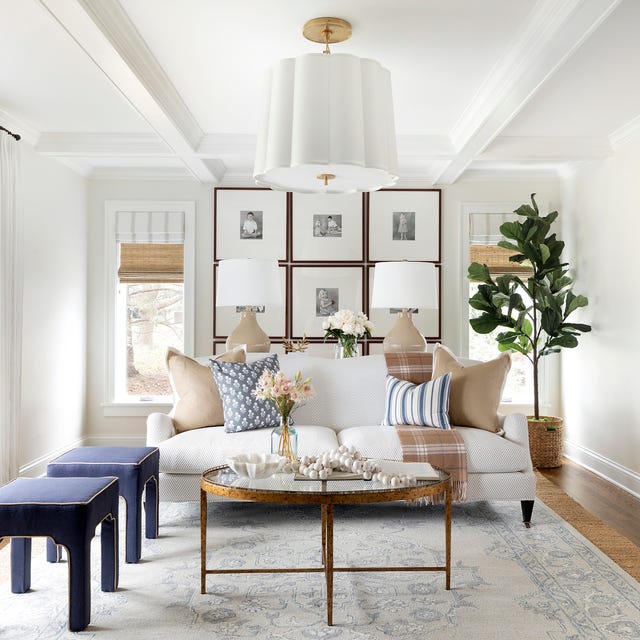
Designers Have Spoken: Grid Walls Are the New Gallery Walls

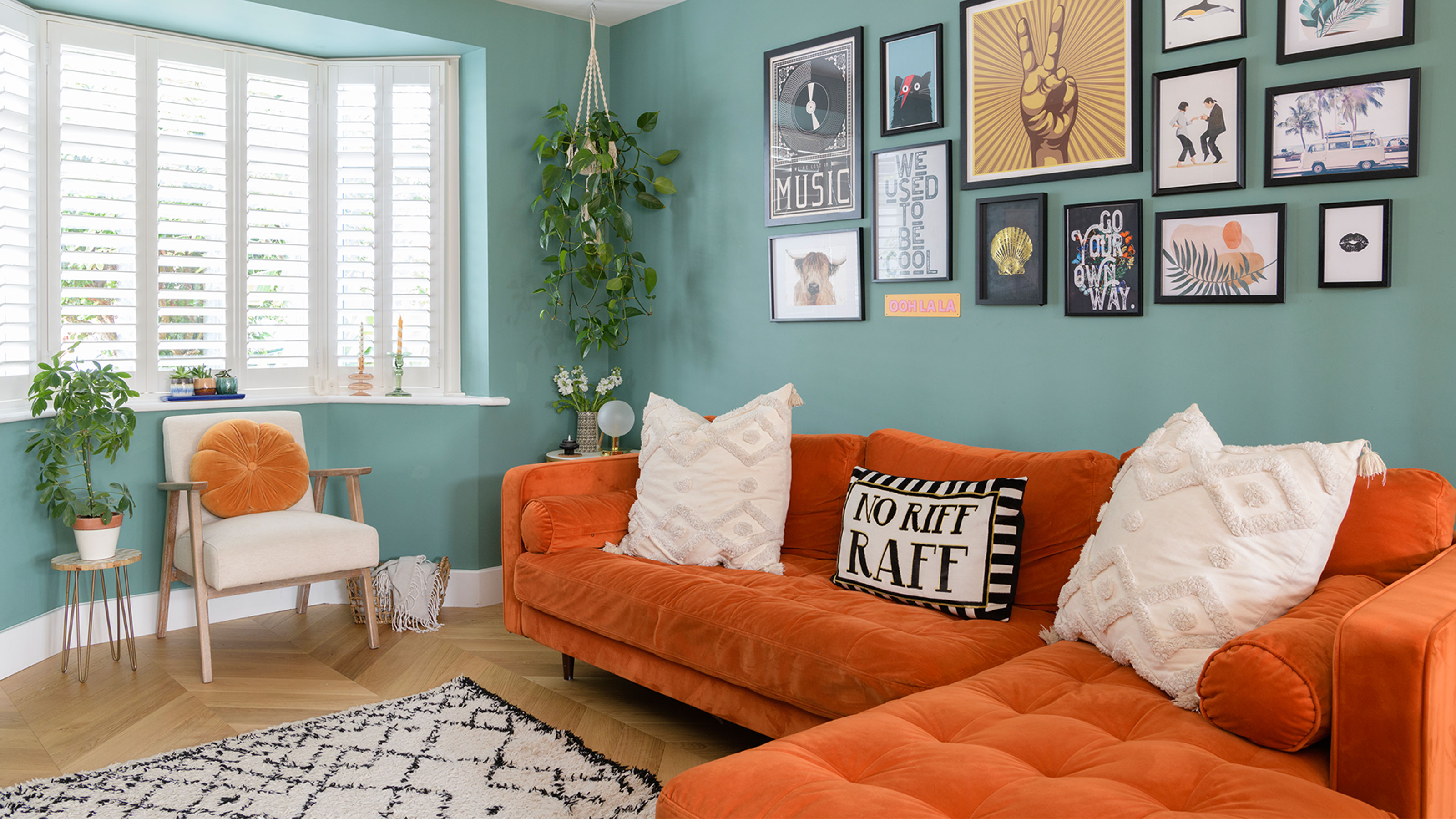
Are gallery walls still in style for 2025? 5 fresh new twists that are shaking up this decorating staple
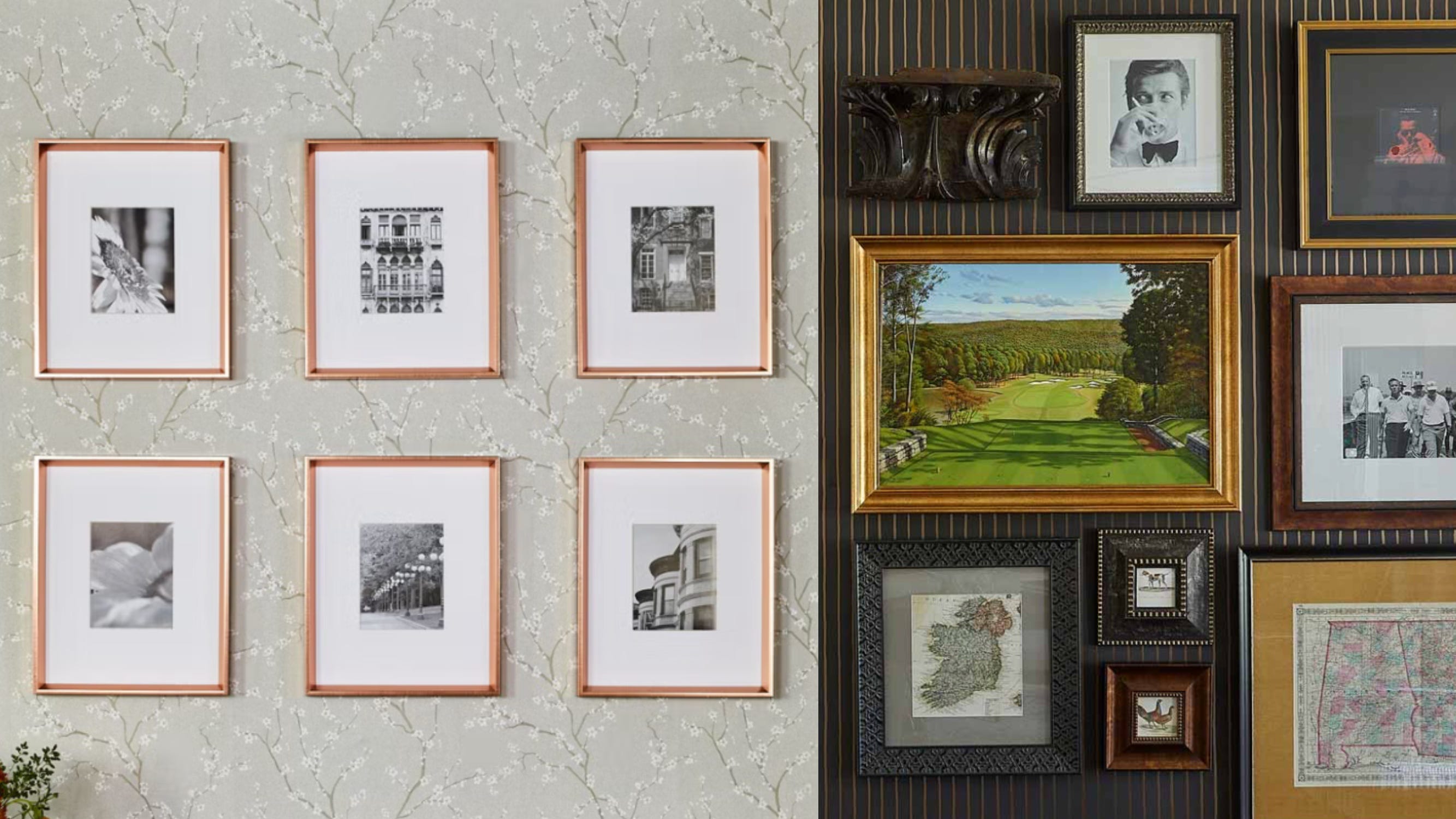
Matching or Mismatched Gallery Wall? Big-Time Designers Have a VERY SPECIFIC Preference

How to create an Instagram-worthy gallery wall: Interiors experts on framing and displaying your art
We Asked Designers If Those Cute Café Curtains Are Still Cool — or Headed Straight Out the Door