1/4
Foraging For Violets & Making Syrup
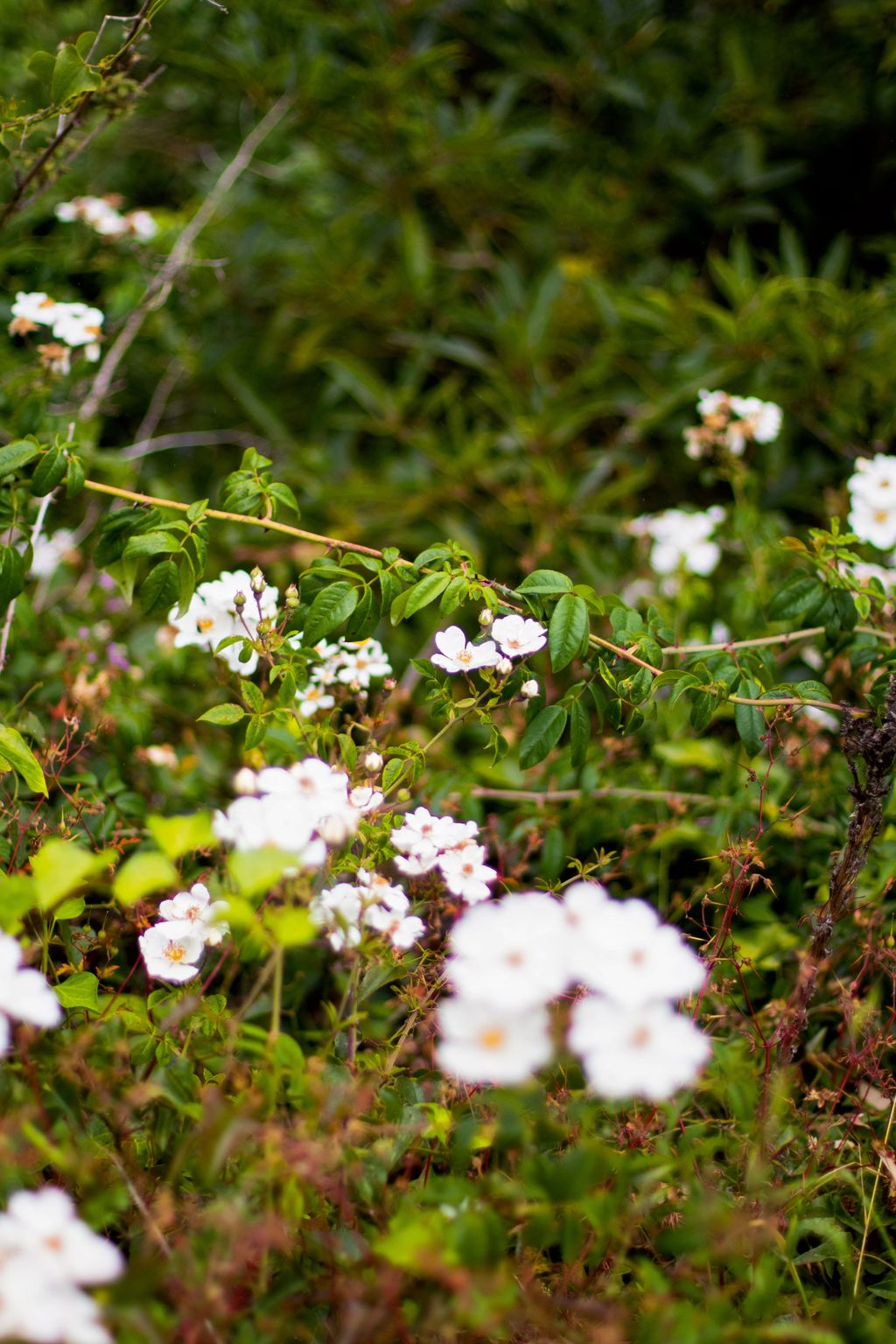
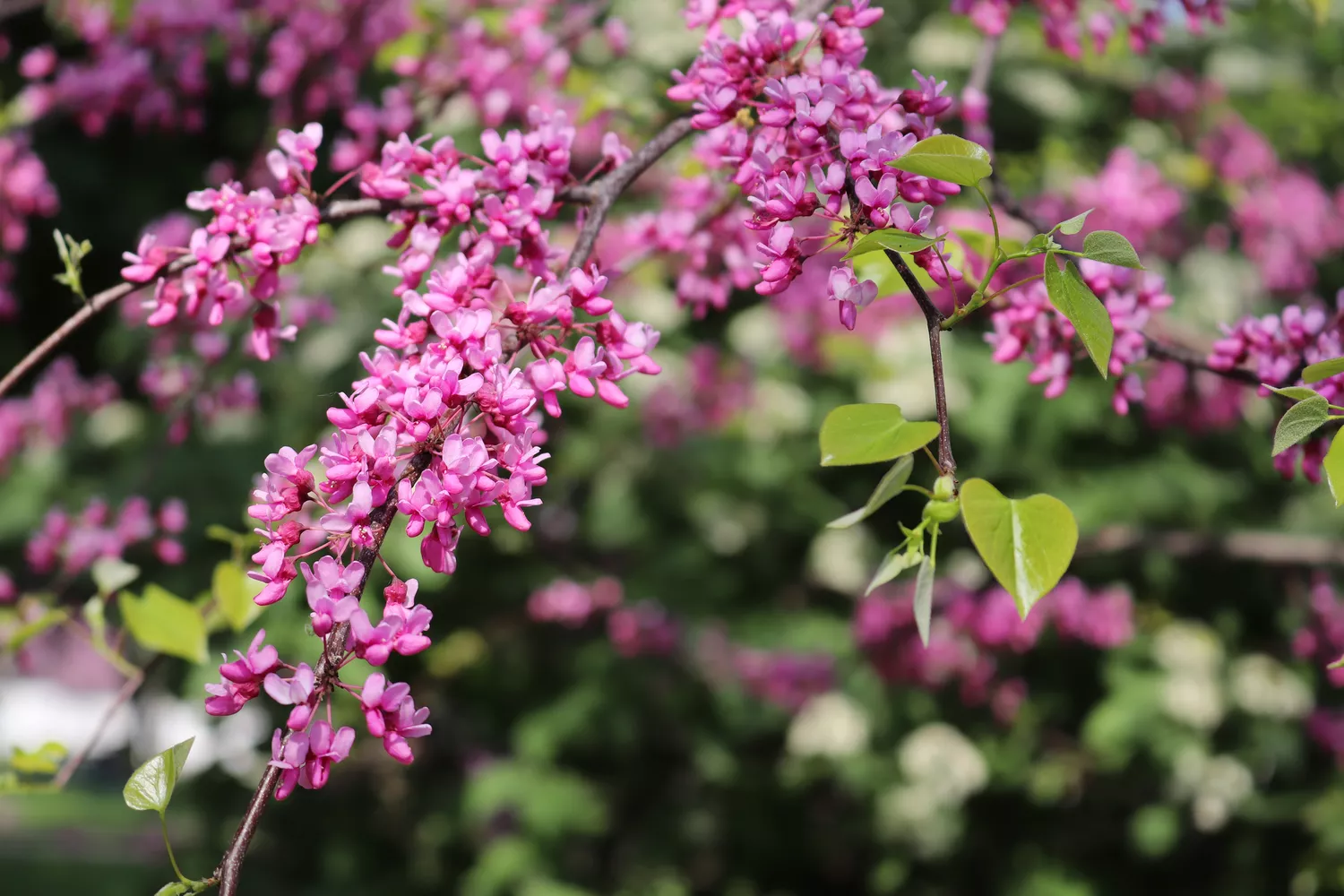
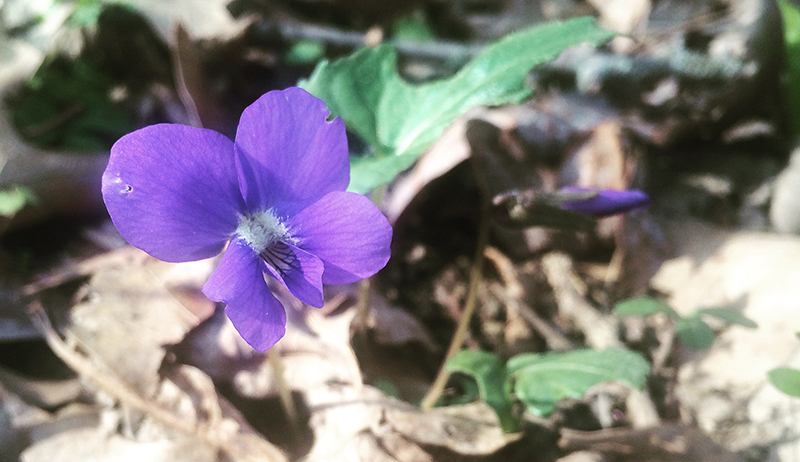
This blog post details a foraging expedition for violets and the subsequent process of making violet syrup, a year after the author and her partner acquired their farm. The author expresses enthusiasm for the arrival of spring, marking their first year on the farm and the opportunity to engage in activities long anticipated. The narrative highlights the experience of exploring their land, specifically mentioning the beauty of dogwoods and redbuds in bloom, and the personal desire to create violet syrup, a goal that remained unfulfilled during their time living in the city. The author and a friend embark on a foraging trip into the woods to collect violets. They observe the unique ecology of their farm, noting various wild plants such as cleavers, garlic mustard, yarrow, and dandelions thriving despite the challenging terrain and soil conditions. Unlike in urban settings, the violets on their farm grow in small clusters within woodland areas, particularly on a west-facing hillside. The foraging process is described, including the need to contend with ticks during this time of year, but the reward of gathering violet blooms and leaves is deemed worthwhile.
The article then transitions into a step-by-step guide for making two distinct types of violet syrup: one from the flowers and another from the leaves. The first step involves separating the collected violet flowers and leaves, a choice made to cater to the specific qualities each part offers. The second step details the preparation of a strong tea from both the flowers and leaves. This involves placing the plant material in separate mason jars and covering them with hot water, allowing the mixture to steep until cool. This method ensures the extraction of the herbs' beneficial constituents. The final step focuses on adding a sweetener to create the syrup. For the violet flower syrup, raw sugar is used in a 1:1 ratio with the tea. The initial blue-indigo color of this syrup can be transformed into a vibrant purple by adding a small amount of lemon juice; however, an excess of lemon juice results in a champagne pink hue, which is still aesthetically pleasing. This flower syrup is suggested for flavoring Greek yogurt and for use in desserts like homemade ice cream and scones.
For the violet leaf syrup, raw honey is utilized in a 2:1 ratio with the tea, chosen for its additional medicinal properties, particularly for cough relief. The inclusion of honey makes this syrup thicker, which is beneficial for its intended use as a cough medicine. A crucial detail is provided regarding the temperature when using honey: the mixture should not be heated above 110 degrees Fahrenheit, as higher temperatures can degrade the beneficial qualities of the honey. The honey is mixed into the warmed tea until fully dissolved. This leaf syrup is intended to be kept on hand for coughs, especially during allergy season. The article concludes by reinforcing the simplicity and accessibility of making home-based remedies like these syrups, highlighting the connection between foraging, nature, and practical applications in home health and culinary endeavors.
#Foraging #VioletSyrup #FarmLife #SpringForaging #HerbalRemedies #DIYSyrup #WildEdibles #Homesteading #FarmToTable #Foraging #VioletSyrup #FarmLife #SpringForaging #HerbalRemedies #DIYSyrup #WildEdibles #Homesteading #FarmToTable
0 comment in total
 No comments yet
You may also like
How to Make Colorful Dyes from Your Own Garden

Slideshow: Sugar CANE


Nature Nurtures
The Secret to More Stylish Home Decor This Summer? It’s Already in Your Yard

17 Edible Flowers You Absolutely Must Know About

How to forage for and arrange wildflowers
Purple Flowers That Hummingbirds Can't Resist
Oat And Honey | A Springtime Color Story
Bud Vases Are in Full Bloom

The Unexpected Place A Southern Florist Finds His Best Arrangement Materials
Pretty plant with purple flowers all gardeners are urged to grow in gardens this year
15 Purple Plants with Leaves that Stay Perpetually Purple

13 Colorful Nectar Plants for Pollinators
Decorating with vege-crazy extravagance
These Purple Blooming Trees Are the Prettiest Way to Add Curb Appeal to Your Front Yard
Add color with foliage, not just flowers


Butter Yellow and the Foodification of Color
11 Beautiful Purple Flowers and Plants That Attract Hummingbirds
Purple Flowers That Hummingbirds Can't Resist

Pick Purple Clover For Its Many Health Benefits