1/14
How to Achieve Transitional Style — 14 Designer Tips to Capture the Trend Taking Over Interiors
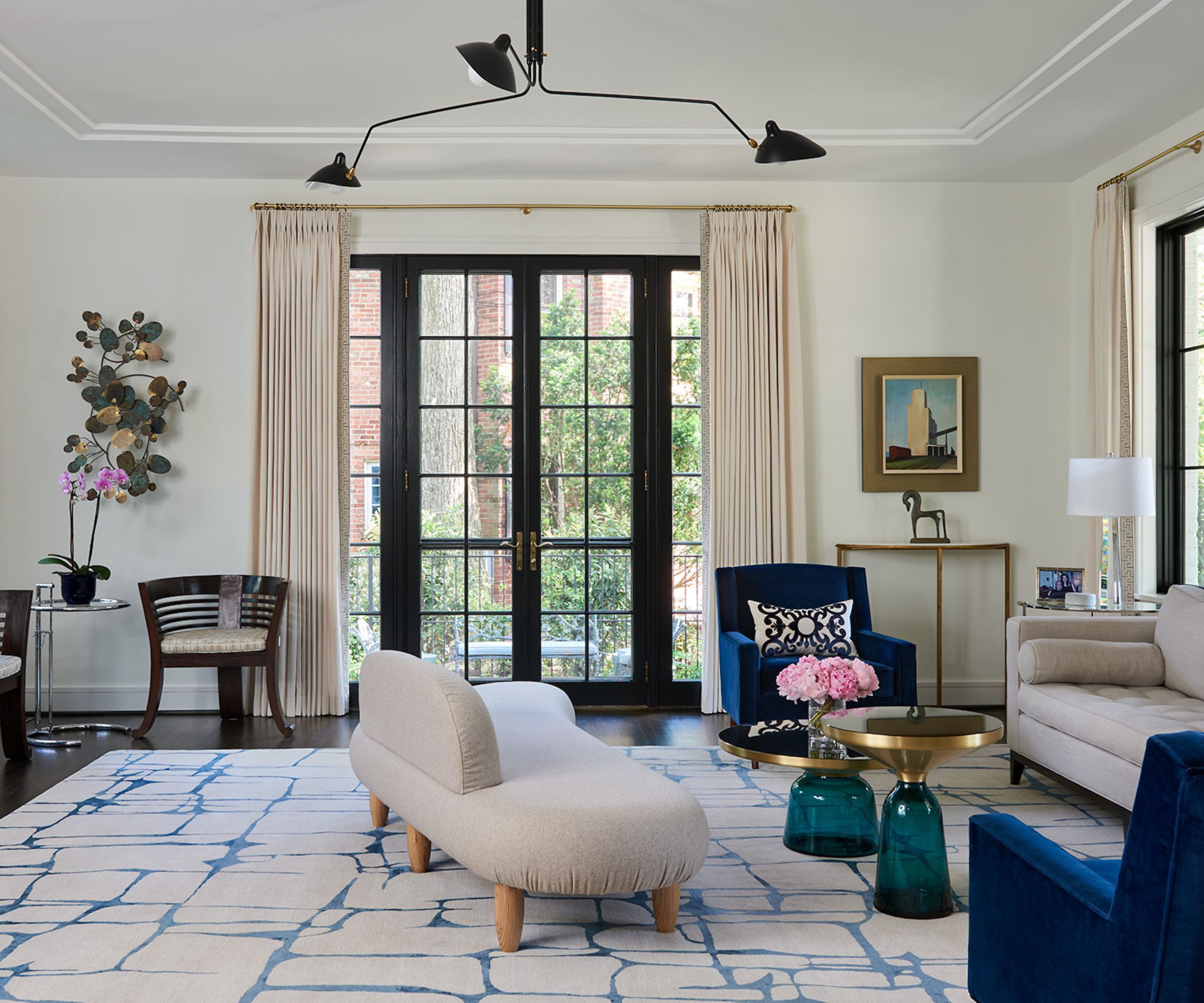
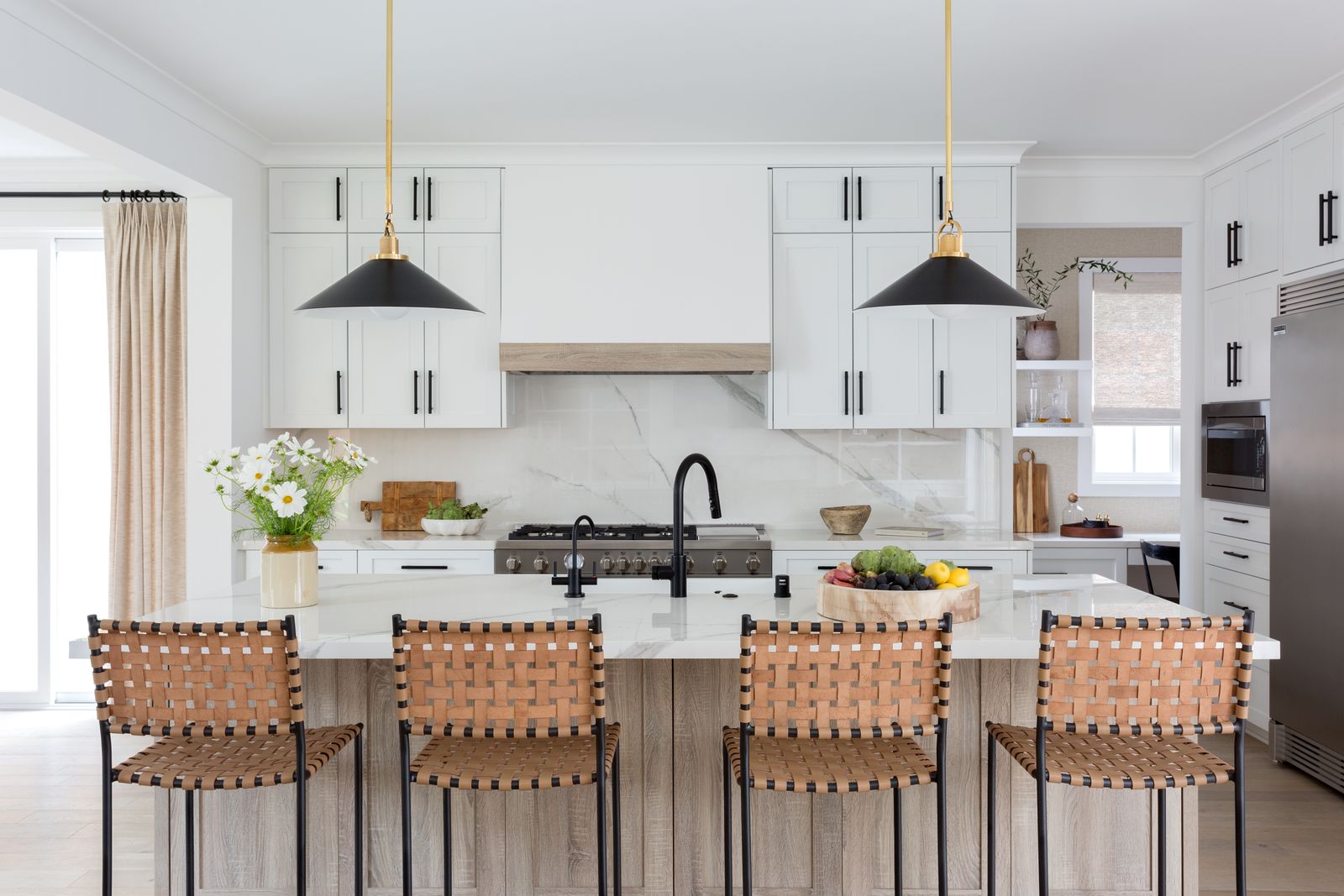
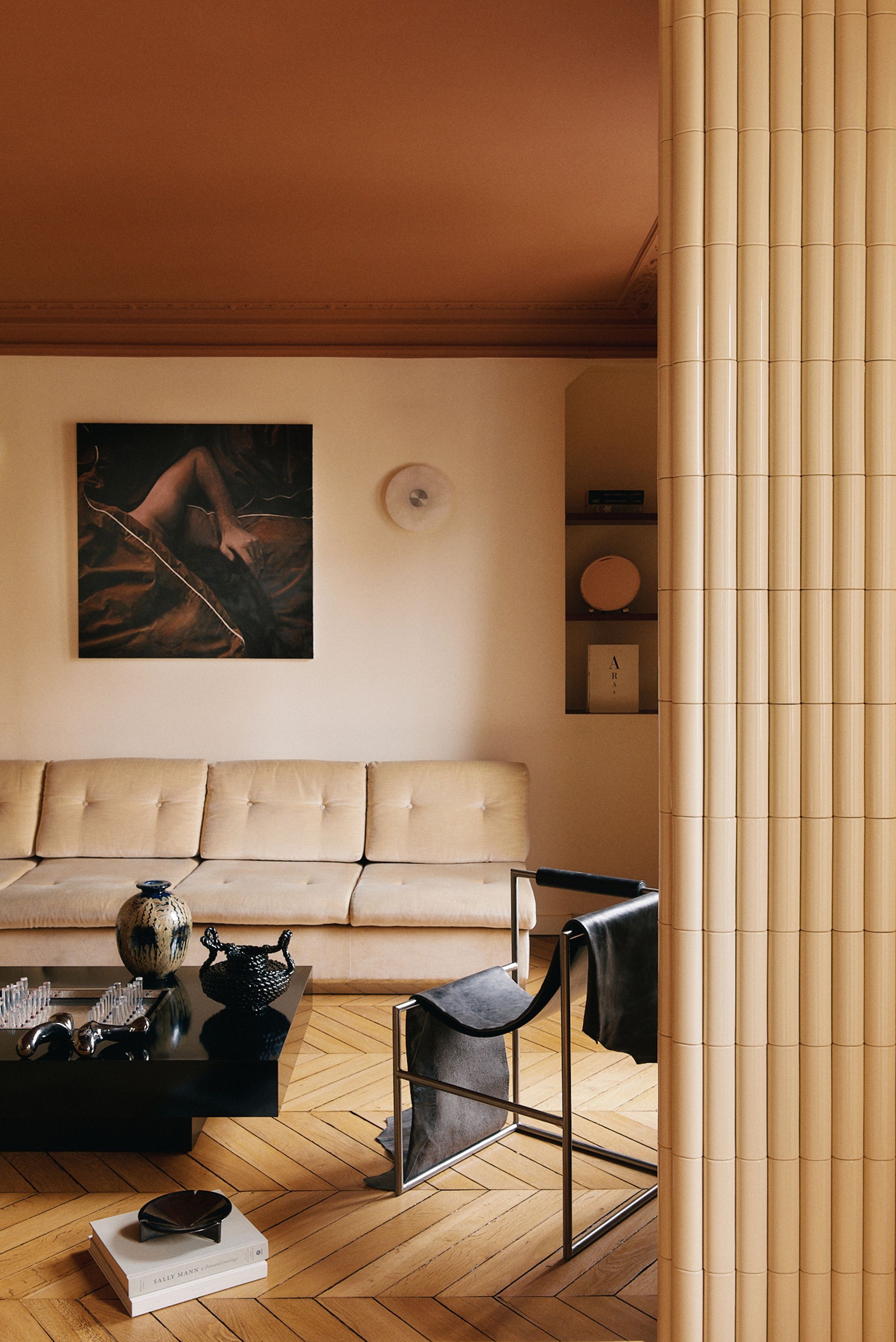
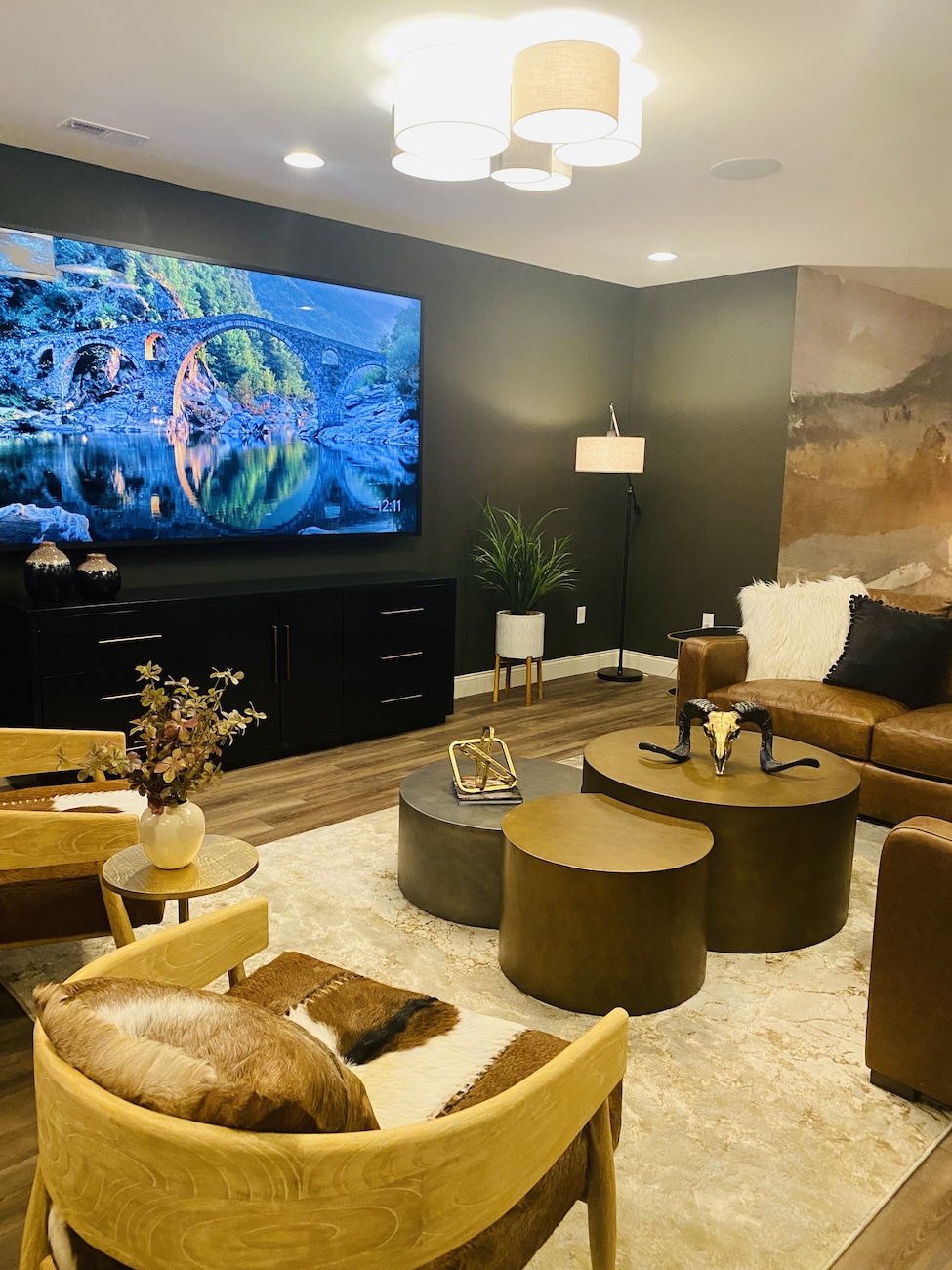
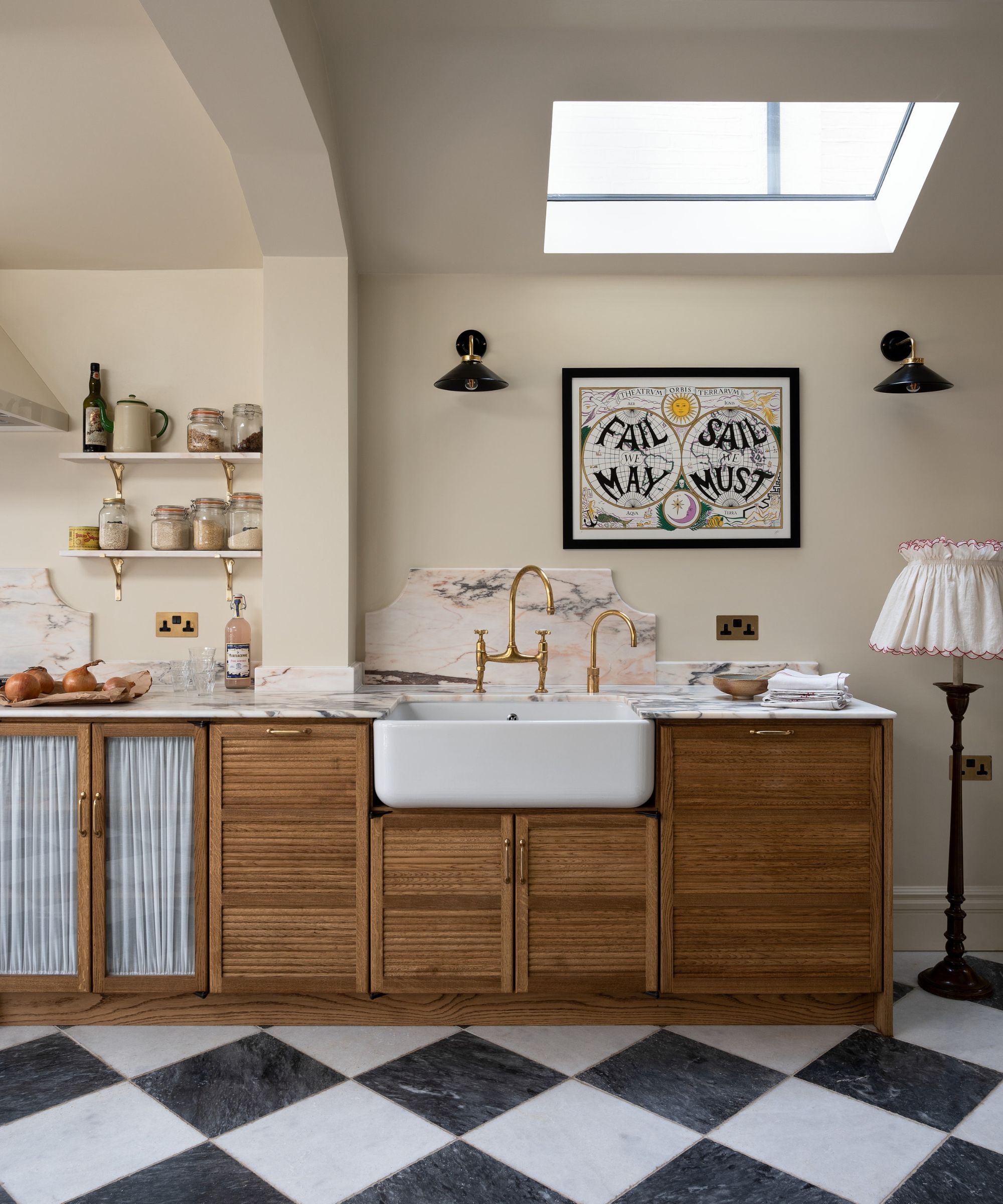
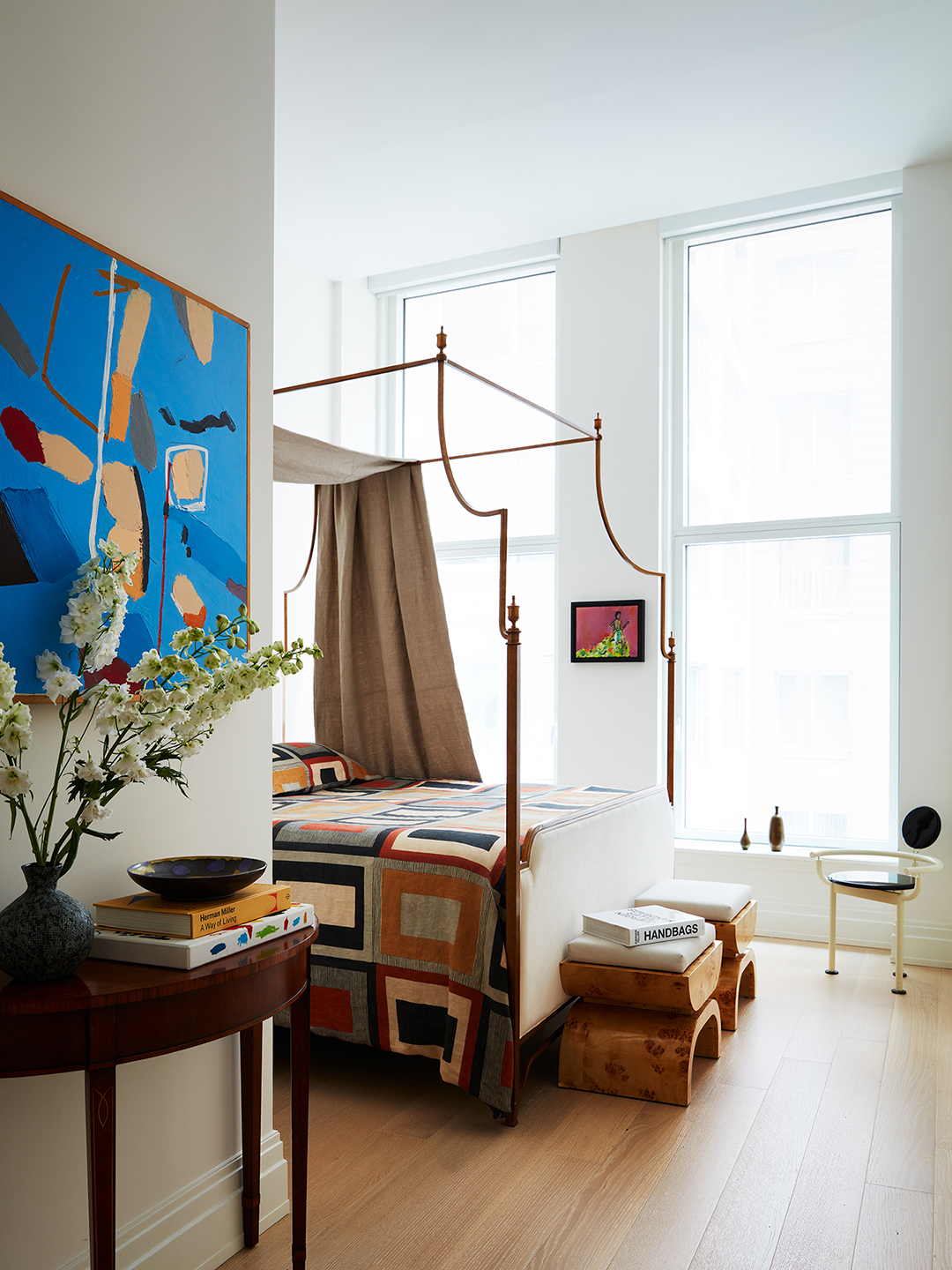
Transitional interior design offers a harmonious blend of classic charm and contemporary flair, providing a balanced aesthetic that avoids the extremes of overly traditional or starkly modern styles. This approach prioritizes comfort and an approachable feel, making it a popular choice for homeowners. Key to transitional style is the concept of effortless balance, where elements from different eras coexist seamlessly, creating a space that is both warm and dynamic.
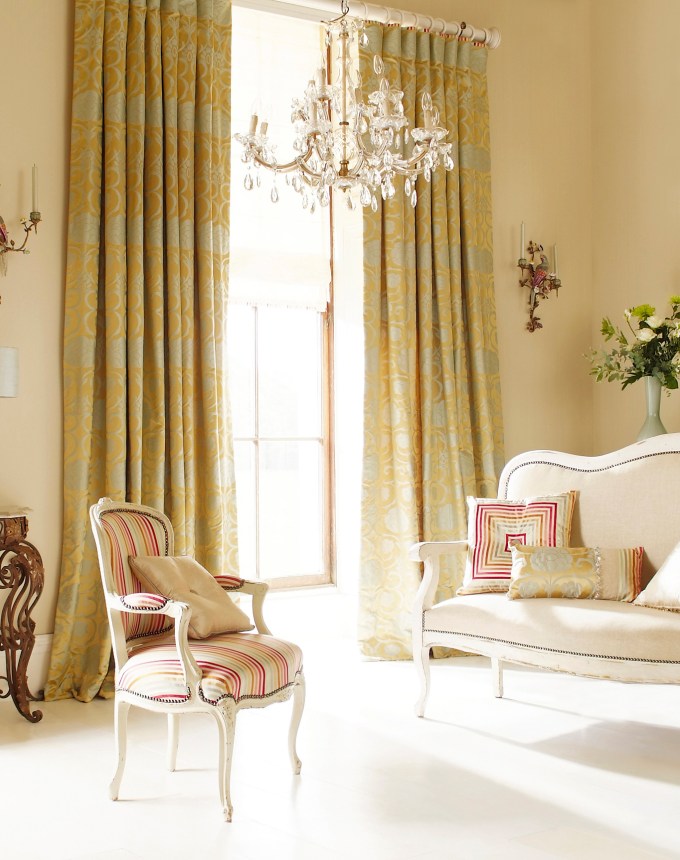
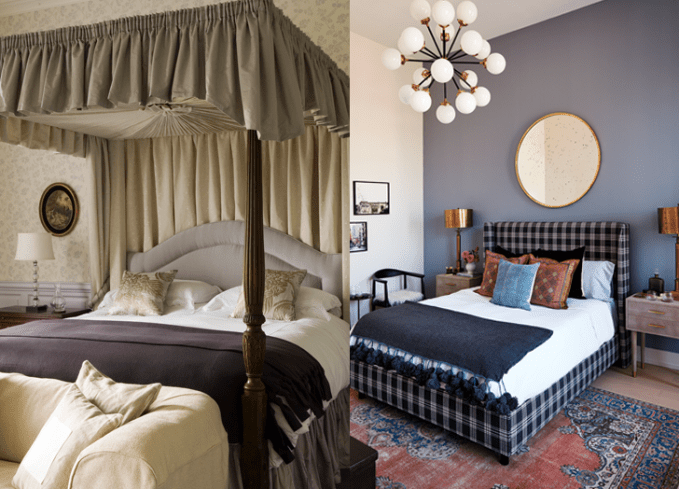
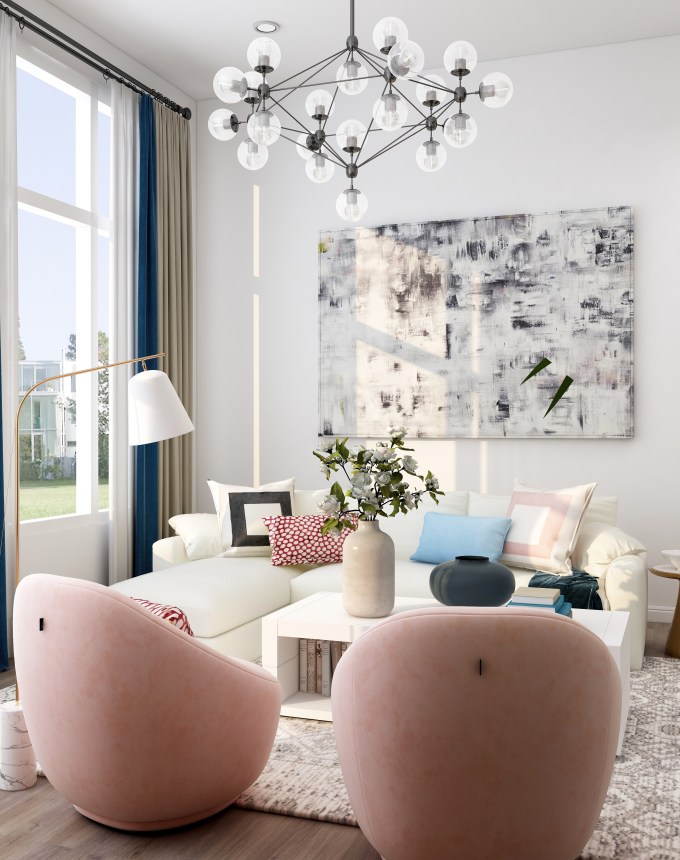
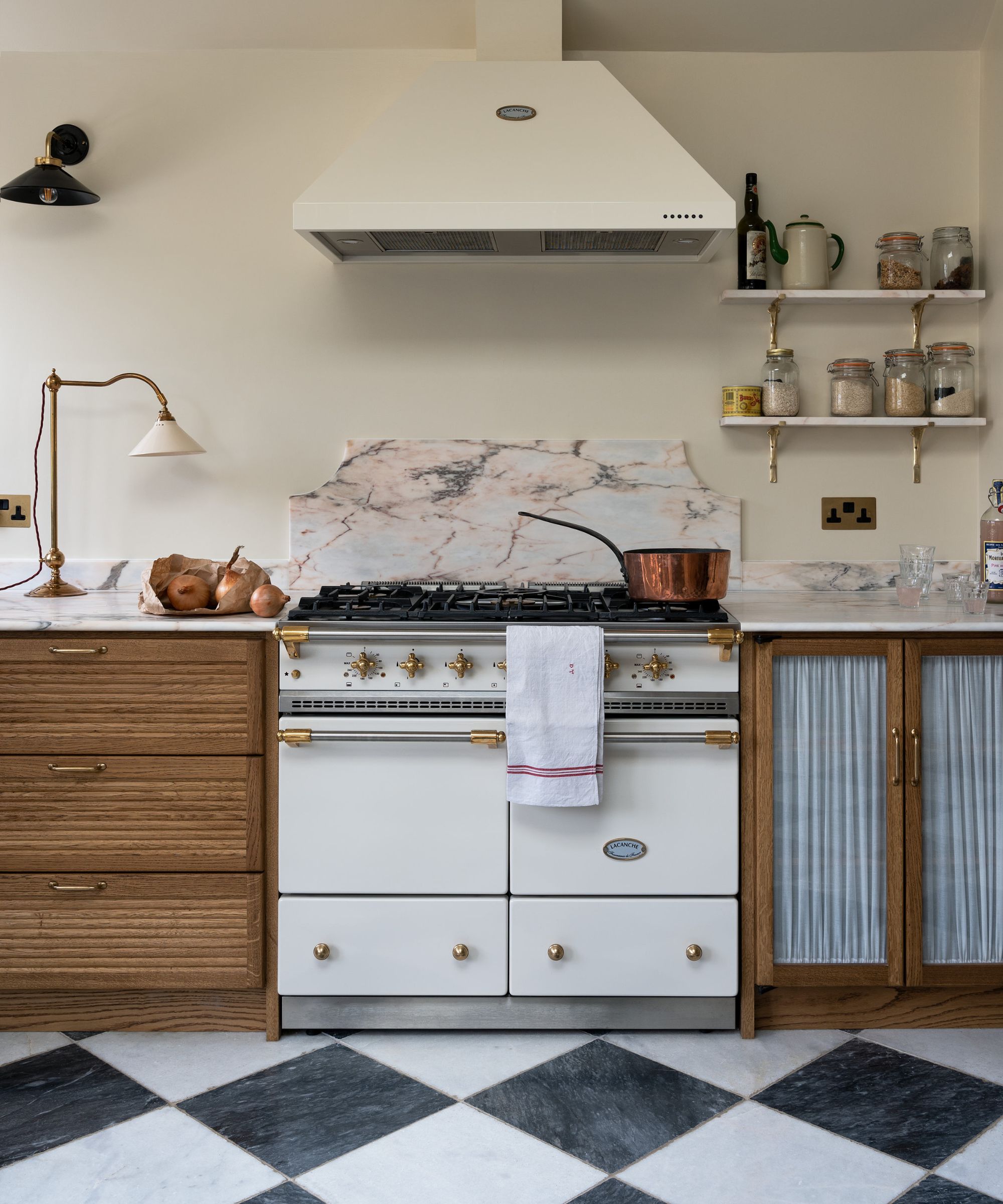
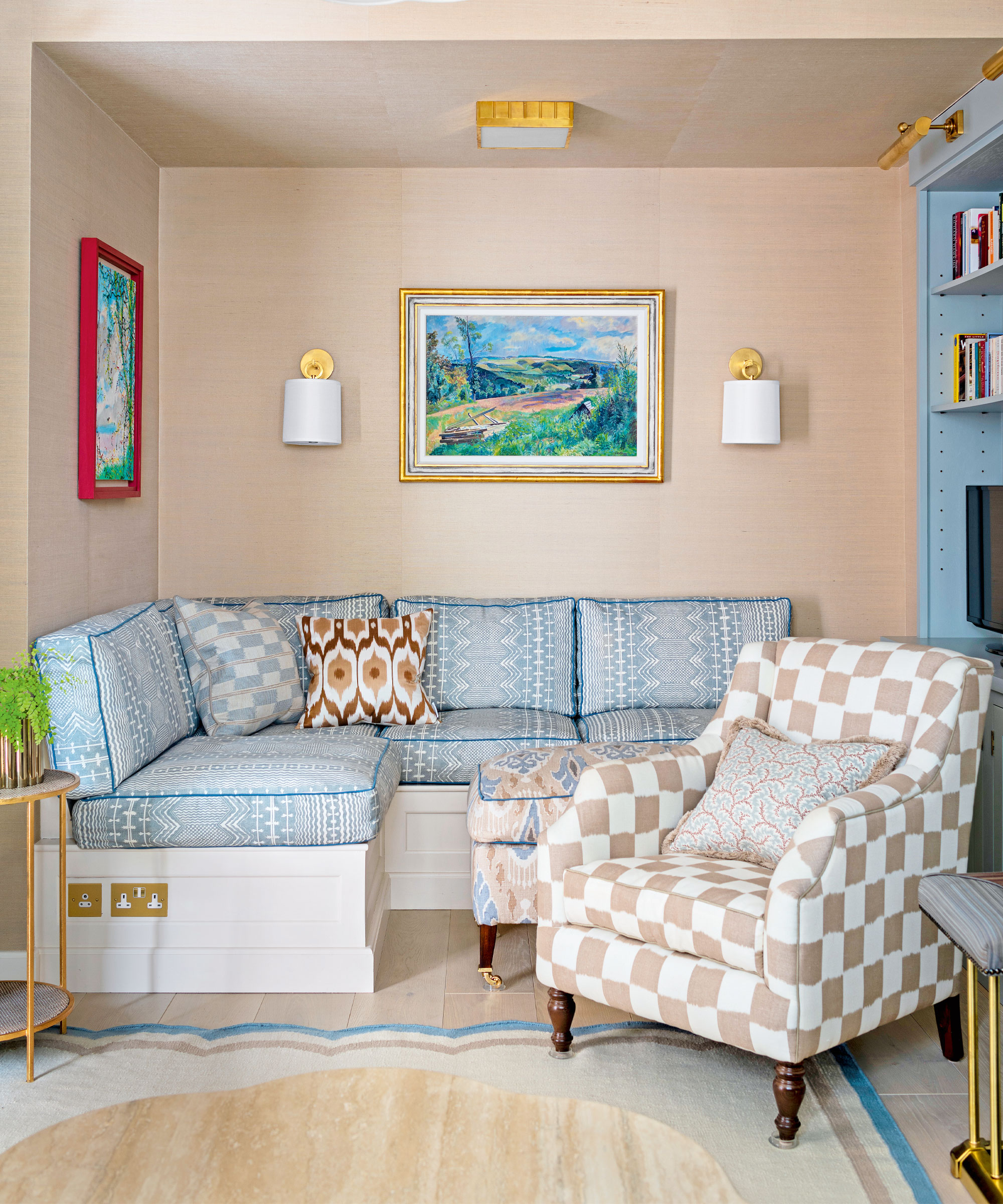
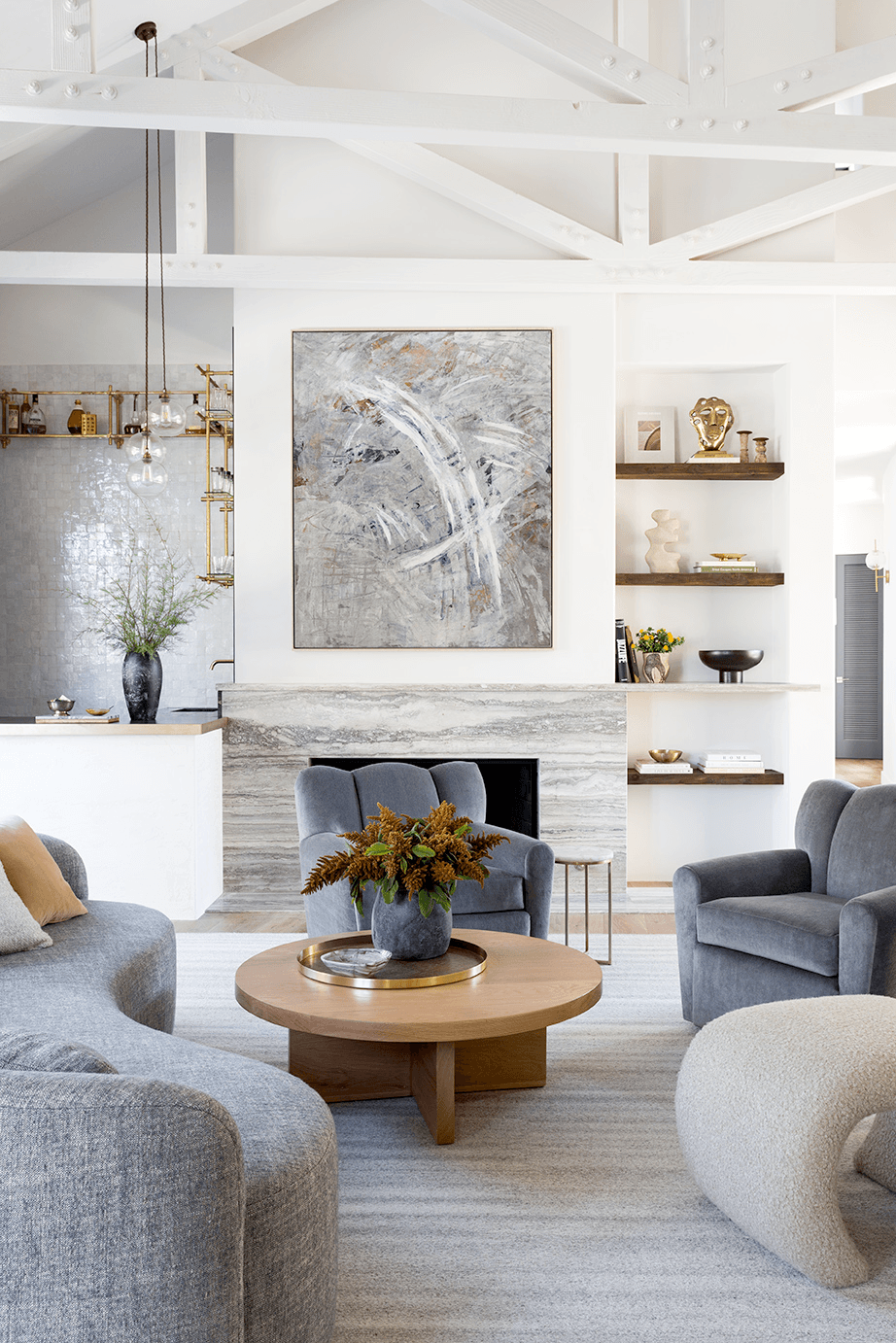
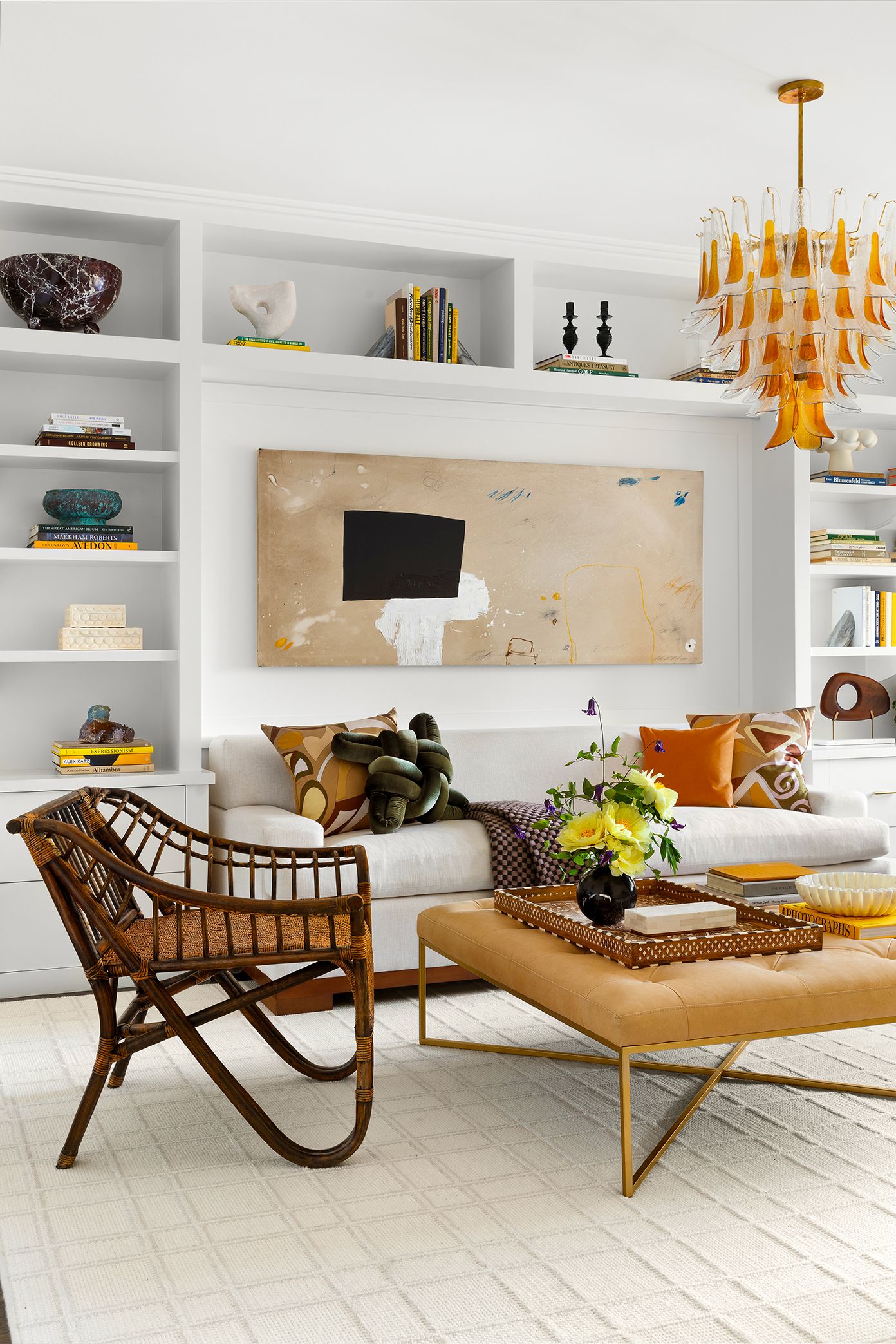
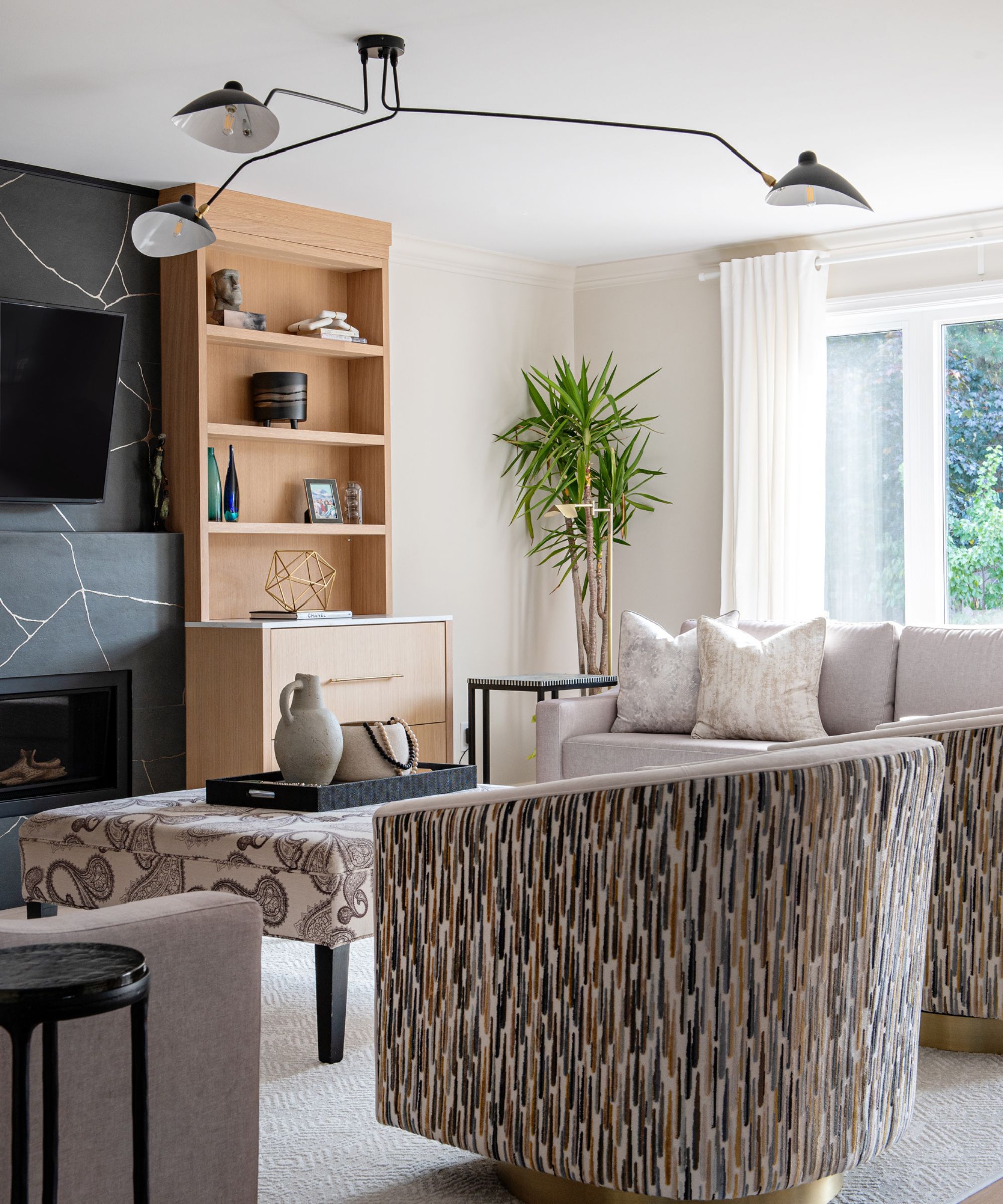
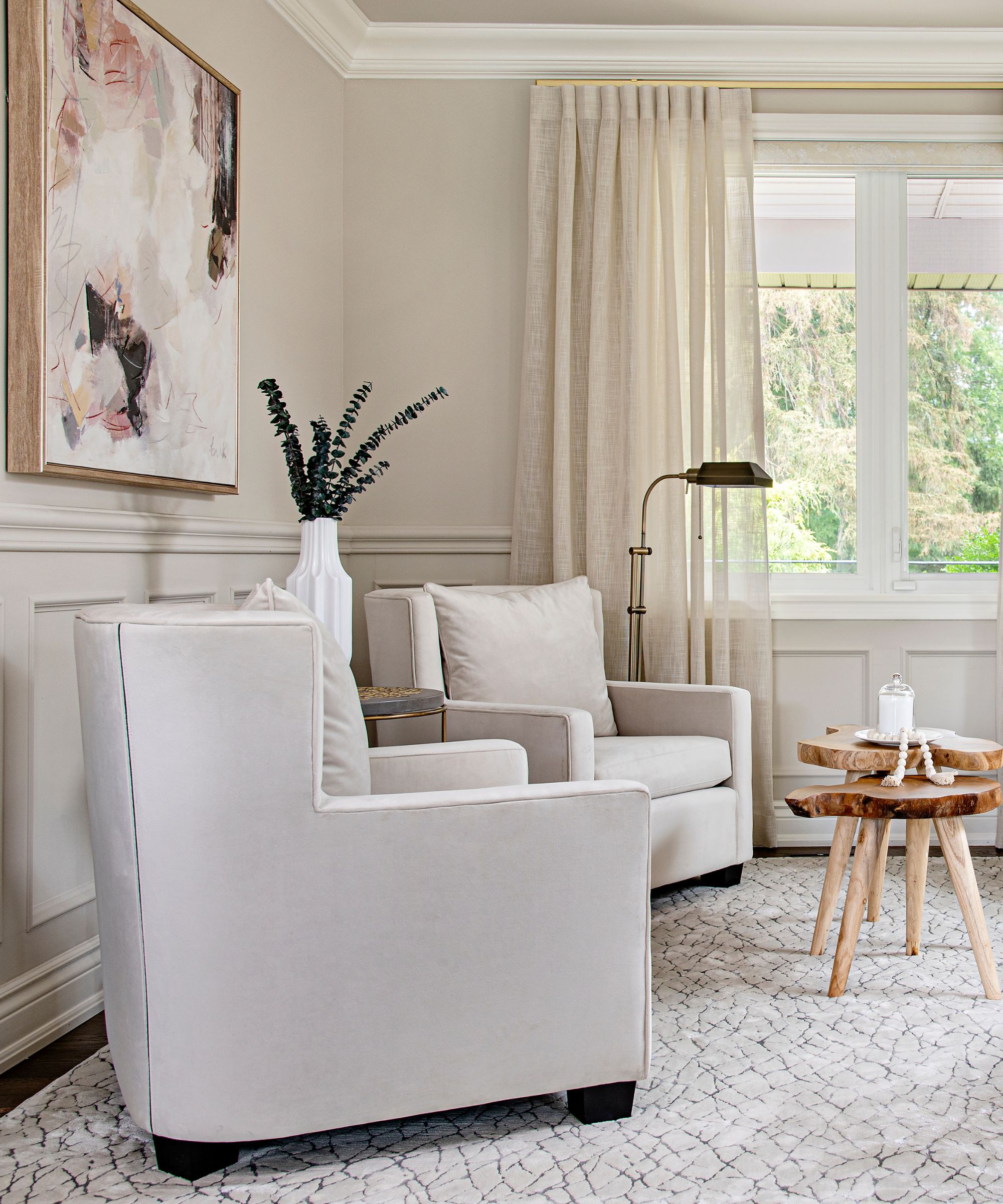
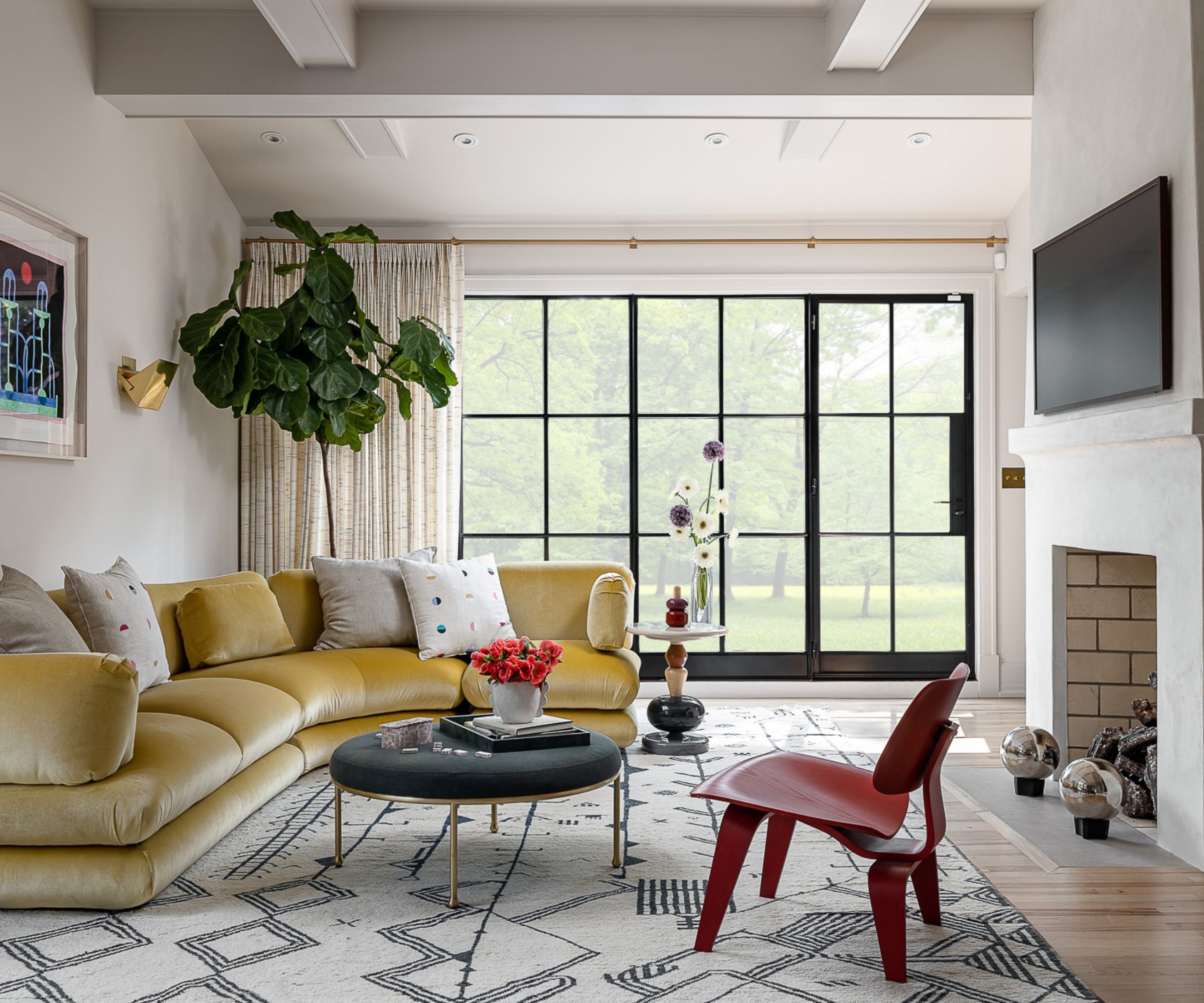
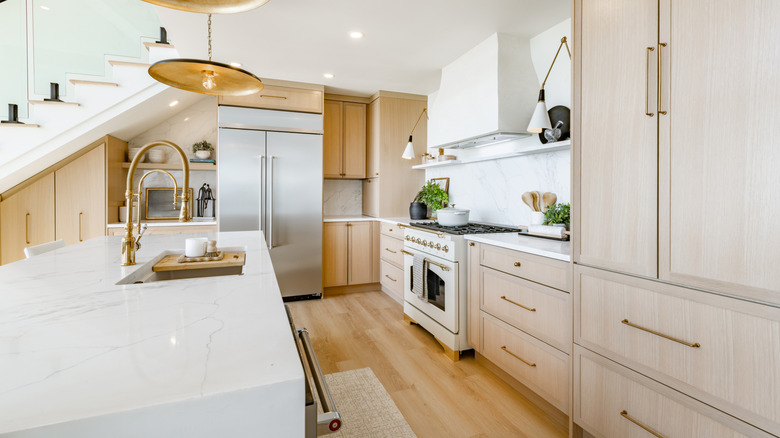
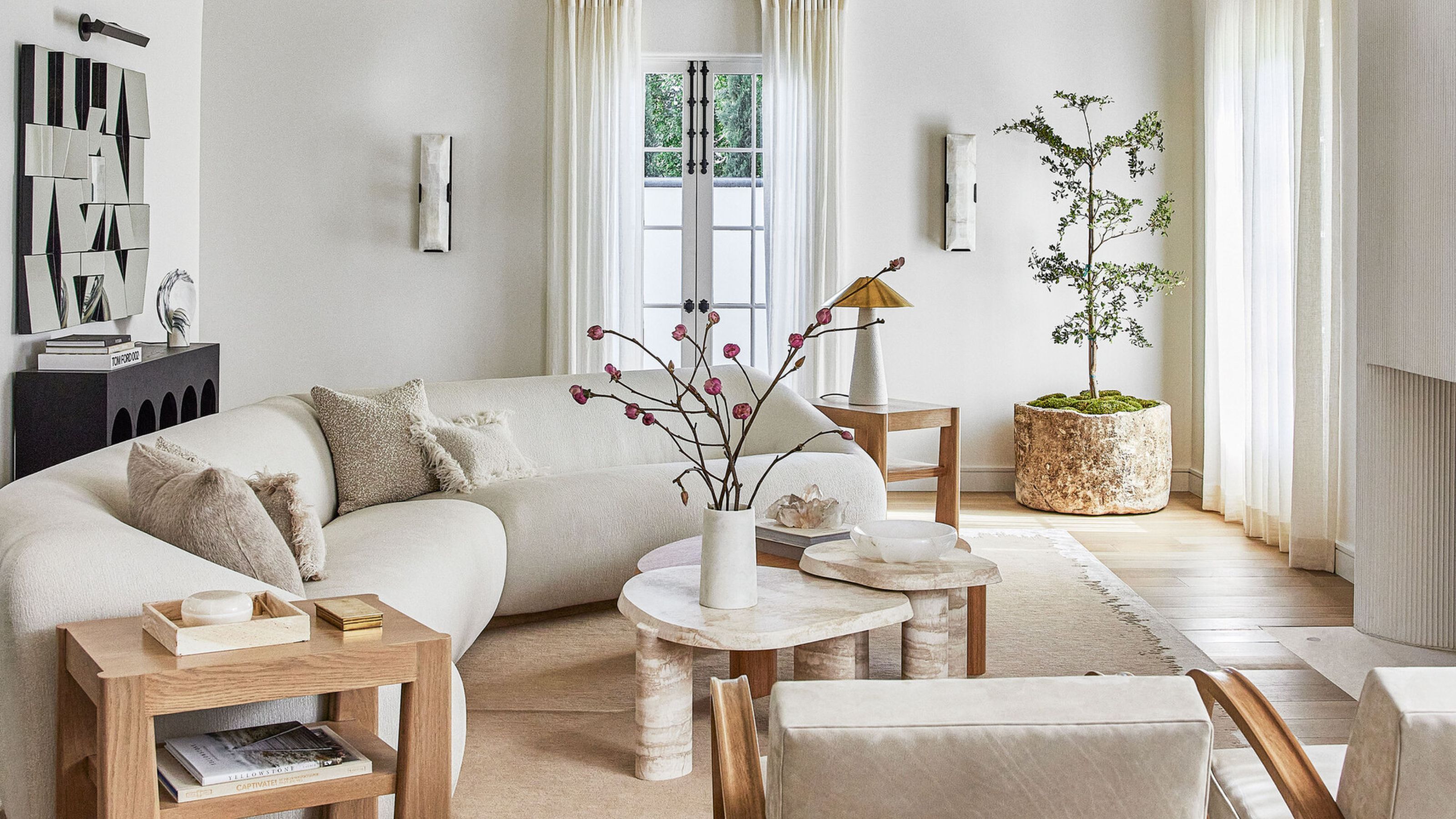
One fundamental aspect of transitional design is the embrace of a neutral color scheme. Soft hues such as creams, whites, beiges, and taupes form the base palette, applied across furniture and decor to foster clean, calm, and collected environments. This neutral foundation allows for easy layering and prevents the space from feeling overwhelming. To counteract any potential flatness from a muted palette, designers emphasize the strategic incorporation of mixed textures. Tactile materials like bouclé upholstery, linen drapes, knitted throws, and velvet pillows add depth and visual interest. Blending traditional textures like wood furniture with sleek, modern metallic elements further enhances this textural interplay.
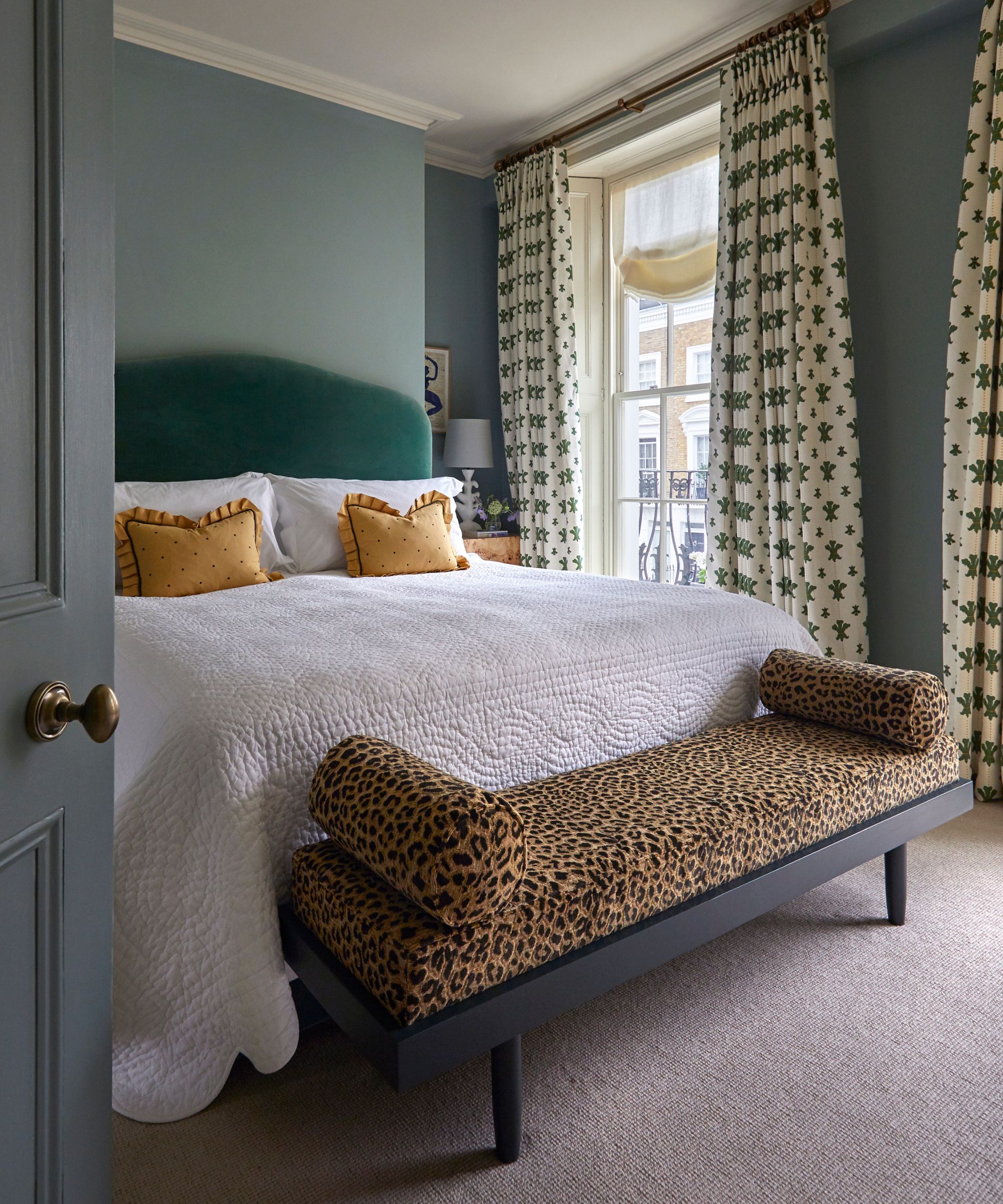
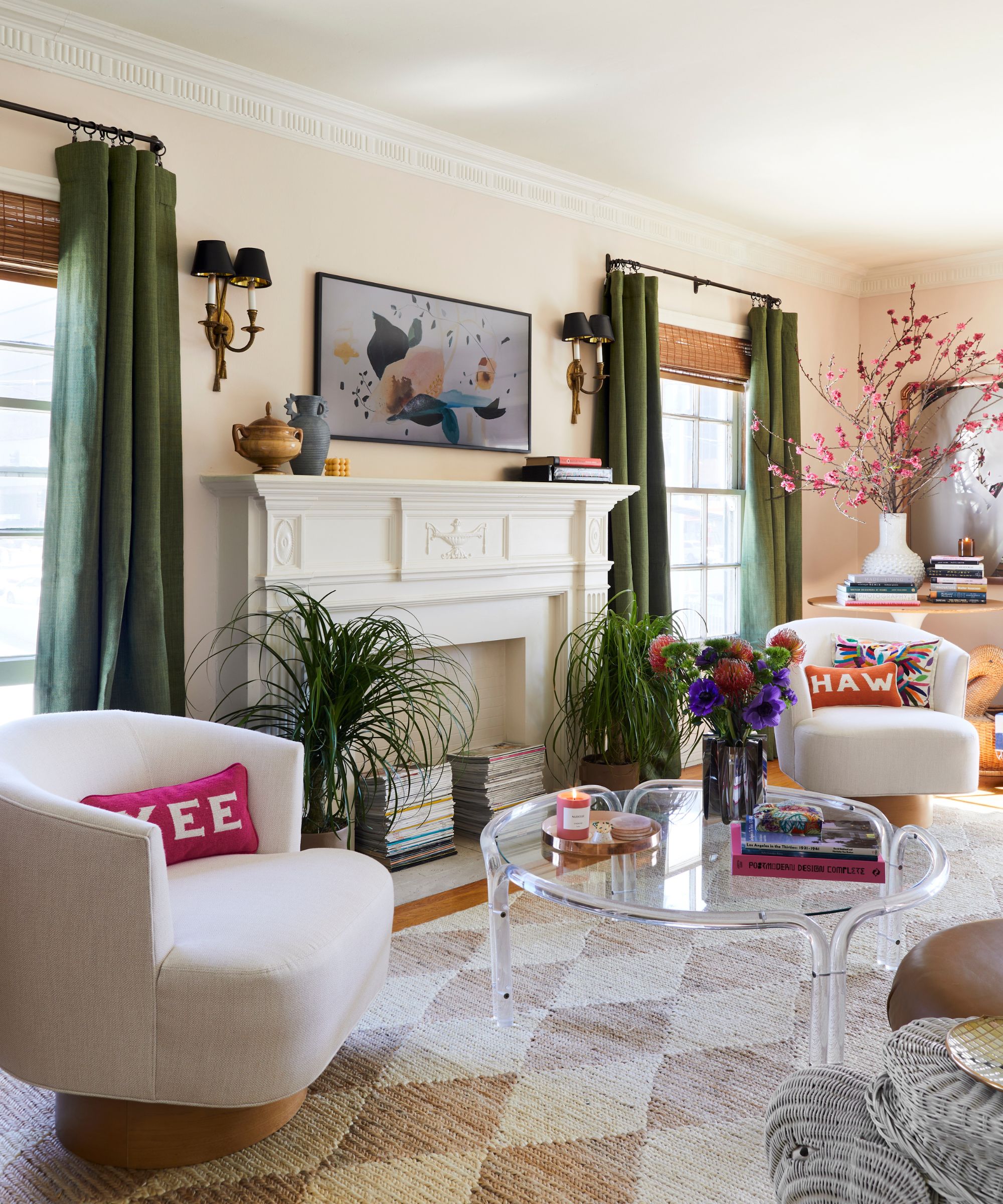
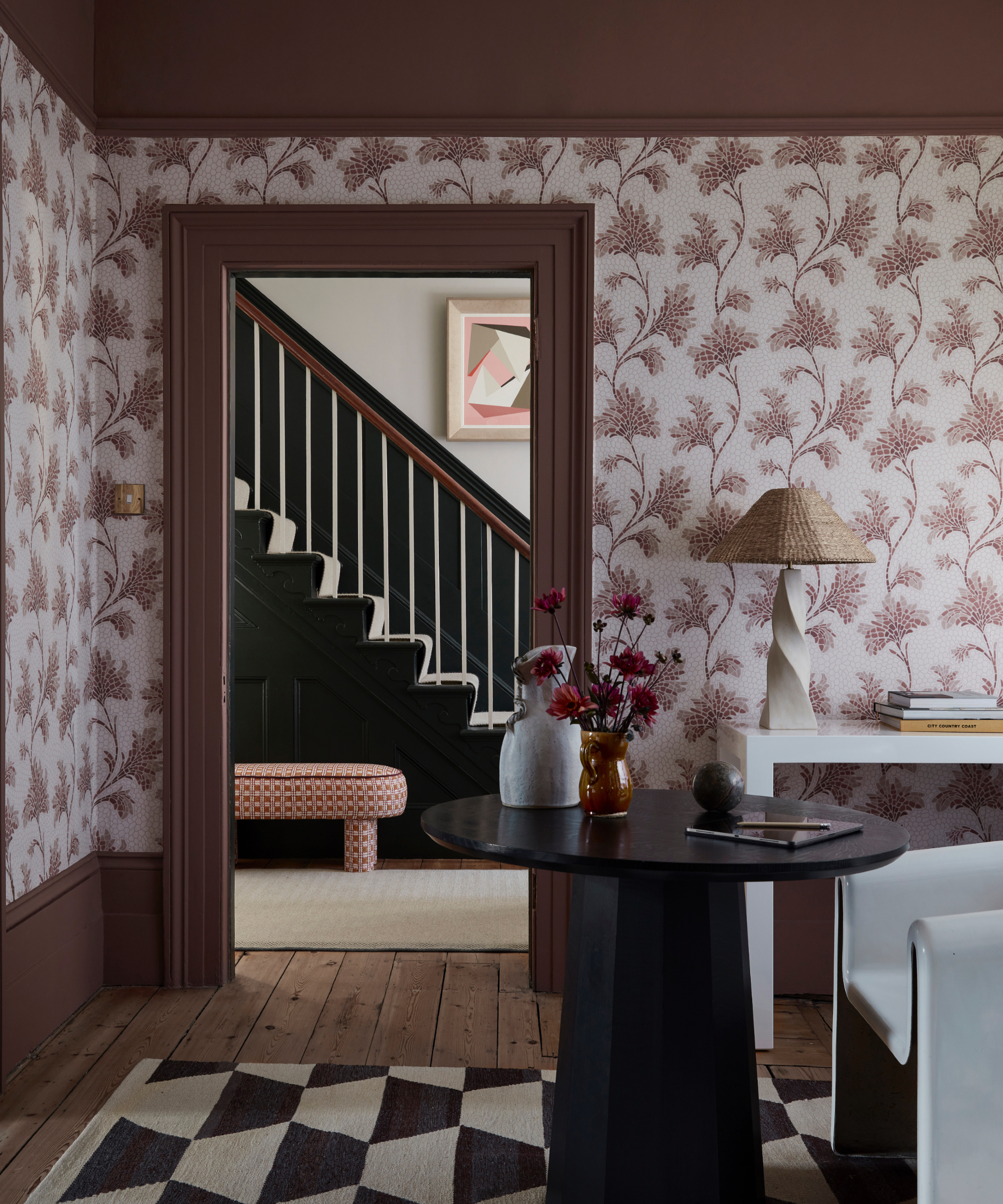
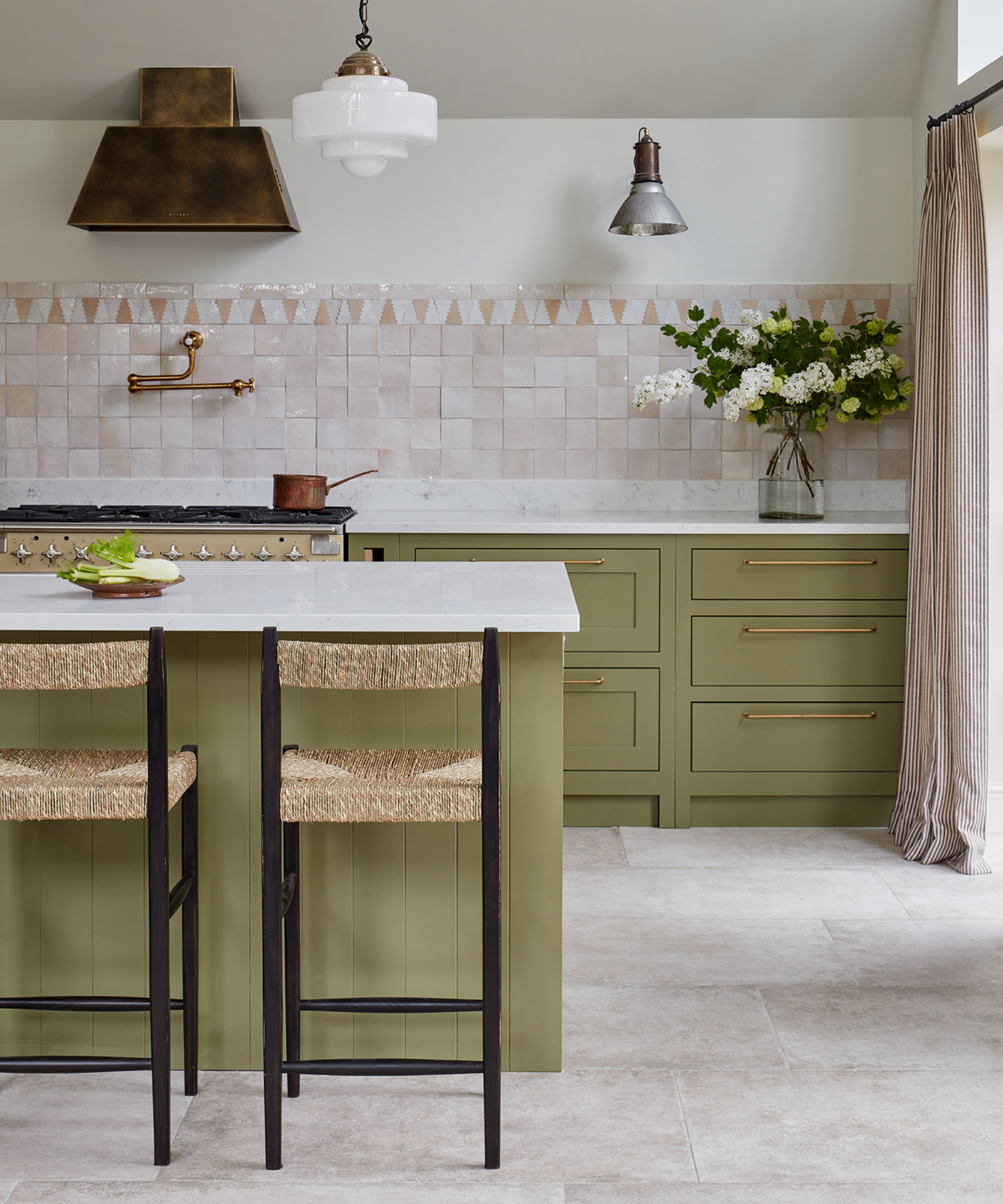
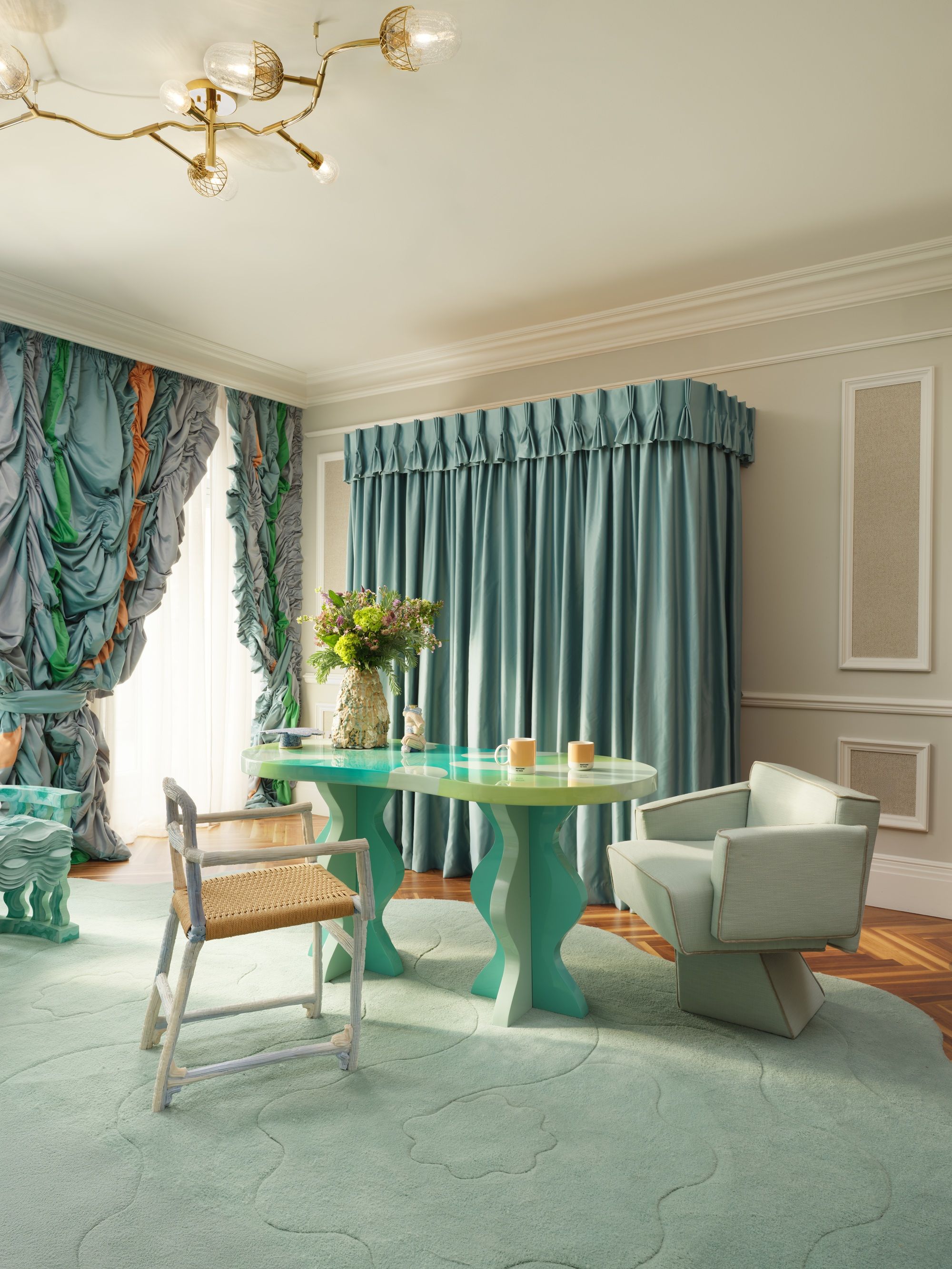
Another crucial technique involves using lines to bridge modern and traditional elements. The repetition of linear elements can create a sense of unity, allowing disparate pieces to coexist. For instance, a modern glass room divider with clean lines can complement traditional wooden furniture, establishing a cohesive flow. Similarly, the thoughtful use of color, even within a largely neutral scheme, can help modernize traditional spaces. Muted, subtle colors inspired by nature, like blue-grays or dusty greens, can update classic architectural features like millwork and wainscoting without overpowering the traditional roots. Stefani Stein recommends grounding any colored moments with natural woods and earthy neutrals like oatmeal or camel to maintain balance.
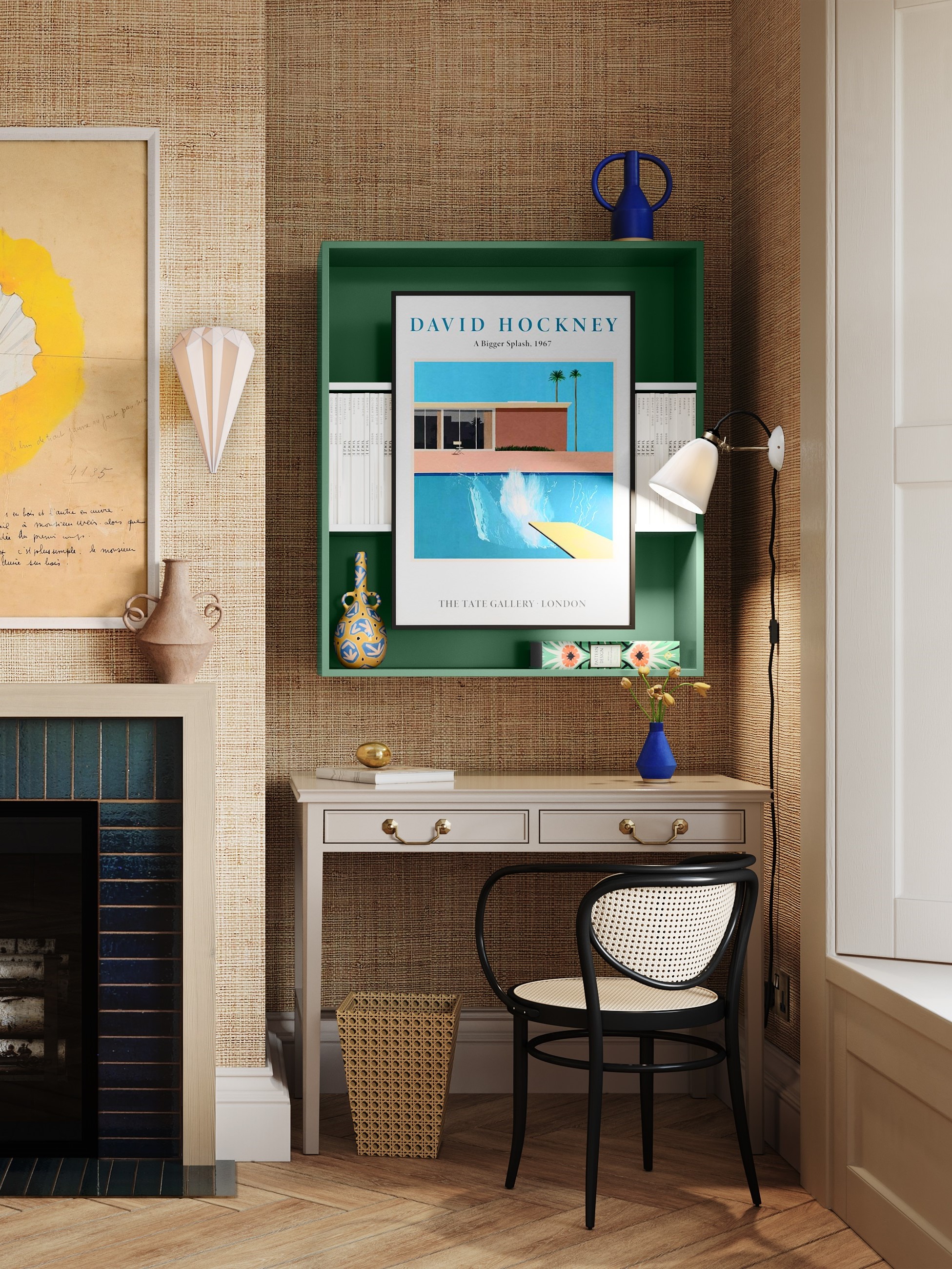
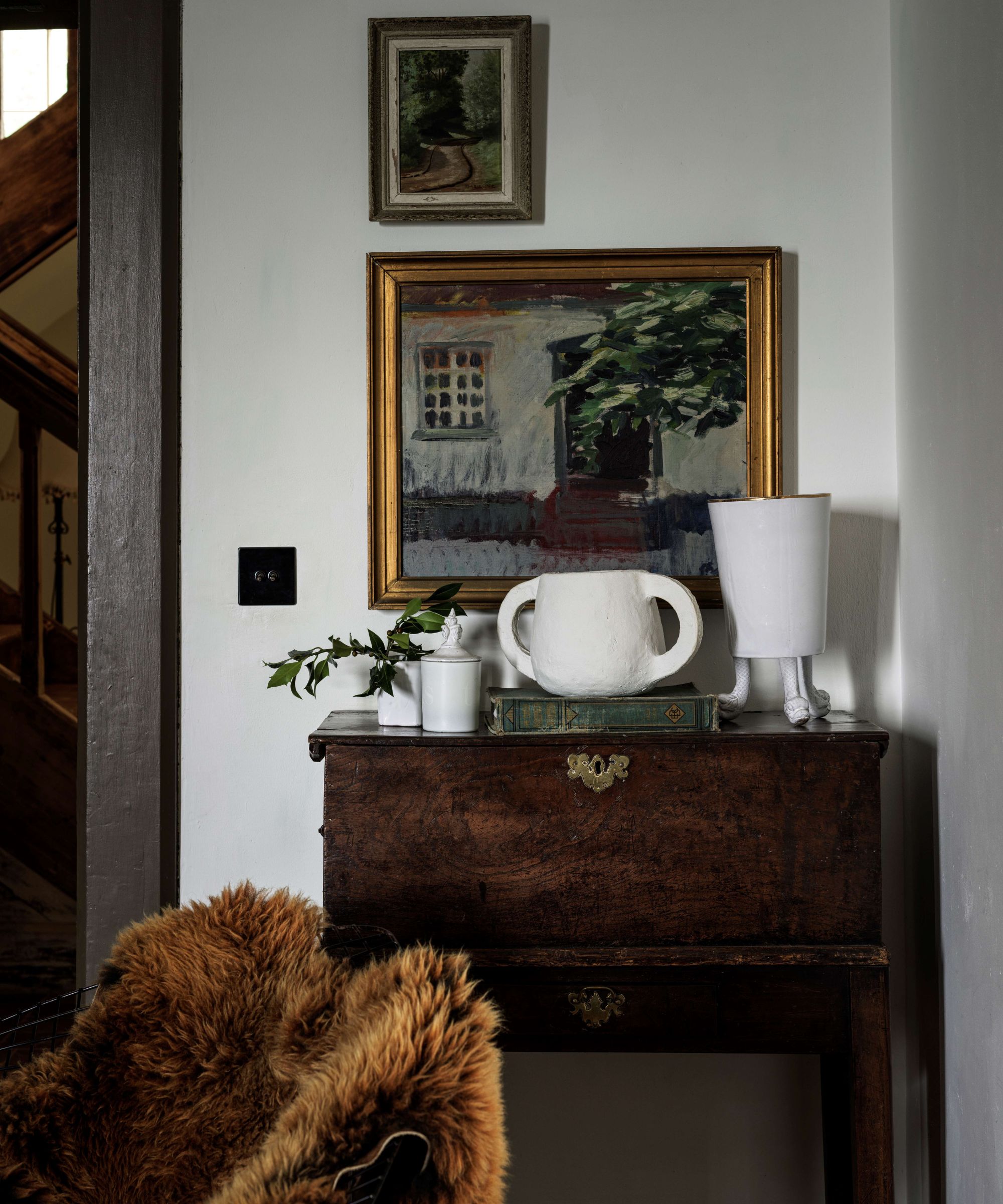
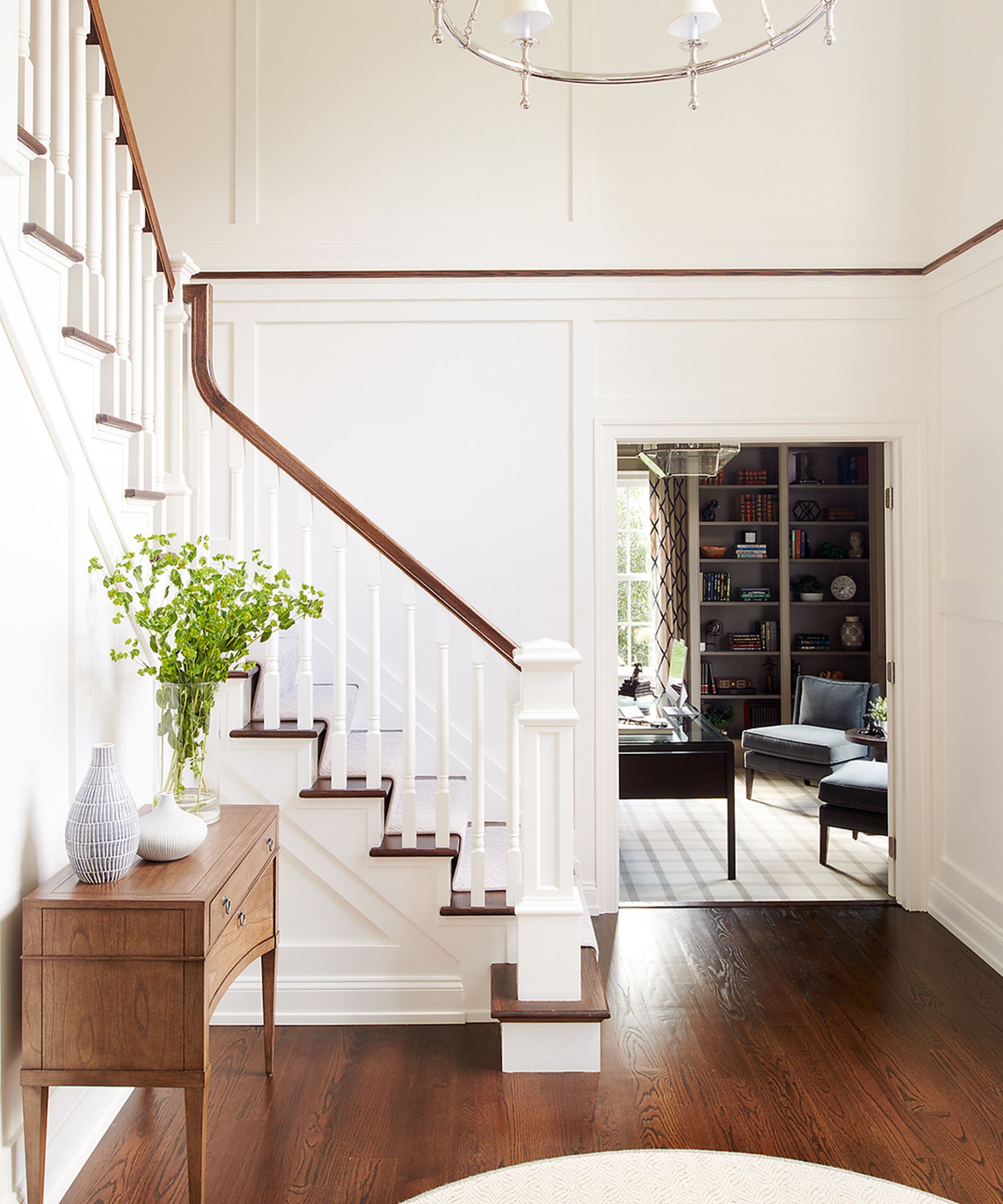
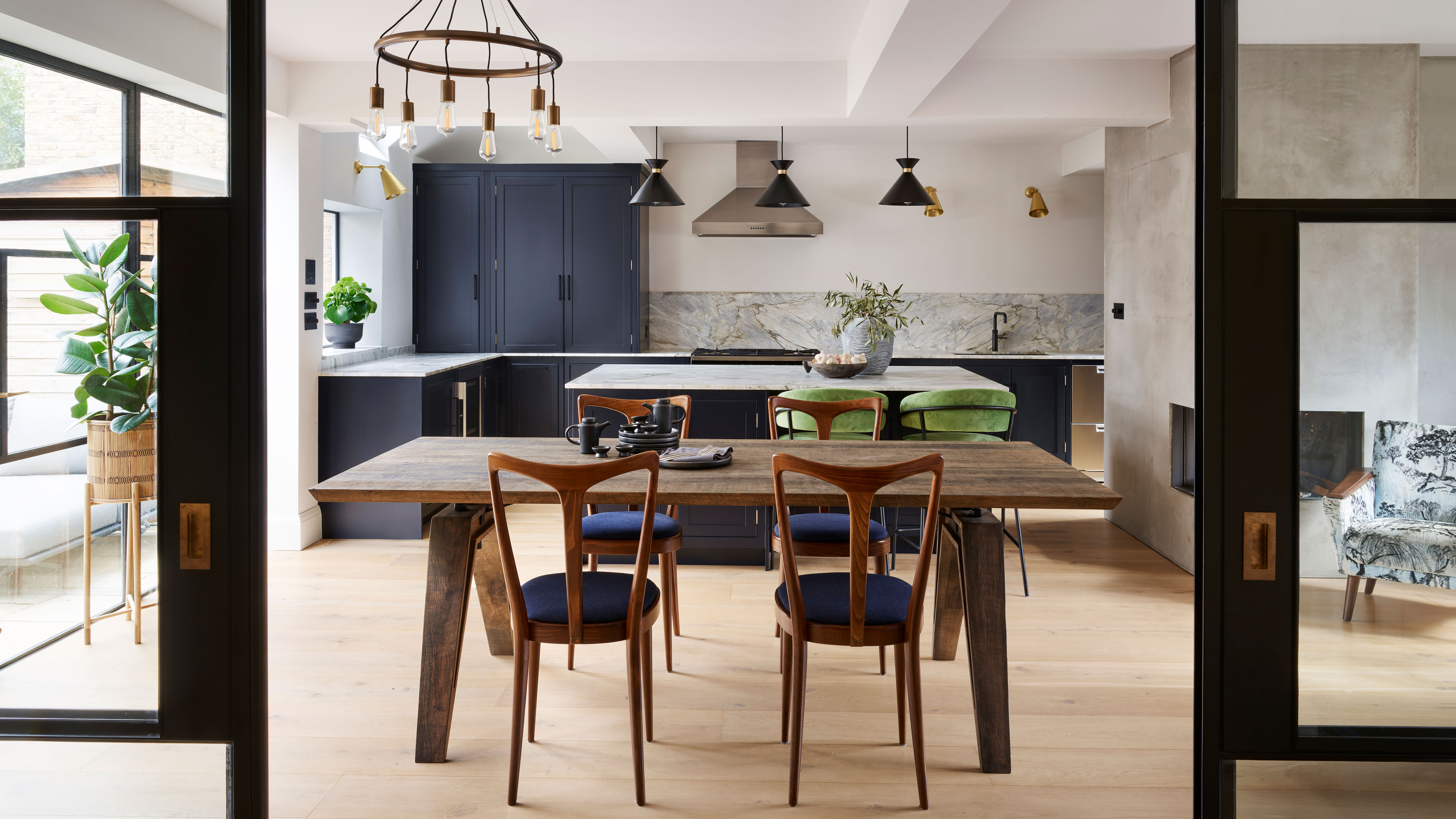
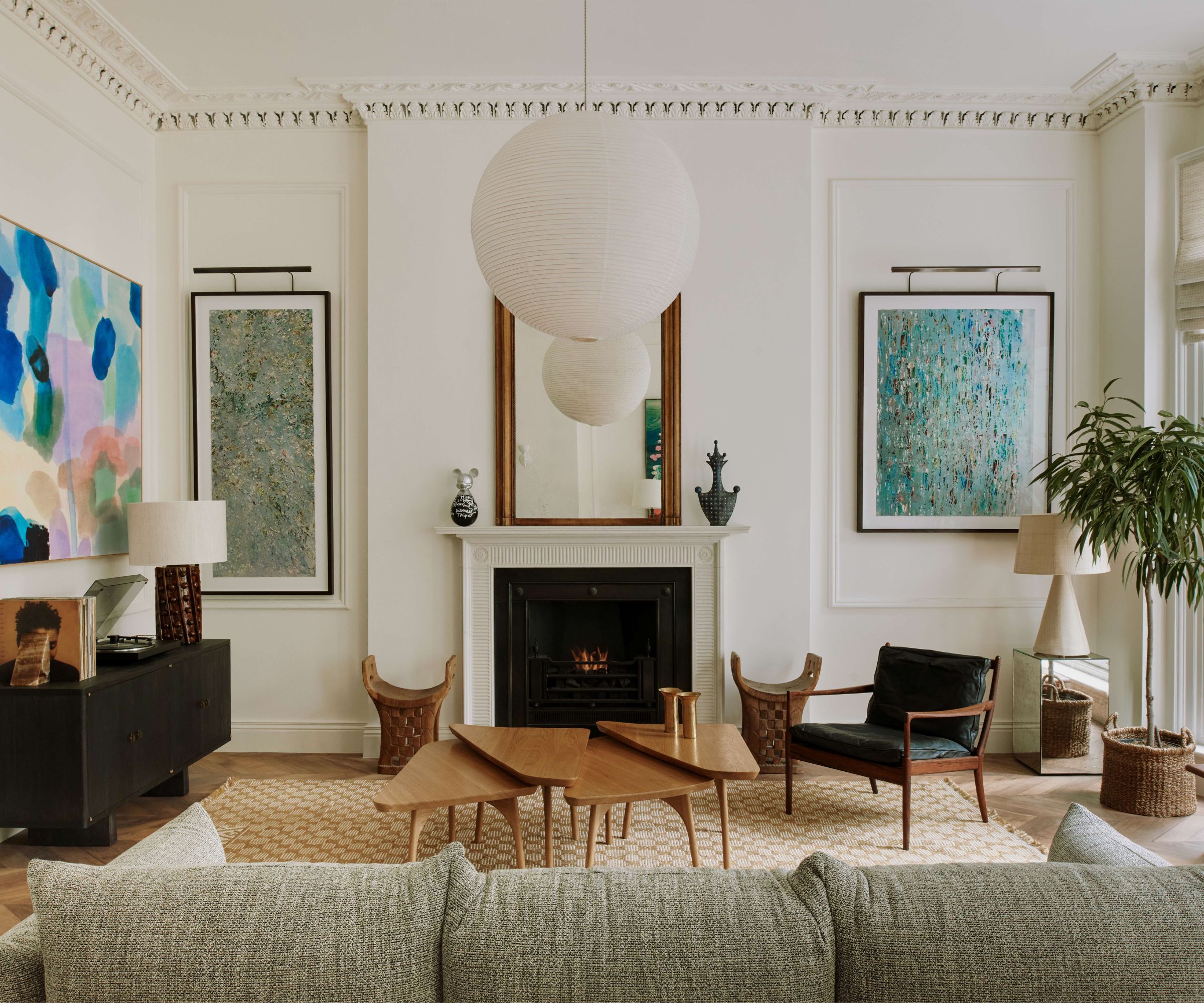
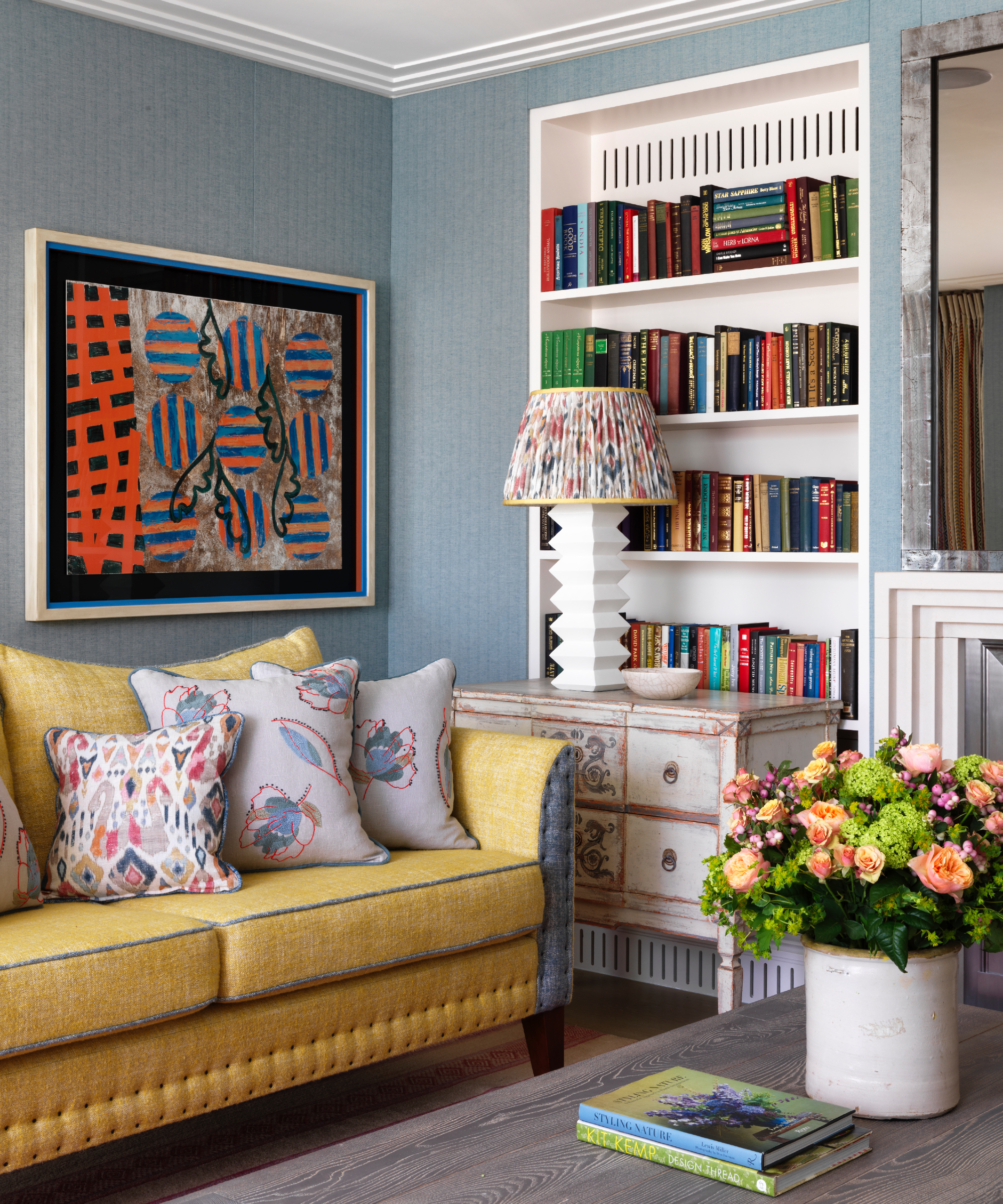
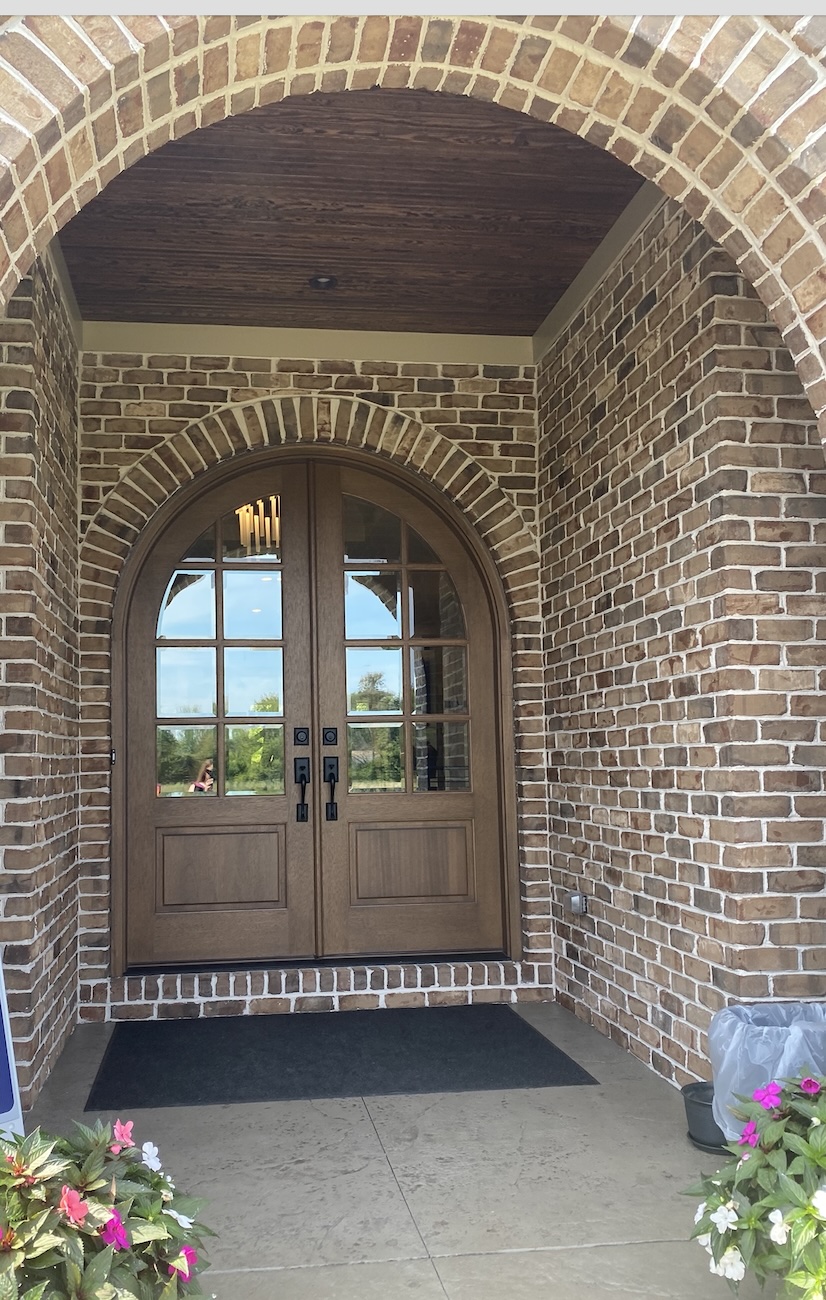
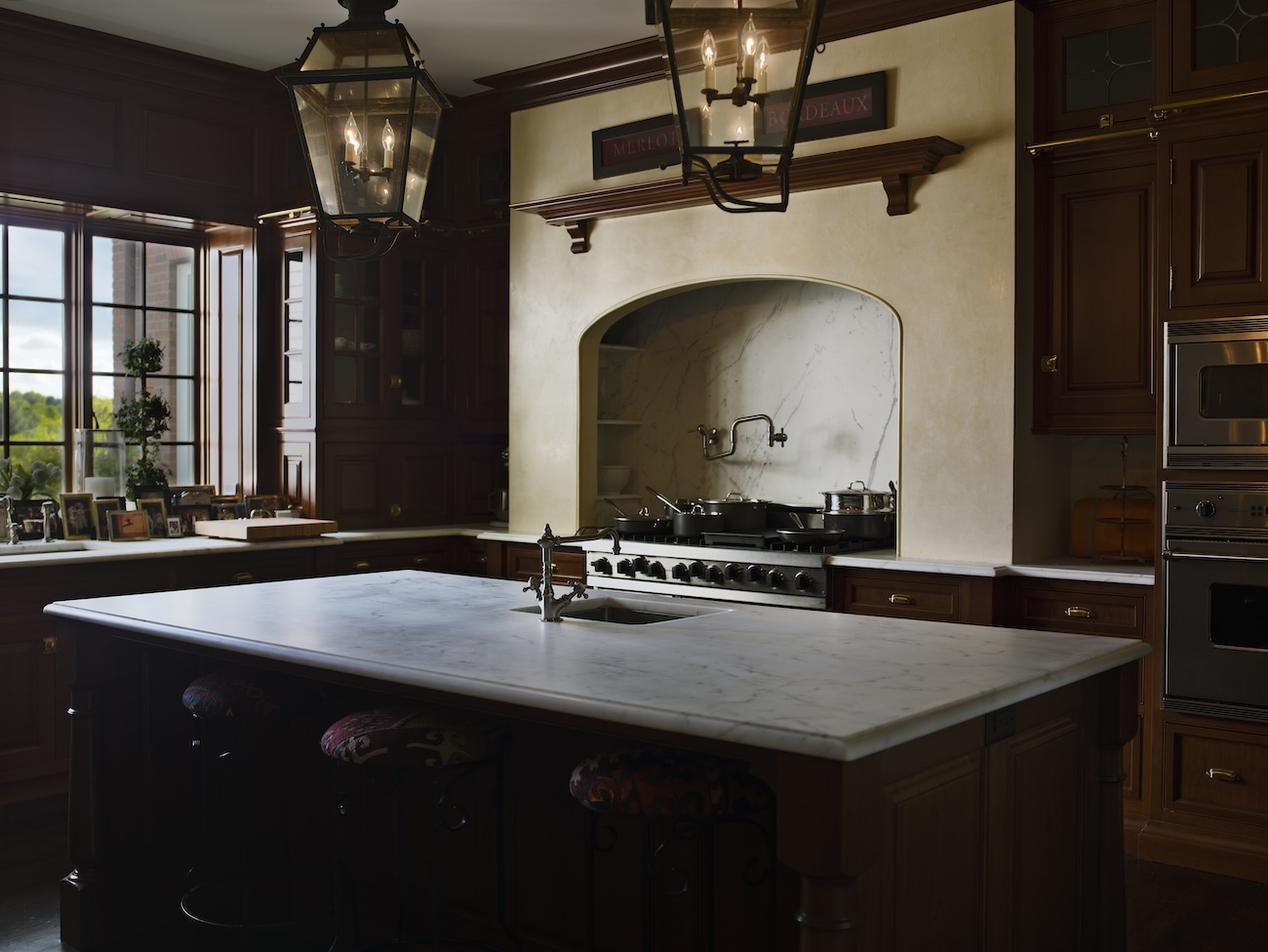
Furniture selection is central to achieving transitional style. Combining pieces from different eras, such as a traditional table paired with modern chairs, creates a sophisticated and fresh look. The interplay of lines and silhouettes is also vital; ornate details from classic designs are often 'cleaned up' in transitional interiors, with rounder traditional shapes softened by the crisp lines of modern furniture. This balance creates a timeless aesthetic that is both relaxed and refined. When it comes to architectural features, if a home has traditional bones like exposed beams or crown molding, modern detailing and furniture can be layered in to create a balanced transitional space.
Transitional design also advocates a 'less is more' approach, emphasizing thoughtful layering rather than over-accessorizing. This maintains a clean and uncluttered feel, distinct from eclectic styles. A solid-colored rug can serve as a simple, grounding foundation for the room. Investing in neutral classic pieces, such as a flax linen sofa, provides a versatile base that can be easily updated with accessories like pillows, lampshades, and art. Contemporary light fixtures can further balance historic architectural features, adding a modern touch. Finally, designers advise avoiding pieces that lean too heavily into one extreme of classic or contemporary style to ensure a cohesive and balanced transitional aesthetic, focusing instead on items with common ground that blend seamlessly.
#TransitionalDesign #InteriorStyle #HomeDecor #NeutralColorScheme #MixedTextures #ModernTraditionalBlend #FurnitureDesign #ColorPalette #DesignTips #TransitionalDesign #InteriorStyle #HomeDecor #NeutralColorScheme #MixedTextures #ModernTraditionalBlend #FurnitureDesign #ColorPalette #DesignTips
0 comment in total
 No comments yet
You may also like
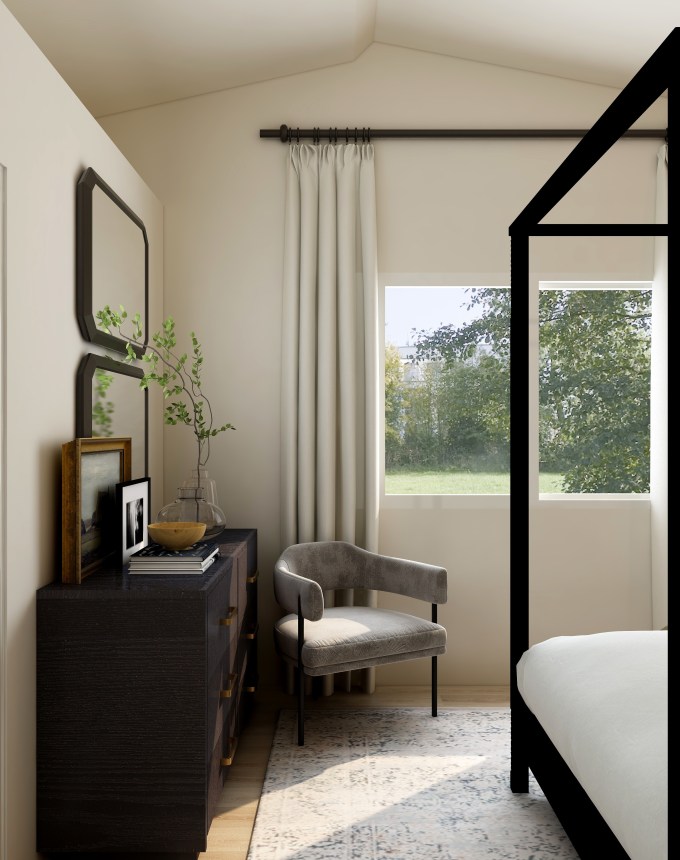
Here’s What Transitional Style *Actually* Means (and 6 Tips to Nail the Look)
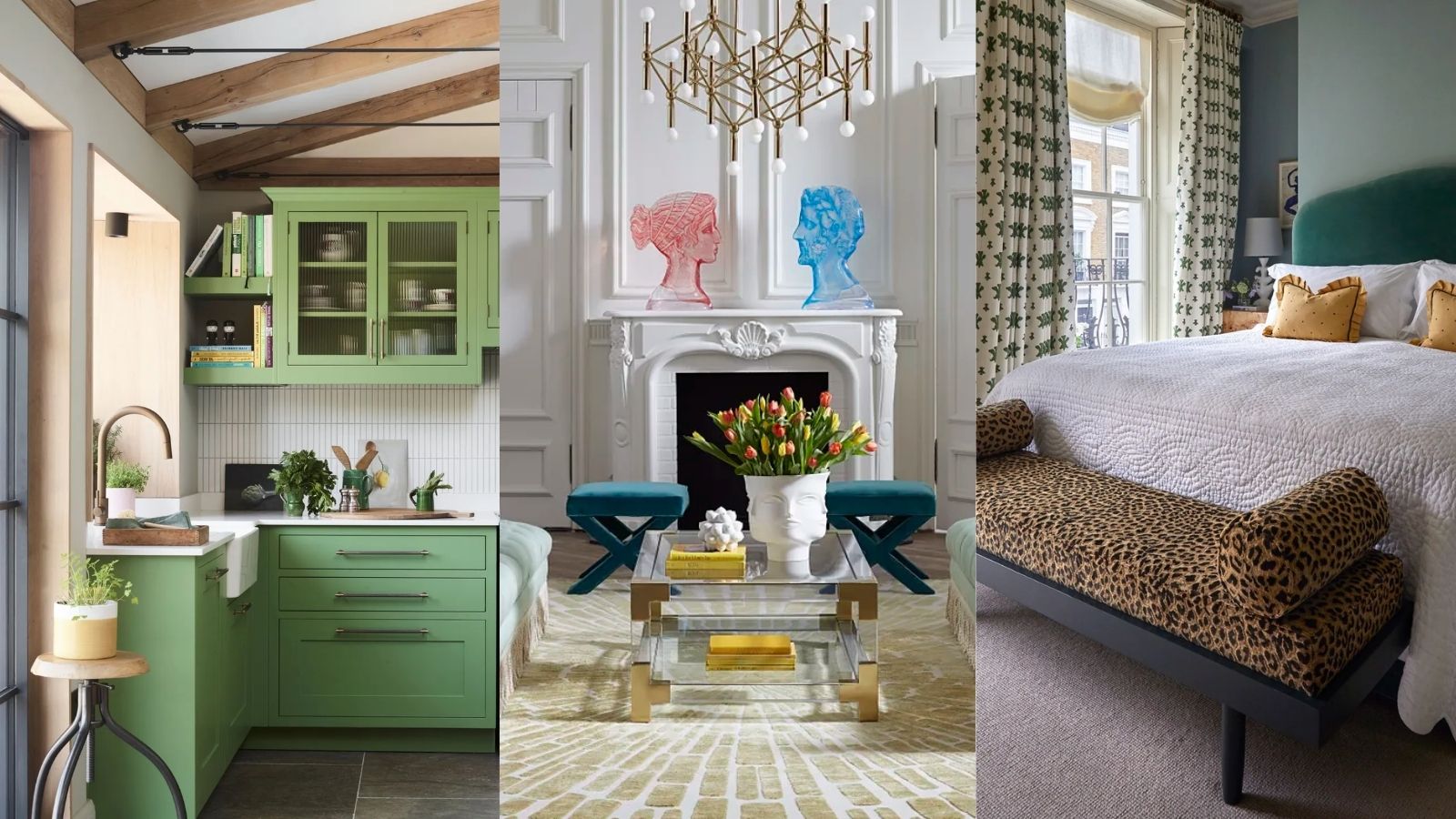
How to evolve your home as trends change – 7 designer secrets to having an adaptable style

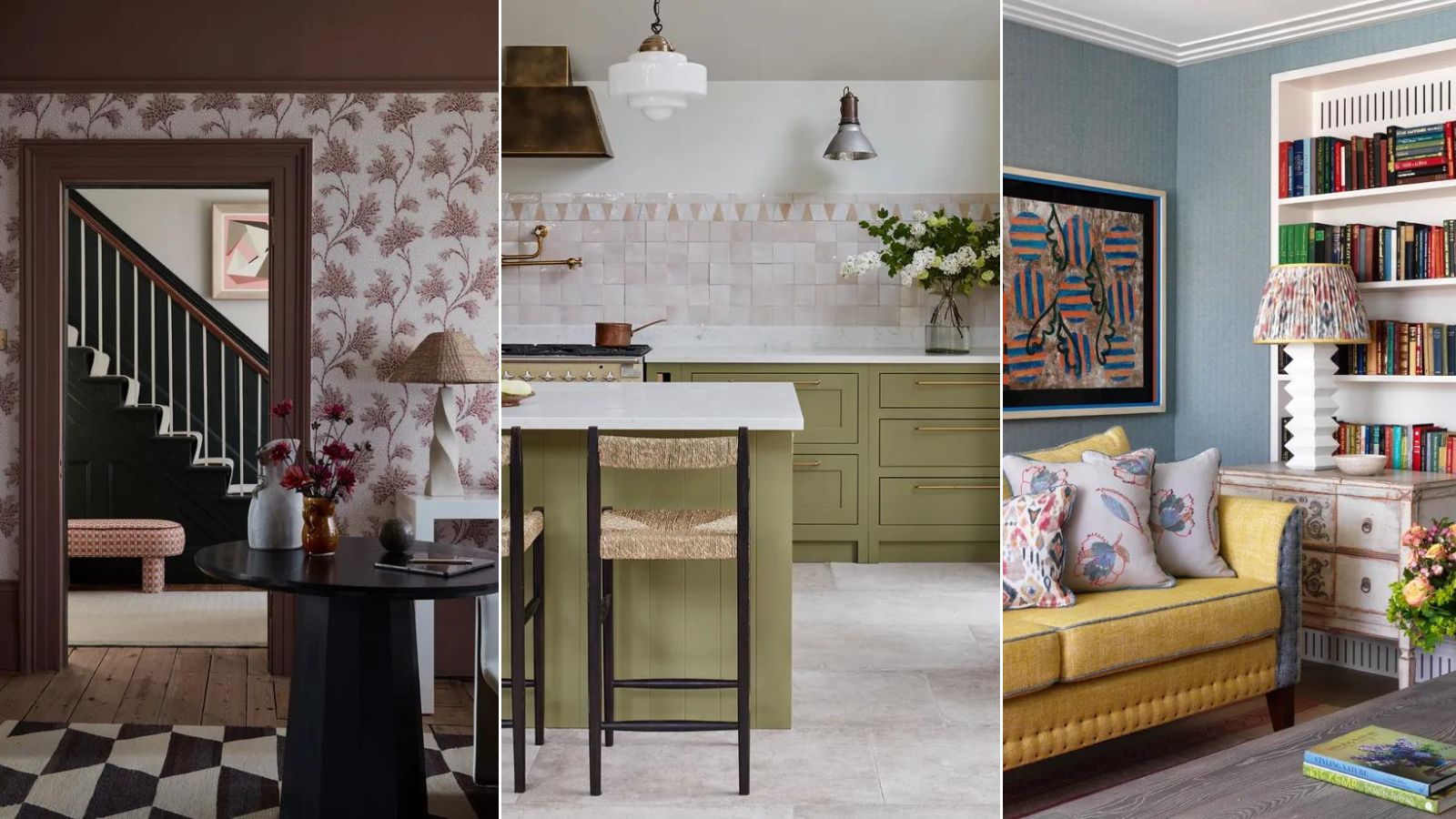
10 beautiful transitional color schemes for every room in the house
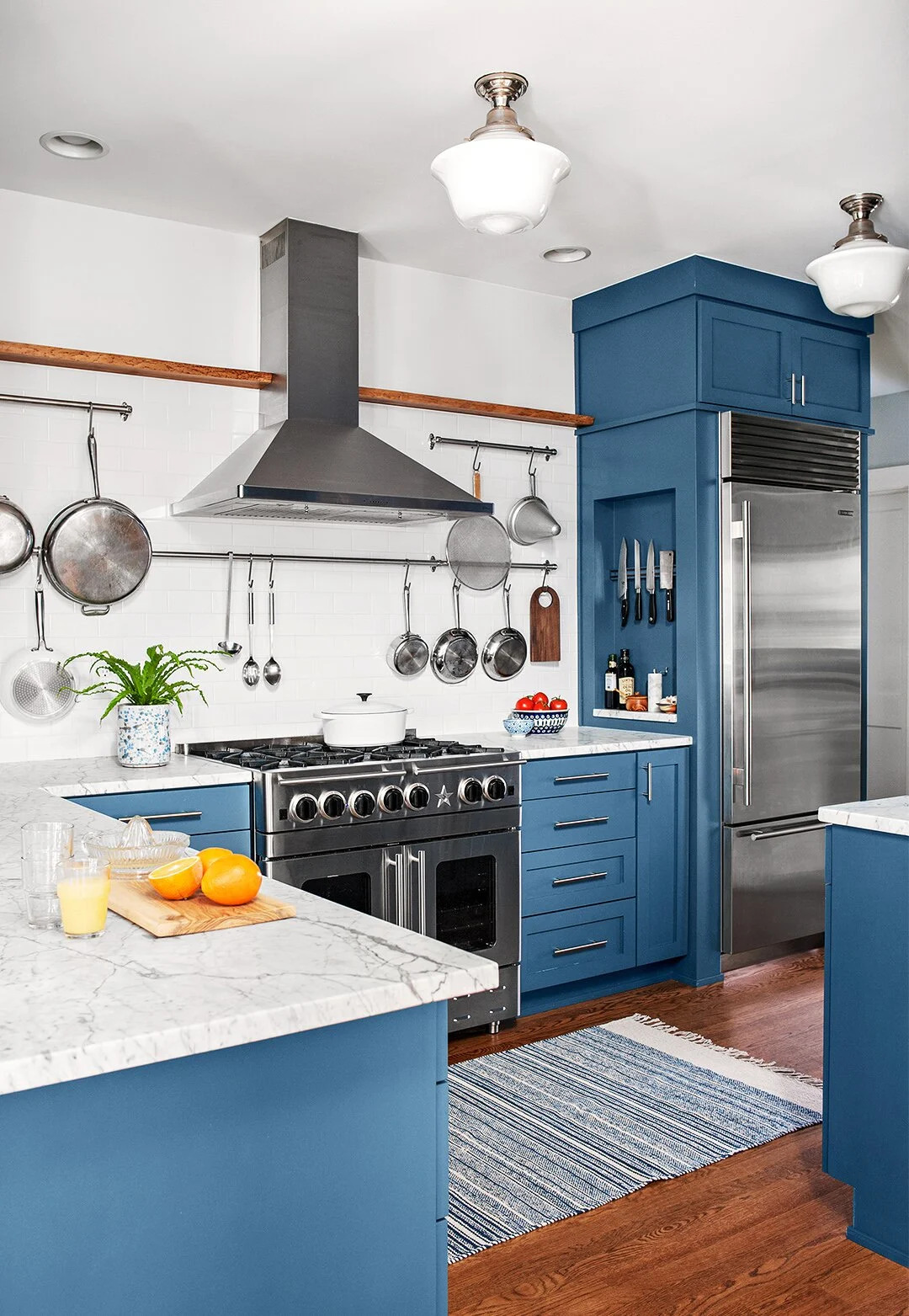
Transitional Style Kitchens Are Most Popular—Here's How to Ace the Look

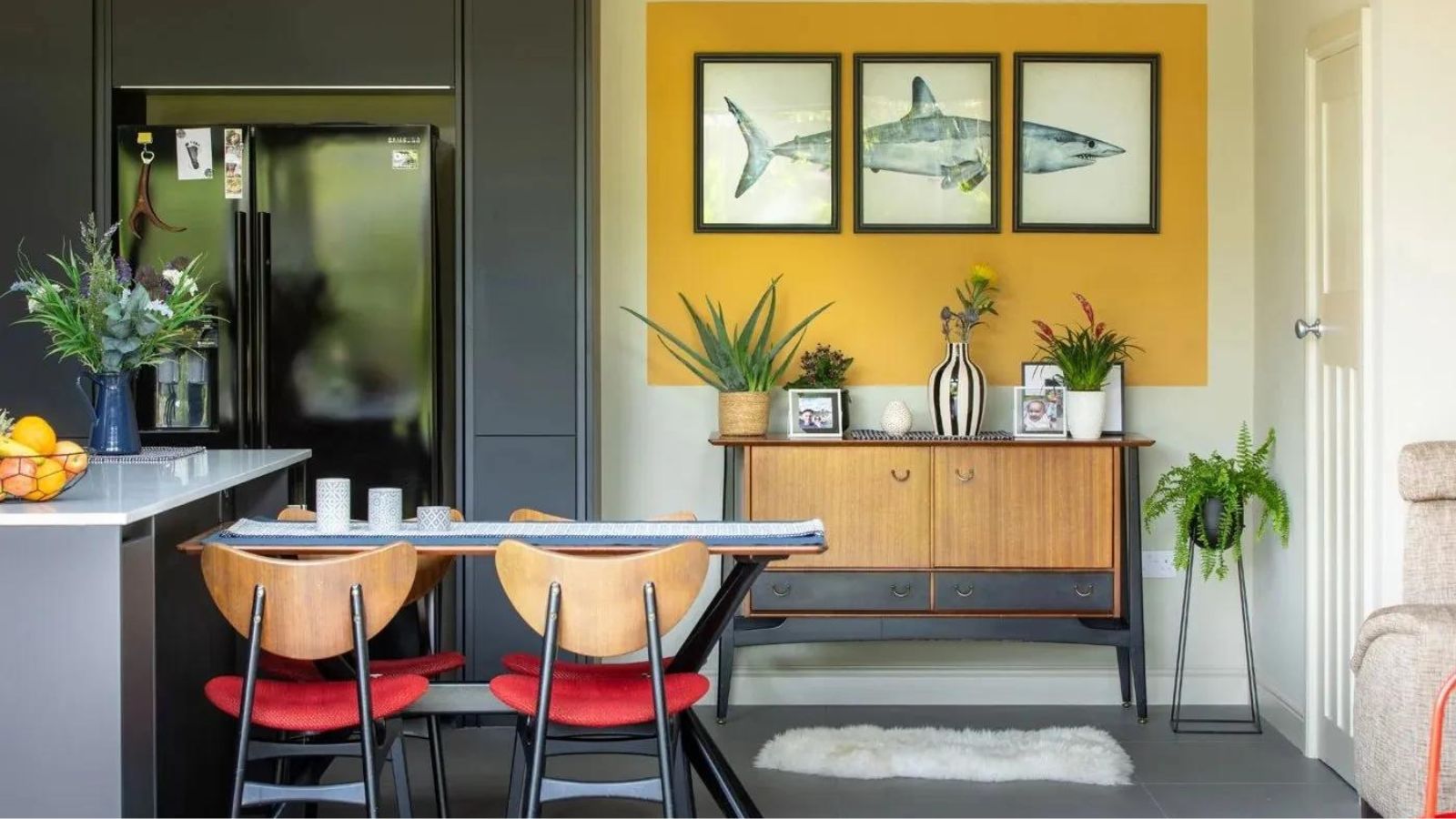
Should you follow interior design trends? Do they create a stylish home or one that will date fast?
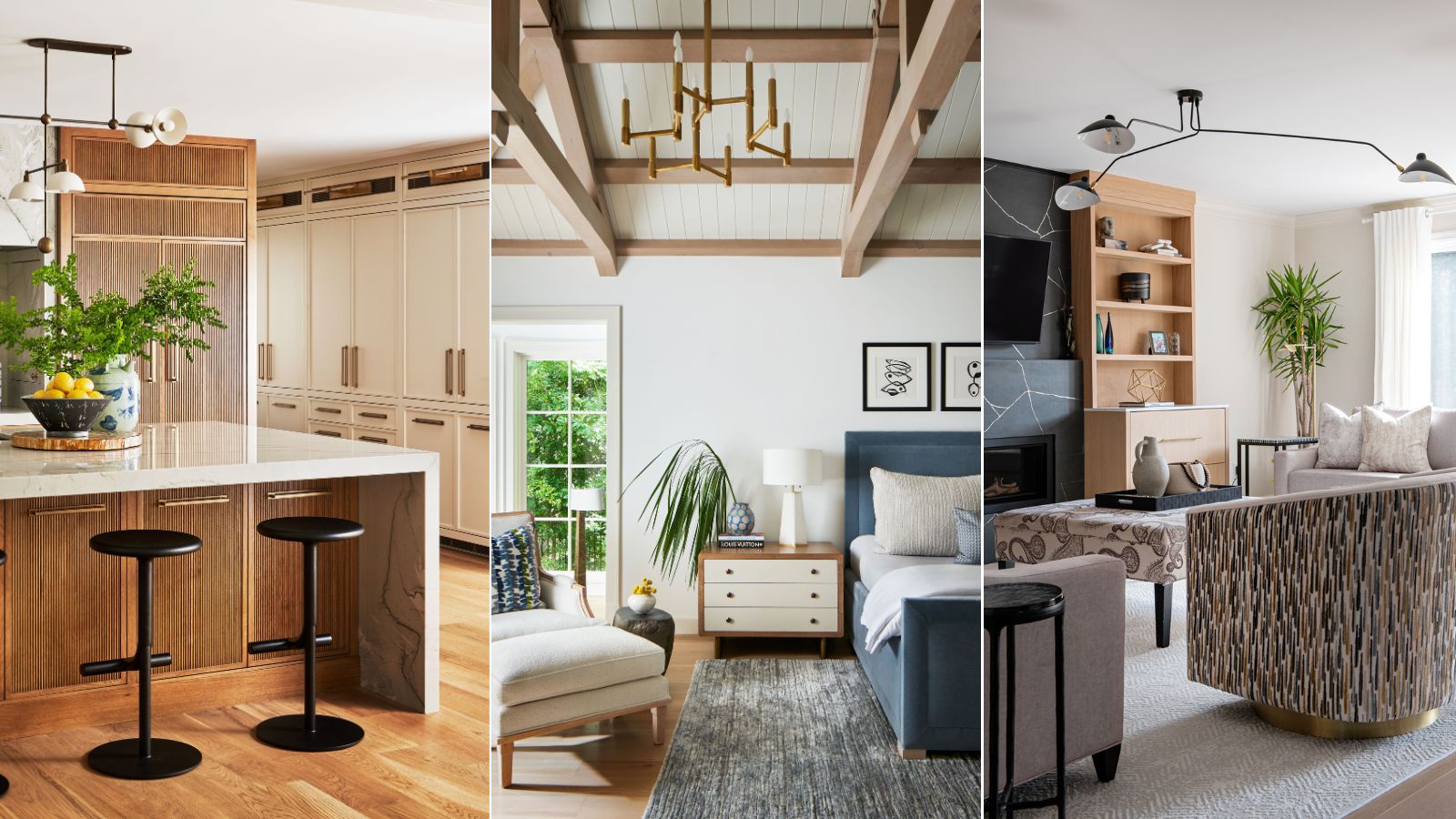
9 transitional style decorating rules – the ultimate checklist to channel the perfect old-meets-new look
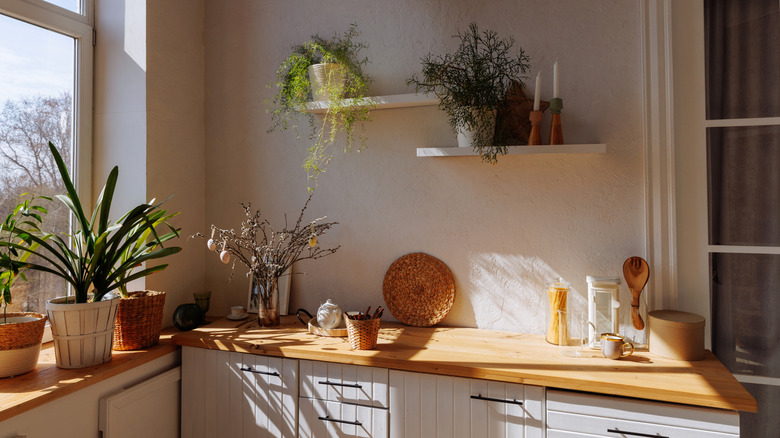
The Popular Kitchen Style You'll See Everywhere In 2026
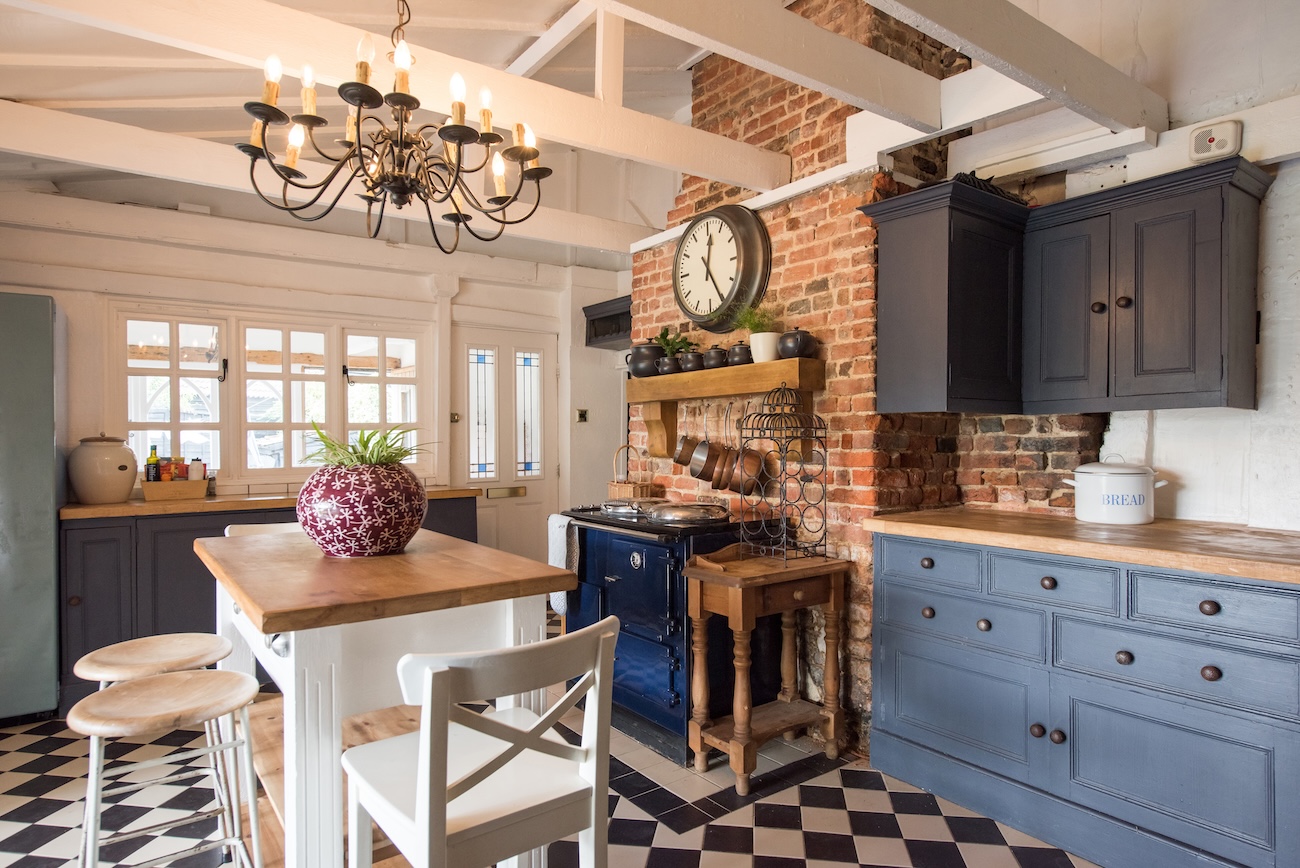
10 Hottest Home Design Trends to Watch for 2025
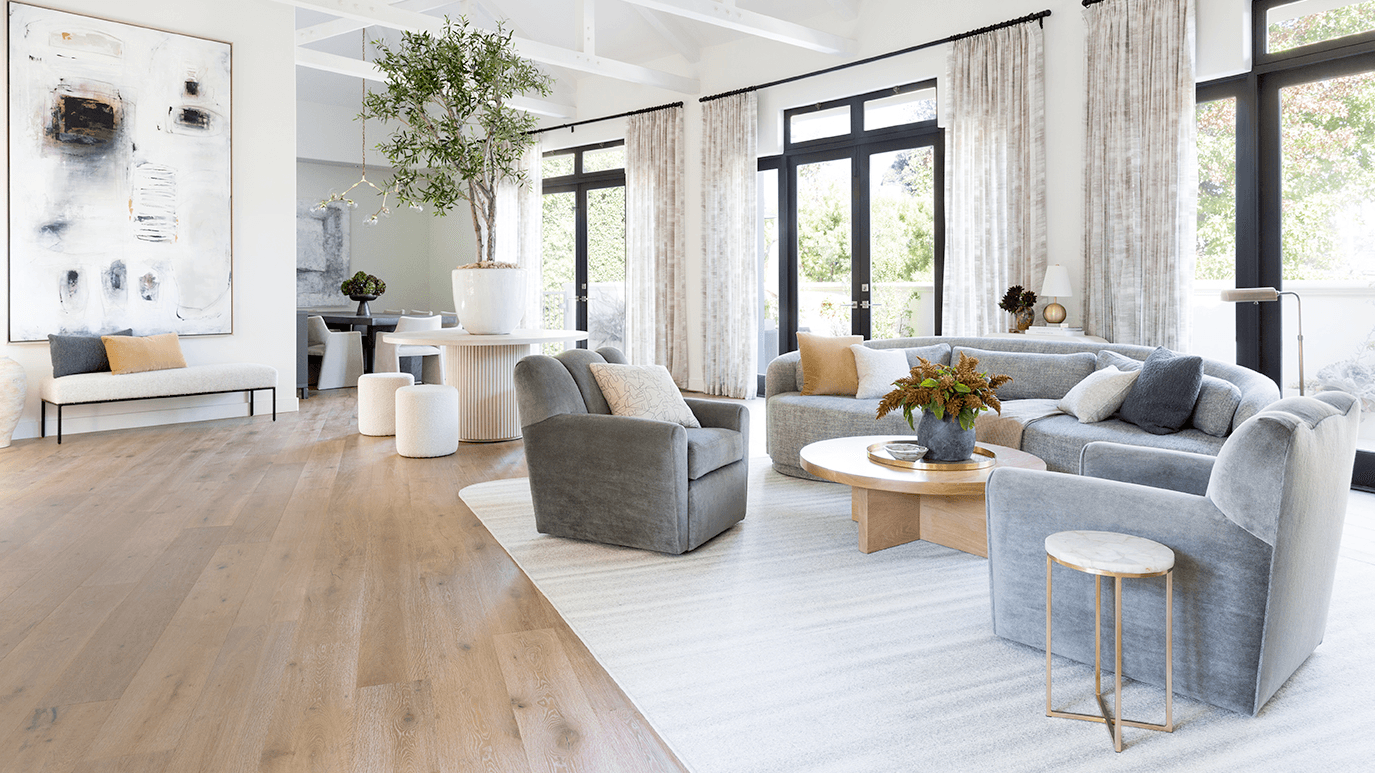
Transitional Design: Everything You Need to Know About This Traditional and Modern Style

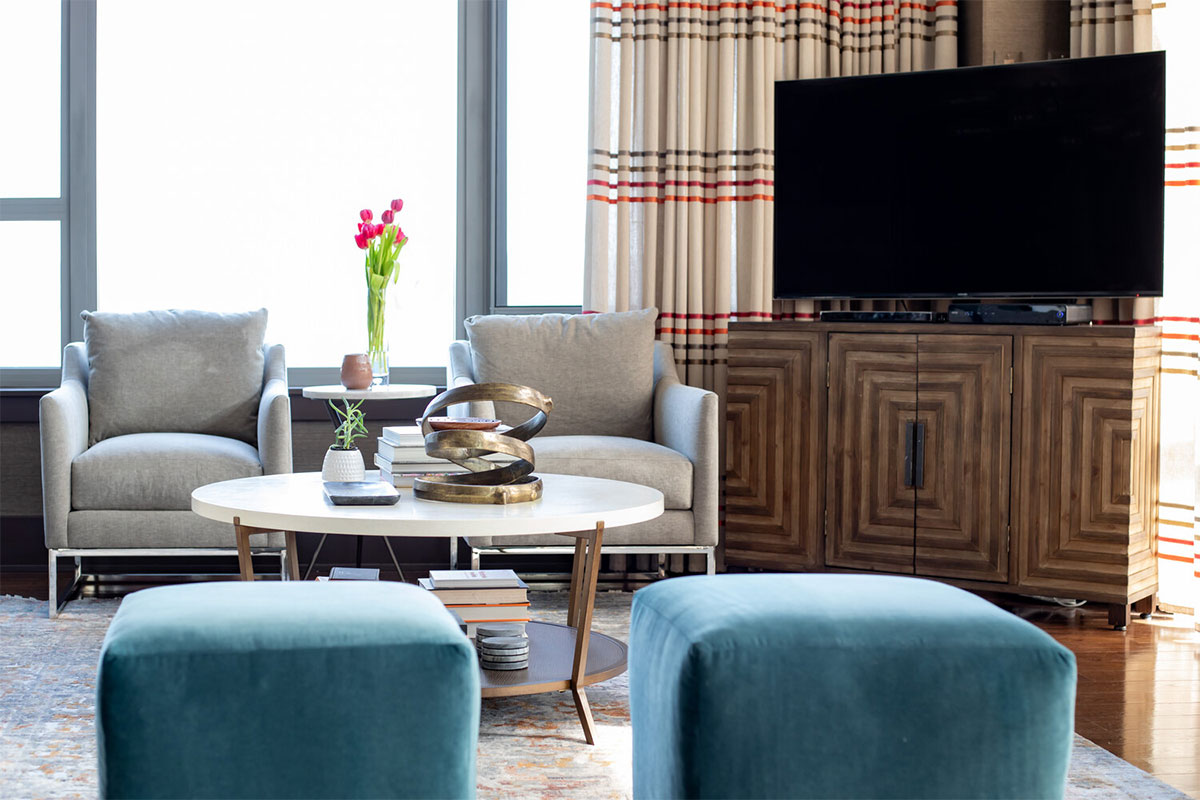
What is transitional design? Get the scoop on the trend from a local expert
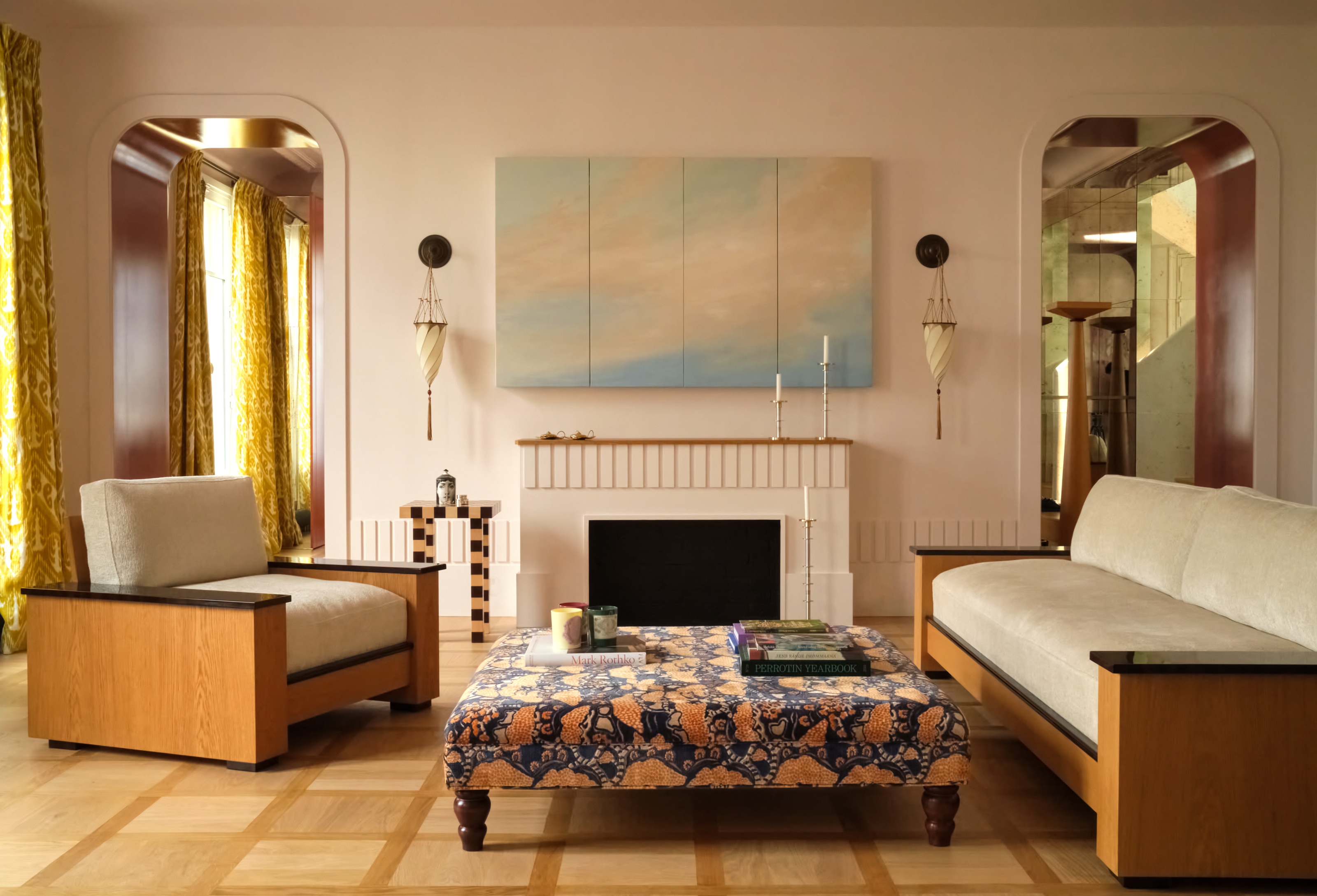
What’s Next for Our Homes? The 14 Defining Interior Design Trends That Will Shape the Way We Live in 2026
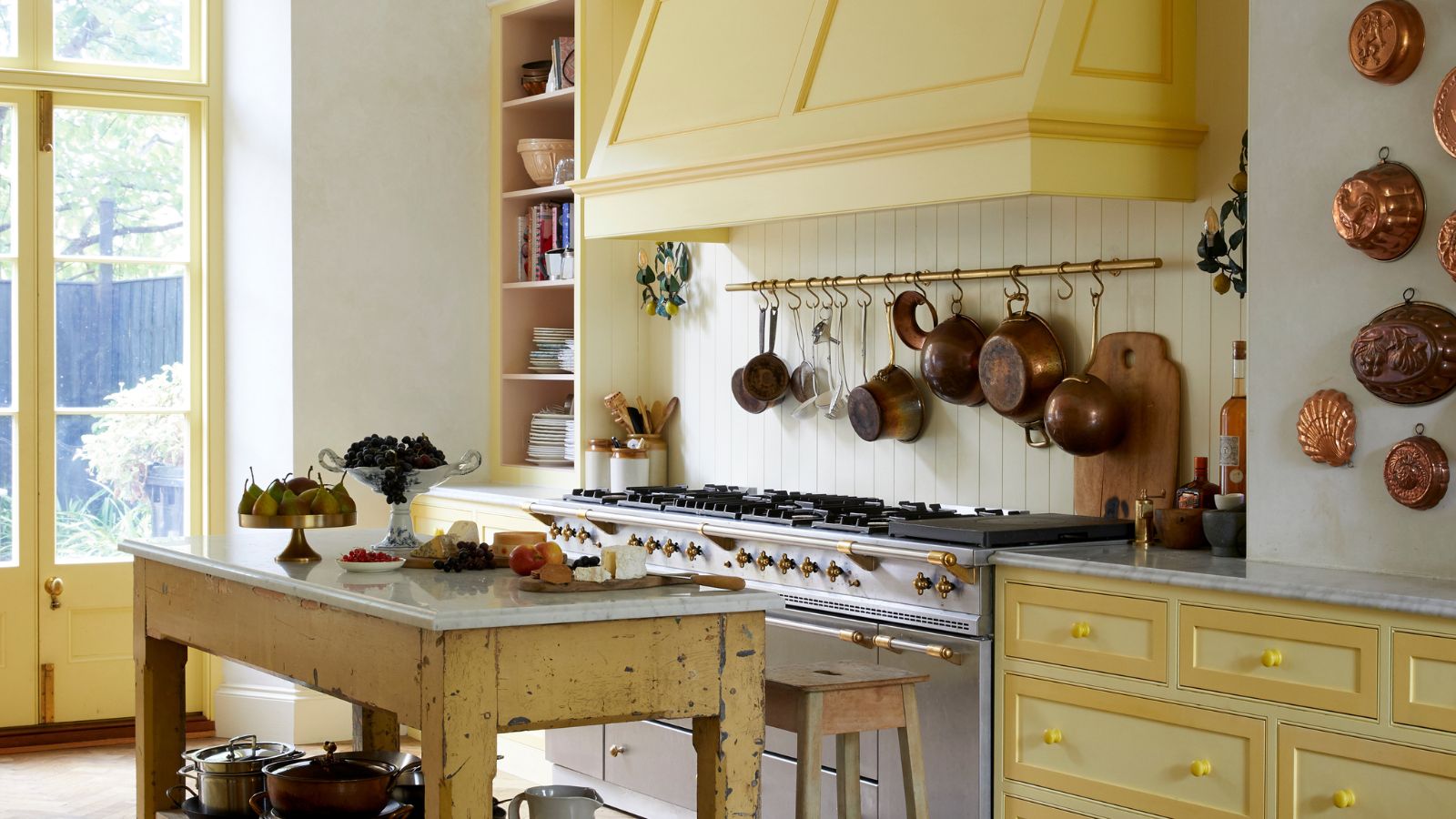
What's making a home look dated in 2025? Interior designers share the design icks that they say are aging your interiors
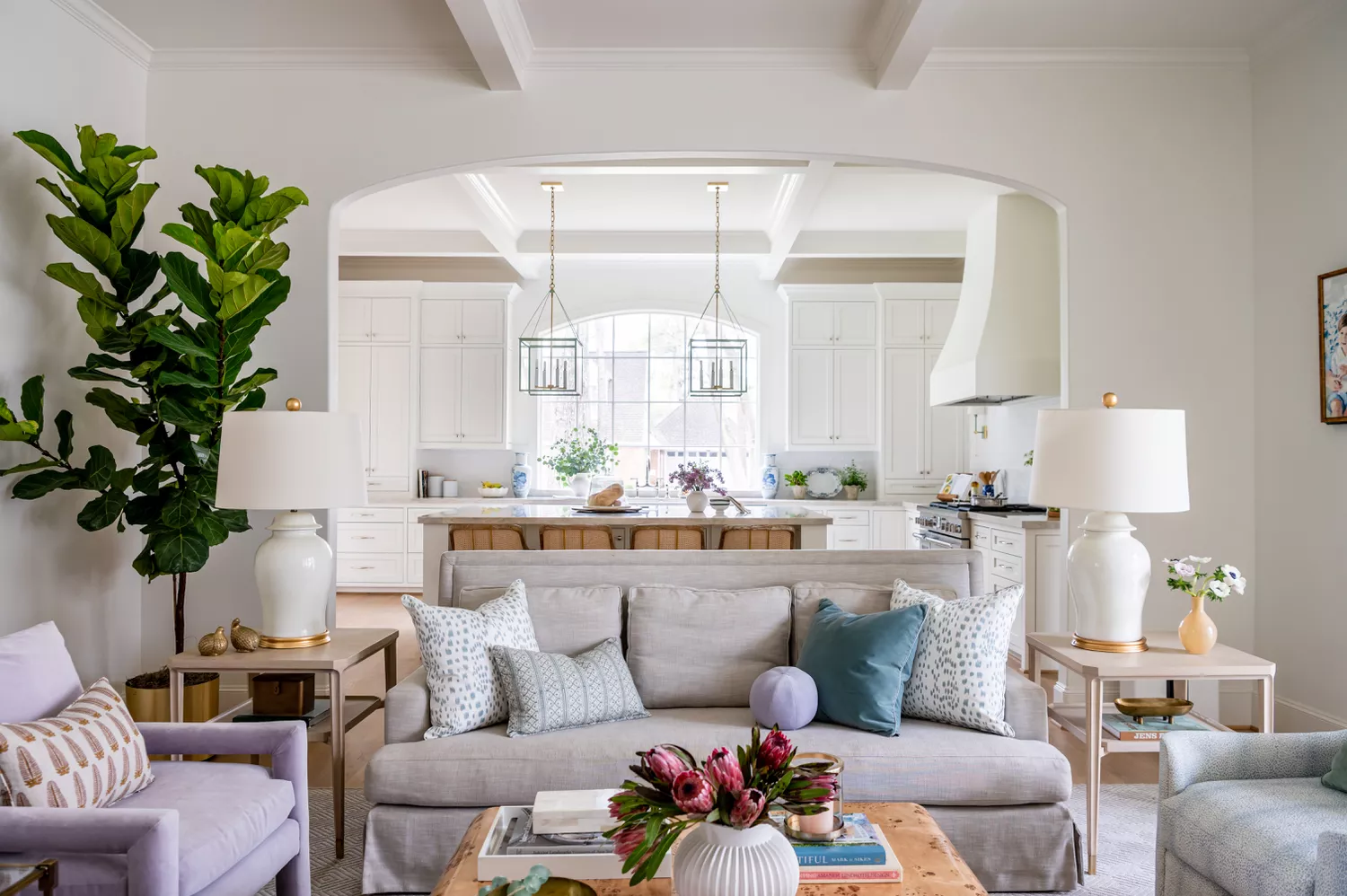
What Is Transitional Style? Designers Share Why They Love It and How to Get the Look

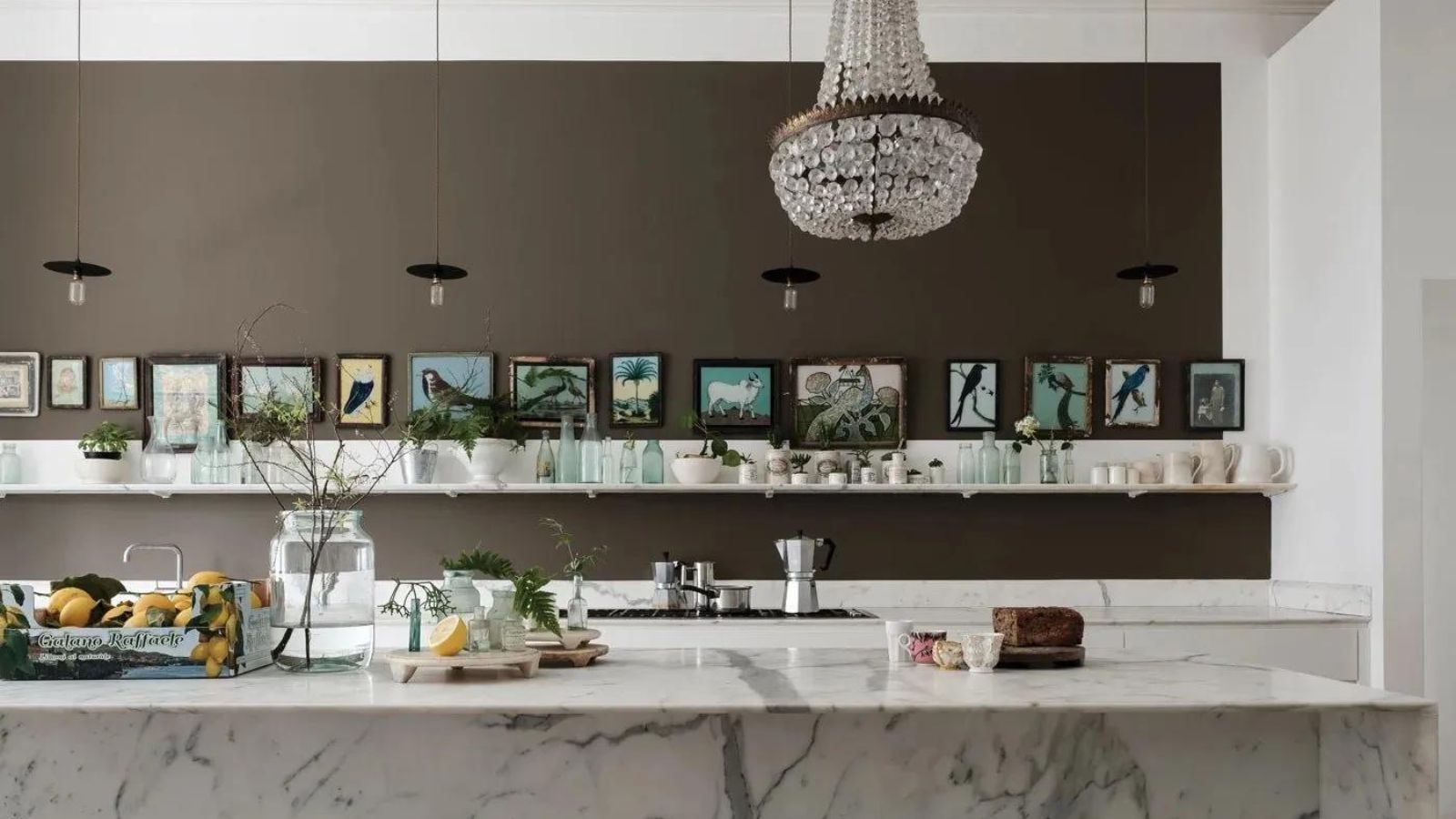
7 mistakes you are making with transitional style – and expert strategies for avoiding them
Interior Design Trends — The 16 Defining Ideas for Decorating Homes in 2025
The Decorating Trends Designers Are Leaving Behind in 2026

Room for Change: Interior Design that Adapts with Style

9 transitional living room ideas that nail this old-meets-new style
The Zeitgeist Edit — The Design Moments an Editor Is Talking About in November


Seven of St. Louis’ Top Designers