1/8
7 mistakes you are making with transitional style – and expert strategies for avoiding them
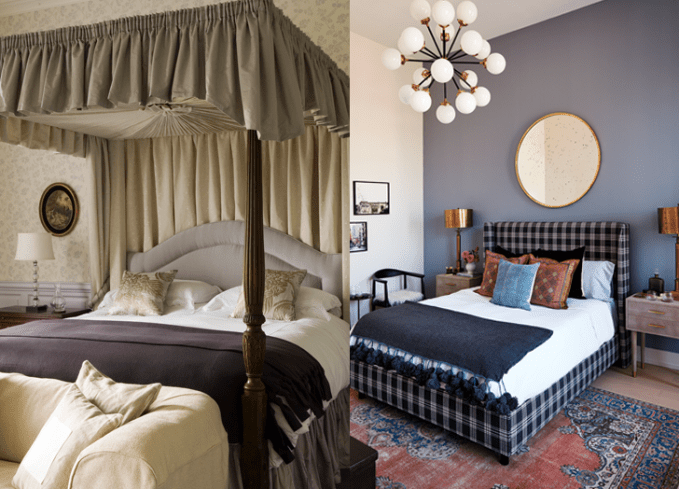
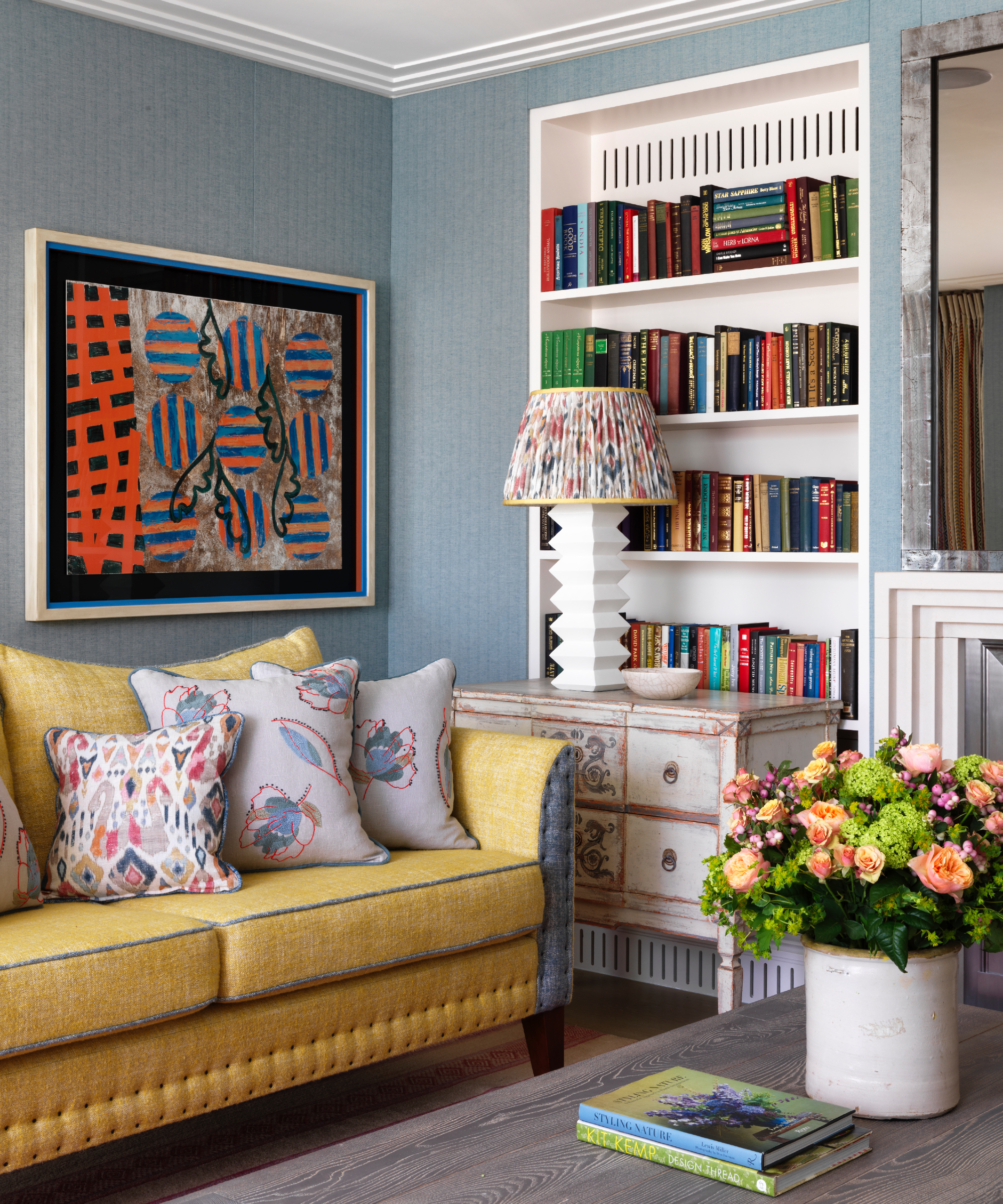
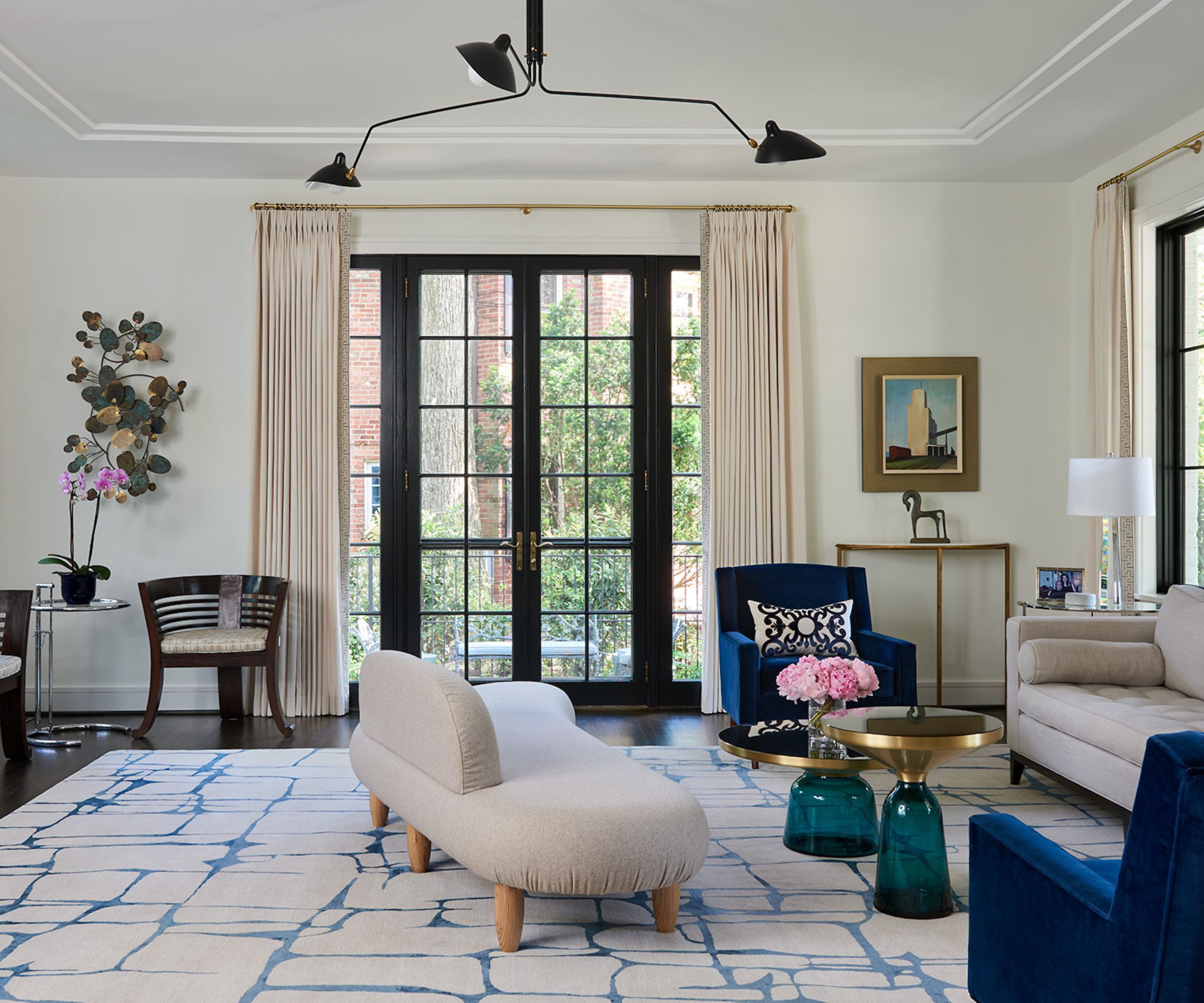
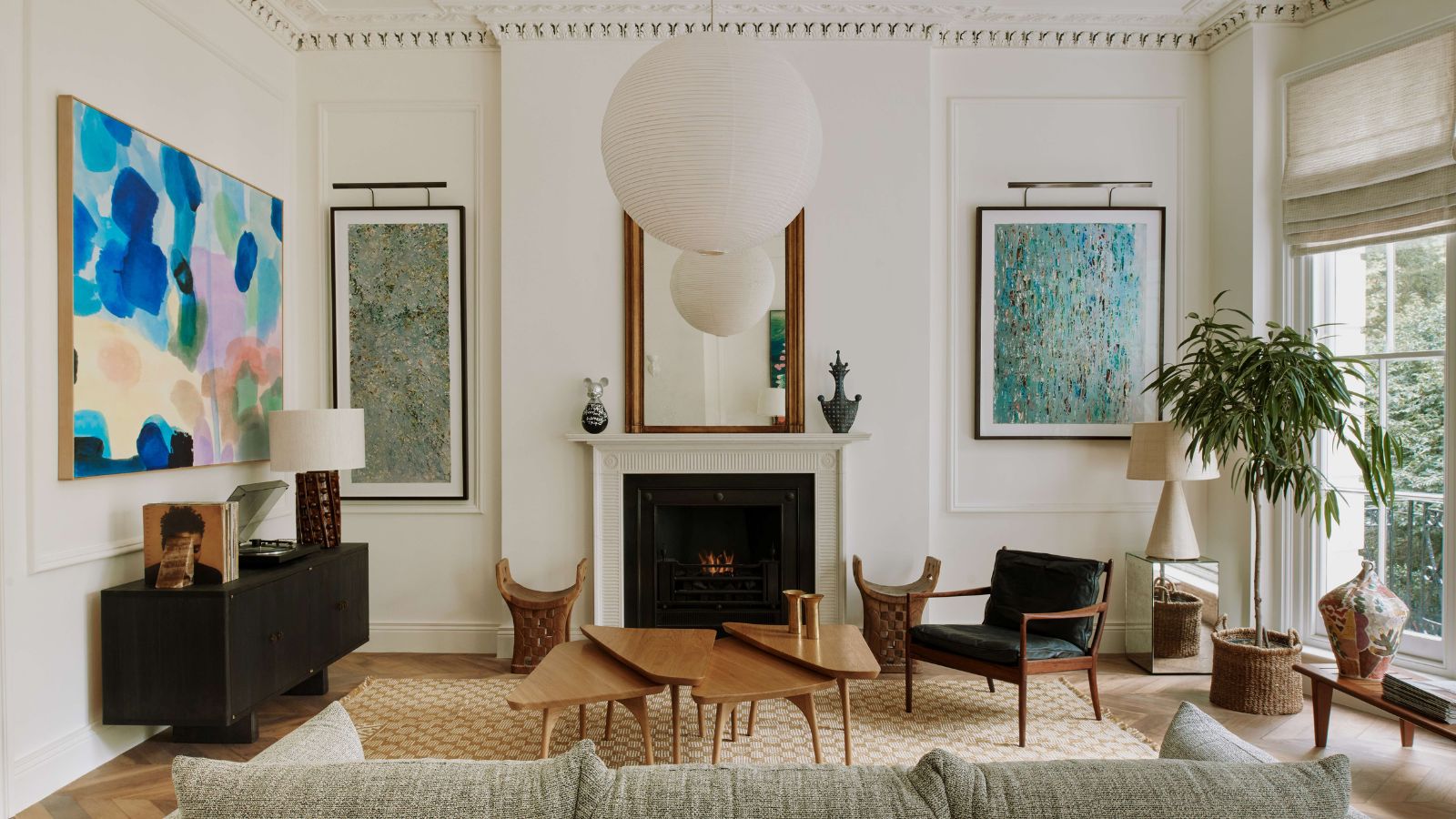
Transitional style, an interior design approach that blends traditional and modern aesthetics, often leads to common mistakes that can compromise the overall look and feel of a space. While the concept of combining old and new elements seems straightforward, achieving a harmonious and effortlessly stylish outcome requires careful consideration and expertise.
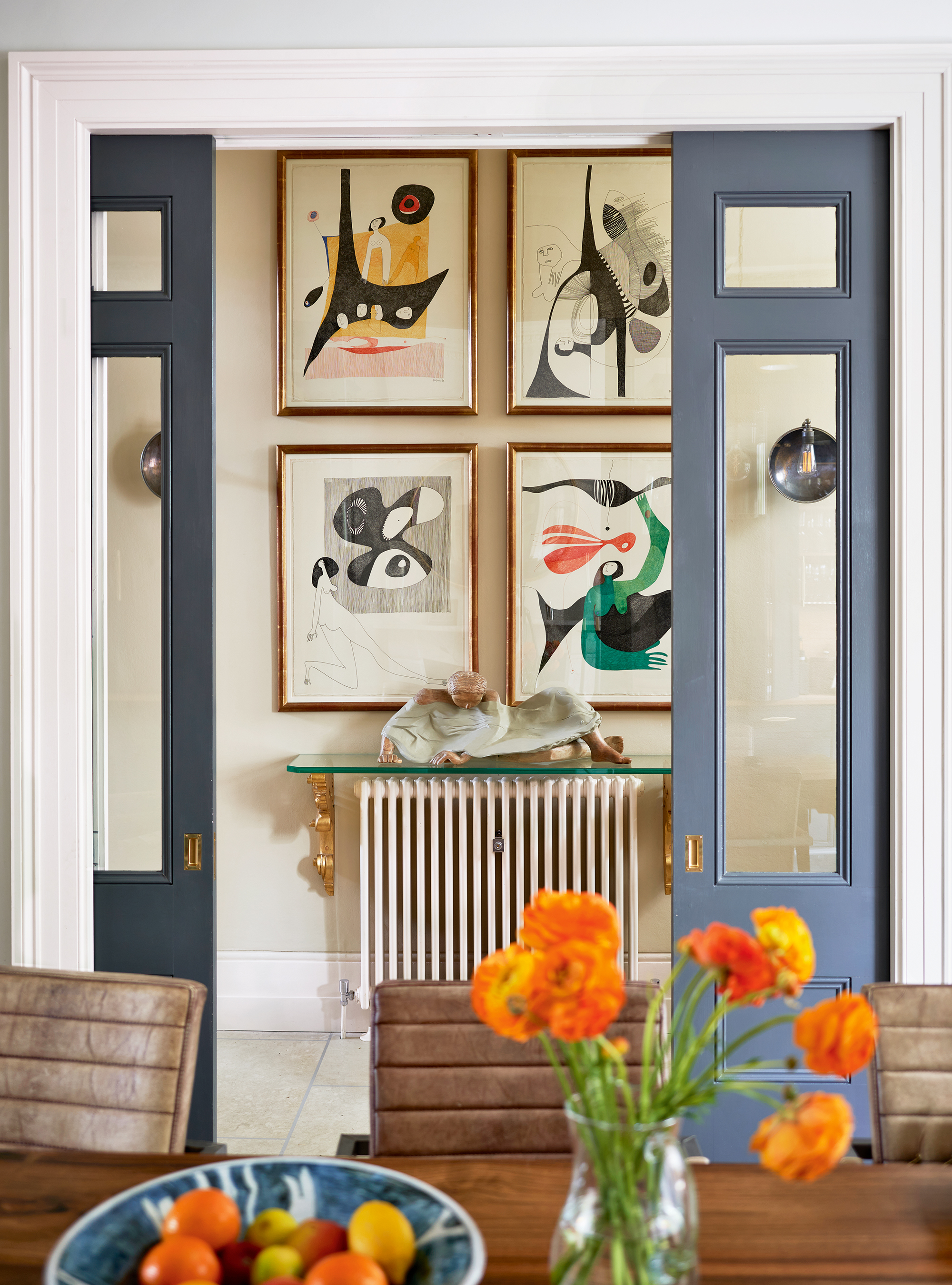
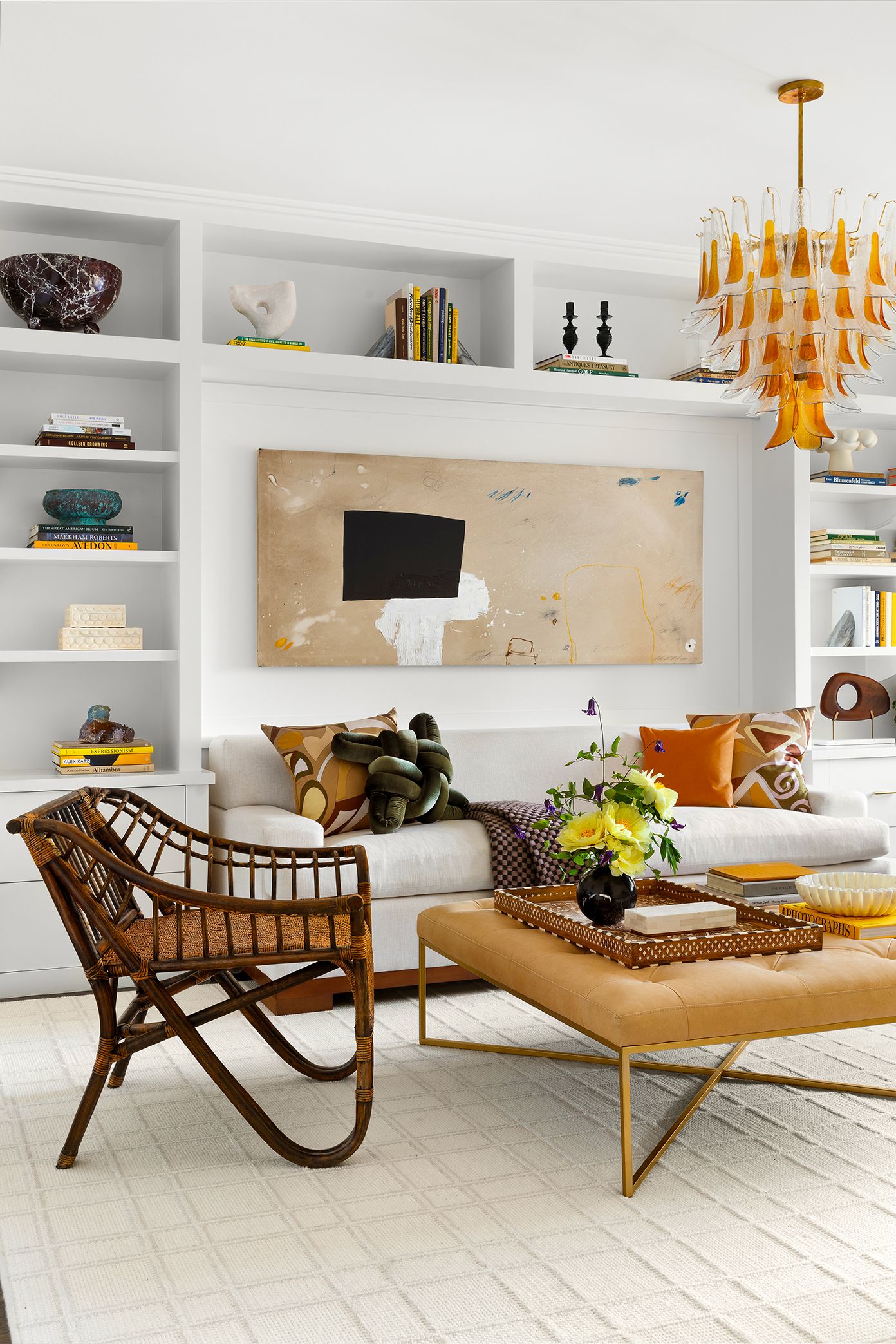
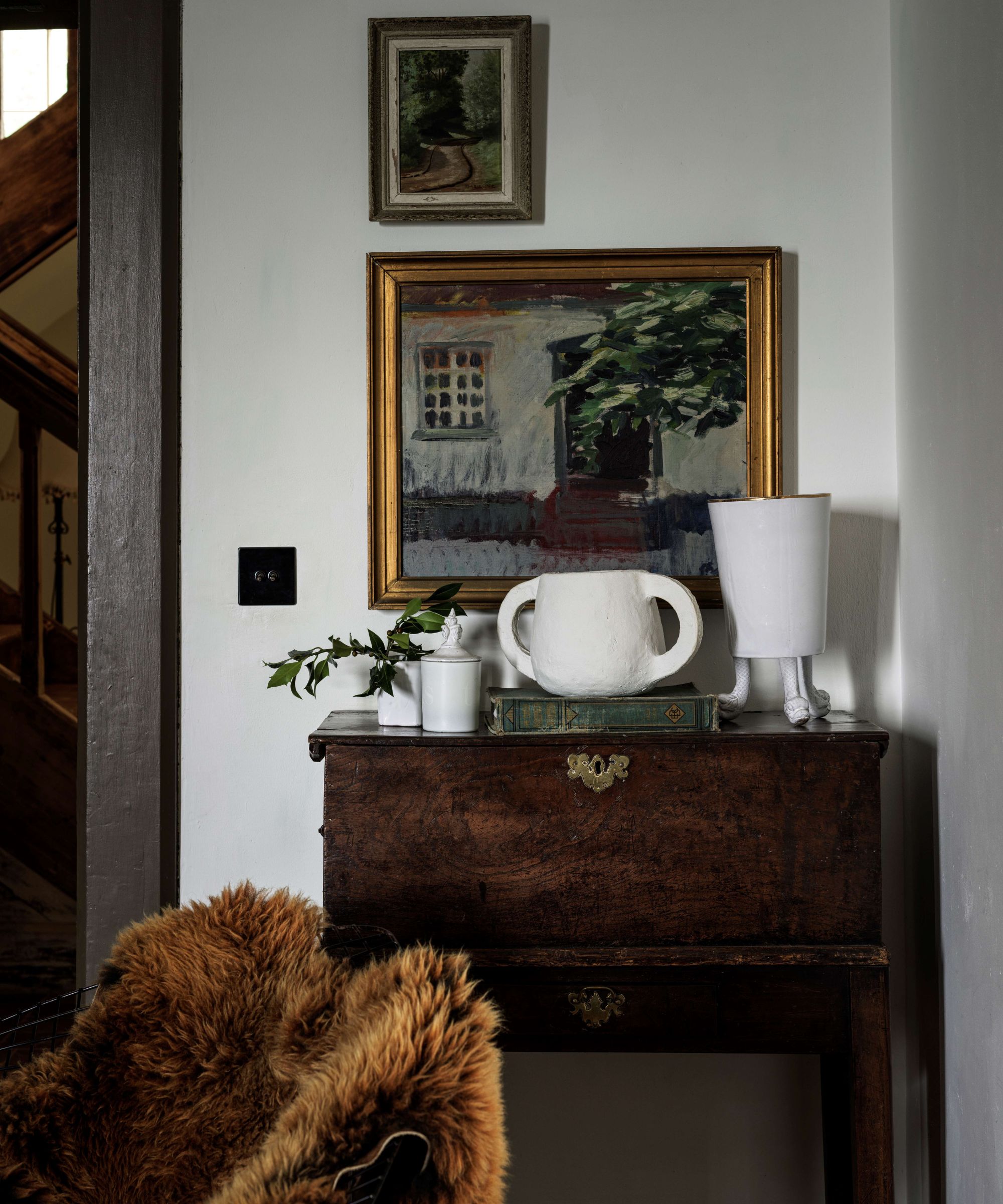
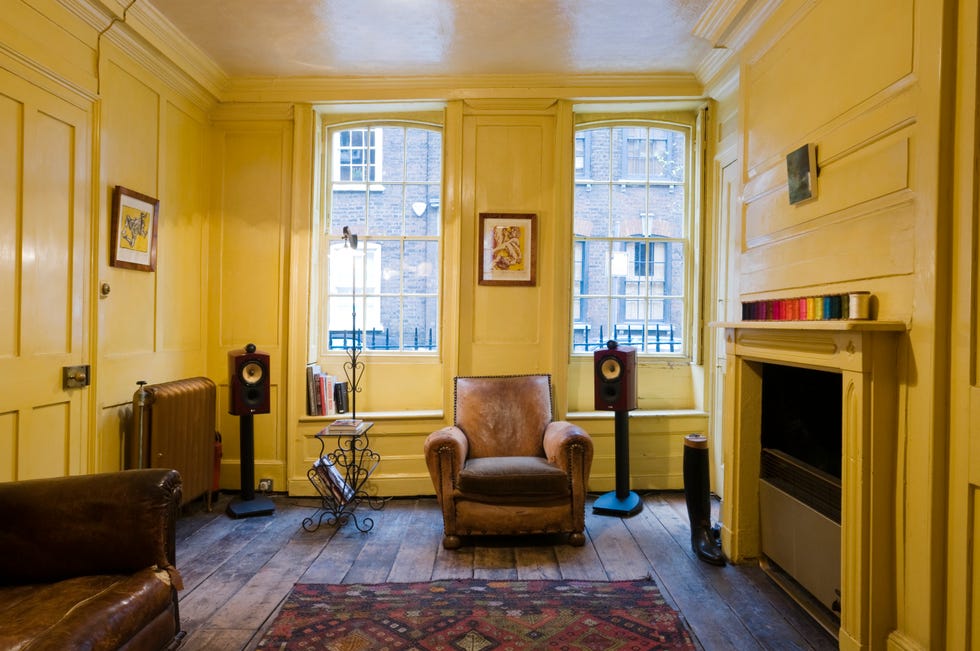
One prevalent error is acquiring all decor items simultaneously. This approach can result in a space that lacks personality and appears staged rather than curated over time. Designers advise mixing existing cherished pieces with new acquisitions, emphasizing the importance of collecting quality items gradually to imbue a home with character and a sense of history. Impulse buying can detract from the organic evolution that defines successful transitional interiors.
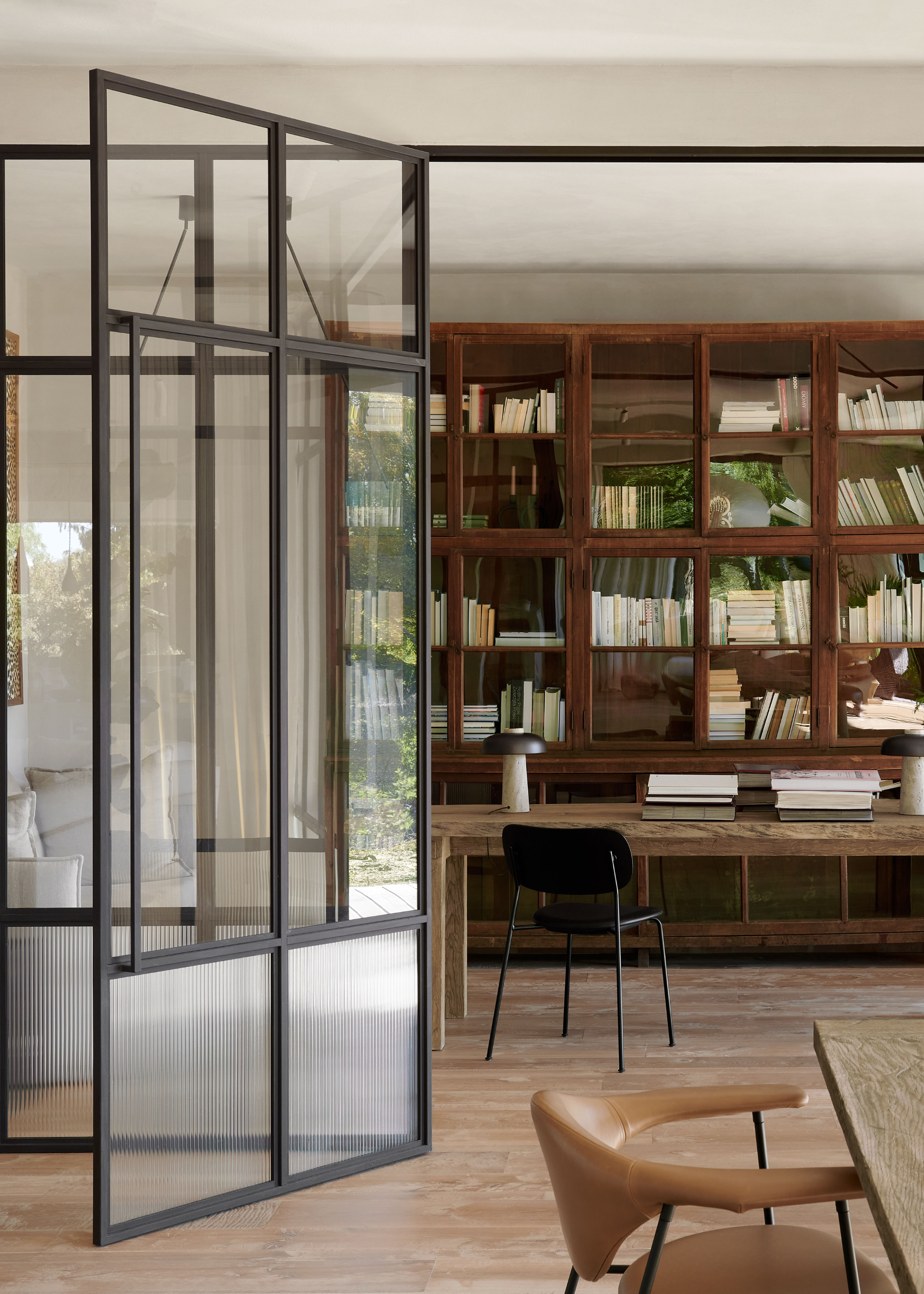
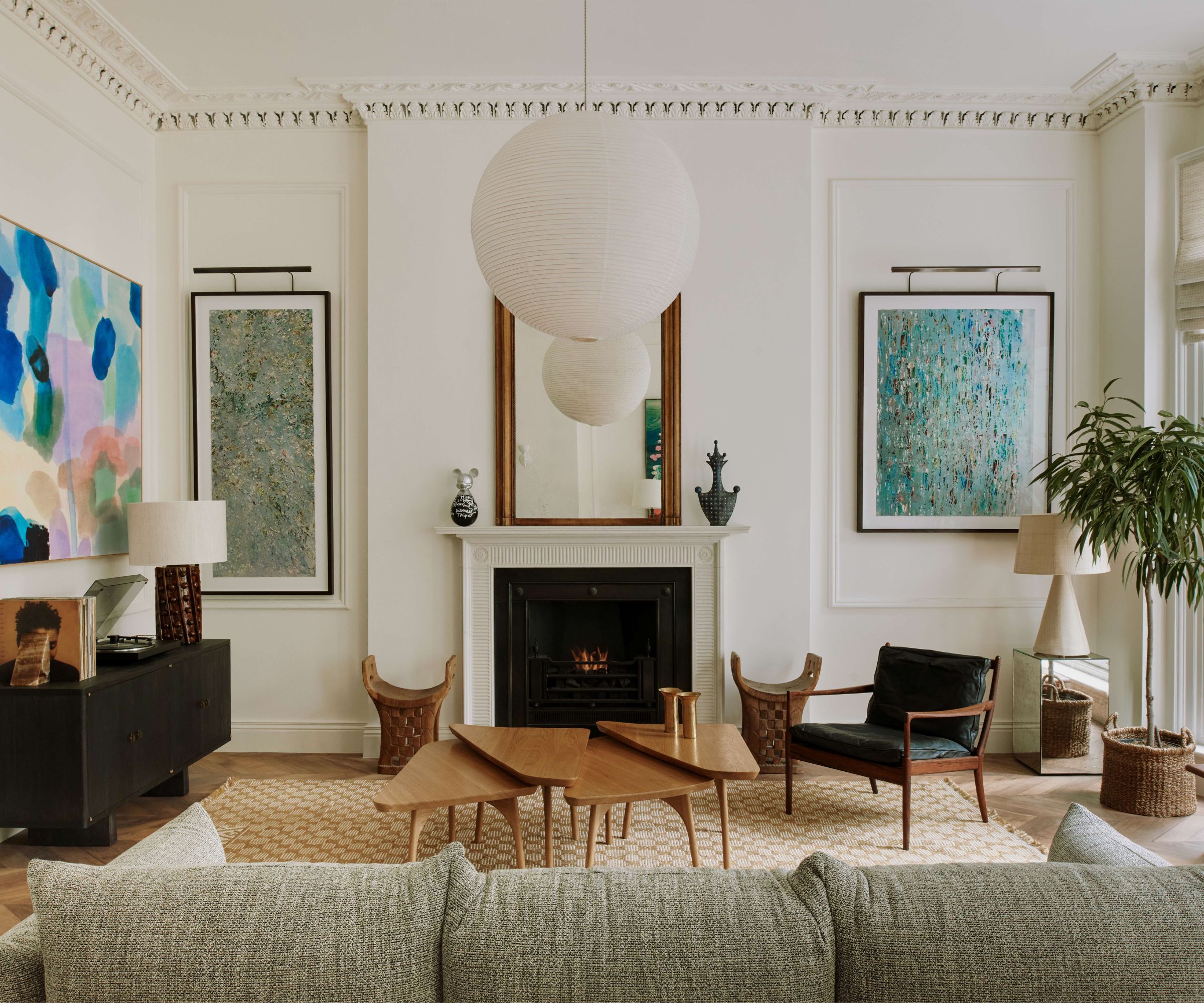
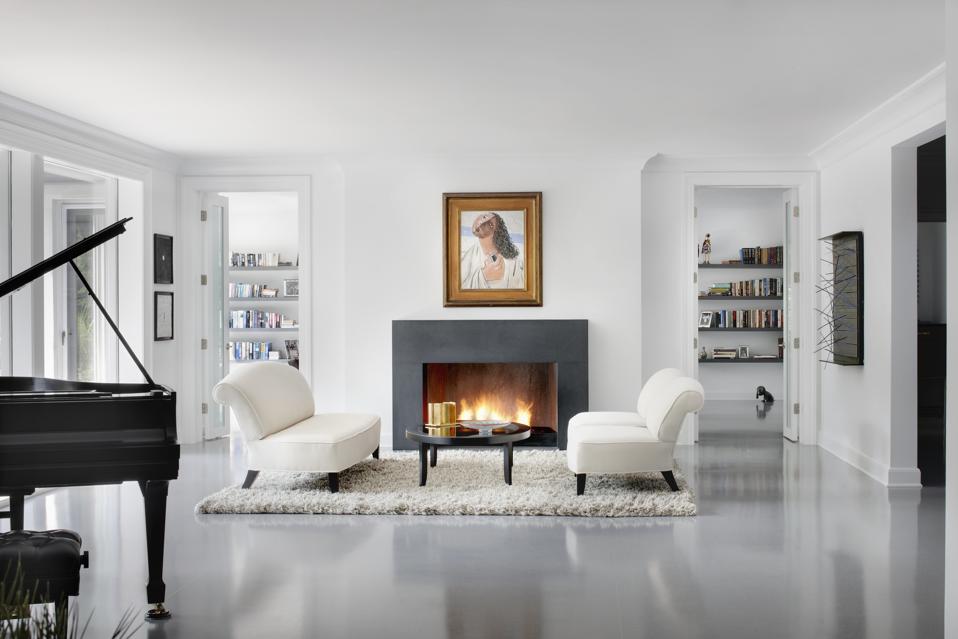
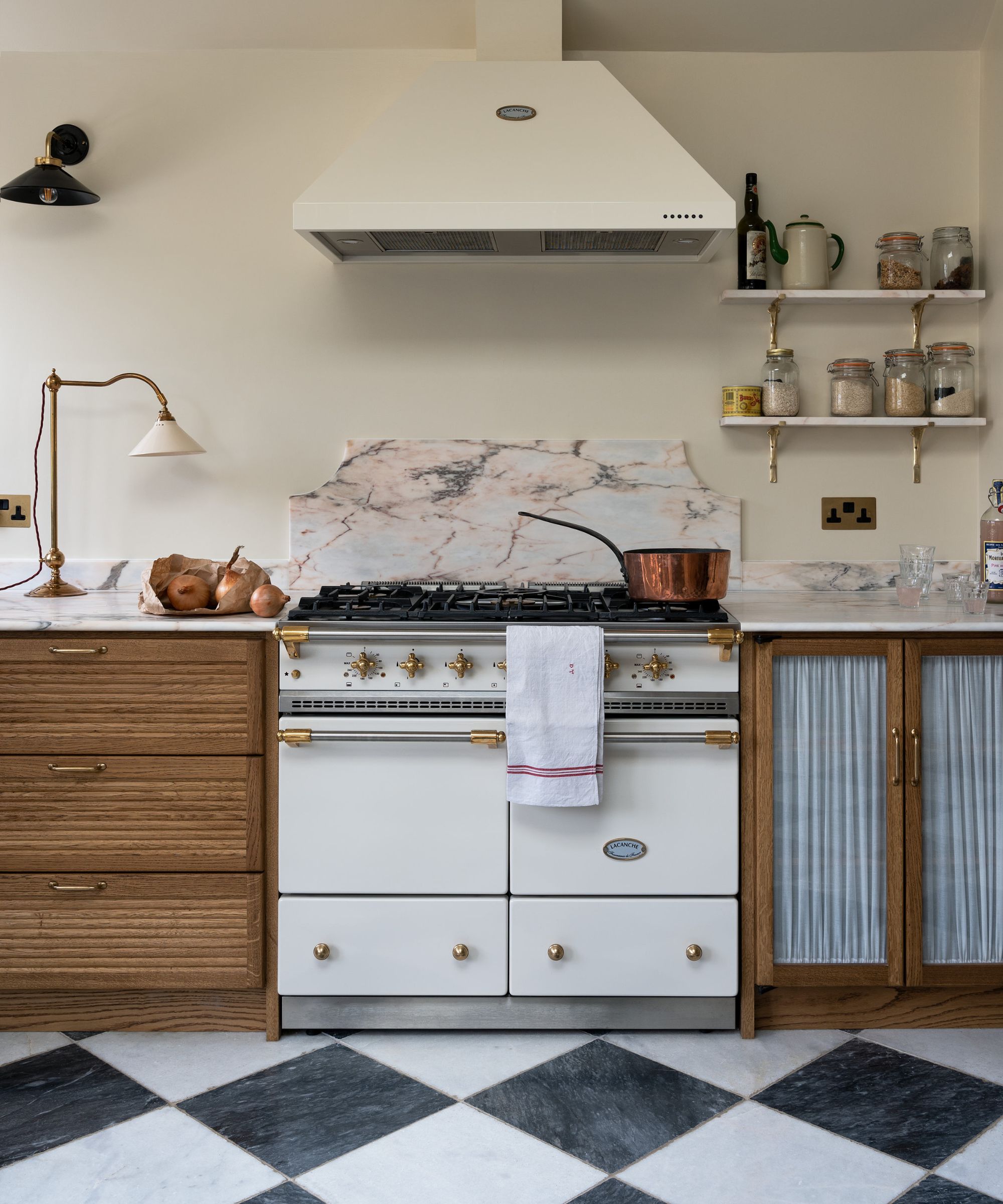
Another significant pitfall is a lack of harmony in design elements. The balance between modern and traditional components can be disrupted if proportions are not carefully considered. Overwhelming a space with too many small traditional furnishings or incorporating large, overly modern equipment without proper integration can lead to a jarring effect. Achieving equilibrium involves thoughtfully merging heavy and lightweight pieces to ensure visual coherence.
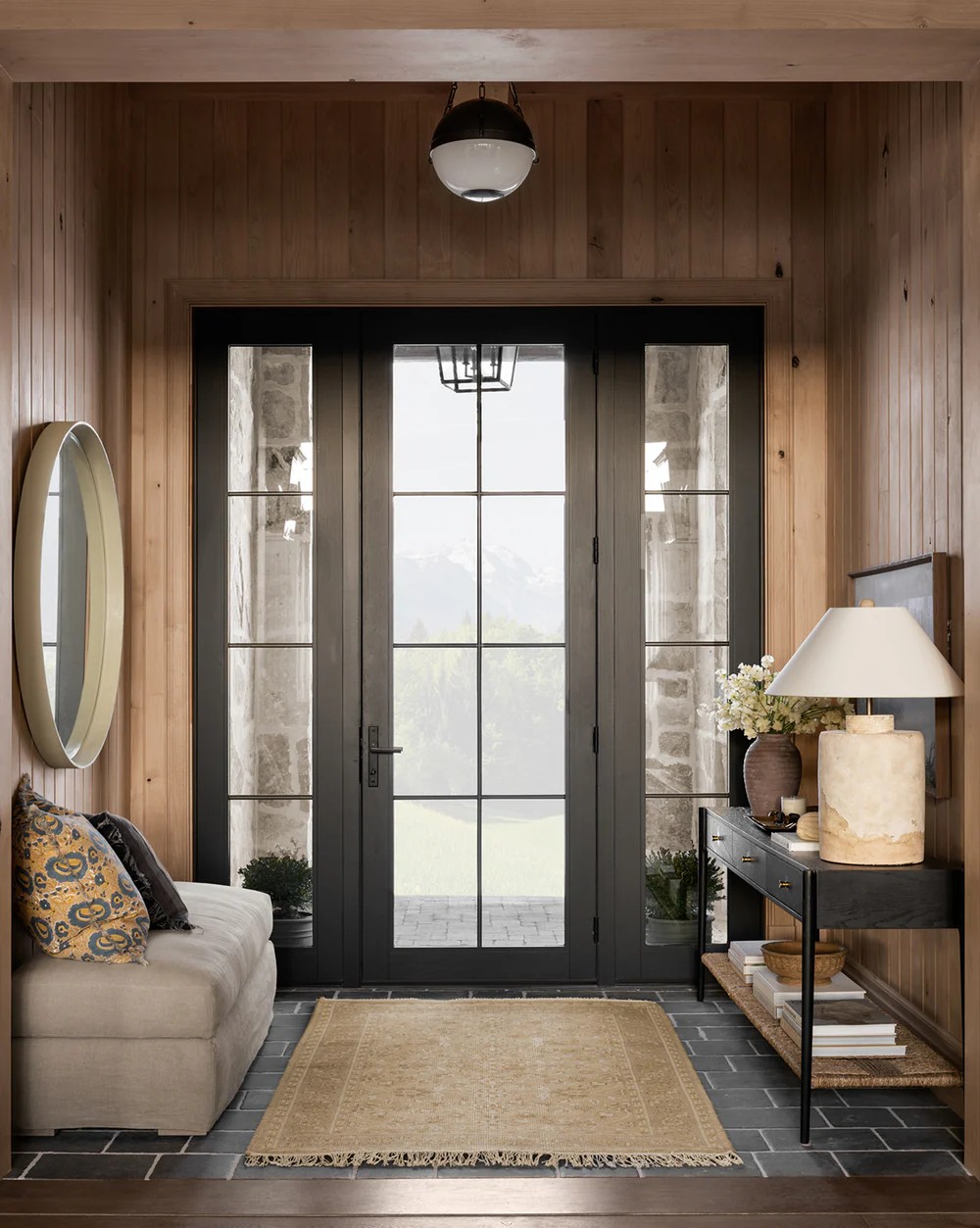
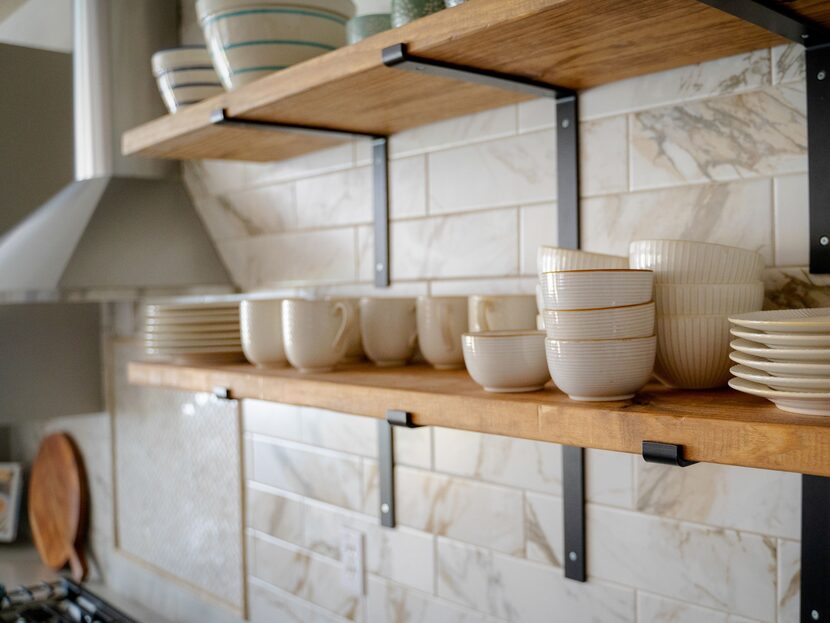
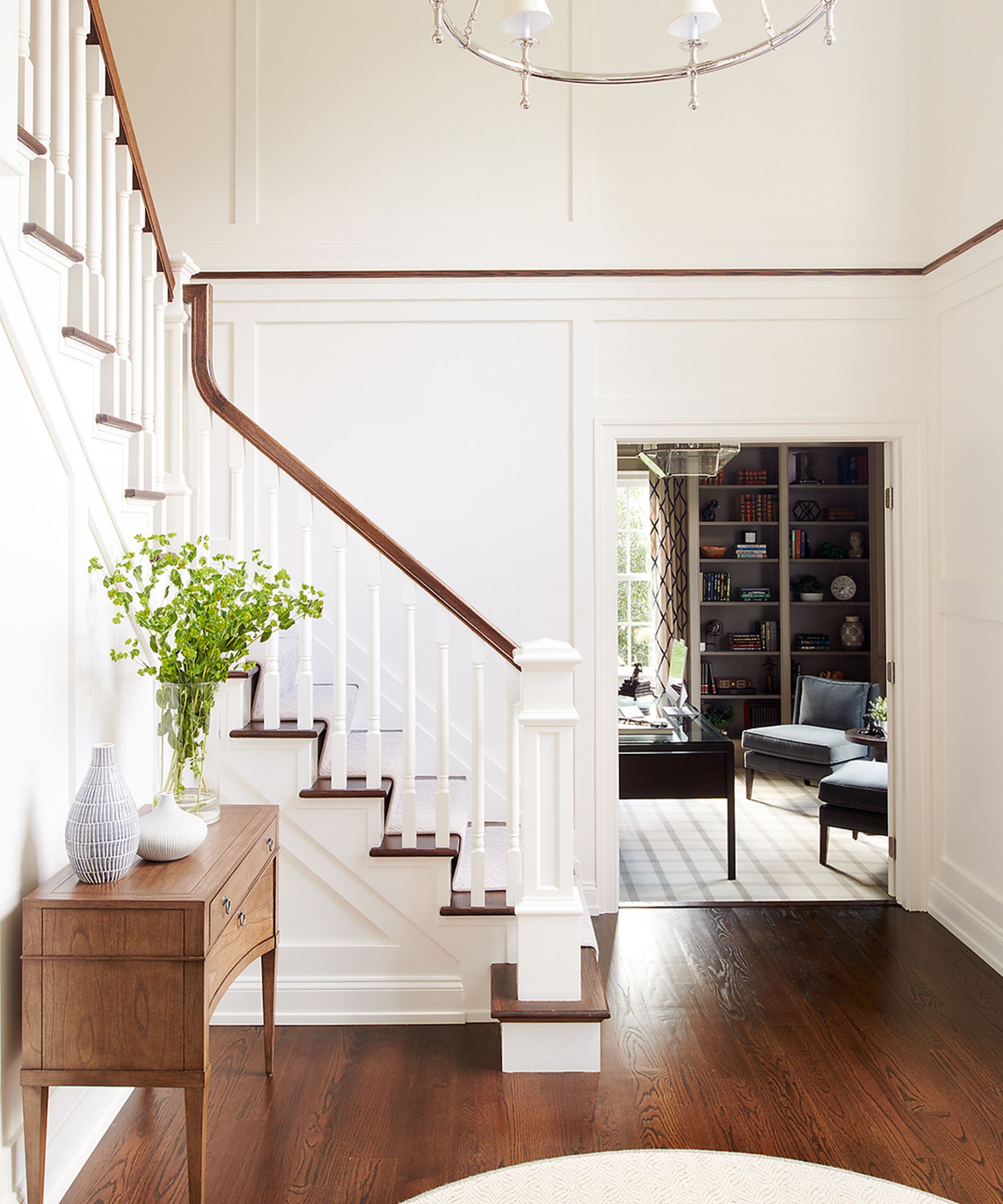
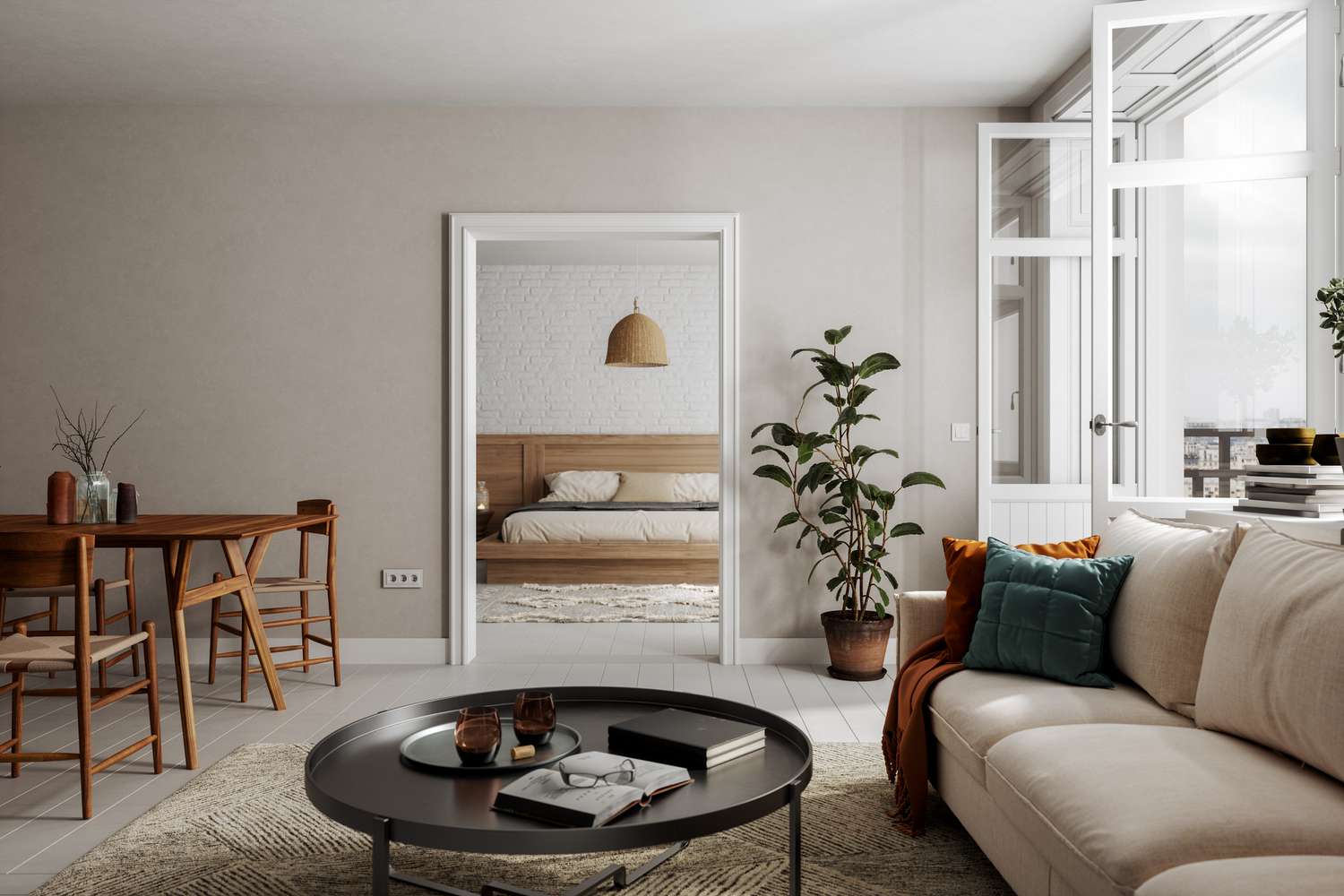
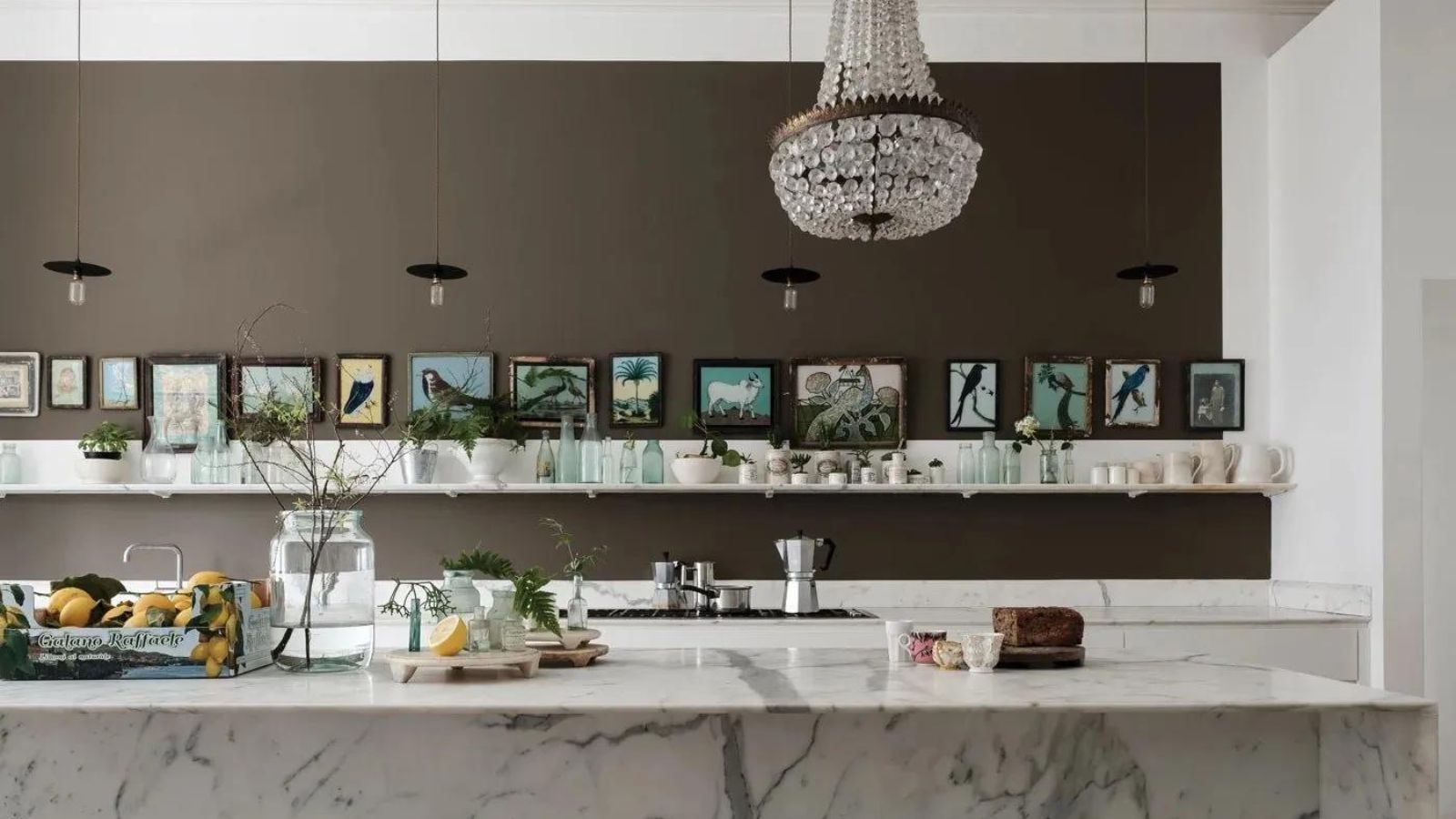
Attempting to alter or conceal original architectural features is also a common mistake. Instead of painting over natural brick or wood finishes, it is often more effective to restore and highlight these existing elements. Preserving and integrating a room's inherent character can contribute to a more authentic and appealing transitional style, ensuring that the melange of old and new feels intentional rather than chaotic.
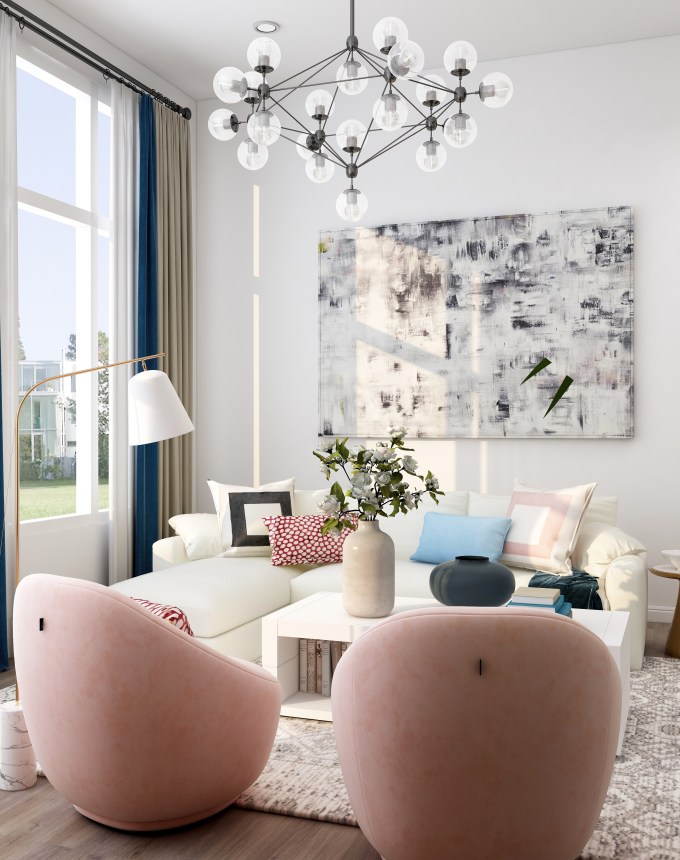
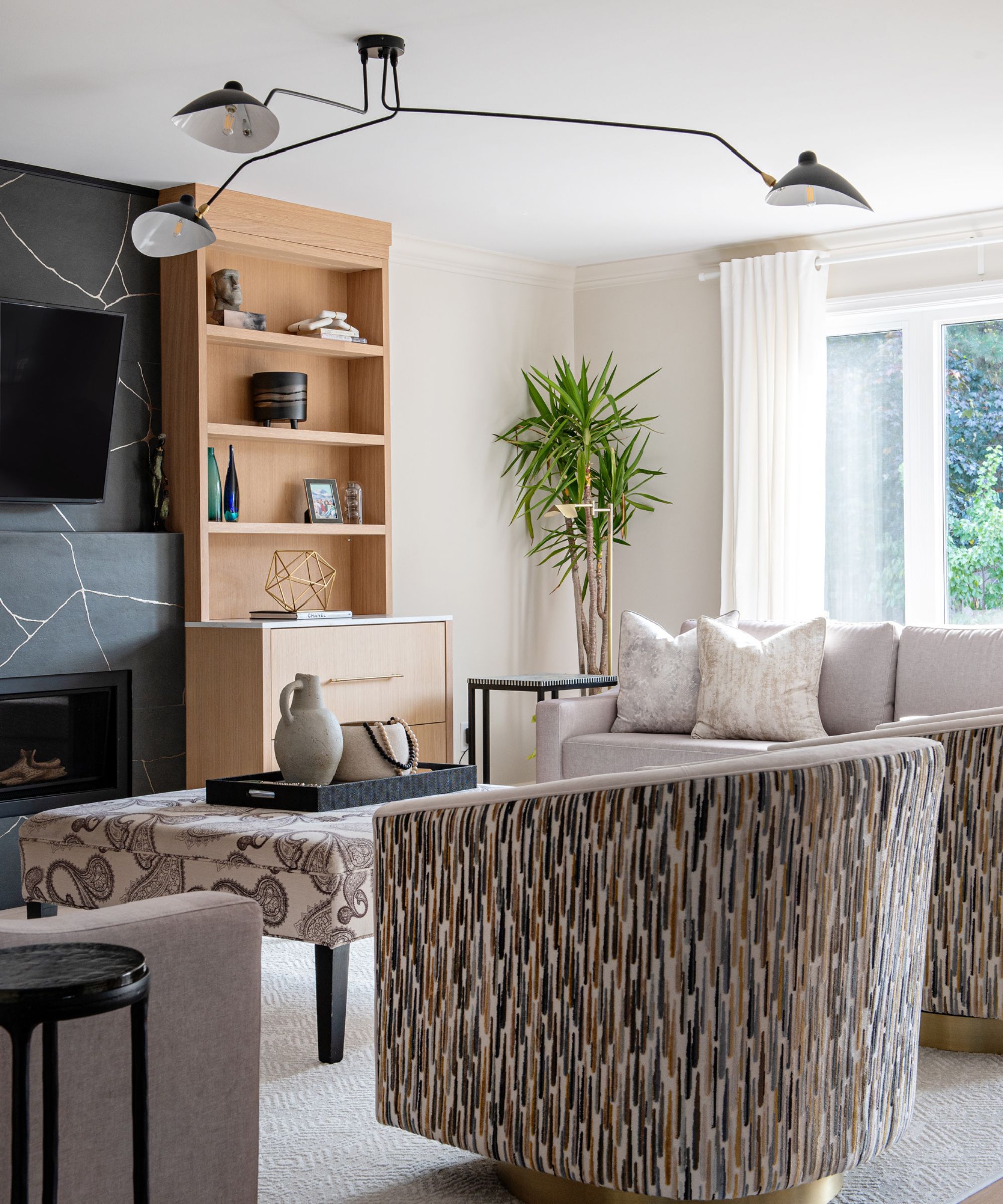
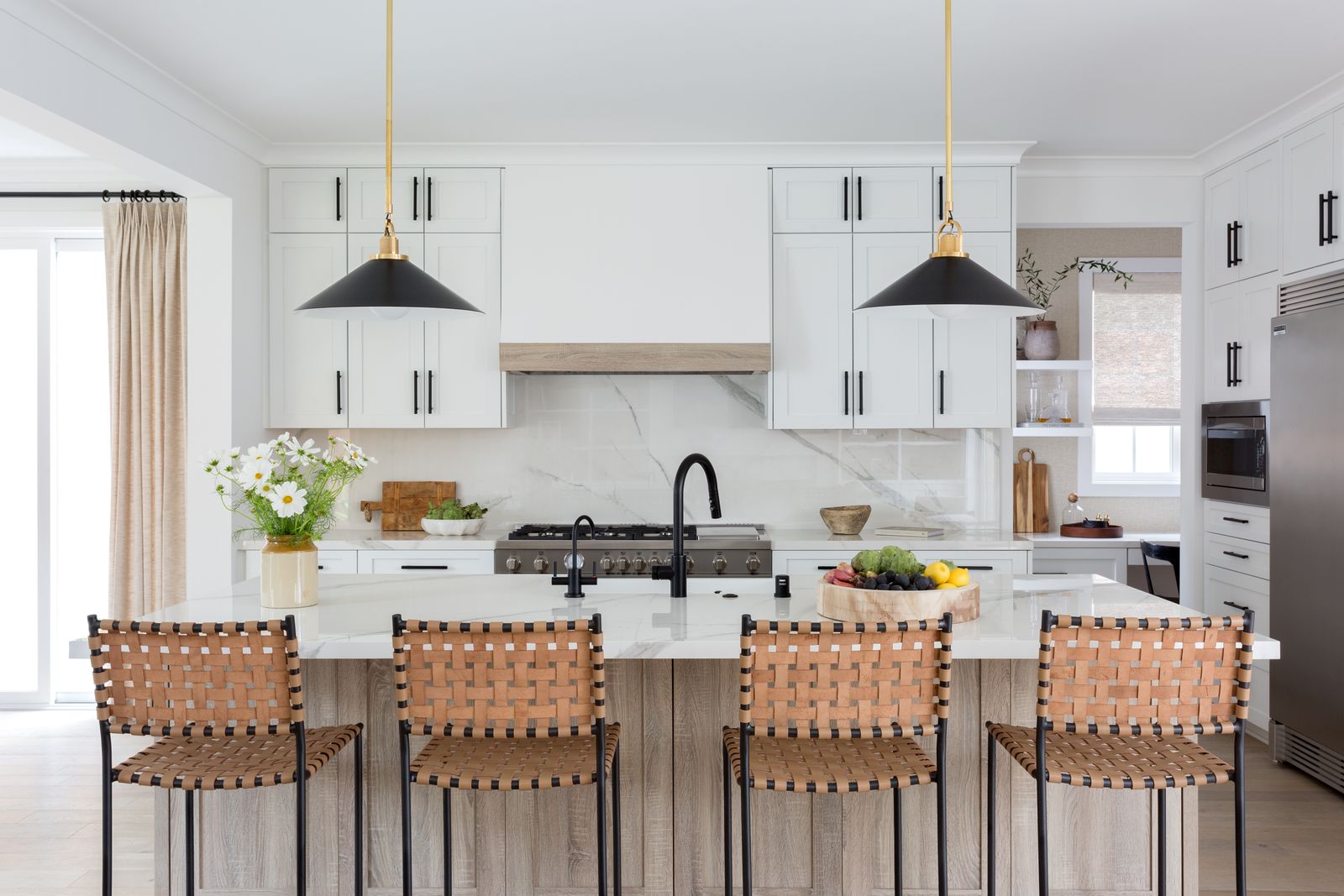
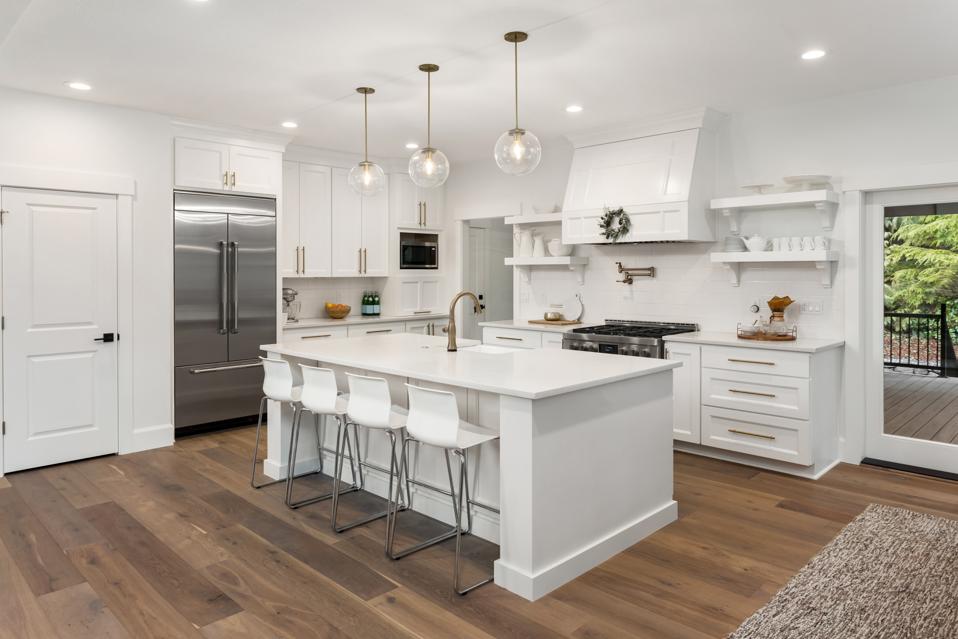
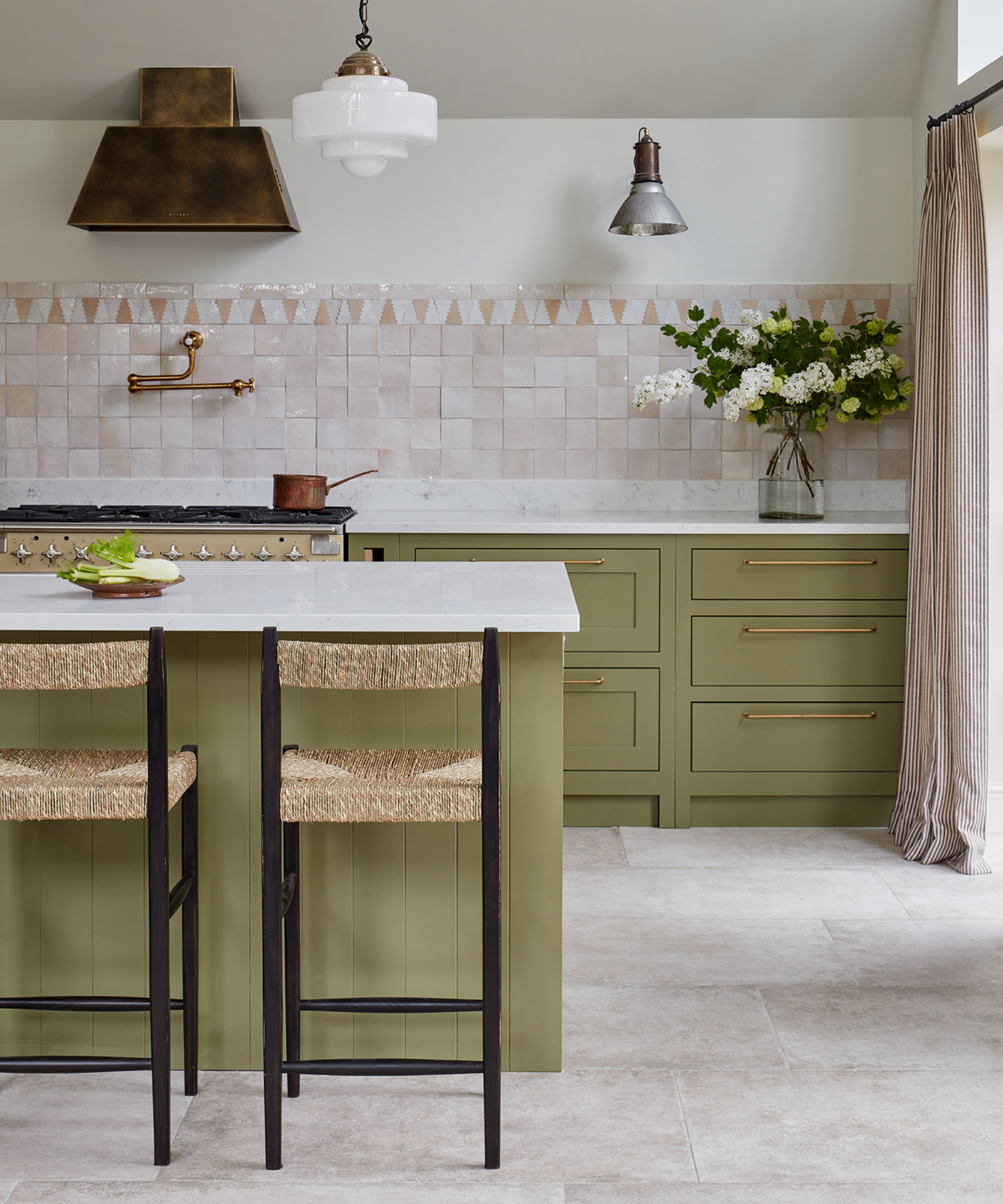
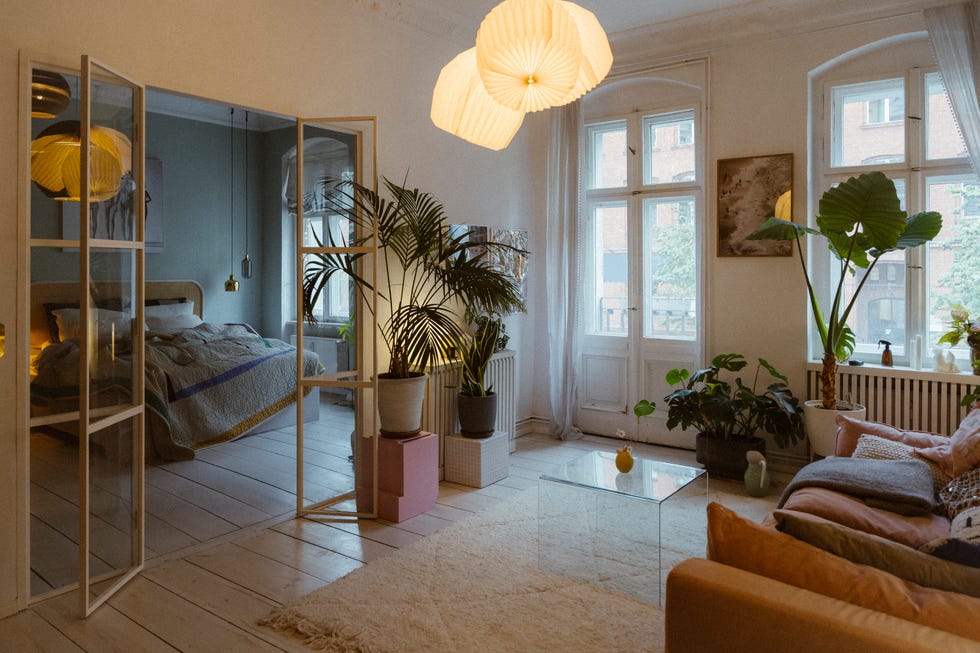
Suboptimal lighting choices frequently undermine transitional interiors. Selecting fixtures that are either too overtly modern or excessively traditional can clash with the blended aesthetic. The solution lies in choosing lighting that combines sleek lines with timeless materials, providing a seamless transition between eras. Furthermore, oversized or garish light fixtures can overpower a space, disrupting the desired cozy and livable atmosphere. Scale and subtlety are crucial for effective transitional lighting.
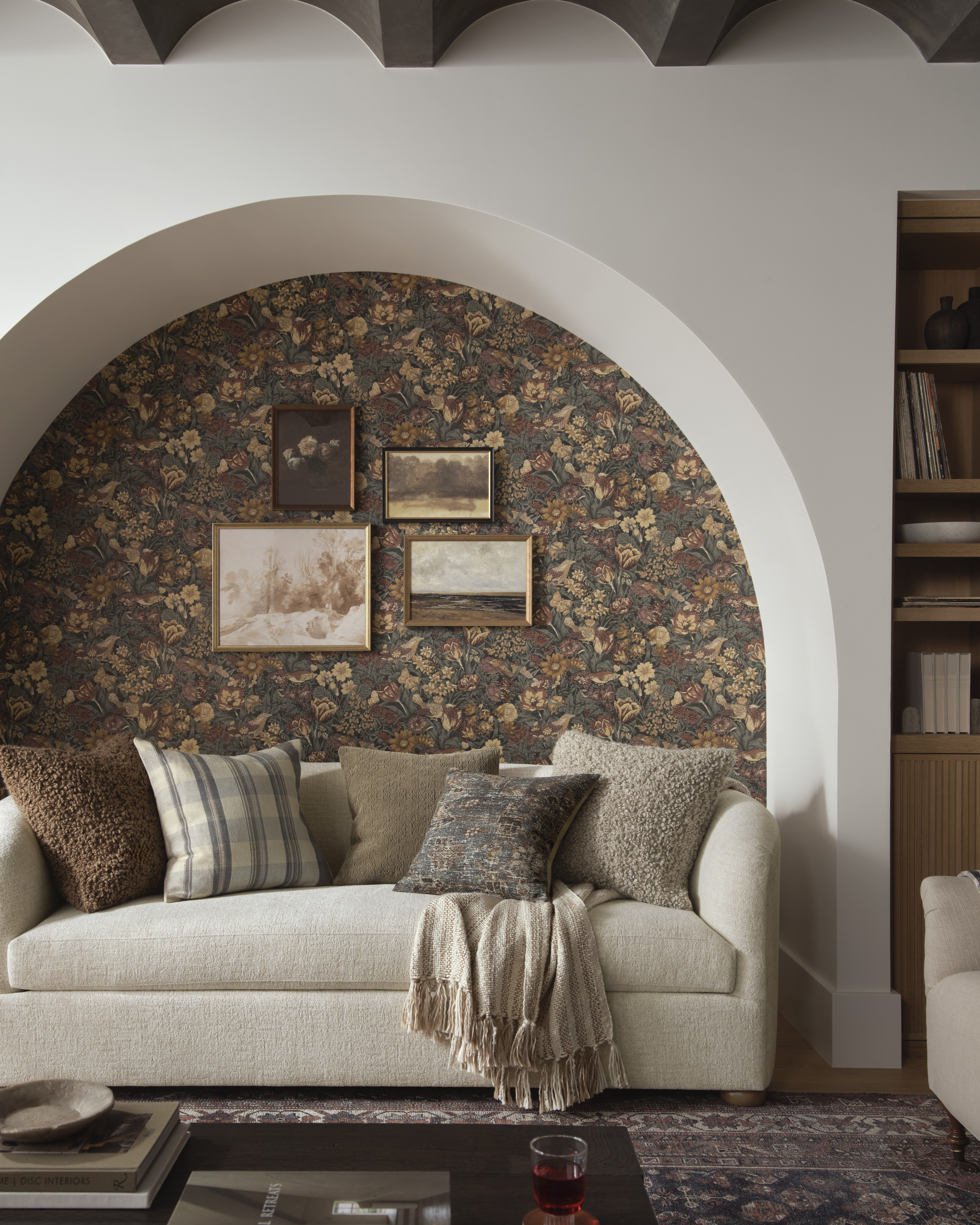
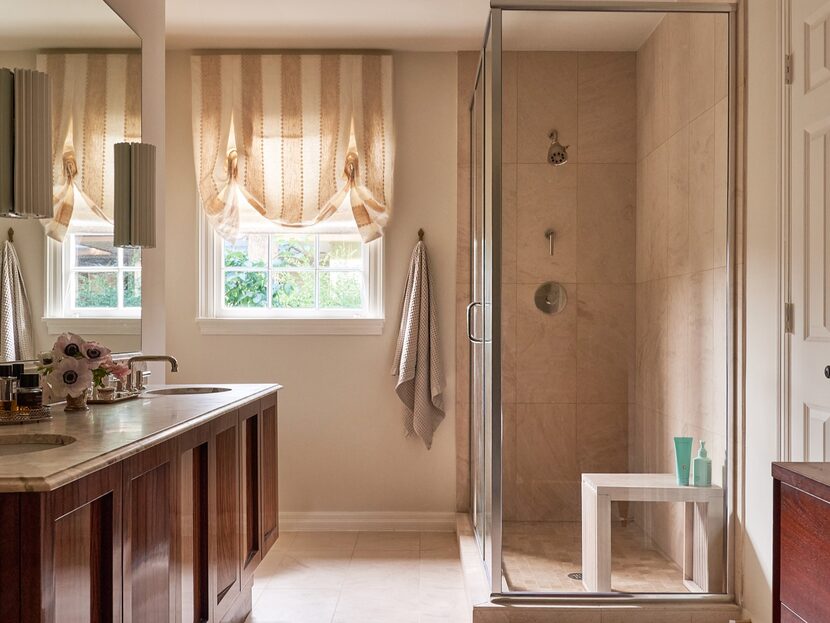
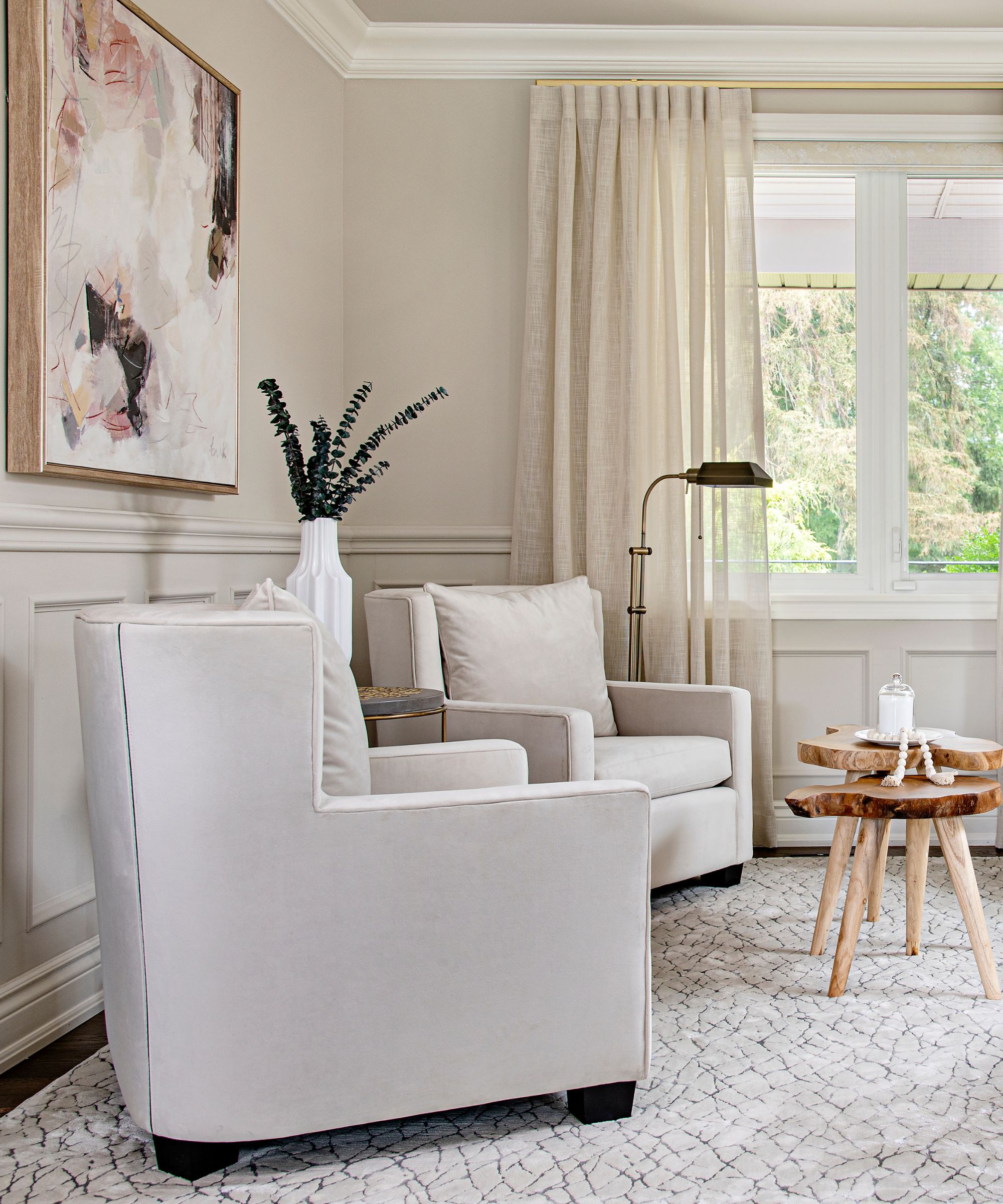
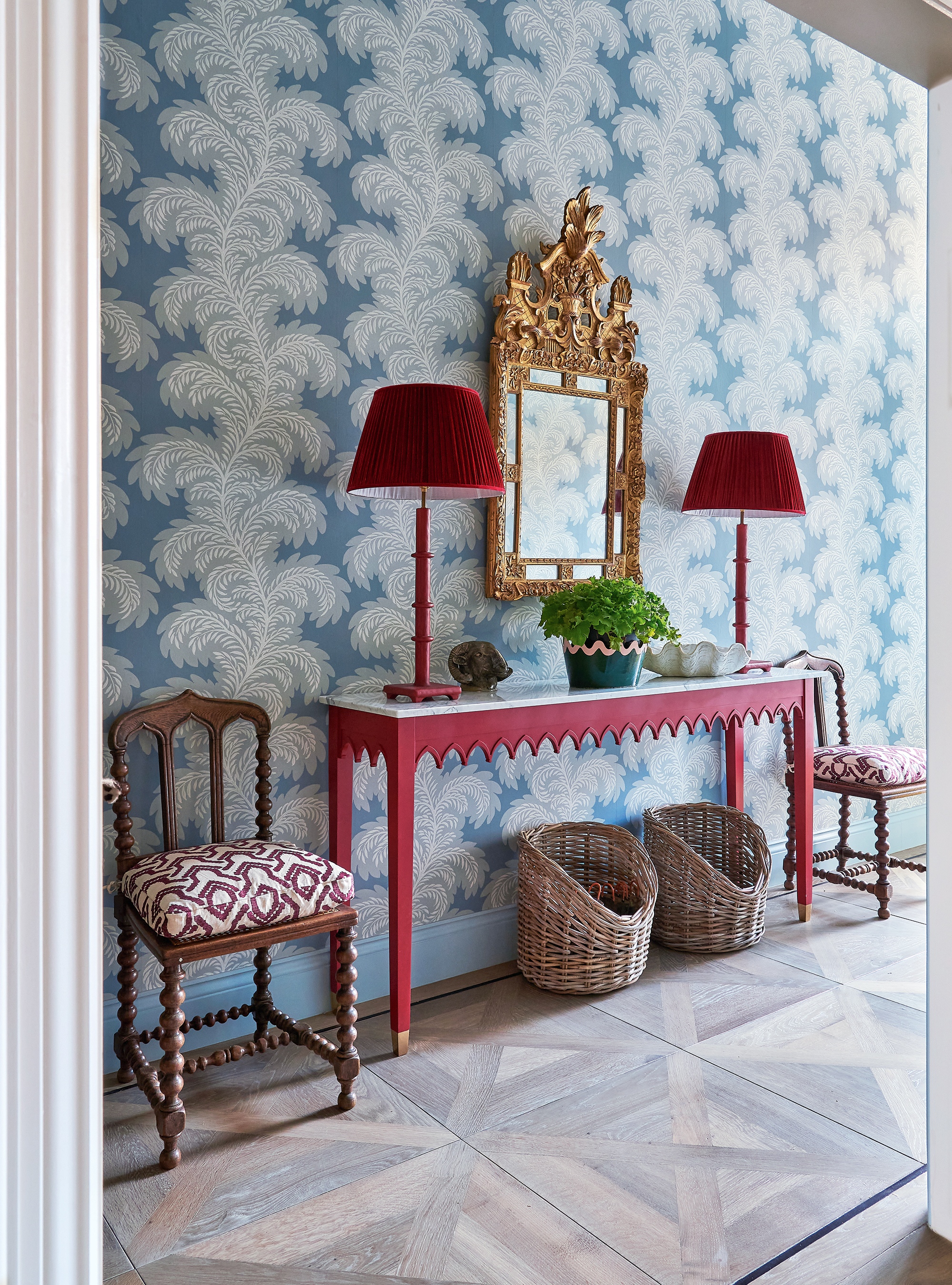
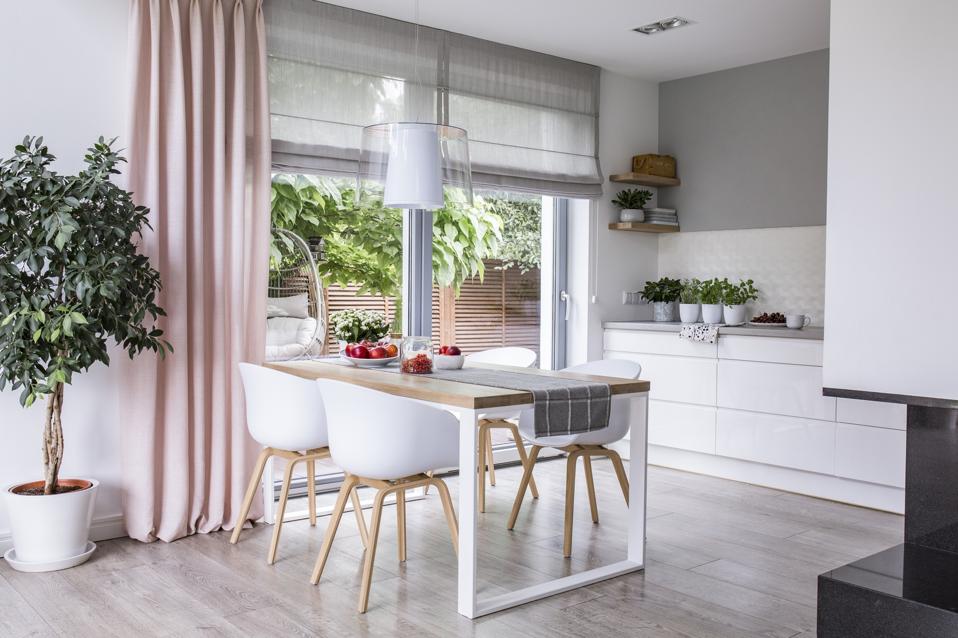
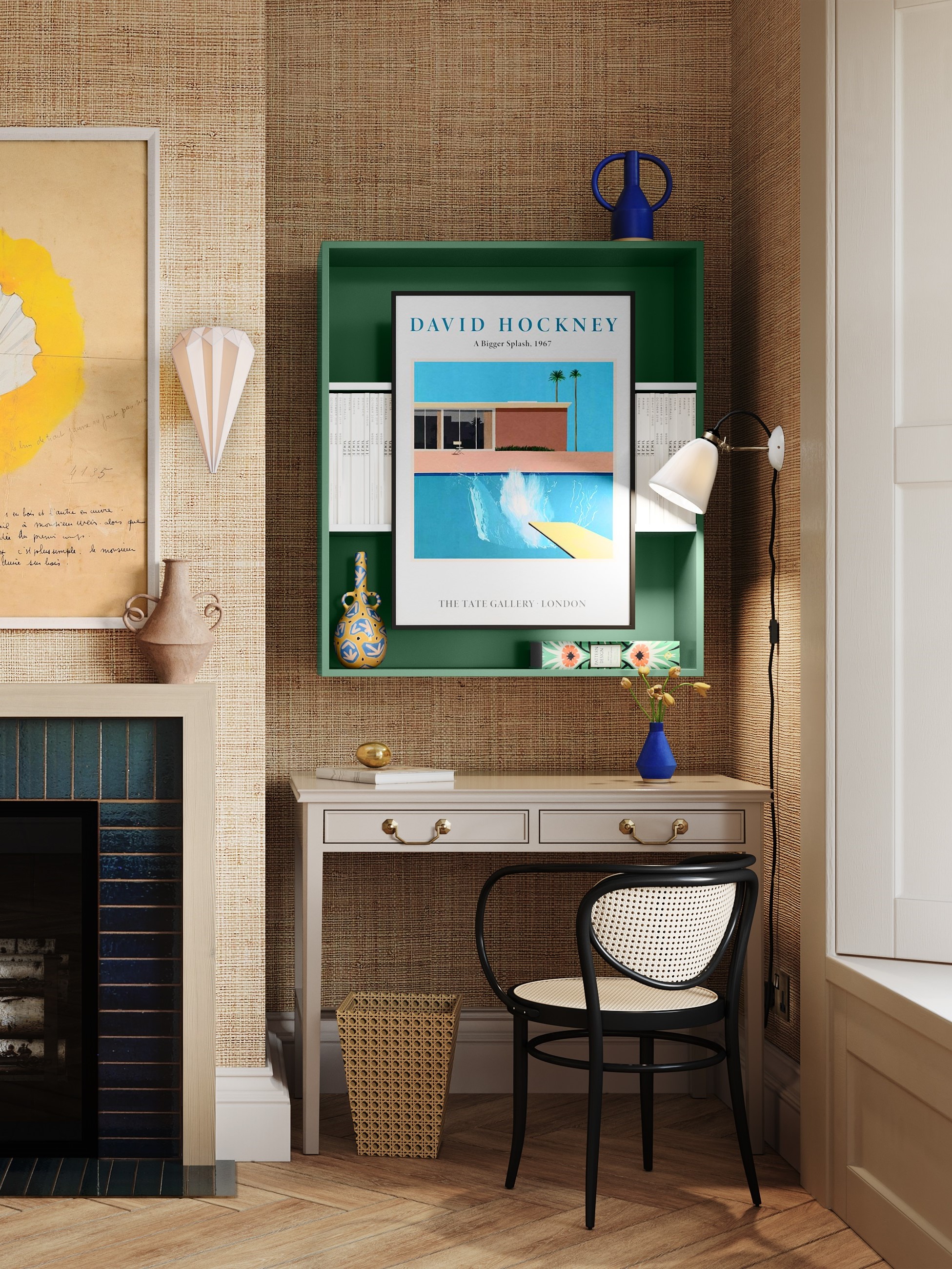
A bland effect resulting from an overly neutral color scheme is another mistake. While neutrals can provide an excellent foundation for transitional design, relying solely on them without introducing varied textures or subtle patterns can strip a space of personality. Incorporating diverse textures like natural fibers and old wood can add visual intrigue and warmth, even within a monochromatic palette, preventing the room from appearing sterile or uninspired.
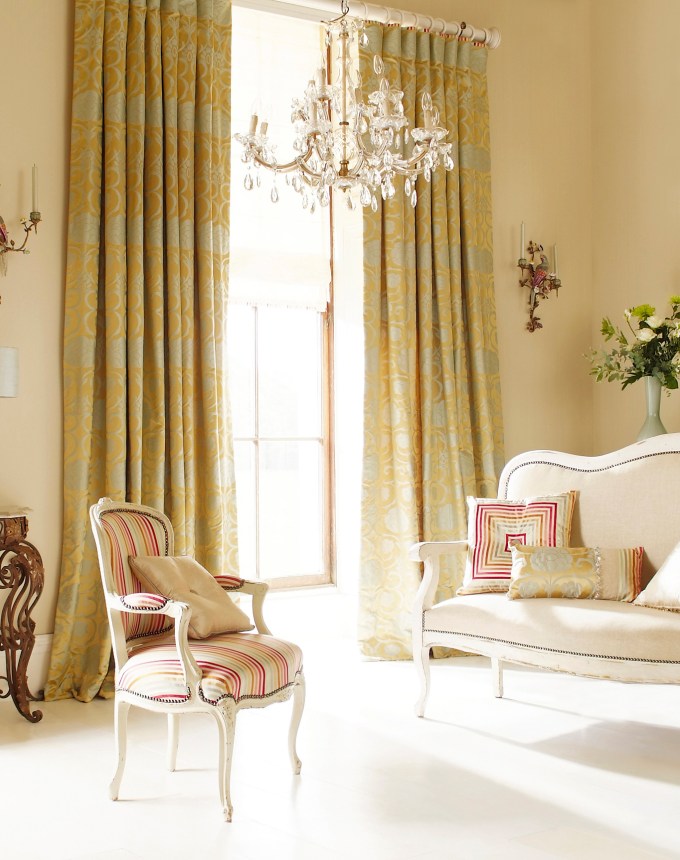
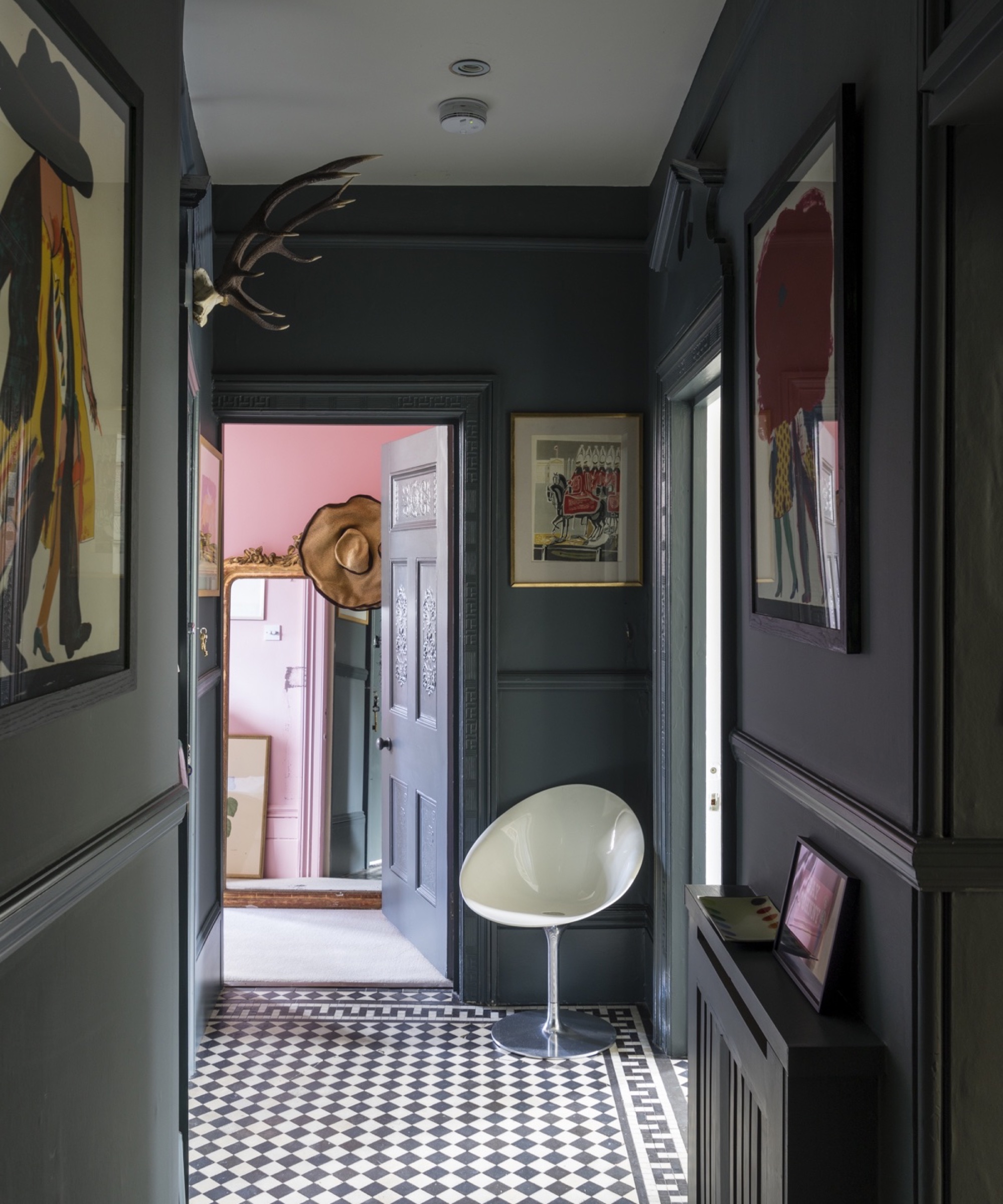
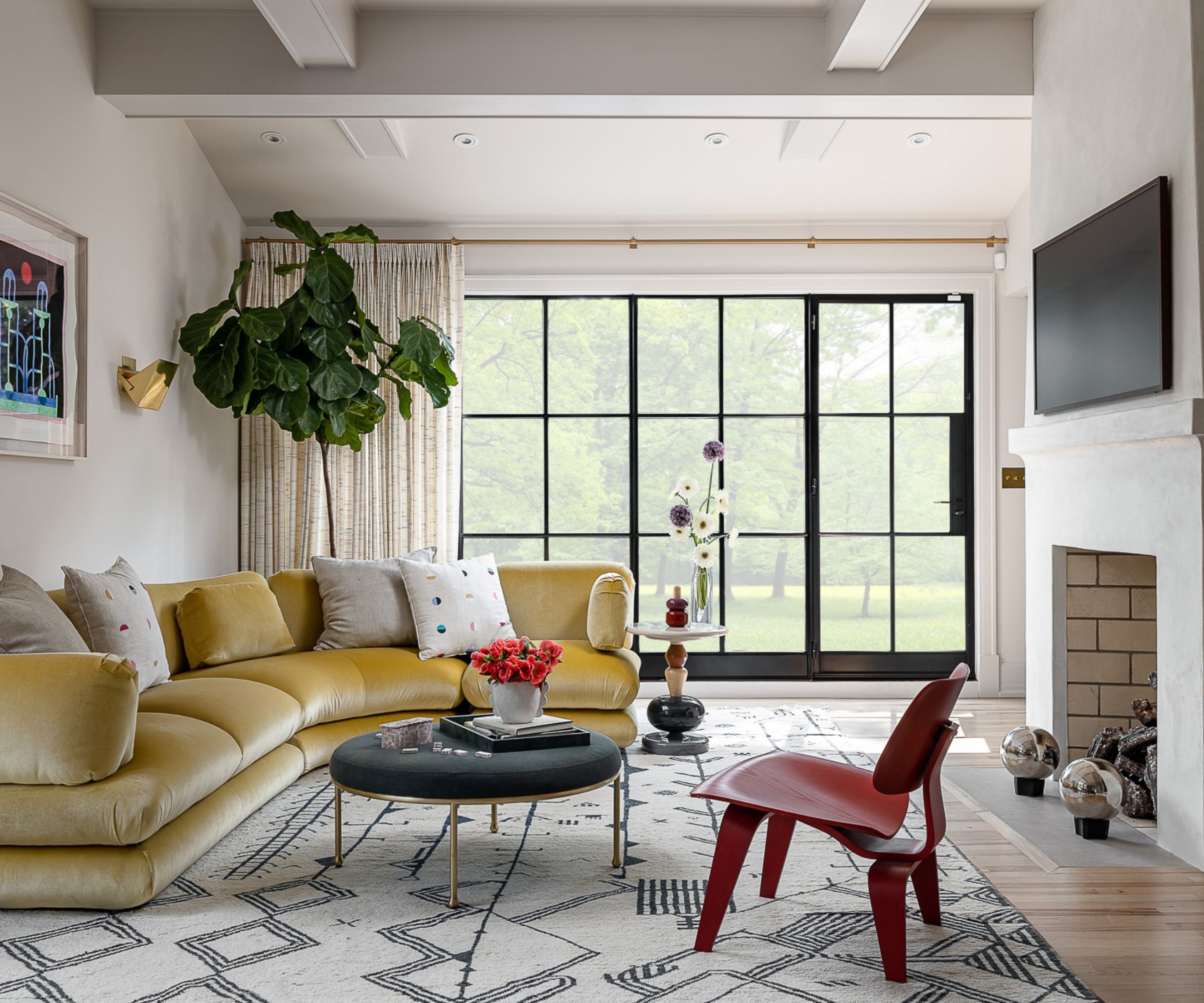
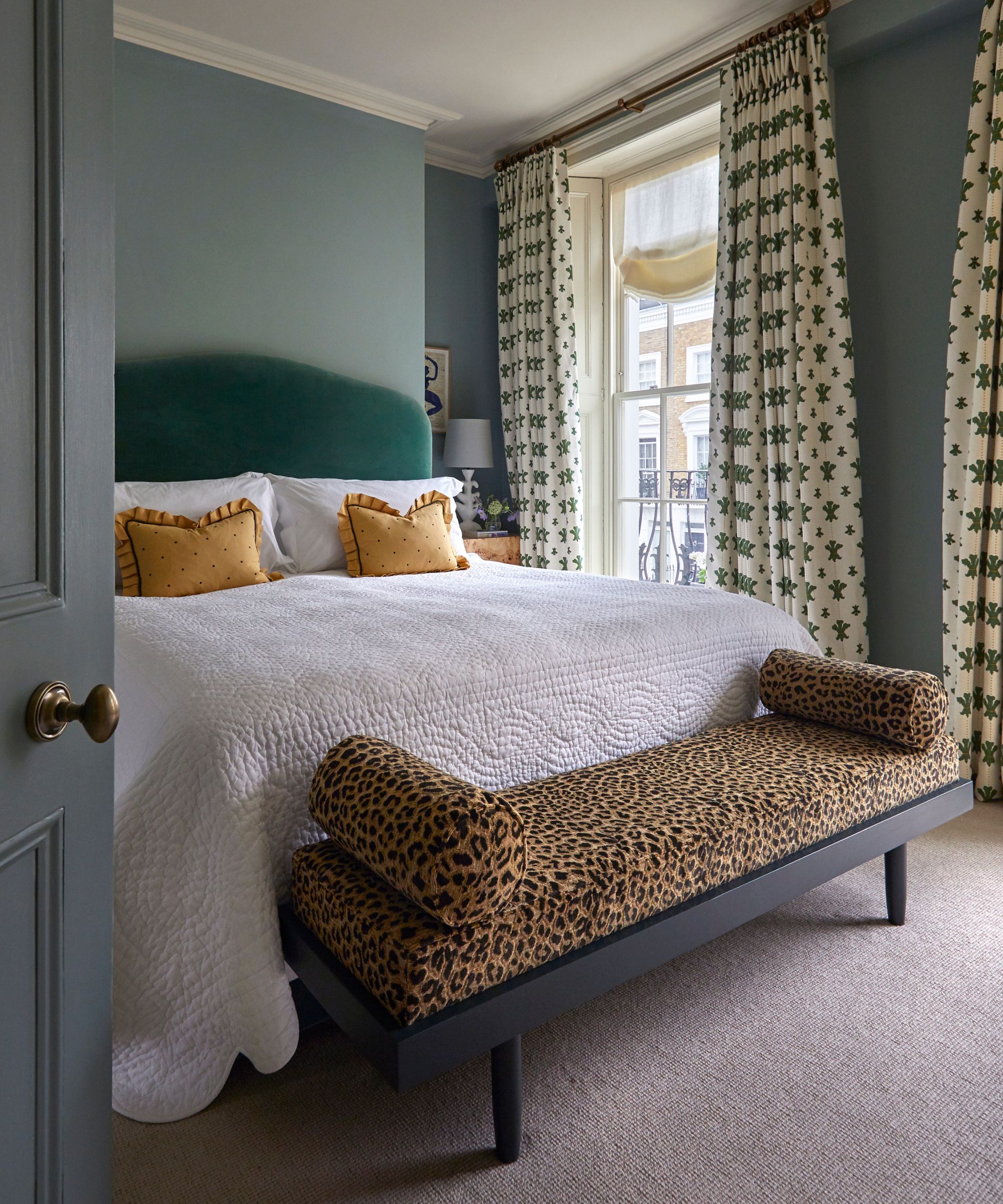
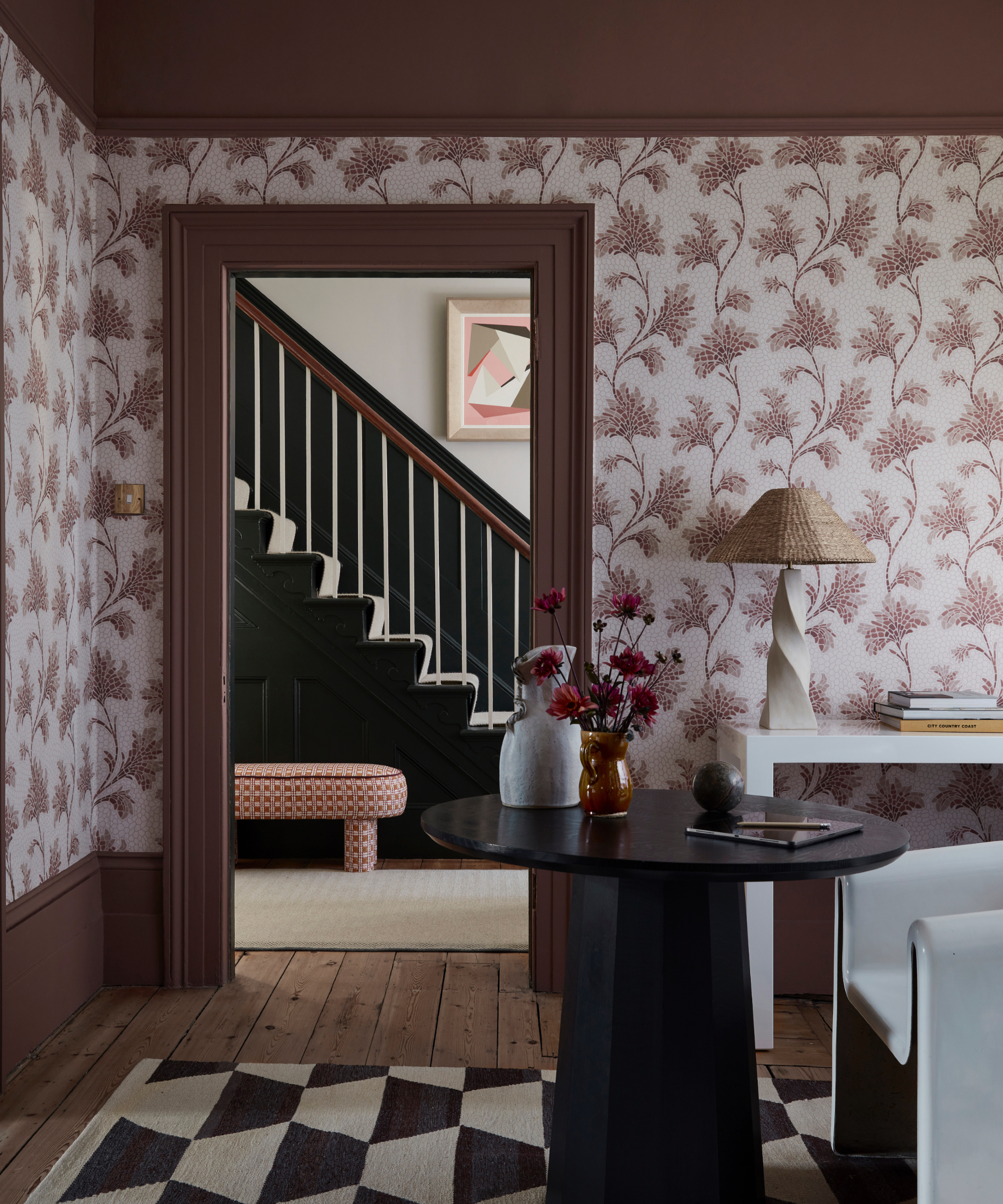
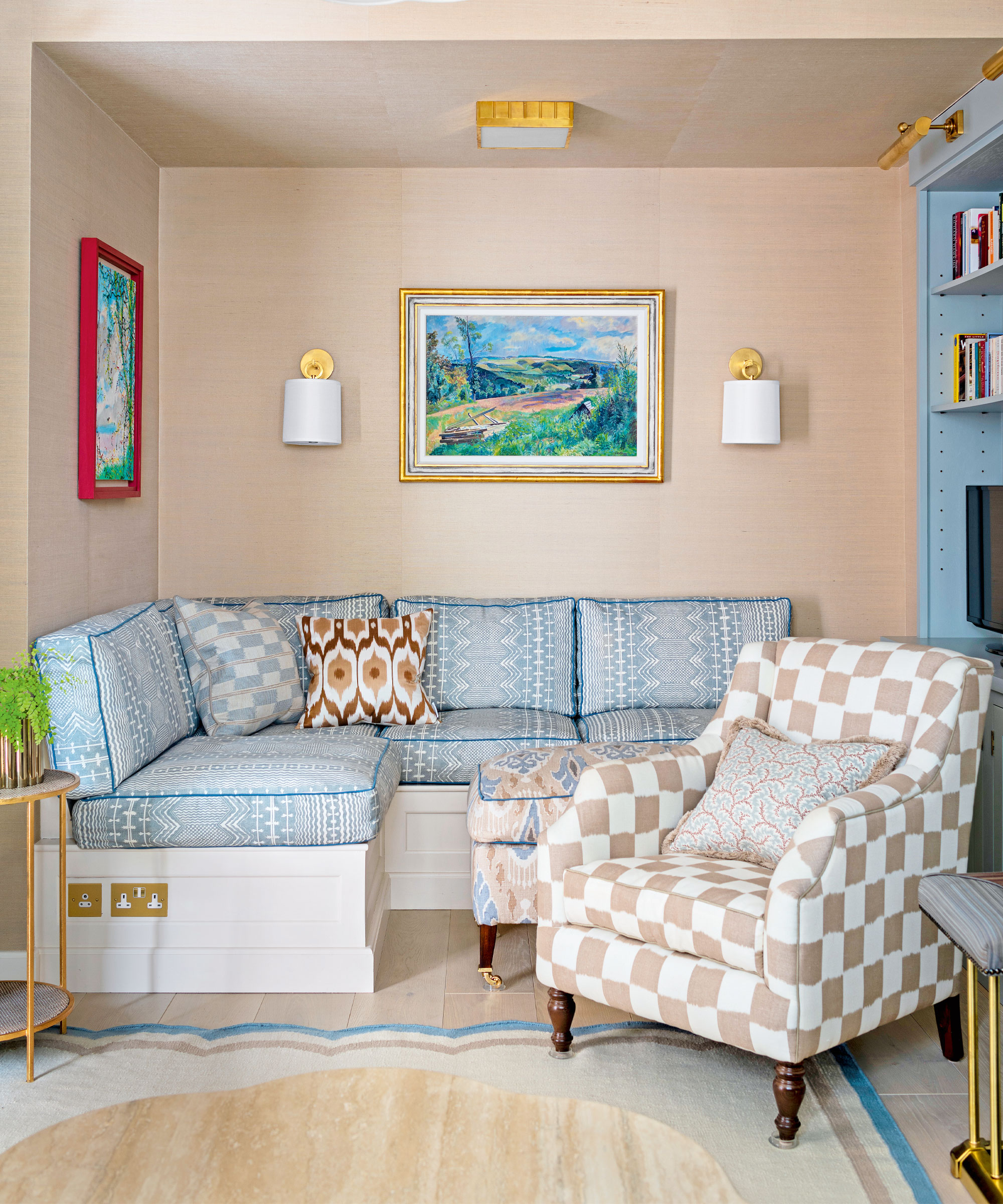
Conversely, color overload can also be detrimental. Using bold contemporary colors indiscriminately can overshadow the inherent elegance of transitional design. A more effective strategy involves maintaining a neutral base and using bold colors sparingly as accents. Current trends, such as the "Unexpected Red Theory," advocate for strategic pops of color, demonstrating how a vibrant hue can be introduced to a neutral scheme without overwhelming it, thus achieving the right balance.
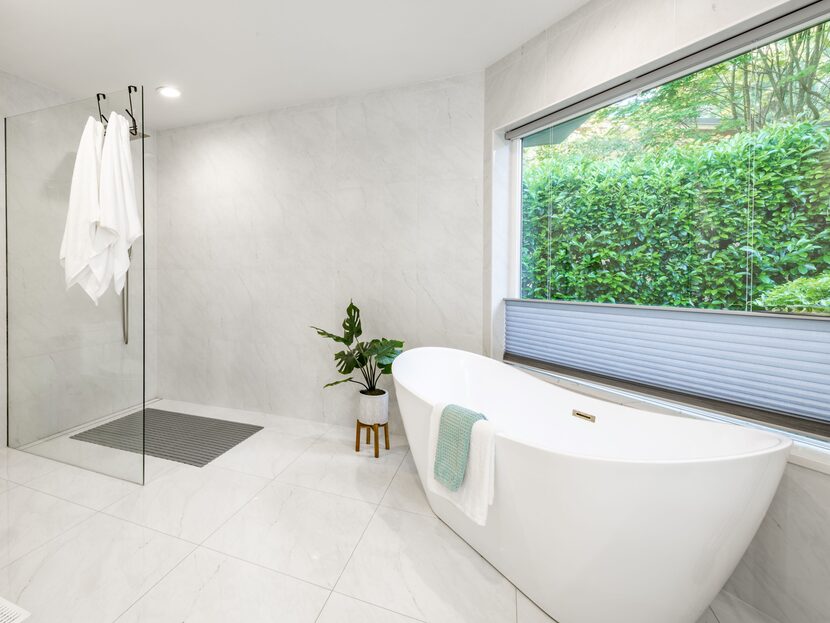
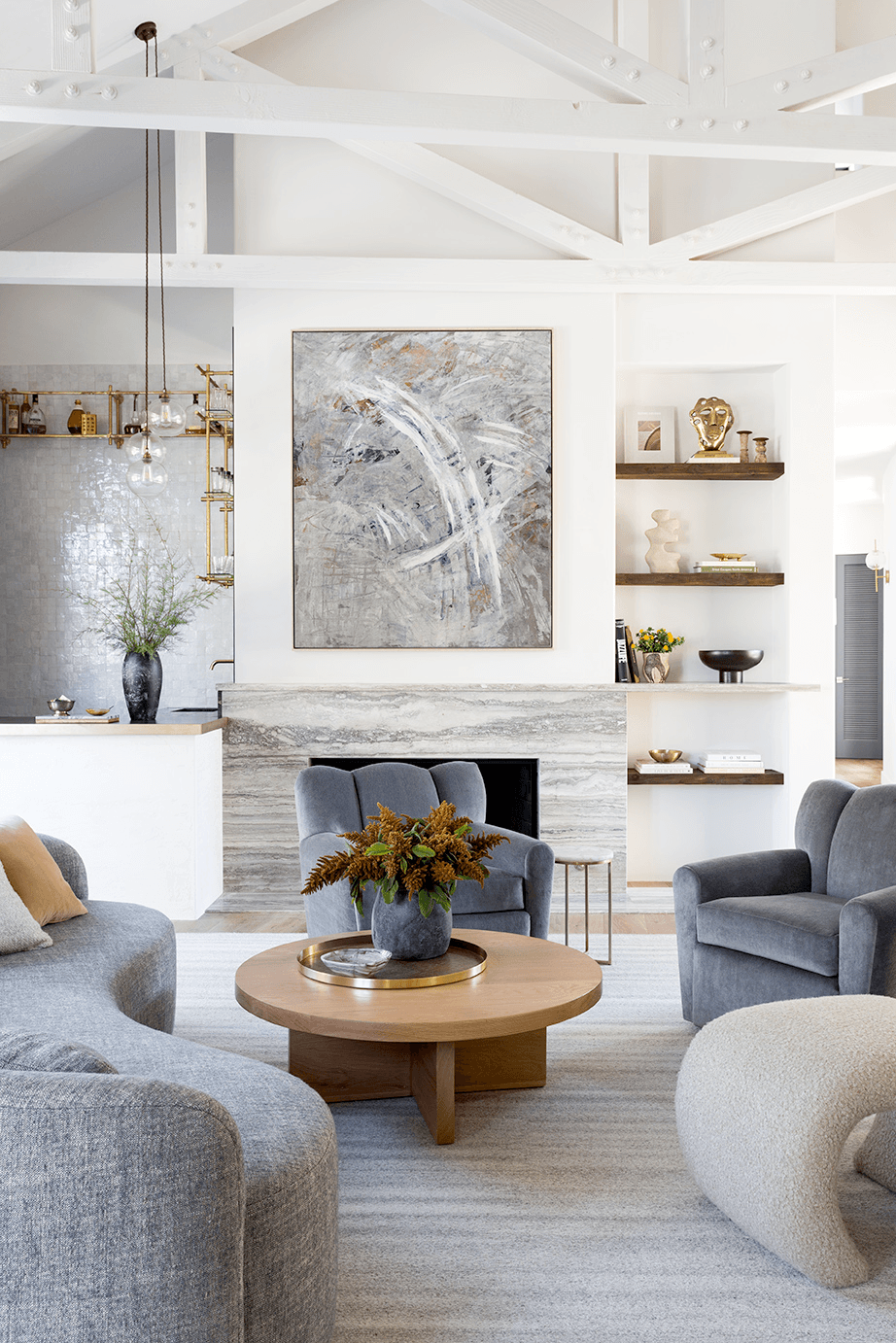
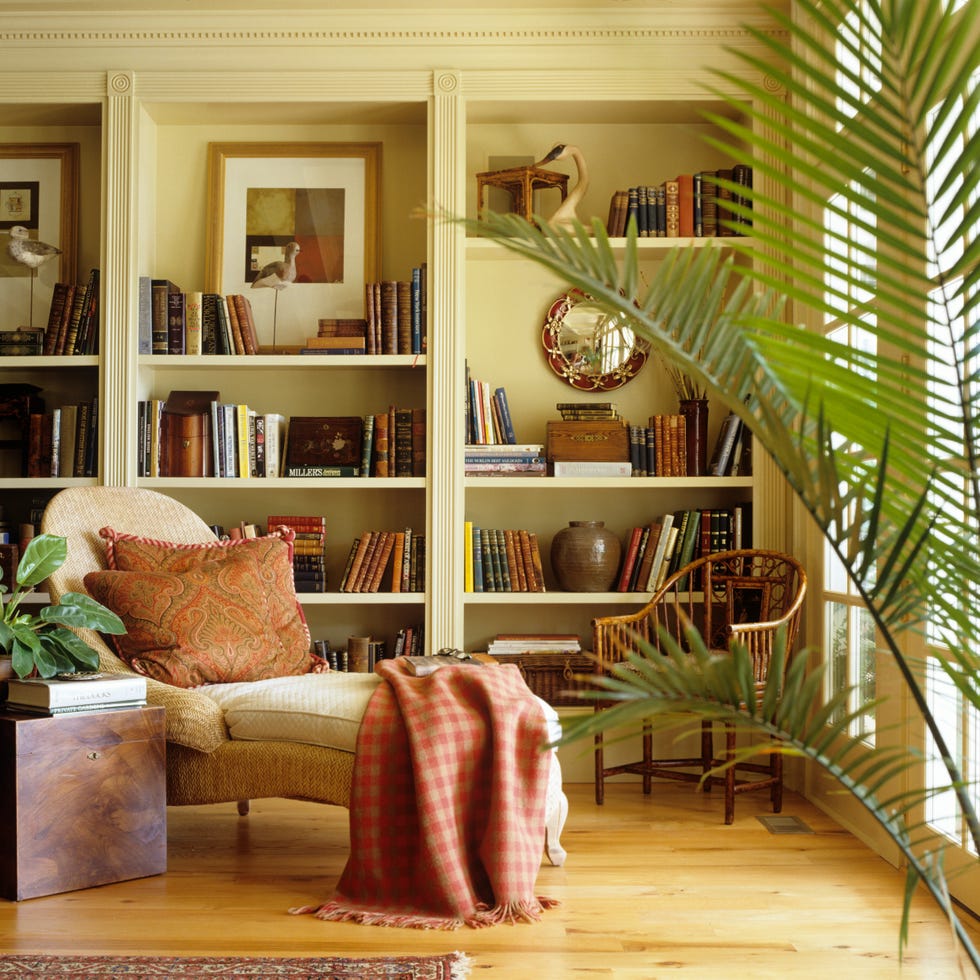
Finally, an excessive reliance on modern textures can create a sterile environment. Overly sleek materials can detract from the inviting warmth that transitional style aims to achieve. To counteract this, designers recommend incorporating a variety of textures, including natural fibers and aged wood, to add depth, warmth, and visual interest. This textural interplay ensures that the space feels rich and inviting, rather than cold or impersonal.
In essence, successful transitional design hinges on a deliberate and balanced approach to mixing traditional and modern elements. Avoiding these common mistakes by curating pieces over time, ensuring harmony in proportions, respecting original features, optimizing lighting, and employing thoughtful use of color and texture can lead to sophisticated and enduring interiors. The goal is to create a home that feels both current and timeless, reflecting a carefully considered blend of different eras and styles.
#TransitionalStyle #InteriorDesign #HomeDecor #DesignMistakes #ModernTraditionalMix #HomeStyling #DecoratingTips #LightingDesign #TransitionalStyle #InteriorDesign #HomeDecor #DesignMistakes #ModernTraditionalMix #HomeStyling #DecoratingTips #LightingDesign
0 comment in total
 No comments yet
You may also like
How to Achieve Transitional Style — 14 Designer Tips to Capture the Trend Taking Over Interiors

5 entryway mistakes we all make – and how designers suggest we avoid them
7 Design Mistakes Interior Designers Always Notice

5 Things You Should Never Do When Buying New Furniture, Designers Spill

Here’s What Transitional Style *Actually* Means (and 6 Tips to Nail the Look)
Transitional Design: Everything You Need to Know About This Traditional and Modern Style

What is transitional design? Get the scoop on the trend from a local expert
10 Interior Design Mistakes Experts Avoid In Their Own Homes
7 home design trends to skip (and what to do instead)

7 Decorating Mistakes That Always Make Interior Designers Cringe
7 powder room design mistakes to avoid – and what to do instead
Designers Share 4 Common "Mistakes" You're Making in Your Living Room—and How to Correct Them

What Is Transitional Style? Designers Share Why They Love It and How to Get the Look
5 outdated entryway trends to wave goodbye to, and what to do instead

How to evolve your home as trends change – 7 designer secrets to having an adaptable style
Should you follow interior design trends? Do they create a stylish home or one that will date fast?
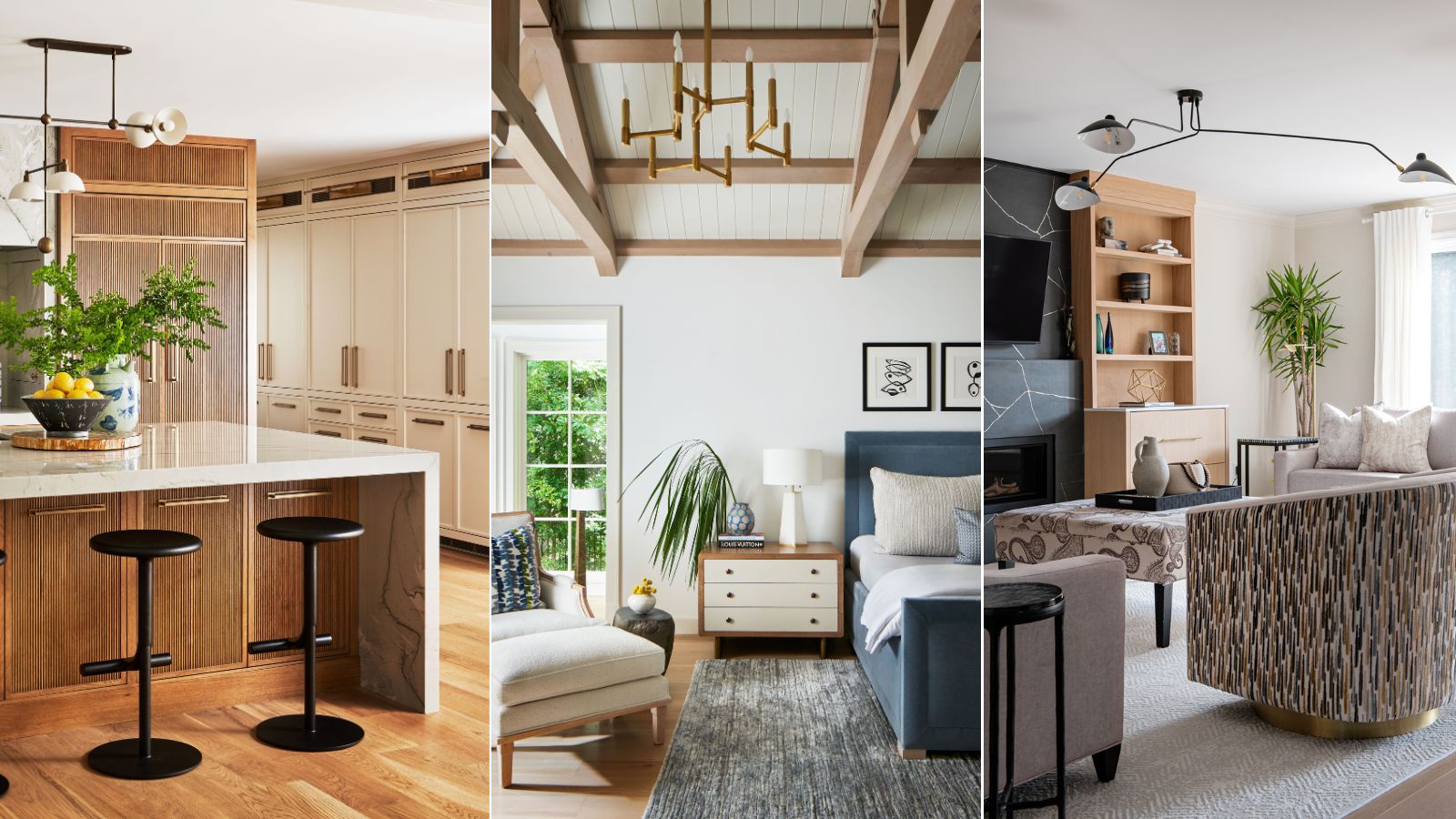
9 transitional style decorating rules – the ultimate checklist to channel the perfect old-meets-new look
9 transitional living room ideas that nail this old-meets-new style
10 beautiful transitional color schemes for every room in the house
A serial home flipper with over 25 years of experience shares 7 common renovation mistakes people make