What Is Transitional Style? Designers Share Why They Love It and How to Get the Look
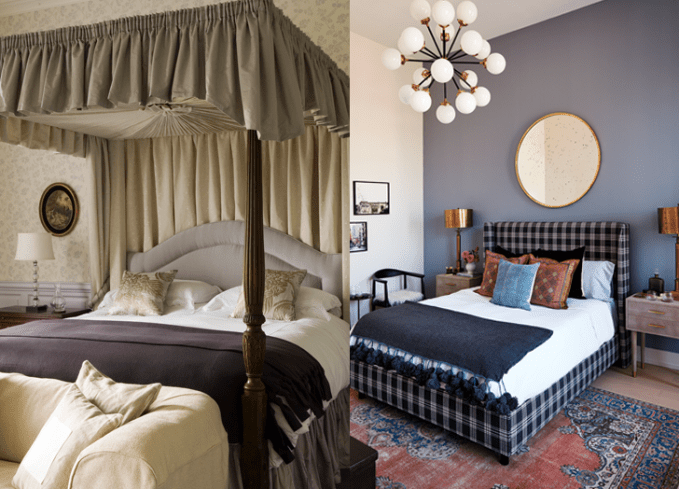
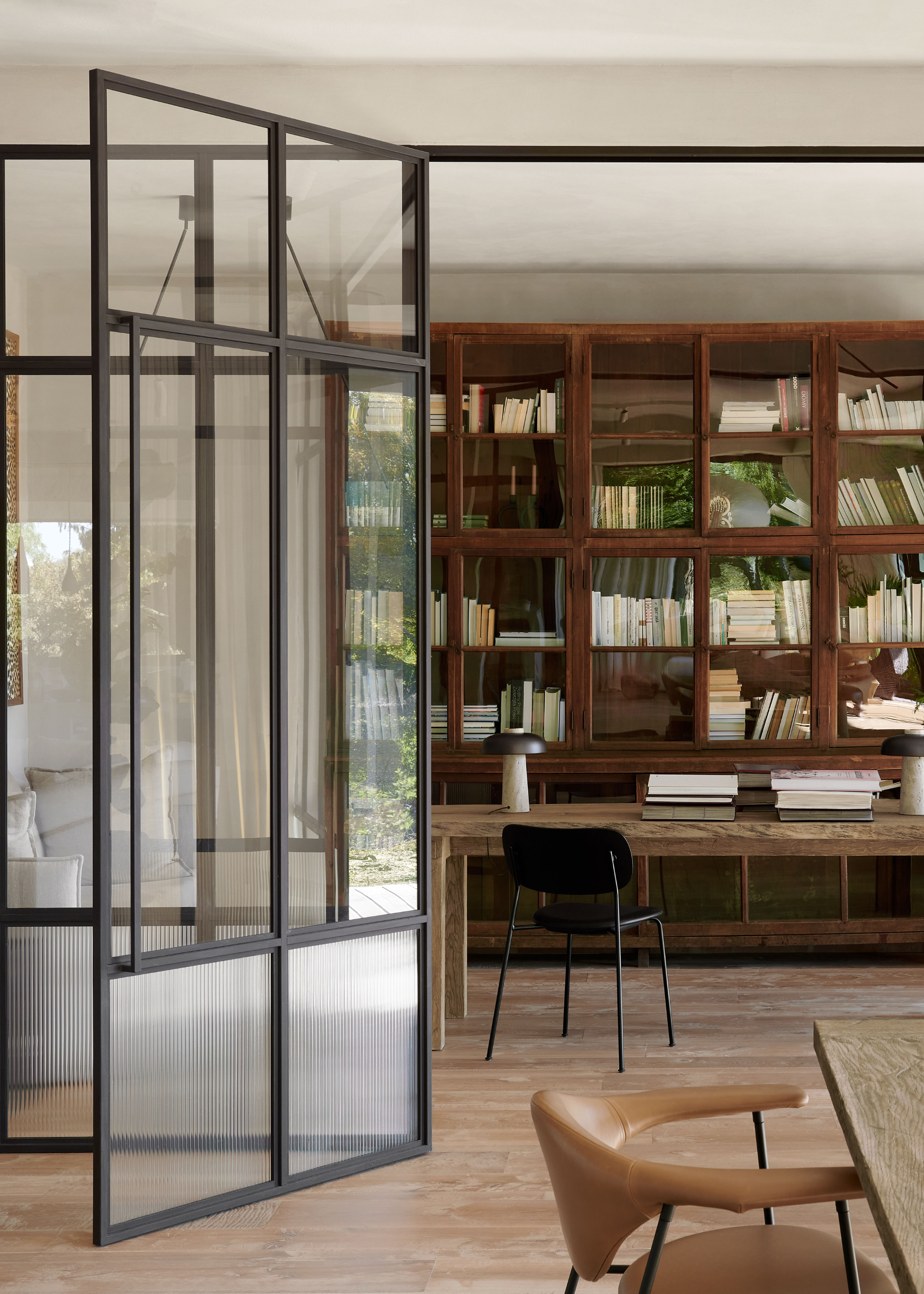
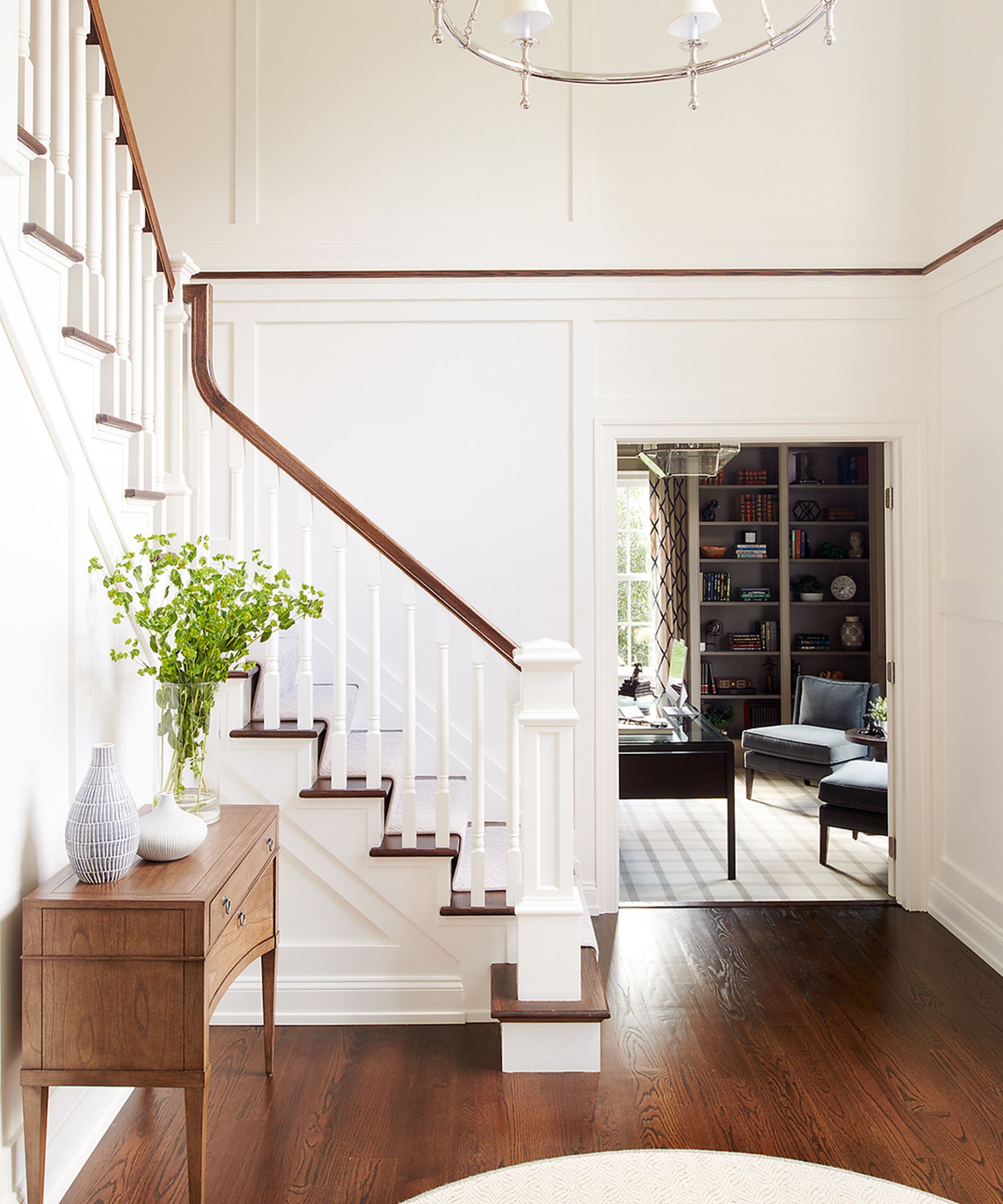
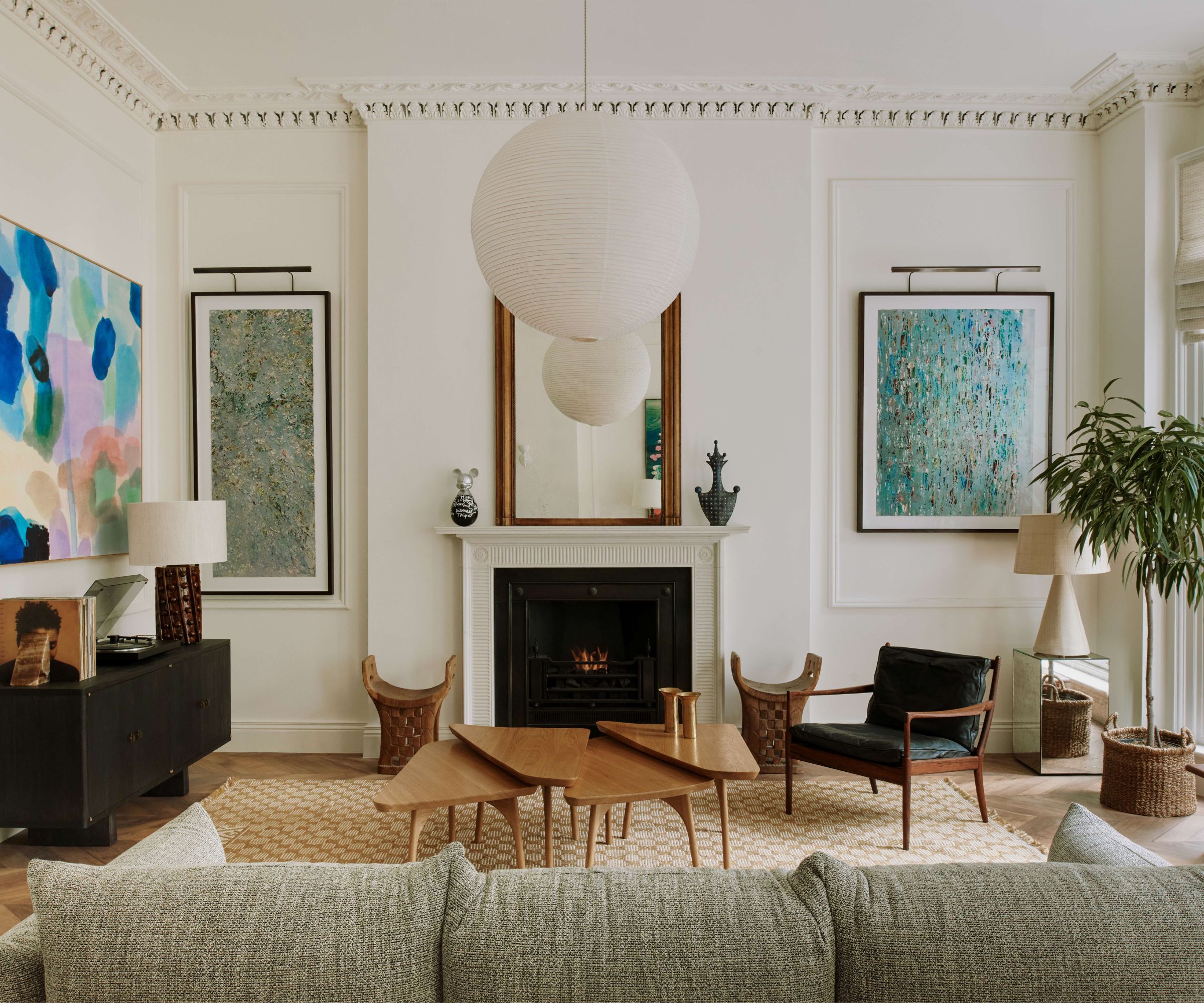
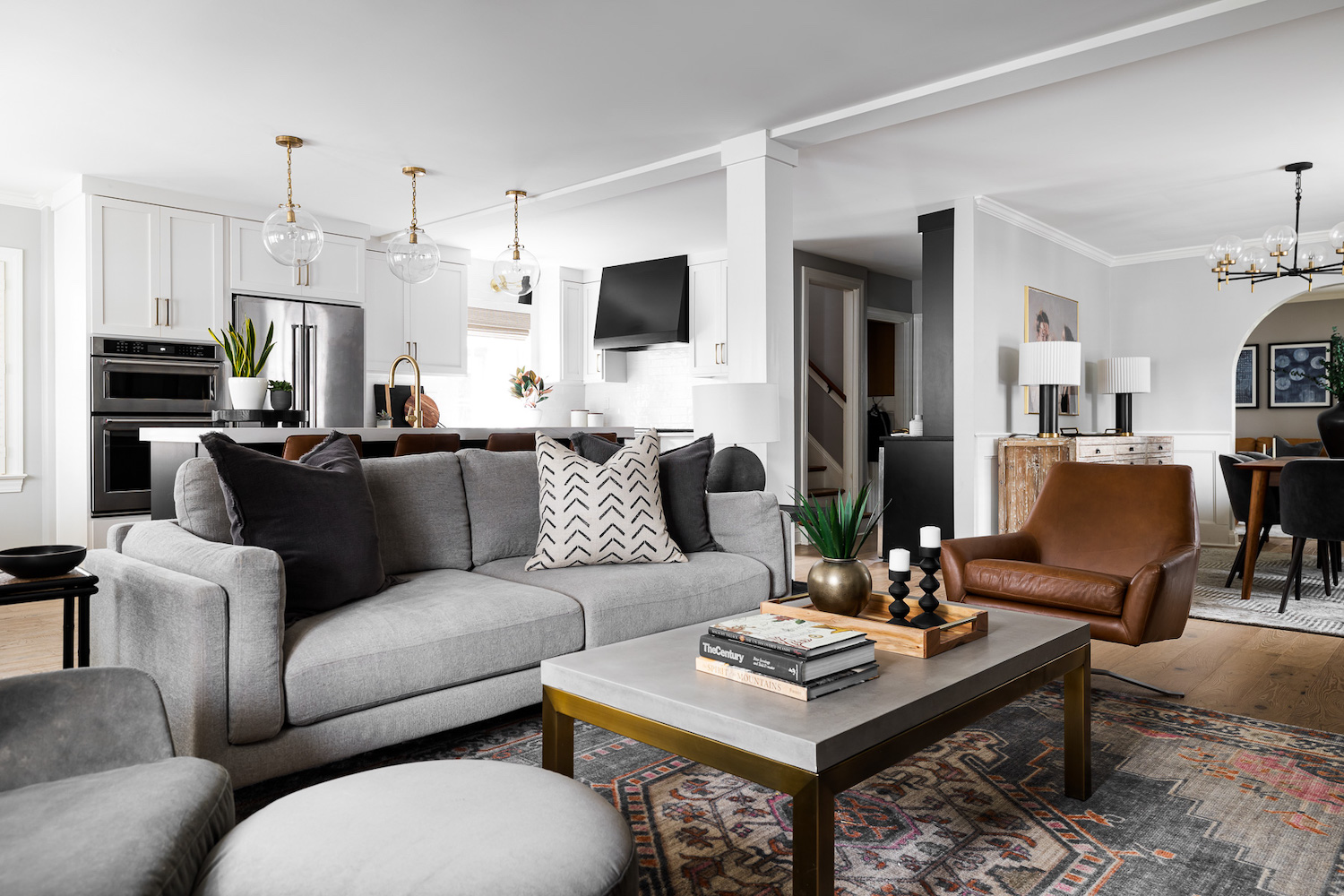
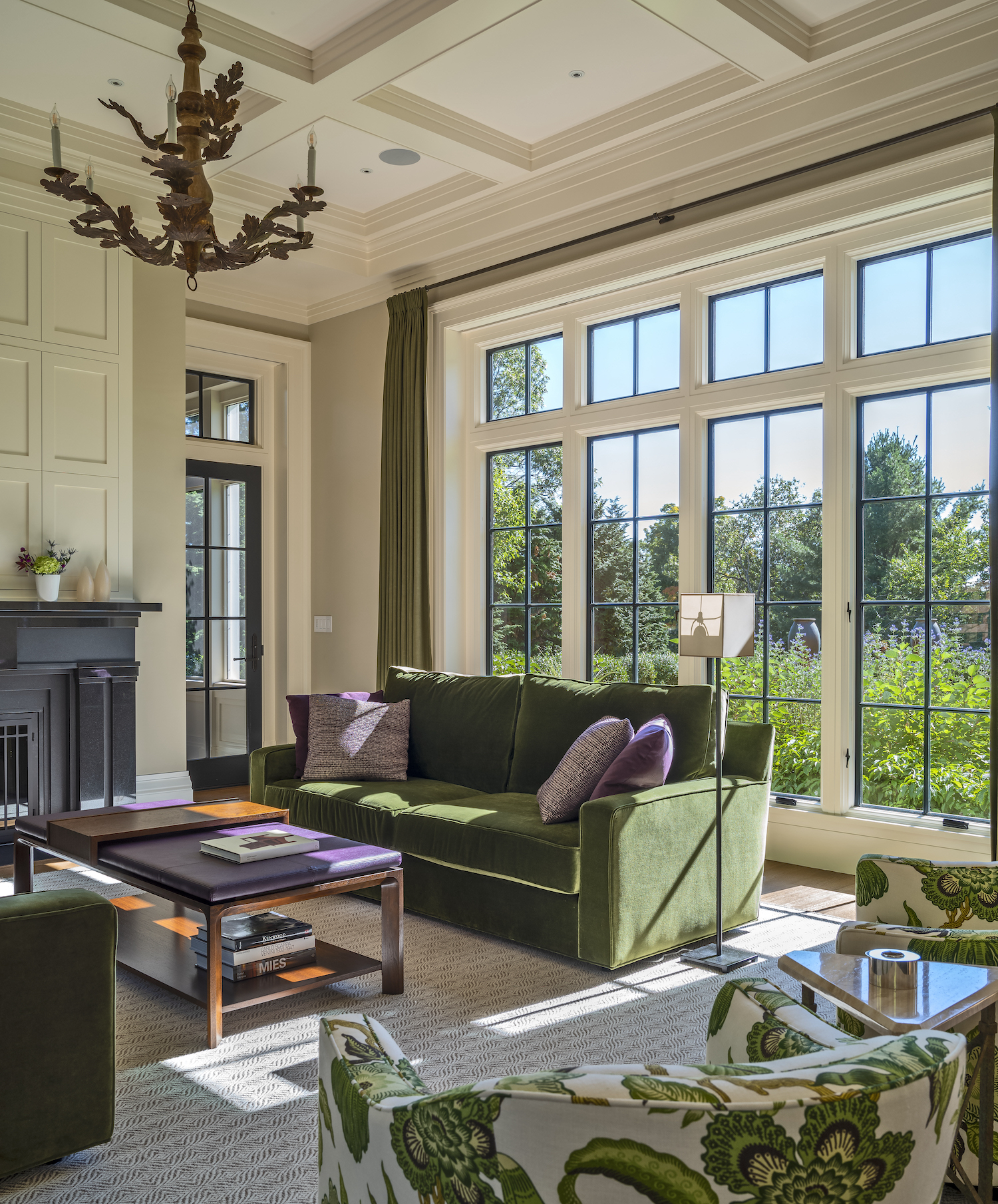
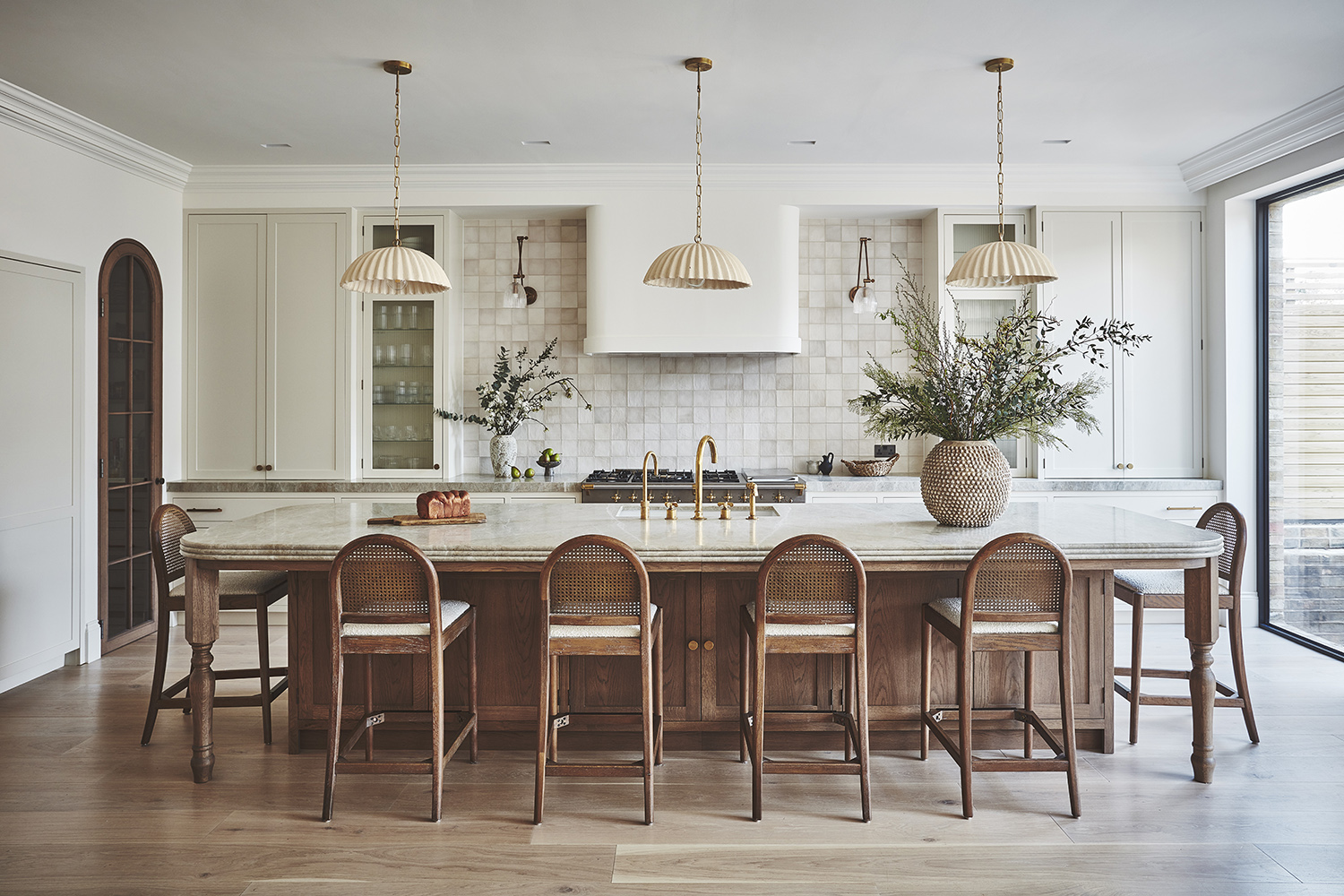
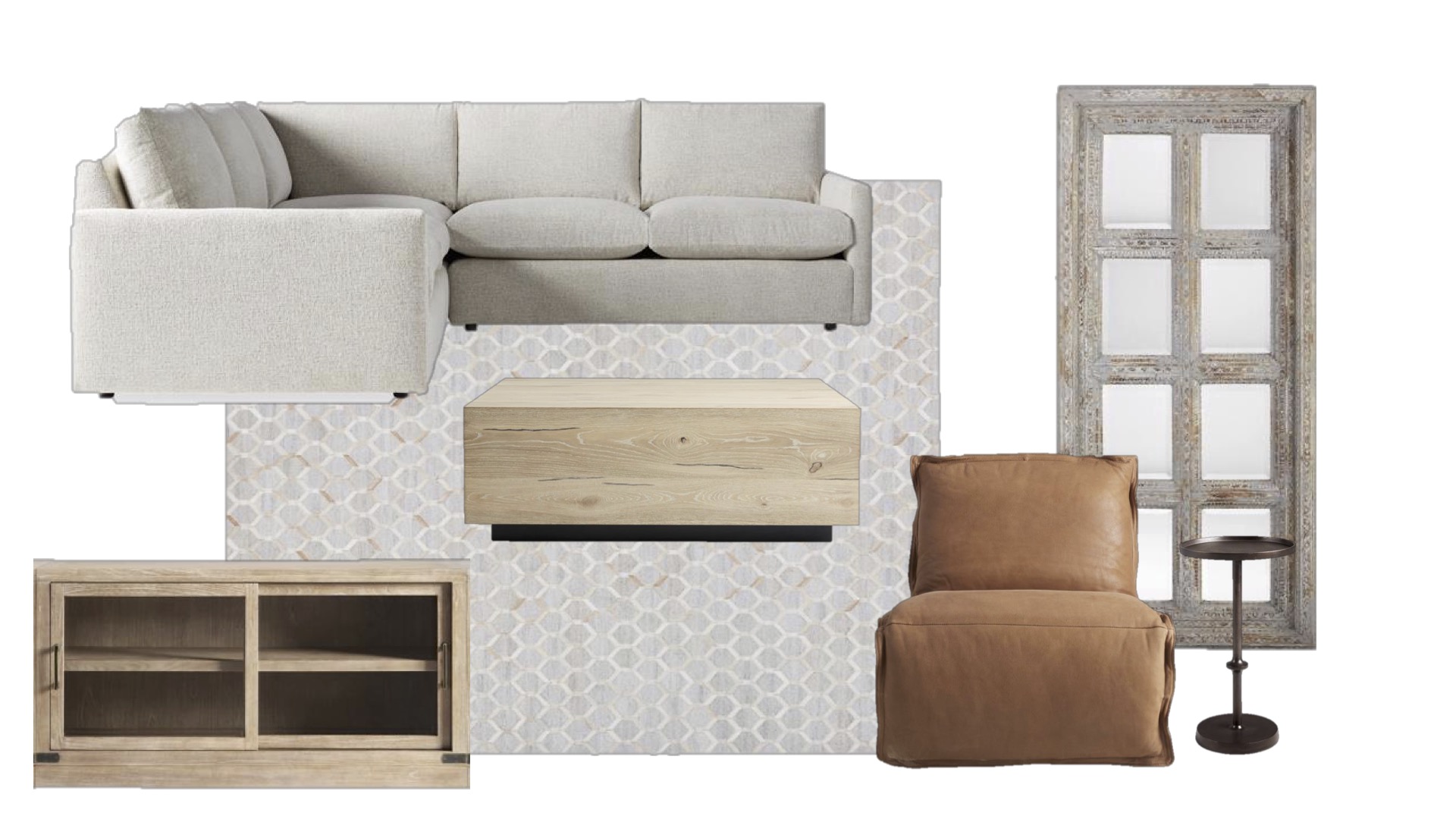
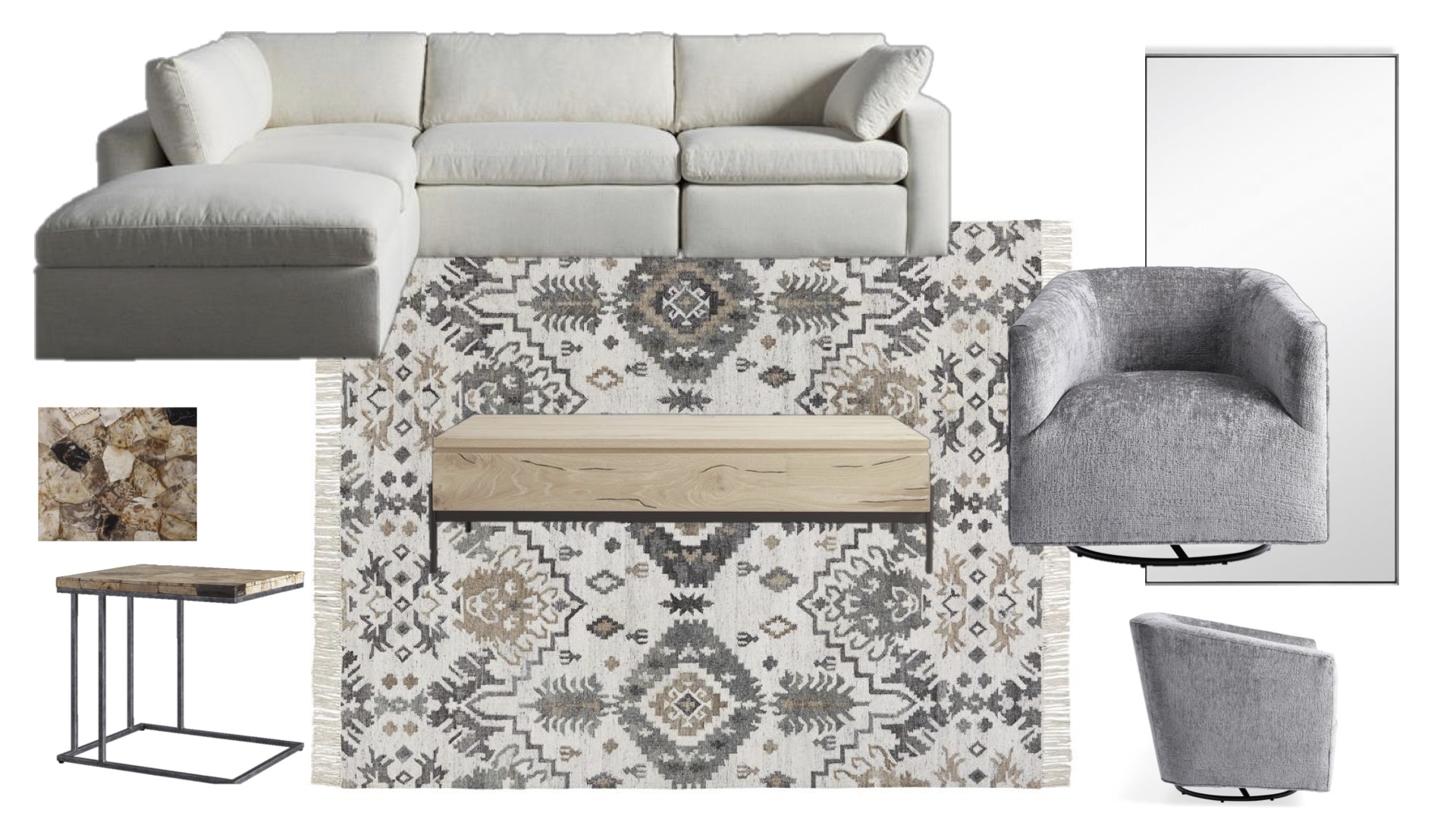
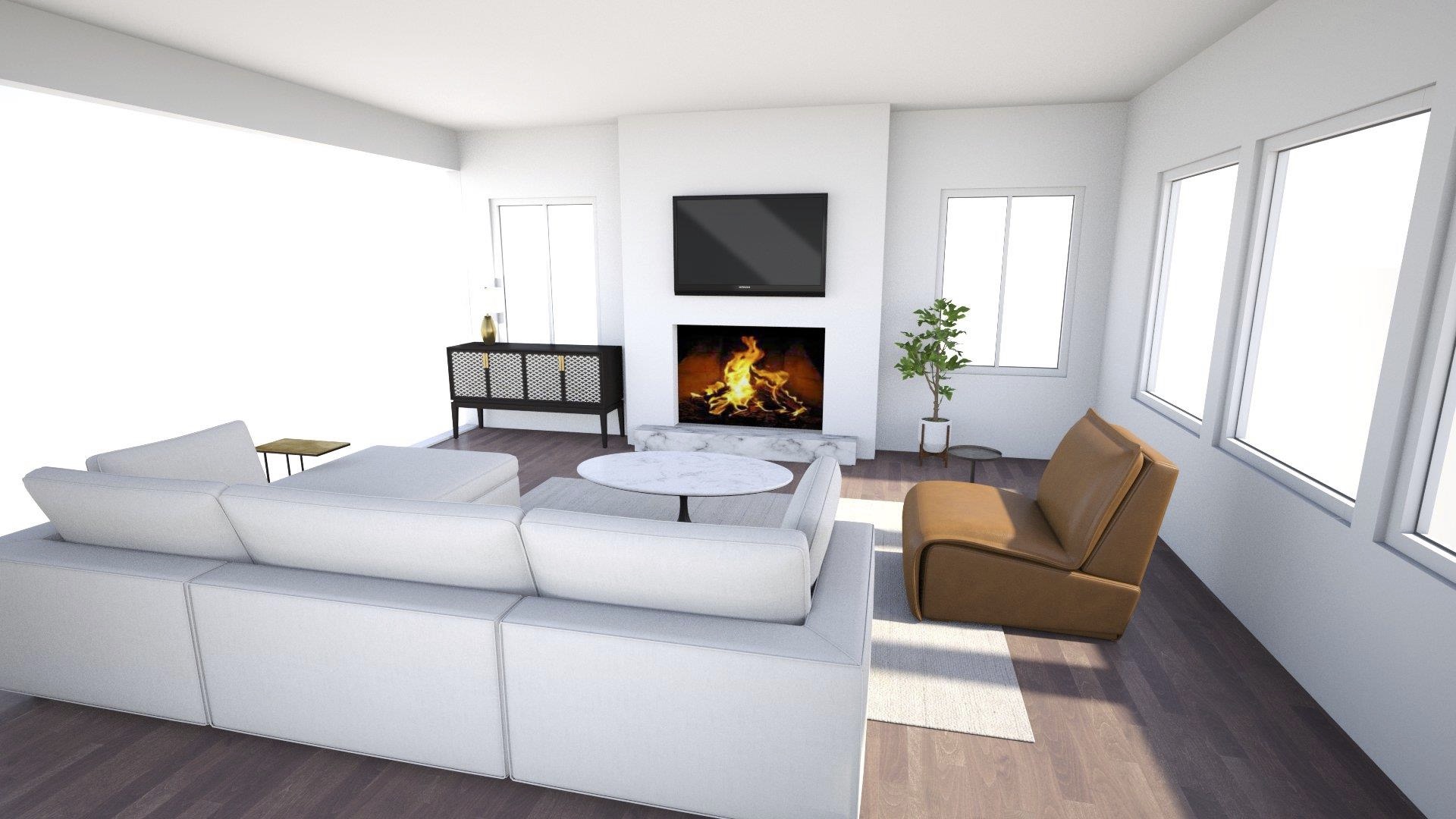
Transitional design is a popular interior style that blends elements of both traditional and modern aesthetics to create timeless and welcoming spaces. This style, which emerged in the 1950s as a contrast to stark minimalism, emphasizes comfort and personal touches, often incorporating sentimental items like family heirlooms. Designers Meredith Heron, Mimi Meacham, and Colleen Bute Bennett highlight its versatility and harmonious nature, noting its ability to combine diverse periods and finishes seamlessly.
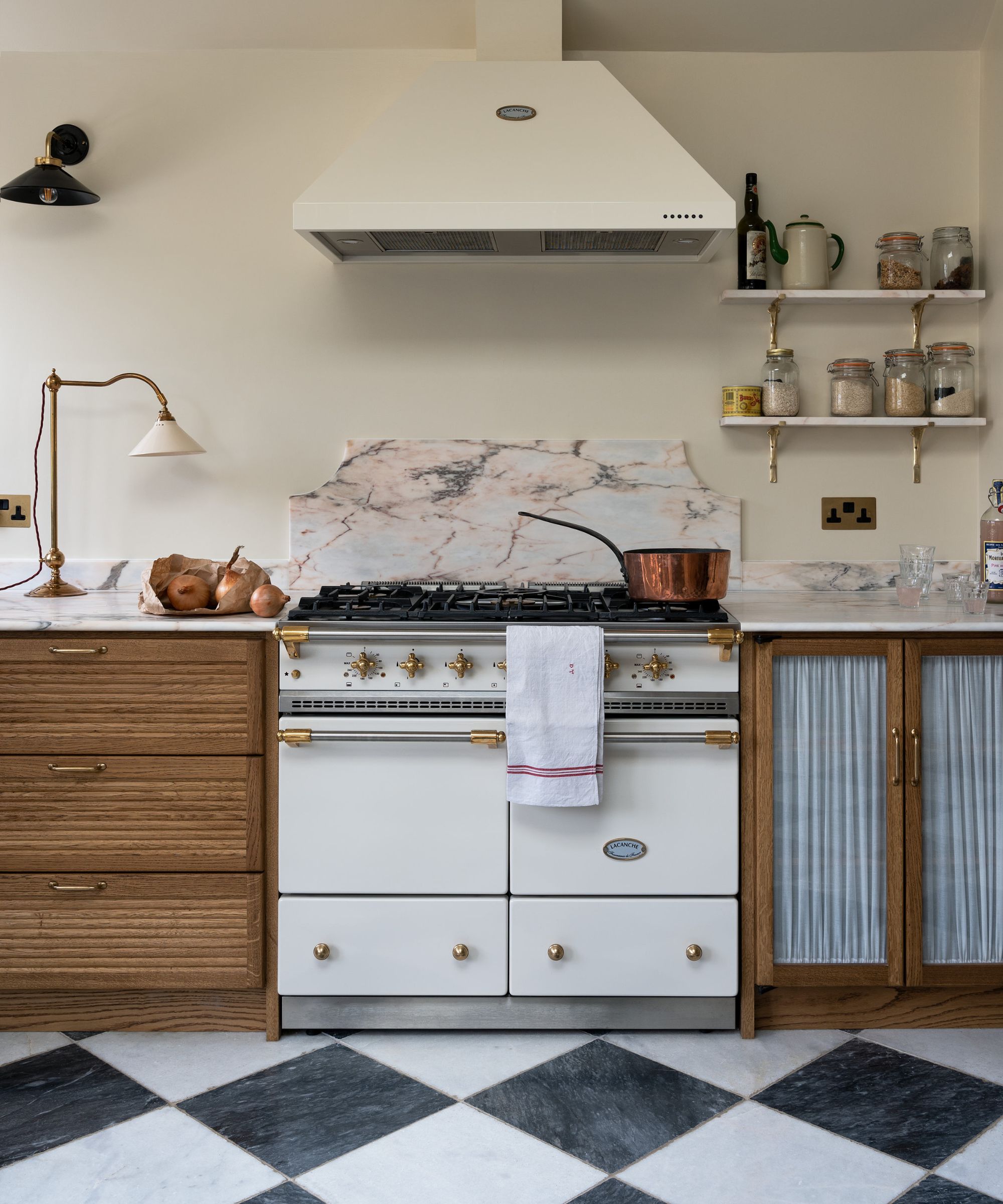
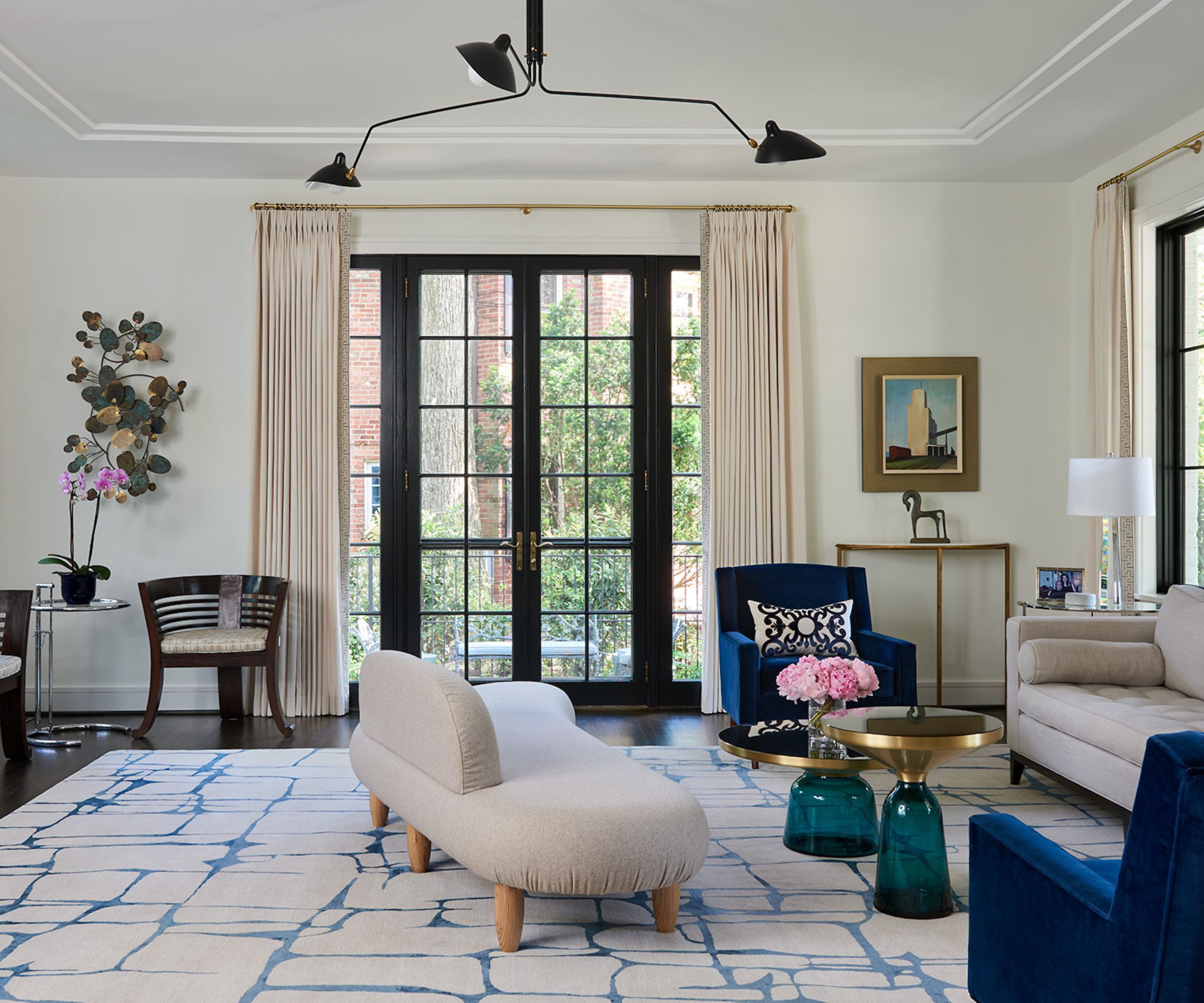
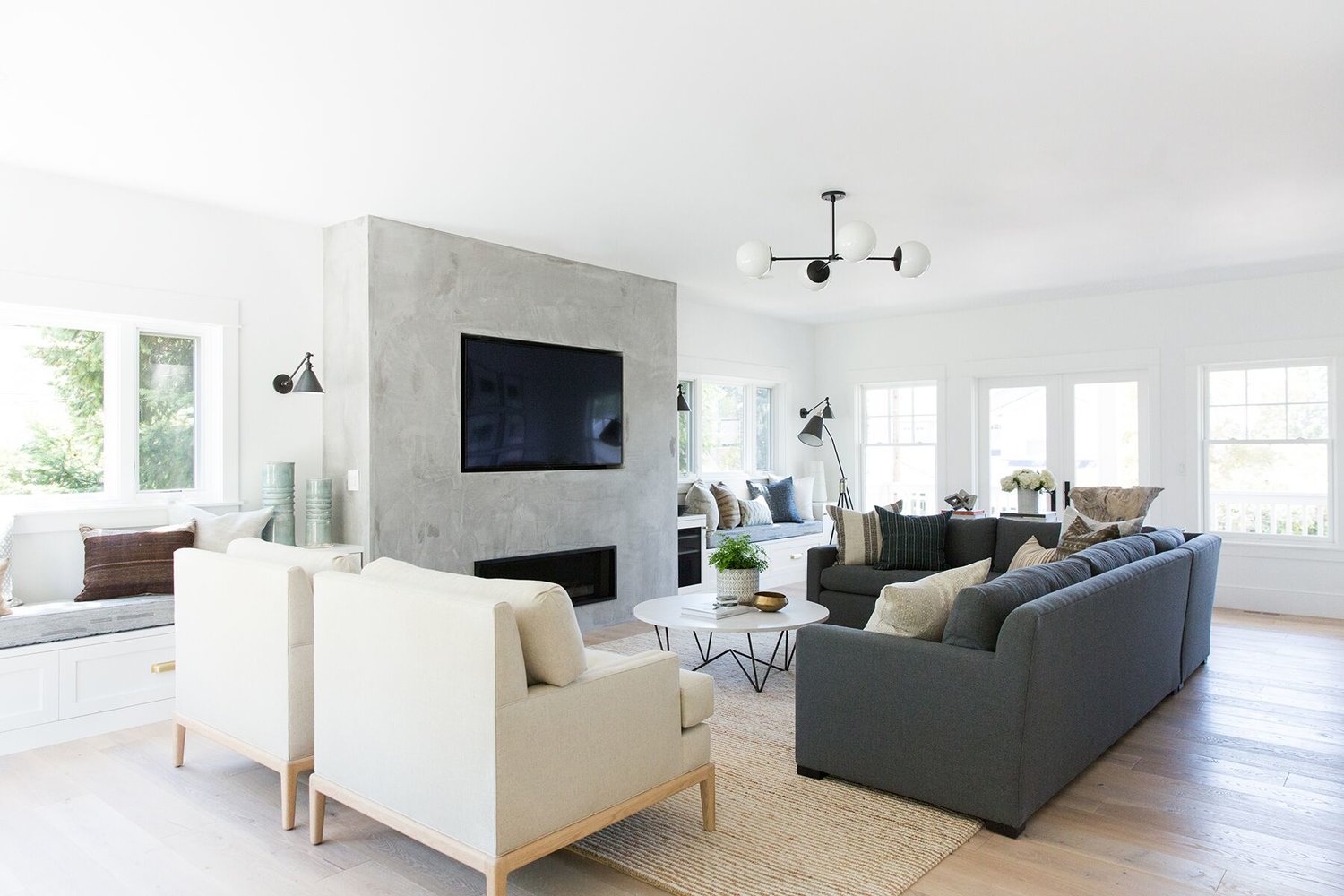
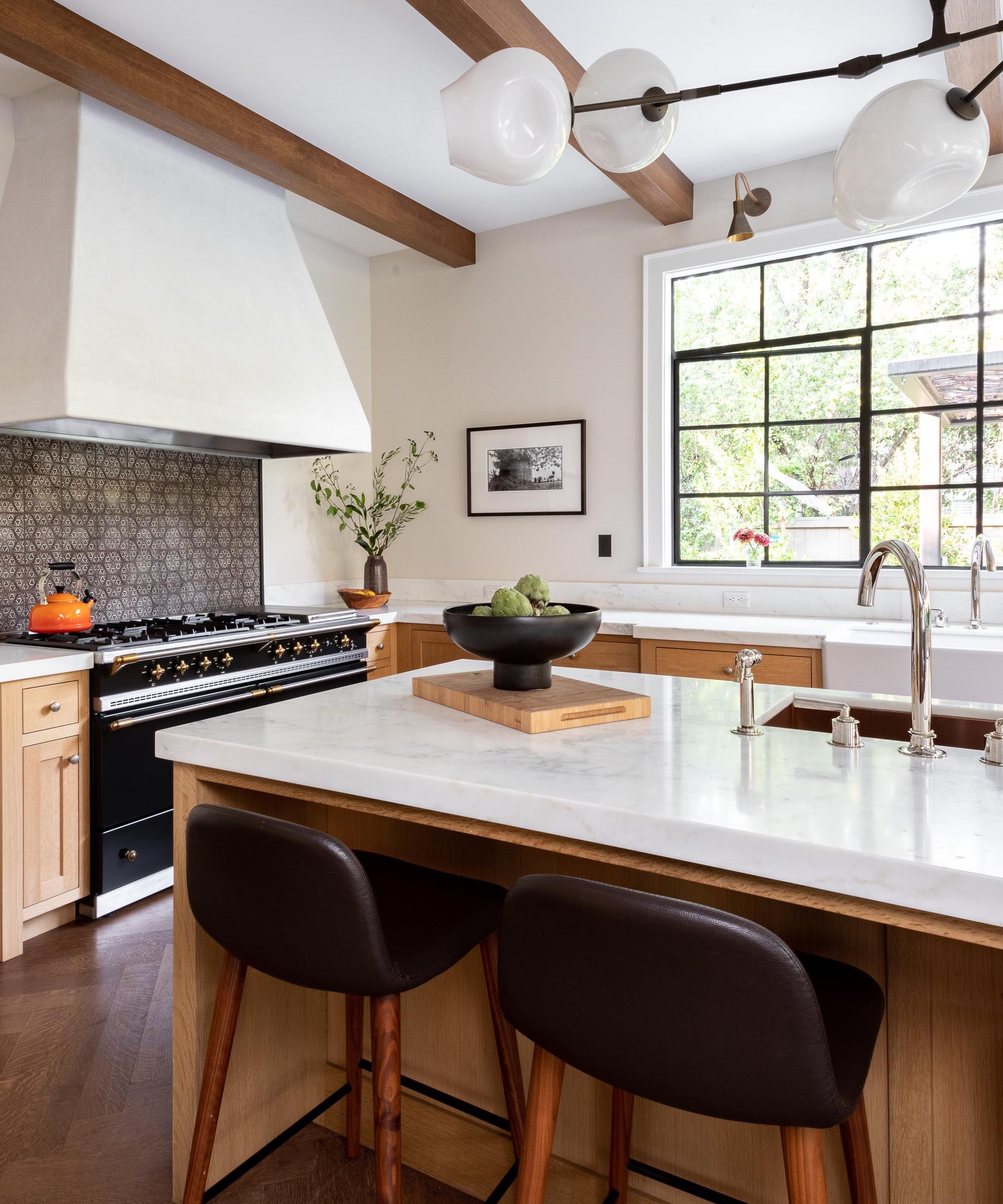
Key characteristics of transitional style include a thoughtful combination of period styles, where furnishings, fixtures, and decorative objects from various eras—such as Art Deco, Mid-century Modern, minimalism, and Victorian—are integrated. The emphasis is on complementary elements, ensuring they work together rather than clashing, with careful attention to scale and proportion. Heron advises against exact color matching to achieve this blended look.
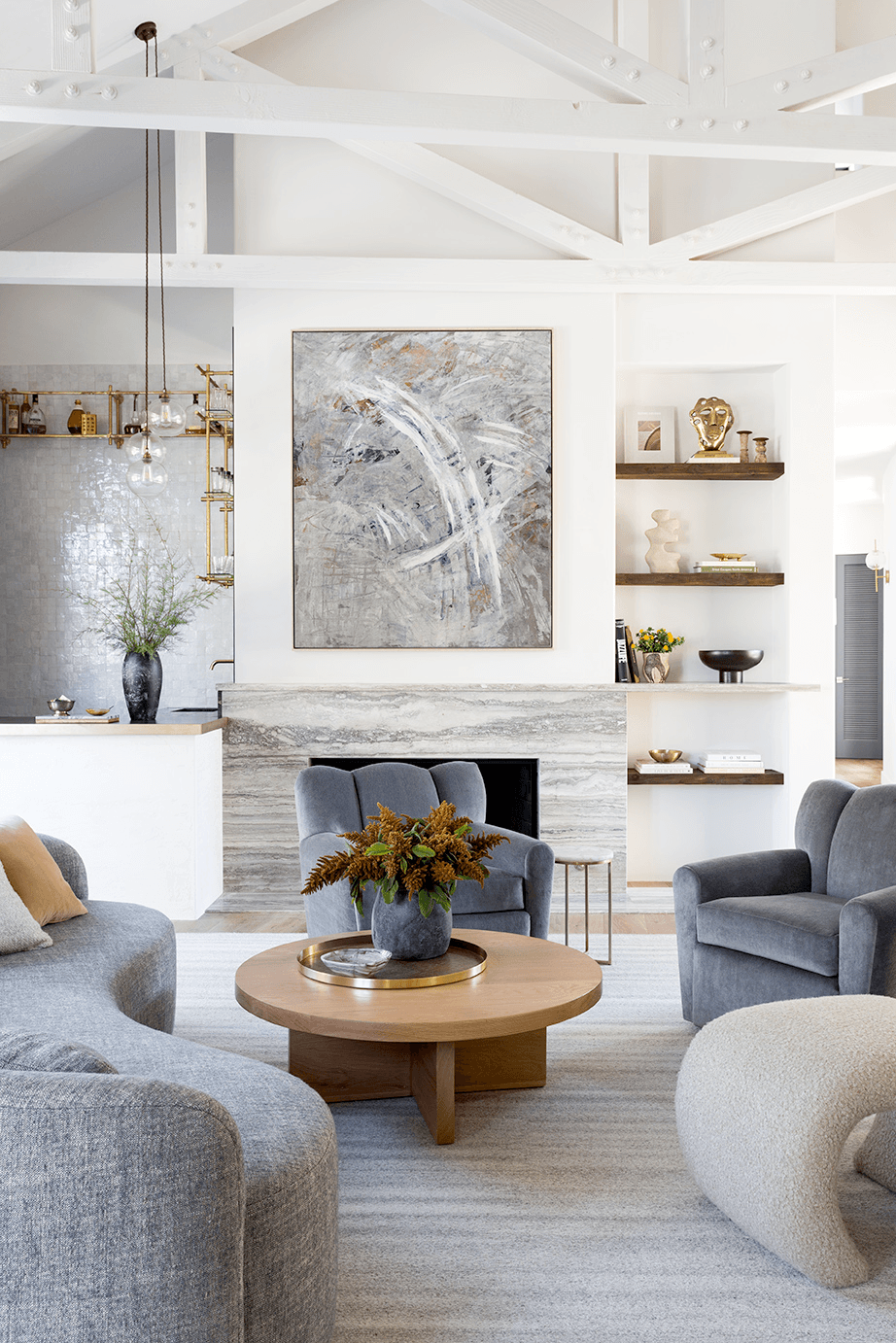
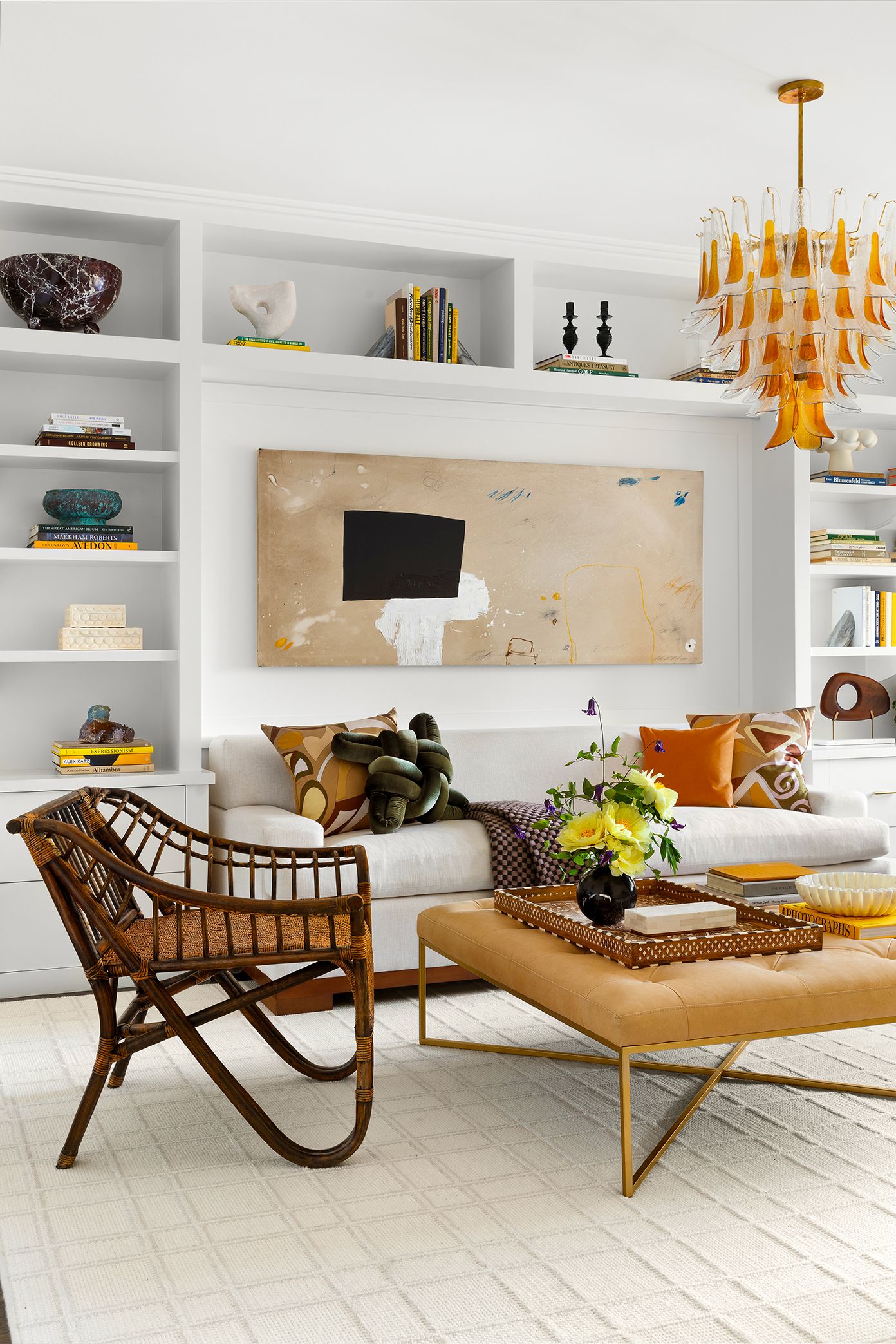
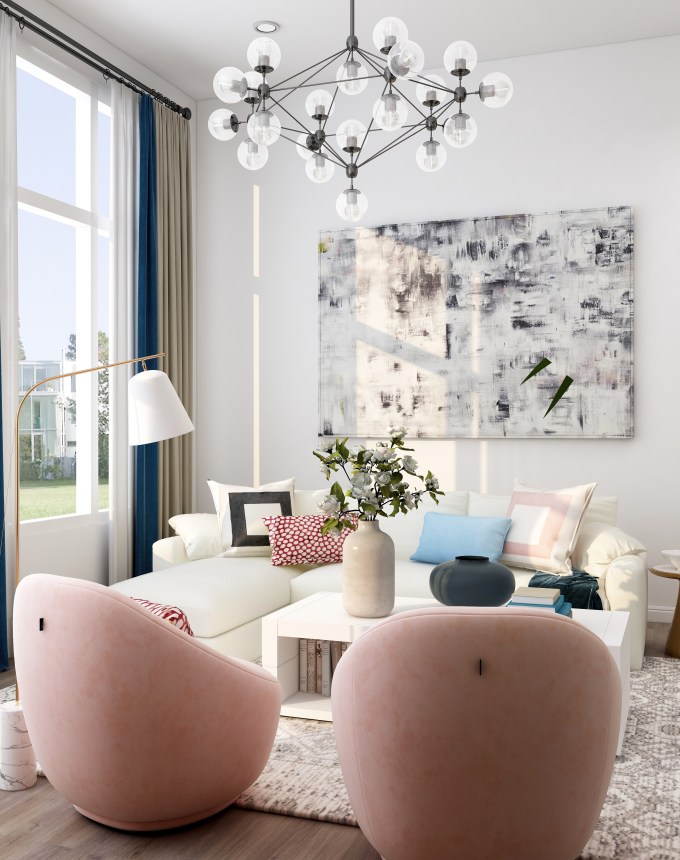
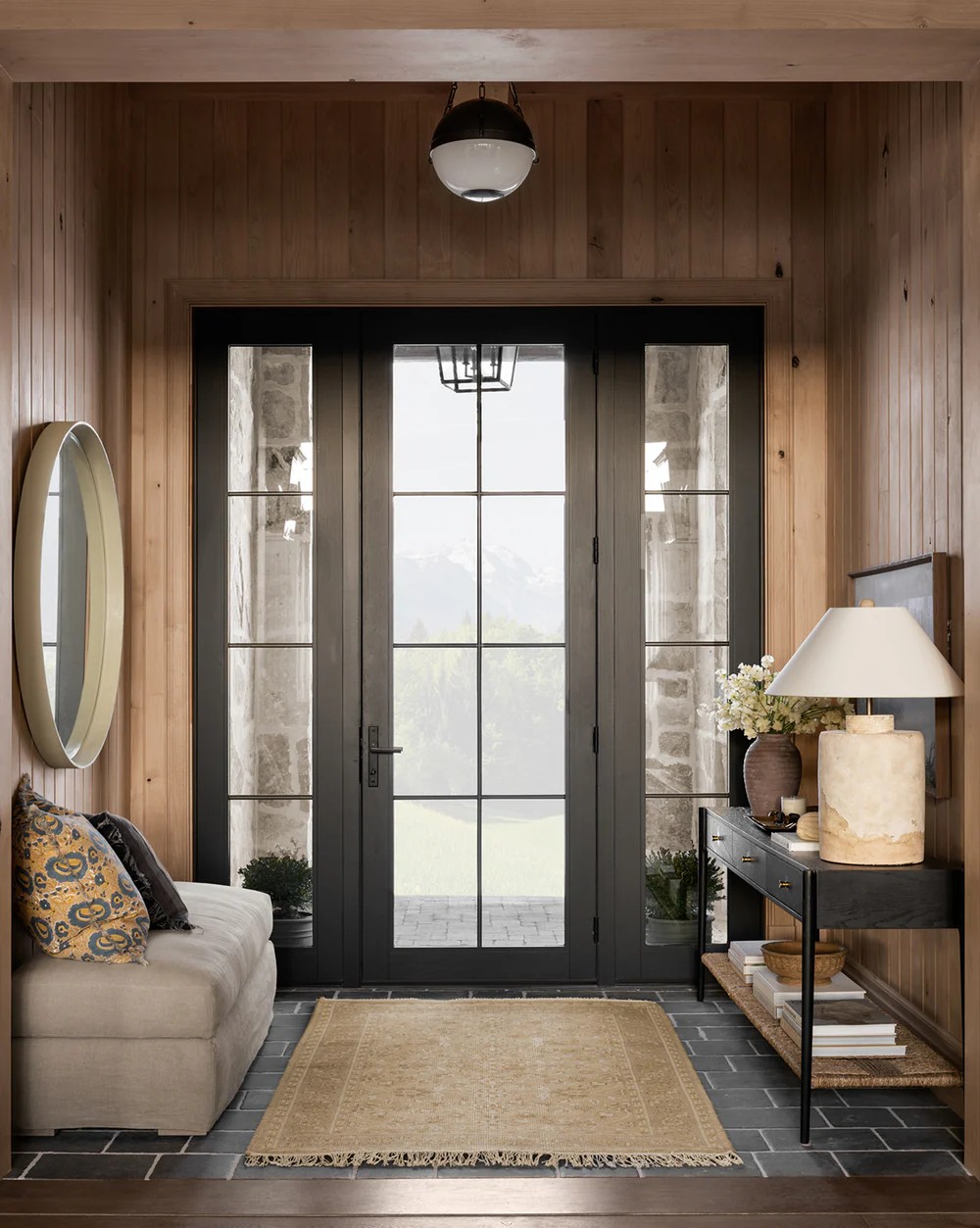
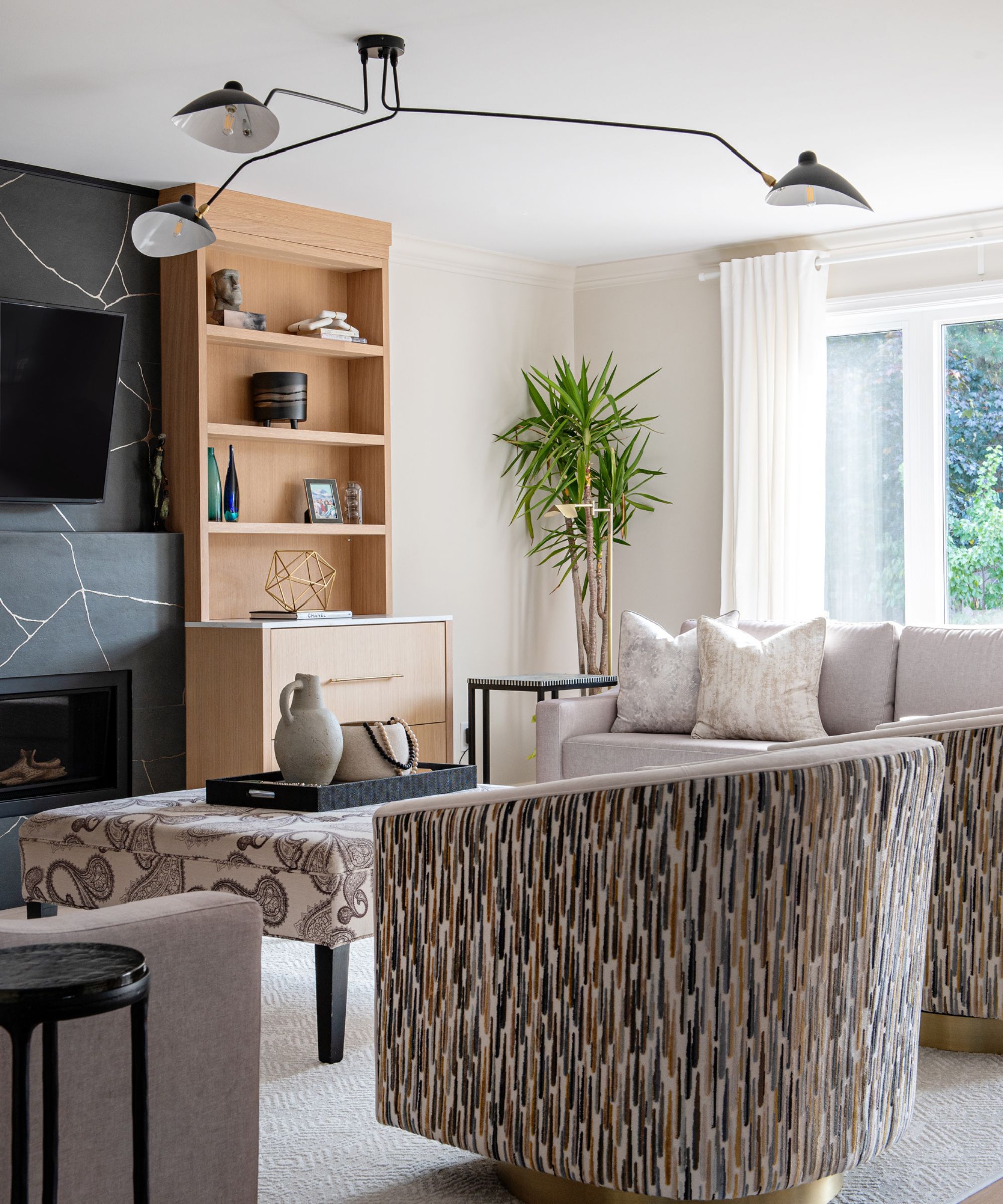
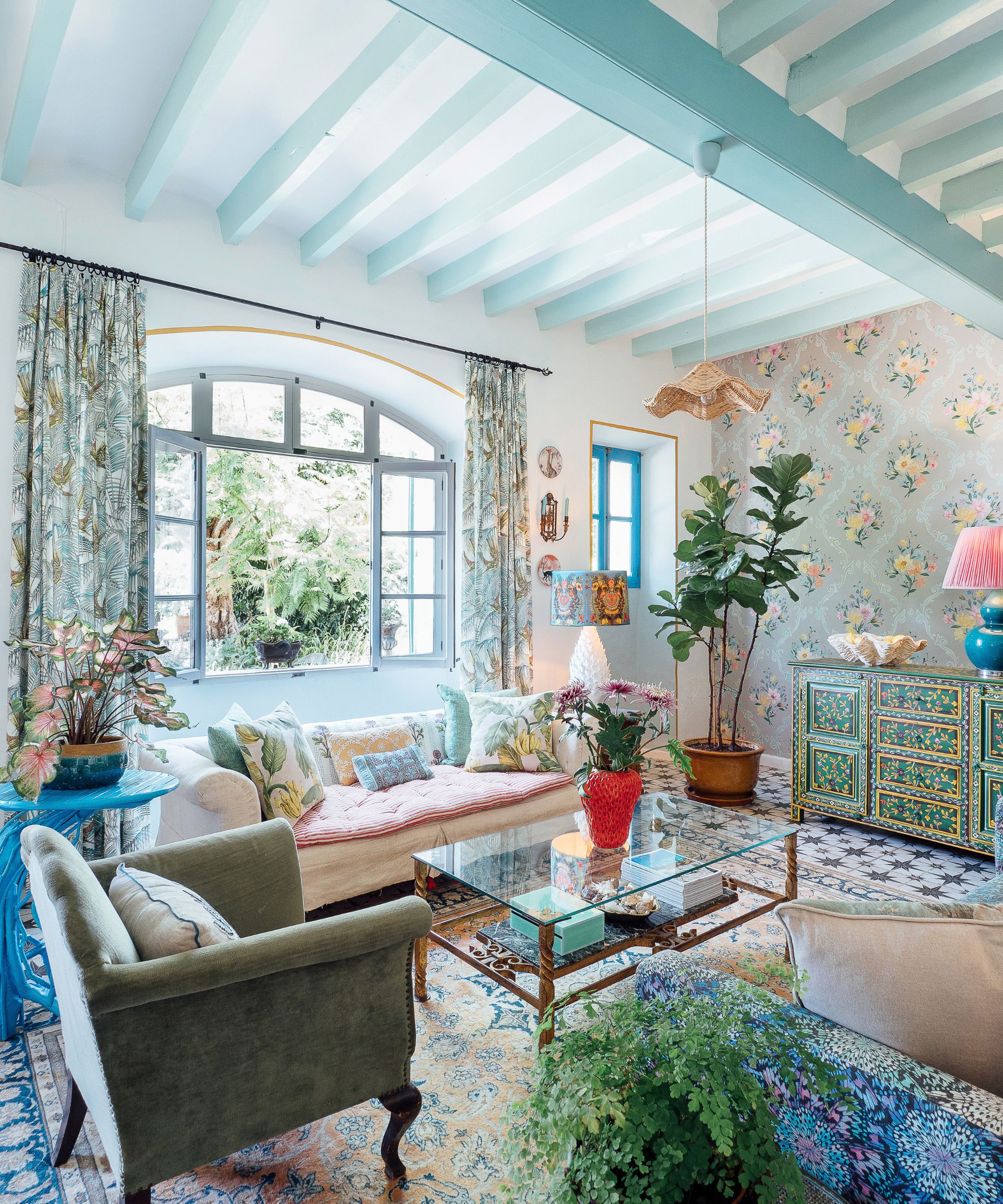
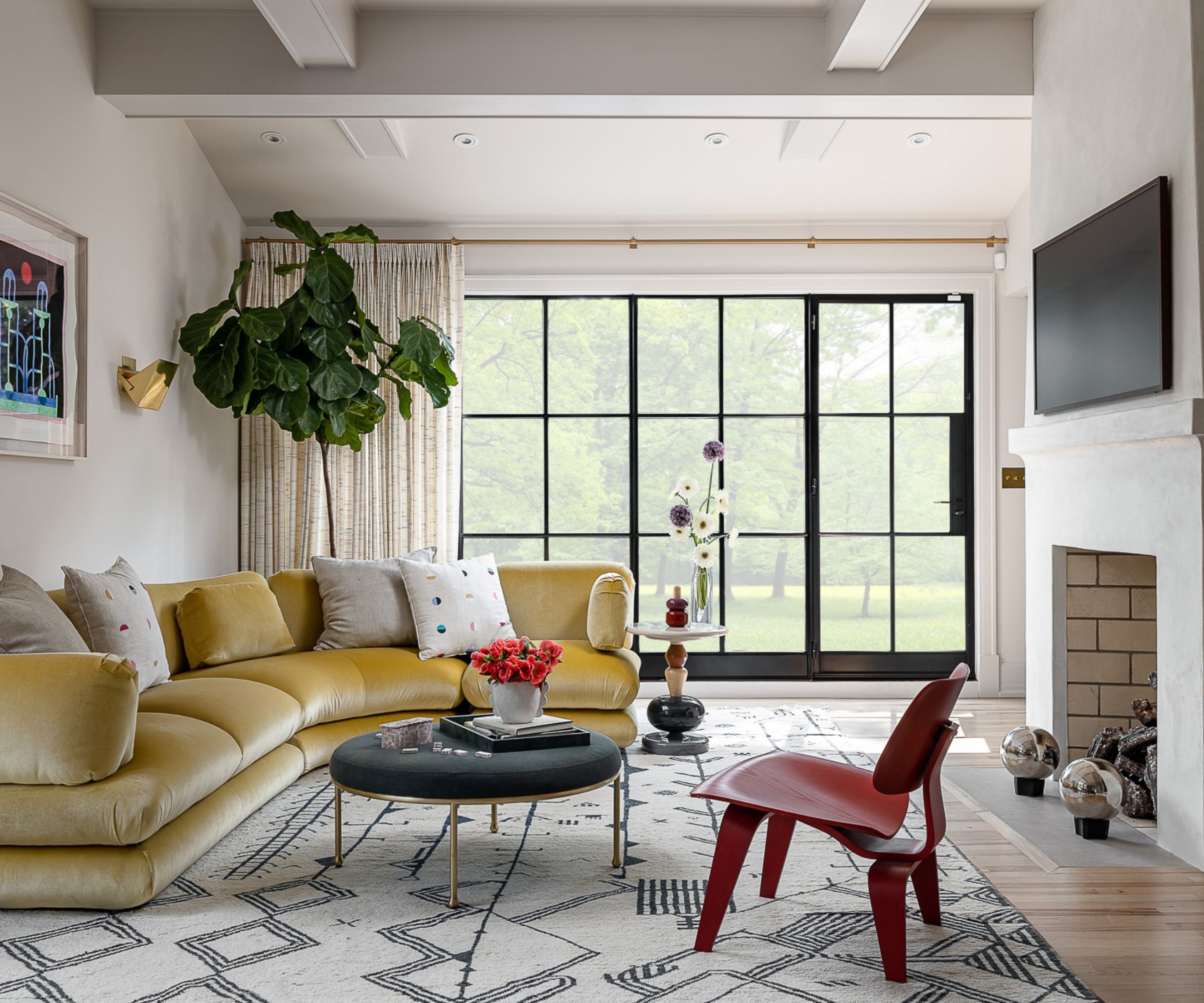
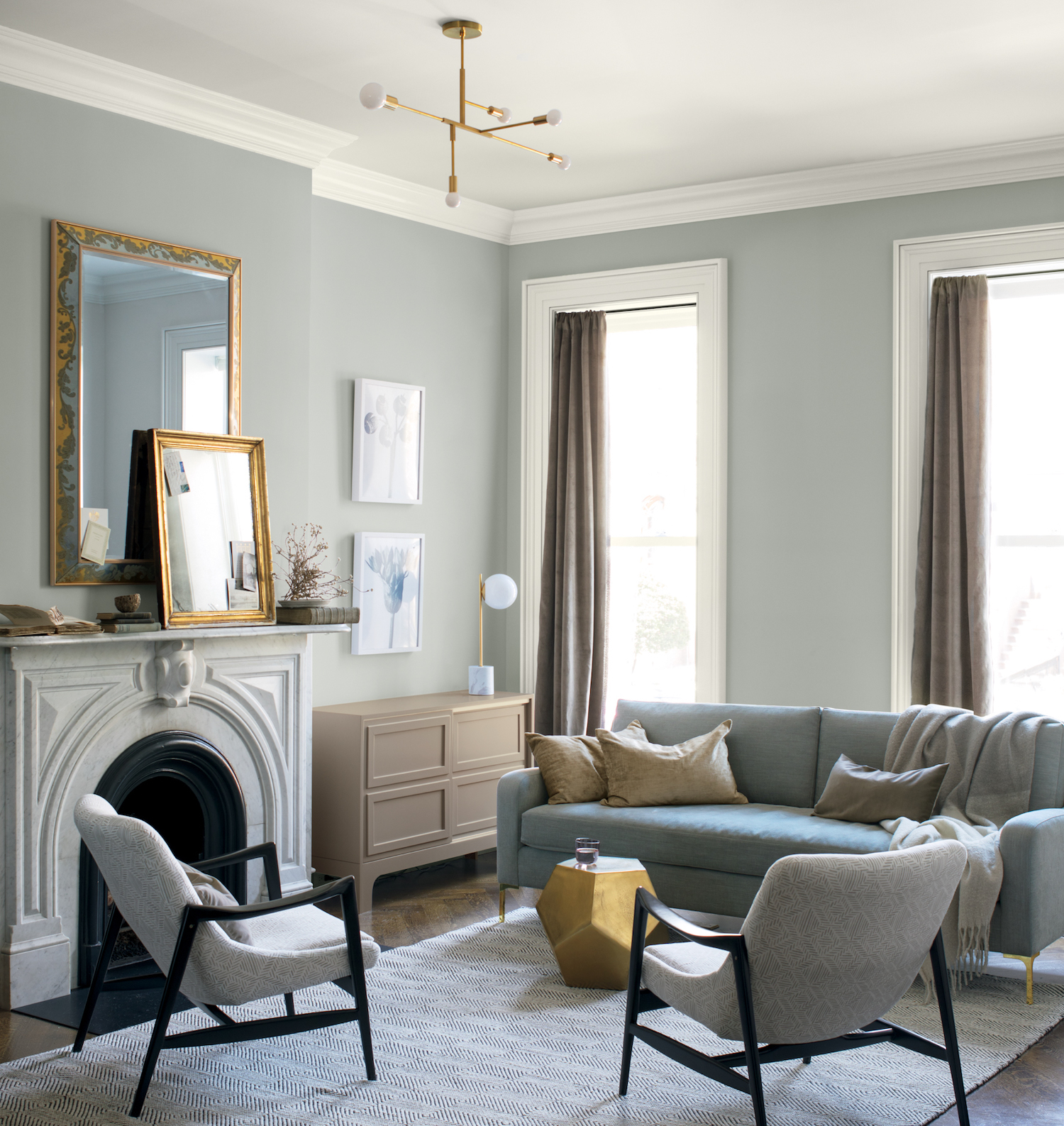
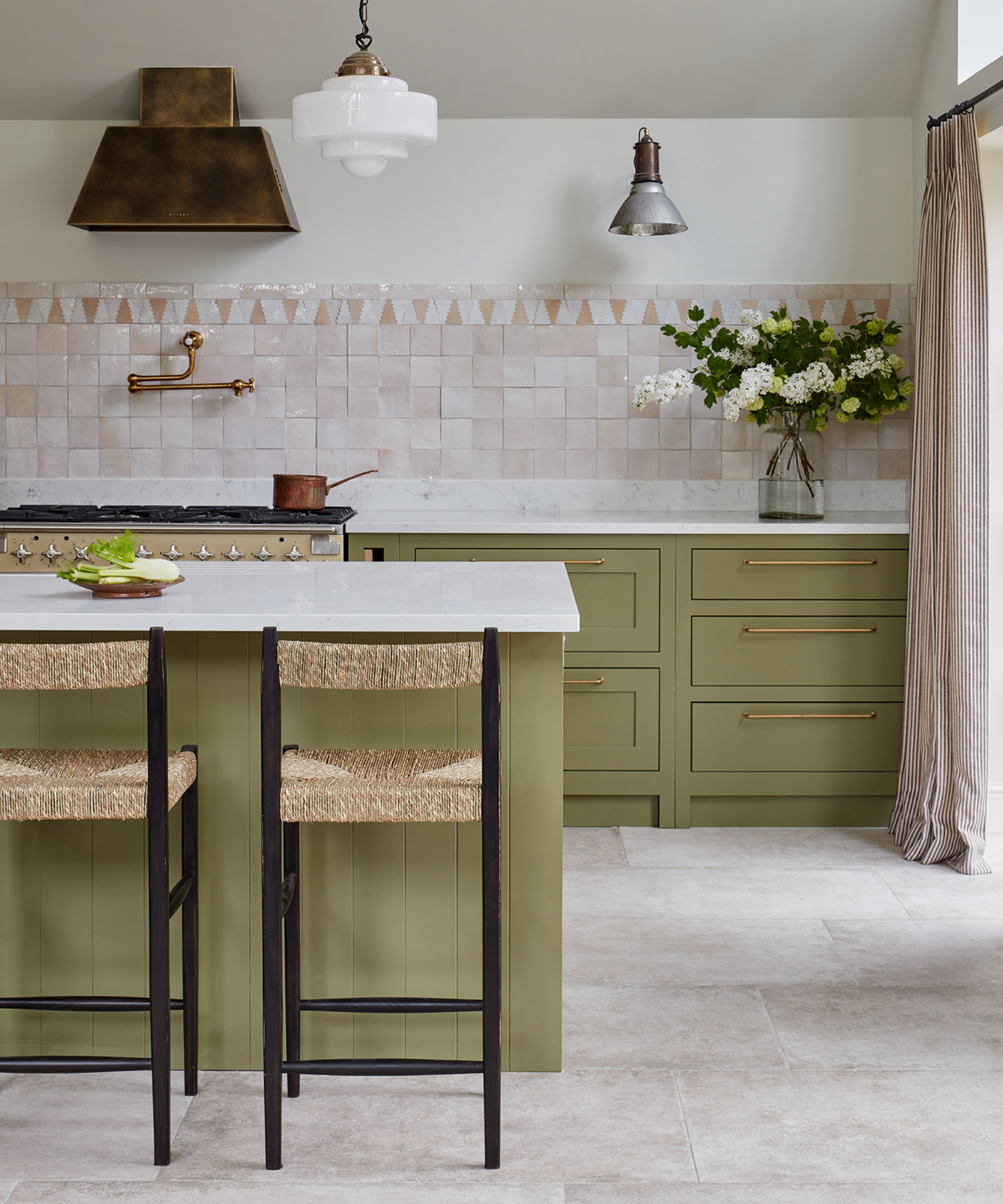
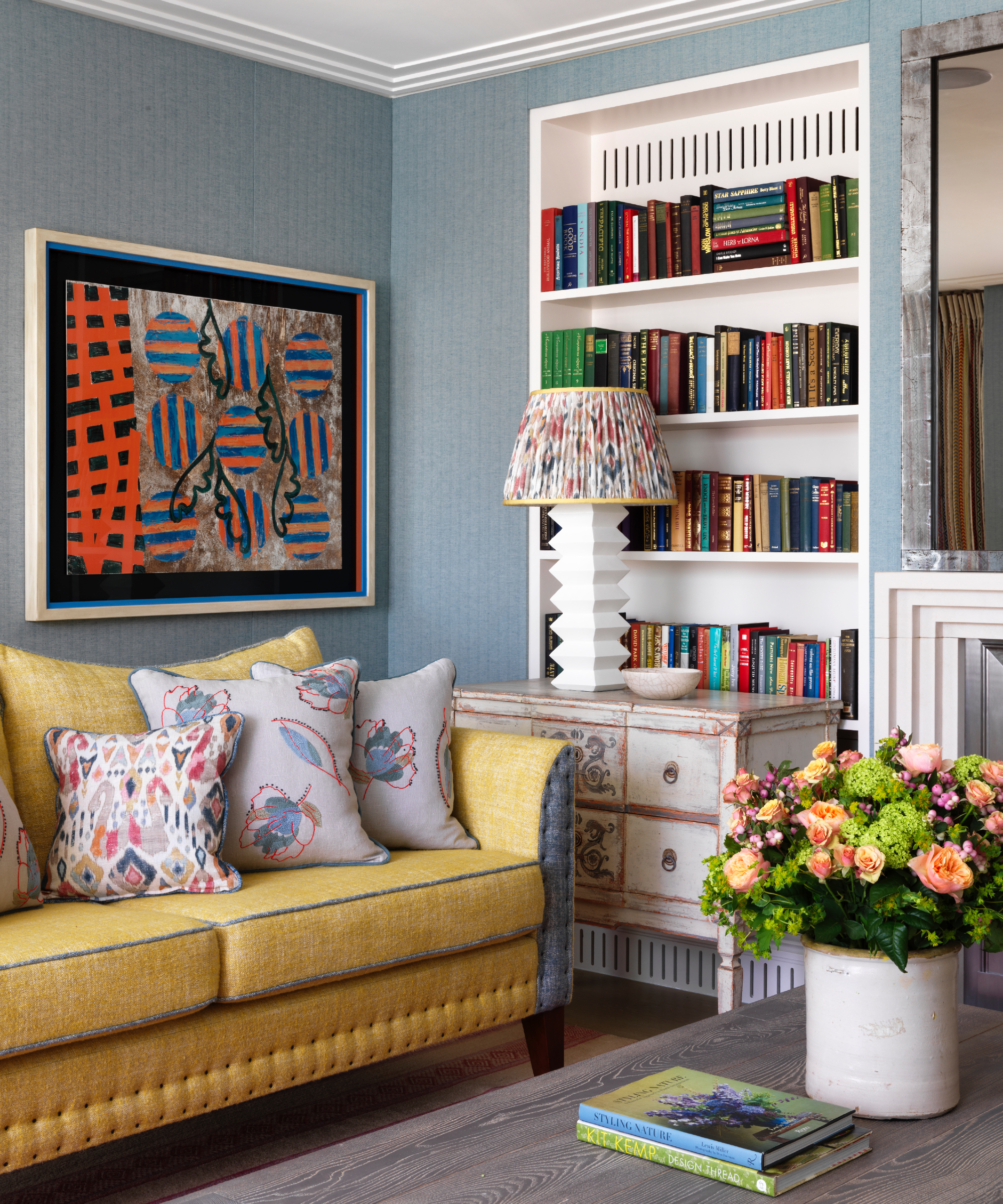
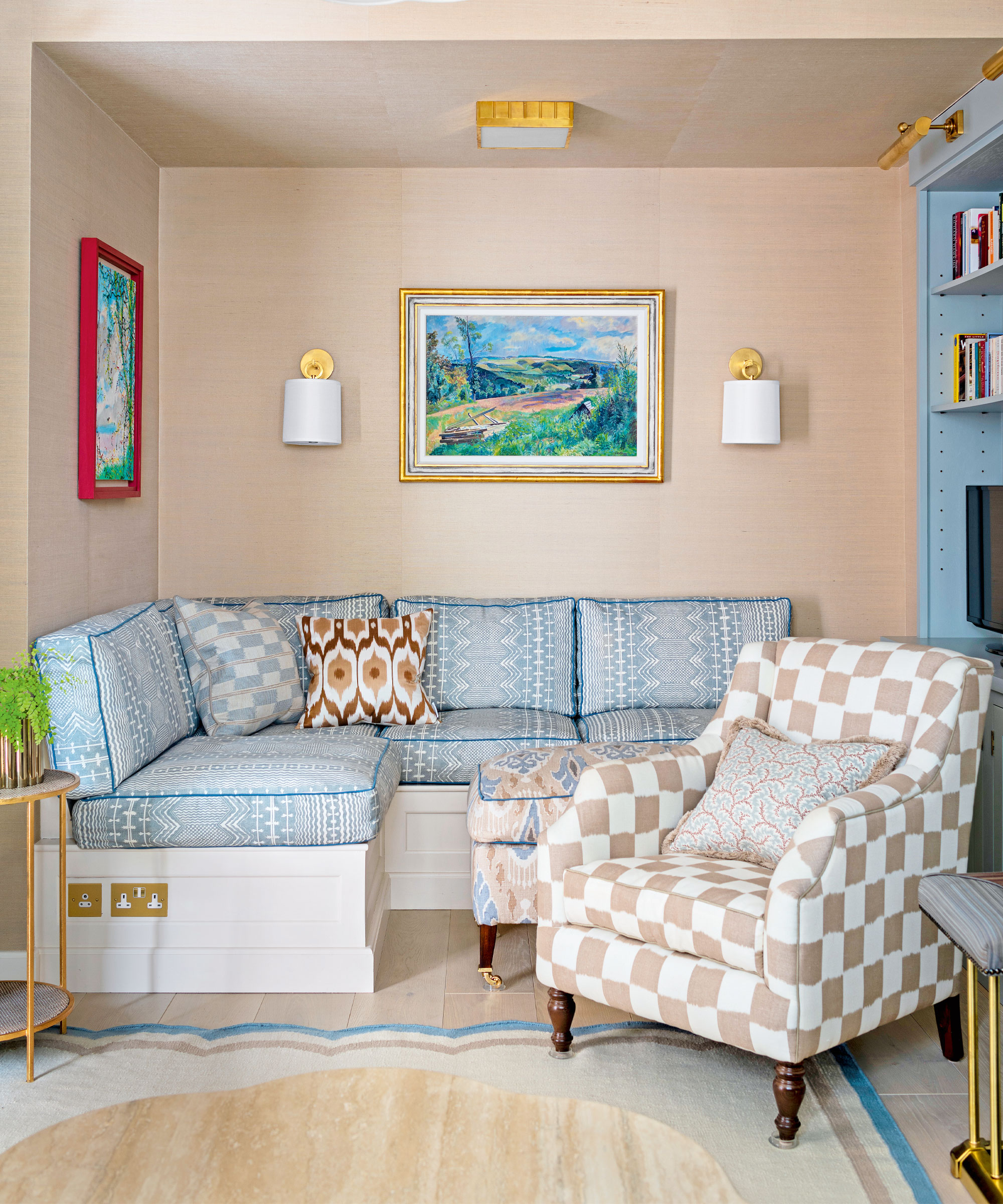
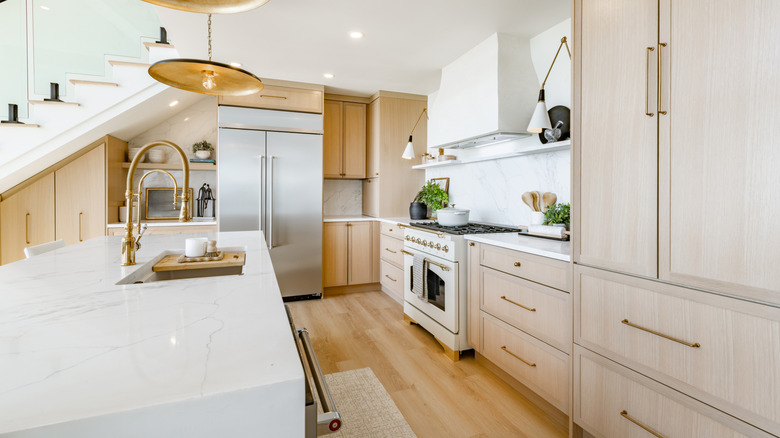
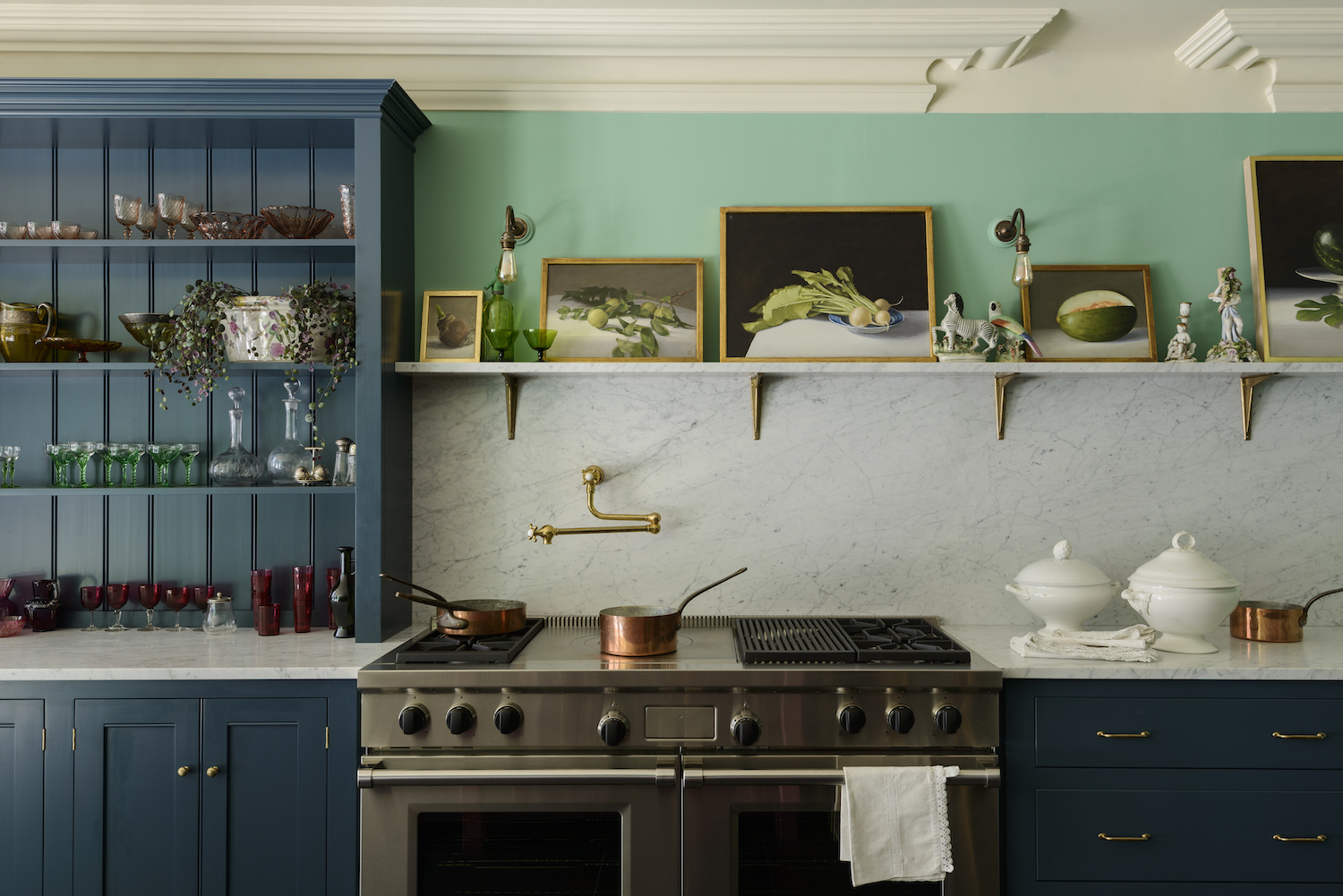
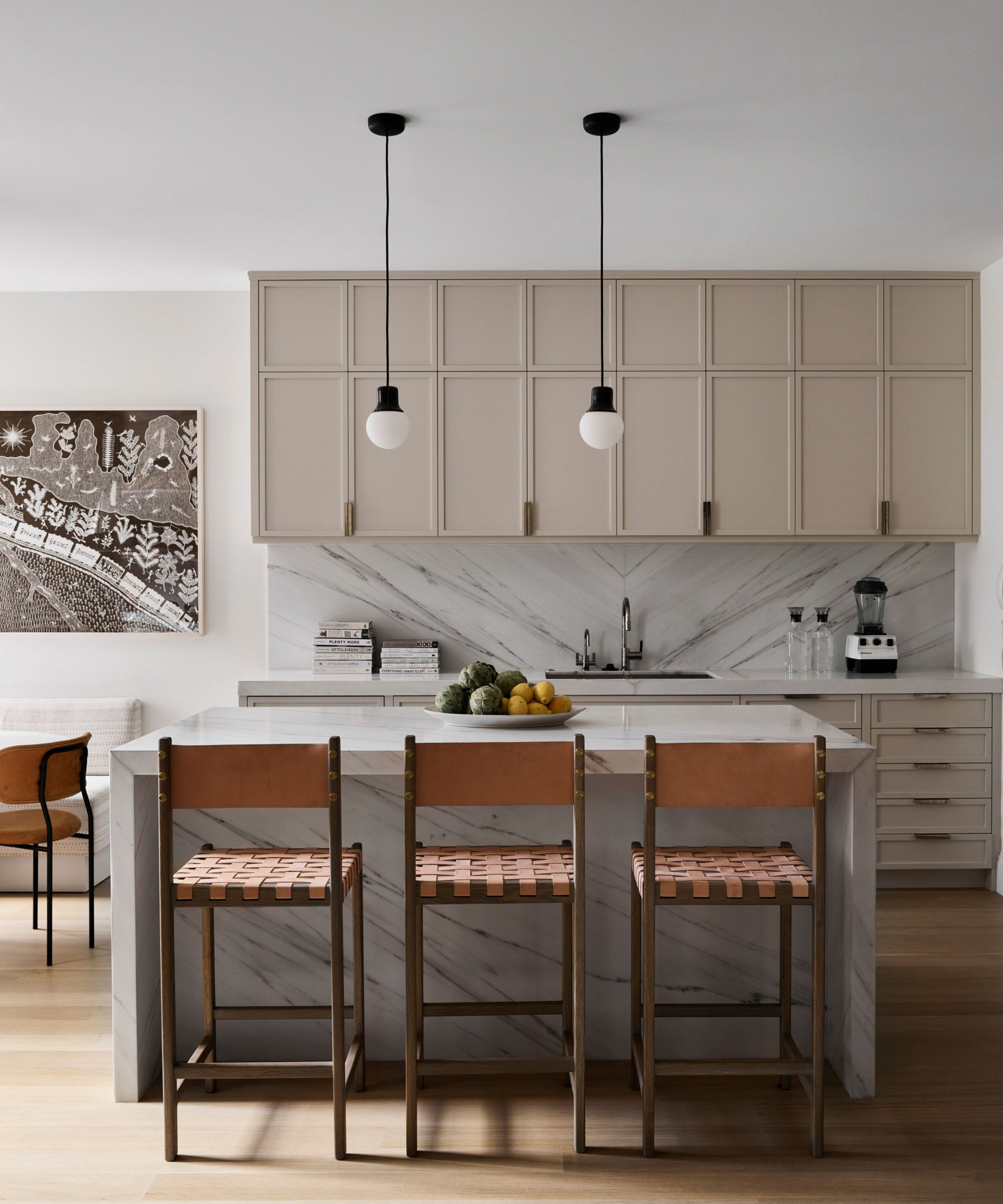
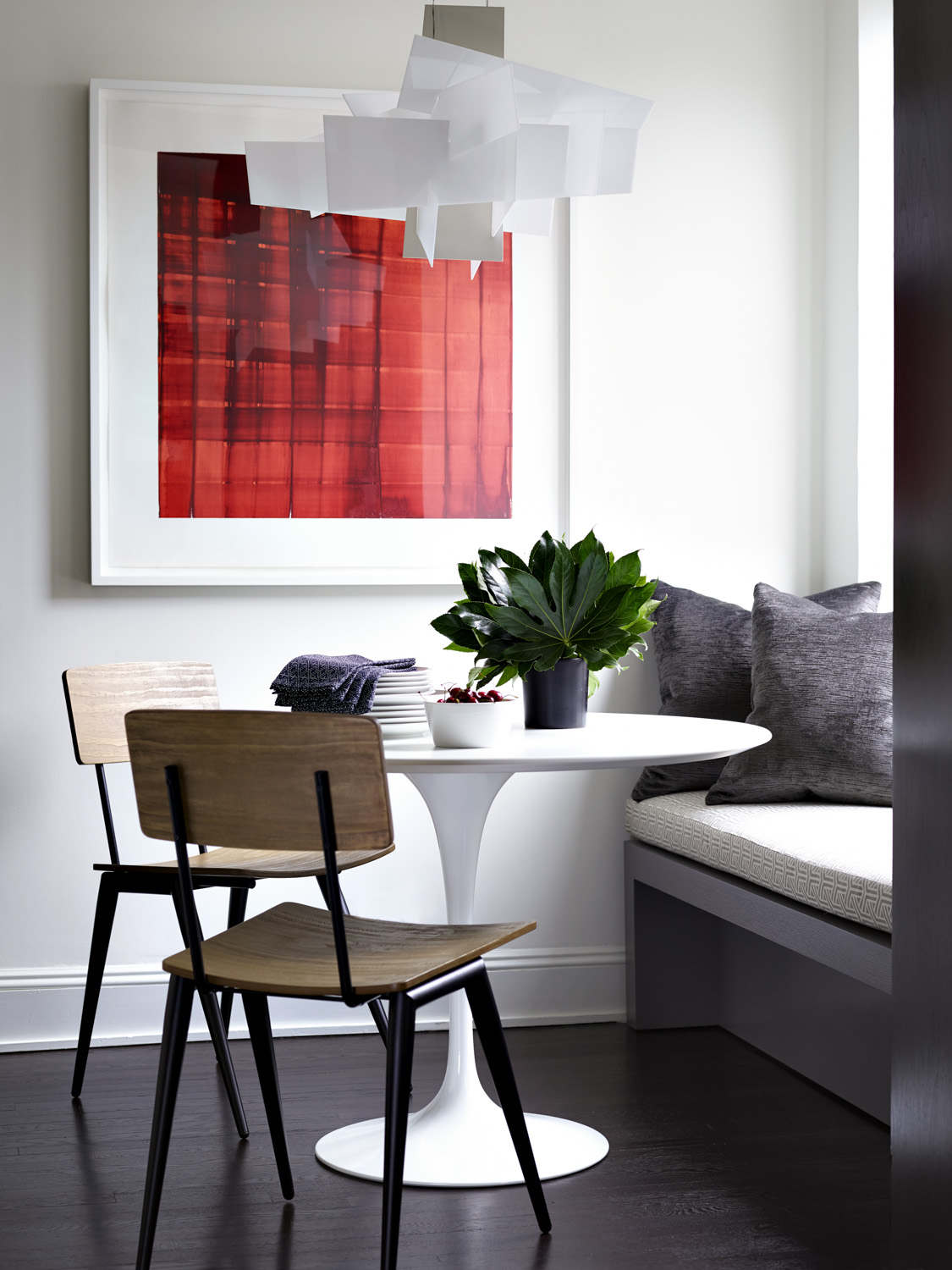
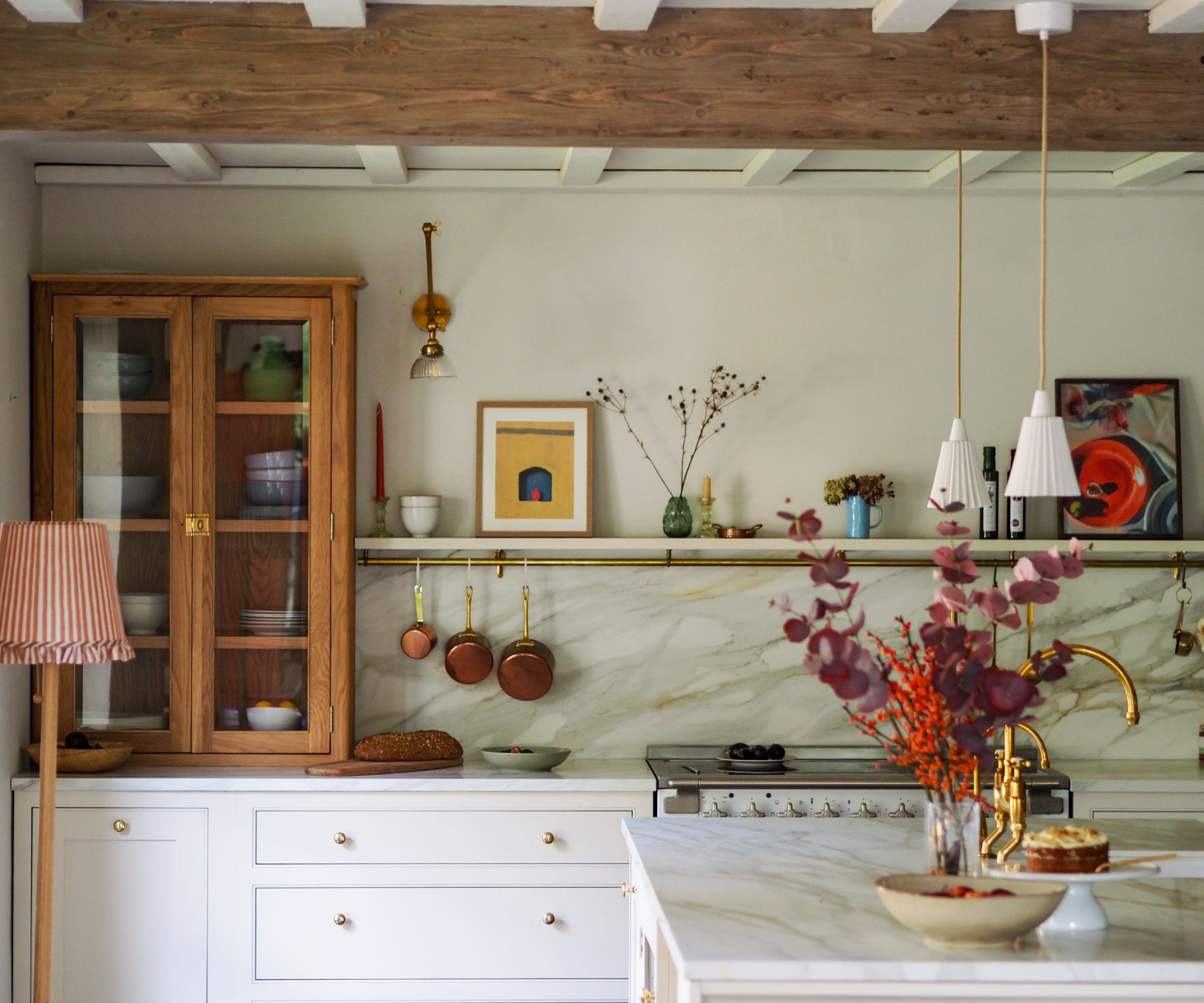
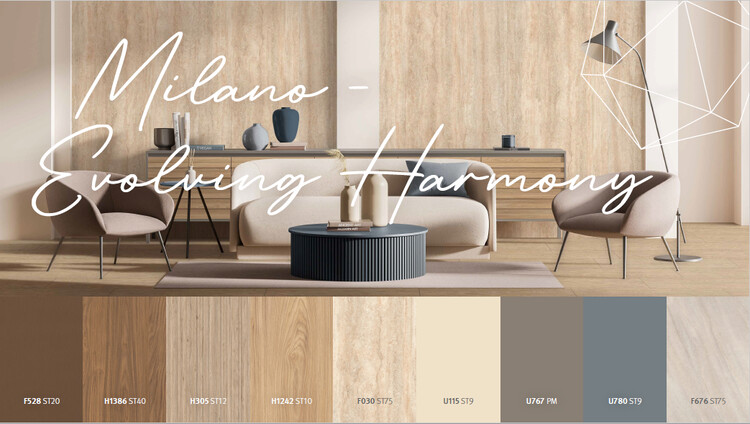
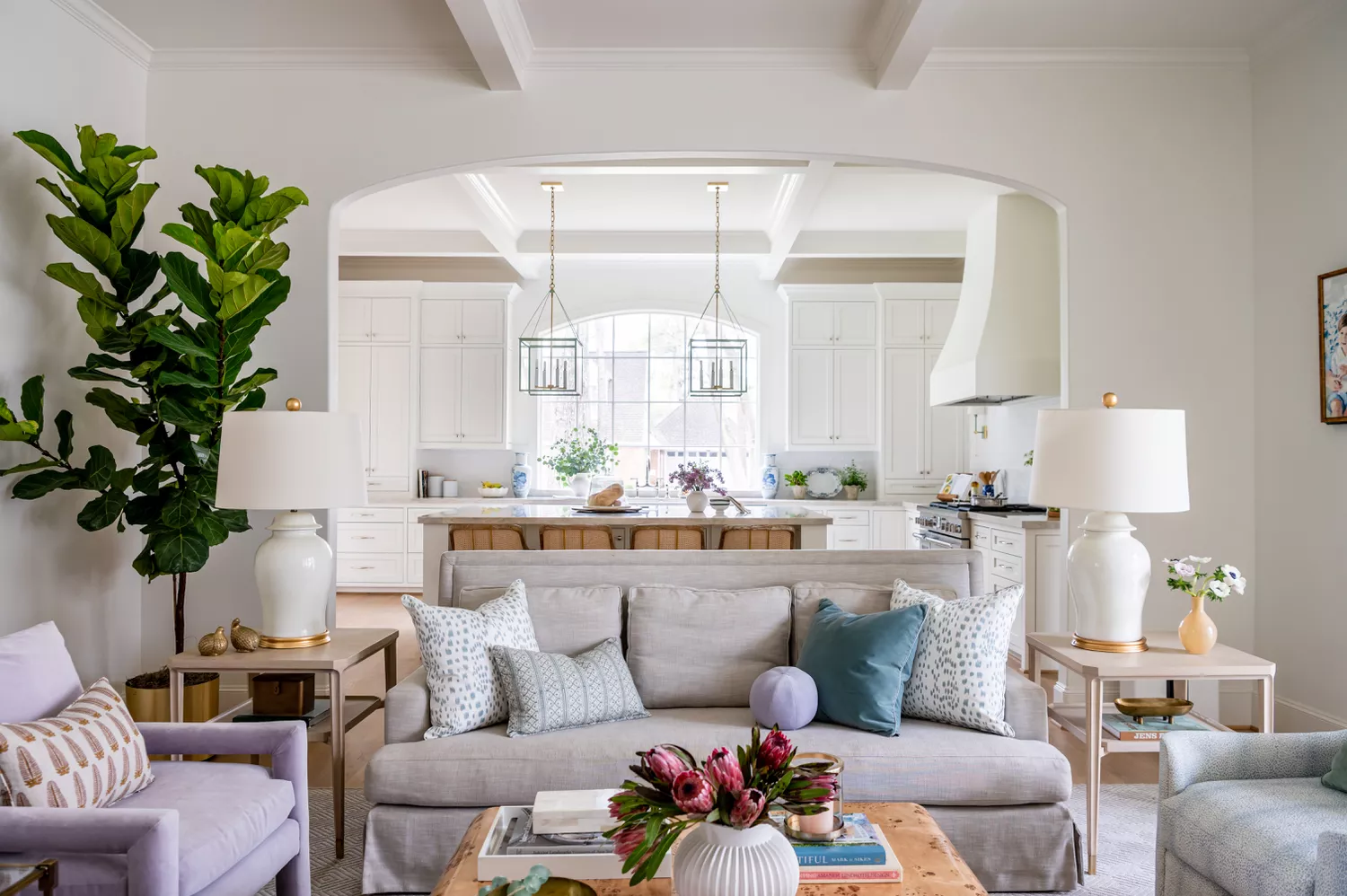
A neutral color palette forms the backdrop of transitional interiors, allowing different design elements to coexist without overpowering the space. Common hues include taupe, ivory, various grays, and tans, alongside earthy tones like brown, green, and blue. While these neutrals dominate, bolder colors are welcome as accents, used sparingly to add visual interest without disrupting the overall balance. Meacham suggests using pops of color and whimsical accessories on shelves to draw the eye.
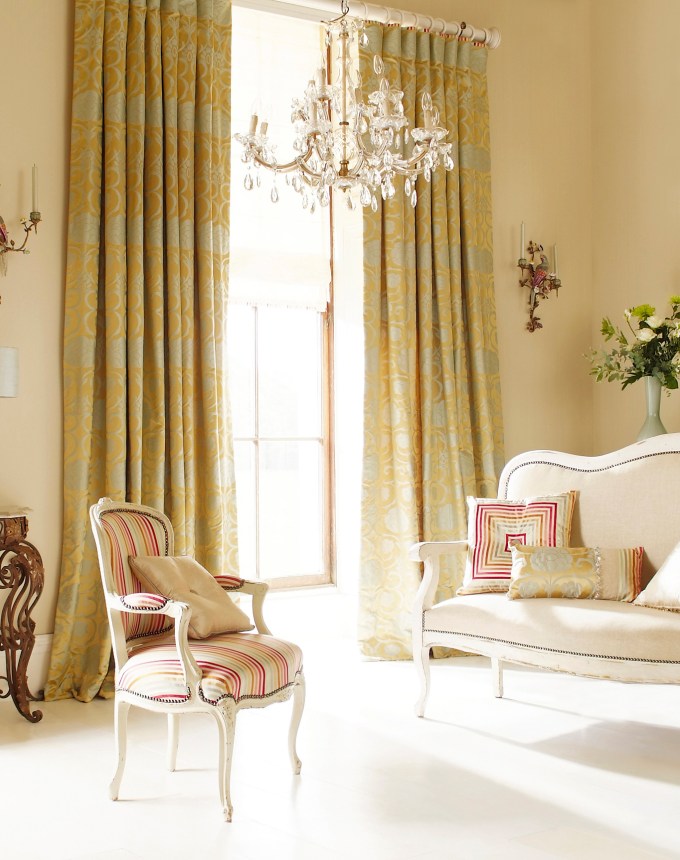
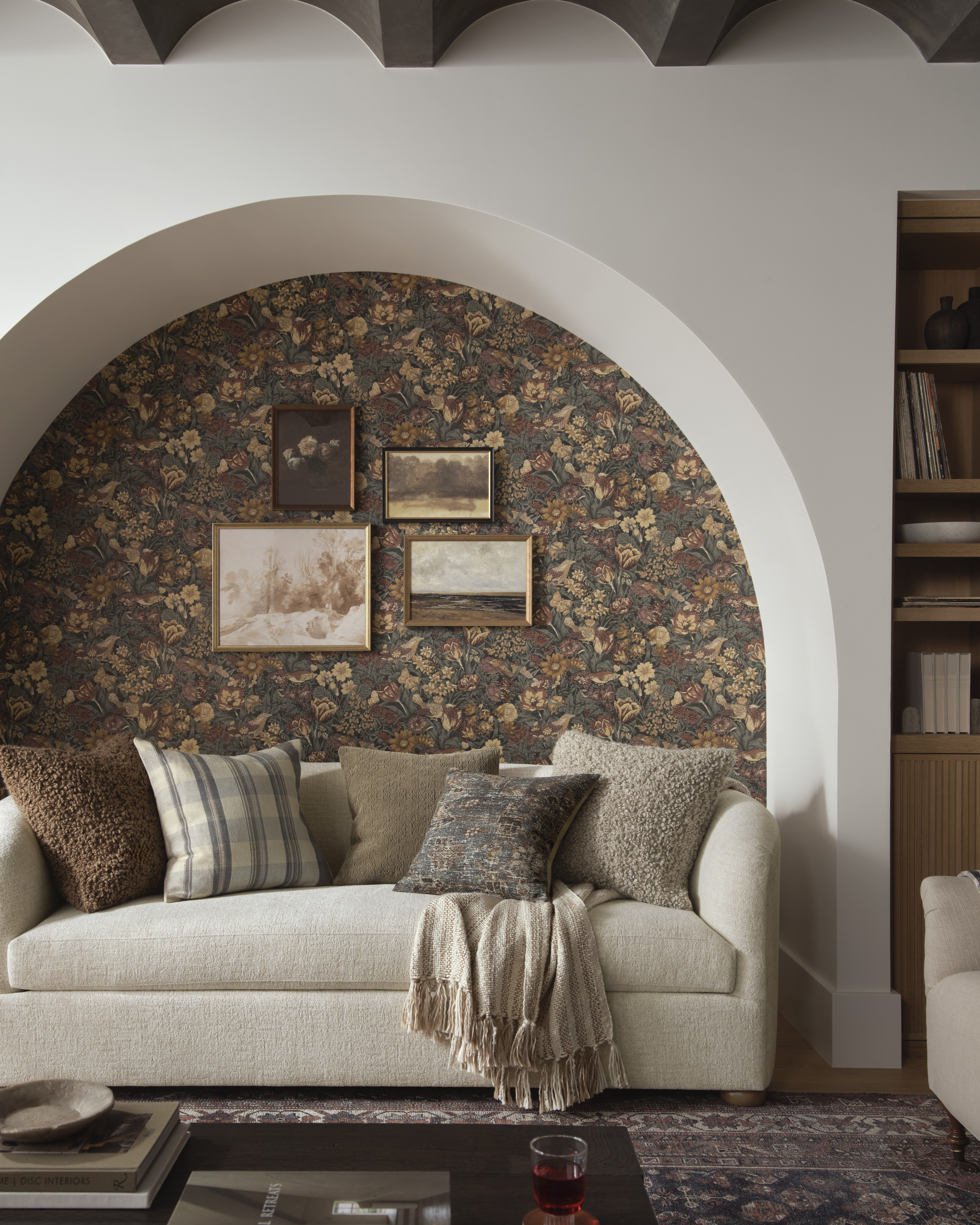
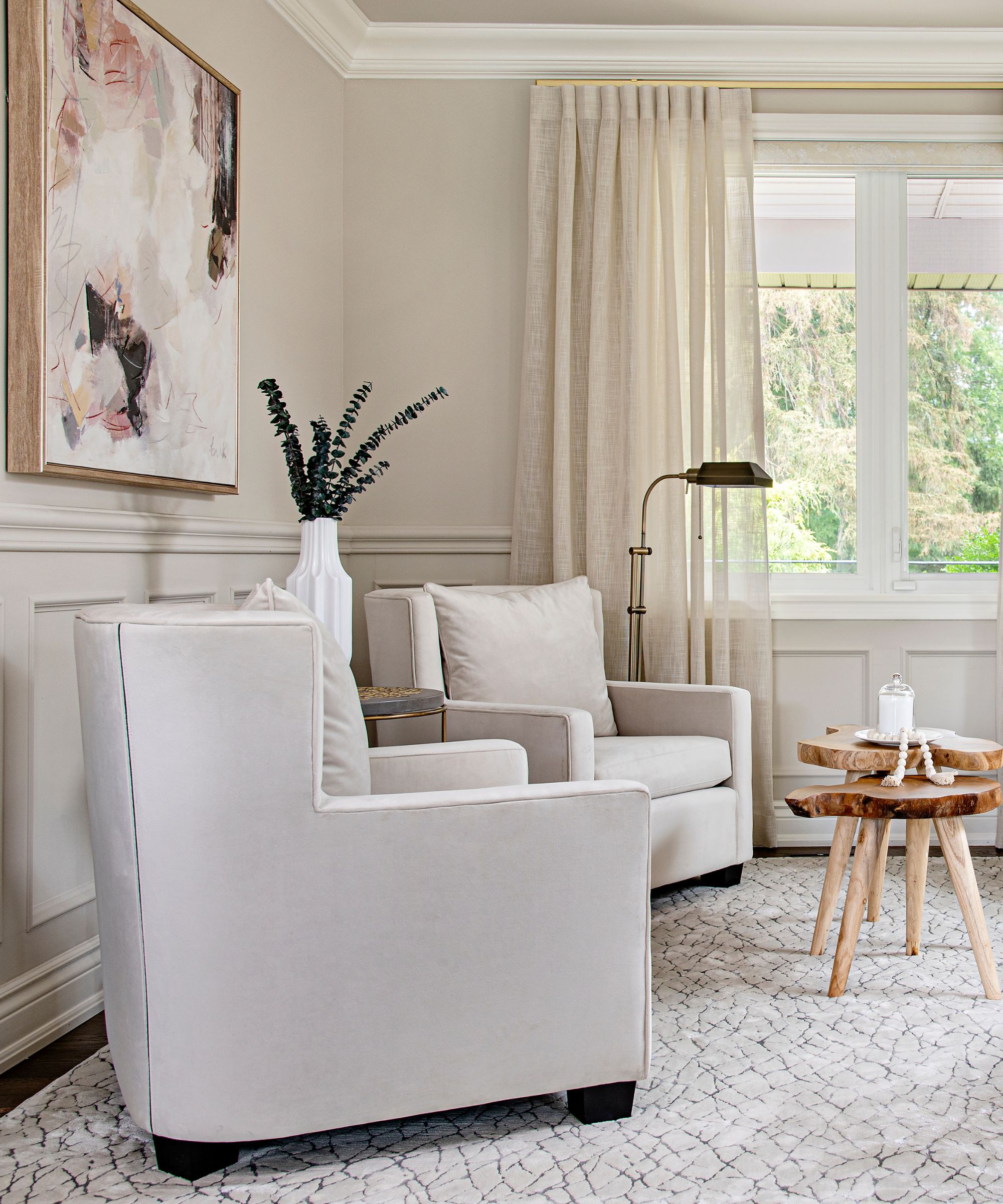
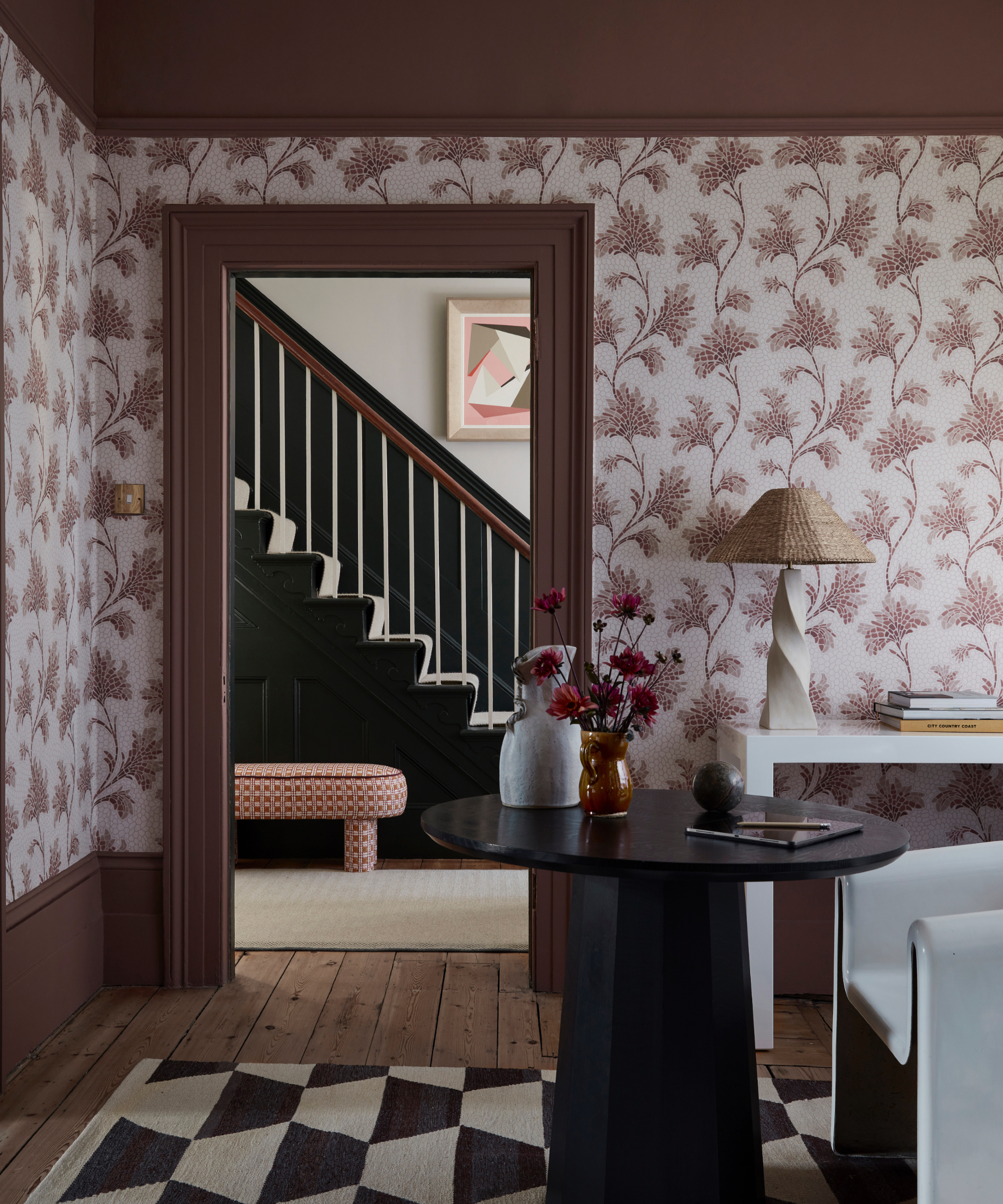
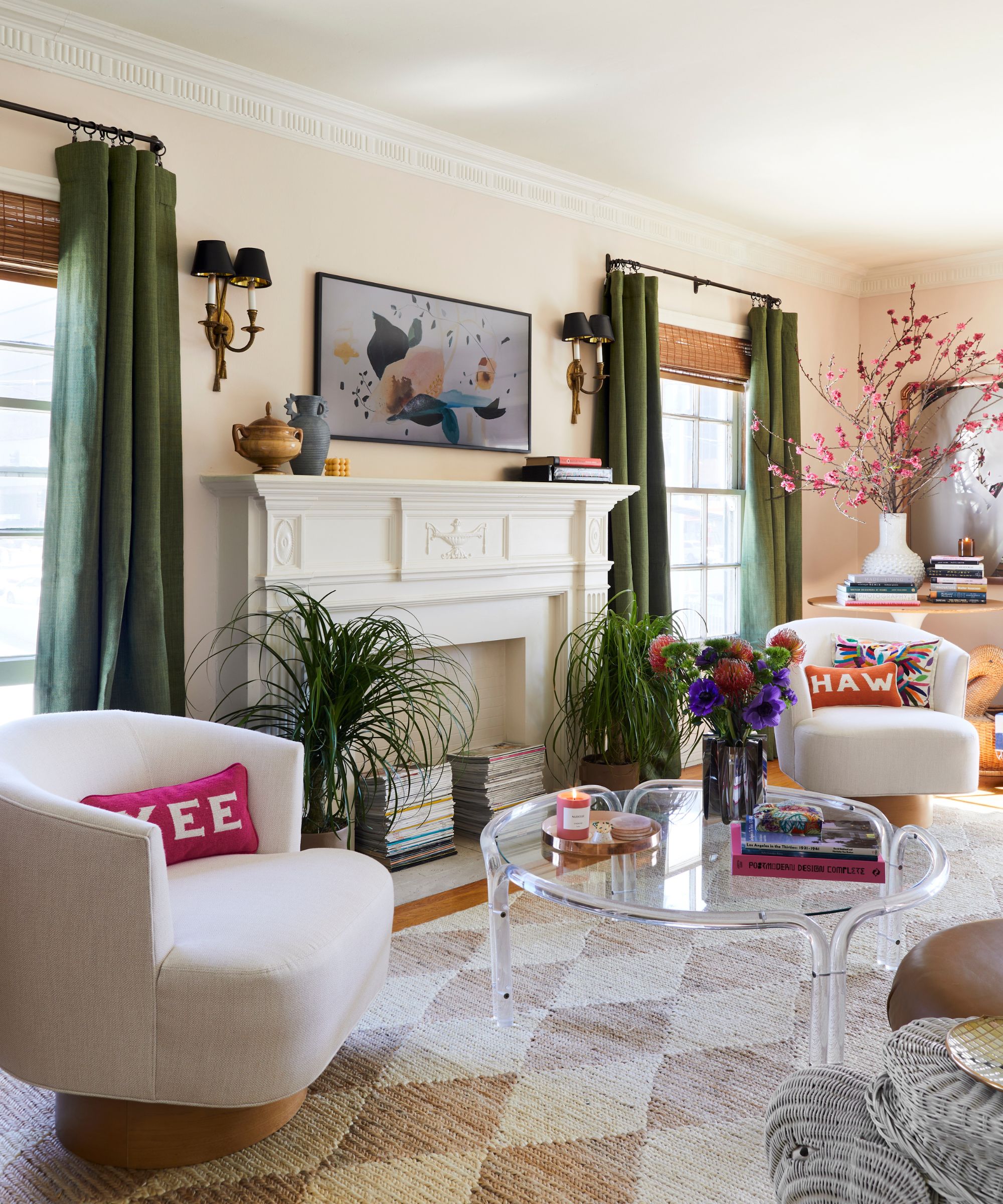
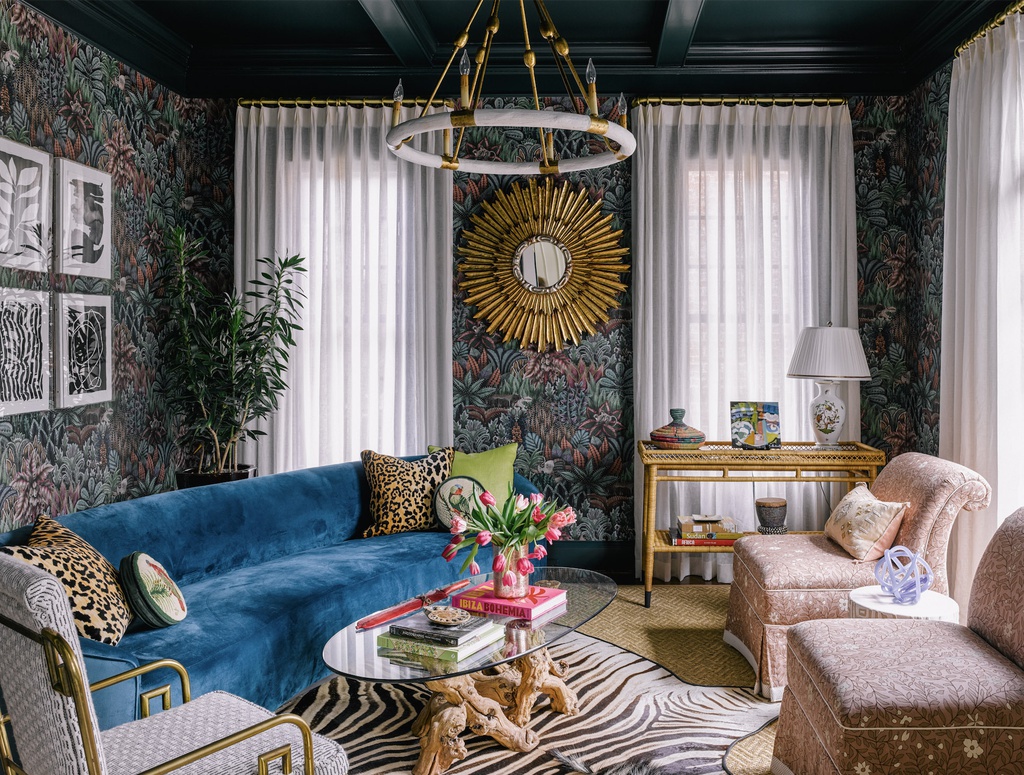
Another defining feature is the influence of hospitality design, incorporating luxurious and comfortable touches often found in high-end hotels. This can manifest through plush club chairs, layered textiles, intricate millwork, and visually striking wallpaper. Bennett's work, which mixes neoclassical wainscotting with 70s-inspired cocktail tables, exemplifies how different eras and textures can be effortlessly combined.
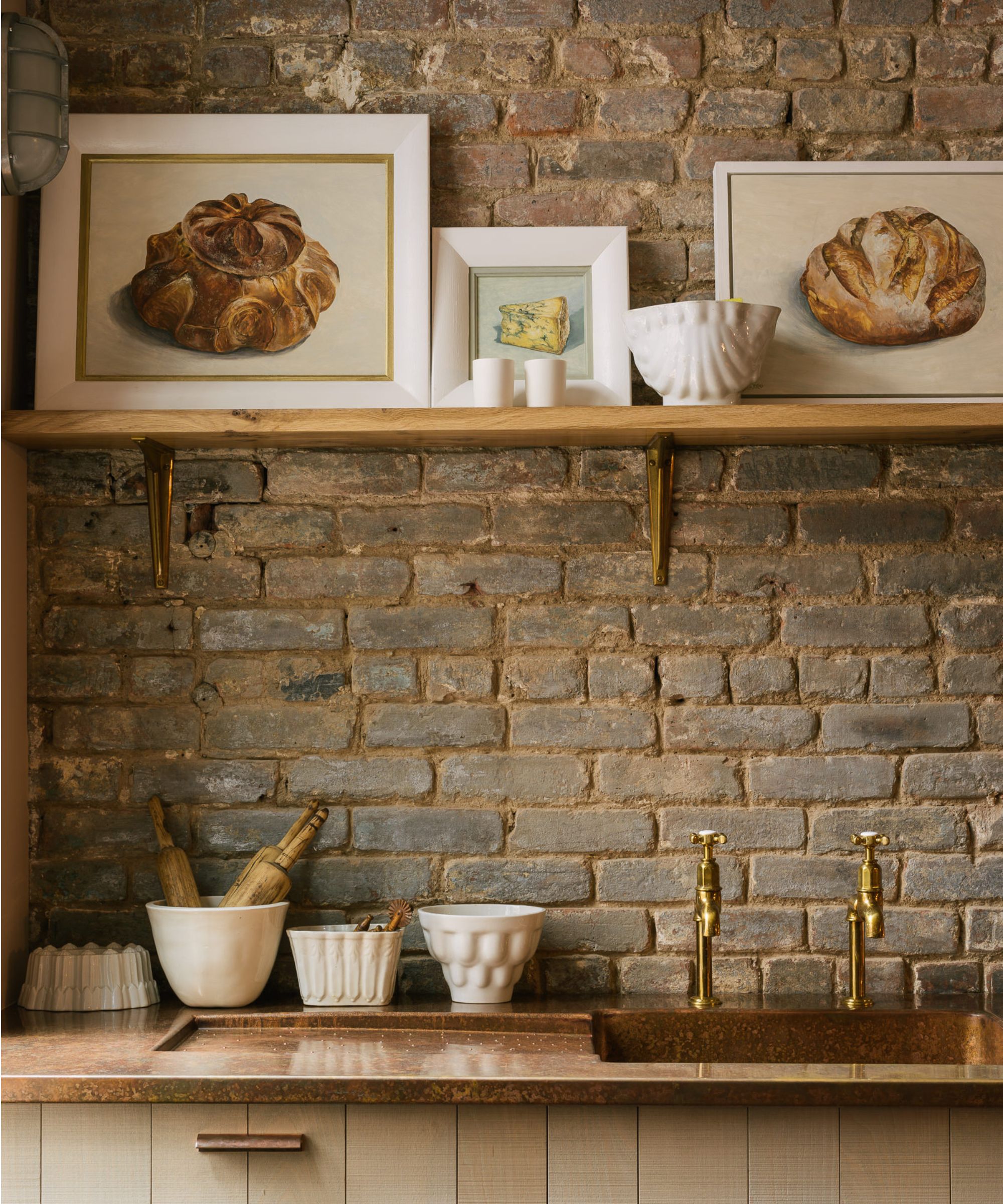
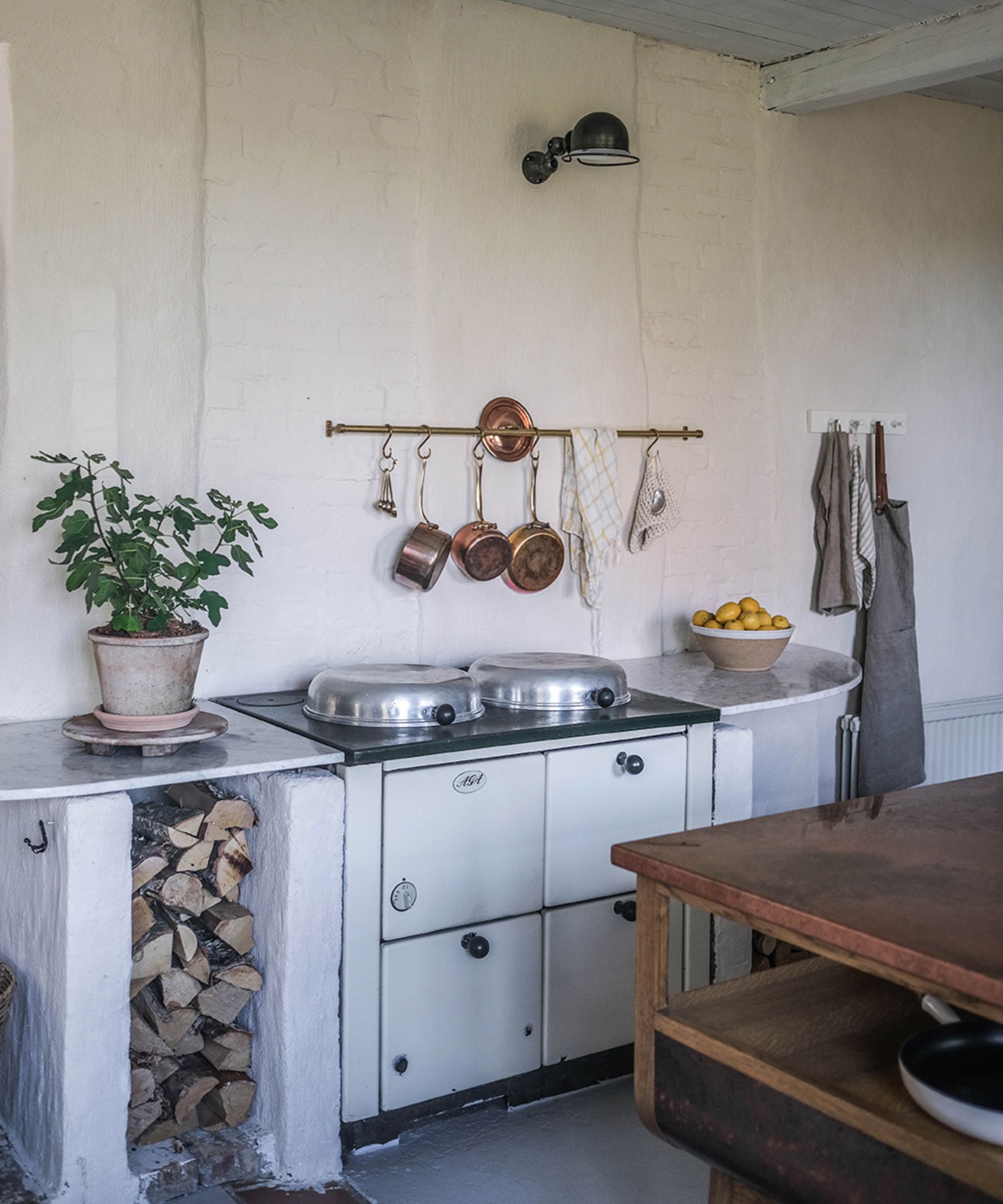
Accessories in transitional design are generally minimal in number, but strategically chosen. Designers suggest incorporating unique items such as antiques, collectible art, or quirky flea-market finds to add character and depth. This approach creates a sense that items have been thoughtfully curated over time rather than being perfectly matched, adding a fun and lived-in feel to the space.
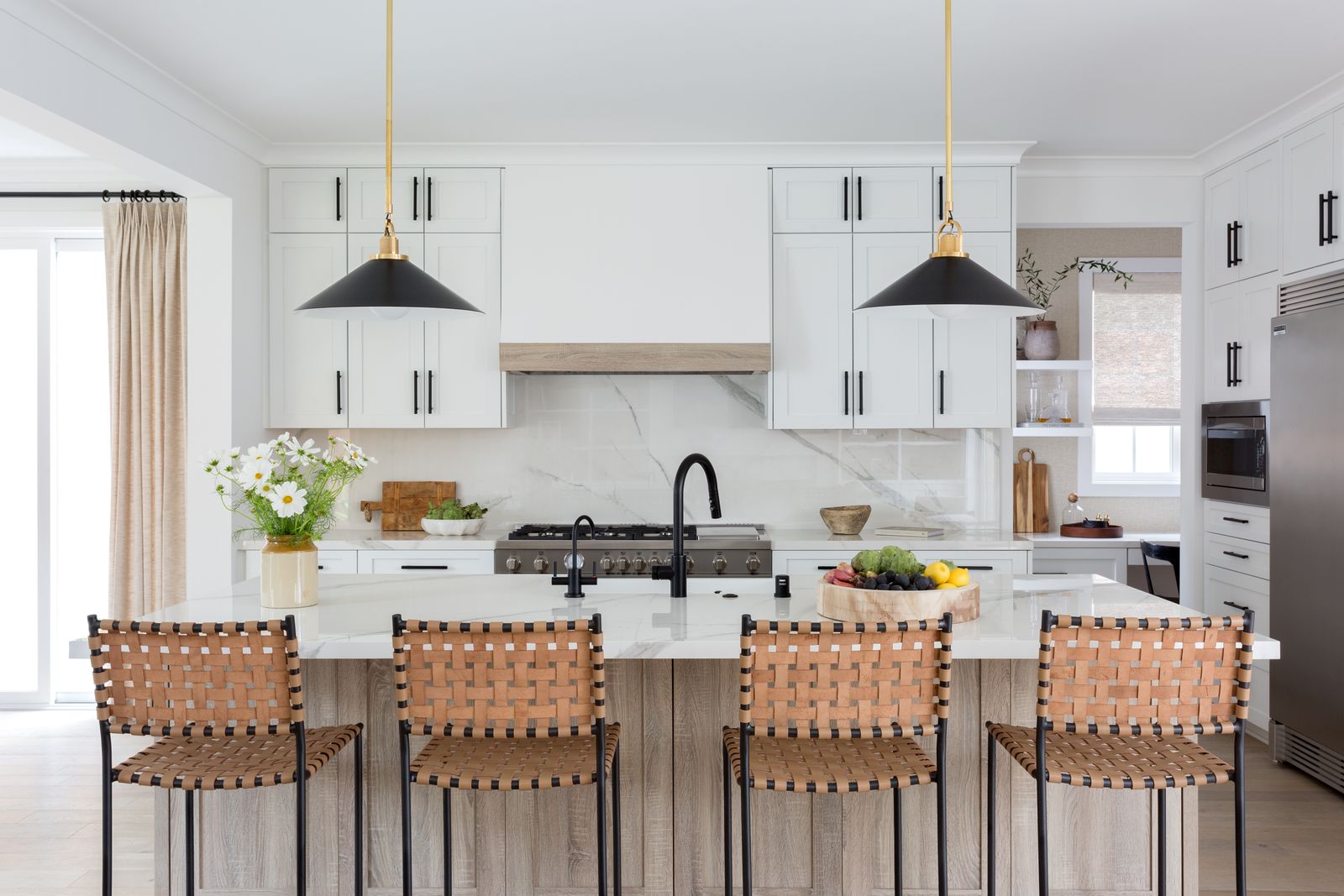
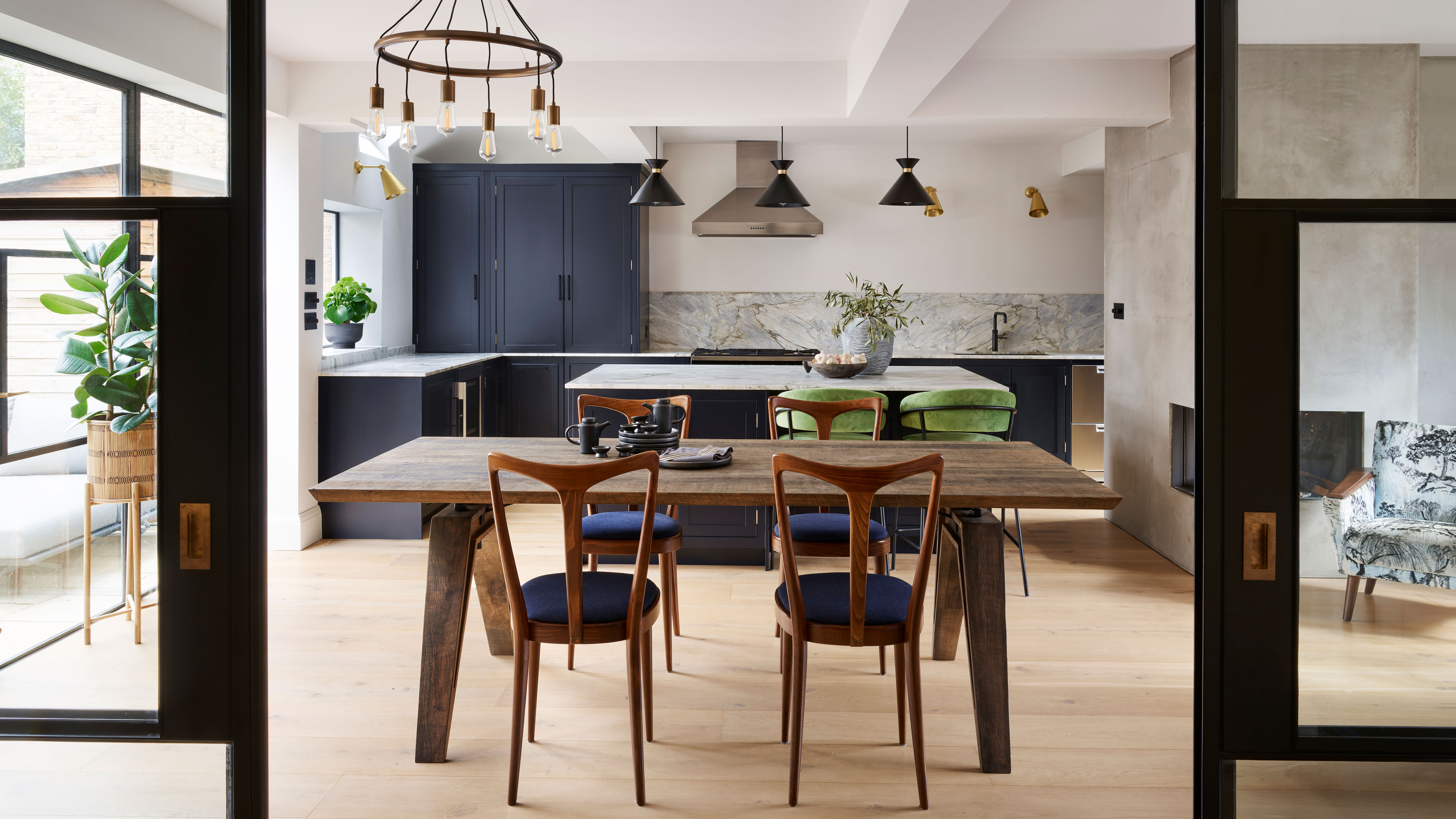
Statement lighting is also crucial, often featuring modern or contemporary chandeliers, pendants, or floor lamps that act as focal points. These fixtures typically stand out against the blended backdrop, adding a contemporary edge. The article offers practical tips for integrating transitional style, such as using playful peel-and-stick wallpapers, mixing and matching colors with subtle variations, installing modern pendant lighting, and investing in chic window treatments. Prioritizing comfortable seating and combining opposing features—like curves with clean lines or animal prints with geometric motifs—also helps achieve this balanced aesthetic. Adding personal items like heirlooms or artwork is encouraged to make the space uniquely yours. Transitional style is often confused with contemporary style, but the key differentiator is that transitional aims for timelessness by combining styles across all periods, whereas contemporary focuses on trends from the 1970s onwards. Despite its timelessness and versatility, a potential drawback is that it can sometimes lack a distinct character if not executed thoughtfully.
#TransitionalStyle #InteriorDesign #HomeDecor #DesignStyles #NeutralPalettes #StatementLighting #TimelessDesign #EclecticDecor #ComfortableLiving #TransitionalStyle #InteriorDesign #HomeDecor #DesignStyles #NeutralPalettes #StatementLighting #TimelessDesign #EclecticDecor #ComfortableLiving
0 comment in total
 No comments yet
You may also like
Transitional Design: Everything You Need to Know About This Traditional and Modern Style

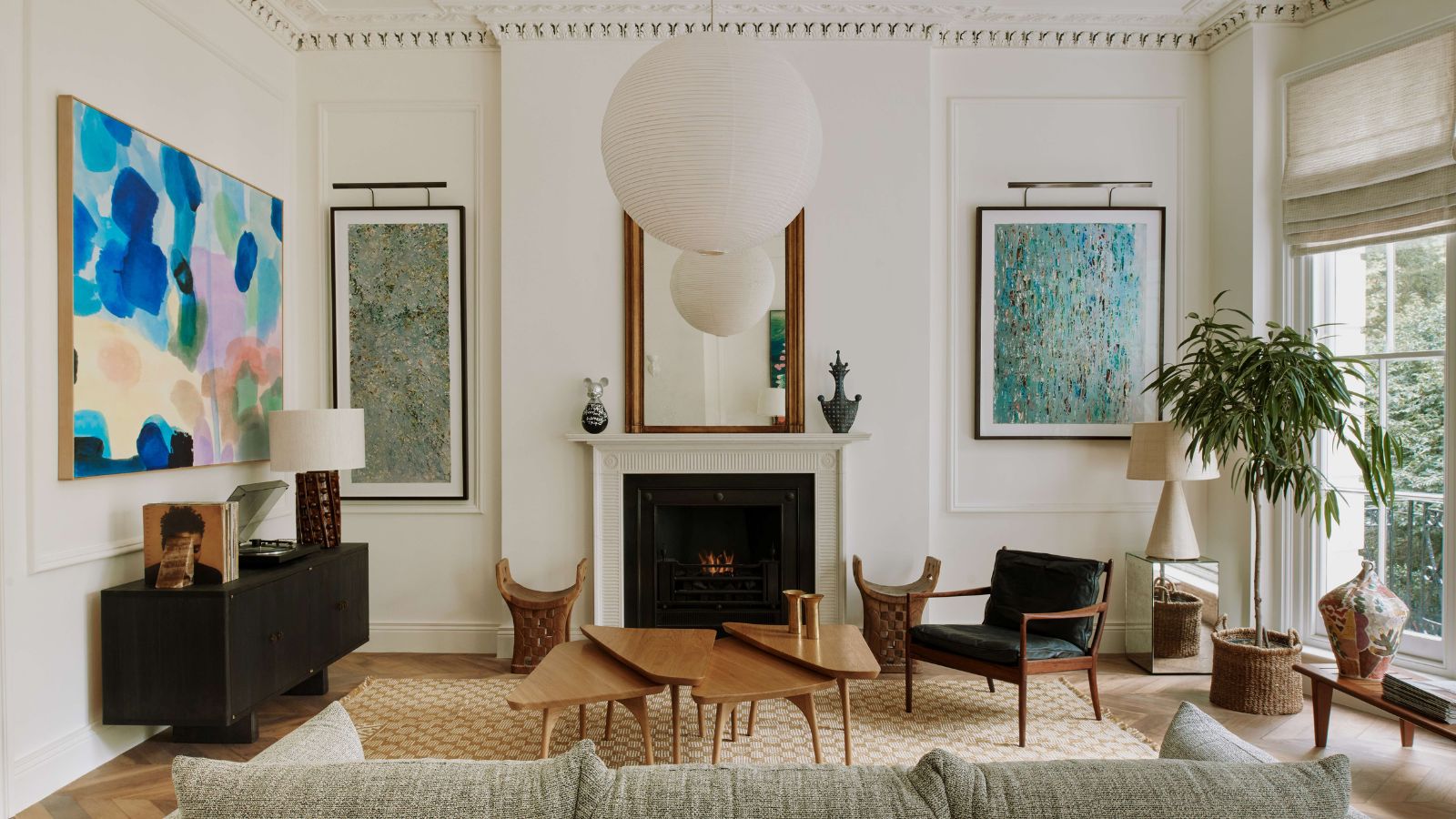
9 transitional living room ideas that nail this old-meets-new style
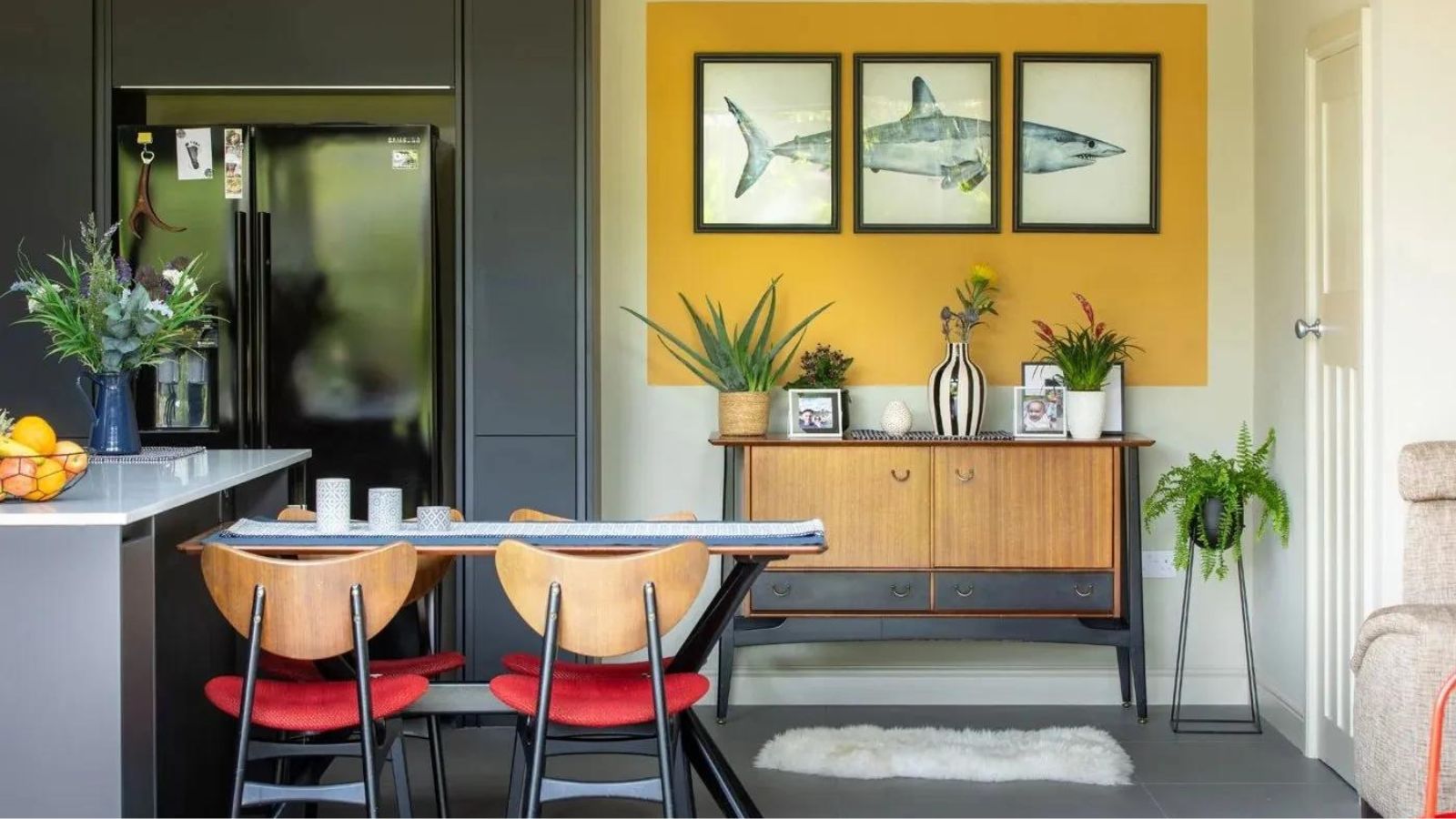
Should you follow interior design trends? Do they create a stylish home or one that will date fast?

Seven of St. Louis’ Top Designers

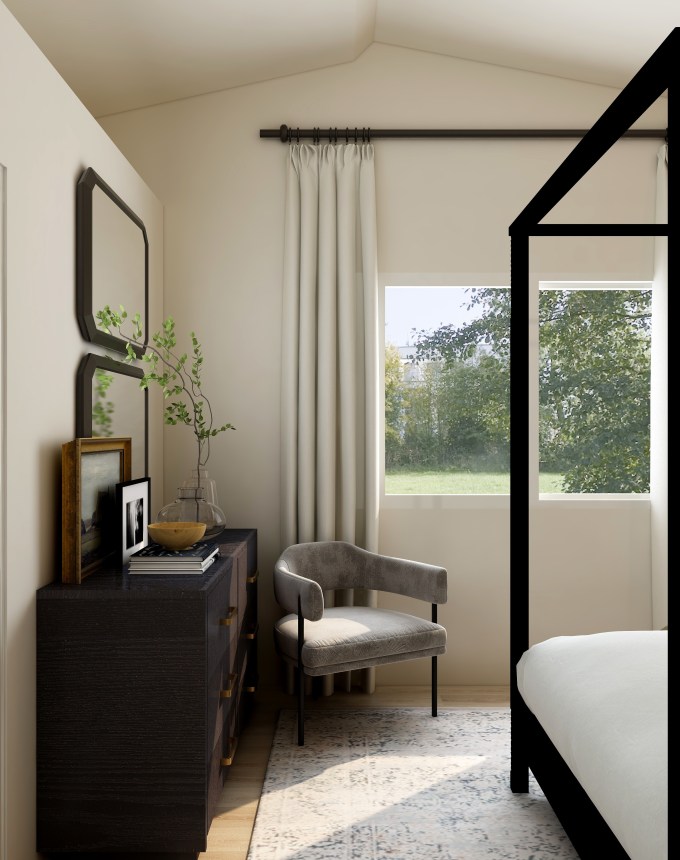
Here’s What Transitional Style *Actually* Means (and 6 Tips to Nail the Look)
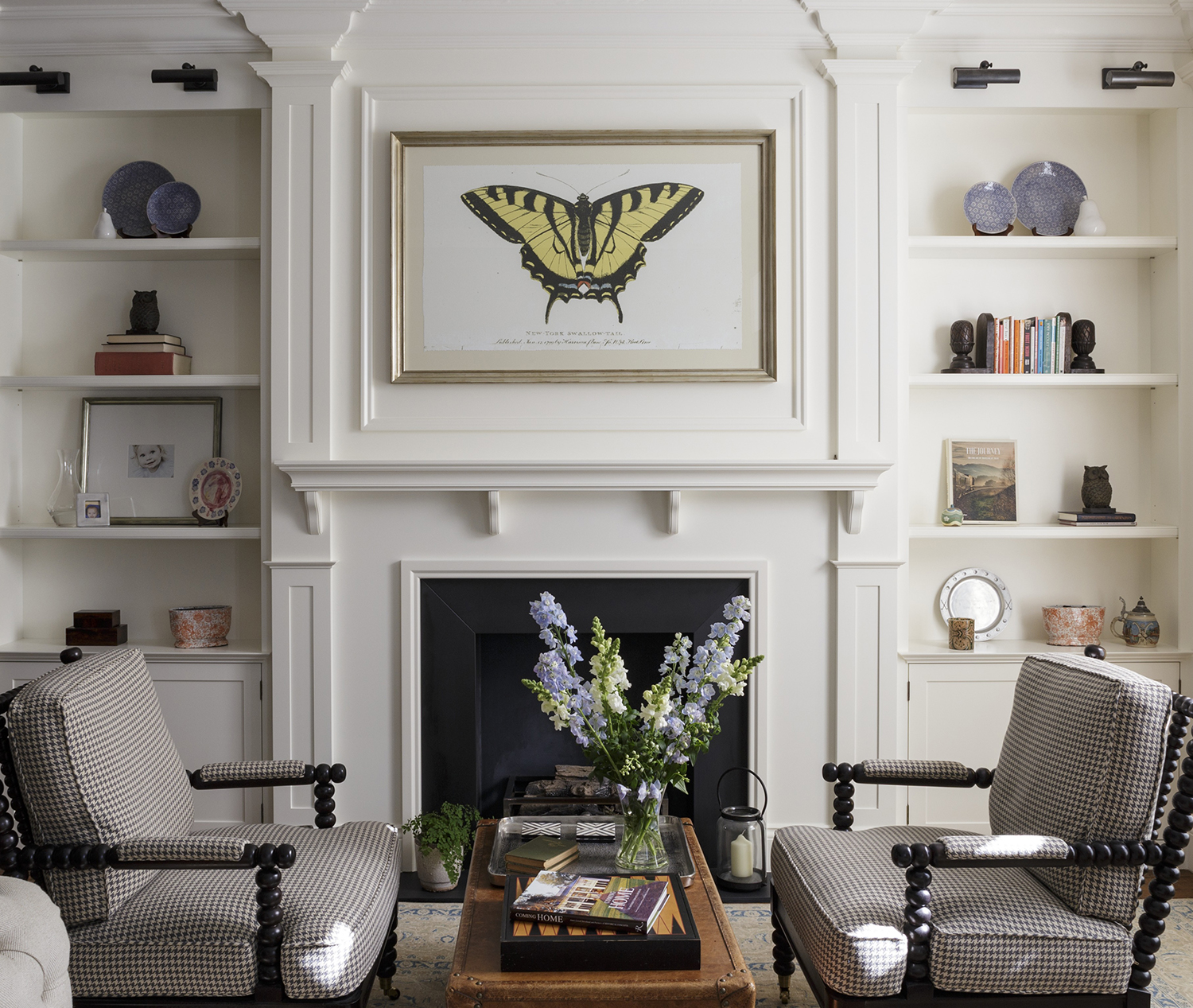
9 perfect color palettes for transitional- style living rooms - the design trend of the moment

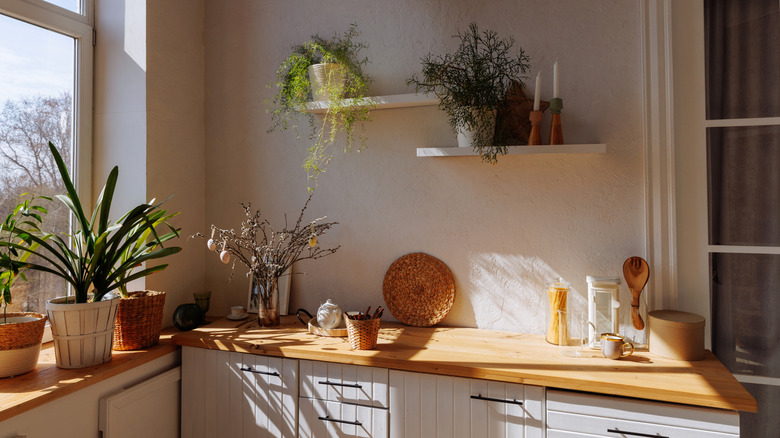
The Popular Kitchen Style You'll See Everywhere In 2026

Meet Krysti Lyn | Whole Home Designer
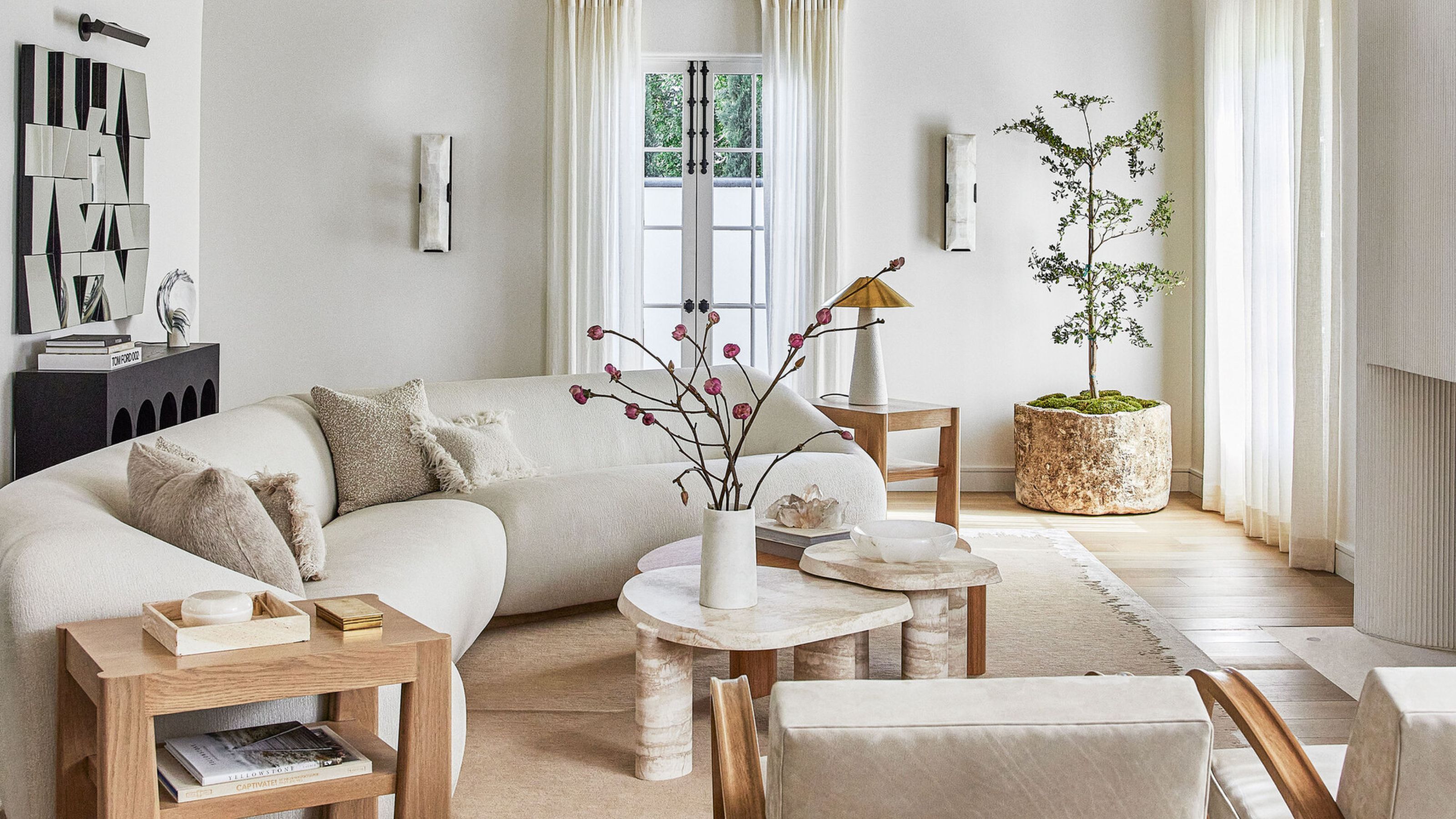
How to Achieve Transitional Style — 14 Designer Tips to Capture the Trend Taking Over Interiors
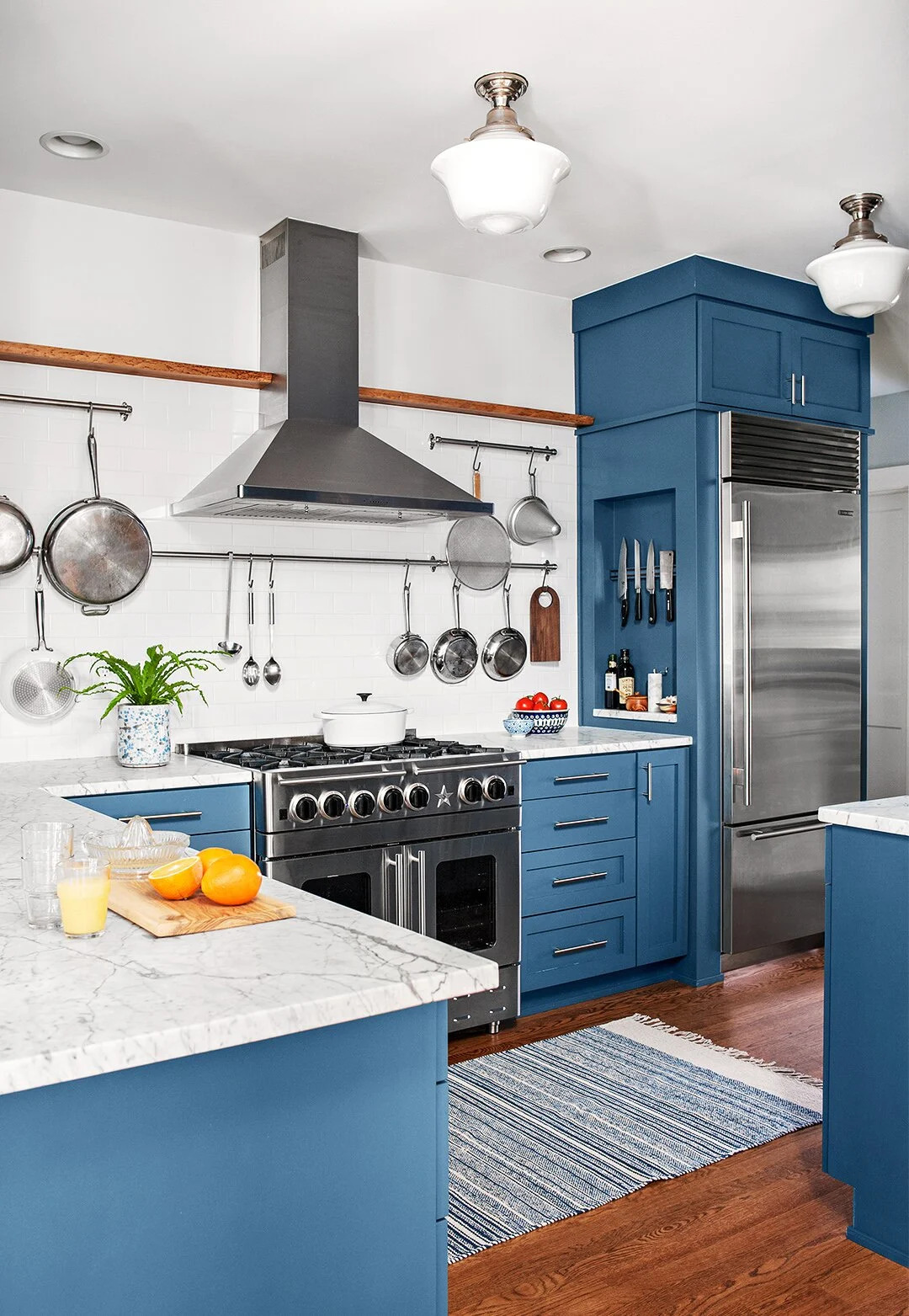
Transitional Style Kitchens Are Most Popular—Here's How to Ace the Look

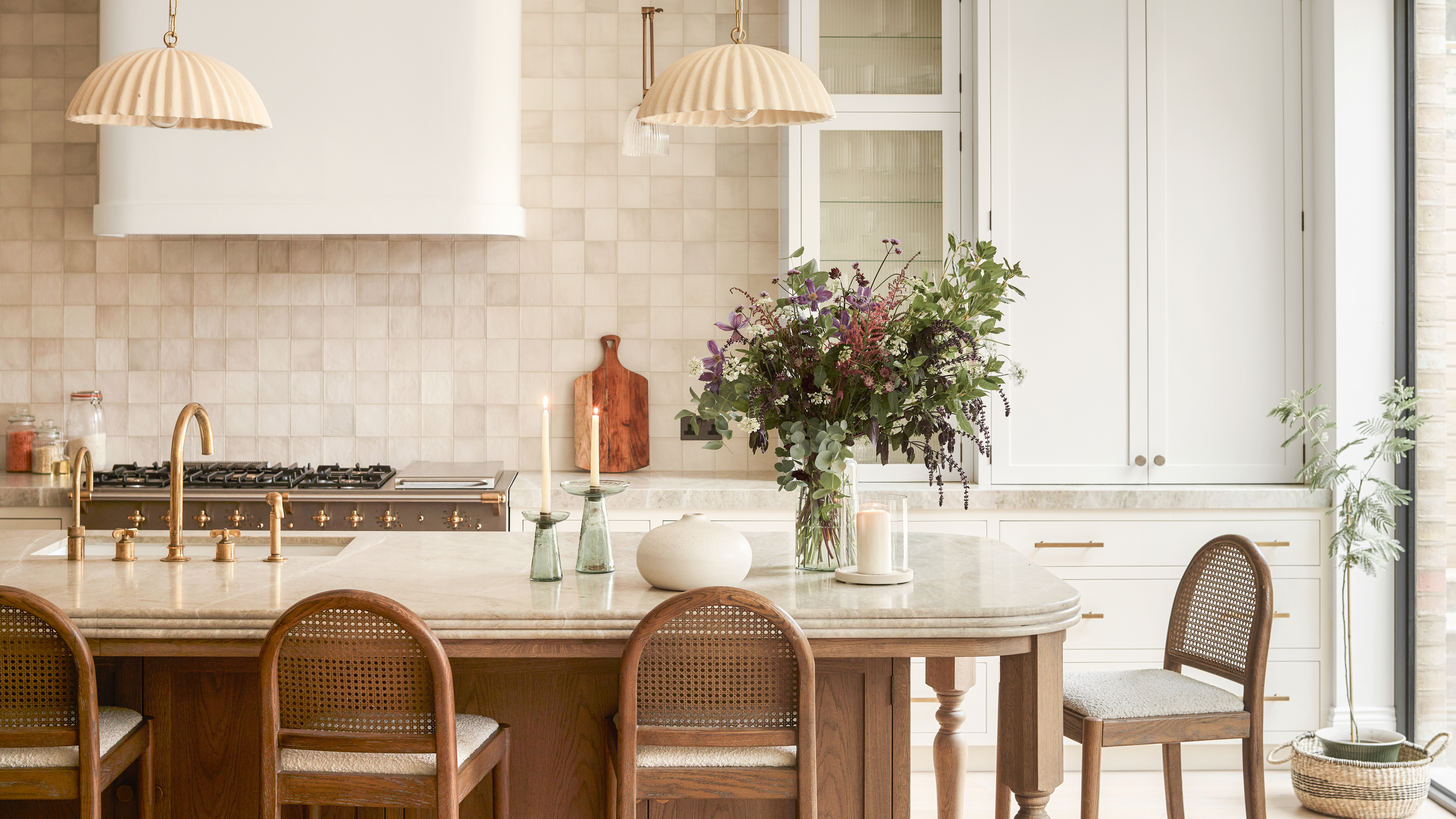
Transitional-Style Kitchens — 13 Ideas to Blend the Best of Traditional and Modern Elements in Your Design
The New Transitional Living Room Design We Really Love
What is transitional design? Get the scoop on the trend from a local expert
10 beautiful transitional color schemes for every room in the house

Don’t Know Your Design Style? These Are the 5 Most Popular Ones
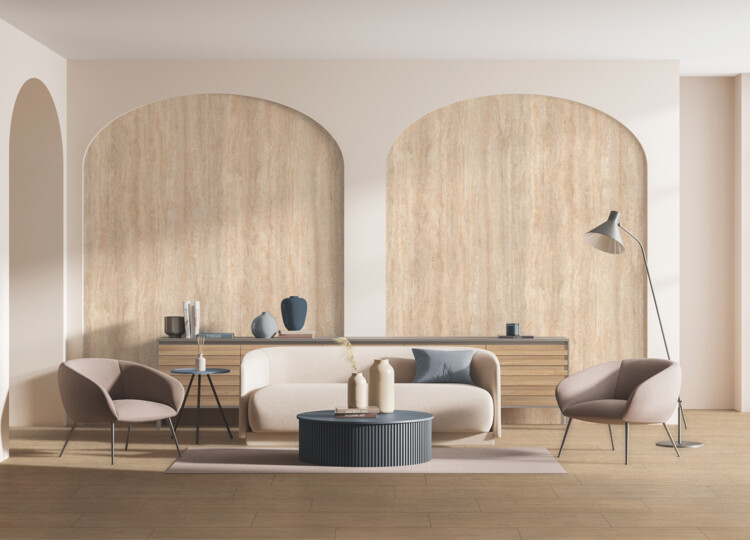
Room for Change: Interior Design that Adapts with Style

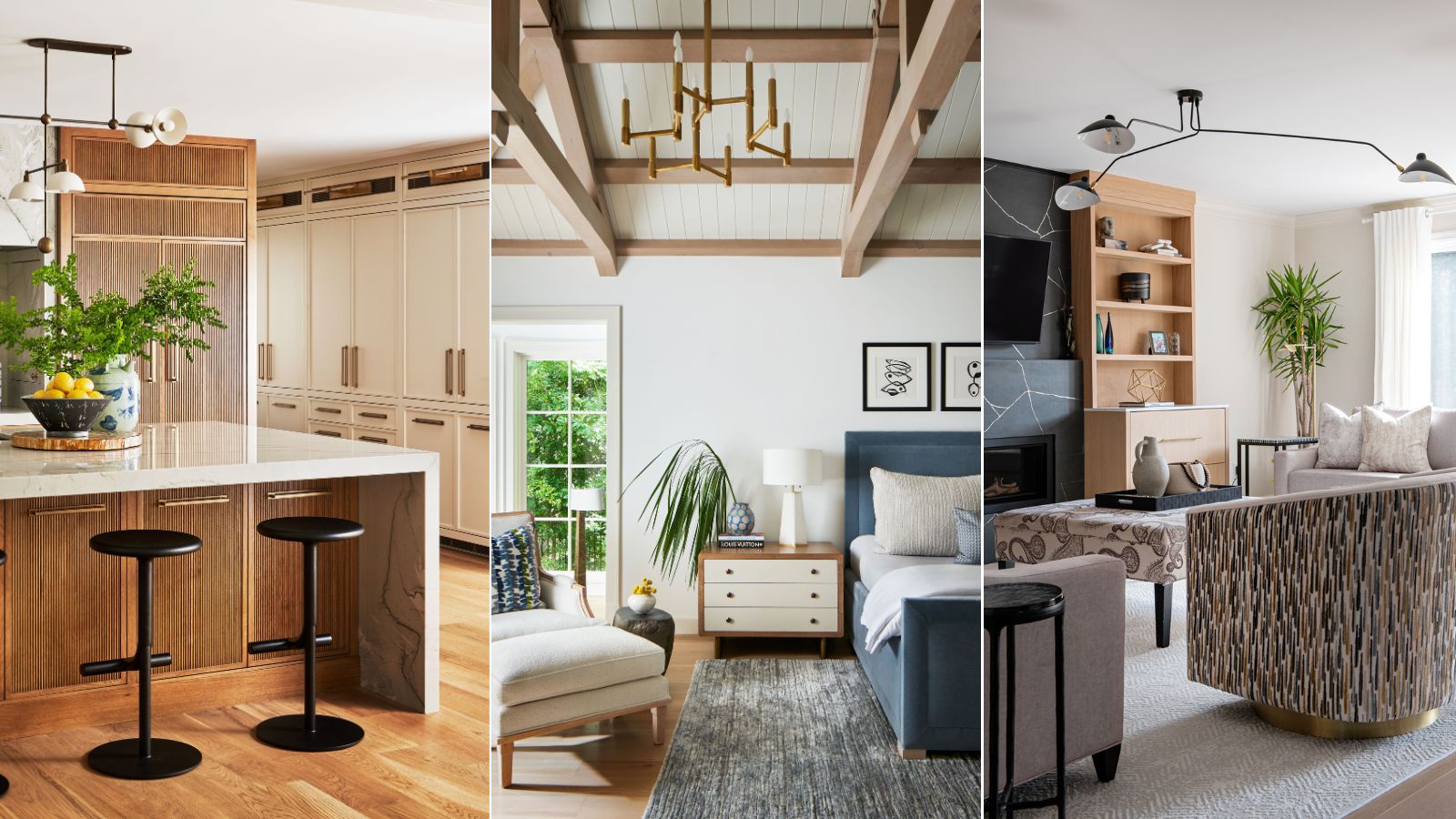
9 transitional style decorating rules – the ultimate checklist to channel the perfect old-meets-new look
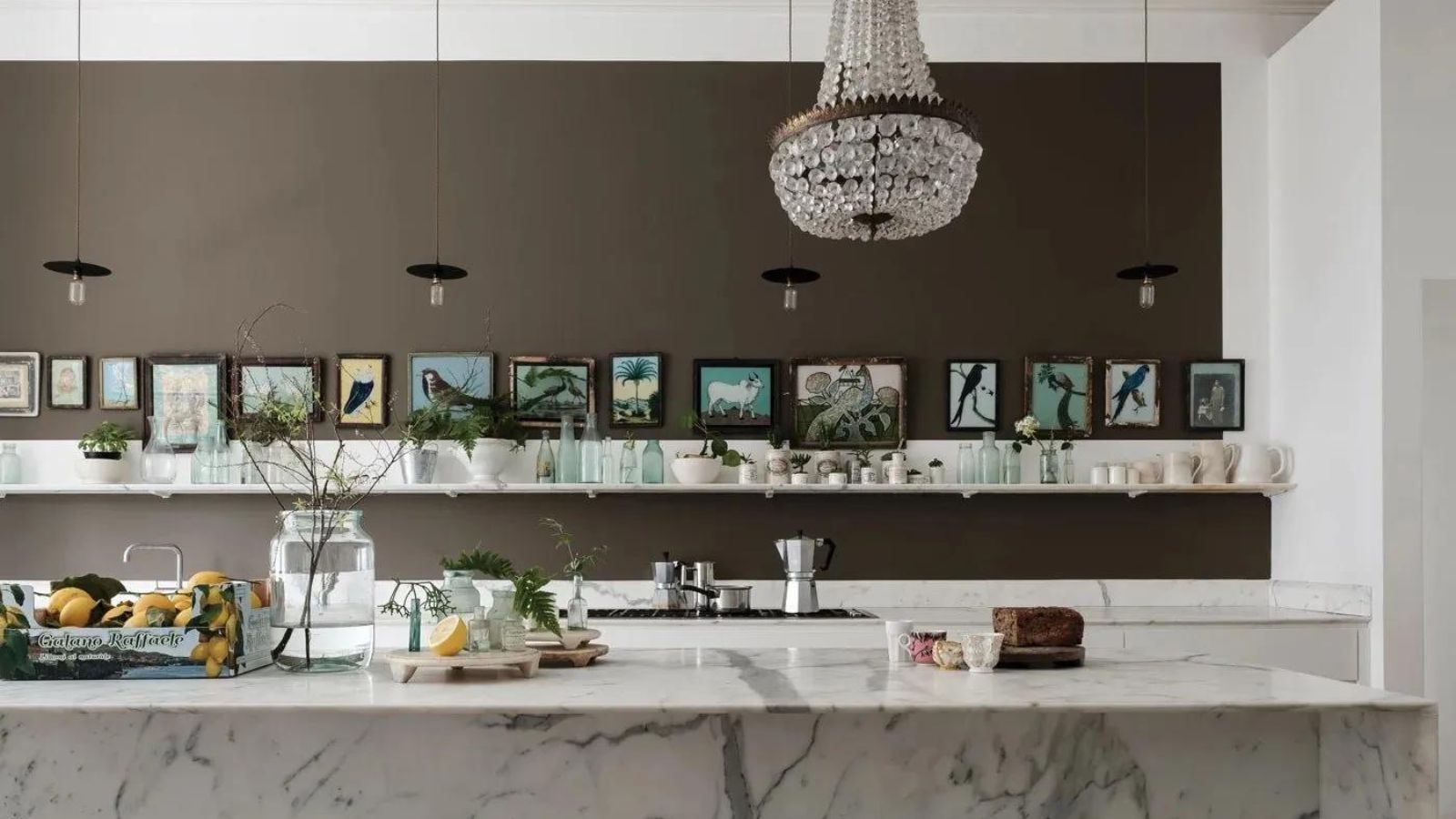
7 mistakes you are making with transitional style – and expert strategies for avoiding them
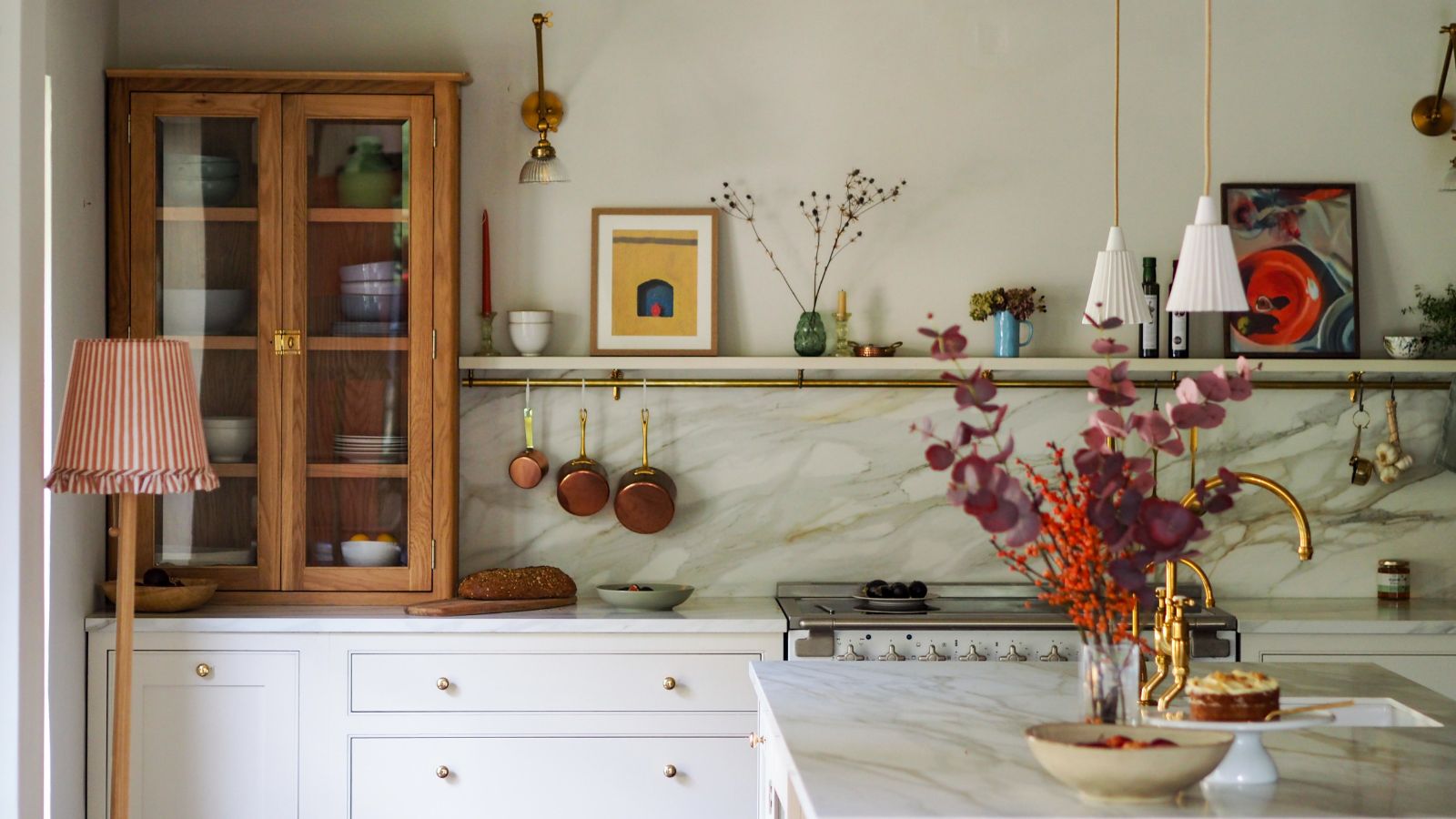
13 transitional kitchen ideas that effortlessly blend old and new
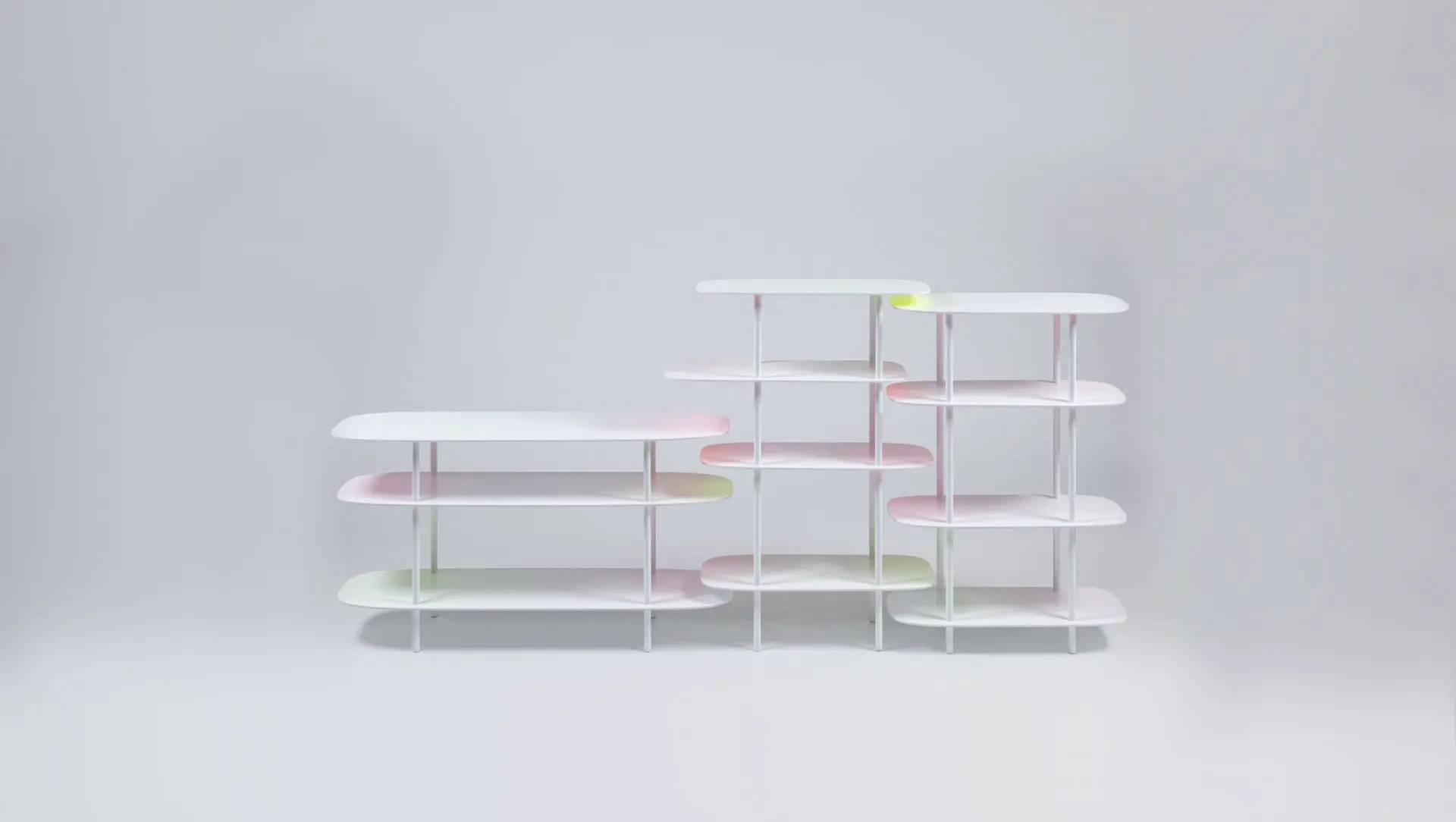
These shelves reveal colour gradients when brought together