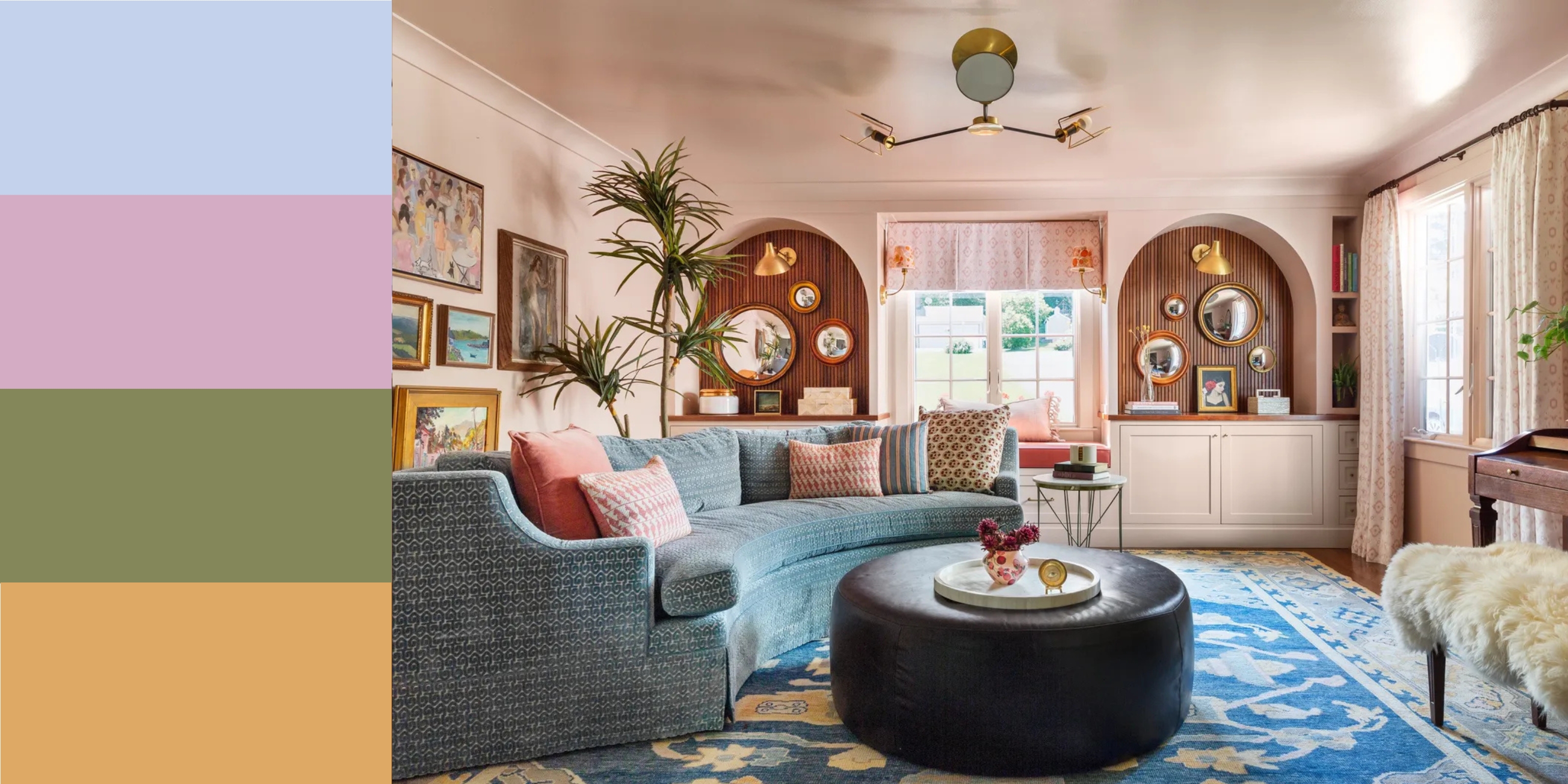
1/18
What Colors Go With Light Blue? 18 Pairings for Pale, Baby, and Sky Blue That Will Make Your Home Look Modern
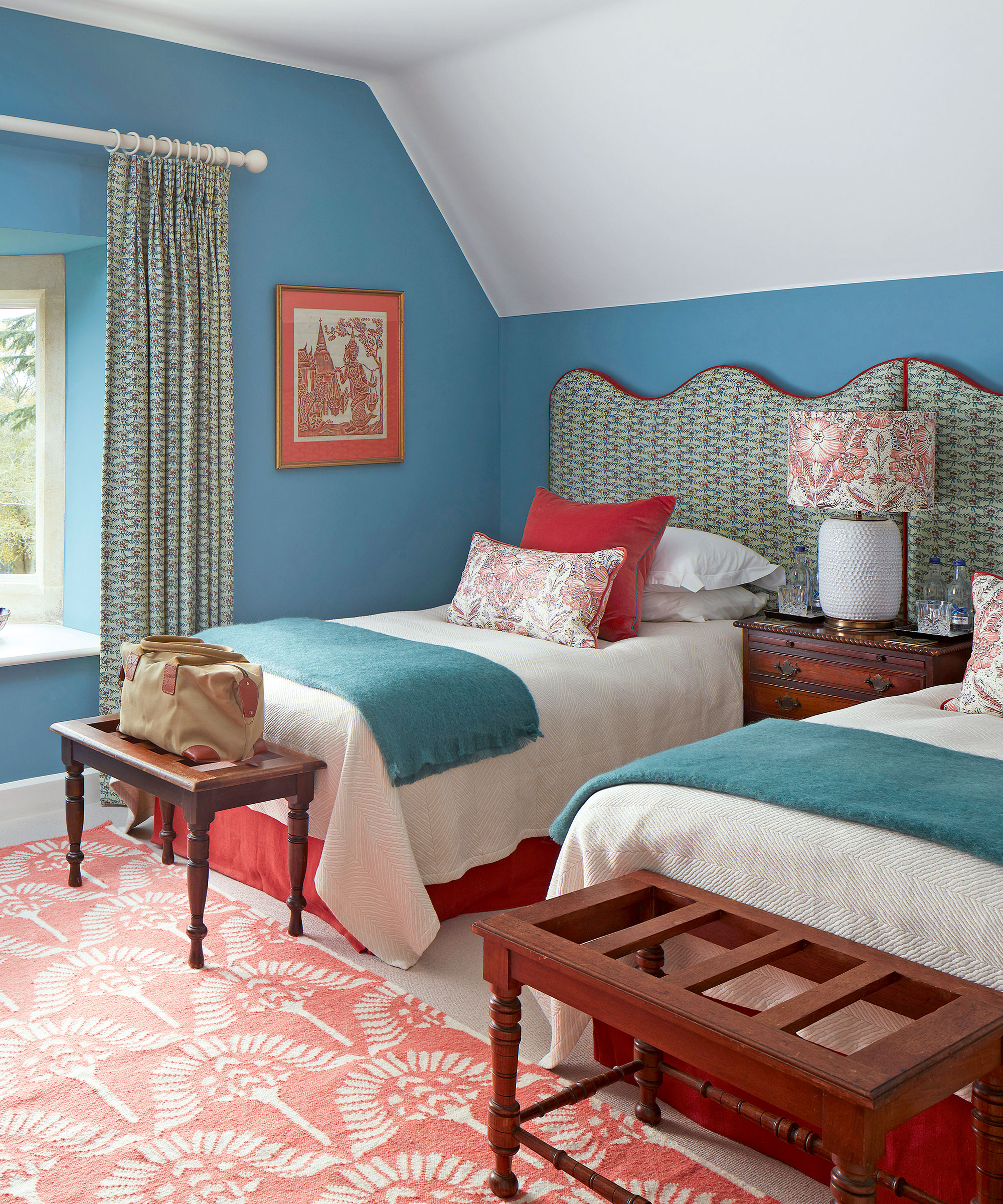
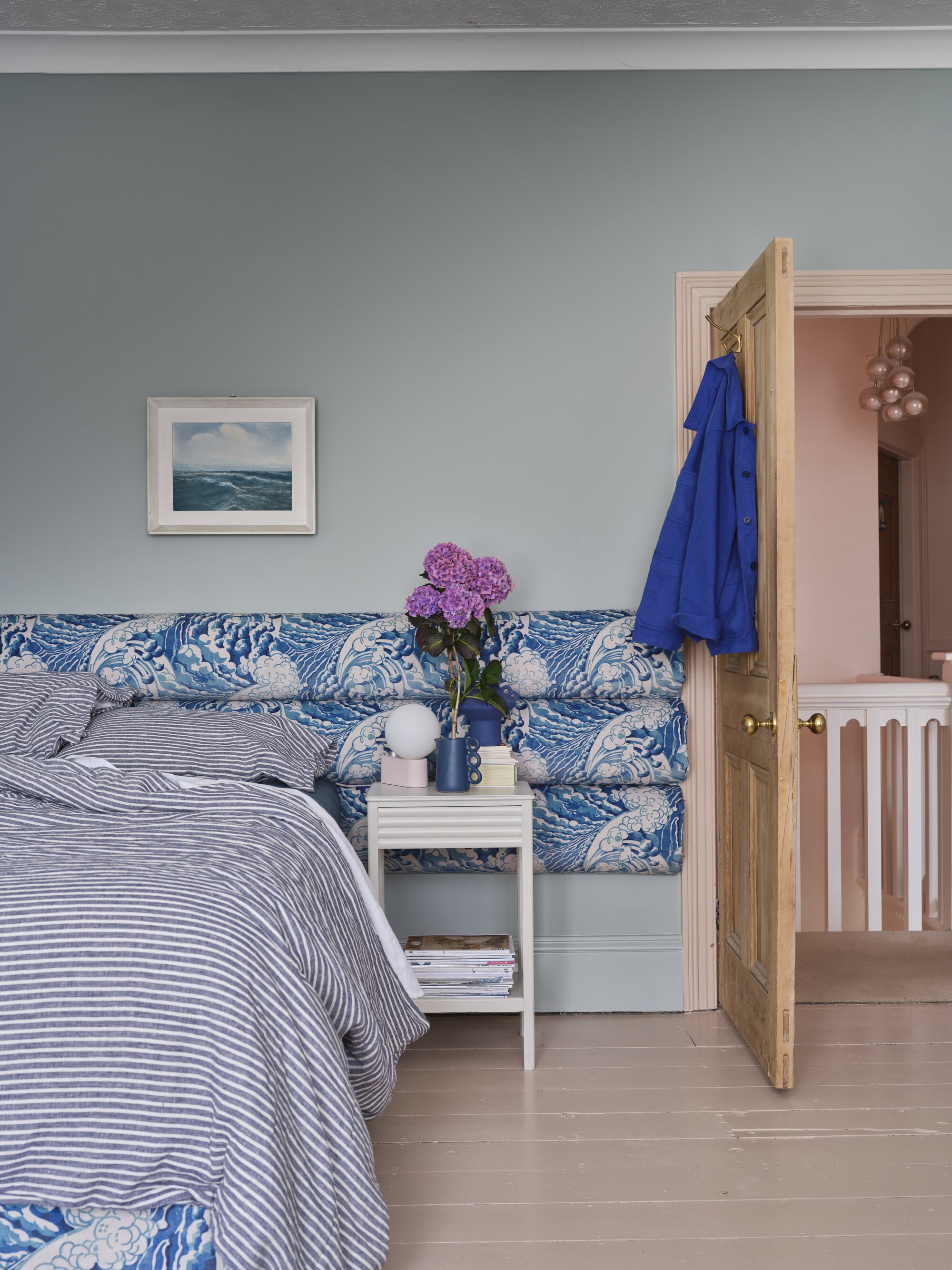
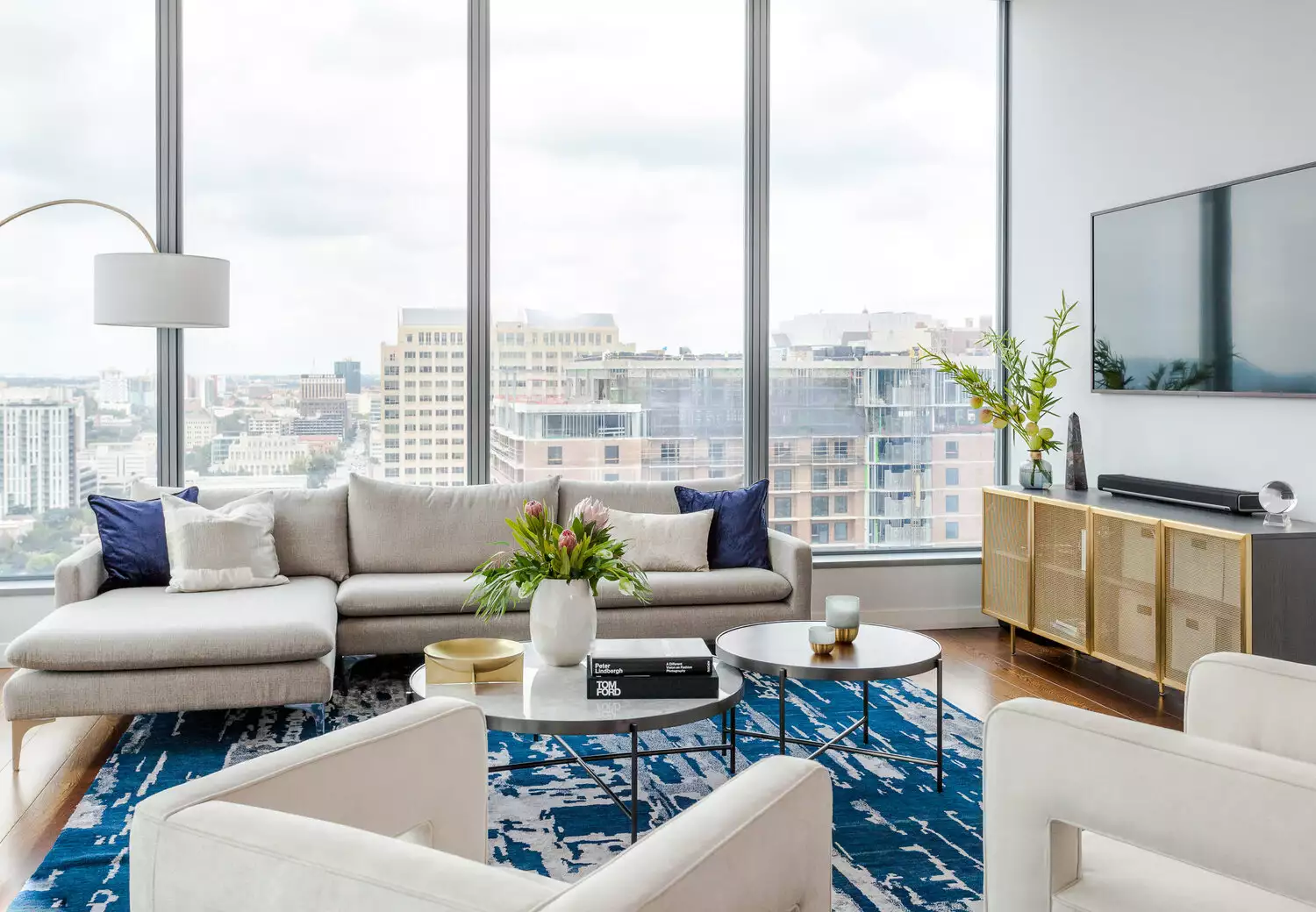
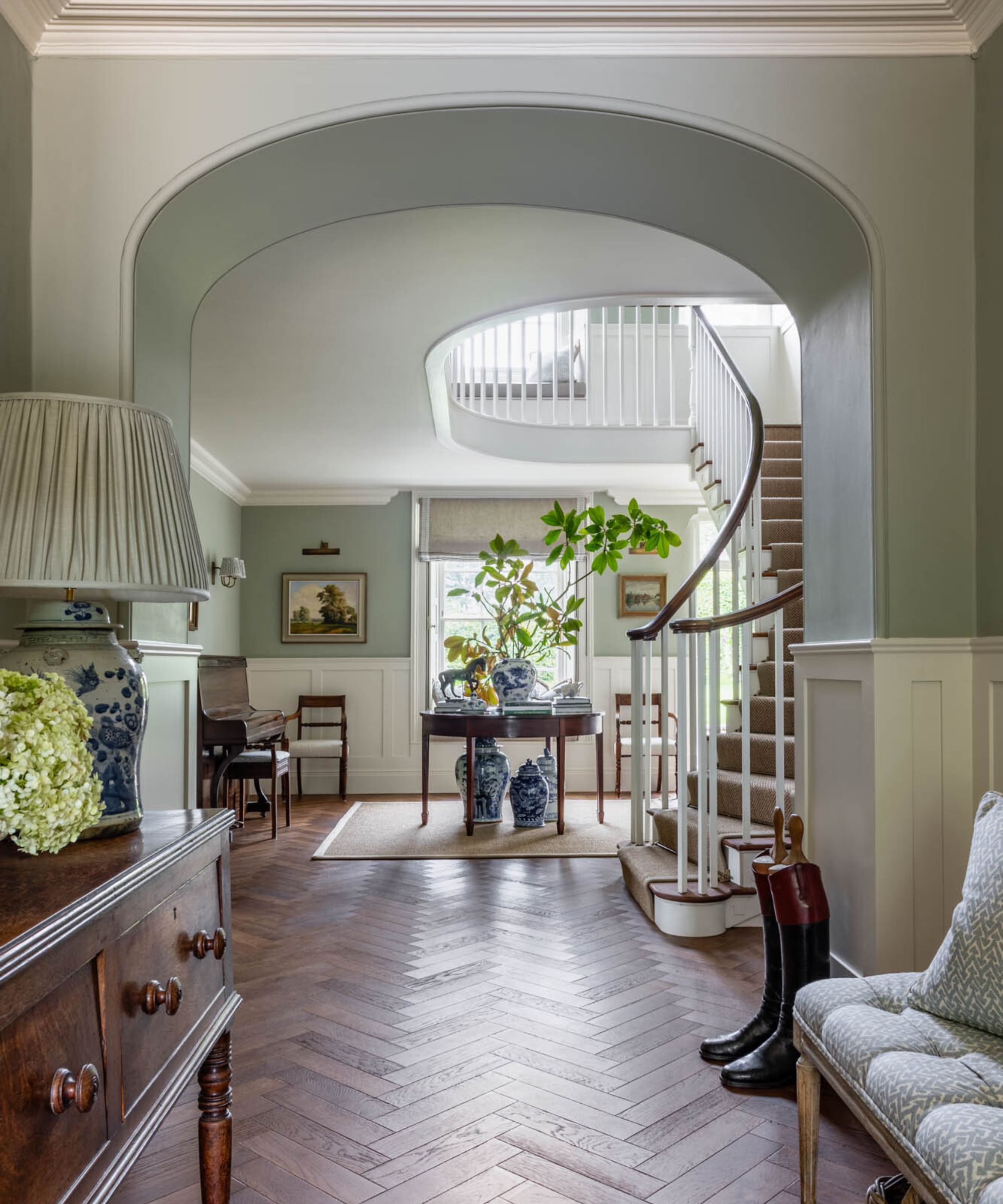
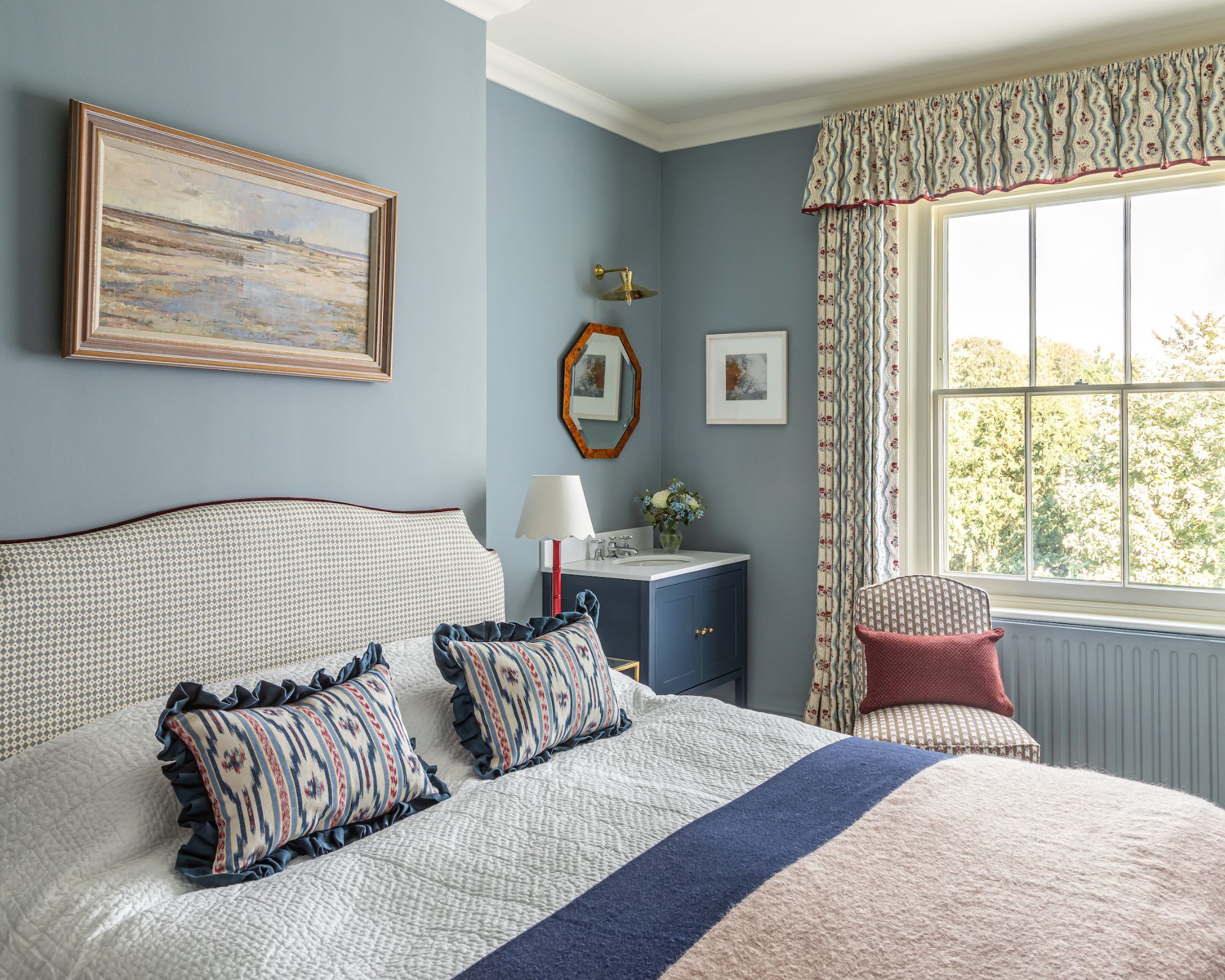
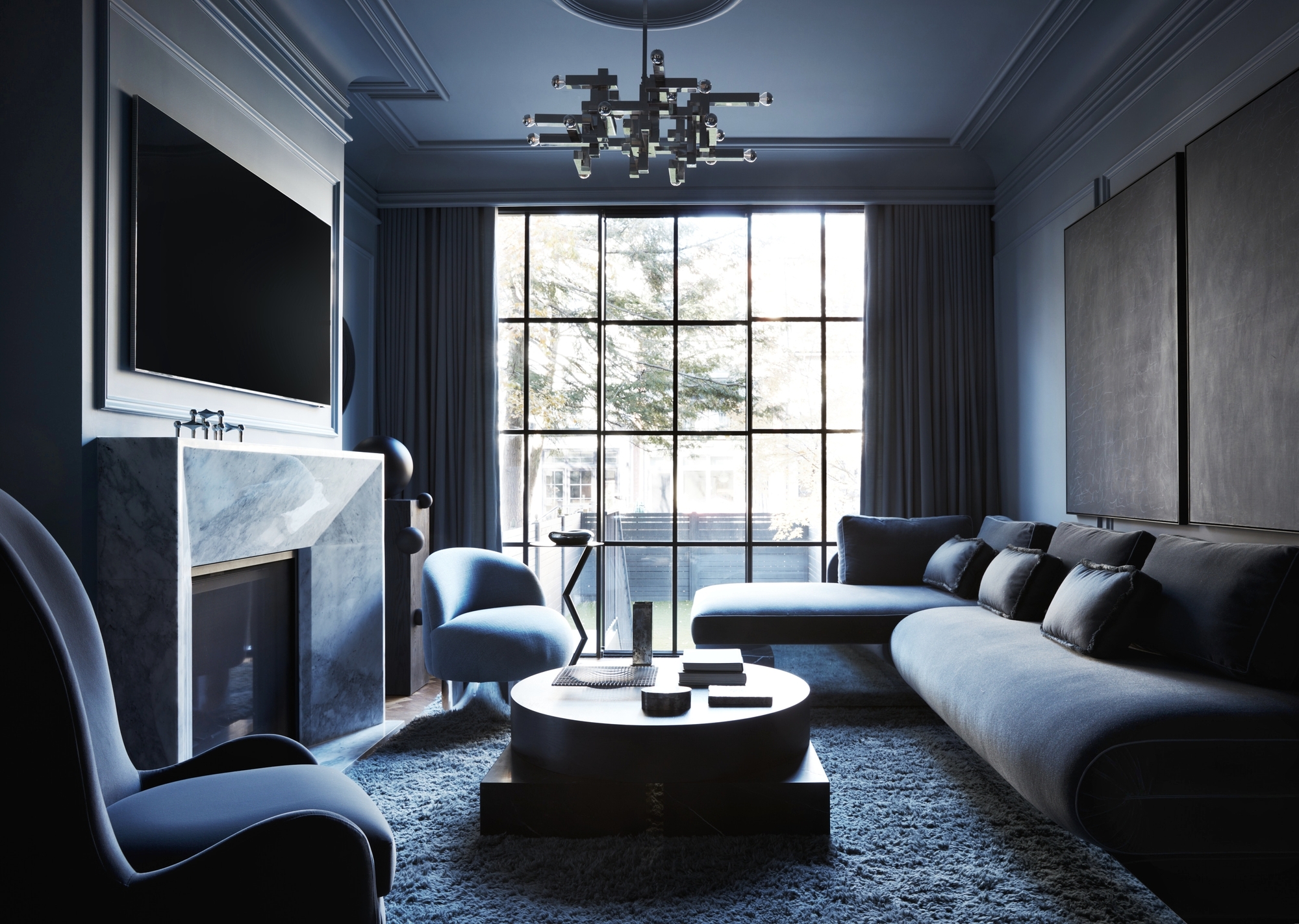
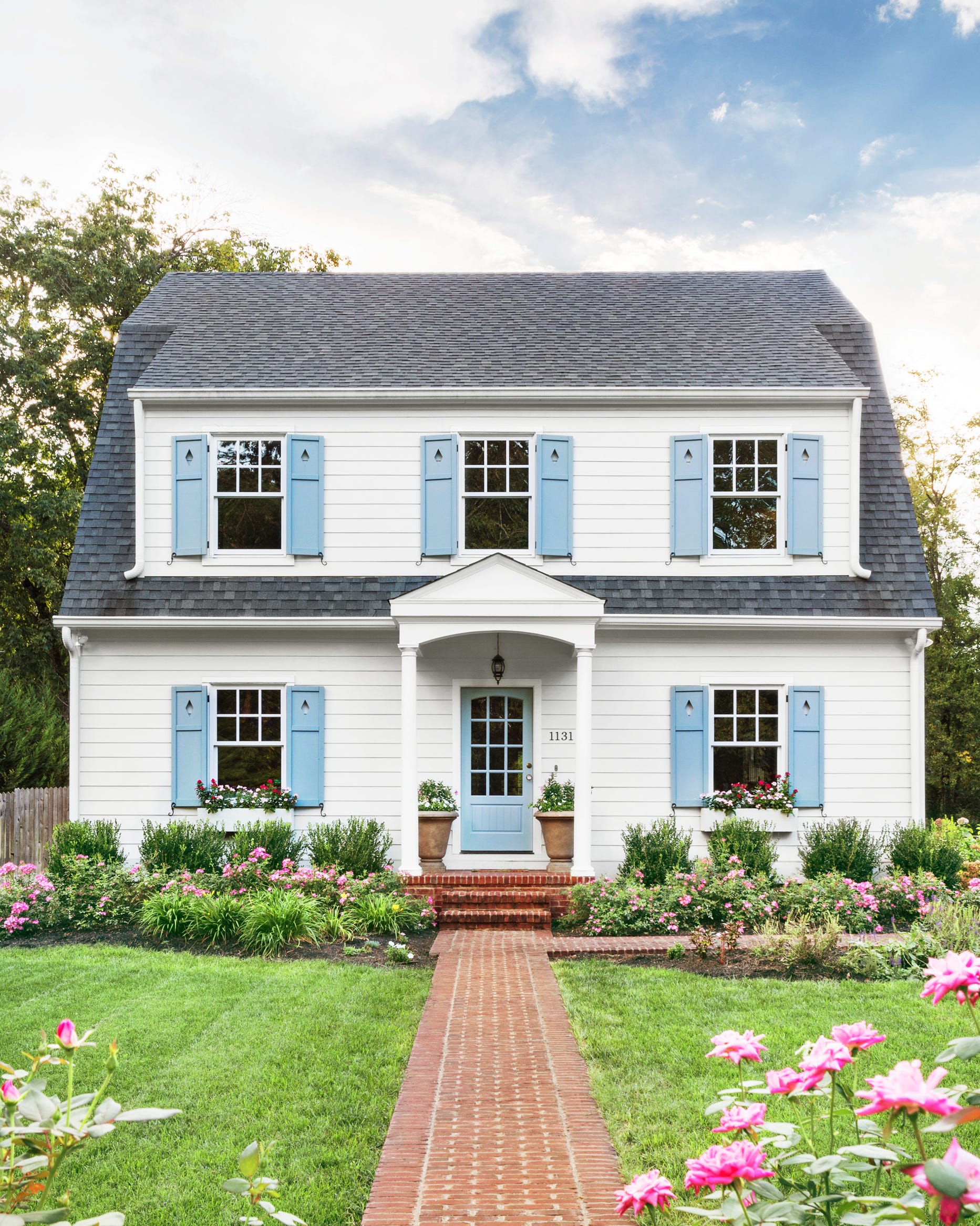
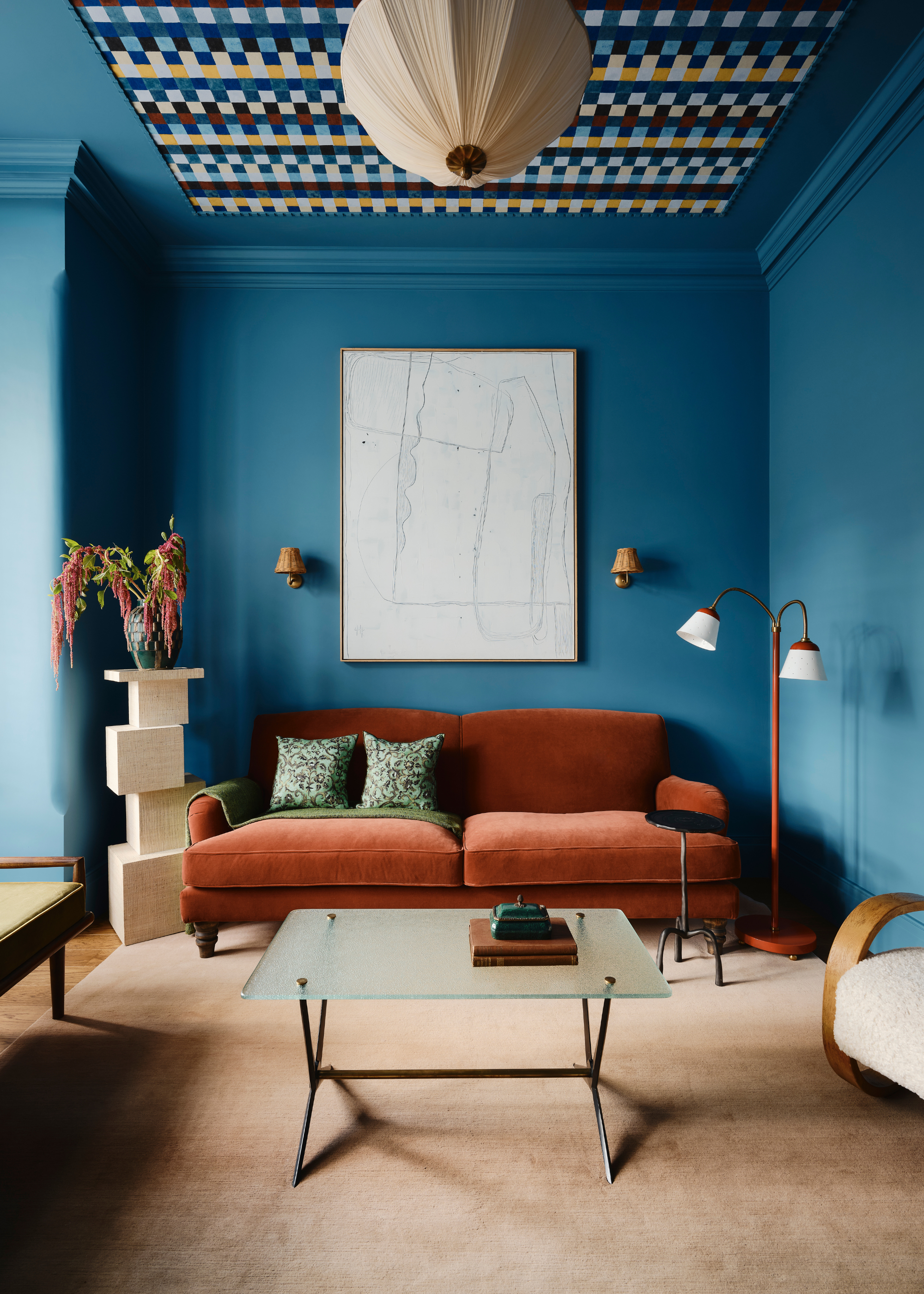
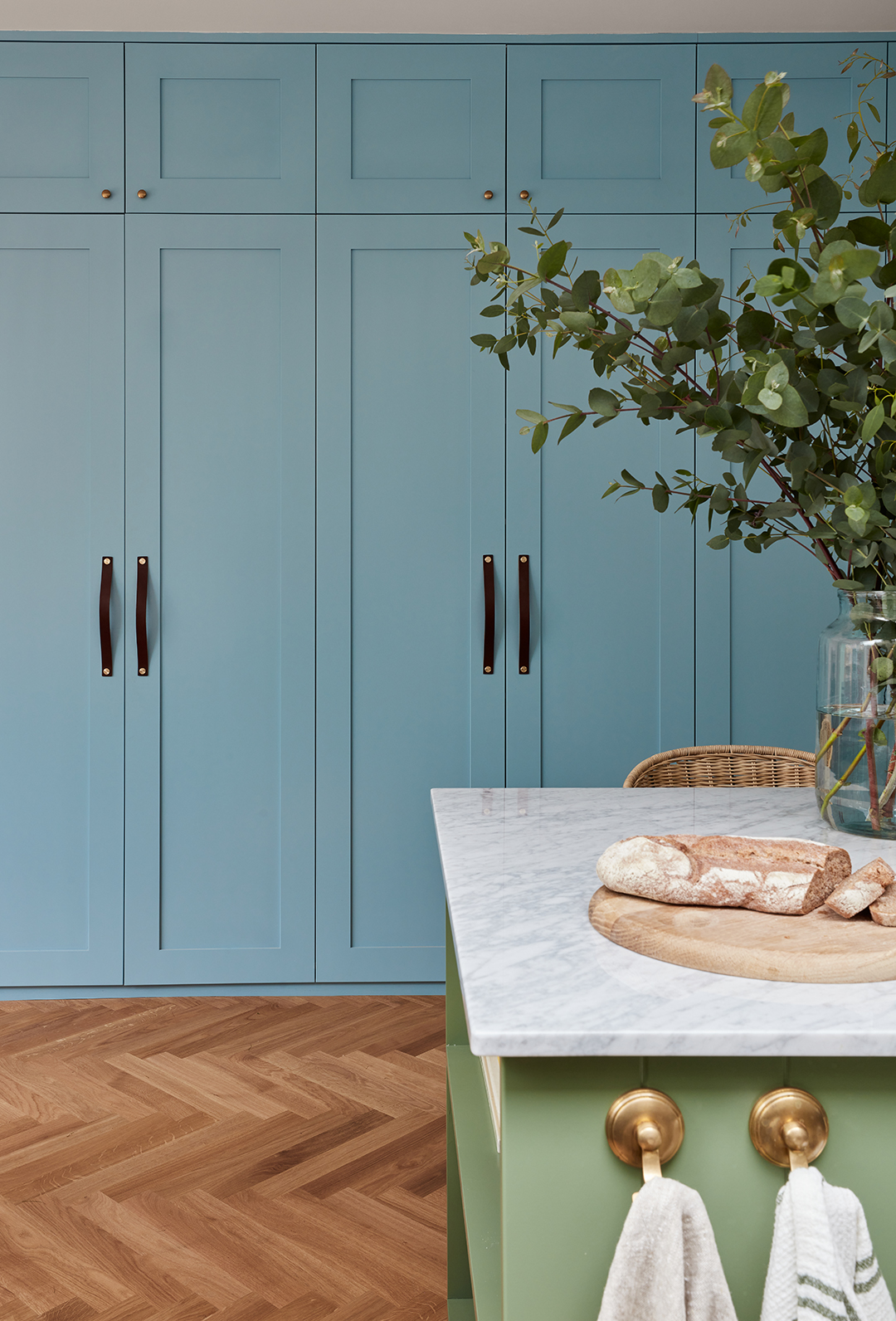
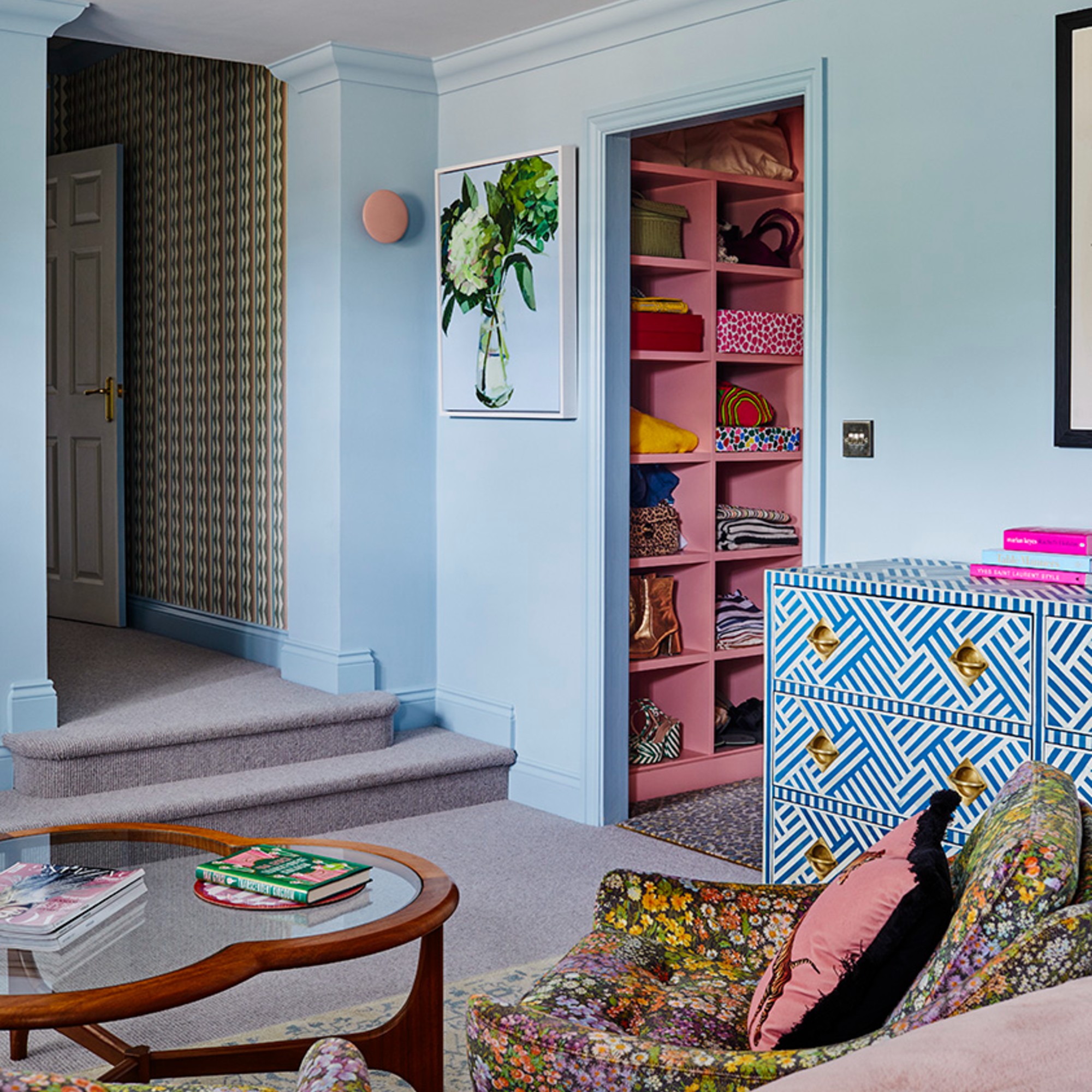
Light blue, often associated with traditional coastal aesthetics, is a versatile and modern trend in interior design. Its application extends beyond calming creams and whites, offering a broad spectrum of pairings that can evoke various moods and styles. When combined with other cool tones like lilac, light blue creates tranquil and restful spaces. Conversely, pairing it with punchier accent hues such as hot pink or mustard yellow can result in dynamic and vibrant aesthetics. The key to modern and sophisticated use of light blue lies in selecting the right combinations to elevate the shade, avoiding a dated or childish appearance.
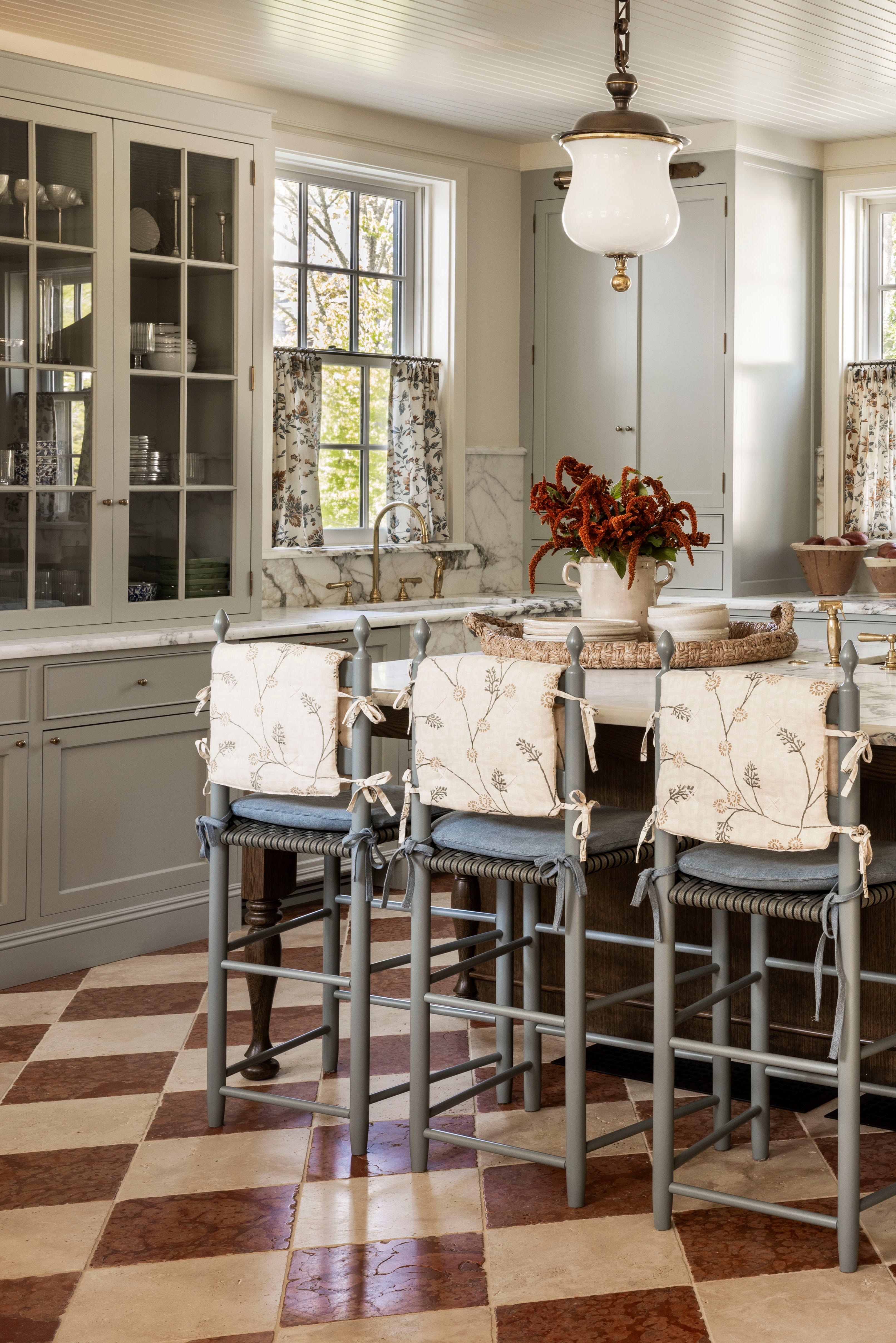
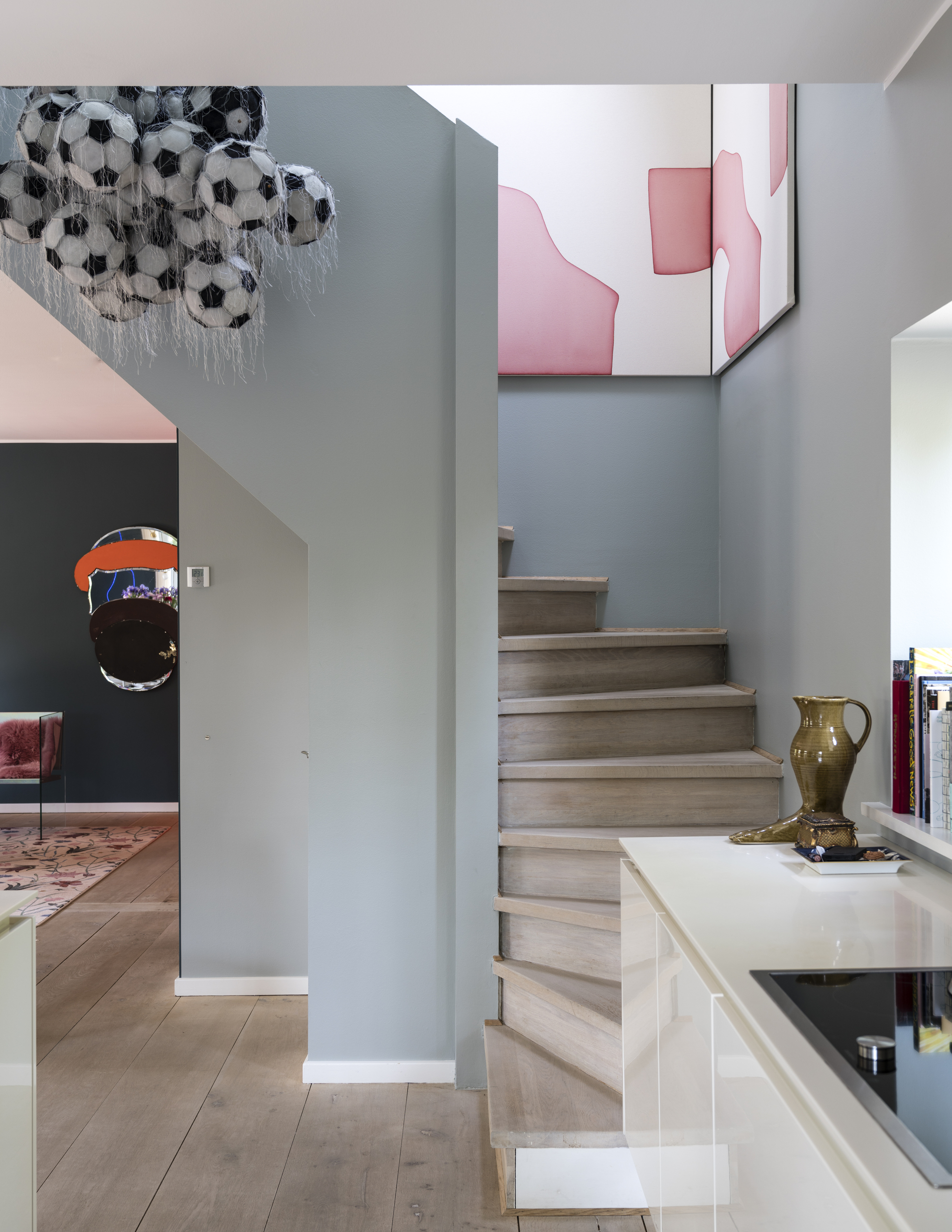
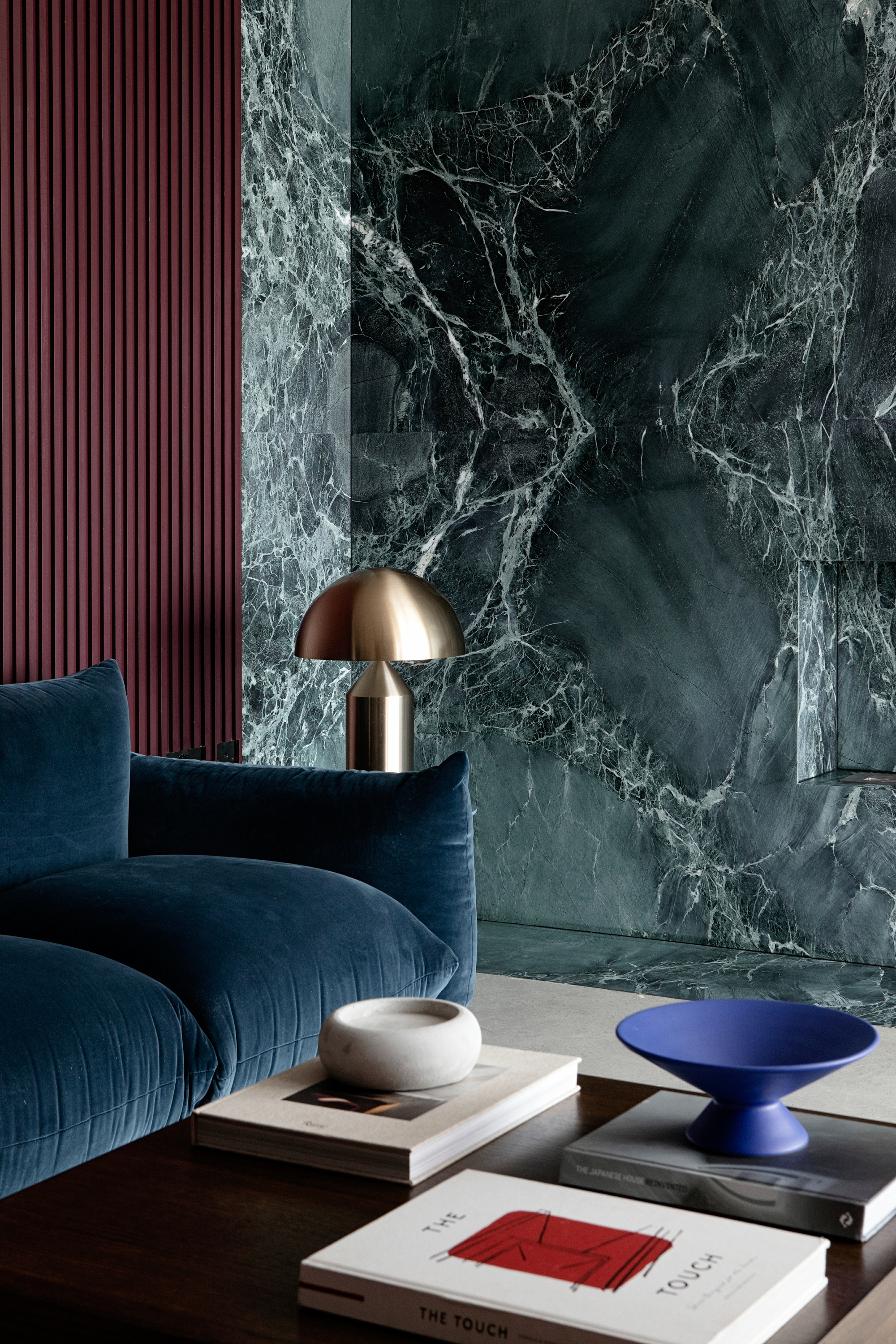
Several expert designers highlight specific color combinations that effectively complement light blue. Burgundy, an emerging color trend for 2025, balances light blue due to its blue undertones, providing a sophisticated contrast to neutral shades. This pairing introduces warmth and drama while maintaining a cool, calm vibe. Olive green, an earthy hue, works well with light blue by introducing warmth to its cool tones, creating a grounded and balanced feel. Minimal use of black accents in such a scheme can add a contemporary edge without overwhelming the space. Hot pinks, including fuchsia and magenta, are complementary colors to light blue, creating a vibrant and dynamic visual. The calming nature of light blue helps temper the intensity of hot pink, resulting in an alluring yet balanced design.
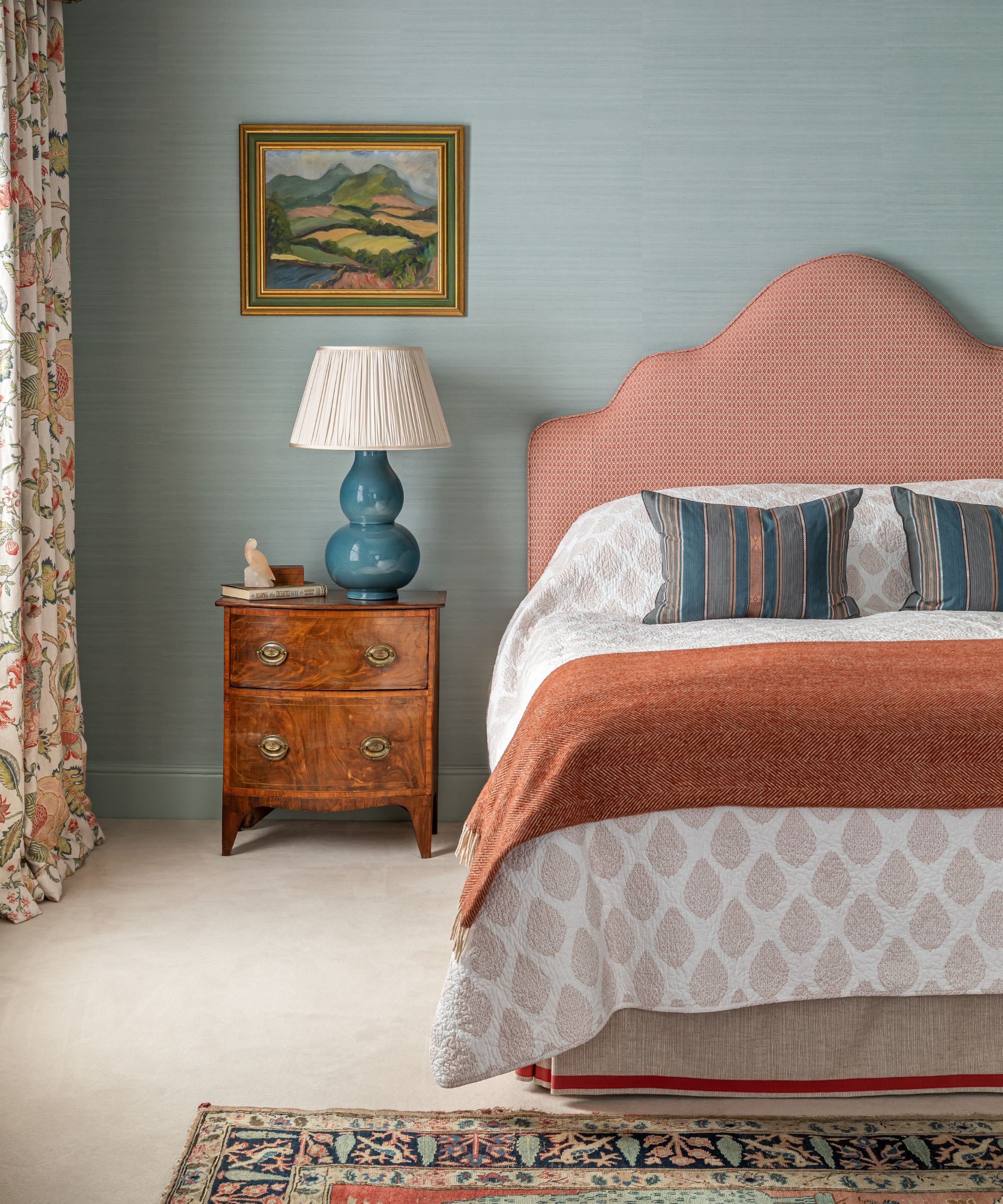
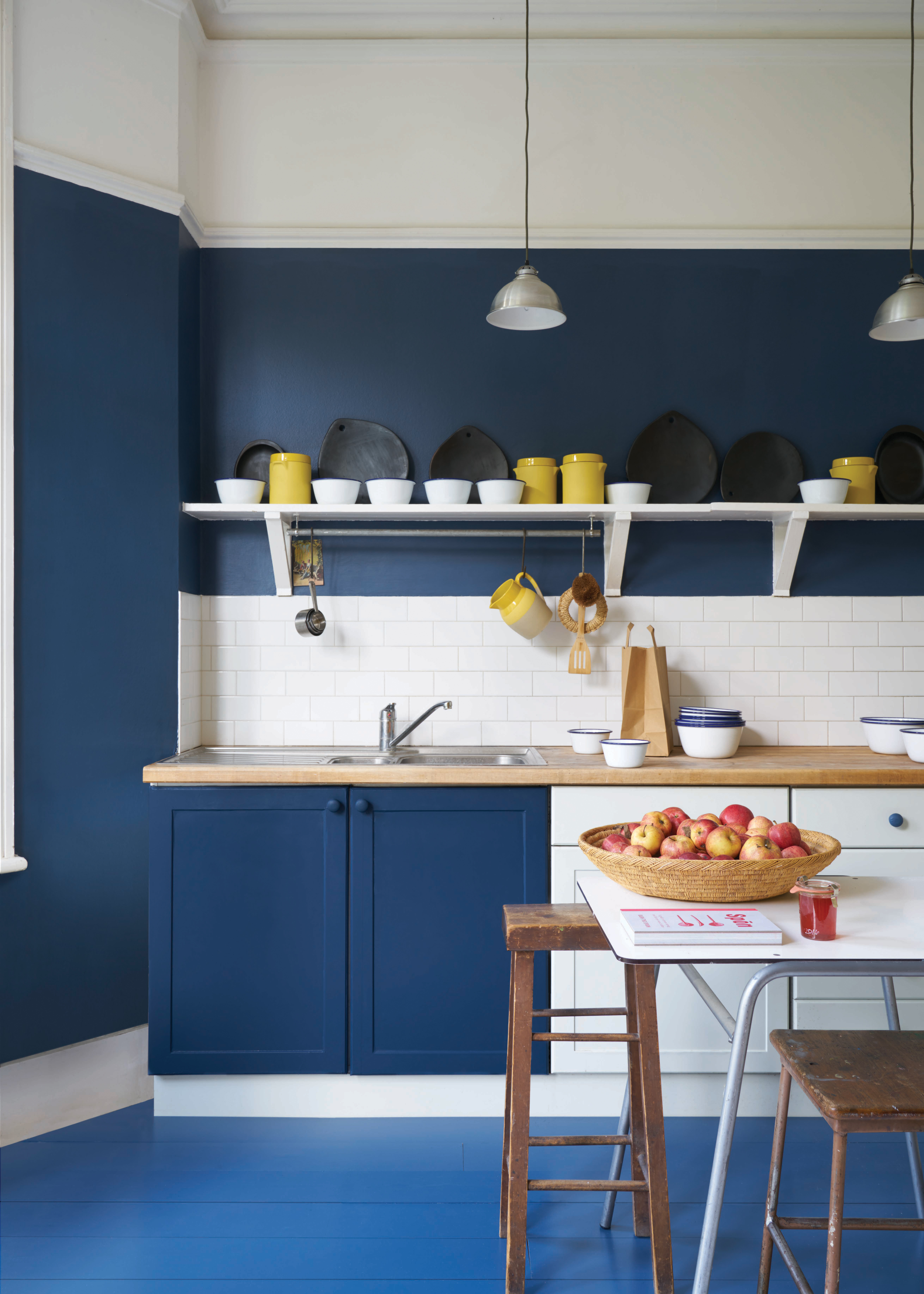
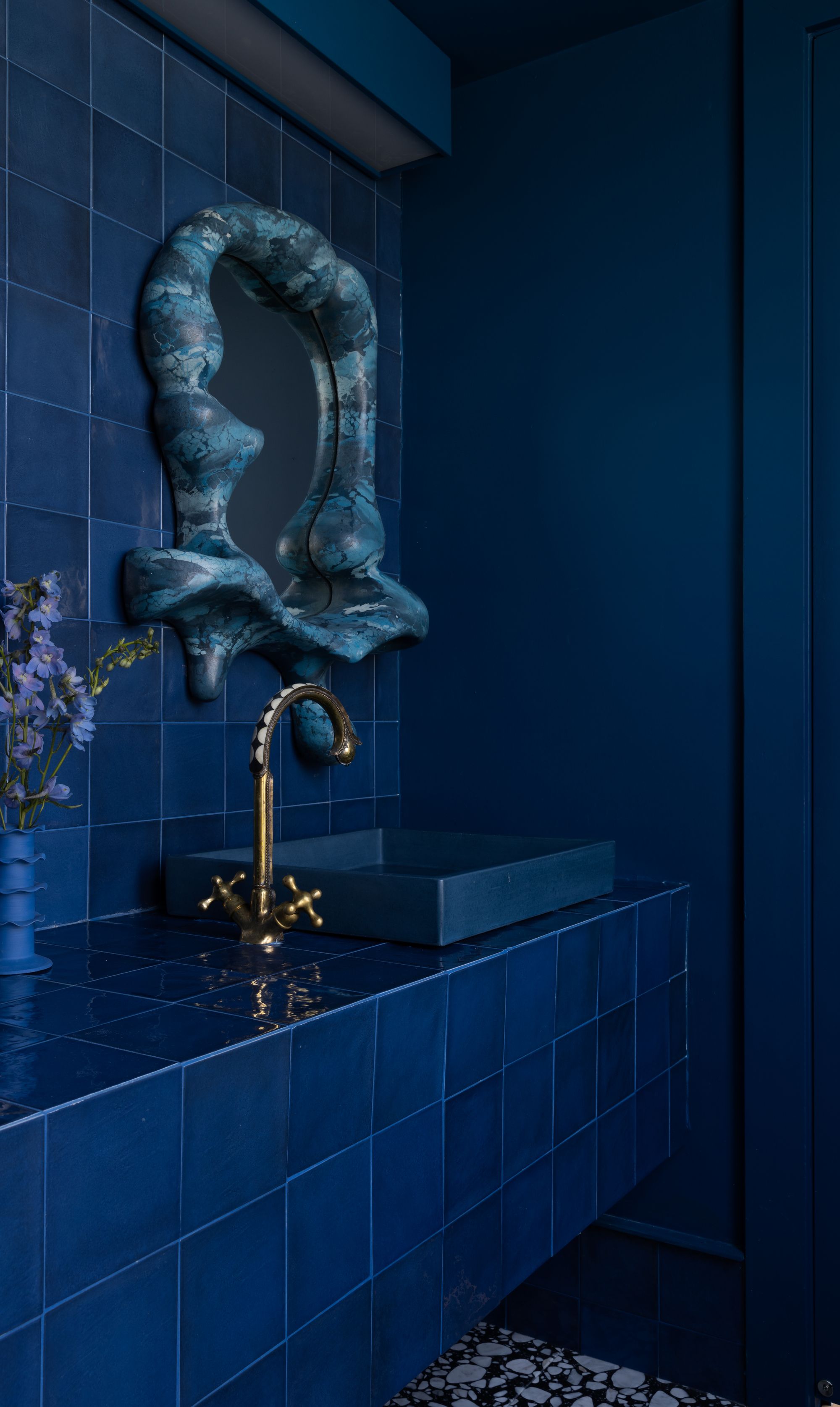
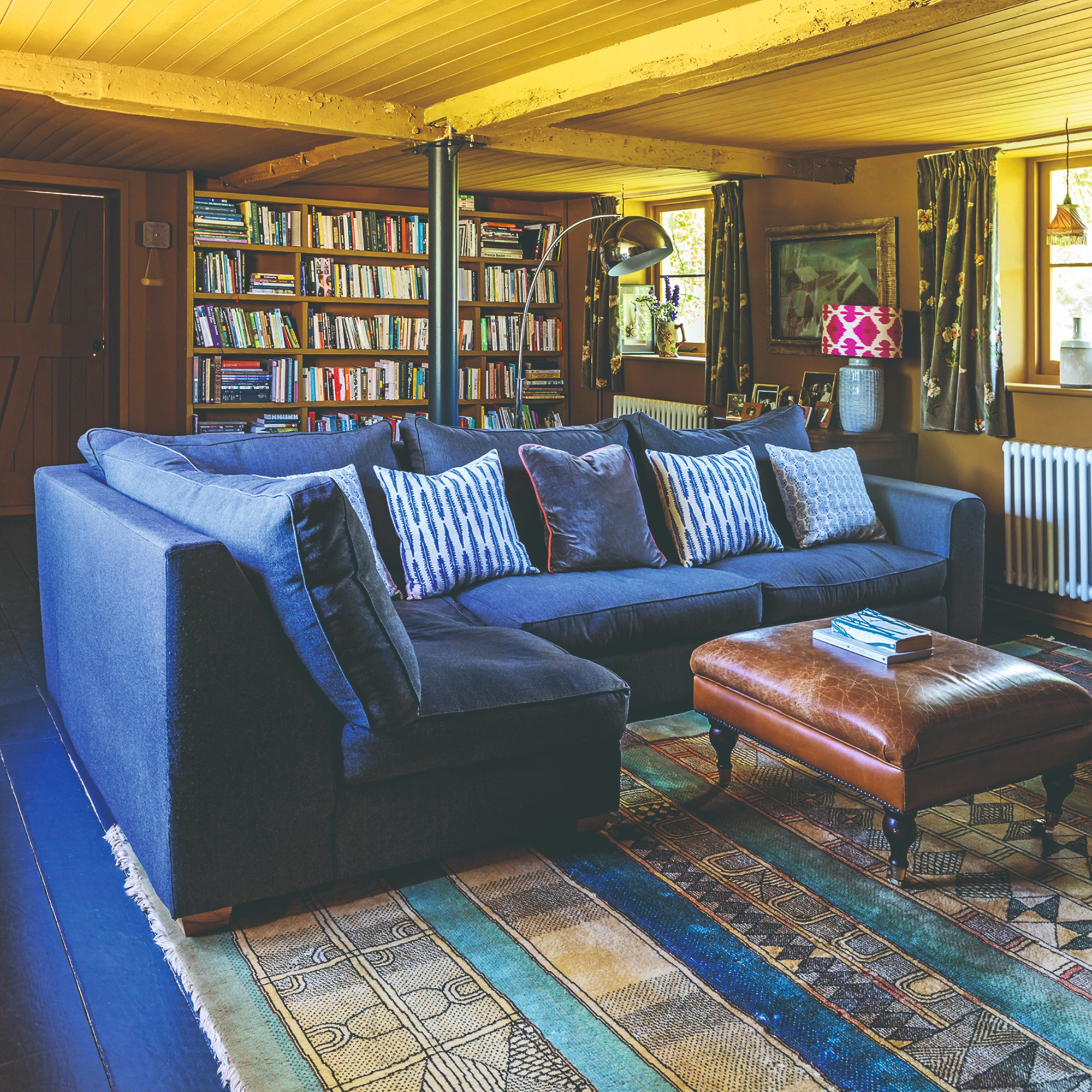
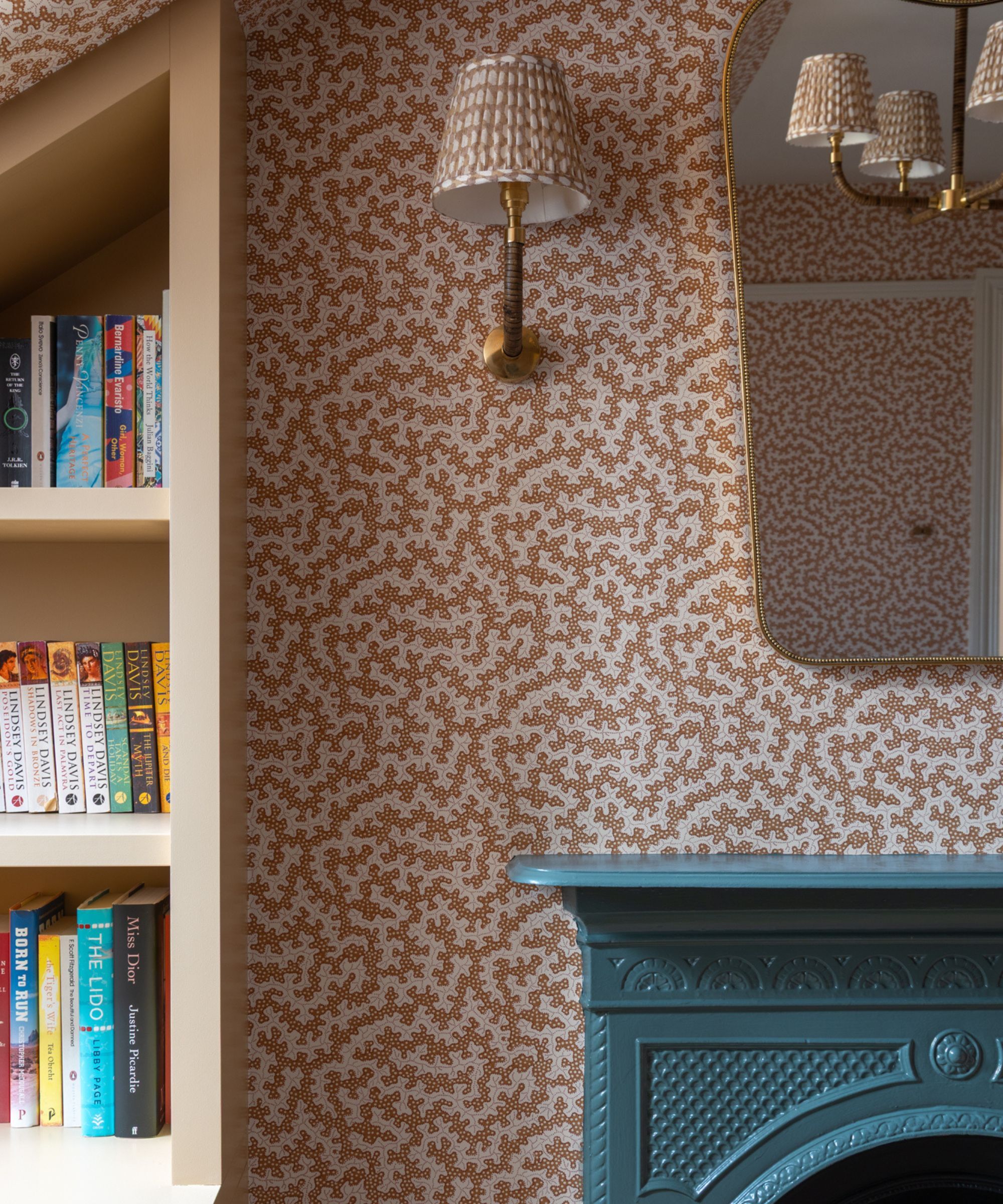
Cool-toned pairings like lilac and light blue create serene and relaxing environments, ideal for bathrooms and bedrooms. The similarity in their tones contributes to a tranquil aesthetic, often enhanced by textural elements like Zellige tiles. For a richer contrast, bronze, with its earthy and saturated hue, complements light blue by adding warmth and elevating the space. Similarly, red, particularly when incorporated as an 'unexpected red' accent, offers a striking visual impact against light blue, balancing warm and cool elements. Yellow, from soft pastels to vibrant mustards, can inject energy and brightness into a room when paired with light blue. The light blue helps to ground the intensity of yellow, preventing it from becoming overpowering.
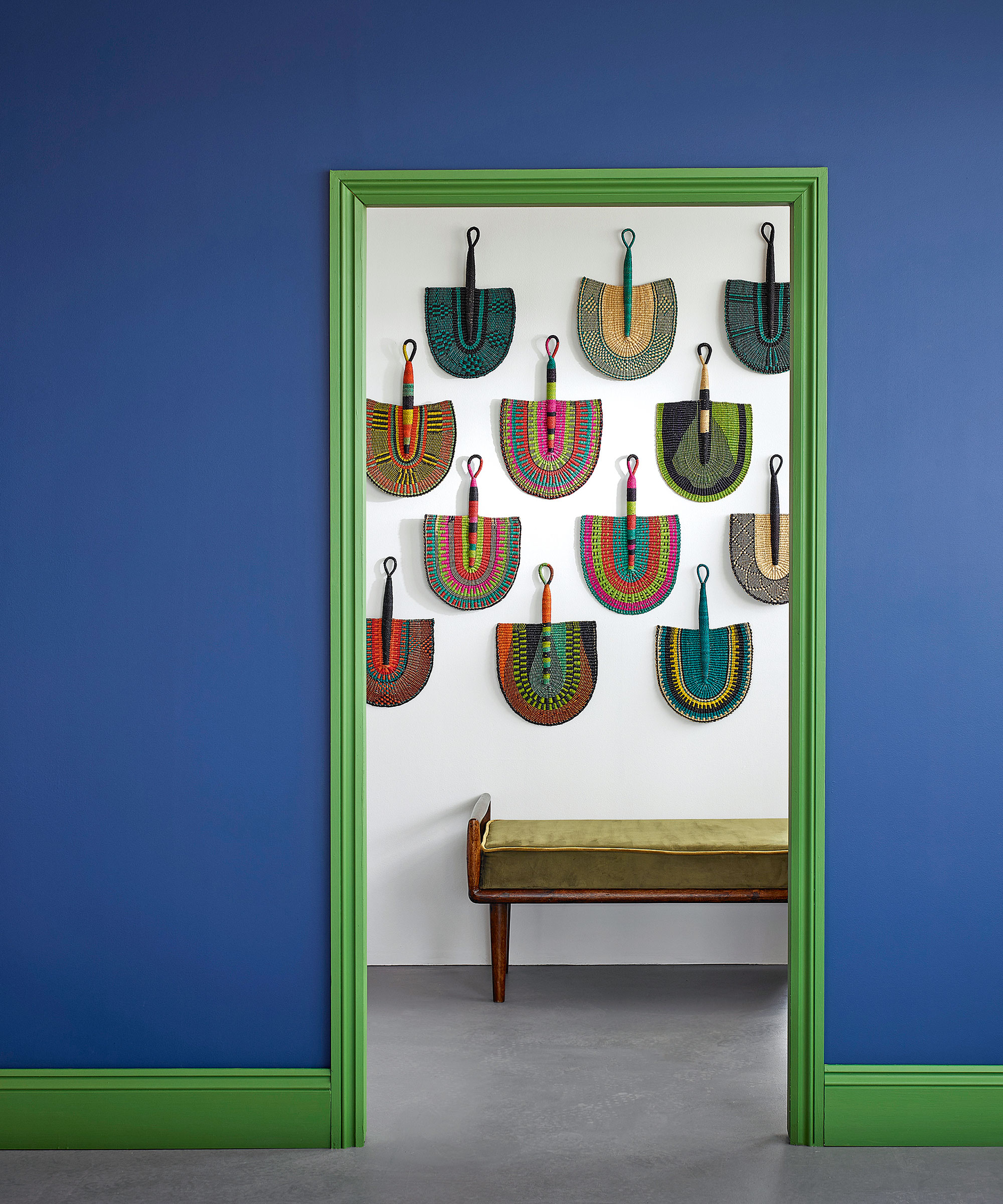
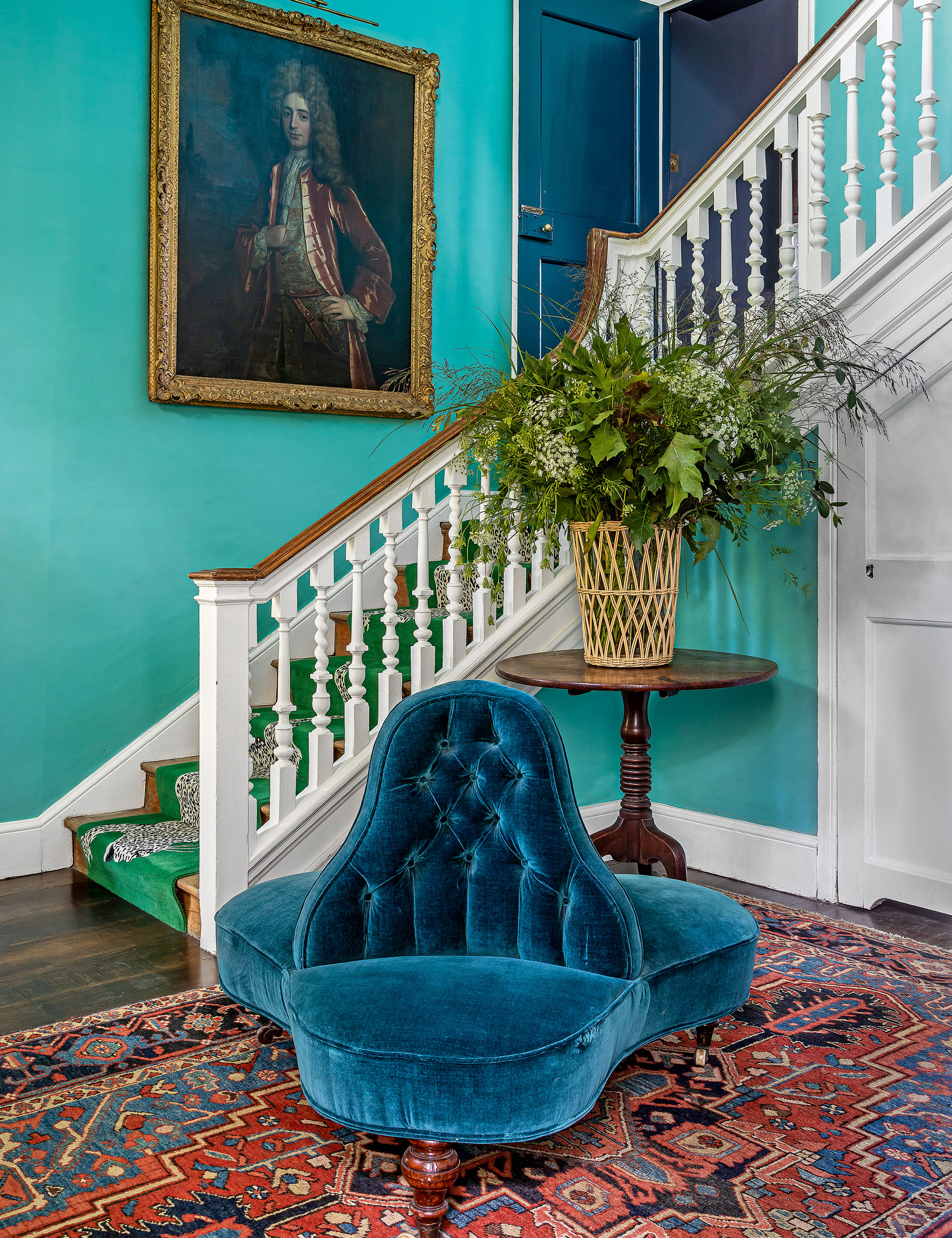
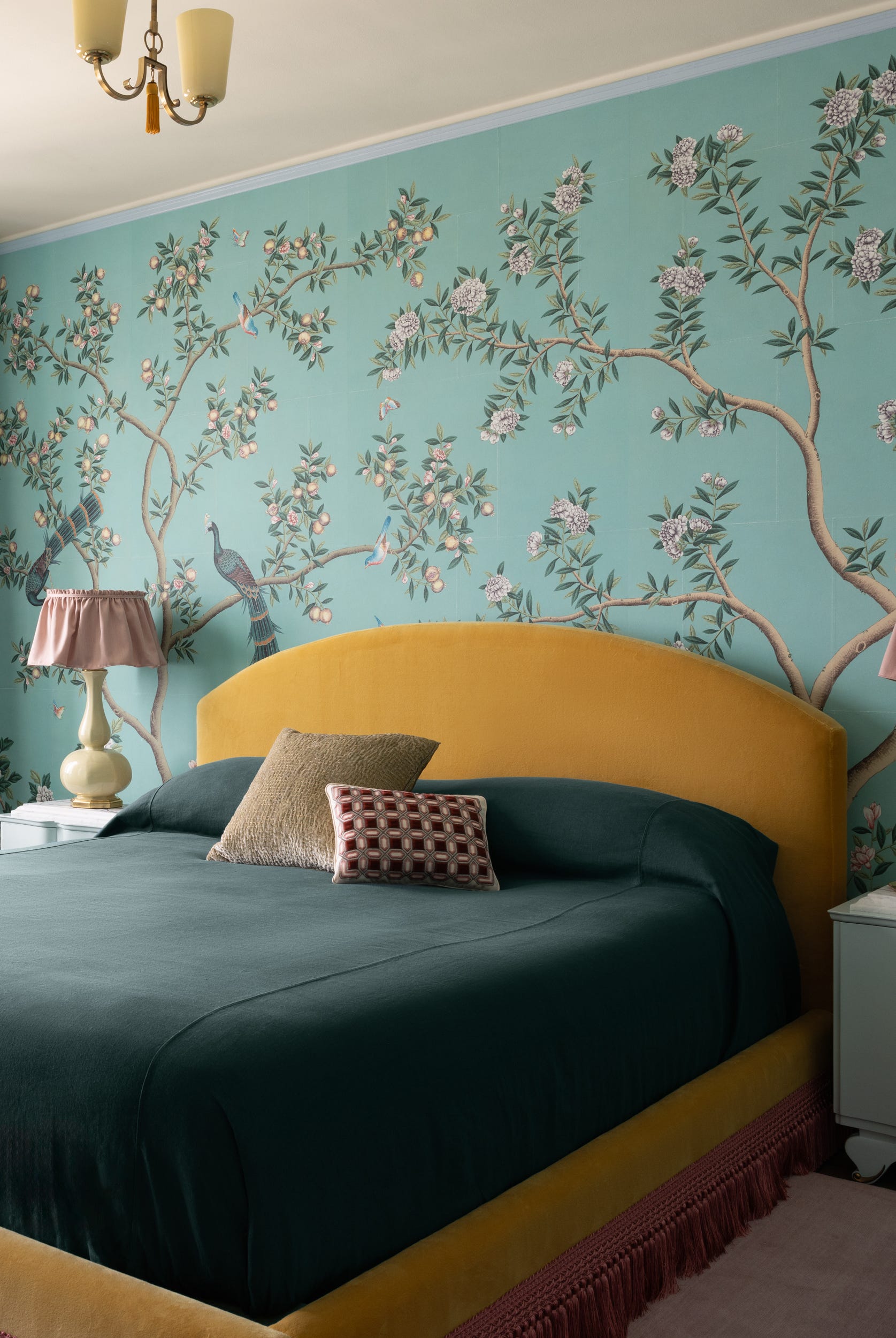
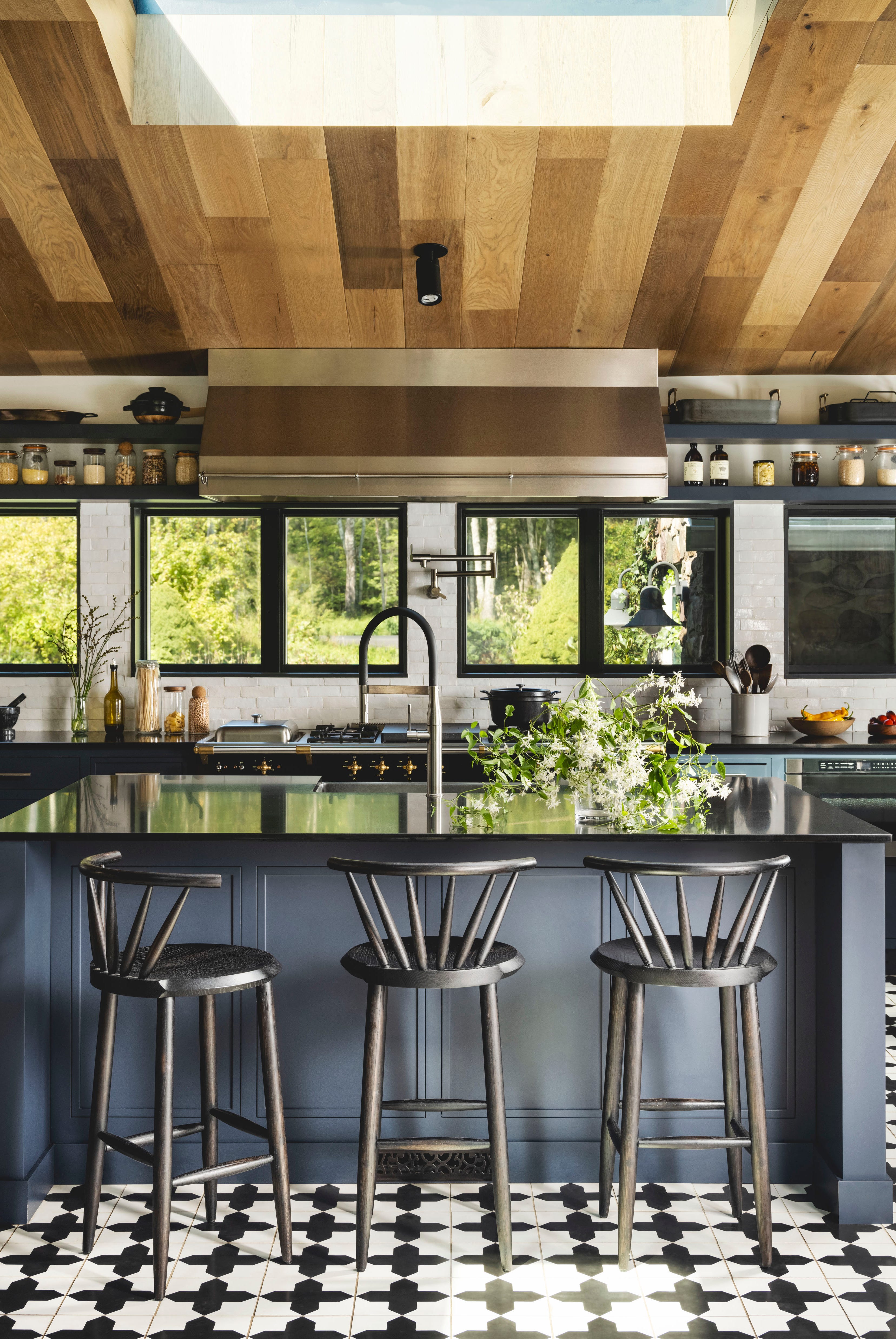
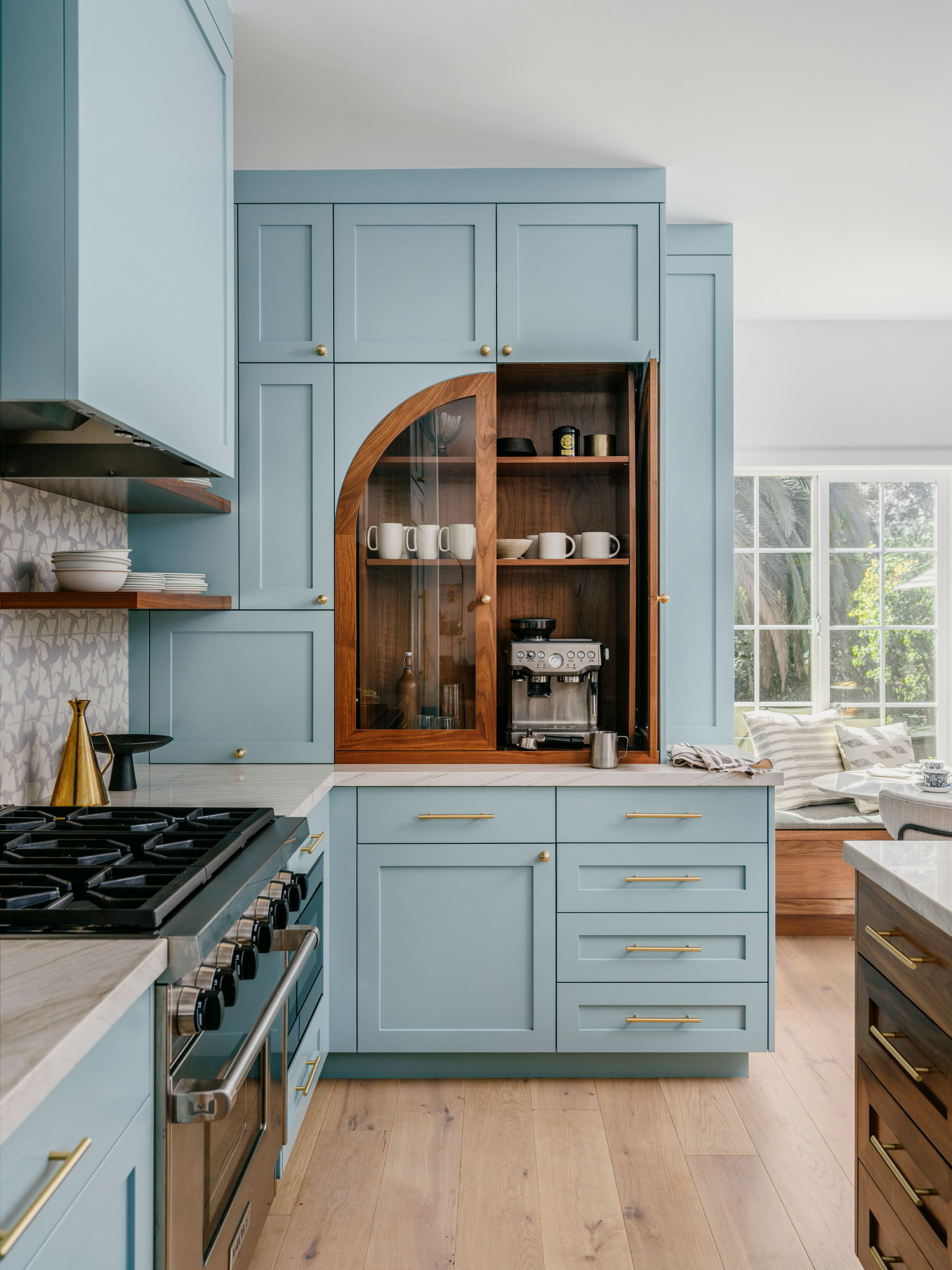
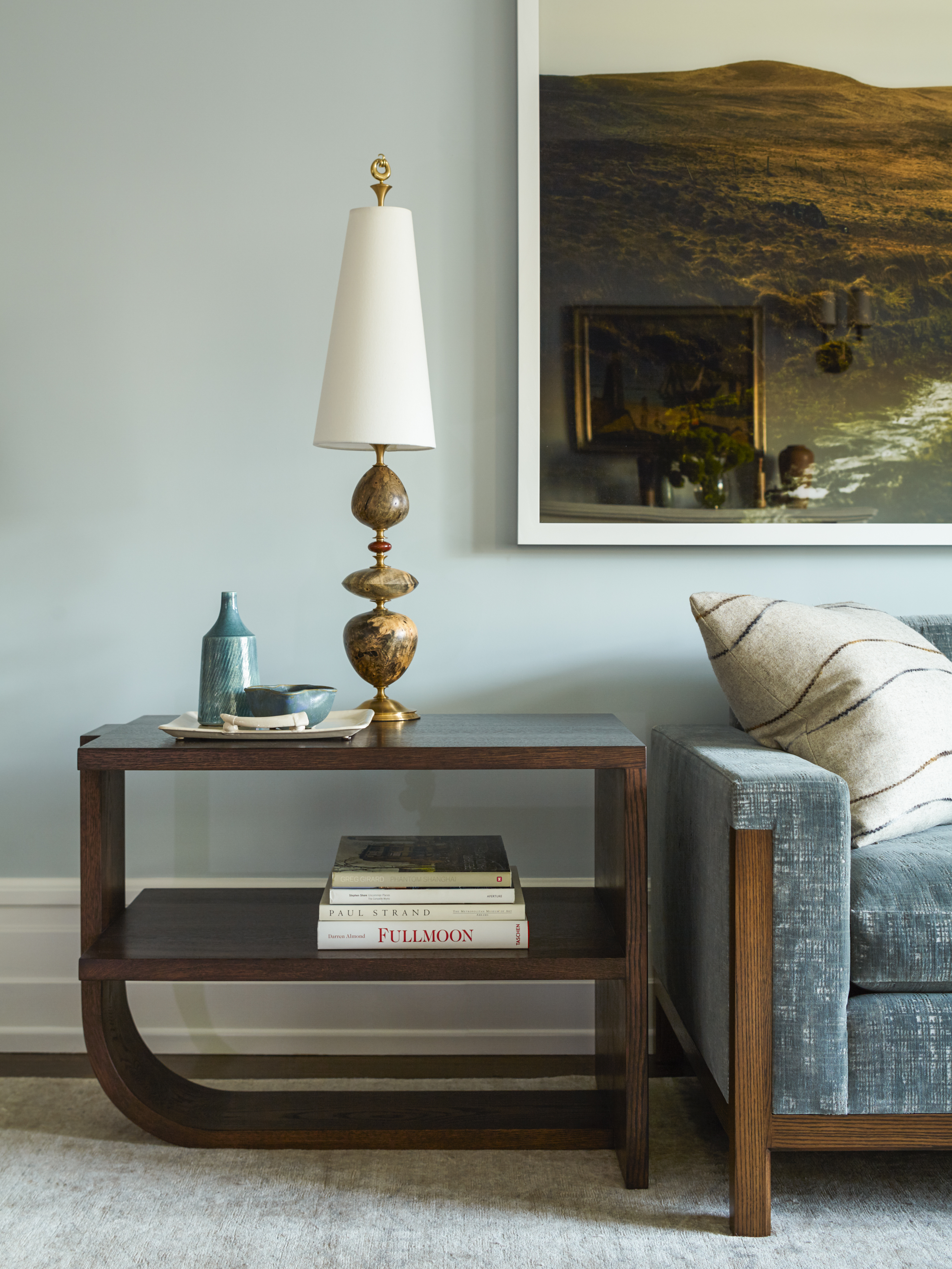
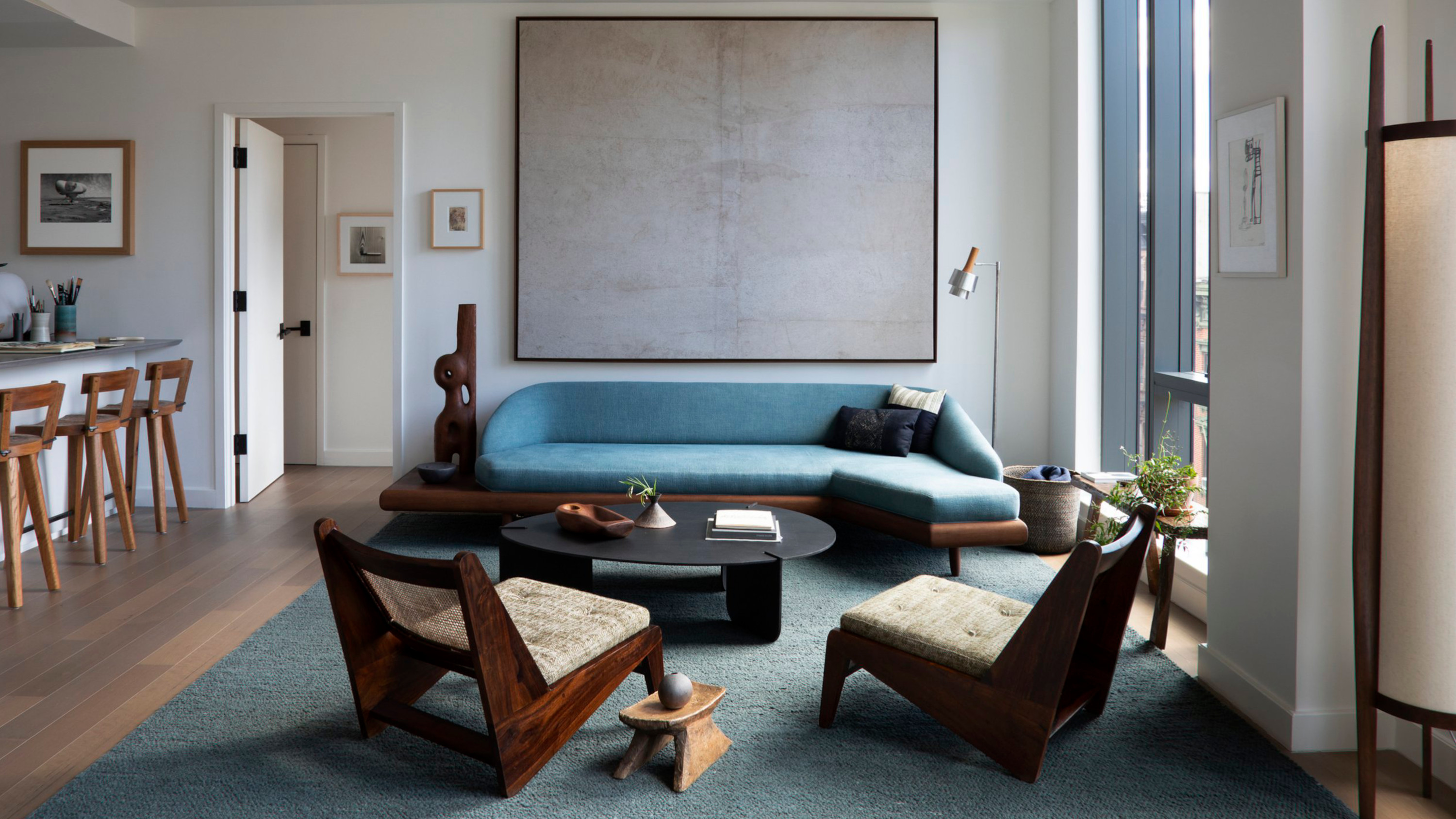
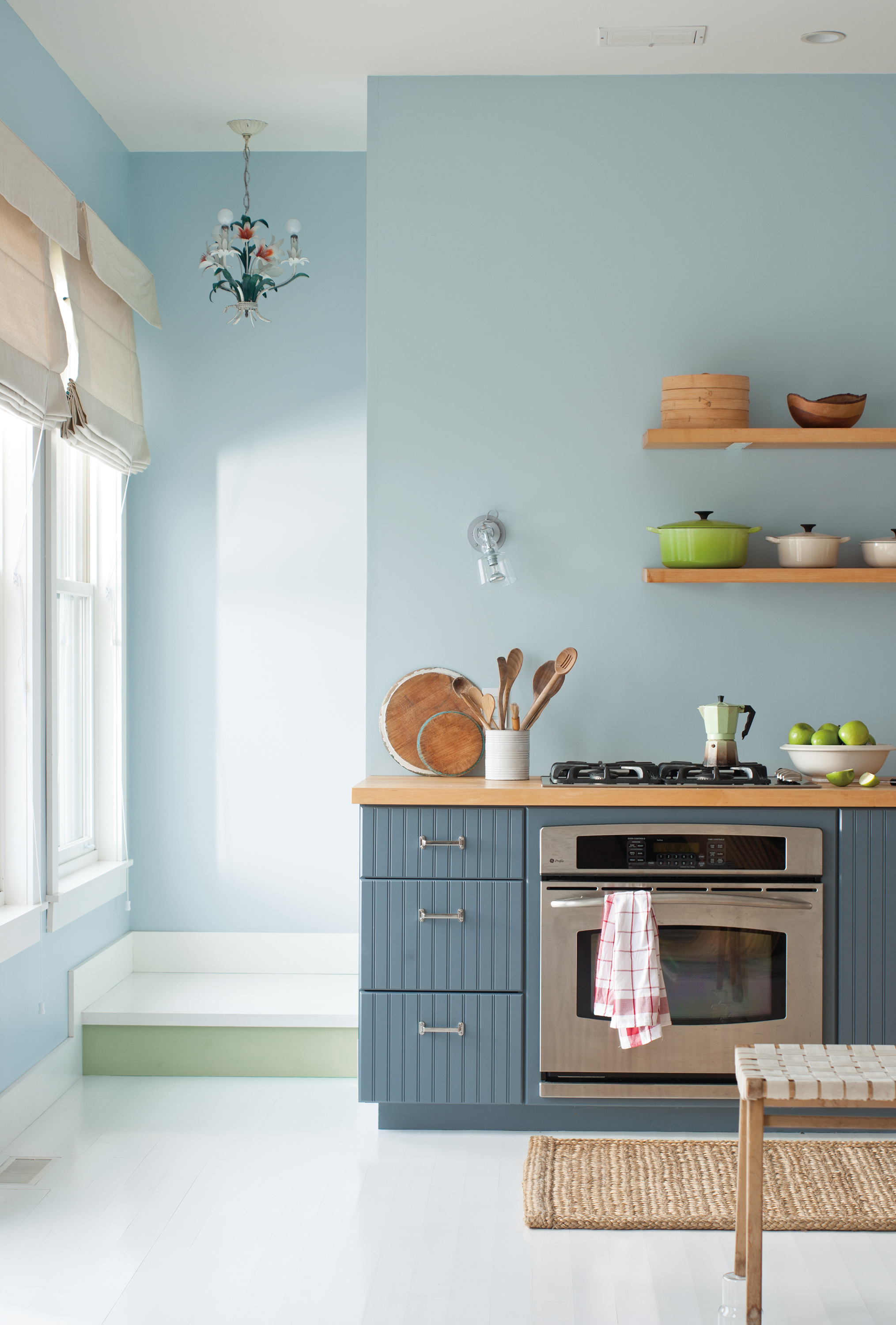
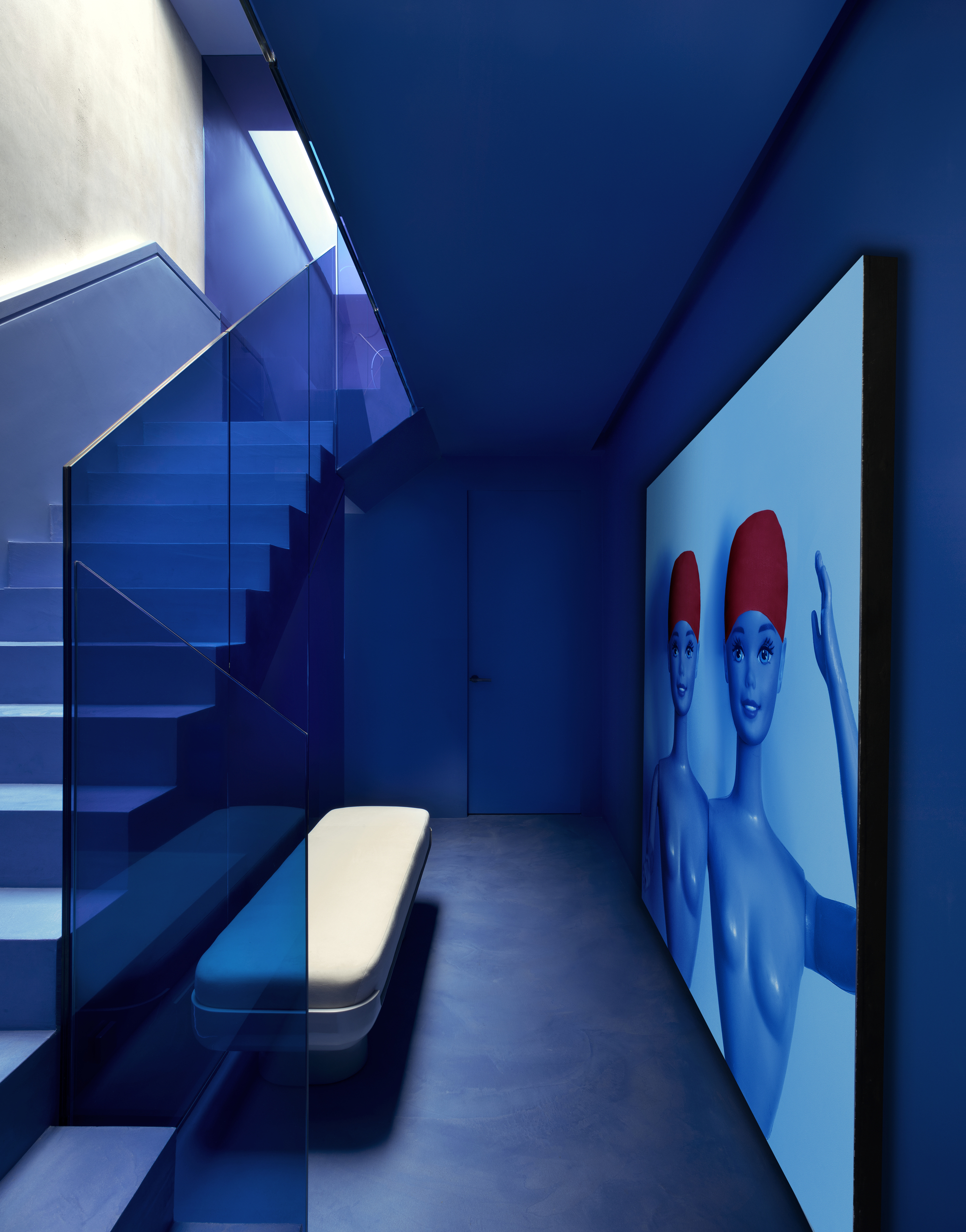
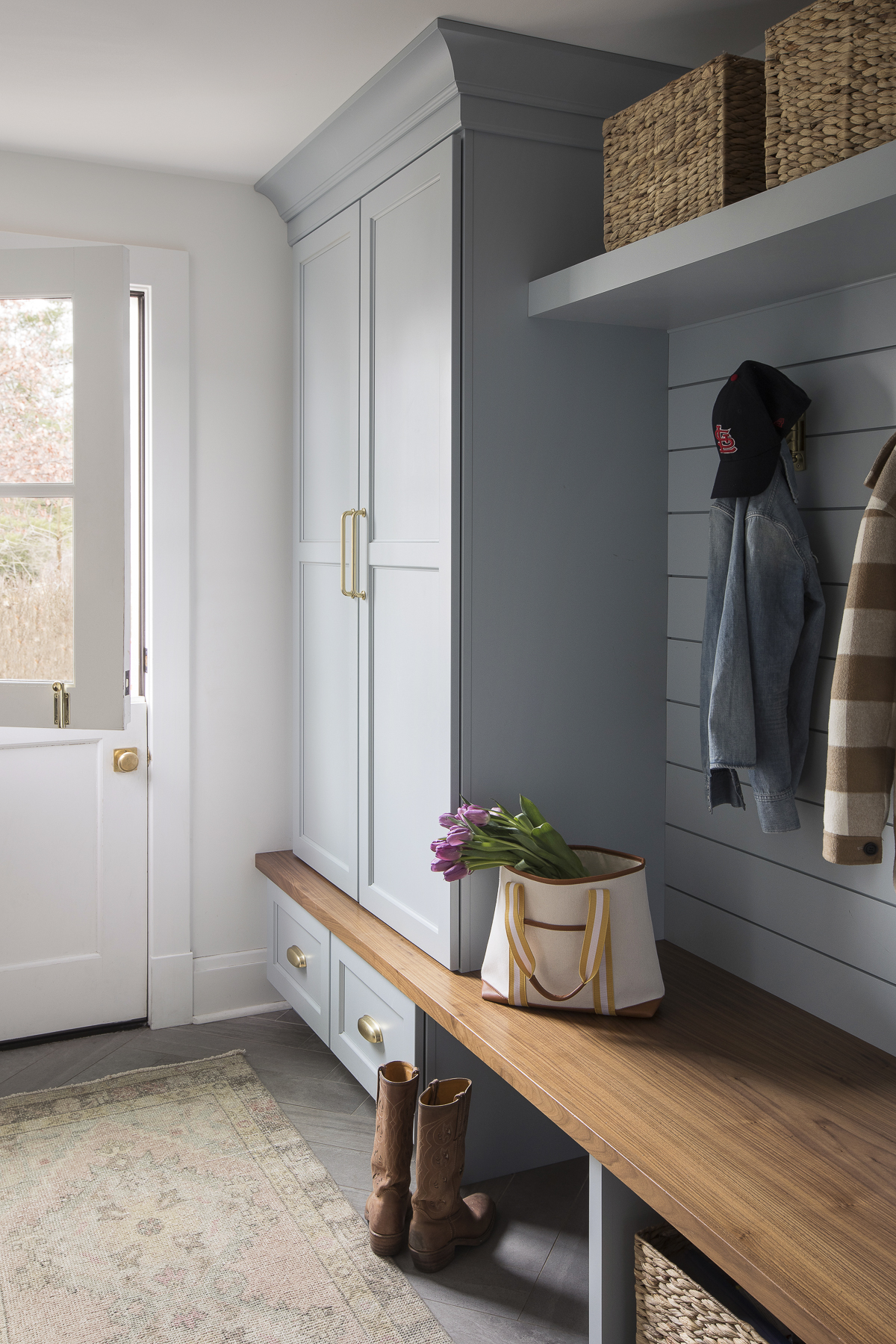
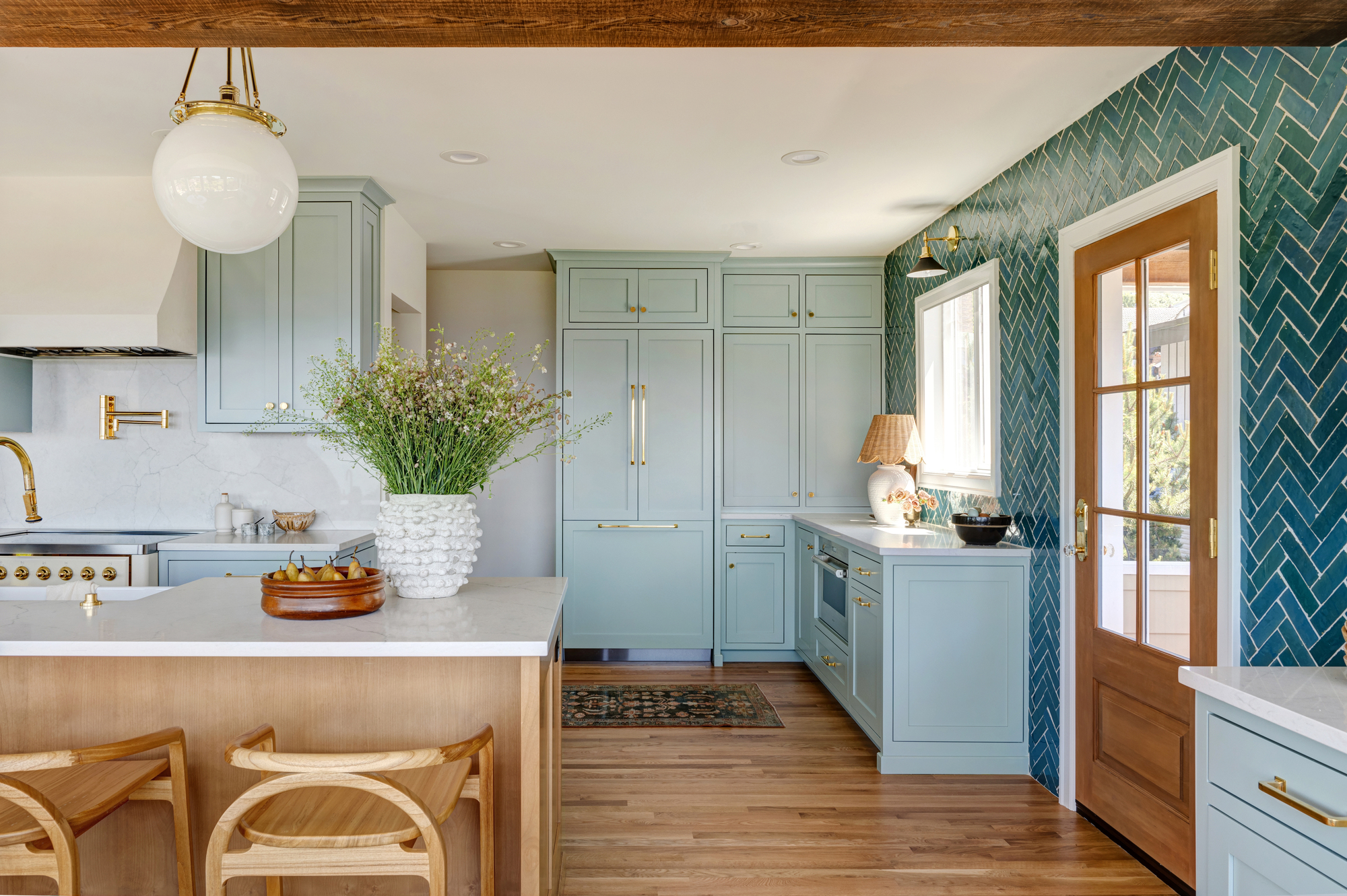
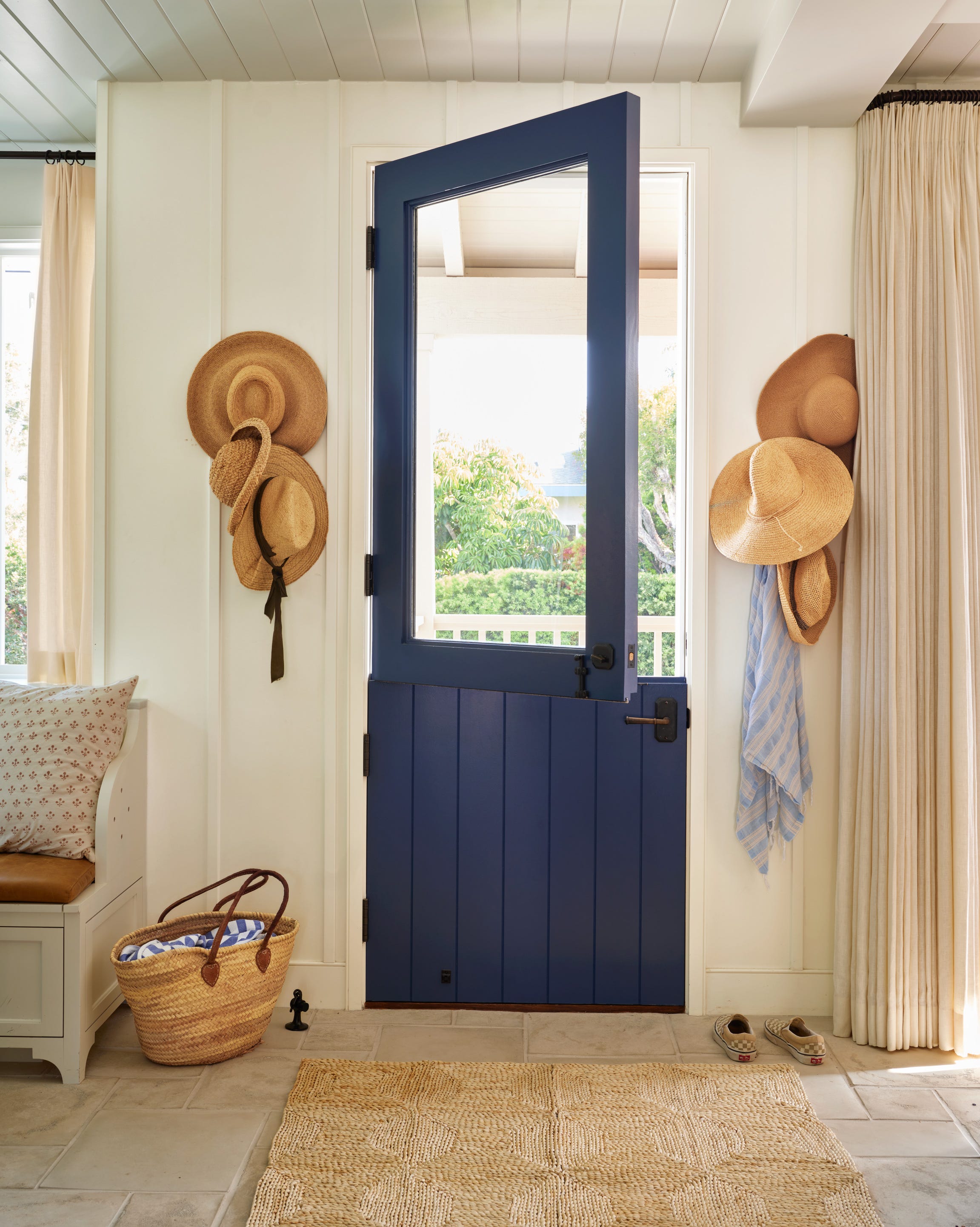
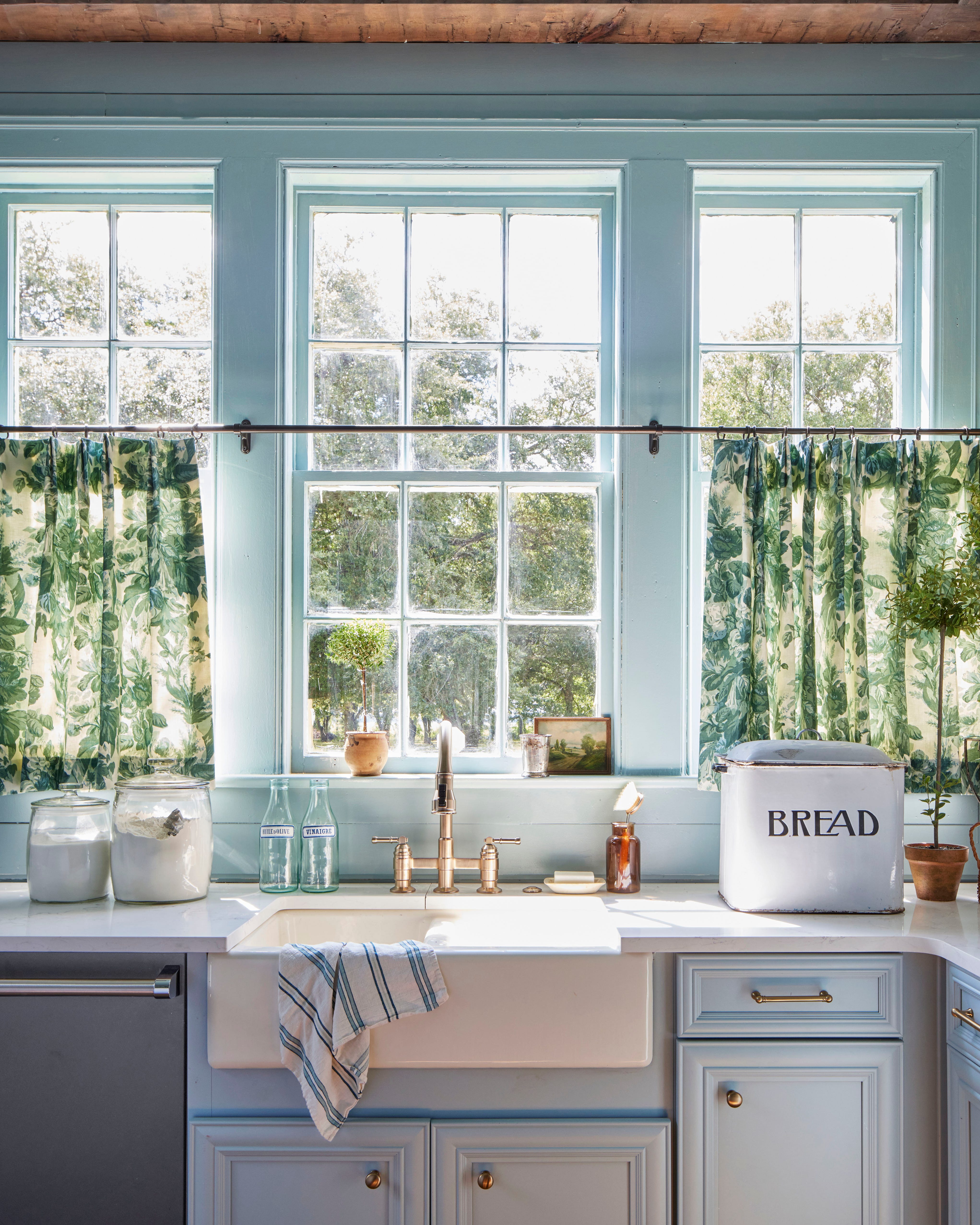
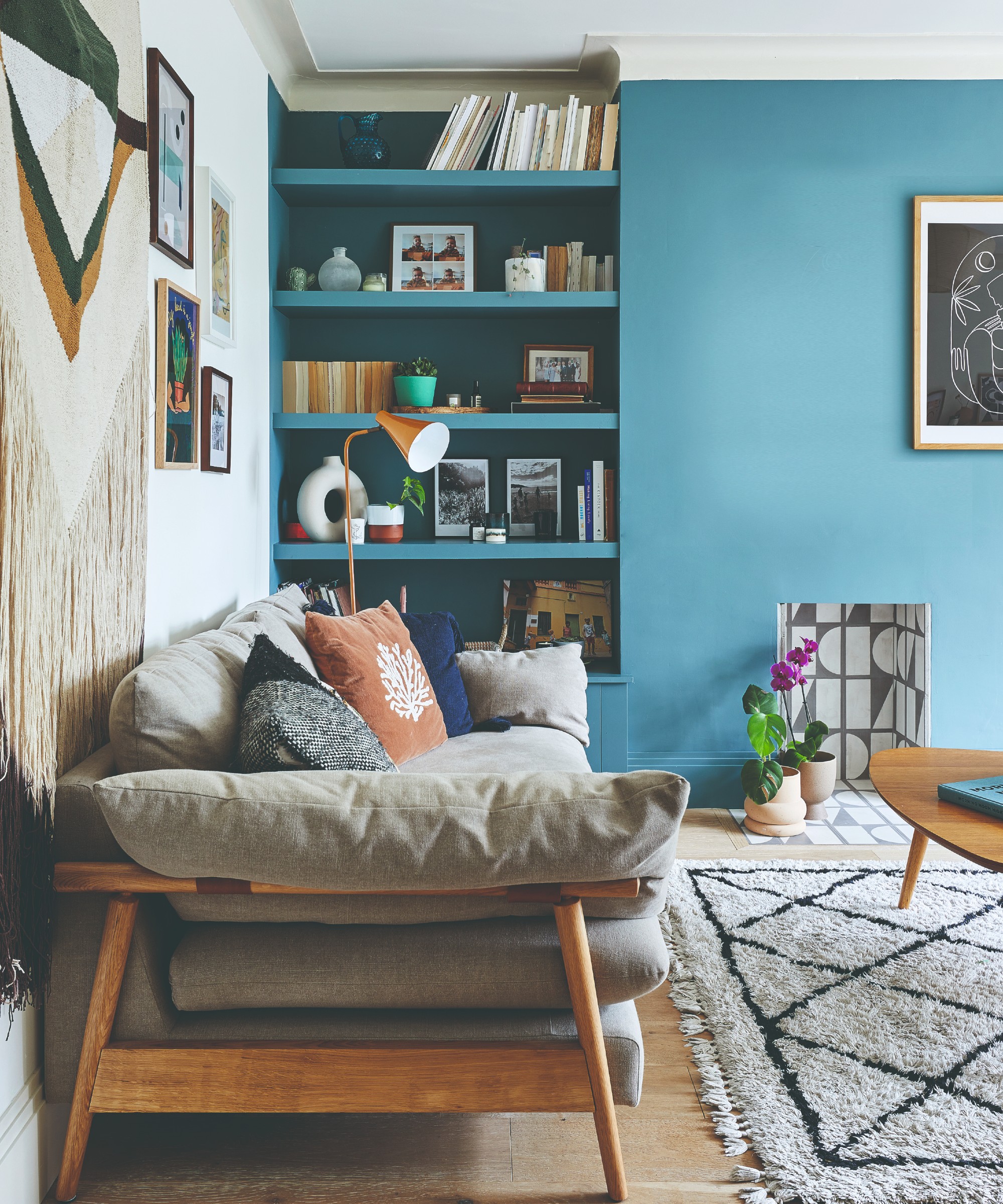

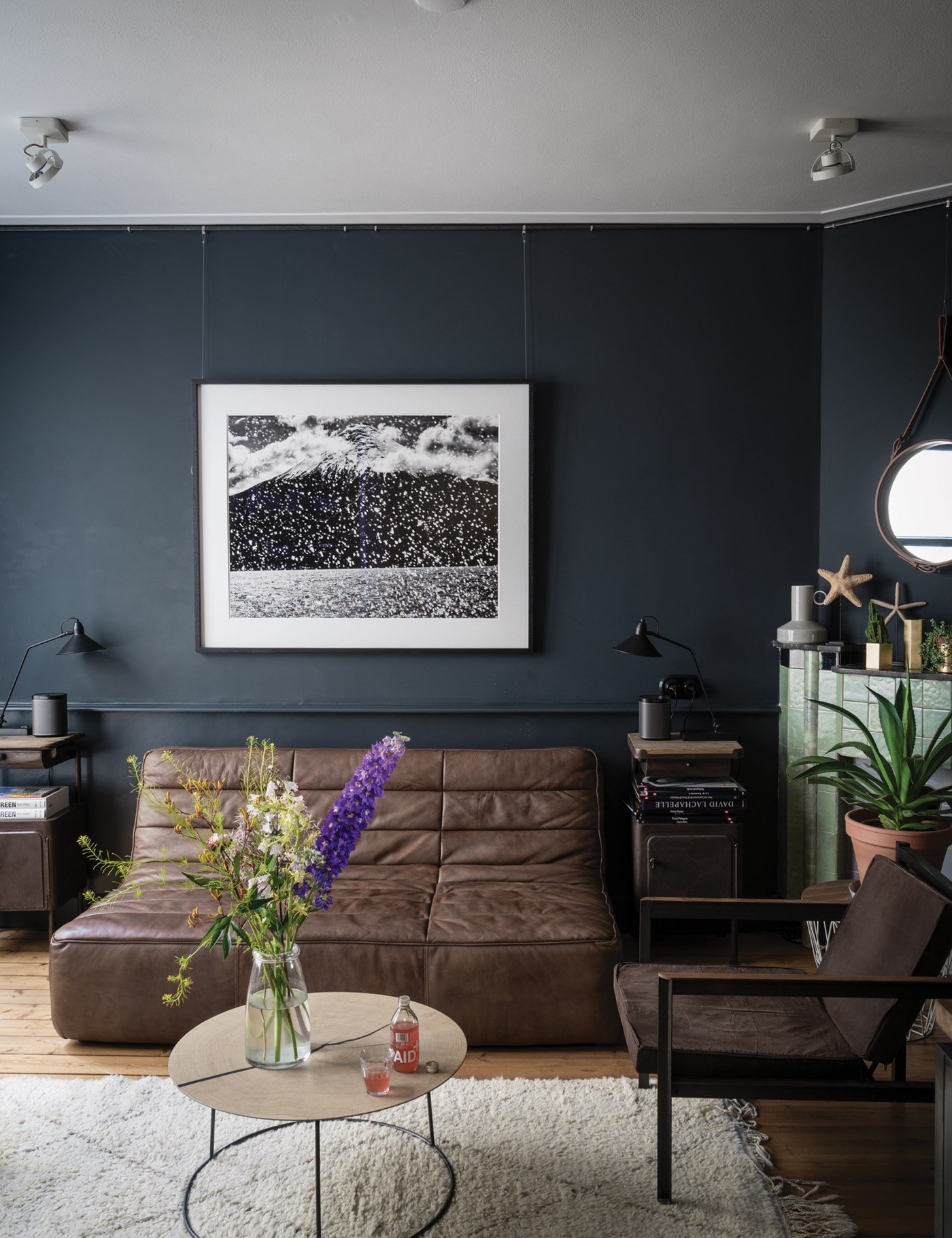
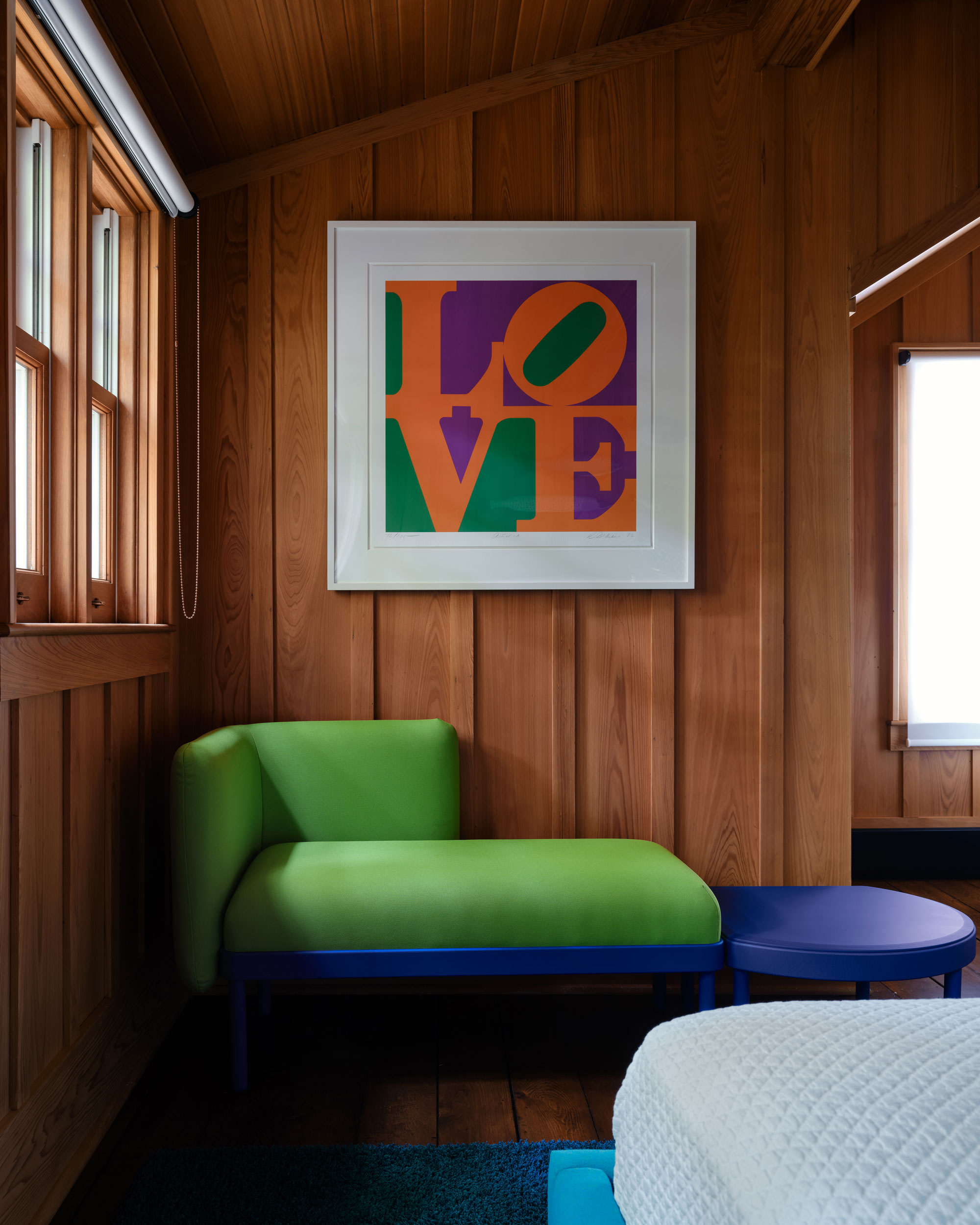
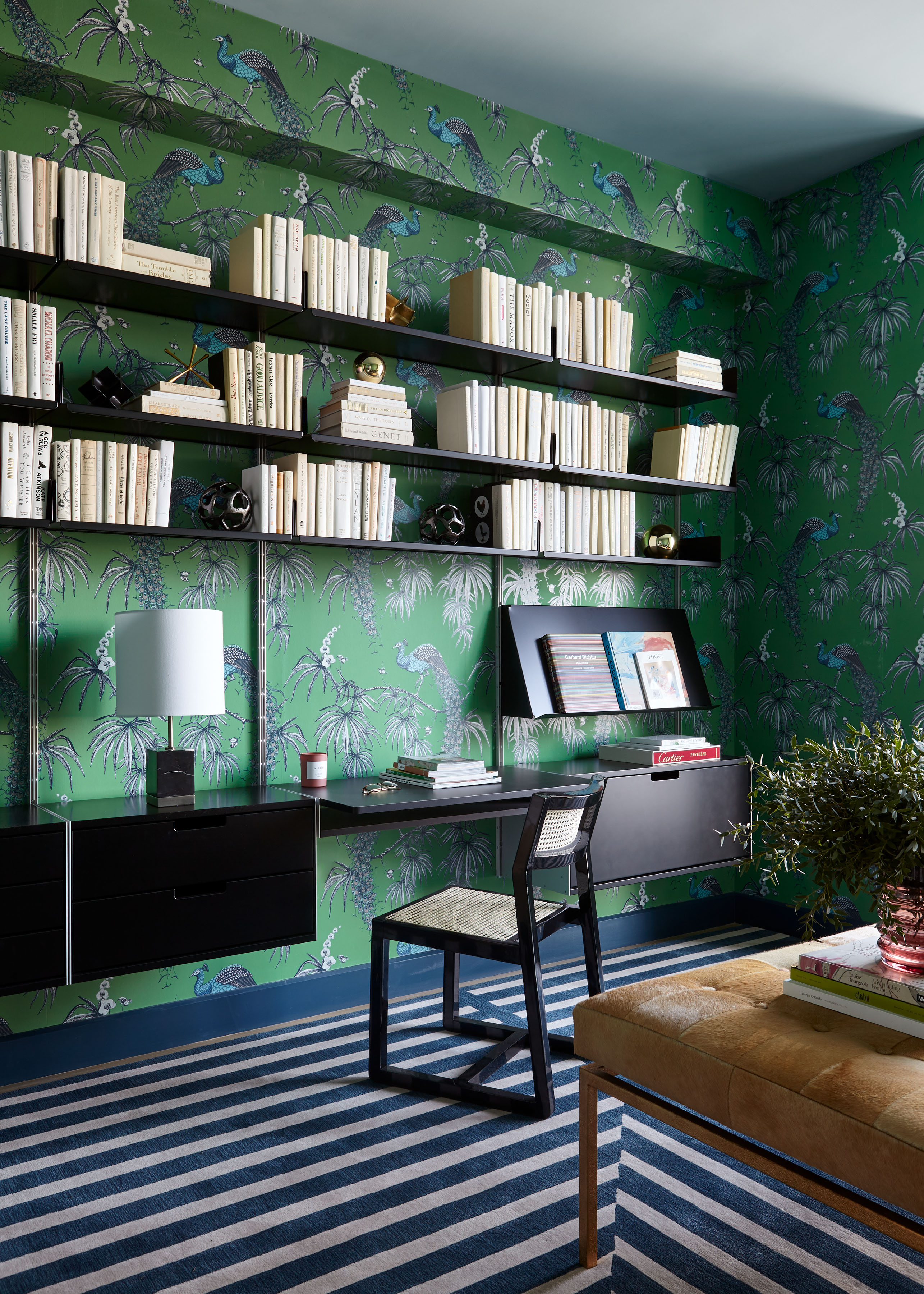
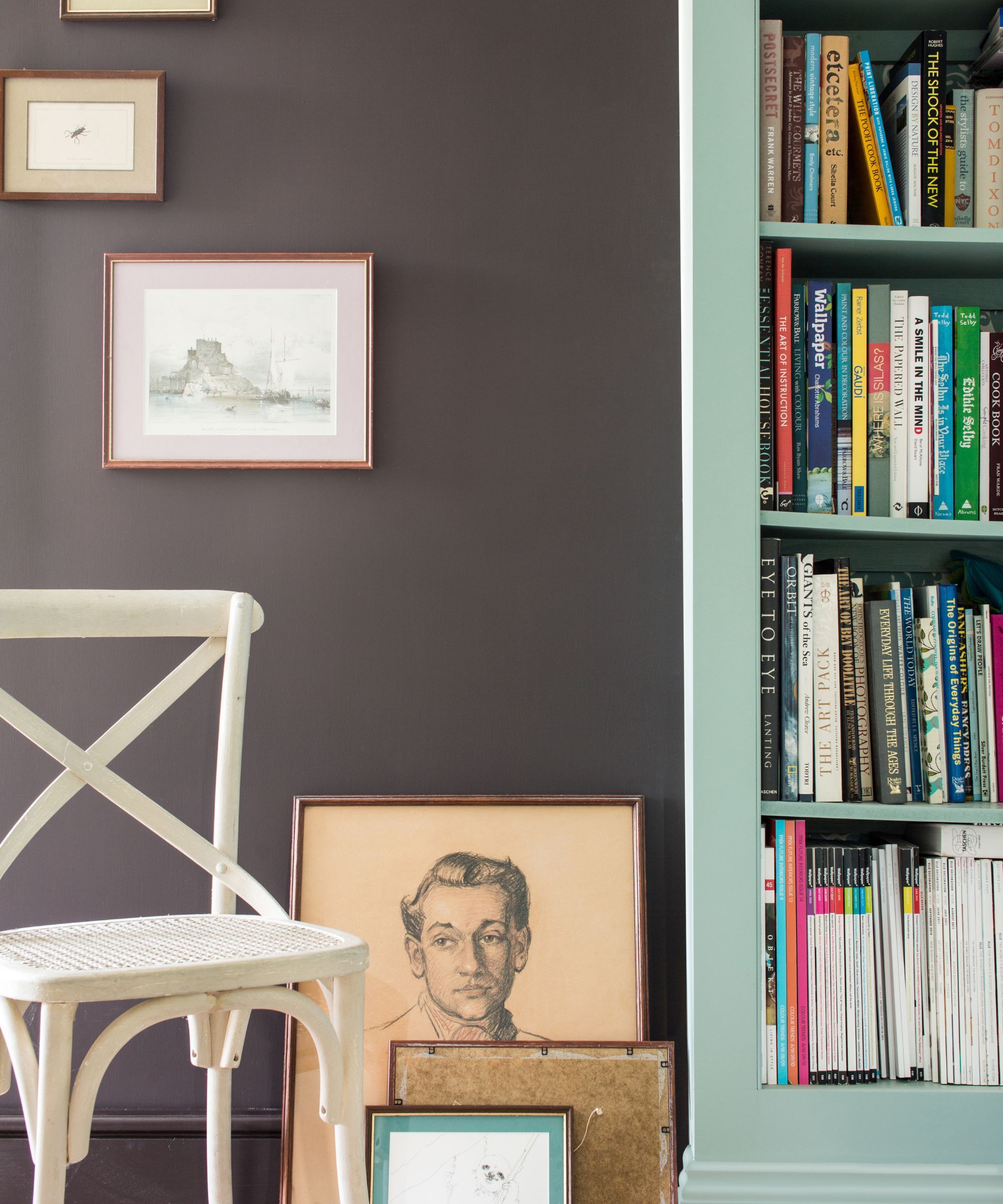
Neutral shades such as beige, white, and gray also serve as excellent companions to light blue. Beige, a warm and inviting neutral, adds depth and a cocooning effect. White, a classic pairing, evokes seaside tranquility and creates calming schemes, especially when accented with contrasting black or gold elements. Brown tones, including tan, taupe, and dark wood, bring warmth to pale blues, with gray undertones in brown creating a balanced composition. Dusty pink, despite its reputation for childish schemes, can harmoniously pair with light blue, warming up the blue's coolness and preventing the pink from becoming too vibrant. Green, inspired by nature, complements light blue to create soothing schemes, challenging the old adage that these colors should not be seen together. Black provides a dramatic contrast, forming pleasing monochrome schemes when used judiciously. Taupe, a deeper neutral than beige, offers a more impactful combination with light blue, while orange, as a complementary color, balances the cool blue with its warmth. Finally, layering different shades within the blue family, such as teal and cobalt blue, creates depth and interest through a monochromatic approach.
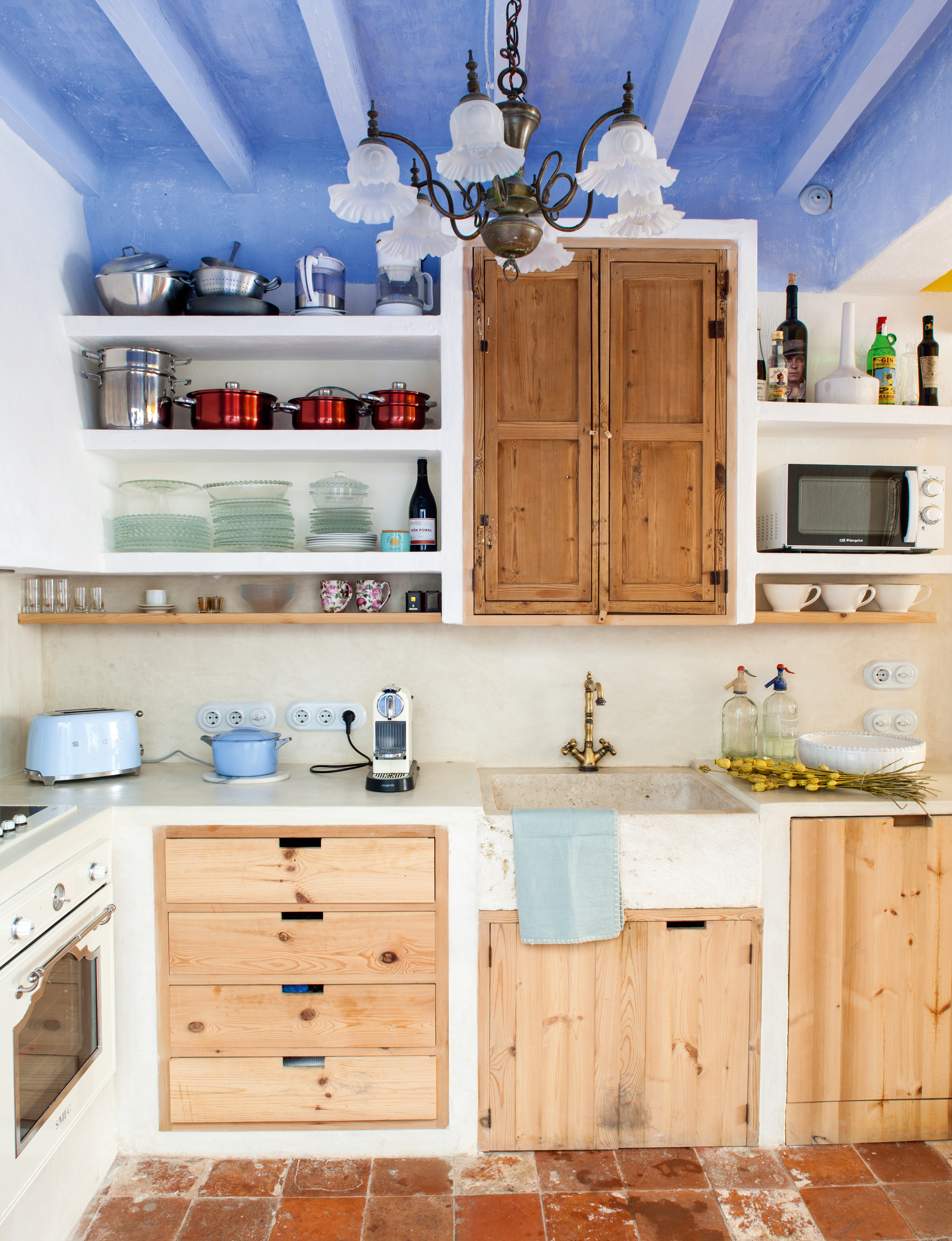
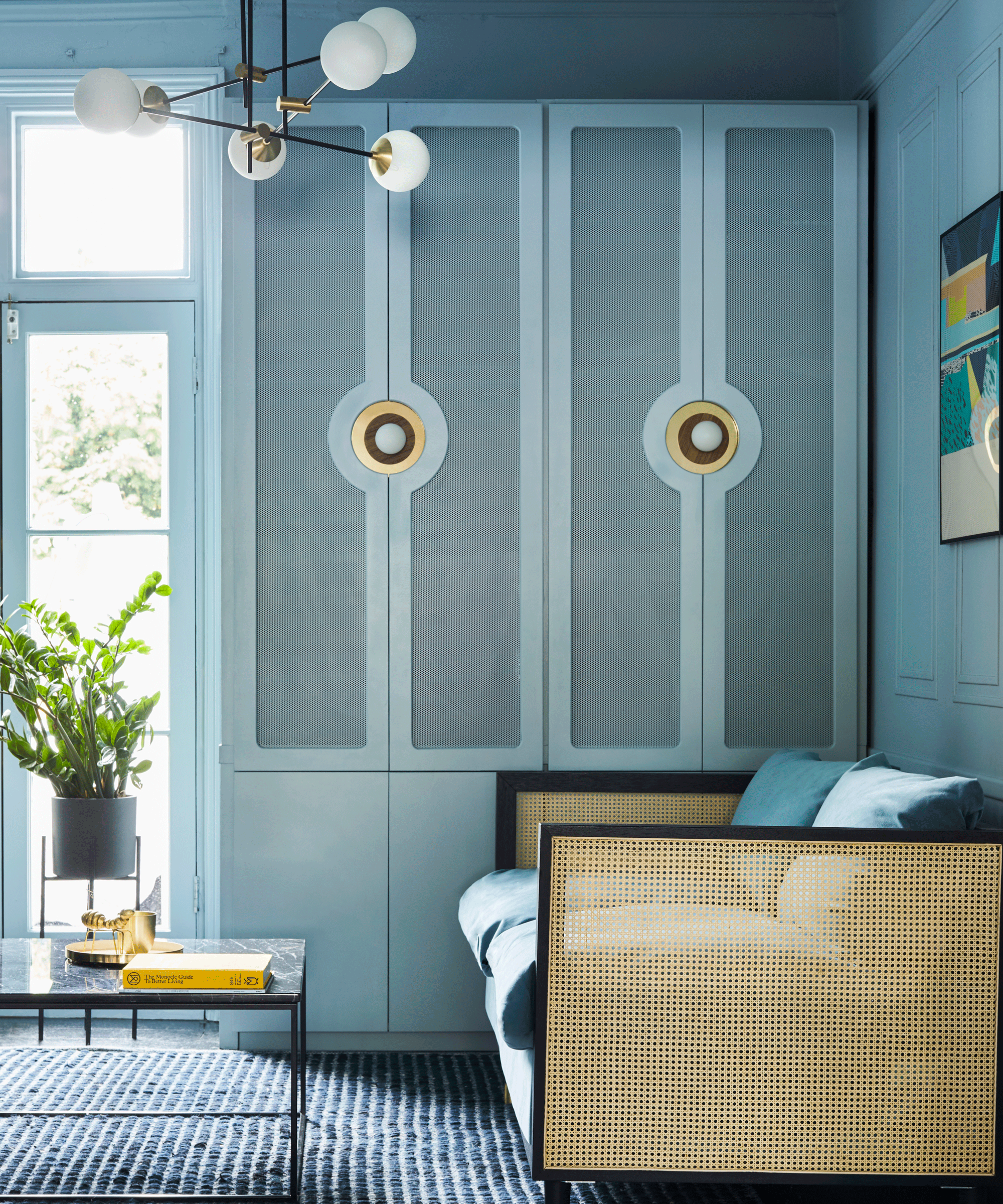
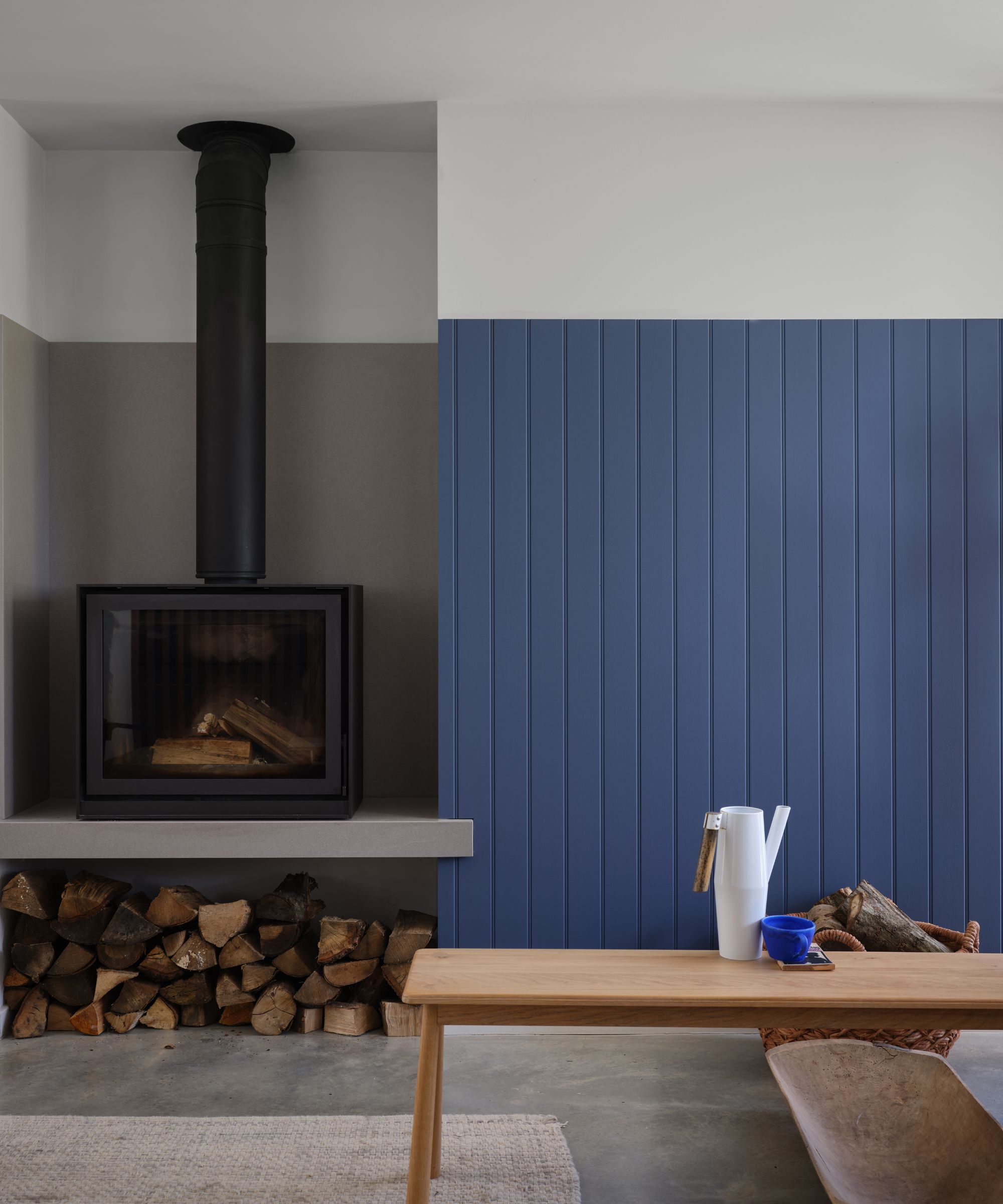
For optimal use of light blue, applying it to trims and woodwork can transform neutral rooms into dramatic spaces without being overwhelming. Monochromatic light blue schemes, extending across ceilings and skirting boards, can create an enveloping and warm atmosphere despite the cool nature of the color. Light blue is a versatile color that, when combined thoughtfully, can significantly enhance a home's aesthetic.
#InteriorDesign #ColorTheory #LightBlue #ColorPairings #HomeDecor #ModernInteriors #DesignTrends #InteriorDesign #ColorTheory #LightBlue #ColorPairings #HomeDecor #ModernInteriors #DesignTrends
0 comment in total
 No comments yet
You may also like
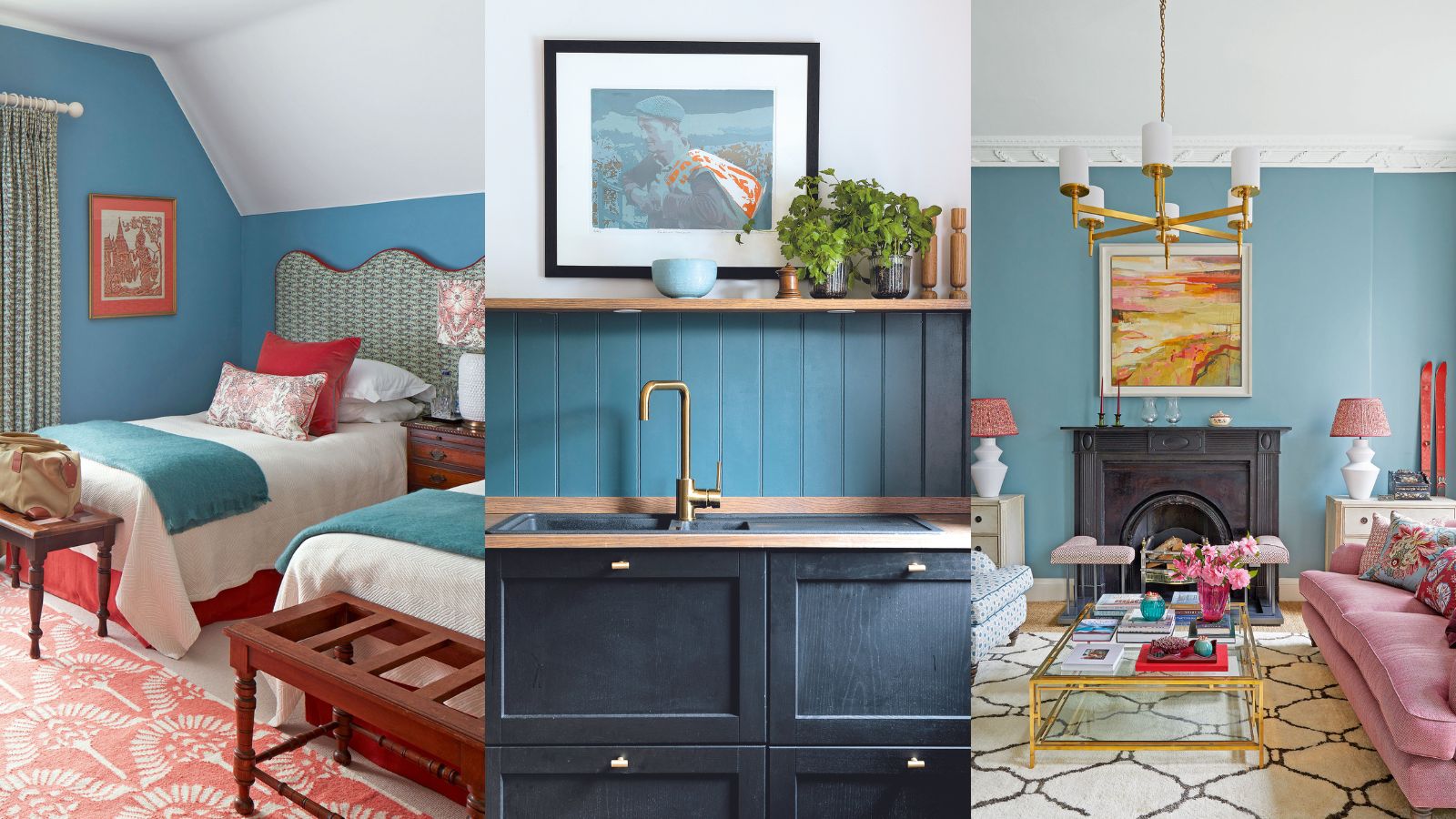
Blue room ideas – 27 timeless and fresh ways to use blue at home

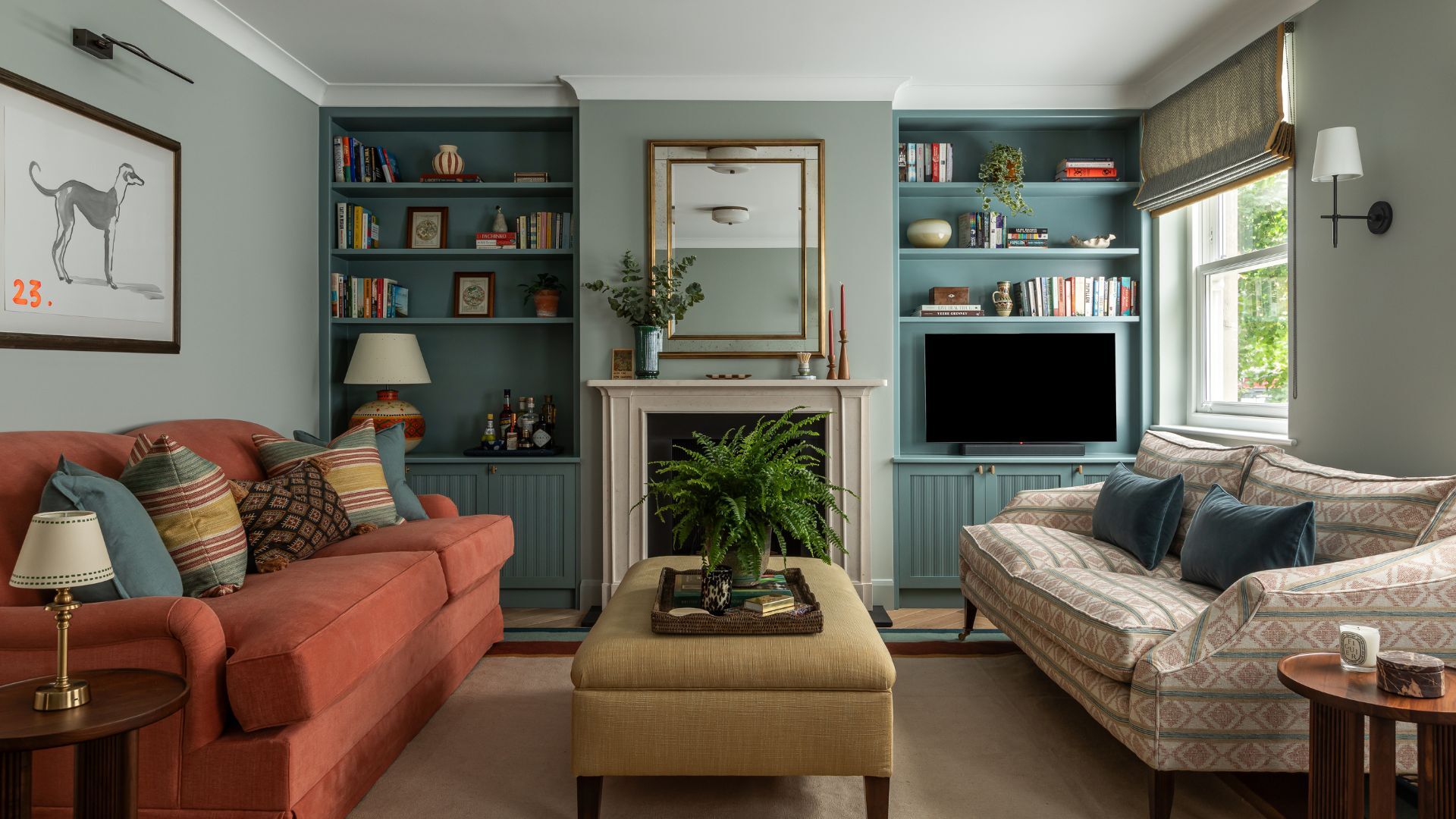
My closet is suddenly filled with baby blue – here's how I am bringing this on-trend spring shade into my home too
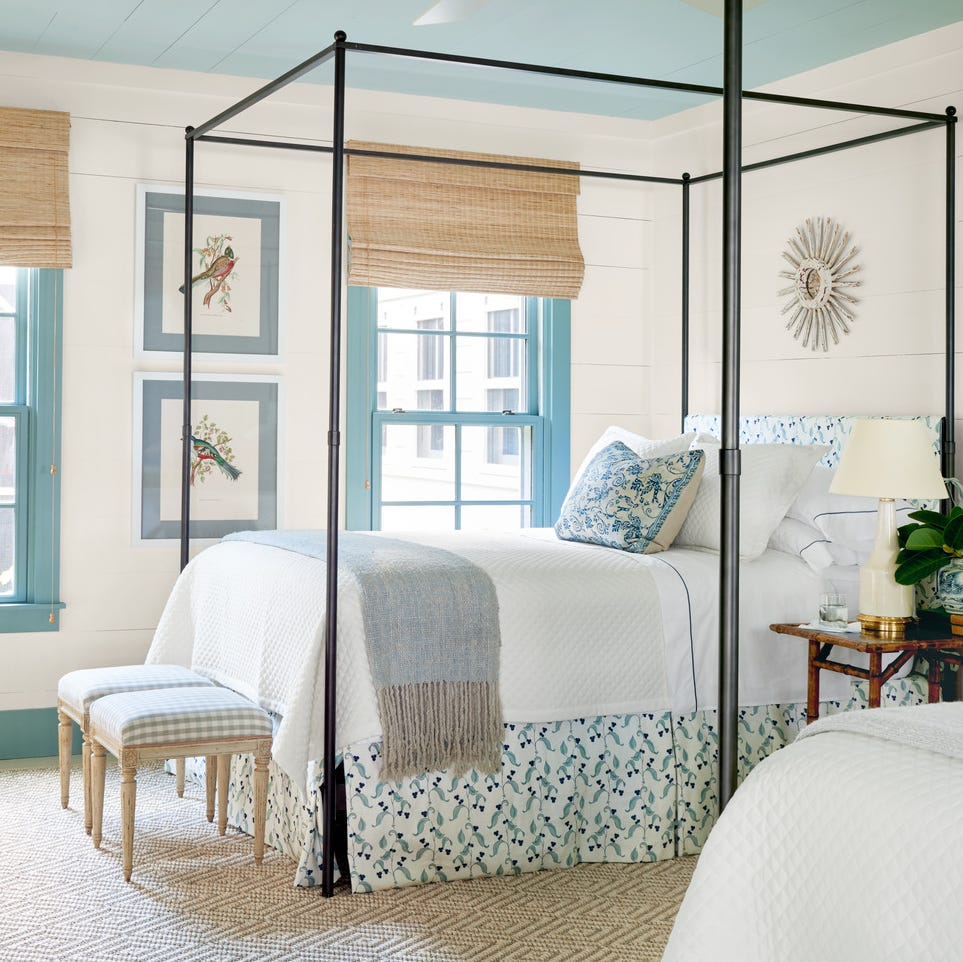
The 60 Best Blue Paint Colors for Every Room in Your Home
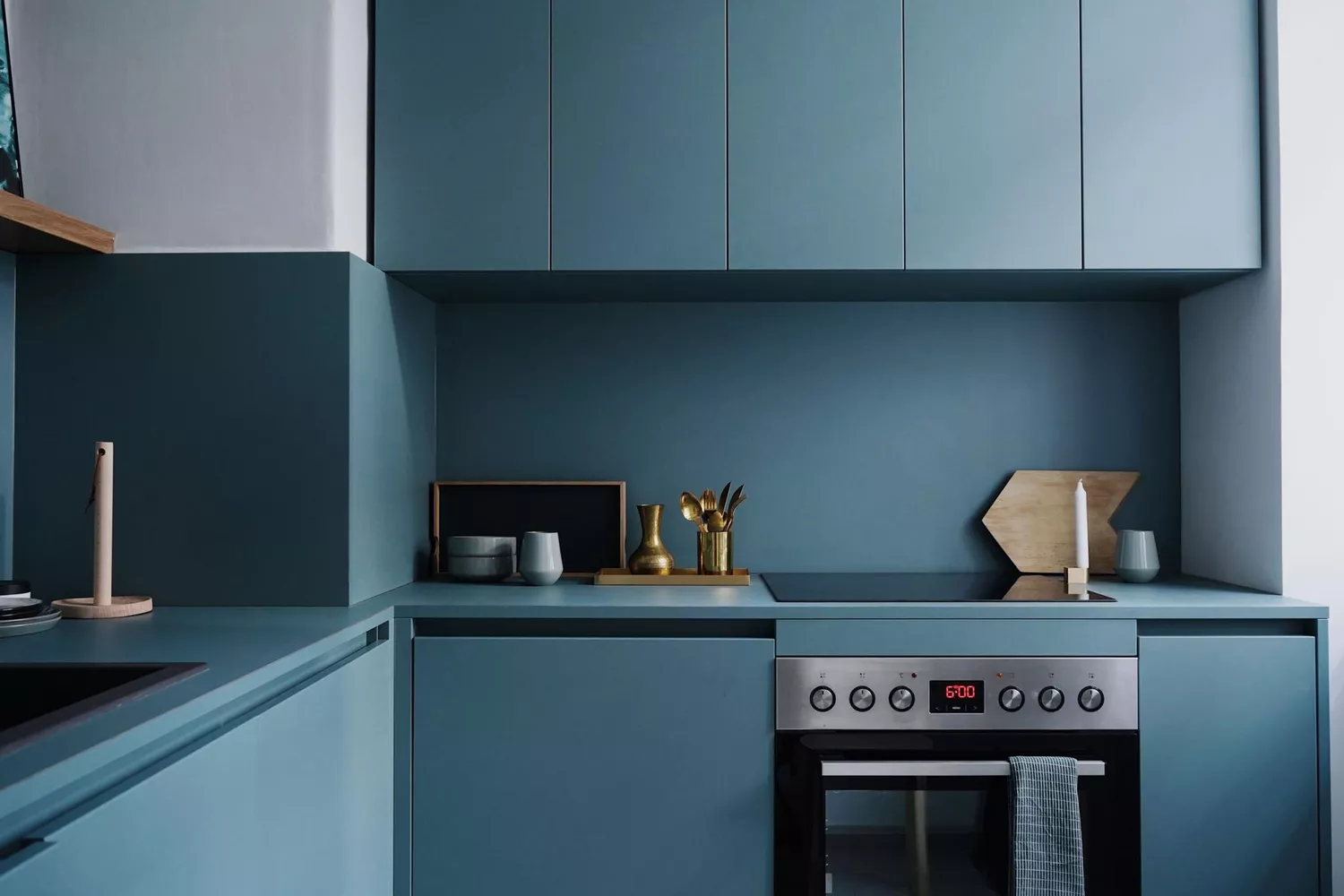
47 Stunning Blue Room Ideas for Every Style

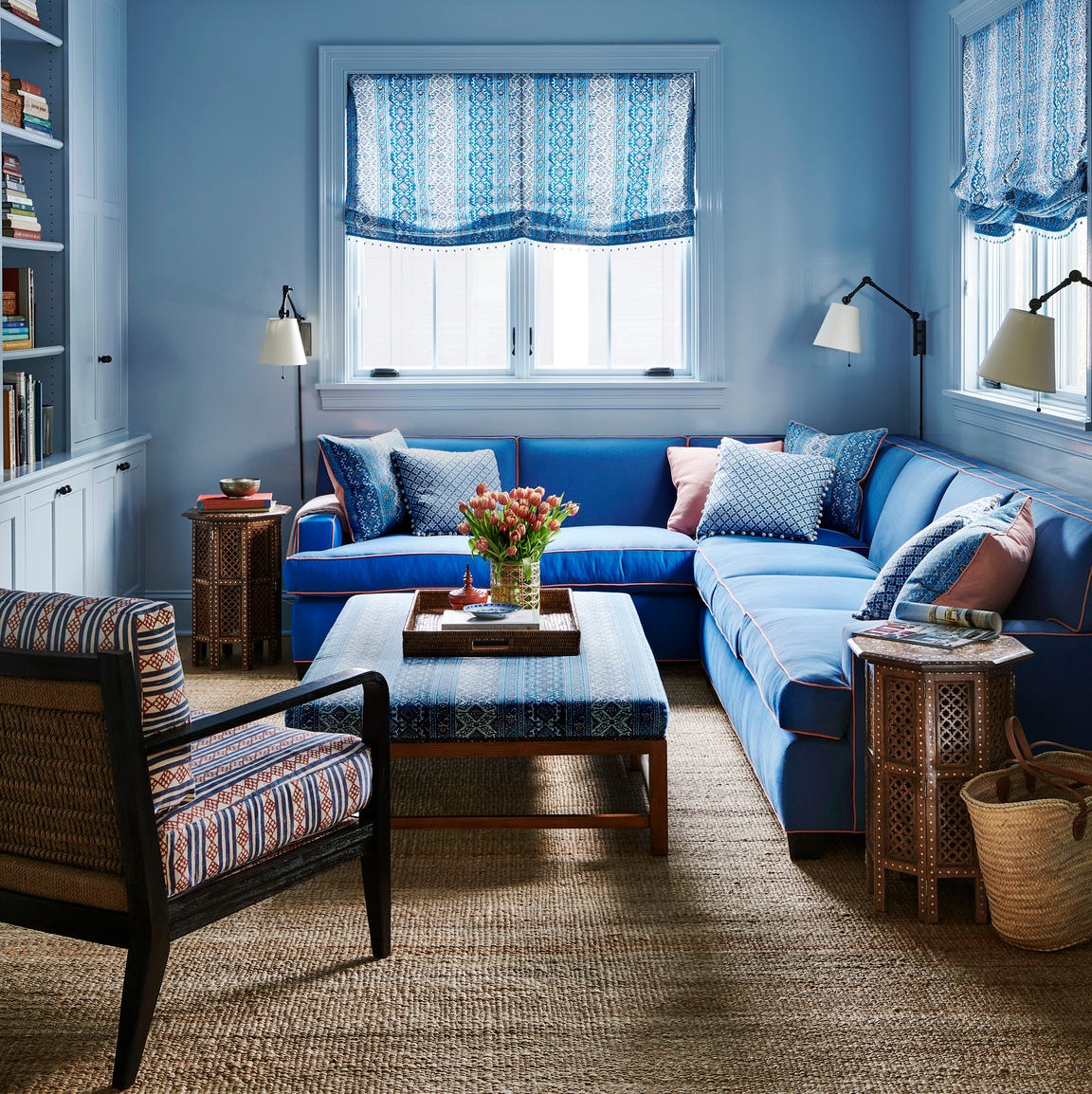
Designers LOVE Pairing These Unexpected Colors With This One Timeless Hue

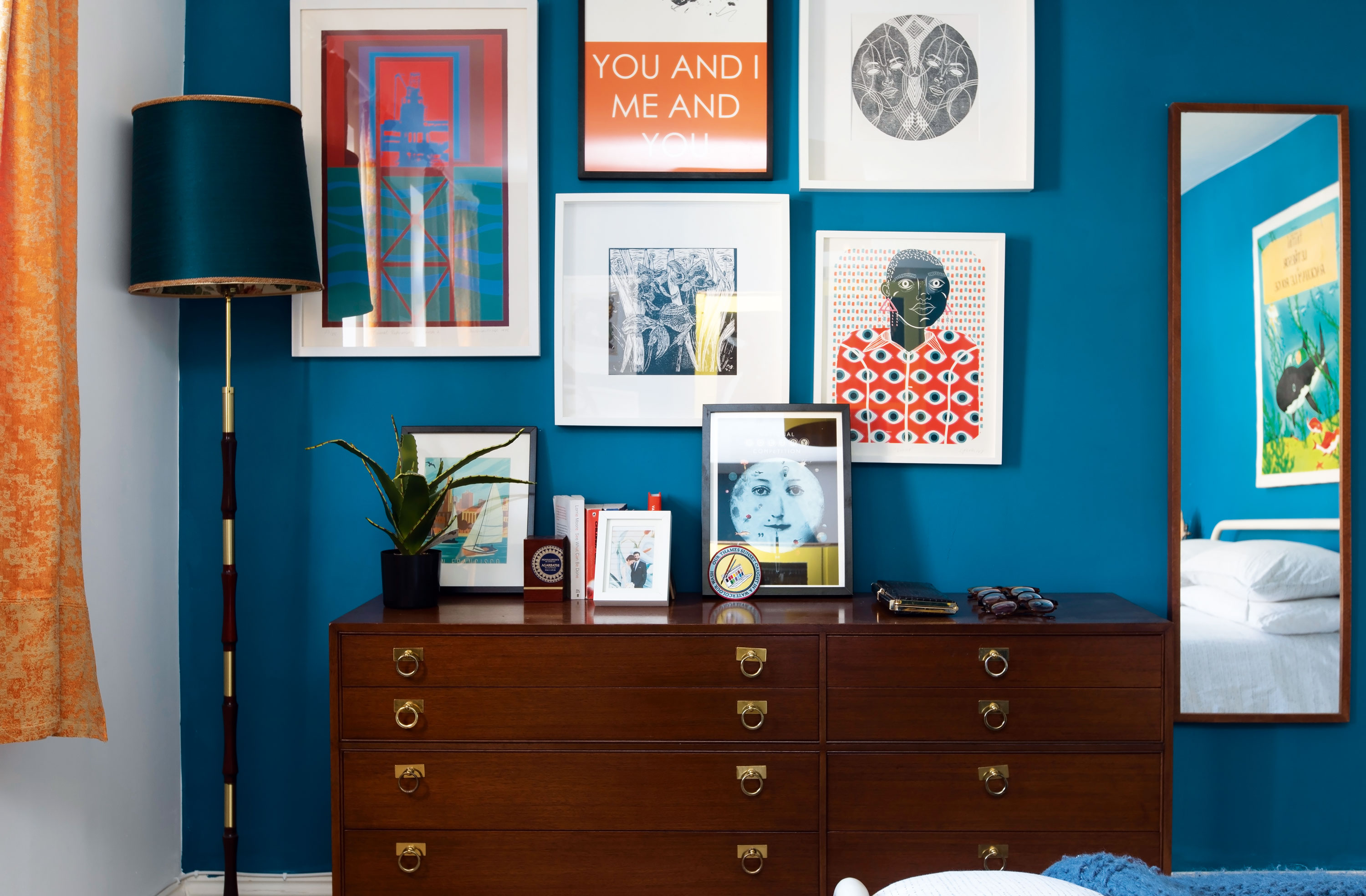
Feeling blue about your current space (figuratively)?

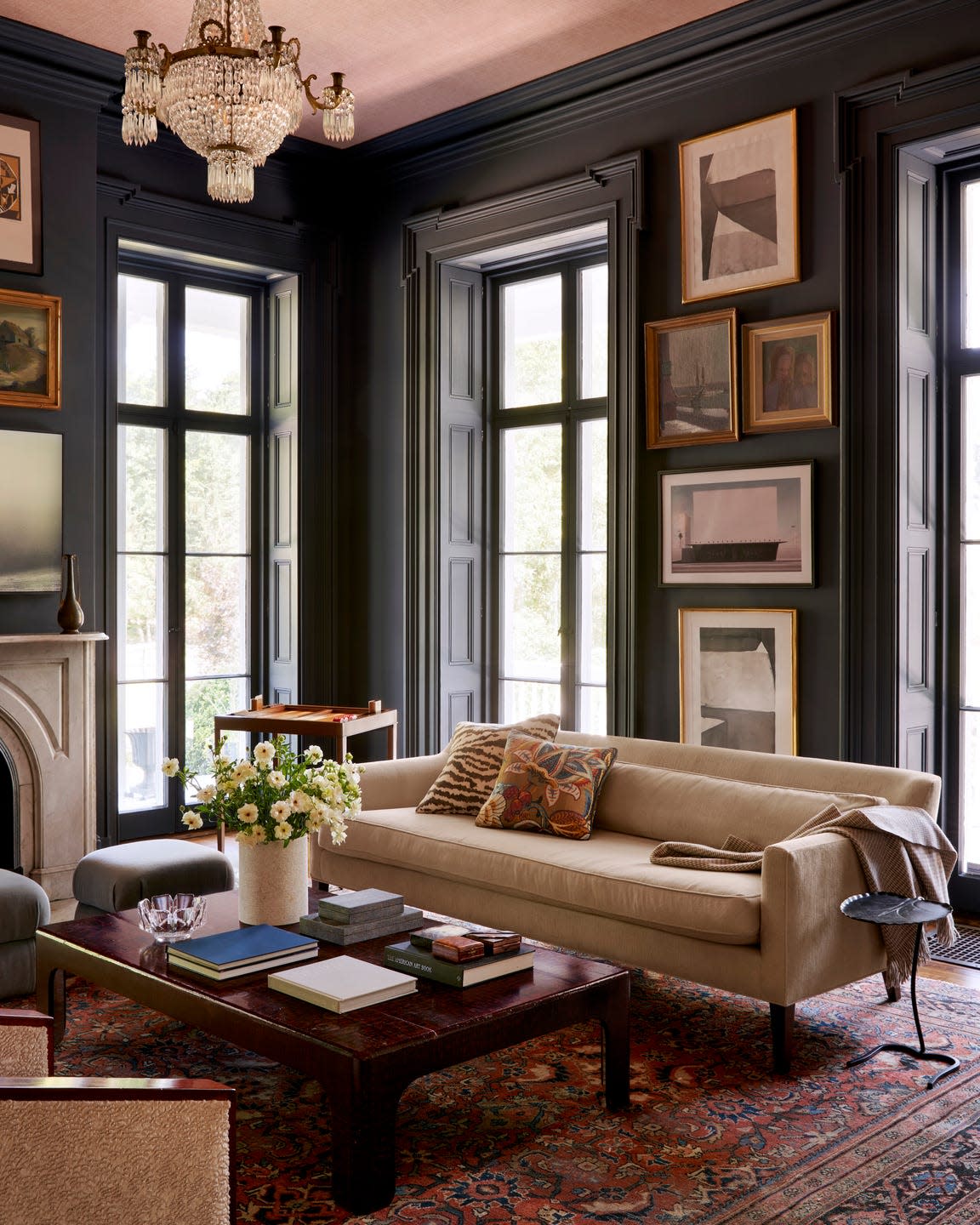
These Are the 11 Best Colors to Pair with Navy Blue in Your Home, According to Designers

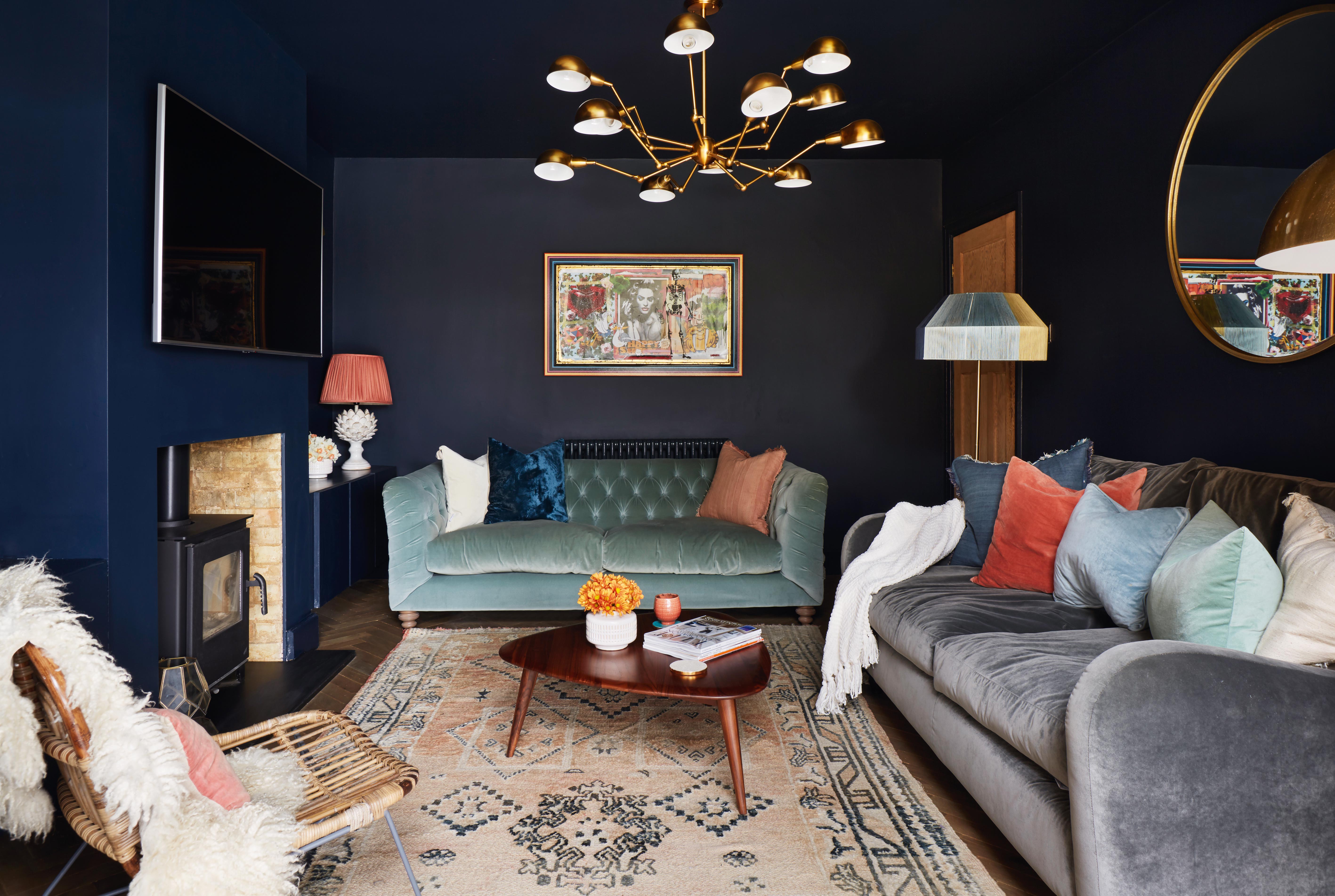
11 blue living room ideas to show to how to work with this on trend hue

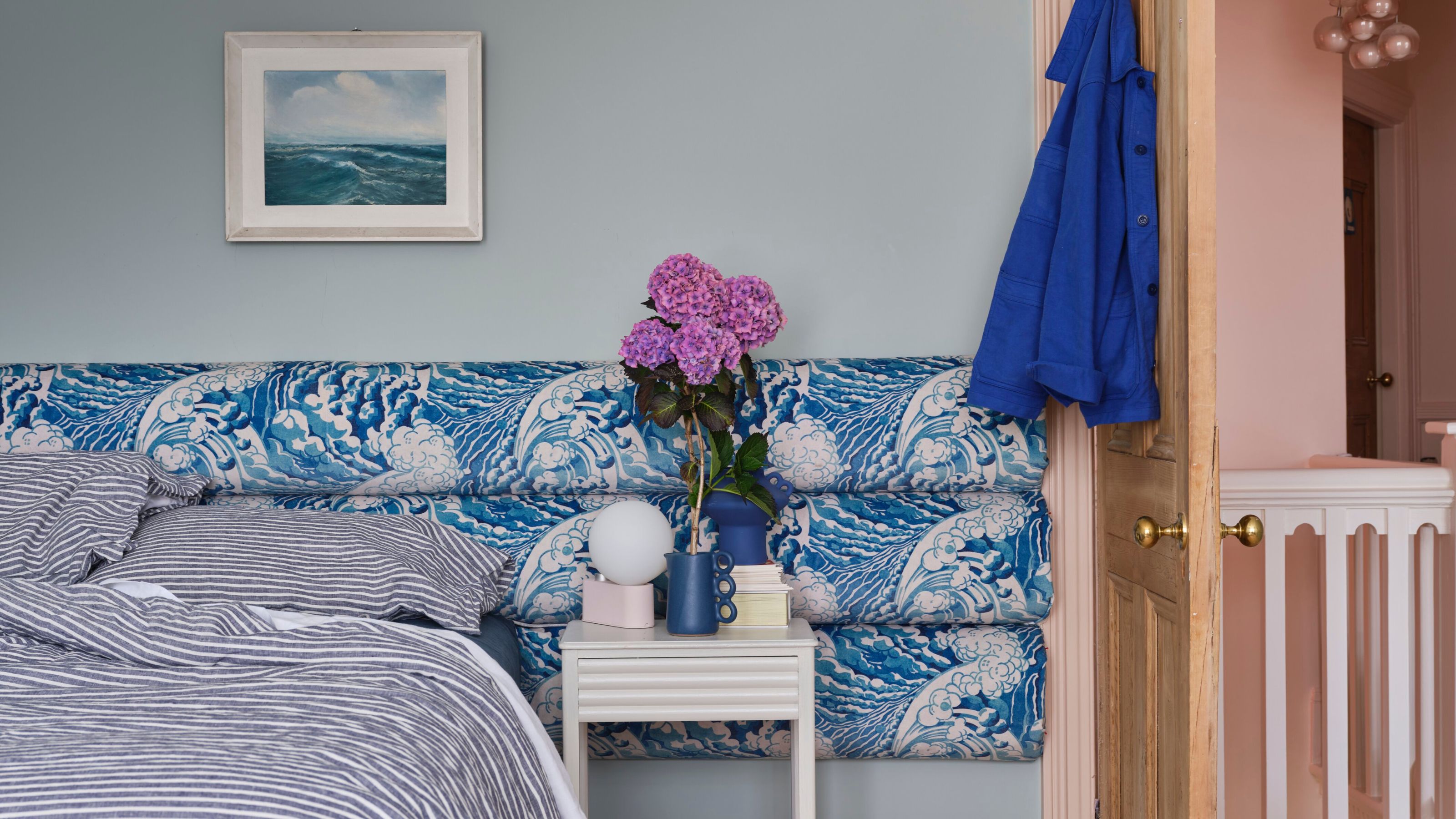
What a Paint Color Expert Would Pair With Light Blue Walls
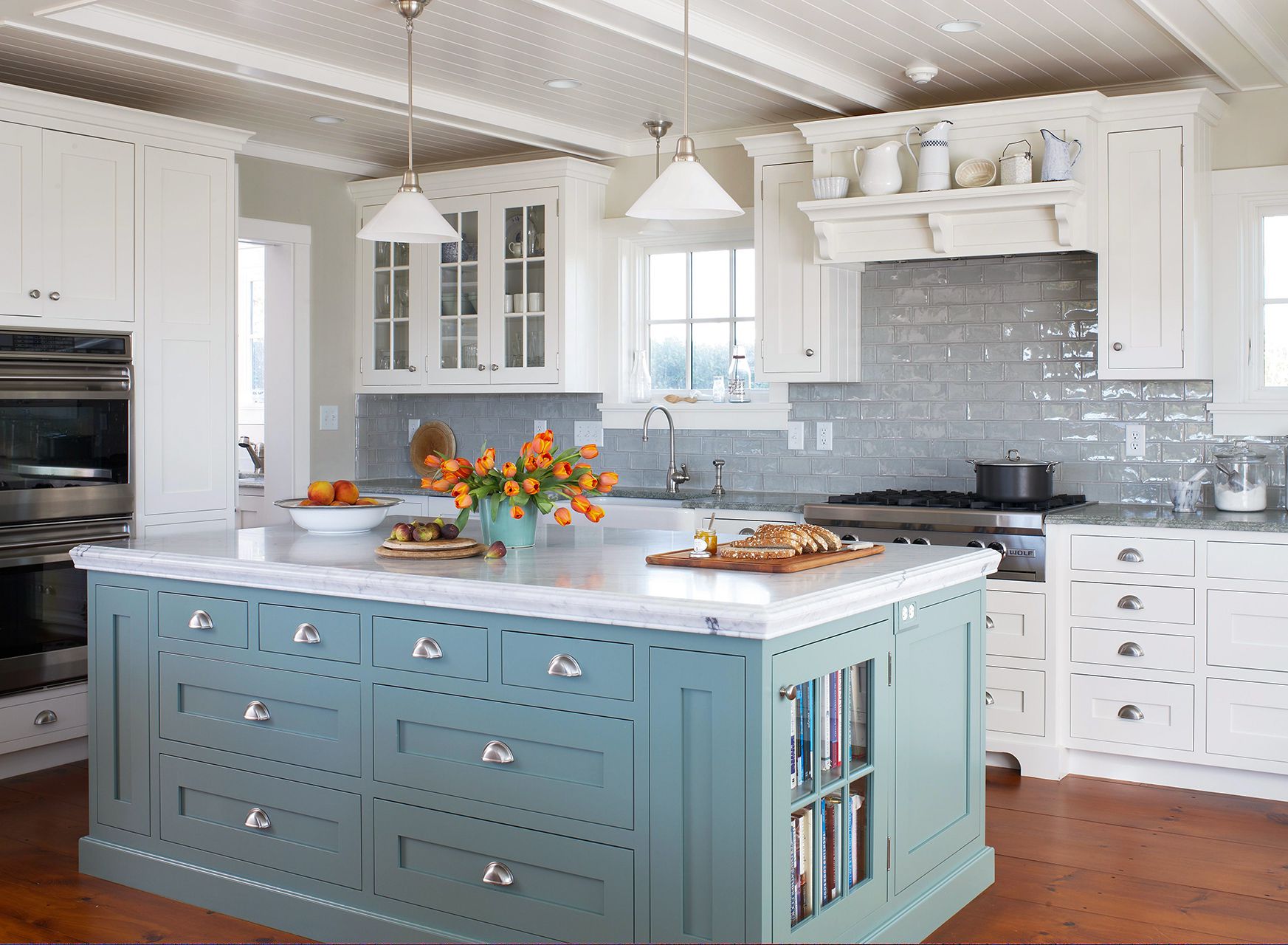
The Best Light-Blue Paint Colors for Every Room, According to Designers

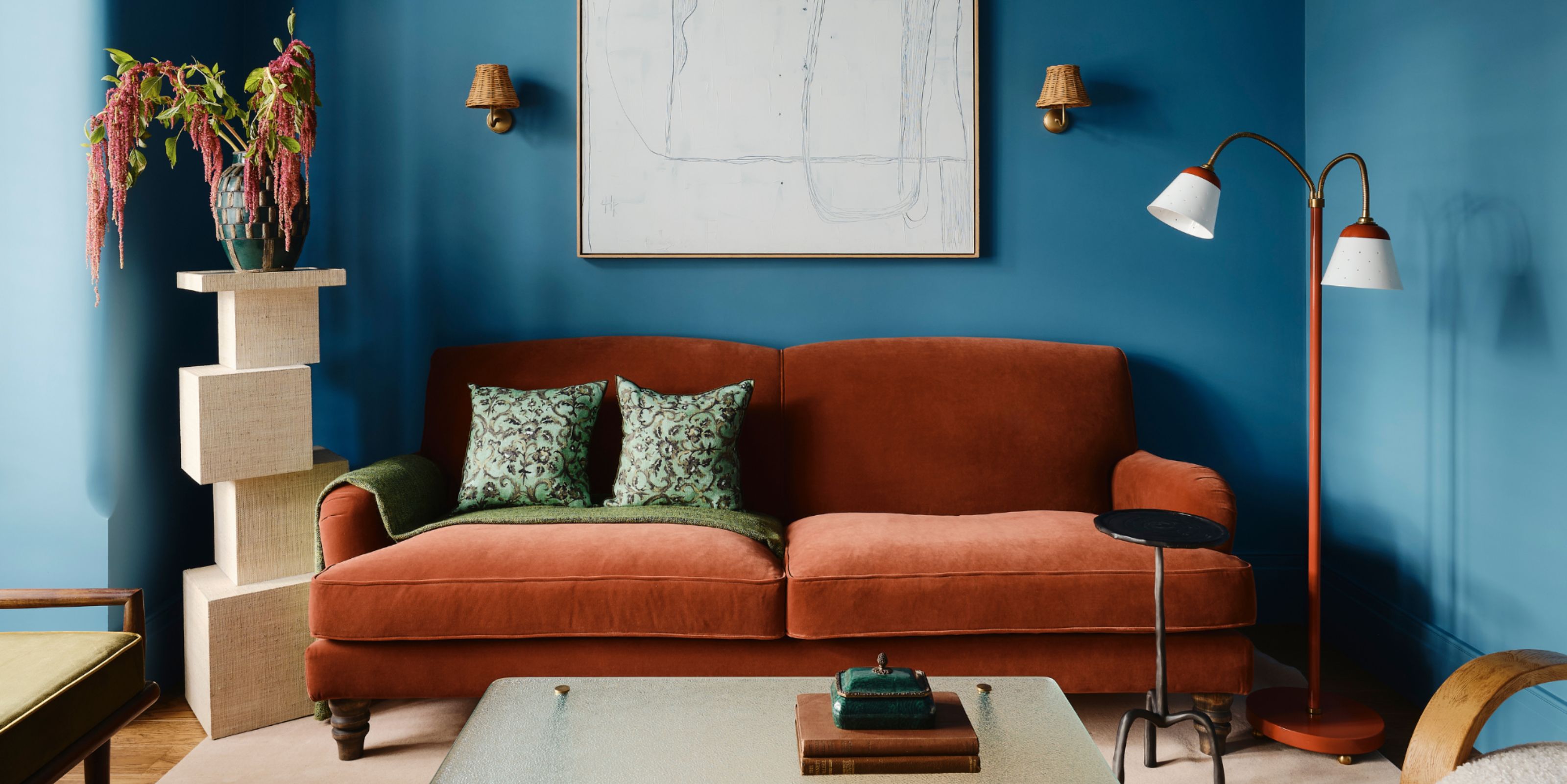
Colors That Go With Blue — 16 Pairings Designers Depend on for Bold, Breezy, and Perfectly Balanced Palettes
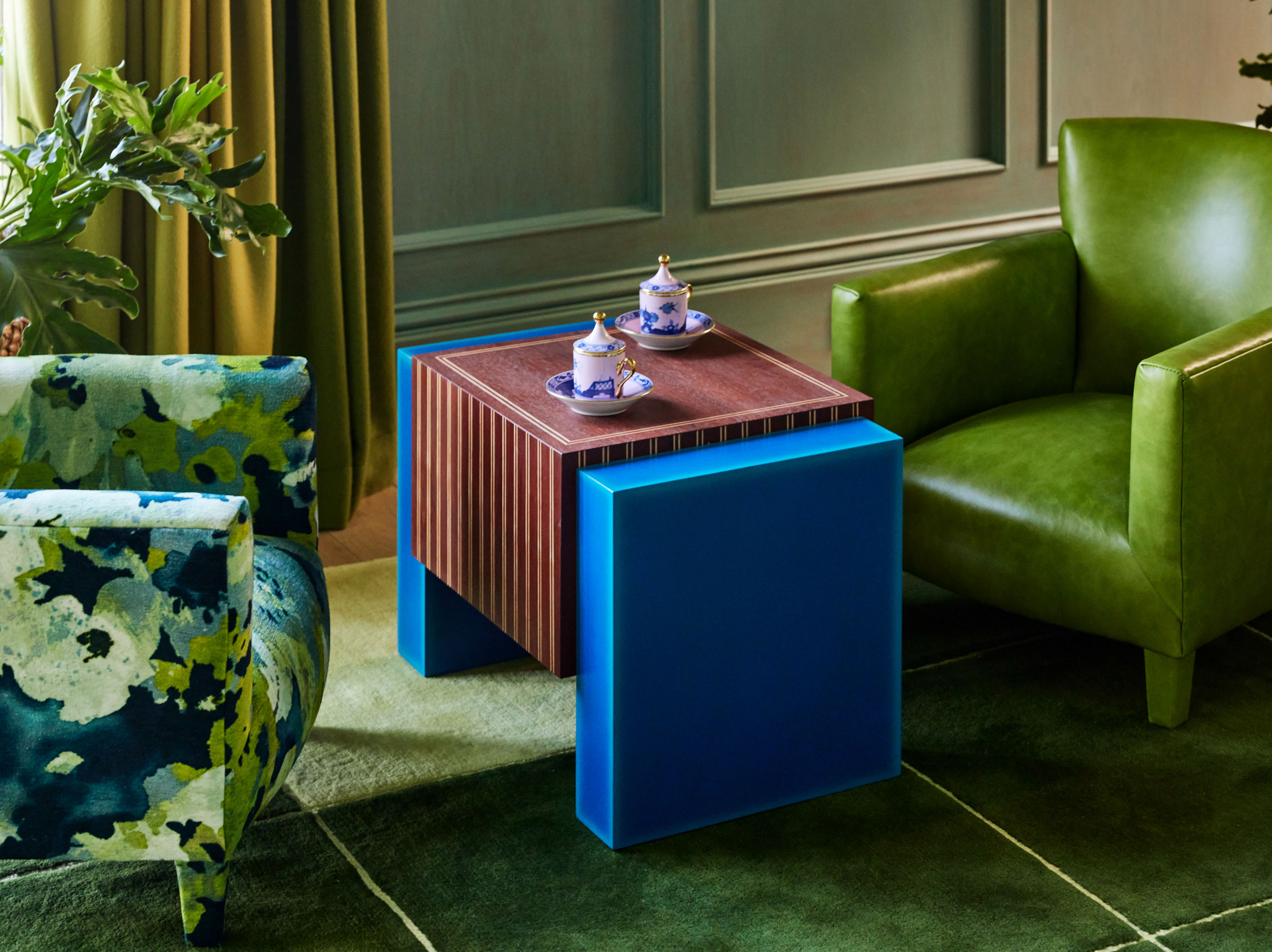
Do Blue and Green Work Together? 8 Modern Ways Designers Are Using This Controversial Color Pairing
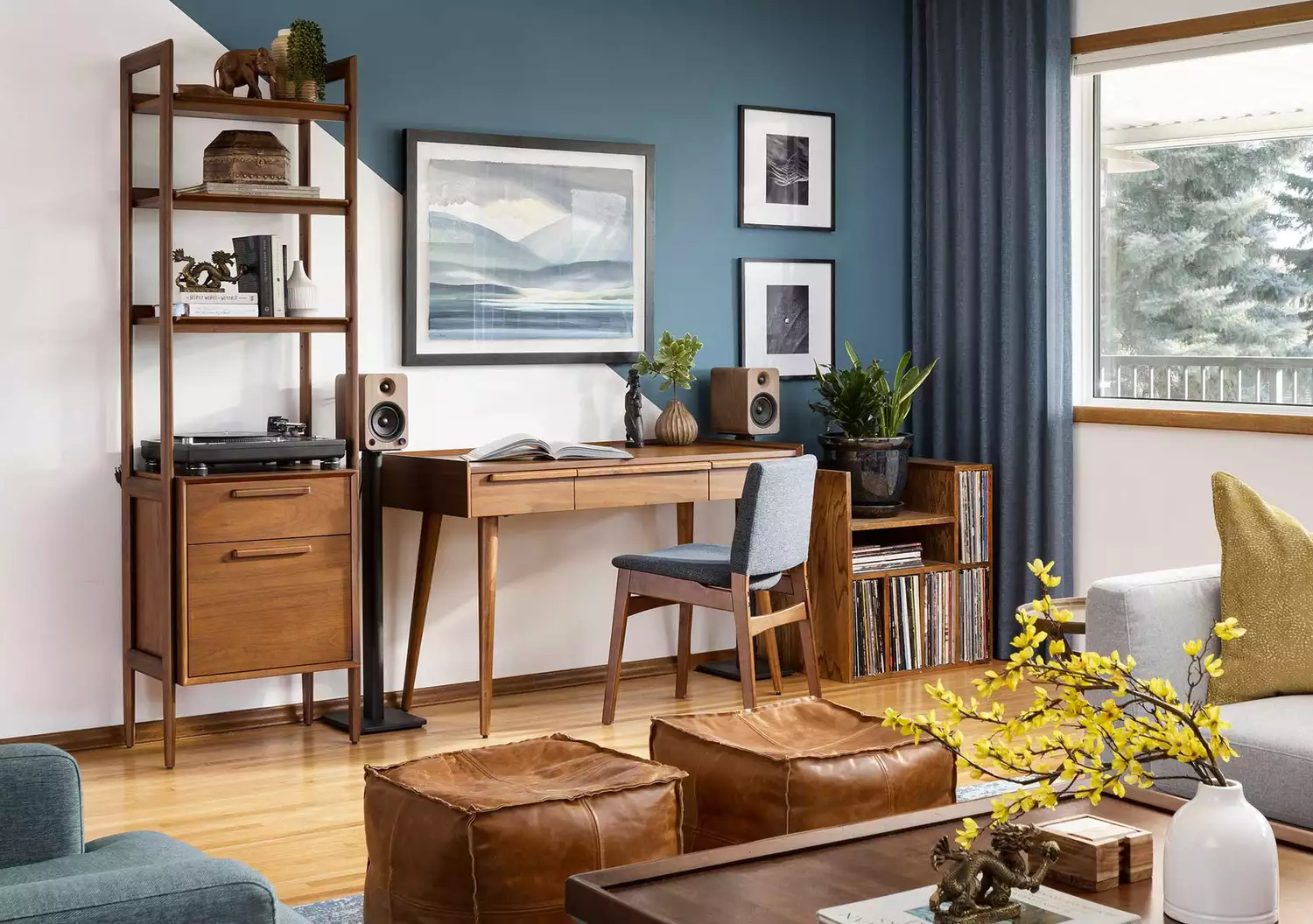
These 10 Colors Always Look Beautiful With Blue
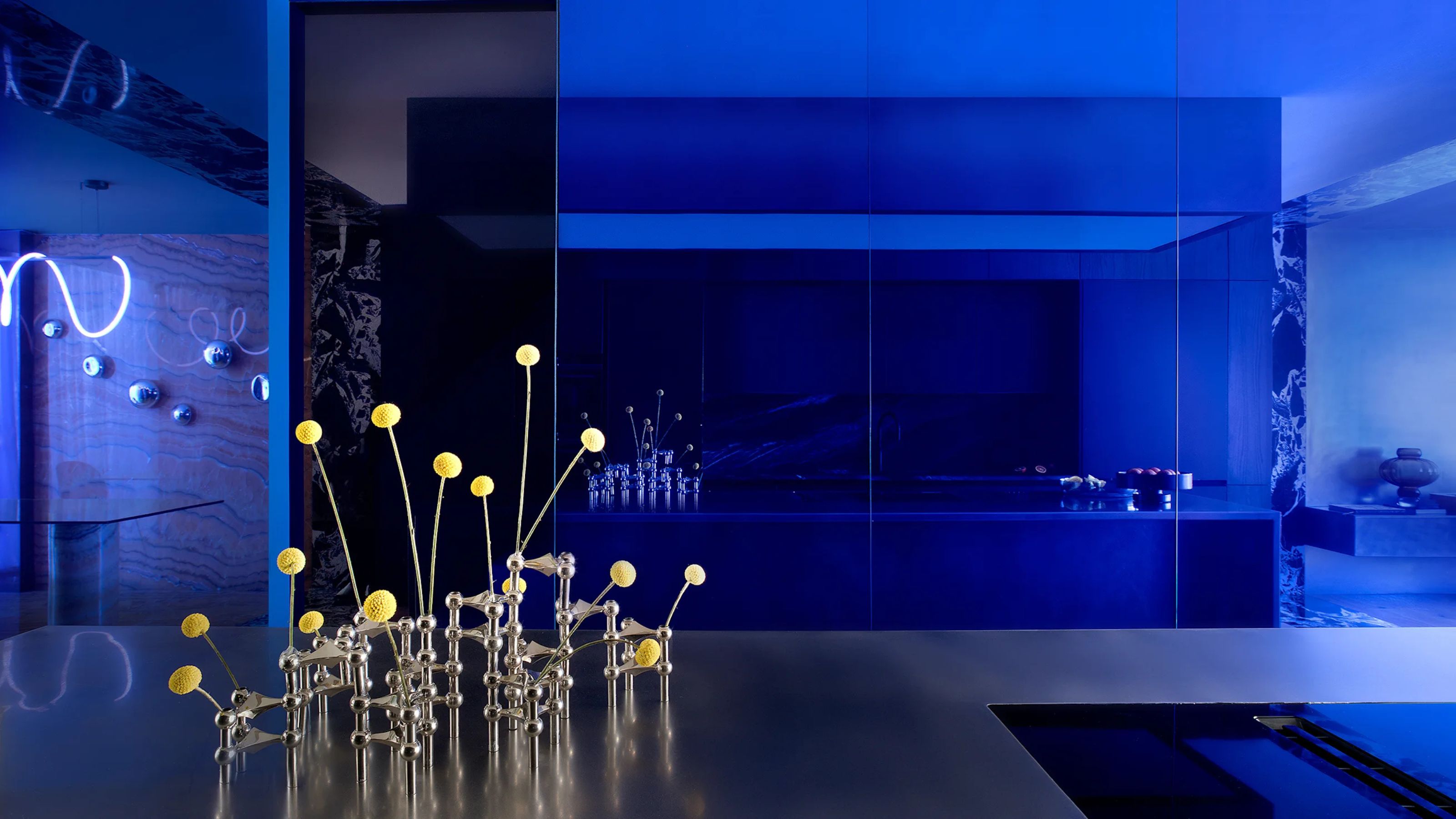
We Already Know the Color That's Going to Have 2027 in a Chokehold — Now's Your Chance to Beat the Trend
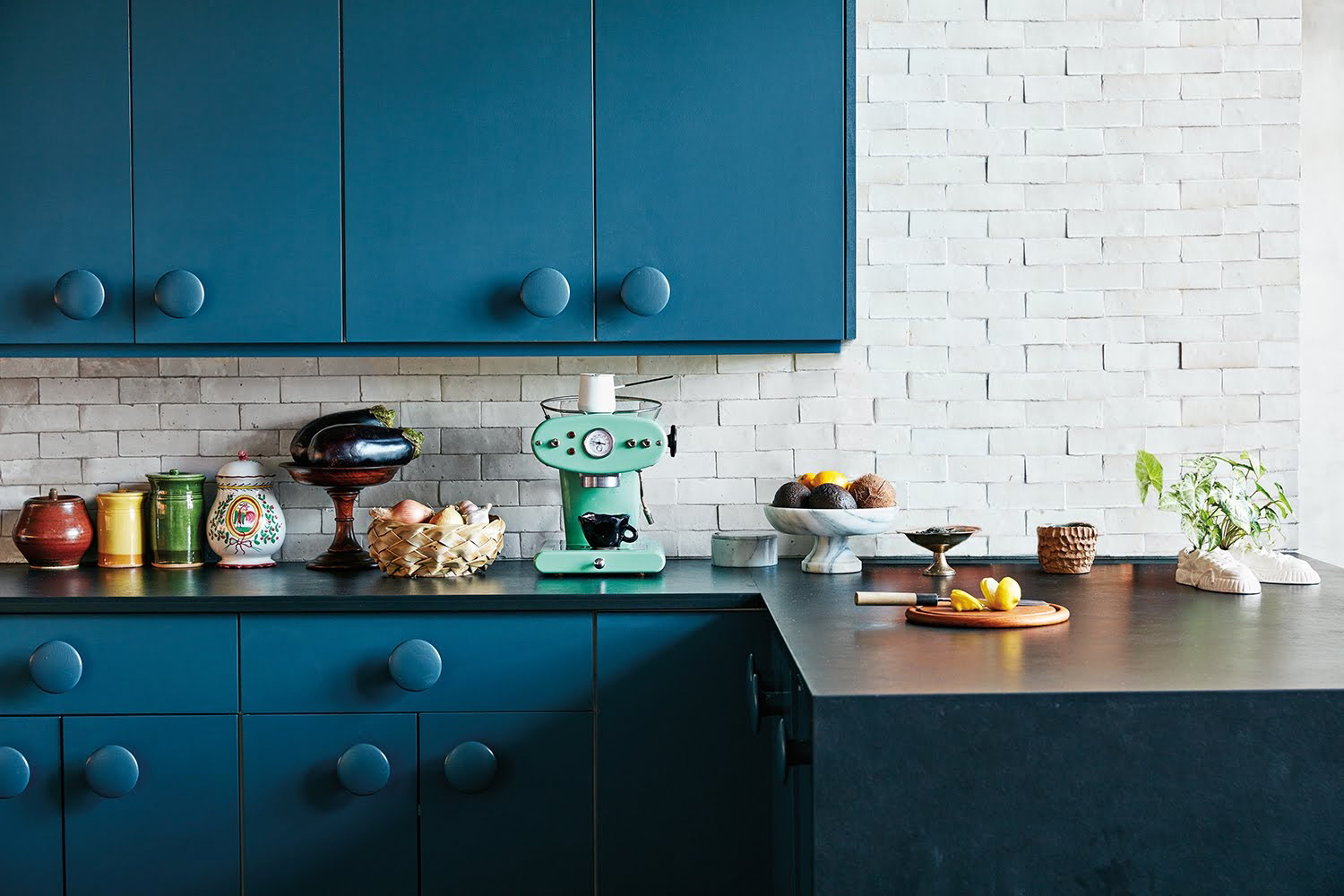
The 18 Best Paint Colors for Blue Kitchen Cabinets, Straight From Our Favorite Spaces

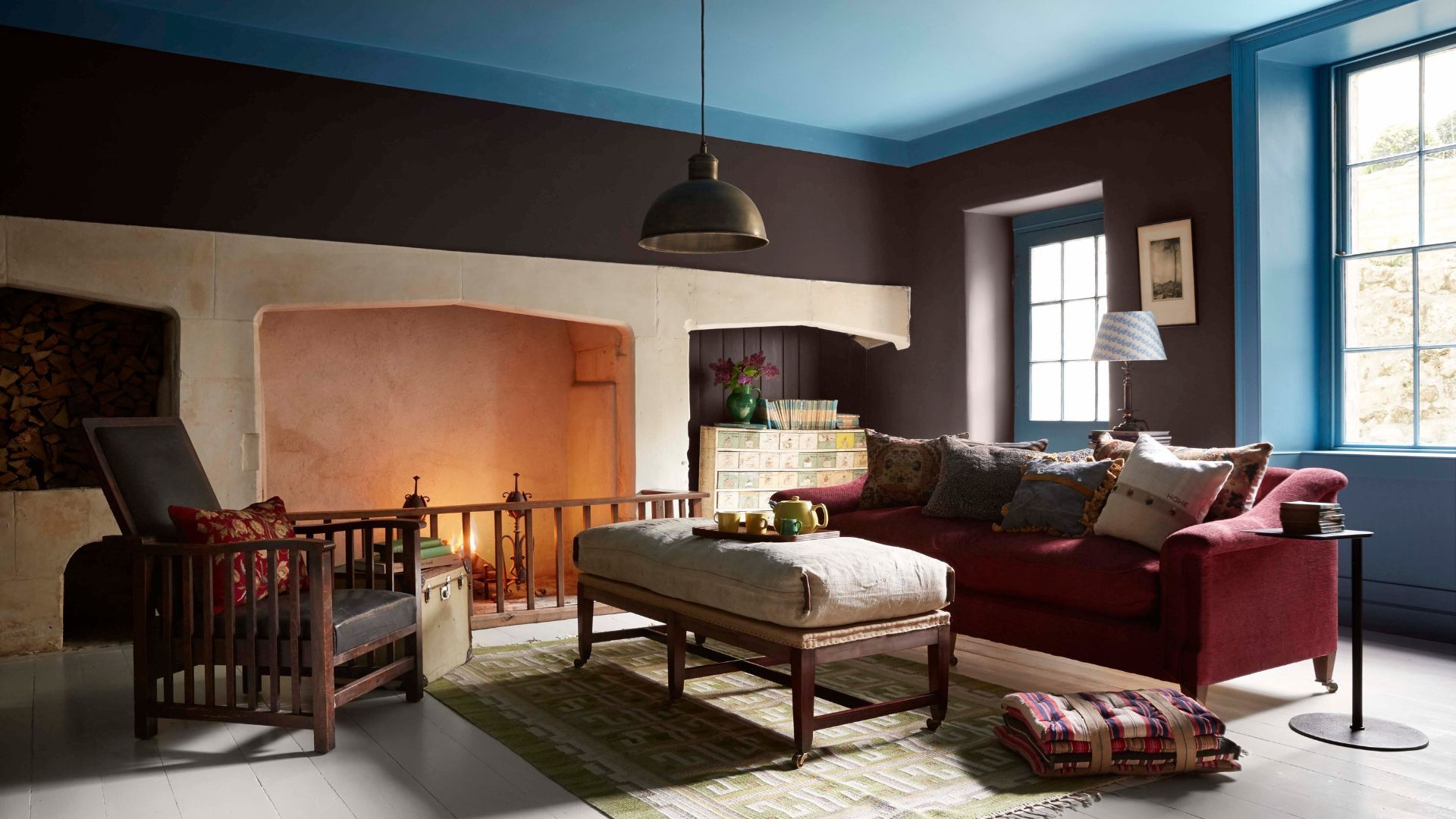
Blue and brown is the unexpected pairing that's more livable than you think
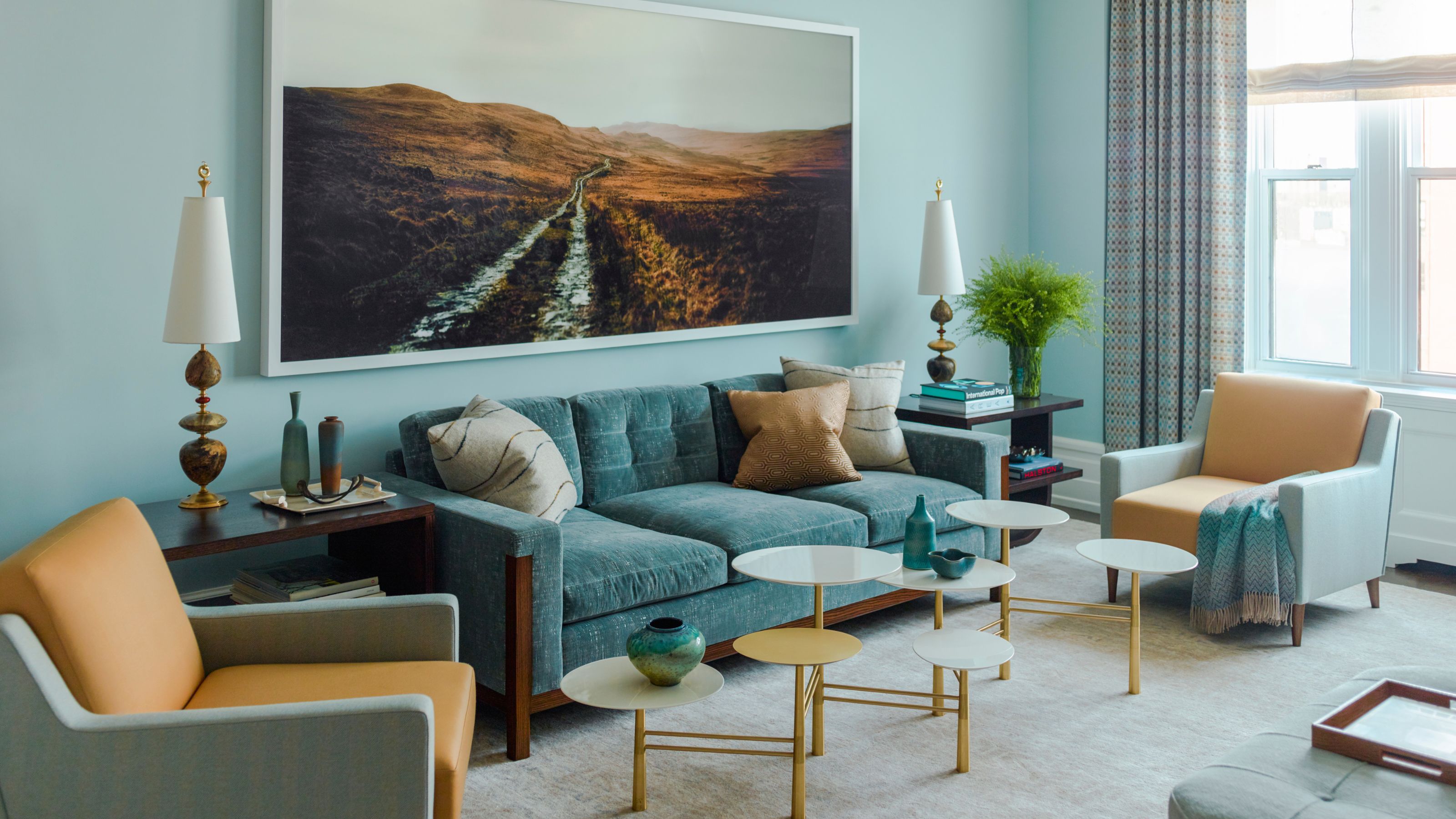
6 Light Blue Living Rooms That Find the Perfect Balance Between Cool and Cozy
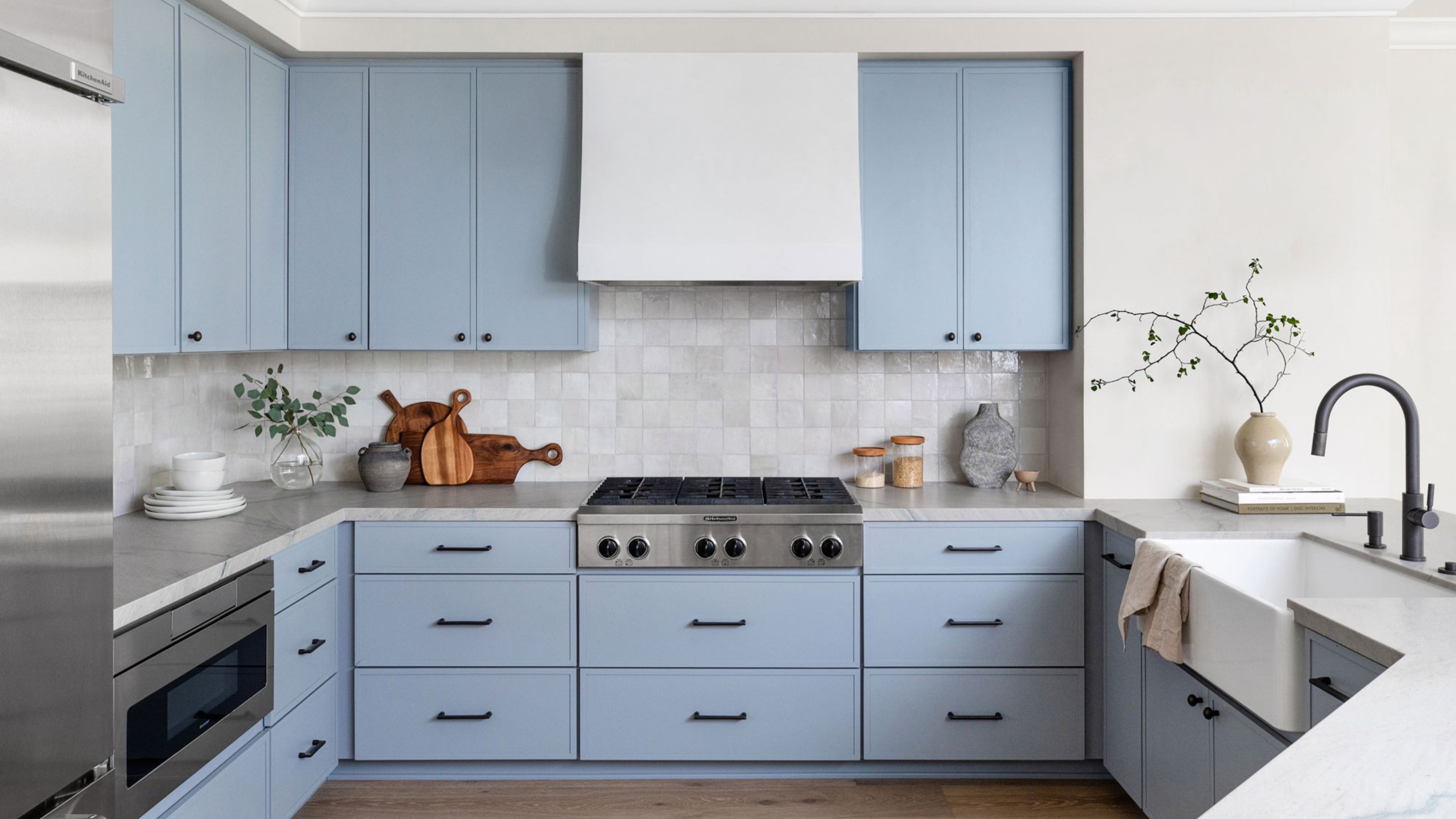
We Asked Designers: What's the Best Light Blue Paint Color? Here's 6 Shades They Swear By
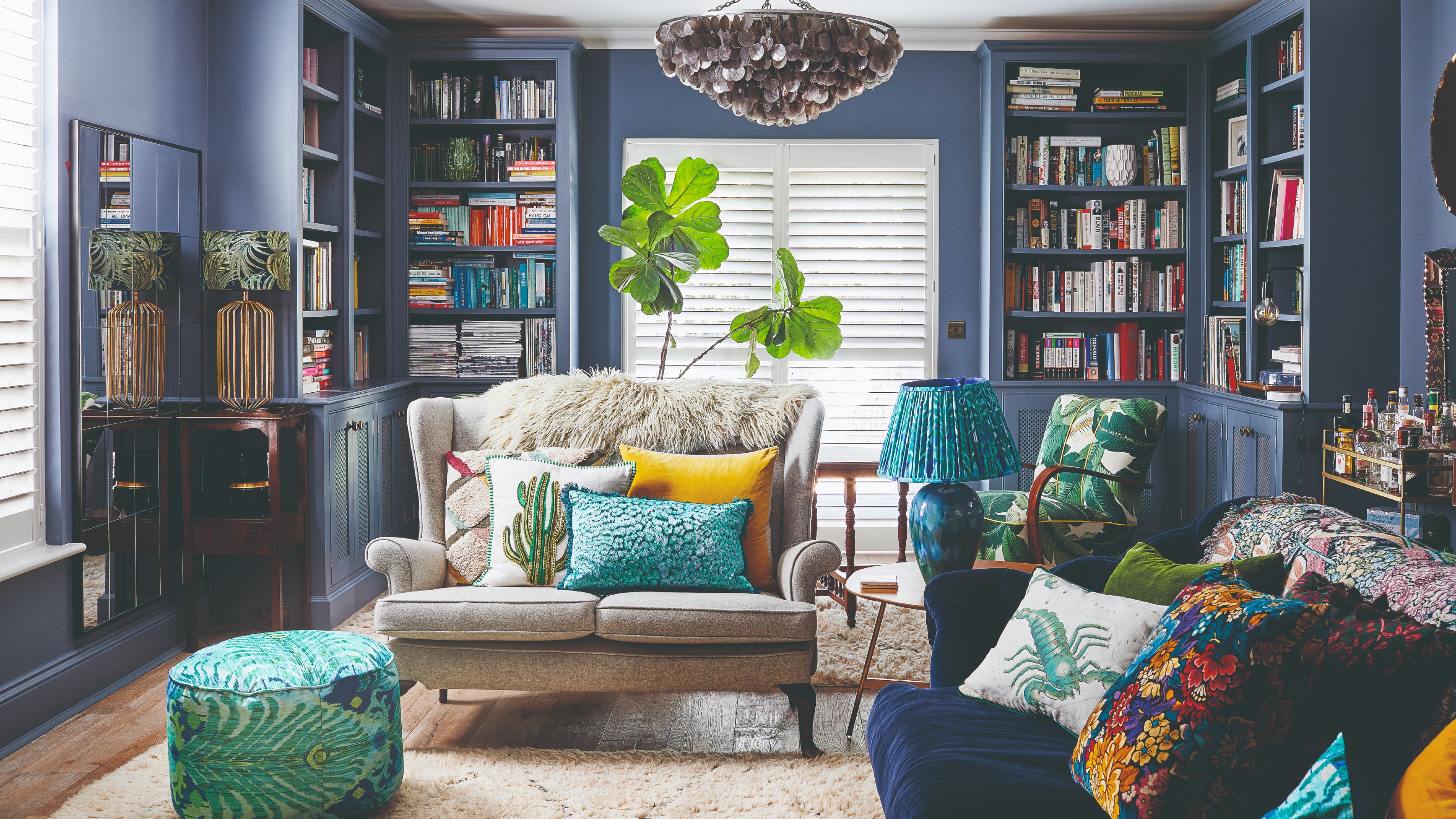
Blue is one of the UK’s most popular living room colours – this is how to elevate your lounge with the timeless hue
29 Best Blue Paint Colors for Perfectly-Hued Walls