1/13
Do Blue and Green Work Together? 8 Modern Ways Designers Are Using This Controversial Color Pairing
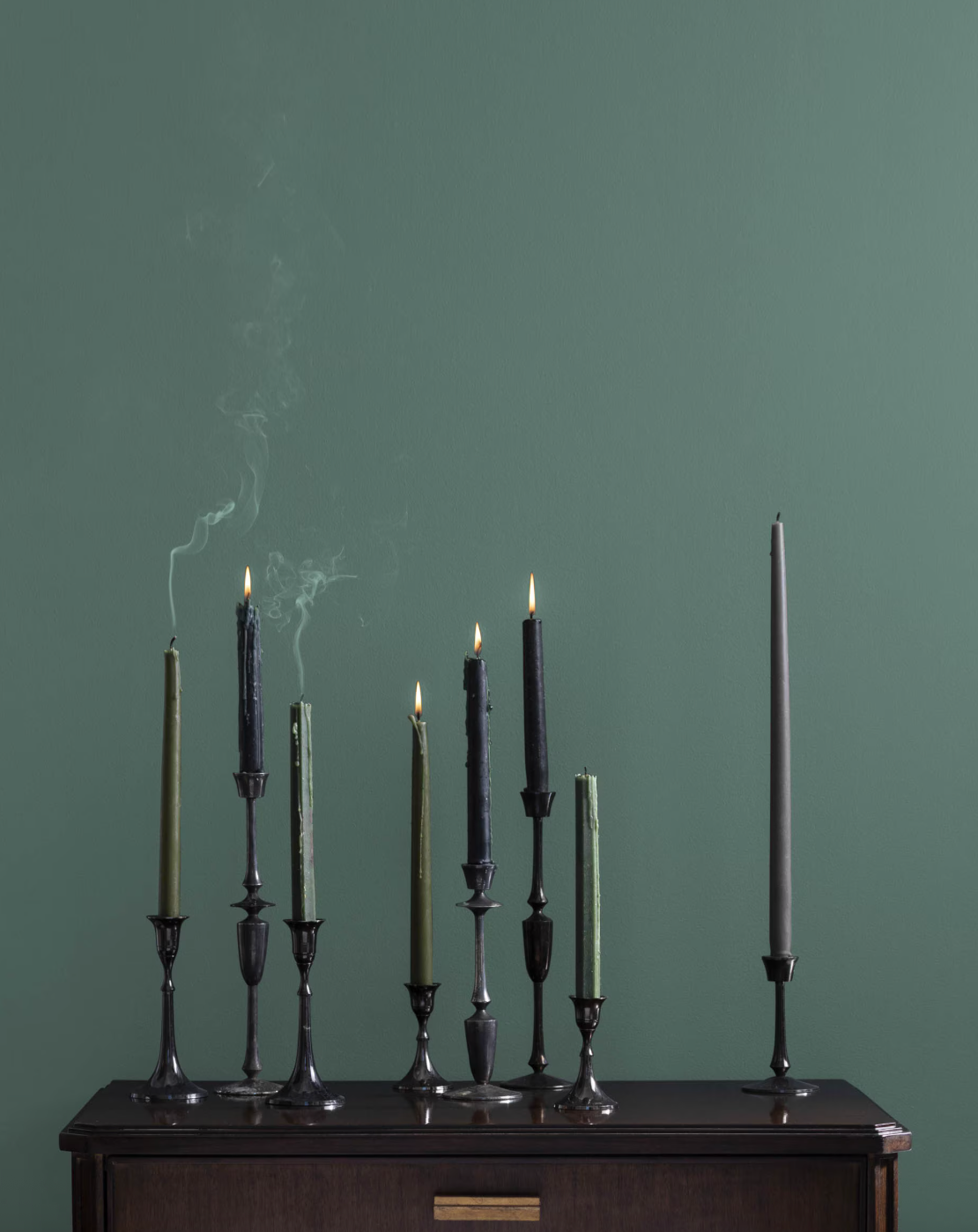
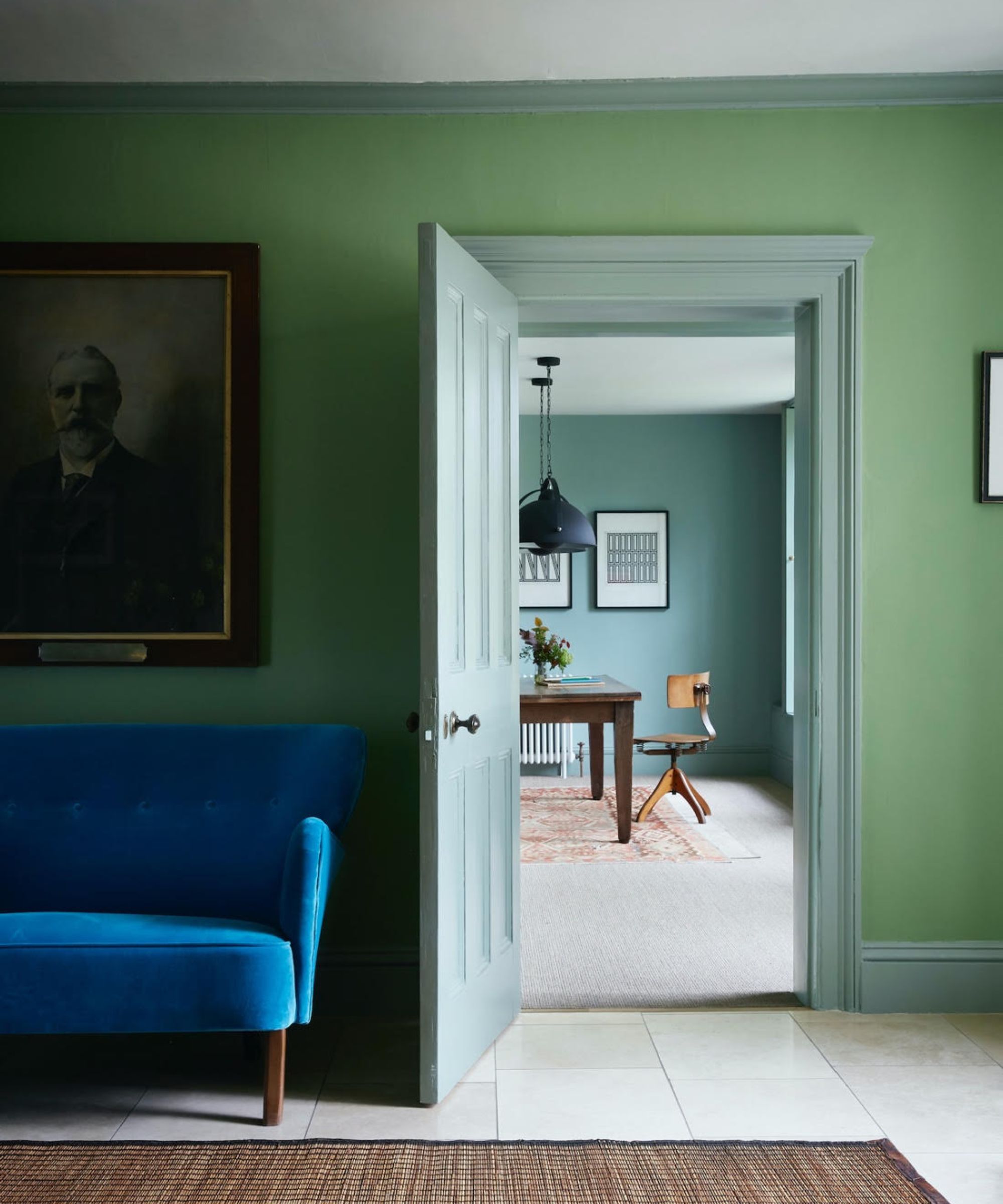
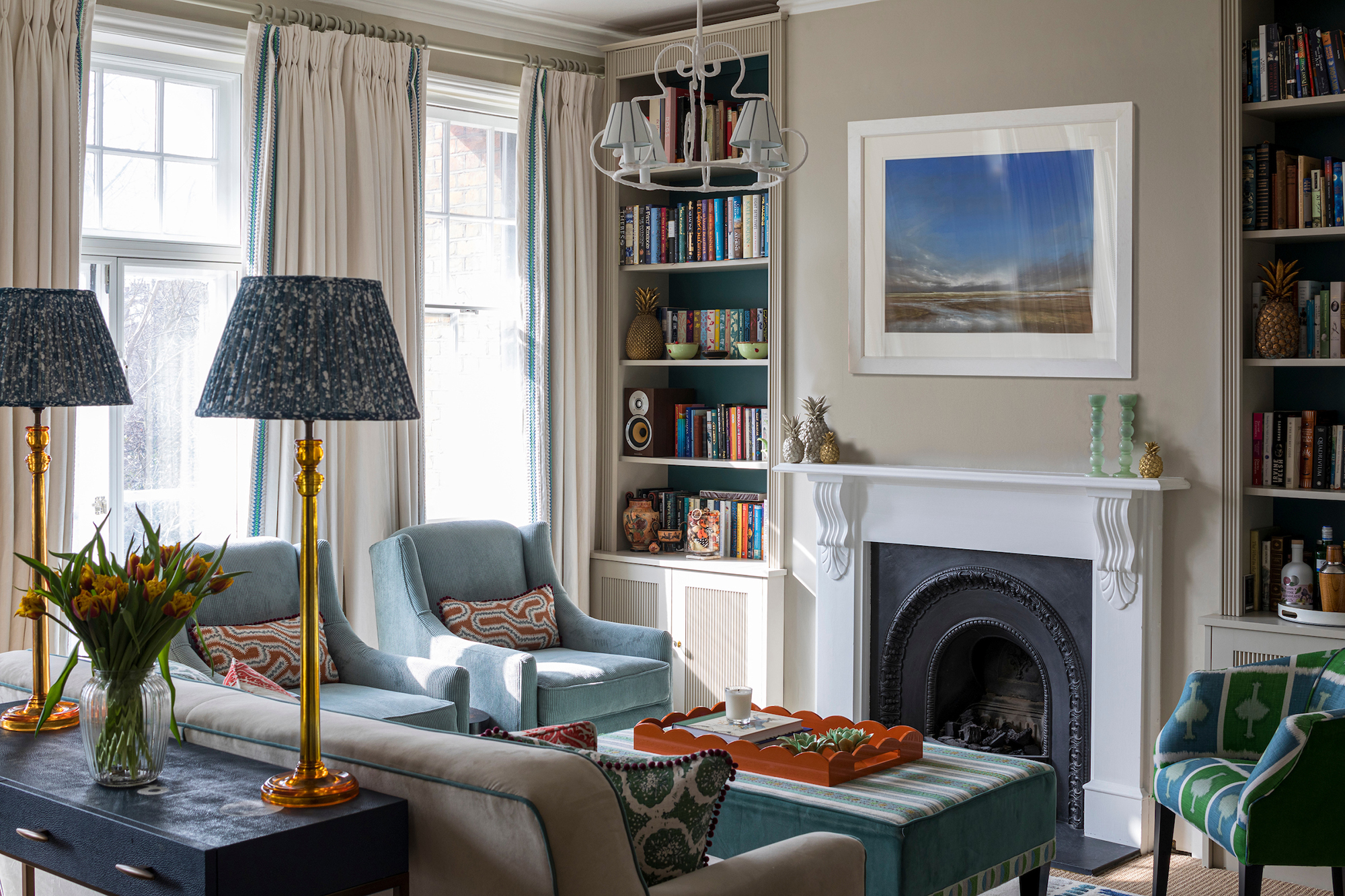
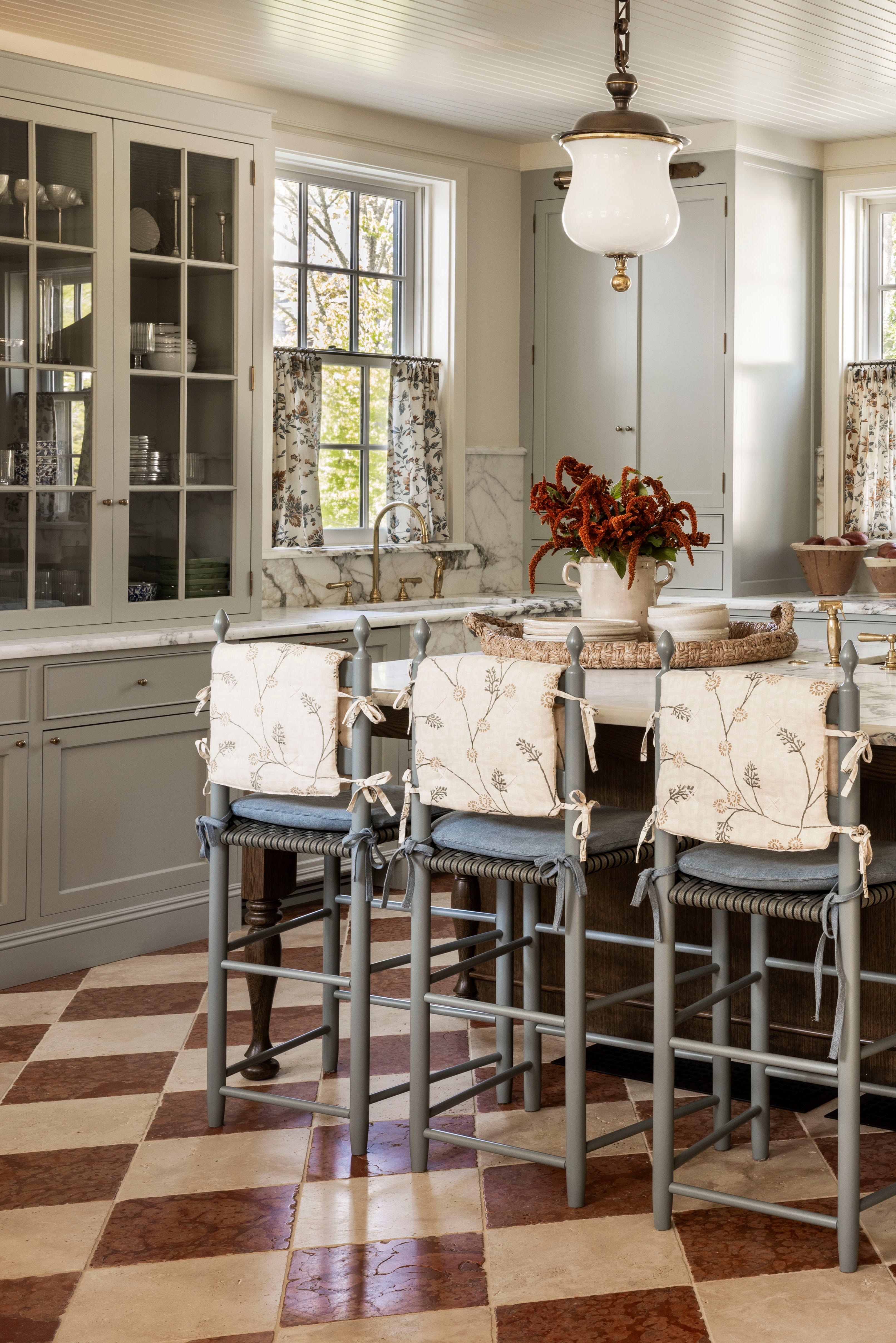
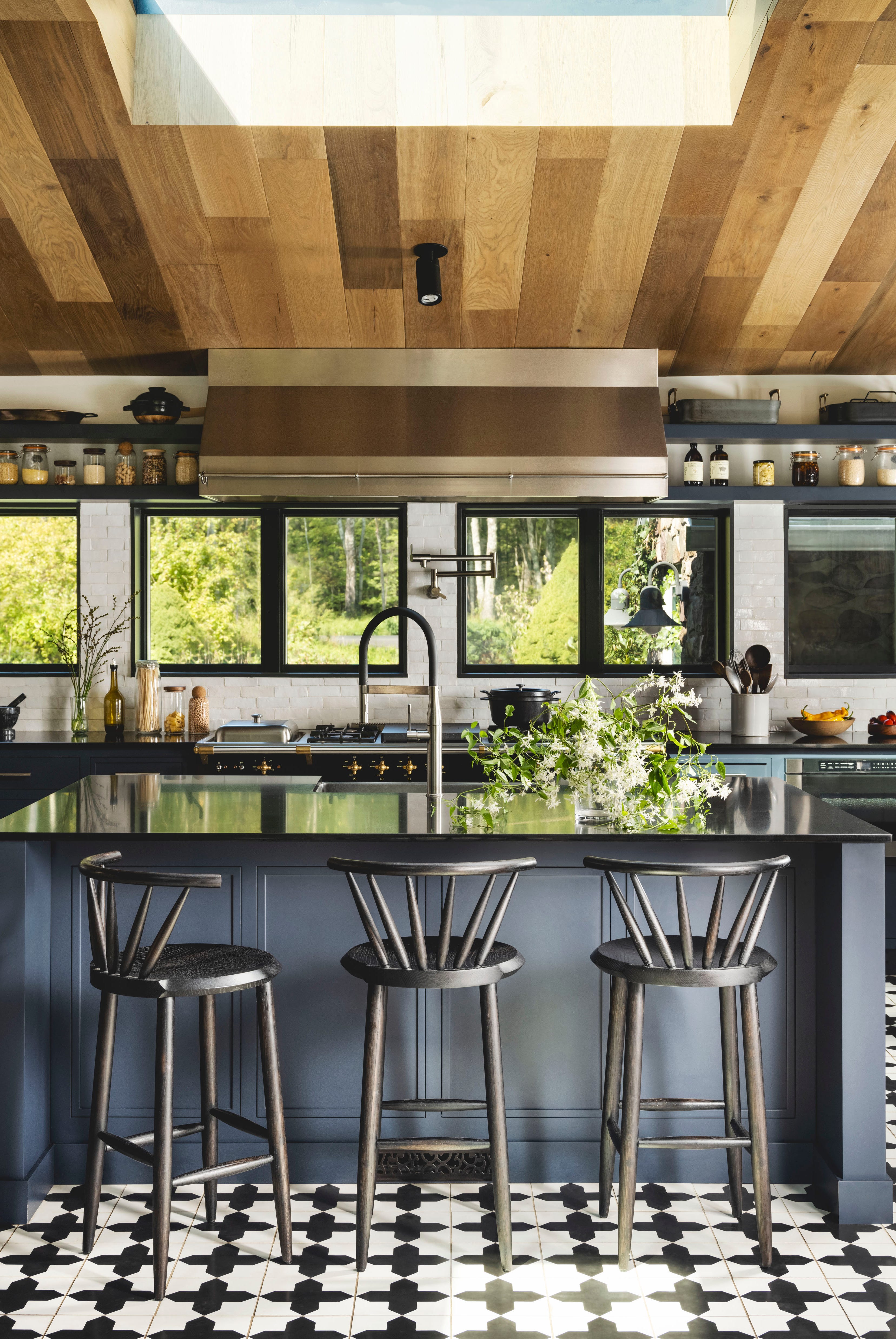
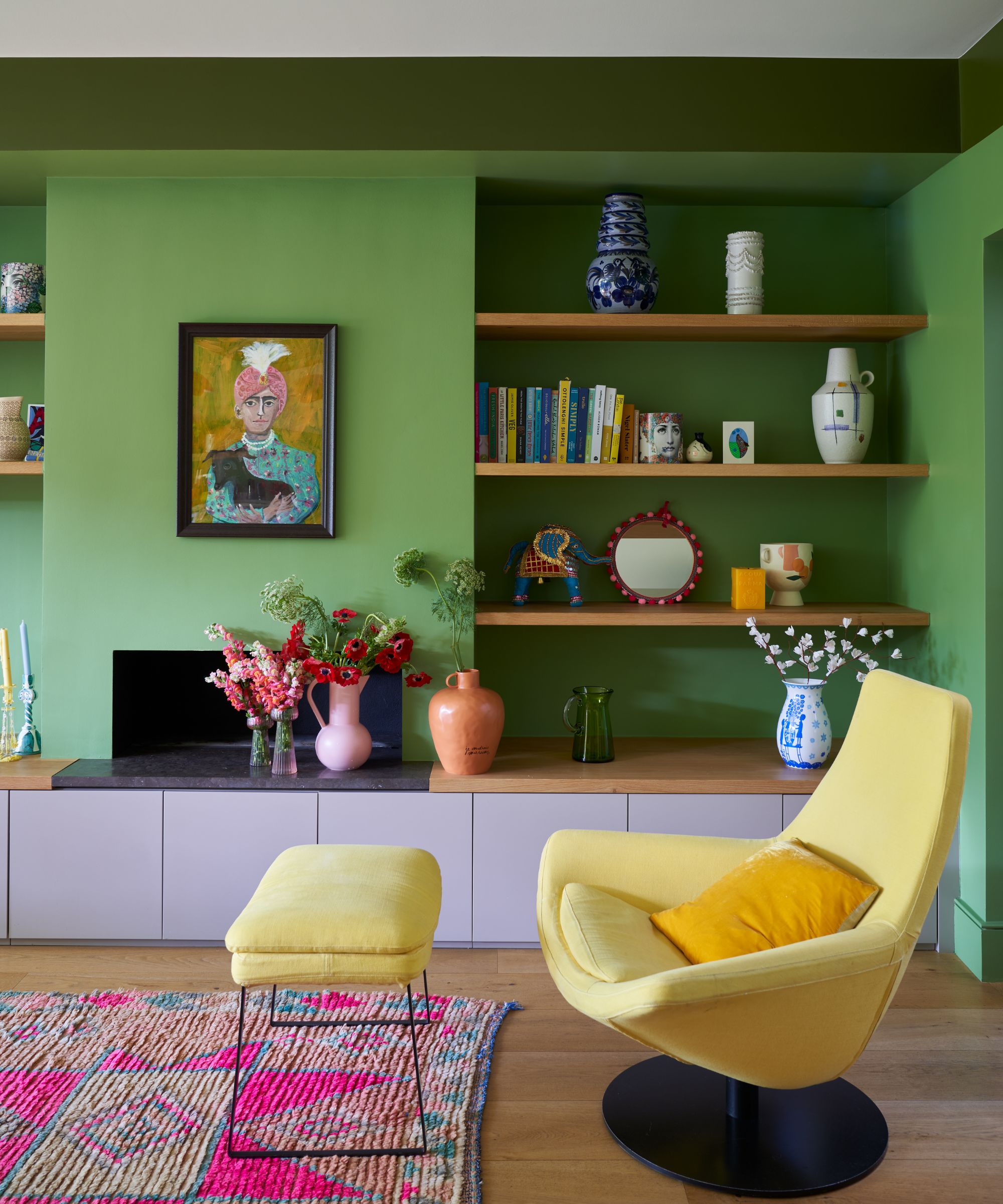
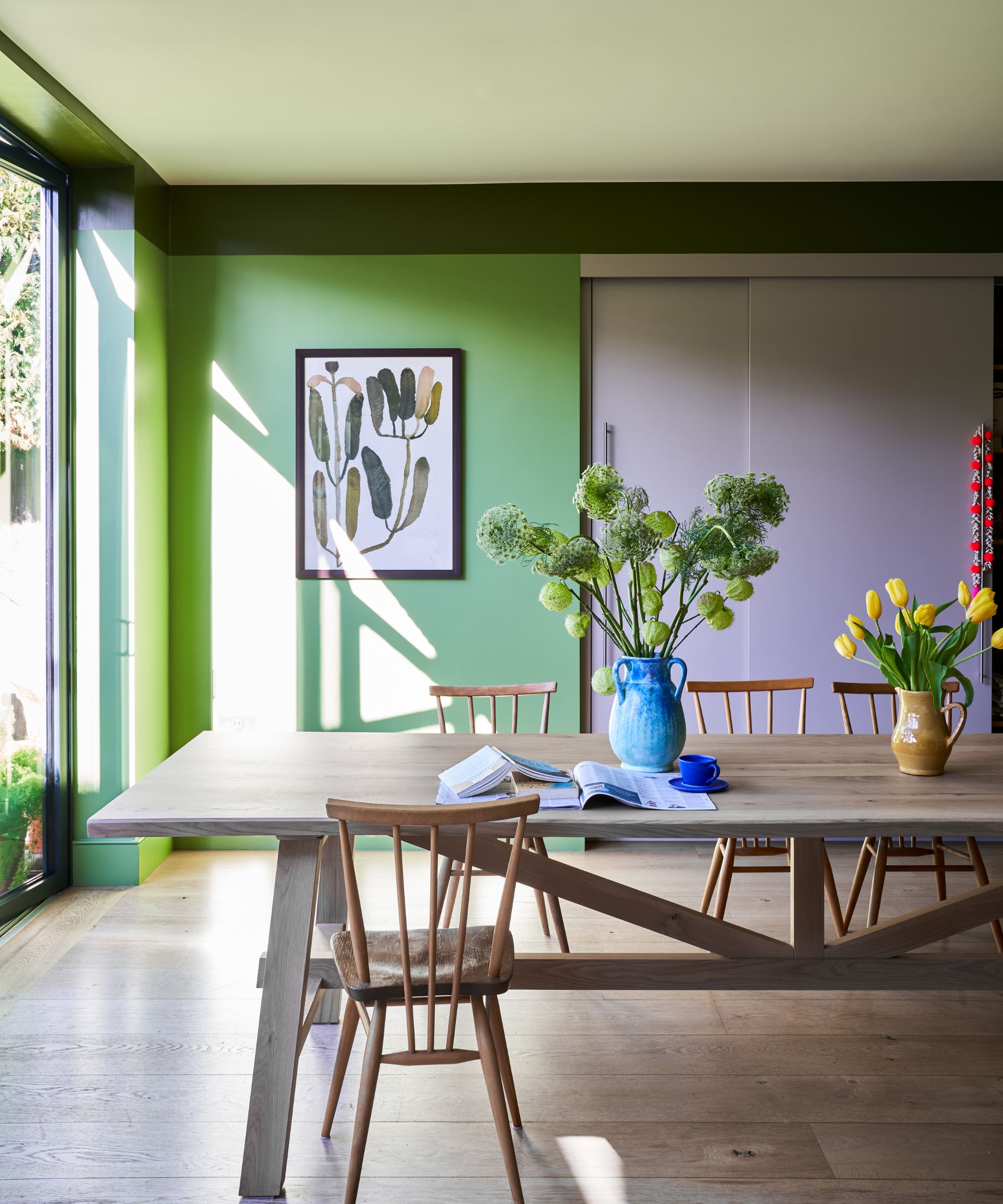
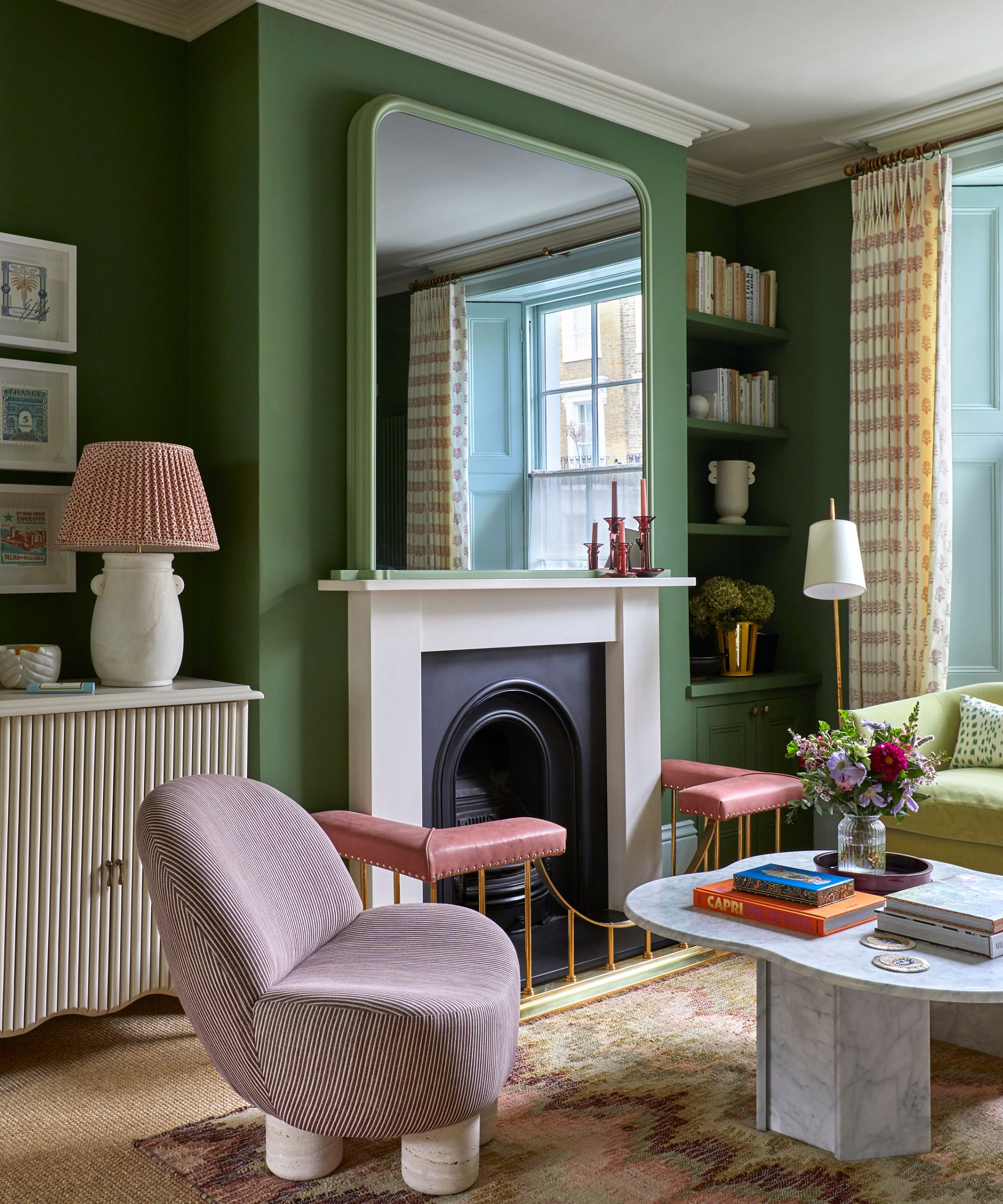
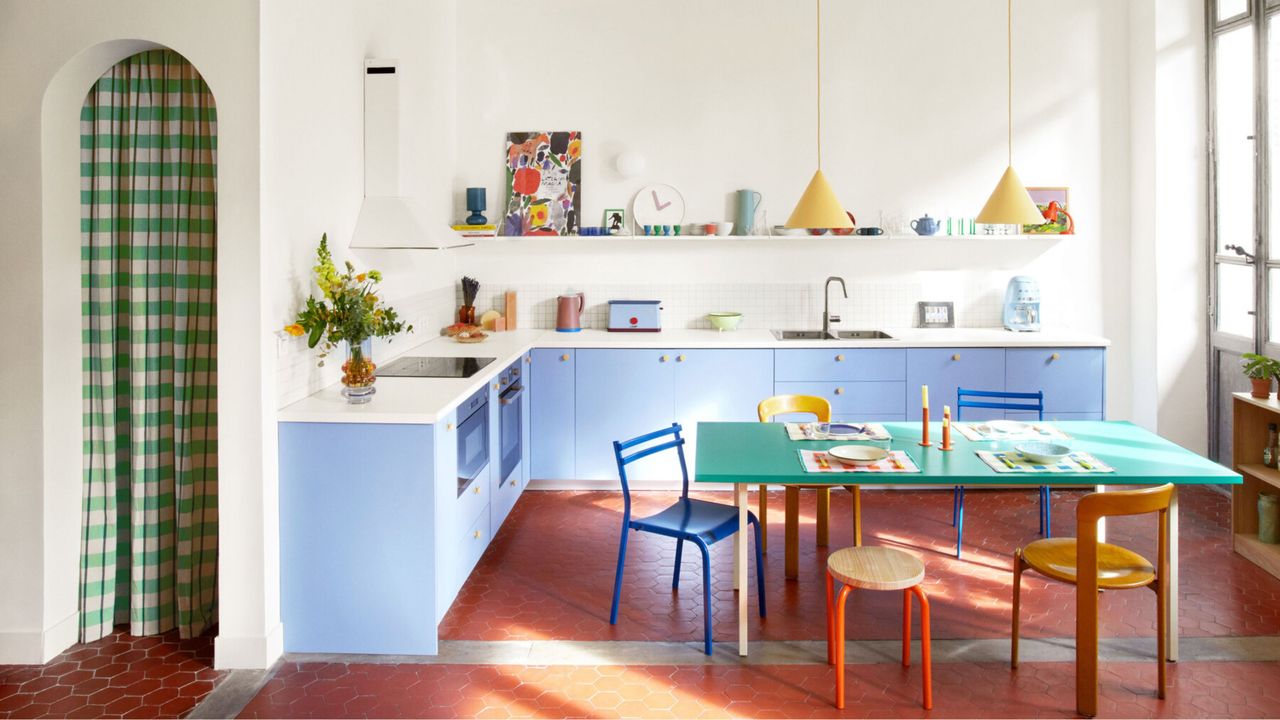
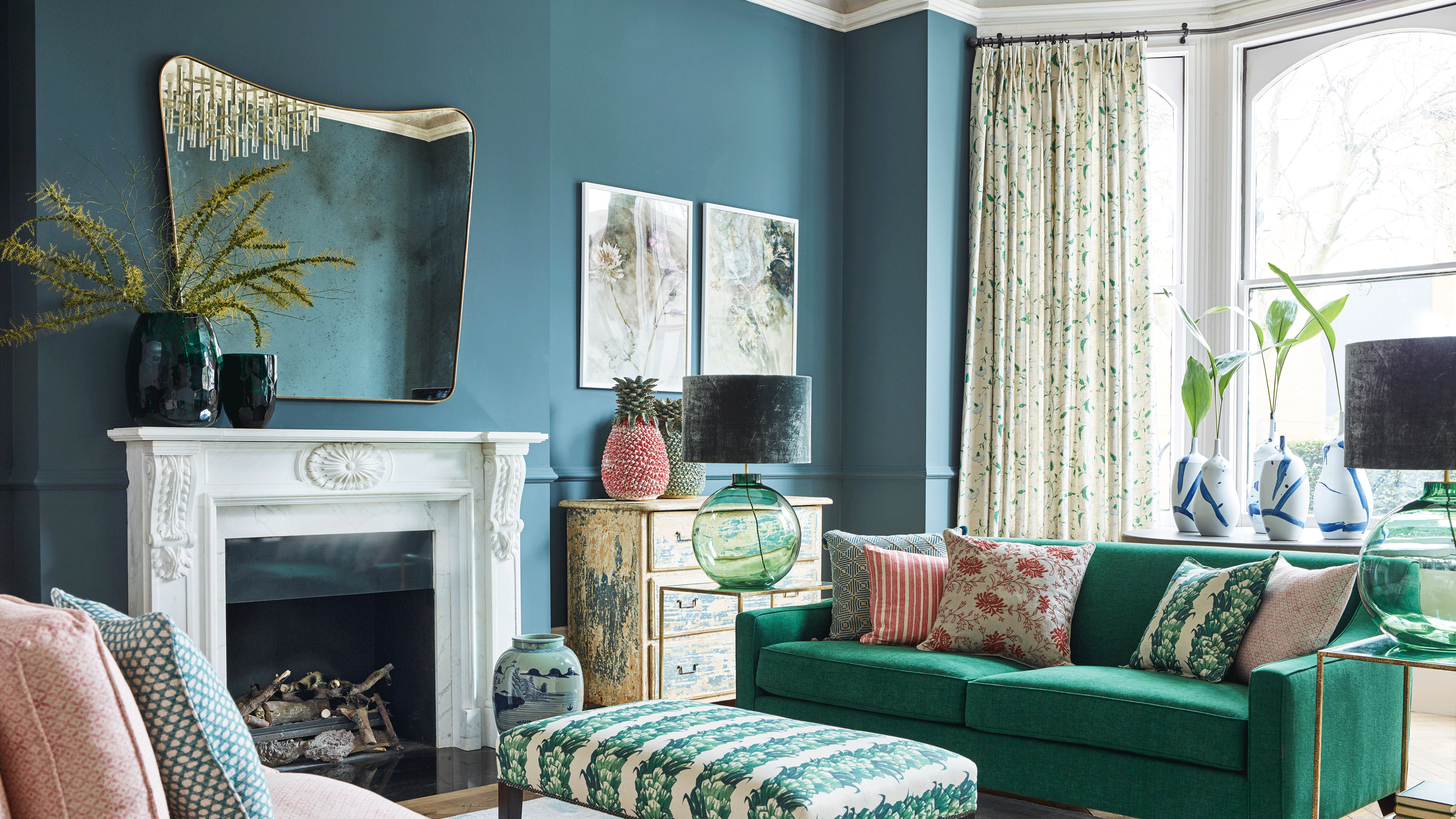
The adage that blue and green should never be seen together is a common misconception that interior designers are actively challenging. This combination, far from being a design faux pas, is increasingly embraced for its ability to create harmonious, intriguing, and visually stimulating spaces. Many experts highlight that the natural world provides countless examples of blue and green coexisting beautifully, suggesting that this color pairing is inherently appealing when approached thoughtfully.
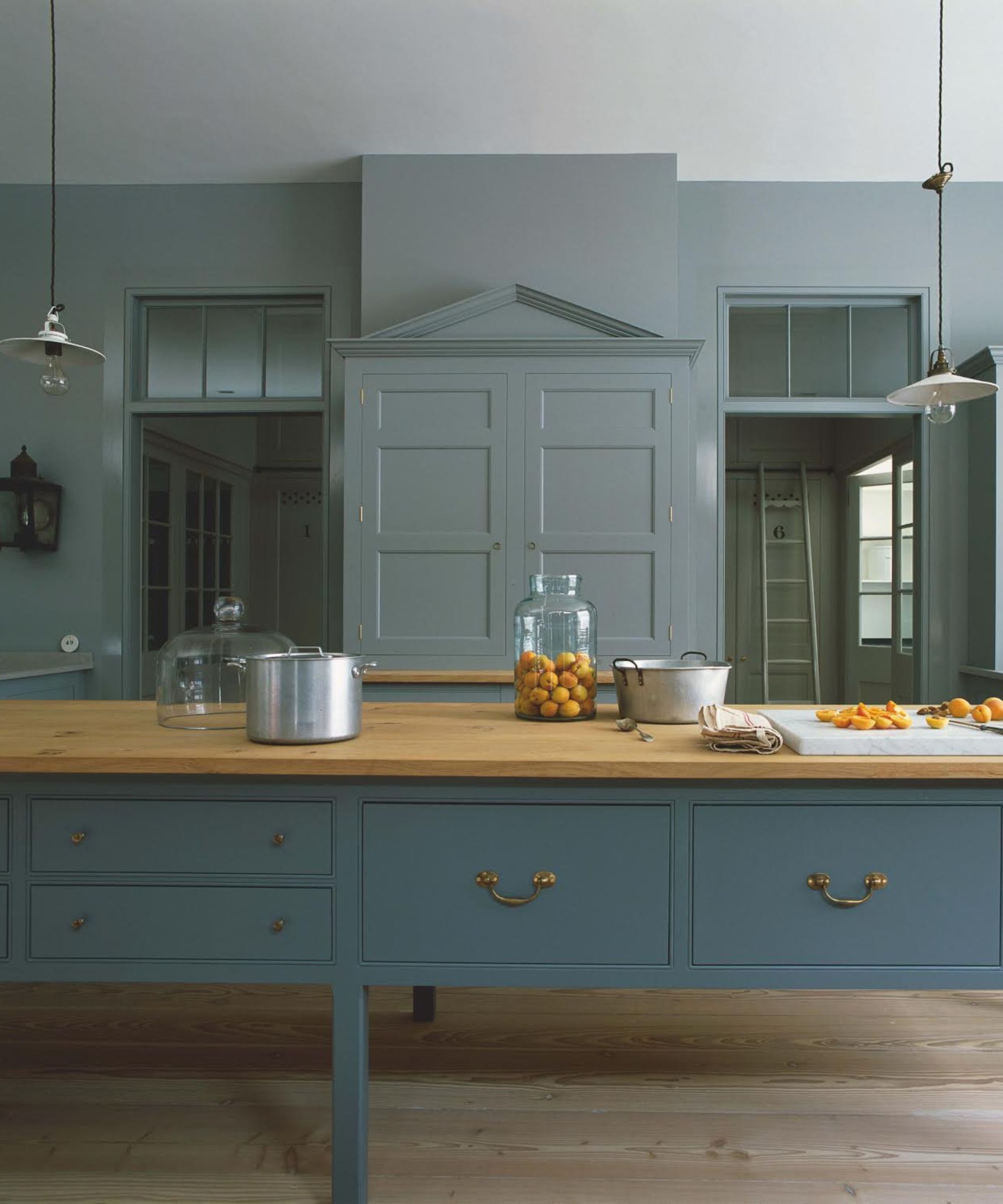
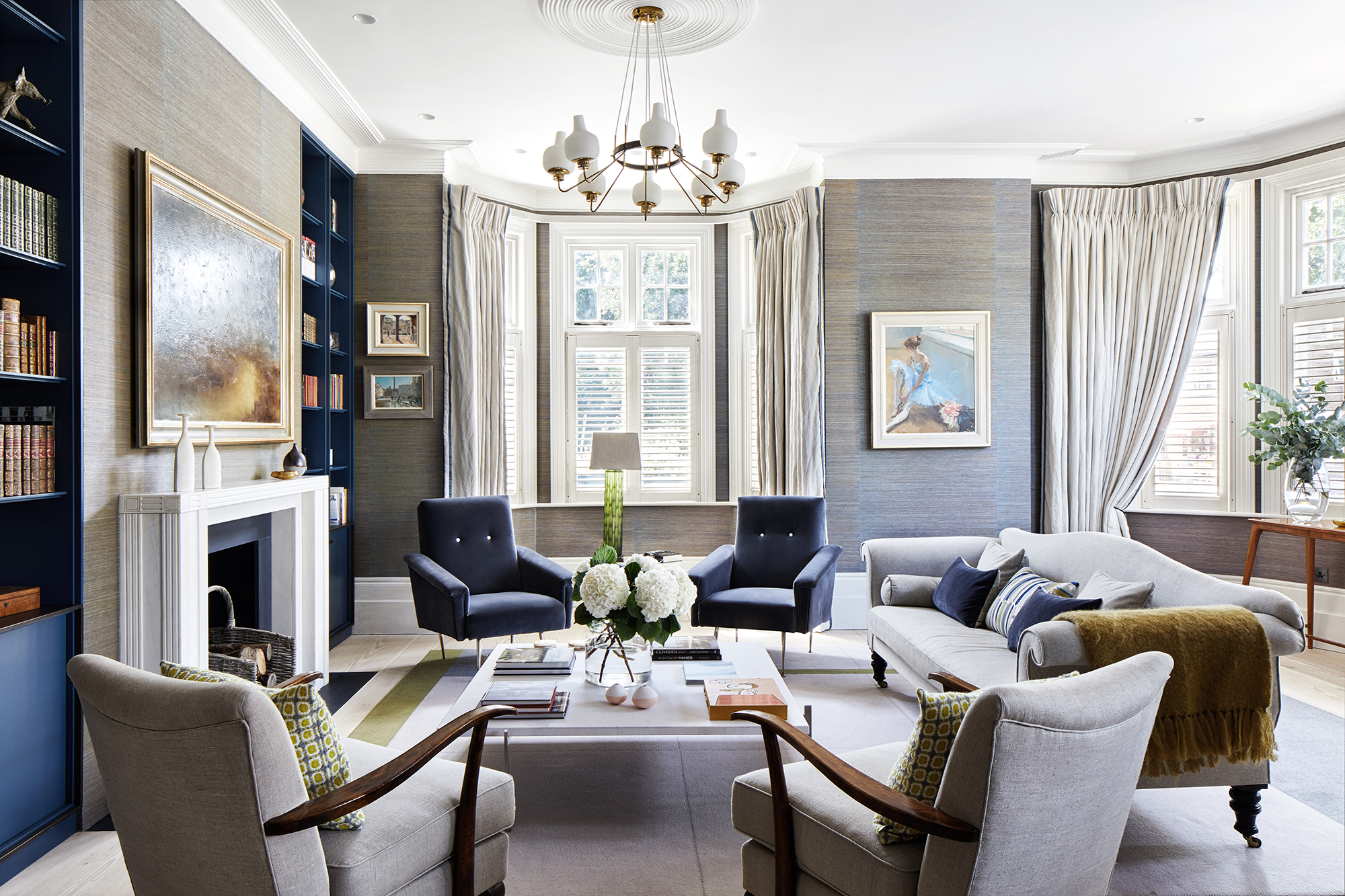

Interior design professionals assert that blue and green are analogous colors, meaning they sit next to each other on the color wheel. This proximity allows for the creation of harmonious color schemes that evoke a sense of calm and connection to nature. When working with these colors, a crucial aspect is to maintain consistency in tones and temperatures. Pairing cool blues with cool greens, or ensuring both shades have similar undertones, prevents clashing and promotes a cohesive aesthetic. This approach allows designers to create palettes that range from tranquil and soft to bold and energizing, depending on the chosen saturation and depth.
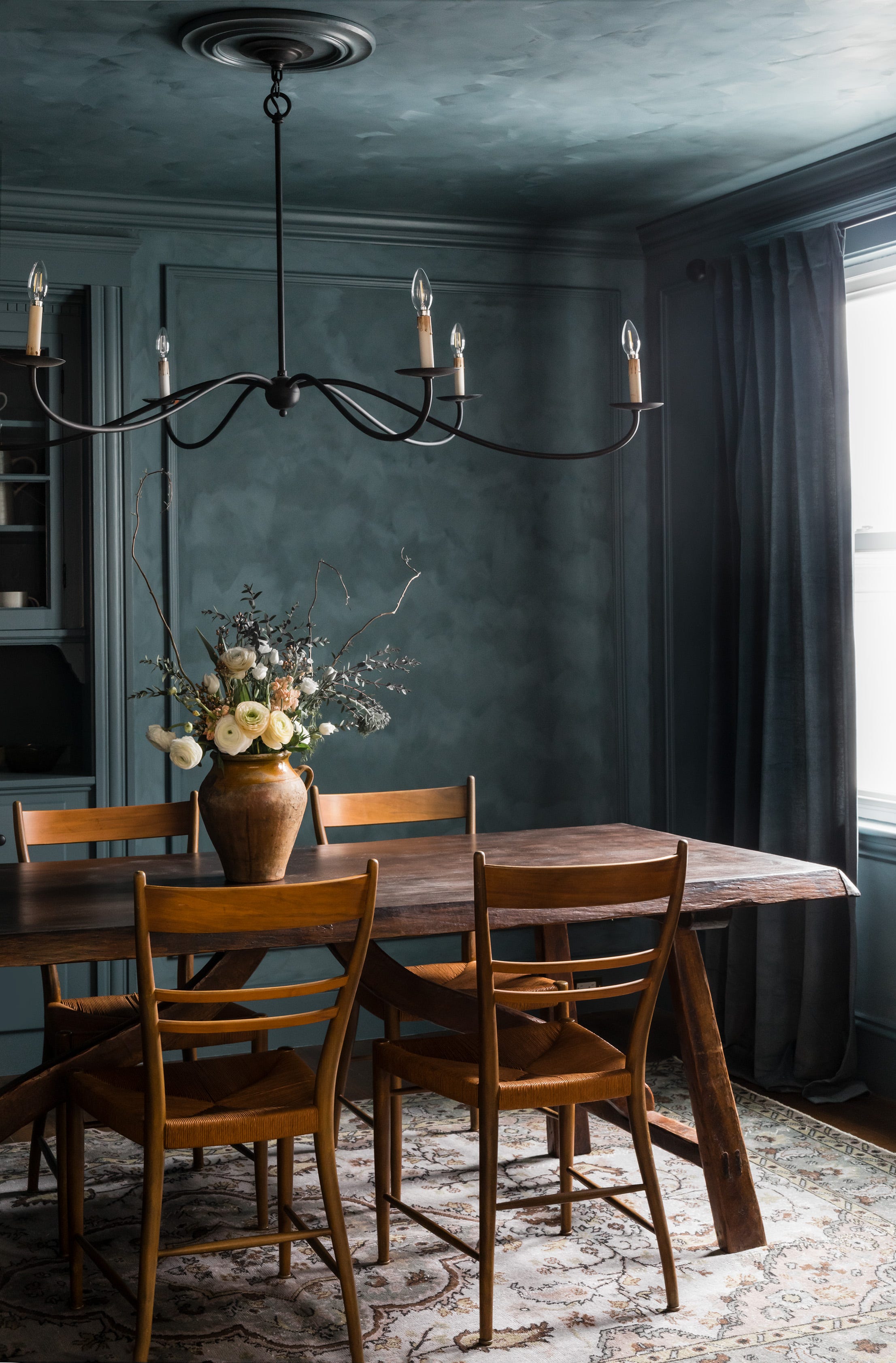
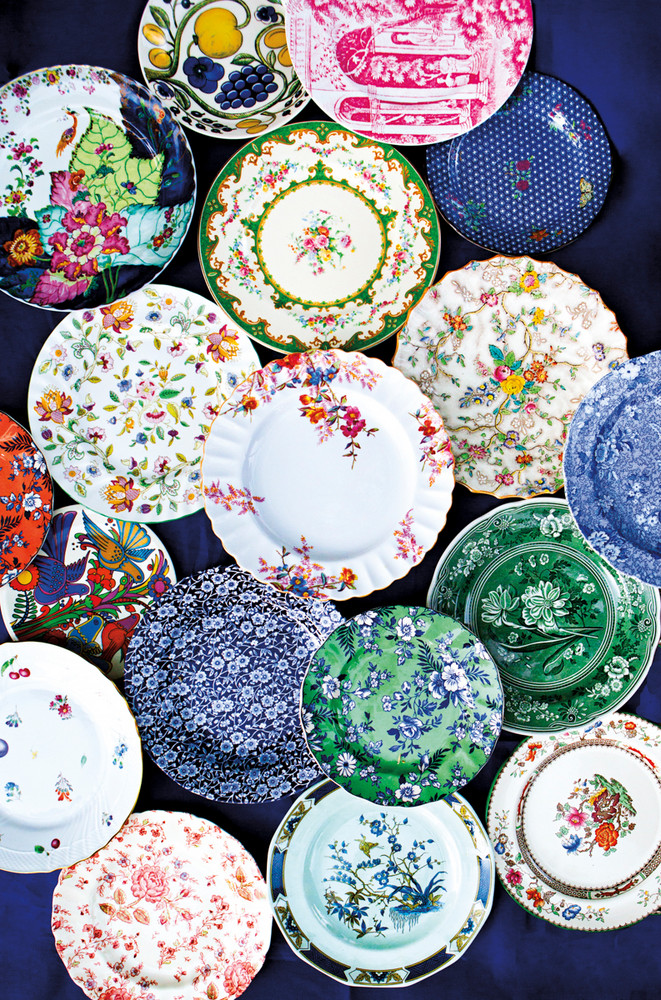
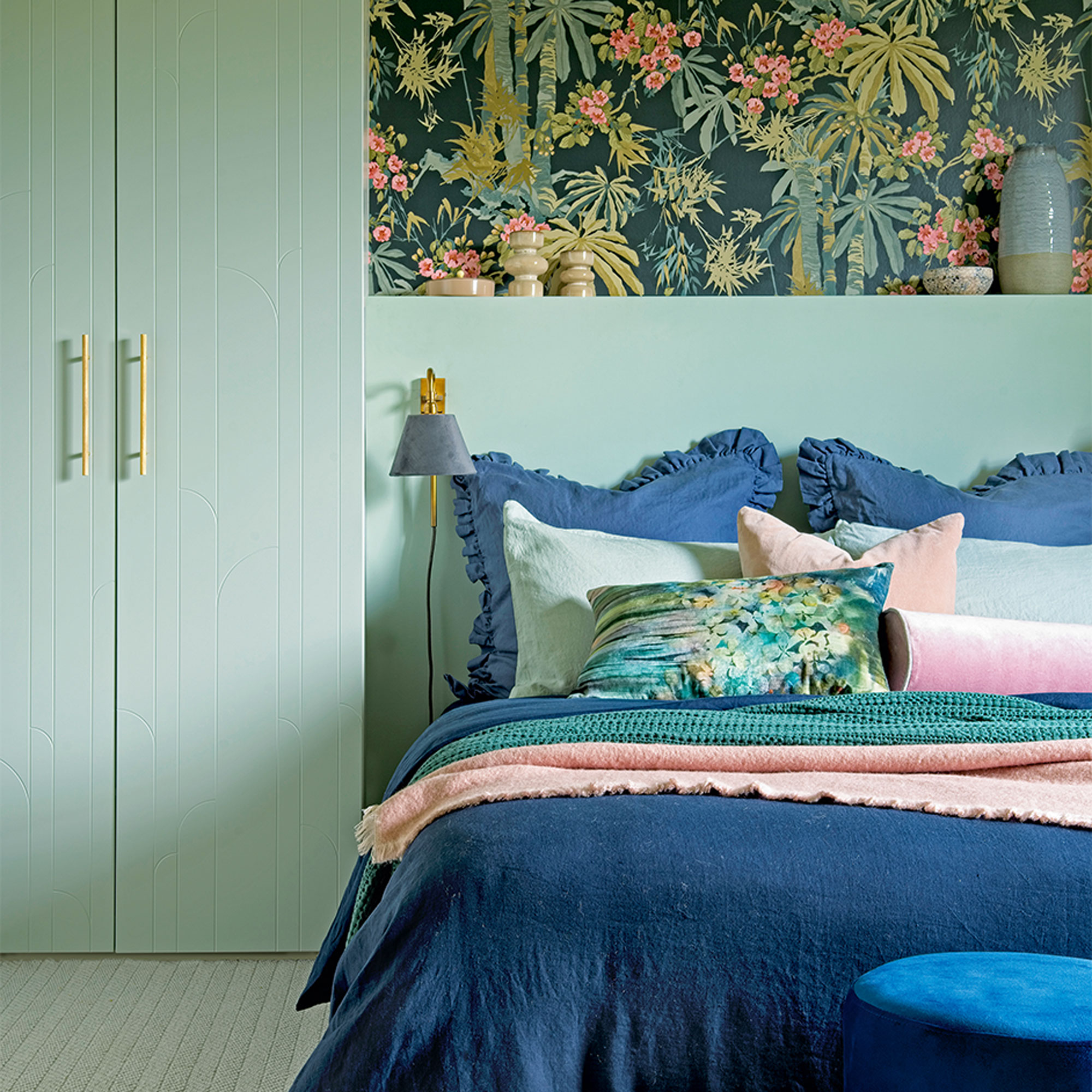
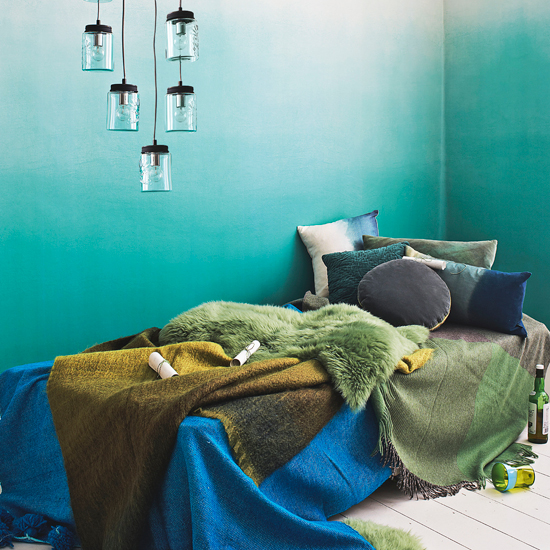
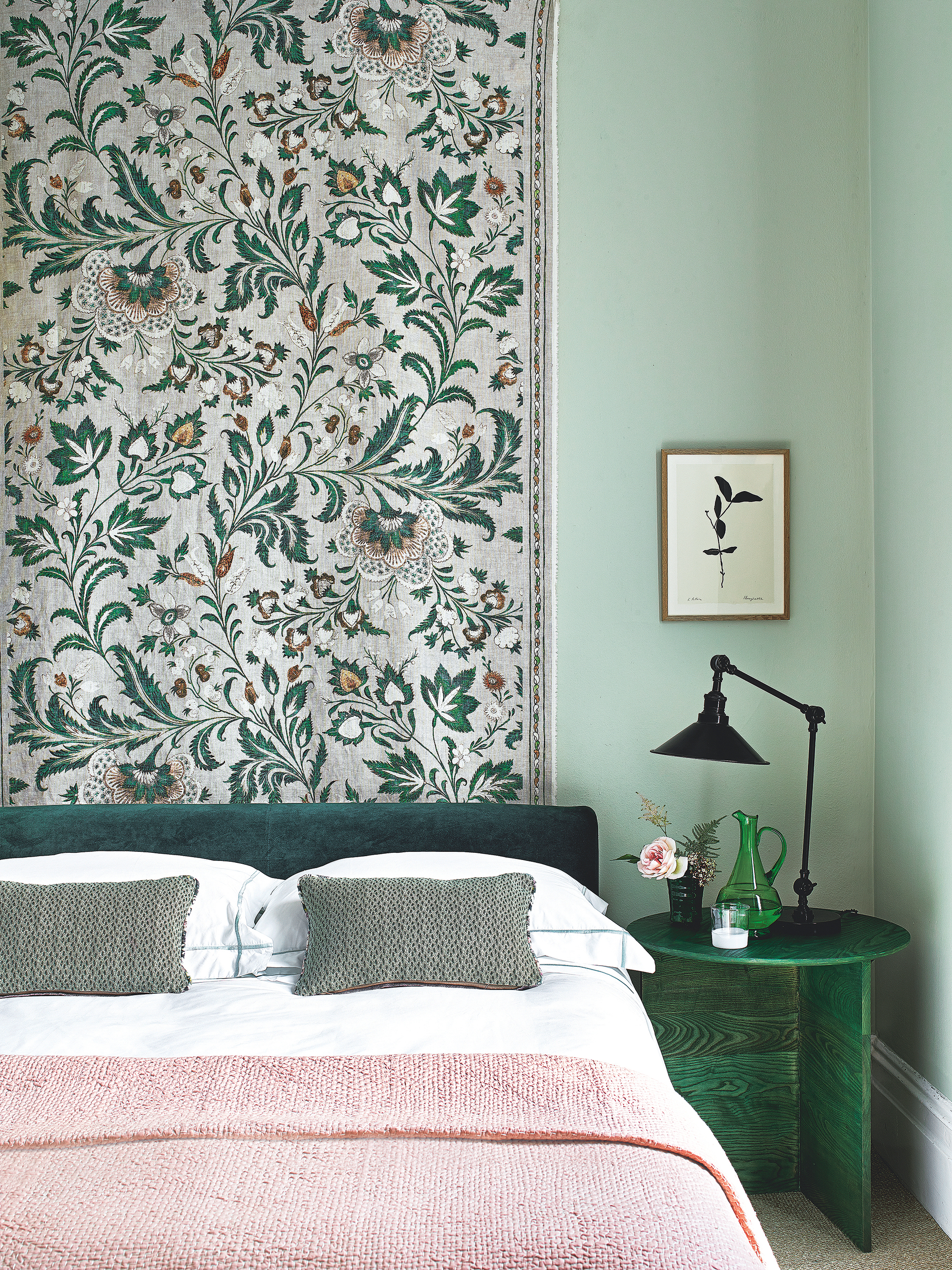
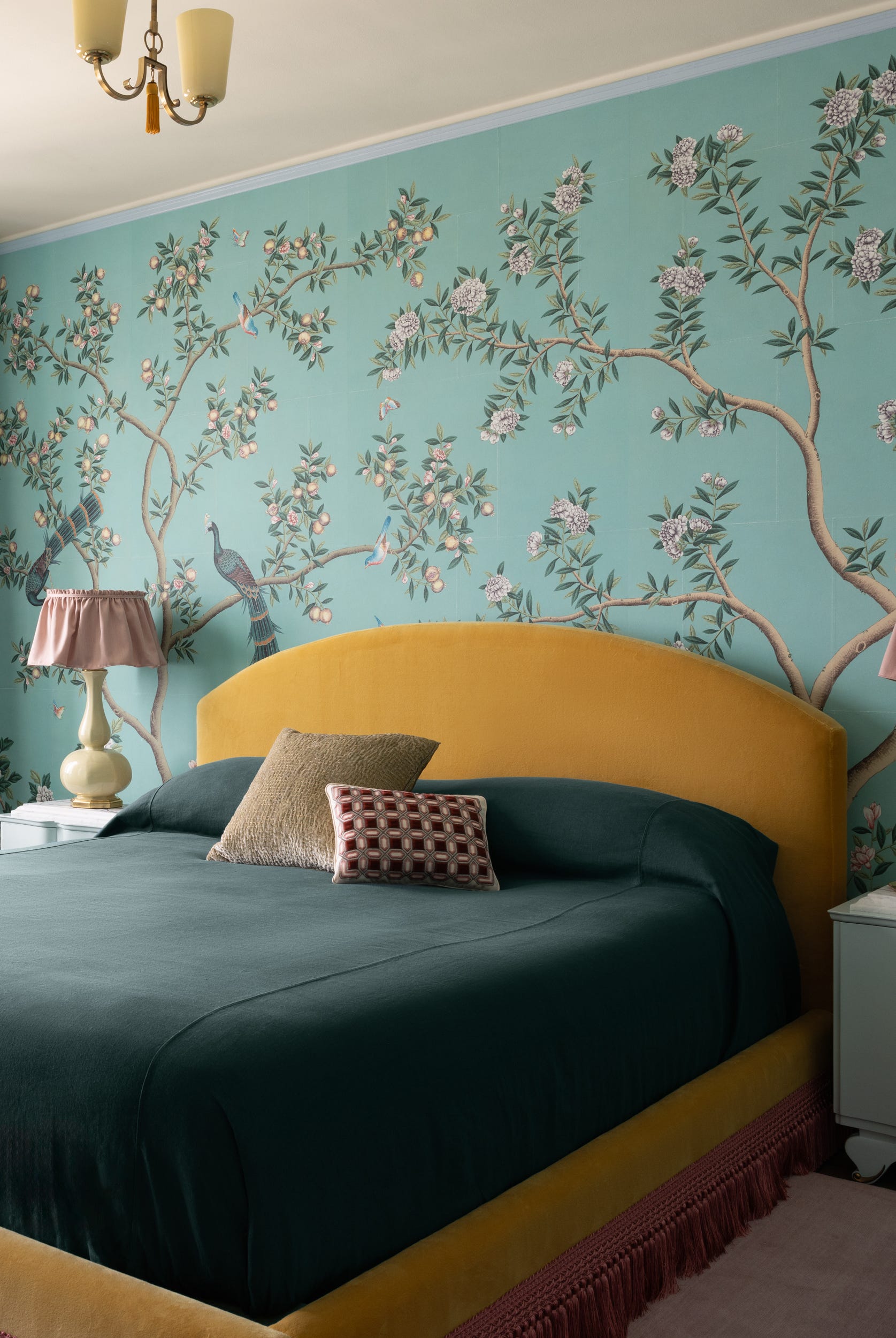
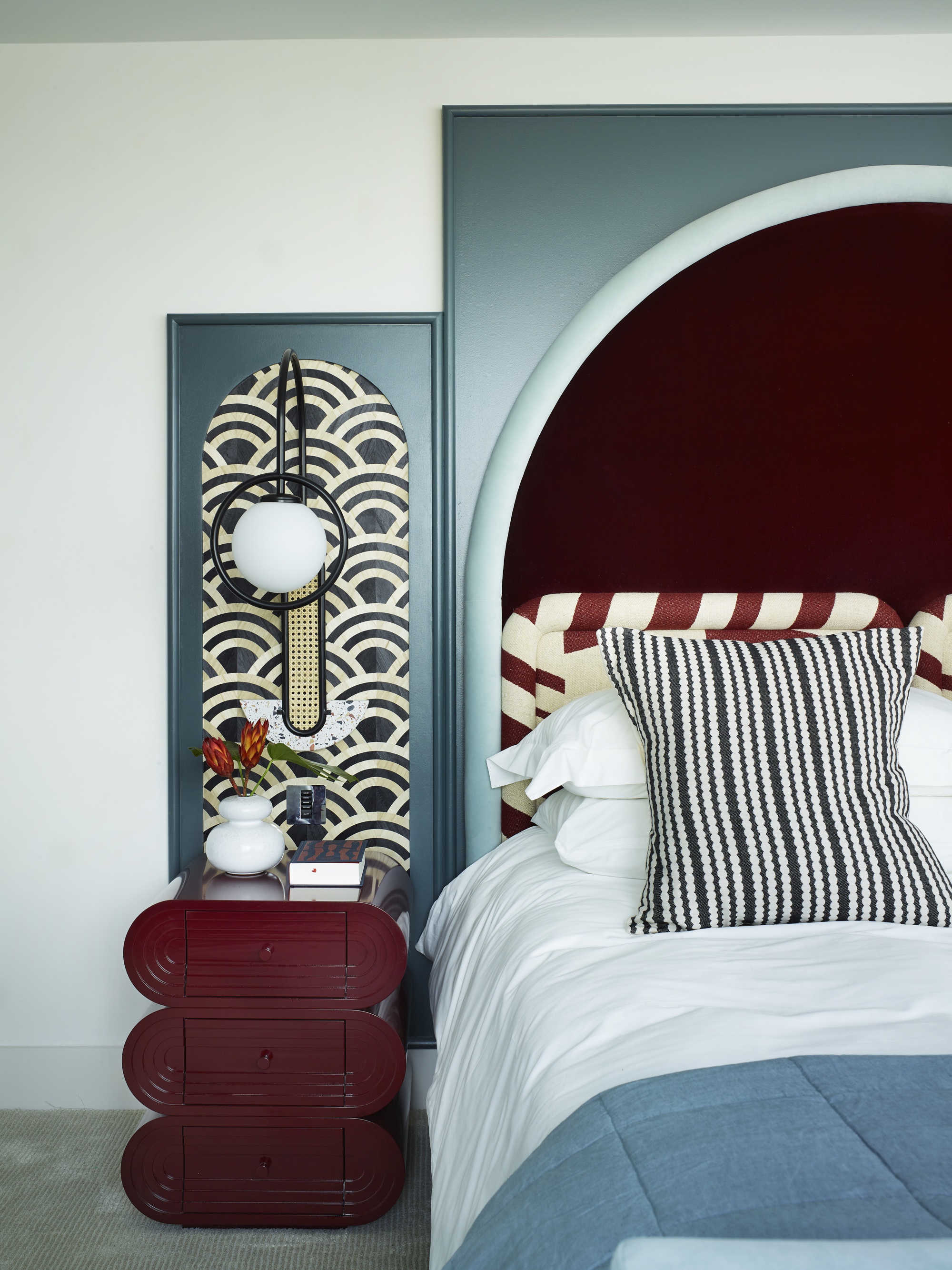
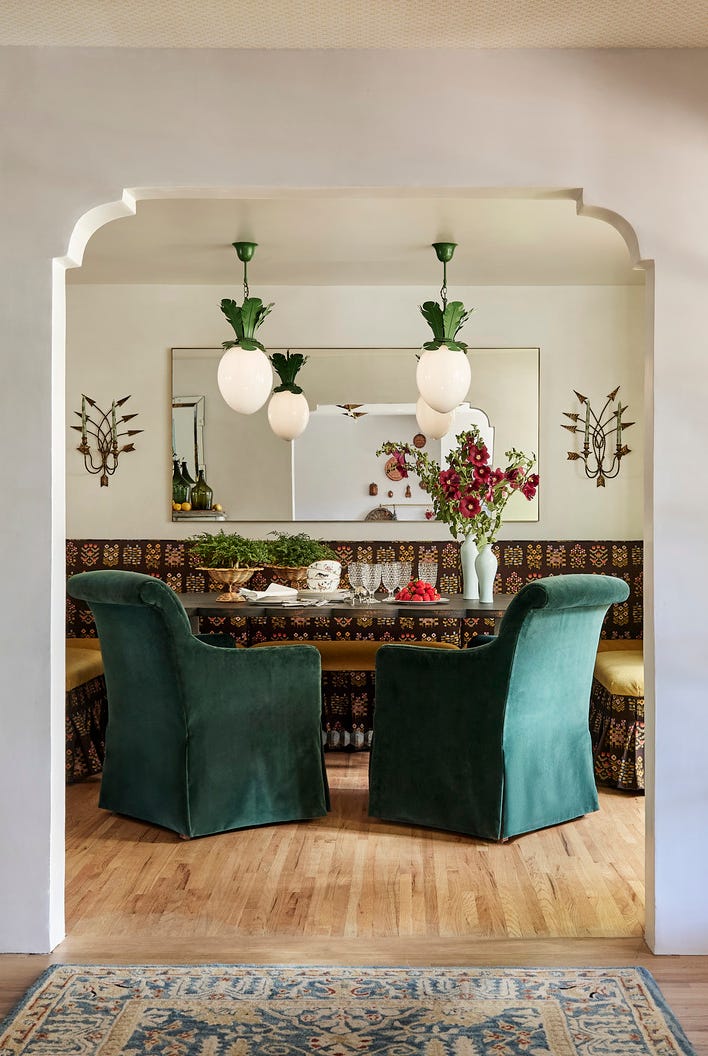
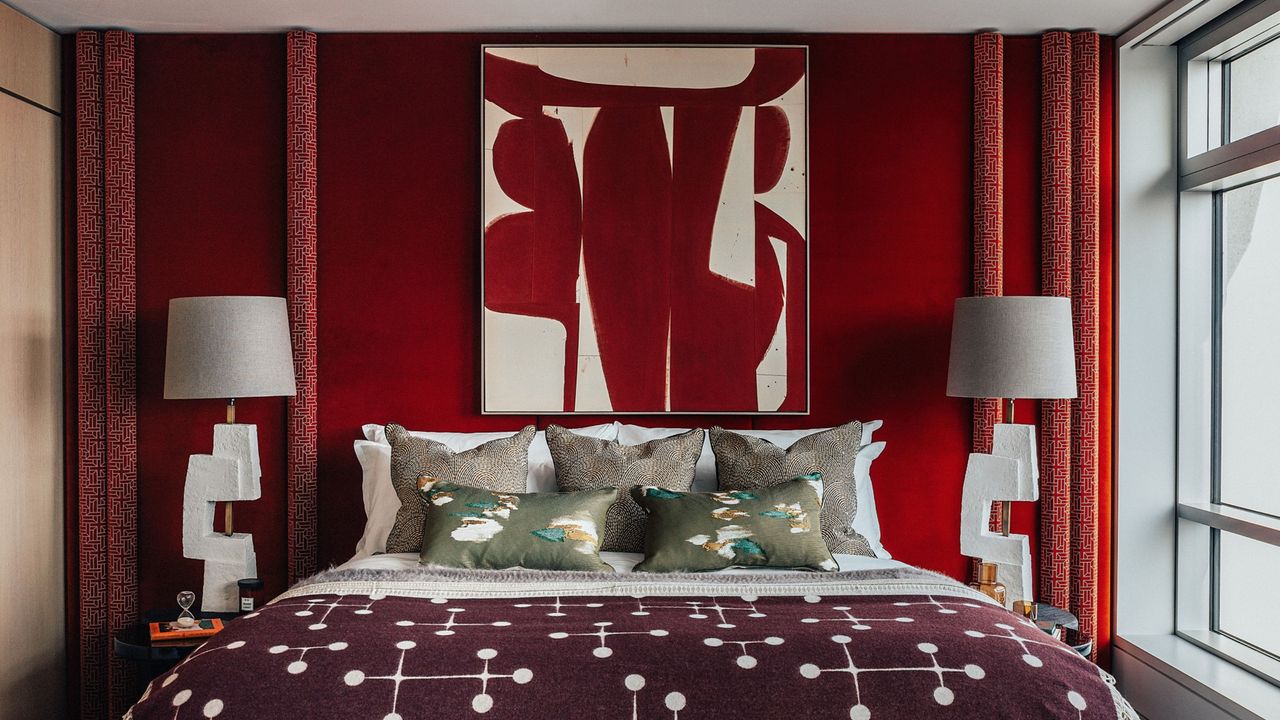
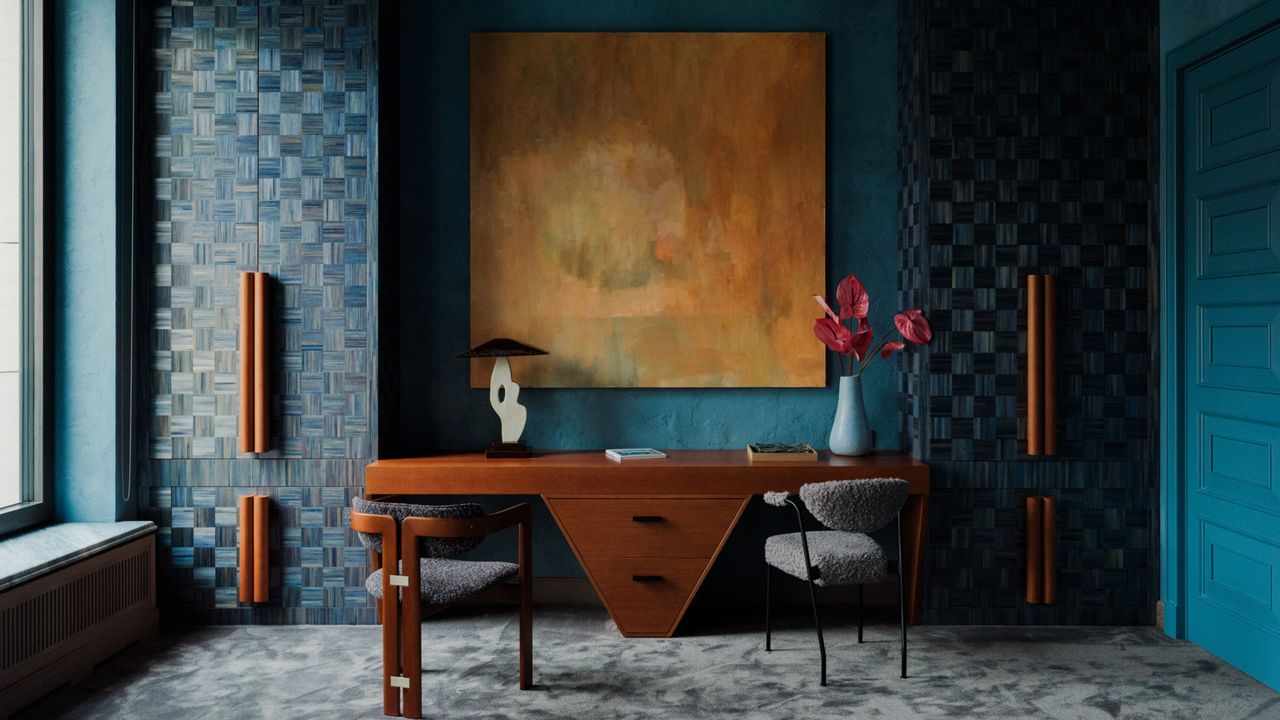
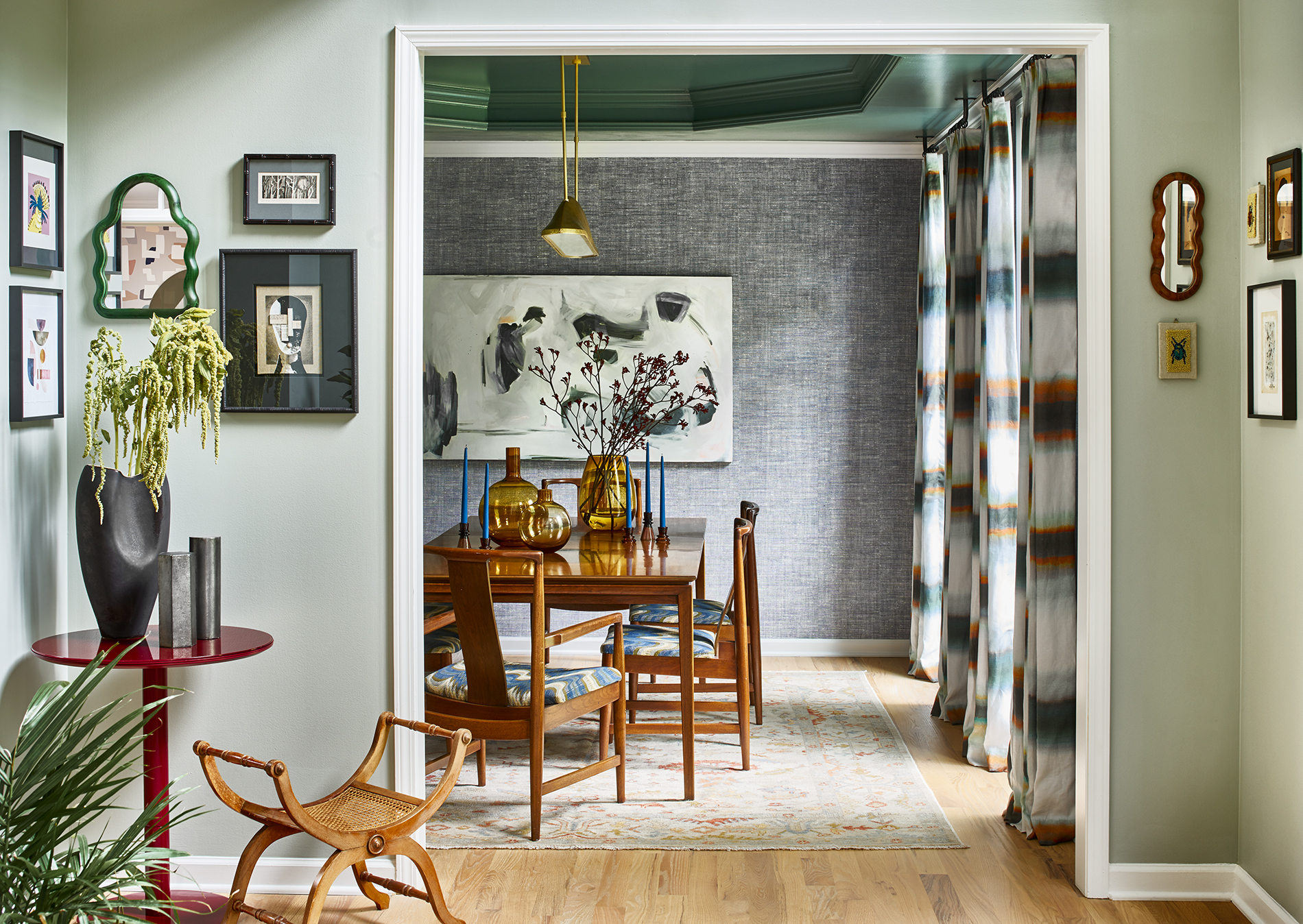
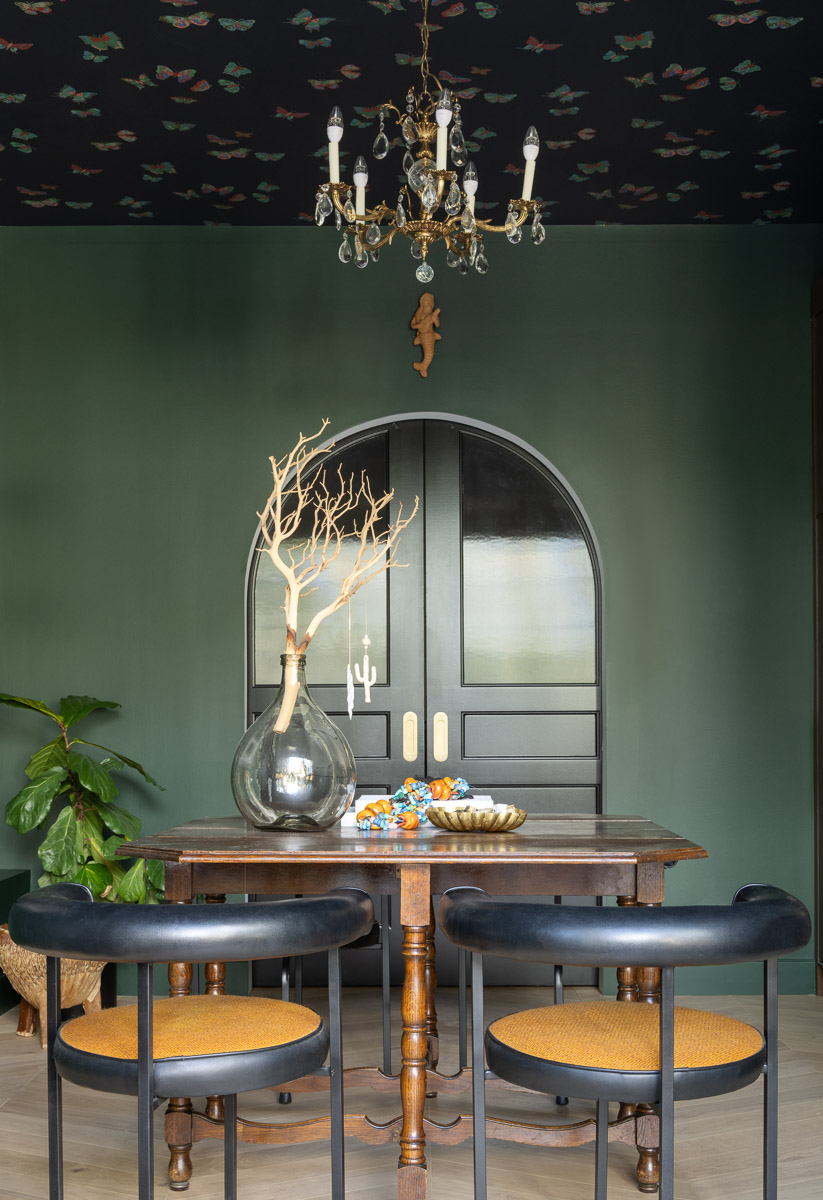
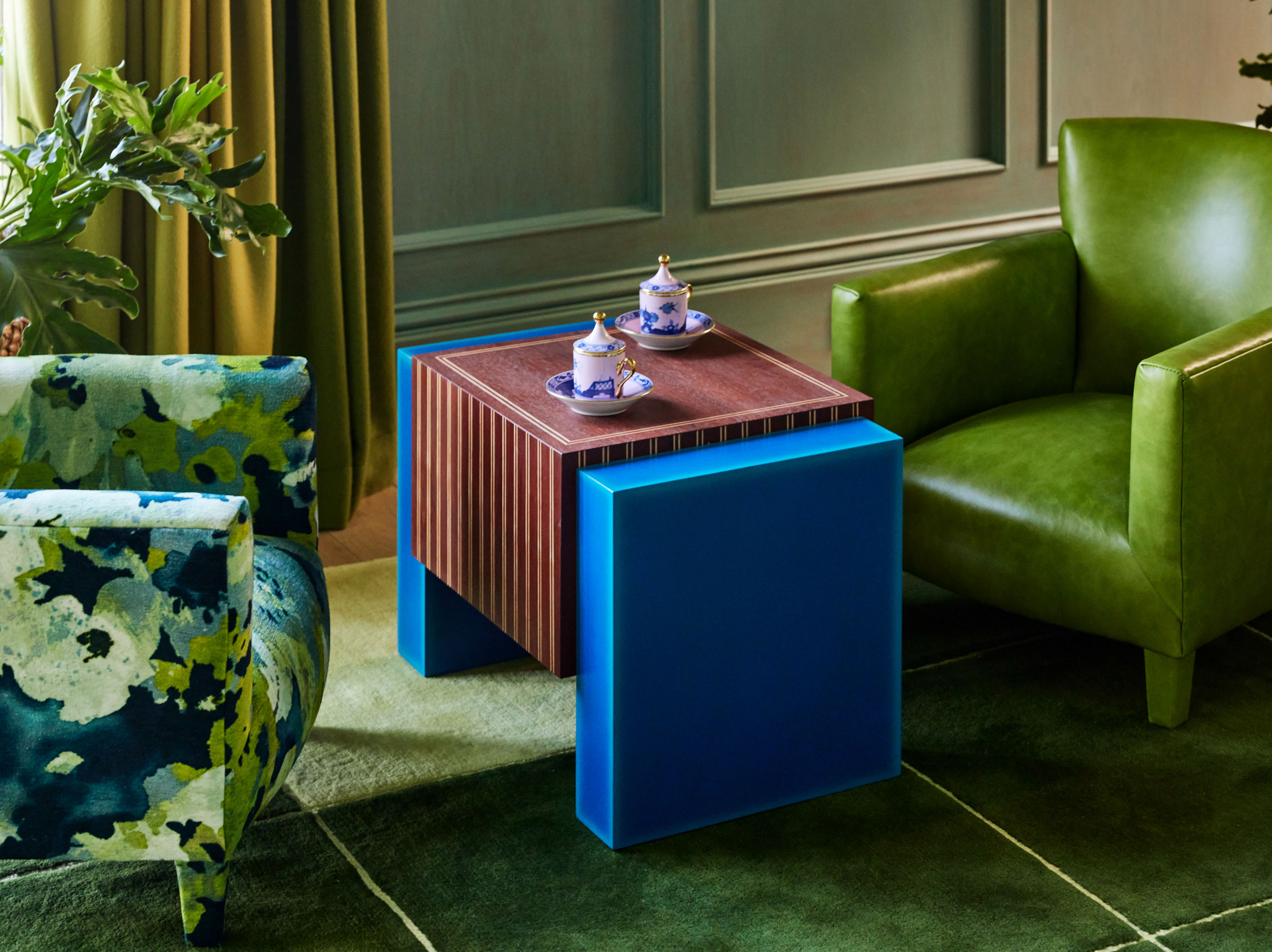
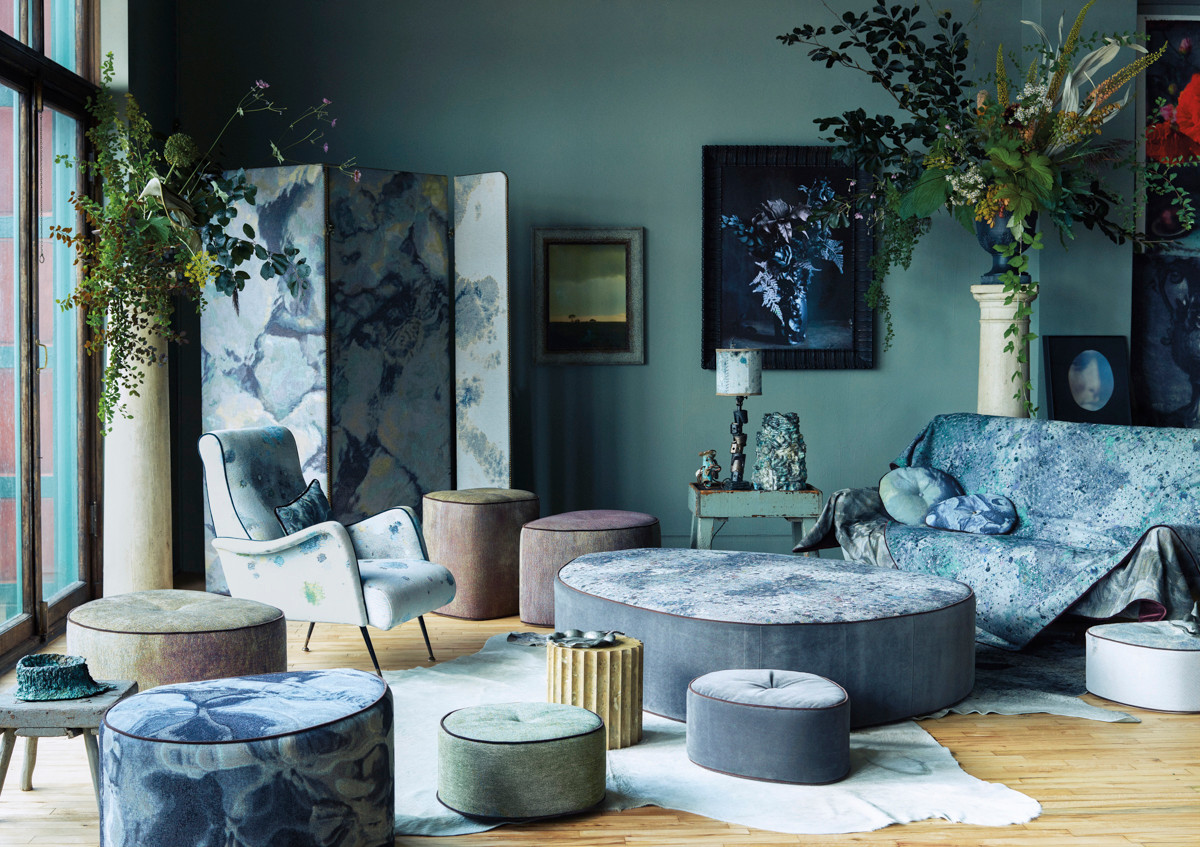
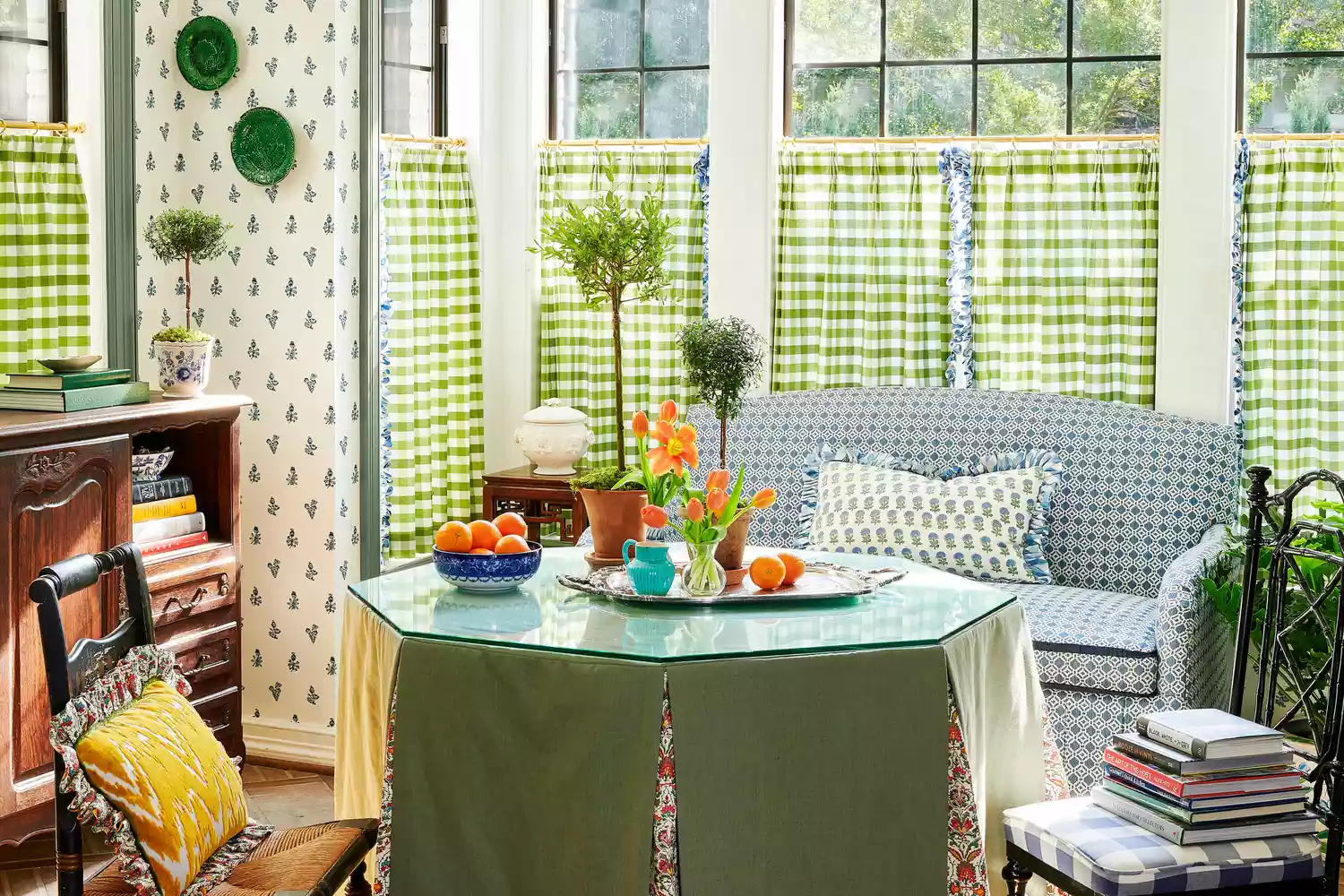
Several modern design strategies demonstrate the versatility of blue and green. One method involves using rich, jewel-toned versions of both colors to create a dramatic and sophisticated look, as seen in bedrooms where deep blues and greens can evoke a night sky or earthy energy. Another technique involves drawing color inspiration from patterned textiles. When a fabric or artwork incorporates various shades of blue and green, it can serve as a natural guide for developing the broader room scheme, ensuring all elements work together seamlessly.
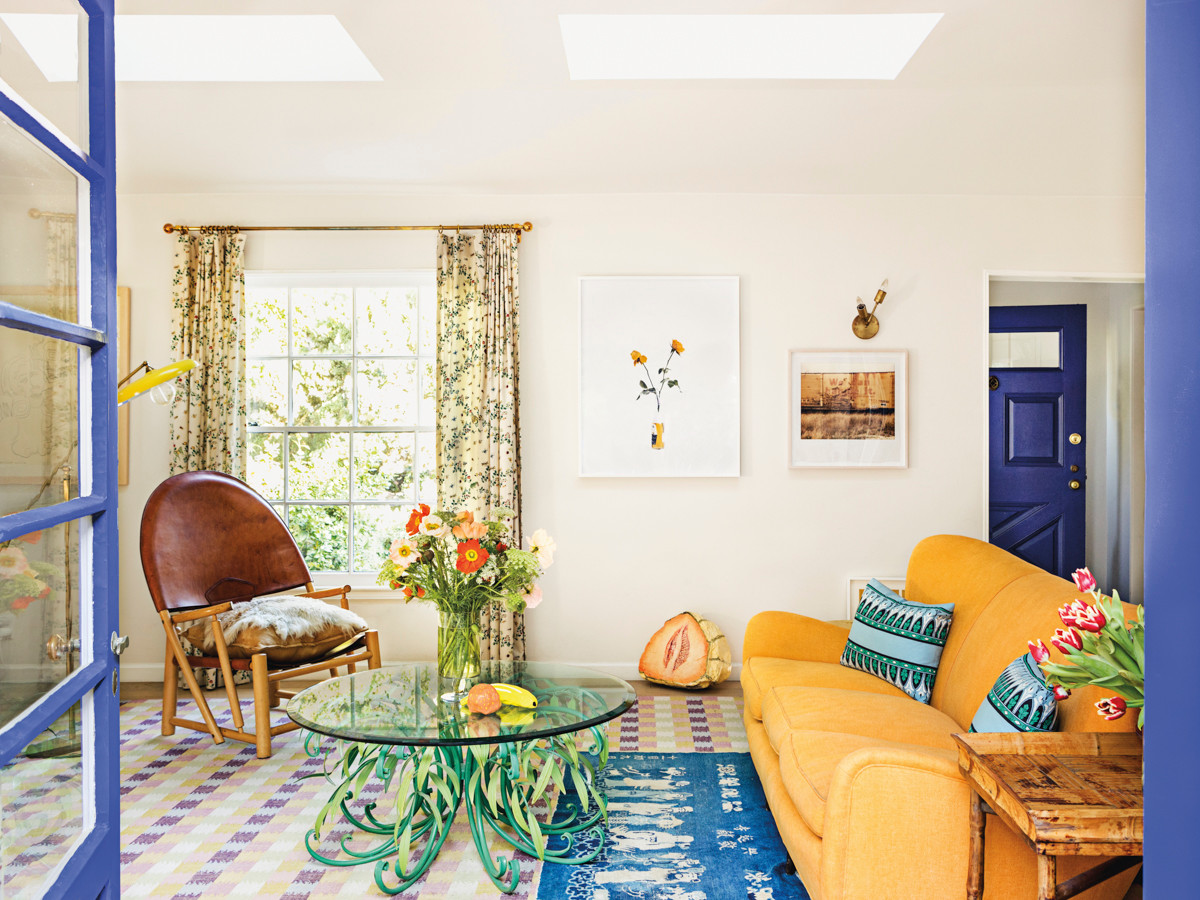
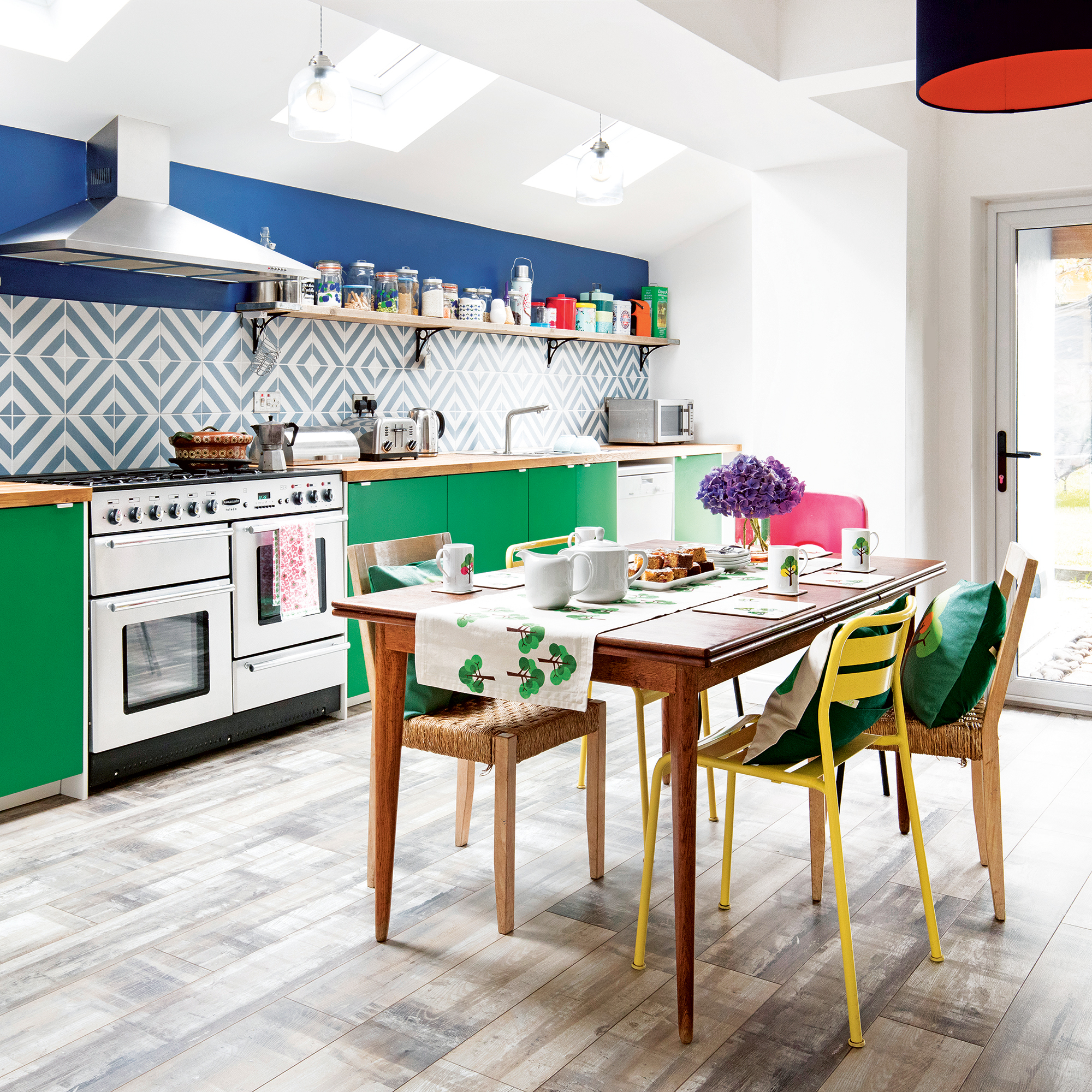
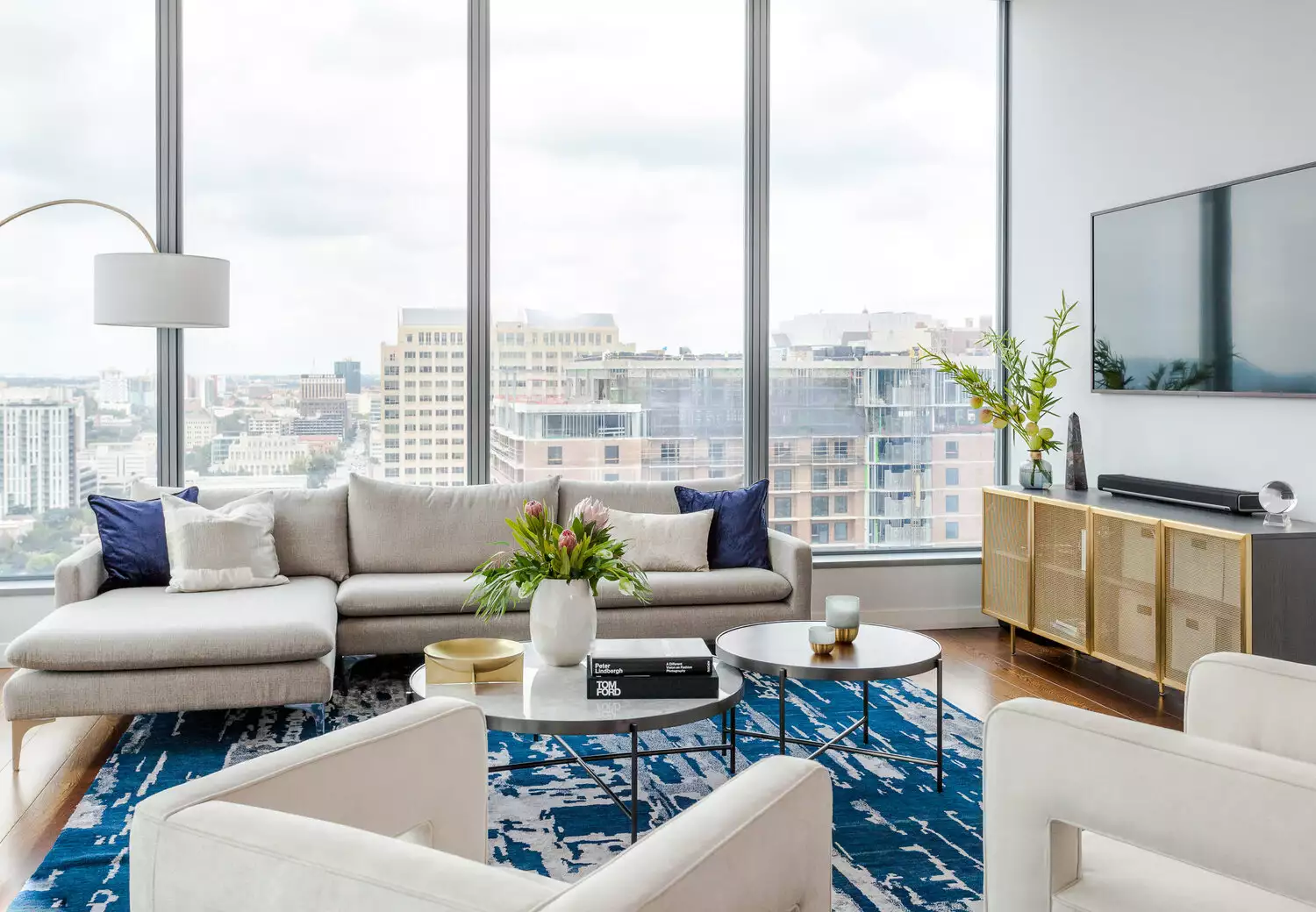
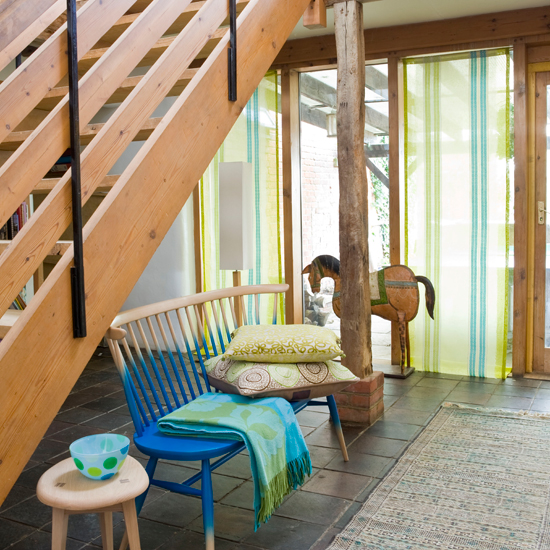
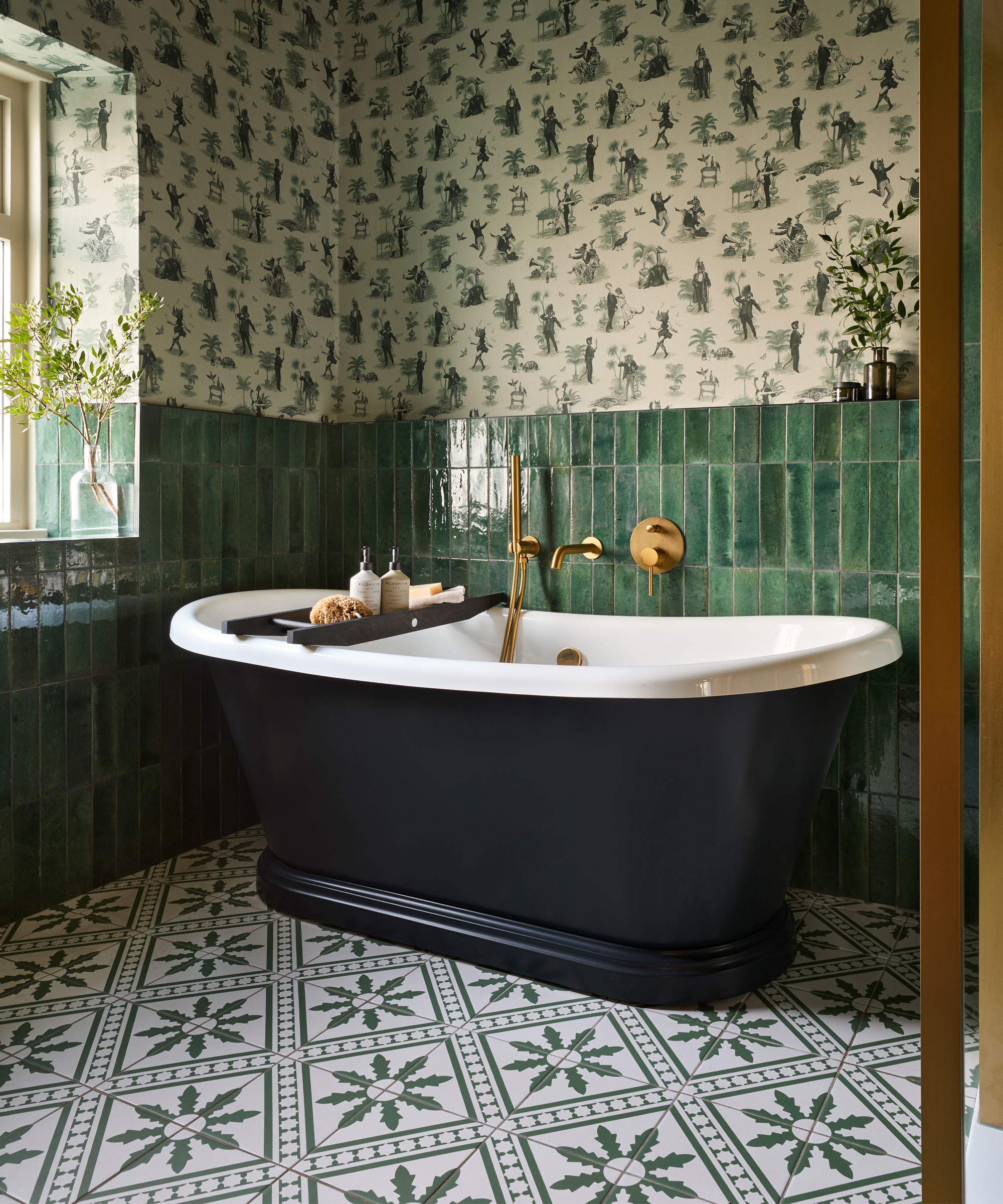
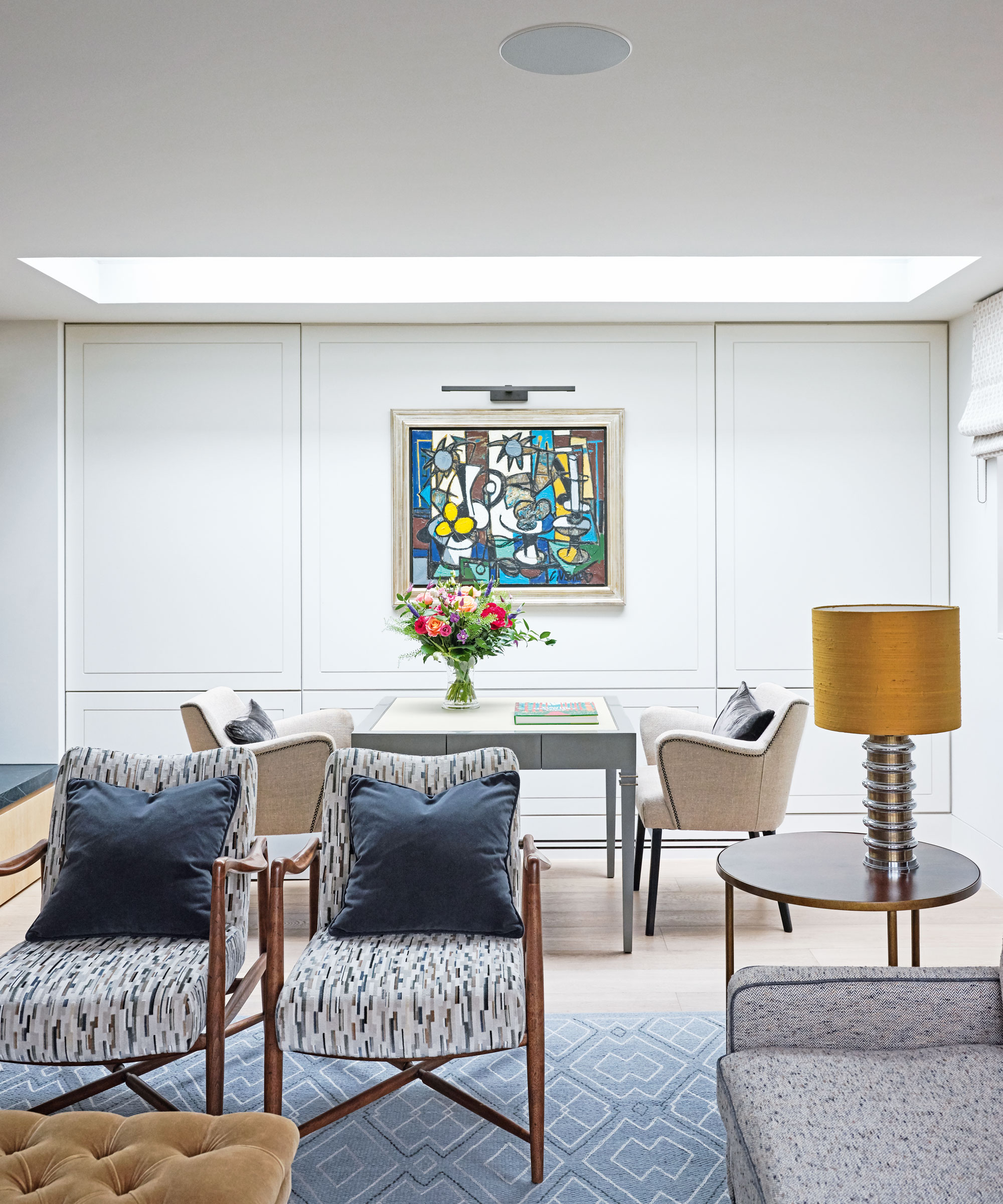
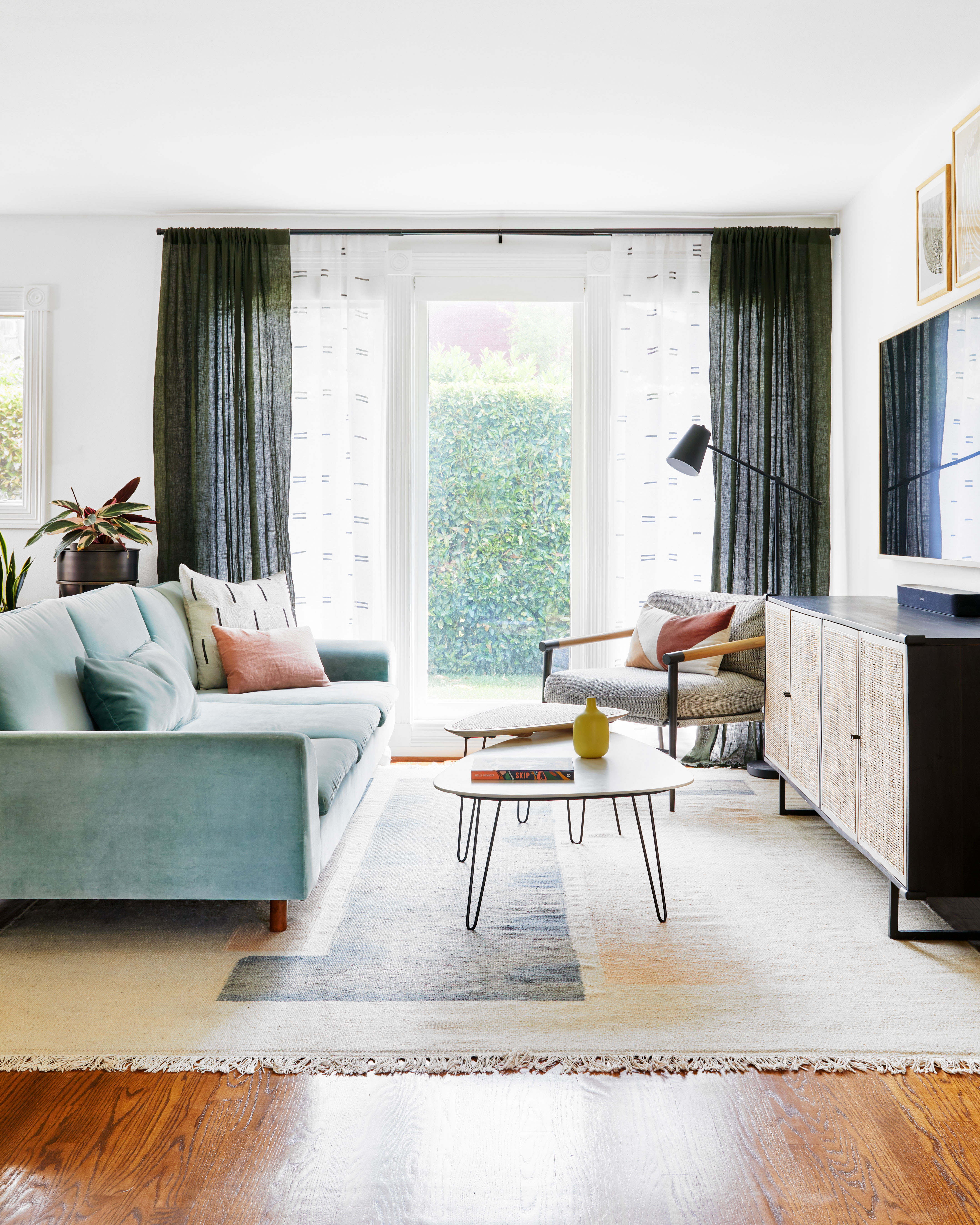
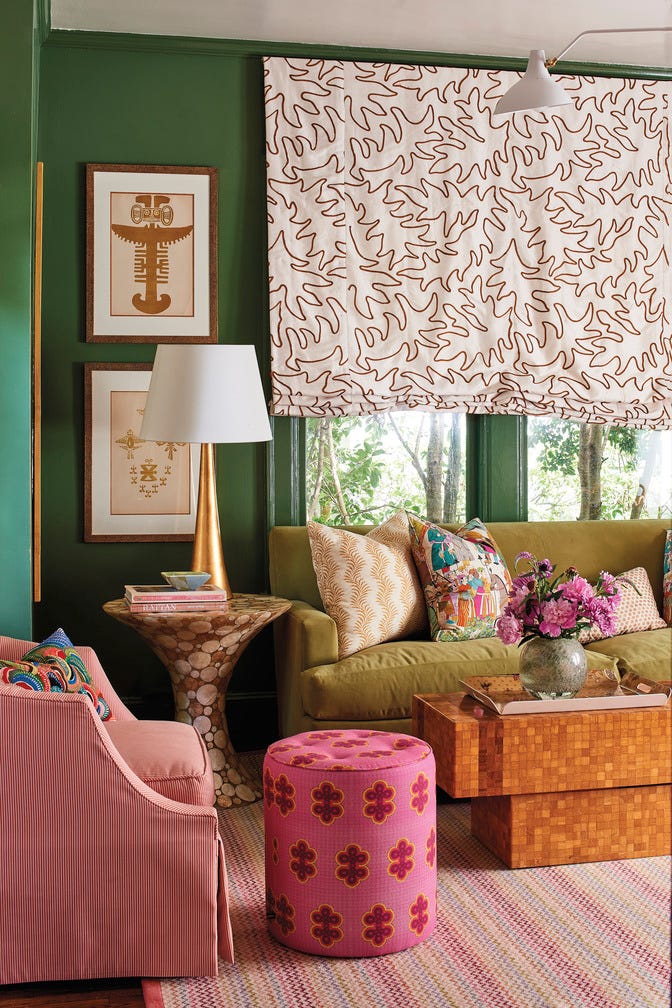
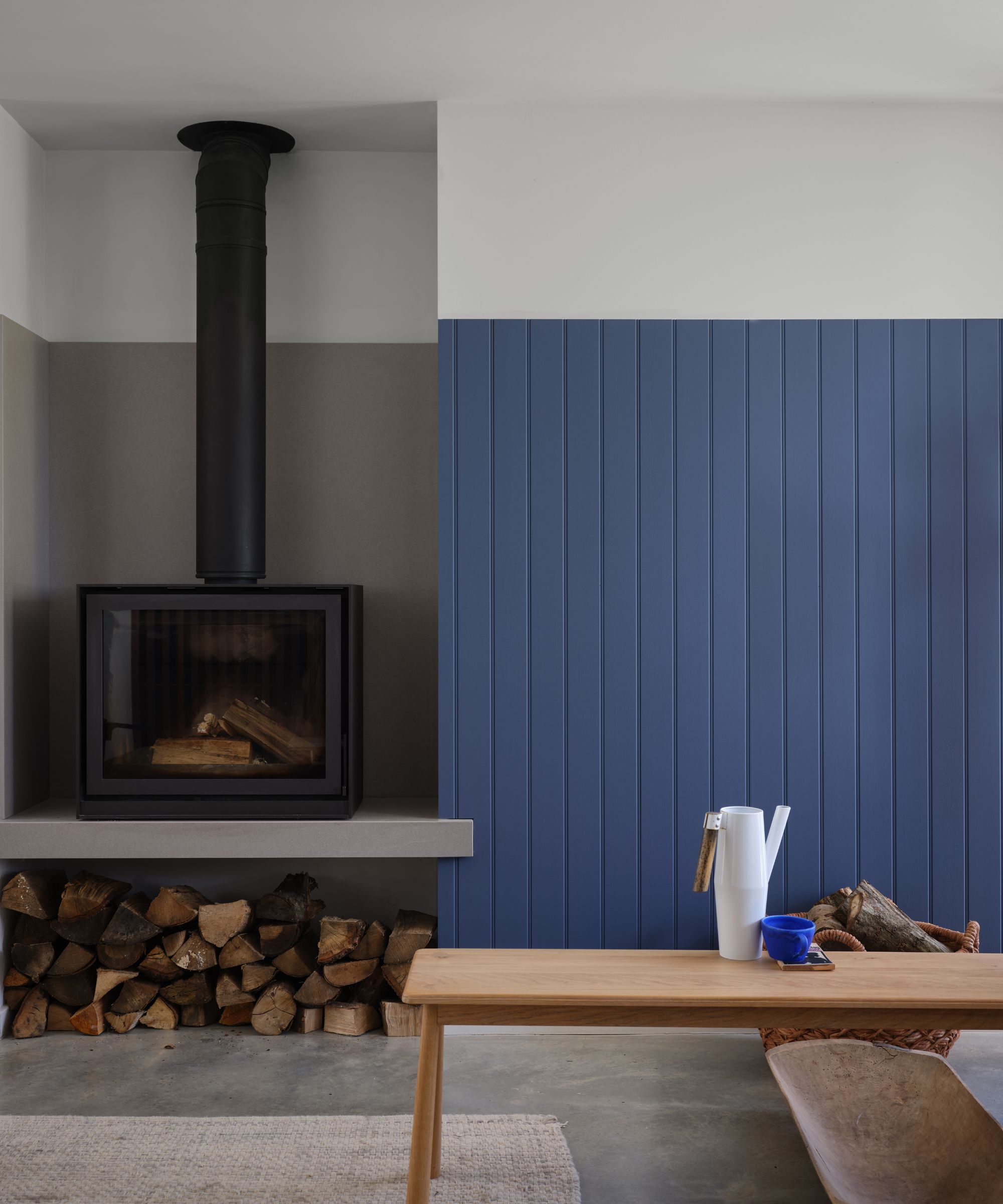
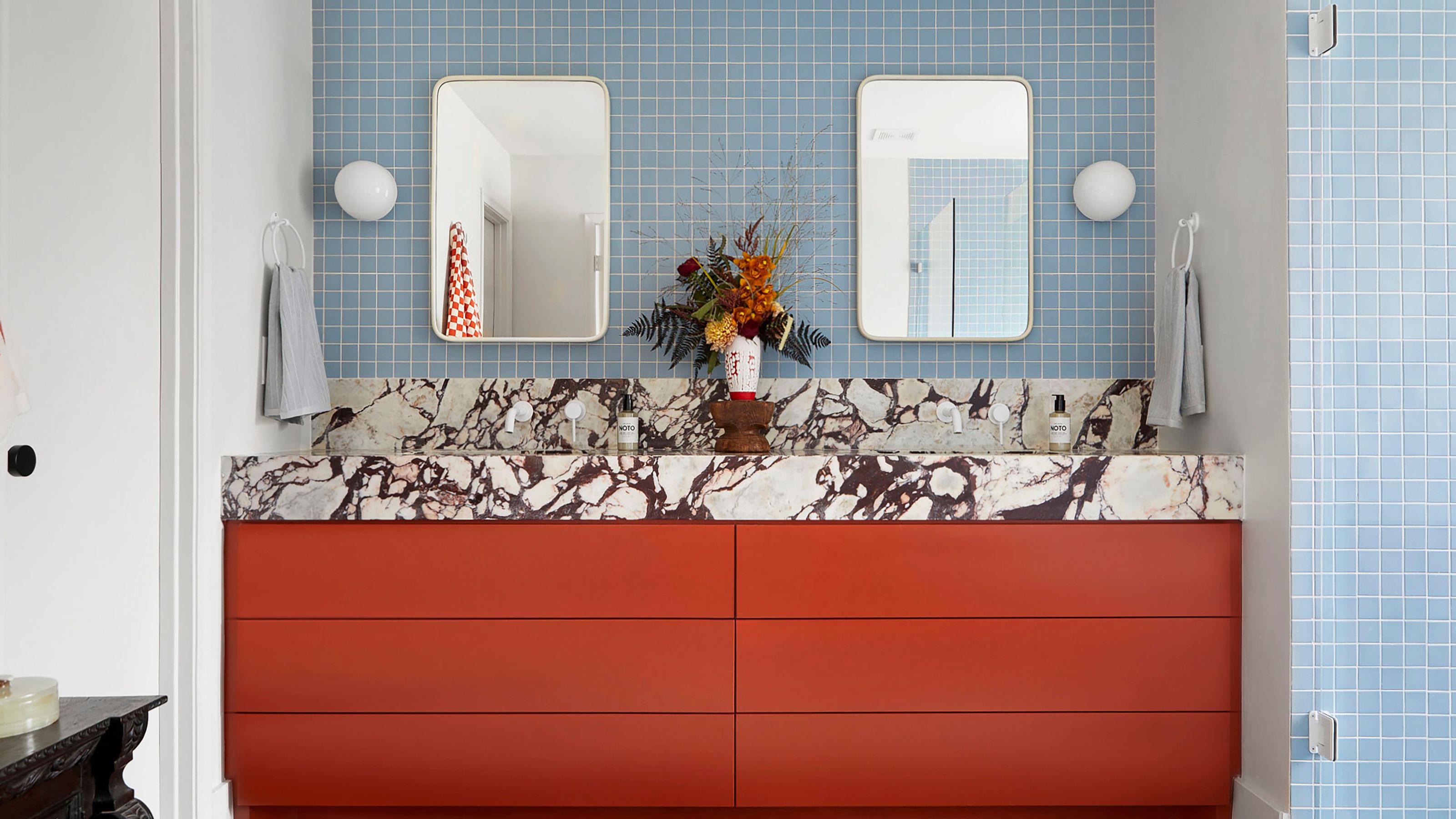
For a more subtle integration, blue and green can be introduced through tiles, particularly in bathrooms, where their watery connotations enhance the space. This approach, often combined with natural wood accents, creates a fresh, modern, and nature-inspired palette. Alternatively, these colors can function as vibrant accents in a neutral room, such as a gray living room. Here, bold flashes of blue and green can lift the space, adding playfulness and sophistication without overwhelming the classic base.
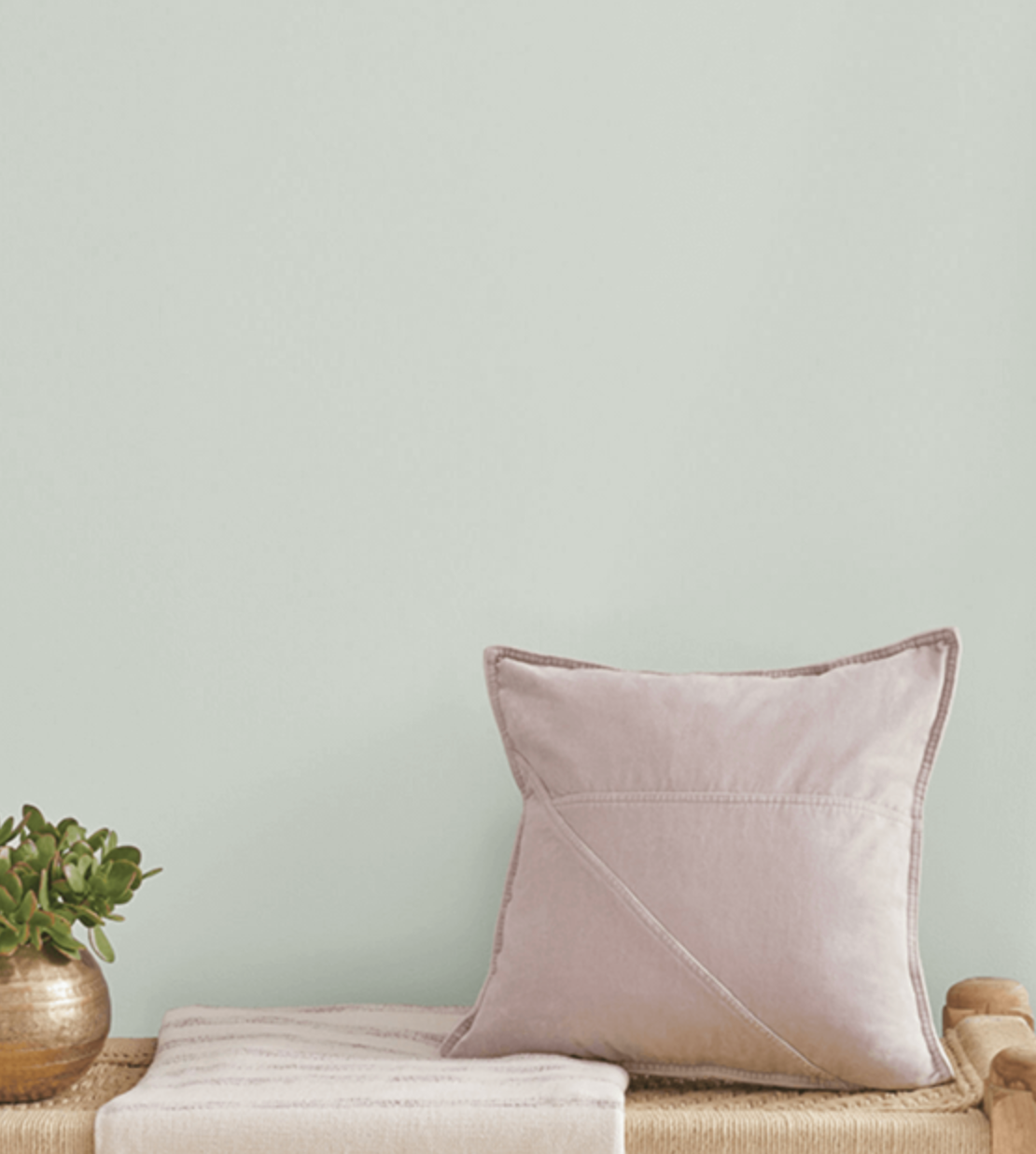
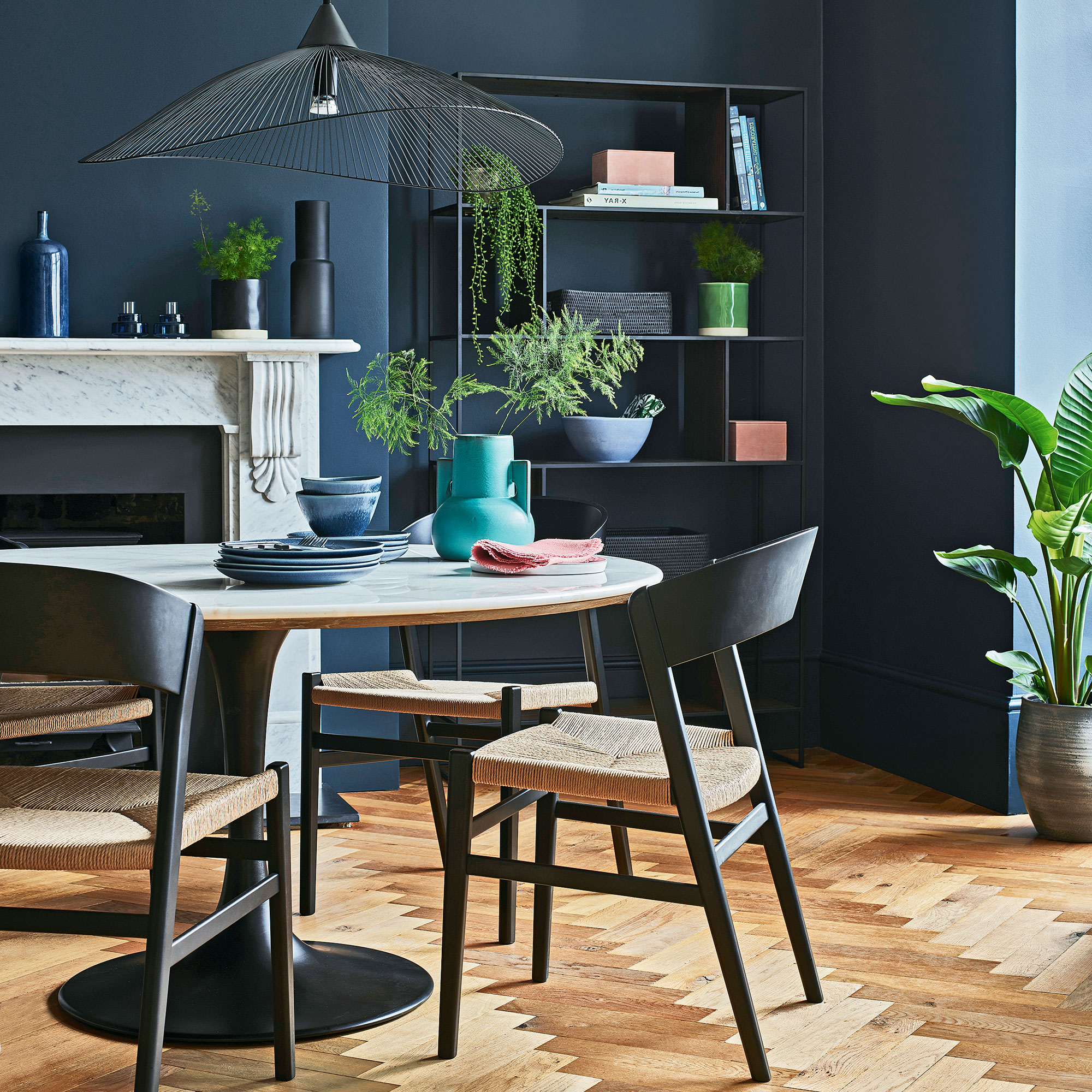
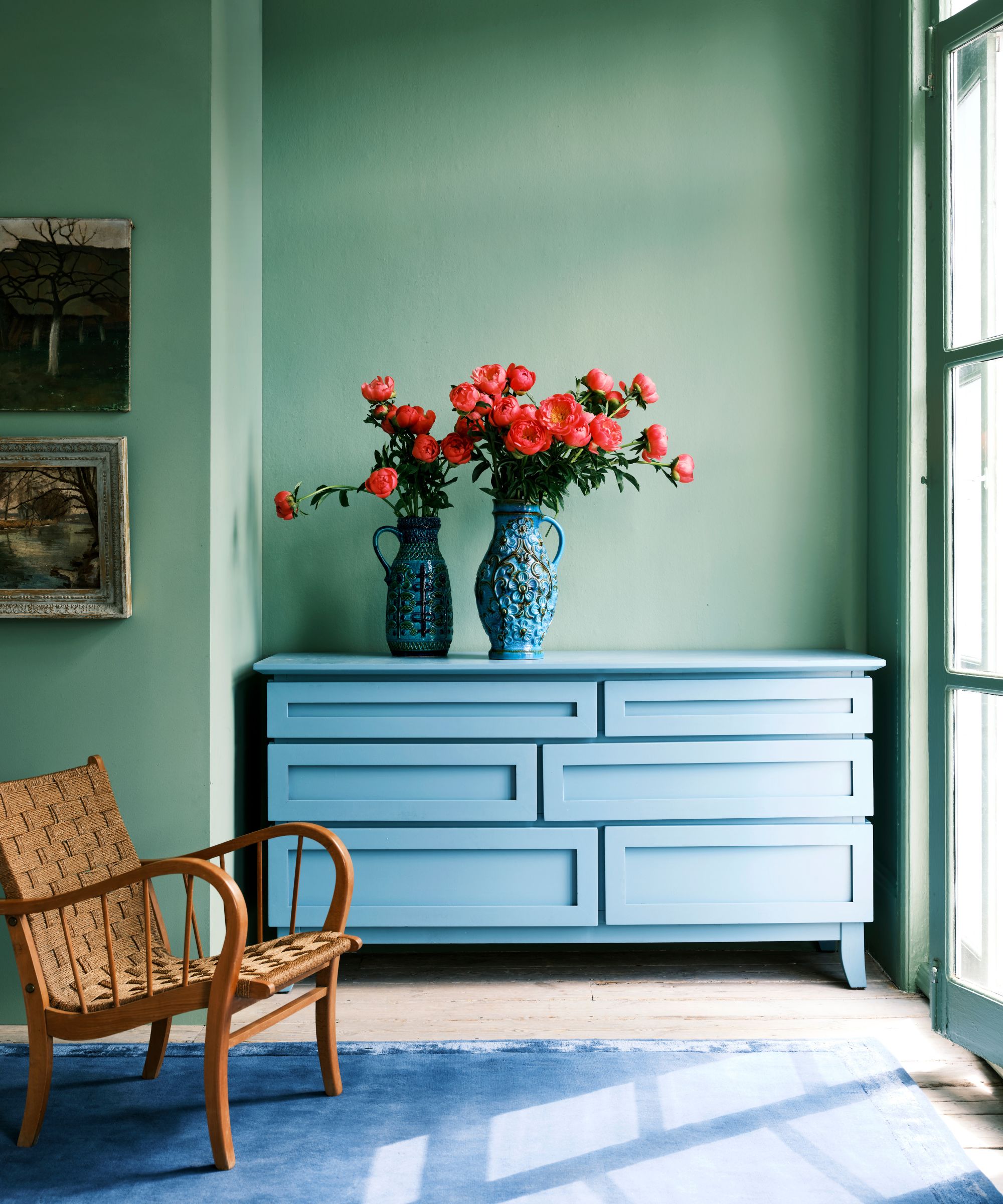
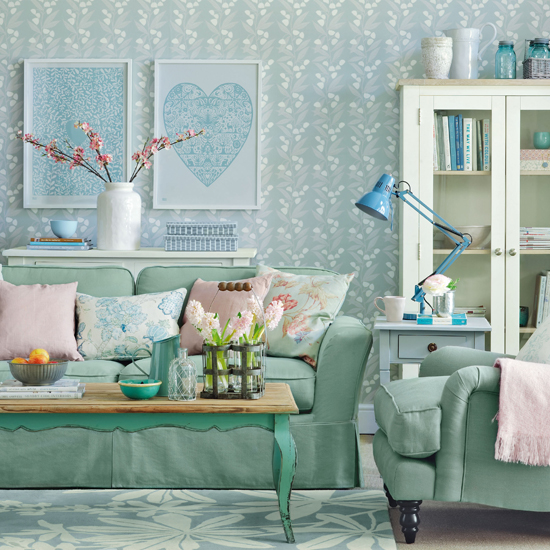
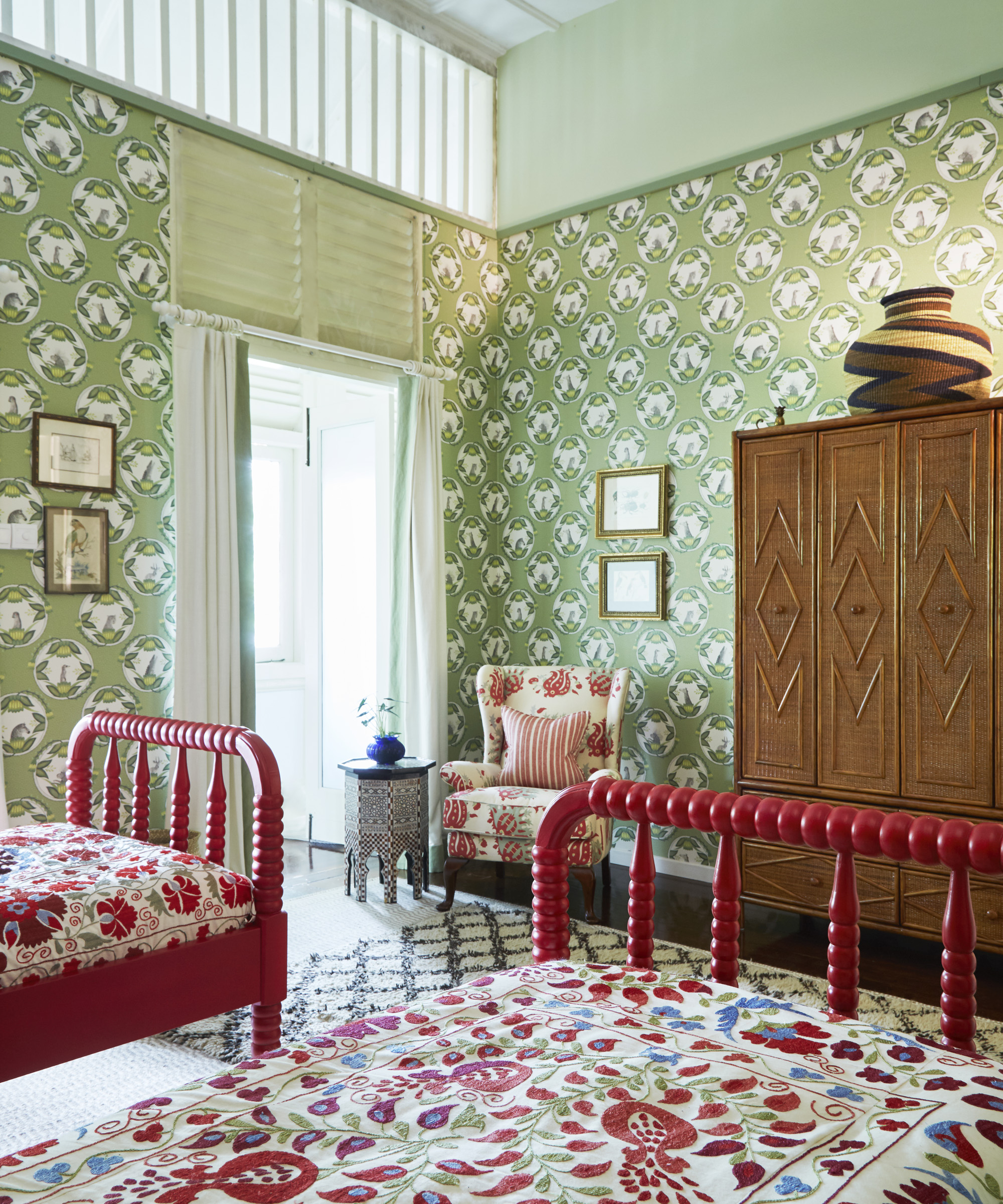
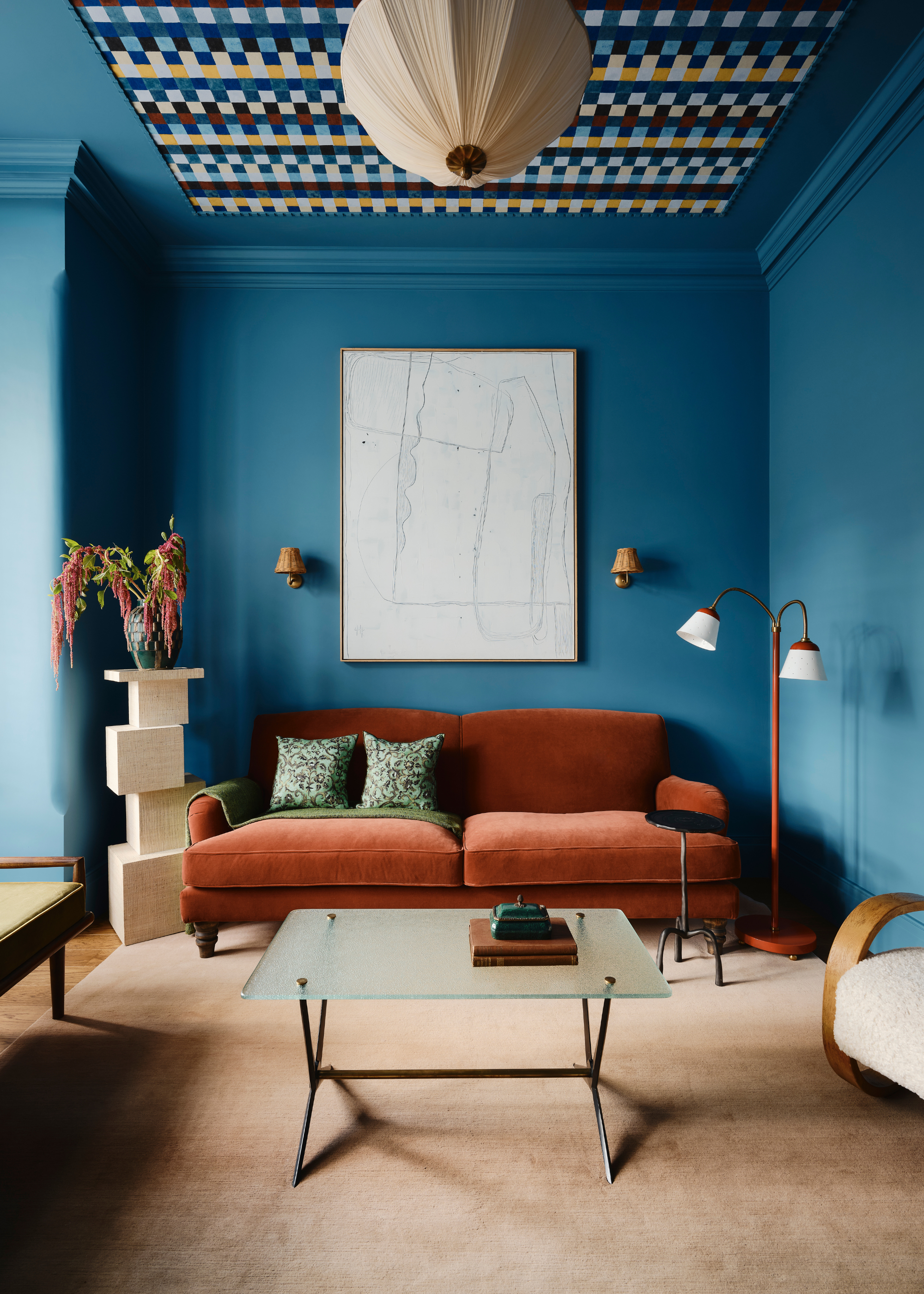
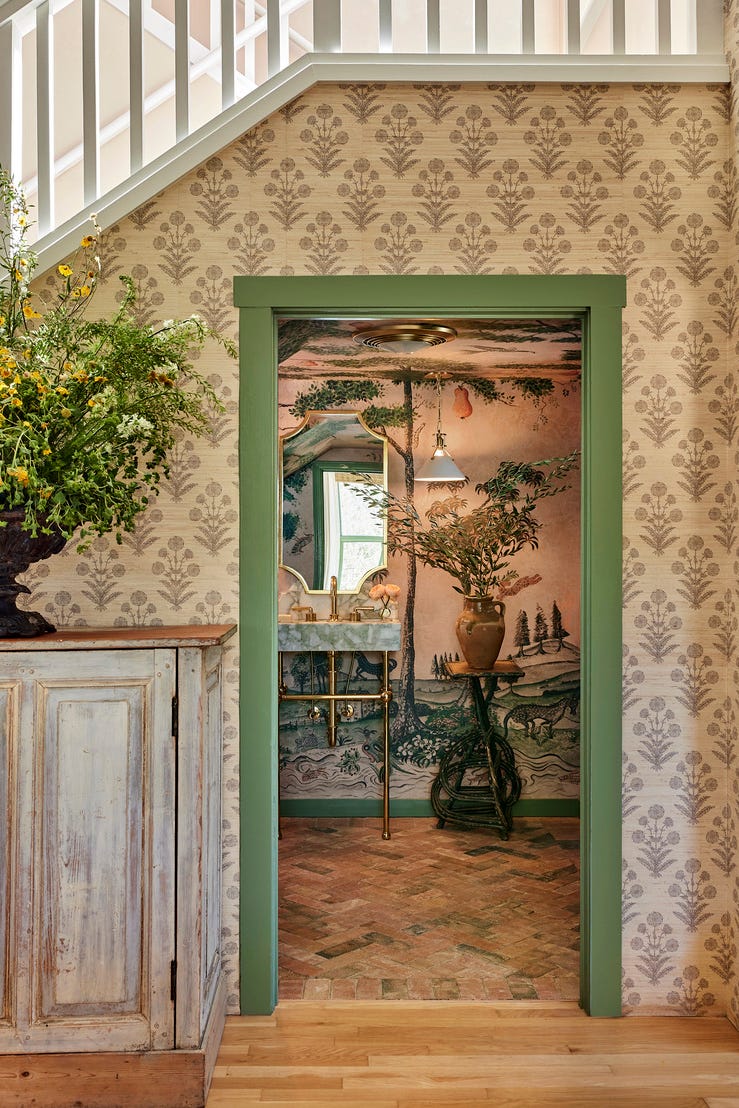
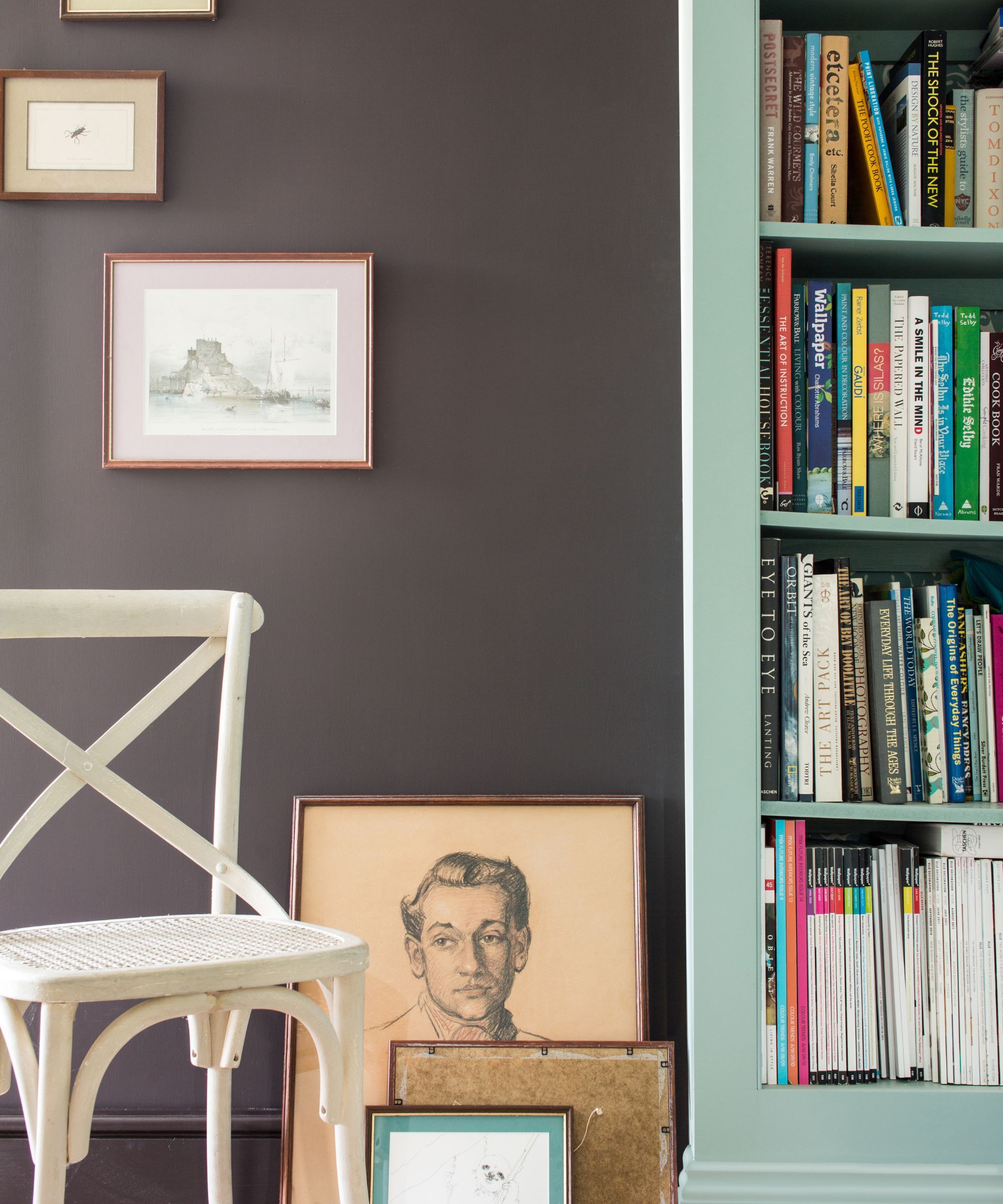
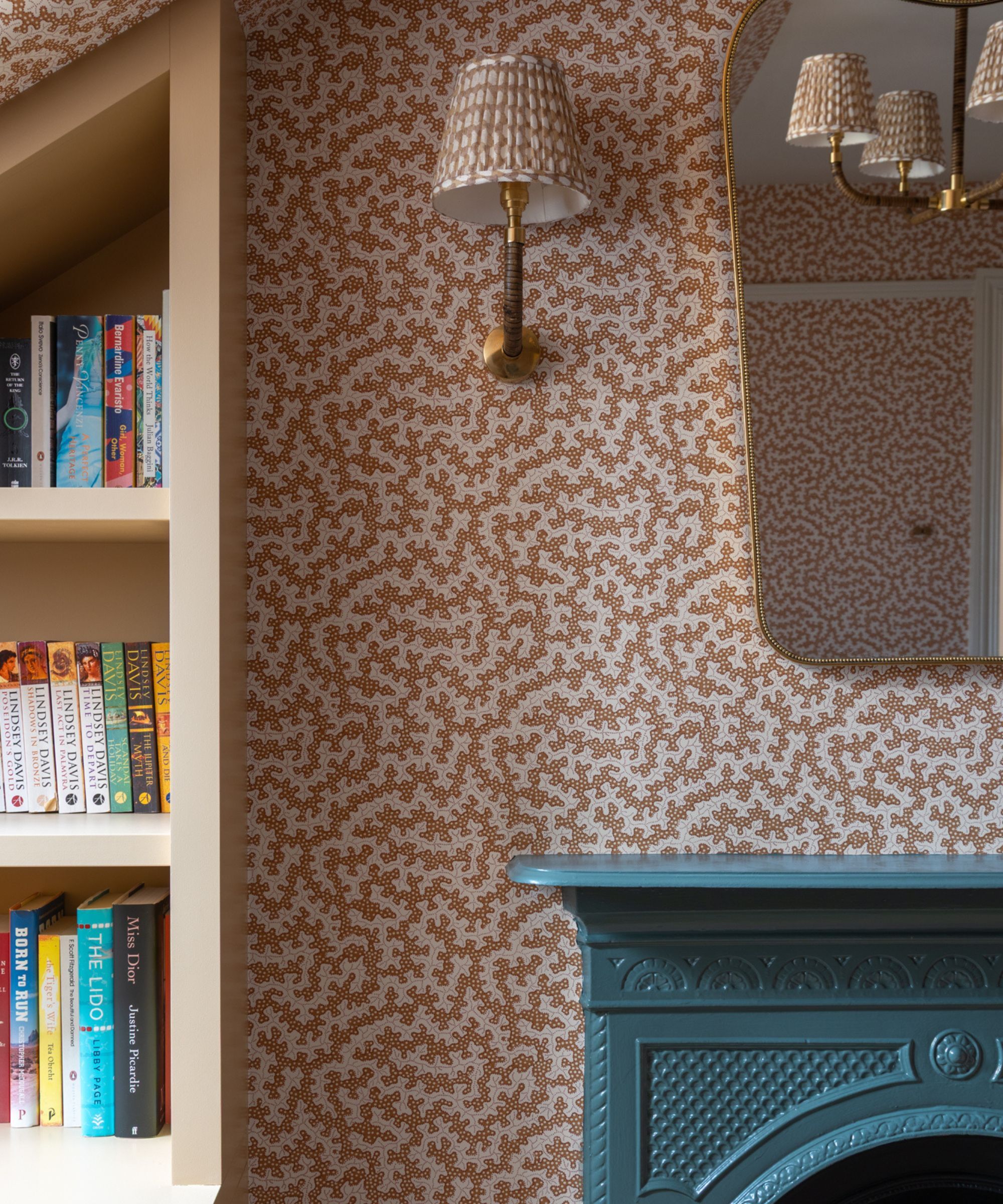
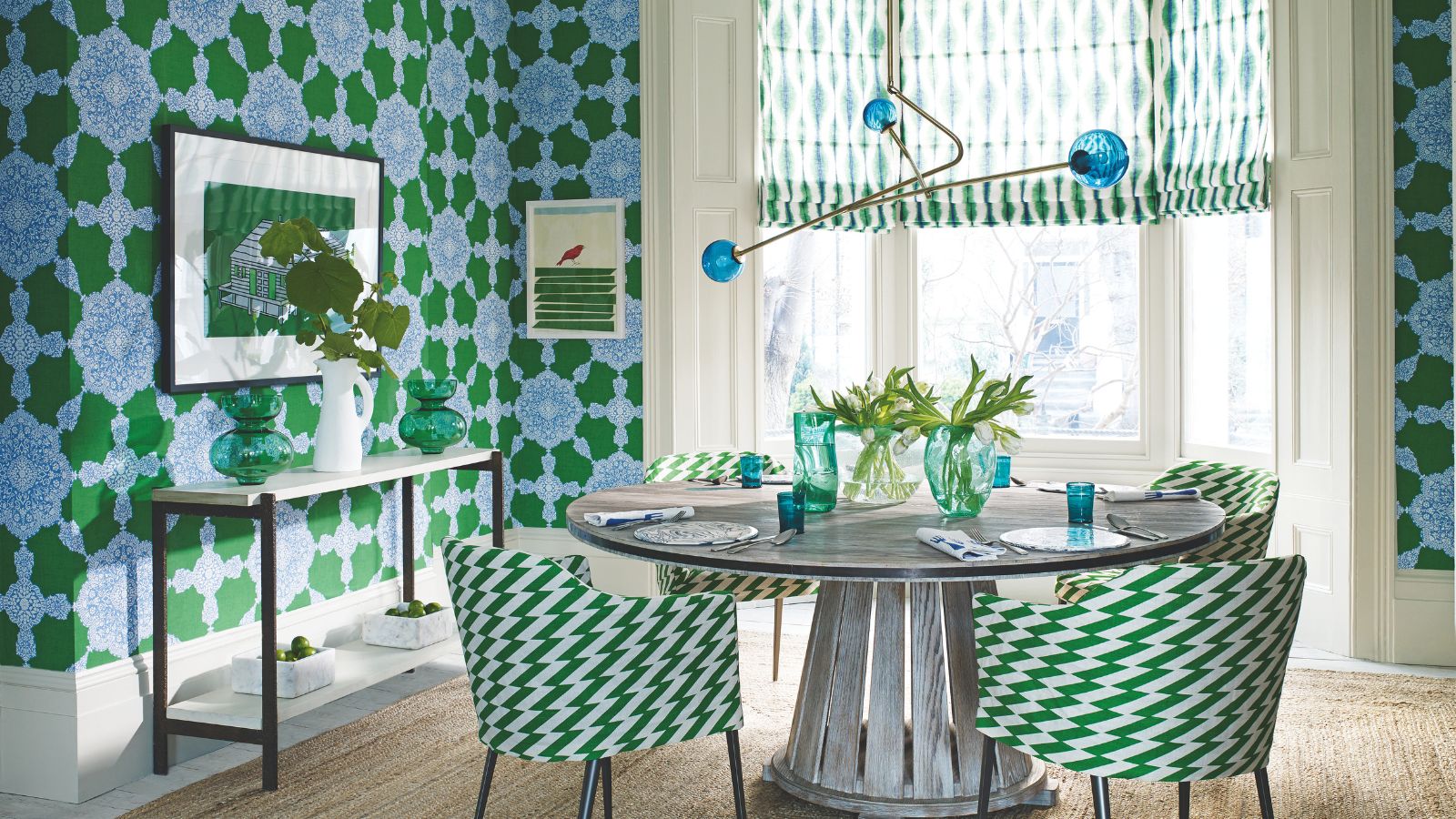
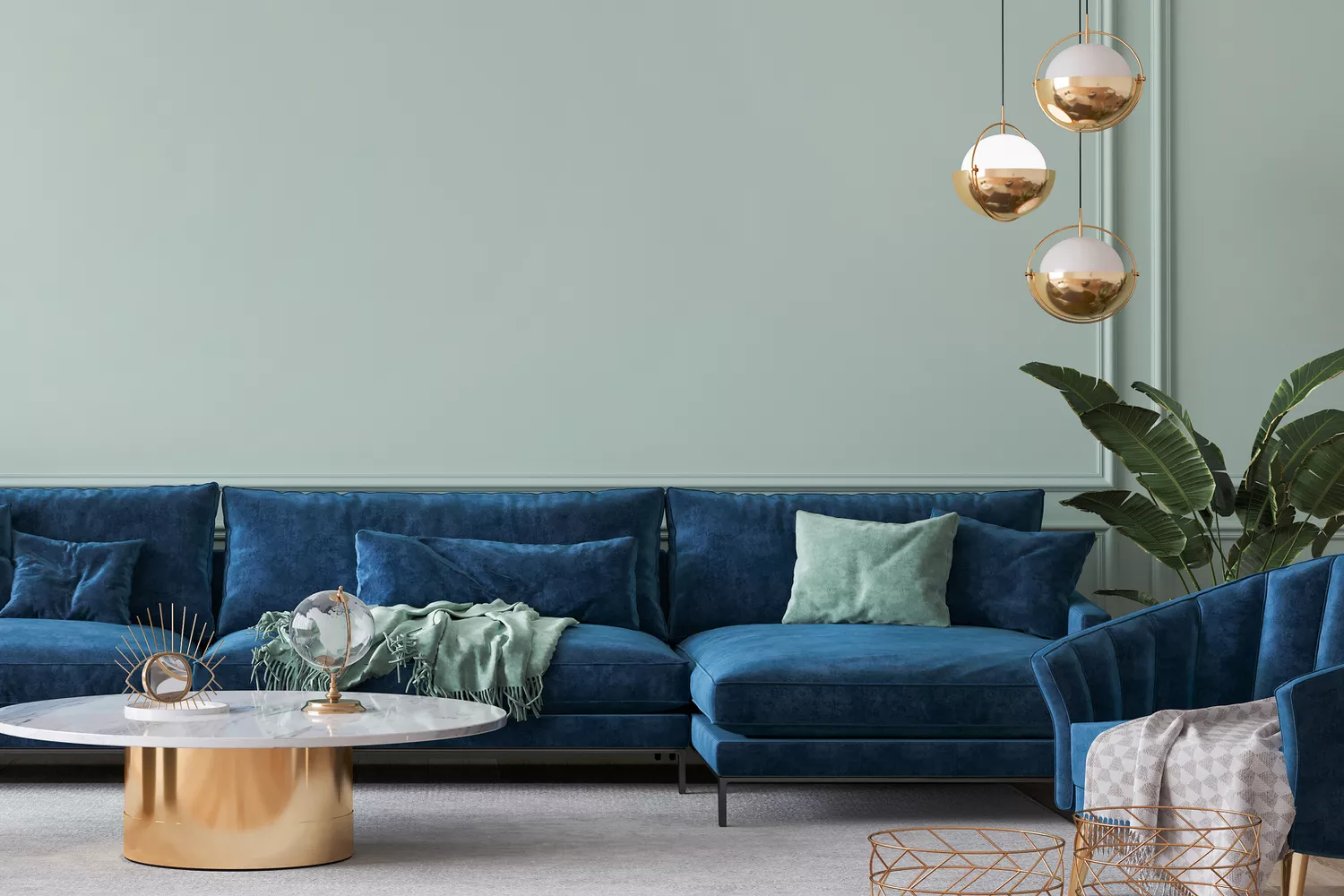
Moreover, certain shades of blue and green can effectively function as neutrals when used in soft, pale forms, creating a natural and easy-on-the-eye effect. This strategy emphasizes layering different shades and textures through furniture and accessories, adding depth and softening the overall two-tone palette. Introducing pattern is another effective way to combine blue and green subtly. Wall murals or patterned wallpapers that feature both colors, balanced with neutral elements, can create luxurious backdrops. The addition of complementary colors like orange or blush pink can further enhance these schemes, bringing warmth and preventing the cool tones from feeling stark, especially in rooms with limited natural light. Whether aiming for a dramatic effect or a subtle, natural ambiance, the blue and green pairing offers a wide spectrum of design possibilities that are both classic and contemporary.
#InteriorDesign #ColorPalettes #BlueAndGreen #HomeDecor #AnalogousColors #DesignTrends #ColorTheory #ModernInteriors #DecoratingTips #InteriorDesign #ColorPalettes #BlueAndGreen #HomeDecor #AnalogousColors #DesignTrends #ColorTheory #ModernInteriors #DecoratingTips
0 comment in total
 No comments yet
You may also like
The 10 Best Blue-Green Paint Colors Designers Can't Stop Using

Green and blue colour schemes 2013 – 10 of the best
Designers LOVE Pairing These Unexpected Colors With This One Timeless Hue
24 Glamorous Blue and Green Living Room Ideas That Could Be in a Design Magazine
The Color Combo You’re About to See Everywhere
What colors go with green? Professionals propose these harmonious pairings for successful schemes

This Texas Designer's Home Proves Blue And Green Is A Timeless Combination
You Should Be Using Red and Blue Together More in Your Home — This Is the Secret to Making This Pairing Work
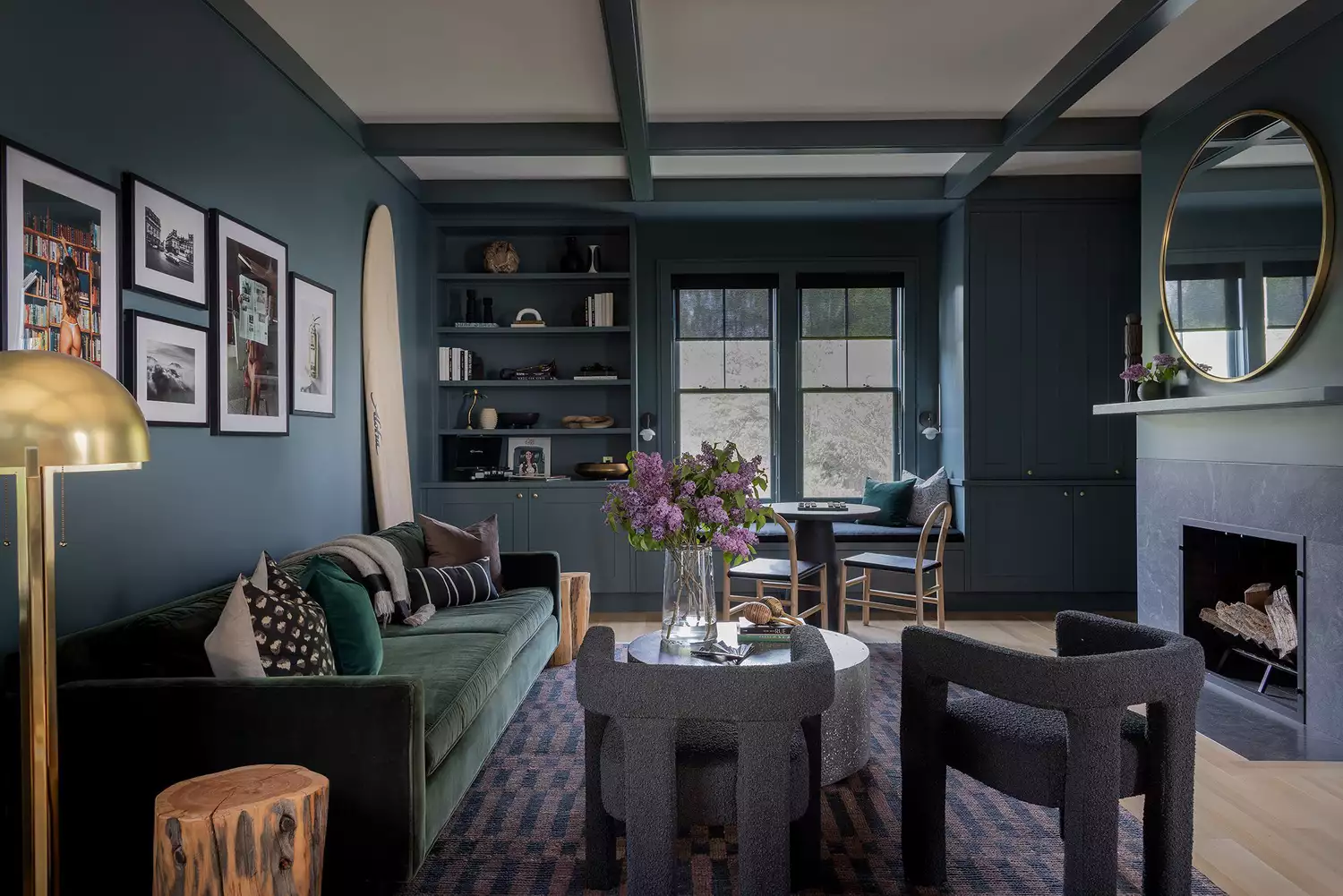
6 rooms that demonstrate why blue and green are this year's coolest colour pairing
17 Moody Blue-Green Paint Colors You Should Try to Bring the Outdoors In

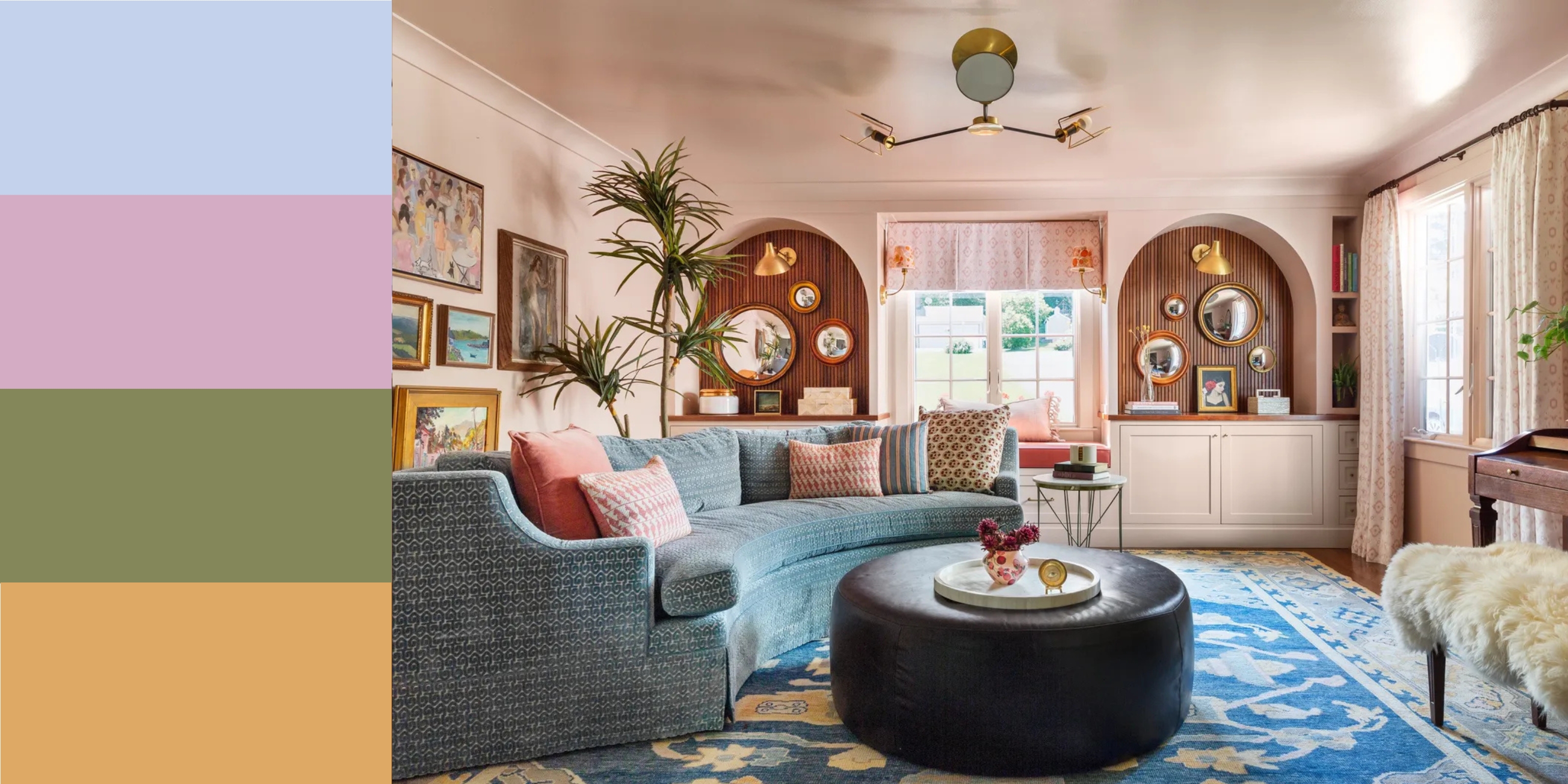
What Colors Go With Light Blue? 18 Pairings for Pale, Baby, and Sky Blue That Will Make Your Home Look Modern
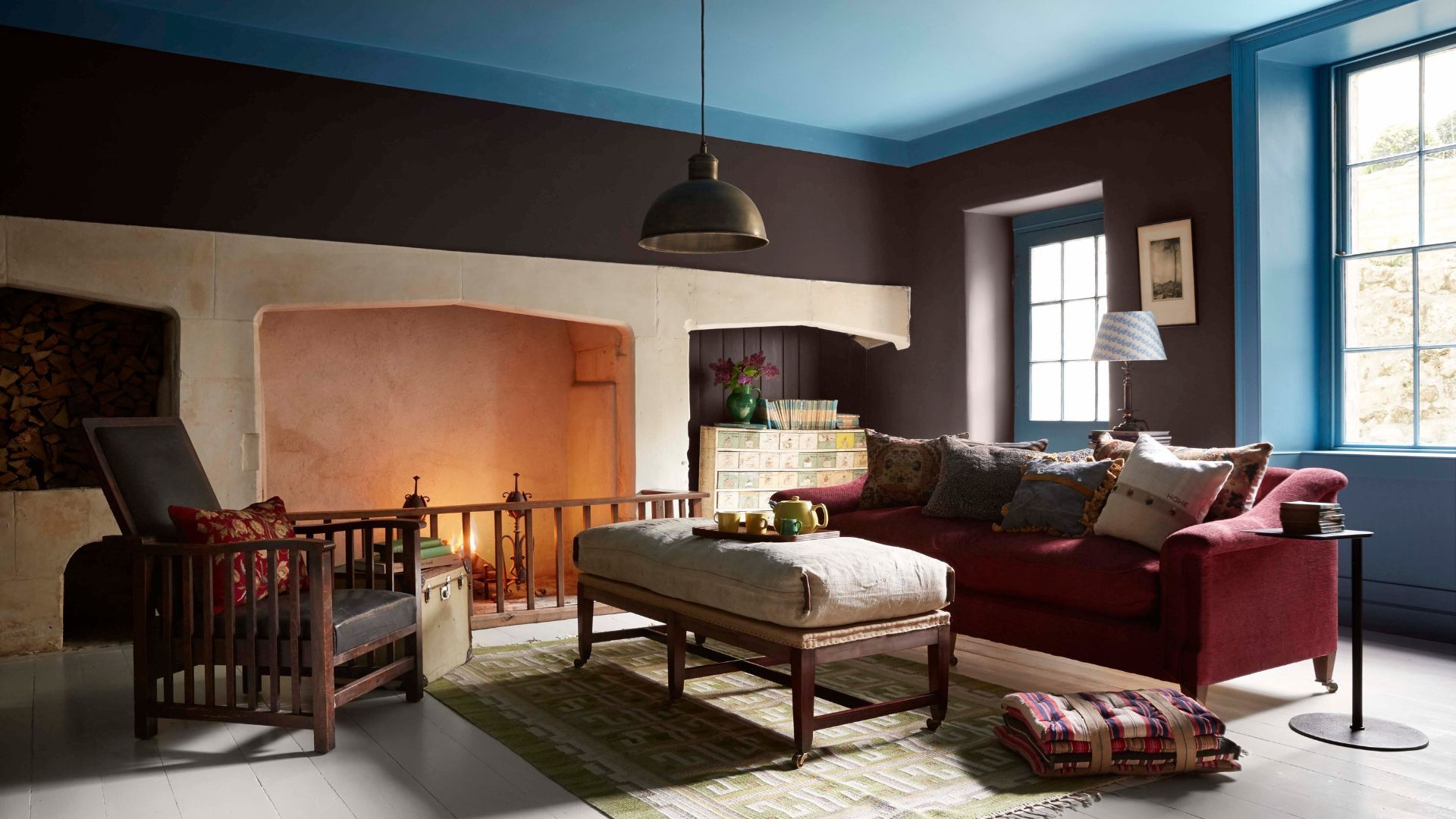
Blue and brown is the unexpected pairing that's more livable than you think
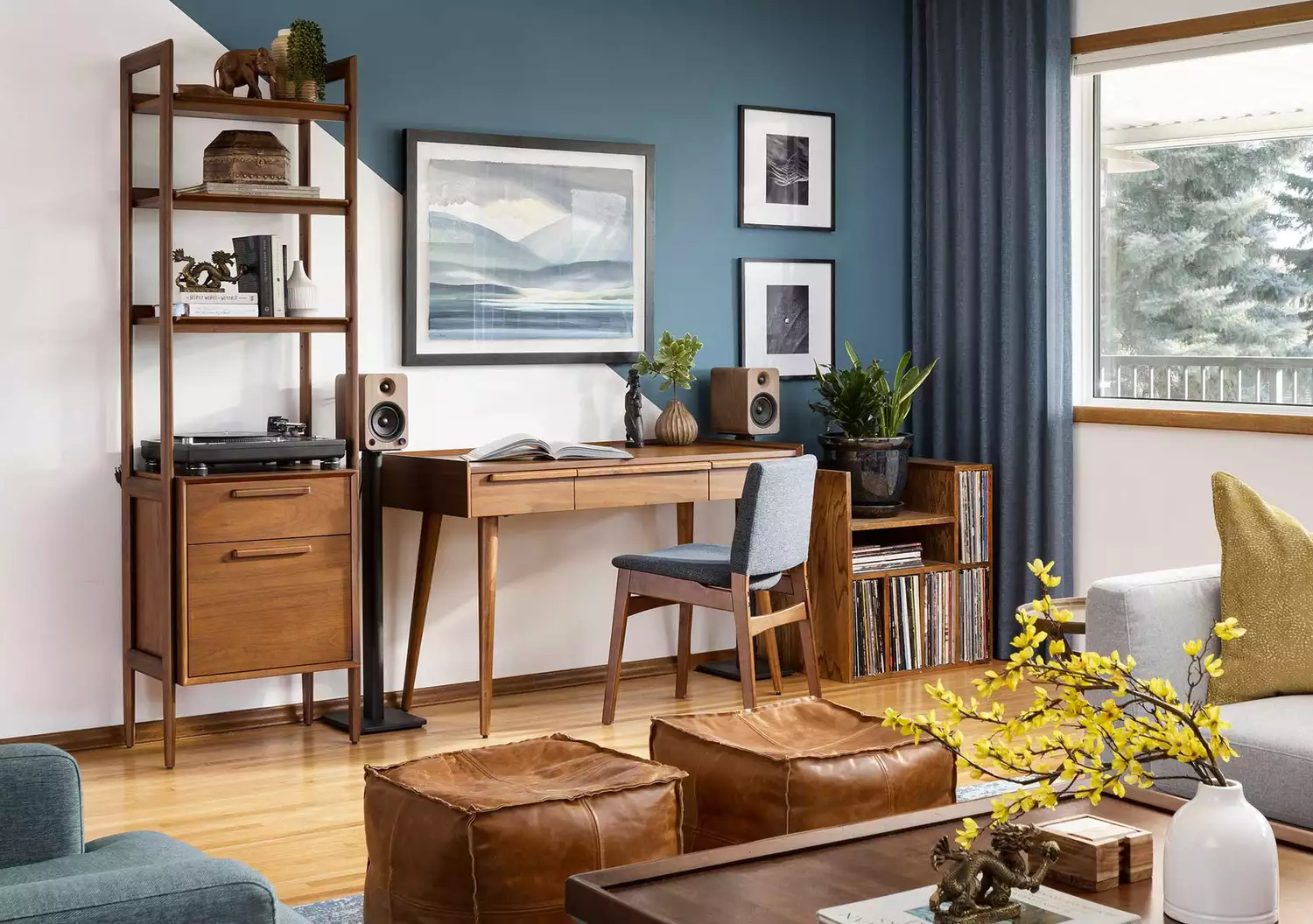
These 10 Colors Always Look Beautiful With Blue
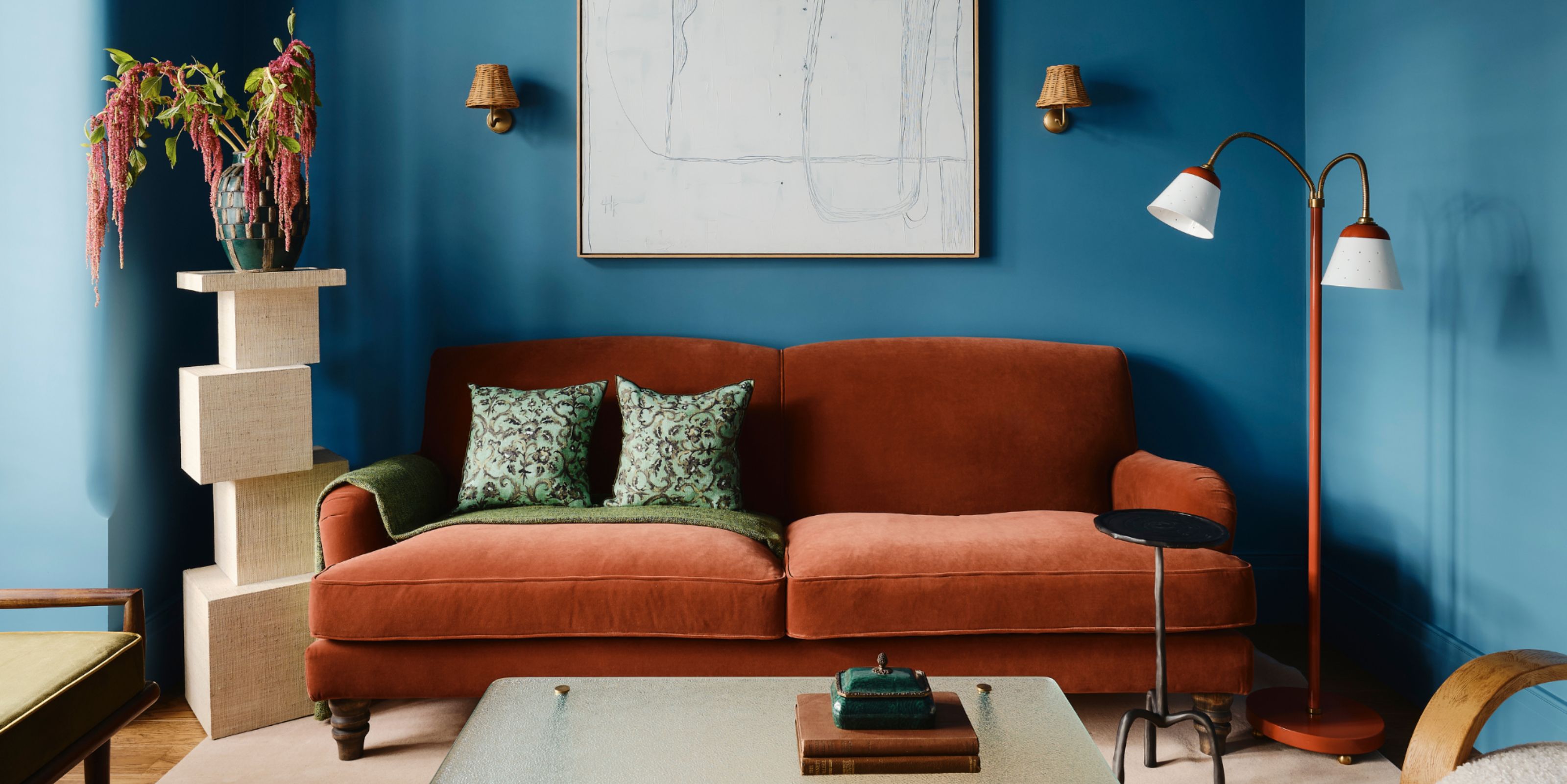
Colors That Go With Blue — 16 Pairings Designers Depend on for Bold, Breezy, and Perfectly Balanced Palettes
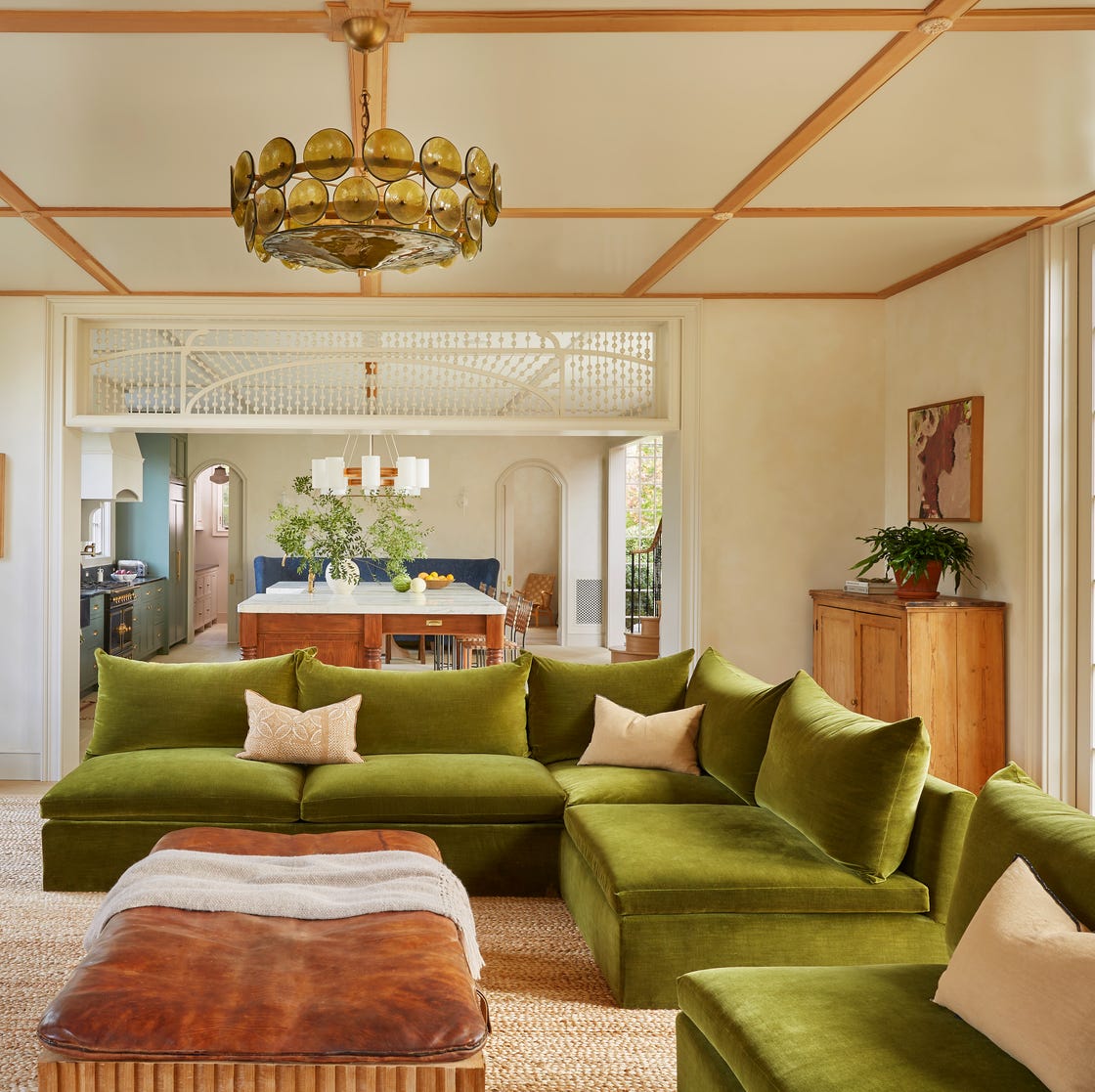
37 Unexpected Colors That Pair Perfectly With Green, According to Designers

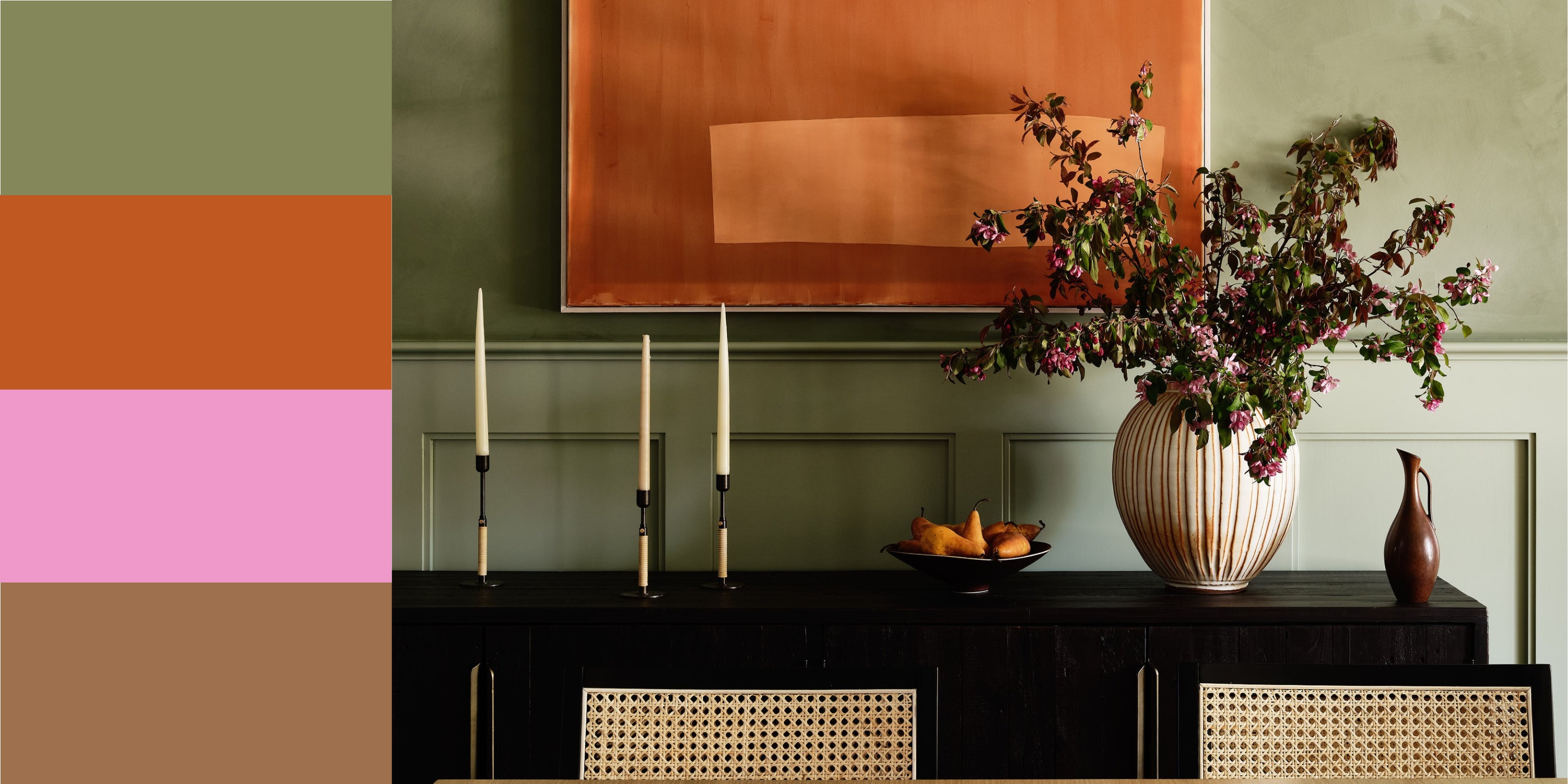
12 Colors That Go With Green I'm Seeing Interior Designers Use All the Time Right Now
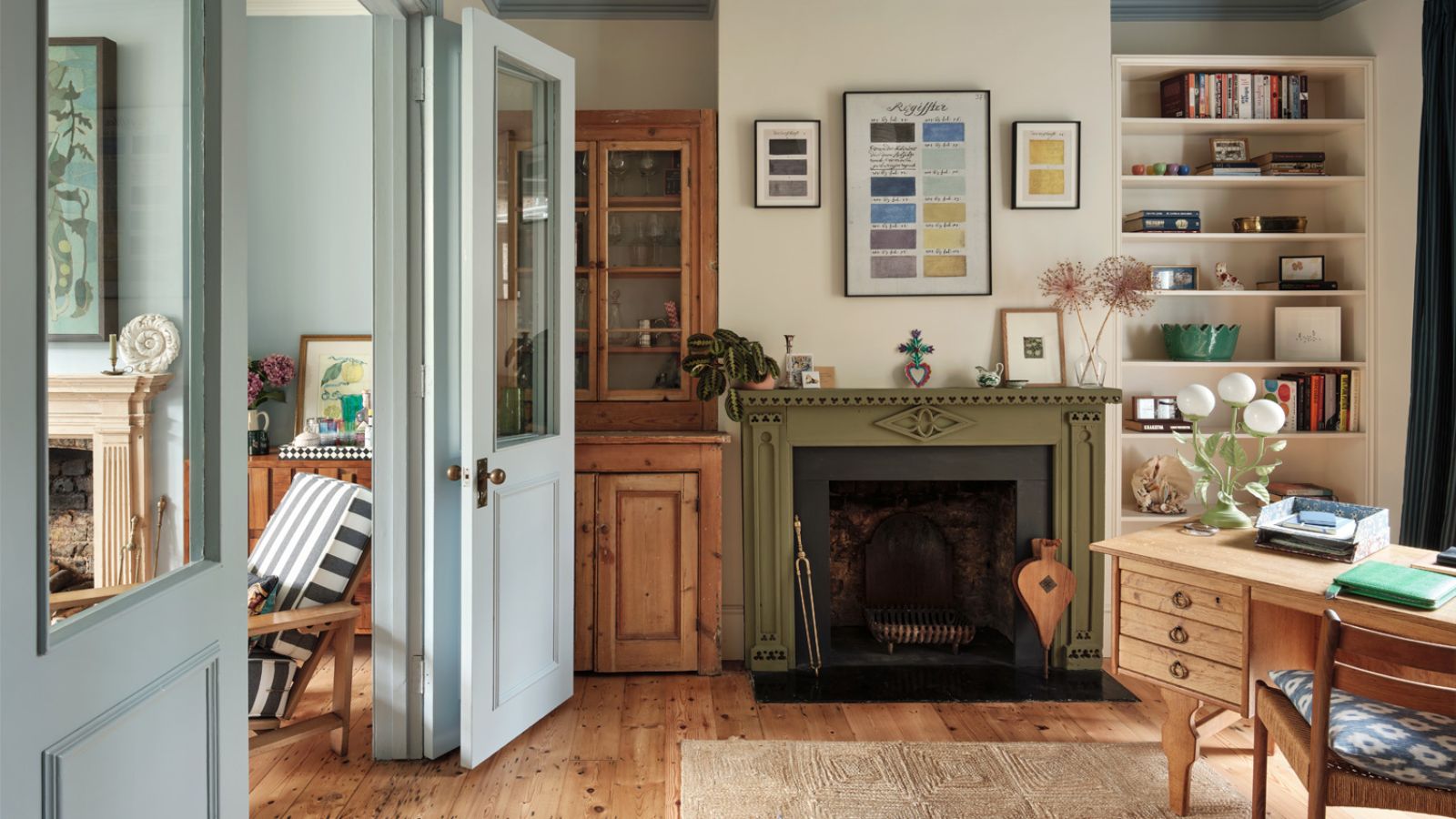
'I am seeing this unexpected color combination everywhere' – here's why designers love the 'should never be seen together' pairing of sage green and pale blue
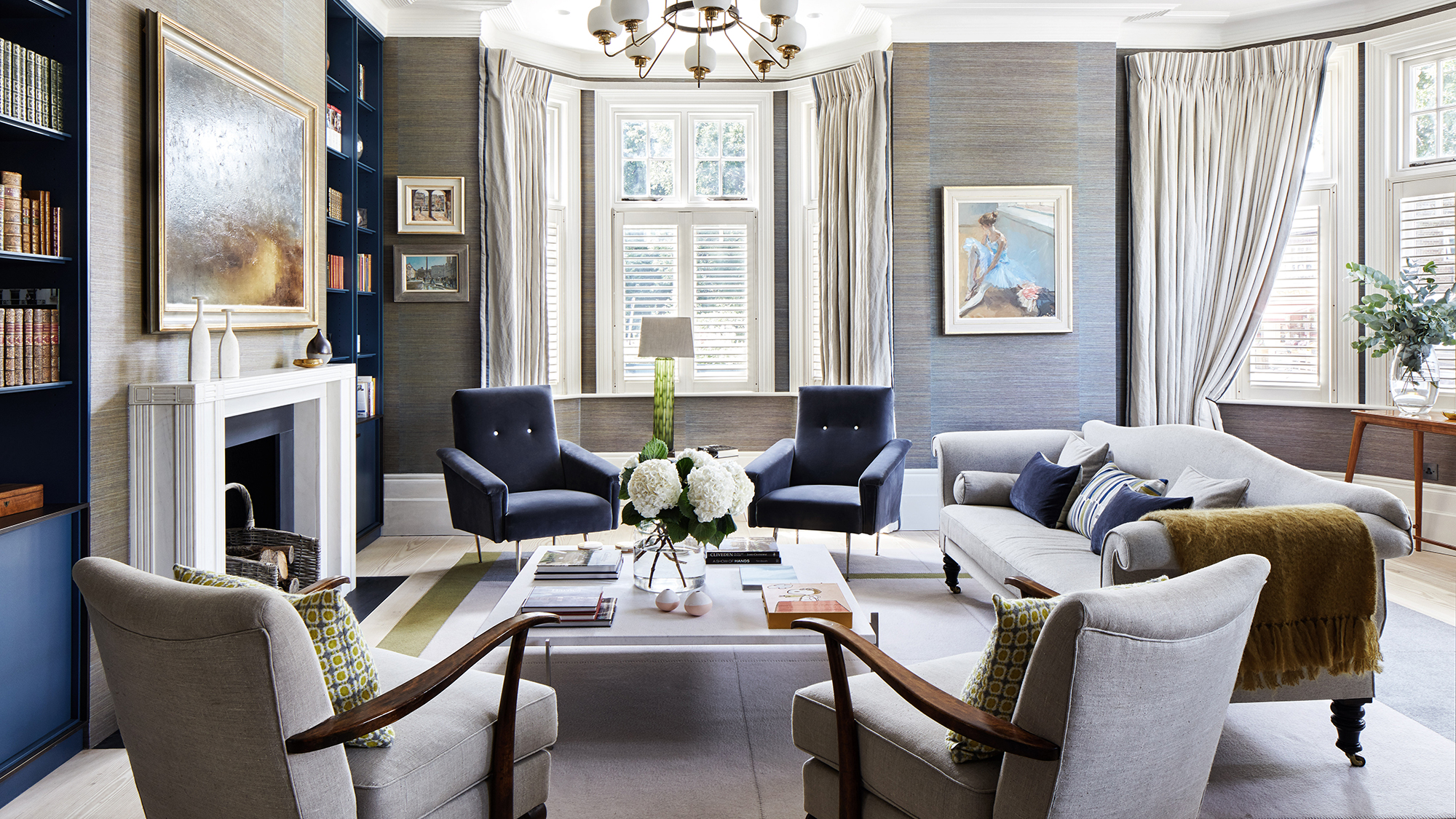
Blue and grey living room ideas – 10 ways to use this versatile pairing
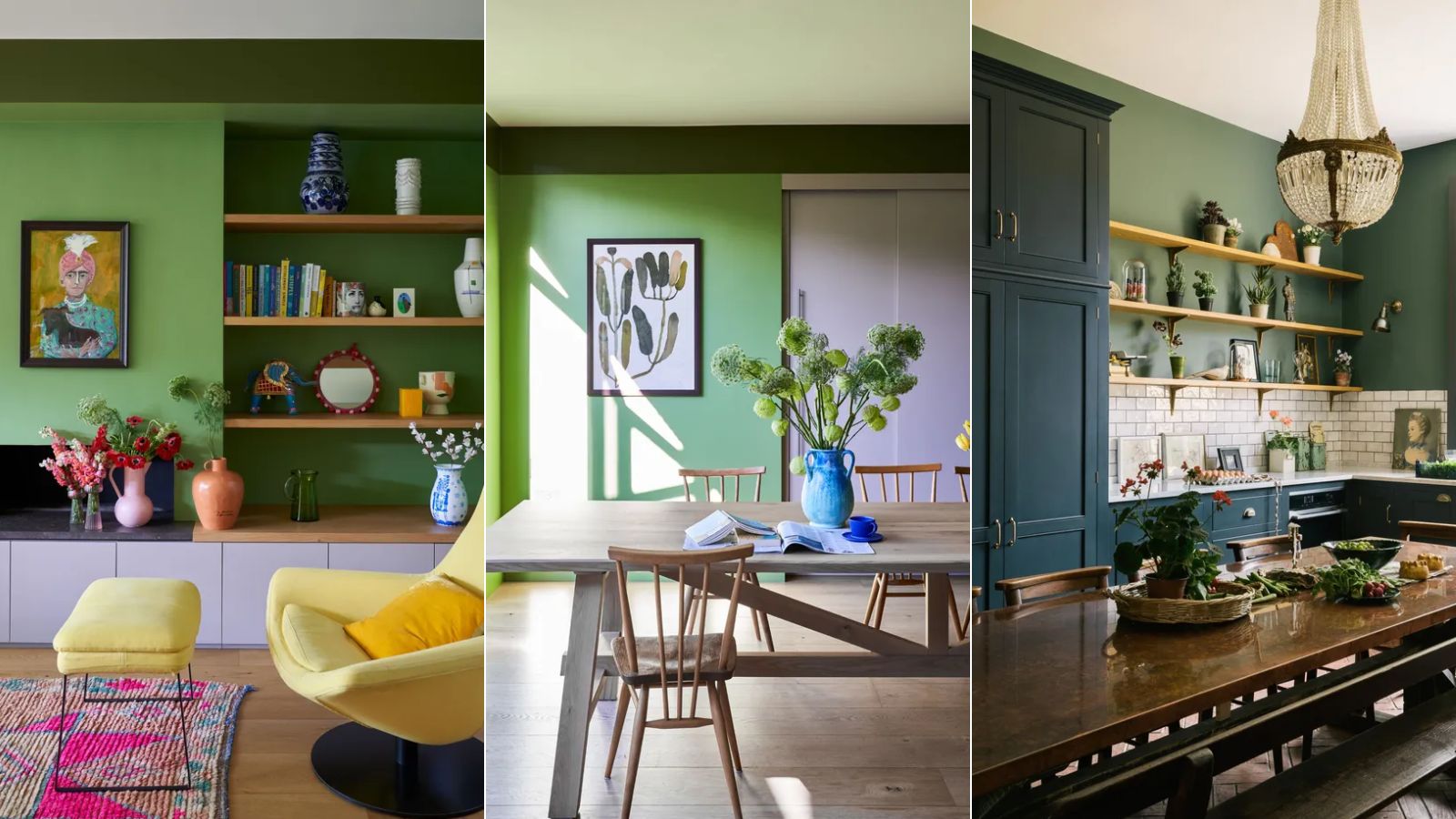
5 colors to never pair with green according to designers – and what to use instead
7 Color Combos That ALWAYS Look Good Together, According to Designers