1/8
Need Plant Inspo? Look Down Under. Here’s How to Garden Like an Australian
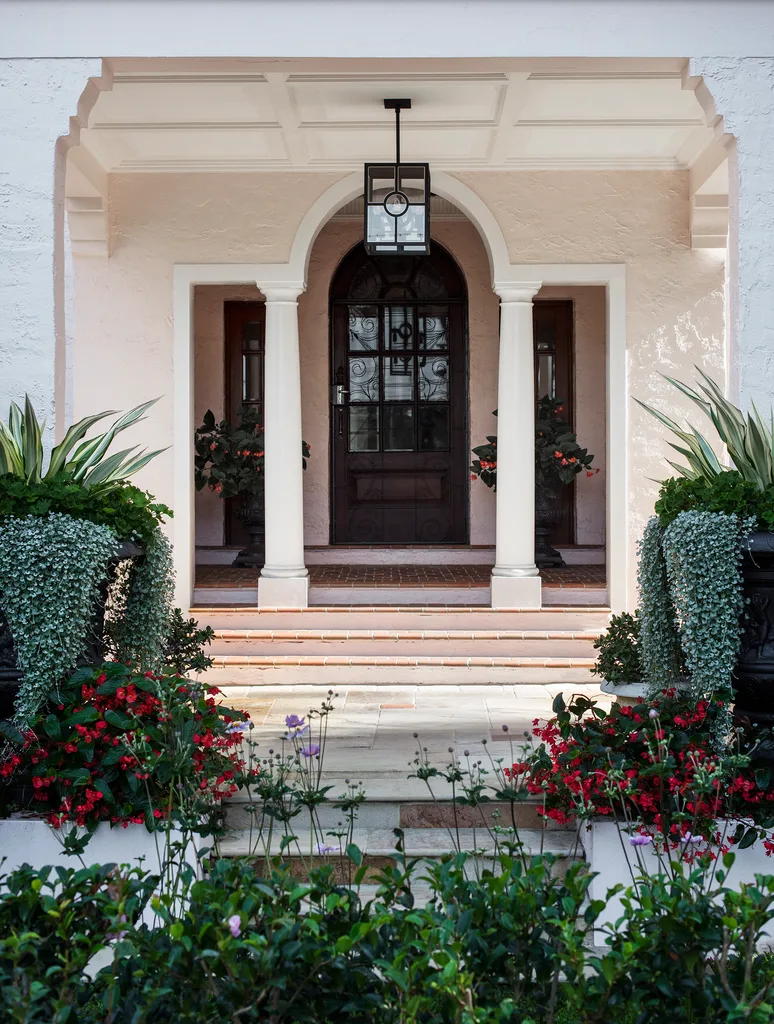
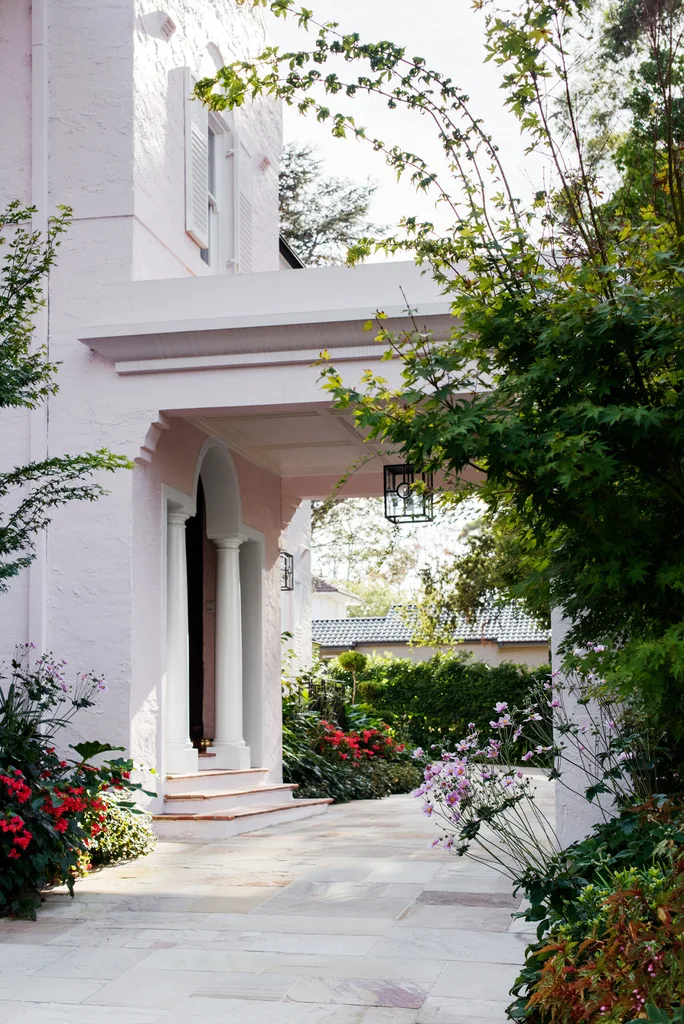
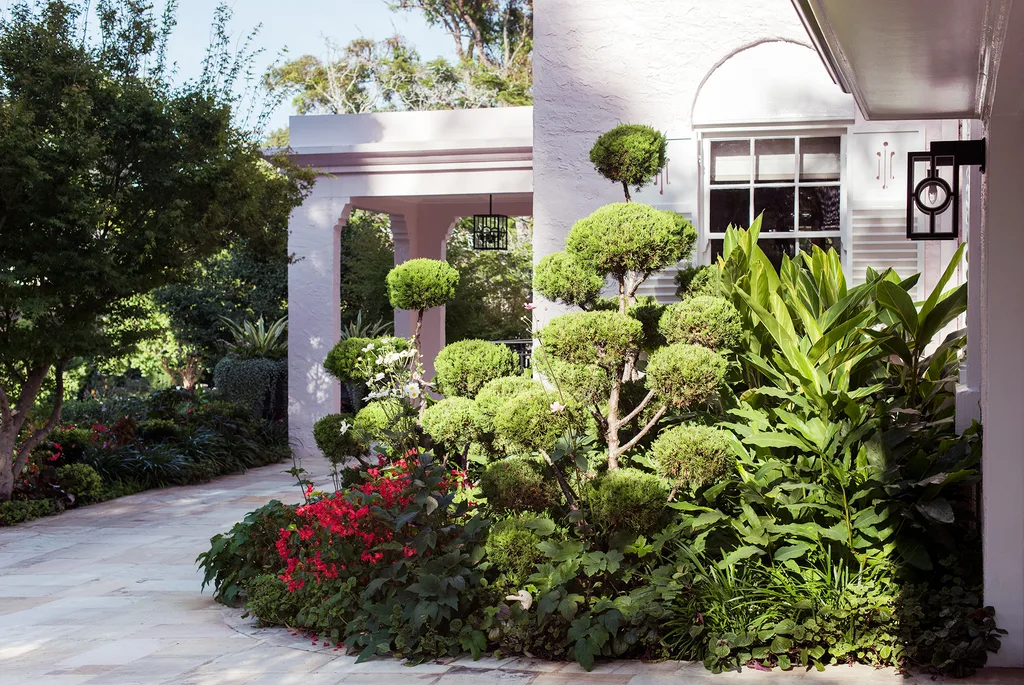
This article explores the growing trend of incorporating Australian native plants and landscape design principles into gardens, particularly in regions with Mediterranean climates like the American West. It highlights the suitability of Australian flora due to its drought and heat tolerance, as well as its ability to add unique color and texture to landscapes. The article features insights from Grant Boyle, founder of Fig Landscapes in Byron Bay, Australia, and author of the e-book 'Guide To Better Gardens'.
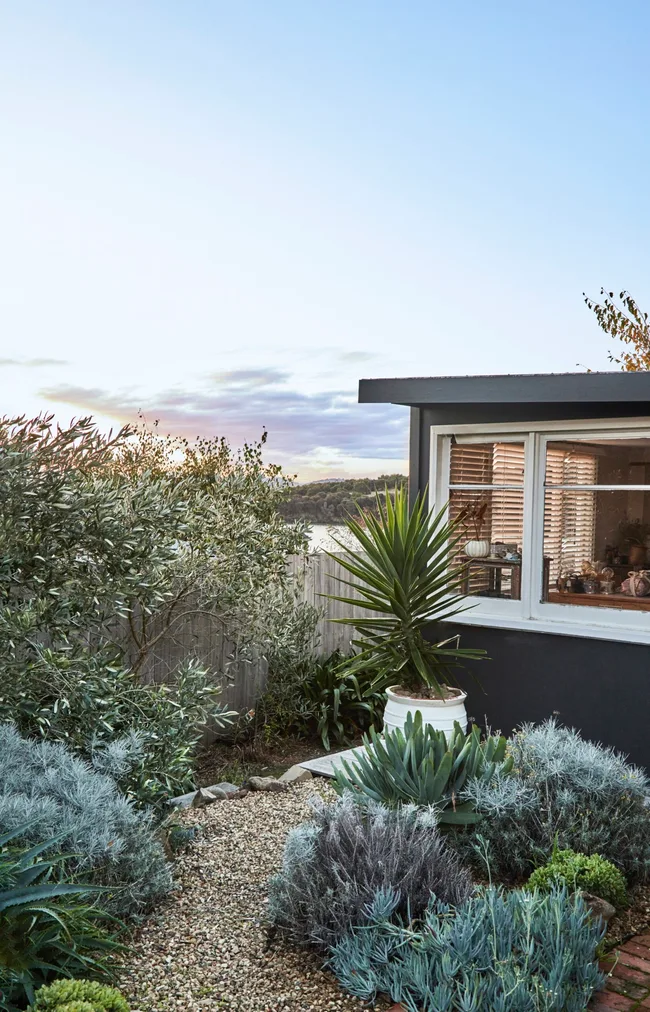
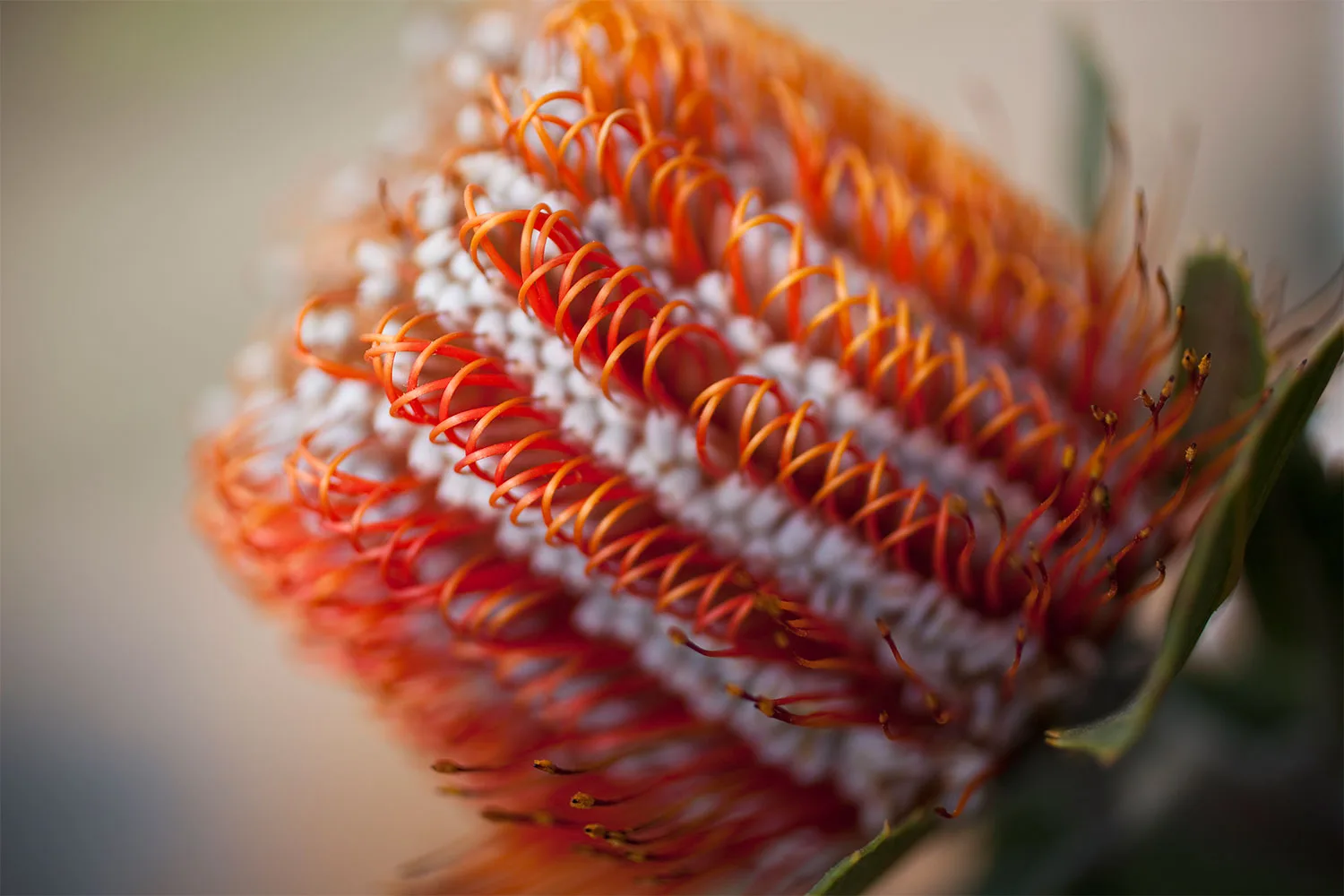
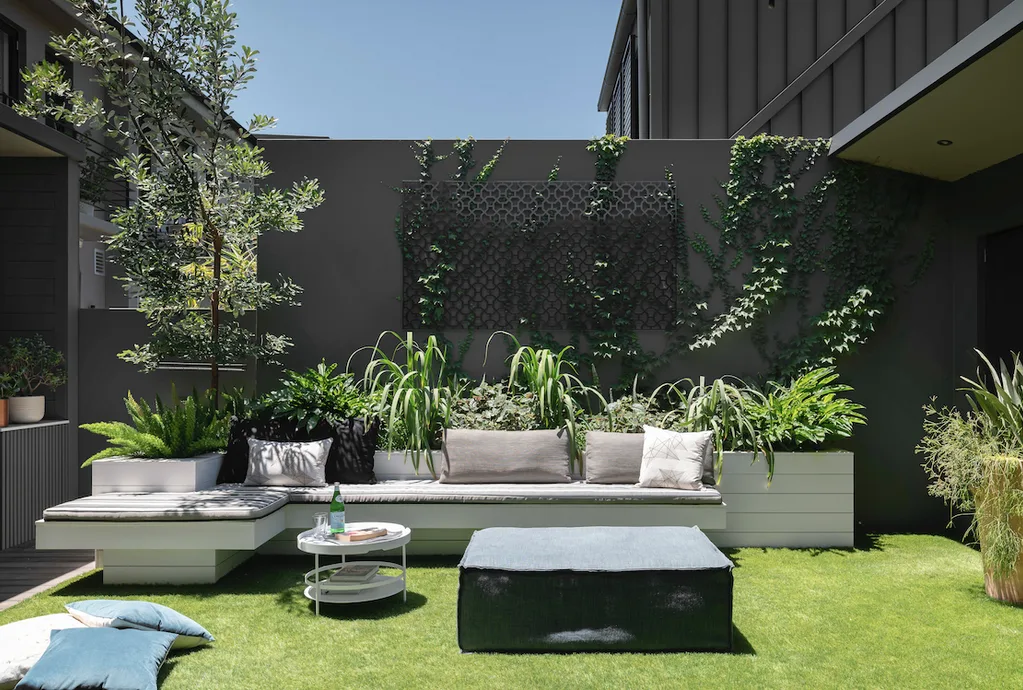
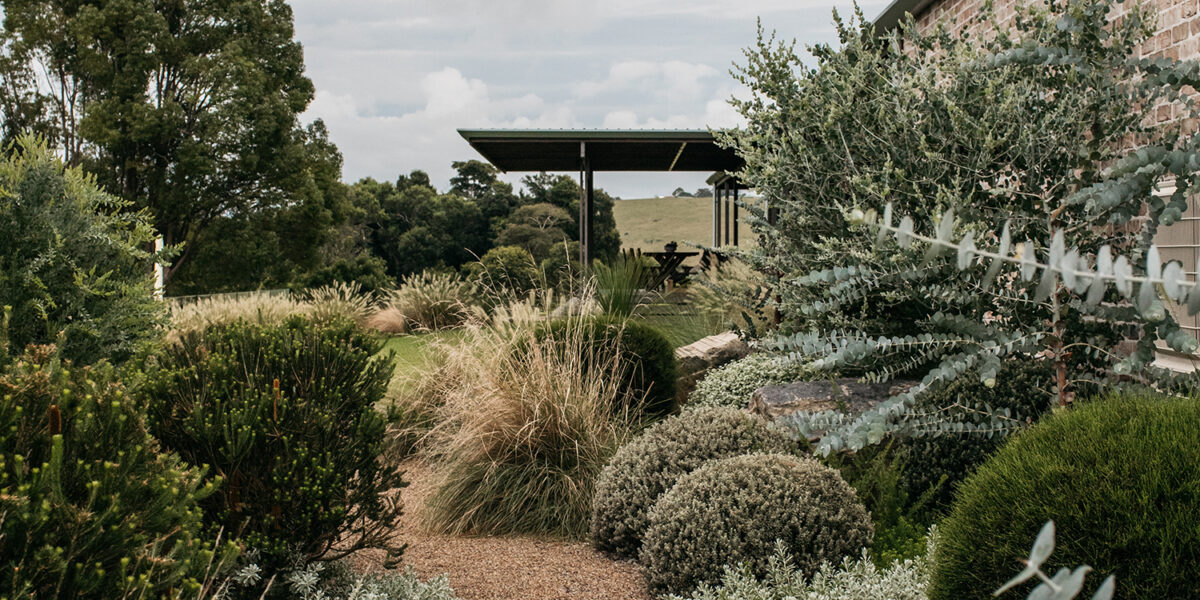
Boyle emphasizes that an authentic Australian garden is characterized by a diverse range of native, fine-leaf plants that are drought-tolerant and hardy. He recommends contrasting leaf forms and tones to enhance design, suggesting plants like Westringia fruticosa, Banksia ericifolia 'Little Eric,' and Casuarina 'Green Wave' for their compatibility with succulents and cacti in West Coast climates. The article provides a list of five specific Australian native plants to consider: Banksia integrifolia (a versatile tree responding well to pruning), Westringia (a shrub suitable for various shaping techniques), Xanthorrhoea glauca (a dramatic feature plant with glaucus foliage and attractive flower spikes), Banksia 'Little Eric' (a dwarf, orange-flowered variety ideal for informal screens), and Bracteantha sp (a paper daisy that pairs well with cacti like Opuntia ‘Burbank Spineless’).
When integrating Australian plants into an existing garden, Boyle notes their compatibility with a range of other plants from similar climates, including those native to California, South Africa, the Mediterranean, and Mexico. He suggests several non-Australian plant picks such as Dracaena draco, Yucca rostrata, Euphorbia ingens, Opuntia ‘Burbank Spineless’, lavender, and rosemary, which can be effectively paired with Australian species like Poa labillardierei, Casuarina ‘Cousin It’, Westringia fruticosa, Banksia ‘Little Eric’, Grevillea ‘Golden Lyre’, and Ozothamnus ‘radiance’ to create contemporary, water-wise gardens.
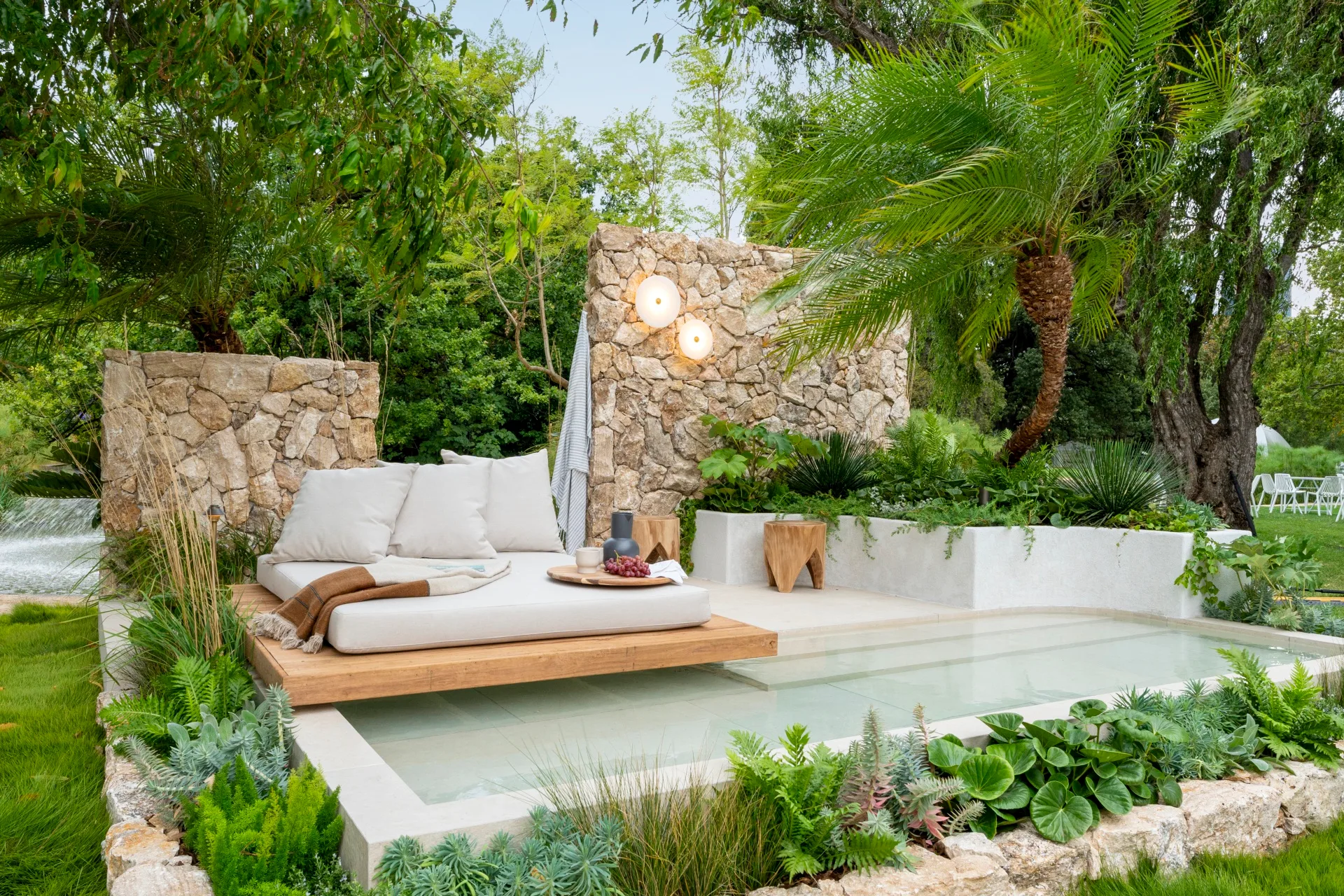
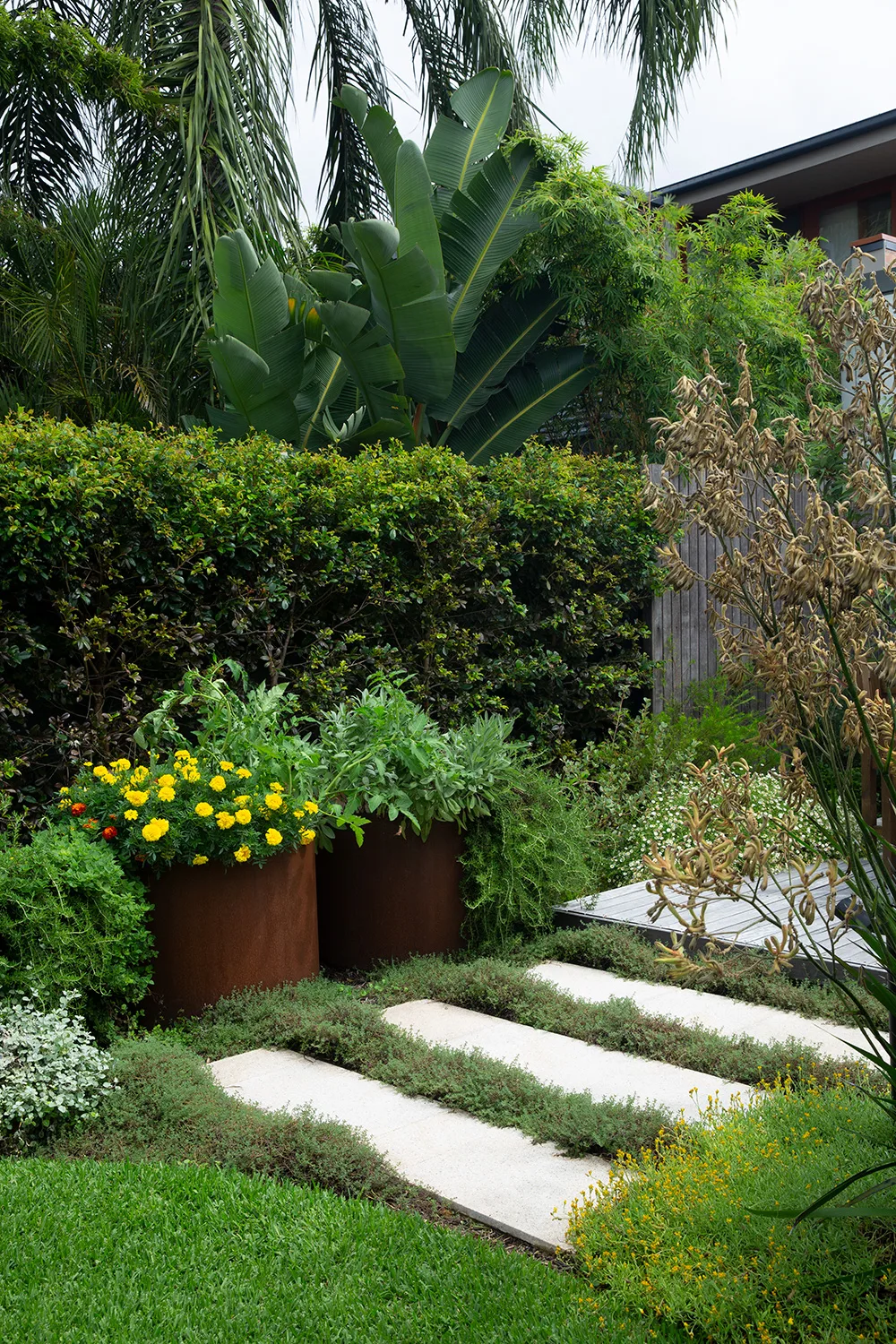
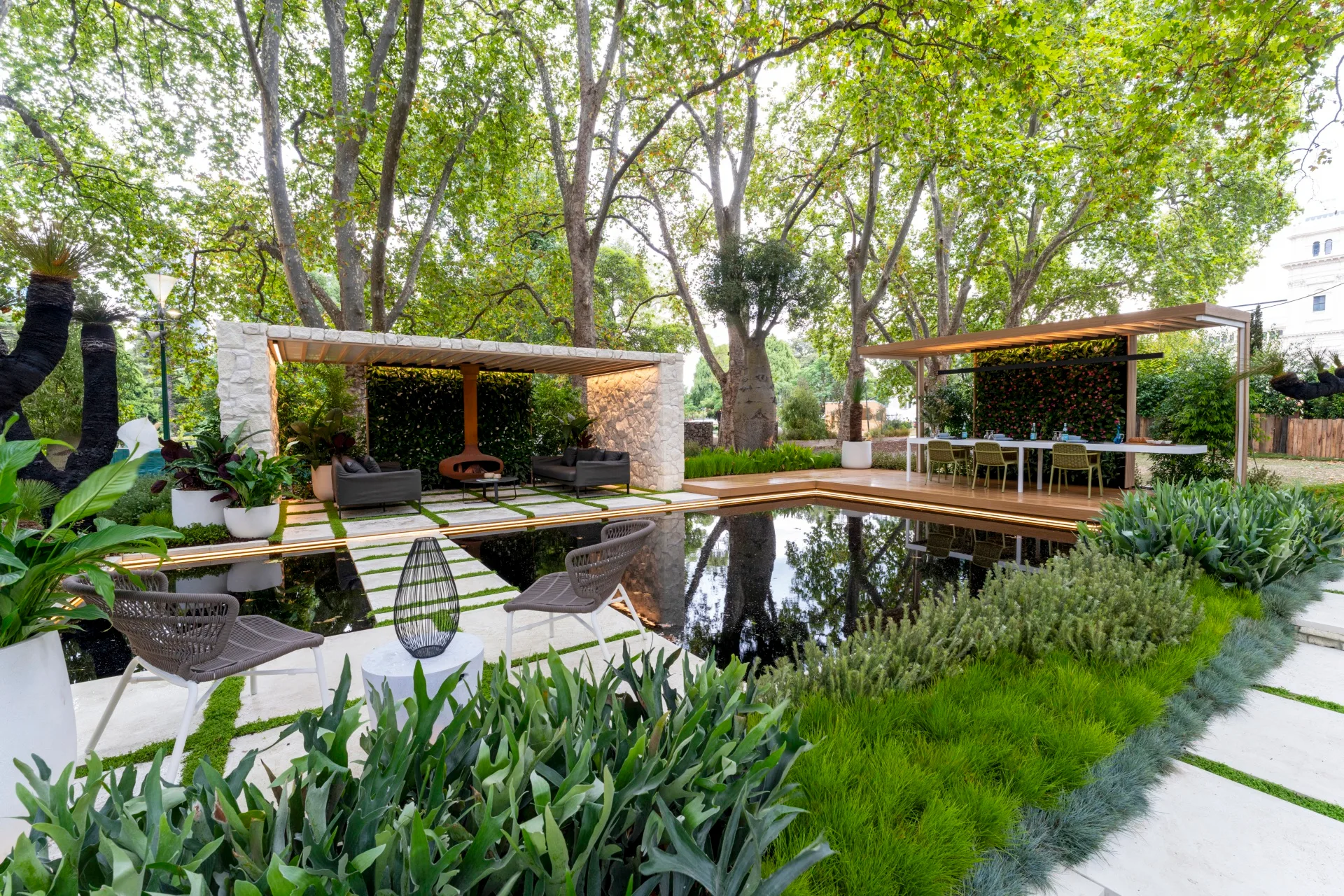
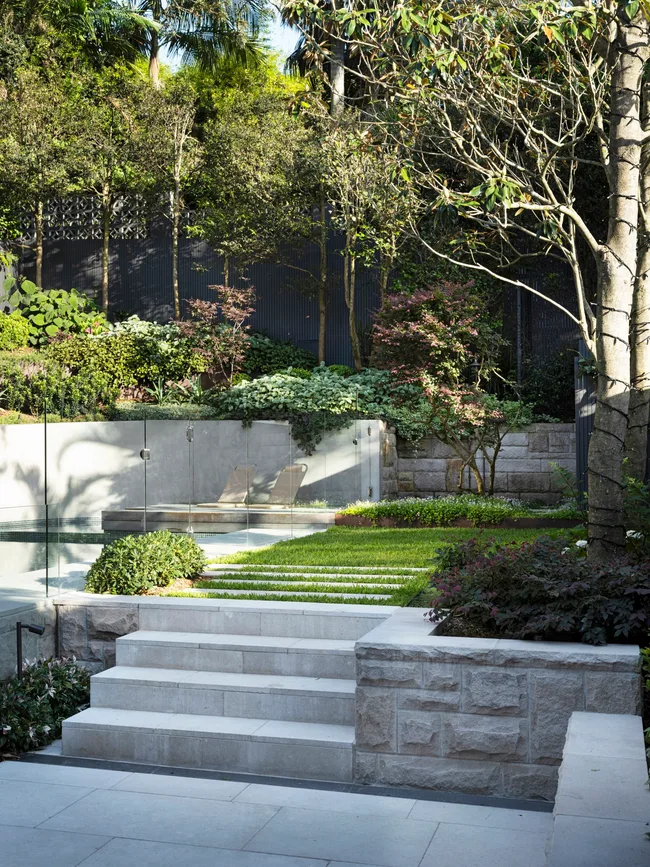
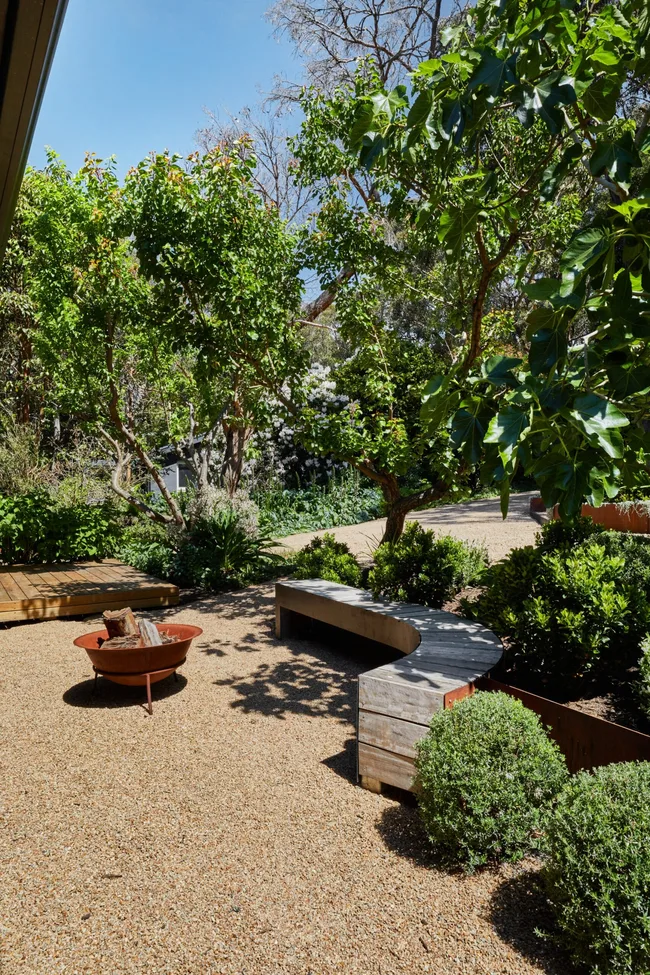
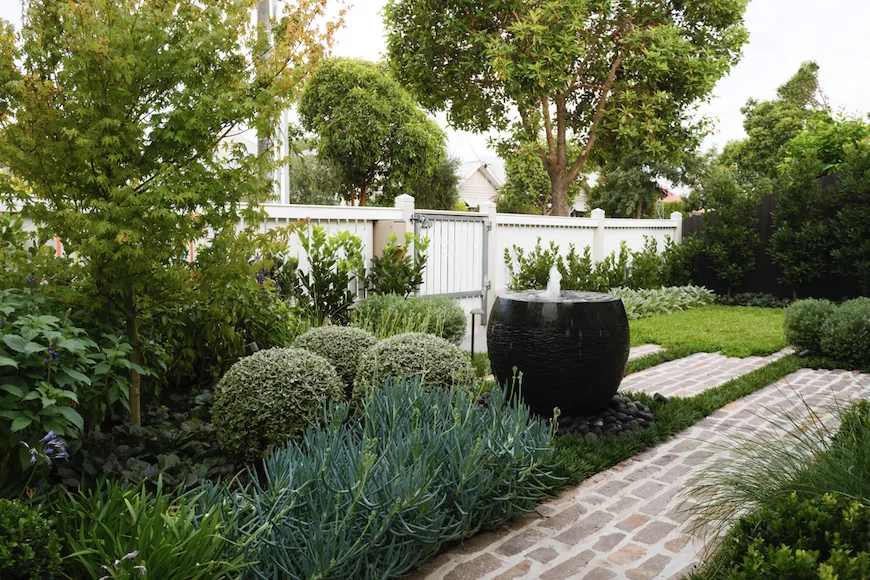
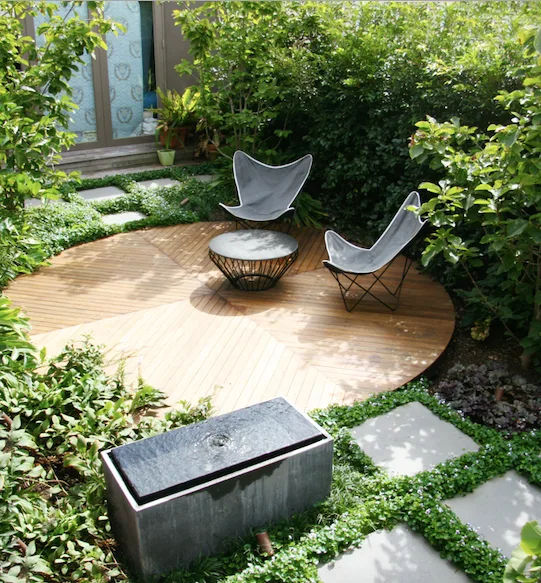
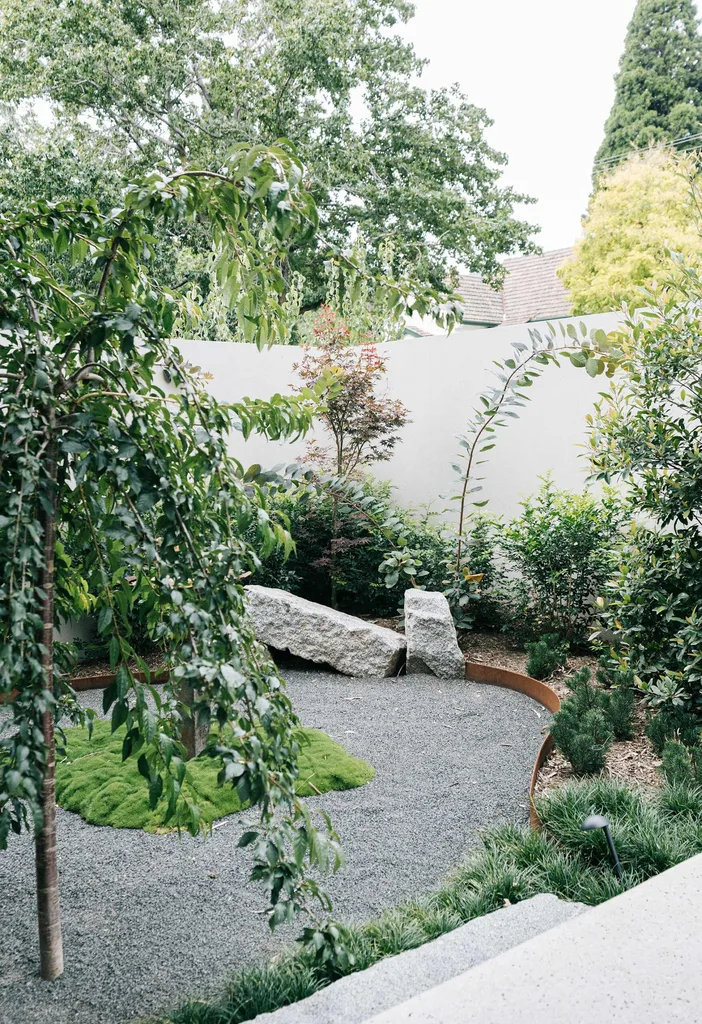
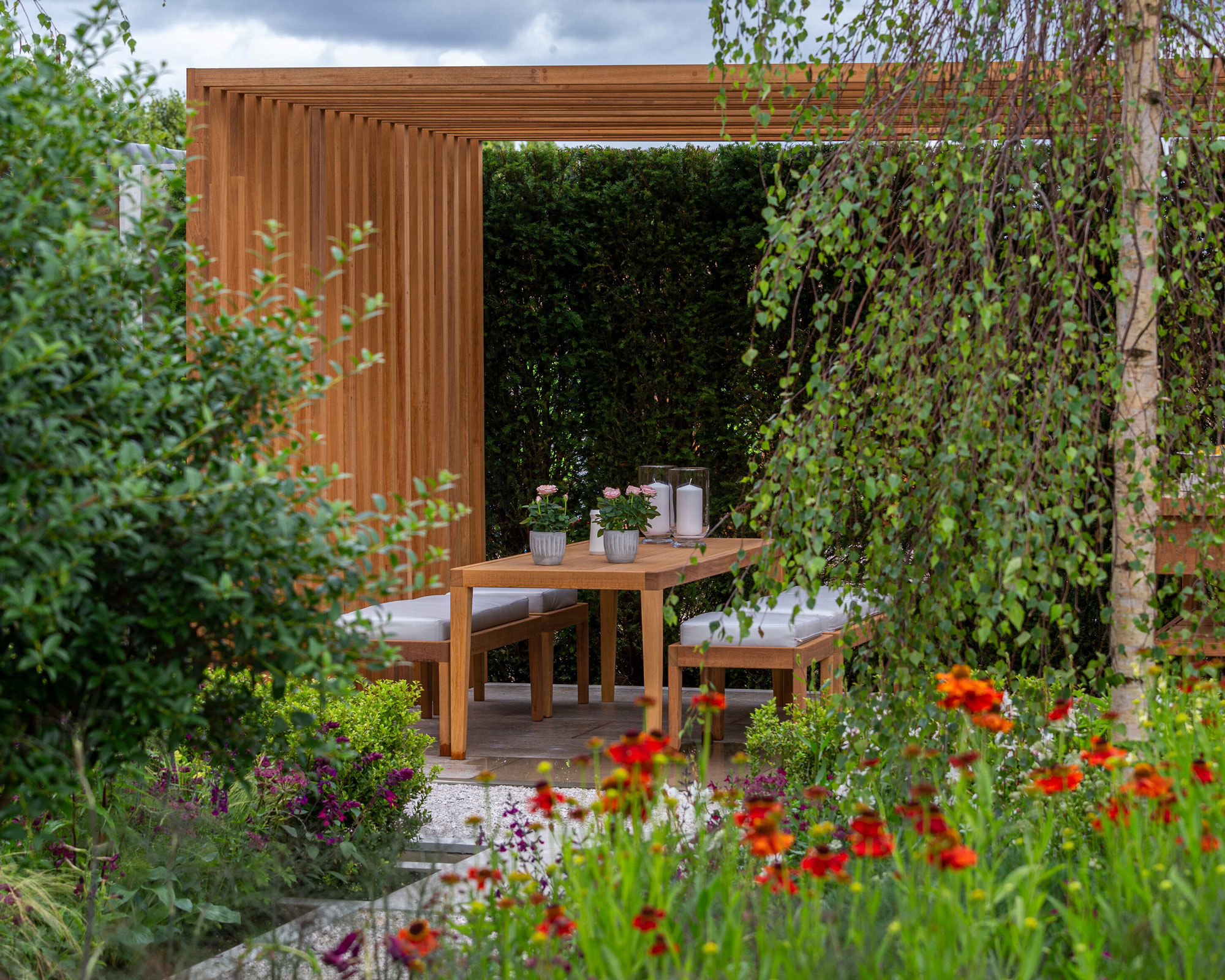
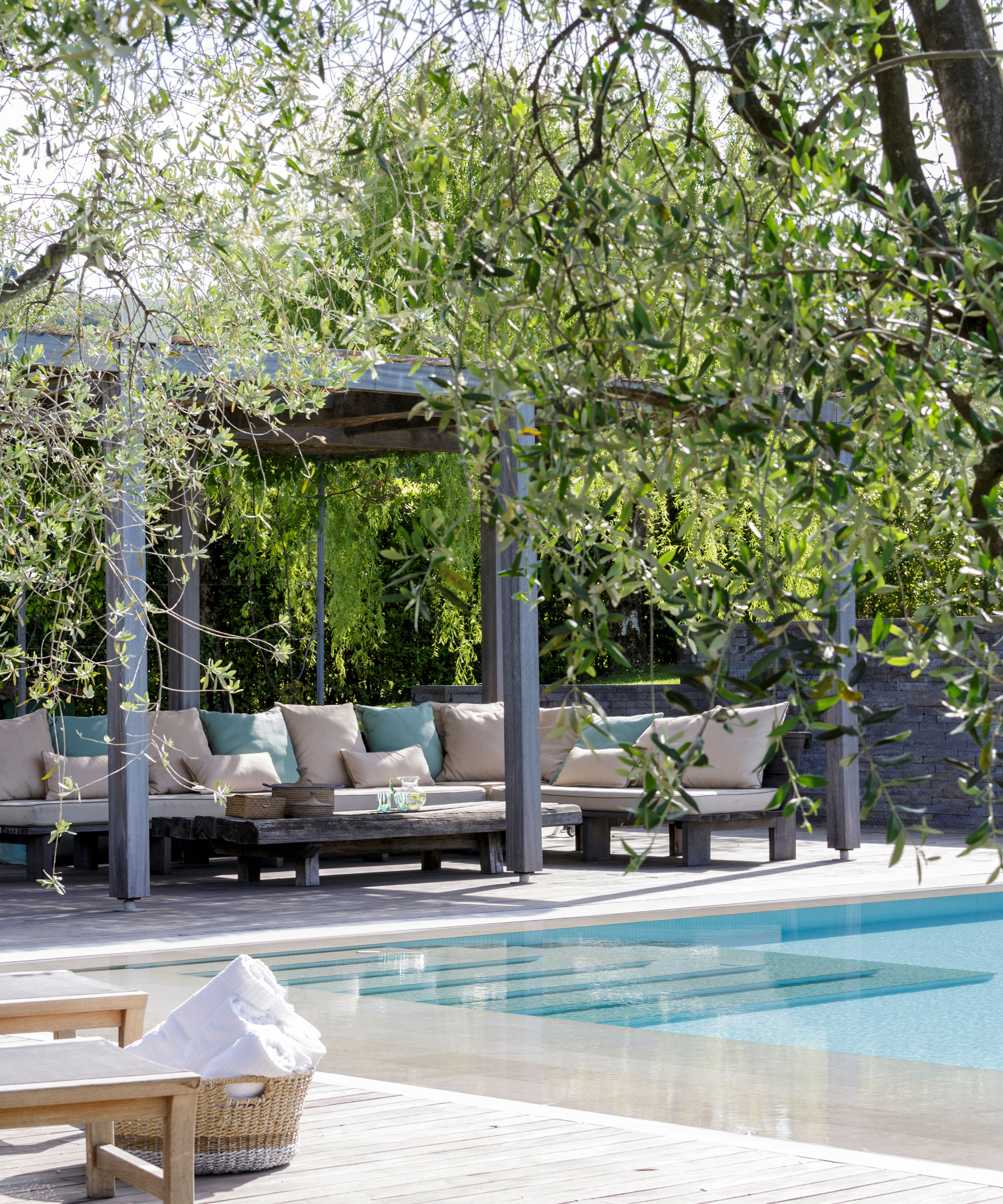
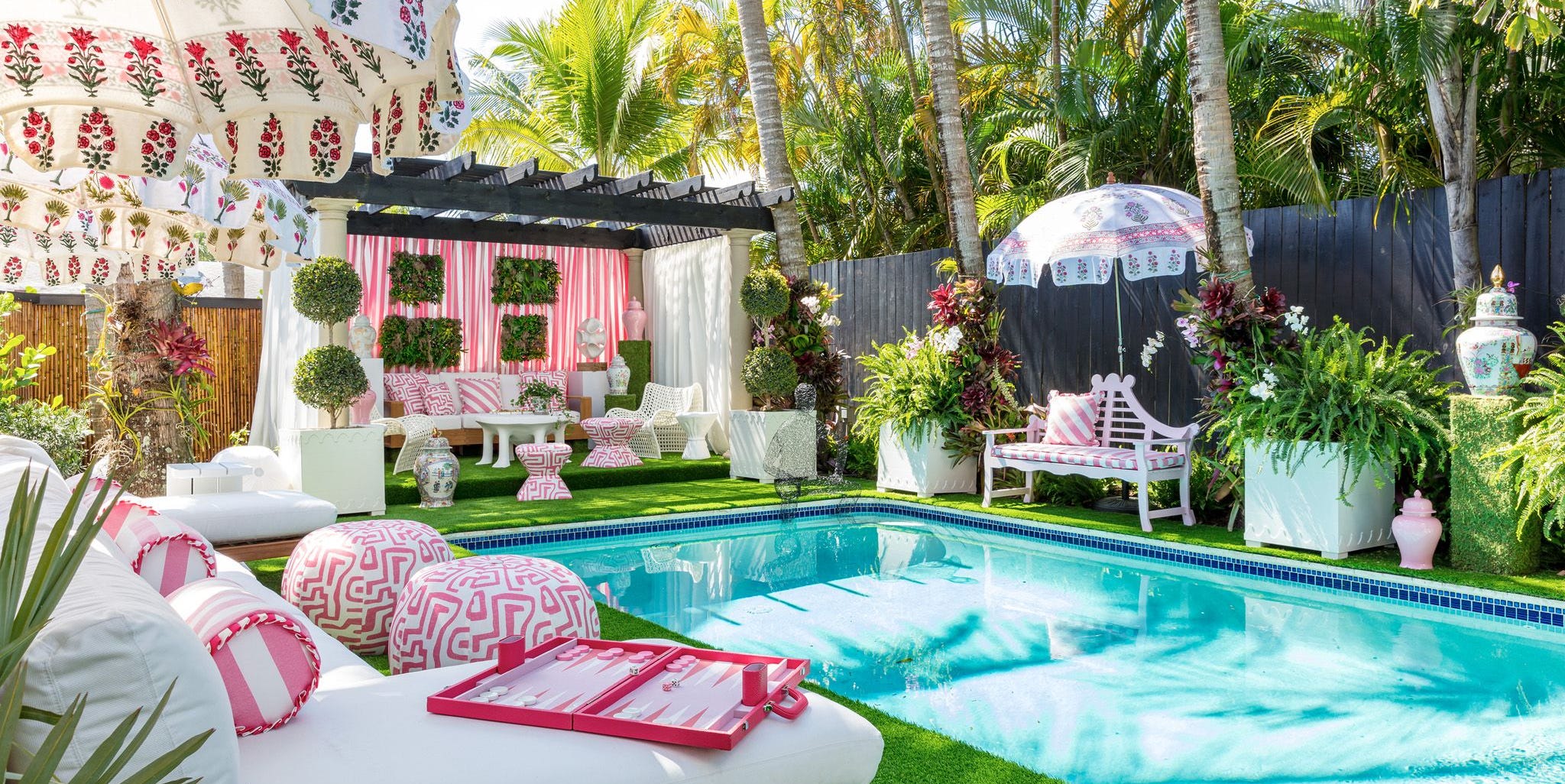
Boyle's design philosophy emphasizes working with existing land features and incorporating elevation changes to create distinct outdoor zones. He frequently uses materials like corten steel for retaining walls, praising its thin profile, color, and texture that complement native plants. Recycled hardwood, local stone, and boulders are also key elements, with boulders often serving as both sculptural pieces and informal seating. For firepit areas, he suggests using natural materials for seating and customized corten steel cauldrons that can be stored when not in use. For poolside landscaping, he recommends Eucalyptus ‘Moon Lagoon’ for its silver foliage and fragrance, paired with ground covers such as Myoporum parvifolium or Casuarina ‘Green Wave’, and Banksia integrifolia.
The article concludes by listing several resources for sourcing Australian plants, including the Sunset Plant Collection and specialty nurseries in California, Washington, and Arizona, providing practical avenues for readers to implement these gardening ideas.
#AustralianGardens #DroughtTolerantPlants #LandscapeDesign #NativePlants #WaterWiseGardening #MediterraneanClimate #OutdoorLiving #PlantInspiration #SustainableGardening #AustralianGardens #DroughtTolerantPlants #LandscapeDesign #NativePlants #WaterWiseGardening #MediterraneanClimate #OutdoorLiving #PlantInspiration #SustainableGardening
0 comment in total
 No comments yet
You may also like
15 garden design styles that will stand the test of time

'It mimics nature's randomness' - this simple gardening trick is how landscape designers make a backyard look more put together

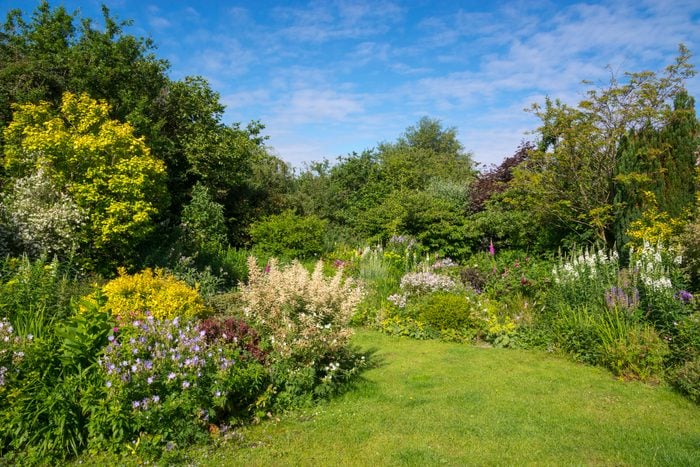
9 Garden Styles From Around the World To Inspire You


Australian Gardens Are Influenced by Overseas Travel
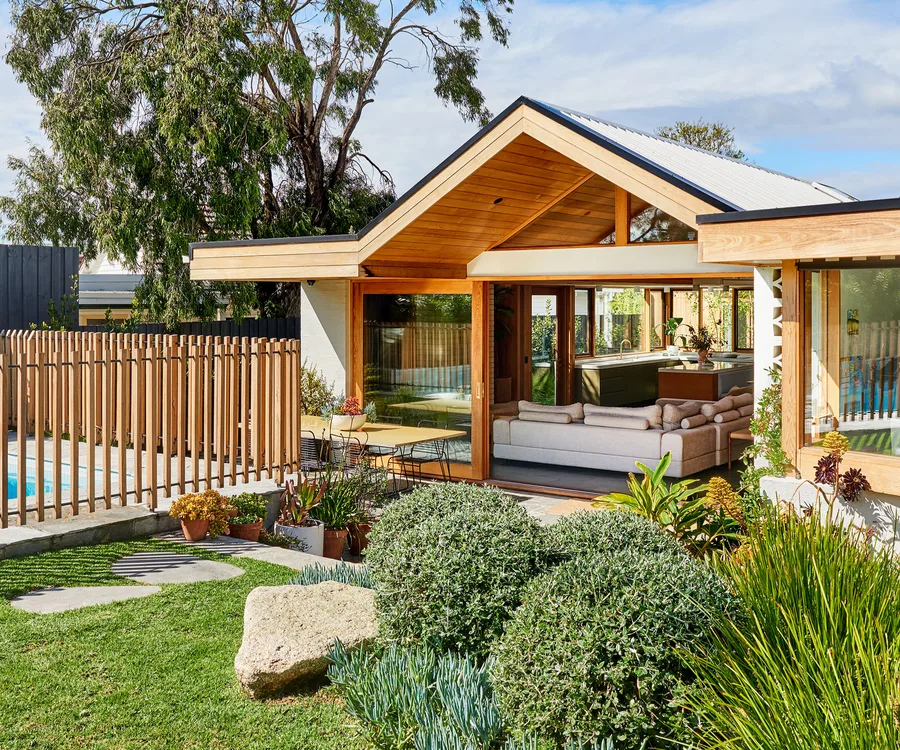
28 beautiful Australian backyards to give you ideas for your own

The best plant shops and nurseries that deliver in Sydney

For the Garden | Zen and Now

A Family of Gardeners Shares 45 Years Worth of Lessons From Nurturing Their Oregon Backyard

The essential guide to Australian native plants

15 inspiring suburban gardens
Experts reveal how to plant a Japanese-inspired garden

How to design an entertaining garden – expert ways to switch up your space

![The best indoor plant hire in Canberra [Updated for 2025]](https://gstatic.ideal.house/news/images/0536582eb57c4a1c960bb6b6c6c7e015.jpg)
The best indoor plant hire in Canberra [Updated for 2025]
13 compact landscape design ideas for small gardens
This zen garden in Melbourne is a relaxed retreat
You Should Plant Night Sky Flowers in Your Yard ASAP

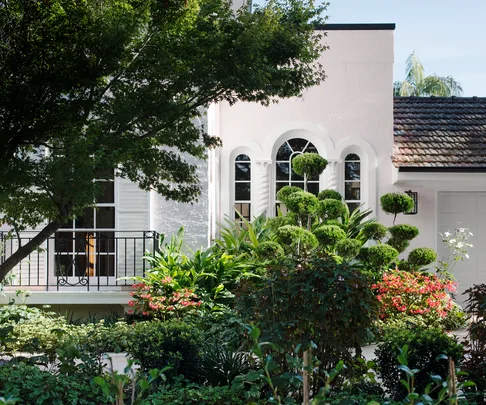
A bold garden design with a hint of nostalgia
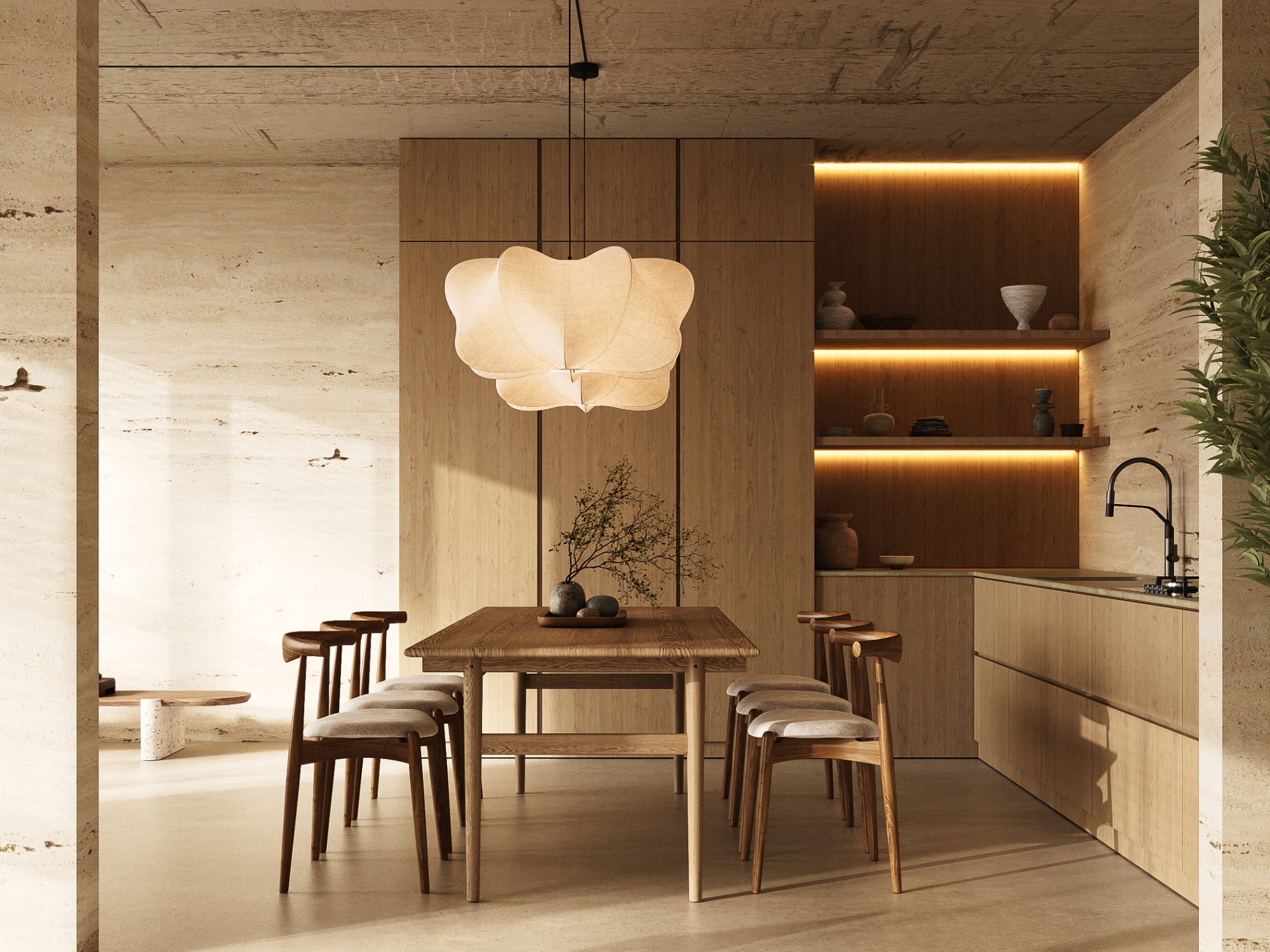
Outdoor Living - Landscaping, Garden & Backyard Design Ideas
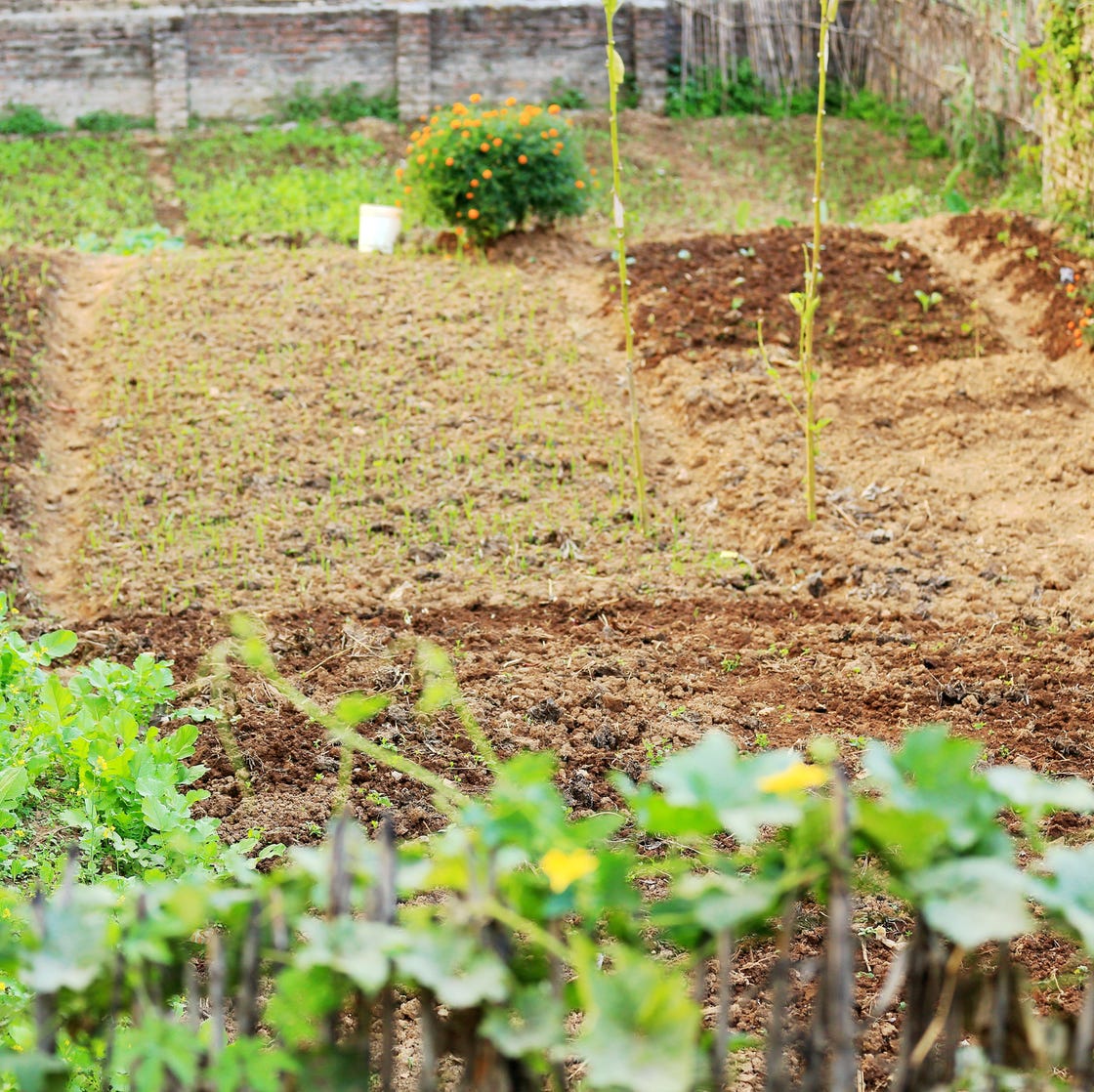
Start Planning Your Ideal Garden with These Garden Plans and Ideas
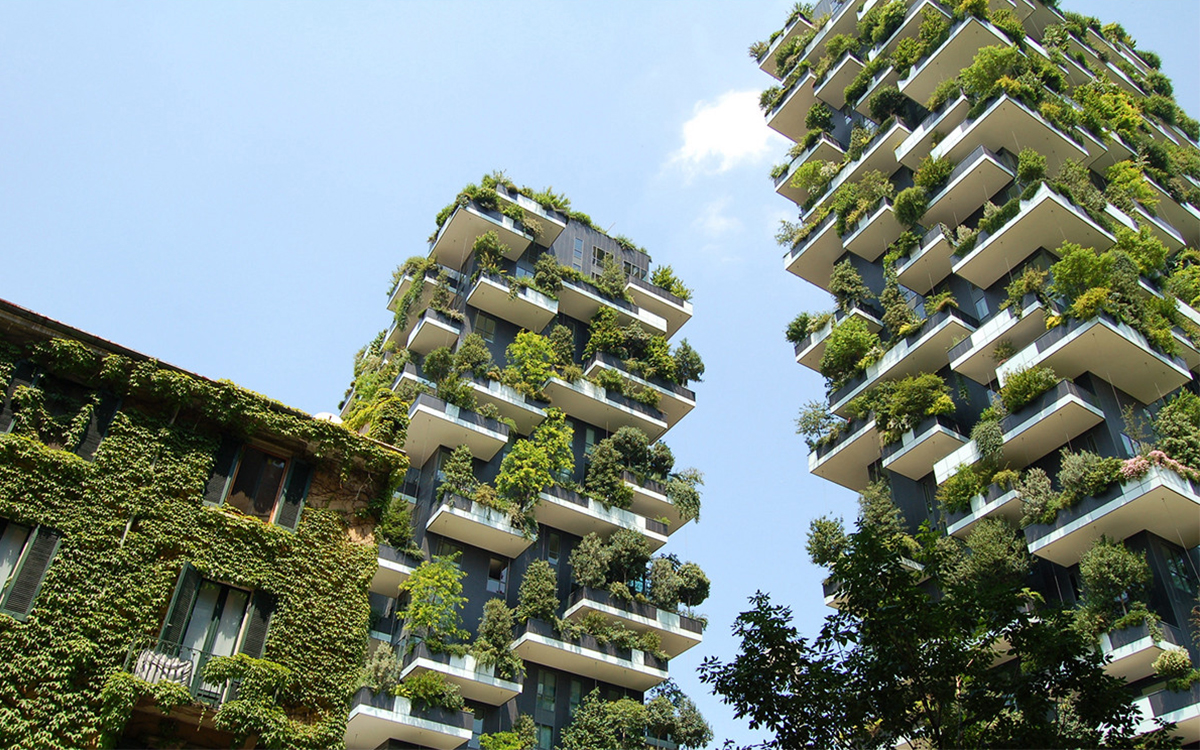
Vertical Gardening Is a Dead-Simple DIY Project That Any Space Can Handle