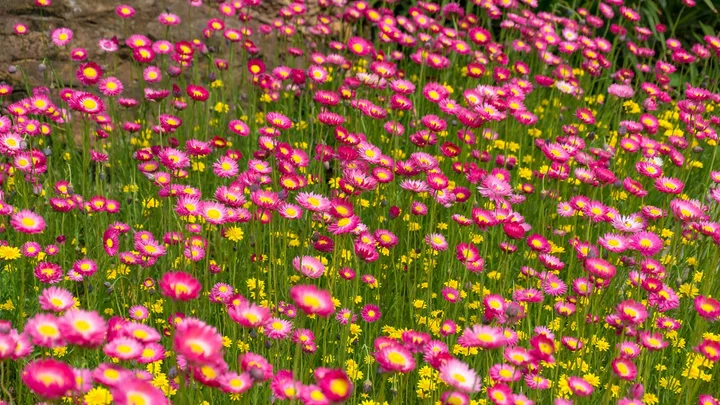
1/31
The essential guide to Australian native plants
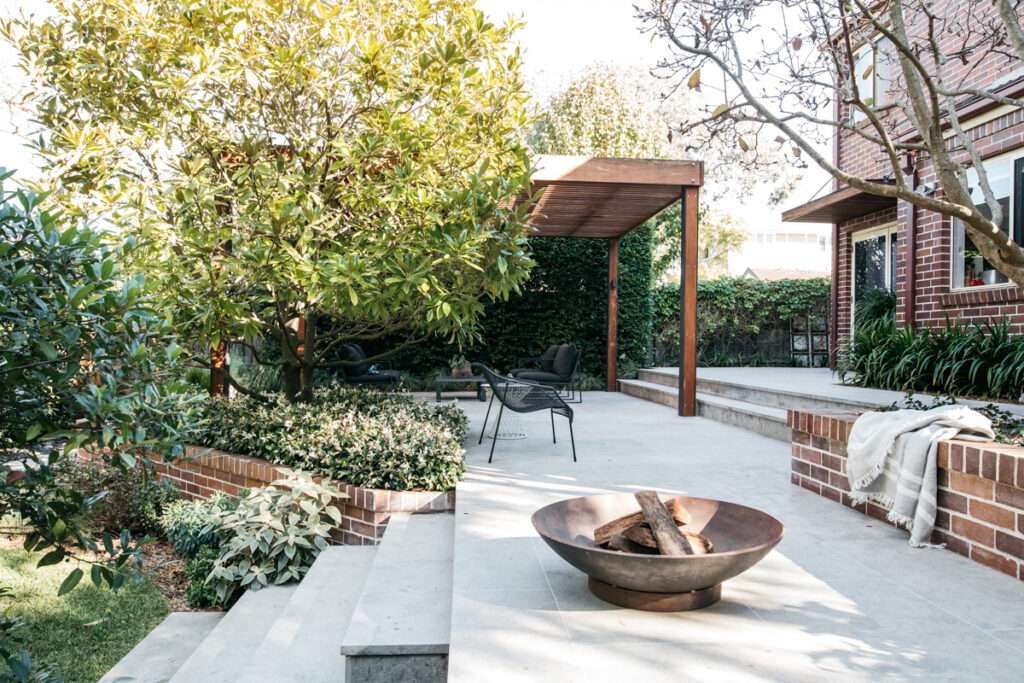
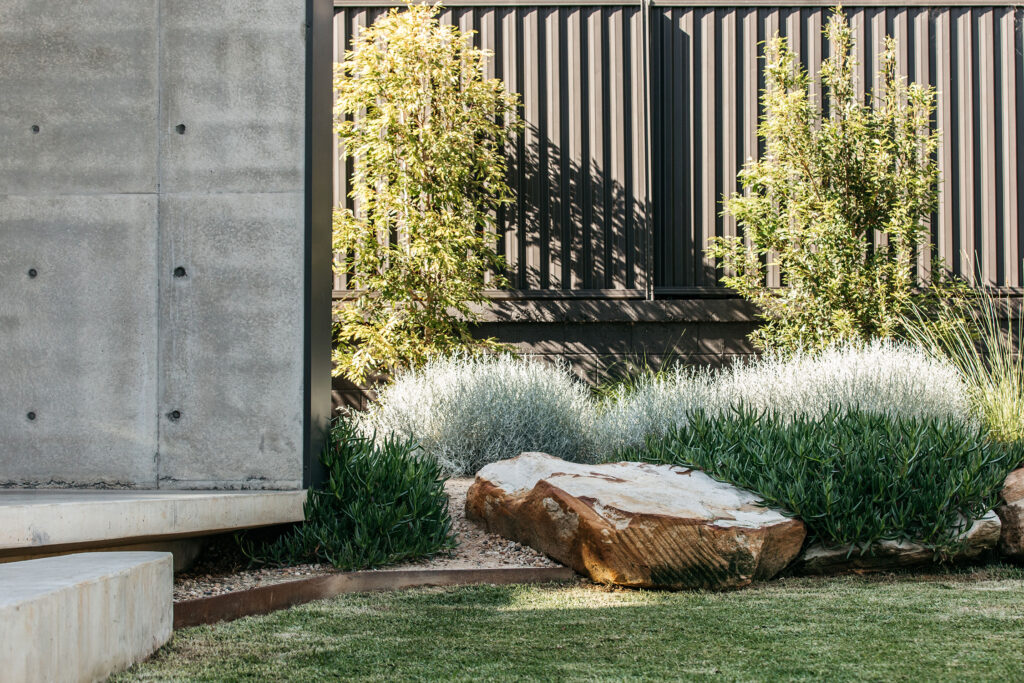
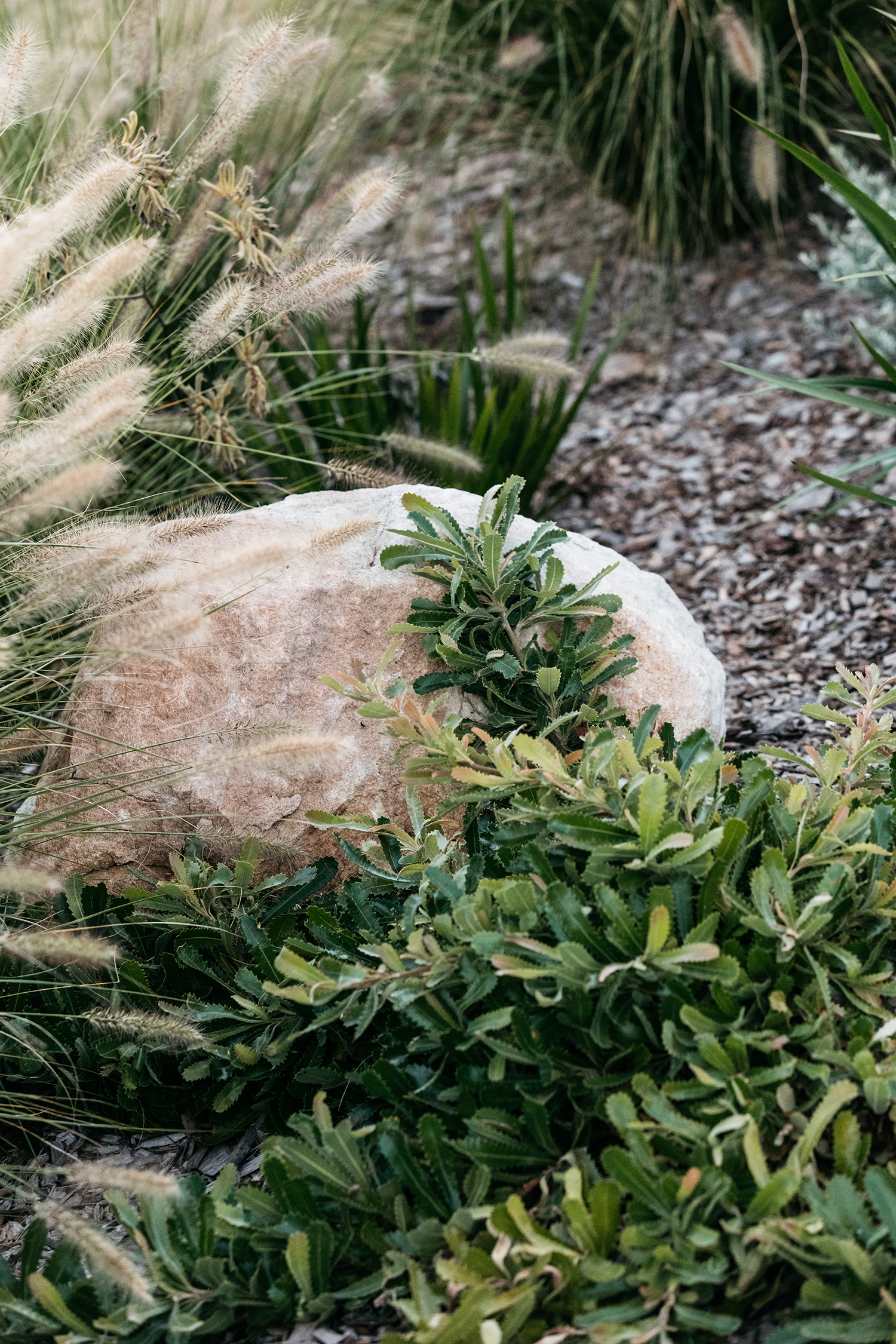
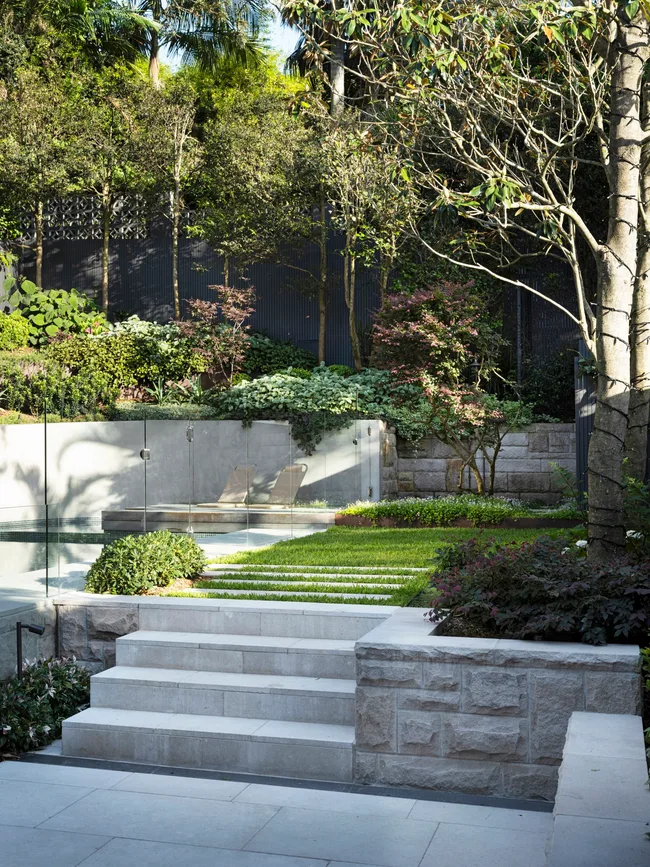
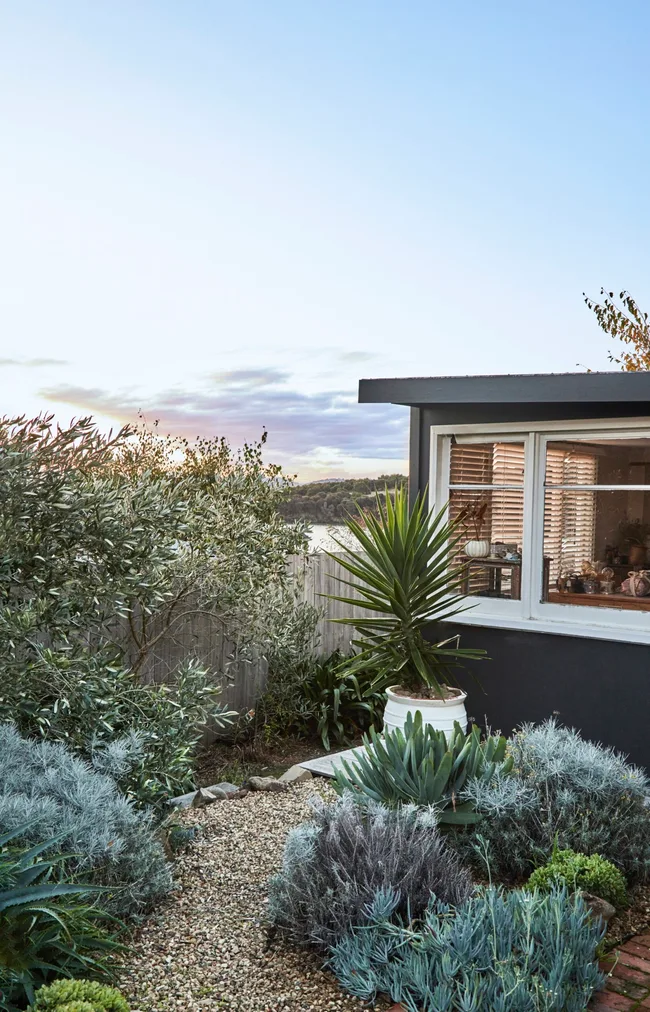
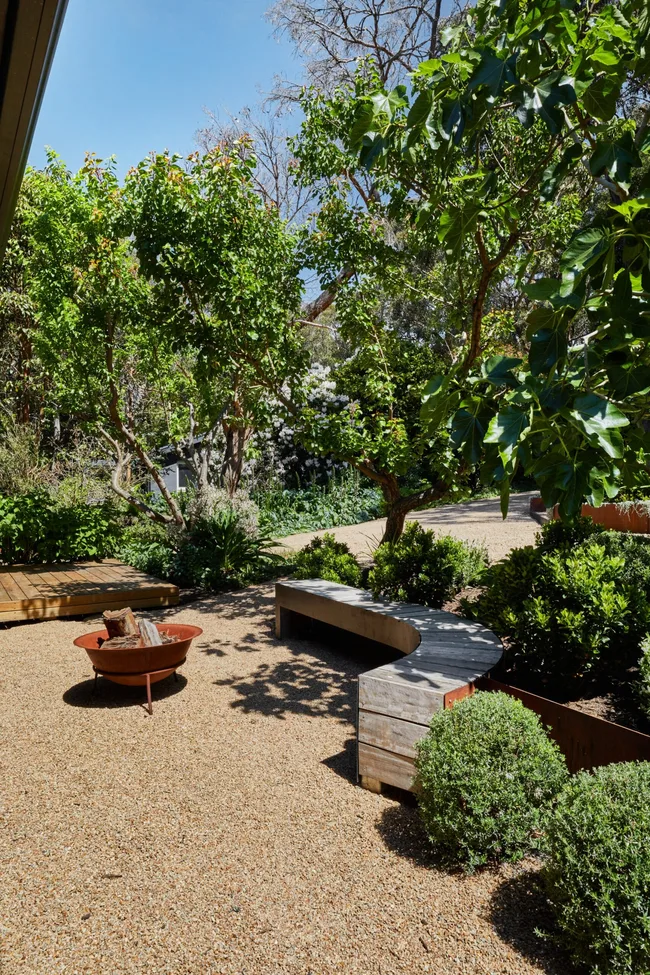
This comprehensive guide highlights the increasing popularity and versatility of Australian native plants for various garden styles. Gardening expert and horticulturalist Roger Fox suggests a naturalistic design for all-Australian native landscapes, recommending crushed granite pathways, timber sleepers for garden bed edging, and rustic recycled containers. He advises against formal layouts in favor of curved and fluid lines, advocating for a diverse selection of grasses, desert plants, shrubs, ground cover, succulents, herbs, food plants, and berries to create a rich native garden ecosystem. For those seeking to minimize lawns, deep garden beds filled with dense native shrubs and grasses, intersected by winding paths, can result in a drought-tolerant and wildlife-friendly outdoor space.
The article then delves into a detailed list of 30 popular Australian native plants, categorizing them by their suitability for different garden features. For instance, Australian native flowers like Swan River daisies (Brachyscome) and kangaroo paws (Anigozanthos) are recommended for flower beds and edgings due to their vibrant, velvety blooms. For hedges, varieties such as lilly pilly (Syzygium smithii and australae), westringia, and callistemon are suggested. The guide identifies grevilleas, banksias, wax flowers (Eriostemon), and mint bushes as excellent choices for shrubberies. For striking architectural elements, Gymea lilies and grass trees (Xanthorrhoa australis) with their distinctive blackened trunks are highlighted. Additionally, dwarf acacias like ‘Limelight’ and ‘Green Mist’ are presented as ideal low-maintenance options for tub plants.
Each of the 30 plants is then individually described, providing key characteristics, preferred growing conditions, and unique attributes. For example, the Australian daisy (Brachyscome iberidifolia) is noted for its adaptability and delicate mauve, white, and blue flowers, thriving in full or half-sun with well-drained soil. Banksias are praised for attracting bees and birds, requiring full sun and sandy, well-drained soil. Bird's nest fern (Asplenium australasicum) is suitable for creating a rainforest effect and can be grown indoors. Bottlebrush (Callistemon) is described as low-maintenance with distinctively shaped red, pink, white, or yellow flowers, favoring well-draining soil and full sun. Flame pea (Chorizema) offers spectacular orange and red pea-flowers and needs light, well-drained soil with full sun or partial shade. Cycads (Macrozamia) are slow-growing, palm-like plants ideal for rockeries in well-drained sandy soil. Westringia is a popular, drought-tolerant flowering shrub for hedges or pots. Eucalyptus and Corymbia, collectively known as gum trees, are iconic but require careful selection due to their potential size. Everlasting daisies (Xerochrysum bracteatum) are low-maintenance ground covers, perfect for a meadow effect. Fan flowers (Scaevola aemula) are noted for their fan-shaped white, blue, or purple flowers and suitability for pots. Fan palms (Licuala ramsayi) are slow-growing shade trees that can also be grown indoors. Finger limes (Citrus australasica) are small trees producing edible cylindrical fruits. Grass trees (Xanthorrhoa australis) are iconic, hardy, and slow-growing, thriving in sunny, well-drained sandy soil. Grevilleas are versatile, low-maintenance shrubs with abundant flowers that attract pollinators. Hakeas are diverse shrubs with spectacular flowers and leaves, requiring full sun and well-draining soil. Happy wanderer (Hardenbergia violacea) is a hardy climber or trailer with pea-flowers, adaptable to various positions. The Illawarra flame tree (Brachychiton acerifolius) is a tall, deciduous tree with striking red bell-shaped flowers. Kangaroo paws (Anigozanthos) are iconic, low-maintenance plants providing texture and sculptural interest. Kangaroo grass (Themeda australis) is a tussock-forming ground cover. Lilly pilly (Syzygium smithii and australae) is a popular choice for hedging and screening. Mat-rush (Lomandra) is a drought-tolerant, grass-like perennial. NSW Christmas bush (Ceratopetalum gummiferum) is known for its red star-shaped flowers around Christmas. Pandorea is a low-maintenance climber or creeper with trumpet-like flowers. Pigface (Carpobrotus) is a tough, drought-tolerant succulent, with edible leaves. Sturt’s Desert Pea (Swainsona formosa), South Australia's floral emblem, is challenging to grow but produces brilliant red flowers. Rock orchids (Dendrobium speciosum) offer spectacular blooms and are drought-tolerant. Australian tea-tree (Leptospermum laevigatum) is a fast-growing shrub with scented leaves and white flowers. Wattle (Acacia), Australia's national flower, is a fast-growing, hardy tree with yellow flower balls. Waratahs (Telopea) are dramatic plants with fiery red blooms, requiring very well-drained soil. Wax flowers (Eriostemon) are evergreen shrubs with waxy pink petals.
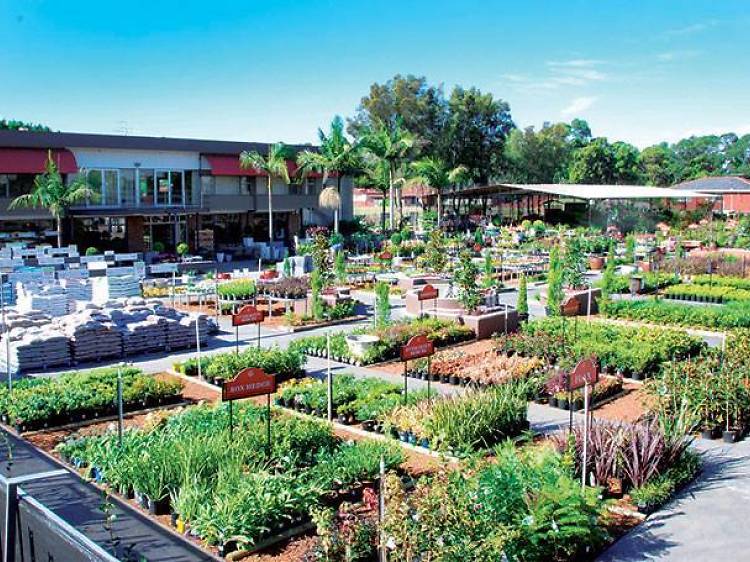
The article concludes by providing information on where to purchase Australian native plants, including national retailers like Bunnings Warehouse and online services such as Australian Plants Online and Native Plant Project. It also lists local nurseries in major Australian cities like Sydney, Melbourne, Canberra, Brisbane, and Perth, encouraging local sourcing to support regional environments.
#AustralianNativePlants #GardenDesign #Horticulture #DroughtTolerantPlants #WildlifeFriendlyGardens #Landscaping #AustralianNativePlants #GardenDesign #Horticulture #DroughtTolerantPlants #WildlifeFriendlyGardens #Landscaping
0 comment in total
 No comments yet
You may also like
Need Plant Inspo? Look Down Under. Here’s How to Garden Like an Australian
15 garden design styles that will stand the test of time

28 beautiful Australian backyards to give you ideas for your own

7 of the Most Eye-Catching and Sought-After Rare Plants on the Market
14 Gorgeous Flowers That Start With V
Couple buy £12 plant from B&Q worth thousands - how to spot your own


Australian Gardens Are Influenced by Overseas Travel
6 Trending Houseplants For 2025 That You Won't Want To Miss

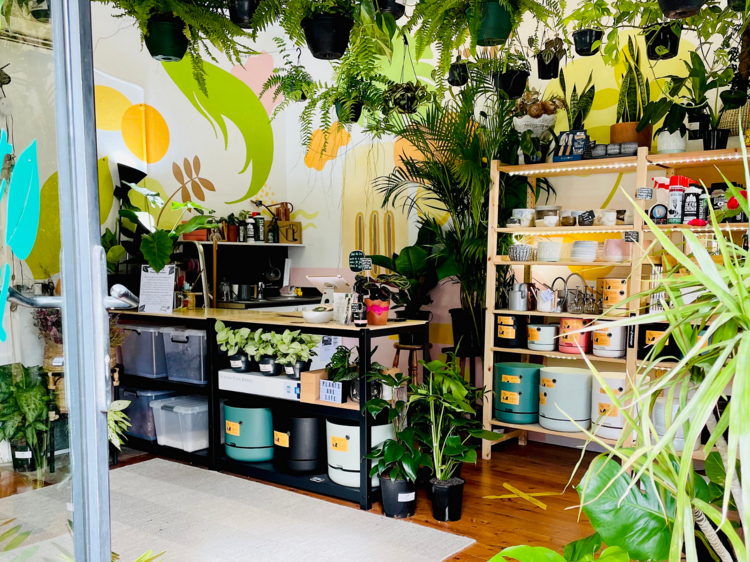
The best plant shops and nurseries that deliver in Sydney

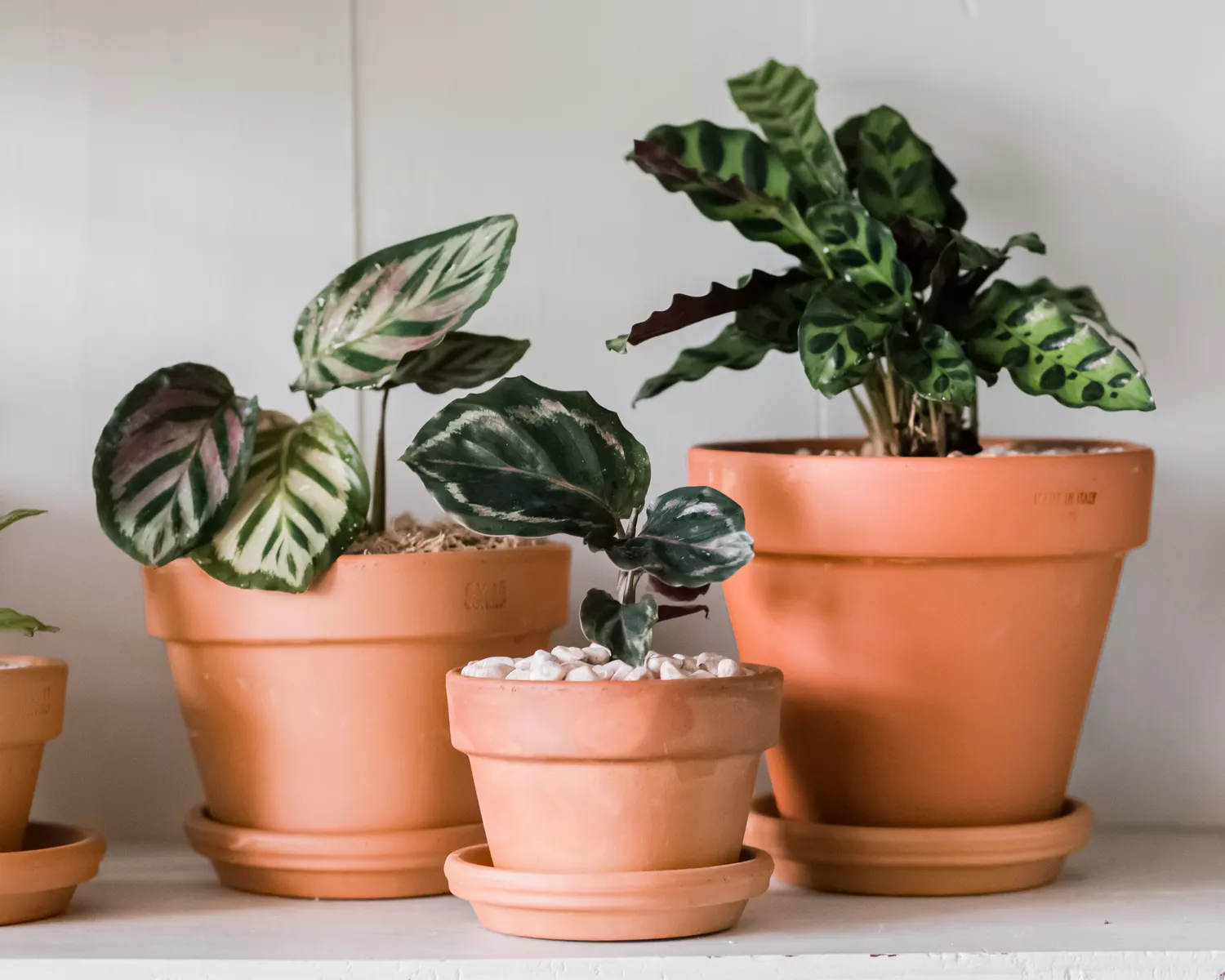
41 Calathea Varieties to Grow at Home
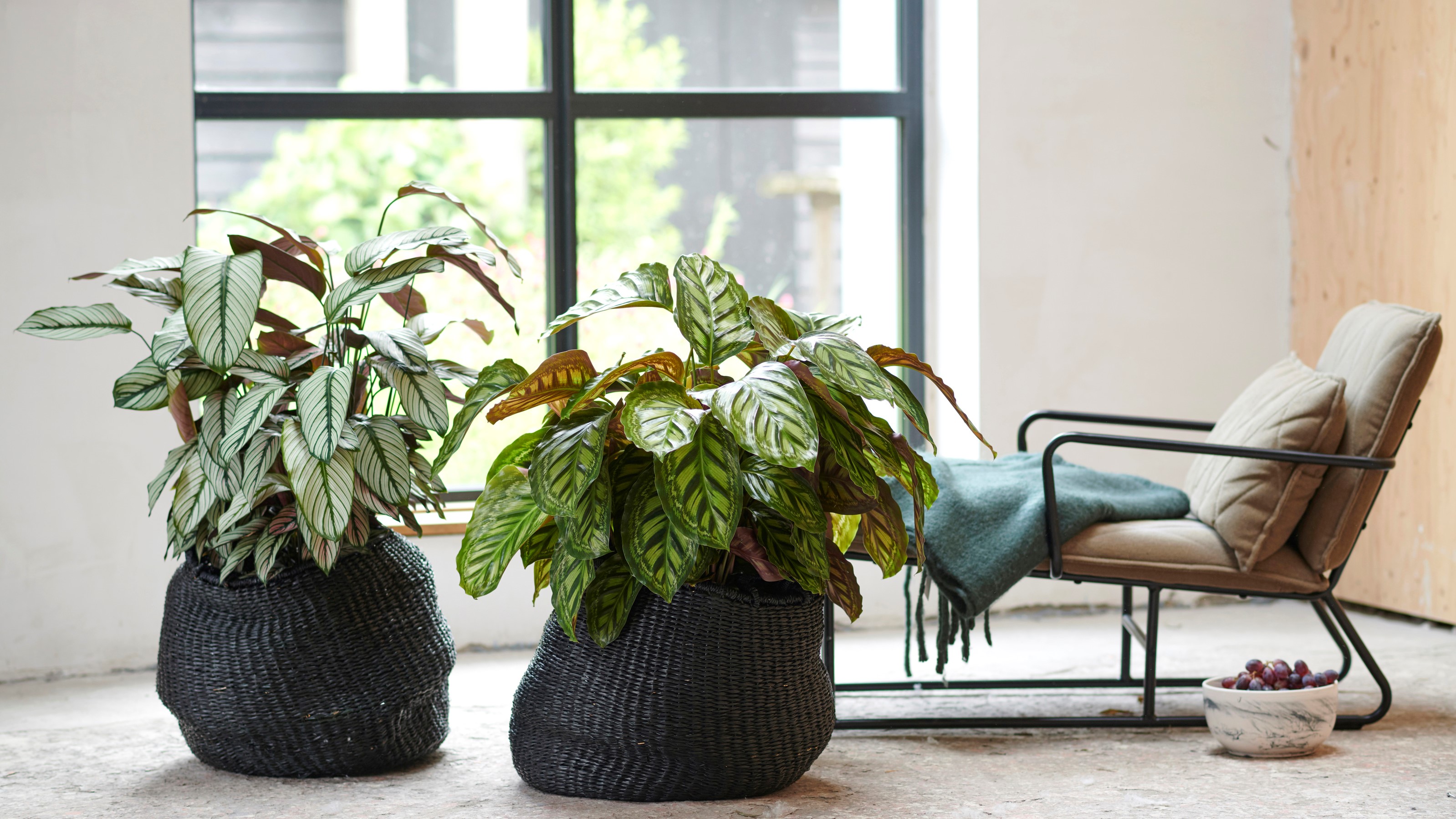
What are the best plants with green and white leaves? 8 of the most stylish variegated houseplants

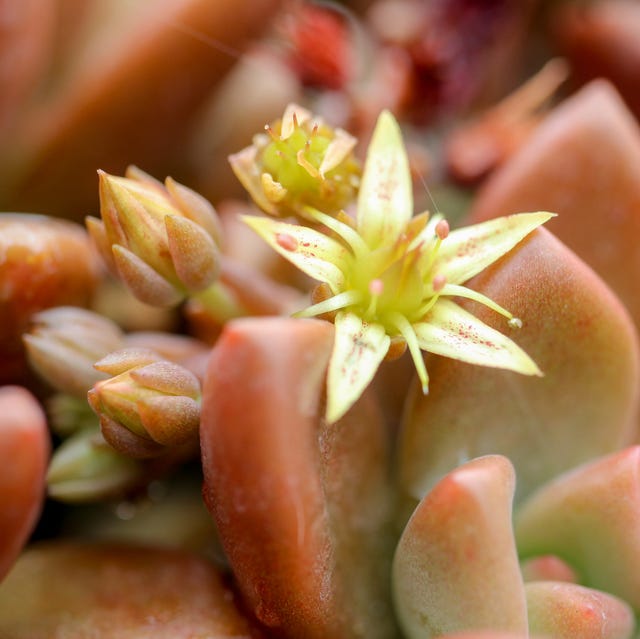
20 Flowering Succulents That'll Give You Bonus Blooms Year-Round

![The best indoor plant hire in Canberra [Updated for 2025]](https://gstatic.ideal.house/news/images/0536582eb57c4a1c960bb6b6c6c7e015.jpg)
The best indoor plant hire in Canberra [Updated for 2025]
Want to See Hummingbirds? Plant These Flowers in Your Yard or Garden
Best variegated indoor plants – 4 varieties with an unusual aesthetic

Best indoor plants: the best house plants for stylish greenery

A bold garden design with a hint of nostalgia
Invasive climbers never to grow – 5 vines to avoid and what you should grow instead
The 11 Best Purple Flowering Trees in Florida
Is your indoor plant hobby getting more expensive these days?, Lifestyle News