1/7
Invasive climbers never to grow – 5 vines to avoid and what you should grow instead
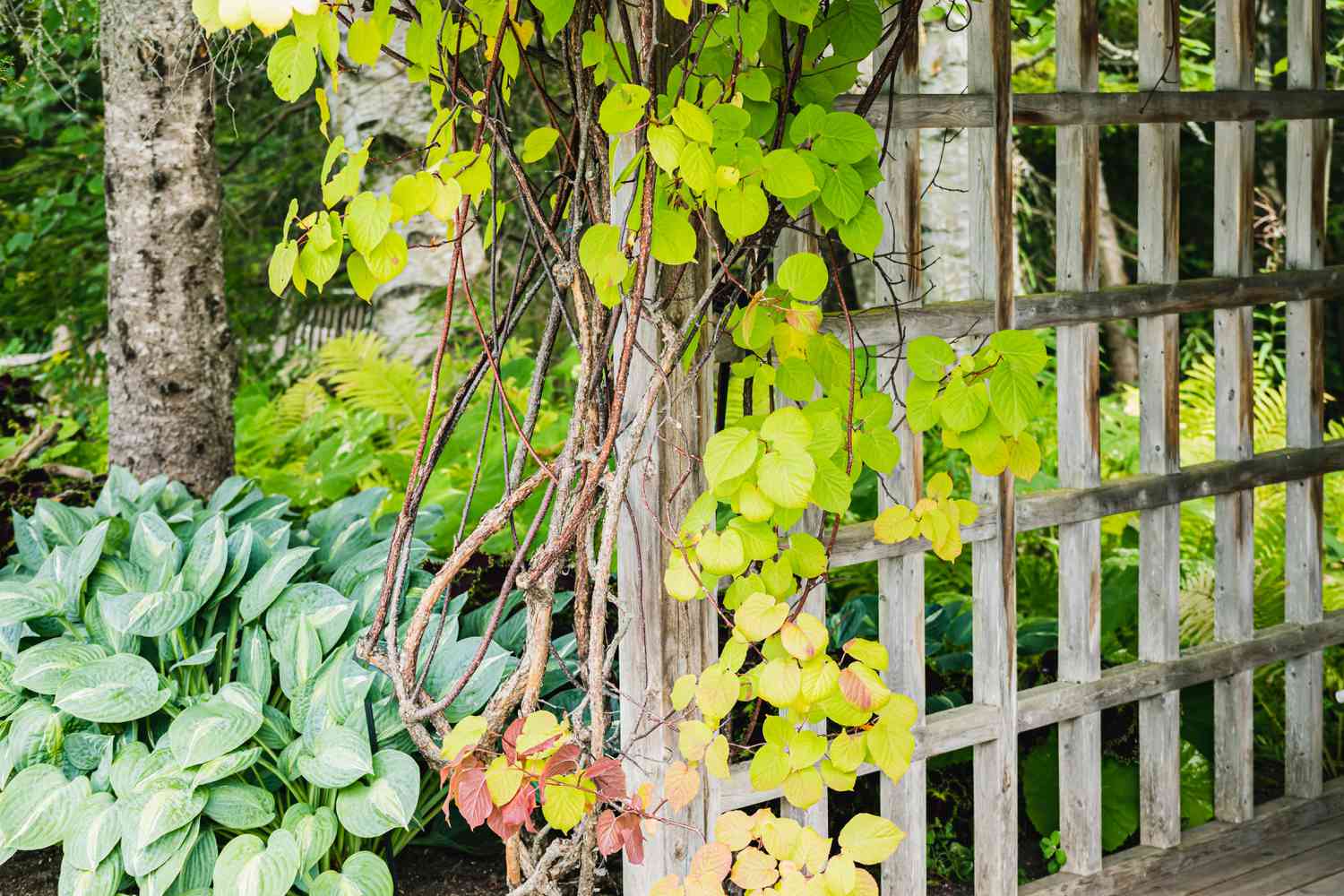
Climbing plants can significantly enhance the aesthetic appeal and greenery of outdoor spaces, even in compact areas like small terraces or balconies. While many climbers, such as fragrant jasmine or romantic climbing roses, offer desirable qualities, some species are considered invasive. These invasive climbers grow rapidly, self-propagate aggressively, and out-compete native flora, posing significant challenges for gardeners. A former professional gardener highlights the issues associated with problematic climbers, drawing from experience battling an overgrown Virginia creeper that had overwhelmed other plants.
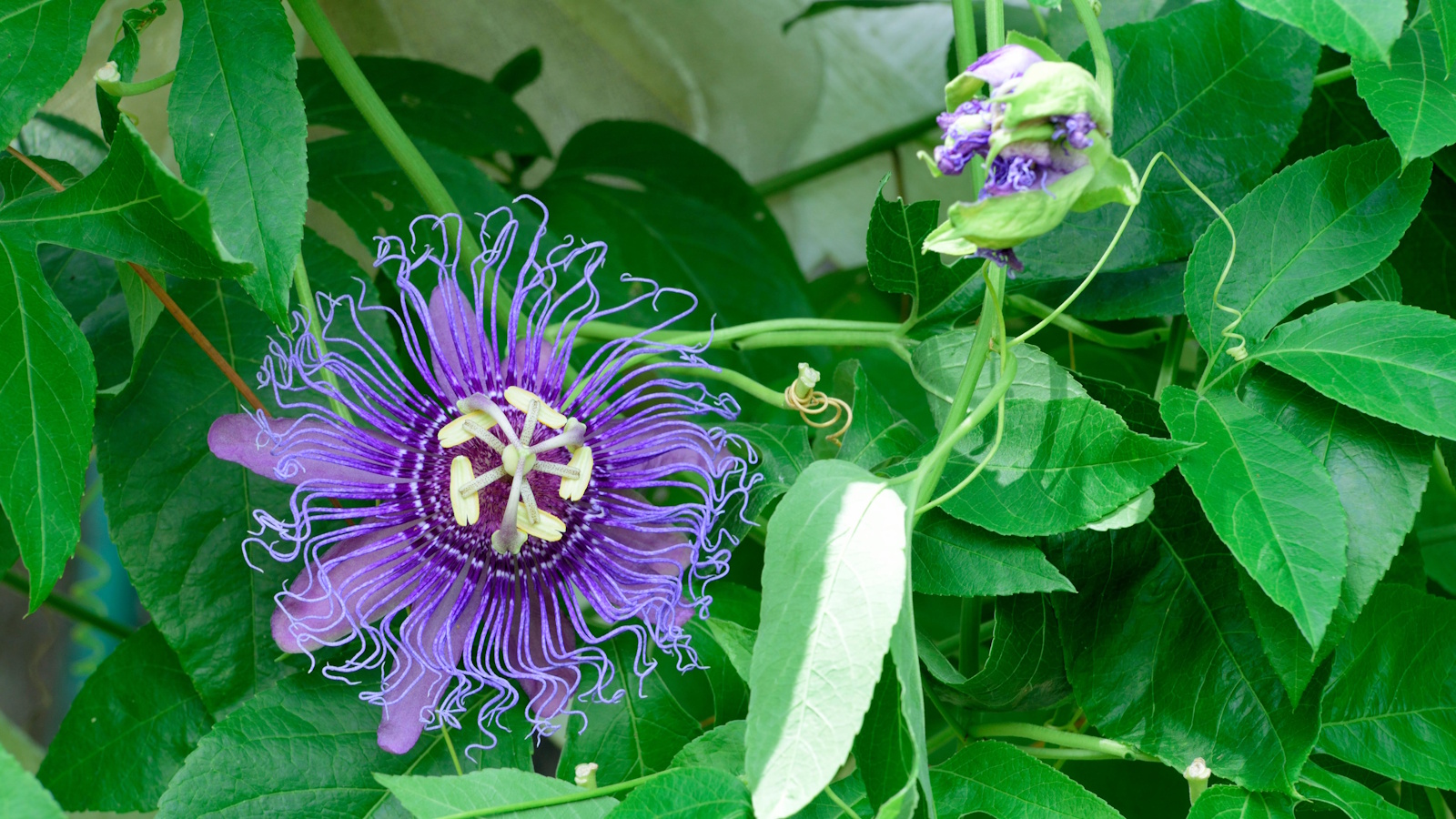
There are approximately 150 vine species considered invasive across North America. Despite their attractive foliage or vibrant blooms, these vigorous plants can quickly become a nuisance. This article identifies five such invasive climbers and provides alternative, non-invasive suggestions. The Maypop, or *Passiflora incarnata*, while a native plant, is noted for its vigorous growth and tendency to produce numerous runners, similar to *Passiflora caerulea*. Another species, *Passiflora biflora*, is considered particularly dangerous in Florida due to its aggressive growth. Instead of these, growers are advised to opt for passion flower hybrids like 'Snow Queen', 'Clear Sky', or 'Lady Margaret', which are less prone to producing runners and fruits and thrive in sunny spots from US hardiness zone 8 upwards. An unusual alternative is the 'Scarlet Flame' passionflower, a hybrid with bright red blooms that is easier to manage.
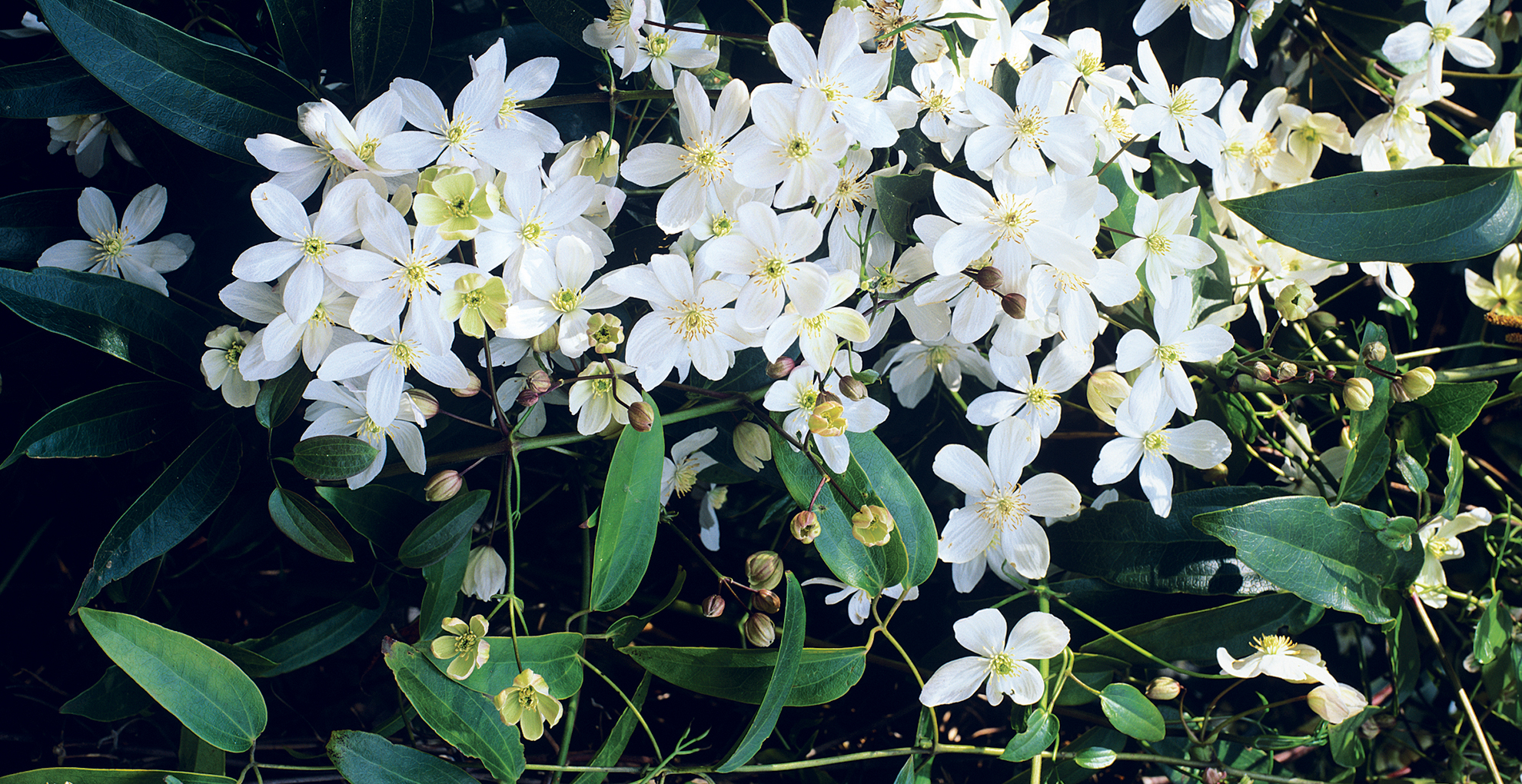
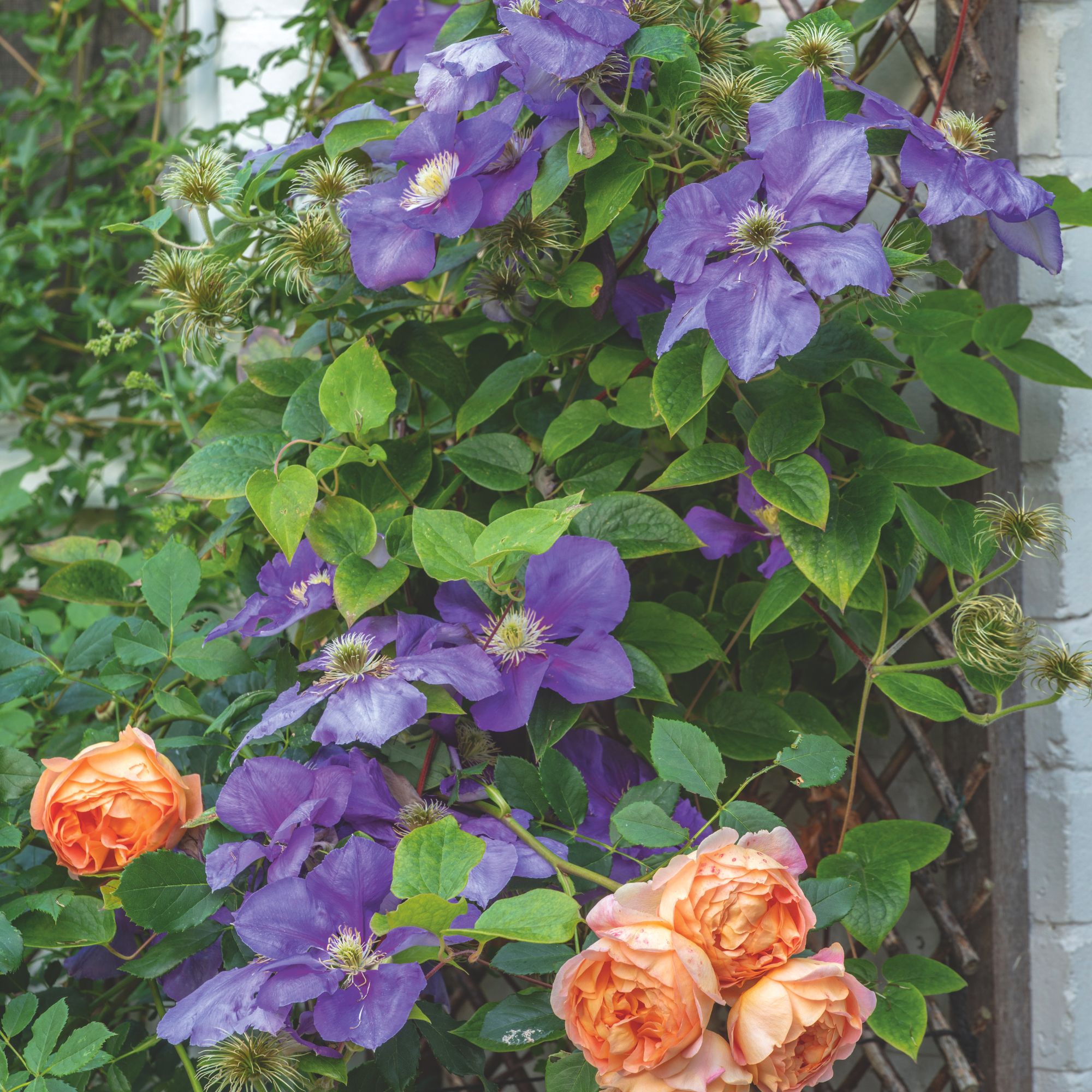
The Sweet autumn clematis (*Clematis terniflora*) is another problematic vining plant across North America, classified as invasive in several states, including Alabama, Florida, and Maryland. While it features attractive white flowers and intricate seedheads, its sap is a skin irritant, and it can be challenging to control once established. Small infestations can be managed with annual pruning to the base and root removal, but larger issues may require professional intervention. Recommended alternatives include native clematis vines such as pale leather flowers (*Clematis crispa*), which produce unique vase-like blooms and grow well from US hardiness zone 5 in full sun or part shade.
Japanese honeysuckle (*Lonicera japonica*), native to Asia, is one of the most widespread invasive vines in North America, thriving in various conditions, including sun, shade, and poor soils. It is reported as invasive in many states, from Maine to Texas. Small infestations can be controlled by cutting vines and removing roots, while larger areas can be managed through repeated strimming or mowing to weaken the plant. For those wishing to grow honeysuckle, less vigorous options like Florida Dutch honeysuckle (*Lonicera periclymenum ‘Florida’*) are recommended, offering richly scented yellow and red flowers and thriving in zones 5 to 9.
The chocolate vine (*Akebia quinata*) features striking crimson-chocolate flowers with a spicy fragrance but is classified as invasive in states like Kentucky. When left unchecked, it can quickly entangle other plants and form dense ground cover. Gardeners are advised to consult local government offices regarding its invasiveness. A suitable alternative is the native trumpet honeysuckle (*Lonicera sempervirens*), known for its vibrant coral blooms and heady scent, which is vigorous but not invasive and grows well from US hardiness zone 4 in part-shade.
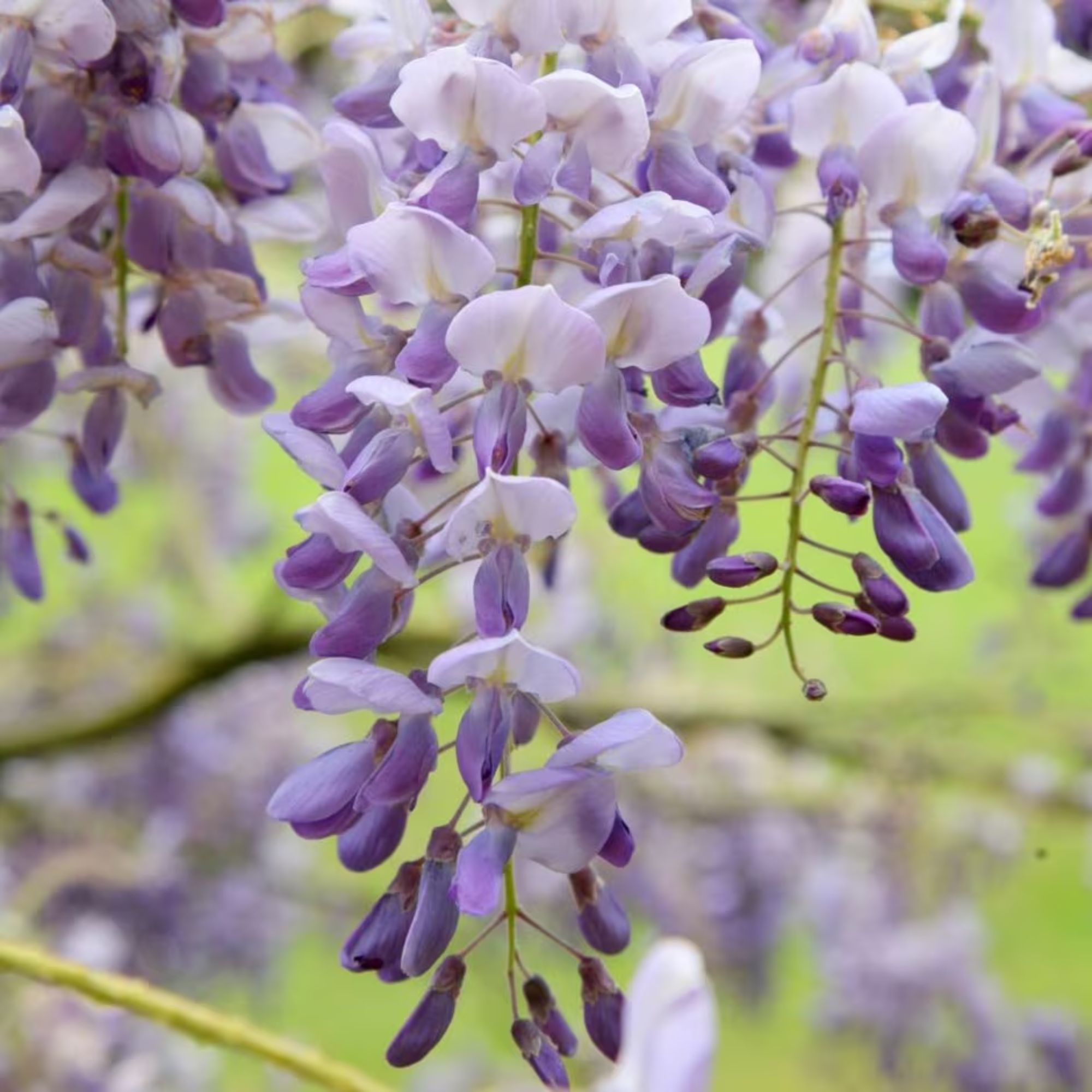
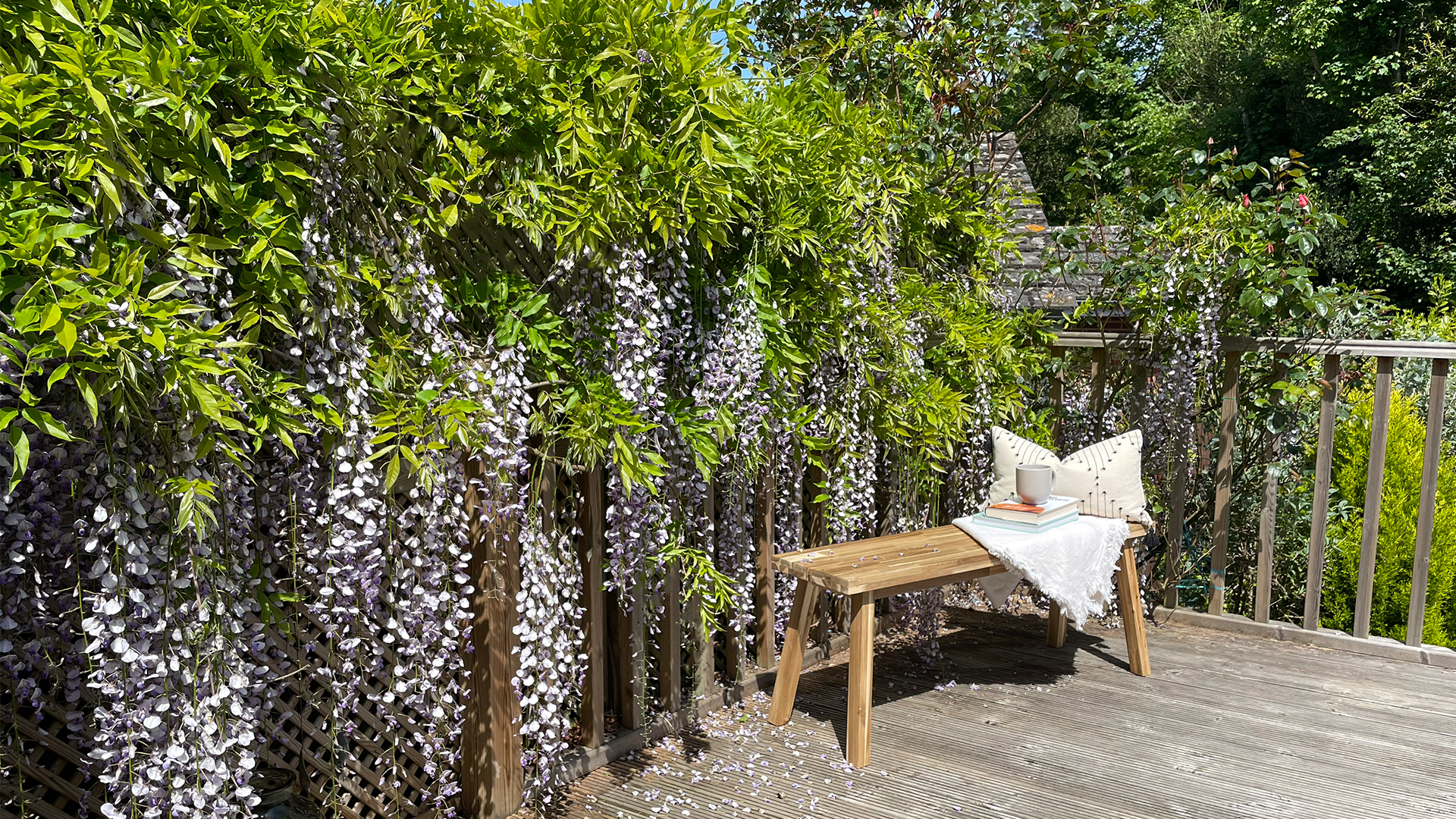
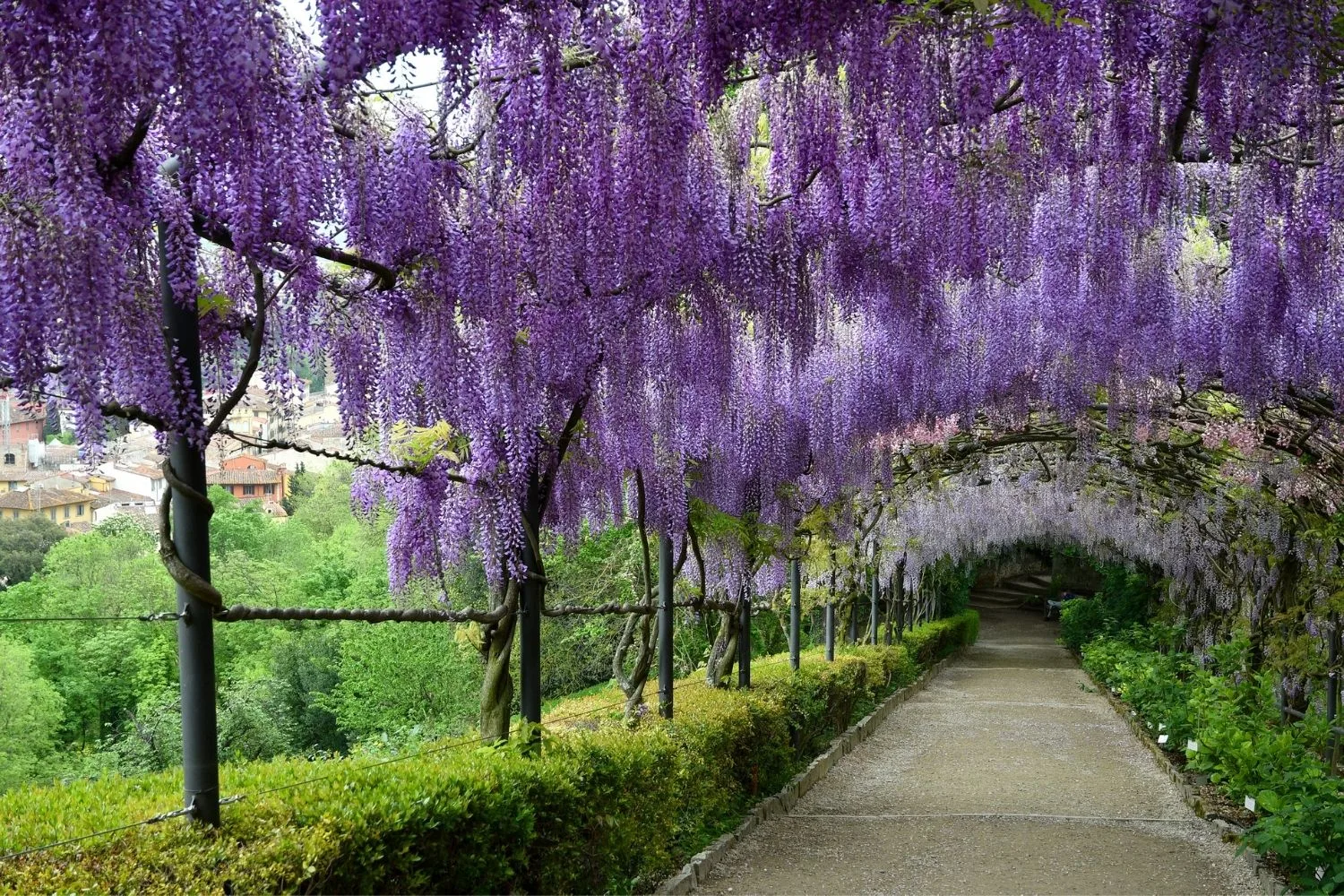
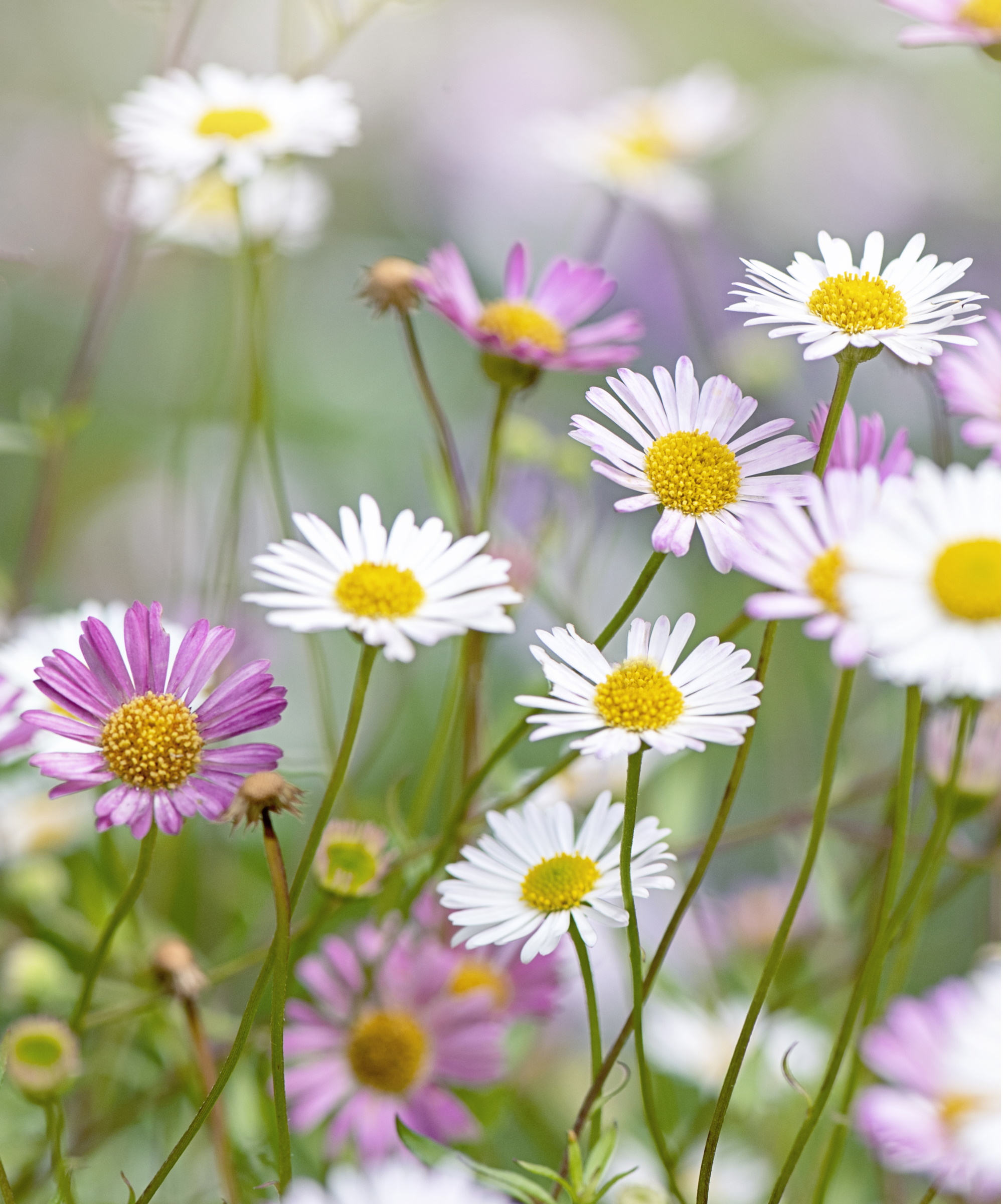
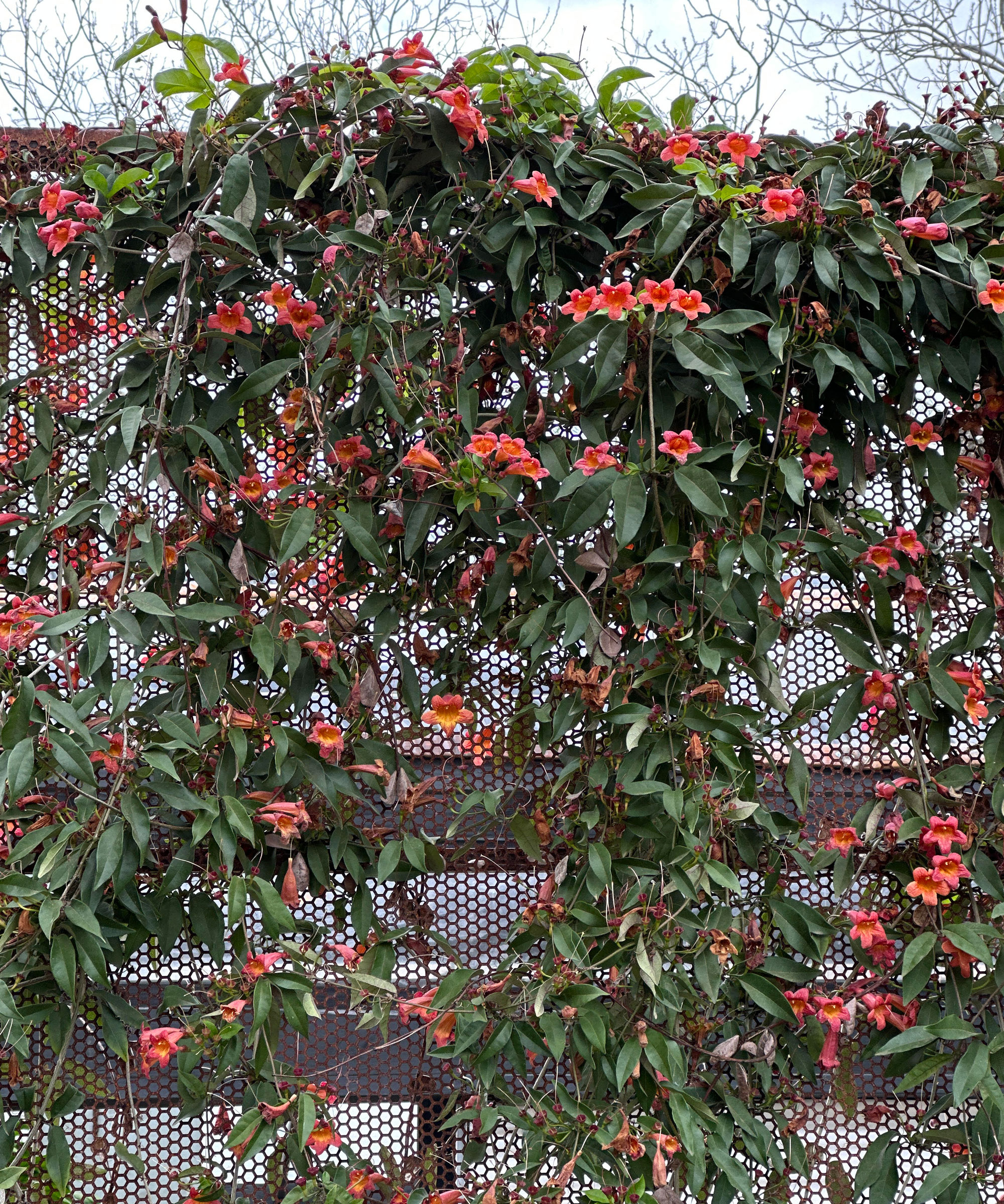
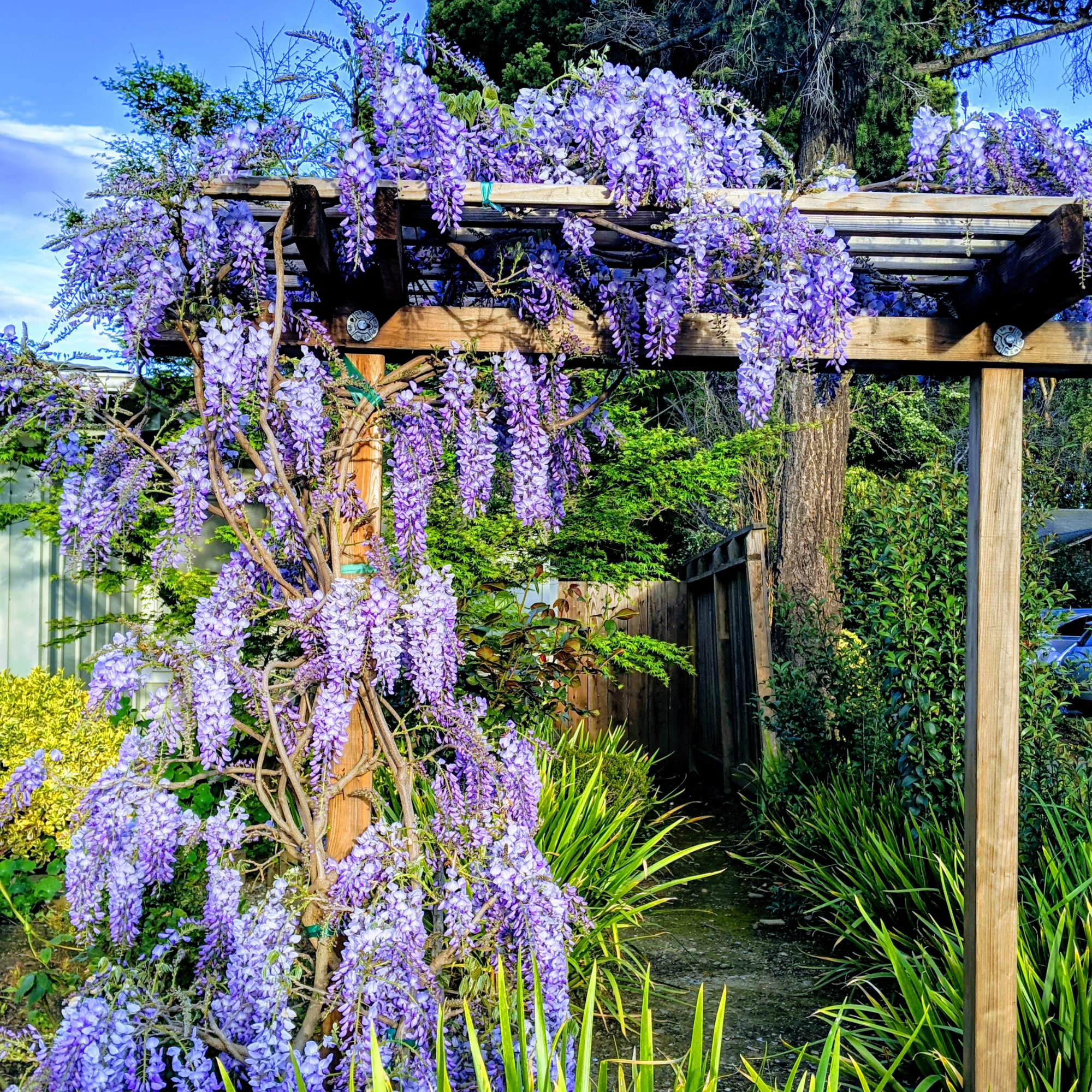
Lastly, the trumpet vine (*Campsis radicans*), native to the eastern United States, is considered an invasive climber across much of North America. It produces bright blooms but can grow over 40 feet, attaching to surfaces with aerial roots that can damage exterior walls and fences. Instead, the climbing aster (*Ampelaster carolinianus*) is suggested, an unusual native plant that produces lilac daisy flowers during summer, often lasting into the fall, and thrives in sunny positions from US hardiness zone 6. The article concludes by noting that Chinese and Japanese wisteria species are also invasive, recommending the native American wisteria (*Wisteria frutescens*) as a less vigorous alternative.
For homeowners dealing with existing invasive climbers, the article advises prompt action. Small-scale problems can be handled by cutting and digging out vines and their root balls, while large infestations may necessitate professional assistance. The article also points to resources on invasive perennials, weeds, and bulbs for further information on managing problematic plants in gardens.
#InvasivePlants #ClimbingPlants #GardenMaintenance #NativePlants #PlantAlternatives #GardeningAdvice #Horticulture #EnvironmentalImpact #PlantCare #InvasivePlants #ClimbingPlants #GardenMaintenance #NativePlants #PlantAlternatives #GardeningAdvice #Horticulture #EnvironmentalImpact #PlantCare
0 comment in total
 No comments yet
You may also like
Easiest climbers to grow – 5 fool-proof vines to quickly and effectively cover bare walls this year
I'm a landscaping expert advice - here's the five plants you NEED to keep pesky insects away this summer

Best flowering ground cover plants – 5 expert-approved species to fill your borders with vibrant color
Ask the Gardener: The best vines to plant to climb your pergola
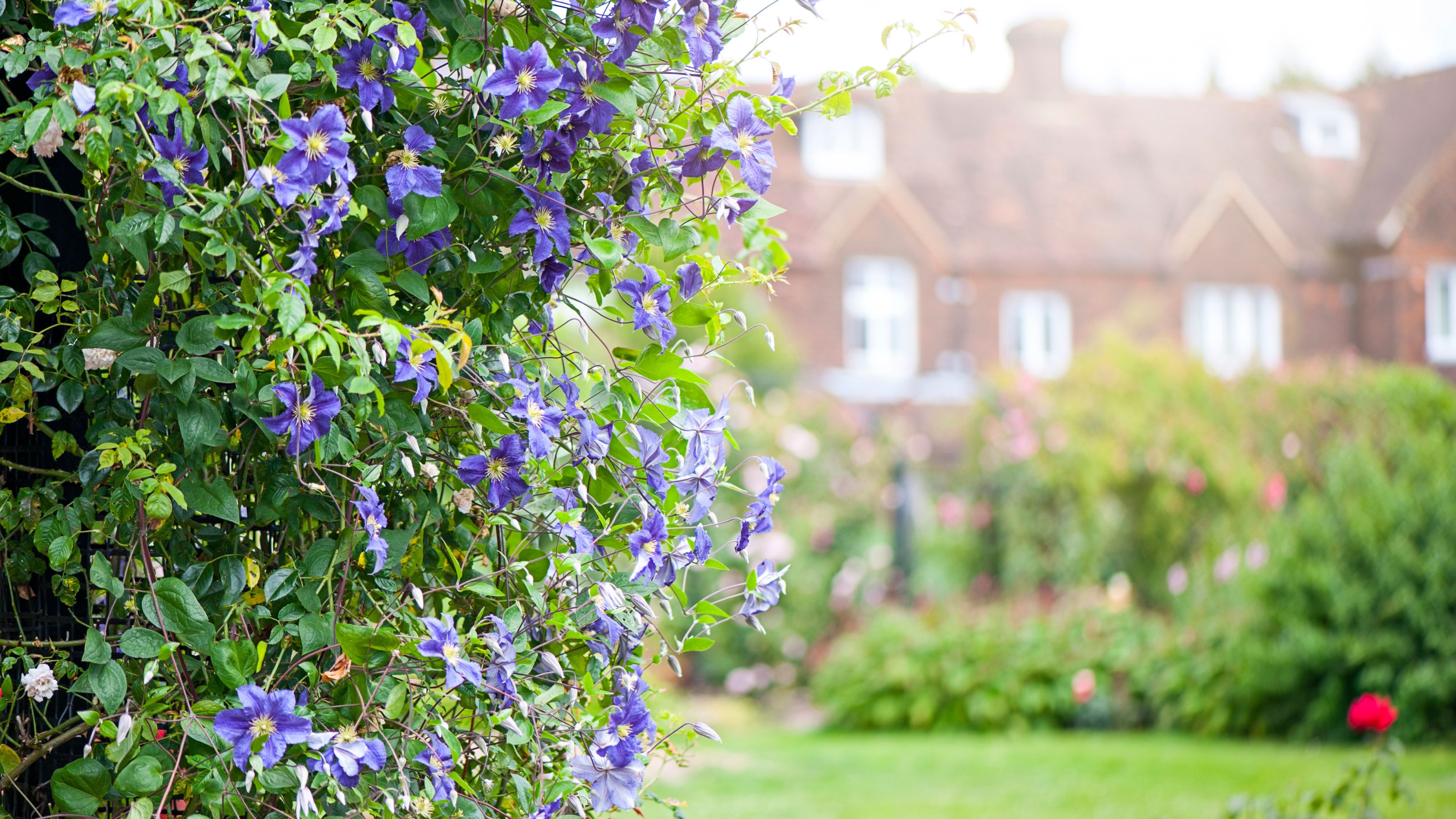
The 5 best climbing plants to cover an ugly fence, add privacy, and beautify your garden

Vertical Gardens: 10 mistakes to avoid, according to the experts

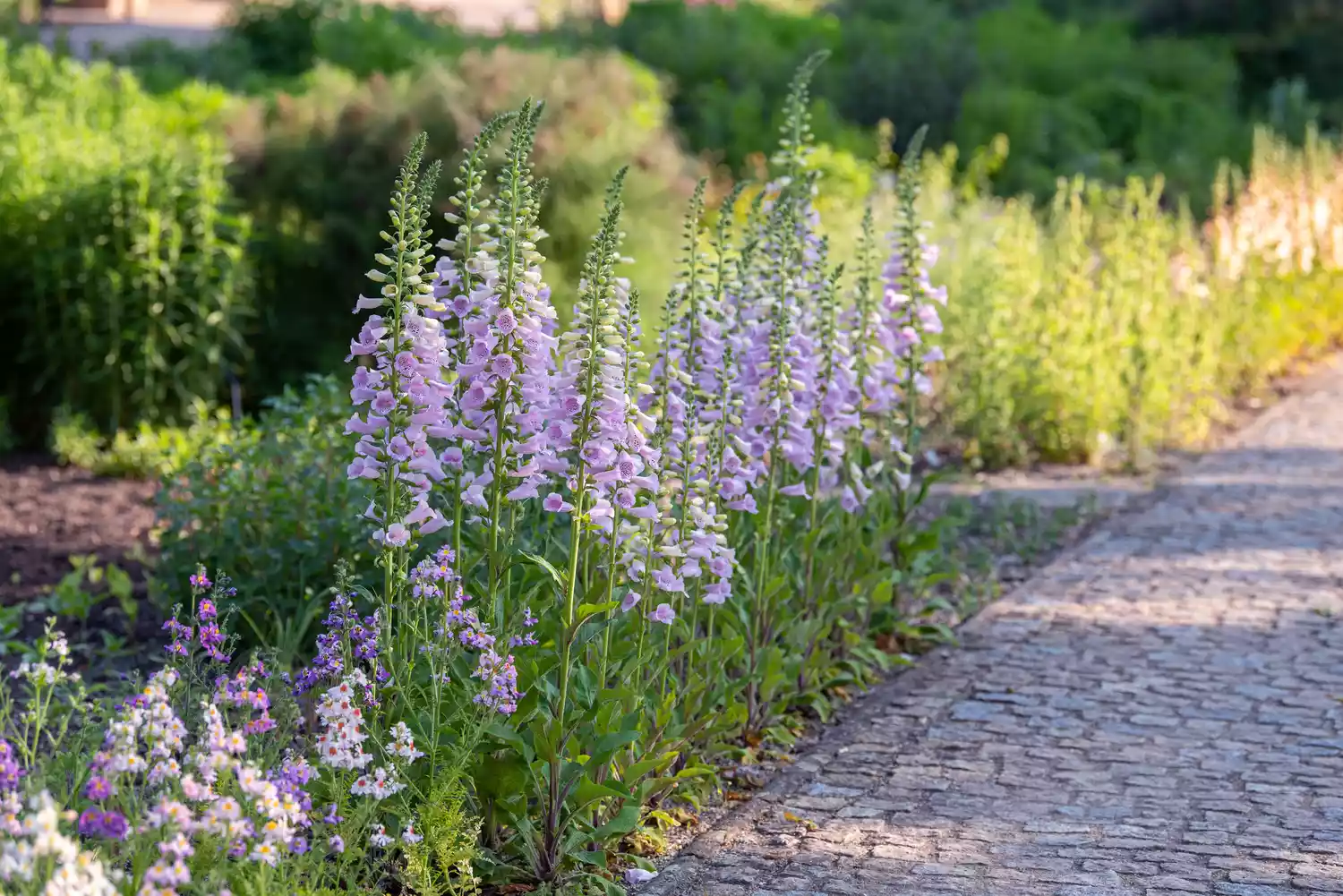
12 Toxic Flowers to Avoid in Your Garden

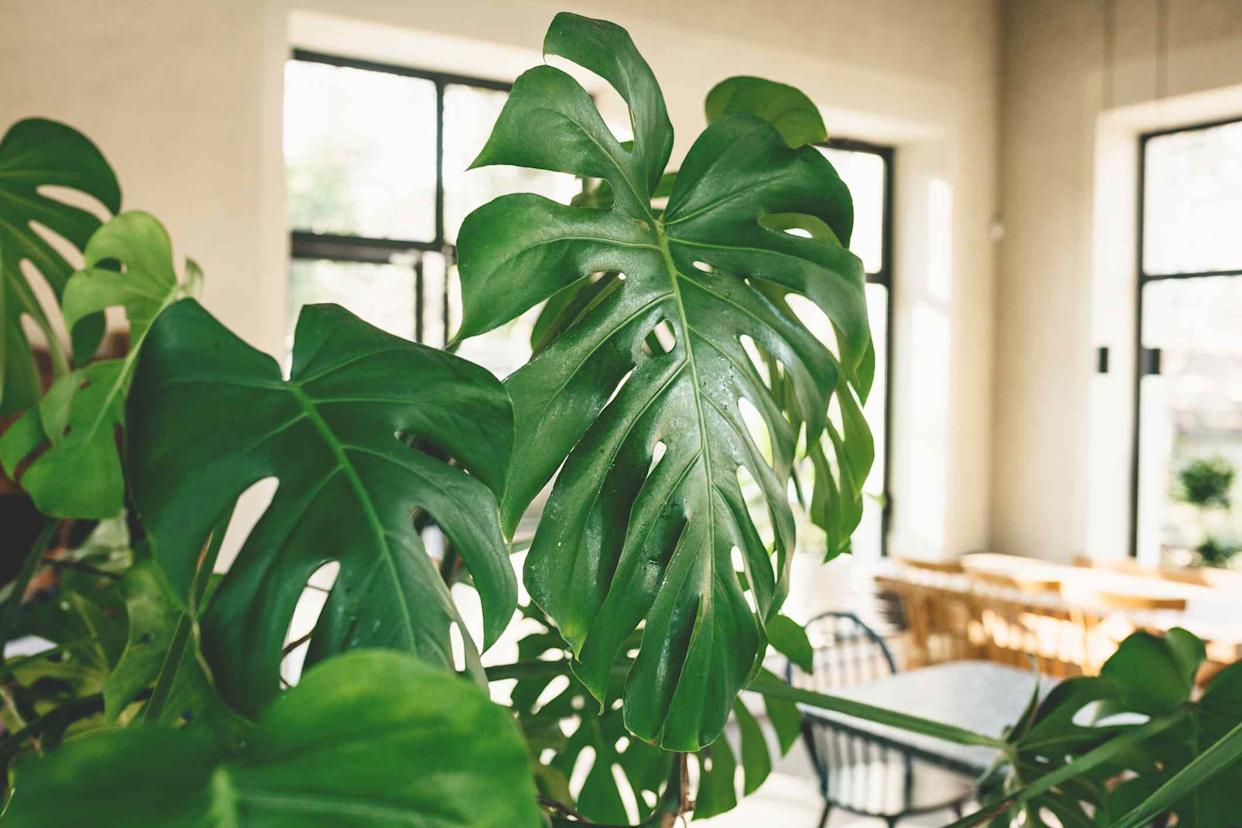
7 Houseplants Minimalists Never Grow—They Just Get Too Unruly, Pros Say

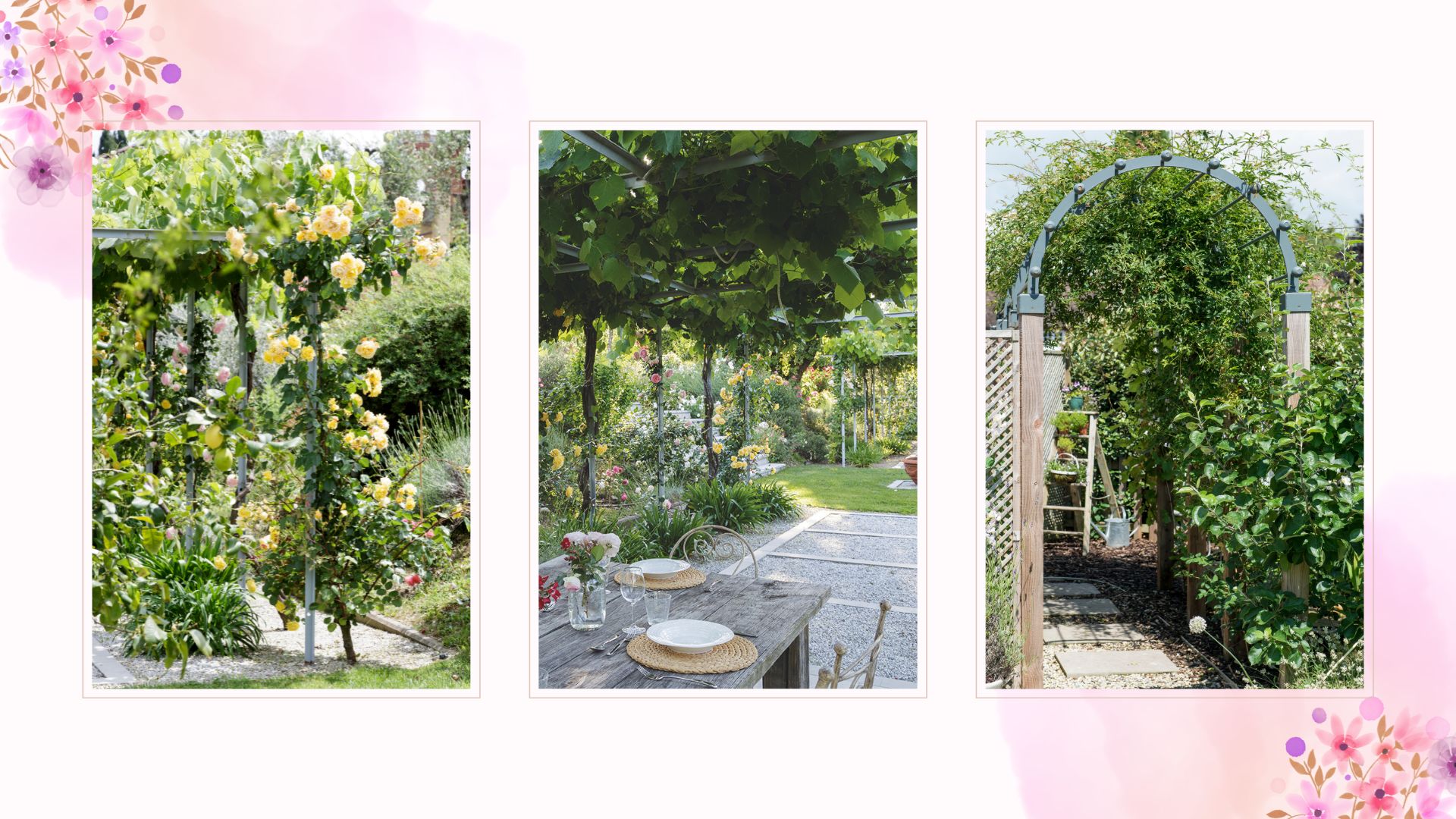
The best plants for a pergola: 5 thriving climbers chosen by professional gardeners

20 Climbing Plants We Can't Get Enough of for Any Trellis, Pergola, or Fence
Best fly repellent plants – 10 plants to keep pests away

5 Tall Indoor Plants That Make Such an Impact in Your Home

10 Climbing Plants That Can Secretly Damage Your Home


4 Houseplants to Never Put in an Entryway, or Else They'll Throw Off Your Home's Feng Shui Balance
Best plants to cover a fence – 10 ways to disguise a fence with beautiful flowers and foliage
5 best plants to grow up a pergola for a beautiful, scented awning

5 climbing plants perfect for your pergola


5 Houseplants That Just Don't Like Winter — And How to Keep Them as Happy as Possible During the Colder Months


5 patio plants that thrive on neglect: easy-going flowers
9 of the best plants for vertical gardens