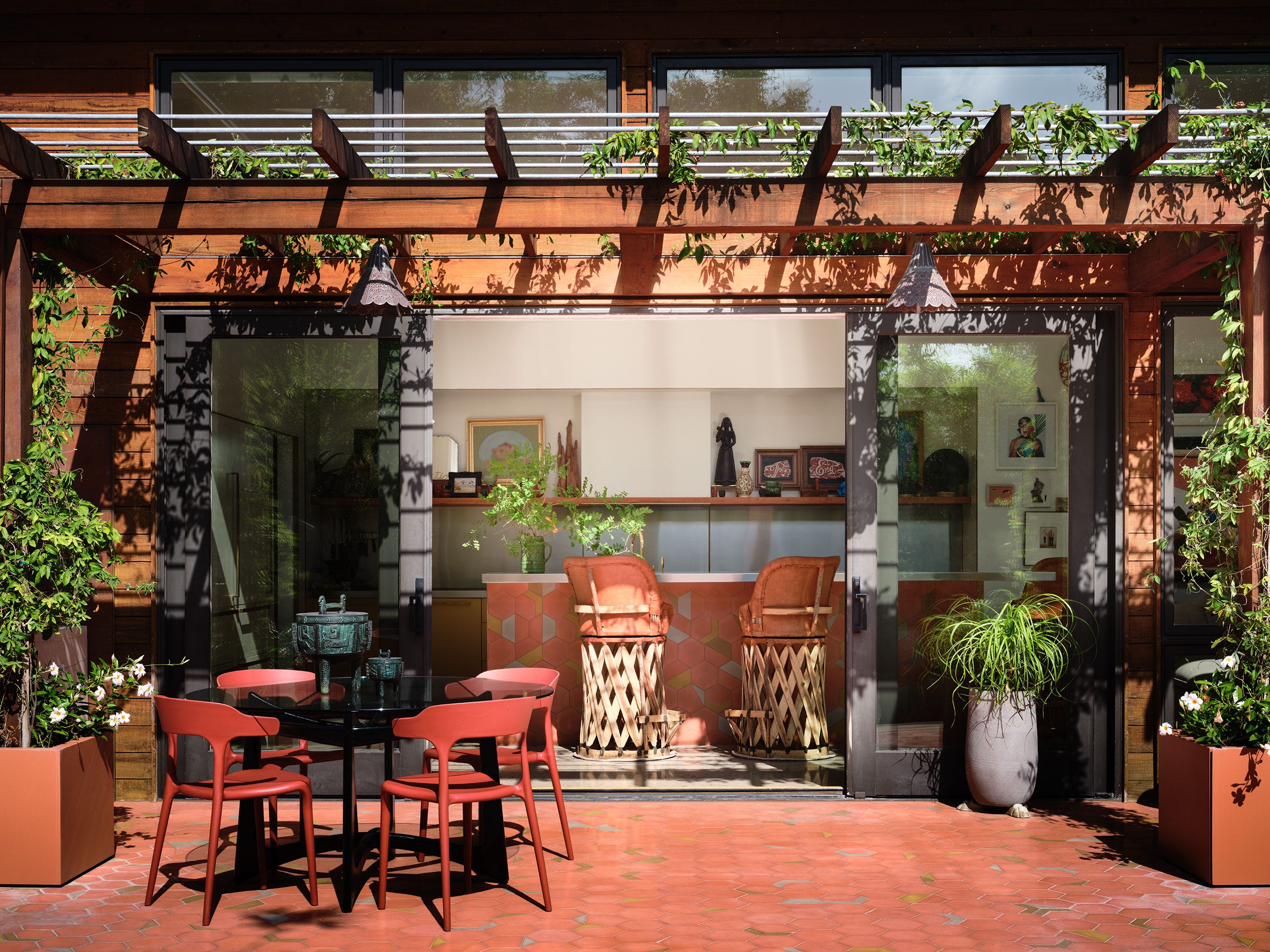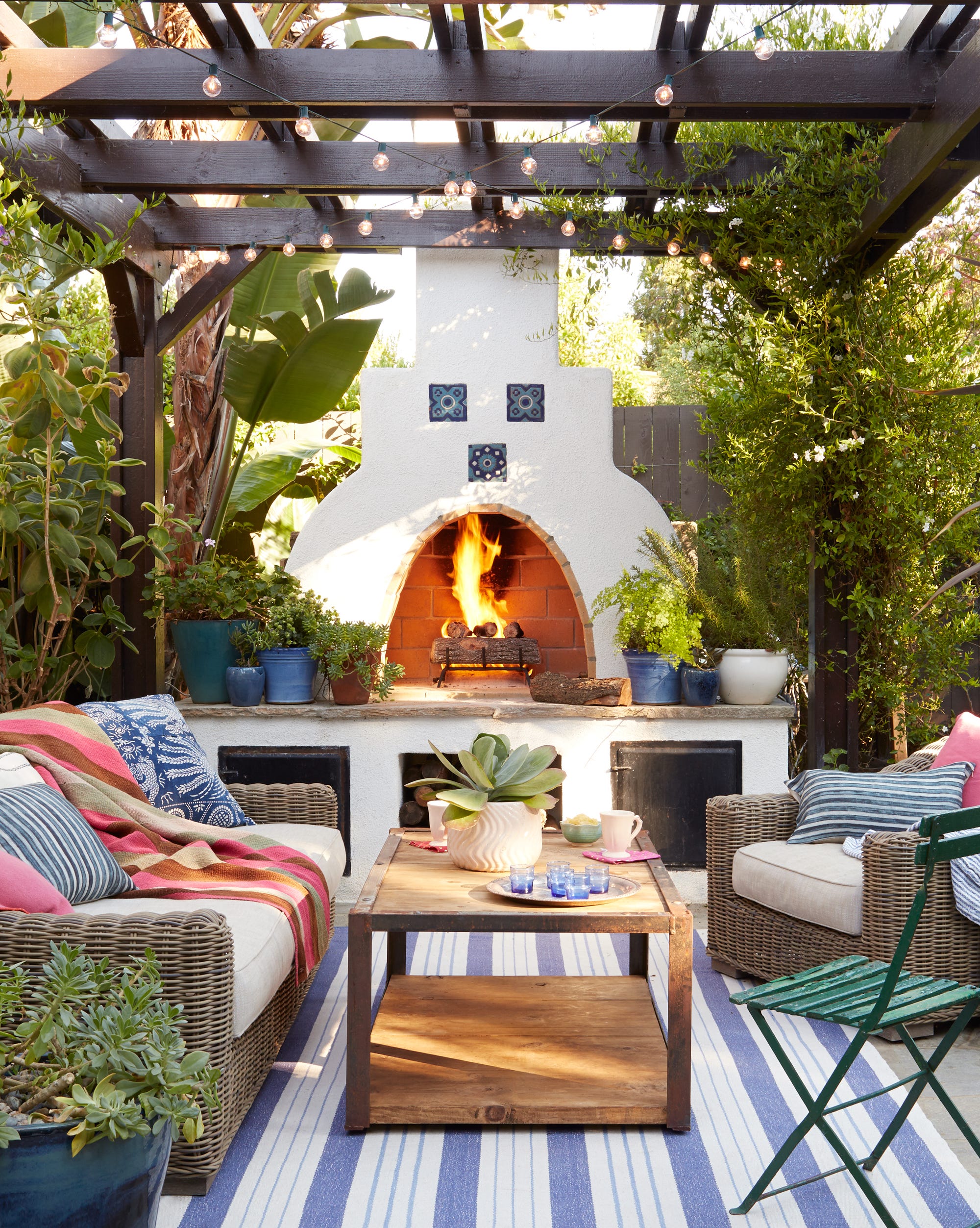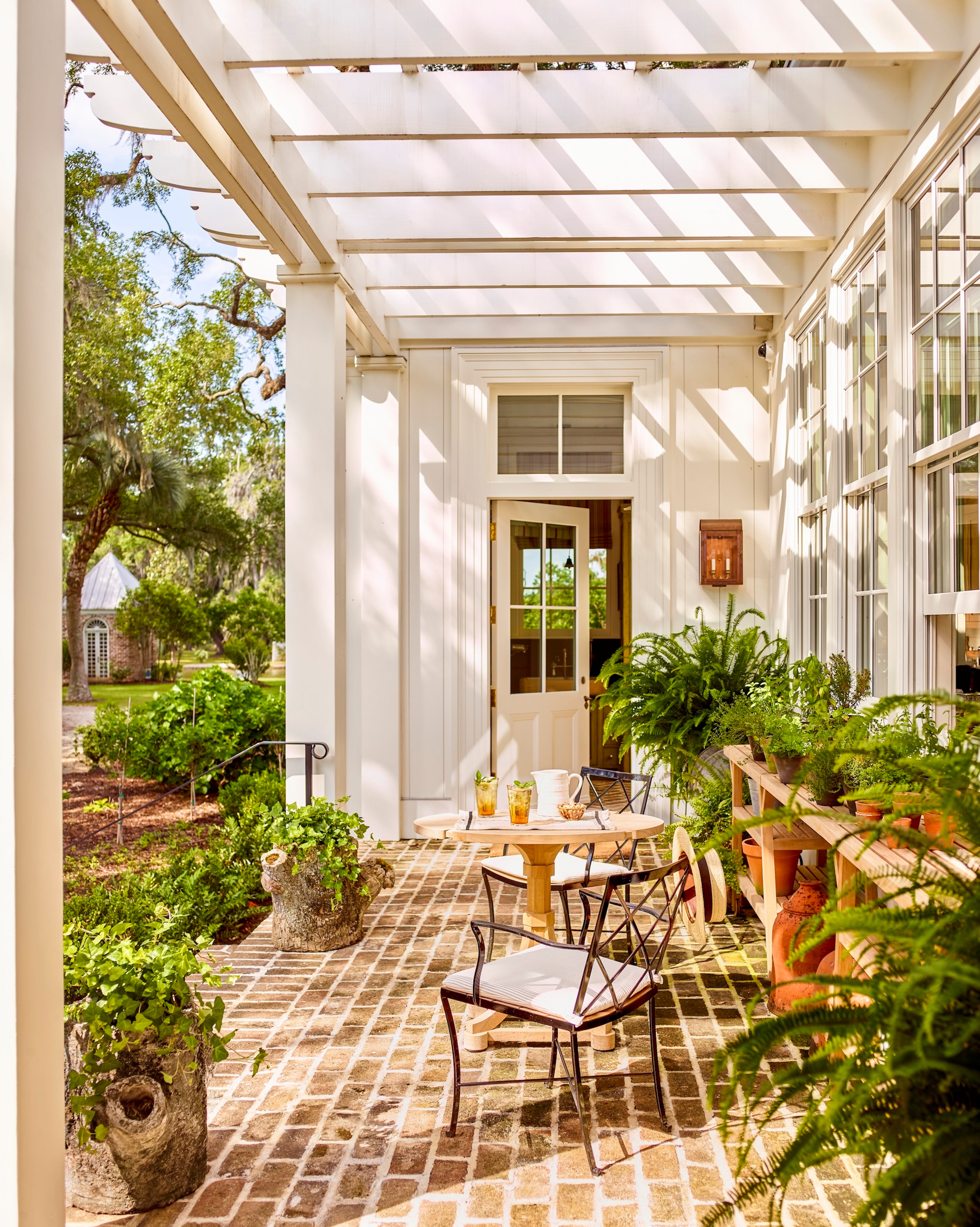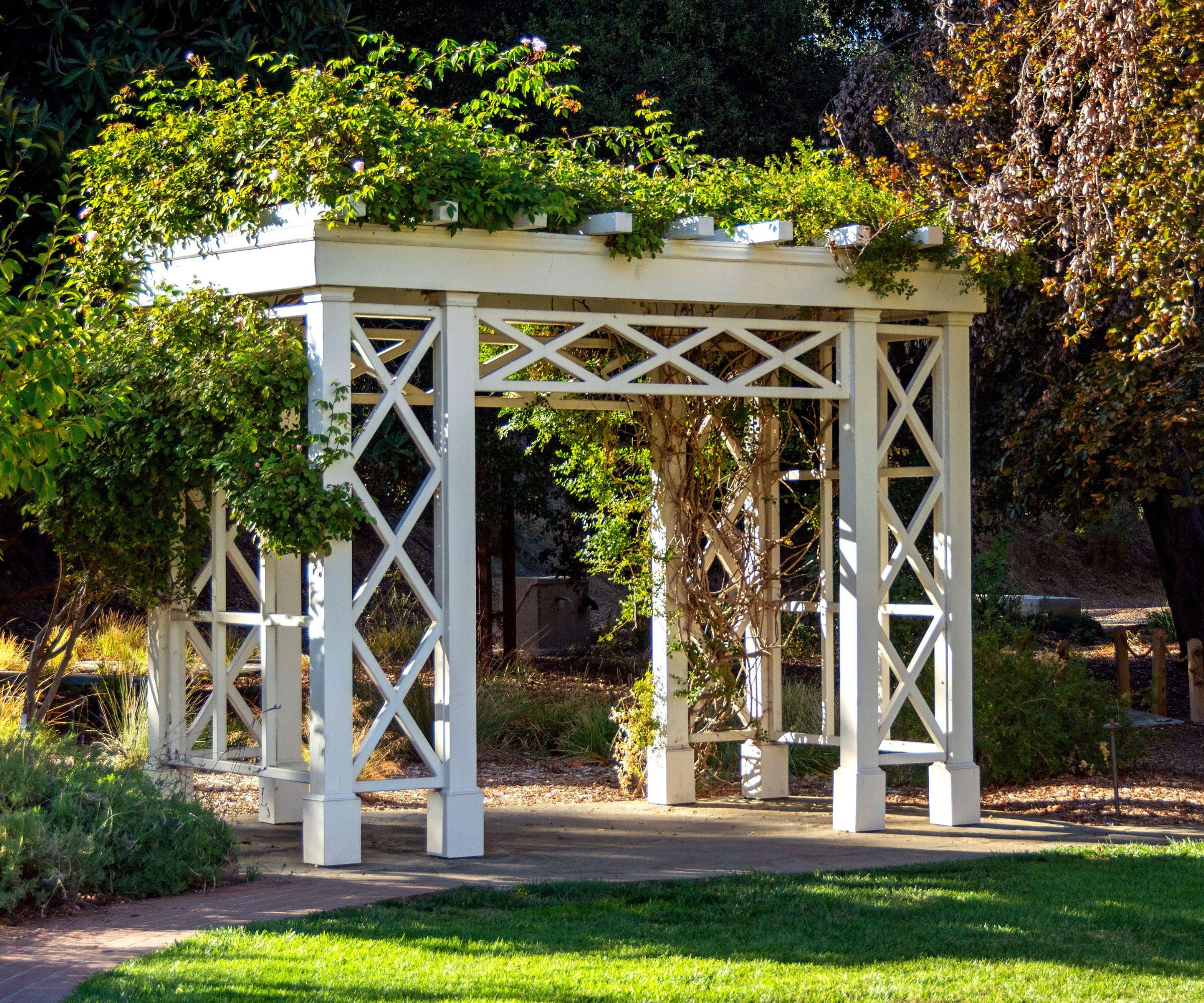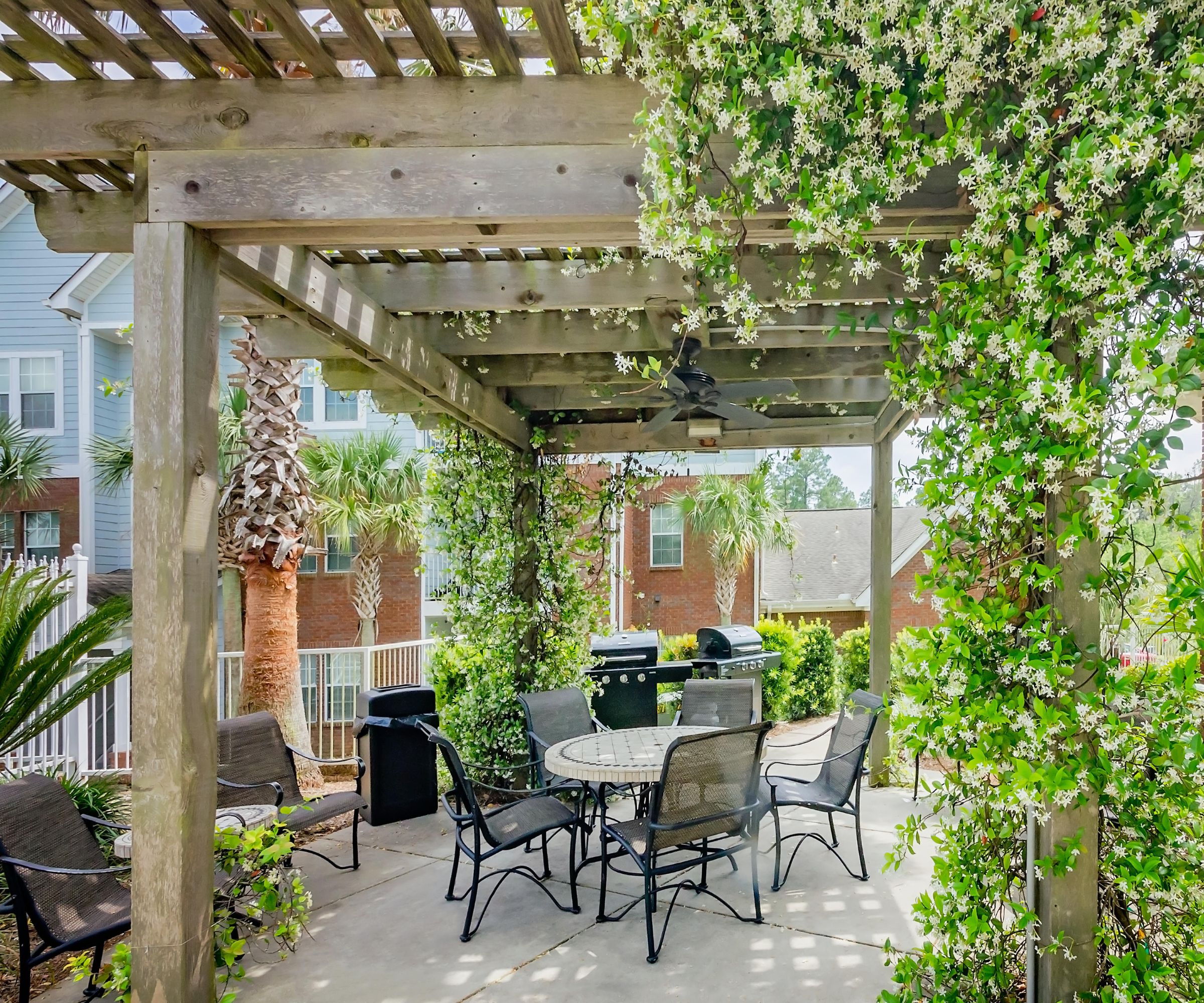
Ask the Gardener: The best vines to plant to climb your pergola
This article provides guidance on selecting appropriate flowering vines for pergolas, focusing on options suitable for the local climate while cautioning against invasive species. Carol Stocker, the 'Ask the Gardener' columnist, emphasizes the importance of choosing native vines due to their adaptability and reduced ecological risk compared to non-native varieties. The piece begins with general gardening advice for the autumn season, suggesting the removal of seeding or invasive weeds and recommending the planting of fruiting or flowering shrubs like winterberry or viburnums by mid-October.
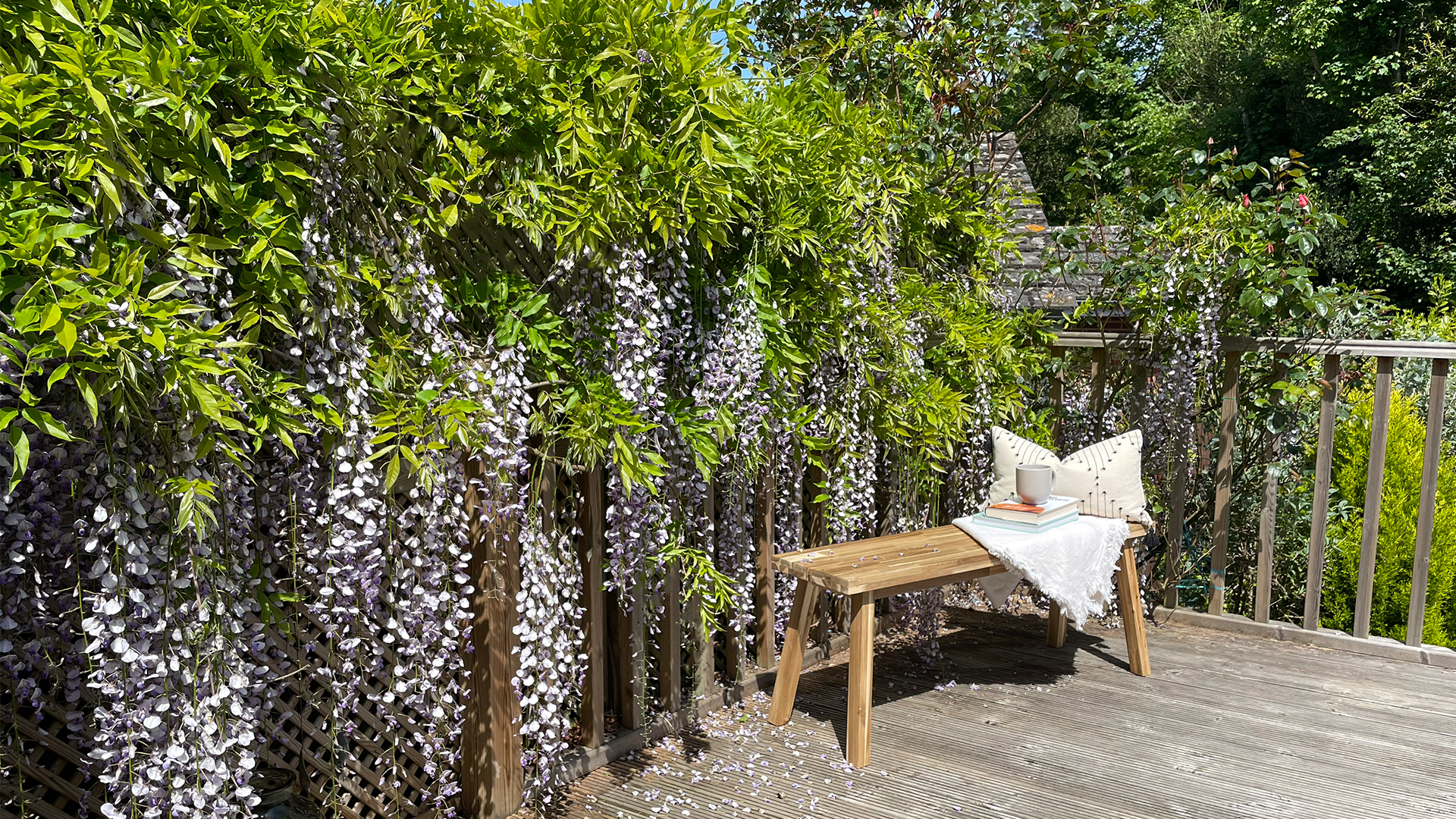
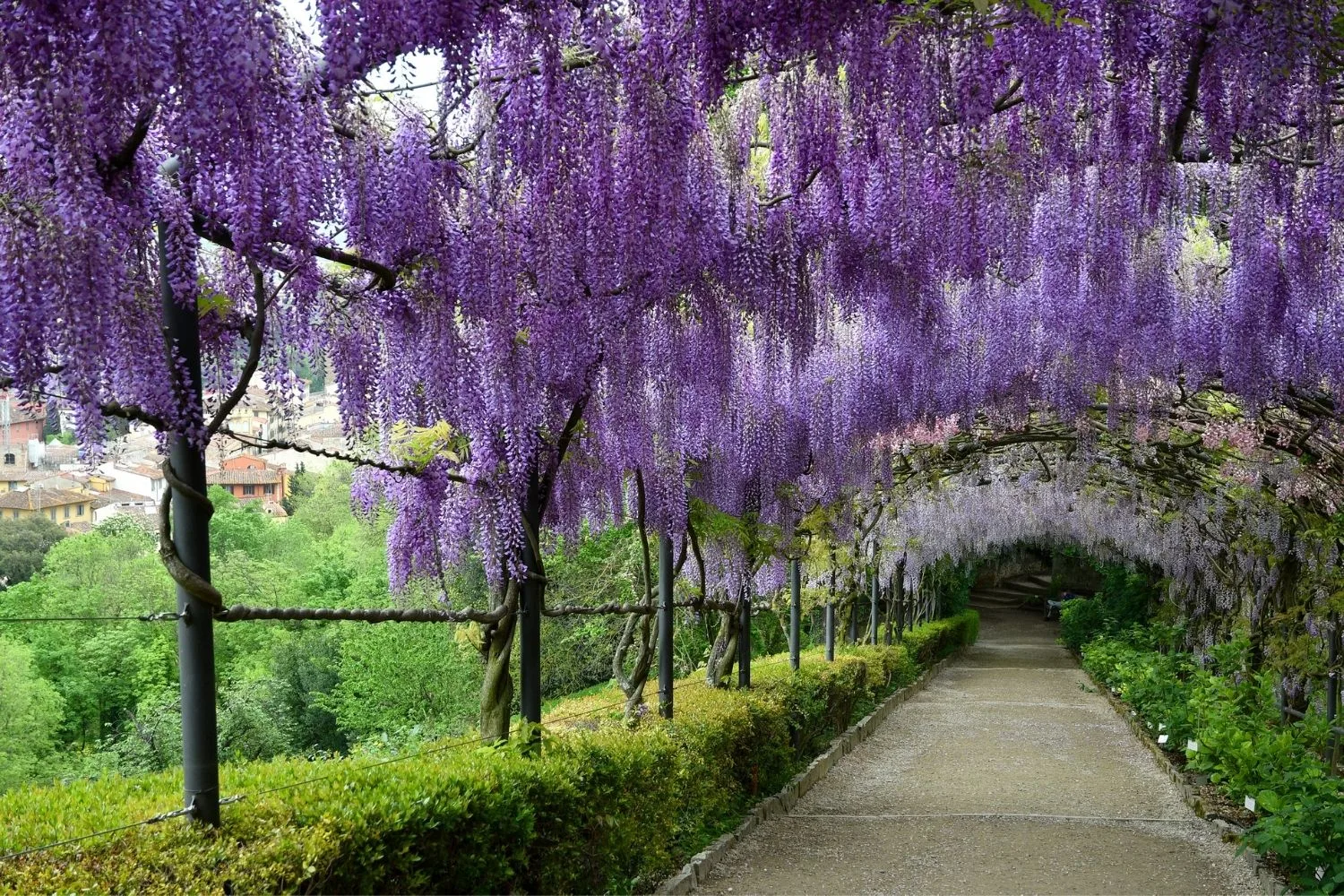
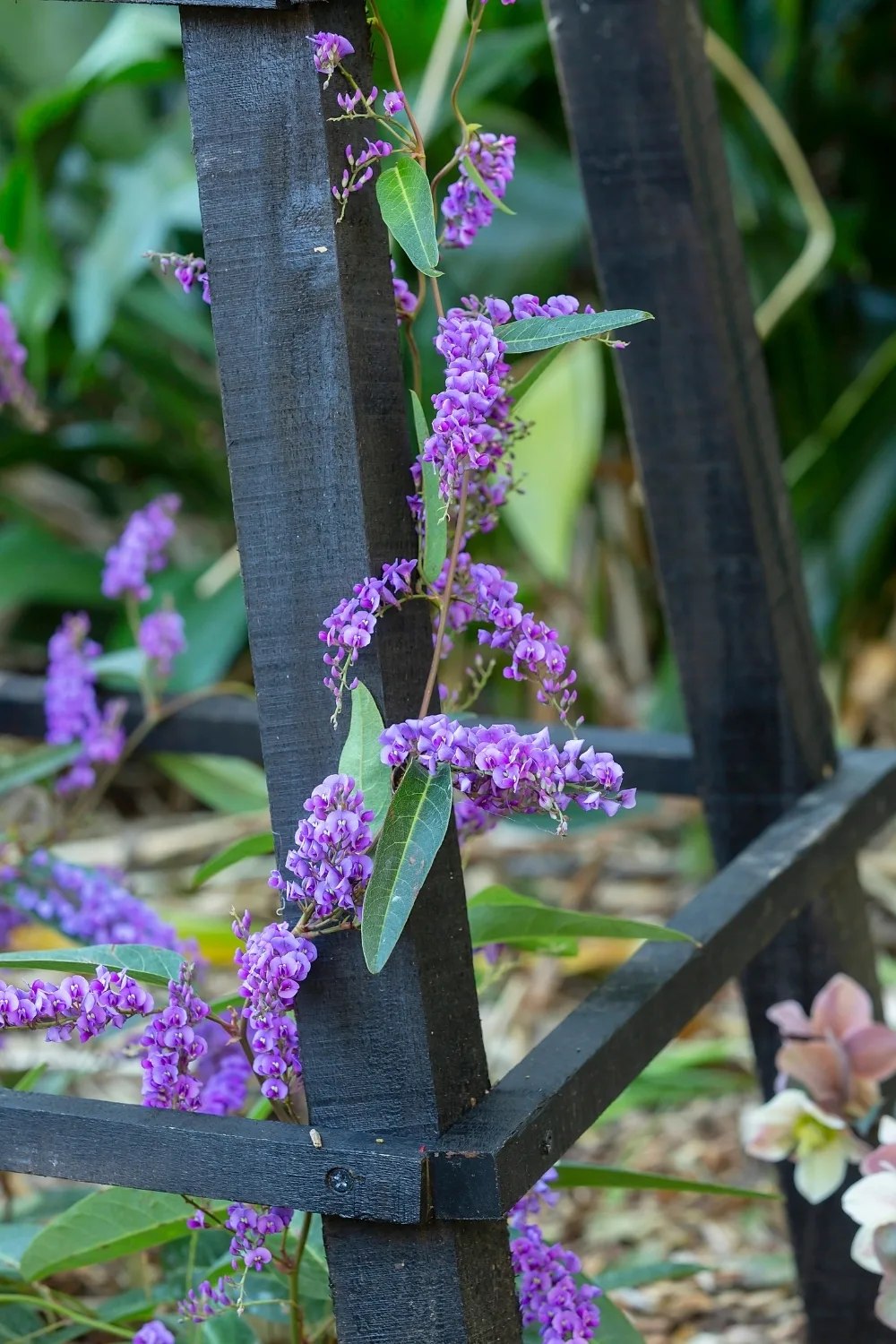
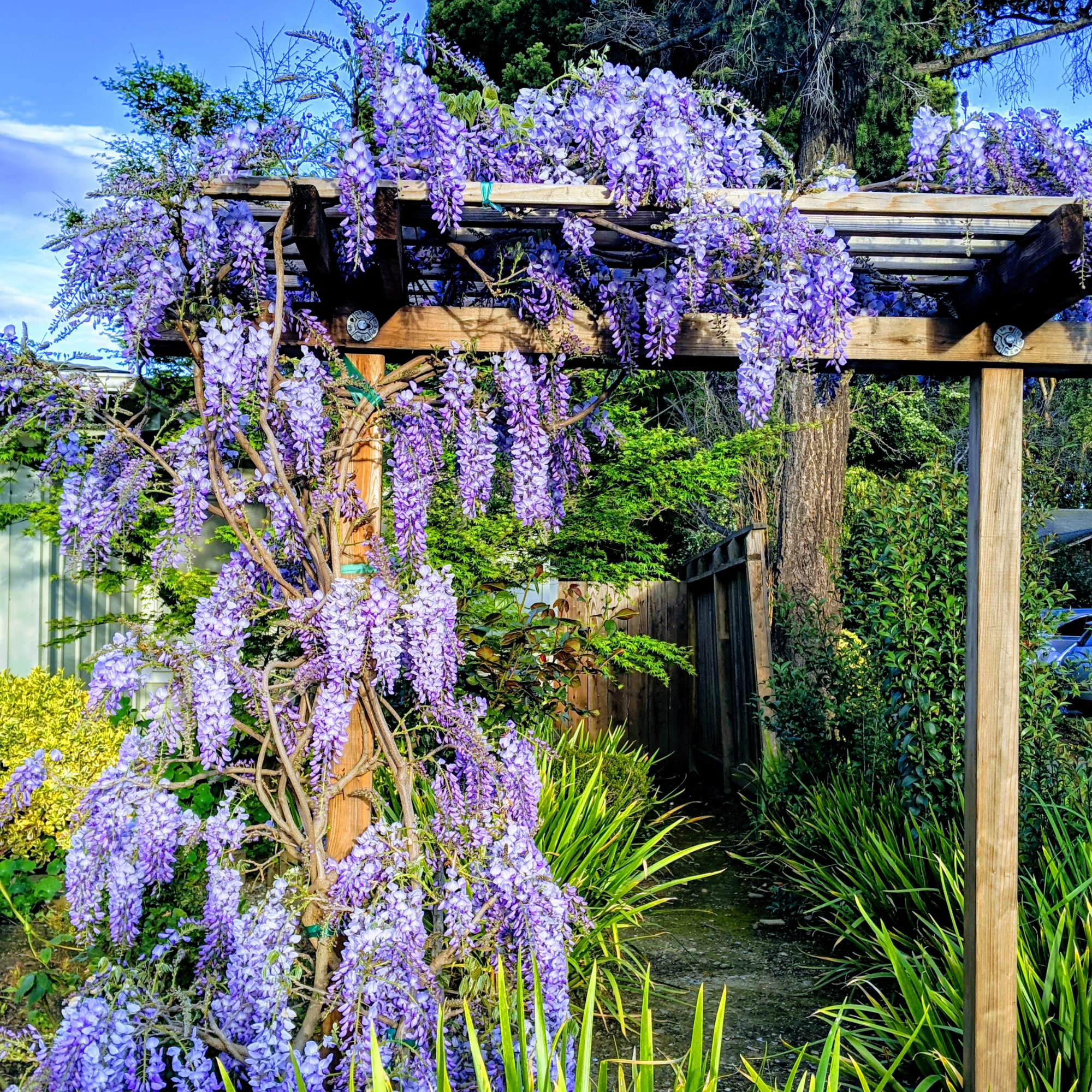
The core of the article addresses a reader's question from Milton regarding suitable flowering vines for a pergola. Stocker advises against several popular but aggressive options. She specifically warns against orange-flowered trumpet vine (Campsis) and ivy (Hedera), which can quickly become invasive. Chinese and Japanese wisterias are also highlighted as problematic due to their aggressive growth habit, with their "python-like twists" potentially damaging wooden structures. Instead, she recommends the native American wisteria frutescens variety 'Amethyst Falls,' noting its manageable vigor compared to its Asian counterparts. Stocker clarifies that "vigor" in plants often translates to more foliage and stems rather than abundant flowers.
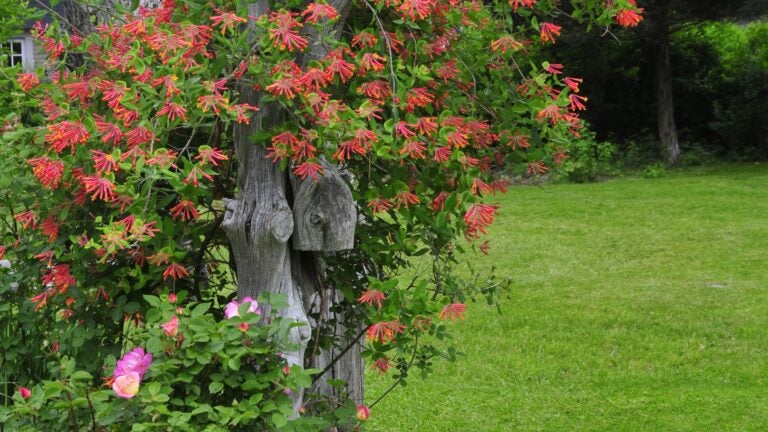
Native honeysuckles are suggested as an alternative, with a strong recommendation for Lonicera sempervirens. This native American honeysuckle features red, orange, or yellow tubular flowers that are attractive to hummingbirds, distinguishing it from invasive Asian honeysuckle varieties. While native Virginia creeper (Parthenocissus quinquefolia) is mentioned, Stocker suggests it is better suited for wilder settings rather than structured pergolas. She also advises against Dutchman's pipe (Aristolochia macrophylla) due to its tendency to require extensive weeding.
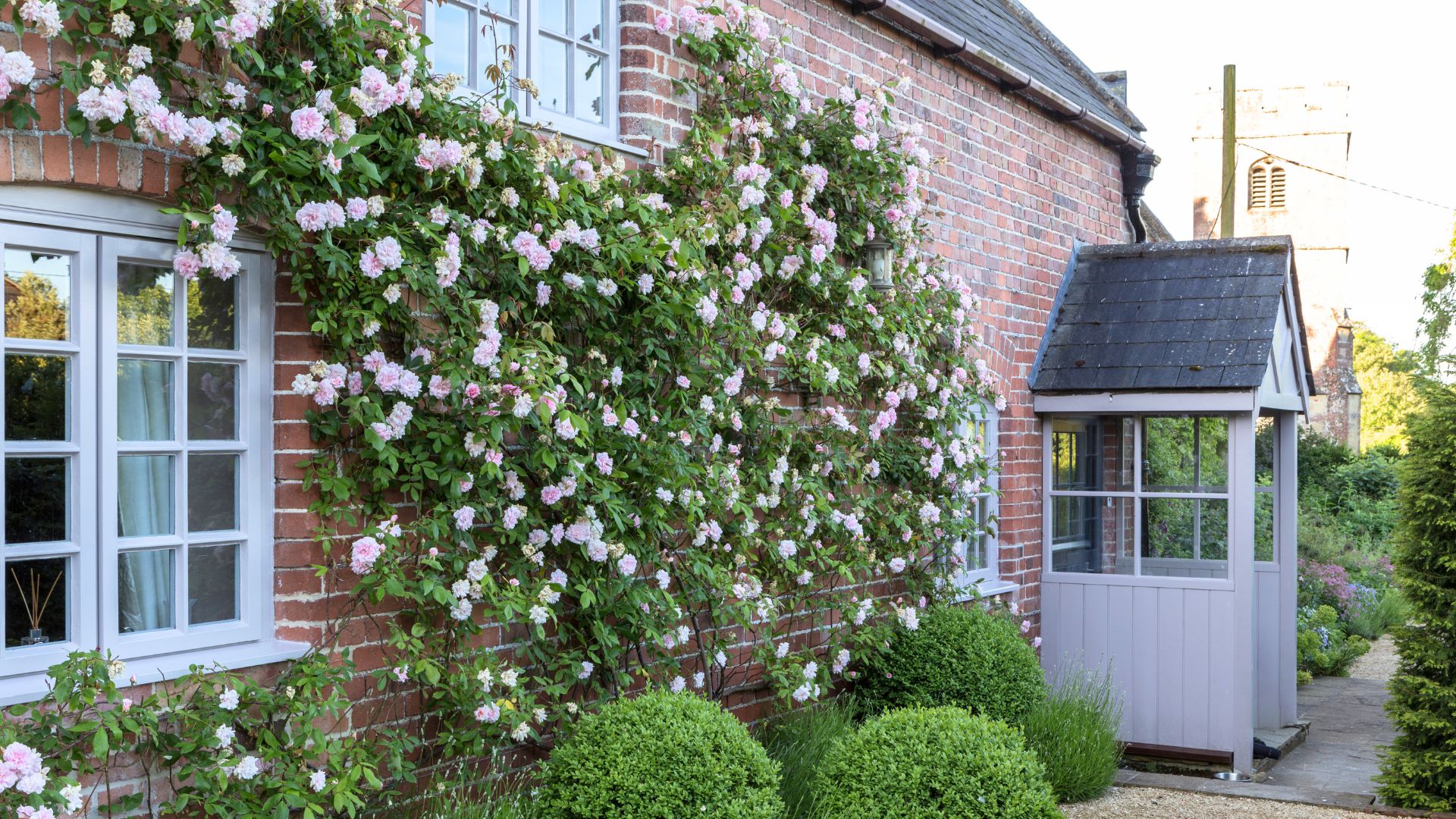
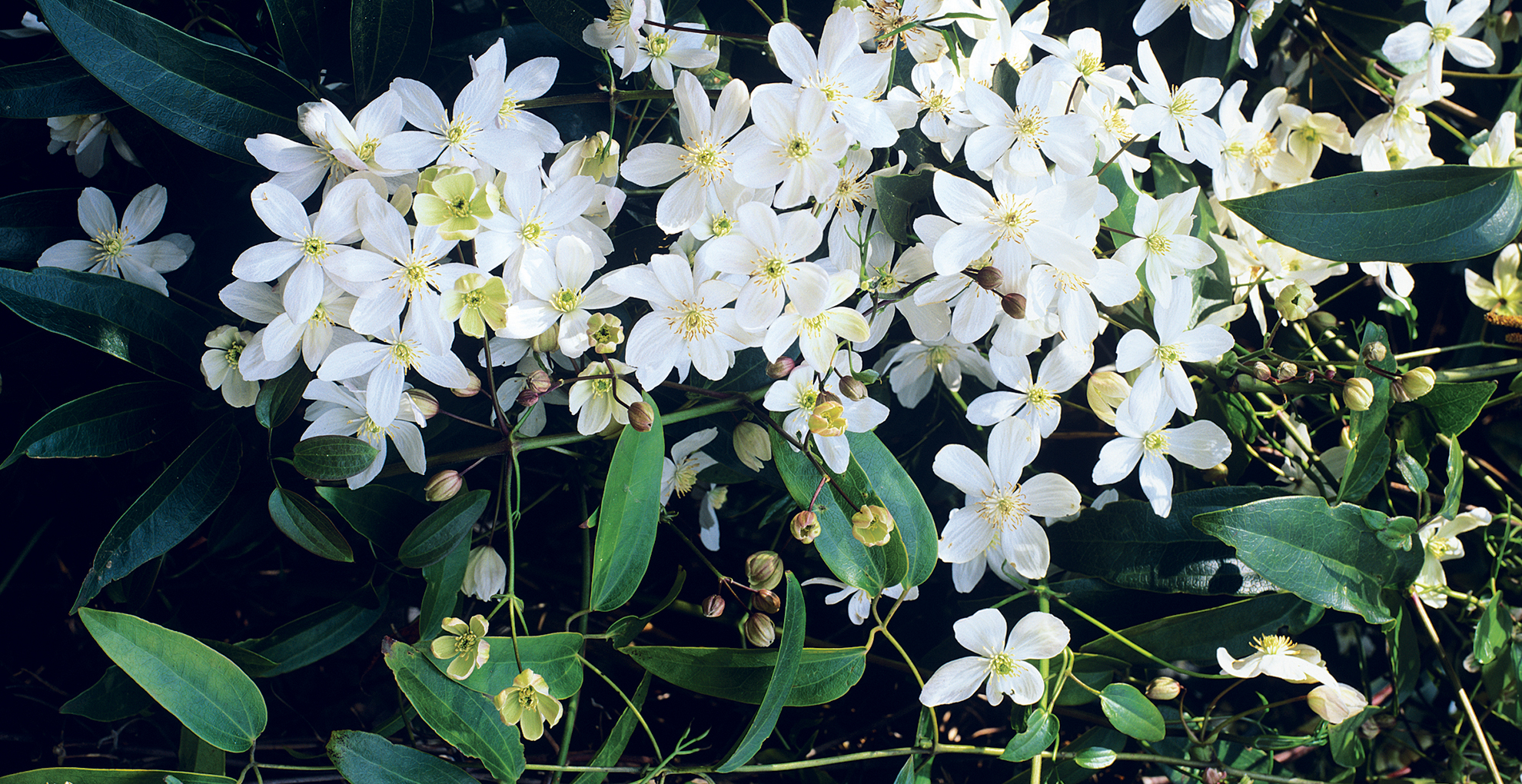
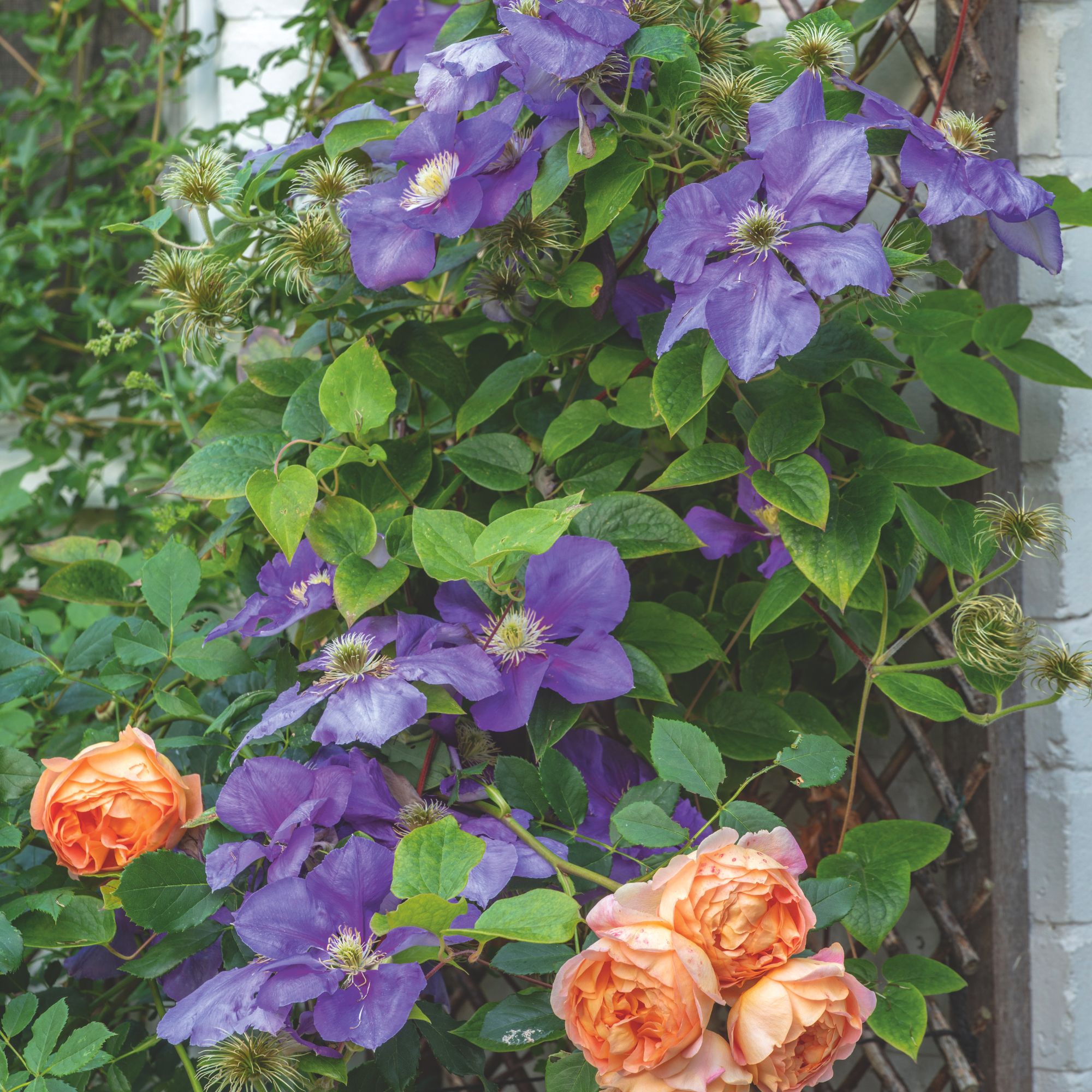
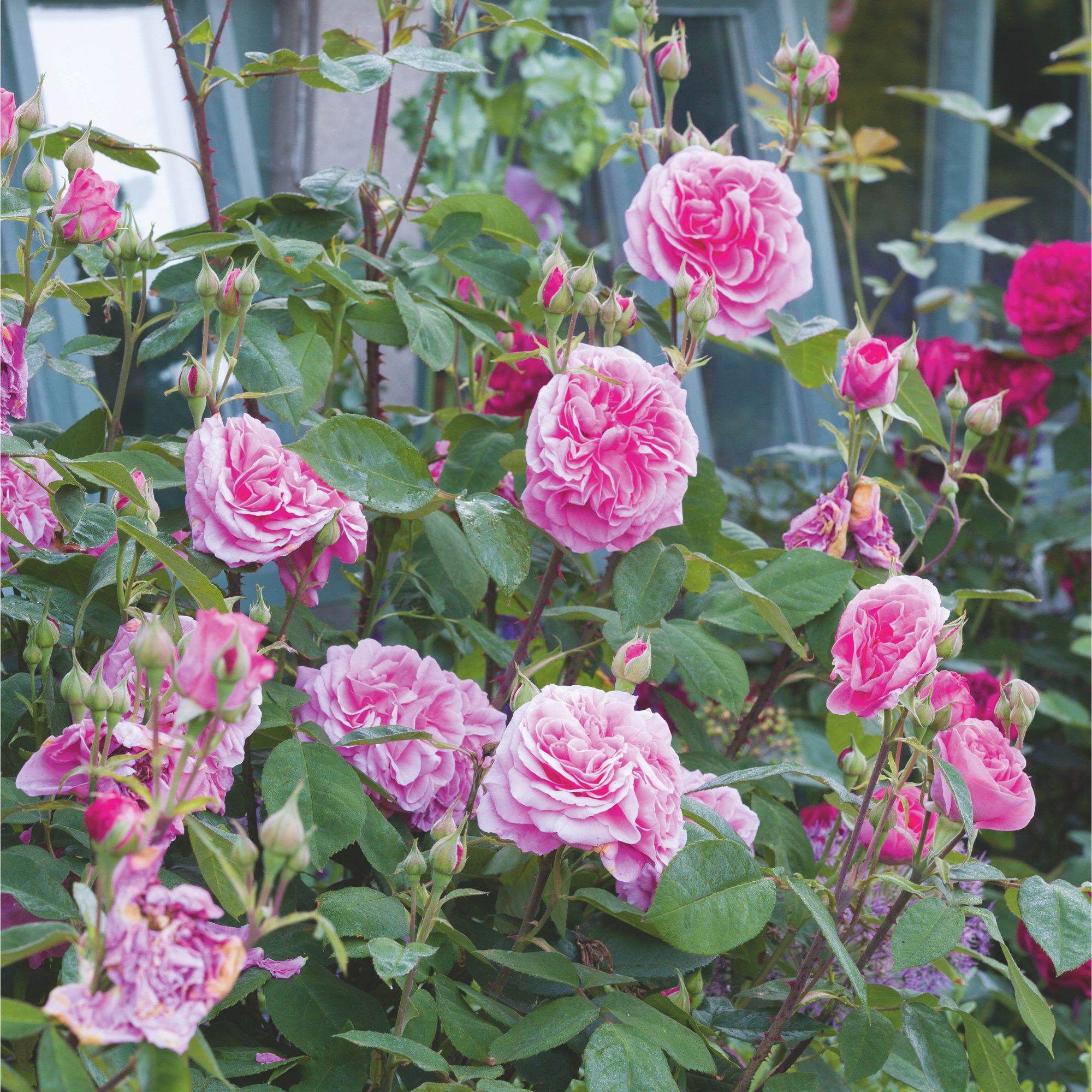
The discussion then turns to more traditional flowering vines: roses and clematis. Stocker points out that so-called climbing roses do not truly climb independently and require support to be tied to a pergola, often not draping gracefully. For clematis, she notes that large-flowered varieties can be frustrating due to shy blooming habits and recommends small-flowered types such as Clematis viticella, montana, and texensis. These varieties are praised for their longer blooming periods and resilience against sudden wilting. A specific successful experience is shared with 'Betty Corning,' while a warning is issued against sweet autumn clematis, which can become a nuisance.
Finally, the article includes a brief reader comment about a surge in rabbit populations, leading to significant damage to garden plants like hostas. Stocker acknowledges this as a common complaint for the current year, attributing it to natural population spikes, similar to chipmunk issues in previous years. The article concludes by inviting readers to submit further gardening questions and comments, along with subscription information for the newsletter and social media channels.
#Gardening #FloweringVines #PergolaPlants #NativePlants #InvasiveSpecies #Horticulture #GardenAdvice #Gardening #FloweringVines #PergolaPlants #NativePlants #InvasiveSpecies #Horticulture #GardenAdvice
0 comment in total
 No comments yet
You may also like
The best plants for a pergola: 5 thriving climbers chosen by professional gardeners

Pergola ideas – 19 ways a pergola can enhance your backyard design
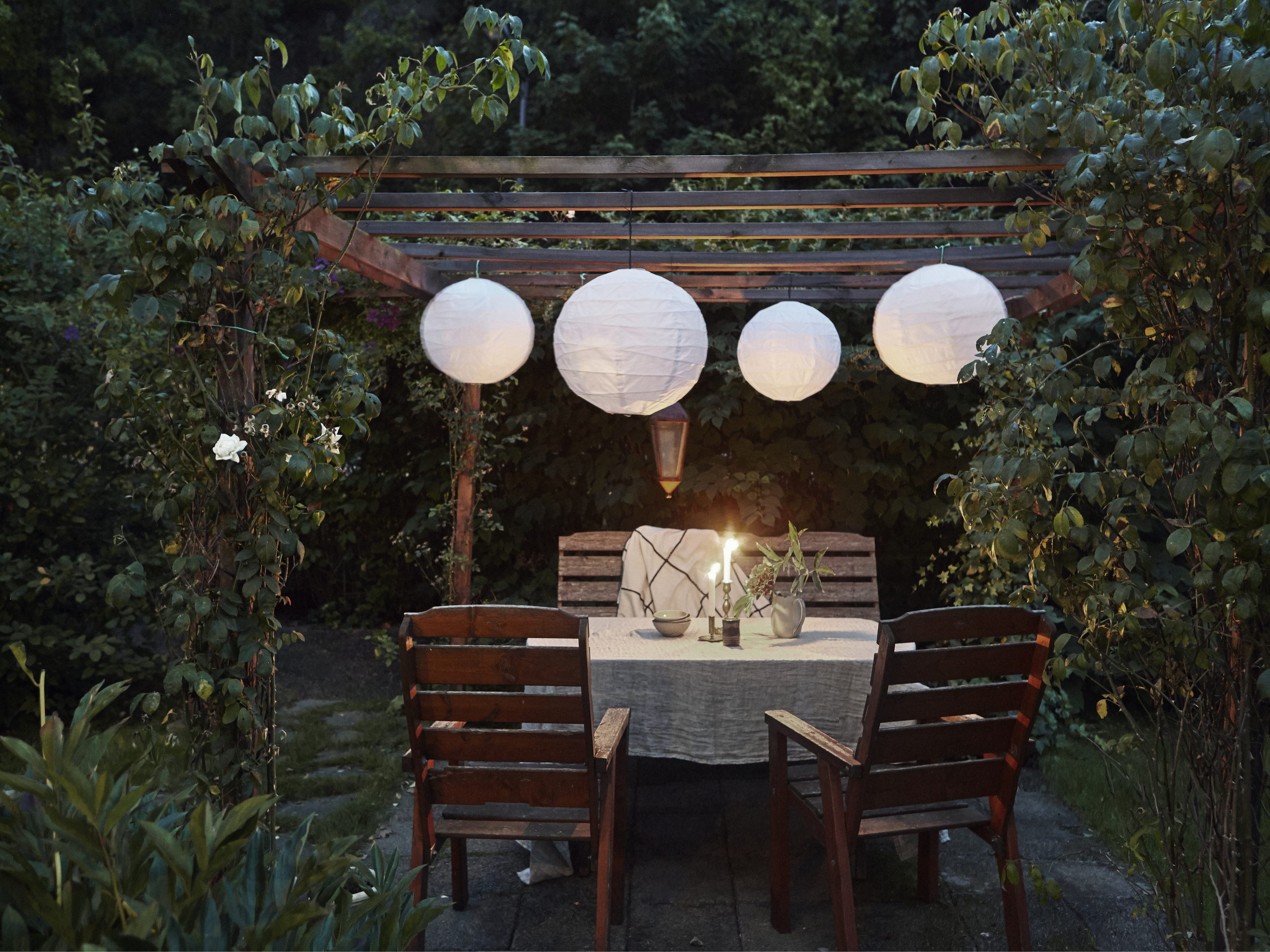
How do you build a pergola? Experts explains their methods so you can enjoy the best parts of open-air living

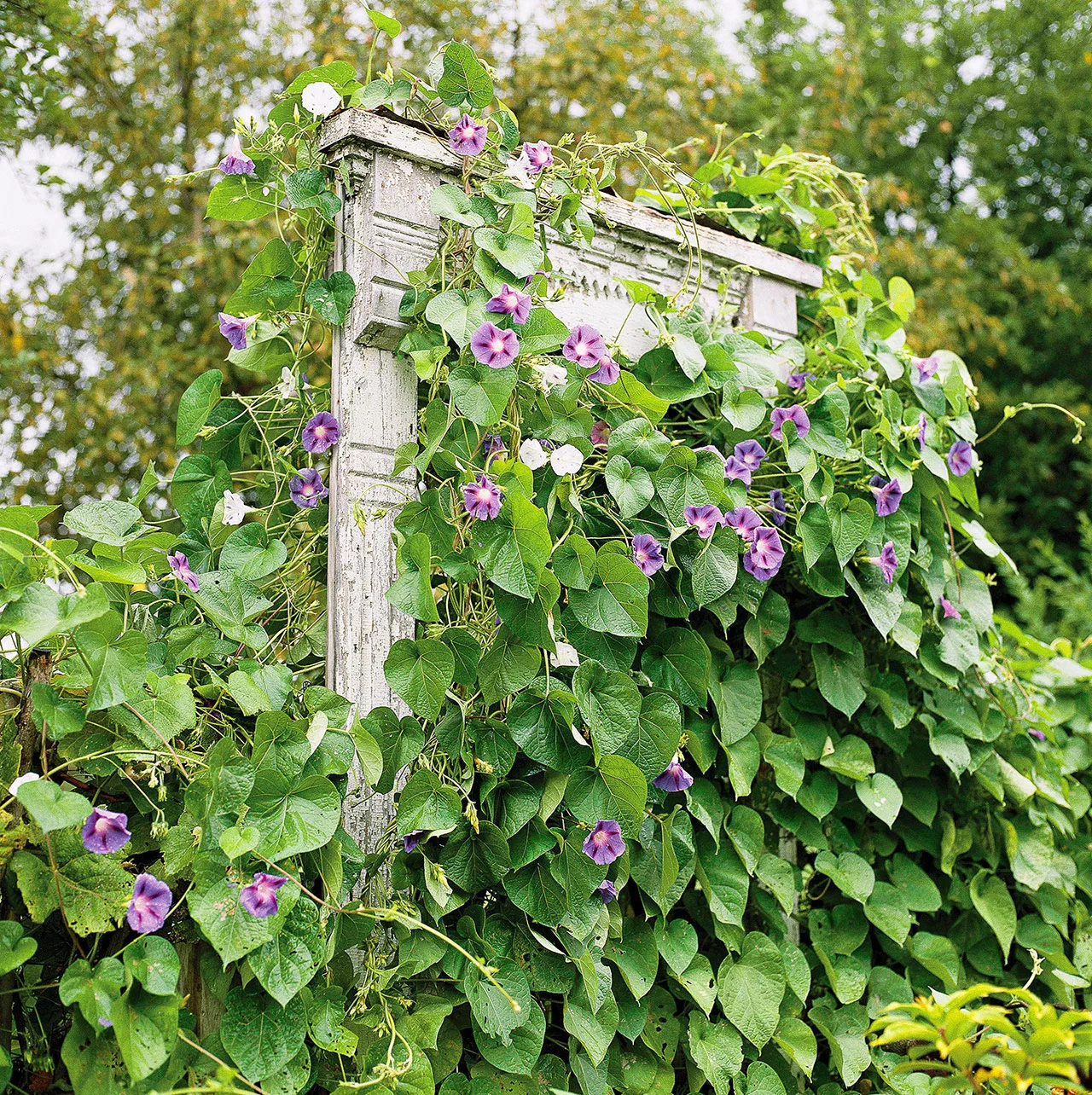
These 11 Vine Supports Take Climbing Flowers to the Next Level

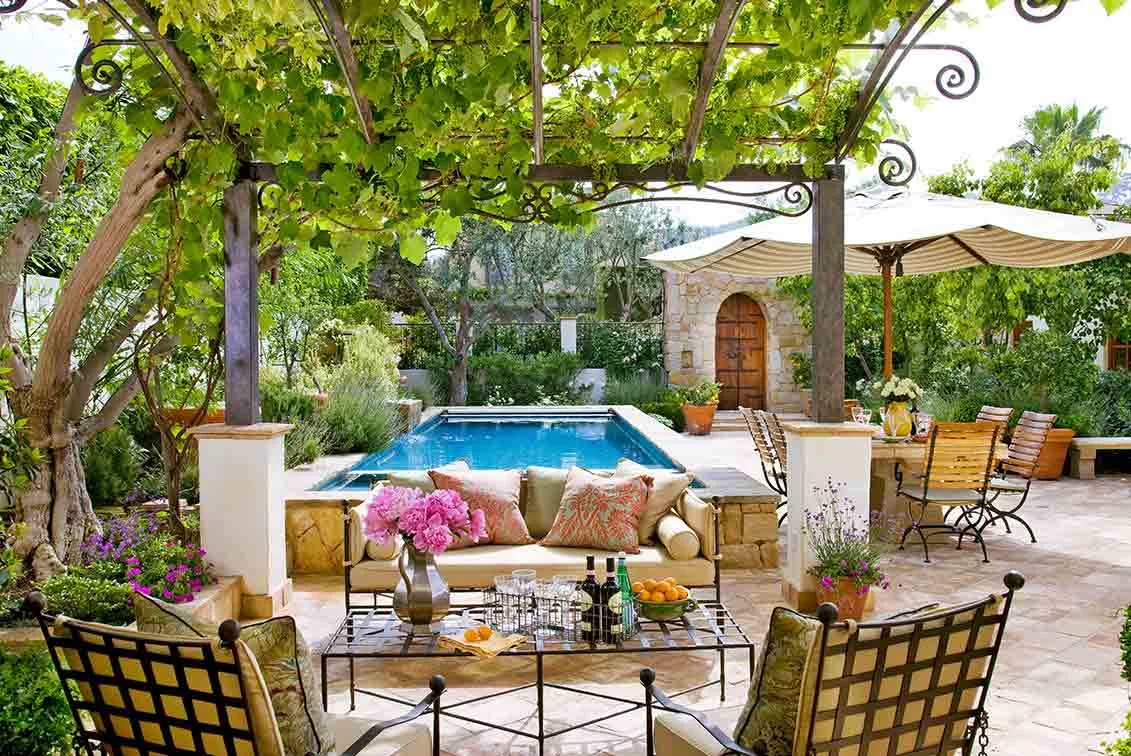
5 climbing plants perfect for your pergola

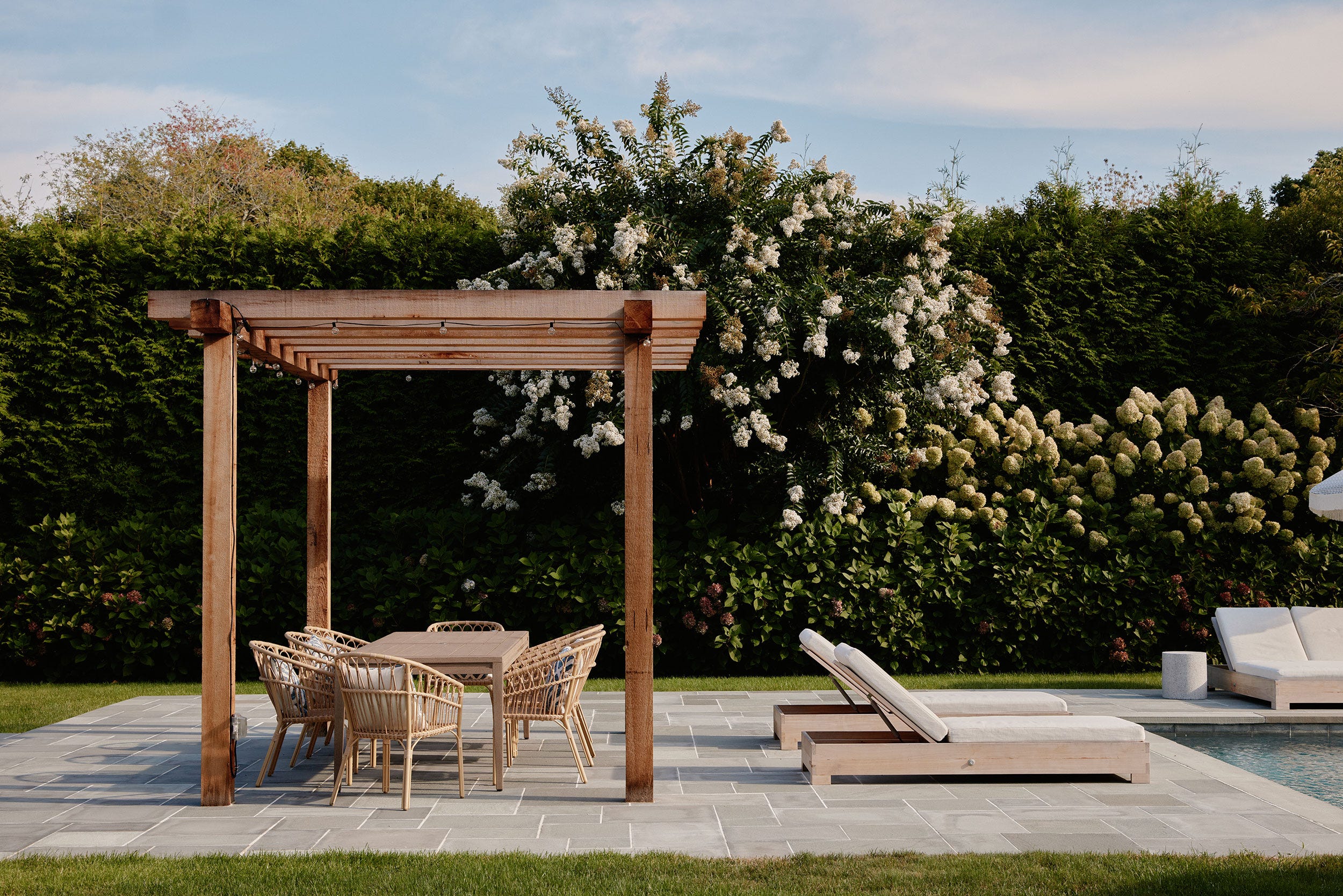
Want the Garden of Your Dreams? Check Out These 29 Enchanting Pergola Ideas

9 of the best plants for vertical gardens

Easiest climbers to grow – 5 fool-proof vines to quickly and effectively cover bare walls this year

These fast-growing climbers will transform your pergola into a romantic, botanical wonderland
27 pergola ideas to add shade, privacy and style to your outside space

Pergola mistakes: a pro reveals 9 common pergola errors

Tailor-made pergolas designed to enjoy the outdoors all year long
The 14 Best Climbing Plants for Your Trellis or Pergola

Add Shade to Your Backyard with a Pretty Pergola
Pergola shade ideas – 10 ways to use a pergola for shade
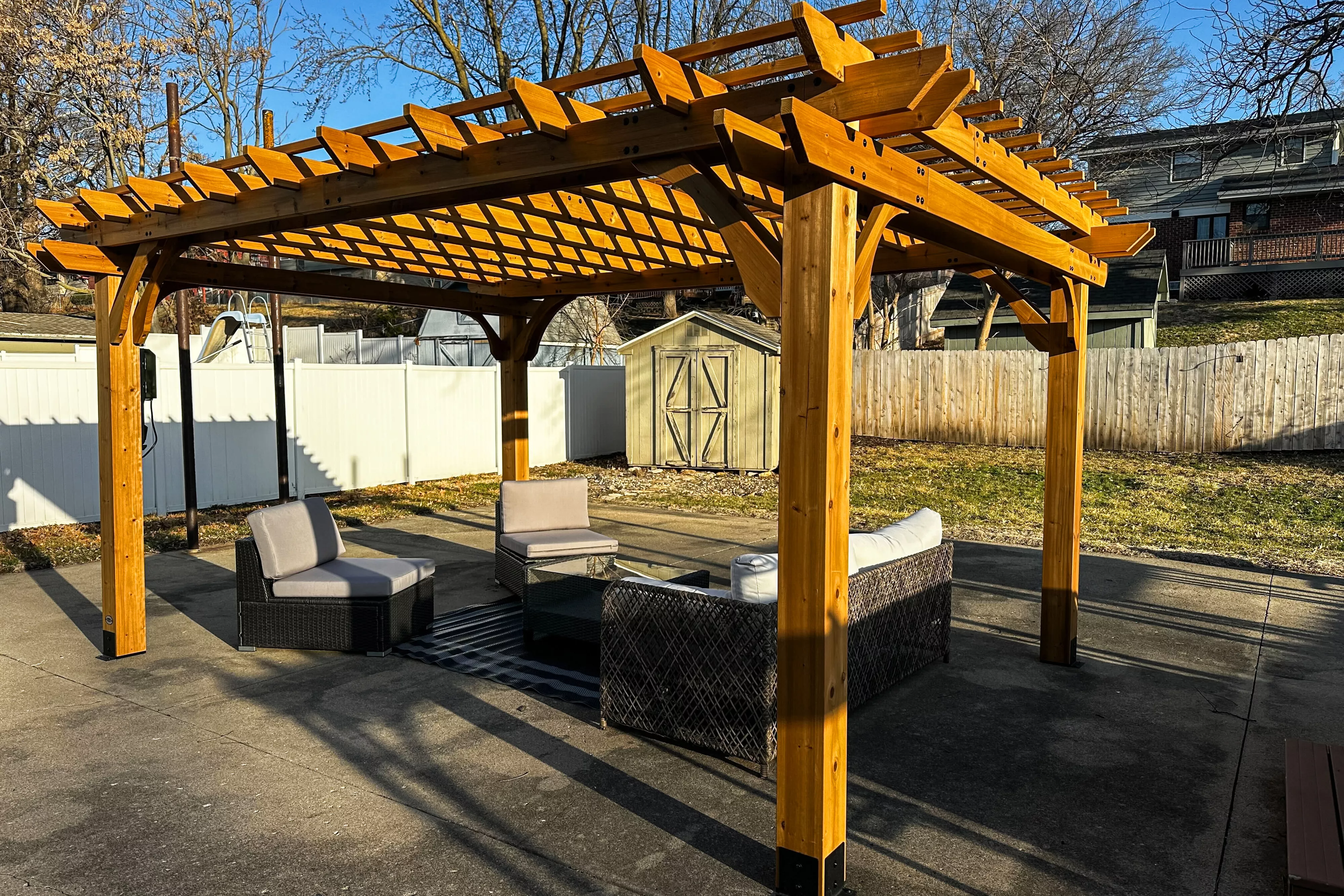
The 4 Best Pergola Kits, Tested by BHG

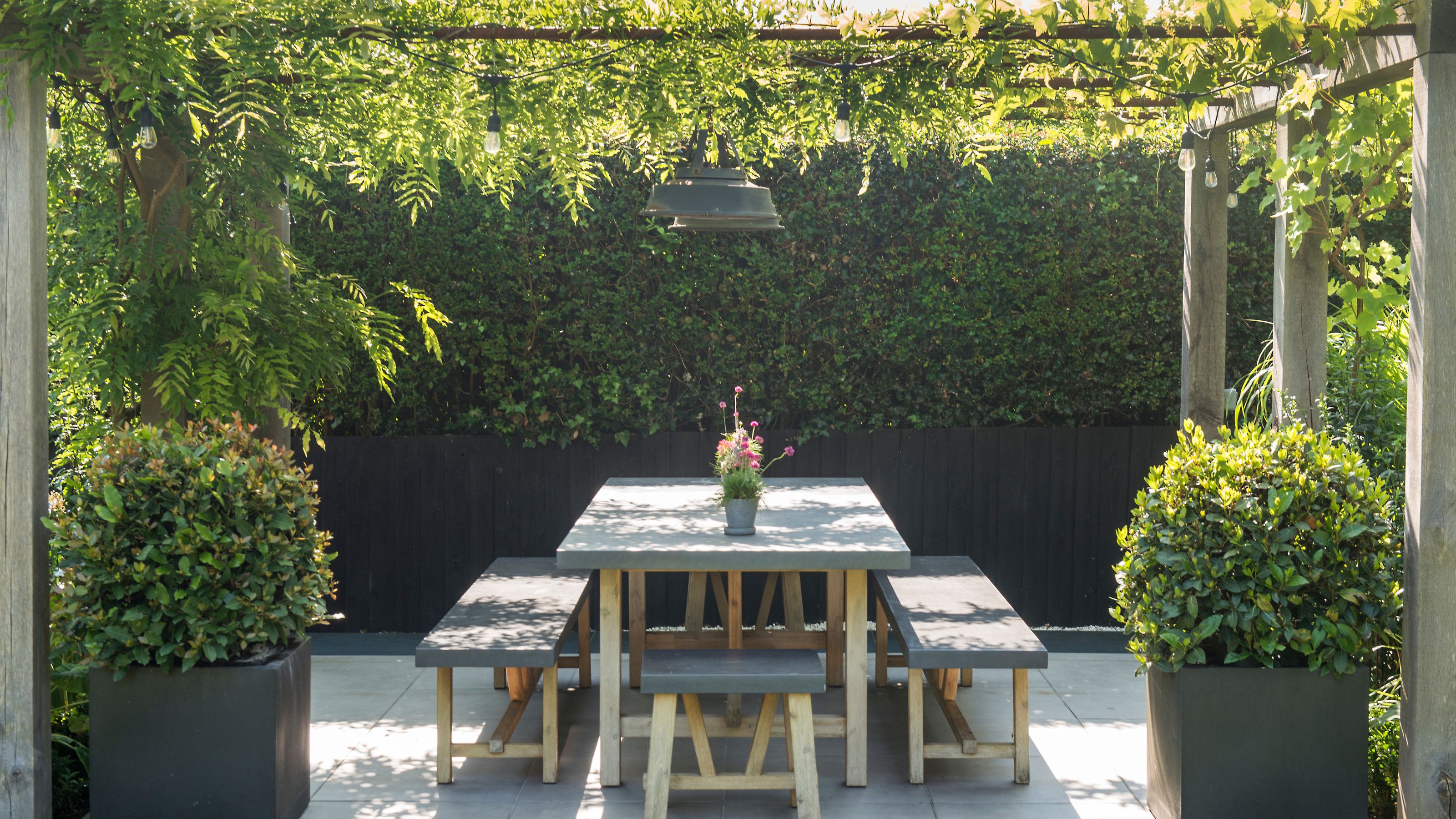
5 best plants to grow up a pergola for a beautiful, scented awning
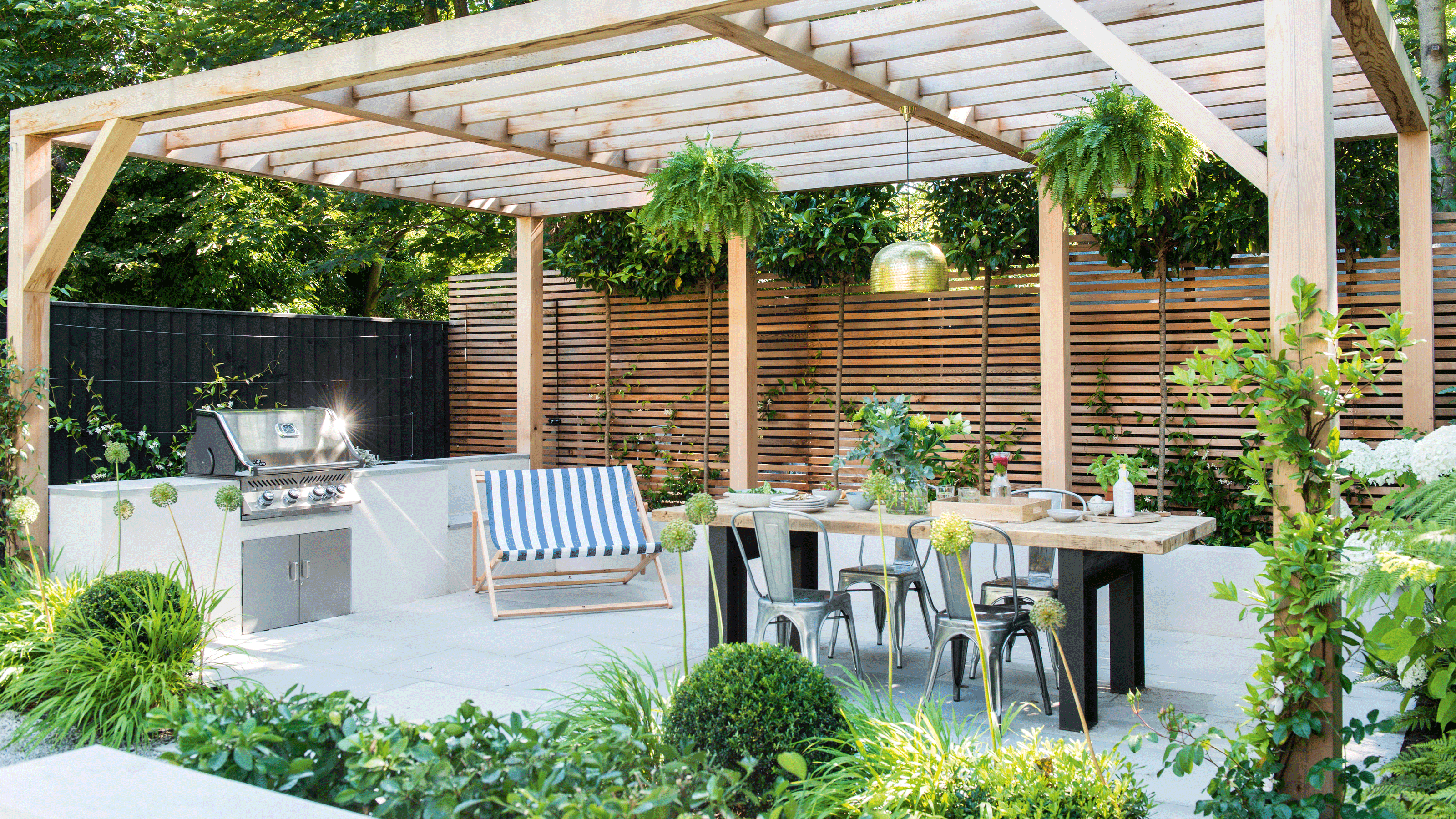
Pergola ideas - 14 gorgeous garden structures to add style and shade
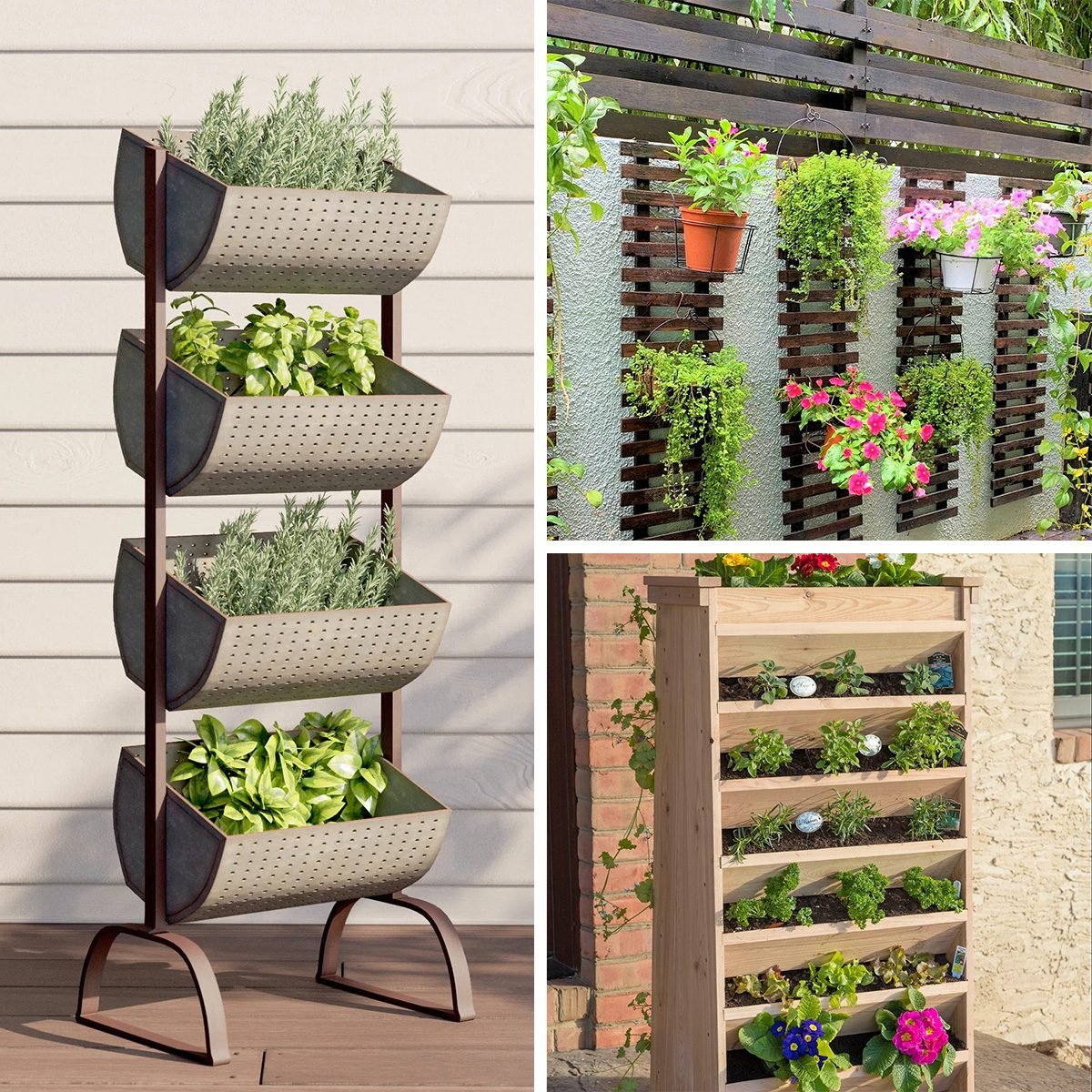
10 Best Vertical Garden Planters

15 Pergola Ideas That'll Turn Any Outdoor Space Into a Majestic Escape