1/4
Couple buy £12 plant from B&Q worth thousands - how to spot your own
Houseplants have experienced a significant surge in popularity, particularly during the pandemic, leading to a boom in sales from various retailers. However, many consumers might be unaware that some seemingly ordinary plant purchases could turn out to be incredibly valuable rare specimens. Certain plant varieties display color variations, known as variegation, which can sometimes be mistaken for signs of disease by retail staff. These unique markings, however, can make a plant extremely valuable, with some individual stems fetching hundreds of pounds.
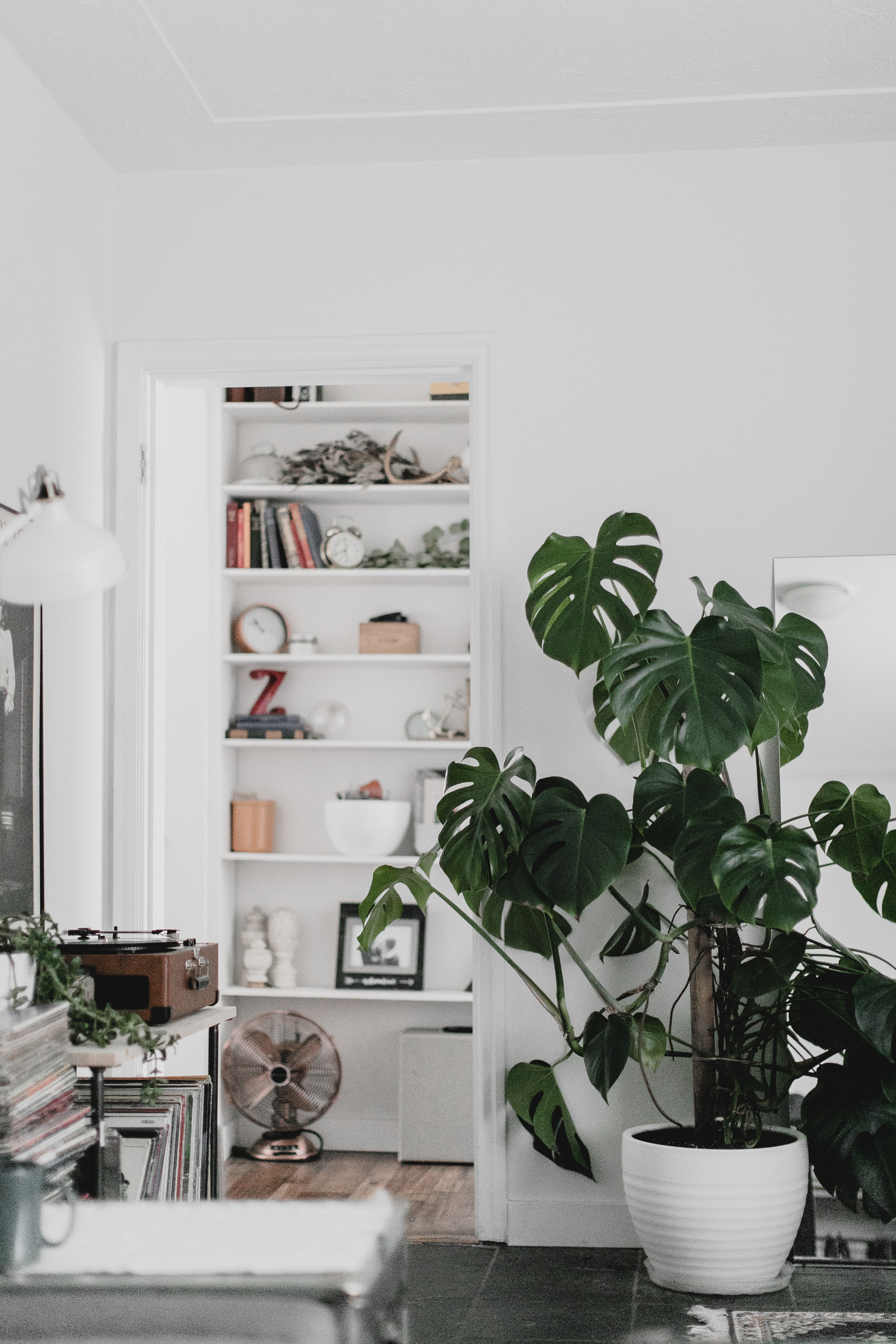
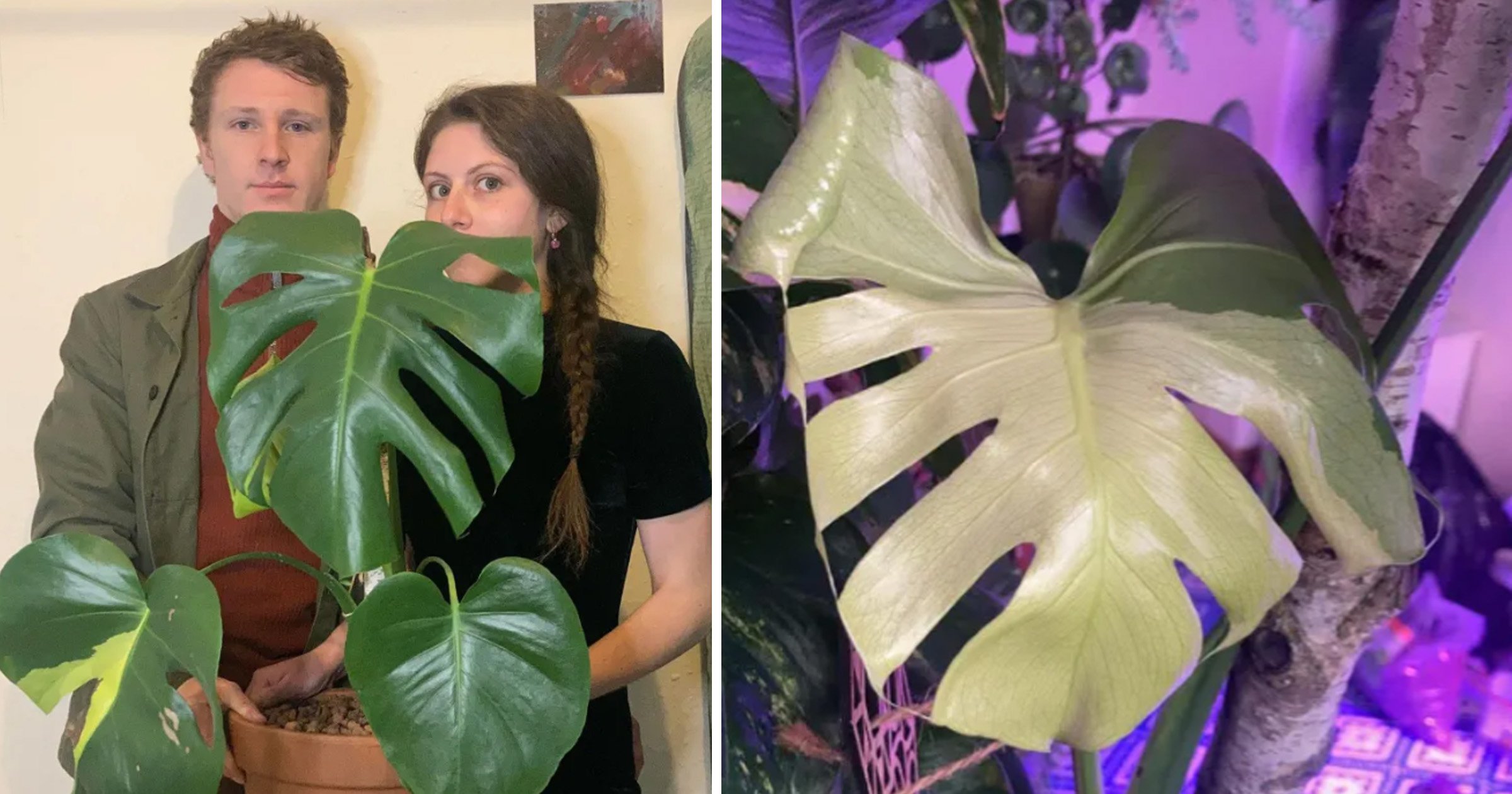
Harry Langstaff and Amy Biffa, who operate their own plant business, The Plant Couple, discovered such a valuable specimen at their local B&Q. They found a yellowing plant that had been reduced to £12 from £24, presumably because its yellowing leaves were perceived as a sign of illness. Upon closer inspection, they realized the yellowing was, in fact, a characteristic of a rare Monstera Aurea Marmorata, a variety of the common cheese plant. This particular monstera features distinct markings and a slower growth rate, which makes it challenging to mass-produce. More elaborate versions of this species can command prices up to £2,000 for a whole plant.
Langstaff described their discovery as akin to “winning the lottery” for houseplant collectors. He explained that they quickly checked the stem for variegation before purchasing the plant. Gardening expert Harry Bodell from PriceYourJob confirms the rarity and value of the Monstera Aurea Marmorata, noting that such plants are typically acquired from specialists rather than general garden centers. The yellow or lime-colored variegation on its leaves makes it particularly special and distinct from the more common white variegated varieties. Bodell cautions that while variegation is desirable, discolouration could also indicate poor plant health, advising buyers to examine the leaves carefully to distinguish between genuine variegation and disease. Variegation typically appears in distinct blocks on different leaves rather than a mottled effect.
Finding rare and expensive plants can be challenging, but they occasionally appear in unexpected places like supermarkets. Elin Harryson, an in-house plant expert at Planta, suggests that due to their ability to grow and reproduce, these plants may eventually surface in garden centers, online auctions, or Facebook groups. She recommends looking for unusually patterned or variegated plants, which have been popular for several years. Morris Hankinson, director of Hopes Grove Nurseries, advises keen plant enthusiasts to always look for the 'black sheep' in a batch—a plant that stands out as uniquely different.
Identifying a rare plant can be aided by technology; apps like Planta allow users to photograph a plant for instant identification, including its scientific name and care needs, which can then help determine its market value. When searching for rare plants, size is not necessarily an indicator of value; smaller plants can be nurtured to grow, potentially offering a better investment. For those uncertain about a plant's rarity, consulting experts like the Royal Horticultural Society (RHS) or attending flower shows where specialist growers are present can provide valuable insights. Besides Monstera varieties, the Philodendron 'White Princess,' with its large white patches on leaves, is another example of a rare and valuable houseplant, with some specimens selling for hundreds or even thousands of pounds online. Aspiring plant breeders can also attempt hybridizing plants, a process that can lead to new, protected varieties that generate royalties.
Caring for rare plants requires specific attention. It's essential to research the species, understand its light and water requirements, and establish a care routine. When bringing a new plant home, allow it to settle for a few weeks before attempting propagation or repotting. Propagation techniques vary by plant, and proper execution can help expand a rare collection while preserving the original specimen.
#Houseplants #RarePlants #MonsteraAureaMarmorata #PlantCare #VariegatedPlants #PlantCollecting #GardeningTips #HomeDecor #PlantIdentification #Houseplants #RarePlants #MonsteraAureaMarmorata #PlantCare #VariegatedPlants #PlantCollecting #GardeningTips #HomeDecor #PlantIdentification
0 comment in total
 No comments yet
You may also like
The Best Places to Buy Plants Online


6 Plants That Professional Stagers Say Will Actually Help You Sell Your Home

Botanicah is the largest indoor plant warehouse in Melbourne's south

Best places to buy plants for your home and garden in 2025

7 places to buy beautiful indoor plants in Vancouver
![The best indoor plant hire in Canberra [Updated for 2025]](https://gstatic.ideal.house/news/images/0536582eb57c4a1c960bb6b6c6c7e015.jpg)
The best indoor plant hire in Canberra [Updated for 2025]
Where to Buy the Healthiest Plants Online (Even if You're a Beginner)

Who’s Paying $5,000 for One Houseplant? More People Than You’d Think

The Best Indoor Plant Stores in Toronto by Neighbourhood

The 8 Best Places to Buy Indoor Plants in 2025
The Best Plant Subscription Boxes, Tested and Reviewed

Is your indoor plant hobby getting more expensive these days?, Lifestyle News
12 best house plant delivery services for the most gorgeous greenery
Inside Baton Rouge’s first succulent-focused boutique


These 10 Plants Might Be the Easiest Way to Boost Your Curb Appeal, According to Real Estate Pros